5 minute read
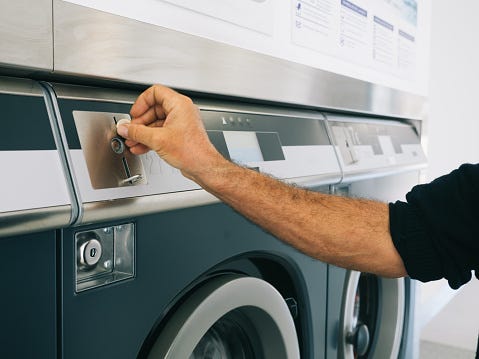
coin operated laundry equipment
Is Leasing Laundromat Equipment a Good Business Decision?
In many cases, yes — particularly if you’re trying to grow without draining your capital. Leasing spreads the cost over predictable monthly payments, which is a big relief when you’re juggling rent, utilities, and weekend rushes that don’t always go to plan.
Anyone who has run a laundromat for a few years knows the stress of a machine breaking down mid-cycle. A lease arrangement often shifts that burden onto the supplier, not you. That alone can steady the nerves.
From a behavioural standpoint, it taps into loss aversion: owners naturally want to avoid the financial sting of big repairs or outdated equipment. Leasing gives them a safety net.
What are the real advantages of leasing over buying?
Here are the reasons many operators lean toward leasing — even those who could technically afford to buy.
1. Lower upfront costs
Buying new commercial machines can easily push six figures. Leasing allows you to open or upgrade a store without the capital drag. That’s especially helpful for regional laundromats where margins bounce around with tourism seasons or local economic shifts.
2. Maintenance is usually covered
In most agreements, repairs and servicing sit with the provider. That means fewer unexpected bills — and fewer 6am calls from annoyed customers because machine #4 has eaten their $2 coin again.
3. Access to newer, more efficient machines
Energy-efficient commercial washers can reduce power and water costs dramatically. The Australian Energy Regulator publishes data showing how commercial businesses can cut ongoing energy spend by upgrading to efficient equipment — a reminder of how impactful modern machines can be (AER Energy Efficiency Programs).
When you lease, upgrades are far simpler than sinking more capital into new units every few years.
4. Better cash flow for growth
This is where Mark Ritson’s thinking rings true: your brand is only as strong as the resources you have to build it. Cash flow gives you options — to renovate, add vending, expand hours, or invest in better signage that actually draws foot traffic.
What are the downsides of leasing laundromat equipment?
It’s not all sunshine and soft-spun towels.
1. You may pay more over the long term
Just like leasing a car, convenience has a price. Monthly payments add up. If you plan to operate the same machines for 12–15 years, buying might work out cheaper overall.
2. Less flexibility in how you use or modify the equipment
Some owners love tinkering — swapping coin mechanisms, upgrading payment systems, adjusting settings. Lease agreements can restrict that.
3. Locked-in contracts
A multi-year lease can feel like a marriage you weren’t entirely ready for. If your location changes direction — say, a new competitor opens next door — your fixed payments don’t budge.
How do you decide if leasing is right for your laundromat?
After sitting with dozens of laundromat owners over the years, the best decisions usually come down to four questions:
1. What’s your cash flow tolerance?
If capital is tight or you’re expanding quickly, leasing removes the upfront pain.
2. How comfortable are you managing repairs yourself?
Some owners are handier than others. If you’re not the type to pull apart a front-loader and enjoy it, leasing’s maintenance support is a relief.
3. Do you expect to upgrade frequently?
High-traffic urban laundromats tend to wear through machines faster. Leasing lets you stay competitive with minimal downtime.
4. What stage is your business in?
New operators often lean on leasing to minimise risk. Established operators with steady profits might prefer ownership.
Does leasing affect the customer experience?
Absolutely. And this is where things get interesting.
Psychologically, customers trust businesses whose equipment looks new, clean, and tech-forward. Newer leased machines often have:
smoother cycles
quieter performance
lower vibration
tap-and-go payment systems
That creates an immediate perception of quality — the kind that leads to consistent repeat behaviour. As Cialdini would say, consistency drives loyalty.
And that loyalty is gold in a local laundromat where word of mouth is still king.
Are leased laundromat machines reliable enough for busy stores?
Most suppliers specialise in commercial-grade equipment built for punishing daily use. Anyone who’s worked through a Saturday wash-rush knows those 14 kg washers don’t get a moment’s rest.
Suppliers tend to favour brands with strong track records because breakdowns cost them money too. This is a form of aligned incentives, which is why many operators feel more at ease leasing: your success supports theirs.
FAQ
Is leasing better for a brand-new laundromat?
Often, yes. Leasing reduces upfront costs and removes the risk of buying the wrong equipment configuration in your early learning phase.
Can you combine leased and owned machines?
Plenty of operators do. Leasing the high-use washers while owning a few dryers can balance cost and flexibility.
Is leasing good for rural or regional laundromats?
It can be. Repair coverage is especially valuable when the nearest technician is two towns over.
Final thoughts
For many Australian laundromat owners, leasing equipment isn’t a shortcut — it’s a strategic choice that reduces risk and keeps the business nimble. Buying might still be the right call for operators who value ownership and long-term savings, but the predictability and support that come with a lease can feel like a welcome safety net, especially in those unpredictable early years.
And if you’re exploring options, you may find it helpful to look at how other operators navigate laundromat machines for lease through resources like this guide — it’s often the lived experiences that make the decision clearer.