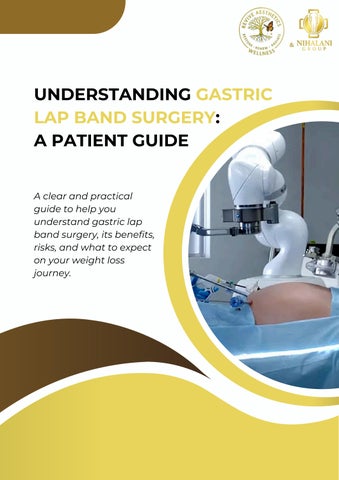

UNDERSTANDING GASTRIC LAP BAND SURGERY: A PATIENT GUIDE
A clear and practical guide to help you understand gastric lap band surgery, its benefits, risks, and what to expect on your weight loss journey.
Choosing a weight loss procedure is a major decision. If you have struggled with long-term weight gain and traditional methods have not worked, you may have heard about gastric lap band surgery as a possible solution. This guide is designed to help you understand how the procedure works, who it is for, and what you can realistically expect before and after treatment.
What Is Gastric Lap Band Surgery?
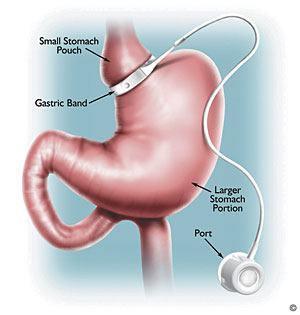
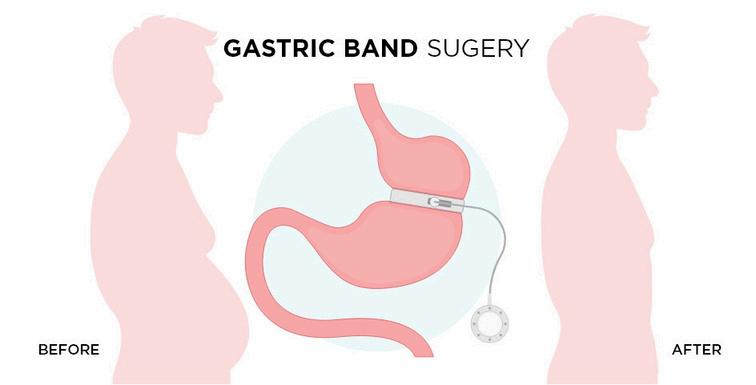
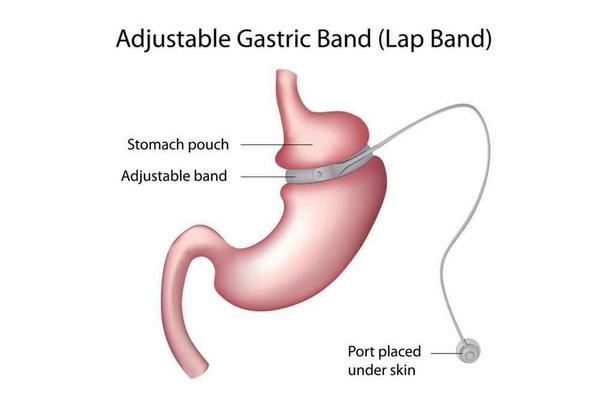
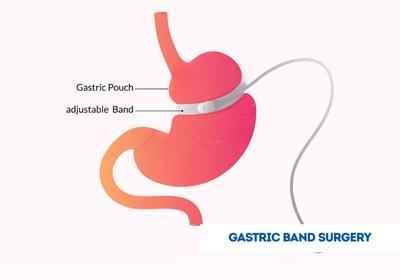
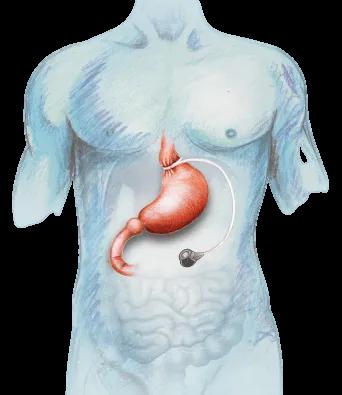
Gastric lap band surgery, also known as adjustable gastric banding, is a minimally invasive bariatric procedure designed to help with portion control. During the procedure, a soft silicone band is placed around the upper part of the stomach. This creates a small pouch at the top of the stomach, which fills quickly when you eat. As a result, you feel full sooner and consume less food.
One important feature of gastric lap band surgery is that the band is adjustable. After surgery, your surgeon can tighten or loosen the band by adding or removing saline through a small port placed under the skin. This allows the procedure to be customized to your weight loss progress and comfort level.
How the Procedure Is Performed
Gastric lap band surgery is typically performed laparoscopically. This means the surgeon makes small incisions and uses a tiny camera along with specialized instruments to place the band. Because it is minimally invasive, patients often experience less pain and a shorter recovery time compared to more complex bariatric surgeries. The procedure usually takes about one hour. Most patients go home the same day or after a short hospital stay, depending on their overall health.
Who Is a Candidate?
This procedure may be recommended for individuals who:
Have a body mass index (BMI) of 30 or higher Have obesity-related conditions such as diabetes or high blood pressure
Have not achieved lasting weight loss through diet and exercise Are committed to long-term lifestyle changes
Gastric lap band surgery is not a quick fix. It works best for people who are willing to adjust their eating habits, attend follow-up appointments, and maintain regular physical activity.
Benefits of Gastric Lap Band Surgery
Many patients choose gastric lap band surgery because it offers several advantages:
It is adjustable and reversible
No portion of the stomach is permanently removed
Shorter recovery time compared to other bariatric procedures
Lower risk of certain complications
Gradual and steady weight loss
The adjustability is one of its biggest strengths. If weight loss is too slow or side effects occur, the band can be modified to improve comfort and results.
What to Expect After Surgery
Recovery from gastric lap band surgery is usually quicker than more invasive procedures. Most patients return to normal daily activities within one to two weeks.
Your diet will progress in stages. Initially, you will consume liquids, followed by soft foods, and eventually regular textured foods in smaller portions. Eating slowly and chewing thoroughly become essential habits. Overeating can cause discomfort, nausea, or vomiting.
Follow-up visits are important. These appointments allow your surgeon to adjust the band and monitor your progress. Weight loss typically occurs gradually over several months to a few years.
Possible Risks and Considerations
As with any medical procedure, gastric lap band surgery carries potential risks. These may include band slippage, irritation, infection, or difficulty swallowing if the band is too tight. Regular monitoring helps reduce these risks.
Long-term success depends heavily on lifestyle changes. The band limits portion size, but healthy food choices and physical activity remain key to achieving and maintaining results.
Long-Term Outlook
Many patients experience meaningful weight loss and improvement in obesity-related health conditions. Because the band is adjustable, it offers flexibility as your body changes over time. Some individuals keep the band long term, while others may eventually transition to another treatment if needed.
The most important factor is ongoing support. A skilled surgical team, nutritional guidance, and consistent follow-up care all contribute to better outcomes.
If you are considering gastric lap band surgery, it is essential to consult with an experienced provider who can evaluate your medical history and recommend the most suitable treatment plan. At Nihalani Group LLC, patients receive personalized guidance, detailed evaluations, and comprehensive bariatric care focused on safety and long-term success. Making an informed decision today can be the first step toward a healthier and more confident future.