Workbook Introduction
Welcome to your Weight-Inclusive Practice Workbook. This workbook is designed to guide you through the ideas, tools, and reflections introduced in this training. It brings together key concepts—such as stigma, bias, and discrimination—and connects them with practical actions you can use in everyday work.
Weight discrimination is common across healthcare. Many patients arrive in consultation rooms carrying past experiences of stigma, feeling anxious about being judged, or worried their concerns will be dismissed. These experiences affect health, trust, and engagement. They also shape the way patients move through the healthcare system—from attending appointments to seeking help early.
This workbook will help you understand these issues and respond in ways that build safety and dignity for all patients, including people in higher-weight bodies. This workbook is designed to accompany Eqweighty e-learning to help you translate its content in your own time and into your own practice. You will find:
Clear definitions of weight stigma, weight bias, weight discrimination, and their consequences.
Practical checklists to support weight-inclusive practice.
Examples from real clinical settings to help you apply what you learn.
Space for notes and planning, so you can map out changes in your own practice or team.
As you move through the pages, we invite you to stay curious, open, and compassionate— with yourself as much as with your patients. This is not about blame. It is about understanding how weight-based assumptions operate across society and healthcare, and how small, intentional changes can improve patient experience and outcomes.
The workbook will provide a personal reflective space for you to think through your current practice and move towards more weight-inclusive care.
Let’s go!
Module 1:
At the end of this course, you will be able to:
• Define weight discrimination and identify its impacts.
• Define weight inclusivity and be aware of the evidence supporting it.
• Use evidence to reflect on your own practice.
• Use these reflections to identify practical steps to embed weight inclusive principles in your work.
Here’s the learning journey you’ll go on
A learner journey with videos, lived experineces, and fact sheets with opportunities to self-reflect
Start
Get familiar with key terminology Introduction to training
What is weight discrimination
Towards inclusive healthcare Your actions for weight inclusive care
Why it matters? Patient and practitioner experiences
How weight discrimination impacts health
Hear about weight discrimination and its effects
What can we do about it?
Practices that can reduce weight discrimination
Continue your learning journey into the future
Throughout these modules, you will hear real patient and practitioner stories voiced by actors. Please be aware that some of these stories may be upsetting.
Through the training you’ll be given multiple opportunities to pause and reflect on your own practice.
You’re not just taking our training, we’re taking you through the training with pauses for reflection and knowledge tests throughout. We won't just tell you what you should do to be more weight inclusive. This e-learning aims to support you to start reflecting on your own practice and thinking about what changes you could make to become more weight-inclusive.
To help you with this reflection, you should use this workbook to guide you through each module and each reflective task.
Look for the sand-timer icon throughout your training. Each time you see it, it signals a moment to slow down and reflect.

Please keep this workbook somewhere safe where you can easily find it again.
Module 2:
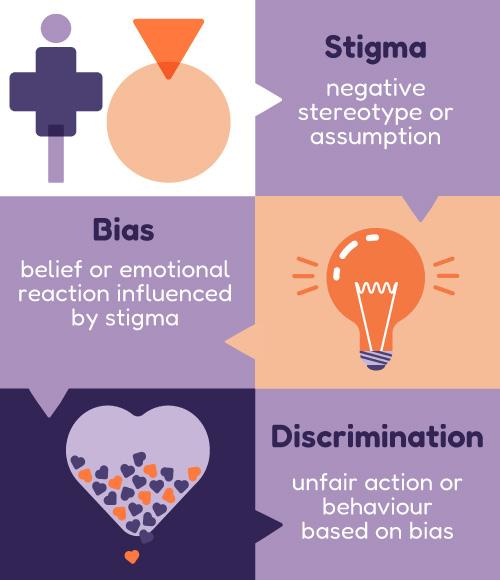
In this module, you explored the key definitions around weight discrimination and weight stigma.
Before moving into the next module—where we explore why weight discrimination and weight inclusivity matter—take a few minutes to pause and reflect.
1. Open your workbook to the Reflection page for this module.
2. Think about the concepts you’ve just learned: weight stigma, bias, and discrimination.
3. Identify examples from everyday life, these could come from:
• Media or social media
• Public spaces or transport
• Workplaces, schools or healthcare
• Your own experience or things you’ve witnessed
For each example reflect on:
• What happened?
• How did it make you or others feel?
• What messages or assumptions were being communicated?
• How might this connect to a weight-centric culture?
Write your thoughts in the workbook— there are no right or wrong answers. This exercise is about noticing patterns, surfacing assumptions, and building awareness.
Take your time. These reflections will support your learning throughout the rest of the training.
Pause for Reflection Task
Space for Reflection:
Identify examples of wieght stigma, weight bias, and weight discrimination from everyday life. For each example reflect on: what happened?
How did it make you or others feel?
What messages or assumptions were being communicated?
How might this connect to a weight-centric culture?
Module 3:
This module has given you a lot of facts and figures about what weight discrimination looks like in healthcare, and why its important to recognise and address it. While we’ve mostly talked about weight discrimination experienced by patients, we also know that you may have experienced weight discrimination too - from patients, colleagues or friends and family.
1. Start Here: Why it matters
1. Start Here: Why it Matters
1. Start Here: Why it matters:
• Weight discrimination affects patients, healthcare teams, and the NHS. Its impacts are physical, emotional,and financial.
• Reducing weight discrimination is vital.
• Weight-inclusive care improves patient wellbeing, strengthens trust, and reduces costs.
3.
Impacts on Clinical Encounters
Interactional disconnect:
• When weight dominates the conversation, patients can feel unheard.
• Key health concerns may be overlooked.
• Patients may not feel safe discussing their goals or priorities. Loss of Agency:
• Patients feel less control over their health decisions.
• This can lead to delaying care and missing appointments.

• Patients may seek unreliable online advice and become nonadherent to medicines.
Consequences:
• Health conditions worsen.
• Long-term health outcomes decline.
Reducing weight discrimination is vital. More weight inclusive care improves patient wellbeing, strengthens trust, and reduces costs. Weight-inclusive care benefits everyone.
2. Impacts on Patients’ Health
Stress Response:
Experiencing or anticipating discrimination is a chronic stressor. It raises cortisol levels, and activates stress pathways linked with changes in glycated haemoglobin, oxidative stress, and C-reactive protein. These changes disrupt glucose and lipid metabolism and increase inflammation.
Impacts on Patient Health :
• Weight discrimination contributes to future weight gain and 'obesity'.
• It can lead to weight cycling and disordered eating.
• Increased likelihood of depression and body image concerns and disordered eating.
• Nonadherent use of medicines to avoid weight gain.
• Increased mortality and morbidity.
4. Impacts on the NHS
4. Impacts on the NHS
Weight discrimination doesn’t just affect individuals—it manifests throughout the healthcare system.
• Healthcare avoidance increases long-term costs. Missed appointments and delayed treatments strain already stretched services.
• Patients who experience stigma in healthcare have higher annual costs of around £500.
• Inadequate equipment for higherweight patients can lead to safety risks.
• More equitable and inclusive care could vastly reduce health inequalities and cut avoidable costs.
Pause for Reflection Task
Before we move on to hear patient and practitioner experiences, take a few minutes to pause and reflect. Think about times you have experienced, witnessed or may have even perpetuated weight discrimination. As just some examples, think about:
Have you had difficulties in finding appropriately sized equipment? How did you handle this? How did you communicate this to the patient?
Have you experienced weight discrimination? Where did this happen? What form did it take? How did you feel?
Have you witnessed any colleagues being discriminatory based on weight, consciously or unconsciously? How did this make you feel?

Think about times when you might have unconsciously made assumptions about a patient of higher weight. What assumptions did you make?
Module 4:
In this module you’ve heard lots of stories, experiences and consequences of weight discrimination. These are difficult stories to hear. If you need to, take a 10 minute break before the next reflection task.
Pause for Reflection Task:
Take some time to reflect on what you’ve heard so far and how it’s made you feel. Use the space on the next page to make some notes. Particularly, you might think about:
How are you feeling?
Have you felt empathy or compassion towards any of the patients and their stories? In what ways?
Have any of the stories you’ve heard - from patients or practitionersparticularly surprised you? Why?
How do you feel having heard the experiences of practitioners? Do you recognise any incidents from your own practice?
Space for Reflection:
How are you feeling?
Have any of the stories you’ve heard - from patients or practitionersparticularly surprised you? Why?
Have you felt empathy or compassion towards any of the patients and their stories? In what ways?
How do you feel having heard the experiences of practitioners? Do you recognise any incidents from your own practice?
Module 5:
This module gives you an opportunity to ask some reflective questions about your own practice. Ask yourself:
Is my practice equipped to welcome every body? If so, what are you doing well? If not, what could be better?
What images and language might my patients encounter in my practice or consultation room, and what might the effect be?
What past experiences might my patients bring into our consultation, and how can I avoid stirring up painful memories and situations?
In my actions, how can I avoid perpetuating negative assumptions about higherweight people?
How can I challenge my colleagues and draw attention to the evidence around weight inclusivity?
Weight-Inclusive Practice: A Quick Guide for Healthcare Professionals
Practical reminders for everyday, respectful, inclusive care
Infrastructure & Equipment
• Provide seating that fits all bodies.
• Stock equipment in a range of sizes (BP cuffs, gowns, scales, examination couches).
• Plan ahead: locate or set up equipment before the consultation when possible.
• If weighing a patient is needed, ensure this can take place in a private space.
Ask yourself: Is my practice equipped to welcome every body?
Past Experiences of Weight Discrimination
• Remember that many patients have faced stigma, dismissal, or trauma in previous healthcare encounters and in the wider context of their lives.
• They may enter the consultation anxious, hyperaware, or expecting judgement.
• Consider whether weighing is absolutely necessary and why. If it is, plan when and how to do it, and ask patients whether they prefer not to see the number.
Ask yourself: What past experiences might my patients bring into our consultation, and how can I avoid stirring up painful memories and situations?
Working With Colleagues
• Challenge stigmatising comments and assumptions respectfully but firmly.
Support long-term culture change by sharing evidence and resources about weight-inclusivity.
• You might, for example say something like:
“That language can come across as weightshaming which we should avoid."
"Weight alone isn’t always a reliable indicator of health, we should think about other measures too."
"I feel uncomfortable with that wording. Can we try and use more neutral phrasing."
“Imagine how a patient might feel hearing that, we want to make sure our language is supportive and respectful.”
Ask yourself: How can I help create a more weight-inclusive team environment?

Language & Representation
• Always use the patients’ preferred term to describe their body. Some individuals like a simple descriptor, some prefer terms like larger bodied. If in doubt model their language.
• Avoid medicalised labels such as 'person with obesity,' which many patients dislike.
• If weighing a patient is needed, ask the patient if they would prefer not to know their weight.
• Review posters, leaflets, and visuals for stigmatising images or messages, and sourse sizeinclusive alternatives.

Ask yourself: What images and language will my patients encounter here, and how might it make them feel?
Values & Judgements
• Reflect on your own assumptions about weight and health, even the subtle ones shaped by societal and clinical culture.
• Recognise that policies and protocols may also reflect weight-centric assumptions about higherweight people.
Ask yourself: In my words and actions, how can I avoid reinforcing negative beliefs about higherweight people?
Longer-Term Approaches
• Explore weight-neutral approaches such as Health at Every Size (HAES) and Intuitive Eating.
• These focus on wellbeing, nourishment, and movement, not weight loss as a primary goal.
• Think about what a weight-inclusive care approach might look like in your own organisation, and what steps you could take to make it happen.
Inclusive care starts with everyday choices. Small shifts build safer, more respectful healthcare for everyone.
Inclusive care starts with everyday choices. Small shifts build safer, more respectful healthcare for everyone.
Becoming more weight-inclusive can feel like a daunting task. To break this down, we suggest you pause to make a plan about feasible strategies you could use to start building weight inclusivity into your work.
What three actions could you take in the next two weeks to make your practice more weight inclusive?
What two slightly larger actions could you take in the next month?
What about one significant action in the next three months?
Write these actions on your e-postcard, download it, save it, print it and tick off these actions when you’ve achieved them!
Module 6:
This e-learning course has introduced you to the concept of ‘weight discrimination’. We have looked at the ways it manifests in healthcare, and its impact on patients and the healthcare service as a whole. We have looked at the ways weight discrimination can impact staff too including stigmatising comments from patients and colleagues, and the emotional impacts of witnessing exclusionary practices.
We have also looked at the ways healthcare practice could be made more inclusive by committing to short, medium and longer-term changes.
Pause for Reflection Task
As we come towards the end of this course, take a moment to reflect on your experience.
How has your attitude changed?
What have you learned?
What will you do differently?
Please share these reflections with us - we’d love to hear what you’ve got from the course and your plans moving forward!
Space for Reflection:
We hope that you’ve enjoyed and benefited from taking this e-learning course.
We hope that the resources, evidence and examples of best practice we have provided will be useful for you thinking about your own practice.
We encourage you to return regularly to this workbook, the infographic resources and the research to use in your own work.
We encourage you to share what you have learnt with colleagues. Please encourage them to take this training themselves.
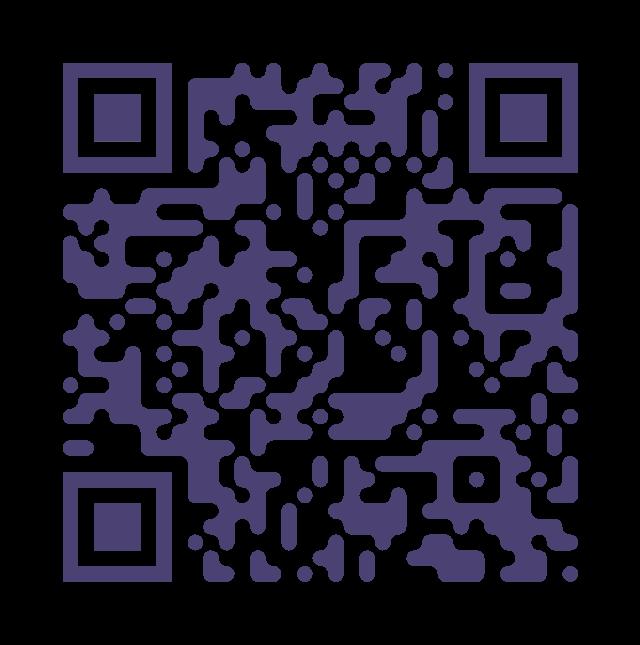
https://www.eqweighty-training.com/

This course is just the beginning of the weight discrimination and inclusivity training we offer at Eqweighty.
We also offer 2-hour workshops—either in-person or online—that create space for you and your colleagues to discuss weight-inclusive approaches and dive deep into the supporting evidence. These workshops can be customised to address the specific needs of your sector or area of practice.
If a 2-hour workshop doesn't work for you, please get in touch with us to discuss what you need and what we can do for you.
Thanks for choosing Eqweighty Training
Here are some testimonials from our specialist workshop participants:
From local authority public health practitioners:
“Thank you again for having me on Monday – it was such an insightful session! My brain has been working at 100MPH since.”
From nurses and OTs:
From nurses and OTs:
“This session will help me adapt and improve practice.”
“This session will help me adapt and improve practice.”
“Really informative session.”
“Really informative session.”
“Opportunity to explore a new topic.”
“Opportunity to explore a new topic.”
“I have increased understanding.”
“I have increased understanding.”
“This session will improve care planning.”
“This session will improve care planning.”
From Public health researchers and registrars
“The presentation was really thought-provoking, it shifted my perspective."
"Thought provoking and challenging discussion, very interesting and important.”
Training materials are confidential and provided for use by the authorised participant only. They may not be copied, shared, distributed, reproduced, or used to create derivative works in any form without prior written permission. Uploading or sharing these materials with third parties, platforms, or AI systems is strictly prohibited. Unauthorised use may result in termination of access and legal action