The Magazine for Dietitians, Nutritionists and Healthcare Professionals
THE MCT KETOGENIC DIET
A therapy for epilepsy
17th to 23rd March 2025
Nutrition & hydration
CHOLESTEROL AND HEART
HEALTH
FUNCTIONAL FOODS
ELDERLY MALNUTRITION
INFANT FEEDING: THE IMPORTANCE OF EARLY NUTRITION
NEWBORN SCREENING
*6.9% rehydrated chicken meat, 2% rehydrated vegetables (peas 5.2%, green beans 0.75%), 1.8% orange juice from concentrate, 1.5% peach puree
† Sources include pea fibre, arabic gum, fructo-oligosaccharide, inulin. ‡ Except for Potassium and Chloride.
Compleat® 1.1
*Food-derived ingredients 16%
• 6.9% rehydrated chicken meat
• 2% rehydrated vegetables (peas 5.2%, green beans 0.75%)
• 1.8% orange juice from concentrate
• 1.5% peach puree
‡Nutritionally complete in 1500-2000ml
Compleat®
kcal / mı
Welcome back British Summer Time!
Hello and welcome to the March issue of NHD. Is anyone else really excited about the clocks changing at the end of this month? Personally, I can’t wait for the nights to draw out and more daylight at the end of the working day. British Summer Time (BST) or Daylight Savings Time (DST) has been part of our seasonal calendar since the early 20th century, when the Summer Time Act was passed in the UK on 17th May 1916. In addition to the UK, the USA, Canada, Australia, New Zealand and several European countries (such as Ireland, France, Germany, Italy, Poland and Spain) follow the same time-altering pattern.
The benefits of this system include lighter evenings, which may mean the use of less energy and potentially reduced road traffic accidents, and people getting out and about more. However, there may be some drawbacks linking in with BST’s impact on our circadian rhythms.
Circadian rhythms are the mental, behavioural and physical changes we experience over a 24-hour period, which often align with the cycle of day and night. This relates to the regulation of our appetite and when we feel sleepy or alert. Moving the clocks forwards or backwards by one hour may disrupt these established cycles and research has shown that it may cause health problems. Of note, conditions linked with mood, for example, depression or seasonal affective disorder, may present or worsen at this time of year, potentially caused by lower serotonin levels, due to less light in the
mornings. Sleep disruption has also been identified as an issue, where temporary insomnia and fatigue have been linked with the annual switch to BST.
Disrupted circadian rhythms have also been linked with an increased risk of CVD, but the exact mechanism of this interaction is unknown. Current evidence suggests that there is a ‘modestly but significantly’ increased risk of heart attacks after the switch to BST in the spring, but this doesn’t appear to be the case following the winter clock change. A potential explanation for this draws on the relationship between an abrupt alteration to the ‘sleep-wake cycle’ and imbalances and inflammation within the nervous system.
Our bodies and minds are delicate ecosystems and the things we expose them to can bring about significant benefits and desirable, or not so desirable, consequences. This month’s Cover Story focuses on ketogenic diet therapy, a dietary management approach which requires precision and can be hugely beneficial for those who engage with it, for example, for children with drug-resistant epilepsy and certain metabolic conditions, such as glucose transporter type 1 deficiency syndrome (GLUT-1) or pyruvate dehydrogenase deficiency (PDHD). This month, Hanna Laming, RD, discusses the ‘flexible’ modified ketogenic diet (MCT KDT) approach and its application in practice.
Thanks for joining us again and enjoy the read! Emma
Emma Coates RD Editor
Emma has been a Registered Dietitian for 18 years, with experience of adult and paediatric dietetics.
coatesyRD
3 Here at It’s Made For You Softer Foods, we believe that everyone should look forward to tasty, safe, and nutritious texture modified meals.
3 A range of over 50 dishes in IDDSI Level 4, 5 and 6 designed for the IDDSI required texture.
3 Choose from mains, minis and desserts.
3 Helping you to support and keep your patients safe at mealtimes.
3 No contracts, order as much or as little as you like.
New research & reviews
Priya Tew RD
Priya is a freelance dietitian and author. She runs Dietitian UK offering private clinics and consultancy, specialising in a variety of disciplines. Priya also works with the media and in TV.
PLANT-BASED DIETS AND UPFS: WHAT’S THE PROBLEM?
A recent study published in Nature examines the health implications of plant-based diets that include a high intake of ultra-processed foods (UPFs).1 With so many people pushing the environmental and health benefits of plant-based diets, this study looked at how UPFs can affect this. The trend towards higher UPF consumption can occur in a plant-based diet due to the use of plant-based alternative foods. A plant-based diet is a common choice among university students and young professionals who have a higher level of education and environmental consciousness. However, this cohort is also likely to rely on quick UPF alternatives.
The study recorded the dietary habits and body composition of around 150 students, and their bloods were taken. UPFs contributed to 49% of energy intakes across the board. Looking at nutrients in UPFs compared with processed foods, differences were seen with UPFs providing less protein, fibre, B2, B12, folate, zinc and calcium. Students on a plantbased diet had lower protein, higher fibre and a trend towards a lower energy intake compared with omnivores. There wasn’t a higher UPF intake in plant-based diets.
However, a higher UPF content diet was associated with lower micronutrient intake (B2, B12, calcium and zinc) except iron.
For nutrition professionals, this underscores the importance of not only promoting plant-based eating patterns but also emphasising the quality of foods consumed. Encouraging clients to focus on whole, minimally processed plant foods rather than relying on ultra-processed alternatives is crucial for optimising health benefits.
1 Fedde S, Wießner M, Hägele FA et al. Ultra-processed foods and plant-based alternatives impair nutritional quality of omnivorous and plantforward dietary patterns in college students. Sci Rep 15, 4233 (2025). https://doi.org/10.1038/s41598-025-88578-0
HOW JUICING CAN IMPACT THE GUT AND ORAL MICROBIOME
Juicing has been a common trend in the wellness industry and is contentious in the nutrition world. On the one hand, it can be a good way to increase the intake of fruit and vegetables. On the other, we know juices can be lower in fibre and higher in free sugars compared with whole food. So, this study on how juicing impacts the gut and oral microbiome was interesting.1
The study was very small (14 people) but interesting for future research. Three diets were used for three days at a time: juice only, juice plus food or plant-based food, with microbiome tests taken at baseline, after diet and 14 days later. Findings were that the juice diets did not impact gut bacteria but did affect the saliva microbiome, with an increase in proteobacteria and a reduction in Firmicutes. This was thought to be due to the higher simple sugars present. There were changes in the saliva and cheek microbiota, with more pro-inflammatory bacteria present, as well as more bacteria associated with gut permeability and cognitive decline.
This study showed that diets containing a high amount of juice or being juice only can negatively alter the microbiota.
1 Sardaro MLS, Grote V, Baik J, Atallah M, Amato KR, Ring M. Effects of vegetable and fruit juicing on gut and oral microbiome composition. Nutrients 2025, 17, 458. https://doi.org/10.3390/nu17030458
Hitting the headlines
APPG REPORT: PEOPLE WITH EATING DISORDERS ARE BEING FAILED
A recent report from the All-Party Parliamentary Group (APPG) on Eating Disorders highlights major shortcomings in the treatment and support available for individuals with eating disorders in the UK.1 The findings reveal that many people face prolonged waiting times and struggle to access specialised care, leading to a deterioration in their conditions.
One of the key concerns raised in the report is the lack of adequate training among healthcare professionals. Many providers do not receive sufficient education on how to identify and treat eating disorders effectively, leading to misdiagnoses and delayed interventions. This knowledge gap can have serious consequences, as early intervention is crucial in improving outcomes for those affected. It can also lead to people feeling they have to get worse to get help.
There is a postcode lottery with inconsistency in the availability and quality of eating disorder services across different regions, resulting in unequal care. Many end up in out-of-area beds, hours away from family. According to the report, patients are being discharged at BMIs of less than 15 and even at BMIs of 11, which is frankly worrying. A key concern highlighted was the belief in some services that there is little hope of recovery in those who have had a severe eating disorder for a long time. However, recovery really can happen at any stage and we need to have hope for those who suffer.
To address these challenges, the report calls for the development of a national strategy to ensure that all individuals with eating disorders can access timely evidence-based treatment. It also emphasises the urgent need for enhanced training programmes for all healthcare professionals, so they are better equipped to support patients. Additionally, increased funding is recommended to expand specialised services and reduce regional disparities in care.
For nutrition professionals, this report reinforces the importance of early intervention and the role of a multidisciplinary approach in treating eating disorders. Working closely with other healthcare providers and advocating for better resources and training can make a significant difference in ensuring individuals receive the care they need.
1 APPG Report. The Right To Health. People with eating disorders are being failed. www.yumpu.com/en/document/read/69681888/ appg-report-the-right-to-health-final-one-all-checked
HAVE WEIGHT LOSS DRUGS UNDONE BODY POSITIVITY?
We appear sadly to have gone full circle with the body positivity movement. Plus-size models were being fully embraced in the 2010s, but according to recent media reports, this has now gone the other way with only 0.8% of models in 2024 being plus-sized. The reason why seems to be attributed to weight loss drugs. Now models are competing to be the skinniest and this is not a trend that we should be welcoming.
Recent catwalks in Paris showed skinny white models with modelling agencies saying diversity and inclusion have taken a back seat - a massive problem in an era where diets and eating disorders are spiralling out of control. It feels like we are going back in time to the waif-like heroin chic era of bodies on social media too. Working in the nutrition world, we need to be aware and call out when we can.
Madi Myers ANutr
Madi is a freelance nutritionist working with individuals, hosting workshops for groups and writing. She works across the food industry and the private sector, promoting the non-diet approach to nutrition.
Madi Myers explores some of the claims, myths and current evidence around fads and fashionable crazes.
CONTINUOUS GLUCOSE MONITORING: THE FUTURE OR MARKETING FLUFF?
A continuous glucose monitor (CGM) consists of a sensor, which is a small device attached to the arm or tummy that senses glucose levels in interstitial fluid and a reader, which displays the results, often on a smartphone. These devices are available on the NHS for type 1 diabetes sufferers and for some of those with type 2 diabetes. CGMs allow the wearer to continuously monitor their blood glucose levels and see their current glucose level at any time. They allow for the realisation of patterns in levels and for the user to check if blood glucose is too high or low. They are invaluable for diabetes sufferers, more easily allowing them to control blood glucose levels. However, in recent years there has been a huge surge in companies marketing CGMs for use by non-diabetics to improve health. Estimates are that this market will have sales of $20 billion globally up to 2028. Companies making these devices available to the general population in the UK include Lingo, Vively and ZOE, who all offer glucose monitoring as part of their personalised nutrition packages. This article will take a closer look at whether the many marketing claims made for these packages stand up to the current evidence for them.
WHAT IS IT?
Companies who offer glucose monitoring as part of their personalised nutrition packages imply a range of benefits, including building consistent healthy habits, maintaining a healthy weight, ‘feeling healthier’, making smarter food choices to avoid afternoon slumps, improved sleep, better mood and more.
The theory of using these monitors in the absence of disease rests on the assumption that following a diet that avoids regular large spikes in blood glucose means that the body is less likely to store the excess glucose as fat. In addition, monitoring food intake and the effects on blood glucose are hoped to make individuals more likely to stick to a healthier diet. They typically come with a ‘biosensor’, which is a monitor often worn on the back of the arm, and access to an app to analyse the data and provide ‘tailored personalised’ feedback.
Case Study – ZOE (www.zoe.com)
Cost: A four-month plan on ZOE costs £299 plus £24.99 per month for membership, totalling £398.96. What’s included: Gut health test, CGM and blood fat testing plus access to their app. ZOE uses glucose monitoring as part of its precision nutrition programme and requires wearers to wear sensors for a week along with other tests like analysing a stool sample. Based on results, it then provides a measure of how well your body metabolises sugar and fats and provides ‘individualised’ scores out of 100 for a range of foods via its app.
Research: The ZOE app uses data from an algorithm created using data from the PREDICT studies performed on almost 2000 individuals.1 Although these studies are large-scale with generally good methodology, common criticisms are that they are not conducted in a representative population. Those included are highly motivated to track food intake during the study period, commercial interests may skew how the data is represented, and the results are not generalisable to real-world settings and individual lives.
In terms of the algorithm used to provide personalised information to consumers, its predictive ability is somewhat limited. Based on its own reported data, the ZOE model only accounts for around 56% of the variance in blood glucose levels, so almost half of the individual changes in blood glucose are not captured by its model.1 In addition, other similar studies looking at individual responses in blood glucose have found contradictory results to the PREDICT studies.2 Looking at the ‘individual’ scores given by the ZOE app for different foods, in general, it tends to give plant-based foods the highest ratings and meat, simple carbohydrates and convenience foods the lowest. This aligns with current nutrition advice for the general population.
The first peer-reviewed study into the efficacy of the ZOE programme, although finding a significant decrease in average body weight of 2.46kg over four months, failed to find improvements in important risk factors including insulin, glucose and blood pressure.3
THE FACTS
Glucose monitoring and the data fed back to consumers assume that spikes in glucose are inherently bad. However, foods that are widely accepted as healthy, such as fruit, will lead to spikes in blood glucose in most people. There is currently no convincing evidence that a short spike in blood glucose negatively harms otherwise healthy individuals. Avoiding all foods that cause blood glucose spikes can lead to the avoidance of nutrient-dense foods that are beneficial to long-term health and provide key nutrients like vitamins, minerals, fibre and phytonutrients.
Bodies are not straightforward or static; the metabolism of glucose is impacted by so many different factors, including sleep, hormone fluctuations, exercise, life stage, medication, infection, dehydration, stress and more. This means that even the same individual’s response to the same meal will be different each and every time it’s eaten and will certainly change across the life course. Below is a summary of the limitations of the use of glucose monitoring in non-diabetics:
• It tends to be very expensive.
• Research showing glucose monitoring can improve health is limited.
• It rests on the assumption that spikes in blood glucose are inherently bad and should be avoided, which many experts disagree with.
• Unique responses to the same meals and foods are not reproducible.
• Bodies are ever-changing.
• Apps often provide overwhelming amounts of data which can be difficult to interpret.
• It can promote fear around foods and the body and potentially increase levels of disordered eating by giving rigid, inflexible, external parameters around food.
“…[Zoe] prompts unhealthy scrutiny of consumption and has led to some friends of mine relapsing into eating disorders” – Review of ZOE on Trustpilot (for balance, 71% of its Trustpilot reviews are five stars).
CONCLUSION
There is little research on how CGMs improve health outcomes for individuals without diabetes. However, there are many well-established concerns. These limitations are rarely discussed, least alone by the companies charging huge sums for their use. In our search for health (and weight loss), we are overcomplicating things and relying on companies to provide information which could lead to the avoidance of otherwise nutrient-dense foods and yet, worse, a more negative relationship with food and an erosion of trust in the body. As Oxford Researcher and Dietitian, Dr Nicola Guess, puts it when talking about CGMs for the general population, “I just feel like in some ways people have forgotten the point of living.”
backed by more than 35 scientific studies in over1,400 patients worldwide
THE MCT KETOGENIC DIET
AS A THERAPY FOR EPILEPSY: A FLEXIBLE APPROACH
Ketogenic diet therapy (KDT) is recommended for children with drugresistant epilepsy. There are several different types of the ketogenic diet used in the UK, each suited to different styles of eating. This article focuses on a ‘flexible’ modified ketogenic diet (MCT KDT) approach.
KDT is a medically managed therapy recommended by NICE for use in children with drug-resistant epilepsy and certain metabolic conditions, such as glucose transporter type 1 deficiency syndrome (GLUT-1) or pyruvate dehydrogenase deficiency (PDHD).1
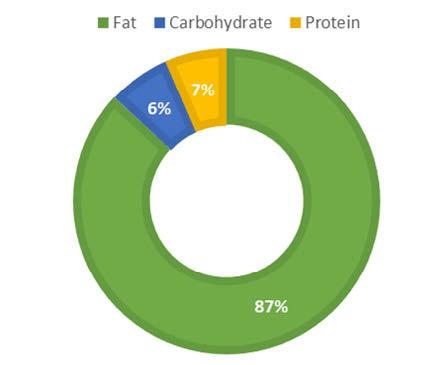
Broadly speaking, ketogenic diets are high in fat, adequate in protein for growth and very low in carbohydrates. The diets mimic the body’s biological response to starvation, using fat as the primary energy source and producing ketones as a by-product which are thought to have an anti-epileptic effect on the brain. 50% of children with drugresistant epilepsy who start the KDT will have at least a 50% reduction in seizures.2 Ketogenic diets include:
A ‘flexible’ MCT KDT is a modified version of the MCT KDT, which is routinely offered where I work in the Cambridge service, but is not widely used in the UK. The Cambridge service typically supports 65 to 75 children on the ketogenic diet at one time, of which 60% of children are on the classical KD, 25% on the flexible MCT KDT and 15% on the modified KDT.
THE CLASSICAL KDT
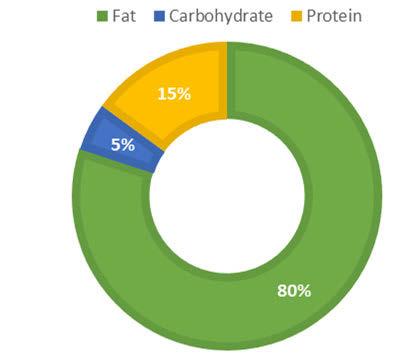
This diet is calculated using a ratio of fat to carbohydrate and protein. For
Hanna is a Paediatric Dietitian working at Addenbrooke’s Hospital, Cambridge, with an interest in ketogenic diet therapy.
Table 1: The flexible MCT (fMCT) used by the Cambridge KDT service
Carbohydrates
eg, bread, cow’s milk, rice and higher carbohydrate fruits and vegetables such as peas, pineapple and beans
MCT
LCT
eg, double cream, avocado and mayonnaise
Protein eg, fish, meat, eggs and cheese
Lower carbohydrate vegetables eg, cucumber, broccoli, cauliflower, mushrooms and tomatoes
Lower carbohydrate fruits eg, strawberries, blueberries, raspberries and melon
Table 2: Positives and negatives of the fMCT KD
Positives of fMCT
+ Meals look more ‘normal’, easier to join in with family meals
+ More fruit and vegetables allowed
+ Less weighing required
example, a 3:1 classical ketogenic ratio means that for every 3g of fat in the diet, there will be 1g of carbohydrate and protein, combined. This type of ketogenic diet is used for enterally-fed patients, weaning children, or those with small appetites.
THE MODIFIED KDT
This is a modified version of the Atkins diet. It is high in dietary fats, such as double cream, avocado and butter. Carbohydrate is very limited and must be weighed out. Protein is allowed freely. This diet is usually best suited to older children, those with good appetites, or those unable to tolerate the MCT.
THE MCT KD
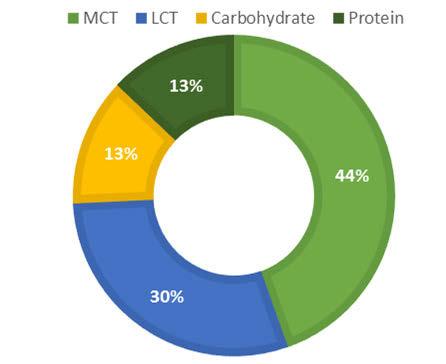
This diet involves regular supplements of medium-chain triglycerides (MCTs). Carbohydrate allowances are more generous on this diet compared with other KDTs. All foods must be measured and no foods are allowed ‘freely’.
Must be measured in 10g exchanges. Contributes to 10-15% of total energy intake.
A measured amount of MCT must be taken 4 times daily. Doses are set by the dietitian. Contributes to 45% of total energy intake.
Must be measured in 5g exchanges. Contributes to 30% of total energy intake.
Allowed in unmeasured amounts. A source of protein is encouraged with each meal. Estimated to contribute 10-15% of total energy intake.
Allowed in unmeasured amounts, in addition to carbohydrate allowance.
Allowed up to 1 handful per meal in addition to carbohydrate allowance.
Negatives of fMCT
Can produce negative gastrointestinal side effects MCT doses must be taken in full and consistently
HOW DOES MCT KD WORK?
Due to their shorter carbon chain length, MCTs are metabolised quickly via the beta-oxidation pathway and are rapidly converted to ketones. Long-chain triglycerides (LCTs), on the other hand, have a longer carbon chain and take longer to metabolise. This means that MCTs have a higher ketone yield per gram, allowing for more carbohydrate in the diet while maintaining good levels of ketosis. Some studies also suggest that certain types of MCT are better than others.
Caprylic acid (C8) and decanoic acid (C10) are two types of MCT which are thought to have an antiepileptic effect, independent of the KD.3
WHAT IS THE ‘FLEXIBLE’ MCT KD?
The MCT KD was first used in the 1970s as an alternative to the classical ketogenic diet to allow more carbohydrate intake.4 This helped to improve the palatability of the diet. The original MCT KD contained 60% of total energy as MCT and proved to be efficacious for seizure reduction. However,
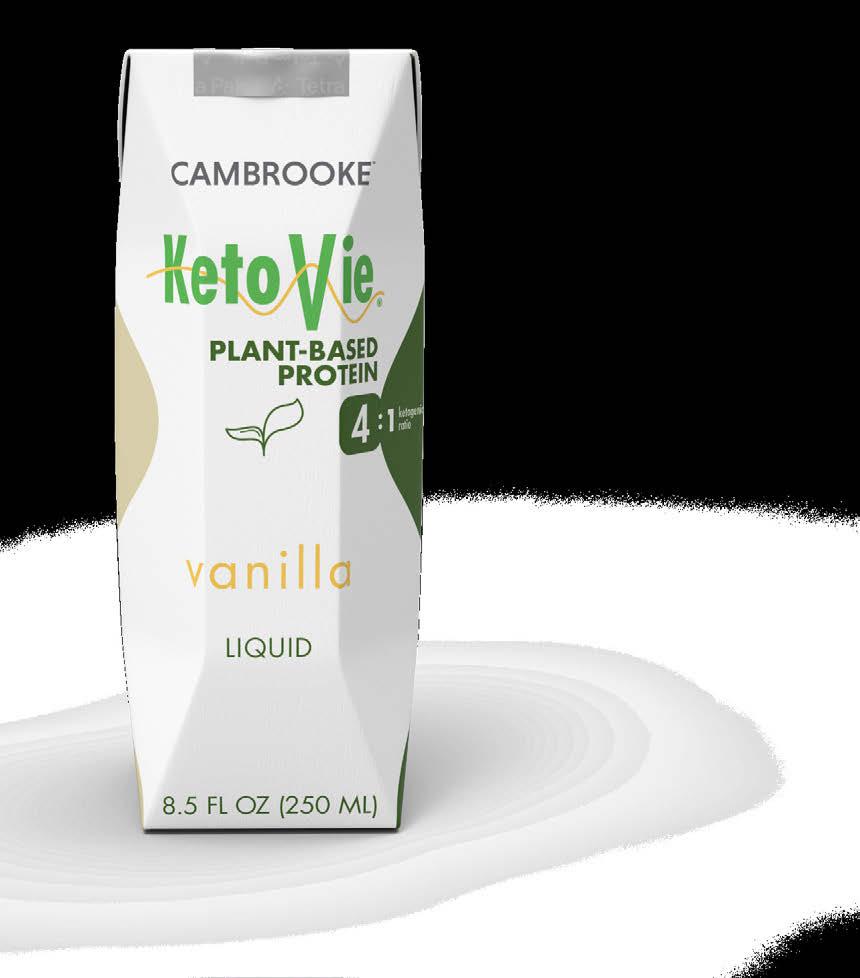
The first plant-based, nutritionally complete ketogenic formula with MCT
Suitable from 3+ years old
Delicious vanilla flavour
Plant-based protein source from pea and hydrolysed pea protein
Free from milk & soy ingredients
Stevia as the sole sweetener
Available Summer 2025
www.cambrooke.uk
ukinfo@cambrooke.com
The original MCT KD contained 60% of total energy as MCT and proved to be efficacious for seizure reduction.
However, it was frequently associated with negative gastrointestinal side effects, such as diarrhoea, vomiting, bloating and cramps.
it was frequently associated with negative gastrointestinal side effects, such as diarrhoea, vomiting, bloating and cramps. For this reason it was not frequently used.
In 2009, it was shown that a ketogenic diet containing 40-45% of total energy as MCT was as effective in seizure management as a classical KD and was just as well tolerated.5 This diet involves taking measured amounts of MCT, LCT, carbohydrate and protein and is similar to the MCT KDs commonly used today.
In 2016, the Cambridge KDT service started to offer the flexible MCT KDT (fMCT). The aim of this new, modified MCT diet was to relax some of the existing restrictions in order to improve compliance. We have had over 80 children prescribed this diet to date who are able to achieve good clinical ketosis.
The main differences between the ‘standard’ MCT KD and the fMCT are outlined in Table 1. The green boxes highlight where the fMCT KD is more ‘flexible’ compared with the standard MCT KD.
Sources of MCT are available on prescription. Suitable options include MCT oil, Liquigen (50% MCT emulsion) and K.Quik (20% MCT emulsion).
WHO SHOULD THE fMCT BE CONSIDERED FOR?
The fMCT KD should be considered for the following children with drug-resistant epilepsy:
• Ages 18 months to 10 years. As children get older and their energy requirements increase, the amount of MCT needed to meet 45% of total energy intake naturally also increases. The larger MCT doses often become prohibitive for ages >10 years old due to tolerance issues.
• Children who can follow a very lowcarbohydrate diet but struggle to reduce their carbohydrate intake as low as a CKD or MKD requires.
• Children who have been on a CKD as an infant/toddler but are now ready for a wider dietary variety.
• Children who are prone to constipation. Most ketogenic diets are known to increase the likelihood of constipation. However, MCT is known to cause loose stools in some people, which can be a welcome side effect.
EXAMPLE PATIENT
Samantha is a six-year-old girl with Dravet Syndrome. She has tried four antiepileptic drugs in the past but they have failed to control her seizures. She is referred for a ketogenic diet assessment and is started on the fMCT KD. These are her dietary allowances:
• Carbohydrates = 40g/day
• MCT = 60g/day (split into 4 x 15g doses)
• LCT = 30g/day
• Protein = Allowed freely
Table 3: A typical day’s intake for Samantha
MEAL
BREAKFAST
Pancakes and fruit – contains 10g carb, 5g LCT, 15g MCT
Handful of raspberries and string cheese (free foods)
• Prediction of responders to Ketogenic Dietary Therapies
• Ketogenic Diet and Neuroinflammation
• GLUT1DS & PDHD Ketogenic Diet Practicalities
• Biochemical Mechanisms of the Ketogenic Diet
• Dietetic Practicalities of a National KDT Adult Service
• Overcoming Transition Challenges for the KDT Team
• The Role of the Psychologist in the Ketogenic Team
• Taking a KDT service from Good to Great!
• Other applications of KDT; Diabetes & Obesity, Mental Health, Headache Disorder
• Dietetic Research Updates
In addition to updates in our regularly featured topics:
• KDT in Infants – the Evidence & Practicalities
• KDT in Neonates
• Inborn errors of metabolism and mitochondrial disease
• KDT in Adults – the Evidence
• GLUT1DS & PDHD latest evidence
• Modular & Blended Ketogenic Diets
• The first 12-week challenges – a popular interactive session for trouble-shooting issues
• Managing Side Effects of KDT –short and long term
• Interesting Case Studies
Nutrition & Hydration Week
17 - 23 March 2025
Reinforce, Focus and Energise
nutritionandhydrationweek.co.uk
Nutrition and Hydration Week 2025 is scheduled for 17-23 March, aiming to highlight, promote and celebrate improvements in the provision of nutrition and hydration across all sectors.1
Proper nutrition and hydration are essential for maintaining health and well-being, particularly among the elderly. Adequate food and fluid intake can aid recovery from illness and surgery, help maintain independence, reduce hospital stays and prevent readmissions.2
Malnutrition is prevalent among older adults and is associated with declines in functional status and other conditions such as impaired muscle function, decreased bone mass, immune dysfunction and reduced cognitive function.3 Malnutrition also results in poor wound healing and delayed recovery from surgery, creating higher hospital readmission rates and increased mortality.3 Dehydration is also a significant concern, as older adults are more prone to becoming dehydrated due to factors such as a diminished sense of thirst. Dehydration can lead to complications like urinary tract infections,
kidney stones and even impaired cognitive function.4
Nutrition and Hydration Week encourages healthcare professionals to implement best practices in nutritional care, whether it be in community or hospital settings. One of the highlights of the week is the Global Tea Party, set for Wednesday, 19th March. This event invites organisations worldwide to hold tea parties, promoting social engagement and the importance of regular fluid intake among the elderly.
As nutrition professionals, participating in Nutrition and Hydration Week offers an opportunity to raise awareness, share knowledge and implement strategies that can significantly improve the health and quality of life of older adults in all settings. Visit nutritionandhydrationweek.co.uk for full information on how to get involved.
3 Kujawowicz K, Mirończuk-Chodakowska I, Cyuńczyk M, Witkowska AM. Identifying Malnutrition Risk in the Elderly: A Single- and MultiParameter Approach. Nutrients. 2024 Aug 2;16(15):2537. doi: 10.3390/nu16152537. PMID: 39125416; PMCID: PMC11314023.
Ananya is a nutritionist, Food Psychology Coach, Aerial Yoga Trainer and a Lifestyle Transformation Coach. She is the owner of Ananya’s Nourish Me (ANM), helping people overcome the root cause of any diseased condition and live to their full potential.
ananyasnourishme.com
ananya-bhattacharyamibextid=ZbWKw
For useful resources regarding this article visit: www.NHDmag. co.uk/articlereferences.html
NUTRITION & HYDRATION
This article delves into the importance of good hydration and nutrition, starting with the benefits of hydration, including the therapeutic use of water for maximum wellness, and then taking a look at five primal factors of personalised nutrition, which play a pivotal role in health.
HYDRATION: ESSENTIAL FOR LIFE
Water. This simple yet powerful element makes up about 60% of the human body and plays a crucial role in countless physiological functions. Yet, despite its importance, many people overlook the need for consistent hydration. Hydration is fundamental for the body to perform its vital functions. Water is involved in nearly every bodily process, from temperature regulation and nutrient transportation to waste removal and joint lubrication. Staying properly hydrated ensures the smooth operation of the following systems:
• Circulatory system: Water helps maintain blood volume, enabling proper circulation of oxygen and nutrients throughout the body. Dehydration can lead to thicker blood, reducing the efficiency of circulation and potentially causing strain on the heart.
• Digestive health: Water aids in the digestion of food, breaking down nutrients and assisting in the absorption of minerals and vitamins. Proper hydration ensures our digestive systems work smoothly, preventing constipation and supporting the body’s natural detoxification process.
• Body temperature regulation: Through processes like sweating and respiration, the body uses water to regulate temperature. When dehydrated, the body becomes less effective at cooling down, increasing the risk of heatstroke and overheating.
• Cell function and repair: Water is vital for cellular functions, helping transport nutrients into cells and flushing out toxins. Hydration supports cell repair, growth and regeneration, crucial for healing after injury or exercise.
• Cognitive function: Dehydration can impair brain function, affecting concentration, memory and mental clarity. Proper hydration ensures the brain has the resources it needs to perform at its best.
THE BENEFITS OF HYDRATION ON HUMAN WELL-BEING
Maintaining optimal hydration is one of the simplest yet most effective ways to enhance overall well-being. Here’s a closer look at the specific benefits hydration brings:
• Improved physical performance: Hydration plays a key role in enhancing endurance and strength. Whether we’re engaging in exercise or day-to-day activities, being well hydrated ensures better muscle function, reduced fatigue and a faster recovery time. Dehydration, on the other hand, can result in muscle cramps, dizziness and decreased performance.
• Skin health: Water is crucial for maintaining healthy, glowing skin. Proper hydration helps maintain skin elasticity, reduces the appearance of wrinkles and helps prevent dry, flaky skin. Hydration also aids in flushing toxins from the body, which can help reduce acne and other skin conditions.
Maintaining optimal hydration is one of the simplest yet most effective ways to enhance overall well-being.
• Weight management: Drinking sufficient water can aid in weight management. Water helps control appetite by promoting feelings of fullness and supporting the body’s natural metabolism. Additionally, staying hydrated improves digestion, leading to more effective nutrient absorption and waste elimination.
• Enhanced detoxification: Water is the body’s natural detoxifier. It helps flush out toxins and waste products through the kidneys, liver and sweat glands. Proper hydration supports optimal kidney function, reducing the risk of kidney stones and urinary tract infections.
• Joint and muscle health: Water acts as a lubricant for joints, reducing friction and preventing discomfort, especially during physical activity. Proper hydration ensures that your body can move freely and with less risk of injury.
THE ROLE OF HYDROTHERAPY IN WELLNESS
Hydrotherapy, or the use of water for therapeutic purposes, dates back to ancient civilisations and has long been recognised for its healing properties. Modern hydrotherapy encompasses various techniques, including hot and cold baths, saunas, steam rooms and underwater massages.
INCORPORATING HYDRATION INTO DAILY LIFE
To reap the benefits of hydration and hydrotherapy, advice can be given around the following:
1 Drink water regularly: Aim to drink water throughout the day, especially before, during and after physical activity. Carrying a reusable water bottle can be a good reminder to keep hydrated.
2 Hydrate before meals: Drinking a glass of water before meals helps with digestion and appetite control.
3 Hydrotherapy at home: This is not for everyone, but benefits can be had from incorporating a mix of hot and cold water therapies into a daily routine, such as alternating between a hot shower and a cold rinse or enjoying a warm bath with soothing salts.
4 Hydrating foods: Water-rich foods, like cucumbers, oranges, strawberries and celery, can supplement water intake.
5 Listen to your body: Signs of dehydration include dry skin, fatigue or dark yellow urine. On the flip side, overhydration can lead to hyponatremia (low sodium levels).
Hydration is fundamental to human wellbeing, playing a vital role in almost every bodily function. Coupled with the therapeutic benefits of hydrotherapy, maintaining proper hydration and incorporating water-based healing practices into a routine can support health, mental clarity and overall vitality.
PERSONALISED NUTRITION: FIVE FACTORS TO CONSIDER
As dietitians, we know that nutrition is not one-size-fits-all. Personalised nutrition takes an individualised approach, integrating key factors that influence how each person responds to food. Core elements such as genetics, microbiome composition, metabolism, lifestyle, and personal health goals help shape tailored nutrition strategies. However, some critical factors often go unnoticed when designing personalised plans.
Here, we explore five often overlooked influences on nutrition:
1 Exposure to sunlight
2 Sleep patterns
3 Hydration
4 Lifestyle factors
5 Environmental toxin exposure
Addressing these aspects can enhance the effectiveness and sustainability of nutrition interventions, supporting optimal health outcomes.
1 Exposure to sunlight: more than just vitamin D
Sunlight is essential for human health, particularly because it regulates vitamin D synthesis, which is critical for calcium absorption, immune function and mood regulation. Insufficient sunlight exposure is linked to vitamin D deficiency, increasing the risk of metabolic disorders, weakened immunity and seasonal affective disorder (SAD). Individuals in colder climates, such as the UK during winter, may experience energy fluctuations, sleep disturbances and reduced productivity due to limited sun exposure. Key takeaway: Assessing sunlight exposure in a nutrition plan ensures adequate vitamin D levels, potentially reducing the risk of deficiencyrelated health concerns.
2 Sleep patterns: the foundation of recovery
Sleep plays a crucial role in metabolic health, hormone regulation and overall energy balance. Disruptions in sleep patterns affect hunger and satiety hormones – leptin and ghrelin – leading to increased appetite and cravings. Chronic sleep deprivation elevates cortisol levels, which can impair carbohydrate metabolism and contribute to weight gain. In individuals managing conditions such as obesity or diabetes, addressing sleep hygiene can be as important as dietary modifications. Key takeaway: Optimising sleep patterns supports hormonal balance, reducing the risk of metabolic dysfunction and improving overall well-being.
3 Hydration: a cornerstone of metabolism
As detailed at the start of this article, hydration plays a vital role in digestion, nutrient absorption, detoxification and cognitive function. Even mild dehydration can impair physical and cognitive
performance, and thirst is frequently mistaken for hunger, leading to unnecessary calorie intake. For athletes or individuals focusing on weight management, proper hydration can enhance metabolic efficiency, exercise performance and recovery.
Key takeaway: Ensuring adequate hydration is fundamental to digestion, metabolism and optimal physiological function.
4 Lifestyle habits: a key determinant of nutritional needs
A person’s lifestyle, including work hours, activity levels and stress exposure, directly influences their nutritional requirements. For example, sedentary office workers have different caloric and micronutrient needs compared with highly active individuals. Additionally, chronic stress can disrupt digestion, alter nutrient absorption and contribute to inflammation. A personalised nutrition approach should account for these variables, ensuring dietary strategies align with an individual’s daily routines and challenges. Key takeaway: Nutrition plans should be tailored to an individual’s lifestyle, stress levels and activity patterns to maximise adherence and effectiveness.
5 Environmental toxin exposure: the hidden disruptor
Environmental toxins such as pesticides, air pollution and endocrine-disrupting chemicals, can contribute to oxidative stress, inflammation and metabolic disorders. Longterm exposure to pollutants may impair detoxification pathways and increase the risk of chronic diseases. A diet rich in antioxidants, fibre and essential nutrients can support natural detoxification and mitigate the impact of environmental toxins on health.
Key takeaway: Personalised nutrition should consider environmental toxin exposure and incorporate strategies to support detoxification and reduce oxidative stress.
BRINGING IT ALL TOGETHER
Personalised nutrition extends beyond food choices, as it encompasses all aspects of an individual’s daily life. By considering the often overlooked factors above, dietitians can design truly holistic, evidence-based nutrition plans. Addressing these elements empowers individuals to achieve sustainable health improvements that go beyond diet alone, fostering long-term well-being and resilience. Food is just one piece of the puzzle – the bigger picture includes how we live our lives.
THE BENEFITS STACK UP
Our synbiotic EHF.*
Uniquely combined†, clinically proven.1-3
Choose Aptamil Pepti Syneo for the only EHF to contain a synbiotic blend† of both pre- and probiotics:
Improved allergic symptom management vs non-synbiotic EHFs1‡,2#
Supporting long-term effects2#,3§
Part of the UK’s most palatable EHF range4,5
Cost-effective option as part of the UK’s lowest cost EHF range6
Scan the QR code to order a free sample direct to your patient’s home
Product can be provided to patients upon the request of a Healthcare Professional. They are intended for the purpose of professional evaluation only.
This information is intended for healthcare professional use.
IMPORTANT NOTICE: Breastfeeding is best. Aptamil Pepti Syneo is a food for special medical purposes for the dietary management of cow’s milk allergy. It should only be used under medical supervision, after full consideration of the feeding options available including breastfeeding. Suitable for use as the sole source of nutrition for infants from birth, and/or as part of a balanced diet from 6 months. Refer to label for details.
*SYNEO synbiotic blend: Bifidobacterium breve M-16V (probiotic) & short and long-chain galacto- and fructo-oligosaccharides (prebiotic). †The only synbiotic blend within an EHF in the UK. Market comparison of UK EHF data cards, June 2023. ‡12 week randomised control trial.1 Subgroup of n=50 infants with IgE associated AD, difference in SCORAD score Aptamil Pepti Syneo vs non-synbiotic EHF, -4.6, 95% CI, p=0.04. #Single arm UK non-IgE mediated CMA study2, baseline non-synbiotic formula n=27 out of n=29 well established on a non-synbiotic EHF vs Aptamil Pepti Syneo, 4 week intervention. Significant reduction in GI symptoms (abdominal pain, wind, & constipation p=<0.05), reduction in severity of rhinitis (p<0.05) and itchy eyes (p<0.05). Significant reduction in PO-SCORAD in subgroup of n=6 infants with more severe AD at baseline, p=0.03. Mean number of overall hospital visits and hospital medication prescriptions significantly reduced (p<0.05) in the 6 months after Aptamil Pepti Syneo initiation compared with 6 months prior. n=13 included in the follow-up analysis. §1 year follow up3 from 12 week RCT.1 Significantly reduced asthma like symptoms and reduced asthma medication in Aptamil Pepti Syneo group.
1. van der Aa, et al. Clin Exp Allergy. 2010;40(5):795-804. 2. Hubbard, et al. Immun Inflamm Dis. 2022;10(6):e636. 3. van der Aa, et al. Allergy. 2011;66(2):170-7. 4. Maslin, et al. Pediatr Allergy Immunol. 2018;29(8):857-62. 5. Data on file, updated independent taste panel report, Campden BRI, October 2020. n=102 HCPs, Campden BRI blind home usage taste testing, n=102 Dietitians and General Practitioners. Aptamil Pepti 1 & Pepti Syneo vs all UK EHFs suitable from birth. 6. Market comparison of UK EHF prices per 400g tin, MIMS April 2023. Aptamil Pepti 1, 2 & Syneo vs Alimentum, Nutramigen LGG 1, 2 & 3 and SMA Althera.
SIT UPS It takes muscle
The unique blend of Ensure Plus Advance is proven to protect and preserve muscle mass and function in older adults.*†‡1-3
Older people with low muscle mass have an increased risk of falls, fractures and hospitalisation.4,5 Up to 1 in 4 older patients may have sarcopenia.6 Ensure Plus Advance is clinically proven to significantly increase muscle strength and mobilisation rates, and accelerate wound healing.*3 Each bottle combines:
• High protein to minimise decline of muscle function7
• Vitamin D for immunity, muscle and bone health.8
Offering a choice of 5 tasty flavours and 96% proven compliance,¶9 adherence is more likely with the most loved ONS too.§10-12
Ensure they have the muscle they need. Order your samples today.
For Healthcare Professionals only.
HMB, β-hydroxy-β-methylbutyrate; IU, international units; ONS, oral nutritional supplement.
OUR UNIQUE BLEND
20g protein
1.5g calcium HMB
500 IU vitamin D
OUR UNIQUE BLEND#
1.5g calcium HMB
500 IU vitamin D
* As shown in a randomised control trial to investigate the effects of a specialised ONS on older women aged ≥65 years who underwent surgery for hip fracture vs standard postoperative nutrition. Muscle function was measured by handgrip strength. † Ensure Plus Advance was shown to preserve muscle mass in elderly patients after hip fracture surgery with rehabilitation, when consumed twice a day for 30 days, as compared to standard care. ‡ Strength was measured by handgrip strength in a post hoc analysis of over 600 malnourished people aged ≥65 years with heart or lung diseases. Ensure Plus Advance was consumed twice daily for 90 days. ¶ Research in 80 healthy women aged >65 years supplemented with one serving of Ensure Plus Advance for 8 weeks. § Ensure Plus Advance is the most loved highprotein ONS vs Fortisip Compact Protein and Fresubin PRO COMPACT. Research in healthy adults who were asked to drink comparative flavours of Ensure Plus Advance and Fortisip Compact Protein (243 people; 49% vs 41% respectively “loved the taste”), and of Ensure Plus Advance and Fresubin PRO COMPACT (234 people; 55% vs 45% respectively “loved the taste”). In both studies, participants who gave the overall taste of the drink a 6, 7, 8 or 9 out of 9 (where 1 = I extremely dislike it and 9 = I like it extremely) were directly asked if they “loved the taste”; those who responded lower were assumed as responding no, with that response included in overall reported statistics. # Unique blend is high protein, HMB and Vitamin D.
OUR UNIQUE BLEND
1.5g calcium HMB 20g protein
References: 1. Malafarina V et al. Maturitas 2017;101:42-50. 2. Matheson E et al. Euro Geri Med 2016;7(1): S3, abstract 0-010. 3. Ekinci O et al. Nutr Clin Pract 2016;31(6):829-835. 4. Yeung SSY et al. J Cachex Sarcopenia Muscle 2019;10(3):485-500. 5. Beaudart C et al. PLoS ONE 2017;12(1):e0169548. 6. Kilgour AHM et al. Age Ageing 2020; 49 (Suppl 1): i22-i23. 7. Deutz NE et al. Clin Nutr 2014;33(6):929936. 8. Hassan-Smith ZK et al. PLoS ONE 2017;15;12(2):e0170665. 9. Berton L et al. PLoS ONE 2015;10(11):e0141757. 10. Lester S et al. J Nutr Health Aging 2022;26(7):663-674. 11. Data on file. Abbott Laboratories Ltd, 2023 (Ensure Plus Advance acceptability and compliance vs Fortisip Compact Protein). 12. Data on file. Abbott Laboratories Ltd, 2024 (Ensure Plus Advance vs Fresubin PRO COMPACT preference test).
UK-ENSPA-2500002 | February 2025.
500 IU vitamin D
330 kcal
OUR UNIQUE BLEND
ELDERLY MALNUTRITION
Whilst the percentage of older people per country varies, the number of people aged 60 years and older is set to double between 2020 and 2050 worldwide.1 This is very likely to impact the occurrence of malnutrition, which is prevalent amongst older people. This article considers the factors involved in screening and dietetic assessment criteria.
According to BAPEN, 1.3 million people over the age of 65 (almost one in 10 older adults in England) are malnourished or at risk of malnutrition.2 As per the ESPEN definition, malnutrition is ‘a state resulting from a lack of uptake or intake of nutrition leading to altered body composition (decreased fat-free mass and body cell mass) leading to diminished physical and mental function and impaired outcome from disease’.3
The elderly population is particularly vulnerable to malnutrition due to anorexia of ageing, which presents as reduced appetite and/or compromised nutritional intake. When combined with the catabolic effects of acute or chronic comorbidities, the risk of malnutrition increases further and can develop rapidly. In chronic diseases, such as heart failure, chronic renal failure and chronic obstructive pulmonary disease, inflammatory cytokines are upregulated and low-grade inflammation can lead to skeletal muscle catabolism and appetite reduction. Disease-related malnutrition in older adults can also occur without inflammation.
Parkinson’s disease, dementia and strokes can impact swallow function, which raises challenges with nutritional intake and, therefore, increases the risk of weight loss. Furthermore, emerging barriers to nutrition are also being reported; a recent poll by AGE UK found the rising cost of food has impacted
nutritional intake, with older people reporting missing meals to reduce food costs.4 Older adults are also vulnerable to dehydration due to various reasons. Some may be anxious about drinking and not being able to reach the toilet in time, or they may have an inability to reach for and hold drinks.
The list of adverse implications of malnutrition is vast and can result in sarcopenia, osteoporosis, frailty, hypothermia, delirium and cognitive decline. Untreated malnutrition can lead to increased rates of infection, delayed wound healing, falls and increased hospital and nursing home admissions. Previously acquired chronic conditions can be exacerbated by malnutrition. The consequences of malnutrition do not only impact quality of life and/or premature mortality, but they also have financial implications, as malnutrition is often underdiagnosed and undertreated. BAPEN reports that the estimated cost of malnutrition in England is £19.6 billion, with older adults accounting for 52% of this total cost.2 This figure is likely to increase as the number of older adults increases.
MALNUTRITION SCREENING
With patients at risk of reduced quality of life and the cost of malnutrition set to rise, it is essential that older adults are routinely screened for malnutrition using a validated tool. Malnutrition is commonly screened using the
Thompson Leanne is a newly qualified Registered Dietitian and recently gained her first band 5 role within an acute hospital after working as a Dietetic Assistant Practitioner for four years.
It is particularly valuable to screen patients weekly during hospital admissions, as hospital-acquired malnutrition is common . . .
Malnutrition Universal Screening Tool (‘MUST’) as per NICE guidelines.5 To calculate a score, it uses BMI, percentage of weight loss in the last three to six months and nutritional intake related to acute disease. ‘MUST’ is frequently used to inform appropriate treatment based on the level of risk, and the score provides criteria for dietetic referrals and patient triaging. However, ‘MUST’ is a somewhat crude assessment of malnutrition risk and does not account for age-related symptoms such as anorexia, loss of muscle mass or the presence of inflammation, which may further drive malnutrition.
The Global Leadership Initiative on Malnutrition (GLIM) has proposed a new method of screening, which requires two steps to diagnose malnutrition.6 Firstly, GLIM recommends that patients are screened using a validated screening tool, such as ‘MUST’. The patient is then assessed further using the GLIM criteria to diagnose the severity of malnutrition using phenotypic and etiological factors. This extended assessment involves reviewing unintended weight loss, BMI, muscle mass, impaired nutrient assimilation, reduced food intake and inflammation. Whilst ‘MUST’ may be the most commonly used screening tool and can be implemented in any care setting,
it may be beneficial to combine ‘MUST’ with GLIM whenever possible to provide a more thorough and appropriate assessment for elderly patients.
HOSPITAL-ACQUIRED MALNUTRITION
It is particularly valuable to screen patients weekly during hospital admissions, as hospitalacquired malnutrition is common, with BAPEN suggesting that 70% of patients lose weight during their hospital admission.2 Several factors can contribute to this:
• Meal dissatisfaction
• Inability to independently eat
• Inadequate support to eat
• Complications of treatments
• Illness
• Application of nil by mouth for procedures
• Inadequate nutrition for elderly patients
• Interrupted mealtimes
Whilst some factors affecting the risk of malnutrition are inevitable, a report found that 640,000 older adults were not provided with the appropriate care to support their oral intake during their hospital admission.7 This raises the question of whether enough inpatient support is available to those who require it.
DIETETIC ASSESSMENT
Once a patient has been identified as malnourished or at risk of malnutrition, they can be assessed by a dietitian, where a detailed assessment is undertaken to confirm and gauge the severity of malnutrition. This usually entails assessing anthropometric measurements including weight history, biochemical markers and clinical status. A thorough dietary assessment, including diet history, is completed to calculate estimated oral intake against estimated nutritional requirements to identify if a caloric or protein deficit is present. In the event of extreme malnutrition, a risk of refeeding syndrome may be identified within this assessment. Fluid intake should also be assessed to ensure requirements are met.
Nutritional requirements for older adults can be estimated using evidence-based calculations. ESPEN suggests a guiding value of 30kcal per kilogram of body weight based on a resting energy expenditure of 20kcal/kg of body weight, due to decreased fat-free body mass, with a physical activity level (PAL) of 1.21.8.8 This number should be adjusted to suit the needs of the individual, eg, for a reduced PAL or intended weight gain. For optimal preservation of lean muscle mass, ESPEN recommends at least 1g of protein per kilogram of body weight (whilst the wider population requires 0.8g of protein/kg). There is also evidence to suggest that 2g of protein per kilogram of body weight may be required in cases of severe malnutrition and/or illness.3
It is also important to evaluate environmental and functional factors within the dietetic assessment to create a patient-centred dietetic plan. This can help hospitalised patients with the transition from hospital to home, to ensure they have the support they need to continue their dietetic plan.
NUTRITION SUPPORT
Once the need for dietetic treatment is identified, there are several methods of nutrition support to increase caloric and/or protein intake. If a patient is able to eat and drink orally, a foodfirst approach should be taken. This involves tailoring a diet to meet the needs of the patient and may include eating little and often, food fortification, nourishing drinks, incorporating a high-calorie and high-protein diet, and increased snacks between meals. A food-first approach should involve realistic goals for the patient, with a plan to monitor the outcomes to ensure the goals are being met.
If this approach is not effective oral nutritional supplements (ONS) may be required to supplement the patient’s oral intake. These can come in several forms such as soups, readyto-drink bottles, powdered shakes or juicestyle drinks and used depending on patient preference/tolerance.
Ready-to-drink bottles may be suited to those who are unable to make their own milkshakes due to poor dexterity or functional ability, and some patients may dislike the taste of sweet ONS. Thickened fluid ONS are also available for those with dysphagia. ONS are available in a wide range of micro and macro concentrations to suit patient needs, such as compact ONS for patients with a low appetite. However, due to this variation, some ONS are not nutritionally complete and, so, caution should be taken if a patient is solely reliant upon these. If ONS are prescribed, the patient should be monitored to ensure the ONS meet the needs of the patient, or whether it is still appropriate and required.
Lastly, if patients are unable to eat and drink orally, tube feeding or parental nutrition may be considered if appropriate.
END NOTE
Whilst weight loss and reduced appetite may be commonly associated with ageing, malnutrition can be treated once identified, so it is not inevitable that older adults should experience the symptoms associated with malnutrition. Regular screening, comprehensive dietetic assessments of identified patients at risk of malnutrition and routine monitoring can improve patients’ quality of life and reduce costs associated with malnutrition.
DIET AND AGEING: PROMOTING OPTIMAL NUTRITION
The UK’s media landscape is saturated with messages emphasising weight loss as the key to better health. While this guidance is beneficial for many, it may have unintended consequences for groups where weight loss could be detrimental, such as older adults. For this population, maintaining a balanced diet is crucial for preserving health, independence and quality of life.
Malnutrition among older adults is a growing concern, with estimates suggesting that 1 in 10 people over 65 in the UK are at risk of malnutrition.1 This is often overlooked in the broader public health focus on obesity. Additionally, sarcopenia, the progressive loss of muscle mass and strength, which may affect up to 60% of community-dwelling older adults,2 is linked to poor dietary intake, particularly inadequate protein consumption.3
THE CHANGING NUTRITIONAL NEEDS OF OLDER ADULTS
Dietary needs evolve across the lifespan and it’s essential to adjust nutritional strategies accordingly. Key changes include:
• Energy requirements decrease: Due to a natural decline in metabolic rate and physical activity, older adults often require fewer total calories. However, this makes nutrient density even more critical to ensure essential vitamins and minerals are still consumed.
• Protein needs increase: More studies suggest that older adults need 1.0-1.2g of protein per kg of body weight daily to maintain muscle mass and prevent frailty, which is higher than the general adult recommendation.3
• Micronutrient requirements stay the same or increase: Nutrients such as vitamin D, calcium, B12 and omega-3 fatty acids are particularly important for bone health, cognitive function and cardiovascular health. However, absorption of certain nutrients (like B12) decreases with age,4 increasing the risk of deficiencies.
Without proper guidance, many older adults struggle to meet these nutritional needs, leading to an increased risk of chronic diseases, falls and hospitalisations. For behaviour change to be sustainable, individuals need to perceive a clear reward. Older adults may prioritise staying physically
and mentally well, maintaining independence and remaining engaged with family and community. Understanding how dietary choices support these goals can encourage long-term adherence to healthier eating habits.
The British Dietetic Association (BDA) has developed a new toolkit to help individuals make informed dietary choices.5 This resource not only provides practical food swaps but also helps users navigate nutrition information by filtering out misinformation and focusing on evidence-based guidance. A key principle of the toolkit is compounding the idea that small, consistent changes lead to significant long-term benefits, for example:
• switching from white rice to wholegrain rice, increasing nutrient intake by up to 75%;
• replacing salt with herbs and spices, helping to support healthy blood pressure;
• mixing pulses (eg, chickpeas or lentils) with mince, increasing plant-based protein, reducing saturated fat intake (linked to cardiovascular disease risk) and lowering food costs.
CONCLUSION
By addressing the specific nutritional needs of older adults, healthcare professionals can play a crucial role in promoting healthy ageing. The BDA’s toolkit offers practical strategies to make gradual but meaningful changes to individuals’ diets, ultimately improving health outcomes and reducing strain on the NHS.
Watch Wiltshire Farm Foods’ and the BDA’s ‘Small Steps to a Healthier You’ Campaign here
We’re excited to introduce our upgraded NHD Paediatric Hub – redesigned to make your experience smoother, with new resources to support you better!
• IMPROVED LAYOUT AND NAVIGATION
We’ve revamped the Hub structure to help you find what you need faster, with a fresh user-friendly layout designed to make browsing easy and intuitive.
• NHD EXCLUSIVE DATA SPREADSHEETS
Our new nutrition data spreadsheets give you access to accurate nutritional information, designed to be a quick and easy-to-use point of reference to aid in your professional work or studies.
• WEEKLY NEWS UPDATES
Stay up to date with the latest industry news, trends and insights. Whether you’re here for up-to-date information, professional insights or reliable data, the Hub has it all in one place.
INFANT FEEDING: THE IMPORTANCE OF EARLY NUTRITION
Infant feeding is one of the most critical aspects of paediatric care. Proper nutrition in the first year of life lays the foundation for healthy growth, cognitive development and immune function. This period is marked by rapid physiological and neurological changes, making the role of caregivers and healthcare professionals vital in ensuring optimal nutrition.1
Infant feeding is not merely about fulfilling caloric needs; it influences long-term health outcomes. Studies indicate that the first 1000 days of life, starting from pregnancy, are a period of opportunity to shape a child’s health trajectory. Proper nutrition during this time decreases the risk of developing diseases, such as diabetes, obesity and cardiovascular diseases, in later life.2
BREAST MILK AND BREASTFEEDING –THE GOLD STANDARD
The World Health Organisation (WHO) and the American Academy of Paediatrics (AAP) recommend exclusive breastfeeding for the first six months of a child’s life, followed by continued breastfeeding alongside complementary foods until at least 12 months.3,4
Breastfeeding provides unparalleled benefits for infant health and maternal well-being. It delivers optimal nutrition, strengthens the immune system, supports cognitive development and offers longterm protection against various diseases. Additionally, breastfeeding fosters emotional bonding and provides significant health advantages for mothers. The World Health Organisation (WHO) recommends:3
• Exclusive breastfeeding for the first six months of life (no other food or drink, not even water)
• Continued breastfeeding and appropriate complementary foods for up to two years or beyond
These recommendations are based on substantial evidence showing that breastfeeding is critical for infant survival, health and well-being.5,9 Exclusive breastfeeding in the first six months decreases morbidity from gastrointestinal and allergic diseases. See Table 1 overleaf for more on the benefits of breastfeeding.
Breast milk
Breast milk, a dynamic living fluid tailored to the infant’s needs, is the gold standard for infant nutrition, supplying a perfectly balanced combination of proteins, carbohydrates, fats, vitamins and minerals. It is easily digestible and adapts to the infant’s developmental needs, ensuring optimal growth.5 Breast milk contains immunoglobulins, lactoferrin and other bioactive compounds that enhance an infant’s immune response. Colostrum, the first milk produced, is rich in antibodies, providing vital protection against infections such as diarrhoea, pneumonia and otitis media. Furthermore, breastfeeding lowers the risk of allergic diseases, asthma and eczema. Beneficial components of breast milk include:6
• Macronutrients: Proteins, carbs and fats in breast milk are easily digestible and provide the energy required for rapid growth.
• Antibodies: Immunoglobulins, particularly IgA, protect against infection.
Shabana Kousar, Dietitian, Pakistan
Shabana has a Master’s in Human Nutrition and Dietetics and has worked in different hospitals in Rawalpindi, Pakistan. She is also a lecturer at the university of Chenab, Gujrat, Pakistan.
Table 1: The benefits of breastfeeding for mums and babies8
Breastfed infants experience a reduced risk of various illnesses, including:
– Infectious diseases: Lower incidence of gastrointestinal infections, respiratory illnesses, diarrhoea morbidity and ear infections.
Disease risk reduction
Cognitive and neurological development
Growth and physical development
Long-term health advantages
Emotional and psychological benefits
Additional organspecific benefits
– Chronic conditions: Reduced likelihood of developing obesity, type 1 and type 2 diabetes, and cardiovascular diseases in adulthood.
– Sudden infant death syndrome (SIDS): Studies indicate that breastfeeding is associated with a lower risk of SIDS.
Breast milk contains DHA (docosahexaenoic acid), an essential fatty acid critical for brain development. Research suggests that breastfed infants may achieve higher IQ scores and exhibit improved cognitive outcomes and academic performance.
Breastfeeding supports healthy weight gain and lowers the risk of both undernutrition and excessive weight gain. It also promotes proper jaw and dental development, reducing the likelihood of malocclusion and tooth decay.
Evidence suggests that breastfeeding confers lifelong health benefits, including a lower risk of:
– Hypertension
– High cholesterol
– Cardiovascular disease
Breastfeeding strengthens the maternal-infant bond through skin-to-skin contact, promoting emotional security and attachment. This bonding experience contributes to the infant’s psychological well-being and may reduce stress responses.
– Gut health: Encourages the growth of beneficial gut microbiota, reducing the risk of necrotising enterocolitis.
– Lung function: Associated with a lower incidence of asthma and improved respiratory health.
– Bladder health: May reduce the risk of urinary tract infections.
– Cardiovascular system: Potential protective effects against high blood pressure and heart disease in later life.
• Hormones and growth factors: These regulate appetite and support tissue development.
Cultural influences
Cultural beliefs influence feeding practices. For example, in some cultures, pre-lacteal feeds like honey or sugar water, are common, which can interfere with breastfeeding and increase infection risks. Healthcare providers must respect cultural traditions while promoting evidence-based practices.7
Breastfeeding also offers significant advantages for maternal health, such as:8,9
• faster postpartum recovery, including reduced risk of postpartum haemorrhage and quicker uterine involution;
• lower risk of breast and ovarian cancer;
• possible protection against osteoporosis and cardiovascular diseases later in life.
CHALLENGES OF BREASTFEEDING
Despite its benefits, breastfeeding rates vary globally due to cultural, social and economic factors. Challenges include:
• Latching difficulties: Lactation consultants provide hands-on support.
• Workplace barriers: Polices supporting maternity leave and breastfeeding-friendly environments are essential.
• Stigma: Public education campaigns can normalise breastfeeding in all settings.10
FORMULA FEEDING: AN ALTERNATIVE
For mothers unable or unwilling to breastfeed, infant formula provides a safe and nutritious alternative. Modern formulas are designed to mimic the nutritional composition of breast milk as closely as possible, including the addition of probiotics, DHA and nucleotides. However, formula lacks the immunological benefits of breast milk.11 Considerations for formula feeding include:
• expense, as formula can be costly, especially in low-income settings;
• access to clean water, which is essential for safe preparation;
• safe formula preparation, where manufacturer guidelines must always be
followed for using and storing formula and other considerations including sterilising bottle teats to prevent infection;12
• risk of overfeeding – caregivers must be cautious about portion sizes to avoid rapid weight gain.13
SPECIAL CONSIDERATIONS IN INFANT FEEDING
Preterm infants
• Preterm infants have unique nutritional needs due to their immature organ systems and increased growth requirements.14
• Preterm infants have immature digestive and immune systems, making breast milk crucial for reducing the risk of necrotising enterocolitis (NEC) and infections.
• Fortification with additional protein, calcium, phosphorus and other micronutrients is necessary to support optimal growth and bone development.
• Donor human milk is a valuable alternative but may have lower protein and energy content than maternal milk, and often requires fortification.
• Skin-to-skin contact and early initiation of breastfeeding, when feasible, can improve feeding tolerance and overall development.
Allergies and intolerance
• Cow’s milk protein allergy (CMPA): Symptoms may include colic, eczema, vomiting and diarrhoea. Diagnosis is based on clinical symptoms and elimination trials. Breastfeeding mothers may need to eliminate dairy from their diets.
• Lactose intolerance: Primary lactose intolerance is rare in infancy since
human milk contains lactose. Secondary lactose intolerance can occur after gastroenteritis or in cases of intestinal damage but is usually temporary. Lactose-free formulas are available for severe cases.
• Other food allergies: Proteins from the maternal diet (eg, soy, eggs, nuts) can sometimes cause reactions in exclusively breastfed infants. An elimination diet may be needed under healthcare supervision.
THE HUNGER CUES
Generally, babies start crying when they are hungry. As crying is a late sign, the best approach for identification is to look for the hunger cues before the crying starts. Otherwise, it can be difficult for the baby to calm down and feed. Some common hunger cues include:
• Licking lips
• Sticking their tongue out
• Bringing their hand to mouth repeatedly
• Becoming fussy
• Rooting (moving head and jaws in search of breast)
• Sucking on objects around them
ROLE OF HEALTHCARE PROFESSIONALS
Paediatricians, dietitians and lactation consultants play pivotal roles in infant feeding. Their responsibilities include:8
• educating parents about feeding choices and best practices;
• monitoring growth and development to identify potential feeding issues;
• supporting parents in overcoming challenges, whether breastfeeding or formula feeding.
CONCLUSION
Optimal infant feeding is the cornerstone of paediatric health, influencing not only the immediate well-being of the child but also long-term health outcomes. Breastfeeding remains the gold standard; however, formula feeding and complementary foods have critical roles in specific contexts. By empowering parents with knowledge and support, healthcare professionals can ensure that every infant has the best possible start to life.
Breastfeeding remains the most effective natural means of supporting an infant’s health, whilst also promoting maternal well-being. Given its profound impact, healthcare professionals should continue to advocate and support breastfeeding as the preferred method of infant feeding.
FUNCTIONAL FOODS: DEFINITION AND HEALTH BENEFITS
Madi is a freelance nutritionist working with individuals, hosting workshops for groups and writing. She works across the food industry and the private sector, promoting the non-diet approach to nutrition.
Consumers are increasingly seeking natural, food-first and holistic approaches to support their health and reduce the risk of chronic disease. Functional foods are part of this process, but there is still much confusion about what a functional food actually is. This article gets to grips with the definition and considers the benefits to health.
Targeted nutrition to promote healthy ageing and to support the gut microbiome has emerged as a well-established trend. In this context, functional foods have gained significant attention in nutrition science and public health, offering promising potential for enhancing health and preventing disease. Despite their growing prominence, there remains considerable confusion about what functional foods are and the role they play in both health and the broader food market.
DEFINING FUNCTIONAL FOODS
The use of foods with bioactive properties in addition to nutrient content to help support general health is thought to have begun in Japan in the 1980s. The government recognised what effects their ageing population might have on the healthcare system and economy and decided to act. Government agencies began to approve certain foods to enhance their consumption in the population. This quickly spread to Northern Europe and North America due to the resident consumer cultures and growing chronic health issues.1
Whilst there are many loose definitions of functional foods, there is no universally accepted version. The Food and Agriculture Organisation
(FAO) of the United Nations defines functional foods as ‘foodstuff that provides a health benefit beyond basic nutrition, demonstrating specific health or medical benefits, including the prevention and treatment of disease’.2 The European Commission (EC) Concerted Action on Functional Food Science in Europe (FUFOSE) proposed a working definition in 2010 of ‘a food that beneficially affects one or more target functions in the body beyond adequate nutritional effects in a way that is relevant to either an improved state of health and wellbeing and/or reduction of risk of disease. It is consumed as part of a normal food pattern.’3
As mentioned in the EC report, there is a problem with defining functional foods, however, as ‘any food is indeed functional because it provides nutrients and has a physiological effect’. All foods serve a function in the body in some capacity; however, most definitions of functional foods consider foods that provide additional health benefits. Indeed, many whole foods in their natural form are considered functional foods due to scientific information demonstrating their health benefits. See the broad categories of functional foods in Table 1 overleaf.
Madi Myers ANutr
Table 1: Categories of functional foods
Category Definition Examples
Conventional foods
Modified foods
Enhanced commodities
– Foods with naturally high concentrations of nutrients or bioactive compounds
– Foods that have been enriched with nutrients or compounds
– Foods where one component has been naturally enhanced through growing conditions
– Foods with a new composition
– Foods modified by genetic manipulation or other methods
FORTIFIED FOODS AND NUTRACEUTICALS
Since there is little to no regulation of these titles, it can be confusing, even to nutrition professionals, as to the differences between functional and fortified foods and nutraceuticals.
Nutraceuticals are mostly regulated as food supplements but appear as pharmaceuticaltype preparations, such as powders, capsules and pills. These are products derived from food sources that provide concentrated bioactive compounds, often in supplement form. Examples include omega-3 capsules or curcumin extracts. Unlike functional foods, nutraceuticals are not consumed as part of a regular diet.
Fortified foods appear as standard foods but with additional processing or ingredient additions to either add back in elements removed during processing (eg, the addition of thiamine, niacin, iron and calcium to white wheat flour) or to enhance their nutrient content (eg, fruit juice drinks with added vitamin C). These are mostly formulated to address micronutrient deficiencies, rather than provide additional targeted health benefits.
In contrast to these, functional foods often appear as traditional-type foods but with additional benefits, for example, fermented milk or vegetables that contain live cultures as a result of the natural fermentation process. However, to confuse things further, there can be some overlap between these titles. For example, probiotics provide health benefits unrelated to nutritional content and can be found in some foods but are also often consumed as pills and powders.
Tomatoes (lycopene), oats (betaglucan), fatty fish (omega-3), soya beans (isoflavones)
Margarine or milk with plant stanols or sterols
Eggs with increased omega-3 content via modification of chicken feed
COMMON FUNCTIONAL FOODS
Dairy products with added plant stanols or sterols
Examples: Margarine, yoghurt drinks, milk
Benefits: Plant stanols and sterols have been shown to reduce LDL cholesterol levels, thereby supporting cardiovascular health.4 They’re naturally found in low levels in a wide range of foods but are added to dairy foods for their specific cholesterol-lowering benefit. There is an approved health claim for their use in the UK in that they ‘contribute to the maintenance of normal blood cholesterol levels’.5 Additional information must be provided to the consumer that 0.8g must be consumed per day.
Benefits: Rich in a range of bacteria and yeasts, some fermented foods might be able to help support gut microbiota diversity.6 Benefits might be due to the presence of live microbes or their by-products, including bioactive peptides, antioxidants and short-chain fatty acids. Although some early evidence from small randomised controlled trials links these foods with improved digestion, immune function and, potentially, mental health, more human clinical trials are required.
Benefits: A prebiotic is defined as ‘a substrate that is selectively utilised by host microorganisms conferring a health benefit’.7 Prebiotics serve as food for beneficial gut bacteria, promoting their growth in favour of less desirable microbes. However, fruits and vegetables that contain prebiotics also contain a range of other nutrients and phytonutrients, meaning attributing beneficial effects to prebiotics alone is challenging.
Benefits: These foods have been shown to potentially provide a wide range of associated benefits including the neuroprotective effects of blueberries and a reduction in cardiovascular risk factors with turmeric intake.8,9 These benefits have largely been interpreted as coming from their rich phytonutrient content and not their general nutrient profile.
HEALTH CLAIMS
In the UK, the Department of Health and Social Care is now responsible for nutrition legislation
Prebiotics serve as food for beneficial gut bacteria, promoting their growth in favour of less desirable microbes.
policy and regulates health claims made about functional foods. The UK Advertising Standards Authority also states that it is ‘likely to interpret “functional food” as a general health claim which would need to be accompanied by a specific authorised health claim’.10 Claims made around functional foods can’t suggest health could be affected by not consuming a food nor that a balanced diet can’t provide necessary nutrients.
THE FUTURE
The future of functional foods is likely to be driven by advancements in science, technology and consumer trends. Innovations such as personalised nutrition, where functional foods are tailored to an individual’s genetic profile or gut microbiota, are likely to grow. Additionally, more sustainable production methods, including lab-grown bioactive compounds, could make these products more environmentally friendly and accessible. The integration of artificial intelligence into food science may further refine how these foods are developed and marketed. As these systems evolve, the role of nutrition professionals in interpreting and applying these advancements will be critical.
CONCLUSION
Functional foods can be part of an early intervention or pre-pharmaceutical intervention to help support health and chronic disease prevention. However, many of these foods remain expensive and out of reach for the proportion of the population who arguably need them most. Probiotic yoghurts or margarine spreads with plant stanols, for example, are much more expensive than equivalent ‘nonfunctional’ versions. Efforts to improve affordability and access, such as government subsidies or public health campaigns to encourage the consumption of conventional functional foods, could play a role. Nutrition professionals can also advocate for dietary patterns emphasising affordable functional options, such as incorporating more fruits and vegetables or fermented foods made at home.
THE FUTURE OF NEWBORN SCREENING: THE ROLE OF WHOLE GENOME SEQUENCING
This article explores the Generation Study, a largescale research initiative assessing the feasibility of whole genome sequencing (WGS) in newborn screening and its potential impact on healthcare policies and early diagnosis strategies.
Newborn screening has revolutionised public health by enabling early detection and treatment of genetic disorders. As genomic technologies continue to evolve, there is increasing interest in using WGS to expand screening capabilities and improve health outcomes for newborns.
In 1963, Robert Guthrie pioneered newborn screening by developing a bacterial inhibition assay to measure phenylalanine levels in dried blood spots. This breakthrough allowed for population-wide screening for the diagnosis of phenylketonuria (PKU), fundamentally altering the course of public health. Today, newborn screening remains a cornerstone of healthcare in many developed countries, facilitated by advanced technologies such as tandem mass spectrometry (TMS), polymerase chain reaction (PCR) and DNA sequencing. These advancements have enabled the early detection and treatment of a growing number of genetic disorders, preventing serious health complications before they arise.
THE PROMISE OF WGS
With continuous improvements in genomic technologies, there is growing interest in the potential of WGS to enhance newborn screening and support broader research initiatives.1 Each year,
thousands of children in the UK are born with treatable rare conditions, but genetic testing is typically conducted only after symptoms appear.2 Delayed diagnoses can lead to prolonged uncertainty for families and caregivers, often resulting in significant health impacts. Early diagnosis, facilitated by genomic screening, could improve health outcomes, prevent severe disability and even avert premature death.3
WHAT IS THE GENERATION STUDY?
The Generation Study is a research initiative led by Genomics England4 in collaboration with the NHS. This study aims to sequence the genomes of 100,000 newborns to evaluate the feasibility of integrating WGS into routine newborn screening.5
The human genome consists of the entire set of DNA instructions that dictate an individual’s development and function. Unlike diagnostic genomic testing, which investigates a wide range of genetic variations to diagnose specific conditions, the Generation Study focuses on analysing predefined genes associated with treatable genetic disorders. Only pathogenic or likely pathogenic variants are screened, ensuring a targeted approach that minimises false-positive results and prioritises diseases with established treatments.6
Children’s NHS Foundation Trust.
Dr Anne Daly Anne is a Specialist Metabolic Dietitian at Birmingham Women’s and Children’s NHS Foundation Trust.
Julia Ackrill Julia is a Paediatric Metabolic Dietitian at Birmingham Women’s and
The study will screen for more than 200 rare genetic conditions caused by variations in over 500 different genes in otherwise asymptomatic babies, to enable more timely intervention and improvement of quality of life compared with intervention after symptoms have started to show. The conditions were selected on the basis they met four key principles:5
1 There is strong evidence that the genetic variant(s) causes the condition and can be reliably detected.
2 A high proportion of individuals who have the genetic variant(s) would be expected to have symptoms that would have a debilitating impact on quality of life if left undiagnosed.
3 Early or pre-symptomatic intervention for the condition has been shown to lead to substantially improved outcomes in children, compared with intervention after the onset of symptoms.
4 Conditions screened for are only those for which the interventions are equitably accessible to all.
The study also aims to support research into rare genetic conditions, which could lead to new and improved treatments and therapies and will also look at the risks and benefits of storing a baby’s genome throughout its lifetime, which could allow it to be reanalysed later in life. As the study progresses, it will provide critical insights into the potential benefits and challenges of implementing WGS in newborn screening. This research also has the potential to shape future healthcare policies and redefine early diagnosis and intervention strategies for genetic conditions.
WHEN WILL RECRUITMENT START?
Recruitment started in 2024 in a small number of participating NHS Trusts, with plans to scale up to around 40 hospitals over the course of the study. Expectant parents are informed about the study during pregnancy and, if consent is given, a blood sample is taken shortly after birth to share with parents within 28 days if a condition is suspected or within a few months if no condition is suspected. If a condition is suspected further NHS tests will be carried out to confirm the diagnosis.4
HOW
IS IT DIFFERENT TO NEWBORN SCREENING?
The newborn blood spot test is standard NHS care and is recommended for all babies. It is normally done at five days of age and checks for nine rare conditions:
1 Cystic fibrosis
2 Sickle cell disease
3 Congenital hypothyroidism
4 PKU
5 Medium-chain acyl-CoA dehydrogenase deficiency
6 Maple syrup urine disease
7 Isovaleric acidaemia
8 Glutaric aciduria type 1
9 Homocystinuria
The Generation Study is for research, so is optional and separate from standard NHS care. It is not a replacement for the newborn blood spot test but is exploring the implications of using a different approach to screening alongside it.
WHAT ARE THE IMPLICATIONS OF NEXTGENERATION SCREENING?
As referenced by Gray et al,7 ‘All screening programmes do harm; some do good as well and, of these, some do more good than harm at reasonable cost.’ As a research study, the Generation Study aims to provide evidence of benefit but allow quality to be measured and improved. There are clear objectives for this NGS research, but any new national programme must be introduced slowly, with public approval and understanding.
This new technology poses several challenges, some positive and others more problematic (see Table 1 opposite).
It is estimated that 1 in 17 people have a rare condition, many affecting children, which is medically complex and is a cause of mortality and disability. The importance of early detection is potentially lifesaving.8 The most obvious benefit of NGS specifically for inherited metabolic disorders (IMDs) is the earlier detection of potentially life-limiting conditions currently not included in the NBS programme, such as lateonset urea cycle disorders (UCD), galactosemia, fatty acid oxidation disorders (FAOD) and many
Positive
Early detection of rare genetic conditions in babies before symptoms occur, improving health outcomes
Problematic
Informed consent, how data is stored and used
Research Data privacy
New information developing new treatments and drug targeting Insurance and predictive genetic testing
Improving clinical applications
others currently not detected until children are symptomatic.
Advantageously, unlike current newborn screening, NGS is not confounded by preterm births, or those needing blood transfusions, or feeding status. Earlier detection allows earlier preventative therapy. However, it is not known to what extent dietetic and medical treatment will be needed when variants of unknown significance occur. This is one of the major challenges in using targeted diagnostic panels, which could lead to over-treatment (for fear that no treatment could lead to potentially fatal symptoms), greater parental anxiety (fearing the unknown) and ambiguity over when a treatment or intervention should be stopped.
Little has been published to show if NGS will really improve patient care and only randomised clinical studies will answer these questions. With time, we will have a better understanding of allele frequencies (a reflection of genetic variation), which will allow improved diagnostics, helping to identify those that novel treatments may help.
KEY RESEARCH STUDIES INTO NGS FOR IMDS
Data quality and accuracy, analytical methodology; the interpretation and classification of variants
Cost-effectiveness: impact on workforce, psychosocial implications for families/counselling
NB Seq
project
This was a retrospective study on archived dried blood spots, returning a sensitivity of 88% and specificity of 98.4% compared to 99% and 99.8% for tandem mass spectrometry (MS/MS) technology, concluding that WES alone was insufficiently sensitive or specific. The authors concluded their analytical approach included variants of uncertain significance which lowered specificity, and inadequate exome coverage may have been a further limitation. Cases could also be missed owing to incomplete knowledge of the genetic disease, for example, 12 of 19 individuals with methylmalonic acidaemia (MMA) had no WES variants detected (Peng combining NB metabolic and DNA analysis).
The NC NEXUS project
This enrolled healthy newborns and children with a known IMD or hearing loss. 106 were enrolled, 61 in the healthy group, 17 in the IMD and 28 in the hearing loss group, and researchers were blinded to the study cohort. WES confirmed 15 out of 17 children with IMD and five out of 28 for hearing loss. Four children were diagnosed that would have been missed by NBS. A subset of parents received information on their child about childhood-onset conditions. Two children had pathogenic variants associated with hereditary breast and/or ovarian cancer and one child had a pathogenic variant of Lowe syndrome. Table 1: Benefits and challenges of
There are two studies of note on NGS in newborns, which give some insight into its capacity and limitations: the NB Seq project, which was a retrospective study,9 and the NC NEXUS project, a pilot randomised clinical trial.10 Both have been conducted in the USA using whole exome sequencing (WES).
2025 Dysphagia Research Society Annual Conference 25th-28th March
Philadelphia, PA
www.dysphagiaresearch.org/page/2025Annual-Meeting
For more events and courses please visit NHDmag.co.uk/events-and-courses.html
THE CHALLENGES
These studies highlight several difficult challenges in unleashing the message of the genome and questions highlight potential future issues. Improved technology comes at an emotional price and, currently, the performance technology (as with MS/MS) is not an absolute guarantee to detect all IMDs, particularly variants without phenotypic indications. Most importantly, are the views of parents and their concerns about genomics. Genetti reported that of 3860 eligible approached families, 10% attended enrolment sessions and 67% enrolled.11
It is estimated that 1 in 17 people have a rare condition, many affecting children, which are medically complex and are a cause of mortality and disability. The importance of early detection is potentially lifesaving.
Of the 1760 families asked why they declined, 58% were not interested in research and those who did consider research declined due to the study burden (48%), 17% felt overwhelmed postpartum and 17% due to a lack of interest/discomfort with genetic testing. After enrolment, 41% had concerns regarding privacy and insurance and 23% had reservations about uncertain/ unfavourable results. In the NGS, enrolment is pre-birth, giving families time to consider the many ethical questions this test brings, although only targeted genes will be tested eliminating concerns about future genetic diseases.
CONCLUSION
Targeted sequencing is a start, while WGS might be the future. What information is given to parents and what impact this will have on families will need very careful consideration. From one single test, there are many questions, implications and challenges. There are fears that personalised information could be misused and protecting this is a priority. Getting the balance right and saving lives is of equal priority. Despite the many unanswered questions, target sequencing will prevent the devastation that unknown IMDs cause to both children and adults.
FROM DIET TO DISEASE: THE LINK BETWEEN CHOLESTEROL AND HEART HEALTH
In this article, we will explore the role of dietary cholesterol in the body, examine the latest research findings and provide evidence-based guidelines for including cholesterol-rich foods in a healthy diet.
High cholesterol affects over half of the UK population, making it a silent but significant contributor to cardiovascular disease, the nation’s leading cause of death.1,2 While genetic and lifestyle factors play a key role, the link between dietary cholesterol and blood cholesterol levels has long been debated. Understanding how dietary cholesterol influences heart health is crucial for addressing the rising prevalence of high cholesterol in the UK, particularly in the context of evolving research and modern dietary patterns.
For decades, dietary cholesterol has been portrayed as a major culprit behind heart disease, leading to widespread fear of cholesterol-rich foods like eggs, shrimp and organ meats.3,4 Conventional wisdom suggests that the cholesterol we consume directly raises blood cholesterol levels, increasing the risk of cardiovascular disease (CVD). However, scientific advances in recent years have shifted this narrative, revealing a more complex relationship between dietary cholesterol, blood cholesterol and overall health.
WHAT IS CHOLESTEROL AND WHY DOES IT MATTER?
Cholesterol, a waxy, fat-like substance, is a fundamental component of the human body, playing crucial roles in
maintaining overall health and biological functions.5 Far from being inherently harmful, cholesterol is indispensable for a variety of physiological processes. It is a key building block for the synthesis of essential hormones, including cortisol and sex hormones such as oestrogen and testosterone. Additionally, cholesterol is vital to produce vitamin D, which supports bone health and immune function. It also contributes to the formation of bile acids, necessary for the digestion and absorption of dietary fats. Beyond these roles, cholesterol is a structural component of cell membranes, ensuring their integrity and facilitating cellular communication.5,6
CHOLESTEROL HOMEOSTASIS
Humans synthesise approximately 700900mg of cholesterol per day through de novo biosynthesis, while an additional 300-500mg is derived from dietary sources (eggs, shrimp, beef, cheese and butter).5 The human liver contributes roughly 50% of the total cholesterol production. Both endogenous (internally synthesised) and exogenous (dietaryderived) cholesterol undergo metabolic conversion, with approximately 400mg per day transformed into bile acids and around 50mg per day utilised in the synthesis of steroid hormones.5,6 The residual cholesterol is excreted
Shazia Faisal
Shazia is founder of Samz Nutrition Services, specialising in personalised and group consultations. She is passionate about awareness and education and uses her writing to simplify complex health concepts, making wellness accessible and actionable for all.
primarily through faeces and, to a lesser extent, via skin desquamation (see Figure 1).
UNDERSTANDING LDL AND HDL CHOLESTEROL
As a predominantly lipophilic molecule, cholesterol does not dissolve easily in the blood. To facilitate its transport, it is packaged into lipoproteins.6 These lipoproteins consist of a lipid core (containing cholesterol esters and triglycerides) and a hydrophilic outer layer composed of phospholipids, apolipoproteins and free cholesterol. This structure enables cholesterol and other lipids to move through the bloodstream and reach the cells that require them. The normal levels of cholesterol are shown in Table 1.
There are two types of lipoproteins in circulation, both serving specific functions:
1 High-Density Lipoproteins (HDL): Primarily responsible for removing excess cholesterol from peripheral tissues and
returning it to the liver, where it is utilised for bile acid production, steroid hormone synthesis, or eliminated through the excretion of the cholesterol ring via bile.6,7,8
2 Low-Density Lipoproteins (LDL): Serve as the main transporters of cholesterol to peripheral tissues, with about two-thirds of circulating cholesterol carried in LDL particles. Elevated levels of LDL-cholesterol can result in lipid accumulation within the arterial lumen, contributing to plaque formation. This process leads to thickening or narrowing of blood vessels, which is a characteristic feature of atherosclerosis.7
DIETARY CHOLESTEROL AND HEART HEALTH:
WHAT DOES THE EVIDENCE SHOW?
The relationship between dietary cholesterol and cardiovascular health has been extensively studied, yielding nuanced findings. Historically, dietary guidelines recommended limiting
Figure 1: Cholesterol homeostasis
Table 1: Normal cholesterol levels9,10
Results Healthy levels
Total cholesterol
HDL cholesterol
Non-HDL cholesterol
5mmol/L or below
1mmol/L or above for men
1.2mmol/L or above for women
4mmol/L or below
LDL cholesterol 3mmol/L or below
Total cholesterol to HDL cholesterol ratio 6 or below
cholesterol intake to reduce heart disease risk. However, more recent research has challenged this paradigm. Research indicates that for most individuals, dietary cholesterol has a modest impact on serum cholesterol levels and cardiovascular disease (CVD) risk.3,4 The liver adjusts cholesterol synthesis in response to dietary intake, maintaining a relatively stable balance. Nonetheless, hyper-responders (approximately 25-30% of the population) may experience significant increases in blood cholesterol levels with high dietary cholesterol intake.
A systematic review and meta-analysis of prospective cohort studies found no significant association between dietary cholesterol intake and coronary artery disease or stroke.11,12 Similarly, an advisory paper from the American Heart Association concluded that observational studies do not generally support a link between dietary cholesterol and CVD risk.13
Conversely, some studies suggest a potential association between higher dietary cholesterol or egg consumption and increased risk of CVDrelated mortality. A 2019 study, published in JAMA, reported a modest association between dietary cholesterol and CVD mortality. However, the study emphasised the role of confounding factors, such as saturated fat intake. This overlap complicates the isolation of dietary cholesterol’s effects from those of saturated fats.14,15
EGGS AND CVD RISK
Eggs, a high-cholesterol but low-saturated fat food, have been a focal point in research. Most studies show that moderate egg consumption (up to one egg per day) does not increase CVD risk in healthy individuals.15 A comprehensive review published in Nutrients in 2020 found that
moderate egg consumption (up to seven eggs per week) is not associated with an increased risk of heart disease in healthy individuals.16 However, those with diabetes or pre-existing hypercholesterolemia may need to adopt a more restricted approach.14,16 Moreover, the overall dietary pattern accompanying egg consumption plays a crucial role. Pairing eggs with foods with saturated fats, like bacon and butter, may influence cardiovascular risk differently than combining them with nutrient-dense foods, such as vegetables and wholegrains.16
CURRENT DIETARY GUIDELINES FOR CHOLESTEROL INTAKE
In recent years, dietary guidelines have shifted focus from strict limitations on cholesterol intake to a more comprehensive approach emphasising overall dietary patterns.
The World Health Organisation (WHO) does not set specific limits on dietary cholesterol intake but emphasises reducing overall fat consumption, keeping saturated fats below 10% of total energy intake, and eliminating trans fats to lower cardiovascular disease (CVD) risk. The National Institute for Health and Care Excellence (NICE), British Heart Foundation (BHF) and Heart UK guidelines collectively recommend that total fat intake should be limited to 30% or less of total energy intake, with saturated fats making up no more than 7% and dietary cholesterol intake kept below 300mg per day.2,17,18 They emphasise replacing saturated fats with healthier monounsaturated and polyunsaturated fats, found in foods like olive oil, nuts and fatty fish. Additionally, these organisations advocate for a diet rich in fruits, vegetables and wholegrains to support heart health, reduce LDL cholesterol and lower the risk of cardiovascular diseases.
Aerobic exercise boosts HDL cholesterol, reduces triglycerides and supports overall cardiovascular health. Aim for at least 150 minutes of moderate-intensity exercise weekly.
BEST PRACTICES FOR CHOLESTEROL MANAGEMENT
Focus on heart-healthy dietary patterns
Rather than restricting dietary cholesterol alone, individuals should prioritise patterns that lower LDL cholesterol and support overall cardiovascular health. The Mediterranean diet is rich in fruits, vegetables, wholegrains, nuts, seeds and olive oil. It emphasises unsaturated fats and is consistently associated with reduced CVD risk. The DASH diet is high in fibre, low in sodium and emphasises lean proteins, supporting heart health and blood pressure management.18
Limit saturated and trans fats
Saturated fats are found in red meat, butter and full-fat dairy and should be replaced with unsaturated fats from sources like fish, nuts and avocados. Trans fats are present in processed and fried foods and should be avoided entirely due to their potent LDL-raising and HDLlowering effects.18,19
Increase fibre intake
Soluble fibre, found in oats, legumes, fruits and vegetables, reduces LDL cholesterol by binding to bile acids in the digestive tract. Aim for 7-10 grams daily.18
Maintain a healthy weight
Excess body fat, particularly visceral fat, exacerbates dyslipidaemia. Weight loss of 5-10% can lead to significant improvements in lipid profiles.18,19
Exercise matters
Aerobic exercise boosts HDL cholesterol, reduces triglycerides and supports overall cardiovascular health. Aim for at least 150 minutes of moderateintensity exercise weekly.19,20
Individualised approaches
Individuals with specific conditions, such as familial hypercholesterolemia or diabetes, may require stricter dietary modifications and medical management, including statins or PCSK9 inhibitors.2,17
CONCLUSION
Dietary cholesterol plays an essential role in human physiology and, when consumed in moderation, does not pose significant health risks for most individuals. Current guidelines emphasise a holistic approach to managing cholesterol intake, focusing on overall dietary quality and lifestyle factors rather than strict limitations on cholesterol-rich foods. By adopting a balanced diet, engaging in regular physical activity, and incorporating evidence-based practices, individuals can optimise their cholesterol levels and support long-term cardiovascular health.
FACE TO FACE
Ursula meets SARAH NÁJERA ESPINOSA
Novel
proteins expert
Researcher at LSHTM
Competitive swimmer
I have a great interest in environmentally sustainable diets, but it is wonderful to meet someone with this subject as their job description. Sarah lives in Edinburgh but kindly agrees to meet during one of her frequent visits to London, where she is a research fellow at the London School of Hygiene & Tropical Medicine (LSHTM).
She grew up in Ecuador. She had always enjoyed the discussion of food and thought about becoming a chef. But professional cheffing requires many months to develop the skills of meat preparation and cooking, so the veggieinclined Sarah did a career pivot. “I decided to do a four-year degree in Environmental Studies, which included an internship in the United States.” She enjoyed the course, although her mother was anxious about job prospects in environmentalism.
Her mother was right. In 2013, Sarah worked for a year supporting the sales of flowers from Ecuador, the third largest global supplier, especially of I-love-you roses. But her interest in food and her expertise in environmentalism remained, and she was delighted to obtain funding to do the one-year Master’s degree in Food Security at the University of Edinburgh. But being so far away, her mother was anxious. It took a while for Sarah to adapt to Scottish pronunciations, local cuisine and the cold weather. But the course was interesting and enjoyable, and even included a trip to Rome to meet staff working for the Food and Agriculture
Organisation of the United Nations (FAO). Her Master’s was on Andean lupins, the very nutritious legume-type plant, promoted within the nutrition policy of the Ecuadorian government as an excellent inexpensive source of protein and micronutrients.
On graduation, she applied to work with the FAO in Rome. It took a while for the job to be confirmed and, so, for half a year, she worked as a lecturer at the Universidad Internacional del Ecuador, in Quito, Ecuador. “It was a very busy role developing courses on Andean crop systems, organic and hydroponic crops and plant propagation.” Lecturing is a skill, and Sarah enjoyed delivering courses to eager undergraduates.
In September 2016, she joined the food composition database team at FAO. She started working on the global PhyFoodComp database, collating analytical data on phytates. These are known to reduce the absorption of iron and zinc and may affect nutritional status to a greater degree than dietary intakes of these minerals. She then worked on pesticide residue data and then a project assessing microplastics in the human gut. The comprehensive global assessments of food safety and composition are essential to support the development of health policies and trade agreements. Sarah gained insights into the links between the technical and the policy decisions. Her job at the FAO became less enjoyable in 2020. “Covid restrictions were very extreme in Rome, and home isolation was a challenge,” says Sarah.
Our F2F interviews feature people who influence nutrition policies and practices in the UK.
Ursula Arens Ursula has a degree in dietetics and currently works as a freelance writer in Nutrition and Dietetics.
She applied to do a PhD, and in 2021 was delighted to get a funded project at the LSHTM, researching the role of plant-based foods in transitioning towards more nutritious, affordable and environmentally sustainable diets in the UK. She was confident that many years of data assessment in her previous job would allow her to transfer skills into the PhD project but admits that it was more work and harder work than she had expected. In December 2024, she became Dr Sarah and now supports teaching on various nutrition courses at LSHTM.
We discuss terminologies. The description ‘plant-based foods’ spans the wide terrains of fruits and vegetables, cereals, grains, tubers, nuts and seeds and legumes and pulses, but can also include the vast diversity of less healthy processed snacks. Some of these products may replace or reduce the consumption of animal source proteins, but increasing research and funding support the development of products with the textural and sensory features of meat and dairy products: these are novel proteins, in contrast to the familiar traditional protein staples such as lentils and tofu. And just around the corner are cultured lab-grown meats, claiming perfect meat mimicry without the adverse ethical and environmental issues.
Her systematic review for her PhD project concludes that novel plant-based foods have
As a schoolgirl she did hours of training before daily lessons and became a national champion. She continued competitive swimming during the five years that she lived in Rome. But she has now discovered sea and ice swimming.
substantially lower environmental impacts than animal proteins, but nutritional contents are complex and variable. “New debates about ultra-processed foods have added confusion to discussions about novel proteins,” explains Sarah. Previous decisions to fortify foods with vitamins and minerals now create anxiety about clean-label policies; consumers do not like long lists of ingredients on product labels and especially those that are not familiar kitchen cupboard items. Much of her research has been trying to understand and support consumers attempting to increase their intakes of novel proteins: supply chain animal protein reductions are more linked to a greater number of people consuming less, i.e. flexitarians, rather than the few becoming entirely vegan.
Sarah mentions her passion for swimming, the essential balance to any stress in her life. As a schoolgirl she did hours of training before daily lessons and became a national champion. She continued competitive swimming during the five years that she lived in Rome. But she has now discovered sea and ice swimming; time in bracing water rather than the time to do a set distance is the new theme. It reveals her discipline and determination beyond her amazing academic and career achievements. And most importantly, her mother is no longer anxious. She is very proud.
Fareeha Jay RD
Fareeha is a freelance dietitian with a specialist interest in South Asian diets and provides specialist advice to South Asians across the globe. She is extremely passionate about providing the best available nutrition advice to people with South Asian backgrounds, which is what led her to develop the South Asian Eatwell Guide.
www.fareehajay. com
Dietitian_ FareehaJay FareehaJay
REFERENCES
Please visit: www.NHDmag.
co.uk/articlereferences.html
RAMADAN AND BREASTFEEDING
Ramadan, the ninth month of the Islamic calendar, is regarded as the holiest month and is observed by Muslims worldwide. During this sacred time, Muslims fast daily from dawn to dusk, abstaining from eating, drinking, smoking and sexual activity. Fasting is a religious obligation for Muslims, though exceptions are made for specific groups. Individuals who are ill, pregnant, breastfeeding, menstruating, travelling, young children, or elderly are exempt from fasting.
Those unable to fast due to chronic illness are not required to make up the missed fasts but, instead, give a religious donation known as Fidyah. However, travellers, menstruating women and breastfeeding mothers are expected to make up for their missed fasts at a later time. Despite the exemptions, many breastfeeding women fast during Ramadan to participate with their families, which is a common and cherished practice. They find it challenging to fast on their own and believe they can manage fasting while breastfeeding.1
Breastfeeding is linked to improved biological, psychological and intellectual development in infants.2 However, various factors influence the volume and composition of human milk, including the stage of lactation and the mother’s diet. Three key aspects of maternal nutrition impact milk composition:3
1 Current dietary intake
2 Maternal nutrient stores
3 Changes in nutrient utilisation driven by hormonal shifts, a defining feature of lactation
Despite potential compromises in maternal nutrition, the concentration of key nutrients in breast milk and its volume typically remains consistent.
Protein, lipids and lactose required for milk production are supplied from the mother’s nutrient stores or body tissues.4
A study conducted on 21 breastfeeding women aged 17 to 38 during Ramadan and two weeks after its conclusion revealed no significant changes in the macronutrient composition of breast milk, indicating no impact on infant growth. However, the levels of most micronutrients in breast milk decreased during Ramadan, except for vitamins A, E and C, which remained unaffected.5 A cross-sectional study conducted on 24 breastfeeding mothers revealed notable differences in the composition of breast milk during fasting. The study observed significant reductions in lactose, protein, sodium, potassium, calcium and phosphate levels compared with non-fasting milk. Interestingly, the study found that iron levels remained relatively unchanged despite the fasting period. This suggests that while fasting may affect certain nutrients in breast milk, others, like iron, are less impacted.6 There are many limitations to these studies, with the most important being the small sample size of participants, which may not allow generalisations to be made about the effects of fasting on breast milk constituents.
A cohort study was conducted during Ramadan and five months after Ramadan on 116 healthy, exclusively breastfed infants aged 15 days to six months. 36 infants whose mothers fasted throughout Ramadan and 80 infants whose mothers did not fast were enrolled in the study. All growth parameters increased during the study period and the rate of increase was the same for both groups. This study showed that breastfeeding mothers fasting during Ramadan did not adversely affect the growth parameters of exclusively breastfed infants in the short term.7 In another study, 26 healthy breastfeeding mothers participated. No significant differences were observed in the primary nutrient content of breast milk collected during and after Ramadan. Whilst there was a slight increase in triglyceride levels and a slight decrease in cholesterol levels following Ramadan, these changes were not statistically significant.8
Ramadan spans different seasons, with summer fasts lasting between 11 and 18 hours. Even healthy individuals may find it challenging to fast during the hottest and longest days, and breastfeeding mothers are mainly at risk of dehydration during this time. However, no direct health issues have been conclusively linked to the water imbalance caused by Ramadan fasting, though this may
Addressing the needs of breastfeeding patients who wish to fast can be complex for healthcare professionals due to spiritual, religious and social considerations.
partly be due to the limited number of studies available. In a hospital-based study, interviews with breastfeeding women revealed that 82% of participants fasted during Ramadan despite reporting thirst, hunger and fatigue while fasting. Interestingly, 76% of these women were aware of the religious exemptions available to them but chose to fast regardless.9
Significant gaps in knowledge remain and more contemporary research is needed. Whilst existing studies show mixed results, most of the available research suggests that Ramadan fasting by breastfeeding women does not have long-term adverse effects on their health or that of their infants.
Addressing the needs of breastfeeding patients who wish to fast can be complex for healthcare professionals due to spiritual, religious and social considerations. Patients should be reminded that they are exempt from fasting while breastfeeding; however, the decision to fast ultimately rests with them. Women who choose to fast during breastfeeding should receive guidance on proper nutrition and be encouraged to consume adequate amounts of all essential nutrients. Additionally, healthcare professionals should receive training and resources to offer appropriate recommendations and support.
For healthcare professionals onlynot for distribution to the general public
Nutramigen LGG® returns infants with cow’s milk allergy to milk 2x faster than any other CMA formula. 1 Fewer restrictions, more freedom. 1,2
IMPORTANT NOTICE: Breastfeeding is best for babies. The decision to discontinue breastfeeding may be difficult to reverse and the introduction of partial bottle-feeding may reduce breast milk supply. The financial benefits of breastfeeding should be considered before bottle-feeding is initiated. Failure to follow preparation instructions carefully may be harmful to the health of the baby. Parents should always be advised by an independent healthcare professional regarding infant feeding. Products of Mead Johnson must be used under medical supervision.
Reference: 1. Nocerino R et al. J Pediatr. 2021;232:183–191. 2. Guest JF, Singh H. Curr Med Res Opin 2019;35(8):1349-1355. 3. Reckitt, data on file. RKT-M-75329 January 2025