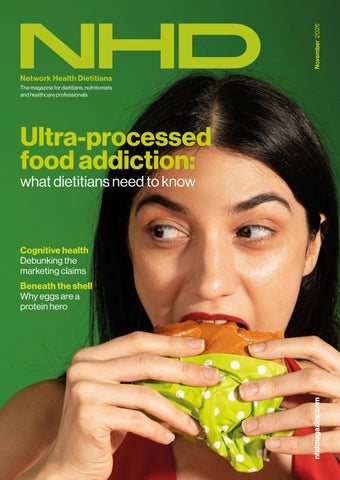
November 2026
Network Health Dietitians The magazine for dietitians, nutritionists and healthcare professionals
Ultra-processed food addiction: what dietitians need to know
Cognitive health Debunking the marketing claims
nhdmagazine.com
Beneath the shell Why eggs are a protein hero
INFORMATION FOR HEALTH CARE PROFESSIONAL USE ONLY
215 G TIN
Supporting safer swallowing in dsyphagia management 1-5
Resource® ThickenUp® Clear can be used with both liquids and food in dietary management of patients with dysphagia Why prescribe Resource® Thickenup® Clear? Stability: Thickens and stabilises rapidly*6
Three times winner ‘Favourite Thickened Drink’ during the IDDSI festivals 2022, 2023 & 2024**
Helps patients with oropharyngeal dysphagia maintain hydration7,8
Can be used in hot, cold or fizzy liquids including tea, coffee, wine, beer and cola6
Sample Service
To request your FREE sample please scan the QR code. www.nhscsampleservice.co.uk
Halal Certified
Kosher Certified
REFERENCES 1. Steele CM, et al. Development of a non-invasive device for swallow screening in patients at risk of oropharyngeal dysphagia: results from a prospective exploratory study. Dysphagia 2019;34:698-707 2. Vilardell N, et al. A comparative study between modified starch and xanthan gum thickeners in post-stroke oropharyngeal dysphagia. Dysphagia 2016; 31(2):169-79. 3. Rofes L, et al. The effects of a xanthan gum-based thickener on the swallowing function of patients with dysphagia. Alimentary Pharmacology & Therapeutics 2014;39(10):1169-79 4. Leonard RJ, et al. Effects of bolus rheology on aspiration in patients with dysphagia. journal of the academy of nutrition and dietetics 2014;114(4):590-4 5. Barbon CEA, et al. Determining the impact of thickened liquids on swallowing in patients undergoing irradiation for oropharynx cancer. Otolaryngology-Head and Neck Surgery 2022;166(3):511-514. 6. Hibberd J. Acceptance, compliance, and tolerance of a novel xanthan gum-based thickener on oropharyngeal dysphagia patients. Dysphagia 2011;26(4):432-475 7. Nazarko L, Morgan J. Dysphagia: the role of thickeners, specifically Resource ThickenUp Clear, in maintaining hydration. British Journal of Neuroscience Nursing 2022;18(6):250-256. 8. Sezgin B, et al. The effect of “xanthan gum-based fluid thickener” on hydration, swallowing functions and nutritional status in total maxillectomy patients. Eur Arch Otorhinolaryngology 2018;275(12):2997-3005. * For water and clear fluids prepared as directed. For milk based fluid, allow additional time and always re-check IDDSI level before serving. **Three times voted “Favourite Thickened Drink” during the one-day IDDSI Festival at Sheffield in 2022, Derby in 2023 and Middlesex in 2024 based on thickened IDDSI level 2 non-alcoholic mocktail prepared. Each event was attended by approximately 200 healthcare professionals including care home managers, speech and language therapists and dietitians.
For more information visit www.nestlehealthscience.co.uk/brands/resource-dysphagia/resource-thickenup-clear or call our customer care line on 0800 000030 Resource® ThickenUp® Clear is a Food for Special Medical Purposes for the dietary management of patients with dysphagia (swallowing difficulties) and must be used under medical supervision. ®Reg. Trademark of Société des Produits Nestlé S.A. NHSc 84a September 2026
CONTRIBUTORS
Emma Coates RD & NHD Editor 5 Up Front
Hazel Duncan RD 10 Paediatric
Ellen Bennett RD 13 Public Health
Farihah Choudhury ANutr 20 Community
Jenni Fraser, SLT 23 Conditions & Disorders
Emma has been a Registered Dietitian for 18 years, with experience in adult and paediatric dietetics.
Hazel is a Paediatric Dietitian and has her own private practice, Kids Nutrition, which provides evidencebased nutrition advice for infants and children.
Farihah is a Public Health Nutritionist within local government at Southwark Council, London. She is particularly interested in food policy, non-communicable diseases regarding changing food environments, sustainable diets, and food culture and anthropology.
Jenni is a Speech and Language Therapist (SLT) at Rapport Speech and Language Therapy, based in the Greater Coventry area. She has over 25 years' experience in dysphagia management and complex communication and articulation disorders.
kids-nutrition.com
Ellen is a Registered Dietitian, PhD candidate and founder of Liberate, an online peer-supported psychoeducational programme for UPF addiction commissioned by the charity Public Health Collaboration. Her interests also lie in binge eating, type 2 diabetes and addiction-informed nutritional care.
Madi Myers RNutr 26 Myth Busting
Harriet Lucking RD 29 Diet & Lifestyle
Hannah Pritchard RD 33 Food & Drink
Priya Tew RD 38 Food for Thought
Fareeha Jay RD 41 The Last Word
Madi is a freelance nutritionist working with individuals, hosting workshops and writing. She works across the food industry and private sector, promoting the non-diet approach to nutrition.
Harriet is a freelance dietitian at Lucking Nourished. She is a highly specialised Neurorehab Dietitian with Cygnet Healthcare and North Staffordshire GP Federation.
Hannah is a senior gut-health dietitian with extensive NHS experience. She currently works on the research team at the University of Chester and also delivers diverse freelance dietetic projects.
Priya is a Specialist Eating Disorders and IBS Dietitian. She runs Dietitian UK, works with the media and is the author of The DASH Diet and The Complete Low FODMAP Diet Plan.
Fareeha is a freelance dietitian providing specialist advice to South Asians across the globe and has developed the South Asian Eatwell Guide.
kidsnutritionrd coatesyRD
priya_tew non_diet_nutrition
priyatew
nondietnutrition
priyatew
nondietnutrition.co.uk
@lucking.nourished
hannah-pritchard73a01abb
dietitianuk.co.uk
dietitian_fareehajay fareehaJay fareehajay.com
CONTENTS NOVEMBER 2026 06
09
13
23
MYTH BUSTING WITH MADI 26 Glyphosate in our food: should we
UP FRONT 5 Examining the association between high
be worried?
consumption of ultra-processed foods (UPFs) and health concerns
DIET & LIFESTYLE 29 Cognitive health: debunking the claims
NEWS 6 The Nutrition Digest and upcoming events
FOOD & DRINK 33 Beneath the shell: the role of eggs in
PAEDIATRIC 10 Focus on cow's milk protein allergy
optimising protein intake
FOOD FOR THOUGHT 36 Three plates, one table: is there a family
PUBLIC HEALTH 13 Ultra-processed food addiction:
meal crisis?
what dietitians need to know in practice
COMMUNITY 20 How loneliness and isolation affect diet
STUDENT HUB 40 Placements: From ward to industry
CONDITIONS & DISORDERS 23 Dysphagia: what has changed in the evidence?
THE LAST WORD 41 Why do South Asians eat more spices?
REFERENCES All references can be accessed here: https://nhdmagazine.com/tag/november-2026-issue/
Copyright 2026. All rights reserved. NH Publishing Ltd. Errors and omissions are not the responsibility of the publishers or the editorial staff. Opinions expressed are not necessarily those of the publisher or the editorial staff. Unless specifically stated, goods and/or services are not formally endorsed by NH Publishing Ltd which does not guarantee or endorse or accept any liability for any goods, services and/or job roles featured in this publication. Contributions and letters are welcome. Please email only to editor@networkhealthgroup.co.uk and include daytime contact phone number for verification purposes. Unless previously agreed all unsolicited contributions will not receive payment if published. All paid and unpaid submissions may be edited for space, taste and style reasons.
Editor Emma Coates RD Publishing Director Julieanne Murray Production Editor Rachel Roberts Subeditor Lisa Pritchard Copy Assistant Sue Vane Website Content Coordinator Erin Dearlove Marketing Coordinator Ava Blackwood Design Douglas Advertising Manager Richard Mair Tel 01342 824073 richard@networkhealthgroup.co.uk
@networkhealthdietitians Phone 01342 824073 Email publisher@networkhealthgroup.co.uk nhdmagazine.com Address Suite 1, Forest Row Village Hall, The Square, Lewes Road, Forest Row, East Sussex RH18 5ES
4
@nhd _health_dietitians @NHDmagazine linkedin.com/company/nh-publishing ISSN 2398-8754
UP FRONT
Up front Beyond convenience:
Emma Coates
The debate around ultra-processed foods
RD & NHD Editor
H
ello and welcome to the November issue of NHD Magazine. Looking around any supermarket, family kitchen, workplace canteen or row of shops near where we live or work, we can see how much modern life has shaped the way we eat. Ready-made and takeaway foods have become staples for many people. Convenient, diverse and often quite tasty, these foods easily fit into busy lives. Yet they’re the focus of one of the most significant nutrition and health debates to date. Ultra-processed foods (UPFs) have been described as ‘formulations of ingredients, mostly of exclusive industrial use, typically created by a series of industrial techniques and processes.’1 And they’re in the spotlight due to the impact they may be having on our health. A wide range of health concerns have been linked with high intakes of UPFs, with chronic conditions such as obesity, type 2 diabetes and cardiovascular disease included. However, the UK government is currently cautious about drawing any conclusions, highlighting that more research is needed and many questions remain unanswered. The Scientific Advisory Committee on Nutrition (SACN) acknowledges that higher consumption of UPFs is associated with poorer health outcomes.2 However, it also states that the evidence is not robust enough at present to conclude whether the processing itself is responsible, or whether the health impact is mainly due to the foods being high in calories, sugar, saturated fat and salt. IS IT MORE COMPLEX THAN ADDICTION? There is increasing acceptance that some people experience genuine addiction-like responses to UPFs. However, there is debate regarding the
root cause of this addiction, known as ultra-processed food addiction (UPFA). Some researchers and healthcare professionals advocate the addiction model, arguing that certain UPFs are engineered to maximise reward. This has been suggested as a viable explanation following research that has noted similarities in brain imaging, craving studies and behavioural similarities when compared with other addictive substances, such as tobacco and alcohol. It’s acknowledged that the recognition of UPFA may help improve treatment and public health policy. While some people may overconsume UPFs, there is debate over whether it is the foods themselves that are potentially addictive. It has been highlighted that obesity, emotional eating, binge eating disorder and social factors may explain much of the observed behaviour. This school of thought emphasises the need for
5
more robust intervention studies before changing diagnostic frameworks. IN THIS ISSUE This month, Ellen Bennett RD introduces our first article on UPFA and discusses what dietitians need to know in practice. We’re also pleased to welcome back Harriet Lucking RD, who revisits the evergrowing area of cognitive health claims and nutrition. Harriet discusses the latest developments in the brain health functional food and beverage sector. And, if you’re looking for some further reading around our food chain and its impact on health, take a look at this month’s Myth Busting, which focuses on glyphosate in our food and asks the question: “Should we be worried?” Enjoy the read!
Emma
NEWS
The
Nutrition Digest A roundup of the news and upcoming events to know about, curated by NHD’s Erin Dearlove
Erin Dearlove MA
A crunch point for bran flakes? Bran flakes have become the latest talking point in the healthy-versus-unhealthy food debate, as they are set to be classed as “less healthy” under the updated nutrient profiling model (NPM).4,5,6 This has prompted headlines equating them with junk food, messaging that can leave consumers confused and anxious.7,8 “I’ve had enough of second-guessing myself and panicking I’m poisoning my child if I feed him chicken nuggets,” writes Ruth Clegg for the BBC.5 In The Guardian, Zoe Williams suggests the anxiety runs deeper: that food has become a way of judging others along class lines.9 As ever, nutrition professionals are stepping in to offer some perspective. Reviewing Clegg’s shopping, BDA member Maeve Hanan points out that bran flakes are an ultra-processed food (UPF) she regularly buys for her own family, explaining that nutritional value matters more than the length of the ingredients list.5 With the new NPM likely to prompt more polarising headlines, calm, evidencebased voices will be needed to help separate the facts from fearmongering.2,3 For more on the UPF debate as a class issue, you can read Priya Tew’s June 2026 Food for Thought column online.
Snack attack Manufacturers of some of the UK’s best-known snacks have been reformulating products to meet HFSS regulations, as Sarah Marsh recently reported in The Guardian.1 Ritz crackers now contain 80% less saturated fat than they did a few years ago, yet reportedly taste much the same. Similarly, belVita has cut the sodium in its soft-baked choc chip range by 56%. To manufacturers’ frustration, the government’s review of the nutrient profiling model could shift the goalposts again.2,3 However, the examples to date suggest that reformulation is possible without sacrificing customer appeal. Unlike many public health measures, reformulation does not necessarily require consumers to change their habits; instead, it transfers some of the onus onto manufacturers.
6
Nutrition care gap for young GLP-1 users Concerns about side effects for adults taking GLP-1 medications have been raised for some time, but more recently, attention has turned to the potential effects in children and adolescents. Of particular concern is reduced appetite and the associated risk of inadequate nutrient intake. In a US study of more than 2000 GLP-1 users aged 10 to 17, published in the Childhood Obesity journal, 16.8% (nearly one in six) developed a diagnosed nutritional deficiency within a year of starting treatment, most commonly vitamin D deficiency.13,14 As children and teenagers are still going through important periods of growth and development, the researchers suggest that proactive nutritional support may be particularly important for young GLP-1 users. Yet only 5% of patients had nutritional counselling in the first month of treatment, and fewer than a quarter within six months. Although the study is based on US data and cannot establish that GLP-1 treatment caused these deficiencies, it raises an important question for UK services: is dietary support keeping pace with GLP-1 prescribing in young people?
NEWS
Diary Dates 5 – 6 November Nutrition & Lifestyle Medicine Conference (NLMC26)
Creatine breaks out of the gym Creatine has long been popular with gym-goers and athletes, but new research suggests it may also help build and preserve muscle in middle-aged adults. In a 12week double-blind, placebo-controlled study of 64 adults aged 45 to 65, those taking 10g of creatine a day increased their lean tissue mass and strength, even without a structured exercise programme.11 The greatest gains were seen when creatine was combined with exercise and a calorie-controlled diet. Published in the Journal of the International Society of Sports Nutrition, the study was led by Dr Richard Kreider of Texas A&M University, who has researched creatine for more than three decades. Kreider also chairs the scientific advisory board of creatine manufacturer AlzChem. The study was small and short-term, so larger, independent trials are needed before firm conclusions can be drawn. It is also worth noting that 10g a day is higher than the typical 3–5g maintenance dose.12 Even so, the findings reflect a growing interest in creatine’s potential beyond sport.
This two-day CPD/CME accredited conference, held in South Kensington, London, features inspiring speakers focusing on topics including nutrition, lifestyle, medicine and clinical practice. There’s also a networking event. nlmc.org.uk
10–11 November BAPEN Annual Conference Taking place at Bournemouth’s International Centre, highlights include the Pennington Lecture by Dr Trevor Smith, who will share his journey in clinical nutrition. Expect two inspiring days focused on advancing patient safety and improving nutritional care across all settings. bapen.org.uk
26 November Nutrition Society: Plant-based Diet & Health Outcomes The one-day event will examine the latest research, clinical nutrition applications, gut health, bone health, obesity and emerging evidence gaps surrounding plant-based diets. Nutrition researchers, clinicians, industry representatives, and early-career scientists will all present their findings at Cloth Hall, Leeds. nutritionsociety.org
2 December BDA Research Symposium
For more of the latest industry news, plus insightful articles, topical blogs, interactive CPD and a wealth of trusted resources, visit our new website at nhdmagazine.com
7
The British Dietetic Association’s Research Symposium showcases dietetic research, clinical audits, service evaluations, and quality improvements across 22 research streams. This year’s symposium is held in Birmingham, and BDA member tickets cost £78. bda.uk.com
Why is Good Neocate the 1,2 UK’s No.1 AAF? The
reasons
survey
... HCPs across the UK with recent, hands-on experience of Amino Acid-Based Formulas about their use of Neocate and why they choose it.2
We asked...
HCPs rate Neocate highly against other AAFs for CMA
Among HCPs with recent experience of both Neocate and other AAFs for CMA:2*
AD
80% 71% rate Neocate as better (or much better) for overall CMA symptom resolution 2
93%
rate Neocate as better (or much better) tolerated 2
> 2 in 3
rate Neocate as better for symptom resolution in severe or complex CMA (and the other HCPs rated it about the same) 2
OF HCPs agree that Neocate
gives them confidence in managing CMA2
THIS INFORMATION IS INTENDED FOR HEALTHCARE PROFESSIONALS ONLY. IMPORTANT NOTICE: Breastfeeding is best. Neocate LCP is a Food for Special Medical Purposes for the dietary management of Cow’s Milk Allergy, Multiple Food Protein Allergies and other conditions where an amino acid-based formula is recommended. It should only be used under medical supervision, after full consideration of the feeding options available including breastfeeding. Suitable for use as the sole source of nutrition for infants under one year of age. Refer to label for details. *Product can be provided to patients upon the request of a Healthcare Professional. †Survey results from 45 HCPs who had recent experience of both Neocate and other AAFs for CMA. They are intended for the purpose of professional evaluation only. References: 1. IQVIA data, July 2026, Moving Annual Total (MAT), volume AAF market share (UK). 2. Nutricia Data on File, Opinion Health Survey of UK HCPs managing CMA (N=60), July 2026. 3. De Boissieu, et al. J Pediatr. 1997;131(5):744-7. [Infants with CMA. Non-cutaneous symptoms (e.g. vomiting, diarrhoea) and improvedeczema]. 4. Data on file: Discovery, Reporting Dashboard, National Overview; medicines management analysis. Accessed October 2026. 5. Neocate LCP was launched in 1983. AAF: Amino Acid-based Formula; CMA: Cow’s Milk Allergy; HCP: Healthcare Professional; GP: General Practitioner; MFA: Multiple Food Allergies Accurate at time of publication: October 2026.
ALLERGY
FOR HEALTHCARE PROFESSIONAL USE ONLY
For the dietary management of Cow’s Milk Allergy, Multiple Food Protein Allergies and other conditions where an amino acid-based formula is recommended.
Good reasons
for a positive experience
“Rarely need to change to another formula”
“The most positive feature is the encouraging parent feedback”
“I have developed a high degree of trust in the brand”
AD “Makes a rapid difference in the symptoms for babies”
No.1 for Good reasons... Choose Neocate LCP, the UK’s No. 1 AAF4
“Palatable and well tolerated”
Fast symptom relief in as little as 3 days3 Leading AAF on prescribing guidelines4 40+
Try it
Trusted by HCPs for over 40 years5
for your patients, order a free sample*
Hear more about the survey via a representative
PA E D I AT R I C
CMPA
A practical, dietitian-led approach to diagnosis and dietary management
C
ow’s milk protein allergy (CMPA) remains one of the most common allergies diagnosed in infancy, with incidence in the UK being reported at around 2–4% of infants.1,2 CMPA can be difficult to diagnose due to the diversity and overlap of symptoms with common functional disorders such as colic and reflux. CMPA can be either IgE-mediated with immediate symptoms or non-IgEmediated with more delayed symptoms. The correct diagnosis must be made to ensure the infant’s management plan is safe. Paediatric dietitians play a key role in the management of infants with CMPA to ensure the diagnosis is made correctly and the infant’s diet is balanced until reintroduction is considered safe. The updated ESPGHAN (2024) position paper is a key publication in the management of this patient group, recognising the large incidence of overdiagnosis and ensuring this is minimised.1 RECOGNISING CMPA WITHOUT OVERDIAGNOSING IT CMPA is an immune-mediated reaction to proteins in cow’s milk. Clinical presentation depends partly on the immune mechanism. IgE-mediated reactions tend to occur rapidly and may include urticaria, angioedema, vomiting, wheeze or, in severe cases, anaphylaxis. Non-IgE-mediated disease generally has a more delayed presentation and may involve gastrointestinal symptoms such as vomiting, diarrhoea, constipation, blood or mucus in stools, alongside eczema or feeding difficulties.1–3 The difficulty is that many of these symptoms are extremely common during infancy. Reflux, colic, constipation, loose stools and eczema are not, in isolation, evidence of CMPA. The guidelines highlight the importance of a structured clinical assessment of any non-specific symptoms that may be related to allergy. For dietitians, this distinction is critical.
An unnecessary cow’s milk-free diet can increase parental anxiety, complicate infant feeding and create nutritional risks. In breastfeeding mothers, extensive elimination diets may also affect dietary adequacy and quality of life. A detailed history is key to explore the timing of symptoms, reproducibility, feeding method, growth trajectory, family history of atopy, other allergic diseases and any responses to previous dietary interventions. This ensures that the correct diagnosis is made and the patient is established on the right pathway.1–3 DIAGNOSIS: ELIMINATION FOLLOWED BY REINTRODUCTION Diagnosing non-IgE-mediated CMPA can be challenging, and some families may struggle with the reintroduction of a potential allergen after a period of exclusion. Where CMPA is suspected, cow’s milk protein is excluded from the infant’s diet for a defined period, typically 2–4 weeks, with appropriate alternative formula or parental diet changed if breastfeeding. Symptom improvement alone does not confirm an allergy; symptoms should recur following planned reintroduction to establish the diagnosis. Dietitians play a crucial role in ensuring exclusions are nutritionally adequate, supporting breastfeeding families, selecting suitable substitutes and preventing unnecessarily prolonged elimination diets. Regular reassessment is essential.4,5 IgE-mediated suspected allergy is managed differently. Immediate reactions, particularly respiratory compromise, angioedema or anaphylaxis, require medical assessment and appropriate allergy referral. A dietary elimination trial should not replace assessment of potentially serious IgE-mediated disease. If an infant has presumed IgE-mediated reactions, in this case, a reintroduction should not be attempted.
10
Hazel Duncan RD
SUPPORTING THE BREASTFED INFANT Breastfeeding should be supported and continued when CMPA is suspected. Cow’s milk protein consumed by the mother can, in some circumstances, be present in breast milk in quantities sufficient to trigger symptoms in infants. However, maternal dairy exclusion is not automatically required for every breastfed infant with gastrointestinal or dermatological symptoms.1,2 Where non-IgE-mediated CMPA is suspected and the infant is symptomatic while exclusively breastfed, a short maternal cow’s milk protein elimination can be considered. Current clinical pathways commonly recommend a 2–4week trial, followed by reintroduction if symptoms improve. The nutritional implications for the mother deserve particular attention. Eliminating dairy removes important sources of calcium, iodine, protein and, depending on the overall diet, other micronutrients. Mothers should receive practical advice about calciumfortified alternatives and an assessment of their overall dietary intake. Vitamin D supplementation is also routinely recommended in breastfeeding guidance.4 It is important that other foods/ perceived allergens are not removed without a solid evidence base and until one allergen has been confirmed. Soya, egg or other allergens may occasionally contribute to symptoms, but broad maternal elimination diets increase nutritional burden and can make the diagnosis more difficult. Such exclusions should be considered only where the clinical history supports them and preferably with dietetic supervision. FORMULA-FED AND MIXED-FED INFANTS For infants receiving formula, an extensively hydrolysed formula (eHF) is generally used as the first-line
PA E D I AT R I C
hypoallergenic option for many cases of suspected CMPA. In an eHF, cow’s milk proteins have been extensively broken down into smaller peptides, reducing their allergenicity.1,2 Amino acid formula (AAF), containing individual amino acids rather than intact or hydrolysed milk proteins, may be required in severe disease or where an appropriate response to eHF is not achieved. Local formularies and specialist guidance should determine prescribing decisions. Current guidance notes that most infants with CMPA can tolerate an eHF, with AAF reserved for a smaller proportion. Formula choice should therefore be individualised rather than driven by parental preference or assumptions that the most extensively specialised product is automatically the best choice. The dietitian has an important role in assessing tolerance, feeding volume, preparation, acceptance and growth. A change in formula can itself affect stool pattern, taste acceptance and feeding behaviour, so families need realistic expectations and follow-up. Goat’s milk and lactose-free formula are not appropriate substitutes for standard formula in CMPA. Lactose-free products still contain cow’s milk protein, and proteins in goat’s milk are sufficiently similar to cow’s milk proteins so that cross-reactivity can occur. NUTRITIONAL MANAGEMENT DURING COMPLEMENTARY FEEDING Once complementary feeding begins, dietary restriction becomes more complex. Cow’s milk protein may be found in breads, cereals, sauces, processed foods and commercially prepared infant foods, making label reading an essential skill. A milk-free diet does not need to become a diet of highly processed ‘freefrom’ foods. The objective is a nutritionally complete diet based on naturally dairyfree foods alongside appropriate fortified alternatives.2,4 Particular attention should be paid to: • Calcium intake • Vitamin D • Protein and energy adequacy • Iron-rich foods • Overall dietary variety
• •
Appropriate fat intake during infancy Continued exposure to tolerated foods The nutritional consequences can be significant when several foods are removed simultaneously. Growth monitoring should therefore form part of ongoing CMPA management, particularly in infants with a history of faltering growth, feeding difficulties or extensive dietary restriction. When dietitians select plant-based alternatives for older infants and children, they should assess fortification and nutritional composition rather than treating all alternatives as nutritionally equivalent. Calcium-fortified products are particularly important. Age-specific guidance is also necessary; for example, plant-based drinks should not simply replace specialised infant formula in young infants. THE IMPORTANCE OF REINTRODUCTION One of the most important aspects of CMPA management is knowing when to stop restricting milk. Current guidelines recommend reintroduction 6–9 months post last exposure. However, this still requires individual assessment. Prolonged unnecessary exclusion should be avoided, as it can negatively affect nutritional adequacy, food variety, family quality of life and, potentially, the child’s relationship with food. Consequently, once a diagnosis has been established, families should receive a clear plan for reassessment and reintroduction.1–5 For non-IgE-mediated CMPA, reintroduction is often undertaken using a structured milk ladder, depending on local clinical protocols. More extensively heated forms of milk protein may be introduced before less processed forms, as heating alters the allergenic properties of some milk proteins. Products are initially introduced in a matrix with flour, which can also help improve tolerance. Families may need support when reintroducing milk protein to the child due to anxiety around any potential allergic reaction, which may result in food refusal. A milk ladder is not
11
appropriate for every child. Children with confirmed or potential IgE-mediated reactions will require a bespoke plan and may need repeat allergy testing before reintroduction or a supervised in-hospital oral food challenge. LOOKING BEYOND THE DIAGNOSIS Perhaps the most important current message is that CMPA should be diagnosed thoughtfully rather than assumed. The overlap between allergic and functional gastrointestinal symptoms means that overdiagnosis remains a significant concern. The 2024 ESPGHAN position paper reinforces the importance of a systematic diagnostic approach and appropriate nutritional management. For dietitians, this means balancing two risks: missing genuine allergy and creating unnecessary dietary restriction.1 A successful CMPA pathway should therefore be diagnosisled, nutritionally complete and regularly reviewed. Breastfeeding should be protected wherever possible and specialist formulas should be used appropriately. Maternal diets should be supported rather than simply restricted, with varied complementary feeding and a structured plan for milk reintroduction. The paediatric dietitian’s role is to lead families through a challenging journey with lots of potential conflicting information from other healthcare professionals and people on online forums who are willing to share opinions. Paediatric dietitians should be providing a clear evidence-based pathway – one that protects growth and development while helping children and families move towards the least restrictive diets that are safe for them.
W O M E N ’ S H E A LT H
GOOD CONTENT IS WORTH SHARING Don’t keep NHD to yourself. If you know someone working in dietetics or nutrition, pass it on!
nhdmag az in e.c om
12
P U B L I C H E A LT H
Ultra-processed food
addiction
Ellen Bennett RD
What dietitians need to know in practice
U
ltra-processed food addiction (UPFA) is an emerging clinical construct that may help explain repeated relapse, craving and loss of control around specific foods. This article explores what dietitians need to know in practice, including screening conversations, binge eating and obesity overlap, and how to respond with curiosity, structure and correct signposting. “I KNOW WHAT TO DO, BUT I CAN’T STOP” Dietitians are used to supporting patients who understand dietary advice, can explain what they ‘should’ be doing, and have repeatedly tried to reduce foods that worsen their weight,
glycaemic control or well-being. Yet some patients describe a more specific and distressing pattern: intense cravings, eating more than intended, repeated failed attempts to cut down, secrecy, shame and a sense that once they start eating certain UPFs, they cannot reliably stop. This is where UPFA addiction may be clinically useful. In 2025, an international Delphi consensus agreed that the condition should be termed ‘UPFA’ and described it as a chronic disease that involves complex interactions between brain circuits, genetics, environment and life experience.1 UPFA is not simply eating UPFs or enjoying palatable foods. It describes compulsive use of UPFs,
13
often continuing despite harmful medical, psychological or social consequences.1 For dietitians, the shift is from asking, “Why won’t this person comply?” to “What is making this behaviour so hard to interrupt?” WHAT IS UPFA? UPFA is best understood as an addiction-informed clinical construct, not a simple description of food choice. It does not imply that all UPFs affect all people in the same way, or that everyone who eats them is addicted. Instead, it describes a subgroup whose relationship with certain UPFs appears to mirror features seen in
“All gone” This bottle did contain Fortini Compact Multi Fibre
Nutritionally complete (d) The best ONS is one that children can finish With its low volume, energy density and great taste, Fortini Compact Multi Fibre significantly improves growth compared to standard ONS, within just 4 weeks.1
81% of kids love the taste of Fortini Compact Multi Fibre2
~40% less volume
with all the benefits of a standard paediatric ONS*
Free sample Order a free sample direct to your patient’s home** ONS: oral nutritional supplement This information is intended for healthcare professionals only. IMPORTANT NOTICE: Fortini Compact Multi Fibre is a Food for Special Medical Purposes for the dietary management of disease related malnutrition and growth failure in children from one year onwards, and must be used under medical supervision. Refer to label for details. 1. Hubbard, et al. Eur J Pediatr. 2020;179(9):1421-30. 2. Healthy Children Taste Testing 2016 (n=122), data on file. *Comparison between Fortini Multifibre (1.5kcal/ml, 200ml) and Fortini Compact Multifibre (2.4kcal/ml, 125ml). **Product can be provided to patients upon the request of a Healthcare Professional. They are intended for the purpose of professional evaluation only. 23-117. Accurate at time of publication: May 2024
Supporting children’s gut health and microbiome with a unique multi fibre blend1 All children, including those who receive nutritional support, are encouraged to receive an age-appropriate amount of fibre from a variety of sources.2 Due to its role in children’s gut health, microbiome and bowel habits, experts recommend fibre-containing enteral formula as a first line nutrition therapy.3
Quantity is important, but so is quality2 Both fermentable and bulking fibres have health benefits which extend beyond the gut:2 Stool bulking
Gut microbiome support
Lowered cholesterol
Weight control
Glycaemic control
Immune system support
The Fortini range contains Nutricia’s unique multi fibre blend (MF6™) The blend is a mixture of 6 different soluble and insoluble fibres including inulin and oligofructose/fructo oligosaccharides which help maintain gut health.1
MF6TM ferments into short-chain fatty acids along the large intestine4
This fuels colonocytes, causes a trophic effect, and reduces gut pH4
MF6TM selectively promotes the growth of beneficial bacteria4
This information is intended for healthcare professionals only. IMPORTANT NOTICE: The Fortini Range are Foods for Special Medical Purposes for the dietary management of disease related malnutrition and growth failure in children from one year onwards, and must be used under medical supervision. Refer to label for details. ONS: oral nutritional supplement. *Product can be provided to patients upon the request of a Healthcare Professional. They are intended for the purpose of professional evaluation only. 1. Silk, et al. J Clin Nutr. 2001;20(1):49-58. 2. Hojsak, et al. Arch Dis Child. 2022;107(11):973-9. 3. Lionetti, et al. Expert Rev Gastroenterol Hepatol. 2023;17(7):665-75. 4. Guimber, et al. Br J Nutr. 2010;104(10):1514-22. 5. Grogan, et al. Human Nutr Dietetics. 2006;19:462. 6. Trier, et al. J Pediatr Gastroenterol Nutr. 1999;28:595. 7. Hofman, et al. J Clin Nutr 2001;20(Suppl 3):63-4. 8. Daly, et al. J Human Nutr Dietetics. 2004;17(4):365-70. 9. Saeed, et al. World J Gastroenterol. 2022;28(18):1875-901. 10. Heiss, et al. J Innate Immun. 2018;10(3):163-71. 25-049 Accurate at time of publication: July 2025 © Nutricia 2025
Order samples*
~17% increase in beneficial bacteria
(bifidobacteria) among children consuming the MF6™ blend vs a fibre-free diet4 n=272
Other beneficial effects of MF6TM in clinical studies in malnourished patients: Improved stool consistency5 Improved tolerance1,5 Reduced constipation6 Reduced diarrhoea5,6 Reduced laxative use7,8
The gut microbiota exerts considerable effects on a child’s physical and mental development, and fibre is its energy source.9,10
P U B L I C H E A LT H
substance use disorders, including craving, impaired control, unsuccessful attempts to cut down, continued use despite harm and, for some, toleranceor withdrawal-like symptoms.1,2 The Yale Food Addiction Scale has been central to the research field because it maps addictive-like eating onto substance use disorder criteria.2 Evidence also suggests that highly processed foods, particularly those combining refined carbohydrates and fats, are more strongly associated with addictive-like eating than minimally processed foods.3,4 Food addiction is not currently a standalone diagnosis in the DSM-5 (Diagnostic and Statistical Manual of Mental Disorders) or ICD-11 (International Classification of Diseases), and caution is needed to avoid over-labelling, increasing fear around food or missing an eating disorder. Wilcox describes food addiction as a model that may help clinicians understand some presentations of obesity and bingerelated eating disorders, while emphasising treatment matching and clinical caution.5 WHY THIS MATTERS IN DIETETIC PRACTICE Dietitians frequently see patients with obesity, type 2 diabetes, binge eating symptoms, weight cycling, raised cardiometabolic risk and those with repeated difficulty sustaining dietary change.6,7 In these consultations, it can be tempting to focus on knowledge, motivation or adherence. However, for some patients, the key clinical pattern is relapse: repeated attempts to reduce specific UPFs, followed by cravings, loss of control and return to previous eating patterns. This matters because repeated relapse can be misinterpreted as personal failure by patients and as ‘non-adherence’ by clinicians. An addiction-informed lens does not remove personal responsibility, but it may help explain why personal control is difficult to access in the presence of strong cues, cravings and highly rewarding foods. In the Liberate feasibility and acceptability study, adults selfidentifying with UPFA took part
in an online, peer-supported psychoeducational intervention.8 The intervention was feasible and acceptable, with improvements observed in food addiction symptoms and well-being from baseline to postintervention and follow-up. A secondary analysis of the original feasibility cohort and an additional cohort also found a significant reduction in binge eating according to the binge eating scale.9 Further controlled research is needed, but the findings suggest that structured, addiction-informed support may be useful for some patients. UPFA, BINGE EATING AND OBESITY: OVERLAP BUT NOT THE SAME UPFA, binge eating disorder and obesity often overlap, but they should not be treated as interchangeable terms. Binge eating disorder is an eating disorder diagnosis characterised by recurrent binge episodes, loss of control and associated distress. UPFA focuses on addictive-like responses to specific UPFs, in particular cravings, impaired control, failed attempts to cut down, withdrawalor tolerance-like experiences and continued use despite harm.1,6 Some patients with binge eating disorder may also meet criteria for food addiction, while others may not. Some patients with obesity may report addictive-like eating patterns, while others may not. Equally, some patients with possible UPFA may not have obesity or objectively large binge episodes, but may still experience severe food noise, grazing, secrecy, shame, repeated relapse or an inability to moderate specific foods.6 The practical implication is to avoid assuming that BMI, binge eating or ‘non-adherence’ tells the whole story. Patients may need eating disorder assessment, obesity care, diabetes support, trauma-informed care, addiction-informed support or a combination of all of these. HOW TO RECOGNISE POSSIBLE UPFA IN CLINIC Dietitians do not need to diagnose UPFA to ask better questions. The aim is to identify patterns that may indicate addictive-like eating and consider
17
whether further assessment, support or signposting is needed. CRAVED is a brief screening tool developed by Unwin and Giaever to help identify possible food addiction symptoms, based on the six ICD-10 criteria for substance dependence.10 It should not be used alone to diagnose UPFA, but it can structure a more specific conversation about craving, impaired control, relapse and consequences. A useful starting question is, “What happens when you try to reduce or stop these foods?” Figure 1, overleaf, shows the CRAVED screening questions. Three or more “Yes” answers may warrant a deeper discussion about possible UPFA. WHAT CAN DIETITIANS DO IN PRACTICE? The first response is to recognise repeated relapse as clinically meaningful. If a patient has tried moderation many times and repeatedly returns to the same foods with loss of control, that history deserves exploration rather than another generic instruction to “try again”. Dietitians can explore trigger foods and situations, validate that addictive-like eating is not simply a character flaw and offer structure rather than vague advice. For some patients, this may mean harm reduction: reducing exposure, planning meals, increasing satiety by focusing on protein and minimally processed foods,12,13 and identifying high-risk times, environments, situations and putting non-harmful coping strategies in place. For others, particularly where moderation has repeatedly failed, abstinence from specific trigger UPFs may be appropriate.6,8,10 This should be patient-led, monitored, nutritionally adequate and non-punitive. Where eating disorder symptoms, severe restriction, purging, trauma, psychiatric risk or medical instability are present, referral to appropriate eating disorder, psychological or medical services is essential. UPFA-informed care should widen formulation, not replace safeguarding or specialist assessment.
INFORMATION FOR HEALTHCARE PROFESSIONAL USE ONLY
The COMPLEAT Choice for Enteral Nutrition ®
Compleat® 1.1 (1 Litre)
START YOUR FREE TRIAL
FOR PROFESSIONAL EVALUATION ONLY
Compleat® 1.5 HP (500 ml)
EXPLORE MORE
Expanding patient options with enteral feeds containing food-derived ingredients*. *Compleat® 1.1 contains 16% food-derived ingredients; 6.9% rehydrated chicken meat, 5.95% rehydrated vegetables (peas 5.2%, green beans 0.75%), 1.8% orange juice from concentrate, 1.5% peach puree. Compleat® 1.5 HP contains 19% food-derived ingredients. 13% rehydrated chicken meat, 2.2% peach puree, 1.8% orange juice from concentrate, 2%rehydrated green beans, 0.1% rehydrated peas. Information as per data card Jan 2026 Compleat® 1.1 and Compleat® 1.5 HP are Foods for Special Medical Purposes for use under medical supervision, for the dietary management of malnourished patients or those at risk of malnutrition. ®Reg. Trademark of Société des Produits Nestlé S.A. Nestlé Health Science UK. NHSc 043 March 2026
P U B L I C H E A LT H
Figure 1: CRAVED screening questions for possible UPFA (adapted from Unwin et al.) Compulsion Strong urge - can't resist
Reaching Need more to get the same effect (Tolerance)
Activities Neglect of important activities
C . R . A .V. E . D Volume Using more than intended
Exclusion Withdrawal when stopping or cutting down
1.
5.
Have you ever had such a strong desire or sense of compulsion at the thought of eating these foods that you could not resist the urge to eat them? (Compulsion)
2.
Have you ever noticed that you need to use increasing amounts of these foods to get the same effect compared to when you started? (Increased tolerance = reaching for more)
3.
Have you ever noticed a growing neglect towards planning of activities because you were too tired/ hungover/sick due to overeating these foods? (Growing neglect of activities)
4.
Have you ever experienced at least two of the following withdrawal symptoms when you cut down or stopped using these foods? Headache; nausea or vomiting; anxiety; depressed or low mood; irritability; shakes; sweating, heart palpitations; fast or shallow breathing; diarrhoea or sleep disturbances (Withdrawal symptoms from stopping or cutting down = exclusion of foods causing withdrawal symptoms)
6.
Have you (ever) continued to use these foods despite you or someone else believing that your memory and concentration challenges, anxiety, unexplained mood swings, depression, panic attacks, etc, or other mental health problems were likely to be due to your use of these foods? (Continued use despite damage awareness) 3 OR MORE "YES" RESPONSES MEAN LIKELIHOOD OF ADDICTION / PATHOLOGICAL USE Based on WHO criteria for substance use disorder.
Have you ever used more of these foods than you intended on more than one occasion? (Loss of control = more volume)
LOW CARBOHYDRATE, PROTEIN, GLP-1 MEDICATIONS AND FOOD NOISE Low-carbohydrate, whole-food approaches may be relevant for some patients, especially where carbohydraterich UPFs are strongly associated with cravings, glycaemic instability or loss of control. Programmes combining low-carbohydrate dietary structure, psychoeducation and psychosocial support have shown promising improvements in food addiction symptoms and well-being, although controlled trials are still needed.10 Dietitians may also consider satiety. Higher-protein diets can increase satiety and may help reduce energy intake, partly through effects on thermogenesis, appetite and preservation of lean mass.13 Meals rich in protein can stimulate endogenous satiety hormones including GLP-1 and PYY, although hormone
Damage Continued use despite harm or problems
changes do not always translate directly into lower subsequent intake.12 This supports a cautious, food-first message: adequate protein and minimally processed foods may help some patients feel more stable, but they are not a standalone UPFA treatment. GLP-1 receptor agonists are increasingly relevant in obesity and type 2 diabetes care. Some patients report reduced appetite, cravings and food noise, and emerging literature suggests possible effects on satiety and reward pathways.7,14 However, medication does not automatically build relapse prevention, emotional regulation, meal structure, peer support or foodenvironment skills. Patients may need particular support during dose changes or discontinuation, when appetite and cravings may return.15
19
CONCLUSION: FROM JUDGEMENT TO CURIOSITY UPFA does not explain every difficulty with eating, weight or metabolic health. However, for some patients, it may help explain why repeated education, moderation advice and willpower-based strategies have failed. Dietitians are well placed to notice patterns of craving, loss of control, cue-reactivity and relapse, and to respond with curiosity, validation, structure and appropriate signposting. Recognising an addictioninformed presentation may therefore reduce blame and shift the clinical question from: “Why will this person not comply?” to “What treatment structure and advice does this person need to regain control?”
COMMUNITY
How
loneliness and social isolation can affect
Farihah Choudhury
dietary patterns
N
utritionists and dietitians spend a significant amount of time helping people understand what to eat, how much to eat and when, to support the best dietary health outcomes. However, there are peripheral, and perhaps just as important, wider determinants of an individual’s dietary patterns that need to be considered and can affect effective implementation of nutrition advice. Two such factors – often interlinked – are loneliness and social isolation. Not to be confused, loneliness is subjective and reflects a perceived gap between the quality and quantity of relationships we have and of those we want. Social isolation relates to the quantity of social contacts a person has. You can feel lonely without being isolated, and you can be isolated without feeling lonely.1 In the social sciences, the 21st century has been described as the ‘era
ANutr
of loneliness’, marked by the experience of many who lack meaningful social connections.2 Loneliness and social isolation have been described as public health problems and international epidemics, with growing evidence of adverse health outcomes, including earlier mortality, cardiovascular disease, dementia and depression.3 As a Public Health Nutritionist based in Inner London, I work with many diverse communities rather than individuals, and part of my job is to understand the social and cultural dimensions of food that support the enablers and barriers to eating well. My main area of work is with schools to give children equitable access to nutritious and enjoyable school meals. We know that children need time and encouragement to try new foods and eat a varied diet provided by families and caregivers. Encouraging children to eat
20
slowly without rushing and to sit together with peers and school staff creates a positive, supportive environment around school mealtimes. It helps children build favourable memories of enjoying meals with friends and feeling motivated by school staff to try new foods. Likewise, when I work with diaspora communities in London, people often describe sharing their cultural food as an important glue that fosters connection to their homes. They describe it as enhancing cultural and religious identity, kinship and social connection, whilst also offering hospitality to others and opportunities to exchange cultural experiences. PREVALENCE OF LONELINESS AND SOCIAL ISOLATION IN THE UK According to results from the UK Department for Culture, Media and Sport’s Community Life Survey 2024/25 (DCMS 2025), 7% of adults reported feeling lonely ‘often or always’. This was most prevalent in the 16–24 age group (9%).4 The ONS also collects measures of loneliness periodically through the Opinions and Lifestyle Survey, and in the most recent version (July 2026), 7% of adults reported feeling lonely ‘often or always’. Similarly,
COMMUNITY
this was most prevalent in the 16–29 age group (8%).5 Interestingly, selfreported loneliness appears lower in age groups over 70 in both surveys, averaging at 4–5%. These findings allow us to ask a couple of pertinent questions. While we have observed the loneliness associated with later life, and there is a large evidence base to support this, why are young people now feeling lonelier, and why has the 21st century been described as the age of loneliness, despite having more ways to connect now than ever before? While this could be and has been discussed at length in other fora, a sobering report by the Institute for Public Policy Research, titled The loneliest generation: What it is like to grow up in England today (published in September), found that one in 20 young people aged 11–24 say that they have no close friends at all, up from one in 100 in 2014. Furthermore, they report that Gen Z are more isolated, more distressed and less productive than previous generations.6 There could be a range of contributing factors: diminishing funding for free or low-cost physical spaces for young people to socialise in; the digitalisation of childhood, social media comparison and replacement of physical proximity with virtual proximity; and the persisting impacts of the COVID-19 pandemic, which affected many young people in key developmental stages. The reports are clear: young people in particular are feeling lonely and isolated. Taking a life course approach, evidence suggests that the negative health effects of loneliness and isolation can be persistent. So, what does this mean for nutrition outcomes specifically? THE IMPACT OF LONELINESS AND ISOLATION ON NUTRITION Some communities are more likely to feel lonely and/or be isolated, such as the elderly, those who have immigrated or those who live in rural, remote areas. While the majority of the current research base focuses on the nutritional impact of loneliness and isolation on the elderly, it can affect everyone, so it is crucial to understand the signs and how positive practices around food, eating and mealtimes can have a lifelong impact.
Reduced or dysregulated appetite and skipping meals Living alone and therefore not eating with others may mean feeling untethered to typical eating patterns, which could impact how much a person eats. Feelings of loneliness can also negatively impact appetite, reducing the desire to eat and leading to inadequate nutrition. Not preparing balanced meals Loneliness can also lead to withdrawal of interest or motivation to prepare balanced meals, instead favouring quick or convenient foods that fuel only necessary daily activities. These may not provide all the nutrients required for a healthy diet and can reduce creativity in the kitchen, hampering the opportunity to develop food preparation and cooking skills. Access to food Geographic isolation leading to reduced food access (living in areas known as food deserts) can also mean not being able to physically access ingredients regularly enough, or in appropriate quantities for a balanced diet. Diaspora communities living in rural and isolated areas can be affected by limited access to cultural ingredients and, therefore, individuals may be unable to prepare familiar foods that they enjoy. Emotional eating While for some, the impact of loneliness is to withdraw from food, for others it could have the opposite effect, where food is used as a crutch to combat unmet emotional needs. This can lead to overeating and cause a negative, destructive relationship with food. Reduced enjoyment of food As described in the introduction, most communities enjoy coming together over a shared meal. If this community does not exist for an individual due to social isolation, it may lead to disinterest in food and preparing meals once enjoyed with family and friends. HOW CAN WE COMBAT LONELINESS AND ISOLATION THROUGH FOOD AND NUTRITION INITIATIVES? 1 Protecting uninterrupted time for preparing and eating meals, whether at home, school, work or elsewhere To create positive habits around food, especially for young people as they develop life skills, the sanctity and ritual of mealtimes, either alone
21
or with other people, needs to be protected. Institutionally, this looks like schools ensuring children are encouraged to eat together, workplaces encouraging social lunches, bring and share days and protected time for workers to eat away from their desk. At home, this looks like implementing screen-free meals together at the dinner table. 2 Using cooking as a way to connect with loved ones or with new people Cooking as a family, a couple or with friends is a great way to forge connections, learn new skills and spend time with others trying out a new recipe together or simply using it as a time to unwind after the stress of the working day. 3 Supporting initiatives that foster cooking skills and the social dimension of eating There are numerous wonderful charities in the UK trying to tackle many issues in the food system at the same time, such as reducing food poverty and social isolation, improving cooking skills and reducing food waste. Here are a few local to me in London: • Eat Club is a charity that teaches young people aged 16–24 fundamental cooking and nutrition skills. It runs bespoke cooking courses designed to develop the relationship young people have with food and addresses the underlying barriers to healthy eating to improve health and physical and mental well-being. • The Hackney School of Food blends cooking and growing, helping children understand where food comes from and giving them confidence and practical skills. • FoodCycle is a volunteer-run charity providing free, wholesome meals made from food that would have gone to waste and is open to everyone. The charity aims to create a cycle of positive change by reducing food waste and hunger, tackling loneliness, supporting mental health and encouraging healthy eating and sustainable living. • Migrateful offers cooking classes to support migrants and refugees on their journey to integration and independence, by enabling them to teach cookery classes to the public.
P L AT I N U M S P O N S O R
CONDITIONS & DISORDERS
Dysphagia: What has changed in the evidence?
Jenni Fraser
This article has been peer-reviewed by Jenni Fraser, Speech and Language Therapist at Rapport Speech and Language Therapy.
SLT
T
he evidence around modified texture diet and fluids for dysphagia continues to evolve. Here we review recent research in adults and children and consider what the latest findings mean for nutritional care. Oropharyngeal dysphagia can affect eating, drinking and swallowing at any age. Management aims to support safe and efficient swallowing, but clinical decisions also need to consider nutritional and fluid requirements, medication administration, enjoyment of food, social participation and quality of life. Texture modification of diet and fluids remains one of the most common interventions, yet the evidence supporting different approaches is complex.
WHAT DOES THE LATEST EVIDENCE TELL US ABOUT TEXTURE MODIFICATION? A major systematic review by Steele et al published in 2026 provides an opportunity to reconsider what is known about liquid consistency, food texture and swallowing, alongside recent research in adults and children.1 The review examined evidence published between 2012 and 2024 on how liquid consistency and food texture affect swallowing.1 Of more than 63,000 records initially identified, 465 studies met the eligibility criteria and 70 provided quantitative data that could be mapped to the International Dysphagia Diet Standardisation Initiative (IDDSI) Framework. Most of the evidence related to liquid consistency, with considerably less available for modified food textures. The review found a consistent relationship between liquid thickness and swallowing safety. Across 25 studies reporting safety outcomes, thicker liquids reduced the frequency or severity of penetration and aspiration compared with thinner liquids. Risk was highest with thin liquids (IDDSI Level 0) and mixed consistencies containing a thin-liquid
component, and reduced with increasing thickness, beginning with slightly thick liquids (Level 1).1 However, swallowing safety was only one part of the picture. The review also considers swallowing efficiency and advises that increasing liquid thickness could also increase pharyngeal residue, specifically when mildly thick and slightly thick fluids are compared with thin fluids. The review also identifies that the risk of residue in moderately thick and extremely thick fluids is dependent on bolus volume, with smaller bolus volumes of 5mL (teaspoon-sized) appearing to help limit residue compared with sips of thinner consistencies.1 This suggests
23
an important consideration for clinical practice: the impact of thickened fluids on the safety and efficiency of the swallow should be assessed using both sip-sized and teaspoon-sized boluses. THICKENED FLUIDS: SAFER SWALLOW, BUT WHAT ABOUT THE WIDER PICTURE? The physiological effects of thickened fluids are increasingly well described, but questions remain about whether these changes translate into outcomes that matter to patients. A 2025 meta-analysis of 16 randomised controlled trials involving 1812 adults with dysphagia found that
CONDITIONS & DISORDERS
thickened fluids reduced aspiration risk. However, earlier evidence remains relevant.2 A 2022 systematic review and evidence-based guideline update found no convincing evidence that thickened liquids or texture-modified diets prevented death or pneumonia, or improved quality of life, nutritional status or oral intake.3 The authors retained a weak recommendation against thickened liquids because of the limited quality of evidence.3 The apparent tension between these findings is important. It highlights a further significant distinction for clinical practice: aspiration observed during an instrumental or bedside swallowing assessment is not the same outcome as pneumonia, and improvement in one does not automatically demonstrate improvement in the other. Decisions about thickened fluids, therefore, need to consider swallowing physiology alongside hydration, nutritional status, preferences, adherence and overall goals of care. FOOD CONSISTENCY MODIFICATION The evidence for texture modification of food is less extensive and mixed. In Steele et al’s 2026 review, several articles were identified that compared food with liquid consistencies. A total of 10 reported lower severity of penetration and/or aspiration with foods than fluids and five reported a lower frequency of penetration and/ or aspiration with food. However, two articles identified greater amounts of residue on solid foods than liquids, three reported higher frequencies of residue on foods and one reported no difference at all.1 In Chu and Chao’s 2025 article, texture-modified diets were also associated with increases in energy and protein intake, while combining thickened fluids with a water protocol was associated with increased fluid intake.2 These findings do provide evidence that texture modification can influence swallowing safety and nutritional intake. However, the studies were not necessarily designed to establish whether texture modification prevents longer-term complications such as pneumonia.
IDDSI: A FRAMEWORK, NOT AN INTERVENTION The IDDSI Framework provides common terminology and testing methods for describing food and drink consistencies. Its use has helped reduce variation in terminology between services and countries. However, the terminology should not be confused with the clinical decision itself. Current Royal College of Speech and Language Therapists (RCSLT) guidance, updated in March 2025, describes IDDSI as a communication tool rather than an intervention plan. When recommending modified food or fluids, clinicians are expected to consider swallowing physiology and aspiration risk alongside the potential risks of malnutrition and dehydration, individual and family preferences, quality of life, and nutritional and medication requirements.4 For dietitians, IDDSI levels are therefore only one component of nutritional management. The resulting diet still needs to provide sufficient energy, protein, micronutrients and fluid, while remaining acceptable and practical for the individual. THE NUTRITIONAL CONSEQUENCES OF TEXTURE MODIFICATION Texture modification can alter the nutritional composition and volume of food consumed. Preparation methods may involve additional liquid, removal of components, dilution, or changes in portion size. Modified foods may also be less familiar or appealing. A systematic review and metaanalysis of 35 studies found that people consuming texture-modified diets had poorer nutritional intake than those consuming regular diets, particularly for energy and calcium. However, the review also found that modified meals could be nutritionally improved through enrichment and by optimising food texture and consistency.5 More recent evidence provides a somewhat different picture, with the 2025 meta-analysis finding increases in energy and protein intake with texture-modified diets.2 Differences between studies are likely to reflect the type of food provided, how modification was implemented and whether meals were nutritionally fortified. The message for practice is therefore
24
not simply that texture-modified diets reduce intake, or that they improve it. Rather, nutritional adequacy depends on how the diet is designed and delivered. PAEDIATRIC DYSPHAGIA: A DIFFERENT EVIDENCE BASE Although dysphagia occurs across the whole lifespan, evidence cannot automatically be transferred between adults and children. Current RCSLT guidance highlights specific considerations for children, including the limited number of thickeners licensed for use in children under three years of age. It recommends considering developmental level, growth, physiology and diagnosis rather than simply applying adult interventions to children.4 A rapid review published in 2026 examined paediatric dysphagia research published during 2024.6 Eighty-eight studies were included, with cerebral palsy, autism and neonatal intensive care unit graduates among the populations most frequently studied. The review identified growing interest in intervention development, assessment tools and caregiver experiences, but also highlighted gaps in the evidence base. The distinction is important because swallowing difficulties in children occur alongside growth and development. Modifying a child’s diet or fluids, therefore, needs to be considered in the context of nutritional requirements, developmental stage, oral-motor skills and underlying condition. IDENTIFYING ASPIRATION Instrumental assessment is another area of growing interest in paediatric dysphagia. A 2026 UK clinical audit described the implementation of a neonatal and paediatric flexible endoscopic evaluation of swallowing (FEES) service at St George’s Hospital, London. The service assessed children between four days and eight years of age and reported that FEES findings contributed to changes in feeding management.7 Instrumental assessment can provide information that is difficult to establish from clinical observation alone, particularly where aspiration is silent. A 2025 retrospective cohort study of 521 infants with aspiration
CONDITIONS & DISORDERS
or laryngeal penetration on videofluoroscopic swallow study found that 93% of those who aspirated did so silently. Thickening was assessed in 71% of the cohort, and the proportion achieving a safe swallow on the study increased with increasing liquid viscosity.8 For children, recommendations must also work within the everyday workings and demands of family life. Parents, carers, nurseries and schools may all be involved in implementing feeding and drinking plans, making practical and consistent recommendations particularly important. The choice of assessment, therefore, needs to be individualised, taking into account age, clinical presentation, tolerance, developmental stage and the question that needs to be answered. WHAT ABOUT REHABILITATION? Texture modification of food and fluids is only one component of dysphagia management. Depending on the underlying cause and individual circumstances, management may also include positioning, changes to bolus volume or temperature, pacing, equipment and rehabilitative interventions. Technology-based rehabilitation continues to be investigated. NICE migrated its existing guidance on transcutaneous neuromuscular electrical stimulation for adult oropharyngeal dysphagia into HealthTech Guidance 493 in January 2026. The recommendations remained unchanged: evidence was considered limited and use requires appropriate clinical governance, consent and audit or research arrangements.9 This reinforces the requirement for interventions to be considered according to the individual’s underlying physiology, goals and clinical context rather than as universal solutions. WHAT DIETITIANS NEED TO KNOW The latest evidence does not provide a simple answer to whether foods and fluids should be thickened or modified. Instead, it supports a far more individualised approach: 1. Consider swallowing safety within holistic clinical outcomes, including hydration, nutritional status, preferences, adherence and overall goals of care. 2. Take time to consider the nutritional picture as a whole. A modified
diet still needs to meet energy, protein, micronutrient and fluid requirements, and monitor intake. 3. Use IDDSI consistently, but do not treat it as the intervention itself. The appropriate modification should be determined through individual assessment.4 4. Consider the potential disadvantages of increasing thickness. Thicker fluids may reduce aspiration but can increase pharyngeal residue.1 Palatability, fluid intake and adherence should also be considered. 5. Review recommendations. Dysphagia is not necessarily static, so reassessment may be warranted. 6. Work across professional boundaries taking a multidisciplinary approach, depending on the individual’s needs. 7. For children, it is important to avoid simply applying adult approaches. Therefore, this means that growth, development, diagnosis, feeding environment, family priorities and the licensing of thickeners all need to be taken into consideration.4
25
CONCLUSION The evidence around dysphagia and texture modification continues to develop, but the latest research does not support a one-sizefits-all approach. For dietitians, the challenge is to translate the physiological evidence into nutritional care that is safe, adequate, acceptable and sustainable. That means looking beyond the IDDSI level to consider what the individual actually eats and drinks, how much they consume, whether recommendations are acceptable and whether they continue to meet their needs. In both adults and children, current evidence supports individualised, multidisciplinary and person-centred management, with texture modification considered as one component of a wider dysphagia plan rather than an intervention in isolation.
MYTH BUSTING
Myth busting with Madi Glyphosate in our food:
Madi Myers
Should we be worried?
A
nyone scrolling through social media accounts promoting clean eating, longevity or health-span diets will likely have encountered claims about glyphosate. Some posts suggest that glyphosate, one of the most widely used and most extensively studied herbicides in the world, is widespread in our food supply and that eating only organic food is the best way to avoid exposure. But just how widespread is glyphosate in the UK food supply? And, importantly, does detecting a chemical residue in food automatically mean that the food is unsafe? In this article, we’ll explore three key questions: is glyphosate found in our food supply; does its presence mean that food is unsafe; and are members of the public being exposed to harmful levels of glyphosate through their diet? WHAT IS GLYPHOSATE? Glyphosate is a broad-spectrum herbicide currently approved for use in the UK. It non-selectively kills weeds and grasses by blocking a plant enzyme essential for growth. This specific enzyme pathway, the shikimic acid pathway, is necessary for plants and some microorganisms. Products containing glyphosate are approved for use in the UK in a range of industries, such as agriculture and
ANutr
horticulture. One of the most wellknown products using glyphosate is the weed killer Roundup, which came onto the market in the 1970s. In agriculture, glyphosate is generally used to help increase crop yield and lower fossil fuel use by helping with pre-harvest crop drying. To allow a renewal assessment to be completed, the Health and Safety Executive (HSE) has currently extended the approval of glyphosate until 15 December this year.1 If a decision to renew is made, this approval could be for up to 15 years. However, there is considerable opposition to its use in the UK. The Soil Association, for example, launched a campaign this year to ban pre-harvest use of glyphosate for crop drying.2 IS GLYPHOSATE ACTUALLY FOUND IN UK FOOD? In short, yes. It has been shown that glyphosate is sometimes found in specific foods in the UK. The foods most associated with glyphosate residues are cereals, fruits, vegetables and pulses due to agricultural practices. The UK government runs a pesticide and herbicide residue monitoring programme covering both UK-produced and imported foods. HSE tests samples
26
to establish whether residues are present and whether concentrations comply with legal limits. In the 2022 monitoring programme, glyphosate was tested for in all samples of starchy and cereal-based foods (including bread, oat products and pasta).3 All findings were below the maximum residue levels (MRL) set by law. An older report from 2020 by the Expert Committee on Pesticide Residues in Food found that no samples of infant food, bread or rye contained more glyphosate than the reporting limit.4 However, although some samples of pulses – such as dry mung beans from South Africa and black beans from France – did detect residues above the MRL, after allowing for measurement uncertainty, no breach of law was found. In the entire report, only one sample (kiwi from Chile) out of more than 2000 was found to be in breach of law due to its residue level. WHAT ARE THE HEALTH CONCERNS? There are a lot of health concerns about glyphosate constantly being thrown around, from low testosterone and sperm count to non-Hodgkin lymphoma. The main areas of worry are discussed next.
MYTH BUSTING
Cancer In March 2015, the International Agency for Research on Cancer (IARC) classified glyphosate as ‘probably carcinogenic to humans’ (Group 2A), based on limited evidence in humans using real-world exposure levels and ‘sufficient’ evidence in experimental animal models using pure glyphosate.5 The overall thinking based on current evidence is that high exposure to glyphosate may be linked with cancer, but that there is minimal risk from daily exposure, such as from food or from use, for example, in a garden as instructed by manufacturers. Cancer Research UK also firmly states that ‘Leftover pesticides on food do not cause cancer’.6 Gut microbiome Some recent studies have examined a potential mechanistic link between glyphosate exposure and the gut microbiome. For example, a cell model study from 2023 found that glyphosate doses approximating the US acceptable daily intake significantly impacted microbial composition and increased inflammation.7 The hierarchy of evidence is important to consider here, as although there have been lab and animal studies, research in humans is very limited. An EFSA peer review carried out in 2023 did consider effects relating to the gut microbiome but concluded that further research is necessary to ‘understand its relevance to risk assessment’,8 essentially confirming that we currently have no solid evidence to make conclusions either way.
findings have not been consistently demonstrated. Assessments by EFSA have found insufficient evidence to classify glyphosate as toxic to reproduction and conclude that it does not meet criteria to be considered an endocrine disruptor.8 Effects observed in animal studies are generally associated with relatively high exposure levels. Therefore, while reproductive health remains an area worth monitoring, current evidence does not establish that the low-level dietary exposure to glyphosate residues found in food causes infertility or reproductive harm in humans. WHAT’S THE HARM OF WORRYING ABOUT GLYPHOSATE? There are potential harms from misinterpreting pesticide-residue information, including: • Unnecessary fear of otherwise nutritious foods • Food anxiety • Complete avoidance of wholegrains and pulses • Unnecessary expense associated with organic products • Potentially reducing fruit, vegetable, pulse and wholegrain intake because of pesticide fears The presence of a chemical residue isn’t necessarily a reason to remove the food containing it – particularly when the food itself has established health benefits.
Fertility/reproductive health Some experimental and observational studies do report possible effects on reproductive parameters, but these
27
HOW TO INTERPRET A HEADLINE ON GLYPHOSATE Example headline: ‘Traces of weed killer linked to cancer found in 95% of wine and beer’ (The Independent, 2019). Questions to consider: • At what concentration? • Compared with what MRL? • What would typical consumption mean for total exposure? • What does that total exposure mean in relation to aspects of human health? • I s the finding about hazard or actual risk?
CONCLUSION Health concerns can easily become overstated online, particularly when a chemical is discussed without considering the level of exposure. Glyphosate residues can be detected in some foods, and continued monitoring and research are important. However, detecting glyphosate does not automatically mean that a food is unsafe. While choosing organic may be one option for those who wish to reduce pesticide exposure, the additional cost is not realistic for everyone. Reassurance is therefore important: pesticide residues are routinely monitored, and risk depends on the amount we are exposed to, not simply whether a residue can be detected. As with so much in nutrition, the answer lies in nuance. Rather than asking whether glyphosate is ‘good’ or ‘bad’, we need to consider the evidence and the risk in context.
NEW PKU LOPHLEX® SELECT 20 MINT TEA MINT available to sample* and prescribe!
EXPANDING CHOICE WITHIN THE PKU LOPHLEX® FAMILY For more Information
UK
IRL
scan the QR code or visit nutricia.co.uk or nutricia.ie
MINT TEA
UniqueTEA Peach Tea and Mint Tea Flavours** PEACH
This information is intended for Healthcare Professionals only. PKU Lophlex® Select 20 is a Food for Special Medical Purposes for the dietary management of proven phenylketonuria (PKU), from 4 years and adults, including pregnant women (in conjunction with standard folic acid supplementation) and must be used under medical supervision. * Product can be provided to patients upon the request of a Healthcare Professional. They are intended for the purpose of professional evaluation only. **Accurate in MIMS UK & Ireland (October 2026).
PKU Lophlex Mint Tea half page ad.indd 1
PA S S I T ON Do you know someone working in dietetics or nutrition? Share NHD with a friend, colleague or peer.
nhd mag a z in e .c o m
13/10/2026 14:41
DIET & LIFESTYLE
Cognitive health: Debunking the marketing claims
Harriet Lucking RD
L
ast year, I explored the efficacy of new supermarket products claiming to improve cognitive health. Cognitive health covers thinking, learning and memory, alongside motor function (movement and balance), emotional function (interpreting and responding to emotions) and tactile function (sensing and reacting to touch).1 Good brain health means understanding your own abilities and adapting your thinking, mood and behaviour to life’s demands, coping effectively as circumstances change.1 The upward trajectory of cognitive health food claims has continued throughout 2026; demand for the brain health functional food and beverage sector is still rising as consumers pursue products that support concentration, memory, mood and mental performance.2 Growing mental health awareness, everyday stress and interest in preventive wellness are fuelling uptake of functional drinks, fortified foods and nootropics, while new product development and expanding wellness-focused retail are reinforcing this growth.2 Despite this, there is a gap in epidemiological data on cognitive impairment and dementia, unlike noncommunicable diseases such as cancer, CVD and diabetes. Mintel’s Global New Products Database shows brain/nervous-system health claims are the fastest-growing functional claim category in UK food and drink launches, up from 4% to 7% of all non-alcoholic drink launches in the year to May 2026.3 Furthermore, at Vitafoods Europe (the trade show where new ingredients are previewed before retail launch), seven of 47 new product launches targeted cognitive function, with saffron extract and blood-brainbarrier-crossing nootropics flagged as breakout ingredients.4
29
DIET & LIFESTYLE
WHAT’S IN A SHAKE? In February this year, Nestlé launched its Vital drinks range,5 consisting of two shakes, one for the morning claiming to improve focus and concentration, and an evening one claiming to improve sleep, muscle mass and healthy skin. The morning shake, specifically blending taurine, magnesium and vitamins B6, B9 and B12, has been positioned to support focus and concentration, alongside additional nutrients intended to support energy levels, boost immunity and strengthen muscles and bones. One 40g shake provides approximately 143kcal, 23g of protein and 6g of fibre, making it a low-calorie addition to a morning routine, typically mixed with water, milk or yoghurt.5 The evidence base used to frame the formulation as ‘clinically proven’ draws on insights from multiple clinical studies examining how nutrition affects metabolic health, digestion, mobility, brain health and sleep during ageing. However, the available coverage doesn’t specify which individual ingredients have dedicated trials behind this specific product versus general nutritional science (for example, established roles of B vitamins in energy metabolism and magnesium’s role in muscle and nerve function). The bioactive blends are described as patented and proprietary, and no independent peer-reviewed studies on the finished product
itself have been published yet. So, the ‘clinically proven’ claim refers to ingredient-level research rather than product-specific trials. THE EVIDENCE AROUND TAURINE Taurine, a key ingredient of the shakes, is an amino acid with plausible neuroprotective mechanisms. It is thought to help limit glutamate-related neuron damage and inhibit pathways linked to neuron death.6 Higher circulating taurine levels in the blood have also been associated with lower dementia risk in observational research. A meta-analysis of seven randomised controlled trials testing various taurine doses and formulations found no overall effect on cognitive function.6 Neither taking taurine alone nor combining it with exercise produced significant cognitive improvements, and adding taurine to existing drug therapies (for conditions like psychosis or dementia) didn’t outperform the drugs alone. A more recent 2025 meta-analysis reached the same conclusion, stating plainly that the findings don’t provide sufficient evidence to support taurine’s efficacy for enhancing cognition.7 Although taurine has a plausible mechanism and an appealing correlation in observational data, the human evidence is limited and comes largely from small, high risk of bias studies. These studies are often on elderly,
30
institutionalised women already showing cognitive impairment. More rigorous research is required. LION’S MANE MUSHROOM In January this year, functional soft drinks brand SKïP launched two sparkling flavours, Blood Orange and Cloudy Apple, following its earlier cold-pressed CBD range.8 Each 250mL can contains 2000mg of organic lion’s mane mushroom extract (also known as Hericium erinaceus). SKïP’s marketing campaign claims the lion’s mane extract provides cognitive and neurological benefits, as well as vitamin B6 (50% of RI) and vitamin B12 (83% of RI). Lion’s mane is described as a functional mushroom with potential mood-modulating and neurotrophic properties. However, there is currently limited evidence for its effect on cognitive performance under real-world conditions. Co-founder Adam Pritchard reports the brand made lion’s mane its key ingredient at a level eight to 20 times higher than competitor brands to improve cognitive and neurological benefits, developed with backing from University of Oxford researchers.8 The researchers conducted a randomised double-blind placebocontrolled cross-over design study,9 which tested a single 3g dose (10:1 extract) of lion’s mane fruiting body extract against placebo in 18 healthy
DIET & LIFESTYLE
adults aged 18–35. The study assessed cognition and mood 90 minutes postconsumption and found no significant improvement in overall cognitive function or mood following a single acute dose of H. erinaceus extract compared with placebo. However, performance improved on the pegboard test, which suggests any acute benefits may be domain-specific (eg, psychomotor skills) rather than reflecting broad cognitive enhancement. The sample size was small, and the 90-minute postconsumption window makes it hard to extrapolate to effects of sustained use, which is how the supplement is marketed and consumed in real-world contexts.9 Similarly, the largest and most relevant recent trial studying the effect of lion’s mane mushroom on cognitive health included 109 adults aged 40–75 with self-reported cognitive difficulty taking 2g daily for eight weeks.10 It found H. erinaceus was associated with significantly greater improvement in visual attention and working memory, subjective sleep quality, restedness and mood versus placebo, with no adverse events reported. However, the study is not yet peer-reviewed, and it is important to note that it was funded by a lion’s mane supplement manufacturer, M2 Ingredients.10 Two of the authors reviewing the analysis were also affiliated with M2; therefore, there is a high risk of bias, although they did state they could not alter or omit results.10 The authors concluded that acute consumption of H. erinaceus did not demonstrate a significant overall improvement in cognitive performance and mood compared with the placebo, and any benefits may be task- or domain-specific.10 Further limitations with research in this area include consistently small sample sizes, dose and formulation varying widely and small and inconsistent effect sizes.
chemicals central to mood regulation, motivation and calm, focused attention.11 It’s also involved in homocysteine metabolism; elevated homocysteine is linked to cognitive decline and vascular issues in the brain, and B6 (alongside B12 and folate) helps keep levels in check.12 It is often used in women’s premenstrual products, with claims that it helps reduce irritability. Vitamin B6 (pyridoxine) plays a genuine, well-established role in brain function, although its effects on cognitive performance in already healthy people are more modest than often claimed. Most research around vitamin B6 is cross-sectional or posthoc analyses; however, new RCT evidence suggests it may be effective for improving depression, anxiety and stress.13 In one study, 215 females were double-blind randomised to placebo, 100mg of vitamin B6 and 1000µg of vitamin B12, for 30–40 days.13 Within the depressed subgroup, B6 produced a selective, very large reduction in depression scores compared with placebo or vitamin B12 (p=0.20). A borderline subgroup (n=52, just below the moderate-depression threshold) also showed a somewhat smaller but still substantial improvement (p=0.17).13 This was the first RCT of its kind for depression specifically. Unfortunately, the study had poor generalisability, as the sample was just 58 females with a median age of 20. However, this does support the use of vitamin B6 in premenstrual formulations, such as DITTO’s
VITAMIN B6 SKïP has since expanded further with a magnesium range launched in July 2026, containing additional vitamin B6.8 The pairing of lion’s mane mushroom with vitamin B6 is highly common in the broader nootropic market. Mechanistically, B6 is a cofactor for synthesising neurotransmitters including serotonin, dopamine and GABA, all
31
‘Premenstrual Daily’ supplement and SHREDDY’s ‘Superwoman’.14,15 Another 2026 RCT tested a fourweek combination of taurine, B6, B9 and B12 in healthy adults, measuring motivated behaviour and attention rather than mood.16 The active group outperformed placebo on incentivised trials at two weeks, but the authors flagged a strong learning effect across testing periods, since both groups improved in their second session regardless of treatment, confounding how much of the result was drug-related versus practice.16 Neither of these studies isolated B6’s contribution from the other nutrients in its blend, and neither offered a large or generalisable sample.
CONCLUSION Nutrients rarely act alone in the body, and diets that look promising in observational studies don’t always translate into benefits when reduced to a single supplement. That gap between whole-diet and single-nutrient findings has become one of the most important themes in 2026 nutrition science. Larger, longer, independently funded trials on the finished products themselves are required. The populations studied should be those individuals who would actually buy them, not just on isolated ingredients in laboratory or short-term settings.
FOOD & DRINK
Beneath shell the
The role of eggs in optimising protein intake in the UK
P
rotein intake is widely viewed as an important part of UK nutrition, given its role in maintaining muscle mass, facilitating repair and recovery, and promoting health throughout life. While national averages seem sufficient, they may not necessarily reflect actual consumption patterns. Total protein and its distribution may be suboptimal in certain situations. For example, breakfast may often be low in protein, creating a ‘protein gap’.1 Eggs are a straightforward, affordable, nutrient-dense food that can help address this issue. This article examines recent UK data on protein intake and egg consumption, outlines the practical role of eggs in promoting dietary adequacy, and lists strategies for integrating eggs into a range of diets. Could eggs be a powerful tool for protein fortification? PROTEIN INTAKE IN THE UK Recent National Diet and Nutrition Survey (NDNS) data show UK healthy adults generally meet or exceed their protein requirements.1 However, with protein requirement ranges so varied, this may not reflect optimal health for all population groups. Evidence suggests 1.0–1.2g/kg/day better supports muscle maintenance and function in ageing populations.2–4 This can be further individualised, for example, based on factors related to chronic disease. Because breakfast is typically low in protein and intake is often higher at the evening meal,5,6 this may not support regular protein intake across the day. A low-protein breakfast therefore presents a practical area for improvement.5 Protein helps maintain muscle mass and also helps regulate appetite. Higherprotein meals increase satiety and may reduce energy intake, supporting weight maintenance.9 Amino acids
33
Hannah Pritchard RD
S K I L LF SO O &D &D ED RV IEN LK O P M E N T
support immune function and recovery, especially during illness, injury or stress.10 Thus, protein recommendations should consider not just total intake, but also timing, distribution and source. THE BENEFITS OF EGG CONSUMPTION NDNS data show that eggs and egg dishes make up a small part of UK protein intake.1 Eggs are nutrient-dense, providing high-quality protein and essential micronutrients.11 They may be among the most affordable high-quality protein sources, especially compared with many meats and fish, making them practical amid the rising cost of living.12 Here are some of the benefits: 1. Eggs are a complete protein, containing all essential amino acids. A medium egg provides 6–7g of protein, along with micronutrients that support brain function, neurotransmitter synthesis and liver health.13 2. Eggs boost meal protein content simply and accessibly, and healthcare professionals can provide practical solutions to increase protein in typically low-protein meals. For example, toast alone offers 3–5g of protein, but adding two eggs to the toast as a meal boosts this by 12–14g, greatly improving the meal’s protein content. Consuming 20–30g of high-quality protein per meal may stimulate muscle protein synthesis (MPS), though requirements vary by body size, age and activity.7 This becomes more important with age, as anabolic resistance reduces sensitivity to protein.8 3. The versatility of eggs means they can be added to many foods, sweet or savoury, increasing protein without adding much volume. Examples include adding eggs to mashed potatoes, soups, porridge or desserts. This supports the food-first approach to malnutrition management, recommended by NICE guidelines.14 WHEN EGGS ARE NOT SUITABLE Eggs are suitable for most individuals, but several considerations apply. For instance, an egg allergy is common in children but often resolves with age.15 Eggs may also be avoided for dietary
or cultural reasons, such as in vegan diets. For individuals who cannot consume eggs, alternative high-quality protein sources can be recommended, including dairy products such as milk, yoghurt and cheese, as well as plant-based proteins like tofu, tempeh, beans, lentils, chickpeas and soya products. For those who consume animal products, lean meat, poultry, fish and seafood are suitable alternatives. Practical ways to include these alternatives might involve adding Greek yoghurt to breakfasts, using lentils or beans in soups and stews, preparing tofu scrambles or stir-fries or incorporating cottage cheese or nut butters into snacks. These substitutions can help ensure patients with egg allergies or dietary restrictions meet their protein needs. Past cholesterol concerns impacted egg consumption. Recent evidence
34
shows that dietary cholesterol modestly affects blood cholesterol, especially compared with saturated fat.16 Reviews and meta-analyses generally find neutral links between egg consumption and cardiovascular disease in the general population, although certainty varies.17 For individuals with cardiovascular risk factors or a history of cardiovascular events, consider suggesting individual recommendations based on their overall diet and risk profile. CLINICAL APPLICATIONS ACROSS POPULATION GROUPS For older adults Older adults are more at risk of sarcopenia, reduced appetite and low protein intake. Physiological changes to oral health and practical barriers, such as reduced appetite, limited food access or reduced cooking ability, may limit their
FOOD & DRINK
oral intake. Eggs are soft and easy to prepare, making them suitable for those with chewing issues or limited cooking skills in most cases.18 For individuals with limited cooking experience or appetite, practical egg-based meal ideas include soft-boiled or scrambled eggs, which require little preparation. Poached eggs on toast, omelettes with pre-chopped vegetables, or plain hard-boiled eggs served as snacks are also accessible options. Adding mashed, boiled eggs to soups or pureed dishes can boost protein content without increasing meal size, making this approach applicable across a range of care settings. Foodbased strategies, such as eggs prepared in various ways, may improve protein intake in older adults.19,20 Eggs can also be incorporated within a little-and-often approach, where smaller, protein-rich meals and snacks are encouraged.14 In paediatrics Eggs are a good source of essential nutrients required for growth, neurodevelopment and immune function in early life.15 They can be introduced from around six months of age as part of complementary feeding, unless contraindicated by an allergy.15 Their soft texture and versatility make them suitable for a wide range of developmental stages, from scrambled eggs during early weaning to omelettes, and pancakes for toddlers. Eggs can also help meet protein needs in selective eaters or children with limited dietary variety, supporting adequate growth where appetite or food acceptance is low. For children with faltering growth or increased requirements, eggs offer a compact, nutrient‑dense option that can be easily incorporated into meals and snacks.15
familiar ingredients, such as eggs, in food fortification approaches has been shown to improve both energy and protein intake.21,22 They can also serve as a practical option for people who prefer food‑first interventions or who find oral nutritional supplements unpalatable, offering a flexible way to increase intake across meals and snacks throughout the day. For weight management Egg‑based breakfasts have been shown to promote greater fullness and delay subsequent hunger compared with lower‑protein alternatives.23,24 This effect could help to support improved daily appetite regulation; some studies demonstrate reduced snacking and lower energy intake at later meals. Their versatility makes them easy to incorporate into balanced meals that combine protein with fibre‑rich vegetables or wholegrains, an approach that further enhances satiety and supports sustained energy levels during weight loss. For cognitive health Eggs contribute to several nutrients involved in brain development and cognitive function, most notably choline, vitamin B12, iodine and
Those with poor appetite and malnutrition Eggs offer an efficient way to increase protein and micronutrient intake when overall food consumption is low.14 Their mild flavour, soft consistency and quick preparation make them suitable for individuals who struggle with large meals. Eggs can be incorporated into enrichment strategies by blending them into savoury dishes, adding them to puddings or using them to boost the protein content of everyday foods. Using
35
high‑quality protein.25 These nutrients support processes such as neurotransmitter synthesis and energy metabolism, making eggs relevant for cognitive health at all ages. Choline is involved in the production of acetylcholine, a neurotransmitter essential for memory and learning, and may play a role in brain and memory development,13,25 which may also support concentration, learning and sustained energy levels. CONCLUSION Although average protein intakes in the UK may meet minimum recommendations, this does not necessarily reflect optimal intake in practice. Distribution across the day, particularly at breakfast, and adequacy in groups such as older adults, remain key areas for improvement. Eggs can be part of the protein fortification platform and can provide a practical, affordable and evidence-informed option for addressing these challenges. Their high-quality protein, nutritional profile and versatility make them a useful addition to dietary strategies to improve protein intake across a range of populations.
FOOD FOR THOUGHT
Three plates, one table:
Is there a family meal crisis?
A
recent survey states that four in 10 UK families now prepare at least three different meals at dinnertime. I was asked to comment on this for the radio recently, and it was being portrayed in a negative light, which got me thinking. The headlines call this the death of the family meal – another casualty of busy modern life – where parents are failing to hold the line. I’m really not convinced this is the case.
THE HEADLINE VERSUS THE DATA The four-in-10 figure comes from a survey of 2000 UK parents of children aged 0 to 18, commissioned by Dolmio to mark the sauce brand’s 40th anniversary. So yes, it is market research and observational, not peerreviewed, gold-standard evidence.1 However, I still think it holds value and brings up an interesting conversation. A few of the numbers underneath the headline are genuinely useful: 60% of parents feel under pressure to make mealtimes work for the whole family, and 53% find mealtimes stressful. The average family sits down to a meal together just four times a week. Yet, 93% of parents still believe it is vital that their family spends time together at dinner, even when everyone is not eating the same thing. This shows that many people recognise a family meal is about more than just the food. Eating as a family can help protect against disordered eating in adolescent and young adult years. It normalises eating, helps with portion judgement and even appetite regulation.2,3 All very important. Equally important is the impact on emotional co-regulation. There can be times
when conversations are had, where families connect and share. They can also be highly stressful times too, and finding space in the day when everyone is around to eat together can be tricky. WHY DIFFERENT PLATES ARE OFTEN THE RIGHT CALL As a mum who had six children in the house and cooks for eight most evenings, we fit this pattern. I’m not cooking three separate meals but three versions of the same meal each night. Is that wrong? Or does our expectation of family meals need to change? For many parents, cooking more than one meal is not a failure of planning or willpower. It is responsive parenting, and it can be a real mental load to juggle. These parents may have children with ARFID, where the barriers to eating are sensory or fear-based and are not solved by insisting on one shared meal. There are autistic children and children with sensory processing differences, for whom texture, colour and separation of foods are not fussiness; they are a genuine need. Then there may be toddlers and young children whose taste preferences are still forming, which is developmentally normal, not a discipline problem. Parents are managing allergies, intolerances, or a child who experiences genuine distress when eating certain foods, alongside everyone else’s needs. None of that is a parent doing something wrong. WHEN “JUST SERVE ONE MEAL” ADVICE MISSES THE POINT Alongside the nostalgia for a single family plate, a louder and harder-
38
Priya Tew RD
edged message has been building online. A wave of parenting influencers and celebrities are telling families to serve one meal only, refuse to cater to anyone’s preferences, and if a child does not eat it, take the plate away and offer nothing, not even a snack, until the next scheduled meal. No negotiating. No alternatives. Fussiness, the message implies, is something you simply stop indulging. When they are hungry, they will eat. Structured mealtimes, where a parent decides what, when and where food is offered and steps back from short-order cooking, can save some families from exhausting nightly battles. Repeated pressure-free exposure genuinely does help many children broaden what they eat over time. But what worries me is the shame it hands to parents who cannot and should not follow it, due to the needs of their children. For a child with ARFID, an allergy, an intolerance, or oral
FOOD FOR THOUGHT
sensory pain, withholding food is not tough love. It is withholding food from a child whose refusal is not defiance; it is their body or their nervous system telling them something is genuinely wrong. Doing that repeatedly does not build resilience, it builds fear. It can entrench restriction, and in some of the children I see clinically, it has contributed to real growth and nutrition concerns. So here is what I would rather we hand parents instead of a rule. Build meals around a shared base with adaptable parts, so nobody is cooking three separate dinners even when needs genuinely differ. A Bolognese can sit over pasta for some and a jacket potato or rice for others. In our house, for one child with autism, the mince is done separately with a blended tomato sauce, served with pasta and baked beans. A roast works whether or not the vegetarian family member gets the same protein, because the vegetables, potatoes and gravy are already shared. Familystyle serving, with components placed in the middle of the table so everyone helps themselves, can be brilliant here. It lets a child with sensory needs choose the plain rice and leave the sauce, lets a teenager pile on extra vegetables, and lets everyone sit at the same table without a single argument about who is allowed what. Nobody needs to be persuaded that their plate should match anyone else’s. They just need to be at the table and to feel that they are safe there.
39
WHY THE TABLE STILL MATTERS I still believe the shared table matters, just not for the reason the headlines suggest. It is not about everyone eating the same meal; it is about what happens around them. Sitting down together, even briefly, is when children watch how the adults in their lives relate to food, without lecturing, without moralising about what is on anyone’s plate. It is where conversation happens that has nothing to do with what is being eaten. It is where a parent can model eating dessert without guilt, trying something new without a fuss, or simply enjoying a meal without narrating every choice, and where a child with additional needs can feel included rather than singled out. I know how hard this is with different school runs, clubs, shift patterns and teenagers on a different clock to everyone else. Spending every evening together isn’t realistic for most families, and chasing it just adds to the 53% who already find mealtimes stressful. A couple of proper sit-down meals a week, protected and unhurried, may be better than seven stressful and rushed ones. A CALL TO OUR PROFESSION As nutrition experts, can we be the calmer, kinder voice in the room? What the data actually show us is a nation of parents who still deeply value connection; they are managing real and varied needs and are unsure how this works or if it is right. Our message does not need to be eat the same thing and eat together every night. Maybe it could be: “Sit down and eat together a few times a week or as often as you can, and adapt the meal where you safely can. When a child’s needs mean that is not possible, know that you are not failing; you are responding to the child in front of you, which is the best parenting there is.”
STUDENT HUB
Placements: The transition from ward to industry Anya is a Master’s student dietitian at Oxford Brookes University with a BSc in Nutrition. Her industry placement was with Reacta Healthcare. She is passionate about health, maternal well-being, and supporting others through compassionate, evidence-based nutritional car
M
oving from an acute NHS placement to a remote industry one felt like stepping into a completely different version of dietetics. Following a fast-paced, 10-week hospital placement focused on ward routines and direct patient care, I transitioned to a workingfrom-home role. Now, I managed my own time while learning how to apply my dietetic skills to an allergyfocused pharmaceutical company. At first, it felt very different. On clinical placement, days had a natural rhythm. There were new referrals to prioritise, medical notes to read, patients to see, documentation to complete and feedback to seek. Even when the day felt unpredictable, the structure of the hospital environment helped guide me. There was always a clear next task, a patient waiting to be reviewed or a team member nearby to ask for advice. The ward environment also brought constant interaction with nurses, healthcare assistants, doctors, speech and language therapists, pharmacists, patients and families. These conversations helped build a fuller picture of each patient beyond what was written in the notes. I learned how important it was to communicate clearly, ask the right questions and adapt quickly when a patient’s condition or priorities changed. Transitioning into a remote industry placement removed many of those familiar pressures but introduced new ones. Instead of walking onto a ward and immediately knowing the pace of the day, I found myself organising my own day. FINDING CONFIDENCE TO MANAGE THE CHALLENGES That’s not to say my clinical placement didn’t have its challenges. Applying academic knowledge to actual patients in a hectic environment could be daunting. The placement required efficient time management and offered
a wide range of clinical considerations. I had to evaluate physiology, disease processes, nutritional needs, symptoms, treatment and discharge planning. It’s hard for students to find a place within an already established ward team. It takes confidence to introduce ourselves, contribute to discussions and ask questions, particularly when everyone around us seems to know exactly where they need to be. CREATING STRUCTURE WHILE WORKING FROM HOME My industry placement with Reacta Healthcare was very much student-led. It involved tasks such as social media content creation, literature reviews, allergy awareness work, article writing, online dietetic clinics, educational sessions, presentations and attending allergy-focused study days. The work was varied and interesting, requiring a different kind of independence. Working from home eliminated the exhaustion of commuting and increased flexibility. There was no office full of people to keep the day going, and there was no ward round to follow, so I had to hold myself accountable, set weekly SMART goals, and carefully manage my time. At the start of each week, I met with my colleague, who was also on placement with me, and together we organised our week, dividing work fairly and prioritising tasks. We related all our tasks to our placement learning outcomes, which became an important part of our routine. We also appreciated opportunities to attend in-person events, including an NHS allergy study day, which helped us feel more connected to the team and the wider allergy community. CLINICAL SKILLS STILL MATTERED Despite the non-clinical nature of this placement, it was clear that our clinical skills remained highly applicable.
40
Anya Lewonowski RD2B
The work was still very much patientcentred, considering how patients, families and medical professionals would comprehend information when producing resources or allergy awareness content. Clinical placements helped me appreciate the importance of clear, safe and evidence-based communication. Accuracy and professionalism are crucial, whether I'm writing instructional materials for a larger audience or speaking to a patient on a ward. SEEING DIETETICS BEYOND THE NHS My industry placement helped me develop skills that I had not used as much in traditional clinical settings. I learned about article writing, oral food trials, allergy education and awareness, policy, networking and communicating scientific information to different audiences. The content needed to be accurate and evidencebased, but also accessible, engaging and appropriate for a public platform. Attending regular meetings with colleagues from commercial, marketing, product development and business development teams also expanded my understanding of how dietitians can contribute. This was very different from the multidisciplinary teams I had worked with in hospital, but it proved that dietetic knowledge can support education, innovation, communication and service development. FINAL REFLECTIONS What stood out most was that professional standards remain just as important in industry as they are in the NHS. Even though I was not working on a ward every day, I still had a responsibility to be accurate, balanced, ethical and evidence-based. This helped me understand that being a dietitian is not defined by the setting, but by how we use our knowledge, judgement and communication skills.
THE LAST WORD
The last word Why do South Asians eat more spices?
Fareeha Jay RD
S
pices are a defining feature of many South Asian cuisines, contributing heat, flavour, aroma, colour and complexity to a wide range of dishes. But why did spices become such an integral part of South Asian food culture? Several interesting theories may help explain why spicy foods and spices have become such an important part of South Asian cuisine. One theory relates to the region’s generally warm climate and to capsaicin, the natural compound that gives chilli peppers their characteristic heat.1 Capsaicin activates receptors in the body that detect heat and can make the brain perceive an increase in temperature. Researchers have therefore suggested that eating chilli in a hot climate may, in some circumstances, promote the body’s natural cooling response.
A HIGH TOLERANCE FOR SPICE? There is also a common perception that South Asians naturally have a higher tolerance for spicy food because chilli and spices are such an important part of many South Asian cuisines. However, research suggests that the explanation may be more complex. A 2020 study compared South Asian Indian and Caucasian American participants to investigate whether they differed in their sensitivity to capsaicin, the compound responsible for the burning sensation of chilli.2 Importantly, the researchers matched the groups for their chilli use and liking before testing their responses. They found no overall difference in sensitivity to capsaicin between the two cultural groups. This suggests that the enjoyment of spicy food should not simply be explained by South Asians being naturally less sensitive to chilli. The heat produced by chilli is not technically a taste, such as sweet, salty or sour, but a sensation of heat and irritation detected through the trigeminal system. Although this sensation may
initially feel uncomfortable, repeated exposure can lead to greater familiarity and an increased preference for spicy foods. For many South Asians, chilli and spices are introduced from an early age and are regularly incorporated into home cooking, from curries and dals to chutneys, pickles and vegetable dishes.3 Over time, individuals may become accustomed to the sensation and develop associations between chilli, the aromas and flavours of spices, as well as the foods they have grown up eating. Therefore, what may appear to be a naturally higher tolerance for chilli may, at least in part, reflect familiarity and repeated exposure. Importantly, chilli is rarely used simply to create heat; it is typically combined with herbs, spices and aromatics to build layers of flavour, adding to a dish’s distinctive character. SPICE AS A FOOD PRESERVATIVE There is also an interesting historical theory about why spices may have become particularly important in warmer regions. One study analysed more than 4500 traditional meat recipes from 36 countries and found that countries with warmer climates tended to use more
41
spices and often a greater variety of them.1 This is particularly interesting because many spices contain natural compounds with antimicrobial properties, which may help inhibit the growth of certain bacteria and fungi. Before refrigeration and modern food storage, food, particularly meat, could spoil more quickly in warmer climates. The researchers therefore suggested that the use of spices may historically have offered some protection against microorganisms. But spices were never simply about food preservation. This is particularly evident in South Asian cuisine, where ingredients such as garlic, ginger, cumin, coriander, cloves, cinnamon and chilli are used not simply to make food ‘hot’, but to create layers of flavour, aroma and depth.4 So, while climate, the possible antimicrobial properties of spices and the physiological response to chilli may all offer interesting explanations for how these culinary traditions developed, the continued use and enjoyment of spices is also shaped by familiarity, repeated exposure, tradition, culture and the simple pleasure of eating food that tastes and smells delicious.
INFORMATION FOR HEALTHCARE PROFESSIONAL USE ONLY
The first and only adult peptide enteral tube feed in the UK to contain added fibre.1
Scan to Learn More Today
Peptamen® HN PHGG is a nutritionally complete*, 1.3 kcal/ml peptide-based enteral feed, with: 100% whey protein
Sample Service
70% MCT
To request your FREE sample† please scan the QR code. www.nhscsampleservice.co.uk
Peptamen® HN PHGG is a Food for Special Medical Purposes for use under medical supervision, for the dietary management of malnourished patients or those at risk of malnutrition, for patients with malabsorption and/or maldigestion. * Nutritionally complete in 1500-2000ml, except sodium, potassium and chloride. † Samples can be provided to patients at the request of a healthcare professional. They are intended for the purpose of professional evaluation only. ACRONYMS: PHGG – Partially Hydrolysed Guar Gum. MCT – Medium Chain Triglycerides. ®Reg. Trademark of Société des Produits Nestlé S.A. Nestlé Health Science UK. NHSc 016a Oct 2026
Added PHGG Fibre