The Magazine for Dietitians, Nutritionists and Healthcare Professionals
BEYOND TIRED: THE SCIENCE AND IMPACT OF FATIGUE
Probiotics: science or hype?
COW’S MILK PROTEIN ALLERGY
HOME ENTERAL NUTRITION AND FEEDING
WELCOME TO THE NOVEMBER ISSUE OF NHD
Running on empty: the implications of fatigue on health
Feeling tired is part of the cycle of life. It’s normal to feel tired after physical or mental exertion and, for many, it ebbs and flows, usually being alleviated by resting or sleeping. Many things can impact our energy levels, such as busy work schedules, life events, medical conditions, mental health and sleep quality, to name but a few. However, more persistent and severe fatigue that does not improve with rest and sleep can be indicative of various medical conditions or compounding lifestyle factors.
Tiredness and fatigue have no universal definition, but their impact is significant. Feeling consistently ‘running on empty’ and exhausted is unpleasant, and this can impact the enjoyment of life, spending quality time with family and friends or being productive and safe at work. Data from a 2022 YouGov UK survey showed that one in eight UK adults felt tired all of the time.1 It’s a common symptom presented in primary care and data from a 2021 review estimated that 5-10% of primary care attendances are directly related to fatigue.2
The causes of tiredness and fatigue are diverse and can be complex. Stress and pressure at work have been highlighted as common contributors to mental fatigue or ‘burnout’. The 2025 Mental Health UK
Burnout Report found that around one in five people have needed time off work due to poor mental health caused by stress.3 NHS employee information also highlights that sleep deprivation and shift work can have a major effect on physical, mental and emotional well-being.4 Fatigue is considered a hazard in many workplaces, and it’s important not to underestimate the risks associated with it.
Dr Shazia Faisal joins us this month to talk about tiredness and fatigue, reviewing the latest evidence-based approaches and current UK guidelines. Shazia takes a look at the lifestyle and behavioural strategies for managing fatigue and explains the nutritional considerations amongst them.
Good nutrition is vital for health and well-being. We all know this, and we don’t need to preach to the choir! However, the antithesis to this creates much work for our profession, and we’re often presented with the common issues that crop up as a result of suboptimal nutrition. Joanne Mainwaring, RD, reports on the evergreen topic of malnutrition and provides updated guidance on the identification of malnutrition in all its forms.
Thanks for joining us again this month. Enjoy the read. Emma
Here’s what’s going on this month: IT’S MOVEMBER! A global event for men’s health, focused on raising awareness for prostate and testicular cancer, men’s mental health and suicide prevention. Will we see more moustaches around? https://uk.movember.com
UK MALNUTRITION AWARENESS WEEK is on 17th-23rd November. Founded by the Malnutrition Task Force and BAPEN, this year focuses on the theme ‘Ask, Look, Listen’. www.bapen.org.uk/malnutrition/ukmalnutrition-awareness-week
SUGAR AWARENESS WEEK falls on the same week too, highlighting the risks of excessive sugar consumption and the impact of food marketing. www.actiononsugar.org/sugar-awareness-week/sugar-awareness-week-2025
Emma Coates RD Editor
Emma has been a Registered Dietitian for 18 years, with experience of adult and paediatric dietetics.
coatesyRD
For the dietary management of formula-fed infants with Cow’s Milk Allergy (CMA) and Multiple Food Protein Allergies
No.1 for Good reasons...
Breastfeeding is best. Neocate LCP is a Food for Special Medical Purposes for the dietary management of Cow’s Milk Allergy, Multiple Food Protein Allergies and other conditions where an amino acid-based formula is recommended. It should only be used under medical supervision, after full consideration of the feeding options available including breastfeeding. Suitable for use as the sole source of nutrition for infants under one year of age. Refer to label for details.
1. De Boissieu, et al. J Pediatr. 1997;131(5):744-7. [Infants with CMA. Noncutaneous symptoms (e.g. vomiting, diarrhoea) and improved eczema].
2. Data on file: Discovery, Reporting Dashboard, National Overview; medicines management analysis. Accessed September 2025.
3. Neocate LCP was launched in 1983. 4. IQVIA data, July 2025, Moving Annual Total (MAT), volume AAF market share (UK).
Karen is a Community Prescribing Support Dietitian and Team Lead at Betsi Cadwaladr. She has a keen interest in appropriate prescribing and nutritional support and actively tries to perform quality improvement strategies within her role.
JUNK FOOD IMPACTS MEMORY IN JUST FOUR DAYS
A new study from the University of North Carolina School of Medicine in the US reveals a unique look at how junk food rewires the brain’s memory hub, leading to risk of cognitive dysfunction.1 This new research opens the door to early interventions that can prevent long-term memory loss associated with obesity.
The researchers have discovered that eating high-fat junk food can impact our memory circuits in the brain within just four days. The mechanism involved in this includes the neurons in the hippocampus becoming overstimulated and overactive from junk food consumption, which can impair memory. Interventions like fasting or glucose restoration may protect against long-term cognitive decline, as the study found that restoring glucose calmed the neurons, showing that interventions can restore the brain make-up. Ultimately, this can help with preventing obesity-related dementia and Alzheimer’s.
This research is ongoing to further understand how these glucose-sensitive neurons disrupt brain rhythms that support memory. Researchers plan to test how a high-fat diet could be a factor in Alzheimer’s disease and lifestyle-based interventions will also be explored, such as dietary patterns that stabilise brain glucose, to see if they offer protective benefits.
1 Landry T et al (2025). Targeting glucose-inhibited hippocampal CCK interneurons prevents cognitive impairment in diet-induced obesity. Neuron online published 11th Sept 2025. https://www.cell.com/neuron/abstract/S0896-6273(25)00622-1
BDA
UNVEILS FIRST EVIDENCE-
BASED GUIDELINES FOR CHRONIC CONSTIPATION
The BDA has launched the first evidence-based dietary guidelines to support the management of chronic constipation in adults.
Grounded in a comprehensive systematic review, the guidelines set out 59 clear recommendations on foods, drinks and supplements shown to ease symptoms, while flagging interventions with limited evidence, such as generic high-fibre diets and senna supplementation.
Developed through a BDA General and Education Trust-funded review by dietitians and experts at King’s College London, the new guidance aims to help dietitians deliver more targeted, effective care and improve patient quality of life.
BDA RESOURCE UPDATE
The BDA has joined with Dietitians of Australia and Dietitians of Canada to offer free access to world-leading dietetic journals. This collaboration has been made available to BDA members and has been enabling all registrants to expand their evidence base and recognise the advancements and other research done across the world.
The peer-reviewed Journal of Human Nutrition and Dietetics, which shares the latest research, practice guidelines and discussion topics, will also be made available to members in Australia and Canada, allowing more people to access research. This will hugely benefit all members and will improve crossworking.
New research & reviews
SCIENTISTS DISCOVER A HIDDEN PROTEIN WHICH ‘SUPPRESSES’ HUNGER
Scientists at Leipzig University, Germany, have discovered a previously overlooked protein that acts as a ‘hunger switch’ in the brain, offering new hope for tackling obesity in the future.¹
The research team identified a protein called MRAP2 (melanocortin receptor accessory protein 2), which plays a crucial role in regulating appetite. MRAP2 works by helping the MC4R receptor (melanocortin-4 receptor) – a well-known appetite regulator – to move to the cell surface of neurons in the brain. Once in place, MC4R can effectively receive and transmit signals that suppress hunger.
Previous studies have shown that defects in MC4R are linked to severe early-onset obesity, but this new finding highlights the importance of MRAP2 as a key supporting molecule in that pathway. Without MRAP2, the receptor cannot function properly, disrupting appetite control. This discovery could pave the way for new treatments targeting MRAP2 or the MC4R pathway to help regulate hunger naturally, offering a potential alternative to current obesity interventions such as medication or surgery.
Researchers emphasise that while the results are promising, more studies are needed to understand how MRAP2 can be safely and effectively targeted.
1 Iqra Sohail, et al (2025). MRAP2 modifies the signalling and oligomerisation state of the melanocortin-4 receptor. Nature Communications, 2025; 16 (1) DOI:10.1038/s41467-025-63988-w
FRUIT MIGHT BE THE SURPRISING KEY TO HEALTHIER LUNGS
A study from the University of Leicester has found that eating fruit may help protect lung function from the harmful effects of air pollution. The research, led by a PhD student and presented at the European Respiratory Society Congress in Amsterdam, highlights diet as a potential modifiable factor in respiratory health.1
The findings suggest that a higher intake of fruit could mitigate pollutionrelated lung damage, particularly in women. Researchers believe this protective effect may be linked to the antioxidant and anti-inflammatory compounds found in fruit, which can help defend the lungs against oxidative stress and inflammation triggered by airborne pollutants and viruses.
Globally, over 90% of people are exposed to air pollution levels that exceed WHO guidelines, and higher exposure has been consistently associated with reduced lung function. This study reinforces previous evidence that a balanced diet rich in fruit and vegetables is associated with better respiratory outcomes, independent of environmental exposure levels.
The researchers plan to extend their work to examine the long-term relationship between diet and lung function, which could inform future public health and dietary guidance.
1 Pimpika Kaewsri (2025). Eating fruit may reduce the effects of air pollution on lung function. University of Leicester, Centre for Environmental Health and Sustainability. https://le.ac.uk/ news/2025/september/fruit-air-pollution-lung-function
Madi Myers ANutr
Madi is a freelance nutritionist working with individuals, hosting workshops for groups and writing. She works across the food industry and the private sector, promoting the non-diet approach to nutrition.
Madi Myers explores some of the claims, myths and current evidence around fads and fashionable crazes.
THE AUTOIMMUNE PROTOCOL DIET (AIP)
Autoimmunity arises when adaptive immune components react against the body’s own tissues beyond the threshold of normal immune protection. Conditions, such as rheumatoid arthritis, lupus, inflammatory bowel disease (IBD), type 1 diabetes and psoriasis, fall into this category. In recent years, the Autoimmune Protocol (AIP) diet has gained traction online, particularly among individuals seeking to manage inflammation and gastrointestinal symptoms. Popularised in the US by authors such as The Paleo Mom and in the UK by the likes of Sophie Richards, who uses it to address inflammation associated with endometriosis, the AIP diet claims to ‘regulate the immune system’ and even prevent or cure autoimmune disease. Proponents argue that by identifying trigger foods, individuals can reduce symptoms and manage disease progression. But does the evidence support recommending the AIP diet to patients with autoimmune conditions?
WHAT IS IT?
The AIP diet builds on the Paleo framework but is considerably more restrictive. Its rationale is partially based on the leaky gut hypothesis, which suggests that increased intestinal permeability allows antigens to enter the bloodstream, triggering immune responses and exacerbating autoimmune symptoms. The diet is typically implemented in three phases:
1 Elimination (30 to 90 days)
– Allowed foods include minimally processed meats, fish, shellfish, certain oils (coconut, olive, avocado), select fruits, vegetables and spices.
– Excluded foods include grains, legumes, nuts, seeds, nightshade vegetables (eg, potatoes, tomatoes, peppers, aubergine), eggs, dairy, coffee, alcohol, seed oils, refined sugars, processed foods and some spices.
– Medications may also be adjusted in some protocols, although this varies.
2 Reintroduction
– Eliminated foods are gradually reintroduced one at a time. The aim is to identify specific dietary triggers that exacerbate symptoms.
3 Maintenance
– A long-term diet is established based on foods tolerated without symptom flares.
THE FACTS
The theory
Given that there are over 80 autoimmune diseases with vastly different pathophysiology and symptom profiles, it is implausible that a single diet could universally address all conditions. Why would a diet designed to mitigate immune activity help both psoriasis, a primarily skin-mediated autoimmune condition, and coeliac disease, which is triggered by gluten-specific T-cell responses? The concept of increased intestinal permeability as a driver of
autoimmune disease also remains hypothetical. While some studies link leaky gut to autoimmune conditions, the causal direction is unclear.1
AIP phases
The elimination phase of the AIP diet is highly restrictive, with the exclusion of many highly nutritious foods. Indeed, some foods excluded during elimination, such as wholegrains, have well-documented anti-inflammatory and cardiometabolic benefits. For example, a metaanalysis of nine RCTs found that wholegrain consumption reduces systemic inflammation.2 The reintroduction phase of the AIP diet does not account for other lifestyle factors that influence symptom expression. Stress, sleep quality, physical activity and environmental exposures all affect immune function and inflammatory symptoms, which can confound perceptions of food triggers. As a result, individuals may incorrectly attribute
symptom changes to dietary factors, potentially reinforcing unnecessary restrictions.
Clinical evidence
Clinical research on the AIP diet is limited. Most studies are small, uncontrolled or observational, making it difficult to draw robust conclusions. One frequently cited study in IBD patients involved a six-week elimination phase followed by a five-week maintenance phase, which reported improved symptom severity in Crohn’s disease and ulcerative colitis.3 However, this study had significant limitations: it was a prospective observational study with only 15 participants, lacked a control group and some participants were concurrently receiving vitamin D and iron supplementation. In short, high-quality randomised controlled trials (RCTs) assessing the AIP diet are virtually non-existent. Evidence for efficacy remains preliminary and anecdotal.
WHAT’S THE HARM?
To summarise, the potential negative effects of the AIP diet include the following:
• Micronutrient deficiencies: Excluding whole food groups such as grains, legumes, nuts and dairy increases the risk of inadequate intakes of calcium, potassium and B vitamins.
• Long-term health consequences: Chronic restriction of fibre and other key nutrients can negatively affect gut microbiota diversity, lipid metabolism and overall metabolic health.
• Psychological impact: The diet’s complexity can contribute to food anxiety, disordered eating patterns and a damaged relationship with food.
• Unrealistic expectations: Patients may adhere to the diet long-term under the mistaken belief that it can ‘cure’ their autoimmune disease, potentially delaying evidence-based treatments.
CONCLUSION
A healthy diet is undoubtedly important for individuals with autoimmune conditions. However, the AIP diet is overly restrictive, poorly supported by high-quality clinical evidence and not suitable as a blanket recommendation. Individual variability in genetics, gut microbiota and disease phenotype means that even if the diet might benefit one patient, it is unlikely to generalise to others. For clinicians, the key takeaway is that dietary interventions for autoimmune disease should be personalised, evidence-based and balanced, rather than adhering to rigid elimination protocols with uncertain benefits. Patients are better supported through a varied, nutrient-dense diet, optimised lifestyle factors and ongoing medical management. Nutrition professionals should guide patients with autoimmune conditions with caution, nuance and scientific rigour, avoiding unnecessarily restrictive diets unless individualised assessment and monitoring indicate otherwise.
Sign up for our monthly flagship magazine online and in print
Essential resources for all dietitians, nutritionists and healthcare professionals
ALSO online resources:
Paediatric Hub
Quick and easy-to-use point of reference aid
Student Hub
Latest information, student articles, blog and research area
News Hub
Latest news and industry watch Resources
CPD eArticles, events and courses, campaigns, useful apps and websites
BEYOND TIRED: THE SCIENCE AND IMPACT OF FATIGUE
This article considers the types and causes of fatigue, emphasising lifestyle and nutrition, recognition of clinical red flags and evidencebased approaches aligned with UK guidelines.
Fatigue constitutes one of the most prevalent symptoms encountered in clinical and primary care contexts.1 In the UK, it is reported as the reason for approximately 1 in 15 general practice consultations, reflecting its substantial contribution to healthcare demand. Epidemiological studies further suggest that nearly 25% of the general population experience fatigue of clinical significance, underscoring its broad impact on health outcomes and quality of life.1
Despite being widespread, fatigue remains diagnostically challenging. Its origins range from lifestyle-related factors, such as poor sleep or inadequate nutrition, to early signs of serious systemic disease.1,2 The absence of objective biomarkers and their overlap with multiple medical and psychological conditions further complicate assessment, underscoring the need for careful, structured evaluation.
DEFINING FATIGUE
There is no universally accepted definition of tiredness or fatigue; its perception and experience are inherently subjective.2,3 Fatigue is a multidimensional, subjective symptom characterised by physical, cognitive and emotional exhaustion that is not alleviated by usual restorative measures, such as rest or sleep. It varies in intensity and duration, significantly impairing an individual’s capacity to perform daily activities.1,2 It may involve the following:
1 Physical fatigue – reduced capacity for physical performance, often linked to overexertion, illness or nutritional deficits.
2 Mental or cognitive fatigue –impaired concentration, memory and decision-making, commonly associated with stress, poor sleep or micronutrient insufficiency.
3 Emotional fatigue – characterised by feelings of demotivation, low mood and psychological exhaustion and frequently associated with depression and cognitive deficits.
Chronic fatigue syndrome/myalgic encephalomyelitis (CFS/ME) represents a more severe, persistent and debilitating form of fatigue.3,4 Proposed overlapping mechanisms include immune dysregulation, neuroendocrine disturbance, mitochondrial dysfunction and autonomic imbalance.5,6 While CFS/ME lies at the extreme end of the fatigue spectrum, the overlap in pathophysiological mechanisms highlights the general complexity and multidimensional nature of fatigue.5
THE PATHOPHYSIOLOGY OF FATIGUE
The biological underpinnings of fatigue are complex and not yet fully elucidated. Evidence suggests fatigue arises from the interplay of multiple physiological and psychological mechanisms rather than a single cause.3,7,8 Proposed contributors include:
• Metabolic and nutritional disturbances: Insufficient energy intake, iron deficiency impairing oxygen transport and B-vitamin insufficiencies that disrupt mitochondrial ATP production can all compromise cellular energy metabolism.3,5,8
Dr Shazia Faisal RNutr
Shazia is founder of Samz Nutrition Services, specialising in personalised and group consultations. She is passionate about awareness and education and uses her writing to simplify complex health concepts, making wellness accessible and actionable for all.
www.samznutrition.co.uk
drshaziafaisal
drshaziafaisal
REFERENCES
Please visit:
www.NHDmag. co.uk/articlereferences.html
• Neuroendocrine dysregulation: Altered hypothalamic–pituitary–adrenal (HPA) axis function, commonly observed in stressrelated fatigue, may blunt cortisol responses and impair stress adaptation.8
• Inflammatory pathways: Chronic, lowgrade systemic inflammation – often associated with obesity, poor diet or autoimmune conditions – may influence central fatigue perception through cytokinemediated effects on the brain.8-10
• Sleep–wake disturbances: Poor sleep quality or inadequate duration impairs restorative processes essential for both cognitive performance and physical endurance.9
LIFESTYLE AND NUTRITIONAL FACTORS
Diet quality – Poor dietary patterns are strongly implicated in fatigue. Diets high in refined carbohydrates and low in nutrient-dense foods can promote glycaemic instability, postprandial tiredness and overall reduced vitality.10 Conversely, adherence to dietary patterns rich in wholegrains, fruits, vegetables, lean proteins and healthy fats is associated with greater energy levels and reduced risk of chronic fatigue.11,12
Macronutrient balance – Adequate macronutrient intake is essential for energy metabolism. Insufficient calories can lead to persistent fatigue, while low protein impairs muscle recovery and cognitive function. Diets high in saturated fats and refined sugars are linked to inflammation and energy instability, whereas unsaturated fats support cellular energy and metabolic health.12,10
Micronutrient status – Micronutrients play a key role in preventing fatigue. Iron, vitamin B12 and folate are critical for red blood cell formation and oxygen transport.13 Vitamin D and magnesium support muscle function, ATP production and immune health. Deficiencies in these nutrients can result in profound tiredness and reduced physical performance.14
Hydration – Even mild dehydration can impair cognitive performance and induce fatigue. Adequate fluid intake remains a fundamental yet often overlooked intervention.15
Caffeine and stimulants – Moderate caffeine intake can temporarily reduce fatigue; however, overreliance may disrupt sleep and exacerbate long-term tiredness.16
Physical activity and sedentarism – Regular moderate physical activity enhances energy metabolism and reduces fatigue perception, while sedentary lifestyles are consistently associated with greater fatigue.1,11,12
WHEN IS FATIGUE CLINICALLY SIGNIFICANT?
Fatigue is a common presenting symptom in primary care, yet it does not always indicate serious disease. International estimates, including UK data, suggest that 20–33% of patients remain without a precise medical or psychiatric diagnosis. Nonetheless, persistent, severe or unexplained fatigue may signal an underlying disorder and warrants careful evaluation.1,3 Fatigue should be further investigated when it is:
• persistent – exceeding the expected duration of a self-limiting illness;
• unexplained – not attributable to identifiable behavioural, occupational or lifestyle factors;
• functionally limiting – substantially impairing daily activities or quality of life.
In these contexts, a comprehensive assessment, including history, physical examination and selective investigations, is required to exclude serious pathology. See Table 1 for red flags.
EVIDENCE-BASED MANAGEMENT
Fatigue requires a holistic, personalised and multidisciplinary approach to management.1 Lifestyle and behavioural strategies include:
• Optimising sleep hygiene: Restorative sleep is essential. Consistent sleep–wake schedules, minimising stimulants in the evening and creating a quiet, dark and comfortable sleep environment can improve energy levels. Referral to sleep specialists is indicated for suspected sleep disorders.1,9
• Physical activity and movement: Low-tomoderate aerobic activity, including walking, swimming or yoga, reduces fatigue, enhances cardiovascular efficiency and supports restorative sleep. In CFS/ME, pacing
Table 1: Clinical red flags associated with fatigue3,6,9
Category Red Flag
Weight and systemic signs
Lymphatic system
Cardiorespiratory
Neurological
Haematological
Unexplained weight loss; persistent fever or night sweats
Generalised lymphadenopathy
New onset breathlessness, chest pain or other cardiovascular/respiratory symptoms
Weakness, numbness, confusion or other new neurological deficits
Pallor, easy bruising or other blood-related abnormalities
Sleep Severe, persistent sleep disturbance
Refractory fatigue
Fatigue unresponsive to lifestyle or nutritional intervention
(strategically balancing activity and rest) is essential to prevent symptom flare-ups. Prioritising tasks, breaking activities into manageable steps and scheduling regular rest breaks prevent cycles of overexertion and prolonged recovery, allowing individuals to maintain functional capacity.17,18
• Psychological support: Cognitive behavioural therapy (CBT) and counselling support coping strategies, address mood disorders and reduce the emotional burden of fatigue, complementing other interventions.19
NUTRITIONAL APPROACHES TO FATIGUE
Nutrition is essential to fatigue management, primarily by supporting energy metabolism, neuromuscular function and overall well-being. However, according to NICE guidance, no specific diet, nutrient or supplement has been proven to treat fatigue or chronic fatigue syndrome (CFS/ME).1,14 Instead, nutritional care should focus on maintaining general dietary adequacy, correcting deficiencies where present and supporting overall health.
UK public health advice, such as the Eatwell Guide, provides a useful framework.1,11 A balanced intake of protein, complex carbohydrates, healthy fats, fruits and vegetables, alongside adequate
hydration, helps sustain energy levels and supports metabolic resilience. Micronutrients such as iron, vitamin B12, folate and vitamin D are essential for oxygen transport, neurological function and musculoskeletal health, while magnesium and potassium play roles in energy metabolism and muscle function.1,13,15
Some dietary patterns, including the Mediterranean diet, which emphasises plantbased foods, wholegrains, legumes, nuts and oily fish, may offer anti-inflammatory and antioxidant benefits, contributing to overall well-being.13,20 Nonetheless, current evidence does not support these or any other dietary patterns as direct treatments for fatigue. Similarly, while compounds such as coenzyme Q10 and L-carnitine have been investigated for mitochondrial support in fatiguerelated conditions, findings remain inconsistent and are not recommended by NICE.1,21 In practice, nutritional management should therefore prioritise: • identifying and correcting deficiencies –screening for and treating deficiencies in iron, vitamin B12, folate or vitamin D when indicated;
• maintaining a balanced diet – promoting consistent energy intake, macronutrient balance and hydration to support daily function;
• individualised advice – tailoring dietary guidance to medical status, lifestyle and preferences, while avoiding reliance on restrictive diets or supplements not supported by evidence.
CONCLUSION
Fatigue is a multifaceted condition that affects physical, cognitive and emotional functioning. It arises from a combination of lifestyle factors, nutritional status and underlying medical conditions. Effective management requires early identification of contributing factors, targeted medical evaluation, balanced nutrition and holistic lifestyle interventions. Greater awareness, research and proactive strategies are essential to mitigate fatigue’s impact on individual health, productivity and societal well-being.
Priya Tew RD
Priya is a specialist eating disorders and IBS dietitian. She runs Dietitian UK, working one-to-one and in group support. Priya also works with the media and is the author of The DASH Diet and The Complete Low FODMAP Diet Plan
For years, diet culture has worn many disguises, from calorie counting to clean eating, detox teas to intermittent fasting, with each wave promising the same thing: a smaller body and better health.
Today, we’re witnessing its latest and arguably most powerful version so far. The arrival of GLP-1 medications, such as semaglutide (sold as Ozempic and Wegovy), has transformed the weight-loss conversation, creating fresh challenges for nutrition professionals who work to promote a balanced, evidence-based approach. Now, I’m not here to say that these medications do not have a place –I absolutely think that they do – but the conversation around them is very loud right now.
I’m having daily chats with people over social media, in my emails and in clinic. Here’s an example comment from social media: “Do you have any content to support with GLP-1s? As someone who is surrounded by smaller bodies, disordered eating and continuous narratives about weight loss, it’s becoming increasingly hard.”
GLP-1s: HOW THEY WORK AND WHY THEY’RE EVERYWHERE
Originally developed for type 2 diabetes, GLP-1 receptor agonists slow gastric emptying and help regulate blood sugar, often resulting in significant appetite suppression and weight loss. In the UK, they are now available through the NHS for certain patients with a BMI over 35 and can be obtained privately via online clinics. Social media has accelerated their rise, with TikTok hashtags like #ozempic and #wegovy generating billions of views. Celebrity endorsements and before-andafter photos have created the perception of a quick, doctor-approved route to thinness.
A PERFECT
STORM FOR DIET CULTURE
GLP-1 drugs have entered a cultural moment already primed for body anxieties. Consider the following:
• The return of the early-2000s ’size 0’ fashion aesthetics, as discussed in my NHD column last issue
• A wellness industry that frames thinness as best for our metabolic health
While GLP-1 medications can be life-changing for people with diabetes or severe obesity, the marketing buzz has blurred the line between medical treatment and beauty trends. For dietitians and nutrition professionals, this creates a landscape where medical nuance is being drowned out by viral promises.
KEY ISSUES NUTRITION PROFESSIONALS ARE FACING RIGHT NOW
1 Unrealistic expectations and misinformation
Clients are arriving with the belief that GLP1s are a ‘magic fix’ requiring no lifestyle change. Many are unaware of potential side effects (nausea, gastrointestinal issues and lean mass loss), or that weight regain is common once treatment stops. The behavioural change support that is needed alongside taking these medications is often falling by the wayside.
2 Disordered eating risks
Rapid appetite suppression can be triggering for anyone with a history of
disordered eating. The diet culture narrative, that smaller is always better, makes it easy for people to use GLP-1s inappropriately or to justify restrictive eating patterns. We know that people with eating disorders are using these drugs. Professionals need to screen carefully and provide clear guidance on adequate nutrition, even if appetite is reduced.
3 Equity and access
In the UK, NHS eligibility criteria aim to prioritise medical need, yet being able to buy these drugs over the counter and privately creates a two-tier system. Those with the money can obtain the drugs for cosmetic reasons, reinforcing weight stigma and the idea that thinness is worth paying for. Dietitians may find themselves navigating ethical questions about supporting clients who are using the drugs purely for appearance.
4 The rebranding of restriction
Diet culture has always evolved to evade criticism. Right now, there is a lot of talk of “metabolic health,” “hormone balancing” and “blood sugar control”. GLP-1s slot neatly into this language, marketed as science rather than vanity, yet the underlying message remains the same: your current body is a problem to solve.
HOW NUTRITION PROFESSIONALS CAN RESPOND
Stay evidence-based and compassionate – Clients may come to you excited, fearful or confused. It is key to lead with empathy while providing upto-date information on side effects, nutritional needs and the realities of long-term outcomes. Encouraging kindness and self-compassion towards our bodies is vital, as well as highlighting that these medications are not a cure for the complex multifactorial drivers of weight.
Focus on health behaviours – Shift the conversation away from numbers on the scale towards behaviours
that improve health regardless of weight: balanced meals, regular movement, stress management and sleep. Whilst GLP-1s can be helpful for some people, they are not a magic cure, and behavioural change is the bedrock. We know that GLP-1s are not a substitute for nourishing the body.
Screen for disordered eating – Disordered eating is so common. Encourage regular check-ins for hunger cues, meal patterns and mental health. Even if someone’s appetite is low, structured eating is key to maintaining muscle mass, bone health and adequate nutrient intake.
Advocate for weight-inclusive care – Use your platform, whether in clinic, media or social media, to challenge weight stigma and promote body diversity. We know that health is not determined solely by size and that medical interventions should be driven by health need, not beauty trends. However, this is not the message that the public is hearing.
WHERE DIET CULTURE GOES NEXT
The rise of GLP-1s is a reminder that diet culture doesn’t disappear, it adapts. If access to these drugs expands, we may see:
• younger demographics exploring off-label use, especially through online pharmacies;
• more ‘before and after’ marketing driving unhealthy comparisons;
• wellness influencers selling adjunct supplements or ‘GLP-1 friendly’ meal plans; yet another opportunity for restriction to hide in plain sight.
Nutrition professionals have an important role in setting boundaries and providing clarity in a noisy marketplace. This means talking openly about the limitations of medication, promoting food freedom and reminding clients that health is multifaceted.
TAKE HOME MESSAGE
GLP-1 medications represent a genuine advance for people with type 2 diabetes and certain obesityrelated conditions. However, their explosive popularity has also created ground for a new phase of diet culture, one that looks medical and like a magic cure, while fuelling old fears about body size. As dietitians and nutrition professionals, our job is not to demonise the drug or to endorse it blindly. It’s to stay informed, centre client well-being and keep pushing back against the idea that thinness equals health. By talking about this more, educating clients and advocating for compassionate, weightinclusive care, nutrition professionals can help dismantle the harmful narratives, no matter what form they take next.
NHD PAEDIATRIC HUB
Our Paediatric Hub has been upgraded to make your experience smoother, with essential resources to support you in your work!
• IMPROVED LAYOUT AND NAVIGATION
We’ve revamped the Hub structure to help you find what you need faster, with a fresh user-friendly layout designed to make browsing easy and intuitive.
•
NHD EXCLUSIVE DATA SPREADSHEETS
Our new nutrition data spreadsheets give you access to accurate nutritional information, designed to be a quick and easy-to-use point of reference to aid in your professional work or studies.
• WEEKLY NEWS UPDATES
Stay up to date with the latest industry news, trends and insights. Whether you’re here for up-to-date information, professional insights or reliable data, the Hub has it all in one place.
BEYOND HYDROLYSED FORMULAS: WHAT OPTIONS EXIST FOR CHILDREN WITH
CMPA?
This article looks at best practice management of cow’s milk protein allergy (CMPA) and emerging interventions.
• CMPA is an immune-mediated adverse reaction to one or more of the proteins in cow’s milk.
• It is one of the most common food protein allergies in infancy and early childhood, with a prevalence estimated between 2% and 3% of UK infants.1
• CMPA is more common in formula-fed infants.
• CMPA can be IgE-mediated or non-IgE-mediated.
The majority of CMPA cases are seen in the first month of life, with symptoms often emerging on exposure to infant formula milk or following introduction to cow’s milk protein in other forms.2 Management around exclusion remains the same. However, those with IgEmediated CMPA may have different medical management and advice around reintroduction.3
Infants with CMPA can present with a wide variety of symptoms. Many children outgrow CMPA, with 50% having symptom resolution around one year of age and 80-90% by five years of age.4
BEST PRACTICE
NICE, ESPGHAN, BSACI and MAP guidelines all provide information on the diagnostic and management process for infants with CMPA.2,3,5,6
The baseline of assessment is around an allergy-focused history, which should include questions around exposure, timing of exposure, family history of allergies and atopy, and any medications already being taken. This thorough history allows the clinician to determine whether the reaction is IgE- or non-IgEmediated and advise on appropriate testing and reintroduction/challenges. If an infant has presumed non-IgEmediated CMPA, then current best
practice advises a four-week trial of dairy-free change to maternal diet or extensively hydrolysed formula, followed by a challenge as advised by MAP guidelines.7 If symptoms reoccur when challenged, this confirms the diagnosis of CMPA, and in the case of non-IgE-mediated reactions, the infant should remain dairy-free for six to nine months post last exposure. When reintroduction occurs, this should be done using a ladder approach, and parents should be supported around this. If symptoms reoccur, then advice is provided regarding alternative foods and milks and the Milk Ladder should be retried every three to four months.8
MANAGEMENT OPTIONS
Breastfeeding remains our first-line recommendation for feeding infants, and a diagnosis of CMPA does not mean the breastfeeding journey has to come to an end. If the infant is symptomatic while breastfeeding, then dairy should be excluded from the mother’s diet, with supplementation of calcium and vitamin D recommended. If a breastfeeding infant becomes symptomatic on the introduction of weaning foods containing dairy, then the mum should remain on a dairycontaining diet and the infant should follow a dairy-free diet.2
Hazel is a Paediatric Dietitian with 19 years’ experience. She runs her own private practice, Kids Nutrition, providing evidence-based nutrition advice for infants and children, covering a wide range of specialities. Her previous research has been around inflammatory bowel disease.
EHF is the first-line treatment for the management of CMPA in non-breastfed infants. The protein in these formulas is made from cow’s milk protein (typically casein or whey) and has been broken down into much smaller particles to aid absorption and tolerance. Some of these formulas contain lactose to improve palatability. However, in extreme cases of CMPA, this may impact tolerance. EHFs are effective for approximately 90% of CMPA infants, with resolution of mild/moderate symptoms.2,3
Amino
acid formula (AAF)
AAF should be used for more severe cases and when EHF does not result in the resolution of symptoms. AAFs are hypoallergenic and are made from amino acids – the building blocks of proteins – and contain no whole or partial proteins. AAFs are more expensive and should only be used for extreme cases of CMPA or when EHF has failed.2,3
Hydrolysed rice protein infant formula
This is a new option for infants with CMPA. The formula is based on rice protein and is described as an extensively hydrolysed, lactose-free formula that is halal, kosher-friendly and suitable for vegetarians. As this is a fairly new option, it has not yet been widely used. However, based on the literature presented, it can be prescribed alongside EHF.
ALTERNATIVE AND EMERGING INTERVENTIONS
There is emerging evidence and increasing options for using EHFs with added probiotics/ synbiotics. It is unclear what role these play in the management of the CMPA and whether they carry health benefits, but these formulas state that they offer improved symptom resolution, immune modulation and improved gut health.
Probiotics and synbiotics have shown promise in accelerating tolerance to cow’s milk, with Giovannini et al (2014) reporting significantly higher tolerance rates at 12 months compared to standard EHF.8 These formulas may also reduce the incidence and severity of gastrointestinal symptoms, such as colic, diarrhoea and constipation, common in infants with CMPA.9
There is a plethora of research to support the addition of probiotics and synbiotics and there appears to be much debate on which strain of probiotic is most effective. The general concern is that more research is needed before these are rolled out in general practice.
As stated at the beginning of this article, around 50% of infants will outgrow CMPA by the age of one. For the remaining 50%, an alternative product is required to replace cow’s milk. EHF and AAF can continue to be prescribed until two years of age. However, if the child has a varied diet with no growth concerns, then they can move on to an over-the-counter milk replacement. The variety of these replacements is forever increasing, so it can be difficult for parents to determine which milk replacement can meet their child’s needs.
Over-the-counter replacements include the following:
Soya protein milk replacements
Soya-based milk has been one of the longeststanding milk replacements for those unable to tolerate cow’s milk. It now comes in a growingup version to meet the nutritional demands of the younger child (one to three years of age). Soya milk contains plant-based protein and healthy fats. If a fortified variety is chosen, it is fortified with calcium, vitamin D and B vitamins and some brands are fortified with iodine. Attention should be made to the sugar content of soya milk. There are concerns around the cross-reactivity, with up to 60% of non-IgEmediated CMPA patients showing a coexisting reaction to soya.10
Oat-based milk replacements
Oat milk is generally lower in protein than soya milk, so care should be taken to ensure dietary adequacy if oat milk is the chosen alternative. Oat milk is also now offered as a grown-up version for younger children. This option is higher in protein and calories than other oat milks on the market and is fortified with iodine, calcium, micronutrients and vitamins.
Pea milk
Pea milk generally has a higher protein content than other milk alternatives. It is also rich in
There is emerging evidence and increasing options for using EHFs with added probiotics/ synbiotics.
Probiotics and synbiotics have shown promise in accelerating tolerance to cow’s milk . . .
iron, potassium, vitamin D and calcium. Most brands are not fortified with iodine. Pea milk is described as having a rich and creamy texture that can improve palatability; however, parents report they can have problems accessing the milk in shops.
Coconut milk
Coconut milk is not a great alternative for these infants, as it is lower in protein than other milk alternatives and some of the unsweetened varieties can also be very low in calories. Very few brands are fortified with iodine. If a parent chooses to use coconut milk, then care should be taken to ensure the rest of the diet is nutritionally adequate.
Nut
milks
As a general rule, these milks are low in energy and protein, making them unsuitable for the younger child. Many of the nut milks are also not fortified with iodine and have lower levels of other micronutrients.
Hemp
milk
Similar to the nut milks, hemp milk is also low in energy and protein and would not be an ideal choice for young children.
Rice
milks
Rice milks are not recommended for children under four years of age due to concerns around high content of arsenic.
CONCLUSION
Paediatric dietitians are key in the management of infants and children with CMPA. Dietitians with extended roles can be involved in the diagnostic process; however, all paediatric dietitians are involved in the management of these patients.
Dietitians are often parents’ first-line contact with a specialist following referral from the GP or health visitor, and they can often identify red flags around background and the allergyfocused history, which may lead to a referral to an allergy clinic for concern around IgE reactions and the safety of reintroduction at home, thereby supporting parents, families and the patient.
As dietitians, we can help guide parents through the wide number of options around feeding their infant/child to ensure nutritional adequacy without excessive cost. We can also provide information and accessibility to specialist formulas when appropriate.
This bottle did contain Fortini Compact Multi Fibre
Nutritionally complete(d)
The best ONS is one that children can finish
With its low volume, energy density and great taste, Fortini Compact Multi Fibre significantly improves growth compared to standard ONS, within just 4 weeks.1 *
with Fortini Compact Multi Fibre1*†
Order a free sample direct to your patient’s home compliance
with Fortini Compact Multi Fibre1 *
Free sample
**
patients achieved their primary dietetic goal with Fortini Compact Multi Fibre1 †
ONS: oral nutritional supplement
This information is intended for Healthcare Professionals only.
IMPORTANT NOTICE: Fortini Compact Multi Fibre is a Food for Special Medical Purposes for the dietary management of disease related malnutrition and growth failure in children from one year onwards, and must be used under medical supervision.
*Standard Paediatric ONS is 1.5kcal/ml, 200ml. Standard ONS group received Fortini Multi Fibre®/Nutricia, Fortini®/Nutricia or Paediasure Plus®/Abbott.
†Compliant patients consumed >75% of their prescribed ONS.
**Order can be provided to patients upon the request of a Healthcare Professional. They are intended for the purpose of professional evaluation only.
THE SPECTRUM OF MALNUTRITION –FROM ANAEMIA TO KWASHIORKOR AND MARASMUS
This article describes features of malnutrition that are commonly seen and provides updated guidance on the identification of malnutrition in all its forms. It also considers best-practice approaches to prevention and treatment of malnutrition.
Malnutrition refers to deficiencies, excesses or imbalances in a person’s intake of energy and/or nutrients.1 Malnutrition can be viewed as a series of interrelated nutritional deficiencies that can vary in cause and management complexity. Isolated vitamin or mineral deficiencies may occur due to specific food intake imbalances, increased requirements or a combination of both factors.
IRON DEFICIENCY ANAEMIA
Iron deficiency anaemia is a good example of how food effects, physiological effects and dietary patterns contribute to the risk of this nutrient deficiency. Poor bioavailability of iron from plant-based foods has been attributed to the naturally occurring absorption inhibitors (phytate, oxalate and polyphenols)2 and, in an effort to overcome poor bioavailability, the Institute of Medicine for Canada and the USA has stated that iron requirements for vegetarians are 1.8 times higher compared with the requirements for non-vegetarians.3
Superimposed upon higher requirements due to bioavailability, there may also be additional physiological requirements. Growth, pregnancy and menstrual losses mean individuals in these categories may have higher iron requirements, which may not always be easily met depending upon their food choices and dietary diversity. Nutritional deficiencies develop in stages beginning with inadequate intake/absorption, depletion of stores, occurrence of haematological abnormalities and, lastly, onset of overt deficiency symptoms.2
The iron status among vegetarian adults was reviewed by Pawlak et al (2016), who examined 13 studies that were globally representative. The review focused on ferritin levels, which provide the most specific and sensitive assessment of iron stores.4 There was a high prevalence of iron depletion among vegetarian participants, especially among females, regardless of geographical country or location. Of the 13 studies included, the highest level of inadequate ferritin concentration was reported among Indian vegetarian women living in North London, where 79% had low ferritin.5 The study concluded iron intake should be considered as a nutrient of concern when examining the nutritional sufficiency of vegetarian diets; this is especially true for premenopausal vegetarian women.2 If unchecked, low ferritin levels may progress to iron deficiency anaemia. Symptoms may include decreased cognition, fatigue, less than optimal immune function, exercise intolerance and pregnancy complications.3 Once nutritional vulnerability is suspected or proven in an individual or group, dietetic approaches to redress any imbalance should be instigated. Table 1 includes suggestions. It is not only vegetarians for whom iron intake is a nutrient of concern. A similar picture of high nutritional needs coupled with limited dietary diversity has emerged in late infancy and early childhood. Prolonged use of bottles or breastfeeding, late initiation of weaning
Joanne is a freelance dietitian and lecturer. She is passionate about paediatric dietetics and public health approaches. As a Senior Fellow of the Higher Education Academy, she supports nursing, public health nutrition and dietetics programmes.
Addressing your patients nutrition support needs using the Pro-CalTM range
Add extra energy and protein to everyday food items
15g sachet = 100kcal, 2g protein
An energy and protein boost 30ml shot = 100kcal, 2g protein
Add MCT using a neutral tasting powder 16g sachet = 10g MCT, 112kcal, 2g protein
To request starter packs for Pro-Cal shot, Pro-Cal powder or MCTprocal, please scan the QR code and complete the sample request form
This information is intended for healthcare professionals only. Pro-Cal shot, Pro-Cal powder and MCTprocal are all foods for special medical purposes. Pro-Cal shot and Pro-Cal powder are for the dietary management of disease related malnutrition. MCTprocal is for the dietary management of long-chain fatty acid oxidation and other disorders requiring a high MCT, low long-chain triglyceride (LCT) diet. These products are suitable from 3 years of age onwards. For enteral use. Not suitable as a sole source of nutrition.
√ BANANA √ NEUTRAL √ STRAWBERRY
Table 1: Suggestions to improve iron status
Include iron-rich foods (soybeans, lentils and chickpeas).
Improve bioavailability of non-haem iron sources by including sources of vitamin C with the meal, eg, fruit juice with breakfast cereal.
Cook, ferment or germinate foods, as this reduces phytic acid content.
Use iron-fortified products, eg, cereal.
Limit tea or coffee to 1-2 hours after a meal instead of with a meal.4
Use iron casts for cooking.6
Table 2: Signs and symptoms of undernutrition10
Loss of appetite
Weight loss – clothes, rings, jewellery or dentures may become loose
Tiredness, loss of energy
Reduced ability to perform normal tasks
Reduced physical performance, eg, not being able to walk as far or as fast as usual
Altered mood – lethargy and depression
Poor concentration
Poor growth in children
foods, picky eating, cow’s milk intake during infancy, or a high intake of cow’s milk (>700ml/ day), have all been identified as factors contributing to iron deficiency anaemia in this group.7
In some instances, the cause of anaemia goes beyond dietary intake and absorption. Prevalence of anaemia in obese and overweight individuals has led researchers to link disturbances in iron homeostasis with low-grade chronic inflammation associated with obesity.8 Assessment of iron status and design of energyrestricted diets that supply sufficient iron to meet the dietary needs of overweight and obese patients is recommended.8
MACRONUTRIENT INSUFFICIENCY/ UNDERNUTRITION
Moving beyond individual nutrients, malnutrition also includes macronutrient insufficiency or undernutrition. Undernutrition occurs when the body doesn’t receive enough of the essential macronutrients: proteins, fats and carbohydrates. Macronutrients play a critical role in energy provision, synthesis of structural molecules, hormone production and regulation of metabolic pathways.9 Undernutrition causes a measurable
effect on tissue/body form (body shape, size and composition) and functional or clinical outcomes.10
Undernutrition develops slowly and is often missed early, so vulnerable groups should be screened for risk and signs of it. Table 2 gives examples of signs and symptoms of undernutrition. The Malnutrition Universal Screening Tool (‘MUST’) provides the easiest and quickest way to establish risk of undernutrition and guides the user to develop an individualised care plan for management or further monitoring.11
The latest Malnutrition and Nutritional Care Survey in adults undertaken in 2023 revealed that nearly half (48%) of adults screened in healthcare settings in the UK were at risk of disease-related malnutrition.12 Individuals with COVID had the highest risk (59%), followed by gastrointestinal conditions (57%), trauma and orthopaedics (53%), cancer (52%) and CVD (52%). Malnutrition risk was highest when individuals were being cared for in mental health units (56%), but not significantly lower when residing in community hospitals (50%) or their own homes (49%).12 Human and healthcare costs related to malnutrition include increased complications, such as wound infections, chest
infections, pressure ulcers and length of hospital stays. Increased use of resources and declining independence due to malnutrition are part of the rising healthcare costs that are currently being experienced.
Once undernutrition (or risk of undernutrition) has been identified, covering energy requirements through simple measures to increase food intake may be enough.12 Attention to protein intake is warranted to ensure the availability of amino acids for structural purposes and help the synthesis of blood proteins, enzymes, hormones and antibodies, which may have increased turnover due to ageing or disease processes. The role of protein in the preservation of lean tissue has benefits in the prevention of age- or disease-related loss of skeletal mass,13 benefiting rehabilitation and quality of life.14 Malnutrition in children impacts development and growth. Abrupt treatment to identify and correct causes and consequences of malnutrition is necessary to help ensure brain and physical development alongside the achievement of developmental milestones and long-term physical health.15
KWASHIORKOR AND MARASMUS
Kwashiorkor and marasmus are severe forms of protein/energy malnutrition, mostly linked to severe and chronic food shortages, such as after a crisis or disaster, famine or drought, in vulnerable populations. Kwashiorkor and marasmus can be life-threatening but can also be reversed with gradual nutritional rehabilitation.
Kwashiorkor (oedematous malnutrition) is an acute condition of essential amino acid deficit usually occurring over weeks.16 It presents with profound hypoalbuminemia and subsequent decreased plasma osmotic pressure and oedema, making the condition very dangerous. A case report of a child presenting with kwashiorkor in the UK documented that
the child’s condition was caused by a lack of essential amino acids (but energy sufficiency from carbohydrate sources) in the diet over a prolonged period of time.17
In adults, cases of kwashiorkor have been reported in those using fad/extreme diets16 and in adults with alcohol dependence and malnutrition.18 Deficiency of protein in the diet and kwashiorkor is an under-recognised and serious concern in adults across Asia and Africa.19
Marasmus (wasting) is characterised by a severe total energy (calorie) deficiency, resulting in chronic adaptation to insufficient caloric intake, as the body mobilises its fat and protein stores for energy and employs compensatory mechanisms to adapt to starvation.20 Severe food shortage and severe neglect precipitate the presentation of marasmus, and treatment should follow refeeding syndrome protocols, with careful monitoring and restoration of fluid, electrolytes, vitamins and minerals. After treatment, long-term follow-up is necessary to help prevent further morbidity and mortality.21
In 2021, England and Wales registered 436 deaths as ‘due to’ or ‘involving’ malnutrition as an underlying cause.22 There is not enough data to determine how the condition originated, and causes may vary, including pathology to physiology (eg, swallowing problems) and biology (malabsorption), to psychological (anorexia nervosa or addiction) or social (food absence due to isolation or neglect). Malnutrition is often a factor that contributes to the morbidity and mortality of other diseases; therefore, isolation of it as a cause is difficult. However, the research is clear that the number of people at risk of malnutrition is increasing, and the need for identification and management of those at risk of malnutrition should be a priority for healthcare, social services and the voluntary sector.12
CONCLUSION
Malnutrition covers a wide spectrum of issues. This article has highlighted some causes and consequences of iron deficiency anaemia and macronutrient insufficiency, but the scope of malnutrition extends much beyond these. Nutritional assessment should screen for malnutrition risk, considering all forms of malnutrition and all causes. Once identified, dietary treatment can be tailored to the specific nutrient of concern and severity of depletion.
DYSPHAGIA: TO THICKEN OR NOT TO THICKENTHAT IS THE QUESTION!
Dysphagia, or difficulties with eating, drinking and swallowing, can significantly affect health and quality of life, while increasing risks such as malnutrition, dehydration and aspiration pneumonia. This article looks at how to assess and manage dysphagia, working collaboratively with individuals and their care teams to deliver person-centred treatment plans.
It has long been established that eating, drinking and swallowing difficulties (dysphagia) can impact negatively on a person’s health. Quality of life can be impacted too, as it can cause social isolation and the decrease of oral intake, which, in turn, increases the risk of dehydration, malnutrition, aspiration (the entry of foreign materials such as food, fluids, stomach contents, saliva and airborne particles, below the level of the vocal folds and into the lungs)1 and aspiration pneumonia.2 The assessment and management of dysphagia, often led by speech and language therapists (SLTs), should provide a hypothesis for the dysphagia and recommend a treatment plan for management that has been established collaboratively with the patient and their team, to ensure difficulties are managed in the most person-centred way possible.
There are many strategies available for managing dysphagia, including equipment, positioning and strengthening exercises, with the most well-known being modifying the consistency of food or drink being consumed. Using naturally thickened fluids or fluids thickened with commercial products continues to be common practice for managing dysphagia, despite the evidence base being uncertain and the practice having become more contentious over recent years.
Thickened fluids are widely understood to improve both safety and comfort for some patients when swallowing, by slowing the flow of liquid, thereby allowing a person to maintain better control of the liquid in the mouth and reducing the likelihood of coughing and distress from coughing.3 Research also shows that thickened fluids can influence the mechanics of swallowing, helping to reduce aspiration events.4 However, there is limited research to suggest that thickened fluids actually decrease dysphagia-related complications such as aspiration pneumonia, or that they lead to better overall health outcomes or improvements in quality of life.5 In fact, some studies raise concerns about thickened fluids causing other issues, such as an increased risk of dehydration and urinary tract infections, diminished quality of life (both health-related and social) and increased thirst.6 Additionally, thickened fluids are reported to interfere with the absorption of certain medications and, if aspirated, could themselves contribute to adverse respiratory infections.7
In response to members requesting advice on the use of thickened fluids, in January 2024, RCSLT published a ‘Position paper on the use of thickened fluids in the management of people
Jenni is a Speech and Language Therapist with 30 years’ experience of providing specialist communication and dysphagia input for schoolage children and adults with intellectual and physical disabilities, traumatic brain injury and for adults in community settings.
with swallowing difficulties’. 1 Its stated aim is to ‘support clinicians’ awareness of and reflection on the best available evidence on the use of thickened fluids in the assessment, treatment and management of dysphagia; to enable informed decision-making and to support the application of evidence-based practice (EBP) principles’. It does this by providing an outline of the evidence around and potential benefits/adverse effects of thickened fluids, also highlighting the need for informed patient decision-making. It does not, however, provide a structure for achieving this.
ALGORITHM FOR CLINICAL DECISION-MAKING
In February 2024, Catriona Steele presented at the UK Swallowing Research Group’s Conference, proposing an ‘Algorithm for Clinical Decisionmaking’.8 Steele suggests seven conditions in the algorithm that must be met before a clinical recommendation for thickener should be considered. These are:
1 A safety concern with thin liquids has been identified, i.e. appropriate assessment has suggested penetration or aspiration with thin liquids.
2 Other information about the person suggests that penetration or aspiration represents a risk to their health, i.e. overall health and immunity, oral health, overall levels of independence (including for feeding), respiratory history and prognosis, etc.
3 Prior high-quality research evidence is available suggesting that thickened fluids are likely to be effective for reducing occurrences of penetration or aspiration in similar patients.
4 Assessment suggests a positive response to a specific level of liquid thickening with respect to reducing occurrences of penetration or aspiration.
5 Assessment does not show evidence of negative outcomes to thickened liquids that amount to a contraindication.
6 Assessment has not identified another intervention that works equally well or better for reducing occurrences of penetration or aspiration.
7 There is no known objection or advanced directive on record to suggest that the patient and their family are unable or unwilling to accept a treatment plan involving thickened liquids.
As Steele’s first condition recognises, correct identification and rationale of the safety concern with thin liquids through dysphagia assessment is paramount. Research shows that thickened fluids can increase the potential risk of adverse side effects, such as thickened fluids being more effortful to swallow9 and the risk of postswallow residue increasing the patient’s risk of aspiration.10 Without a complete assessment, recommending thickened fluids could potentially put the patient at increased risk. Indeed, the RCSLT Position Paper advises this should not happen: ‘Recommending thickened fluids whilst awaiting SLT assessment or for long periods without ongoing monitoring or planned follow-up, has the potential for increasing the likelihood of unwarranted side effects.’ As well as not recommending thickened fluids without assessment, the Position Paper also proposes that those taking thickened fluids should be monitored, both after assessment and in the long term, which may require a significant change in practice for many clinicians.
Steele’s second condition regarding consideration of the person’s health recognises that the relationship between aspiration and respiratory illness is not straightforward. It is recognised in clinical practice and well-documented in research that not all patients who aspirate will develop aspiration pneumonia. 11 It is important, therefore, to consider what effect the penetration or aspiration is having on the patient’s health and whether or not the use of thickened fluids would reduce this impact.
When considering Steele’s third condition, it is clear that research data on thickened fluids is not available for all patients and patient settings, and the data which is available cannot be extrapolated across all patient groups. As the Position Paper tells us, however, this does not preclude the use of this data in different clinical populations. It is essential, therefore, that clinicians critically appraise the evidence available and, when
Research tells us that thickened fluids can improve the control of the mouthful and influence the mechanics of the swallow . . .
appropriate, merge this with their own and their patients’ experiences to plan treatment, ensuring they then monitor how this impacts the person’s condition and quality of life.1
The fourth, fifth and sixth conditions should always be a substantial part of the clinician’s assessment, as other available strategies and how a person reacts to thickened liquids during assessment are significant factors in deciding whether thickener should be recommended.
Research tells us that thickened fluids can improve the control of the mouthful3 and influence the mechanics of the swallow,5 thereby reducing penetration or aspiration events and coughing, which are potentially positive responses to liquid thickening. Research also tells us, however, that many patients report a strong dislike for the taste and texture of thickened drinks and therefore struggle to follow recommendations consistently.6 This could potentially impact such factors as the amount of fluids taken and cause a reduction in appetite or further affect the person’s quality of life.
These are all negative outcomes that would amount to a contraindication. The patient may therefore prefer to consider other options. In the case of coughing, for example, whilst a reduction in coughing may be considered a positive response to liquid thickening by the clinician, the patient may prefer to accept some level of coughing in preference to having thickened liquids. There may also be management strategies available, which would negate the need for thickener to
be used at all, including, for example, different pieces of equipment or positioning. These should all be addressed during assessment to provide as much information as possible, in order to inform the patient’s decision-making.
Ensuring the last of Steele’s conditions are met by considering the person’s past and present views and wishes around the use of thickened fluids means the clinician is meeting the HCPC Proficiency Standard of ‘respect(ing) and uphold(ing) the rights, dignity, values, and autonomy of service users, including their role in the assessment, diagnostic, treatment and/ or therapeutic process [and] understand the importance of and be able to obtain valid consent, which is voluntary and informed, has due regard to capacity, is proportionate to the circumstances and is appropriately documented’.12
It is the responsibility of the clinician undertaking the assessment and managing the treatment of the person’s dysphagia to provide full and comprehensive information about the evidence base around thickened fluids. This includes the potential benefits and adverse effects, as well as any potential alternatives to using thickened fluids and must be presented in whichever format is appropriate for the patient, and/or their representatives in the case of lack of capacity. This must always be documented clearly, including how the information was presented, how the patient’s (or their representative’s) understanding was shown and, of course, if they change their mind at any stage.
CONCLUSION
It is apparent that more high-quality studies are needed for clinicians to better understand the implications of thickened fluids in dysphagia management. It is important that the uncertainty in the literature around thickened fluids is communicated to the patient and/or their representative to ensure informed decision-making, with the potential benefits of thickened fluids being weighed against their limitations, and the experiences and preferences of the person being kept at the centre of their treatment at all times. It is also apparent that thickened fluids remain an appropriate, beneficial and successful strategy for many patients when used correctly. Using Steele’s algorithm and the RCSLT Position Paper together provides the clinician with a basis for their considerations and ensures informed decision-making for the use of thickened fluids.
BY RACHEL SIPAUL,
THE BENEFITS OF READY MEALS
Ready meals have evolved significantly over the years, offering healthier, balanced options that can support a nutritious dietary intake. Below we explore some of the benefits of ready meals and the role they can play in individuals’ diets.
CONVENIENCE AND VARIETY
One of the most obvious advantages of ready meals is convenience.1 Preparing a meal from scratch can take considerable time, especially when factoring in shopping, cooking and cleaning. By contrast, ready meals can be heated in minutes, making them ideal for those with limited time and/or limited mobility. By choosing healthier ready meals, individuals can enjoy quick solutions without compromising their nutritional goals.
Ready meals also make it easier to enjoy a wide variety of cuisines and ingredients. From Mediterranean dishes rich in olive oil and vegetables to Asian meals featuring lean proteins and spices, ready meals allow people to explore global flavours without needing specialist cooking skills. This variety can help prevent dietary boredom and encourage the consumption of a broader range of nutrients. For example, someone who rarely cooks fish at home might still benefit from omega-3 fatty acids by choosing a ready meal featuring salmon or mackerel.
NUTRITION
Ready meals are available in lower sugar and saturated fat,2 while being higher in protein, fibre and vegetables. This shift means that ready meals can provide a balanced mix of energy from protein, carbohydrates and healthy fats, along with essential vitamins and minerals. Ready meals should display clear nutritional labelling, including calorie counts and energy breakdowns, which makes it easier to track dietary intake and make informed choices.
PORTION CONTROL REDUCING WASTE
An overlooked benefit of ready meals is their role in reducing food waste. Ready meals that are preportioned help individuals manage their intake
and ensure they are just cooking the portion they need. Additionally, as they are often frozen, there is less risk of ingredients spoiling before they are used. For individuals who live alone or those who want to avoid throwing away unused produce, ready meals are a useful option.
SPECIALISED NUTRITION
Ready meals can be particularly beneficial for older adults, people with limited mobility or those recovering from illness. Food shopping and cooking from scratch can be physically demanding, so ready meals can provide independence and ensure a regular meal. Of interest, a systematic review of older adults receiving ready meals delivered to the home found that there was an improvement in nutritional status and nutrient intake.3
For people managing specific health conditions, ready meals can also be a practical solution. Ready meals can be tailored to specific needs, such as well-balanced meals for heart health or high-protein meals for muscle maintenance. Some providers, such as Wiltshire Farm Foods, offer texture-modified meals for individuals with dysphagia, ensuring those with swallowing difficulties can access safe and nutritious food. Removing the added burden of preparing individual meals to meet specific dietary requirements means that ready meals can provide a safe and convenient meal.
Ready meals have come a long way. They can be used as part of a wider diet, providing convenience and variety, while helping to reduce food waste. By choosing meals with balanced nutrition, they can be a valuable part of a healthy dietary intake and provide individual meals for those with special dietary needs.
Probiotics are gaining popularity as more people are turning to supplements and products promising health benefits. This article considers the scientific evidence and UK regulatory framework behind these claims, helping dietitians to ensure patients and professionals are protected from misinformation.
Probiotics have become increasingly popular in recent years, with many individuals buying probiotic supplements or products in the hope of enhancing their health. However, as dietitians, it’s essential to assess the true potential of probiotics and the health claims surrounding them. This means evaluating both the scientific evidence and the regulatory framework that govern these claims and their sales in the UK. Doing so helps protect patients and healthcare professionals from misinformation.
WHAT ARE PROBIOTICS?
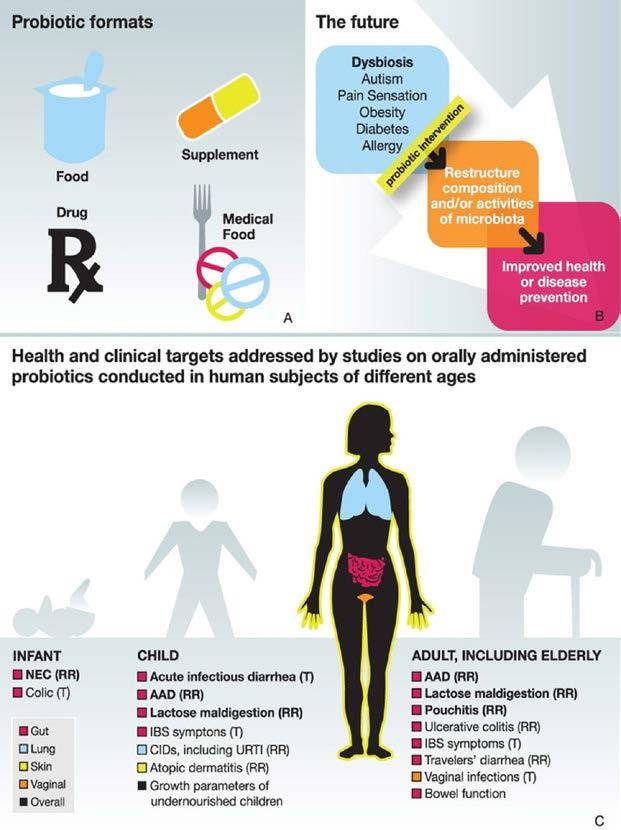
Probiotics are defined by the International Scientific Association for Probiotics and Prebiotics (ISAPP) as ‘live microorganisms which, when administered in adequate amounts, confer a health benefit on the host’.1 These organisms fall into two broad categories:1
1 Classic probiotics. These include species from the Lactobacillus, Bifidobacterium, Enterococcus, Weissella, Escherichia coli and Saccharomyces genera.
2 Next-generation probiotics (NGPs). These are microbial organisms that meet the conventional definition of a probiotic but have not yet been widely used for health enhancement.
A probiotic strain is identified by genus, species, subspecies (if applicable) and a unique alphanumeric designation.
Probiotics are commonly found in fermented foods (eg, kefir, yoghurt and kimchi), as dietary supplements or in functional foods with added live cultures.2
UK REGULATIONS AND HEALTH CLAIMS
Following Brexit, the UK adopted its own version of EU law, initially retaining much of the existing legislation. As of 1 January 2021, only health and nutrition claims authorised on the Great Britain (GB) Nutrition and Health Claims Register are permitted.3 This register replaced the EU equivalent.
In the UK, the term ‘probiotic’ is considered a general health claim and, therefore, cannot be used on product labelling. The Advertising Standards Authority (ASA) has also ruled that statements such as ‘helping support digestive health by increasing levels of important bacteria in your gut’ are specific health claims and are not currently authorised.
Both the Food and Agriculture Organisation/World Health Organisation (FAO/WHO) and ISAPP have outlined the following criteria for a product to be classified as a probiotic:4
1 The probiotic must be alive when administered.
2 It must have undergone controlled evaluation to document health benefits in the target host.
3 It must be a taxonomically defined microbe(s).
4 It must be safe for its intended use.
Sandeepa Soni RD, BSc, PGDip Sandeepa is an NHS and freelance dietitian helping patients with gut problems, nutrition in cancer and the low-FODMAP diet. She works at a busy NHS digestive diseases unit in Brighton and for Spire hospitals.
This means many food products cannot legally be labelled as probiotics unless these criteria are met.
THE POPULARITY OF PROBIOTICS
The EU is the world’s second-largest regional market for probiotics, and the UK is projected to experience the fastest growth in demand. 5 Google Trends data show that searches for ‘probiotic’ in the UK have doubled in the past five years. 4 This rising interest may be linked to studies suggesting that probiotics can help balance gut microbiota, potentially offering various health benefits. Probiotics are widely available in supermarkets in the form of yoghurts, capsules, drinks and powders. Media coverage, combined with aggressive marketing claims about digestive and immune health, has further driven consumer demand.
However, studies suggest that many probiotic products offer little or no benefit to healthy individuals, often because the live microorganisms fail to colonise the gut.5 A lack of robust supporting evidence has led to increasing calls for clearer, evidence-based information to support public decision-making.4
In a UK study of 1830 healthcare professionals, only 23.4% of dietitians, 7.4% of community nurses, 6.3% of GPs and 4.5% of practice nurses reported having a good evidence-based understanding of probiotics.4 Despite the inconsistent evidence, consumer motivation remains high, and this has placed greater scrutiny on health claims made on product packaging.5
UK PROBIOTIC GUIDE
Based on the rising popularity of probiotics, earlier this year, the UK edition of The Guide to Probiotics was launched. 6 This is a researchbased tool published in collaboration between a review committee of independent probiotic experts based in the UK and the Alliance for Education on Probiotics (AEProbio). AEProbio is also responsible for the annual update of the Clinical Guide to Probiotic Products available in Canada and in the USA. For the UK edition, a list of commercially available probiotic products is shown, which
is based on peer-reviewed publications and evidence-based criteria.
Probiotics are not routinely available on prescription in the UK, and the products that are commercially available are not strictly regulated. So, this new resource is essential in providing information on scientifically reviewed probiotics to help assist clinicians, dietitians and consumers in deciding which probiotic is best on an individual basis. The guide can help to select the appropriate product, dose and formulation for a specific indication.
The guide can be found here:6 https://probioticguide.uk/?utm_source=intro_ pg&utm_medium=civ&utm_campaign=UK_ CHART
You can also download the free app from Apple Store or Google play.
IMPLICATIONS FOR DIETITIANS AND EVIDENCE-BASED USE
As dietitians, it’s crucial to evaluate the evidence before recommending probiotics. This is challenging due to the wide variety of foods, supplements and pharmaceutical products available and the fact that most clinical guidance focuses on specific strains, not product names.2
Many products are not clearly labelled, and it can be difficult to match strains to evidencebased outcomes. Dose requirements also vary by strain and, because probiotics are live organisms, their viability can decline during storage.
Viability is key: the strains must survive in the product and through the digestive system, all whilst maintaining their health-promoting effects.1 Spore-forming strains tend to have higher resistance to environmental stress, but their efficacy is not yet as well supported as that of non-spore-forming strains.2
Current UK regulations require probiotic products to state the number of live bacteria in colony-forming units (CFUs) per dose.1 Most supplements also require refrigeration, with a minimum viable count of 10 CFU/g.7 Multistrain products may offer broader health benefits, but again, reliable manufacturing is essential to ensure label accuracy.2
CLINICAL USE OF PROBIOTICS
Interest in probiotics tends to fall into three categories:4
1 Disease treatment (restoration of health)
2 Disease prevention (maintenance of health)
3 Health optimisation (enhancing wellbeing)
Despite numerous clinical trials, few NICE guidelines reference probiotics.4 Recommendations, particularly in clinical settings, should link specific strains to outcomes demonstrated in human trials. Here’s an overview of key clinical applications:
Antibiotic-associated diarrhoea (AAD)
Evidence supports the use of probiotics for preventing AAD in both adults and children receiving antibiotics.2 A Cochrane review found moderate-quality evidence of benefit, particularly for Lactobacillus rhamnosus GG and Saccharomyces boulardii.8 The BDA supports this use.9
Acute infectious diarrhoea
Certain strains may reduce the duration and severity of acute diarrhoea in children by around one day.2 However, a 2020 Cochrane review found that probiotics probably make little or no difference in the number of people with diarrhoea lasting more than 48 hours, and the overall benefit remains uncertain.10
Irritable bowel syndrome (IBS)
Some strains may help reduce bloating and flatulence and improve quality of life. Probiotics may help with global symptoms and abdominal pain, but there is insufficient evidence to recommend specific species or strains.2 Patients can trial probiotics for up to 12 weeks and should discontinue if symptoms do not improve11 (weak recommendation, very low-quality evidence).
Inflammatory bowel disease (IBD)
For Crohn’s disease, there is no strong evidence to support the use of probiotics for inducing or
The evidence base around the health benefits of probiotics has expanded rapidly in recent years, indicating potential benefits for several health conditions, particularly those related to the gut.
maintaining remission.2,12,13 Some individual studies suggest that certain strains may be as effective as conventional therapies in mild to moderate ulcerative colitis. However, a 2020 Cochrane review concluded that the evidence was of low certainty. ESPEN recommends certain probiotics as an alternative when 5-ASA is not tolerated (Recommendation 53).13 For pouchitis, probiotic mixtures have been shown to prevent flare-ups and relapses
after remission. Probiotics are recommended as maintenance therapy in mild cases for both adults and children.2
Clostridium
difficile (C. diff)
A 2017 meta-analysis found moderate-certainty evidence that probiotics help prevent C. difficileassociated diarrhoea in patients on antibiotics. Patients at high risk should be made aware of the potential benefits and risks.2
CONCLUSION
The evidence base around the health benefits of probiotics has expanded rapidly in recent years, indicating potential benefits for several health conditions, particularly those related to the gut. However, there are research gaps, and a multitude of issues remain. This includes data on the appropriate dose and duration of use, a full understanding of strain-specific effects, the relative effectiveness of single preparations versus mixtures, knowledge of mechanisms underpinning the relationship between probiotics and health and quality assurance of products.
Dietitians have a vital role in advising patients on probiotics to benefit their health. The new UK Guide to Probiotics is a great resource that dietitians can now use with more confidence to help patients.6 However, research is ongoing and there are no evidence-based guidelines. Until robust research and clinical recommendations emerge, a patient-centred approach based on current research and the new UK guide seems to be the optimal method for dietitians to advise on using probiotics.
12. Knol J et al. J Pediatr Gastroenterol Nutr 2003. 36;566 13. Bruzzese E et al. J Pediatr Gastroenterol
al. J Nutr 2008. 138:1091-1095 15. Ruiz-Palacios GM et al. J Biol Chem. 2003;278(16):14112-20. 16. Yu ZT et al. J Nutr. 2016;146(10):1980-1990. 17. Weichert S et al. Nutr Res. 2013;33(10):831-8. 18. Newbur y. 2004 Mar;14(3):253-63. 19. Morrow A et al. J Nutr. 2005 May;135(5):13047. 20. Overbeek S et al. J Pediatr Gastroenterol Nutr. 2019;68(S1):N-O-008 21. Vos AP et al. Int Immunopharmacol. 2006;6(8):1277-86. 22. ulation in Mice. J Nutr. 2019b;149(5):856-69. 23. van den Elsen LWJ et al. Benef Microbes. 2019;10(3):279-291. 24. KC et al. J Nutr. 2016;146(12):2559–2566. 25. Marria oenterol Nutr. 2015;61(6):649-58. 26. Reverri EJ et al. Nutrients. 2018;10(10):1346.
HEN/HEF AND DIABETES
Patients requiring home enteral nutrition (HEN) and home enteral feeding (HEF) represent a diverse cohort, often with complex medical needs, including diabetes. Specialist dietitians play a vital role in the multidisciplinary management of this group, ensuring that nutritional adequacy and optimal glycaemic control are maintained at home.
Enteral feeding (EN) supports the prevention of malnutrition, improves metabolic control and enhances patients’ quality of life in several complex clinical scenarios. HEN and HEF both involve providing nutritionally complete feeds via tube (nasogastric, gastrostomy or jejunostomy) to individuals unable to meet their nutritional needs orally, often due to dysphagia, cancer, neurological impairment or post-surgical complications. Patients with diabetes on HEN/ HEF require additional attention due to their susceptibility to glycaemic excursions and metabolic complications.1
KEY PRINCIPLES OF CARE
Comprehensive assessment and individualised plans
Specialist dietitians conduct in-depth dietary and medical assessments, reviewing nutritional requirements, diabetes type, medication regimens, comorbidities and recent blood glucose data. Regular review and adjustment of feeding regimens are essential, as clinical status, medications and feeding tolerance can change.
Diabetes patient profiles benefiting from HEN
The patients who most benefit from HEN compared with oral intake generally include:
• those with neurological impairments affecting swallowing safety;
• patients experiencing severe diabetic gastroparesis with
persistent GI symptoms;
• individuals with severe malnutrition or unintentional weight loss not improved by oral dietary interventions;
• patients treated for head and neck cancers or post-surgical complications impacting oral intake;
• those undergoing critical illness or long-term rehabilitation where nutritional needs exceed limited oral intake capacity.
Appropriate patient selection for HEN involves assessing nutritional status, swallowing function and ability to maintain glycaemic control with oral nutrition.
Diabetes complications favouring tube feeding
Certain diabetes complications specifically require enteral feeding for optimal outcomes:
• Gastroparesis: Severe delay in gastric emptying disrupts glycaemic management and oral intake, favouring jejunal feeding approaches.
• Neuropathic dysphagia: Diabetesinduced neurological damage causes swallowing difficulties and aspiration risk, making oral feeding unsafe.
• GI dysmotility and obstruction: Structural or functional GI abnormalities from diabetes complications prevent effective oral nutrition.
RD Alka works as a Specialist Dietitian with Buckinghamshire Healthcare NHS Trust. She qualified as a health coach and is passionate about increasing awareness about health in South Asians through her freelance practice as Nutrivibes with Alka.
• Malabsorption and diabetic enteropathy: Severe diarrhoea or constipation secondary to autonomic neuropathy may necessitate feeding formula modifications via enteral feeding.
• Chronic wounds and infections: High metabolic demands due to diabetic foot ulcers or infections require reliable, adequate nutritional support, often not achievable orally.
• Eating disorders along with comorbidities: This can be a very complex cohort of patients, especially with long-term chronic conditions like type 1 diabetes. There are a lot of ethical and clinical decisions to be made that warrant MDT working and HEN/HEF can form the temporary nutritional bridge or a nearly long-term solution in the near future or until a permanent long-term feeding solution is agreed upon by all stakeholders.
Glycaemic control challenges predicting HEN benefit
Challenging blood glucose control during oral intake can be an indicator for considering HEN:
• Unstable postprandial glucose: Irregular absorption during oral feeding causes glucose spikes and hypoglycaemic episodes, complicating insulin management.
• Poor oral intake and erratic nutrition: Nausea, vomiting or gastroparesis limit consistent nutrient intake and aligned insulin dosing.
• Difficulty matching insulin to food: Erratic oral feed timing disrupts glycaemic stability, which can be improved with scheduled enteral feeding providing predictable carbohydrate delivery.
• Nutrient composition impact: Diabetesspecific enteral formulas containing slowly absorbed carbohydrates, moderate fat and protein help reduce glycaemic variability seen with oral meals.
NUTRITIONAL AND CLINICAL CONSIDERATIONS IN HEN FOR DIABETES
Diabetes-specific formulas
These often contain low glycaemic index carbohydrates, monounsaturated fats and tailored
protein levels to improve glucose profiles. These are designed to promote more stable postprandial blood glucose levels.1
Monitoring and insulin adjustment
Close blood glucose monitoring and dynamic insulin adjustments are crucial during enteral feeding to avoid hypo- or hyperglycaemia. Monitoring glycaemic trends is crucial, with adjustments made to feed composition, timing and insulin/medication regimens as required.1
Risks and complications
Potential risks include feeding intolerance, tuberelated infections and metabolic derangements, which must be carefully managed.
Multidisciplinary care
Successful management requires a team approach involving diabetes specialists, dietitians, nursing staff and community care providers to optimise outcomes.
Diabetes-specific nutrition formulas
Type 1 diabetes (T1D) and T2D have different aetiologies and pathophysiologies, which require distinct diabetes-specific nutrition formula (DSNF) strategies. There is a need to prioritise management for close synchronisation between carbohydrate intake and insulin administration. Since both T1D and T2D require glycaemic, lipid, blood pressure and weight control, there is considerable overlap in their nutritional imperatives. In contrast, T2D management, with or without severe insulinopenia, prioritises insulin resistance targeting, which in most cases is associated with abnormal adiposity plus the need for weight loss and primarily leads to macrovascular complications within the CMBCD (cardiometabolic-based chronic disease) framework.2 Since both T1D and T2D require glycaemic, lipid, blood pressure and weight control, there is considerable overlap in their nutritional imperatives.
Although most DSNF studies have been conducted in T2D, a few have involved patients with T1D. In one such study, a low-carbohydrate, high-fat DSNF with fibre was shown to limit hyperglycaemia.3 Another study reported that
the carbohydrate content in nutrition formulas significantly influenced the postprandial glycaemic response and that a diabetes-specific low-carbohydrate, high-fat product attenuated responses better than non-specific highercarbohydrate formulas.4 A third study noted that postprandial hyperglycaemia was diminished to a greater extent with DSNF than with standard preparations, without significant variations among the three preparations in total cholesterol (TC), triglycerides or β-hydroxybutyrate.5 In aggregate, these and other studies previously cited herein provide preliminary evidence that DSNF may exert metabolic and clinical benefits in patients with T1D as they do in patients with T2D. Dedicated research is needed.
MULTIDISCIPLINARY COLLABORATION
Dietitians collaborate with nurses, GPs, diabetes specialist teams and enteral feeding companies to deliver cohesive care, monitor feeding equipment and facilitate regular supplies of feeds and ancillaries. Education and training are provided to patients, carers and families regarding feed administration, hypo/ hyperglycaemia recognition, sick day rules and tube care.
DIABETES-SPECIFIC CONSIDERATIONS
Insulin regimens may be synchronised with feeding schedules and regular blood glucose
monitoring to anticipate and correct hypo-/ hyperglycaemia. Feeding schedules can also depend on the package of care put in place for the patient. Facilitating regimens around this optimises increased chances of compliance with the designed regimen. Generally, bolus feeding regimens are preferred by community dietitians to match carers coming in to do the feeds and mimic meal timings for patients who are mobile and like to be out and about during the day.
Emphasis is placed on patient-centred medical nutrition therapy, supporting cardiovascular risk reduction and minimising complications.
Feed plans may need frequent review (frequency decided by the dietitian) and if there are changes in health, activity or feeding regimen (such as tube issue resolution or feed type switch). Feed plans may also need to change due to post-feeding symptoms experienced by patients, eg, bloating, smelly burps or abdominal pain, etc.
ONGOING REVIEW AND SUPPORT
Frequent communication and review, supported by both in-person and remote consultations, ensure the safety and effectiveness of HEN/ HEF in patients with diabetes. Dietitians may coordinate changes with prescribing teams and arrange for specialist diabetes advice where necessary.
CONCLUSION
The specialist dietitian’s role in managing patients with diabetes on HEN/HEF is multifaceted and essential. Through tailored nutritional strategies, careful glycaemic management and robust multidisciplinary working, these professionals ensure the well-being and quality of life for this vulnerable group.
ANutr
Eloise is Nutrition Communications Officer for the Association for Nutrition. She has a background in community nutrition, communications and research. She is responsible for producing the AfN’s core social media content.
www.association fornutrition.org
THE END OF THE ANUTR PORTFOLIO APPLICATION ROUTE
IS NEAR!
In a new column from the Association of Nutrition (AfN), Eloise Macmillan, ANutr, details changes to the new pathways for registration on the UK Voluntary Register of Nutritionists (UKVRN). In this world of nutrition misinformation, it’s crucial for nutritionists to demonstrate their competency and efficacy. The UKVRN provides the foundation for evidence-based and ethical practice.
The UK Voluntary Register of Nutritionists (UKVRN), maintained by the Association for Nutrition (AfN), is an independent register of nutrition professionals recognised by the public, government and employers for its evidence-based standards and commitment to public protection. AfN registrants hold the professional titles and post-nominals of either Registered Associate Nutritionist (ANutr) or Registered Nutritionist (RNutr).
WHY UKVRN REGISTRATION MATTERS
The AfN sets and upholds rigorous competencies for evidence-based and ethical nutrition practice, providing the public and employers a way to identify those who meet and maintain these high standards.
ANutrs and RNutrs:
• meet degree-level competencies in nutrition science and its application;
• adhere to strict Standards of Ethics, Conduct and Performance;
• commit to ongoing continuing professional development (CPD) to ensure their practice remains up to date, safe and effective.
By choosing to register, professionals demonstrate their credibility, competence and commitment to public protection –something particularly important in a field where misinformation is common.
WHAT CHANGE IS HAPPENING?
We are now coming to the end of a five-year sunset clause for the ANutr Portfolio Application Pathway for UK graduates. The 31st December 2025 closure was announced in January 2021, to provide time for students and graduates of non-accredited degrees to apply for registration, and for universities to seek accreditation of their degree programmes.
The removal of this pathway brings AfN processes in line with those of other regulatory bodies. In many regulated professions, initial registration is only achieved by completing an accredited qualification that is mapped against a recognised competency framework. AfNaccredited degrees are rigorously reviewed to ensure graduates can achieve all of the core competencies required for ANutr registration, covering evidence-based nutrition science, application to practice and adherence to ethical and professional standards.
By moving to an accrediteddegree-only model for UK graduates, the AfN aims to make the route to ANutr registration simpler, clearer and consistent, while ensuring that all new ANutr registrants have demonstrated their competencies through a robust assessment process embedded within their degree.
Eloise Macmillan
WHAT HAPPENS AFTER 31ST DECEMBER 2025?
Once the sunset clause period has ended, application for ANutr registration will be available following completion of an AfN Accredited Degree, or via an International Portfolio Application for those who completed their nutrition degrees outside of the UK. This means there will no longer be an ANutr Portfolio application route for individuals from non-accredited UK degrees. However, these individuals will still be eligible to submit an RNutr application once they have gained sufficient experience to demonstrate all the competencies required at this level.
From 1st January 2026, the available routes to join the UKVRN will be the following:
• ANutr via Direct Entry for graduates from AfN-accredited degrees, available up to three years after completing their programme.
• ANutr via International Portfolio for those who completed their nutrition science degrees outside the UK.
• RNutr via Portfolio for those who, in addition to meeting the degree-level nutrition competencies for ANutr registration, have also gained sufficient postgraduate professional experience to
demonstrate the RNutr competencies in a specialist area of practice (Animal, Food, Healthcare-Medical, Nutrition Science, Public Health or Sports & Exercise).
• RNutr via Experience in Evidence-Based Nutrition (EEBN) for those with a minimum of 10 years’ senior-level practice experience in evidence-based nutrition within research, academia, sport, government, charity, NGO, industry or healthcare settings.
THE CLOCK IS TICKING – ACT NOW!
If you, or someone you know, holds a relevant UK degree from a non-accredited programme or graduated from an accredited degree over three years ago, it is vital to act now. Applications must be fully submitted no later than 11:59pm on 31st December 2025.
If applying for ANutr registration via portfolio, give yourself enough time to prepare your application. It takes time to map your qualifications and experience against the AfN core competency requirements, gather your supporting evidence and obtain agreement from appropriate referees. Leaving it to the last minute risks missing the deadline.
The AfN has produced a range of resources to support applicants, all available on the AfN website.
LOOKING AHEAD
As we move forward, we are continuing to strive to strengthen public trust in the nutrition profession, making registration routes clearer, and ensuring a transparent, standardised process for registrants to demonstrate their achievement of the competencies. To find out more, access guidance, or book a support clinic, visit the AfN website: www.associationfornutrition.org.
Aliya Porter RNutr
Aliya provides one-to-ones, workshops, courses and consultancy through Porter Nutrition and Weaning Centre. She has a special interest in health inequalities and family nutrition. She was awarded Community Nutritionist of the Year 2025 – North West England –SME Business Awards.
Private nutrition or dietetic practice takes many forms. It could be seeing clients one-to-one, delivering workshops, developing or analysing recipes, research and writing, communications, consultancy, and so much more in between.
Private practice can be as a sole trader working alone, a sole trader working with companies or teams, or even a business owner or employee within private practice. The field of private nutrition practice is vast.
There are 396,740 sole traders in the UK (2024 data), making up 14.6% of businesses in the UK.1 Many nutrition professionals work as sole traders so this article will focus on this group. So, how do we thrive?
ACKNOWLEDGE OUR SKILLS AND INVEST IN OUR SKILLS
There are so many skills needed. Skills in the area of the nutrition practice you are working in are obviously key. If you don’t know what you are doing, it won’t help you to thrive. But nutrition skills are only the tip of the iceberg. In private practice, we also need communication skills, marketing skills, IT skills (and increasingly AI skills), time management skills and money management skills (including tax returns, accounts, pricing and invoicing). There are many more skills too, but those are some of the key ones.
Being able to see which skills we already have, which ones we need to invest in (and doing that investment), and acknowledging when we need to call in the experts, is a crucial part of
thriving. Poor activity output in any one of those areas could impact your business, your growth and your pocket – in turn, affecting how much we thrive.
HAVE THE ABILITY TO SELF-MOTIVATE
Whilst you might have set deadlines, for example, doing client prep for a client you are seeing tomorrow or the deadline to send in the analysis is next week, the onus is on you to motivate yourself to get the work done rather than get distracted by things around you. Procrastination is not your friend, even for tasks you don’t like doing. Missing deadlines is bad when you work for someone else, but it can be catastrophic for your business if you work for yourself. Here is what BC Forbes said about drive: “If you don’t drive your business, you will be driven out of business.”2
This ability to self-motivate also includes the ability to focus. Focusing on a task when there are so many other things to do overlaps with the essential skill of time management.
HARNESS YOUR PROBLEM-SOLVING SKILLS
It is so easy to get stuck and not thrive if we can’t problem-solve. This could be asking for help, but the key thing is being able to deal with issues. Problemsolving might include working out how to mend a broken weblink or even your
whole website, figuring out what to do when you don’t manage to get enough people signed up for your workshop, or helping your client work out how to achieve their goals.
If we don’t know how to problem-solve or we give up too quickly, we can spiral into self-doubt, and this is no way to thrive. We can also find it impacts the growth of our work too. Sometimes problem-solving takes ages, as Thomas Edison reminds us of when he said, “I have not failed. I’ve just found 10,000 ways that won’t work.”2 So, we also need to be determined in our problem-solving.
HAVE A THICK SKIN
Bill Gates once said: “Your most unhappy customers are your greatest sources of learning.”2 That’s not easy to acknowledge. We need to have a thick skin to be able to deal with negative feedback and learn from it. We also need to have a thick skin when it comes to the ups and downs of marketing and work coming in.
In private practice, there are times when things feel easy and there are times when things feel hard. If we don’t have strong resilience, we can take things very personally and it can impact our ability to keep going. All this will also impact our mental well-being, and it is hard to thrive if we are struggling.
EMBRACE NETWORKING
Networking can be challenging, but it is essential to be able to thrive not only in business but as an individual. Having networks in place and building new ones to find new clients is obviously essential; however, networks are also our support framework in private practice. This could be to help you celebrate milestones, problem-solve challenging situations, or highlight changes in the law or the literature that will impact your work.
Established broad business networking groups (such as local breakfast meetings, BNI 3 and the British Chamber of Commerce4) or nutrition-
OTHER SOURCES OF INFORMATION:
focused networks (such as SENSE5 or Nutritionists in Industry) can be helpful depending on your aims. Informal networking can be equally good through social media, online or by attending events. Growing in networking skills can take time, but it is an essential part of thriving as your own boss.
BE ABLE TO SWITCH OFF
Thriving in private practice does not mean working every hour God sends. There are three areas to highlight in switching off:
1 Being able to say no. This is about saying “no” to projects that don’t fit with what you want to do, with your ethics or what would be problematic to your family life, your health, your wallet, etc. None of these would help you thrive. Most nutrition sole traders have turned down work.
2 Being able to switch on the out of office. So many people in private practice never switch off because of fearing that they might miss a great opportunity. Whilst there are no guarantees you won’t miss something, you might miss more if you burn out and are forced to take time off or make a mistake that affects your reputation.
3 Having ‘me’ time. This goes beyond switching on the ‘out of office’ notification. This is about recharging. This is about not thinking about your work and doing the things you enjoy outside of work with people you care about, or on your own. You need to plan switching off time in, as the author and mentor, Jana Kingsford, says: “Balance is not something you find; it’s something you create.”6 It is far too easy to put off switching off.
These are just some of the ways to thrive in private practice. A whole book couldn’t include them all, but this is a good place to start. And that’s the key: to start. As a profession, we can help each other thrive in private practice.
• Business Support Service: www.gov.uk/business-support-service
Haley is a freelance Food and Nutrition Consultant, providing nutrition support to start-ups, brands and other organisations on communications, labelling, regulations, product development and content creation.
NUTRITION AND HEALTH CLAIMS: EVIDENCE, REGULATION AND PRACTICE
Nutrition and health claims are a central tool in communicating the benefits of foods and ingredients to consumers, shaping perceptions, guiding dietary choices and supporting public health messages. They are also highly regulated to ensure that claims are truthful, clear and evidencebased, protecting consumers from misleading information.1
In Great Britain (GB), the framework for nutrition and health claims is now established under domestic legislation, following the UK’s exit from the European Union (EU). While the rules continue to align closely with EU law, new EUauthorised claims require separate GB approval.2,3 This has important implications for nutrition professionals supporting brands and working in the food industry.
DEFINITIONS OF NUTRITION AND HEALTH CLAIMS
Understanding the definitions of nutrition and health claims is essential for nutrition professionals. See Table 1 for more on the definitions.
BOTANICAL
AND
ON-HOLD CLAIMS
Botanical substances, such as herbs, plant extracts and functional ingredients, are commonly used in food supplements and functional foods. However, health claims relating to botanicals occupy a unique regulatory position. In 2010, the European Commission suspended the evaluation of over 2000 health claims related to botanicals due to concerns about the lack of human intervention studies. These claims were placed on an ‘on-hold’ list and permitted for use under transitional provisions, pending final assessment.
GB has retained this list under domestic legislation, meaning that on-hold claims may still be used here, provided they meet the conditions set out in the guidance on nutrition and health claims on foods.6 These claims are not formally authorised and may be challenged if used in a misleading or non-compliant manner.
Importantly, businesses using onhold claims must hold robust and credible scientific evidence to support the claimed effect. This includes ensuring the product contains the relevant botanical substance in the appropriate quantity, and that the wording of the claim is used exactly as listed. Altering the phrasing or implying broader benefits may result in enforcement action and/or reputational risk.7
Recent legal developments in the EU have questioned the continued use of on-hold claims. In 2025, the Court of Justice of the European Union ruled that the prolonged suspension may constitute a disproportionate restriction on the freedom to conduct a business.8 Despite this, there has been limited progress in either the EU or GB towards formally authorising or rejecting these claims.
Claim type
Nutrition claim
Health claim
Disease risk reduction claim
Definition4
Nutrition claim means any claim that states, suggests or implies that a food has particular beneficial nutritional properties due to:
(a) the energy (calorific value) it:
(i) provides;
(ii) provides at a reduced or increased rate; or
(iii) does not provide; and/or (b) the nutrients or other substances it:
(i) contains;
(ii) contains in reduced or increased proportions; or (iii) does not contain.
A health claim is any claim that states, suggests or implies that a relationship exists between a food category, a food or one of its constituents and health.
A type of health claim that states, suggests or implies that the consumption of a food category, a food or one of its constituents significantly reduces a risk factor in the development of a human disease.
Examples5
Children’s development and health claim
A claim that refers to the role of a nutrient or food in the growth, development or health of children.
HOW COMMON ARE NUTRITION AND HEALTH CLAIMS?
Claims are widespread across the food environment. In a five-country European study of 2034 food and drink products, 26% carried at least one claim. Nutrition claims were more common than health claims, accounting for 64% of all claims, while health claims accounted for 29%. Among the countries studied, Spain had the highest proportion of nutrition claims (74%), closely followed by the UK (62%). For health claims, Germany (37%) and Slovenia (37%) had the highest proportion, with the UK coming in at 21%.9
– “low energy”
– “energy reduced”
– “energy-free”
– “contains omega-3”
– “source of protein”
– “high in fibre”
– “increased vitamin C”
– “reduced saturated fat”
– “with no added sugars”
– “Folate contributes to normal blood formation.”
– “Protein contributes to the maintenance of muscle mass.”
– “Zinc contributes to the maintenance of normal skin.”
– “Oat beta-glucan has been shown to lower/reduce blood cholesterol.”2
– “High cholesterol is a risk factor in the development of coronary heart disease.”
– “Calcium is needed for normal growth and development of bone in children.”
– “Vitamin D contributes to the normal function of the immune system.”
This prevalence reflects both consumer interest in health-related messaging and the strategic use of claims by manufacturers to differentiate products. Claims such as ‘low fat’, ‘source of fibre’, or ‘supports immunity’ can influence purchasing decisions, particularly among health-conscious consumers. One study suggests that consumers often perceive products with claims as healthier, even when the overall nutrient profile may not support that perception.10
Although Regulation (EC) No. 1924/2006 includes provisions for the development of nutrient profiles,4 which could be used to restrict
the use of nutrition and health claims on products with unfavourable nutritional composition, no such profiles have been formally adopted in either GB or the EU. If implemented, this model could allow authorities to prevent claims from appearing on products that are, for example, high in sugar, salt or saturated fat, helping to ensure that public health messaging aligns with overall dietary quality.
Recent research reviewing food and drink products sold online in GB found that 28.3% displayed health claims and around 10% of these were non-compliant with legislation,11 highlighting both the commercial importance of claims and the need for robust compliance.
AUTHORISATION OF HEALTH CLAIMS IN GREAT BRITAIN
Only authorised health claims can be used in commercial communications, including TV advertising, print media and social media. These must appear on the GB nutrition and health claims (NHC) register, which was retained under domestic legislation following the UK’s exit from the EU and is now managed through a separate GB-specific authorisation process.5
Applications for new claims are risk assessed by the UK Nutrition and Health Claims Committee (UKNHCC), which evaluates the totality of scientific evidence and publishes its views in a ‘scientific opinion’.12 This risk assessment process by the UKNHCC ensures that the claimed effect is substantiated with robust evidence. Randomised controlled trials are generally regarded as the gold standard in demonstrating causality for claims. It’s crucial that the claim wording is clear, accurate and not misleading to consumers.
UKNHCC PROCESS
The UKNHCC was established in 2021 as part of the UK’s post-EU Exit regulatory framework to provide independent scientific advice to the UK government and devolved administrations on the substantiation of evidence underpinning nutrition and health claim applications. The committee operates in accordance with the government’s Code of Practice for Scientific Advisory Committees and is supported by
a secretariat within the Office for Health Improvement and Disparities at the Department of Health and Social Care.12
The UKNHCC applies a structured framework for the evaluation of evidence, adapted from the European Food Safety Authority (EFSA) and the Scientific Advisory Committee on Nutrition (SACN). This framework ensures a consistent approach to assessing the quality, relevance and consistency of submitted data. Applications are reviewed under retained Regulation (EC) No. 1924/2006, which sets out the legal framework for nutrition and health claims in food labelling and advertising. This regulation was retained in UK law and amended by the Nutrition (Amendment, etc) (EU Exit) Regulations 2019 and 2020.3
To date, the UKNHCC has published four scientific opinions, none of which have resulted in a favourable outcome. Common reasons for rejection include insufficient substantiation of the claimed effect, inappropriate dosage relative to the proposed conditions of use, and lack of relevance of the study populations to the intended target group.12 These outcomes highlight the importance of submitting welldesigned human intervention studies that demonstrate a clear cause-and-effect relationship.
Applicants are required to complete the application form for substantiation of a health claim in GB and are encouraged to consult EFSA’s scientific and technical guidance documents relevant to their claim category.12
Scientific opinions are made publicly available and include a summary of the application, the committee’s evaluation of the evidence and the rationale for its conclusion. The final decision on authorisation rests with the UK government and devolved administrations, who are the risk managers.12
DIVERGENCE AND NEW DEVELOPMENTS
Although the UK and EU remain closely aligned in their approach to nutrition and health claims, regulatory divergence is already emerging. A recent example is the authorisation of a health claim by the European Commission for green kiwifruit (Actinidia deliciosa var. Hayward). The claim states that ‘consumption of green
. . . ‘consumption of green kiwifruit contributes to normal bowel function by increasing stool frequency’ . . .
kiwifruit contributes to normal bowel function by increasing stool frequency,’ based on a daily intake of two fresh kiwifruits providing a minimum of 200g of flesh.13 This decision followed a positive scientific opinion from EFSA, which concluded that a cause-and-effect relationship had been established between green kiwifruit consumption and maintenance of normal defecation.14
While this claim is currently authorised for use in the EU, it is not currently recognised in GB. A separate application would need to be submitted to the relevant competent authority, either the UK government or a devolved
While this claim is currently authorised for use in the EU, it is not currently recognised in GB.
administration and subsequently risk assessed by the UKNHCC before a decision to authorise or not by the UK government and devolved administrations, acting as risk managers. For businesses operating across both markets, this creates additional complexity in terms of compliance, labelling and marketing.
Under the Windsor Framework, EU legislation on nutrition and health claims continues to apply in Northern Ireland. As a result, businesses operating across GB, Northern Ireland and the EU may face dual compliance requirements, particularly in relation to product labelling and marketing.
CONCLUSION
Nutrition and health claims remain a useful tool for communicating the benefits of foods and ingredients. Their use is governed by a detailed and evolving regulatory framework that demands clarity, consistency and scientific rigour. In GB, the retention of EU legislation alongside the development of domestic processes has created a system that requires careful navigation.
The widespread use of claims across the food environment reflects their commercial value and public health relevance. However, some research has highlighted ongoing issues with non-compliance, particularly in online retail settings. The continued use of on-hold botanical claims, the potential for divergence from EU authorisations and the specific requirements under the Windsor Framework all contribute to a more complex regulatory landscape.
As the regulatory environment continues to develop, those working in the food sector must remain informed and responsive. Whether reviewing existing product claims or preparing new submissions, a clear understanding of the legal framework and scientific expectations is essential. This will help ensure that nutrition and health claims continue to support consumer understanding and maintain trust in the food system.
FACE TO FACE
Ursula Arens
Ursula has a degree in dietetics and currently works as a freelance writer in Nutrition and Dietetics.
Our F2F interviews feature people who influence nutrition policies and practices in the UK.
Ursula meets LUKE WHITE
Specialist Dietitian with the charity
The Food Chain
BDA HIV Specialist Group Co-Chair
Runner and rugby player
We meet in the offices of the health charity, Positive East, in East London. Luke works for the charity The Food Chain, the UK’s only specialist nutrition charity supporting people living with HIV, and he explains, “We are currently homeless.” The charity had to leave its previous premises at King’s Cross, and now shares office space with the Terrance Higgins Trust for administration. But Positive East is a perfect, generous partner sharing kitchen and dining room premises for meal provisions.
Luke comes from rural Essex and left school at 16. He says that he always felt confident and comfortable with the science and maths subjects, but going to university was never an option he considered. For a few years, he worked hard on farms and in pub kitchens.
Science entered his life at 18, when a friend suggested a job as a laboratory technician. He put on a white coat and suddenly became a tiny cog in the Human Genome Project, setting out sample plates and supporting the admin of the laboratory. When redundancy was offered a few years later, Luke was delighted that the payments supported a year of travel to the Far East and Australasia. “It really opened my eyes to other foods and
other cultures,” says Luke.
had suggested ‘sports-teacher’ as a possible career. But his 30s had arrived and he needed to think about a career. The themes of science and health had formed, and after a short stint supporting the blue-lighted drama of ambulance work, Luke discovered the calm oasis of dietetics.
The key to open the door to the profession was offered by Birkbeck, University of London. The Certificate of Higher Education in Life Sciences for Subjects Allied to Medicine required two nights per week. Learning the higher levels of chemistry and biology was intensely hard work, but he passed with a distinction, allowing him onto the Dietetics course at the University of Hertfordshire. “Which I loved,” says Luke. He enjoyed the wide diversity of specialisms he encountered during his clinical placements and the friendly and supportive staff on the course. He also admits the great luck that September 2016 was the last intake of students getting NHS support to pay university fees.
Luke had been doing some volunteering with The Food Chain as a student, and upon graduation in 2019, he accepted the offer of a full-time job. The charity already employed a dietitian (see Face to Face interview with colleague Lucy Nichols in NHD Issue
A return to the UK led to working 168, Dec 21/Jan 22). I ask him about as a gardener and in construction. My the charity It was launched in 1988 to impression is that young Luke suited specifically enhance the health of people a job that was vigorous and outdoors, diagnosed with HIV through food and he admits that a schoolteacher and nutrition support. Most referrals
“What I enjoy so much is the very visible improvements I always observe over the 12 weeks of support. More than 90% of service users consistently reported that they felt less isolated and had made new friends.”
(70%) come from the NHS and are identified as those in crisis and living with HIV or linked to an HIV diagnosis; last year, there were more than 400. Dietetic contact provides guidance and immediate practical support for 12 weeks, including monthly delivery of groceries. There are also twice-weekly eating-together hot meals, which allow discussions and meeting new friends. Mothers with infants are also provided with formula milk if requested.
The Food Chain dietitians are uniquely skilled at understanding the complicated medical and social challenges faced by service users. Many factors make it difficult for people with HIV to get the healthy diets that support their treatment, and these challenges need to be addressed: those in trauma from being homeless or isolated; those with drug or alcohol addictions; those facing the hurdles of language and asylum procedures. “What I enjoy so much is the very visible improvements I always observe over the 12 weeks of support. More than 90% of service users consistently reported that they felt less isolated and had made new friends.”
trial) has demonstrated significant reductions in adverse cardiovascular events in participants taking Pitavastatin compared with those receiving a placebo. This has recently changed UK guidance on statin recommendations for people living with HIV.
Luke is a very active member of our profession. He is the Co-Chair of the BDA HIV Care Specialist Group, which has more than 50 members. He supports educational activities and is currently planning the next inperson study day. “It is a really friendly and supportive group.” I am prompted to observe the long vacuum of activities of the BDA London Branch. He mentions that he helped to write the chapter on HIV nutrition in the next Manual of Dietetic Practice and that he is currently writing a narrative review of the last 40 years of nutrition guidance for those with an HIV diagnosis (with a possible publication date of March 2026). He is also delighted to be supporting dietetic student placements and lecturing on HIV dietetics at UCL, which may
inspire future colleagues into public health
There have been significant changes to drug and charity work. treatments supporting people living with HIV, As I leave, lunch is being served. Mongolian and current medications have fewer side effects chicken or courgette and butterbean casserole? and result in ‘undetectable’ viral loads. But I observe the calm enjoyment of many already treatments are lifelong, and there are concerns eating. Luke is called into a meeting, but my about greater risks of some chronic diseases, parting words would have been how impressed such as diabetes and cardiovascular disease. I am with the charity and his own particular, Luke explains that a randomised study (Reprieve unique dietetic journey.
Fareeha Jay RD
Fareeha is a freelance dietitian with a specialist interest in South Asian diets and provides specialist advice to South Asians across the globe. She is extremely passionate about providing the best available nutrition advice to people with South Asian backgrounds, which is what led her to develop the South Asian Eatwell Guide.
Gout, a painful form of arthritis caused by uric acid crystal build-up, is becoming an increasingly significant health concern, more so in South Asian populations due to several factors.
Gout occurs when uric acid crystals accumulate in the body. These crystals can trigger sudden, intense joint pain and inflammation, known as a gout flare. If flares happen repeatedly, they may lead to long-term joint damage, which is often called chronic gouty arthritis. In some cases, uric acid crystals can also build up beneath the skin, creating firm lumps called tophi.1 Most people with gout have higher than normal levels of uric acid in their blood. Uric acid forms when the body breaks down certain foods and drinks, including red meat, seafood, alcohol and sugary beverages. Still, not everyone with elevated uric acid develops gout. Other risk factors include genetics, metabolic problems, obesity, high blood pressure, chronic kidney disease and the use of some
medications (such as diuretics).2
groups. Older Asians were especially impacted, with nearly 15% of those aged 65 and over affected, and almost one in four older Asian men reporting gout. Average uric acid levels also rose among Asians, a change largely linked to increases in BMI. Notably, even after adjusting for obesity and other lifestyle or clinical risk factors, Asian Americans continued to have significantly higher odds of gout compared with White Americans, suggesting that other influences, such as genetics, diet or healthcare access, may play an important role in this disparity.3
PURINE FOODS
It is recommended to reduce the intake of foods that are high in purines. High purine animal foods, such as organ meats (liver, kidney), red meat, shellfish and certain fish, like anchovies, sardines
A study analysing NHANES and mackerel, contain large amounts of data from 2011 to 2018, a nationally purines that can raise uric acid levels. representative survey of US adults, Moderate purine foods should be examined gout prevalence, trends in consumed in moderation and include serum urate levels and differences beef, lamb, chicken, pork, dried peas, across racial and ethnic groups, with a beans, legumes (eg, baked beans, kidney particular focus on Asian Americans. beans, soybeans, peas), mushrooms, To validate the findings, researchers mycoprotein (Quorn™), some vegealso used UK Biobank data (2006 to tables (asparagus, cauliflower, spinach), 2021) to compare Asian and White and wholegrains such as bran, oat bran populations. Results showed that gout and wholemeal bread.4 prevalence among Asian Americans
A study of 633 individuals found that doubled during the study period, higher total purine intake was strongly increasing from about 3.3% to 6.6% linked to an increased risk of recurrent and by 2017 to 2018, they had the gout attacks, with those in the highest highest prevalence of gout among all intake group experiencing nearly a
fivefold higher risk. The association was strongest for purines from animal sources, while purines from plant sources had a much weaker effect. This relationship remained consistent across different subgroups, including sex, alcohol consumption and use of diuretics or gout medications. The study concluded that limiting purine-rich foods, particularly from animal sources, can help reduce the risk of recurrent gout attacks.5
Traditional South Asian diets can lead to higher purine intake due to cultural food habits and customary eating patterns. Commonly consumed foods include animal proteins such as mutton, goat, chicken and various seafood, along with organ meats like liver and kidney, which are often used in curries and festive dishes. Staple vegetarian foods, including legumes and lentils, contain moderate amounts of purines and are typically eaten daily with rice or rotis. Some vegetables, like spinach and cauliflower, also contain moderate purines but are regularly included in meals. This combination of frequent meat, seafood and purine-containing plant foods can contribute to elevated uric acid levels, increasing the risk of gout in South Asian populations.
In my clinical practice, when advising South Asian patients, I often recommend limiting or avoiding high-purine vegetables, as well as wholegrains, while including moderate amounts of lentils and meat to ensure adequate protein intake. I also encourage increasing eggs and lowfat dairy in their diet, as these are low in purines and provide high-quality protein without significantly raising uric acid levels.
FRUCTOSE AND SUGAR-SWEETENED BEVERAGES
Consuming excessive fructose, a sugar commonly found in sweetened beverages and processed
foods, can elevate uric acid levels in the blood. During fructose metabolism in the liver, substances are produced that are eventually converted into uric acid. High fructose intake also stimulates pathways that increase the body’s production of purines, further raising uric acid levels. Studies have shown that individuals with high fructose consumption are at greater risk of developing hyperuricemia, which can lead to gout and kidney problems. Limiting sugary foods and drinks is, therefore, important to reduce this risk.6
In South Asian diets, both traditional and modern beverages are often high in fructose or added sugars, contributing to elevated uric acid and increased gout risk. Drinks such as sweetened lassi, falooda, sugarcane juice and milk-based sweets flavoured with saffron or cardamom frequently contain large amounts of sugar. Regular consumption of these sugar-rich beverages, particularly when combined with a purine-rich diet, can substantially raise serum uric acid levels and promote the development of gout.
METABOLIC SYNDROME
Metabolic syndrome and insulin resistance, both strongly linked to elevated uric acid levels, may lead to gout. For South Asians, who are already more susceptible to metabolic syndrome, this connection may help explain their higher rates of gout.
Diet is an important factor as well; traditional South Asian eating patterns often include refined carbohydrates, such as white rice and white flour breads, fried snacks and sugary sweets or beverages, which can worsen insulin resistance and further increase uric acid levels.
CONCLUSION
Since both genetics and diet contribute to the development of gout, a personalised approach to management is vital. This means considering cultural food traditions, overall metabolic health and individual risk factors when creating a plan. Support from healthcare professionals, including doctors and dietitians, is key to guiding patients on how to adjust their diet, ensuring adequate but balanced protein intake, limiting purine- and fructose-rich foods and encouraging healthier alternatives. With the right tailored guidance, uric acid levels can be better controlled, reducing the risk of gout flares and preventing long-term complications.
For healthcare professionals only - not for distribution to the general public.
2X MORE infants returned to milk with Nutramigen LGG® vs. any other CMA formula.*1
Incidence of tolerance to cow’s milk protein after 12 months of dietary management1*
IMPORTANT NOTICE: Breastfeeding is best for babies and the nutritional benefits of breastfeeding should be carefully considered before bottlefeeding is initiated. The decision to discontinue breastfeeding may be difficult to reverse and the introduction of partial bottlefeeding may reduce breast milk supply. However, we recognise that breastfeeding may not be an option for every mother. Where a formula for special medical purposes is required, parents should only use this after consulting a healthcare professional. Preparation should follow label instructions; failure to do so may be harmful to the health of the baby.
REFERENCES: 1. Nocerino R et al. J Pediatr. 2021;232:183–191. RKT-M-76866 May 2025