BONUS ARTICLE
Emotional eating isn't the problem... Page 53

BONUS ARTICLE
Emotional eating isn't the problem... Page 53






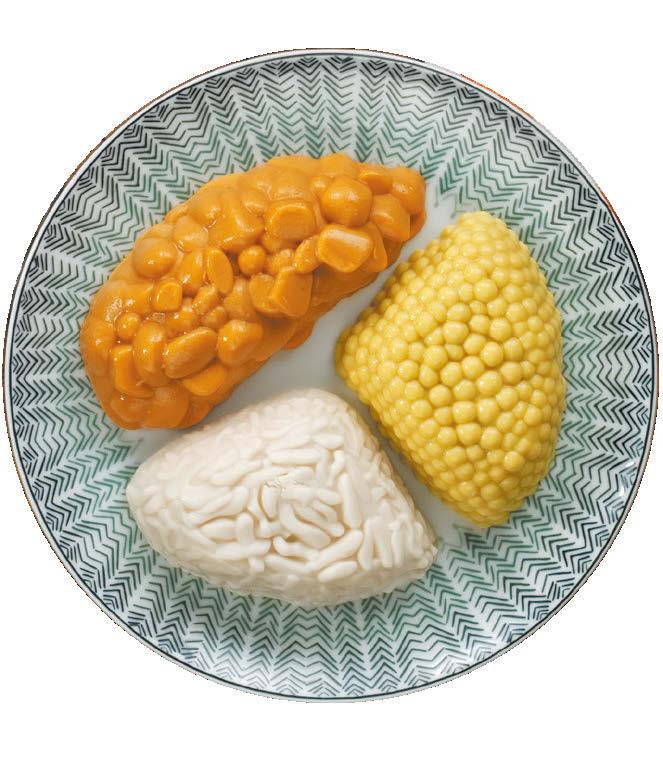
Image of the pack is for illustrative purposes only THIS INFORMATION IS INTENDED FOR HEALTHCARE PROFESSIONALS ONLY.
Forticreme Complete is a Food for Special Medical Purposes for the dietary management of disease related malnutrition and must be used under medical supervision.
*Product can be provided to patients upon the request of a Healthcare Professional. They are intended for the purpose of professional evaluation only.
Reference: 1. 2025 Data on File - independent taste research on Forticreme Complete (4 flavours), n=116 healthy adults aged 20-70 years old. Forticreme Complete Vanilla flavour was liked overall by 69% of healthy people surveyed, Forest Fruits flavour by 86%, Chocolate flavour by 75% and Banana flavour by 73%.
Accurate at time of publication: December 2025
Scan here to order a sample pack*

Welcome to the December issue
NHD . As we approach the end of another year, there is much to celebrate and look back on.
e’ve enjoyed publishing 10 exciting and article-packed issues, a tonne of blogs and website content and we’ve relaunched our online Student Hub section. All of this great work wouldn’t have been possible without the superb contributions from all of our writers. The team at NHD would like to share our gratitude and mega high fives to everyone who joined us this year in creating our publications.
At this time of year, many of us may reflect on what we’ve planned and achieved over the past 12 months, and begin to look forward to what comes next. Reflective thinking is a critical process for our profession, allowing us to examine our experiences, actions and outcomes. It helps us to challenge our practice, thoughts and assumptions, potentially leading to improved ways of working and performance. However, our ability to perform at our best and sustain mental stamina is closely linked to our overall cognitive health.
This month we bring you two articles on cognitive health, looking at the importance of keeping the old
noggin healthy, and delving into the nutritional strategies to support cognitive health.
Cognitive health is the state of brain function across sensory, social, emotional, motor and behavioural domains. It’s our ability to learn, process, retain and use information. Many factors can have an impact on this.
The determinants of cognitive health vary. Factors such as genetics, the environment and exposure to pollution/harmful chemicals, safety and security, our access to education, lifelong learning and social connection can all play a role. And there are some new determinants that we’re beginning to learn more about, for example, use of technology and changing environmental exposures.
Diet and lifestyle are also key. Katy Stuart, RD, and Harriet Lucking, RD, take us through the importance of diet and lifestyle choices in (and the evidence behind) the current recommendations and trends.
Firstly, a warm welcome to Iona Tulloch, who joins us as Publishing Editor. And – finally – thank you to all of you, our readers, for joining us throughout the year.
See you next year! Emma.


BIG NEWS IS COMING! OUR VERY FIRST JANUARY ISSUE!
In January, we’re turning the page with a brand-new look, a brand-new name, and a brand-new reading experience.
Starting next issue, Network Health Digest becomes Network Health Dietitians, arriving in a fresh A4 format with a modern design that reflects the energy and expertise of our community. Expect sharper visuals, cleaner layouts and the same trusted content – elevated!
COMING IN THE NEW-LOOK JANUARY ISSUE:
• Paediatric sip feeds
• G6PD and the link with anaemia
• Diabetes in South Asians
• Gut microbiome health
• Diarrhoea and constipation
• Blended diet

STAY TUNED… OUR JANUARY ISSUE IS JUST THE BEGINNING…










Karen Voas-Wootton RD
Karen is a Community Prescribing Support Dietitian and Team Lead at Betsi Cadwaladr. She has a keen interest in appropriate prescribing and nutritional support and actively tries to perform quality improvement strategies within her role.
GLUTEN MAY NOT BE THE PROBLEM AFTER ALL!
Recent research published in The Lancet1 shows that for many people who say they are sensitive to gluten, their symptoms may actually be caused more by fermentable carbohydrates (FODMAPs) or gut-brain interactions than by gluten itself. This challenges the idea that gluten is the main cause of some symptoms in non-coeliac gluten sensitivity and highlights how complex the condition can be. These insights may help guide better dietary advice, so fewer people avoid gluten unnecessarily while still getting the nutrition they need.
1 Biesiekierski JR, Jonkers D, Ciacci C, Aziz I. Non-coeliac gluten sensitivity. The Lancet (2025) 22 Oct DOI: 10.1016/S0140-6736(25)01533-8
A new study1 in younger adults found that eating more fruits and vegetables during the day is linked to better sleep the following night. Participants who consumed more fruits and vegetables experienced a 16% improvement in sleep quality, including deeper, less fragmented sleep. The findings suggest that even small increases in fruit and vegetable intake could have a meaningful impact on how rested we feel. Diets rich in complex carbohydrates, fibre and nutrients like magnesium also appear to support better sleep. Perhaps a simple boost in fruit and vegetable intake is all it takes to sleep more soundly at night.
1 Hedda L. Boege et al. Higher daytime intake of fruits and vegetables pr less disrupted nighttime sleep in younger adults. Sleep Health (2025) Volume 11, Issue 5p590-596October DOI: 10.1016/j.sleh.2025.05.0030


The British Dietetic Association, British Nutrition Foundation and Diabetes UK have issued a joint Position Statement1 on low- or nocalorie sweeteners. It confirms that approved sweeteners are safe within acceptable daily intakes and can help reduce sugar intake and support weight and diabetes management. However, they are not a stand-alone solution; healthy, balanced diets remain key. The statement urges personalised, evidence-based advice for patients and calls for more research on long-term effects and consumption patterns.
1 British Nutrition Foundation Position Statement on Sweeteners 24 October 2025 https://www.nutrition.org.uk/news/joint-position-statement-on-sweeteners
Researchers from the University of Liverpool have found that introducing mandatory front-of-pack nutrient warning labels on foods high in fat, salt or sugar could help reduce obesity rates across England… and save lives. The study, published in The Lancet Regional Health – Europe, 1 estimates that over 100,000 obesity-related deaths could be prevented or postponed over a 20-year period if manufacturers were required to display clear nutrient warning labels on food packaging.
1 Rebecca Evansa R.K. et al. The estimated impact of mandatory front-of-pack nutrition labelling policies on adult obesity prevalence and obesity-related mortality in England: a modelling study. The Lancet Regional Health – Europe (2025) Online first 101506 November 04


Scientists report that they have developed a sunflowerbased meat alternative that is high in protein, rich in essential minerals and has a mild, appealing flavour. The study1 found that sunflower meal provides a favourable balance of amino acids, contributing to its strong nutritional profile. This approach highlights the potential of sunflowerderived ingredients to create sustainable, nutritious and tasty options for plant-based diets.
1 Tiago Negrão Andrade et al. Exploring new plant-based products: Acceptance of sunflower meal as a protein source in meat alternative products. Food Research International, 2025; 209: 116158 DOI: 10.1016/j.foodres.2025.11
As we move into a new year, the pace of change in technology, research and food innovation continues to accelerate. From advances in diet and recipe development to evolving consumer food choices, the nutrition landscape is set for further transformation.
MORE PERSONALISED NUTRITION AND FITNESS
Personalised nutrition continues to rise, with individuals seeking tailored guidance through professional nutrition advice, meal plans, fitness coaching and smart apps that track and optimise health and wellness.
SUSTAINABLE EATING TRENDS
Awareness of the environmental impact of food choices is growing. Consumers are increasingly embracing plant-based diets, zero-waste practices, locally sourced or organic ingredients and other ecofriendly approaches to eating.
FUNCTIONAL FOOD
Foods that offer health benefits beyond basic nutrition will continue to gain popularity. From probiotics and prebiotics to nutrient-rich superfoods, consumers are looking for options that support immunity, gut health and overall well-being.
NEW TECHNOLOGY
Advances in kitchen technology – such as air fryers, pressure cookers and smart appliances – are changing how we cook, eat and track nutritional goals. Artificial intelligence (AI) is set to play a major role, offering new ways to personalise and optimise our diets.

Madi Myers ANutr
Madi is a Freelance Nutritionist working with individuals, hosting workshops for groups and writing. She works across the food industry and the private sector, promoting the non-diet approach to nutrition.
www.nondietnutrition.co.uk
diet_nutrition
nondietnutrition
REFERENCES
Please visit: www.NHDmag. co.uk/articlereferences.html
Madi Myers explores some of the claims, myths and current evidence around fads and fashionable crazes.
COLD AND FLU SEASON: SUPERFOODS OR SUPPLEMENTS?
The changing seasons often bring with them the dreaded wave of sniffles, sore throats and sick days. Colds and flu consistently top the list of minor illnesses, and last year they were the single biggest reason for workplace absences in the UK – accounting for around 30% of all sick days.1 While usually mild, these viral infections still cause significant disruption, lost productivity and, for vulnerable groups, can lead to serious complications and even deaths each year.

It’s no surprise, then, that people turn to food and supplements in search of a quick fix. From turmeric shots to ‘immune-boosting’ smoothies, social media is overflowing with nutritional hacks that promise to ward off winter bugs. But how much of this advice is grounded in science and how much is just clever marketing wrapped in wellness jargon? This article will tackle some of the most common nutrition myths about colds and flu, separating fact from fiction with the help of current research.
Many nutrients have authorised health claims to show they can help support the normal functioning of the immune system, including vitamins C, D and A, iron, zinc and selenium. And while there is some positive evidence for certain supplements (for example, vitamins D and C reduced the risk of getting a cold in one meta-analysis by 3–4%), this is by no means concrete.2 Current evidence doesn’t warrant high-dose supplements which can be expensive and can potentially have unwanted interactions. As an example, high-dose zinc can interfere with copper intake and copper is also important for proper immune function. There is some evidence to show that certain supplements might work better when you’re already ill, as needs increase during sickness. For example, one meta-analysis found that vitamin C intake of 1–4g per day significantly decreased the severity of the common cold by 15%.3 For most people, meeting recommended intakes of these micronutrients through a balanced, varied diet is likely sufficient. There is no need to overdo it on supplements unless diagnosed deficiencies or conditions that warrant it exist.
Garlic has been used as a natural sickness remedy in teas, powders and pastes for centuries. Current understanding is that potential benefits are largely due to its allicin content (an organosulfur compound), which reportedly has antimicrobial and antiviral properties.4 Garlic also contains a wide range of other phyto- and micronutrients. However, in terms of preventing colds or flu, the current evidence base relies on a handful of small, old trials that often use garlic extract, which is a more concentrated form than raw garlic. While it might play some role in immunity, claims of effectiveness appear to rely largely on poor-quality evidence. Garlic is a delicious way to add flavour to cooking and if enjoyed then adding a little bit more during winter months isn’t going to hurt; however, there really is no need to munch on whole raw garlic to stop colds.
Immunity cubes and tinctures made from turmeric, ginger or other trendy ingredients are everywhere on social media and are often advised to be consumed at this time of year to prevent illness. Despite these claims, no single ‘superfood tonic’ can build or supercharge the immune system. The immune response depends on many micronutrients working together, alongside sufficient intake of macronutrients. Research shows that correcting nutrient deficiencies supports normal immune function, but consuming extra amounts of one ingredient offers little additional protection. Relying on concentrated ‘immune cubes’ or tonics can give false confidence of protection. The best evidence-based strategy is a balanced diet rich in nutritious foods, not a single miracle food or paste.

This is a common way of idealising certain diets and foods. Perfectionism with food can lead to disordered eating, which in some cases can progress into eating disorders. As well as being potentially harmful to people’s relationship with food this mentality leaves out the influence of genetics, the lived environment and lifestyle factors that all influence the immune system. For example, chronic psychological stress has been shown to be an independent risk factor for the common cold.5 Other modifiable factors, such as smoking, excess alcohol intake, a sedentary lifestyle and poor sleep, have all been found (through effects such as reduced immunosurveillance and increased production of inflammatory cytokines) to increase susceptibility to viral infection.6 Although diet is often placed at the pinnacle of prevention against the risk of getting ill, there are many other factors, some modifiable and some not, that influence vulnerability.
While probiotics are often marketed to ward off colds or flu, the scientific evidence doesn’t support them as a reliable means of preventing viral respiratory infections. Probiotics (live microorganisms found in some yoghurts, drinks and supplements) can help maintain gut health and may modestly influence immune responses; however, results across clinical trials are inconsistent. A 2022 metaanalysis found that probiotics slightly reduced the number of common colds in some studies, but effects varied widely by strain, dose and study quality, and the overall evidence was rated as of low certainty.7 In other words, certain strains may offer small benefits, but there’s no universal ‘cold-preventing’ probiotic. Over-relying on them can distract from proven defences, including vaccination against flu. While foods which contain probiotics can be a delicious addition to the diet and potentially help support gut health, there’s no reason to expect them alone to prevent illness.
While we’d all love a quick fix to stay healthy through cold and flu season, the truth is that no supplement, smoothie or superfood can make you immune to infection. Nutrition absolutely matters but it’s only one piece of the puzzle. Good sleep, regular physical activity, stress management, vaccination and basic hygiene remain the real cornerstones of prevention. Social media may make all kinds of promises but the evidence consistently shows that in terms of nutrition, balance outperforms miracle cures.








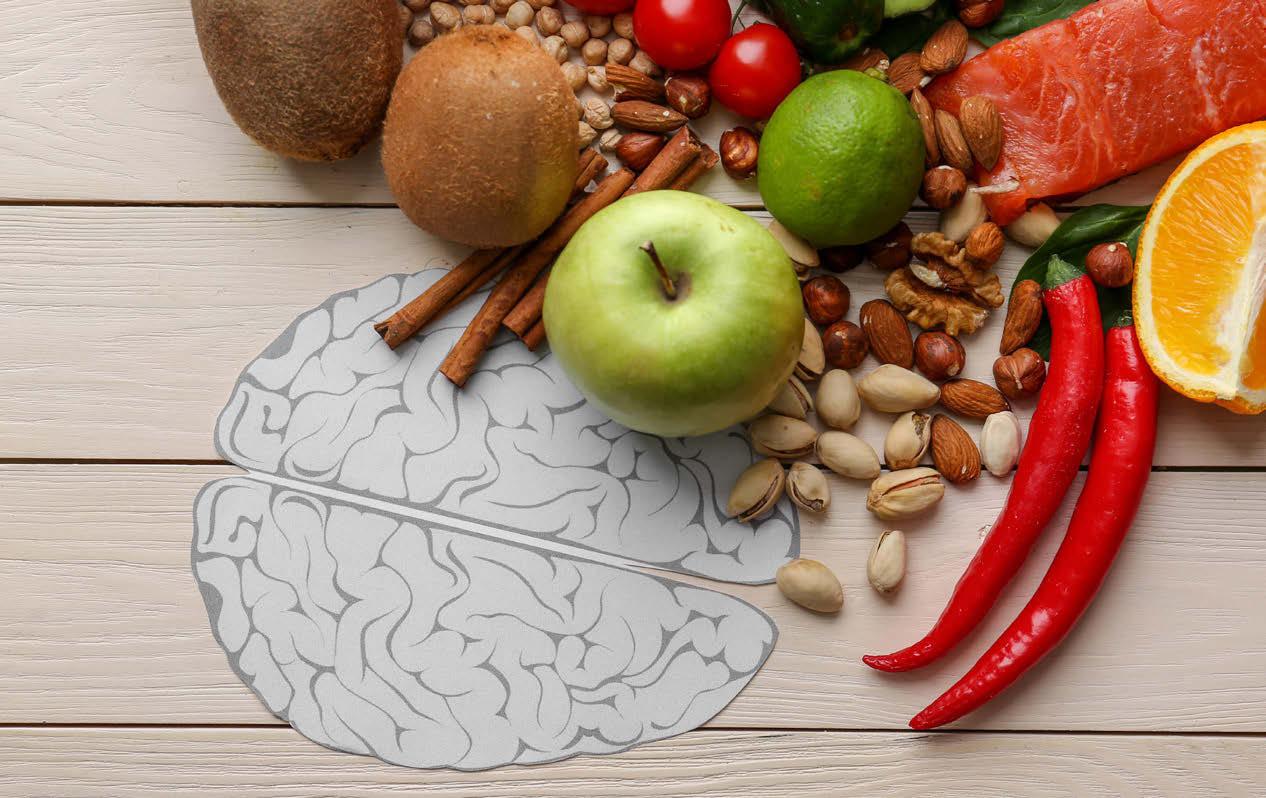
Nutrition and cognitive health are interlinked and strong evidence shows that what we eat and the quality of our diets impact on brain function.1-4 Katy Stuart considers how nutrition affects brain function.
An unbalanced diet low in essential nutrients is associated with lower cognitive abilities, especially during childhood and as we age.1,5 Good nutritional intake helps support neural connections in the brain and improve attention, memory and problemsolving skills.5 Malnutrition, particularly protein-energy malnutrition, can lead to permanent cognitive impairment.5
Cognitive health involves the brain’s ability to acquire, process, store and use information.6 This is fundamental to being able to think effectively, learn skills, use language and for decisionmaking and problem-solving skills.2 Cognitive health also involves motor functioning (movement and balance) and our emotions and behaviours.6,7
Many other things affect cognitive health, such as age-related brain changes, brain injuries, psychological disorders, substance misuse and disease.6 Although some factors cannot be changed, many lifestyle changes can have a positive impact on cognitive health, such as physical activity, social engagement, education, sport, stopping smoking, limiting alcohol and having a balanced diet.6
The quality of nutritional intake has been linked to mood disorders, and there is a correlation between consuming a diet high in refined sugars and an increased risk of depression.4,8 Similarly, a high intake of simple sugars has been associated with difficulty concentrating and paying attention.5
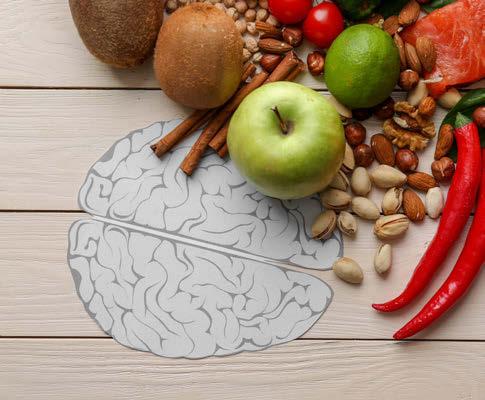
Those who eat a more traditional diet, eg fruits, vegetables, wholegrains and limited processed foods, have a 25–35% lower risk of depression.4,8 Plant-based diets have been shown to lower the risk of cognitive decline and dementia in later life and can even improve cognitive abilities.1 However, research has yet to prove causation with diet adequacy and cognition. Nevertheless, evidence has identified the possible pathways and biological mechanisms that involve nutrition and brain health.1 This can help guide healthcare professionals to the best advice for maintaining and/or improving brain function and cognition.
An unbalanced diet high in saturated fat and sugars can increase the risk of weight gain – adiposity – which increases the risk of developing metabolic dysfunction, such as insulin resistance, type 2 diabetes and heart disease.3 These health conditions increase the risk of developing cognitive decline and dementia in later life.3,9 This, in part, is thought to be related to glycaemia.9 The human brain needs a continuous supply of glucose to function and glucose is the main energy substrate of brain tissue.9 The hippocampus (learning and memory centre) is particularly vulnerable to changes in glycaemia.5 Impaired glucose tolerance can negatively affect the performance of cognitive tasks and this may also be the case for non-diabetic individuals.9

Katy Stuart RD, MSC, SP
Katy has 20 years of dietetic experience in the NHS, working mainly in critical care, renal and complex nutrition support. She currently works as a Kidney Dietitian. Katy is also a supplementary prescriber.

katy.stuart.927
katy-stuart70b297b
REFERENCES
Please visit: www.NHDmag. co.uk/articlereferences.html
Therefore, maintaining good glycaemic control and consuming low glycaemic index foods may improve cognitive ability.5
Some psychiatric conditions, such as depression and schizophrenia, often occur with metabolic dysfunctions, ie diabetes and obesity, which indicates that the neuroendocrine and energy homeostasis systems share signalling pathways that are affected by stress.9
There is an association between glucose metabolism and Alzheimer’s disease, as research has shown that those with a genetic predisposition to Alzheimer’s and/or have a family history of the disease have exhibited impaired brain glucose metabolism long before symptoms of Alzheimer’s disease appear.9,10 The mechanisms for this are not fully understood, but it is theorised that ageing increases the risks of deteriorating systemic control of glucose utilisation, leading to a reduction in the brain’s glucose uptake.9 This creates a vicious cycle of poor glucose usage and further reduction in synaptic function, leading to reduced energy demands and impairing cognitive function.9,10 The researchers propose that the only way to break this cycle is by improving insulin sensitivity and systemic glucose utilisation or bypassing the brain’s glucose metabolism by inducing ketosis.10
Researchers have been investigating using ketones as treatment for cognitive impairment, ie a ketogenic drink or carbohydrate restriction to induce ketosis, and there have been positive outcomes with an improvement in cognitive measures and memory.9
Age-related neurodegenerative conditions are associated with metabolic impairment, resulting in mitochondrial dysfunction.9 This can lead to cell energy deprivation and cell death, and neurons in the brain are susceptible to mitochondrial dysfunction when we age.11 This is thought to be involved in the development of diseases such as Alzheimer’s, Parkinson’s and amyotrophic lateral sclerosis.11 From animal studies, there is evidence to show certain nutrients, such as coenzyme Q10, acetyl-Lcarnitine, nicotinamide adenine dinucleotide and resveratrol, have protective effects on cognitive decline by influencing cellular functions needed for metabolic homeostasis.9,12
Oxidative stress is thought to be linked to neurodegeneration and vascular health.9,13 Vascular dementia, for example, is associated with oxidation and a reduced level of antioxidants, which could be dietary but also related to other factors such as smoking and pollution.2,13
Vitamins C and E, which have antioxidant properties, and polyphenols and antiinflammatory compounds found in foods such as fruit and vegetables, may reduce oxidative stress and inflammation in the brain.5 An imbalance of fats in the diet can have an impact on cognitive health, as a high intake of saturated fatty acids and a low intake of omega-3 fatty acids is associated with cognitive impairment and mood disorders.3,5 Omega-3 fatty acids, namely docosahexaenoic acid (DHA) found in oily fish are required for maintaining the integrity of neuronal cell membranes and the functioning of synapses in the brain and, therefore, could reduce the risks of cognitive decline.3,5,7,13
A new area of research is the relationship between the gut microbiome and brain function, and the potential beneficial effects of dietary fibres and probiotics.4,6 The gut-brain axis describes the nerve signalling pathways between the gut and the brain and their interrelationship.4 Inflammation and an imbalance in the gut microbiome have been linked to mental illnesses such as anxiety and depression.14
Serotonin is a neurotransmitter that affects mood, sleep, appetite and pain, and 95% of serotonin is produced in the gut, which is lined with millions of nerve cells. 5,8,15,16 Therefore, we can speculate that our digestive system health can affect cognition and mood.
So far, there has been research to show that promoting a healthy gut microbiome with probiotics and fermented foods has shown positive effects on brain health and mood regulation and can reduce symptoms of mental health disorders such as depression and anxiety.4,7,8,16,17 There is not enough evidence to recommend a probiotic therapy yet as a treatment for mental health disorders compared with standard medications and/or psychological therapies.17
Nutrient deficiencies have been associated with impaired cognitive function.2,4,6,7,18 These include omega-3, tryptophan, B vitamins, polyphenols, vitamins A, D, E, K and C, choline and iron.5,7,12,18 Supplements such as omega-3 fatty acids, flavonoids, vitamins B, D and E and choline have been associated with improved cognitive function and improvement in thinking skills in older people. 7,18 High levels of saturated fat in the diet have been associated with a reduction in thinking skills in older adults,18,19 whilst low-fat diets have been shown to protect against cognitive decline.6
Homocysteine is an amino acid which, when activated by B vitamins, converts to methionine and cysteine. Methionine is required to make proteins and cysteine is involved in reducing inflammation and has a role in liver function.20 However, high levels of homocysteine, which may occur as a result of nutrient deficiencies such as B6, B12 or folate deficiency, may increase the risk of cardiovascular disease, stroke, neural tube defects and dementia.20 One study also found that those with lower levels of omega-3s and vitamin D and who have high homocysteine levels had a fourfold increased risk of dementia.21
Protein intake is theorised as having an effect on cognition and adequate protein intake in older people is associated with improved memory function and a lower risk of cognitive impairment.2,22 However, the evidence base is not strong enough to recommend high protein intake to prevent or treat cognitive impairment.22
The effect of dietary supplements on brain function has had mixed findings. There is strong evidence for the benefits of polyphenols and combinations of nutrients such as antioxidants like vitamin C and vitamin E on lowering the risk of neurodegenerative diseases, but there is less evidence for PUFAs, vitamin D and proteins.5,7,12,18
The Mediterranean diet comprises a high intake of fruits, vegetables, wholegrains, nuts, seeds, olive oil and lean meat, and a low intake of red meat and saturated fats.6 There is a link between a Mediterranean diet and lower risk of cognitive decline, Alzheimer’s disease and dementia.5,6,16,19,23 Evidence from studies looking at the DASH diet (Dietary Approaches to Stop Hypertension) has not been as clear, and it is not clear if the same benefits are seen when switching to these diets later in life.5,19,24,25
The Mediterranean diet does have other health benefits, such as heart health, managing blood sugar control and a reduction in cholesterol and triglyceride levels and blood pressure. Although the quality of the studies investigating these diets has been relatively low, having a healthier diet that is more balanced will improve physical health and hopefully have positive effects on mental health and well-being.5,3,7,19,24 Turn to page 41 for more on the Mediterranean diet and the latest food pyramid.
There have also been studies looking at the MIND diet, which combines the Mediterranean and DASH diet principles. The MIND diet was developed based on systematic reviews of studies relating to diet and brain function.26 It has been adapted to increase the consumption of the foods and nutrients that have been associated with dementia prevention.3,26 Whilst MIND shows promise for future dietary recommendations specific to improving cognitive health through diet, more robust studies are needed to identify a direct cause and effect relationship compared with observational studies. You can read more about the MIND diet and cognitive health in the following article on page 15.
The brain is a fascinating organ and there is much to learn about cognitive health and what can be done to improve it. Research indicates that dietary elements play a significant role in cognitive health via various pathways and biological mechanisms.1 Other modifiable lifestyle factors such as stopping smoking, reducing alcohol intake, social engagement and taking regular exercise, are important in maintaining cognitive health.1,6 Hopefully, with more clinical trials we can give clearer, more definitive dietary guidance on how to eat well for cognitive health and decrease the risk of developing neurodegenerative conditions as we age.

Sign up for our monthly flagship magazine online and in print

ALSO online resources:
Paediatric Hub
Quick and easy-to-use point of reference aid
Student Hub
Latest information, student articles, blog and research area
News Hub
Latest news and industry watch Resources
CPD eArticles, events and courses, campaigns, useful apps and websites
In an era of weight loss medications, the pursuit of aesthetics and low-carb diet trends flooding social media, the importance of fuelling the brain often gets overlooked. In the second of our features on cognitive health, Harriet Lucking discusses the MIND diet and new supplement approaches that are being marketed to help us think more clearly.
The brain uses approximately 20–25% of the body’s total energy expenditure at rest, making it one of the most metabolically demanding organs in the body.1 Subsequent development, upkeep and functioning of the brain relies on quality nutrition and directly manipulates mood and thought processes.2
Brain cells communicate due to the presence of neurotransmitters, which are chemical messengers that regulate mood, focus, memory and behaviour. Nutrition provides the materials for the synthesis of these neurotransmitters, along with energy for neuroplasticity and cognitive performance. These functions may be compromised by nutritional insufficiencies or disparities, which can contribute to mood disorders and cognitive deterioration.1
The popularity of ultra-low-carb regimens and calorie-restriction medications has coincided with rising concerns about cognitive decline, mental fog and deteriorating mental health. While there’s certainly value in maintaining a healthy weight, the contemporary wellness culture presents a misleading binary: the notion that achieving a fit physique and maintaining optimal cognitive function are mutually exclusive goals. The reality, of course, is far more nuanced.
Adequate carbohydrate intake represents a fundamental requirement for optimal cognitive performance, given glucose metabolism’s integral role in memory consolidation, attentional control and executive decision-making
processes.2 From a metabolic perspective, the brain demonstrates remarkably high energy demands, utilising approximately 120g glucose per day – nearly one-fifth of total body energy expenditure.3 In clinics with diabetic patients, I have found that most of them are surprised when they learn that the brain only uses glucose as fuel, and quite often I see their attitude to eating carbohydrates become a little more positive. In the neurorehabilitation setting, service users requiring nutrition support can become a little more motivated to eat once they realise how important carbohydrate intake is towards supporting their recovery.
As dietitians, we should emphasise the distinction between carbohydrate sources. Complex, low-glycaemic carbohydrates offer superior metabolic advantages over more simple carbohydrates. Lowglycaemic carbohydrates include wholegrains, legumes, fruits, vegetables, dairy and dairy alternatives.4,5 This is due to their gradual glucose release.6 This sustained delivery mechanism maintains stable cerebral glucose availability, thereby supporting prolonged cognitive performance while mitigating the mental fatigue commonly observed during extended periods of cognitive exertion.2
It has also been found that post-exercise intake of low-glycaemic carbohydrates improves sleep, whereas high-glycaemic index meals have disruptive effects.7 This is important, as better sleep is associated with improved mood and cognition the following day.8 On the other hand, blood glucose spikes caused by simple sugars, such as confectionery, sugary drinks and

Harriet Lucking RD
Harriet specialises in Neurorehab for Cygnet Healthcare and also provides freelance services. Alongside this sheworks in Wythenshawe PCN as a Primary Care Dietitian.
lucking.nourished
REFERENCES
Please visit: www.NHDmag. co.uk/articlereferences.html
high-carbohydrate fast food, impair attention, memory processing speed and decision-making.9-11 Prioritising low-glycaemic carbohydrate sources may prove especially beneficial for patients engaged in cognitively demanding occupations or those presenting with concerns regarding mental stamina and concentration.
The Mediterranean-DASH Intervention for Neurodegenerative Delay (MIND) diet represents a hybrid dietary pattern combining elements of the Mediterranean and DASH (Dietary Approaches to Stop Hypertension) diets, with specific modifications based on nutritional neuroscience research.12 The MIND diet recommends limiting saturated fats and increasing intake of leafy greens and berries, which have been shown to have the strongest associations with slowing cognitive decline.13-15 This intervention was designed specifically to target neurodegenerative pathways and cognitive preservation, rather than cardiovascular or metabolic endpoints alone.
There is consistent evidence that the MIND diet is protective against dementia and beneficial to some domains of cognition and memory.16-20 Observational research indicates that participants with the highest MIND diet adherence scores demonstrated significantly slower rates of cognitive decline compared with those achieving lower compliance, with effects exceeding those observed with Mediterranean or DASH protocols alone.11
More recently, high adherence to the MIND dietary pattern has been associated with reduced cognitive decline following cerebrovascular events, suggesting potential therapeutic applications within neurorehabilitation settings and in community clinics.20 In community clinics, the MIND diet offers pragmatic advantages: its food-group approach facilitates patient education; the absence of caloric restriction improves longterm adherence; and the flexibility around food choices accommodates diverse dietary requirements and socioeconomic circumstances. Although there is strong evidence for its efficacy, it remains uncertain what particular nutrients consumed in the MIND diet actually provide the benefits. It is unknown whether it is specific nutrients or the way in which they work together.
The small number of studies conducted to date have generally shown no benefit from isolated nutrients. One food that demonstrates positive effects on brain function is fish, due to its high omega-3 content. Omega-3 fatty acids, particularly docosahexaenoic acid (DHA), are fundamental structural components of the brain. DHA makes up 15–20% of the brain’s cerebral cortex.21 These fats are concentrated in neuronal cell membranes, where they maintain membrane fluidity and flexibility – properties that allow neurons to communicate and improve cognitive function.22 Given the body’s limited capacity for endogenous synthesis of these long-chain fatty acids, adequate dietary provision becomes clinically imperative for maintaining neurological integrity. Whilst alphalinolenic acid is found in vegetable oils, leafy green vegetables and nuts and seeds, it only converts to eicosapentaenoic acid and DHA in small amounts, so the easiest way to increase DHA is by consuming fatty fish such as salmon and mackerel.23
The brain health supplement market has experienced explosive growth over the past year, reflecting widespread interest in cognitive enhancement. The market was valued at approximately £7.58 billion in 2024 and is projected to more than double to £17.22 billion by 2033,24 with growth driven by increasing awareness about mental health issues, particularly problems with focus. Companies selling supplements claiming to improve cognitive function include Nutrition Geeks,25 Bulk26 and Vitabiotics.27
Lion’s mane mushroom (Hericium erinaceus) has emerged as a prominent option. The lion’s mane trend originated in the US and has now firmly established itself in the UK. It is currently sold in health shops and sports websites, such as Puresport,28 under the ‘nootropics’ category, a term that refers to compounds thought to improve attention, memory and learning.28 Marketing of lion’s mane claims that the bioactive compounds it contains (hericenones and erinacines) stimulate nerve growth factor production (which supports neuron growth and maintenance), promote neuroplasticity and neurogenesis, reduce inflammation and
oxidative stress in the brain and support myelin sheath health.29 Please note that it is illegal to pick wild lion’s mane mushrooms in the UK because they are protected under the Wildlife and Countryside Act 1981.
To date, a limited number of studies explore these effects, and the degree of improvement in mood or cognitive function varies depending on the population tested (young and healthy vs cognitively impaired), as well as the dose used.3032 Studies typically use 1–3g daily, with long-term supplementation (weeks to months) appearing necessary for any observable effects.30-32 More double-blind, randomised controlled trials with larger sample sizes are required to determine its efficacy. Despite this, Marks and Spencer has launched a targeted ‘YAY! Mushrooms’ product range this year, which is a range of five drinks featuring lion’s mane, developed in consultation with the British Nutrition Foundation.33
An amino acid that has gained interest by brands for its alleged cognitive and relaxation effects is L-theanine, a unique non-nutritive amino acid found abundantly in tea leaves.34 L-theanine is well absorbed and can cross the blood-brain barrier.34 It’s hypothesised that this balance helps maintain mental clarity, increases alertness and improves emotional regulation, especially when combined with caffeine.35 L-theanine is thought to work by a number of mechanisms, such as increasing serotonin and dopamine in the brain, modulating alpha brain wave activity (a pattern seen when people are calm but mentally engaged) and potentially affecting glutamate receptors, which reduces anxiety.34 Consequently, the primary focus of research around L-theanine has been improving cognitive function.36-39
The promotion of L-theanine has mainly been with the rise of matcha drinks, which are heavily
promoted in the wellness space on social media. Matcha naturally contains about 20–45mg of L-theanine per gram of matcha powder, which can be consumed as a cold or hot latte-style drink. Black tea contains L-theanine 24.2± 5.7mg, so the content in matcha isn’t too different, but will depend on the volume of powder used to make the drink.40
Some research indicates L-theanine may offset some of caffeine’s jittery effects while enhancing focus and alertness. This is thought to be because L-theanine is absorbed more slowly than caffeine.35 Around 200–400mg of L-theanine is thought to be effective for reducing the jitteriness from caffeine.35 To put this into perspective, Rheal’s ‘Magic Matcha’ powder directs purchasers to use 1tsp of matcha powder to 200ml milk of choice, so 5g of matcha powder will provide approximately 100–225mg of L-theanine.41 ‘Mindful Blend’ from TRIP Drinks is another popular drink containing L-theanine; however, the quantity is unknown.42
Although no randomised, placebo-controlled trials exploring its benefits have been conducted, the cognitive benefits associated with L-theanine appear most pronounced when combined with caffeine, rather than as a standalone supplement. The practical L-theanine content in commercially available matcha drinks often falls within the lower to mid-range of doses investigated in research, which may limit efficacy for some consumers. As such, while L-theanine shows promise for enhancing focus and potentially moderating caffeine-related side effects, consumers should maintain realistic expectations and recognise that the science, while supportive, does not entirely align with the exaggerated claims often promoted in the wellness space. Future research should focus on standardising dose guidelines and clarifying long-term effects to better inform consumer choice and product formulation.
Although more evidence for the majority of health claims made by some products is required, it’s refreshing to see a shift away from more weight-centric products and towards prioritising fuelling the body correctly. As retailers continue investing in research partnerships and nutritional innovation, we can expect to see more cognitive health products entering the market.
As with other health aspects, brain health requires regular, consistent nutrient supply rather than occasional high doses; service users should be encouraged to have a diverse diet incorporating multiple food groups to ensure adequate intake of all brain-supporting nutrients.

Priya Tew RD
Priya is a specialist eating disorders and IBS dietitian. She runs Dietitian UK, working one-to-one and in group support. Priya also works with the media and is the author of The DASH Diet and The Complete Low FODMAP Diet Plan
www.dietitianuk.co.uk
Priya_Tew
Priya_Tew
DietitianUK
REFERENCES
Please visit: www.NHDmag. co.uk/articlereferences.html
The conversation around eating-disorder care in the UK has intensified and rightly so. Eating disorders remain one of the most life-threatening, yet often misunderstood, psychiatric conditions. Despite increased awareness, treatment access and funding, timeliness and quality remain inconsistent across regions, leaving many without the urgent support they need.
Recently, I had the privilege of joining campaigners, clinicians, people with lived experience and parliamentary representatives to deliver a petition to Downing Street, calling for action to prevent avoidable deaths from eating disorders. This action was rooted in findings from the All-Party Parliamentary Group (APPG) on Eating Disorders’ inquiry into failings across the eating-disorder care pathway.1
Standing at Number 10, the message felt deeply important: we cannot continue to lose lives to diagnosable and treatable conditions. Every delay, missed opportunity and system gap has human consequences. We have a duty to stand up for patients and fight for change.
As a dietitian who works clinically and in community settings supporting individuals recovering from eating disorders, I have seen the profound impact that timely, compassionate, evidence-based care can have. I have also witnessed the harm caused when individuals do not receive it.
THE CONTEXT: WHY ACTION
Eating disorders carry the highest mortality rate of any mental health condition, due to both medical complications and suicide. Early warning signs are often missed, thresholds for treatment remain very high in some services and many encounter significant delays in accessing specialist care.
• The APPG’s report1 presents distressing findings with misclassification
and under-recording of deaths linked to eating disorders and deaths often attributed to comorbidities.
• There is a high suicide rate: one in five deaths from an eating disorder is due to suicide. The highest risk period is post-discharge from a mental health hospital, at which point there is up to a 19% increased risk of suicide.
• People are being deemed untreatable, too complex and treatment withdrawn if they don’t respond within a certain timeframe.
• Those with autism, depression and obsessive compulsive disorder can fall through the gaps.
• Doctors receive less than two hours of training on eating disorders in their degree and there is no mandatory training for frontline staff.
Families have lost loved ones despite actively seeking help. Many report being told that their loved one was ‘not unwell enough’ or did not meet the weight criteria, despite clear and escalating signs of distress and medical risk. These are not isolated stories; they represent systemic issues that demand structural change.
The petition delivered to Downing Street emphasised three key demands:
1 A full, independent review of eating disorder deaths, to identify systemic failings, standardise reporting and ensure learning from preventable tragedies.
2 A national strategy and advisory group for eating-disorder treatment, designed to reduce regional variation, ensure timely access to evidence-based care and embed standards across services. Ensure treatment cannot be withdrawn for those too complex or not motivated enough, or on the grounds they just won’t recover.
3 Mandatory training and accountability mechanisms to equip healthcare professionals to recognise early signs, intervene appropriately and escalate concerns confidently.
Other requests are for banning routine weighing in schools, piloting school prevention programmes, training school and university staff and increasing research funding.
Several themes are particularly relevant to clinical practice:
• Prioritise early intervention – Research shows that earlier treatment results in significantly better outcomes. Delays can increase severity, chronicity and mortality risk. Balancing this within struggling services is a big issue.
• Weight cannot be the sole determinant of severity – Normal-weight or high-weight individuals can be critically medically compromised and yet, due to their weight, are denied access to treatment. Rigid reliance on body mass index delays care.
• Mental and physical health need integrated monitoring – Multidisciplinary assessment remains vital. All clinicians need to be aware of the signs of an eating disorder and ready to support and signpost. Physical compromise can progress rapidly, often with subtle outward signs.
• Families and carers need to be treated as partners – Their insight can be essential and they need support too. When families report risk, services must listen and act.
• Compassionate, non-judgemental care matters – Shame, fear and secrecy often accompany eating disorders. A relational, trauma-informed approach supports engagement and recovery. Just telling someone to eat is not going to help.
Professionally, the day at Downing Street represented a moment of advocacy. Personally, it represented every client who has ever sat across from me feeling frightened, undeserving or unsure they will be believed; those who have endured long waiting lists; those discharged prematurely due to service saturation point; families who felt powerless; and those we lost.
National policy transformation is essential, but we can take immediate action within our professional roles:
• Build awareness of diverse eating-disorder presentations.
• Advocate for early referral and specialist input.
• Educate colleagues about symptoms.
• Challenge harmful narratives around weight, control and ‘discipline’.
• Provide compassionate, person-centred care.
• Support continuity, especially through transitions and discharge.
• Stay informed about developments in guidance and service pathways.
We need structures that support best practice. However, until policy change catches up, we hold responsibility for making every clinical interaction one that could save a life. Despite the challenges, I left Downing Street feeling hopeful. Change is finally being discussed in Parliament, backed by data, lived experience, clinical expertise and public support.
Delivering the petition was an honour and responsibility. But more than anything, it reinforced that each individual with an eating disorder deserves care grounded in dignity, urgency and belief in their potential to recover. While advocating for policy to move, funding to shift and structures to evolve, I will continue to provide compassionate, evidencebased clinical support to the individuals and families navigating this journey. And I know many of you reading this are doing the same. Together, our voices will make positive change happen.

Our Paediatric Hub has been upgraded to make your experience smoother, with essential resources to support you in your work!
• IMPROVED LAYOUT AND NAVIGATION
We’ve revamped the Hub structure to help you find what you need faster, with a fresh user-friendly layout designed to make browsing easy and intuitive.
•
Our new nutrition data spreadsheets give you access to accurate nutritional information, designed to be a quick and easy-to-use point of reference to aid in your professional work or studies.
Stay up to date with the latest industry news, trends and insights. Whether you’re here for up-to-date information, professional insights or reliable data, the Hub has it all in one place.

Gestational diabetes (GD) develops during pregnancy when the body is unable to produce sufficient insulin to meet increased metabolic demands.¹
This article explores the associated risk factors and outlines key dietary and lifestyle strategies for managing the condition.
Insulin is a hormone that helps regulate blood sugar levels, allowing cells to absorb glucose for energy. During pregnancy, the placenta produces hormones that can make the body less responsive to insulin, known as insulin resistance.2 As the pregnancy progresses, the pancreas may struggle to produce enough insulin to compensate for this resistance, resulting in higher than normal blood sugar levels.2
GD can be a temporary condition, but it may have long-term effects on both the mother and baby if not properly managed.3 Understanding GD is essential for expectant mothers to take the necessary steps for a healthy pregnancy.3
FACTORS FOR GD
While any pregnant woman can develop GD, certain factors increase the risk. These include the following:
• Hormonal changes – During pregnancy, the body produces hormones to support the growing foetus.4 Some of these hormones can interfere with the action of insulin, leading to insulin resistance.4 As pregnancy progresses, the body may not be able to produce enough insulin to overcome the resistance, causing elevated blood sugar levels.
• Age – Women over 25 are more likely to develop GD.5 As women age, there is a natural decline in

insulin sensitivity and beta cell function (which produces insulin) in the pancreas. This leads to a reduced ability to manage blood sugar levels, which can cause problems during pregnancy when the body requires more insulin due to hormonal changes.5 The risk continues to rise significantly in women aged 40 and over. This is due to age-related changes in glucose metabolism and weight gain, which can contribute to insulin resistance.5
• Obesity – Obesity, especially abdominal obesity (high waistto-hip ratio) and a high body mass index, is a major risk factor for developing GD.4 Excess fat, particularly visceral fat (fat around the internal organs), increases inflammation and decreases the body’s sensitivity to insulin. In obesity, the fat cells release inflammatory chemicals (cytokines) and hormones like adipokines that can impair the insulin signalling pathway, increasing the likelihood of developing GD.4
• Genetic predisposition – Family history of type 1 or type 2 diabetes can increase the likelihood of GD.6 Genetics play a significant role in insulin sensitivity and pancreatic beta cell function. If a woman has close relatives with diabetes, she is more likely to

Aqsa is a Registered Associate Nutritionist with the Association for Nutrition. In 2019, she graduated from the University of Westminster with a BSc in Human Nutrition. She is currently studying a master’s degree in Dietetics at the University of Lancashire.
REFERENCES
Please visit: www.NHDmag. co.uk/articlereferences.html
have inherited traits that predispose her to insulin resistance.6 Even in pregnancy, certain genetic predispositions can lead to a malfunctioning insulin response when the body is under increased hormonal stress from pregnancy, thereby increasing the risk of GD.6
• Ethnicity – Women of African American, Hispanic, Native American or Asian descent are at higher risk of diabetes.7 Ethnicity influences factors like insulin sensitivity and glucose metabolism. Genetic factors, diet, lifestyle and environmental factors all contribute to these disparities.7 Socioeconomic factors, access to healthcare and cultural dietary patterns can also influence the prevalence of GD in different ethnic groups.7
• Previous GD – Women who have had GD during a previous pregnancy are more likely to develop it again. The risk increases with each additional pregnancy, partly because of accumulated insulin resistance over time and the body’s reduced ability to handle glucose.7
• Multiple pregnancies – Women who have had multiple pregnancies are at a higher risk of developing GD, particularly if they had it in a previous pregnancy. Each pregnancy increases the risk of developing insulin resistance.7 Hormones produced in pregnancy, such as human placental lactogen (HPL), cortisol and progesterone, can impair the action of insulin, which may lead to GD. With multiple pregnancies, the effect of these hormonal changes makes it harder for the body to control blood sugar.7
• Polycystic ovary syndrome (PCOS) – PCOS is a hormonal disorder that often involves insulin resistance, which increases the risk of GD.8 Women with PCOS typically have elevated levels of androgens (male hormones) and may also have an increased risk of obesity. PCOS can also lead to irregular menstrual cycles and an imbalance in hormones like oestrogen and progesterone, which further impacts insulin regulation and glucose metabolism.8
One of the challenges of GD is that it often presents with no noticeable symptoms. Some women may experience increased thirst, frequent urination, fatigue or blurry vision, but these can also be common in pregnancy. The only way to definitively diagnose GD is through blood tests, typically conducted between 24 and 28 weeks of pregnancy. When left uncontrolled, GD can lead to various complications for the mother and baby.
• Pre-eclampsia: GD increases the risk of high blood pressure, leading to conditions like pre-eclampsia 9 which is characterised by high blood pressure and damage to organs, most often the kidney and liver.
• If blood glucose is not well controlled, it can lead to hyperglycaemia, increasing the risk of various pregnancy complications.9
• Type 2 diabetes: Women who have had GD are more likely to develop type 2 diabetes later in life, especially if they do not adopt preventive lifestyle changes like exercising and maintaining a healthy weight after pregnancy.9
• Babies born to mothers with GD are often larger, which can complicate vaginal delivery, leading to an increased chance of a caesarean section.9
• Macrosomia: One of the most common complications is having a larger-thannormal baby, a condition known as macrosomia.10 This occurs when excess glucose from the mother’s bloodstream crosses the placenta and stimulates the pancreas to produce more insulin.10 The extra insulin can cause the baby to grow excessively, leading to complications during delivery and a high risk of dystocia (when the baby’s shoulder becomes lodged behind the mother’s pelvic bone during birth).10
• Premature birth: Babies born to mothers with GD may be more likely to be born prematurely (before 37 weeks) due to

complications like high blood pressure or the baby growing too large for the uterus.6
• Respiratory distress syndrome (RDS): Babies of mothers with GD are at a higher risk of developing respiratory issues, including RDS.6 This is where high blood sugar levels in the mother can interfere with the baby’s lung development, especially if the pregnancy goes to term or beyond.6
• Hypoglycaemia: After birth, babies born to mothers with GD can experience low blood sugar levels because their bodies are accustomed to high insulin production.11 After birth, the sudden drop in blood glucose can cause low blood sugar levels in the baby, requiring immediate attention.11
• Increased risk of obesity and type 2 diabetes: There is evidence suggesting that babies born to mothers with GD may have an increased risk of developing obesity and type 2 diabetes in the future, due to changes in metabolic processes during foetal development.11
The placenta plays a central role in managing nutrients, including glucose, between mother and baby.1 However, in GD, the placenta releases hormones like HPL, which reduces the mother’s sensitivity to insulin, making it harder for her to control blood sugar levels.1 This imbalance can lead to complications as mentioned above.
The standard test for diagnosing GD is the oral glucose tolerance test.12 During this test, a woman drinks a sugary solution after which her blood sugar levels are measured at intervals over a couple of hours. A diagnosis of GD is
Diet is one of the most critical aspects of managing GD . . . This often involves working with a dietitian to create a meal plan that balances carbohydrates, protein and fats while keeping blood sugar levels stable.
made if any of the measurements are higher than normal.12 If the mother’s results fall into the following range, she will typically be diagnosed and given a plan for managing the condition:12
• Fasting blood glucose: more than 92mg/dl
• One hour after drinking glucose solution: more than 180mg/dl
• Two hours after drinking glucose solution: more than 153mg/dl
While GD is concerning, the good news is that it can be managed effectively with lifestyle changes and, in some cases, medication.13 Monitoring blood glucose regularly is essential and mothers may need to check their blood sugar levels multiple times a day to ensure they stay within a target range.13 Diet is one of the most critical aspects of managing GD, with the goal of maintaining stable blood sugar levels by eating the right foods and avoiding spikes after meals.14 This often involves working with a dietitian to create a meal plan that balances carbohydrates, protein and fats while keeping blood sugar levels stable.13
Carbohydrate counting and portion control Carbs have the most significant impact on blood sugar levels.15 Women with GD need to focus on the amount and type of carbohydrates consumed:
• Complex carbohydrates: Choose grains like brown rice, quinoa, oats and whole wheat bread. These are digested slowly and result in a gradual increase in blood sugar levels.15
• Fibre-rich foods: Foods high in fibre, such as vegetables, fruits, legumes and wholegrains, help regulate blood sugar levels by slowing digestion.15
• Refined carbs: Avoid simple sugars and refined carbohydrates like white bread, pastries, sweets and sugary drinks. These cause a rapid spike in blood glucose levels.15
• Carbohydrate portion size: It’s essential to control portion sizes. Generally, women with gestational diabetes are advised to consume 30–45g carbohydrates per meal, depending on individual factors such as age, lifestyle and activity levels.15
Eating small, more frequent meals helps keep blood sugar levels steady. 16 It is recommended to eat three main meals and two to three snacks per day. This keeps blood sugar levels from spiking or dropping too low. The meals should be balanced, contain lean protein (chicken, fish, eggs, tofu), healthy fats (avocados, nuts, olive oil) and complex carbohydrates.16 Snacks include Greek yoghurt, nuts or small pieces of fruit with a protein source to ensure blood sugar levels are stable between meals.16
The role of the glycaemic index (GI)
The glycaemic index (GI) measures how quickly a food raises blood glucose levels.15 Choosing foods with a low-to-moderate GI helps manage the levels:15
• Low GI foods include wholegrains, legumes, non-starchy vegetables and certain fruits such as berries and apples, etc.
• High GI foods like white rice, white bread, sugary cereals and sweetened drinks should be avoided as they cause rapid spikes in blood sugar.15
Regular physical activity, under the guidance of a healthcare professional, can help improve insulin
sensitivity and maintain blood sugar control.14 It is recommended that different types of exercise be included, such as walking, swimming, strength training and prenatal yoga.14 These are all effective ways to increase insulin sensitivity and help the body use glucose more efficiently.14 Aim for at least 30 minutes of moderate exercise most days of the week and gradually build up.
If blood sugar levels cannot be controlled with diet and exercise alone, insulin injections or oral medications may be prescribed to help the body respond more effectively to insulin.17 Insulin injections come in different forms (longacting and rapid-acting), and a healthcare professional will advise on this. In some cases, an oral medication like metformin or glyburide is prescribed.17 While insulin and medications can help control blood sugar, they should be considered as a supplementary option and not a substitute for proper diet and exercise.
Frequent prenatal visits are necessary to monitor the health of the mother and baby.17 This may include ultrasound scans to check the baby’s growth and tests to monitor amniotic fluid levels and placental function.17 Keeping a check on blood glucose levels before and after meals can help manage blood sugar levels effectively. Once the baby is born, GD usually resolves, but it’s essential to continue monitoring blood sugar levels.18 Some women may develop type 2 diabetes in the years following GD. Postpartum glucose testing is recommended to ensure that blood sugar levels have returned to normal.18 Maintaining a healthy diet, regular exercise and managing weight postpartum can help reduce the risk of developing type 2 diabetes.
GD is a condition that can have significant implications for both the mother and baby, but with proper management, most women can have a healthy pregnancy and delivery. Regular monitoring of blood sugar levels, eating a balanced diet, staying active and following a healthcare provider’s advice can make a difference. An early diagnosis and a proactive approach in managing the condition are key to reducing risks and ensuring a positive outcome for both mother and baby.
Acute pancreatitis (AP) is characterised by an inflammatory process that affects regional tissues and remote organ systems.
AP is the most common acute gastrointestinal disease requiring hospital admission.¹ The incidence is difficult to estimate in the UK due to geographical, aetiological and diagnostic variations; however, NICE suggests that approximately 56 cases per 100,000 people occur each year.2,3
There is a wide spectrum in this condition, where some cases are mild or moderate and some present in a severe condition requiring, in some cases, critical care admission with multiple organ support. In these cases, patients stay in hospital for a long period of time and there is an increased risk of death.⁴ Recovery can be prolonged and often requires coordination between multiple disciplines, including dietitians, physio-therapists and nursing staff, to ensure that the patient maintains adequate nutrition and functional status during admission.
AP can have different aetiologies, such as alcohol abuse (which accounts for the majority of cases in the UK),³ gallstones, hypertriglyceridaemia, endoscopic procedures and abdominal trauma. Certain medications can increase the risk of developing AP. A combination of multiple factors and the severity of the disease can lead to chronic pancreatitis.⁵ Long-standing inflammation may also impair pancreatic function, resulting in digestive and metabolic complications that can persist beyond the acute phase.
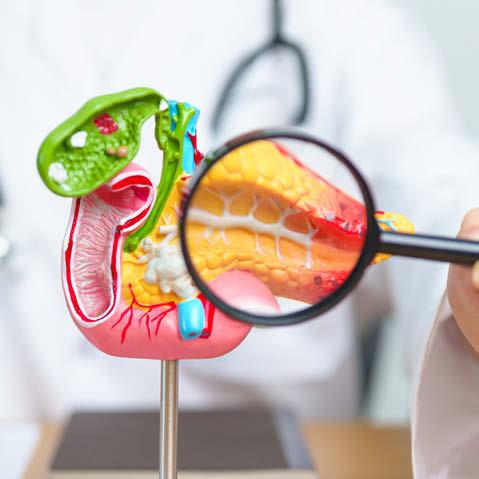
AP presents with suggestive features such as abdominal pain, vomiting and elevated plasma concentration of pancreatic enzymes.⁶ Abdominal pain is very common in AP, which prompts clinicians to consider this diagnosis when patients present with particular symptoms characterised by severe epigastric pain that radiates to the back and is exacerbated by movement, but alleviated by leaning forwards.⁷
The diagnosis includes clinical history, elevated serum amylase or lipase and imaging (CT, MRI or ultrasound).⁷ The severity (mild, moderately severe, severe) is determined and widely accepted by the Atlanta criteria.⁶ Being aware of the level of severity is important when it comes to determining the nutrition intervention for patients and anticipating potential complications.
Treating AP is complex and largely depends on its aetiology, severity and complications, which we do not have space in this article to cover in detail. It’s crucial for dietitians to understand the patient’s journey, prevent ongoing malnutrition, ensure adequate nutrition to support pre- and postsurgical procedures when these are required and adjust the management plan accordingly. Dietitians play an important role in supporting recovery and preventing disease progression through targeted interventions.

Maria is an Advanced Clinical Dietitian with experience in critical care. She currently works in gastroenterology and eating disorders, and in a freelance capacity supports individuals with eating disorders, other mental health conditions, gastrointestinal disorders and conditions related to women’s health.
www.flowinclinic.co.uk
flowinclinic
REFERENCES
Please visit: www.NHDmag. co.uk/articlereferences.html

96% of people surveyed can find a product that delivers on taste from the Fortisip range tested 1
Finding a flavour people can enjoy,1 a volume they can manage,2 and a brand you can trust3 - it’s our recipe for being the most recommended ONS range3







range of adult oral nutritional supplements†
†IQVIA market data on file on Fortisip range (Accurate as of November 2025)
The Fortisip range are Foods for Special Medical Purposes for the dietary management of disease related malnutrition and must be used under medical supervision. Please refer to labels for details.
References: 1. 2025 Data on File - independent sensory research on Fortisip Compact Protein (9 flavours), Fortijuce (4 flavours), Fortisip Compact (6 flavours) and Fortisip PlantBased 1.5kcal (2 flavours), n=115 healthy older adults aged 50-85 years old. 96% of healthy people surveyed agreed that at least 1 flavour out of 21 flavours, across Fortisip Compact, Fortisip Compact Protein, Fortijuce and Fortisip PlantBased 1.5kcal, tasted nice. 2. Hubbard et al. Clin Nutr. 2012 ;31(3):293-312.
3. 2025 Data on File – Adult ONS Brand Health Tracking. Prepared by Sermo, using an HCP panel of 200 HCPs.
ONS = Oral Nutritional Supplements
Accurate at time of publication: November 2025
Ultimately, most patients have a favourable outcome, and this condition can indeed be treated successfully; however, 20% of patients may develop necrotising acute pancreatitis, which is associated with more complications, including organ failure.⁸
Nutrition support in patients with AP can be challenging as it varies depending on the patient’s pre-existing conditions, risk factors and the severity of pancreatitis.
AP is driven by a state of acute inflammation, with the release of inflammatory cytokines and stress hormones resulting in abnormal metabolism.⁹ The European Society for Clinical Nutrition and Metabolism (ESPEN) guidelines suggest that patients with predicted mild to moderate AP need to be assessed for nutrition risk using appropriate tools. Patients who develop severe AP are automatically at risk.¹⁰
Again, depending on the severity, protein catabolism is a factor that adds to nutritional challenges in these patients, alongside the tendency for increased resting energy expenditure. Adequate nutrition intervention can help prevent deterioration and support patients in rehabilitation.⁹ Early identification of patients who are likely to deteriorate nutritionally can allow dietitians to implement more proactive interventions, such as targeted supplementation or closer monitoring of intake, which may improve clinical outcomes.
Although the mechanisms of AP are not fully understood, patients often suffer from impaired glucose metabolism, which should be monitored. One proposed cause lies in stress hyperglycaemia, related to an acute state of inflammation.¹¹ It can also be related to pancreatic necrosis, which may occur in more severe cases.⁹
As mentioned previously, alcohol intake is a common risk factor in developing acute pancreatitis.³ In such circumstances, patients need to be closely monitored for refeeding syndrome.³
There are other objective challenges in managing this condition from a nutritional point of view, including patients experiencing severe pain, vomiting, or changes in bowel habits, which prevent them from eating adequately. In addition, inflammation and the presence
of pseudocysts can lead to gastric outlet obstruction and, depending on the severity and extent of pancreatic inflammation, patients can experience pancreatic exocrine dysfunction, which compromises nutrient absorption.⁹
Oral diet
• When clinically appropriate, oral feeding should be implemented.¹⁰ Patients should not be nil by mouth unless there is a clear clinical reason.¹² When reintroducing an oral diet, for example, after a procedure or weaning off enteral feeding, it is recommended that a soft and lower-fat diet be implemented rather than clear fluids.¹⁰ Some patients may require a necrosectomy, where necrotic tissue is removed. Necrosis can be present in severe AP and, in this case, oral nutrition can still be a suitable route if patients are clinically stable.
• In some cases, when there is evidence of pancreatic exocrine insufficiency, pancreatic enzymes should be supplemented, which will be covered later in this article.
• Estimated energy requirements should ideally be calculated via indirect calorimetry. When this is not available, 25kcal/kg/day can be used as a goal.⁹ There is a clear gap in research regarding the ideal equations to determine requirements in AP and, therefore, the use of clinical judgement is essential.
• When patients are unable to achieve their requirements, oral nutritional supplements may be necessary to optimise intake and recovery.
• When oral diet is inappropriate, EN should be initiated early on admission (within 24 to 72 hours), and nasogastric feeding is suitable unless patients experience gastrointestinal symptoms suggestive of digestive impairment (ie vomiting, ileus). In these cases, nasojejunal feeding can be considered. In severe AP, gastric outlet obstructions – inflammatory processes in the pancreas leading to oedema or fluid collections called pseudocysts compressing the stomach – can occur, and this type of access is better tolerated.
• It was traditionally thought that small bowel feeding was always beneficial over gastric feeding; however, nasogastric feeding is now recognised as a safe route in AP.13,14
• ESPEN guidelines¹⁰ recommend the use of polymeric formulas, which are generally well tolerated; however, for those patients developing malabsorption, semi-elemental formulas might be better tolerated.
nutrition (PN)
• In some cases, EN cannot be achieved or has been unsuccessful due to a complex clinical picture leading to gastrointestinal intolerance, and so PN needs to be considered. It is also appropriate in cases with an intra-abdominal pressure of >20mmHg or in the presence of acute compartment syndrome.¹⁰ There is often some reluctance to provide PN in these cases; however, it is an appropriate route that offers an alternative to provide adequate nutrition. Nonetheless, close monitoring of electrolytes, glucose levels and triglycerides is crucial to ensure safe practice.¹⁵
Pancreatic enzyme replacement therapy (PERT)
• PERT should only be considered in patients with obvious pancreatic exocrine deficiency. The most common symptom is steatorrhoea, which is the presence of excess fat in stools.¹⁰ Not all patients with AP will require PERT, and the decision depends on clinical judgement, as each case presents differently and not all patients develop malabsorption. Those with
malabsorption symptoms post-acute phase and large necrotising processes will likely need PERT and should start as soon as they begin oral intake.
• As well as assessing stool consistency, it is important to check for weight loss, bloating and abdominal pain.
• Some patients recover this function, although this is variable, and some will have to take enzymes long-term. Therefore, it is useful to check faecal elastase after recovery.¹⁶
Evidence suggests that most patients recover well and have mild presentations of AP.¹ However, when lifestyle factors are recognised as risks, dietitians can play a vital role in education, encouraging healthy eating habits and signposting patients to services for further support, particularly when there is a history of alcohol abuse.
Follow-up after discharge is very important, especially for patients with diagnosed malnutrition or whose nutritional status has deteriorated during hospital admission. Routine follow-up appointments, combined with structured dietary education, allow dietitians to monitor progress, adjust interventions and provide reassurance, helping patients regain confidence in self-managing their nutrition. If PERT is implemented, adequate education is necessary on how to take it. Suggesting dose adjustments, even after discharge, is crucial to ensure patients are absorbing nutrients effectively and recovering from acute illness.
• AP presents in a spectrum from mild to severe, and nutrition support varies depending on the level of severity.
• Whether patients are on ward-level or in intensive care, nutrition plays a crucial role in symptom management, preventing and reversing malnutrition, which is very common in this patient population.
• Pancreatic exocrine insufficiency is often not diagnosed and the absence of PERT leads to poorer nutrition outcomes and continuous malabsorption.
• This is an area with heterogeneous research points within nutrition; therefore, ongoing research and ensuring awareness of the current guidelines is encouraged.
• In the absence of objective guidelines, using clinical judgement, working as part of a multidisciplinary team and considering each patient’s unique presentation is considered good practice.

Leanne Thompson RD
Leanne graduated from her MSc in Dietetics and Leadership in March 2025 and currently works as an Acute Dietitian. She previously worked as a Dietetic Assistant Practitioner in an acute hospital for four years.
Please visit: www.NHDmag. co.uk/articlereferences.html
This article discusses the continuity in nutritional care when a patient transitions from hospital to home. It explores how the structured support available in hospital contrasts with the realities of home life, where social circumstances and individual abilities play a crucial role in sustaining dietetic interventions.
Whether inpatients are identified with onset malnutrition in hospital or are already living with malnutrition prior to admission, the hospital setting provides several advantages for nutritional support. At a ward-based level, patients have access to three prepared meals daily, round-the-clock care and ongoing weight monitoring. There is also the ability to escalate any issues to the medical team promptly. Specialist dietetic input can be sought with personalised nutrition plans created for each patient.
Interventions include providing nutrition education such as guidance on food fortification and recommendations for high-calorie, high-protein diets. For patients requiring additional nutritional support, oral nutritional supplements (ONS) may be recommended to help meet their energy and protein requirements. During periods of acute illness, some individuals are unable to consume adequate nutrition. In these cases, tube feeding may be necessary to ensure patients receive the nutrients required to aid recovery and prevent further weight loss. Whilst the choice of dietetic support is always tailored to the individual’s clinical presentation and nutritional requirements, it is also guided by the acute phase of their illness, within the hospital environment.
These interventions, however, are often insufficient to reverse malnutrition during a short period of hospital admission, with many challenges disrupting dietetic plans. Acute illness, reduced appetite, dislike of hospital food, effects of medications and the immediate impact of health conditions can hinder
meaningful improvements in nutritional status while the patient is still in hospital. On some occasions, returning to the home environment may better support the patient to meet their dietetic goals.
Regardless of the personalised dietetic interventions implemented in hospital, it is crucial to recognise the impact that the transition from hospital to home can have on a patient’s ability to follow these recommendations. Understanding challenges and opportunities associated with this transition is key to supporting patient outcomes and continuing recovery beyond discharge.
Once patients return home, this environment can better support their goal of improving their nutritional status by implementing dietetic advice. At home, patients will typically have access to preferred foods, which can encourage better oral intake and adherence to dietetic recommendations. The presence of family members or carers can provide additional support, such as assistance with shopping, meal preparation and encouragement to eat.
As their recovery continues, patients may begin to feel better physically and mentally in their familiar home setting, which can further enhance their appetite and willingness to eat. With the absence of acute illness and its associated symptoms, activity levels may start to improve, stimulating appetite. This helps the patient to consume adequate nutrition and promotes the rebuilding of muscle mass, some of which was likely lost during admission.
Despite the perceived benefits that enhance nutrition support in the home environment, some patients may face challenges upon discharge that can hinder their ability to improve their nutritional intake, compromising their recovery. It is important for acute dietitians to consider a patient’s social circumstances when planning dietetic interventions prior to hospital discharge.
Findings from an Age UK poll in 2022 highlighted that 15% of older adults reported skipping meals or anticipating the need to do so to reduce food shopping costs due to the increased cost of food items.1 Whilst a food-first approach is typically the firstline dietary intervention for addressing malnutrition, it may not be suitable for individuals experiencing food insecurity. For those with limited resources, suggestions such as adding butter, cheese or cream to meals can be financially challenging. This highlights the importance of considering cost-effective options that enable patients to meet nutritional requirements through food fortification or a high-calorie, high-protein diet. Furthermore, whilst powdered ONS are cheaper and the first-line supplement for patients with diseaserelated malnutrition, they require the patient to buy extra milk to mix in. Dietitians may need to consider ONS that can be made with water if patients are experiencing food insecurity, to encourage patient compliance and ensure the chosen form of ONS is practical and accessible.
Consider too if the ONS prescribed on discharge remains suitable at home due to the patient’s physical abilities. During hospital admission, patients often benefit from the support of ward staff who are able to prepare powdered ONS. However, this support may not be continued at home, and patients may find it challenging to manage powdered ONS independently due to reduced dexterity or low energy levels. It may be more appropriate for patients to receive ready-to-drink ONS, as they require minimal preparation.
Healthcare professionals often depend on the assistance of family or friends to help ensure that patients have access to food and receive prepared meals following discharge. However, there are many patients who return home without any support network, and this can lead to challenges for the patient to maintain adequate nutrition. This may mean there is no one to help with food shopping, preparing meals, or to remind the patient to have additional snacks or ONS. It is essential that dietitians address the practicalities of sourcing and cooking food before discharge to ensure patients have access to adequate nutrition.
Even in healthy adults, a phase of acute illness can take weeks or months to recover from at home, requiring temporary solutions to bridge the gap. Interventions may include coordinating with local organisations to provide social support, readymade meals and helping arrange online food shopping.
In cases where adults face long-term challenges due to chronic conditions or cognitive decline, and where no support network is available at home, it may be beneficial to discuss care options with the multidisciplinary team, involving occupational therapy and physiotherapists from the hospital admission. This enables an assessment to determine whether a formal package of care is needed to support the patient’s nutritional intake when back at home.
Both the hospital and home environments offer advantages and pose challenges when implementing dietetic advice following discharge. The successful continuation of dietetic interventions is heavily influenced by the patient’s social circumstances and abilities once home.
Upon discharge, most patients can be referred to community dietitians for ongoing nutritional management. However, demand for these services is high and often results in waiting periods before patients can be seen by community teams. To minimise the risk of weight loss or decline during this interim, it is important that the Acute Dietitian assesses the patient’s ability to implement dietetic interventions at home. This proactive approach helps optimise nutritional outcomes until community support becomes available.
BY RACHEL SIPAUL,

The transition from hospital to home is a crucial moment in a patient’s recovery journey, particularly for older adults and those with complex health needs. One of the most significant yet often overlooked factors is the deterioration of nutritional status. Malnutrition is common in hospitalised patients and, without appropriate support, it can persist or worsen after discharge, leading to poorer health outcomes.
Hospital environments can contribute to nutritional decline due to factors such as acute illness, reduced appetite, altered taste and limited food choices.1 The most recent screening data from BAPEN (2023), reports that 47% of patients in hospital were at risk of malnutrition.2 While varied nutrition support strategies can be offered in the hospital setting, they are not always offered or followed up upon discharge.
The European Society for Clinical Nutrition and Metabolism (ESPEN) guidelines recommend that nutrition care should continue beyond the hospital discharge.3 However, one of the key issues in the transition from hospital to home is that dietetic input often stops at discharge and community services may not be immediately available or adequately resourced. This gap can result in missed opportunities for early intervention and monitoring of nutritional status.
A recent pilot study found that many malnourished adults did not receive adequate nutrition care instructions at discharge, again highlighting a significant gap in continuity of care.4 The continuity of care is particularly important for older adults living at home, as they can face additional risks which can impair nutritional status.5,6
• Physical: limited mobility and frailty, which may impact the ability to shop or cook
• Cognitive impairment: memory loss or confusion about what or when to eat
• Social isolation: living alone and less motivation to cook and eat
• Economic constraints: limited finance restricting food choices
• Medical: such as poor health, multiple medications or gastrointestinal symptoms
• Low mood: recent bereavement or feeling of loneliness
Older adults experiencing malnutrition are more likely to have higher readmission rates, delayed recovery and are twice as likely to visit their GP.5-7 In addition, it can also have a significant impact on their quality of life and general well-being.5-7
To improve outcomes upon discharge home, several strategies have been recommended:
• Early identification: use of malnutrition screening tools in the community such as the Malnutrition Universal Screening Tool (MUST)8
• Integrated care pathways: ensuring collaboration between hospital dietitians, GPs and community services and proposals to shift acute care ‘closer to home’9
• Volunteer support: the use of charities and other organisations to assist with practical needs
• Education and empowerment: providing patients and carers with practical dietary advice
• Nutritional support at discharge: use of food delivery services and/or ready-made meals
The transition from hospital to home is a vulnerable period for patients. Without adequate support, many individuals experience a decline in nutritional status. A coordinated, approach that includes nutritional care as a core component of discharge planning is essential to improve outcomes and support recovery.
Please visit: www.NHDmag.co.uk/article-references.html
This article discusses the complex behaviour of emotional overeating – eating driven by emotions rather than physical hunger – and looks at the symptoms, risk factors and evidence-based strategies for supporting individuals.
Emotional eating is typically described as (over)eating triggered by emotions rather than physical hunger. While commonly associated with negative emotions such as sadness, loneliness or anxiety, this behaviour encompasses eating as a response to any emotional state, including celebratory situations.1 The behaviour often involves the consumption of high-calorie, palatable foods and is considered abnormal if it contributes negatively to health, for example, weight gain, obesity, body image issues and other related health conditions.
Emotional eating is not classified as an eating disorder but is recognised as a behavioural pattern that can be present in both healthy individuals and those with eating disorders. In the UK, emotional eating affects 58% of patients who are referred for obesity treatment,2 and 22% of patients in a bariatric surgery clinic.3 A recent meta-analysis found the global prevalence of emotional eating in overweight and obese populations to be 44.9%, suggesting UK rates are likely similar in these groups.4
Key symptoms and associated factors of emotional eating are shown in Table 1 overleaf.
Emotional eating is influenced by many risk factors, including psychological distress, difficulty regulating emotions and a negative body image. It is also more common in women, people with a higher body mass index (BMI) and those with unhealthy lifestyle habits.

Psychological and emotional factors
Emotional eating has a strong connection to psychological distress. When people feel stressed, depressed, anxious, lonely or bored, they’re more likely to use food as a way to cope with or soothe these negative emotions.5,6 This is often an attempt to find temporary comfort or a distraction from their feelings. The risk of emotional eating is significantly elevated in individuals with poor emotion regulation and high impulsivity, a pattern that is particularly pronounced during adolescence and young adulthood.11-13
Biological and demographic factors
A greater prevalence of emotional eating is consistently observed in women and those with a higher BMI across various populations.6,12,14 This is particularly common during young adulthood, a period often associated with heightened stress. Individuals working in highstress professions, such as healthcare or law enforcement, are more susceptible, as chronic pressure can trigger emotional eating as a coping mechanism.15 Additionally, poor sleep quality disrupts the hormones that regulate appetite, leading to increased hunger and cravings for calorie-dense foods, fuelling the cycle of emotional eating.16
Behavioural and environmental factors
Eating habits characterised by frequent consumption of high-fat, high-sugar and fast foods are closely linked to emotional eating, especially in those with abdominal obesity.6,17 This

Mei Wan RD, MBDA
Mei is a Freelance Dietitian with over 10 years of experience in sustainable weight loss, type 2 diabetes and heart health. Since 2021, she has run a private practice consulting for health companies.
www.meiwan.co.uk dietitian.mei
REFERENCES
Please visit: www.NHDmag. co.uk/articlereferences.html
Symptom/factor
Eating when not hungry
Craving less nutritious foods
Episodes of overeating
Mood-related eating patterns
Emotional dysregulation
Impulsivity
suggests a cyclical relationship where unhealthy dietary patterns may not only be a consequence of emotional eating but also a contributing factor, perpetuating a cycle of poor food choices and emotional distress. Additional behavioural risk factors for emotional eating in adolescents include a lack of physical activity, poor sleep and digital game addiction.18 Family financial stress and a history of emotional feeding practices during childhood may also contribute to the risk of emotional eating.15,19 Using food as a reward or comfort, rather than as a source of nutrition, can establish unhealthy eating patterns that continue into adulthood.
WHICH SCREENING AND ASSESSMENT TOOLS ARE AVAILABLE FOR SUSPECTED EMOTIONAL EATING?
UK-specific guidelines are limited, and most tools are not tailored for emotional eating alone. However, the Emotional Eating Scale (EES) is widely used and shows good reliability and validity for assessing emotional eating in adults.12,20,21 The EES is a psychometrically supported tool for measuring eating in response to negative emotions, though its effectiveness in predicting actual food intake remains a subject of debate.20,22,23
WHAT ARE THE EVIDENCE-BASED STRATEGIES TO SUPPORT INDIVIDUALS?
Scientific evidence indicates that psychological interventions are highly effective in mitigating emotional eating and improving related health outcomes. These therapeutic approaches, particularly those incorporating elements of emotion regulation, mindfulness and acceptance, have demonstrated significant success in clinical settings. By addressing
Driven by emotions, not physical hunger5,6
Preference for sweets, fatty or high-calorie foods5,6
Loss of control, eating large amounts in short periods6,7
Eating more during stress, sadness or boredom5,6
Difficulty managing or understanding emotions8,9
Quick, unplanned eating responses to emotions10
the core psychological mechanisms that drive emotional eating, these interventions empower individuals to develop healthier coping strategies and foster a more flexible and compassionate relationship with food.
Psychological interventions
• Cognitive behavioural therapy (CBT): CBT helps individuals manage emotional eating by focusing on identifying triggers, restructuring negative thoughts and developing healthier coping mechanisms.24-26 It has been consistently shown to reduce emotional eating and promote modest weight loss, especially in adults with overweight or obesity.
• Acceptance and commitment therapy (ACT): ACT helps people with emotional eating by teaching them to accept uncomfortable feelings rather than trying to avoid or change them. This approach reduces the urge to eat in response to those emotions, leading to lasting improvements.27.28 ACT is effective in both weight management and weight-neutral contexts.
• Dialectical behaviour therapy (DBT): DBT skills training, which includes modules on emotion regulation and distress tolerance, has been shown to significantly reduce emotional eating and enhance mindful eating. These benefits extend even to patients who have undergone bariatric surgery.29
Mindfulness and self-compassion
• Mindful eating programmes: Mindful eating interventions effectively reduce emotional and external eating behaviours and improve self-compassion. However, their direct impact on weight loss is often limited.25

Self-compassion and social support: Techniques that promote self-compassion and emotional support are linked to decreased emotional eating and the associated feelings of shame.25
Emotion regulation skills
• Targeting rumination and acceptance: Struggles with rumination (dwelling on negative thoughts) and a lack of acceptance of emotions are strongly associated with emotional eating. Interventions that improve emotional awareness, acceptance and impulse control are especially helpful in these cases.8,9
• Written emotional disclosure: Journaling about feelings can lead to a slight reduction in emotional eating symptoms and body dissatisfaction. However, there isn’t much evidence to suggest it significantly improves mood.30
Tailored and holistic approaches
• Personalised interventions: Combining practical advice and tailoring to individual emotion-regulation skills enhances engagement and outcomes.31,32
• Primary care integration: Screening for emotional eating and integrating psychological strategies into weight management improves patient support.33
WHAT’S THE LATEST SCIENCE BEHIND GUT HEALTH AND EMOTIONAL EATING?
Current research highlights a complex and reciprocal relationship between the health of the gut microbiome and the tendency towards emotional eating. The gut microbiome diversity is linked to emotional well-being and eating behaviour. Human and animal studies show specific bacterial profiles correlate with positive or negative emotions and emotional eating.34-37 In addition, certain gut bacteria produce neuroactive compounds that support emotional regulation.
Gut dysbiosis or inflammation of the gut is linked to increased stress, anxiety and depression, which can drive emotional eating.38-41 Modifying the gut microbiome through diet may offer new avenues for improving eating behaviours, but further research is required to translate these findings into clinical practice.
There is a high prevalence of emotional eating in the UK, which can lead to negative health outcomes such as weight gain and obesity. While UK-specific assessment tools for emotional eating are limited, evidence-based interventions such as CBT, ACT and DBT, alongside a personalised approach, are recommended for optimal outcomes. Emerging research links gut microbiome diversity to emotional eating, highlighting new potential avenues for prevention and treatment, but further studies are needed.

The first plant-based, nutritionally complete ketogenic formula with MCT
Suitable from 3+ years old
Delicious vanilla flavour
Plant-based protein source from pea and hydrolysed pea protein
Free from milk & soy ingredients
Stevia as the sole sweetener
www.cambrooke.uk
ukinfo@cambrooke.com

Here we look at the changing development of ketogenic feeds for the dietary management of drugresistant epilepsy.
Epilepsy is a common neurological disorder, affecting over 70 million people globally, and is characterised by recurrent seizures.1 Seizures are a result of abnormal, excessive or synchronous neuronal activity in the brain.2 Epilepsy affects people of all demographics, but is more prevalent in very young children. First-line treatment of epileptic seizures is through one or more antiseizure medications.1 However, around one-third of patients do not respond to antiseizure medications and many suffer significant drug-related side effects.3,4 The ketogenic diet (KD) has been found to be highly efficacious in helping to reduce or stop seizures in these patients.5-13
MANAGEMENT OF DRUG-RESISTANT
EPILEPSY WITH KETOGENIC DIET THERAPY
Ketogenic diet therapy (KDT) has been around since the 1920s as an alternative treatment option for epilepsy. The classical ketogenic diet is based on a dietary ratio of grams of fat to grams of carbohydrate plus protein of 3:1 or 4:1. While the exact mechanism of KDT in epilepsy is still unknown, the beneficial action is thought to be due to the highfat and restricted carbohydrate diet mimicking the biochemical response to starvation, when ketone bodies become the main fuel for the brain.14,15
There are some common modifications to KDT, such as the mediumchain triglyceride KDT, in which most of the fat in the diet is provided as
medium-chain triglycerides, which yield more ketones per kilocalorie of energy than long-chain triglycerides.16 There is also the modified ketogenic diet (MKD), which is less restrictive than the classical ketogenic diet, as there is no restriction on protein. All therapeutic diets should be carefully planned with a multidisciplinary care team, including a dietitian with specialised knowledge.
NICE Guideline NG217, Epilepsies in children, young people and adults, states that a ketogenic diet under the guidance of a tertiary epilepsy specialist could be considered in people with certain childhood-onset epilepsy syndromes or drug-resistant epilepsy if other treatments have been unsuccessful.17 A prescribed ketogenic diet must be carefully planned by healthcare professionals with dietetic expertise, as there are many considerations to ensure the patient receives all the nutrients they require within the limits of the diet. Access to KDT is currently limited, as only 26 hospitals are offering KD services across the UK as of August 2024.18
The ketogenic diet is known to be difficult to achieve and maintain due to its restrictive nature. The use of Foods for Special Medical Purposes (FSMPs) has revolutionised the management of the ketogenic diet for individuals with epilepsy.

Madeleine Rowan, Clinical Research Manager, Nutricia, on behalf

REFERENCES
Please visit: www.NHDmag. co.uk/articlereferences.html
11TH MAY 2026
12.30PM – 5.30PM
KetoCollege Foundations aims to equip newly practicing dietitians with the foundational theoretical knowledge and practical skills required to initiate, calculate, and manage ketogenic diet therapy (KD) for patients with drug-resistant epilepsy (DRE) and GLUT1 deficiency, safely and effectively.
Many patients with epilepsy suffer from a range of mental and physical comorbidities and are often partially or fully enterally tube-fed.19,20 For these patients, suitably formulated ketogenic medical foods are essential to ensure they can safely receive KDT.
Historically, patients were managed using modular feeds. This meant a specialist healthcare professional (HCP) would diligently plan a mix of separate carbohydrate, protein, fat, vitamin and mineral products. This was onerous on the HCP and difficult to adjust for communitybased patients, resulting in an increased risk of inaccurate calculations for both macronutrients (essential for maintaining ketosis) and micronutrients (essential for maintaining proper nourishment).
In the early 2000s, the first ketogenic formula was created specifically to meet the nutritional needs of patients on KDT. This powder product was a 4:1 ratio of fat to carbohydrate and protein and could be made up easily by HCPs or carers into the required volume, and was suitable for children over one year old. This formula also had adequate levels of vitamins and minerals and so was suitable as a sole source of nutrition for children aged one to 10.
12TH-14TH MAY 2026
Advance programme for the Ketogenic Team, including dietitians, neurologists and allied health professionals, with 2 or 3 day attendance options.
The first clinical trial found that when patients switched from modular feeds to getting 100% of their intake from the ketogenic formula, all patients maintained ketosis and 13% had a reduction in the number of seizures per week.21 Furthermore, carers found the product convenient and easier to use than modular feeds. Several clinical trials have since confirmed the efficacy of a 4:1 powder in children and adults.22-26
Since the first powder ketogenic formula, innovations have developed further, with powders in new ratios of macronutrients being created to support HCPs and patients on different adaptations of KDT, for example, carbohydrate to fat and protein ratios of 3:1 and 2.5:1.
Ketogenic medical foods in liquid and ready-to-eat food formats have also been innovated, offering greater choice for orally-fed patients and greater convenience for all patients by reducing the burden of making up powder products. These products can be consumed as a supplement, a sole source of nutrition or as a key ingredient in homemade meals and
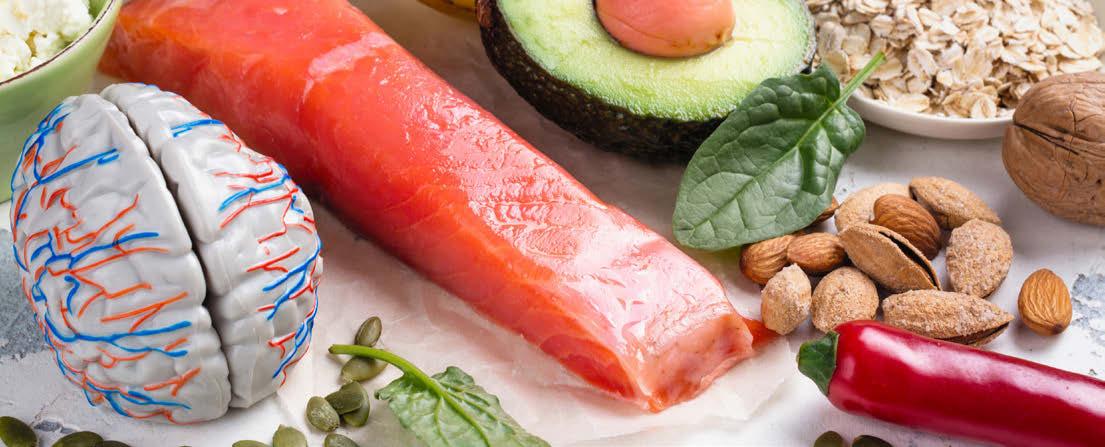
snacks. The variety of ketogenic medical foods currently available on the market allows HCPs to tailor KDT to specific patient requirements and preferences.27
Products specifically designed for the KDT remove barriers to trying the diet therapy, such as modular feeds or stringent meal planning.28 These innovative products can be quickly adopted into the diet with HCP guidance and can have positive impacts on the patient within
weeks.21-26 Kossoff et al (2011) reported that the daily use of an FSMP ketogenic formula during the first month of KDT ‘appeared to improve efficacy for the treatment of intractable childhood epilepsy’.28 Furthermore, a 2025 scoping review of facilitators and barriers to starting and staying on the ketogenic diet for children with epilepsy included the use of ketogenic-specific formulas/products as a facilitator to maintenance of KDT.29
At six months of age, Tia was diagnosed with infantile spasms, which can cause severe brain injury.30 She was started on an antiseizure medication, but her seizures didn’t improve very much. Over two years, Tia was moved onto the next medication and then the next, with minimal improvement in her seizures. By this point, Tia was having hundreds of seizures every day. The more she had, her risk of dying from a seizure increased. Tia’s mum, Chloe, says, ‘I don’t think she would be here today if we hadn’t tried the [ketogenic] diet.’
It was when her seizures were at their worst that Tia began a prescribed KD, using FSMP formulas and products specifically designed to support the introduction and maintenance of KDT. The first thing that Tia’s mum remembers after starting KDT was Tia beginning to laugh again, something she had completely stopped doing. After six weeks of KDT Tia had her first seizure-free day. Tia has now had several years seizure-free.
Chloe concludes, ‘Tia has now got a second chance. She is now happy and this is all because of the ketogenic diet. It’s also given me a chance to have another shot at being a proper mum, because previously I felt like a carer rather than a mum with a daughter. Now we’re like best friends and we get to do things together and it’s all because of the diet.’
About the British Specialist Nutrition Association
BSNA is the trade association representing manufacturers of products designed to meet the particular nutritional needs of individuals, including specialist products for infants and young children (including infant formula, follow-on formula, young child formula and complementary foods), medical nutrition products for diseases, disorders and medical conditions, including oral nutritional supplements, enteral tube feeding and parenteral nutrition, as well as companies who aseptically compound chemotherapy, parenteral nutrition and Central Intravenous Additive Services (CIVAS).

Giuliana is a Programme Manager in UCD (Ireland) and an ANutr with a background in journalism. She is passionate about public health, mentors in community cooking programmes, offers nutrition education in schools and provides evidencebased advice on sustainable diets and healthy food choices.
in/giulianarocca/
REFERENCES
Please visit: www.NHDmag. co.uk/articlereferences.html

This year, in line with the EAT-Lancet Planetary Health Diet and its global dietary recommendations, the Mediterranean diet food pyramid has been updated. It now integrates health, environmental, cultural and socioeconomic aspects to provide a comprehensive guide that prioritises sustainability, accessibility and affordability.
The word ‘diet’ is usually automatically linked to deprivation, or a form of restriction that feels like a punishment. However, when we refer to the Mediterranean diet (MD), we don’t just look at a food plan, but at a whole lifestyle and a general joy of living.1 The MD has fascinated scientists for decades for being a good model of healthy eating, due to its beneficial health outcomes.
In the late 1950s, the ‘Seven Countries Study’ initiated by physiologist Ancel Keys proved the nutritional value of the MD and its contribution to the health of the populations that adopted it.2 From then on, scientific consensus on environmental and lifestyle factors has highlighted the need to shift towards a more plant-based diet to prevent or modify the risk of developing illnesses associated with ageing, like coronary heart disease (CHD) and for the health of our planet.3
In the early 1990s, the first MD pyramid was created, solidifying its place in global dietary recommendations. In the same decade, the healthy MD started to change, shifting towards more red and processed meat-
based diets, and CHD began increasing, even in the populations where the MD had been observed to have a protective role.4-6 In 2013, UNESCO recognised the traditional MD as Intangible Cultural Heritage of Humanity. However, in recent years, myths and misconceptions have contributed to often Mediterranean’, eating patterns not completely in line with the traditional diet, like the idea that the MD is exclusively a plant-based diet, or that alternative seed oils are equal to olive oil.7,8
The MD is the dietary pattern typical of countries in the Mediterranean region. It is primarily a plant-based diet, which includes healthy fat intake from fish, with many local and regional varieties.9-11 It emphasises fruits, root vegetables, legumes, wholegrains (in unprocessed forms), nuts, seeds and extra virgin olive oil (EVOO). Dairy products, fish, poultry and eggs are consumed in low-to-moderate amounts, whereas red meat is limited.
Food Frequency
Extra virgin olive oil
Fresh vegetables
Bread and cereal (wholemeal)
Fresh fruit
Nuts
Legumes
Fish and seafood
Dairy (yoghurt and cheese)
Eggs
Poultry
Red/processed meat
Sweets, cakes, desserts
Red wine
Water
Moderate portion sizes
Moderate physical activity
Every meal (a spoon) for cooking/seasoning
≥2 servings every meal daily
1–2 servings every meal daily
1–2 servings every meal daily (as dessert)
1–2 servings daily
≥2 servings weekly
≥2 servings weekly
2 servings daily
2–4 servings weekly
2 servings weekly
<2 servings weekly
<2 servings weekly
≤1 drink a day and with meals
≥2 litres daily
Every meal
≥30 minutes daily
Prepare and consume meals in company Most days
Rest and stress management
Quality sleep and daily breaks/naps
Wine is consumed in low to moderate amounts in some areas and, overall, there are low intakes of saturated fatty acids (SFA) from animal food sources (see Table 1 above).11-15
Considering the diet’s variance among different individuals, the MD has a role in improving gut microbiota health due to its key components, such as dietary fibre, EVOO and omega-3 fatty acids.16 The growth of beneficial gut bacteria through short-chain fatty acids, such as butyrate, preserves overall metabolic health from inflammation and oxidative stress.17 The benefits of vitamins and polyphenols found in the MD extend to menopausal women and women in menopausal transition, helping to manage obesity and improve cardiometabolic health and muscle performance.18 The MD’s protective role also reduces the incidence of breast cancer, due to its action on oestrogen metabolism.19
The anti-proliferative effects of the MD’s antioxidative components on cancer cells make it as effective as some medications at reducing the risk
of obesity and the incidence of certain cancers.20-25 Strong evidence suggests that the MD can be beneficial for cognitive function and protecting against cognitive decline and dementia through the protective function of the monounsaturated fats in EVOO.26,27 Hence, the MD has the potential to be a central element in neuroprotective public health strategies to mitigate the global impact of cognitive decline and to promote healthier cognitive ageing.28 You can read more about this in our article on page 11.
Overall, scientists agree about the link between the MD and a lower risk of developing chronic diseases, particularly cardiovascular disease (CVD), CHD, diabetes, menopausal obesity, overall cancer incidence and neurodegenerative diseases (see Table 2).29-31
Adherence to the diet is measured through MD and alternate MD scores, calculating above or below the specific median levels for consuming ‘healthy foods’ per gender.32 Studies show that a high adherence to the MD reduces the risk of CVD, with
Table 2: Summary of the evidence of the MD and health outcomes31
Health outcome
Cardiovascular disease
Cohort studies
Inverse association with CHD, CVD and mortality
Diabetes Lower risk of type 2 diabetes (T2D) incidence
Metabolic syndrome Lower risk of developing metabolic syndrome
Overweight and obesity
Cancer
Cognitive function
MD not associated with weight gain or increased waist circumference
Inverse association with cancer incidence and mortality. Lower risks of colorectal, head and neck, respiratory, gastric, liver, bladder and breast cancers
Lower risk of cognitive impairment and Alzheimer’s disease
Intervention studies
Reduction of risk factors in randomised controlled trials – blood lipids, blood pressure and inflammatory markers
Better glycaemia control in meta-analysis for T2D patients. Lower incidence of T2D in PREvención con DIeta MEDiterránea (PREDIMED)
Better probability of metabolic syndrome remission with MD
Greater weight loss over 12 months with MD than with low-fat diet. Improved abdominal obesity and visceral fat than control cohorts
Lower risk of breast cancer in the PREDIMED
4 (convincing)
MD beneficial for preventing cognitive decline
protective effects attributed to leafy vegetables, olive oil, nuts and legumes. In contrast, a diet high in red meat and saturated fats increases CVD risk, especially in women.29,33-35 Higher adherence to the MD also shows a strong inverse association with the risk of micronutrient inadequacy.36 Its role in improving insulin resistance in obese individuals outlines the MD’s role in reducing inflammation due to the antioxidant properties of the polyphenols it provides.37,38 The improved metabolic and inflammatory profile is linked to an inverse association with individual components of metabolic syndrome, significant for waist circumference, blood pressure and low HDL-C levels, which translates into a 23% lower risk of developing T2D.39,40
Unfortunately, despite the long-standing culinary traditions of Southern European countries and the significant scientific evidence supporting the benefits of the MD, younger generations are moving away from traditional
4 (convincing)
4 (convincing)
2 (strongly suggestive, moderate effect)
3 (highly suggestive) for total cancer and breast cancer. 2 (suggestive) for other specific cancers
3 (highly suggestive)
MD practices, not meeting the national dietary recommendations and shifting towards more energy-dense Western diets.41,42 Adherence to the MD has a strong link with nutrition knowledge and education level, with greater nutrition knowledge associated with higher adherence, often affected by socioeconomic factors.43-45 Maternal lifestyle and education also have a role in high MD adherence in children and adolescents, with children of more educated, active mothers having a higher adherence to the MD.46
As price, availability and accessibility are the main barriers to adopting the MD, and while perceptions of its health benefits and quality are the main motivators, national policies should make healthy food options more affordable and accessible.47,48 Moreover, a key step to encouraging more people to adopt the MD and other sustainable eating habits would be to assess how much people already know
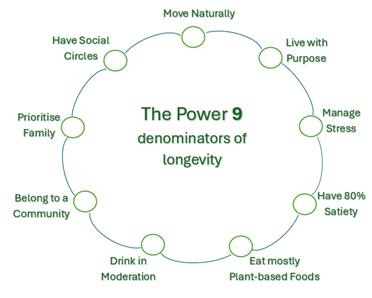
Meal frequency
Timing of meals
Vegetables, fruit
Legumes
Fish
Moderate physical exercise
about sustainable nutrition and have a globally recognised and valid tool to measure knowledge on the topic.49 Therefore, future nutrition interventions in favour of reviving the MD should focus on promoting local and seasonal foods and encouraging family meals.15,43
Adherence to the MD has been shown to improve the health of various organs and systems, proving that modification in daily lifestyle and diet may help prevent the onset of age-related diseases.50,51 Longevity is not just genetic, but mostly environmental and it is supported by the adoption of consistent, healthy habits, like exercise, sociality, low meat intake and high EVOO, nuts and fish intake. These dietary patterns are very common in the ‘Blue Zones’, some of the most long-lived populations worldwide.52,53
Both the Longevity diet by Valter Longo,54 and the ‘Power 9 denominators of longevity’ clustered by Dan Buettner (See Figure 1 and Table 3)53 highlight similar characteristics also found in the MD. Hence, the hypothesis that ‘eating at our ancestors’ table’ can prevent disease and support
2 main meals and a snack daily
Within 10–12 hours
≥ 2 servings per meal daily
2–3 meals weekly
2–3 meals weekly
≥ 30 minutes daily
a long lifespan, preserving our telomere system by protecting the length of chromosome caps to delay cellular ageing.55,56
In 2019, the EAT-Lancet Commission introduced the Planetary Health Diet (PHD), a set of global recommendations highlighting the urgent need to integrate nutritional quality and environmental sustainability, which has recently been updated.57,58 Between rooted cultural traditions and the global environmental limits, both the MD and the PHD prioritise plant-based foods and healthy fats, to reduce greenhouse gas emissions and land use.59 The first update of the MD Food Pyramid (MDFP) was issued in 2020 with a new environmental dimension, which, compared with the previous 2011 version, emphasised low intake of red meat and increased legume intake and locally grown, ecofriendly plant foods.60
The new pyramid, launched in 2025, integrates health, environmental, cultural and economic aspects, offering a holistic guide to a
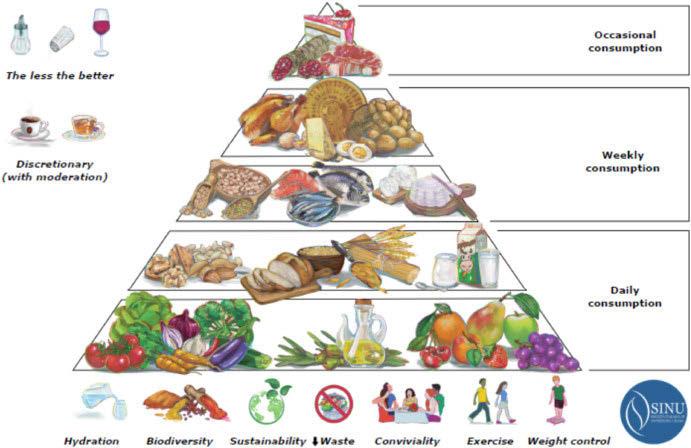
modern MD (see Figure 2).61 While insisting on the importance of exercise and conviviality and on the daily intake of plant-based foods and wholegrain cereals, this new approach puts red meat and processed meats right at the top in the same area as added sugars, with the strong advice for occasional consumption/ enjoyment.62,63 The new model also flags the need to reduce red wine, as any potential heart benefit is outweighed by other risks, especially cancer.64 Biodiversity, seasonality, local production, overfishing and farm fishing concerns are also considered.65
Although it is not easy to transfer the traditional MDs dietary pattern to other populations, non-MDs like the Nordic and the Okinawan, have a nutritional profile superimposable to the MD and are similarly linked to reducing disease risk.66,67 This means that the MD can act as a potential global model to extend its health benefits worldwide. Hence, a new ‘Planeterranean’ diet could focus on identifying healthy dietary patterns based on locally-available foods in different cultural contexts, with the aim of exploring the connections between food, culture and health.68
The MD stands as a holistic lifestyle that supports overall health and longevity. Coupled with lifestyle elements, such as moderate physical activity and convivial meals, this dietary pattern has consistently been shown to play a protective role in reducing the incidence of chronic diseases. Adherence to the MD faces significant challenges, particularly among younger generations who are increasingly adopting Western dietary patterns. Crucial determinants of adherence are factors such as nutrition knowledge, education level, socioeconomic status, price and food accessibility. The MD has also been evolving in response to global health and environmental necessities. The MD’s enduring legacy and its continuous adaptation highlight its critical role in fostering a preventative path for individual health and longevity, alongside the well-being of our planet.
Ursula
meets
NEVINE EL-SHERBINI
Renal Dietitian
Online Business Manager
Traveller

In the autumn, more than 30,000 people attended an event in London, in protest at the political policy of purposeful mass starvation of the people of Gaza. The extremely low chance of one dietitian randomly meeting another dietitian occurred, and I then asked Nevine, “Would you like to be interviewed in NHD?”
School careers guidance suggested to the bright and science-loving student that a career in medicine or healthcare could suit her. Nevine started studying physiology, but could not picture a career, so she left after a term. But the next choice was perfect. Dietetics at the University of Surrey offered the triple glittery stars of science and healthcare and a solid vocational career on graduation. Nevine enjoyed the course and her student placement at the Hammersmith Hospital in London, and she graduated in 1999.
Nevine then studied for an additional year, obtaining a Master’s in Public Health Nutrition at the University of London. Her dissertation was on the nutritional factors affecting the growth of babies living in the Gambia, guided by pioneering Professor Andrew Prentice. “The project led me to realise that I really enjoyed writing, policy work and analysis of research,” says Nevine.
Her first job was as a scientific officer at the World Cancer Research Fund (WCRF). The charity supports research and communication about diet and physical activity to reduce the risk of cancer. Her work was report writing
and supporting expert advisers in producing clear guidance to healthcare professionals about diet and the risk of cancer. “I worked with Professor Martin Wiseman, who was always supportive and extremely inspiring.”
Her first dietetic job was a basic grade post in Carshalton in Surrey. A year later, Nevine saw a post as a specialist renal dietitian at Hammersmith Hospital, where she had done her student placement. It was a big step up to apply, but she was delighted to get the post. “Renal dietetics is fulfilling, because you are tightly integrated into the multidisciplinary team and there are so many technical parameters to consider, but also such clear outcomes that you can support patients towards,”explains Nevine.
In 2007, Hammersmith Hospital NHS Trust merged with St Mary’s NHS Trust and both were integrated with Imperial College of Medicine, forming the Imperial College Healthcare NHS Trust. The new expanded units became the biggest renal medicine department in Europe, with four renal wards, a very large dialysis programme and a specialist renal transplant unit. Over time, the Imperial Trust also managed several satellite outpatient units (including haemodialysis units) in other North London hospitals.
For more than 15 years, Nevine enjoyed being part of the large expert dietetic team. Alongside her clinical work, she was heavily involved in research, obtaining a one-year clinical research grant to develop a pilot

Our F2F interviews feature people who influence nutrition policies and practices in the UK.

programme for diabetes education in chronic kidney disease. She published papers on the nutritional management of encapsulating peritoneal sclerosis, a long-term complication of peritoneal dialysis. She also wrote national guidelines on these topics to support other renal dietitians in clinical practice.
Nevine valued being part of the BDA Kidney Dietitian Specialist Group. She was on the committee as Projects Officer and tells me how inspiring and enriching it was to be able to meet renal dietitians from other hospitals, to discuss and debate professional issues.
“There are no more determined patients than those in the early stages of renal disease; avoidance or delay of dialysis is a strong motivating factor for these patients,” she says.
Support is personalised and includes a multistep approach with diet and lifestyle guidance, which can include general healthy eating, salt reduction, protein modification and potassium and phosphate restriction if needed. Reading food labels becomes important to check for the content of unsuitable additives in foods. During her clinical career, teaching patients in small groups rather than one-to-one became more typical, and Nevine tells me how much more interesting and enjoyable such support systems were.
In 2019, Nevine felt it was time to take a break and do some travelling. She loved exploring Latin America, and particularly enjoyed Mexico – so much so that she may return there to live permanently. While COVID restrictions added complications to her plans, she made the decision that she wanted to travel full-time and not to return to employment in clinical practice in the UK. She needed to find a cake-and-eat-it career that would provide a stable income and allow independence and travel.
. . . her achievements are impressive and really do allow her the independence she so values to be her own boss and to travel.
Nevine completed an online business management qualification and decided to focus on supporting other dietitians in developing their online nutrition businesses. Her company, Thrive Online Services (www.thriveonlineservices.com), offers virtual management and technical guidance for nutrition business owners. This includes support with setting up systems and processes, management of day-to-day operations and business projects, and the collection and analysis of key metrics to support better decisions. These services allow dietitians to focus on their clinical work and grow their business without the stress of the day-to-day operations. She is now very expert, and in August, she presented a wellattended webinar for the BDA Freelance Dietitians Specialist Group on creating back-end systems to support online nutrition business services.
Nevine is also the co-founder of KidneyWise (www.kidneywise.co.uk), which is an online nutrition business supporting people with chronic kidney disease at stages 3 or 4.
Nevine declares that she is much more confident than she used to be, and we try to untangle this. Years of independent travel? Having taken big, brave steps setting up independent business projects rather than comfortable employment? Or just the normal development of becoming older and feeling less of an imposter? In any case, her achievements are impressive and really do allow her the independence she so values to be her own boss and to travel.
Nevine is bold. I strongly sense futurist ideas in the discussion of her recent career. Of course, information systems for and about patients will increasingly be digital, and dietitians must lead in the discussions about how these are designed. As we depart, I feel all Dragons’ Den : would I put money on the table, or say to Nevine, ‘I’m out.’?
In 2020, Ashford and St Peter’s introduced a dietetic-led coeliac service. Five years on, we can look at how the service has evolved to meet the demands of the NHS.
Five years ago, we set up a coeliac service for adults with a confirmed diagnosis of coeliac disease in northwest Surrey. The aim was to provide patients with ongoing access to specialist dietetic care and support and to reduce the demand on the gastroenterology department, as patients within the dietetic-led service are discharged from gastroenterology’s care unless they have another gastrointestinal (GI) condition. The service has evolved over the years, largely due to the increase in demand and the need to make it more efficient. Between the financial years of 2022–23 and 2023–24, there was a 26% increase in the number of patients referred to the service, despite no additional dietetic resources. We currently run a monthly newly diagnosed group session, two dedicated
specialist clinics per week and a monthly coeliac multidisciplinary team meeting with a gastroenterology consultant.
Figure 1 displays the pathway that is currently followed for newly diagnosed patients. Typically, a patient is referred to gastroenterology with positive tTGIgA antibodies. The consultant will then request an oesophagogastroduodenoscopy (OGD) and refer directly to dietetics. The dietitians monitor the results of the OGD and duodenal biopsies. If a patient then has a diagnosis of coeliac disease, dietetics confirms the diagnosis via a letter and books the individual into the newly diagnosed coeliac disease group session, and no gastroenterology follow-up is made.
Referring patients to dietetics at the time of the OGD request is a change to the pathway. It was identified that there were lengthy waiting times for gastroenterology
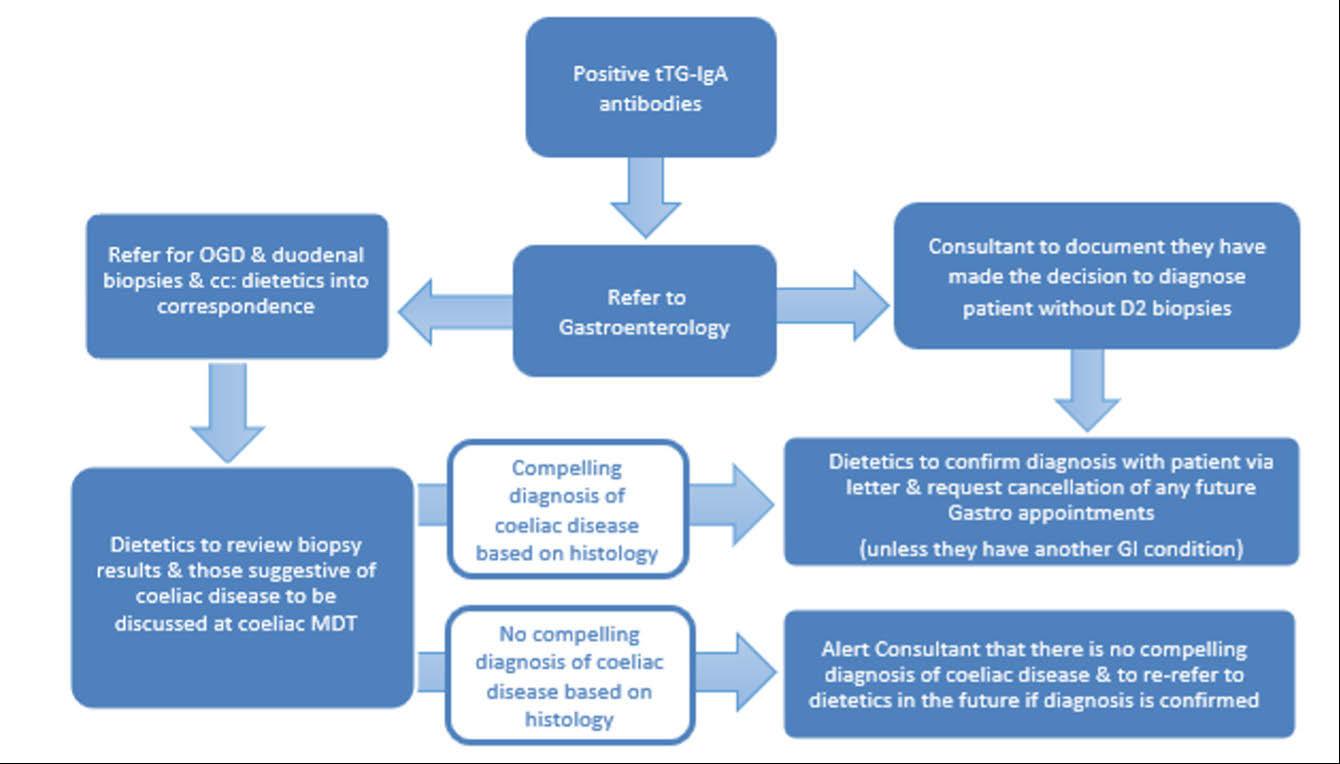

Katie Westwood
Katie is a Lead Gastroenterology
Dietitian at Ashford and St Peter’s NHS Foundation Trust, and owner of KP Nutrition –Specialist Gastro Dietetic Clinic. She has significant experience in managing gastroenterology conditions, including IBS/ DGBI, coeliac disease, IBD and liver disease.
REFERENCES
Please visit: www.NHDmag. co.uk/articlereferences.html
2: The group sessions and follow-up pathway
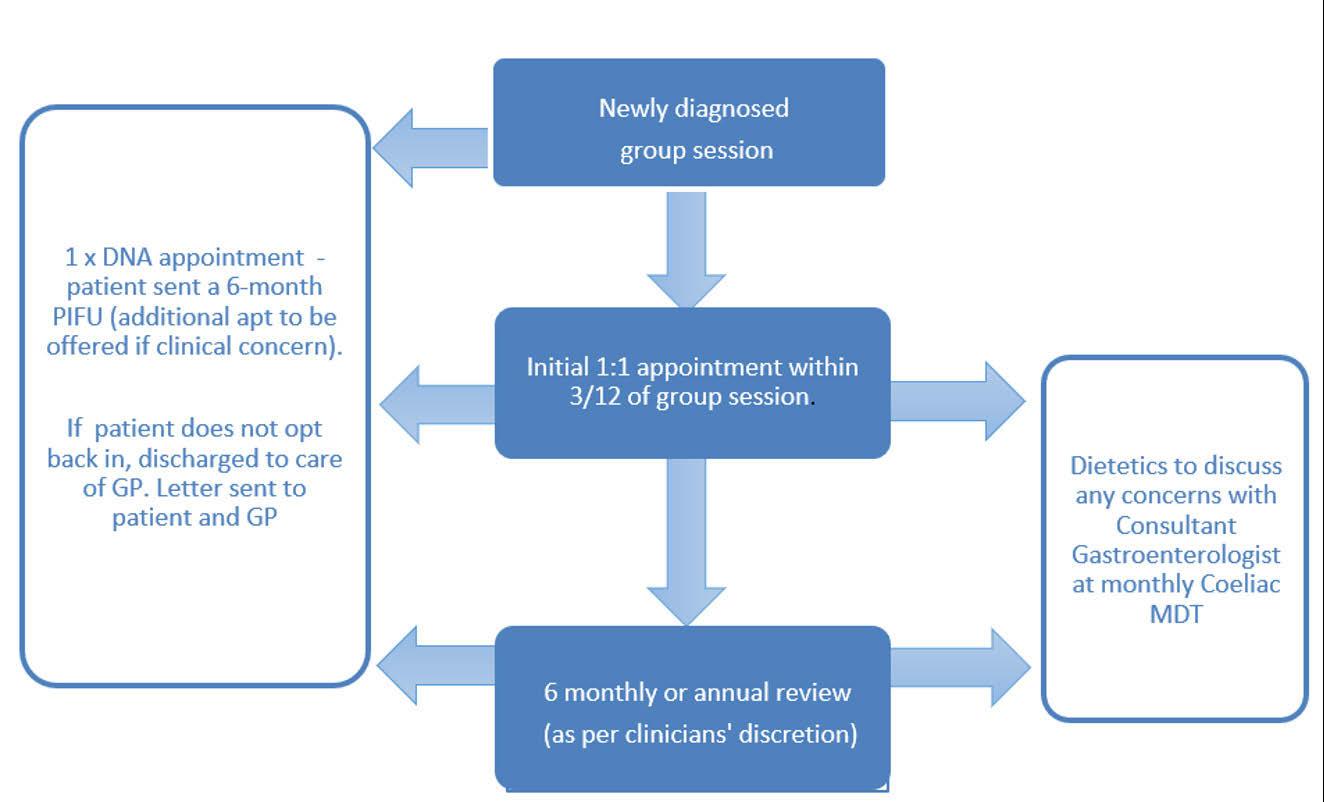
follow-up appointments, often with a significant delay in patients being referred for dietetic support following diagnosis, when timely input for these newly diagnosed patients is key.
Three months after attending the newly diagnosed group session, the patient is booked into a one-to-one dietetic appointment and then again either in six months or one year, based on clinical need, as per the dietitian’s discretion. Going forward, all patients are offered at least an annual review of their coeliac disease, as per NICE guidance,1 unless they do not attend their appointment. If that happens, the patient is offered open access to the service for six months to opt back in – this is known as patient-initiated followup (PIFU). If they do not opt back in, they are formally discharged, and require a re-referral to the service if they wish to have input in the future.
The monthly newly diagnosed group session is hosted on Microsoft Teams and is 90 minutes. A detailed presentation is given on the key topics for newly diagnosed coeliac disease, and the patients are sent a ‘coeliac pack’ afterwards, which includes resources from Coeliac UK, calcium and iron nutritional information sheets and links to gluten-free ‘starter packs’ from several companies. Our dietetic assistant sends each patient a blood form and a standard letter asking for patients to arrange the following blood tests before their appointment:
• tTG-IgA antibodies
• IgA antibodies
• Ferritin
• Serum folate
• Vitamin B12
• Liver function tests
• Adjusted calcium
• Vitamin D
• Estimated glomerular filtration rate (eGFR)
• Urea
• Creatinine
The duration of all one-to-one appointments used to be 30 minutes; however, as of January 2025, we have also introduced a ‘paper clinic’. The criteria for booking into this clinic are as follows:
• Diagnosed with coeliac disease for >2 years
• Requiring an annual review
• ‘Stable coeliac disease’ ie coeliac serology within normal range
• No issues in following a strict gluten-free diet
• Not requiring a face-to-face appointment
• Literate in the English language
The paper clinic includes a Microsoft Forms electronic questionnaire (or a postal questionnaire as required), which is completed by the patients prior to the clinic. They are asked about the management of their coeliac disease, including the coeliac disease food attitudes and behaviour scale (CD-FAB), anthropometry history, bowel habits and symptoms and bone health. These patients are also sent a blood form, which includes the same bloods as the one-toone appointments. The questionnaire and blood results are reviewed by a dietitian and if any of
the following criteria are met, the patient will be booked into a one-to-one appointment:
• Coeliac serology is out of range
• 10% weight loss since last coeliac appointment
• BMI <18.5kg/m2
• Reported blood in stools
• Change in bowel habit
• Experiencing abdominal pain
• Experiencing loss of balance
• Pregnant/planning a pregnancy
• Concerns about gluten intake/not following a GF diet strictly
• Score 7 (strongly agree) or 6 (agree) in two or more of the ‘because of coeliac disease’ questions of the CD-FAB
• Score 2 (disagree) or 1 (strongly disagree) in two or more of the ‘despite having coeliac disease’ questions of the CD-FAB
• The patient requested a one-to-one appointment
If the patient does not meet any of the above criteria, a summary letter will be sent to them and their GP. Each paper clinic appointment is 15 minutes, which has allowed the service to increase its slot capacity by 88 appointments across the year (based on a 44-week year), without requiring additional resources. Currently, 52% of our caseload has been deemed suitable for a paper clinic appointment, and we anticipate that this will increase over the coming years.
As bone health is a crucial consideration in managing coeliac disease, we were provided with guidance from the lead radiographer for DEXA scans at our trust, as to how often and which patients should have a DEXA scan requested. We include factors such as age, stage of menopause, fracture history, steroid use, body mass index, alcohol and smoking history and previous DEXA scan results. Previously, the dietitians would ask the GP to request a DEXA scan following their coeliac appointment; however, these were often not completed and some patients would return for their annual review having not had the scan at all. There was also difficulty accessing the results, as they weren’t always shared with the dietetic team.
To improve this part of the service, one of the specialist dietitians has now completed ionising radiation medical exposure regulations
(e-IRMER) training and attended a session with the lead radiographer, so they are now competent in requesting and interpreting DEXA scans. This has already improved the efficiency of the service, as the DEXA scans are often requested on the day of the clinic.
Our data shows the average time between the request and DEXA results being interpreted by the dietitian is now 48 days. This suggests a significant improvement in time and, although not formally measured yet, a likely significant improvement in patient experience.
With the ongoing increase in demand, the service will need to continue to adapt to be able to offer adequate capacity. The team are in talks with the IT department regarding using the trust’s newly introduced Patient Portal for sending the electronic questionnaire, rather than using Microsoft Forms. Currently, when the Microsoft Forms questionnaire is reviewed in clinic, the dietitian must then input the information from the questionnaire into the electronic notes system, which is time-consuming. Using the Patient Portal will mean this information is automatically pulled into the electronic notes system, saving documentation time. This will allow us to reduce the length of the paper clinic appointments and increase the capacity of the clinic. There is also the possibility that paper clinics could be run by the Gastroenterology Dietetic Assistant if appropriate support and guidance were provided. This would release dietetic time to then increase the number of oneto-one appointments that could be offered. Despite adapting the coeliac pathway to allow for more timely referrals to dietetics, the significant waiting time between the GP referral and a gastroenterologist requesting an OGD remains. With the national drive for FCP/ACP roles within dietetics, there is the potential that if the service had access to one of these roles, patients with a raised coeliac serology could be referred directly to the dietetic-led coeliac service to have their OGD and biopsies requested under the service. This would bypass the need to be referred to gastroenterology first, resulting in a more streamlined service and reduced waiting time to diagnosis.

Fareeha Jay RD
Fareeha is a Freelance Dietitian with a specialist interest in South Asian diets and provides specialist advice to South Asians across the globe. She is extremely passionate about providing the best available nutrition advice to people with South Asian backgrounds, which is what led her to develop the South Asian Eatwell Guide.
www.fareehajay. com
Dietitian_ FareehaJay FareehaJay
REFERENCES
Please visit: www.NHDmag. co.uk/articlereferences.html

In this month’s The Last Word the potential role of specific nutrients, foods and dietary patterns in the management of fibromyalgia.

Fibromyalgia is characterised by chronic, widespread pain throughout the body, often accompanied by fatigue, poor sleep, low mood and cognitive difficulties. Managing this condition can be particularly challenging due to its complexity. The diagnosis has long been debated, with some experts questioning whether fibromyalgia constitutes a distinct medical disorder. Despite this controversy, the symptoms and distress experienced by affected individuals are genuine.1
In 1990, the American College of Rheumatology (ACR) established classification criteria that required the presence of multiple tender points, areas of tenderness in muscles and muscle tendon junctions, along with chronic widespread pain. In 2010, the ACR revised its diagnostic criteria, removing the tender point requirement, allowing for less extensive pain, and placing greater emphasis on patientreported somatic symptoms and cognitive difficulties.
A proposed model of fibromyalgia pathogenesis suggests that biological and psychosocial factors interact to influence the predisposition to onset and exacerbation of chronic symptoms; however, the precise mechanisms remain uncertain.2
Current evidence-based guidelines highlight the importance of a multimodal treatment approach that integrates both non-pharmacological strategies, such as education, exercise
and psychotherapy, and selected pharmacological interventions tailored to the individual’s specific symptoms, including pain, fatigue, sleep disturbances and mood disorders.3
Among the non-pharmacological treatment options, nutrition supplements and interventions have attracted growing attention in recent years. A meta-analysis reported that most studies found lower vitamin D levels in patients with fibromyalgia compared with healthy controls, with an overall mean difference of 0.56 units lower vitamin D concentration among fibromyalgia patients. However, the analysis was limited by high heterogeneity across studies, likely due to variations in inclusion criteria and the lack of control for seasonal factors.4
In a cross-sectional clinical study exam ining the effect of vitamin D treatment on quality of life in fibromyalgia patients, a large proportion were found to be vitamin D deficient or insufficient. Following supplementation, significant improvements were observed in pain intensity, functional ability and overall quality of life. 5 These findings suggest that low vitamin D levels may play a role in the development or severity of fibromyalgia symptoms, and correcting this deficiency could enhance both physical and psychological outcomes. Future research should consider
additional factors, such as seasonality, obesity, menopausal status and hormonal influences, which may contribute to differences in study results.
Magnesium is commonly taken by individuals with fibromyalgia, yet the supporting evidence is limited and inconsistent. While some studies have reported lower magnesium levels in fibromyalgia patients and an association between deficiency and greater symptom severity, such as increased pain and fatigue, other studies have found no significant differences compared with healthy controls. A few small or uncontrolled trials have suggested potential benefits from magnesium supplementation (for instance, magnesium citrate at 300mg per day was shown to reduce tender points and pain in one study). However, there are no large, well-designed, double-blind, placebocontrolled trials evaluating magnesium alone as a treatment for fibromyalgia.6
A preliminary clinical study investigated the effects of extra virgin olive oil (EVOO) on oxidative stress and quality of life in women with fibromyalgia. Over three weeks, participants consumed 5ml of either EVOO or refined olive oil (ROO) daily. Compared with the ROO group, those who consumed EVOO showed significant reductions in oxidative stress markers, including lipid and protein oxidation and improvements in functional capacity and psychological well-being.
The findings suggested that the antioxidant compounds in EVOO may help reduce oxidative damage and improve both physical and mental health in fibromyalgia patients. However, as a small, short-term pilot study, further research is needed to confirm these results and establish long-term benefits.7
A small clinical study involving postmenopausal women with fibromyalgia (but without coeliac disease) evaluated the effects of a GFD on pain and symptom severity. Participants followed a GFD for six months, then reintroduced gluten for three months, and finally returned to the GFD for another six months. Results showed significant reductions in the pain index and symptom severity scale during gluten-free phases, with symptoms worsening when gluten was reintroduced. The findings suggest that a gluten-free diet may help reduce pain and improve symptoms in fibromyalgia, although larger, controlled studies are needed to confirm its effectiveness.8
A study looked at 20 women with fibromyalgia who did not have coeliac disease but showed mild intestinal inflammation often linked to non-coeliac gluten sensitivity. After following a strict gluten-free diet for an average of 16 months, 15 of the women experienced major improvements or complete remission of their pain and were able to return to normal daily activities, with some even stopping pain medications. The researchers suggested that non-coeliac gluten sensitivity could be an underlying and treatable cause of fibromyalgia symptoms in certain patients.9
A pilot clinical trial compared the effects of a GFD with a low-calorie (hypocaloric) diet in 75 people with fibromyalgia who also had symptoms of gluten sensitivity. Over 24 weeks, both groups showed improvements in symptoms such as pain, sleep and overall well-being, but there were no significant differences between the two diets. This means that while changing diet may help improve fibromyalgia symptoms, a GFD was not found to be more effective than simply reducing calorie intake.10
Nutritional supplements and dietary interventions may play a supportive role in managing fibromyalgia by improving symptoms and overall well-being. However, the current evidence remains limited and larger well-designed clinical trials are needed to confirm these benefits and clarify which dietary approaches are most effective.









Nutriprem 1 and Nutriprem 2 are the only preterm formulas in the UK with prebiotic oligosaccharides*, proven to support gut health1–3

Nutriprem offers the widest and most nutritionally tailored range available to support preterm babies in the UK†
Nutriprem Human Milk Fortifier is the only HMF option available on prescription in the community†

the QR code to learn more about the Nutriprem range Healthcare professional helpline UK: 01225 751 098 NI: 0800 783 4379 nutricia.co.uk @NutriciaHCPUK
online. Available at
(accessed
Ed. 2002;86:F178–81. 2. Knol, et al. Acta Paediatr. 2005;94(449):31–3. 3. Mihatsch, et al. Acta Paediatr. 2006;95(7):843–8. 24-051 Accurate at time of publication: July 2025 ©Nutricia 2025
Sometimes, we may talk about emotional overeating as though it’s a problem of excess: too much food, too little control. But what if it’s actually a problem of deficit? Not of discipline, but of nourishment? Not of calories, but of care? This article discusses when and how overeating for comfort becomes coping.
In my work with young people and families, I often notice that emotional overeating isn’t driven by greed, but by hunger – the kind that has very little to do with food. It’s the quiet ache of being unseen; the fatigue of holding too much inside; the lack of safe spaces to rest or be soothed. We live in a culture where emotional needs are rarely met and yet, for many, food becomes not indulgence but reassurance, something steady when everything else feels uncertain.
Recent research reminds us how common emotional eating really is –nearly 45% of people with overweight or obesity report it,1 with similar figures across other adult populations.2 So, if almost half of us use food to regulate emotion, maybe the behaviour isn’t the outlier. Maybe it’s the environment that’s disordered.
Emotional eating isn’t new. From infancy, humans learn that comfort and food are entwined: the soothing voice, the warmth of being held, the milk that follows. In many ways, our first lessons in emotional regulation are sensory ones: taste, smell, rhythm and contact. So, it’s not surprising that in adulthood, when the world becomes harsher and holding disappears, we turn back to what once worked.
A 2024 developmental model suggests emotional eating begins early in life, shaped by interoception (our ability to sense internal cues), emotion regulation and appetite self-regulation.3
When those systems are disrupted through stress, trauma or inconsistent caregiving, for example, food becomes one of the few predictable regulators left. And, truthfully, it works. For a brief moment, anyway. Sweetness floods the senses, the nervous system quiets, and something in the body says ‘finally’. Of course, the calm fades, leaving guilt or discomfort. However, we forget that before the shame came relief. Food may not be the perfect solution, but it’s often the only accessible one.
One of my patients once described coming home from hospital with her newborn to a house mid-renovation, with ceilings half finished, boxes everywhere and exhaustion thick in the air. She said the baby cried like he might cry for the rest of his life. In the middle of it all, she handed him to her partner, went into the kitchen, and made soup, her grandmother’s version of penicillin, a recipe so old it probably predates reason.
The chaos remained, with the ceilings unfinished and the baby still howling, but the act of cooking anchored her. It was a ritual of safety, a way of reclaiming some control and warmth when everything else felt uncertain. Food, in that moment, wasn’t indulgence; it was survival.
That’s what I often see in practice. Emotional eating doesn’t emerge from greed or ignorance; it develops when

REFERENCES
Please visit: www.NHDmag. co.uk/articlereferences.html

food becomes the most accessible regulator of distress. It’s not a sign of growth, but of a system under strain, a coping mechanism that once worked well enough, but now stretched beyond what it was designed to manage.
We live in an age of constant noise, per-formance and disconnection. People are exhausted, emotionally underfed, relationally malnourished, yet are expected to stay ‘balanced’. Emotional eating thrives in this context, not because people lack willpower, but because our social fabric has eroded. Loneliness, stress and burnout are fertile soil for emotional overeating.4 Depression and low mood also play a significant role. In young people, emotional eating and depressive symptoms are moderately correlated (effect size g ≈ 0.48 cross-sectionally).5 And sleep – our most basic form of restoration – has become another casualty. Poor sleep predicts emotional eating, largely because fatigue amplifies depressive symptoms.6 It’s no wonder people turn to food: it’s cheap, immediate, legal and briefly effective. We call that ‘emotional overeating’. I’d call it ‘self-rescue under pressure’
As dietitians, we love data. We measure everything: body mass index (BMI), energy
Somewhere along the way, food became both the reward and the punishment. We encourage comfort food in adverts, then condemn those who seek comfort from it.
intake, ferritin and portion sizes. Yet emotional hunger doesn’t fit neatly into a calorie count. You can’t plot loneliness on a growth chart.
A 2025 meta-analysis found that emotional eating mediates the relationship between perceived stress and both BMI and poorer diet quality.7 Another study found that people with higher emotional eating scores consumed more energy but fewer essential nutrients, such as calcium, riboflavin and vitamin B12.8 So yes, the numbers tell us that emotional overeating links to stress, diet quality and weight. But numbers don’t tell us why someone eats half a box of cereal at 11pm while scrolling through old photos, or why a child sneaks biscuits after an argument. That’s not about appetite; it’s about ache.
Emotional eating exposes the limits of nutritional science: our field can quantify almost everything except meaning. And yet meaning is what our patients hunger for most.
Many of my patients apologise for emotional eating, as though it were a moral failure. ‘I know I shouldn’t, but…’ they say, eyes down. And I wonder who told them comfort was a crime?
Somewhere along the way, food became both the reward and the punishment. We encourage comfort food in adverts, then condemn those
who seek comfort from it. It’s a trap of modern living: we medicalise what is deeply human, then wonder why people feel broken. The irony is that emotional eating only becomes harmful when paired with shame. Without shame, it’s simply one of many ways humans regulate. But shame drives secrecy, which drives more eating. It’s a loop of deprivation and guilt that no calorie chart can fix.
We often tell people to replace emotional eating with ‘healthier coping strategies’. You know the list: take a hot bath, light a candle, colour a mandala, breathe mindfully for six seconds, etc. Lovely ideas and occasionally useful, but often about as effective as waving a scented crayon at a hurricane.
Over the years, I’ve worked with every kind of person: academics, builders, teenagers, teachers and parents. I’ve seen the front seat of a car filled with empty crisp packets before a lecture; a child’s backpack crammed with snacks before a football match; a nurse finishing a night shift with a croissant and an apology. None of this is pathology; it’s people trying to cope with impossible loads using the tools they have.

Emotional eating isn’t primitive; it’s adaptive, but a fragile kind of adaptation. It’s a survival system shaped by context, circumstance and history. The problem isn’t the eating; it’s the loneliness, the fear and the sheer emotional workload that modern life hands out without instruction.
As clinicians, we’re not immune either. We’re told to ‘model healthy coping’ but even our professional strategies can buckle under the weight of constant change. Sometimes the neat toolbox of self-care – the webinars, the mindfulness challenges – just doesn’t reach the depth of the problem. The circumstances that drive emotional eating are complex, layered and dynamic. Perhaps our understanding of coping needs to evolve just as quickly.
Maybe emotional eating isn’t the failure of coping, maybe it’s the evidence of trying . And maybe the work ahead isn’t to remove it, but to expand what comfort can mean. Because when people finally feel safe, seen and held, the compulsion to fill that void with food tends to soften on its own. Hunger quiets, not from restriction or restraint, but from relief.
In the end, emotional eating isn’t the enemy; it’s a message. Our job is not to silence it, but to listen.