
The supplement surge
Collagen: fad or breakthrough?
Creatine: claims, myths & evidence

Enteral feeding in motor neurone disease
Emotional eating & GLP-1s
Plant-based meals in hospital
sphere




PKU sphere - Backed by Science
Vitaflo are pioneering longitudinal research to enhance the lives of individuals with PKU.1-4
PKU sphere delivers clinically proven long-term benefits from 5-16 years of age1,2:

New Banana flavour PKU sphere20 liquid now available. Also new look packaging coming soon on Chocolate & Vanilla PKU sphere20 liquid
Improved taste Metabolic control Protein nourishment‡ Adherence
‡ PKU sphere meets or exceeds the WHO minimum requirements for essential amino acids5
References:
1. Daly A, Evans S, Chahal S, et al. Glycomacropeptide: long-term use and impact on blood phenylalanine, growth and nutritional status in children with PKU. Orphanet J of Rare Dis 2019;14(1):44. 2. Daly A, Hogler W, Crabtree N, et al. Growth and body composition in PKU children – A three-year prospective study comparing the effects of L-amino acid to glycomacropeptide protein substitutes. Nutrients 2021;13:1323. 3. Daly A, Evans S, Pinto A, et al. The impact of the use of glycomacropeptide on satiety and dietary intake in phenylketonuria. Nutrients 2020;12(9):2704. 4. Daly A, Hogler W, Crabtree N, et al. A three-year longitudinal study comparing bone mass, density, and geometry measured by DXA, pQCT, and bone turnover markers in children with PKU taking L-amino acid or glyomacropeptide protein substitutes. Nutrients 2021;13(6):2075. 5. Protein and amino acid requirements in human nutrition: report of a joint FAO/WHO/UNU expert consultation. World Health Organization. Available at https://iris.who.int/ handle/10665/43411. [Accessed September 2025].
PKU sphere is a Food for Special Medical Purposes to be used under medical supervision. For healthcare professional use only. Date of preparation: December 2025
Vitaflo sphere. PKU without compromise Taste | Nutrition | Convenience




Emma Coates RD & NHD Editor 5 Up Front
Emma has been a Registered Dietitian for 18 years, with experience in adult and paediatric dietetics.
coatesyRD

Jill MacRae RD 15 Community
Jill qualified from Glasgow Caledonian University in 1995 and has spent much of her career working in the field of food, fluid and nutritional care in care homes. She is the Lead Dietitian, Care Homes, for NHS Highland.

Katy Stuart RD 29 Nutrition Management
Katy has 20 years of dietetic experience within the NHS and is currently Lead Kidney Dietitian and Supplementary Prescriber at Lincolnshire Community and Hospitals NHS Group.

Karen Voas-Wootton RD 6 Nutrition in the News
Karen is a Community Prescribing Support Dietitian and Team Lead at Betsi Cadwaladr. She has a keen interest in appropriate prescribing and nutritional support.

Kate Hadley RD 19 In Practice
Kate has been a Specialist NHS Weight Management and Bariatric Dietitian for nine years and currently works for the Bedfordshire Hospitals NHS Foundation Trust.

Madi Myers ANutr 32 Myth Busting
Madi is a freelance nutritionist working with individuals, hosting workshops and writing. She works across the food industry and the private sector, promoting the non-diet approach to nutrition.
non_diet_nutrition nondietnutrition nondietnutrition.co.uk
Ursula Arens 34 Book Review
Ines Jabir RD 9 Trends
Ines is a Clinical Specialist Dietitian who works within the NHS and at My Nutrition Balance, a nutrition service to support health and lifestyle changes, free from diet culture.
my-nutrition-balance
@mynutritionbalance
@mynutritionbalance mynutritionbalance.com

Leonie Polson RD 23 Conditions & Disorders
Leonie is currently an Advanced Dietetic Practitioner (Home Enteral Feeding) at NHS Highland, working with complex home enteral feeders and people with motor neurone disease.

Alka Pandey RD 35 Conditions & Disorders
Alka, a Specialist Dietitian at Buckinghamshire Healthcare NHS Trust and founder of Nutrivibes with Alka, is a qualified health coach passionate about promoting health awareness in South Asian communities.
Emily Kerrigan RNutr 12 Paediatric
Emily is the author of two books on nutrition and has developed recipes for award-winning baby and child nutritionist Charlotte Stirling-Reed, including for her best-selling book The Ultimate Weaning and Toddler Cookbook.
emilykerrigan.co.uk

Priya Tew RD 26 Food for Thought
Priya is a Specialist Eating Disorders and IBS Dietitian. She runs Dietitian UK, works with the media and is the author of The DASH Diet and author of The Complete Low FODMAP Diet Plan
priya_tew priyatew priyatew dietitianuk.co.uk

Fareeha Jay RD 38 The Last Word
Fareeha is a freelance dietitian providing specialist advice to South Asians across the globe and has developed the South Asian Eatwell Guide.
dietitian_fareehajay fareehaJay fareehajay.com nutrivibeswithalka
Ursula has a degree in dietetics and works as a freelance writer in nutrition and dietetics.
ursula-arens
CONTENTS FEBRUARY 2026




FOOD FOR THOUGHT 26 The digital mirror
NUTRITION MANAGEMENT
6 Latest industry and product updates
9 Collagen supplementation: fad or anti-ageing breakthrough?
12 Fussy eating in children: supporting parents and carers COMMUNITY
15 Elderly care home malnutrition IN PRACTICE
19 Emotional eating and GLP-1s CONDITIONS & DISORDERS
23 Enteral feeding in motor neurone disease 35 Diabetes in South Asians
29 Plant-based meals in hospital
MYTH BUSTING
32 Is creatine the supplement of 2026?
BOOK REVIEW 34 Food intelligence
THE LAST WORD 38 Reverse dieting
EVENTS & COURSES
39 Dates for your diary
REFERENCES
All references can be accessed here: www.NHDmag.co.uk/article-references.html
Copyright 2026. All rights reserved. NH Pubishing Ltd. Errors and omissions are not the responsibilty of the pubishers or the editorial staff. Opinions expressed are not necessarly those of the publisher or the editorial staff. Unless specifically stated, goods and/or services are not formally endorsed by NH Publishing Ltd which does not guarantee or endorse or accept any liabilty for any goods, services and/or job roles featured in this publication. Contributions and letters are welcome. Please email only to publisher@networkhealthgroup.co.uk and include daytime contact phone number for verification purposes. Unless previously agreed all unsolicited contributions will not receive payment if published. All paid and unpaid submissions may be edited for space, taste and style reasons.
Editor Emma Coates RD
Publishing Director Julieanne Murray
Publishing Editor Iona Tulloch
Subeditor Lisa Pritchard
Copy Assistant Sue Vane
Website Content Coordinator Erin Dearlove
Marketing Assistant Ava Blackwood
Design Douglas
Advertising Manager Richard Mair
Tel 01342 824073
richard@networkhealthgroup.co.uk
Phone 01342 824073
Email publisher@networkhealthgroup.co.uk www.NHDmag.co.uk
Address
Suite 1, Freshfield Hall, The Square, Lewes Road, Forest Row, East Sussex RH18 5ES
@networkhealthdietitians
@nhd _health_dietitians
@NHDmagazine
ISSN 2398-8754
Nutrition in the news
Karen Voas-Wootton’s digest of nutrition news with clinical relevance
US dietary guidelines call for more protein, less processed food
The Trump administration has released updated US Dietary Guidelines that place greater emphasis on protein intake and reducing sugar and highly processed foods, alongside softer messaging on alcohol and renewed endorsement of red meat, full-fat dairy and butter. Health Secretary Robert F Kennedy Jr framed the changes as a return to ‘real food’, introducing an inverted food pyramid prioritising protein, dairy and fats.
While many dietitians welcome the stronger stance on limiting added sugars and ultra-processed foods, the guidance has raised concerns about internal inconsistencies and cardiovascular risk. The promotion of animal protein and full-fat dairy sits uneasily alongside the continued recommendation to cap saturated fat at 10% of energy, a target critics argue will be difficult to meet. Professional bodies including the American Heart Association continue to advocate for plant-based proteins, seafood and lean meats.
The guidelines also move away from specific alcohol limits, a shift that has alarmed some public health experts. As these recommendations inform federal nutrition programmes, their real-world implications will warrant close scrutiny from the dietetic community.
Breakthrough


obesity drugs are here… but not for everyone
New weight loss drugs such as tirzepatide (Mounjaro) represent a significant advance in obesity care, but UK experts warn that access risks becoming increasingly inequitable. Researchers from King’s College London argue that strict NHS eligibility criteria mean only a small proportion of patients will receive treatment, while many others are turning to private providers. This raises concerns that obesity care could become a two-tier system, driven more by ability to pay than clinical need. Current NHS criteria require severe obesity alongside multiple diagnosed comorbidities, yet these conditions are often underdiagnosed in women, people from minority ethnic backgrounds, those on lower incomes and individuals with severe mental illness. As a result, those at highest risk may be least likely to qualify.

For dietitians, the findings highlight the importance of advocating for equitable pathways that recognise underdiagnosis, prioritise clinical need and integrate pharmacotherapy with culturally appropriate behavioural and dietary support, This will ensure that obesity is treated as a long-term, chronic condition rather than a privilege of wealth.
Karen Voas-Wootton RD

Print Issues
Receive
It’s Fibre February
February is the month allocated to a campaign that encourages the public to increase the their fibre intake.
Despite guidance that adults should take in 30g fibre a day, no age group in the UK currently consumes the recommended amount of dietary fibre, and in the vast majority of each age group, intakes are well below daily recommendations (see Table 1).
Fibre-rich diets help digestion and prevent constipation. There is strong evidence that eating fibre is associated with a lower risk of bowel cancer, heart disease, stroke and T2D.

Do we really make 200 food choices a day?
The widely quoted claim that people make more than 200 unconscious food decisions a day has been challenged by new research from the Max Planck Institute for Human Development. Researchers argue the figure stems from flawed counting methods rather than observed eating behaviour, inflating estimates through a cognitive bias known as subadditivity. Framing eating as largely ‘mindless’ they warn, risks undermining self-efficacy and overstating the limits of individual agency.
For dietitians, the findings reinforce the importance of focusing on meaningful, goal-relevant food decisions rather than headline numbers. Choices around what, when and how much to eat are shaped by context, values and environment, and are often consciously made. The researchers advocate methodological pluralism in nutrition research, using realworld observation alongside quantitative measures.
Crucially, the work supports practical approaches such as self-nudging – altering food environments to make healthier choices easier – aligning well with behaviour-change strategies already used in UK dietetic practice.
What’s going on this February?
This year, key stakeholders involved in Fibre February include educationalists. Food – a fact of life (FFL) is a comprehensive, progressive education programme which communicates up-to-date, evidence-based, consistent and accurate messages around food to all those involved in education. Along with a range of resources to support learning, as well as a fibre challenge for older primary and secondary aged pupils, it has produced a handy Fibre February Teachers’ Guide. The food industry is involved too.
“So often public health messaging seems to focus on controlling intake or eating less of something,” highlights Priya Nicholas, Head of Communications at UK Flour Millers. “With Fibre February we get to showcase a whole range of delicious food and for the most part get to tell people – knock your socks off, eat as much as you want!”
What can dietitians do?
Primarily, it is our role to educate people and encourage them to take part in Fibre February. Let’s lead by example, ensuring that we have enough fibre in our diets too. Bring on the Fibre February Challenge!
Table 1: UK fiibre intake recommendations

Collagen supplementation
Fad or anti-ageing breakthrough?
This article explains what collagen is, how it functions, what the science shows and why the wellness market is so eager to convince us that powdered protein peptides hold the key to youth.
For decades, health trends have ebbed and flowed as rapidly as fashion trends. The wellness industry thrives on new aesthetic promises and just enough scientific plausibility to get consumers reaching for their wallets. The most recent example of this phenomenon is collagen supplementation: a booming market promising firmer skin, healthier joints, stronger hair and improved gut integrity. But is collagen really a miracle molecule, or simply the latest fad capitalising on consumer vulnerability?
Collagen is the most abundant protein in the human body, providing structural support to skin, connective tissues, cartilage and bone.1 Its triple helix design gives strength and elasticity to everything from ligaments to blood vessels. As we age, collagen production gradually declines. This is one reason wrinkles appear, joints stiffen and tissues recover more slowly.2 The basic biological reality that collagen decreases over time creates a powerful psychological hook: if we can simply replace what the body no longer makes, perhaps we can slow or reverse visible ageing.
This idea seems intuitive, but intuition is not proof. Collagen consumed orally must survive digestion, enter the bloodstream and reach target tissues in meaningful quantities. The body does not simply ‘plug in’ dietary collagen where needed. Like all proteins, collagen is broken down into amino acids and peptides, which the body uses according to its own priorities. Yet, supplement manufacturers often
imply otherwise, promoting the idea that consuming collagen directly replenishes skin collagen. This oversimplification fuels much of the fad.
THE RISE OF COLLAGEN SUPPLEMENTATION
Over the last decade, the trend of using collagen supplements has exploded globally as a multibillion-dollar industry. Grocery stores stock tubs of vanilla, chocolate and unflavoured collagen peptides. Influencers add collagen to morning coffee. Beauty brands sell collagen gummies promising ageless skin. Even pet stores sell collagen chews. This surge reflects the broader ‘nutricosmetics’ movement: the idea that ingestible products can modify beauty and health from the inside out. The trend aligns neatly with consumer desires for natural, non-invasive anti-ageing solutions. Cosmetic procedures can be expensive and


intimidating; collagen powders, by contrast, are easy to use and associated with wellness rather than vanity.
WHAT DOES THE SCIENCE ACTUALLY SAY?
The research on collagen supplementation is mixed but not entirely baseless. A growing number of small industry-funded studies report modest benefits. However, these findings must be interpreted cautiously.
Studies often show that collagen supplementation may improve skin elasticity, hydration and dermal collagen density. These effects appear particularly in middle-aged women, with improvements typically observed after 6–12 weeks of supplementation,3,4 with little difference between topical or oral supplementation. However, the limitations are significant: • Many studies are funded by collagen manufacturers.
Ines Jabir RD

• Sample sizes are small.
• Benefits are often modest.
• It is unclear whether benefits plateau or persist once supplementation stops.
Collagen itself does not reach the skin; instead, collagen peptides may signal fibroblasts to produce more collagen. The mechanism is plausible but not definitively proven. Evidence for joint health is somewhat stronger. Hydrolysed collagen may contain biologically active peptides that can reach joint tissues and exert chondroprotective effects.5 Some studies show improved cartilage metabolism or reduced markers of inflammation. But again, studies vary widely in dosage, collagen type, methodology, and benefits tend to be subtle rather than transformative. A healthy diet rich in protein, vitamin C and antioxidants supports joint health as effectively for many individuals.6,7
In terms of gut health, claims that collagen ‘heals the gut’ derive from theories about amino acids like glycine and proline, which play roles in tissue repair. A study in healthy women found that 20g of daily collagen peptide can reduce bloating and improve mild digestive symptoms.8 However, there was no control group, and the study had a conflict of interest with a company involved in the collagen and gelatine industry. In the European Union, no health claims for collagen supplements have got the green light, according to Leng Heng, Senior Scientific Officer at EFSA.9
COLLAGEN IN MARKETING
Over time, marketing for collagen supplements has become less driven by solid science and more by aspiration, influencer culture and the appeal of ‘natural’ wellness. Celebrities and lifestyle influencers promote collagen as part of their beauty routines, creating powerful social proof that often overshadows evidence. The trend feeds on societal anxiety about ageing, framing collagen as an easy, self-care pathway to youthful skin. For many consumers, buying collagen is part of a health-conscious identity, reinforced by branding that highlights clean, natural or ancestral sourcing to make the product feel wholesome and aspirational.
IS COLLAGEN HARMFUL?
In general, collagen supplements appear safe for most people. But safe does not equal universally beneficial. Potential concerns include:
• Allergies (especially with marine collagen)
• Heavy metal contamination in poorly regulated supplements
• Digestive issues such as bloating or heartburn
• Environmental concerns related to sourcing Vegetarians and vegans cannot consume collagen, though some companies now promote ‘vegan collagen builders’ made from amino acids and plant extracts. These do not contain collagen but may support collagen synthesis through nutrition.
SIMPLER (AND CHEAPER) ALTERNATIVES
Before an individual invests heavily in collagen supplements, evidence-based habits that support collagen production and skin health should be considered:
• Adequate dietary protein (eggs, poultry, legumes, fish and bone broth)
• Vitamin C from fruits and vegetables
• Omega-3 fatty acids
• Consistent sunscreen use

• Retinoids or retinol (with stronger evidence for boosting skin collagen)
• Regular exercise
• Good sleep and stress management
SO, IS IT A FAD?
Collagen supplementation sits in a middle ground: not a baseless fad, yet far from a proven anti-ageing breakthrough. It is currently supported by limited but promising research and amplified by marketing that plays on our desire to control ageing. The real ‘fad’ lies in the exaggerated claims, aesthetic branding and cultural appetite for effortless selfimprovement, revealing more about our hopes and vulnerabilities than about the science itself.
CONCLUSION
While collagen may offer modest benefits and can help some people feel their best, it is no substitute for the fundamentals of health and should be viewed as one small tool rather than a cure-all. Approaching it with realistic expectations and a clear understanding of how marketing shapes perceptions allows us to appreciate any potential advantages without falling for the hype.
Fussy eating in children
Supporting parents and carers
This article examines fussy eating in young children and outlines different strategies that healthcare professionals can recommend to parents and caregivers to support their child during this developmental phase.
Fussy eating and food refusal in young children are common but can be substantial sources of concern for parents who worry that their child isn’t getting enough sustenance and nutrition. According to the BDA, fear of new foods (neophobia) affects one in five children, most typically when they’re between 18 and 24 months old.1
Neophobia is an inherent trait that appears to make toddlers particularly averse to bitter tastes. It has been theorised that we may have evolved this way to help prevent food poisoning. Neophobia can surprise and frustrate parents because the same toddlers who start to refuse foods are often, during the earlier weaning stage, open to experimentation with flavours and textures. All of this is entirely normal.
There is no universal definition of fussy eating. Picky eating behaviours in young children are highly variable and unpredictable. Some may have a good appetite for a limited number of foods only, while others might eat a wider selection, but only sporadically or in very small amounts. Similarly, foods a child has relished for one meal, or one month, may be entirely rejected the next.
Different parents characterise fussy eating differently: some describe an anxious, stressed or upset child at mealtimes, while others report that their child shows little enjoyment in food, has fixed likes and dislikes or may have extreme aversions to specific foods. Fussy eating is subjective: one family might view it as a child having not eaten anything much at all for several days, but another might see it as refusing green vegetables or red meat.


INITIAL ADVICE
In all cases, it’s important to start by putting fussy eating into context. Just like adults, young children have a natural variation in appetite, which can be affected by everything from illness to sleep quality and mood. A parent fretting over their child’s reduced food intake may be reassured by looking at the bigger picture of consumption over a period of weeks during which time their child was perhaps feeling, and therefore behaving, differently. Behaviour is a major consideration in itself because toddlerhood is a time when children begin to feel more independent and seek to assert control over many aspects of their lives, including food.
It’s equally important to avoid labelling a child as a fussy eater – for everybody’s sake. Parents can make a rod for their own backs by acting differently at mealtimes around a child they’ve labelled as fussy, thinking there’s a problem to be named and ultimately ‘fixed’. Meanwhile, a toddler who is told
repeatedly that they’re picky may come to believe it and become more so. Put together, this creates a vicious cycle where parents pressure children to eat, children feel increasingly reluctant to do so and the resulting cycle repeats.
We must acknowledge that fussy eating isn’t just influenced by how children feel at any given moment, nor by how adults respond. There are plenty of external factors at play influencing our children’s eating, including food access, family income, education, advertising, government policy, genetics and community. When taken together, the key for parents can often lie in removing any misplaced guilt by accepting that fussy eating sometimes happens for reasons beyond their control. In doing so, parental and thus child anxiety over food can be reduced, leading to happier, less pressured mealtimes. If parents can simultaneously learn to give children autonomy over what and how much they eat, children can, in turn, learn to listen to their own appetite, self-regulate their
Emily Kerrigan RNutr
behaviour and become more willing to take cues from their parents. Achieving this is not easy: fussy eating can take a real toll on families. As healthcare providers, it is our job to reassure parents that they are not alone in experiencing this common developmental phase with their children. For parents who feel trapped in a cycle of wasted time, effort, emotion and money spent preparing rejected food, it can be helpful to think of learning to eat in the same way as learning to walk or talk. We wouldn’t expect toddlers to master the milestones of walking or talking overnight, but often fail to apply the same logic to eating, blinded by natural parental concern that if children don’t immediately learn to eat ‘well’ their well-being will immediately suffer. In fact, research tells us that phases of fussy eating in toddlers aren’t likely to impact growth.2 The NHS advises that if a child is active, gaining weight and seems well, they are likely getting enough to eat – with the caveat that any parent with concerns regarding their child’s weight or failure to thrive should always seek medical advice.3

The good news is that most children move beyond the fussy eating phase naturally. Better still, there are strategies that every parent can try that might help encourage their toddler to enjoy mealtimes.
STRUCTURED LEARNING
Sticking to a routine helps children know what food to expect when, and can support them as they begin to recognise their own hunger cues around mealtimes or snacks. Parents should be consistent, continuing to offer foods that have been rejected. Studies show that it can take up to 10 exposures for children to accept new foods.4 Sometimes, the way a food is presented or cooked can change its appeal – a toddler might reject cooked carrots but enjoy them raw and grated, for example.
Another part of the puzzle is resisting the temptation to offer alternatives if a food is rejected – doing so can increase the likelihood of food refusal because children learn to hold out for the alternative. Instead, parents should
Elderly care homes and the challenges of malnutriton
A Scottish perspective

Jill MacRae RD

This article explores current Scottish guidance underpinning high-quality food, fluid and nutritional care (FFNC) and the role of the dietitian. It reflects on the practical challenges encountered within care home settings, reviews current nutritional recommendations for older adults and shares examples of supporting documents implemented across 60 care homes in the Highlands.
Quality of life depends on physical and psychological well-being, both of which can be influenced by nutrition. Associations between malnutrition and poor outcomes have been demonstrated in a variety of groups, including the elderly, in differing healthcare settings.1
Dietitians are qualified and regulated healthcare professionals who
assess, diagnose and treat dietary and nutritional problems at an individual and wider public health level.2 This makes us uniquely positioned to lead, develop and support initiatives that address malnutrition risk in care homes.
Recent UK data highlights that malnutrition risk is especially high in care home settings.3 Figures show that 45% of adults screened across health and care settings were at risk of disease-related malnutrition; in care homes, the figure was 55%, while Scottish figures are slightly lower, suggesting 40% of care home residents may be at risk of malnutrition.4
Scottish care home dietitians share resources on a Microsoft Teams channel and meet twice a year to update each other on relevant work we have been involved in.
CHALLENGES
Challenges to meeting the nutritional requirements of older adults are explored in the Care Inspectorate Scotland’s Food, Fluid and Nutrition: Guidance for Care Homes for Adults, summarised below.5
1. Reduced appetite and taste changes
Many older adults experience loss of appetite (the anorexia of ageing) or taste aberrations, with changes in taste and smell resulting in meals becoming less appealing. Dietitians can support with foodbased recommendations, such as food fortification, energy-dense snacks and high-energy fluids, and strategies to enhance flavour and smell. Care home cooks report the




benefit of adding sweet vegetables, cranberry or apple sauce to savoury meals during preparation, to appeal to those whose palate has changed.
2. Swallowing and chewing difficulties
This is common in residents with dementia, stroke or Parkinson’s and can lead to avoidance of certain textures or reduced food intake. Aspiration and choking risk are increased and referral to speech and language therapy for a swallowing assessment is essential to identify the safest texture.6 A texture modification in the absence of a swallowing problem may also be useful for residents who have issues with loose or painful teeth, ill-fitting dentures, gum tenderness or who are being treated for oral Candida
3. Cognitive impairment
Residents may forget to eat, regularly refuse food, not recognise mealtimes or no longer react to hunger cues. They can become distracted or distressed by noise or confusion in the dining area. A reduced dietary intake is
often reflective of various unmet needs, such as pain, low mood, lack of meaningful activity, fatigue or gastrointestinal issues. Dietitians can provide advice relating to the dining experience and train staff in using the ‘hand-in-hand’ technique. They can outline a patient-centred approach described as ‘care empathia’,7 which is rooted in human rights and focused on providing high-quality, personalised dementia care. Dietitians collaborate with stress and distress teams and encourage care home staff to monitor behaviour using ABC charts (used to understand and manage behaviours that may be challenging by recording antecedents, behaviour and consequences).
4. Physical impairment
Conditions that affect joints and muscles or produce tremor, weakness or reduced mobility can pose a challenge to eating and drinking independently. Staff provide support to residents during meals, but this can be difficult if the resident is reluctant to accept help. It can also contribute to an extended waiting time for meals
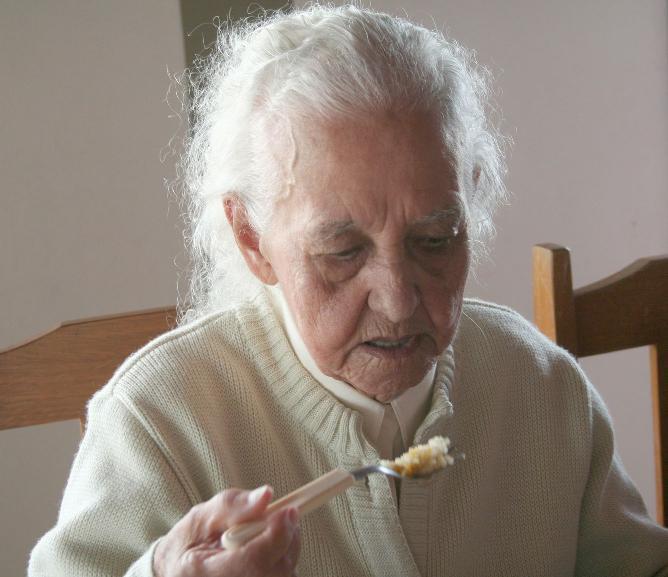
Positive social interactions during mealtimes can enhance residents’ well-being beyond the nutritional benefits
and even cold food, if a high number of residents require assistance. Provision must be made to keep food at the correct temperature by using plate warmers or staggered meal services, for example.
5. Medication (polypharmacy)
Many classes of medications can reduce appetite (antibiotics, cardiovascular drugs, psychiatric medications, neurological medications, chemotherapy drugs and opioids) or make eating and drinking difficult in older people. This is primarily because of side effects such as nausea, dry mouth (antihistamines, anticholinergics, tricyclic antidepressants and diuretics), altered taste perception (antibiotics, ACE inhibitors, statins and metformin) and swallowing difficulties (antipsychotics and bisphosphonates). Knowledge is important for care staff so they can identify any drug-related triggers that reduce dietary intake. Primary care pharmacists can suggest alterations in timing to minimise side effects.
6. Social and emotional factors
Loneliness, grief and depression are common and linked to poor dietary intake. A lack of social interaction at mealtimes can reduce motivation to eat. A well-functioning care home mealtime environment is associated with higher food and nutrient intake.8 Positive social interactions during mealtimes can enhance residents’ well-being beyond the nutritional benefits.9
Table 1: Nutritional requirements of older people14
Dietary component Recommendation Notes
Energy Approx 30kcal/kg body weight/day. For underweight individuals (BMI <21kg/m2), requirements may be higher (32–38kcal/kg/day)
Protein
1.0–1.2g/kg body weight/day for healthy older adults; 1.2–1.5g/kg/day for those who are malnourished or have acute/chronic illness
Fluid Adequate intake to prevent dehydration
Micronutrients Adequate intake to meet daily estimated requirements
7. Staffing and training issues
In Scotland, all staff involved with caring for residents should have a minimum of two hours of nutrition training in their specific client group every two years.10 In NHS Highland, this is delivered by an Advanced Practice Dietitian and a Senior Collaborative Care Home Nurse, face-to-face in the care home. This training is relevant to all grades of nursing, care and catering staff. We use pre- and post-training evaluation, which consistently illustrates the benefits of being present to deliver training in the care home environment. This approach allows for mealtime supervision. Inconsistent training may lead to poor understanding of nutritional care and sub-standard strategies to maximise nutritional intake. Care home staff have the opportunity
Strong leadership from the dietetic team supporting care homes is crucial to drive quality improvement in nutritional care
This is a general guideline and requires individual adjustment based on physical activity, gender and clinical condition.
Protein is crucial for maintaining muscle mass (preventing sarcopenia) and immune function. Intake should be distributed evenly throughout the day (around 25–30g per meal) to maximise muscle protein synthesis.
Older adults are considered at risk of low-intake dehydration and should be encouraged to drink regularly.
Deficiencies in vitamins (especially D and B12), calcium, zinc and iron are common in older adults and should be corrected by supplementation if necessary.
to share their experiences and anecdotal stories of successful or unsuccessful dietary interventions.
8. Monitoring and documentation
A lack of systematic documentation may reflect a broader lack of focus and prioritisation of nutritional care within care homes. ‘If nutritional care and the subsequent documentation are not considered as part of daily treatment and care by the organisation, then it cannot be expected that the healthcare professionals perform high-quality care.’11
9. Person-centred care
Residents’ food preferences, including cultural or religious requirements, should be documented on moving into a care home environment, preferably involving the individual, family or carers, to make the transition from home to care home as pleasurable as possible. In Scotland, the ‘Getting to Know Me’ personal profile tool is used to share personal information with others, including dietary preferences.12
GENERAL NUTRITIONAL REQUIREMENTS OF OLDER ADULTS
Guidelines for general nutritional intake in Scottish adults is neatly illustrated by the Scottish Eatwell Guide.13 This was developed to reflect
the unique nutritional landscape of Scotland, showcasing how locally grown and produced foods support a more sustainable food system and fit into a healthy, balanced diet. In any training, it is important to highlight that older adults generally require an additional portion of protein daily due to the presence of sarcopenia; fibre is important for digestive and overall health; and fats and oils can be used to fortify diets in the presence of a reduced appetite. See Table 1 for additional information.
CONCLUSION
Strong leadership from the dietetic team supporting care homes is crucial to drive quality improvement in nutritional care, ensure compliance with national standards and provide strategic direction across the Health and Social Care Partnership. This can be a challenging role for a dietitian; the healthcare needs of residents can be complex and there are intrinsic difficulties in implementing the nutritional care plan within the care home environment. In Scotland, although we all have different operational practices, we share our work freely in our collaborative vision to lead, develop and support initiatives that address malnutrition risk in care homes.
Emotional eating and GLP-1s
What dietitians need to know
Emotional eating is a significant yet frequently overlooked barrier to weight loss and maintenance. While glucagonlike peptide-1 receptor agonists (GLP1s) including Wegovy and Mounjaro are reshaping overweight and obesity treatment, emotional eating may persist alongside their use. Dietitians are uniquely placed to enhance outcomes through behaviour change support. Read on for an overview of emotional eating in the context of GLP-1 therapy, alongside an introduction to five practical strategies dietitians can apply to support patients.
Emotional eating refers to eating in response to feelings rather than physical hunger, and when this occurs frequently, it can make successful weight loss and maintenance challenging. It is a common behaviour affecting around 45% of people living with overweight or obesity.1
From infancy, food is linked to comfort and emotional connection, which is strengthened into adulthood
by family traditions and social occasions. While some emotional eating is normal, regularly using food to manage difficult emotions, such as stress, sadness or boredom, especially with high-fat and high-sugar foods, can contribute to weight gain and hinder long-term health goals.2,3
Behavioural interventions that focus on emotional regulation have been found to produce greater improvements in emotional eating than diet alone.4 Reducing emotional eating has been linked to greater odds of successful weight loss.5
When addressing emotional eating with patients, it is important to use non-stigmatising, respectful language and avoid weight bias to encourage openness and build trust.6,7
GLP-1 MEDICATION AND EMOTIONAL EATING
GLP-1 receptor agonists support weight management by suppressing


appetite, improving glycaemic control and slowing gastric emptying. They act on the hypothalamus, which regulates hunger and satiety, and may reduce the brain’s reward response to high-fat and high-sugar foods.8,9 Clinically, many patients report fewer cravings, less emotional eating and reduced ‘food noise’.
In some cases, the consumption of high-fat or high-sugar foods may trigger GLP-1-induced gastrointestinal side effects such as nausea, dyspepsia, vomiting or diarrhoea, which may act as a deterrent. Despite this, deeply ingrained behavioural patterns to eat for reasons not related to hunger may persist. For people who choose to start GLP-1 therapy, there is an opportunity to develop new non-food coping strategies to aid sustained weight maintenance, and dietitians are well placed to support this.
THE RESEARCH
Evidence about GLP-1s and emotional eating is emerging but mixed. Some patients see clear reductions in emotional eating,10 while for others these behaviours persist.
It has been suggested that the central nervous system has a positive influence on treatment outcomes.11-13 Research using functional MRI for patients on GLP-1s demonstrated a reduced brain response to visual food cues,14 and the anticipation and consumption of chocolate.15 This aids understanding of how GLP-1s may help reduce food cravings and offer potential benefits for individuals with emotionally driven eating patterns.
A recent 2025 systematic review and meta-analysis of more than 107,000 patients with overweight/obesity and/ or diabetes found reduced emotional eating behaviour when compared with placebo.16 A smaller cross-sectional
Kate Hadley RD
study of 101 participants with a body mass index >27kg/m2, demonstrated a reduction in emotional eating and highlighted that patients were more responsive to physiological hunger cues.17 However, the study’s design was unable to establish causal relationships, highlighting the need for further research. Interestingly, it has been found that people with a higher baseline emotional eating score have less pronounced GLP-1-induced brain responses.18 These findings demonstrate the importance of a combined approach. While pharmacological treatments may reduce physical hunger and food cravings, addressing emotional eating and developing alternative coping strategies remain essential for long-term success.
KEY CONSIDERATIONS
GLP-1 therapy is not a standalone solution, and dietitians play an important role in optimising patient success by supporting behaviour change. During dietetic consultations, consider potential contraindications such as eating disorders. Assess motivation, agree on realistic goals and review weight history. If emotional eating is a known barrier,
there are two key factors to consider:
1. During GLP-1 therapy, emotional eating may be greatly reduced or can even stop, but underlying habits still need addressing. Appetite suppression can mask emotional eating habits, but old patterns often return after treatment. If emotional eating has historically been a challenge, ensure that non-food coping strategies are developed during GLP-1 therapy to support long-term success.
2. Emotional eating may persist during GLP-1 therapy, which could slow or stall weight loss. This may be apparent even in the absence of hunger due to ingrained habits. Work with the patient to explore this and guide them to reflect on and update coping strategies. Consider social or personal triggers, the need for therapeutic support.
OPPORTUNITY FOR POSITIVE CHANGE
A key benefit of GLP-1 therapy is the chance to observe eating patterns beyond physical hunger. As appetite decreases, individuals become more aware of eating driven by emotional

rather than physiological cues. This shift can help the patient to disrupt automatic responses and build a ‘pause’ between the trigger and automatic action,19 allowing reflection on the question, “why do I still want to eat?”
The BDA GLP-1 joint policy (2025)20 emphasises using pharmacotherapy alongside dietitian-led support. Dietitians help patients to distinguish emotional from physical hunger, identify patterns and develop alternative coping strategies to promote lasting behavioural change and sustained weight maintenance.
PRACTICAL STRATEGIES
Dietitians can explore five key considerations to support patients:
1. Nutrition and physical activity
Nutrition priorities are the cornerstone of effective treatment, and if insufficient, may exacerbate emotional eating. Regular portioncontrolled, well-balanced meals high in protein with fibre are essential to ensure optimum nutrition, avoid nutritional deficiencies and protect against muscle loss.21 Mindful eating should be encouraged, such as eating slowly and chewing meals thoroughly. Ensure adequate hydration from water and sugar-free fluids and minimise alcohol and fizzy drinks. A daily multivitamin and mineral supplement is beneficial. Regular physical exercise, including strength training, is important to protect against muscle loss and support longterm weight maintenance.22,23
2. The hunger scale
The hunger scale helps patients distinguish physical hunger from emotional cravings, aiding the reduction of automatic eating. Using a simple 0–10 scale (where 0 is extremely hungry and 10 is extremely full) helps patients learn to introduce a ‘pause’ and assess before eating. Eating when a little hungry (around 3–4) and stopping when satisfied (6–7) builds awareness of bodily cues. Regular use can highlight when food is eaten for emotional reasons and not true hunger.
3. Identify triggers
A food and mood diary helps patients spot patterns in emotional eating and

recognise triggers. Tracking food alongside feelings helps to explore if certain emotions or situations lead to emotional eating. A diary can provide insight into dietary factors, revealing patterns such as long gaps between meals, which may trigger emotional eating and cravings. This process builds self-awareness to support positive change. Encourage patients to use reflective questions to gain insight: “What was I feeling just before I ate? Did something happen? Where was I? Was I alone or in a certain situation? What time of day was it? What need was I trying to meet with food? Do certain feelings link with specific foods?”
4. Mindfulness techniques
Regular use of mindfulness approaches helps to reduce emotional eating.24,25 Mindfulness techniques strengthen selfregulation and reduce stressinduced eating by enabling patients to observe cravings without acting on them. It helps to build the ‘pause’ before eating and respond to urges thoughtfully instead of eating automatically. Guide patients to try
the following when they notice a difficult emotion, explaining that each time we resist a craving, the craving becomes less strong:
• Box breathing: Named to represent the four sides of a box, breathe in for four seconds, hold for four seconds, breathe out for four seconds and hold for four seconds. Repeat.
• Urge surfing: Imagine a wave, notice the craving increase onto the crest of a wave, feel it and ‘ride it’ until it naturally subsides.
5. Develop alternatives
Once eating patterns and emotional triggers are identified, patients can try non-food coping strategies. Remember that ‘there is no one or right way to cope with difficult emotions, but having a range of coping skills we can draw on can be helpful to limit emotional eating.’26 Developing a list of personal alternatives (such as going for a walk, having a relaxing bath or journaling) and trying them regularly will reinforce that sustainable change comes from building new habits.
Overweight individuals are often highly self-critical.27 Negative thoughts like “I have no willpower” can fuel emotional eating or make people question “what is the point?” Encourage patients to reframe emotional eating as valuable information and not failure. Compassion-focused therapy28 directs kinder self-talk, such as “what can I do now that’s helpful?”, which will support healthier choices.
CONCLUSION
GLP-1 therapy does not erase emotional eating, but it does offer a valuable opportunity to cultivate healthier habits when combined with nutrition guidance and behavioural support. Dietitians play a key role in connecting pharmacotherapy with sustainable behaviour change, helping patients to build positive alternatives to emotional eating. Through increased awareness and applying practical strategies, patients can develop positive habits to sustain long-term weight management benefits beyond medication.



Motor neurone disease
Enteral feeding and end-of-life care
This article explores the clinical rationale for enteral feeding (EF) in motor neurone disease (MND), methods of delivery, timing of intervention, outcomes, psychosocial implications and ethical debates, with a focus on end-of-life care. MND is a group of illnesses characterised by degeneration of motor neurons in the brain and spinal cord, leading to progressive paralysis resulting from increasing muscle weakness, with no cure.1,2 It can develop differently in each person and present with similar symptoms to other conditions, making a diagnosis challenging, particularly in its early stages.1
There are four main types of MND:
1. Amyotrophic lateral sclerosis
2. Progressive bulbar palsy
3. Progressive muscular atrophy
4. Primary lateral sclerosis
As MND progresses, dysphagia develops as a common complication resulting in malnutrition, dehydration and aspiration pneumonia.3 Supportive treatment options, of which EF is one, can improve quality of life for MND patients. Decisions surrounding the initiation of EF, its continuation or withdrawal intersect with profound ethical and emotional considerations at the end of life.4 Studies demonstrate that weight loss correlates with poorer

Leonie Polson RD
prognosis and reduced quality of life.5 EF can provide reliable nutrition and hydration and reduce aspiration risk.6,7
CLINICAL RATIONALE FOR EF
As a supportive intervention, the aim of EF is to enhance comfort and modestly prolong survival. Discussions with patients and family members need to provide consistent, realistic information so that the patient can make an informed decision about whether EF is right for them.

The most common route for EF is via a percutaneous endoscopic gastrostomy (PEG). However, a radiologically inserted gastrostomy
(RIG) may be placed when decreased respiratory function makes an endoscopy procedure unsafe.7 Some specialist centres provide a per-oral image-guided gastrostomy (PIGG) as an alternative enteral feeding option.
TIMING OF DISCUSSION AND INSERTION
An assessment of nutritional intake (including hydration) should be undertaken at diagnosis and at regular intervals through disease progression.3,8 Guidelines recommend discussing gastrostomy early, before severe dysphagia or respiratory decline. However, due to challenges associated with the initial diagnosis, dietetic assessment, intervention and EF recommendations may be made while the patient is still undergoing investigations.8
Further discussion about EF should occur annually or more frequently if symptom progression occurs with a decline in nutritional status or if procedure risk increases.8 Studies indicate that EF discussions between the patient and the specialist nutrition team (usually a dietitian and/or nutrition specialist nurse) have a higher prevalence of patients choosing to have a PEG, as well as having improved outcomes.5,9 So too do multidisciplinary team (MDT) meetings to discuss patient progress and timings for PEG referrals.5
According to a recent survey of UK healthcare professionals (HCPs), one-third of clinicians thought that the first conversations about EF were held later than was ideal. Additionally, there was variation among HCPs regarding
the topics discussed concerning EF and the timing of gastrostomy placement. HCPs concentrated more on day-to-day workings and expectations, and medical clinicians focused more on mortality.10 In these discussions, it’s important that the patient considers their advanced health directive and their wishes are included.
When a patient decides to proceed with a PEG, earlier insertion is associated with better outcomes, lower procedural risk and improved quality of life. Delayed insertion can lead to a higher 30-day mortality rate, increased length of hospital stay, fewer home discharges and an increase in healthcare-associated costs, particularly when forced vital capacity is <50% and/or the patient has had >10% weight loss.5,7,8 Delaying discussions around EF and longer wait times for PEG placements may lead to it being too late to safely undertake the procedure.
Patients may oppose early intervention out of fear of medicalisation, so striking a balance between autonomy and clinical need is crucial. Moreover, it is important to have discussions with the patient and their family concerning opinions about ending EF. Ensuring the family is aware of the patient’s wishes decreases anxiety and fear.
CLINICAL OUTCOMES AND IMPLICATIONS
A systematic review showed an increased incidence of major complications post-PEG insertion when the procedure was undertaken in those with more advanced MND.2 EF does not alter disease progression and outcomes vary in terms of length of survival after

the procedure; people with limb onset have the longest survival time after PEG placement.9
Patients report that transitioning to EF has profound psychosocial implications:
• Loss of normal eating: Mealtimes are social rituals and EF may feel isolating.
• Family dynamics: Caregivers often experience relief from reduced mealtime stress for the patient, but their own nutritional intake may be impacted as they move to potentially preparing meals for one.
• Patient autonomy: Some view feeding as prolonging suffering, others as preserving dignity.
• Communication challenges: Declining speech complicates discussions about feeding preferences.
Patients can feel that an opportunity to make life choices is taken away from them once they receive an MND diagnosis. EF as a treatment option can allow the patient to feel they have a choice in how they wish to proceed within their disease progression in terms of agreeing (or not) to EF, and if and when they wish to stop feeding. This can lead to ethical questions.
ETHICAL DIMENSIONS TO END OF LIFE
Ethical dilemmas with EF include (but are not limited to): 3,4,11
• Autonomy versus benefit: Clinicians must respect patient choice while promoting well-being.
• Informed consent: Patients should understand the risks, benefits and alternative options, should there be any for their specific case.
• Withdrawal of feeding: This is ethically permissible if it aligns with the patient's wishes and is one of the most challenging aspects of EF in MND.
• Advance care planning: Early documentation of preferences can prevent crisis decisions and emotional distress.
A patient may have doubts or change their mind about EF as their condition deteriorates. Any change in decision must be discussed and documented. All members of the MDT must be aware of any change in treatment plans.
In end-of-life care, continuing EF

can provide comfort by preventing hunger and dehydration, facilitating the delivery of medication and prolonging survival, although this can be at an increased cost of dependency.6,11 In some cases, feed tolerance can deteriorate, and patients may decide to continue feeding but at reduced volumes and/or rates.
The withdrawal of EF is legally and ethically permissible10 and patients may feel that continuing to feed no longer aligns with their values.4 It is imperative that clinicians listen to their patients' wishes and desires around continuing or ceasing feeding, and that patients don’t feel they have been pushed towards making a decision one way or the other. This can be difficult if the wishes of family members differ from those of the patient, whereby a patient feels pressured to continue feeding to reduce distress to family members. Palliative care involvement can ensure symptom relief through mouth care and comfort measures.4
Patients can record feeding preferences in advance care directives3 and it is important for HCPs to be aware of patient choices. This can lead to improved communication between clinicians, patients and family
members, ensuring decisions reflect patient values even if communication is lost through disease progression.12
ROLE OF HEALTHCARE TEAMS
MDTs are vital to support patients and families throughout their journey with MND. Communication is key and MDT meetings to discuss updates or changes to the patient and their needs can ensure patients get the right support. Emotional counselling is vital to help families cope with withdrawal or continuation decisions,4 although access to mental health services can be a challenge.
The majority of patients will fit under one of the following cases, highlighting diverse patient choices and the importance of individualised care:
• Case A: Early PEG insertion stabilises or increases weight; patient chooses to continue feeding at end of life for comfort.
• Case B: Patient declines PEG, prioritising social mealtimes despite weight loss and risks of choking and aspiration.
• Case C: Patient initially accepts PEG but later requests withdrawal, emphasising dignity over prolongation.
Feeding discussions should take place early post-diagnosis, preferably by an experienced nutrition team member. Nutrition assessments should occur at diagnosis and at regular intervals, ensuring the MDT shares communication and provides consistent advice to patients and carers.10 Medical notes must be kept updated with patient preferences and advanced care plans,3 and the team addresses the holistic needs of the patient. Support for the patient and their family also needs to be considered.12
CONCLUSION
EF can raise complex psychosocial and ethical challenges, particularly at end of life. Decisions about initiation, continuation or withdrawal must be individualised, grounded in patient autonomy and supported by multidisciplinary care. Ultimately, the goal is not merely the prolongation of life but the preservation of dignity and comfort in alignment with patient values.
The digital mirror
Is AI-personalised nutrition creating a new wave of tech-orthorexia?
The rise of AI-driven nutrition platforms is changing the way our clients see their bodies. These tools use continuous glucose monitors, gut testing and wearable technology to give real-time feedback. While they promise precision, I am concerned they are often just a high-tech way to encourage restriction. Too much knowledge about our bodies can lead to obsession. As dietitians, we find ourselves in a position where we have to help our clients choose between medical data and their own body’s wisdom.
For many years, the diet culture encountered in our clinics was easy to spot. It was there on magazine covers at the supermarket or in the latest celebrity ‘detox’ plans. But as time marches on, so too does diet culture, moving away from the glossy pages and into our patients’ pockets and wearables, becoming more subtle and more medicalised.
THE SHIFT TO ALGORITHMIC RESTRICTION
In the past, food restriction was relatively broad. People might have said they were cutting carbs or avoiding sugar. Today, restriction is much more specific and harder for a patient to ignore because it feels like science. For example, a client might no longer eat a piece of fruit because a sensor told them that a specific apple caused a glucose spike. This is what I think of as ‘algorithmic restriction’. It feels objective because it is wrapped up in data. However, this focus on one single marker can lead to a very narrow view of health. A patient may manage to keep their blood sugar levels perfectly flat, but they might do so by cutting out the fibre and variety the gut needs to stay healthy. In trying to fix one number, they may lose sight of the whole person.
LOSING CONNECTION WITH OUR BODIES
The heart of my work is often helping people get back in touch with their internal cues. We want our clients to trust their hunger, fullness and appetite. Important too, is knowing when to move, when to rest and how to connect with emotions and feelings. These are the tools most of us were born with, but technology often teaches us to ignore them. I am seeing more people who will not eat breakfast even when they feel hungry because an app has told them their body doesn’t need it. If we let a device decide when and what we should eat, we start to lose that vital connection with ourselves. Sensors and apps do not reflect what our body actually needs. Instead, they give us a set of rules to follow. For anyone who has struggled with their relationship with food, this can be a slippery slope back into a cycle of control and shame.
THE RISE OF ORTHOREXIA

In clinics, we are seeing a new type of disordered eating that is focused on ‘biomarker perfection’. This isn’t always about weight, which makes it even harder to spot. It is a hyperfixation on everything being optimised; a new concept of perfection that is not just about looks, but about the whole body performing at its best. This form of digital orthorexia often looks like this:
1. Data anxiety: a sense of moral failure or deep distress when a meal results in a low score on an app.
2. Social withdrawal: choosing to stay home or avoid seeing friends because you cannot track the food at a restaurant or verify it with a sensor.
3. The machine myth: forgetting that the human body is not a machine. A glucose spike can be caused by a bad night’s sleep, a stressful day at work or where a person is in their menstrual cycle. When an app blames food, the patient starts to fear nourishment that their body actually needs.
DIET CULTURE REBRANDED
This new technology uses the language of ‘longevity’ and ‘wellness’ to hide traditional dieting. We hear a lot about ‘metabolic flexibility’ or ‘biohacking’. As dietitians, we know that many of these are just new names for old habits like skipping meals or cutting out entire food groups. Packaging recommendations with scientific-sounding terms instantly builds the authority people look for.
When a person with a large social media following shares a graph showing a ‘dangerous’ insulin spike from a banana, it is very hard for our voices to be heard. We are trying to talk about the joy of eating, the importance of fibre and the fact that fruit is good for us. But the objectivity of a graph is very loud. It is our job to help our clients turn down the volume.

Priya Tew RD
OUR ROLE: THE HUMAN CONNECTION
I don’t believe we should tell everyone to stop using technology altogether. For some, these tools can be helpful when used with the right support. But I do believe that we need to be part of the culture that helps guide common sense. We can provide the context that an algorithm simply cannot see, such as:
1. Normalising the body – We can remind our clients that blood sugar rises and falls because that is what a healthy body is supposed to do. A spike is not a failure. It is a sign that your body is processing energy.
2. Adding the human story – When a client is upset about a ‘bad’ data point, we can ask the questions the app doesn’t ask. Did you enjoy that meal with your family? Was it a special occasion? How did you feel afterwards? By adding these layers, we help people see that they are more than a collection of numbers.
3. Encouraging data breaks – Just as we might suggest a break from social media, we can suggest data holidays. Encouraging a client to leave their tracker at home for a weekend can be a powerful way to help them listen to their own body again without the fear of being judged by an algorithm.
CONCLUSION
The future of our profession isn’t about fighting technology, but about ensuring it doesn’t take away people’s ability to look after their bodies themselves. Technology cannot understand the cultural importance of a shared meal or the emotional comfort of a favourite food. An algorithm can give you a number, but it cannot tell you that you deserve to eat.

IS A FL AVOURTOSAVOUR



Plant-based meals
In the hospital setting
Plant-based (PB) diets are attracting growing interest among healthcare professionals, and are increasingly reflected on supermarket shelves, with a wide range of vegetarian, vegan and PB meals and snacks now widely available. This is welcome news for dietitians, given the wellestablished health benefits of PB diets. But how feasible is it to translate a PB menu into everyday practice within NHS hospitals?
PB eating patterns involve consuming foods such as legumes, beans, wholegrains (eg oats, barley and quinoa), vegetables, fruits, nuts and seeds, and limiting or excluding animal products.1 PB diets tend to be lower in refined foods such as sugars, white flour and processed oils,2 and emphasise whole and minimally processed foods.2 However, there are many processed PB food products available, which vary in nutritional content.2
PB diets are generally affordable and offer many health benefits as they tend to be rich in essential vitamins, minerals, fibre and protein (with the exception of vitamin B12), and are typically lower in salt, saturated fat and sugars.3 PB does not necessarily mean vegan or vegetarian and does not have to completely exclude meat or fish. For example, a Mediterraneanstyle diet, the Dietary Approaches to Stop Hypertension (DASH) diet and the balance of foods on the Eatwell Guide involve eating some animal products but more PB foods to achieve a healthier balance.4
ADVANTAGES
A high intake of red meat and processed meats is linked to weight gain, cancer and T2D due to the saturated fat and salt content.5
Consuming more PB foods helps manage weight, reduce the risk of T2D, cardiovascular disease (CVD), cancers and chronic inflammation.3,6,7 A PB diet can reduce the occurrence of angina, improve coronary blood flow and slow the progression of CVD.1,8,9 PB diets have a positive effect on lipoproteins and triglycerides, and meta-analyses have shown a 15% reduction in CVD risk for vegetarians and vegans.5
Another benefit of PB diets is the increased intake of fibre, which lowers the risk of constipation and improves the gut microbiome.8,10 PB can be more affordable than meat.11 In high-income countries, for example, evidence suggests that vegan and vegetarian diets could reduce grocery costs by a third.11
As well as the health benefits, PB eating is good for the environment and sustainability; PB foods require a third of the land, water and energy than the usual ‘meat and dairy’ based diet and reduce greenhouse gas emissions.7
DISADVANTAGES
PB diets are generally healthier than a high intake of meat, dairy and processed food products. However, there are some concerns about the lack of certain essential nutrients if meat and fish are avoided. A completely vegan diet runs the risk of nutritional deficiencies,3,6,7,12 impacting on conditions such as anaemia, osteoporosis and neurological disorders.7,12 Dietary planning, use of appropriate supplementation and choosing fortified PB foods are important to avoid nutritional inadequacies.7,13-15
PB diets are high in fermentable oligosaccharides, disaccharides, monosaccharides and polyols (FODMAPs) and for those with bowel conditions such as IBS and SIBO, PB eating may worsen symptoms.14

Katy Stuart RD
Consuming more PB foods helps manage weight, reduce the risk of T2D, cardiovascular disease, cancers and chronic inflammation
Processed PB foods have become popular in the form of meat alternatives, dairy-free alternatives, ready meals, desserts, snacks and tofu.7,15 However, many of these products tend to be higher in saturated fat, salt and sugar than non-PB options.7,14
VEGETARIAN AND VEGAN HOSPITAL FOOD/MENU CHOICES
University Hospital Southampton (UHS) has employed a Vegan Head of Sustainability and is aiming to reduce meat on its menu and establish a new

vegan menu.16 See Table 1 for its example PB menu.
Imperial College Healthcare NHS Trust has a vegan menu with a variety of options, some of which include higher protein and energy sources. Examples include lentil dhal with rice, jacket potato with baked beans, flapjacks, muffins and soya desserts.17 A fully PB hospital in Beirut, Lebanon, has served only vegan meals since March 2021.15,18 The University of Florida Hospitals Group is one of the first US institutions to offer a
fully PB menu to inpatients.8 A nutritional analysis of the menu found that it was lower in fat, calories and carbohydrate and higher in fibre than a typical hospital menu.18 As the menu is reported to be lower in protein too, nutritional supplements are used as advised by dietitians to meet individual protein (and calorie) needs.8,18
NUTRITION REQUIREMENTS FOR HOSPITAL PATIENTS
An analysis of hospital menus recently
Breakfast Tofu scramble or a plant-based protein smoothie with pea protein
Lunch/dinner Lentil or bean-based curries, vegetable-loaded stews or large salads with black beans or other plant-based proteins
Snacks Fruit and vegetable sticks with hummus or guacamole
Fresh fruit kebabs
Portobello mushrooms, grilled or roasted
Crispy potato skins or sweet potato chips
Table 1: University Hospital Southampton’s plant-based menu
found that 84% of patients are unable to meet their energy and nutrient requirements even if all meals provided are consumed, with menus averaging around 1860kcal and 56g of protein per day across animal-based, vegetarian and vegan options.13
Evidence suggests that a PB hospital menu is around 50% lower in protein and calories than a traditional animal foods-based hospital menu.8 The salt and saturated fat content could be higher (and fibre intake lower) if more processed PB products were utilised.8,19 Muscle mass loss is common for patients with prolonged hospital stays and it is doubtful that a fully vegan PB menu would be nutritionally adequate, particularly for people with higher requirements such as pressure sores, critical care, renal dialysis, burns and protein energy malnutrition.13,19
Remember too that if PB meals are less nutritionally dense, patients

need to eat twice as much to obtain the protein and calories needed compared with animal-based meals, which doubles the cost.19 There is limited information on the micronutrient content of some of the newer PB foods, which makes menu planning difficult.13
ESPEN does not recommend a vegan diet for hospital inpatients due to the potential for nutrient inadequacy.13 However, a PB menu that is well designed and contains a variety of PB foods alongside supplementation when necessary can meet the nutritional requirements for most people as long as the following nutrients are provided:
• Vitamin B12
• Iron
• Essential fatty acids
• Calcium
• Zinc
• Vitamin D
• Complete proteins20
PB NHS menus would provide a greater intake of fresh fruit, vegetables, pulses and grains, which all have proven health benefits.8 Incorporating a range of food items such as legumes, wholegrains, soy products, nuts and seeds and using enriched soy milk or tofu can address the issues with the key nutrients listed above.8 The support of registered dietitians in PB menu planning is essential to evaluate the adequacy of meals and to educate staff and patients on the benefits of PB diets.8,15,20,21
FURTHER BENEFITS
Encouraging and promoting PB diets in healthcare settings encourages healthier eating habits and provides long-term health benefits, which could save on future healthcare costs.22 The Plants First Healthcare Campaign states that adopting PB
Evidence suggests that a PB hospital menu is 50% lower in protein and calories than a traditional hospital menu
meals in hospitals could save the NHS £74 million per year, as well as provide healthier options for patients and reduce food-related emissions by up to 50%.15,22 Having a PB hospital food system will help the NHS to achieve its goal of net-zero emissions by 2045.22
The organisation, New York City Health and Hospitals, introduced PB meal options for lunch and dinner on its hospital menus in 2024. It reports that PB meals have been well received with a 95% acceptance rate, a $0.59 reduced cost compared with animal products, and a 36% reduction in carbon emissions.23 Here in the UK, there is some support for PB hospital meals, with a recent independent survey of 2000 people showing that 33% would support a fully PB hospital menu.22
CONCLUSION
PB meals and diets offer wellestablished health benefits, are generally more affordable when based on whole foods and have positive effects on sustainability and the environment. Promoting PB choices in healthcare settings may reduce hospital readmissions and improve patient outcomes.19.21 However, greater emphasis is needed on the careful design and planning of hospital menus to ensure they meet inpatients’ nutritional requirements, with dietitians playing a key role in menu development.
Myth busting with Madi
Madi Myers explores some of the claims, myths and current evidence around fads and fashionable crazes
Creatine: the supplement of 2026?
Creatine is one of the most extensively studied dietary supplements, with a research history spanning several decades. Traditionally associated with sports nutrition and high-intensity athletic performance, creatine is increasingly marketed to the general population for a wide range of purported benefits, from cognitive enhancement and brain health to female health and healthy ageing. This expansion of claims has led to renewed interest among healthcare professionals, but also to considerable hype. Some online wellness trend predictions for 2026 have listed creatine as a supplement to watch.1
As creatine products become more widely available in powders, capsules, liquids and chewable forms, it is timely to examine what creatine actually is, where the evidence is strongest and where claims currently outpace the science.
WHAT IS IT?
Creatine is a naturally occurring, nonprotein amino acid-derived compound synthesised endogenously in the liver and kidneys from arginine, glycine and methionine. Approximately 95% of the body’s creatine is stored in skeletal muscle, with the remainder found in the brain, heart and other tissues. Creatine plays a key role in cellular energy metabolism. By increasing phosphocreatine stores, it supports the rapid regeneration of adenosine triphosphate (ATP) during periods of high energy demand.
Endogenous synthesis accounts for roughly half of daily creatine requirements, with the remainder obtained from dietary sources –primarily red meat and seafood.
There is currently no official recommended intake for creatine in the UK, but estimated daily requirements are approximately 1–3g, depending on age, muscle mass and activity levels. Around 1–2% of total body creatine is converted to creatinine each day and excreted via the kidneys. Upper intake limits have not been firmly established; however, long-term studies suggest that intakes of up to 30g/day for several years are not associated with adverse health outcomes in healthy adults.2 Creatine monohydrate remains the most extensively researched and bestsupported supplemental form.
Given that dietary creatine is derived almost exclusively from animal foods, people following vegetarian or vegan diets typically have lower creatine intakes and stores. Supplementation may therefore be more relevant for these populations. In contrast, omnivorous individuals who are not highly active are likely to meet baseline requirements through diet and endogenous synthesis alone.
WHERE EVIDENCE IS STRONG
The strongest evidence for creatine supplementation lies in the domain of sports and exercise nutrition. The European Food Safety Authority (EFSA) has authorised a health claim stating that daily consumption of 3g of creatine increases physical performance during short-term, high-intensity, repeated exercise bouts.3 This reflects a substantial body of randomised controlled trials demonstrating improvements in strength, power output and lean mass when creatine supplementation is combined with resistance

training. The ‘energy buffering’ capacity of creatine underpins these well-established effects.
EFSA has also recognised that daily creatine consumption can enhance the effects of resistance training on muscle strength in adults over the age of 55 years.4 This finding is of particular interest in the context of healthy ageing, as it suggests a supportive role for creatine in mitigating age-related declines in muscle mass and strength, and possibly reducing the risk of sarcopenia when used alongside appropriate exercise.
Importantly, EFSA has ruled that there is insufficient evidence to support claims related to endurance performance or endurance capacity. This distinction is critical, as creatine’s physiological role aligns far more closely with anaerobic energy systems than with prolonged aerobic activity.
EMERGING EVIDENCE
Beyond physical performance, creatine is now being investigated in several emerging areas of health. While some findings are intriguing, the current evidence base remains limited and should be interpreted with caution.
Menopause and female health
Women typically consume less dietary creatine than men and have lower muscle mass, which may result in lower total creatine stores.5 Interest has therefore grown in creatine’s potential role during menopause. A recent small study in peri- and postmenopausal women (n=36) reported modest improvements in reaction time and increases in brain creatine levels following supplementation with
Madi Myers ANutr
Food intelligence The science of how food both nourishes and harms us
Ursula Arens on why this book deserves the attention of dietitians
This book has two great parents. Julia Belluz is a professional health writer and Kevin Hall is an expert in nutrition and obesity. Perhaps because his original career was as a physicist, Kevin became interested in the mechanics of measuring heart rhythm and modelling glucose distribution in diabetes. The splendour of metabolism gripped him, opening the door to an intense interest in human nutrition. The result is tight methodology woven into discussions of metabolism and body composition.
Kevin’s early work examines the mathematics of weight loss. While the principle that body weight reflects energy balance cannot be challenged, two decades of research have demonstrated the many dynamic mechanisms the body deploys to resist tissue and weight loss.
The much-quoted prediction that a 3500kcal deficit results in the loss of one pound of body weight requires adjustment for stages of energy deficit and changes in body composition. Energy restriction triggers a cascade of biological responses that resist further weight loss, reflecting the evolutionary importance of maintaining sufficient energy for survival.
Work by Ancel Keys during the Second World War examined the mental and physiological effects of semi-starvation and refeeding. A modern analogue was the US television series The Biggest Loser, for which Kevin Hall acted as a metabolism consultant. Participants lost an average of 130lbs (the winner lost 239lbs), with around 80% fat and 20% muscle loss. Of concern, resting metabolic rates remained lower after weight regain, while exercise, though less effective for weight loss, predicted slower regain.
ADDRESSING MYTHS
Several chapters address debates around low-fat versus low-carbohydrate diets. Kevin reassures readers that protein intakes in typical mixed diets generally exceed requirements, and claimed benefits of higher intakes are exaggerated. Evidence comparing fat and carbohydrate restriction is more complex. Extreme diets based largely on potatoes or meat/fish appear to support weight loss when supplemented with vitamins/minerals, although he does not support either unbalanced diet. Mixed low-fat diets appear marginally more effective than low-carbohydrate diets, but this is a topic of fierce debate, and Kevin shares the heat he has encountered from both positions.
Chapters on personalised nutrition, a $12 billion industry in 2022, are refreshingly critical. Kevin highlights striking inconsistencies between companies analysing identical samples and describes microbiome-based dietary advice as premature and overhyped. Despite high costs, personalised advice is inconsistent, while general guidance converges on common sense: more fibre and plant protein. He credits UK dietitian Nicola Guess for her critical comments on issues such as the use of continuous glucose monitors in people without diabetes.
NEW THINKING
The book explores the evolving understanding of body fat as a tissue. Health risks relate more to fat distribution, function and quality than to quantity alone. Liposuction does not improve metabolic health, reinforcing the limitations of simple measures of adiposity.
The final sections of the book describe Kevin’s shift from scepticism to concern regarding UPFs. In a metabolic

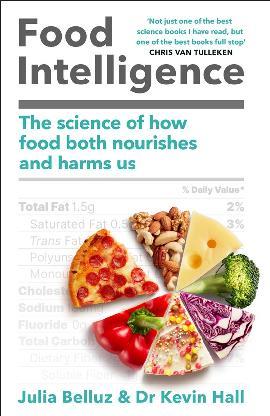
Food Intelligence: The Science of How Food Both Nourishes and Harms Us by Julia Belluz & Dr Kevin Hall is published by Headline Publishing Group (2025). We have three copies to give away in a lucky draw. Winners chosen at random by 31 March. Email publisher@ networkhealthgroup.co.uk to enter.
laboratory study comparing diets high or low in UPFs, Kevin was surprised that when offered the UPF diets, volunteers (who were not informed as to what was being observed and were asked to eat freely) consumed 500kcal more daily than when offered the low UPF diets.
Kevin’s early retirement from the US National Institutes of Health caused alarm when he raised concerns about political influence on science communication. It is sad to note that while book acknowledgements often credit colleagues, Kevin and Julia extend their thanks to lawyers.
The depth and razor-sharp science detail in this book come from Kevin; the clarity, narrative flow and readability from Julia. Every dietitian will love this book, and I give it a well-deserved 10/10.
Ursula Arens Freelance Writer
Diabetes in South Asians
Improving outcomes and reducing inequalities


Diabetes is one of the defining health challenges for South Asian communities, both across the subcontinent and within the UK diaspora. For dietitians and nutritionists, culturally competent, evidence-based nutrition care is central to improving outcomes and reducing inequalities in this high-risk population.1
T2D is the predominant form of diabetes in South Asians, with type 1 and gestational diabetes also contributing significantly, particularly in younger adults and women of childbearing age. South Asians typically develop T2D earlier, at a lower BMI, with greater visceral adiposity and faster ß-cell decline than White Europeans – the socalled ‘South Asian phenotype’.2
At a population level, the risk of T2D is estimated to be up to sixfold higher in UK South Asians than in the general White population. Around 15–20% of British South Asians are living with
T2D compared with roughly 3–8% of the UK population overall.3 In England, over 420,000 people from South Asian backgrounds are known to have diabetes, with a further 230,000 living with prediabetes.3
PREVALENCE ACROSS SOUTH ASIA
Recent pooled analyses show diabetes prevalence in South Asia has risen from about 11% in 2000–2004 to over 22% in 2020–2024, with particularly steep increases in Pakistan and Sri Lanka. India and Bangladesh have also seen marked rises, with survey data suggesting T2D prevalence in adults has more than tripled in some areas over the last two decades.1
Urban prevalence exceeds rural prevalence, reflecting rapid urbanisation, changing food environments and reduced physical activity. Across the region, a large proportion of diabetes and prediabetes remains undiagnosed.
Diabetes distress, the emotional and psychological burden of living with T2D, affects around 44% of adults, highlighting the need for holistic, culturally sensitive support.4
Historically, South Asian diets centred on minimally processed grains, seasonal vegetables, pulses, nuts and small amounts of ghee or oil, alongside high levels of manual activity. Over recent decades, a ‘nutrition transition’ has shifted many communities towards energy-dense, refined carbohydrateand fat-rich diets, coupled with more sedentary lifestyles. These changes, layered onto a genetically susceptible phenotype, amplify insulin resistance and cardiometabolic risk even at lower BMI.2,5
TYPICAL MEALS AND METABOLIC IMPACT
In clinical practice, typical South Asian meal patterns associated with hyperglycaemia and weight gain include
Alka Pandey RD

large portions of white rice or multiple chapatis/parathas, generous use of ghee or oil in curries, frequent fried snacks (samosas, pakoras, puris), and sugar-dense desserts (gulab jamun, jalebi, laddoo, kheer) or chai with added sugar several times daily. Vegetarian patterns can still be high risk when dominated by refined grains, potatoes, fried foods and full-fat dairy, despite low meat intake.6
Observational data in South Asians link dietary patterns rich in fried snacks, sweets, high-fat dairy and refined grains with higher BMI, central adiposity, insulin resistance and metabolic syndrome. Patterns higher in vegetables, fruits, legumes, nuts and wholegrains are associated with more favourable metabolic profiles.5
MYTHS, BELIEFS AND EVIDENCEBASED MESSAGES
Qualitative work in UK South Asian
communities highlights pervasive myths, including: ‘diabetes is not serious until insulin is needed’, ‘brown sugar, jaggery or honey are healthier for blood sugars than white sugar’, ‘fruit should be avoided completely’ and ‘once tablets start, diet no longer matters’. Many families also view diabetes as inevitable due to heredity or ‘stress’ and may delay intensification of therapy because of fear or stigma around insulin.7
Evidence-based messages that resonate in practice include:
• All sugars (including jaggery, honey and brown sugars) raise blood glucose and should be moderated.
• Small portions of whole fruit can usually be included within a structured meal plan.8
• Diet remains central at every stage of diabetes; medications and technology work best when aligned with consistent diet quality, portion control and regular activity.1
• Weight loss of 5–10% in adults with T2D and overweight/obesity can significantly improve glycaemic control and cardiometabolic risk, and remission is possible in some people via intensive dietary interventions.9
WHAT IS THE ‘RIGHT’ DIET?
NICE emphasises (NG28) individualised medical nutrition therapy, with dietary patterns tailored to cultural background, preferences and metabolic targets rather than a single prescriptive diet. Core messages include: 8
• focusing on high-fibre and low glycaemic index carbohydrates;
• limiting saturated and trans fats;
• including foods rich in mono- and polyunsaturated fats;
• encouraging vegetables, pulses, nuts and seeds;
• aligning carbohydrate distribution with glucose-lowering therapy and hypoglycaemia risk.
The BDA has called for an urgent update of NG28 to reflect emerging evidence on low-carbohydrate, Mediterranean-style and energyrestricted approaches, and stresses the need for dietitians to use shared decision-making to agree on a sustainable pattern – whether moderate carbohydrate, lower carbohydrate, predominantly plant-based or based on portion-controlled traditional meals. For South Asian patients, structured education and culturally-tailored meal planning are associated with better engagement and glycaemic outcomes than generic advice.10
Culturally competent practice requires negotiating which foods are flexible and which are non-negotiable, using tools such as plate models, handmeasured portions and carbohydrate awareness to support incremental change.11
WEIGHT MANAGEMENT AND DIABETES
South Asians experience T2D and cardiometabolic complications at lower BMI and waist circumference measures, prompting WHO and NICE to recommend lower thresholds for risk assessment and prevention. Central adiposity and ectopic fat in the liver and pancreas, rather than total weight alone, appear particularly important,
and even modest weight reduction can substantially improve insulin sensitivity and glycaemic control.12
The NHS Low Calorie Diet Programme, also known as the Type 2 Diabetes Path to Remission Programme, which includes total diet replacement followed by structured reintroduction, has shown acceptability among South Asian participants where cultural adaptation (eg recipe modification, family involvement and addressing social occasions) is explicitly built into delivery.9 NICE quality standards also recommend earlier referral of high-risk Black and Asian adults to intensive lifestyle programmes and starting interventions at lower BMI thresholds than for White populations.13
NHS STANDARDS AND MODELS OF CARE
NICE NG28 provides the core standard for adult T2D care in England and Wales, covering structured education, dietary advice, optimisation of glucose, lipids and blood pressure, regular screening for complications and access to multidisciplinary teams, including dietitians.8 Quality standard QS167 further emphasises proactive identification and referral of high-risk Black and Asian groups to culturally sensitive intensive lifestyle interventions.13
NHS England has supported the development of South Asianspecific education resources and risk assessment tools (eg in Gujarati, Bengali and Punjabi) and invested in services such as the NHS Diabetes Prevention Programme and ethnically diverse self-management support. However, research still shows variable access to culturally adapted education and persistent barriers related to language, beliefs, time pressures and limited dietetic capacity.14
NEW TREATMENTS AND TECHNOLOGY IN THE NHS
Recent NICE work has described the ‘biggest shake-up’ in T2D care in a decade.15 SGLT2 inhibitors are now recommended earlier and more widely due to their glycaemic, renal and cardiovascular benefits. Access has also expanded for GLP-1 receptor

agonists and dual GIP/GLP-1 agents such as tirzepatide.
After supply disruptions between 2023 and 2025, GLP-1 receptor agonist shortages have largely been resolved in the UK, with oral semaglutide and tirzepatide now more widely available for people with T2D.15
NICE updates to NG28 and panregional implementation documents have broadened access to continuous glucose monitoring (CGM) for adults with insulin-treated T2D who meet specified criteria, focusing on equitable provision across integrated care systems. CGM and intermittently scanned glucose monitoring support more precise carbohydrate matching, identify nocturnal and post-prandial hyperglycaemia, and enable patients and dietitians to co-design culturally relevant dietary adjustments in real time.16
ROLE OF THE DIETITIAN WITH SOUTH ASIAN COMMUNITIES
Studies of UK South Asians with diabetes consistently highlight that dietary change is perceived as the most challenging aspect of self-management, underscoring the central role of dietitians within multidisciplinary teams. Effective practice involves:3
• undertaking a detailed dietary
assessment that includes staple grains, cooking methods, snacks, religious practices (eg fasting days), migration, history, and family roles in food preparation;12
• providing tailored education that addresses myths, uses familiar foods to illustrate carbohydrate portions and plate balance and negotiates realistic, stepwise goals aligned with pharmacotherapy and glucose data;7
• collaborating with primary care, specialist teams and community organisations to deliver structured education and follow-up in relevant languages and settings, leveraging digital tools (apps, remote CGM data, video consultations) to support ongoing behaviour change.17
CONCLUSION
By integrating deep cultural understanding with robust evidence on diet, weight management, pharmacotherapy and technology, dietitians are uniquely placed to narrow the diabetes inequality gap for South Asian populations in the UK and across South Asia.
The last word
Reverse
dieting: A controversial approach that is grabbing attention
This month, Fareeha examines the origins, proposed mechanisms and clinical relevance of reverse dieting, with attention to its applicability, limitations and potential risks in nonathletic populations.
Reverse dieting has become increasingly visible within popular nutrition discourse and social media. Often positioned as a strategy to restore metabolic rate and prevent weight regain following energy restriction, the approach is frequently presented with a level of certainty that exceeds the available evidence.
Reverse dieting refers to the deliberate, gradual increase in energy intake following sustained caloric restriction to transition from weight loss to energy balance. Calories are typically reintroduced incrementally, commonly in the range of 50–100kcal increases over time, to allow metabolic adaptations to reverse without concomitant fat gain.1
Its origins are not rooted in nutrition science but rather in physique sport practices. Competitive bodybuilders routinely engage in periods of energy restriction to optimise strength-to-mass ratio and aesthetic appearance. These phases are associated with metabolic adaptations, including reduced energy expenditure, increased hunger, hormonal changes and reductions in non-exercise activity thermogenesis (NEAT). 2 Following competition, athletes often incrementally increase energy intake with the expectation that metabolic rate will gradually recover in parallel, minimising rapid fat regain. While this approach may be useful in a highly controlled athletic context, its generalisation to non-athletic populations lacks evidence. 3
EVIDENCE AND APPLICATION
From a physiological perspective, metabolic adaptation to energy


restriction is well established. Following prolonged caloric deficit, energy expenditure is reduced and efficiency is increased, predisposing individuals to weight regain when intake increases.4 Reverse dieting proposes that by gradually increasing energy intake, metabolism, NEAT and digestive function will adapt upwards over time, preventing excess energy storage. However, current evidence does not support the assertion that incremental caloric increases independently ‘stimulate’ metabolism beyond what occurs naturally when individuals return to adequate energy intake. To date, no robust clinical trials demonstrate that reverse dieting confers superior outcomes for weight maintenance compared with a direct
return to estimated maintenance intake accompanied by consistent dietary quality and physical activity. In clinical practice, reverse dieting should not be framed as a weight-loss intervention, but rather as a potential transitional strategy following restrictive dieting. Its utility may lie in providing structure during a period that is characterised by dietary relapse. A gradual reintroduction of previously restricted foods may reduce perceived deprivation and support short-term dietary adherence. Education around macronutrient balance, meal composition and flexibility may be beneficial, although strict adherence to numerical calorie targets is not essential.
Fareeha Jay RD
Potential advantages of reverse dieting include psychological reassurance and perceived control during post-diet phases. Many individuals report reduced anxiety around food when increases are planned rather than ad hoc, supporting a confident return to habitual eating. This structured approach may help interrupt repeated cycles of weight loss and regain. 5
LIMITATIONS
The approach is under-researched and its long-term efficacy is uncertain. Precise calorie tracking can be burdensome, reinforcing weightcentric thinking, contributing to food preoccupation and exacerbating disordered eating. Caloric targets may become tied to self-evaluation, with deviations perceived as failure, increasing psychological distress and undermining long-term dietary sustainability.1
The restriction-reintroduction cycle may negatively impact an individual’s relationship with food.
Emerging evidence and clinical observations indicate a rising prevalence of orthorexia behaviours, characterised by rigid food rules, moralisation of eating and distress around dietary ‘perfection’. Emphasis on numerical intake may worsen mental health outcomes rather than support recovery.6 Reverse dieting is therefore contraindicated for individuals with a history of disordered eating, high dietary restraint, anxiety or obsessive tendencies. It is also inappropriate for people with chronic conditions who require individualised dietary management.
ALTERNATIVE APPROACHES
Intuitive eating and weight-inclusive approaches offer a safer, evidenceinformed alternative.7 Intuitive eating emphasises internal regulation of intake based on hunger and satiety cues rather than external rules. It is associated with improved body image, psychological well-being and long-term weight stability. Adoption
often requires multidisciplinary support, including input from dietitians and mental health professionals, to address entrenched diet culture beliefs.8
CONCLUSION
The growing interest in reverse dieting reflects a broader issue within weight-centric nutrition paradigms. Restrictive diets dominate public discourse despite their association with micronutrient deficiencies, fatigue, mood disturbance and the risk of disordered eating. While short-term weight loss may occur, long-term sustainability and health outcomes remain poor. Rather than attempting to mitigate the consequences of dietary restriction, nutrition practice should prioritise sustainable, flexible and evidence-based approaches that support physiological and psychological health.
Events & courses A round-up of upcoming events and courses
Resilient Futures:
Nutrition at Every Stage
Join leading experts for evidenceled insights into extending the health span, focusing on women’s health, cardiometabolic, gut, muscle and bone health, with practical takeaways and live panel Q&A.
When?
Thursday 12 February 2026
Where?
The Royal Society of Medicine, London
Further information: www.eventbrite.co.uk/e/ strong-foundations-resilientfutures-nutrition-at-every-stagetickets-1975273546350

Advance Eating Disorders
Facilitated by Paola Falcoski via the BDA, Advanced Eating Disorders is a one-day virtual course for experienced dietitians with a minimum of four years of eating disorder expertise. Using level 7 teaching, it supports advanced clinical decision-making in complex cases through practical guidance, critical discussion and evidence-informed practice. The course explores autism, PDA, PAWS, food refusal, trauma, feeding under restraint, and legal considerations, equipping clinicians to manage specialist caseloads with confidence.
When?
Thursday 12 February 2026
Further information: www.bda.uk.com/events/calendar/ advanced-eating-disorders-1-daycourse-february-2026.html
Recipe Analysis: Maximising Accuracy

Susan Church is running an online Recipe Analysis: Maximising Accuracy course on Friday 27 February 2026. This established one-day course offers practical and educational sessions that support dietitians and nutritionists in accurately analysing recipes.
Further information: email susan@susanchurchnutrition.co.uk, telephone 07719 381949 or visit www.susanchurchnutrition.co.uk /recipe-analysis-training

Award Winning Purée Range
Our award winning chefs and dietitians have developed 32 best-ever purée meals designed for your patients with dysphagia.