



FOR SARAH, THAT’S MAKING A MASTERPIECE WITH A HALF�INCH STAR NOZZLE
You can keep this a reality with Ensure Compact
• Great taste1
• 99% compliance2
• Low volume, 125 ml (2.4 kcal/ml, 13 g protein)

REFERENCES
1. Data on File. Abbott Laboratories Ltd., 2013 (Ensure Compact Palatability Research).
2. Data on File. Abbott Laboratories Ltd., 2013 (Ensure Compact Compliance Research).
Date of preparation: October 2015

emma
Coates editor
emma has been a registered dietitian for nine years, with experience of adult and paediatric dietetics. She specialised in clinical paediatrics for six years, working in the NHS. She has recently moved into industry and currently works as metabolic Dietitian for Dr Schar UK.

June was an exciting month with the Queen’s 90th birthday taking place, giving us all an excuse to roll out the red, white and blue bunting and tablecloths and then partake in some delicious cake sampling. The Queen’s birthday honours list was a great one for Dietetics this year with three dietitians being recognised for their contributions and achievements.
Dr Miranda Lomer, senior Consultant Dietitian in Gastroenterology at Guy’s and St Thomas’ Hospital in London, was awarded an MBE for her services to Gastroenterology and Dietetics. Chair of the BDA Wales Board and Lead Public Health Dietitian at Anuerin Bevan University Health Board, Caroline Bovey, was awarded the British Empire Medal for her services to equality in the NHS in Wales as Chair of the Lesbian, Gay, Bisexual and Transgender Advisory Group at ABUHB. Finally, my old manager and colleague, Penny Cowley, who has recently retired from her role as Clinical Lead for Nutrition and Dietetic Services at Betsi Cadwaladr University Health Board, was also awarded the British Empire Medal for her service to dietetics and to the North Wales Community. Congratulations to you all from the NHD team!
We also saw the start of a great sporting event in June, Euro 2016. Love it or hate it, football is here to stay for a while, leading us nicely up to the Rio 2016 Olympics in August. Hopefully, this will give us all some inspiration to get off the couch and get active. There has been much to celebrate and enjoy, with more to look forward to and the July issue of NHD is no exception.
We have a diverse range of articles for you this month including our first
ever digital supplement FOCUS on PKU taking a thorough look at the nutritional and transitional management of PKU through the life stages.
Our Paediatric topic in the main magazine is from Jacqui Lowden RD who gives us an excellent overview of enteral nutrition in preterm infants. Then, looking at some of the more niche areas of dietetics, Ali Hutton RD discusses the ketogenic diet, an interesting and growing area of nutritional therapy, while Hannah Forster and Clare O’Donovan delve firmly into the future with their article on Nutritional Genomics, were the personalisation of nutrition is discussed, alongside the findings of the Food4Me project.
We welcome a first article from Sharon Becker RD on The Dietary Management of Gynaecological Cancer, discussing the current issues and treatments within this patient group. We also have an overview of Malnutrition in the community by Declan O’Brien, Director General of the BSNA, who takes a look at malnutrition management, and the potential impact of recent restrictions on ONS prescribing in the UK.
With all of this excitement, I think I may need a lie down! - Emma
FOCUS on PKU
Our very first digital supplement is inside this issue. FOCUS on PKU takes a thorough look at paediatric PKU, transitioning in young adults and obesity in PKU. View the supplement in this digital issue, or in our Subscriber zone at www.NHDmag.com.






Reference 1. Hubbard GP et al. Clin Nutr 2012:31;293–312.
Date of preparation: 04/16

has the widest range of 1


Still #1 when it comes to choice and flavour range


Dr emma Derbyshire PhD RNutr (Public Health) Nutritional Insight Ltd
emma is a freelance nutritionist and former senior academic. Her interests include pregnancy and public health.
www.nutritionalinsight.co.uk hello@nutritionalinsight.co.uk

If you have important news or research updates to share with NHD, or would like to send a letter to the Editor, please email us at info@network healthgroup.co.uk We would love to hear from you.
The World Cancer Research Fund (WCRF) has published a new guide on Eating Well with cancer prevention in mind. Some bold recommendations are made, but on the whole, the advice is sensible with useful tips provided. The 10 main cancer recommendations are listed below:

1. Be a healthy weight. This should be as low as feasible, but within healthy ranges.
2. Move more. Strive to be physically active, ideally carrying out at least 30 minutes every day. Also aim to sit less overall.
3. Avoid high-calorie-foods and sugary drinks. Within the booklet it is recognised that not all foods are equal; for example, 100g carrots provide 41 calories whilst 100g milk chocolate provides 530 calories! Equally, soft drinks contain calories too, so swapping for lower calorie options like water, low-calorie soft drinks, or unsweetened tea and coffee can also help in keeping a healthy weight.
4. Enjoy more vegetables, fruit and beans. Aim for at least five x 80g portions of these. Other advice is to ‘reshape your plate’, with this ideally including at least three-quarters of wholegrains, vegetables, fruit and pulses and onequarter (or less) of fish, meat or other protein foods.
5. Limit red meat and avoid processed meat. The WCRF recognises that red meat is a good source of nutrients, but we should aim to eat less than 500g (cooked weight) or 700-750g (raw weight) a week. Advice here is that only a little, if any processed meat should be eaten.
6. For cancer prevention, don’t drink alcohol. Interestingly, the advice here is to not drink alcohol at all. For those who do, national guidelines to drink no more than 14 units a week, roughly equal to seven drinks spread over at least three days, should be followed.
7. Eat less salt. Limit salt intake to less than 6.0g (2.4g) sodium daily. Avoiding eating processed foods and adding salt to meals will help with this.
8. Don’t rely on supplements. Eat a healthy diet first and foremost to protect against cancer.
9. If you can, breastfeed your baby.
10. Cancer survivors should follow the Cancer Prevention Recommendations. Always, however, check with a health professional.
The WCRF has also developed a database of recipes, which can be found through ingredient searches at the web link below. This is handy and great for fresh ideas. Available at: www.wcrf-uk.org/uk/here-help/recipes
For more information, see: World Cancer Research Fund (2016) Eat Well. Available at: www.wcrf-uk.org/sites/ default/files/eat-well-for-life-booklet.pdf
ERRATUM: The article on Vitamin D in older adults by Maeve Hanan (NHD issue 114 pg 14) incorrectly quotes the safe upper level for vitamin D as 25 micrograms/day with reference to a draft report on vitamin D and health by the Scientific Advisory Committee on Nutrition (SACN).1 Please note the following from the SACN. Draft Vitamin D and Health report: 604. [Tolerable Upper Intake Levels] TULs for vitamin D, of 100µg/d (4,000 IU) for adults and children aged 11-17 years, 50µg/d (2,000 IU) for children aged 1-10 years, and 25µg/d (1,000 IU) for infants, as recommended by EFSA,2 are considered appropriate. The TULs do not distinguish between total and supplementary vitamin D intake since dietary intakes of vitamin D make only a small contribution to total exposures at the TULs.
References: 1 SACN. Draft Vitamin D and Health report. (2015) www.gov.uk/government/uploads/system/uploads/attachment_data/file/447402/Draft_SACN_ Vitamin_D_and_Health_Report.pdf; 2 EFSA Scientific Opinion on the Tolerable Upper Intake Level of vitamin D. EFSA Journal 2012 10(7):2813. www.efsa. europa.eu/en/efsajournal/pub/2813
Calcium is an essential component of the diet, with most studies focusing on the role of calcium in relation to bone health. Now, a new meta-analysis has pooled evidence in relation to breast cancer risk.
Data from 11 prospective cohorts, consisting of 872,895 participants and 26,606 breast cancer cases was analysed. Findings showed that for each 300mg increase in daily calcium intakes, this was associated with a 2.0% reduced risk of both pre- and postmenopausal breast cancer.
These findings do seem to suggest an inverse trend between higher calcium intakes and reduced breast cancer risk. Next, more work in the form of mechanistic research is needed to decipher why these associations may be present. For more information, see: Hidayat K et al (2016). British Journal of Nutrition Vol 116, no 1; pg 158-66
Magnesium is thought to have a protective effect on cardiovascular disease risk, but the reasons behind this have not been studied widely. Now, new research has looked into effects on arterial stiffness.
Scientists from the Netherlands carried out a 24-week trial, allocating 52 overweight/obese adults to receive magnesium capsules daily (117mg x 3 or 350mg), or placebo capsules.
Overall, it was found that serum magnesium levels began to significantly increase after 24 weeks supplementation. Carotid-to-femoral pulse wave velocity (PWVc-f), a marker of arterial stiffness, also significantly improved after 24 weeks in the magnesium compared with the placebo group.
These findings indicate that 350mg/day magnesium when taken as a supplement could help to reduce arterial stiffness in overweight/ mildly obese adults. Further randomised controlled trials are now needed to reconfirm findings and underpin possible mechanisms behind this.
For more information, see: Joris PJ et al (2016). American Journal of Clinical Nutrition Vol 103, no 5; pg 1260-6
On 8th June Nutricia, makers of Nutilis Clear, hosted the Dysphagia Academy event, which saw more than 250 healthcare professionals gathered in London to hear nine dysphagia experts deliver a wide ranging agenda on varying aspects of swallowing disorders. The meeting was a huge success and proved to be a hit with delegates, with one Speech and Language Therapist describing it as ‘Top Notch’. www.mynutilis.co.uk


Mevalia Low Protein Egg Replacer is a versatile product, which is due to be launched on 1st July 2016. Available on prescription, the PIP code will be 401-7943. A new egg replacer recipe booklet will be available with this product. For further details please visit:
www.mevalia.com/en/products-low-protein/ cooking-and-baking/
The Health and Care Professions Council (HCPC) has published revised Guidance on conduct and ethics for students.
This guidance is based on the Standards of conduct, performance and ethics (SCPE), as these standards apply to both registrants and those applying to be registered. After changes to the SCPE, the Guidance for students has been revised to ensure that it continues to be fit for purpose, up-to-date and well understood by students, education providers, practice placement providers and others.
For more information and to download the revised Guidance on conduct and ethics for students visit: www.hcpc-uk.org/publications/ brochures/index.asp?id=219

Psychology Professor, Rutgers University, New Jersey, USA

Jamie Dunaev Assistant Teaching Professor in the Health Sciences Program at Rutgers University, Camden
charlotte is Director of the Health Sciences program at Rutgers University She has been conducting research on eating, dieting, body image and obesity risk for over 15 years and has published over 50 book chapters and articles in peerreviewed journals.
Dr. Dunaev's work examines body image, weight bias, and health disparities, particularly among adolescents
There are many psychological pitfalls that prevent most diets from succeeding long term, but there is a proven sustainable way to lose weight . . .
As psychologists and researchers who focus on weight control, we often get asked for weight-loss tips from friends and acquaintances. Our advice is always the same: Do not diet.
To be clear, when we say “diet”, we mean eating regimens that require severe calorie restriction or eliminating entire food groups altogether (e.g. carbs, fats, sweets). Despite the deprivation, diets remain alluring because they offer a supposedly quick and easy plan for what you should and should not eat. Although these tactics are meant to improve poor eating habits, the truth is that such strategies hardly ever work because they are extreme and nearly impossible to maintain long term.
Losing weight and keeping it off is increasingly important as health professionals continue to document the large proportion of people affected by obesity. This global obesity epidemic has consequences for people’s current health and wellbeing and is associated with potentially fatal health problems such as diabetes and heart disease. Thus, it has become critical for us all to approach weight loss armed with a keen understanding of what really works and what doesn’t. Let’s start with what doesn’t.
A survey issued by market researcher Mintel in 2014, reported that 55% of British adults claimed to have attempted weight loss in the last year (65% of women and 45% of men).
The extant evidence, unfortunately, tells us that dieting does not promote
lasting weight loss. Indeed, those who do lose weight often gain that weight back - plus some - once they go off the diet. Considering the prevalence of dieting, alongside high rates of overweight and obesity, it is important to understanding the psychological and behavioural effects that contribute to dieting failures: intense cravings for the eliminated or restricted foods, bingeing on junk food after falling off the wagon, and a preoccupation with food.
Some diets promise to help you avoid feelings of deprivation by letting you eat as much as you want of certain food groups while eliminating others. The issue is that when you disavow your favourite foods - a requirement of most weight-loss regimens - you develop a deeper longing for them. Psychologists call this ‘ironic processing’ - attempting to suppress a thought makes it more salient. This phenomenon was made famous by the late social psychologist Daniel M Wegner in a series of experiments - the white bear studies - in which he asked subjects to avoid thinking about a white bear. Guess what animal participants just couldn’t get out of their thoughts?
Many studies have found that people who attempt to cut out food or food groups end up craving them more. One such study compared eating patterns in 23 normal-weight non-dieters who restricted their intake of palatable foods (e.g. doughnuts, ice cream) and 23 similar people who merely recorded their snack intake. The researchers found that
participants who restricted themselves reported craving and eating more treats, whereas those who simply monitored their snacks did not. This growing line of research suggests that for most, eliminating foods entirely may backfire.
The ‘what the hell effect’
Another issue with diets is that once you give into temptation after restricting yourself, you are more likely to binge. This tendency, which psychologists have humorously named the ‘what the hell effect’, severely undermines attempts to lose weight.
A 2010 study by psychologists at the University of Toronto demonstrated this effect in people who believed that they had broken their diet. In the study, students - some of whom were dieting and some of whom were not - all received pizza slices. Next, some of the students were offered an opportunity to compare the size of their pizza slice with another slice, as an accomplice walked by with another slice that was either bigger or smaller than the one they were given.

In the next phase of the study, students were asked to taste-test cookies. Women who weren’t dieting and dieters who thought that they had eaten a smaller than usual slice (based on the comparison piece that walked by them), ate a relatively small portion of cookies. But dieters who saw a smaller slice of pizza after they had eaten their piece seemed to assume that they had broken their diet and ate more cookies than everyone else. The researchers suggest that these women believed that they had already blown their diet, so, “what the hell, I might as well go ahead and eat those cookies”. This study, and many others like it, confirms that breaking, or thinking you have broken, your diet is enough to inhibit self-control.
Although changing your eating behaviours requires some attention, especially at the beginning, focusing too much energy on what you eat reduces your capacity to perform other tasks. Studies that examine the mental energy available to dieters versus non-dieters consistently reveal that dieters have more difficulty on tasks involving learning new information, solving
problems and exerting self-control. Further, even overthinking your food choices can take a toll on your mental health. For instance, a 2010 study published in the journal Appetite looked at chocolate eating amongst dieters and nondieters. The non-dieters were not particularly distracted by a chocolate indulgence, but the dieters could no longer think clearly, becoming consumed with thoughts, such as, “Why did I eat that?” and “What should I eat later today to make up for eating that?” Taken together, studies such as these suggest that dieting can affect your mental processes and behaviours in multiple areas of your life.
Another experiment published in 2010 found that women who restricted their caloric intake and recorded what they ate exhibited elevated cortisol levels, a marker of biological stress. Even women who simply monitored their meals (even without trying to restrict their caloric intake) reported feeling more stressed, and ended up gaining weight. At the end of the day, for most people, it seems that diets not only backfire, but take a heavy toll on our physical and mental wellbeing.
Research is clear that a moderate approach is the best way to achieve lasting weight loss and health. In other words, by making small changes, one at a time, a healthy lifestyle can be created that can be enjoyed and sustained. This approach, while simple, is not easy. It requires patience and diligence. When setting a weight loss goal, it is
natural to want to accomplish it quickly. But to achieve lasting results, gradual and sustainable changes need to be made to a diet: for instance, drinking less alcohol, substituting regular fizzy drinks for diet versions and eating dessert a few nights a week instead of every night.
These changes may sound an awful lot like a ‘diet’, but they are not, for one important reason: a gradual approach allows for acclimatisation to a new routine at a manageable pace without the intense denial and frustration that typically accompanies diets.
A large body of research supports the idea that making simple, gradual changes to eating patterns is the best way to promote lasting weight loss. For instance, a 2008 study demonstrated that overweight and obese adults who made very modest changes to their daily calorie intake and physical activity levels, lost four times more weight than those following regimens that involved more extreme calorie restriction. In further support of this approach, a 2015 study published in PLOS ONE found that women who successfully modified their diet and exercise habits over time set small, achievable behaviour change goals, had realistic expectations about their weight loss, and were internally motivated to lose weight. The women who relapsed or failed to change their habits tended to have unrealistic expectations, lower motivation and self-confidence, and less satisfaction with their progress.
This data may appear to conflict with the research mentioned earlier on the pitfalls of restriction and mental fatigue, but the key is to find the right balance. For instance, before changing a diet, current eating patterns need
Further reading
to be understood first and this may require considerable thought and attention. Becoming aware of personal habits, the good and bad, allows for them to be tailored.
In addition to gradual changes in food consumption, exercise can also benefit a weightloss plan. Although, often not particularly effective on its own, when combined with better eating habits, exercise appears to help people slim down. A 2012 study looked at the effects of diet, exercise, both, or neither, in a group of overweight or obese postmenopausal women. People in the diet conditions could consume between 1,200 to 2,000 calories a day, depending on their initial weight, and people in the exercise condition had to complete 45 minutes or more of cardiovascular exercise five days a week. After 12 months, those in the combined diet and exercise group lost the most weight - about 19.5 pounds. The ‘diet-only’ group was close behind, losing 15.8 pounds, and the ‘exercise only’ group lost 4.4 pounds.
Many decades of research on diets and dieting and thousands of participants make it clear that the harm outweighs the good resulting from dieting. Furthermore, evidence suggests that a moderate approach, incorporating gradual and sustainable food and exercise goals, holds the most potential for long term-weight control. Although a moderate approach to weight loss is not as sexy as schemes purporting that you can lose a pound a day, or inches off your waist by the end of the week, there really is no other option, unless you want to be on and off diets for the rest of your life.
• Johnson B et al (2014). Comparison of Weight Loss Among Named Diet Programs in Overweight and Obese Adults: A Meta-analysis. Journal of the American Medical Association, 312, 923-93
• Markey CN (2014). Smart People Don’t Diet: How the Latest Science Can Help You Lose Weight Permanently. Boston, MA:Da Capo Lifelong Books
• Mata J, Todd PM and Lippke S (2010). When weight management lasts: Lower perceived rule complexity increases adherence. Appetite, 54, 37-43
• Ogden J (1992). Fat Chance! The Myth of Dieting Explained. Routledge: New York
• Polivy J and Herman CP (2002). If at first you don’t succeed: False hopes of self change. American Psychologist, 9, 677-689
Charlotte N Markey has provided NHD with nine copies of Scientific American Mind magazine, in which her article Don’t Diet features. If you would like a copy of this magazine, please click here . . . Copies will be sent out on a first-come-first-served basis.


Jacqui Lowdon
Paediatric
Dietitian - Team
Leader Critical Care, Therapy & Dietetics, RMCH
Presently team leader for Critical Care and Burns, Jacqui previously specialised in gastroenterology and cystic fibrosis. Although her career to date has focused on the acute sector, Jacqui has a great interest in paediatric public health.
Premature infants have higher nutritional requirements than term infants,1 having less nutrient stores due to the fact that they have missed out on the third trimester of pregnancy, an important time of nutrient accretion and growth.2 In the Uk, no guidelines exist regarding enteral nutrition in premature infants. Therefore, international guidelines are used.1,3,4
When calculating nutritional requirements, it is recommended that actual body weight is used.3 However, when this is lower than birthweight or the highest dry weight, then the birthweight or highest dry weight should be used.
are not necessarily higher, as it will depend on the cause of the IUGR.
PROTeIN ReQUIReMeNTS
Recommended protein for preterm infants:1,3
For full article references please email info@ networkhealth group.co.uk
For preterms, intrauterine growth rate, at approximately 15g/kg/day, is the most widely used and accepted standard. However, it is often difficult to achieve in practice.1 It is now widely accepted that accelerated growth in preterm infants should be avoided, having detrimental consequences on long-term health outcomes, e.g. cardiovascular disease.5
Meeting both energy and protein requirements will ensure an adequate weight gain.
eNeRGY ReQUIReMeNTS
Preterm infants are estimated to require 110-135kcal/kg/day3 compared to 96120kcal/kg/day for term infants.6
Agostoni et al3 recommend >100kcal/ kg/day, as long as adequate protein is provided: 3.0-3.6g/100 kcals.
For infants with intrauterine growth restriction (IUGR), energy requirements
Table 1: Benefits of breast milk for premature babies
Immune protection, resulting in less sepsis and NeC7
Higher nutrient bioavailability compared to formula milk7
Improved feed tolerance8
Improved long-term health outcomes9,10
• Infant body weight 1-1.5kg3.4-4.2g/kg/day
• Infant body weight <1.0kg3.8-4.5g/kg/day
• No benefit has been shown for feeding >4.5g/kg/day
As with all infants, protein to energy ratio is pivotal to ensure optimum growth and should be considered for all preterm infants.3 ESPGHAN3 recommends protein to energy ratios as follows:
• Infant body weight 1.0-1.8kg3.2-3.6g/100kcal (12.8-14.4%)
• Infant body weight <1.0kg3.6-4.1.0g/100kcal (14.4-16.4%)
CHOICe OF FeeD
Breast milk is the first choice for premature infants, with the benefits of breast milk being well documented. Table 1 lists the benefits of breast milk for premature babies.
Improved neuro developmental compared to formula-fed infants11,12,13


























From birth to discharge and beyond, the ESPGHAN-Compliant1 Nutriprem range has been designed to aid the development of preterm babies.



So, for a range of products that support feeding with breastmilk and contain ingredients that help preterm babies thrive, choose Nutriprem.





Table 2: Outline of the typical composition of a breast milk fortifier
Protein (whole or hydrolysed)
Calcium
Phosphorous
Sodium
Fat soluble vitamins
Water soluble vitamins
Trace elements
Preterm infants who are very sick are often fluid restricted, so it is important to ensure that nutrition is optimised within this allowance and the fluid restriction lifted as soon as medically allowed. ESPGHAN3 recommends 135mls/kg/ day as a minimum, up to a maximum of 200mls/ kg/day. Usually, aiming for at least 150mls/kg, ideally 180mls/kg/day will meet requirements, with the higher end required for fortified breast milk and the lower for preterm formula. Where growth is poor, volume should be maximised where medically appropriate, before the addition of breast milk fortifier (BMF).3
Growth should then be monitored and BMF added when necessary. When BMF is added, it may be necessary to reduce the volume to prevent overfeeding.
For preterm infants <1.5kg who are stable, BMF can be commenced when 150mls/kg/day EBM has been tolerated, as EBM will not meet their energy and protein requirements. Fortification should continue until thriving. For premature infants >1.5kg, where growth is not as good as expected, BMF can be used if they are still <37 weeks gestation. Standard infant formula powder can be used if they if they are term and >2.5kg.
When on unfortified EBM, fortification with multivitamins, iron, folic acid, phosphate and sodium will be required, with calcium requiring to be monitored. For preterm infants <1.5kg, fortified EBM will not meet their nutritional needs.7 Therefore, they should receive fortified EBM. This will increase protein as well as vitamins and minerals. When receiving EBM fortified with BMF, multivitamins and folic acid will not need to
be added. Iron will need to be supplemented, but sodium, phosphate and calcium will need to be monitored and supplemented where required.
If supplementary preterm formula is given as well as EBM and BMF, then the BMF should be stopped once 50% of requirements are achieved as formula, otherwise protein intake will be excessive.
Preterm infants have low Vitamin A status at birth and this has been associated with increased risk of developing chronic lung disease (CLD).14 There is an ongoing debate regarding the amount of vitamin A required and whilst ESPGHAN3 recommends an intake of 400-1,000 micrograms (1,333-3,330 IU) RE/kg/day, a retrospective case note review and an observational study15,16 have both indicated that the vitamin A intake of preterm infants is much lower than the bottom end of the reference ranges recommended by both ESPGHAN3 and Tsang et al.1
D
ESPGHAN3 recommends 20-25 micrograms (800-1,000 IU) daily. However, this is difficult to achieve in practice and it has been documented that prolonged supplementation at this level might be harmful.17
Realistically, aim to provide at least 10 micrograms (400 IU)/day vitamin D.1
Iron
Deficiency results in poor neuro-developmental outcome in preterm infants, but excess also needs to be avoided. ESPGHAN3 recommends starting at 2.0-3.0mg/kg/day at two to six weeks of age (two to four weeks in ELBW infants), avoiding >5.0mg/kg/day.

Folic acid
ESPGHAN3 recommends 35-100mg/kg/day.
Sodium
ESPGHAN3 recommends 69-115mg/kg/day, but serum/urinary sodium should be monitored and sodium supplementation adjusted accordingly.
Phosphate and calcium
ESPGHAN3 recommends 120-140mg/kg/day calcium and 60-90mg/kg/day phosphorus. As calcium to phosphorus ratio is an important determinant of calcium absorption and retention, ESPGHAN3 recommends calcium to phosphorus ratio between 1.5 and 2.
Routine supplementation of vitamin E is not recommended.18
The UK-WHO Neonatal and Infant Close Monitoring Growth Charts should be used and corrected for gestation:19,20
• Gestation ≥37 weeks - no correction
• Gestation 32 to 36+6 correct until age one year
• Gestation 23 to 31+6 correct until age two years
An average weight gain of 15g/kg/day should be aimed for.1
. . . it is recommended that weaning is considered between five and eight months’ uncorrected age and that they should be at least three months’ corrected age so allowing for adequate motor development.
Maintaining the infant on the centile to which they have initially dropped, not their birth centile, is a satisfactory target. Inadequate growth can be indicated:
• by consistent weight loss over several days (other than when fluid overloaded and diuresis is expected);
• when weight, length and/or head circumference velocity decreases over one week;
• when weight velocity, i.e. growth at a slower rate required to follow the centile line, alone decreases over two weeks.
All premature infants <2.0kg and <35 weeks, not receiving breast milk, should receive a preterm formula. There are three preterm formulas available in the UK: SMA Gold Prem Pro preterm formula (partially hydrolysed formula), Cow and Gate Nutriprem 1 (whole protein formula) and Hydrolysed Nutriprem (partially hydrolysed formula). Infants receiving 150mls/kg/day preterm formula do not require additional vitamin and mineral supplementation. Practice varies as to the age and weight when a preterm fed is stopped. It has been suggested that preterm formula should be continued until the infant is thriving, i.e. 2.0-2.5kg and/or discharged home. A post discharge formula can then be used.
Table 3: Cues to consider for introduction of complementary food
Oral skills, e.g. demonstrates an up and down/munching jaw movement when introducing non-food items, started to explore fingers/toys in mouth.
Behaviour, e.g. alert and appears ready for a new type of feeding, shows interest in others eating.
Partially hydrolysed formula (PHF), extensively hydrolysed formula (eHF) and amino acid formula (AAF)
For those requiring a PHF, SMA Gold Prem Pro can be used. If a more hydrolysed feed is required, then term formulas can be used, as there are no preterm eHF or AAF available in the UK. However, these formulations do not meet the needs of preterm infants, even at 180mls/kg/day. Therefore, close nutritional monitoring is required to assess intakes of energy, protein, fat soluble vitamins, phosphate, calcium and sodium and growth. Concentrating the formula is an option and the addition of supplements which maybe lacking.
Breastfeeding should be encouraged for as long as possible post discharge. For exclusively breastfed babies, they will require a multivitamin which contains vitamin D. This needs to continue for as long as breast milk remains the main drink. Iron will also need to continue until one year of age, unless sufficient is supplied in the diet. Breastfed babies do have a risk of slower growth21 and often end up going onto formula milk. However, it has been demonstrated that if BMF is continued at home, this leads to improved growth at one year of age.22 However, BMF is not prescribable in the UK and it would depend on the neonatal unit to provide it. For those on formula (or who require topup with formula feed) post discharge formulas (PDF) are available on prescription. They do not require vitamin or mineral supplementation as their nutritional analysis are between preterm and term formulas. High energy formulas for
Positioning, e.g. some head control and a stable head position with/without support, supported easily in a sitting position. NHD eArticles with CPD
term infants are not to be recommended for prem infants, having a lower nutrient density per kcal compared to a PDF, thus risking lower nutrient intakes. They are prescribable to six months corrected age.
At present, there are no national guidelines for preterm infants. However, there is a consensus statement,23 verified by a review of the literature.24 To summarise, it is recommended that weaning is considered between five and eight months’ uncorrected age and that they should be at least three months’ corrected age so allowing for adequate motor development. The actual timing of introduction of complementary foods should be based on each infant individually. Table 3 suggests some cues to consider.
It is essential that preterm infants meet their higher nutritional requirements right from the start to ensure that optimal nutritional status and growth are achieved. With its proven advantages, breast milk should be encouraged for all preterm infants. However, if this is not available, then there are a number of preterm formulas available in the UK. BMF is also available for use, where indicated. Although breast milk is to be encouraged for as long as possible, post discharge formulas are available on prescription. General guidelines exist for the timing of introduction of solid food. However, the introduction of complementary food needs to be assessed individually.
• Continuing professional developement
• Answer questions
• Download & keep for your files
CLICk HERE . . .
TO VIEW OUR LATEST eARTICLE


Hannah
Forster
Nutritionist

Clare
O’Donovan,
Registered Dietitian
Hannah has a BSc and PhD in Nutrition. Her PhD developed and evaluated online strategies for delivering personalised nutrition. Since completing this, she has undertaken a Nutrition internship with the British Heart Foundation in london.
clare is a Registered Dietitian with a BSc in Nutritional Sciences and mSc Dietetics. Since completing her PhD in personalised nutrition, she has been working as a Post-Doctoral Research Fellow in the Institute of Food and Health at University college Dublin.
Since the completion of the human genome sequence in 2003, the concept of personalised nutrition has arisen where individuals can receive tailored dietary advice based on their genetic makeup.1 However, the definition of personalised nutrition is an evolving one and most recently, encompasses the idea of levels of personalised advice.2
Within this definition, Level 1 personalised nutrition is based on the assessment of the individual’s dietary intake, Level 2 personalised advice is based on dietary intake and phenotypic measures, such as body weight and blood glucose, and Level 3 builds on from Level 2 with the inclusion of genotype information.3
danger that knowledge of genotype risk may promote a more fatalistic attitude and reduced self-efficacy in terms of behaviour change. (www.food4me.org).
The Food4Me project set out to investigate this concept of personalised nutrition and whether it was effective in motivating behaviour change.
For full article references please email info@ networkhealth group.co.uk
From a clinical point of view, both Level 1 and Level 2 personalised nutrition advice are currently delivered by dietitians, but personalised nutrition based on genotype is not yet readily available to the population. Currently, genotype-based personalised health advice is predominantly delivered via direct-to-consumer testing (DTC) services. This is where the individual is sent the equipment to take a sample of DNA in their own home, usually by swabbing the inside of their cheek. The sample is then posted back to the company who will analyse it and notify the individual of the result via post, telephone or email. Previous research has shown that consumers do want genotype-based personalised nutrition and it is thought that personalised nutrition advice may be more motivating towards positive dietary and lifestyle changes compared with generic healthy eating advice.4,5 However, there is also the
Launched in 2011, Food4Me was a four-year FP7 project which aimed to examine all aspects of personalised nutrition including business models, consumer attitudes and ethical and legal issues. Within Food4Me, a sixmonth proof-of-principle (PoP) study was carried out to investigate the effect of varying levels of personalised nutrition advice on changes in diet and lifestyle compared with general healthy eating advice.6 This was an internetbased intervention study across seven research centres in Europe (Ireland, UK, Germany, Greece, Netherlands, Spain and Poland) and was designed to emulate a personalised nutrition service. Over 1,600 individuals across Europe were randomised into one of four groups: control group receiving healthy eating advice; Level 1 group receiving personalised nutrition advice based on dietary intake; Level 2 group receiving personalised advice based on diet and phenotypic markers; and Level 3 group receiving the same as Level 2 as well as genotype information.
All information was self-collected and self-reported by the participants during the intervention. Prior to beginning the study, participants received a pack
The Food4Me project set out to investigate this concept of personalised nutrition and whether it was effective in motivating behaviour change.

via post with the instructions and equipment required. Dietary intake was assessed using the online Food4Me food frequency questionnaire. Anthropometric information, such as body mass index (BMI) and waist circumference, were measured using weighing scales and measuring tape respectively. Blood biomarkers of health were measured via collection of dry blood cards by participants, similar to the Guthrie heal prick test used in babies.
Genotype information was collected using a cheek swab. Both dry blood spot cards and cheek swab samples were posted back to the research centres for analysis. Participants also wore a physical activity monitor and uploaded their data regularly to the website to collect information on their physical activity levels. Participants in Levels 1, 2 and 3 received regular personalised feedback reports via email based on the information collected. This dietary advice was developed using a series of decision tree algorithms to allow the delivery of systematic tailored advice. Within each report, participants were given three nutrient-related goals which were selected by a pre-defined ranking system, where those nutrients and metabolic markers that most warranted change, were prioritised. Participants were asked to focus on making changes to these three nutrients in the personalised reports in line with the patient-centred counselling models for facilitating behaviour change.7
The Food4Me project demonstrated that it is entirely possible to (i) collect phenotypic and food intake data remotely via the Internet and (ii) generate complex algorithms that enable effective personalised nutrition advice to be delivered
online to multiple European population groups.
Compared with control group participants who received non-personalised populationbased advice, participants who received personalised dietary and lifestyle advice reported consuming significantly healthier diets after six-months.8 Salt, saturated fat and red meat consumption were considerably lower and there was increased folate intake, in the personalised nutrition group. These findings were regardless of whether the personalisation was based on diet alone, phenotype or genotype, indicating that the use of genomic information to personalised lifestyle-based interventions may have little added value.8 However, further research is required to corroborate these findings.
It is important to note that the individuals who were recruited to take part in Food4Me were generally healthy and free from disease. There is some evidence to suggest that genotypebased personalised nutrition advice may be more motivating for those who are already at a phenotypic or familial risk of disease and future work should investigate this hypothesis.9
Evidence from other studies have also shown that personalised or tailored nutrition at a dietary level can be more effective than generic dietary guidelines in promoting behaviour changes,10-12 highlighting the potential for it to help improve the nutritional status of the population. Yet, how consumers will react to the concept remains another critical question. Many individuals may be reluctant to adopting personalised nutrition. However, such reservations have been found to relate more closely to insecurities regarding data protection and genetic privacy than the personalised nutrition advice itself.
Focus groups conducted within the Food4Me
project have established that transparent regulations regarding protection of data will need to be disclosed and enforced as the area grows, enabling consumers to develop trust with credible personalised nutrition providers. These focus group studies also highlighted the importance to the consumer that advice is tailored not only to current dietary intakes, but aligns with people’s lifestyles and preferences, including those related to food choices, anonymity and motivational factors.13
Personalised nutrition advice on dietary intake information alone may not be sufficient in facilitating long-term changes in dietary behaviours, especially for different population groups. Many different factors influence eating habits and behaviours, such as beliefs, emotions, food preferences, financial resources, knowledge, time and food availability,14 and expanding personalised nutrition advice to incorporate information relating to food preferences (e.g. likes and dislikes) and perceived barriers to change, could further enhance its efficacy in promoting sustained dietary changes.
On a wide societal scale, personalised nutrition offers the potential to contribute towards improving health and reducing the widespread incidence of diet-related diseases, but can it reform current dietetic practice? Findings from the Food4Me project would suggest not. Current evidence suggests there is lack of added benefit of providing genotype-based personalised nutrition advice and practicing dietitians already analyse both individual dietary intake and limited phenotypic measurements, such as blood biochemistry, to create a tailored dietary plan usually delivered on a one-to-one basis.15 Furthermore, the Academy of Nutrition and Dietetics has stated that the use of nutrigenetic testing to provide dietary advice is not ready for routine dietetics practice.16
It is clear that the emergence of advancing technologies and awareness in personalised health have heightened interest in the application of new technologies to assess dietary intake, and there is likely to be increasing use of these tools to generate personalised nutrition advice in the future.

emma Coates - NHD editor
Welcome to our first NHD FOCUS on . . . supplement.
In this issue, we spotlight Phenylketonuria (PKU), an inherited metabolic disease that causes disruption to the metabolism of the amino acid, phenylalanine (Phe). We have included articles that give a thorough overview of PKU, taking us through the life stages of this patient group.
Like many chronic conditions, PKU is best managed by a multidisciplinary approach, with the dietitian taking a key role in advising the patient and their family about the essential diet required to manage the condition. Paula Hallam RD, Specialist Paediatric Dietitian in Metabolics at Great Ormond Street Hospital, gives us a fine overview of paediatric PKU management, while Heidi Chan, Practicing Adult IMD Dietitian at Guy’s and St Thomas’ Hospital, details the challenges and approaches to transitioning the young adult with an inherited metabolic disease. Louise Robertson and Sarah Howe, Specialist Dietitians in IMD at University Hospitals Birmingham NHS Foundation Trust, explore the incidence, causes and management of obesity in adults with PKU.
Finally, we get a parent’s perspective from Louise Conlisk, who shares her experiences of PKU management for her young child Caitlin, through diet and Kuvan. A controversial approach to managing PKU, Kuvan is not routinely prescribed here in the UK or the Republic of Ireland; however, Louise and Caitlin have access to the medication whilst living in Australia. I talked to Louise at a PKUAI (PKU Association of Ireland) meeting earlier this year and she was keen to share Caitlin’s story with healthcare professionals and fellow parents, to shed some light on the real experience of living with PKU and using this medication. It’s a moving and informative read. Emma

Louise Conlisk and her daughter Caitlin. Turn to page 38 for their story.
22
PAEDIATRIC PkU Dietary management and monitoring
29 Transitioning young adults with an IMD Dealing with adolescent challenges

Maintaining a healthy PkU diet
38 PKU: a parent’s perspective An overview of living with PKU and medical support
Advertising Richard Mair Tel 01342 824073 richard@networkhealthgroup.co.uk Phone 0845 450 2125 (local call rate) Fax 0844 774 7514 email info@networkhealthgroup.co.uk www.NHDmag.com www.dieteticJOBS.co.uk
Address Suite 1 Freshfield Hall, The Square, Lewes Road, Forest Row, East Sussex RH18 5ES

Anamix Junior is the only powdered product for 1–10 year olds with PKU, MSUD, TYR, HCU, GA1, MMA/PA and IVA that contains all of the following: DHA Calcium & Vitamin D Fibre
Can be taken as: a spoonable paste or as a drink Comes… in to promote an easier follow-on from Anamix Infant or Anamix First Spoon and in in in with PKU, MSUD, TYR, HCU: 10gPE; MMA/PA, GA1: 5gPE; *IVA:

Paula Hallam
RD
Specialist Paediatric Dietitian, Metabolics, GOSH
Paula is a clinical Dietitian at Great ormond Street Hospital for children in the metabolic Team, working predominantly with children with PKU and their families. Previously, Paula held the position of Dietitian Advisor to the NSPKU for three years. She is also a Freelance Paediatric Dietitian and mum to two girls.
Phenylketonuria (PkU) is a genetically inherited condition of amino acid metabolism, with a prevalence of approximately one in 10,000 in the Uk.1 This means that each year 60-70 babies are born with PkU in the Uk.
PKU is caused by a mutation in the gene for the enzyme phenylalanine hydroxylase (PAH). PAH is responsible for breaking down the essential amino acid phenylalanine, to tyrosine. A deficiency of PAH results in raised serum (and brain) phenylalanine levels and decreased tyrosine levels.
NeWBORN SCReeNING
For full article references please email info@ networkhealth group.co.uk
In the UK, a nationwide newborn screening programme for PKU began in 1969.2 Currently, every baby born in the UK is offered the screening test for PKU at approximately day five of life. This is commonly known as the ‘heel prick test’, which is a blood test performed by midwives. Prior to the ‘heel prick test’ there was a urine test or ‘nappy test’ that was carried out in certain areas of the UK. The screening test today also includes the following inherited metabolic conditions:
• Medium-chain-acyl-CoA dehydrogenase deficiency (MCADD)
• Glutaric aciduria type 1 (GA1)
• Maple syrup urine disease (MSUD)
• Homocystinuria (HCU)
• Isovaleric acidaemia (IVA)
As well as these disorders:
• Cystic Fibrosis
• Congenital hypothyroidism
• Sickle cell disease
CLINICAL SeveRITIeS
PKU exhibits a wide range of clinical severities, depending on the level of residual enzyme activity.1 In patients with PKU, the PAH enzyme is not functioning properly or is absent and, therefore, it cannot convert phenylalanine into tyrosine. This leads to a build-up of phenylalanine in the blood and brain, as well as a deficiency
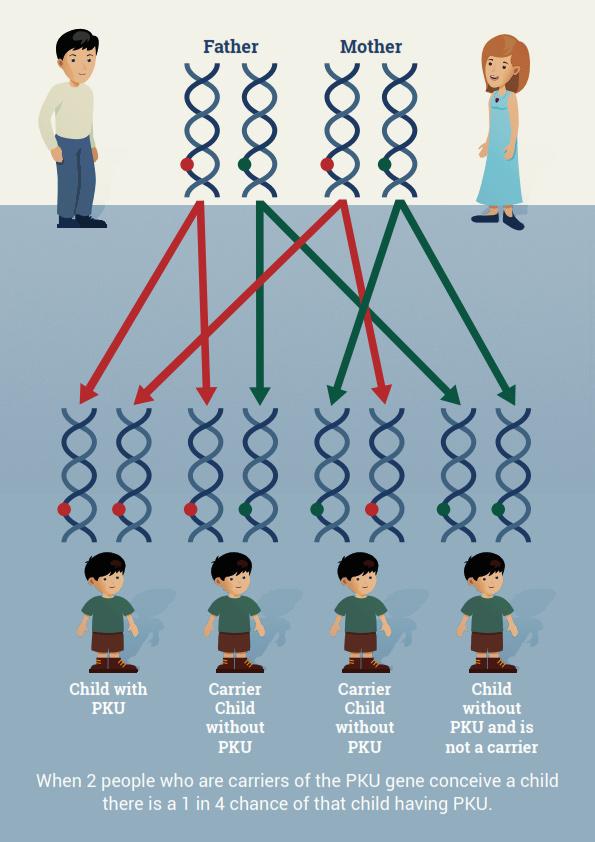
Figure 1: The PKU pathway
Source: University of Utah, Health Sciences, Learn Genetics: http://learn.genetics. utah.edu/content/disorders/ singlegene/pku/
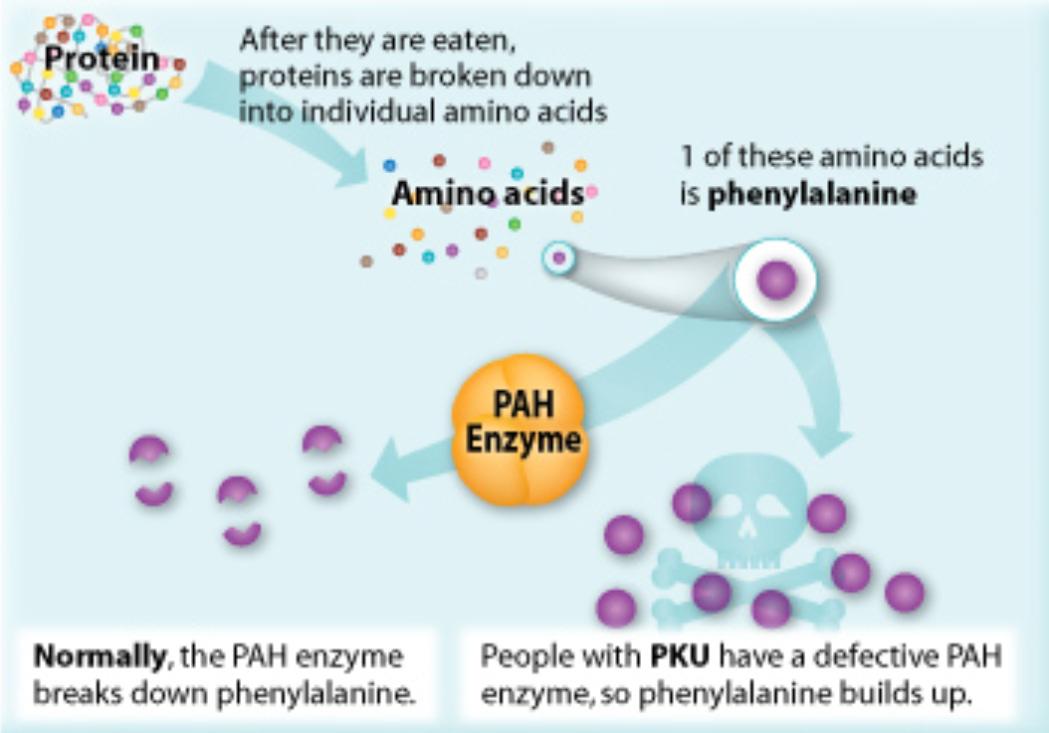
of tyrosine. Tyrosine is normally used to make other proteins as well as the pigment melanin and the neurotransmitter dopamine. Dopamine has important functions in the brain and melanin is a brown pigment, which affects the colour of the skin, hair and eyes. This is why late-treated or untreated people with PKU have pale coloured hair and skin, as well as brain damage and severe behavioural problems.3
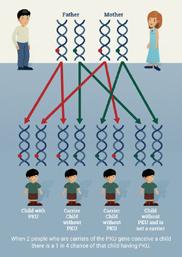
PKU is the most common inborn error of protein metabolism1 and is inherited as an autosomal recessive condition, which means that two copies of the mutated PAH gene is required to result in a child with PKU. The carrier rate for PKU in the UK is one in 50. For two people who are both carriers, there is a one in four chance for each pregnancy, of the baby having PKU and a two in four chance of the baby being a carrier. This is illustrated in the diagram below.
of age.4 All naturally occurring proteins contain phenylalanine, so the diet for PKU can only contain very small amounts of natural protein. However, as phenylalanine is an essential amino acid, it must be provided in small quantities in the diet to allow for growth of the child with PKU. Additional ‘safe’ protein is provided as a protein substitute containing tyrosine and all other essential and non-essential amino acids, except phenylalanine.
The amount of natural protein tolerated by each child will vary and depends on the residual enzyme activity present. There is a spectrum of severities of PKU from very mild PKU (children may tolerate 20g natural protein or more per day) to very severe PKU (children tolerate only 3.0-5.0g natural protein per day).
Initially, this means a phenylalanine-free formula is given to a baby with PKU until phenylalanine levels have fallen to within a safe range. Subsequently, the phenylalaninefree formula is given in conjunction with breastfeeding, or a measured quantity of standard infant formula. A breastfeeding mum requires considerable support to continue expressing her breast milk in the initial stages of treatment.
The PKU diet consists of four main parts:
1 Restriction of all sources of natural protein
No meat, fish, chicken, cheese, pulses, eggs or nuts are allowed, as they are too high in protein and phenylalanine. Other foods such as bread, pasta and pastries, biscuits or cakes also contain significant amounts of protein for most people with PKU and are usually replaced by special low protein foods available on prescription.
2 Phenylalanine exchanges
These are measured quantities of foods containing some protein, such as potatoes, sweetcorn, peas, rice, baked beans, cereals and milk. 1.0g protein = 50mg phenylalanine. These foods need to be carefully weighed out at each meal. Families are taught how to read nutritional information on food labels and work out the amount of food that contains 1.0g protein or one exchange.
3 Protein substitute
PKU is treated with a diet that is very low in phenylalanine and must be initiated by 20 days
This is the ‘medicine’ in the PKU diet as it is essential and makes the PKU diet nutritionally



ready-to-feed protein substitute for PKU.
Red - Berry Blast, and White - Caribbean Crush. Now giving your patients even more choice.
representative or click here for more information.



Table 1: Guidelines for total protein requirements for amino acid disorders (protein equivalent from protein substitute and natural protein)5
Table 2: Protein substitutes for PKU (available in the UK)5
PKU Lophlex LQ 10/20 (62.5ml/125ml)
Air 15/20 (130ml/174ml)
PKU express 15/20 (Per 25g/34g sachets)
XP Maxamum (Per 50g sachet)
tablets* (Per 10 tablets)
PK Aid 4* (Per
safe and adequate. The protein substitute contains all essential and non-essential amino acids, except phenylalanine, with added vitamins, minerals and trace elements.
The protein substitute must be given every day, spread out evenly over the course of the day, usually three to four times per day In patients with amino acid disorders such as PKU, who require severe restriction of natural protein intake, the provision of a suitable protein substitute is essential for two reasons:
i) To prevent protein deficiency
ii) To optimise metabolic control5
There are guidelines on the amount of total protein equivalent (from the protein substitute and from natural protein) that children with PKU should be having, according to their age, weight and severity of PKU (see Table 1).
There are many PKU protein substitutes available in the UK for children with PKU (see Table 2).
The protein substitutes are presented in different forms, such as powders, liquids, purees and tablets (for older children and adults). They are also available in numerous different flavours and tastes, as well as unflavoured versions.
4 ‘Free’ foods - These are low protein prescribable foods, as well as foods that are naturally low in phenylalanine such as some vegetables and all fruits (except passion fruit). They are called ‘free’ foods as they contain very little phenylalanine and do not need to be measured/weighed to be incorporated into the PKU diet.
Babies with PKU can be weaned at a similar age as other children, but may benefit from weaning before six months of age.6
Weaning is commenced at around six months of age and not before four months or 17 weeks of age. In babies with PKU, there may be some advantages to starting the weaning process slightly earlier than six months.6 This is because there are many additional components to weaning a PKU baby, such
as the introduction of a more concentrated protein substitute, measuring phenylalanine exchanges and encouraging low phenylalanine ‘free’ foods.6
It is essential to monitor the PKU diet with regular finger prick blood tests that measure the phenylalanine and tyrosine levels.7 This is to make sure that a child is given the appropriate amount of natural protein per day for optimum growth and phenylalanine control.
There are recommendations for target phenylalanine levels and frequencies for children and adults with PKU.4 However, there is still some controversy as to the optimum range and frequency of phenylalanine levels for different age groups.
Table 3: Frequency of blood spot monitoring in PKU7
Age
Frequency
0 - School entry weekly
School age weekly to fortnightly
Adolescents/Adults fortnightly to monthly
More frequent blood samples may be analysed from older children if the parents wish or if the phenylalanine concentrations are high or abnormally low.
The current acceptable range of phenylalanine is based upon the MRC report.1 Please note : Evidence-based European PKU Guidelines are under development (due to be published in 2016) and these target phenylalanine ranges may need to be amended following publication of the European PKU Guidelines:
0-5years
Greater than 5 years
Greater than 10 years
Adults
120-360μmol/L
120-480μmol/L
120-480μmol/L
120-700μmol/L
The European PKU Guidelines will be recommending the following target phenylalanine levels for PKU:
0-12 years
>12 years and adults
120-360μmol/L
120-600μmol/L
Table 4: Sample menu for an eight-month-old infant with classical PKU
Diagnosed on routine neonatal screening
Number of exchanges = six per day (6.0g natural protein/day)
Breastfeeding
weight = 8.0kg (50th centile)
length = 69cm (50th centile)
Meal
On waking
Breakfast
Snack
Lunch
Food/drinks PkU exchanges
Breastfeed + 100ml PKU Anamix Infant
10g Weetabix
Low protein milk
Fruit, e.g. raspberries or a small banana
Approx one
Low protein toast with butter one
Low protein biscuit or cracker
25g peas, cooked soft
Carrots, cooked soft
Low protein pasta
White sauce made with low protein milk and cornflour
20g yoghurt (check protein content of brand)
10g PE from PkU protein substitute, e.g. 1 sachet PkU gel or 2 sachets PkU Anamix First Spoon one one
Snack Satsuma/grapes
20g baked beans
Grated violife cheese*
Low protein toast fingers
evening meal
Slices cucumber, peppers and baby tomatoes
5.0g PE from PkU protein substitute, e.g. ½ sachet PkU gel or 1 sachet PkU Anamix First Spoon one
Bedtime
TOTAL
Breastfeed + 100ml PkU Anamix Infant
*Violife is a vegan cheese that is also very low in protein and suitable for a PKU diet
Important points and calculations for the case study shown in Table 4:
• At approximately six months of age, a more concentrated protein substitute (PS) needs to be introduced to an infant with PKU, in order to provide adequate protein equivalent for growth and metabolic control.
• An infant protein substitute (PKU Anamix Infant) is continued alongside breastfeeding and the more concentrated PS.
• Initially, when weaning begins, solids contain very little phenylalanine and do not need to be counted in the exchanges.
Calculations:
Approx one
Six exchanges + 19g protein equivalent
• Once weaning is established, foods containing slightly higher amounts of protein are introduced and natural protein from breast milk or infant formula is reduced.
• Aim for total protein equivalent (PE) = 3.0g/ kg/day
3 x 8 = 24g PE total 24 – 6 = 18g PE from protein substitute
• This can be provided as either 1.5 sachets PKU gel (provides 15g PE) 200ml PKU Anamix Infant (4g PE), OR 3 sachets PKU First Spoon (5.0g PE per sachet) + 200ml PKU Anamix Infant (4.0g PE).
Heidi Chan Practising Adult
IMD Dietitian, Guy’s and St Thomas’ Hospital
Heidi has over a decade of continuous clinical practice in surgery, intensive care and gastroenterology with the past seven years in ImD. Her special interest is in scientific writing, particularly within ImD.

Inherited Metabolic Diseases (IMD) are a rare group of disorders of metabolism leading to an imbalance of chemicals. This can negatively impact organ systems which may have irreversible effects to development.1
As some of these disorders are identified on newborn screening and treatment is optimised early, this group are surviving beyond their adolescent years and require planning for their long-term health requirements.
Despite many official reports from the National Service Framework for Children,2 Royal College of Nursing3 and Royal College of Paediatrics and Child Health4 highlighting the need for a smoother transition of care, not many departments have the correct models to assist in this process. Transition is best described as the purposeful, planned movement of adolescents with chronic medical conditions from child-centred to adult-orientated health care.5 The process should acknowledge not only the medical needs of the young adult, but also their psychological, social, educational and overall wellbeing.
The ultimate goal is to empower the young adult to make informed decisions in relation to their health outcomes, and support them in reaching their full potential in society.6
There are many factors that impede the transition process, especially as the IMD patient requires management of complex issues, such as modified diets, varying regimes of medicines, physical, mental and/or learning disability affecting daily living, access to emergency care, fertility and inheritance of their genetic condition. It is a multidisciplinary team approach often requiring community input.
A lack of engagement from the young adult and their family can make transitioning very challenging. This may be caused by their lack of understanding for the rationale behind this process. One American source reported that less than half of parents had discussed the health needs of their child with their health provider.7 There is a danger that the young adult may become lost to follow-up if there is no clear guidance regarding the transfer of their care.
Within my centre, transition is a fourstaged process with introduction to the adult IMD team at the third stage. Even after the fourth appointment where both teams review the young adult, patients remain under the care of the paediatric team until they have been seen solely in the adult setting. This is to prevent misunderstanding of who the care provider is between appointments, where the patient is ‘in limbo’. Miscommunication, conflict and contradictory advice must be avoided during this period so that the young adult does not feel that neither the paediatric nor the adult team are responsible for their care.8
The bond between the paediatric team and the young adult and their family will have been established from early on. The paediatric physician may have been the person who diagnosed the rare IMD condition, with the paediatric multidisciplinary team offering support to the family during the distressing initial stages of diagnosis. The team will have gone through a journey with this family; from diagnosis to schooling















Mevalia and Dialachemist have teamed up to bring you a great home delivery service. Now you can have all of your favourite Mevalia products delivered straight to an address of your choice.

Dialachemist are a Lancashire based, fully General Pharmaceutical Council (GPhC) regulated online pharmacy. We are working with them to bring you this UK based home delivery service.
To register for this service you must speak to your dietitian. They can register you so you can order your favourite Mevalia products whenever you need them. You can find more information about this service on our website: www.mevalia.com



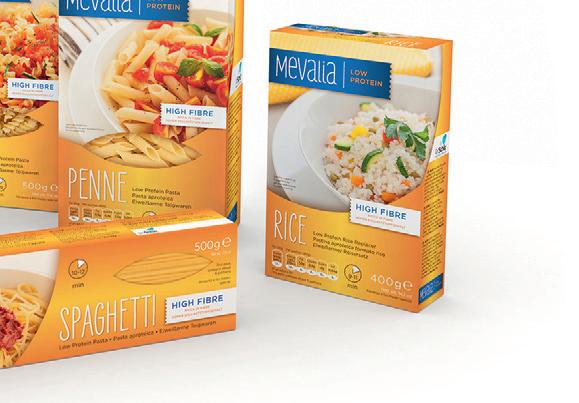










Table 1: Appropriate age for transition7 Age
Does not total to 100% due to rounding.
achievements, making it difficult to break the bond.7 Conversely, if this bond has not been established and oppositional behaviour occurs with non-compliance from the parent and patient, abrupt transition may appear tempting, so the young adult can then establish a fresh start with the adult team.8 However, it may result in the young adult feeling rejected by their paediatric carers and may prevent trust being established with the new care provider, the adult team.
In order to see the paediatric physician, who may still be the most suitable caregivers, young adults may not wish to attend a children’s hospital, or to find themselves waiting in a room with toys. This can lead to non attendance6 due to embarrassment and disengagement as the young adult may feel that his/her needs are not being adequately met.
What is the correct age for transition? Should it be when the physician feels that they are ready? Table 1 shows data from 628 respondents from the American Academy of Paediatrics to a questionnaire regarding the age at which paediatricians think transition planning should begin.7
It has been reported that some services use a cut off age range of 15 to 20 years, and some use events such as school leaving as a trigger for transition.8 A systematic review identified two studies transferring patients at aged 18 and eight studies ranging between ages 16 to 20.9 The authors suggested using tools to measure selfmanagement and advocacy skills for preparation of transition instead of age9 to avoid inconsistency. It is clear that the timing of transition is paramount and variable; however, it should not be one event, but a series of processes.
The geographical location of the adult service can be a deterrent to families who are accustomed to the paediatric location.9 Transition should not
be avoided or delayed, even with both services in close proximity. Complex IMD is managed by other teams such as cardiology, liver, renal, neurology and/or dental, which may not be at the specialist IMD centre.
In my experience, it can be very stressful for the family when transferring to more than one adult specialty at one time. However, a disparity of care and access occurs when the young adult remains under local paediatric gastroenterology, for example, having accomplished a smooth transfer into adult IMD services.
Another barrier to transition may be the lack of specialist adult physicians, which particularly affects IMD as this is an evolving service. Many young adults are seen by the paediatric physician, clinical nurse and dietitian as there is no adult service to refer them onto. Some IMD dietitians have a split role managing both paediatric and adult patients. The young adult will then be familiar with the existing team and there may be reluctance to transition if the staff and location remain the same. Nonetheless, adult-related topics should be explored with the young adult and patient involvement should be encouraged.
PATIeNT eXPeRIeNCeS
Focus groups have been used to assess the young adult’s experience of transition. The themes recognised after transcribing their interviews from various literature of those with long-term health conditions were categorised into the following headings:
• Expectations of the transition10
• Meeting the new team10
• Life decision support10
• Support from others10
• Timing10
• Physician mistrust11
Focus Intervention Rationale Strategies
Young adult education on their condition
Informed decision-making
Self-efficacy
One-to-one teaching9
Increase confidence visual resources
Achieve responsibility12
Patient involvement3,4
Personnel Named transition link3,6,9,13
Continuity of care
Structured transition process
Prepares young adult
Coherent administrative support
Prevent young adult being lost between appointments
Peer support groups
Internet based teaching
Motivational interviewing
Agree goals on transition documents and timeline to achieve3
One point of contact3,9,13
Attend all transition clinics
Offer a visit to the adult setting
Checklist before transfer6,8
Set transition clinics in the diary for the year
Service
Training by Royal Colleges4
Joint paediatric and adult clinic
Young adult clinic
Out of hours contact
enhance follow-up
Include community services
• Difficulty with employers11
• Stress in personal relationships11,12
• Moving from a familiar to an unknown ward culture12
• Being prepared for transfer12
• Achieving responsibility12
Increase awareness and skills
Gradual introduction to adult services9
Improve information sharing
Diminishes feeling lost amongst general clinics
Approachable team offering support at times convenient to the young adult
Prevent consecutive nonattendance
Continuity of care
engagement with the General Practitioner
Mandatory within the curriculum for allied health, nurse specialist and trainees
Adult team to attend paediatric clinics
Letters to be addressed to the young adult
Set up young adult clinic on a different day to other clinics
Provide telephone contacts for emergency care
Contact the young adult to enquire rationale for non-attendance
Open channels of communication
One quote from a young adult which implies lack of experience and interest of the physician was the following:
“Dr X is my primary doctor but he doesn’t really know anything about the disease, so I have to tell him what to do.”
Emotions during transition were also examined and coded in qualitative literature describing feelings of abandonment11 and a feeling of letting go without knowing what the future entails.12
Positive experiences around inclusion of decision-making and being treated like an adult include quotes such as:12
“At the paediatric centre they’d talk to the parents and say, ‘you must make sure your child takes medication’. At the adult centre, they tell you the benefits of it, they tell you what happens if you don’t take it and leave it in your hands, so they give you a lot of control…they do talk to you like you’re an adult; it is your decision.”
“The most important thing to me when transferring to the adult clinic was that all the decisions were made with me involved and I was able to talk about what was going to happen when I saw the doctors, which I never had a chance to do in the children’s clinic.”
It has been suggested that these positive experiences should be shared with paediatric patients preparing for transition11 to manage expectations.
Generic and disease specific transition models or programs have been described.2,8 Within my centre, a specific IMD transition model was created which can be applied for use to other chronic conditions. The Welsh IMD service identified geographical gaps in transition.13
References
Whichever model is adopted, the principles for successful transitions should include these valuable suggestions summarised in Table 2.
Physicians in the adult services should avoid making drastic treatment changes and extensive investigations8 at the first appointment to prevent feelings of unease and to manage expectations of the young adult and their family. The physician is required to build a rapport confidently whilst engaging the young adult.
Health professionals ought to be ready to invest the necessary time and support to prepare young adults to take responsibility for their own health. Allowing sufficient time for consultations, active listening by the multidisciplinary team and anticipation of young adults’ involvement may enhance their experience of themselves as valuable contributors.
Long-term outcomes of IMD patients receiving medical and dietary treatment is undefined. Therefore, transition from paediatric to adult services should be a gradual and planned process with engagement from the young adult and their family. Special consideration is required when transitioning the young adult with complex needs. Transition champions have been proposed as part of a gold standard within the skilled multidisciplinary team.8,9 The transition process should encompass a systemic outlook covering not only health, but also vocational and psychosocial aspects.9,12
1 British Inherited Metabolic Diseases Group. www.bimdg.org.uk/site/index.asp accessed on 6.3.2016
2 Department of Health (2006). National Service Framework for Children, Young People and Maternity Services. Transition: getting it right for young people Improving the transition of young people with long-term conditions from children’s to adult health services
3 Royal College of Nursing (2013). Lost in transition: moving young people between child and adult health services. London, RCN
4 Royal College of Paediatrics & Child Health (2003). The Intercollegiate Working Party on Adolescent Health. Bridging the Gaps: Heath Care for Adolescents, London, RCPCH
5 Blum et al (1993). Transition from child-centred to adult healthcare systems for adolescents with chronic conditions. A position paper of the Society for Adolescent Medicine. J Adolesc Health. 14(7): 570-6
6 Rosen et al (2003). Transition to adult healthcare for adolescents and young adults with chronic conditions: position paper of the Society for Adolescent Medicine. J Adolesc Health. 33(4): 309-11
7 McManus et al (2008). Pediatric Perspectives and Practices on Transitioning Adolescents with Special Needs to Adult Health Care. Fact Sheet No 6. The National Alliance to Advance Adolescent Health
8 Viner R (1999). Transition from paediatric to adult care. Bridging the gaps or passing the buck? Arch Dis Child. 81:271-275
9 Crowley R et al (2011). Improving the transition between paediatric and adult healthcare: a systematic review. Arch Dis Child. 96: 548-553
10 Tallet A (2014). Transition: a qualitative study of young adults’ experiences of transferring from paediatric to adult healthcare services. Arch Dis Child. 99: Suppl 1 (G467)
11 Bemrich-Stolz CJ et al (2015). Exploring Adult Care Experiences and Barriers to Transition in Adult Patients with Sickle Cell Disease. Int J Hematol Ther 1(1). Doi: 10.15436/2381-1404.15.003. Epub 2015 Sep 6
12 Fegran L et al (2014). Adolescents’ and young adults’ transition experiences when transferring from paediatric to adult care: A qualitative metasynthesis. International Journal of Nursing Studies 51;123-135
13 Welsh Assembly Government. All Wales Inherited Metabolic Disease Standards for Children and Young People’s Specialised Healthcare Services. www.wales.nhs.uk/sites3/Documents/355/Metabolic%20Eng%20web.pdf (accessed on 13.3.2016)

Louise Robertson
Specialist Dietitian

Sarah
Howe Specialist Dietitian
louise and Sarah are Specialist Dietitians working with adults with inherited metabolic disorders, with PKU being their biggest cohort of patients.
For full article references please email info@ networkhealth group.co.uk
Does following the recommended lifelong restrictive PkU diet bring other nutritional challenges? Problems have been reported in the literature for people with PkU, including non-optimal bone health,10 nutritional deficiencies11 and obesity.12,13
Newborn screening for the diagnosis of PKU and its treatment with a low phenylalanine (Phe) diet (see Table 1) is one of the major public health success stories of the last century. UK screening began in the 1960s and the heel prick screening test was introduced in 1969. Originally, it was believed that children could cease the low Phe diet once brain growth was complete. However, a growing body of evidence now suggests that people with PKU should remain on a low Phe diet for life.2 High Phe concentrations in adults have shown to affect executive functioning and organisational skills,3-5 lead to trouble with concentration,6 cause increased psychiatric symptoms,7 slower reaction times8 and low mood.6,9 It is also believed that there are many older adults in care facilities, where a PKU diagnosis was never originally given.
Our screened cohort of PKU patients at University Hospitals Birmingham is now approaching middle adulthood, with the oldest patients in their 40s. In the UK, we are observing similar levels of obesity in our PKU group as the general population.12 Other countries have also found similar rates of obesity in children and adults as their general population.14-17
As our PKU adults age, we question if we will see similar rates of obesityrelated co-morbidities as in the general population. Currently, there are no reported cases in the literature of PKU patients with Type 2 diabetes, but in our centre, we had a maternal PKU lady develop gestational diabetes.
The incidence of metabolic syndrome was assessed in a Portuguese PKU cohort, aged between three to 30 years.14 Although participants had a carbohydrate-rich diet, they did not have a higher incidence of overweight, obesity, central obesity or metabolic syndrome than controls. It was found that triglycerides and HDL were higher and glucose and insulin concentrations were lower than controls.14 Research into an older group of PKU adults aged between 18 to 57 years found that they had low to normal levels of cholesterol, despite 72% of the group being obese.18 Results seem to suggest that metabolic syndrome in PKU does not follow the same course as described for the general population and possibly those with PKU have a lower incidence. Further work is needed to look into the mechanisms behind this and potential consequences.
WHAT IS CAUSING THe OBeSITY?
There is a lot of speculation as to what could be causing obesity in the PKU cohort. On paper, the PKU diet seems healthy; plenty of vegetables and fruit and avoidance of animal products and, therefore, saturated fat. However, due to the avoidance of natural protein, the PKU diet is higher in carbohydrate and lower in fat and fibre than the recommendations for the general population.14,19-21 Are adults on the PKU diet simply not satiated due to the composition of their diet and, therefore, do they consume more calories to make them feel fuller?
Natural protein promotes satiety and this is obviously restricted in the PKU diet. The protein substitute drinks required (providing all the essential amino acids excluding phenylalanine, vitamins and minerals) are based on amino acids and not whole protein, which could theoretically be less satiating. We are currently hypothesising that, due to this, people are reaching for high carbohydrate, low protein foods to feel full. These could be convenience lower protein snacks which tend to be higher in fat and sugar (crisps, chips, chocolate bars and biscuits), or lowprotein prescription foods (low-protein biscuits, cakes and crackers). This may lead to overeating, especially in a non-active PKU patient.
Recently, new guidelines have been released advising the general population to reduce their sugar consumption to 5% of their energy intake, to prevent excess energy intake and aim to increase fibre intake to 30g a day, thereby decreasing the risk of cardio metabolic disease and colorectal disease.22
Many of the low-protein foods on prescription, including cereals, biscuits, dessert mixes and cakes, are high in sugar. In the past, these foods have been labelled as ‘free’ due to low-protein content and, therefore, there is concern that they are freely consumed. Very much like the general population, we are advising that these foods are kept to a minimum in our adults.
Another area of concern is the consumption of sugary, fizzy drinks and fruit juices in the PKU cohort. People with PKU are unable to consume aspartame due to its Phe content. This is a message that is very firmly fixed from childhood and rather than try and find a diet or no-added sugar drink with an alternative sweetener, many adults opt for full-sugar versions. These drinks provide a large quantity of sugar and calories, sabotaging any effort to lose weight. In addition, the promotion of fresh fruit juices and smoothies as a healthy drink has been a message difficult to argue. As most fresh fruit is allowed freely in the PKU diet, we have had to educate the group that consuming the whole fruit is preferable to reduce calorie and sugar intake and also increase fibre consumption.
A high-fibre intake is difficult to achieve following the PKU diet due to the higher protein content of foods containing insoluble fibre (beans, oats, nuts, wholegrain cereals, grains) and low-protein prescription foods being very low in fibre. However, the low-protein foods available on prescription are now realising the niche for fibre and are starting to include more in their products.
The choice of exchange foods could also be an issue. Many of the foods allowed as exchanges (one exchange is the equivalent of 1.0g of protein/50mg of Phe) are high-carbohydrate, for example, chips, crisps, cereal bars and potato products.
Education regarding healthy exchanges and how to incorporate them into a PKU diet is important. For example, normal rice, peas and sweetcorn can be used for exchanges instead of chips, crisps, chocolate and biscuits. For adults with a higher Phe tolerance, we are now encouraging them to include foods containing moderate protein in measured quantities to fit in with allowed exchanges. These include yoghurt, soft cheese, hummus, nuts, normal low-sugar cereals, oats and even eggs for those with a higher protein intake. We believe these foods may be more satiating and reduce the need for regular snacking.
There may be a link between metabolic control and obesity. We found a direct correlation between BMI and Phe concentrations12 and patients in Portugal were found to have a higher prevalence of overweight and obesity in patients with poor metabolic control.14
In the USA, they found non-compliant females were more likely to be overweight or obese than compliant females, but no difference in males.23 High Phe concentrations can affect organisation skills and executive functioning,3-5 which could affect the ability to plan and cook healthy foods and order low protein foods on prescription.
Patients may find it easier to rely on takeaways and convenience snack foods, but these foods are higher in protein, fat and
It has been speculated that those with higher blood Phe concentrations may struggle with organisation and motivation to exercise which could contribute to overweight and obesity.

calories. High Phe concentrations also have a negative effect on mood,6,7,9 which could negatively affect food choices.
eXeRCISe
Exercise and activity in PKU is an area of little research. Anecdotally across the centres, we are getting more reports of people asking for sports nutrition advice for the PKU diet. However, we do not know if activity levels across the PKU cohort are similar to the general population.
It has been speculated that those with higher blood Phe concentrations may struggle with organisation and motivation to exercise which could contribute to overweight and obesity.12 However, more work is needed in this area.
Avoidance of all foods high in phenylalanine (found in protein), e.g. meat, fish, soya, dairy, pulses, nuts.
Protein substitutes (amino acids excluding phenylalanine) taken three to four times per day. This includes ready to drink liquids, powders made into liquids or gels, pudding styles or tablets.
Measured amounts of phenylalanine using lower protein foods, e.g. potato, rice, sweetcorn, peas, baked beans - as 50mg Phe (1.0g protein) exchanges if counting strictly or if on a relaxed diet limit to small amounts.
Plenty of low-protein foods; naturally occurring or low protein foods on prescription to provide energy and variety in diet (e.g. low protein pasta, rice, bread, flour).
vitamins and minerals are included in the newer protein substitutes, but if not additional vitamins and minerals will need to be taken.
The restricted diet for PKU is not only complex to follow but requires dedication and motivation. Research is showing a number of associated problems, including similar incidence of obesity as the general population. A dietary assessment of a PKU patient should not just be about ensuring low Phe concentrations, but to combine this with a healthy diet to prevent overweight and obesity. We need to spend time to educate patients on the myths and often firmly fixed nutritional beliefs to ensure they are following not only a low Phe diet, but a healthy satiating one as well. Overtime, we will be able to capture more data on the development of obesity levels and metabolic syndrome and understand further how to help our patients.
encourage sugar-free drinks; aspartame-free, sugar-free and diet fizzy drinks and squashes.
No more than 150ml a day of fruit juice or smoothie; choose the whole fruit instead.
Increase consumption of fruit and vegetables to boost fibre intake.
To try a lower sugar protein substitute.
Aim to choose high-fibre, low-protein food options on prescription (bread, pasta, crackers).
encourage healthy exchange foods: rice, rice noodles, low sugar high-fibre breakfast cereals, oats, sweetcorn, peas, high-fibre crackers. If higher Phe tolerance: yoghurt, soft cheese, hummus, fromage frais or nuts.
encourage healthy snacks: fruit, crackers, veg and free dip. Keep snacking on low-protein cakes, biscuits, crisps and desserts to a minimum.

Louise Conlisk SAP Consultant, eRP Consulting Company Melbourne
louise has worked as an eRP consultant for over 12 years and now lives and works in melbourne, Australia. Her interests include reading, running and time spent outdoors. Since becoming a mother, she is so ‘time-poor’ that all her interests are mostly babyrelated!
For full article references please email info@ networkhealth group.co.uk

Having an infant diagnosed with Phenylketonuria (PkU) can be a scary and challenging experience. Louise Conlisk’s daughter Caitlin was diagnosed with the condition and here she tells us how she and her husband have been helped and supported to live with PkU.
My husband and I are both originally from Co Galway in Ireland and moved to Melbourne almost 10 years ago. Like a lot of other people from our side of the world, the original plan was to stay a year or two in Australia, but here we still are and have now started our little family. We welcomed our beautiful healthy daughter Caitlin into the world on Valentine’s Day 2015, at the Epworth Freemason’s hospital in East Melbourne.
The second day after Caitlin was born she was given a heel prick test. Blood was withdrawn from Caitlin’s heel and was tested to determine if Caitlin had any genetic disorders. Approximately nine days later we were contacted and told that our daughter had Phenylketonuria (PKU). PKU is a rare genetic disorder that prevents the normal breakdown of a protein, phenylalanine (Phe). Untreated PKU can lead to intellectual disability, seizures and other serious medical problems such as brain damage.
On that first day after being told, we felt as though we had been hit by a massive blow. It was so hard to comprehend the fact that our perfect newborn baby girl had an incurable genetic illness and would never be able to eat protein freely or likely never eat meat, fish, eggs or dairy. We couldn’t comprehend what Caitlin would be able to eat.
The metabolic team at the Royal Children’s Hospital, Melbourne (RCH) set up an appointment for us to come to the hospital immediately after Caitlin’s PKU diagnosis. In that initial meeting we were advised of a medication that could help stimulate the deficient enzyme to
help allow more protein into Caitlin’s diet. The medication called Kuvan,1 we were told, did not work for all patients with PKU, and as the chance of our baby being responsive to Kuvan was one in five, the odds were against us. In order for our child to be prescribed Kuvan, there needed to be a minimum 30% drop in Phe levels after a load test. We hoped and prayed that Caitlin’s levels would drop enough to be approved and given the medication.
In order to test Caitlin’s responsiveness to this medication, the medical team inserted a tube into Caitlin’s nose and down into her stomach. Caitlin being only nine days old was too young to swallow the tablet in the normal way. It was pretty difficult to watch the medical team feed a tube through her nose. Luckily, she had an excellent response to the load test.
Caitlin’s levels were periodically taken over a 24-hour period and after that time, her Phe levels had dropped from 1100+ to below 400, well in excess of the required 30% drop to be granted access to the medication. This good news helped us to accept the fact that our very young baby had PKU and gave us hope that we had something that would help us live with this chronic illness.
Kuvan is not available across the whole of Australia. Currently, it is available for PKU patients in the states of Victoria and Tasmania (the states covered by the RCH in Melbourne). We thank our lucky stars every day for the fact that we live in Victoria. This was definitely the silver lining in our cloud.
In England, Sapropterin (Kuvan®) is not routinely commissioned and priority groups eligible for treatment with Sapropterin are the minority of pregnant women with PKU who are unable to establish adequate dietary control and achieve the target non-teratogenic range of Phe (100-300 µmol/L).2 For more information on Kuvan in the UK, see ‘More Information’ at the end of this article.
One of our many questions about Kuvan was in relation to the cost. Initially we were informed that it would cost approximately $100 (approximately £50 or 64 EUR) a tablet with the amount of tablets per day increasing as the child grows. We worried about how we could afford this expense, but were relieved to hear that the cost of the medication was going to be covered by the hospital (with a minimal out-of-pocket charge to be covered by us).
As advised by the RCH, Caitlin did not start taking Kuvan until a few weeks after we introduced solids into her diet, which was close to when she turned seven months old. The Kuvan dosage was calculated using Caitlin’s weight and, initially, we were allowed to increase her protein by a small amount. As the weeks went by, if Caitlin’s levels were low or within range, the dietitian would on occasion recommend an increase of 0.5g to her daily protein allowance. Caitlin started on 2.0g of protein a day and now, at 15 months old, Caitlin is allowed to have 9.5g of protein daily. This is significantly more daily protein than what Caitlin would be able to have without the Kuvan medication. Caitlin is still breastfed along with bottle feeds of her PKU Anamix Infant/Gel drink. I am confident that when I stop breastfeeding, her protein intake capacity should increase. Caitlin’s current dosage is two tablets a day, one in the morning and one in the evening.
Caitlin is administered Kuvan by dissolving it in a small amount of water and then mixing it with her food such as jam or apple puree which is then spoon fed to her. Caitlin normally takes the medication without any problem as she is quite used to it. On occasion, if she isn’t hungry, or is tired, it can take longer to get her to take the medicine. If we are eating out, we need to remember to bring the tablet and a small syringe to mix a small amount of water to it, so it is just a few more things to put in the baby bag.

Caitlin, leading as normal a life as possible
Along with the medication, the other prescriptions Caitlin currently takes are PKU Anamix Infant, PKU Anamix Gel and ProZero milk. To test Caitlin’s PHE levels, we do a blood test at home every week using a lancet to draw some blood from Caitlin’s finger to place on a Guthrie Card. The Guthrie Cards are posted to the screening laboratory at the RCH and the results are provided to us by phone each week by a dietitian from the Metabolic team. During this call, the protein allowance for the following week is also discussed.
To manage Caitlin’s protein allowance, we carefully control her food intake every day and try to spread her protein allowance throughout three main meals to hopefully keep her fuller. She has 1.5 Weetabix in the morning, which works out to be 3.0g of protein, some low protein bread/pancakes/muffins for lunch and then whatever protein allowance is left over we give her for dinner. Without Kuvan, we would not be able to give Caitlin some of the regular food we currently give her, such as regular breakfast cereal, gluten-free bread and regular pasta.
Caitlin goes to childcare four days a week since I returned to work. Due to her having PKU she cannot have the foods served by the kitchen at childcare, so we provide her with her own special lunch. We label all of her foods in her lunchbox with her name and the protein amounts contained in each food item, which we give to the childcare staff. They then put whatever food Caitlin doesn’t eat into a waste lunchbox. In this way we can weigh what Caitlin hasn’t eaten and accurately calculate the protein that Caitlin has consumed when not in our care.
Kuvan has made a big impact on the foods we can give her. Having a higher protein allowance is of massive benefit in a lot of tangible and intangible ways. There are and will be psychological benefits, such as increased concentration levels and improvements to Caitlin’s overall behaviour. Caitlin’s quality of life is enhanced greatly, especially socially, as she can eat some ‘normal’ foods. In the future, there will be possibilities to actually eat a meal at a restaurant without having to bring Caitlin’s own food with us. All of this will contribute to a much happier, less restrictive childhood.
Caitlin also does not have to eat as much of the low protein specialised PKU food due to taking Kuvan. If we need to give the tablet to Caitlin outside of our home, it isn’t too difficult; we just need to make sure that we have a little container to dissolve the tablet in. Kuvan has made going on family holidays a possibility for us too, as we can buy more foods off the shelf instead of having to bring all specialised food with us. The fact that Caitlin can have more protein in her diet is something we are very grateful for.
The only real negative aspect of the medication is having to give a small child a tablet twice a day, which most of the time is fine ,but sometimes, as already mentioned, if we have a tired child on our hands it can be delicate.
The RCH Metabolic team in Melbourne are truly amazing. We bring Caitlin to the Metabolic clinic at
More information
the RCH three to four times a year. At these clinic appointments we meet with a dietitian and a doctor and go through Caitlin’s progress. We have a close relationship with the dietitians in particular and we are comfortable knowing that the management of our daughter’s condition is in very good hands. The team support us with all of the changes that happen in a young child, such as starting solids, and are extremely helpful with advice. They have provided letters for airlines when we travelled home last year, armed with a suitcase full of formula and medication. The Professor of the Metabolic department is hugely experienced in his field.
We are hopeful that Caitlin’s protein intake can continue to increase, given her levels are within range. As she grows older, we feel that she will be further enabled to reach her academic potential. Anything that helps my child live with this very restrictive condition and add more normality to her life is a massive bonus. We would love to consider moving back home to Ireland to be closer to our family, but Kuvan is not available there so moving back to Ireland for us is not an option.
My biggest hope for the future is that other children with PKU are given the same opportunity as Caitlin to be given this medication. I sincerely hope too, that any health professionals or decision-makers considering whether to approve this medication for use, take into account the unquantifiable benefits in helping children with PKU lead a more normal life.
• NSPKU (2010). The role of Sapropterin (Kuvan®) in the management of PKU in the NHS: considerations and prospects www.nspku.org/sites/default/
files/publications/Kuvan.pdf
• National Centre for Pharmacoeconomics, Ireland. http://www.ncpe.ie/wp-content/uploads/2009/06/Sapropterin-Kuvan-summary1.pdf
At present, Kuvan is not considered a cost-effective alternative to dietary treatment and there is a limited amount of evidence for its effective use. The prospects for funding of Kuvan in the UK, however, are likely to improve if and when new evidence regarding clinical effectiveness is forthcoming. Professor Anita MacDonald has co-written research papers alongside other multinational metabolic healthcare professionals, which discuss this treatment and if used, how it should be monitored and managed. Click here . . . for references. In the future, greater scrutiny, stricter guidelines and increasing pressure to ensure cost-effectiveness will all be key factors in the decision-making before new medications are approved for NHS use. Continued support from UK clinical teams, sustained lobbying by patients/parents and carers, as well as by the NSPKU, will be crucial in ensuring that patients benefit from new developments in treatment. A pressure group by the name of Phedup has been formed, their website is www.phedup.co.uk - Emma

Ali Hutton Registered Dietitian
Ali works as a Dietitian in medical Affairs and marketing at Vitaflo International.
The ketogenic diet (kD) is a high fat, low carbohydrate, adequate protein diet designed to mimic the effects of fasting or starvation.1 The kD has gone in and out of favour as a treatment for epilepsy over the years, but a recent re-emergence of interest in the use of the diet in the management of various conditions has seen it become the focus of much research.
For full article references please email info@ networkhealth group.co.uk
The KD evolved from the observation that extended fasting led to significant epileptic seizure improvement2 and the knowledge that this effect could be replicated by altering the macronutrient profile of the diet. The high fat and low carbohydrate content of the diet and the resulting reduced glucose availability and stimulus for insulin secretion, triggers a biochemical shift toward fatty acid oxidation rather than glycolysis.3 The resulting ketones are utilised as an alternative energy source by metabolically active tissues, such as the heart, muscle and brain.3 The exact mechanisms by which the KD exerts its anticonvulsant effect remain unknown,2 but proposed mechanisms include alterations in oxidative stress, changes in brain neurotransmitter levels and increased mitochondrial proliferation.4
The KD has evolved over the years and variations of the diet now exist and differ in their proportions of fat, carbohydrate and protein. The original version of the KD, or the Classical KD, uses the optimal ketogenic ratio for seizure control: usually 4:1 (90% of total energy from fat), or 3:1 (87% of total energy from fat). In 1971, Dr Peter Huttenlocker at the University of Chicago introduced the medium chain triglyceride (MCT) KD.5 As MCT has a higher ketogenic potential than long chain triglyceride (LCT), less of the total energy in the diet must come from fat and a more liberal intake of carbohydrate and protein is
allowed. The Modified Atkins Diet was introduced in 2003 as a modification of the Atkins diet for weight loss.6 In 2005, the Low Glycaemic Index Therapy (LGIT) was offered as another option, with a more generous carbohydrate intake, but only allowing those carbohydrates with a glycaemic index of less than 50.7 The Modified KD is an amalgamation of these diets. It is high in fat and low in carbohydrate, but does not limit protein or total dietary energy.2
The first known documentation of fasting as a therapeutic measure for epilepsy was in the 5th-4th century BC in the Hippocratic Corpus.5 It was mentioned again in the 1st century AD in the King James Bible, where Mark relates the story of Jesus curing a boy with epilepsy through prayer and fasting. 5 In the 1920s, starvation and the KD were used by a number of physicians to treat epilepsy, but, by the late 1930s and in the 1960s, this practice was superseded by anti-epileptic drugs (AEDs) such as phenytoin and sodium valproate respectively.5 The KD was no longer seen as justifiable and fewer dietitians were trained in its use. This meant that the KD was not implemented properly, which led to the perception that it was not effective in seizure control.5
The 1990s were a turning point for the KD, with publication of the results of the first multicentre prospective study on the efficacy of the KD in epilepsy management.8 In 2008, the first

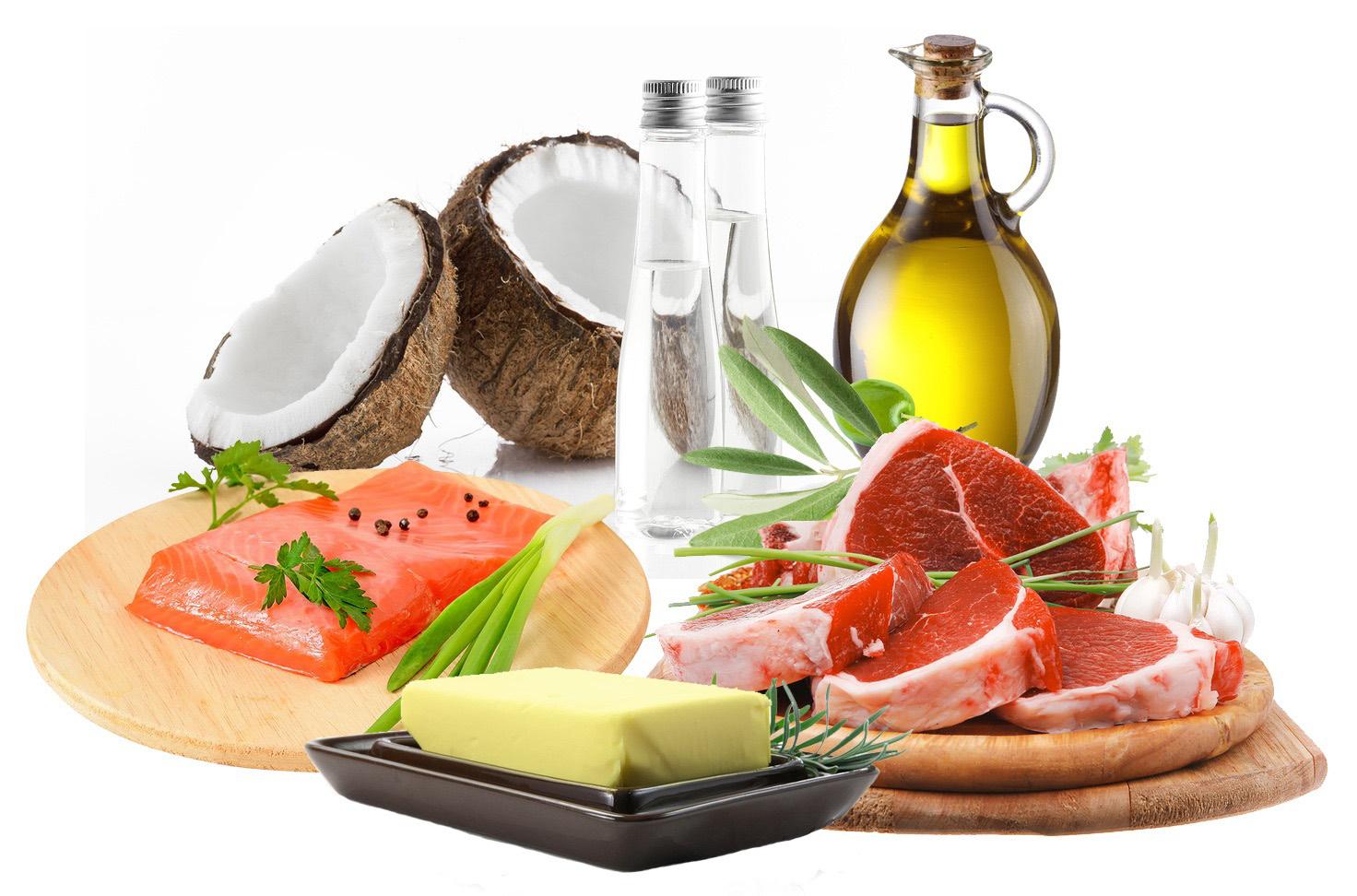
randomised controlled trial (RCT) was published by Great Ormond Street Hospital,9 and supported the use of the KD in children with intractable epilepsy.10 A later study in 2009 showed the MCT KD and Classical KD to be comparable in terms of efficacy and tolerability.11
In 1923, Otto Warburg, a German biochemist hypothesised that the primary cause of cancer was a dysfunctional metabolic process and not a genetic one.12,13 The Warburg Effect is the observation that where normal cells use mitochondrial oxidative phosphorylation to generate the energy needed for cellular processes, cancer cells have a disturbed metabolic process and use aerobic glycolysis, which is related to their uncontrolled growth.13 The theory was initially dismissed, but recent times have seen it become the basis of research into using the KD in the manipulation of the metabolic processes which are involved in the progression of malignant tumours.4,12,14,15
THe PReSeNT
In 2012, the NICE clinical guidance on the diagnosis and management of epilepsy advised that children with intractable epilepsy should
be referred to a tertiary paediatric specialist for consideration of a KD.16 Despite this, there continues to be a dearth of NHS ketogenic services with suitably trained HCPs who can implement and support the KD. The KD charity Matthew’s Friends (www.matthewsfriends.org) is working to raise awareness of the KD and provide HCPs with training in the administration and support of the diet.9 NICE does not currently recommend the KD for adults with epilepsy, due to a lack of RCT data for this patient group, but a number of trials in adults are ongoing.2
The KD is also a recognised management option for seizures associated with neurometabolic diseases. It is recommended for the long-term treatment of seizures associated with glucose transporter type 1 deficiency syndrome (GLUT1DS) and pyruvate dehydrogenase deficiency (PDHD). The KD is efficacious in the treatment of these conditions because the metabolic blocks associated with them can be bypassed by the provision of ketones as an alternative fuel to glucose.3
Specialist products are available for use in the KD and include fat emulsions, oils and powder preparations. These products are intended for
There
medical use only and are classed as ‘foods for special medical purposes’ or FSMP. Some of these products contain a high proportion of MCT and can be used in any version of the diet to improve palatability and increase flexibility, as explained above.
Research into the possible future applications of the KD includes the management of neurological and neurodegenerative conditions, such as amyotrophic lateral sclerosis (ASL), traumatic brain injury, stroke, depression, Parkinson’s disease and Alzheimer’s disease.17 A randomised double-blind study of patients with mildmoderate Alzheimer’s disease showed that a subgroup treated with an MCT ketogenic compound showed significant improvement in cognitive function compared to controls.18
There is growing evidence that the KD can be used in the treatment of seizures associated with certain mitochondrial disorders.17 For example, if seizures are caused by respiratory chain complex (e.g. electron transport chain) defects, then the KD can be utilised because fatty acid oxidation in the mitochondria bypasses the glucose oxidation pathway.19
In recent years, evidence has emerged that a low carbohydrate, as opposed to a low fat, diet can achieve weight loss, increase serum high density lipoprotein, increase low density lipoprotein
particle size, reduce serum triglyceride levels and improve insulin sensitivity.3,20 This raises the possibility of using the KD in the management of obesity, Type 2 diabetes and metabolic syndrome.3,20
An exciting area of current research is into the use of the KD as an adjuvant treatment for malignant tumours, with particular interest in the management of glioblastoma multiforme (GBM), the most malignant of primary brain cancers. Much of this research is based on Otto Warburg’s observations,12,21 as explained above.
Professor Thomas Seyfried from Boston College in the US is one of the key researchers in this area. He advocates using the KD in the management of GBM either with or without two to three days of fasting (i.e. a Restricted KD) pre-KD to promote ketosis and with or without anti-glycolytic drugs to lower glutamine levels and thus restrict fuel for tumour growth.12 There is a general lack of RCTs on the use of the KD in the management of cancer and data to date mostly comes from animal studies and case studies.4 There are, however, numerous clinical trials underway.4
The recent re-emergence of interest in the KD has opened the door to the possibility of using the diet in the management of a number of conditions. Results of ongoing studies and clinical trials are eagerly-awaited, and may hold the key to future treatment development and exciting research opportunities.



Subscriber zone
• NHD Extra - our supplement with additional articles for subscribers
• NHD at-a-glance library of published articles back issues
Introducing our new resources specifically designed for students of Nutrition and Dietetics

Login with your username and password to view the Subscriber zone.
If you don’t have login details, you can check whether you are eligible for a FREE subscription to Network Health Digest at wwwNHDmag.com
Make the most of your NHD Community!

Sharon Becker Senior Specialist
Dietitian, Liverpool Women’s NHS Foundation Trust
Sharon is an oncology Specialist
Dietitian with almost 10 years’ experience in the acute hospital setting. She previously specialised in gastroenterology and continues with this interest in her current role. For full article references please email info@ networkhealth group.co.uk
The nutritional problems experienced by patients with gynaecological cancer are diverse and are often poorly managed for a variety of reasons. Here Sharon becker focuses on Pelvic Radiation Disease (PRD - also known as radiation enteritis), as it is not uncommon for patients undergoing pelvic radiotherapy to develop gastrointestinal problems.
The term gynaecological oncology encompasses any cancers that start in a woman’s reproductive system, i.e. cancers of the cervix, ovary, endometrium (womb), vulva and vagina.
One might assume that there would be no obvious association with these forms of cancer and developing nutritional problems (other than the usual effects of cancer treatment), but due to the close proximity of these organs to the gastrointestinal and urinary systems, there are some specific nutritional problems experienced.1
Depending on the site and extent of the cancer, treatment options for gynaecological cancer include:
• Surgery
• Radiotherapy
• Chemotherapy
• Chemoradiation
• Biological therapy
• Hormone therapy
Adverse effects of these treatments are extremely common and can include:
• Nausea - Vomiting
• Anorexia - Malabsorption
• Constipation - Diarrhoea
• Anaemia - Fatigue
• Colitis - Intestinal obstruction
• Fistulae formation - Malnutrition
• Stricture formation - Pelvic Radiation Disease (PRD)
• Ileostomy/Colostomy proceduresTenesmus
• Early menopause - Osteopenia

Of particular note is PRD (also known as radiation enteritis), as up to 90% of patients undergoing pelvic radiotherapy develop gastrointestinal problems such as diarrhoea, abdominal pain, tenesmus and faecal incontinence.2 This is because the radiotherapy induces long-term alterations in bowel function due to the progressive endothelial and stem cell dysfunction which leads to ischaemia and then fibrosis.3
Of the approximately 17,000 patients undergoing pelvic radiotherapy annually in the UK,4 80% experience acute inflammatory changes resulting in symptoms, and about 50% then develop chronic symptoms that affect quality of life due to permanent intestinal changes.5,6 This is particularly the case if the patient develops diarrhoea and incontinence.7
It is estimated that the incidence of malnutrition in those about to commence pelvic radiotherapy is 11-33% and up to 83% lose weight during treatment. 5 Furthermore, chemotherapy is used increasingly in conjunction with pelvic radiotherapy in curative treatment, resulting in a further increase in acute gastrointestinal symptoms. 8 Comorbidities, such as diabetes, also appear to increase the risk of PRD, 9 as does tobacco use, IBD, scleroderma, or a history of pelvic or abdominal surgery. 10
Condition Symptoms
Diagnosis options
Treatment options bile Acid
Malabsorption (bAM): a defect in the enteropathic circulation of bile acids.
Exocrine Pancreatic Insufficiency (EPI): the inadequate production and secretion of pancreatic enzymes
Diarrhoea
Steatorrhea
Diarrhoea
Steatorrhea
Bloating/ abdominal cramps
SeHCAT scan*
C4 blood test
Trial of bile acid sequestrant
Non-liquid stool sample for faecal elastase measurement (<200ug Fe1 per 1.0g stool)
replacement (i.e.
Trial of pancreatic Creon)
Dietary fat reduction (to 20% of total calories)
Antidiarrhoeal medication
Bile acid sequestrant
Consider long-term multivitamin and trace element supplementation
Pancreatic replacement therapy; equivalent of 150,000iu Creon/day
Optimal 30-50,000iu with each meal, 10-30,000iu with drinks and snacks (depending on size of snack)
Consider long-term multivitamin and trace element supplementation
Dietary advice may also be needed to optimise bowel function
A proton pump inhibitor (PPI) is occasionally also needed
NB: Falsely low readings may be present in patients with SIBO
Carbohydrate Malabsorption: lactose or other disaccharide intolerances, e.g. fructose
Small Intestinal bacterial
Overgrowth (SIbO): the presence of excessive bacteria in the small intestine
Diarrhoea
Borygmi
Bloating/ abdominal cramps
Diarrhoea
Borygmi
Flatulence (oral or rectal)
Mucous d/c
Nausea + vomiting
Abdominal pain
Steatorrhea
Bloating/ abdominal cramps
-Trial of exclusion of products containing specific carbohydrate for one week
-Specific carbohydrate breath test
There is no gold standard for diagnosing this
Glucose hydrogen/ methane breath testing +/- Duodenal (D2) aspirate via upper GI endoscopy
RBC, folate and serum bile acid levels may be raised
vitamin B12 levels and faecal elastase may be low
10-15% of patients will get a false negative result
Long-term dietary exclusion of products containing the specific carbohydrate. This could require a low FODMAPs diet
Dietitian assessment essential to ensure dietary adequacy, particularly with regard to lactose intolerance (i.e. calcium intake and risks to bone health)
7-10 days antibiotic treatment with ciprofloxacin, doxycycline, clarithromycin, metronidazole and rifaximin -Symptoms can reoccur and require ongoing periodic treatment
Risks of long-term therapy (e.g. development of Clostridium Difficile infection) must be considered
*A SeHCAT (taurine-conjugated bile acid analog) scan measures the severity of bile acid malabsorption (BAM). Results can be interpreted as follows.13
7-day SeHCAT retention bAM status When treating BAM, a mild BAM status might be successfully managed with dietary fat restriction and/or antidiarrhoeal medications. Moderate BAM will require a bile acid sequestrant. Severe BAM will likely require bile acid sequestrants as well as a long-term reduced fat diet (Wedlake et al 2009).
Due to the similarities in symptoms and pathologies, PRD is sometimes compared to Inflammatory Bowel Disease (IBD).11 The number of PRD patients is also believed to be similar to that diagnosed yearly with IBD, but in contrast to the latter, most of these patients are not referred for gastrointestinal assessment.12
PRD patients are often termed ‘cancer survivors’, i.e. the cancer has been successfully treated, but they have to live with the long-term symptoms that their treatment has caused. They may also be troubled by the psychological effects of cancer, new GI disease, or a pre-existing underlying condition, which can all contribute to symptoms.3 As sufferers may be reluctant to report their symptoms due to their potentially embarrassing nature or an unwillingness to complain, health professionals must be proactive in identifying and treating PRD.7
Fortunately, recent evidence suggests that the symptoms experienced can be treated; especially if gastroenterological advice is combined with dietetic and nursing input to optimise investigations and management.3 Guidance has been developed using an algorithmic approach. The guidance identifies 22 gastrointestinal symptoms that may occur following pelvic radiotherapy.13 The guide is designed mainly to aid clinical nurse specialists looking after patients with PRD in conjunction with a gastroenterologist, but it may also help other professionals providing they are supported by an appropriate colleague.13
The publication of this guidance may result in increasing referrals of patients with PRD to the dietitian, as it identifies that specialist dietetic help is often required.12 The common diagnoses identified for which dietetic treatment is required are listed in Table 1.
Please note that the conditions outlined in Table 1 must not be diagnosed or treated without the appropriate gastroenterological team support. In addition, a full dietary history would still be essential, and symptoms may be attributable to (or further exacerbated by) common dietary components such as:
• fibre (too much or too little)
• fluid (too much or too little)
• fizzy drinks
• caffeine
• alcohol
• sorbitol
• resistant starch
In particular, a reduction in dietary insoluble fibre is often of benefit to patients with PRD, as after pelvic radiotherapy, some are unable to tolerate the dietary recommendations for fibre (18g/day).
It is also emphasised that dietetic assessment and treatment must include the following:12
• a time-limited trial to any dietary change;
• routine checking for dietary adequacy for any patients with malabsorption;
• no prescribing of long-term dietary restriction(s) without an identified benefit;
• monitoring of nutritional status (i.e. weight, anthropometry, vitamin and trace element levels).
Evidence is mixed regarding the appropriate diet to follow during pelvic radiotherapy, but interest is strong as it could potentially improve tolerance to the treatment and, therefore, also the outcome. A recent Cochrane review recommended that if diarrhoea was experienced during treatment, some form of dietary restriction (e.g. changes in fat, lactose and fibre) would be beneficial for a reduction in symptoms, but did not result in a weight gain.14 Elemental diets were assessed in the review, but it was concluded that problems with compliance reduced their usability.14 The form that the dietary restriction should take is unclear and, in some cases, contradictory. Further research is needed before specific recommendations can be made.
At present, service provision for patients with PRD is unevenly distributed throughout the UK. The British Society for Gastroenterology (BSG) and the National Cancer Survivorship Initiative (NCSI) suggest that the key features of successful local initiatives would be:
• gastroenterologists with interest in GI effects of cancer treatments;
• multi-professional pathway redesign with cancer care teams and primary care; and
• improved identification of patients with unmet needs.
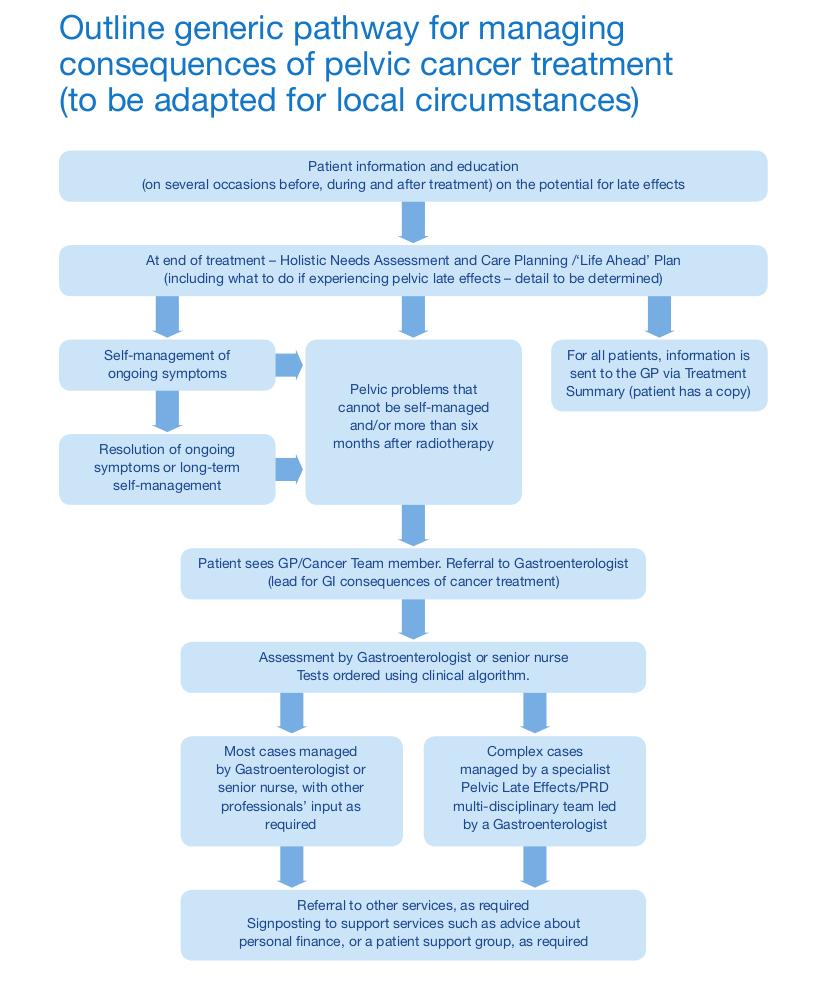
Macmillan and The Royal Marsden Hospital both provide support and advice for departments seeking to improve their PRD care. A suggested approach for how to set up a care pathway has been created by the BSG and NCSI (Figure 1).15
Future improvements to the management of PRD appear to lie in a combination of improved radiotherapy techniques and new treatment options. Therapies that require more research include:16
• probiotics
• ACE inhibitors
• hyperbaric oxygen therapy
• argon plasma coagulation
In the meantime, the prevalence of PRD seems likely to increase due to a number of factors. Improved success of cancer treatment means that the number of cancer survivors and, hence, people with PRD, is ever increasing. In addition, late-onset symptoms are likely to become more common, as PRD can present 15 or even 20 years after treatment.
Practitioners should increase their vigilance for spotting this condition, particularly in patients who have recognised risk factors (e.g. underweight, diabetes), to ensure sufferers of this debilitating condition have access to comprehensive support throughout the UK.

The only high energy* shot with added protein and 36% RNI# of vitamins and minerals …in just 3 shots per day

Convenient 40ml shots. Recommended daily dose just 3 shots per day.

Declan O’Brien, Director General of the BSNA
IN ASSOCIATION WITH THe BSNA
Malnutrition is a serious problem, with more than three million people in the Uk either malnourished or at risk of malnutrition.1
Most at risk of malnutrition are those with chronic diseases living in the community; in other words, those who have been recently discharged from hospital, people living alone and the elderly. Around 98% of malnutrition exists outside the hospital setting.2
Malnutrition in England is currently estimated to cost the NHS £19.6 billion per year.3 Consequently, improving nutritional care for individuals who are malnourished, or at risk of malnutrition, could have considerable cost-saving implications, including:
• fewer hospital admissions and readmissions;
• shorter length of stay in hospital;
for managing malnutrition. However, it is not always possible for people to eat enough food, or ingest the nutrients they require, to keep their body healthy. Oral nutritional supplements (ONS) can partially, or wholly, replace a normal diet to provide patients with the essential nutrients they need when food alone is insufficient to meet their daily nutritional requirements.
For full article references please email info@ networkhealth group.co.uk
• fewer healthcare needs in the community, such as GP visits and care at home.
The first step should always be to identify individuals who are malnourished, or at risk of malnutrition, through nutritional screening using BAPEN’s Malnutrition Universal Screening Tool (‘MUST’). It is especially important to screen residents of care and nursing homes, given the high prevalence of malnutrition in residents and their general frailty, and elderly people living at home. Malnutrition affects about one in 20 individuals in the general population and one in three in care homes.4 It is also important that health and care staff, including domiciliary care providers, identify nutritional risk in other settings, including individuals’ own homes, day centres, extra care and social housing.
The provision of healthy, nutritious food should always be the first choice
This is recognised by NICE. NICE Clinical Guideline 32 states: ‘Oral nutrition support includes any of the following methods to improve nutritional intake: fortified food with protein, carbohydrate and/or fat, plus minerals and vitamins; snacks; oral nutritional supplements; altered meal patterns; the provision of dietary advice.’5 It also states that: ‘Healthcare professionals should ensure that the total nutrient intake of people prescribed nutrition support accounts for energy, protein, fluid, electrolyte, mineral, micronutrients and fibre.’6
The NICE Quality Standard on Nutrition Support in Adults (QS24),7 recognises that ONS are a clinically effective way to manage disease-related malnutrition when food alone, however nutritious, is not sufficient to meet a person’s dietary needs: ‘It is important that nutrition support goes beyond just providing sufficient calories and looks to provide all the relevant nutrients that should be contained in a nutritionally complete diet. A management care plan aims to provide this and identifies condition specific circumstances and associated needs linked to nutrition support requirements.’ NICE QS24 also advises that care should be taken when











providing food fortification alone, which tends to supplement energy and/or protein without necessarily providing sufficient or adequate micronutrient and mineral levels.
Patients requiring ONS range from those who are critically ill to those with inherited genetic disorders, to those with chronic illnesses. These may include cancer, kidney failure, cystic fibrosis, diabetes, dysphagia, loss of muscle mass and respiratory disease. In addition, specialist products may be required for people with inborn errors of metabolism, protein sources to avoid a food allergy, problems with absorption or malnutrition of normal foods, or for enteral nutrition administered via nasogastric tube (NGT) or percutaneous endoscopic gastrostomy (PEG).
ONS can be an essential part of medical management and may be required either for life or for short periods of time, depending on individuals’ clinical circumstances. In these cases, they guard against malnutrition until a normal diet can be resumed. They can be a lifeline in the community, where round-the-clock care may not be available.
Healthcare professionals are best placed to ensure that patients are treated appropriately and to evaluate whether patients need ONS and if so, for how long patients should be taking them. Prescribed when needed, ONS can prevent the complications associated with malnutrition and significantly improve patients’ health outcomes.8 They are evidence-based nutritional solutions for disease-related malnutrition9 and are highly regulated.10
Malnutrition is a serious problem, estimated to cost £19.6 billion every year in England alone.
ReSTRICTIONS OF ONS
Facing huge pressure to cut costs where they can, clinical commissioning groups (CCGs) across the country have started to restrict the prescribing of certain foods, notably gluten-free products and, more recently, in some areas, ONS. One CCG has substantially restricted ONS in care and nursing homes; another appears to view the use of ONS as a case of last resort and only when all other avenues have been exhausted.
These policies are misguided and although well intentioned, both fly in the face of the existing evidence and fail to consider long-term outcomes. The Managing Adult Malnutrition in the Community pathway11 clearly indicates that ONS should be used in combination with food as part of the management of malnutrition; this is also referenced in the recently launched NHS England Commissioning Excellent Nutrition and Hydration (2015-2018).12
The health and social care costs associated with malnutrition are estimated to amount to more than 15% of the total public expenditure on health and social care.13 About half of this expenditure is accounted for by older people (>65 years) and the other half attributed to younger adults and children. In its guidance on cost savings,14 NICE recognises that significant cost savings can be achieved relatively quickly through the provision of good nutritional support to people at risk of malnutrition.
The recent report15 from the British Association for Parenteral and Enteral Nutrition (BAPEN) and the National Institute for Health Research Southampton Biomedical Research Centre (NIHR) stated that it costs three times more to treat or manage a malnourished patient compared to one without malnutrition, equating to £5,329 per patient. The single most important variable affecting the net cost balance was the
cost saving due to the effect of ONS in reducing the length of hospital stay. In short, reduced use of healthcare resources due to ONS use could save the NHS £101.8 million every year.16
Furthermore, a systematic review demonstrates that there is very little evidence of efficacy of treating malnutrition with food-based strategies alone, compared to the use of ONS.17 A number of favourable clinical outcomes were also associated with use of ONS, including improved quality of life, reduced minor postoperative complications, reduced infections and reduced falls.18 Other studies also highlight the cost-effectiveness of ONS in treating malnutrition.19-21 A systematic review of the cost and cost effectiveness of using standard ONS in community and care home settings found that cost-savings were demonstrated for shortterm use of ONS (up to three months), with a median cost saving of 9.2% (P<0.01). Studies investigating cost savings for the use of ONS for three months or more found a median cost saving of around 5%.22
However, recent statements from some CCGs have seemed to suggest that the provision of fortified food is a like-for-like replacement for ONS. This approach is over-simplified as it does not adequately take into account individuals’ clinical requirements nor the clinical assessment made by the healthcare professional. As such, it results in inequity of care for patients whose health outcomes may, as a result, become determined by where they live. The better approach would be to ensure that patients receive appropriate nutritional support, based on their particular circumstances, wherever they are. This would comply both with existing best practice national guidelines and the guiding principle in CCGs’ own constitutions: ‘access to services based on clinical need’.
The issue is compounded by PrescQIPP’s new publication Fabulous Fortified Feasts, a collection of simple recipes, which is recommended by some
of the CCGs who have recently restricted ONS. Whilst it is undoubtedly true that the provision of nutritious food is essential to combat malnutrition, a generic booklet such as this is not appropriate for all patients and all clinical conditions. It is important to note that the recipes are not nutritionally complete and consequently patients will not receive their full range of nutrients, including micronutrients, without further supplementation, either from other foods or from ONS. Users of the guide should also be clear about the underlying reason for malnutrition before choosing a recipe, as some of them may be inappropriate for patients living with some disorders or conditions; for example, peanut butter and banana flapjacks should not be provided for patients suffering from dysphagia. This is a particularly important consideration in the context of community care and it is not known how carers who are untrained in nutrition will receive the information and support they need to be able to best manage the individuals in their care.
Malnutrition is a serious problem, estimated to cost £19.6 billion every year in England alone. Although CCGs are under increasing pressure to cut costs, a blanket approach using first-line measures is unlikely to be appropriate for all patients in all circumstances. Patients with comorbidities, in particular, whether they are in the home or elsewhere, most stand to benefit from nutritional advice that is uniquely tailored to their own clinical circumstances. Patients who take ONS should be regularly monitored and reviewed and ONS should be discontinued when they are no longer needed. The full implementation of high-quality pathways of nutritional care and the recognised role that dietitians can play in evaluating a patient’s need for ONS can manifest in short- and long-term savings for health and social care services: not to mention the health and wellbeing of the patient.
BSNA is the trade association representing the manufacturers of products designed to meet the particular nutritional needs of individuals; these include specialist products for infants and young children (including infant formula, follow-on formula and complementary weaning foods), medical nutrition products for diagnosed disorders and medical conditions, including parenteral nutrition and gluten-free foods. www.bsna.co.uk



500+ calories and 15g+ protein in one smaller portion. Perfect for












The new Purée Petite range takes a fresh look at Category C meals, for patients with dysphagia. Each energy-dense 275g dish is smaller in size for patients with reduced appetites, but with similar calorie and protein content to the larger meals in our Softer Foods range. Meaning the much needed nutrition goes exactly where it belongs, in your patient.
Arrange a free tasting today and discover how Purée Petite and our other Softer Foods meals for Category C, D and E diets can help your patients. wiltshirefarmfoods. com
To order a FREE brochure or to arrange a tasting call
0800 066 3169


Review by Ursula Arens Writer; Nutrition & Dietetics
Ursula has spent most of her career in industry as a company nutritionist for a food retailer and a pharmaceutical company. She was also a nutrition scientist at the British Nutrition Foundation for seven years. Ursula guides the NHD features agenda as well as contributing features and reviews
AUTHOR: DR MARION NeSTLe
PUBLISHeR: OXFORD UNIveRSITY PReSS, 2015
ISBN: 978-0190263430
PRICe: Hardback £14.99
Marion Nestle is a prolific writer and reviewer of food politics, and has covered every aspect of this subject, several times over. This is her eighth tome, but previous star-reads include the comic strip selection titled, ‘Eat, Drink, Vote’, and bizarrely, two very interesting books on the science and politics of pet (cat and dog) food.
Soda Politics is about the US soda industry; specifically looking at the three companies Coca-Cola, PepsiCo and Dr Pepper Snapple, who are collectively described as Big Soda. The data and debate hinge heavily on US sales and marketing, but of course, all of the science and debate closely mirror discussions in the UK about the products of these companies. Marion Nestle prefers the term ‘soda’, but other descriptions for sweet drinks in a bottle or can include fizzy pop, soft drinks, or sugar sweetened beverages (SSBs).
Americans drink a lot of soda and even the question, “how much?” triggers labyrinthine analysis of different data sources, all leading to slightly different conclusions, but none contradicting the quantification of, “a lot.” There is a gap between industry or retail data on production and government and professional data on consumption. The best guess of soda intake figures will be somewhere in the middle. US production of total sodas climbs from below 30 gallons per capita in 1980, up to 55 gallons in 2000, then back down to just over 40 gallons in 2010. Peak soda has passed, and regular-to-low sugar ratios of soda consumption in the US now seem steady at about 2:1.
To some degree, declines in soda production are more than compensated by the increases in bottled water, so, all good developments for the overall sector of Beverage Marketing then. International production of sodas show that no country in the world matches the US, but rising thirsty soda drinkers are found in Mexico, Argentina, Saudi Arabia, Germany, Bulgaria, Australia and Norway. UK is middle ranking on the soda score and India consistently shows least interest in sweet fizz.
Marion Nestle spews lots of data on soda intakes in her facts-andfigures chapter, but she gives particular appreciation for the demographic index developed by the Beverage Marketing Corporation, that characterises the regular (sugar sweetened) US soda drinker. He is young, single, poorly educated, low-income, blue-collar, Hispanic or African American and living in the South or Mid-west of the US. The never soda-drinker is female, older, married, higher income, white collar, white or Asian. Being overweight, however, was only slightly more likely in soda drinkers. Dr Nestle concludes that the concerns over large volume soda intakes are specifically issues of age and race and class, and these factors need

to be brought in much more than they currently are, by health professional communications.
In the States, much of the alarm over increasing obesity is linked specifically to the increasing use of high fructose corn syrup (HFCS). This thesis is promoted by the paediatric endocrinologist and campaigner Dr Robert Lustig, with the claims that fructose is ‘metabolised like alcohol’ and a particular risk to the development of fatty liver.
From the early 1980s, sodas in the US were increasingly sweetened with HFCS, for the very logical reasons that, A) government subsidies on corn meant that it was one third of the price of sweetening with beet or cane sugar and, B) consumers could not taste-test the difference. There were concerns raised, because national HFCS production figures tracked more closely with US obesity statistics than total sugars intakes.
There was also a lot of PR against HFCS from 2000, but this was just at the same time that it was becoming a much more expensive ingredient (because corn was being diverted by law into ethanol fuel production), so the soda companies competed to declare the jump back to ‘real sugar’. Interestingly, Dr Nestle confirms what has been said by so many boring and oldfashioned nutrition scientists = the ones that the media do not report, that the fructose content of HFCS is not significantly different from that in sucrose, and that data published does not allow a clear health differentiation of these sugar forms in the quantities usually consumed. Dr Lustig (says claws-out Dr Nestle) is expert in hyperbole and that the claims and counterclaims
around HFCS may have been an unnecessary deviation in the issues of total sugars intakes in the American diet.
Most of the book is about the marketing of sodas and the particular concerns over the targeting of children and minorities and the poor. In addition, there are specific issues about environmental concerns over weak contributions to recycling of soda containers, and high water usage for production in situations of scarce resource: this was a particularly fierce issue in 2000 in India.
Dr Nestle describes some soda industry campaigns to discourage Americans from drinking free tap water in restaurants. Trade campaigns to increase soda revenues included ‘H2NO’ and ‘Cap the Tap’ with promises to, “increase profits by selling revenue-generating beverages instead of tap water.” Although when my request for tap water in a restaurant was once given the response, “is it on the menu?” I suspect this was just a bad-day comment from a grumpy waiter, rather than being part of any planned drink-more-sodas strategy.
Several chapters describe working with health professionals, and dietitians will be particularly interested in the descriptions of company sponsorship of the Academy of Nutrition and Dietetics (AND); used to be called the American Dietetic Association. As well as being exhibitors at the AND annual conference, soda companies provide sponsored speakers, and fund other local events and meetings to provide continuing education credits for dietitians. In 2011, researchers surveyed 3,000 dietitians

on corporate sponsors. Only 10% of dietitians were comfortable with any sponsor; nearly 70% stated that accepting funding depended on the sponsor, and 66% specifically identified CocaCola or PepsiCo as unsuitable for partnership with dietitians.
Another chapter considers the issue of health professionals working within soda companies and specifically describes the career of Derek Yach in PepsiCo. Dr Yach was a prominent health campaigner working within the World Health Organisation (WHO) and had been described as heroic in his attempts to strengthen controls on tobacco marketing. In 2007, the international health community (those who get to know each other in international airport lounges?), were ‘shocked’ to hear that Dr Yach was now the director of global health policy at PepsiCo. This was viewed as a gamekeeper to poacher career move and in 2008, the journal Public Health Nutrition wrote an editorial on this. “Derek is genuine in his motives and he has chosen this job as a new challenge and opportunity to influence the private sector from within”, reported the article.
There had already been a move to wellness by PepsiCo before Dr Yach joined, with the acquisitions of healthy brands Quaker Oats and Tropicana, and this developed forward with his arrival, with self-imposed marketing controls and labelling developments. But, good intentions of Dr Yach and others did little to calm investment analysts watching the anaemic
PepsiCo stock price. Investors observed that the moves to push soda and potato chips onto the back seat of the PepsiCo vehicle was crashing profits, and the CEO had to promise Wall Street wolves to boost the marketing of core brands = not the healthy ones. And in 2012, Dr Yach moved on, to a workplace wellness company in South Africa.
Dr Nestle respects Dr Yach, and he explained to her that PepsiCo was always ready to support and cajole the public into a healthier diet. But, he said, “What I never knew was the power of consumer demand. They just want the unhealthy stuff.” He concludes that his insights into food production and distribution allowed him an understanding of the realities that NGOs, WHO experts and academics rarely consider when calling for change. Dr Nestle listens to her friend with interest, but concludes that working from within industry ends up doing more for industry and its marketing than it does for public health.
There is more in this 500-page book than can be mentioned in a short review. Of course, American perspectives are the focus here, but these issues are very current in UK public health debates and there is much to consider. Dr Marion Nestle has spent three years writing this book and it is a sparkling discussion of a very hot topic.
If you have been exhausted by the flip-flop of Brexit politics in recent weeks, Soda Politics offers a refreshing break - a great read for dietitians.

Useful information, research and updates. Visit www.NHDmag.com for full listings.

bREAST MILk bENEFITS PRETERM INFANT’S LONg-TERM CARDIAC STRUCTURE AND FUNCTION
Breastfeeding premature babies improves long-term heart structure and function, an Oxford University study has found. Dr Adam Lewandowski and colleagues at the Oxford Cardiovascular Clinical Research Facility, directed by Professor Paul Leeson have studied the cardiac development of preterm babies which shows that in adult life, the cardiac structure of those who were born very premature is altered. Reduced function, smaller chambers and thicker walls were identified in adults who were preterm at birth. The cohort of 102 people had been participants in a previous
study that took place between 1982 and 1985, which monitored babies from birth to explore the effects of different feeding methods in preterm infants. Now in their early to mid-twenties, this cohort was compared with a further 102 people of similar age, who were born at full term. The results showed reduced cardiac function and volume in those born prematurely when compared with those born at full term. However, the reduction in cardiac function in the premature group was substantially less in those who had been exclusively breastfed when compared with those who were formula fed.
Those who were premature and who consumed breast milk in a combined feeding regimen had better cardiac function and structure in adulthood. It was concluded that breast milk has a positive impact on cardiac function and volume when compared with formula milk. For more information visit www. ox.ac.uk/news/2016-06-14-studyconfirms-breast-best-prematurebabies%E2%80%99-hearts.
Reference: Breast Milk Consumption in Preterm Neonates and Cardiac Shape in Adulthood. Adam J Lewandowski, Pablo Lamata, Jane M Francis, Stefan K. Piechnik, Vanessa M. Ferreira, Henry Boardman, Stefan Neubauer, Atul Singhal, Paul Leeson, Alan Lucas. Pediatrics Jun 2016, DOI: 10.1542/ peds.2016-0050
DEPARTMENT OF HEALTH: NEW
bOWEL CANCER SCREENINg TEST
AVAILAbLE FOR USE AT HOME
A new testing kit for bowel cancer is due to be made available across England to all men and women aged 60 to 74. The Faecal Immunochemical Test (FIT), highlights hidden blood in the stools, a possible early indication of bowel cancer. This may be vital in saving lives through early detection, meaning 90% of cases can be successfully treated. The UK National Screening Committee have recommended that the test is rolled out nationally, following a successful pilot scheme where 40,000 people participated. Like other screening schemes, the test will be offered every two years to people aged 60 to 74 years of age. Find more information at www.gov.uk.
It is well known that high intakes of wholegrains are associated with a low risk of chronic diseases; however, the recommendations for wholegrain consumption are not clear-cut, in that there are inconsistencies in the guidance on the amount and type of wholegrains required to impact on morbidity and mortality relating to chronic disease. A recent review by D Aune et al summarises the evidence to support the benefits of wholegrain intakes in reducing the risks of chronic diseases such as Type 2 diabetes, coronary heart disease, stroke and obesity. In the review, 45 cohort studies were used, 20 from Europe, 16 from the US, and nine from Asia. This review offers some clarification of the beneficial amount of wholegrains required per day and further supports the use of wholegrains in the diet to reduce the risk of chronic diseases. The full review can be found at www.bmj. com/content/353/bmj.i2716
Reference: Wholegrain consumption and risk of cardiovascular disease, cancer and all cause and cause specific mortality: systematic review and dose-response meta-analysis of prospective studies. D Aune, N Keum, E Giovannucci, LT Fadnes, P Boffetta, DC Greenwood, S Tonstad, LJ Vatten, E Riboli, T Norat. BMJ 2016; 353 doi: http://dx.doi.org/10.1136/bmj.i2716 (Published 14 June 2016)
The Cochrane Library website offers a selection of Cochrane Reviews on general strategies for the prevention of obesity and weight gain, and interventions for increasing physical activity. Access is free and you can find a range of information to suit many patient groups. Please see below a summary of the collection (taken from the Cochrane Library website):
Interventions for preventing obesity in children - assesses the effectiveness of specific interventions through healthy eating and physical activity policies, programs, and workforce development in children’s settings.
Interventions to reduce weight gain in schizophrenia - assesses the effects of both pharmacological (excluding medication switching) and nonpharmacological strategies for reducing or preventing weight gain in people with schizophrenia. Interventions for preventing weight gain after smoking cessation - assesses the effect of: (1) interventions targeting postcessation weight gain on weight change and smoking cessation, and (2) interventions designed to aid smoking cessation that may also plausibly affect weight on post-cessation weight change. Click here for more . . .
Community wide interventions for increasing physical activity - evaluates the effects of community-wide, multi-strategic interventions upon population levels of physical activity. The World Health Organisation estimates that 1.9 million deaths worldwide are attributable to physical inactivity. This review aims to summarise the evidence of the effectiveness of school-
based interventions in promoting physical activity and fitness in children and adolescents.
Interventions implemented through sporting organisations for increasing participation in sport - the sport and recreation sector is viewed as a priority area for increasing rates of physical activity. Participation rates in organised sport have been shown to be lower in females and to decline with age, and are reduced in lower socio-economic and minority groups, including people from non-English speaking and Indigenous backgrounds. This review aims to determine the most effective interventions.
Interventions for promoting physical activity - assesses the effectiveness of interventions designed to promote physical activity in adults aged 16 years and over, not living in an institution.
www.cochranelibrary.com/app/ content/special-collections/ article/?doi=10.1002/ (ISSN)14651858(CAT)na(VI) SC000025
Here you will find reviews on treatment of allergic asthma and rhinitis, as well as eczema and anaphylaxis. The prevention reviews cover allergenspecific oral immunotherapies for common food allergies, prevention of atopic eczema, and immunotherapy against
allergic reactions to bites and stings. Within the Dietary allergy section of this collection, there are reviews, which focus on the following aspects (summary taken from the Cochrane Library website):
Allergen-specific oral immunotherapy for peanut allergy - the aim of this review is to establish the effectiveness and safety of oral immunotherapy in people with IgE-mediated peanut allergy who develop symptoms after peanut ingestion.
Oral and sublingual immunotherapy for egg allergy - assesses successful desensitisation and development of tolerance to egg protein and the safety of egg oral and sublingual immunotherapy in children and adults with immunoglobulin E (IgE)-mediated egg allergy when compared to a placebo treatment or an avoidance strategy.
Oral immunotherapy for milk allergy - assesses the clinical efficacy and safety of MOIT in children and adults with IMCMA as compared to a placebo treatment or avoidance strategy. Prebiotics in infants for prevention of allergy - this review aims to determine the effect of prebiotic given to infants for the prevention of allergy.
Full details are available at: www.cochranelibrary.com/app/ content/special-collections/ article/?doi=10.1002/ (ISSN)14651858(CAT)na(VI) Allergytreatmentandprevention
UNIVERSITY OF NOTTINgHAMSCHOOL OF bIOSCIENCES
Modules for Dietitians and other Healthcare Professionals
• Obesity Management (D24BD3)
6th & 7th October, 8th & 9th December
• Gastroenterology (D24GE1)
13th & 14th October, 15th & 16th December
• Paediatric Nutrition (D24PAN)
10th & 11th March 2017, 4th & 5th May 2017
For further details, please contact Lisa Fox via e-mail on lisa.fox@nottingham.ac.uk or check out the University website at www.nottingham.ac.uk/biosciences> and click on ‘Study with us’ and then ‘short courses’ which will take you to ‘for practising dietitians’.
dieteticJOBS.co.uk
Public health in London - policy priorities for the new mayoralty 12th July www.westminsterforumprojects.co.uk/
Improving diabetes outcomes: prevention, innovation and new models of care 13th July - Central London www.westminsterforumprojects.co.uk/
Policy priorities for hospital food - next steps for nutritional services in hospitals and the care sector 14th July - Central London
Gastrostomy Study day 28th July - Aztec Hotel & Spa, Bristol www.vygon.co.uk/training/studydays
For more career opportunities online click here . . .
SCIENTIFIC & REgULATORY MANAgER AT THE bRITISH SPECIALIST NUTRITION ASSOCIATION
Central London based. To represent the interests of BSNA members that operate within the UK infant and dietetic industry. To ensure that BSNA’s views are understood by Healthcare Professionals, opinion leaders, consumer groups, SNE (Specialised Nutrition Europe) and other European bodies and to work with the Director General, Chair of BSNA and Chairs of the Working Groups to provide proactive input to help the association meet its objectives. For a full job specification, please contact Stephanie Adams at info@bsna.co.uk. Closing date: 15th July 2016.
The UK’s largest dietetic jobsite since 2009
• Quarter page to full page
• Premier & Universal placement job listings
• NHD website, NH-eNews and NHD Magazine placements
To place an ad or discuss your requirements please call 0845 450 2125 (local rate)





Dietitians are expected to provide dietary advice to patients based on unbiased scientific evidence, sourced by non-commercial organisations and published/ endorsed by central government or a recognised medical institution.

I would like to think that I have followed such a path, but the general public, of course, are subject to a plethora of other material from ‘alternative providers’, which may colour their views and cause them to be confused about what is right. Who indeed do they believe?
Walking in front of me, sitting on the beach, making sand castles, paddling in the sea, were hundreds of people of all shapes and sizes wearing the minimum amount of clothes.
We are constantly being told that they/you/we are always changing our minds. So, to say the least, I was shocked to read the recommendations of the National Obesity Forum, a charity that I had considerable respect for, in their recent report entitled: Eat fat, cut the carbs and avoid snacking to reverse obesity and Type 2 diabetes. Needless to say, it drew the attention of the media; and the general public had yet more ammunition to fire back at beleaguered health professionals.
The Association for the study of Obesity (ASO) were one of many who did not endorse the content of the report. I since understand that four of the seven members of the Forum Board resigned, as they had not seen the report before it was published. Hmm! Just what the
doctor or the dietitian didn’t order.
Meanwhile, I was enjoying a rapidly arranged few days in a beachside apartment in Calpe in Spain (Yes I know!). As I looked around me, ‘size acceptance’ came to mind. Walking in front of me, sitting on the beach, making sand castles, paddling in the sea, were hundreds of people of all shapes and sizes wearing the minimum amount of clothes. They all appeared to be enjoying themselves, not in any way body conscious and with smiles on their faces. It was total size acceptance in an environment in which everyone appeared comfortable. It was a scene and a situation that I hadn’t previously fully appreciated. But often what we perceive isn’t the reality.
I was trying to imagine gathering hundreds of strangers together in a centrally-heated building in an English winter and watching their reaction when asked to change into swimming costumes/shorts! Would they dare? How would they feel?
I was sorely tempted to stand on my proverbial soap box and ask holidaymakers if they had experienced any ‘fat shaming’, but I decided it was best to buy an ice cream, walk along the promenade and not think too much about the weighty issues which can sometimes undermine our joy and aggravate the best of us. Size acceptance is certainly a topical issue for further debate.