




500+ calories and 15g+ protein in one smaller portion. Perfect for

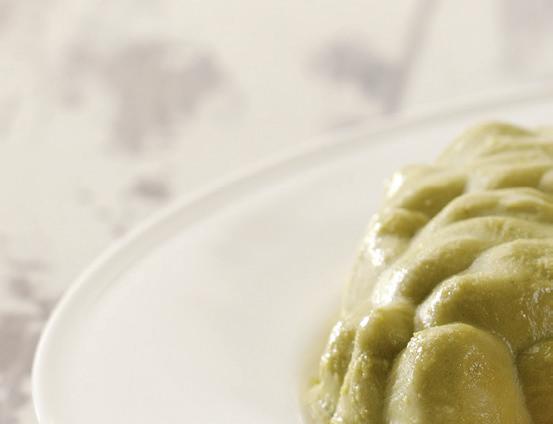
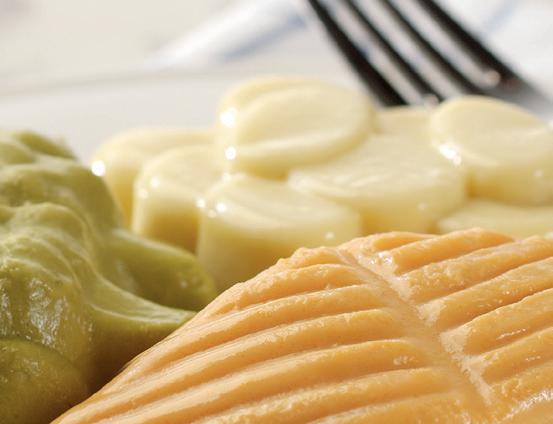
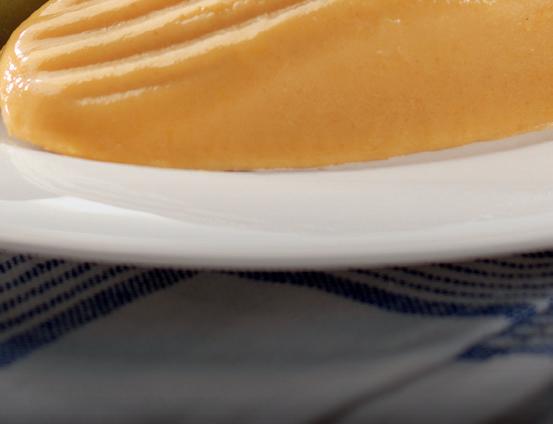







The new Purée Petite range takes a fresh look at Category C meals, for patients with dysphagia. Each energy-dense 275g dish is smaller in size for patients with reduced appetites, but with similar calorie and protein content to the larger meals in our Softer Foods range. Meaning the much needed nutrition goes exactly where it belongs, in your patient.
Arrange a free tasting today and discover how Purée Petite and our other Softer Foods meals for Category C, D and E diets can help your patients. wiltshirefarmfoods. com
To order a FREE brochure or to arrange a tasting call
0800 066 3169


emma coates editor
emma has been a registered dietitian for nine years, with experience of adult and paediatric dietetics. She specialised in clinical paediatrics for six years, working in the NHS. She has recently moved into industry and currently works as metabolic Dietitian for Dr Schar UK.
welcome so here we are, half way through 2016! Go on, you can say it… where’s the time gone? Before you know it, it’ll be Christmas. nevertheless, before we reach the warm fuzziness of the winter festive period, we have work to do.
With the promise of sun and possibly some sand and sea, the huge drive to lose some of those extra pounds and get ‘beach ready’ grips the nation. Scan the covers of many of the commercial glossy magazines and they all promise the quick-and-easy summer diet plans to ‘drop a dress size’, ‘lose 7lbs in seven days’, or they reveal the diet secrets of those perfect (photo-shopped) celebrities. And it’s not only the magazines spouting this ‘dietary advice’, just using your smart phone, via social media, you can thumb your way through any diet plan you deem worthwhile in order to rock that bikini or slinky dress this summer.
Thankfully, we have two articles this month which cut the wheat from the chaff when it comes to commercial slimming programmes and fad diets. In her first article for NHD, Maria Dow, Freelance Dietitian, delves into both NHS and commercial slimming programmes, outlining their characteristics and comparing outcomes. Ali Hutton, Medical Affairs Dietitian, then goes on to take a closer look at a few common fad diets which promise miraculous results in the weight management department.
The June issue of NHD also has a distinct gastro feel. Freelance Dietitian Helen West shares her first article for us, which discusses probiotics, in particular, the relevance and possible benefits of fermented foods: can sauerkraut or kombucha tea really influence gut health?
The third week of June is ‘Love Your Liver’ week, which is the British Liver Trust’s (BLT) national awareness campaign to highlight three simple
steps to maintain a healthy liver and reduce the risks of developing liver problems. Vanessa Hebditch from the BLT, updates us with the current liver disease facts and offers us an insight in the work of the BLT.
Now, NHD is no two-horse mag, we’ve got more than just weight management and gastro to offer you. Dr Emma Derbyshire asks the question, ‘Should we make foods for little ones less sweet?’ Humans have an innate affinity to sweeter tasting food, but that shouldn’t mean that commercial food aimed at infants and young children should be sweetened, promoting the development of a sweet tooth. In her early year’s nutrition article, Emma discusses the current thinking around the early exposure to sweet tastes.
Louise Robertson, Specialist IMD Dietitian, provides this month’s IMD watch article, giving us a comprehensive overview of Medium Chain Acyl-CoA Dehydrogenase Deficiency (MCADD) and talks us through the dietary considerations and follow-up of adults with this condition. Anne Wright RD touches on the challenging area of palliative care, defining the various stages and clarifying the nutritional goals for this patient group. We also have information on legislative changes governing gluten in foodstuffs by Helen Rose, plus our regular PENG column, reporting on their essential Dietetic Outcomes Toolkit ‘DOT’.
I hope you enjoy this mid-year issue of NHD. Instead of scrolling through all of those online fad diets, I think I might start my Christmas shopping! - Emma





Verbatim patient quote, Fresenius Kabi data on file – Thick & Easy™ Clear Acceptability Study Report Sept 2014
Thick & Easy™ Clear is a gum-based drinks thickener that retains the natural appearance, taste and texture of fluids, 1 and also ensures a consistent thickness over time.
What’s more, Thick & Easy™ Clear:
• Encourages fluid intake, meaning that patients can hydrate effectively while consuming drinks in their own time
• Facilitates confidence to drink by reducing the fear of swallowing
Contact us today on 01928 533516 or visit www.fresenius-kabi.co.uk and find out how we can help your patients rediscover a sense of normality.
References: 1. Fresenius Kabi data on file – Thick & Easy™ Clear – Acceptability Study Report Sept 2014.
® Thick & Easy is a registered trademark of Hormel Health Labs. Fresenius Kabi Ltd is an authorised user. © Fresenius Kabi Ltd. October 2015
Date of preparation: October 2015 Job code: EN01141

dr emma derbyshire
phd rnutr
(public health) nutritional insight ltd
emma is a freelance nutritionist and former senior academic. Her interests include pregnancy and public health.
www.nutritionalinsight.co.uk hello@nutritionalinsight.co.uk
Fresh FV intakes still disappointing
A new report published by the NFU Horticulture and Potatoes Board has found that, since 2007, purchases of fruit have fallen by 14%, vegetables by 5% and potatoes by a whopping 20%. As this is purchase data, taking in-home food waste into consideration, actual average intakes are only around three portions of fruit and vegetables per day. So, it can be seen that public health initiatives, such as the UK 5-A-Day campaign, originally launched in 2003, are not being sustained. It is thought that the shift away from eating fresh fruit and vegetables could be down to the growing consumer trend of ‘food grazing’: eating food that is ‘ready to go’ rather than the traditional three meals a day. This is thought to impact on vegetable intakes, in particular, which are typically eaten with an evening meal. Alongside this, only 18% of UK households now plan their meals for the week ahead, with most people doing more frequent, smaller shops it seems.
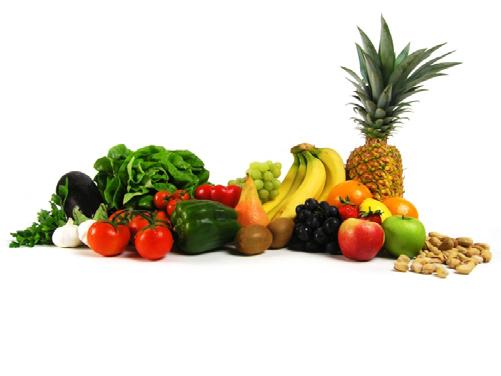
Unfortunately, the fruit and vegetable sector needs to keep up with this shift in consumer behaviour it seems, providing more convenient offerings. Retailers also have their role to play, with the need to offer ‘snack-ready’ fruit and veg products. These should also be developed with the intention of being appealing to children. For example, it has been proposed that children are 85% more likely to eat more fruit and vegetables when they have fun names or shapes and I have to agree.
If you have important news or research updates to share with nHD, or would like to send a letter to the Editor, please email us at info@networkhealthgroup.co.uk We would love to hear from you.
So, on the whole it seems that there is work to be done in the fruit and vegetable sector to help it stay on trend. A degree of innovation is needed in the way fruit and vegetables are presented, not only to make them more accessible to the generation of food grazers, cutting out peeling and slicing ideally, but also to the younger generation of children and teens.
For more information, see: NFU Horticulture and Potatoes Board (2016). Fit for the Future. Helping Consumers Eat more Fruit and Vegetables. Available at: www.nfuonline.com/nfu-online/news/nfu-reports/fit-for-the-future-april-2016/

nutrient intakes in tHe ‘Very’ olD
We are an ageing population, so it is great that some new studies are also collecting nutritional data for those in the third age. Here we have findings from the Newcastle 85+ Study. This publication which focuses on macronutrient intakes, shows that in the
study median intakes of energy and nonstarch polysaccharide (NSP) were lower than requirements. In particular, NSP intakes were just 10.2 g/day, although these was found to be higher in more educated and active 85-year olds. These are important findings highlighting the need to collect more nutritional data for the very old. It will be interesting to see results on micronutrient intakes which will hopefully be published next.
For more information, see: Mendonca N et al (2016). British Journal of Nutrition [Epub ahead of print].
Vitamin B12, alongside folate, is essential for growth and development during the early stages of pregnancy. Now, a new meta-analysis has looked at whether this could also affect birth weight.
A total of 80 articles were studied to determine worldwide prevalence of vitamin B12 deficiency and associations with birth weight. Prevalence of vitamin B12 deficiency was:
• 21% - First trimester
• 19% - Second trimester
• 29% - Third trimester
Although maternal vitamin B12 status was found to be lower amongst women with low birth weight deliveries, this was not statistically significant, though data from Indian studies mainly contributed towards this trend.
Overall, these are interesting and important findings highlighting that vitamin B12 deficiency is common, even amongst non-vegetarian women. This could have broader implications for maternal and foetal health.
For more information, see: Sukumar N et al (2016). American Journal of Clinical Nutrition [Epub ahead of print].
nutrient intakes in tHe younG
ConFeCtionery (unDer-)reportinG
It makes senses that calories densely packed into children’s confectionery treats should be linked to overweight and obesity. A new meta-analysis paper has now looked into this.

Data was pooled from 19 studies looking at intakes of chocolate and nonchocolate confectionery. All studies also collected data about children’s body weight, size or composition. Surprisingly, no links were found between confectionery eating and children’s body weight, size or composition. Furthermore, eating confectionery once a week was actually associated with a 13% reduced chance of children being overweight or obese.
These are interesting findings indicating that, in moderation, the odd confectionery treat may not pose a threat to a child’s weight. That said, it is also possible that this is a ‘true inverse’ association where very heavy under-reporting has contributed to these findings.
For more information, see: Gasser CE et al (2016). American Journal of Clinical Nutrition [Epub ahead of print].
Scientists from the Irish National Pre-School Nutrition Survey have analysed how fruit and vegetable intakes contribute to nutrient intakes in the very young.
Data was analysed from 500 Irish children aged one to four years who completed four days of weighed food records. Overall, it was found that fruit and vegetables contributed 50% of vitamin C, 53% of carotene, 34% of dietary fibre and 42% of non-milk sugar intakes from the total diet. Intakes of fruit juice increased with age.

Other recent work from the UK Gemini twin cohort study has analysed the diets of 2,336 young children aged 21 months. Parents of the children completed three-day diet diaries. It was found that energy intake, protein and most micronutrients exceeded Dietary Reference Values. However, vitamin D and iron intakes were lower, with 70 and 6% of children not achieving even the Lower Reference nutrient intakes for these, respectively.
These are valuable studies highlighting what young children are eating. Clearly, there seems to be a role for vitamin D supplementation in the UK in the early years. For more information, see: O’Connor L et al (2016). British Journal of Nutrition [Epub ahead of print] and Syrad H et al (2016). British Journal of Nutrition [Epub ahead of print].










vanessa hebditch director of communications & policy, the British liver trust
Before joining The British liver Trust, Vanessa worked as a freelance communications professional for a variety of clients across the public, private and voluntary sectors. She spent 10 years at the British Diabetic Association, where she repositioned diabetes as a serious health condition. Her work culminated in managing the communications function and leading the rebrand and name change to Diabetes UK.
liver disease is a major healthcare crisis that we must all do something about. mortality rates have increased 400% since 1970, and it is now the third leading cause of premature death in the uk.
With Love Your Liver Week taking place this month (13th to 17th June), Vanessa form the British Liver Trust gives an overview of the facts and nutritional management of the ‘Silent Killer’.
Liver disease is often called the ‘Silent Killer’ as most signs and symptoms show only when damage is advanced and often irreversible. However, with earlier diagnosis and awareness of the main causes - alcohol, obesity and viral hepatitis - lives can be saved.
The British Liver Trust exists to support patients and families living with liver disease and provides awardwinning information and leaflets. Crucially, we also work to improve awareness, prevention and early detection.
This year, we have been successful in our application to work in partnership with the Royal College of General Practitioners (RCGP) in making liver disease a clinical priority for the next three years for the UK’s primary health care professionals and practice staff. We will be producing a range of materials to help those working in primary care to increase the number of patients who are detected with liver disease at an early stage and receive appropriate treatment.
liver disease: the facts
Your liver performs over 500 vital functions, including breaking food down and turning it into energy, helping the body get rid of waste, removing harmful substances and fighting infection. Here are some of the key facts:
• At least one in five of the UK population is at risk of developing
liver disease - that’s more than 12 million of us (CMO 2013).
• Deaths from liver disease increased by 40% from 2001 to 2012.
• Liver disease will potentially be Britain’s biggest killer within a generation.
• Liver disease is currently the UK’s third largest cause of premature death.
• 25% of the population is now categorised as obese; most will have fatty liver disease and many will have inflammation and scarring that can lead to cirrhosis and liver cancer.
These shocking statistics are something we all must take heed of because liver disease will affect all of us, whether that is ourselves or someone close living with or dying from a liver condition. Some liver conditions are genetic or caused by autoimmune malfunctions, but 90% of liver disease is preventable and it is vital that we are all aware of the risk factors and main causes. These are:
• drinking too much alcohol, too often
• being overweight
• being infected with viral hepatitis
These are all things we can do something about to reduce our risk of developing liver disease. The earliest possible diagnosis and best possible care is vital for everyone affected.
Andrew Langford, Chief Executive of the British Liver Trust explains: “Although the liver is remarkably resilient and can regenerate if given time to recover, by the time most people have signs and symptoms of liver damage, it is often irreversible. Three quarters of

people already have end stage liver disease when they are first diagnosed - by this time for many it is too late.”
Good nutrition supports the liver to function and helps to keep us all healthy. Eating a good, balanced diet to maintain strength and a healthy weight is essential for people with liver problems.
Some liver diseases are linked to being overweight; 90% of morbidly obese individuals are thought to have fatty livers. Obesity can also speed the damage associated with other conditions such as alcohol-related liver disease and can decrease the effectiveness of treatments for hepatitis C. It is, therefore, important to maintain a healthy weight, but it is also important for those working in the diet and nutrition industries to be aware of the fact that patients who are overweight are more at risk and may need to be tested to see if they have a problems with their liver.
For people who are diagnosed with advanced liver disease and are experiencing symptoms such as fluid retention in the abdomen, their weight may be affected and BMI results can be misleading. In this instance, their diet will need to be managed very carefully by a dietitian with experience of managing liver disease, as it is possible to be overweight as a result of the fluid retention, whilst also to be malnourished.
The damage caused by liver disease can also affect the liver’s ability to store and release glycogen, causing fatigue. If you go for long periods of time between meals, the body will start to use its own muscle tissue, or fat, to provide energy, which can lead to malnutrition, muscle wasting and weakness.
Patients with liver disease may experience symptoms such as nausea, low energy levels, fluid retention in the legs, or accumulation of fluid in the abdomen (ascites). In these cases, patients will need to follow a more specialised diet. They may also become ill, lose a lot of weight and may not feel like eating. Eating and keeping to a well-balanced diet may be difficult in these circumstances and the patient may need specific advice on how to increase calories and protein intake. These, and other problems associated with liver disease, require specialist dietary advice tailored to the individual from a registered dietitian.
is coffee Beneficial?
There is a growing body of evidence that suggests drinking moderate amounts of coffee can reduce your chance of developing liver disease and can also limit the rate at which liver disease progresses. The British Liver Trust is calling for more clinical research in this area. Although it appears that drinking coffee is beneficial, it is far more important to keep to a healthy weight and not drink too much alcohol.
what does it mean to live with liver disease?
The British Liver Trust is contacted every day by people affected by liver disease. Real people and their stories bring to life the reality of living with the condition and the devastating effect it can have on their everyday lives and their families.
A wife whose husband passed away with Non-Alcoholic Steatohepatitis (NASH) told the Trust: “In late 2013, my husband was given the terrible news that he had cirrhosis of the liver. He was not a drinker and as a Greek Cypriot he ate a well-balanced good Mediterranean diet. He was given no treatment and our GP did not really understand the situation. He had not been able to eat for months, lost a lot of weight. Eventually, on Boxing Day 2013, I got him into A&E and within four hours he saw a Liver Specialist and was admitted to hospital.
“Unfortunately, he did not respond to the treatments available and after suffering, but still wanting to live and managing to ‘cope’, he eventually died on 5th August 2014 from NASH. This disease needs more done to expose it. Liver disease is always associated with drinkers and, therefore, gets neglected; more should be done to tell people that children and non-drinkers also can suffer from it.”
A young woman with Autoimmune hepatitis (AIH) said: “I am not going to lie, it’s not easy being giving this diagnosis and it’s not easy to tell people how you feel, as AIH is not visible. A disease that isn’t visible to people usually means it’s not that bad (in people’s heads). I have bad days, where I just want to sleep, my whole body aches and I don’t want to see anyone, but my loud and happy personality usually takes over and I quickly snap out of it and just carry on. I am slowly learning to live with AIH (and all that
comes with it) and I found some great advice from the British Liver Trust.”
You can read more stories from people affected on the British Liver Trust’s website: www.britishlivertrust.org.uk
British liver trust
The British Liver Trust is a charity that strives to:
• raise public liver health awareness through our Love Your Liver campaign and promote lifestyle choices that could prevent liver disease developing;
• campaign on behalf of people affected by liver disease, to push for early diagnosis, better treatment, more research and to get improved liver health services recognised as a top priority;
• be the first port of call for anyone seeking information about liver disease, whether this be patients and their families, GPs and healthcare professionals, politicians or the media;
• provide support services for patients and families through our patient support groups, website, social media services, online support forum ‘HealthUnlocked’ and our helpline;
• improve awareness, prevention and early detection.
what can You do and what advice can You give others?
Firstly, be aware of your own liver healthcomplete our Love Your Liver health screener (www.loveyourliver.org.uk) and read the analysis of your health risks and what to do if you are at risk of liver disease. And then share the screener with your colleagues, friends and family so that they can do the same.
For those wanting to decrease their alcohol intake and take the two-three days off alcohol that we recommend, our app www.spruceapp. co.uk provides daily support and encouragement to minimise the damage that alcohol does to our health.
The British Liver Trust has a range of publications covering specific areas of liver disease which are helpful. Use the Trust’s website (www.britishlivertrust.org.uk) to find out more about the liver, what liver diseases there are, the research that’s being done and what the British Liver Trust is doing to fight the ever- increasing
epidemic of liver disease in the UK.
Please consider how you can support the work we do by fundraising events, regular contributions etc, and by encouraging your employer to choose the British Liver Trust as its nominated charity.
The third week in June is Love Your Liver week. More information on how you can support the Trust can be found at www.britishlivertrust. org.uk/support-us/.
‘love Your liver’ is a British liver trust national awareness campaign that aims to raise awareness of three simple steps to maintain good liver health and reduce your risks of developing liver problems:
step 1: keep to a HealtHy weiGHt love Your liver by making sure you have a healthy diet, plenty of water to drink and regular exercise.
step 2: reDuCe tHe amount oF alCoHol you Drink
as a nation, we are drinking far more than our parents did. too much alcohol can cause serious and lasting damage. the British liver trust recommends having two to three days each week without drinking. it’s an easy message, but a very effective way of reducing the amount you drink, giving your liver a rest and making it easier to stick within the government guidelines of 14 units a week.
step 3: know anD aVoiD tHe risks For Viral Hepatitis
Blood-borne viruses such as hepatitis a, B and c can cause permanent liver damage and increase the risk of liver cancer. avoid these viruses by never sharing personal items like toothbrushes, razors, nail scissors or tweezers, drug equipment and by practising safer sex. if you get a tattoo, make sure it is in a licensed parlour. if you think you may have been at risk in the past - even if it was a long time ago - ask your doctor for a test.
visit our online screener to see if you are at risk: http://loveyourliver.org.uk/ love-your-liver-health-screener/