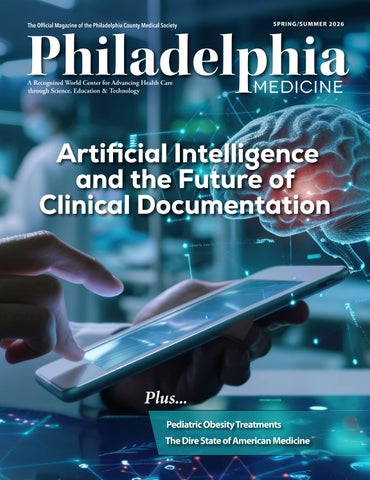
A Recognized World Center for Advancing Health Care through Science, Education & Technology
Artificial Intelligence and the Future of Clinical Documentation

Treatments
The Dire State of American Medicine
Philadelphia County Medical Society
2100 Spring Garden Street, Philadelphia, PA 19130 (215) 563-5343
www.philamedsoc.org
EXECUTIVE COMMITTEE
Walter Tsou, MD, MPH President
David A. Sass, MD, FACP President Elect
John M. Vasudevan, MD Past President
Brian A. Hannah, MD, MSc Secretary
Sharon Griswold, MD Treasurer
BOARD OF DIRECTORS
Victoria Cimino, MD, MPH
Cadence A. Kim, MD, FACS
William King, MD
Pratistha Koirala, MD
Alekhya Madiraju
Dale Mandel, MD
Dana Martin, MD
Elana McDonald, MD
Max E. Mercado, MD, FACS
Gillian Naro, MD
Natalia Ortiz, MD, DFAPA, FACLP
Dhruvan Patel, MD
Heta Patel, MD
FIRST DISTRICT TRUSTEE
Michael A. DellaVecchia, MD, PhD
EXECUTIVE DIRECTOR
T.J. Huckleberry www.philamedsoc.org


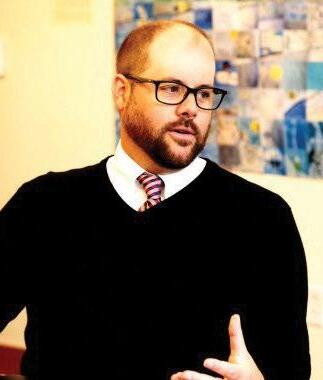
T.J. Huckleberry Executive Director Philadelphia County Medical Society

Message from the Executive Director
Medical Student Debt: Your Voice is Needed
To the average person, student debt and physicians are not normally a topic that goes hand in hand. However, it is a profoundly important issue that has affected medical students for decades and continues to today.
According to a January 2025 AMA article*, “the average medical schoolrelated debt load for students in 2023 was $202,453, according to the Education Data Initiative. About 70% of medical students, per AAMC data, graduated medical school with some student debt in 2023. About 50% of medical students graduated with loan debt that was more than $150,000.”
To put this in other terms, a quick Zillow search will tell you the median price for a home in Philadelphia is $279,000, i.e., the average medical student is paying for the equivalent of a house they will never live in.
That imaginary house scenario has direct implications for our early-career physicians and medical students, especially in how they make their personal and professional choices. These decisions correlate with where and what specialty choice they make and play a role in the primary care shortages we face today. While we should feel alarmed, we sadly seem to have fallen back into apathy.

No other occupation demands this kind of financial burden.
And while it is naïve to believe that the entire medical education structure can be instantly altered to address the financial needs of medical students, we at the very least should be better preparing these individuals for how to manage loans of this proportion. We should be advocating for additional sources of relief or refinancing opportunities. At the bare minimum, we should be openly making this issue a point of discussion for our elected officials, our neighbors, and our patients to understand and appreciate.
So here is my ask: In the coming months, PCMS will be seeking ways to address medical student loans. However, we need your voice and leadership. If you are interested or willing to send any stories of hardship, suggestions, or simply would like to add your name in support, please contact our office at
stat@philamedsoc.org. Or if you are an early career physician and new to Philly, a resident or medical student, or simply not a member and want to join the good fight on this or other issues facing your profession, please join us at https://philamedsoc.org/ membership/apply-for-membership/.

Your opinion will help shape our action.
Thank you.
T.J. Huckleberry, Executive Director Philadelphia County Medical Society
*https://www.ama-assn.org/medical-students/succeed-med-school/ medical-student-financial-faq-insight-loan-forgiveness


The Doctors Lounge AI in Medicine:
The Doctors Lounge
Featuring Drs.Zeke Emanuel and Paul O it Do No Harm: Defending a Physician’s Oath in Skeptical Times
An Interview with Harm J. Scherpbier, MD, and C. William Hanson, III, MD
By William King, Jr., MD, and Brian Hannah, MD
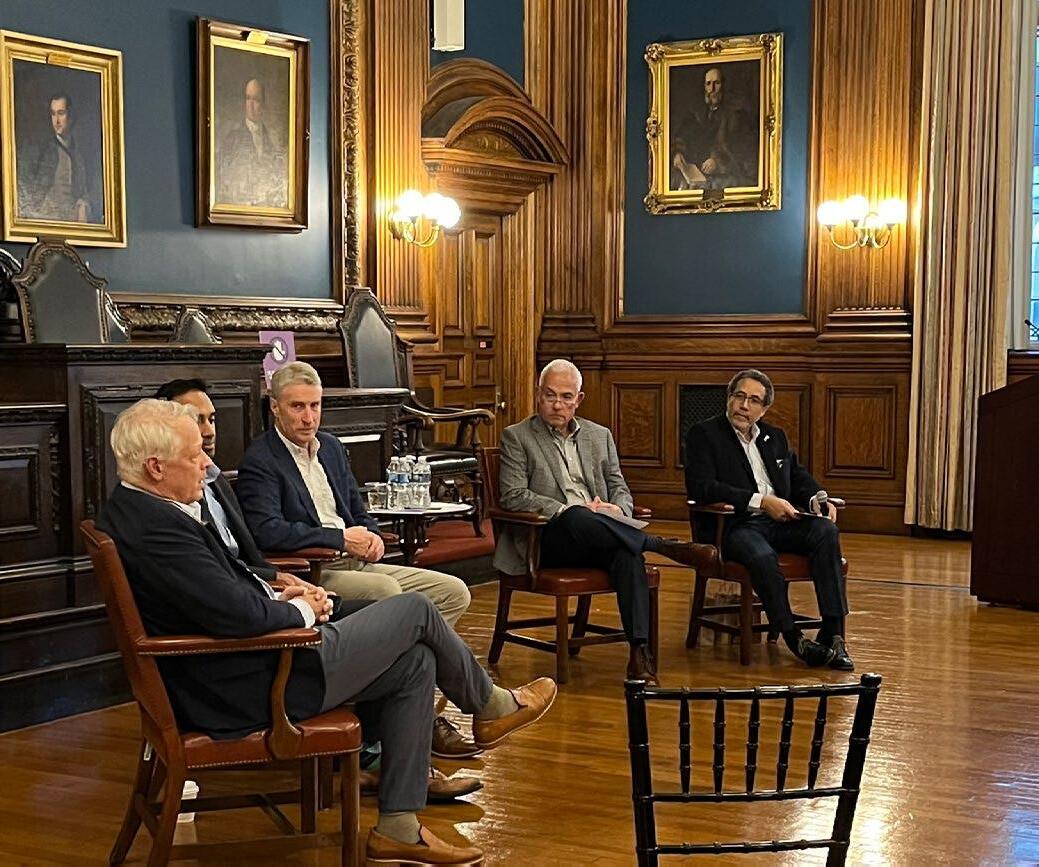
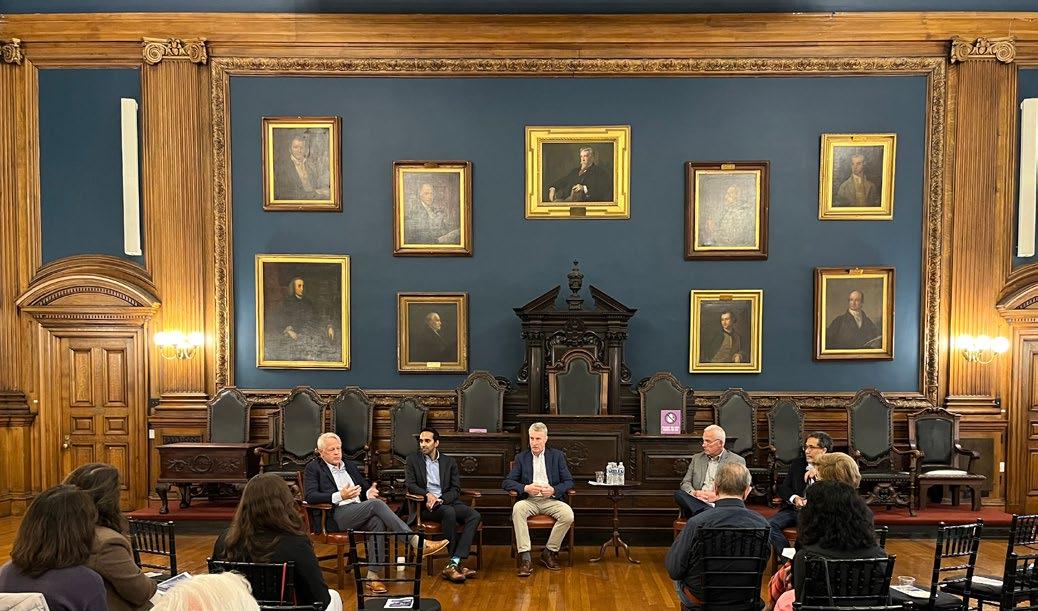
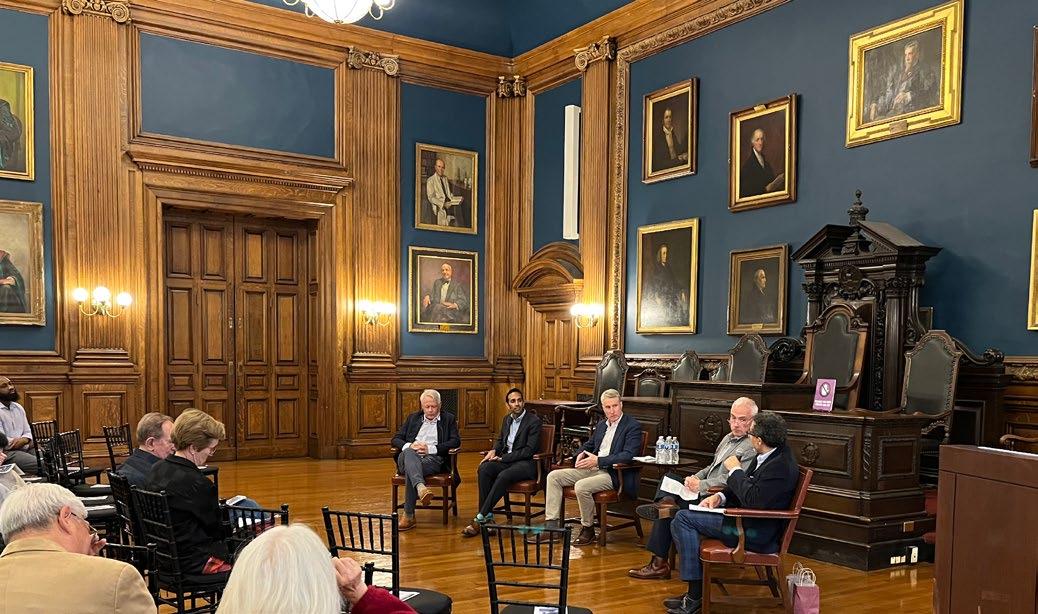
“The Doctors Lounge” is our program at the Philadelphia County Medical Society (PCMS) for in-person conversations about the past, present, and future of medicine with colleagues who can clarify our understanding of the challenges to our profession. The Doctors Lounge at the College of Physicians in May 2026 involved a real-life conversation about artificial intelligence (AI). How surreal. Our board members, Drs. Brian Hannah and Bill King, talked on Philadelphia Medicine Magazine Live, our occasional podcast.
The College of Physicians of Philadelphia 19 S 22nd Street, Philadelphia, PA 19103 Monday, September 15 6:00 PM - 8:30 PM
We first talked with William Hanson, III, MD, a practicing cardiac anesthesiologist, who spent 15 years as a Chief Medical Officer (CMO) at Penn Medicine; currently teaches a course on computers and medicine to Princeton undergraduates; and works with Precision Medicine Group as a consultant. He was joined by Harm Scherpbier, MD, MS, a Health Information Technology Consultant with Sherpbier.health, who is also working as a Chief Health Information Officer with HealthShare Exchange and is teaching AI and analytics in population health at Jefferson College of Population Health, having been CMO at Mainline Health.
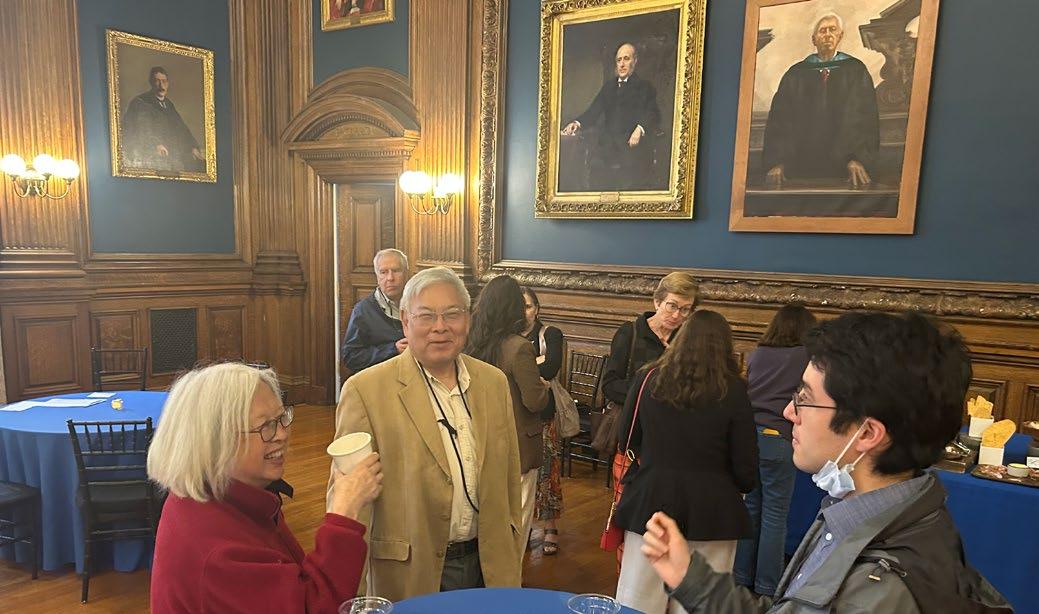
The Doctors Lounge series is designed to bring physician and trainee members of the Philadelphia County Medical Society and College of Physicians of Philadelphia together over food and drink to socialize and learn from expert panelists on how to use one's medical degree to advance their goals in business, public health, leadership/administration, and politics. Attendees are welcome to bring a guest.
Free to attend, but registration is
Register at https://philamedsoc.org/events Or scan the QR code.
In our initial conversation, Dr. Scherpbier expanded on the role of the CMO in integrating artificial intelligence (AI) into the medical institutions and AI into the EMR, but focused on his view of the primary role AI will inhabit in the current moment. Bill King (BK): So, what is ambient clinical documentation? Harm Scherpbier (HS): What I see as the primary use of AI in the EMR today is ambient clinical documentation. One of the major barriers and issues with EMR was always the
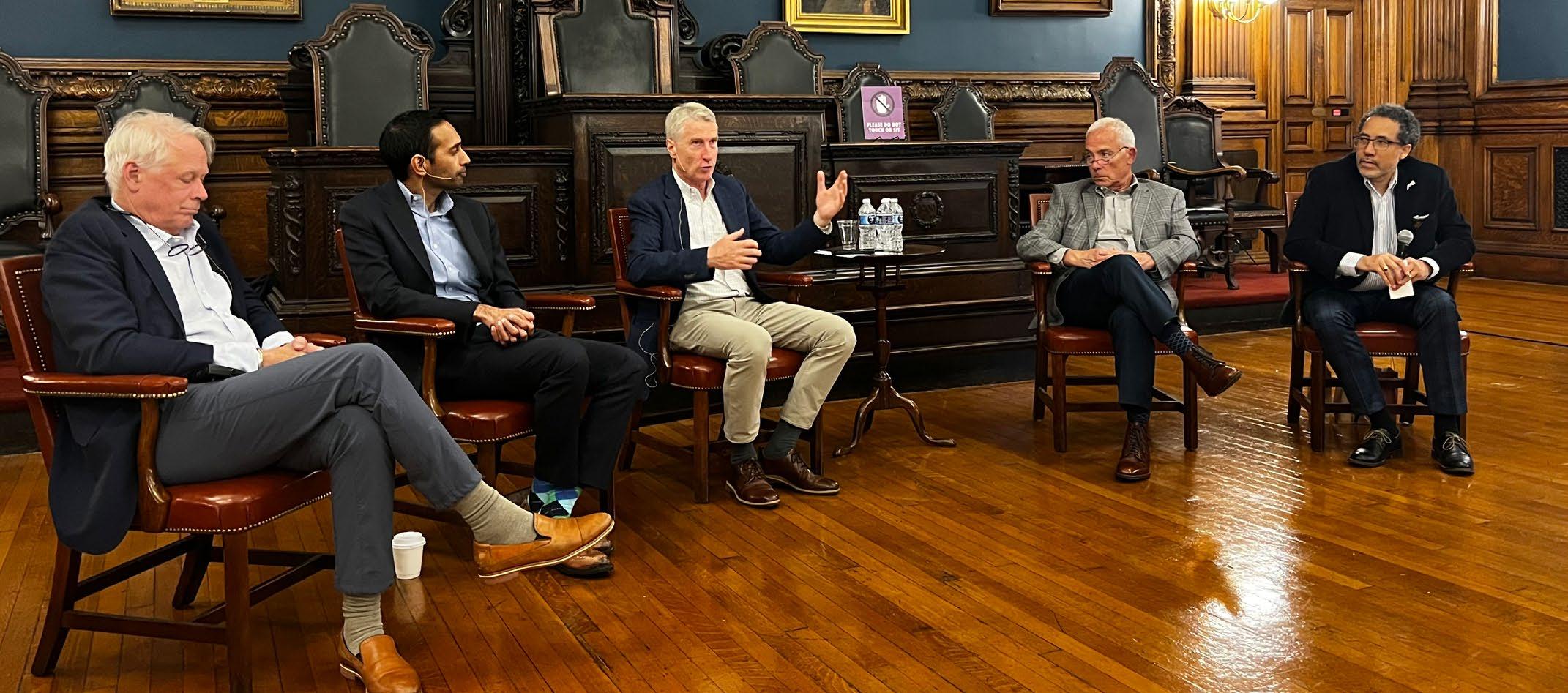
From
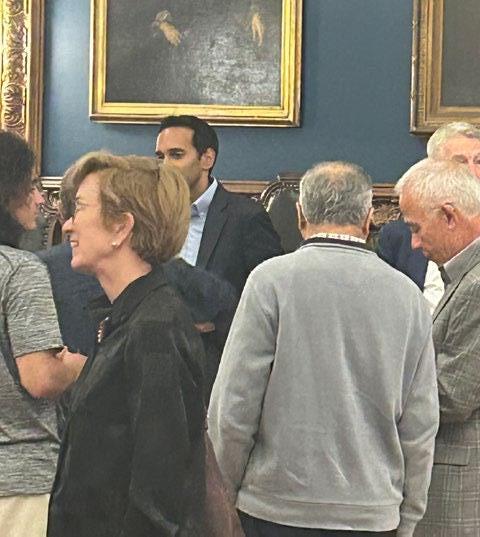
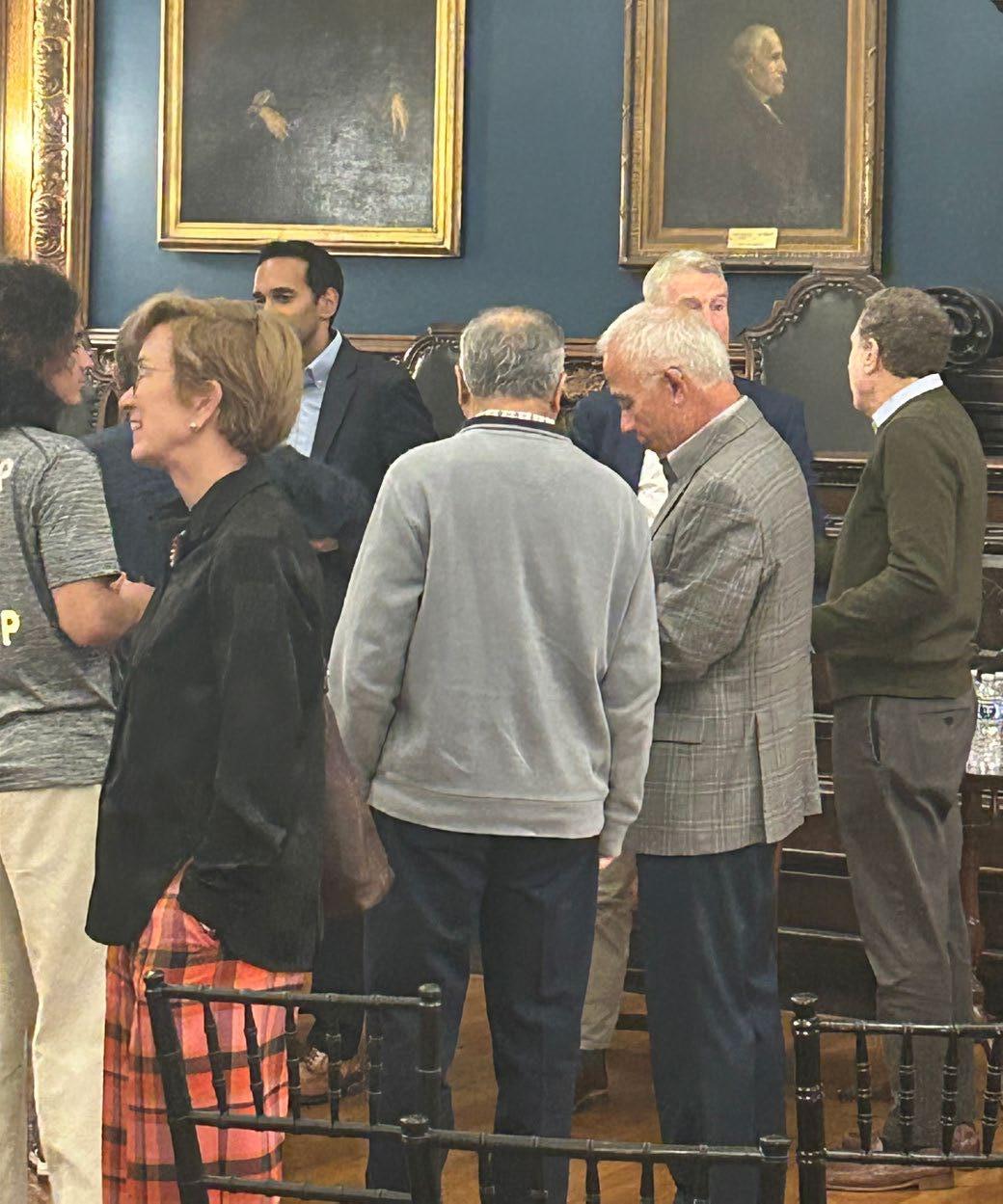
left to right: C. William Hanson, III, MD, Srinath Adusumalli, MD, Harm J. Scherpbier, MD, Brian Hannah, MD, and William King, Jr., MD.
documentation burden—the mental effort it took to do documentation in the EMR. Ambient clinical documentation is taking a huge chunk of that away and really changing the way doctors use EMR and how doctors relate to their EMR.
William Hanson (WH): The term “AI” in medicine has been around for probably 70 years, and it’s only really in the last three or four years that what we think of now as large language models, these tools that seem magical, have evolved. So, they’re quite different from what medicine was 50 years ago. And it’s been around that long. I think what AI has the promise to do is to take this very complicated, disorganized digital information and to reorganize it in a way that’s useful for doctors.
HS: So, ambient dictation is making an office transaction, turning that into a note that eliminates the need for the doctor to type a note into a chart. AI can also help with summarizing complicated information from multiple sources and creating a summary that’s digestible. And it can really help with a new office encounter. There are a lot of ways in which it can help organize and sort digital information that we now have from electronic medical records, electronic bedside devices, and clinical reports. So, I think it’s probably a way out of the mess that we created by digitizing. So, I think we should be optimistic about that possibility.
BK: You navigated the landscape of electronic medical records in health systems as a chief medical officer. What are your concerns for our colleagues?
Brian Hannah (BH): In the past, the major pain point with electronic medical records was the time it took to document, because various entities were interested in data, and information
sharing is key. The healthcare exchange was a big driver in sharing information with different providers. I’m trying to understand how AI works within a structured template such as the current EMR systems.
HS: I think this is a great thing you’re pointing to. In the old school, all of us within the EHR, we said data has to be structured so that it’s available for analytics. That was like a golden rule. Doctors in the past worked on paper with free text or narrative. In electronic records, we tended to look down on free narrative text, which was a no-no. We wanted everything to be structured and understandable. There are huge downsides to structured templates. And I’m glad to see this whole notion (of structured data) go away. It’s clunky and cumbersome to turn your medical visit into structured data. So, it requires a lot of work, a lot of clicking, all these templates that you used to click and click, trying to structure data into boxes.
I think it’s even worse for the recipient of the data. It’s very difficult to read a set of structured fields and to understand what the person is trying to convey to you. A narrative text is much better at that. We are all used to reading narrative and understanding narrative. So, I think this AI tool is moving us away from a world where everything had to be structured toward a much more narrative world, which I believe is more communicative and more instructive to the researcher, to the people.
I think AI is freeing us up from that golden rule, that everything has to be structured, and allowing us to go back to a much more human-readable and human-understandable narrative format of information.
FEATURE continued
The Doctors Lounge—AI in Medicine continued from page 7
BK: I’m very excited to see that happen. Do you see that moment coming now? Of course, we know that the young generation of doctors is totally immersed in technology. Will we all be able to keep up with this new format for documentation?
WH: I’ve actually had the opportunity to use ambient dictation AI and to be a patient in an office using ambient dictation. So yes, I’m very optimistic. When I was a young trainee, notes were handwritten with a pen in a medical chart that was a loose-leaf binder, and there was a lot of color in the note that gave some sense of what the patient looked like and enough color to inform your thinking about the patient. During my lifetime, we evolved to this much more structured, box-based, way of documenting and lost a lot of that color in the process.
I don’t know if you use ChatGPT, Gemini, or some of the retail AI tools. These new models are able to interact in a narrative format, but they’re working with digital data. So for those of you who have not used an ambient dictation scribe in your encounters, you can have a conversation with your doctor as a patient where you talk about the Eagles, Phillies, 76ers, or Flyers, and all that stuff could be in your conversation in the doctor’s room, and that would be discarded. And what would be preserved would be the medical content, and that would be collated into a medically digestible note with color and with the elements that would be useful for billing, and you have the opportunity to create a narrative note that preserves the structural, analytic capacity that we cared about. It’s a bridge between the old ways and the new way.
We hope you had an opportunity to come to The Doctors Lounge discussion at the College of Physicians of Philadelphia, May 21st. Log onto https://philamedsoc.org/publications/ to listen to this extended conversation, or others on Philadelphia Medicine Magazine Live podcast. You can also always look at past editions of Philadelphia Medicine magazine. The PCMS has published proceedings since at least 1879, so we thought we were ready for an audio format…see what you think…we’d like your input, we don’t need to ask a chatbot!

Ways YOU Can Get Involved in PCMS

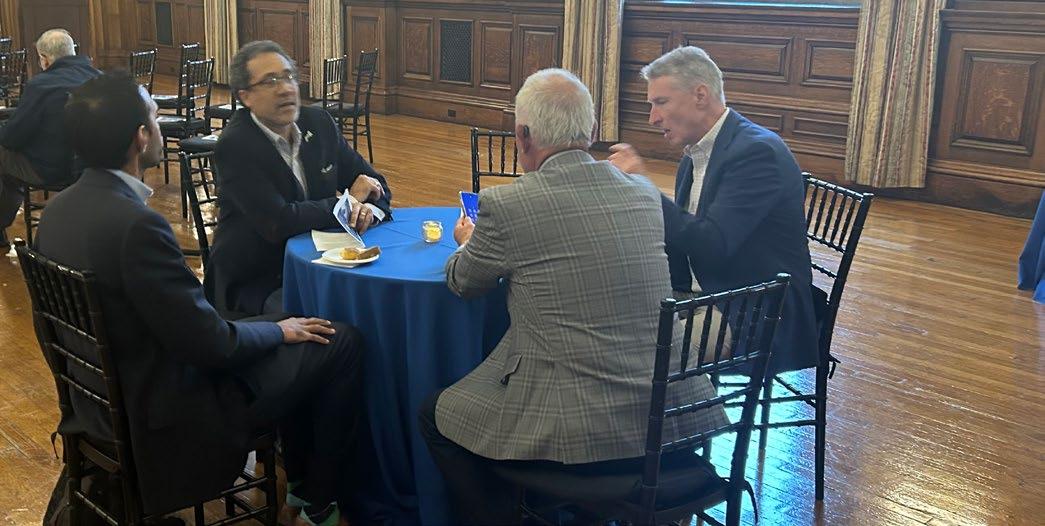
Each year, PCMS members are given the opportunity to participate in a rich diversity of committees that impact the practice of medicine in Philadelphia County, Pennsylvania and beyond. Because active participation in PCMS strengthens the voice of organized medicine, we encourage all members (including medical students, residents, and fellows) to help make an impact on the role PCMS plays in the medical community.
• Editorial Review Board – Works on the Philadelphia Medicine magazine and newsletter.
• Delegate Caucus to Pennsylvania Medical Society’s Annual Meeting –Participates in PAMED’s House of Delegates as a representative of PCMS.
• Public Health Committee – Tackles issues related to public health and manages the Block Captain Healthcare Council.
• Membership Committee – Works on membership recruitment and retainment.
• Early Career Section – Represents the needs of early career physician membership.
• International Medical Graduates Section – Represents the needs of International Medical Graduate (IMG) membership.
• Senior Physician Section – Provides a platform for physicians aged 65 and above to remain active and involved in the medical community.
• Women Physician Section – A forum to encourage women physicians to participate in leadership, policymaking, advocacy, and other activities of PCMS.
• Residents/Fellows Section – Represents the needs of resident and fellow membership.
• Medical Student Section – Works to improve medical education and advocates for the future of medicine.
To find out more about specific committees, go to https://philamedsoc.org/pcms-committee-form/ or call us at 215-563-5343 or email us at stat@philamedsoc.org.

Pediatric Obesity Treatment: From Paradigm Shift to Implementation Challenges
By Venkata Sushma Chamarthi, MD, FAAP, DABOM 1; Evan P. Nadler, MD, MBA 2
1 Valley Children’s Healthcare, Fresno, CA, USA
2 The George Washington University School of Medicine and Health Sciences, Washington, DC, USA
Corresponding Author
Venkata Sushma Chamarthi, MD, FAAP, DABOM
Department of Pediatrics, Valley Children’s Healthcare, 9300 Valley Children’s Place, Fresno, CA 93720
Email: vchamarthi1@valleychildrens.org • Phone: 559-224-4365
ORCID ID: 0009-0008-2610-0946
Conflict of Interest Disclosures: The authors have no conflicts of interest to disclose.
This article originally appeared in Clinical Pediatrics, February 2026. It is republished with the permission of the authors.
Introduction
The prevalence of pediatric obesity has reached a staggering 21.1% among U.S. children and adolescents aged 2–19 years in 2021–2023, up from 13.9% in 1999–2000.1 However, most concerning is the 253% increase in prevalence of extremely severe obesity (BMI ≥160% of the 95th percentile), rising from 0.32% in 2008 to 1.13% in 2023.2 These data prompted the authors to propose Class 4 and Class 5 obesity to better define the disease. Children with severe obesity are at markedly higher risk for early-onset type 2 diabetes, hypertension, dyslipidemia, metabolic dysfunction-associated steatotic liver disease, obstructive sleep apnea, orthopedic complications, and accelerated cardiovascular damage.³ In addition to cardiometabolic and mechanical consequences, severe obesity is strongly associated with depression, anxiety, bullying, and reduced quality of life, which can perpetuate cycles of weight gain and poor self-care.3 Importantly, longitudinal data suggest that children with severe obesity left untreated are likely to enter adulthood with severe obesity and its sequelae. Pediatric obesity represents an unrecognized chronic health crisis demanding urgent intervention, as severe pediatric obesity carries exponentially greater health risks than previously understood.
Revolutionary Clinical Practice Guidelines
The 2023 American Academy of Pediatrics (AAP) clinical practice guidelines4 marked a pivotal shift in paradigm from “watchful waiting” to proactive, evidence-based intervention.
This framework recognizes obesity as a complex, chronic disease that requires early, comprehensive treatment. Their stepwise approach begins with intensive health behavior and lifestyle treatment (IHBLT), which mandates a minimum of 26 contact hours over three to 12 months, incorporating nutrition counseling, physical activity promotion, and behavioral modification delivered through family-centered care. For adolescents aged 12 years and older with inadequate response, the guideline recommends pharmacotherapy as a second-line option. Adolescents aged 13 years and older with severe obesity should be evaluated for metabolic and bariatric surgery. This shift in strategy reflects growing evidence that modest lifestyle interventions alone typically result in only 1–3% weight loss, and even IHBLT programs generally achieve only 5–7% reductions in total body weight, which are insufficient to alter the trajectory of severe obesity. The inclusion of pharmacotherapy and surgery in guidelines for pediatric obesity management represents a significant evolution in treatment standards. In clinical practice, however, most pediatric obesity specialists do not follow a stepwise approach since the data around IHBLT success are so poor and the time commitment so large. Rather, most experts start with lifestyle changes while also discussing pharmacotherapy and bariatric surgery concurrently.
Pharmacological Interventions
Advancements in anti-obesity medications such as the glucagon-like peptide-1 receptor agonists (GLP-1 RAs) have expanded treatment options for pediatric patients with obesity. The STEP
TEENS trial demonstrated that weekly semaglutide (2.4 mg) resulted in a mean BMI reduction of 16.1% over 68 weeks, with 73% of participants achieving a weight loss of ≥5%, as well as notable cardiometabolic improvements.5 Despite these compelling outcomes, national prescribing data reveal a concerning gap in implementation. A 2025 CDC analysis found fewer than 1% of adolescents with obesity were prescribed anti-obesity medications in 2023.6 Rodriguez et al evaluated pharmacotherapy uptake using data from over 310,000 pediatric patients and found that while odds of pharmacotherapy initiation increased after the AAP guideline release (OR 1.65; 95% CI, 1.23–2.21), absolute prescribing rates remained extremely low at 0.4%.7 Importantly, disparities in usage were evident, with lower prescribing rates among publicly insured, rural, and Black or Hispanic youth.7 Together, these data illustrate not only a pressing need to encourage implementation of obesity treatment but also the importance of addressing inequities to ensure broader and more equitable adoption.
In a 2025 study of over 8,000 children, those in the highest obesity class had markedly increased odds of developing metabolic dysfunction-associated steatotic liver disease.2 Perhaps the most compelling data supporting early antiobesity medication use are the longitudinal outcomes from Sweden’s BORIS registry—a nationwide pharmacotherapy database tracking 6,713 individuals into young adulthood. Those achieving obesity remission or good treatment response had significantly reduced risks of type 2 diabetes (58% lower), dyslipidemia (69%
FEATURE
Pediatric Obesity Treatment: From Paradigm Shift to Implementation Challenges continued from page 11 lower), hypertension (60% lower), need for bariatric surgery (58% lower), and, notably, an 88% lower risk of premature mortality compared to poor responders, with changes persisting even after weight regain.8 For those with inadequate response to medical therapy, progression to bariatric surgery offers an alternative pathway to durable outcomes. However, bariatric surgery does not need to follow sequentially after medication use, and many patients may prefer to proceed directly to surgery once lifestyle changes are initiated.
Metabolic and Bariatric Surgery
For adolescents with severe obesity, bariatric surgery has emerged as an effective long-term option. A 2023 systematic review of 29 cohort studies involving 4,970 adolescents reported a pooled BMI reduction of 13.09 kg/m² at ≥5-year follow-up, with sleeve gastrectomy achieving the most significant reduction (15.27 kg/m²), followed by Roux-en-Y gastric bypass (12.86 kg/m²). Substantial remission rates were observed for type 2 diabetes (90.0%), hypertension (80.7%), dyslipidemia (76.6%), and sleep apnea (80.8%).9
However, the data from the Teen–LABS Consortium provide the most robust prospective evidence to date. Inge et al reported that at five years after gastric bypass, adolescents experienced an average BMI reduction of 26%, with sustained improvements in type 2 diabetes, hypertension, and dyslipidemia despite some mild weight regain.10 More recently, the Teen–LABS 10-year follow-up data demonstrated that most patients retained the majority of their initial weight loss with durable cardiometabolic benefits persisting over time, including remission of hypertension and of diabetes at rates better than those seen in adult cohorts.11 These improvements were also observed in patients who experienced weight regain, similar to the health benefits persisting after weight regain in the BORIS registry, suggesting that early intervention has
health benefits that may be unrelated to weight. The Teen-LABS findings highlight that bariatric surgery provides significant and lasting health improvements in adolescents, which may be even more substantial than those seen in adults.
Implementation Barriers
Despite the above-mentioned therapeutic advances, significant barriers to effective obesity treatment for children persist. Weight stigma remains pervasive across multiple levels—within families, schools, healthcare settings, and society at large, which discourages individuals from seeking care and providers from referring to care. Among children and adolescents, stigma contributes not only to healthcare avoidance but also to binge eating, social withdrawal, and reduced physical activity.12 Providers are far from immune: implicit biases influence communication, clinical decision-making, and even the likelihood of offering evidence-based interventions.13 Weight-focused messaging in pediatric programs can trigger guilt and shame in both parents and children, undermining adherence and long-term engagement.14
Insurance coverage gaps compound these psychosocial barriers. Medicaid policies for pediatric obesity treatment remain inconsistent across states, with significant discrepancies in coverage for IHBLT programs, pharmacotherapy, and bariatric surgery. Fewer than half of states provide comprehensive pediatric obesity benefits, leaving families and providers to navigate restrictive prior authorization requirements or out-of-pocket costs.15 Private insurers also have variable coverage for pediatric obesity treatment, rendering it inaccessible for many families.
Substantial geographic maldistribution of specialized care services perpetuates treatment inequities. For instance, the concentration of pediatric bariatric surgery centers within urban academic medical hubs creates significant access gaps in regions with elevated adolescent obesity rates, most notably across the Southeast
region of the United States.18 The same holds for comprehensive medical weight management programs for children, with the availability of those programs often even harder to find for parents. Families residing in rural and medically underserved areas face numerous logistical challenges, including substantial travel expenses, inadequate local follow-up capabilities, and underdeveloped referral infrastructure.
Future Directions
The 2023 AAP guidelines, combined with the expansion of pharmacologic and surgical options, represent the opportunity for a pivotal transformation in pediatric obesity management. However, structural challenges—including limited provider training, insufficient insurance coverage, high medication costs, and a scarcity of specialized programs—continue to hinder adherence to guideline-concordant care.
There are positive developments on the horizon, however, such as additional incretin-based therapies under investigation in pediatric populations, which may expand treatment options. This may be especially true when the oral formulations of the GLP-1 agonists reach the pediatric market. Additionally, advances in genetic and biomarker-based profiling may facilitate the selection of personalized treatments, and new ICD-10CM diagnosis codes for pediatric obesity offer mechanisms for improving clinical documentation, reimbursement, and surveillance.
However, realizing the full impact of these developments requires deliberate efforts to incorporate evidence-based interventions into clinical practice, address access disparities, and reframe obesity as a medical condition deserving of comprehensive care. Ensuring that all children have access to effective obesity treatment must become a central focus of medical education and future healthcare policy strategies.
EARN FREE CME s
No-Cost Education Series: Comprehensive pproaches to ain Management, pioid rescribing, and Substance Use Care
The Pennsylvania Department of Health and Quality Insights have partnered to provide LIVE and VIRTUAL education sessions for healthcare professionals.
REGISTRATION IS NOW OPEN: Scan the QR code to visit the Quality Insights website for session dates and registration.
Continuing Education:
Physician: 1 AMA PRA Category 1 Credit(s)™
Nursing: 1 contact hour
Meet Consolidated Appropriations Act of 2023 and PA Act 124 of 2016 licensure requirements.
REGISTER NOW

https://www.qualityinsights.org/stateservices/ projects/pa-pdmp/cme-webinars
Developed by Quality Insights on February 17, 2026 Publication number PADOH-PDMP-021726

Acknowledgment
The authors have no acknowledgments to disclose.
References
1. CDCMMWR. QuickStats: Prevalence of Obesity and Severe Obesity Among Persons Aged 2–19 Years — United States, 1999–2000 Through 2021–2023. MMWR Morb Mortal Wkly Rep. 2024;73. doi:10.15585/mmwr.mm7341a5
2. Münte E, Zhang X, Khurana A, Hartmann P. Prevalence of Extremely Severe Obesity and Metabolic Dysfunction Among US Children and Adolescents. JAMA Network Open. 2025;8(7):e2521170. doi:10.1001/ jamanetworkopen.2025.21170
3. Kelly AS, Barlow SE, Rao G, et al. Severe obesity in children and adolescents: identification, associated health risks, and treatment approaches: a scientific statement from the American Heart Association. Circulation. 2013;128(15):16891712. doi:10.1161/CIR.0b013e3182a5cfb3
4. Hampl SE, Hassink SG, Skinner AC, et al. Clinical Practice Guideline for the Evaluation and Treatment of Children and Adolescents With Obesity. Pediatrics. 2023;151(2):e2022060640. doi:10.1542/peds.2022-060640
5. Weghuber D, Barrett T, Barrientos-Pérez M, et al. Once-Weekly Semaglutide in Adolescents with Obesity. New England Journal of Medicine.
2022;387(24):2245-2257. doi:10.1056/ NEJMoa2208601
6. Kompaniyets L. Prescriptions for Obesity Medications Among Adolescents Aged 12–17 Years with Obesity — United States, 2018–2023. MMWR Morb Mortal Wkly Rep. 2025;74. doi:10.15585/mmwr.mm7420a1
7. Rodriguez PJ, Do D, Gratzl S, GoodwinCartwright BM, Stucky NL, Wright DR. Shifts in US Pediatric Obesity Treatment After the AAP Guidelines. Pediatrics Open Science. 2025;1(3):112. doi:10.1542/pedsos.2025-000623
8. Putri RR, Danielsson P, Ekström N, et al. Effect of Pediatric Obesity Treatment on Long-Term Health. JAMA Pediatr. 2025;179(3):302-309. doi:10.1001/jamapediatrics.2024.5552
9. Wu Z, Gao Z, Qiao Y, et al. Long-Term Results of Bariatric Surgery in Adolescents with at Least 5 Years of Follow-up: a Systematic Review and Meta-Analysis. Obes Surg. 2023;33(6):17301745. doi:10.1007/s11695-023-06593-4
10. Inge TH, Courcoulas AP, Jenkins TM, et al. Five-Year Outcomes of Gastric Bypass in Adolescents as Compared with Adults. New England Journal of Medicine. 2019;380(22):2136-2145. doi:10.1056/ NEJMoa1813909
11. Ryder JR, Jenkins TM, Xie C, et al. Ten-Year Outcomes after Bariatric Surgery in Adolescents. N Engl J Med. 2024;391(17):1656-1658. doi:10.1056/NEJMc2404054

G, Williams DR. Weight stigma and bias: A guide for pediatric clinicians. Obesity Pillars. 2023;6:100058. doi:10.1016/j. obpill.2023.100058
13. Lawrence BJ, Kerr D, Pollard CM, et al. Weight bias among health care professionals: A systematic review and meta-analysis. Obesity (Silver Spring). 2021;29(11):1802-1812. doi:10.1002/oby.23266
14. Stanford FC, Kyle TK. Respectful Language and Care in Childhood Obesity. JAMA Pediatr. 2018;172(11):1001-1002. doi:10.1001/ jamapediatrics.2018.1912
15. Medicaid Obesity Treatment Coverage 2024 | STOP Obesity Alliance | Milken Institute School of Public Health | The George Washington University. STOP Obesity Alliance | Milken Institute School of Public Health. Accessed August 25, 2025. https://stop.publichealth.gwu.edu/ coverage/medicaid-2024
16. Elkhoury D, Elkhoury C, Gorantla VR. Improving Access to Child and Adolescent Weight Loss Surgery: A Review of Updated National and International Practice Guidelines. Cureus. 15(4):e38117. doi:10.7759/cureus.38117
17. Liang NE, Perez NP, Singhal V, Pratt JSA, Zitsman J, Griggs CL. Regional Variations in Pediatric Metabolic and Bariatric Surgeon Availability: A Call for Action. Journal of Surgical Research. 2024;295:522-529. doi:10.1016/j. jss.2023.11.056
What Living With von Willebrand Disease Has Taught Me About Profits Taking Priority Over Patient Lives

By Maria Shoemaker
Any person living with a chronic illness knows that we often must become our own advocates in the fight for our health and for fair and accessible treatment and insurance.
As someone with von Willebrand disease—a lifelong bleeding disorder characterized primarily by my blood failing to clot properly or perform as it should due to low levels of von Willebrand factor protein—I’ve spent years learning the ins and outs of the U.S. health care system, and the battles that patients like me go through to access lifesaving medications on a regular basis.
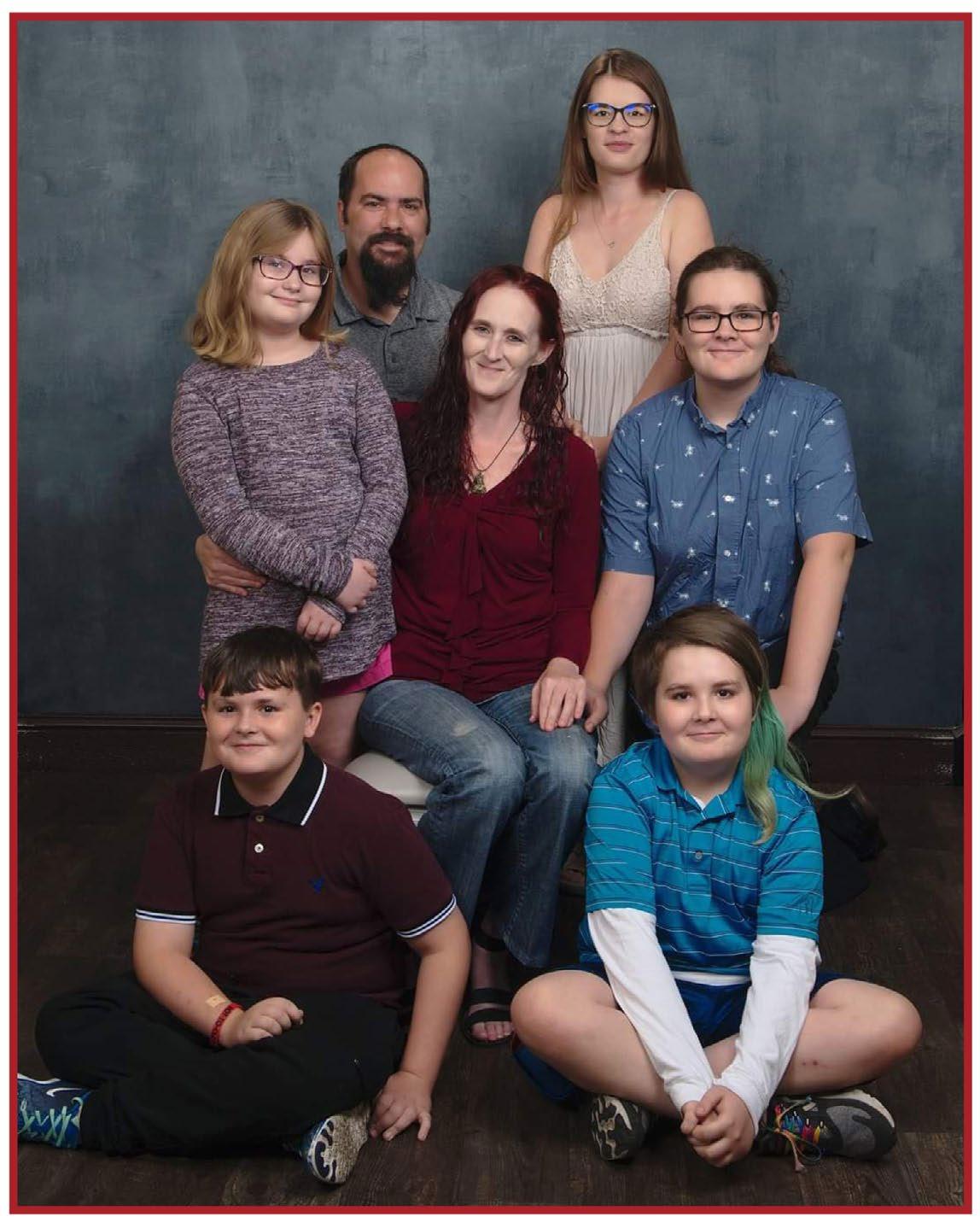
I was diagnosed with the disorder at age 23, after the birth of my first child, due to a lot of bleeding complications. As the mother of five children, I’ve been concerned about what this disease means for them, and whether I’ve passed it on. Two of my children have been diagnosed with von Willebrand disease, and we’re now waiting for confirmation about the third.
Like many people with chronic illnesses, my medications are expensive. Because I’m a severe type 1 von Willebrand disease patient with an allergy to DDAVP (desmopressin)—a common medication used to treat bleeding disorders—my only option is factor replacement therapy. I switched to a new factor medicine last year called VONVENDI, and each dose is around $14,000. Most months, I use two doses and occasionally a few extras for GI bleeds here and there, but there have also been times after surgeries where I’ve needed up to three doses per day for a week.
In the past, we were able to count on patient assistance programs to help with our expenses. The patient assistance helped
us reach our deductible and helped cover a portion of the copays after. I always expected to pay some of it out-of-pocket, but the assistance helped with a large portion of the cost.
Since my husband switched jobs last year, and we’re now with a different insurer, our situation has taken a turn for the worse.
I had a bad bleed in January of this year that left me in crisis, but I have not been able to access my factor through my insurance at all this year. According to my new insurer’s pharmacy benefit manager (PBM), my factor would no longer be available, and they would not help me pay for it.
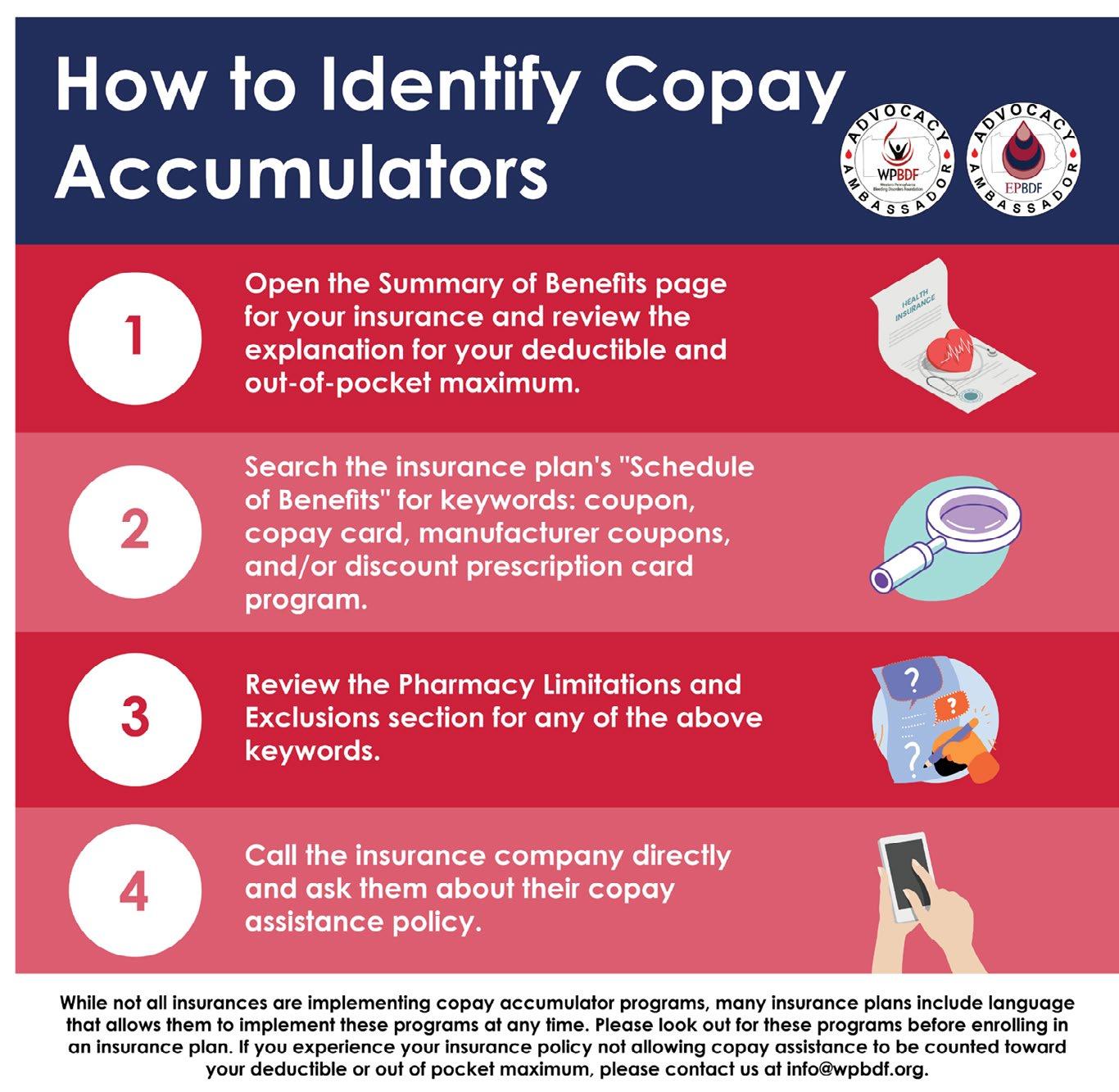
The PBM said they could help me if I agreed to participate in a program they manage called SaveOnSP. I was told that the program would find $20K in patient assistance from the maker of my factor treatment. Then, I could get it through their PBM specialty pharmacy, Accredo. The PBM would take all the money from the manufacturer, but it would not apply toward my deductible or out-of-pocket maximums. Historically, they would have only collected roughly $2K that would have been counted towards my deductible.
If the patient assistance would not count, I would only be able to afford around one month of factor therapy, barring any unforeseen bleeding events. The PBM wanted all the money, but where was my benefit? I would still be left searching for additional support for my factor and other medications to manage my bleeding disorder, which my insurance wouldn’t provide. Why am I paying them?
Because of that, I’ve had to forego other health care priorities and procedures, like dental care and a biopsy. I cannot risk suffering another bleed that will put my life in jeopardy and cause me to become even more reliant on a medication that I can’t access or afford right now.
There are millions of other people in this country who, like me, are holding out hope that our government will pass legislation that prioritizes fair cost-sharing for patients and requires that payments made by a patient, or on their behalf, count.
The Help Ensure Lower Patient (HELP) Copays Act (S. 1375), being considered right now by the U.S. Senate HELP Committee, could have a life-changing impact on access to medication for me and millions of others who rely on their employer-sponsored insurance.
Pennsylvania state lawmakers are looking at SB 372 to ensure state-regulated plans also count all copays. Twenty other states have already passed such laws to end harmful copay schemes and bring much-needed cost savings back to vulnerable patients.
The fight is far from over, and I urge fellow chronic disease patients and patient advocates to ask their elected officials to support these bills. I’ll continue to share my voice and story as I’ve always done to advocate for myself and my family. I don’t want my children to spend years fighting for funding sources acceptable to insurers in order to access the medications that help them stay healthy and alive.
Unless something changes, there will be too many families out there that will have their lives truly devastated by all this insanity just so greedy PBMs can make an extra dollar.
Maria Shoemaker is currently an accounting student at Community College of Allegheny County (CCAC). She resides in Vandergrift, Pennsylvania, with her husband and five children.
This article was previously published in Hemogram Western Pennsylvania Bleeding Disorders Foundation, Summer 2023. It is reprinted with the permission of the author.

The Dire STate of American medicine
By Dr. Rene Najera, MPH, DrPH, FCPP, and Dr. Robert Sharrar, MD, FCPP
The practice of medicine can be divided into two broad categories: public health and clinical medicine. Public health is population-based medicine, which cares for the entire population and the environment, while clinical medicine cares for the individual. Both practices require governmental support and proper analysis of scientific data. Previously, the United States was fortunate to have had effective governmental agencies staffed by dedicated, highly trained, and experienced individuals responsible for the health of the American people.
However, this administration has damaged the practice of medicine by implementing staffing reductions/restructuring at the Centers for Disease Control and Prevention (CDC), the Food and Drug Administration (FDA), and the National Institutes of Health (NIH), and by changing environmental regulations through the Environmental Protection Agency (EPA). In doing so, the “Make America Healthy Again” slogan is misleading because these actions are having the opposite effect.
Health and Human Services Secretary Robert F. Kennedy, Jr. seems to want to make that slogan a reality, but his actions harmed the health of the American people. He has politicized the CDC, FDA, NIH, and EPA by replacing many of their experienced senior employees and limiting the agencies’ effectiveness. He has interfered with the collection and distribution of surveillance data, which are key to public health programs. His administration supports a view of vaccines that has sown confusion and uncertainty.
Secretary Kennedy has replaced distinguished members of the Advisory Committee on Immunization Practices (ACIP) with a group of handpicked, less experienced people, several of whom are known vaccine skeptics. The CDC vaccine website was unilaterally changed to read: “The claim ‘vaccines do not cause autism’ is not an evidence-based claim because studies have not ruled
out the possibility that infant vaccines cause autism.” On this point, the science is clear. Multiple well-designed observational epidemiologic studies performed in different countries on diverse populations have failed to show an association between autism and vaccinations. Given the scale and consistency of existing evidence, additional studies are superfluous, a waste of public resources. To cap it all off, the changes that ACIP has made to the childhood immunization schedule have only caused further confusion in a time when cases of measles and other vaccinepreventable diseases are at 30-year highs in North America and elsewhere.
It remains to be determined what impact the changes at the FDA will have on new drugs and vaccines in development now or in the future. Uncertainty prevails. For example, the makers of an mRNA vaccine were recently told their application for a new influenza vaccine would not be reviewed at all because it didn’t meet some non-evidence-based standard. This occurred despite the previous FDA administration approving its developmental process. FDA requirements that predate this administration are adequate for evaluating new products and for monitoring the safety profile of licensed drugs.
Curtailing research funding at the NIH and at various academic research centers will stymie the development of new modalities for treating serious illnesses. Furthermore, NIH funding for research centers appears to have been tied to the administration’s politics, with researchers having to be mindful of the language they use in their grant applications. This has led some researchers to avoid pursuing research on the next generation of therapies or to limit who is included in their study groups.

This Trump Administration has also made changes to environmental regulations at the EPA, such as eliminating the endangerment finding. This weakened the legal foundation for regulating greenhouse gases under the Clean Air Act. Experts agree that this also weakened the foundations of regulations on vehicle emissions and power plants, among others, and will worsen air quality, leading to an increase in cardiac and respiratory conditions, particularly among vulnerable populations such as children and older adults.
Finally, failure to continue the Affordable Care Act subsidies and the cuts to Medicaid/Medicare funding will interfere with access to care for millions of Americans. They will not be able to afford care or medication, going without life-sustaining treatments, or failing to seek preventative care that would save the country billions in healthcare costs over the long term.
The strength of a nation depends on the well-being and health of its people. This administration has weakened our healthcare and public health systems. Many clinicians have stopped relying on government recommendations for the vaccine schedule. Medical research has been hindered. Future historians will refer to this period as the “Dark Age of American Medicine” because medical practices have been distorted by the political whims of those in power rather than by sound scientific data. America can and should do better.
The opinions expressed in this article are those of the authors and do not imply agreement or endorsement by the Philadelphia County Medical Society. This article is for general information only and is not intended to provide specific medical or other advice or recommendations for any individuals.
Revelry Club
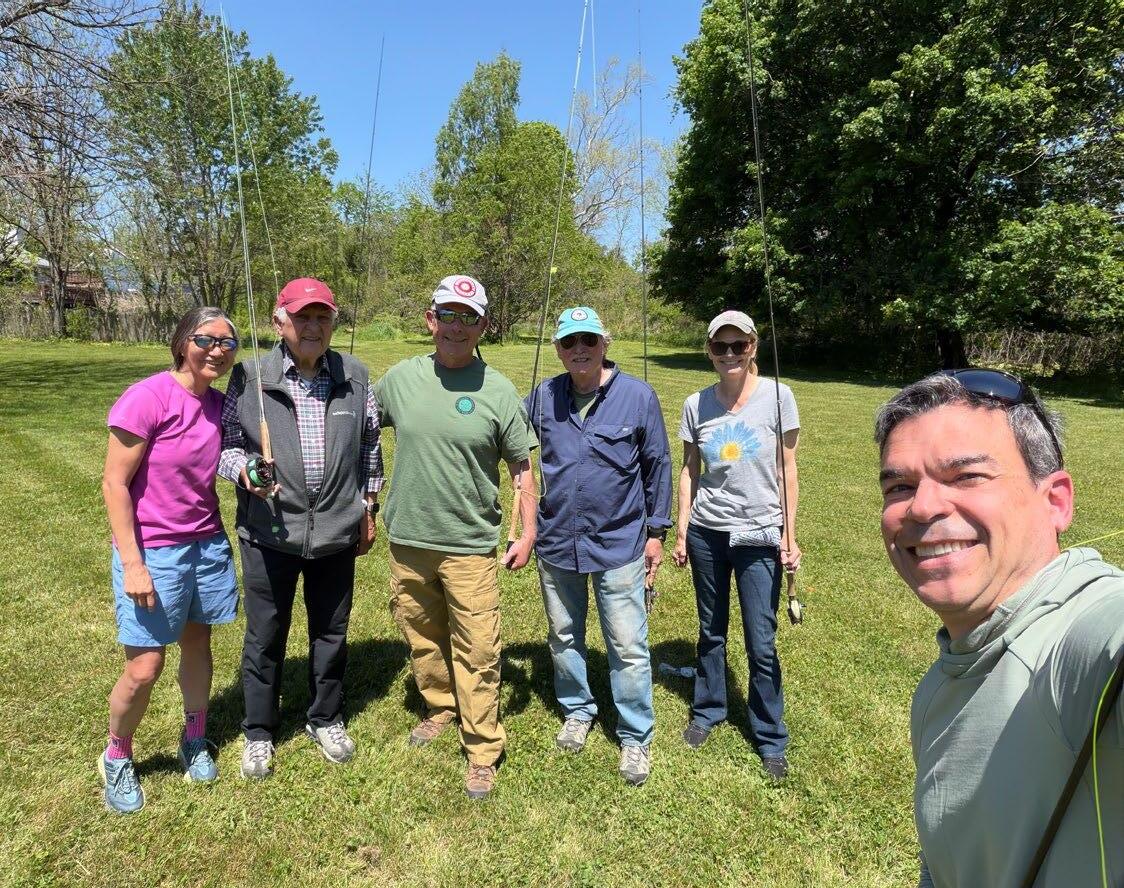
Fly fishing class, May 16, 2026

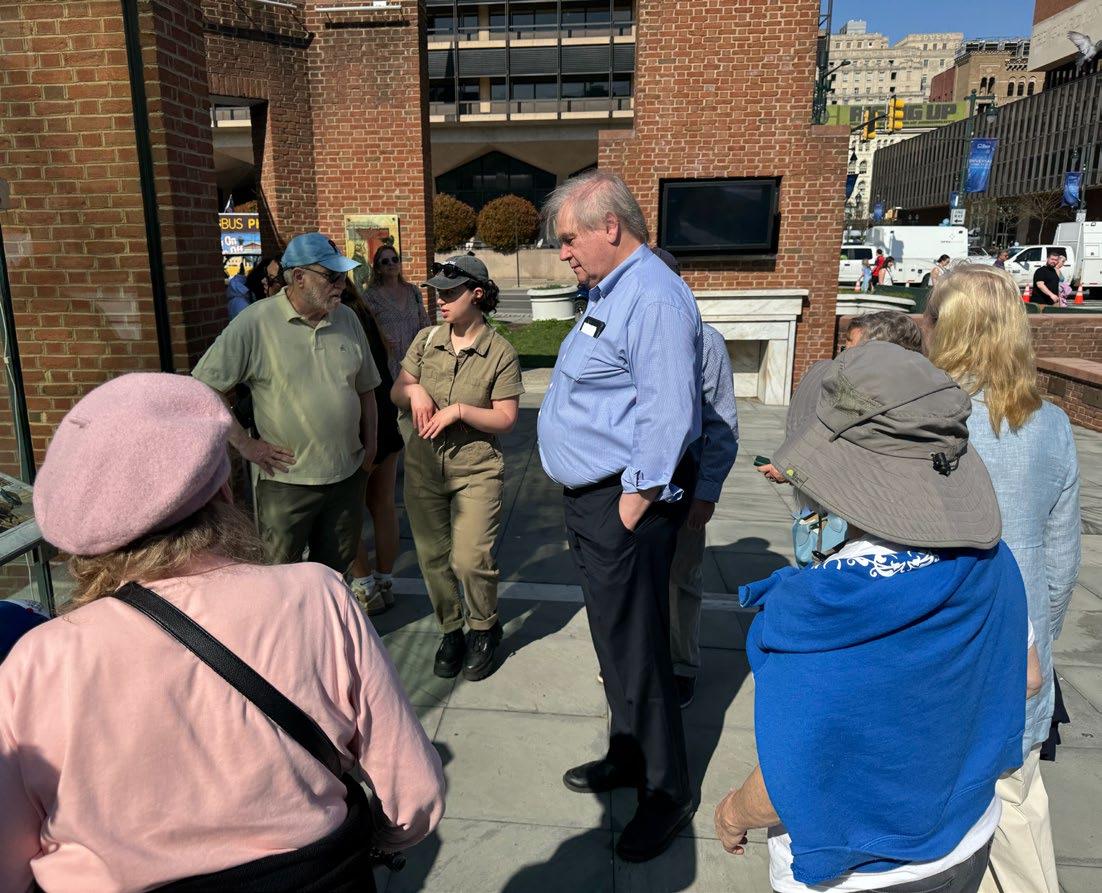
Medical history tour with Dr. Walter Tsou, April 4, 2026

On Becoming a Doctor: An Essay
By Manuel Sackey

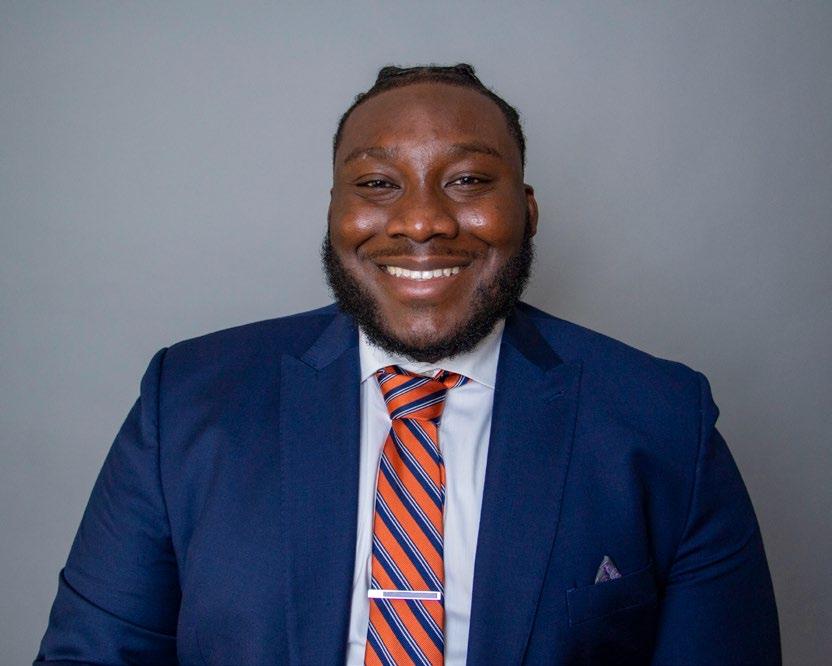
s far as I can remember, sitting on Dr. Pesce’s chair, my pediatrician, while pretending to be him, gave birth to my desire to become a physician. He sat in the patient chair and participated in my world as I pretended to use his stethoscope. After the visit, I told my mother that I wanted to become a doctor. This experience gave me my first peek into the world of medicine.
My desire to become a physician further developed during my experience with my primary care physician (PCP) as a teenager. During my senior year of high school, I had fallen ill, but my physician dismissed the illness as “nothing serious.” Two weeks later, I was met with the same nonchalant dismissal of my illness. As a student-athlete who took health and fitness seriously, it was abnormal for me to be sick for more than a few days. Weeks passed, and my condition seemed only to get worse. My mother, growing anxious, decided it was time for me to get a second opinion. My experience with the new physician, Dr. Lopes, was entirely different from my original doctor. Despite my young age, he spoke and treated me like an adult. He was aware of the severity of the situation and treated my mother and me in a caring and delicate manner. “Manuel, I want to be frank with you,” he said. “You have pneumonia.” Sitting in disbelief, I wondered why I had been previously led astray and told not to worry. Dr. Lopes continued, “I know you are shocked, but you are in good hands. We will ensure you get the best quality care.”
The dichotomy of care between Dr. Lopes and my original PCP gave me insight into the importance of communication and understanding, which taught me to make communication with understanding the foundation of every interaction I participate in. This experience showed me that patient-physician interaction is a crucial component in determining the overall health outcome of a given patient. Unfortunately, there is a growing mistrust among disadvantaged communities in the healthcare system due to cultural differences that impede effective patient-physician interaction. Therefore, I want to become a physician to bridge the gaps through a patient-centered approach, improving the relations between disproportionately affected populations and healthcare professionals.

Through my experiences as a Supplemental Instruction Leader (SI), I further developed the ability to communicate with and understand others. I crafted lesson plans for students and worked with them to create a suitable method to address their academic challenges. I regularly implemented the motto “Turning Science into English” with students during office hours, as they often expressed difficulty deciphering scientific jargon used by professors. Through analogies and concept maps, I would break down the course material so students could understand, which positively reflected on their exams.
As a Therapy Technician, my brightest moments came from connecting with patients through a mutual love of music. Before my encounter with a particular patient, Stephen, many of my coworkers grew unmotivated working with him due to his disparaging remarks about practices in the facility. During my downtime, I visited him and took him on a walk, listening to his concerns. Stephen noticed that I was taking notes of his circumstances and told me that he felt I was the first person who cared about his problems. Through numerous conversations, I revealed that one of my favorite hobbies is playing the piano and writing compositions with a heavy jazz influence. He shared that he loves to play the guitar and mentioned his favorite chord progression to solo with is “C Jam Blues,” which prompted me to share a video of my improvisation to the same progression.
Although his initial impression of the facility was unpleasant, our conversation encouraged him to focus more on his therapy, which improved his overall experience within the facility.
Since attending medical school, my commitment to service has continued as President of the Temple Chapter of SNMA and regional representative to the national SNMA organization. I have served as a mentor for college and high school students regionally and nationally. As a member of the Student Diversity Council at Temple, I have worked to uplift our community through projects like North Philadelphia Flex, bringing the local community into the school of medicine to showcase their wares, but more importantly, to forge a connection intended to improve health outcomes.
My experiences have allowed me to develop the ability to communicate, understand, and address the needs of others effectively. I plan to incorporate these skills through patient interactions and with other team members to improve relations between disadvantaged communities and healthcare professionals. By doing so, I hope to play an active role in providing the best quality care and ensuring that patients are both heard and understood.
Manuel Sackey is a graduating fourth-year medical student at Temple University School of Medicine. He will begin a surgical residency at Einstein/Jefferson Hospital in July 2026.

The
Philadelphia County
Medical Society hosted the second Dr. Harvey Lefton Memorial GI Conference at Thomas Jefferson University
on April 25, 2026
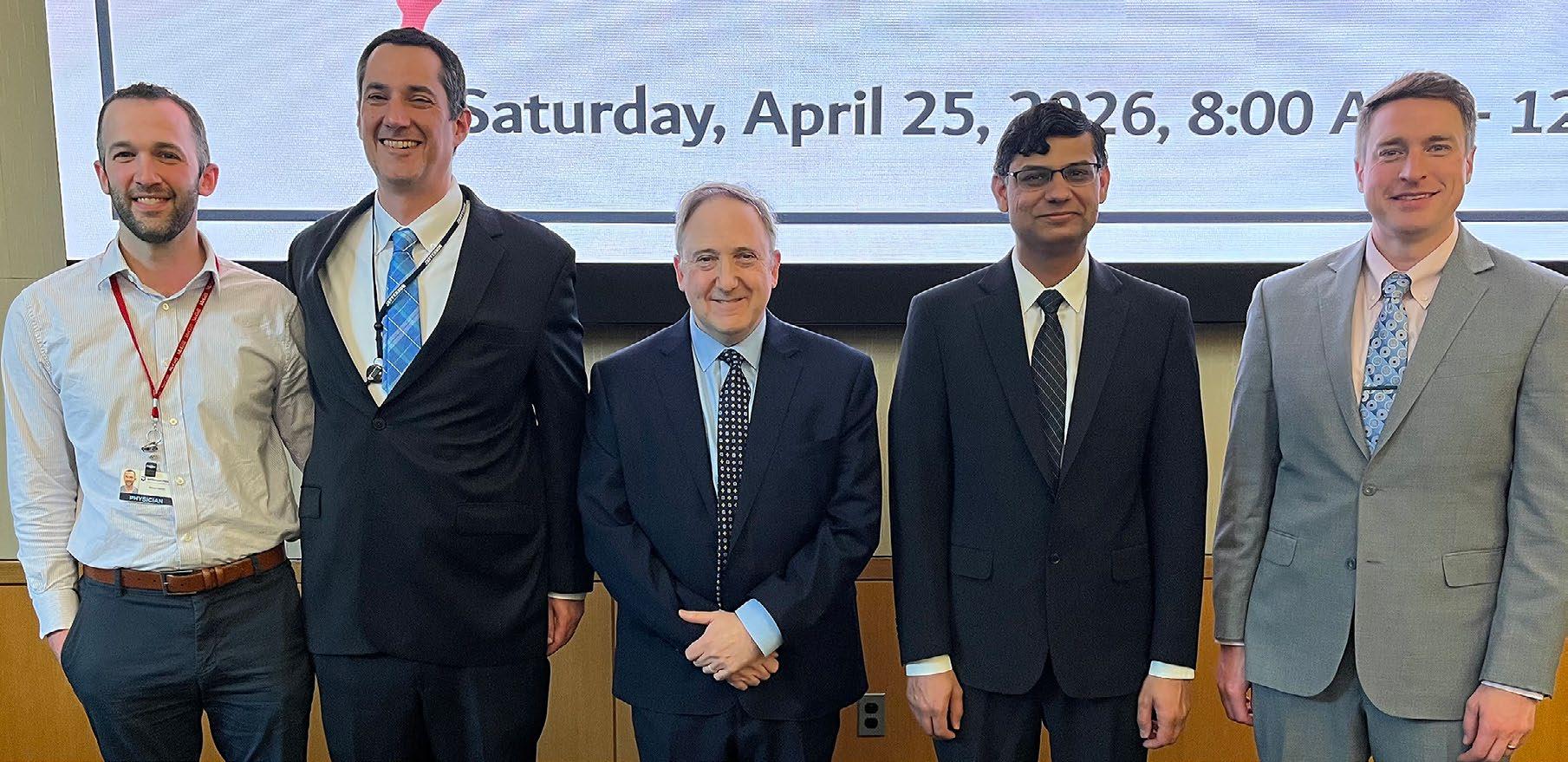
Pictured from left to right: Drs. Marc Hersh, Jesse Civan, David Sass, Faisal Kamal, and Christopher Schmoyer.
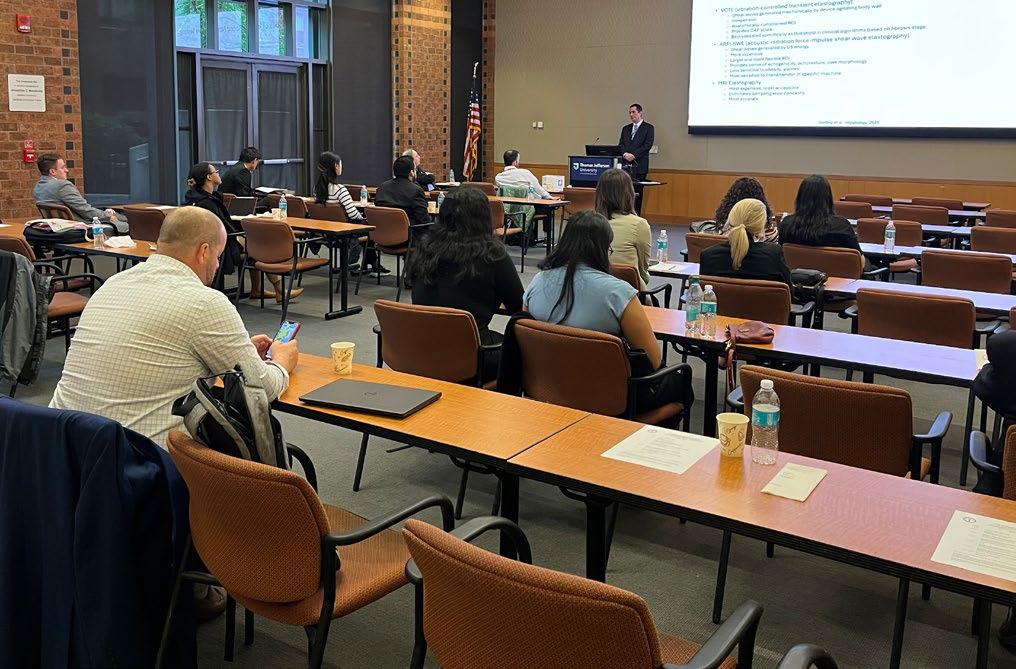
Dr. Lefton was a highly respected gastroenterologist who was the former Chief of Gastroenterology at Jefferson Northeast Hospitals, former head of Gastrointestinal Specialists, Inc., and a founding member and Past President of the Pennsylvania Society of Gastroenterology. He was the 151st President of Philadelphia County Medical Society (PCMS), recipient of the Cristol Award, and Delegation Chair for the PCMS Caucus at the annual PAMED House of Delegates. Dr. Lefton ran the PCMS Annual Clinical Update in the Gastroenterology program for 13 years.
The Dr. Harvey Lefton Memorial GI Conference continues Dr. Lefton’s legacy. The program is led by Dr. David Sass, Rorer Professor of Medicine of the Division of Gastroenterology and Hepatology at Sidney Kimmel Medical College at Thomas Jefferson University, Medical Director of Liver Transplantation at Thomas Jefferson University Hospital, and son-in-law to Dr. Lefton. Dr. Sass currently serves as PCMS’s President-Elect.
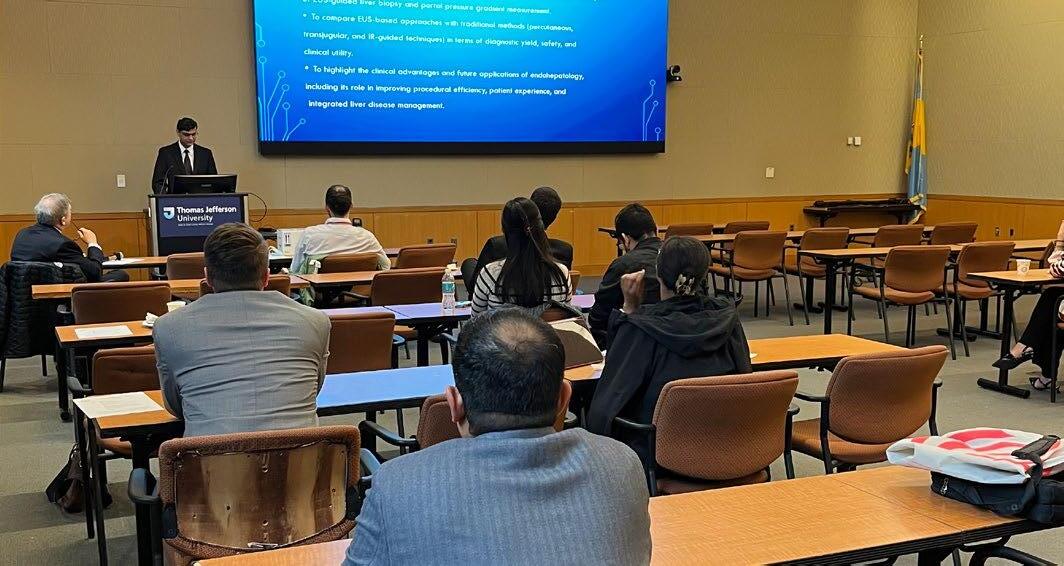
The Dr. Harvey Lefton Memorial GI Conference is a free educational program featuring Philly’s top doctors discussing the latest in the field of Gastroenterology. This year’s presentations covered inflammatory bowel disease, chronic liver disease, colorectal cancer, and endohepatology.
About the Speakers
Dr. Christopher Schmoyer provided updates on inflammatory bowel disease. Dr. Schmoyer is an Assistant Professor of Clinical Medicine at the University of Pennsylvania. He received his medical degree at Geisinger Commonwealth School of Medicine and completed his internal medicine residency and inflammatory bowel disease subspecialty training at Virginia Commonwealth University. His gastroenterology fellowship training was received at Thomas Jefferson University.
His memberships include the American College of Gastroenterology, American Gastroenterological Association, and American Medical Association. His research covers inflammatory bowel disease, intestinal lymphangiectasia, and hematemesis.
Dr. Jesse Civan discussed evolving therapies for patients with chronic liver disease. Dr. Civan is an Associate Professor of Medicine at Sidney Kimmel Medical College at Thomas Jefferson University. He earned his medical degree at the Perelman School of Medicine at the University of Pennsylvania, where he also completed his residency. He completed a fellowship at Thomas Jefferson University Hospital.
Dr. Civan is credited with numerous publications on topics such as liver transplantation, hepatocellular carcinoma, hepatitis, and fatty liver disease.
Dr. Marc Hersh covered colorectal cancer screening and surveillance guidelines. Dr. Hersh is Clinical Assistant Professor of Medicine at Sidney Kimmel Medical College at Thomas Jefferson University. He earned his medical degree at Rush Medical College of Rush University Medical Center and completed his residency at Emory University School of Medicine. He completed a fellowship at Thomas Jefferson University Hospital.
His research interests include pre-endoscopic metoclopramide, hepatitis B, and functional lumen imaging probe testing.
Dr. Faisal Kamal presented a lecture on endoscopic hepatology. Dr. Kamal is an Assistant Professor of Medicine at Sidney Kimmel Medical College at Thomas Jefferson University. He earned his medical degree at the Services Institute of Medical Sciences and completed his residency at the University of Tennessee Health Science Center. He completed fellowships at the University of California, San Francisco School of Medicine and the University of Tennessee Health Science Center.
Dr. Kamal is credited in over 140 publications covering topics including endoscopy, colorectal cancer, and biliary tract disease.
Medicine in Crisis: A Public Health Conversation with Dr. René Najera and Dr. Robert Sharrar
By William King, Jr., MD, Philadelphia Medicine Editorial Board
Philadelphia Medicine (PM): We’re excited at the Philadelphia County Medical Society (PCMS) to be talking with members with our other venerable institution of medicine, the College of Physicians of Philadelphia (COPP). This collaboration goes back to the 1700s when Benjamin Franklin was talking with Dr. Benjamin Rush, both signers of the Declaration of Independence, about establishing the College of Physicians. Today, we’re happy to be talking with Dr. René Najera, Director of Public Health and editor of the History of Vaccines blog at the COPP, and our colleague Dr. Robert Sharrar, a fellow of the COPP and physician practicing public health in Philadelphia for decades, including the historical investigations of Legionnaires disease in Philadelphia in the 1970s.
We’ve been having conversations with our colleagues, Dr. Paul Offit and Dr. Ezekiel Emmanuel, about the emerging challenges posed by the federal government’s cuts to funding for the health care and public health systems. Now we’re here to talk to you both about your essay, The Dire State of American Medicine. You were focused on the federal agencies, the CDC, FDA, NIH, and the EPA. What was the importance of these agencies to public health?
Dr. Najera: Let’s just start at the beginning, 1901 to 1903 or so. There were several accidents with antitoxins being used as a type of vaccination, for diphtheria, smallpox, and other illnesses. And there was no oversight, nobody making sure that they were safe or effective or that people weren’t being swindled out of money for something that didn’t work. And so, these accidents in Saint Louis and in New Jersey and other parts of the country resulted in children dying from contaminated products. The federal government stepped in as a champion for public health with regulations and enforcement, with the establishment of the precursor to the Food and Drug Administration, the FDA.
This was followed by the creation of the Centers for Disease Control (CDC), initially to control diseases during World War II, especially mosquito-borne diseases. The federal government has always been the champion of public health in the United States and in the rest of the world, in funding programs outside of our borders, because we realize that diseases don’t stay in one place.
PM: What are we seeing at this moment in time?
Najera: Now this administration comes in, and what it does is the opposite. Instead of being the champion for public health, it becomes kind of its adversary. It comes through the changes instituted by the Health and Human Services Secretary, getting rid of people at the CDC, getting rid of people at the National Institutes of Health (NIH). Defunding research done in academic institutions and so on. At the EPA, it’s supposed to be looking out for clean air, for clean water, and the regulations that are being done away with because it’s too much to keep the water clean, and it’s too expensive to keep the air clean. And so, all these changes are happening through an administration at the very top in the White House.
And it’s all about causing fear. So, Dr. Sharrar and I decided to write this essay to make the medical community in Philadelphia aware of these changes that are affecting physicians and others who must treat people who are the victims of these bad public health decisions.
PM: Dr. Sharrar, let me ask you about when you were dealing with the Legionnaires outbreak in the mid 1970s, when we had what was a public health mystery. Did you rely on the federal parts of the public health system when facing this local health crisis?
Your Journey to Strength Begins Here!
Discover your path to recovery at Roxborough Acute Inpatient Rehabilitation! Our dedicated team of experts provides personalized therapy plans that empower you to regain strength, independence, and return to the activities you love.
Acute Rehabilitation
Inpatient Rehabilitation | (267) 294-8866 | roxborough/inpatient-rehabilitation
Roxborough Memorial Hospital | 5800 Ridge Ave., 4th floor, Philadelphia, PA
Dr. Sharrar: Absolutely. There was no way Philadelphia could handle that outbreak, which was a statewide outbreak. The CDC came in with all of their resources, with all of their understanding that they had, and really conducted the investigation. We did have the federal government, the state government, and the local government working together to discover what was happening with Legionnaires’ disease, what caused the outbreak, and how to prevent it.
PM: The physician community, we’re very alarmed by Robert F. Kennedy, Jr.’s policy philosophy that Making America Healthy Again (MAHA) somehow means being skeptical about these agencies and firing their staff and dismantling their public health programs and their reporting systems.
Dr. Sharrar: You know, we had three very functional federal agencies helping us provide medical care. Clearly, the CDC collected surveillance data about what was happening in the community so that the public health officials could respond to it.
The NIH conducted the research that was necessary for developing new therapies and new approaches to treating medical diseases, and the FDA was the one that made certain that the products that came to market were safe and effective.
The federal government really provided the service to the American people and made the American health system work well,

and then, the Environmental Protection Agency (EPA) protects us, giving us clean water and clean air. All four agencies, I think, have been contaminated or hurt by what’s been happening in Washington under the current administration.
PM: It sounds like there’s going to be a lot of work rebuilding this public health system that is going to be torn down. It might take up to a decade, but we’re going to need young docs, young public health officers, and young public health nurses to come in and join this field.
Dr. Sharrar: Right. They can’t be scared off by this kind of flurry of foolishness. And I think we will get them. I think there are a lot of idealistic young people out there. We just have to give them the opportunity to grow and develop themselves. I do see an end to this, and I would certainly recommend to young people that the field of medicine is a wonderful field to go into.
The opinions expressed in this interview are those of the individual participants and do not imply agreement or endorsement by any organizations mentioned in the interview or by the Philadelphia County Medical Society. This interview is for general information only and is not intended to provide specific medical or other advice or recommendations for any individuals.