

CCBA Officers
C. Curtis Norcini, President
Robert A. Burke, Vice President
Maria Janoski, Treasurer
Jennifer Fink, Secretary
New Matter Committee
Charles T. DeTulleo, Editor Emeritus
Shannon McDonald, Editor
Rami Bishay
Mark Blank, Jr.
Jonathan R. Long
John McKenna
Mary Wade Myers
Sara Planthaber
Karyn L. Seace
Scott Slomowitz
Theodore T. Speedy
Bill Wilson
Christine Zaccarelli
CCBA Staff
Greg Nardi Executive Director
Melissa Willson Communications, Events, and Marketing Manager
The Chester County Bar Association’s quarterly publication, New Matter, has been provided to Bar Association members for four decades.
A valuable aspect of CCBA’s membership, New Matter aims to provide our members with information pertaining to current issues facing the practice of law, historic legal issues, continuing legal education opportunities, Chester County Bar Association activities, programs, meetings, functions, practice tips, procedures for attorneys, and items of personal interest to our membership.
The opinions expressed in this material are for general information only and are not intended to provide specific legal or other advice or recommendations for any individuals. The placement of paid advertisements does not imply endorsement by the Chester County Bar Association. © 2026 All rights reserved. No portion of this publication may be reproduced electronically or in print without the expressed written permission of the publisher.
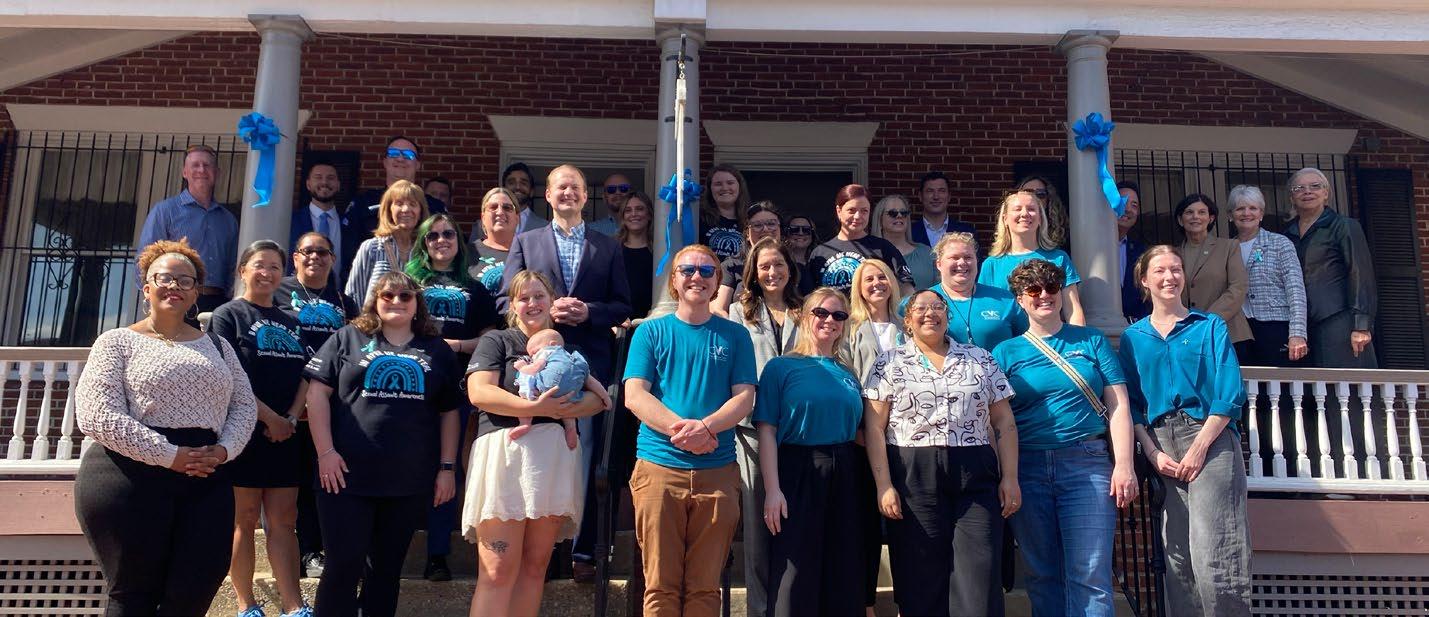
photo taken by Jonathan R. Long, Esquire

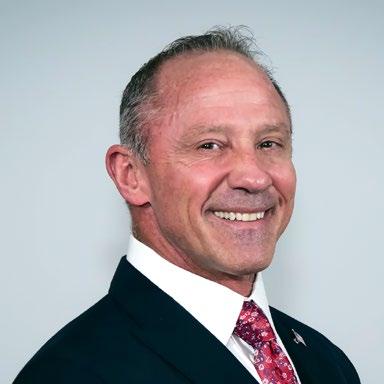
IC. Curtis Norcini, Esquire President Chester County Bar Association
n my first President’s Message, I wrote about the values that define the Chester County Bar Association: professionalism, collegiality, mutual respect, and service to the profession and the community. Those values remain central to who we are. But they do not sustain themselves. They depend on people who do the work every day, often quietly and without recognition. I have been struck this year by how often a problem is solved, a question is answered, or an event is made better before most of us even realize there was an issue to address.
Over the past several months, serving as President has given me an even greater appreciation for that work. Members often experience the Association through its finished product: a wellrun CLE, a successful Bench-Bar event, timely publications, responsive service, and effective programs. What we do not always see is the effort required to make all of that happen.
For that reason, I want to use this message not to focus on my own work, but to recognize the outstanding staff of the Chester County Bar Association.
The success of this Association is a shared effort. It depends on the involvement of our members, the commitment of our Section and Committee Chairs, the support of our Board, and the strong sense of community that has long existed within our Bar. But the staff are the people who keep everything moving. They answer calls, respond to questions, manage logistics, support committees, coordinate events, maintain publications and communications, assist members, and handle the many day-to-day issues that come with operating an active and respected professional organization. Much of what they do happens in the background. I have seen this regularly and firsthand this year.
Greg Nardi, our Executive Director, carries broad responsibility for the overall operation of both the Association and the Foundation. His work includes strategic planning, budgeting, Board support,
sponsorship development, and event oversight. He is instrumental in helping ensure that the organization remains strong, focused, and financially sound. Greg has a steady, thoughtful presence and brings care, perspective, and good judgment to his leadership. He also deserves credit for fostering something that is easy to overlook but important to any successful organization: a work atmosphere where people get along, enjoy one another, and can laugh together while still getting the job done.
Working closely with Greg is Genya Cunningham, our Assistant Executive Director, whose experience and institutional knowledge of the Association are invaluable. For the last 31 years, Genya has helped manage the operational and administrative functions that most members never see, but that are truly essential to the daily health of the organization. Office operations, bookkeeping, contracts, employee benefits, building-related matters, equipment, supplies, and a host of other administrative responsibilities all pass through her hands. Every well-run organization needs someone who knows how to keep the internal pieces working together, and Genya plainly does that.
Melissa Willson plays a major role in how the Association presents itself to the membership and the public. Her work in communications, events, and marketing touches a remarkable number of areas. She helps coordinate and execute Association and Foundation events, manages sponsorships, oversees electronic communications and social media, develops marketing materials, and assists with New Matter and the Association’s other publications. Over the course of any given year, she plans for and manages more than 40 social events. When members attend an event that feels polished and well-organized, or receive communications that are clear and timely, that is no accident. It reflects a great deal of planning and follow-through, and we have Melissa to thank.
Lauren Shea’s work is central to many of the services that members and the public rely upon. She helps manage the Lawyer Referral Service, Access to Justice, the Fee Dispute Program, membership administration, member activities, and the annual Membership Directory, among many other things. The Lawyer Referral Service alone generates approximately 5,500 inquiries each year, resulting in roughly 1,400 referrals. Lauren also helps oversee more than 90 Access to Justice cases each year and manages the Pro Bono recognition program at year’s end, including the awards we present in recognition of that important service. In 2025, the Fee Dispute Program handled 13 arbitration matters. Lauren handles the initial complaint, sets up the arbitration panel, and manages communication between the parties. For many people,
an interaction with the Association begins with a phone call, a request, or a membership issue. Those moments may seem routine, but they matter, and Lauren’s role in that process is significant.
Meredith Barr plays a similarly important role in the areas of education, outreach, and publications. She administers CLE programs, assists with Bench-Bar planning, supports Stively Inn of Court, and manages the weekly publication of the Law Reporter. Over the course of a year, that means coordinating roughly 90 to 100 CLE programs, including programs held during the week as well as at the Spring and Fall Bench-Bar conferences. Lawyers tend to assume that CLE programs will be organized, materials will be ready, credits will be processed, and publications will arrive as expected. But none of that happens on its own. It requires careful coordination, attention to detail, and the ability to stay on top of countless moving parts, all of which Meredith handles exceptionally well.
Becky Yepremian is our Receptionist and Administrative Assistant to the Executive Director. In that role, she contributes in many important ways to the daily life of the Association. Becky is often the first person members and visitors encounter, whether by phone or in person, and I have seen how well she handles that responsibility. She supports the staff broadly, assists with meetings and events, helps with mailings, coordinates room rentals and depositions, and handles many of the administrative tasks that keep the office functioning smoothly. Becky has quickly become an important part of that effort.
Taken together, their work touches nearly every part of Association life. Lawyer referrals, CLE programs, member publications, Bench-Bar events, membership activities, outreach programs, and committee meetings all require significant preparation and follow-through. The fact that our Association runs as well as it does is a tribute to the people behind the scenes who make it all possible.

It is easy, in any organization, to take these things for granted. When things run well, they can appear effortless. But, as is often the case, what looks effortless from the outside is usually the result of a great deal of effort on the inside.
In my first message, I wrote about the importance of preserving a professional culture grounded in civility, mutual respect, and service. Our staff contributes to those same values in their own way each day. They help create the structure within which members can learn, participate, volunteer, and lead. They support the programs that help strengthen the profession. And they do so with professionalism, patience, and consistency.
The Chester County Bar Association is strong for many reasons. One of the most important is the quality of the people who work behind the scenes every day to support the Association’s mission, its members, and the profession. As President, I have had the chance to see that work firsthand, and it has given me a deeper appreciation for the care, effort, and judgment that allow this Association to run so well. I am sincerely grateful for all that they do.
Very respectfully,
C. Curtis Norcini, Esquire President, Chester County Bar Association
STATEWIDE PENNSYLVANIA MATTERS NO CHARGE FOR INITIAL CONSULTATION
Representation, consultation and expert testimony in disciplinary matters and matters involving ethical issues, bar admissions and the Rules of Professional Conduct
• Judge, Court of Judicial Discipline
• Former Chairman, Judicial Conduct Board of Pennsylvania
• Former Chairman, Disciplinary Board of the Supreme Court of Pennsylvania
• Former Chairman, Continuing Legal Education Board of the Supreme Court of Pennsylvania
• Former Chairman, Supreme Court of Pennsylvania Interest on Lawyers Trust Account Board
• Former Federal Prosecutor
• Selected by his peers as one of the top 100 Super Lawyers in PA and the top 100 Super Lawyers in Philadelphia
• Named by his peers as Best Lawyers in America 2022 and 2015 Philadelphia “Lawyer of the Year” Ethics and Professional Responsibility Law and Legal Malpractice Law
1500 Market Street, East Tower, Suite 1800 • Philadelphia, PA 19102 (215) 751-2863
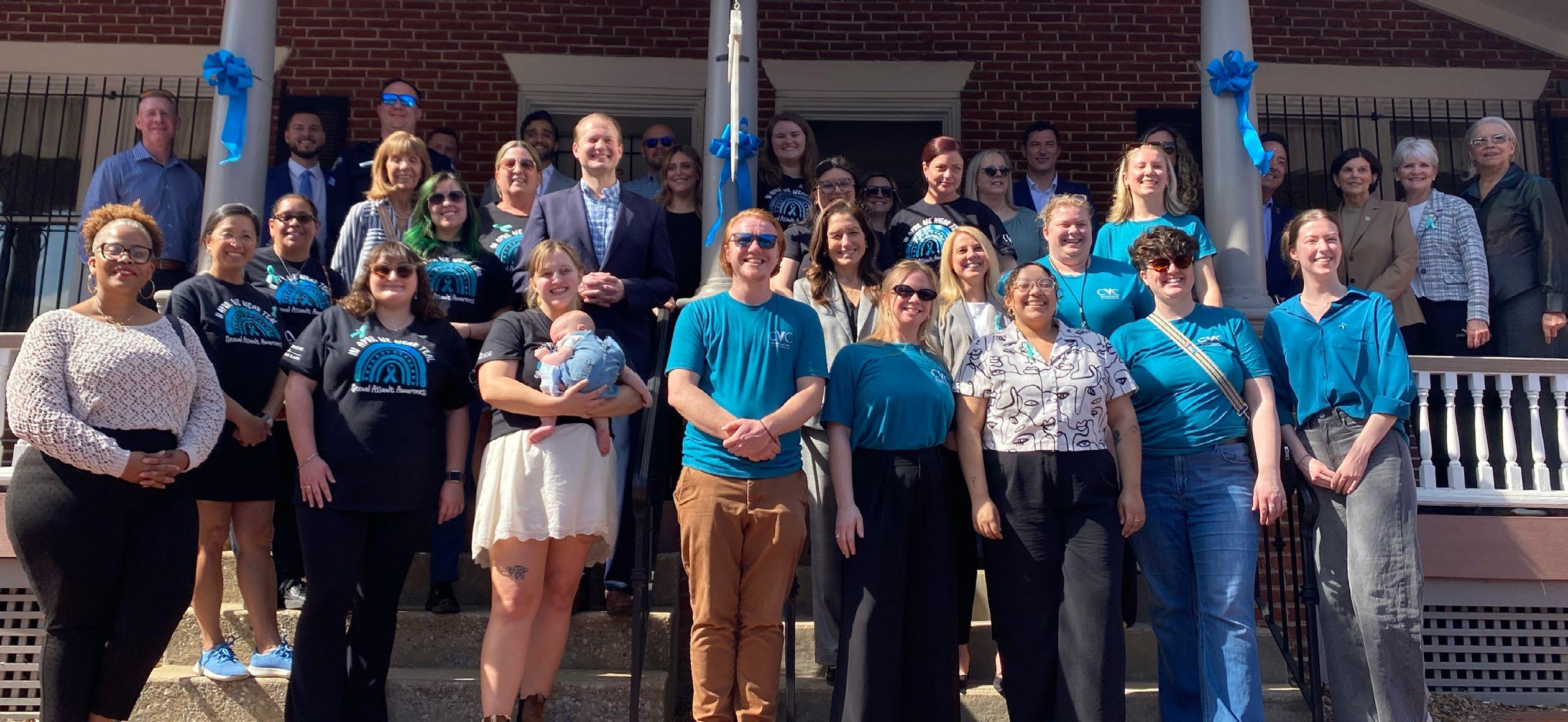
The Crime Victims’ Center of Chester County, Inc. (CVC) launched Sexual Assault Awareness Month (SAAM) in West Chester and across the County with the help of numerous community partners. SAAM is a national initiative that intersects with CVC’s work with victims of sexual violence and prevention education throughout the year.
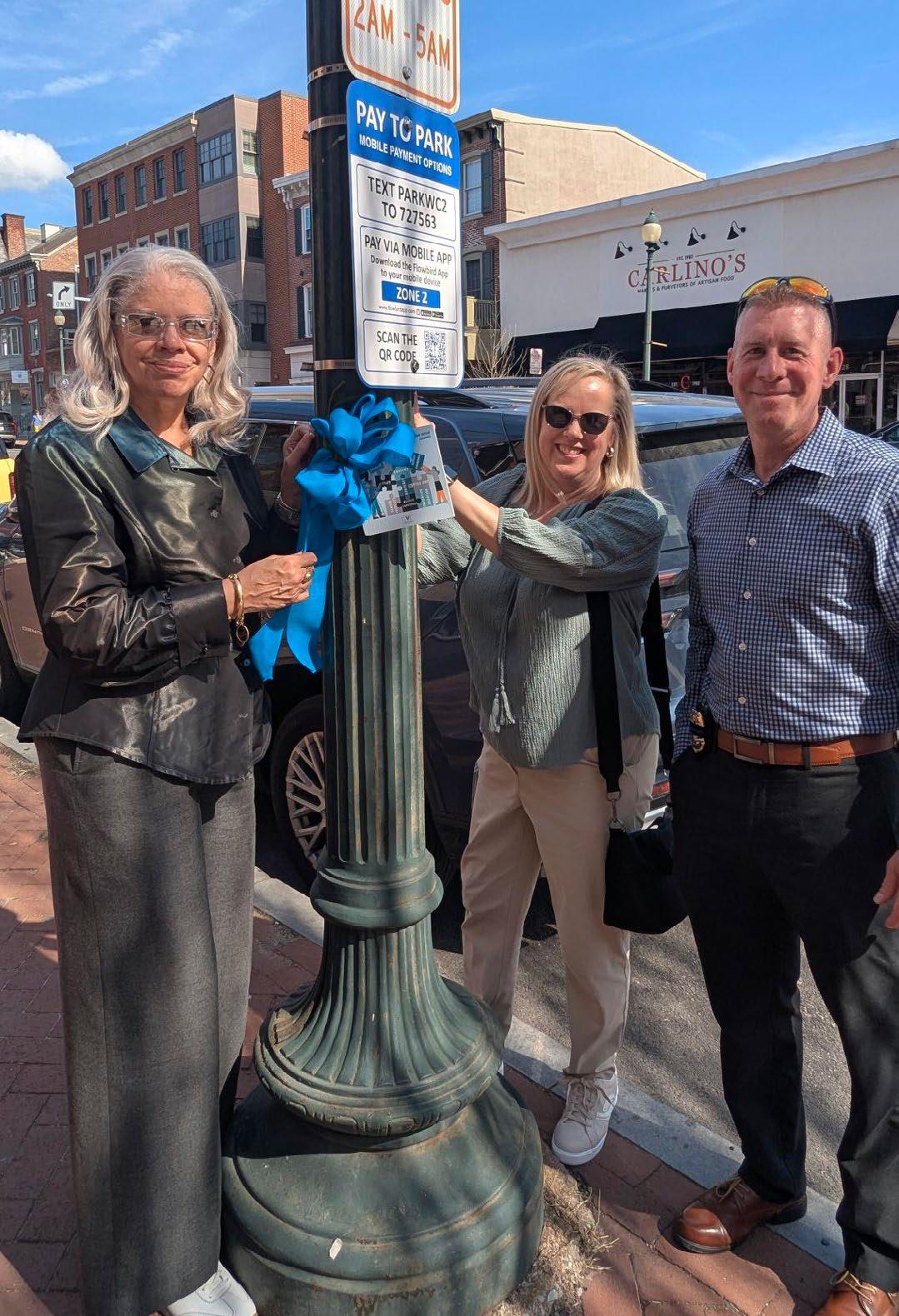
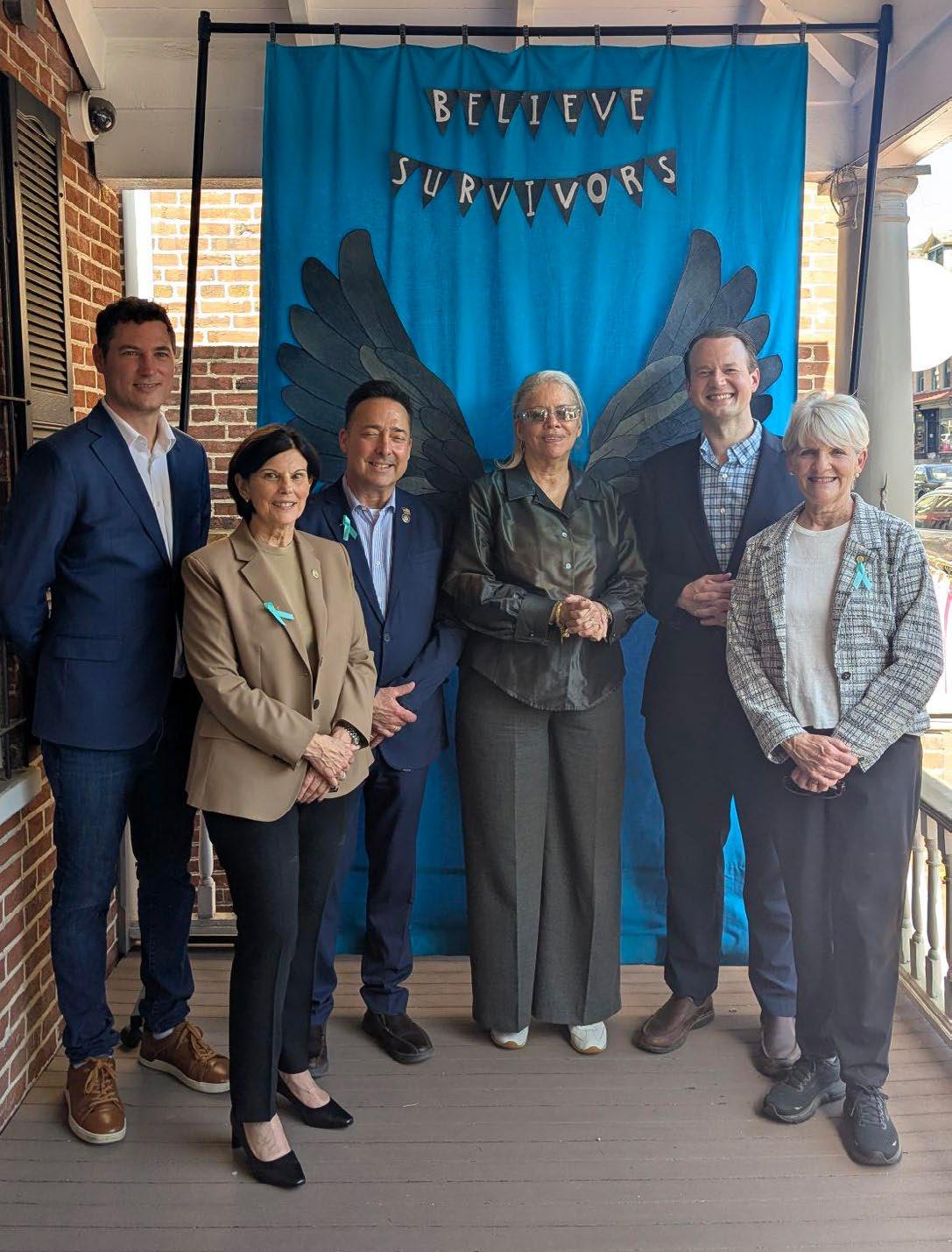
During the first week of April, CVC partnered with West Chester Borough, Kennett Square Borough, Phoenixville Borough, the City of Coatesville, Downingtown Borough, and, for the first time, Oxford Borough to hang teal ribbons in recognition of SAAM and to honor victims/survivors of sexual violence. CVC was joined in West Chester by Senator Carolyn Comitta, Representative Chris Pielli, Mayor Lillian DeBaptiste, and County Commissioners Josh Maxwell, Marian Moskowitz, and Eric Roe.
On the importance of the month and CVC’s Mission, Senator Comitta shared, “No one should have to experience or live in fear of sexual violence. Prevention begins with changing the culture and empowering people to recognize sexual assault and harassment, identify situations where it may occur, and create a safe, healthy, and welcoming environment for all. I want to thank the CVC and all our partners and community advocates for working together to support survivors, provide sexual violence prevention education, and give students and families the tools, resources, and strategies to stay safe.”
CVC has provided support for victims of sexual violence and child abuse for over 50 years, being there for victims from the first phone call to when they have regained the strength to move beyond their victimization and its immediate impact. CVC is proud to be the only organization in Chester County that provides comprehensive services to victims of all crimes. Almost 75% of CVC’s clients, including adults and children, have experienced some form of sexual violence, such as rape, harassment, assault, or stalking.
“April is an opportunity for CVC to highlight the voices of sexual violence victims/survivors, and bring their stories forward,” shares Christine Zaccarelli, CVC’s CEO. “Respecting the dignity
of victims of sexual violence means that first, you believe. To believe and listen to a victim’s story is to recognize their trauma. Doing so provides an ally and the necessary strength for victims to heal. Our experienced Advocates and Counselors help adults, children, and their families move through and beyond their
victimization to a more hopeful, healthy future, and our Violence Prevention Educators work every day to create a safe and healthy community.”
In addition to direct services and child abuse prevention, CVC’s Primary Prevention and Education team, led by Deni Tobin, provides primary prevention education in schools, businesses, professional groups, and other venues. With the goal of stopping all forms of violence, the prevention program reaches thousands of individuals each year, providing practical skills with the goal of reducing violence in our community.
April included numerous online and in-person awareness activities and campaigns, including #TealTuesday, #DenimDay on April 29th, and community outreach initiatives with local businesses and police departments.
To find ways to get involved with Sexual Assault Awareness Month next year or to schedule a primary prevention education program, please contact the Prevention Education Supervisor at education@ cvcofcc.org.
CVC fosters healing, hope, and empowerment through free, confidential, and compassionate support for victims of sexual violence and other crimes. We guide individuals through trauma, recovery, and legal processes. We work to prevent violence by promoting community inclusivity, raising awareness, and imparting essential skills through outreach and education throughout Chester County. www.cvcofcc.org






EBy Greg Nardi CCBA Executive Director
very organization needs a mascot. Some choose animals that are fast, majestic, or powerful: eagles, Nittany lions, wildcats—even large teddy bears.
The Commonwealth of Pennsylvania, however, went in a different direction.
Our Commonwealth selected the Eastern Hellbender as the official state amphibian. An animal affectionately known by several nicknames, including snot otter, devil dog, mud cat, and Allegheny alligator. (See Act of Apr. 23, 2019, No. 3, signed into law by Governor Tom Wolf.) If that does not scream “Leadership in action!” then nothing does.
For those new to this animal, the Eastern Hellbender is a large aquatic salamander that lives in clean, rocky streams across Pennsylvania, including parts of the Susquehanna and Allegheny watersheds. It is ancient, resilient, and somewhat misunderstood— three qualities that may sound oddly familiar to those involved in a bar association.
All of this made me wonder: what leadership lessons can the Chester County Bar Association learn from the humble snot otter?
After a bit of reading and reflection, there may be a few worth considering.
1. THRIVE UNDER PRESSURE Hellbenders live under rocks—literally.
They spend most of their lives beneath large stream rocks where the current is strong, and the environment is constantly moving around them.
Lawyers, bar leaders, and bar staff might recognize this environment.
Between court schedules, client demands, regulatory changes, and the occasional technological revolution (looking at you, AI), the legal profession also operates under constant pressure in changing environments.
The lesson of the hellbender is simple:
If the current is strong, find a rock and hold on. Stability matters, especially when under pressure.
The hellbender is extremely sensitive to water quality. If a stream becomes polluted or disturbed, hellbenders disappear. In fact, the presence of hellbenders is often used as an indicator of a healthy ecosystem.
The same might be said for a local bar association.
A thriving bar association usually indicates a healthy legal community—one where lawyers collaborate, support the courts, mentor young attorneys, strive to improve the community, and invest in the profession.
Healthy ecosystems do not happen by accident. They happen when people care enough to maintain them.
Hellbenders have existed for millions of years and can live for 2530 years in the wild.
They have survived ice ages, changing landscapes, and the arrival of humans with smartphones.
Organizations that last also share this trait. The best bar associations and best law offices evolve.
They adapt to new technologies, new generations of lawyers, and new expectations about work, professionalism, and community engagement to respond to changing needs in the county.
Longevity does not come from resisting change. It comes from adjusting to it—sometimes slowly, sometimes awkwardly, but always in an intentional manner.
4. YOU DON’T HAVE TO BE PRETTY TO BE EFFECTIVE
Let’s address the obvious. The hellbender is not traditionally attractive.
Its wrinkled skin, flattened body, and permanent annoyed expression do not exactly scream “charisma.” Despite its unfortunate appearance, the hellbender plays a critical role in its ecosystem.
The lesson here: impact matters more than appearance.
Good leadership rarely looks glamorous from the outside. It often involves quiet work, persistence, and the willingness to stay under the rock doing the unglamorous tasks that keep an organization running. Said another way: “Work Relentlessly, Accomplish Much, Remain in the Background, and Be More Than You Seem”—a quote attributed to the great Prussian military officer Alfred Graf Von Schlieffen. We see this in many of our CCBA leaders, our Pro Bono volunteers, and within our CCBA staff.
Most organizations would not voluntarily choose a creature called a snot otter as a mascot. And yet here we are, where Pennsylvania has embraced it. Apparently, schools celebrate it, and conservation groups protect it.
Which suggests something important:
Sometimes the unusual idea, the unexpected symbol, becomes the one people remember. Since I first learned of this honor that our commonwealth bestowed on this animal, it has stuck with me.
So perhaps the Chester County Bar Association should not be too quick to dismiss the possibility that the unofficial mascot of the CCBA might someday be…the snot otter.
After all, the Eastern Hellbender represents many things lawyers understand well:
• Resilience under pressure
• Maintaining a healthy environment
• Longevity through adaptability
• Selfless service
• And, of course, the ability to survive under rocks, under pressure for extended periods of time
In other words: A surprisingly accurate symbol of success and service in the legal profession and in our bar association.
If nothing else, the next time you are standing in a cold Pennsylvania stream and lift a rock, remember: You may be looking at one of the Commonwealth’s most remarkable creatures. And possibly the future mascot of the Chester County Bar Association.

By Shannon K. McDonald, Esq.
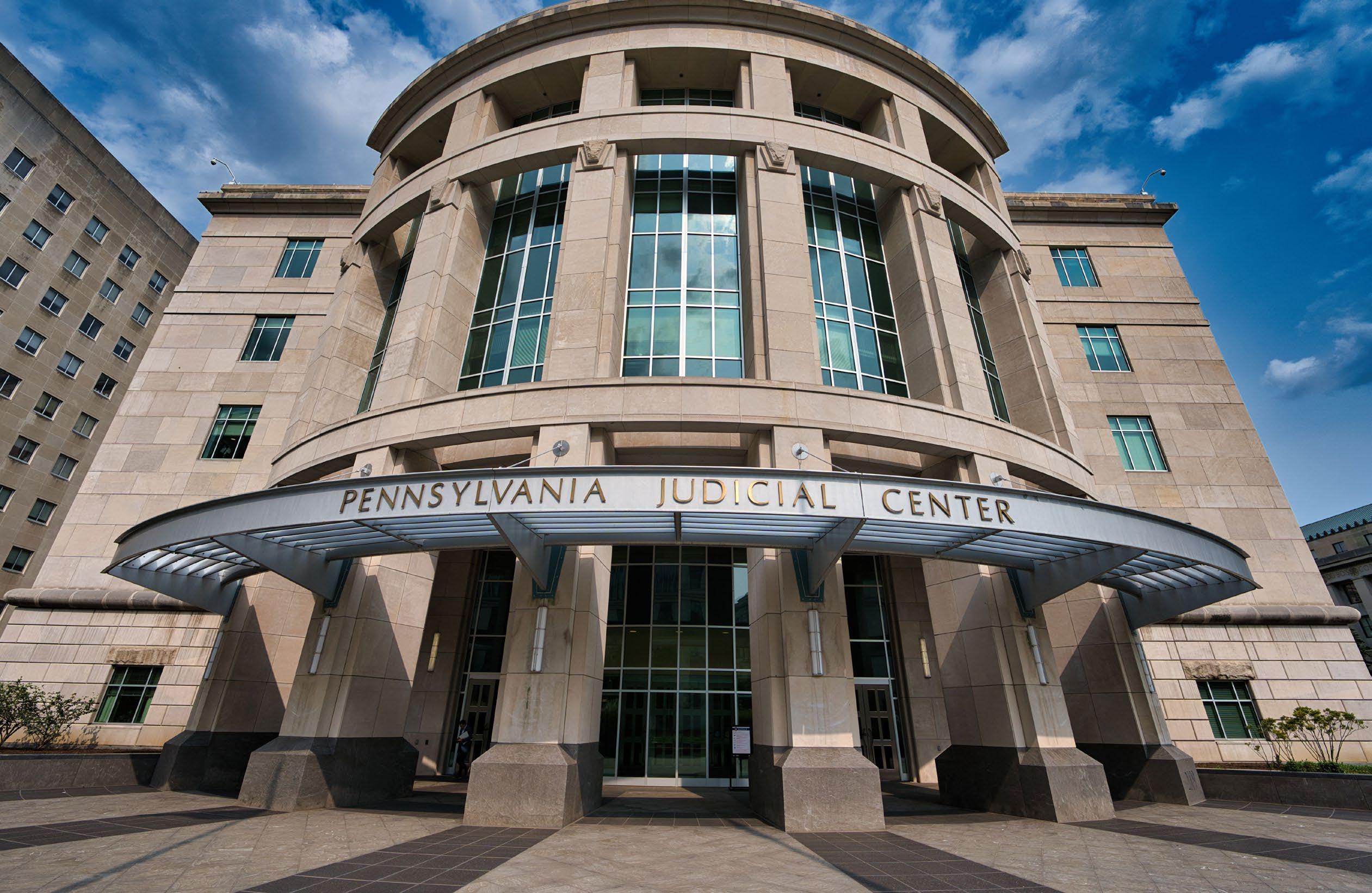
After a long wait (argued October 2024), the Supreme Court of Pennsylvania has finally delivered its opinion in Com. v. Derek Lee, holding that the mandatory life sentence for second-degree murder is cruel and unusual punishment.
This case originates from Allegheny County, Pittsburgh. Two men broke into the victim’s home and demanded his money. The victim and his partner were forced into the basement of the home, and the victim was pistol-whipped by one man (later identified as the appellant, Derek Lee). When that man took the victim’s watch and went up the home’s steps out of the basement, the victim grabbed for the other man’s gun, a struggle ensued, and the victim was shot. Ultimately, the victim’s partner was able to identify Lee as the one who pistol-whipped the victim, but not the one who shot the victim. Lee went to trial and was found guilty by a jury of, among other things, second-degree murder, also called felony murder. Lee was specifically found not guilty of first-degree murder.
Murder of the second degree is a criminal homicide “when it is committed while defendant was engaged as a principal or an accomplice in the perpetration of a felony,” which is the “act of the defendant in engaging in or being an accomplice in the commission of, or an attempt to commit, or flight after committing, or attempting to commit robbery...” 18 Pa.C.S. § 2502(b), (d). As the Supreme Court explained: “the malice necessary to make a killing, even an accidental one, murder, is constructively inferred from the malice incident to the perpetration of the initial felony.” Lee at 3-4. Lee was convicted of second-degree murder after being found guilty of one of the enumerated felonies (murder), and,
even though Lee didn’t shoot the victim, the malice was inferred upon him by virtue of his participation in the felony robbery.
The trial court sentenced Lee. The mandatory sentence for second-degree murder is life in prison, without possibility of parole. 18 Pa.C.S. § 1102. After reinstating his appellate rights through a Post-Conviction Relief Act Petition, Lee took a direct appeal of his mandatory sentence to the Superior Court. He reasoned that, under the United States Supreme Court’s decisions in Graham v. Florida, 560 U.S. 48 (2010), Miller v. Alabama, 567 U.S. 460 (2012), and Montgomery v. Louisiana, 577 U.S. 190 (2016), life without parole sentences were sufficiently similar to the death penalty that they could be unconstitutional when applied to people with categorically diminished culpability based on their offense or characteristics. The Superior Court rejected the premise and denied Lee’s argument.
The Supreme Court of Pennsylvania granted allocatur based on two arguments: whether the mandatory sentence was unconstitutional under the Federal 8th Amendment jurisprudence, or whether it was unconstitutional based on Article I, Section 13 of the Pennsylvania Constitution, where he did not kill or intend to kill, and whether Article I, Section 13 provides greater protections in those circumstances than the Eighth Amendment to the United States Constitution.
In coming to its conclusion, the Court first made a detailed examination of the history of second-degree murder, the conceptualization of culpability for someone who does not have a direct intent to kill, and reviewed the history of parole
in Pennsylvania. Then, the Court looked at the constitutional provisions cited by Lee as grounds for his relief. The Court disregarded the claim that the life sentence was cruel and unusual punishment, as Lee was not a juvenile. However, the Court found differently under the Pennsylvania Constitution. 16 Amicus Briefs were filed in this matter, including, the Court emphasized, by Governor Josh Shapiro—who argued for allowing a finding that culpability of first- and second-degree murder required a different analysis by a sentencing court.
After extensive examination, the Supreme Court eventually concluded that, indeed, the Pennsylvania Constitution did offer greater protection than the Federal Constitution, and that based on those protections, the sentencing portion of the seconddegree murder statute was unconstitutional. This required a very detailed Edmunds examination, which will not interest most of you—even if the final decision does interest you! But the decision comes with caveats. The Court reeled backwards, stating that this matter is addressed only to the mandatory life sentence of a second-degree murder, and of course does not mean that a judge couldn’t sentence an offender to life in prison, but that the requirement of it was unconstitutional. This decision does not discuss retroactivity, and that question is left for the future. But before you take this to the trial courts, though, keep in mind that the Supreme Court gave 120 days for the legislature to reassess and consider passing a different sentencing statute for seconddegree murder. The decision was issued on March 26, 2026, spans 72 pages, and as often happens with these decisions, comes with some great historical analysis of this area of the law.




ABy Theodore T. Speedy, Esq. Municipal Attorney at Gawthrop Greenwood
fter a lengthy delay and final regulatory review process, Pennsylvania officially implemented the International Code Council 2021 Code Series, with amendments, as the Commonwealth’s Uniform Construction Code on January 1, 2026. The grace period for permitting under the former provisions lapses in July. Here’s what you need to know:
All municipalities and municipal code officials across the Commonwealth, in addition to designers, contractors, and builders who work with them, must ensure compliance with the new code. For the over 90% of municipalities that have opted to adopt and locally enforce the UCC, local code officials must be aware of the changes and how they will impact local construction.
The ICC 2021 Code Series changes and updates are extensive, with the following items being especially notable:
• Emergency escape and rescue openings now require a clear 36-inch-wide path to a public way
• Deck design now considers snow load, tributary area for footing, and post height and guard details
• A surge-protective device (SPD) is now required at the electrical service panel
• Changes to requirements for smoke alarm location
• Changes to chimney lining installation and requirements
• Requirements for building envelope vapor retarders and continuous insulation
• A new testing procedure for structure air leakage
• Further, the International Energy Conservation Code (IECC) may require additional energy efficiency in new construction and modifies the Climate Zone Map location requirements; municipalities should confirm their climate zone location to ensure compliance with requirements.
PROJECTS AFFECTED BY UPDATES TO PENNSYLVANIA’S UNIFORM CONSTRUCTION CODE
Projects designed or contracted on or after the effective date
are subject to the new UCC provisions. For those projects with executed construction contracts before the effective date, those projects can proceed under the prior code if a permit is applied for within six months of the effective date.
The Pennsylvania Construction Code Act (“PCCA”) has long stressed uniformity in construction in the Commonwealth and provides authority for municipalities to adopt the effective UCC and locally enforce its provisions.
The current effective code is the ICC 2018 code series, which was adopted in 2022. Review of the ICC 2021 code series (which is the new code effective January 1, 2026) began on October 13, 2021, and the UCC Review and Advisory Council approved the final report of the ICC 2021 implementation on September 12, 2024. The updated UCC provisions were originally scheduled to take effect on July 13, 2025. However, implementation was postponed due to the completion of the required review by the Independent Regulatory Review Commission.
Review of the ICC 2021 code implementation took place on October 16, 2025, with notice of the review published in the Pennsylvania Bulletin on October 31, 2025. The Pennsylvania Building Officials Conference’s past chair and the current UCC
RAC Chair provided notice that the changes would be effective on January 1, 2026.
The ICC 2021 code will be used by the Commonwealth for the foreseeable future.
A U.S. Navy veteran and former civil engineer, Theodore T. Speedy, Jr., is a government and municipal law attorney at Gawthrop Greenwood, PC, where he advises municipalities on a wide range of legal matters, including governance, personnel, compliance, land use, and public policy. For more information, contact Theo at tspeedy@gawthrop.com or 610-696-8225.
FOR THE COMPLETE REPORT OF THE ADOPTED CODES AND AMENDED PROVISIONS TO BE IMPLEMENTED, SCAN HERE


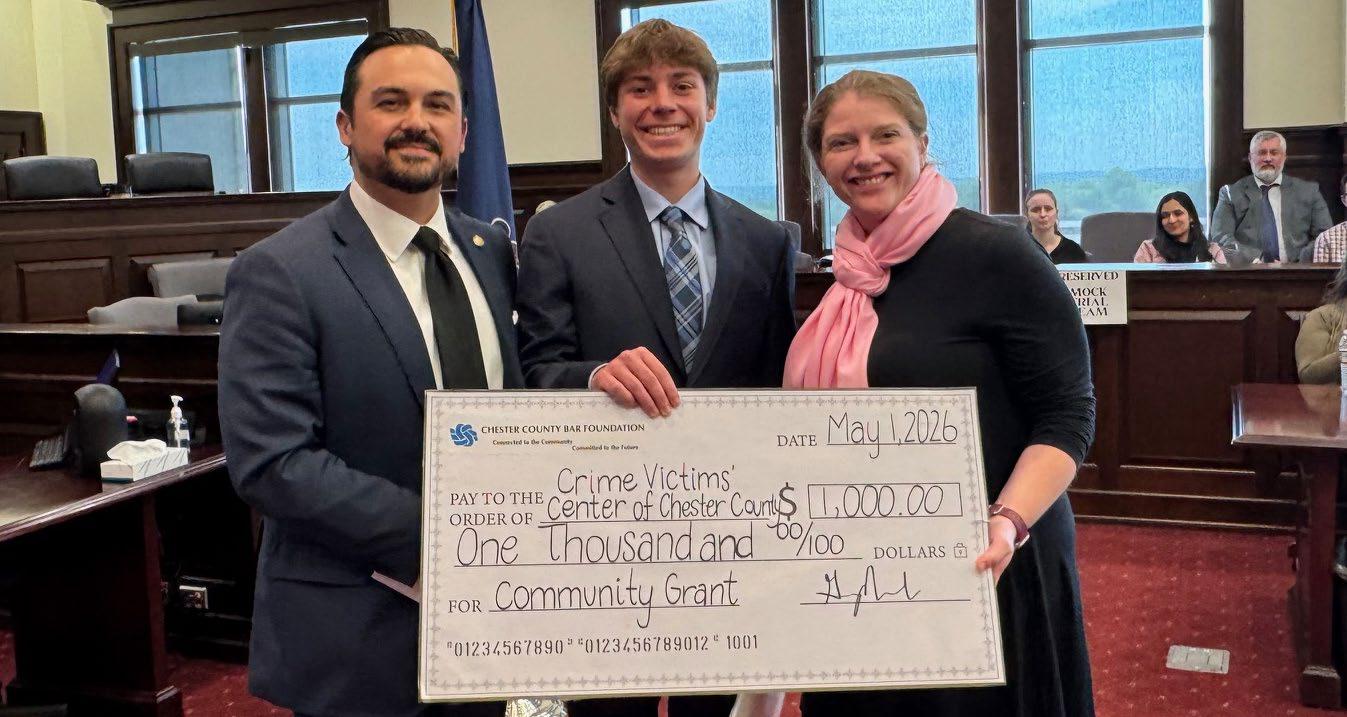
Law Day is observed annually on May 1 as a national day to celebrate the rule of law and promote understanding of how the legal system protects our freedoms.
This year, at the Chester County Justice Center, members and volunteers of the Chester County Bar Association came together to celebrate Law Day on Friday, May 1.
This year’s Law Day Awards were presented to:
• Community Service Award – Ritza Hazen
• Volunteer Service Award – Jamie W. Goncharoff, Esquire
• Justice Center Employee of the Year Award – Nathan Schenker, Esquire
Five new attorneys took the Attorney’s Oath and were welcomed into the court.
Congratulations to this year’s Charles E. Swope Scholarship winner, Josh Weinstein, who plans on attending the University of Pittsburgh.
The Pennsylvania Leadership Charter School Mock Trial team was named this year’s Chester County Mock Trial winner. Congratulations to the students and their advisors!

POSTER ART CONTEST WINNERS
POSTER ART CONTEST WINNERS

Kapoor
Grade 2

Grade 7
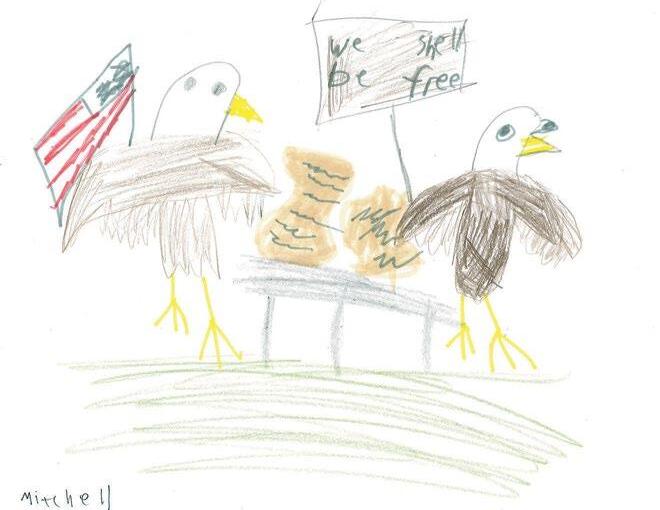
Mitchell Norley
Grade 2
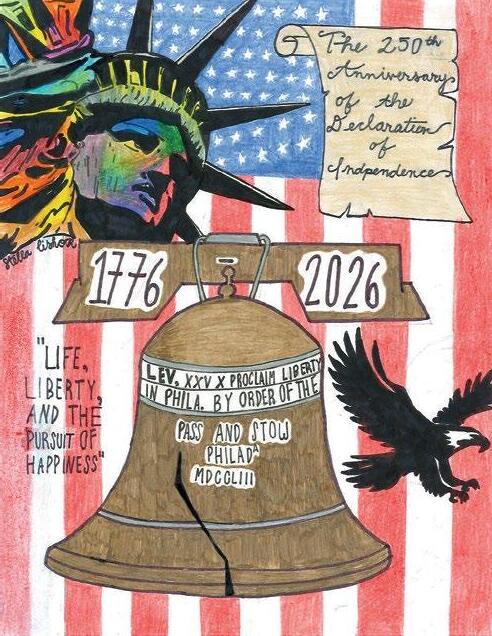
Stella Pishock
Grade 7
3nd Place Winner Hon on

Sid Ghatta
Grade 6

Keira Kearns
Grade 8
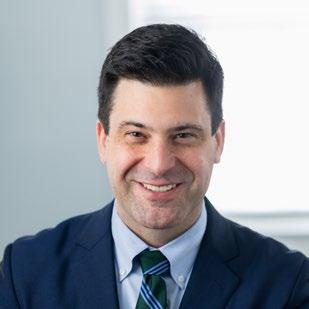

MACELREE HARVEY’s is pleased to announce that ANDREW R. SILVERMAN has been elected a Shareholder of the firm. An experienced member of the firm’s Business Department since 2014, Andrew’s election marks a significant milestone in his career and a commitment to the firm’s leadership in business and tax law.
GAWTHROP GREENWOOD PC is pleased to announce that community association lawyer RACHEL M. SOROKIN has joined the firm as an associate, representing the needs of homeowners and condominium associations.
MACELREE HARVEY’s attorney CAROLINE G. DONATO is nominated as a 2026 VISTA Today NextGen Superstar.
ZACHARY YURICK from GOLDBERG, GOLDBERG, AND MALONEY was named a 2026 VISTA Today NextGen Superstar.
LAMB MCERLANE attorney PATRICK MCGINNIS is nominated as a 2026 VISTA Today NextGen Superstar.
J. BRYAN TUK, ESQUIRE, has joined UNRUH TURNER BURKE AND FREES as a member of the firm’s Business Practice Group.



ABy John R. Embick, Esquire
John R. Embick, PLLC Chair of the CCBA Environmental Law Section
grivoltaics—also called agrophotovoltaics, agrisolar, or dual-use solar—basically is the concurrent or dual use of a parcel for solar energy production and agriculture. Instead of one principal use, agrivoltaics combines electricity generation (via photovoltaic, “PV,” or solar cells) with an agricultural use, such as crops and grazing. Theoretically, agrivoltaics can increase the productivity of land by combining uses.
Agrivoltaics presents several main design alternatives. The first involves solar panels sited between crop rows. This design might be employed for certain shade-tolerant crops such as leafy greens, berries, and herbs. Smaller farm machinery can be used between the rows of solar panels.
The second design involves PV panels elevated above crop rows by 10 to 15 feet. Large-sized farm machinery can operate in this design scheme, which is in use in Europe and Japan.
The third design model utilizes greenhouses with PV solar panels in the roofing materials to regulate light entry into the greenhouses for crop production.
A fourth model combines PV panels with grazing animals. Sheep grazing seems to be the most feasible option (cattle can push on
and damage the PV panels, and goats frequently climb on PV panels and try to eat them).
So, why would agrivoltaics be attractive to landowners, farmers, or investors?
Solar panels can change the microclimate beneath them: shade produced by PV panels reduces heat stress on certain crops. Shade can also lower evaporation rates and enhance the retention of soil moisture levels. PV panels can reduce the effects of windy conditions and reduce crop desiccation. PV panel shade can improve yields for shade-adapted plants. Grazing animals are less stressed with improved shade and shelter.
From an economic standpoint, agrivoltaics can produce additional revenue streams, including income from leasing or power purchase agreements. In addition, the dual use model also allows agricultural production and sometimes reduces costs (sheep grazing underneath PV panels avoids mowing costs).
Accordingly, some commentators view agrivoltaics as a climatefriendly land use.
However, some zoning ordinances do not view electricity generation as an agricultural use, and so would not permit agrivoltaics in agricultural zoning districts or would regulate the use in a way that would not make the activity attractive.
This is what happened in West Lampeter Solar 1, LLC v. West Lampeter Zoning Hearing Board, No. 76 C.D. 2025 (Pa Commw. Ct, January 16, 2026) (“West Lampeter Solar”). As most real estate and municipal lawyers will understand, the holding in West Lampeter Solar is highly dependent on the zoning ordinance language.
and

In West Lampeter Solar, a landowner wished to implement a 25-acre agrivoltaics facility on a 55-acre farm in West Lampeter Township, Lancaster County, PA. The proposed agrivoltaics model would employ PV panels with sheep grazing around and beneath the panels. The farm was located in an agricultural zoning district, and West Lampeter Township’s zoning ordinance did not specifically mention or define “agrivoltaics,” and the ordinance limited non-agricultural uses to five acres.
The applicant argued that agrivoltaics was an agricultural activity and should not be limited to five acres in size. The Zoning Hearing Board (“ZHB”) determined that the proposed project was nonagricultural (since agrivoltaics was not a listed use in the agricultural district, the applicant filed a special exception request with the ZHB), and the trial court affirmed. On appeal, in an opinion written by Senior Judge Leavitt, the PA Commonwealth Court agreed, specifically finding that PV electricity generation is not agriculture, even if sheep graze beneath the panels. Senior Judge Leavitt also turned to the provisions of the PA Right to Farm Act, 3 P.S. §§ 951 et seq., and the Clean and Green Program as established by the Pa Farmland and Forest Land Assessment Act of 1974, 72 P.S. §§ 5490.1, et seq., and determined that solar electricity generation was not a normal agricultural operation.
In its first issue, Applicant argues that the Zoning Board erred in holding that agrivoltaics is not agriculture. Rather, agrivoltaics involves a dual use of land for both agriculture and electricity generation. The Township responds that agriculture is “[t]he science, art, or practice of cultivating the soil, producing crops, and raising livestock and in varying degrees the preparation and marketing of the resulting products,” which does not include solar energy production. Township Brief at 12. The Pennsylvania Department of
Agriculture specifically advises that a “commercial scale solar” or “solar farm” does not meet the definition of normal agricultural operation under the Right to Farm Act, id. at 13, and therefore, it will not receive protection from local ordinances, otherwise given to agricultural operations.
Slip op. at 11-12.
Judge Leavitt’s conclusion is:
We hold that agrivoltaics is not an agricultural use, and Applicant did not establish that its proposed use complied with the applicable requirements of the Zoning Ordinance for a nonagricultural use. The Zoning Ordinance authorizes more than one use of land: one must be principal and the other accessory. Applicant’s principal use will be the production of electricity, not sheep-grazing. In any case, in the Agricultural District, a nonagricultural use, whether principal or accessory, cannot exceed five acres. Accordingly, we affirm the trial court’s order.
Slip op. at 20.
Accordingly, and depending on what the municipality wants (are they receptive to agrivoltaics or not, and in what zoning district should the use be permitted, etc.?), solicitors, supervisors, and planners may want to investigate what the zoning ordinance provides for, and depending on what the municipality’s zoning objectives are, take action to make sure that those objectives are met.


GBy Mark Blank, Jr., Esquire
rammarians give mixed reviews about its use. My English teachers in preparatory school disapproved of it. My freshman English professor encouraged it. The use of the exclamation mark can even be controversial, as illustrated in a Seinfeld episode which, at least in part, focuses on its usage: Elaine and her boyfriend, Jake Jarmel, break up, largely over the exclamation point. (Jake failed to use an exclamation mark in a note that he had left for Elaine about a friend having a baby.) Elaine: “A line with a dot under it is necessary to show excitement!” Jake emphatically disagrees: “Here’s something with an exclamation mark: I’m leaving!” Elaine: “Well then, goodbye!”
Even Elaine’s boss, Mr. Littman, has an opinion on the subject. He criticizes Elaine for the use of it in a manuscript that she submitted to him for his review (Seinfeld, Season 5, Episode 4).
So, either way is correct; it is a question of writing style. Recently, I perused a case in which the judge (District Judge Richard J. Leon), in his Memorandum Opinion, employed an exclamation point no fewer than 12 times! Senator Mark Kelly, a seasoned veteran and United States Senator, had publicly stated that military personnel can (and should) resist illegal orders: “Our laws are clear—you can refuse illegal orders.”
President Trump took it personally as Senator Kelly had been openly critical of the Trump administration, and President Trump’s role as Commander-in-Chief in particular. The Secretary of Defense formally censured and threatened Senator Kelly. The threats included: remanding Senator Kelly to active duty, so that he could be court martialed; criminal prosecution; and reopening Senator Kelly’s retirement grade if he continues “to engage in conduct prejudicial to good order and discipline.” Secretary Hegseth also characterized Senator Kelly’s statements as being seditious. (Yikes!)
In Mark Kelly v. Pete Hegseth et al., 1:26-cv-0081-RJL, D.C. District Court, 02/12/2026, Senator Kelly sought a preliminary injunction and other relief. The District Court, in a scathing opinion, granted the preliminary injunction.
“Secretary Hegseth relies on the well-established doctrine that military servicemembers enjoy less vigorous First Amendment protection given the fundamental obligation for obedience and discipline in the armed forces. Unfortunately for Secretary Hegseth, no court has ever extended those principles to retired servicemembers, much less a retired servicemember serving in Congress and exercising oversight responsibility over the military. This Court will not be the first to do so!” Hegseth, 1.
“This Court has all it needs to conclude that Defendants have trampled on Senator Kelly’s First Amendment Freedoms and threatened the constitutional liberties of millions of military retirees . . . To say the least, our retired veterans deserve more respect from their government, and our Constitution demands that they receive it!” Id., 2.
“Here, Senator Kelly’s First Amendment claim presents a justiciable controversy!” Id., 11. “To say the least, those issues [First Amendment constitutional claims] are in the wheelhouse of Article III Courts, not military officials!” Id., 14.
“[T]he outcome of the administrative process would, in all likelihood, be a fait accompli!” Id.1
“As applied to a sitting member of Congress, the Parker2 Rule has even less force!” Id., 22. “Indeed, if legislators do not feel free to express their views and the views of their constituents with fear of reprisal by the Executive, our representative system of Government cannot function!” Id
“Defendants respond that Senator Kelly is seeking to exempt himself from the rules of military justice that Congress has expressly made applicable to servicemembers . . . Horsefeathers!” Id.
“The First Amendment is a limitation on the power of Congress ... not the other way around!” Id., 23.
“Per an amicus brief submitted by forty-one retired officers, many veterans today are declining to participate in public debate on important and contested issues out of fear of official reprisal . . . That is a troubling development in a free country!” Id., 24.
“Defendants also argue that Senator Kelly has pled himself out of irreparable injury by asserting that he ‘intends to continue to speak on matters of public concern and will not be silenced.’ Please! That is not the law.” Id., 27.
“Put simply, Defendants’ response is anemic!” Id., 28.
“Rather than trying to shrink the First Amendment liberties of retired servicemembers, Secretary Hegseth and his fellow defendants might reflect and be grateful for the wisdom and experience that retired servicemembers have brought to public discussions and debate on military matters in our nation over the past 250 years. If so, they will fully appreciate why the Founding Fathers made free speech the first amendment to the Bill of Rights! Hopefully, this injunction will, in some small way, help bring about a course of correction in the Defense Department’s approach to these issues.” Id., 29.
“ . . . Senator Kelly’s motion for a preliminary injunction is GRANTED.” Id.
Kelly v. Hegseth is dated 12 February. Within less than a week, the Trump administration suffered yet another setback. In City of Philadelphia v. Doug Burgum et al., the subject is the President’s House, a component of Philadelphia’s Independence National Park that commemorates the site of the first official presidential residence and the people who lived there, including people enslaved by President George Washington. On January 22, 2026, the National Park Service removed panels, displays, and video
exhibits that referenced slavery and information about the people who were enslaved at the President’s House.3
The City of Philadelphia sought a preliminary injunction to restore the President’s House exhibit as it was on January 21.4 The claim was that Defendants unlawfully removed the displays, that the removal constituted unlawful agency action, and was arbitrary, capricious, and ultra vires. The City also requested a Temporary Restraining Order to enjoin “defendants from damaging items from the President’s House or making further alterations to the President’s House.” Burgum, 2.
The motion for a preliminary injunction was granted. Defendants were ordered to reinstall all panels and video exhibits that were previously in place and to prevent any additions, removals, or destruction and any further changes unless there is a mutual agreement.5
Judge Cynthia M. Rufe’s opinion is in stark contrast to Judge Leon’s in Hegseth. How so? Well, she begins with a poetic prose: “If the Ministry of Truth in George Orwell’s 1984 now existed, with its motto ‘Ignorance is Strength’, this Court is now asked to determine whether the federal government has the power it claims—to dissemble and disassemble historical truths when it has some domain over historical facts. It does not.” Burgum, 1.
But most of all, her opinion contains no exclamation points. Now, as we all know, judges have their own style and methodology in writing opinions. Here, Judge Rufe’s opinion was just as emphatic as Judge Leon’s in Hegseth. She did not, however, employ exclamation points. (Elaine, yes; Jake Jarmel, no.) Hegseth, exclamation points!; Burgum, nada. Either way is proper, as illustrated by both of the well-written opinions.
Maybe the highest court in the land can resolve the conflict between districts. In close proximity to the foregoing Trump administration’s defeats comes Learning Resources, Inc. et al. v. Trump, President of the United States et al., U.S. No. 24 - 1287, February 20, 2026.
The question presented was whether the International Emergency Economic Powers Act authorizes the President to impose tariffs. “ . . . [T]he President must point to clear congressional authorization to justify his extraordinary exertion of the power to impose tariffs . . . He cannot.” Learning Resources, 13.
In essence, Chief Justice Roberts, speaking for the 6-3 Majority, said that the nation’s founders deliberately and explicitly placed the power to impose taxes (including tariffs) with Congress, not the president.
Continued on page 22
3 City of Philadelphia v. Doug Burgum, Secretary of the Interior et al., 2:26-cv00434-CMR, E.D. Pa. 16 February, 2026.
4 January 21 was the last day before the Government began its removal project.
1 Defendants argued that the issue is not justiciable, and that there is an administrative proceeding available; that Senator Kelly had failed to exhaust his administrative remedies.
2 Parker v. Levy, 417 U.S.733 (1974) (First Amendment protections are more limited in the military context).
5 This is a summary of the interlocutory Order. For the full text of the order, refer to docket entry 54. Defendants have appealed to the Third Circuit. The District Court denied Defendants’ motion for a stay pending appeal. Defendants moved for an emergency stay in the Court of Appeals, which was granted in part and denied in part.
“Our task today is to decide only whether the power to regulate ... importation, as granted to the president in IEEPA, embraces the power to impose tariffs. It does not.” Learning Resources, Inc., 16.
President Trump, like most New York real estate tycoons, is a sore loser. In speaking of the Justices in the Majority, “They’re just being fools and lap dogs for the RINOs and the radical left Democrats!” He accused the six Justices of “being afraid to do the right thing!” President Trump stated that he is “ashamed” of the Justices who voided the tariffs as a disgrace to the nation!”
“The Supreme Court’s ruling on tariffs is deeply disappointing, and I’m ashamed of certain members of the Court, absolutely ashamed for not having the courage to do the right thing for our country!” (Et tu, Chief Justice John?! [I thought you were my buddy!])
President Trump called the three “conservatives” (two of whom he appointed) “disloyal and unpatriotic!” He accused the Justices of being “influenced by foreign powers!” And in the midst of his ranting and raving, he said that the Court should have invalidated the election results of 2020! (What the hell does that have to do with the price of tea in China?)
United States Supreme Court Justices do not use exclamation points; so, for now, they cannot be the tie breaker. But President Trump’s critique, with all of its exclamation points, could easily side with Elaine.
The President asserted, at the same press conference, that he will go ahead with a ten percent tariff, using alternate statutes which he believed would allow him to proceed, as such, without the consent of Congress. Following his speech, the stock market crashed!
I could go even further into Never-Never Land6, but this is enough, at least for now. If you are a loyal member of the Trump cult, you are at liberty to burn this article, and while you’re at it, don’t forget to put an exclamation mark on top of the burnt ashes.
6 See, for example, National Trust for Historic Preservation in the United States v. National Park Service et al., D.C. Dist. Ct., 1:25-cv-04316-RJL, 3/31/2026.
Judge Leon granted the National Trust’s Motion for a Preliminary Injunction, putting a halt on President Trump’s ballroom construction, as the project was not authorized by Congress. This time, Judge Leon, in his thirty-five-page Memorandum Opinion, employed exclamation points eighteen times, surpassing his previous record! “The President of the United States is the steward of the White House for future generations of First Families. He is not, however, the owner! . . . I must therefore GRANT the National Trust’s Motion for a Preliminary Injunction, and the ballroom construction must stop until Congress authorizes its completion.” National Trust,1. “The principal question before the court is whether the President has stepped so plainly beyond the bounds of [his statutory authority] or acted so clearly in defiance of it, as to warrant the immediate intervention of the equity court . . . Unfortunately, he has!” Id.,11. “Without question, Congress has not specifically authorized the ballroom construction!” Id., 20. “The Constitution, itself, vests authority over federal property, including the White House, in Congress! . . . After all, the White House does not belong to any one man—not even the president!” Id.,33.

• MLM has returned a dividend to policyholders annually since 1988, over $88 million total
• First dollar defense- a loss only deductible can produce a substantial savings for firms facing nuisance type claims
• Full prior acts coverage
• Offers an array of services to mitigate risks including three free CLEs for policyholders each policy year, $165 value

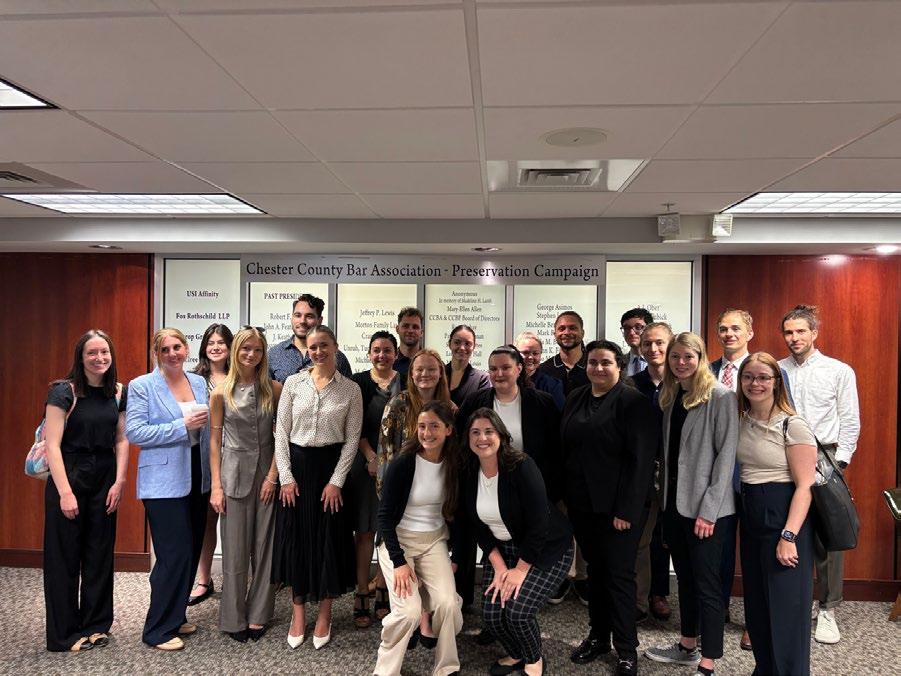
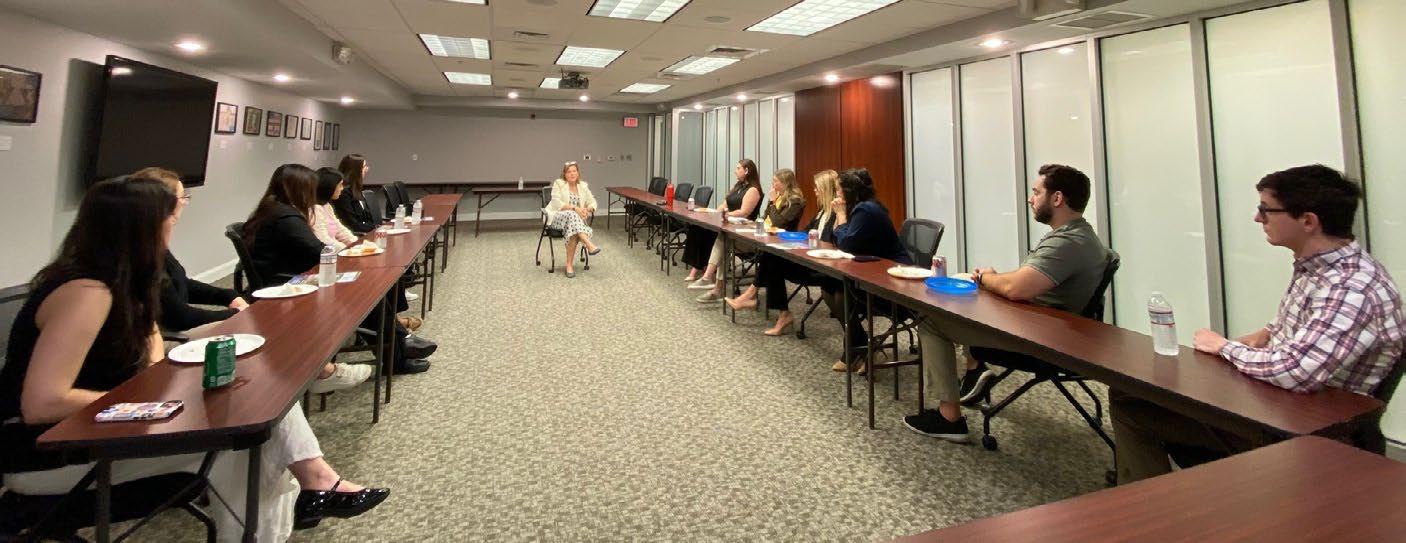
er, law student interns from across Chester cluding those at the District Attorney’s Office, efender’s Office, and Legal Aid—have the to attend a variety of programs and events provide practical legal experience and fessional development.
This summer, law student interns from across Chester County including those at the District Attorney’s Office, the Public Defender’s Office, and Legal Aid have the opportunity to attend a variety of programs and events designed to provide practical legal experience and support professional development.
The goal of the CCBA’s Law Student Internship & Development Program is for participants to gain practical legal experience and exposure to the legal community in Chester County.
To Learn more about the program visit www.chescobar.org
the CCBA’s Law Student Internship & nt Program is for participants to gain practical ence an mun unty. ore abo obar.or
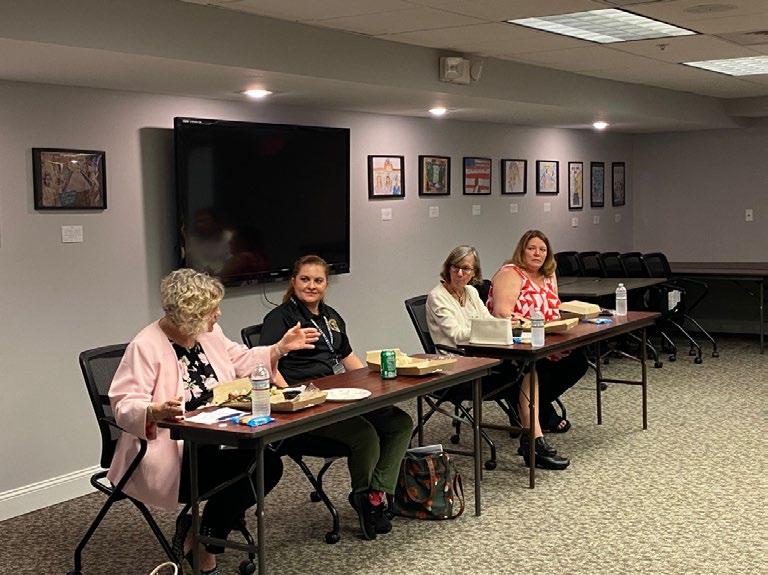

Officer’s Lunch. From left to right: Diane of Deeds, Sophia Garcia-JacksonVan de Krol - Clerk of Courts and Kristen Prothonotary.
June 4: Breakfast with Bar Leaders
June 11: Lunch with District Attorney Christopher de Barrena-Sarobe and Public Defender Nathan Schenker
June 18: Lunch with Judge Megan Sullivan from the PA Superior Court
Schedule of Events
June 4: Breakfast with Bar Leader
June 30: Lunch with Chester County Row Offers
June 11: Lunch with District Attor
July 9: Lunch with Judge Juan Sánchez from the U.S. Eastern District
Christopher de Barrena-Sarobe a Public Defender Nathan Schenke
July 16: Lunch with Chester County Court of Common Pleas Judges
July 23: Farewell Happy Hour
June 18: Lunch with Judge Megan Sullivan from the PA Superior Cou
June 30: Lunch with Chester Coun Row Offers
Moments of transition offer a powerful opportunity to reflect on impact while looking ahead with purpose. This summer, the Chester County Community Foundation celebrates a significant leadership succession honoring a legacy of service while welcoming new voices to guide the future of philanthropy in our region.
On Friday, June 26, community members, partners, and friends will gather at align.Space in West Chester for a special open house reception recognizing this important milestone. The event will celebrate the leadership of outgoing President and CEO Karen Simmons on her 25th silver anniversary retirement, while welcoming incoming Board Chair Erik Gudmundson and a new CEO to be announced.
This moment represents more than a change in leadership, it reflects the strength, continuity, and shared vision that define the Community Foundation’s work. As the organization continues growing philanthropy, the transition underscores a commitment to both honoring the past and embracing the future.
Simmons’ tenure has been marked by deep community impact, thoughtful stewardship, and a steadfast dedication to connecting people who care with causes that matter. Her leadership has helped shape the Foundation into a trusted philanthropic partner across Chester County, strengthening initiatives that support education, health, food security, and community well-being.
The June celebration will also recognize the contributions of outgoing board members Zebulun Davenport, Ed.D., Stephanie Pahides Kalogredis, Esq., Rob Necarsulmer, and Donna Urian,
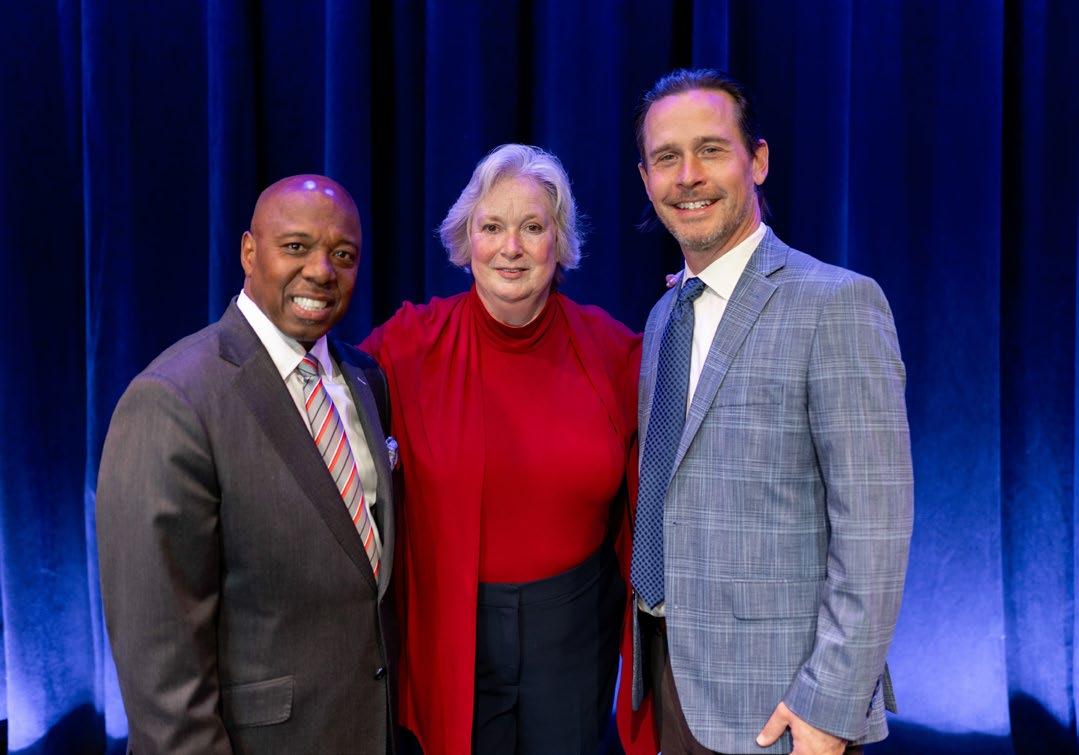
CPA, whose service has helped guide the Foundation’s mission and growth.
As new leadership steps forward, the Foundation remains grounded in its core values: collaboration, generosity, and longterm impact. Incoming Board Chair Erik Gudmundson will help lead this next chapter, working alongside the new CEO and Board of Directors to expand the Foundation’s reach and deepen its community partnerships.
JENNIFER ERMILIO, ESQ.
As part of this exciting transition, the Community Foundation is also pleased to welcome Jennifer Ermilio, Esq., as its newest member of the Board of Directors.
A partner at Buckley Brion McGuire & Morris LLP, Jennifer focuses her legal practice on trusts and estates, helping individuals and families develop thoughtful, customized plans that reflect their values and long-term goals. Her approach is both collaborative and clientcentered, emphasizing clarity, education, and confidence in the planning process.

JENNIFER ERMILIO, ESQ. Buckley Brion McGuire & Morris LLP
Community Foundation Board Member
Jennifer’s commitment to community impact is already well established. As a member of the Community Foundation’s Grants Committee, she has played an active role in supporting local organizations and advancing meaningful philanthropy across Chester County. Her work reflects a deep understanding of how strategic grantmaking can strengthen communities and create lasting change.
“I am honored to join the Board of the Chester County Community Foundation,” Jennifer shared. “The Foundation plays such a vital role in strengthening our community, and I
am excited to contribute to its mission. Having already seen the impact of grantmaking firsthand, I look forward to collaborating with fellow board members to continue supporting meaningful initiatives across Chester County.”
Her appointment comes at a pivotal time for the organization. Jennifer brings both professional expertise and a genuine passion for service. Her background in estate planning aligns closely with the Foundation’s work in legacy philanthropy, helping individuals and families turn their values into lasting community impact.
Leadership transitions are ultimately about continuity; carrying forward what matters most while embracing new opportunities

for growth. The Chester County Community Foundation’s upcoming succession reflects a strong foundation built over decades and a clear vision for the future.
The June 26 celebration invites the community to be part of this moment: to honor the leadership that has shaped the Foundation, welcome those who will guide its next chapter, and reaffirm a shared commitment to building a stronger, more vibrant Chester County.
Together, through thoughtful philanthropy and engaged leadership, the work continues. For good. For all. Forever.
28 W. Market St., The Lincoln Building West Chester, PA 19382 www.chescocf.org 610.696.8211
Zeb Davenport, Ed.D., Chair of the Board
Karen Simmons, President/CEO
Jason Arbacheski CAP®, Senior Philanthropy Planning Officer



WHERE DO YOU LIVE?
In the charming township of East Bradford, between Ace + Giant and Stroud Preserve.
WHAT WAS YOUR FIRST JOB?
As an attorney, representing immigrant workers who faced labor exploitation.
Before law school, transplanting and transporting Japanese Maples at a tree nursery in Downingtown.
WHAT WORD BEST DESCRIBES YOU? Enthusiastic.
WHERE WOULD WE FIND YOU ON A SATURDAY AFTERNOON?
Mountain-biking at White Clay Creek State Park in Delaware.
WHAT IS YOUR FAVORITE WAY TO SPEND YOUR FREE TIME?
Building new projects and experimenting with new forms of delivering information.
WHAT IS YOUR GREATEST EXTRAVAGANCE?
In 2026, Highfield Law acquired a respectable turntable plus 300 LPs (mostly classical music) that spin on repeat during each workday.
WHAT IS YOUR FAVORITE VACATION DESTINATION?
There’s nothing truly like the wild mountain rivers, lush valleys of wildflowers, and soaring mountain passes that welcome a visitor to the South Island of New Zealand.
WHAT IS YOUR FAVORITE FOOD? Homemade tandoori chicken.
WHO IS THE PERSON YOU ARE MOST INTERESTED IN MEETING?
The person who surrendered my dog before I met her, so I can ask them one word: Why?

WHAT WAS THE LAST BOOK YOU READ? Slow Productivity, by Cal Newport
WHAT IS YOUR FAVORITE TV SHOW? 24, Season 4, when he storms the embassy?! I can’t even.
WHAT GOALS DO YOU STILL HAVE THAT YOU HAVE NOT ACHIEVED YET?
Start an ice-cream truck company that modernizes how, where, and when (fresh) ice cream is delivered curbside to your house or next Little League event.
WHAT IS A LITTLE-KNOWN FACT ABOUT YOU?
I’ve said Mass and distributed communion when I was deployed at sea in the Navy, and we lacked a chaplain aboard.
WHAT IS YOUR FAVORITE WEBSITE?
The Wayback Machine, which stores websites as they existed many years ago, before they were rewritten and republished. (web.archive.org)
WHAT WOULD YOU BE IF YOU WERE NOT A LAWYER?
If not a lawyer, I’d be a high-school religion or philosophy teacher, facilitating respectful debates around the most controversial topics.
WHAT IS SOMETHING PEOPLE WOULD BE SURPRISED TO HEAR ABOUT YOU?
Despite being a litigator by day, I’ll go pretty far out of my way to avoid confrontation in my personal life. Outside of work, I hate being direct about something I don’t like.
WHAT IS YOUR FAVORITE THING ABOUT THE BAR ASSOCIATION?
Like Frodo and Sam, the staff at the CCBA take on impossible challenges, with insufficient resources, on missions where the stakes are high and life-size spiders could emerge at any moment. But they do this work daily, unflinchingly, because they, like Sam, believe there’s some good in the world—and it’s worth fighting for.