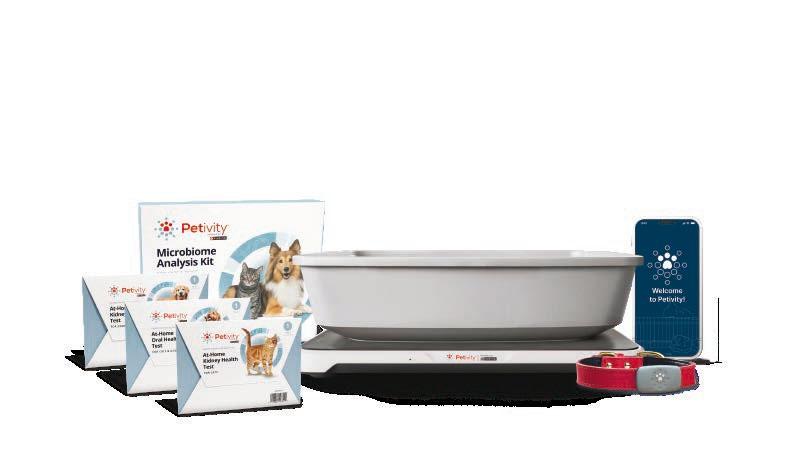
Petivity is your partner in pet care, helping you extend your support beyond the clinic by providing pet owners with valuable health insights and information about their pets between vet visits. Together, we can ensure your patients receive the continuous care they deserve.
®
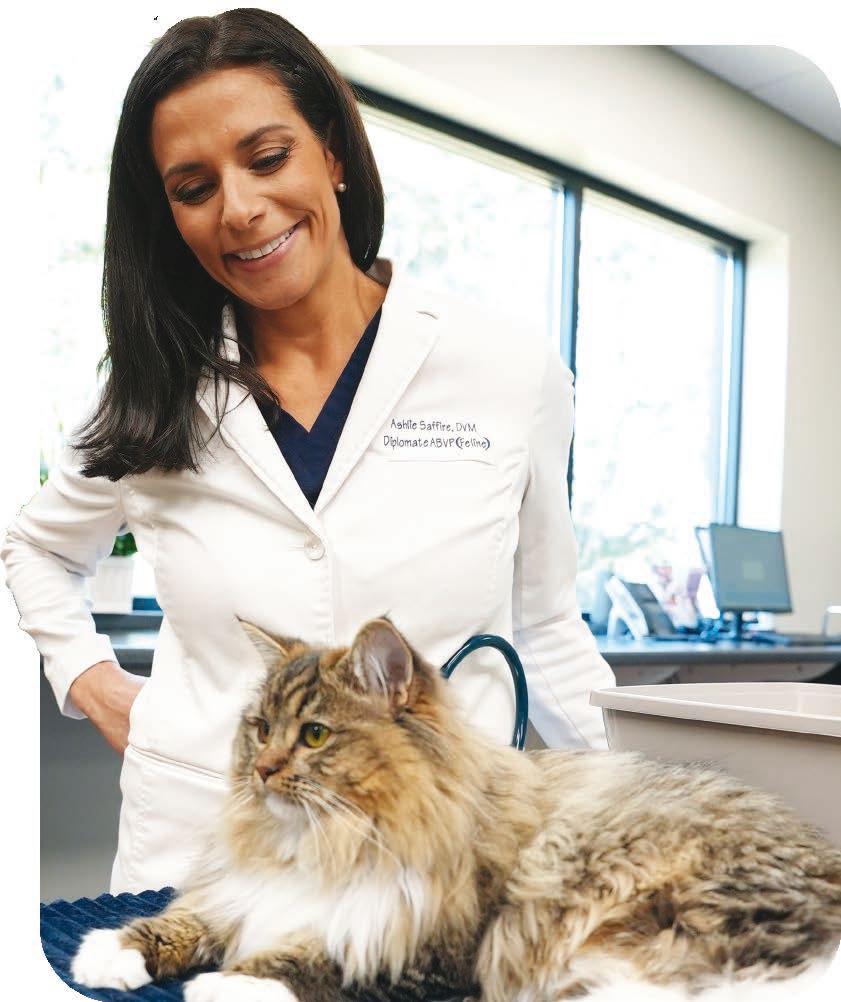
We were able to institute treatment right away, relieve the urinary tract obstruction and literally save his life.
–Dr.
Ashlie Saffire, Board Certified Feline Veterinarian & Purina Partner on the importance of using the Smart Litter Box Monitor for early detection
Learn more about Petivity's portfolio of proactive pet care products.
Purina trademarks are owned by Société des Produits Nestlé S.A. Printed in USA.
MORE EXPERTISE. MORE EXPERIENCE.
Same Commitment to Exceptional Patient Care.
DR. SARAH BRONKO DVM, DAVDC
While I was working in a primary care setting, I noticed the resounding difference that treatment of dental disease made in my patients’ overall health and happiness, and the great improvement in quality of life that they experienced. I have now found the best job in the world, helping relieve pets from dental pain every day, and educating pet owners and other veterinarians about the importance of preventative and therapeutic dental care.
Veterinary Dentistry Specialists is proud to celebrate Dr. Rebecca Feuer and Dr. Sarah Bronko, who have successfully earned board certification as Diplomates of the American Veterinary Dental College.
This prestigious achievement reflects years of advanced education, intensive residency training, rigorous examinations, and a commitment to providing the highest level of specialty dental and oral surgery care for companion animals.
EDUCATION
• Diplomate, American Veterinary Dental College
• Tufts University Cummings School of Veterinary Medicine
• Completed VDS Dentistry & Oral Surgery Residency
Both doctors completed their residency training with VDS and will continue serving referring veterinarians, clients, and patients throughout the region with compassionate, collaborative specialty care.
Their dedication to improving oral health helps pets live healthier, happier, and more comfortable lives every day.
DR. REBECCA FEUER, DVM, DAVDC
Dental health plays a central role in overall health. Every procedure is an opportunity to relieve pain, improve quality of life, and help pets feel their best.
EDUCATION
• Diplomate, American Veterinary Dental College
• University of Pennsylvania School of Veterinary Medicine
• Completed VDS Dentistry & Oral Surgery Residency
VDS® is the only referral practice in the nation dedicated to advanced dentistry and oral surgery for pets where a full-time board-certified veterinary dentist and a board-certified veterinary anesthesiologist are on staff to ensure the safest and most comfortable experience… and the best possible outcome.
Subscriptions:
The Keystone Veterinarian is mailed to PVMA Members at no charge as a member benefit. Subscriptions are available to non-members for $30/year or $10 for a single issue. Please contact Membership@PaVMA.org if you’re interested in receiving the Keystone Veterinarian magazine.
Notice to Readers:
Neither this publication, Hoffmann Publishing, nor PVMA assumes responsibility for material contained in articles and advertisements published, nor does publication necessarily constitute endorsement or approval of the advertiser, product, service or author viewpoint by the Keystone Veterinarian, its editors and publishers or the Pennsylvania Veterinary Medical Association. In addition, neither this publication nor PVMA guarantees the accuracy, reliability or completeness of any facts, views, opinions, recommendations, information or statements contained within this publication.
Reproduction in whole or in part is prohibited without the permission of the Pennsylvania Veterinary Medical Association.
5 Message from the President
8 The Delegation Illusion: You Think You’re Delegating. Your Team Doesn’t.
11 PVMA Position Statement Summary
14 Words of Advice for New Grads
16 A Grain of Truth: Hazing
18 Navigating Veterinary Licensing Investigations and Disciplinary Matters in Pennsylvania
20 Inclusion Starts with “I” and Involves Us All
23 The Most Useful Skill Nobody on Your Team Has Learned Yet: Claude Code and the Case for Teaching Your Whole Practice to Build
25 Pausing is the Power Move: Rethinking the Path to Success in Veterinary Medicine
28 Strengthening Your Practice with Human Resource Support
30 A Veterinarian’s Duty to Warn Clients They May Own a Dangerous Dog
33 In Memoriam:
Dr. Tom R. McElhaney, DVM
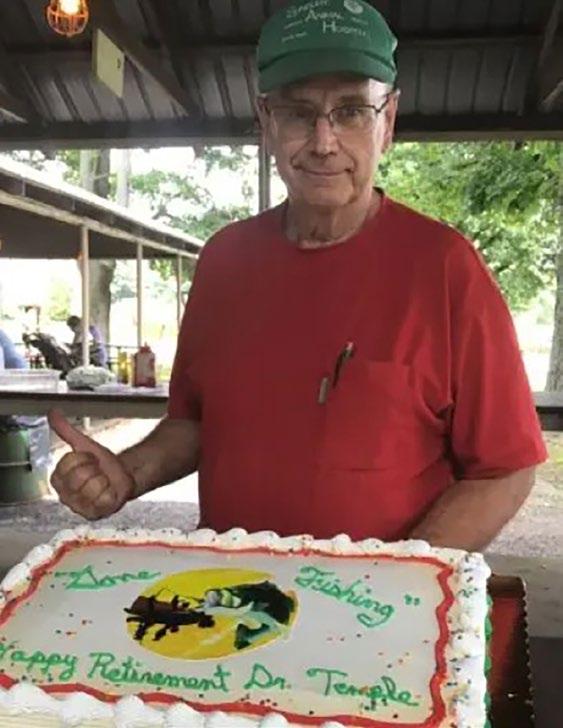
Dr. James W. (Jim) Temple
35 Classified Ads
Hoffmann Publishing Group 2669 Shillington Road, #438 Sinking Spring, PA 19608 www.Hoffpubs.com
Hoffmann Publishing Group is the official publisher of the PVMA’s Keystone Veterinarian magazine. For advertising opportunities, contact: Ad Sales at Sales@HoffPubs.com or call 610.685.0914 x 715.
The Pennsylvania Veterinary Medical Association is dedicated to ensuring the vitality of the veterinary profession by promoting excellence in veterinary medicine, advancing animal health and welfare, and protecting and enhancing human health. PO Box 468, Elizabethtown, PA 17022 717.220.1437 | Info@PaVMA.org | PaVMA.org
EXECUTIVE COMMITTEE
President: Andrea Honigmann, DVM
President-elect: Jeffrey Dill, DVM
Vice President: Andrea Carr, DVM
Past-President: Rhett Proctor, DVM
Secretary/Treasurer: Thomas Munkittrick, DVM
BOARD OF TRUSTEES
Western Region Trustee: Erin Johnson, DVM
Metro Philadelphia Region Trustee: Jill Stetz, VMD
North Central Region Trustee: Jim Zeliff, DVM
South Central Region Trustee: Stephen Foulke, DVM
Equine Veterinarian At-Large: James Holt, VMD
Production Animal Veterinarian At-Large: William Croushore, DVM
Editor: Kate Boatright, VMD Editorial Assistant: Nina Mantione, DVM
Editorial correspondence should be sent
Message from the President
Andrea Honigmann, DVM 2025-2026 PVMA President Scientific Committee Chair
As I sit down to write my final message to you as President, and it’s almost summer again, it feels like I was just writing my first presidential message as the last summer was giving way to fall. Now, I am excited to hand over the reins of the PVMA to Dr. Jeff Dill, our president-elect, in about a month and see what the future holds for our organization. I want to express my heartfelt gratitude for the opportunity to serve as your president— it has been an honor and a privilege.
I am confident that the PVMA will continue to thrive and effectively represent our membership in Harrisburg. That said, I would also like to take a moment to acknowledge the incredible work of the Legislative and Regulatory Affairs Committee (LRAC). Their tireless efforts, which included countless emails, late-night ZOOM meetings, and unwavering dedication, have been instrumental in shaping the outcome of two critical issues that affect our profession. In the coming weeks, you will see the impact of their work as we combat the push for virtual VPCR and advocate for title protection for our veterinary technicians across the Commonwealth. Without the LRAC’s commitment, these issues may have had serious negative consequences for our profession. I am so thankful for their hard work and look forward to seeing the continued positive impact of their efforts.
As an organization, we’re committed to being a top destination for continuing education in our state, and maybe even the greater mid-Atlantic region. Later this year, we are going to start offering webinars to our members, which will be a fantastic way to learn and grow. The Keystone Veterinary Conference is just around the corner—only weeks away—and it is shaping up to be one of the best we have had in years. If you have not checked out the speaker lineup or booked your hotel room at Kalahari Resort yet, make sure to add that to your to-do list today. This conference has something for everyone on the veterinary team, from technicians to veterinarians, and everyone in between.
This brings me to the central message of this letter to the membership. How can we keep developing our teams? It is a question that needs some thought, so let’s break it down. We always talk about how important it is to communicate well with our clients and provide top-notch medical care to the pets that they love. But there is another crucial part of running a successful veterinary practice that often gets overlooked. We must ensure that our teams are constantly learning and growing. We need to invest in our team’s ongoing training and professional development if we want to stay ahead of the game. By doing so, we can ensure that our teams are equipped with the latest knowledge and skills to provide the best possible care for the patients. It is not just about providing good care; it is about providing exceptional care. That requires a team that’s dedicated to continuous learning and improvement.
So, let’s make sure we are prioritizing our team’s development and providing them with the tools and resources they need to succeed. Whether it is through webinars, conferences, or other forms of training, we need to be committed to helping our team grow and thrive. Veterinary medicine is always changing. New ideas and tools are being developed all the time. This means that veterinary professionals need to keep learning and updating their skills to give the best care to their patients. I have been a vet for 20 years now, and I can see a significant difference in how I work today compared to when I started in 2006. If I went back in time and told my younger self about all the new things I’m doing now, the 2006 me would be amazed!
A veterinary practice that makes learning a priority is much better at keeping patients safe and giving them the best care, rather than just doing things the way they have always been done. By staying up to date with the latest advances, we can provide more efficient and progressive care, which is essential for giving our patients the best possible continued on next page >
Message from the President
continued from page 5
outcomes. When it comes to professional growth, it is essential that the whole team is on board. This means that every single person, from veterinary technicians and assistants to client service staff, kennel staff, managers, and leaders, should have the chance to learn and improve. I really cannot stress this enough—every role in the hospital plays a vital part in how patients are treated and how clients feel about their experience. When everyone works together to grow and learn, the whole practice becomes a better place. It is all about creating a positive culture where everyone feels valued and supported. By investing in the development of each team member, we can build a stronger, more cohesive team that is prepared to provide top-notch care and service. This, in turn, leads to better outcomes for our patients and happier clients. So, it is crucial that we prioritize ongoing education and training for every single person on our team, regardless of their position or role. When medical staff get the training they need in areas like anesthesia, dentistry, medicine, and diagnostic advances, patients ultimately get better care.
It is the same with client service team members when they learn how to communicate well and handle tough client situations. Clients feel like they are being listened to and taken care of, even when situations get difficult. There is also specific training that can help to diffuse situations when they become less manageable through techniques that are already known.
When the people in leadership of a practice learn about managing teams and working together, everyone’s happier and less likely to leave their jobs. This way, everyone benefits— patients, clients, and staff—and things just run more smoothly. Veterinary medicine has a long history of struggling with burnout, compassion fatigue, and staffing shortages. But what if leadership could turn things around by investing in their team’s growth and development? This is a chance for them to show their team members that they truly care about their well-being and success. Every team member wants to feel valued and appreciated, and they want to know that their hard work and dedication are recognized.
When practices prioritize continuing education, mentorship, cross-training, and career advancement, they send a powerful message to their teams: “You are worth it, and we believe in you.” This approach should be a no-brainer, not an afterthought, especially for practices that strive for excellence and want to attract and retain top talent. By doing so, they can create a positive and supportive work environment where team members feel motivated, engaged, and committed to delivering exceptional care. You do not have to break the bank to help your team grow. Sometimes the best way to learn and improve is right where you are in your own practice. A short training session each week, talking through a tough case, or a workshop to learn new skills can make a significant difference. And don’t forget about pairing experienced team members with newer ones— it’s a great way to pass on knowledge and experience.
When you create a space where people feel safe asking questions and learning from each other, you build trust and a sense of responsibility. This helps everyone feel more comfortable speaking up and trying new things, which is essential for a team to really thrive. Training a team is not about punishing them for mistakes, but about helping them grow and improve. The best teams know that learning is an ongoing process, not just a reaction to problems. They focus on building strengths, not just fixing weaknesses. By taking this approach, teams can create a positive and supportive culture that encourages everyone to learn and succeed.
It is really helpful when team members learn about each other’s jobs. This helps them understand and care about what others are doing, making it easier for them to work together. It also makes the whole process of getting things done in the hospital smoother. When different departments do not talk to each other, it can get frustrating. But when teams know how their work fits together, they can communicate better and take better care of patients. A veterinary team that works well together gives a good impression, and that is seen and felt by the clients. It creates confidence and an air of cohesiveness that is present from the beginning to the end of the visit.
Clients might not know all the details about anesthesia or dental care, but they can tell when a hospital is running smoothly. They feel safe when the staff communicates clearly, gives consistent advice, and works together as a team—from the receptionists to the technicians and doctors. When everyone in the clinic is on the same page, clients notice and appreciate it, which is why they choose one practice over another. It is not just about the medical care; it is about the whole experience. A well-run team makes all the difference, and clients can feel the positive energy when everything clicks into place.
As a veterinarian, you are always learning and growing. It is not just about keeping up with the latest medical advancements, but also about being the best you can be for your patients, clients, and colleagues. When you take the time to develop your skills and knowledge, you are showing that you’re committed to excellence. And that’s not just about you—it’s about the whole team. Imagine coming back from a conference or webinar with new ideas and insights to share with your colleagues. It is a great way to build confidence and inspire a fresh perspective. When you feel confident and motivated, you are able to provide even better care for your patients. It’s a win-win situation. By staying curious and committed to learning, you can make a real difference in the lives of those around you—and that is what being a great veterinarian is all about each and every day. Strong practices are not built solely on medicine. Excellent teams are built on the people inside the four walls. And those people thrive when they are given the opportunity to learn, grow, and succeed together.
Is practice ownership for you?
PA: Central - New!!! Established, small animal hospital closely located to I-99 which makes it an easy commute to Altoona, State College, Hollidaysburg and on to Pittsburgh and DCBaltimore The practice is housed in a 2,000 sq ft facility that has been well-maintained and is well-equipped. The owner is ready to retire so both the practice and real estate are for sale. (PA435)
PA: Southern - Established, small animal practice located in southern Chester County, PA near the PA-MD border It is housed in an attractive, free-standing, leased facility that has a very good location with excellent visibilty and easy access. The owner is ready to retire, so the practice is for sale. The landlord will provide a new long term lease to help the practice going forward (PA437)
PA: Central - Small animal practice located in the vibrant and growing area of Carlisle with easy access to Harrisburg, Mechanicsburg, Gettysburg and on south to Baltimore and Washington, DC. The practice is housed in a 4,800 sq. ft. facility that is well-equipped and has room for future growth Both the practice and real estate are for sale (PA520)
OH: Northeast - This is a healthy and growing, companion animal practice located in northeast Ohio - it is just a short hop to Lake Erie, the Cleveland area and northeast to Erie, PA The hospital is financially healthy with terrific cash flow to the owner. It has a balanced work-life schedule and maintains revenues over $1M. It is housed in a 4,000 sq. ft. facility with 4 exam rooms, a large treatment area, with plenty of room for future expansion. Both the practice and real estate are for sale.(OH521)
MD: Northeast - Small animal hospital for sale in northeast Maryland - you can live in MD, PA or DE! The practice is financially healthy with a good cash flow to the owner. It is housed in an attractive, freestanding facility that has been well-maintained and is will equipped. The practice sits on a 1-acre lot so there is room for future expansion. Both the practice and real estate are for sale. The owner is open to staying part time (MD526)
NJ: Northern - 100% Mobile specialty practice! Keep as is or could be easily grown. Excellent cash flow to owner due to the low overhead! Owner will help with the transition and staff is expected to stay. (NJ516)
**Photo by Dr David King, DVM, CVA
The Delegation Illusion: You Think You’re
Delegating. Your Team Doesn’t.
Suzanne
There’s a cycle playing out in veterinary hospitals right now, and most of the leaders driving it have no idea they’re doing it.
You don’t fully trust your team, so you hold tight to control. Because you’re controlling, your team doesn’t feel trusted or utilized, so they leave. You hire someone new, and even though that person shows up credentialed and capable, you still can’t let go. And so, the cycle begins again.
Veterinary professionals know their worth. They’re not leaving because the work doesn’t matter to them. They’re leaving because the environment doesn’t reflect that it matters to the people leading them.
The word that gets credited for fixing this is delegation. But most veterinary leaders have never been taught what delegation actually is.
Task Redistribution Is Not Delegation
When most leaders say they’re delegating, what they mean is: I handed someone a task. They assigned the discharge callbacks, they passed off the treatment list, or they told a technician to handle the controlled drug log.
That’s not delegation, it’s redistribution. It moves work off one plate and onto another, but it doesn’t move ownership.
Ownership is the part that changes everything.
True delegation transfers authority alongside responsibility. It means the person you handed the work to gets to make decisions about that work, solve problems within it, and be accountable for the outcome. Not report back to you at every step (that’s micromanagement) and not need to wait for your approval before acting. Delegation means handing the work over and letting that person actually own it.
When leaders redistribute tasks but retain all the authority, their teams learn quickly that initiative gets second-guessed and decisions get overridden. They learn that showing up and doing the work is enough, but ownership isn’t really theirs to hold, so they stop reaching for it.
That credentialed technician who used to volunteer for every new protocol, who had ideas about workflow, who stayed late because they cared? At some point, they stop. Not because the work no longer matters, but because the environment no longer signals that their ownership matters.
Control Is Not a Leadership Strategy
Leaders don’t hold onto control because they’re bad at their jobs. They hold onto it because at some point, letting go went
By
Thomas, BA, BS, LVTg, CVTg, CCFP, CVBL, MBA
wrong. A task got dropped, a client complained, or something fell through, and they were the ones who had to fix it. They learned that if they wanted it done right, they had to do it themselves. And while that lesson is understandable, it’s also how hospitals burn through their best people. In their work on influencing behavior change, researchers Patterson, Grenny, Maxfield, McMillan, and Switzler identified six sources of influence that shape whether people actually change how they work:1
• Two are personal: motivation and ability.
• Two are social: how peers model behavior and whether leaders actively coach it.
• Two are structural: whether the systems and environment support the behavior or work against it.
Most leaders trying to fix delegation problems focus only on the first two. They question whether the person wants to do the work or whether they have the skill to do it. But the structural sources are often what’s really broken. The role isn’t defined clearly enough for someone to know what they actually own. The systems weren’t built to support independent decision-making. The environment, unintentionally, keeps pulling authority back to the top.
You can hire the most capable person on the market, but if the structure undermines their ownership, they will function at a fraction of their potential, and then they will leave.
Trust Is Built, Not Assumed
A lot of leaders think they have a trust problem with their team. What they often have is an underlying structure problem that made trust impossible to build in the first place.
Trust in a work environment is not about personality fit or positive energy. It’s built through three things: clear role definition, consistent follow-through, and appropriate structure. When people know exactly what they own, when leaders do what they say they will do, and when systems are set up to support the work instead of block it, trust becomes a reasonable outcome instead of a hope.
The inverse is also true. When roles are ambiguous, when authority gets taken back without explanation, when a leader says, “I trust you” and then micromanages the process anyway, that’s not a trust-building environment, it’s a trusteroding one. And people know it, even if they will never say it out loud.
continued on next page >
The Delegation Illusion: You Think You’re Delegating.
continued from page 9
The Leader’s Boundaries Matter Too
There is one more piece that rarely gets named in conversations about delegation, and it is the leader’s own boundaries.
When leaders operate without clear limits on what they will and won’t absorb, they model that expectation for their entire team. The hospital manager who answers texts at midnight, who steps in every time a situation gets uncomfortable, who absorbs problems that should be solved one level down, is not just burning themselves out. They are training their team that the appropriate response to discomfort is to escalate instead of solving the problem themselves.
Boundaries are not a personality trait. They are a leadership structure. When a leader is clear about what they own and what belongs to someone else, they create the conditions for their team to develop the same clarity. That clarity is what sustainable ownership is built on.
What to Do Instead
Shifting from control to influence is not a one-conversation fix. It is going to take time and effort. But where does it start? It starts with an honest assessment. Ask yourself:
• When I hand something off, am I handing off the task or the authority?
• Does my team have the role clarity to know what decisions they can make without coming to me first?
• Are my systems set up to support ownership, or to keep pulling it upward?
Your Team Doesn’t.
The cycle of distrust, control, underutilization, and turnover is not inevitable, but it is a pattern. And patterns can be interrupted, if and only if the leader is willing to look at the structure underneath the behavior, instead of just the behavior itself.
Your team does not need you to be perfect. But they do need you to be clear. Clear about what they own, clear about what support looks like, and clear about what it means to actually let them lead.
That’s not just better for them. It’s the only thing that makes this work sustainable for you, too.
Suzanne Thomas, BA, BS, LVTg, CVTg, CCFP, CVBL, MBA, is the founder of Leading Veterinary Teams, LLC, a leadership development platform for veterinary leaders who were handed the title and were never given the playbook. She is the creator of the CLARITY Leadership Operating System, the author of From Competent to Capable and a national speaker. Take the free CLARITY Leadership Assessment at www.LVT.vet/. Connect on LinkedIn /in/suzannethomaslvt or Instagram and Tik Tok @therealsuzannethomas.
The PVMA's Legislative and Regulatory Affairs Committee has been very busy addressing several bills in the PA House and Senate.
Issue 1: Support for Legislation Around the Illicit Use of Medetomidine
PVMA’s position on Senate Bill 866 and House Bill 2529 addresses the illicit use of medetomidine while still preserving the legitimate use for veterinary purposes.
PVMA Position Statement on Senate Bill 866
The Pennsylvania Veterinary Medical Association supports Senate Bill 866. This bill addresses the growing public health threat posed by the illicit use of medetomidine while preserving access for legitimate veterinary medical purposes. The veterinary profession has long supported balanced policies that protect both animal welfare and public safety and Senate Bill 866 strikes that balance.
Senate Bill 866 would classify medetomidine as a Schedule III controlled substance and establish
Position Statement Summary
penalties for unlawful possession and misuse, while recognizing the essential role this medication plays in veterinary medicine. Medetomidine is a critical anesthetic and sedative agent used safely and effectively by licensed veterinarians for the treatment and care of companion animals and other species. The bill’s veterinary exemptions appropriately ensure that practitioners can continue providing necessary medical care without interruption.
Additionally, this bill mirrors past action of the General Assembly through Act No. 17 of 2024 (House Bill 1661), which addressed the scheduling of xylazine while preserving appropriate exemptions and access for legitimate veterinary medical use. The Pennsylvania Veterinary Medical Association played an active role in the drafting and development of that legislation.
The Pennsylvania Veterinary Medical Association is PA’s only statewide professional membership organization for the veterinary profession representing over 3,400 veterinarians, certified veterinary technicians, assistants, practice managers, and other support staff. Our mission is to ensure the vitality of the profession by promoting excellence in veterinary medicine, advancing animal health and welfare, and protecting and enhancing human health.
Thank you for the opportunity to express our support for Senate Bill 866.
PVMA Position Statement on House Bill 2529
The Pennsylvania Veterinary Medical Association supports House Bill 2529. This bill addresses the growing public health threat posed by the illicit use of medetomidine while preserving access for legitimate veterinary medical purposes. The veterinary profession has long supported balanced policies that protect both animal welfare and public safety and House Bill 2529 strikes that balance.
House Bill 2529 would classify medetomidine as a Schedule III controlled substance and establish penalties for unlawful possession and misuse, while recognizing the essential role this medication plays in veterinary medicine. Medetomidine is a critical anesthetic and sedative agent used safely and effectively by licensed veterinarians for the treatment and care of companion animals and other species. The bill’s veterinary exemptions appropriately ensure that practitioners can continue providing necessary medical care without interruption.
Additionally, this bill mirrors past action of the General Assembly through Act No. 17 of 2024 (House Bill 1661), which addressed the scheduling of xylazine while preserving appropriate exemptions and access for legitimate veterinary medical use. The Pennsylvania Veterinary Medical Association played an active role in
PVMA Position Statement Summary
continued from page 11
the drafting and development of that legislation.
The Pennsylvania Veterinary Medical Association is PA’s only statewide professional membership organization for the veterinary profession representing over 3,400 veterinarians, certified veterinary technicians, assistants, practice managers, and other support staff.
Our mission is to ensure the vitality of the profession by promoting excellence in veterinary medicine, advancing animal health and welfare, and protecting and enhancing human health.
Thank you for the opportunity to express our support for House Bill 2529.
Issue 2: Human Chiropractors Engaging in Animal Treatment
We have developed a position to address the growing threat of the chiropractic community to treat animals without the supervision of a veterinarian, which has been recently introduced in the Chiropractic Act. The PVMA believes this change increases the likelihood that animals would be misdiagnosed and delay appropriate care as a result.
PVMA Policy Statement on Chiropractic Care for Animals
May 4, 2026
Section 3 (10) of the Pennsylvania Veterinary Medical Practice Act stipulates that “the Practice of veterinary medicine includes, but is not limited to, the practice by any person who (i) diagnoses, treats, corrects, changes, relieves or prevents animal disease, deformity, injury or other physical, mental or dental conditions by any method or mode.” Concerned PVMA members are aware that chiropractors are working on animals with no training or certification in
violation of both the veterinary practice act and the chiropractic act.
There are established methods for both veterinarians and chiropractors to become certified to perform spinal manipulation of animals, most commonly with dogs, cats and horses. The two organizations that the PVMA recognizes to oversee training and certification are the American Veterinary Chiropractic Association and the International Veterinary Chiropractic Association. Training supported by both organizations consists of 210 hours of education that includes hands-on practical learning. This training is followed by a certification exam that demonstrates an individual’s competence in treating animals by spinal manipulation. There is no valid reason for the training to be reduced by 75% to 50 hours as recently introduced in the Chiropractic Act. It is essential that chiropractic spinal manipulation be performed only after the animal has been examined by a licensed veterinarian who has diagnosed a condition that would be appropriately treated by this modality. Unnecessary and inappropriate manipulation not only will fail to improve the animal’s condition but, in many cases, will cause delayed treatment and/or other harm to the patient. For this reason, treatment by an AVCA or ICVA certified chiropractor must be performed only under direct veterinary supervision (veterinarian on site) or under indirect veterinary supervision with a written referral from a veterinarian who has examined the animal, has a valid VCPR, and receives copies of chiropractic care records in a timely manner.
Issue 3: Telemedicine
A recent survey of the membership showed that 89.9% of respondents support telemedicine only after a licensed veterinarian has established a VCPR by conducting an in-person
physical exam. This position statement was developed in response to large corporations that have been lobbying to sell medications after a telemedicine consultation.
PVMA
Position on Veterinary Telemedicine
May 8, 2026
The Pennsylvania Veterinary Medical Association (PVMA) opposes the establishment of a Veterinarian-ClientPatient Relationship (VCPR) through real-time and video communications alone. An initial in-person, hands-on physical examination is the nonnegotiable standard for safe and effective veterinary medicine. Once a VCPR has been established, however, telemedicine is a reasonable adjunct for follow-up care if desired by the client.
Telehealth is an overarching term encompassing all uses of technology to deliver health information, education, guidance, or remote care. It includes but is not limited to teleadvice, teletriage, telemedicine, telemonitoring, and telesupervision. Telemedicine is the practice of veterinary medicine using telecommunication technology that allows licensed veterinarians with existing VCPRs to evaluate, diagnose, and prescribe medications and treatments virtually. Veterinarians support the responsible use of telemedicine, and it is already widely utilized in veterinary practice today.
A July 2025 PVMA member survey showed that 89.9 % of respondents support the use of telemedicine only after a licensed veterinarian has established a VCPR by conducting an in-person physical examination of the patient. For ambulatory services a visit to the premises where the patient(s) are kept is required. Exceptions could be made to provide telemedicine for life-threatening emergencies or severe animal suffering until a VCPR can be established.
Since animals cannot communicate their symptoms verbally and often instinctively hide signs of illness or pain, a physical exam performed by a veterinarian is more likely to lead to a diagnosis or correctly indicated and prescribed diagnostic work up.
Sole reliance on owner-reported observations is incomplete and possible inaccurate, increasing the risk of misdiagnosis. Delaying treatment for emergencies like gastrointestinal obstructions that have subtle signs can lead to unnecessary treatment delays and cause additional suffering for patients and likely lead to death. Zoonotic diseases like rabies, if misdiagnosed, can lead to the death of the owner or family members of the pet or anyone else in contact with the pet’s saliva. Other zoonotic diseases such as leptospirosis, toxocariasis, and toxoplasmosis can cause serious health effects in people. Virtual-only care is associated with the risk of "pill mills" and overprescribing. In-person exams ensure that medications, especially antimicrobials and controlled substances, are prescribed only when clinically necessary and safe for that specific patient. We are very concerned about platforms that combine telemedicine with aggressive prescribing practices without an in-person visit. Antibiotic resistance has been growing for decades and likely will be exacerbated without an in-person initial physical exam. Animal owners are already free to request prescriptions from their veterinarians during in person visits that can be filled at external pharmacies. Proponents of telehealth often claim that access to veterinary care is limited, however this is not the case. The majority of pet owners (nearly 70% according to the 2025 American Veterinary Medical Association (AVMA) Pet Ownership and Demographic Sourcebook) visited their veterinarian in the last year. Among pet owners who reported no spending on their pet in the previous year, the most common reason was that their pet did not get sick or injured. Less than 7% reported that access was the reason for not visiting a veterinarian.
Establishing a VCPR virtually creates significant challenges regarding malpractice liability and cybersecurity. It also weakens longstanding medical and regulatory safeguards designed to protect animal health and may erode the professional trust and relationship traditionally developed through face-to-face interactions between veterinarians and clients.
Therefore, consistent with the position of the AVMA, the PVMA opposes telemedicine offered directly to the public when the purpose is to diagnose, prescribe for, or treat animals in the absence of an established VCPR.
One-Stop Shop for Legal Services for Veterinarians, Veterinary Clinics, and Animal Hospitals
Veterinary practice involves a wide variety of legal issues. Tucker Arensberg attorneys have experience working with veterinarians in all of the legal aspects of their practice.
We offer full-service legal representation and consulting services throughout the entire lifecycle of your business from startup to transfer of ownership, including:
• Employment matters
• Business entity formation and governance
• Contract drafting and negotiation
• Real estate
• Purchase or sale of a business
• Succession planning
• Financing transactions, debt, or equity
To learn more visit www.tuckerlaw.com, follow us on LinkedIn , or call 412-566-1212.
Words of Advice
By Jason Tomes, DVM, Cert. IVUSS
I’m Dr. Jason Tomes, a mobile veterinary ultrasonographer. One of the hospitals I travel to asked me to proffer some words of wisdom that might be helpful for a new grad. Of course, this became longer than either they or I had intended.
My Story
After graduation and an academic internship, I was in general practice for 20 years before starting my sonography gig 23 years ago. I am currently involved with ultrasound education both in the U.S. and internationally, and I frequently work with 4th-year veterinary students in their clinical rotations.
One of my favorite quotes is attributed to Mark Twain: “When I was a boy of 14, my father was so ignorant I could hardly stand to have the old man around. But when I got to be 21, I was astonished at how much he had learned in seven years.”
Having finished my internship, I was guilty of thinking I knew more than the old guys at my first practice job, and my “newgrad overconfidence” had to mature before I appreciated the value of their years of experience. This experience ranged from client communication to knowing when to recommend against advanced care. To paraphrase the Farmers Insurance Guy, they knew a thing or two because they’d seen a thing or two. Don’t be dumb like I was. Learn from those who came before you.
Veterinary Medicine is a Team Sport
Get to know the people you work with. You will find that almost all of them have interesting things to share with you. It will make both your work and non-work life more fulfilling. Respect and kindness to your co-workers pays off in good karma. Who do you think will get the difficult client—you or your colleague who just chewed out the receptionist for putting the paper clip one inch below where it should have gone?
Listen to your experienced technicians. They will save you from making stupid mistakes, and they have a world of
experience. Don’t ever talk down to them, and do answer any questions they have about medicine and procedures. They love knowledge as well, and it improves their quality of care and job satisfaction. Remember, they also know a thing or two because they’ve seen a thing or two.
Be careful how you come across to your team regarding your income, exotic travel, or things you are buying, as many will never be able to afford these. Likewise, don’t complain about any financial woes. Most of the staff will never see the kind of income you will be making and have no sympathy for you. Never, ever think that because you are a doctor, you are above picking up a poop, cleaning a table, or cleaning up another mess, especially if others are busy.
When it comes to mentorship, always try to come up with your treatment plan prior to going to your mentor. You will learn more and become more independent than if you just go to them for an answer. At the very least, do your own research on the case after the fact. Strive to find out the why behind the recommended treatment and be sure you know the side effects of the drugs you prescribe.
A Note on Treatments
Always remember that it’s the clients who must treat their pets at home. Not all clients are able to treat their pets, and not all pets will let their clients treat them. Help them figure out ways to do this.
Be somewhat skeptical of the drug company claims. They are in the business of marketing drugs to make money. They will stretch the truth and sometimes outright lie to get a sale or to get you to use their products. Sometimes they bribe with donuts or pizza. Don’t be the first to use a new product or procedure—side effects and complications don’t show up until many patients are treated with these.
Self-Care Isn’t Selfish
You will see some very sad situations. Remember that you can’t change what’s there. You can’t save them all, but you can save most and ease the passing of those you can’t while helping their owners accept this. Never forget that this is all a privilege and a big win.
You may have been told to be empathetic with clients. Empathy is the ability to understand and share the feelings of another by “stepping into their shoes,” and fostering a deep connection. Sympathy, on the other hand, is the feeling of care, sadness, or concern for another person’s misfortune. There’s a big difference here. Empathy shares the pain, whereas sympathy consoles. Nothing will burn you out more than becoming too empathetic. There will always be special clients and patients that you have empathy toward, but work on making this the exception. You cannot help others if you are so drained by your empathy that you are depressed, or so guarded that you come across as cold and uncaring.
Stay healthy! Maintain a healthy weight, eat a well-balanced diet, exercise regularly, and get a good night’s sleep! Doing these things will decrease your stress and keep your mental and physical self healthier. But you must put your health high on your priority list. I repeat— you must put this high on your priority list. Self-medicating with alcohol and drugs, sadly, never helps and only serves to complicate life.
Finances—there’s waaaaaayyyyy too much stuff to go over here. Sorry. Maybe another day. But start building an emergency fund. $1000 is a good start. $2000 is better. Once you have that, start saving at least 10% of your after-tax income for retirement. Pay off your credit card bill each month in full. And give some to charity, even if it’s a small amount.
Learn to forgive yourself for your mistakes both on and off the “practice field.” Be thankful for what you have and for the opportunities you have that others don’t. Express gratitude for the little things and appreciation for the help you get from staff, clients, relatives, friends, and strangers. I guess that pretty much encompasses everyone. Something I noticed early on in my first practice experience was that when a client thanked my boss for helping them, he would respond with “Oh, thank you.” Clients loved him because he was genuinely appreciative of them.
Embrace Your Community
Give back to the world in a non-veterinary way without taking credit for it or posting it on social media. Try to make the world a better place than when you came into it. It can be as simple as picking up trash in your neighborhood while you go for a walk or hike, serving food at a soup kitchen, or volunteering to help with construction at a charity or your church. Life is not all about making money or treating pets. I guarantee it will make you feel good about yourself. Both the Girl Scouts and the Boy Scouts have a slogan: Do a good turn daily. Embrace this rule.
For gosh sakes, put your shopping cart away and don’t leave it in the parking lot. Don’t heat fish in the microwave at work. Put the toilet seat down when you’re done, and if you’re a guy, put it up before you go! Being considerate of others is paramount. If you create a mess, clean it up. And I’m not just talking about in the bathroom. Don’t take anything that isn’t yours, and don’t murder anyone. Nothing will ruin your plans for retirement faster than these last things, unless jail is your retirement plan.
Partner With Your Clients
Finally, never forget that practice is not just about treating patients. It involves working with the owners to find out what works best for them. Remember that most people cannot afford university or referral-level care. You will retain clients better if you don’t make them feel guilty about their decisions. Don’t take it personally or get angry if a client doesn’t take your advice. It doesn’t help you, the pet, or the client relationship. There may be financial, emotional, or physical factors in the background that you don’t know about.
Be careful of how you try to be convincing. A client who feels manipulated or lied to will not come back to you. A client’s repeat business is because of trust, and client trust is the basis of all successful veterinarians and practices.
Final Thoughts
Well, that’s about four times the allotted space I was given. I am now the old man that I didn’t appreciate enough as a young vet, and by the time you see this article, I will be retired. Veterinary medicine has been a wonderful, highly satisfying profession for me. I would never have guessed the second half of my career would be counseling clients using ultrasound. You don’t know where your path will ultimately take you, but be sure to enjoy it. Through my work, I have had the honor of literally meeting thousands of great staff, clients, and colleagues from all over the world. I wish you great success in your career wherever that takes you, and I hope that you find it as enjoyable and personally rewarding as I have.
About the Author
Newly retired, Jason is an ‘83 University of Illinois graduate. After an academic internship at Purdue, he practiced general medicine for 20 years, 13 of which were as co-owner of a five-doctor hospital. He first started learning ultrasound in 1991, then in 2003 started a mobile ultrasound practice, scanning pets and consulting with clients. He served as the International Veterinary Ultrasound Society president in 2014 and continues to be very active with the group as treasurer and conference coordinator, and helps to revise ultrasound protocol guidelines and standards.
In his spare time, he enjoys traveling with his wife, biking, tooling around in his fun car, and spending time with his grandchildren.
Hazing
By Todd A. Jackson, DVM, DACLAM
This series of articles depicts funny, tragic, terrifying, or otherwise memorable anecdotes from veterinary careers. Some of them might be mine, and some might belong to other people. I’m not telling. In all cases, the names have been changed to protect the innocent and the comically guilty.
Some are completely true, but at minimum, every story has a grain of truth. For those who haven’t been in veterinary medicine long enough to remember when the best available drug to treat arthritis in dogs was aspirin (available in 5-grain tablets), a grain is an obsolete unit based on the mass of an ideal seed. In the Apothecaries’ system, it is equal to 64.79891 milligrams. So, maybe not much, but there is some truth in there.
Duck!! Duck!! Watch out for the Goose!!
Sometimes professional development has bordered on the unprofessional, and training has felt more like hazing.
Between sophomore and junior years of veterinary school, I was fortunate enough to be awarded a summer fellowship in laboratory animal medicine. Back in those days, the National Institutes of Health (NIH) had identified a shortage of veterinarians able to provide the specialized care needed by research animals. To help get future veterinarians interested in aiding the huge variety of rodents, rabbits, monkeys, and other species used in biomedical studies, NIH paid selected students to spend summer breaks working with lab animal vets in research facilities. Our family vet and my mentor, Dr. Trout, encouraged me to take the summer fellowship, pointing out that anything that I learned about lab animals would also apply to dogs, cats, cattle, and horses because of the similarity between species. It made sense when he said, “Instead of paying tuition, why not let them pay you to learn.”
In my case, the program worked, eventually enticing me to become a lab animal specialist, but only after I completed my childhood goal of being a mixed animal practitioner. Incidentally, NIH also used to fund residency programs for
laboratory animal veterinarians at the same pay scale used for physicians. I actually got a $4,000 raise by leaving private practice to become a lab animal resident, which was no small sum back in the 1990s. Nowadays, NIH funding has dried up, but the American Society of Laboratory Animal Practitioners (ASLAP) still makes summer fellowships happen through donations from those of us in the field.
So it was that I started day one of a summer comparative medicine training experience at a medical school in Tennessee. The veterinarian in charge of their animal facility, Dr. Radner, introduced me to the animal care staff and then casually asked if I was any good at avian phlebotomy. I admitted that I had never collected blood from a bird but said that I would love the chance to learn. He just smiled and said, “Follow me.”
We walked down the hall and entered a room with about a dozen Canada geese (Branta canadensis—which is probably Latin for “malevolent ninja”). Dr. Radner explained that there was a research group working to improve laboratory equipment that could run complete blood counts and clinical chemistries on birds. The university kept a small flock of geese to provide the biomedical engineers with fresh blood samples on a weekly basis, helping them to test their new equipment. That day, the research team needed a few milliliters of blood from one of the geese.
Dr. Radner said that since I had never drawn blood from a bird before, I should select the one with the biggest veins to give me the highest chance of success on my first try. That made perfect sense, so I naively went off to retrieve the largest gander, a hulking brute named Conan. What didn’t make sense to me was why all of the animal care staff followed Dr. Radner and me into the room just to watch us get a blood sample. They must have been used to the process if it happened every week. For some reason, they all leaned against the walls, staring at me with traces of either amusement or concern on their faces. I shrugged off their strange behavior, walked through the gate into the bird pen, and bent down at the knees to catch Conan. All hell broke loose.
The big bird switched from being mildly curious about me into full attack mode faster than a feral cat pops out its claws when cornered in a barn. It hissed like a snake and then honked louder than a sow snared for a vena cava stick. Just as I got one hand on either side to pick him up, he stretched out his long neck and bit me square on the nose. While he had no teeth to break my skin, it still hurt to have my nasal cartilage bent into an awkward angle. I reflexively let go of Conan’s body to protect my face and managed to grab his neck so he couldn’t bite me a second time. For the briefest of moments, I was actually proud of myself, having fended off Conan’s initial attack, preventing further bites by restraining his neck. I was careful not to grasp hard enough to hurt him, and I knew he could breathe well enough by the way he honked and honked louder than a fire engine siren.
While I was trying to figure out my next move, Conan made his. Giant wings came up and pommeled me on both sides of my face—pop-pop, pop-pop, pop-pop—like a boxer training with a punching bag. Conan knocked my glasses onto the floor, reducing my vision to a fast-moving blur. I was briefly stunned and let go of his neck while looking for my glasses. Before I could reach them, he was back to biting my cheeks, nose, and forehead. Red welts were forming all over my face where the bites crushed my skin. I flailed back and forth between holding his wings or his neck a couple of times, getting alternately bitten or wing-punched before giving up. The enormous avian menace had an attitude that would make a wild badger seem tame, paired with the fighting skills of a mixed martial artist. Soundly defeated, I made a hasty and humbling retreat back out of the pen.
The animal caretaker staff were either turned away from me, facing the wall, or covering their faces with their hands while unsuccessfully trying to stifle their laughter. It occurred to me that no one in the group had rushed to my aid. Dr. Radner just watched me like he was administering some kind of practical examination for veterinarians in training. I tamped down my temper and soothed my bruised ego with a head shake like a stressed dog and a couple of deep breaths. I rubbed the sore spots swelling up my face, stood up straight, and asked Dr. Radner with a tone of mixed defiance and defeat, “So… How do you catch a gander?”
With a twinkle in his eye, he snorted out, “I thought you might ask.”
Dr. Radner explained that I needed to pin both wings with one hand, hold the bird against my body, and restrain the head and neck with my other hand. I gathered up my courage, walked back over to Conan, and did just that. He was moving more slowly and was easier to catch, either exhausted from beating me up or maybe just baffled that I was crazy enough to come back for a second try.
When I carried Conan out of the pen, Dr. Radner restrained him upside down on a table to expose the ventral aspect of his wing. I parted the feathers, applied rubbing alcohol, and tapped into the basilic vein next to Conan’s elbow. After pulling back the required volume, I withdrew the needle and
When Selling or Buying a Veterinary Practice
WESTERN PENNSYLVANIA EASTERN PENNSYLVANIA
TPSG GREAT LAKES OFFICE: 440.933.4522
Bret Halishak Cell: 216.217.7822
Bret@tpsgsales.com
TPSG EAST COAST NORTH & MIDWEST
John Bryk, DVM Cell: 330.591.7669
John@tpsgsales.com
put pressure on the vein to minimize hematoma formation. After a minute or so, I picked up Conan, carried him back to his pen, and let him loose. He gave me a menacingly evil hiss that I’m pretty sure translated to “Up yours, you evil vampire,” but he let me leave his pen without another physical attack.
To my surprise, Dr. Radner and his staff seemed to respect me despite the fiasco and all the amusement it provided for them. Nobody thought less of me for having lost a boxing match to a bird. They seemed to appreciate that, despite getting feather-flounced, I still went back, caught Conan, and got the blood sample.
About the Author
Dr. Jackson is a board-certified specialist in laboratory animal medicine and serves as the Director of the Animal Resource Program and a Research Professor in the Office of the Senior Vice President for Research and the Department of Veterinary and Biomedical Sciences at Penn State’s University Park campus. He can be reached via e-mail at taj5330@psu.edu. https://vbs.psu.edu/directory/taj5330
For most veterinarians, receiving a letter from the Pennsylvania State Board of Veterinary Medicine is not just a stressful event, but something that can feel career-threatening.
Often, the process begins quietly. You may receive a client complaint, have a dispute with a former employee, experience a prescribing issue, or have an allegation involving medical records, controlled substances, or communication failures. In some cases, veterinarians first learn of the issue when they receive a request for records notice of investigation from the Pennsylvania Bureau of Professional and Occupational Affairs.
What many licensees do not realize is that the earliest stages of an investigation are often the most important. Decisions made in the first few days can significantly affect whether a matter is dismissed informally, resolved through corrective action, or escalates into formal disciplinary proceedings.
The Investigation Stage
Under Pennsylvania’s Veterinary Medicine Practice Act, the State Board of Veterinary Medicine has authority to investigate complaints involving alleged violations of the Act, Board regulations, standards of care, controlled substance requirements, recordkeeping obligations, fraud, misrepresentation, or professional misconduct.
In many cases, the veterinarian receives a letter requesting a written explanation and copies of relevant records. While it may be tempting to
Navigating Veterinary Licensing Investigations and Disciplinary Matters in Pennsylvania
By Adam J. Appleberry, Esq.
respond immediately and emotionally, veterinarians should treat these requests carefully and professionally.
One of the most common mistakes practitioners make is overexplaining, speculating, or providing incomplete records without first reviewing the situation strategically. A response should be accurate, concise, organized, and supported by documentation where appropriate.
Importantly, practitioners should never alter or supplement records after receiving notice of an investigation. Even well-intentioned “clarifications” added after the fact can create significant credibility concerns.
Veterinarians also have the right to involve legal counsel at the investigation stage, before responding to the initial request. Early legal guidance can help identify whether allegations implicate Board violations or instead involve ordinary client dissatisfaction. In some cases, counsel may help narrow requests, clarify misunderstandings, or present information before the matter proceeds further.
Common Issues that Trigger Complaints
Not every investigation involves malpractice or intentional wrongdoing. In fact, many complaints arise from communication breakdowns rather than medicine itself.
Some recurring issues include:
• Incomplete or inconsistent medical records
• Controlled substance prescribing or storage concerns
• Failure to maintain proper veterinarian-client-patient relationships
• Boundary or professionalism complaints
• Delegation and supervision issues involving technicians or staff
• Fee disputes that escalate emotionally
• Social media or online communications with clients
In today’s environment, dissatisfied clients are increasingly aware of complaint procedures and may file Board complaints even when civil litigation is unlikely.
Protecting Your License During an Investigation
Veterinarians frequently underestimate how important professionalism and cooperation are during the investigative process.
That does not mean licensees should simply “give the Board whatever it wants” without analysis. Rather, it means responding thoughtfully, meeting deadlines, preserving records, and understanding the legal and regulatory framework involved.
Practitioners should also review whether they have professional liability coverage that includes licensing defense benefits. Many policies provide at least some reimbursement for attorneys’ fees associated with Board investigations.
When Matters Escalate
If investigators believe violations may have occurred, the matter can proceed to formal disciplinary action. This may involve a proposed consent agreement, an order to show cause, or an administrative hearing before the Board.
Potential disciplinary outcomes can include:
• Reprimands
• Fines and civil penalties
• Mandatory continuing education
• Probationary monitoring
• License suspension
• License revocation
Many matters are resolved through negotiated consent agreements before a formal hearing occurs. These resolutions can sometimes reduce exposure and provide more predictable outcomes than contested litigation.
However, veterinarians should fully understand the long-term implications
of any disciplinary resolution. Certain disciplinary actions may have collateral professional consequences beyond the Board proceedings themselves, including credentialing, employment, DEA registration, or insurer-related implications. Practitioners should carefully evaluate these issues before entering into any consent agreement or disciplinary resolution.
Prevention is the Best Defense
The strongest defense to a Board investigation is often proactive compliance before issues arise.
Veterinary practices should periodically review:
• Medical record documentation practices
• Controlled substances protocols
• Staff supervision procedures
• Client communication policies
• Complaint escalation procedures
• Continuing education and licensure tracking
Clear communication, consistent documentation, and well-trained staff remain some of the most effective risk-management tools available.
Most importantly, veterinarians should remember that an investigation is not automatically equivalent to wrongdoing. Many complaints are resolved without formal discipline. Approaching the process calmly, strategically, and with appropriate professional support can make a significant difference in both outcome and peace of mind.
About the Author
Adam Appleberry helps veterinarians and other healthcare professionals with the legal challenges of running a practice, including compliance, contracts, compensation arrangements, ownership transitions, and sales or acquisitions. He provides clear, practical guidance so his clients can focus on patient care while he manages the complex legal details.
While working a relief shift in a clinic, I was introduced to a new associate who was onboarding. The new associate was introduced to the team, and we all chatted a bit about where we were from. As the existing team members turned on a fave playlist and began warming bags of fluids, pulling blood samples, setting catheters, and pulling out dental equipment, the new associate was set up in an exam room to watch required policy and procedure videos.
Hours flew by, and as the existing team broke for lunch, no one remembered the new associate was working through the online video library. Team members came and went in pairs, bringing back food orders. Smelling lunch smells and hearing lunchtime chatter, the new associate emerged from the exam room to ask if it was time to break for lunch. The associate in training was enthusiastically encouraged to break for lunch. When asked if anyone else wanted to go grab food, the existing team members all replied that they had eaten. The new associate went to lunch that day alone, returned to the clinic, and finished the training videos. I happened to walk out that evening with the new associate. As we headed to our cars, I asked how they felt after day one. They replied that they felt like they had been in solitary confinement as punishment all day.
Employee onboarding is just one of many activities designed to bring an individual into a group that can actually push that individual out of a group. Lunch and learns, holiday gatherings, and team huddles are also activities that can be exclusionary. How is this possible, you ask? Read on to find out more.
In the above situation, a new employee technically has to go through the required training. In terms of efficiency, recorded videos may bring consistency and trackability to the
onboarding process. The above situation also underscores how an established process, like watching a series of videos, can turn into an isolating, frustrating experience on what should be an exciting, educational first day and first foray into learning workplace norms. Imagine being forgotten while doing training and then learning that while you are expected to take a lunch break, you will do that alone because everyone else has already eaten together.
In the April 2026 article, “People Want Belonging More Than Salary. Here’s Why It Matters So Much,” Dr. Tracy Brower presents new data that finds people would trade off 10% of their salary for work experiences that deliver belonging, meaning, caring, and wellbeing.1 BetterUp identified 69% of employees as unsatisfied with social connections at work, and 43% of people who do not feel connected at work.2 Gallup polling also identified a decline in the number of people who say someone cares about them at work from 47% in 2020 to 39% in 2025.3 The founder of the Workplace Innovator Podcast, Mike Petrusky, adds to this discussion: “We are dealing with isolation and loneliness and a mental health well-being crisis. There is a hunger for getting together in real life.”4
There is an energy that comes from being together called collective effervescence. Bob Fox of Work Design describes it this way: “Even during the pandemic, people would endure traffic, crowds, cost, and masks because they craved the experience. They want the energy, the connection, the ‘being there’.”1 We want to know others are counting on us, and we want to be seen and acknowledged for our contributions. The best workplaces enable human connection while having a line of sight to others who rely on our work.
Inclusive Workplaces Where Everyone Belongs
Everyone has a role and responsibility in creating a more inclusive workplace. While those in positions of authority are certainly responsible for doing their part to create an inclusive culture, it is important to remember that every member of a team can act as a leader and has an impact on workplace culture, whether they realize it or not. An inclusive workplace is one where all team members are respected and feel included. According to the Society for Human Resource Management, the following six steps are practical ways to create a sustainable, authentic, and inclusive environment:5
1. Leader Education
Do not assume that your team understands what an inclusive environment looks like. Provide training, starting with your most senior leaders, for all team members so that expectations are established, and a common language around inclusivity is established.
2. Form an Inclusion Council
An inclusion council is different from an employer resource group (ERG), which is also valuable. ERGs typically serve as a grassroots diversity community and provide a safe space for team members to express themselves. An inclusion council is made up of a diverse mix of employees and serves to keep a pulse on inclusive efforts at all levels of the organization in order to advocate for inclusiveness when needed with senior leadership.
3. Celebrate Employee Differences
The most authentic and impactful way to celebrate employee differences is by inviting team members to share their traditions in the workplace. This can be done in a variety of ways, including writing articles for the internal newsletter, presenting during staff meetings, or interactive celebrations such as meals or games.
4. Listen to Employees
Active listening is the foundation of effective communication and so serves as the foundation for creating an inclusive environment. Listening mechanisms can include diverse channels, including anonymous surveys, town halls, and an online suggestion box.
5. Hold More Effective Meetings
Meeting effectiveness can be increased by ensuring all meetings have a communicated purpose, distributing pre-reading materials with ample time for content digestion and absorption, rotating meeting times to work with all schedules, and creating an environment of
radical candor6 in which all team members are invited to communicate directly and care deeply.
6. Communicate Goals and Measure Progress
Leverage your inclusion council and ERGs to create shared inclusion goals that are clearly communicated, measured, and revisited often. Communicate not only the goals and how they will be measured, but also why they are important to the organization.
Putting It All Together
Go back to the experience of the new employee who spent their first day feeling as if they were in “solitary confinement.” They did eventually make it through all of those videos. That same associate (bravely) went to the practice manager to share their experiences of isolation. Listening to the new employee’s point of view, the practice manager asked the new associate to redesign the onboarding process. An employee inclusion council was formed to take on the project, which allowed the new associate to meet others across all areas of the business who had come on board within the past two years. While a handful of videos were included in the updated training, most of the new training involved job shadowing with other associates.
The updated onboarding was successful, allowing more employees to understand how their efforts impacted the company’s bottom line. A new policy was introduced so that on an associate’s first day, a team lunch was ordered. This allowed everyone to take a break and gave new associates a chance to have meaningful engagement with their new colleagues.
The Power of Kindness and Gratitude
The above example depends on a decision maker leaning in to spearhead a change. Regardless of title, role, or level of influence, however, everyone can improve workplace inclusion. Two more simple yet effective ways to help create cultures of inclusion are leveraging the power of kindness and sharing authentic gratitude in real time. The benefits of kindness in the workplace are numerous and include:7
1. Reducing burnout
2. Reducing absenteeism
3. Improving wellbeing
4. Increasing self-esteem and fulfillment
5. Improving self-evaluations
6. Triggering positive emotions
7. Enhancing social connection
8. Increasing long-term job satisfaction
9. Increasing productivity and efficiency
10. Decreasing staff turnover
Inclusion Starts with “I” and Involves Us All
continued from page 21
Ideas for encouraging kindness in the workplace include leading by example, starting staff meetings with a “kindness round” where team members are invited to acknowledge each other’s wins, sharing kindness kits as employee gifts, and small spot peer bonuses where team members can celebrate a colleague in the moment for a job well done.8
Listening with Intention
Playing an active role in creating an environment of inclusion takes self-awareness, intention, effort, and energy. Creating space within your workplace for active listening with intention, along with a mindful approach to work, will help to ensure inclusion efforts are transparent and informed. Listening with intention starts with an open-ended question and advances when individuals pause to hear the thoughts and concerns of others. Taking action on those thoughts and concerns is a low-cost, high-impact way to improve workplace inclusion. This takes all of us and starts with recognizing the importance and unique value of each team member.
References:
1. Brower, T. People Want Belonging More Than Salary. Here’s Why It Matters So Much. Fortune Magazine, 2026. Available from https://www.forbes.com/sites/tracybrower/2026/04/06/ people-want-belonging-more-than-salary-heres-why-itmatters-so-much/
2. Woll, Maggie. 43% of us don’t feel connected at work. Here’s what do it about it, BetterUp, 2022. Available from https:// www.betterup.com/blog/connection-crisis-what-you-can-do
3. Gallup. US Employee Engagement Sinks to 10-Year Low. Gallup Workplace. 2026. Available from https://www.gallup. com/workplace/654911/employee-engagement-sinks-yearlow.aspx
4. “Critical Connections” – How Leaders Can Harness the Power of Community in the Workplace. Workplace Innovator Podcast. 2026. Available from https://eptura.com/discovermore/podcast/workplace-innovator/how-leaders-canharness-the-power-of-community-in-the-workplace/
5. Gurchiek, K. 6 Steps for Building an Inclusive Workplace. Society for Human Resource Management, 2018. Available from https://www.shrm.org/hr-today/news/hrmagazine/0418/pages/6-steps-for-building-an-inclusiveworkpl6ace.aspx.
6. Scott, K. Radical Candor. Available from https://www. radicalcandor.com/blog/radical-candor-not-brutal-honesty
7. Sezer, O. Nault, K. and Klein, N: Don’t Underestimate the Power of Kindness at Work. Harvard Business Review, 2021. Available from: https://hbr.org/2021/05/dont-underestimatethe-power-of-kindness-at-work.
8. Yodel, G.: The Power of Kindness. HuffPost, 2016. Available from: https://www.huffpost.com/entry/the-power-ofkindness_1_b_12772034.
About the Authors
Dr. Mia Cary (she, hers), CEO and change Agent of Cary (aka JoyMaker) Consulting, is a leadership consultant and advocate for the veterinary profession with over 25 years of experience in animal health. She is an antiracist, collaborator, connector, and radical candor enthusiast.
Dr. Cary, a 1999 UF College of Veterinary Medicine graduate (Go Gators!), has a personal and professional purpose of activating others to thrive. She activates her purpose through speaking, facilitation, association leadership, coaching, and customized consulting projects. Her professional experience includes executive leadership and education roles at the AVMA, NAVC, Boehringer Ingelheim, and Novartis Animal Health. She serves as CEO and Change Agent for Cary (aka JoyMaker) Consulting, is a Past President of the American Association of Industry Veterinarians (AAIV), and is a certified QPR Gatekeeper Training Instructor. She resides in Greensboro, NC, and recognizes the Eno, Sappony, and Shakori nations on whose land she lives and works.
Dr. Kemba Marshall
For more than 25 years, Dr. Marshall has dedicated her career to every corner of the veterinary profession, bridging the worlds of clinical practice, corporate leadership, and cultural transformation to create spaces where both people and animals thrive.
As a practicing veterinarian, speaker, consultant, and author, she aims to bring a fresh perspective to the world of veterinary medicine by championing a “humans as resources” approach. This philosophy focuses on treating people as the full humans they are, recognizing that when we honor and invest in our teams as individuals, we unlock the full potential of our most valuable resource: our people. Through transforming culture and engagement from within practices, she helps teams strengthen collaboration, elevate patient care, and achieve lasting results.
With a dual perspective shaped by her work in veterinary practices, both as a consultant and a relief veterinarian, she lives the challenges that she helps teams overcome. She has firsthand experience identifying shortfalls and developing solutions that ensure people feel valued, supported, and empowered with purpose. This isn’t theory—it’s lived experience, grounded in real conversations and measurable results.
The Most Useful Skill Nobody on Your Team Has Learned Yet Claude Code and the Case for Teaching Your Whole Practice to Build
By William Tancredi, DVM
I can’t write code. I never learned, and, frankly, I’m not sure I ever will be able to do so at a properly useful level.
But I can use Claude Code, and because of that, I’ve been able to build a variety of useful software tools for my practice. Claude Code is an agentic command-line coding tool, which is a means of interacting with software via language commands rather than a graphical interface.
Claude Code is Anthropic’s tool that builds software for you based on your description of what software you want. You talk to it like you’d talk to a colleague, in natural language, and it writes the software. The barrier to entry into software creation has all but completely collapsed. If you can articulate what you need, you can see it built.
I’ve made things for my practice and personal life that would have taken months to commission from a developer, if I could have afforded to hire one at all. Now they take an afternoon. Sometimes less than an hour. The chasm between “I wish this existed” and “I have this now” has shrunk to the distance between you and your keyboard.
That’s the individual story, and I’ve told it before. What I haven’t written about is what happened next: I started teaching my team.
The Team Problem
Professional development in veterinary medicine tends to follow a familiar pattern. We send people to conferences, we schedule webinars, and we invite lunch-and-learns. We pay for CE or accept it provided to us for free with an advertising element. There’s a Post-it with a login to an online learning platform in the staff room. And then we hope for the best. Those are fine, and they’ve more-or-less worked for decades now.
I’ve come to believe that most of the professional development that actually changes how a practice operates happens in the margins. It happens in between and on the edges. It happens in the moment someone figures out a better way, and sometimes a much better way, to do something they do every day.
The problem is that “figuring out a better way” has historically required either money (hire a developer, buy new software), time (learn to code, attend a certification program), or both. My technicians are good. They are observant, resourceful, and
some are cleverer than I’ll ever be. They feel the friction of clunky workflows. They know what works, what kind of works, and what’s broken. What they’ve lacked, and what nearly everyone in veterinary medicine has lacked, is the ability to do something about it without waiting for a vendor to notice the same problem, decide there are enough people with the problem to develop a solution, and then sell it to us.
Claude Code changes that equation, and not theoretically. It does not change things in some aspirational future where everyone on your team is a software engineer. It changes things now, today, for a software that costs $20/month and can be more or less self-taught.
What This Looks Like in Practice
A technician notices the team is frustrated, constantly toggling between the PIMS, a calculator app, and a printed formulary sheet taped to the wall with drug dosages. Just about every patient needs three separate lookups.
If such a thing happened in the late 1900s, the technician mentions it at a staff meeting, someone says, “We should do something about that,” and it goes on the list of things nobody has time to do anyway.
But in this brave new world that has such people in it, the technician opens Claude Code and types: “Build me a web app where I select a species from a dropdown, enter a patient weight, pick a drug from our formulary list, and it calculates the dose, displays concentration and volume to draw up, flags if the dose is outside our hospital's accepted range, and logs the calculation with a timestamp and patient ID so we have a record. Use the doses from the formulary sheet I’ve provided.”
Claude Code builds an actual application—using HTML, JavaScript, and a local database—that the whole team can run on the treatment area computer.
A few minutes later, we have a working tool. It’s not perfect. First try wasn’t perfect, wasn’t exactly what she needed. So, she iterates, “I want to distinguish between canine and feline patients. And the font needs to be bigger.” She refines it, adds edge cases, and tests it against the next few patients. By the end of the week, the whole team is using it.
Our technician never learned to write code; she just articulated what she needed and knew enough to verify that the new software worked.
The Most Useful Skill Nobody on Your Team Has Learned Yet
continued from page 23
This doesn’t have to be a hypothetical. That’s the kind of thing that happens when you give capable people the tools to solve their own problems.
Here are some of the tools my practice has built or is building, many of them initiated by team members who have never written a line of code:
• a drug dosage calculator customized to our formulary with species-specific adjustments and common combinations
• a discharge instruction generator that writes at a layperson’s reading level in more than 100 languages
• a literature search tool that organizes, tags, and sorts papers by theme and topic (okay, that one was mine)
• a practice inventory tracker with reorder alerts
None of these required a computer science degree. None of them required a five-figure software contract. They required someone who understood a problem, envisioned a solution, and described both clearly.
Professional Development That Compounds
Most CE is additive. You learn a new surgical technique, a new diagnostic protocol, a new client communication strategy. These are valuable. But they add capabilities one at a time, and those capabilities can depreciate: the technique evolves, the protocol is revised, the communication landscape shifts. It’s why we have continuing education.
Learning to build with AI tools is multiplicative. It’s not a single new capability. Rather, it’s the capability to create new capabilities. A technician who learns to use Claude Code doesn’t just solve a problem by learning it. They develop the instinct and the confidence to solve one problem after another with the same tool. All without waiting for anyone’s permission or budget approval.
This is what makes it a genuine professional development investment rather than a novelty. It’s a skill that compounds. And it compounds fastest when it’s distributed across a team rather than concentrated in a single person, because the people closest to the problems are the ones best positioned to solve them.
How to Start
I am not going to pretend this is effortless. There is a learning curve, though it’s lower and flatter than you might expect. The investment is $20 a month per person for access to the model. A YouTube tutorial and an hour of tinkering will get most people further than they think possible. Taking a screenshot of the problem and asking the large-language model, “Now what?” will carry you far. Five or 10 hours can make them “dangerous,” in the best sense of the word.
If you’re a practice owner or hospital administrator, here’s what I’d suggest: pick one person on your team, ideally someone who already notices workflow problems and complains about them constructively. Give them the
subscription, an afternoon or two to experiment, and a single problem to solve. Don’t prescribe the solution; let them describe the problem and desired outcome to the tool and see what comes back.
Then do it again with someone else. And someone else. You are building a culture where the people who see problems have the tools to fix them. That is team development in its most operational form.
A Note on Judgment
I’m an enthusiast, and I know it. This sounds reckless, bordering on madness. But I know AI tools are not magic. They require judgment—your clinical judgment, ethical judgment, and professional judgment. The kind of judgment that only comes from doing the work. Your skepticism is a feature, not a bug.
A dosage calculator built by a technician still needs a veterinarian to verify the formulary. A discharge instruction generator still needs a clinician’s eye on the output. The tool builds the thing, but the professionals validate it.
This is not a limitation. It’s the whole point. The tools handle the construction, while your team provides the expertise. The combination is what makes it work, and it’s why investing in both the technical skill and the clinical knowledge isn’t redundant but complementary.
We never know for sure which skills will prove essential and which will turn out to be passing curiosities. But the ability to build custom software solutions for your practice, your workflow, your team’s daily reality is not a meaningless change by any means. It is a genuine, Day One, professional capability, and it’s one I suspect will prove durable.
And for $20 a month, the risk-to-reward ratio is awfully favorable.
The path forward calls for veterinary teams—not just veterinarians, but the technicians and staff who make up the majority of the team—to become ambitious and thoughtful early adopters of these technologies. Large language models like Claude and the agentic command tools like Code make that more accessible than it’s ever been.
If your team builds something useful or cool or fun, I’d love to hear about it. My email is in the bio.
About the Author
William Tancredi, DVM, was born and raised in Chadds Ford, Pennsylvania, where his family has lived for over 150 years. He owns Old Ridge Veterinary Hospital and is an internationally recognized voice on AI in veterinary medicine, including as a member of the AVMA’s Task Force for Emerging Technology and Innovation. He writes on Substack at Doc’s FIRE (Facts, Insights, Research, Education) and can be reached at doc@oldridgevet.com.
RETHINKING THE PATH TO SUCCESS IN VETERINARY MEDICINE
By Amelia Knight Pinkston, VMD, cVMA, INHC
What if the way we’ve been taught to succeed is the very reason our profession struggles with burnout? Burnout doesn’t happen because of a lack of grit or because you weren’t cut out for this. It happens because we are a profession of kind, driven people determined to do things “right”—following unspoken rules that are fundamentally flawed. The good news is it doesn’t have to be this way.
We miss the early warning signs because we’ve normalized them. That’s why we think we’re fine, maybe even thriving, right up until we realize we’re not.
Feeling anxiety or resentment the moment you look at the schedule.
Getting home with nothing left for the people you love.
Feeling irritated by everyone.
Working through lunch and staying late, again.
We’ve decided these are just the cost of the job, so they don’t even register as what they are: red flags.
I know, because I missed every one of them in myself.
Five years into practice, I looked like I was thriving. I was the calm, healthy, upbeat one nobody worried about, living my childhood dream. On paper, I was successful. Underneath, I had constant anxiety, exhaustion, brain fog, and episodes of abdominal pain that made me want to curl into a ball.
The wild part: those signs didn’t register as a problem, because they were my norm. The symptoms came on so gradually that it took me a long time to notice. And when I finally brought it up to my doctor, I left feeling embarrassed and gaslit, like I was overreacting, because all my labs looked great.
It wasn’t until I invested in a functional medicine doctor that I began to see how much stress was costing me. And it wasn’t until she simply asked, “Are you happy being a veterinarian?”—and a wave of emotion erupted out of me— that I realized, fighting back tears, maybe I wasn’t as okay as I thought.
Now, as an integrative health and life coach, I see this story over and over: people in vet med who look like they’re thriving while quietly giving everything, until their body forces the pause. A hospitalization. An autoimmune diagnosis.
continued on next page >
Rethinking the Path to Success in Veterinary Medicine
continued from page 25
Your body is the one thing in this world entirely devoted to taking care of you.
Unexplained fatigue. A sudden medical leave. It’s not weakness, and our bodies aren’t broken. It’s that we ignore the body whispering “please slow down” for too long— because we’re trying so hard to do things right.
Survival mode was built for surviving—not thriving
As a profession, we select and reward for the very traits that aren’t sustainable: impossibly high standards, selfsacrificing, constant productivity, and never letting anyone see us struggle. But those are often signs of a nervous system stuck in survival mode. Survival mode is for shortterm survival, not thriving.
Most of us learn these rules long before vet med, from a hustle-and-diet culture that treats the body as an inconvenience to override and control. But if you take one thing from this article, let it be this: your body is the one thing in this world entirely devoted to taking care of you. Of all the things to listen to, shouldn’t it be that?
When we stop running on flawed programming and start treating the body as our compass, we finally work with our physiology instead of against it. That is the real recipe for sustainable success.
So how do you start listening?
Step one: Embrace your inner researcher
Start paying attention to the specific things that drain your energy or trigger a stress response, and the things that restore your energy and sense of safety.
We’re experts at spotting subtle stress responses in our patients, but we miss them in ourselves. In humans, they show up as fight (irritable, short-fused), flight (go-go-go, perfectionism), fawn (people-pleasing, can’t say no), freeze (overwhelmed, procrastinating), and shutdown (numb, foggy, running on empty)—all in contrast to the calm, “safe and social” state where we can think clearly, connect, and thrive.
When you end a day drained or on edge, pause and write down what specifically contributed. Some days you’ll know exactly why; other days you may not understand why you’re so tired or anxious. Here’s the key: your body decides what counts as stressful, not your logical mind—so there are almost always stressors piling up without your conscious awareness.
Think of stress in your body like air in a balloon. Balloons are designed to hold air, but once it’s full, even a tiny puff of air can cause them to pop. We work the same way. With no stress pop-off valve, eventually one more appointment or one more email can lead to feeling hopeless or overwhelmed.
To see what’s actually in your balloon, think about four categories of stressors: physical, cognitive, emotional, and environmental. So often a client tells me they’re exhausted and can’t understand why—until we get curious and realize they’ve been working through lunch, fighting off a cold, navigating a hard stretch in their relationship, coming off a week of complicated cases, and haven’t stepped outside in days. Suddenly, it makes complete sense.
This is genuinely good news: once you’re consciously aware of something, you can change it. You don’t have to stay on the hamster wheel of one draining day after another. A draining day becomes an opportunity to pause, notice what contributed, and adjust.
This is also how you identify the boundaries you need— because work-life balance isn’t about the number of hours you work. It’s about how much of your life, in and out of the clinic, supports your energy versus drains it. And boundaries aren’t only about other people; some of the most important ones are with yourself: taming your inner critic, skipping the news in the morning, or giving yourself permission to do nothing on your day off, even when your to-do list isn’t finished.
Step two: If boundaries make your chest tighten
If just imagining speaking up tightens your chest, that’s expected. Somewhere along the way, your nervous system learned that putting everyone else first was how you stayed safe and loved, and putting your needs first is a threat. The good news: thanks to neuroplasticity, your brain can learn a new pattern, one where boundaries = safe, once you know the steps.
Two things help:
First, give your nervous system the memo that you’re actually safe and not being chased by a tiger. When you notice chest tightness, try bilateral stimulation: slowly pass a pen from one hand to the other crossing your midline, or cross your arms and gently tap one shoulder, then the other.
These pattern interrupts teach your nervous system a calmer way to feel about speaking up.
Second, shift the story. Setting a boundary feels uncomfortable when you think you’re doing something wrong. But boundaries are key to any healthy relationship. Notice how differently you show up when your energy is supported instead of depleted—your patients, team, and family all benefit from that.
I work with veterinarians ready to leave the profession who, once they pinpoint the real stressors and finally have the conversation, are stunned to find their boss is very receptive and grateful to know how to support them. One uncomfortable conversation can make your entire life more comfortable. Instead of fixating on the hard moment— which you will survive—focus on the result: a schedule you can look at without dread. That’s a far better outcome than feeling resentful in silence until you hit your limit and leave without warning.
The two ingredients for sustainable success
When we talk about well-being in vet med, we focus on one lever: fix the individual or fix the system. But we need both. People who put their own oxygen mask on first and know the boundaries they need, and workplaces that are proactive about supporting their team’s energy and creating an environment where the baseline stress level is low.
This isn’t a zero-sum game. If someone else having boundaries feels threatening, that’s usually a sign you’re
Figure 1: More isn’t always better. Beyond a certain point, seeing additional patients erodes the energy, experience, and quality of care that make a practice profitable and sustainable.
overextended or have gone without your own for too long. It’s a signal that it’s time to put your own oxygen mask on first. Prioritizing your needs is the foundation for effective leadership—the kind your whole team learns from by watching you. And boundaries aren’t bad for business. They protect it. There’s a limit to how many patients any of us can see before quality, profitability, and morale suffer because of rushed visits, poor client experiences, and costly turnover (see figure 1). Listening to our bodies is how we find that limit.
An empowering turning point
We are at a turning point in veterinary medicine. The rising cost of care, high burnout and suicide rates, growing distrust from pet owners, and the rapid arrival of AI all point to the same conclusion: we can’t keep practicing the way we always have. And honestly? That’s good news.
The answers to our hardest challenges aren’t in the hustle—they’re in the pause. When we learn to recognize and respect the early signs of stress in ourselves and each other, we can build a profession where regulation is the norm rather than the exception—so we can think strategically and proactively instead of reacting our way through one exhausting day after another. Hustling is easy for high achievers; it’s the thing we already know how to do. Pausing is the power move. Your body has been trying to tell you something. Today is the day you can start listening.
About the Author
Dr. Amelia Knight Pinkston is a veterinarian, integrative health, life, and leadership coach, and founder of Life Boost with Amelia. Her OPAL approach goes beyond surface-level fixes to the root of what drains energy and holds people and practices back—so well-being and performance thrive. She offers coaching, master classes, leadership tools, a podcast, and more. To find your best starting point, schedule a free curiosity call or take the quiz at lifeboost.today. Instagram: @lifeboostwithamelia | amelia@lifeboost.today
Strengthening Your Practice with Human Resource Support
If you manage or work within a veterinary practice, you already understand the balancing act. Patient care always comes first, but behind the scenes, there’s a complex business to run. Scheduling, payroll, employee relations, compliance—it all adds up quickly.
The challenge? Many veterinary clinics are in a gray area: too small to justify a full-time HR leader, yet too busy to handle human resources effectively on their own. And while veterinarians and technicians are highly trained in clinical care, most haven’t had formal training in hiring, compliance, or team development. Veterinary practices are not the only businesses that face this struggle:
“70 percent of businesses with five to 49 employees add HR onto the workload of employees with little to no experience in workforce issues, according to ADP's Ad Hoc Human Resource Management Study.”1
It’s easy to think about how this can lead to big issues for businesses. By dedicating time to HR support and focusing
on training and professional development, you can make a meaningful difference for your practice. Below are a few ways HR expertise can help veterinary practices build stronger, more resilient teams while improving day-to-day operations.
1. Compliance and Internal Knowledge
Employment laws are constantly evolving, and keeping up can feel like a full-time job. HR consultants can step in to audit payroll practices, ensure proper employee classification, and help practices stay aligned with both federal and state regulations. But beyond simply “fixing” compliance issues, the real value comes from education.
By developing clear processes and training materials, HR professionals can equip managers and team leads with a working knowledge of employment law basics. This empowers your internal team to handle routine
questions confidently and consistently. Over time, that knowledge becomes part of your culture—not just a reactive measure when something goes wrong.
2. Hire with Intention, Train for Long-Term Success
Recruiting in veterinary medicine isn’t just about technical skill. You’re looking for individuals who can handle emotional situations, communicate clearly with pet owners, and collaborate effectively with the rest of the team. If turnover has been a challenge, the hiring process itself may need refinement.
HR consultants can help practices rethink how they attract and evaluate candidates. That starts with clearer, more targeted job descriptions that reflect both the technical and interpersonal demands of the role. From there, structured interview processes can help identify candidates who are not only qualified but also a strong cultural fit.
But hiring is just the beginning.
A strong onboarding and training program is what truly sets employees up for success. HR support can help design onboarding experiences that go beyond paperwork—introducing new hires to workflows, expectations, and team dynamics in a thoughtful way. Ongoing training opportunities, mentorship programs, and defined career paths can then reinforce that investment, giving employees a reason to grow with your practice rather than look elsewhere.
3. Supporting Retention Through Development and Well-Being
Veterinary medicine is deeply rewarding, but it’s also emotionally demanding. Long hours, high-stress situations, and the weight of patient care can lead to burnout if not addressed proactively.
This is where HR can play a key role in both retention and team development.
Through employee surveys and feedback tools, HR consultants can help practices better understand what their teams are experiencing day to day. Often, common themes emerge: limited opportunities for growth, lack of recognition, or insufficient support for mental wellbeing.
HR professionals can then introduce resources that support overall well-being, such as recognition programs, employee assistance plans, mentorship opportunities, or financial wellness tools. Even small changes in these areas can significantly improve morale, strengthen engagement, and reduce turnover over time.
Final Thoughts
At its core, investing in HR support isn’t just about compliance or administrative efficiency; it’s about building a stronger, more capable team.
From improving hiring practices to creating meaningful development opportunities, HR professionals can help veterinary practices navigate complex challenges while fostering a positive and productive workplace culture. The added focus on training and professional growth ensures that employees aren’t just filling roles—they’re building careers.
Your practice can greatly benefit from seeking out Human Resource expertise. One example comes from New Priory Vets, which brought in an HR consultant with a corporate background. Communication improved, and relationships between management and team members grew stronger.
As Helen Silver from New Priory Vets shared:
“When a vet or nurse is also in charge of HR, alongside their normal role, they have little time to devote to it and, therefore, employees feel let down or dissatisfied with the outcome of discussions. By having a dedicated HR team, you have someone to go to who you know will be appropriately trained and have time to answer questions. Senior members of each team are supported by the HR department, too, and can gain help and advice on challenging situations.” 2
For PVMA members, access to specialized HR resources is already within reach through Alera Group. The AleraHR suite offers tools and guidance designed to support compliance, reduce risk, and enhance team performance. With access to live advisors, customizable documents, and smart handbook solutions, practices can implement HR best practices quickly and effectively.
The Alera team has a long history of supporting PVMA members—and they’re ready to help you strengthen your practice from the inside out. To learn more or get started, visit cloud-aia.aleragroup.com/pvma/.
References
1. Feffer, Mark. How Small-Business Owners Successfully Delegate HR. Published April 26, 2018. Available at https://www.shrm.org/ topics-tools/news/employee-relations/how-small-business-ownerssuccessfully-delegate-hr.
2. Beckwith, Sophie. 2024 HR in practice: who fits the bill? Published January 16, 2017. Available at https://www.vettimes.co.uk/app/ uploads/wp-post-to-pdf-enhanced-cache/1/hr-in-practice-who-fitsthe-bill.pdf
A Veterinarian’s Duty to Warn Clients They May Own A Dangerous Dog
By James F. Wilson, DVM, JD
How many of you remember the uneasy feelings you have had during routine appointments with extraordinarily shy or aggressive large-breed dogs?
Dr. Christian Nositall did. He examined and vaccinated what the owner, Don Barracuda, described as a 14-monthold American Bulldog named “Rex” a few weeks prior to the time he would be boarding. Rex looked a lot like a Cane Corso, but Dr. N did not think it was his right to challenge DB about the breed. While in the exam room, Rex had snapped repeatedly at staff, lunged when approached, and required heavy restraint by DB for his basic exam. What concerned Dr. N more than the behavior, however, was the owner’s reaction. “He’s just protective,” Don insisted with a shrug, brushing off the warnings as an overreaction. “He’s only like this in strange places and when protecting my family at home.” Walking out of the exam room, Dr. N realized that the greater risk might not be the dog’s aggression—but the owner’s lack of concern or understanding of his risk.
During the third day of boarding, a recently hired kennel assistant retrieved Rex from his kennel and was promptly attacked and nearly killed. She recovered, but with a permanent right hand disability because of the mangled tendons in her wrist. In addition to filing for worker’s comp, she sued Rex’s owner, the veterinary practice, and the separate veterinary kennel entity. The case lingered for two years before a seven-figure, non-disclosure settlement was agreed upon. The toll on Dr. N’s emotional stress and lost work time was immense.
The Veterinarian’s Role
Situations where veterinarians are concerned about dangerous dogs are not uncommon in veterinary practice. While diagnosing illness and treating injury remain central, veterinary professionals are uniquely positioned to identify potentially dangerous canine behavior and communicate those risks to owners in a clear, documented manner.
As we all know, aggression in dogs can stem from breeding, fear, anxiety, learned behavior, or environmental triggers. In clinical settings, it may present as growling, snapping, lunging, or biting. Veterinarians often witness these
Aggressive canine behavior observed in clinical settings can pose serious risks when not fully recognized or addressed.
Patient’s Name ___________________________________
Most serious injuries and/or deaths caused by animal attacks occur because of aggressive behavior or reactions triggered by fear. Owners may not recognize the potential danger in these situations when animals react with abnormally aggressive behavior under threatening conditions. We urge you to exercise extreme caution with this pet around children, strangers, other animals, and even yourself if your pet perceives a threat. In the hope that these dangerous characteristics can be modified or at least minimized, we further urge you to seek professional consultation and training by a veterinarian or animal trainer familiar with the treatment of aggressive behavior or by an animal behaviorist who is prepared to work with overly aggressive or timid animals.
The behavior exhibited by your animal while a patient at this veterinary practice and/or while at your home, as described by you, requires that doctors at this facility identify your pet as potentially dangerous toward humans and/or other animals. Under such circumstances, veterinary associations have recommended that we attempt to protect you, ourselves and other clients of ours from potential injury and/or liability. We are doing that now by notifying you in writing of the possibility that your animal will engage in serious attacks on people or animals.
Your signature below acknowledges that you understand that in handling your pet, staff at this hospital may have to alter the usual restraint procedures to protect your safety and that of hospital staff or animals. Alterations may include a) omitting examination approaches that elicit aggressive behavior, b) muzzling or otherwise restraining your pet by more aggressive means, or c) using chemical restraint in order to provide adequate safeguards. These precautions may a) prolong procedure times, b) increase the fees you must pay, c) result in discharging your pet from the hospital earlier than might otherwise be advisable, and/or d) push staff to use or alter restraint procedures in ways or with sufficient force that could increase the risk of injury to your pet.
I understand these issues and the problems associated with my pet’s aggressive behavior, accept these risks and, in the absence of negligence on the part of this veterinary practice, agree not to hold the staff at this practice liable for any aggressive acts related to this animal’s ownership and care.
I am aware of the potential seriousness of my animal’s behavior and acknowledge that a staff person at this facility has forewarned me of such.
Signature of Owner or Authorized Agent
behaviors firsthand or hear about them from clients as part of the canine’s history. When they do, the implications go beyond medical management. Under Pennsylvania law, a dog may be classified as “dangerous” if it has inflicted severe injury without provocation, attacked a person, or demonstrated a pattern of aggressive behavior toward humans or other animals.1
It is important to note that when acting within the scope of their professional duties, Pennsylvania law specifically excludes veterinarians and veterinary technicians from the definition of a dangerous dog “owner or keeper.” This provision offers protection from liability. However, that protection does not diminish the veterinarian’s ethical obligation to warn clients when a dog poses a credible risk. What is not clear at this point is whether there is a legal
Date
obligation to warn them. What does appear clear is that if an owner violates the law after the dog has been declared dangerous by a magistrate, that knowledge of the danger constitutes negligence per se, making it easier to recover damages. 2
The First Tool in the Toolbox
One of the most effective tools available for Pennsylvania veterinarians and staff is to advise owners to place a written “Dangerous Animal Warning” sign on their property. This sign serves as a formal notification that a dog has demonstrated aggressive or potentially harmful behavior. It communicates that serious injuries or even fatalities
A Veterinarian’s Duty to Warn Clients They May Own A Dangerous Dog
continued from page 31
can occur when animals react aggressively, particularly in situations involving children, strangers, or perceived threats. This is so important that in the event Rex (or dogs like him) are ultimately determined under Pennsylvania law to be dangerous, posting this sign is required by law.3 Medical record notes indicating you have urged the owner to pursue behavioral training or consultation with qualified professionals are important for your protection.
Protecting Your Assets
Providing such documentation serves several critical purposes. First, it ensures that the owner understands the seriousness of the situation. As Dr. N’s experience illustrates, verbal warnings alone may not be sufficient when clients underestimate the risks. Secondly, to mitigate your liability, a written warning creates a record that you have taken appropriate steps to inform the client of the risks. Thirdly, it supports public safety by encouraging proactive management of aggressive behavior.
Pennsylvania law requires owners of dangerous dogs to comply with strict conditions, including maintaining the dog in a secure enclosure and carrying at least $50,000 in liability insurance or a surety bond. Additionally, the dog must be neutered and microchipped by a licensed veterinarian, providing a clear example of how veterinary professionals contribute directly to regulatory compliance.4
When outside its enclosure, a dangerous dog must be muzzled and physically restrained, further emphasizing the seriousness of the designation. Failure by the owner to meet these requirements can result in misdemeanor charges, fines, and even the seizure or destruction of the animal in severe cases.5
Broadening Your Protection
Beyond legal considerations, veterinarians have a broader duty to protect their staff, clients, and the public. Best practices include thoroughly documenting aggressive incidents in the medical record, communicating concerns clearly and professionally, and implementing safety protocols, such as modified restraint techniques and the use of comfort packs or sedation when necessary. Requiring owners to sign a Dangerous Animal Warning document notes that such precautions may alter standard diagnostic and treatment procedures, increase costs, and/ or limit the scope of examination in order to protect staff and others (see example on page 31).
Ultimately, the responsibility to warn is both practical and ethical. Veterinarians cannot control how owners will respond, but they can ensure that risks are clearly communicated and properly documented. For Dr. N, issuing a written warning to Rex’s owner was a necessary step—even if it felt uncomfortable in the moment.
To overcome concerns about owners’ reactions, it helps to have printouts of the Pennsylvania dangerous dog law available. Handing them directly to owners like DB and documenting the action adds power to your protection from liability. As busy veterinarians, we can’t force clients to act. However, we certainly can and should warn them of their legal risks.
References:
1. Pennsylvania Statutes Title 3 P.S. Agriculture § 459-502 A
2. A legal doctrine and shortcut where an act is automatically considered negligent because it violates a safety statute or regulation. Now all the plaintiff has to prove is that the law was broken.
3. Livingood J and Sears K. Important changes to PA dangerous dog law—criminal and civil liability. Published September 27, 2025. Available at https://www.margolisedelstein.com/articles/ important-changes-to-pa-dangerous-dog-law-criminal-civilliability/.
4. Commonwealth of Pennsylvania. Dangerous dogs. Available at https://www.pa.gov/agencies/pda/animals/information-aboutdogs/dog-owners/dangerous-dogs.
Dr. Wilson graduated with a DVM from Iowa State University in 1967 and a JD from UCLA in 1973. His experiences range from farm boy and deer hunter (70 years) to practice owner and medical director (Penn). He has served as an expert witness, an itinerant professor at 22 schools, and a proud member of the PVMA Legislative and Regulatory Affairs Committee for 22 years. He enjoys educating his profession about veterinary and animal law.
In Memoriam
Dr. Tom R. McElhaney, DVM
Buch Funeral Link: https://www.buchfuneral.com/obituaries/dr-tom-mcelhaney-dvm
Lancaster Online Link: Tom R. McElhaney, DVM | Obituaries | lancasteronline.com
Dr. Tom R. McElhaney, DVM, 78, of Manheim, went to be with the Lord on Sunday, May 31, 2026, at UPMC Harrisburg Hospital, surrounded by his loving family.
Born in East Liverpool, Ohio, he was the son of the late Chester R. and Mary Allison McElhaney. Tom shared a devoted marriage with his wife, Linda L. Ristau McElhaney. This month, they would have celebrated 53 years together.
Tom earned his Doctor of Veterinary Medicine from the Ohio State University and spent more than 50 years caring for animals and the families who loved them. As owner and operator of Manheim Animal Hospital, he became a trusted veterinarian and friend whose compassion touched countless lives.
Faith was central to Tom’s life. He worshiped for many years at Lake Mount Church of Christ in New Waterford, Ohio, and later at Ekklesia of Christ in Harrisonburg, Virginia.
Tom enjoyed cheering on Ohio State football and the Manheim Central Barons, but his greatest joy was his family.
He was a proud supporter of his children and grandchildren and rarely missed an opportunity to encourage them and celebrate their accomplishments.
In addition to his wife, Linda, Tom is survived by four daughters: Brenda Brunner, Laurie Jerry, Rachel Brunner, and Lesley Lehman; a son, Nathaniel McElhaney; 12 grandchildren; and two sisters, Vicki Cosma and Marsha Green. He was preceded in death by two brothers, Larry and Randy McElhaney, and a sister, Tammy Rankin.
continued on next page >
In Memoriam
Dr. James W. (Jim) Temple
The Daily Item Link: https://obituaries.dailyitem.com/obituary/james-temple-1093754456
Dr. James W. (Jim) Temple of Sunbury, Pennsylvania, passed away on Friday, April 24, 2026, as a result of a pernicious and obnoxious glioblastoma.
Jim was born on June 18, 1947, in Owosso, Michigan, to Donald W. and Jeanne I. Temple. He grew up on a farm in rural Michigan and realized from an early age that he wanted to be a veterinarian. He attended Michigan State University, where he once refused to let his roommate borrow his car unless the roommate found him a date. As Jim would later explain to his family, he wasn’t really looking to meet anyone—he just didn’t trust his roommate with his car. That single act of mistrust led to him earning a blind date with Katherine (Kathy) Braun, who would become his wife of 56 years.
In December 1971, Jim completed his Doctor of Veterinary Medicine. He accepted a job offer from the Sunbury Animal Hospital and immediately took to living in central Pennsylvania like a duck takes to water. Unfortunately, water did not take to him—no sooner had he learned to pronounce “creek” as a Pennsylvanian than Hurricane Agnes showed him why he should not live right next to one.
Undeterred, he and Kathy moved to a home on a nice, safe hill at the end of 1972. In the summer of 1973, they welcomed their first child, Jeff, who asks that you not ponder too deeply on how Jim and Kathy celebrated becoming new homeowners. A second son, Andrew, was born in 1976. Together, Jim’s sons inherited all of their father’s natural curiosity, about half of his mechanical ability, and exactly none of his musical talent.
Jim eventually became a partner and majority owner of the Sunbury Animal Hospital. In 2013, he realized a long-held dream by moving the practice to its new state-of-theart facility along Route 890. He served the community as a veterinarian for 45 years before semi-retiring in 2017 and finally relinquishing the practice in 2025.
Jim spent his semi-retirement working as treasurer and board member for the Northumberland County Fair and was a long-time member of the Albright and Faith United Methodist Churches. He enjoyed many hobbies, including gardening, reading histories, hunting and fishing, reading mysteries, playing guitar, reading comic collections, working on model trains, reading farming manuals, rebuilding cars, and reading anything that anyone else was foolish enough to leave unattended for more than five minutes.
Jim is survived by his wife, Kathy; his sons Jeff and Andrew; his daughter-in-law Michelle; his sister Mary; and his nieces and nephews (Sarah, Rachel, Damian, David, Laurie, Doug, and Chris). He was preceded in death by his parents and his sister Diane, along with a number of beloved Labrador retrievers (Millie, Jenny, Lafitte, Samantha, and Sophie).
A celebration of his life will be held later this year. In lieu of flowers, Dr. Temple asked that you take your pets for a walk and give them a nice treat at the end (the walk is optional; the treat is mandatory). Donations in his memory may be made to Faith United Methodist Church, the Sunbury Animal S.A.F.E fund, or the Northumberland County Fair.
Classified Ads
Veterinarians
State College, PA
Join Keystone Veterinary Care in State College, PA, where quality medicine, continuous learning, and work-life balance come together. For over 40 years, our compassionate team has provided exceptional care to the Happy Valley community. We are seeking a part-time to full-time Associate Veterinarian who is collaborative, curious, and passionate about veterinary medicine. New graduates and experienced veterinarians are welcome; interest in exotic medicine is a plus. Enjoy a supportive culture, opportunities for growth, competitive compensation, signing and retention bonuses, relocation assistance, comprehensive benefits, 401(k) match, CE support, vacation, sick time, and coverage of professional dues and licensure. Please call Kelli Dowhaniuk at 818-309-3709 and/ or email Kelli.Dowhaniuk@nva.com.
Oley, PA | Full Time
Oley Valley Animal Clinic seeks a compassionate Associate Veterinarian to join our modern, fully renovated practice in scenic Oley, PA. Serving the community since 1970, we offer comprehensive care, including wellness, surgery, dentistry, nutrition, and ultrasound. Work alongside a supportive, collaborative team dedicated to personalized, high-quality medicine. We offer a $120k–$150k base salary, production bonuses, a generous signing bonus, flexible scheduling, full benefits, CE allowance, and paid licensure. Enjoy a strong work-life balance in a beautiful region near major cities. If you’re a dedicated veterinarian looking to make a meaningful impact, we’d love to hear from you. Contact: Please call Kelli Dowhaniuk at 818-309-3709 and/or email Kelli.Dowhaniuk@nva.com. https:// www.oleyvalleyanimalclinic.com/
Ottsville, PA | Full Time
Retiring veterinarians in two separate practices located in Bucks County, PA, looking for the right person to take over these two practices and provide services
for small and large animals, with a vision to develop one integrated business. This person needs the following qualities: 2+ years’ experience, an interest in nutrition, and competency in medical and surgical skills. For service to small animal clients, experience or willingness to learn skills in acupuncture, chiropractic, and laser therapy. Strong people skills and the desire to provide high-quality services. For more detailed information, contact Ron Feindt, VMD, at (215) 669-0890 or drronvmd@ptd.net.
State College | Full Time
Mt. Nittany Veterinary Hospital (MNVH) is seeking a Managing DVM to lead a collaborative, positive team in a modern, well-equipped facility. Responsibilities include medical leadership, managing DVMs, ensuring compliance, and delivering top-tier client care. Enjoy no evening/weekend emergencies, a base salary of $120K–$150K plus production bonuses, and comprehensive benefits including relocation, insurance, CE, 401(k), and more. MNVH offers an inhouse IDEXX lab, digital radiography, ultrasound, and a supportive, highly trained staff. Located in Centre County, PA, enjoy year-round outdoor recreation and a vibrant community. Leadership experience is a plus; training provided. Join a hospital that values growth, teamwork, and excellence. Please call Kelli Dowhaniuk at 818-309-3709 and/or email Kelli.Dowhaniuk@nva.com.
Chambersburg, PA | Full Time
Chambersburg Animal Hospital in South Central Pennsylvania is seeking a fulltime Associate Veterinarian to join our collaborative, six-doctor team. Our recently remodeled, full-service hospital offers advanced medical, surgical, and dental care with modern equipment and in-house diagnostics. Enjoy mentorship, continuing education, and a supportive environment with no emergency hours and limited evenings/weekends. We value compassionate, high-quality care and strong teamwork. We offer a competitive base salary of $100,000–$130,000, production-based bonuses, and a
generous signing bonus. Comprehensive benefits include health insurance, 401(k), paid time off, and license renewal coverage. Join a trusted practice serving the community for over 70 years. Please call Kelli Dowhaniuk at 818-309-3709 and/ or email Kelli.Dowhaniuk@nva.com.
Williamsport, PA | Full Time
Join The Animal Hospital on the Golden Strip in Williamsport, PA, as an Associate Veterinarian! Our award-recognized, small animal practice offers a brand-new, state-of-the-art facility, a supportive team, and flexible scheduling with no on-call. Enjoy mentorship, collaboration, and opportunities to grow your clinical interests in a positive, compassionate environment. We offer a competitive base salary of $110,000–$125,000, production bonuses, and a generous signing bonus of $40,000 for full-time or $20,000 for part-time. Benefits include health coverage, 401(k) match, paid CE, and relocation support. Build your future with a respected, community-focused hospital. Please call Kelli Dowhaniuk at 818-309-3709 and/or email Kelli. Dowhaniuk@nva.com. https://www. theanimalhospitalonthegoldenstrip. com/
Edinboro, PA | Full Time
Lead with purpose at Camboro Veterinary Hospital in Edinboro, PA, as our Managing Veterinarian/Medical Director. This established, three-doctor practice offers a loyal client base, collaborative culture, and opportunity to shape medical operations, mentor staff, and drive growth. Enjoy a four-day workweek, strong benefits, and optional joint ownership for long-term investment. Candidates need a DVM, a PA license (or ability to obtain), and leadership skills. We offer a competitive base salary of $135,000–$155,000, production bonuses, and a $30,000 signing bonus, plus relocation assistance and comprehensive benefits. Join a thriving hospital near beautiful Lake Erie. Please call Kelli Dowhaniuk at 818-3093709 and/or email Kelli.Dowhaniuk@nva. com.
continued on next page >
Chambersburg, PA | Full Time
Join Best Friends Animal Hospital as a compassionate Veterinarian! Our three-doctor, state-of-the-art practice offers advanced technology, five exam rooms, ultrasound, digital x-ray, and a collaborative, supportive team environment. You’ll perform exams, diagnostics, and treatments while building strong relationships with pet owners and delivering exceptional care. We value empathy, teamwork, and continued learning. Requirements include a DVM degree, PA license (or ability to obtain), and strong communication skills. We offer a competitive base salary of $115,000–$130,000, production bonuses, and a generous signing bonus, plus comprehensive benefits, 401(k) match, paid CE, and student loan assistance. Please call Kelli Dowhaniuk at 818-3093709 and/or email Kelli.Dowhaniuk@nva. com. https://www.bestanimalhospital. net/
Pittsburgh, PA | Full Time
Associate Veterinarian, East End Veterinary Medical Centre in Shadyside, Pittsburgh, seeks a dependable veterinarian to join our collaborative, growing small animal practice. We provide high-quality, ethical care in a relaxed, supportive environment with no on-call and Sunday closures. Roles are flexible, and doctors who prefer mostly appointments with minimal surgery are welcome. You may also choose a mix of dentistry, diagnostics, and surgery. We offer competitive pay, bonuses, full benefits, PTO, CE support, and mentorship. Located in a vibrant, walkable neighborhood near parks and downtown, our clinic is ideal for doctors who value teamwork, communication, and work/ life balance. Please call Kelli Dowhaniuk at 818-309-3709 and/or email Kelli. Dowhaniuk@nva.com. https://www. eevmc.com/
Pittsburgh, PA | Full Time
Holiday Park Animal Hospital, located on Golden Mile Highway, is a fullservice practice serving Plum and the
surrounding Pittsburgh communities. We offer comprehensive medical, surgical, and dental care, with flexibility for veterinarians who prefer wellness and sick visits only. Our modern facility includes in-house diagnostics, digital x-ray, ultrasound, surgical and dental suites, and a pharmacy. We seek a passionate, team-oriented veterinarian with strong communication skills. All experience levels are welcome, with mentorship and flexible scheduling available. Compensation includes a $100,000–$125,000 base salary, production bonuses, and a $25,000 signing bonus, plus excellent benefits and professional reimbursement opportunities. Please call Kelli Dowhaniuk at 818-309-3709 and/ or email Kelli.Dowhaniuk@nva.com. https://www.holidayparkah.com/
Danville, PA | Full or Part Time
Full-time or part-time veterinarian needed for a busy, well equipped small animal practice. We offer a supportive team, flexible scheduling, and opportunities for growth. Ideal for someone passionate about high-quality care and client communication. Great work/life balance, willing to be flexible, but typically four-day work week with rotating Sat. AM appts, Base Salary + Commission, base salary determined by experience ($100,000 - $150,000) • All levels of experience welcome to apply • Ability to make $150k + with commission, $5,000 Signing Bonus, Paid time off, CE allowance, AVMA/PVMA and DEA Dues, Health insurance, Dental insurance, Retirement plan & 4% Match. Please call Tanya Artman at 570-275-0202 and/or email owner@caringhandsah. com. www.caringhandsah.com
Parkersburg, WV | Full Time
Parkersburg Veterinary Hospital, a sevendoctor small animal practice along the Ohio River in Parkersburg, WV, offers advanced care including orthopedic and soft tissue surgery, digital X-ray, ultrasound, and in-house labs. We proudly support new grads through a hands-on mentorship program designed to ease the transition into practice. Starting salary is $125,000 plus production, with retention,
relocation, and sign-on bonuses, and full benefits. Our experienced, supportive team fosters growth and collaboration, and we host veterinary students through a selective externship program. Enjoy a vibrant community with outdoor recreation, local events, and a welcoming atmosphere. Come grow your career with us! Please call Kelli Dowhaniuk at 818-309-3709 and/or email Kelli. Dowhaniuk@nva.com. https://www. parkersburgveterinaryhospital.net/
Chester Springs, PA | Full Time
Ludwigs Corner Veterinary Hospital is seeking an Associate Veterinarian to join our growing, AAHA-accredited practice in Chester Springs, PA. Established in 1973, we provide high-quality, compassionate care in a welcoming environment. Our 9-doctor, high-volume hospital features two surgical suites, a dental suite, an in-house lab and pharmacy, and advanced services including ultrasound, laser therapy, and orthopedic surgery. We welcome candidates with surgical experience, though new graduates are encouraged to apply with mentorship provided. This role begins part-time with potential for full-time. Enjoy a vibrant community near parks, outdoor recreation, and convenient access to Philadelphia, Lancaster County, and nearby coastal destinations. Please call Kelli Dowhaniuk at 818-309-3709 and/or email Kelli.Dowhaniuk@nva.com. https://www.ludwigscornervet.net/
Mars, PA | Full or Part Time
Good Shepherd Veterinary Hospital has proudly served Cranberry Township and surrounding communities for over 20 years and is seeking a full-time or parttime Associate Veterinarian to join our team. We are looking for a team-oriented individual with strong communication skills who works well with clients and staff. We offer a competitive salary of $130,000–$150,000 and a $60,000 bonus over two years. Dr. Ibrahim provides strong mentorship and support, helping veterinarians grow within a skilled, collaborative, and welcoming team environment. Whether you are an
experienced veterinarian or a recent graduate, we welcome all applicants. Please call Hisham Ibrahim at 412-7084562 and/or email ankh4462@gmail. com. https://gsveterinaryhospital.com/
East Norriton Township, PA | Full Time
Creature Comforts Veterinary Hospital in East Norriton Township, PA, is looking for an Associate Veterinarian to join our collaborative four-doctor team! We offer a 36-hour work week, every other Saturday, no on-call, and a culture built on teamwork, mentorship, and genuine support. New grads and experienced DVMs are both welcome. Our full-service hospital sees dogs, cats, and a variety of exotics, providing an interesting and rewarding caseload. Clients value the relationships they build with our doctors, and work/life balance is truly respected here. If you’re looking for a positive, teamfirst environment where you can grow and feel appreciated, we’d love to hear from you. Please call Kelli Dowhaniuk at 818-309-3709 and/or email Kelli.Dowhaniuk@nva.com. https://www.ccvh.com/
Elizabethtown, PA | Full or Part Time
Seeking an experienced veterinary technician. Board-certified, eligible, or experienced. Full or Part-time hours. Excellent pay. Contact: Janet Distler etownanimalhospital@gmail.com.
State College, PA | Full or
Part Time
Established small animal privately owned general practice seeks either an FT or PT associate. We are a high-touch practice that emphasizes personalized patient care. Well-equipped Idexx in-house, Sound DR, MyHeron ultrasound, i4Infinity scope. I can adjust this position to cater to your strengths/interests ( surgery/ dentistry/medicine). Some experience preferred, but would consider right new grad (have done in the past). Future ownership interest considered. Benefits include PLIT, VIN, License, DEA, CE, PTO, retirement match, AFLAC (all PT/FT), and health insurance (FT). Currently, one DVM with relief but urgently seeking to return to
having an associate! No recruiters, please. Please call 814-238-8181 for questions. Please email scvethosp@yahoo.com to submit resumes or apply. https:// www.statecollegevethosp.com/?utm_ source=NEXT&utm_medium=Google_ website
Culpeper, VA and Bealeton, VA | Full Time
Ready to take the next step to Lead Veterinarian? Multiple opportunities at small animal practices in beautiful Northern Virginia, where your leadership, medical expertise, and ideas will make a meaningful impact. Our multi-doctor hospitals are known for exceptional patient care, strong client relationships, and a collaborative culture that values mentorship, communication, and professional growth. Supported by an experienced team, you’ll have access to modern equipment, including inhouse diagnostics, digital radiology, surgical and dental suites, and advanced treatment capabilities. You’ll have the autonomy to shape medical standards, mentor colleagues, and contribute to the continued success of a respected practice. Please email Megan Cross at megan.cross@lakefieldvet.com.
Villanova, PA | Full Time
St. George Hunt Memorial Veterinary Hospital has proudly served the Villanova, PA community for over 25 years and is seeking a dedicated Associate Veterinarian to join our fear-free, catfriendly team. Our newly renovated, stateof-the-art hospital supports exceptional patient care and collaboration. We prioritize compassionate medicine, client education, and outstanding service. We offer competitive compensation with production opportunities, sign-on and retention bonuses, CE allowance, paid parental leave, and a 401(k) with match. Located near the Main Line and Radnor Trail, our practice blends innovation, comfort, and community for veterinarians to thrive. Please call Kelli Dowhaniuk at 818-309-3709 and/or email Kelli. Dowhaniuk@nva.com. https://www. stgeorgehunt.com/
Practices/ Equipment for sale
Washington, DC area
Established SA practice serving Fairfax County, Alexandria, and Prince William County. Highly visible location with 60,000+ cars passing daily. 2,257-sf hospital, close to DC. Two exam rooms, a dedicated surgical suite, digital radiology, in-house cytology, a Class 3B laser, an electro-acupuncture machine, and three boarding/hospitalization wards, including an isolation unit. Approximately 355 visits/mo, 56 new patients/mo, and an average client transaction of $240. Practice generates revenue primarily from professional services, laboratory fees, boarding, and prescription medications. Running Covetrus Pulse with fully paperless records. Meaningful growth potential in dental services, surgery, and expanded integrative medicine. (OMNI Practice ID: VAV104) NDA Request: https://omnipg-vet.com/listing/vav104/. Contact: Rohit Malhotra at 234-353-3268 or rohit@omni-pg.com.
Penobscot County, Maine
This unique 2,700-sf small animal general wellness practice sits on a 21-acre property. Newly renovated 2,400-sf house connected to the hospital, 960-sf garage with apartment above, and a greenhouse. Ample parking, great road visibility. Two exam rooms with an onsite crematory. Includes digital medical records, digital x-ray, digital dental, and portable ultrasound. Collections are over $700K. Services over 1,600 active clients. Zoned to keep livestock. Seller is motivated, and the location makes it applicable for the Veterinary Loan Repayment Program. (OMNI Practice ID: MEV101)
Please contact Rohit Malhotra at 234353-3268 or rohit@omni-pg.com for more information.
Grafton County, NH
This highly profitable small animal GP hospital with approximately $680k in total collections and a strong profit margin has a positive reputation in the community. Boasts modern facility that can be expanded with urgent care, boarding, and grooming services. It has a strong brand and reputation where clients appreciate the consistency of familiar faces and prompt service. It is growing rapidly at 10 patients per month and has room to expand its service offerings. The clinical support team is efficient, stable, and customer-service focused. (OMNI Practice ID: NHV103)
Please contact Rohit Malhotra at 234-3533268 or rohit@omni-pg.com for more information.
White Mountains, NH
Profitable SA general vet practice with holistic services. One doctor. Collections $470k. 84 patients/month and 32 new patients/month. Offers general wellness, herbal, nutrition, acupuncture, chiropractic, botanical, energy medicine, with expansion opportunities for surgery, dentistry, imaging, rehab, and integrative medicine. Relaxing 2,200-sf cabin hospital in a beautiful NH mountain town. Owner can help with mentorship, transition, and financing. (OMNI Practice ID: NHV101)
Please contact Rohit Malhotra at 234-3533268 or rohit@omni-pg.com for more information.
Kent County, RI
Airport Animal Hospital is a wellpositioned small animal practice operating from a ~1,400-sf facility with surgery, two exam rooms, an in-house lab, pharmacy, and kennel space. Fully digitized records and modern cloud-based systems. Core revenue is driven by exams, diagnostics, and pharmacy services, complemented by in-house imaging and therapeutic laser. Located on a busy, densely populated corridor with favorable waterfront demographics. The 0.4-acre property offers expansion potential, with renovations completed in December 2025. A long-tenured veterinarian provides continuity and client loyalty, with room for service expansion, including urgent care. (OMNI Listing ID: RIV101)
Please contact Rohit Malhotra at 234-3533268 or rohit@omni-pg.com for more information.
Hartford/New Haven, CT
Profitable hybrid (GP/Urgent Care) SA hospital in Hartford/New Haven area for sale. Approximately $3.5M in total collections, EBITDA collectively over $1M, and 51% profit margin. Modern facility can be expanded from two doctors to five doctors. Growing rapidly at 350 patients per month, 40% revenue growth TTM August 2025, and has room to expand its service offerings, such as inpatient services and 24/7 emergency services due to its large hospital sizes (6,500 sf and 2,600 sf). The clinical support team is efficient, stable, and customer-service focused. (OMNI Practice ID: CTV101)
Please contact Rohit Malhotra at 234-3533268 or rohit@omnipg-vet.com for more information.
Bucks County, PA
Highly profitable small animal practice generating over $800K in collections, with strong profit margins over 30%. Prime location, 30 min from Philadelphia, with an efficient team in place. Growing rapidly at 15 patients per month, with room to expand its service offerings to more clients and patients, such as providing high-quality dentistry, urgent care, and imaging services. Hospital building is the newest and most modern in the area due to recent move in 2025. Strong history of quality care since the 1980s. Strong brand and reputation in Bucks County. (OMNI Practice ID: PAV101)
Please contact Rohit Malhotra at 234-3533268 or rohit@omni-pg.com for more information.
Pittsburgh, PA
Practice for sale, established 1954; owned since 1990. Includes real estate assessed at $147,000, Practice valued at $250,000. Owner would finance practice if buyer will purchase property separately. Purchase of property at a price much below market value would allow equity toward practice payments. All offers considered. Will close practice no later than 9/2026. Blaine at Puttens-kippies@verizon.net.
When cases become more complex, expertise and collaboration matter.
At Lancaster Veterinary Specialties, our team works alongside referring veterinarians to provide advanced diagnostics, specialized treatment options, and compassionate patient care across multiple disciplines.
BADANES DVM, DACVO Ophthalmology
By combining innovative medicine and surgery with a shared commitment to excellence, we deliver the expertise, support, and seamless communication that pets, their families, and their primary veterinarians deserve.
When specialized expertise and collaborative care work hand in hand, every patient benefits.
For referring veterinarians, LVS serves as an extension of your practice. We prioritize collaboration, timely communication, and detailed medical reporting to ensure continuity of care and confidence at every step. Call 717-347-0838 to consult or refer today.