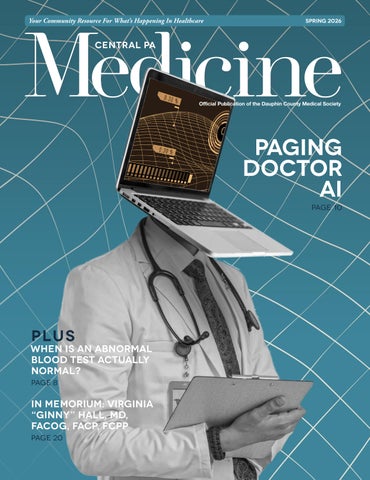
PLUS When is an Abnormal Blood Test Actually Normal?
PAGE 8 In Memorium: Virginia “Ginny” Hall, MD, FACOG, FACP, FCPP
PAGE 20
Official Publication of the Dauphin County Medical Society
When another health system tried to force her into a treatment plan, Tricia got a second opinion from UPMC Hillman Cancer Center—one of the region’s only NCI-Designated Comprehensive Cancer Centers. Here, she found access to cutting-edge clinical trials, groundbreaking treatments, and world-renowned cancer experts. Discover the power of hope at UPMCHillman.com/SecondOpinion.
TRICIA S. | BREAST CANCER PATIENT
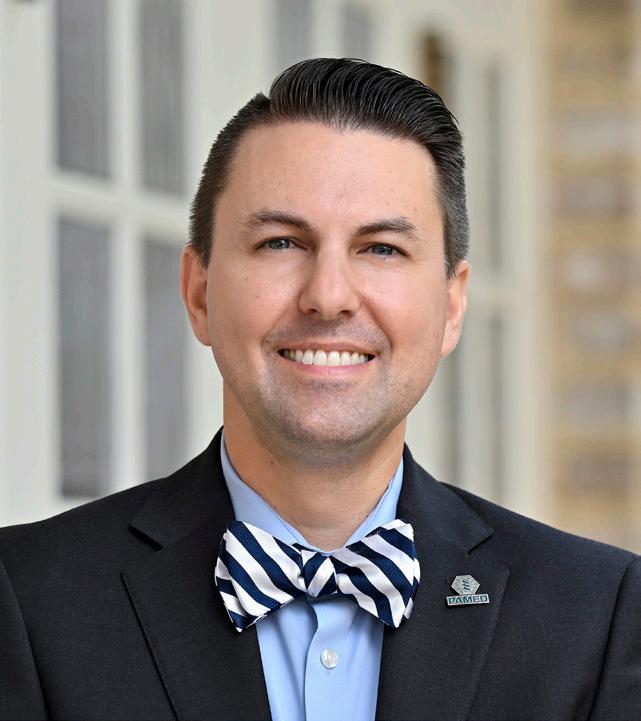
A MESSAGE FROM THE DCMS EXECUTIVE DIRECTOR, GERARD EGAN: HAPPY SPRING!
As the first blooms of spring begin to appear across Central Pennsylvania, I am reminded that this season—perhaps more than any other—represents the intersection of persistence and renewal. This is the season of growth, and this issue of Central PA Medicine provides an opportunity to celebrate all kinds of it.
This issue highlights the core of what makes our society vital: the voices of our physicians. Whether we are discussing the evolution of clinical practice or the legislative efforts required to protect the patient-physician relationship, our strength lies in our collective action.
The Power of the Resolution
In these pages, you will find a guide on “Resolutions 101.” While the procedural details of drafting a resolution can seem daunting, the resolution process can be your most direct line of influence. Every policy starts with a single idea from a single physician who recognizes a need for change. As we prepare for the 2026 House of Delegates (HOD), now is the time to translate your clinical observations into advocacy. Your insights ensure that the Pennsylvania Medical Society (PAMED) remains a relevant and powerful advocate for doctors and patients alike.
The Human Element in a Digital Age
As we advocate for our profession, we are challenged to protect the integrity of our medical discourse, particularly with the rise of generative AI. While algorithms can synthesize data, they cannot replicate the clinical nuances, empathy, or distinguish between the “gray areas” of medicine that you navigate daily. In this issue, we explore how to distinguish between humanled expertise and algorithmic echoes, reinforcing the idea that the physician’s perspective is irreplaceable.
Remembering Dr. Virginia Hall
It is with a heavy heart that we reflect on the passing of former DCMS President Dr. Virginia Hall. Dr. Hall was a titan of our medical community—a leader who embodied both physician advocacy and clinical excellence. Her legacy serves as a profound reminder that while technology and policies evolve, the impact of a dedicated, compassionate leader endures.
Looking Ahead
Our community is not just surviving the shifts in modern medicine; we are leading them. Grow with us as we bring you interesting information from your colleagues and the Dauphin County medical community.
MEDICAL PROFESSIONALS PROGRAM
Fulton Mortgage Company has designed a mortgage program dedicated to making homeownership easy and affordable for medical professionals1 including Physicians, Pharmacists, Dentists, Veterinarians, and Podiatrists. If you have a medical doctorate degree, this program may work for you.
• 100% financing 2 available for loan amounts up to $1.5 Million
• 95% financing 2 available for loan amounts up to $2 Million
• 90% financing 2 available for loan amounts up to $3 Million
• Mortgage Insurance not required
• Up to 6% seller paid closing cost 3 and prepaids allowed
• Gift funds are allowed from immediate family members
• Student loan payments that are deferred for 12 months or longer are not included in the credit approval process
• Find and close on new home up to 90 days prior to start of new employment
• 30 & 15 Year Fixed Rate 4 as well as Adjustable Rate5 Options (5/6, 7/6, 10/6, & 15/6)
NMLS# 615627
717.418.0982
rhilgers@fultonmortgagecompany.com
NMLS# 1026538
717.658.7103
ecoldsmith@fultonmortgagecompany.com
NMLS# 490247
717.265.5955
dlord@fultonmortgagecompany.com
rbrennan@fultonmortgagecompany.com
NMLS# 1617043
717.580.5097
nshenk@fultonmortgagecompany.com
County Medical Society P.O. Box 53 • Robesonia, PA 19551 717-798-9420 • dauphincms.org
2025-2026 DCMS BOARD OF DIRECTORS
Andrew Lutzkanin III, MD President
Everett C. Hills, MD Secretary/Treasurer
Joseph F. Answine, MD Past President
MEMBERS-AT-LARGE
Michael D. Bosak, MD
Robert A. Ettlinger, MD
John Forney, MD
John D. Goldman, MD
Virginia E. Hall, MD, FACOG, FACP
Saketram Komanduri, MD
John C. Mantione, MD
Mukul Parikh, MD
Gwendolyn Poles, DO
Andrew J. Richards, MD, FACS, FASCRS
Jaan Sidorov, MD
Andrew R. Walker, MD
William Wenner, Jr., MD
EDITORIAL BOARD
Gerard Egan, DCMS Executive Director
Joseph F. Answine, MD, Editor in Chief
Robert A. Ettlinger, MD
Gloria Hwang, MD
Puneet Jairath, MD
Mukul L. Parikh, MD
Meghan Robbins
MEDICAL STUDENTS/ RESIDENTS/PENN STATE AMA REPRESENTATIVES
Denise Ocampo, President
Mariya Starostina
PRESIDENT’S MESSAGE
Greetings! It seems after a particularly cold and snowy winter, spring has finally arrived here in Dauphin County. Nothing quite like experiencing four seasons in one day or the constant flux from hot to cold to let you know that summer
PAMED HOD, and we will need new board members/officers at the end of this year. It’s hard to believe that my two years as your president will be quickly coming to an end. I’m happy to talk to anyone with additional questions at any time.
FROM THE EDITOR
I finally have to come to grips with the new reality. The United States healthcare system, which I have been blessed to be a part of for nearly four decades, is likely the worst healthcare system among the industrialized countries throughout the world. We may have the most advanced technologies; however, as physicians, we are limited in our ability to utilize these advances in medical care due to high administrative costs. And patients cannot receive the cuttingedge care because they cannot afford to do so.
successful medications in caring for my patients as an anesthesiologist.
I have also seen the chairperson of my department here in Pennsylvania and the chief of anesthesiology at my practice in Florida, removed, only because they were perceived as not economically conscious. They were placing their physicians first over economic success, as perceived by the hospital administrations.
The only things we have as physicians, are the spoken and written words; however, since many of us are now employed by these institutions, most are afraid they, too, can be targeted by the non-medically trained administrators.
I am at a point in my career where I don’t care that much about reprisal. I just want to walk away from my practice with the feeling that I
NORMAL? WHEN IS AN ABNORMAL BLOOD TEST ACTUALLY
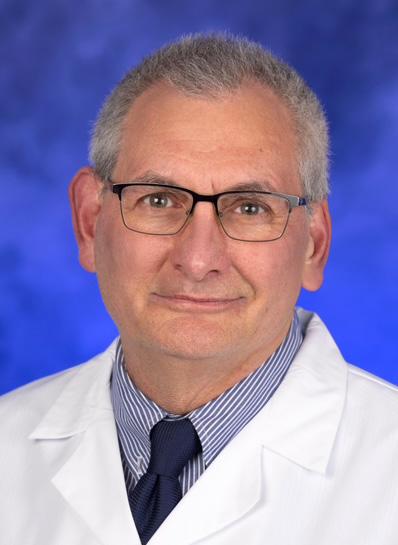
By ROBERT A. ETTLINGER, MD
In many ways, we as patients are increasingly more engaged in our personal medical management. Contributing factors include reading about our health problems on websites and social media (ranging from reliable expert publications to unbelievably inaccurate nonsense), and access to patient portals and printed medical records. Many physicians can relate to the experience of having patients review their lab tests and questioning why an “abnormal” one was not addressed as actually being a problem. So, what makes a test get labeled as normal vs. abnormal?
The answer is...there is a literal meaning that differs from a clinically relevant meaning. The literal reference range is established by a large group of healthy individuals who are studied when the lab test is invented, and when a particular laboratory initiates or calibrates a new test. This range has usefulness in distinguishing between patients with and without the clinical conditions being evaluated. Per federal guidelines, at least 120 random patients must be tested—although there are usually very many more—to allow for different age groups, genders, ethnic backgrounds, and other health factors. The greater the variability among test subjects, the less likely to get results clouded by bias. When the test to measure blood glucose was developed over a hundred years ago, it wasn’t tested only in diabetics; that would have caused the expectation of normality to be artificially high. If a lab test for sickle cell anemia were to be tested only on subjects of
Norwegian descent, the incidence of positive tests would assuredly be zero, which is not an accurate level for the world.
Once these results are obtained, they are arranged in a bell curve, with all but the lowest and highest 2.5% being arbitrarily labeled as the 95th percentile confidence interval. By lab standards, this central 95% is termed “normal.” When looking at a lab report, anything below this zone is highlighted in red as being low, and anything above is listed in red as being high.
However, it makes perfect sense that diseases don’t occur at an exact rate of 2.5% of people having too much or too little of a blood level. The clinically relevant definition of “normal,” then, uses the literal reference range as a starting point to determine medical management. In a medical facility (hospital, doctor’s office, etc.), when studying patients with both known and suspected disease, the number of test results outside of the 95% confidence interval of normalcy will far exceed the clinical relevance of these results. This is because, if looking for disease X in a group of patients suspected of having that disease, the number will be much higher than when running the test on a random group of healthy people who are participating in a study about the test itself.
Several factors can make a test be in the high and low red zones yet not represent a medical condition that needs immediate concern, for lack of a better term. For the sake of discussion, we
will use the terms “high” and “low” to mean that they are outside of the central 95% of composite lab test results.
• Age as a modifier—A huge number of men over the age of 50 have high PSA levels, but only a minority of them have prostate cancer. Virtually all children have high alkaline phosphatase levels because their bones are undergoing growth. Thus, these “high” red zone levels are, in reality, clinically normal.
• Gender—Regarding red blood cell testing, the normal lower limit of hemoglobin is 14.0 for men, but only 12.0 for women. An elevated Follicle Stimulating Hormone (FSH) level in a 65-yearold woman who has been through menopause is totally normal, but in a man might be a warning sign of a tumor.
• Physiologic states—An elevated white blood count can be from horrible diseases like leukemia or sepsis but can also be from a runny nose or scratchy throat, emotional stress, exercise, or allergies. None of these latter issues justifies repeating or acting on the test result. A low serum carbon dioxide level can be due to a patient hyperventilating a little bit due to fear of the venipuncture (clinically insignificant), or it can be a sign of emphysema or asthma (very significant).
• Ethnicity—Patients of African origin tend to have lower Vitamin D levels yet also have lower rates of osteoporosis.
When looking at some test values, only high numbers are significant. A high creatinine level usually indicates renal insufficiency. A low level in the bottom red zone, on the other hand, does not imply that your kidneys are hyper-efficient. In fact, it can be a sign of muscle tissue loss.
Some factors can make abnormalities very temporary. Let’s imagine that you have a normal sodium level. If you drink a large glass of water and then repeat the test, it may be abnormally low due to blood dilution, but most certainly does not represent a disease state. Someone else with an identical sodium level who is semi-comatose and having seizures will need immediate lifesaving electrolyte correction.
What should you do if you find one of your test results in a red zone, but the doctor reports it as being normal?
Question this result if you’re not sure whether a mistake was made. However, keep in mind that this “normal” label often means that it’s not clinically a problem. Differentiating the two is a big part of their job. Most red zone results do not justify worry, intervention, or any follow-up, but many of them clearly will do so. These are the ones that are both “lab result zone abnormal” and “clinically abnormal.”
PAGING DOCTOR AI
There was a time when one sat at their keyboard (or writing desk) and stared out the window, struggling to start an article with just the right words. Once the muse struck, words flowed like floodwaters, putting facts in compelling order to educate and to inform.
Now, with so many demands on one’s time, it is tempting and not unusual to turn to artificial intelligence (AI) tools to at least give an article a boost, the right words with which to begin. For many, AI tools like ChatGPT or Google’s Gemini act as writing prompts, but it is also possible for entire articles to be generated by such programs.
So, how can you tell the difference between a medical article written by a human being and one “written” by AI?
In general, it’s important to suss out the “soul” of the writing—the presence of lived experience versus data/ information pulled from the web. Although medical articles can be inherently clinical, they still carry hints of nuance based on the experiences of the all-too-human author.
Here are some characteristics to look for when reading articles, particularly side-by-side, to identify the source (despite what the byline might read):
• Clinical Perspective. A physician’s writing is shaped by years of patient interaction, exploring the “gray areas” of medicine where standard treatments might not apply. Conversely, AI tends to stick to a “safety-first” approach, providing a broad, generalized consensus that avoids specific clinical judgment.
• The Weight of Experience. Authentic medical writing often carries the subtle “voice” of the field. This includes specific technical shorthand, references to the daily realities of healthcare systems, or personal anecdotes. AI writing, while generally grammatically impeccable, often feels sterile, lacking unique perspective.
• Verification and Evidence. While AI can be a powerful data synthesis tool, it is prone to the confident assertion of incorrect facts or misattributed citations. A doctor’s article is more likely to reference contemporary studies with an understanding of how
those findings impact patient outcomes in a practical environment.
• Empathy vs. Simulation. A doctor can speak to the emotional gravity of a diagnosis with authentic empathy. AI can only simulate this, often defaulting to clichés to mimic care without the depth of human connection.
THE MOST DISRESPECTED ELECTROLYTE
By JOSEPH F. ANSWINE, MD, FASA
Everyone in medicine and most outside of it understands the importance of the “Big Three” electrolytes in the human body. We are continuously measuring sodium (Na), potassium (K), and calcium (Ca) levels. We are concerned with the highs and lows of each.
The “Big Three” work closely together to keep our cells functioning. Their intimate interaction regulates the intercellular and extracellular levels of all three. The Na/K pump pushes Na outside the cell while forcing K in. Then the Na goes back into the cell as Ca leaves via the Na/Ca exchanger, thereby reducing intracellular Ca and allowing for cellular relaxation. This is exceptionally important in muscle cells and neurons.
They (“Big Three”) of course have many other bodily functions as well.
But let’s not forget about the most “disrespected” electrolyte, magnesium (Mg). It is found mostly in our bones (about 50%-60%). The rest is in our cells, with only about 1% floating around in the blood.
Most of us only look at the Mg levels as an afterthought, “Oh, and his/her Mg level is a little low.” But, without it, Adenosine Triphosphate (ATP), the “battery” that fuels all cellular functions, is useless. Mg binding to ATP (Mg-ATP) makes our Energizer Bunny biologically functional. Low magnesium, no energy.
The Na/K pump must be fueled by Mg-ATP. So, the “Big Three” would be useless without the presence of Mg. Yes, that misunderstood electrolyte known mostly as the pill or liquid that keeps you regular is equally as important as Na, K, and Ca. Literally hundreds of energyrequiring processes within the human body would not occur without Mg.
That’s only the tip of the Mg iceberg. It does so much more.
Mg can reduce pain by reducing the post-synaptic signaling within pain-generating neurons. This occurs at the NMDA receptor (N-methylD-aspartate) for the excitatory neurotransmitter, glutamate. When glutamate binds to the receptor, Ca ion channels open, allowing Ca to flow into the cell and, therefore, the propagation of that nociceptive (pain) impulse continues as it makes its way to the brain. However, that Ca channel is commonly blocked by none other than our friend, Mg. The more available Mg, the less nociceptive signaling. The less nociceptive signaling, the less pain produced.
Many say that Mg also has a “calming” effect. That’s all in our mind. It’s true—and it is in our minds. GABA (gamma-aminobutyric acid) is our #1 inhibitory or calming neurotransmitter within the brain. When Mg binds at an “allosteric” site (a site outside the active binding site) on the GABA receptor, it allows the neurotransmitter to have a more pronounced effect when creating a sense of relaxation and the suppression of anxiety.
Mg also inhibits the release of excitatory neurotransmitters by competing with Ca at presynaptic binding sites. The reduction in presynaptic intracellular Ca reduces the release of the neurotransmitters. This again leads to the calming effect as well as muscle relaxation. We all know about those nagging muscle cramps that occur in the middle of the night. Yes, Mg imbalance is the culprit.
Mg also maintains cellular stabilization by the utilization of the Mg-ATP driven pump that moves Ca back into the endoplasmic reticulum after cell excitation. This “muscle relaxation” produced by Mg also makes it useful for the treatment of an asthma attack, which is caused by the spasm of bronchial smooth muscle.
The effect of Mg on vascular smooth muscle allows for blood pressure stabilization.
I mentioned that the electrolyte balancing process is important for muscle cells. None is more important than cardiac myocytes. Hypomagnesemia is associated with cardiac arrhythmias. We all remember Torsades de Pointes (TdP). The treatment is again Mg.
Oh, yes, and magnesium leads to hypoparathyroidism, which then leads to low calcium levels. Low Mg causes low Ca. Go figure.
And on and on and on!
Why are we a hypomagnesemic society? Poor nutrition is especially associated with chronic alcoholism in some, but mostly it’s due to the use of medications, including diuretics and some antibiotics. However, severe hypomagnesemia occurs with the use of the ubiquitous proton pump inhibitors such as Prilosec and Nexium.
So, everyone, please keep up your magnesium levels with supplementation if needed, even if you do #2 regularly.
THE DISRESPECTED ELECTROLYTE
By CHATGPT
Magnesium is an essential divalent cation that plays a critical role in numerous physiological processes in the human body. It is the fourth most abundant mineral overall and the second most abundant intracellular cation. Its mechanism of action is largely tied to its function as a cofactor for over 300 enzymatic reactions, particularly those involved in energy metabolism, nucleic acid synthesis, and ion transport.
At the cellular level, magnesium stabilizes adenosine triphosphate (ATP), the primary energy currency of the cell. In fact, ATP typically exists as a magnesium-ATP complex (MgATP), which is required for enzymatic activity in processes such as glycolysis and oxidative phosphorylation. Magnesium also regulates ion channels, especially those for calcium and potassium. By acting as a natural calcium antagonist, it helps control calcium influx into cells, thereby influencing muscle contraction, neurotransmitter release, and cardiac excitability. In neurons, magnesium modulates N-methyl-D-aspartate (NMDA) receptors, preventing excessive excitation and protecting against neurotoxicity.
In addition, magnesium contributes to structural functions, including stabilization of DNA and RNA, and plays a role in protein synthesis. It is also important in maintaining normal muscle and nerve function, supporting immune health, and regulating blood pressure.
Hypomagnesemia, defined as a low serum magnesium concentration, occurs when there is an imbalance between magnesium intake, absorption, and excretion. One of the most common causes is inadequate dietary intake, particularly in individuals with poor nutrition or chronic
alcoholism. Gastrointestinal losses are another major cause and may result from conditions such as chronic diarrhea, vomiting, or malabsorption syndromes. Certain medications, including diuretics, proton pump inhibitors, and some antibiotics, can also increase magnesium loss through the kidneys or impair absorption.
Renal losses are a significant contributor to hypomagnesemia, especially in conditions where the kidneys excrete excessive magnesium, such as in uncontrolled diabetes mellitus or the use of loop and thiazide diuretics. Endocrine disorders, including hyperaldosteronism and hyperparathyroidism, can further promote magnesium wasting. Additionally, shifts of magnesium from the extracellular to intracellular space, as seen in refeeding syndrome or after insulin administration, may also lower serum magnesium levels.
The consequences of hypomagnesemia can be widespread, reflecting magnesium’s diverse roles. Clinically, it may present with neuromuscular irritability, muscle cramps, tremors, seizures, and cardiac arrhythmias. It is also frequently associated with other electrolyte abnormalities, such as hypokalemia and hypocalcemia, due to its role in regulating potassium and calcium balance.
In summary, magnesium is vital for biochemical, neuromuscular, and cardiovascular function. Its mechanism of action involves enzymatic activation, ion channel regulation, and structural stabilization. Hypomagnesemia arises from decreased intake, increased losses, or shifts within the body, and can lead to significant clinical complications if not recognized and treated.
THE SILENT EPIDEMIC ADVOCACY
AND AUTHENTICITY
FOCUS ON MENTAL HEALTH FOR MEDICAL PROFESSIONALS
Mind Over Stigma operates on a fundamental truth: medical professionals are human beings first and clinicians second.
The medical profession has long been anchored by the “superhero” archetype—an unspoken expectation that healers must remain invulnerable, tireless, and stoic in the face of immense pressure. However, a student-led movement at Penn State College of Medicine (PSCOM) in Hershey is working to dismantle this myth, replacing it with a new standard of vulnerability and transparency.
At the heart of this shift is Mind Over Stigma, an organization dedicated to fostering a culture where medical professionals can speak openly about their mental health without fear of professional repercussion or social judgment.
DISMANTLING THE “PERFECT DOCTOR” MYTH
Mind Over Stigma operates on a fundamental truth: medical professionals are human beings first and clinicians second. The group targets the pervasive stigma that suggests a mental health diagnosis is a sign of weakness or a threat to one’s medical license. By creating safe spaces within the academic environment, they move mental health concerns—such as burnout, imposter syndrome, and vicarious trauma—out of the shadows and into the center of the professional conversation.
These efforts are not just about awareness; they are about cultural preservation. By normalizing the act of seeking support, Mind Over Stigma is equipping the next generation of physicians with the resilience necessary to survive a high-stakes healthcare landscape.
A CALL TO ACTION: THE DO NO HARM SCREENING
An example of the group’s advocacy outreach was a recent Dauphin County Medical Society (DCMS) supported screening of the documentary Do No Harm Directed by two-time Emmy winner Robyn Symon, the film takes an unflinching look at the silent epidemic of physician suicide. It weaves together the intimate stories of suicidal doctors and the families left behind, exposing
the systemic pressures—from extreme sleep deprivation to the “Hippocratic Hoax”—that drive brilliant young doctors to desperation.
The film screening was followed by a panel discussion featuring PSCOM physicians, residents, and medical students, creating a space for meaningful dialogue about mental health, stigma, and overall physician wellbeing. It served as a critical reminder that while technology and clinical protocols evolve, the human element of medicine remains fragile. The screening sought to encourage institutional changes that prioritize the well-being of the provider as a necessary prerequisite for the safety of the patient.
A UNIFIED FRONT FOR PROFESSIONAL WELLNESS
Mind Over Stigma’s peer-led advocacy works in tandem with the Office for Professional Mental Health (PMH) at the Hershey campus. This office provides a critical safety net, offering free, confidential counseling and psychiatric evaluations specifically for MD/PA students, residents, and faculty.
Some of the resources include the Schwartz Center Rounds, a monthly forum where medical professionals can frankly discuss the emotional and social impact of caring for their patients, and the “Zen Den,” designed for moments of quiet reflection. The Hershey campus is increasingly becoming a model for integrated physician wellness.
WHY THIS MATTERS TODAY
In an era of increasing distrust in information, increasing administrative burdens, and the constant demands of personal lives, the work of Mind Over Stigma is a reminder that empathy cannot be simulated and that resilience cannot be automated. Authentic medical leadership requires us to continue to fight for a healthcare system that cares for its healers. By supporting initiatives like Mind Over Stigma, the medical community in Central Pennsylvania is sending a clear message: the most important life a doctor saves might just be their own.
According to the American Medical Association (AMA), physicians are at higher risk for suicide and suicidal ideation than the general population. Although there is a recognized difference between burnout and depression (a factor in suicide), organizations must recognize the important benefits of mental health to the overall well-being of medical professionals and thus to the quality of patient care.
Some of the AMA’s efforts include:
• An increase in licensure boards (including 37 medical boards and 635 hospitals) whose licensing/ credential applications are free from intrusive mental health questions and stigmatizing language.
• Over 10 states have laws enhancing confidentiality protections for medical professionals who seek mental health care.
• Support of state Physician Health Programs (PHPs) to strengthen PHP information privacy and spotlight the benefits of utilizing PHPs to safely return physicians to practice.
• Making the reduction of physician burnout a top advocacy priority.
The 2026 Pennsylvania Medical Society (PAMED) House of Delegates (HOD) will meet October 23-25 in Hershey, PA. Did you know that as a member, YOU can share your ideas and formulate resolutions that can help all Pennsylvania physicians better care for their patients?
Members have a unique opportunity to influence the direction of organized medicine in the Commonwealth, and the resolution process is the primary vehicle for members to propose new policies, direct advocacy efforts, and address the evolving challenges of the healthcare landscape. To ensure your ideas are effectively communicated and adopted, it is essential to understand the structural and procedural requirements of composing a resolution.
ANATOMY OF A RESOLUTION: STRUCTURE AND STRATEGY
A well-crafted resolution consists of two distinct sections: the “Whereas” clauses and the “Resolved” statements. Each section serves a specific function critical for legislative success:
• The “Whereas” clauses serve as a preamble, and their purpose is to provide the introductory facts, circumstances, and logical groundwork for the proposal. These clauses need to be thoroughly researched, factually accurate, and cite relevant references. These statements need to be strategically concise and non-inflammatory; if the introductory facts are deemed misleading or overly opinionated, they may be ruled out of order. “Whereas” clauses build the argument, but they are discarded once the House votes on the resolution.
• The “Resolved” portion of the resolution is the part that survives adoption to become official PAMED policy. Consequently, each “Resolved” must stand alone as a complete, understandable statement. It should clearly articulate the action or stance being proposed without requiring the reader to refer to the introductory clauses.
SUBMISSION REQUIREMENTS AND BEST PRACTICES
Although any PAMED member can author a resolution, all proposals must be formally introduced by an official delegate, and authors are strongly encouraged to consult the PAMED Policy Compendium (www.pamedsoc.org/PolicyCompendium) before drafting a resolution. This prevents the submission of redundant resolutions that reflect existing policy, thereby streamlining the work of the House.
Additional requirements for a successful submission include:
• Fiscal Notes: If a resolution has a financial impact on PAMED, it must include fiscal notes. PAMED staff is available to assist authors in calculating these impacts.
• Clarity in Nomenclature: Resolution authors must spell out any word or phrase in full upon its first mention before using abbreviations.
• Timely Submission: Delegates should submit resolutions in writing as early as possible to allow for thorough review. The official deadline for submittal is Wednesday, July 1, 2026, by 4:00 PM EST.
DIRECTING ACTION AT THE NATIONAL LEVEL
In order to protect the credibility and reputation of the Pennsylvania Delegation to the American Medical Association (AMA), authors of resolutions that request action by the AMA should use discretion. The HOD rigorously vets these proposals to avoid redundancy or marginal impact. Ultimately, the Pennsylvania Delegation maintains the responsibility of determining the timing and format for submitting adopted resolutions to the AMA.
The HOD is the democratic heart of PAMED. When you submit a resolution for introduction by the HOD, you are contributing to a collective effort to improve the practice of medicine and the quality of patient care across Pennsylvania. Whether you are addressing a local component issue or a statewide clinical concern, following these guidelines ensures your voice is heard clearly on the House floor in 2026.
For more information about resolutions to the 2026 HOD or to submit a resolution, go to https://www.pamedsoc.org/house-of-delegates/ resolutions/2026-resolutions.
Reference PAMED, House of Delegates, “Resolutions 101” Fact Sheet
STICKER SHOCK!
Nearly everyone has heard about the mythical $800 bag of saline or the $25 Tylenol tablet. Well, it turns out that they are far from fantasy.
Peter Girnus, who writes first-person confessions from those in charge of large companies and institutions, published a “confession” from Sam Hazen, the CEO of HCA Healthcare, on the Substack blog The Cyber Populist in March 2026. HCA Healthcare is the largest for-profit healthcare system in the United States.
In the article, Mr. Girnus writes about what I will outline below:
Within HCA, a patient may be charged $137 to $800 for a bag of saline, depending on the hospital from which care was obtained. A Tylenol tablet will cost $15 to $25. The acquisition costs are a dollar and four cents, respectively.
How about a chest x-ray that costs the hospital $25, including the interpretation, being billed at $400 to $1300.
These markups are reasonably consistent for over 42,000 items for which you may be charged.
Based on the article, how did we get to the level of price insanity we have within the United States healthcare system today?
Before 1965, the prices charged to a patient were tethered to the acquisition costs of the items, whether a tablet or a physical examination. The fee was set to cover costs and a reasonable profit.
However, in 1965, Medicare began paying for services for the elderly. Medicare paid whatever it was charged; therefore, healthcare systems and providers began increasing their charges, untethering them from acquisition costs. It was the proverbial open checkbook.
Then in the 1980s, Medicare changed to a flat fee for service, meaning a hospital was paid based on a diagnosis, regardless of what services were provided or the amount charged. However, the prices charged were not
re-tethered but continued to be ridiculously high. Why? Because those costs became “anchors” from which insurance companies would negotiate to receive a “discounted” price. They would get a less inflated price.
The only individuals who would pay the original prices were the poor souls who paid out of pocket. It’s their penalty for not having insurance.
Those costs became “anchors” from which insurance companies would negotiate to receive a “discounted” price. They would get a less inflated price. The only individuals who would pay the original prices were the poor souls who paid out of pocket. It’s their penalty for not having insurance.
In 2021, the federal government began requiring hospitals to publish their charges to patients. HCA complied, providing thousands of rows of data with codes, descriptions, and numbers that you would need an accounting degree to understand. However, to date, many hospitals have not published the data. Now they are at risk for fines, but the maximum fine as per the article is about what HCA makes every 12 seconds. I’m sure that is quite similar to the other hospital systems.
According to the article, after the first five years, only 27 hospitals out of the thousands were actually fined.
It must be stated that the hospitals are doing nothing illegal. Immoral, maybe, but not illegal.
Why do hospitals get away with it? Because they spend their money wisely. They put their money where it counts, for lobbying and legal teams.
By the way, the CEO of HCA Healthcare makes 391 times the median salary for an employee of that healthcare system.
IN MEMORIUM VIRGINIA “GINNY” HALL, MD, FACOG, FACP, FCPP
DECEMBER
13, 1946 – JANUARY 27, 2026
Dr. Virginia “Ginny” Ettinger Hall, 79, of South Hanover Township, went to be with our Lord after a courageous battle with pancreatic cancer on Tuesday, January 27, 2026, in Hershey Medical Center.
Born in Lewisburg on December 13, 1946, she was the daughter of the late Quentin Eugene and Dorothy Faye Howell Ettinger.
Dr. Virginia Hall was a lifelong physician, educator, and advocate for women’s health whose career spanned more than four decades. A graduate of Albright College and Hahnemann Medical College (now Drexel University College of Medicine), she completed her training in internal medicine and obstetrics and gynecology in Pennsylvania and became board certified in both specialties. She maintained an active medical license in the Commonwealth of Pennsylvania since 1973.
Dr. Hall practiced obstetrics and gynecology in private practice and served for many years on the faculty of Penn State’s Milton S. Hershey Medical Center, where she rose to associate professor and helped educate generations of physicians. She was deeply involved in hospital leadership and medical education, serving in numerous committees and administrative roles.
A respected voice in organized medicine, Dr. Hall held leadership positions in the Pennsylvania Medical Society (PAMED), the Dauphin County Medical Society (DCMS), and the American Medical Association (AMA), and served as chair and trustee of the Foundation of the Pennsylvania Medical Society. She was elected Fellow of the American College of Physicians and the College of Physicians of Philadelphia and was a Fellow of the American Congress of Obstetricians and Gynecologists.
Her commitment extended beyond medicine into community service and global health. She co-founded the Network for Better Healthcare for Women, served on numerous regional health and nonprofit boards, and provided teaching and medical care internationally, including work in India. She lectured widely on public health, domestic violence, maternal care, and patient advocacy, and contributed to medical research and publications addressing women’s health and patient safety.
Among her many honors were recognition as Community Woman of the Year and awards for advocacy against domestic violence. She will be remembered for her dedication to patients, her mentorship of young physicians,
and her lifelong commitment to improving healthcare for women and families.
Viriginia is survived by her husband, John B. Hall; her children, Melanie R. Hall of White House, Tennessee, and Jonathan C. Hall of Harrisburg; grandson, Evan Graham; three sisters, Kathleen Taylor, Sylvia Perry (Doug), and Brenda Pascal; three brothers, Kenneth, James (MaryAnn), and Timothy Ettinger (Pam); a son-in-law, Bryan Graham; a sister-in-law, Dianne Sanford (Jeb); many nieces and nephews; and her two cats.
In addition to her parents, Virginia was preceded in death by a brother, Robert A. Ettinger.
A funeral service was held on Wednesday, February 4, 2026, at Trinity United Methodist Church, 210 West Main Street, Hummelstown. Memorial contributions may be made to the Harrisburg Symphony Orchestra, 800 Corporate Circle, Ste. 101, Harrisburg, PA 17110 or at https:// harrisburgsymphony.org/ or to Hope Within Ministries, 4748 E. Harrisburg Pike, Elizabethtown, PA 17022.
Obituary from Trefz & Bowser Funeral Home
INDEPENDENT PRACTICE SUMMIT
AN INVITATION FROM PAMED PRESIDENT, ARVIND R. CAVALE, MD, FACE, FCPP, PCEO
responsibility to be our patients’ best advocates.
Yet we all know how often outside forces, administrative demands, regulatory complexity, and third-party pressures make that autonomy harder to preserve. I believe strongly that physicians thrive when we come together to share knowledge, strengthen our voice, and build systems that support the way medicine is meant to be practiced.
That is why I invite you to join me at PAMED’s Practice Summit: Building Sustainable Models of Physician-Led Care on Friday, June 19 from 9 a.m. to 4 p.m. at Commonwealth Charter Academy in Harrisburg. This event is designed for every physician who values professional independence, regardless of practice setting.
You will:
• Engage with partners who can streamline and strengthen your work
• Earn CME focused on the operational, ethical, and clinical challenges physicians face today
• Connect with colleagues who share your commitment to patient-centered decision-making
This is an opportunity to learn, collaborate, and shape the future of physician-led care in Pennsylvania. I hope you will be part of it.
Join colleagues from around the Commonwealth for an in-person gathering designed exclusively for independent physicians—connect, learn, and shape the future of independent practice in Pennsylvania!
Go to https://www.pamedsoc.org/pamed/arvind-r-cavale-176thpresident/independent-practice-summit for the full event agenda and to register!
You won’t forget this ad — and that’s the point. We help businesses stand out in crowded markets with bold branding and smart strategy.
Let’s make something a little… bananas.
RESTAURANT REVIEW
By ROBERT A. ETTLINGER, MD
Southern comfort food is marked by its humble ingredients featuring slow cooking, pit smoking, and braising in spicy blends. The agricultural abundance of the region led to a rich, savory cuisine to be shared among the hospitality of friends and family in comfortable surroundings. The newly opened Sweet T & Greens in Midtown has dialed it up a notch.
Good Southern food encompasses the culinary traditions of Africa, France, Spain, and the Caribbean. It develops into branches of Creole, Cajun (relatively more rustic and country-inspired), Low Country (abundant in shrimp, oysters, and catfish), Soul Food, and Appalachian, and it ranges from modest and rustic to more complex. Chef Geno Goodman first learned to cook from his father in NOLA (New Orleans), and he and his wife Erin started here with a stand at the Hershey Fresh Market. With the recent closure of Home 231, the opportunity arose to serve his hearty food in a laid-back atmosphere.
Our party shared starters of smoked deviled eggs, a cheesy collard artichoke dip with sourdough toast, and sweet cornbread with whipped cinnamon honey butter. Salads and sandwiches include four po’boys with remoulade on a crusty sub roll with hand-cut seasoned fries. A house special, the smoked oxtail gumbo had grilled shrimp and Cajun rice in a smoky broth. Creamy mac & cheese was offered as an entree with brisket or pulled pork, or as a side (or, if you prefer, collard greens or candied yams). Chicken comes as classic Southern fried, or over Cajun rice, smothered in a creamy mushroom gravy. Salmon pastayala, Creole duck confit, or a grilled ribeye looked like good choices as well.
Soul food dinners just aren’t complete without dessert...sweet potato bourbon
SWEET T & GREENS
cake topped with buttercream icing, peach cobbler, banana pudding, and creme brulé. Parking is available behind the outdoor patio during dinner hours. A short walk from the Capitol, it’s a great newcomer for down-home food with a bottle of wine and friends.
SWEET T & GREENS
231 North Street Harrisburg, PA 717-298-6202
Low-Interest, Zero Fee Loans for Pennsylvania Medical Students
The Foundation of the Pennsylvania Medical Society offers affordable loans with personalized customer service to Pennsylvania residents working to fulfill their dream of becoming a physician. The Foundation, the charitable arm of the Pennsylvania Medical Society, understands the high cost of medical education and is here to help lower your educational debt.
Who may apply?
n Medical students who are Pennsylvania residents for at least 12 months prior to attending a Pennsylvania medical school (not including time at an undergraduate/graduate school).
Loan Highlights
n Annual loan up to $15k (minimum $6k), aggregate total up to $50k
n No origination or application fees
n Interest free until January 1 after disbursement
n Repayment not required until medical training is complete
How does the Foundation loan compare to Federal student loans for the 2026-2027 academic year?
n The Foundation loan interest rate is lower than federal direct student loans
n School and deferment interest rate will not exceed 6%
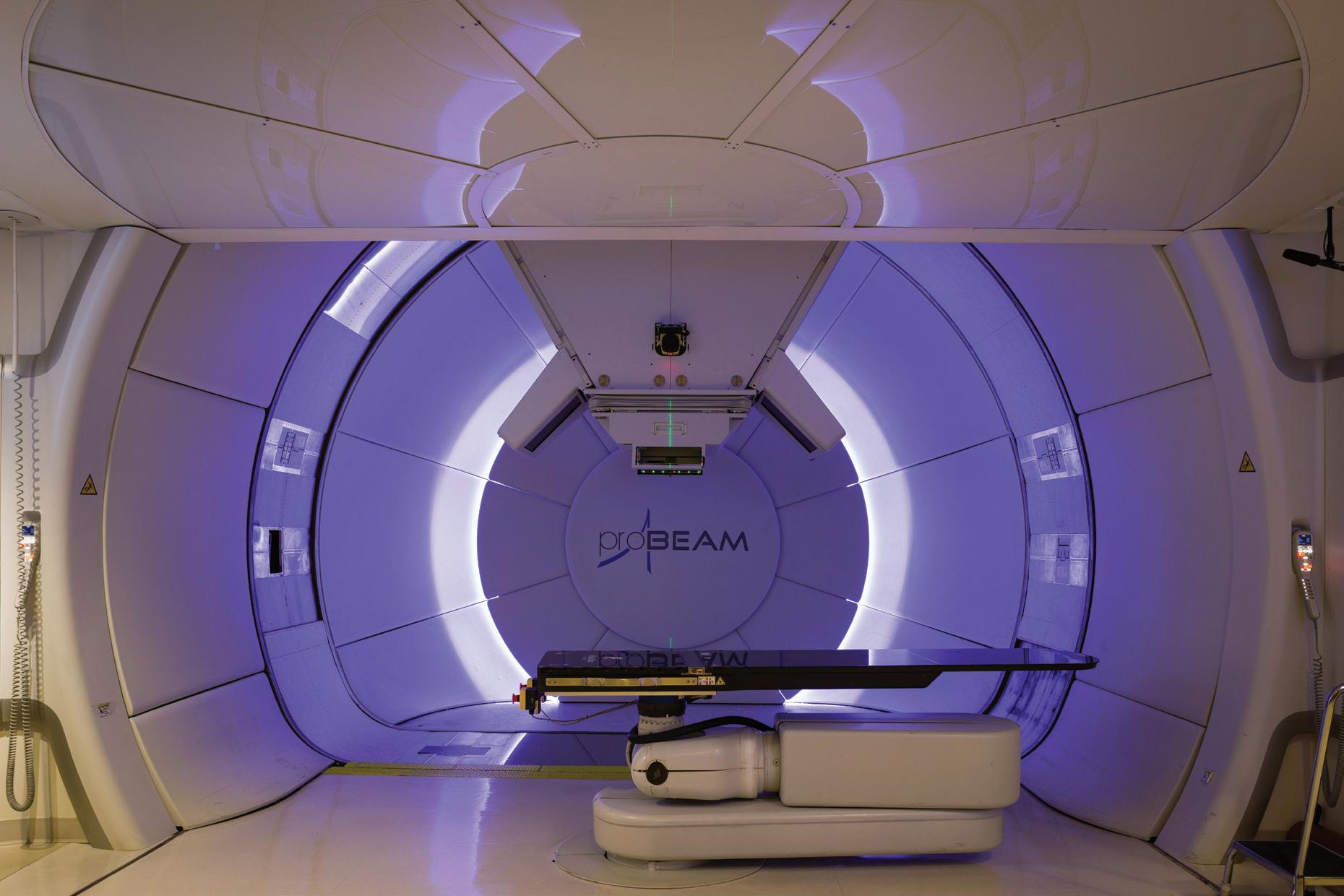
WellSpan’s partnership with the Maryland Proton Therapy Center (MPTC) is one way we’re ensuring access to the most advanced cancer treatment modalities. Patients that are appropriate for proton therapy can receive highly targeted radiation therapy with fewer side effects and less secondary cancer risk — all from a WellSpan specialist, at one of the preeminent proton therapy facilities in the region.
MPTC has treated over 5,000 patients at their state-of-the-art facility since 2016. What’s more, their dedicated concierge team offers your patients and their caregivers the support they need to seamlessly navigate treatments and travel.
That’s how we’re putting every option on the table for your patients’ cancer care.