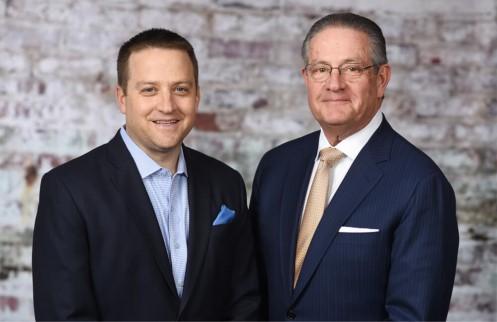
Javier P. Gonzalez, Esq.
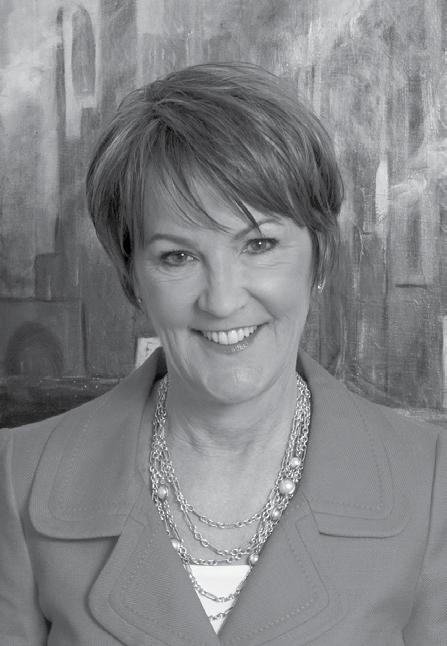
Mr. Gonzalez joins Cordisco & Saile with more than ten years of high-stakes litigation experience. A Rutgers Law graduate, he clerked for the Honorable Terrence R. Cook before spending five years as a Middlesex County Assistant Prosecutor trying violent crime cases. He later sharpened his civil litigation skills at several law firms throughout the Philadelphia, building significant experience asssitng clients in their personal injury cases.
Joseph P. Lavin, Esq.
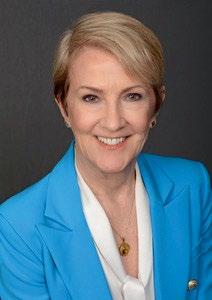
A Bucks County native, Mr. Lavin joins Cordisco & Saile with nearly fifteen years of personal injury litigation experience on both the plaintiff and insurance defense sides. A graduate of the Maurice A. Deane School of Law at Hofstra University, he spent over eight years as a trial attorney for a major insurance carrier before returning to plaintiff work and helping numerous injured clients. His dual-perspective background brings real strategic value to serious injury cases.
Caterina Saile, Esq.
Caterina Saile joins Cordisco & Saile with more than two decades of courtroom experience. A graduate of Widener University School of Law, she built her career as a Deputy Attorney General with the Delaware Department of Justice, eventually leading the Violent Criminal Enterprises Unit and serving as lead prosecutor in Operation Son Sun, one of Delaware's largest heroin trafficking cases. She now brings that prosecutorial trial experience to personal injury clients.



President
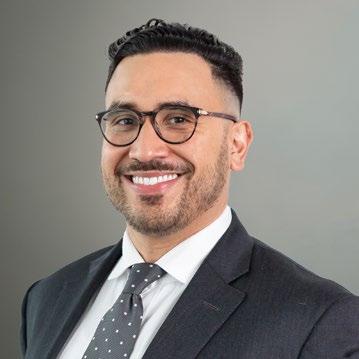
Melanie J. Wender
Vice President/President Elect
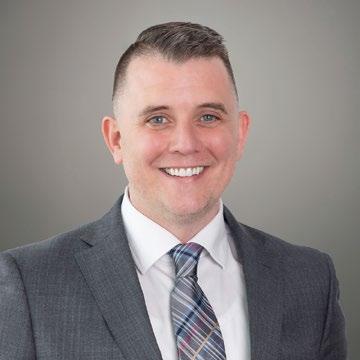
Stephanie M. Shortall
Secretary
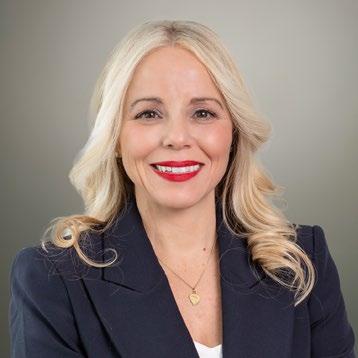
Elaine T. Yandrisevits
Treasurer
Brendan M. Callahan
Immediate Past President
Jeremy D. Puglia
Past Presidents’ Representative
Sean M. Gresh
Board of Directors
Hon. Robert O. Baldi
Abigail C. S. Bukowski
Joseph A. Cullen
Timothy J. Duffy
Steven M. Jones
Jeffrey A. Liebmann
Brian M. Marriott
Gabriel T. Montemuro
Travis P. Nelson
Thomas E. Panzer
Mindy J. Snyder
Kathleen M. Thomas
theWRITS Editor
Travis P. Nelson
theWRITS Photographer Emily McGee
Bar Association Office
Heather Cevasco, Executive Director 135 East State Street Doylestown, PA 18901
• www.bucksbar.org







Donor-Advised Funds vs. Private Foundations: What Makes Sense for Your Clients?
If you’ve put together enough estate plans, you’ve sat...
Pro Bono Attorneys & Law Student
Volunteers Help Bucks County Seniors Plan for the Future at Legal Clinic
Bucks County pro bono attorneys answered the call...
Helping Navigate Eviction Court in Bucks County
Before hearings begin at 1 p.m. on Thursdays in...
Hon. C. Theodore Fritsch, Jr. Announces His Retirement
After 23 years of dedicated service on the Bucks...
BCBF Celebrates Law Day With Local Students
The Bucks County Bar Foundation celebrated Law...
Hunger in Bucks County: Food Insecurity, SNAP Benefits, and the Anti-hunger Network
Feeding America’s Map the Meal Gap report shows...
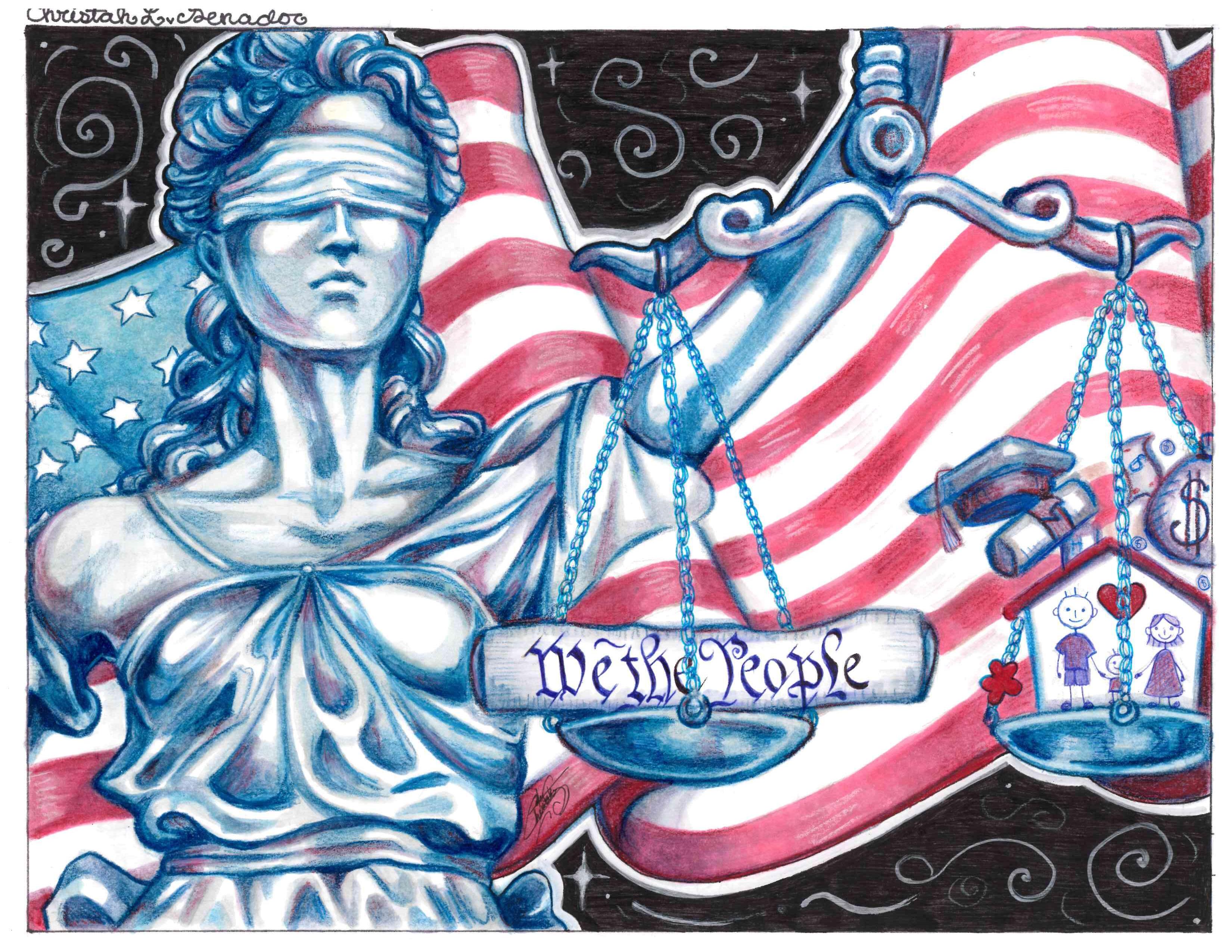
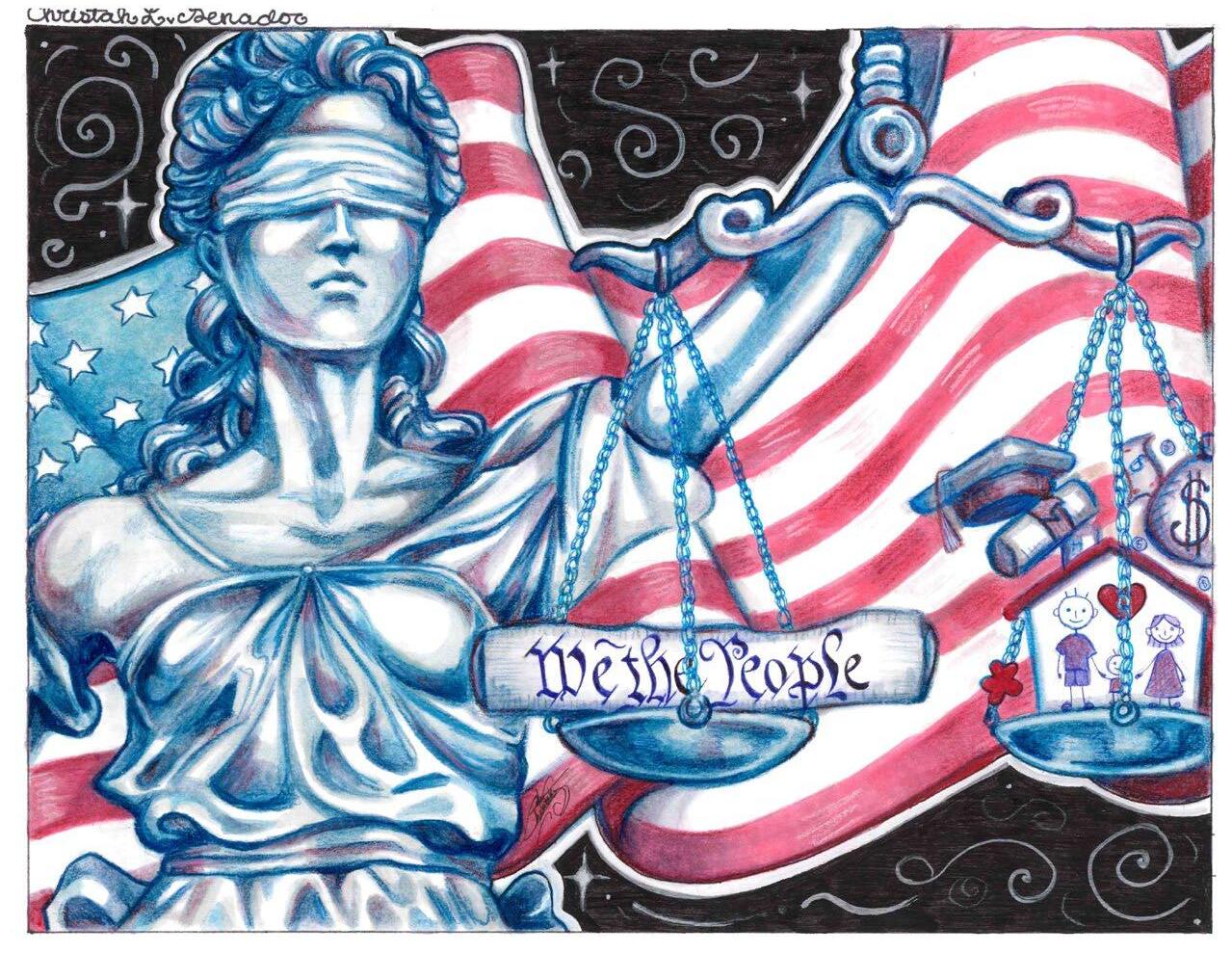
On the Cover: Winning Law Day poster by Christah Senador, 10-12th Grade



I cannot believe that I am already sitting here writing my second President’s message for theWRITS. Time does really fly when you are having fun, and frankly, being president of the Bucks County Bar Association (BCBA) has not only been an honor, but it has been fun. It has allowed me to meet so many new people, engage more with our current membership, and get a first-hand look at all the hard work done by the Association’s current leaders. While it definitely keeps me busy and somewhat out of trouble, I have received so much for being in this position and look forward to what is to come in the remainder of the year.
With summer around the corner, there is a thought that the Bar Association will take a bit of a break. But the Bucks County Bar Association never rests! First, May was a busy month here at the Bar Association. The Bridge the Gap CLE was hosted by the Association on May 5th under the guidance of our stellar President Elect, Stephanie Shortall. Bridge the Gap is a required CLE for all newly licensed Pennsylvania attorneys, and now all of them can get that mandatory credit at the Bucks County Bar Association! Another Bridge the Gap CLE will be available in the fall. But Bridge the Gap was not the only event in May. On May 13th, there was a new member appreciation event. It involved a free CLE regarding leadership, which included an excellent panel of prior BCBA presidents and our own president, Judge Ray McHugh. Then there was the reception to recognize our Federal Courts on May 27th. This reception was specifically important this year due to Judge Mitchel Goldberg’s retirement from the federal bench. Judge Goldberg was previously a Bucks County Common Pleas judge prior to ascending to the federal bench. On the federal bench, Judge Goldberg rose to the level of Chief Justice. Judge Goldberg has a special place in the heart of the Bucks County Bar Association, and it was lovely to have the opportunity to recognize his commitment to the rule of law.
June is also a busy month for the Bar Association, primarily because of the Bar Foundation’s golf event on June 8th. This event raised money for the Bar Foundation’s veterans’ programs, which have directly benefited individuals and the community at large. The golf event was also incredibly fun. If you did not golf, there was cornhole and a dinner that all were welcome to attend. Regardless of your level of ability, the event is fun and an opportunity to help support the
Bar Foundation’s excellent mission. If you were not able to participate this year, please consider participating in 2027! You do not have to be a lawyer to participate in this annual event—get a group of golfers together and sign up!
As you can see, the Bar Association does indeed never rest. But I will say that I am going to try to find a time for us all to get some rest before we head into the busy season of preparing for a groundbreaking bench bar conference. With Mindy Snyder as the chair of this year’s bench bar committee, I do not doubt that it will be an incredible conference.
I want to end by thanking everyone who has helped me throughout this year. The names are too numerous to list, but hopefully you all know who you are. Success is never earned by just one person. It takes a team. I am fortunate to have an amazing executive board, executive director, and Bar Association staff. All these people and the other leaders of the various sections, divisions, and committees are truly responsible for all of the success of the association. I am just here to help.
– Melanie J. Wender, Esquire Bucks County Bar Association President
Melanie Wender is a partner at Antheil, Maslow & MacMinn, LLP, in Doylestown, PA, where she practices family law.
for your interest in theWRITS
Please send all comments, questions, submissions to: BucksWritsEditor@gmail.com.
Since 2004, PNC Grow Up Great® has supported high-quality education for children from birth to age five by providing teachers and caregivers free bilingual tools and resources to inspire a lifelong love of learning.
• 11.5M+ children supported through grants and educational programs
• 1.3M+ employee volunteer hours through PNC’s progressive policy of paid time off for volunteerism
• $290M in grants awarded to organizations supporting high-quality early childhood education
To learn more, visit pncgrowupgreat.com.
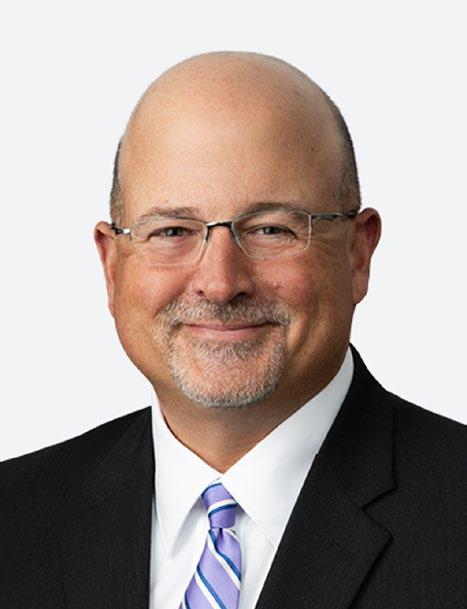
I have had occasion over the past many months to reflect on life, both professionally and personally. Last year, I unexpectedly lost my father, and with Father’s Day in June, I have had an opportunity to reflect on generational differences. My father was an HVAC contractor and a Los Angeles County Sheriff’s deputy with the San Dimas Mountain Rescue Team. My grandfathers served in the armed forces in World War II. One served on a Navy ship in the Pacific theater, and the other served in the Army, where he drove a tank across France chasing the Nazis. And their son/grandson? I defend misunderstood financial institutions fleeing oppressive government regulation, while sitting in a glass-and-steel skyscraper high above Logan Circle (when I am not working from home in Doylestown). Different times indeed.
We have a different approach to do-it-yourself projects. My dad and grandfathers could fix anything. From mechanical devices to woodworking to sheet metal, they knew how to improvise. At my oldest son’s baptism, his bottle was leaking, but somehow my dad had some duct tape with him, so he improvised a duct tape patch to stop the leak. Was it the most aesthetically pleasing remedy? No, but it did the job. I did not inherit that gene, as I watch YouTube how-to videos for a few hours, and sometimes it works, but sometimes it ends in a litany of expletives (at least when the kids are not around), and a call to a local repairman.
We have different views on adventure and roughing it. My grandfathers were WWII vets who helped save the world from the armies of darkness. My dad regularly risked his life searching for and rescuing lost hikers stranded in the Angeles National Forest. I struggle to recall my many online passwords and complain when my Netflix gets glitchy on my iPhone. Family vacations are also different. When I was 10, my dad took me on a wild and rugged backpacking adventure through South America, seeing Machu Picchu and the Galapagos Islands. Rather than backpacking through South America, I “rough it” at the beach, where I make my kids endure the grueling tasks of carrying their own beach chairs the 30 feet from the hotel to the sand and standing in line for a funnel cake. I guess “roughing it” has become more subjective.
We are far more connected to each other than in previous generations. When my grandparents were on the road and needed to get in touch with someone quickly, they pulled over to find a payphone. In the 1980s, my dad had a cell phone the size of a brick, and a car phone wired to a large box in
the trunk. But when those devices were not convenient, they just disconnected. Decades later, I don’t go anywhere without my massive iPhone Pro Max in a black holster attached to my belt, as if I am Wyatt Earp preparing for a quick draw at the OK Corral.
I think about mealtimes. When I was a kid, we ate whatever my parents or grandparents put on the table. Growing up in the Southwest, my parents diversified my palate with dishes that included blue corn tortillas, green chilies, hot sauce, and the philosophy that you can BBQ anything. However, I often take requests from my younger kids as to who wants what for dinner, sometimes preparing separate dishes.
I have been reflecting on workplace differences across the generations. As a search and rescue squad member, my dad was always on call to go on a rescue. My mom was an elementary school teacher who never got a “work-from-home” day. When I started in my legal career with the U.S. Treasury Department, we worked a nine-day schedule, getting every other Friday off. It was cherished. After switching sides, I was rarely out of the office, unless it was on client business, and I never worked from home. And workplace attire was always at least business casual, with a blazer on the back of your door in case you had an unexpected client meeting or a lunch with the partners. Just before COVID, the millennials around the office successfully lobbied to add jeans to our office dress code. Why? “Because Dechert does it,” they responded. Now colleagues regularly wear golf shirts and jeans to the office, at least when clients are not around. I also have developed several pairs of “work sneakers”—sneakers that I only wear to the office (and sometimes to bar association meetings). I was skeptical at first, thinking that less formality would detract from the sense of professionalism, but thankfully, I was wrong. I don’t think I could go back to wearing slacks or a tie to the office daily.
The new first-year associates will likely never know a world where they are expected to be in the office five days a week. Before COVID, we were in the office every day, unless work required us to be out of the office. With all the many downsides of the COVID pandemic, it did teach us that we can work efficiently from home. During COVID, I would do conference calls sporting a dress shirt but concealing my chicken wing or Star Wars pajama pants. Now firms are increasingly formalizing their return to office policies, with most requiring at least three days, and some four days in the office. But I don’t see a return to the five-day in-office requirements. My firm recently added a speedometer-like tracker to our internal firm dashboard that gives us daily reminders of how many days that month we spent in the office (it records when we log in from an IP address inside the office). I am not sure why firms are increasingly tracking that so zealously. Some say that it is because face time is important for mentoring younger associates. Some say that attorneys are more efficient when in the office. I admit that I am usually more efficient in the office, as working from home gives me the temptation to watch yet another SNL clip, or wander downstairs for a snack, whereas my office in Center City Philadelphia has clear glass
walls so everyone can see if I’m starting to snore or staring out the window instead of reading the latest hundreds of pages of FDIC rulemakings.
I have also reflected on how we can better make an impact on the world around us. In this edition of theWRITS, we see several examples of members of our community who are striving to make meaningful professional and personal contributions. We read of Judge Fritsch’s decades of public service, which now culminate in his much-deserved retirement. We read about dedicated public servants, like William McVey of the Bensalem Police Department and Joe Kelly of the Lower Makefield Police Department. We read of Grim, Biehn & Thatcher associate Alexis Nash, who was an Air Force JAG officer deployed to Kabul, Afghanistan, where she served as an advisor to the four-star command for U.S. and NATO forces in Afghanistan in the areas of administrative, intelligence, and operational law. We read about up-and-coming law clerks from the Bucks County Justice Center, and local students who offer us refreshing and inspiring reflections on 2026 Law Day themes. We also read about the incredible work that the dedicated staff at Legal Aid of Southeastern Pennsylvania is doing to serve our community.
The experience of my father’s passing, and reflecting on my own life, and generational differences, has reminded me of the importance of living a life of purpose, a life worth living. This purpose-filled life can come in many forms. Sometimes it is in the professional work that we do, to the extent that it improves the lives of others, or makes the world a better place, or makes the profession more dignified. Sometimes it is in our personal life—whether the souls we encounter, the lives we touch, are better off for having known us, even if just for a brief moment. Perhaps it’s helpful to take a moment every once in a while, particularly at inflection points, to reflect on our own life paths. Are we making a difference? Are we living a life worth living? If not, it’s never too late to reset and redirect.
Have a great summer, readers, and see you in the fall!!!
– Travis P. Nelson, Esquire
Travis P. Nelson is a partner in the Philadelphia office of Polsinelli, P.C., where he practices financial institutions regulation and enforcement, and is a Doylestown resident. Travis is also the Editor of theWRITS

The Bucks County Mediation and Arbitration Center (BCMAC) is owned and operated by Barbara N. Lyons, Esq. She is certified, skilled and experienced in neutral arbitration, mediation and case evaluation. Attorneys work closely with Barbara from initial contact to the conclusion of their case.
BCMAC is a full-service ADR provider addressing issues involving, but not limited to:
•Contract and real estate disputes
BCMAC is a full-service ADR provider addressing issues involving:
•Medical malpractice
•Equity matters
• Personal injury premises and product liability
•Employer/employee disputes
•Underinsured and uninsured motorist cases
• Commercial and insurance matters
•Business mergers and dissolutions
• Real estate and equity disputes
•Personal injury
•Municipal matters
BCMAC provides cost-effective and real-world solutions for attorneys and their clients, business and industry professionals.
BCMAC provides cost-effective and real-world solutions to attorneys, consumers, business and industry professionals, employees, employers and government agencies.
Bucks County Mediation and Arbitration Center
The Farm, 220 Farm Lane, Doylestown, PA 18901
For more information call (215) 340-7655 or visit www.bcmac.org.
Bucks County Mediation and Arbitration Center
The Farm, 220 Farm Lane, Doylestown, PA 18901
For more information call (215) 340-7655 or visit www.bcmac.org.
AND

By Frank J. Lorine IV
If you’ve put together enough estate plans, you’ve sat across from a client who has done everything right. The trust is drafted, the plan is in place, and then inevitably, change occurs. In this instance, the change is that their focus has shifted from building wealth to deploying it with a more charitable purpose. This can be an opportunity when donor-advised funds and private foundations enter the conversation. These are not interchangeable tools; each carries a distinct set of advantages, obligations, and planning implications. Your role is not to simply document the decision but rather to provide guidance while confirming that the structure selected aligns with the client’s intent, expected level of responsibility, and long-term goals.
A donor-advised fund is a charitable account administered by a sponsoring organization such as a community foundation or a financial institution’s charitable arm. Clients contribute assets, which can be in the form of cash, securities, or, in some cases, illiquid holdings. With these contributions, your client may be eligible to receive an immediate tax deduction, subject to
Adjusted Gross Income (AGI) limits, while also retaining advisory privileges over how and when those funds are distributed to qualified charities.
DAFs are straightforward to implement, require no entity formation, and carry minimal ongoing administrative burden. There are no annual filings, no board requirements, and no compliance calendar to manage. Assets in the account are invested and can grow tax-free until grants are made. For clients who want to give meaningfully without the overhead of a formal structure, a DAF is often the most efficient and accessible path forward.
A private foundation is a standalone legal entity that your client creates, funds, and controls. Unlike a DAF, the client retains direct authority over investment decisions, grantmaking priorities, and organizational direction. This level of control comes with corresponding responsibility.
Foundations require formal governance, typically a board of directors or trustees, along with annual IRS filings via Form 990-PF and ongoing compliance with federal and state regulations governing self-dealing, minimum distribution requirements, and investment standards. Set-up costs and annual operating expenses are real considerations that should be part of the initial conversation. For clients who view philanthropy as a legacy initiative or a family enterprise, the structure of a foundation can be precisely what they need. For those who underestimate the operational demands, it can quietly become a burden rather than a benefit.
The most fundamental distinction between these two vehicles comes down to control versus simplicity. A DAF is designed for efficiency; the sponsoring organization handles administration, investment management, and compliance, leaving the client to focus solely on the giving itself. A foundation places responsibility with the client and their advisors in exchange for full operational authority.
Administratively, the difference is significant. A DAF is largely hands-off once funded. A foundation requires continuous oversight, including ongoing board meetings, investment policy management, grant documentation, and annual reporting. Clients who are drawn to foundations often underestimate how much infrastructure is required to run one properly and how quickly that infrastructure can consume time and resources that were intended for the mission itself.
On the tax side, DAFs generally allow for higher AGI deduction limits on contributions, particularly for cash and appreciated
assets, as governed under IRC Section 170.¹ Foundations carry a more complex tax profile, including a potential excise tax on net investment income under IRC Section 4940,² stricter rules around self-dealing and qualifying distributions, and a minimum distribution requirement of 5% of net investment assets annually under IRC Section 4942.³ These are not reasons to avoid a foundation, but they are reasons to enter that conversation with a tax professional before any structure is recommended or implemented.
Privacy is another practical consideration that clients don’t always raise but often care about. DAF grants can be made anonymously, offering clients meaningful discretion in their giving. Foundation activity, by contrast, is a matter of public record through required annual filings. This factor is worth surfacing early in the conversation, particularly for clients with high public profiles or those who prefer to give quietly.
This decision sits at the intersection of entity design, governance, compliance, and long-term client intent. A DAF simplifies execution and removes most of the ongoing legal and administrative exposure from your client’s plate. A foundation introduces structure and responsibility that extends well beyond the initial formation documents and requires sustained engagement from the client and those they seek counsel around wealth, legal, and accounting needs.
Your role as a trusted advisor is not simply to draft the right paperwork. It is to ensure that the structure your client chooses matches their actual capacity and commitment, not just their aspirations in the moment. A client who wants the prestige of a foundation but lacks the appetite for governance is a misalignment waiting to surface, and one that is far easier to address before documents are signed than after an entity is formed and funded.
The most common misstep is choosing a foundation for perception rather than function. Foundations carry a certain weight and visibility that appeals to some clients, but that appeal can obscure the practical realities of what maintaining one requires year after year. When the motivation is identity rather than operational intent, the structure tends to underperform and, in some cases, fall out of compliance in ways that create legal and reputational exposure.
A second area of misalignment involves underestimating the compliance burden. Foundation requirements are not passive. They demand consistent attention from both the client and their advisors, and lapses, whether in minimum distributions, prohibited transactions, or filing deadlines, can result in
penalties that directly offset the charitable benefit the client was trying to create.
Finally, some clients delay meaningful charitable giving while deliberating between structures, when a DAF could have provided immediate flexibility and a timely deduction in a high-income year. The ideal structure should never hinder effective and timely giving.
These structures are not universally applicable, and the appropriate recommendation is heavily influenced by the client’s timing, goals, and willingness to engage in ongoing responsibilities.
A client experiencing a high-income year from a business sale, a liquidity event, or a significant compensation event is often best served by a DAF. It allows for an immediate deduction in the year it is needed most while preserving full flexibility in when and where the grants are ultimately directed.
A legacy-focused client who wants to involve family members across generations, establish a named philanthropic identity, or direct giving toward a specific cause over a long-time
horizon is a stronger candidate for a private foundation. The governance structure supports continuity and intentionality in a way that a DAF simply cannot replicate.
In some cases, using both makes sense. A foundation can serve as a long-term philanthropic anchor, providing structure, control, and family engagement, while a DAF handles more immediate or flexible grantmaking. These vehicles are not mutually exclusive, and for the right client, a hybrid approach can offer the best attributes of both without forcing a compromise on either.
Charitable planning reflects values, priorities, and the kind of impact a client wants to leave behind. The right structure should support that vision, not complicate it or create obligations that distract from it. As the attorney in the room, your guidance on the front end can prevent significant misalignment issues now and going forward, ultimately ensuring their selection reflects what they intended. The conversation is worth having early, before the client has made up their mind, and the focus can instead be around the giving itself, which ultimately is what matters most. If you and your clients are evaluating charitable planning options, contact me at florine@bmt.com or 484.588.0828 to help ensure the chosen structure aligns with both intent and long term responsibility.
This material is for informational purposes only and should not be considered legal or tax advice. Consult qualified professionals before making any planning decisions.
Footnotes
¹ I.R.C. § 170 (governing charitable contribution deductions and applicable AGI limitation thresholds).
² I.R.C. § 4940 (imposing an excise tax on the net investment income of private foundations).
³ I.R.C. § 4942 (requiring private foundations to distribute at least five percent of net investment assets annually to avoid excise tax penalties).
Frank J. Lorine IV, Financial Advisor, Bryn Mawr Trust Advisors, brings over 15 years of financial services expertise to his role as Financial Advisor. He specializes in comprehensive financial planning, investment management, and retirement strategy development for clients across Bucks, Chester, and Montgomery Counties.

By Erika Becker, Esquire
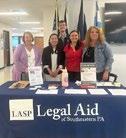
Bucks County pro bono attorneys answered the call to help older adults in lower Bucks County. On April 22, 2026, Rep. Tina Davis hosted Legal Aid of Southeastern PA (LASP) for a free Senior Wills Clinic at the Bristol Township Senior Center. The event was the first of its kind for LASP in Bucks County and a success for all involved.
Low-income seniors met with volunteer attorneys, assisted by law students, to help draft wills, powers of attorney, and healthcare directives. 10 people left the clinic with peace of mind and a folder of legal documents that had been witnessed, signed, and notarized.
LASP is grateful for the support of the Real Property Probate and Trust Section of the Pennsylvania Bar Association in helping to recruit volunteers and implement clinics. Section Chair Alison Smith traveled from Pittsburgh to provide volunteer training and meet with clients at the event.
Pro bono attorneys: D. Keith Brown, Charles Burrows, Marc Lynde, Gabi Outlaw, Lawrence A. Reinfeld, Russell Sacco, Alison Smith, and Heidi van Steenburgh
Student volunteers: Kelly Abrunzo, Michelle Harris, Julius Henning, Leah Miksa, and Landon Wilson
Notaries: Tammy Hardy and LASP Bristol Office Manager Durene McCarty
LASP helps connect low-income seniors with pro bono attorneys to draft simple wills, powers of attorney, and healthcare directives throughout the year. Attorneys who volunteer can receive one CLE credit for five hours of pro bono service for up to three credits per year. Pro bono attorneys are also covered by LASP’s professional liability insurance. Template documents are available. To learn more, contact Megan Reinprecht, LASP Staff Attorney and Bucks County Pro Bono Coordinator, at mreinprecht@lasp.org.
Erika Becker is the Pro Bono Director at Legal Aid of Southeastern Pennsylvania.
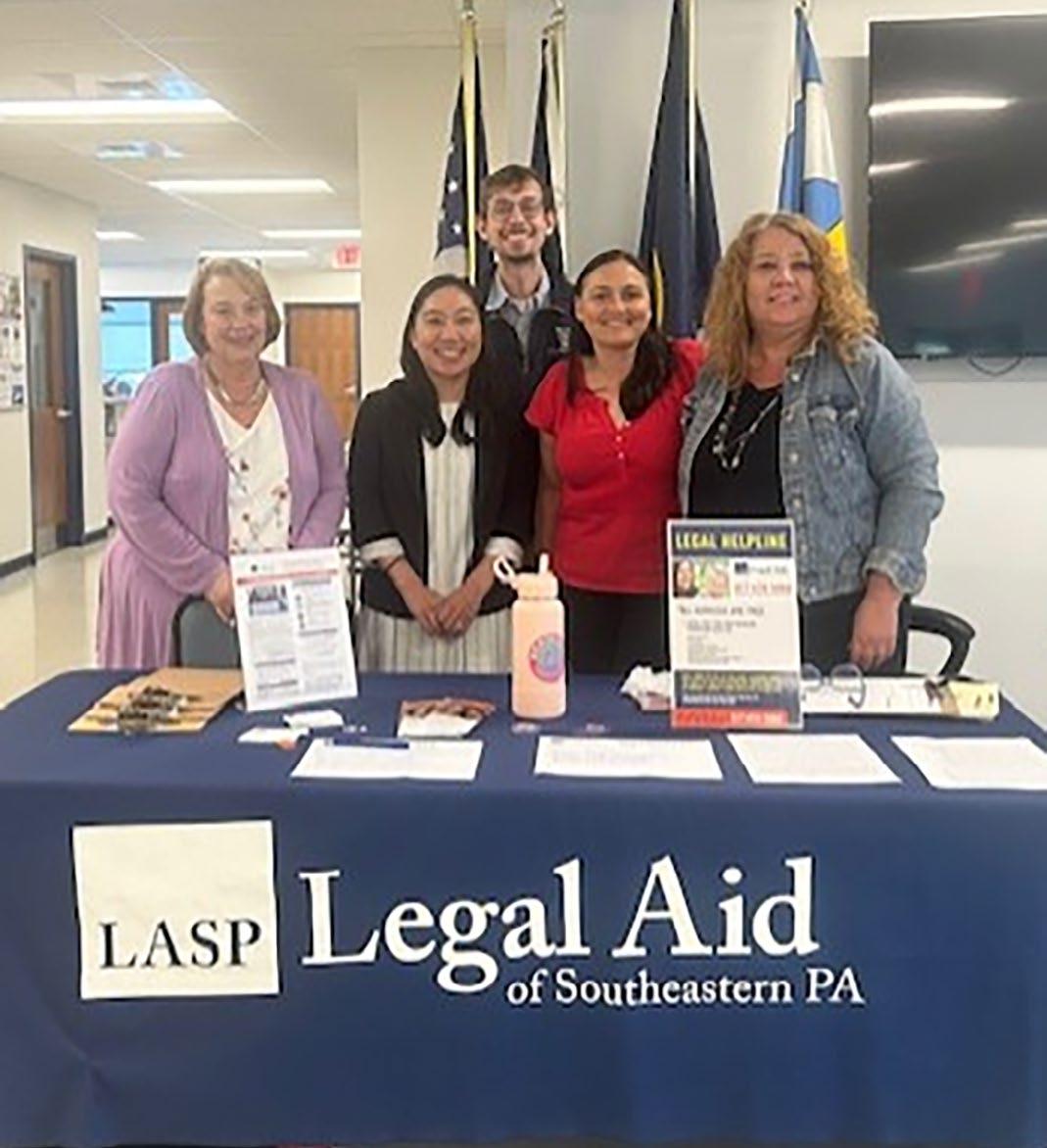
LASP staff members (from left) Randi Riefner, Megan Reinprecht, Erika Becker, and Durene McCarty were joined by former LASP Staff Attorney Charles Burrows (back), Deputy Director of Pro Bono Services for the Pennsylvania Bar Association.




By Marion Hoffman Fraley, Communications Director, Legal Aid of Southeastern PA
BEFORE HEARINGS BEGIN AT 1 P.M. ON THURSDAYS IN MORRISVILLE MAGISTERIAL DISTRICT COURT, BUCKS COUNTY PRO BONO VOLUNTEER KATE ROTH, ESQ., IS THERE TO ASSIST TENANTS WHO HAVE BEEN SUED FOR EVICTION. Kate has devoted hundreds of hours of service to the eviction court in Morrisville. She earned the Pennsylvania Bar Association (PBA) Pro Bono Award in 2024 after volunteering 150 hours. In 2025, Kate volunteered 250 hours and received recognition as a Keystone attorney from the Bucks County Bar Association (BCBA). In reflecting on her experience, she hopes to encourage others to volunteer.
Kate works pro bono alongside Legal Aid of Southeastern PA (LASP) attorneys and Randi Riefner, LASP’s Bristol Paralegal. Kate also volunteers through BCBA on some eviction cases. Her work is part of the Bucks County eviction prevention program launched in Morrisville on July 27, 2023. The BCBA Pro Bono Committee, LASP, and the Bucks County Opportunity Council (BCOC) initiated the program, with support from the Bucks County Dept. of Housing and Community Development.
Through this program, Kate has observed how tenants often land in eviction court after they have been forced to make a tough financial decision. Car trouble is a common setback that often requires tenants to use rent money to fix the car so that they can drive to work. Another common strain comes from trying to juggle paying down debt while trying to pay rent. Tenants often face unexpected hardships such as suddenly losing their job, getting sick, or changing childcare.
A volunteer attorney can make a huge difference for the tenant in an eviction case. Sometimes the representation results in clients being able to stay in their homes. Even when it does not, clients benefit from pro bono representation in multiple ways, such as lower judgments and potentially more time in their homes. “You want to buy them time,” Kate noted. She recalled LASP Staff Attorney Robert Kim’s explanation. “‘In that time, the tenant might earn another paycheck or find someone to lend them the money. The tenant might be able to do extra work for somebody and get extra money.’ Time is golden, and that has proven to be exceptionally true in eviction court.”
When both parties have representation in court, it helps level the playing field and increases fairness in the justice system. “It provides renters with a voice in the eviction process,” Kate said.
Any attorney can volunteer with the eviction prevention program. No prior experience in evictions is needed. The attorney often communicates with opposing counsel, landlords, and property managers to arrange a mutually agreeable solution to the problem of the overdue rent.
On the hearing date, the volunteer attorney typically meets with the tenant first to review the one-page complaint. The pro bono attorney scans the tenant’s ledger—provided by the property manager before court—to check for unfair fees. The goal is to find out how the tenant got into this situation and brainstorm ways to resolve the problem. In most cases, the tenant simply needs more time to pay the
arrears. Some property managers have standard procedures for paying back rent. In other cases, a short, hand-written agreement can be drafted and, if acceptable, signed by key players.
Once the attorney has an idea of the problem from the perspective of the tenant, the next step is to meet with the property manager or opposing counsel to hear their side. “Sometimes, an agreement is so obvious that it nearly writes itself,” Kate said. “Sometimes, the property manager sees issues with the tenant completely differently. An attorney who is flexible and open to solving the problem can often do so.”
Sometimes the problem is a simple lack of communication. For example, the tenant may have money available to pay the arrears but can no longer do so because their access to the portal was blocked when the complaint was filed. Re-opening the portal allows the tenant to pay the bill. If the tenant previously sent payments that did not clear, the property manager will require payment by money order or certified check until the overdue rent payments are made.
When there are habitability issues or accusations of breaking the law, the case can become complicated. In this situation, a more experienced attorney can help the volunteer or simply take the case.
In addition to providing renters with free legal representation on the day of their eviction hearing, the Bucks County eviction prevention program can also include contact with the Bucks County Opportunity Council (BCOC) to connect renters with social services or available funding. Although there is less funding for struggling renters now than during the pandemic, funds may be available if the tenant meets certain guidelines. If the renter might be eligible for BCOC assistance, their attorney can request a continuance to allow additional time for the tenant to complete the BCOC application and provide needed documentation.
Evictions have significant, long-term effects on renters. The Eviction Lab, based at Princeton University, states that evictions can force families to switch schools and disrupt children’s education, and an eviction record can prevent families from being able to rent again when landlords check court records. Evictions are also connected to job loss and negative mental health impacts.
This impact is felt close to home. There are often more than 20 eviction cases scheduled for one day in the Morrisville
MDJ Court. According to the Eviction Lab, Bucks County had 4,938 eviction filings from April 1, 2025, through April 1, 2026, and 9.35% of rentals had eviction filings in that timeframe. In Pennsylvania, there were 8,412 filings in Pennsylvania in the past month and 108,620 eviction filings from April 1, 2025, to April 1, 2026. Pennsylvania has an eviction rate of 7%.
Despite the high stakes, most tenants do not have an attorney in eviction court. Ultimately, legal representation is shown to improve outcomes for tenants and can allow tenants a chance to gain stability and prevent homelessness. By providing tenants with the opportunity to work with an attorney, the program promotes fairness and justice in eviction cases.
To learn more or get involved, contact Megan Reinprecht, LASP Staff Attorney and Bucks County Pro Bono Coordinator, at mreinprecht@lasp.org, or Erika Becker, LASP Pro Bono Director, at ebecker@lasp.org.
Attorneys can also volunteer through the Bucks County Bar Association to help at eviction court.
Discover your path to recovery at Roxborough Acute Inpatient Rehabilitation! Our dedicated team of experts provides personalized therapy plans that empower you to regain strength, independence, and return to the activities you love.
LASP and BCBA both provide malpractice insurance for pro bono attorneys if needed. The BCBA’s new capacity to provide malpractice insurance has made a difference for Kate, who previously self-funded it. LASP can also provide CLE credit to volunteers. PA attorneys can earn one credit for every five volunteer hours for up to three credits in a reporting period.
LASP website article: https://www.lasp.org/news/ bucks-county-eviction-prevention-partnership
Eviction Lab: https://evictionlab.org/evictiontracking/pennsylvania/
Pew Research: “Eviction Court Outcomes in Philadelphia Differ by Type of Landlord: Data sheds light on variations in dispositions for individual, corporate, and government landlords” by Casey Chiappetta and Octavia Howell | Nov. 2, 2022 | https://www.pew.org/en/research-and-analysis/ articles/2022/11/02/eviction-court-outcomes-in-philadelphia-differ-by-type-of-landlord
Marion Hoffman Fraley is the Communications Director for Legal Aid of Southeastern Pennsylvania.

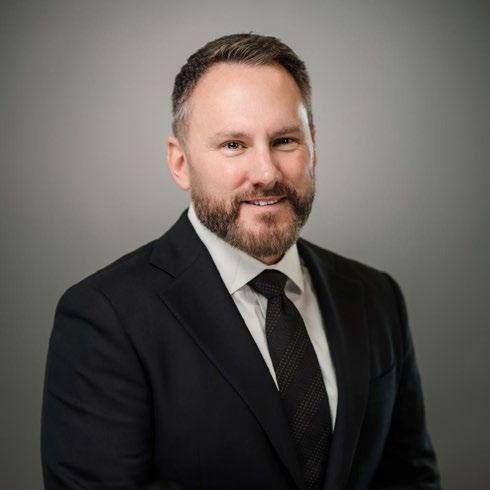
By Michael L. Saile, Jr. Managing Partner, Cordisco & Saile
A few years ago, we made a decision at Cordisco & Saile that felt a bit unconventional for a personal injury firm: we stopped trying to solve every problem ourselves. Sounds counterintuitive for lawyers, I know. But it's precisely why we've grown our firm by over three hundred percent in the last couple of years.
The truth is, the legal industry is both wonderful and overwhelmingly competitive. There are genuinely brilliant attorneys and firms throughout Bucks County doing exceptional work for our community while building great practices. And our goal is to be the best of those firms and have the ability to help more people.
So rather than pretend we had all the answers, we got humble about what we didn't know and started looking outward. What we discovered is that growth rarely comes from working harder in isolation. It comes from working smarter with others.
Here's what we did, and the keys that allowed us to start seeing the momentum we wanted.
First, we invested in ourselves. A couple years back, we committed real money to the best coaching we could find. Nationally recognized groups who'd already figured out what works at scale. But here's the key part: we didn't just get coached. We joined mastermind groups with other managing attorneys running similar-sized firms with similar ambitions. The magic there is simple mathematics. Instead of making decisions as business owners alone, we're each bringing shared solutions to problems. It's collaborative problem-solving, and it saves you from making more mistakes and now you’re solving problems in less time.
Second, we invested in our people and our process. Most firms our size don't do this – but firms two or three times our size do. It included hiring an operations director, dedicated training and development leader, middle managers, and new attorneys for growing needs in pre-litigation. We decided to invest in it earlier because we realized that scaling without standardization is just chaos with better revenue. The reasoning is simple but critical: ensure we're doing things consistently, create standard operating procedures, help people improve the quality of their work, and build systems that actually scale. It also reinforces our culture by giving every team member a shared playbook and clear standards to grow into. Training is the connective tissue that holds growth together.
Third, we invested a ton in technology. We probably spend more on tech than most law firms could imagine, and I say that without apology. We made sure our law firm management systems were best-in-class and offered us the data, reports and dashboards we need to understand where we are in real-time. We invested in customer relations software that works. We got serious about artificial intelligence and how to use it meaningfully and ethically within our operation. We are obsessed with intake technology because converting cases efficiently means everything for future growth. We chose the right phone systems, the right vendors, the right infrastructure.
It sounds like monotony, but it's the backbone you need to scale. Good technology simply multiplies what your people can accomplish in their time. It removes friction and lets your team do what they're actually trained to do rather than fighting with outdated systems. It helps with customer service and speed to move the case faster.
Now, I'm not suggesting there's one perfect formula for running a law firm. There isn't. Every firm has different practice areas, clients, markets, and strengths. But if you're serious about being competitive, about continuing to grow, about building something that works well for your people and your clients, these three things matter.
The best part? None of this required us to be the smartest people in the room. It just required us to be willing to learn from people who'd already figured some of it out, and run with it.
By Larry Reinfeld
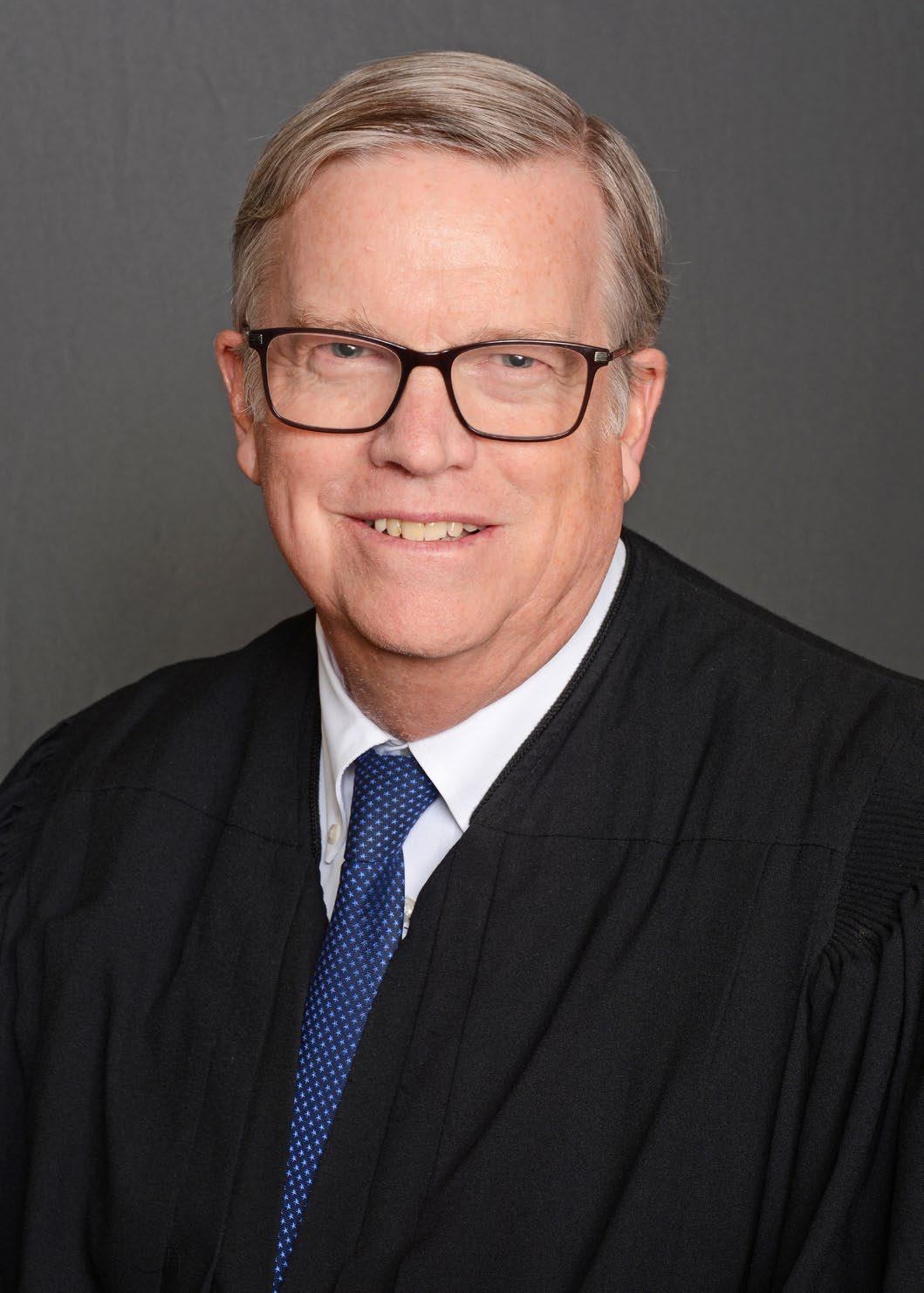
After 23 years of dedicated service on the Bucks County Court of Common Pleas, the Honorable C. Theodore Fritsch, Jr. has announced that he will be retiring at the end of this year, due to reaching the mandatory retirement age. He leaves behind a legacy of fairness, impartiality, and integrity.
Judge Fritsch was first elected to the bench on November 2, 2003, after working in the legal profession in Bucks County, first as a law clerk for the Honorable John Justus Bodley, then in the Bucks County District Attorney’s office from 1979 through 2001, where he rose to the position of Chief of Prosecution under the Honorable Alan M. Rubenstein. When Judge Fritsch decided to leave the District Attorney’s office, he joined the Langhorne law firm of Wood and Floge as a partner, where he gained experience on the civil side of the law (including family law) while working with his father-in-law, John H. Wood, Jr., and other distinguished members of that firm.
I asked Judge Fritsch when he first developed an interest in ascending to the bench. He acknowledged that during his two-year judicial clerkship, he learned what the job of being a judge entails. Judge Fritsch enjoyed working closely with Judge Bodley, and during this time, his aspiration to join the bench was formulated. I have it on good authority that it was also during his clerkship that he met his future wife, Elizabeth Wood, who also worked as a law clerk during those same years. Judge Fritsch and his wife, Liz, are justifiably proud of their two children, who are both lawyers.
During his first five years on the bench, Judge Fritsch was assigned numerous family court cases, involving child custody and divorce, as well as a variety of criminal and civil cases, which often necessitated lengthy hearings or jury trials. In addition to presiding over cases requiring a trial by jury, Judge
Fritsch often heard guilty pleas and handled bench trials and hearings involving land use appeals and election law cases. In 2008, Judge Fritsch was asked by then-President Judge David Heckler to become the Administrative Judge of the Orphans’ Court following the retirement of former Judge Daniel J. Lawler.
I recently asked Judge Fritsch if there was anything that surprised him in his early years on the bench. He mentioned that, to his surprise, many of the cases that he encountered were unique or involved unusual circumstances. At times, Judge Fritsch faced cases that were difficult to decide due
to an ambiguity in a state statute or the lack of binding precedent from higher courts in similar cases. As Judge Fritsch’s first law clerk, I observed firsthand the high level of diligence and effort that Judge Fritsch put into every ruling or decision made from the bench.
When he wasn’t sitting in Court or working on a written opinion, Judge Fritsch would often volunteer to help other Judges with their overflow of Court cases. Judge Fritsch advised that one of the most rewarding aspects of his job was getting to know his colleagues on the bench and the various attorneys who appeared before him in Civil, Family, and Orphans’ Court. He also expressed his deep appreciation for his courtroom and office staff, as well as the hard-working law clerks who cycled through his chambers over the years.
Below are a few comments and observations from some of Judge Fritsch’s colleagues and co-workers who know him well and have worked with him at various stages of his career.
FROM MICHELLE A. HENRY, STATE INSPECTOR GENERAL OF PENNSYLVANIA:
I had the privilege of having Judge Fritsch as my first office mate in the [Bucks County] District Attorney’s Office. I was so fortunate to be able to learn from him so many important skills. He was always respectful, thoughtful, and thorough in everything he did, regardless of the task. He treated everyone with kindness and was a tremendous mentor to me. Additionally, he was always calm under pressure and firm but fair.
FROM LOUIS R. BUSICO, BUSICO LAW:
When Alan Rubenstein hired me in August of 1988, I was fortunate enough to share an office with Ted. As a young assistant DA, being with him was like getting your PhD in criminal prosecution. He was that rare combination of being a killer in the courtroom and the quintessential family man and gentleman outside of it.
FROM SHARIF N. ABAZA, LAW OFFICE OF SHARIF N. ABAZA:
I have known Judge Fritsch since 1996, when we served as office colleagues in the [Bucks County] District Attorney’s office under the Honorable Alan Rubenstein. During the years we shared an office and worked on many cases together, I came to know Ted as an honest and sincere professional. He is widely regarded as a gentleman marked by kindness and patience, and he brings those same qualities to the bench, treating everyone with the dignity and respect they deserve.
HONORABLE GARY B. GILMAN, COURT OF COMMON PLEAS OF BUCKS COUNTY:
Ted and I met 50 years ago, when each of us served as judicial law clerks for two Bucks County Common Pleas judges who could not have differed more in their judicial philosophies or personalities. Both of us happened to reside in a modest Doylestown apartment complex, which appears exactly as it did five decades ago (the same has been said of Ted).
We became fast friends not only because of our jobs, but also because we shared a passion for playing tennis and basketball, and in rooting for Philadelphia sports teams. We still do—for better—and as all true Philly fans know— often for worse. By the way, Ted has always been a superior athlete, approaching star status in tennis!
Ted is a rock steady human being—consistently guided by a solid set of principles and by a keen intellect and sense of integrity. He has applied these principles and traits to his personal life as well as to his long career as a prosecutor and a trial judge. His demeanor is gentle, as is his personality, but to the surprise of many who do not know him well, he demonstrates occasional outbursts of sarcastic, even sardonic, wit.
I am truly proud to be able to call Ted not only my longtime excellent colleague on the Bucks County bench, but, more significantly, also my good friend for no less than 50 years!
I’ve known Ted Fritsch for 40 years. We first met when I was an Assistant Public Defender, and then we had a few cases together when I handled Private Criminal Defense matters. After he became a Judge, I had the pleasure of appearing before him a handful of times in Court as a practicing attorney. And now, over the last 11 years, I’ve known him as a colleague on the bench. Most recently, we have worked closer together in his transition from his long-held position as Administrative Judge of Orphans’ Court into mandatory retirement and my recent appointment to Administrative Judge of Orphans’ Court on February 1, 2026. In all the time I have known Judge Fritsch, he has been an exceedingly pleasant man and an absolute pleasure to work with or, for that matter, against as an attorney.
In cases we had together as lawyers, with him as the Prosecutor and me as the Defense lawyer, Ted had this uncanny way of almost lulling you to sleep. He was very
well prepared, but he was also so pleasant and professional, frequently smiling and being over the top courteous, almost never disagreeable, and before you knew it, there was this mountain of evidence against your client, and the conviction was essentially inevitable. It appeared to me that he was frequently assigned cases in which conscientious, detail-oriented work was necessary. The kind of case that required a smart, hardworking, measured, experienced prosecutor who would thoroughly and effectively present the case. That was Ted’s specialty.
I don’t want to embarrass anyone so many years after the fact, but Ted and I had a case together many years ago in which a retail store in Lower Bucks County went out of business. I worked hard on that case in hopes that I might be able to argue it was more of a civil matter than a criminal one. Businesses close from time to time, and that doesn’t necessarily mean that the last few customers who didn’t get their order filled were “victims” of a “crime.” Late in the proceeding, Ted put on a witness, straight out of central casting. The sweetest elderly wife and grandmother you could ever imagine. When that witness testified that her stubborn husband—who wouldn’t trust her “bad feeling” about the very strong pressure the owner was putting on to obtain a deposit—actually provided a deposit (on what turned out to be the last day the business was open) and that she later walked by what was a clearly empty stock room of merchandise… well…. it didn’t seem so “civil” then. And when he presented evidence that any remaining merchandise was (at the time deposits were still being accepted) on a truck, headed halfway across the country, well, my shoulders shrugged, and my argument died. That was Ted. I’m not even sure why I like him.
Judge Fritsch was very gracious to me as I transitioned into the sometimes odd world of Orphans’ Court. One of the kindest gestures he has extended is based on who he is. The fact that he asked me to succeed him in Orphans’ Court? That he thought I was a good fit for this “people-oriented” Court that he has presided over for so many years? Well, that Ted Fritsch thought I was worthy is as high a compliment as a person could be paid.
The point of all of this is that Judge Fritsch is one of the most pleasant and professional people I’ve met in my career. He is as patient as anyone I know. He is a smart, conscientious, and measured Judge. The citizens of Bucks County who have had the experience of appearing before him have been extremely fortunate and exceptionally well served. He is a “Judges’ Judge.”
FROM ROBERT M. DEBIAS, RETIRED PARTNER, WOOD AND FLOGE:
John Wood was the Solicitor for Hulmeville Borough for over 40 years, and Judge Fritsch often assisted John with his legal work for the Borough while Ted was at Wood and Floge. In fact, Judge Fritsch was instrumental in assisting the Borough in organizing its Ordinances into a comprehensive Code, which was duly published and which is still in use today, some 20 years later. I personally can attest that the codification of the Ordinances was a monumental job and a lasting benefit to Hulmeville Borough and its residents.
Judge Fritsch is an adept, caring, and ethical Attorney and Judge who serves as an example of the best of both occupations our profession can offer. I consider myself fortunate to call him a friend and colleague, and all present and past attorneys at Wood and Floge wish Ted the best of luck on his well-earned retirement.
FROM DOUGLAS PRAUL, FORMER COURT ADMINISTRATOR:
In reflecting on the career of Judge Fritsch, two words immediately come to mind: public service. From his time as a law clerk through his service with the District Attorney and even in private practice, he was focused on doing good and not on amassing wealth. I remember when he and I both served as directors of the drug treatment center TODAY, Inc., for a few years, dragging ourselves bleary-eyed to 7:30 a.m. board meetings. I can personally attest to the fact that that kind of activity does little to generate income. As I see it, becoming a judge was a natural fit for him. It was a pleasure to work with him again when he joined the bench, and he proved himself an asset to the Court. In whatever role he has found himself, the Judge has remained open, affable, inquisitive, and diligent. He and his charming wife, Liz, epitomize lives committed to helping their community. I’d call them Doylestown’s public service power couple. And, as I recall, the Judge was not a bad basketball player either. I didn’t say good—just not bad.
FROM RICHARD D. MAGEE, JR., ATTORNEY:
I have appeared before Judge Fritsch in Bucks County Orphans’ Court Division for approximately 20 years, mostly on guardianship matters. Guardianship cases can involve a myriad of issues, including basic civil rights, medical emergencies, family dysfunction, predatory behavior, and high emotions. Despite these challenges, Judge Fritsch always exhibits patience with the attorneys and the parties involved. You can never tell if he is personally having a good or a bad day. He is calm, deliberate, well-prepared, and most of all, he listens. He genuinely cares about the people before him and carefully makes factual findings and legal conclusions.
Often, at the close of the hearing, he will acknowledge the position and feelings of an incapacitated person, thank family members for their support and caring for a loved one, or compliment a professional guardian for their efforts. Most importantly, he makes people feel that they are part of the process and not “outsiders” in the courtroom. I have not always prevailed in his courtroom, but I always felt that I had the opportunity to present my case. I believe many attorneys share my view. In closing, I report an interesting footnote to his distinguished career: Judge Fritsch is the only Judge in the Commonwealth of Pennsylvania, to my knowledge, who has presided over a guardianship jury trial in the past 25 or more years.
Having worked with Judge Fritsch for over 22 years, but not knowing him personally before then, I’ve had the privilege to discover how honest, dedicated, hard-working, dependable, meticulous, and calm the Judge is. He’s never spoken an unkind word of an attorney, pro se litigant, or colleague, despite the pressures of presiding daily on the Bench, sometimes for days or weeks in contentious surroundings. He listens completely to people and is able to apply the law while separating himself from the emotions of a case, and fashions a decision that is fair, sensible, and respected even by the non-prevailing party.
Judge Fritsch completes all the yearly CJE requirements, but continues to acquire more knowledge, insight, and awareness in unusual situations, never ceasing to learn, educate himself, and teach. This is one of several reasons why he is asked to serve as an expert panelist for CLE presentations.
Judge Fritsch will be remembered and respected long after he steps down from his 23 years on the Bench. It truly has been an honor to work for “His Honor.”
FROM BENJAMIN
I have known Judge Fritsch for nearly 15 years, starting when he hired me as his law clerk. In my time as his clerk, he taught me so much about the practice of law and the wide variety of subjects a clerk faces. From what I’ve seen, he always had a knack for reaching the right result. (Orphans’ Court is a quirky place with niche subjects where he’s an expert.) With that said, what most stands out to me about the Judge is his calm and civil demeanor. He is always even-keeled and treats everyone with respect and fairness.
It would not be an overstatement to say that I owe a lot of my career to Judge Fritsch. He took a chance and gave me an opportunity as a young law clerk, and in doing so, helped mold my career in ways I’m not sure I’ve ever fully expressed to him—the experience, exposure, and opportunities he provided were invaluable, and I am beyond grateful for the time I was able to spend working with him. As a young lawyer fresh out of law school, he instilled my faith in an elected judiciary. Judge Fritsch is the epitome of a fair and considerate jurist and the kind of judge who other lawyers want overseeing their cases—whether or not you agree with his ultimate decision, you know it was given the thoughtful and thorough analysis it deserved. He was an incredible example and mentor to me, and I doubt I will ever sufficiently be able to express (or repay) the positive influence he had on my career. Judge Fritsch is a model of all that is right with the judiciary—while happy to see him moving on to another chapter of his life, his presence on the bench will certainly (and selfishly) be missed.
When I asked Judge Fritsch if he would be willing to stay on the bench beyond his official retirement date as a senior judge, he advised me that he is open to the idea if there is a need. Regardless, I know that Judge Fritsch is looking forward to spending more time with his wife, Liz, and his four grandchildren. He also anticipates the opportunity to travel more frequently and to have additional leisure time for activities that he already enjoys, including playing tennis, golf, and reading non-fiction books and memoirs.
Judge Fritsch will likely be remembered well by those citizens of Bucks County who were fortunate enough to meet him or to work with him during his distinguished career in public service. He is widely regarded as an honest, kind, and sincere professional who was an exemplary mentor to many young lawyers in Bucks County. A well-deserved retirement awaits him at the end of this year.
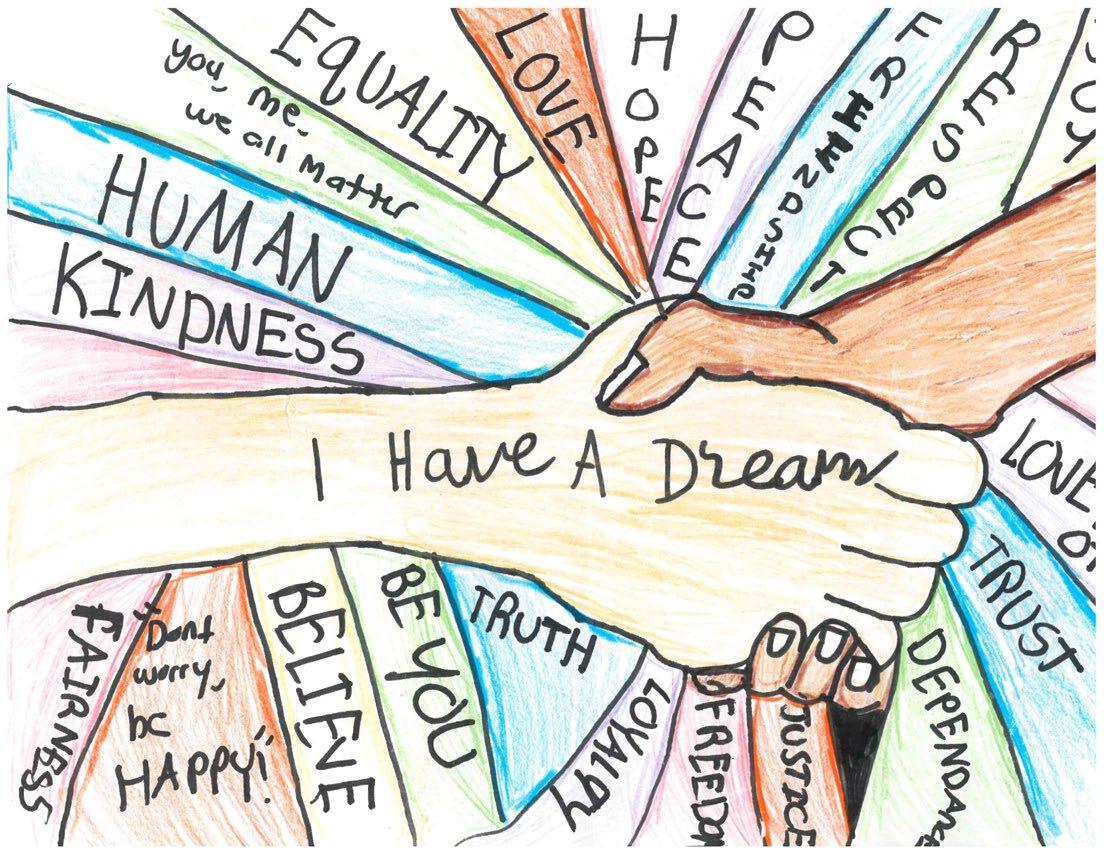
In this edition of theWRITS, we are proud to present the winning essays and posters. These young people serve as an inspiration for their ideas, optimism, and faith in the American Dream and the important role the rule of law plays in ensuring that the American Dream is still a possibility for all Americans.
The United States of America is the epitome of freedom and opportunity—a land in which all citizens, regardless of their background, can attain prosperity based on equal rights. This ideological reality, known as the American Dream, was founded

250 years ago when the Declaration of Independence was signed. It established the rule of law—the concept that no individual controls or is exempt from the law. Moreover, the rule of law paved the way for the American Dream by making the United States a nation of the people and a meritocracy in which any citizen
can succeed. Therefore, the Declaration of Independence both formed the rule of law while also enabling the American Dream, concepts that remain vital to our country’s identity today.
In signing the Declaration of Independence, a group of otherwise ordinary citizens became America’s founding fathers when they instituted the rule of law, essentially proposing government in the form of a social contract. This idea suggests that the role of government is to defend the rights of the people. Hence, the people are not subject to the government. Instead, the government is subservient to the people because it must work in their interests. Otherwise, it breaks this “contract” and is eventually replaced or overthrown. A government does not wield power in a nation such as this. On the contrary, it is the law which commands society. The law objectively punishes
and protects all citizens without bias. The law is to be applied equally and fairly. No person or group controls the law because the law controls the people. The law rules how America is governed and, by extension, its citizens.
Hence, the Declaration of Independence created the rule of law, distinguishing the country as a nation of freedom from a world of dictatorships and autocratic regimes that thrived upon social inequality. At the time, the rule of law was an unprecedented advancement in rights that would champion this nation’s rise as a global power. While other governments consolidated power by senselessly punishing their citizens, America thrived under social equality and industrial success.
The United States also became a nation of immigrants as a result. Countless refugees realized their poor situation while acknowledging the opportunities for success of people in America. With faith in the rule of law, they voyaged overseas towards an equal society where they knew their rights could not be infringed. America became the “land of the free” because people fled from unfair prosecution and persecution in their homeland. However, they did not trust the rule of law alone—they imagined something more. They believed in the American Dream.
The American Dream is the idea that any person, no matter their identity, can find liberty, rights, equality, opportunity, and prosperity within the United States. Nonetheless, this definition has greatly varied over the nation’s history. Early settlers would likely argue that the American Dream was the promise of land and freedom. In the 19th century, the American Dream was often embodied by the California Gold Rush. It acted as means for Americans and immigrants alike to escape socioeconomic bindings by acquiring immense wealth. 20th-century Americans generally defined the American Dream as the pursuit of a simple suburban life, a nuclear family, and a “white picket fence” throughout the Cold War. As for the 21st century, Americans continue to debate as to what the American Dream has become.
While the American Dream remains changing and sometimes unattainable, people continue to pursue it. Regardless, there must be an underlying mechanism that enables all citizens to continually believe in the sustainability of ideals derived from the American Dream. Specifically, the rule of law upholds the widespread desire for liberty and equal rights by fostering a society in which the people are fairly protected by unwavering rules instead of the whims of the corrupt and those in power. Additionally, Americans can believe in the promise of prosperity and opportunity because they are given an equal chance in society without regard to their origin, culture, ethnicity, or religion. The American Dream is the painting that defines the
United States as a country, but it is the rule of law that serves as the easel, continuously upholding the American Dream by making it attainable.
The Declaration of Independence, signed 250 years ago, simultaneously created the rule of law and the American Dream, ideas crucial to the triumph of the United States throughout history. Every year, Americans celebrate Law Day to reflect on the American judicial system, but it is also a chance to look to the future, for the rule of law is still imperfect. It is due to this imperfection that members of America’s legal system remain crucial to safeguarding the rule of law and its proper application. Without attorneys, judges, juries, or the rule of law itself, the United States would lose its identity, as America is defined by its fairness in governance and due process. If the rule of law was reduced to merely an idea, then the strength and legitimacy of the American Dream would diminish as a result.
Thus, the rule of law is imperfect, but it is the system of governance fundamental to America itself and the American Dream. Therefore, it is our duty as American citizens to defend the rule of law. We must maintain the social contract that our forefathers agreed to 250 years ago by voting for politicians

The Burgman Financial Group is a multi-generational Financial Planning and Wealth Management firm with a zeal to educate and serve our clients. We partner with them, explaining their options, building and implementing their financial plan to realize their unique dreams and goals.
Perhaps that sounds a bit different? Candidly, we hope it does. We are trained as educators and planners, and our entire team is dedicated to helping you achieve financial security.
Our clients believe in the choices they’ve made with us and are confident their plan will succeed.
Contact Us:
267.337.7471
Email : burgmanfinancial@nm.com
Website : https://burgmanfinancial.nm.com/

By Sarah A. Steers, Esquire
I am descended from a long line of foul-mouthed women. Like, truly obscene. Nothing, and I mean nothing, could make these broads blush. My maternal great-grandmother could read you for filth in Polish. My maternal grandmother had a variety of crusty old sayings explaining exactly what to put in your hat and pull over your ears. And my mother…well, my mother had the vernacular of a 1930s gun moll, and that’s putting it mildly. (The things that lady would say, and then she would finish it up by calling you “doll face” or “baby cakes” or “sweet cheeks,” and the whiplash from it all would leave you reeling.)
Now that I straddle two worlds (one in which coarse language is ingrained into every fiber of my being, and one in which lady lawyers are expected to be a smidge more refined than that), I occasionally blank out and say the wrong thing to the wrong crowd.
A few weeks ago, I accompanied my wee son to his elementary school’s outdoor spring festival. I’m friendly with many parents in his class; we’re all warming up to each other and excited about making those integral family relationships that will carry us through the next 12 years. I finally had the opportunity to meet a set of parents I’d been trying to pin down all year when my son popped up into view, carrying a hot dog. And before any adult could even register the situation, my son gulped that hot dog down like a starving pelican, and I expressed some commentary on his table manners that would make Lenny Bruce (Andrew Dice Clay? Bob Saget? Sarah Silverman?) blush.
It dawned on me what I was saying as I was saying it, but too late. The words were out of my mouth. I blushed so hard my face felt on fire, and I waited for the crowd’s look of disgust. Not even one year in, and here I am, making a fool out of myself and curdling everyone’s stomach.
I don’t know who was looking out for me that day, but it turns out the dad I was speaking with emcees local comedy shows in Montco and Philly. He laughed. He said I was funny. (I mean, I guess?) I really didn’t think my soul could shatter into a million pieces and then superglue itself back together in less than three seconds, but it turns out rapidly fading embarrassment is just like that.
And so I close with this: first, please forgive me if I offend you with my frequent four-letter words; second, please tell me to wash my mouth out with soap if you need me to tone it down (I promise I will switch to G-rated language immediately); and third, if you ever see my life flash before my eyes like that in real time again, please gently help lower me to the floor when I inevitably faint from my own self-inflicted humiliation.
Sarah A. Steers is an attorney with Curtin & Heefner LLP.
that would protect our rights. We must serve our duty as jury members when so called upon. We must vote in every election. We must speak up and speak out when we witness or perceive injustice. We must protect the weakest members of society who, at times, may not be able to protect themselves. Simply put, we must defend the rule of law as citizens, for in defending the rule of law, we defend the American Dream. We celebrate Law Day because the rule of law cannot defend America alone—it needs “We the People” to uphold it.
The rule of law and the American Dream means no person is above the law and everyone gets treated equally. The laws make it so you are able to live life freely and choose what you want to be when you grow up.
Title IX of the Civil Rights Act was signed into law by President Richard M. Nixon in 1972. This law states that a person can have any job they want to have. For example, you can be a lawyer, doctor, nurse, engineer, mechanic, astronaut, or a teacher, no matter your race or gender. Back before 1972, women and African Americans couldn’t have certain jobs.
Historically, many people thought women weren’t smart enough to be doctors. But Elizabeth Blackwell proved them wrong. She was the first woman to go to medical school in the United States. She had to apply to more than 10 schools in order to get in. I want to be a children’s orthopedist when I grow up. Title IX makes that possible because now women have equal rights to men.
Not only were women treated unfairly, but African American people also couldn’t have certain types of jobs. President John F. Kennedy signed an executive order in 1961 which prevented NASA from discriminating based on race. The first black astronaut sent to space was Guion Bluford in 1983.
This year is the 250th anniversary of the signing of the Declaration of Independence. I am proud to say that people have changed and become better. In 2026, people can pursue their dreams and live life how they’ve always wanted to.
By Marion Hoffman Fraley, Communications Director, Legal Aid of Southeastern PA

FEEDING AMERICA’S MAP THE MEAL GAP REPORT
SHOWS THAT 64,000 PEOPLE IN BUCKS COUNTY, OR 9.9% OF THE POPULATION, FACE FOOD INSECURITY. Of them, 39% will likely qualify for SNAP. The remaining 61% of people facing food insecurity in Bucks County have incomes above the SNAP income threshold and cannot receive SNAP.
New requirements to maintain SNAP eligibility have put SNAP in the news in recent months. The Pennsylvania Dept. of Human Services projects that 1,703 Bucks County residents will lose SNAP benefits due to changes included in the federal budget reconciliation bill passed by Congress in July 2025. SNAP recipients must work, volunteer, or be enrolled in school or a job training program to maintain benefits, and they face new reporting requirements.
SNAP is the Supplemental Nutrition Assistance Program, formerly known as food stamps. It provides monthly funds to low-income families to supplement their grocery budgets. To qualify, people may earn up to 200% of the federal poverty level (FPL), or $31,300 per year for a household of one / $64,300 for a household of four, and they must meet other guidelines.
Elizabeth Zbinden, Food Program Manager for the Bucks County Opportunity Council (BCOC), and Nikki Farrior, LMSW, Impact Services Manager for United Way of Bucks County, shared insights on food insecurity locally. Jill Duffy, Legal Aid of Southeastern PA (LASP) Staff Attorney, discussed her work to help Bucks County clients with SNAP renewals, denials and more.
“Food insecurity exists in every community across the United States, including Bucks County, which is the third most affluent county in Pennsylvania,” Elizabeth noted, adding that food insecurity occurs across the county, including Lower Bucks (more urban), Central Bucks (suburban), and Upper Bucks (rural).
“Everyone knows hunger—but when you can’t address your hunger, it’s so hard to concentrate at work, to concentrate in your life. Imagine a kid trying to do homework or trying to concentrate in school,” Elizabeth said. “It’s an invisible thing that people deal with.”
She added, “I like to say you never know what a person’s situation is, and you should never judge it either. A food
insecure person can easily be the person checking you out at the grocery store. It could be the person behind you trying to buy groceries. It can be the aide who’s taking care of your mom or your grandparents.”
When other expenses arise, food is often the part of the budget where people cut back because they can. “You can survive off the can of beans, whether or not you should,” she said. Local anti-hunger networks are vitally important to helping people get nutritional food that meets dietary needs, she said. “Sometimes it just also comes down to that final mile where the person might not have the transportation to get there. The person might not know that the resource exists. In general, people don’t always know where to begin, and then they also feel ashamed. It’s a very vulnerable thing to reach out.”
BCOC is the lead food agency in Bucks County, distributing food to 75 pantries. While BCOC does not directly assist with SNAP benefits, BCOC caseworkers may help with SNAP issues for individuals who are part of its economic self-sufficiency program or other programs. BCOC also refers people to the Bucks County HUB, through which human services professionals connect people with help with those needing food assistance, temporary housing, medical assistance, and disaster recovery resources.
Among the lesser-known ways to help with food insecurity include volunteering at a local food pantry, volunteering to deliver food to homebound individuals, donating personal care and hygiene products, and donating pet food. “Oftentimes, a senior will choose to feed their pet before themselves,” Elizabeth said.
The Healthy Eating and Living Partnership (HELP) Center in Bristol is a collaboration between BCOC, United Way of Bucks County, and St. Mary Medical Center/Trinity Health Mid-Atlantic, with support from Penn Community Bank. BCOC operates a dry-goods warehouse to better serve pantries in the Lower Bucks area, which has been identified as a food desert.
United Way of Bucks County discusses the intersection of the HELP Center, SNAP benefits, and people who can be described as Asset Limited, Income Constrained, Employed (or “ALICE”), indicating families with a tight budget. According to United Way of Pennsylvania, this group of people: “ALICE represents the 28% of Pennsylvanians who work but struggle to survive. ALICE earns above the Federal Poverty Level (FPL) but makes less than what’s needed to afford essentials. ALICE often earns too much to qualify for government assistance, and there is no room in ALICE’s budget for emergency expenses. If you combine PA households earning below the ALICE Threshold with those living below the FPL, that’s 40% of PA households who face financial hardship every day, in every county in PA.”
Nikki noted, “When you think about the survival budget of ALICE families, food, obviously, is a major bucket item in the budget.” An unexpected financial cost such as a flat tire or a child’s broken bone can throw someone’s entire budget off. “Often, one of the first things that might go is food. At the HELP Center, we try to provide a variety of items to help supplement that survival budget, food being one of them.”
About 48% of HELP Center shoppers in the past two years have reported receiving SNAP, and 77% of HELP Center shoppers report being unstable or very unstable, meaning they’re struggling to meet basic needs like food. Nikki countered the perception that receiving SNAP benefits is a total solution. “For nearly half of our shoppers, it’s just merely a drop in the bucket, and that reflects the benefits gap, where you have families, not just Bucks County, but all over, that earn just slightly too much.” Their earnings do not cover the actual cost of living in Pennsylvania—and Bucks County is a high-cost area in the Commonwealth. “It doesn’t just mean a tight budget. It means that a family is one car repair away or one sick day away from total collapse.”
With SNAP allotments rarely stretching to the end of the month, many Bucks County families rely on the HELP Center and other providers to bridge the gap. And it only worsens in the summer, she said. The summer gap occurs because schools often provide at least two meals a day during the school year, and teachers sometimes pay out of their own pockets to provide snacks.
In the winter, families with low incomes face a “heat or eat” dilemma. “We’re freezing outside, so you have families having to choose between keeping the house warm or putting food on the table. They make slightly too much for a lot of state aid, but not nearly enough to cover the rising cost of goods and services in our state, as well as in our country. It just impacts every other area of the budget. And it impacts their health.”
During and after the federal shutdown from Oct. 1-Nov. 12, 2025, the HELP Center saw a 64% increase in requests in November and December, and the need has not subsided in January. Nikki said, “Not just the United Way, but nonprofits in general tend to absorb that delayed effect. We believe this spike illustrates how local nonprofits like us serve as shock absorbers for volatility.”
The delayed state budget was both unexpected and impactful, she said. “Guess what doesn’t shut down? Hunger,” she said. The state and federal budget issues coincided with colder weather and higher utility costs. “Our families have zero financial margin. They have no room in their budget, and they just cannot weather even a two-week delay in benefits without turning to emergency community needs and resources.”
The HELP Center is now seeing a new demographic of shoppers, “people who have worked their entire lives, never needed
assistance, never thought that there was assistance out there for them, and now they are seeking help,” Nikki said. “We are probably now considered an essential pillar of the regional economy for hundreds of families and individuals” and help to prevent homelessness and job loss, she said.
In addition to food assistance, the HELP Center hosts community partners on-site, including Legal Aid of Southeastern PA for civil legal assistance; PA CareerLink Bucks County for job coaching, resume writing and resources; and Penndel Mental Health Center to address mental health needs.
Jill Duffy, Staff Attorney in LASP’s Bristol Office, assists Bucks County residents with SNAP. Some of the areas where LASP helps clients include renewals, denials, correcting issues with documentation and incorrect benefit reductions, and overpayments.
LASP’s Bristol Office is located next door to the County Assistance Office. The proximity saves time and facilitates visits as needed. “Instead of writing letters, we’ll go and wait, and we’ll talk to somebody,” Jill said. “We’ll go over their whole
case.” Sometimes the CAO will identify a missing document, and after the client provides the needed documentation, “Their benefits get fixed, and they’re really happy,” Jill said.
LASP also handles appeals, called fair hearings, before an administrative law judge to preserve clients’ rights. SNAP hearings are held by phone. In Bucks County, most issues are resolved without a hearing by providing correct documentation, Jill noted. SNAP overpayments are difficult to get waived, she said.
Some clients cannot drive, lack transportation to get to the County Assistance Office in person, or cannot leave their homes due to a disability. After signing a release, Jill visits the CAO in person on their behalf.
For one client whom she accompanied to the County Assistance Office, a single piece of documentation was missing—a housing expense. As soon as the needed documentation was provided, the client’s full SNAP benefits were restored.
Marion Hoffman Fraley is the Communications Director of Legal Aid of Southeastern Pennsylvania.

• MLM has returned a dividend to policyholders annually since 1988, over $88 million
• First dollar defense- a loss only deductible can produce a substantial savings for firms facing nuisance type claims
• Full prior acts coverage
• Offers an array of services to mitigate risks including three free CLEs for policyholders each policy year, $165 value

The Bucks County Bar Association is extremely proud of its members who serve as judicial law clerks. Many of these clerks are newly minted from law school, and display incredible promise to serve as future leaders of the Bar Association. As a recurring column, theWRITS will feature profiles on a few members of the current clerkship class. In this edition, we are proud to present Elizabeth Henning, law clerk to the Hon. Judge Weintraub, and Alexandra Bethman, law clerk to the Hon. Judge Liller.
theWRITS: Tell us about yourself.
I’m originally from Danville, Pennsylvania. After graduating high school there in 2018, I attended Ithaca College and double-majored in journalism and Spanish, with minors in international politics and linguistics. I graduated in 2022 and matriculated at Villanova University for law school. I was on the Moot Court Team and later served on its Executive Board. Throughout law school, I worked with several civil legal aid organizations and clinics, as well as with an organization that handled criminal appeals. I graduated in May 2025 and began working as a clerk for Judge Weintraub. I took the Bar Exam in July 2025 and found out I passed in October!
theWRITS: If you are from Bucks County, what made you decide to live or work here?
I’m not originally from Bucks County, but I went to law school at Villanova. I was looking into clerkships and decided to send out feelers here. I interviewed with Judge Weintraub and started working in Doylestown after graduation. I like the area, and I’m looking forward to exploring more in the coming months.
theWRITS: What made you want to become an attorney? Who were your role models or inspirations, and why?
For a long time, I refused to consider the law as a profession. When I was in elementary school, an adult condescendingly told me that I should be a lawyer because I was good at arguing. At the time, I was so insulted, especially because I didn’t get my way in that argument (despite the backhanded compliment). As a result, I stubbornly avoided the thought of becoming a lawyer. I came around to the idea of law in undergrad, when I was working on my journalism degree. I found that although I
enjoyed the research, writing, and the way that (good) journalism can make your community better through transparency and accountability, I was quickly becoming disillusioned with corporate media, and I didn’t think that freelancing for an independent outlet was the right move for me. I decided to pursue law, still maintaining those same goals of challenging myself and working to make my community better. As far as role models, I look to my family. I’m the first lawyer in my family, but the values that my parents, grandparents, and extended family live by have shaped my entire life. I wouldn’t be where I am today without the strong examples they set for me.
theWRITS: Describe a day in the life of a law clerk in your judge’s chambers?
Every day is different, and it depends on the type of matters that we have scheduled in the courtroom. Step one is always to make myself coffee! On a day when we have matters scheduled in the courtroom, I will check in with the judge in the morning, before court starts. When he goes down to the courtroom, I typically accompany him to observe and take notes. Whenever we finish for the day, I head back to my desk. There, I might work on drafting an opinion if there is an appeal pending. If there are no appeals, I would probably work on drafting memos for pretrial matters that are before us on a 208.3(b) praecipe or prepare for cases scheduled in the coming week. The type of prep I do depends on the matter: sometimes I do background research on the law, sometimes I write memos summarizing the pleadings, sometimes it’s something else entirely. In addition to working with our individual judges, the clerks often chat among ourselves about complicated or novel issues that we see, and we work with each other if there’s a problem that we are unsure about.
theWRITS: What was the most interesting case that you have worked on for your judge?
There’s no single case that stands out to me as “most interesting”, but I enjoy working on issues that don’t have an obvious “correct” outcome. I like it when a case gives me
the chance to explore a new legal concept or put the pieces of the puzzle together in a new way. Recently, I have been enjoying researching and hearing pretrial motions argued in criminal court.
theWRITS: What type of law do you want to go into after your clerkship, and where do you see yourself in five years?
In the long term, I am interested in appellate work. I like the research and writing, as well as the style of argument. Before I shift over to that area, I would like to gain some trial experience. I don’t have a strong preference for the type of law I practice (e.g., civil vs. criminal), but I enjoyed working in government and public interest jobs throughout law school. For me, the opportunity to learn something new and keep challenging myself is more important than a specific type of law, so my post-clerkship job will depend on where I can see myself getting those opportunities. I’ve gotten myself this far by remaining open to new opportunities, and I don’t anticipate changing that strategy.
theWRITS: What is your favorite fictional character from the legal industry?
Elle Woods from Legally Blonde
theWRITS: What has been your favorite place to travel to and why?
I’m torn between Ireland and Morocco. Ireland is incredible because something about it just feels like home—it’s a very comforting and welcoming place. Meanwhile, I loved visiting Morocco because it was so different from anything I had ever experienced before.
theWRITS: What advice would you give a law student to help prepare for a clerkship in Bucks County?
The biggest surprise for me when I began clerking was how steep the learning curve is. In addition to the general shift from school to practice, you have to adjust your mindset from advocacy to adjudication. I found that in law school, most of my classes and practical experience revolved around arguing for a position on behalf of a client, but the style of legal work done for a judge is different. In addition, you have to learn your judge’s preferences and quirks (and be aware of your own) because you work so closely together. Keeping all of that in mind, you have to remember to be patient with yourself! Some things become second nature, and you can build a good rapport with your judge and the other clerks, but it can take time.
theWRITS: What do you do when not working as a clerk?
I like to say that my favorite hobby is collecting hobbies. I frequently knit, read, hike, and run (slowly). In addition to
that, I dabble in gardening, baking, and whatever DIY or crafty project strikes my interest on the weekend. However, hobbies tend to take a backseat to spending time with family, friends, and my cat.
theWRITS: What is your favorite bar or restaurant in Bucks County?
I have a sweet tooth, so I’d rather order dessert than a meal. That being said, my favorite place is probably Owowcow for ice cream.
theWRITS: Tell us about yourself. I am Judge Liller’s law clerk. I went to law school at Widener University Delaware Law School. I grew up right here in Bucks County! When I am not at work, I enjoy spending time outdoors, reading, and exploring new places.
theWRITS: If you are from Bucks County, what made you decide to live or work here?
As a Bucks County native, I always knew I wanted to come back after law school and work here. Bucks has always felt like home, and there is no better way to give back to the county that has given me so much than to work here!
theWRITS: What made you want to become an attorney? Who were your role models or inspirations, and why?
I always knew I wanted to be in a profession where I could help people. I didn’t know any attorneys growing up, so the legal field was a brave new world. I knew early on though, that becoming a lawyer would be the best way to use the skills I have and to make a positive impact.
theWRITS: Describe a day in the life of a law clerk in your judge’s chambers?
Each day is a little different. Judge Liller handles both family and criminal matters. Each morning, I come in Chambers and see what we have on the list for the day. Depending on the type of proceeding, I will go down to the courtroom to attend hearings and trials. If I am not needed down in court, I will work on pre-trial motions or appeals.
theWRITS: What was the most interesting case that you have worked on for your judge?
Clerking for Judge Liller, I have had the privilege to work on several interesting cases. Most recently was a murder trial. It was
fascinating to see everything leading up to the actual trial and all the work that the attorneys put in behind the scenes. I learned a lot about trial practice through the work done by each of the attorneys. I think getting to sit in on so many cases is such an invaluable experience.
theWRITS: What type of law do you want to go into after your clerkship, and where do you see yourself in five years?
I am very fortunate to have a job lined up with the Bucks County District Attorney’s Office. I am very excited to continue my legal career in Bucks and look forward to doing meaningful work as an ADA. In five years, I hope to still be at the DA’s office and providing mentorship to other firstgeneration attorneys.
theWRITS: What is your favorite fictional character from the legal industry?
Elle Woods from Legally Blonde is a classic. I am a big fan of musical theater, and Legally Blonde The Musical is my favorite musical/legal field crossover.
theWRITS: What has been your favorite place to travel to and why?
My favorite place to travel is the Jersey Shore. My family always did day trips down the shore! Some of my favorite memories
are on the Ocean City boardwalk and riding the Ferris Wheel. I love to be out in the sun and run on the sand.
theWRITS: What advice would you give a law student to help prepare for a clerkship in Bucks County?
My best advice is to be open to learning. In this job, there will be so much you don’t know at first, and that is totally normal! Be a sponge and absorb all that you can. I would also suggest getting to know your Judge before starting. I think reaching out to former clerks is super helpful in understanding how your Chambers operates and your Judge’s preferences. It’s also great to get insight into what your actual day-to-day will look like.
theWRITS: What do you do when not working as a clerk?
I am a huge Phillies fan (and love all Philly sports). So, when I’m not working, you’ll find me watching on the couch or catching a game in person. I also love to spend time with friends and family.
theWRITS: What is your favorite bar or restaurant in Bucks County?
My favorite spot to eat is Lily’s! Judge Liller took me there my first week, and it’s been my go-to ever since.
In this edition of theWRITS, we are joined by new member Alexis Nash, as an associate at Grim, Biehn & Thatcher, of Perkasie. Ms. Nash is a graduate of Hollins University and Drexel Law School.
theWRITS: If you are from Bucks County, what made you decide to live or work here? If you are not from Bucks County, what about the area made you interested in working in Bucks County?
Although I am a proud Philadelphia native, I grew up about 10 minutes from the Bucks County line. After law school, I joined the Air Force and was gone for about eight years. When that journey ended, and I was thinking about where I wanted to put down roots, the nature and open green space of Bucks County was an easy choice.
theWRITS: What made you want to become an attorney? Who were your role models or inspirations, and why?
I didn’t consider becoming an attorney until my senior year of college. I knew I enjoyed research and writing and learning about a lot of different areas, but I wasn’t quite sure where to take that. After undergrad, I got a job working as a paralegal at a law firm and decided law would be a good fit.
theWRITS: Describe a typical day in the life of your practice.
Every day is different, but I would say, overall, it’s interacting with clients and following up with financial institutions for information that I need to prepare the inheritance tax return.
theWRITS: What was the most interesting case or project that you have worked on in your career?
There have been several that I still think about to this day, but I guess the coolest one was when I was deployed to Afghanistan and worked in intelligence law, advising on proposed intelligence and targeting operations.
theWRITS: What made you want to go into your specific field of practice, and where do you see yourself in five years?
While I was in the military, part of my duties at the base legal office was drafting wills, powers of attorney, and living wills for service members, retirees, and their dependents. I enjoyed interacting with different clients and helping them plan for their family’s future. When I decided to make the transition from government to private, estate administration was a natural choice for me. It’s been a steep learning curve, but hopefully, in five years, I’d like to have developed my practice and built a reputation within the Bucks County community.
theWRITS: What is your favorite fictional character from the legal industry? What is your favorite movie that portrays the legal profession, and why?
As a former JAG, I feel a certain sense of loyalty to A Few Good Men and Tom Cruise’s Lt. Daniel Kaffee.
theWRITS: What has been your favorite place to travel and why?
So far, Italy is my favorite for food and wine.
theWRITS: What advice would you give a law student to help prepare for a career in this area, and specifically in your area of practice?
Most of the time, as a lawyer, you are dealing with people at a stressful time in their lives. Developing a thick skin and remaining objective will help you keep your sanity—that and take every tax and accounting course you can!
theWRITS: What do you do when not practicing law? When not practicing law, you can find me working in my garden and spending time with my husband and daughter.
theWRITS: If you had not become an attorney, what job or career do you think you would have pursued?
I stand by my eighth-grade yearbook answer—an archaeologist or a writer.
theWRITS: What is your favorite bar or restaurant in Bucks County?
That is a tough choice, but I will say 86 West—whether you’re in the mood for a burger, salad, tacos, or sushi, they’ve got it all.
In this edition of theWRITS, we continue our tribute to the men and women of our community who selflessly dedicate themselves to public service. Specifically, we are joined in this edition by William McVey, Director of Public Safety for Bensalem Township, and Joseph Kelly, Chief of Police for Lower Makefield Township.
WILLIAM MCVEY Director of Public Safety, Bensalem Township Police Department
theWRITS: Tell us about yourself.
My name is William “Bill” McVey, and I am currently the Public Safety Director for Bensalem Township. As Director, I serve as the Chief Law Enforcement Officer, while also coordinating Fire, EMS, and Emergency Management response within the Township. My office is responsible for 107 Police Officers, 12 Career Firefighters, and a professional support staff of 65 civilians, with an annual budget of $45 million.
I started my career as a police officer in Bensalem in 1998 as a 21-year-old college kid. Since then, I have worked my way through the ranks from patrol officer to chief. Two of my favorite assignments along the way have been K-9 and Detective Sergeant. In addition to my work assignments, I am currently the president of the Bucks County Heroes Scholarship Fund and the past president of the Police Chiefs Association of Southeastern PA.
Outside of work, I am married to my high school sweetheart, and we have three beautiful daughters, who call me my favorite title, “Dad.” Over the past nine years, I have also served as a “Big Brother” to my “Little” Kris.
theWRITS: What made you want to become a law enforcement officer? Who were your role models or inspirations and why?
There was no single reason for choosing this career, but I knew I wanted to be part of something bigger than myself. It wasn’t about the money, but more about doing work that was of value and focused on service. In college, I had the opportunity to work with a local police department. That experience gave me a firsthand look at what it meant to be a police officer. I liked the way they all worked together, and the camaraderie amongst them was evident. It was clear the officers cared about each other, took pride in their work, and made a difference. After that experience, I knew being a police officer was the career for me.
theWRITS: Why did you choose to join your police department?
The simple answer is they offered me a job! Getting hired as a police officer in the ‘90s was not easy. Hundreds of candidates would compete for a few police positions. I was fortunate that Bensalem was expanding in 1998, and I was one of 11 officers hired that August. I knew nothing specific about the department at the time and was in the hiring process with a few other departments. I look back now and realize how lucky I was that Bensalem offered me a job first.
theWRITS: What sort of training did you need to become a law enforcement officer?
I was part of the first police test in Bensalem that required 60 college credits to be eligible for the test. Once hired, it was off to the police academy, which was four months back then, followed by a 10-week field training program. Beyond that, in policing, you need to train constantly to be effective and safe. Going through the various ranks within the department has afforded me many opportunities to attend advanced leadership training. You can never stop learning as a leader in law enforcement. I am currently enrolled in the Executive Leaders Program through the Center for Homeland Security and Defense at the Naval Postgraduate School.
theWRITS: Describe a day in the life of your job. Some days it feels like chaos…but one of the best parts about my job is that no two days are the same. I always have the normal administrative tasks to work on, but each day brings a new emergency, crisis, major incident, arrest, or other “hot button” issue that needs to be handled in a timely manner. Many days, my work starts prior to arriving at police headquarters, when I receive messages or calls relating to incidents that occurred the previous night or are developing concerns for the day. Working as a team with my command staff, supervisors, and administrative assistants makes everything run as efficiently as possible. The main thing that separates my job from other types of executives in different fields is that, at a moment’s notice, your daily plans can change in an instant, and everything has to wait until the life-safety issues are resolved. In my role, I also have to make sure my Mayor is informed of all major incidents, as well as communicate to our community via social media or through the press.
theWRITS: What are the best and toughest parts about your job?
The best part of my job is leading the brave men and women who serve our Township and seeing firsthand the incredible
work they do. So much of their work goes unrecognized, and people don’t truly know how difficult being a police officer is today. There are enough police critics in the world, so publicly praising the efforts of our force is something very important to me.
Other than the constant worry about our officers’ safety and seeing some brutal crime scenes, one of the toughest aspects of my job is internal discipline and terminations. You have to have integrity and courage to do the right thing in these matters, but it’s certainly not easy. However, not handling these matters leads to bigger problems and can leave a stain on the profession.
theWRITS: What is your favorite fictional character from the law enforcement industry and why? What is your favorite movie that portrays the law enforcement profession and why?
Andy Sipowicz from NYPD Blue. He was an old school detective who made sure the job got done, albeit not always by the rules…His tenacity though, is what every investigator should bring to the job, but not his short-sleeve shirts with a tie. As for a law enforcement movie, I’d have to go with The Departed
theWRITS: If you had not become a police officer, what other career or profession do you think you would have considered?
I actually have no idea. If I didn’t get a job early on in law enforcement, my plan B was to join the military and then try for law enforcement again after that. My mind was set on this career, and I am fortunate that my dream became a reality early on.
theWRITS: What has been your favorite place to travel and why?
Italy! My wife and I traveled there for our 25th anniversary, and it was great. The history, culture, and food are second to none.
theWRITS: What advice would you give someone who is considering becoming a law enforcement officer in Bucks County?
Being a police officer is a great career, however there are many challenges you have to face today. First and foremost, it’s a dangerous job, and your personal safety is not guaranteed. Many will hate you for the uniform you wear, and some will try to harm you. You will be tested and have to defend your actions at times. However, if you do the right things and never compromise your integrity, you will have an incredible experience where you make a difference in people’s lives. Nothing compares to that, and here are a few pieces of advice to guide you:
Rule # 1—don’t forget to always go home after your shift has ended, and Rule #2—don’t forget Rule #1! Many officers are killed in the line of duty and don’t get the chance to go back home after their shift. Therefore, don’t take things for granted, treat people the way you would want to be treated, and always prioritize your and your fellow officers’ safety.
theWRITS: What do you do when not working as a law enforcement officer?
My daughters are all adults now, with one left to go to college. The busy days of running around to sporting and school events are over. Most days off are spent working in the yard, relaxing in the pool, spending time with family and friends, and trying to get better at golf before retirement.
theWRITS: What is your favorite bar or restaurant in Bucks County? Pineville Tavern.
JOSEPH D. KELLY, III
Chief of Police, Lower Makefield Township
theWRITS: Tell us about yourself.
I was appointed as Chief of Police in April 2025. Before joining, I served 10 years as Chief of Police in Yardley Borough. Before serving in PA, I served for 23 years with the NJ Transit Police Department, where I worked in various ranks and assignments, retiring as a Deputy Chief of Police directing police operations. I also served with the Maplewood (NJ) Police Department as a public safety dispatcher and reserve police officer, and I am/was certified or commissioned as a police officer in Pennsylvania, New Jersey, and New York.
In April 2010, I testified before the U.S. Senate Committee on Science and Transportation on securing the nation’s rail and other surface transportation networks, and I was commended on the floor of the U.S. House of Representatives in July 2019 for my service in Yardley Borough.
I hold a bachelor’s degree in criminal justice and a master’s degree in education from Seton Hall University. I have also completed the New Jersey State Chiefs of Police Command and Leadership Program.
theWRITS: What made you want to become a law enforcement officer? Who were your role models or inspirations and why?
I have wanted to become a police officer since I was a small boy. My father served with the Maplewood (NJ) Police Department, and he has served as my role model, inspiration, teacher, and support system.
theWRITS: Why did you choose to join your police department?
Having served in a neighboring jurisdiction of Lower Makefield Township, I had long observed the professionalism, commitment, and capabilities of the LMTPD. When the position was posted, I pursued the opportunity as a new challenge to lead the agency while leveraging the opportunity for continued professional growth.
theWRITS: What sort of training did you need to become a law enforcement officer?
Police training and certification vary by state. I attended basic training at the Middlesex County (NJ) Police Academy for 21 weeks. The Basic Course for Police Officers (BCPO) immerses recruits in criminal law, firearms training, defensive tactics, emergency vehicle operations, and physical conditioning, while also emphasizing ethics and proper procedures. Following academy graduation, I completed a multi-month field training program instructed by veteran officers before being cleared to work as a police officer.
During a long career, there will be many required and elective in-service classes preparing an officer for their duties, promotions to a higher rank, or assignment into a specialty position.
theWRITS: Describe a day in the life of your job. The nature of police work, and “the draw” for many who serve in this profession, is that this question is impossible to answer. No two days, no two patrols are ever the same. As I ascended in rank, the nature of the work became more consistent and is now focused on managing the business of policing. These duties include HR type duties, oversight, motivation of sworn and civilian staff, budgeting, and maintaining strong internal and external relationships.
theWRITS: What are the best and toughest parts about your job?
The greatest part of policing is that every day you come to work, you can make a difference in someone’s life. As a street officer, I have seen and will never forget the results of dealing with victims. As a supervisor or command officer, this influence may come in mentoring someone to become the best police officer they can be or by encouraging them to grow professionally when they are not sure they are ready.
Speaking to the toughest part of this profession, I saw a police officer interviewed who said that this job sometimes takes more from us than we are prepared to give. The average police officer experiences 150–200+ critical incidents over a career; by comparison, most civilians may experience zero to two major traumatic events in a lifetime.
theWRITS: What is your favorite fictional character from the law enforcement industry and why? What is your favorite movie that portrays the law enforcement profession and why?
My favorite fictional police character is Sgt. “Mac” MacDonald from ADAM-12. He was respected by his troops, loyal to his department’s values, experienced, and calm in the face of chaos. I think the movie Serpico is a must-see because it is based on a true story where one detective risked it all to uncover corruption and drastically improve policing.
theWRITS: If you had not become a police officer, what other career or profession do you think you would have considered?
I’m not sure. I was oriented towards this profession as long as I can remember.
theWRITS: What has been your favorite place to travel and why?
Bermuda. Great beaches, great weather, great waters, and friendly.
theWRITS: What advice would you give someone who is considering becoming a law enforcement officer in Bucks County?
If I had to do it all over again, I would. If someone is thinking about a career in policing, come learn more. Go to a job fair, attend a citizen’s police academy, go to the local police, speak to your officers, and do a ride-along with a department that may be interested.
theWRITS: What do you do when not working as a law enforcement officer?
When not working in policing, I spend a lot of time with family and friends.
theWRITS: What is your favorite bar or restaurant in Bucks County?
Carlucci’s Grill (Lower Makefield Twp.).

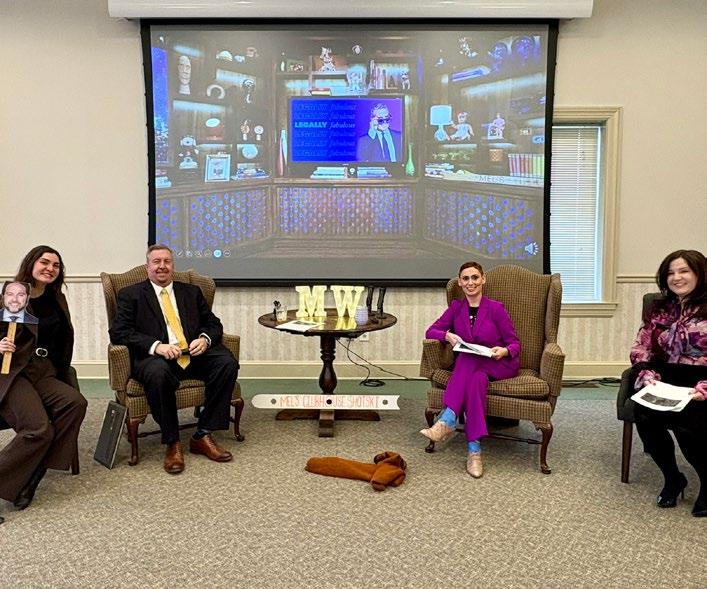
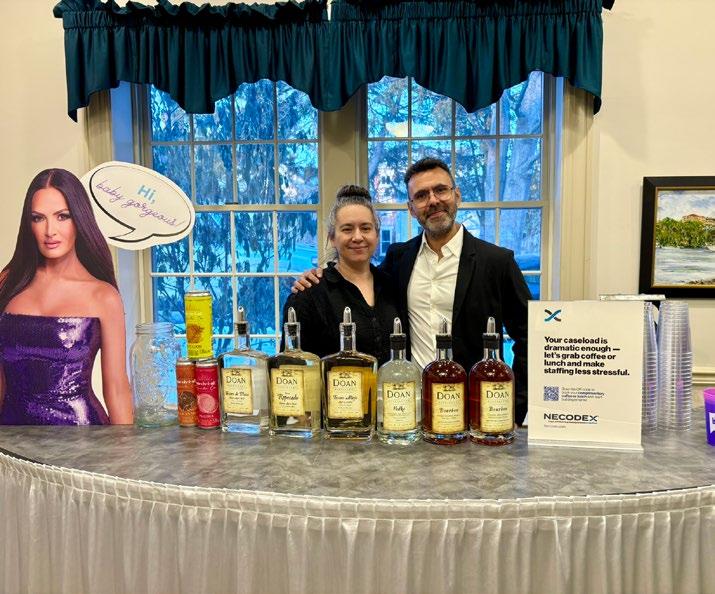
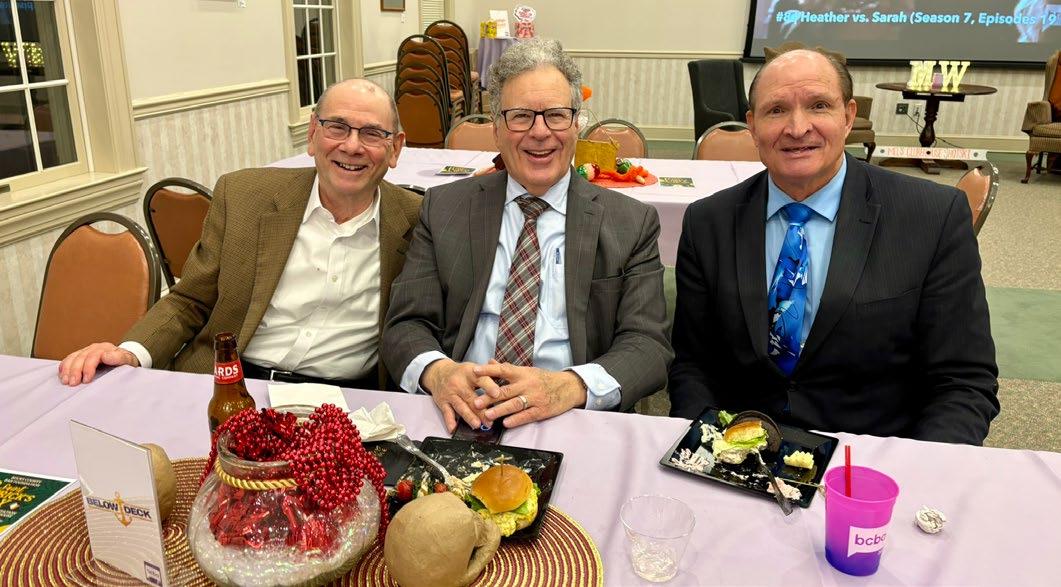
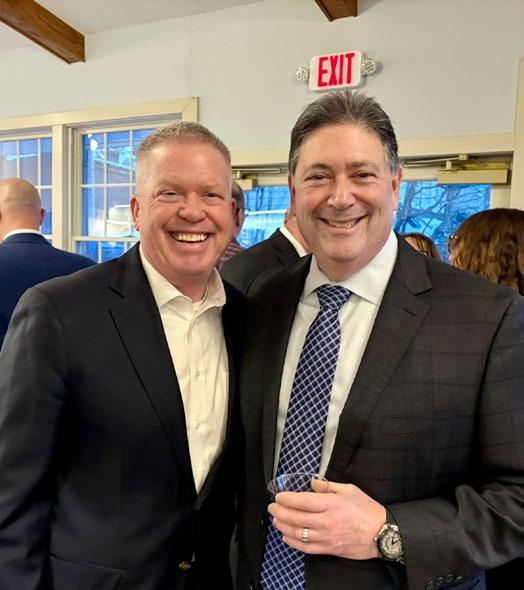
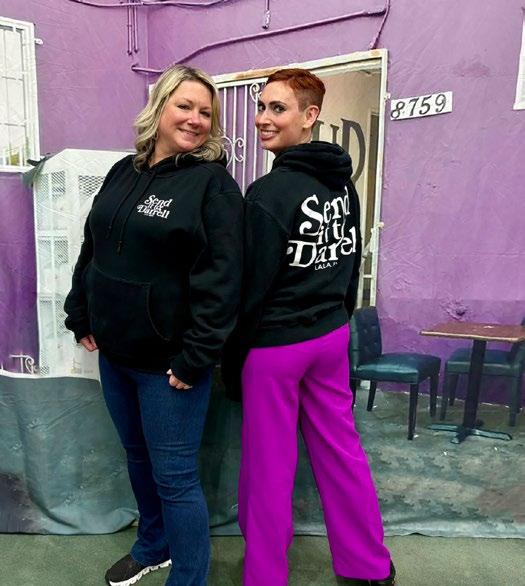
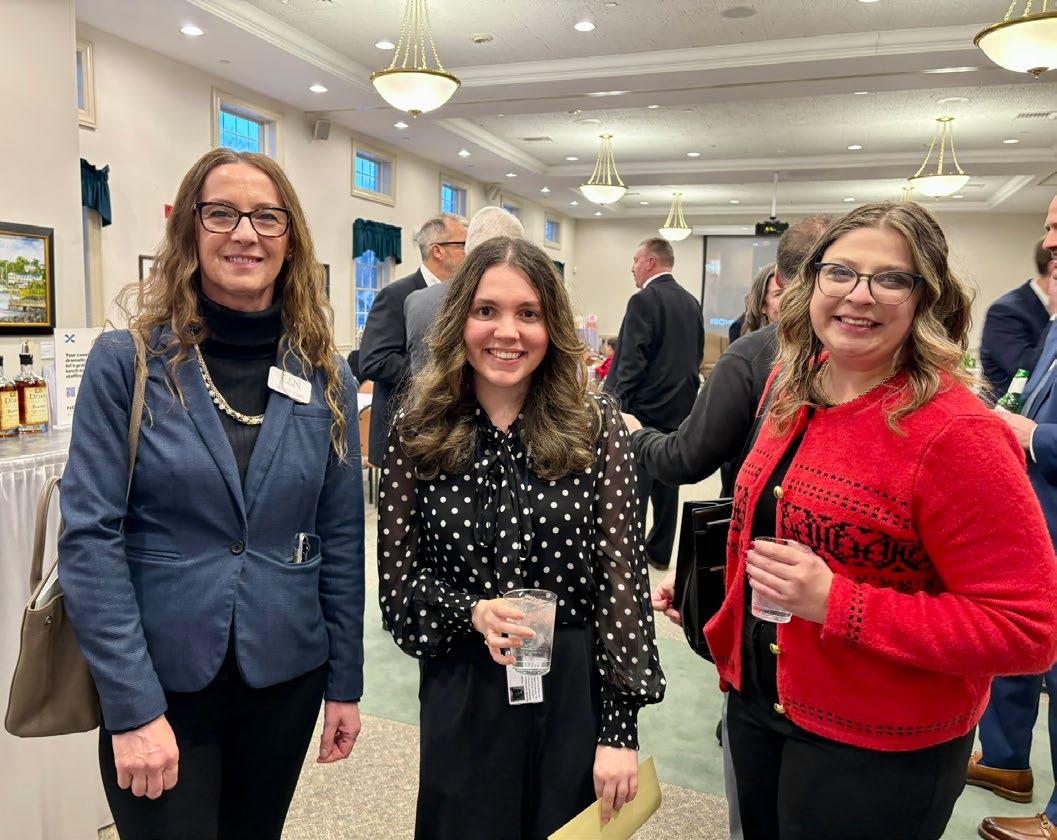
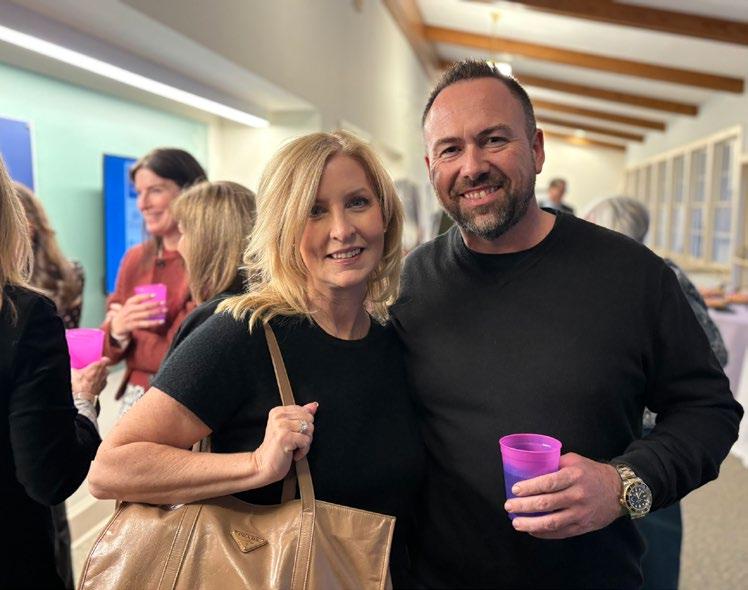
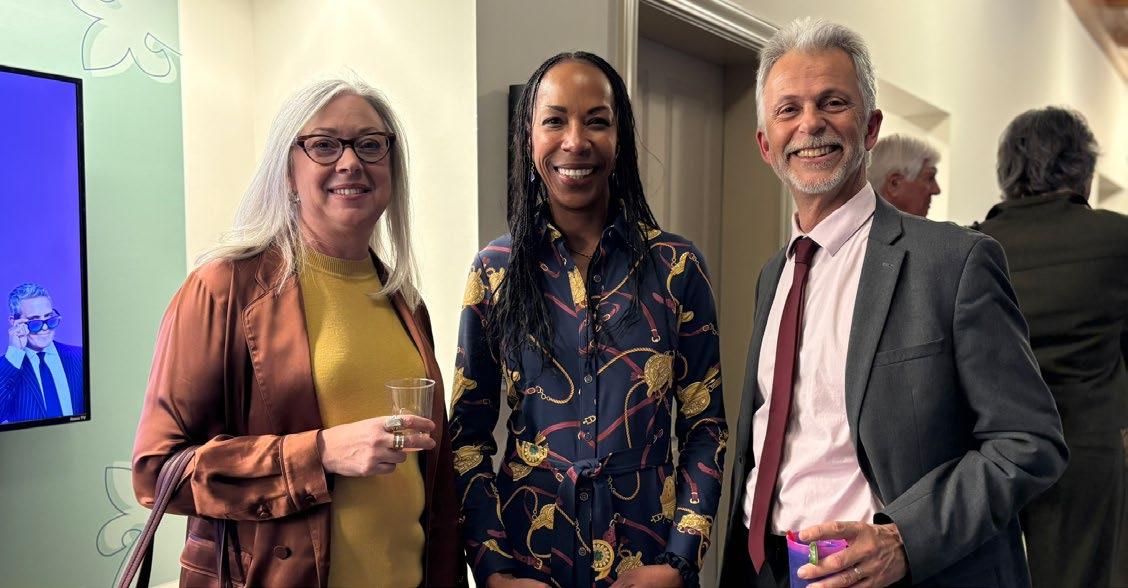
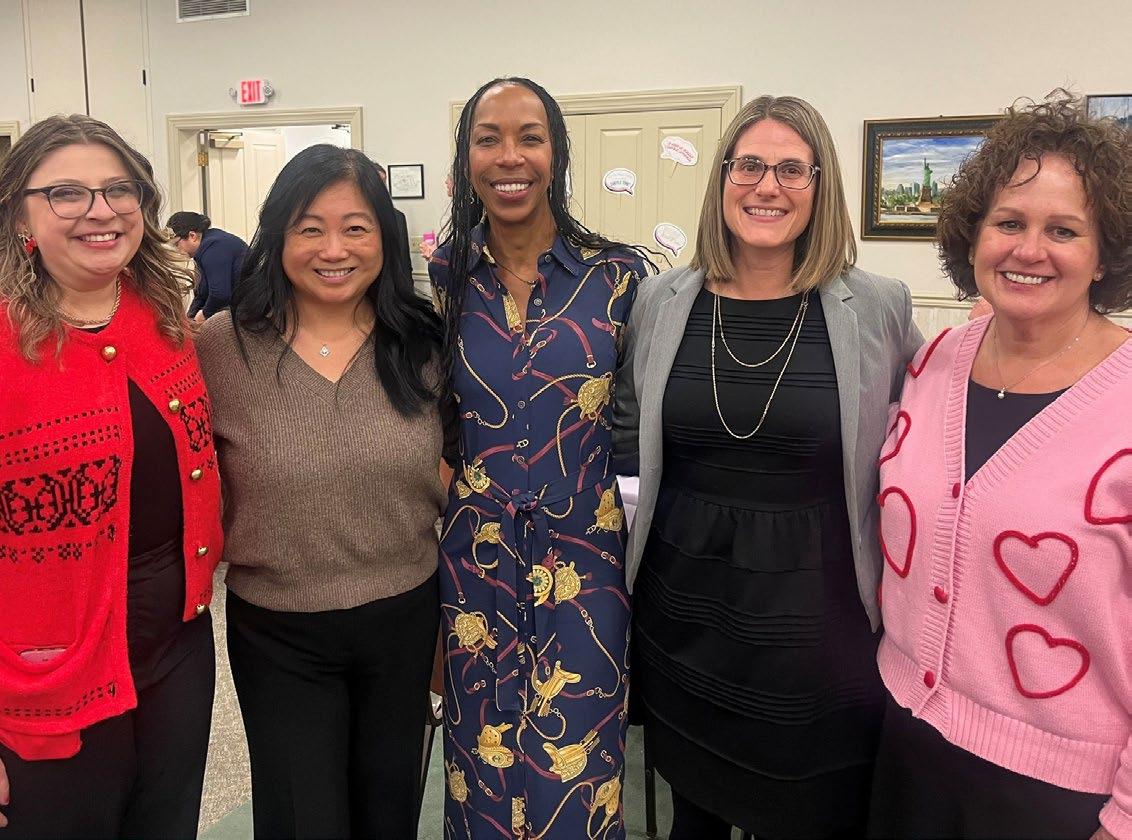

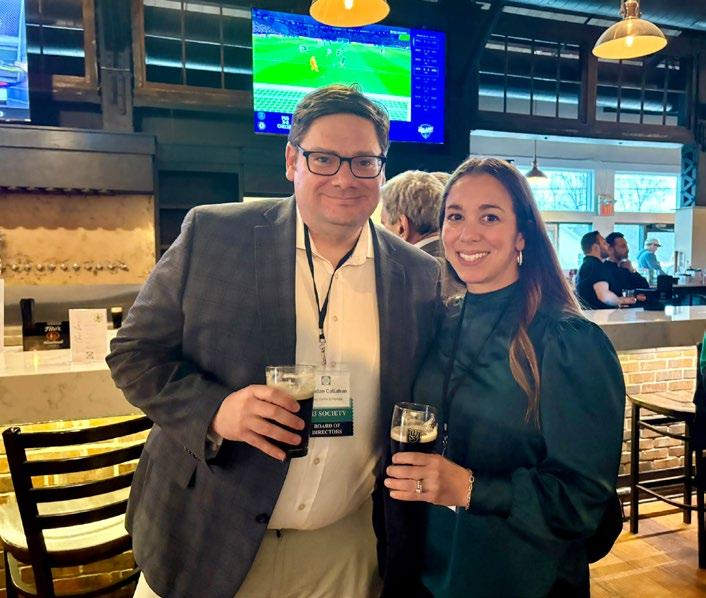
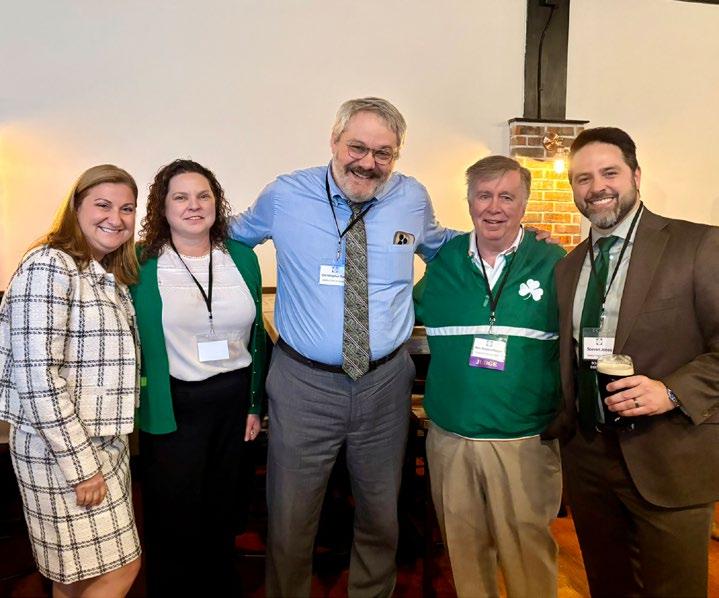
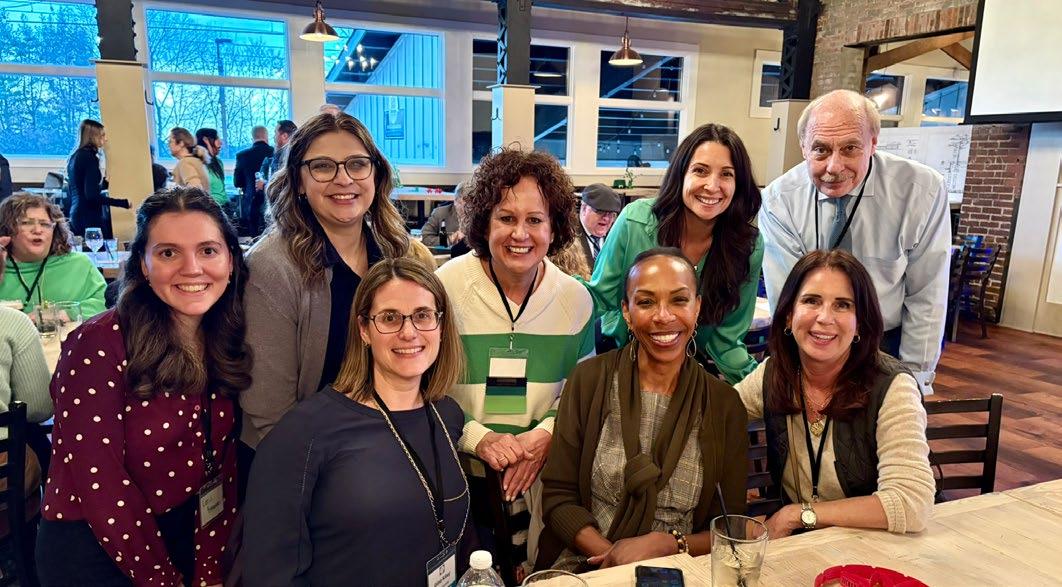
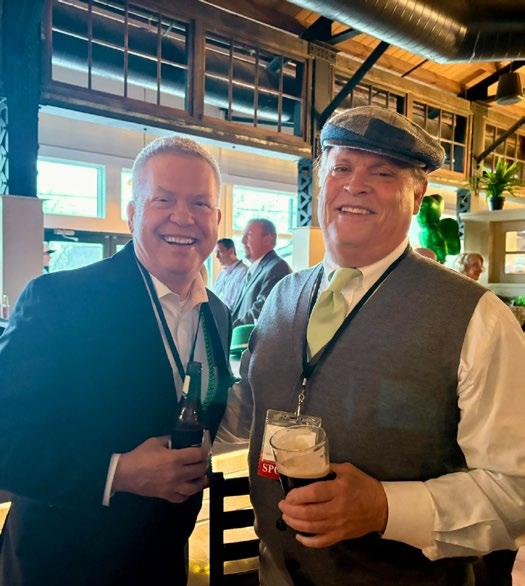
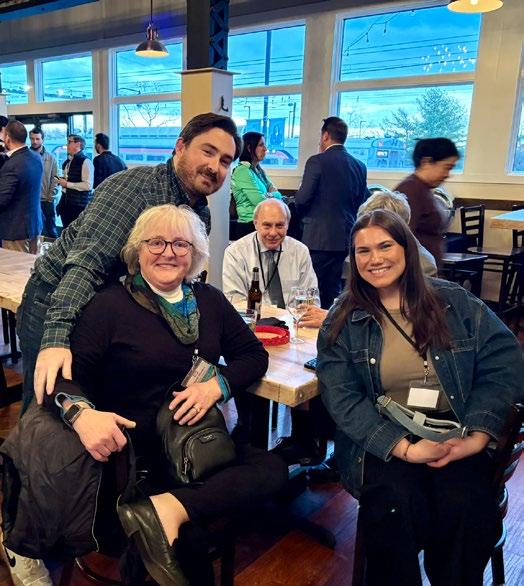
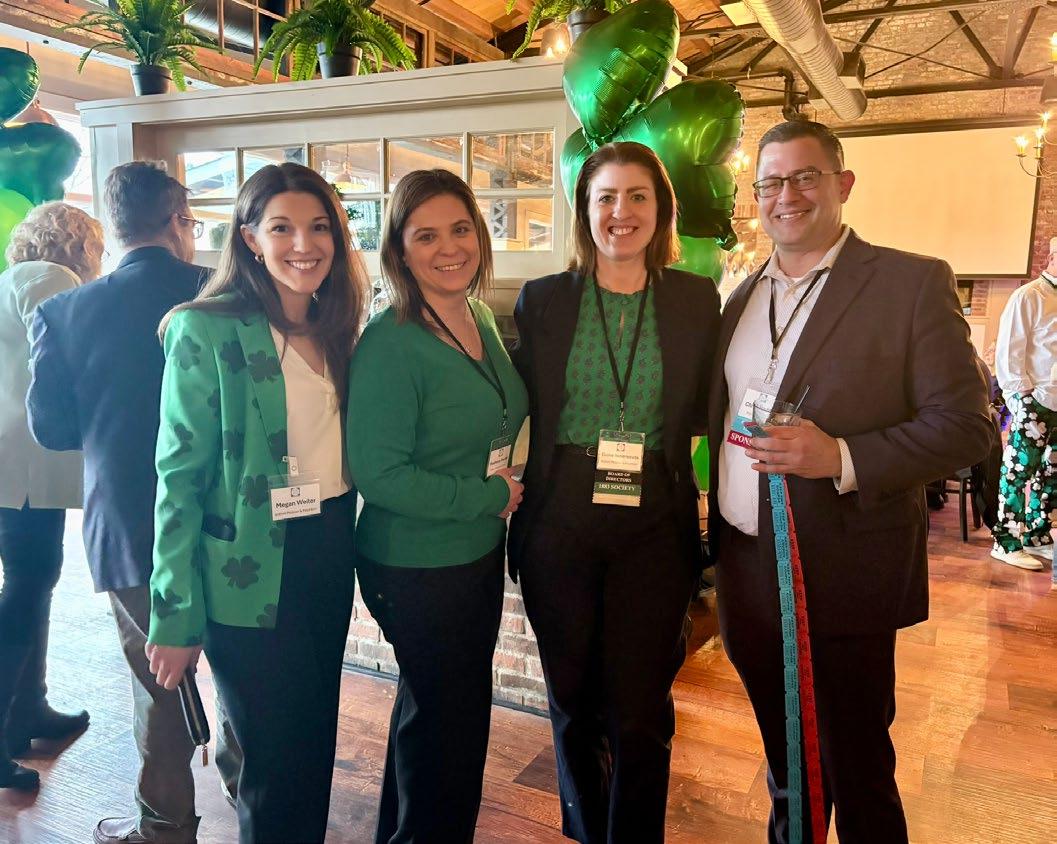
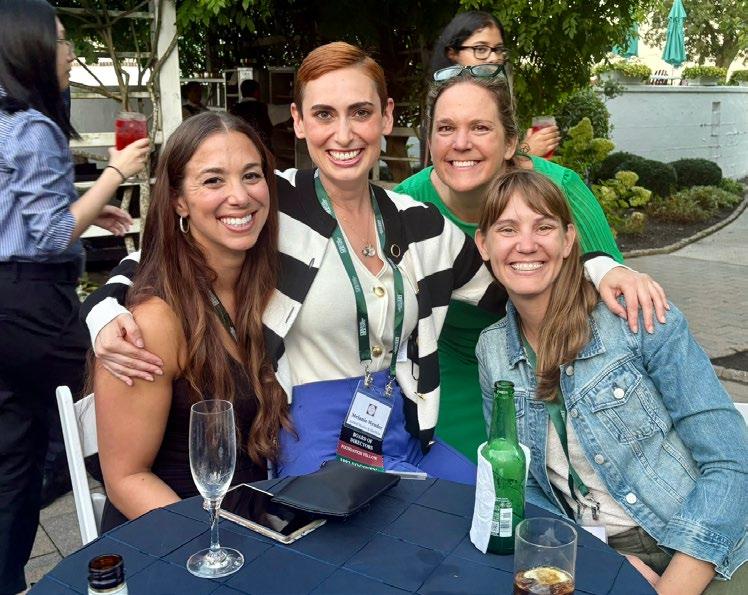
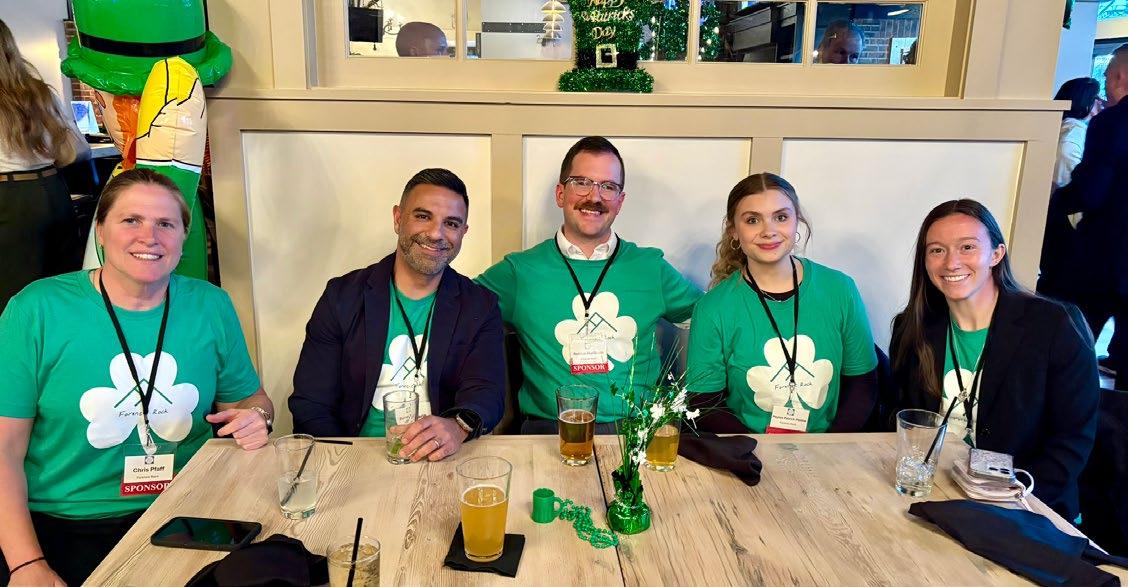
THANK YOU for volunteering your valuable time to provide high-quality legal representation to Bucks County residents. You provided pro bono representation for plaintiffs and defense in Protection from Abuse court every Wednesday. You assisted clients with wills, divorce, custody, and bankruptcy. You volunteered your time for the Mortgage Foreclosure Diversion Program and went to landlord-tenant court to prevent eviction. Thank you, too, to all those who provided financial assistance through donations and arbitration allowances. Legal Aid of Southeastern PA (LASP) could not assist as many individuals without this support. Your efforts help to ensure that there is justice for all.
Anonymous
Jacqueline Alexander
Cynthia Bashore
Chloe Boudazin
H. Jeffrey Brahin
Chris Brill
Abigail Bukowski
Dawn Burke
Sheila Callahan
Melissa Cantwell
Kathryn G. Carlson
Dale Edward Caya
Christopher Chandor
Paul Cohen
Andrew Cordes
Audrey Crites
Joseph Cullen
Kristen Davis
Jen Dickerson
Tom Donnelly
Susan Levy Eisenberg
Madline Felix
Elizabeth Fineman
Martin Ghen
Susan Gibson
Rebecca Glenn-Dinwoodie
Mary Ann Grossman
Judy Hayman
Morris Kaplan
Gina Kiley
Barbara Kirk
Michael Klimpl
Gavin Laboski
Michael Lashner
Larry Lefkowitz
Diane Magee
Joseph Marinaro
Tina Mazaheri
Pam McMormick

Greg Mitsch
Neil Mittelman
William Moore
Sandra Morris
Richard Newman
Keith Peters
Joseph Ramagli
Harry Reese
Kate Roth
Jason Rubinstein
Jennifer Sagot
William Scott
Carol Shelly
Michael R. Shelton
Linda Shick
David Silver
Chris Simcox
Mindy J. Snyder
Hailey Song
Amir Stark




Kathleen Thomas
Julia R. Toner
James Veith
Farai Vyamucharo-Shawa
Peter Williams
Shari Williams
Don Williford
Ryan Wirsch
Lily Yazno-Bartle
Allison Zajac
Kevin Zlock
STATEWIDE PENNSYLVANIA MATTERS NO CHARGE FOR INITIAL CONSULTATION
Representation, consultation and expert testimony in disciplinary matters and matters involving ethical issues, bar admissions and the Rules of Professional Conduct
• Judge, Court of Judicial Discipline
• Former Chairman, Judicial Conduct Board of Pennsylvania
• Former Chairman, Disciplinary Board of the Supreme Court of Pennsylvania
• Former Chairman, Continuing Legal Education Board of the Supreme Court of Pennsylvania
• Former Chairman, Supreme Court of Pennsylvania Interest on Lawyers Trust Account Board
• Former Federal Prosecutor
• Selected by his peers as one of the top 100 Super Lawyers in PA and the top 100 Super Lawyers in Philadelphia
• Named by his peers as Best Lawyers in America 2022 and 2015 Philadelphia “Lawyer of the Year” Ethics and Professional Responsibility Law and Legal Malpractice Law
1500 Market Street, East Tower, Suite 1800 • Philadelphia, PA 19102 (215) 751-2863