

WISE is an evidenced -based program that has been proven to make a difference in the lives of those who attend. Six interactive sessions cover a variety of topics including:
✓ Safe medication use
✓ Communicating effectively with healthcare providers
✓ Strategies for healthy living
✓ Risk factors and behaviors older adults should avoid to stay healthy
✓ How alcohol, prescription medications and over-the-counter medications affect seniors differently and how they can avoid problems
✓ Simple tools empower your health and improve healthcare
✓ Stress management
Now accepting reservations!
The program consists of six 2-hour sessions
July 22 to August 26
Wednesdays 10 am -12 pm
LUNCH INCLUDED
For more information or to make a referral….

Contact The Berks County Area Agency on Aging at 610-478-6500 or via email at aging@berkspa.gov



To provide news and opinion to support professional growth and personal connections within the Berks County Medical Society community.
D. Michael Baxter, MD, Editor
Editorial Board
D. Michael Baxter, MD
Lucy J. Cairns, MD
Shannon Foster, MD
William Santoro, MD
Raymond Truex, MD
Beth E. Gerber, IOM
Ankit Shah, MD President
Olapeju Simoyan, MD President-elect
Daniel Edwards, DO Treasurer
William Santoro, MD
Immediate Past President Secretary & Delegation Chair
Directors
Advocacy Chair: D. Michael Baxter, MD
Collegiality Chair: Pauletter Dreher, DO
Early Career Physician Chair: Caitlyn Moss, MD
Education Chair: Lucy Cairns, MD
Medical Record Editor: D. Michael Baxter, MD
Medical Student Chair: Peter Aziz (one-year term)
Residency Chair: Osadebamwen ‘Deb’ Osaghae, MD, resident (one-year term)
Eve Kimball, MD
Jacob Lucas, DO
Amogh Nagol, student (one-year term)
Fatima Khalid, MD (one-year term) Wei Shaw, DO
Mansi S. Vasconcellos, MD*, BCMS Alliance President Staff
Beth E. Gerber, IOM Executive Director
* designates non-voting member
Berks County Medical Society
2669 Shillington Rd., Suite 501, Sinking Spring, PA 19608 (610) 375-6555 • (610) 375-6535 (FAX) info@berkscms.org • www.berkscms.org
The opinions expressed in these pages are those of the individual authors and not necessarily those of the Berks County Medical Society. The ad material is for the information and consideration of the reader. It does not necessarily represent an endorsement or recommendation by the Berks County Medical Society.
Manuscripts offered for publication and other correspondence should be sent to 2669 Shillington Rd, Sinking Spring, PA 19608, Ste 501. The editorial board reserves the right to reject and/or alter submitted material before publication. The Berks County Medical Record (ISSN #0736-7333) is published four times a year by the Berks County Medical Society, 2669 Shillington Rd, Sinking Spring, PA 19608, Ste 501. Subscription $50.00 per year. Periodicals postage paid at Reading, PA, and at additional mailing offices.
POSTMASTER: Please send address changes to the Berks County Medical Record, 2669 Shillington Rd, Sinking Spring, PA 19608, Ste 501.

Content Submission: Medical Record magazine welcomes recommendations for editorial content focusing on medical practice and management issues, and health and wellness topics that impact our community. However, we only accept articles from members of the Berks County Medical Society. Submissions can be photo(s), opinion piece or article. Typed manuscripts should be submitted as Word documents (8.5 x 11) and photos should be high resolution (300dpi at 100% size used in publication). Email your submission to info@berkscms.org for review by the Editorial Board. Thank YOU!

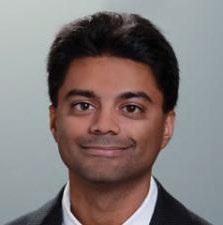
Ankit Shah, MD, FACEP, FAAEM, FAMIA President
Perhaps it is simply because we are finally enjoying more than a couple hours of daylight each day, but I find myself feeling optimistic. And optimism is exactly what I would like to focus on today as I reflect on the first year of my presidency.
Before highlighting some of the many positive developments within our Society, I would like to briefly address an important area of opportunity: membership.
At our peak, the Society counted more than 600 full dues-paying physician members. Over the past several years, however, the changing healthcare landscape in Berks County has significantly impacted our membership, and we have seen those numbers decline by nearly half. Reversing this trend will require the collective efforts of all of us. I encourage each member to share the value and benefits of Society membership with friends, colleagues, and new physicians entering our community. Your personal endorsement remains one of the most effective ways to strengthen and grow our organization.
Now, on to the positives.
First, we have gained a much clearer understanding of our financial position than we have had in many years. Thanks to the diligent work of our Executive Director, Beth Gerber, and our Treasurer, Dr. Daniel Edwards, our income and expenses have been organized into a transparent framework. Unfortunately, membership dues and renewals account for the vast majority of our revenue, and we can more accurately appreciate the financial impact of declining membership. At the same time, the efforts have provided valuable insight into the reserves and assets that the Society has accumulated over decades of stewardship. This improved financial clarity will allow us to make more informed decisions and position the Society for long-term success.
Second, thanks to the dedication of Dr. Eve Kimball, many of the Society’s historical treasures and memorabilia are now on display at the Reading Hospital Library. These artifacts represent the rich history of medicine in our community and serve as a reminder of the generations of physicians who came before us. I encourage everyone to take the opportunity to visit the exhibit and enjoy a collection that, until recently, had been tucked away in storage for many years.
Third, I would like to recognize two outstanding members who will be honored at the state level this October. Dr. Daniel Edwards (Urology) has been named the only Berks County physician recognized in this year’s PAMED 40 Under 40 awards program. Additionally, Dr. Ben Lloyd (Internal Medicine Residency Director, Reading Hospital) will receive the PAMED Distinguished Service Award. Both honors are exceptionally well deserved and reflect not only their professional accomplishments but also their commitment to serving patients, colleagues, and our community. Please join me in congratulating these remarkable physicians and exemplary individuals.

Finally, I am pleased to report that our Board of Directors is now fully staffed with physician members for the first time in many years. This achievement reflects renewed engagement and enthusiasm within our organization and positions us well for future growth. We do, however, still have one vacancy for a practice coordinator representative. If you know an office manager, practice administrator, or another administrative professional who would be a strong addition to the Board, please share their information with Beth or me so that we can connect with them directly.
As the days continue to grow longer, the Society looks forward to hosting additional educational, social, and networking opportunities. In addition, I encourage each of you to take time for yourselves as well. Spend time outdoors, enjoy the sunshine, while wearing sunscreen, of course, and prioritize your own well-being. The positive effects of fresh air, physical activity, and time away from our professional responsibilities are profound. As physicians, we spend our careers caring for others, and it is equally important that we continue to care for ourselves.
I look forward to all that we will accomplish together in the year ahead.



Every physician has encountered a patient who ignores their medical advice even when presented with the best evidence available. This can be frustrating, irritating, and of course, even dangerous. It is one of the challenges that confronts our profession. But what if that “patient” is the US federal government?
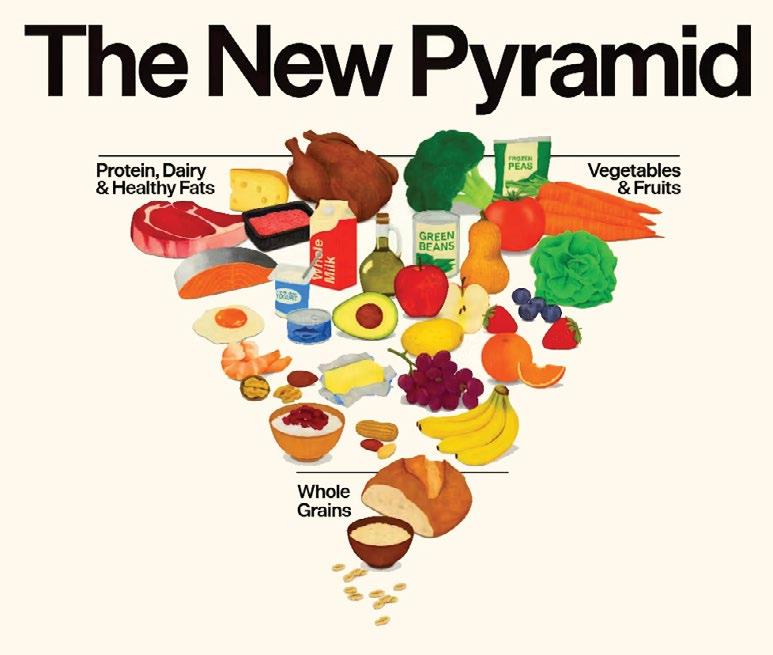
In this issue of the Medical Record, Diane Hare, MA, RD, a clinical dietitian with the Nutrition Services staff of Reading Hospital/Tower Health, provides an excellent review of the recent dietary guideline changes from the US Departments of Health and Human Services (HHS) and Agriculture (USDA). As the title of the article implies, the previous guidelines represented in the wellrecognized “food pyramid” have literally been “turned upside down” with the new recommendations. While a strong emphasis on avoiding processed foods and support for consuming “whole, nutrient-dense foods including fruits, vegetables, and whole grains” is applauded by all, there has been strong criticism that these new recommendations place a much stronger emphasis on the consumption of meat and dairy products, and an emphasis on beef tallow rather than certain vegetable oils—a notable change from previous recommendations— sparking the observation that the new guidelines do indeed turn the traditional pyramid “upside down.”
There is considerable speculation that the new guidelines were created under the strong influence of the beef and dairy industries. Indeed, many questions have been raised regarding the independent scientific evidence that guided these decisions, and at least one group, the Physicians Committee for Responsible Medicine, has recommended withdrawing the new guidelines.
As I read the Executive Summary of the Scientific Report of the 2025 Dietary Guidelines Advisory Committee (DGAC), which drafted these recommendations, I was impressed by the impeccable medical and professional nutritional credentials, as well as the rigorous methodology of the committee appointed to review and make recommendations for the 2025 update. How could such experts with the best scientific evidence available make such questionable changes? I soon found my answer—they didn’t.
by D. Michael Baxter, MD, FAAFP, Editor, Medical Record
In an editorial in JAMA, April 7, 2026, Vol: 335, Number 13, distinguished authors make this clear in a piece entitled “When Nutrition Science Is Ignored: Potential Public Health Cost of the 2025 Dietary Guidelines.” In their editorial, they state, “the 20252030 Dietary Guidelines for Americans deviated substantially from the Dietary Guidelines Advisory Committee’s evidence-based recommendations. Language calling for reductions in saturated fat and sugars was softened or omitted. Warnings about processed meats were diluted...Most strikingly, recommendations in the DGAs for plant predominant diets—shown to reduce cardiovascular disease, diabetes, cancer, and obesity—were weakened in tone and stripped of specificity.” While they note that this is not the first time that dietary guidelines have been altered to “favor industry-friendly ambiguity over public clarity,” they emphasize that such acts are “more than a scientific concern—it represents a regression in public health policy.” Furthermore, they describe the potential for confusion about dietary health faced by clinicians and policymakers, as well as the public, as we strive for a healthier population. In particular, these guidelines may impede efforts to improve nutrition in schools, hospitals, and the Supplemental Nutrition Assistance Program (SNAP) that serves over 40 million low-income US individuals, including many children.
While they urge that future such recommendations be based on the “best available science,” they also emphasize that “in the meantime, clinicians, health systems, and advocacy organizations must reaffirm the science.” In conclusion, they add, “When national guidance from the DGAC is muted, physicians and professional societies must speak clearly based on the best available evidence. We owe our patients and the public no less.”
As we have stated in previous editorials, this is a particularly perilous time for “truth in health care” and support for science, whether in vaccine policy, CDC guidance, or funding for the National Institutes of Health, to name but a few. Physicians, as the “protectors” of science-based medicine and best evidence-based practices for their patients, must play a central role in ensuring that our health policy makers and our health care system are held accountable to the truth and to the highest standards of professional integrity.

by Diane C. Hare, MA, RDN, CSO, LDN. Clinical Dietitian, Reading Hospital/Tower
The Dietary Guidelines for Americans (DGAs) were first released in 1980 with the intention of providing food-based recommendations to promote health, prevent disease, and help Americans meet nutrient needs. The Departments of Health and Human Services (HHS) and Agriculture (USDA) jointly publish the DGAs every five years and consider advancements in nutrition science when updating recommendations. In 1985, the HHS and USDA established the Dietary Guidelines Advisory Committee (DGAC) to provide independent, science-based advice and recommendations to the federal government to inform the development of each edition of the DGAs. Policymakers and healthcare professionals are the primary audience for the DGAs, and in turn, guide the public in following the recommended dietary practices to improve health. Providing transparent, evidence-based guidelines is key to gaining the trust of the public before considering such changes in dietary lifestyle. 1, 2
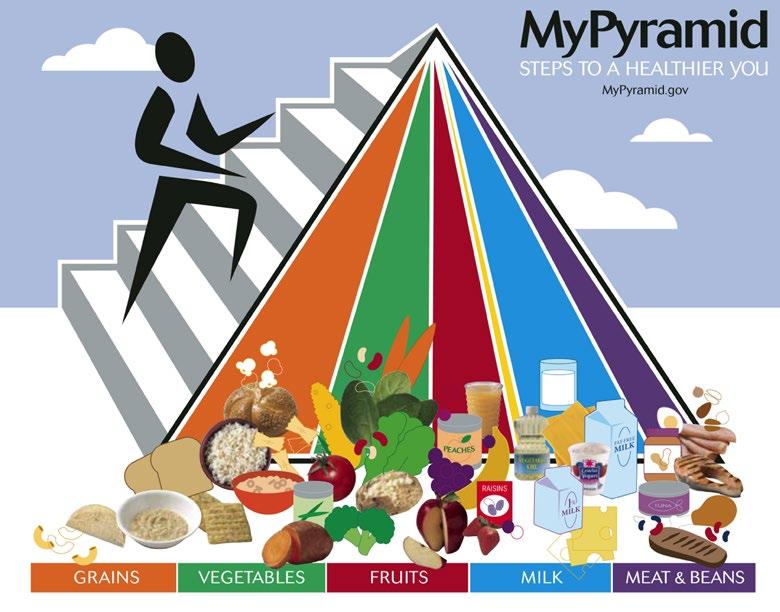
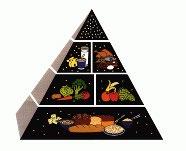
The Food Pyramid was first introduced in 1992 as a simplified way to depict the DGAs. Foods were separated into groups, and portions to be consumed were represented by the increasing tiers.
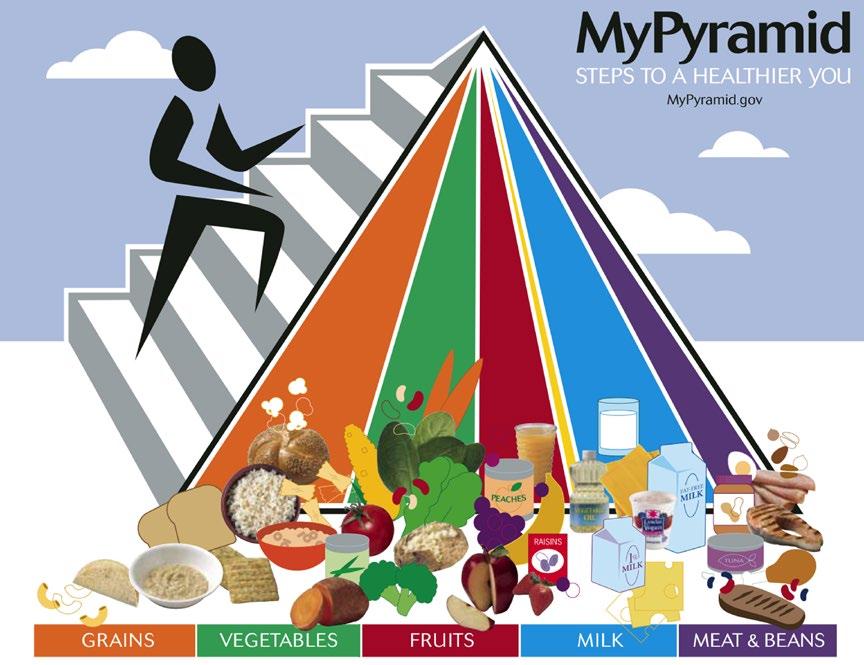
In 2005, the Food Pyramid, renamed MyPyramid, was revised and depicted with vertical bands representing the food groups. The new guidelines emphasized selecting whole grains because Americans were having difficulty meeting the daily recommended intake for fiber. Physical activity was shown to be an important part of a healthy lifestyle.
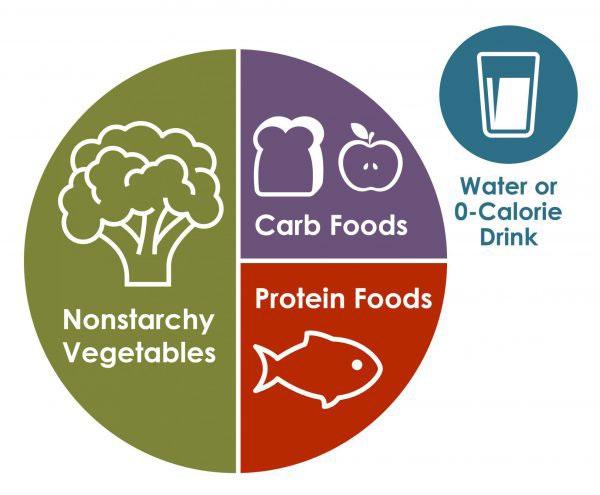
MyPlate replaced MyPyramid in 2011 in an effort to decrease confusion regarding food groups of importance and portions to consume, dividing the plate into quarters. MyPlate has been utilized by registered dietitians in providing nutrition and diet counseling to their clients/patients to ensure understanding of general healthy nutrition recommendations. Moreover, MyPlate has been adopted by the American Diabetes Association (ADA). “The Diabetes Plate Method” is used in instructing individuals living with diabetes on how to best manage this disease.

Robert F. Kennedy Jr., HHS Secretary, founded the Make America Healthy Again (MAHA) movement with the purpose of eradicating chronic disease by enacting “common sense” health policies, one of which was focused on revising the forthcoming edition of the DGAs.3 Kennedy, along with Secretary of the USDA Brooke L. Rollins, appointed a panel of nationally recognized scientists to serve on the DGAC to review the scientific data and provide a report to assist with writing the recommendations for the updated edition of the DGAs.
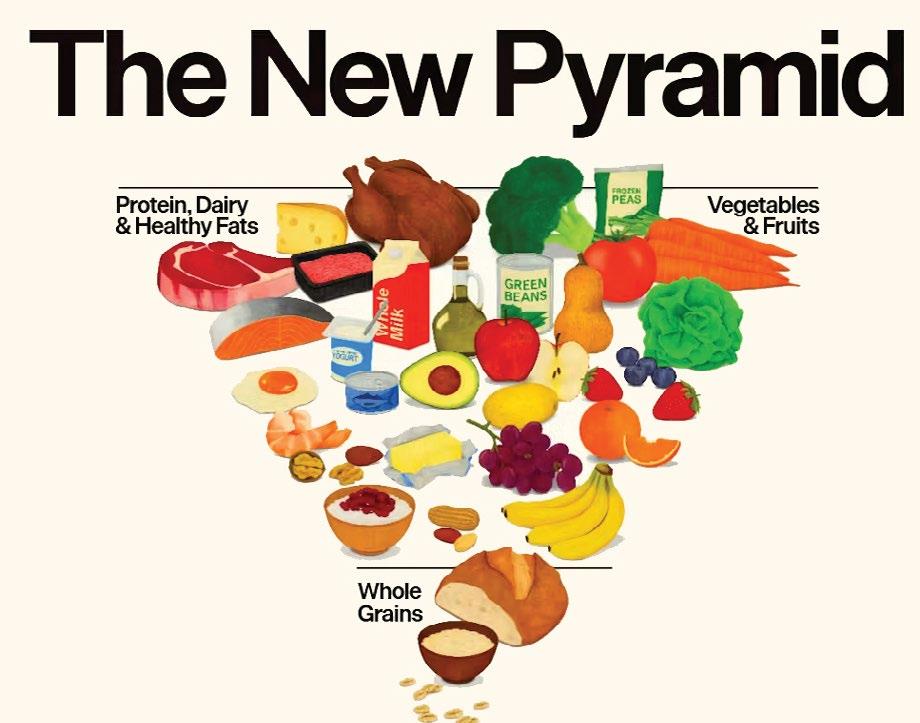
On January 7, 2026, the much-anticipated updated DGAs (2025-2030) were released, and along with them came the revival of an inverted Food Pyramid. In this version of the Food Pyramid, the larger base is at the top and places emphasis on the recommendations to consume more protein, dairy, and hearthealthy fats, followed by fruits and vegetables. Whole grains are now relegated to the spot of the pyramid that was once reserved for oils and added sugars, which would lead one to assume that these should be consumed in smaller portions.4
The Academy of Nutrition and Dietetics (AND), the American Heart Association (AHA), the American Institute for Cancer Research (AICR), and the American Diabetes Association (ADA) have all released press statements in favor of many recommendations made in the DGAs.4,5,6,7 Specifically, there is support for consuming whole, nutrient-dense foods and incorporating vegetables, fruits, and whole grains. The DGAs are also praised for the continued recommendations to maintain limits on the intake of saturated fat, refined grains, added sugars, and highly processed foods. The Physicians Committee for Responsible Medicine (PCRM) has submitted a petition to withdraw the 2025-2030 DGAs due to concerns of strong influences from the beef and dairy industries in the development of the guidelines.8
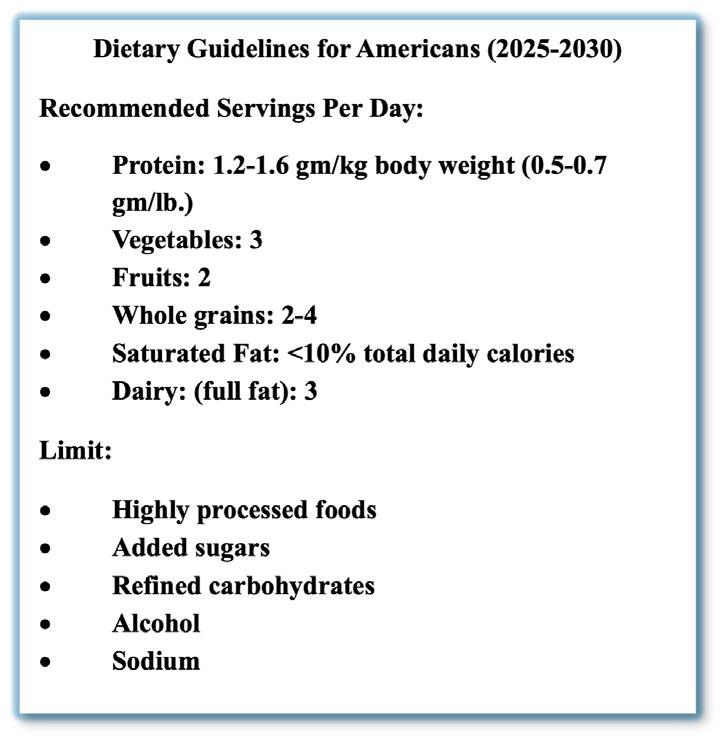
The Recommended Dietary Allowance (RDA) for protein is 0.8 gm/kg body weight (0.4 gm/lb.) for sedentary people vs 0.8-1.0 gm/ kg body weight (0.36 gm/lb.-0.45 gm/lb.) for general maintenance.9 Most Americans are meeting, some exceeding, their protein needs. The updated DGAs are recommending a 50%-100% increase in continued from page 7
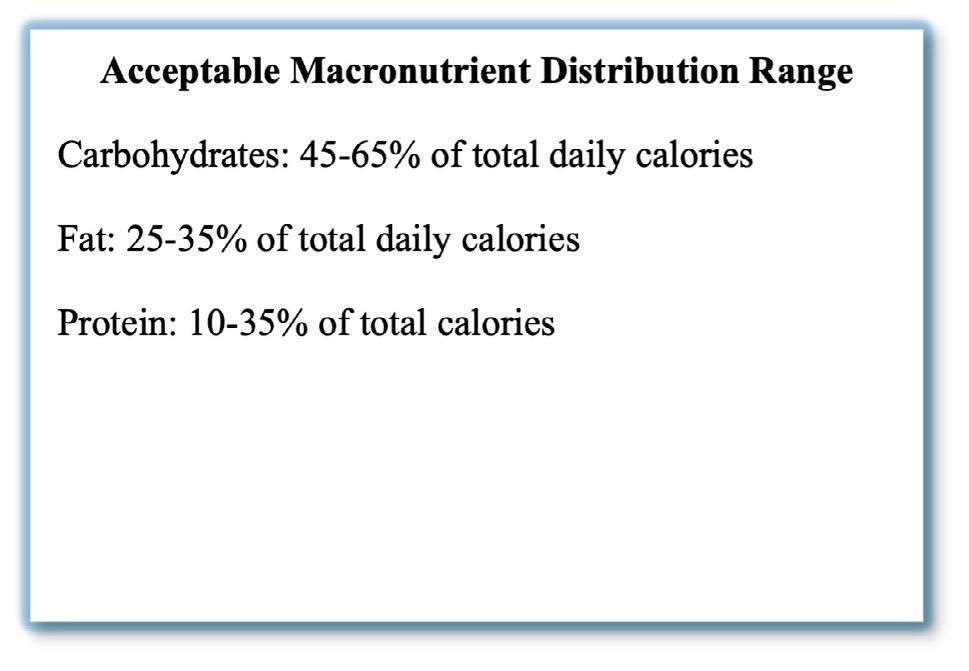
protein intake. This may be beneficial for people who are physically active, taking GLP-1 medications, recovering from wounds, older adults dealing with sarcopenia, or those going through cancer or cancer treatment. For those affected by kidney disease, a higher protein intake may not be beneficial. The revised DGAs also placed emphasis on animal proteins over plant-based protein sources. Excess calories consumed from protein will be stored as body fat, so this needs to be considered when increasing intake.
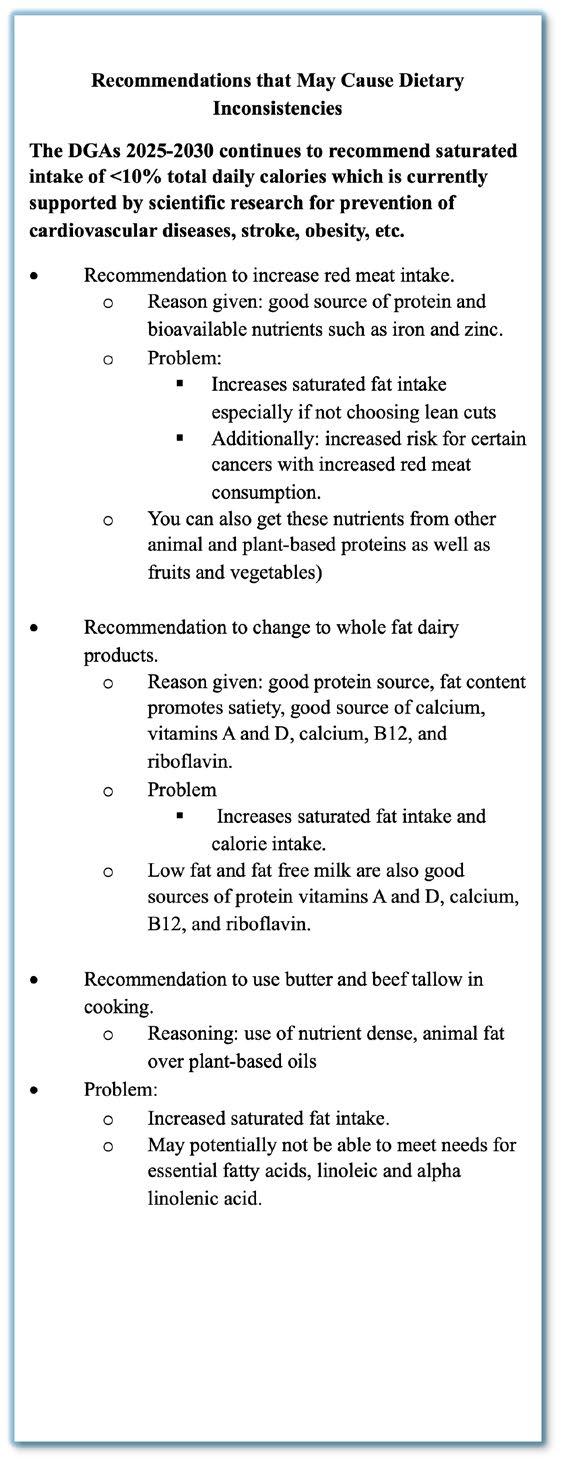
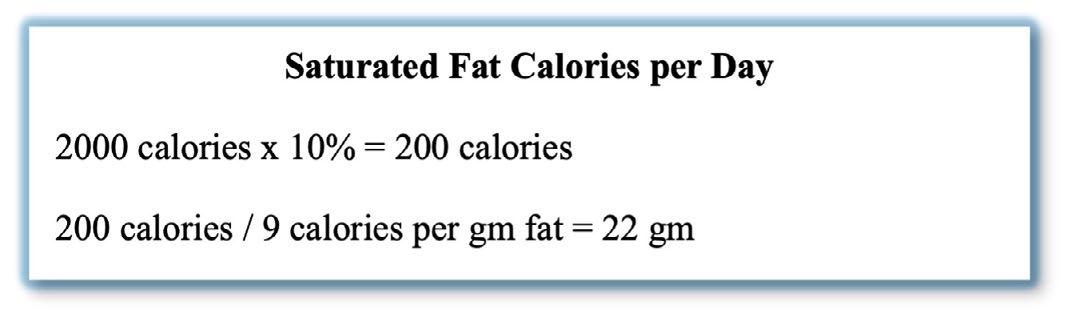
Furthermore, the recommendation to maintain a saturated fat intake of less than 10% of total daily calories is contradicted by the recommendations to increase red meat intake, to consume three servings of full-fat dairy products, and to replace unsaturated fatrich oils with saturated fat-rich beef tallow and butter. If following these recommendations, one may go over the recommended daily limit of saturated fat. The new DGAs also suggest making vegetables more palatable by adding salt, a practice that health care providers discourage for their patients dealing with hypertension, cardiovascular disease, congestive heart failure, liver disease, and kidney disease.
continued on next page >
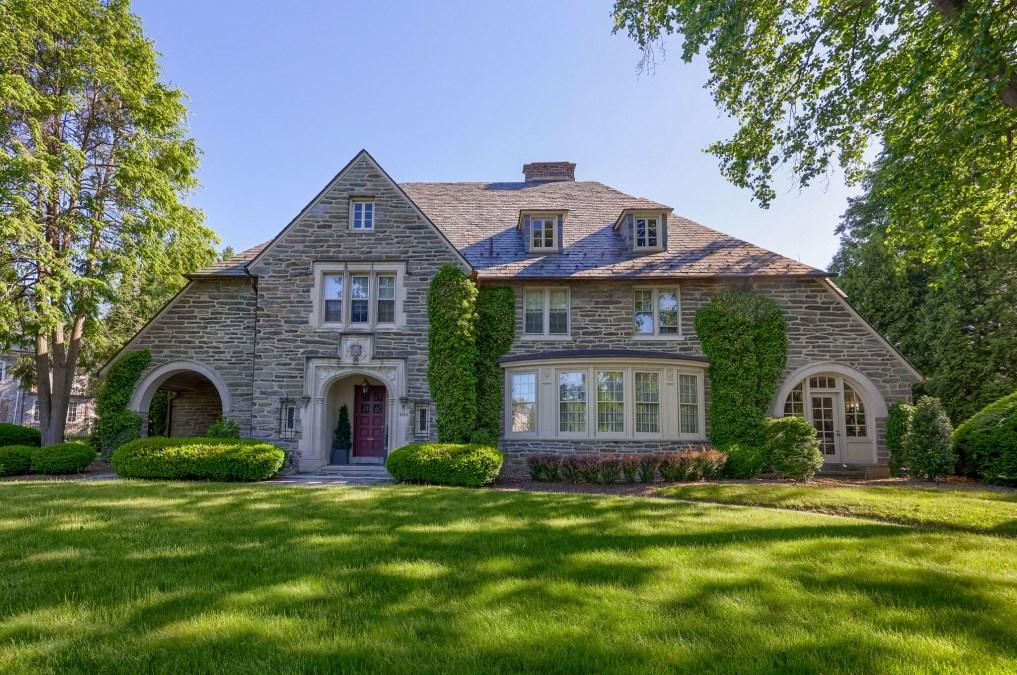
This is the home Wyomissing has admired for a century. Original 1926 stonework on the borough's most prestigious boulevard, elevated by $700,000 in estate-quality upgrades. An award-winning epicurean kitchen, Williamsburg dining room with Thomas Jefferson-inspired built-ins, spa-grade Master Suite, and a fully curated entertainment level designer wet bar, mirrored gym, private sauna across ~7,600 square feet. Built for a life without compromise, set within private gardens that feel like a world unto themselves.
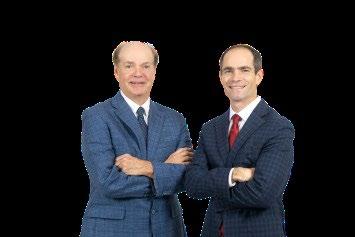
Eric J. & Eric P. Miller
C 484-269-2394 | O 610-670-2770 EMiller@GoBerksCounty.com




continued from page 9
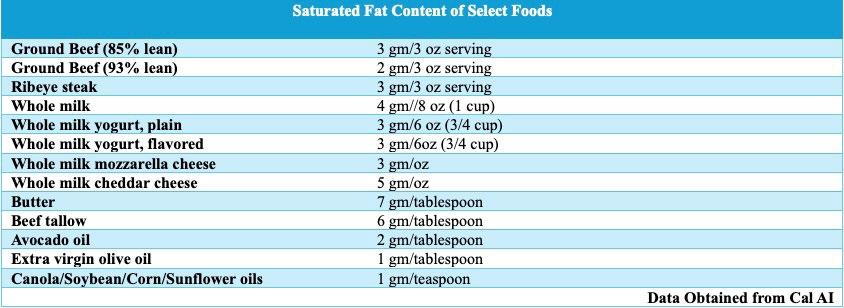
Overweight and obesity rates in America are on the rise for adults and children, and with that, we are seeing an increase in the diagnosis of chronic diseases. The dietary practices followed by most Americans, which are high in processed foods, unhealthy fats, and added sugars, while being low in fruits and vegetables, combined with sedentary lifestyles, are said to be the root causes.10
Many studies have long supported limiting the intake of red meat and processed meats for the reduction of cardiovascular diseases, stroke, type 2 diabetes, and certain cancers.11,12 The AND, AICR, The World Cancer Research Fund (WCRF), and American College of Surgeons (ACS) all support a plant-forward diet while limiting red and avoiding processed meats to reduce the risk of development of cancer and/or prevent cancer recurrence.13 The National Cancer Institute recommends limiting red meat intake to no more than 12-18 oz. (three to four servings) of cooked meat per week while avoiding or consuming sparingly processed meats.13
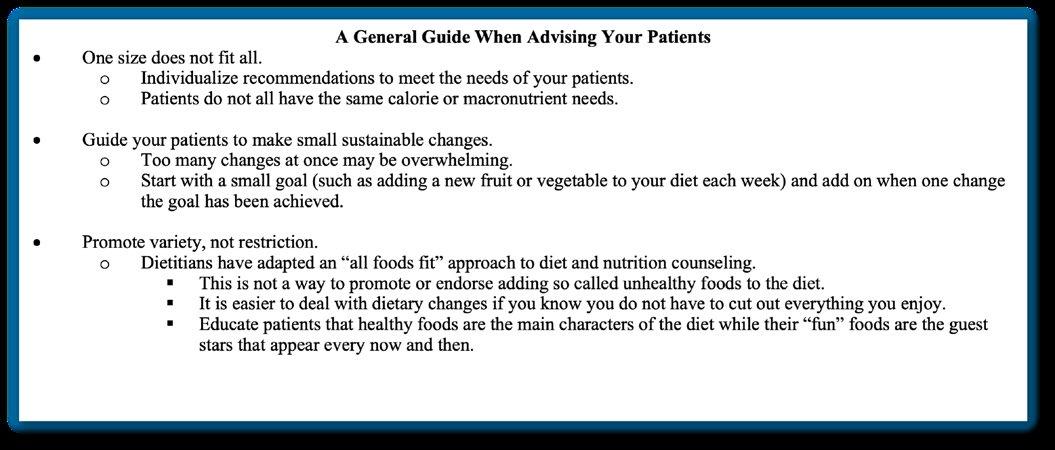
Health care professionals have a duty to provide the best care for their patients/clients, employing best practice guidelines, keeping in mind their individual needs and their goals for health and wellbeing.
References
1.Reed P, Haven J, Stoody EE, Piercy KL, de Jesus JM. Looking ahead to the Dietary Guidelines for Americans, 2025-2030: a call to action. Am J Clin Nutr. 2023 Jun;117(6):1061-1062. doi: 10.1016/j.ajcnut.2023.03.028. Epub 2023 Apr 4. PMID: 37019363.
2.De Jesus JM, Stoody EE, DeSilva DM, Quam JB, Obbagy JE, AndersonVillaluz D, Rahavi EB, Adler ME, Lasswell TA, Beckman KA. Addressing misinformation about the Dietary Guidelines for Americans. Am J Clin Nutr. 2024 May; 119(5):1101-1110. doi:10.1016/j.ajcnut2024.02.034
3.Make America Healthy Again (MAHA) | HHS.gov
4.Dietary Guidelines for Americans, 2025–2030
5.Academy Statement on 2025-2030 DGAs Release
6.New dietary guidelines underscore importance of healthy eating | American Heart Association
7.Statement from the American Diabetes Association on New Dietary Guidelines for Americans | American Diabetes Association
8.Physicians Committee Petitions HHS, USDA to Withdraw Dietary Guidelines Over Unlawful Industry Influence
9.Lingtak-Neander, C, Kumpf, V, McClave SA, Lord, LM, Miller SJ, Marian, M, Pimiento, JM, McCarthy, MS, Roberts, KM. The A.S.P.E.N. Adult Nutrition Support Core Curriculum. 4th Ed p. 151.
10.The Scientific Foundation for the Dietary Guidelines for Americans, 2025–2030
11.Shi W, Huang X, Schooling CM, Zhao JV. Red meat consumption, cardiovascular diseases, and diabetes: a systematic review and meta-analysis. Eur Heart J. 2023 Jul 21;44(28):2626-2635. doi: 10.1093/eurheartj/ehad336. PMID: 37264855.
12.Lehoczki A, et al. Meat consumption and colorectal cancer risk: A comprehensive meta-analysis of red, processed, and total meat intake. J Clin Oncol 43, e22508-e22508(2025). DOI:10.1200/JCO.2025.43.16_suppl. e22508
13.Coble Voss, A, Williams, V. (2021). Oncology Nutrition for Clinical Practice, Second Edition. Academy of Nutrition and Dietetics p. 12-28.
Diane Hare, MA, RDN, CSO, LDN, was born and raised in Philadelphia, residing in the Juniata section before moving to Berks County (Blandon, PA), where she lives with her husband and 14-year-old daughter. While working as a bank teller, after high school, she began taking classes at the Community College of Philadelphia, eventually deciding to work towards becoming a Registered Dietitian. After completing requirements for a Culture, Science, and Technology associate’s degree, she transferred credits to Drexel University, where she obtained her bachelor’s degree in nutrition science. She subsequently completed the Dietetic Internship and Master’s Degree Programs through Immaculata University. She has worked as a Long-Term Care Dietitian at Caring Heart Manor in the Germantown section of Philadelphia, Roxborough Memorial Hospital in Philadelphia, and as an Outpatient Dialysis Dietitian in North Philadelphia. For the last eight years, she has worked at Reading Hospital/Tower Health as a Clinical Dietitian, where she provides coverage to patients admitted to the hospital as well as to patients undergoing outpatient cancer treatment at the McGlinn Cancer Institute.





The Pennsylvania General Assembly met in session throughout most of April and the first week of May, but was out until coming back in June for the annual budget push.
As expected, the legislative agenda thus far has been dominated by elections. The gubernatorial election will take place this November, as will all 203 PA House seats and 25 of the 50 PA Senate seats.
The results of Pennsylvania’s May 19 primary election officially set the stage for several highly competitive congressional and statewide races heading into November 2026. While most incumbents in closely watched races successfully advanced through their primaries, the election solidified several matchups that are expected to draw significant national attention.
Among the most closely watched races were Pennsylvania’s 1st, 7th, and 10th Congressional Districts, all of which are expected to remain key battlegrounds in the fight for control of the U.S. House of Representatives. In PA-10, incumbent Congressman Scott Perry (R) advanced to face former news anchor Janelle Stelson (D) in a highly anticipated rematch following one of the closest congressional races in the Commonwealth during the last election cycle. In PA-7, incumbent Congressman Ryan Mackenzie (R) advanced and will face Democrat Bob Brooks in another competitive Lehigh Valley race. Meanwhile, Congressman Brian Fitzpatrick (R) advanced in PA-1 and will face Democrat Bob Harvie in Bucks County, continuing what is expected to be one of the nation’s most closely watched suburban congressional contests.
The primary also featured a notable open-seat race in Philadelphia’s 3rd Congressional District, where State Representative Chris Rabb secured the Democratic nomination following Congressman Dwight Evans’ retirement announcement. The outcome drew national attention as part of broader conversations surrounding the future direction of Democratic leadership and progressive policy priorities.
continued on next page >
continued from page 11





At the statewide level, Governor Josh Shapiro (D) and Treasurer Stacy Garrity (R) both advanced, officially setting the stage for Pennsylvania’s gubernatorial race in November.
For PAMED members, the outcomes of these races are significant because the individuals elected in November will likely shape policy conversations surrounding healthcare access, physician workforce challenges, scope of practice, public health funding, medical liability, Medicare and Medicaid policy, and healthcare affordability at both the state and federal levels. As the general election cycle continues, PAMED’s Government Relations team will continue monitoring developments relevant to the practice of medicine and patient care across the Commonwealth.




Given the election environment, the Republican-controlled Senate and the Democraticcontrolled House have moved several bills in 2026 that have no chance of passing the other chamber but are intended to send political messages to the electorate.













The General Assembly has also positioned bills for the negotiations that are a necessary element of reaching an agreement on the annual budget.
PAMED has been advocating for two bills that were supported by PA ACOG and were recently signed into law:
• Midwives: Senate Bill 507 (Brown), a bill that would update provisions in the Medical Practice Act of 1985 regarding the practice of midwifery to include licensing certified midwives. The bill passed the Senate in October, the House in April, and was signed into law by the Governor as Act 14 of 2026.
• Midwives: House Bill 1251 (Curry), a bill that would allow midwives to refer patients for physical therapy and allow physical therapists to accept such referrals for conditions within the midwife’s scope of practice. The bill passed the House last December, the Senate in April, and was signed into law as Act 12 of 2026.
PAMED is continuing to monitor and advocate on key issues, including:
• Maternal Health: House Bill 1088 (Steele) and House Bill 1234 (Mayes), legislation requiring both private and government-provided health insurance to cover blood pressure monitors for pregnant or postpartum patients, passed the House and are awaiting consideration in the Senate. PAMED supports these bills and is advocating for passage.
• Private Equity: There has been significant legislative interest in getting something done on regulating the involvement of private equity in healthcare. Numerous bills have been introduced, and public hearings have been held on this issue in both the House and Senate. To date, only House Bill 1460 (Borowski) has moved, passing the House last summer. That bill was referred to the Senate Institutional Sustainability and Innovation Committee, and the committee continues to work on the issue, but does not appear ready to move legislation at this time. PAMED supports this bill and is asking for its passage.
• Scope of Practice: PAMED remains vigilant on all scope of practice legislation and continues to advocate for physician-led team-based care. Senate Bill 25 (Bartolotta) and House Bill 739 (Guenst) on independent practice for nurse practitioners, House Bill 1000 (Frankel) on prescriptive authority for psychologists, and Senate Bill 197 (Brown) on physical therapist direct access are just some of the scope of practice bills we are actively engaged in. PAMED opposes these bills.
• Artificial Intelligence use in Healthcare: PAMED continues to watch several bills that address the use of AI in healthcare. Thus far, only House Bill 1925 (Venkat) has seen some movement, but there seems to be a real desire to do something on this issue and we anticipate seeing legislation move over the summer. PAMED supports this bill.
For more information about any of the items mentioned above, please visit the Advocacy Section of PAMED’s website at www.pamedsoc.org/advocacy

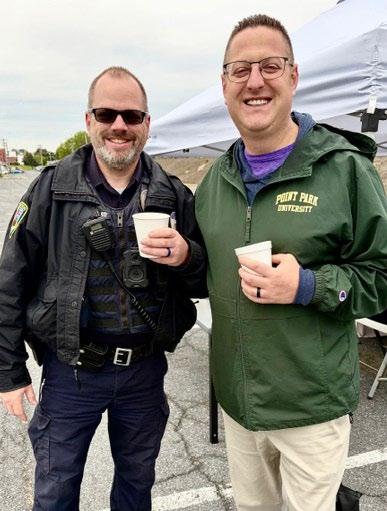
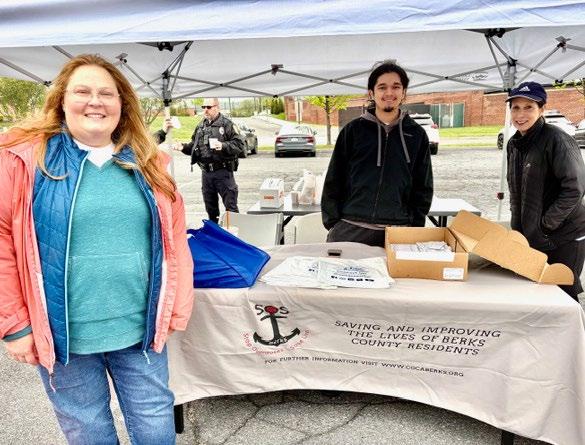
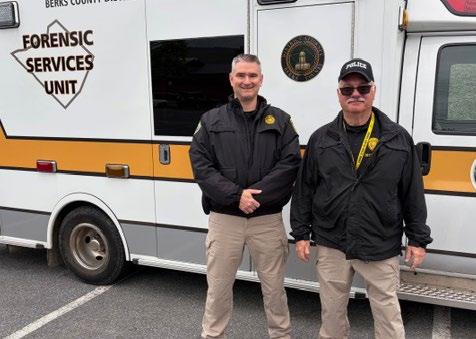
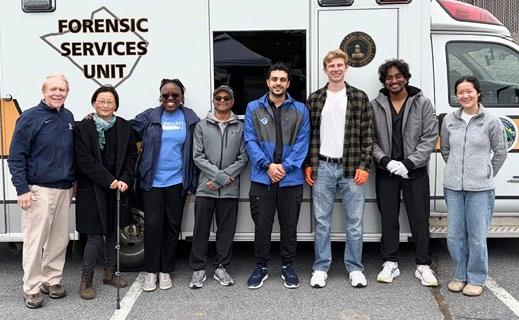
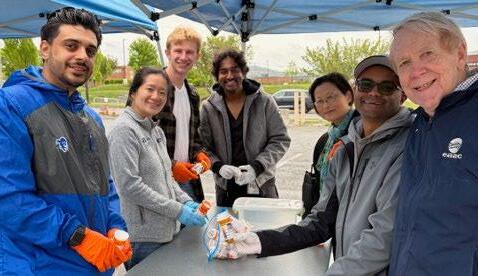
Members of the Berks County Medical Society once again led the annual “Drug Take Back Event” at FirstEnergy Stadium on April 25th. Joined by our partners from the Berks County District Attorney’s Office, the Reading Police Department, the Council on Chemical Abuse, and our great friend Anthony Pignetti of the Reading Fighin Phils, we collected hundreds of pounds of controlled substances and other medications that could otherwise become a household hazard or seep into our local environment if disposed of improperly. And we especially thank our local Drexel University College of Medicine/Tower Campus students who provide a lot of energy while perhaps learning a bit of pharmacology. Thank you to all who joined and made this event a success.


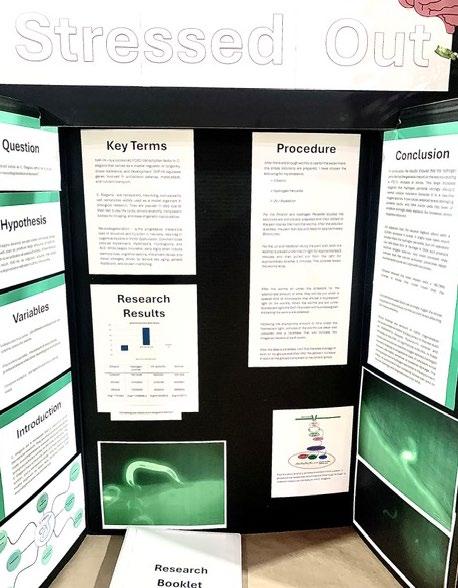
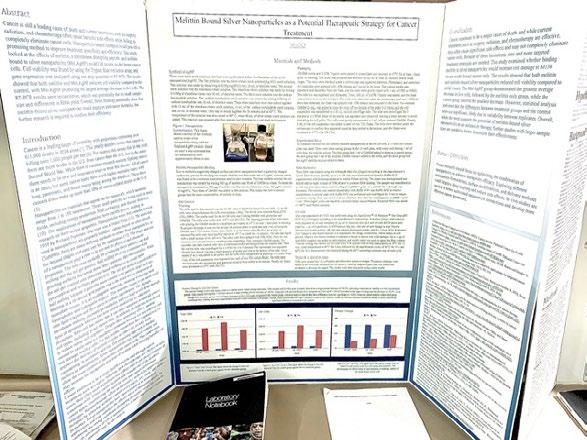
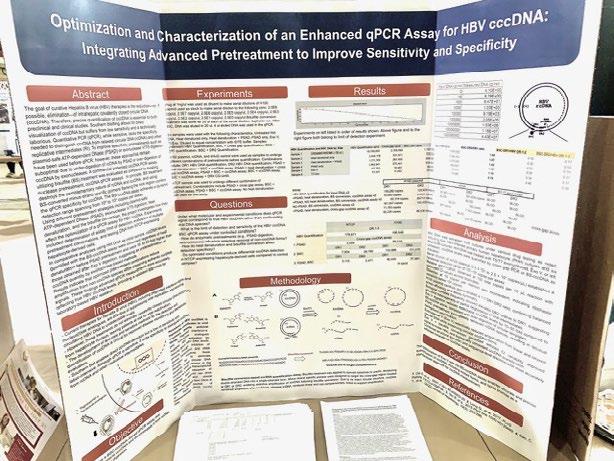
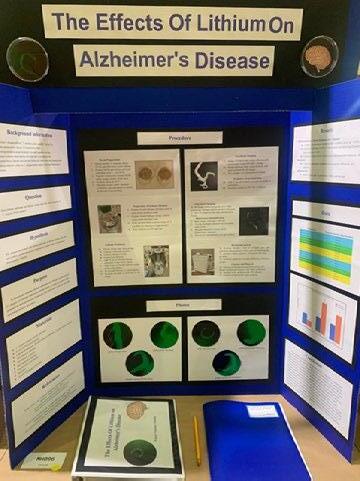
The Berks County Medical Society (BCMS) continued our many years as a sponsor of the Reading Berks Science & Engineering Fair held annually during the first week of March at Albright College. BCMS Immediate Past President William Santoro, MD, had the honor of presenting awards to one Junior-level winner and to the first, second, and third place Senior-level winners. These were amazing projects, and the BCMS congratulates not only the winners, but also all the participants, as well as the teachers and staff who mentored them.
JUNIOR-LEVEL AWARD
Quinn Manidis (LaSalle Academy):
“Stressed Out–Can Oxidated Stress in C. Elegans Serve as a Proxy Model for Neurodegeneration in Humans?”
SENIOR-LEVEL AWARDS
First:
Brady Robinson (Conrad Weiser HS):
“Melittin Bound Silver Nanoparticles as a Potential Therapeutic Strategy for Cancer Treatment”
Second:
Heidi Ding (Wilson HS):
“Optimization and Characterization of an Enhanced qPCR assay for HBV cccDNA: Integrating Advanced Pretreatment to Improve Sensitivity and Specificity”
Third:
Samyak Jain (Wilson HS):
“The Effects of Lithium on Alzheimer’s Disease”
West Reading campus students most commonly matched in the following specialties in 2025 and 2026*:
• Internal Medicine (14)
• Radiology (8)
• Emergency Med (7)
• Anesthesiology (6)
• General Surgery (5)
• OB/GYN (5)
• Family Med (4)
Students have also matched in these additional specialties:
• Peds (3)
• Neurology (3)
• Orthopedic Surgery (3)
• ENT (1)
• Vascular Surgery (1)
• Urology (1)
Students most commonly matched in the following states:
• Pennsylvania (22)
• California (8)
• New York (5)
*Numbers do not reflect the entire classes due to variations in graduation schedules and additional residency “Matches.”










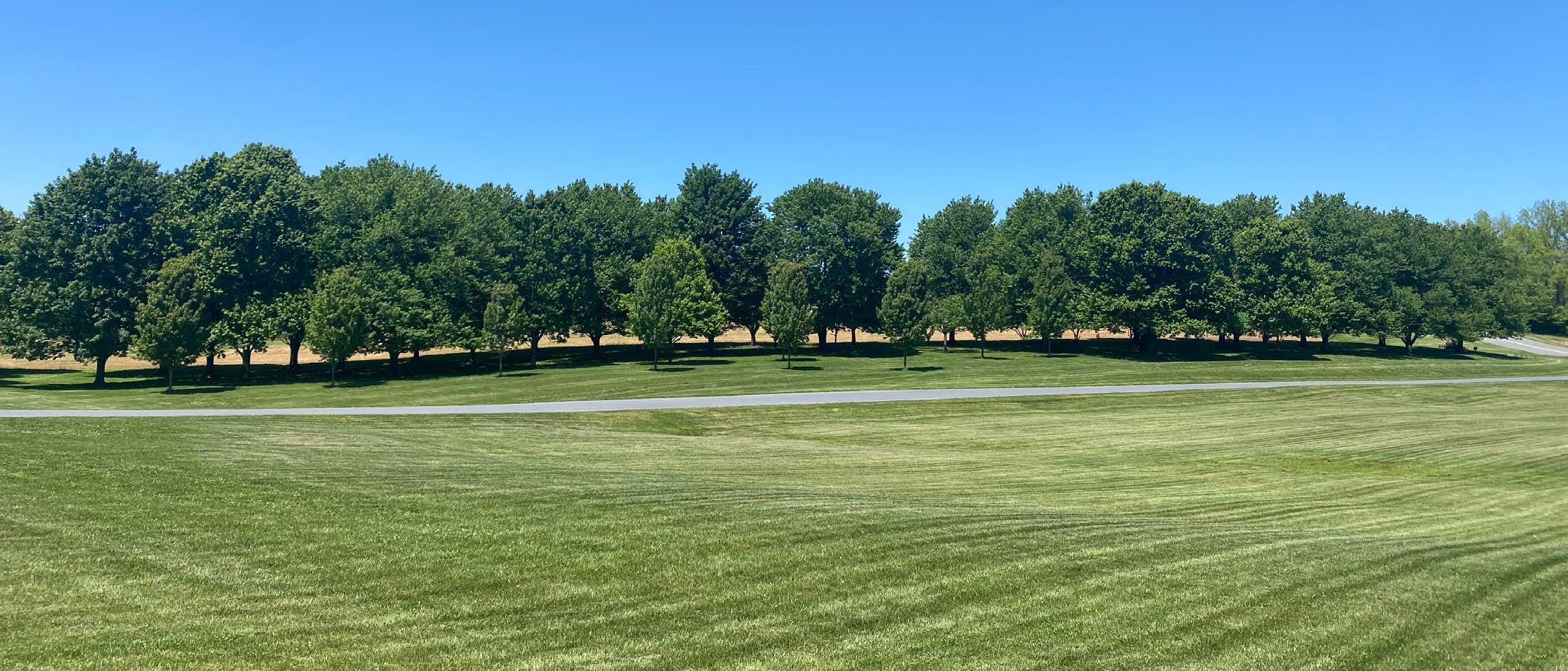
Doctor’s Grove was established in the late 1970s by the Berks County Medical Society Alliance. It was dedicated in 1981 on Doctor’s Day to honor and remember Berks County physicians and their families.
The Grove hosts approximately 95 Red Sunset maple trees at The Berks County Heritage Center at Tulpehocken Creek Park, planted in honor of or in remembrance of:
Jacob J. Kolton, MD
Calvin B. Rentschler, MD
RHMC Medical Staff
Joseph A. Ladika, MD
Martin Wassersweig, MD
Berks County Physicians
Arnold V. Davis, MD
Harold Emerson Houck, MD
John J. Buckley, MD
William H. Keffer, MD
Physicians Who Serve Geriatrics
E. Karl Houck, MD
Frederick R. Perfect, MD
CGH Medical Staff
CGH Staff Wives
Lewis Pollack, MD
E.J. Morrisey, Sr., MD
J. George Meharg, MD
Vladimir J. Kolton, MD
Harold L. Strause, Sr., MD
Ronald M. Brickbauer, MD
Frank A. Gregor, MD
Paul Leisweitz, MD
John A. Focht, MD
Aaron G. Babitt, DDS
John E. Hillig, MD
Samuel S. Huntzberger, MD
Barbera Parker
Robert W. Allen, MD
Martin E. Gruver, MD
Mark E. Becer, MD
Harry G. Barrer, MD
Phillip R. Wiest, MD
Cleto G. Cinelli, MD
James Parker, MD
Leonard Woodring, MD
Mary P. You
Lawrence Henry Fitzgerald, MD
Ted Verbinski, MD
Theodore W. Eastland, Sr., MD
Dr. John and Virginia Spannuth
Mark D. Grim, MD
Myer M. Dashe, MD
Elsie L. Denby
Katherine (Kitty) Morris
Phillip R Weist, MD
Gerald A. Goodman, MD
Mrs. Angela B. Witters
Ronald Emkey, MD
George Neubert, MD
Jason Bundy, MD
Barry S. Schultz, MD
Nirav Patel, MD
Physicians of Berks County
George Kershner, MD
Michael Weaver, MD
Sammy A. Alley, MD
Saint Joseph’s Hospital
Hyder M. Carim, MD
Armin B.A. Rhauda, MD
John Penta, MD
Ross L. Wademan, MD
Larry A. Rotenberg, MD
Robert R. Schweitzer, MD
Dr. Martin Jackson
Dr. Marshall M. Feaster
Dr. David Texter
Dr. Robert I. Rudolph
Dr. Edward L. Pan
Dr. Edward J. Robin
Dr. Paul K. Nase
Mark S. Rueben, MD
Children’s Clinic of Wyomissing
Dr. Maria Ruiz Yee
Edgar C. Lloyd, MD
Center for Pain Control
Berks County Medical Society Alliance Board Members
Becky Gehris
Guiseppe G. Gumina, MD
Phyllis R. McGough
Abraham I. Schwartz, MD
Thelma Deibert Dethoff
Michael Austin, MD
Donald Loder, MD
Elwood R. Brubaker, MD
John R. Bower, MD & Haidee W. Bower
Joseph M. Scornavacchi, MD
Berks County Medical Society Alliance in honor of Doctor’s Day
As of 2025, the Alliance and Heritage Center have developed a new collaborative program in an effort to re-populate and renaturalize the event field. With this in mind, it was suggested that native keystone trees be chosen for future plantings. The current group of new trees includes four Swamp White oaks and one Homestead elm (both long-lived, storied, and resilient). An aerial map has been provided to locate the site of the new trees. These trees have been planted in honor of or in remembrance of:
The Berks County Medical Society Alliance Centennial Anniversary…donated by The Berks County Medical Society Alliance
David Rees, MD…donated by Bonnie Rees and Family
Marcia McCrae, MD… donated by Eve Kimball, MD
Nancy Shuman, MD… donated by Eve Kimball, MD
Daniel B. Kimball, MD… donated by Eve Kimball, MD
The Alliance will be hosting a reception on September 9th, 2026, at the Berks County Heritage Center with a natural resource member of the Parks and Recreation staff. Please stay tuned for more information.

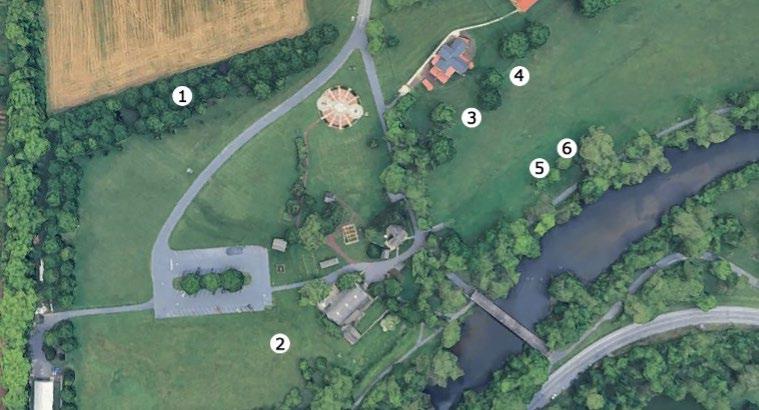
Berks County Medical Society Alliance Tree Directory, Berks County Heritage Center: l l 02 Red Bridge Rd., Reading, PA 19605

Health care should never be out of reach because of income, insurance status, language, or circumstance. Berks Community Health Center (BCHC) was founded in 2012 to ensure that everyone in our community has access to highquality, compassionate care close to home.
This effort followed extensive assessments conducted by the Berks County Community Foundation, United Way, Drexel University, and the Berks County Medical Society, which identified a significant gap in access to care. In response, a dedicated group of community leaders came together to make BCHC a reality.
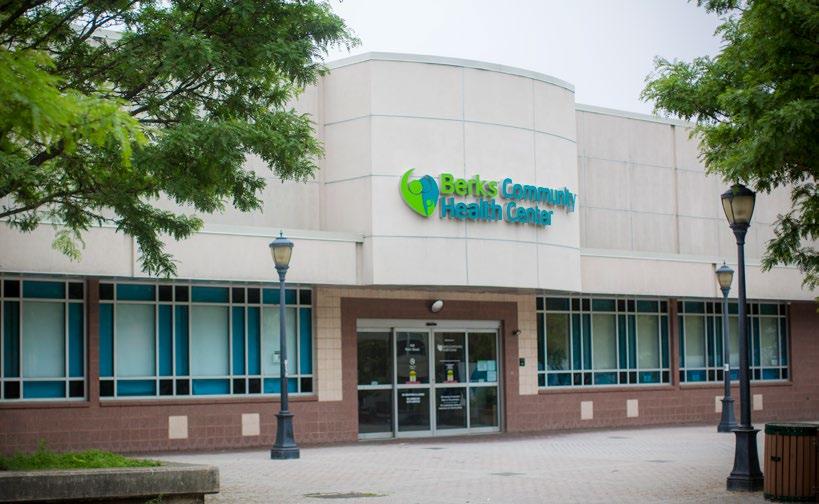
To understand BCHC’s impact, it helps to look beyond the statistics.
For many individuals and families in Berks County, barriers such as poverty, lack of insurance, transportation challenges, language differences, and rising costs make receiving medical care difficult. BCHC exists to respond to those barriers and provide a trusted medical home where every patient is treated with dignity and respect.
Our mission is simple but powerful: to improve the health and well-being of our community by providing exceptional health care services to all.
In 2025, BCHC served more than 19,000 patients across 78,000 visits. Many are individuals and families who might otherwise delay care or rely on emergency rooms for non-emergent needs.
Our patients reflect the diversity and challenges within our community: 59% rely on public insurance such as Medicaid or Medicare, and 15.7% are uninsured. Additionally, 86.1% of patients identify as Hispanic. Nearly two-thirds (64.9%) report living below 200% of the federal poverty level, though 33.8% did not disclose their income.
Beyond medical needs, many face food insecurity, unstable housing, language barriers, and financial stress. BCHC works to meet patients where they are and connect them with the resources they need to stay healthy.
Consider Mary and John (names changed for privacy), a married couple in our community. Like many of our patients, they work long hours in low-wage jobs where missing even one day can mean losing critical income. They are Spanish-speaking, uninsured, and faced constant decisions between paying bills, buying food, and addressing their health. When they first came to BCHC in August 2025, both had dangerously high blood sugar levels, with double-digit A1c readings. Mary was also living with kidney disease, while John had high cholesterol. Both struggled with hypertension and neuropathy.
Their situation is not unique. Many hardworking individuals in our community face similar challenges, where the cost of care and language barriers lead to delayed treatment. Through BCHC’s grantfunded diabetes program, Mary and John received continuous glucose monitors and support from a nurse who taught them how to manage their condition. Interpreter services ensured they fully understood their care plan at every visit.
They also received:
• Affordable medications through the 340B program
• Access to mobile food pantry resources encouraging healthy choices
• Ongoing care from a consistent primary care provider
Within just a few months, their health improved significantly. By November 2025, Mary stabilized her blood sugar and graduated from the program with an A1c below 7.0%. John continues to make steady progress, with his most recent A1c at 7.2%. Today, they have the tools and confidence to manage their health—and no longer have to choose between their well-being and their livelihood.
Their story reflects a larger need. In 2025, 3,105 BCHC patients (16.3%) were living with diabetes. Many cannot afford the supplies, medications, or nutrition support needed to manage their
condition. BCHC ensures they receive the care necessary to prevent complications and live healthier lives.
BCHC provides comprehensive, patient-centered care designed to support the whole person, including:
• Primary medical care
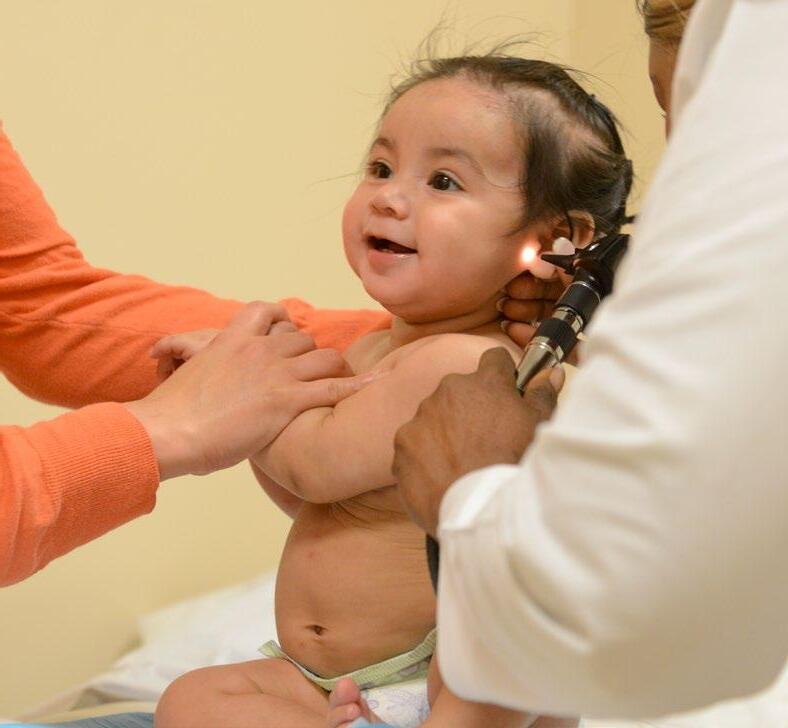
• Pediatric care
• Dental care
• Specialty care (podiatry, chiropractic, optometry, OB/GYN)
• Integrated behavioral health
• Prescription assistance
• Nutrition counseling
• Care coordination and patient support services
• Insurance enrollment
• Social determinants of health navigation
Community health centers are often on the front lines during times of crisis. During the COVID-19 pandemic, BCHC provided vaccines, testing, and education to protect our community.
Whether addressing public health emergencies, rising mental health needs, chronic disease, or economic challenges, BCHC adapts quickly to meet evolving needs. For many patients, BCHC is more than a doctor’s office—it is a lifeline.
Every day, BCHC improves lives across Berks County. Patients who once delayed care now receive regular medical care. Individuals managing chronic conditions gain access to medications and education. Children receive preventive care that supports healthy development. Families find providers who understand their language and culture.
The impact extends beyond individual patients. Healthier families strengthen schools, workplaces, and neighborhoods. BCHC’s work reduces emergency room visits, improves outcomes, and builds a healthier community.
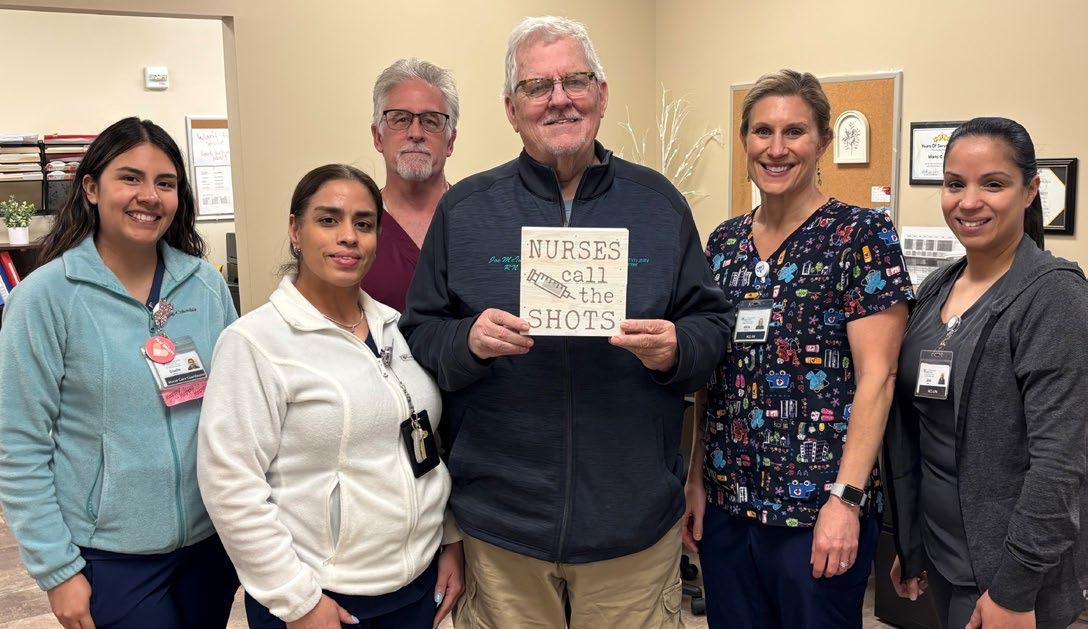
As community needs continue to grow, BCHC remains committed to expanding access and strengthening services. Future priorities include:
• Expanding care through Alvernia University’s American House project
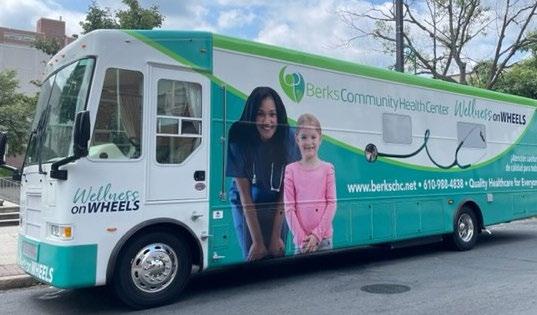
• Increasing rural access with the Wellness on Wheels mobile unit
• Expanding chronic disease and diabetes programs
• Enhancing patient access through the implementation of Epic
• Modernizing facilities and strengthening community partnerships
The need for accessible health care has never been greater. BCHC remains committed to serving our community today— and for generations to come.
To learn more, access services, or support our mission, visit: www.berkschc.net.

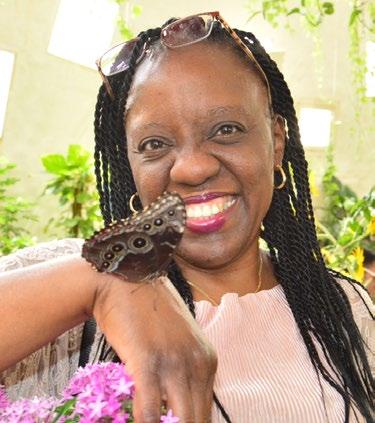
by Olapeju Simoyan, MD, MPH, President-elect, Berks County Medical Society
his year, we will be celebrating the 250th anniversary of U.S. independence on July 4, 2026. Milestone anniversaries are great opportunities to reflect on our history and to contemplate the future. Let’s start with some history!

Did you know that America did not actually become independent on July 4, 1776? What we celebrate on the Fourth of July is the anniversary of the Declaration of Independence.
A declaration and its actualization are two separate things. To complicate things even more, July 4, 1776, was not the actual date that the Continental Congress voted to declare independence from Great Britain. They voted on July 2, 1776, then debated and edited the initial draft of the Declaration the following day.
The final version of the Declaration of Independence was approved on July 4, 1776. John Hancock, the elected President of Congress, was the only one who signed it on that day. The remaining 55 delegates began to sign the document on August 2, 1776.
The first public reading of the Declaration of Independence was by Colonel John Nixon at the Pennsylvania State House (now Independence Hall), Philadelphia, on July 8, 1776.
Great Britain did not officially recognize the United States as an independent nation until 1783.
Here are a few key events:
• September-October 1781: A large British Army was trapped on Virginia’s Yorktown peninsula and forced to surrender. Although New York City and Charleston, SC, remained under British control until two years later, the war was essentially over.
• September 3, 1783: The Treaty of Paris ratified the independence of the 13 American states, and the war officially ended.
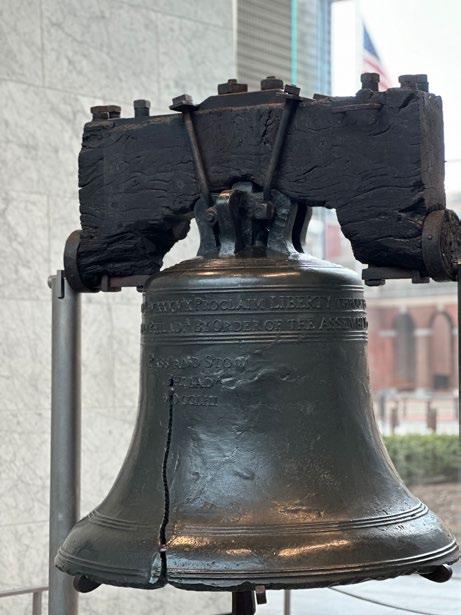
Every country has symbols that represent the values, traditions, and ideals of its people. These symbols can foster a sense of unity by reminding people of their shared history and binding principles. While the United States has several national symbols, only seven have been codified by Congress:
• National anthem: “The Star-Spangled Banner”
• National motto: “In God We Trust”
• National floral emblem: Rose
• National march: “The Stars and Stripes Forever”
• National tree: Oak
• National mammal: American bison
• National bird: Bald eagle
The inclusion of plants and animals as national symbols (oak tree, rose, bison, and bald eagle) serves to remind us of the importance of paying attention to our natural environment. We can also draw inspiration from nature. Katharine Lee Bates was inspired to write the poem that became “America the Beautiful” while she was on a trip to Pikes Peak in 1893. The poem was first published in The Congregationalist on July 4, 1895. Bates described the experience that inspired her to write the poem in these words:
“One day, some of the other teachers and I decided to go on a trip to 14,000-foot Pikes Peak. We hired a prairie wagon. Near the top, we had to leave the wagon and go the rest of the way on mules. I was very tired. But when I saw the view, I felt great joy. All the wonder of America seemed displayed there, with the sealike expanse.”
The poem was set to a tune composed by Samuel A. Ward, a church organist, and formally published as “America the Beautiful” in 1910. It became so popular that many people thought it should have been the national anthem.
Spending time in nature is beneficial to our physical and mental health, and it can also inspire us to create art, write poetry, or compose music.
Celebrations typically involve music, but even with the best-loved compositions, we often know very little about the lives of the composers and lyricists and the circumstances that led them to write the songs. The story behind the national march is significant to us in Berks County because the composer had a connection to Reading.
“The Stars and Stripes Forever” was composed by John Philip Sousa and first performed on May 14, 1897, at the Academy of Music in Philadelphia. It was officially designated the national march in 1987. John Philip Sousa composed more than 100 march songs and was known as “The March King of America.” He served under five presidents, travelled the world, and performed for dignitaries with multiple bands.
John Philip Sousa was born in Washington, DC on November 6, 1854. He studied piano, violin, orchestra, and music theory as a child and later worked as a musician and composer. He started composing “The Stars and Stripes Forever” on Christmas Day in 1896, while he was grieving the loss of his friend and band manager. This masterpiece was not completed until April of the following year. For almost 25 years, he played it at each of his tour stops, and after he retired, other bands continued playing it as a tribute to the country.
Sousa came to Reading on March 5, 1932, to conduct the Ringgold Band in its 80th anniversary concert, an event scheduled for the next day at the Park Theatre, 1022 Penn Street. On arrival, he went to the American Legion Building at 133 North Fourth Street, where he rehearsed with the 55-member band for three hours. The
practice session ended with “The Stars and Stripes Forever.” Later that evening, during a banquet in Wyomissing, friends noticed that he appeared unwell. When asked to speak, his voice was barely audible. The banquet was adjourned, and he returned to the Abraham Lincoln Hotel, where he told his secretary that he wasn’t feeling well, but didn’t need a doctor. Minutes later, his secretary found him in his room, sweating profusely, and called for help. By the time the house physician, Dr. M.H. DeWire, arrived at 12:15 a.m., Sousa was cyanotic and had a weak pulse. Attempts at resuscitation were unsuccessful, and he died at 12:30 a.m. The cause of death was reportedly acute cardiac dilation.
Later that day, a memorial service consisting of a prayer and a selection by the band was held at the American Legion Building. The Ringgold Band played several funeral marches as Sousa’s body was escorted to the Franklin Street station. Railroad officials sent a special train, and four National Guard officers from Reading were assigned to accompany the body to Washington.
In honor of his work and musical contributions, John Philip Sousa was buried in the Congressional Cemetery in Washington, DC.
As we celebrate the 250th anniversary of the Declaration of Independence and reflect on our nation’s history, let’s also celebrate the accomplishments of our Berks County Medical Society over the past 200-plus years and our many advancements in healthcare as we look forward to the future. Just as Dr. DeWire was there to attend to John Philip Sousa, the members of the Berks County Medical Society are committed to the health and safety of the members of our local communities and the world beyond.
Sources
Simoyan, O. Sweet Land of Liberty: The stories behind America’s national symbols and songs (2026) https://goreadingberks.com/john-phillip-sousasuccumbed-to-death-in-reading-pa/
Sweet Land of Liberty: The stories behind America’s national symbols and songs by Olapeju Simoyan, MD, MPH, is available through Amazon.com.

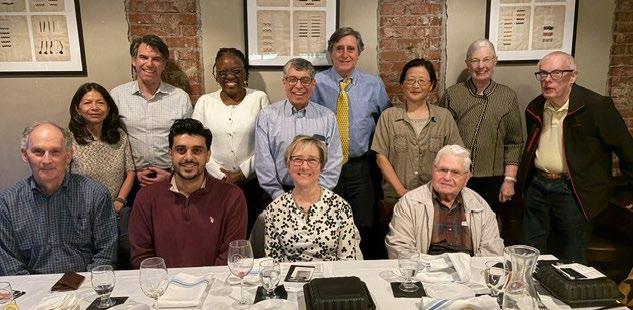
The BCMS Spring Journal Club was held May 14th at B2 Bistro and was enjoyed as both a social and educational event for all who attended. Presenters included Samer Muallem, MD, of Berks Cardiology, who discussed two recent cardiovascular studies: CHAMPION AF “Left Atrial Appendage Closure or Anticoagulation for Atrial Fibrillation” (New England Journal of Medicine, March 28, 2026) and HI-PEITHO “Ultrasound-Facilitated, CatheterDirected Fibrinolysis for Acute Pulmonary Embolism” (New England Journal of Medicine, also March 28, 2026). In addition, he briefly discussed an article from the Journal of the Society for Cardiovascular Angiography & Interventions (March 31, 2026), “Association of Tirzepatide Use with Clinical Outcomes After TAVR in Obese Patients: A Propensity Score-Matched Real-World Study,” which demonstrated a reduced risk of heart failure or acute kidney failure in obese patients using tirzepatide (a GLP-1 medication) who underwent a TAVR procedure.
Olapeju Simoyan, MD, BCMS President-Elect, presented two articles, “Glucagon-like Peptide Receptor Antagonists and Risk of Substance Use Disorders Among US Veterans with Type 2 Diabetes: Cohort Study” (British Medical Journal, March 4, 2026) and “Once Weekly Semaglutide Versus Placebo in Patients with Alcohol Use Disorder and Comorbid Obesity: A Randomized, Double-blind, Placebo-Controlled Trial” (The Lancet, Vol. 407, May 02, 2026). Both studies showed potential benefits of treating or preventing substance abuse disorder with the use of GLP-1 medications.
Seth Rosenzweig, MD, of the Digestive Disease Associates group, presented a report on the Lancet Commission to prevent liver cancer, “Lancet Commission 2025 Calls for Urgent Global Action: 60% of Liver Cancers Are Preventable” (Liver Cancer, November 7, 2025), which is a call to action for measures to prevent liver cancer, e.g. increased screening, wide-spread use of the Hepatitis B vaccine, and a role for GLP-1 medications to reduce obesity and treat fatty liver disease.
As an added benefit, Debra Powell, MD, Chair, Department of Internal Medicine, Reading Hospital/Tower Health, gave us an update on the recent Hantavirus outbreak on a cruise ship and efforts to limit further exposure.
It was an enjoyable evening for everyone. Thank you to our presenters, as we promoted two of our BCMS “Compass Points” goals to advance education and to increase collegiality among our physician community. Our next Journal Club will be held at The Highlands of Wyomissing in October of 2026.
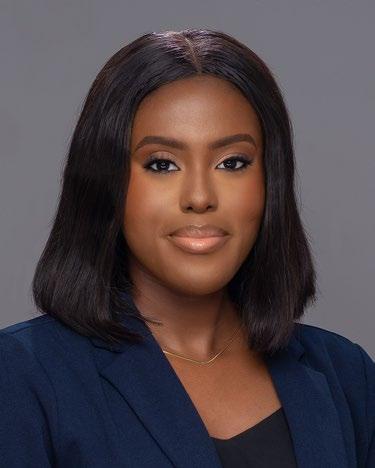

by Deba Osaghae, MD, PGY 3, Internal Medicine Residency, Reading Hospital/Tower Health
he other day, during a routine workday, I overheard a conversation about a physician who was being described in an overwhelmingly negative light. A few weeks later, I found myself in conversation with that person. What began as polite small talk slowly turned into a thoughtful discussion about career aspirations, personal growth, and difficult life circumstances they had quietly endured. I left the interaction feeling unsettled, not because of who they were, but because of how quickly another person’s humanity can disappear once they become the subject of gossip.
Medicine is difficult enough without us making it harder for one another.
Workplace gossip is an informal discussion about someone who is not present, often concerning their behavior, performance, or personal life. Research suggests that gossip is not always driven by malice; at times, it serves as social bonding, emotional release, or a way for individuals to process frustration in environments where direct confrontation feels uncomfortable. In medicine, where
stress, hierarchy, fatigue, and burnout are constant companions, gossip can easily become normalized. This does not mean it is harmless.
Studies on workplace culture have associated negative gossip with reduced psychological safety, increased burnout, erosion of trust, and poorer team cohesion. In a profession built on teamwork, communication, and vulnerability, these consequences matter. Words spoken casually in break rooms or hallways can quietly shape reputations, isolate colleagues, and deepen already difficult seasons in someone’s life, often without us knowing the full story.
I write this not from a place of superiority, but conviction. I have had to reflect on moments where I participated in conversations I should have redirected or left entirely. I have had to repent of careless speech and the ease with which criticism can masquerade as harmless discussion. It is easier to talk about people than to talk to them, easier to vent than to pursue understanding.
That does not mean concerns should never be raised. Constructive feedback,
accountability, and patient safety are essential in medicine. But there are healthier alternatives to gossip. We can address concerns directly and respectfully when appropriate. We can report serious issues through the proper channels. We can seek guidance from supervisors or mentors. We can vent without humiliating someone else. And perhaps most importantly, we can choose not to become passive listeners, because gossip survives not only through speakers but through audiences. We need to always remember that a one-sided story is exactly a ONE-sided story.
Every physician, nurse, student, technician, and staff member is carrying burdens we may never fully see. A difficult interaction, an off day, or a poor moment should not become the entirety of someone’s identity in the minds of others.
Medicine demands excellence from us, but it should also demand compassion, especially toward one another.

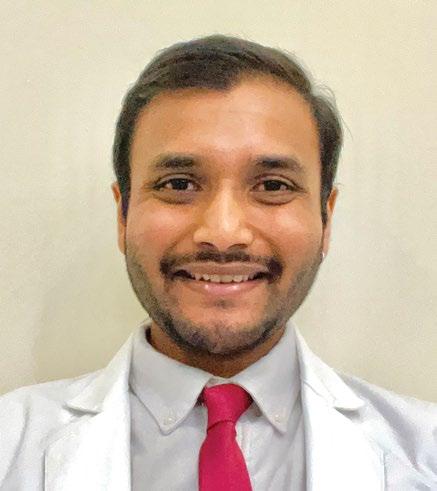
by Amogh Nagol, MS IV, Drexel University College of Medicine, Tower Health Campus
s I close the chapter on my third year of medical school, I find myself reflecting on the countless lessons learned. Not just about medicine, but about the people, moments, and experiences that shape us along the way.
This past year has been a whirlwind of rotations, early mornings, and long nights, each offering a unique window into patient care and the art of being a physician. From navigating the complexities of inpatient medicine to witnessing the resilience of children and families in pediatrics, I’ve come to appreciate that medicine is as much about listening and presence as it is about diagnosis and treatment. Some of the most meaningful moments were not dramatic medical breakthroughs, but rather quiet conversations at the bedside, moments of reassurance, and the trust patients place in us during vulnerable times.
Third year challenged me in ways I could not have anticipated. There were days filled with uncertainty, moments where I questioned myself, and experiences that reminded me just how much there is still to learn. Yet, through those challenges came growth. I learned that confidence is built gradually through repetition, preparation, and the willingness to continue showing up each day ready to learn. I became more comfortable presenting patients, thinking through clinical problems, and adapting to the fast-paced environments that define clinical medicine. More importantly, I learned the value of humility, teamwork, and compassion.
Among the many experiences of third year, one of the most meaningful outcomes has been finding clarity in the path ahead.
Through my rotations, I discovered that I was consistently drawn to the breadth, complexity, and continuity of care found in internal medicine. I found fulfillment in piecing together challenging clinical presentations, building longitudinal relationships with patients, and working through the thoughtful diagnostic reasoning that defines the field. More importantly, I admired the human side of internal medicine: the conversations at the bedside, trust developed with patients and families, and the opportunity to care for individuals through some of the most vulnerable moments of their lives. These experiences ultimately solidified my decision to pursue a career in internal medicine, a specialty that continues to inspire me with its balance of intellectual challenge, lifelong learning, and patientcentered care.
Looking forward, the final stretch of medical school brings new beginnings: sub-internships, away rotations, residency applications, and the transition from student to resident physician. With these opportunities come new responsibilities and challenges, but also continued growth. While the road ahead is exciting, it is also humbling. Medicine is a lifelong journey of learning, and I know there is still much to discover. Not only about patient care, but about the kind of physician I hope to become.
As I prepare for this next chapter, I do so with immense gratitude for the mentors who guided me, the residents and attendings who taught me, the classmates who supported me, and the patients who entrusted me with their stories. Third year has reinforced that medicine is far more than science alone; it is humanity, resilience, connection, and service.

The Berks County Medical Society extends a warm welcome to new member Priya Jha, MD.
Dr. Jha is a board-certified Internal Medicine specialist who has joined the team of hospitalists at Reading Hospital. To get to know Dr. Jha a little better, we asked her to provide a brief summary of her education and training and to answer a few questions.
Professional Biography
I was raised in New Jersey and completed my undergraduate studies at Rutgers University. I attended medical school in Antigua and Barbuda, often described as an island of 365 beaches. Subsequently, I completed my clinical training across multiple institutions along the East Coast, gaining broad and diverse clinical experience. Then, I pursued residency training at Anne Arundel Medical Center in Annapolis, Maryland. Following residency, I relocated to Berks County to continue my professional career with Tower Health.
Describe the focus of your practice and any areas of special interest/ expertise.
I currently serve as a hospitalist at Reading Hospital, where I provide comprehensive inpatient care to hospitalized patients. In addition, I function as a Unit-Based Clinical Leader on a medical-surgical floor, focusing on enhancing communication, collaborating with interdisciplinary rounds, and driving unit-based quality improvement initiatives.
What brought you to Berks County?
Berks County appealed to me for its unique combination of scenic surroundings, a relaxed pace of life, and strong opportunities for professional growth.
What do you find most rewarding about being a physician?
Practicing medicine allows me to support patients and their families during their challenging moments while guiding them through the path to recovery. I value the opportunity to collaborate with nurses, case managers, and social workers, and find it especially rewarding to work within a multidisciplinary team to deliver high-quality, patient-centered care.
If you could change one thing about the current practice environment, what would it be?
I believe my current practice environment is structured in a way that provides valuable insights for care teams, patients, and their families.
Are you involved in any nonprofit/ community groups at this time?
At this time, I am primarily focused on my clinical responsibilities and family, though I value community involvement and remain open to future opportunities.
Please tell us a little about your family and the activities you enjoy outside of work.
I am married to a fellow hospitalist whom I met during medical school, and together we have two young daughters—an infant and a toddler—who keep us very active (fulfilling my cardio requirements every day). Outside of work, I enjoy taking walks with my husband, practicing mindfulness, spending time with my siblings, writing poetry, and coloring—though my markers are often claimed by my toddler. Most of all, I value the meaningful time I spend with my family, especially our mornings together, which I find deeply fulfilling.

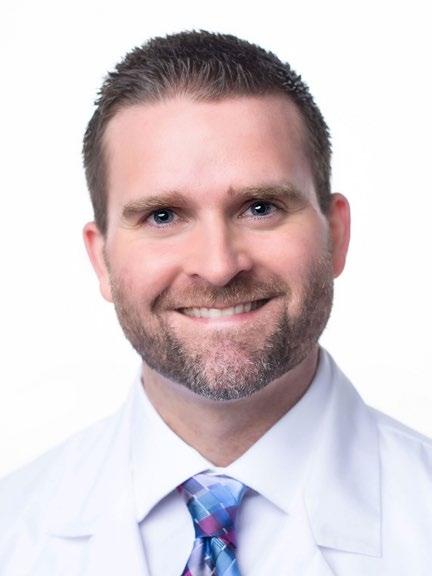
Recipient of PAMED’s Top Physicians Under 40 Award, presented to rising stars whose passion and promise are already shaping the future of medicine.
One of his nominating colleagues stated the following: His humility and kindness are by far his best attributes. Medical school and subsequent training can teach many things, but these traits are innate. When a colleague’s father was in hospice, he planned to take the call, despite being off on paternity leave himself. When a patient with malignancy had to have a cystectomy cancelled due to shingles, he scheduled the procedure in the middle of his paternity leave/PTO. When a patient’s son bumped into Dr. Edwards in the pickup line at school and expressed sadness about his father’s rash that had been ongoing for months, Dr. Edwards reached out to the oncologist to see what he could do to help. When the oncologist shared that the patient could not be seen by a dermatologist for several months and all agreed that a biopsy was needed, he personally coordinated with surgery, and the patient received the biopsy within 24 hours. The patient had been struggling with this rash for 10 months, and the biopsy showed cutaneous metastasis of his lung cancer. Despite this not being a urologic issue, he remained committed to the whole care of his patient. Whether it entails showing up for his colleagues or his patients, Dr. Edwards is consistent in doing both with a level of grace, kindness, and humility that is humbling.
In addition to being committed to clinical practice, he is also engaged in the community. He is the treasurer of the Berks County Medical Society, the Chief of Urology at St. Joseph Medical Center, and was elected by his colleagues to serve on the Medical Executive Committee of Reading Hospital.
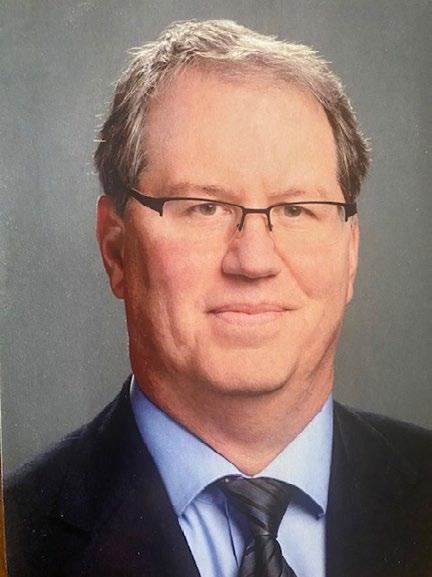
Recipient of PAMED’s Distinguished Service Award for dedicating his career to leadership and service in guiding future generations of medical professionals.
One of his nominating colleagues stated the following:
Dr. Benjamin Lloyd has been a standout member of the Reading Hospital staff since graduating from their Internal Medicine residency in 1992. He served as a traditional internist for 20 years in office practice, eventually transitioning to an academic hospitalist role in 2007. He has taught generations of medical students from Temple, Jefferson, and now Drexel, where he is an Associate Professor. For the past decade, he has been the leader and Program Director of the Tower Health Internal Medicine residency. He has received numerous teaching awards from Jefferson and from his residency program. In his role as Program Director, he guided his residents and staff through COVID-19 and residency program expansion, as well as overseeing additional first-year training for expansion programs in Anesthesia, Physical Medicine, Psychiatry, and Neurology. His trainees include 50 hospitalists, 15 primary care physicians, and 19 specialists at the Reading Hospital/ Tower Health, most of whom still care for the patients of Berks County. The program under his leadership has a 10-year 96.6% first-time pass rate. Despite significant turnover in Internal Medicine throughout the country, his steady leadership has sustained a stable faculty for his tenure as Program Director.
In addition, Dr. Lloyd is the first to volunteer when the Street Medicine team needs an additional physician. He has been a member of the Berks County and Pennsylvania Medical Societies since 1992. He has been an exemplary model for his colleagues, his many residents, and students.
by Ankit Shah, MD, President, Berks County Medical Society
Joseph Granito, MD, a “clinical anchor” in the Emergency Department at Reading Hospital for over 40 years, died on February 24, 2026. Joe grew up in Long Branch, NJ, and graduated from Seton Hall University. He subsequently earned his MD degree from the University of Pennsylvania. He pursued his postgraduate training at Reading Hospital and then spent his career as an outstanding Emergency Department physician at that institution.
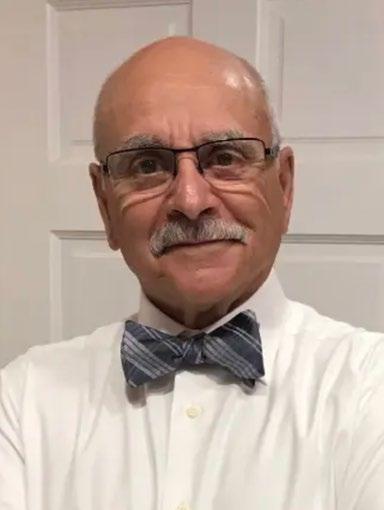
Joe was a familiar face to generations of Reading Hospital physicians, residents, and staff. I remember it well. It was my first shift working in the Emergency Department at Reading Hospital. The size, pace, and constant activity were intimidating. As I sat down at the desk for the first time, hoping not to make a fool of myself, one of the physicians on shift walked over, introduced himself, and took the time to show me around and help me get settled. That was my first interaction with Joe.
Thanks to Joe, I immediately felt at ease. In many ways, that simple act captured who he was—kind, welcoming, and genuinely invested in helping colleagues feel supported and valued. Whether you were a new physician, a long-time coworker, or a member of the hospital staff, Joe had a remarkable ability to make you feel that you belonged.
Joe practiced emergency medicine before the specialty had fully matured into the field we know today. Alongside his colleagues, he

helped build and define emergency care at Reading Hospital, setting a standard of excellence that earned the respect of patients, staff, and fellow physicians. It can be said that few did more to shape a specialty while simultaneously embodying its highest ideals.
Joe had many interests in addition to his life in medicine. He was a voracious reader and a daily devotee to solving the New York Times puzzles. He enjoyed biking, walking through the Morris Arboretum, and visiting with friends. He enjoyed time at the beach and especially all moments spent with his loving family: his wife Linda; daughters Rachel, Elena, and Emily; and his grandchildren Bryce and Nina. He is survived by them as well as his sister Jeanne and brother Rich.
Joe’s legacy lives on in the countless colleagues he mentored, encouraged, and inspired throughout his career. He will be remembered not only as an outstanding physician but as an exceptional human being.
Memorial donations can be made to Doctors Without Borders at: https://give.doctorswithoutborders.org.
Photo used with permission of Ciavarelli Family Funeral Homes and Crematory Inc.
by Elaine Lewis, MD, West Reading Radiology Associates
On February 27, 2026, the House of Medicine, and in particular, Radiology, lost a highly respected physician, Dr. Gordon S. Perlmutter, M.D., FACR. Following completion of his medical degree at the University of Vermont, an internship at Mt. Sinai Hospital in New York City, and his general radiology residency at Temple University Hospital (1969), he served in the U.S. Public Health Service for two years before entering private practice, eventually joining West Reading Radiology Associates at Reading Hospital in 1974. He remained with our practice until his retirement.
While Gordon was a general radiologist, he had expertise in ultrasound with numerous publications. He lectured throughout the country and presented at many professional radiology society meetings.
Gordon was also involved in organized medicine. As a past President of the Pennsylvania Radiological Society (PRS) and a member of the Economics Commission of the American College of Radiology (ACR), he was a valued resource when I became involved in the same organizations. He carefully explained the structure of the ACR and how the leadership of that organization functioned. To this day, that information has helped guide me on various committees within the ACR. Once, during an orientation for one of those committees, I was at the National Headquarters of the ACR, where I was given a tour of the building. Prominently displayed at the end of the entrance corridor was a plaque with four names, all winners of a very prestigious Economics Award, the William Thorwarth, MD, FACR Award. Gordon was one of the four recipients. This award is only given when someone rises to the highest level of expertise and has contributed an exceptional amount of time to medical economics. Gordon was an expert on CPT coding, particularly for ultrasound. This year happened to be one of those times when

someone received the award at the annual ACR meeting. The current winner talked at great length about what a wonderful mentor Gordon was for him throughout the years.
Apart from medicine, Gordon had many interests, including Kesher Zion Synagogue and the Jewish Federation of Reading/Berks, and was an active participant in the World Affairs Council of Greater Reading.
He loved learning about how “things worked” and was an avid photographer, particularly in underwater photography. His pictures are amazing. In the past, underwater photography involved using a regular camera and enclosing it in a housing to protect it from saltwater. The danger was that the seals may not hold, and the camera would be flooded with saltwater. Once, during an Underwater Medicine Dive Course, his camera did unfortunately flood. While many would have considered the camera a total loss, Gordon carefully took it apart, cleaned it with fresh water, and set the myriads of parts on a towel to dry. I do not recall if the camera worked when it was reassembled, but I suspect that it did.
A top priority for Gordon was his family. He and his wife, Carol, were always a team, and he adored her. He prioritized time with his children, Michael and Andrew, and later with their respective wives, Cheryl Perlmutter and Marianna Lvovsky. Each year, they all made time for a week of family gathering, usually on an island in the Caribbean. They will miss him, as will many others whose lives Gordon touched over the years.
Memorial gifts in his honor may be made to the World Affairs Council of Greater Reading or the Jewish Federation of Reading.
Photo used with permission of the family, courtesy of Henninger Funeral Home.
by Charles Barbera,
George Kershner, MD, was one of those very special physicians who was born, raised, and largely educated in our community and then returned to practice his entire career as an emergency department physician at Reading Hospital. Following obtaining his undergraduate degree at Albright College, he completed medical school in 1970 at Thomas Jefferson College of Medicine. He then served as an officer in the US Navy before returning home and joining his residency at Reading Hospital, followed by a long and distinguished career as an emergency department physician at Reading Hospital, serving as the EM Director from 1980 to 1995. He provided excellent care with compassion and skill to our diverse population while also serving as a mentor to residents and colleagues, including Charles Barbera, MD, when he became Director in 1999.
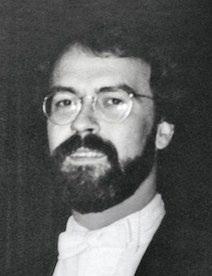
George was also a great baseball fan, serving as a coach for his sons’ little league teams and then as an expert umpire for many years, instilling the values of teamwork and sportsmanship in many young players. One of his greatest passions was sailing with family and friends as he guided them on tours through the Chesapeake, the Caribbean, and around New England. Indeed, the time spent with his family, his wife, Susie, who survives him; his three sons David, Michael, and Geoffrey; his sister Susan Reeser; and his ten grandchildren and two great-grandchildren, was his greatest joy. They share a legacy of compassion, talent, and kindness that is also appreciated and will be missed by his many friends and colleagues.

George’s medical career alone would have distinguished him as an outstanding individual; however, he was a true polymath with interests and skills including sailing, birding, and, most notably, as a superb concert pianist. It has been noted frequently that there is something about musicianship that goes hand in hand with the practice of medicine, and George was proof of this. He had a deep interest and knowledge of classical music and served as President of the Board of the Reading Symphony Orchestra (RSO). However, he was also a truly great pianist, performing over 100 concerts with the RSO and others, including many benefit concerts for Reading Hospital. At one such concert in 1981, he began with a work by Chopin, followed by Brahms’ First Sonata for Clarinet and Piano (in which Neil Hoffman accompanied him in a most memorable performance), and he then finished with Dvorak’s monumental Piano Quartet, accompanied by a professional string quartet which he had hired for the performance. All in attendance, including RSO Maestro Sydney Rothstein, hailed his performance!
A memorial service will be held on September 12th, 2026, at St. John’s Hain’s Church in Wernersville. Memorial gifts may be made to the American Heart Association or the Cardiovascular Research Foundation.
Frontline Practice Groups have made a 100% membership commitment to BCMS and PAMED. We thank them for their unified support of our efforts in advocating on your behalf and facilitating an environment for physicians to work collaboratively for the benefit of the profession and patients.
n Arthritis & Joint Replacement Center of Reading
n Arthritis & Osteoporosis Center Inc
n Berks Eye Physicians & Surgeons Ltd
n Berks Genesis Family Medicine PC
n Berks Ortho
n Berks Plastic Surgery
n Berks Radiation Oncology Associates
n CCC Health
n Center For Pain Control
n Center for Urologic Care of Berks County
n Children’s Clinic of Wyomissing Inc
n Emkey Arthritis & Osteoporosis Clinic
n ENT Head & Neck Specialists
n Eye Consultants of PA
n Family Allergy & Asthma-Wyomissing
n Family Medicine Associates of Wyomissing
n FocusedHealth PC
n Integrated Medical Group PC-Oley Medical Associates
n Integrated Medical Group-Green Hills

n LA Rotenberg MD
n Laboratory Medicine Association
n Nader Rahmanian, MD, LLC
n Patient First-Wyomissing
n Penn Medicine-Alvernia Medical & Counseling Center
n Reading Dermatology Associates PC
n Reading Nephrology Ltd
n Reading Pediatrics Inc
n Robin A. Altman, MD
n SJMG-Wound Care Center
n Spring Ridge Plastic Surgery
n Tower Health Medical Group Addiction Medicine-Reading
n Tower Health Medical Group Family Medicine-Hamburg
n Tower Health Medical Group Gynecology-Exeter DeMoss Rd
n Tower Health Medical Group Maternal Fetal Medicine
n Tower Health Medical Group Wound Healing & Hyperbaric Medicine-Wyomissing
n Tower Health Urgent Care-Douglassville

NEW MEMBERS
Rachael B. Avidor*
Navi Baskar*
Megan Bradley*
Lucas Brandao*
Annalise Cheshire*
Stephen Chien*
Jashelle I. Davis, DO, resident - Tower Health
Thomas DeCesare*
Liza Gergenti, MD - Reading Hospital
Anthony Guidotti*
Muhammad Imtiaz, MD, resident - Tower Health
Ami Jani, MD - Reading Hospital
Nived Jayaraj Ranjini, MD, resident - Tower Health
Pavithra Kathirvel, DO, resident - Penn State Milton S. Hershey
Medical Center
Linda Koontz, practice administrator - SJMG-Wound Care Center
Julia Legiec, student
Victoria Mansour, MD - Encompass Health Rehabilitation Hospital of Reading
Emma R. Maurer*
Rayce Newswanger*
Olubunmi D. Ogunmola*
Olivia M. Orris, DO, resident - Tower Health
Om Parkash, MD - Reading Hospital
Rayna A. Patel*
Slawomir Piela*
Tammy Souders, practice administrator - Integrated Medical Group PC-Oley Medical Associates
Shawn Taylor, practice administrator - Center For Pain Control
REINSTATED MEMBERS
Anna Katharina Bossert, DO - Tower Health Medical Group Obstetrics & Gynecology, West Reading
Cynthia A. Garrett, practice administrator - Berks ENT Surgical Associates
Sahithi Gosala, MD - Tower Health Medical Group Addiction Medicine-Reading
Joseph Hamdan, DO, resident - Tower Health
Pamela C. Ravetz, MD
Ismael F. Rivera, MD *student


•



Eye Emergencies
Cataracts
Glaucoma
Diabetic Eye Exams

Macular Degeneration
Macular Degeneration
Yes, we can see your patients same day for emergencies and often same week for consults.
Yes, we can see your patients same day for emergencies and often same week for consults.
At BERKS EYE PHYSICIANS AND SURGEONS, we are happy to offer state-of-the-art and efficient care. Our doctors provide appropriate diagnosis and treatment, and fast feedback to you. Whether
At BERKS EYE PHYSICIANS AND SURGEONS, we are happy to offer state-of-the-art and efficient care. Our doctors provide appropriate diagnosis and treatment, and fast feedback to you. Whether your patient has a sudden change in vision, cataracts, diabetes impacting vision, or even has a family history of glaucoma or macular degeneration, we would be honored to monitor and react to issues related to your patient’s eye health.