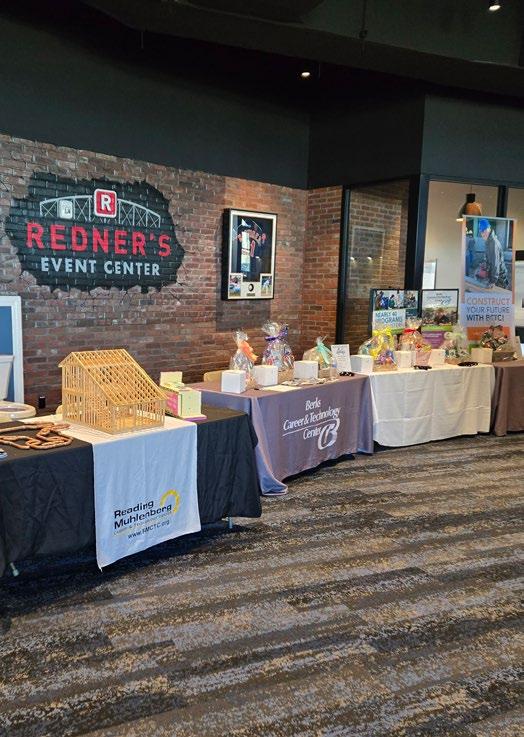
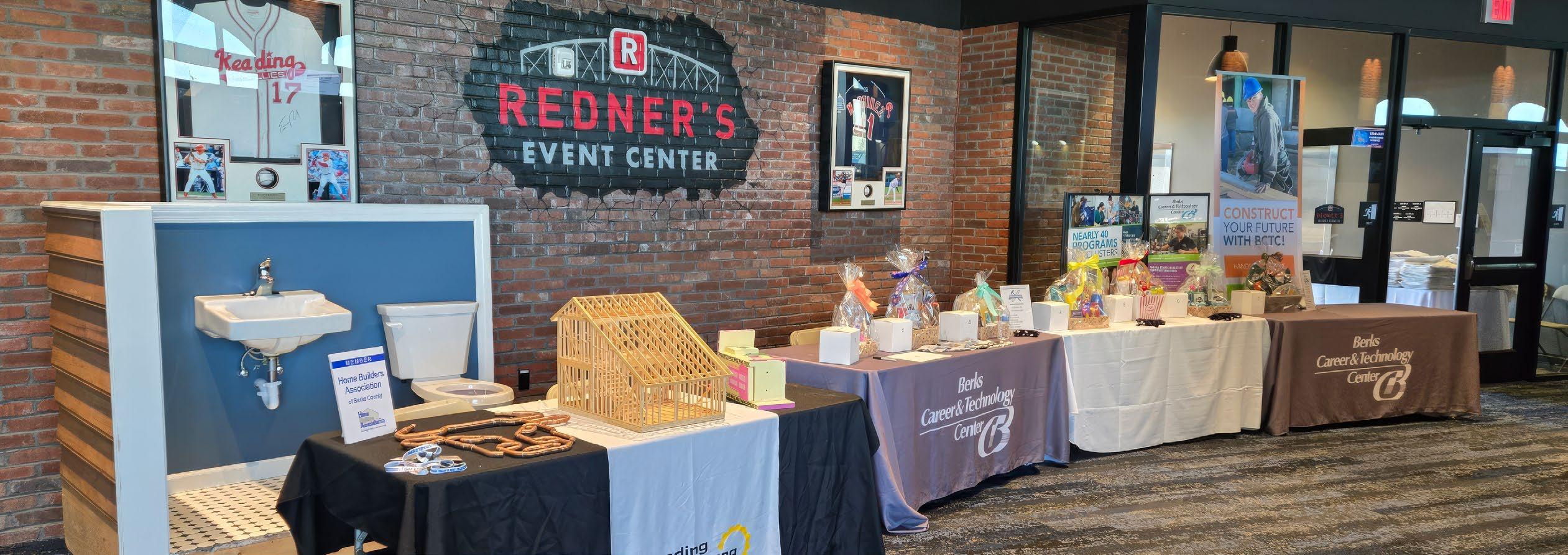
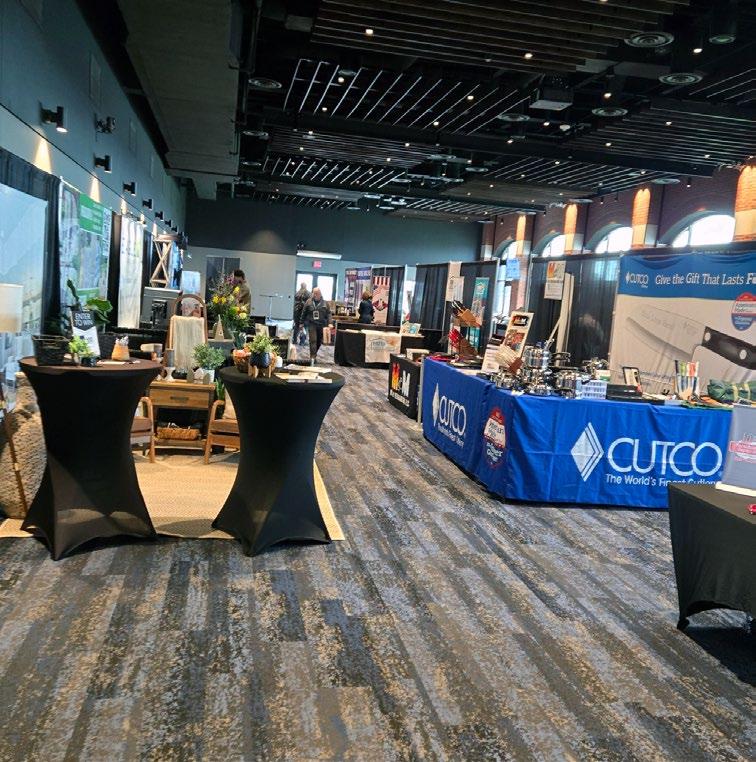
Reflecting on the 2026 Home Run Building and Trade Expo, I am struck by the incredible energy that filled the Redner’s Event Center this year. Personally, I found it far surpassed that of 2025. Between talking to potential future customers, as well as my existing customers, I got the most from the event by networking with the many vendors and other local businesses. That opportunity to network with all of you—the local businesses that drive our economy—was invaluable.
The Expo highlights what makes us, the HBA of Berks County, unique: community and connection.
2026 Wins: Building Momentum
Our move to the ballpark continues to work out great. There was ample free parking, and we upgraded the local signage to draw attention to the venue and event dates. These factors made the Expo more accessible and visible than ever before.
Our partnership with Berks Career & Technology (BCTC) and trade schools to assist with show and vendor set-up proved to be a great help. They not only
A Home Run Year: 2026 Expo Recap & The Road to 2027
Peter J. Bonargo IV, President HBA of Berks County
eased the vendor burden of show movein, but also helped speed up the set-up process.
Numerous vendors used the digital vendor packets to advertise to their existing clients. We will expand on this strategy in 2027 and continue to work on new ways to attract more local customers.
And, of course, it wouldn’t be an Expo without Dr. Lori, whose popularity draws in many curious curators!
Looking Ahead to 2027
Keeping in mind our goal to maximize your Expo time, we are planning on a few key changes for 2027:
• A Saturday/Sunday Extended Hours Format: To better capture the weekend “project-planner” audience, we will move to a two-day format with extended hours.
• Streamlined Logistics: Friday will be dedicated to vendor set-up, with breakdown on Sunday evening and Monday morning.
• The Return of Dr. Lori: Dr. Lori’s passion for our show is growing! She will now actively promote the HBA Expo during her appearances on PHL17, as well as at her events. We are thrilled to announce that Dr. Lori has officially signed for 2027!
We are also exploring the possibility of offering breakout sessions that would allow vendors, our subject matter experts, to talk directly to consumers. A thought is that these sessions might be panels—such as a renovations panel or a new home panel. These sessions would take place throughout the Expo weekend, scheduled around the Dr. Lori shows.
We want your input! Are you interested in participating in a panel to showcase your expertise? Do you have other ideas for maximizing Expo resources for vendors or for attendees? Please reach out and let us know your thoughts.
Thank you for making the 2026 Expo a “home run” for the HBA of Berks County. We are already at work on next year’s event, and with your help, 2027 will be our most successful year yet!
Building Dreams in Berks:
Highlights from the 2026 Home Run Building & Trade Expo
From March 13–15, the Home Builders Association (HBA) of Berks County hosted its 2026 Home Run Building & Trade Expo. Touted as the “Original Home Show,” the event reflects a commitment to the area’s talent within the construction and remodeling industries.
A Hub for Local Innovation
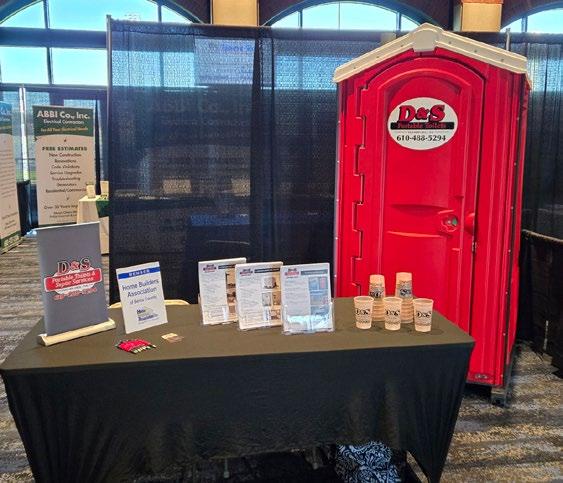
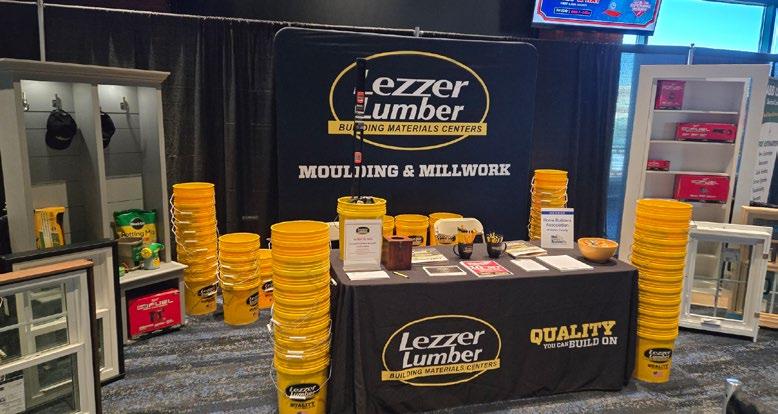
The Expo served as a one-stop shop for anyone looking to build, renovate or gather inspiration for their living spaces. With a roster of local vendors at the Expo, such as Berks Homes, Lezzer Lumber and Martins Flooring—to name a few—attendees had direct access to the experts who are literally building and shaping the landscape of the community.
Education and Expert Advice
One of the weekend’s primary draws was the return of award-winning media personality Dr. Lori. Known for her appearances on The Curse of Oak Island, Pawn Stars Do America and YouTube, Dr. Lori provided more than just entertainment; she offered free professional appraisals for attendees’ antiques and treasures. Her weekend sessions were packed, highlighting the community’s growing interest in “the art of thrifting” and preserving highquality, pre-loved items.
Beyond appraisals, the Expo functioned as an educational forum. Homeowners engaged in face-to-face conversations with builders and suppliers, tackling the “obstacles” of home ownership—from navigating building codes to selecting the right materials for the humid Pennsylvania summers.
Community and Celebration
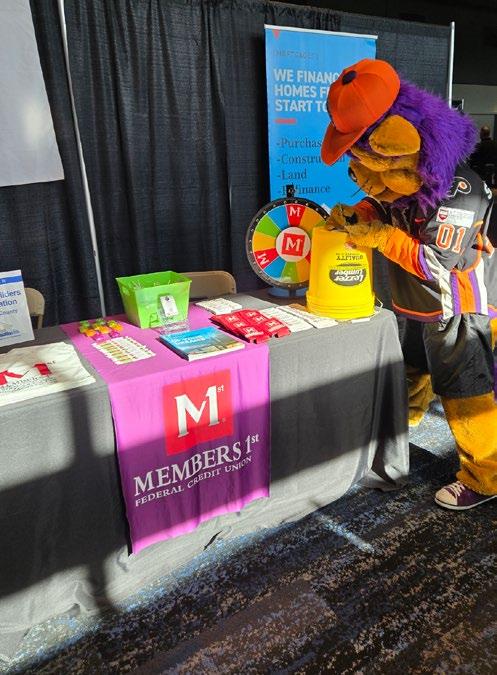
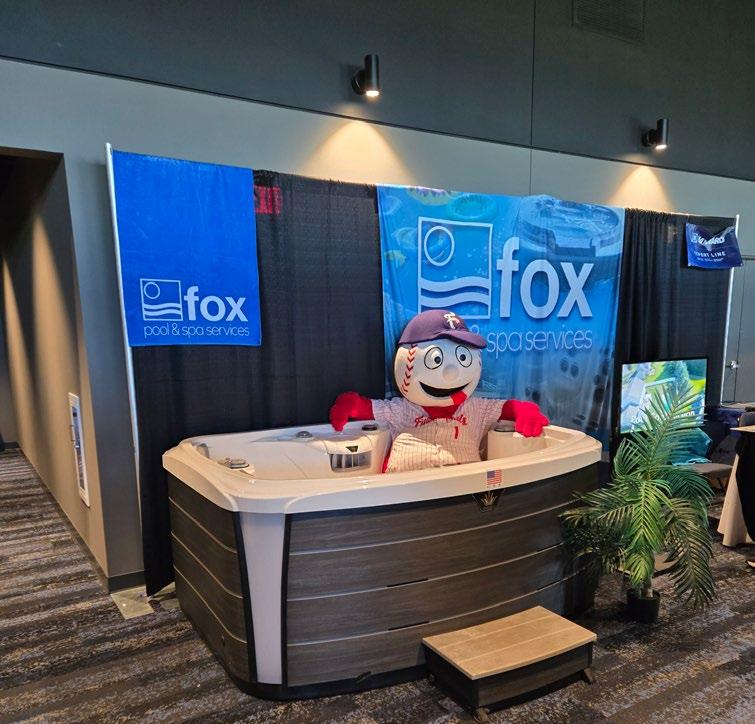
Aside from the “talking shop” focus, the Expo is also about community, as evident by the family-friendly atmosphere of the event. Friday afternoon saw a visit from Slapshot, the Reading Royals mascot, while Saturday featured Screwball from the Reading Fightin Phils. These appearances, combined with free entry for children, turned a trade show into a true community celebration.
The 2026 Home Run Builder & Trade Expo left attendees with more than just brochures—it provided the blueprints and the professional connections needed to turn their living spaces into their dream homes.
SAVE THE DATE! The HBA of Berks announced that the Home Run Building and Trade Expo will return to Redner’s Event Center on March 13–14, 2027. Go to hbaberks.org to learn more!
March 13-14, 2027
Dr. Lori Returning as Guest Speaker
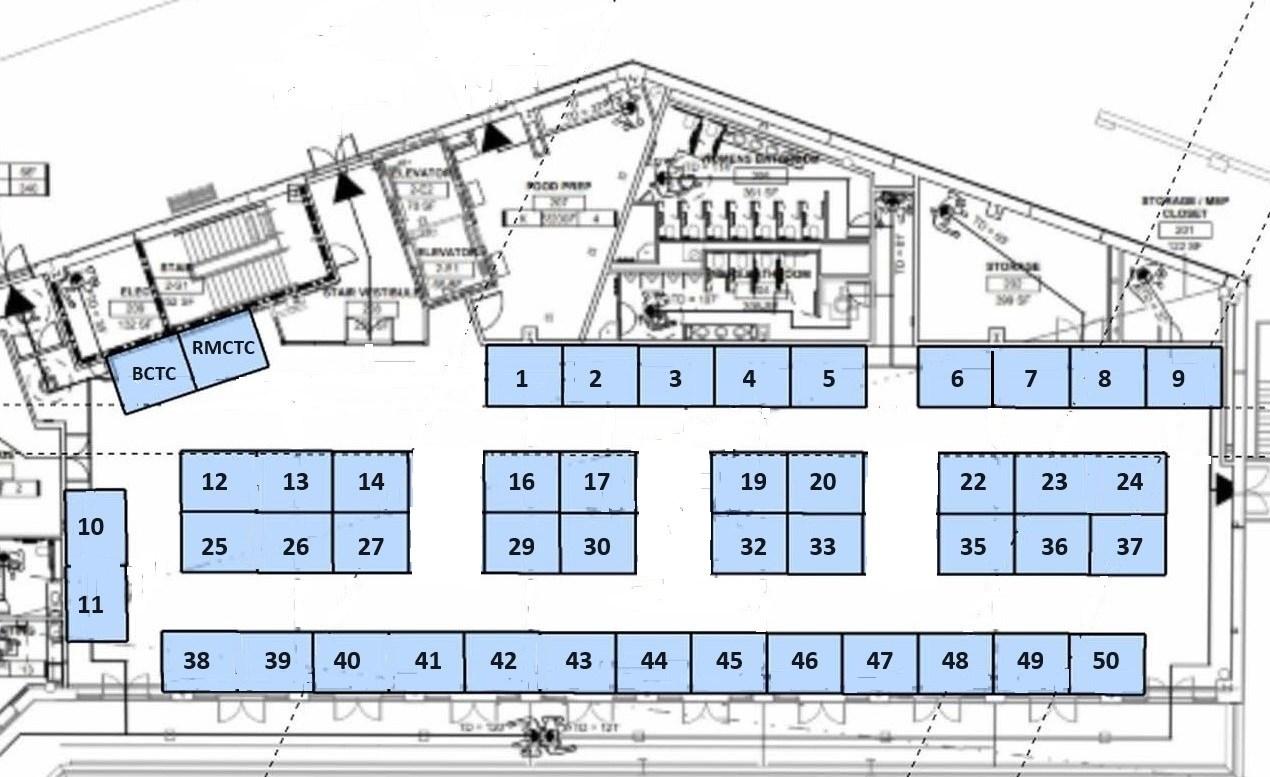
Please Note: Electric only on outer perimeter of each room
Booth Numbers Reserved As of April 17, 2026
#1 Heck Construction
#2 Davies Hardscape
#3 Eagle Construction
#10 AA Remodeling
#11 AA Remodeling
#12 Renewal by Anderson
#13 Renewal by Anderson
#16 Cutco
#17 M&M Mechanical
#25 Jack Steiner Plumbing
#26 North American Forensic & Accounting
#38 SAH, Inc.
#39 SAH, Inc.
Jack Steiner Plumbing
#40 ABBI Electric
American Forensic & Accounting
#41 ABBI Electric
#42 Lezzer
#43 Lezzer
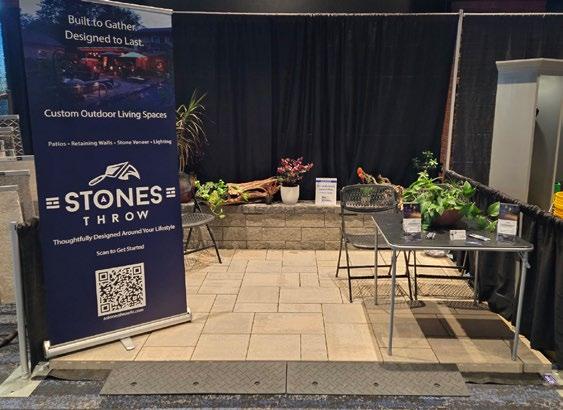
#44 A Stone’s Throw
The Outdoor Oasis in Your Backyard
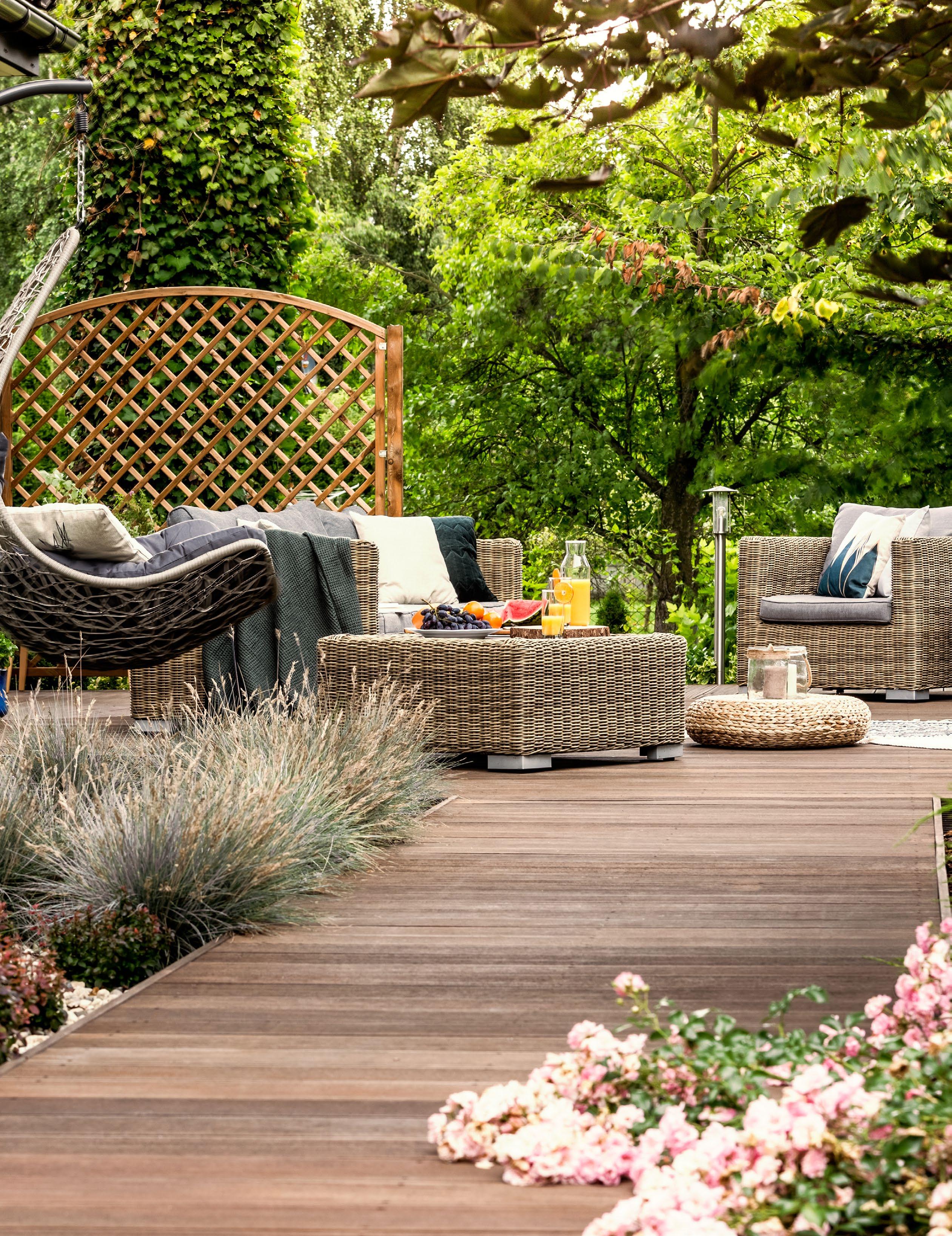
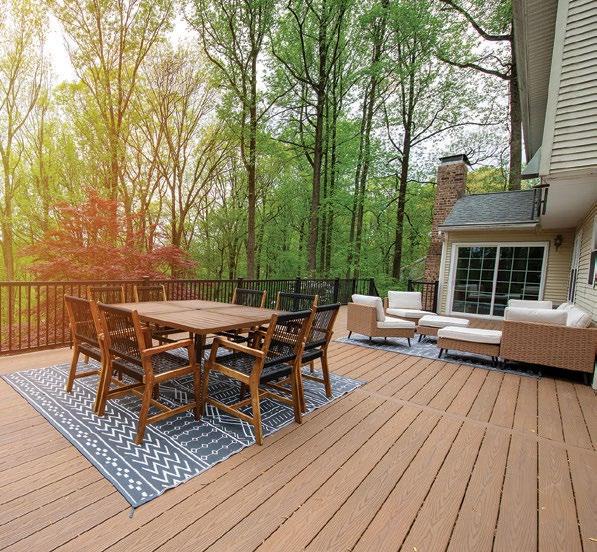
When you look out the kitchen window, do you see a mere “backyard” or do you see an outdoor oasis? In 2026, the backyard is not just a patch of grass; it has enormous potential to become a true extension of our indoor living spaces—a space that prioritizes wellness, sustainability and “quiet luxury.”
While professional landscaping can cost a fortune, by focusing on architecture-led planning and highimpact DIY upgrades, you can create a high-end retreat without a high-end price tag.
The biggest trend in 2026 is moving away from scattered features—a random grill here, a lone chair there—and toward a master plan. Even on a budget, consider viewing your yard as a series of “rooms.” Use different materials to define areas. For example, a gravel circle for a fire pit or a wooden deck for a dining area creates visual walls without expensive construction.
Don’t forget to focus on the transition from your back door to the backyard. Large, staggered concrete pavers or oversized flagstones set in grass create a sophisticated, floating walkway that guides the eye and the foot.
Sustainability is the modern lens through which all design is viewed. Perfect lawns are being replaced by natural landscapes that look expensive but cost significantly less in water and time. Consider planting native species such as pollinator-friendly perennials like Coneflower (Echinacea), Black-Eyed Susans and Salvia. These plants thrive in our regional climate, meaning you spend less on fertilizers and replacements.
While you’re digging in the dirt, why plant just for beauty? Incorporate blueberry bushes as hedges or herb gardens near your seating areas. They provide fragrance, food and a lush green backdrop. For a sensory-friendly
border, plant tall grasses like Miscanthus to create movement and a “white noise” rustle that masks neighborhood sounds.
A gravel garden is the ultimate budget hack. It provides excellent drainage, suppresses weeds and makes for a highend Mediterranean look. Use it for dining areas or as a dry riverbed to manage runoff. To create the feeling of a “room,” erect a simple wooden pergola or create a “living wall” made of recycled pallets. Wrap the beams in climbing vines (like wisteria or hops) for a botanical canopy. And don’t underestimate the power of an outdoor rug. A large, woven rug in sandy neutrals or soft clays can instantly make a concrete patio feel like an indoor lounge.
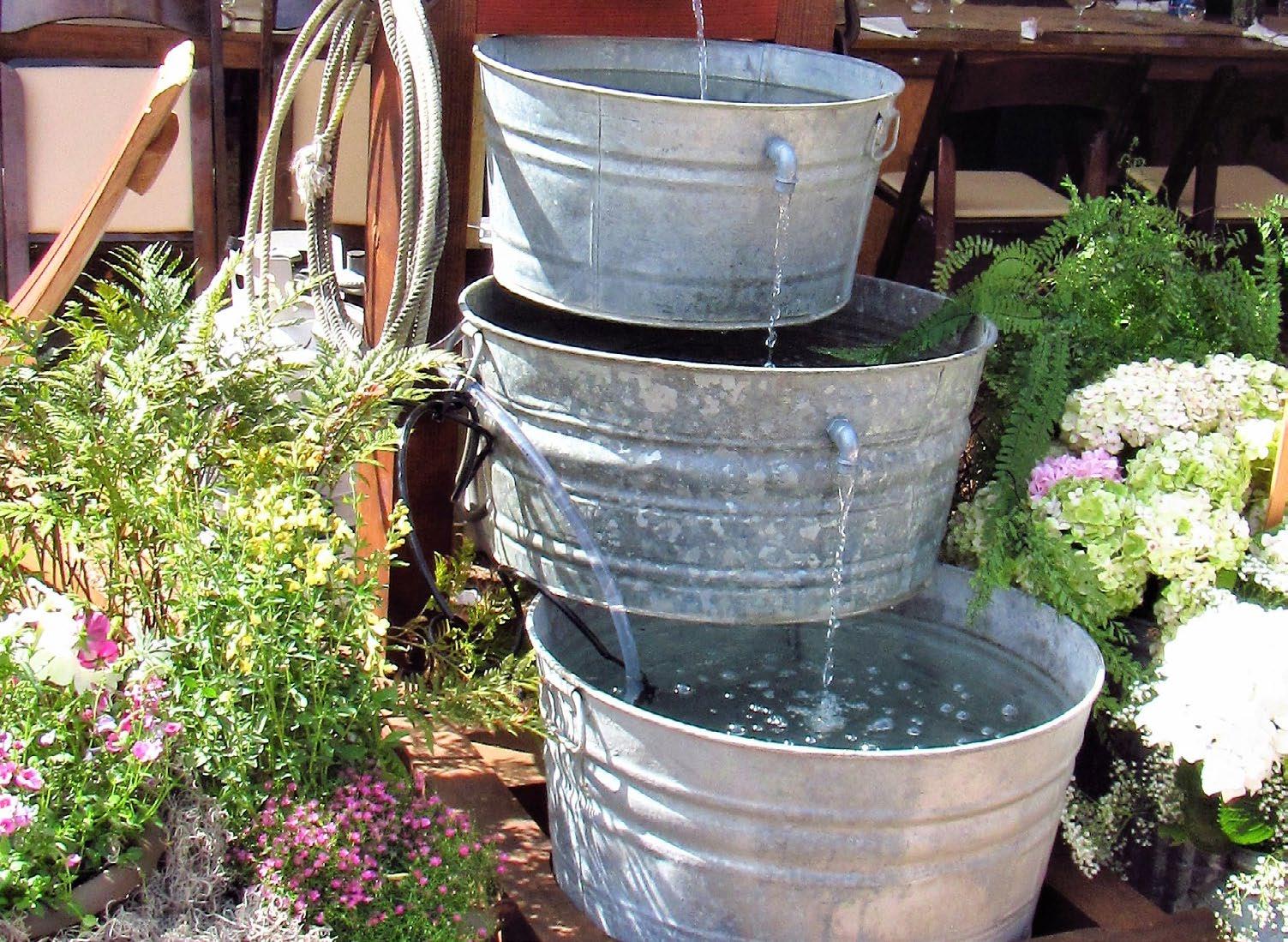
What about a water feature? Although a traditional pool may be out of reach for most people, steel water bowls or upgraded stock tank dipping pools offer the soothing sound of water and a sculptural focal point for a fraction of the cost.
Finally, the difference between a “yard” and an “oasis” often comes down to lighting. Avoid harsh overhead floodlights—try layered, low-voltage LED lighting. Use solar-powered stake lights to uplight your favorite trees or the base of your shed. Place lights behind tall grasses or sculptural plants to cast dramatic shadows against fences or walls. App-based outdoor lighting kits now allow you to dim your yard or change the color temperature to match the mood of a late-night gathering.
In the end, the true secret behind creating your oasis is personality. Forget Pinterest, you do you! And remember, creating your outdoor oasis isn’t about how much you spend— it’s about how intentionally you carve a space out of nature. Your sanctuary is closer than you think.
Keeping It Crystal-Clear: A Guide to Outdoor Pool and Spa Care
Owning a pool or spa is the ultimate backyard luxury.
It’s where your morning laps happen, where your kids burn off energy and where you unwind under the stars. However, that shimmering blue water doesn’t stay that way by accident. Your aquatic sanctuary requires a consistent routine that balances chemistry, mechanical maintenance and good old-fashioned elbow grease to stay safe and sparkling.
Master these four pillars of care and whether you are a first-time owner or a seasoned pro, your water will remain inviting all season long.
1. The Art of Circulation
Stagnant water is an invitation for algae, bacteria and mosquitoes. Your pump is the heart of your pool or spa—it needs to keep the water moving to stay healthy.
• Run Time: Aim to run your pump for 8 to 12 hours a day. This ensures the entire volume of water passes through the filter at least once (a process called “turnover”).
• Filter Maintenance: Clean your filter regularly. For sand filters, this means backwashing when the pressure gauge reads 8-10 psi above the clean starting pressure. For cartridge filters, remove the element and spray it down with a highpressure hose.
• The Spa Difference: Because spas hold less water at much higher temperatures, they are breeding grounds for bacteria. Ensure your jets are running during use and that the filtration cycle is set to run at least twice daily.
2. Skimming, Brushing and Vacuuming
Even the most powerful filter doesn’t catch everything. Debris that sits on the floor or floats on the surface eventually breaks down, feeding algae and affecting pH levels.
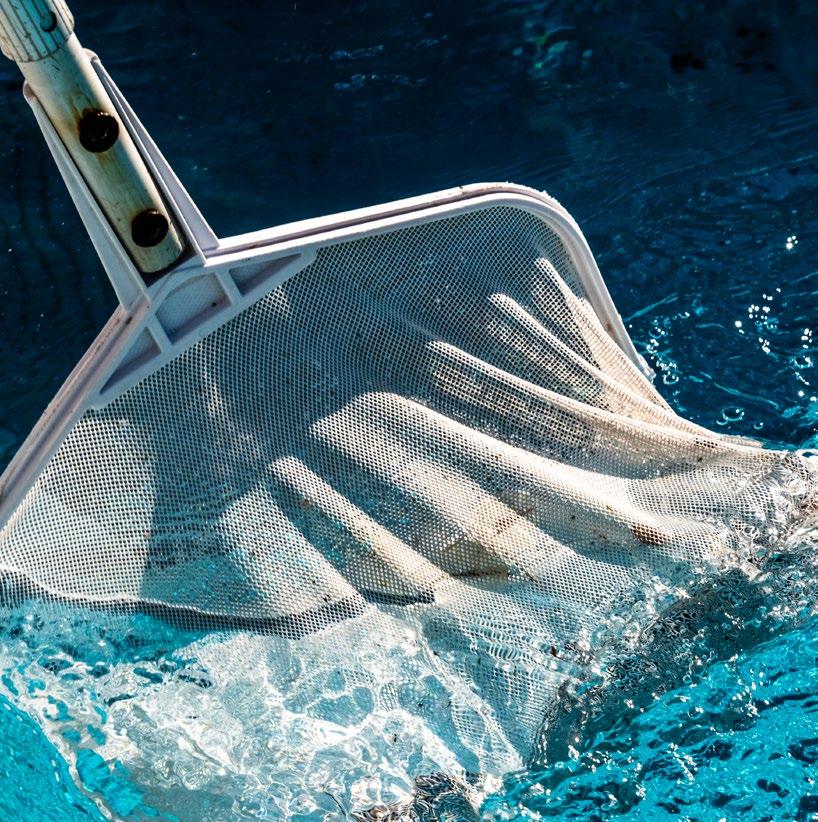
• Skimming: Spend a few minutes each day skimming leaves and bugs off the surface.
• Brushing: This is a highly underrated step in pool care. Use a pool brush to scrub the walls, steps and corners once a week. Brushing breaks up algae films before they can take root.
• Vacuuming: Use a manual vacuum or a robotic cleaner weekly to remove settled dirt. For spas, a small hand-held grit vacuum is perfect for getting those pesky particles out of the footwell.
3. Mastering Chemistry
Water chemistry can feel like a high school science project, but it’s quite simple once you know the “Big Three.” You should test your water at least twice a week.
Component Ideal Range Why it Matters
pH Level 7.4 – 7.6
Alkalinity
80 – 120 ppm
Sanitizer (Chlorine)
1.0 – 3.0 ppm
4. The “Shock” Factor
Keeps water comfortable for eyes/skin and prevents equipment corrosion.
Acts as a “buffer” for pH, preventing wild swings.
Kills bacteria, viruses and organic matter. In a hot tub, chlorine dissipates much faster than in a pool so many spa owners prefer bromine, which remains stable at higher temperatures and is gentler on the skin.
Over time, chlorine reacts with contaminants like sweat and oils to create chloramines—the stuff that causes that strong “pool smell” and stings your eyes. “Shocking” the pool is when you add a concentrated dose of chemicals to oxidize the chloramines and kill any lingering bacteria.
• When to Shock: Once a week, or after a heavy rainstorm or a large pool party.
• The Moonlight Rule: Always shock at night. The sun’s UV rays will burn off unstabilized chlorine before it has a chance to work.
Seasonal and Special Care
The environment around your pool plays a massive role in its health.
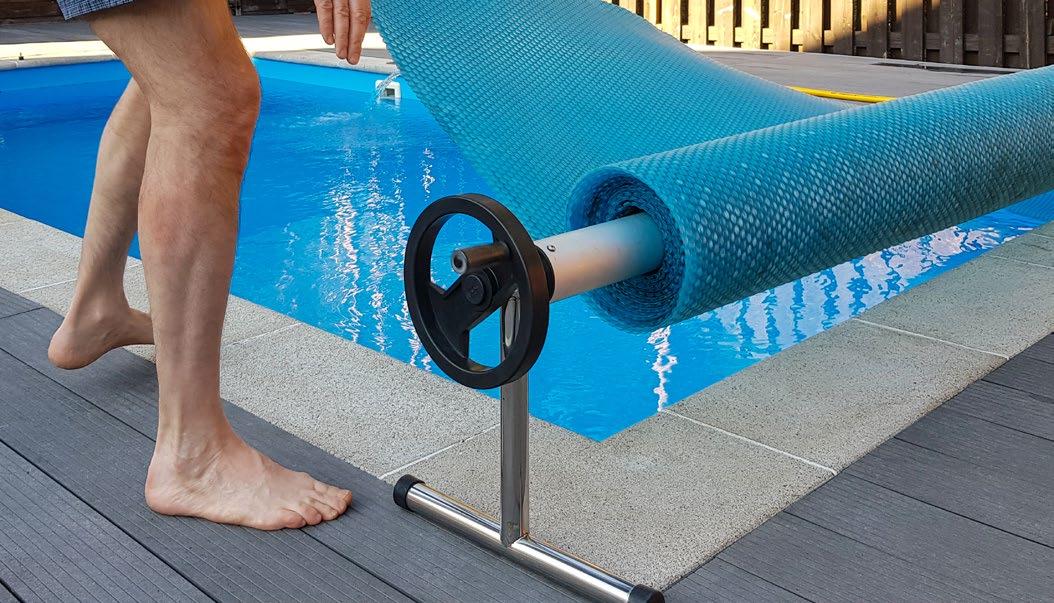
• Keep it Covered: Keep the cover on the spa when it’s not in use. This prevents heat loss, stops evaporation and keeps debris out. For pools, a solar cover can raise the temperature by several degrees and save on water bills.
• Watch the Water Level: Water is naturally lost through evaporation and “splash-out”—cannonball, anyone? If the level falls below the skimmer intake, the pump could suck in air and burn out the motor.
• The Tennis Ball Trick: Sunscreens and body oils can create a greasy film on the water’s surface. Throw a few clean tennis balls into the skimmer basket or the pool itself; the felt will absorb the oils and keep your tile line clean.
The Bottom Line
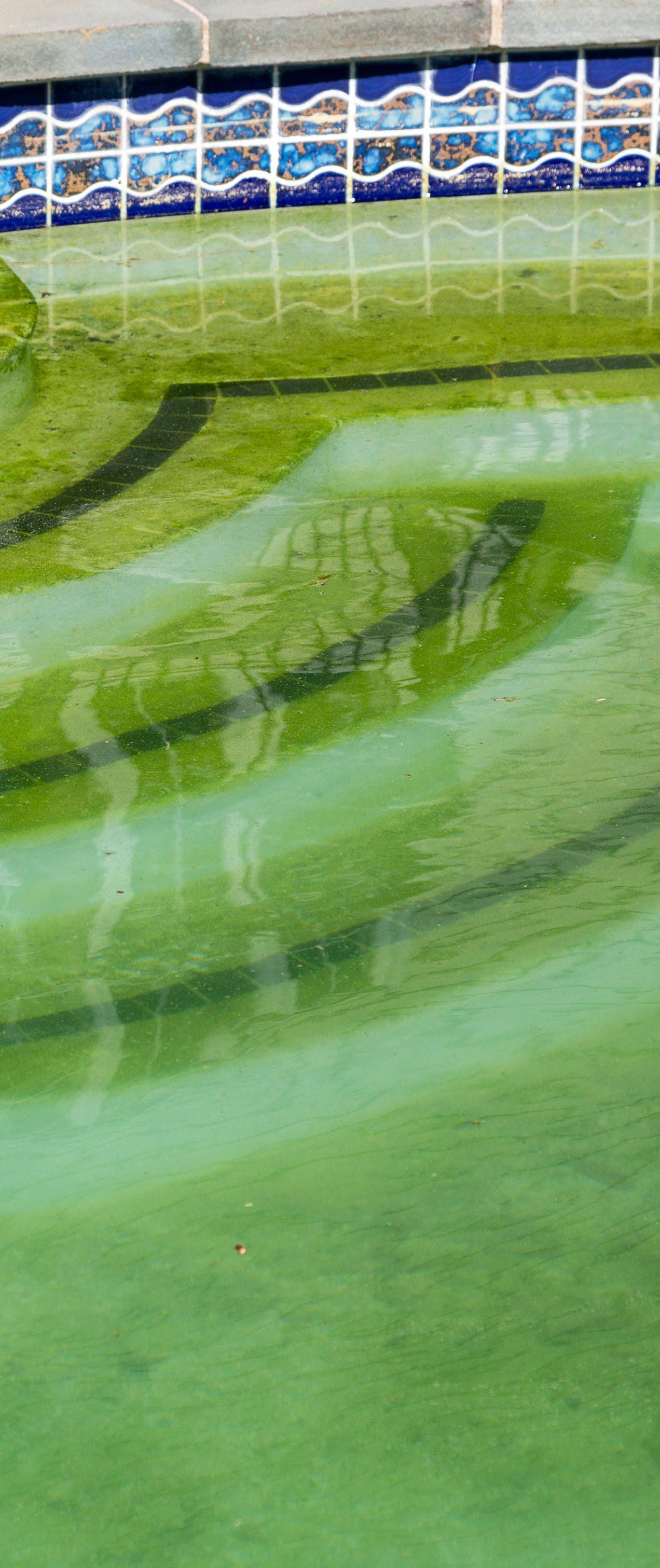
Pool and spa care isn’t about working harder; it’s about working smarter. If you dedicate at least 20 minutes a week to testing and cleaning, you can avoid your oasis turning into a swamp that requires expensive chemical treatments and professional intervention.
Stay on top of the basics, and your only worry will be whether you have enough sunscreen for the afternoon. Happy swimming!
& THERE IS A DIFFERENCE! Salty Fresh
Fresh and salty. Synonyms for “sassy”? Yes! A description of the ideal pretzel? Sure! But what we’re actually talking about is the differences between freshwater and saltwater pools and spas. And, yes, there are differences.
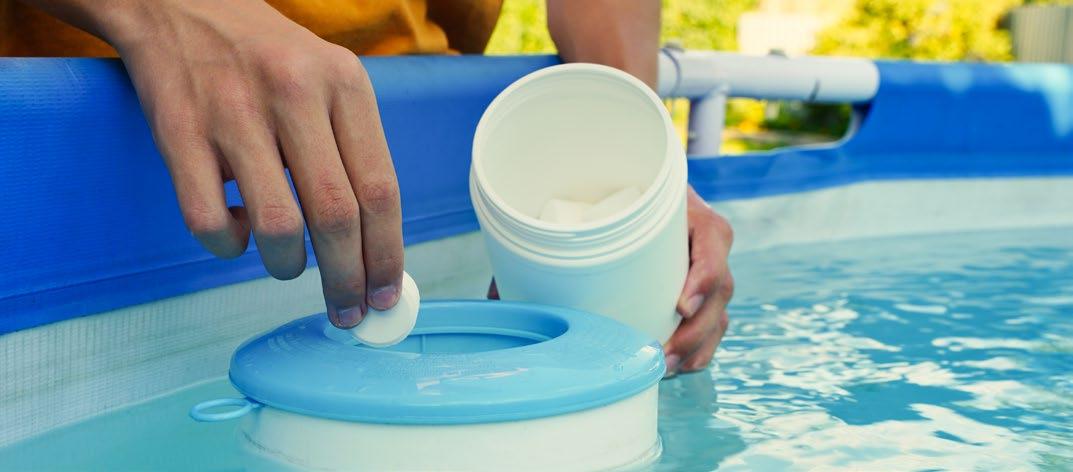
The primary difference between freshwater and saltwater systems is how the sanitizing chlorine is delivered to the water. Despite the name, a saltwater pool is not “chlorine-free”—it simply uses a generator to create its own chlorine from salt. When deciding which system to get for your pool or spa, the “best” option comes down to your priorities: lower upfront cost and ease of maintenance or long-term comfort and automation.
Here is a breakdown of how they compare across several key factors:
Benefits of Saltwater Systems
• Superior Water Comfort. The “silky” feel of the water is one of the most cited benefits of saltwater pools and spas. The salt levels are like that of a human tear, and thus gentler on the eyes and skin. It generally eliminates the “itchy” feeling and green-tinted hair often associated with high-dose traditional chlorine.
• Constant, Automated Sanitization. A salt generator produces a steady, low-level stream of chlorine, which prevents the “spike and fade” cycle of freshwater pools. This consistency also makes it difficult for algae to take hold.
• Reduced Chemical Handling and Storage. With a saltwater system, you don’t have to regularly buy, transport and store heavy buckets of chlorine tablets or jugs of liquid chlorine—both of which can be hazardous and have a strong odor. You generally only need to add a few bags of salt once or twice a season.
• Lower Long-Term Chemical Costs. Although the initial equipment investment is higher, salt itself is incredibly cheap compared to the rising cost of chlorine tablets. Over the long haul, the savings on chemicals can help offset the initial cost of the salt cell.
• Fewer “Chloramines.” Saltwater systems are highly effective at breaking down chloramines— the chemical byproducts that cause the strong “pool smell” and eye irritation—resulting in a cleaner-smelling and more pleasant pool or spa experience.
Contact us today for a free quote
1176 A Park Rd, Reading, Pa 19605
Office@cestonefab.com
610-916-1450
www.cestonefab.com
Benefits of Freshwater (Traditional Chlorine) Systems
• Lower Upfront Investment. Traditional freshwater systems do not require expensive specialized equipment—you only need a basic pump and filter setup. This option is ideal for those on a budget, as this setup is significantly more affordable.
• Simpler Equipment and Repairs. There are fewer technical parts to break as there are no electronic cells or control boards involved in the sanitization process. Pump or filter parts are universally available and easy for a homeowner to troubleshoot.
• Protection of Surfaces and Hardware. Salt is naturally corrosive. In a freshwater pool, your stone coping, metal ladders, heat exchangers and poolside furniture are at a lower risk of corrosion, which means a longer lifespan for the physical components surrounding the water.
• Ideal for Intermittent Use. If you don’t use your spa or pool daily, a freshwater system allows you to dose the water only when needed. You have total manual control over the chemical levels at any given moment.
Feature Fresh Water (Traditional) Salt Water
Upfront Cost Low (no special equipment needed). High ($1,500–$2,500 for the generator).
Ongoing Costs High (constant purchase of chlorine). Low (salt is very inexpensive).
Repairs Simple; mostly DIY-friendly. Complex; cells must be replaced every five to seven years.
Clearly, each type of water environment has its advantages, but how do they work?
• Fresh Water (Traditional). Chlorine is manually added to the pool or spa in liquid, powder or tablet form. This causes the previously mentioned “spike and fade” cycle, where chlorine levels are high immediately after treatment and then gradually drop until the next dose.
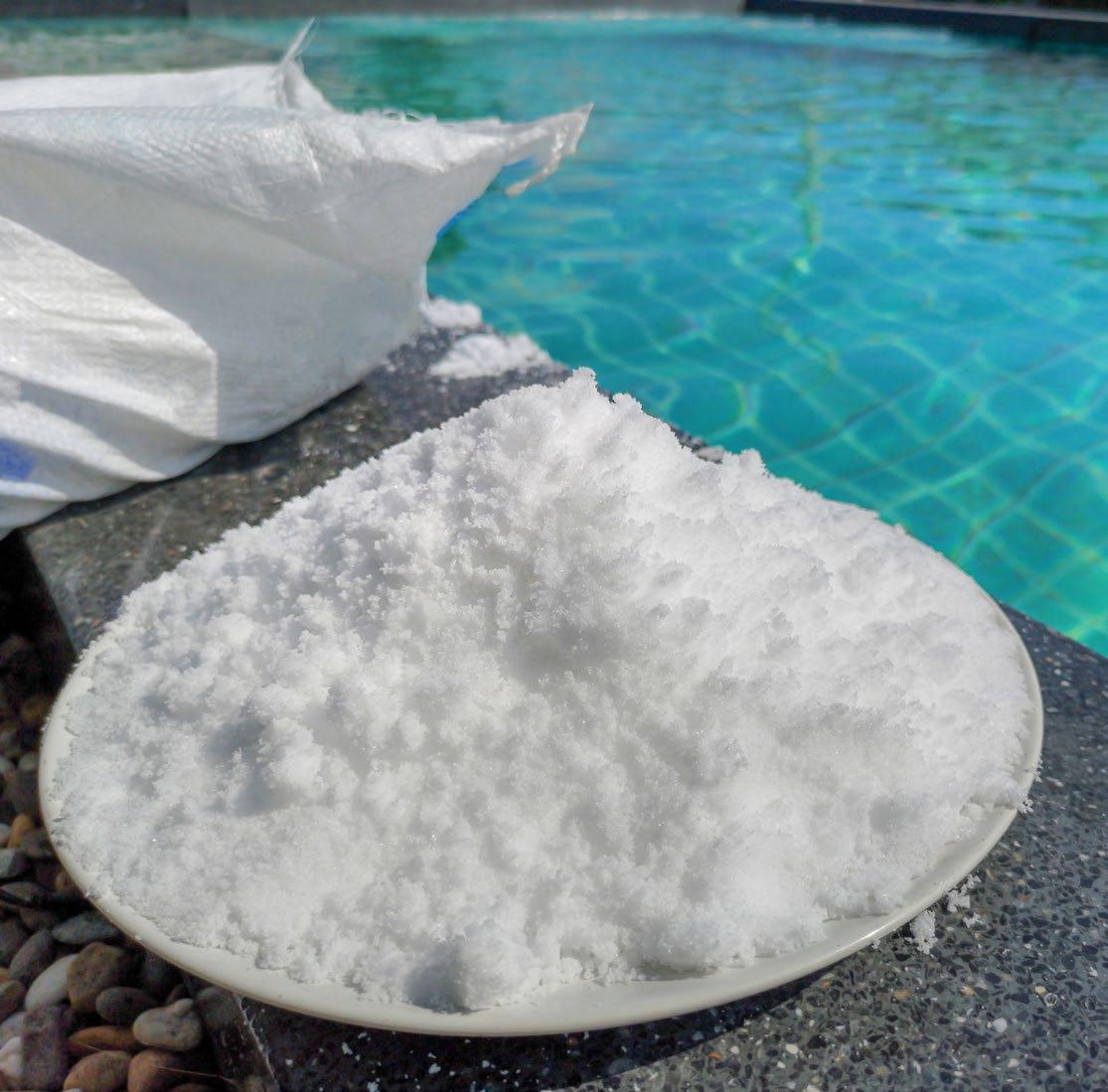
• Salt Water. Bags of pool-grade salt are manually added to the water. Then, a salt chlorine generator uses electrolysis to split the salt molecules into natural chlorine, providing a steady, consistent stream of sanitizer.
Water Feel and Comfort
In addition to these tips, there are a number of new water technologies that can help you save water. For example, smart irrigation systems can adjust your watering schedule based on weather conditions and soil moisture levels.
• Fresh Water. Higher concentrations of chlorine lead to the production of chloramines, which cause the harsh after-effects of red eyes, itchy skin and a distinct chlorine odor.
• Salt Water. The salt concentration is lower than that of the ocean (about 1/10th the salinity), and is generally gentler on the eyes, hair and swimwear.
Maintenance Requirements
• Fresh Water. You typically need to test and balance the water two to three times a week
So, regardless of whether you like your water fresh or you like it salty, both can provide hours of fitness, fun and a refreshing respite from summer heat. Dive on in!
The New Neighbors: What to Do When Wildlife Moves Under Your Shed
One day, you’re enjoying a quiet morning coffee on the patio—the next, you’re engaged in a staring contest with a 10-pound critter that seems convinced YOU’RE the interloper in the yard.
While your first instinct might be to panic, take a deep breath. While you can Google “how to move a skunk and NOT get sprayed in the process,” it’s important to understand that most backyard tenants are simply looking for three things: food, water and a safe place to raise a family.
Here is how to handle your new neighbors with a mix of caution, savvy and respect.
Phase 1: Identify Your Tenant Figure out who you’re dealing with so you can strategize.
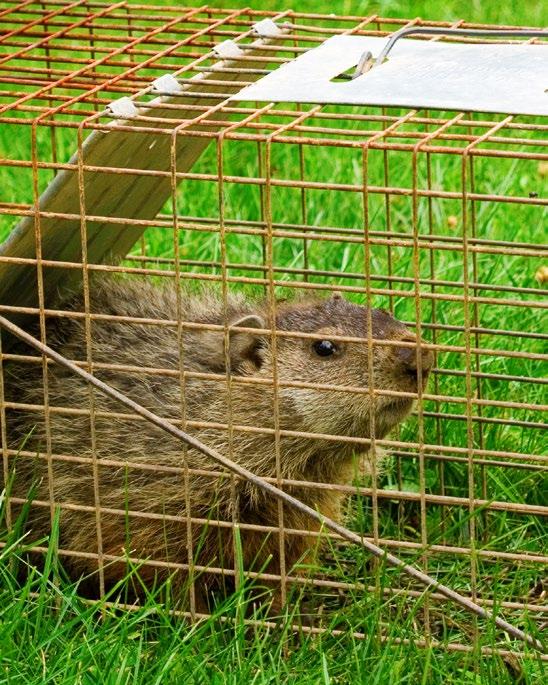
• Groundhogs (Woodchucks): These are the “engineers” in your yard. If you see large mounds of dirt near the base of your shed and a hole about the size of a grapefruit, you have a groundhog. They are diurnal (active during the day) and love your vegetable garden.
• Skunks: Chances are you’ll smell them before you see them. Skunks are nocturnal and prefer existing holes.
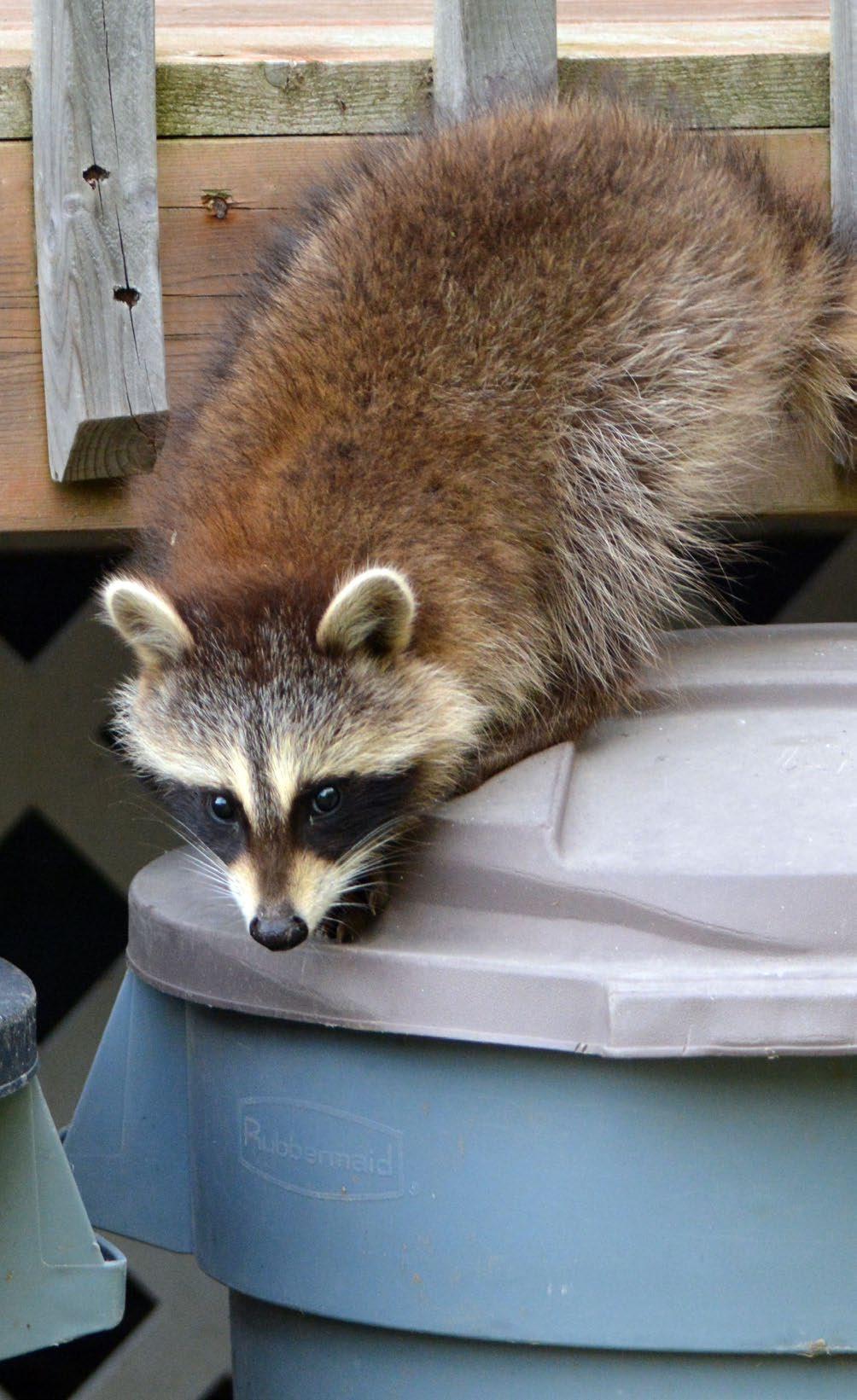
• Raccoons: These are the neighborhood “bandits.” They are incredibly smart, have dexterous paws and are more likely to try to get into your house or attic than just stay under the shed.
Phase 2: The “Harassment” Strategy
In many cases, you don’t need a trap; you just need to make your backyard a less attractive place to hang out. Most wildlife prefer dark, quiet and scent-neutral environments.
• Sight: Place motion-sensor lights near the entrance of the burrow. A sudden floodlight at 2:00 AM is a major deterrent for a skunk looking for a nap.
• Sound: Place a battery-operated radio near the hole. Talk radio or loud music (at a respectful volume for your human neighbors) signals “predator presence” to a wild animal.
• Smell: Soak rags in cider vinegar or use non-toxic granulated repellents. Avoid using ammonia or mothballs; these can be toxic to the environment and your pets—stick to pungent natural deterrents.
Phase 3: The Paper Test
Before you start sealing up holes, you must ensure the animal is gone. The last thing you want is to trap a living creature (or a litter of babies) under your shed.
Stuff some wadded-up newspaper loosely into the entry hole. Check it after 24 to 48 hours. If the paper has been pushed aside, the tenant is still home. If the paper remains undisturbed, the “eviction” may have been successful.
Be mindful of “Baby Season” (typically March through July). If a mother is driven away but her babies are left behind, they will perish under your shed, creating a much worse odor and ethical dilemma than the original problem. If you suspect babies are present, pause the eviction proceedings until they are old enough to follow their mother out (usually by late summer).
Phase 4: Permanent Exclusion
Once you are 100% sure the hole is vacant, it’s time to critter-proof. Simply refilling the hole with dirt isn’t enough—a groundhog will dig through that in ten minutes (and laugh at you the entire time).
Instead, try L-shaped trenching:
• Dig a trench about 12 inches deep around the perimeter of the shed.
• Bend the bottom of the mesh outward in an “L” shape (about 12 inches wide).
• Bury the mesh.
When an animal tries to dig back under the shed, they will hit the horizontal mesh and eventually give up.
Trapping and Relocation
It is tempting to buy a live trap, catch the groundhog and drive it five miles away to a nice forest. However, in Pennsylvania, including Berks County, regulations for nuisance wildlife are governed primarily by the Pennsylvania Game Commission (PGC). Groundhogs, skunks, raccoons, bats, foxes and coyotes are all considered “Rabies Vector Species” (RVS), and it is illegal to relocate them.
Under PA Title 34 (Game and Wildlife Code), property owners or occupants may “take” (trap or kill) certain wildlife that is caught in the act of destroying personal property or is a threat to public safety. You generally do not need a permit to trap a groundhog or skunk that is damaging your property (like undermining
continued on next page
your shed or eating your garden). However, you must use “humane and lawful” methods, meaning if you use a live trap, you must check it at least once every 24 hours.
If you trap one of these animals on your property, you have only two legal options:
• Release it on-site: You can let it go exactly where you caught it (which usually results in the animal going right back under your shed).
• Humanely dispatch it: The animal must be killed humanely. You cannot “take it for a drive” to a local park or a farm in the Berks countryside and let it go. This is to prevent the spread of rabies to new areas. If you choose to dispatch a trapped animal, you must ensure your method is in accordance with all local noise and weapon ordinances.
Who You Gonna Call?
If you trap a groundhog or skunk in your backyard, you are legally responsible for its immediate fate. If you aren’t prepared to euthanize the animal, your best bet is to focus on exclusion (fencing it out) or hiring a licensed professional.
You should also call a professional wildlife relocation service if:
• The animal appears sick, lethargic or overly aggressive (potential rabies risk).
• The animal is a skunk, and you are (understandably) terrified of the “nuclear option” it carries in its tail.
• The animal has entered the structure of your actual home.
Here are some local resources:
• Nuisance Wildlife Control Operators (NWCOs): These are private businesses licensed by the state to trap and remove animals for a fee. They have the equipment to handle RVS safely and legally.
• Animal Rescue League of Berks County (ARL): While they primarily handle domestic pets (dogs/ cats), they can sometimes provide advice or referrals for wildlife, though they generally do not come out to “evict” healthy groundhogs from under sheds.
• PA Game Commission (Southeast Region Office): Based in Reading, they can be reached at 610-9263136 for questions about specific legalities or to report sick/rabid wildlife.
Resources:
Prevention: The Best Cure
To keep the next critter from moving in, keep your yard tidy. Secure your trash cans with bungee cords, pick up fallen fruit from trees and never leave pet food outside overnight. If you take away the “free buffet,” your shed becomes a lot less attractive all-inclusive resort.
New Members and Renewing Members as of April 17, 2026
If your business is within the Berks County area, please consider joining the Home Builders Association of Berks County. Your membership dollars will help fight issues on all three levels: Local, State and Federal. Our members vary from Engineers to Lawyers, Accountants, Builders, Remodelers, Insurance Agencies, Bankers and more.
Reach out to the HBA of Berks County at 610-777-8889 or email cathy@hbaberk.org. portal.nahb.org/Join?ID=3948
HBA PERKS
Join the 2026 Foundation Club for $300 and be a supporter of our Berks County Committee for Affordable Housing. All Club Members get a free ticket to Lobsterfest and any other legislative event held throughout the year. Personal checks made payable to BCCAH and mailed to 2907 Mannerchor Rd., Temple, PA 19560.
HEIM MEANS HOME IN BERKS COUNTY!
L to R: Olivia Benek, Peter Heim, Chris Heim, Valerie Rivera-Garcia, and Brendan Johnson