Enhancing Cardiovascular Health: The Positive Impact of Yoga on Blood Flow and Circulation
Vijender Singh1, Sapna Ratan Shah2
1School of Sanskrit and Indic Studies, Jawaharlal Nehru University, New Delhi-110067, India. 2School of Computational and Integrative Sciences, Jawaharlal Nehru University, New Delhi-110067, India. singhvijender@mail.jnu.ac.in, sapnarshah@mail.jnu.ac.in
Abstract: Yoga, an ancient practice integrating physical postures, breathing techniques, and meditation, has gained widespread recognition for its numerous health benefits. This paper explores the impact of yoga on blood flow and circulation, emphasizing its role in enhancing cardiovascular health. By reviewing existing literature and research, we highlighted the physiological mechanisms through which yoga improves circulation, reduces blood pressure, enhances heart function, reduces inflammation, and benefits endothelial function. We have also discussed specific yoga practices that contribute to these improvements, offering insights into the integration of yoga into cardiovascular health strategies.
Key words: Yoga, Cardiovascular health, Meditation, Blood flow, Physical postures, Cardiovascular disease prevention, Cardiovascular risk factors, Health strategies integration
Introduction: Cardiovascular diseases (CVDs) remain the leading cause of morbidity and mortality globally, accounting for a significant portion of healthcare challenges and costs. The high prevalence and impact of CVDs have driven extensive research into both conventional and innovative treatment methods [3,17,24,35]. While traditional medical approaches, including pharmacological treatments, surgical interventions, and lifestyle modifications, play a crucial role in managing these conditions, there is a growing interest in complementary and alternative therapies that can enhance these conventional methods. Modern medical research is increasingly recognizing the potential of these alternative therapies to improve patient outcomes [7,16,26,37]. Among these, yoga has gained substantial attention due to its holistic approach to health and well-being.
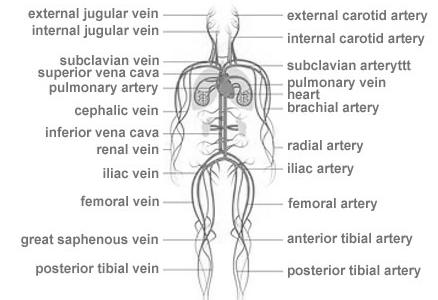
Figure. (1) Blood circulation in blood vessels
Originating in ancient India, yoga is a comprehensive practice that integrates physical postures (asanas), breath control (pranayama), and meditation (dhyana) to promote physical, mental, and spiritual health [2,23,45,54]. Yoga offers promising benefits for cardiovascular health, supported by a growing body of scientific evidence. Research suggests that yoga can positively influence several risk factors associated with CVDs, including hypertension, stress, and inflammation. The practice of yoga has been shown to improve heart rate variability, lower blood pressure, reduce stress hormones, and enhance overall autonomic function. These effects collectively contribute to better cardiovascular health and reduced risk of heart disease. The mechanisms by which yoga impacts blood flow and circulation are multifaceted. Physical postures help to improve muscle strength, flexibility, and endurance, which in turn can enhance cardiovascular function. Breath control exercises promote better oxygenation and improve respiratory efficiency, directly benefiting the heart and circulatory system [21,47,64]. Meditation and relaxation techniques help to reduce stress and anxiety, which are known contributors to cardiovascular problems. This paper aims to elucidate these mechanisms in detail, providing a comprehensive understanding of how yoga contributes to cardiovascular health [Figure. (1)]. By examining the physiological, psychological, and biochemical pathways through which yoga exerts its effects, we can better appreciate its role as a complementary therapy in cardiovascular care [9,27,48]. The insights gained from this research may help to integrate yoga more effectively into conventional treatment protocols, offering patients a holistic and effective approach to managing cardiovascular health.
Physiological Mechanisms of Yoga's Impact on Blood Flow:
Improved Circulation: Yoga practices, particularly those involving deep breathing (pranayama) and specific postures (asanas), significantly enhance blood circulation. The practice of deep breathing increases oxygen intake, leading to better oxygenation of the blood. Improved oxygenation ensures that tissues and organs receive the necessary oxygen to function optimally, promoting overall health and vitality. Certain yoga poses stimulate the dilation of blood vessels, facilitating more efficient blood flow throughout the body. These poses often involve stretching and compressing different muscle groups, which can improve vascular function and encourage the smooth flow of blood. For example, inverted poses like Sarvangasana (Shoulder Stand) and Adho Mukha Svanasana (Downward-Facing Dog) can help increase venous return to the heart, enhancing circulation and reducing the workload on the cardiovascular system. The combination of deep breathing and physical postures in yoga can help to lower blood pressure by promoting relaxation and reducing stress. Stress is a known risk factor for hypertension and other cardiovascular conditions [8,14,38]. By practicing yoga regularly, individuals can manage stress more effectively, thereby supporting cardiovascular health. The integration of deep breathing and specific yoga postures enhances blood circulation by improving oxygenation, stimulating blood vessel dilation, and promoting relaxation. These benefits collectively contribute to better cardiovascular health and overall well-being.
Reduced Blood Pressure: Regular yoga practice activates the parasympathetic nervous system, promoting relaxation and reducing stress. This activation of the parasympathetic nervous system induces a relaxation response, which is crucial for counterbalancing the effects of the sympathetic nervous system, often associated with the "fight or flight" response. This relaxation response helps lower blood pressure, improving blood flow and overall cardiovascular health. The reduction in blood pressure through yoga practice can be attributed to several mechanisms. First, the deep breathing techniques (pranayama) used in yoga increase oxygen intake and promote a sense of calm. Controlled breathing slows the heart rate, reduces the workload on the heart, and decreases blood pressure. Additionally, the mindful aspect of
yoga helps to reduce stress levels, a significant contributor to hypertension and other cardiovascular issues. Moreover, yoga helps regulate hormonal balances, including those involved in the stress response, further contributing to blood pressure reduction. The practice can decrease the production of stress hormones such as cortisol and adrenaline, which are known to raise blood pressure and strain the cardiovascular system. By reducing the levels of these hormones, yoga helps maintain a more balanced and less reactive state of the body. The combination of these effects leads to improved blood flow. Relaxed blood vessels and a slower heart rate reduce resistance in the circulatory system, allowing blood to flow more freely and efficiently [6,15,32,57]. This improved circulation ensures that oxygen and nutrients are effectively delivered to tissues and organs, supporting their function and health. Regular yoga practice activates the parasympathetic nervous system, promoting relaxation and reducing stress. This relaxation response helps lower blood pressure and improves blood flow. Additionally, yoga's role in regulating hormonal balances further contributes to blood pressure reduction, making it a valuable practice for enhancing cardiovascular health.
Enhanced Heart Function: Dynamic forms of yoga, such as Vinyasa and Ashtanga, offer cardiovascular exercise that strengthens the heart and improves circulation. Unlike more static forms of yoga, these dynamic practices involve continuous, flowing movements that elevate the heart rate and provide a moderate to vigorous level of physical activity. This cardiovascular exercise aspect of dynamic yoga enhances heart health by increasing cardiac efficiency and promoting the circulation of blood throughout the body. Studies have shown that yoga improves heart rate variability (HRV), an important indicator of cardiovascular health and the body's ability to adapt to stress. HRV refers to the variation in the time interval between heartbeats, and a higher HRV is generally associated with a healthier cardiovascular system and a greater ability to respond to stress. Improved HRV indicates that the autonomic nervous system, which regulates involuntary bodily functions, is functioning well and can effectively manage the balance between the sympathetic (fight or flight) and parasympathetic (rest and digest) responses. Dynamic yoga practices contribute to improved HRV through several mechanisms [13,39,56,67]. The physical activity involved in Vinyasa and Ashtanga yoga enhances cardiovascular fitness, strengthens the heart muscle, and improves the efficiency of the circulatory system. The emphasis on synchronized breathing and movement in these styles also helps to regulate the autonomic nervous system, promoting relaxation and reducing stress. The mindfulness component of yoga, which involves focusing on the present moment and cultivating awareness, can reduce stress and anxiety levels. By lowering stress, yoga reduces the production of stress hormones, which can positively affect HRV. The combination of physical activity, breath control, and mindfulness creates a comprehensive approach to improving cardiovascular health.
Muscle Contraction and Relaxation: The alternating contraction and relaxation of muscles during yoga poses enhance venous return, reducing the risk of blood pooling in the extremities. This cyclical muscle action, similar to a pumping mechanism, helps to propel blood back towards the heart, counteracting the effects of gravity that can lead to blood pooling, particularly in the legs and feet. Improved venous return is crucial for maintaining efficient circulation and preventing conditions such as varicose veins and deep vein thrombosis. Additionally, increased flexibility and joint mobility from yoga reduce stiffness, which can improve blood flow to various parts of the body. Many yoga poses involve stretching and elongating the muscles and connective tissues, which helps to maintain or increase the range of motion in the joints. When the joints and surrounding tissues are more flexible, there is less resistance to blood flow, allowing blood to circulate more freely. Enhanced blood flow ensures that oxygen and nutrients are effectively delivered to all tissues, promoting overall health and vitality [1,10,25,49]. Yoga poses such as forward bends, twists, and inversions specifically target different areas of the body, encouraging blood flow to those regions. For example,
inverted poses like Sirsasana (Headstand) and Sarvangasana (Shoulder Stand) direct blood flow towards the upper body, which can benefit the heart and brain. Twisting poses such as Ardha Matsyendrasana (Half Lord of the Fishes Pose) help to stimulate circulation in the abdominal organs, aiding in digestion and detoxification. Yoga's emphasis on mindful breathing enhances the benefits of physical postures. Deep, diaphragmatic breathing promotes better oxygenation of the blood and helps to relax the blood vessels, facilitating smoother blood flow. This combination of muscle action, flexibility, and controlled breathing creates an optimal environment for efficient circulation [36,44]. The alternating contraction and relaxation of muscles during yoga poses enhance venous return, reducing the risk of blood pooling in the extremities. Increased flexibility and joint mobility from yoga reduce stiffness, improving blood flow to various parts of the body. These benefits contribute to overall cardiovascular health and well-being.
Reduction of Inflammation: Yoga has been demonstrated to reduce markers of inflammation in the body, which plays a crucial role in improving endothelial function and supporting healthy blood vessels. Endothelial cells line the interior surface of blood vessels and play a vital role in regulating vascular tone, inflammation, and blood clotting. When endothelial function is impaired due to inflammation, it can lead to the development of cardiovascular diseases, such as atherosclerosis and hypertension. Studies have shown that practicing yoga can lower levels of pro-inflammatory markers such as C-reactive protein (CRP), interleukin-6 (IL-6), and tumor necrosis factor-alpha (TNF-alpha). These markers are associated with chronic inflammation, which is a contributing factor to endothelial dysfunction and the development of cardiovascular diseases [11,34,63]. By reducing inflammation, yoga helps to improve endothelial function, promoting healthier blood vessels and enhancing overall cardiovascular health. One of the key mechanisms through which yoga reduces inflammation is by lowering stress levels. Chronic stress is known to trigger inflammatory responses in the body through the release of stress hormones such as cortisol and adrenaline. The relaxation response elicited by yoga practice helps to counteract these effects by reducing the production of stress hormones and promoting a state of calm and balance in the nervous system. Yoga's emphasis on deep breathing and relaxation techniques enhances parasympathetic nervous system activity, which further reduces inflammation and supports immune function. Controlled breathing techniques like pranayama promote better oxygenation of tissues and organs, which can also help to mitigate oxidative stress and inflammation. Yoga's ability to reduce markers of inflammation in the body contributes to improved endothelial function and supports healthy blood vessels. Lowering stress levels associated with yoga practice plays a significant role in reducing inflammation, thereby promoting better blood flow and overall cardiovascular health.
Improved Endothelial Function:
Yoga improves the health of the endothelium, the inner lining of blood vessels, by enhancing its ability to regulate blood flow and maintain vascular health. The endothelium plays a crucial role in vascular function, including the regulation of blood pressure, inflammation, and clotting. One of the ways yoga benefits endothelial health is through the increased production of nitric oxide (NO) during practice. Nitric oxide is a key signaling molecule that helps to relax blood vessels, leading to vasodilation. Vasodilation increases the diameter of blood vessels, which improves blood flow and reduces blood pressure [4,29,50]. This effect is particularly beneficial for individuals with hypertension or other cardiovascular conditions. Several studies have shown that yoga practices, including asanas (postures), pranayama (breathing exercises), and meditation, can enhance nitric oxide production. Asanas that involve stretching and twisting movements stimulate blood flow to various parts of the body, promoting endothelial function and supporting cardiovascular health. Pranayama techniques, such as deep breathing exercises, increase oxygenation and circulation, which can further enhance nitric oxide production. Controlled breathing helps to activate the parasympathetic nervous system, promoting relaxation and reducing stress, which is beneficial
for endothelial function and overall cardiovascular well-being. Furthermore, yoga's holistic approach to health, which integrates physical movement, breath control, and mindfulness, supports a balanced and healthy endothelium. Regular practice of yoga has been associated with improved endothelial function markers, such as increased flow-mediated dilation (FMD), which reflects the ability of blood vessels to respond to changes in blood flow and maintain vascular health. Yoga enhances the health of the endothelium by promoting increased production of nitric oxide, which helps to relax blood vessels and improve circulation. This effect contributes to better vascular function, supports cardiovascular health, and underscores the holistic benefits of yoga for overall well-being.
Enhanced Lymphatic Circulation:
Yoga poses and deep breathing techniques indeed stimulate the lymphatic system, which plays a crucial role in immune function and fluid balance within the body. The lymphatic system is a network of vessels and organs that help to transport lymph, a clear fluid containing white blood cells and waste products, throughout the body. Yoga poses that involve stretching and compressing muscles and joints help to stimulate lymphatic circulation. These movements create a pumping action that facilitates the movement of lymphatic fluid through the vessels. Poses such as inversions (where the legs are elevated above the heart) can enhance lymphatic drainage from the lower extremities, aiding in the removal of toxins and metabolic waste products that accumulate in tissues. Deep breathing techniques used in yoga, such as diaphragmatic breathing (or belly breathing), also support lymphatic circulation [5,28,53,62]. Deep breaths help to increase oxygenation and circulation throughout the body, including lymphatic vessels. This enhanced circulation helps to improve the efficiency of the lymphatic system in removing toxins and maintaining fluid balance. Yoga's emphasis on mindfulness and relaxation can indirectly support lymphatic function by reducing stress levels. Chronic stress can impair immune function and lymphatic circulation, leading to the accumulation of toxins in the body. By promoting relaxation and reducing stress hormones, yoga helps to optimize lymphatic flow and support overall immune health. Yoga poses and deep breathing techniques stimulate the lymphatic system by promoting circulation and movement of lymphatic fluid throughout the body. This stimulation aids in the removal of toxins and metabolic waste products, supports immune function, and contributes to overall fluid balance and detoxification.
Specific Yoga Practices
Beneficial for Blood Flow:
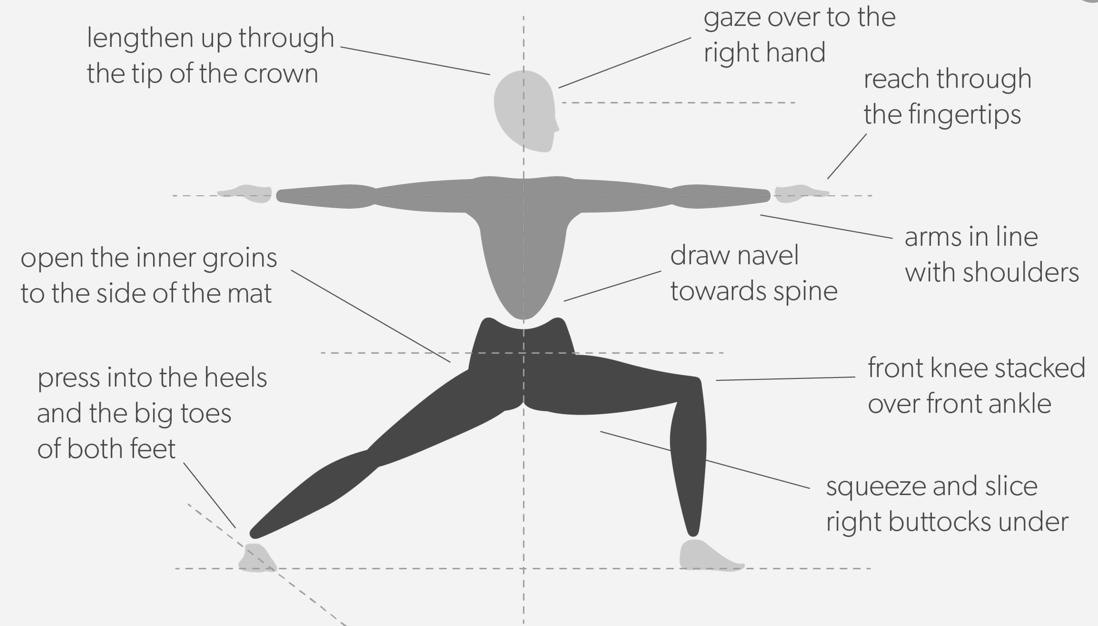
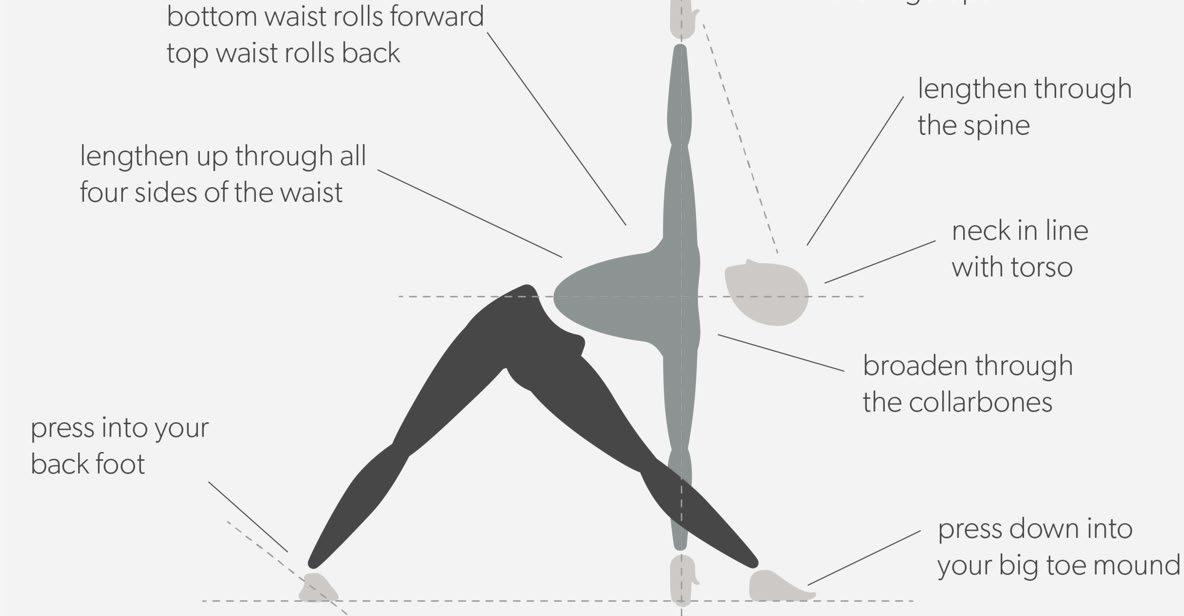
Standing Poses: Standing poses, such as Warrior II (Virabhadrasana II) [Figure. (2)] and Triangle Pose (Trikonasana) [Figure. (3)], improve circulation to the lower body by engaging large muscle groups and encouraging blood flow. Standing poses in yoga, such as Warrior II (Virabhadrasana II) and Triangle Pose (Trikonasana), indeed play a significant role in improving circulation to the lower body. These poses engage large muscle groups, including the legs and hips, and encourage blood flow through several mechanisms: Standing poses like Warrior II and Triangle Pose involve isometric contractions and dynamic engagement of leg muscles, which promote circulation by increasing blood flow to the lower extremities. The contraction and relaxation of these muscles help to pump blood back towards the heart, improving venous return and reducing the risk of blood pooling [12,43,51,66] These poses also involve stretching and opening of the hips, groin, and legs, which can alleviate tension and enhance flexibility in the muscles and connective tissues. Improved flexibility reduces stiffness and resistance in blood vessels, facilitating smoother blood flow throughout the body. While not fully inverted, some standing poses subtly invert the legs relative to the heart, such as Warrior II's leg positioning and the extended stance in Triangle Pose. This positioning helps to improve venous return from the lower body by reducing the gravitational challenge of returning blood to the heart against gravity. Practicing these poses often involves synchronized breathing techniques, which promote relaxation and enhance oxygenation of tissues. Deep breathing
during yoga helps to optimize oxygen delivery to muscles and supports cardiovascular function [20,40,58]
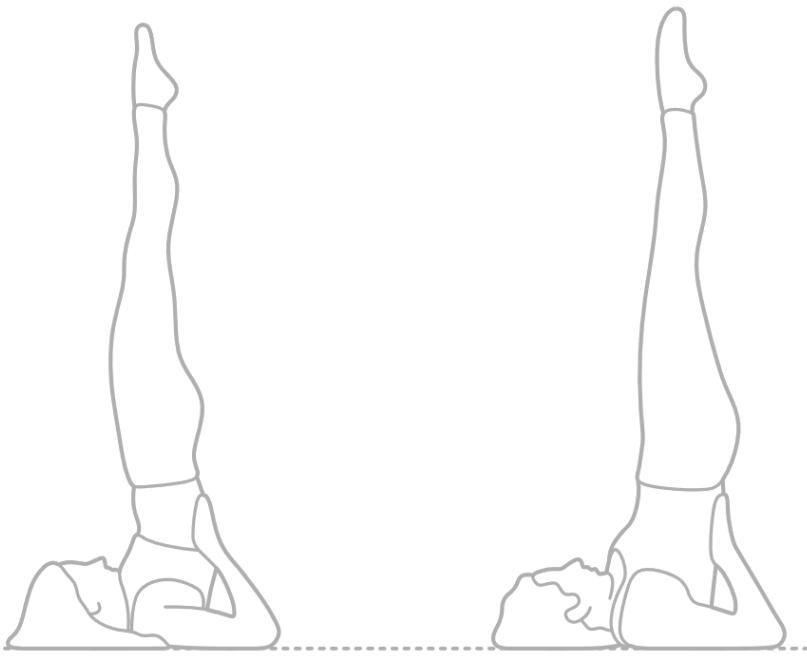
Inversions: Inversions in yoga, such as Shoulder Stand (Sarvangasana) [Figure. (4)] and LegsUp-The-Wall Pose (Viparita Karani), are beneficial for encouraging blood flow to the upper body and head, while also aiding in venous return and reducing blood pooling in the lower extremities. These inversions contribute to improved circulation and overall cardiovascular health. Inversions reverse the gravitational pull on the body, allowing venous blood from the lower extremities to flow more easily back towards the heart. This helps to reduce swelling and discomfort in the legs by enhancing venous return and preventing blood from pooling in the lower limbs [31,42,55,61]. These poses also stimulate lymphatic drainage, aiding in the removal of toxins and metabolic waste products from the lower body. Improved lymphatic circulation supports immune function and overall fluid balance. Inversions increase blood flow to the brain and upper body, promoting circulation and oxygenation of tissues. This increased blood flow to the head and neck region can help alleviate tension and improve mental clarity. Inversions activate the parasympathetic nervous system, promoting relaxation and reducing
stress. This physiological response helps to lower blood pressure and heart rate, supporting cardiovascular health [19,59,60,68]
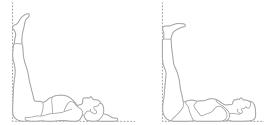
(5) Legs-Up -The-Wall Pose (Viparita Karani)
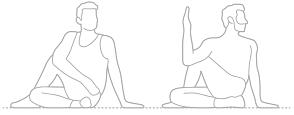
Twists: Twisting poses, like Seated Twist (Ardha Matsyendrasana), [Figure. (6)] play a vital role in enhancing circulation to the digestive organs, thereby promoting detoxification and nourishment. These poses involve a rotational movement of the spine, which stimulates the abdominal organs, including the liver, kidneys, and intestines. The twisting action compresses these organs, which temporarily cuts off blood flow. When the twist is released, fresh blood rushes back into these areas, carrying oxygen and nutrients while flushing out toxins [22,30,46,65,70]. This process not only improves digestion but also supports the overall health of the digestive system by encouraging the efficient absorption of nutrients and the elimination of waste. Regular practice of twisting poses can also help maintain spinal health and flexibility, alleviate lower back pain, and improve posture. They are particularly beneficial in yoga and other forms of exercise aimed at enhancing both physical and mental well-being. By incorporating twisting poses into a routine, individuals can experience enhanced vitality and a greater sense of internal balance and harmony.
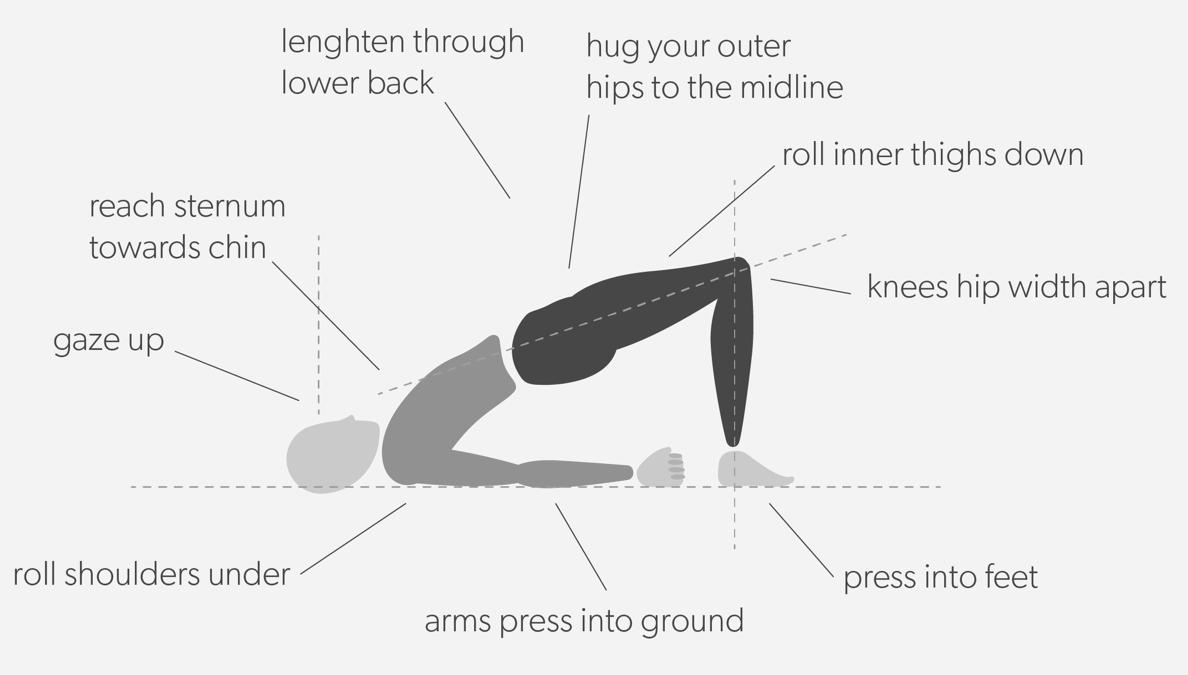
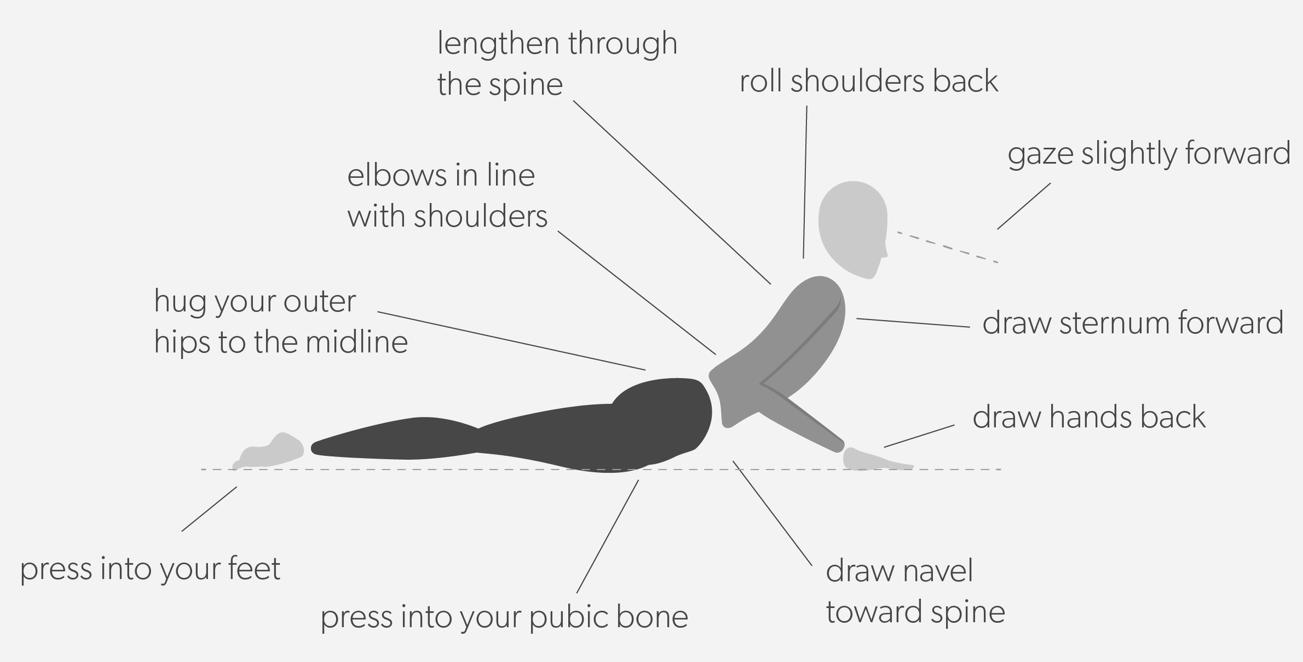
Backbends: Backbends, such as Bridge Pose (Setu Bandhasana) [Figure. (7)] and Cobra Pose (Bhujangasana), [Figure. (8)] are instrumental in improving heart function and enhancing blood circulation to vital organs like the heart and lungs. These poses involve a deep extension of the spine, which stretches the chest and shoulders, creating space in the thoracic cavity. By opening up the chest, these backbends facilitate deeper breathing, allowing the lungs to fully expand and contract. This increased lung capacity not only enhances oxygen intake but also improves the efficiency of oxygen exchange in the bloodstream. As a result, the heart receives more oxygen-rich blood, which supports its function and overall cardiovascular health. Moreover, practicing backbends can help strengthen the back muscles, improve spinal flexibility, and alleviate stiffness in the upper body [18,33,52,61,69]. They also stimulate the abdominal organs, promoting digestion and detoxification. Mentally, backbends are known to energize and invigorate, helping to alleviate stress and fatigue. Incorporating backbends into a regular yoga practice or fitness routine can lead to greater vitality, improved posture, and a heightened sense of well-being. It's important to approach these poses mindfully, respecting individual flexibility and physical limitations while reaping the many benefits they offer to heart health and overall vitality.
Conclusion: Yoga offers a comprehensive approach to enhancing cardiovascular health through multiple beneficial mechanisms. By improving circulation, reducing blood pressure, enhancing heart function, reducing inflammation, and supporting endothelial health, yoga contributes significantly to overall cardiovascular well-being. Integrating yoga into strategies for cardiovascular health can provide substantial benefits, both in preventing the onset of cardiovascular diseases and managing existing conditions. Improved circulation is facilitated by yoga's combination of physical postures (asanas), which promote blood flow to various parts of the body, and deep breathing techniques (pranayama), which enhance oxygenation and cardiovascular efficiency. These practices help to optimize blood circulation and reduce the risk of conditions related to poor circulation. Yoga's ability to lower blood pressure is supported by its impact on stress reduction and relaxation. By activating the parasympathetic nervous system and reducing the production of stress hormones, yoga helps to lower blood pressure and maintain cardiovascular health. Enhanced heart function is another benefit of regular yoga practice, as dynamic forms like Vinyasa and Ashtanga provide cardiovascular exercise that strengthens the heart muscle and improves its efficiency. Yoga's role in reducing inflammation is crucial for supporting endothelial function and maintaining healthy blood vessels. By lowering levels of inflammatory markers and promoting a balanced immune response, yoga helps to protect against the development and progression of cardiovascular diseases. Integrating yoga into clinical applications for cardiovascular health requires further research to establish standardized practices and guidelines. Long-term studies are needed to explore the sustained benefits of yoga on cardiovascular health outcomes and to determine optimal yoga protocols for different populations and conditions. Yoga offers a holistic approach to enhancing cardiovascular health, addressing multiple aspects such as circulation, blood pressure, heart function, inflammation, and endothelial health. Its inclusion in cardiovascular health strategies holds promise for improving outcomes in both prevention and management of cardiovascular diseases, emphasizing the importance of ongoing research and integration into clinical practice.
References:
1) Anamika, Shah, S. R., Anuradha “Bio-Computational analysis of blood flow through two phase artery”, Int. J. of Engineering Science and Computing, 7, (6),13397-213401, (2017).
2) Anamika, Shah, S. R., Kumar, R., “Mathematical Modelling of blood flow through tapered stenosed artery with the suspension of nanoparticles using Jeffrey fluid model”, Int. J. of Dev. Res., 07, 06,13494-13500, (2017).
3) Anamika, Shah, S. R., Singh A., “Mathematical Modelling Of Blood Flow through Three Layered Stenosed Artery”, Int. J. for Res. in Appl. Sci. and Eng. Tech., 5, (6), 1-6, (2017).
4) Anuradha S, Shah, S. R., Siddiqui, S. U., “Effects of inclined multi-stenoses arteries on blood flow characteristics using bingham plastic fluid”, Int. J. for Mathematics, 1, (12),7-14, (2015).
5) Anuradha S., Shah, S. R., S.U. Siddiqui, “Mathematical Modeling and Numerical Simulation of Blood Flow through Tapered Artery”, International Journal of Innovative Science, Eng & Tech , 3, (2), 710-717, (2016).
6) Anuradha S., Shah, S. R., S.U. Siddiqui, “Performance of blood flow through two phase stenosed artery using Herschel-Bulkley model”, Int. Journal of Applied And Pure Science and Agriculture, 2, (2), 228-240, (2016).
7) Anuradha S., Shah, S. R., Siddiqui, S. U., “Mathematical Modelling and Analysis of Blood Flow through Diseased Blood Vessels”, International Journal of Engineering and Management Research, 5, (6), 366-372, (2015).
8) Anuradha, S., Shah, S. R., Siddiqui, S. U., “A Mathematical Model to study the similarities of blood fluid models through inclined multi-stenosed artery”, Int. J. of Eng. Research and Modern Edu., 2, (1), 108-115, (2017).
9) Cade, W. T. Yoga and Diabetes Mellitus: A Systematic Review of Controlled Trials. J. of Diabetes Res., (2013).
10) Chaturvedi, P., Shah, S. R., Akbar, S., Kumar, R., “Prospective of Hydroxychloroquine and Zinc with Azithromycin for Nanoparticles Blood Flow in Covid-19 Patients, Int. J. of Nanotechnology in Medicine & Engineering, 6(1),01-07, (2021).
11) Chu, P., Gotink, R. A., Yeh, G. Y., Goldie, S. J., & Hunink, M. G. M. (2016). The Effectiveness of Yoga in Modifying Risk Factors for Cardiovascular Disease and Metabolic Syndrome: A Systematic Review and MetaAnalysis of Randomized Controlled Trials. European Journal of Preventive Cardiology, 23(3), 291-307.
12) Geeta, Siddiqui, S. U., Sapna, “Mathematical Modelling of blood flow through catheterized artery under the influence of body acceleration with slip velocity”, Application and applied Math. An Int. J., 8(2), 481-494, (2013).
13) Geeta, Siddiqui, S. U., Shah, S. R., “A Biomechanical approach to the effect of body acceleration through stenotic artery”, Applied Math. and Computation, 109(1), 27-41, (2015).
14) Geeta, Siddiqui, S. U., Shah, S. R., “Effect of body acceleration and slip velocity on the pulsatile flow of casson fluid through stenosed artery”Adv. Appl.Sci.Res.5(3),231-225, (2014).
15) Geeta, Siddiqui, S. U., Shah, S. R.,“A Mathematical Model for two layered pulsatile blood flow through stenosed arteries”, E-Journal of Sci. and Technology, 109 (11), 27-41, (2015).
16) Innes, K. E., & Vincent, H. K. (2007). The Influence of Yoga-Based Programs on Risk Profiles in Adults with Type 2 Diabetes Mellitus: A Systematic Review. Evidence-Based Complementary and Alternative Medicine, 4(4), 469–486. doi:10.1093/ecam/nem141
17) Jaiswal., K. M., Shabab Akbar and Shah S. R., Mo. Sadique “Exploring capillary-tissue fluid exchange: Insights into red cell deformation in narrow vessels and its clinical implications”, International Journal of Fauna and Biological Studies, 11(3), 4-14, (2024).
18) Khalsa, S. B. S., & Cope, S. (2006). Effects of a Yoga Lifestyle Intervention on Performance-Related Characteristics of Athletes. J of Alternative and Complementary Med. 12(4), 341-346.
19) Kumar, J. P., Sadique, Mo. Shah, S. R.,, “Mathematical study of blood flow through blood vessels under diseased condition, Int. J. of Multidisciplinary Res. & Dev., 9(6), (2022), 31-44.
20) Kumar, P, Shah, S. R., “A Hydromechanical Perspective to Study the Effect of Body Acceleration through Stenosed Artery”, Int. J. of mathematical engineering and management sciences, 6 (5),1381-1390, (2021).
21) Kumar, R., Shah, S. R., “A mathematical approach to study the blood flow through tapered stenosed artery with the suspension of nanoparticles” Destech Transactions on Engineering and Tech. Research,01,1-6, (2017).
22) Kumar, R., Shah, S. R., “Mathematical Modeling of Blood Flow with the Suspension of Nanoparticles Through a Tapered Artery With a Blood Clot”, Frontiers in Nanotech., 2, 596475, 1-5, (2020).
23) Kumar, R., Shah, S. R., “Performance of blood flow with suspension of nanoparticles though tapered stenosed artery for jeffrey fluid model” Int. J. Nanosci., 17(6),1850004 (1-7), (2018).
24) Kumar, R., Shah, S. R., “Study of blood flow with suspension of nanoparticles through tapered stenosed artery”, Global J. of Pure and Applied Mathematics, 13(10), 7387-7399, (2017).
25) Kumar, V., and Shah, S. R., “Mathematical modelling to study the heat transfer between core and skin”, SRMS, Journal of Mathematical Sciences, 7 (2021), 7-12, (2024).
26) Kumar, V., Shah, S. R., “A mathematical approach to investigate the temperature distribution on skin surface with sinusoidal heat flux condition, Int. J. of Multidisciplinary Research and Development, 9 (5), (2022), 141-146.
27) Kumar, V., Shah, S. R., “A Mathematical study for heat transfer phenomenological processes in human skin”, Int. J. of Mechanical Eng., 7 (6), (2022),683-692.
28) Mahesh, Arya, S., Shah, S. R., “Optimizing cardiovascular health: ayurvedic insights into blood flow through normal and stenosed arteries, Int. Journal of AYUSH, 13 (5), 18-35, (2024).
29) Shah, S. R., “A biomechanical approach for the study of deformation of red cells in narrow capillaries”, IJE: Transaction A: Basics, 25(4), 303-313, (2012).
30) Shah, S. R., “A biomechanical approach for the study of Two-phase blood flow through stenosed artery”, Int. J. of research studies in biosciences, 1(2), 24-32, (2013).
31) Shah, S. R., “A Mathematical Model for the analysis of blood flow through diseased blood vessels under the influence of porous parameter”, J. of Biosci. & Tech., 4(6), 534-541, (2013).
32) Shah, S. R., “A mathematical study of blood flow through radially non-symmetric multiple stenosed arteries under the influence of magnetic field”, Int. J. of Advanced Research in Biological Sciences, 2 (12),379-386, (2015)
33) Shah, S. R., “A mathematical study of blood flow through stenosed artery”, International Journal of Universal Science and Engineering, 1(1), 26-37, (2015).
34) Shah, S. R., “A study of blood flow through multiple atherosclerotic arteries”, Int. J. for Math., 1,(12),1-6, (2015).
35) Shah, S. R., “A study of effects of magnetic field on modified Power-law fluid in modeled stenosed artery” J. of Biosci. and Tech., 1 (4), 187-196, (2010).
36) Shah, S. R., “An innovative solution for the problem of blood flow through stenosed artery using generalized bingham plastic fluid model”, Int. J. of Res. in Appl. & Nat. Soc. Sci.,1(3), 97-140, (2013).
37) Shah, S. R., “An innovative study for non-Newtonian behavior of blood flow in stenosed artery using HerschelBulkely flud”, Int. J. of biosiences and biotechnology, 5(5), 233-240, (2013).
38) Shah, S. R., “Capillary-tissue diffusion phenomena for blood flow through a stenosed artery using herschelbulkley fluid” Int. J of Res. in Biochem. and Biophy.,1 (1).1-8 (2011).
39) Shah, S. R., “Effect of clopidogrel on blood flow through stenosed artery under diseased condition”, Int. J. of Experimental Pharmacology, 4(1), 887-893, (2014).
40) Shah, S. R., “Effects of Acetylsalicylic Acid on blood flow through an artery under Atherosclerotic condition”, Int. J.of Molecular medicine and advances sci. 7 (6),19-24, (2011).
41) Shah, S. R., “Effects of antiplatelet drugs on blood flow through stenosed blood vessels”, Journal of Biomimetics, Biomaterials and Tissue Engineering, 18, 21-27, (2013).
42) Shah, S. R., “Impact of radially non-symmetric multiple stenoses on blood flow through an artery”, International Journal of Physical and Social Sciences, 1 (3), 1-16, (2011).
43) Shah, S. R., “Mathematical analysis of blood flow through atherosclerotic arterial segment having non-symmetric mild stenosis”. Int. J. of Rese. in Pure and Appl. Phy., (1) 1-5, (2011).
44) Shah, S. R., “Mathematical Study of Blood Flow through Atherosclerotic Artery in the Presence of Porous Effect”, Int. J. of Modern Sciences and Eng. Tech., 2, (12),12-20, (2015).
45) Shah, S. R., “Non-Newtonian flow of blood through an atherosclerotic artery”Res. J. Appli.Sci.6(1),76-80, (2011).
46) Shah, S. R., “Performance modeling and analysis of magnetic field on nutritional transport capillary tissue system using modified Herschel-Bulkely fluid”, Int. J. of Advanced research in physical sciences, 1(1).33-41, (2014).
47) Shah, S. R., “Performance Study on Capillary-Tissue Diffusion Phenomena for Blood Flow through Stenosed Blood Vessels”, American J. of Pharmtech Res., 2(2),695-705, (2012).
48) Shah, S. R., “Response of blood flow through an atherosclerotic artery in the presence of magnetic field using Bingham plastic fluid” Int. J. of Pha. & Biomed. Res.2(3),96-106, (2011).
49) Shah, S. R., “Role of Non-Newtonian behavior in blood flow through normal and stenosed artery”, Research journal of Biological sciences, 6(9), 453-458, (2011).
50) Shah, S. R., “Significance of Aspirin on Blood Flow to Prevent Blood Clotting through Inclined Multi-Stenosed Artery”, Letters In Health and Biological Sciences, 2(2), 97-100, (2017).
51) Shah, S. R., “Study of dispersion of drug in blood flow with the impact of chemical reaction through stenosed artery”, International journal of Biosciences, 21 (3), 2022, 21-29.
52) Shah, S. R., “Study of modified Casson’s fluid model in modeled normal and stenotic capillary-tissue diffusion phenomena” Int. J. of Comput. Eng. & management,. 11, 51-57, (2011).
53) Shah, S. R., Akbar, S., “Mathematical Study for the Outflow of Aqueous Humor and Function in the Eye”, Int. Journal of Scientific & Engineering Research 11(10), 743-750, October-2020.
54) Shah, S. R., and Anamika, “A mathematical model of blood flow through diseased blood vessel”, Int. J. of Emerging Trends and Tech. in Computer Science, 6, (3), 282-286, (2017).
55) Shah, S.R., Clinical influence of hydroxychloroquine with azithromycin on blood flow through blood vessels for the prevention and Treatment of covid-19, Int. J. of biology, pharm and allied science, 10(7): 2195-2204, (2021).
56) Siddiqui, S. U., Shah, S. R., "A Physiologic Model for the problem of blood flow through Diseases blood vessels", Int. J of advances in Applied Sciences, 5(2), 58-64, (2016).
57) Siddiqui, S. U., Shah, S. R., “Achievement of Pentoxifylline for Blood Flow through Stenosed Artery”, J. of Biomimetics, Biomaterials and Tissue Engineering, 13.81-89, (2012).
58) Siddiqui, S. U., Shah, S. R., “Two-phase model for the study of blood flow through stenosed artery, International Journal of Pharmacy and Biological Sciences, 1(3), 246-254, (2011).
59) Siddiqui, S. U., Shah, S. R., Geeta, “A Computational Analysis of a Two-Fluid non-Linear Mathematical model of pulsatile blood flow through Constricted Artery”, E-Journal of science and Technology, 10(4),65-78, (2015).
60) Siddiqui, S. U., Shah, S. R.,“A Comparative Study for the Non-Newtonian Behaviour of Blood Flow through Atherosclerotic Arterial Segment”, Int. J. of Pharmaceutical Sci. Review and Res.,9 (2), 120-125, (2011).
61) Siddiqui, S. U., Singh, A., Shah, S. R., “Mathematical Modeling of peristaltic blood flow through a vertical blood vessel using prandtl fluid model”, Int. J. of Mathematics and Computer Research, 4, (9), 710-717, (2016).
62) Singh, S., “A mathematical model for modified herschel-bulkley fluid in modeled stenosed artery under the effect of magnetic field”, Int. J. of Bioeng. & Tech. 1 (1),37-42. (2010).
63) Singh, S., “A two-layered model for the analysis of arterial rheology” International Journal of Computer Science and Information Technology, 4, 37-42. (2011).
Copyright : Author
64) Singh, S., “Clinical significance of aspirin on blood flow through stenotic blood vessels” Journal of Biomimetics, Biomaterials and Tissue Engineering, 10, 17-24, (2011).
65) Singh, S., “Effects of shape of stenosis on arterial rheology under the influence of applied magnetic field” Int. J. of Biomedical Eng. and Tech., 6 (3) 286-294, (2011).
66) Singh, S., “Influence of magnetic field on blood flow through stenosed artery using casson’s fluid model”, Int. J. of BioEngineering, CardioPulmonary Sci. and Tech., 1,1-7, (2010).
67) Singh, S., “Numerical modeling of two-layered micropolar fluid through a normal and stenosed artery”, Int. J. Eng., 24 (2), 177-187, (2011).
68) Singh, S., “The effect of Saline Water on viscosity of blood through stenosed blood vessels using Casson’s fluid model”, J. of Biomimetics, Biomat & Tissue Eng., .9 37-45, (2011).
69) Singh, S., and Shah, R. R.,“A numerical model for the effect of stenosis shape on blood flow through an artery using power-law fluid”, Adv. In Appl. Sci. Res., An Int. peer reviewed J. of Sci., 1, 66-73, (2010).
70) Vedamurthachar, A., Janakiramaiah, N., Hegde, J. M., Shetty, T. K., Subbakrishna, D. K., & Sureshbabu, S. (2006). Antidepressant Efficacy and Hormonal Effects of Sudarshana Kriya Yoga (SKY) in Alcohol Dependent Individuals. J of Affective Disorders, 94(1-3), 249-253.