23 NEW PSYCHOLOGICAL HEALTH REGULATIONS NOW IN EFFECT
25 GROWING LOCAL TRAINEES FOR NURSERIES
27 DRIVING DEMAND FOR GREENLIFE THROUGH COMMUNICATION STRATEGIES
28 CELEBRATING 91 YEARS OF POYNTONS NURSERY
29 NEXTGEN: SARAH POYNTON
30 TRADE DAY REPORT
Our front cover: Faceys farewell and new industry chapters
Executive update
Carl Soderlund President, NGIV
Craig Taberner CEO, NGIV
As we move into winter and look ahead to another exciting year for Victorian horticulture, the momentum at NGIV continues to build. From industry networking and professional development through to advocacy, strategic partnerships and organisational change, 2026 is already shaping up to be a year of significant opportunity and connection for our members.
In May, we were pleased to join the team at Van Berkel Distributors for a Tree and Shrub Growers of Victoria networking event that showcased a diverse and innovative business model underpinned by future-focused thinking and strong industry leadership. Guests enjoyed a site tour, valuable networking opportunities and engaging discussion over dinner at the aptly named Watering Hole. Events like these continue to demonstrate the strength of collaboration across our industry and the importance of creating opportunities for members to connect, share ideas and build relationships. Looking ahead, we encourage members to join us in Queensland this August for the Greenscape and Green Expo tour, which promises valuable insights, new connections and opportunities across the sector Member education and workforce support also remain key priorities for NGIV. Throughout 2026, we will continue delivering practical workshops and expert-led discussions designed to support garden centres, growers and allied businesses as they navigate rising operational costs, workforce pressures and broader workplace challenges. Across the industry, businesses continue to face increasing complexity, and providing timely support, practical information and opportunities for peer learning remains central to the work we do for members.
Trade Days continue to play a vital role in keeping Victoria’s greenlife industry connected. Despite several cold starts at KCC Park, buyer and seller
INDUSTRY PARTNERS
participation has remained strong, reinforcing the ongoing value of face-to-face trade and industry collaboration. We are also excited to announce our strengthened relationship with the Melbourne Market Authority (MMA), recently formalised to provide a strong framework for future collaboration and industry development opportunities for both MMA and NGIV members.
Planning is also well underway for several major initiatives that will showcase the strength and innovation of Victorian horticulture throughout 2026, including Australian Horticultural Trials Week. One of the highlights on the calendar will again be the Horticulture Showcase at Victorian Parliament House, returning to Queen’s Hall in the final week of August. Importantly, this timing presents a valuable opportunity to engage directly with decision-makers ahead of the State Election campaign period. Advocacy efforts continue to gain momentum, with the Coalition already announcing a $15 million pre-election commitment to the sector. We now look forward to seeing further support and policy commitments emerge across the political landscape from the Allan Labor Government.
Award season also remains an important opportunity to recognise excellence across the industry. From production nurseries and retailers through to environmental leadership and emerging talent, these awards celebrate the businesses and individuals driving horticulture forward. We strongly encourage members to consider
submitting an application and sharing their achievements with the broader industry community.
A significant milestone for the organisation will be the rollout of our new brand identity as part of the broader strategic transition to Greenlife Industry Victoria, effective from 1 July 2026. This transition represents more than simply a name change; it reflects the evolution of the organisation and our commitment to representing the full breadth of Victoria’s greenlife industry into the future. Preparations are well underway across digital communications, internal operations and stakeholder engagement to ensure a smooth transition for members and partners.
As part of this broader evolution, Groundswell magazine will also transition to a seasonal publication model. The proposed move from six editions annually to four aims to better balance print and digital communications while maintaining the magazine’s strategic importance as a valued member benefit and platform for partner visibility, event promotion and member communications. This also provides an ideal opportunity to refresh the Groundswell brand in alignment with the transition to Greenlife Industry Victoria and ensure the publication continues to evolve alongside member expectations and industry needs.
NGIV also participated in the Greenlife Industry Australia Stakeholder Summit held in Sydney. Discussions were productive and focused on industry collaboration, a future Green Infrastructure Campaign, workforce development, levy priorities and future strategic opportunities for the sector. These conversations continue to shape the future direction of the national greenlife industry.
Finally, we are pleased to officially welcome Meg San Miguel as NGIV’s new Marketing and Communications Specialist. Meg brings strong industry experience, including her previous work with South Pole, the agency behind the successful Greener Spaces Better Places nursery levy campaign. Since commencing in April, she has already begun engaging with stakeholders and building valuable connections across the industry. Her experience, enthusiasm and strong alignment with the organisation’s culture made her an outstanding appointment, and we are confident she will make a significant contribution to NGIV and our members in the years ahead.
Thank you, as always, for your continued support and engagement. We look forward to continuing to work alongside our members to strengthen, promote and grow Victoria’s greenlife industry throughout 2026 and beyond.
Carl Soderlund President, NGIV Botanix Plant Supply
Craig Taberner CEO, NGIV
Celebrating a remarkable legacy
By Meg San Miguel
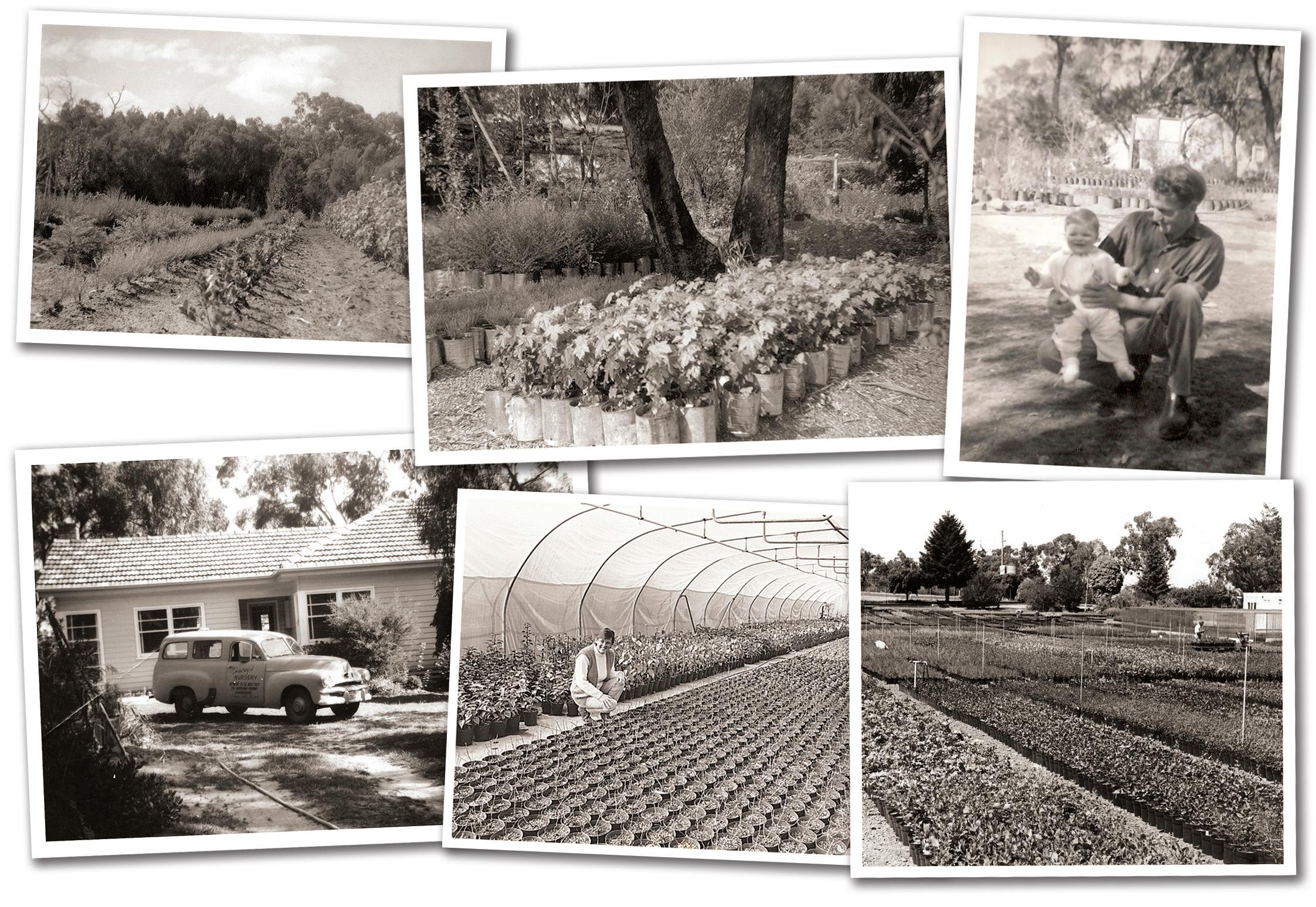
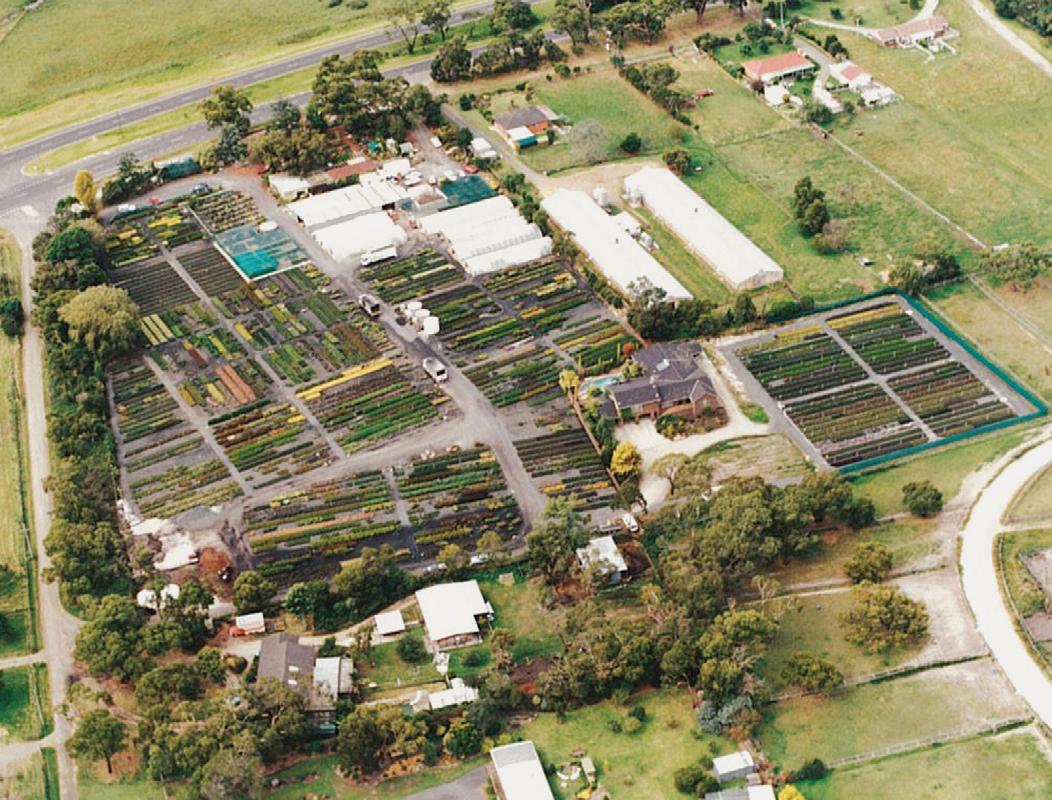
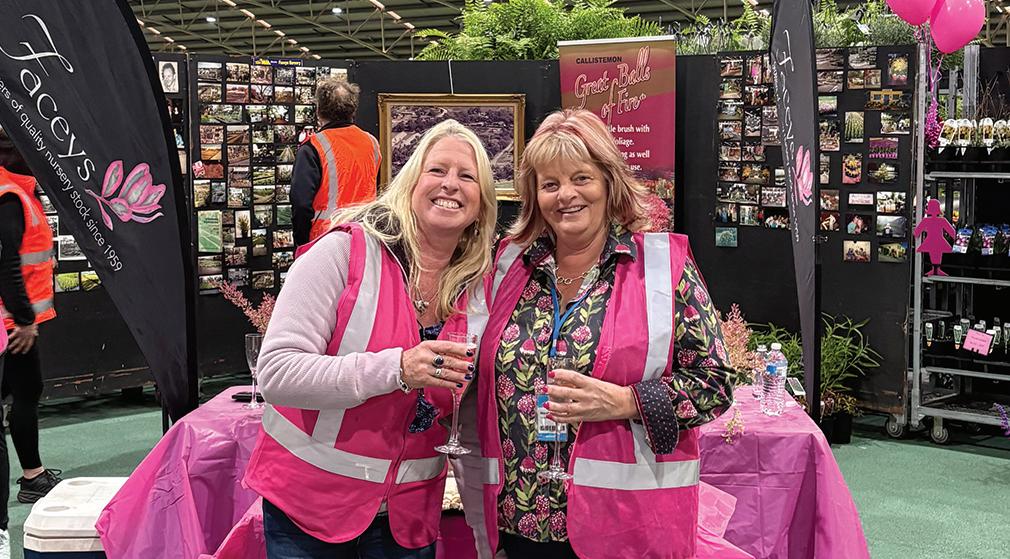
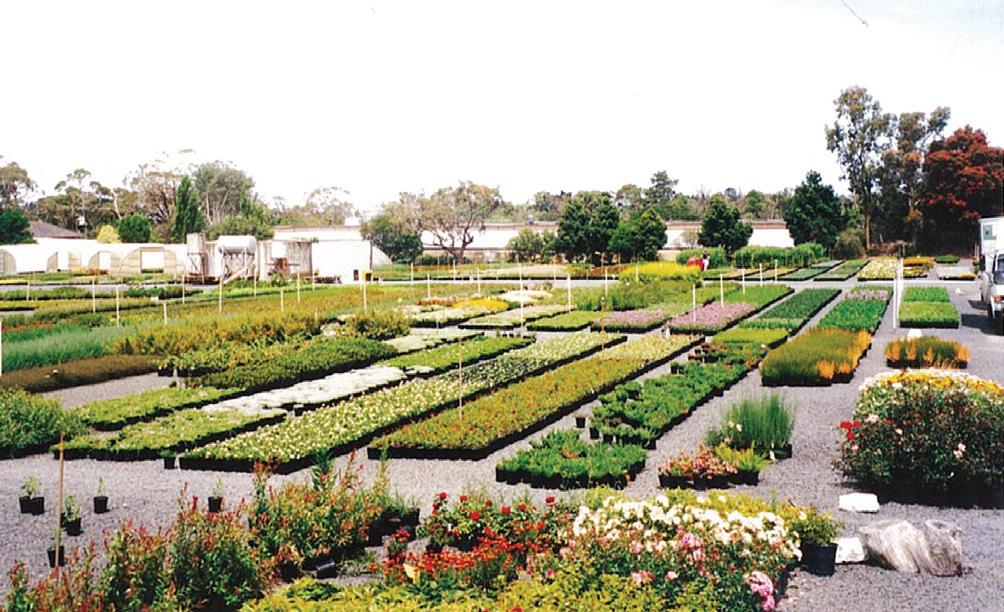
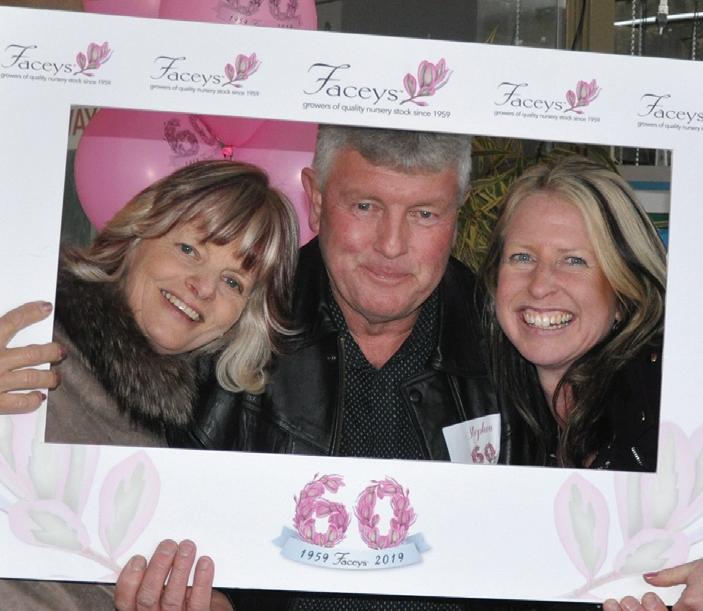
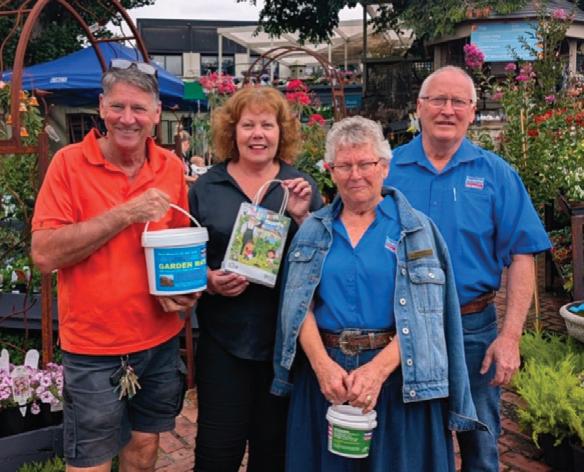
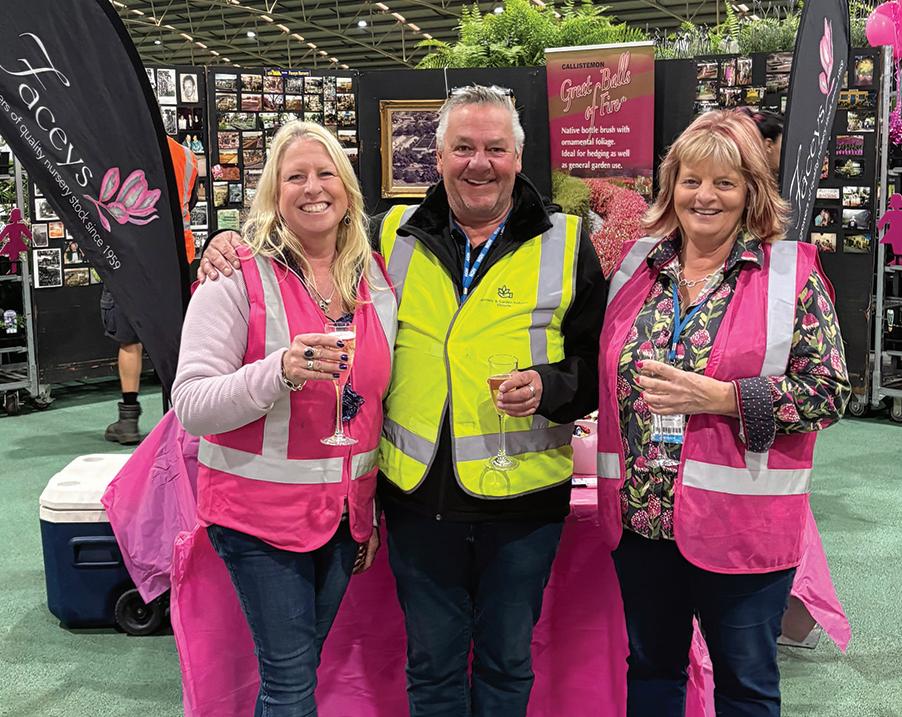
After more than 67 years in Victoria’s nursery industry, Faceys Nursery is preparing to close its doors, leaving behind a remarkable legacy of horticultural knowledge, industry connection and family dedication. At their final NGIV Trade Day appearance in May, the Trimble family celebrated decades of contribution with industry colleagues, historic photographs and plenty of heartfelt memories.
For more than six decades, Faceys Nursery has been a familiar and much-loved name within Victoria’s nursery industry. From its beginnings in the late 1950s, the family-run business has built a reputation for quality plants, exceptional service and enduring relationships across the horticultural community.
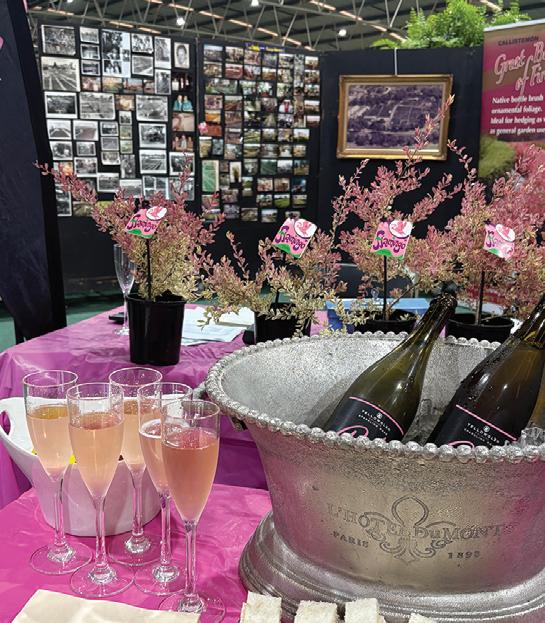
May’s Trade Day marked Faceys Nursery’s final appearance at the wholesale market – and it was a fitting farewell. With historic photographs documenting the nursery’s long journey, sandwiches, champagne and – of course – the iconic flamingo plant that has become synonymous with the business, it was a celebration of not only a nursery, but a family legacy and a significant chapter in Victorian horticulture.
A journey that began in 1959
Faceys Nursery officially began operating on 4 August 1959, when founders Rex and Lesley Trimble leased the nursery site at Devon Meadows. The story, however, started even earlier.
Rex Trimble’s passion for horticulture developed from a young age and led him to study at Burnley Horticultural College. His first nursery role was at Scotsburn Nursery before he moved into a position as Garden Instructor at Burnley, managing the in-ground fruit and flowering tree nursery.
By 1963, Rex and Lesley had purchased both the nursery and the land, laying the foundations for what would become one of the industry’s enduring family businesses.
Originally based in Ferntree Gully as a fruit and flowering tree nursery, Faceys evolved significantly over the decades, adapting to changing markets, technologies and customer expectations while maintaining its strong industry reputation.
Since leaving school, the second generation – Wendy and Raelene Trimble – have been running the business, carrying forward the values established by their parents with the help of their partners, Shane and Michael.
Built on relationships and service
When asked what has made Faceys stand out over the years, the answer is simple: longevity, range, quality and service.
In an industry built on relationships, Faceys Nursery became known not only for its broad plant range, but also for the genuine connections formed with customers, suppliers and fellow growers.
The nursery has witnessed enormous change across its 67-year history. From the introduction of mains water, plastic pots and steam sterilisation, through to computers, mobile phones and the internet, the business continually adapted and modernised alongside the wider horticulture industry.
Despite these changes, some things remained constant.
“The plants, the team and of course our customers,” are what continued to inspire the family each day.
Rex and Lesley Trimble
Deep roots in the industry
Faceys Nursery has been part of the NGIV community since the early 1960s, originally joining the Nurserymen’s and Seedsmen’s Association.
For the Trimble family, membership was always about more than business.
“It was about being part of the industry and sharing knowledge,” they explained.
Over the years, Trade Day access, industrial relations support, biosecurity information and industry accreditation all played important roles. But perhaps most importantly, membership created lasting camaraderie and connection within the horticultural sector.
That sense of community was evident at their final Trade Day appearance, where countless industry colleagues stopped by to reminisce, celebrate and thank the family for their contribution
An enduring contribution
As Faceys Nursery prepares to close this chapter, its contribution to Victoria’s nursery industry leaves a lasting legacy Generations of growers, retailers and industry professionals have crossed paths with the business over the years, whether through Trade Days, longstanding customer relationships or shared experiences within the horticultural community.
While Wendy and Raelene are looking forward to their next chapter, the impact of Faceys Nursery will continue to be felt across the industry for years to come.
NGIV congratulates the Trimble family on an extraordinary 67 years in horticulture and thanks them for their longstanding support, friendship and contribution to the industry.
Growing for the future
By Meg San Miguel
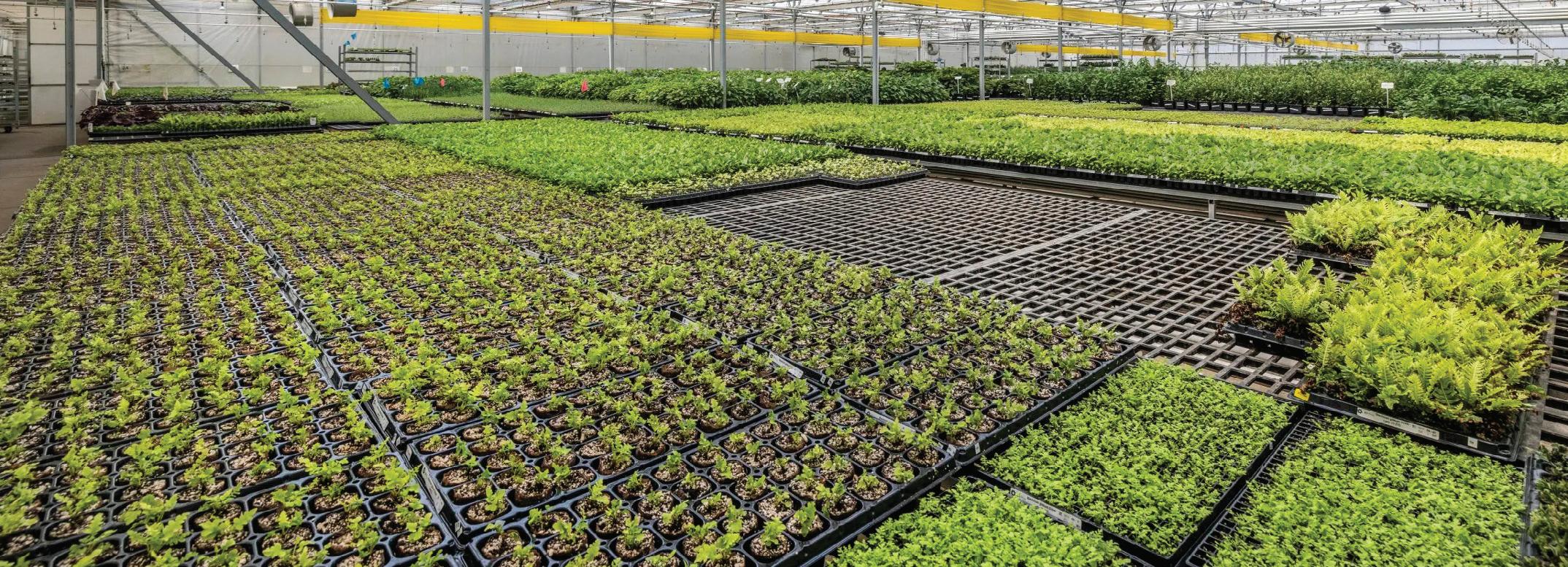
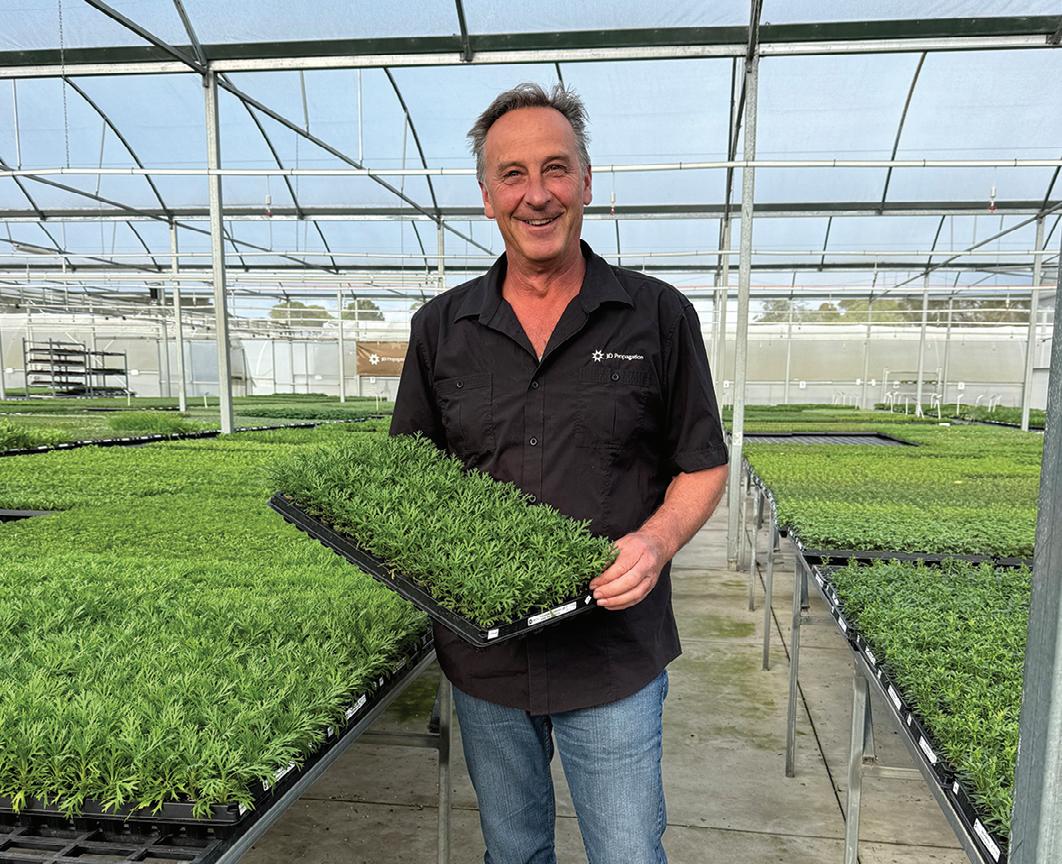
Based in Pearcedale on the Mornington Peninsula, JD Propagation has established itself as a trusted wholesale supplier of quality young plants to growers across Australia. Since launching in 2009, the family-owned business has continued to grow through a strong focus on innovation, customer relationships and industry expertise.
Supplying a broad range of vegetative, seed-raised, and Tissue culture young plants. JD Propagation works closely with growers to provide reliable, high-performing young plants backed by technical knowledge and production experience. Behind the scenes is a highly experienced team helping drive the business forward.
Employee Spotlight
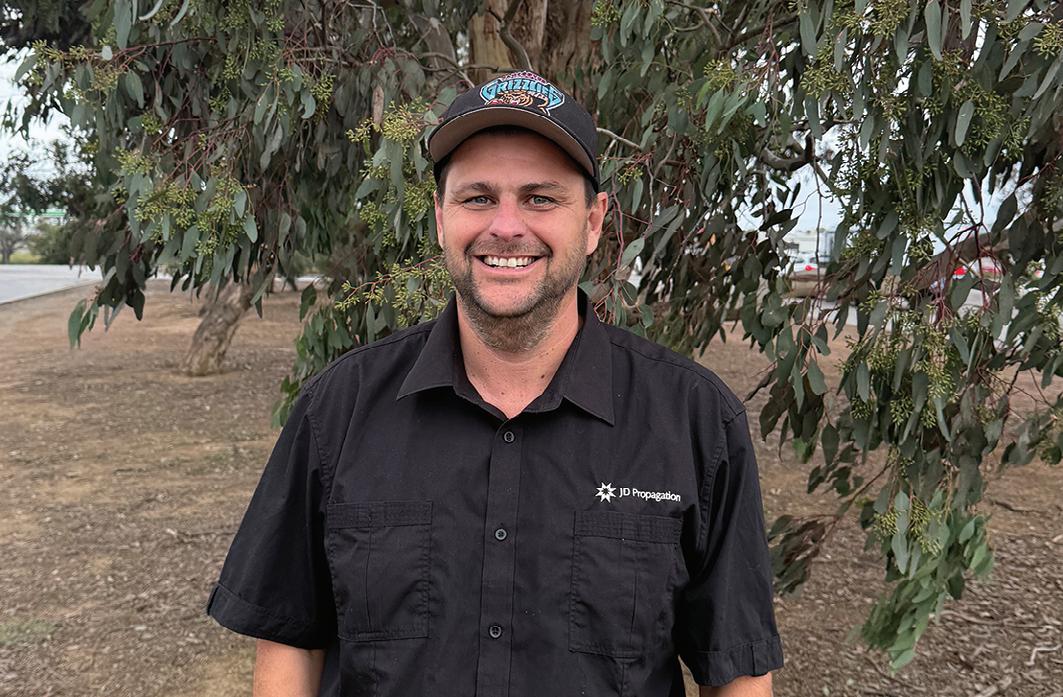
Andrew Cowen Operations Manager
Andrew Cowen, Operations Manager, brings 23 years of industry experience to the day-to-day running of the nursery.
Having worked across many leading wholesale growers, Andrew has developed extensive expertise in nursery production and finished plant quality. With a deep understanding of the full growing process – from young plant production to potting young plants, through to producing sale-ready stock – he brings a practical, hands-on perspective to operations.
His experience spans all aspects of production management and is supported by formal qualifications, Lean Leaders training, and a range of industry short courses. Known for his practical approach and strong people skills, Andrew plays an integral role in ensuring operational efficiency while supporting both the nursery team, the customer and the broader direction of the business.
Bruce Wallace General Manager
Bruce Wallace, General Manager, brings more than 40 years of horticultural experience and a wealth of industry knowledge to his role at JD Propagation. Over the course of his career, he has built extensive expertise across multiple sectors of horticulture, including indoor plants, advanced tree production, wholesale nursery management, growing media, sales, and recycling.
Bruce’s hands-on experience is complemented by his time operating his own nursery business for eight years, giving him a strong commercial perspective and an in-depth understanding of the challenges and opportunities faced by growers. He has also held a number of senior leadership roles across the wholesale horticulture sector, where he developed a reputation for driving operational excellence and building strong, lasting industry relationships.
With broad and well-rounded experience across the industry, Bruce plays a key role in guiding JD Propagation’s strategic direction, fostering customer partnerships, and supporting the continued growth and development of the business. His leadership ensures the company remains focused on quality, innovation, and delivering value to its customers.
Educating growers through a new campaign
JD Propagation is proud to announce the launch of a new marketing campaign aimed at educating growers, customers and home gardeners on the assortment of plant varieties supplied by the nursery, while highlighting the extensive knowledge and expertise that underpin the business.
Designed to provide valuable insights into both new and established plant lines, the campaign will share practical information to help growers make informed decisions and achieve better outcomes. Through a series of engaging updates and content, JD Propagation will showcase the quality, diversity, and performance of its plant material.
The campaign reflects JD Propagation’s ongoing commitment to supporting the horticulture industry through innovation, quality production, and strong customer partnerships. As the business continues to evolve, the team remains focused on helping growers succeed by delivering high-quality plant material backed by decades of hands-on horticultural experience.
“We see this campaign as an opportunity to strengthen our connection with growers and provide them with useful, relevant information” says Owner and Director Jen Patience. “Our goal is to share not just what we grow, but the expertise behind it.”
Growers, customers, and industry partners are encouraged to follow JD Propagation’s social media channels for regular updates, product insights, and industry-focused content:
Facebook: JD Propagation
Instagram: @jd_propagation
LinkedIn: JD Propagation
Website: jdpropagation.com.au
Further updates will include highlights on new releases, performance insights, and information on JD Propagation’s established product range.
Celebrating excellence: Nominations open for the 2026 NGIV Industry Awards
Each year, the NGIV Industry Awards shine a spotlight on the individuals and businesses helping shape the future of Victoria’s nursery and garden industry.
From innovative production nurseries and thriving retail businesses to suppliers driving sustainability and industry advancement, the awards recognise the passion, commitment and leadership that underpin our sector’s success.
Nominations are now open for the 2026 NGIV Industry Awards, with members encouraged to nominate themselves, their business, or a colleague making a significant contribution to the industry.
As we look ahead to this year’s awards, we revisit three of our 2025 Business Award winners.
Production Nursery of the Year: TGA
TGA was recognised as NGIV’s 2025 Production Nursery of the Year after impressing judges with its exceptional stock quality, operational excellence and commitment to innovation.
The business was praised for its strong leadership, engaged workforce and forward-thinking approach to sustainability. Judges highlighted TGA’s investment in environmental initiatives, including extensive wetland development and water harvesting systems, which have helped position the nursery as a leader in sustainable production horticulture.
The award recognised not only the quality of TGA’s operations today, but also its vision for the future of production nursery management.
Retailer of the Year: Kuranga Native Nursery
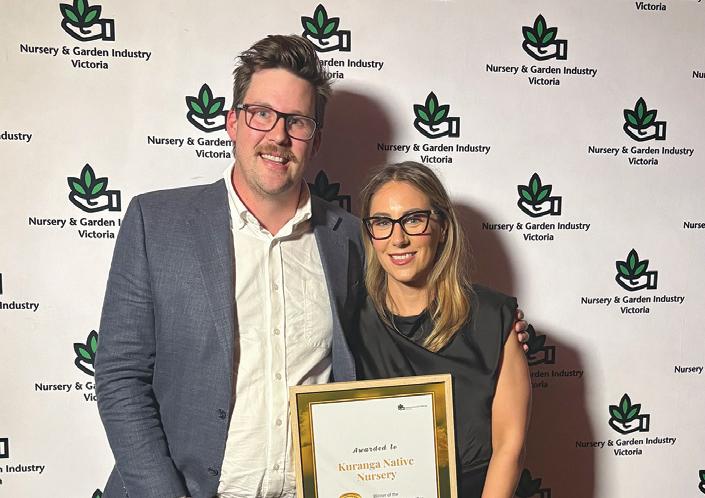
Kuranga Native Nursery received the 2025 Retailer of the Year Award, setting a benchmark for horticultural retail excellence.
With more than 3,500 native plant varieties, extensive educational programs and a highly knowledgeable team, Kuranga
was recognised for its ability to combine commercial success with environmental stewardship and community engagement.
Judges were particularly impressed by the nursery’s commitment to customer experience, sustainability and innovation, creating a destination that inspires and educates gardeners while championing Australian native plants.
Allied Horticulture Business of the Year: Van Schaik’s Bio Gro
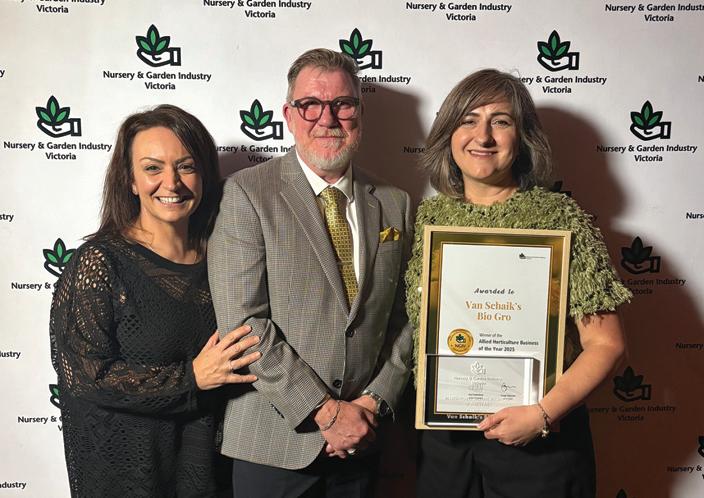
Van Schaik’s Bio Gro was recognised as the 2025 Allied Horticulture Business of the Year for its leadership in sustainability, innovation and industry service.
The business was acknowledged for its work in potting mix development and green waste management, including the development of FOGO as a sustainable raw material. Judges recognised Bio Gro’s ongoing commitment to diverting organic material from landfill while supporting the nursery industry through product innovation and customer service.
Its holistic approach to sustainability and continuous improvement made it a standout recipient in a highly competitive category.
Nominations now open
The achievements of the 2025 Awards Night winners demonstrate the breadth of excellence that exists across Victoria’s greenlife industry.
If you know a business, colleague or emerging leader who deserves recognition, now is the time to nominate.
Nominations for the 2026 NGIV Industry Awards close on Friday 26 June.
Hamish Mitchell with 2025 Production Nursery of the Year winners, TGA.
Ben and Alexa Clark of Kuranga Nursery, 2025 Horticulture Retailer of the Year winner.
2025 Allied Horticulture Business of the Year winners, Van Schaik’s Bio Gro, with Ian Firth.
End of an era: Norwood farewells Fran Coyle and welcomes Jason Nicholas at the helm
By Stuart Eason, Norwood
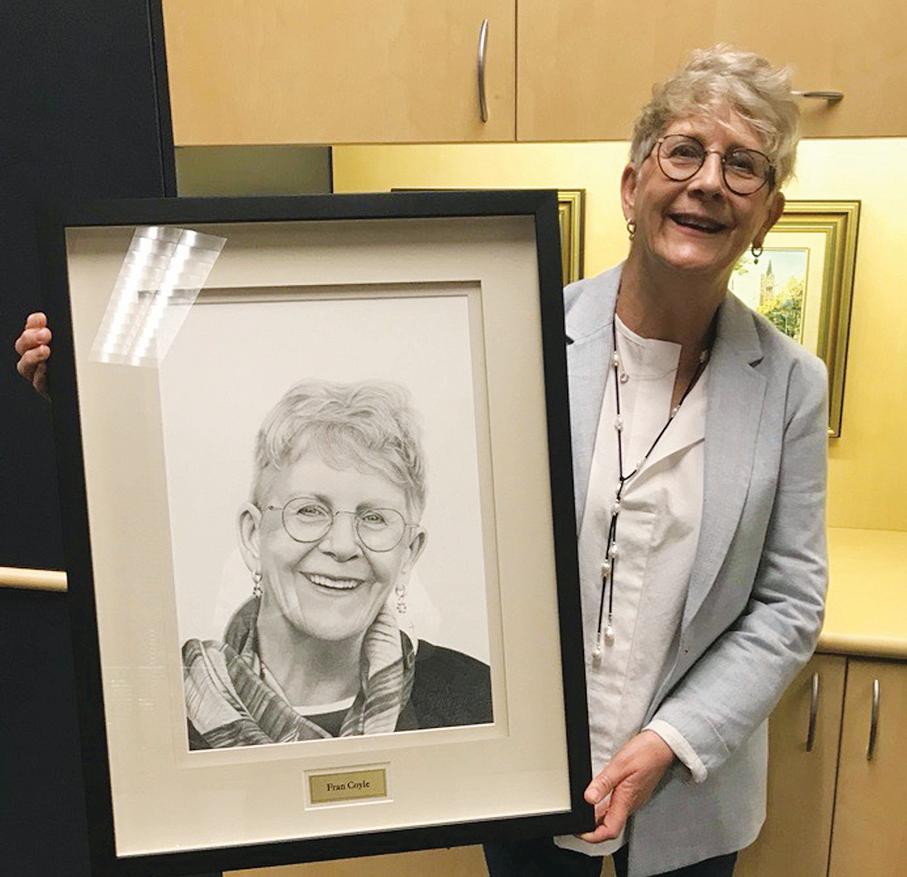
After 24 transformative years at the helm of Norwood, General Manager Fran Coyle has announced her retirement, effective July 2026. A born and bred Kiwi who brought energy, commercial rigour and a people-first leadership style to the family-owned business, Fran departs having reshaped Norwood’s operations and relationships across Australasia and beyond. She will hand over the reins to Jason Nicholas, who joins with an excellent track record in business and a clear mandate to build on Fran’s legacy.
From Corporate New Zealand to Norwood’s Family Heart, Fran arrived at Norwood in 2002, after a distinguished career that included senior leadership roles with Selleys (as General Manager) and Woolworths (as Produce Director). Those earlier years, Fran often says with a wry smile, were “awesome and challenging” not least because they coincided with the arrival of her son, Adam. Yet it was the cumulative weight of corporate politics, red tape and conflicting priorities that prompted her reassessment of career goals.
A newspaper advertisement for Norwood’s General Manager position offered that possibility. Initially overlooked, the Easons dismissed Fran’s job application as she had no printing, horticulture or small family business experience. In typical fashion, Fran refused to accept “no” and did what she does best; She chased an interview, charmed her way in, and the rest is company history with a 24-year tenure that has seen Norwood evolve into a diverse and talented team and an enviable relationship with customers and suppliers.
Navigating the family business dynamic
One of the defining chapters of Fran’s time at Norwood was learning to lead within a long-established family business. Norwood’s culture had been shaped over several decades by founding family members. Some of its long serving staff initially found the presence of an external manager difficult to reconcile as Fran challenged familiar patterns and habits. She provided an inspired corporate approach and thrived being hands on in all aspects of the business, using her excellent communication skills and tougher commercial discipline.
Fran navigated that terrain with patience and unflappable resolve. She invested time in listening, building trust, and demonstrating that better systems and clearer accountability would secure jobs and protect the business for future generations. Her approach blended firmness with empathy; she could be direct when necessary but also the first to acknowledge and assist those who fell on difficult times.
During Fran’s tenure, she gained a deeper understanding of manufacturing and the company’s unique product offering. She accelerated Norwood’s growth by overseeing the introduction of online artwork creation (eTag), seamless order processing (Tagpic Online), royalty collection services (Royalties Online) and the modernisation of the company’s warehouse picking systems.
She expanded Norwood’s large format digital printing division to provide a significant contribution to the company’s success in the commercial print market.
Fran wasn’t afraid to try new things. If it failed, Norwood learned something; if it worked, she would give her team full credit. She was a strong advocate for staff development, and a culture of multitasking followed, mostly because Fran loved training people and asking, “What else can we teach you to do before lunch?”
Fran Coyle
A global Rolodex and a busy travel schedule
Another hallmark of Fran’s legacy is the depth of Norwood’s grower and supplier relationships. Fran routinely spoke with and travelled to nurseries throughout Australia, New Zealand and the United States. She spent time championing the nursery industry wherever she went and recognised the pressures faced by growers with seasonal bottlenecks, labour constraints, and retail floor space. Those relationships provided closer collaboration on product development, plant presentation and shared innovation that benefited growers.
A legacy of tenacity and care
Fran’s story at Norwood is one of tenacity, relationship building and pragmatic leadership. From her determined effort to secure the job in 2002, to her tireless pursuit of sourcing environmentally friendly degradable substrates, Fran has left a lasting imprint.
Norwood celebrates Fran’s many contributions to the horticultural industry. She steps back with the knowledge that she guided a family business that she came to love and with confidence that Jason Nicholas will steward Norwood into its next chapter.
We wish Fran all the best for her well deserved retirement and in welcoming Jason to his new role.
Welcoming Jason Nicholas
Stepping into the company’s new CEO role is Jason Nicholas who has held several long standing General Manager positions with leading household brands. He brings a wealth of retail knowledge and experience in customer service and operations management. Jason inherits a dynamic business with a talented team and a clear brief to grow Norwood sustainably while maintaining the family values that Fran preserved.
Fran will remain involved in a transitional advisory capacity throughout June to ensure a smooth handover. Customers can expect continuity of service while benefitting from fresh energy and new ideas under Jason’s leadership.
Jason Nicholas, CEO, Norwood
If we inspire them today, they’ll plant tomorrow
Why Southern Plants invests in the industry – and why it matters for your business.
Ask anyone in the horticulture industry why they do what they do and you’ll hear about a love of growing things. A belief that gardens matter. A quiet conviction that the world is genuinely better when more people are connected to plants.
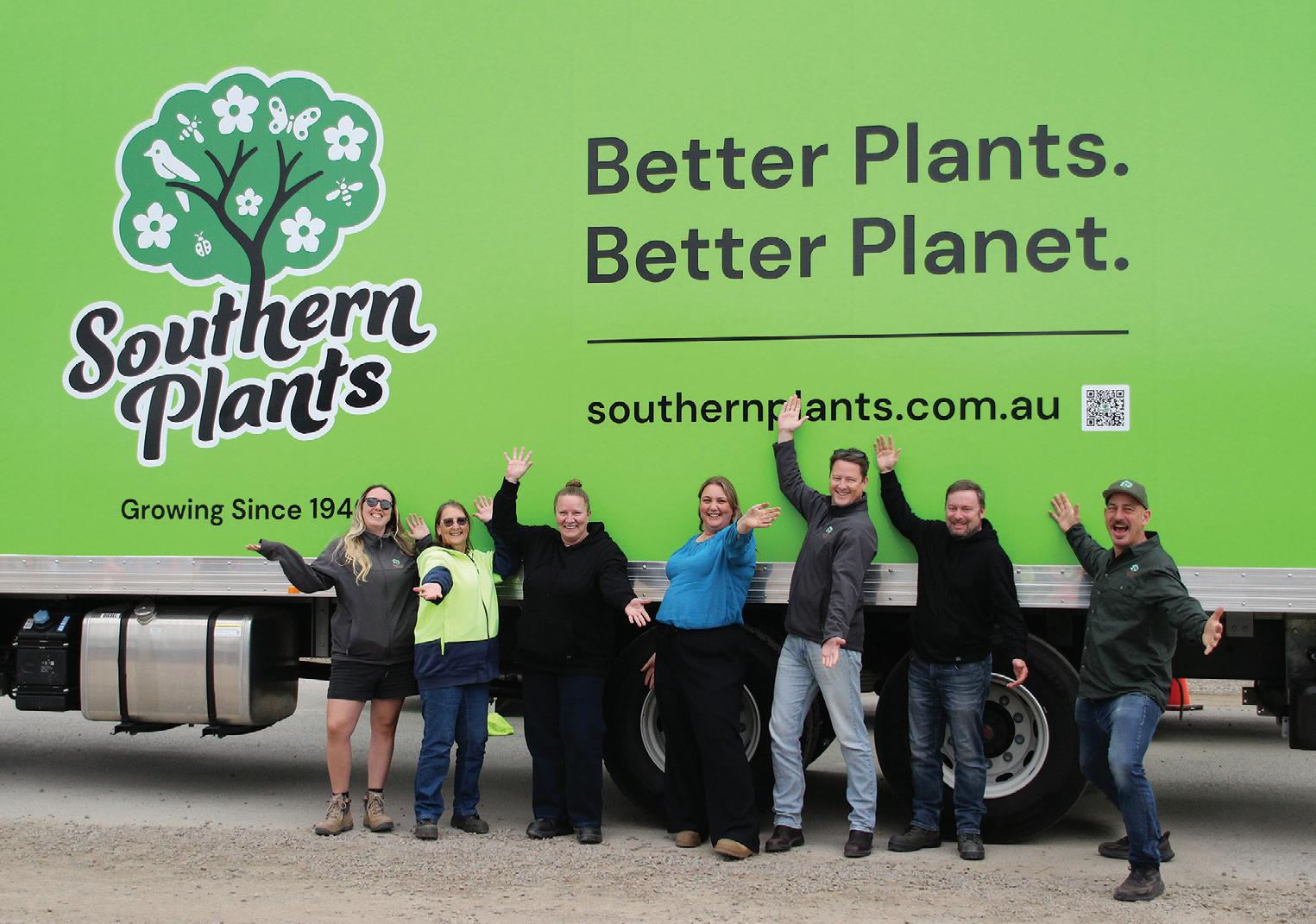
At Southern Plants, that conviction runs through 80 years of growing in Victoria – through every variety we select, every order we fulfil, and every industry event we show up to and support. It’s a question that drives us – and one we think the whole industry needs to keep asking: how do we inspire more people to love gardens?
The challenge in front of all of us Australians are under real financial pressure. The cost of living is squeezing household budgets and people are making careful choices. As an industry, we can either wait – or make the case for why gardens deserve a place in people’s lives regardless. We believe it’s our job to make that case.
Gardening remains one of life’s most accessible pursuits. A few quality plants transform an outdoor space for a fraction of what almost any other leisure activity costs – and the benefits keep growing long after planting. Reduced stress, improved mental health, a sense of connection and purpose. In tough times, the garden is often where people turn first.
For homeowners working with a landscaper, the argument is equally compelling.
A well-designed garden adds real, measurable value to a property –improving liveability and kerb appeal, and giving homeowners a space they actually want to spend time in. But none of that happens without inspiration.
Why we invest in the industry
Southern Plants backs events like MIFGS because inspiration is the engine of our entire industry. When people walk through a show garden and feel something – that spark drives them to a garden centre, a landscaper, a nursery. That moment is where everything begins.
It’s why we plan months ahead to ensure the right plants are ready for the right gardens.
It’s why The Garden Gurus chose to feature Mark Jackson, our CEO, in their Legends and Legacies series at MIFGS 2026, sharing Southern Plants’ story and reflecting on the role growers play in keeping inspiration alive.
Our vision is to lead Australian horticulture as the most sustainable and innovative nursery – focused on our customers, the end consumer and the communities we serve.
Better Plants. Better Planet. That’s not a slogan. It’s why we get up in the morning.
And we have you covered Inspiration without supply is just a dream. Right now our growing bays are full – natives, hedging plants, flowering varieties, grasses and groundcovers, grown from the world’s best genetics on the Mornington Peninsula using 100% renewable energy and recycled water. When your customers are ready to plant, we will be ready for you. The market is – together.
To every garden centre, landscaper and industry partner – thank you for your continued trust. And to anyone who isn’t yet a customer: this is what we do, and this is how we do it.
– Southern Plants Team
Tree & Shrub Growers visit Van Berkel Distributors
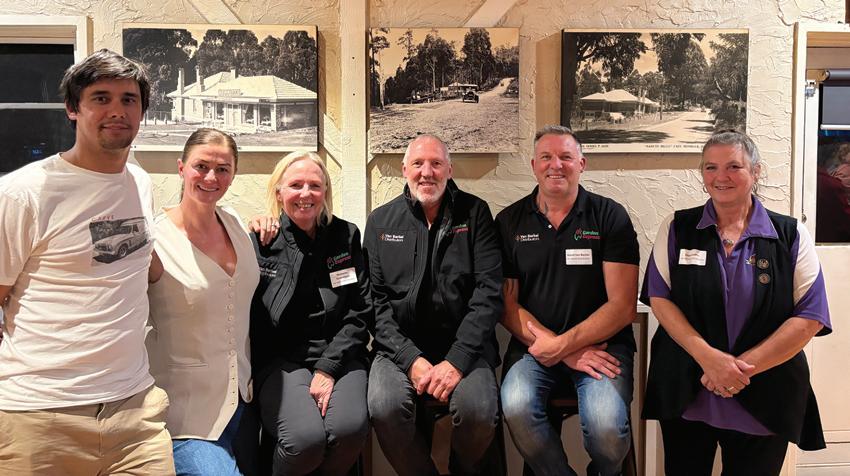
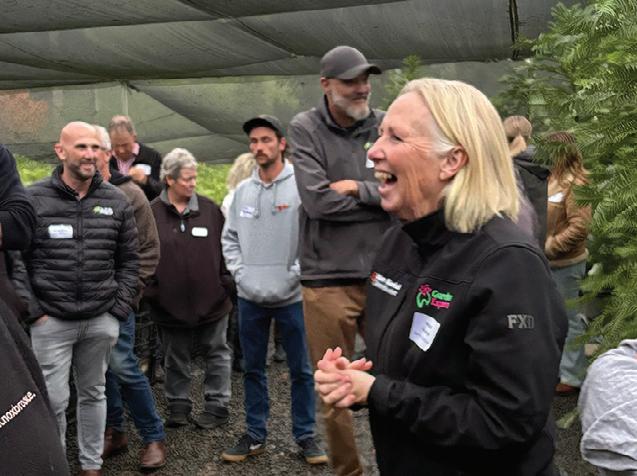
The May Tree & Shrub Growers was a fantastic event, bringing nearly 70 industry members together for an insightful evening at Van Berkel Distributors in Monbulk.
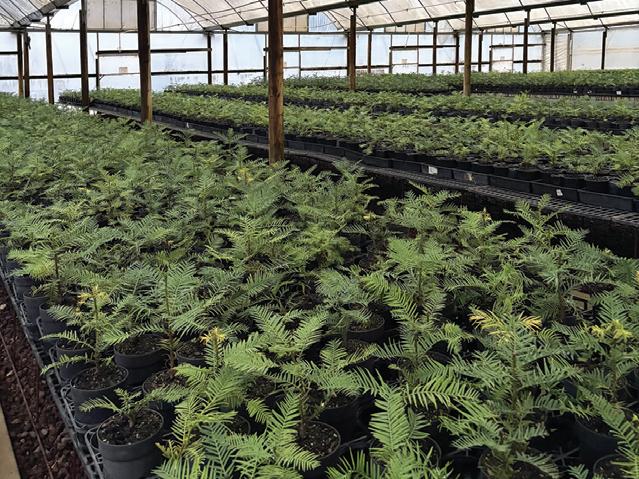
Hosted by Heath McKenzie, the afternoon kicked off with a behind-the-scenes tour of the Van Berkel site, where owner David Berkel and the team generously shared the history of the business and gave attendees a closer look at the day-to-day operations of one of Victoria’s long-standing horticultural enterprises.
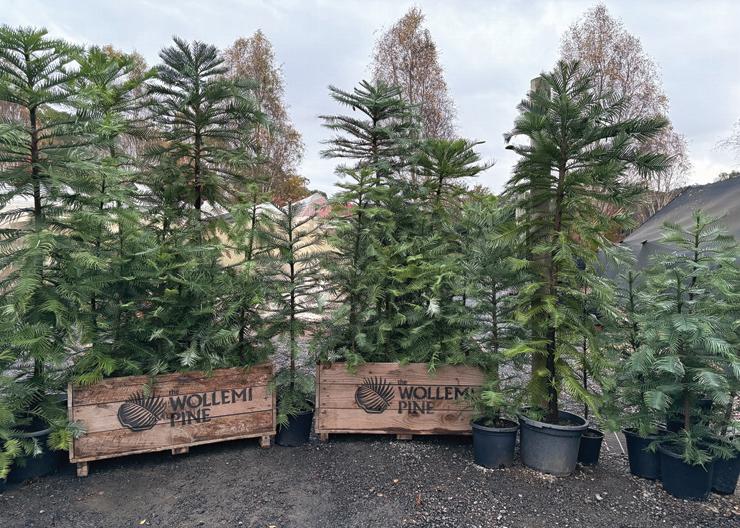
Members enjoyed seeing the nursery’s machinery and production systems up close, along with a fascinating look at the Wollemi Pine growing setup - a definite talking point of the evening. The tour also provided a great opportunity to meet the Van Berkel team and hear firsthand about the evolution of the business and the challenges and opportunities facing the industry today.
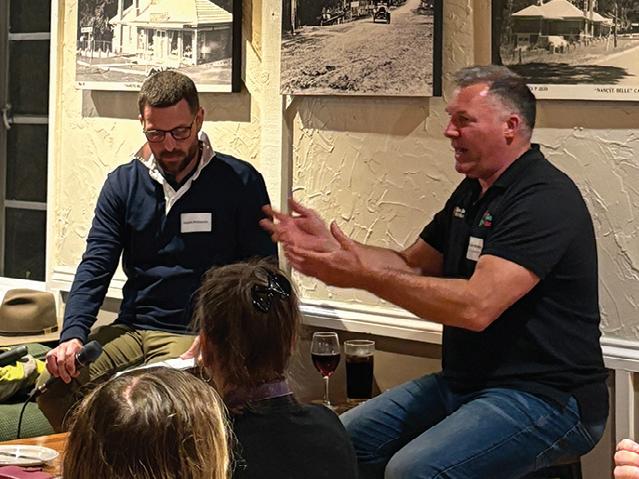
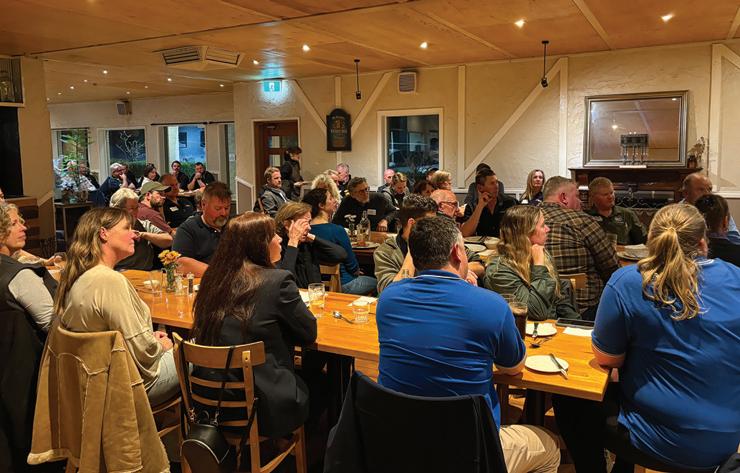
Following the tour, the group moved to The Watering Hole Tavern in Monbulk for dinner, drinks and plenty of networking. Heath facilitated a Q&A with David Berkel, with conversation covering everything from the history of the business through to production, industry changes and future opportunities.
Local Liberal endorsed candidate Claire Fitzmaurice also joined the dinner to learn more about horticultural businesses operating within her electorate and hear directly from growers and industry members.
A big thank you to David Berkel and the entire Van Berkel team for opening their doors and hosting such an enjoyable and insightful evening for members.
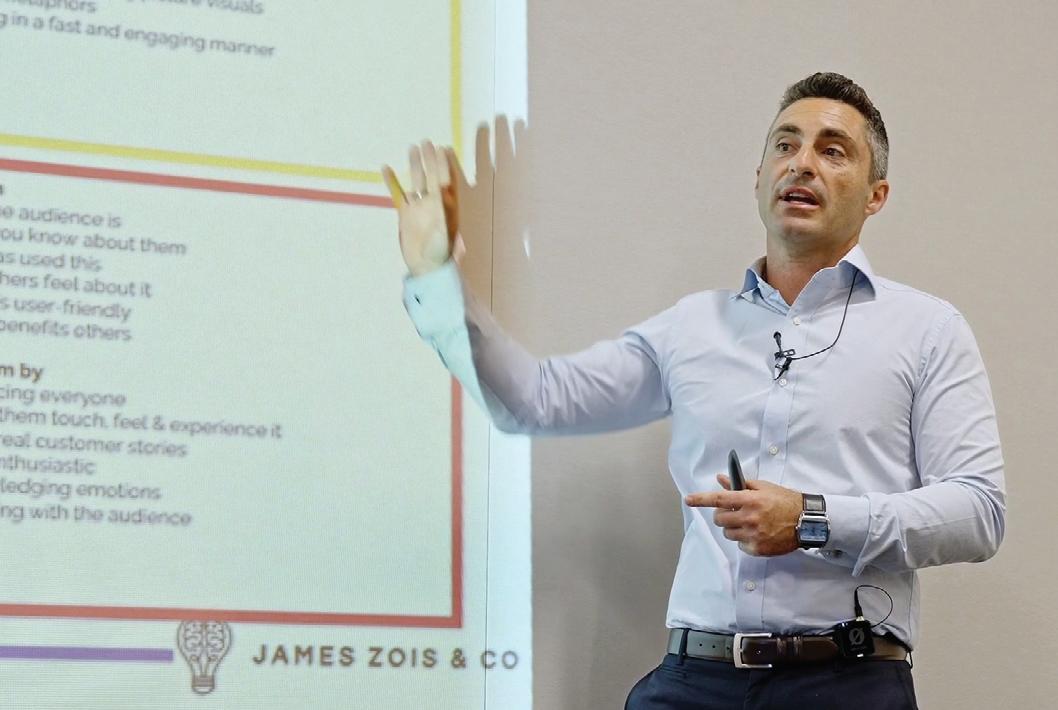
From grower to leader: The skills most nursery owners are never taught
By Dr. James Zois
As nursery businesses grow, leadership becomes about far more than technical expertise alone. In this article, leadership and culture specialist Dr James Zois explores why many business owners and managers struggle with the transition from grower to leader - and the critical people skills needed to build stronger teams, healthier workplace culture and more sustainable business growth.
Most nursery owners didn’t get into leadership because they wanted to manage people.
They got there because they were excellent at their work.
They knew the plants.
They understood the operations.
They could solve problems.
They built the business through technical expertise, hard work, and years of experience.
And in many nursery businesses, leadership happens the same way: the best grower, operator, or senior team member gets promoted because they’re the most capable technically.
But here’s the challenge:
Being technically brilliant does not automatically make someone an effective leader.
Leadership requires a completely different skill set - one that many people are never formally taught.
The leadership skills most technical experts never learn
Running a team requires far more than knowing the job. It requires the ‘soft’ skills that are actually the ‘hardest’ to master, but are the most closely linked to high-performing businesses and successful teams.
In short, strong leaders must learn how to:
» communicate expectations clearly
» hold people accountable, without damaging relationships
» navigate difficult conversations and conflict
» make timely decisions with incomplete information
» build trust, engagement, and ownership across the team
These are learned capabilities – not traits people simply ‘pick up’ because they’ve been around a long time.
Why this matters more than ever right now
As your nursery grows, your success becomes less dependent on what you can do…and more dependent on what your team can do without you
When leadership capability is underdeveloped, businesses often experience:
» staff needing constant direction
» performance issues going unaddressed
» team frustration and mixed messages
» high turnover or disengagement
» owners becoming the ‘bottleneck’ for every decision.
In other words, poor leadership limits business growth
Three questions every nursery leader should ask themselves
If you’re leading a team, consider these 3 questions:
1. Am I solving too many problems myself?
If your team relies on you for every answer, you may be managing dependency instead of empowering staff and building capability.
2. Do my people know exactly what ‘good’ looks like?
In our experience, many performance issues stem from unclear expectations - not poor staff attitude.
3. Am I avoiding difficult conversations?
Small issues ignored today often become bigger cultural problems tomorrow that cost owners time, effort and $$$. Not to mention damaged brand reputation.
Leadership can be learned
The good news? Leadership is not something you either have or don’t have. It is a skill—just like sales, growing, forecasting, or operations. And like any skill, it improves with deliberate practice. The nursery businesses that will thrive over the next decade will not just be those with the best product. They will be the ones that build leaders at every level of the organisation. Because eventually, every growing business reaches the same point:
Technical expertise gets you started.
Leadership capability determines how far you can go.
Want to understand your tam culture better?
We are offering the NGIV community a complimentary Culture & Purpose Diagnostic Tool designed to help leaders identify strengths, blind spots and opportunities across workforce engagement, leadership and team culture. To request access, please send email with text ‘Culture and Purpose Tool Please’ to: team@jameszoisandco.com.
About the Author
Dr. James Zois is a leadership and culture specialist, an author and founder of James Zois & Co, supporting organisations across Australia to strengthen leadership capability, team culture and customer experience. Through coaching, workshops and strategic development programs, James and his team help businesses turn purpose and values into visible everyday behaviours that drive engagement, performance and long-term growth.
To explore how your garden centre or nursery can build stronger teams, richer customer experiences and a thriving community around your business, connect with James for an obligation-free conversation using the details below.
Dr. James Zois
e: team@jameszoisandco.com
m: 0413 497 090 www.jameszoisandco.com
Employees and independent contractors – which is which, and why does it matter?
By Michael Coker, Piper Alderman
When it comes to deciding how to engage workers for your business, actions speak louder than words, in the sense that whatever you may call the role, the substance of the role will determine what it really is. This article explores the fundamental distinction between employees and independent contractors, and why it matters in operating your business.
Almost all operators in the greenlife industry engage other people to assist with different tasks. You might engage somebody for planting, pruning, fertilising, earthworks, accounts payable and even managing your social media presence. The special skills and knowledge in the greenlife industry that can be provided by an employee, or equally well (and for others) by an independent contractor, are significant. However – not all people who perform work for you are your employees, some might be independent contractors. The difference between an employee and an independent contractor is important, because your responsibilities in relation to matters including:
» tax, including PAYG withholding obligations;
» employee entitlements; and
» superannuation,
each vary depending on whether the worker is an employee or an independent contractor and the services being provided.
In this sense, knowing the difference can really make a difference for you and your business. It is important that you classify your workers properly – remember that if it walks like a rooster, and sounds like a rooster, then you had better not call it a duck!
Employees
Many employers think of an employee as being, essentially, somebody who works for them. However, this isn’t the full story. An employee is somebody who is part of the business, who follows the lawful and reasonable directions of the employer, and who receives employee benefits. Most importantly, an employee serves in the business, rather than in their own business.
Independent contractors
Independent contractors typically provide services for somebody else. They may either provide services as an individual (think, sole trader), or through their own corporate entity, and usually do so with specific skill sets that they have in their own business. They are a kind of ‘free agent’, and are not classically a representative of the business that engages them. They perform work for others in order to further their own business. Independent contractors are ordinarily engaged to perform a specific task or service, and could be working for multiple people on multiple jobs at any one time. They are far less likely to be paid ‘by the hour’.
What this means for you
As someone who engages workers, your responsibilities depend on whether those workers are employees or independent contractors. Legal problems (for example, underpayments or ‘sham contracting’ allegations, and unpaid leave entitlements) can arise from an incorrect classification.
Pay-as-you-go (PAYG) withholding
Employers are required to deduct income tax from their employees’ remuneration and remit that withholding to the ATO. However – this obligation does not apply in relation to independent contractors.
Employment entitlements
Employees are entitled to a range of benefits established by the National Employment Standards (including things like maximum weekly hours and various paid leave entitlements), and they are often covered by an Award or Enterprise
Agreement which includes additional obligations. By contrast – independent contractors are paid simply according to the contractual terms. Importantly, employee entitlements cannot be excluded simply because a contract says the relationship is one of principal and independent contractor.
Superannuation
Ordinarily, employers must pay their employees’ superannuation. Independent contractors, however, are ordinarily not owed superannuation by the people who engage them, except in certain circumstances. These circumstances can include if they are working under a contract that is wholly or principally for their labour where the contractor is not providing services through their own corporate entity.
Spotting the difference
Although the ‘test’ for assessing whether somebody is an employee or an independent contractor has evolved significantly in recent years, the primary aspect to be aware of is that the classification is determined by reference to the real substance, practical reality, and true nature of the total relationship between the worker and the employer. Of course, the contract (if there is one) will play a role in
determining the nature of the relationship, but it is not the sole factor to determine whether a worker is an employee or an independent contractor.
For example, a contract might call somebody an independent contractor, but in reality they may be more like an employee. As the Fair Work Commission has humorously observed, you ‘cannot create something which has every feature of a rooster, but call it a duck and insist that everyone else recognise it as a duck’.
It is important that contracts are carefully drafted, so that unambiguous wording accurately describes the intended relationship. The following attributes are commonly considered in determining the relationship:
arden er G w Bett
ots ar a P
ompanies alian c
supporting the
epleedtoint
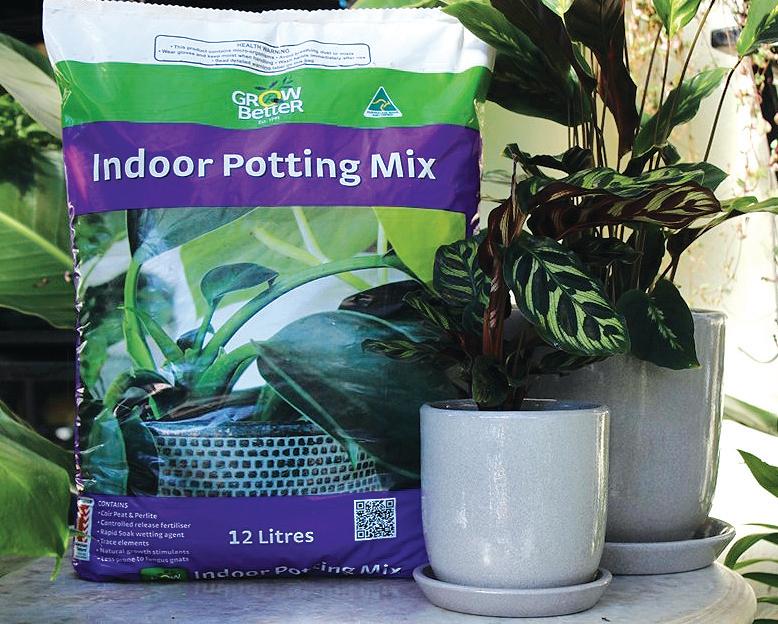
ertiliser and W f eat oir P ontains C It c orget ants, don’t f ome y c awney.The vailable wich pot is a n w e a ne roduc T us emium A gent, and meets Pr A elease olled R ontr , C erlite and P otting Mix er Indoor P w Bett Gro our indoor pl When potting up y ge and small set of 3. in a lar ed), Beach and in Cloud (pictur een he Gr ange of indoor pots. T r o int e pleased t ots ar a P Bombor u
and
wned
alian S
Employees commonly . . .
Work standardised hours
Receive a periodic wage or salary
Work solely for their employer (in the case of full-time employment)
Wear a uniform provided by their employer
Use significant tools or equipment provided by their employer
Receive paid holidays and sick leave
Perform the same role as somebody else employed at that business
Exercise reduced control over the way that they perform the work, or the location and hours of work
Have income tax deducted from their remuneration by their employer
It is also fundamentally important to decide whether you want a particular worker to be an employee or an independent contractor. For example:
» if you want to have significant control over what the worker does, and how the worker does it – an employee may be preferable;
» if you want to ensure that a worker is responsible for their own superannuation and the like, engaging a corporate entity as the independent contractor to provide the service (which might then be provided by a particular individual) may be preferable;
» if you only want to engage the worker for a particular job or period of time on a particular piece of work – an independent contractor who specialises in providing that service may be preferable, or you could engage an employee for a fixed arrangement that ends when that project ends; and
Independent contractors commonly . . .
Work for the term of each particular task or contract
Provide an invoice after they have completed work
Work for others, or are genuinely entitled to do so
Wear their own uniform, or clothing of their own choice
Supply or maintain their own equipment
Do not receive paid holidays or sick leave
Perform a role unique to their specific contract
Exercise great control over how they perform the work
Bear responsible for their own tax affairs
» if a worker is going to appear part of the fabric of your business – an employee may be preferable.
Piper Alderman has extensive experience advising on legal issues applicable to employee relations and engaging independent contractors in businesses.
If you are considering engaging somebody to work for your business, it is important that you think carefully about how you should structure that relationship, as this will have significant consequences for you, your business, and that worker. It is always prudent, and often essential, to obtain specific legal advice when engaging workers for your business.
About the author
Michael Coker is a corporate and commercial lawyer with considerable experience in a number of fields of advisory and transaction-based legal work, including advising clients in the horticulture industry, particularly members of NGIV.
ASQ Garden & Landscape has become one of Central Victoria’s most recognised and progressive garden and landscape destinations, combining the strength of a major landscape supply business with the warmth, creativity and horticultural knowledge of a contemporary garden centre.
With sites at Castlemaine, Eaglehawk and Maryborough, ASQ services a broad cross-section of the region, from trades and large-scale landscaping projects through to home gardeners seeking inspiration, advice and quality products.
Built on the strong foundations of the Bird family business, ASQ has grown into a major regional enterprise spanning quarrying, premix concrete, recycling, construction materials and garden retailing. ASQ Garden & Landscape represents the customer-facing division of the brand, bringing together landscape supply, horticulture, outdoor living and garden inspiration within uniquely regional Victorian settings.
From soils, mulch, stone and paving through to plants, garden care, giftware and a café space, ASQ Garden & Landscape division offers a complete experience for both trade and retail customers.
A key ingredient in ASQ’s success is its people. Across the three sites, experienced horticultural staff bring practical knowledge, creativity and genuine customer care, helping customers feel inspired and confident in their projects and gardens.
Community connection remains central to the ASQ vision. Through apprenticeships, environmental initiatives, local partnerships and the VIP rewards program, ASQ continues to reinvest into the Central Goldfields region it proudly calls home
Strong branding, innovative marketing and continual site development have positioned ASQ as far more than a traditional landscape supplier or garden retailer. It is a business grounded in hard work, shaped by regional values and focused firmly on the future.
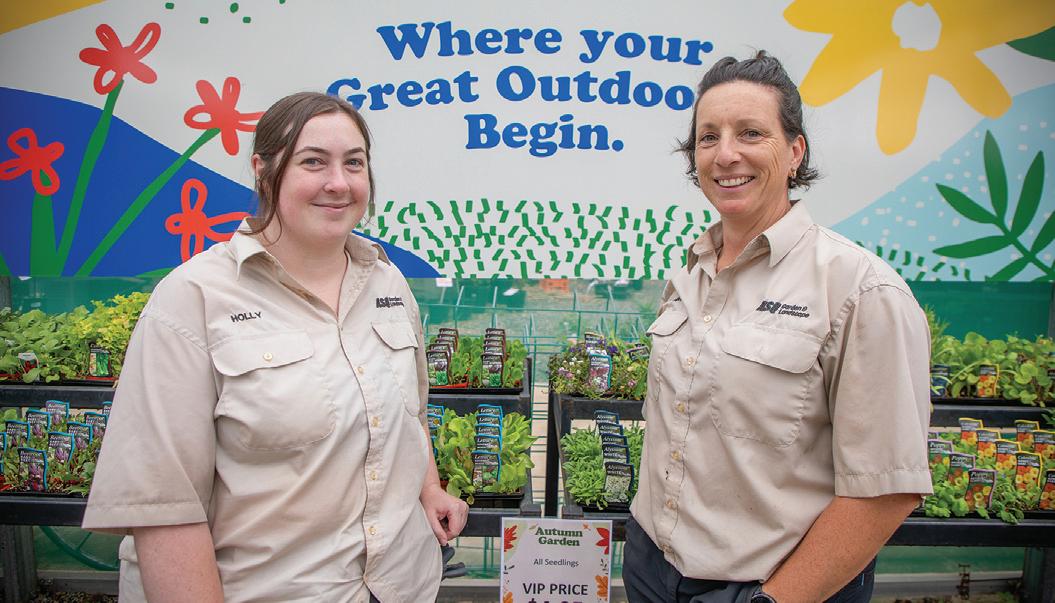
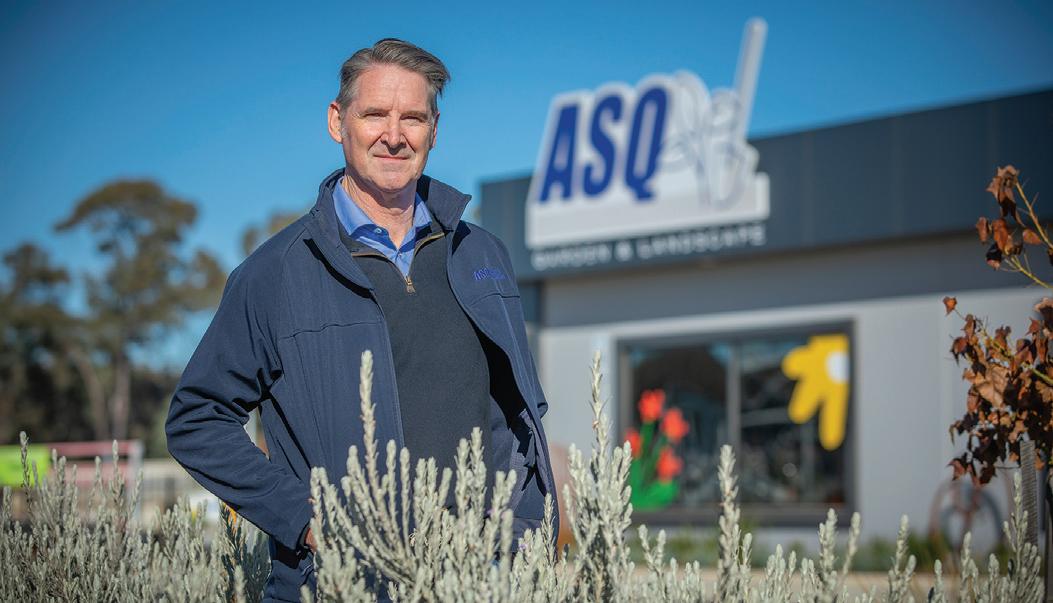
ASQ Garden & Landscape team members Holly and Amy. Tony Byrne General Manager of ASQ Garden & Landscape.
Images supplied
ASQ Garden & Landscape
New psychological health regulations now in effect
– what you need to know
Information sourced from WorkSafe Victoria and the WorkSafe Compliance Code – Psychological Health
From 1 December 2025, the new Occupational Health and Safety (Psychological Health) Regulations 2025 came into effect in Victoria. These regulations formally recognise psychological health as part of workplace health and safety obligations, and reinforce the need for employers to proactively manage psychosocial hazards.
The new regulations apply to all employers, including small businesses, and are an important reminder that workplace health and safety extends beyond physical hazards.
The regulations are supported by the WorkSafe Victoria Psychological Health Compliance Code, which provides practical guidance on how employers can meet their duties under the Occupational Health and Safety Act 2004
What is psychological health?
Psychological health refers to how work, workplace systems, management practices and workplace relationships may affect an employee’s mental, emotional and physical wellbeing.
What are psychosocial hazards?
The regulations define psychosocial hazards as workplace factors that may cause an employee to experience negative psychological responses that create a risk to their health or safety.
The Compliance Code explains that psychosocial hazards can arise from five key areas of work:
» Work design – the tasks, responsibilities and relationships involved in a role
» Systems of work – how work is planned, organised and carried out
» Management of work – leadership, operational decisions, staffing and resourcing
» Carrying out the work – how, when and where work is performed
» Personal or work-related interactions – behaviours and interactions between employees and others in the workplace
Importantly, psychosocial hazards are not limited to bullying or harassment. The regulations identify a broad range of workplace factors that can contribute to psychological harm, including:
» high job demands
» poor workplace relationships
» aggression or violence
» remote or isolated work
» poor support
» fatigue-related risks
» sexual harassment and gendered violence.
Diagram 1: Understanding the definition of psychosocial hazard
For many businesses in the nursery and garden industry, some of these risks may already sound familiar.
Seasonal workload peaks, weather pressures, staffing shortages, customer demands, physically demanding work, tight delivery schedules and long hours during busy periods can all contribute to psychosocial risk if not managed appropriately
Businesses with remote production sites, lone work arrangements or customer-facing retail environments may also experience additional psychosocial pressures.
Psychological health is now clearly embedded in occupational health and safety law
One of the key messages under the new regulations is that psychological health must be treated with the same seriousness as physical health.
Under Victoria’s Occupational Health and Safety laws, employers already had a duty to provide and maintain a working environment that is safe and without risks to health. The new regulations reinforce that “health” includes psychological health and provide greater clarity around how psychosocial hazards should be managed.
This means employers are expected to proactively identify psychosocial hazards and take reasonably practicable steps to eliminate or reduce associated risks.
The Compliance Code outlines a four-step risk management process:
1. Identify psychosocial hazards
2. Assess risks where necessary
3. Control risks
4. Monitor and review controls
Consultation is also a major focus of the regulations. Employers must consult with employees and Health and Safety Representatives (HSRs) on matters that directly affect their health and safety.
For many businesses, this means having regular conversations with employees about workloads, workplace pressures, workplace behaviours, communication and support systems.
The Compliance Code also places strong emphasis on leadership and workplace culture, recognising that employees are more likely to raise concerns early in workplaces where communication and respectful behaviour are actively supported.
Practical next steps for businesses
Businesses should begin reviewing how psychosocial risks may arise in their workplaces and what practical steps can be taken to manage them.
Some practical steps businesses can take include:
» Reviewing workloads and staffing levels during peak seasons
» clarifying job roles and responsibilities
» checking fatigue management practices
» ensuring supervisors know how to identify psychosocial risks
» encouraging respectful workplace behaviours
» improving communication during workplace change
» creating clear reporting pathways for workplace concerns
» consulting employees regularly about workplace pressures and risks.
Importantly, the Compliance Code emphasises that policies alone are not enough. Employers must ensure systems of work are genuinely effective and supported by communication, training and leadership.
In conclusion
By taking a proactive approach now, employers can not only improve compliance, but also support healthier, safer and more productive workplaces across the industry.
WorkSafe has made it clear that businesses should be able to demonstrate they are actively identifying risks, consulting with employees, implementing controls and reviewing whether those controls are effective. Maintaining simple but clear records of these activities will also be an important part of demonstrating compliance.
The WorkSafe Victoria Psychological Health Compliance Code and additional guidance materials are available at worksafe.vic.gov.au.
NGIV will continue to provide members with practical updates, tools and resources to help businesses understand these obligations and support healthier, safer and more productive workplaces across the industry.
Diagram
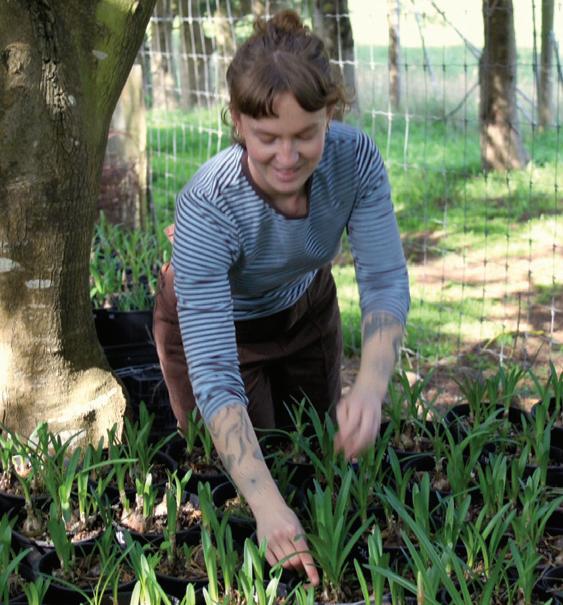
Growing local trainees for nurseries
By Future1st Group Training Organisation
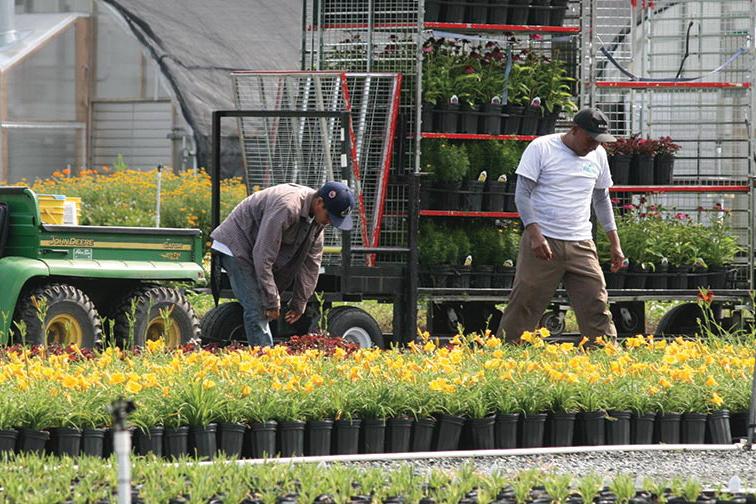
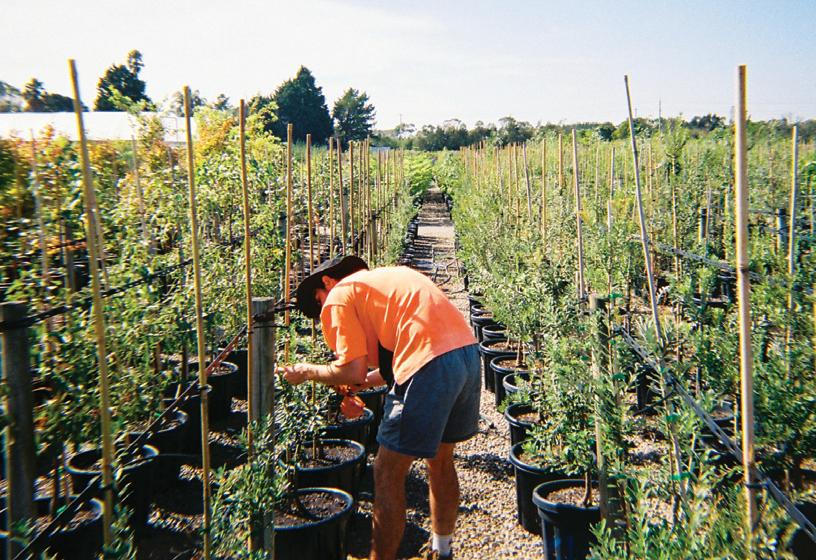
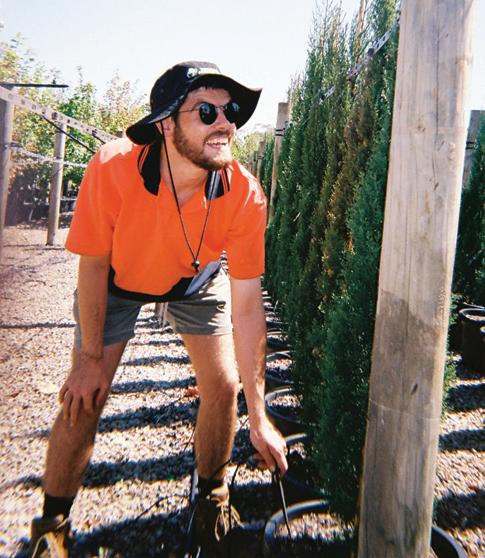
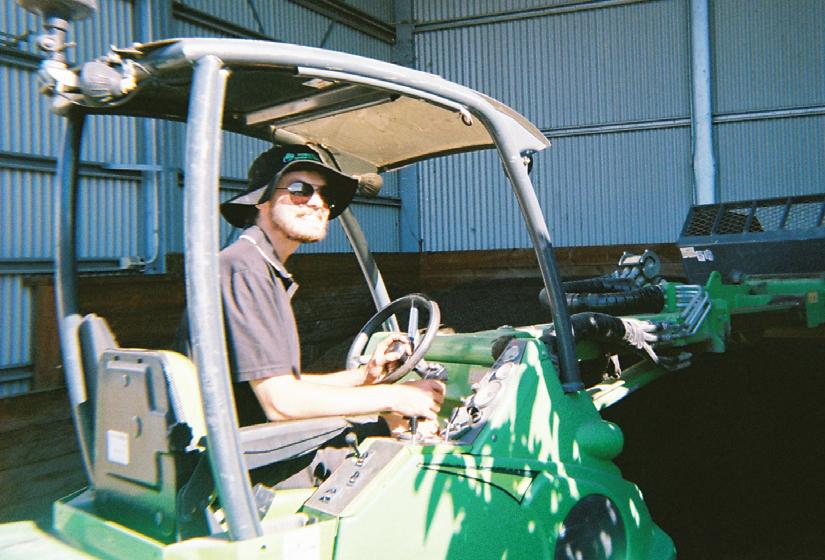
At Future1st, we believe the best place to learn horticulture is in the nursery – not a classroom. That’s why we work with host employers across Victoria to place local trainees where the real learning happens: on the tools, in the yard, doing the work.
Jordan is a good example of what that looks like in practice. Recently completing his nationally recognised Certificate III in Horticulture qualification through Future1st GTO – a governmentsupported program that matches keen local talent with host employers, pairing real on-the-job experience with off-the-job training through Kangan Institute. For the team at Peninsula Advanced Trees, it meant an extra set of hands who was genuinely invested in learning the trade from day one.
His online course units in pruning and sustainability weren’t abstract concepts – they were Tuesday morning. And that’s exactly the point.
“I really enjoyed the work-based study model,” Jordan said. “Being hands-on every day just made sense.”
Host employer Brent agreed. “Since Jordan started, he’s been able to understand the task and lead himself – and as part of a team. It’s been a great experience.”
When you host a trainee through Future1st, you’re not just giving someone a start. You’re growing someone who knows your plants, your standards, and your way of doing things from the ground up.
To find out more about hosting a Certificate III Horticulture trainee for your nursery, visit future1st.com.au.
Driving demand for greenlife through communications strategies
Funded by the nursery marketing levy, the Greener Spaces Better Places program continues to focus on strengthening consumer engagement to drive long-term demand for plants.
Recent program updates have highlighted a continued focus on evidence-based communication strategies designed to better connect with consumers and reinforce the broader benefits of plants beyond aesthetics alone.
Why consumers do, and don’t, buy plants
Around half of Australian consumers do not feel confident choosing or caring for plants, according to research shared through the initiative - reinforcing the need for education and practical support to help maintain long-term engagement with gardening and greenlife.
Interestingly, while consumers have reduced both the frequency of their nursery visits and overall spending on plants in recent years, price itself is no longer considered the primary barrier to purchase. Instead, lack of interest has emerged, highlighting the importance of building consumer inspiration, and communicating the value of plants in compelling ways.
Quantifying the value of greenery
To address these challenges, the program recently launched a research-driven campaign in partnership with Domain Real Estate. The Plant Value Report analysed real estate data to better understand and quantify the impact of plants and greenery on property value and buyer interest.
The findings demonstrated that homes featuring greenery sold for almost 17.5 per cent more on average and attracted significantly greater buyer interest online - helping provide tangible data to support what the industry has long understood anecdotally.
The power of evidence-based storytelling
The campaign also reinforced the power of evidence-based storytelling in connecting consumers with plants and green spaces, generating more than 500 pieces of media coverage and reaching an estimated 20 million Australians.
This messaging represents an important shift in how the industry communicates with consumers – moving beyond simply promoting plants to promoting the role plants can play in people’s lives.
Looking ahead
As the industry continues to adapt to changing consumer behaviour and economic conditions, Greener Spaces Better Places is continuing to build momentum through retail campaigns, digital education and initiatives aimed at helping consumers feel more confident purchasing and caring for plants.
Celebrating 91 years of Poyntons Nursery
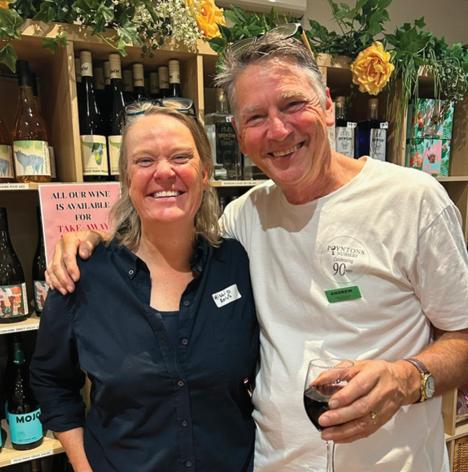
Garden Centres Australia recently brought together members, sponsors, associate members and industry leaders for a wonderful evening celebrating 91 years of Poyntons Nursery and 30 years of Earthlife Rock Minerals.
Held overlooking the Maribyrnong River at Poyntons, the event celebrated two iconic Australian businesses and the strong partnerships that continue to shape the horticultural industry. Poyntons was proudly the first garden centre to stock
Earthlife products some 30 years ago – a relationship built on shared passion, trust and commitment to quality horticulture.
The evening also included the Garden Centres Australia AGM, where James Wall of Gardenworld Nursery was officially announced as the new President of GCA, marking an exciting new chapter for the organisation.
It was a terrific evening celebrating industry, collaboration and the enduring importance of independent garden centres within the Australian community.
Interview with NextGen SARAH POYNTON
Poyntons Nursery
Where do you work and what is your role?
I work at Poyntons Nursery as a horticulturalist. Currently, I’m based in the indoor plant section where my role combines plant care, customer service and visual merchandising.
How long have you worked there and how has your role progressed in that time?
Poyntons was my first ever job. I started on the registers during high school before moving into full-time work and later completing an apprenticeship.
Wanting to broaden my industry experience, I then spent time at other nurseries, including Riddells Creek Nursery, where I began working on the wholesale side of the business before shifting back into the nursery itself. I also had the opportunity to be part of the fresh re-opening of The Greenery Heidelberg, which was an exciting experience and gave me further insight into different aspects of the industry.
I’ve since returned to Poyntons to enjoy and learn from its final years before it closes.
What do you enjoy most about working in horticulture?
Horticulture always offers something new to learn, and there are so many different avenues within the industry to explore. It really is such a broad and ever-evolving field, which keeps the work engaging and dynamic. I love the creativity that horticulture encourages, as well as the connection we nurture with people through a shared appreciation of plants and nature.
What are your achievements and ambitions within the industry?
Receiving a Global Footprints Scholarship in horticulture has been one of my greatest achievements and career highlights so far. The scholarship gave me the incredible opportunity to travel overseas, working at the beautiful David Austin Roses site, gaining hands-on experience in a market garden in Wales, and assisting on a tree farm in Scotland where I collected seeds from a variety of tree species.
The journey not only broadened my horticultural knowledge, but also helped shape my vision for the future and the direction I’d like to take within the industry.
Looking ahead, I hope to establish my own business within horticulture. I’m excited to see how that ambition evolves and where the industry will take me next.
Who has inspired you on your journey?
My mum has been a huge inspiration throughout my journey. As a horticulturalist herself, her passion for plants naturally rubbed off on me. She has an incredible depth of knowledge
there’s honestly never been a plant question she hasn’t been
able to answer, which is something I’ve always admired. We’re constantly bouncing plant ideas and inspiration off one another, and she has always been my biggest supporter and encourager within the industry.
What is a typical day like for you?
No two days are ever the same, which is one of the things I enjoy most about my work. A typical day in the indoor plant houses involves plant care and maintenance, assisting customers, creating and merchandising displays, and constantly learning about different plant varieties and their individual needs from our very passionate team. Of course, it also involves trying to resist the temptation to purchase every plant I convince myself I need.
Are any of your family members in the horticulture industry?
Absolutely – horticulture runs strongly through both sides of my family. My grandparents own Poyntons Nursery, while my Oma and Opa breed Clivias and share with me a love of collecting Nerine bulbs and getting out amongst the garden.
Why should more young people choose horticulture as a career?
There is so much diversity within horticulture and so many different paths you can take. It’s an industry that offers the opportunity to create positive change for both the environment and the community, always remaining intriguing and impactful. I find horticulture incredibly rewarding - and you get to be surrounded by plants all day long, what could be better!
What is the best piece of career advice you’ve received on your journey?
Take every opportunity and experience you can. Even if something ultimately isn’t for you, it helps you discover what you do and don’t enjoy, which is just as valuable. The journey helps you understand what kind of horticulture truly fills your cup.
Have you studied a horticultural course?
I completed an apprenticeship in Parks and Gardens through Melbourne Polytechnic.
Tell us a bit about yourself and what you enjoy doing outside of work.
A lot of my time outside work still revolves around plants, whether that’s tending to my Nerine collection or attending plant events whenever I can. More recently, I’ve taken up lead lighting, which I’m really enjoying, and I love spending time with family and friends as much as possible.
Trade Day Report
By Nan Cleven
A cool and overcast day provided the backdrop for a busy Trade Day, with the final vibrant autumn colours of the season still on show.
‘Think Pink’ was the theme for our May Trade Day, held just ahead of Mother’s Day in support of fundraising efforts for Breast Cancer Network Australia (BCNA).
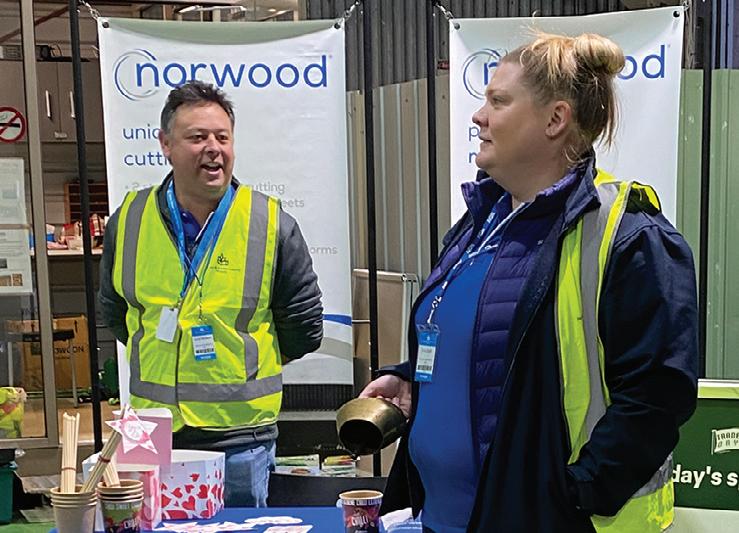
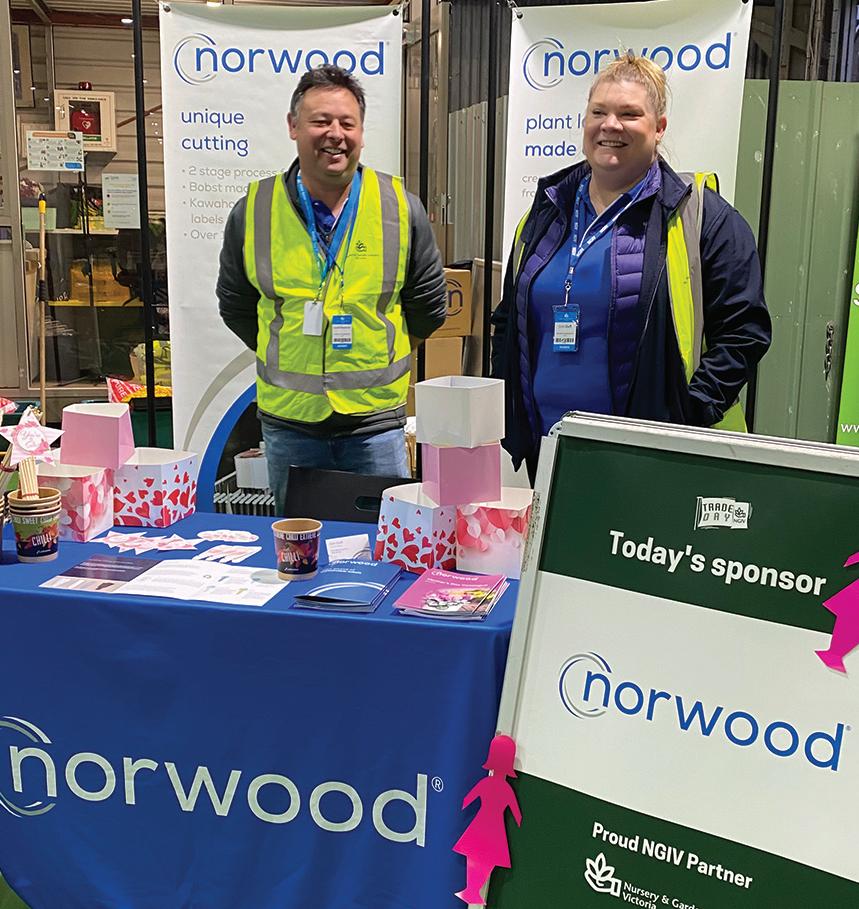
Erin from Norwood had the honour of sounding the Starter’s Bell to kick off the day, while Daniel Burdack looked on.
« Our Coffee Cart sponsor for the month was Platinum Industry Partner Norwood
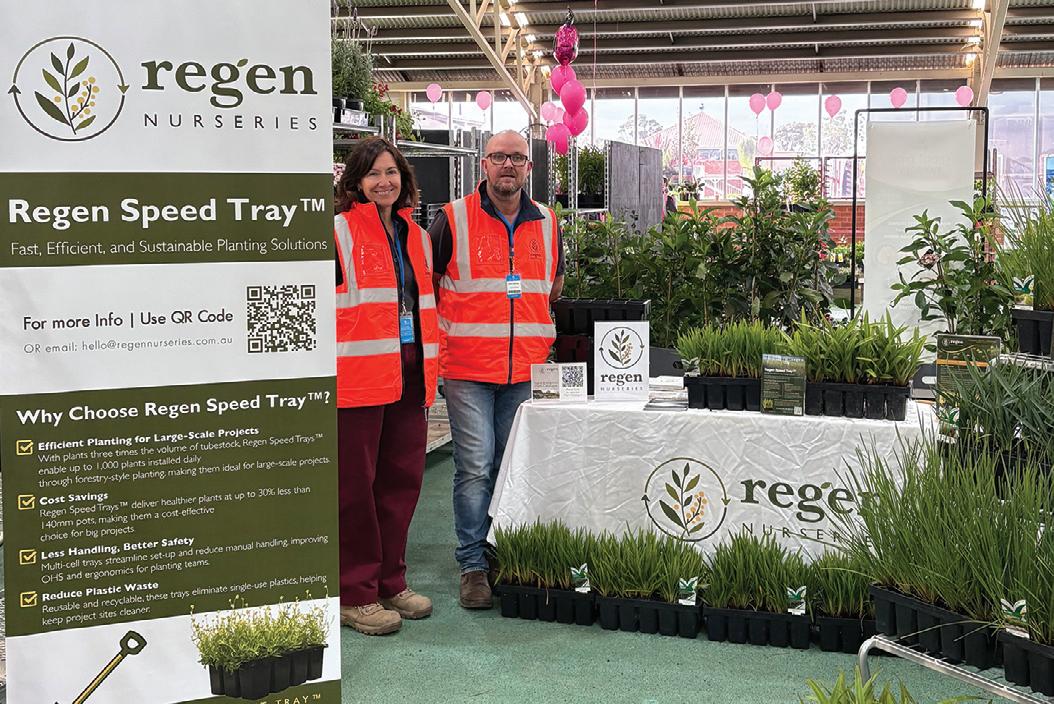
Welcome to Trade Day, Regen! Sam Bailey & Fran presented their new ‘Regen Speed Tray’.
«
Faceys Nursery embraced the ‘Think Pink’ theme in their final appearance at Trade Day.
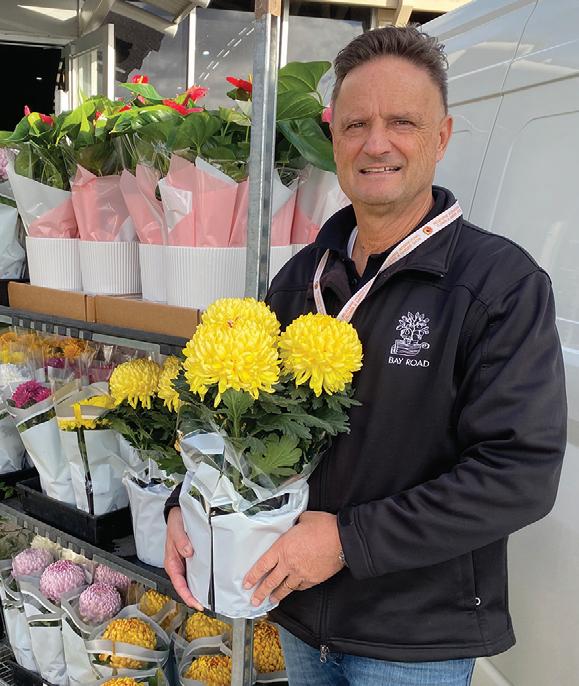
Justin from Bay Road Nursery loaded up on beautiful chrysanthemum disbuds from Wright’s Nursery, who once again showcased an impressive display of these Mother’s Day favourites.
Many thanks to members for their generous raffle donations in support of BCNA, including Plantopia, Karinga Nursery, Mt Pleasant Nursery, Faceys Nursery, Mulga Native Nursery and Ausflora. A great effort by all, with over $150 raised through raffles & donations.
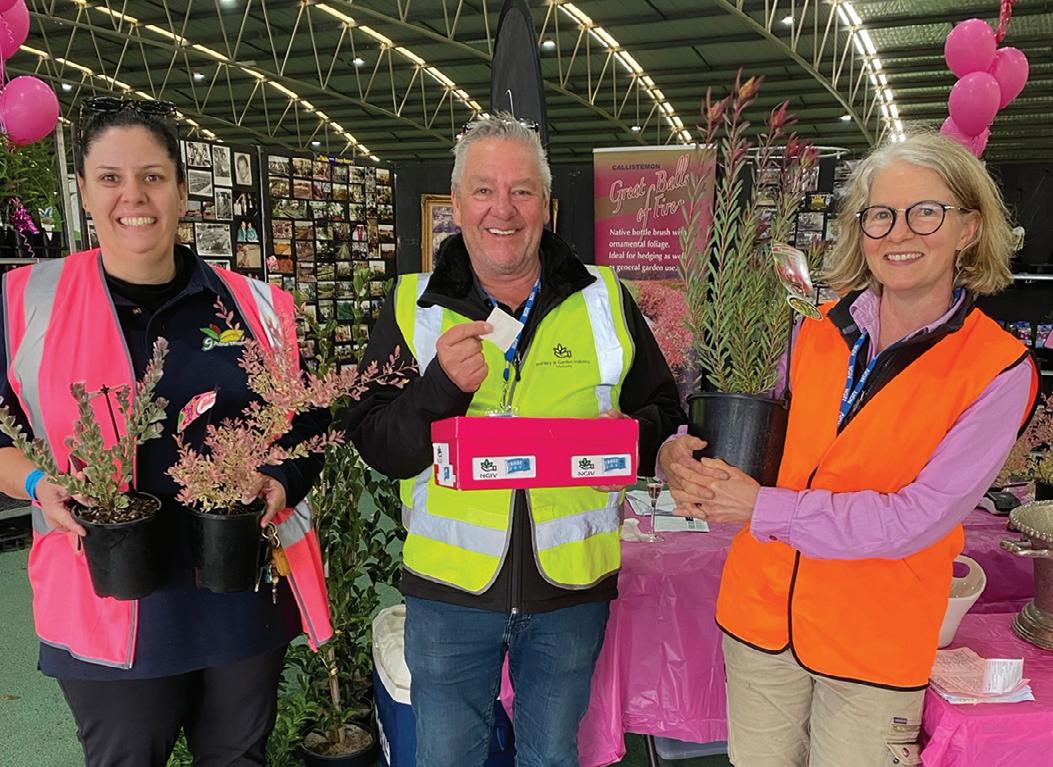
Michael from Faceys on raffle prize-drawing duties, presenting prizes to Emma from Growmaster, Heatherton, and Prue from Alowyn Gardens.
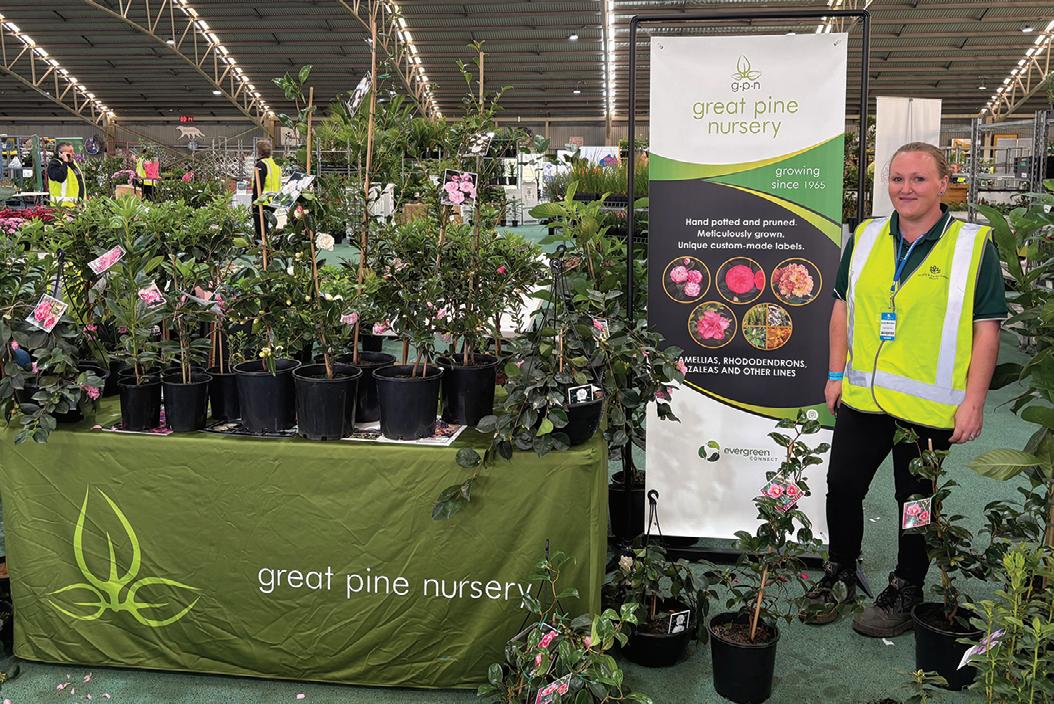
Brhydi from Great Pine Nursery took extra care with the presentation of plants from their range of camellias, azaleas and rhododendrons.