Hygienic Belt Scraper
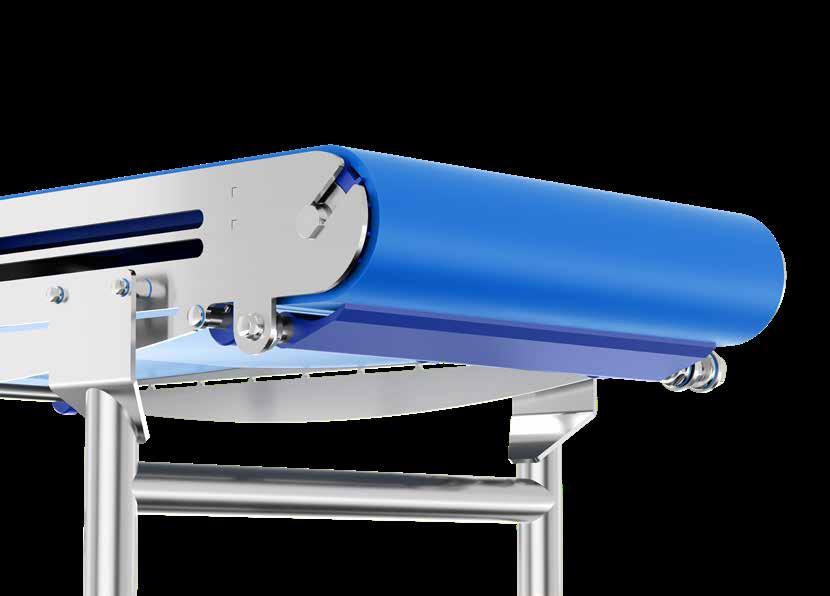
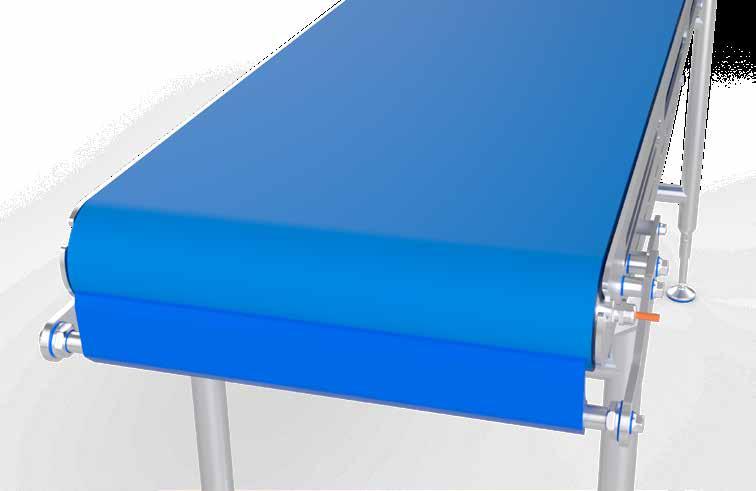
Our hygienic scraper offers versatile configurations for seamless integration with any conveyor system:
Element Descriptions Scraper Type
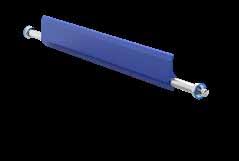
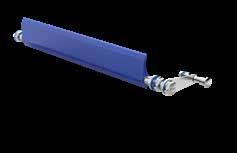
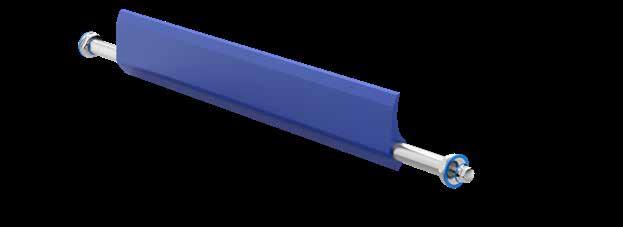
• SBNX: Hygienic Scraper Blade
• SBIX: Hygienic Scraper Blade Inside Release Arm
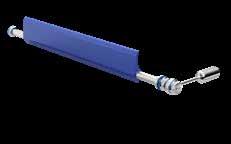
• SBOX: Hygienic Scraper Blade Outside Release Arm
• SBCX: Hygienic Scraper Blade Counter Weight
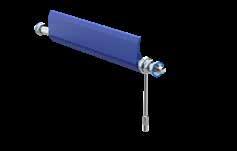
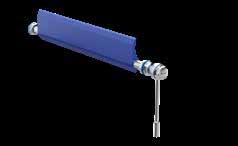
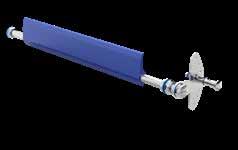
• SBPX: Hygienic Scraper Blade Plunger
• SBAPX: Hygienic Scraper Blade Adjustable Plunger
Mounting & Adjustment:
• C: Concentric Mounting
• Empty: Eccentric Mounting Nut Used
• B: Non-Quick Release Brackets
• Q: Quick Release Brackets
Orientation:
• LH: Left-Hand Oriented
• RH: Right-Hand Oriented
Scraper Blade Width:
• The distance from the centerline of the tube to the end of the blade, measured in millimeters.
Scraper Blade Size:
• Blade size in millimeters.
Scraper Tube Length:
• Total length of the scraper tube in millimeters.
Scraper Tube Size:
• Dimensions of the scraper tube, e.g., Ø25.4 x 1.6.
Material:
• Material composition, e.g., Blue PUR. Excess Scraper Tube on LH Side:
• Excess tube length on the left-hand side, denoted as L_”x” (where “x” is the length).
Notes:
• All widths and lengths are displayed in millimeters (mm).
• Scraper tubes must be manufactured with a length that ensures 1mm of play to fit properly.
Example: SBAPX-B-LH-650-80-823-Ø25.4x1.6-Blue PUR-L_100-R_100
• SBAPX: Hygienic Scraper Blade Adjustable Plunger
• B: Non-Quick Release Brackets
• LH: Left-Hand Oriented
• 650: Scraper Blade Width (mm)
• 80: Scraper Blade Size (mm)
• 823: Scraper Tube Length (mm)
• Ø25.4x1.6: Scraper Tube Size
• Blue PUR: Material
• L_100-R_100: Excess tube lengths on Left-Hand (100mm) and RightHand (100mm) sides
This naming convention ensures precision and ease of identification for various scraper configurations.
Hygienic Belt Scraper
Scraper Naming Scheme
The naming scheme for scrapers is designed to clearly and systematically identify key characteristics of each scraper.
• SBAPX: Hygienic Scraper Blade Adjustable Plunger
• B: Non-Quick Release Brackets
• LH: Left-Hand Oriented
• 650: Scraper Blade Width (mm)
• 80: Scraper Blade Size (mm)
• 823: Scraper Tube Length (mm)
• Ø25.4x1.6: Scraper Tube Size
• Blue PUR: Material
• L_100-R_100: Excess tube lengths on Left-Hand (100mm) and Right-Hand (100mm) sides
* SBNX-Q: NGI does not offer the SBNX variant with quick-release brackets.
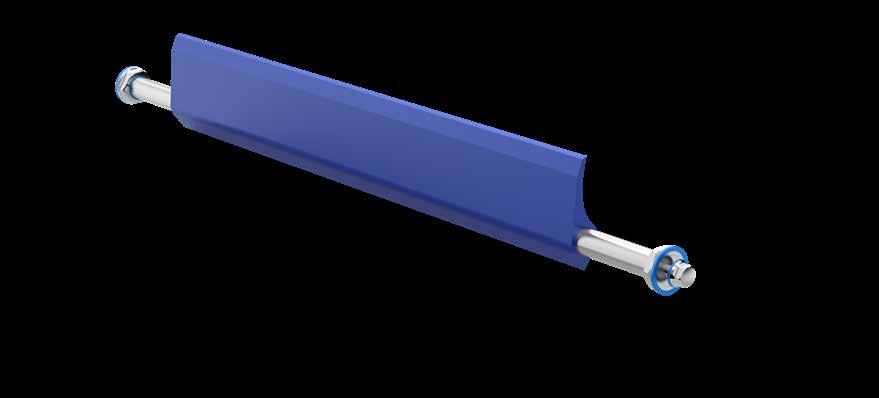
The full name of a scraper is composed of elements separated by a hyphen (“-”), with each element describing a specific attribute. Our SBNX hygienic scraper consists of:
This naming convention ensures precision and ease of identification for various scraper configurations.
Naming Format: [Scraper Type] - [Mounting & Adjustment] - [Orientation] - [Scraper Blade Width] - [Scraper
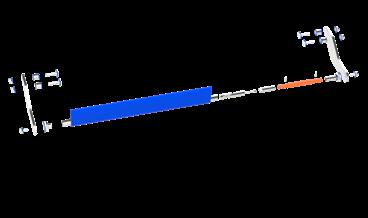
Scraper Blade 2. Torsion Spring with rectangular key. 3. Axle
Each model comes with mounting fittings included, except for the release arm, which is sold separately as an additional accessory Example: SBAPX-B-LH-650-80-823-Ø25.4x1.6-Blue PUR-L_100-R_100
Hygienic Belt Scraper Safety
Cleaning
1. Rinse with water (maximum temperature ~40°C on proteins).
2. Distribute and cover all surfaces with foaming alkaline detergent for minimum 10 minutes. All standard products within the industry can be used. Follow supplier recommendations for temperature (maximum 100°C) and concentration depending on foaming detergent.
3. Rinse with hot water (maximum 100°C) with lowmedium pressure (approximately 8-12 bar) until it is visibly clean.
Be careful not to damage the sealings if high pressure cleaning is used. Keep nozzle at minimum 200-300 mm distance.
4. Mechanical cleaning may be necessary if the scraper is severely soiled. Cleaning must be executed with a soft brush or soft plastic scraper together with a more direct pointing nozzle spray. Steel scraper, steel brush or other sharp metallic tools are strictly prohibited, since the sealings can be severely damaged and the steel surfaces will be scratched.
Maintenance
1. If any part of the Hygienic Belt scraper is damaged, it must be replaced. Always use genuine spare parts from NGI.
The hygienic belt scraper is intended for integration into conveyor systems and is classified as partly completed machinery under directive 2006/42/EC. The product does not bear CE marking and must not be used independently.
Intended use
The belt scraper is designed to clean conveyor belts using a spring-loaded blade. It must be installed and operated as part of the complete machine in accordance with the OEM’s safety protocols.
Identified Hazards
• Pinch points: Risk of finger entrapment between scraper blade and conveyor belt.
• Entanglement: Risk of hair or clothing being caught in moving parts.
• Stored Energy: Sudden release of potential energy stored in the spring.
• Unexpected Movement: Risk of movement during installation or maintenance.
Safety measures
• Must be installed only when the conveyor is powered off and locked out.
• Spring tension must be handled using appropriate tools and procedures.
• Operators must be trained in safe handling and awareness of residual risks.
• PPE such as gloves, safety glasses and hair restraints must be used.
Residual Risks
• No guards or warnings labels are provided.
• Risk of injury remains if procedures are not followed.
• OEM must ensure final machine integration includes necessary safeguards.
Important
This scraper must only be used as part of a complete machine that has been declared in conformity with Directive 2006/42/EC by the OEM.
Stainless steel
SBNX Installation guide
General Notes
1. Orientation(important):
This manual assumes the perspective of the installer while standing behind the conveyor, facing the direction of material flow::
• Left-Hand (LH): Refers to components on the left side from this perspective.
• Right-Hand (RH): Refers to components on the right side from this perspective. For RH-oriented scrapers, follow the same steps but reverse all left and right references accordingly.
Package contents
SBNX-B
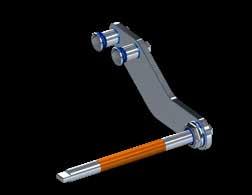
LH side bracket with pre-mounted torsion spring.
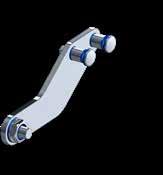
RH side bracket with eccentric mounting nut (for alignment of the scraper blade).
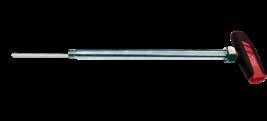
Mounting tool for the quill assembly and required hex key.
RH side eccentric or concentric mounting nut (with pre-mounted BXH M12 bolt).
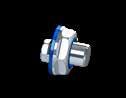
LH side mounting nut with pre-mounted torsion spring and BXH M12 bolt.
Mounting tool for the quill assembly and required hex key.
SBNX-Q
NGI does not offer the SBNX variant with quick-release brackets. The purpose of quick-release brackets is to allow tool-free mounting. The SBNX requires a SW 36 ratchet for mounting after cleaning.
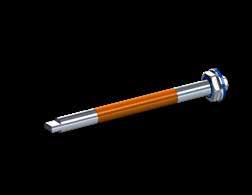
The Quill is pre-mounted in the scraper upon delivery, the tool is only needed for reassembly, should there be a need for disassembly.
The Quill is pre-mounted in the scraper upon delivery, the tool is only needed for reassembly, should there be a need for disassembly.
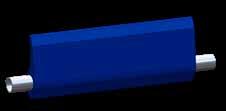
Scraper blade.
Scraper blade.
SBNX-C
Instructions for SBNX-B Models
It is important to follow these instructions in order to ensure the hygienic design and functionality.
This documentation is enclosed with the Hygienic Scraper and should always be handed over to the end-user.
LH SIDE BRACKET INSTALLATION
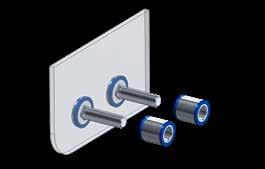
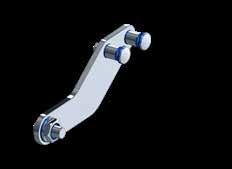
1. Disassemble the carriage bolts, spacers and nuts on the LH-side bracket.
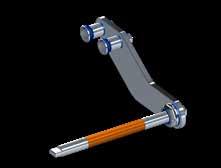
2. Insert carriage bolts through pre-drilled holes on the inner side of the conveyor wall. Place spacers over the exposed threads and slide the LH bracket into position.
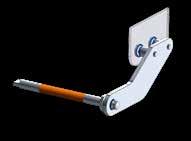
3. Secure the LH bracket using NLXH hygienic nuts.
RH SIDE BRACKET INSTALLATION
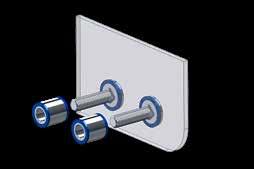
4. On the RH side: Insert the carriage bolts on the inside of the conveyor wall in the holes drilled from the instructions in the drilling guide.
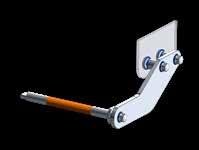
5. Then slide the spacers onto the thread exposed on the other side.
Instructions for SBNX-B Models
It is important to follow these instructions in order to ensure the hygienic design and functionality. This documentation is enclosed with the Hygienic Scraper and should always be handed over to the end-user.
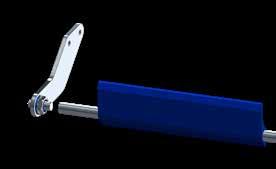
6. Slide the scraper blade into the mounting nut on the RH side bracket.
7. Slide the assembly from the last step over the torsion spring and the thread exposed on the RH side bracket.
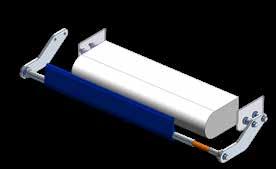
8. Align and secure the RH bracket with NLXH nuts.
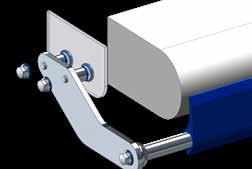
ADJUSTING PRELOAD
9. Loosen the BXH bolt displayed below.
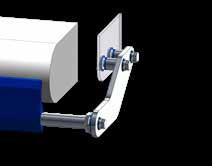
10. Manually rotate the scraper blade until the edge is in contact with the conveyor belt.
Instructions for SBNX-B Models
It is important to follow these instructions in order to ensure the hygienic design and functionality.
This documentation is enclosed with the Hygienic Scraper and should always be handed over to the end-user.
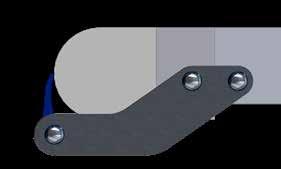
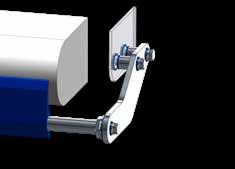
11. Turn the LH side mounting shaft nut counterclockwise to increase the preload to a desired angle of preload.
IMPORTANT NOTE: Excessive blade pressure on the belt must be avoided as it can result in damage to the blade and belt, without any benefit for the scraping action. The optimal blade pressure is the minimum pressure that allows the desired scraping action, visually assessed. This optimal pressure varies greatly upon the type of belt, the conveyor speed, and the conveyed food product. To avoid excessive pressure, rotate the lever for 30°, lock it as described two steps earlier, then test the scraping function. If the result is not satisfying, add 15° of pressure by repeating the adjustment pressure adjustment steps.
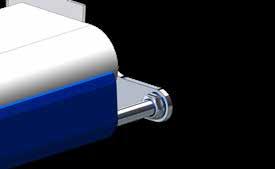
12. While holding the desired angle of preload on Nut (1) with a wrench, lock the preload by tightening Bolt (2)
Instructions for SBNX-B Models
It is important to follow these instructions in order to ensure the hygienic design and functionality. This documentation is enclosed with the Hygienic Scraper and should always be handed over to the end-user.
BLADE-TO-BELT ALIGNMENT
14. Purpose: Compensate for small misalignments between the scraper blade and the belt surface.
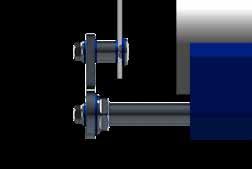
1. Loosen Bolt (4) to release the eccentric nut.
2. Turn Nut (3) to adjust the scraper blade, ensuring even pressure along the belt.
3. Tighten Bolt (4) to secure the eccentric nut.
Instructions for SBNX-C Models
It is important to follow these instructions in order to ensure the hygienic design and functionality. This documentation is enclosed with the Hygienic Scraper and should always be handed over to the end-user.
1. Remove the pre-mounted BXH bolts from both sides.
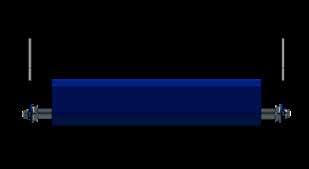
2. Move the scraper assembly between the conveyor walls and align with the drilled holes.
Tip: This step is easier with two people as the mounting nuts are loose.
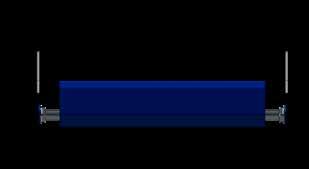
3. Tighten the RH-side mounting bolt fully and the LH-side bolt loosely.
ADJUSTMENT
4. Loosen the LH-side mounting bolt to allow the scraper blade to rotate freely.
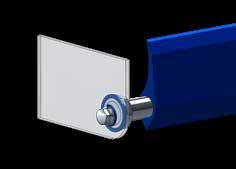
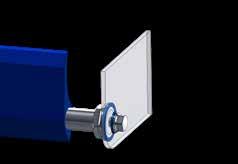
5. Rotate the scraper blade until the edge contacts the conveyor belt.
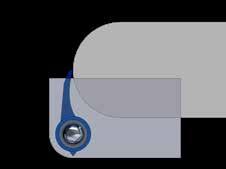
Instructions for SBNX-C Models
It is important to follow these instructions in order to ensure the hygienic design and functionality. This documentation is enclosed with the Hygienic Scraper and should always be handed over to the end-user.
6. Turn the LH side mounting shaft nut counterclockwise to increase the preload to a desired angle of preload.
IMPORTANT NOTE: Excessive blade pressure on the belt must be avoided as it can result in damage to the blade and belt, without any benefit for the scraping action. The optimal blade pressure is the minimum pressure that allows the desired scraping action, visually assessed. This optimal pressure varies greatly upon the type of belt, the conveyor speed, and the conveyed food product. To avoid excessive pressure, rotate the lever for 30°, lock it as described two steps earlier, then test the scraping function. If the result is not satisfying, add 15° of pressure by repeating the adjustment pressure adjustment steps.
7. While holding the preload angle, tighten the LH-side mounting bolt to lock the setting.
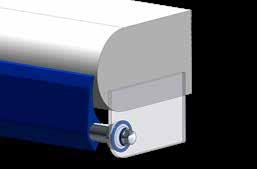
BLADE-TO-BELT ALIGNMENT
8. Purpose: Compensate for small misalignments between the scraper blade and the belt surface.
1. Loosen Bolt (4) to release the eccentric nut.
2. Turn Nut (3) to adjust the scraper blade, ensuring even pressure along the belt.
3. Tighten Bolt (4) to secure the eccentric nut.
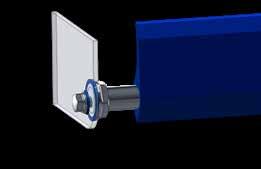
Adjusting Torsion Spring Engagement
Required Tools: DEDICATED 6,0 X 350MM HEX KEY / DEPTH TOOL (LH THREAD)
The dedicated tool for adjusting the torsion spring engagement must be ordered together with the scraper. The tool is supplied together with the scraper at special conditions depending on the supply. Please contact your sales representative for any orders of additional tools.
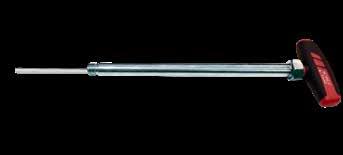
NOTE: The depth tool has a left-handed thread (details explained below).
STEPS FOR ADJUSTMENT
1. Removing the Quill
• Detach depth tool from assembly.
• Insert the hex key into the scraper tube, specifically on the side where the spring was previously installed.
• Loosen the bolt securing the quill in place (right-handed thread) using the hex key.
• Once loosened, allow the quill to slide out of the scraper tube.
2. Attaching the Depth Tool to the Quill
• Securely mount the depth tool to the quill as shown in the image below.
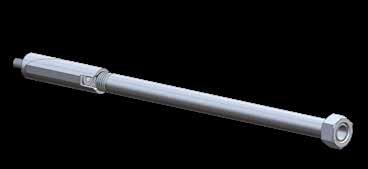
3. Inserting and Adjusting the Quill
• Insert the quill (with the attached depth tool) into the scraper tube from the desired side, depending on the adjustment location.
• Use the hex key to tighten the bolt inside the quill through the depth tool’s tube.
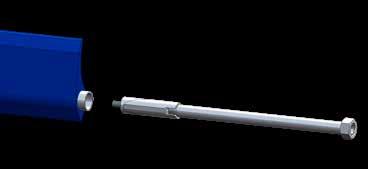
4. Removing the Depth Tool
• Once the adjustment is complete, carefully remove the depth tool from the quill.
• Important: The depth tool uses a left-handed thread, so turn it clockwise to loosen.