ACTIVE FIELD CONTROL
PRELIMINARY SPECIFICATION SHEET


PRELIMINARY SPECIFICATION SHEET
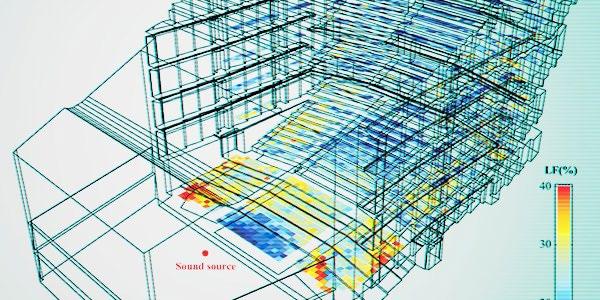
Since 1969, Yamaha has been involved in acoustic research aimed at finding the ideal relationship between performer, audience and space. A deep understanding of acoustic technology, encompassing architectural acoustics, electronic acoustics and noise control, provides the basis for technology that allows us to turn an acoustically dead environment into a reverberant cavern or cathedral at the touch of a button and easily move sound effects to any position in an acoustic space. The experience is further reinforced by an original 3D reverberation system that generates reverb optimized for the locations of individual objects, resulting in astonishing presence and realism.
Every customer has different needs, so the ability to create systems that can adapt to any application is essential. That flexibility is the core of the AFC system, allowing easy integration of DAWs, mixers, tracking systems and other third-party hardware and software. AFC offers versatile ambience control, precise acoustic image control, 3D reverberation, space, binaural output and more.
AFC’s continued development and growth hinges on high-level input and support from Yamaha Group experts, including those from Steinberg and NEXO. This alliance enables close collaboration between experts from a variety of related fields, driving innovation and development that keeps AFC and other technologies way ahead of the curve.
AFC Enhance improves the acoustic environment, via multiple microphones and loudspeakers strategically located throughout the space. This type of system generally employs one of the two following methods:
• Regenerative approach uses acoustic feedback, reproducing the sound picked up by the microphones via the loudspeakers and then picking up that sound again after being affected by the room’s acoustics. This creates an acoustic ‘loop’ that amplifies the room’s acoustic energy.
• In-line approach uses convolution signal processing to add synthesized reflected sound data (measured impulse responses) to the sound, picked up via the microphones and creating the desired sonic environment.
AFC Enhance is a hybrid system that employs both of these methods, via the AFC Enhance software application running on an AFC processing computer. Reverberation and early reflections have a profound influence on the auditory impression. Detailed control of these allows the sound propagating throughout the space to be adjusted as required, while retaining the natural acoustic properties of the room’s structure.
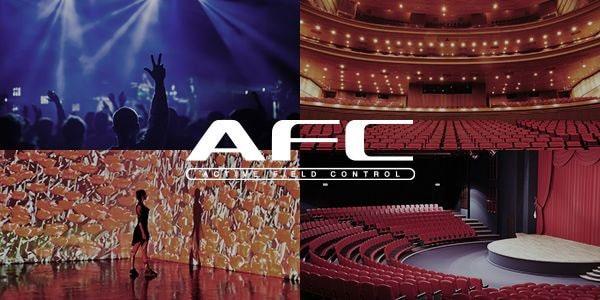
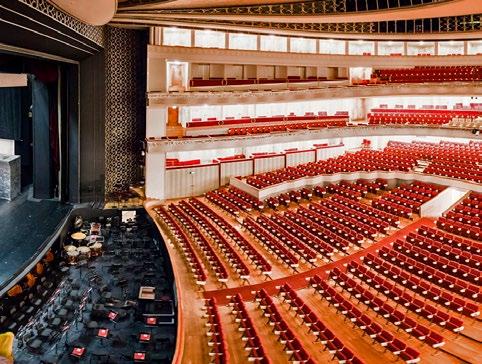
AFC has been applied in over 150 concert halls, opera houses, theatres, multi-purpose halls and auditoriums all over the world.
Active Field Control, or AFC, was brought to the market in 1985 as a collaboration between Yamaha’s digital signal processing (DSP) and acoustic consultancy design teams. Since then it has evolved continually to arrive at today’s fourth generation AFC Enhance application. Three AFC Enhance application licenses are available, ranging from basic enhancement to complex, multi-area support. The system operates with all Yamaha and NEXO loudspeakers, as well as networked i/o components such as microphone pre-amplifiers, power amplifiers, matrix processors, i/o bridges and Dante-optimized managed Ethernet switches.
All networked components are included in the ProVisionaire ecosystem, assuring easy local and remote access for control and monitoring of all devices in the system. AFC Enhance systems come with full support from a team of Yamaha and NEXO acoustic engineers for venue installation, including design and construction phase assistance, tuning, training and after sales support.
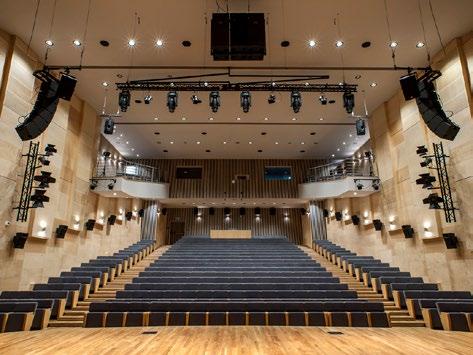
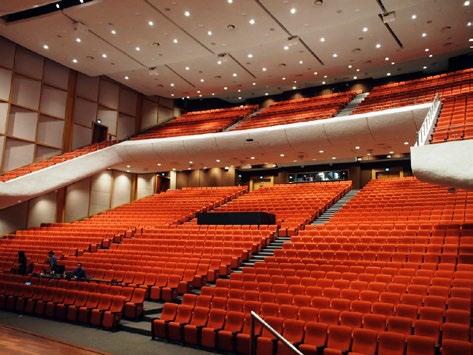
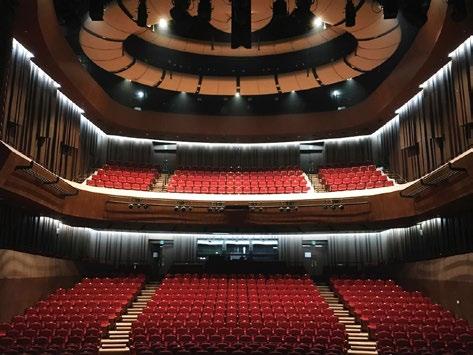
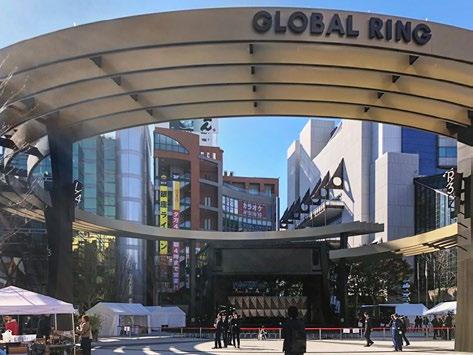
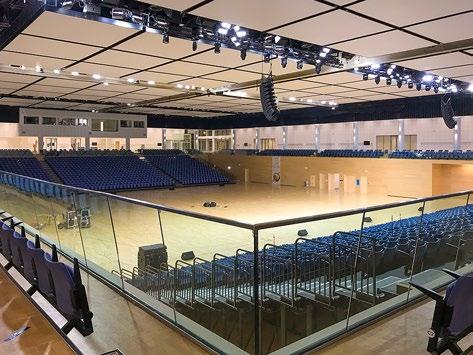
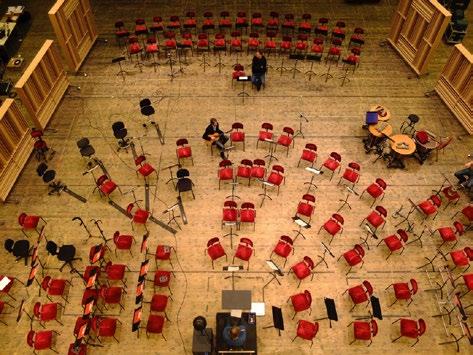
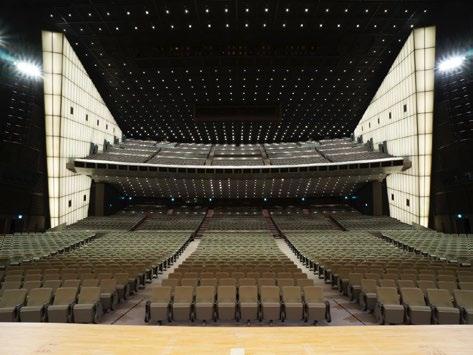
AFC Image is a Yamaha immersive system that allows users to control the perceived positions of acoustic images within a space. It uses an AFC processing computer, AFC Image object-based rendering software and preproduction digital audio workstations. Multiple, simultaneous live immersive control is provided by computers, tablets, mixing consoles and tracking systems. The resulting sound image can be played back to an audience via loudspeakers. AFC Image provides content creation support for theater, opera, concert, installation, event and other applications.
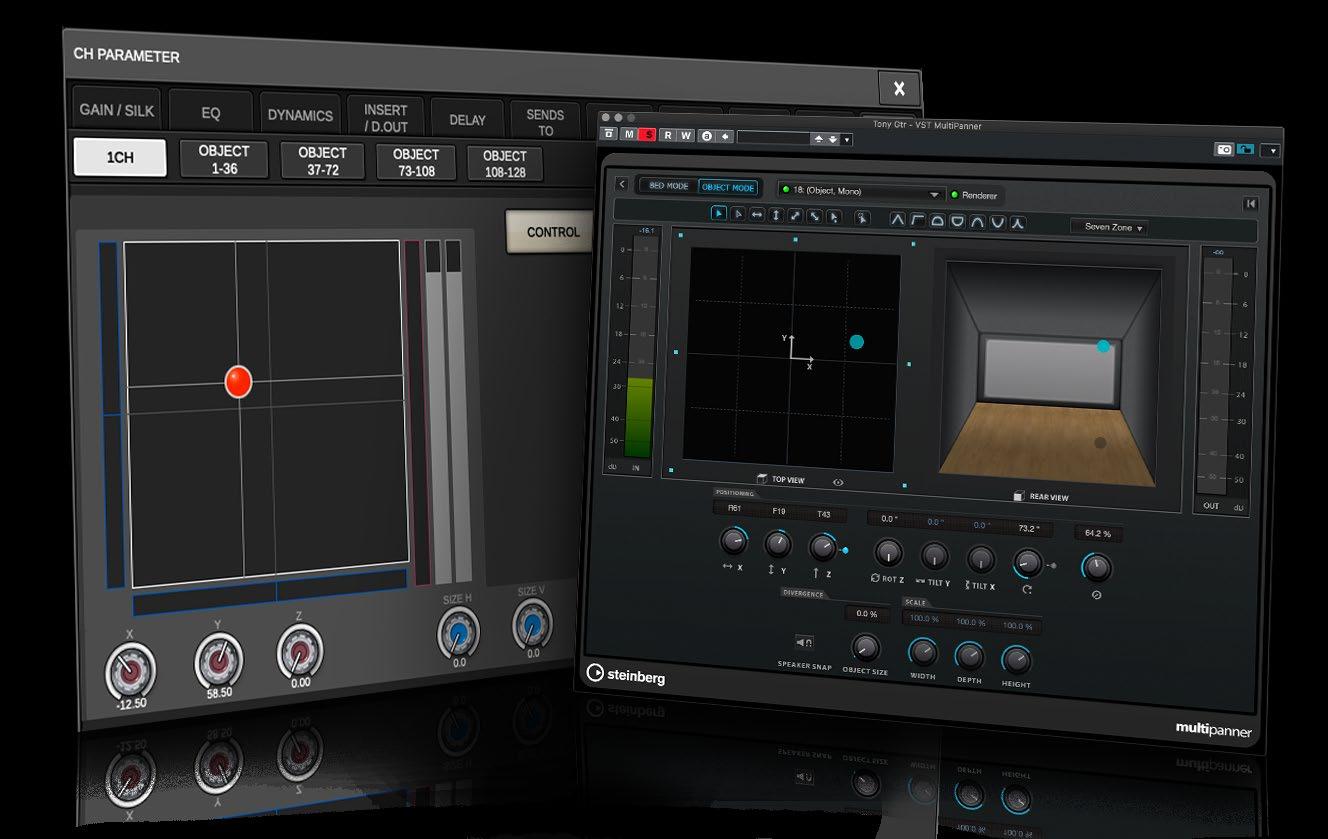
Comprehensive functionality facilitates smooth, efficient workflow from content creation in any studio and rehearsal setup, right through to playback at the final venue. This gives creators a stress-free environment, where they can concentrate fully on realizing their vision without being hampered by technical details. The ability to use multiple, user-specified external control devices enables flexible system design, while providing an extraordinary degree of creative freedom.
Compared to using a conventional stereo system, applying an immersive sound reinforcement system like AFC Image significantly increases the quality of the sound event. Firstly, a stereo system only gives accurate sound object placement in a small on-axis part of the audience area. In reality, the majority of a given audience will perceive the spatial impression incorrectly. In contrast, an immersive system can reproduce accurate spatial positioning at the majority of the seats in a given audience area, significantly increasing the quality of the listening experience for all.
Secondly, the composer and sound designer are no longer limited to placing sounds across the front of the stage. They can place objects virtually both inside and outside the performance area, and around the audience area. True immersive ‘3D’ reverberation and effects, with full creative possibilities can also be applied, further increasing the quality of the listening experience.
AFC Image is a software application which runs on the AFC processing computer in parallel with the AFC Enhance application. These two applications go together: AFC Enhance creates the perfect acoustic environment for AFC Image to work at its best. This is why, even for systems dedicated only to acoustic enhancement, a limited version of AFC Image is included as a standard and systems dedicated to object-based audio include a basic version of AFC Image.
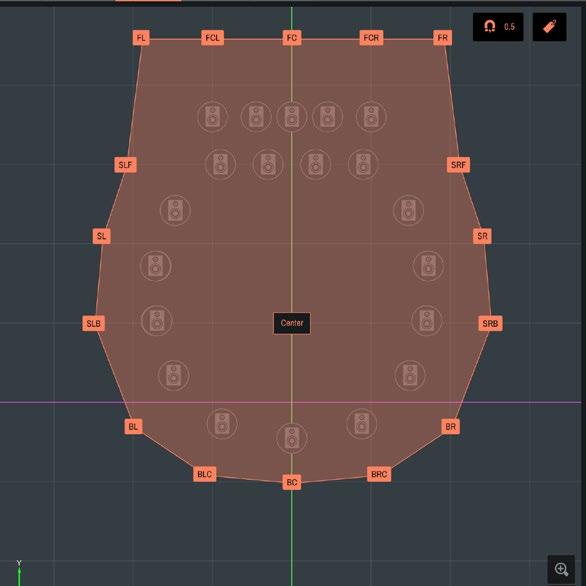
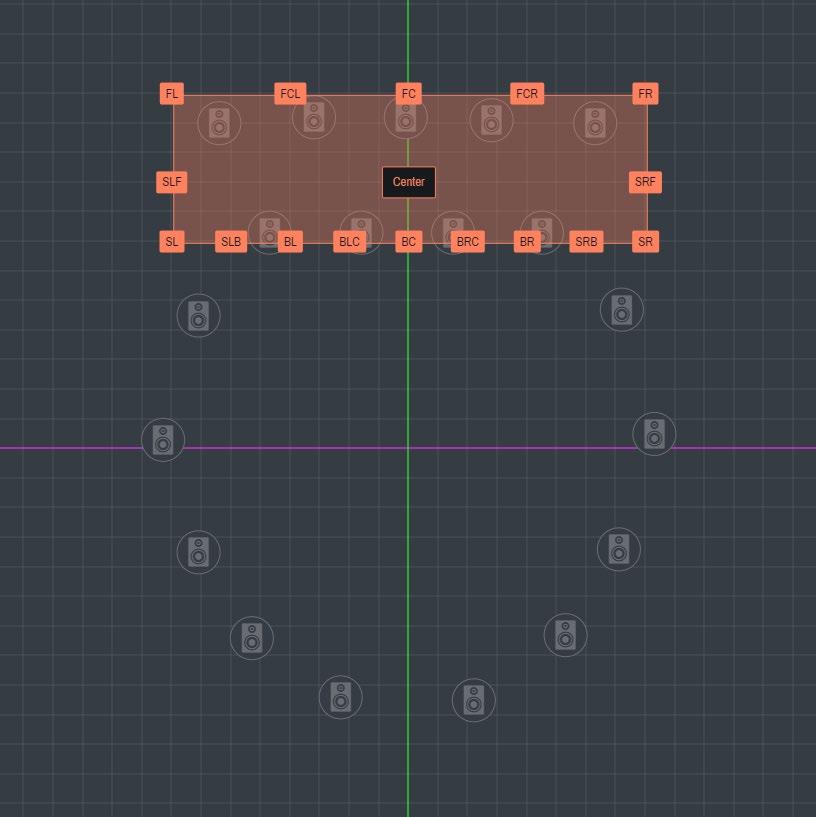
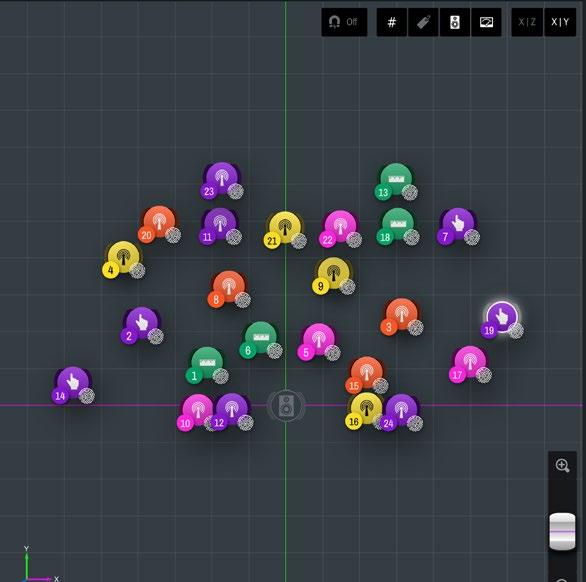
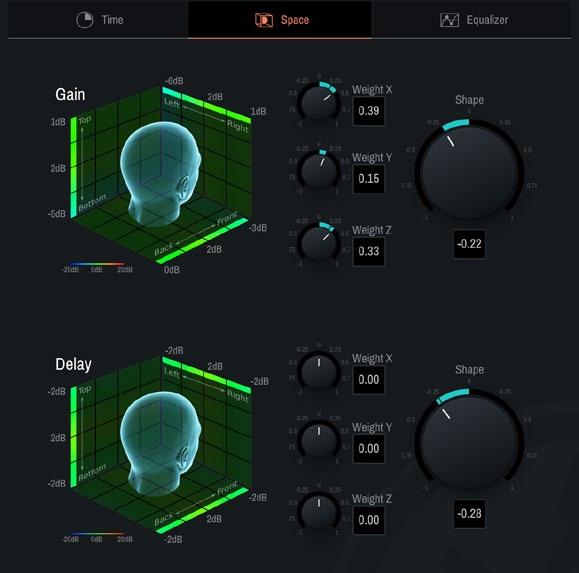
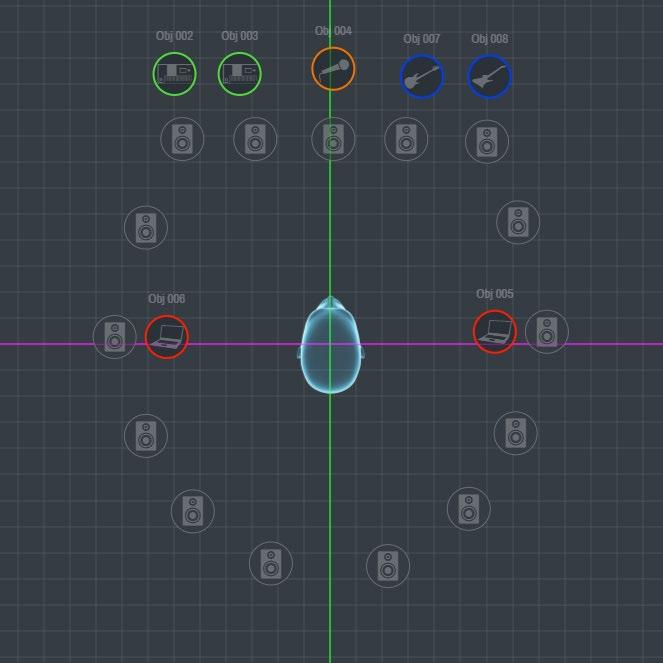
For object-based rendering, the user can convert the rectangular DAW or console panning/ rendering area to any geometric configuration from a basic cube to a 16-sided polygon, within which objects can be positioned. Three layers are available with heights that can be individually defined by the user.
Speaker zoning allows audio objects to be assigned to specific sets of speakers within the system. AFC Image allows up to 32 speaker zones to be defined for precise yet flexible control of perceived object positioning.
Object-based audio is extremely versatile and controllable. While in some situations a channelbased workflow may be a practical approach. AFC Image simultaneously supports both object and channel-based audio, giving creators the best of both worlds. Processing a combination of up to 128 objects provides ample capacity for the most demanding productions, while zoning provides versatile support for channel-based production. It also supports any 3rd party immersive renderer to give transparent and/or zoned access to all system channels.
In a real acoustic space, perceived reverberation varies with the listening position. A knowledge base built up over years of designing theaters and halls has allowed Yamaha to develop original 3D reverberation technology that creates reverb optimized for the locations of individual objects, resulting in a deeper, more realistic sound field. The direction and spread of the reverberation can be freely controlled via an intuitive graphic interface.
Immersive sound can be experienced in headphones too, so AFC Image provides the necessary binaural rendering tools. Immersive content can be output in two-channel binaural form for monitoring and for streaming to remote locations.
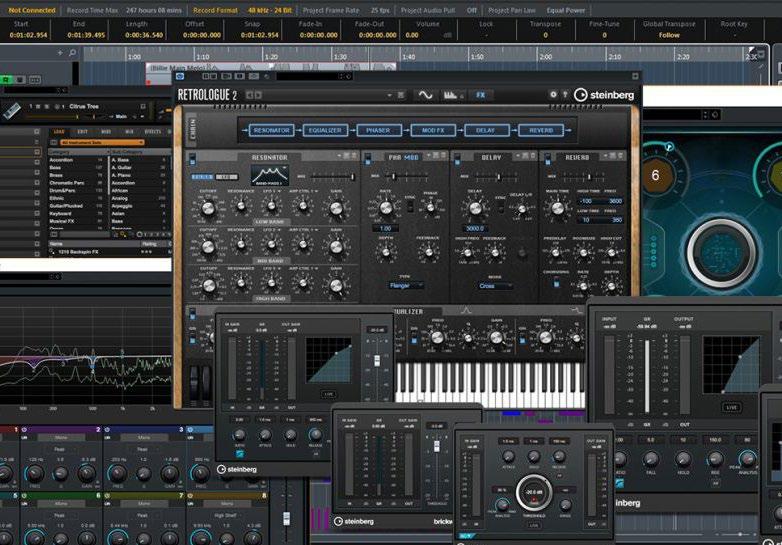
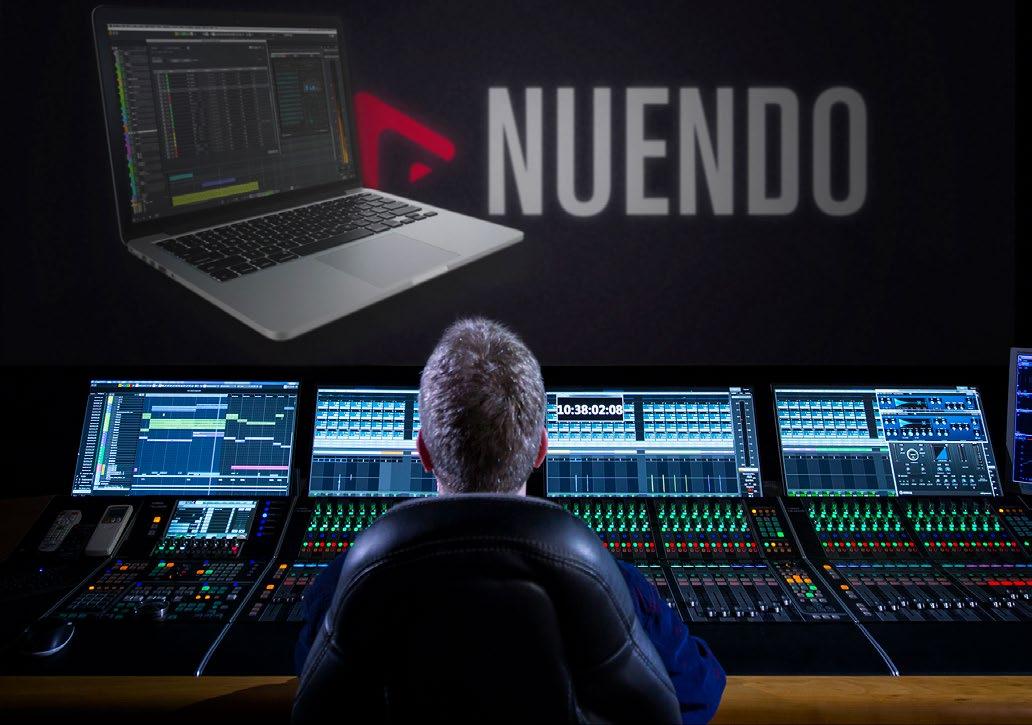
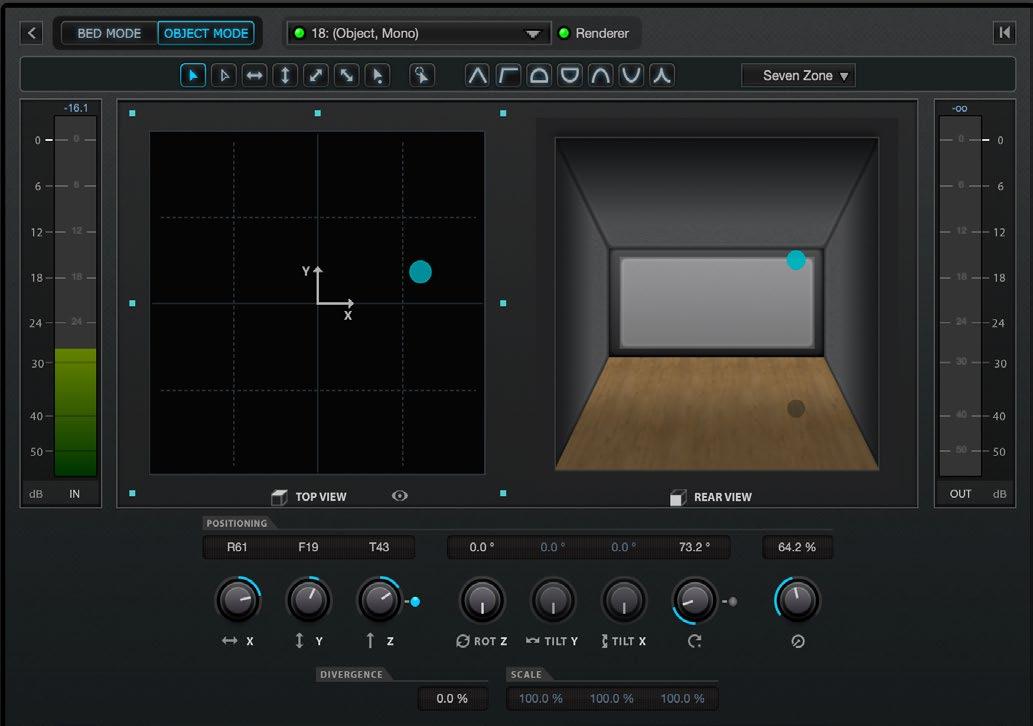
As one of the most advanced audio production solutions available, Nuendo is the choice of film, TV, game audio and immersive sound industry professionals worldwide. Ever since its initial release, Nuendo has been a vital tool in creating the soundtrack to many high-profile productions and installations. Regular updates with new features, workflow improvements and additional, userrequested functions mean that Nuendo constantly exceeds the expectations of an audio workstation dedicated to immersive sound, with high end — often unique — capabilities that continue an ongoing revolution in immersive production software.
A Nuendo system can comprise a simple laptop running Nuendo and Dante Virtual Soundcard for a total of 64 objects to integrate with the AFC Image application, all the way up to a fully-featured studio environment with up to 128 objects and the Nuage tactile control surface.
Nuendo offers a mix of channel- and object-based tracks with dynamic automation - either applied manually or recorded through interactive live control from mixing consoles, stage tracking systems or OSC applications. Recall of live panning sequences can be performed by markers or by syncing to timecode.
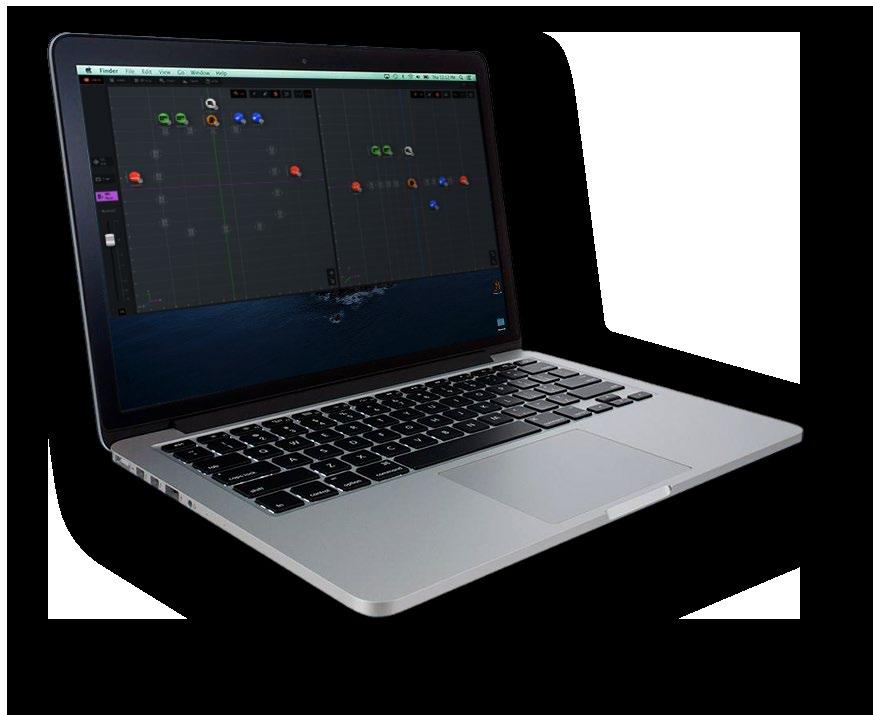
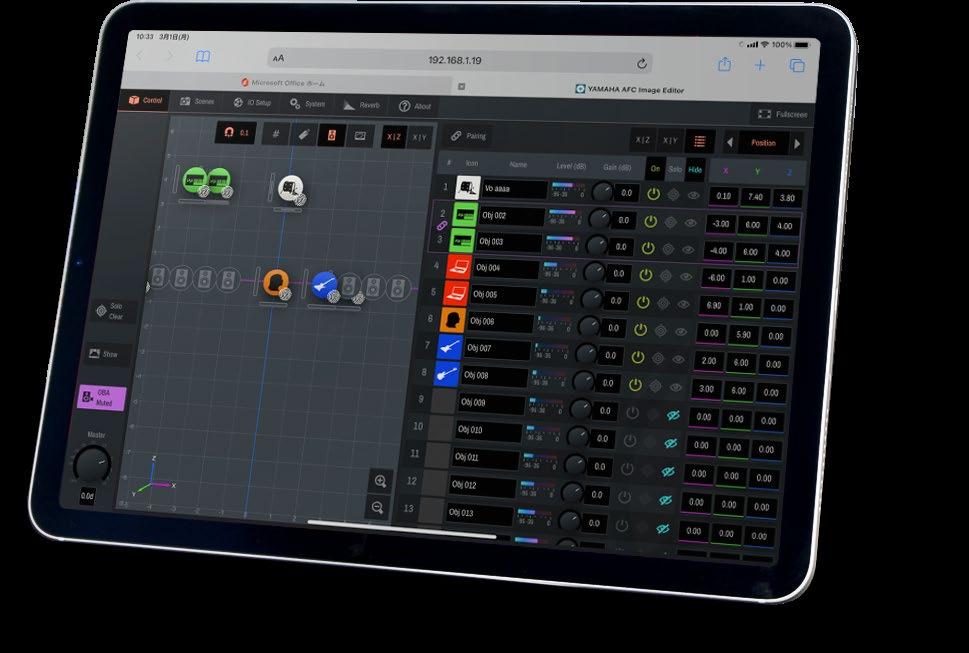
AFC Image editor software is available for Windows and MacOS, offering system configuration (loudspeaker placement, venue shape, zoning) and live control (object panning, 3D reverb editing, binaural).
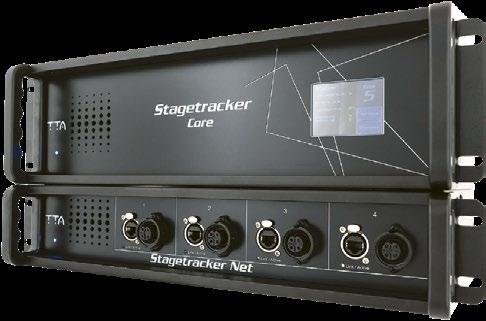
To automate the object positioning of actors on stage, tracking systems such as StageTracker II can be applied.
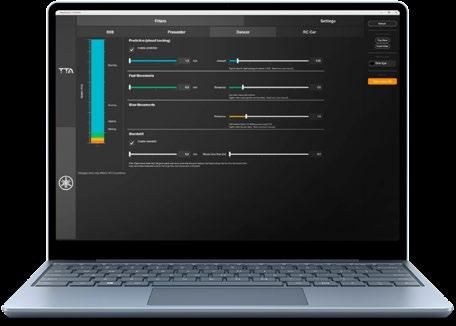
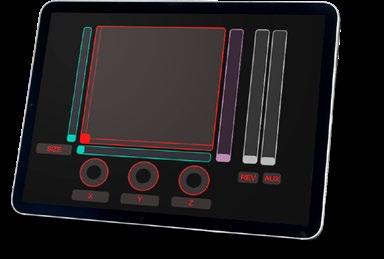
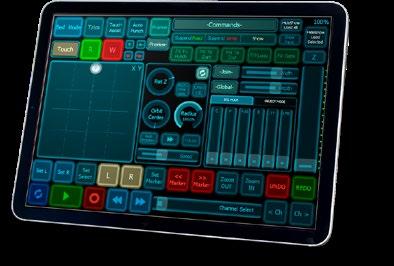
All live control functions of AFC Image Editor can also be controlled through multiple devices, such as tablets and PCs through a web browser, by selecting the AFC unit’s IP address.
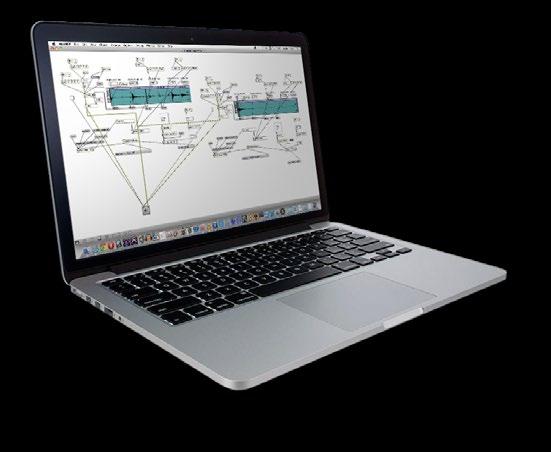
AFC Image objects can be controlled by any product or software application using the Open Sound Control protocol. Examples are Touch OSC, Max, Lemur.



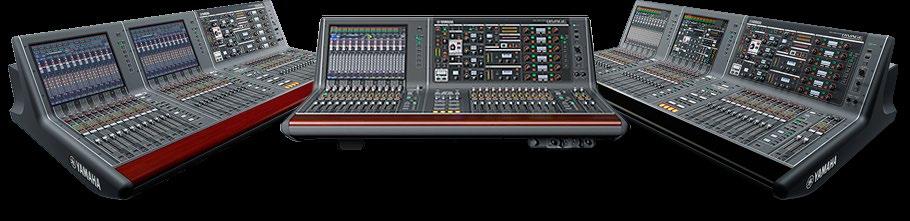
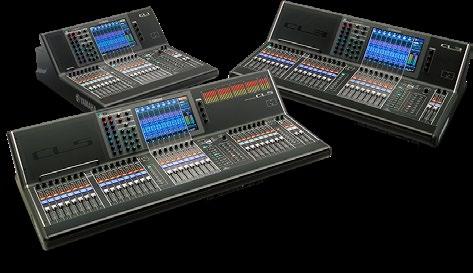
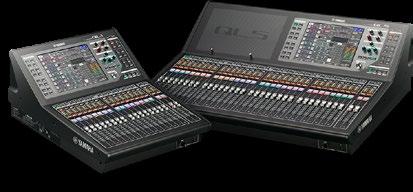
QL, CL and RIVAGE PM consoles can be used to control AFC Image object positioning.
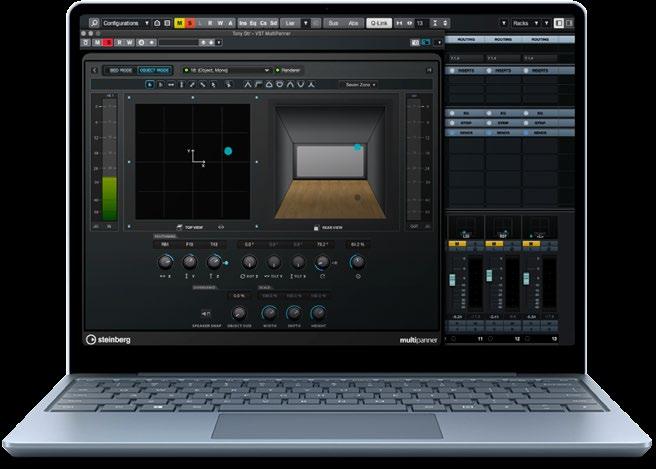
Nuendo’s VST multipanner can control AFC Image object positioning, recorded manually or through interactive live control.


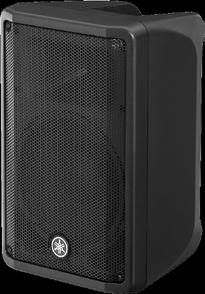


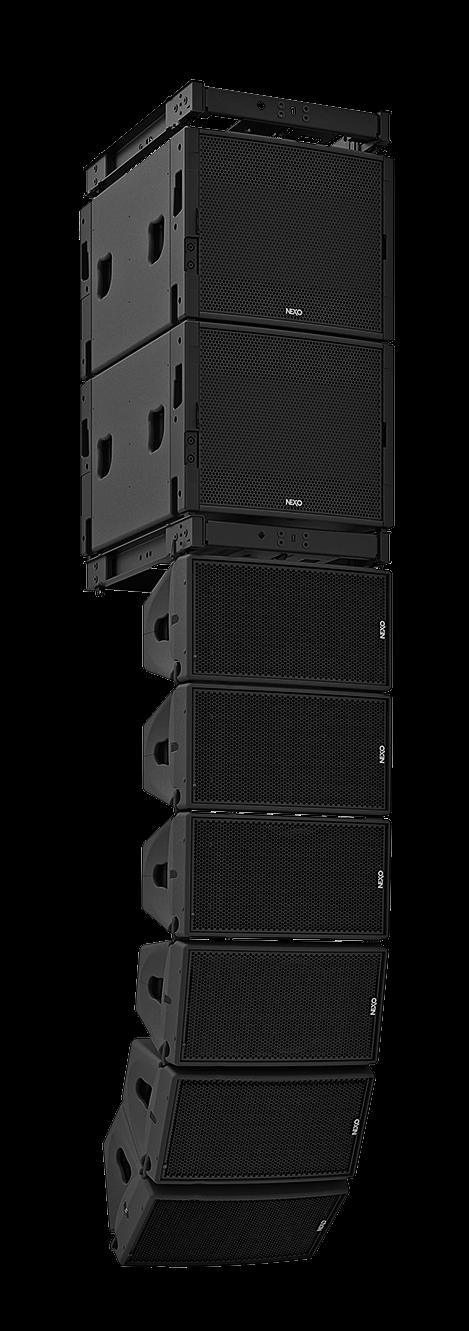


NEXO’s NS-1 immersive configuration software fully supports AFC system design, with an intuitive drag and drop interface. Measured speaker data is processed along with complex mathematical data to predict SPL coverage and immersive support in three dimensions.
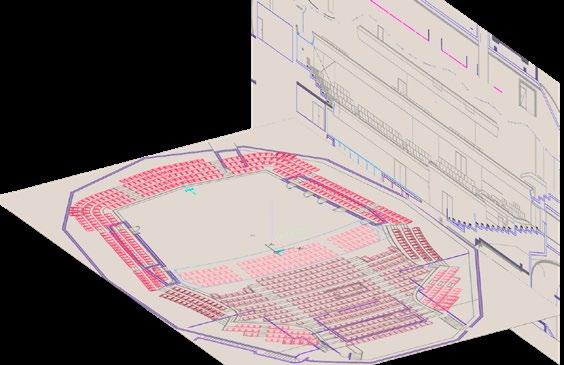
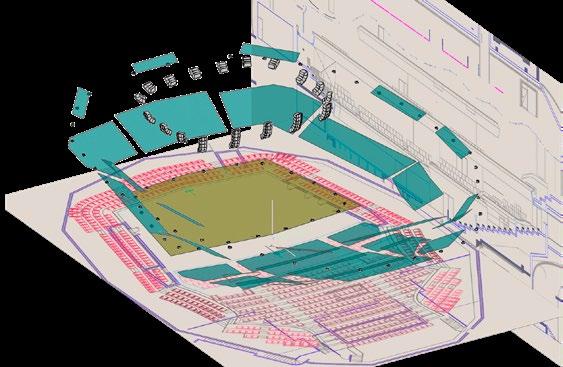
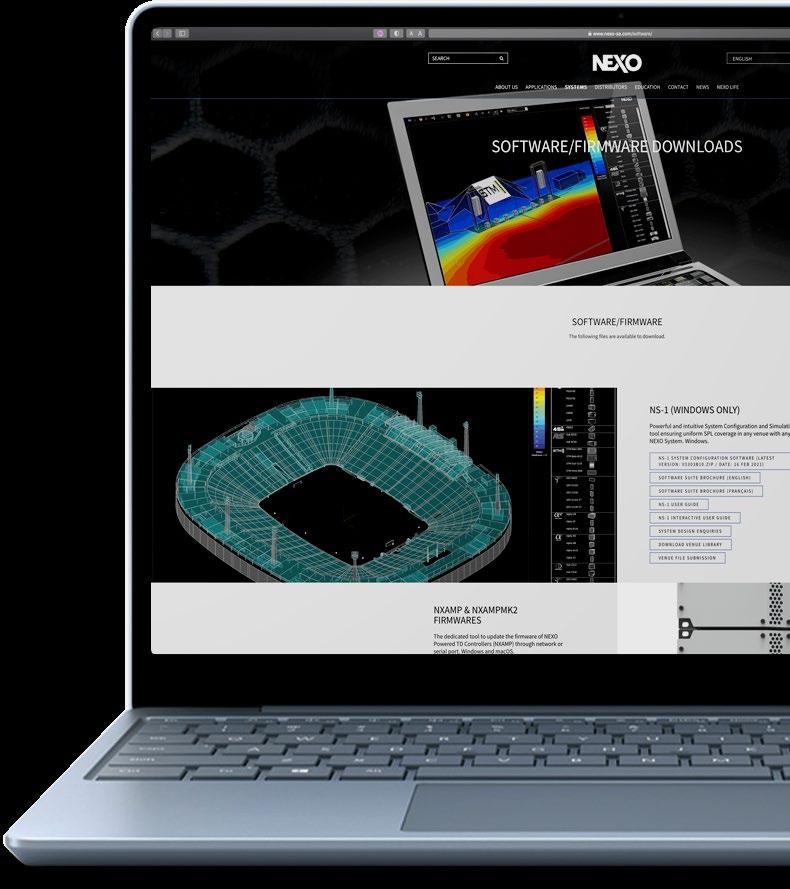



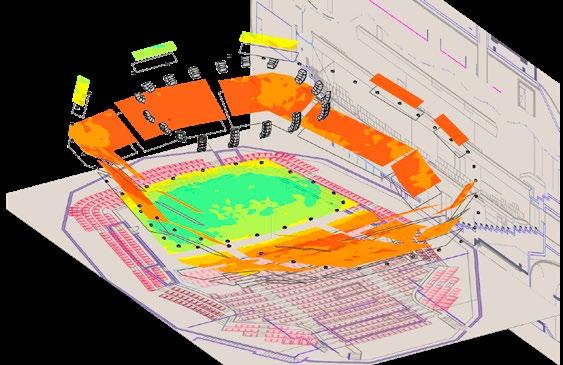


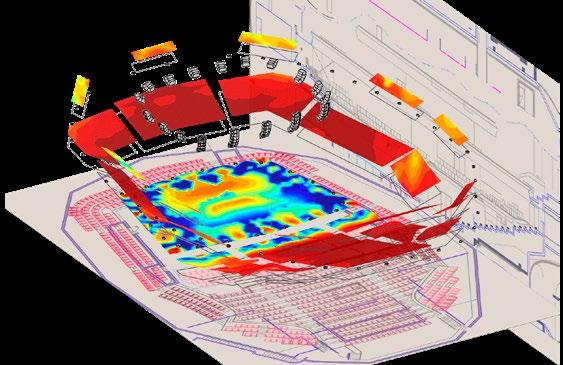
The NS-1 workflow is fast and intuitive. First generate venue graphics from scratch, or import them from EASE, Google Earth, SketchUp 3D, Via Collada, STL, JPG or PDF. Then add audience frames and speaker layout, selecting speakers from the complete Yamaha and NEXO loudspeaker ranges. Run SPL and immersive support simulations for iterative design and reporting.
AFC installations require specialized system engineering, especially for the design and tuning of the immersive loudspeaker system. To support this, Yamaha Music Europe and NEXO have appointed a specialist AFC system engineering group to support system integrators, sound designers and sound engineers in Europe. It comprises a team of experienced engineers with backgrounds in electro-acoustics and a track record of design and tuning immersive sound reinforcement systems.
The AFC system engineering group will perform a series of single-day AVIXA RU-rated Audioversity training seminars, introducing AFC Enhance and object-based technologies and operation. They will also present a series of in-depth training sessions on the topic of immersive electro-acoustic design and simulation, audio and control networking and immersive mixing, leading to an AFC Image Certified Engineer certificate. Please check our web site for announcements, or send us an email.






For all AFC Enhance systems, design and construction phase support, as well as full tuning support, are included in system offers. This includes an international team of AFC tuning engineers who will visit the site and tune the AFC Enhance system to meet the project’s requirements. Such tuning sessions take several days and include technical tuning, as well as live tuning with system users playing their material. A check-up after six months is also included, to re-adjust the system after users have experienced the enhanced acoustic environment. All projects are carried out under the ANSI/ InfoCom 2M-2010 project management standard. For more information, please send us an email: immersive-seg-eu@music.yamaha.com


AFC PROCESSING COMPUTER
• 4U 19” server class
• 256 Dante inputs @96kHz
• 256 Dante outputs @96kHz AFC ENHANCE SOFTWARE
• Hybrid regenerative acoustic enhancement provides full control of the acoustic conditions within the performance space, including early reflections, diffuse reverberation, active stage shell, stage / orchestra pit support, under balcony support
• In-line acoustic enhancement for theatrical effects
• Application sizes, each including 16 object AFC Image module: AFC402 for basic enhancement
AFC404 for multi-area enhancement
AFC406 for complex area enhancement
• 32 microphone channels, 96 loudspeaker channels
AFC IMAGE SOFTWARE
• 128 objects
• 64 output channels / 96 loudspeaker channels / 32 zones
• 3D reverberation
• Binaural renderer
• 96 aux inputs supporting easy connection of third party immersive renderers
AFC IMAGE LIVE CONTROL
• AFC Image Editor control software for Win/Mac
• Multi-client IP web server
• Live control through QL, CL and RIVAGE PM consoles
• OSC control
• Tracking system
AFC IMAGE PRE-PRODUCTION
• Nuendo 11 digital audio workstation
• VST multipanner
IMMERSIVE LOUDSPEAKER SYSTEM DESIGN
• NS1 immersive loudspeaker system configuration tool
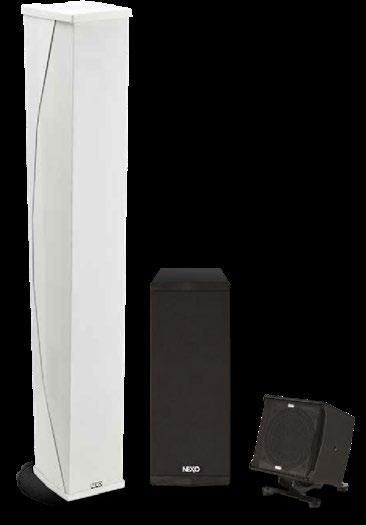
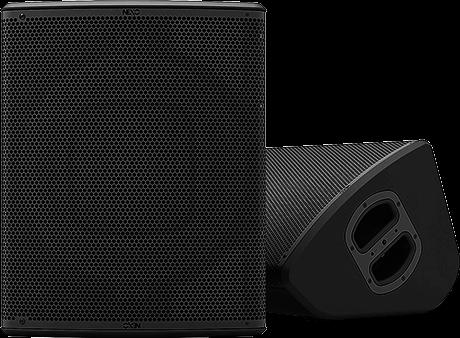
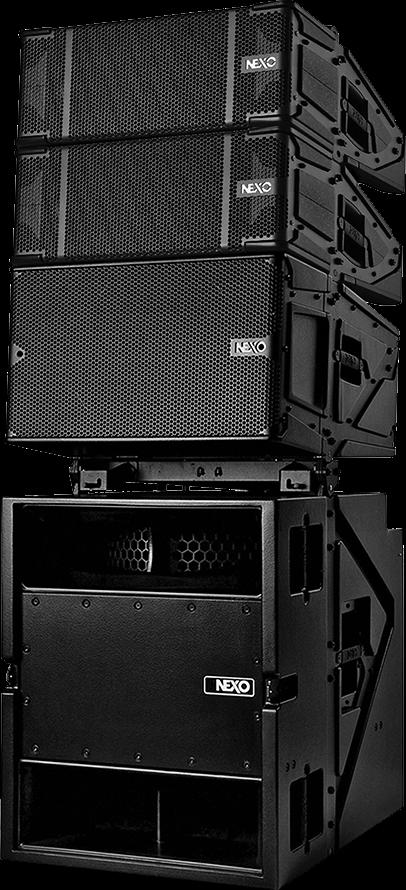
• Supported NEXO loudspeaker series: ID , P+, GEO-M, STM
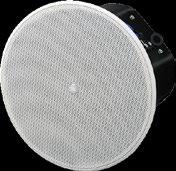
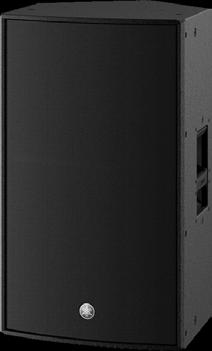
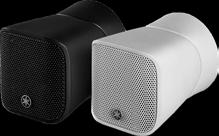
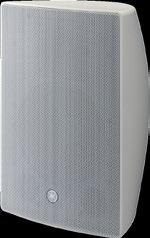
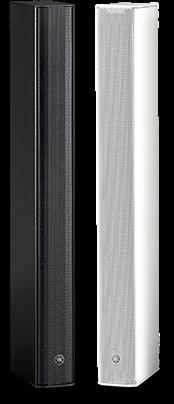
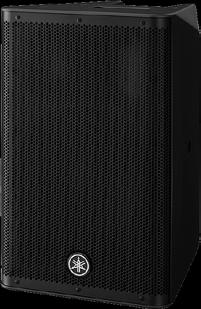
• Supported Yamaha loudspeaker series: VXS, VXC, VXL, CBR/DBR, DXR, CZR/DZR
• Supported NEXO and Yamaha networked power amplifier series: NXAMP, XMV, PC-D
• Import EASE, pdf, jpg, Google Earth, Sketchup, Via Collada wire frames
• SPL and Loudspeaker Immersive Support simulations
• Export loudspeaker positioning data for immersive renderers