NEW YORK STATE WELFARE INSPECTOR GENERAL into Public Integrity Bringing the Public
WHO WE ARE OUR MISSION
Fostering confidence in New York State government by promoting integrity and transparency through oversight of covered agencies, their employees, and those doing business with the State.
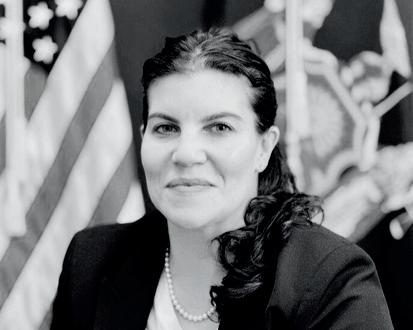
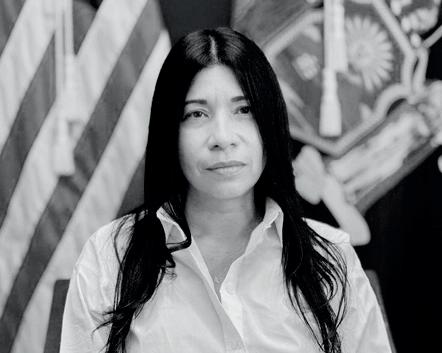
The Offices of the Inspector General (“OIG”) is comprised of three offices, derived from three appointments held by Inspector General Lucy Lang:
The Office of the New York State Inspector General (“NYSIG”), which is entrusted with the responsibility of investigating complaints of corruption, fraud, criminal activity, conflicts of interest, and abuse in the Executive Branch agencies and entities in New York State government;
The Office of the New York State Welfare Inspector General (“OWIG”), which is responsible for maintaining the integrity of New York State’s public assistance programs; and
The Office of the New York State Workers’ Compensation Fraud Inspector General (“WCFIG”), which is responsible for investigating violations of the laws and regulations pertaining to the operation of the workers’ compensation system.
Hotline
REPORT CORRUPTION, FRAUD, AND ABUSE
1-800-DO-RIGHT (367-4448)
Email inspector.general@ig.ny.gov
Online Complaint Form ig.ny.gov
Social Media @NewYorkStateIG
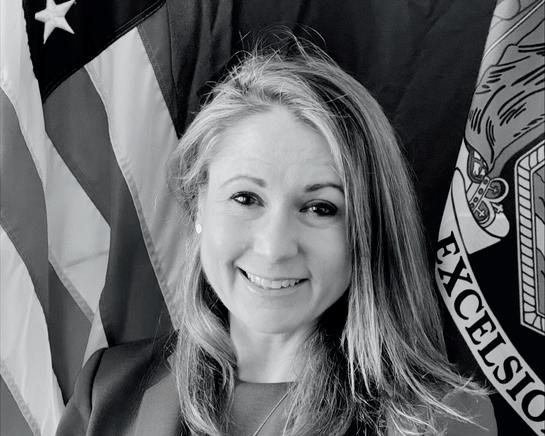
A WORD FROM THE A WORD FROM THE INSPECTOR GENERAL INSPECTOR GENERAL A WORD FROM THE INSPECTOR GENERAL
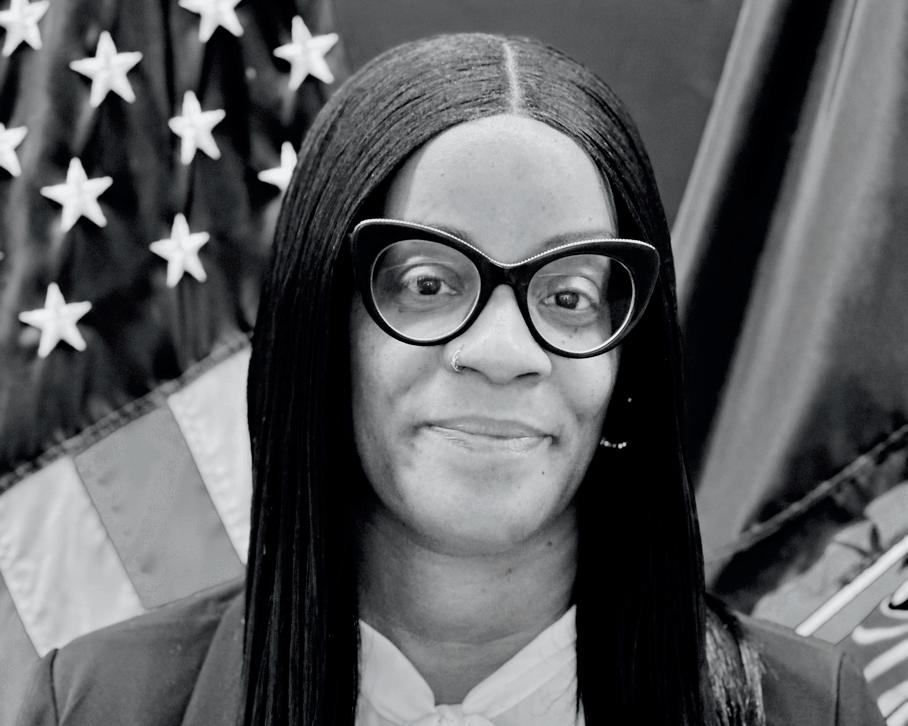
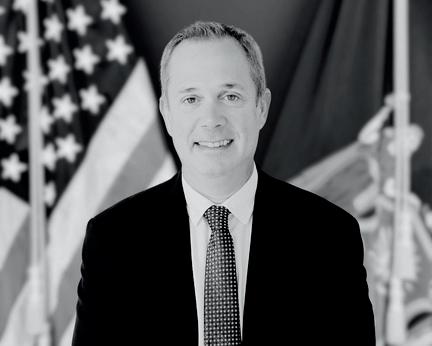
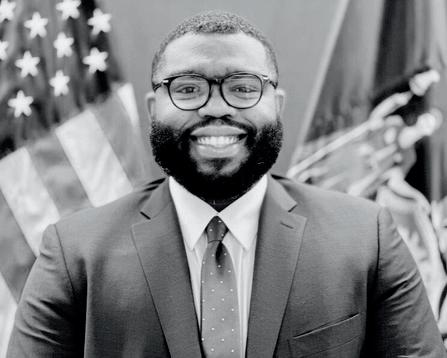
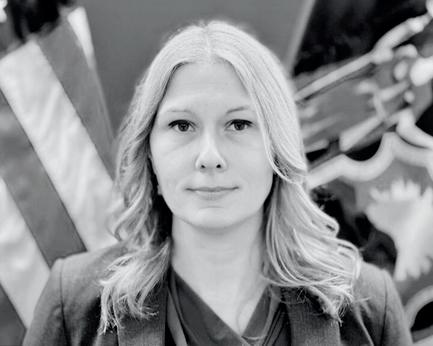
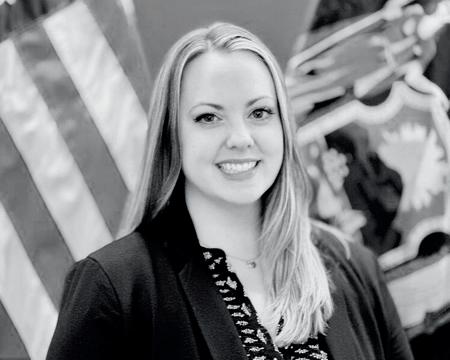
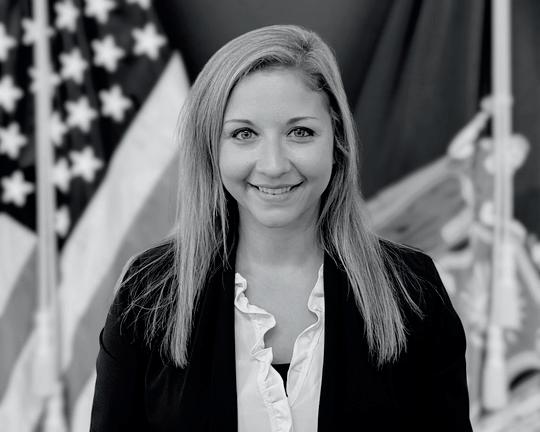
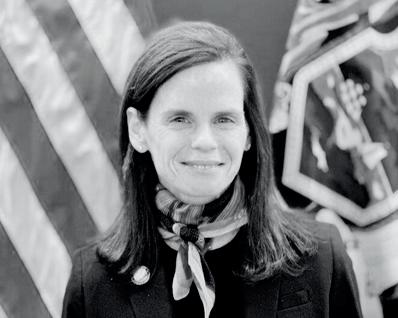
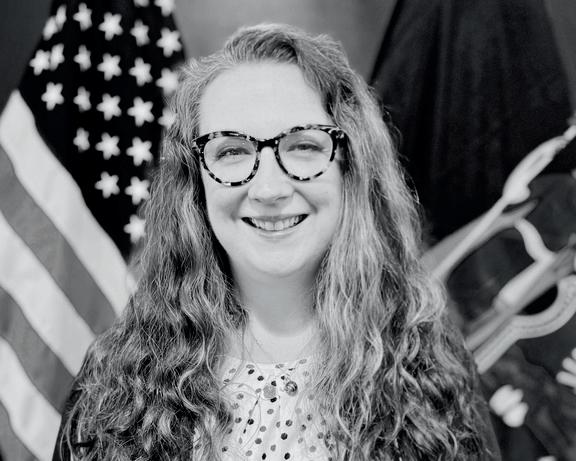
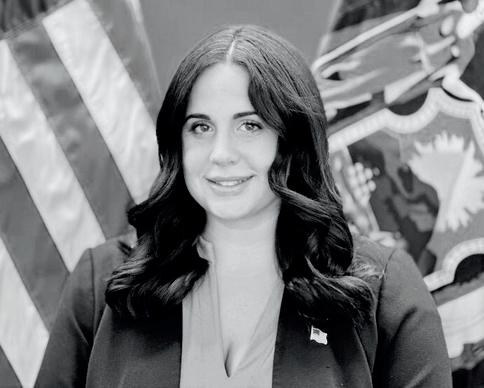
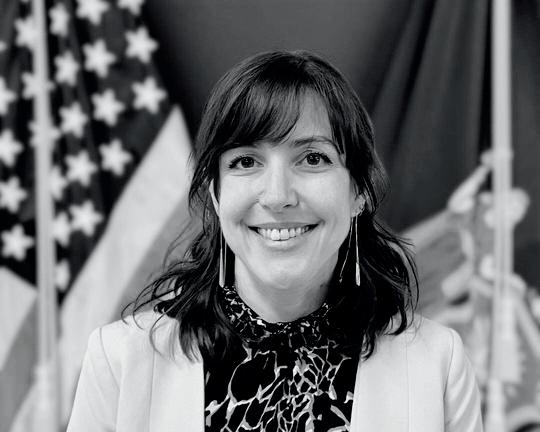
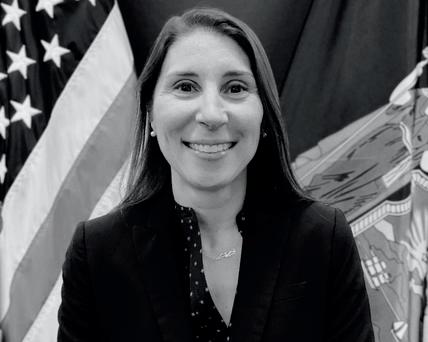
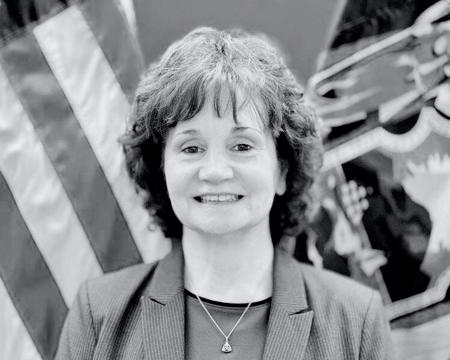
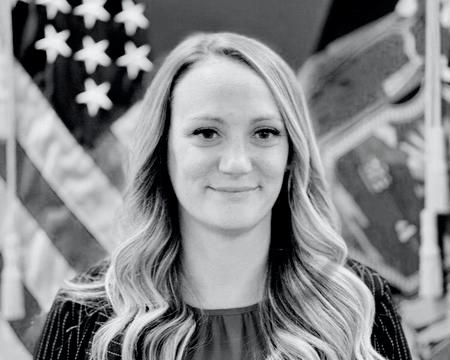
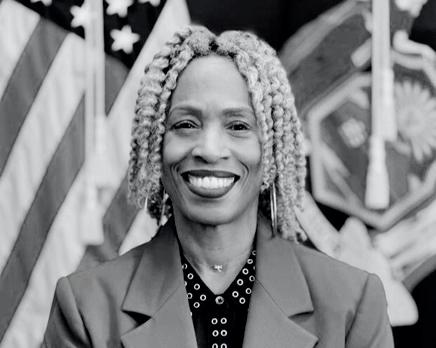
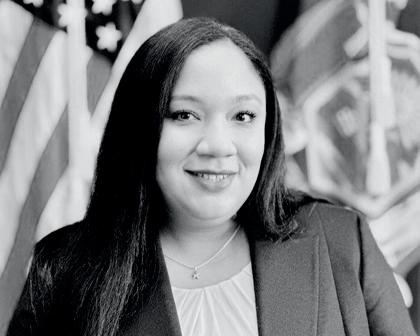
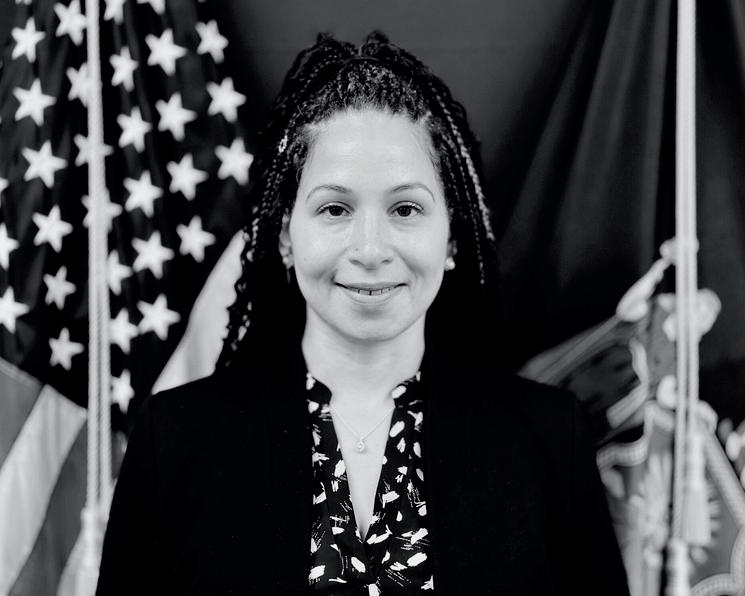
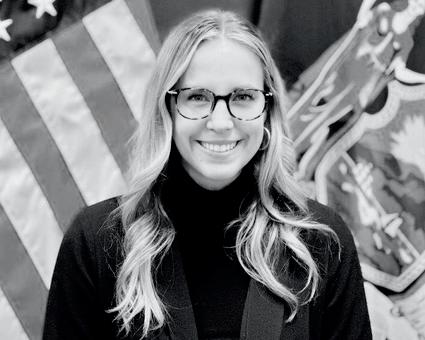
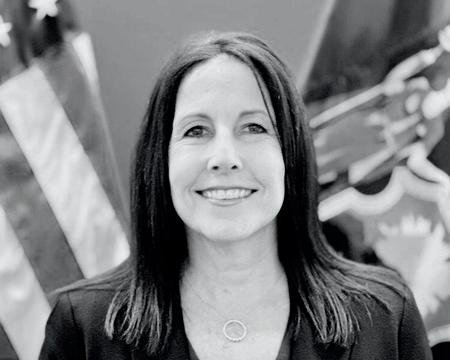
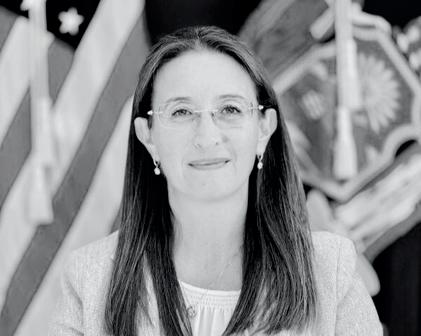
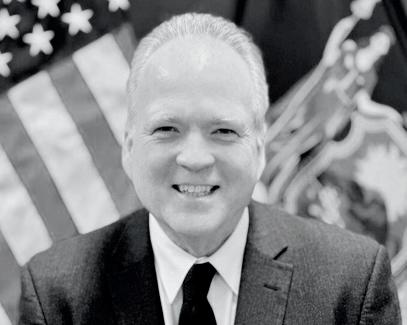
Lucy Lang
I am pleased to share the Office of the New York State Welfare Inspector General’s 2025 Annual Report, which details our ongoing commitment to protecting the integrity of New York’s public assistance programs and strengthening trust in the systems that serve New Yorkers most in need.
In 2025, that responsibility remained as vital as ever. OWIG received 927 complaints from across the state, including 189 fraud allegations and 738 requests for assistance from New Yorkers, local agencies, and partner organizations.
Throughout the year, OWIG’s work led to arrests, guilty pleas, convictions, and criminal sentencings involving people who exploited public assistance programs. In total, more than $536,000 in court-ordered restitution was returned to taxpayers and public programs. These results reflect OWIG’s core mission: holding wrongdoers accountable and protecting resources intended for New Yorkers who truly need them.
OWIG’s work is strengthened by collaboration. In 2025, the Office worked closely with local, state, and federal partners, including the New York State Office of the Medicaid Inspector General, the Office of Temporary and Disability Assistance, the Office of partners
Children and Family Services, local Departments of Social Services, prosecutors, and law enforcement agencies. OWIG also joined the Gun Violence Strategies Partnership (GVSP), expanding its participation in coordinated interagency efforts to address fraud, misconduct, and public safety concerns. These partnerships help OWIG investigate complex schemes, share expertise, and better protect the integrity of New York’s public assistance system.
This report also reflects OWIG’s continued focus on training and prevention. By providing guidance to local DSS investigators, presenting to prosecutors and welfare fraud investigators, and supporting statewide training programs, OWIG helps equip partners with the tools needed to detect fraud, protect public resources, and strengthen program integrity.
As OWIG looks ahead, our commitment remains the same: to protect public resources, strengthen confidence in New York’s public assistance programs, support New Yorkers seeking assistance, and help ensure these programs continue to serve the people who rely on them.
Every dollar stolen from public assistance is a dollar taken from someone who truly needs it. That is why the Office of the New York State Welfare Inspector General (OWIG) exists: to protect those resources and the public’s trust in how they are used.
In 2025, OWIG continued its mission to detect, investigate, and deter fraud across New York State’s public assistance programs. Working as part of the Offices of the Inspector General (OIG), and led by an experienced Attorney-In-Charge and Managing Investigator, OWIG brings together investigators, attorneys, and auditors to uncover wrongdoing, support prosecutions, and strengthen safeguards across the system.
THE SCALE OF THIS WORK IS STATEWIDE AND CONSTANT.
In 2025, OWIG received 927 complaints from all corners of the state, including 189 fraud allegations and 738 requests for assistance from residents, local agencies, and partner organizations. These matters ranged from people concealing income or household information to more complex schemes involving identity theft and multistate fraud. OWIG also continued to support local Departments of Social Services (DSSs) by providing training, equipment, and counsel to the units responsible for investigating fraud and abuse. For more complex matters, OWIG conducted joint investigations with local DSSs. In other cases, OWIG referred its findings to local DSSs with recommendations to complete public assistance benefit eligibility analyses, calculate any overpayments received by targets of investigations, and seek recovery where appropriate.
OUR INVESTIGATIONS DELIVER REAL ACCOUNTABILITY.
Cases advanced in 2025 resulted in:
Arrests, guilty pleas, and convictions across jurisdictions;
Seven criminal sentencings; and
More than $536,000 in court-ordered restitution to return stolen funds to taxpayers and public programs.
Behind these numbers are cases involving serious abuses of public trust, including people collecting benefits for deceased relatives and public employees exploiting their positions for personal gain.
WE DO MORE THAN INVESTIGATE— WE STRENGTHEN THE SYSTEM.
OWIG plays a central role in supporting local DSSs by:
Providing training, legal guidance, and investigative support;
Assisting with identifying overpayments to recipients and facilitating their recovery;
Partnering on complex or multi-jurisdictional cases; and
Helping identify systemic vulnerabilities and opportunities for prevention.
At the same time, OWIG serves as a resource for New Yorkers — helping people navigate the benefits system and ensuring concerns are heard and addressed.
PARTNERSHIPS MULTIPLY IMPACT.
OWIG works closely with local, state, and federal partners to combat fraud that increasingly crosses geographic and programmatic boundaries. In 2025, OWIG strengthened this collaborative approach through work on Medicaid provider fraud, multi-state benefit theft schemes, pandemic-related fraud enforcement efforts, and its participation in the Gun Violence Strategies Partnership.
THE BOTTOM LINE:
OWIG’s 2025 work reflects its core mission: protecting public funds, supporting vulnerable populations, and helping ensure that New York’s safety net programs operate with integrity.
As fraud schemes evolve, OWIG continues to meet them with investigative rigor, strategic partnerships, and proactive prevention so that public assistance reaches the people who need it most.
HISTORY OF OWIG HISTORY OF OWIG HISTORY OF OWIG
Since its establishment by statute on April 2, 1992, OWIG has served as a key safeguard for New York State’s public assistance programs, working to protect resources intended for vulnerable populations from fraud and abuse. Over time, OWIG has expanded its investigative capabilities and partnerships to address increasingly complex fraud schemes and a growing, interconnected benefits system.
Through it all, OWIG’s core mission, as laid out in Executive Law §74, remains the same. The Office is charged with investigating fraud, abuse, and illegal acts within New York’s public assistance system, including programs administered or funded by New York State, the federal government, local social services districts, contractors, and recipients of public assistance services. OWIG is also responsible for recommending policies relating to the prevention and detection of fraud and abuse.
OWIG currently exists as an arm of the Offices of the Inspector General (OIG) along with the Office of the New York State Inspector General (NYSIG) and the Office of the New York State Workers’ Compensation Fraud Inspector General (WCFIG). The offices are well integrated, with many staff members cross-trained and able to handle a wide variety of investigations, including fraud involving public assistance programs.
On November 29, 2021, Governor Kathy Hochul appointed Lucy Lang to serve as the New York State Inspector General and the acting New York State Welfare Inspector General. On April 25, 2022, Lang was confirmed by the New York State Senate to serve as the Welfare Inspector General. This arrangement allows OWIG to leverage the resources of all OIG offices and operate in a more efficient manner.
In 2025, OWIG was led by an Attorney-in-Charge and a Managing Investigator with deep subject matter expertise in welfare and benefits fraud. Together, they supervise all statewide OWIG investigations, serve as points of contact for external agencies, and oversee internal and external training.
1971
OWIG is established by Governor Rockefeller. Its core focus is on internal controls/audit.
1992
OWIG is reestablished by Governor Mario Cuomo with new expanded focus on investigating and prosecuting welfare crime in addition to internal controls.
1975
OWIG is terminated by Governor Carey.
1995
NY Penal Law §158.00 is established, defining Welfare Fraud in law for the first time. Previously, Welfare Fraud was a common law larceny.
1997
Welfare Reform Act of 1997 abolishes the State Department of Social Services, establishing the Department of Family Assistance in its place, and establishes the Office of Children and Family Services and Office of Temporary and Disability Assistance within it. As a result, OWIG goes from overseeing one state agency to multiple.
2012
OWIG’s operations are merged into the Offices of the State Inspector General.
PURPOSE & SCOPE OF PURPOSE & SCOPE OF ANNUAL REPORT ANNUAL REPORT PURPOSE & SCOPE OF ANNUAL REPORT
New York State Executive Law §74(6) mandates that OWIG submit an annual report to the Governor, State Comptroller, Attorney General, and legislative leaders summarizing the activities of the Office for each calendar year. Consistent with OWIG’s mandate, this report provides an overview of OWIG’s work in 2025, highlighting investigations, prosecutions, trainings, partnerships, and key initiatives undertaken to detect fraud, recover public funds, deter misconduct, and strengthen the integrity of New York’s public assistance programs.
BACKGROUND BACKGROUND BACKGROUND
New York State’s public assistance system provides critical support to millions of residents through programs offering cash assistance, nutrition assistance, energy assistance, and medical coverage. Funded by New York State and the federal government – and administered locally by Departments of Social Services (DSS) –these programs represent billions of dollars in public investment and serve as a lifeline for New Yorkers in need.
State agencies, including the Office of Temporary and Disability Assistance (OTDA) and the Office of Children and Family Services (OCFS), oversee key components of this system. OWIG operates within it as an independent oversight entity, with jurisdiction under Executive Law §74 to investigate fraud, abuse, and misconduct involving benefit recipients, service providers, contractors, and public employees. This broad authority allows OWIG to examine the system holistically, identifying both wrongdoing and systemic vulnerabilities.
The programs within this system are designed to meet a range of needs and may provide one-time or ongoing assistance depending on eligibility and circumstances. For example:
Temporary Assistance (TA)
Provides allowances for basic grants, home energy, shelter, and fuel.
Home Energy Assistance Program (HEAP)
Assists with the cost of home heating.
Supplemental Security Income (SSI)
Provides monthly payments to low-income people who are age 65 or older, blind or disabled.
Supplemental Nutrition Assistance Program (SNAP)
Administered by the United States Department of Agriculture (USDA) Food and Nutrition Service and provides nutrition assistance.
medical coverage to people who are unable to afford medical care or who are disabled.
Certain benefits, including SNAP and cash assistance, are provided to eligible recipients through Electronic Benefit Transfer (EBT). The EBT card functions like a debit card: when a recipient uses it to make an eligible purchase, the benefits are automatically deducted from the recipient’s account.
In New York State, local DSSs administer publicly funded social service and cash assistance programs under OTDA oversight, with OTDA working closely with local districts and serving as a key partner to OWIG. Local DSSs also operate under OCFS supervision for day care, child protective services, and other programs serving children, disabled adults, and other vulnerable populations. OWIG regularly partners with local DSSs, OTDA, and OCFS on investigations involving these programs.
Additionally, Executive Law §74 empowers OWIG to review actions by contractors, including vendors doing business with the State and local DSSs, as well as State and local DSS employees. OWIG’s comprehensive jurisdiction across the social services system enables the Office to identify misconduct, address vulnerabilities, and protect the integrity of New York State’s public assistance programs as a whole.
OWIG LEADERSHIP OWIG LEADERSHIP OWIG LEADERSHIP
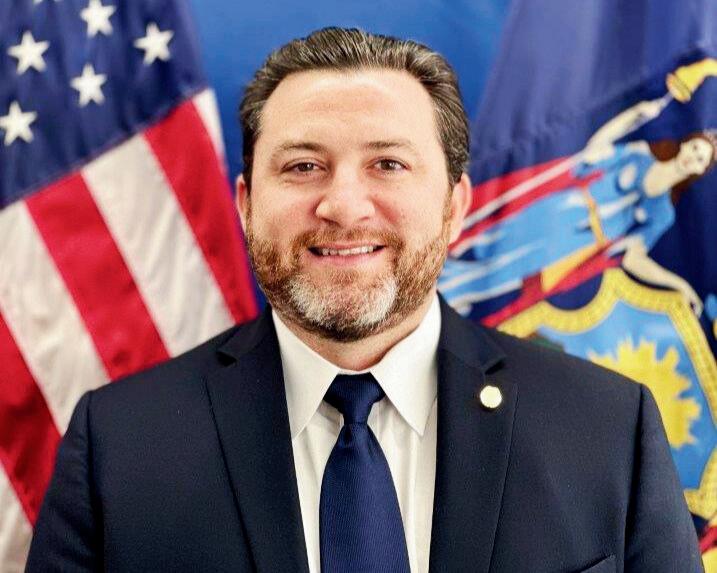
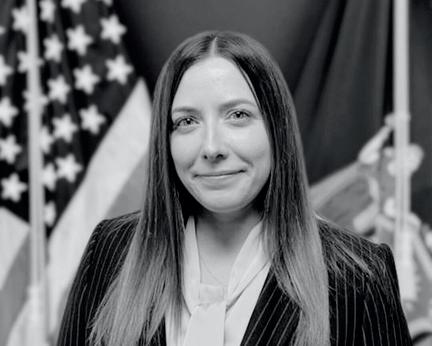
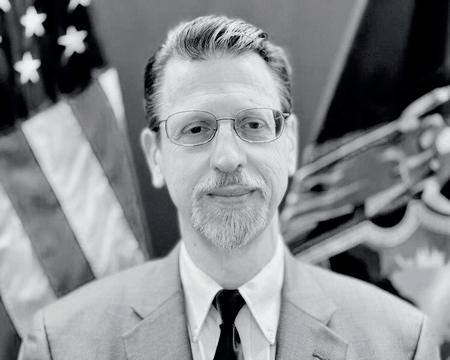
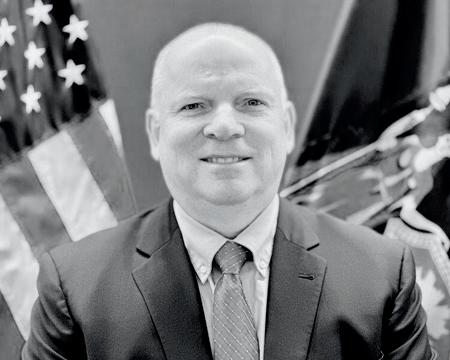
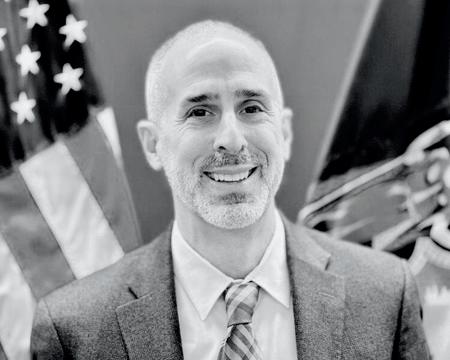
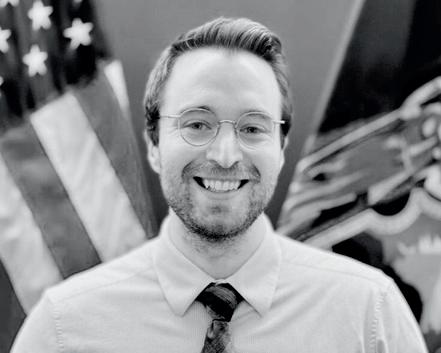
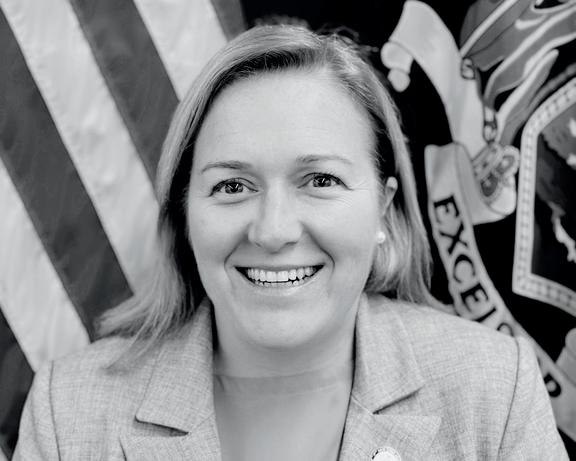
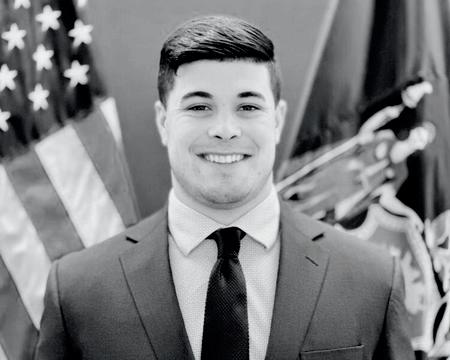
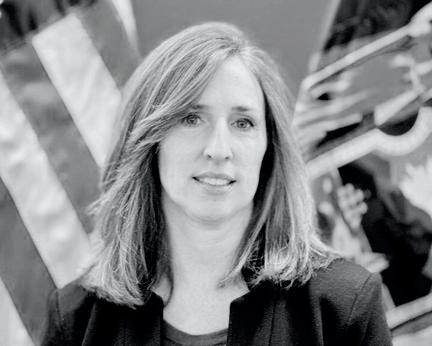
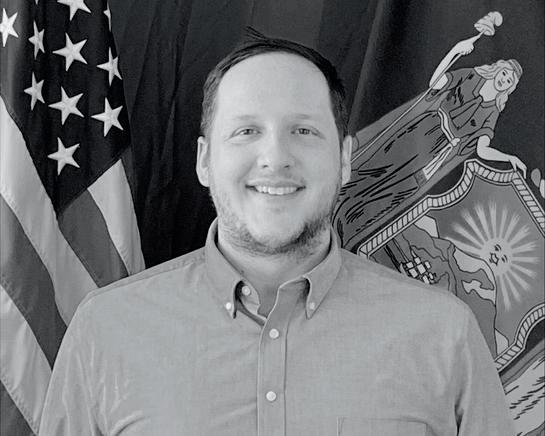
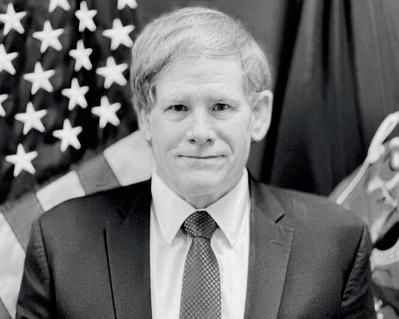
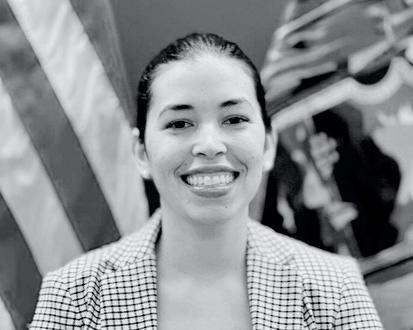
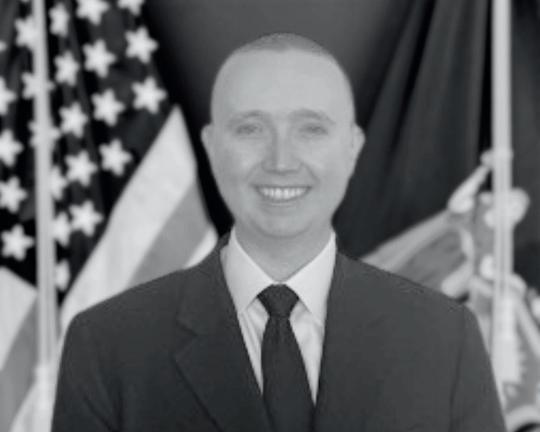
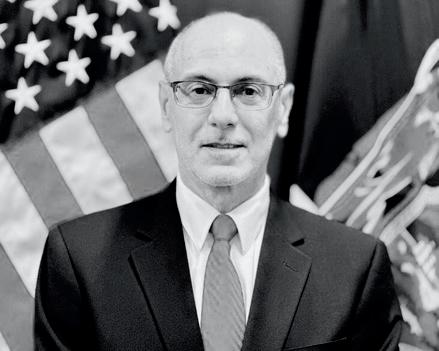
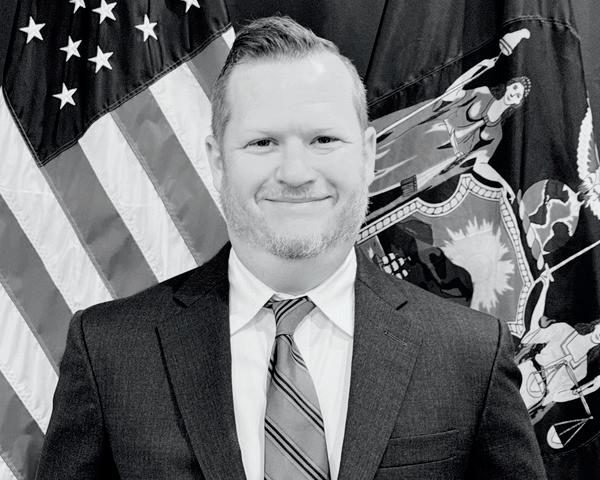
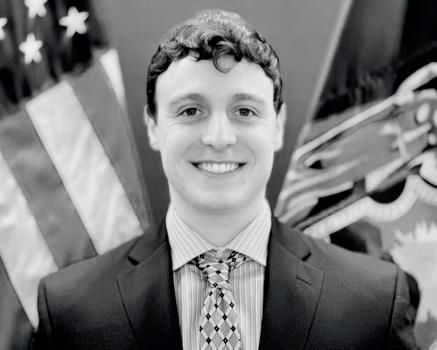
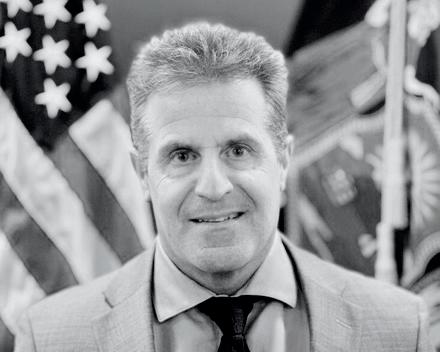
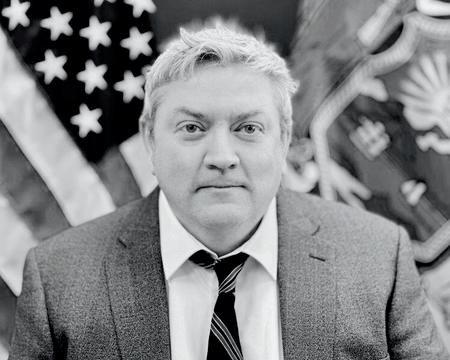
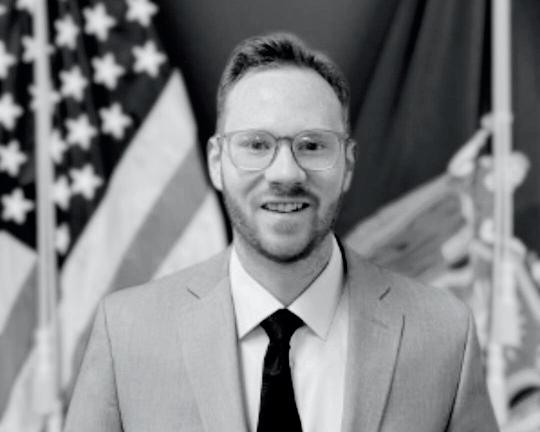
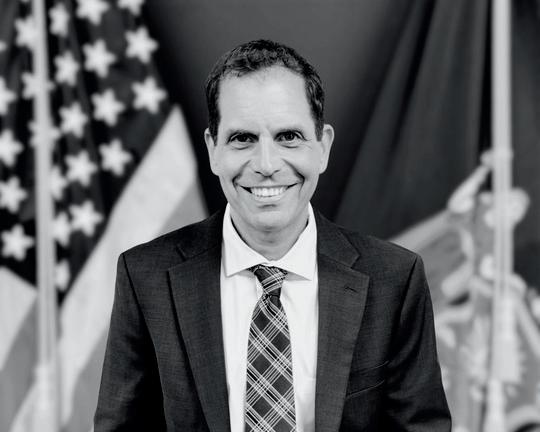
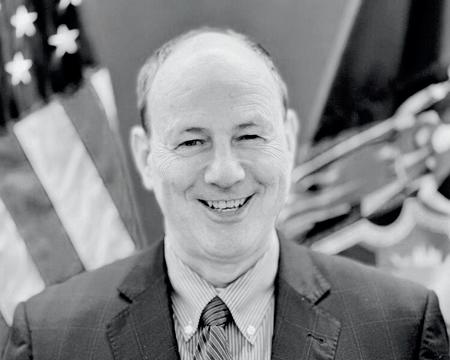
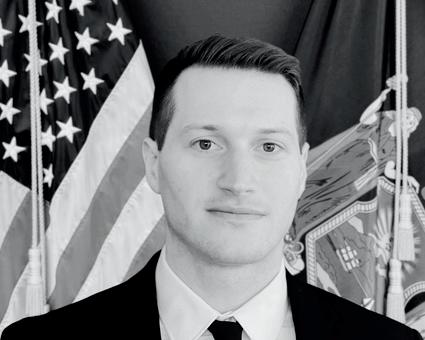
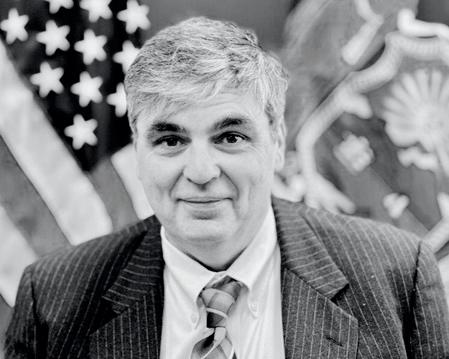
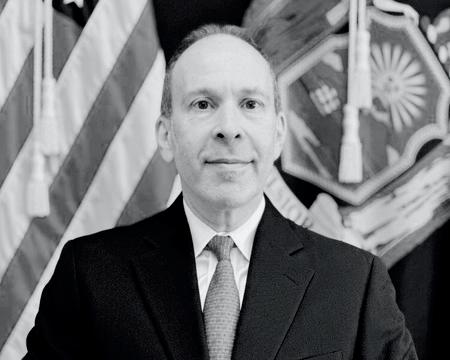
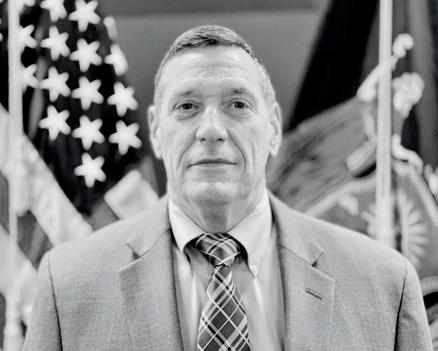
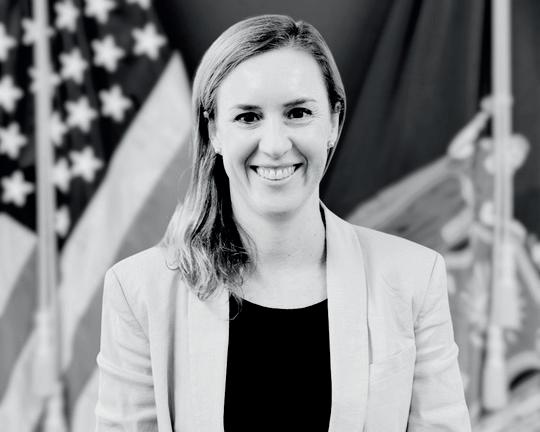
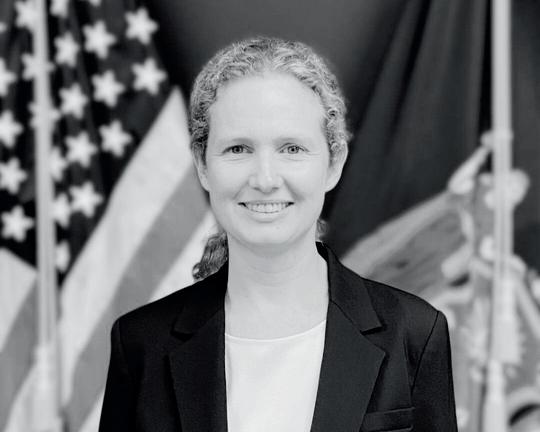
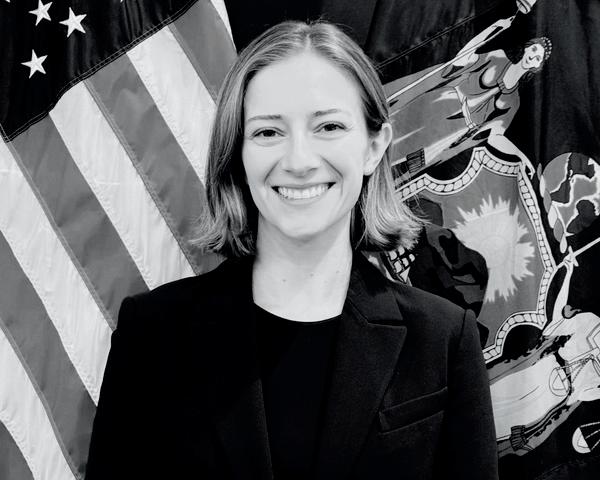
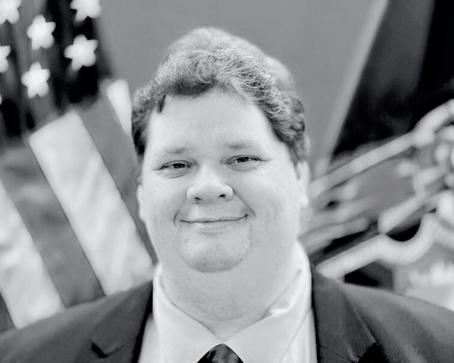
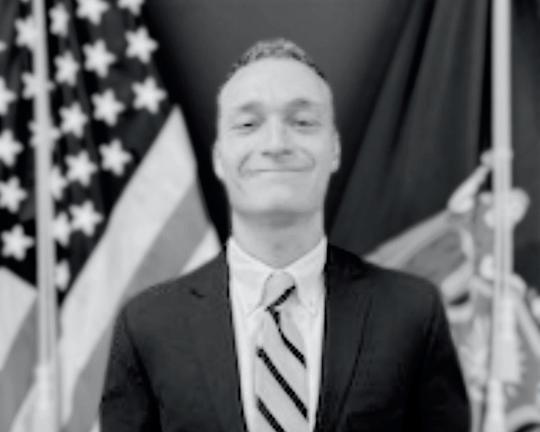
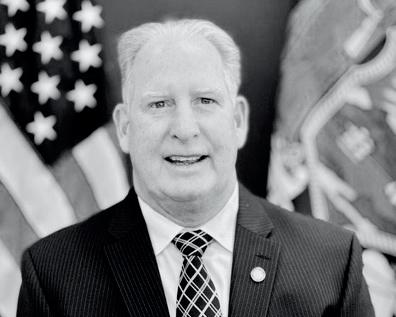
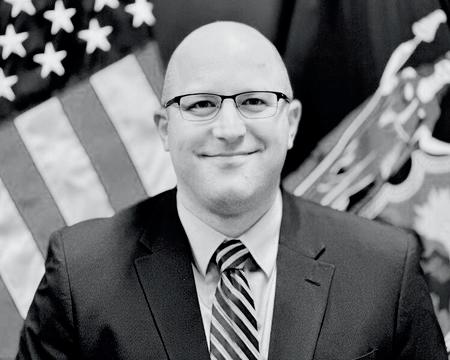
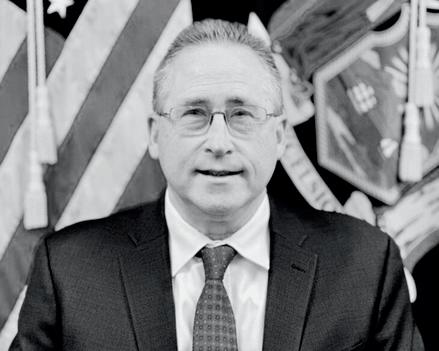
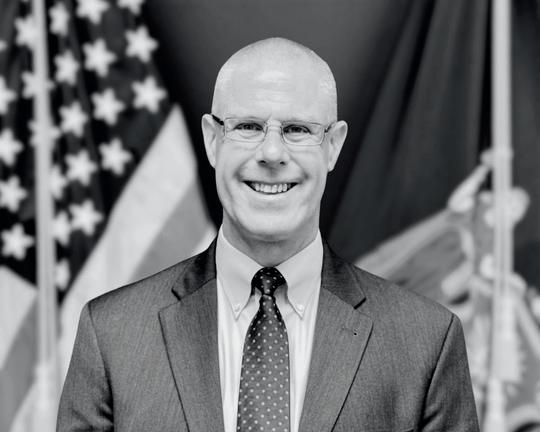
In August 2024, Welfare Inspector General Lang appointed Andrew Weiss Attorney-in-Charge for Welfare. A former prosecutor, Weiss has spent much of his career investigating and prosecuting fraud involving government programs. His extensive whitecollar investigative experience includes prior service as Deputy Bureau Chief of the Economic Crimes Bureau at the Nassau County District Attorney’s Office and as a Special Assistant United States Attorney in the Eastern District of New York. Weiss has also held leadership roles in multiple investigative agencies including the New York City Department of Investigation, where he supervised teams of investigators, auditors, and attorneys. In his current role, Weiss leads OWIG’s efforts to combat welfare fraud, protect public resources, and promote integrity across New York’s social services system.
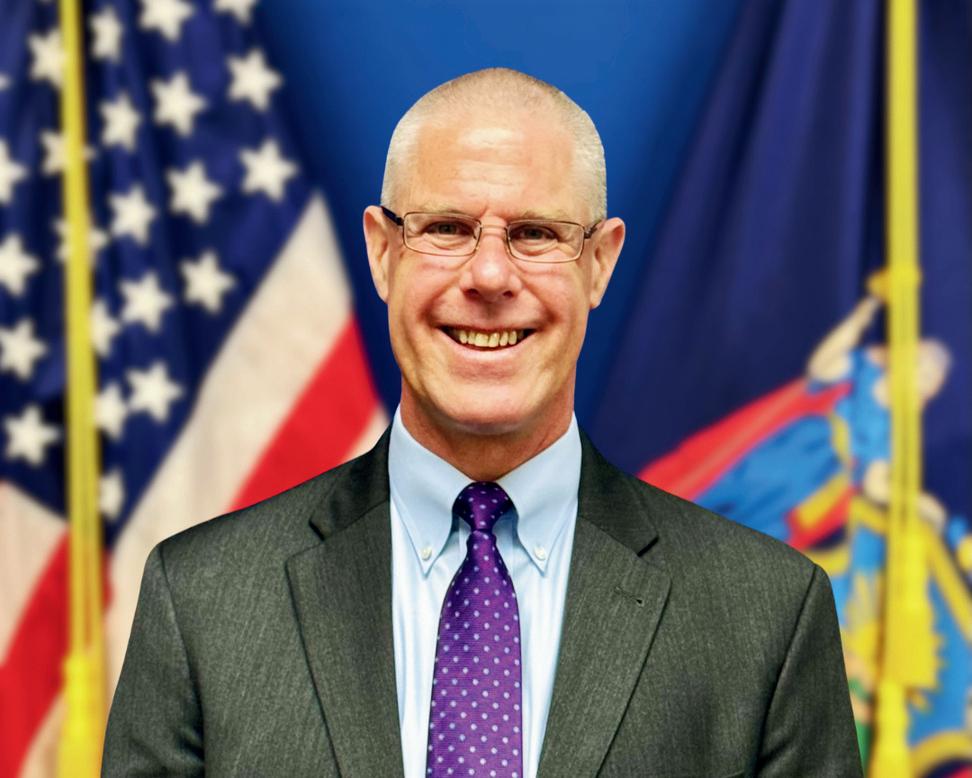
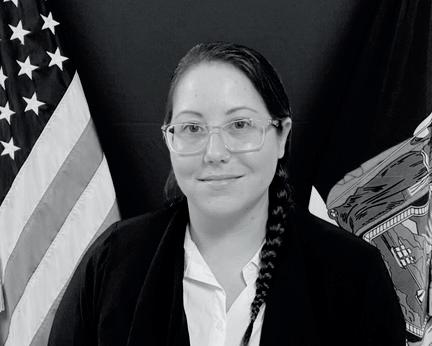
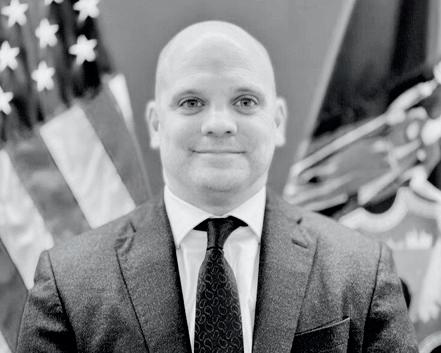
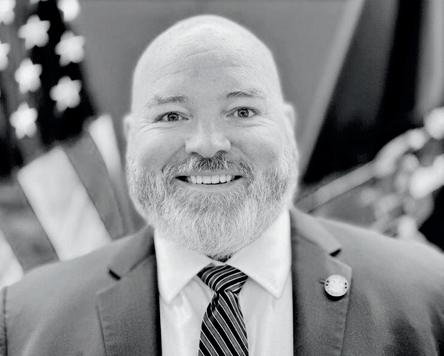
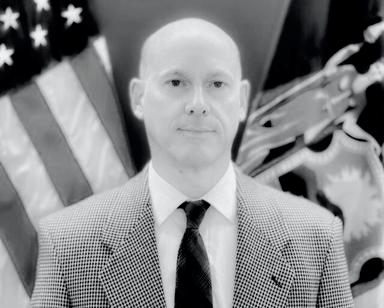
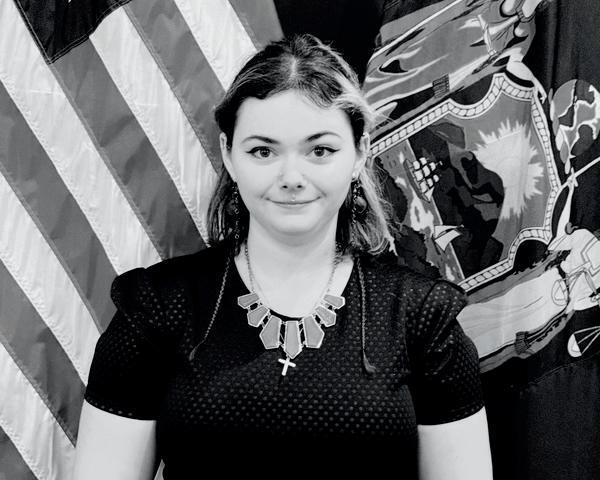
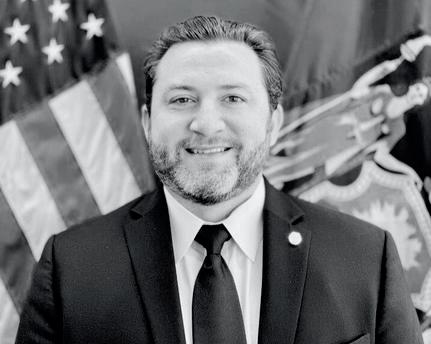
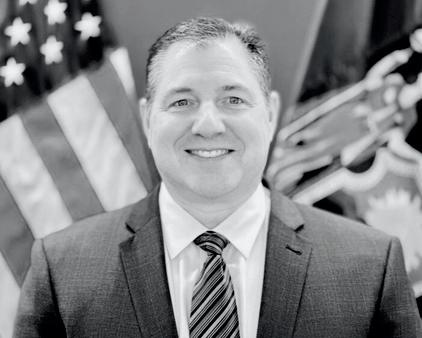
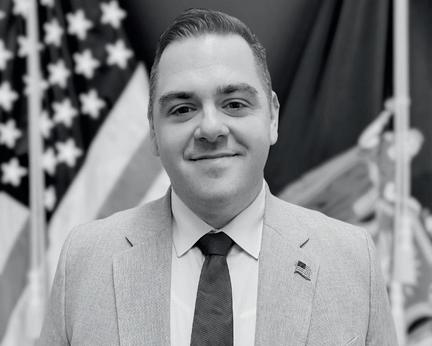
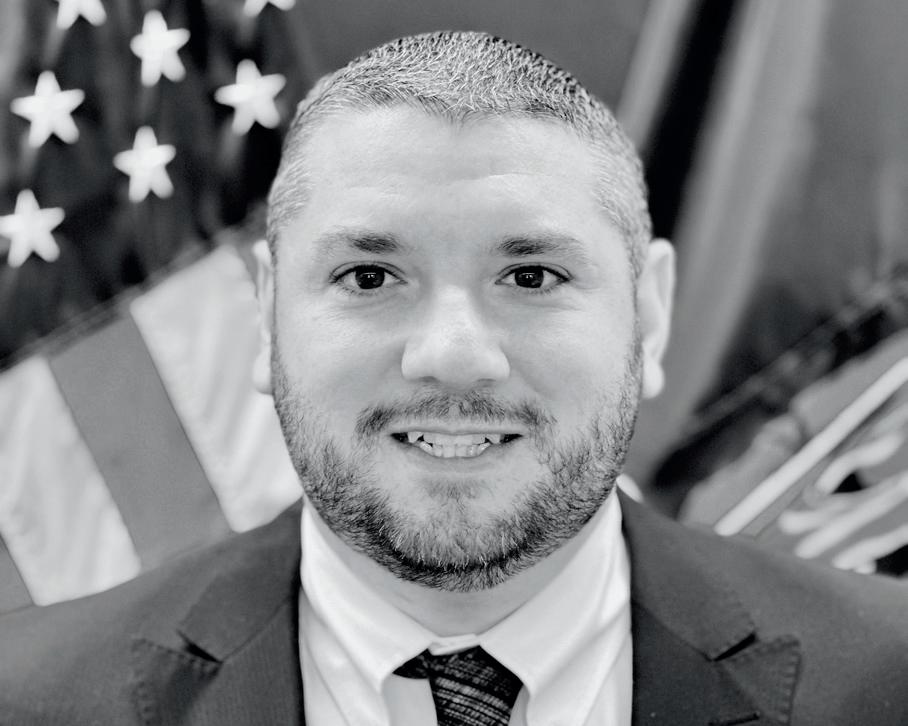
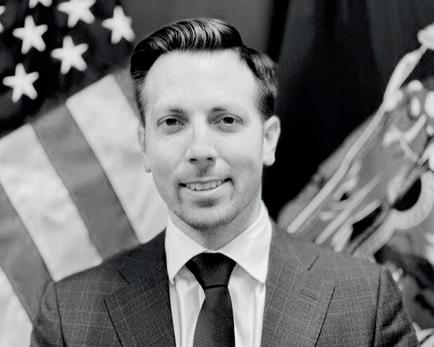
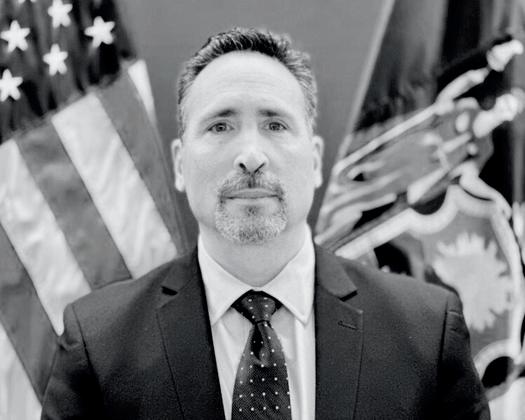
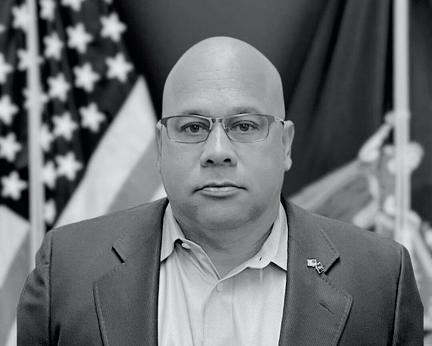
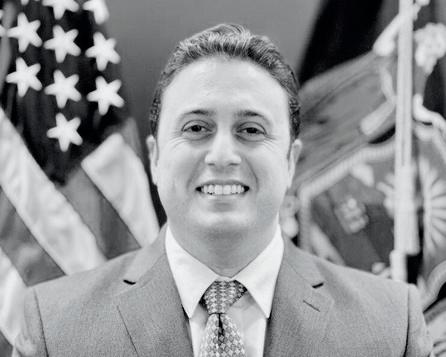
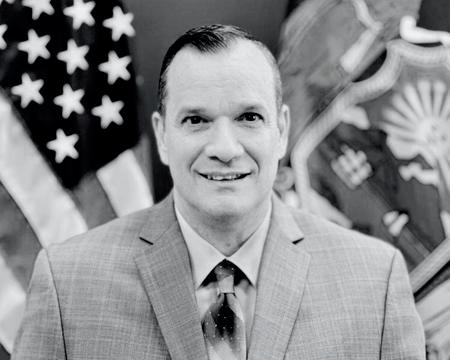
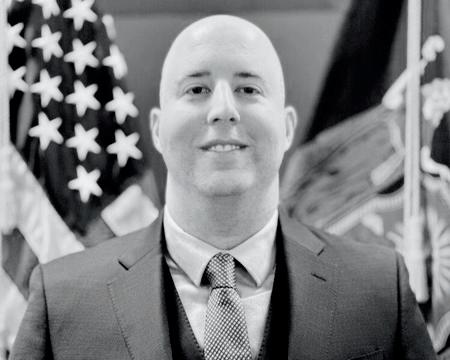
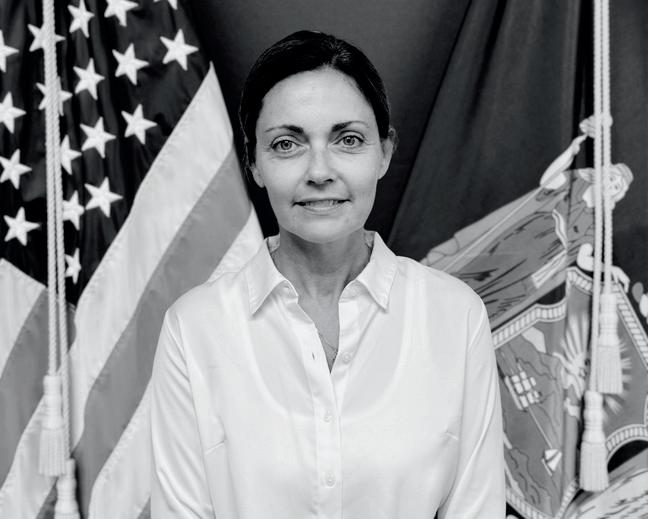
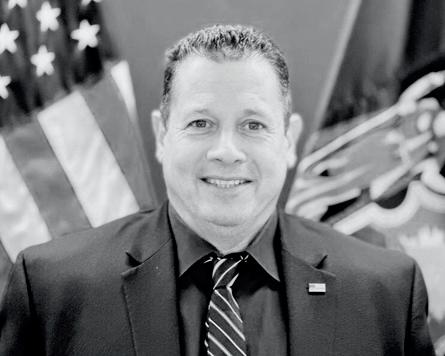
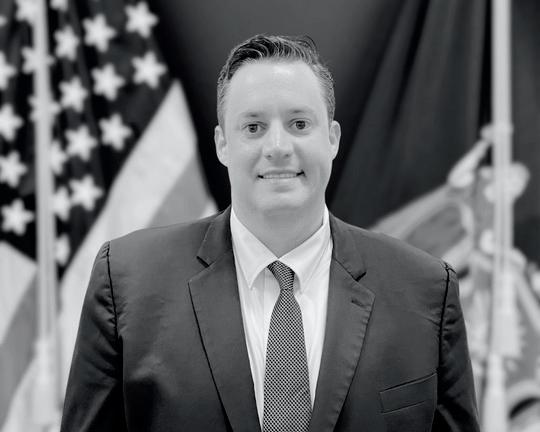
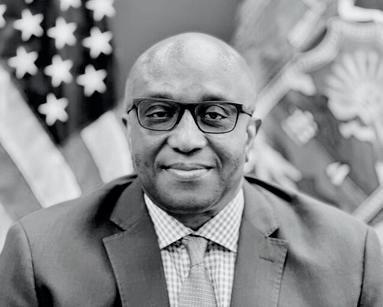
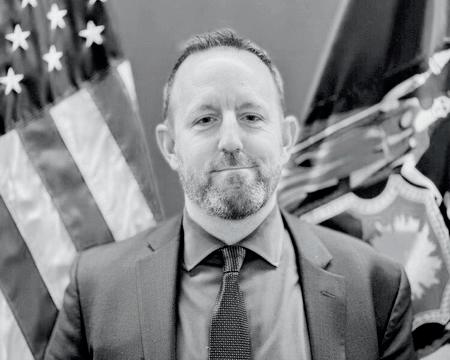
Jason Fazio Managing Investigator Welfare
Weiss Attorney-In-Charge Welfare
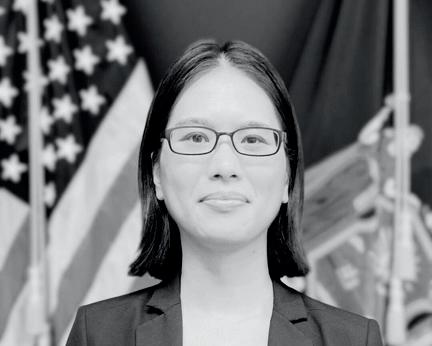
Managing Investigator Jason Fazio brings extensive experience in fraud detection and law enforcement collaboration to his role leading OWIG investigations. Since joining the Office in 2013, he has led complex investigations involving fraud in state welfare programs and worked closely with local, state, and federal law enforcement partners to prevent and investigate public assistance fraud. Before joining OWIG, Fazio served as an investigator for a local DSS, where he specialized in uncovering public assistance fraud schemes, including Medicaid fraud. A certified Financial Crimes Specialist, his expertise in investigative techniques, strategic planning, and community partnerships continues to strengthen OWIG’s fraud prevention and investigative work.
Interagency cooperation is critical to successful investigations and to promoting program integrity. OWIG’s strong relationships with local, state, and federal partners enhance the Office’s ability to detect, investigate, and prevent public assistance fraud, while supporting coordinated responses to increasingly complex schemes.
Andrew
NEW YORK STATE OFFICE OF THE MEDICAID INSPECTOR GENERAL
In 2025, OWIG partnered with the New York State Office of the Medicaid Inspector General (OMIG) on several investigations involving alleged Medicaid provider fraud. These matters included caregivers in the Consumer Directed Personal Assistance Program (CDPAP) billing for services not rendered, as well as medical providers allegedly billing Medicaid for more expensive procedures than those actually performed.
OFFICE OF TEMPORARY & DISABILITY ASSISTANCE AND OFFICE OF CHILDREN & FAMILY SERVICES
Throughout the year, OWIG continued to work closely with OTDA and OCFS, two key state agencies in New York’s social services system. Throughout the year, OWIG received referrals from both agencies and relied on their program knowledge and subject matter expertise to support investigations involving public assistance, SNAP, child care, adult protective services, and other social services programs. These partnerships strengthen OWIG’s ability to identify vulnerabilities, investigate fraud, and promote program integrity.
UNITED STATES DEPARTMENT OF JUSTICE COVID-19 FRAUD ENFORCEMENT TASK FORCE
OWIG continued its participation in the United States Department of Justice COVID-19 Fraud Enforcement Task Force (CFETF), established in 2021 to coordinate governmentwide efforts to combat pandemic-related fraud. Managing Investigator Jason Fazio serves as a CFETF member, working with federal partners including the United States Attorney’s Office for the Northern District of New York, the U.S. Department of Labor Office of Inspector General, Homeland Security Investigations
Investigations, the U.S. Postal Inspection Service, and the U.S. Postal Service Office of Inspector General to share investigative techniques, exchange best practices, and coordinate resources to uncover fraudulent schemes. These relationships are critical to OWIG’s success.
GUN VIOLENCE STRATEGIES PARTNERSHIP
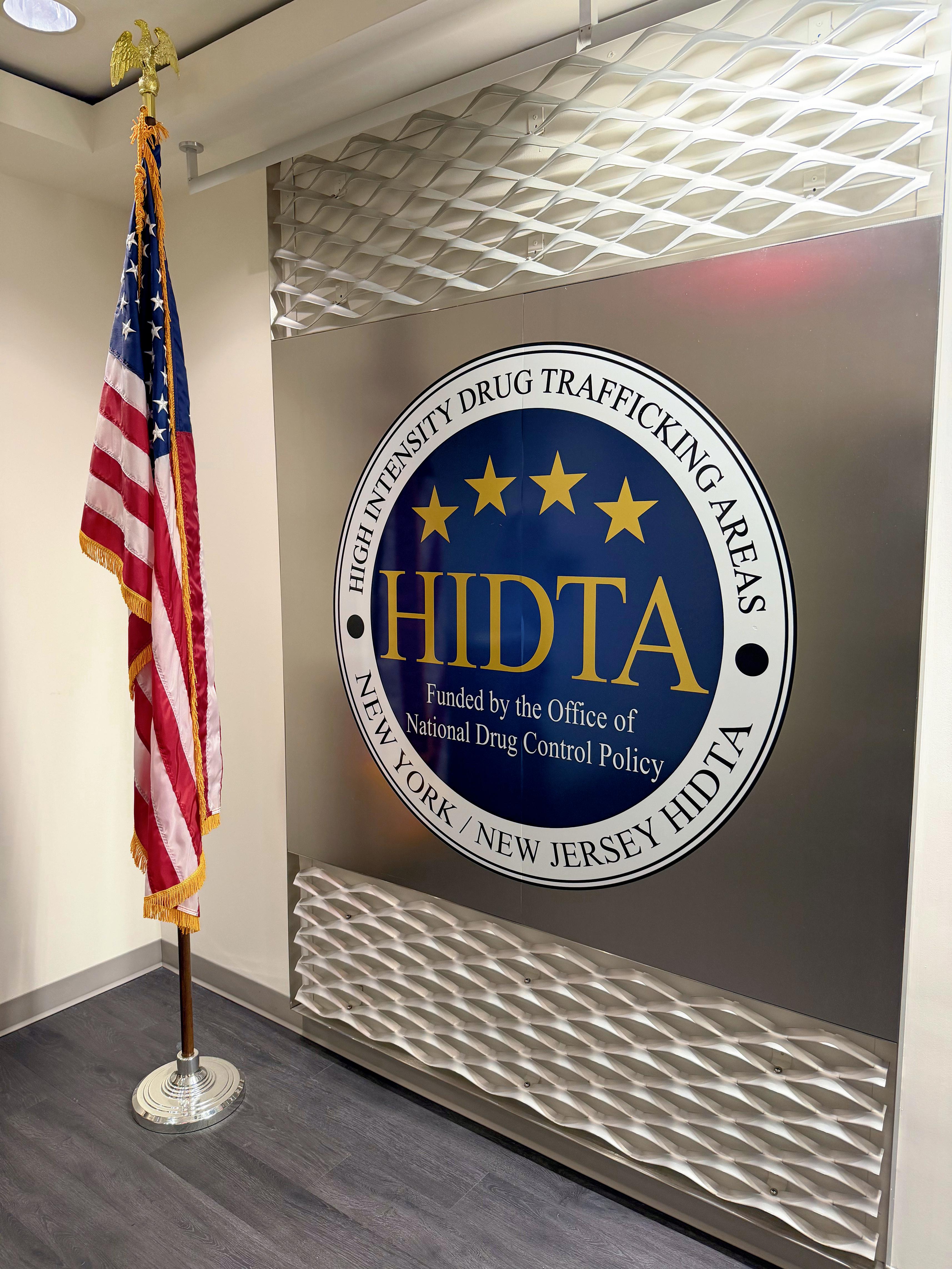
In 2025, OWIG expanded its efforts to engage key stakeholders in the prevention of welfare fraud by joining the Gun Violence Strategies Partnership (GVSP). Housed within the Office of National Gun Control Policy’s High-Intensity Drug Trafficking Areas (HIDTA) New York-New Jersey headquarters, GVSP is an unprecedented intelligence-sharing network spanning local, state, and federal law enforcement agencies with the goal of reducing gun violence in the City of New York.
Every morning at exactly 10 a.m., over 20 law enforcement partners meet in person at HIDTA, and virtually, to review recent violent felony arrests in New York City. At these meetings, partners share information and resources to keep violent gun offenders off the streets.
These meetings have five parts:
Arecap of gun violence over the last 24 hours;
Structured discussion to share information and resources with partners in an effort to build a strong case for remand or bail at arraignment;
Aone-day lookback to review the custody status of subjects;
Atwo-week lookback to review custody and indictment status of subjects; and
Atwo-year lookback to review custody and case disposition status of subjects.
While GVSP’s primary focus is violent crime, OWIG’s participation has created a valuable exchange of information and expertise: OWIG gains access to real-time investigative resources, while partners gain greater insight into how welfare fraud can intersect with other investigative priorities. This collaboration has already had a tangible impact. In one case, OWIG quickly confirmed through a federal partner that two people of interest had not entered the United States, eliminating a potential investigative lead and saving significant time and resources. In another, OWIG helped locate a missing person.
TRAINING TRAINING TRAINING
Training is a critical component of OWIG’s work to promote program integrity. In 2025, OWIG’s Attorney-in-Charge and Managing Investigator presented at conferences across the State on legal issues and investigative techniques relevant to welfare fraud investigations.
OWIG provided direct guidance to local DSS investigators, fielding questions on investigative strategy, legal requirements, and laws and regulations applicable to specific cases. OWIG investigators and attorneys worked with local investigators to assess issues and identify the best path forward.
Building on its prior work with local districts, OWIG addressed DSS commissioners and senior staff at the New York Public Welfare Association’s conference in Albany. The presentation focused on the importance of strong local fraud units and how investigations and recoveries help protect limited public assistance resources, support those truly in need, and strengthen public confidence in local DSS oversight. OWIG followed up with one-on-one meetings with DSS commissioners and fraud staff in several counties.
OWIG also partnered with the New York Welfare Fraud Investigators Association, presenting to members on legal standards governing welfare fraud cases and convening a panel with a prosecutor, administrative law judge, and OTDA program experts on the different rules that apply to criminal investigations and administrative penalty proceedings. Further, the Office provided Continuing Legal Education (CLE) training for broader enforcement audiences, including courses for the New York Prosecutors Training Institute on welfare fraud and the intersection of criminal and administrative proceedings, and participated as a panelist in a CLE presented by the New York State Department of Labor.
In 2025, OWIG’s Attorney-in-Charge continued to serve as an instructor at the Welfare Fraud Investigator Training Institute (WFIT), a week-long course for new local DSS welfare fraud investigators offered by OTDAand the State University of New York Professional Development Program. OWIG’s instruction covers relevant criminal and social services law, constitutional issues, admissible evidence, preparing cases for prosecution, and investigators’ role in criminal proceedings.
As fraud schemes continue to evolve, OWIG will remain focused on equipping local partners with the legal knowledge, investigative tools, and practical guidance needed to protect public assistance programs and the New Yorkers who rely on them.
INVESTIGATIONS INVESTIGATIONS INVESTIGATIONS
In 2025, OWIG received allegations of fraud, abuse, and mismanagement from nearly every social services district in New York State. Among these were 189 complaints alleging fraud against the State’s social services programs, including the theft of public assistance benefits by people who were not entitled to receive them. Alleged schemes included:
Receiving benefits for a deceased family member
Concealed income
Concealed receipt of money from a lawsuit settlement
Receiving benefits for someone not living in the household
Concealing that a recipient lives outside New York
In 2025, OWIG investigations that began in prior years led to the arrest of three people, guilty pleas from six criminal defendants, and seven sentencings. One defendant was also convicted after a jury trial during which an OWIG investigator testified. Prosecutions of these OWIG cases resulted in $536,609 in court-ordered restitution, including $464,150 for stolen State public assistance funds and $72,459 to the U.S. Social Security Administration for stolen federal benefits.
OWIG receives complaints from various sources, including:
Each complaint is evaluated by OIG’s Case Management Unit, senior staff, and executive management. After initial assessment, a matter may be opened for full investigation, assigned for preliminary review to develop additional facts, referred to a local DSS or other agency for further action, or closed if the allegations fall outside OWIG’s jurisdiction.
When a preliminary investigation is warranted, the matter is assigned to an investigator who analyzes the reported information against records in the Welfare Management System, an OTDA-operated database containing case histories for public assistance applicants and recipients. The investigator may also speak with the complainant to get more information or review other relevant records. This preliminary review may determine that the complaint is not credible, such as when a subject is not receiving public assistance benefits. It may also result in the opening of a full investigation or a referral to a local DSS or other agency. For referred matters, OWIG may remain involved by reviewing progress reports and providing support such as staff assistance or investigative equipment.
When OWIG opens a full investigation, it takes a multidisciplinary approach, assigning an attorney, investigator, and auditor to the case. The team develops an investigative plan tailored to the allegations, which may include witness interviews, surveillance, financial record review, or other steps needed to uncover relevant facts. OWIG then determines whether findings should be referred to a district attorney for criminal prosecution, referred to a local DSS for administrative action, or addressed through other appropriate action. The Office supports criminal referrals by providing resources throughout the prosecution, including at hearings, trials, and appeals, and encourages prosecutorial partners to seek full restitution where fraud is established. Improper benefit payments may also be recovered through civil recoupment.
OWIG also receives requests for assistance from New Yorkers through its online complaint form. In 2025, OWIG received 738 such requests involving a wide range of issues, including difficulty working with a local DSS, concerns about Child Protective Services and Family Court processes, and delays in receiving welfare benefits. tktktktkttktktktktktktktktktktktktktktktkttktktktktktktktktktkt ktktktktktktktktktktktktktktk
738
REQUESTS FOR ASSISTANCE
Additionally, OWIG receives assistance requests from a variety of government agencies in New York and elsewhere. In 2025, OWIG worked with investigators from other states to help determine whether public assistance recipients were simultaneously collecting benefits in multiple jurisdictions, a common concern given that New York State borders five other states. OWIG investigators also assisted law enforcement agencies in efforts to locate missing people.
Some assistance requests require more extensive investigative support. In 2025, Texas law enforcement authorities contacted OWIG for assistance with a large-scale SNAP fraud ring after identifying large purchases made at Texas retailers using SNAP benefits from other states, including New York. OWIG investigators contacted and interviewed more than 50 New York SNAP recipients, all of whom confirmed they were not in Texas at the time of the purchases and had previously reported to their local DSS that their EBT cards and benefits had been compromised. OWIG compiled the interview findings and provided them to Texas law enforcement to advance the broader investigation.
CASES RESULTING IN PROSECUTION, CONVICTION, AND/OR SENTENCING
Westchester County DSS Employee Charged in Pay-to-Process Bribery Scheme
In 2024, OWIG received a complaint from the owner of a day care center in Westchester County alleging that a DSS employee demanded $200 per month for processing the day care center’s billing paperwork, including child attendance sheets and payment vouchers. According to the complaint, the employee indicated that without the payments, DSS reimbursements to the center would be delayed. The owner felt she had no choice but to comply because timely reimbursements were necessary to keep her business running.
Westchester DSS clerk charged in alleged shakedown of day cares in Yonkers, Mount Vernon
Audit clerk accused of demanding bribes from daycare providers for reimbursements
OWIG’s investigation involved extensive surveillance, financial record review, controlled telephone calls, and interviews. The investigation uncovered evidence that the alleged conduct was not an isolated incident, and that the DSS employee took kickbacks from five day care centers over many months.
OWIG presented the case to the Westchester County District Attorney, and the offices jointly developed evidence supporting the DSS employee’s arrest in August 2025. She was charged in a 16-count indictment with bribe receiving, criminal solicitation, official misconduct, and failing to safely store a firearm. During the arrest, the DSS employee’s husband, a convicted felon, was allegedly found in possession of a firearm and was also arrested. Both cases are pending and the defendants are presumed innocent unless and until proven guilty in a court of law.
Erie County DSS Employee Diverts HEAP Funds To Herself, Pleads Guilty
An OWIG investigation found that an Energy Crisis Assistance Worker 2 in the Erie County DSS HEAP office diverted benefits belonging to four clients to addresses associated with herself and her family. Through this scheme, from May 2022 through February 2024, the DSS employee used her position of public trust for personal gain, diverting $4,917 in benefits meant to help those in need.
The case was prosecuted by the Office of the Erie County District Attorney. In April 2025, the employee pled guilty to Attempted Grand Larceny in the Third Degree, a class E felony, and paid full restitution to Erie County DSS, National Grid, and National Fuel Gas as as part of her plea agreement. In July 2025, she was sentenced to a three-year conditional discharge and was terminated from her employment with Erie County.
Erie County Woman Sentenced for Hiding Household Income to Obtain Benefits
Following an OWIG investigation, an Erie County woman was charged with concealing income from Erie County DSS, included wages she earned between October 2018 and February 2020 as a driver for Lyft, as well as her husband’s income. As a result, the DSS issued $6,406 in public assistance benefits to which she was not entitled.
The case was prosecuted by the Erie County District Attorney’s Office, and in October 2024, an OWIG investigator testified during a two-day trial before a judge about evidence gathered during the investigation. In November 2024, the woman was convicted of Welfare Fraud in the Third Degree and Grand Larceny in the Third Degree, both felonies. In February 2025, she was sentenced to pay full restitution, serve five years of probation, and perform 200 hours of community service.
Former Erie County DSS worker admits to stealing HEAP benefits
Buffalo woman sentenced for SNAP fraud, ordered to repay $6,406
Woman Sentenced for Welfare Fraud Conviction
Erie County Man Sentenced for Working While Illegally Collecting Benefits
An investigation by OWIG and the U.S. Social Security Administration Office of the Inspector General revealed that an Erie County man collected Social Security disability benefits and SNAP benefits to which he was not entitled based on his claims that he lived alone, had no income, and was disabled. Through the review of financial records, interviews, and surveillance, investigators determined that the man was working as a contractor for a home improvement business. After being confronted with the evidence, he acknowledged working while collecting benefits.
$82,000
This case was prosecuted by the Erie County District Attorney’s Office. In November 2024, the man was charged with Welfare Fraud in the Fifth Degree and Attempted Grand Larceny in the Fourth Degree. He pled guilty at arraignment, and in January 2025, he was sentenced and agreed to repay more than $82,000 in restitution, including $72,459 to the U.S. Social Security Administration and $9,707 to Erie County DSS.
Erie County Woman Pleads Guilty to Hiding Marriage to Obtain Benefits
Sometimes one investigation can lead to another. While investigating a separate matter, OWIG discovered that the subject’s wife had also received public assistance benefits to which she was not entitled. Specifically, OWIG found that in three SNAP applications filed in 2017 and 2019, the woman concealed her marriage by claiming to be single or divorced and living at a different address from her husband. She also failed to disclose her husband’s income and, as a result, improperly received $4,212 in SNAP benefits.
In January 2025, the woman pled guilty to Disorderly Conduct and paid full restitution as part of her sentence.
$82,000
repaid in restitution
The Offices of the New York State Inspector General remains steadfast in ensuring that public funds are used appropriately and in alignment with the public interest. – NYS Welfare Fraud Inspector General Lucy Lang
Schenectady Man Convicted by Jury in Identity Theft Scheme to Steal Benefits
An investigation by OWIG and the Office of the Schenectady County District Attorney found that a Schenectady County man used stolen identities to apply for and receive unemployment insurance benefits starting in November 2020. Through State agency records, subpoenaed records, search warrants, computer data, and other forensic evidence, OWIG connected the man to scheme. In total, the investigation determined that he fraudulently received $16,196 from New York State.
An OWIG investigator testified at trial, and in June 2025, the man was found guilty of Grand Larceny in the Third Degree, two counts of Identity Theft in the First Degree, and Criminal Possession of Stolen Property in the Fourth Degree. In July 2025, he was sentenced to 2½ to 5 years in state prison and ordered to pay full restitution.
This case is a prime example of how interagency coordination and digital forensic investigation can expose even the most sophisticated fraud.
repaid in restitution $82,000
NYS Welfare Fraud Inspector General Lucy Lang
Westchester Man Pleads Guilty to Collecting Benefits Intended for Deceased Relative
After OWIG’s partners at the U.S. Social Security Administration Office of the Inspector General found that a Westchester County man continued collecting Social Security benefits intended for his grandmother from 2017 until 2023, after her death, OWIG opened a separate investigation. OWIG found that the man had also received SNAP benefits and failed to report the Social Security income to Westchester DSS. As a result, he received $8,448 in SNAP benefits to which he was not entitled.
In September 2025, the man pled guilty in federal court in the Southern District of New York to Social Security fraud. As of the conclusion of 2025, his welfare fraud case remained pending in White Plains City Court. The defendant is presumed innocent unless and until proven guilty in a court of law.
Man Sentenced $248,000 Identity Theft and Unemployment Fraud Scheme
A joint investigation by OWIG, Homeland Security Investigations, the U.S. Department of Labor Office of Inspector General, and the U.S. Postal Inspection Service found that a Rensselaer County man used stolen identities to fraudulently obtain unemployment insurance benefits from the New York State Department of Labor between July 2020 and August 2021. Through the scheme, the defendant received debit cards and benefits totaling approximately $248,000.
In May 2024, the man was indicted in federal court in the Northern District of New York. In January 2025, he pled guilty to Mail Fraud and Aggravated Identity Theft. He was later sentenced to 33 months in prison and three years of supervised release, and was ordered to pay $127,525 in partial restitution.
Two Defendants Plead Guilty in Federal Court to Multi-State Identity Theft Scheme
OWIG partnered with federal and local authorities on several investigations involving stolen personal identifying information used to file fraudulent unemployment insurance claims. In one case, investigators found that from July 2020 through September 2021, a man and a woman used the stolen identities of three people to obtain nearly $300,000 in unemployment insurance benefits from the New York State Department of Labor.
The two defendants were arrested in August and September 2024, respectively. In April 2025, the woman pled guilty to mail fraud and conspiracy to commit mail fraud for obtaining pandemic-related unemployment insurance benefits in other people’s names. The man pled guilty to the same charges in May 2025. Each was sentenced in October 2025 to 30 months in federal prison. The woman was ordered to pay $238,193 in restitution to New York State and $22,572 to the State of California, and agreed to forfeit $38,900 in fraud proceeds. The man was ordered to pay $56,994 in restitution to New York State and to forfeit $38,641 in fraud proceeds.
in Restitution to New York State $295,187
Man Pleads Guilty to Federal Charges for Identity Theft and Fraudulent Benefits Scheme
In another unemployment fraud case, OWIG investigators found that the defendant used stolen identities to file fraudulent claims with the New York State Department of Labor in 2020 and 2021. Through the scheme, he received more than $29,000 in benefits to which he was not entitled.
The man was arrested in December 2024 and charged in federal court in the Northern District of New York with Wire Fraud and Aggravated Identity Theft. In September 2025, he pled guilty to one count of each charge. His sentencing remains pending.
CONCLUSION CONCLUSION CONCLUSION
OWIG’s mission, while challenging and multifaceted, remains clear: protect the public trust, safeguard taxpayer dollars, and help ensure that critical assistance reaches those who truly need it. As documented in this Annual Report, OWIG’s work in 2025 reflects its commitment to meeting that mandate. Through investigations, prosecutions, outreach, training, and partnerships, OWIG continues to identify fraud, recover stolen funds, deter misconduct, and strengthen the systems that safeguard public assistance programs.
The impact of this work extends beyond individual cases. Each investigation reinforces a broader principle: public programs must operate with integrity, and those who abuse them will be held accountable. As fraud schemes grow more complex and interconnected, OWIG will continue to adapt by leveraging partnerships, expanding investigative tools, and focusing on both enforcement and prevention. By protecting public trust and strengthening program integrity, OWIG helps ensure that New York’s public assistance programs continue to serve the people who rely on them the most.
NOTES NOTES NOTES
[1] There are 58 social services districts in New York State. The five counties of New York City comprise one social services district, and the remaining 57 counties of New York State each correspond to a social services district.
[2] New York State Office of Temporary and Disability Assistance, Temporary Assistance Source Book, Chapter 2, Section B, Family Assistance, and Section D, Safety Net Assist, https://otda.ny.gov/programs/temporary-assistance/TASB.pdf.
[3] Office of Temporary and Disability Assistance Home, Programs, Home Energy Assistance Program (HEAP), https://otda.ny.gov/programs/heap/.
[5] United States Social Security Administration, Supplemental Security Income Booklet, November 2024, https://www.ssa.gov/pubs/EN-05-11000.pdf, https://www.health.ny.gov/publications/0548/supplemental_security_income.htm.