
Strengthening NYC ' s Human Services Infrastructure for Families and the Future
A New York Junior League 125th Anniversary Report
June 2026
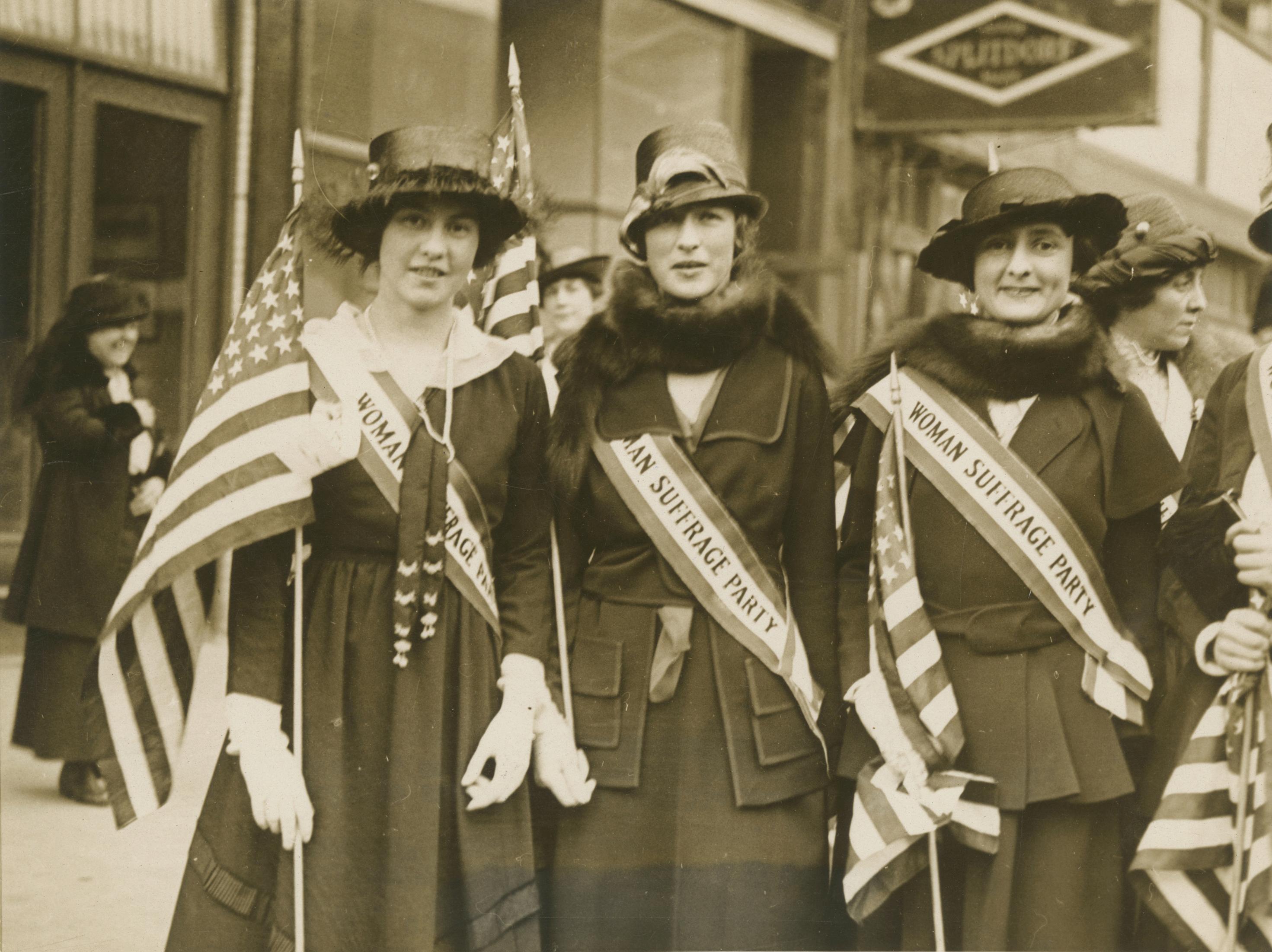
In 1901, agroupofcollegewomencametogetherdeterminedtoimprovethelivesoftheir fellowNewYorkers. Whatbeganonourstreetshassincespreadto 292 chaptersacrossfour countries. Today, theNewYorkJuniorLeague (NYJL) bringstogetherover 2,800 women volunteerstoworkwithover 60 communityorganizationsonthemostpressingissuesfacing ourcity.
Yetmanyofthesamechallengesremain Fromfoodandhousinginsecuritytoworsening educationalandsocioeconomicgaps, toomanyNewYorkersarefallingthroughthecracksof asystemreckoningwithacceleratingneed, widespreadfundingcuts, andthelong-term impactofaglobalpandemic Tomarkour 125 anniversary, wethereforeconvenedleading nonprofitsandcommunityorganizationsthroughacity-widesurvey, executiveinterviews, andforumtoidentifythechallengesandopportunitiesthatwilldefinethefutureofservice inourcity.
Theorganizationsbehindthisreportspanallfiveboroughs, fromindependent, grassroots groupstoestablishedinstitutionsandlocalchapters Whilealmostaquarterofsurvey respondentsoperatedat 100 ormoreinstaff, nearly 37% employedfiveorfewerfull-time staff Manyrelyheavilyonpart-timestaffandcontractorstodeliverservices Themajority workacrossmultipleareasofneed, fromfoodaccessandhousingtomentalhealth, education, andhealthcare. Thetopareasofservicerepresentedincludefoodaccess, housing andhomelessnessservices, youthdevelopment, andhealthcare Whenaskedtoidentifythe mostcriticalneedsfacingthefamiliestheyserve, respondentspointedtohousinginstability, foodinsecurity, andaccesstohealthcareandmentalhealthservices, withchallengesonly deepeningasfundingcontracts.
Acrossorganizations, threeurgentthemesemerged:
Thefundingcrisisisstructural,notonlycyclical. Beyond federal retrenchment and the end of COVID-era relief, an underlying issue is the city’s public and private funding systems. Growing restrictions and reporting requirements, alongside widespread delays in payments for government contracts, have left organizations unable to respond to critical need. As demand only increases, public and private funders need to redesign the funding system.
Technologyisreshapingwhat’spossible,butthehumanservicessectorhasbeen lefttofigureitoutalone. AI and automation offer real potential to extend the reach of under-resourced organizations by reducing administrative burden and unlocking capabilities However, adoption has been largely ad hoc: most organizations do not have the resources to develop policies or offer meaningful investment in training. The lack of sector-wide standards, particularly in regard to data protection and privacy, has been felt widely. As funders and government push for technological solutions, the risk is that technology becomes a tool for efficiency at the expense of the human relationships most needed.
Asneedsbecomemorecomplex,closingthegapsinafragmentedsectorrequires intentionalinvestmentincoordination. A growing number of New Yorkers are navigating overlapping issues that the system was not designed to address. However, funding restrictions and organizational mandates have hindered the sector’s ability to respond. Investment in collaboration will be critical to building next-generation responses.
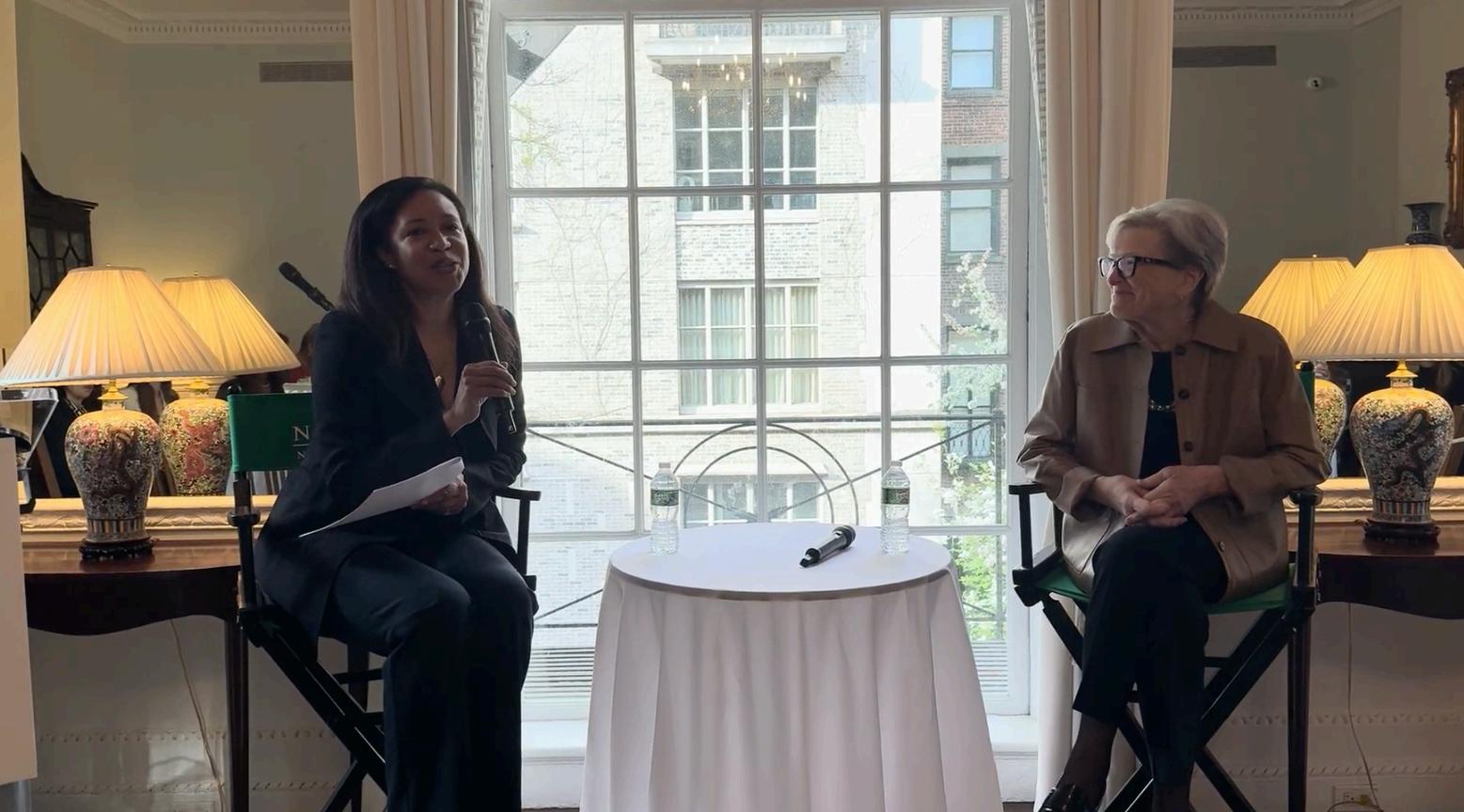
InApril 2026, theNYJL convenedsectorleadersfora communityforum. The forumkickedoffwithan executiveinterviewbetween
JeriPowell, NYJLPresident, andKathrynWylde, former PresidentandCEOofthe PartnershipforNewYork City. This interview has been edited for length and clarity
JeriPowell:It'salwaysbeenaleanoperationfornonprofits, buttodayitfeelsparticularly acute theaffordabilitycrisis, risingcosts, andacontractingfundinglandscape. Howdowe deliverinamomentwhereneedisrisingexponentially, buttheresourcesthatarecomingin arebeingsqueezed?
KathrynWylde:That'saquestionofhowdoyousurviveinthecity, bothasindividualsand institutions Risingcostshavefaroutpacedincomes Theonlyrealsolutionlieswiththe federalgovernment.
Idon'tthinkpeoplewhoweren'taroundforthelast 50 yearsrealizehowmuchretrenchment therehasbeenatthefederallevelintermsofsupportforcities Igotmyfirstjobinthecity in 1968, whichwastheheightofthefederalWaronPoverty. Thiswastheinceptionof FederallyQualifiedHealthCentersandexpandedinvestmentinhousingandcommunity development. Thetruthis, nomatterhowrichNewYorkCityis, thelocalandstatetaxbaseisnotbroad enoughtosubstituteforthefederalgovernment Thepoliticalimplicationisthatweneedto getthefederalgovernmentbackinthehousingandhealthcarebusiness. Ithinkthat'sthenumberonechallengebecausethere'snowayNewYorkcanfacethe affordabilitycrisisalone Wehavearisingpercentageofourpopulationlivingbelowthe povertylevel. It'shigherthanit'sbeensinceI'vebeeninNewYork. Andwedonothavethe localresourcestocareforallofthem
ThesameistrueofmajorcitiesacrossAmerica. Theybearthebulkofpoverty, themost expensivetransportationandhealthcareinfrastructure, andthebiggesteducationchallenges. There'sjustnowaythatgetsresolvedwithoutafederalgovernmentthatisresponsiveto thoseneeds.
JeriPowell:Weoftenfeeltheworkwedoisundervalued, bothinhowwe'reaskedto measureimpactandinactualdollars. Ourfocusisonwomenandfamilies, andthesupport weprovideisn'tonediscretething; it'ssystemicandinterwoven. Howshouldwebethinking aboutthatdynamic?
KathrynWylde:InNewYorkCity, thereareabout 40,000 nonprofitgroups, service providersandothers. Andtheytendtobesiloed, focusedonanarrowniche. Therearesome umbrellaorganizationsthattrytorepresentconsolidatedinterests, butforthemostpartour nonprofitsectoristoofragmentedtoexerciseanypower.
Wedon'thaveaneffectivenetworkof grassrootsnot-for-profitorganizationsthat cometogetherwithbusiness, civic, and electedofficialstoadvocateeffectivelyfor theirneeds. Anexampleofeffectiveadvocacy iswhatthecharterschoolmovementhas doneoverthepasttwodecades, goingfrom nowheretowinoverthesupportofthe governorandstatelegislature, whichhadto authorizetheircreationandtheirfundingin thefaceoftremendousopposition.
Wehaven'tseenmanymovementslikethatin recentyears, themostimportantbeingMayor Mamdani'selectioncampaign, wherehegot 170,000 first-timevoterstothepolls. AndIdo thinkit'stheyoungergenerationthathasto takethison, buttheyhavetobuildnetworks
Theotherfactoristhatthenonprofitworld hasbecomeoverlydependentonpublic money, whetherit'stheculturalinstitutions, thehumanserviceproviders, orthe communityhealthorganizations Over 90% of thebudgetofmostnonprofitservice providersispublicmoney Sotheycan't reallyorganizeagainsttheirfunder. People ontheground, whobestunderstandthe problemsandsolutions, areterrifiedthat they'lljeopardizetheirfundingsituationif theytakeaction Theymustdependon supportfrombroadercivicleadershipand fromthebusinesscommunity, includinglocal businessesthathaverelationshipswithlocal electedofficials. Wedon’thaveenoughof thesetypesofcoalitionsfocusedon affordabilityneeds.
Thepandemicwastheultimateinisolation. Today, however, Ifeelthatwe'removingback toaconceptofcitizenactionthatIhaven't seensincethe 1970sand 1980s I'mvery positiveaboutit. IthinkMayorMamdaniisa symptomofthat. We'renotgoingtotakeit anymoreandwe'regoingtocometogether becauseit’stheonlyway.
Inthiscity, oneorganization, onegroupby itselfcandonothing. It'sgottobecrossfertilization. That'showthechildcareagenda hasgottenthegovernorandthemayoronthe samepage, puttingbillionsofdollarsinto
expandingchildcareaccessandaffordability. It'severybodycomingtogetherfromallthe voicesofallsectorssayingthishasgotto happen.
JeriPowell:Onthatnote, whatwouldit meanfortheNewYorkJuniorLeagueand ourcommunitypartnerstobethinkingabout businesspartnerships?
KathrynWylde:Whatyou'redoingtodayis agreatexampletostart, whereyou're conveningagroupofyourmembershipand representativesofthenonprofitcommunityto developacommonagenda. Butyou'vegotto socializethatacrossothergroups: withthe chambersofcommerce, withtheHuman ServicesCouncil, whichrepresentsthebig nonprofitinstitutions. Thecoalitionhastobe verticallyintegrated, fromgrassrootsto leadership, andithastobringresourcesto thetable, becausegovernmentalonecannot solvetheseproblems
Speakwithonevoiceandhaveanagenda that'snotjustaboutyournarrowissues. UnderstandthatNewYorkCityandState cannotsolvetheseproblemsbutcanbeinthe forefrontwithpolicyideasandmodels. We canhaveamuchbetterorganizednonprofit sectoranditwouldbemuchmoreeffective. There'sabigdifferencebetweenprogram, policy, andmanagementversusservice delivery. Mostoftheexpertiseofthe nonprofitsisinservicedelivery Theytendto getadequateprivateandpublicsupportonly intimesofcrisis. Wehavetoshrink governmentbureaucracy, whichtendsto consumetheresourcesofnonprofits, and expandtheirmanagementcapacity Wehave toraisemorephilanthropicsupportfor nonprofitorganizations That'stheonlyway they'regoingtohaveleveragewith government.
Thecharterschoolsandthebicycleadvocates havedoneaverygoodjobatraisingmoney, mobilizinggrassrootspeoplepowerand winningbroadsupportfortheircauses We havenotseenthesamelevelofeffective organizationinthehumanservicessector, althoughtherearepromisingsignswith regardtochildcare.
Thepaymentcrisisfacingthehuman servicessectorinAmerica’smostpopulous cityiswell-documentedbyadvocatesand government. Buttheproblemrunsdeeper: structuralunderfunding, wagegaps, and erodingcost-of-livingadjustmentshaveleft organizationsunabletokeeppace Here's whatthatlookslikeinreality.
Nonprofitscontributenearly $78 billion annuallytothelocaleconomyandemploy almost 18% ofallworkers¹ Yetnonprofit workersmake 30% lessthangovernment employees; roughlytwo-thirdsearnedbelow thenear-povertythresholdin 2019, and 19% receivedSNAPbenefitsin 2021.²
"Nonprofitsoftenprovideservicesatcosts belowwhatgovernmentwouldincurto deliverthosesameservicesdirectly, while remainingdeeplycommittedtothe communitiestheyserve, ” saidMarionD. Boteju, CorporateSecretaryandSenior Director, StrategicPhilanthropy, Catholic CharitiesoftheArchdioceseofNewYork
“Thereisanongoingtensioninthefunding environmentthatmakesnonprofitsvaluable partnersinservicedeliverywhilealso creatingchallengesinsustainingprograms attheirfullcost"
“If you were a street paver and the contract was to pave 10 blocks, and you only got paid for eight, you wouldn't pave the last two. We accept and internalize that we're structurally underfunded. In many ways, we're fighting poverty while getting paid poverty wages, and it takes exceptional performance, commitment, or circumstances to do so effectively. Advocating for Just Pay is imperative if we are to sustain the capacity to serve our communities with the level of impact that is warranted.”
— David Garza, President & CEO Henry Street Settlement
InApril 2025, $861 millionininvoicesfrom nonprofitswerependingandunpaid, withan estimated $4.9 billionineligiblefundingyet tobereceivedduetoadministrativedelays. ³ Thougha 2025 lawrequiring 50% advance paymentonregisteredcontractswasnotedas ameaningfulimprovement, organizations havestillbeenlefttoabsorbthegap. ⁴
“Worryingaboutpayrolleverysinglepayroll cycleisaverycommonsituation, andthat shouldn'tbewhenyouhavecontractsand you'vebuiltabudgetwithinthosecontracts, ” saidMelissaAase, CEOofUniversity Settlement.
"Itwouldjustbehelpfulifwereceived transparentinformation. Ifyoudon'thavethe moneyuntilJune, tellus, ” saidRachel Bender, LMHC, ExecutiveDirector, Lenox HillNeighborhoodHouse. “Ihavestaff chasingpaymentsandspendingsomuchof theirtimeonthis accounting, senior administration andthat'ssowecanpayour people. ”
Withfundingincreasinglybecominga movingtarget, thedamagehasgonebeyond thebottomline Organizationshavebeen forcedintoacycleofcompoundingtradeoffs, forgoingthestaff, technology, and infrastructureinvestmentsthatwouldmake theirworkmoreeffectiveandsustainable.
“Limitedresourcesrequireustobeespecially creativeinrecruitingandretaininghighqualitystaffandinstructors, ” saidLaura ColinKlein, ExecutiveDirectorofHealth AdvocatesforOlderPeople.
Drivenbyfraudprevention, governmentand privatefundersalikehavenarrowedwhat organizationscandoandwhotheycanserve. Butcompetingforcontractsleavesmany unabletopushbackontermsthatfailto reflectwhatcommunitiesneed. 4
Changing criteria means that need alone is not enough to access help “Currently, our residents don't have access to housing vouchers because we are not a city funded shelter, ” said Peter Endriss, Executive Director, Community Help in Park Slope. “If the city would recognize us as a temporary shelter and allow our residents to access vouchers, our residence programming would be much more impactful. ”
“We weren't allowed to buy one item for one client that was culturally appropriate and useful for them. They told us, ‘You need to buy 60 of the same thing,’ because you have to get one for every client in the program. But not every client needed it. We had a battle over maybe $15 that was dehumanizing and offensive and way more cost effective than buying 60 unneeded items. When you're on the backend fighting with a funding agency about something like this, so the team can provide this level of individualized service, overregulation is a huge barrier. It prevents organizations from being able to use program funding in an effective way that's actually going to meet the needs of the community.”
— Rachel Bender, LMHC, Executive Director Lenox Hill Neighborhood House
“Inmanygovernmentgrantsandcontracts, thereisnorecognitionthatwhatagrant programcostsinyearoneisnotwhatitcosts inyearfive, ” saidJudySecon, Deputy ExecutiveDirectorofNewYorkCommon Pantry. “Manyprivatefunderswanttofund innovative, newprojects, andseldomprovide fundingforexistingprogramming. "
“Ourbiggestconcernistheabilitytohave unrestrictedfunds, ” saidGaryP. Jenkins, CEOofUrbanPathways. “Itnegatively impactsourabilitytoinvestinourworkforce viadevelopmenttrainingandprovidethe toolsforthemtoperformtheirjobs”
Theconsequencesaredeep: 41% ofNYC nonprofitsreportedanoperatingdeficitin 2024.⁵ “Therereallyisn'tanypublicfunding streamforabasiccommunitycenter, thecost ittakestohavesomethingthat'sopensixor sevendaysaweekintotheevenings, tohave safespaces, cleanspaces, food, kitchens, and staff, ” saidMelissaAase, CEOofUniversity Settlement “Thebulkofpublicfundingisfor specificcommunitiesofpeople, agegroups, a specificproblemtobesolved. ”
Compliancerequirementsacrossfundersare sofragmentedandduplicativethatmeeting themhasconsumedstafftimethatshouldbe goingtoservice, particularlywhensuccessis definedfromtheoutsidein.
"Mostschoolsaremeasuredbystandardized testscores, butourstudents, allofwhomare profoundlyaffectedbyautism, areunableto participateinthoseassessments, ” saidJulie Fisher, ExecutiveDirectorofNYCAutism CharterSchools. “Theirgainsmightseem smallwhenlookedatwithinatypical educationalframework, buttheyarelife changingforourstudentsandtheirfamilies. Theimpactonachild’sindependence, dignity, andqualityoflifeisprofound. "
ThefundingsystemthatoncesupportedNew York'shumanservicessectorhasbeen steadilyundermined. Fundersmustwork withorganizationstoredesigntheprocess, includingsustained, flexiblesupportforcore operations. Thatredesignwillrequire organizationstoadvocatetogether somethingthecurrentsystemhasmade structurallydifficultduetocompetition. Whilefraudremainsanimportantconcern, thereisacriticalopportunitytobuilda coordinated, people-centeredframeworkthat allowsorganizationstofocusondignified accessandcommunityengagementwhilestill meetingoversightstandards.
Theconsensus: technologyisausefultool, butitcannotreplacethehumanrelationships thatmakethisworkeffective. "Ifyoujust handa 75-year-oldresidentaboxwitha Ringcamera, youmightaswellbehanding themabrick, ” saidDavidGarza, President & CEO, HenryStreetSettlement “The investmentintechnologyhastobe undergirdedbycapacityandusecasesto actuallydeliver. "
“TechnologyandAIlivesinthesamespace arounddiscussionwithinnovation Weneed toconsistentlyaskthequestion: whatisthe problemwe'retryingtosolve, beforewejust assumethatatechoratoolisgoingtofix it?,” saidLaurenVarner, VicePresidentof Philanthropy, God'sLoveWeDeliver
“Innovationhasbecomethisbuzzword, and it'slivinginparallelwithAIandtechnology, butitdoesn'thavetobethatway. Something thatwe'replayingwithistobeabletosay innovationiscreativityandnotnecessarily techonly. ”
Butthesechallengesarenotwithout opportunity. “IfAIcandosomeoftheheavy frontenddatawork, andwehavehumans comealongandbuildonthat, Ithinkitcan createareallybeautiful, symbiotic relationship, ” saidJamesHorton, President & CEO, HarlemSchooloftheArts.
Nonprofitsaredrowninginadministrative tasksthatconsumestafftimewithoutserving asingleclient Organizationsthathave movedintentionallydescriberealgains, but thecommonthreadisusingtechnologyto scalehumancapability.
Beyondinternaloperations, organizations identifiedadeeperresponsibility: preparing thepeopletheyserveandtheirstaff. “OneofthethingsthatIgetalotofpushback aroundisteachingyoungpeoplehowtouse AI, becausetheAIinterfacesareonlyasgood asthepromptsthatyouputintothem, ” said JamesHorton, President & CEO, Harlem SchooloftheArts “Wehavetostartto educateyoungpeopleonhowyouusethisas anextensionofthemind notnecessarily supplementingthethinkingthatgoesbehind anythingthatyouproduce. ”
Butnoteveryorganizationhastheresources tobegin, leadingtowhatresearchersdescribe asan "AIequitygap": largerorganizationsare beginningtoleverageAIforpredictive analyticsandoperationalefficiency, while smalleronesstrugglewithbasic infrastructure⁶Manyindividualsareusing toolsontheirownwithoutorganizational policyordataprotectionguardrails, astopgap thatcarriesrealriskforthecommunitiesthey serve.
Technologyinvestmentsrequiretraining, implementationsupport, newpolicies, and continuedcapacity, resourcesmanycan’t accountforinalreadylimitedbudgets “We werehesitanttopurchasenewsoftwarethat mightstreamlineourworkandalsocutdown onoursubscriptionswhereweneeded, ” notedoneleaderforanonprofitworkingwith students
“We'reaprogramofexcellenceinthe classroombutstillstrivingtobeaprogramof excellenceinouroperations becausethere aresofewofuswearingsomanyhats, ” said JulieFisher, ExecutiveDirector, NYC AutismCharterSchools. “Iseealotof potentialinAItostreamlineoursystemsand workflows. " “We’vebeenlookingatusingAItoreview performanceevaluationsandspottrends It's reallydifficultforasmallhumanresources teamtobeabletofindthebandwidthtodo that, ” saidJudySecon, DeputyExecutive Director, NewYorkCommonPantry. “It wouldbeanimportanttoolforustobeableto identifytrainingneedsandhelpourstaff growanddevelop”
In 2023, theUS SurgeonGeneraldeclared socialdisconnectionapublichealthcrisis, comparingitsmortalityimpacttosmokingup to 15 cigarettesaday. ⁷ "Youcan'thaveareciprocalrelationship betweenamachineandapersonwhoneeds support, ” saidRev. ElainePeresluha, Interim SeniorMinister, AllSoulsNYC “Iteliminates themostimportantfactor: thelearningthat happenstothepersonwhohasresourcesand thehumanityandconfidencethat'sgivento thepersonwho'sseekingresources. ” Joseph Montano, Director, UniversityCommunity SocialServices, Inc., agreed. "Nomatter wheretechnologytakesus, wedon'twantto letgoofthehumanhandthatwe'reholding, wherewe'retravelingwithourguestson theirjourney"
“As AI and automation reshape how services are delivered, there is a growing temptation to address the needs of our most vulnerable populations—aging seniors, youth with extraordinary medical needs, families experiencing food and housing insecurity—with technological solutions in the name of efficiency and fiscal convenience. It is a profound mistake. What nearly a millennia of service has taught us is this: people need human recognition that their life has inherent worth. When people are treated with compassion and dignity, they thrive. A grandmother who hasn't had a real conversation in a week, or a child facing surgery without a familiar face in the room—these are not problems that an algorithm can solve. The loneliness epidemic, rising unemployment and job displacement, the coming wave of an aging New York, and the fracturing of communities demands a human response.”
— Steve Bujno and Eric Vitale, NYC Area Chairs Order of Malta American Association
“Whatwecan'treplaceis: I'mRachel, you're thisotherpersonrighthereinfrontofme, howareyoutoday, whatcanIdoforyou, " sharedRachelBender, LMHC, Executive Director, LenoxHillNeighborhoodHouse.
InSearchofaSteward
Whatorganizationsneedisatrusted, dedicatedstewardtohelporganizationsadopt technologyinserviceofthepeopleweserve
“HearingsomethinglikeNewYorkCityhas saidpointblank, noAIrightnow whatif NewYorkCitythenputsintheirgrant agreementsthatyoumustensurethat nothingrelatedtothatgranthasusedAI?” saidRachelRowland, DevelopmentOfficer, TheBoweryMission. “Asnonprofits, we’re tryingtoprotectourlegacyorourreputation, andwecoulduseguidanceinthisarea. ” “UsingAIastoolsforbackofficefunctions forourorganization great, ” agreedNancy Southwell, DeputyExecutiveDirector, Urban Pathways “Butintermsofthecoreofthe workthatwedo, weneedtopartnerwithour fundertodeterminehowtodoitwhile stayingtruetoourperson-centeredcore value. ”
Technology, deployedthoughtfully, hasthe potentialtoextendthereachofthissectorin waysthatwerenotpossibleadecadeago. But closingthetechnologygaprequiresaction frommorethanonedirection Fundersmust beginaccountingfortechnologyinvestments inthebudgetstheyset Asthegovernment developsAIpolicies, thehumanservices sectormusthaveaseatatthetabletoensure solutionsarecenteredonfrontlinelearnings. Andourorganizations, largeandsmall, must besupportedindevelopingtheinternal policiesanddataprotectionsthatresponsible adoptionrequires
TheNewYorkersweallservearrivefacing overlapping, interconnectedchallenges fromhousinginstabilityandmentalhealth challengestofoodinsecurityandchildcare gaps andmustnavigatecomplex, bureaucraticsystemsthatwerenotalways designedtoaddressthesetogether
Approximately 158,000 individuals experiencedhomelessnessin 2024, representing 20% ofthenationaltotal, and nearly 70% ofshelterresidentsarefamilies withchildren⁸Atthesametime, advancesin medicineandarapidlyagingpopulationare quietlyreshapingwhoneedshelpandwhat thathelplookslike. Organizationsaredoing extraordinaryworkwithintheirlanes, but thereisimmenseopportunitytorefineour humanservicesecosystem.
“Familiesneedmultipleservicesatonce, ” saidDr. LenaGreen, ExecutiveDirector, The HOPECenter. “Butrisingcostsandlimited staffcapacityimpactourabilitytoadequately addresstheirneeds. ”
Acrossthesector, leadersidentifiedthatthe momentsoftransitionbetweenprogramsand crisesarewherepeoplegetlost.
“Thefamiliesweservearedoingtheirbestto makeendsmeetinanincreasinglyexpensive area, ” explainedAdamCross, Executive Director, FranciscanBreadforthePoor. “Andmanyfacecomplex, fragmented systemswithduplicativepaperworkand eligibilityrequirementsthatmakeitdifficult togethelpinatimelyway”
Thefragmentationfamiliesexperienceonthe groundmirrorsdeeperstructural segmentationinhowthesectorisfundedand organized Theannualnatureofgrantcycles, siloedcontracts, andtheconstantpressureto re-justifyexistingworkhascreatedan administrativeenvironmentthatactively worksagainstcoordinationandprioritizes bureaucracyoverimpactitself
“There's a lot of fragmentation, a lot of administrative burden, a lot of inefficiency This notion of singing for your supper—the repetitive, inefficient nature of applying for resources year after year—creates an extraordinary draw on organizations. If it were not for the missioncritical, sacred responsibility that those of us in the sector share, it would be a bad business to go into.”
— Alan Mucatel, CEO Rising Ground
Thereisacriticalneedtobuildcoordinated systemsthatevolvealongsideindividuals. Someorganizationshavebuiltintentional continuumsbyinvestingdeeplyin partnershipsandwarmreferralsratherthan tryingtotackleeverythingthemselves “You havetobequiteintentionalandbuildvery warmconnectionsbetweenprograms, ” said MelissaAase, CEOofUniversitySettlement. “Otherwisetheveryhuman, verycommon siloingthatpeopledo especiallyinhuman serviceswhenyouhavesomuchtodoand notalotofresources takesover"
Asoursurveyrespondentsshared, they workedinoverfifteendistinctareasofneed. Withinthosebroadcategories, organizations’ mandatesareoftenfurthernarrowedby eligibility, geography, orpopulation Across thecity, anestimated 13,000 nonprofitgroups aredoingthiswork, andmorethanhalfdo notexpecttomeetservicedemandinthe comingyear. ⁹Theirspecialized, communityrootedworkiswhatisneededfordeep impact. Butconcurrently, thereisaclear needandopportunityforotherleadersinthe ecosystem fromgovernmenttoprivate philanthropy tostepinandsupport organizationsrequiredtostaywithinthe boundariesoftheirmission.
Advancesinmedicinehavedramatically improvedlifeoutcomes. Butthisprofound achievementhascreatedanequallyprofound gap: NewYorkCity, liketherestofAmerica, needslong-termsupportsystems.
Assurvivalratesimproveforseriousmedical diseases, survivorsfrequentlydescribefalling offacliffthemomentactivetreatmentends "Youngadultsrepresentoneofthefastestgrowinggroupsofcancersurvivors, " said MigdaliaTorres, ExecutiveDirectorof Program, RedDoorCommunity. "Asthis populationgrows, itiscriticalthatweaddress theiruniqueneeds, includingfertility preservation, careerandeducationalgoals, andthechallengesofidentitydevelopment duringandaftercancer. "
Concurrently, NewYorkCityisbeing reshapedbyarapidlyagingpopulation. The cityishometonearly 1.8 millionolderadults, andaboutathirdofthose 65 andolderliveby themselves. ¹⁰AsCarolineTweedy, Executive Director, St John'sBreadandLife, noted, a keyemergingconcernisthe “displacementof seniorslivinginareasthatarebeingheavily gentrified. ”
“Thereisaperceptionthatbecauseolder peoplehavesocialsecurityandhealth coverage, theydon'tneedthesamelevelof attentionasyoungerandlowincomepeople, ” saidLauraColinKlein, ExecutiveDirectorof HealthAdvocatesforOlderPeople. “However, olderpeoplefacebureaucracy, scams, complexandchangingtechnology, a healthcaresystemthatrationscare, and housingnotdesignedforthem. Weneeda better, coordinated, andmoreaccessible approachtohelpingpeopleage”
Howdowebuildasystemofdignitythat anticipatesneedratherthanreactstoit, coordinatesacrosssectorsratherthansilos them, andseesthewholepersonratherthan thepresentingcrisis? Itstartswiththepeople weserve. “Thefamiliesweworkwithknow theirhomes, theirbuildings, andtheir neighborhoodsintimately, ” saidAlejandro EpifanioTorres, Executive & Artistic Director, Loisaida, Inc. "Ourroleisnotto speakforthem, buttohelpcreatethetools, partnerships, andresourcesthatallowtheir livedexperiencetoshaperealchange. ”
“Familieslivinginpovertydeservedignity andautonomysotheycanmakethebest possiblechoicesfortheirchildren, ” said LauraLouison, VicePresident, Program, Good+Foundation. “Movingchildrenoutof povertyrequiresengagingalllovingadultsin theirfamilies, includingfathersandother relatives. ”
Theagingcityisreshapinggenerations. New Yorkishometoanestimated 1.3 million familycaregivers, mostunpaid, andnearly 30% ofthoseunder 60 aresimultaneously caringforbothagingparentsandchildren¹¹ “Olderadultswithmobilitychallengesmay requireadditionalsupporttoremainactive andengagedintheircommunities, ” explained StephanieSpry, MusicTherapist, TheNew JewishHome. “Ashealthcareservices, communicationandsocialengagement increasinglyrelyontechnology, olderadults whofacebarrierstoaccessingorusing technologycanbecomedisconnectedfrom essentialhealthcareresourcesand meaningfulsocialconnections. ”
Butrebuildingourhumanservicesnetwork willalsorequiredeliberateinvestmentfrom fundersandgovernment, particularlyin buildingcollaborativepartnershipsthatwill stopNewYorkersfromfallingthroughthe gaps Thestakesofgettingthisrightarehigh 36% ofNewYorkersreporttheycannotmake endsmeetorarebarelygettingby¹² For many, thedifferencebetweenstabilityand crisisiswhethertherightorganizationfinds themattherightmoment Afragmented sectormakesthatlesslikely. 9
“The families we serve are not defined by crisis or dependency Most are working, caregiving, navigating health challenges, or newly displaced, and are doing everything they can to stay afloat in an increasingly expensive city Above all, our community seeks dignity, consistency, and respect just like anyone else ”
Louis Kang, Director
The Red Door Place
Thechallengesdocumentedinthisreportarenotnew Yetaswelookahead, thescaleof whatistocomeisunprecedented. Over 90% ofsurveyrespondentsreportedthatdemandfor servicesincreasedorstayedthesameoverthepast 12 months, andnearlyallexpectthatto continue. Butfurtherfederalcutshavethepotentialtobe, asoneleaderputit, "absolutely catastrophic. " NewYorkcouldlose $15.4 billionannuallyinMedicaidandSNAPfunding alone, puttinghealthcoverageatriskfor 1.5 millionNewYorkersandfoodassistanceforover 1 millionmore. ¹³ EverydollarofSNAPlosttoafamilycostsbetween $14 and $20 in worsenedhealthandeducationoutcomesdowntheline¹⁴
With 62% ofNewYorkCityresidentsalreadyfacingeconomicinsecurity, ourhuman servicesareatabreakingpoint. ¹⁵ “Thecurrentcutstoservicesandresourceshavetangible effectsonfamiliesacrossNewYorkCity, manyofwhomarealreadyemployed, ” saidAlyson Casey, VicePresident, Development, RisingGround. “Idon'tthinkthegeneralpublicrealizes howmanypeopletheycomeintocontactwiththatrelyonsupportfromRisingGroundand otherorganizations. ”
OurorganizationsarecommittedtohelpingNewYorkersthroughsomeofthehardest momentsoftheirlives Butwhattheyneediscommitmenttoredesigningtheinfrastructure thatenablesthemtodothatwork. “WhatmakesNewYorkCitysospecialisourdiversity, andtheresourceswehave, andtheresponsibilitywehavetoserveallofourneighborsin NewYork, ” saidLaurenVarner, VicePresidentofPhilanthropy, God’sLoveWeDeliver. “Whilewecan'tbeeverythingtoeveryone, wehavetoworktogether andNewYorkCityis uniquelypositionedtobethatgroundupmovement. ”
ThisreportfindsthreenextstepstosupportNewYorkCity’shumanservicessectoraswe looktothecrossroadsahead:
1.Thehumanservicessector'sgreatestresourceisitsowncollectivevoice. TheNYJL remainscommittedtobringingtogethernonprofits, civicleaders, advocacyorganizations, andgovernmentaroundtheissuesfacingourfamilies, creatingtheongoingspacefor cross-sectorstrategytobuildabetterfutureforallNewYorkers.
2.Thereisaclearneedtorethinkhowfundingandreportingcanbettersupportthe communitiesweserve. TheNYJLseesanopportunitytoaddtotraditionalfunding methodswithflexiblemodelsthatsupportongoingandcoreoperationsaswellasdevelop agilereportingguidelinesinpartnershipwiththecommunitiesbeingserved
3.ThesectorcannotnavigateAIandautomationalone. Withover 2,800 membersspanning theprofessionallandscapeofNewYorkCity, theNYJLiswell-positionedtobridgethe gapbetweenthetechnologysectorandtheorganizationsonthefrontlinesofhuman services. Wewillexplorehowtoleveragethatexpertisetosupportresponsible, humancenteredtechnologyadoptionacrossthesector
AllSoulsNYC • ArtsNYS
CatholicCharitiesoftheArchdioceseofNewYork
CenterforFamilyLifeinSunsetPark
CitymealsonWheels • Commonpoint
CommunityHelpinParkSlope (CHiPS)
TheDomesticandOtherViolenceEmergencies (DOVE) Program, NewYorkPresbyterianHospital
EsperanzaPreparatoryMagnetSchool
ExecutiveNurseLeadershipNetwork FranciscanBreadforthePoor
GlobalKids, Inc. • God'sLoveWeDeliver
Good+Foundation HarlemSchooloftheArts
HealthAdvocatesforOlderPeople
HenryStreetSettlement • HourChildren • JASA
KoreanCommunityServices ofMetropolitanNewYork, Inc. LenoxHillNeighborhoodHouse Loisaida, Inc. MindsMatterNYC NewYorkCommonPantry
NYCAutismCharterSchools
NewYorkCityDepartmentofParks & Recreation
NewYorkCityDepartmentofSocialServices
OrderofMaltaAmericanAssociation, NYCArea
ProjectCicero • Randall'sIslandParkAlliance
RedDoorCommunity • RisingGround
SHARECancerSupport
SingleParentResourceCenter, Inc.
St. John'sBreadandLife St. Joseph'sSoupKitchen
TheBoweryMission • TheEnglish-SpeakingUnion
TheHOPECenter • TheNewJewishHome
TheOpportunityNetwork • TheRedDoorPlace
UniversityCommunitySocialServices
UniversitySettlementSocietyofNewYork
UrbanPathways
WorkinginSupportofEducation (W!se)