Passover, one of the most significant festivals in Judaism, marks the liberation of the Israelites from slavery in ancient Egypt. Its origins are deeply rooted in history, tradition, and faith, tracing back thousands of years. This article embarks on a journey through time to unravel the origins of Passover, exploring its historical context, religious significance, and enduring legacy.
Ancient Egypt: The Crucible of Slavery and Exodus To comprehend the origins of Passover, one must delve into the annals of ancient Egypt, where the Israelites endured centuries of bondage under Pharaoh’s tyranny. According to biblical accounts, the Book of Exodus narrates the oppression faced by the Israelites and their eventual deliverance orchestrated by Moses, a pivotal figure in Jewish history.
The Exodus, believed to have occurred around the 13th century BCE, serves as the cornerstone of Passover. It symbolizes the liberation of a people from oppression, the triumph of justice over tyranny, and the dawn of a new era of freedom. The biblical narrative recounts the ten plagues inflicted upon Egypt, culminating in the climactic event of the Israelites’ exodus from bondage.
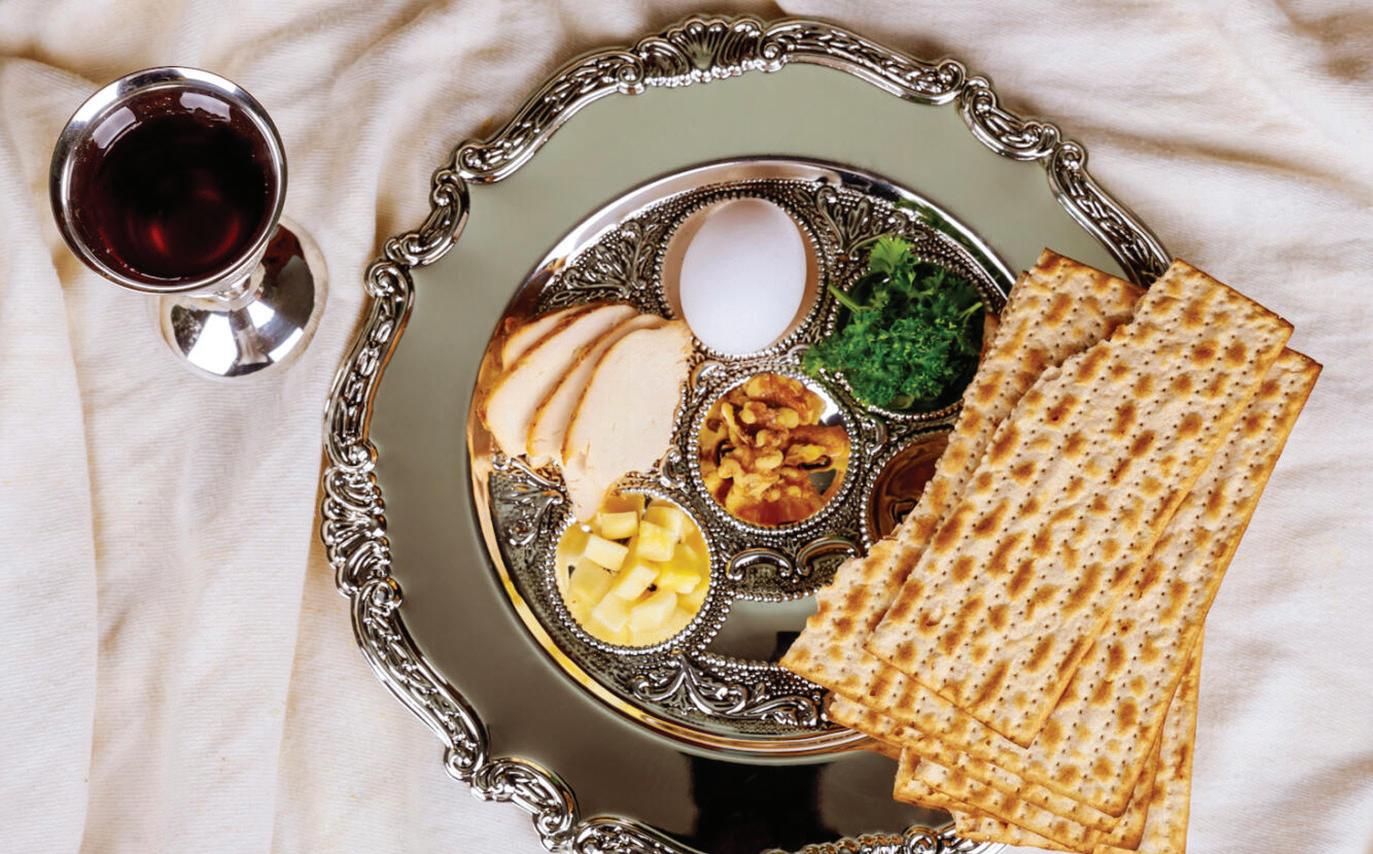
Central to the Passover observance is the consumption of matzah, unleavened bread symbolizing the haste with which the Israelites fled Egypt, leaving no time for their bread to rise. The bitter herbs represent the bitterness of slavery, while the sweet charoset symbolizes the mortar used by the Israelite slaves in constructing Pharaoh’s monuments.
The Paschal lamb, sacrificed and eaten during ancient times, signifies the divine intervention that spared the Israelites from the final plague, the death of the firstborn. Though the Temple in Jerusalem, where sacrifices were performed, no longer stands, the symbolic significance of the Paschal lamb endures in the Passover tradition.
Evolution of Passover: From Temple Rituals to Home Celebrations Over the centuries, Passover has undergone a transformative evolution, adapting to changing circumstances while retaining its core significance. Following the destruction
Passover: A Commemoration of Liberation Passover, known as Pesach in Hebrew, derives its name from the pivotal event of the Exodus. It commemorates the liberation of the Israelites from slavery and their journey towards freedom. The festival begins with the Seder, a ceremonial meal replete with symbolic foods, prayers, and rituals that encapsulate the essence of the Passover narrative.

of the Second Temple in 70 CE, the practice of sacrificing the Paschal lamb ceased, prompting a shift towards home-based observances.
The Haggadah, a text recounting the Exodus narrative and guiding the Seder proceedings, emerged as a central component of Passover observance. Its diverse versions reflect the rich tapestry of Jewish traditions spanning different regions and historical epochs.
Passover in the Modern Era: Renewal and Relevance In contemporary times, Passover

continues to resonate deeply within the Jewish community, serving as a symbol of resilience, faith, and collective memory. Its themes of liberation and redemption reverberate across generations, inspiring Jews worldwide to reflect on the enduring struggle for freedom and justice.
Moreover, Passover’s universal message of empathy and solidarity transcends religious boundaries, offering profound insights into the human experience of oppression and liberation. As individuals continued on page 2

continued from front page
gather around the Seder table, they engage in dialogue, reflection, and remembrance, forging connections across cultures and generations.
The origins of Passover are deeply intertwined with the ancient history, religious beliefs, and cultural heritage of the Jewish people. Rooted in the biblical narrative of the Exodus, Passover symbolizes the triumph of freedom over oppression and the enduring quest for justice and redemption.
Through centuries of evolution and adaptation, Passover has retained its relevance and resonance, serving as a testament to the enduring legacy of the Jewish faith. As Jews worldwide gather to celebrate Passover, they not only commemorate their ancestral journey from slavery to freedom but also reaffirm their commitment to the timeless values of compassion, justice, and solidarity.
Passover stands as a testament to the enduring power of faith and tradition, transcending time and space to impart its timeless message of hope and renewal. As we reflect on the origins of Passover, we are reminded of the indomitable spirit of the human soul, capable of overcoming the
most formidable of challenges in pursuit of freedom and dignity.
In an ever-changing world, Passover serves as a beacon of light, guiding us through the darkness of oppression and injustice towards the promise of a brighter future. Its rituals and symbols resonate not only with the Jewish community but also with all those who yearn for liberation and justice.
As we partake in the Passover Seder, we not only honor our ancestors’ journey from slavery to freedom but also reaffirm our commitment to tikkun olam, the Jewish concept of repairing the world. Through acts of compassion, justice, and solidarity, we strive to fulfill the timeless vision of a world where all are free to live with dignity and equality.
In conclusion, the origins of Passover are deeply rooted in the ancient history and traditions of the Jewish people. As we celebrate this festival year after year, we pay homage to the resilience and faith of our ancestors, while also renewing our commitment to the timeless values of freedom, justice, and compassion. Passover continues to inspire and uplift us, reminding us of the enduring power of hope and redemption in the face of adversity.


This press release was submitted and, amidst the exchange between editors and seven publications, it unfortunately slipped through without thorough review of the content. Upon finally reading it, I found it to be deeply flawed and heavily biased. Its publication should never have occurred, and I take full responsibility for allowing it to happen.
As a staunch supporter of Israel, my
position has been clear. As Mayor of Mt. Olive, I was among the first to publicly express my support, despite facing criticism from some members of the community. I firmly believed it was the right course of action to take.
Once again, I deeply regret any distress this situation has caused and apologize for the oversight that led to its publication.
Sincerely,
Joseph Nicastro














Livingston entrepreneur and author Barry Farber has always aimed to make a difference in people’s lives. This past month he inspired a class of kindergarteners at The Louverture School in East Orange. Farber was invited by the non-profit group The Bass Foundation to read his children’s book to the students.
According to Stacey Berman, the executive director of The Bass Foundation, the organization is dedicated to helping underprivileged populations throughout Essex County by offering quality programs to those in need. In honor of Read Across America, Berman knew exactly how to help children in the area.
“When one of the teachers at The Ecole Toussaint Louverture School approached me and asked if I knew an author who would be willing to come in and read a book to students to participate in Read Across America, I thought of Barry. I knew he had written the children’s book The Adventures of Little Billy In Search of the Magic Tree. I love the message the book conveys and thought this book would be a perfect selection for kindergarteners to listen to. Our goal in participating in this event was to encourage children to read, and it was important for us at The Bass Foundation to send each student home with a new book to foster their interest,” Berman says.
This book, which has also been turned into an animated cartoon featuring the voices of local celebrities, is geared to teach kids how to be successful. The story uses animals to make it relatable to children, while teaching them at the same time.
The children were delighted by both the message of the book and Farber’s unique voices for the different animals in
the story.
Many of the students adored the book so much, they read along with Farber and expressed their thoughts with him. The parents who attended were also touched as the author received numerous letters from them expressing how grateful they were.
One parent wrote “Not since the tin man, the scarecrow and the lion have we learned such life lessons as Little Billy teaches us.”
For Farber, it was equally rewarding. He found the environment and the students both amazing.
“It was just an unbelievable colorful classroom with information surrounding them (the students) about everything. That was just a warm and welcoming atmosphere, and the kids were just fired up to learn,” Farber says.
Farber was also pleased by how well the students grasped the message of his book.
According to Farber, the five essential characteristics for success are patience, attitude, courage, determination, and empathy. He has studied these for several decades as he wrote many business books examining these traits.
“Those five things seem to be very strong values that I’ve gotten from books that I’ve previously written. Those are from more inspirational marketing books about how people achieve, and I wanted to take those concepts and put it into the animals. I think the strong message that’s pretty simple and timeless is these are things you can do to be a better person,” Farber says.
As for the future, Farber has wrestled with the idea of making another animated series based on the book. However, he is not committed to any idea where the message



may be lost.
“The goal is to keep getting the message across whether it’s in animation or in a book,” Farber says.
Farber would love to continue to read to young students as he finds it rewarding.
“I was just really overwhelmed by the kids’ enthusiasm and hunger for learning.”
Parents and children can find out more about the book, The Adventures of Little Billy In Search of the Magic Tree, and the animated program at www.barryfarber.com.


























Sussex County Community College (SCCC) will be offering a free journalist certificate, “Becoming a Community Journalist,” with participants learning skills to cover community-centered news happening in their respective hometowns and county.
The program will offer a hands-on exploration of how journalism works. Participants will learn the tools needed to understand local issues that are affecting their communities and how to report important stories.
The certificate will be offered in person and online beginning in March 2024. The in-person workshops will meet eight consecutive Tuesdays from March 26 to May 14, 2024, from 12:45 p.m. to 2:45 p.m. at the college’s Media Center. The online version of the certificate is offered asynchronously. Sussex County College is located at One College Hill Road, Newton, NJ, 07860.
The certificate’s instructor, Professor Cheryl Conway, teaches Journalism I and II at SCCC and has decades
of experience as a reporter and editor for community newspapers and magazines.
Conway said, “I want the participants to begin thinking like journalists and be prepared to effectively engage with their neighbors and local government. Our aim is to prepare them to become more civically active and get involved in the community media ecosystem.”
The Becoming a Community Journalist program is offered with support from the New Jersey Council for the Humanities and Journalism + Design at The New School. The program is made possible by a grant from the New Jersey Civic Information Consortium, an independent, publicly-funded nonprofit organization that supports quality local journalism, promising media startups and other efforts meant to better inform people.
Dr. Nancy Gallo wrote the grant application on behalf of SCCC and its Center for Lifelong Learning and is the grant’s administrator. Gallo, who is also the Center’s
director, said, “We are so appreciative to the New Jersey Council for the Humanities for choosing SCCC as a worthy recipient of this grant.”
SCCC was one of only three community colleges statewide chosen to participate.
Gallo added, “This grant promises to have far-reaching and long-term benefits for our county and its citizens. The certificate is designed to teach journalism skills and design practices for anyone in greater Sussex County who wants to share stories and information that their communities need to thrive.”
Space is limited for the free certificate. Those interested in registering for the “Becoming a Community Journalist” certificate can check the Center for Lifelong Learning’s webpage on the SCCC website at https://www.sussex. edu/community/center-for-lifelong-learning/, by calling 973-579-0555 ext. 1277 or emailing ngallo@sussex.edu.














































The Seven Year Disappear” is a non linear, performance art play that deals with a mother, Miriam (Cynthia Nixon) and her son, business partner (Taylor Trensch). Nixon is a famous artist who has left her son Naphtali for seven years only to return leaving him confused. The illusion of Bi-Polar disorder surfaces as both mother and son struggle with mental disorders and substance abuse. Writer Jordan Seavey has created a body of work in which the audience decides what the play is really about... the journey here is the thing; and quite a journey it is!
“Seven Year Disappear” is a modern play; it is not for the faint of heart as it deals with AIDS, Alcoholism, drug addiction and mental disorder. Serving the more progressive theater goer this performance play will resonate for the entire 90 minutes. The more traditional theater person may find this play difficult to keep up with. Scenes move in and out with no particular order, we see past relationships of both characters and the intimacy’s that they experience. Director Scott Ellis let’s us see the vulnerabilities in their lives and the rocky relationships









that they share. Trying to make sense of it all, Ellis has the actors in peak form; we believe these people and the world that they live in.
What is most notable about this play is the deft acting in Nixon, changing roles, accents and body language, Nixon plays one of her best roles that I have seen in her stellar career. Trensch too is very good throughout the show; both blend superbly together. The scenic design by Derek Mclane and the lighting by Jeff Croiter is some of the best I have witnessed in a long time! On a black and white set, the purples that Croiter hits the stage with are breathtaking as it adds to the very cool setting. The feeling of a retro atmosphere permeates the stage. The last thing that is most noteworthy is the projection by John Narun. Much of the action is off stage if you will, we only see the faces of the actors and often in the back of the stage away from us. Narun keeps it suspenseful, somewhat erotic and perfectly captures the pulse of this play.
The New Group has had two great plays so far this year; Sabbath’s Theatre and now this one. Although not all the scenes ar
“The Notebook” is based on the 1996 novel of the same name by Nicholas Sparks. The 2004 movie was directed by Nick Cassavetes, from a screenplay by Jeremy Leven and Jan Sardi. In its current Broadway production, the book is by Bekah Brunstetter and the music and lyrics is by Ingrid Michaelson.
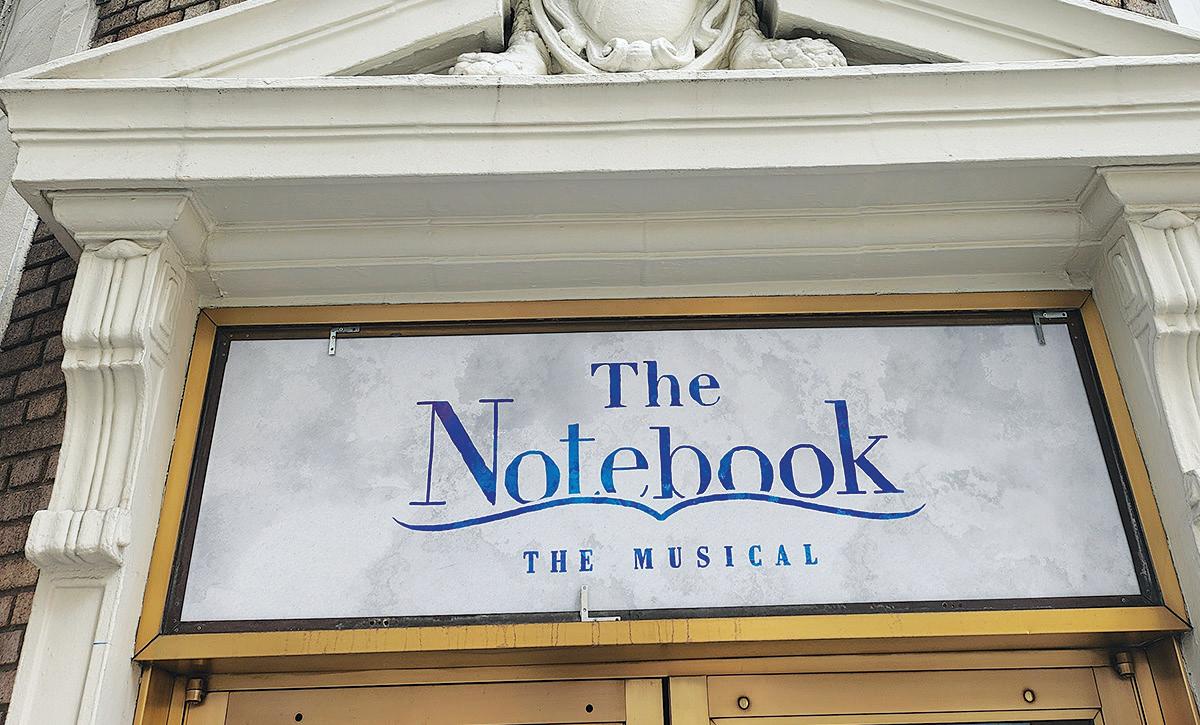
The musical has two directors: four time Tony nominee Michael Greif and Schele Williams who is making a Broadway debut. Williams is also going to be directing the highly anticipated “The Wiz” which is opening in April.
In the current musical we get three Noah’s and three Allie’s... younger, middle and older. For the most part the six are good; I thought that the younger Allie (Jordan Tyson) was woefully miscast. Where Allie came from money, was a proper girl, this younger Allie ex-hued none of that. More like an inner city persona, Tyson was just not believable.
In Brett J. Banakis gorgeous set design we get a wonderful slide movement throughout the two hours fifteen minutes.Equally as effective is the sound by Nevin Steinberg and
the costumes by Paloma Young. The effective orange and blue lighting by Ben Stanton too made the mood well in tune with the plot. The musical for the most part was very similar to the movie, two young people fall deeply in love with one another and even though ten years has gone by, they never stop thinking of each other. The key to the musicals success is that the three different sets of Noah and Allie need to all be effective. Whereas Maryann Plunkett as the elder and Dorian Harewood as the husband are excellent, we get the best interaction between Joy Woods and Ryan Vasquez, the middle aged actors; their singing and body language is captivating. The two are silky smooth on stage! Even though John Cardo-
continued on page 13










pril 17: “Atmospheres” Each piece on this live concert program, which includes works by Debussy, Mahler, Turina , and an up-and-coming young NJ composer, is a delight for the senses. Some are exciting, some are subtle, and some are sublime. All are sonic amazements!
Livingston Symphony Orchestra, Livingston High School, 30 Robert Harp Terrace, Livingston 7:30 pm. $25 (adults); $15(seniors, students); under 12 FREE. Tickets available online or at the door.
DFor more information on this concert or becoming a member of the nonprofit Livingston Symphony Orchestra, please visit www.lsonj.org or call (973)980-1809.
About the orchestra: Comprised of teachers, professional musicians, business people, retirees and students from Livingston and beyond, dedicated LSO members present 4-5 professional level performances each season. Musicians rehearse weekly on Tuesday evenings at 7:30 pm at Livingston High School from early September to mid June.
ata from the ASPCA® indicates that roughly 6.3 million companion animals enter animal shelters in the United States each year. A nearly equal number of dogs (3.1 million) and cats (3.2 million) make up that population, and roughly two-thirds of those shelter animals are eventually adopted each year. But the landscape for shelter animals is fluid, and the first half of 2023 was proof of that. According to the Association for Animal Welfare Advancement, dog intakes at animal shelters had increased by 4 percent during the first two quarters of
2023 compared to the same period the year prior. During that same time, cat intakes had declined by roughly 1 percent. One possible reason for the higher intake of dogs is related to how prospective dog owners begin their search. A recent analysis of Google Trends found that the search term “buy a dog” is now as common as the term “adopt a dog.” By choosing to adopt rather than buy a dog, prospective dog owners could save a dog’s life and help often overburdened local adoption shelters looking to ensure dogs in their care end up in safe and happy homes.






The May Day holiday originated as a pagan celebration to welcome the summer. But why do we celebrate it with dancing, singing, drinking, lighting bonfires, and collecting flowers?
In the distant past, the summer season was used to safeguard a successful harvest. It is believed to have been associated with local gods, such as Ukko, the Finnish god of thunder who controlled the rain and thus the fertility of the land.
Many of these rituals arose from the belief that Midsummer was a magical time of good fortune and healing. Bonfires were lit and loud behavior was encouraged to drive away evil spirits.
Perhaps due to the time of year’s connection with fertility, love spells were cast at Midsummer, such as placing seven flowers beneath one’s pillow to conjure dreams of a future partner. One could also see the face of his or her future spouse by looking into a well at midnight. Bathing in natural springs and decorating houses with flowers and plants it was thought to bring good health.
The modern May Day, also known as Labor Day or International Workers’ Day, is a public holiday celebrated on May 1st
every year. It is a holiday that is recognized in many countries around the world, including the United States, Canada, and countries in Europe, Asia, and Latin America.
May Day developed its roots in the American labor movement of the late 19th century. In the United States, the holiday was first celebrated in 1886, as part of the struggle for the eight-hour workday. On May 1st of that year, thousands of workers across the country went on strike, demanding better working conditions and shorter working hours. The strike was peaceful at first, but on May 4th, a bomb exploded at a labor demonstration in Chicago’s Haymarket Square, killing several people and injuring many others. The incident sparked a restraint on labor activism, but it also invigorated the labor movement and led to the establishment of May Day as a day of labor solidarity and protest.
May Day is founded in astronomy. Traditionally, it was the halfway point between the spring equinox and the summer solstice! In ancient times, this was one of the Celtic cross-quarter days, which marked the midway points between the (four) solstices and equinoxes of the year.
As with many early holidays, May Day was also rooted in agriculture.

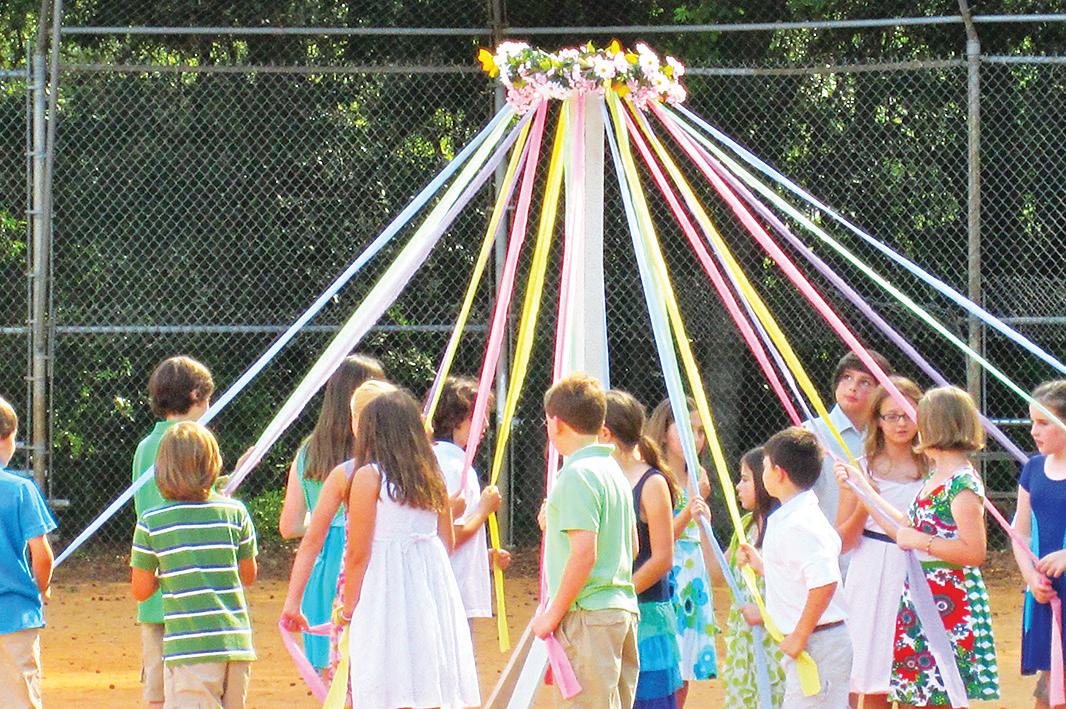
Springtime festivities filled with song and dance celebrated the planted fields starting to sprout. Cattle were driven to pasture, special bonfires were lit, and doors of houses as well as livestock were decorated with yellow May flowers. In the Middle Ages, the Gaelic (Irish) people celebrated the festival of

Beltane. Beltane means “Day of Fire.” People created large bonfires and danced at night to celebrate.
Today many Americans see Labor Day as time off from work, an opportunity to enjoy a barbecue with friends and family and a

















continued from page 10
final moment of summertime relaxation before the busy fall season begins.
But the background of the Labor Day holiday is far more complex, dramatic and lethal than most might realize. It start with a heated campaign by workers in the late 19th century to win support and recognition for their contributions.
In July 1894, President Grover Cleveland signed into law legislation creating a national Labor Day holiday in early September—even as federal troops in Chicago brutally crushed a strike by railroad and Pullman sleeping car company workers, leaving some 30 people dead.
In other parts of the world, the holiday has a less lethal history. In Europe, for example, it finds its roots in ancient traditions
In Germany, the day is known as Maifeiertag and is celebrated with dancing, singing and the raising of maypoles. In Finland and Sweden, May Day is celebrated with picnics and outdoor activities, while in the United Kingdom, the celebration includes dancing and other traditional folk customs.
Today, May Day is an official holiday in 66 countries and unofficially celebrated in many more, but ironically it is rarely recognized
in the country where it began, the United States of America.
According to Peter Linebaugh, author of The Incomplete, True, Authentic and Wonderful History of May Day, after the 1894 Pullman Strike, President Grover Cleveland officially moved the U.S. celebration of Labor Day to the first Monday in September, deliberately cutting ties with the international worker’s celebration for fear that it would build support for communism and other radical causes.
In 1958, President Dwight D. Eisenhower tried to reinvent May Day by, further separating the memories of the Haymarket Riot, by declaring May 1 to be “Law Day,” celebrating the place of law in the creation of the United States.
Law Day celebrates the rule of law in a free society. From May 1 and throughout the month of May. Its observance was later codified by Public Law on April 7, 1961. The day aims to help people appreciate their liberties and to affirm their loyalty to the United States, especially with regard to equality and justice. It also aims to cultivate respect for the law, which is vital to the democratic way of life.
Law Day 2024 is on May 1, 2024.









In early June of 1983, I was just 29 years old. I was working as a proofreader for Oral-B Toothbrushes, for their marketing services pamphlets and booklets. At that time they were located in Fairfield. I had earned a week’s vacation time. Little did I know, when that week began, that I was about to embark on an adventure that would leave a profoundly positive mark upon the deepest chambers of my heart center.
Dad also took a week’s vacation time from his job as a long-distance truck driver. We had big plans to build a small barn, along Mabey Lane, in the backyard of the old Mabey Homestead. Uncle Ed, one of Dad’s older brothers, lived next door to us. Uncle Ed was now retired and agreed to help us build the barn.
Dad and Uncle Ed were both World War II veterans. Uncle Ed served in the U. S. Navy. Dad served in the Seventh Army Air Corps, stationed at Hickam Airfield in Hawaii. Both men talked very little about their time in service. Uncle Ed’s ship was sunk, by a German war ship, off the coast of England. He was rescued by a British Navy ship.
Well, Monday morning Dad drove Uncle Ed and I, in his Ford Ranger pickup truck, to the old Channel Lumber on Route 23. We bought a good amount of two by fours, plywood boards, black roofing shingles, and four large hinges. The three of us loaded the back of Dad’s pickup truck with this extravagant haul of wood, shingles and hinges. The adventure had begun.
Why do we remember certain things? As if they are implanted with indelible ink into the cavernous vaults of
our subconscious minds. But for some reason, I remember we stopped for lunch at the Burger King on Route 23. I’m not sure if it was in Wayne or Pequannock.
One thing I do remember was that, as we ate our hamburgers and chomped on our French fries, Dad took out a folded piece of notebook paper from his shirt pocket. On this blue-lined paper, were the very plans Dad had drawn in pencil, for the structure of his dream barn.
I remember that there was an electrical enthusiasm in Dad’s voice. There was almost a song in Dad’s voice as he showed his brother and I his plans on how he wanted his small barn built. I know how odd this may sound, but it almost seemed that the people in nearby tables, actually stopped talking to one another to hear what Dad was saying. There was no doubt about it, Dad’s enthusiasm at that Burger King was definitely contagious.
I remember we drove halfway down Mabey Lane. Since it was not a busy road, Dad parked over to the side, along the pine trees on our property and we all unloaded the lumber and roofing shingles onto the green grass of our old backyard.
I remember this moment like it was yesterday. After we completely unloaded the back of Dad’s Ford Ranger, Dad took a moment and looked at the very spot that he had staked out to be the location where his dream barn would proudly stand. Dad stood there, bigger than life, with his hands on his hips, with a great big smile on his face.
“Men, this is where we’re gonna build the barn!” Dad declared with a most glorious enthusiasm in his voice.
Something touched me deep inside, the very moment

This is a photo of the red barn that Dad, Uncle Ed and I built in June of 1983. Our beloved Shetland Sheepdog, Gidget, can be seen walking along, beside the barn.
Dad gleefully spoke those words. It was the first time in my life that my father had called me a man. It’s hard to put into words. But at that moment in time, I truly became a man.
To be continued next issue.
Richard Mabey Jr. is a freelance writer. He hosts a YouTube Channel titled, “Richard Mabey Presents.” Richard most recently published a book of poetry and short stories. He can be reached at richardmabeyjr@hotmail.com.













continued from page 8
Even though Tyson
a very good singing voice, her Broadway debut falls flat.
The two opening scenes, both first act and second act fire on all cylinders. It is the second act, however, where this show excels. The songs, the pace and the story all come together nicely. Songs like “We Have To Try”, “Forever”, “It’s Not Easy”, “I Know” and “Coda” were all well sung songs; the lyrics too were catchy and fit the moment of the plot. The first act too had some nice
songs: “Time”, “Leave The Light On”, “If This Is Love” were most memorable. Having some great moments in the first act, it still didn’t compare the the afternoons second act.
For the romantics out there, “The Notebook” is for the most part an entertaining show. The choreography (Katie Spelman) is underwhelming, as is some of the ensemble cast. Allie’s parents: Andrea Burns and Charles E. Wallace are not moving in their parts. Burns was much more effective in her role as nurse Lori.Neither actor brought depth as parents to Allie, they were mostly robotic and aloof.




















Passover, or Pesach, stands as one of the most significant festivals in Judaism, commemorating the liberation of the Israelites from slavery in ancient Egypt. Across the globe, Jews observe this holiday with deep reverence, blending ancient traditions with modern customs. In this article, we delve into the contemporary celebration of Passover, exploring its rituals, significance, and how it is observed in today’s diverse world.
Historical Context: The roots of Passover trace back thousands of years to the biblical account of the Exodus, where Moses led the Israelites out of Egypt after enduring years of slavery. The ten plagues, the parting of the Red Sea, and the receiving of the Ten Commandments at Mount Sinai are central elements of this narrative.
Significance of Passover: Passover holds immense significance within Judaism, symbolizing themes of liberation, renewal, and redemption. It serves as a reminder of the Israelites’ journey from bondage to freedom, conveying timeless messages of hope, faith, and resilience.
Preparation for Passover: The weeks leading up to Passover are marked by meticulous preparation. Jewish households engage in thorough cleaning, removing all traces of leavened products (chametz) from their homes. This practice, known as “biur chametz,” symbolizes the removal of spiritual impurity and the embracing of purity in

both the physical and spiritual realms.
The Seder: The focal point of Passover observance is the Seder, a ceremonial meal held on the first two nights of the holiday (outside of Israel, where it is observed for seven or eight days). Families and friends gather around the Seder table, recounting the Exodus story through readings from the Haggadah, a text that guides participants through the rituals and prayers of the evening.
Modern Seder Customs: While the core elements of the Seder remain unchanged, modern Jewish communities often incorporate innovative customs and interpretations into their celebrations. This might include incorporating social justice themes, engaging in discussions about contemporary issues, or incorporating new foods and rituals to reflect cultural diversity.
Dietary Restrictions: Passover dietary laws prohibit the consumption of leavened products, such as bread, pasta, and most grains. Instead, matzo, an unleavened bread, takes center stage, symbolizing the haste with which the Israelites left Egypt. Traditional Passover foods like matzo ball soup, gefilte fish, and brisket are enjoyed during the holiday.
Community Involvement: Passover is a time for community and fellowship, with many Jewish organizations hosting communal Seders for those who may not have a
place to celebrate. Synagogues, community centers, and even virtual gatherings provide opportunities for Jews to come together and share in the Passover experience.
Global Diversity in Passover Celebrations: Passover is celebrated in diverse ways around the world, reflecting the unique customs and traditions of different Jewish communities. From the Sephardic traditions of the Mediterranean to the Ashkenazi customs of Eastern Europe, each community brings its own flavor to the holiday, enriching the tapestry of Jewish cultural heritage.
Passover and Interfaith Dialogue: In an increasingly interconnected world, Passover serves as a bridge for interfaith dialogue and understanding. Many non-Jewish individuals participate in Passover Seders, fostering mutual respect and appreciation for different religious traditions.
Passover continues to hold deep meaning and relevance in the lives of Jews worldwide. Its ancient rituals and timeless themes of liberation and redemption resonate across generations, reminding us of the enduring power of faith, community, and hope. As Jews gather around the Seder table each year, they reaffirm their connection to their rich heritage and the eternal message of freedom.








































I was recently diagnosed with a severe case of Hypertrophic Cardiomyopathy. It’s two big words for a heart condition in which the walls of the heart ventricles become very thick. So much so, that they actually decrease the size of the sacs of the heart ventricles. There is really no cure for this heart disease.
A few days after my heart catheterization, that was the final heart procedure to verify my Cardiologist’s diagnosis, I went to a big comic book show. I confess that I love comic books. One of my regrets in life is that I never got to meet the late, great Stan Lee. But, that’s life.
At any rate, a moment in time at the big comic book show, deeply touched my heart. It was as if the odds were a million to one, that I was at the right place, at the right time, for God to teach me a most valuable and endearing life lesson. I was looking through the boxes of old Spider-Man comic books, when this cherished moment unfolded.
A few feet away from me, were what appeared to be, a father and son. The dad seemed to be late middle age. The son appeared to be somewhere in his early twenties. Like me,
they were looking for old Spider-Man comic books.
Within a few moments, it became apparent that the young man, the son, was autistic. I write of this observation, with utmost earnest respect.
I could not help but to overhear that the young man was looking for Spider-Man comic books that featured Spidey’s villain, the Green Goblin. As I was looking through my box of comic books, I came across a rather rare Green Goblin tale that seemed to be priced, very reasonably.
I most respectfully, with the Spider-Man comic book with Green Goblin on the cover, asked the father and son team if they had this particular comic book. I explained that I could not but help overhear their enthusiastic search for Green Goblin comics. The young man smiled, from ear to ear. He exclaimed that he did not have that issue. The father smiled at me and thanked me for finding that particular Green Goblin comic book.
We introduced ourselves to each other. Then got lost in small talk about Spider-Man and all his villains. We talked for a good 10 minutes or so. Then the father simply said that it was time for his son and him to get back to the task of finding more good Spi-
der-Man back issues. We all shook hands and returned to searching through boxes of comic books.
Upon leaving the big comic book show, the memory of that meeting with my two fellow Spider-Man fans, haunted the marrow of my bones. The incredible joy and happiness that the son displayed, when I handed him the old Green Goblin comic book, had touched a chord in my heart.
I confess that I was feeling just a bit sad, when I first entered the doorway to the big comic book show. As I drove home, it dawned on me that God had brought the father and son team into my life, if even for just a few minutes, to bring a certain joy to my heart. There are really no words to convey the immense happiness that the old Green Goblin comic book brought to the heart of that fine young man. He actually jumped up and down a bit, when he first held the comic book in his hand.
The young man’s joy and exuberance over a seemingly simple thing, awoken me to realize that I needed to rise above my sadness. After pulling into my garage, I took a walk around my yard. Birds were basking in my two front yard birdbaths. The yellow flow-
ers in my flowering bush were abounding. Birds sang and flew about my old Live Oak. A neighbor walked by, walking his dog, and we exchanged friendly waves and greetings.
The joyful young man at the comic book show, gave me the gift of a most valuable lesson. To find the joy, the happiness, the splendor in the seemingly simple things in life. More than likely, I will never see that wonderful father and son team ever again. Still, their memory abides in the chambers of my heart.
Richard Mabey Jr. is a freelance writer. He hosts a YouTube Channel titled, “Richard Mabey Presents.” Richard most recently published a book of poetry and short stories. He can be reached at richardmabeyjr@hotmail.com.
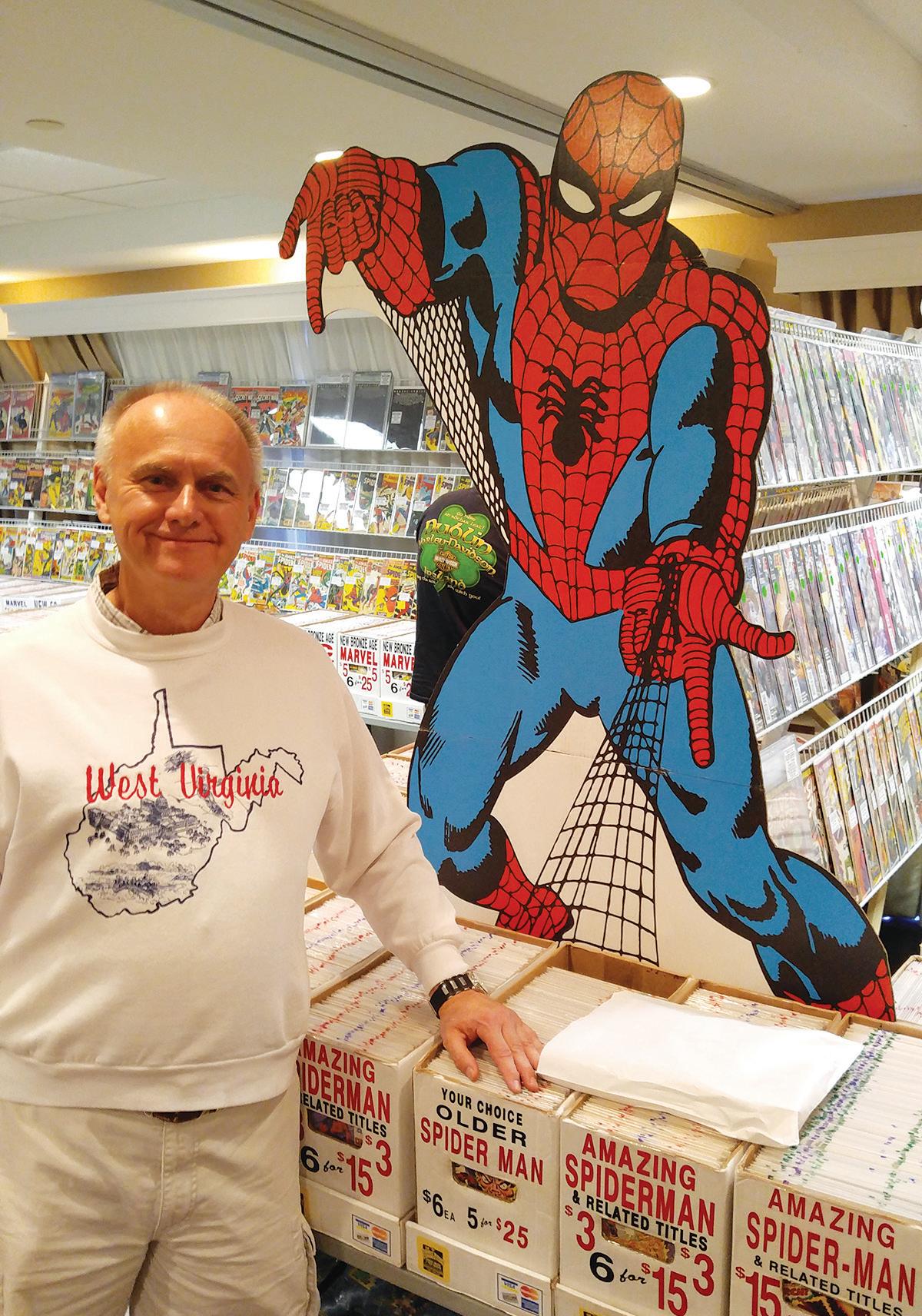
Yours truly at one of the big comic book shows in






Tgerardfredadental.com
“We treat each patient individually taking into consideration their speci c needs. The overall health of every patient is our primary concern. Come see our new modern state of the art of ce.”
• Implant Restoration
• Smile Makeover
• Teeth Whitening
• Porcelain Veneers
• Reconstructive Dentistry
• Intraoral Examination & Oral Cancer Screening
• Crown, Bridge, Dentures
• Extractions
• Nightguards for Bruxism CareCredit® and Most Insurance Plans Accepted


his year, the Irish American Association of North West Jersey (IAANWJ) marks its 50th anniversary. “To celebrate our heritage, enjoy it, and share with the rest of the world, “said Jack Regan of West Milford when asked about the mission of the association. Located in Rockaway, the association offers classes for young and old and events for those who want to learn more about the Irish culture and have fun. A person doesn’t have to be Irish to join and members come from all over the state. Recently, Regan and Maureen Murphy Quinn, of Succasunna talked about the organization and gave a peek at its 50th anniversary celebration later in the year.
As noted on its website ( https://www.iaanwj.com), the association came about as a result of so many Irish coming into the northwest New Jersey area as well as people of that decent already living here. They wanted to preserve the culture while also bringing awareness of the Irish contribution to America. The association was founded in 1974 and first met at St. Mary’s School in Wharton. In 1977, the association bought the Mt Pleasant School on Richard Mine Road in Rockaway Township to be its clubhouse.

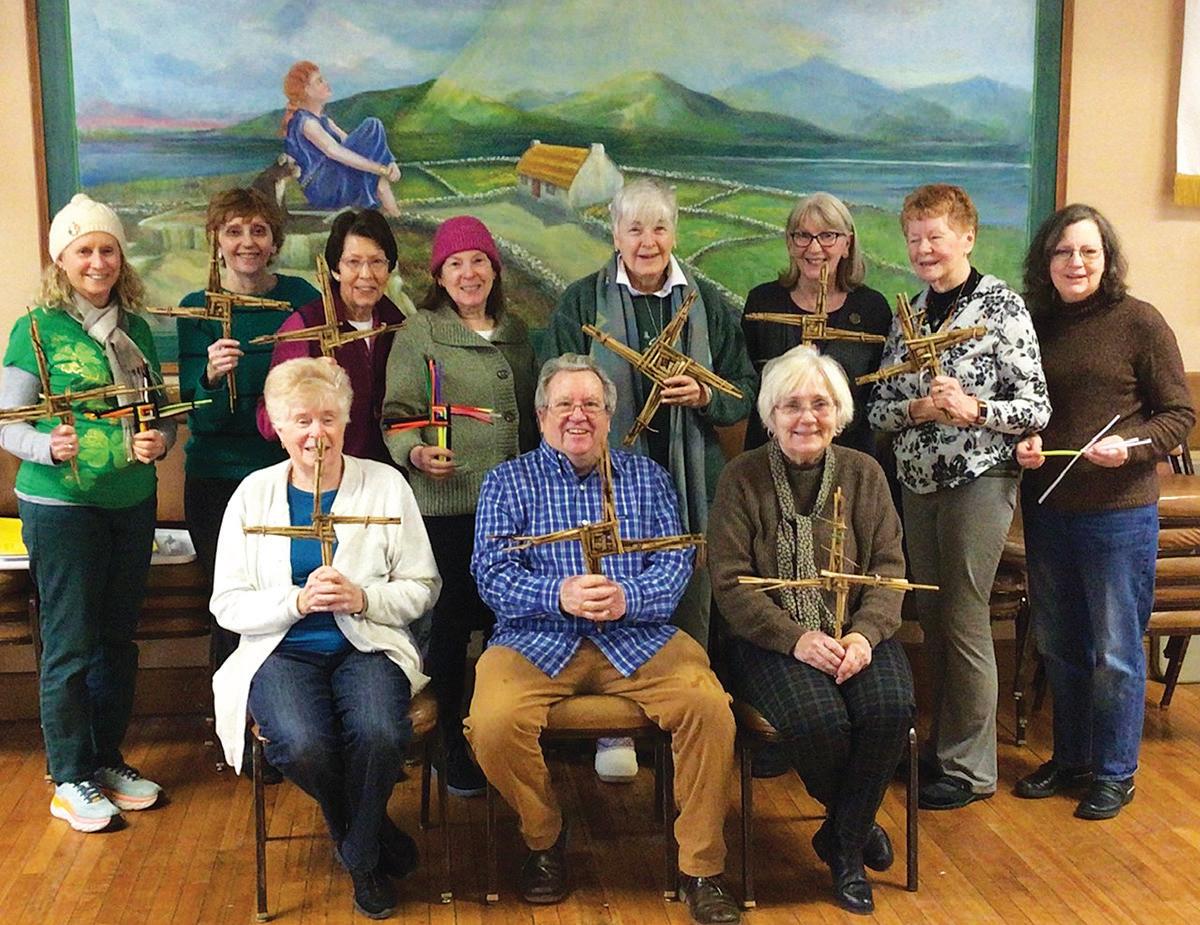
Celtic art class proudly showing the St. Bridget Crosses they made.
straw St. Bridget’s Crosses. The crosses are a symbol of Ireland and found in many Irish homes. Regan said that the art class’ next project is working on something in copper. Other classes include Celtic knitting and Gaelic language classes. Regan shared that Gaelic is still spoken in parts of Ireland. There are music classes in tin whistle and flute for children and in fiddle, Celtic Harp and Uillean (elbow) harp for adults. The Celtic Harp is another symbol of Ireland. For information, call the cultural committee at 201-321-6706 or email ajhack1@aol.com
ber dues for individuals (at least 18 years old) are individual $25, married couple $30, individual senior (65 and over) $15, and married seniors $25.
Regan, who is the Seargent at Arms of the association and a 25- year member, shared some of the various educational offerings of the association aimed at sharing Irish culture and traditions. There is a book club which reads books that are connected to Ireland by subject or author. There are Irish dancing classes for both adults and children. In Celtic Art classes, people can learn to make traditional Irish things. For example, in February, they made
The association is involved in different events during the year. With the Friendly Sons, it co-sponsors the St. Patrick’s Day parade in Morristown. After the parade, there is a party at the association clubhouse. Every fall, it has a feis (festival), an Irish dance competition at the Sussex County Fairgrounds. There’s a Christmas Hooly (gathering of people getting together for fun) at the clubhouse in the beginning of December. There they tell stories, have music, and celebrate the holiday. Also, every month, there is Irish Set dancing (like square dancing) at the clubhouse. Those who want to join the association must be at least 18 years old. Annual mem-
Murphy Quinn, a charter member, shared her background and gave a glimpse at how the association may celebrate its golden anniversary. Not only does Murphy Quinn have her own Irish roots (through her parents) but her husband is Irish, too. She lectures in Irish history and is working on a book about Irish women. She noted that the IAANWJ had its first meeting in September 1974. Being in the fall, though nothing is set yet, she sees the anniversary celebration as being connected with Halloween. Halloween is a holiday that was exported from Ireland. It is based on Samhain, Celtic New Year Year’s Eve.
“[when] …the veil between overworld and underworld is the thinnest” explained Murphy Quinn. In Ireland, carved out turnips with candles in them were set out to guide souls; when they came to America, the Irish started using the pumpkins native to this land. Many other Halloween traditions are also rooted in Irish lore.
While they say St. Patrick’s Day is a great day for the Irish, Halloween might just be a grand day this year for the IAANWJ.