Full Circle: From Scraps to Soil
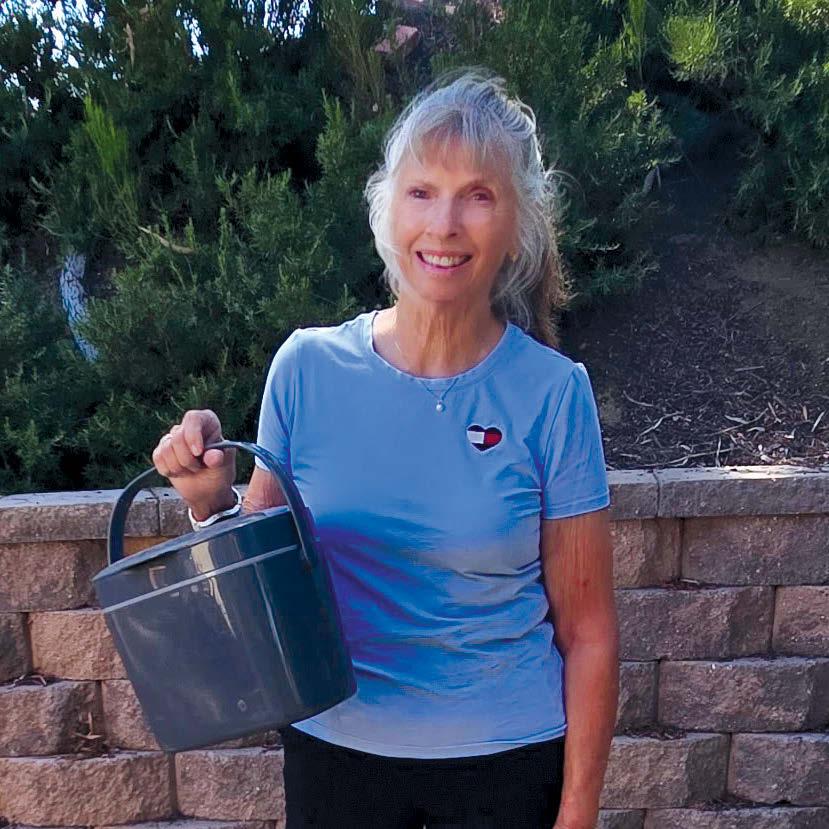
Lakeside resident Karen Prath’s journey to recycle her organic waste has had its ups and downs, but she’s found a manageable routine to keep them out of the landfill while helping San Diego County put them to good use.
“By process of elimination, I keep trying to improve the process. I just think it’s a good thing to do if they can find a way to reuse anything and everything.”
At first, she was worried with odors and pests, but found that keeping her organic waste in a tightly sealed container between trips to the curbside bin helped control both.
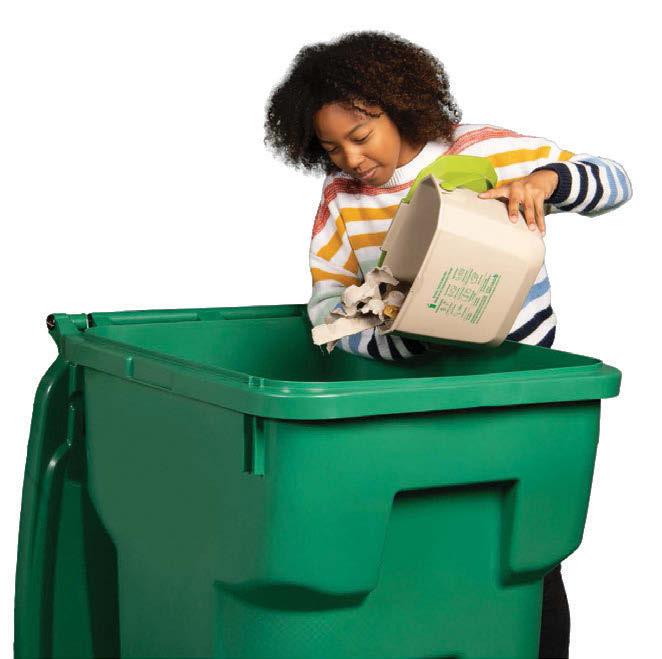
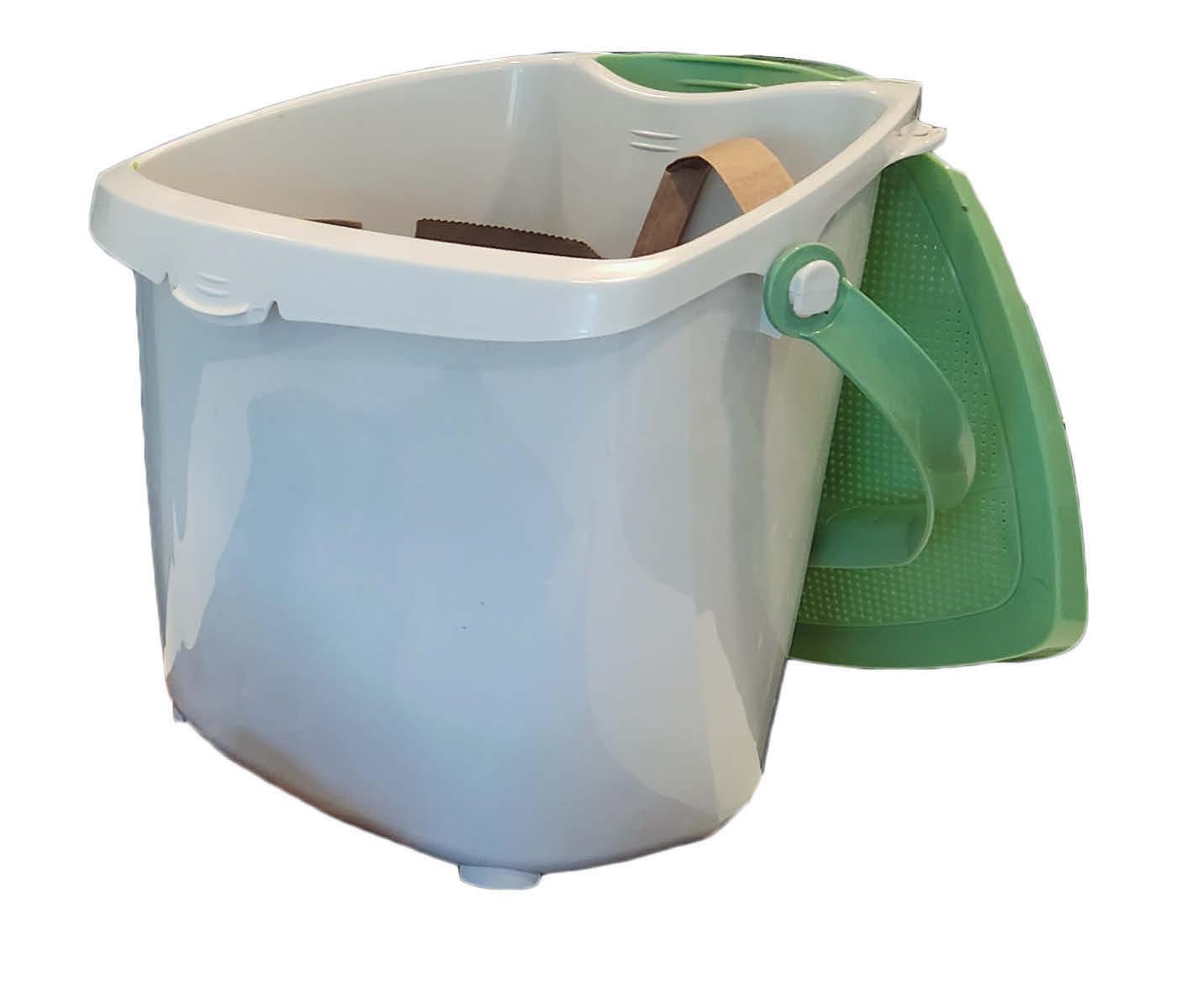
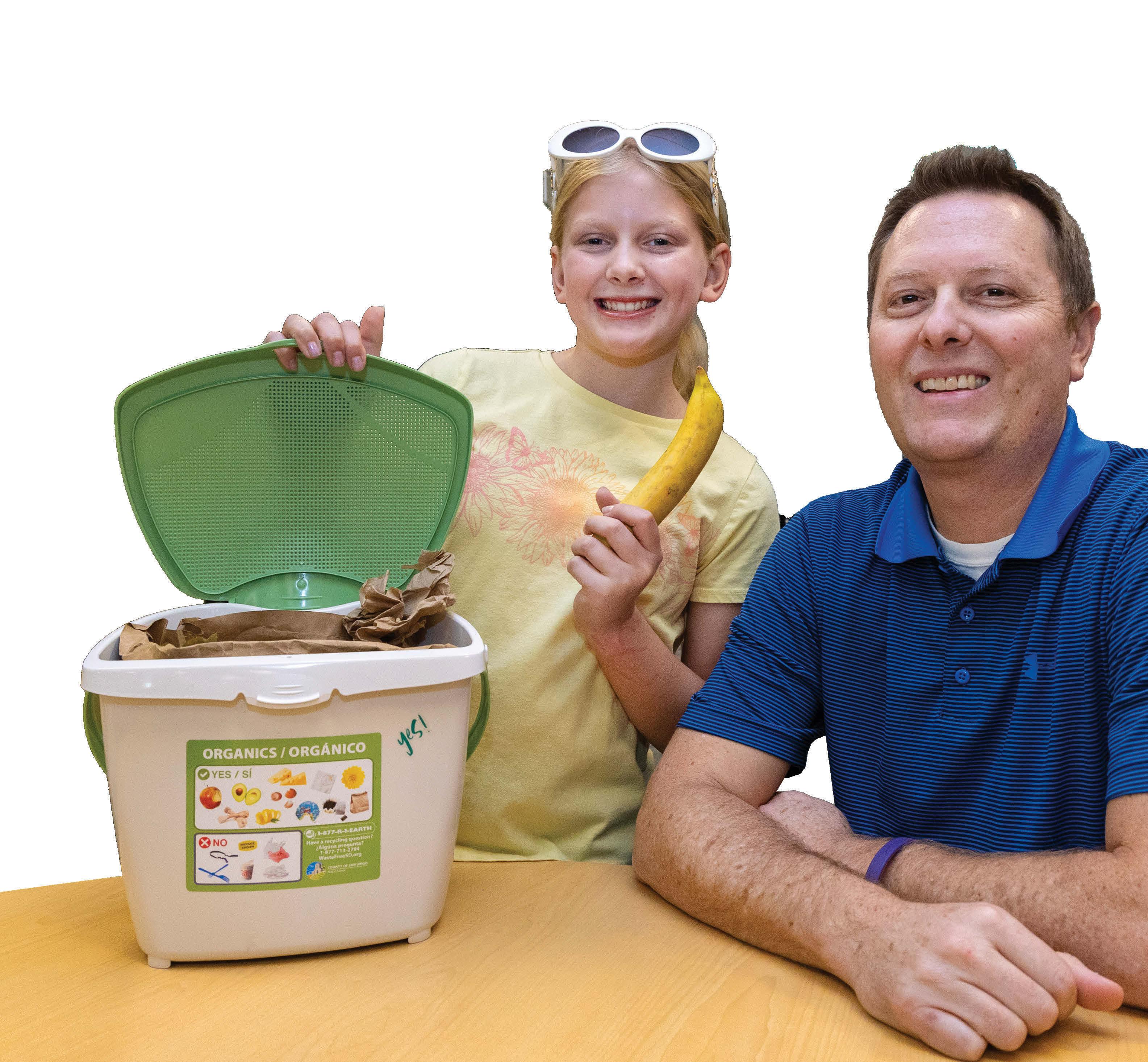
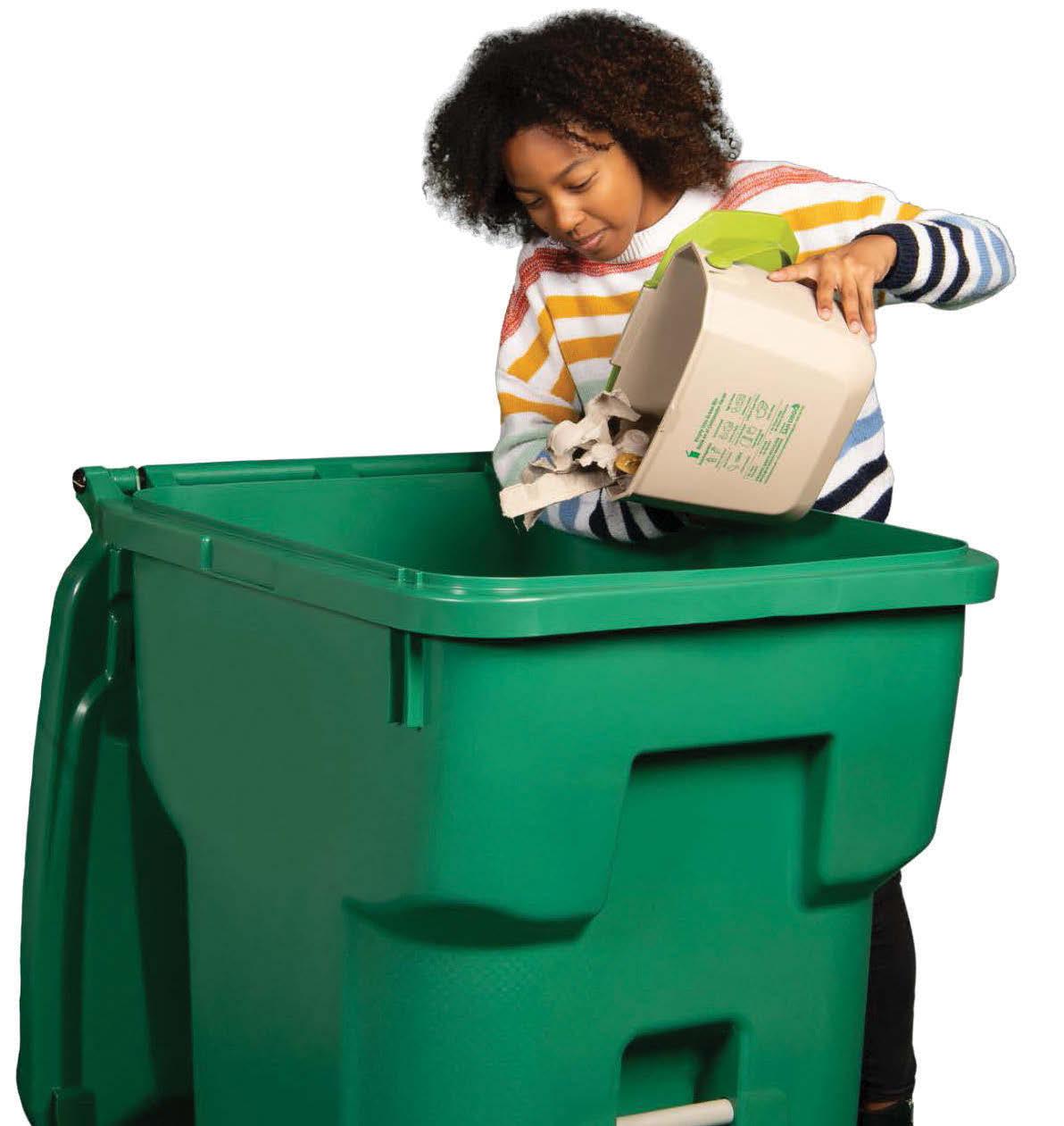
While she initially used compostable liners, it turned out her hauler couldn’t process them. Any plastic bags — even those marketed as compostable — can damage composting facilities’ equipment and contaminate compost material. So, she switched to using paper bags to line her kitchen food scraps pail (pictured right), which helps keep it clean. When she dumps her kitchen pail in the curbside bin, she likes to mix the food waste with yard waste to absorb moisture, further mitigating the “ick” factor.
“You don’t have to do it perfectly - every bit of food waste you toss in your green bin makes a difference.”
Amanda Smith Recycling Specialist, Solid Waste and Recycling Section of the County of San Diego
Luckily for Karen, her granddaughter, Amanda Smith, was an excellent source of advice and help when she needed it.
“We really need to be strategic with how we handle waste and understand
BY ANNE STOKES
1-2-3 FOOD SCRAPS RECYCLING MADE EASY
what can be a resource and what needs to be disposed of responsibly in the landfill,” says Amanda. “A big part of it is having a mindset change about this, because it needs to happen. Otherwise, we will face even greater challenges with increasing waste volumes and how we handle them.”
Amanda has developed a different set of habits than her grandmother. Living in an apartment, space is limited. Amanda has found success by storing food scraps in her kitchen pail under her sink and taking out the container every other day. She stresses progress, not perfection: Find a routine that works for you and don’t let mistakes derail your efforts.
“You don’t have to do it perfectly,” Amanda says. “Every bit of food waste you toss in your green bin makes a difference.”
“If you have questions, or you aren’t sure what to do, reach out to the County, talk to your neighbors, talk to your friends and your family,” she says. “This is not something that’s just happening in the County of San Diego, but across the state and in a growing number of communities nationwide.”
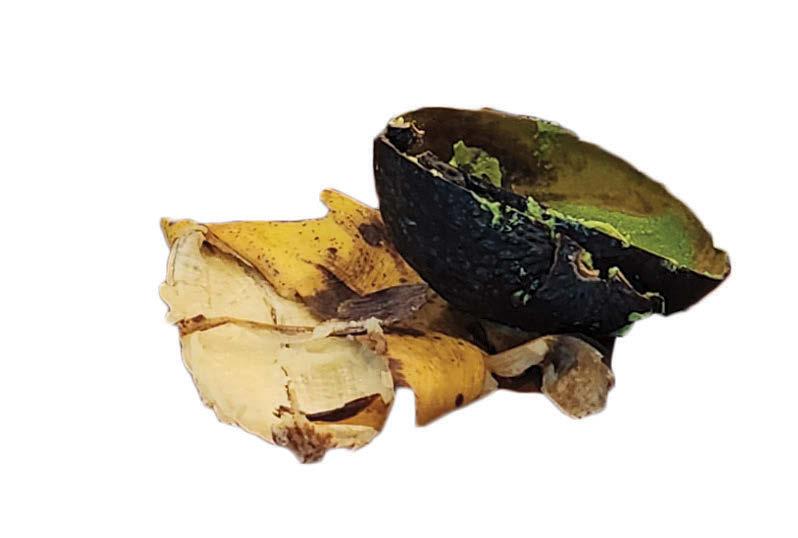
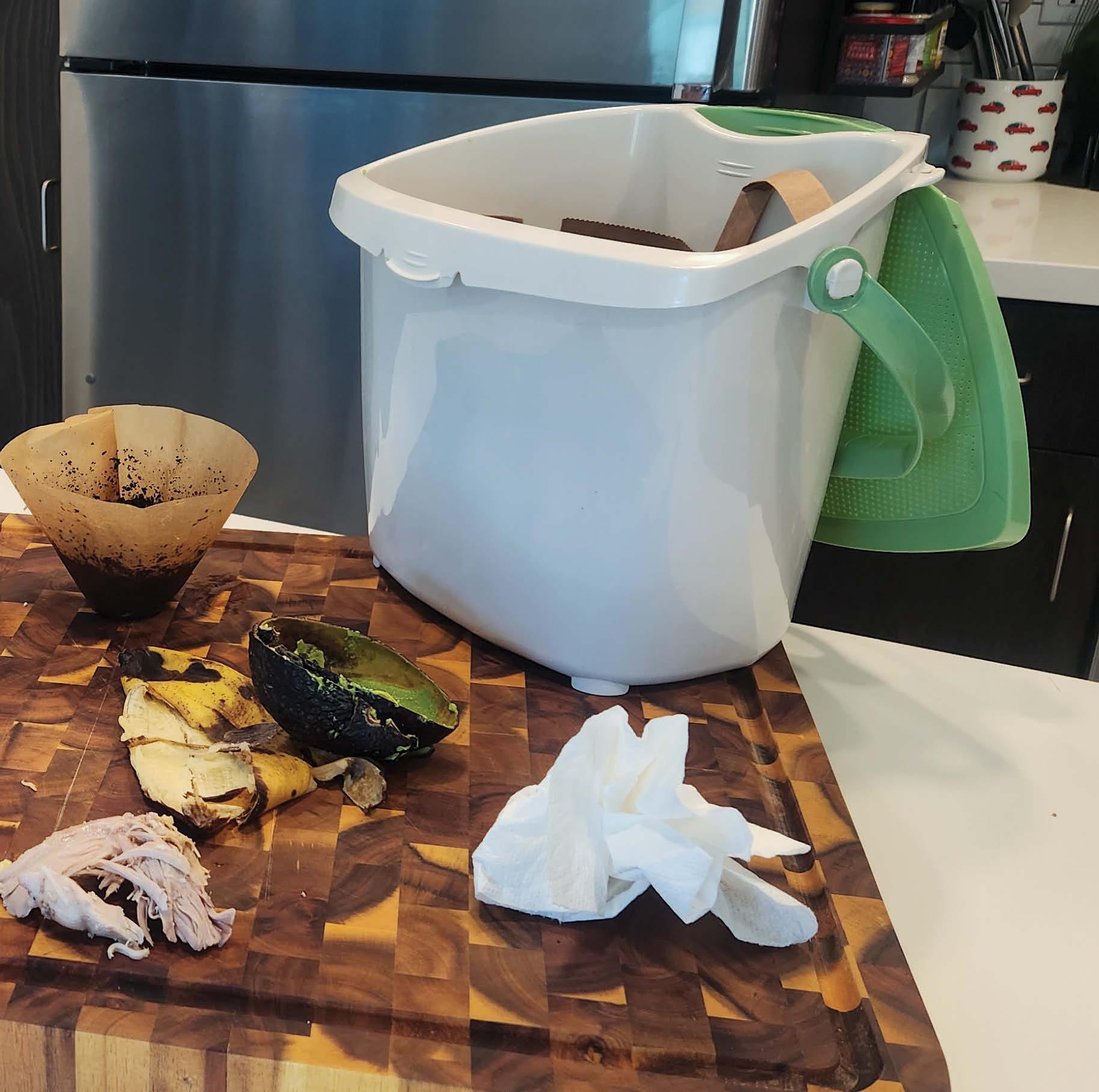
With preparation and practice, organic waste recycling at home can be easy. Here are some tips.
2 1
Ask your waste hauler or the County how to get a free kitchen pail. Use this to collect food scraps and other organic material until it’s ready to be taken to the curbside bin.
2 2
2 3
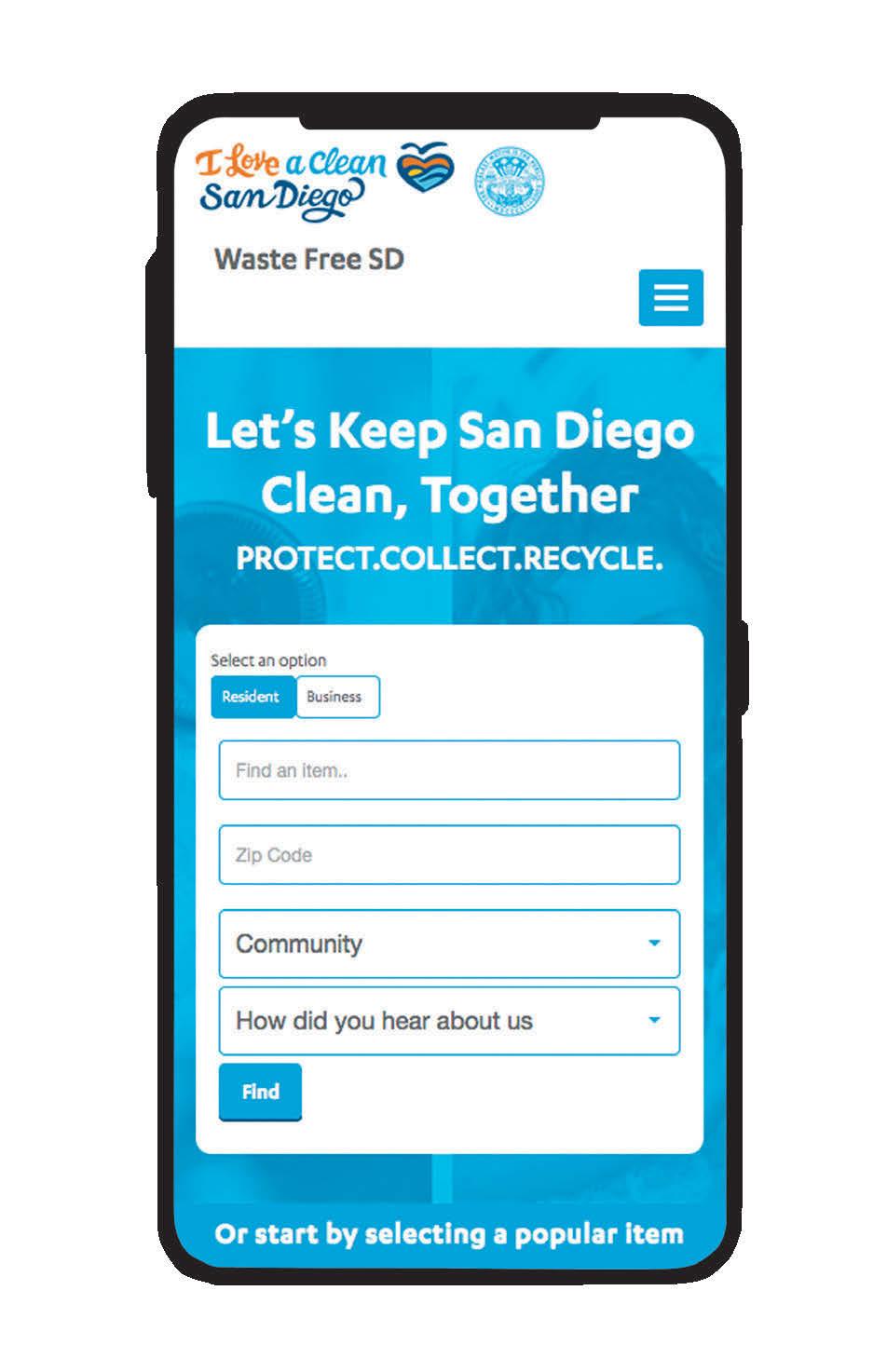
A general rule is “If it grows, it goes.” If you’re uncertain about what can go into the organic waste bin, check the San Diego County Recycling Hotline’s website, WasteFreeSD.org or call 1-877-R-1-EARTH.
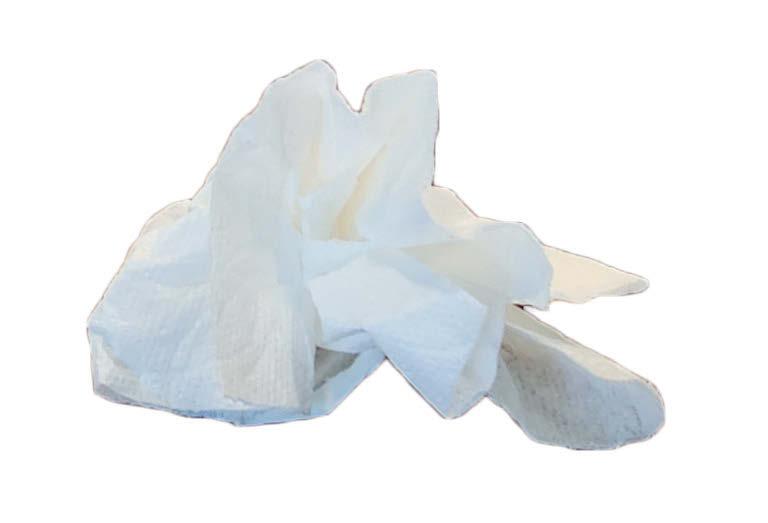
Wrap food items in paper or store them in the freezer until collection time to avoid unwanted odors and attracting pests.
BY STACY BRANDT
For the Weihe family, recycling is a way of life—at home, school, and work. Nearly everywhere they go, they find ways to reduce waste and make sure it ends up in the proper bin.
Twelve-year-old Evie Weihe volunteers for the Green Team at her school. At lunch, the team helps other students sort their waste into the appropriate bins. They separate everything, including food waste and liquids, to prevent organic waste and recyclables from ending up in the trash. There’s even a designated spot where students can place uneaten food, allowing others to enjoy it instead of letting it go to waste.
“It feels good knowing that I’m helping kids do the right thing,” she says. “We are teaching so many students to be responsible with their lunchtime waste.”
Like his daughter’s school, Steve Weihe’s office is finding ways to cut back on what they’re sending to the landfill by making waste sorting as easy as possible. Steve is a Recycling Specialist with the County of San Diego Department of Public Works. Each kitchen area at his office is equipped with three bins: landfill, recycling, and organic waste. This sorting set up allows employees to easily separate their lunch waste.
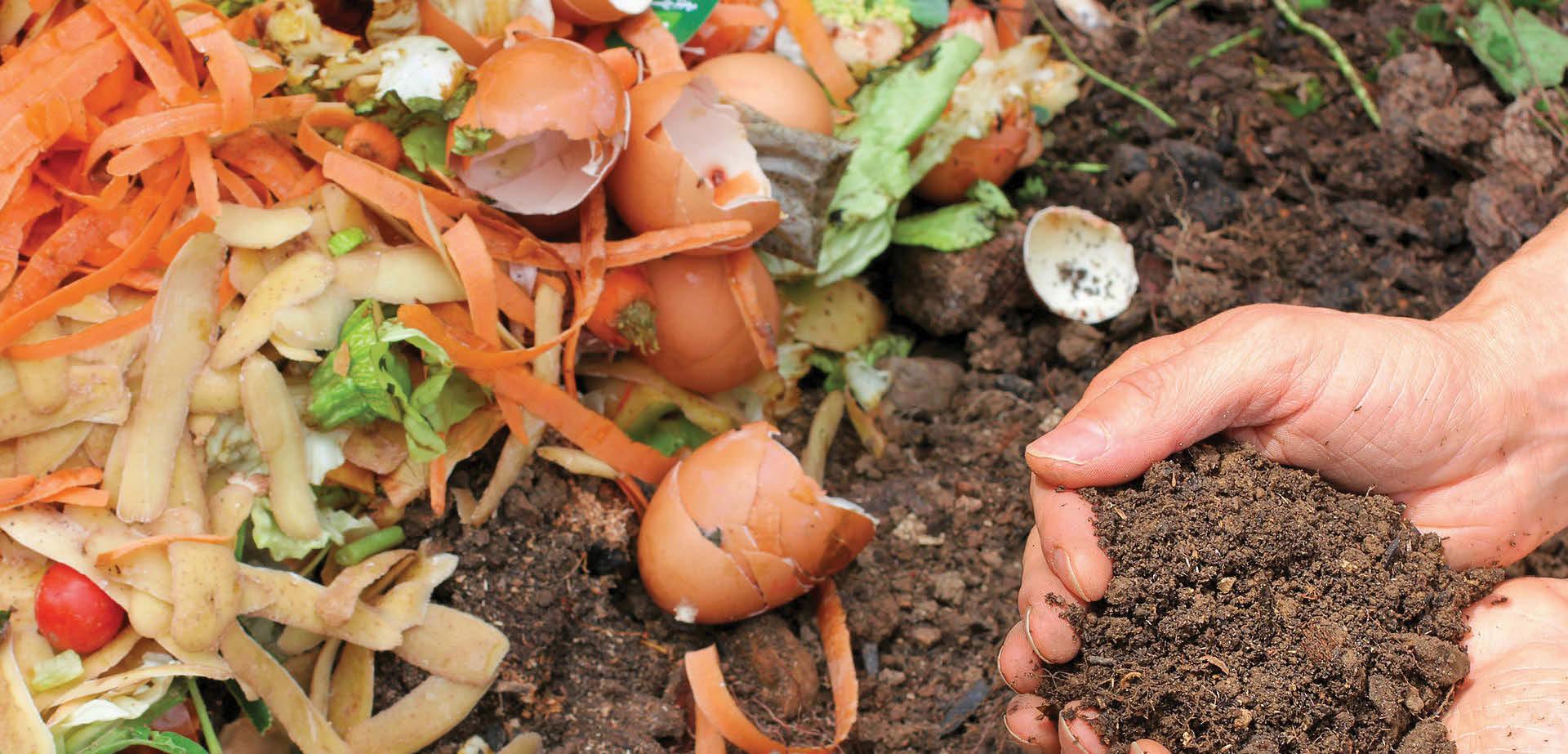
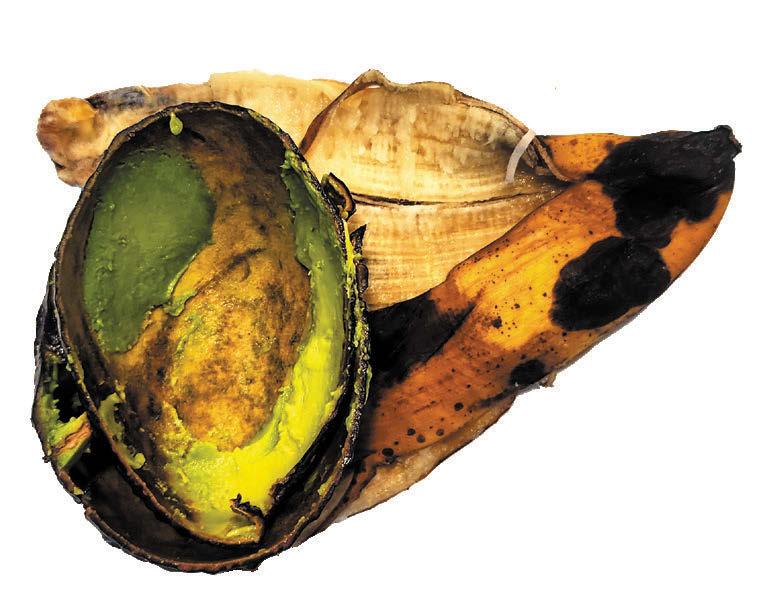
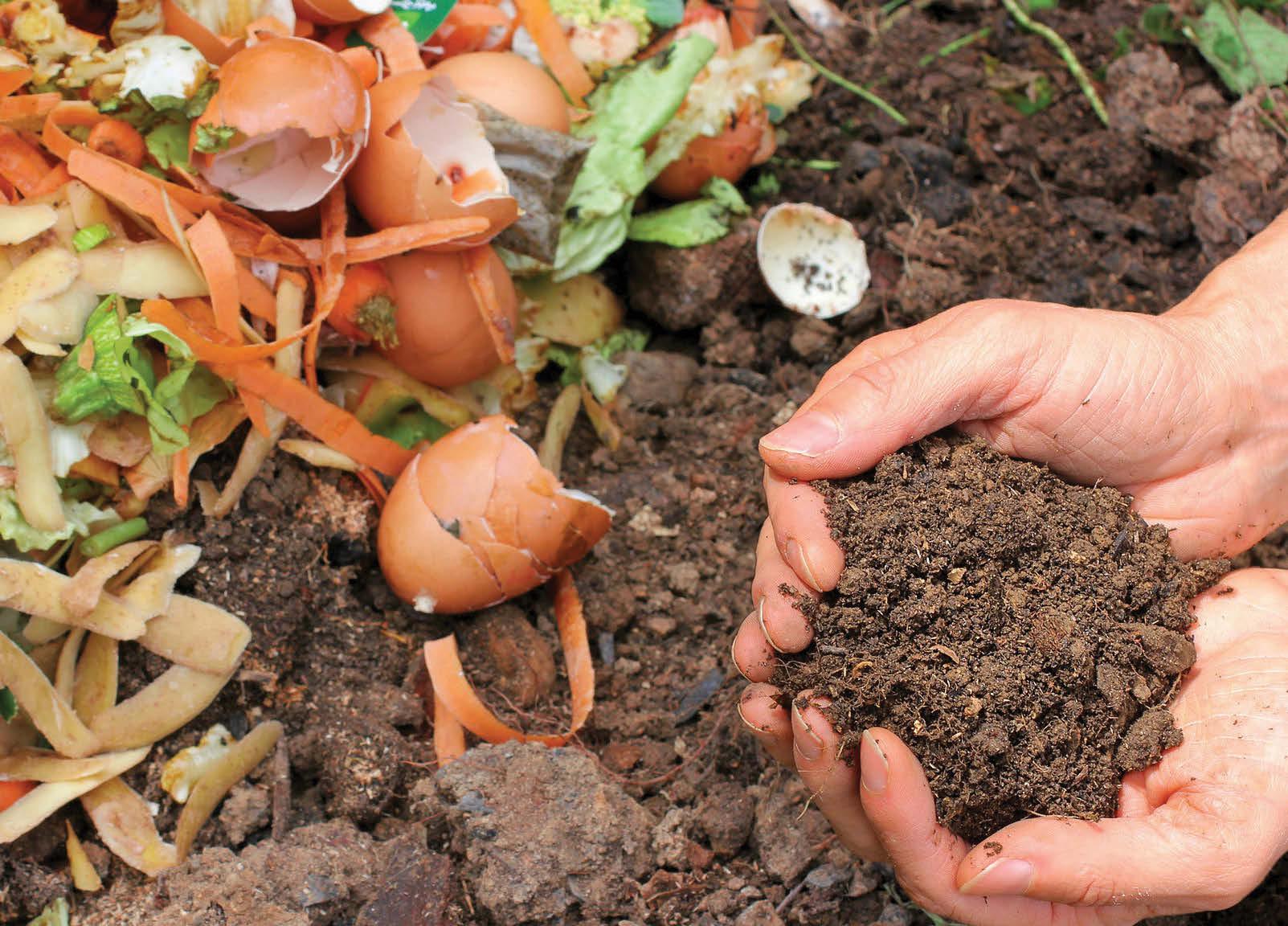
At home, the Weihe family has two backyard compost bins to turn food scraps into fertilizer for their yard. Many food items people commonly throw away, such as banana peels or avocado skins, still contain valuable nutrients. Instead of ending up in the landfill, these scraps can go into a compost bin or curbside organic waste bin to help enrich the soil and support healthier fruits, vegetables and other produce.
“Compost is great stuff. We put it on all the fruit trees,” Steve says. “It holds
“It feels good knowing that I’m helping kids do the right thing. We are teaching so many students to be responsible with their lunchtime waste.”
Evie Weihe Recycling Expert, Age 12
more water and adds nutrients to the soil. You can definitely see the difference.”
Getting set up to compost and reduce landfill waste can take a little bit of work, but it can be done at home, in the office and at school. For the office, people can ask their supervisor if there is a green team at the business or if one
can be started to support efforts such as waste reduction. At school, parents and students can ask their principal about recycling and composting options.
At home, getting started with composting or using an organic waste bin can involve a bit of a learning curve, and some people worry about the “ick” factor.
But with a few simple steps, it’s easy to manage.
In the end, the extra effort helps reduce the amount of waste sent to landfills.
“It’s the right thing to do,” Steve says. “Actions we take today can have positive impacts for generations to come.”
His daughter agreed.
“It doesn’t take a lot, and we can change the world,” Evie says, “one food scrap at a time.”

Food is prepared and consumed
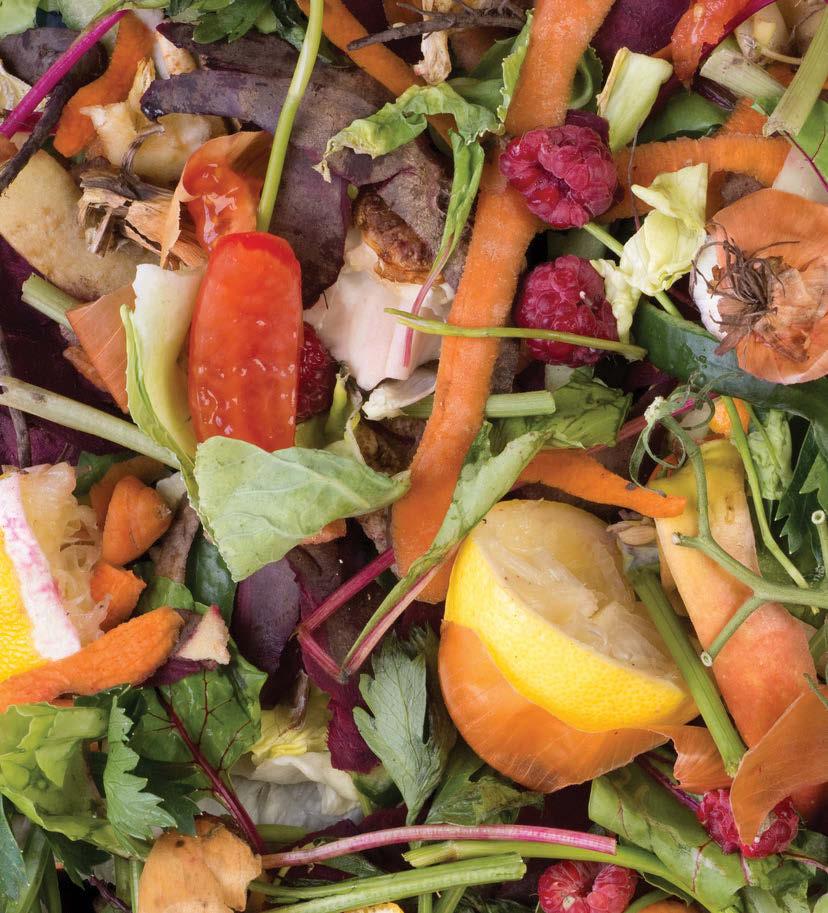
waste is created
“Using compost improves soil productivity... by protecting and improving the quality of our water and air.”
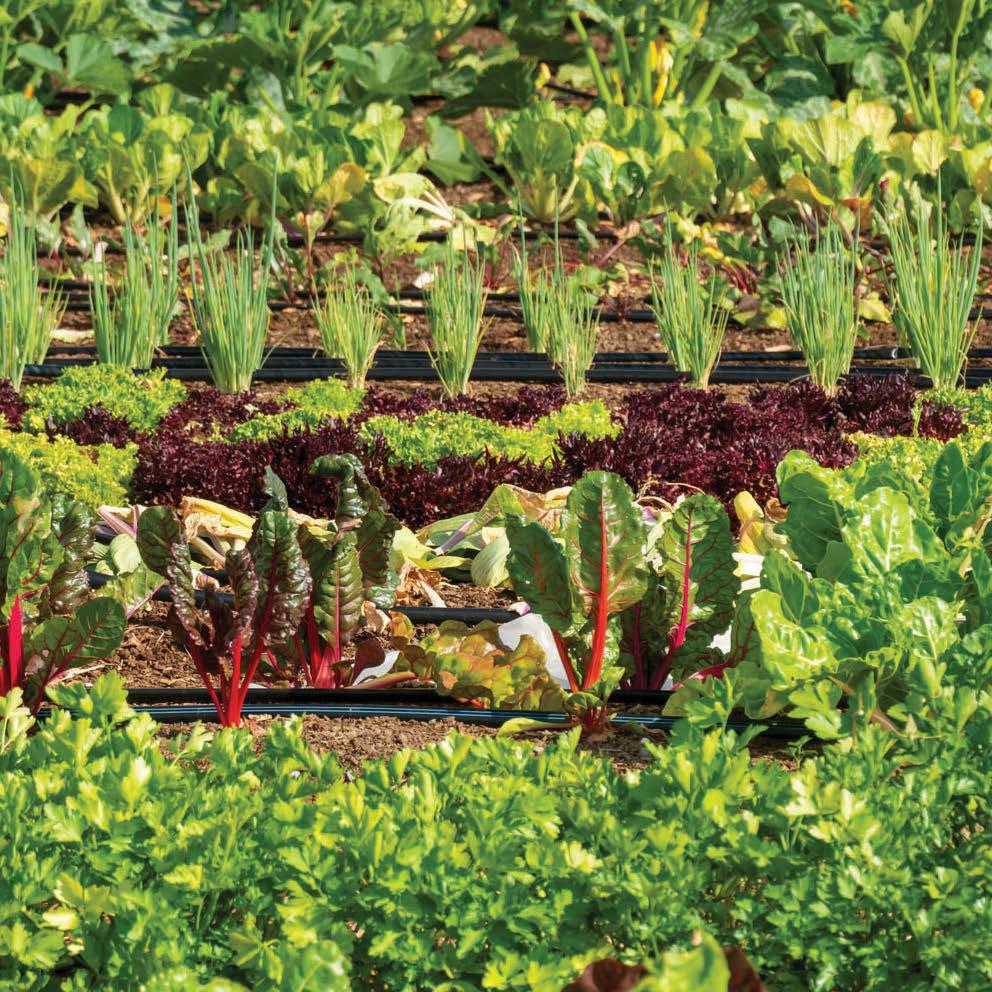
Food is produced
Dr. Craig Kolodge, Business Development and Sustainability Manager, San Pasqual Valley Soils
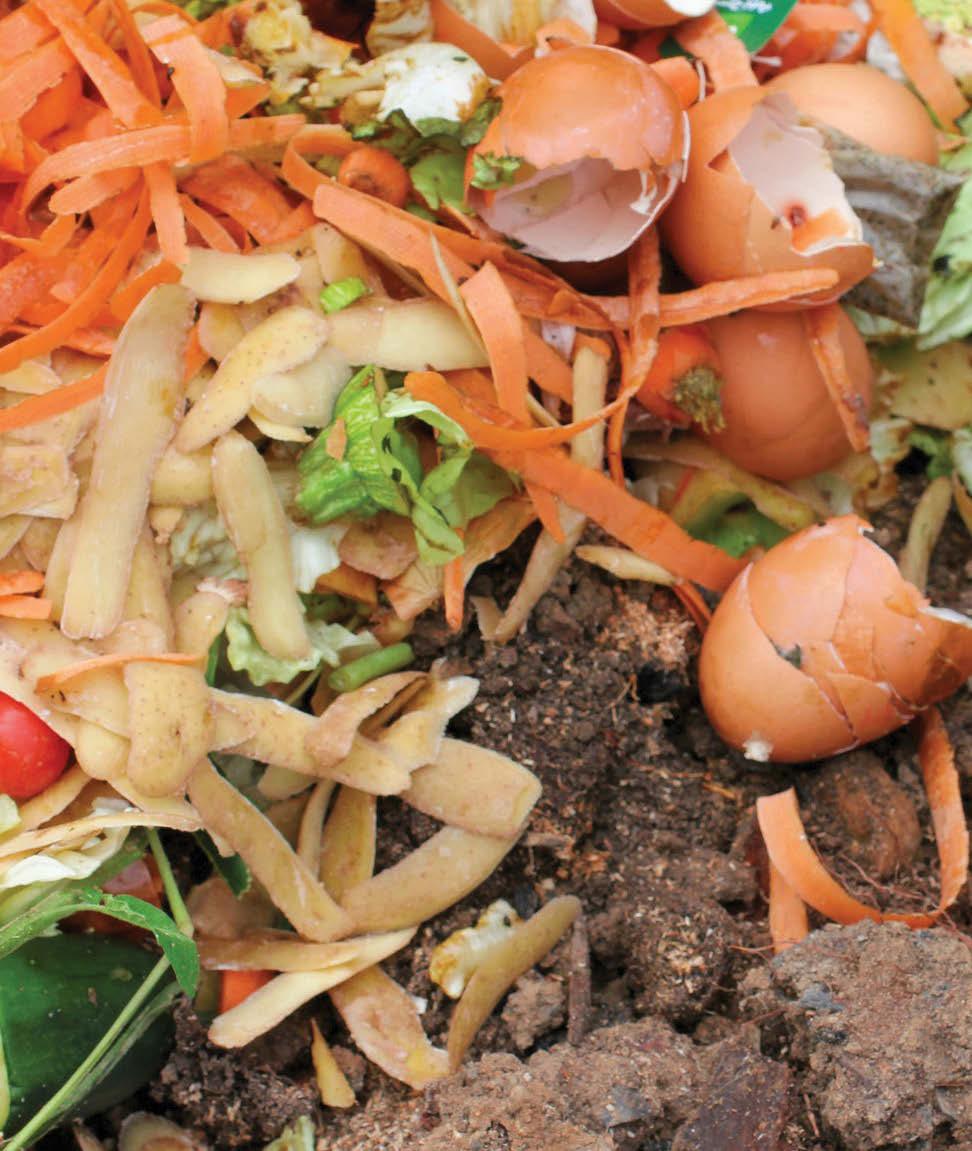
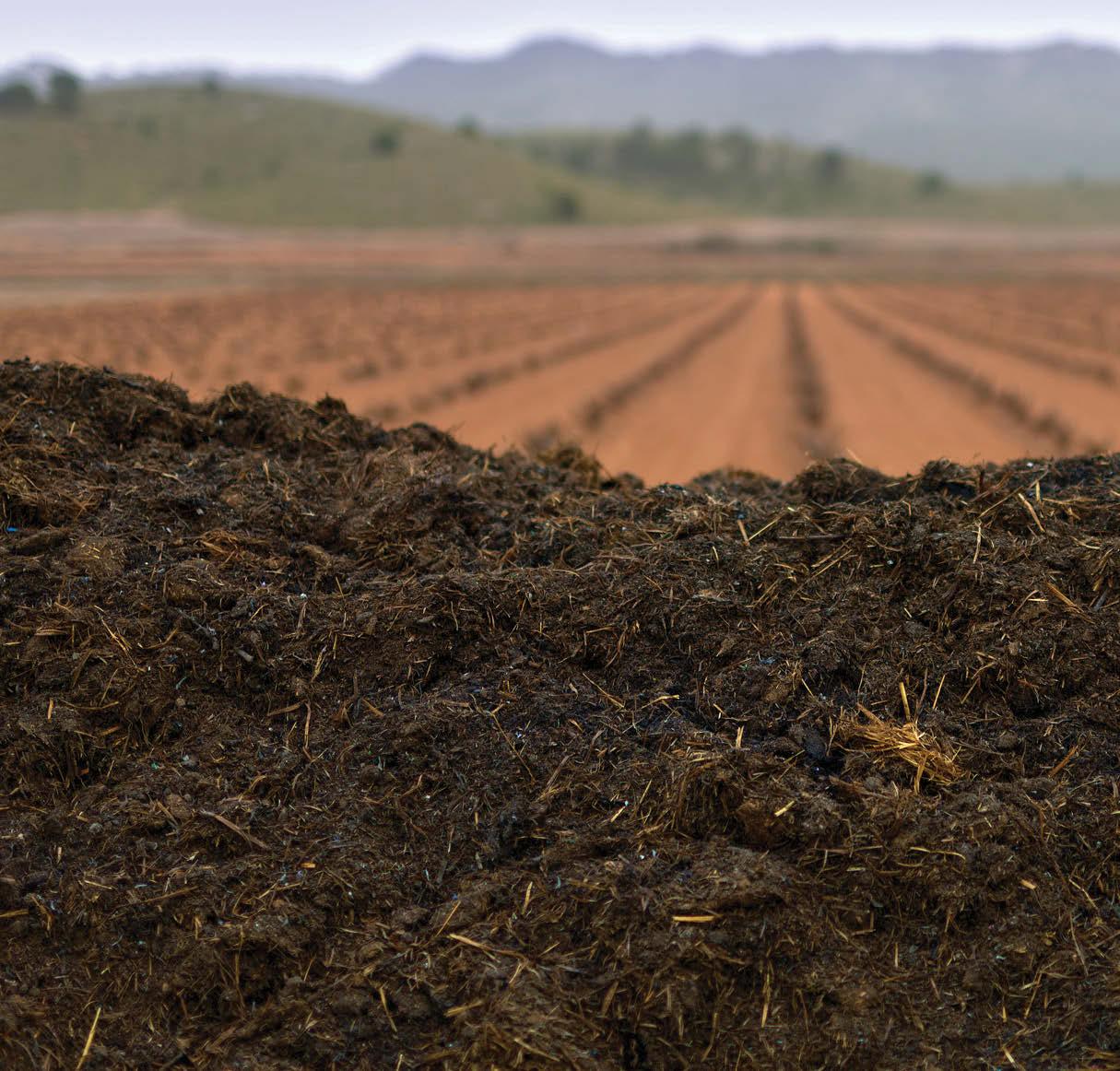
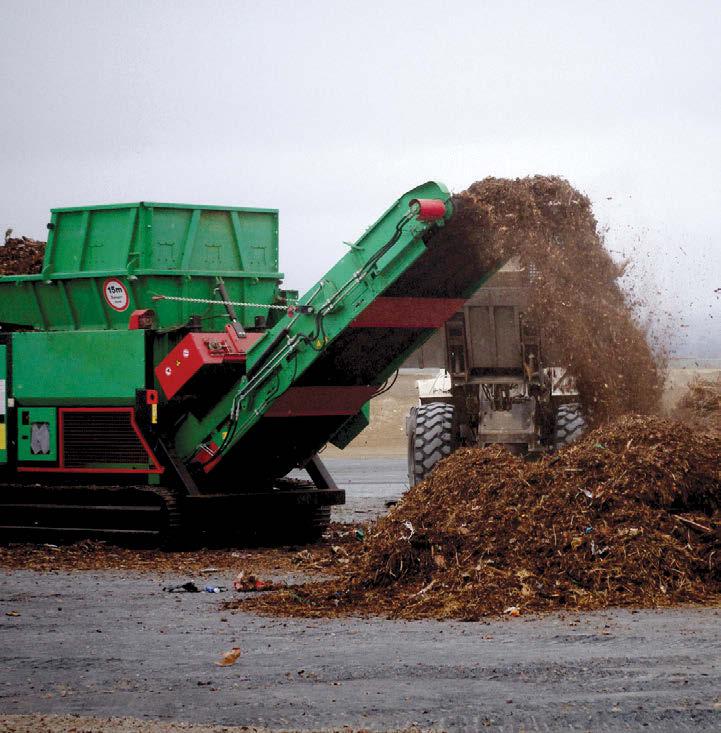

“Some people are confused about what belongs in the green bin and end up putting in more than they should. The
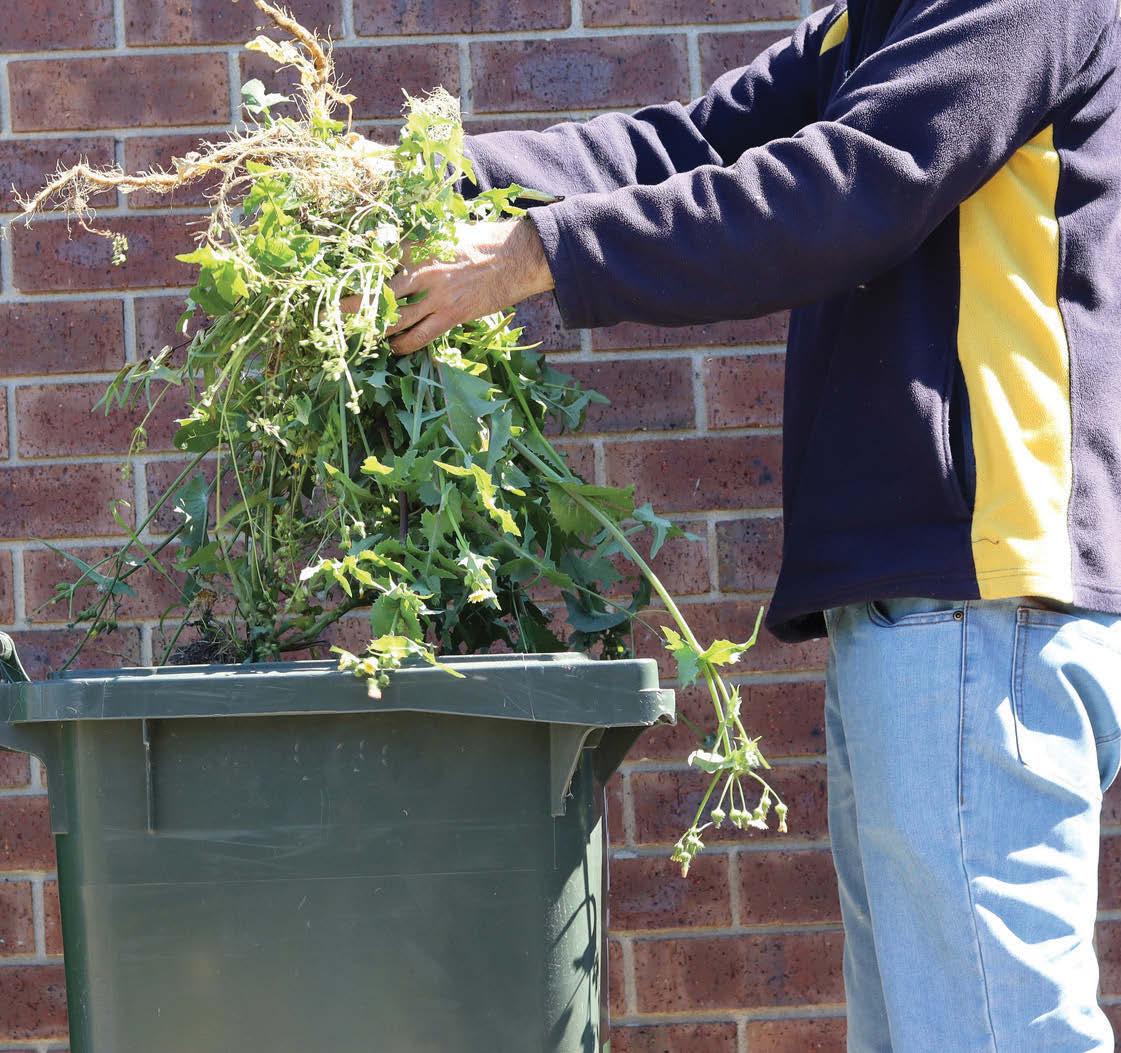
Organic waste is placed in the green bin

best advice is to check with your hauler to see what’s allowed in your
green bin.”
Risa Baron, Municipal Manager, Republic Services
YES If it grows, it goes!
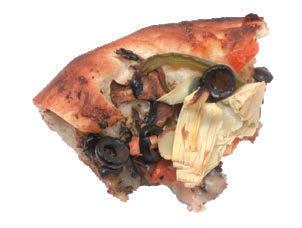
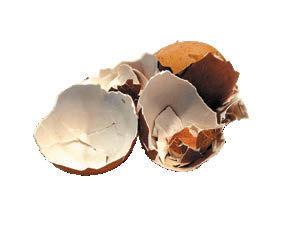
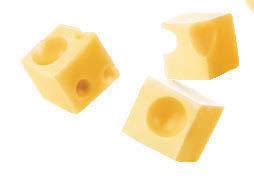
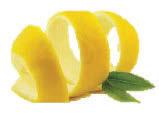
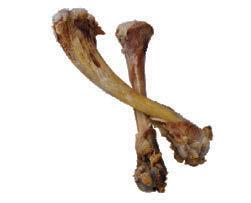

Food scraps — fruits, vegetables, meat, bones, dairy, eggshells, breads, coffee grounds, grains, prepared foods
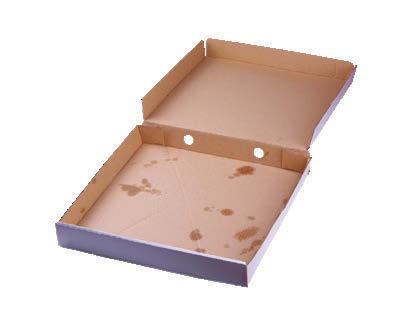
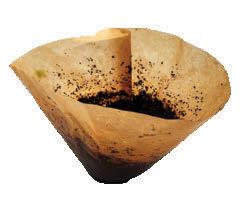
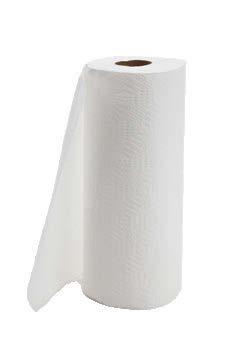
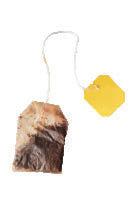
Food soiled paper — napkins, paper towels, paper tea bags, paper plates, coffee filters, greasy pizza boxes
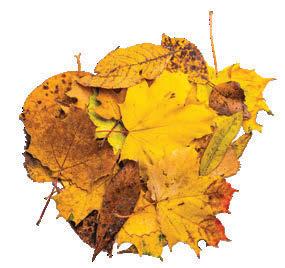
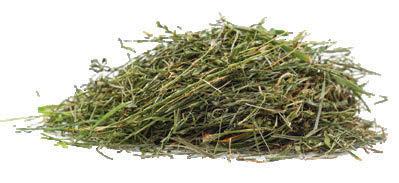
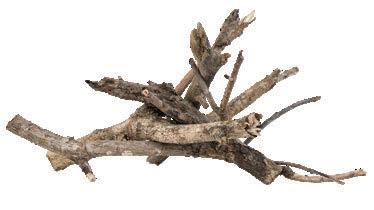
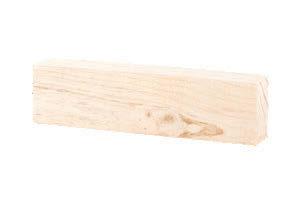
Yard trimmings — leaves, grass clippings, branches, unpainted and untreated wood and lumber
*Remove all produce stickers, twist ties, and rubber bands before placing items in your collection container.
*Not all foodware marketed as “compostable” is accepted at local composting facilities. Check with your hauler to confirm what they accept.
Have questions?
If you are uncertain whether an item should be placed in the organics bin, consult trusted resources such as your waste hauler, WasteFreeSD.org, or the County’s Recycling Hotline at 1-877-R-1-EARTH.
BY STACY BRANDT
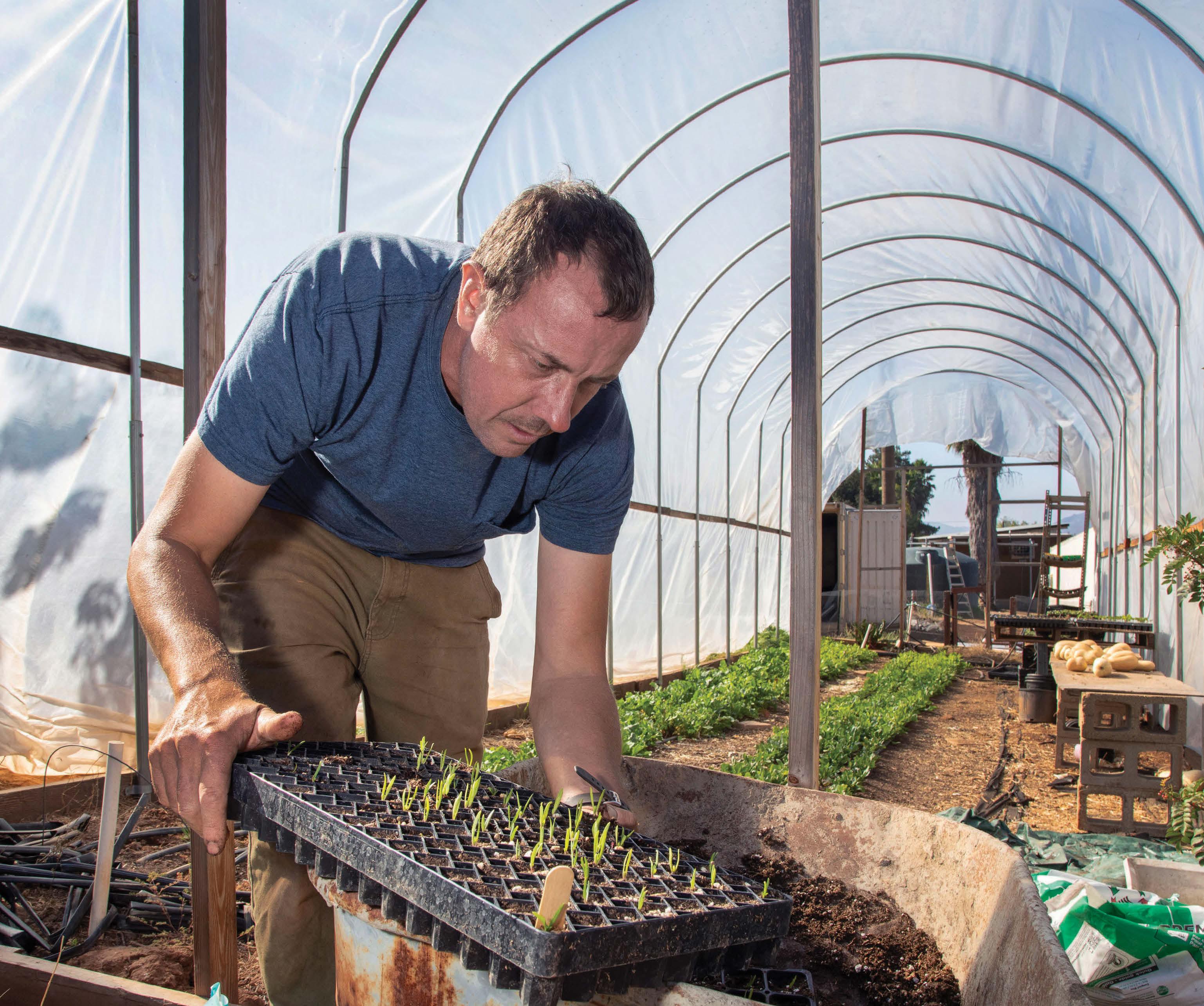
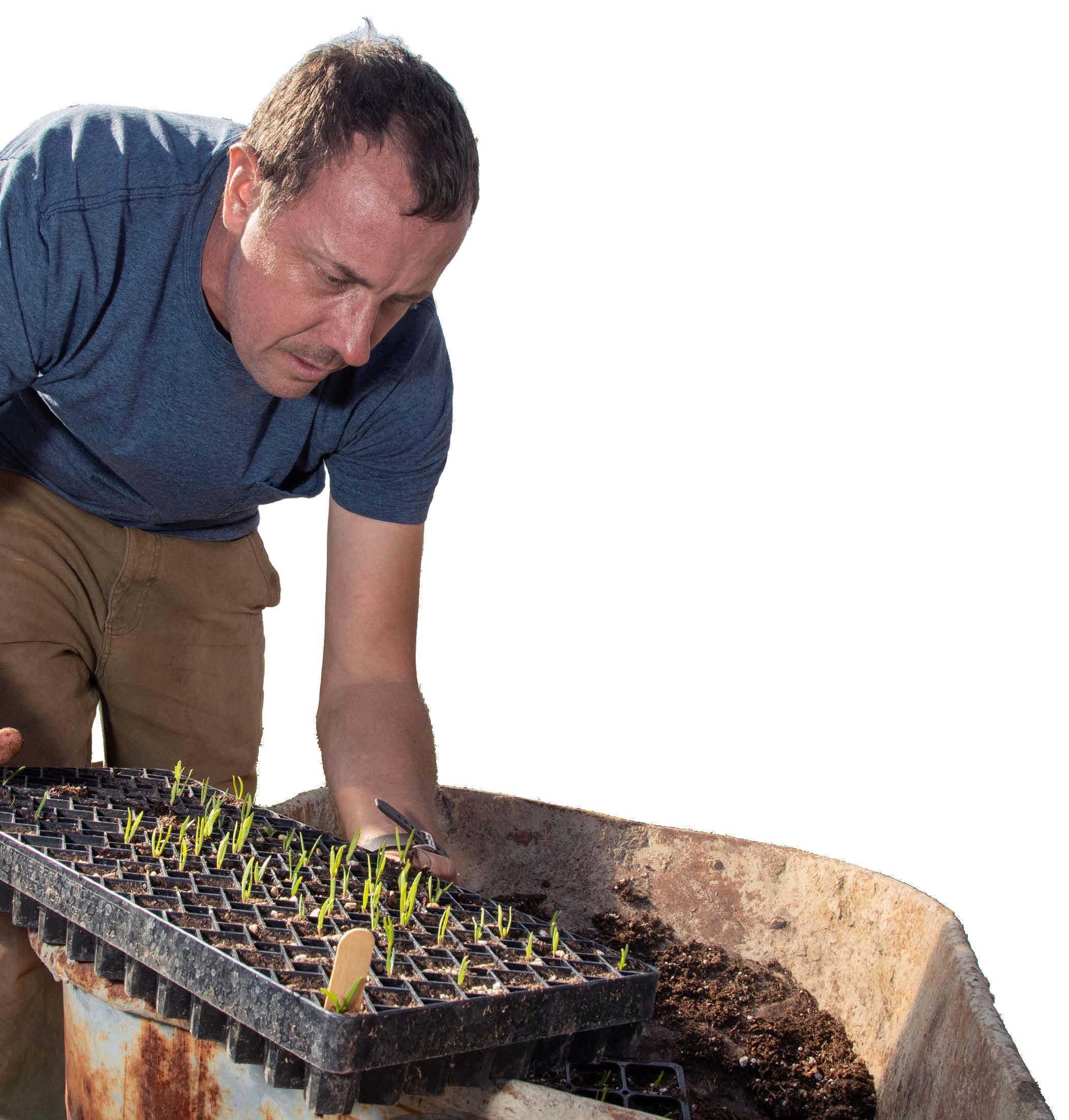
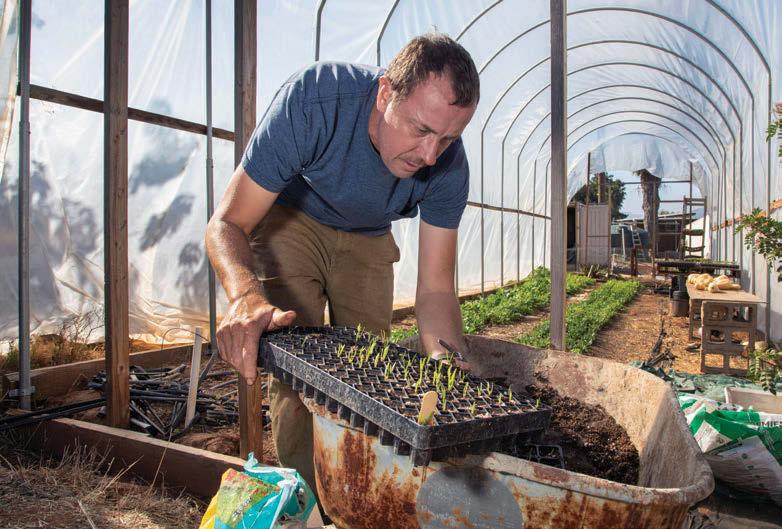
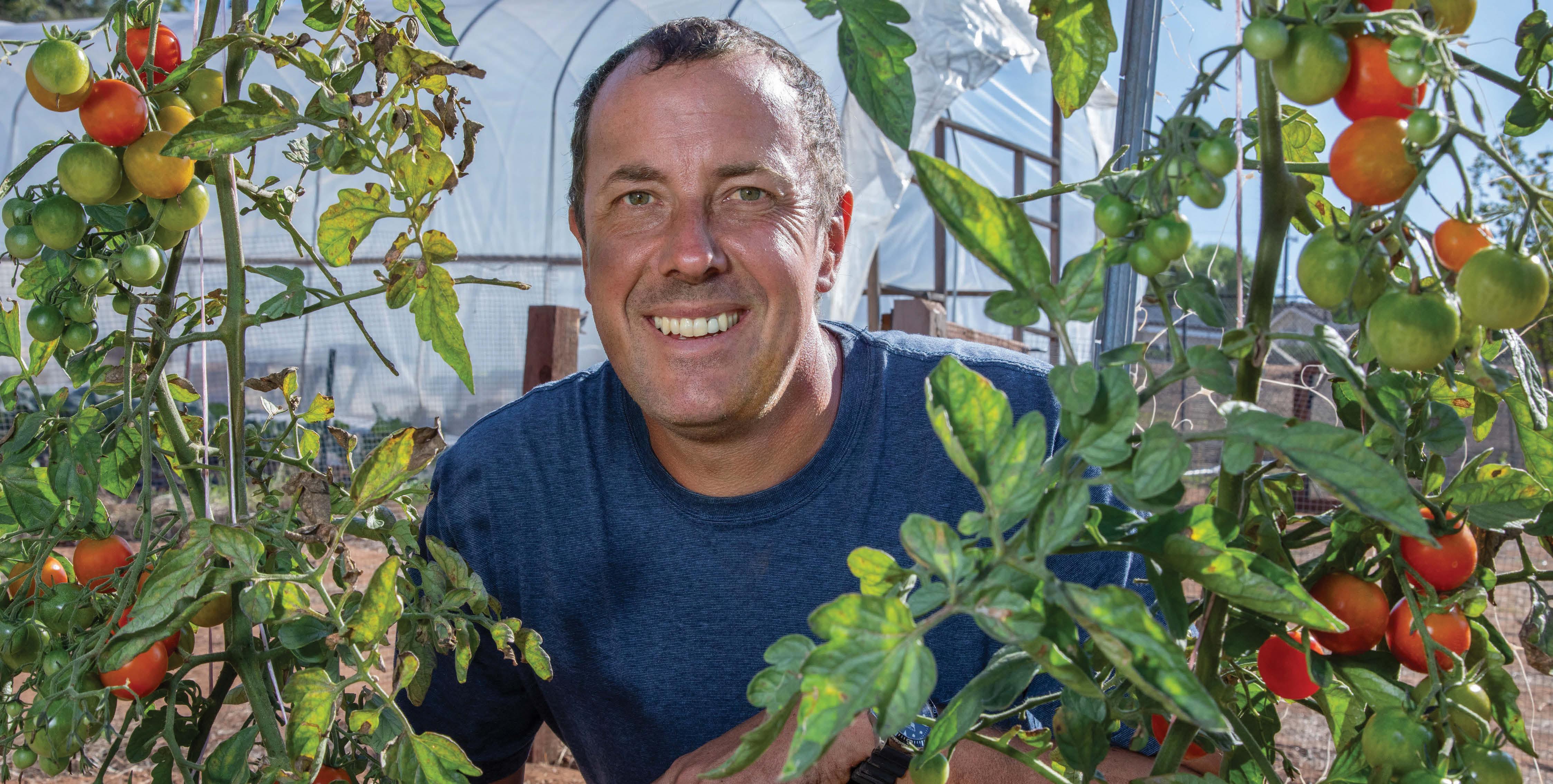
For Josh Raser, the quality of the soil at Hidden Valley Farm is as important as that of the vegetables that grow from it.
“It’s the foundation of my farm,” says Josh, owner and operator of the 1.5-acre farm in Escondido. “I’m building soil, and everything else comes off of that. Composting keeps the topsoil going and improves it.”
The secret to healthy soil at Hidden Valley Farm, he says, is using compost instead of chemicals or tilling. There is growing research about how diverse nutrients in soil can help protect it from pests and the effects of climate change, such as drought.
“Applying compost and building organic matter in the soil can help to create more long-term resilience to drought and water loss,” says Ellie Honan, Farm Conservation Advisor with the Resource Conservation District of Greater San Diego County. “I think that’s something that agriculture forgot for many years.”
The conservation district helps conserve natural resources by providing
education, technical assistance, and programs that promote sustainable land use. This includes connecting local farmers with federal, state, and local composting resources.
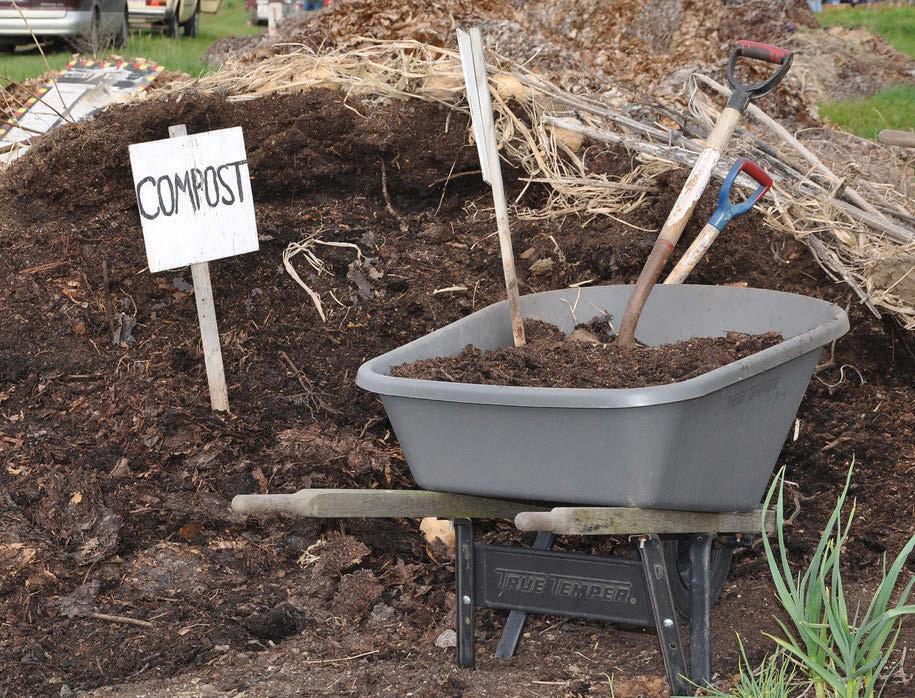
At Hidden Valley Farm, Josh creates his own compost with plant materials and food waste. He says this enriches
“Applying compost and building organic matter in the soil can help to create more long-term resilience to drought and water loss. ”
Ellie Honan
Farm Conservation Advisor, Resource Conservation District of Greater San Diego County
the soil for future generations, and the same simple composting techniques can be used by anyone, regardless of what and where they’re growing or how much space they have.
“Composting is something that anyone can do,” Josh says. “Even if you live in an apartment and are doing a little bit of backyard farming.”
By recycling materials such as food scraps and yard trimmings at home, residents are supporting San Diego County’s flourishing agriculture industry, which adds more than $2.8 billion to the local economy. The region’s unique climate and various microclimates allow local farmers to grow more than 200 diverse agricultural products. This includes everything from strawberries along the coast to apples in the mountains and palm trees in the desert. Most of those farms are small. Many focus on farming practices that are healthy for the environment, making composting and natural fertilization even more vital.
There are other important benefits to composting, especially on a large scale, Ellie says. By using organic materials instead of chemical fertilizers, farmers can help prevent runoff into local water sources. Composting also helps to cut down on methane production
that happens when food waste ends up in landfills. Methane is one of the leading contributors to global warming, and reducing its emissions through composting helps create a healthier global climate.
• Hidden Valley Farm Facebook: @hiddenvalleycommunityfarm
• Resource Conservation District of Greater San Diego County: RCDSanDiego.org
• Recycling Events: https://www. sandiegocounty.gov/content/sdc/ dpw/recycling/Events.html
• Information about the County’s composting efforts and community events can be found by searching for “compost” at SanDiegoCounty.gov
• San Diego Recycling: tinyurl.com/SDRecycling
Keeping organic waste out of landfills benefits everyone
BY ANNE STOKES
Landfills are a critical and limited resource.
Reducing the amount of material sent to them benefits our entire community and region. By working together to minimize waste and prioritize reuse whenever possible, we can help preserve this essential resource and ensure that future generations have safe, responsible places to manage materials that truly cannot be reused.
“Not sending organics to the landfill is a small but very accessible step that is available to all of us in California,” says Mallika Sen, Director of Environmental Solutions for the Solana Center for Environmental Innovation. “No matter who you are, no matter where you are, no matter how big or small you are, we all are being asked to do the same action, so let’s do it and do good for ourselves, our community, our planet and save money.”
generate methane—a potent climate-warming gas. This also accelerates the need for new disposal sites by taking up valuable landfill space.
SB 1383 aims to reduce the amount of organic waste sent to landfills by 75%. By keeping organics out of the trash stream, the law helps preserve limited landfill space, lowers greenhouse gas emissions, and ensures organic materials are transformed into valuable products like compost and renewable energy instead of being buried.
“No matter who you are, no matter where you are, no matter how big or small you are, we all are being asked to do the same action, so let’s do it and do good for ourselves, our community, our planet and save money.”
Mallika Sen Director of Environmental Solutions, Solana Center for Environmental Innovation
California’s Senate Bill 1383 (SB 1383) targets one of the largest contributors to landfill volume: organic waste. Food scraps, yard trimmings, and other organic materials make up a significant portion of what ends up in landfills, where they break down and
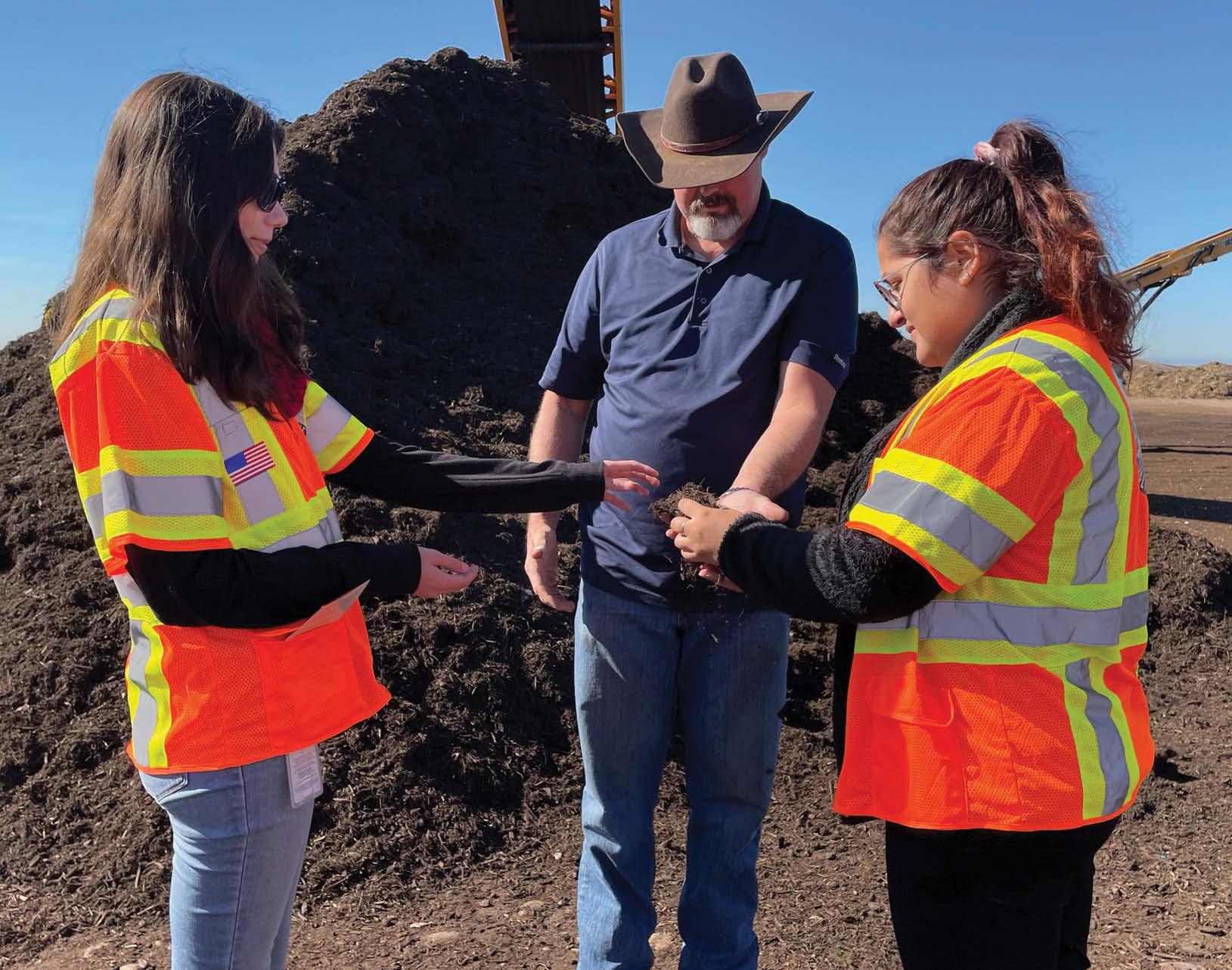
The success of SB 1383 requires everyone’s involvement. Dr. Craig Kolodge, Business Development and Sustainability Manager for San Pasqual Valley Soils, emphasized the greater importance of these efforts: “We need to educate ourselves and then teach others the art and practice of repurposing compost and how it benefits soil health,” he says.
“Without a focus on this ‘last mile organic recycling,’ we will fail to realize nature’s gift of regenerating all life on this planet.”

County of San Diego Department of Public Works

County Operations Center 5510 Overland Ave., Suite 310 San Diego, CA 92123
tinyurl.com/OrganicWasteRecycling
WasteFreeSD Hotline: 1-877-R-1-EARTH
Recycle@SDCounty.ca.gov
TO LEARN WHERE AND HOW TO RECYCLE JUST ABOUT ANYTHING:
Find out at WasteFreeSD.org
Call our toll-free hotlines:
Incorporated residents: 1-800-237-BLUE (1-800-237-2583)
Unincorporated residents: 1-877-R-1-EARTH (1-877-713-2784)
LIVE OPERATORS ARE AVAILABLE 8 A.M. TO 1 P.M. MONDAY THROUGH FRIDAY
WasteFreeSD.org
is a one-stop resource that offers information on how to repair, reuse, recycle, or properly dispose of household items, recyclables, and household hazardous waste. It provides users with easy access to information, connects to local resources that reduce waste, and offers solutions to common disposal problems.
I LOVE A CLEAN SAN DIEGO maintains information on more than 1,700 centers to help residents and businesses find hassle-free solutions.