Photography Justen Williams
Setting out to explore New Orleans but don’t know where to start? Between the food, architecture, music, and culture, the options are endless. From signature dishes to riding the streetcar 101 and ten things you must do on a visit to the city, we’ve got you covered in this guide to New Orleans.
PS: Don’t stop here–discover even more insider tips, itineraries, and more at NewOrleans.com .
1. Eat and Drink Our Most Famous Dishes and Cocktails
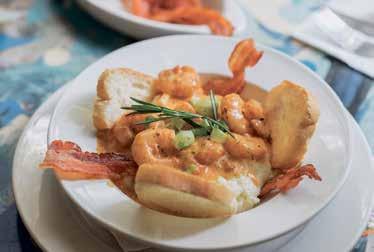
New Orleans is a foodie’s paradise where you can discover cuisines from around the world. But trying classic New Orleans cuisine is a must – think: red beans and rice, gumbo, po-boys, beignets, and seafood. See page 3 for more on classic dishes.
While the French Quarter is one of New Orleans’ most famous neighborhoods, there’s so much to explore in NOLA. Shop along Magazine Street from Uptown to Lower Garden District, enjoy the art scene of the Bywater, and visit the historically Black neighborhood of Tremé. Visit page 9 for more on New Orleans neighborhoods.
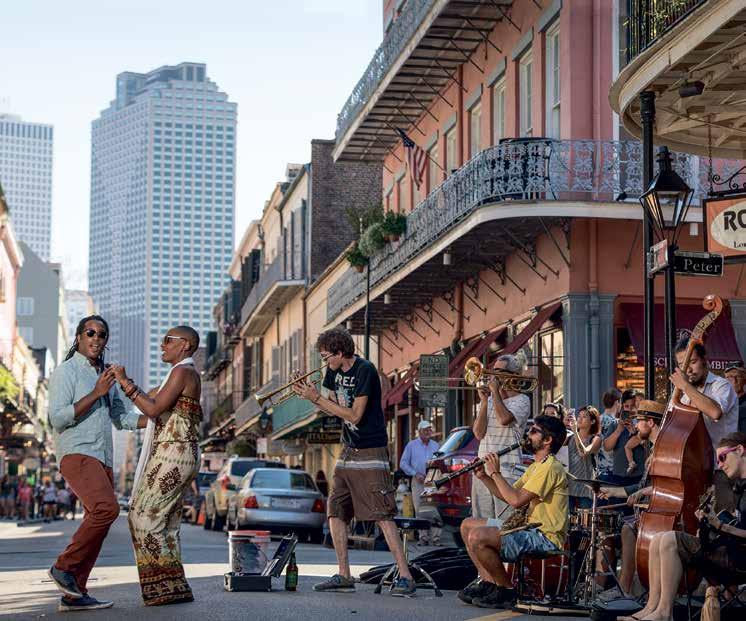
Whether it be a jazz club, music festival, or street performer, music is everywhere you turn in New Orleans. Try club hopping on Frenchmen Street for a fun time. See page 6 to discover the sounds of the city and where to hear them.
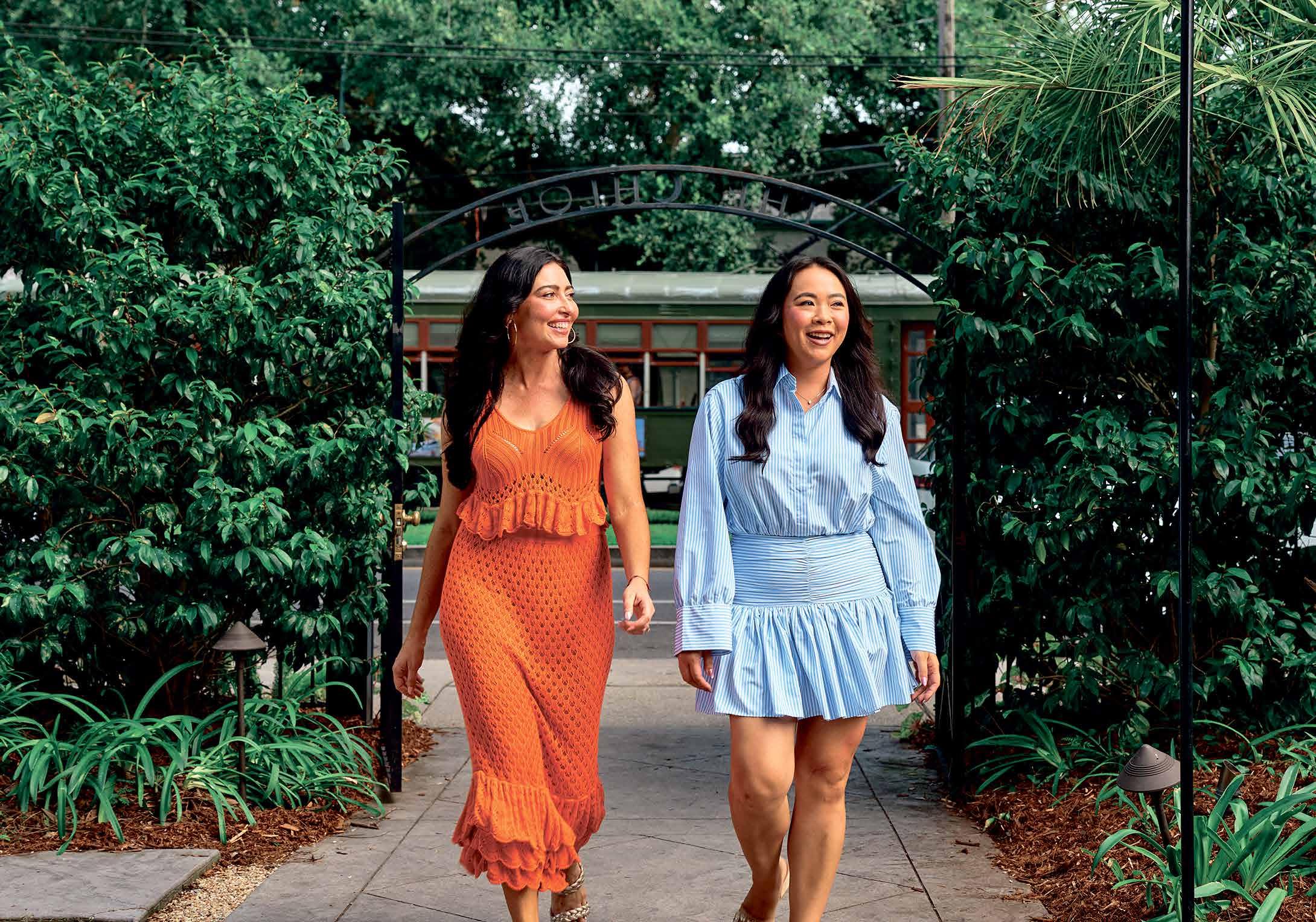
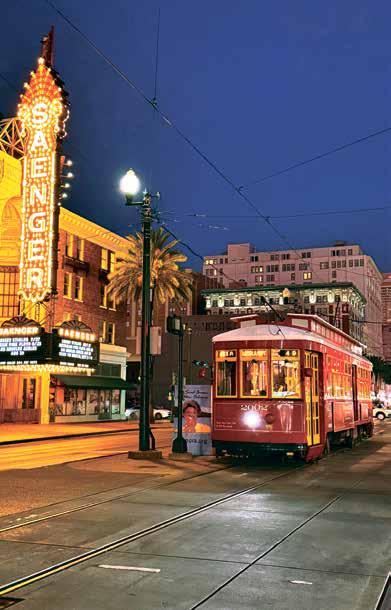
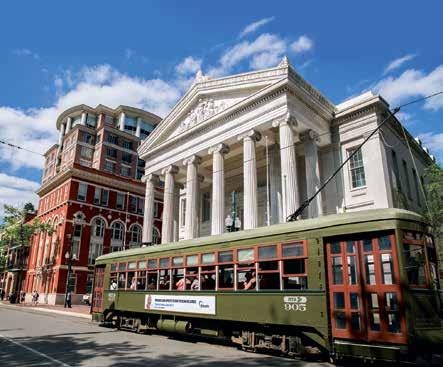
All aboard! The streetcar is one of the most convenient and lowcost ways to get around the city. With four different lines, you can take in the architecture of St. Charles Avenue, travel along the edge of the Mississippi River, and get from one end of the city to another. Check out page 7 for our tips and tricks for riding the streetcar.
History and culture, architecture and neighborhoods, ghosts and cemeteries; these are just a few of the tour offerings in New Orleans. Biking and walking tours are among the most popular, but you can even hop on a bus tour for more ways to see the city.
With more than 130 festivals per year, New Orleans has events every weekend! The New Orleans Jazz and Heritage Festival is a local favorite, where musicians of every genre take the stage and beloved restaurants and caterers return year-afteryear to offer the best festival food you’ll ever eat. Speaking of food, there are festivals dedicated to specific foods, like the Tremé Creole Gumbo Fest, Oak Street Po-Boy Fest, National Fried Chicken Fest, and French Market Creole Tomato Fest
There are also plenty of festivals with free admission, with French Quarter Fest being the largest free festival in the entire state!
Fun knows no age limits at the Audubon Aquarium and Insectarium, nestled on the scenic Mississippi Riverfront. You might just want to hop aboard Steamboat NATCHEZ or Creole Queen and cruise down the Mississippi River. Or take a walk in Crescent Park. Heading Uptown, catch a different view of the river at The Fly, where crawfish boils and barbecues are par for the course.
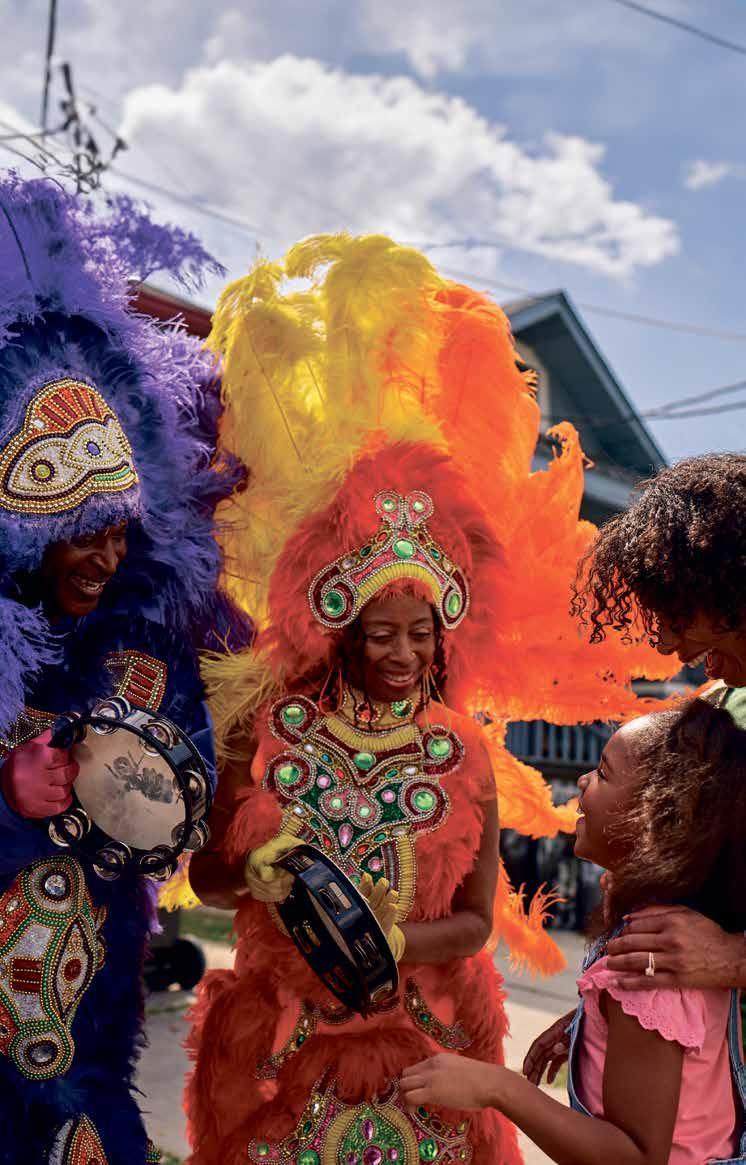
The museum scene in New Orleans is expansive, with everything from the sprawling campus of the National WWII Museum to the largest collection of Southern art at the Ogden Museum of Southern Art. You’ll want to get out your camera for the Insta-worthy JAMNOLA, or how about seeing the Black Masking Indian suits at the Backstreet Cultural Museum, where the hand-beading and craftsmanship will leave you stunned. There’s a museum for everyone in NOLA.
Swamp tours are a fun way to see Louisiana nature up-close. Hop in an airboat, kayak, or even a zipline to say hello to the gators, raccoons, and other wildlife. Walking tours are also available if you’d like a tamer experience.
Sometimes the best guide of all is just striking up a conversation with your server, bartender, cashier, or bellman. Some of the best experiences are uncovered through talking to locals. The hospitality of New Orleanians is simply unmatched!
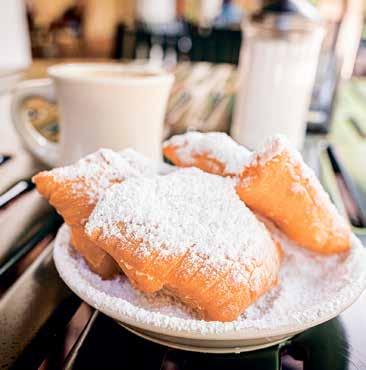
Deep fried dough covered in mounds of powdered sugar: beignets are most similar to a donut yet so different. Often served in an order of three, beignets pair perfectly with a cup of café au lait or glass of milk.
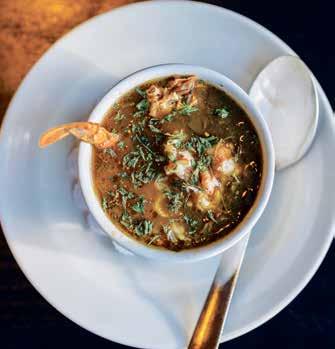
Starting with a dark roux and often featuring chicken, andouille, seafood, or okra, gumbo is a must-try dish packed with tons of flavor. Try it served over potato salad if you want to eat like a local!
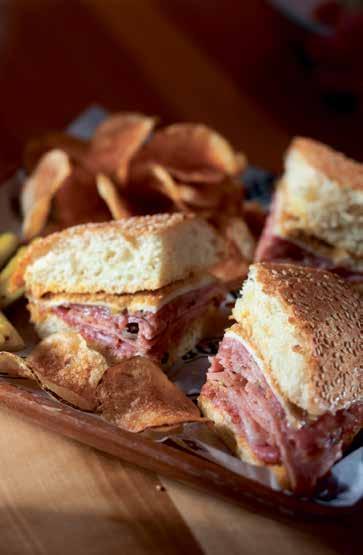
Meat lovers rejoice! A Sicilian specialty since the 1900s, the muffuletta is one heck of a sandwich, filled with ham, mortadella, salami, mozzarella, provolone, and olive salad.
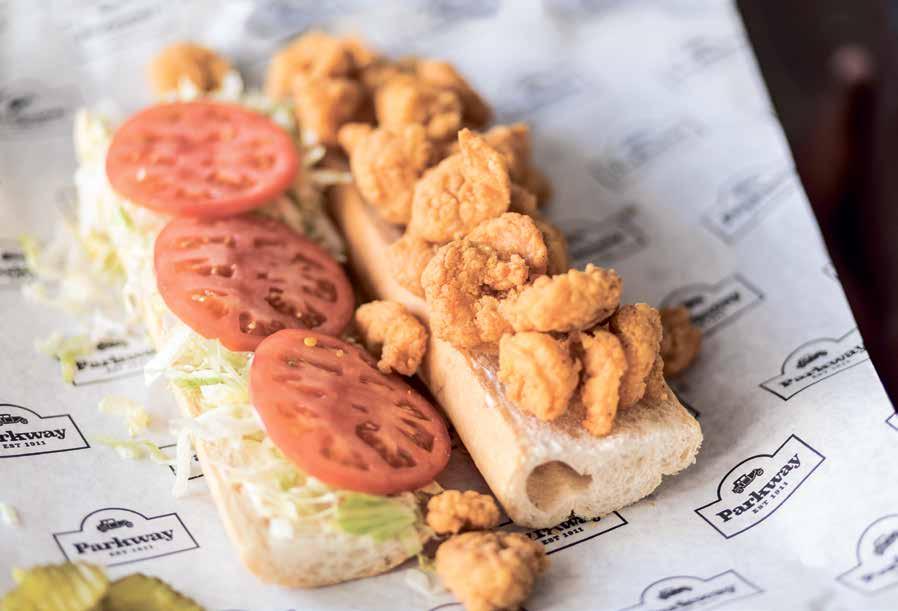
Invented during the 1929 streetcar strike and affectionately called “poor boys,” these sandwiches are often chock-full of fried seafood, roast beef, or hot sausage between two slices of French bread. Order ‘em “dressed” to get all the fixins.
An Italian-Creole classic, this dish features tail-on shrimp bathed in butter and Worcestershire sauce. Best eaten with your hands and some bread for sopping it all up, it’s often served with a bib to keep the (delicious) mess off of your outfit.
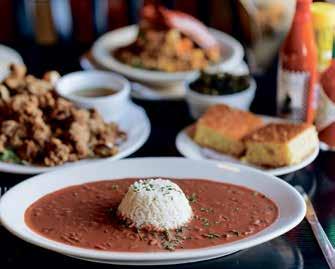
What started as a Monday tradition is now an everyday staple: spiced beans simmered low and slow and accompanied by jasmine rice and andouille sausage.
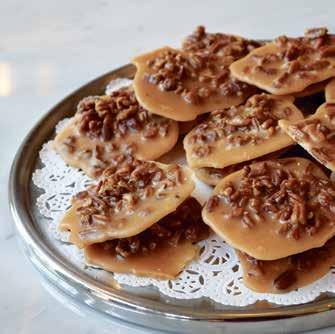
Pralines are a classic New Orleans candy made with sugar, milk, butter, and pecans. Enjoy the traditional or opt for a flavor such as chocolate, rum, coconut, or peanut butter.
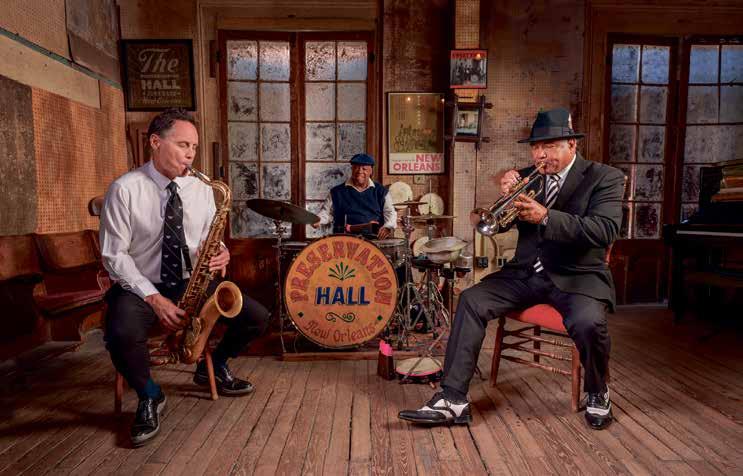
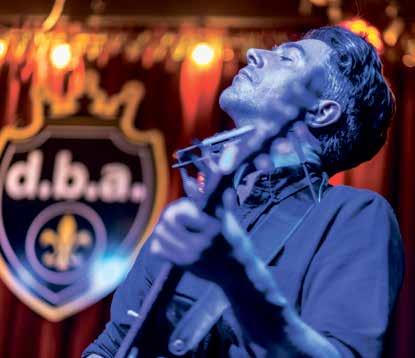
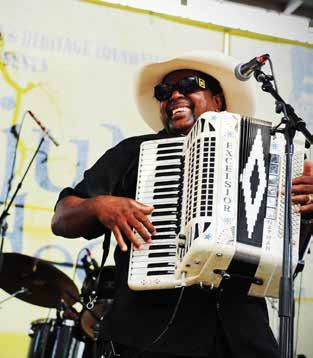
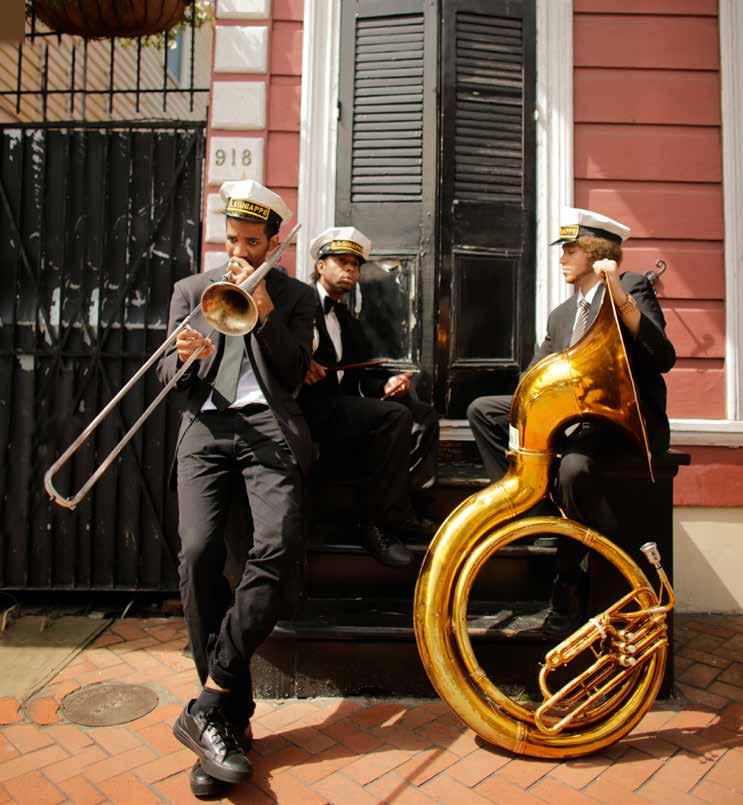
Between the street performers, jazz clubs, and festivals, music is everywhere you turn in New Orleans. Some of the top music genres were birthed here, and many live on through the souls of musicians who take the stage each night.
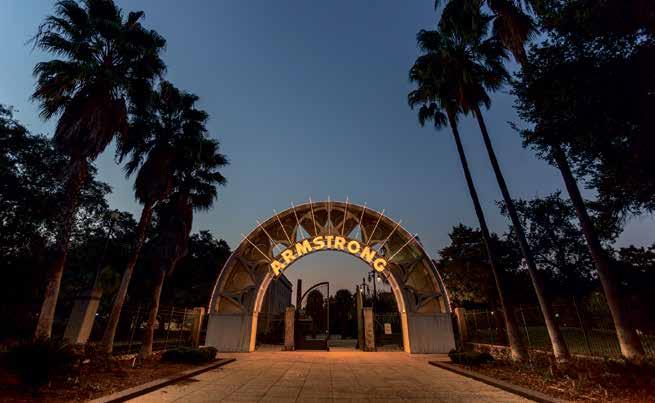
New Orleans, over 300 years old, is widely considered the birthplace of jazz. Late 19th and early 20th century musicians like Louis Armstrong, Jelly Roll Morton, and Buddy Bolden sparked jazz’s rise locally and nationally. The legacy lives on through clubs like Preservation Hall and today’s living legends like Jon Batiste and Irma Thomas, proving that no one does it better than NOLA.
It’s the sounds of a trumpet blaring, a snare thumping, and a tuba bellowing that signals a brass band is marching down the street. It’s the kind of toe-tapping, hand-clapping, spirit-lifting music that makes you say “this is New Orleans.” Experience the sounds of a brass band at a club like the Maple Leaf or at one of our many annual festivals. And don’t be afraid to get up and dance!
A genre that’s uniquely New Orleans, bounce originated in the late 1980s and has made its way into the popular music of today. Big Freedia, aka The Queen of Bounce, is a hometown hero who regularly performs in the city. Bounce is another genre known for getting people up on their feet and letting loose.
Zydeco borders on Americana and folk-rock, but remains a genre in its own right. The style was birthed in Southwest Louisiana from Cajun-French communities. It features an accordion and rubboard (washboard), plus electric guitar, bass, keyboard, and drums. Zydeco performances often feature a dance floor. Several festivals throughout the year celebrate Zydeco music.
A crooning voice, harmonica in hand, with a guitar slung over your shoulder; these are the hallmarks of a great Blues musician. Professor Longhair, Dr. John, and Marcia Ball are among the most well-known Blues musicians from NOLA. Go club hopping on Frenchmen Street for a taste of the Blues.
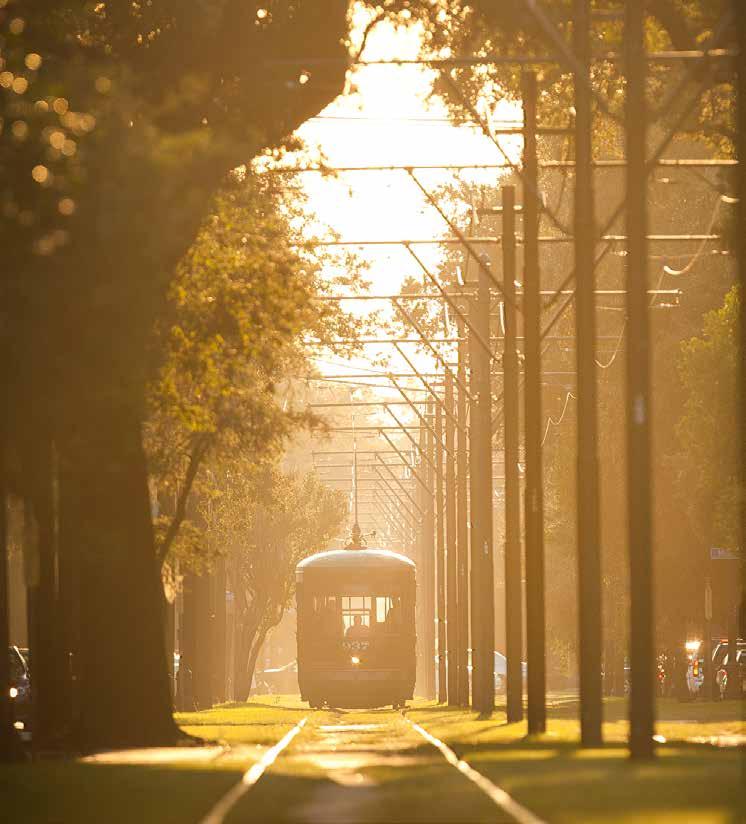
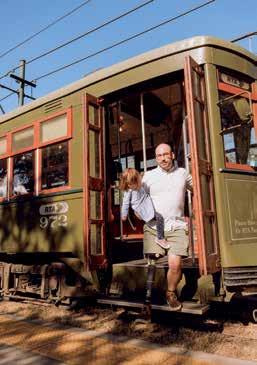
Streetcars are a convenient and affordable way to get around the city. With four lines, there are so many places to discover on your journey.
Pro Tip: Download the Le Pass app to purchase fare on your phone! Get a single use pass or opt for a Jazzy Pass, which gets you unlimited rides all day – it’s a great deal!
Spanning Uptown, the Garden District, and downtown, the St. Charles Avenue Streetcar line is the longest at approximately six miles long. There are so many restaurants, bars, and shops along the way, so don’t be afraid to linger longer at any given spot.
The Canal Streetcar line splits into two routes; in one journey, go from the foot of Canal Street in the French Quarter to the New Orleans Museum of Art in Mid-City. On another, ride all the way to the cemeteries, where history and its spirits await you. Pro tip: Signage on the front of the streetcar will tell you which direction the car is headed–be sure to double-check before you hop on.
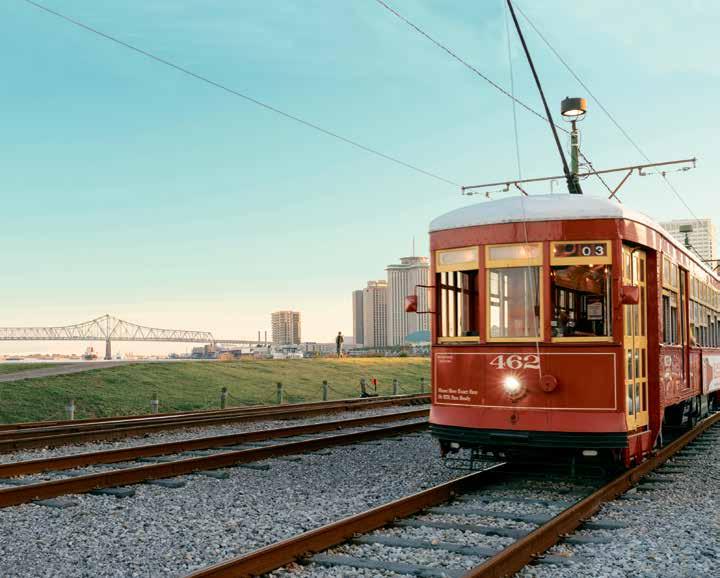
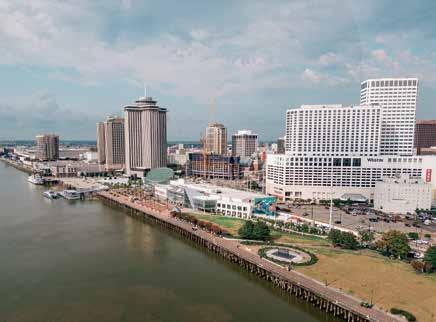
This two-mile route runs parallel to the Mississippi River, where you can ride from the French Market all the way to the Convention Center.
On the other edge of the French Quarter parallel to the Riverfront Streetcar line, you’ll find the Rampart line. Cruise through Tremé and into the Marigny/Bywater through the convenience of this line. It begins at Union Passenger Terminal, perfect to catch if you’re taking an Amtrak into the city.
Scan to discover more places by riding the streetcar lines
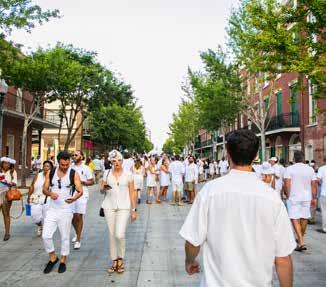
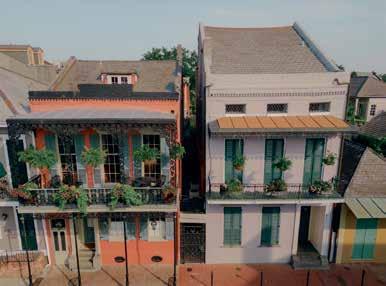

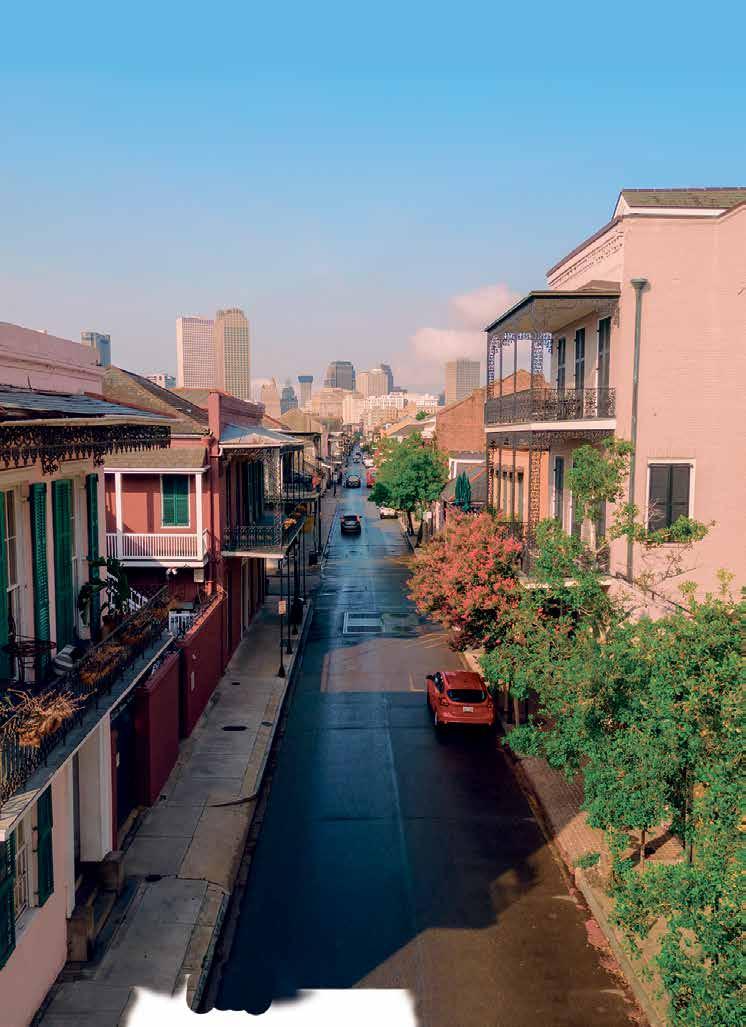
Often called the Crown Jewel of New Orleans, the French Quarter blends over 300 years of history with modern attractions. Go club hopping for jazz, visit museums, or dine at award-winning restaurants. Embrace the colorful architecture and lively atmosphere of this historic neighborhood when visiting New Orleans.
Uptown is an expansive area with charming sub-neighborhoods. The St. Charles Avenue streetcar is the oldest and longest line! Take in centuries-old architecture framed by live oaks as you traverse the neighborhood. Shop on Magazine Street, explore different cuisines, and visit Audubon Park and Zoo when in Uptown.
New Orleans’ main business corridor comes alive during the work week and transforms on weekends with festivals in Lafayette Square
The neighborhood houses several theaters including the Saenger, Orpheum, and Joy for concerts and musicals, plus the Smoothie King Center (Pelicans NBA) and Caesars Superdome (Saints NFL)
Among the chicest neighborhoods in New Orleans, the Warehouse District features boutique hotels, award-winning restaurants, and distinctive 19th century architecture. Browse Julia Street galleries and museums like the Ogden Museum of Southern Art, National WWII Museum, and Contemporary Arts Center. The adjacent Convention District offers walkable amenities for conference and business visitors.
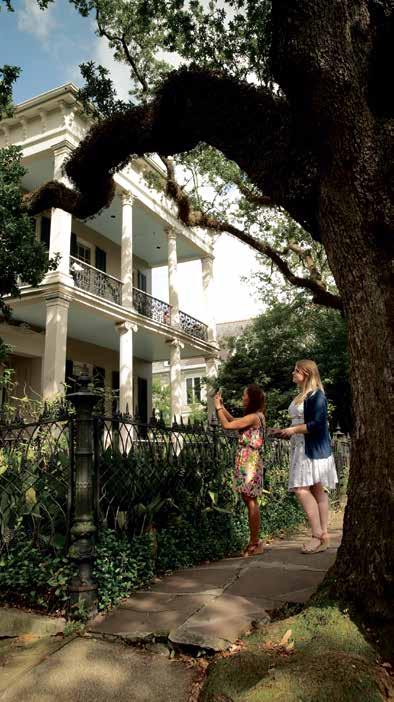
Tremé is the oldest historically Black neighborhood in America, home to restaurants that fueled the Civil Rights Movement. Bursting with culture, visit museums and landmarks that tell the neighborhood’s story. Experience exceptional Creole cuisine, live music, and festivals celebrating Tremé throughout the year.
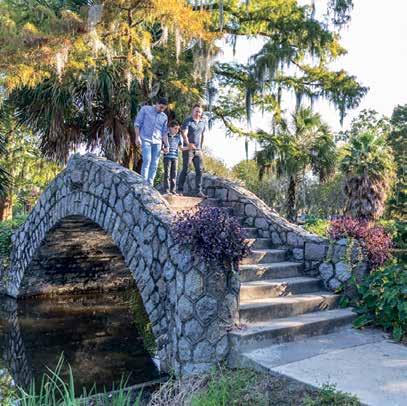
Mid-City is home to exceptional food, festivals, and City Park, an oasis spanning 1,300+ acres with walking trails, sculpture and botanical gardens, an amusement park, mini golf, two major museums, and Café du Monde. Nearby Bayou St. John offers kayaking and waterfront picnics. This laid-back neighborhood with a local feel promises to keep you coming back.
Nestled just downriver from the French Quarter is a neighborhood full of public art, music clubs, and restaurants. Visit Crescent Park, check out the street murals, step into a dive bar, and eat your way through this quirky neighborhood.
Scan to discover more on New Orleans' neighborhoods