Head of Content & Digital Strategy: Varushka Padayachi
Production Manager: Angela Silver
Group Art Director: David Kyslinger
MEDIA24 MEDIA
CEO: Minette Ferreira
CFO: Lana Goliath
MEDIA24 CORPORATE
CEO MEDIA24: Raj Lalbahadur CFO MEDIA24: Nelmarie Beyers
B2B JOHANNESBURG OFFICE
Building 13, The Woodlands Office Park, 20 Woodlands Drive, Woodmead, Sandton PO Box 784698, Sandton 2146 Tel: +27 11 867 6111
Published by Media24 B2B www.medicalacademic.co.za
Printed by Novus Print, Cape Town COVER PRICE Specialist Forum per issue R80,00 VAT Incl. ISSN: 2218-8282
Cover photograph: Getty Images/evemilla
Disclaimer: Please take note that the products featured in this journal are available in South Africa. Products may be marketed under a different name or might not be registered in your country. For more information, contact your local representative. All content in Specialist Forum is sourced independently and under no circumstances should articles be considered promotional unless specified with a postscript.
Articles are created with the assistance of artificial intelligence (AI) tools to aid in research and drafting. The content has been reviewed and edited by a human expert for quality and reliability.
Please note that all advertising is intended for healthcare professionals only.
Unless previously agreed in writing, Specialist Forum owns all rights to all contributions, whether image or text.
The May issue of Specialist Forum is anchored by a unifying theme: Allergy and its far-reaching consequences. Allergic disease spans the respiratory tract, the skin, and the systemic immune axis – and its burden continues to increase across South Africa and globally.
Allergic rhinitis (AR) provides the clinical centerpiece of this edition. It remains among the most prevalent immunemediated conditions in both primary and specialist practice yet is chronically underdiagnosed and undertreated.
Two articles examine its management. The CPD article offers a structured framework from allergen avoidance and nasal irrigation through to combination intranasal pharmacotherapy and immunotherapy for refractory disease.
The second article focuses on bilastine, a modern non-sedating H1-antihistamine with strong evidence for symptom control in AR and chronic urticaria, without meaningful impairment of cognition or driving ability – a clinically significant distinction in a workingage population.
The dermatological impact of allergic disease is highlighted in an update on atopic dermatitis, aligned with the first paediatric-specific guidelines from the American Academy of Dermatology, outlining management approaches ranging from emollients and topical corticosteroids to biologic therapies for moderate-to-severe disease.
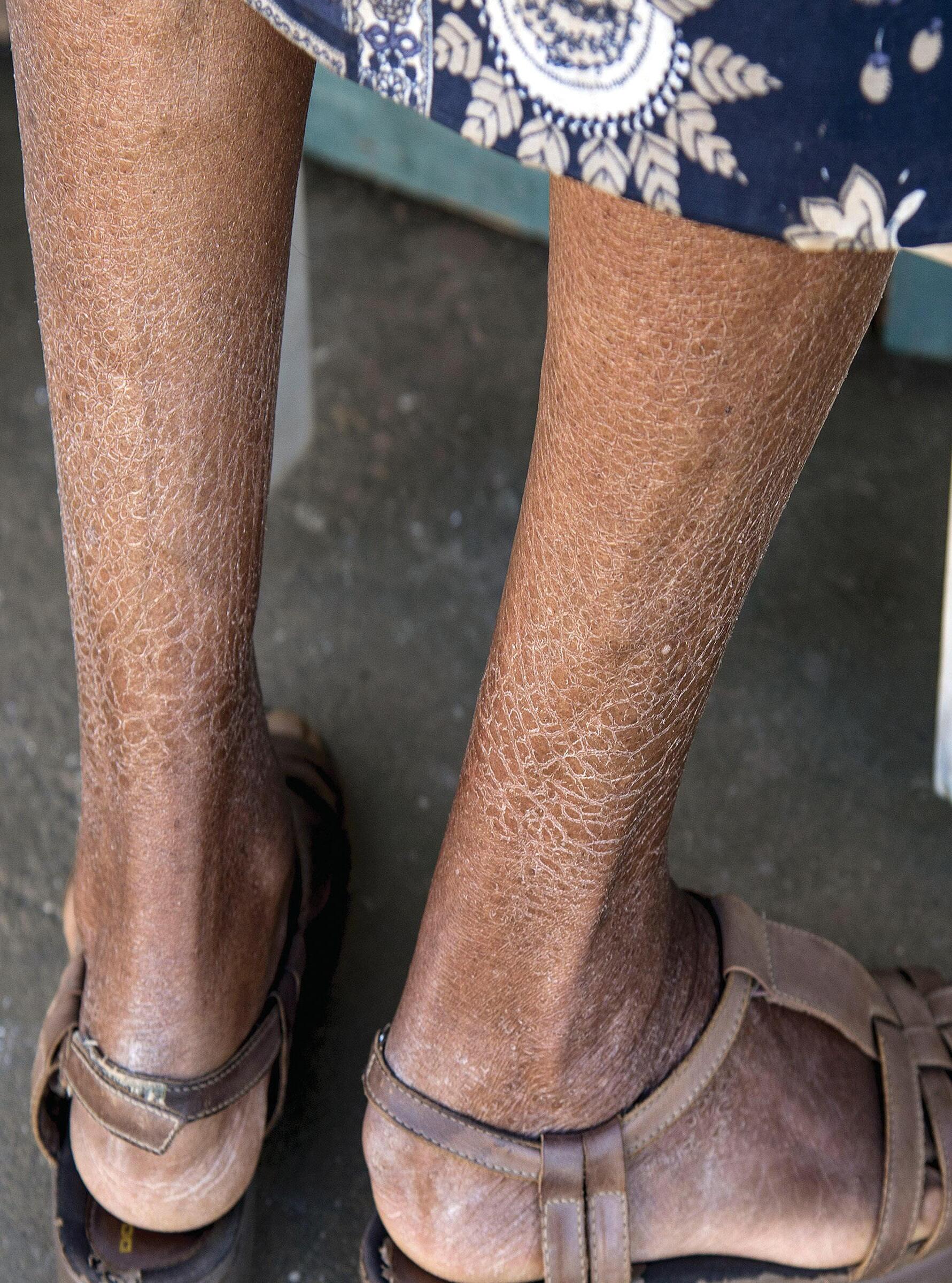
A companion article on winter-related xerosis cutis explores the progression from dry skin to asteatotic eczema – particularly in elderly patients – and reinforces proactive emollient use as a firstline strategy.
The respiratory theme continues with articles on cough evaluation, rhinosinusitis, and distinguishing the common cold from influenza. The rhinosinusitis review explores emerging perspectives on its association with obstructive sleep apnoea and the gut-sinus microbiome axis. In the cough infographic, we highlight 10 facts to better understand its causes, classification, and clinical significance.
Don’t miss the interview with Dr Alan, pulmonologist and clinical head of the Internal Medicine Unit at Chris Hani Baragwanath
Academic Hospital in Johannesburg. The article looks at the cocirculation of influenza and respiratory syncytial virus in South Africa this winter underscores vaccination as the cornerstone of prevention for vulnerable populations, including those with chronic lung disease, HIV, and tuberculosis.
Beyond allergy and respiratory disease, this issue covers several topics of broader clinical relevance. Our health awareness features focus on Multiple Sclerosis Awareness Day (30 May) and World No Tobacco Day (31 May). Multiple sclerosis is explored through the updated McDonald diagnostic criteria and the barriers to equitable neurological care across sub-Saharan Africa. The World No Tobacco Day feature examines nicotine replacement therapy as an accessible smoking cessation strategy under the theme, Unmasking the appeal – countering nicotine and tobacco addiction
Our second CPD article focuses on a real-world evaluation of insulin degludec/aspart (IDegAsp) in South African patients with type 2 diabetes demonstrates meaningful glycaemic improvement and reduced hypoglycaemia in routine practice.
The DignitySA legal challenge to South Africa’s prohibition on medical assistance in dying is also reviewed for its clinical, ethical, and medico-legal implications. This issue further previews the 11th Federation of Infectious Diseases Societies of Southern Africa Congress taking place in Cape Town this June.
These articles reflect our commitment to translating scientific evidence into clinically actionable insight – equipping practitioners to deliver confident, patient-centred care. As always, we welcome your feedback, perspectives, and contributions. SF
Deneshree Varaden Editor, Specialist Forum
Prof Martin Brand, Medical Adviser at Medical Protection
Adopting AI responsibly
In 2018, Elaine Herzberg became the first recorded case of a pedestrian killed by a self-driving autonomous car while pushing her bicycle across a road in Tempe, United States. But who was responsible for the accident? Herzberg herself? The ‘safety driver’? The car? Uber? The safety managers at Uber? Engineers at Uber? Arizona government officials who allowed Uber to test their cars in Tempe? All of them? None of them? In 2023 the safety driver who was allocated to the car pleaded guilty to a reduced charge of endangerment and was sentenced three years of supervised probation.
AI applications are becoming increasingly widespread in healthcare. As an administrative tool, AI scribe technology is supporting clinicians to keep accurate patient records in real time, and AI-driven x-ray and screening tools are supporting early diagnoses. The technology has the potential to be transformative to patient outcomes and almost every day in the news around the world we are hearing how AI is detecting diseases like cancer earlier from scans, predicting patient deterioration in hospitals, accelerating the discovery of new drugs, and enabling more personalised treatment plans for patients. However, as with any technology, it is not infallible.
Who is liable in AI-related healthcare malpractice claims is still murky territory. Is it the AI software developer for defective design, or false representation of accuracy or inadequate warnings could face a product liability claim? The clinician or hospital could be found liable for incorrect implementation, training or oversight of AI systems? Third-party vendors which have products integrated with the original AI system? Furthermore, courts are also not clear on how to view AI – as a medical device, a service or simply as a clinical tool?
It is interesting to look at how some AI-related legal cases and studies in the healthcare arena have played out in other jurisdictions, for example:
S In September 2024, Pieces technology sold a clinicianassisted AI product which worked within a USA hospital’s electronic healthcare record programme to generate progress notes, discharge summaries and multidisciplinary care plans with the aim of ‘returning time to medicine’ by reducing the administrative and documentation burden of doctors, nurses, and hospital administrative staff. They claimed the AI system hallucination rate (the rate by which AI systems generate false or misleading information and present it as factual) was less than 0.001%. The Texas State Regulators found this to be an underestimation and proceeded with a successful enforcement action in court
S In an external validation study, the Epic Sepsis Model, which was integrated into patient electronic healthcare records in hundreds of hospitals in the USA to predict the early onset of sepsis, was able to assign higher risk scores to patients who developed sepsis only about 63% of the time, and only identified
7% of patients whose sepsis diagnosis was missed by a clinician. Meanwhile, the company claimed an accuracy rate of 76-83%
S A systematic review of 86 studies evaluating commercial radiology AI algorithms found that 81% of the algorithms showed decreased performance during external validation, with 24% showing substantial declines.
S A review into AI bias from the British Journal of Radiology found various areas in the development of clinical AI tools which may be prone to bias. It also found that from data collection to data preparation and annotation, and from model development and deployment to evaluation, the earlier the bias is introduced into the data, or the more types of bias are involved, the worse the final model will perform with external data validation. When assessing the potential legal risks of AI and how they may impact a clinician using AI, there are many important factors to consider. A key consideration, ‘The black box’ problem, results where deep learning models are unexplainable as they are either hidden or incomprehensible to humans (making them unverifiable and open to significant bias).
Treat AI as a decision-support tool, not as a replacement for your clinical judgement — your patients must be informed and give voluntary consent
Additionally, the developmental data set used to programme the AI tool may not include all relevant patient populations or characteristics, creating an inherent and perpetuating bias specifically towards minority, under-resourced or disadvantaged groups.
End-of-life law in South Africa
The DignitySA challenge and what it could mean for patients, practitioners and insurers
South African law draws a clear distinction between medical care that may shorten life and medical actions that are intended to end life. Healthcare practitioners may lawfully stop treatment in circumstances where treatment may be futile or the burden of treatment outweighs benefit, or if the patient refuses treatment, even if death follows. However, the law prohibits healthcare practitioners from actively helping a person to die, even if that person is a mentally capable consenting patient who has no prospect of recovery.
On the 10 April 2026, Dignity SA NPC (DignitySA) brought an application in the Gauteng Division of the High Court, Pretoria. The application challenges the common-law prohibition on what DignitySA refers to as ‘medical assistance in dying’ (MAiD) and prays for an order to declare the prohibition unconstitutional.
The current legal position
South African case law and professional guidelines draw a distinction between assisted suicide and voluntary euthanasia. Assisted suicide refers to circumstances in which a patient is provided with the means to end their own life, typically by selfadministering prescribed medication. Voluntary euthanasia, by contrast, involves a medical practitioner administering a lethal intervention at the patient’s request with the intention of causing death.
Under the common law, the intentional killing of another person constitutes murder and patient consent does not render such conduct lawful. The Health Professions Council of South Africa (HPCSA)’s Guidelines for the Withholding and Withdrawing of Treatment (Booklet 7) classifies euthanasia and assisted suicide as unethical conduct and inconsistent with South African law.
The Supreme Court of Appeal in Minister of Justice and Correctional Services v Estate Stransham-Ford (531/2015) 2016 ZASCA 197 distinguished between assisted suicide and voluntary euthanasia, on the one hand, and the lawful refusal or withdrawal
of medical treatment, on the other. The court confirmed that a competent patient may refuse treatment, and that healthcare practitioners may withhold or withdraw treatment where it no longer serves a therapeutic or palliative purpose, even if death ensues.
South African law allows healthcare practitioners to relieve pain and symptoms even in circumstances where such treatment may shorten the patient’s life. The purpose of such treatment is to ease suffering and not to cause death. A healthcare practitioner is allowed to withhold or withdraw medical treatment if such treatment no longer benefits the patient or no longer improves comfort.
Healthcare practitioners are required to respect a competent patient’s refusal of treatment, request to stop life - sustaining treatment, including artificial nutrition or hydration, and a patient’s decision to voluntarily stop eating and drinking. These practices are lawful and regarded as ethically acceptable because the intention is not to cause death but to respect the patient’s choice and autonomy.
DignitySA’s application
DignitySA states that its application is made in its own interest and on behalf of those with terminal or permanent medical conditions, healthcare professionals and workers, and in the public interest. It defines MAiD broadly as physician assisted suicide and physician
Natasha Naidoo, director – Fairbridges with Sibusiso Madisha, Candidate Attorney – Fairbridges
administered euthanasia, both of which are prohibited in terms of South African law.
DignitySA refers to several case studies of people who, according to DignitySA, suffer from or have, in the past, suffered irremediable pain and the steps they took to end their lives such as refusing medical treatment or ending their own lives by not seeking medical help.
One of the grounds on which DignitySA has founded its application is that the law treats similar situations differently without a rational basis. It contends that a competent patient may refuse treatment or request that treatment be withdrawn even if death follows. Further, it states that a healthcare practitioner may lawfully provide symptom - relieving medication that shortens life as a side effect. However, the same patient may not make such a request even in circumstances where the request is informed and voluntary.
It is argued that the prohibition on MAiD infringes on individuals’ Constitutional rights such as dignity, life, equality and freedom and security. It states that the Constitution protects bodily and psychological integrity and that competent adults have the right to decide how to respond to serious and incurable illness. Preventing a person from acting on a settled decision about their body and future therefore undermines this right.
It states further that the Constitution protects everyone’s inherent dignity and that this dignity includes respect for personal autonomy. As such, forcing a person to continue living in circumstances they experience as intolerable, against their wishes amounts to a failure to respect that person’s autonomous individuality.
It contends that the law operates unevenly in that some people can bring about death by refusing treatment or stopping eating and drinking while others cannot do so because of the nature of their illness or disability. Wealthier individuals may travel overseas, while others cannot. DignitySA argues that this results in unequal operation of the law.
Further, it is argued that the right to life is linked to dignity and autonomy and that the prohibition may pressure some people to end their lives earlier than they wish, while they are still physically able to do so, which undermines the value the Constitution places on human life. DignitySA further argues that a patient forced to continue to endure unbearable suffering, against their will, is not being treated as a human being with dignity.
At the same time, concerns are often raised regarding the protection of vulnerable patients, the adequacy of safeguards, and the ethical obligations of healthcare practitioners, particularly within a resource-constrained healthcare system.
A comparison of South African end-of-life-laws is made with other constitutional democracies within the global context where medical assistance in dying is legal. It further states that South Africa already possesses the institutional, ethical, and professional infrastructure necessary to implement a regulated system to accommodate medical assistance in dying.
What the case could mean if the order is granted
If the court grants the order in favour of DignitySA, the legal position will not change immediately upon the granting of such an order.
Any declaration of constitutional invalidity by the High Court would require confirmation by the Constitutional Court. A court may suspend the order of invalidity to allow Parliament an opportunity to enact appropriate legislation, and the Constitutional Court may confirm, vary or set aside such suspension. During this period, the current prohibition on assisted suicide and voluntary euthanasia would remain in place.
Should legislation ultimately be introduced to regulate medical assistance in dying, it would mark a significant shift in South Africa’s legal and ethical framework governing end-of-life care. Patients who meet the prescribed requirements may, in time, be able to lawfully request such assistance, subject to the framework enacted by Parliament. This would require corresponding amendments to professional guidelines, including those of the Health Professions Council of South Africa, and the development of clear clinical protocols and safeguards.
For healthcare facilities, practitioners, insurers, underwriters and brokers, the implications extend beyond the immediate legal position. A change in the law would necessitate careful consideration of clinical governance structures, ethical decisionmaking frameworks, professional liability exposure, policy wording, underwriting risk and claims assessment. It raises complex questions regarding how end-of-life decisions are documented, how patient consent is established and verified, how practitioners are supported within a regulated system, and how insurers classify and respond to deaths occurring in these circumstances.
In the interim, the position remains unchanged. Medical assistance in dying, assisted suicide and voluntary euthanasia are unlawful in South Africa, and healthcare practitioners may only withhold or withdraw treatment where it is no longer clinically indicated or is refused by a competent patient. SF
FIDSSA 2026 Congress
set to unite global infectious disease experts in Cape Town
The 11th Federation of Infectious Diseases Societies of Southern Africa (FIDSSA) Congress will take place from 18 to 20 June 2026 at the Cape Town International Convention Centre, bringing together leading voices in infectious diseases, microbiology, virology, and infection prevention and control. Hosted in the heart of the vibrant Mother City, the event is expected to continue FIDSSA’s tradition as one of the region’s most influential scientific gatherings.
FIDSSA represents a collaborative network of Southern African societies focused on adult and paediatric infectious diseases, clinical microbiology, virology, and infection prevention. Its broader community includes Young FIDSSA and the South African Association of Clinical Microbiologists and Pathologists, and this year will also welcome colleagues from the Southern African Society of Travel Medicine, reflecting an expanding interdisciplinary approach to infectious disease challenges.
FIDSSA Congresses have long served as a key platform where clinicians, researchers, scientists, policymakers, and industry leaders converge to share knowledge and translate research into practice.
The 2026 programme is being curated as a world-class scientific agenda featuring emerging regional disease trends, cuttingedge research, and practical strategies to address the evolving infectious disease burden in Southern Africa and beyond.
Delegates can expect a comprehensive programme that includes keynote lectures, interactive panel discussions, hands-on workshops, abstract presentations, and poster sessions. The congress will also provide opportunities for early-career researchers and established experts to exchange ideas, present novel findings, and build collaborative networks that strengthen regional and global responses to infectious diseases.
Among the plenary speakers is Prof Mo Archary (University of KwaZulu-Natal and Africa Health Research Institute), an expert in paediatric infectious diseases with a focus on TB and HIV outcomes, including long-acting therapeutic strategies. His work spans both clinical and implementation science, with involvement in global guideline development through WHO.
Also featured is Prof Marc Blockman (University of Cape Town and Groote Schuur Hospital), a leading authority in clinical pharmacology and evidence-based medicine. His extensive leadership in South Africa’s Essential Drugs Programme and regulatory advisory committees reflects a strong commitment to rational medicine use and healthcare policy.
Prof Nelesh Govender (University of the Witwatersrand and National Institute of Communicable Diseases) will contribute expertise in fungal and bacterial epidemiology and antimicrobial resistance, with a focus on public health interventions in
resource-limited settings. His work supports WHO initiatives on antimicrobial resistance globally.
Other prominent speakers include Dr Ranmini Kularatne, a clinical microbiologist with international expertise in STI and infectious disease surveillance, Prof Marc Mendelson, a leading voice in antimicrobial resistance and antibiotic stewardship, and Prof Sikhulile Moyo, renowned for his contributions to pathogen genomics and viral evolution, including landmark HIV research and global recognition for his scientific impact.
Further contributions will come from Prof Mohlopheni Marakalala, whose research focuses on tuberculosis immunopathogenesis and host-directed therapies, Prof Nicolette du Plessis, a paediatric infectious disease specialist and FIDSSA President, Prof Megan Shaw, an expert in RNA virus biology and antiviral drug discovery, and Prof David Jay Weber from the University of North Carolina, a global leader in infection prevention and healthcare epidemiology.
With record-breaking attendance at the previous congress, FIDSSA 2026 is expected to further strengthen its role as a premier scientific meeting on the continent. The event will not only highlight advances in infectious disease research but also foster collaboration across disciplines and borders, reinforcing a shared commitment to improving patient care and public health outcomes in Southern Africa and globally.
To register, click here or scan the QR code. SF
Measure, manage, repeat
Hypertension control starts here
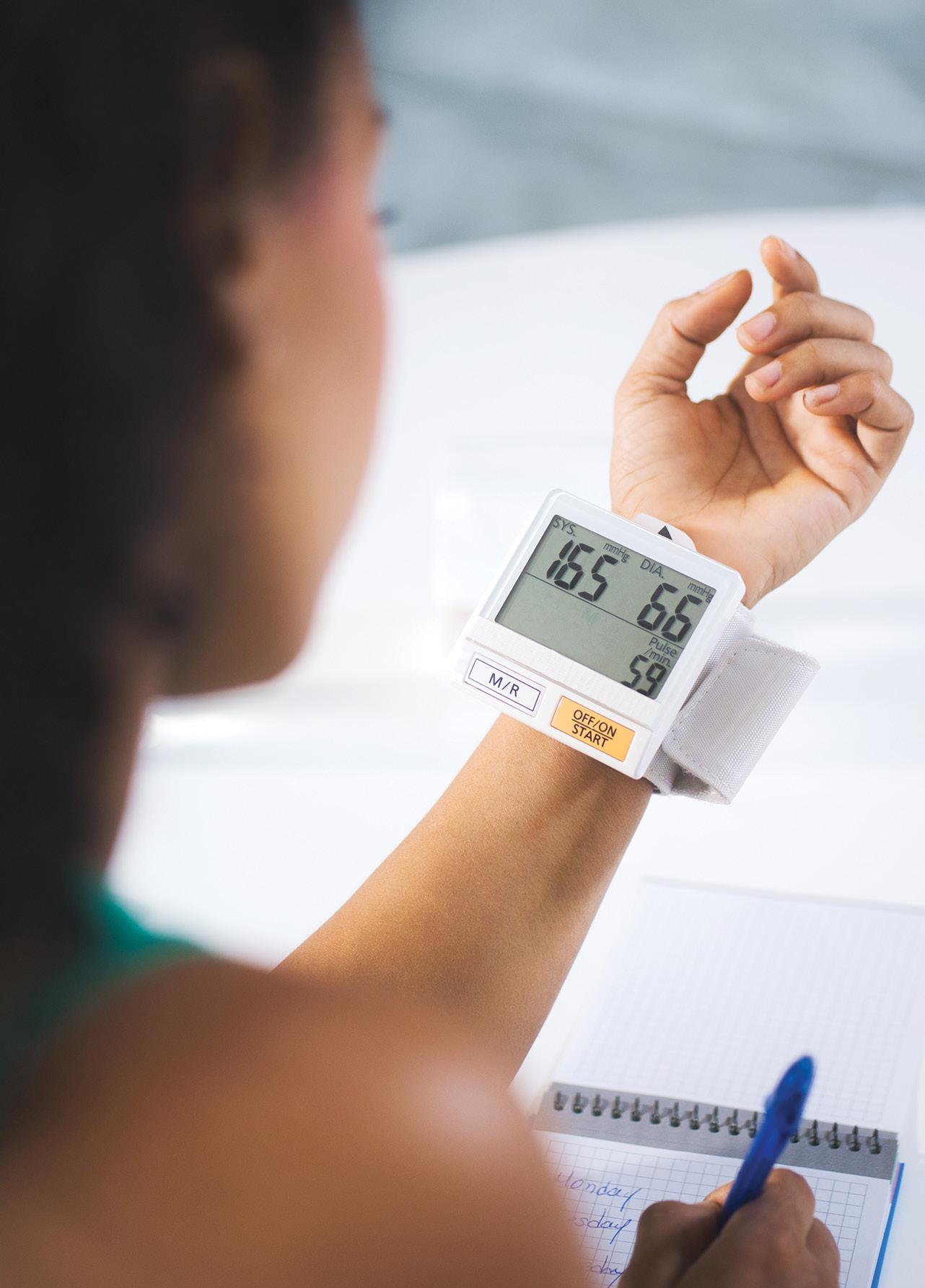
May Measure Month (01 May-31 July), launched by the International Society of Hypertension, is a global blood pressure (BP) screening campaign aimed at increasing awareness of hypertension and encouraging adults aged ≥18-years to have their BP regularly checked. It also supports individuals with elevated readings by providing lifestyle and dietary advice and promoting appropriate follow-up to reduce long-term risk of cardiovascular disease (CVD), the leading cause of death globally.1,2
Running alongside this, Salt Awareness Week (11-17 May) highlights the role of excess salt intake in elevating BP. Global average salt intake is more than twice the World Health Organization (WHO) recommendation, at ~10.8g per day. The 2026 theme, Salt It Out, focuses on reducing hidden dietary salt and encouraging healthier eating habits to support better BP control and overall CV health.2
Hypertension: The numbers are rising faster than awareness, and the risk factors are stacking up quietly in the background
According to Nweke et al., between 1990 and 2019, the prevalence of hypertension among adults doubled, reaching ~33% globally, with a disproportionate burden in low- and middle-income countries, where ~78% of affected adults reside.3
In Africa, prevalence is estimated at ~30.8%, with persistently lower awareness and control rates compared to high-income countries. In South Africa, ~48.2% of adults have hypertension, and ~33% are unaware of their condition, highlighting major gaps in detection and management.³
The systematic review and meta-analysis by Nweke et al. synthesised evidence on hypertension risk factors in South Africa using epidemiological modelling to improve risk stratification and prediction.
Age (>65-years) was a dominant non-modifiable predictor, with risk increasing significantly in older adults due to vascular ageing
and arterial stiffening. It should be noted that South Africans develop hypertension earlier compared to high-income settings.3
Diabetes showed a strong, consistent association with hypertension through metabolic and vascular mechanisms. Ethnicity, particularly mixed-race populations, was linked to higher risk, reflecting complex interactions between genetics, lifestyle, and socio-economic disadvantage.3
Socioeconomic status and education demonstrated inverse relationships with hypertension through stress pathways, health literacy, and access to care. Body mass index (BMI) and smoking contributed to risk but with less consistent predictive strength across studies.3
Less theory, more cuffs: making hypertension screening count
Nweke et al. translate epidemiological risk into practical action, recommending: 3
S Routine BP screening for adults ≥50-years with diabetes at every clinical encounter
S Earlier follow-up in higher-risk mixed-race populations
S Strengthened integration of hypertension and diabetes care pathways to improve detection, management, and continuity of care. At community level, they call for targeted outreach in high-risk groups and expanded use of task-shifting through primary care and community health workers to improve early identification and long-term control.3
Tight targets, smarter teams, better BP
control –the 2025 ACC/AHA guidelines in a nutshell
The 2025 American College of Cardiology (ACC) and American Heart Association (AHA) guideline reinforces hypertension as the leading modifiable risk factor for CVD, including coronary artery disease (CAD), stroke, heart failure (HF), atrial fibrillation (AFib), chronic kidney disease (CKD), dementia, and premature mortality. The guideline recommends a universal BP target of <130/80mmHg for most adults, with individualised adjustments for pregnancy, limited life expectancy, or institutional care.4
Hypertension is classified as normal (<120/80mmHg), elevated (120-129/<80mmHg), stage 1 (130-139/80-89mmHg), and stage 2 (≥140/90mmHg). Lifestyle modification remains foundational, including weight management, Dietary Approaches to Stop Hypertension (DASH)-style diet, sodium reduction, increased physical activity, stress control, and limiting alcohol intake.4
Pharmacotherapy is recommended for all adults with BP ≥140/90mmHg, and for selected patients with BP ≥130/80mmHg based on CV risk (≥7.5% 10-year risk), diabetes, CKD, prior stroke, or established CV disease. If risk is lower, a three- to six-month trial of lifestyle change is recommended before starting medication.4
For stage 2 hypertension, combination therapy using two firstline agents in a single-pill formulation is preferred to improve adherence and speed up control. Home BP (HBP) monitoring, combined with structured multidisciplinary care, is strongly recommended, while cuffless wearable devices are not yet considered reliable.4
The guideline also emphasises system-level interventions, including team-based care involving physicians, nurses, pharmacists, and community health workers, alongside partnerships with communities to improve screening and control rates. Severe hypertension (>180/120mmHg) without acute endorgan damage should be managed promptly in outpatient settings with medication initiation or intensification.4
Hypertension rarely
plays solo: Why most patients need a smart combination
According to the ACC/AHA, pharmacotherapy is central to hypertension management, as BP is regulated by multiple interacting physiological systems. As a result, most patients require two or more antihypertensive agents to achieve adequate control. Historically, treatment followed a stepwise approach, beginning with monotherapy and escalating doses or adding agents as needed.4
Current recommendations prioritise thiazide-type diuretics, longacting dihydropyridine calcium channel blockers (CCBs), and either ACE inhibitors (ACEi) or angiotensin receptor blockers (ARBs) as first-line therapy to reduce CV risk.4
For adults with stage 2 hypertension (≥140/90mmHg), initiation with two first-line agents from different classes – preferably as a single-pill combination – is recommended to improve BP control and adherence.4
In stage 1 hypertension (130-139/80-89mmHg), starting with a single first-line agent is appropriate, with subsequent titration or addition of therapies if needed. Importantly, the combined use of ACEi, ARBs, and/or direct renin inhibitors is not recommended due to an increased risk of adverse outcomes.4
Recommendations: Chlorthalidone is preferred due to longer half-life and greater potency. Monitor for electrolyte disturbances (hyponatraemia, hypokalaemia), and increases in glucose, uric acid, and calcium. Use caution in patients with a history of gout.
Recommendations: Avoid combination with ARBs or direct renin inhibitors. Monitor for hyperkalaemia and renal function, especially in CKD. Contraindicated in pregnancy, bilateral renal artery stenosis, and history of ACEi-induced angioedema.
Recommendations: Do not combine with ACEi or renin inhibitors. Monitor for hyperkalaemia and renal impairment. May be used after ACEi-induced angioedema (after washout). Avoid in pregnancy.
Recommendations: Effective antihypertensives, may cause dose-related peripheral oedema, particularly in women.
Alternative agents
CCBs – non-dihydropyridines
Agents: Diltiazem, verapamil
Recommendations: Avoid with beta blockers due to risk of bradycardia and heart block. Contraindicated in HF with reduced ejection fraction. Be aware of CYP3A4 drug interactions.
Loop diuretics
Agents: Bumetanide, furosemide, torsemide
Recommendations: Preferred in HF and moderate-to-severe CKD (glomerular filtration rate [GFR] <30ml/min). Torsemide preferred for hypertension due to longer action. Consider in patients intolerant to thiazides (eg hyponatraemia).
When three drugs aren’t enough
In adults with resistant hypertension, a thorough evaluation for secondary causes is recommended, including a careful review of medications that may interfere with BP control, as this can help simplify and optimise treatment.4
For patients who remain uncontrolled despite optimal firstline therapy – typically a combination of an ACEi or ARB, a CCB, and a thiazide-like diuretic (chlorthalidone or indapamide) – the addition of a mineralocorticoid receptor antagonist (MRA) is recommended, provided renal function is adequate (estimated GFR ≥45 mL/min/1.73 m²).4
If MRAs are not tolerated or contraindicated, alternative agents such as amiloride, beta blockers, alpha blockers, central sympatholytics, endothelin receptor antagonists, or direct vasodilators may be considered.4
In selected patients with persistent hypertension despite optimal
therapy or those unable to tolerate additional medication, renal denervation may be considered as an adjunct to pharmacological and lifestyle treatment. This approach requires multidisciplinary evaluation and shared decision-making, balancing potential benefits against procedural risks.4
Three hypertension guidelines, three slightly different rulebooks
The European Society of Cardiology (ESC) and the European Society of Hypertension (ESH) published separate guidelines for the management of arterial hypertension, in 2024 and 2023 respectively. In table 1, we look at a comparison between the three guidelines.5,6,7
Table 1: Comparison of the 2023 ESH guidelines, 2024 ESC and
Conclusion
Hypertension is a silent, progressive driver of CVD, yet it is one of the most modifiable risk factors in clinical practice. May Measure Month and Salt Awareness Week highlight the importance of early detection, lifestyle change, and population-level prevention, particularly in high-risk settings such as South Africa. Evidence from Nweke et al. reinforces the need for targeted screening and integrated care, while contemporary ACC/AHA guidance supports tighter BP targets, combination therapy, and multidisciplinary management. Ultimately, improving outcomes depends on moving from awareness to action – measuring BP, reducing dietary salt, and closing the gap between diagnosis and control. References are available on request. SF
Office BP (OBP) methodology
Multiple readings per visit, adequate rest period 3 readings per visit, 5 min rest 3 readings per visit, 5 min rest
On-treatment BP target <130/80mmHg for most adults
• Low-dose dual combination with any two from RAS blocker/CCB/thiazide/ thiazide-like
• RAS blocker + CCB + thiazide/ thiazide-like
• Increase to full dose
• 130-139/80-89mmHg
• Symptomatic orthostatic hypotension
• Frail and/or old
• 120-129/70-79mmHg
• Low-dose dual combination with RAS blocker + CCB or thiazide/ thiazide-like diuretic
• Increase to full dose
• RAS blocker + CCB + thiazide/ thiazide-like
• ≤150/95mmHg + low CV risk
• 130-139/80-89mmHg + high CV risk
• Frail and/or old
• <130/80mmHg in most hypertensives up to 79-years
• 140-150mmHg if ≥80-years
Navigating MS diagnosis together
Multiple sclerosis (MS) affects millions of people worldwide, yet it remains frequently misdiagnosed, with error rates estimated at approximately 20%. This diagnostic uncertainty can delay treatment and worsen long-term outcomes. In response, World MS Day, observed annually on 30 May, adopts the 2026 theme My MS Diagnosis: Navigating MS Together, emphasising the importance of early, accurate diagnosis and equitable access to care. As global prevalence continues to rise, there is an urgent need for healthcare systems that are not only clinically effective, but also responsive, informed, and patient-centred.1,2,3
Understanding the disease process
MS is a chronic autoimmune disorder characterised by immunemediated damage to the central nervous system (CNS). In this condition, the immune system mistakenly targets the myelin sheath – the protective layer surrounding nerve fibres –disrupting the transmission of electrical signals. The result is neuroinflammation, demyelination, and axonal injury, processes that ultimately contribute to progressive neurological disability over time.1,4
Repeated cycles of inflammation and partial repair lead to the formation of sclerotic plaques within the CNS. Clinically, this manifests as a broad and often unpredictable spectrum of symptoms, including visual disturbances, motor weakness, sensory deficits, and impaired coordination.¹ Importantly, ongoing neurodegeneration contributes to cognitive decline and irreversible disability, positioning MS as one of the leading causes of neurological disability in young adults, particularly among women.¹
The growing global footprint
Epidemiological data highlight the increasing burden of MS worldwide. Over the past three decades, global prevalence has risen by ~26%. A 2024 report estimated that 1.89 million individuals were living with MS in 2021, corresponding to 23.9 cases per 100 000 population.¹
In Southern Africa, incidence rates were reported at nine per
100 000 in 2020, with projections suggesting an increase to >20 per 100 000 across Africa by 2050. These trends reflect not only improved detection but also a genuine increase in disease burden, underscoring the need for strengthened healthcare infrastructure and long-term planning.1,4
MS across the lifespan
MS most commonly presents between the ages of 20 and 40 years, although paediatric cases do occur. About 3%-10% of individuals present before age 16, and fewer than 1% before age 10. Initial presentation often takes the form of a clinically isolated syndrome, frequently involving the optic nerve, brainstem, or spinal cord.5,6
Relapses typically develop over hours to days, stabilise, and then gradually improve. However, even when clinical recovery appears complete, subclinical damage often persists. Magnetic resonance imaging (MRI) demonstrates that for every clinical relapse, there are ~10 silent lesions, indicating a much higher underlying disease burden. Over time, incomplete recovery and cumulative damage lead to progressive disability as neuronal reserve declines.7
Disease progression varies. Relapsing-remitting MS is the most common form, while secondary progressive MS develops in ~15%20% of patients over time. Primary progressive MS, characterised by gradual decline from onset, is less common but often more disabling. Paediatric MS differs in presentation, with 98% of
children experiencing a relapsing-remitting course and more frequent relapses than adults.6,8
Risk factors and pathogenesis
MS arises from a complex interplay between genetic susceptibility, environmental exposures, and immune dysregulation. Heritability is estimated between 35% and 75%, with a strong association linked to the human leukocyte antigen region. However, no single causative gene has been identified.7
Environmental factors also play a critical role. Vitamin D deficiency has been strongly implicated, supported by geographical patterns showing increasing prevalence with distance from the equator.⁷ Infectious agents, smoking, and possibly central nervous system trauma have also been associated with increased risk and disease severity.7
Two main hypotheses attempt to explain disease initiation. The ‘outside-in’ model proposes that immune activation begins in the periphery before targeting the CNS, while the ‘inside-out’ model suggests that primary CNS dysfunction triggers secondary immune responses.7
Advances in diagnosis
widely and is influenced by factors such as disease course, relapse frequency, lesion burden, and recovery between episodes.8
Favourable prognostic indicators include female sex, sensory symptoms, and long intervals between relapses, while poorer outcomes are associated with progressive disease, frequent relapses, and early disability accumulation.⁸
More than 62 000 new cases are diagnosed every year (~169 per day), with an estimated 16 000 deaths annually attributed to MS
Diagnostic criteria for MS have evolved significantly, with the 2024 revision of the McDonald criteria aiming to improve early detection while maintaining diagnostic accuracy. A notable update is the inclusion of the optic nerve as a fifth anatomical site for demonstrating dissemination in space, allowing additional diagnostic tools such as optical coherence tomography and visual evoked potentials.9
Criteria have also been streamlined, enabling diagnosis based on fewer requirements in certain contexts. Dissemination in time is no longer mandatory in specific scenarios when characteristic imaging or cerebrospinal fluid findings are present. These changes facilitate earlier diagnosis, which is critical for timely initiation of therapy.9
Treatment approaches and symptom management
Management of MS focuses on three key areas: Treating acute relapses, alleviating symptoms, and modifying disease progression. Disease-modifying therapies are central to treatment and should be initiated promptly following diagnosis to reduce inflammatory activity and delay progression.7
Spasticity, affecting ~80% of patients, represents a major therapeutic challenge. It results from CNS damage leading to increased muscle tone, spasms, and pain. Management follows a stepwise approach, beginning with non-pharmacological strategies such as physiotherapy and progressing to pharmacological interventions.10,11
Prognosis and disease course
MS follows several clinical trajectories, with relapsing-remitting disease accounting for 70%-80% of cases. Other forms include primary progressive, secondary progressive, and less common variants such as progressive-relapsing disease. Prognosis varies
The African context: Barriers to care
In sub-Saharan Africa, MS care is constrained by significant systemic challenges. Limited specialist availability – estimated at just 0.03 neurologists per 100 000 people – contrasts sharply with far higher ratios in high-income regions. Access to diagnostic tools such as MRI is also severely limited, with only 0.7 scanners per million people reported in 2017.12 Access to treatment remains a major barrier, with high costs placing disease-modifying therapies out of reach for many patients. These disparities highlight the need for targeted interventions to improve awareness, infrastructure, and affordability.12
Looking ahead: Bridging the gaps
Improving MS care in Africa will require coordinated, multi-level strategies. Integrating MS into national health policies, expanding access to affordable treatments, and strengthening healthcare infrastructure are essential steps. Regional collaboration and pooled procurement strategies may help reduce medication costs, while telemedicine and rehabilitation services can extend care to underserved populations.12
Equally important is investment in education and training, alongside the development of patient support networks that provide both practical and emotional support. These initiatives are key to reducing stigma, improving disease understanding, and enhancing quality of life for people living with MS.¹³
Conclusion
The 2026 World MS Day theme, My MS Diagnosis: Navigating MS Together, underscores the importance of shared responsibility in addressing the growing burden of MS. While advances in diagnostics and treatment offer hope, significant disparities in access to care persist. Achieving meaningful progress will require a combination of early diagnosis, equitable access to treatment, and sustained global and regional collaboration. Only through these efforts can MS care evolve into a system that truly supports every individual living with the disease.
References are available on request. SF
Multiple Sclerosis Awareness Day
30 May
TNicotine hooks deep,
making quitting hard
Cigarette smoking is one of the most significant – and preventable – causes of death globally. Each year, it claims more lives than HIV, alcohol use, drug-related harm, road traffic accidents, and firearm-related injuries combined. By 2030, tobacco use is projected to cause more than eight million deaths annually, with the greatest burden falling on low- and middle-income countries. World No Tobacco Day 2026, themed Unmasking the appeal – countering nicotine and tobacco addiction, highlights the tactics used by the tobacco industry to sustain addiction and calls for stronger regulation, while empowering the public –particularly the youth – to resist and quit.1,2
obacco use remains highly prevalent in South Africa.
According to the 2024 Global Adult Tobacco Survey, 29.4% (12.7 million) of individuals aged ≥15-years reported tobacco use in 2021, including 41.7% of men and 17.9% of women.³ Smoking remains the dominant form, affecting 25.8% (11.1 million) adults, with 21.2% (9.1 million) reporting daily smoking.3
Smokeless tobacco products, such as snuff and chewing tobacco, are used by 4.3% (1.8 million), while awareness of electronic cigarettes has reached 36.1%, with 6.2% having ever used them and 2.2% currently using them.³
Exposure to secondhand smoke is also widespread. Among indoor workers, 11.2% report exposure in the workplace, while 18%
are exposed at home. Public exposure remains particularly high in bars, taverns, and nightclubs (74.4%), with lower but notable exposure reported in universities, restaurants, cafes, government buildings, healthcare facilities, and public transport.³
Health risks associated with tobacco use
Tobacco smoke contains more than 4000 toxic chemical compounds, many of which enter the bloodstream and are distributed throughout the body.
These substances contribute to DNA damage, abnormal cell growth, and tumour formation. Among the most harmful are carbon monoxide, cyanide, formaldehyde, arsenic, cadmium, and
tobacco-specific nitrosamines – key carcinogenic agents linked to cancer development.¹
The health burden is substantial. Smoking damages nearly every organ and is strongly associated with cancer, cardiovascular disease, and chronic lung disease. It is responsible for ~90% of lung cancer deaths and 80% of deaths from chronic obstructive pulmonary disease. Smokers have a mortality risk around three times higher than non-smokers, with risk increasing according to both duration and intensity of smoking.¹
Secondhand smoke exposure also carries significant risk. It contributes to cardiovascular (CV) disease, stroke, lung cancer, and respiratory illness in nonsmokers, including children. Even brief exposure can have harmful CV effects, while long-term exposure may increase CV risk by up to 30%.¹
Electronic cigarettes, although often perceived as safer alternatives, still expose users and bystanders to nicotine, carcinogens, heavy metals, and other toxic substances. They are therefore not considered safe, particularly for children, adolescents, and pregnant women.¹
Tobacco use, mental health and behaviour
neurobiological systems, including dopaminergic, serotonergic, and noradrenergic pathways, further reinforcing addiction.⁵
Nicotine replacement therapy: an evidence-based solution
Nicotine replacement therapy (NRT) provides a structured approach to smoking cessation by delivering controlled doses of nicotine without the harmful chemicals found in tobacco smoke. This helps reduce withdrawal symptoms while allowing individuals to gradually break both the chemical dependence and behavioural habit of smoking.6
Tobacco addiction drives disease, mental distress, and inequality, yet effective, evidence-based tools like NRT can improve long-term quit success rates
Beyond physical health, tobacco use is associated with broader behavioural and mental health risks. Findings from the South African National Health and Nutrition Examination Survey show that daily tobacco users are significantly more likely to experience psychological distress and post-traumatic stress disorder compared with non-users. Tobacco use is also strongly associated with problematic alcohol consumption, regardless of whether use is past, occasional, or daily.4
In addition, tobacco users are more likely to exhibit unhealthy lifestyle behaviours. These include inadequate fruit intake, higher consumption of salty foods, and poorer hygiene practices such as inconsistent handwashing before meals. Interestingly, tobacco use was inversely associated with physical inactivity. Overall, these findings suggest that tobacco use clusters with multiple unhealthy behaviours, compounding its overall impact on health.4
Why quitting is difficult
Despite high levels of awareness, quitting smoking remains challenging. Data show that 65.7% of smokers are considering quitting, and 40.5% have attempted to quit in the past year. However, only 42.9% report receiving advice to quit from a healthcare provider.³
Nicotine addiction is driven by a combination of physical, psychological, and behavioural dependence. Once inhaled, nicotine is rapidly absorbed into the bloodstream and reaches the brain within seconds. There, it binds to nicotinic acetylcholine receptors, stimulating the release of dopamine in reward pathways and reinforcing continued use.1,5
NRT is available in several forms, including patches, gum, and oromucosal sprays, allowing for individualised treatment based on patient preference and level of dependence. These products deliver nicotine more slowly and at lower concentrations than cigarettes, reducing the risk of addiction reinforcement while alleviating cravings.6-12
The evidence supporting NRT is strong. A large Cochrane review involving >64 000 participants found that NRT increases long-term smoking cessation rates by ~50% to 60% compared with placebo or no treatment.¹³
Combination therapy – such as using a nicotine patch with a fast-acting form like gum or spray –has been shown to further improve quit rates by approximately 27%. Higher-dose patches and initiating therapy prior to the quit date may also enhance outcomes.14
NRT is generally safe and well tolerated. Most side effects are mild and localised, such as skin irritation with patches or oral discomfort with gum. Serious adverse events are rare, making NRT a practical and accessible option for many individuals attempting to quit.15
Conclusion
Tobacco use continues to impose a substantial burden on public health in South Africa and globally. It contributes to chronic disease, worsens mental health outcomes, and is closely linked to multiple unhealthy behaviours. Although many smokers are motivated to quit, nicotine’s addictive properties make sustained cessation difficult without support. Nicotine replacement therapy offers an effective, evidence-based strategy to improve quit success by reducing withdrawal symptoms and supporting behavioural change. Expanding access to cessation support, alongside stronger public health interventions, remains essential to reducing the long-term impact of tobacco use.
References are available on request. SF
Over time, this creates a cycle of dependence characterised by cravings, withdrawal symptoms, and habitual behaviours linked to daily routines or stress. Nicotine also interacts with multiple World No Tobacco Day 31 May
HWinter sniffles? Allergy or virus –
know the difference
Allergic rhinitis (AR), commonly known as hay fever, is a chronic inflammatory condition of the nasopharynx driven by immunoglobulin E (IgE)-mediated responses to inhaled allergens. It is highly prevalent, affecting 20%-30% of adults and up to 40% of children, and is closely linked to asthma. Up to 80% of individuals with asthma have coexisting AR, while 20%-30% of those with AR have asthma, highlighting the importance of integrated management to improve overall respiratory outcomes.1,2
istorically, AR was first described as ‘hay fever’ in the 18 th century, based on the mistaken belief that fresh hay triggered symptoms. This was later refined when pollen was identified as the primary cause of seasonal allergic rhinitis (SAR), leading to the broader concept of ‘allergy’.²
Today, AR is recognised as a multifactorial condition influenced by environmental exposures and genetic susceptibility. Common triggers include pollens, house dust mites, mould, and animal dander. Climate change is increasingly contributing to disease burden, with rising temperatures and carbon dioxide levels prolonging pollen seasons and enhancing allergen potency.¹
Clinically, AR is characterised by nasal symptoms such as sneezing, itching, rhinorrhoea, and congestion, often accompanied by ocular symptoms like red, itchy, and watery eyes. Physical signs, including allergic shiners and a transverse nasal crease, are particularly evident in children.1,2
The condition is classified as intermittent or persistent, depending on symptom frequency and duration, and may present as seasonal, perennial, or a combination of both. Seasonal disease typically causes acute symptoms such as sneezing and watery eyes, whereas perennial AR is more commonly associated with chronic nasal obstruction and post-nasal drip.2,3
The underlying pathophysiology involves an early-phase allergic response occurring within minutes of allergen exposure, during which mast cells release histamine and other mediators.
This leads to acute symptoms such as sneezing and mucus production. A late-phase response follows several hours later, characterised by infiltration of inflammatory cells and sustained nasal congestion. In some individuals, non-IgE-mediated mechanisms contribute to ongoing hypersensitivity, making the nasal mucosa reactive to irritants such as cold air or smoke.³
AR can significantly impact quality of life, particularly in moderate-to-severe cases. Symptoms may disrupt sleep, impair concentration, and cause fatigue and headaches. If left untreated, AR increases the risk of complications, including sinusitis,
recurrent ear infections in children, and worsening asthma control. Cold weather can further exacerbate symptoms by increasing airway reactivity and inflammation, contributing to persistent symptoms during winter months.4,5,6
Diagnosis is primarily clinical, based on a detailed history and physical examination. Confirmation may involve serum-specific IgE testing or skin prick testing, particularly in cases where symptoms are severe, persistent, or unresponsive to empiric therapy.³
However, AR is frequently misdiagnosed, with conditions such as non-allergic rhinitis, infections, anatomical abnormalities, or paediatric disorders mimicking its presentation. Accurate differentiation from colds and influenza is especially important during winter, as overlapping symptoms can lead to inappropriate management.7,8,9
Management of AR requires a comprehensive approach combining allergen avoidance, pharmacotherapy, and, where appropriate, immunotherapy. Environmental control measures – such as reducing exposure to dust mites, maintaining optimal indoor humidity, and limiting contact with allergens – form the foundation of care.10
Pharmacological treatment includes second-generation antihistamines, intranasal corticosteroids (INCS), and leukotriene receptor antagonists. INCS remain the most effective therapy for controlling nasal inflammation and congestion.10
For patients with persistent or moderate-to-severe symptoms, combination therapy has emerged as a highly effective strategy. Intranasal corticosteroid and antihistamine combinations provide faster and more comprehensive symptom relief than monotherapy, improving overall disease control. Allergen immunotherapy may be considered in selected patients, particularly those with refractory or severe disease.
In summary, AR is a common yet often underestimated condition with significant clinical and quality-of-life implications. Its strong association with asthma, potential for misdiagnosis, and increasing environmental burden underscore the need for early recognition and targeted management. A structured, patient-centred approach can significantly improve symptom control and long-term outcomes.
To access the article and quiz, click here SF
Allergic rhinitis (AR) is a common condition affecting between 25% of children and 40% of adults globally. AR is typically classified as either seasonal (intermittent) or perennial (chronic), with ~20% of patients experiencing seasonal disease, 40% perennial symptoms, and the remaining 40% exhibiting a mixed pattern.1,2 Bilastine
non-sedating allergy control
According to the AR and its Impact on Asthma (ARIA) guidelines, the diagnosis of AR relies on characteristic clinical symptoms together with supportive laboratory evidence of allergic sensitisation or inflammation. Clinically, patients should present with at least two symptoms lasting for more than one hour on most days, including watery rhinorrhoea, paroxysmal sneezing, nasal obstruction, and nasal pruritus, with or without associated conjunctivitis.1
Beyond nasal complaints, AR is frequently associated with extranasal manifestations including allergic conjunctivitis, dry cough, Eustachian tube dysfunction, and chronic sinusitis. Emerging evidence also highlights a clinically meaningful link between rhinitis – particularly AR – and urticaria, an inflammatory skin disorder characterised by transient wheals, angioedema, or both, occurring without systemic symptoms.2,3
A meta-analysis showed a significant bidirectional association between rhinitis and urticaria, with co-occurrence rates of 17.6% and 31.3% respectively and an overall more than two-fold increased risk of overlap (odd ratio 2.67).3
This observed epidemiological overlap is further supported by shared underlying immunopathological mechanisms that link both conditions within a broader allergic and immune dysregulation spectrum.4
AR and chronic spontaneous urticaria are increasingly recognised as part of a shared immunoglobulin E (IgE)-mediated and immune dysregulation spectrum, driven by overlapping pathways involving genetic susceptibility, autoimmune activation (including IgE- and IgG/IgM-mediated mechanisms), and, in some cases, coagulation cascade involvement, all converging on mast cell activation.3,4
Allergy triggers are everywhere
Building on their shared mast-cell-driven pathology, AR and urticaria are also closely linked by overlapping external triggers
that precipitate or amplify disease activity. Both conditions are commonly triggered by environmental allergens, infections, medications, and physical or environmental stimuli.1,4
In AR, IgE-mediated type I hypersensitivity reactions are central, with common allergen sources including foods (such as peanuts, shellfish, eggs, wheat, soy, and cow’s milk), animal dander, and house dust mites. Indoor exposures – particularly house dust mites, cockroaches, and pet dander – are among the strongest risk factors, with additional contribution from the ‘hygiene hypothesis’, which suggests that reduced microbial exposure may impair immune maturation and favour allergic sensitisation.1,4
In house dust mite-driven disease, key allergens can disrupt normal immune regulation by amplifying IgE production, impairing surfactant-mediated allergen clearance, and weakening epithelial tight junction integrity, thereby increasing airway permeability and inflammation.¹
A similar trigger spectrum is seen in urticaria, where acute disease (<6-weeks) is most often associated with infections, foods, or drugs, while chronic urticaria (>6-weeks) is divided into chronic spontaneous urticaria (CSU) – in which no clear trigger is identified – and chronic inducible urticaria (CIndU), where specific and reproducible stimuli can be identified.4
CSU is multifactorial, arising from genetic susceptibility and immune dysregulation, with IgE- or IgG/IgM-mediated autoimmune pathways, systemic disease associations, and sometimes coagulation cascade activation all contributing to mast cell degranulation.4
In contrast, CIndU is directly provoked by defined triggers such as pressure, cold, heat, vibration, or sunlight, as well as nonphysical stimuli including contact exposures, water, or cholinergic responses to heat or exercise, with diagnosis confirmed through provocation testing.4
These findings underscore a strong bidirectional relationship between upper airway and cutaneous allergic disease. Clinicians
Patients with allergic rhinitis want rapid-onset and long-lasting symptom relief
without side effects from treatment.1
Rapid Onset of Action*2
Ilaxten® is effective within 1 h after administration and has a long duration of action2 (lasts for 24 hrs).4
h, hour; hrs, hours; H1, histamine 1
Ilaxten® effective in relieving symptoms such as sneezing, nasal discharge, nasal itching, nasal congestion, ocular itching, tearing and ocular redness.4
Based on the brain H1-receptor occupancy, Ilaxten® can be distinguished as a non-brainpenetrating antihistamine.3
*Single center, double-blind, randomised, placebo- controlled, balanced four-treatment, four-period crossover phase II study performed outside of the pollen season in individuals with asymptomatic Seasonal Allergic Rhinitis.2
Seventy-five allergic volunteers were challenged in the Vienna Challege Chamber (VCC) with grass pollen on two consecutive days of allergen provocation; 6 h on day 1 and 4 h day 2. Bilastine 20 mg, cetirizine 10 mg, fexofenadine 120 mg, or placebo were taken orally 2 h after the start of provocation on day 1 only.
Primary objectives: Total nasal symptom scores.
Secondary objectives: The speed of onset of action and the duration of action of each active medication were assessed. The global symptom scores, nasal secretions, and eye symptoms were assessed on both day 1 and day 2.
Therapeutic Indications Indications and Dosage
Ilaxten ® is indicated for the symptomatic treatment of seasonal allergic rhinitis (SAR), perennial allergic rhinitis (PAR) and idiopathic chronic urticaria (ICU) in adults and adolescents (12 years and over). 4
Posology
Ilaxten ® 20 mg once daily should be taken one hour before or two hours after intake of food or fruit juice.4
• The adverse drug reactions (ADRs) most commonly reported by patients receiving 20 mg ILAXTEN ® were headache, somnolence, dizziness and fatigue.4
• Coadministration of ILAXTEN ® and P-glycoprotein inhibitors should be avoided in patients with moderate or severe renal impairment.4
References: 1. Marple BF, Fornadley JA, Patel AA, et al. Keys to successful management of patients with allergic rhinitis: focus on patient confidence, compliance, and satisfaction. Otolaryngol Head Neck Surg. 2007;136(6suppl):s107-s124. 2. Horak F, Zieglmayer P, Zieglmayer R, Lemell P. The effects of bilastine compared with cetirizine, fexofenadine, and placebo on allergen-induced nasal and ocular symptoms in patients exposed to aeroallergen in the Vienna Challenge Chamber. Inflamm Res. 2010;59(5):391-398. 3. Kawauchi H, Yanai K, Wang DY, Itahashi K, Okubo K. Antihistamines for Allergic Rhinitis Treatment from the Viewpoint of Nonsedative Properties. Int J Mol Sci. 2019;20(1):213. Published 2019 Jan 8. 4. Ilaxten (Bilastine 20 mg tablets), Professional Information (PI), Menarini South Africa (Pty) Ltd., April 2022. S2 ILAXTEN® 20. Reg. No: 52/5.7.1/0120. COMPOSITION: Each 20 mg tablet contains 20 mg bilastine. Sugar free. PHARMACEUTICAL FORM: Oval, biconvex, scored, white tablets. INDICATIONS: Symptomatic treatment of seasonal allergic rhinitis (SAR), perennial allergic rhinitis (PAR) and idiopathic chronic urticaria (ICU) in adults and adolescents (12 years and over). PHARMACOLOGICAL CLASSIFICATION: A 5.7.1 Antihistaminics
For full prescribing information, please refer to the approved professional information. HOLDER OF CERTIFICATE OF REGISTRATION: Menarini South Africa (Pty) Ltd., Reg No. 2022/831217/07. Waterside Place, Unit 02D, South Gate Office Park, Carl Cronje Drive, Tygervalley, Cape Town, 7530. Tel: +27 21 109 6444
Menarini South Africa is a Menarini Group company. Visit the website www.menarini.com
ILAXTEN® PI Scan for more information
should be aware of this overlap and consider evaluating for concomitant nasal and skin symptoms to improve comprehensive patient management.3
From sneezes and itches to science-driven relief
Trigger avoidance and education are strongly recommended in the management of AR and urticaria. Treatment of AR combines symptom control with strategies aimed at modifying the underlying allergic response. Symptomatic therapies remain the cornerstone of treatment and include antihistamines, intranasal or oral corticosteroids, leukotriene receptor antagonists, and nasal decongestants.1
Second-generation oral antihistamines (AH) such as bilastine are preferred due to their improved safety and reduced sedative effects compared to older first-generation agents. Intranasal AH provide targeted delivery directly to inflamed nasal mucosa.1
Most patients with urticaria require a stepwise pharmacological approach. First-line therapy consists of daily second-generation H1 AH, which selectively block peripheral H1 receptors and are less sedating than first-generation agents, improving pruritus, wheal formation, and lesion duration. If response is inadequate, the dose can be increased up to fourfold.4
Bilastine in focus: Everyday allergy relief without sedation
Bilastine is a second-generation, highly selective H1-AH developed for the symptomatic treatment of seasonal and perennial AR as well as chronic idiopathic urticaria in adults and adolescents aged ≥12-years.5
As concerns around the sedative and performance-impairing effects of older AH have increased, growing attention has been placed on therapies that effectively control symptoms without compromising alertness, concentration, psychomotor function, or daily performance. Multiple studies evaluating bilastine’s cognitive, psychomotor, and driving safety profile consistently demonstrated that bilastine does not impair cognitive performance or everyday functioning.6,7,8
The first study, conducted by Valk et al., was a randomised, double-blind, placebo-controlled, three-way crossover trial designed to evaluate whether a single oral dose of bilastine 20mg impairs cognitive and psychomotor performance relevant to flying.6
Twenty-four healthy adult volunteers participated, each receiving bilastine 20mg, hydroxyzine 50mg (a sedating antihistamine used as a positive control), and placebo in balanced sequence, with a washout period of at least seven days between treatments. The study was conducted inside a hypobaric chamber maintained at a simulated cabin altitude of 8000 feet (75.2 kPa) to replicate realworld aviation conditions.6
Participants underwent a Vigilance and Tracking task together with a Multiple-Attribute Task battery at one-, two-, three-, five-, and six-hours post-dose. The findings were clear: bilastine 20mg produced no significant impairment in vigilance, tracking accuracy, complex task performance, or subjective sleepiness compared with placebo. In contrast, hydroxyzine 50mg caused marked and prolonged impairment, with tracking performance deteriorating by up to 89% from baseline and significant effects persisting for as long as six hours post-dose.6
Further evidence supporting bilastine’s suitability for everyday functioning was provided by Kawauchi et al., who reviewed bilastine’s psychomotor and subjective effects – including its interaction with
alcohol – through a series of randomised, double-blind, crossover, placebo- and positive-controlled Phase I clinical trials.7
A key methodological feature of this research was the use of positron emission tomography imaging with the radiotracer [¹¹C] doxepin to directly measure brain H1 receptor occupancy (H1RO), a validated biomarker of antihistamine sedative potential. Based on H1RO values, antihistamines may be classified as non-sedating (H1RO <20%), less-sedating (20-50%), or sedating (≥50%).7
Multiple psychomotor outcomes were evaluated, including the Fine Motoric Test, Critical Flicker-Fusion Frequency, the d2 Cancellation Test, Simple Reaction Time, and the Standard Deviation of Lateral Position (SDLP), a recognised marker of driving performance. Bilastine at therapeutic doses of 20mg and 40mg did not impair psychomotor or driving performance and demonstrated no clinically meaningful interaction with alcohol at the 20mg dose.7
Impairment was only observed at the supratherapeutic dose of 80mg. The study also highlighted bilastine’s high H1 receptor affinity compared with fexofenadine, its minimal cytochrome P450 metabolism, and clinical efficacy comparable to cetirizine and desloratadine.7
Additional real-world evidence was provided by De Monte et al. in a Phase IV, prospective, single-centre, open-label interventional trial evaluating the effect of seven consecutive days of bilastine 20mg on driving performance in patients (mean age 38.4-years) with AR and/or chronic urticaria. Participants were assessed using a high-speed Formula 1 driving simulator before and after treatment at speeds of 50km/h, 150km/h, and 250km/h.8
After seven days of treatment, the mean SDLP significantly decreased (improved) by 0.041 ± 0.047m (p=0.002), indicating no negative effect on lane-keeping performance. Reaction times and speed maintenance similarly remained unaffected across all tested velocities, including 250km/h. No safety concerns were identified, and bilastine was well tolerated throughout the study period. The investigators concluded that bilastine 20mg posed no risk to driving performance, even under extreme high-speed conditions.8 Taken together, these findings position bilastine as an effective second-generation antihistamine that delivers reliable symptom control in allergic rhinitis and chronic urticaria without compromising alertness, psychomotor performance, driving ability, or everyday functioning.6,7,8
Conclusion
AR and urticaria represent closely linked allergic disorders that share overlapping immunopathological mechanisms, common environmental triggers, and a significant bidirectional clinical association. Their impact extends beyond isolated nasal or cutaneous symptoms, frequently affecting sleep, quality of life, and daily functioning. Effective management therefore requires an integrated approach combining trigger avoidance, patient education, and evidence-based pharmacotherapy targeting the underlying histamine-driven inflammatory response. Within this therapeutic landscape, second-generation AH such as bilastine offer targeted H1 receptor blockade with proven efficacy in symptom control while maintaining cognitive clarity, psychomotor function, and driving safety. Collectively, the evidence supports bilastine as a modern therapeutic option that enables effective allergy relief without sedation or functional impairment. References are available on request. SF
WAtopic dermatitis flares
with seasonal extremes
Both cold and warm temperatures have been linked to increased itch, skin flares, impaired skin barrier function, higher outpatient visits, the development of atopic dermatitis (AD), and asthma exacerbations. AD is a chronic, relapsing, pruritic inflammatory skin disease characterised by epidermal barrier dysfunction, immune dysregulation, and microbial imbalance. The condition affects ~10%-30% of children and 2%-10% of adults in developed countries, with prevalence rates having increased two- to three-fold over recent decades.1,2
ith a rapidly expanding therapeutic armamentarium and newly published paediatric-specific guidelines from the American Academy of Dermatology (AAD), clinicians now have clearer, evidence-based direction for managing this burdensome condition across the lifespan. This article outlines key treatment recommendations, stratified by age group, and contextualised for the South African setting.3,4,5
Foundational care: Principles that apply across all ages
Before pharmacological intervention, foundational skin care forms the non-negotiable basis of AD management for all patients. Emollients should be applied at least twice daily – ideally within three minutes of a lukewarm bath or shower – to reduce transepidermal water loss and support barrier repair.2
Ointments are the most occlusive and least irritating formulation and are generally preferred. Trigger avoidance is equally essential: patients and caregivers should eliminate known irritants including fragrances, alkaline soaps, wool, polyester fabrics, and harsh laundry products, opting instead for mild detergents and soft cotton clothing.2
Staphylococcus aureus colonises more than 90% of patients with AD, worsening inflammation and increasing the risk of secondary
infection. Dilute bleach baths – approximately half a cup of household bleach in a standard 40-gallon bathtub, once or twice weekly – may be considered in recurrently infected patients to reduce bacterial burden, though evidence remains mixed. Patient and caregiver education on the chronic nature of AD, correct treatment application, and the importance of maintenance therapy are integral to long-term success.2,3
Paediatric
atopic dermatitis: A new era of guidance
The AAD published its first-ever guidelines specifically for the prevention and management of paediatric AD in April 2026 – a landmark development recognising that children require ageappropriate, safety-conscious, and evidence-driven treatment strategies distinct from those designed for adults. The guidelines encompass 26 evidence-based recommendations across topical, phototherapy, and systemic therapies, classified by recommendation strength.5
Topical therapies in children
Moisturisers carry a strong recommendation as a core component of paediatric AD management to reduce skin dryness and disease severity. Regular and liberal emollient use from an early age is
supported by evidence suggesting that barrier protection may reduce the risk of AD occurrence in children aged six-months to three-years.5
Topical corticosteroids (TCS) carry a strong recommendation as first-line anti-inflammatory agents for both flare control and maintenance in most paediatric patients, favoured in part for their affordability and accessibility.5
TCS potency should be selected according to disease severity and body site: Low-potency agents such as 1% hydrocortisone acetate are appropriate for mild flares on non-sensitive areas, while moderate- to potent-strength agents may be required for more severe presentations under close supervision.3
Sensitive areas such as the face, eyelids, and flexures require particular caution; potent TCS should be avoided at these sites, with topical calcineurin inhibitors (TCI) preferred instead. TCIs also carry a strong recommendation in paediatric AD.3,5
Pimecrolimus 1% cream is indicated in South Africa for children aged ≥2-years with mildto-moderate disease, while tacrolimus 0.03% ointment is indicated for moderate-to-severe disease in children from two-years of age, and tacrolimus 0.1% ointment is reserved for adolescents aged ≥16-years.3
therapy. Similarly, psoralen plus ultraviolet (UV) A phototherapy carries a conditional recommendation against use in children, while conventional phototherapy may be considered for severe, widespread disease.5
In the South African context, access to biologic therapies in the public sector remains a significant challenge due to cost and limited specialist availability. Practical, cost-conscious strategies – including optimised TCS and TCI use, structured caregiver education, and the provision of affordable emollient alternatives such as petroleum jelly –remain central to equitable paediatric care.3
In resource-limited settings, optimised topical therapy, patient education, and affordable emollients remain the cornerstone of equitable atopic dermatitis care
Applied twice daily from the first signs of a flare until resolution, TCIs are the preferred option for sensitive anatomical sites and provide a valuable steroid-sparing strategy. Unlike TCS, they do not cause skin atrophy, and long-term surveillance has not demonstrated an increased malignancy risk. Transient applicationsite burning is the most common adverse effect and typically resolves within a few days of use.3
For dosing accuracy in children, the fingertip unit (FTU) method is recommended: One FTU represents the amount of cream squeezed from the tip to the skin crease of an adult’s index finger, with the number of units required varying by child age and body area. Caregivers should be instructed on correct application amounts, frequency, and site-specific precautions to reduce premature discontinuation and steroid-related concerns. Newer non-steroidal topical agents are also strongly recommended in the updated paediatric guidelines.2,3,5
Systemic therapies for moderate-tosevere paediatric disease
When topical therapies are insufficient for children with moderateto-severe AD, escalation to systemic biologic therapy is strongly recommended, used in conjunction with topical therapy to reduce disease severity, decrease flare frequency, and improve itch. Dupilumab, which targets the interleukin (IL)-4 receptor alpha subunit to block both IL-4 and IL-13 signalling, holds the broadest age approval, extending down to six months of age.2,5
Oral Janus kinase (JAK) inhibitors carry strong recommendations for moderate-to-severe paediatric AD, with age-specific eligibility determined by product labelling and specialist judgment. Systemic CS, by contrast, carry a strong recommendation against routine use in children; they should be reserved exclusively for sudden, severe flares as short-term bridge
Adult atopic dermatitis: Building on a growing evidence base
In adults, management follows a stepwise approach based on disease severity. Topical therapies remain the cornerstone for mildto-moderate disease, with TCS as first-line agents for acute flares, applied to inflamed skin before emollients and tapered to intermittent maintenance dosing – typically twice weekly –once control is achieved. TCIs and newer non-steroidal topicals serve as effective steroidsparing alternatives, particularly for sensitive anatomical sites.3
The 2025 AAD focused update to adult AD guidelines introduced strong recommendations, based on high-certainty evidence, for two new topical therapies (tapinarof and roflumilast, not available in South Africa yet). For moderate-to-severe disease inadequately controlled by topicals or conventional systemic agents, the AAD’s 2025 update added two further biologic agents (lebrikizumab and nemolizumab, not available in South Africa yet), to its adult guidance.5
For adults who cannot access or tolerate biologics, conventional systemic immunosuppressants remain in use. Cyclosporine is approved for moderate-to-severe AD in patients aged ≥16-years, typically in intermittent courses of up to 16-weeks, with mandatory monitoring of blood pressure, renal function, and lipid levels throughout treatment, concurrent phototherapy should be avoided.2
Azathioprine, mycophenolate mofetil, and methotrexate may be used in selected cases under specialist supervision, while narrowband UVB phototherapy remains a useful option when topical therapies are insufficient and systemic agents are not yet warranted.2
Conclusion
The treatment of AD across the age spectrum is entering a new era of precision and evidence-based guidance. For children, the AAD’s first dedicated paediatric guidelines affirm the central role of emollients and TCS while expanding the strongly recommended toolkit to include TCIs, novel topical agents, biologics, and oral JAK inhibitors – with systemic CS reserved for exceptional circumstances only. In the South African context, successful management requires balancing emerging therapeutic advances with practical realities of cost and access, underpinned by structured patient and caregiver education at every level of care.
References are available on request. SF
Winter skin SOS
When dryness becomes a diagnosis, not just a nuisance
As temperatures drop across South Africa and heaters are switched on in homes and offices, dermatologists are urging the public and primary care clinicians to pay closer attention to one of the most prevalent, yet frequently overlooked skin conditions: dry skin, clinically known as xerosis cutis. Affecting between 29% and 85% of the general population – and increasing to as high as 99% in older adults and nursing home residents – xerosis is far more than a cosmetic inconvenience. Left unmanaged, it can progress to painful cracking, inflammation, and a chronic form of eczema that significantly reduces quality of life.
The link between cold weather and dry skin is well established, but the mechanism is often misunderstood. It is not just the outdoor cold that strips the skin of moisture –indoor heating plays an equally significant role.
Cold weather and indoor heating reduce humidity, making areas such as the lower legs and back particularly susceptible to dryness and dry skin eczema. The result is a seasonal environment that is almost perfectly engineered to compromise the skin’s natural moisture barrier, explained Dr Hetesh Pitamber, dermatologist and member of both the Dermatological Society of South Africa and the Dermatological Surgical Society of South Africa. The elderly are disproportionately affected, and the reasons are physiological. Skin naturally loses moisture with age, he noted – a process compounded by reduced sebum production, thinner skin, and declining collagen density. It is for this reason that xerosis is most common in individuals aged ≥65-years, and that prevalence rates in nursing home populations can approach near-universal levels.
Gender also plays a role. Women – particularly those who are postmenopausal – are more prone to dry skin than men, due to hormonal changes that accelerate moisture loss and reduce both sebum and collagen production. Men, by contrast, generally benefit from naturally higher sebum output and structurally thicker skin, offering a degree of built-in protection.
From flaking to eczema: Recognising the stages
Dry skin exists on a clinical spectrum, and recognising where a patient sits on that spectrum is key to choosing the right treatment approach. Dr Pitamber described three distinct stages. Mild dry skin presents as slightly scaly or flaky skin with a sensation of tightness, but without significant symptoms such as itching. Moderate dry skin involves visible scaling and flaking accompanied by itching and burning – symptoms that are beginning to interfere with daily comfort. Severe dry skin, at the far end of the spectrum, presents with extreme dryness, crack formation, inflammation, and significant, often persistent, itching.
Photo credit: Alamy/Pulsar Imagens
Beyond severe xerosis lies asteatotic eczema – also known as dry skin eczema – a condition in which the skin’s surface develops a characteristic cracked, ‘crazy paving’ appearance, with fissures that can sting, bleed, and become susceptible to secondary infection. Itching is also common and may progress to dry skin eczema, Dr Pitamber warned, underscoring why early intervention matters.
The role of primary care –and when to refer
For most patients, dry skin can and should be managed in a primary care setting. The cornerstone of treatment is the prompt application of an effective emollient immediately after bathing – a step that helps lock in residual moisture before it evaporates from the skin’s surface.
was clear: A GP should refer a patient when emollients and topical treatments fail to provide relief, and the patient remains symptomatic despite conventional therapy.
Persistent xerosis that does not respond to standard moisturising regimens may indicate an underlying dermatological condition or a more severe disease stage requiring specialist management, including the possible use of topical corticosteroids or other prescription treatments.
Dermatologists
Dr Pitamber specified that emollients should ideally contain a combination of key active ingredients: Ceramides, which help restore and reinforce the skin’s natural lipid barrier, glycerine, a powerful humectant that draws moisture into the skin, cetomacrogol, an emulsifying agent that improves the spreadability and skin-feel of moisturising formulations; and optionally urea, particularly useful in cases of thickened or significantly scaling skin.
When should a GP escalate care? Dr Pitamber’s guidance
Prevention: Small habits, significant Impact
Beyond treatment, Dr Pitamber outlined a set of practical, evidence-informed preventative measures that patients can adopt to protect their skin through the colder months. The advice is accessible and actionable – but requires consistency to be effective.
At the top of the list is changing bathing habits. Long, hot showers – a tempting indulgence in winter – are among the most damaging habits for skin moisture, as hot water strips away the natural oils that keep the skin barrier intact. Patients should opt for shorter, lukewarm showers and apply a moisturiser immediately afterwards, while the skin is still slightly damp.
Gentle skincare practices matter equally. Over-washing, scrubbing, and excessive exfoliation all compromise the skin’s protective oils and should be avoided. Patients should choose mild, fragrance-free cleansers where possible. Indoors, the use of a humidifier during winter months can meaningfully counteract the moisture-depleting effects of central heating.
Systemic hydration also plays a role. Staying well hydrated supports skin function from within, and Dr Pitamber suggested that an omega-3 supplement may be worth considering for patients prone to dryness, given omega-3 fatty acids’ established role in supporting skin barrier integrity and reducing inflammation.
A condition worth taking seriously
Despite its ubiquity, xerosis cutis is frequently dismissed as a minor, self-resolving issue – an assumption that carries real clinical risk, particularly in vulnerable populations. In older adults, severe dry skin and the itch-scratch cycle it provokes can disrupt sleep, increase fall risk, and significantly impair quality of life. When eczematous change develops, the skin becomes breached and susceptible to bacterial infection, adding another layer of medical complexity.
Conclusion
South Africa’s cooler winter months create ideal conditions for xerosis to flourish – and with an ageing population and high rates of chronic disease, the burden of skin complications in high-risk groups is likely to grow. Clinicians are encouraged to proactively assess skin health in older patients, educate on emollient use early in the season, and not underestimate the downstream consequences of untreated dry skin. The message from Dr Pitamber is both simple and urgent: moisturise early, moisturise well, and do not wait for cracks to form before acting.
References are available on request. SF
MCold or flu? Understanding the
symptoms behind URTIs
Acute upper respiratory tract viral infections (URTIs) are among the most common illnesses worldwide, affecting adults several times each year and schoolchildren even more frequently. Although the common cold and influenza (flu) share many overlapping symptoms, they are caused by different viruses and can differ substantially in severity, duration, and complications.1
ore than 200 viruses are associated with URTIs, with rhinoviruses responsible for most common colds, while influenza viruses cause seasonal flu. Because laboratory confirmation is not routinely performed in primary care, diagnosis is usually based on symptoms alone.1
Understanding how these symptoms develop is important, since most treatments target symptom relief rather than the virus itself. Research shows that many URTI symptoms arise not from direct viral damage, but from the body’s immune and inflammatory response to infection.1,2
Table 1: Symptoms of the common cold vs influenza Symptom Common cold Influenza (flu)
Onset Gradual Sudden
Fever Rare in adults Common
Chills Uncommon Fairly common
Headache Mild or occasional Common and often severe
Muscle aches Mild Common and pronounced
Fatigue Mild Moderate to severe
Sneezing Common Sometimes
Runny/stuffy nose Very common Sometimes
Sore throat Common Common
Cough Mild to moderate Common, often severe
Appetite loss Uncommon Common
Complications Usually mild May lead to pneumonia or hospitalisation
The symptoms of URTIs are largely driven by inflammatory mediators and cytokines released by the immune system in response to viral infection. Macrophages recognise invading viruses through toll-like receptors and trigger the release of cytokines such as interleukin-1 and interleukin-6. These substances recruit immune cells, stimulate inflammation, and contribute to systemic symptoms such as fever, fatigue, malaise, and muscle aches.1
One of the earliest symptoms of a URTI is often a scratchy or irritated throat. This may occur because viral infection initially involves the nasopharynx before spreading through the upper airway. Inflammatory mediators such as bradykinin and prostaglandins stimulate sensory nerves in the throat, producing irritation and pain. Sneezing frequently follows and is triggered when inflammation stimulates trigeminal nerves in the nasal passages. Histamine may
contribute to this reflex, explaining why some antihistamines help reduce sneezing.1 Rhinorrhoea, or a runny nose, is another hallmark of the common cold. Early watery secretions are largely produced by glandular stimulation through parasympathetic nerve pathways. As inflammation progresses, plasma proteins and immune cells leak into nasal secretions, making them thicker. The colour of mucus may change from clear to yellow or green during the course of illness. Importantly, this colour change reflects the presence of inflammatory cells such as neutrophils rather than indicating a bacterial infection.1
Nasal congestion tends to develop later in the illness and results from dilation of blood vessels within the nasal lining. Inflammatory mediators increase blood flow and swelling in the nasal passages, narrowing airflow and producing the sensation of blockage. Congestion around the openings of the sinuses may also contribute to sinus pressure and facial pain.1
Cough is particularly common in influenza and may persist for weeks after other symptoms resolve. Unlike sneezing, which is mediated by trigeminal nerves, cough is triggered through the vagus nerve and usually indicates irritation extending below the larynx. Viral infections can make cough receptors hypersensitive, meaning even mild stimuli such as cold air may trigger persistent coughing.1
Systemic symptoms such as fever, chills, fatigue, headache, and muscle aches are strongly linked to cytokine activity. Fever develops when cytokines alter the hypothalamic temperature set point, triggering shivering and vasoconstriction. Muscle aches are thought to arise from cytokine-induced production of prostaglandin E2 within skeletal muscle, sensitising pain receptors.1
Psychological and behavioural changes are also common during URTIs. Fatigue, reduced concentration, irritability, sleep disturbances, and reduced appetite are increasingly recognised as part of the ‘sickness behaviour’ generated by cytokines acting on the brain. These responses may actually help recovery by conserving energy and supporting immune function.1
Although the common cold and influenza often overlap clinically, influenza typically presents more abruptly and severely, with fever, cough, and body aches being key distinguishing features. Recognising these differences remains important, particularly during influenza outbreaks, where early diagnosis may guide antiviral treatment and public health interventions.1
References are available on request. SF
Double trouble winter
Flu and RSV team up early in 2026
South Africa is bracing for a particularly challenging winter respiratory season after the National Institute for Communicable Diseases (NICD) reported an unusually early and simultaneous onset of both the influenza and respiratory syncytial virus (RSV) seasons in 2026. The co-circulation of two highly contagious respiratory pathogens – affecting many of the same high-risk populations through the same modes of transmission – has prompted urgent calls from clinicians for heightened vigilance, proactive testing, and a significant push for vaccination across the country.
Dr Alan Peter, pulmonologist and clinical head of the Internal Medicine unit at Chris Hani Baragwanath Academic Hospital in Johannesburg, warns that the occurrence of two epidemics at the same time, with the same modes of transmission, is a cause for concern and may warrant a return to stringent protective measures such as masks. He pointed out that the absence of an influenza epidemic during the Covid-19 pandemic was directly attributable to widespread mask-wearing.
Two viruses, one dangerous window
Both influenza and RSV typically peak during the southern hemisphere’s winter months of May, June, and July. While healthy adults face relatively low individual risk – with <1% of infected individuals requiring hospitalisation – the picture changes dramatically for vulnerable populations. The frail, the elderly, the immunocompromised, and those living with chronic conditions such as heart disease, diabetes, chronic kidney disease, and chronic lung disease face significantly elevated risks of severe illness and death.
This season, two strains of influenza A are circulating concurrently: H3N2 and H1N1(pdm09) – the pandemic strain of
swine flu that first emerged in 2009, causing an estimated 284 000 deaths globally. Dr Peter noted that the influenza season in Europe, which typically foreshadows trends in Southern Africa, started earlier than usual and is proving more contagious than previous years – though not necessarily more deadly. By that, one means that it spreads more quickly and is more contagious, but not necessarily more deadly, he clarified.
The current influenza vaccine has been updated to cover both circulating H1N1(pdm09) and H3N2 variants, and Dr Peter expressed confidence in its efficacy – provided there is sufficient uptake. Vaccination this year should be as efficacious as in previous years, provided there is uptake by the population, especially those who are at greater risk, he said.
RSV: A particular threat to those with lung disease
While influenza tends to be more virulent across the general population, RSV poses a disproportionate threat to those with preexisting lung conditions. RSV affects more people with underlying lung disease than influenza, which is more virulent amongst people without lung disease, Dr Peter explained.
Both viruses can trigger asthma exacerbations, but RSV’s impact
Photo
on patients with chronic respiratory conditions – including posttuberculosis bronchiectasis – is particularly severe. Among RSV patients admitted to intensive care units (ICU) in the United States, between 10% and 31% require ICU-level care, with 3% to 17% needing mechanical ventilation.
The risk of invasive mechanical ventilation or death from RSV was found to be 1.39 times higher than from Covid-19, and 2.08 times higher than from influenza. Overall RSV mortality sits around 1%, but in susceptible individuals, winter excess mortality attributable to RSV may reach 25% above influenza-related deaths.
Race, history, and inequality: South Africa’s compounded risk
South Africa’s specific demographic context amplifies the danger. Dr Peter highlighted that people of African heritage face a 2.3-fold higher rate of hospitalisation compared to their European counterparts – a disparity he links to a disproportionate burden of chronic lung disease.
The racial difference may reflect the fact that Afro-Africans carry a much greater burden of chronic lung disease due to higher HIV prevalence, previous tuberculosis with secondary lung damage, and a higher percentage of smoking in the population, he explained. Adults >75-years also face markedly elevated hospitalisation risk.
only shortens illness duration and must be administered within 48-hours of symptom onset to be effective – a window that is frequently missed. Its use is most justifiable in immunocompromised patients with confirmed influenza infection.
Healthcare systems under pressure
With both viruses circulating simultaneously, hospitals – and particularly ICUs – face a testing period. Dr Peter acknowledged that South Africa’s health system has benefited from the infrastructure investments and operational lessons learned during the Covid-19 pandemic but warned that ICU capacity remains a ‘critically limited resource’. Triage and admission decisions will ultimately rest with clinical teams, balancing patient prognosis against resource availability, and guided by patients’ pre-stated wishes and advance directives.
Two epidemics at the same time, with the same modes of transmission, is a cause for concern and may warrant a return to stringent protective measures such as masks
This intersection of infectious disease burden, socioeconomic inequality, and structural health vulnerabilities means that a dualvirus season could have outsized consequences for South Africa’s most marginalised communities.
Spotting the difference: Clinical clues when diagnostics are scarce
In settings where access to laboratory testing is limited, Dr Peter offered practical clinical guidance for distinguishing between the two viruses. Influenza typically presents with a sudden onset of fever, non-productive cough, and muscle pain, often accompanied by fatigue, sore throat, nausea, nasal congestion, and headache. In older patients, influenza may manifest atypically – with confusion, anorexia, weakness, and dizziness – without the classic fever and myalgia.
RSV, by contrast, more commonly presents with cough, wheezing, and shortness of breath, particularly in patients with a history of lung disease or asthma. A sudden onset of fever and lack of wheezing may suggest influenza infection, Dr Peter noted, adding that vaccination history can serve as an important clinical clue: A history of prior influenza vaccination would make RSV the most likely pathogen in a vaccinated patient.
Regardless of the clinical impression, he stressed that definitive diagnosis requires reverse transcription polymerase chain reaction testing on respiratory samples in all patients presenting with typical viral symptoms. In every patient who presents with typical viral symptoms – nasal congestion, runny nose, sore throat, often together with fatigue, loss of appetite, and fever – influenza and RSV should be tested, he said.
Regarding antiviral therapy, Dr Peter cautioned that oseltamivir
He also called for healthcare personnel themselves to be vaccinated – a measure that carries its own challenges. A 2018 study found that vaccination uptake among healthcare workers stood at just 33%, a figure Dr Peter described as deeply concerning.
A vaccination crisis hidden in plain sight
Perhaps the most sobering dimension of this story is South Africa’s persistently low vaccination coverage. Despite annual influenza deaths in the country estimated between 7000 and 12 000, only 3% to 5% of the population receives the influenza vaccine in any given year. Alarmingly, only 18% of elderly South Africans – among the highest-risk group – have been vaccinated.
Dr Peter was emphatic about the need for a multi-pronged response. Vaccination is central and the most cost-effective method of preventing thousands of deaths, he said, adding that pneumococcal vaccination should accompany influenza vaccination, given that viral respiratory infections frequently pave the way for secondary bacterial pneumonia – a complication seen in 2.5% of patients with chronic disease.
Education is critical for vaccination, personal barrier use, and handwashing. Confidence needs to be built through education, which will reduce complacency, and efforts must be made to improve access to vaccination for vulnerable patients through local clinics, he added.
For those with chronic lung disease, Dr Peter also urged engagement with the RSV vaccination programme, alongside maternal RSV vaccination – a key preventive strategy for protecting newborns and infants who face the highest RSV-related mortality risk among young children.
The bottom line
As South Africa enters what could be one of its most challenging respiratory seasons in recent memory, the message from pulmonologists is clear: vaccinate early, test broadly, identify high-risk patients promptly, and prepare healthcare infrastructure for a surge that may already be underway. The tools exist – but only concerted action, equitable access, and public education will determine how many lives are saved before winter is over. SF
Cough: Causes, duration, diagnosis,
management explained
Cough is a common respiratory symptom and one of the leading reasons for medical consultations worldwide. Although it serves a protective role in clearing the airways, persistent or severe cough may indicate underlying disease. Here are 10 facts to better understand its causes, classification, and clinical significance.
1. Cough is a protective reflex
It clears secretions, irritants, and foreign material from the airways via a coordinated inspiratorycompressive-expulsive cycle.
3. Duration defines the diagnostic approach
Acute: < 3-weeks
Subacute: 3- to 8-weeks
Chronic: >8-weeks (adults)/>4-weeks (children)
4. Acute cough is usually infectious
Most cases are due to viral upper or lower respiratory tract infections, but serious causes include pneumonia, asthma exacerbation, and pulmonary embolism.
2. It is one of the most common medical symptoms
Cough is a leading cause of outpatient and emergency department visits worldwide.
5. Chronic cough has multiple common causes
Top contributors include upper airway cough syndrome, asthma, gastroesophageal reflux disease, chronic bronchitis, and eosinophilic bronchitis.
6. Postinfectious cough is common in the subacute phase
Often follows viral illness and results from persistent airway or sinus inflammation.
7. Chronic cough significantly affects quality of life
It is associated with sleep disturbance, fatigue, anxiety, depression, and social isolation.
8. Cough hypersensitivity can drive chronic symptoms
Even low-level stimuli (air pollution, reflux, smoke) can trigger persistent coughing due to sensitised cough reflex pathways.
9. Red flags require urgent evaluation
Haemoptysis, dyspnoea, hypoxia, weight loss, fever, abnormal vitals, or immunosuppression may indicate serious disease.
10. A structured diagnostic approach is essential
History, physical examination, and targeted testing help avoid unnecessary antibiotics and identify treatable underlying causes.
Reference
Das S, Goldin J, Alhajjaj MS. Cough: Evaluation and Management. [Updated 2026 Jan 31]. In: StatPearls [Internet]. Treasure Island (FL): StatPearls Publishing; 2026 Jan-. Available from: https://www.ncbi.nlm.nih.gov/books/NBK493221/
Rhinosinusitis: From acute episodes to
chronic complexity
Rhinosinusitis (RS) is common during winter months, largely due to increased viral respiratory infections, indoor crowding, and environmental factors such as cold, dry air that predispose to nasal mucosal irritation and impaired sinus drainage. It is one of the most prevalent and clinically significant conditions in otolaryngology, affecting millions of people worldwide.1
Defined as symptomatic inflammation of the paranasal sinuses and nasal cavity mucosa, it can be caused by viruses, bacteria, fungi, and allergens, which may act alone, in combination, or sequentially. Far from being a simple or self-limiting condition, RS encompasses a broad clinical spectrum – from acute episodes lasting <4-weeks to subacute disease persisting between four- and twelveweeks, and chronic RS (CRS) lasting >12-weeks.1
Among its most challenging forms is recurrent acute RS (RARS), defined as ≥4 episodes of acute RS per year, each lasting at least ten days, with complete, symptom-free intervals in between. Understanding the full clinical picture – including its complications, its relationship with obstructive sleep apnoea (OSA), and the emerging role of the gut microbiome – is essential for improving patient outcomes.2,3,4
Diagnosing rhinosinusitis: Criteria and clinical presentation
Accurate diagnosis remains foundational to appropriate management. The RS Task Force established a framework that groups diagnostic indicators into major and minor criteria, requiring either two major criteria or one major plus two minor criteria for diagnosis.1
Major criteria include purulence on nasal examination, nasal obstruction or blockage, nasal discharge or discoloured postnasal drainage, hyposmia or anosmia, fever, facial pain or pressure, and facial congestion or fullness. Minor criteria encompass ear pain or fullness, cough, dental pain, fatigue, halitosis, and headache.1
This structured diagnostic approach helps clinicians distinguish rhinosinusitis from other causes of upper respiratory symptoms, particularly in cases where symptom overlap creates diagnostic uncertainty.1
The united airway: CRS and obstructive sleep apnoea
Beyond immediate infectious complications, CRS exerts a broader systemic burden that has increasingly been understood through the lens of the ‘united airway’ model. This framework conceptualises the nasal cavity, sinuses, and lower airways as
a functionally integrated unit, in which disease at one level can propagate and perpetuate dysfunction elsewhere.3
Large-scale epidemiological data illustrate the substantial overlap between both conditions. A TriNetX database analysis identified more than 1.8 million CRS patients and ~480 000 OSA patients, with ~94 000 individuals carrying both diagnoses.3
Patients with comorbid CRS and OSA demonstrate higher rates of systemic comorbidities including hypertension, diabetes, and obesity, and are nearly twice as likely to require endoscopic sinus surgery compared to those with CRS alone (odds ratio 1.91).3
A longitudinal study from Taiwan further demonstrated that a diagnosis of OSA was associated with a hazard ratio of 3.18 for the subsequent development of CRS, suggesting a bidirectional risk between these two conditions. In a particularly striking example, World Trade Center responders exposed to caustic dust showed an OSA prevalence of ~75%, with CRS symptom severity predicting OSA presence.3
Multiple pathophysiological mechanisms explain this bidirectional relationship. Mechanically, nasal obstruction increases upstream airway resistance and can precipitate pharyngeal collapse during inspiration – a process well-described by the Starling resistor model.3
Mouth breathing secondary to nasal obstruction alters mandibular position and narrows the retroglossal space, further increasing the risk of upper airway collapse during sleep. At the neurophysiological level, chronic nasal inflammation can blunt the sensitivity of trigeminal afferents, impairing the nasopharyngeal reflex that normally activates the genioglossus muscle to maintain airway patency during sleep. This ‘de-afferentation’ reduces the compensatory pharyngeal dilator response, increasing vulnerability to collapse.3
Inflammatory mechanisms further cement the connection. Intermittent hypoxia from OSA activates nuclear factor kappalight-chain-enhancer of activated B cells (NF- κ B) and upregulates pro-inflammatory cytokines including tumour necrosis factor alpha
(TNF- α), interleukin (IL)-6, and IL-8, which are detectable in nasal lavage and correlate with disease severity.3
In patients with CRS with nasal polyps and moderate-to-severe OSA, broad upregulation of type 1, type 2, and type 3 inflammatory markers has been observed in polyp tissue, suggesting a pan-inflammatory state that may make CRS more refractory to treatment.3
Notably, continuous positive airway pressure (CPAP) adherence is only ~50% in the long term, in part because untreated nasal pathology elevates required CPAP pressures. Addressing nasal disease through surgery or topical therapy has been shown to reduce required CPAP by an average of 2-3cm H2 O.3
The gut-sinus axis: A new frontier in CRS pathogenesis
Alongside these well-established mechanisms, an emerging body of evidence points to the gut microbiome as a previously underappreciated driver of sinonasal inflammation. The proposed ‘gut-sinus axis’ is a bidirectional biological link between intestinal microbial composition and mucosal immune function at distant sites, including the sinonasal tract – analogous to the better-characterised gut-lung and gut-skin axes.4
The healthy gut microbiome is dominated by genera including bacteroides, clostridium, bifidobacterium, faecalibacterium, and roseburia, which ferment dietary fibre to produce short-chain fatty acids (SCFAs) such as acetate, propionate, and butyrate.4
These metabolites play critical roles in supporting mucin production, maintaining epithelial tight junction integrity, inhibiting NF- κ B signalling, and promoting regulatory T-cell (Treg) differentiation via G-protein-coupled receptors (G-protein coupled receptor [GPR]41, GPR43, GPR109A).4
When gut dysbiosis disrupts SCFA production, systemic immune tone shifts toward a pro-inflammatory state, with elevated circulating IL-6, IL-17, and TNF- α – cytokines directly implicated in CRS pathogenesis.4
A systematic review drawing on human, Mendelian randomisation, and animal studies identified a consistent pattern of gut dysbiosis in CRS patients: Depletion of SCFA-producing genera including Faecalibacterium, Roseburia, Akkermansia, and Bifidobacterium, alongside relative enrichment of potentially proinflammatory taxa such as Enterobacteriaceae.4
Reduced Faecalibacterium was specifically associated with eosinophilic CRS and correlated with greater radiological disease severity on CT imaging. Mendelian randomisation analyses provided genetic support for causality, with variants in taxa from the Ruminococcaceae and Lachnospiraceae families associated with increased susceptibility to CRS with nasal polyps.4
Animal models have further illuminated the mechanisms. Highfibre diets and SCFA supplementation consistently attenuated allergic airway inflammation, while antibiotic-induced dysbiosis exacerbated airway inflammatory responses – effects partly reversible with SCFA administration.4
On the interventional front, a randomised controlled study by De Boeck et al. (2025) found that chewable Lacticaseibacillus rhamnosus GG reduced nasal inflammation and improved symptom scores compared to placebo.4
Ried et al. (2022) demonstrated in adults with seasonal allergic rhinitis that a multi-strain probiotic for eight weeks reduced sneezing and nasal congestion. Endam et al. (2020) observed that fourteen-day sinus irrigations with a Lactococcus lactis -containing
solution produced post-treatment increases in gut Dolosigranulum and improvements in sinonasal symptoms and mucosal scores in refractory CRS patients. While encouraging, effect sizes varied.4
Toward a holistic, multi-system approach to CRS
The cumulative evidence reviewed here reveals that rhinosinusitis cannot be fully understood or managed in isolation. It is a condition shaped by local anatomy, microbial ecosystems in both the nasal cavity and the gut, systemic immune dysregulation, and its bidirectional relationship with sleep-disordered breathing. A persistent headache or worsening sinusitis demands urgent evaluation for orbital or intracranial extension, given the high mortality associated with intracranial complications.2
For patients with CRS, screening for OSA using validated tools such as STOP-Bang or SNOT-22 should be routine, while CPAPintolerant patients should undergo nasal endoscopy and imaging for underlying sinonasal disease.3
Medical optimisation – beginning with intranasal corticosteroids and high-volume saline irrigations – remains foundational, with biologics such as dupilumab offering rapid improvement in sleep quality and inflammatory burden in severe CRS with nasal polyps.3
Looking ahead, microbiome-targeted therapies and neurophysiological restoration strategies represent a promising but still-evolving frontier. As the connections between the gut, the airway, and sleep continue to unfold, a systems-based approach to rhinosinusitis will be indispensable in reducing the burden of this far-reaching disease.4
References are available on request. SF
Local ARISE insights on
real-world IDegAsp
efficacy
Diabetes is a chronic metabolic disorder characterised by persistent hyperglycaemia, broadly classified into type 1 diabetes (autoimmune β -cell destruction) and type 2 diabetes (T2DM), which is driven by insulin resistance and progressive βcell dysfunction. Over time, monotherapy becomes insufficient to maintain glycaemic control in T2DM, as β -cell decline reduces treatment effectiveness, necessitating timely intensification strategies to achieve and sustain optimal outcomes.
7 Key messages
1. T2DM is progressive, and declining β -cell function limits the long-term effectiveness of monotherapy, making timely treatment intensification essential to maintain glycaemic control.
2. Sustained glycaemic control is crucial to reduce microvascular complications and improve insulin sensitivity, emphasising the importance of proactive, individualised management.
3. Basal insulin alone may become insufficient as T2DM advances, particularly for controlling postprandial glucose excursions, requiring escalation of therapy.
4. IDegAsp combines basal and prandial insulin in a single formulation, reducing injection burden, eliminating reconstitution, and simplifying treatment regimens.
5. Real-world ARISE data, including South African findings, demonstrate clinically meaningful reductions in HbA1c and fasting plasma glucose with IDegAsp.
6. IDegAsp is associated with reduced total insulin requirements and lower rates of hypoglycaemia, including nocturnal and non-severe episodes, while maintaining stable body weight.
7. Across diverse populations and treatment histories, IDegAsp consistently improves outcomes and reduces healthcare resource utilisation, supporting its use in routine clinical practice.
Maintaining good glycaemic control is essential, as it improves insulin sensitivity, reduces glucose toxicity, and is strongly associated with a lower risk of microvascular complications such as nephropathy, retinopathy, and neuropathy. Basal insulin is typically the first injectable therapy initiated; however, as disease progresses, it may not adequately address postprandial glucose excursions. Treatment intensification options include adding prandial insulin, introducing glucagon-like peptide-1 receptor agonists, (GLP-1RA) or switching to fixed-dose combination (FDC) insulin regimens.
Optimising insulin therapy with FDC
IDegAsp IDegAsp, a co-formulation of insulin degludec (basal) and insulin aspart (prandial), provides a simplified approach by combining both components in a single injection. It delivers a stable, long-acting basal profile alongside rapid prandial glucose control. Advantages include fewer injections, no need for reconstitution, dosing convenience, and a relatively low risk of hypoglycaemia, all of which support improved adherence and practical use in clinical settings.
BOOSTing glycaemic control: South African ARISE shows IDegAsp in action
Evidence from the BOOST clinical trial programme demonstrated that IDegAsp, administered once or twice daily in treat-to-target studies, achieves effective glycaemic control with simpler titration compared to basal-bolus regimens. In stepwise intensification studies, IDegAsp produced comparable HbA1c reductions to basalbolus therapy, with fewer nocturnal hypoglycaemic episodes and reduced insulin requirements.
A Research Study, Looking at How Insulin Degludec/Insulin
Aspart Works in People With Type 2 Diabetes in Local Clinical Practice (ARISE) evaluated the real-world effectiveness of IDegAsp across multiple countries, including South Africa. In the South African cohort, patients were typically long-standing diabetics with suboptimal baseline glycaemic control. Following initiation of IDegAsp, significant reductions in HbA1c and fasting plasma glucose were observed, along with an increased proportion of patients achieving glycaemic targets.
Insulin dosing was optimised during treatment, with reductions in total daily insulin as well as both basal and prandial components. Hypoglycaemia rates declined, including nocturnal and nonsevere episodes, with no severe hypoglycaemic events reported. Body weight remained stable, and healthcare resource utilisation improved, with fewer outpatient visits, hospitalisations, and missed workdays.
High completion rates and low discontinuation due to adverse events further support tolerability and adherence.
How do the global ARISE findings compare with South African
experience?
The South African findings closely mirror the global ARISE population, demonstrating consistent improvements in glycaemic control, insulin dosing, and hypoglycaemia outcomes across diverse healthcare settings and prior treatment regimens. In both cohorts, IDegAsp use resulted in meaningful HbA1c reductions, improved fasting plasma glucose, and reduced insulin requirements. These parallel outcomes reinforce the reproducibility of IDegAsp effectiveness in real-world clinical practice, regardless of geographic or demographic differences.
Conclusion
ARISE demonstrates that IDegAsp provides effective, real-world glycaemic control with a favourable safety profile, reduced insulin requirements, and improved hypoglycaemia outcomes. The consistency between South African and global data highlights its practicality across diverse patient populations and clinical settings.
To access the article and quiz, click here SF
This article was sponsored by Novo Nordisk ®. This material is intended for distribution to health care professionals only.
Novo Nordisk (Pty) Ltd. Reg. No.: 1959/000833/07. 90 Grayston Drive, Sandown, Sandton, 2031, Gauteng, South Africa. Tel: (011) 202 0500. www.novonordisk.com. ZA26RZG00004 March 2026.
Stay informed with Novo Nordisk scientific updates, product information & medical news!
Initiating menopause hormone therapy
Back to basics
Menopause is inevitable if we age as women – but how we manage it is entirely within our control. With this pragmatic and engaging opening, Dr Trudy Smith set the tone for a wide-ranging webinar that unpacked the science, clinical nuances, and real-world challenges of menopause management.
Drawing on her extensive experience in gynaecology and menopause care, Dr Smith began by reframing menopause as a clearly defined clinical milestone – the final menstrual period – rather than a vague or symptomatic state.
She emphasised that menopause is a retrospective diagnosis, confirmed after 12-months of amenorrhoea, and that routine blood testing is rarely required. Importantly, she distinguished between early menopause (40- to 45-years) and premature ovarian insufficiency (<40-years), noting the roles of genetics, environment, and geography.
A key framework underpinning the discussion was the Stages of Reproductive Aging Workshop (STRAW) +10 staging system, which standardises the phases of reproductive ageing. Clinically, irregular menstrual cycles and increasing intervals of amenorrhoea signal progression through the menopausal transition, allowing clinicians to make informed diagnoses without over-reliance on investigations.
Dr Smith highlighted the wide spectrum of menopausal symptoms, with vasomotor symptoms – hot flushes and night sweats – being the most prominent. However, she stressed that menopause extends far beyond flushing.
Symptoms such as anxiety, irritability, sleep disturbance, cognitive complaints (brain fog), vaginal dryness, low libido, and fatigue are common and often under-recognised. She also pointed out that symptom profiles vary across populations, influenced by ethnicity, diet, and lifestyle factors.
The central role of menopausal hormone therapy was explored in depth. Dr Smith was unequivocal that the primary indication for MHT is the treatment of vasomotor symptoms, with oestrogen being the most effective intervention.
While additional benefits include bone preservation, potential colorectal cancer risk reduction, and cardiovascular (CV) protection when initiated early, she cautioned against prescribing MHT solely for these purposes in asymptomatic women.
A critical concept discussed was the timing hypothesis. Initiating MHT within 10-years of menopause or <60-years confers more favourable CV outcomes, whereas delayed initiation may increase the risk of thrombotic events and stroke. This reinforces
the importance of early engagement and timely clinical decision-making.
Dr Smith also addressed the ongoing confusion around hormone formulations. She strongly cautioned against compounded bioidentical hormones, citing concerns about inconsistent dosing, lack of regulation, and potential harm, including endometrial cancer. In contrast, she advocated for the use of regulated, licensed preparations of estradiol and appropriate progestogens.
Endometrial protection was emphasised as non-negotiable in women with an intact uterus, with clear guidance on minimum effective progesterone dosing. She also differentiated systemic from local therapies, noting that vaginal oestrogen is highly effective for genitourinary symptoms and can significantly improve quality of life.
Importantly, risk was contextualised. While certain combined MHT regimens are associated with a small increase in breast cancer risk, this must be weighed against other modifiable factors such as obesity and alcohol use. Not all hormone therapies carry the same risk, and careful selection is essential.
The session concluded with a strong emphasis on individualised care. Management should be tailored to each patient’s symptoms, risks, and preferences, supported by lifestyle interventions such as exercise, nutrition, and cognitive engagement.
Overall, Dr Smith delivered a clinically relevant and balanced perspective, equipping practitioners to navigate the complexities of menopause with confidence and clarity.
This webinar was sponsored by Novo Nordisk and is accredited for one CEU. After watching the replay, available at https://bit.ly/4wxh6Zo, email john. woodford@newmedia.co.za to request allocation of your CPD point to your HPCSA profile. Please include the webinar name and your HPCSA number. Kindly note it may take up to four weeks for the point to reflect on your portfolio. Allocation of points remains at the discretion of the HPCSA. SF
Dr Trudy Smith
Photo credit: Getty Images/Carol Yepes
Identical to her estrogen
Post-menopause, Regular Cycles 6, 7
Post-menopause, Bleed-Free 4
References: 1. Estrofem® approved professional information. 2. Novofem® approved professional information. 3. Trisequens® approved professional information. 4. Activelle® approved professional information. 5. Kliogest® approved professional information. 6. Keil D, Rakov V, Molemans B. Current experiences with low-dose estradiol sequentially combined with norethisterone acetate as an effective therapeutic regimen for climacteric symptoms. Geburtsh Frauenheilk 2002;62:991-995. 7. Saure A, Hirvonen E, Milsom I, et al. A randomized, double-blind, multicentre study comparing the clinical effects of two sequential estradiol-progestin combinations containing either desogestrel or norethisterone acetate in climacteric women with estrogen deficiency symptoms. Maturitas.1996;24(1-2):111-8. 8. Vagifem® 10 µg tablet approved professional information. 9. Simon J, Nachtigall L, Gut R, et al. Effective treatment of vaginal atrophy with an ultra-low-dose estradiol tablet. Obstet Gynecol 2008;112(5):1053-60. 10. Minkin MJ, Maamari R, Reiter S. Postmenopausal vaginal atrophy: evaluation of treatment with local estrogen therapy. International Journal of Women’s Health 2014;6:281-288. 11. Dugal R, Hesla K, Sørdal T, et al. Comparison of usefulness of estradiol vaginal tablets and estriol vagitories for the treatment of vaginal atrophy. Acta Obstet Gynecol Scand 2000;79:293-297.
S2 Vagifem S4 Trisequens Sandton, 2031, Gauteng, South Africa. Tel: (011) 202 0500. Novo Nordisk (Pty) Ltd, 1959/000833/07. ZA25ACTV00004. 04_2025.
Scan for abbreviated professional information. For full prescribing information, refer to professional information approved by the medicines regulatory authority.