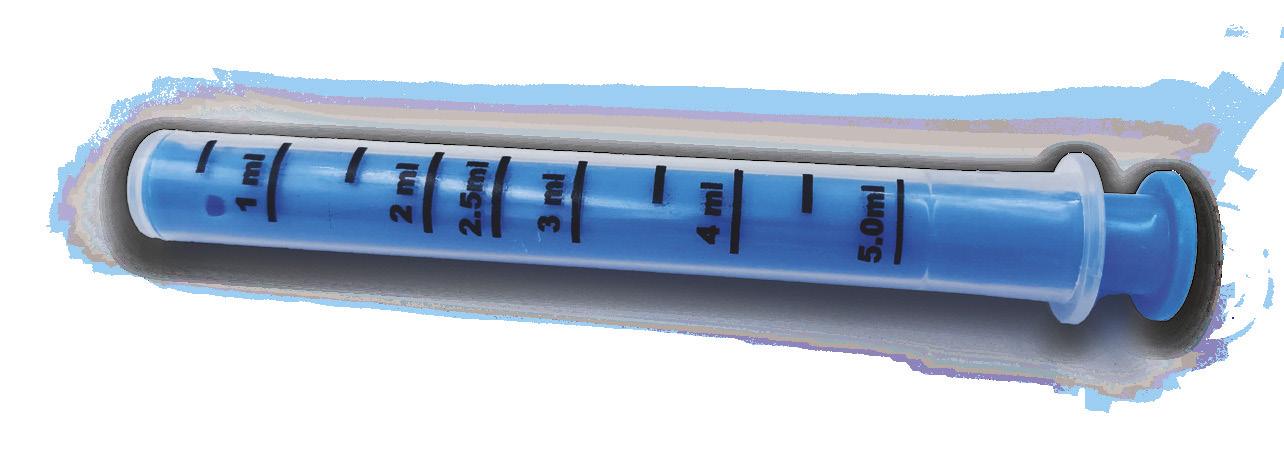
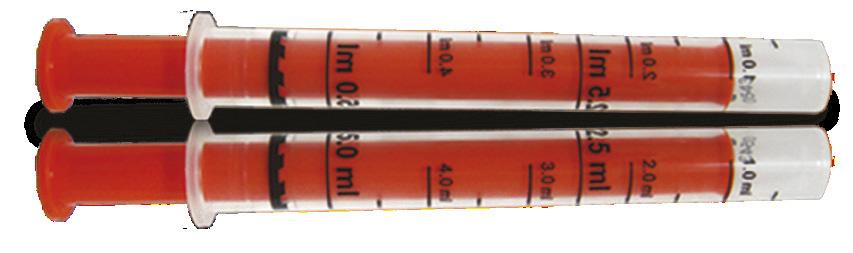
The pain treatment dilemma: too little relief or too many side effects?
JUNE 2026
Beyond temperature control: ibuprofen’s evolving role in childhood fever
Helping pharmacists guide caregivers toward evidence - based fever management in children.
EDUCATION
EDITOR’S NOTE 11 10 tips before dispensing bisphosphonates
OPINION Burnout & resilience in community-based pharmacists
13 Optimising smoking cessation outcomes in pharmacy practice
Supporting smokers through personalised, evidence-based cessation strategies remains an important role for pharmacists in primary healthcare.
15 Prenatal vitamins 101: why they’re essential for pregnancy
Exploring the link between obesity & male infertility How hormonal disruption, sperm quality decline, and erectile dysfunction converge in reproductive health.
19 Coughs, colds, & clarity: managing the everyday URI
Evidence - based guidance on differentiating viral and bacterial upper respiratory infections.
23 The pain treatment dilemma: too little relief or too many side effects? Pharmacogenetics pharmacist, Chris-Geré Zeelie unpacks the importance of pharmacogenetics in everyday pharmacy practice.
CPD activities
25 Barrier breakdown: winter skin challenges 27 Hormones in flux: navigating the change 29 GSM: initiating the conversation 31 Invasive meningococcal disease in SA
EDITOR: Nicky Belseck
Email: nicky.belseck@media24.com
LAYOUT AND DESIGN:
Beku Mbotoli
ADVERTISING
KEY ACCOUNT MANAGER:
Anel du Plooy
Cell: 082 786 9517
Email: Anel.duPlooy@media24.com
DATABASE ADMINISTRATOR
Email: Rae.Morrison@media24.com
Maseko
DIRECTOR: David Kyslinger
Scan the QR code to sign up to receive a digital copy of the latest issue of Pharmacy Magazine every month
A new era in community healthcare
In a world where innovation often feels out of reach for those who need it most, a recent health screening day in Cape Town offered a powerful glimpse into the future of accessible healthcare. Hosted by The Impilo Project, this event brought life-changing services to the underserved community of Joe Slovo, but it was the AI-powered TB screening that truly stole the spotlight.
Tuberculosis remains one of SA’s deadliest diseases, claiming 50 000 lives annually. Yet early detection has long been hindered by logistical challenges – until now. Enter AI Diagnostics’ groundbreaking stethoscope, a palm-sized device that uses artificial intelligence to detect TB with radiologist-level accuracy. Dubbed ‘Shazam for TB,’ this tool is portable, easy to use, and designed for frontline healthcare workers.
At the event, 105 residents were screened in just hours, showcasing the stethoscope’s potential to revolutionise community healthcare. For Dr Dale Smith, CEO of The Impilo Project, the device represents a gamechanger: “This tool empowers community health workers to catch TB early, saving lives before it’s too late.”
The enthusiasm was palpable among healthcare workers like Nomfundo Philisane, who said, “Our
communities are suffering from TB. Now we can detect it early and get patients treated.”
This collaboration between local innovation and grassroots healthcare is a beacon of hope. It’s a reminder that when technology meets compassion, we can rewrite the narrative for underserved communities. As Dr Smith aptly put it, “This thing is going to save millions of lives.”
INTERESTING TOPICS IN THIS MONTH’S ISSUE
INCLUDE:
• Breaking the chain: the role of pharmacists in life-course vaccination (page 7)
• Burnout & resilience in community-based pharmacists (page 9)
• Optimising smoking cessation outcomes in pharmacy (page 13)
Congratulations to the winner of Crossword #84, Sarina Gerber. For your chance to win a R1 000 Woolworths voucher don’t miss this month’s crossword puzzle on page 33.
WORDS TO LIVE BY
“Success is not the key to happiness. Happiness is the key to success. If you love what you are doing, you will be successful.”
– Albert Schweitzer
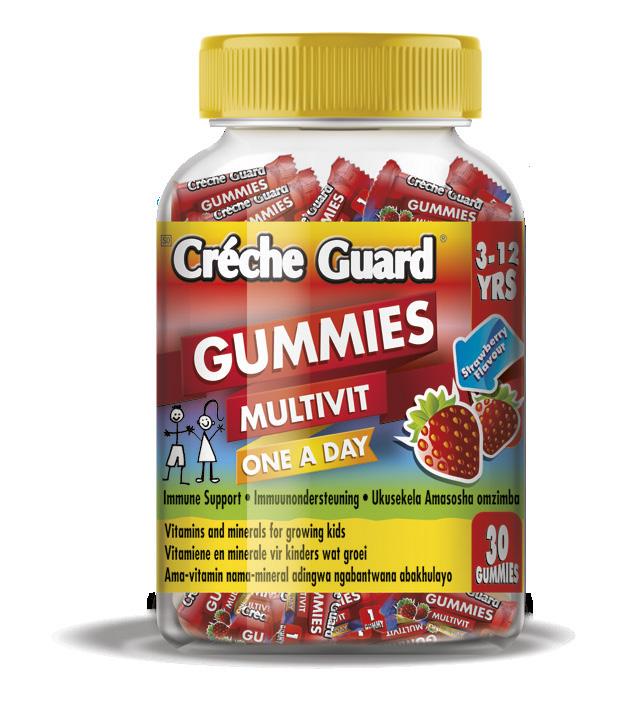
As South Africa’s No. 1 Children’s Multivitamin & Mineral Supplement1, Créche Guard Immune is specifically formulated to help give children the daily nutrients they need for the maintenance of good health.
Benefits of Creche Guard Immune Multivitamin:
Multivitamin and mineral supplement for everyday use
Contains essential B Vitamins
Available as a strawberry gummy
Each gummy is individually wrapped
With Zinc,Vitamin D and Vitamin C for immune support
Alcohol and tartrazine free
Available in 100 ml, 200 ml & 500 ml Syrup
Syrups suitable from 12 months +
Available in 30 gummies
Alcohol, tartrazine and gelatine free
Suitable from 3 years +
Créche Guard ® Kids
Breaking the chain: the role of pharmacists in life-course vaccination
Vaccinations are among the most effective public health tools, second only to clean water. They save lives, reduce disease burden, and protect communities through herd immunity. Life-course vaccination, spanning from pregnancy to old age, prevents outbreaks, reduces antimicrobial resistance, supports healthy aging, and protects newborns through maternal immunisation.
During a recent webinar hosted by the National Department of Health (NDoH) for Africa Vaccination Week, Professor Hannelie Meyer (SAVIC & SMU) and Bontle Motloung (UNICEF) highlighted the critical importance of vaccinations and the pressing issues affecting SA's immunisation efforts.
According to Motloung, SA faces significant challenges in its vaccination landscape.
Routine immunisation coverage has declined sharply, with DTP3 coverage dropping to 64.9% in 2025 – the lowest in over a decade.
Alarmingly, the number of zero-dose children (those who have not received even the first dose of DTP) has risen from approximately 114 000 in 2018 to nearly 400 000 in 2025. This has left over 400 000 children unprotected, more than double the figure from 2021. These immunity gaps have led to outbreaks of vaccine-preventable diseases (VPDs) such as measles, diphtheria, rubella, and pertussis, with healthcare worker outbreaks also reported.
Professor Meyer emphasised the importance of life-course vaccination, which protects individuals at every stage of life and contributes to public health by preventing outbreaks, reducing antimicrobial resistance, and supporting healthy aging. She also stressed the need for vaccine safety and public confidence to ensure the success of immunisation programmes.
To address these challenges, the NDoH is developing an Immunisation Recovery Plan.
This plan focuses on governance, supply logistics, service delivery, data improvement, community trust, workforce capacity, and resource coordination.
Pharmacists play a pivotal role in reversing this decline. As trusted healthcare professionals, they are uniquely positioned to promote vaccination and address barriers. Here’s how pharmacists can contribute:
1. Promote vaccination: Check vaccination status during every patient interaction and use missed opportunities to vaccinate or refer.
2. Administer vaccines: Where authorised, offer vaccines such as influenza, adult boosters, and travel vaccines. Integrate vaccination into chronic care, antenatal visits, and workplace health programmes.
3. Support maternal health: Advise pregnant patients on recommended vaccines like Tdap and influenza.
4. Combat misinformation: Provide clear, empathetic communication to counter vaccine myths and build confidence.
5. Ensure safety: Report adverse events following immunisation (AEFI) promptly and counsel patients on expected reactions.
6. Operational support: Monitor stock levels, collaborate with clinics for outreach, and assist with data capture and follow-up.
7. Advocate for public health: Work with authorities to target underserved communities and expand access to lifecourse vaccination.
Vaccination is essential for public health, and pharmacists are at the forefront of this effort. By leveraging their trusted role, pharmacists can help close immunity gaps, rebuild confidence in vaccines, and support SA’s immunisation recovery.
Vaccination is essential for public health, and pharmacists are at the forefront of this effort
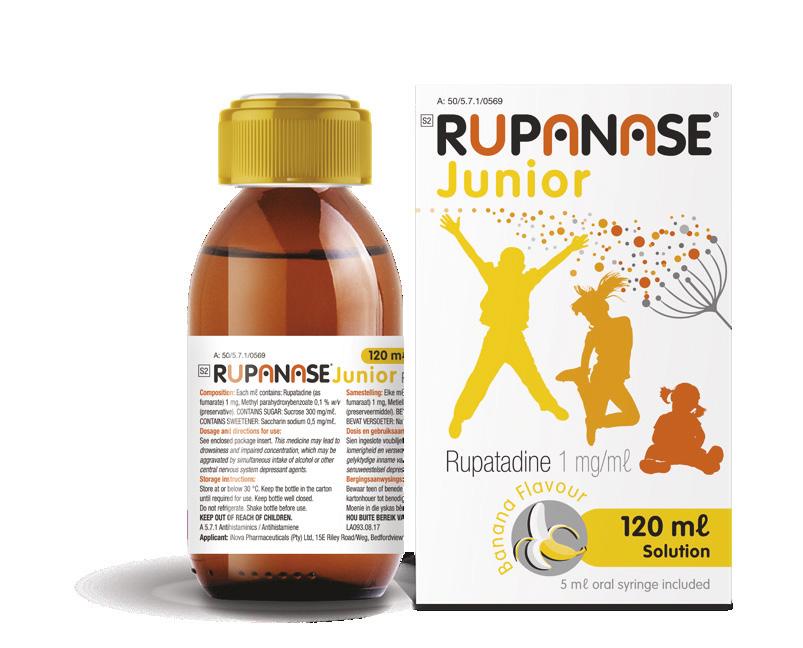
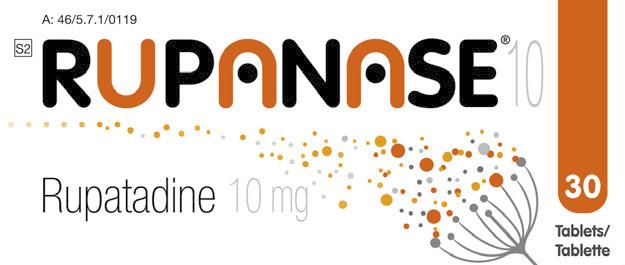
THE FIRST DUAL-ACTING HISTAMINE AND PAF* BLOCKER FOR BROADER CONTROL OF ALLERGY SYMPTOMS†1-6
Relieves early and late allergy symptoms, including blocked nose2,3,7
Rupatadine ranked as the most effective antihistamine for relief of allergic rhinitis symptoms‡8
Rupatadine tablets provide rapid relief from 15 minutes7 Rupatadine syrup provides significant
References: 1. Picado C. Rupatadine: pharmacological profile and its use in the treatment of allergic disorders. Exp Opin Pharmacother. 2006;7(14):1989-2001. 2. Ridolo E, et al. Rupatadine for the treatment of allergic rhinitis and urticaria: a look at the clinical data. Clin Invest 2014;4(5):453-461. 3. Mullol J. et al. Update on Rupatadine in the management of allergic disorders. Allergy. 2015; 70(100):1-24. 4. Grzelewska-Rzymowska I. et al. Rupatadine: a novel second-generation antihistamine. Post Dermatol Alergol. 2011;XXVIII(6):480–488. 5. Department of Health. Database of Medicine Prices, 1 September 2025 [cited 2025 Nov 03]; Available from: https://www.health.gov.za/nhi-pee/. 6. IMS TPM - Total Syrup/Suspension market, September 2025. 7. Steubner P, et al. Effects of rupatadine vs placebo on allergen-induced symptoms in patients exposed to aeroallergens in the Vienna Challenge Chamber. Ann Allergy Asthma Immunol. 2006;96:37-44. 8. Hong D, Weng J, Ye M, et al. Efficacy of different oral H1 antihistamine treatments on allergic rhinitis: a systematic review and network meta-analysis of randomized controlled trials. Braz J Otorhinolaryngol. 2023;89(4):101272. 9. Potter P, et al. Rupatadine oral solution in children with persistent allergic rhinitis: A randomized, double-blind, placebo-controlled study. Pediatr Allergy Immunol. 2013;24(2):144-150. 5. 10. RUPANASE® professional information, August 2021. 11. Marmouz F. et al. Morning and evening efficacy evaluation of rupatadine (10 and 20 mg), compared with cetirizine 10 mg in perennial allergic rhinitis: a randomized, double-blind, placebo-controlled trial. J Asthma Allergy. 2011;4:27-35.
AUTHOR: Shushu Mhangwane, ICPA treasurer
Burnout & resilience in community-based pharmacists
It is one thing to read the statistics on burnout; it is another entirely to live it, writes pharmacist and ICPA treasurer, Shushu Mhangwane
When you are the one standing behind that counter, the pressure is not academic, it is a physical weight. From a perspective of a practicing community pharmacist, burnout is not just ‘feeling tired’, it is a complex daily battle with a system that often feels rigged against you and your patients. It is a no brainer, burnout among community pharmacists (CP) has escalated from a localised workplace issue into a full-blown global workforce crisis.
You are diagnosing, counselling, and getting yelled at about wait times by clients. Historically, CP valued as the most accessible healthcare providers, face an intersection of soaring patient demands, corporate metric and severe understaffing.
THE CORE DRIVERS OF COMMUNITY PHARMACIST’S BURNOUT
The root causes of burnout in this sector include:
• The clinical dumping ground: Medical officers face severe patient influx, therefore, patients turn to pharmacy. Pharmacists are managing increasingly complex clinical inquiries and triaging patients, often without support staff.
vigilance required for 10-12 shifts without adequate rest break is unsustainable.
• Medication shortages: Global supply chain issues mean pharmacists spend hours tracking down alternatives, calling doctors, and dealing with frustrated anxious patients. This administrative burden cuts deeply into actual dispensing and counselling time.
SURVIVAL STRATEGIES FOR THE PHARMACY FLOOR
• Slow down to speed up: When the queue is long, your instinct is to move faster. Fight that instinct. Remind yourself you cannot care more about the speed of the queue than the safety of the medicine.
• Aggressive corporate metrics and sales pressure: In many chain environments, pharmacists are expected to increase script volume and add-on-sales rather than purely patient care.
• Regulatory bodies: Pharmacy is a highly regulated profession where a single decimal point error can result in severe patient harm or death. Maintaining the intense psychological
• Radical depersonalisation of patient anger: Patients are increasingly frustrated by high drug prices, long wait times, and medical aid rejections. When you are yelled at, develop a mental script to distance yourself from the negative outburst.
• For managers, it is a vital strategy to delegate, assign specific tasks, and have sufficient knowledgeable staff. Set firm, calm boundaries with abusive customers to protect your mental health and maintain professional environment.
• Protect your off-hours threat level. When you clock out, your brain needs to know it is safe. Mute work WhatsApp groups or email notifications completely.
• Joining pharmaceutical organisation: The reality is that there is magic in collaborating and networking with like-minded people.
• Lastly, regular self-care could enhance pharmacist well-being.
Burnout among community pharmacists has escalated from a localised workplace issue into a fullblown global workforce crisis
10 tips before dispensing bisphosphonates
Dive into practical care insights with valuable advice from pharmacist and ICPA treasurer, Shushu Mhangwane
Bisphosphonates are a class of drugs that slow down bone breakdown. They work by binding to the bone and inhibiting osteoclasts resorption of bone, the cells that chew up the bone – from working too hard. Because they bind with affinity within the actual structure of the bone, their action persists long after treatment has been stopped. These kinds of drugs are mainly used in postmenopausal women and men at risk of fractures. Bisphosphonates are also used in Paget’s disease of bone, cancer related bone conditions, managing cancer that has spread to the bones.
Common bisphosphonate drugs and brands available in SA:
F Alendronic acid (Fosamax, Binosto); often taken weekly
F Risedronate acid (Actonel) taken daily Ibandronate acid (Boniva) monthly tablet or quarterly IV
F Zoledronic Acid: Annual or biennial IV infusion
F Pamidronate acid: IV injection
4. CONCOMITTANT DRUGS: Adequate calcium and vitamin D are needed in the days before and following administration to prevent secondary hyperparathyroidism.
5. DRUG INTERACTION: Calcium, iron, magnesium, antacids, multivitamins, must be separated by 30-60 minutes minimum. NSAIDS, ibuprofen, and bisphosphonates increase the risk of higher GI ulcer.
6. LONG TERM SAFETY MONITORING: If thigh/groin pains mentioned at pick up, could be red flag for atypical fracture, refer to attending doctor immediately.
7. DAIRY PRODUCTS: Milk products are some of the foods rich in calcium that people who are suffering from osteoporosis should eat more of.
10 TIPS BEFORE DISPENSING BISPHOSPHONATES
1. ORAL MEDICATION: Take on an empty stomach with a full glass of plain water, upon waking up. Wait 30 minutes before eating, drinking, or taking other medication.
2. POST-DOSE RESTRICTIONS: Sit or stand upright for at least 30-60 minutes after taking, no bed, no couch, walk, shower to avoid severe oesophageal irritation.
3. MISSED DOSE: Weekly… if you forget, take it the next morning, don’t take two doses same day.
8. CONTRAINDICATIONS: Bisphosphonates are eliminated through the kidneys, therefore, patients with advanced chronic kidney disease (CKD) may be at risk of drug accumulation, which can cause severe renal toxicity and further accelerates kidney function decline. Use is generally avoided in patients with advanced stage four or stage five CKD.
9. ENCOURAGEMENT: Most people quit in the first month due to GI issues from wrong administration. Fixing this issue prevents fractures down the road.
10. Remind patients to have regular follow up and healthy life style choices.
By applying these practical tips, pharmacists can play a pivotal role in optimising bisphosphonate therapy, ensuring patient safety, adherence, and improved treatment outcomes.
Reference: Ganesan K, Goyal A, Roane D. Bisphosphonate. In: StatPearls [Internet]. Treasure Island (FL): StatPearls Publishing; 3 July 2023.
Bisphosphonates work by binding to the bone and inhibiting osteoclasts resorption of bone, the cells that chew up the bone – from working too hard
Shushu Mhangwane, ICPA treasurer
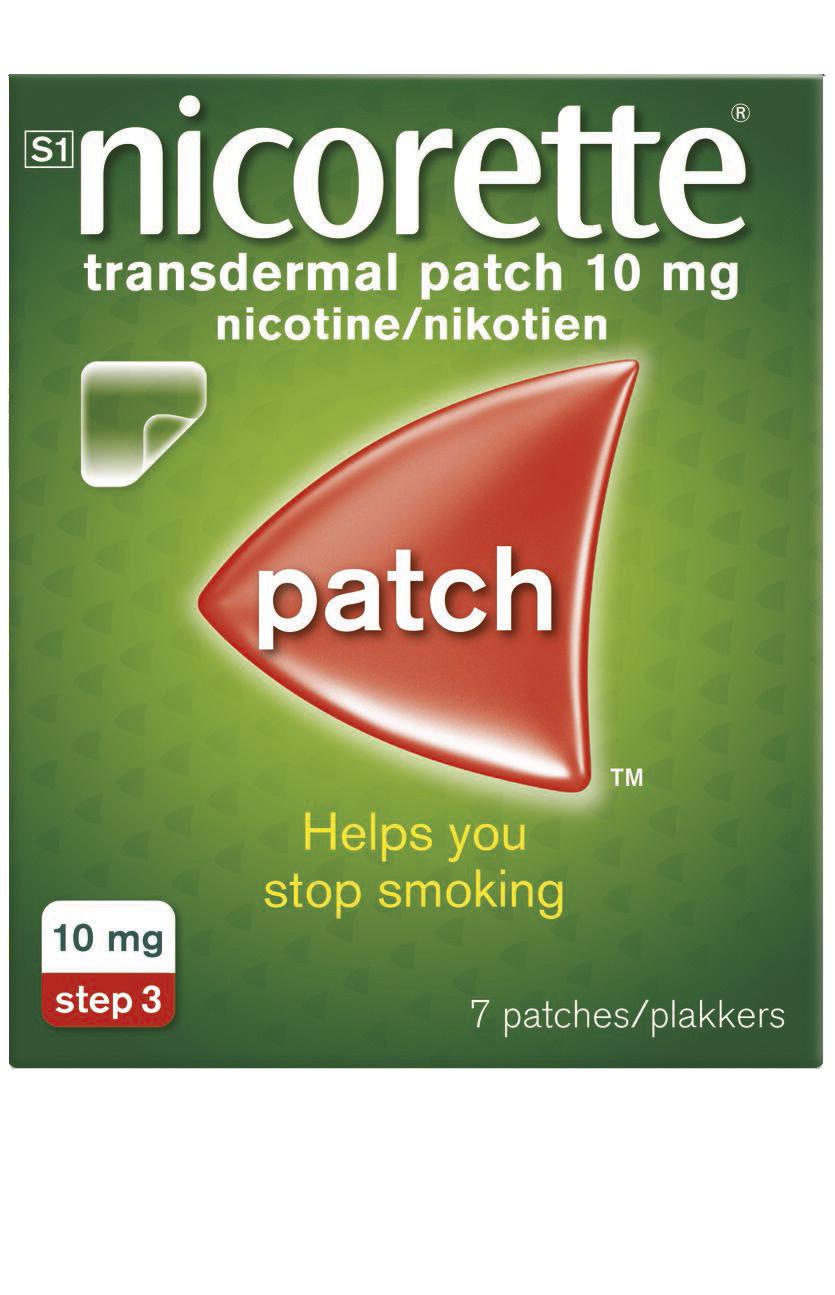
COMBINATION NRT INCREASES the likelihood of LONG-TERM SMOKING CESSATION by relative to monotherapy.1* 27 %
*Absolute risk reduction is 17,4 versus 13,7 %.1
CONTROLLER2
Mimics nicotine fluctuations over the course of the day in smokers.3
RELIEVER2
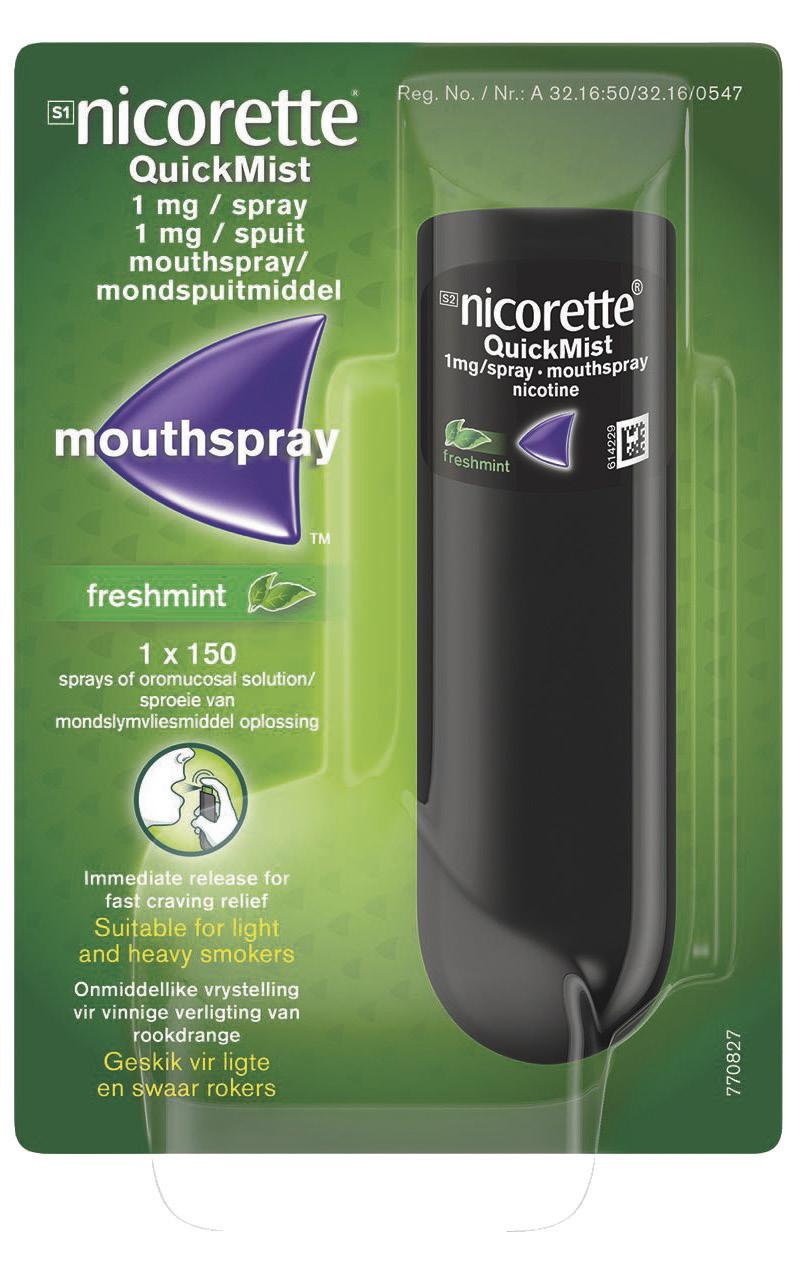
Reaches the bloodstream within minutes for fast relief of cravings.4,5
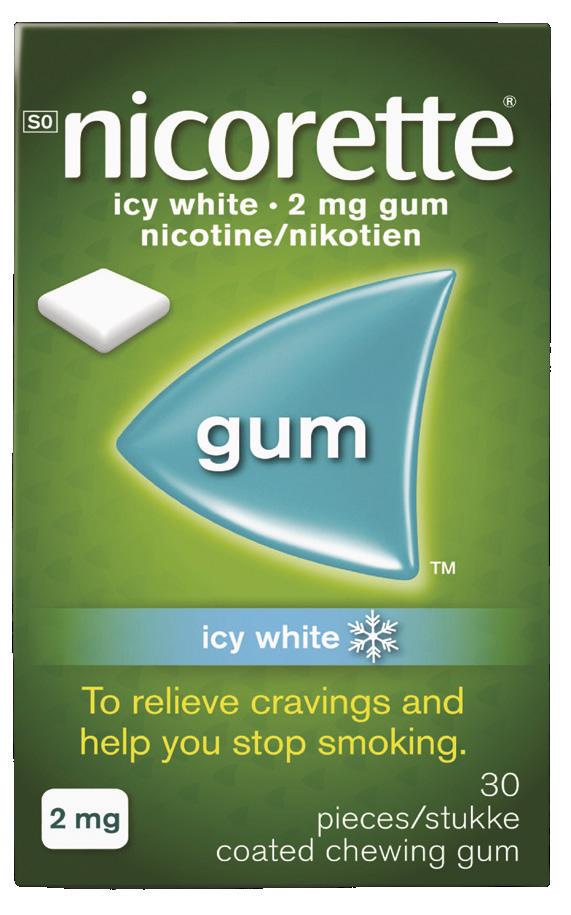
Combination therapy also applicable to 15 mg & 25 mg patches.3 Gum available in Icy White, Freshfruit and Freshmint flavours.4
NRT: Nicotine Replacement Therapy. For a full list of excipients, please refer to the approved Professional Information.
References: 1. Theodoulou A, Chepkin SC, Ye W, et al. Different doses, durations and modes of delivery of nicotine replacement therapy for smoking cessation. Cochrane Database of Systematic Reviews 2023, Issue 6. Art. No.: CD013308. DOI: 10.1002/14651858.CD013308.pub2. 2. Van Zyl-Smit RN, Allwood B, Symons G, et al. South African tobacco smoking cessation clinical practice guideline. S Afr Med J 2013;103(11):869-876. DOI:10.7196/SAMJ.7484. 3. NICORETTE® Transdermal Patch professional information, February 2025. 4. NICORETTE® ICY WHITE, FRESHFRUIT AND FRESHMINT 2 mg gum. Professional Information. March 2025. 5. NICORETTE® QUICKMIST 1 mg/spray oromucosal spray. Professional Information. January 2024.
S0 Nicorette® Icy White 2 mg: Each piece of gum contains 10 mg nicotine-resin complex 20 %, equivalent to 2 mg nicotine. Reg. No. 46/34/0164. For full prescribing information, refer to the Professional Information approved by the medicines regulatory authority.
S1 Nicorette® Quickmist. Contains nicotine (1 mg/spray). Contains sweeteners (0,1 mg sucralose and 0,1 mg acesulfame potassium/spray). Reg. No. 50/32.16/0547. For full prescribing information, refer to the Professional Information approved by the medicines regulatory authority.
S1 Nicorette® Transdermal Patch 10 mg: Each patch contains nicotine equivalent to 1,75 mg per 1,0 cm2. Content of nicotine per patch 15,75 mg. Reg. No. 45/32.16/0952. For full prescribing information, refer to the Professional Information approved by the medicines regulatory authority.
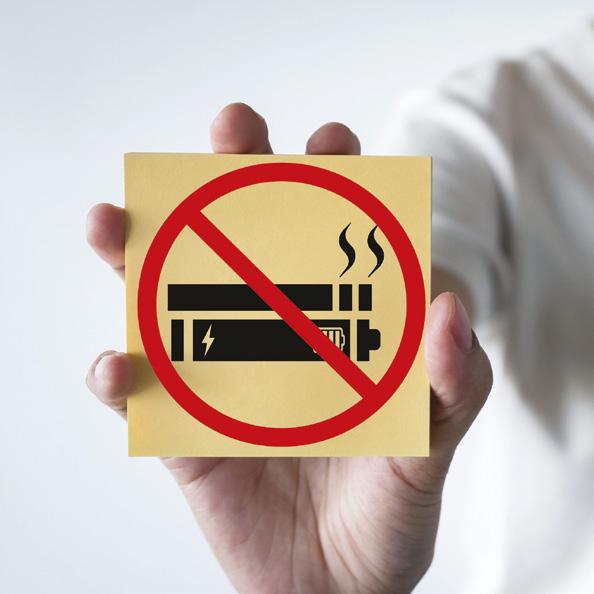
Optimising smoking cessation outcomes in pharmacy practice
Supporting smokers through personalised, evidence-based cessation strategies remains an important role for pharmacists in primary healthcare
Smoking remains one of the leading preventable causes of disease and premature death worldwide. Although many smokers want to quit, nicotine dependence is complex and relapse is common. Pharmacists are often among the first healthcare professionals approached by smokers seeking advice, placing community pharmacy in a valuable position to support smoking cessation efforts.1
NICOTINE DEPENDENCE
Successful smoking cessation involves more than simply stopping cigarettes. Nicotine dependence has both physical and behavioural components, and many smokers struggle with withdrawal symptoms, cravings, stress triggers, and habitual routines linked to smoking. For this reason, repeated quit attempts should be viewed as part of the cessation journey rather than a sign of failure. Encouragement, follow up and ongoing support can significantly improve long term outcomes. 2
single formulation therapy alone.3a,3b Combination approaches may be particularly helpful for smokers experiencing persistent cravings or difficulty maintaining abstinence during previous quit attempts.3c Importantly, treatment plans should be individualised according to smoking patterns, nicotine dependence, patient preference and previous quit history.
THE PHARMACIST’S ROLE IN SMOKING CESSATION
NICOTINE REPLACEMENT THERAPY
Clinical guidelines continue to recommend nicotine replacement therapy as a first line pharmacological option for smoking cessation. 2 Nicotine replacement therapy may help reduce withdrawal symptoms and improve comfort during quit attempts, particularly when combined with behavioural support and counselling. Pharmacists play an important role in helping patients understand realistic expectations during the quitting process and identifying strategies that may support adherence.
Evidence also suggests that combination nicotine replacement therapy may improve smoking cessation outcomes in some patients when compared with
Brief smoking cessation interventions delivered in primary care and pharmacy settings can still have a meaningful impact.1 Even short conversations create opportunities to encourage smokers to consider quitting, discuss barriers, and provide practical guidance. A supportive, non-judgemental approach is often more effective than directive counselling, particularly for smokers who may already feel discouraged after multiple unsuccessful quit attempts. Pharmacists are also well positioned to reinforce behavioural strategies such as identifying smoking triggers, planning for cravings, avoiding high risk situations and building support systems during quit attempts.1 Follow up conversations can help maintain motivation, address concerns and encourage continued engagement with the quitting process.1
As smoking cessation continues to evolve from a once off intervention into an ongoing healthcare priority, pharmacists remain central to supporting patients through each stage of the journey. Through practical counselling, evidencebased recommendations and compassionate patient engagement, pharmacies can continue to strengthen their role in improving smoking cessation outcomes within the community. *References available on request
Successful smoking cessation involves more than simply stopping cigarettes2
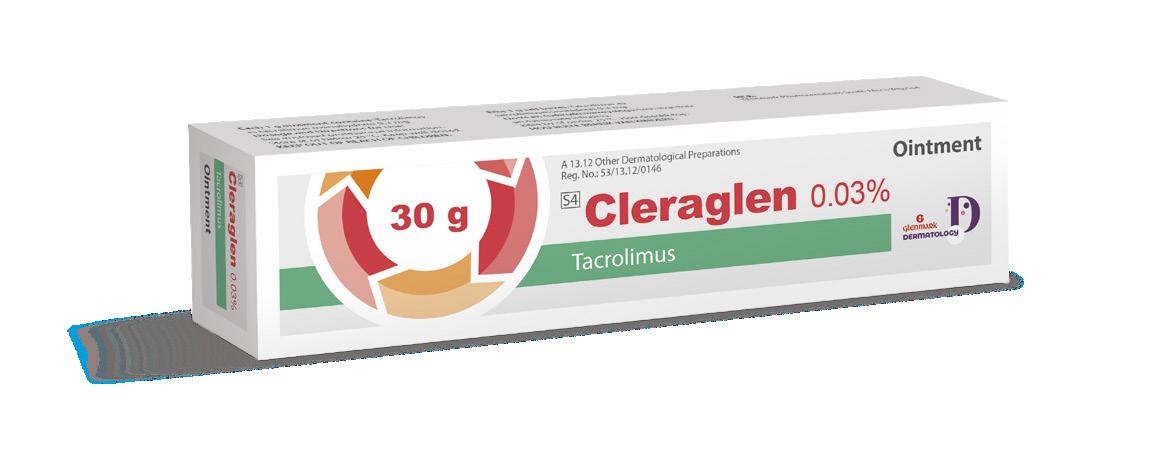
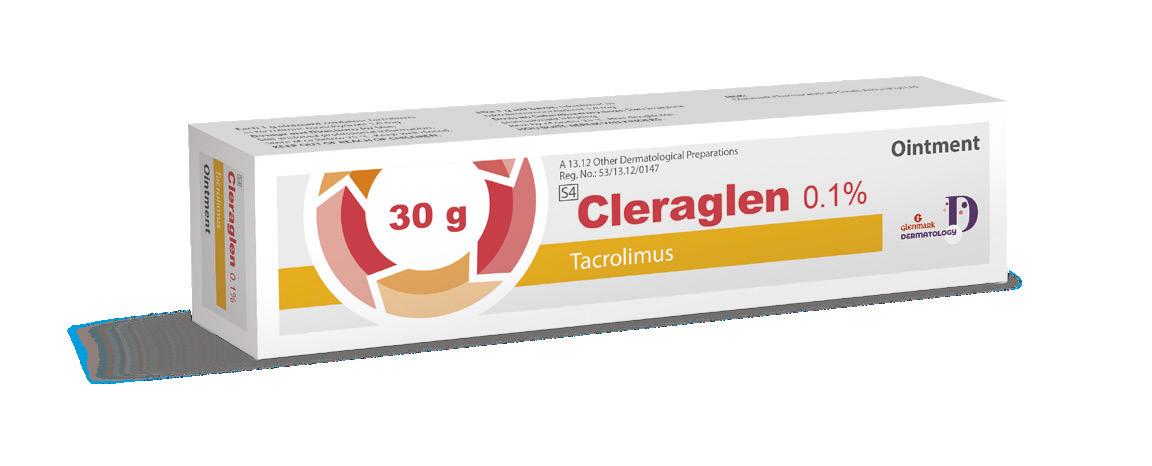
Cleraglen –relieves symptoms of Atopic Dermatitis within the first week of treatment.1,4
Relieve. Repair. Restore.1,2
References: 1. Reitamo S, Wollenberg A, Schöpf E, et al. Safety and Efficacy of 1 year of Tacrolimus Ointment Monotherapy in Adults with Atopic Dermatitis. Arch Dermatol. 2000; 136:999-1006. 2. Ohtsuki M, Morimoto H, Nakagawa H. et al. Tacrolimus ointment for the treatment of adult and pediatric atopic dermatitis: Review on safety and benefits. Journal of Dermatology. 2018;45: 936–942. 3. Database of Medicine prices. 22 December 2025. 4. Tacrolimus 0,03 %/ 0,1 % Glenmark Professional Information December 2023.
S4 CLERAGLEN 0.03 %. Reg. No.: 53/13.12/0146. Each 1 g ointment contains: Tacrolimus as tacrolimus monohydrate 0,3 mg. S4 CLERAGLEN 0.1 %. Reg. No.: 53/13.12/0147. Each 1 g ointment contains: Tacrolimus as tacrolimus monohydrate 1,0 mg. For full prescribing information refer to the professional information approved by the SAHPRA. HCR: Glenmark Pharmaceuticals South Africa (Pty) Ltd, 2nd Floor, Building D, Stoneridge Office Park, 8 Greenstone Place, Greenstone, Edenvale, Gauteng, 1609. Tel: (011) 564 3900 www.glenmarkpharma.com. WD27854/GM/CLERAGLEN/042026.
DERMATOLOGY
Prenatal vitamins 101: why they’re essential for pregnancy
Prenatal vitamins are formulated to meet the increased nutritional demands of pregnancy and are a cornerstone of maternal and foetal health. They provide targeted supplementation of micronutrients that are often difficult to achieve consistently through diet alone, reducing the risk of deficiency-related complications and supporting optimal pregnancy outcomes.1
KEY NUTRIENTS IN PRENATAL SUPPLEMENTS
Several micronutrients are considered essential during pregnancy, with established recommended dietary allowances (RDAs) and upper limits for safety.1 These include:
P Folic acid: Adequate intake before conception and during early pregnancy reduces the risk of neural tube defects. Standard supplementation ranges from 400–800µg daily.1,2
inclusion of a broader range of nutrients in prenatal formulations rather than reliance on single-nutrient supplementation. Utilisation studies highlight persistent barriers to uptake, such as limited awareness, inconsistent access, and health system constraints, underscoring the need for pharmacistled counselling to improve adherence. 4
GUIDELINE PERSPECTIVES
P Iron: Required to support expanded maternal blood volume and prevent iron-deficiency anaemia. Typical formulations provide 27–30mg elemental iron.1,3
P Calcium and vitamin D: Necessary for foetal skeletal development and maternal bone health. Calcium supplementation also reduces the risk of hypertensive disorders in pregnancy.1,5
P Iodine: Critical for thyroid hormone synthesis and foetal neurodevelopment. Deficiency is associated with impaired cognitive outcomes.1,5
P Vitamin B12: Important for DNA synthesis and neurological function, particularly in populations with limited animal-source food intake.1
EVIDENCE FOR SUPPLEMENTATION
Systematic reviews demonstrate that multiple micronutrient supplementation (MMS) is associated with improved pregnancy outcomes compared with iron-folic acid alone, including reductions in low birth weight and preterm birth.3 This supports the
International guidance emphasises the importance of folic acid and vitamin D supplementation, with additional recommendations for iron and iodine depending on population risk profiles.2 National guidelines adapt these recommendations to local contexts. For example, South African policy mandates routine iron and folic acid supplementation, with calcium prioritised in populations at risk of hypertensive disorders.5 Such regional adaptations highlight the importance of aligning counselling with national standards while maintaining awareness of global evidence.
PHARMACIST’S ROLE
Pharmacists are uniquely positioned to optimise prenatal vitamin use through evidence-based counselling. Key responsibilities include:
F Reinforcing the importance of initiating folic acid supplementation preconception.
F Clarifying the rationale for iron and vitamin D supplementation and monitoring for potential drug-nutrient interactions.
F Addressing misconceptions about ‘oversupplementation’ and ensuring patients understand the safety of recommended doses.
F Supporting adherence by identifying barriers and providing practical solutions.
By integrating international evidence with local guideline recommendations, pharmacists can ensure that prenatal vitamins are used effectively to improve maternal and foetal outcomes.
*References available on request
SA policy mandates routine iron and folic acid supplementation, with calcium prioritised in populations at risk of hypertensive disorders5
• Pain & Fever
• Sprains
• Dental pain
• Migraine
• Dysmenorrhoea
• Post-operative pain
• Musculoskeletal and joint disorders
• Peri-articular disorders
Exploring the link between obesity & male infertility
Obesity is a significant modifiable factor in male infertility, with effects on endocrine regulation, spermatogenesis, and erectile function. Pharmacists should understand these mechanisms and evidence -based interventions to support patients.1-4
HORMONAL DYSREGULATION
Excess adipose tissue increases aromatase activity, converting testosterone to oestradiol and leading to hypogonadism. Elevated oestradiol reduces gonadotropin secretion, impairing spermatogenesis.1 Insulin resistance lowers sex hormone-binding globulin (SHBG), further decreasing bioavailable testosterone. 2 Chronic inflammation and altered leptin signalling contribute to hypothalamic–pituitary axis disruption.3 Oxidative stress also impairs Leydig cell steroidogenic capacity, reinforcing hormonal imbalance.1 These mechanisms collectively reduce libido and fertility potential.13
SPERM QUALITY IMPAIRMENT
Obesity is consistently associated with lower sperm concentration, motility, and morphology.1,3 Mechanisms include oxidative stress and testicular cell dysfunction.1 Mitochondrial impairment in sperm reduces energy availability for motility, while DNA fragmentation compromises fertilisation capacity.1,3 Epigenetic modifications in sperm DNA from obese men may affect offspring health, underscoring transgenerational consequences.3 Peel et al confirmed that weight loss interventions improve sperm motility and morphology, highlighting the reversibility of these changes. 4
ERECTILE DYSFUNCTION
Obesity contributes to endothelial dysfunction and insulin resistance, both of which are linked to erectile difficulties.3 Cavdar et al. demonstrated significantly lower testosterone and SHBG levels in obese men, correlating with increased risk of erectile dysfunction.2 Vascular inflammation and metabolic dysregulation are also described in obese men and contribute to impaired sexual function.
Functional hypogonadism compounds these effects, further diminishing fertility outcomes.2,3
LIFESTYLE AND CLINICAL INTERVENTIONS
Lifestyle modification remains first-line. Exercise and dietary changes improve semen parameters and restore hormonal balance.1,3 Peel et al. showed that weight loss interventions improve sperm motility and testosterone levels. Bariatric surgery increases testosterone and may improve sperm quality, but declines in sperm concentration and postoperative azoospermia have been reported. Pharmacotherapy, particularly GLP-1 receptor agonists, promotes weight loss and may improve sperm motility, though reproductive safety in the preconception period requires further study. 4
PHARMACISTS’ ROLE
Pharmacists are uniquely positioned to:
F Counsel patients on the link between obesity and infertility.1,3
F Support adherence to lifestyle interventions.1
F Monitor metabolic comorbidities and medication use, including drugs that may exacerbate weight gain. 2,3
F Provide guidance on pharmacological options while emphasising specialist referral for complex cases. 4
F Highlight risks of fertility decline after bariatric surgery and encourage timely specialist consultation. 4
F Collaborate with interdisciplinary teams to integrate fertility counselling into chronic disease management.3,4
KEY TAKEAWAY
Pharmacists should recognise obesity as a driver of male infertility and actively promote weight management strategies. By integrating lifestyle counselling, pharmacotherapy support, and fertility awareness into practice, pharmacists can help mitigate reproductive consequences and improve patient outcomes.1-4
*References available on request
Obesity contributes to endothelial dysfunction and insulin resistance, both of which are linked to erectile difficulties3
winter ailments
Coughs, colds, & clarity: managing the everyday URI
Upper respiratory infections (URIs) are among the most frequent acute illnesses encountered in pharmacy practice. Most URIs are viral and self-limiting, but distinguishing bacterial cases is critical for antimicrobial stewardship.1
COMMON TYPES
Common cold (nasopharyngitis)
The common cold is primarily caused by rhinoviruses, though coronaviruses and adenoviruses also contribute.1,2 Symptoms include nasal congestion, rhinorrhoea, sneezing, sore throat, cough, and low-grade fever. 2 The illness typically resolves within 7–10 days, and antibiotics are not indicated. 2 Pharmacists play a role in counselling on symptomatic relief, including saline sprays and analgesics. 2 Antihistamine- decongestant combinations are also used, with pharmacological evidence supporting their efficacy.3 They should also advise patients on avoiding unnecessary antibiotic use, which contributes to resistance.1
Sinusitis
Sinusitis often follows viral URIs, with Streptococcus pneumoniae and Haemophilus influenzae implicated in acute bacterial sinusitis. 4 Clinical features include facial pain or pressure, purulent nasal discharge, congestion, and headache.5,6,7 Viral sinusitis resolves within 7–10 days, whereas bacterial cases persist beyond 10 days or worsen after initial improvement.5 Supportive measures such as saline irrigation and analgesics are recommended in acute sinusitis.5 Intranasal corticosteroids may also be considered, as supported by guideline reviews.6,7 Pharmacists should counsel patients on symptomatic relief options such as saline sprays and analgesics. 8 They should also recognise when referral is warranted, particularly in cases where antibiotics may be indicated.5,7 Education on red-flag symptoms such as orbital pain or swelling is essential.5 Antibiotic benefit in paediatric acute sinusitis has been demonstrated in randomised trials.9
Pharyngitis
Pharyngitis may be viral (adenovirus, influenza, Epstein-Barr virus) or bacterial, most notably Group A Streptococcus.10,11 Symptoms include sore throat, odynophagia, fever, lymphadenopathy, and tonsillar exudates in bacterial cases.10 Viral pharyngitis typically resolves within 3–10 days.12 Streptococcal pharyngitis requires antibiotics to prevent complications such as rheumatic fever.10,12 Pharmacists should emphasise diagnostic testing before antibiotic initiation,10 counsel on analgesic and antiseptic lozenges, 8 and highlight the importance of completing prescribed antibiotic courses to reduce recurrence and resistance.7
Laryngitis
Laryngitis is commonly viral, though irritants and vocal strain contribute.13,14 Symptoms include hoarseness, voice loss, throat irritation, and dry cough.13 Acute laryngitis is self-limiting (3–7 days), while chronic cases may require evaluation for reflux or irritant exposure.13,14 Pharmacists can advise on voice rest, hydration, avoidance of irritants, and appropriate use of humidifiers.13 They should also recognise when persistent hoarseness warrants referral to rule out more serious pathology.14
CLINICAL CONSIDERATIONS FOR PHARMACISTS
F Symptom overlap: Differentiating viral from bacterial aetiologies is essential, particularly in sinusitis and pharyngitis. 4,10,11
F Antibiotic stewardship: Most URIs are viral; antibiotics should be reserved for confirmed bacterial infections. 4,10
F Counselling points: Encourage hydration, rest, and symptomatic relief;1,2 reinforce hand hygiene1,2 and vaccination for prevention. 8,15
F Referral awareness: Pharmacists should identify red-flag symptoms requiring medical evaluation, such as severe facial pain,5 airway compromise,13 or prolonged fever.5
*References available on request
Most URIs are viral and self-limiting, but distinguishing bacterial cases is critical for antimicrobial stewardship1
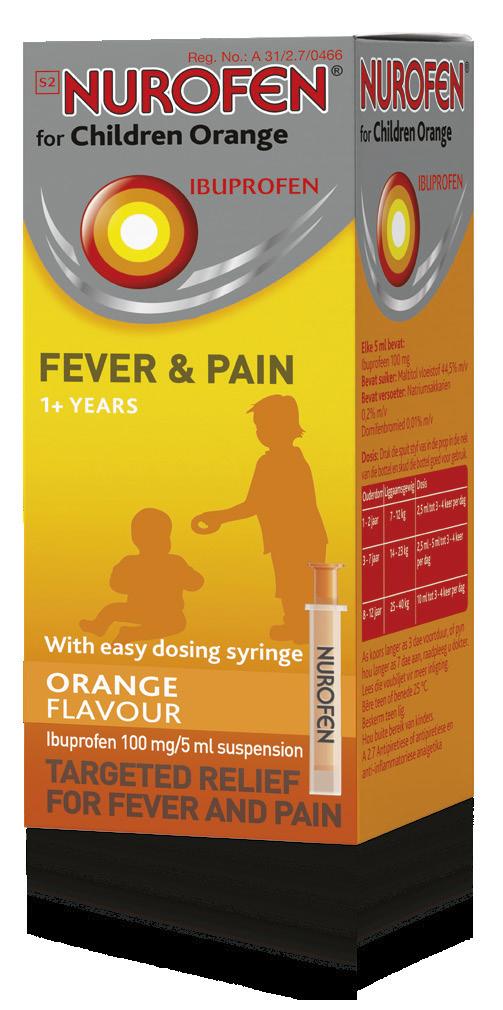
for Children Orange
References: 1. National Institute for Health and Care Excellence. Fever in under 5s: assessment and initial management. NICE guideline. 26 November 2021. Available from www.nice.org.uk/ guidance/ng143 [Accessed 26 November 2025]. 2. Green R, Webb D, Jeena PM, Wells M, Butt N, Hangoma JM, et al. Management of acute fever in children: Consensus recommendations for community and primary healthcare providers in sub-Saharan Africa. Afr J Emerg Med. 2021;11(2):283-296. 3. de’Angelis GL, Vincenzi F, Fornaroli F, Buonvicino D, Chiarugi A. New perspectives for optimizing fever and pain management in pediatrics: evidence supporting therapeutic awareness in clinical practice. Ital J Pediatr. 2025;51(1):255. 4. Hay AD, Costelloe C, Redmond NM, Montgomery AA, Fletcher M, Hollinghurst S, Peters TJ. Paracetamol plus ibuprofen for the treatment of fever in children (PITCH): randomised controlled trial. BMJ. 2008;337:a1302.
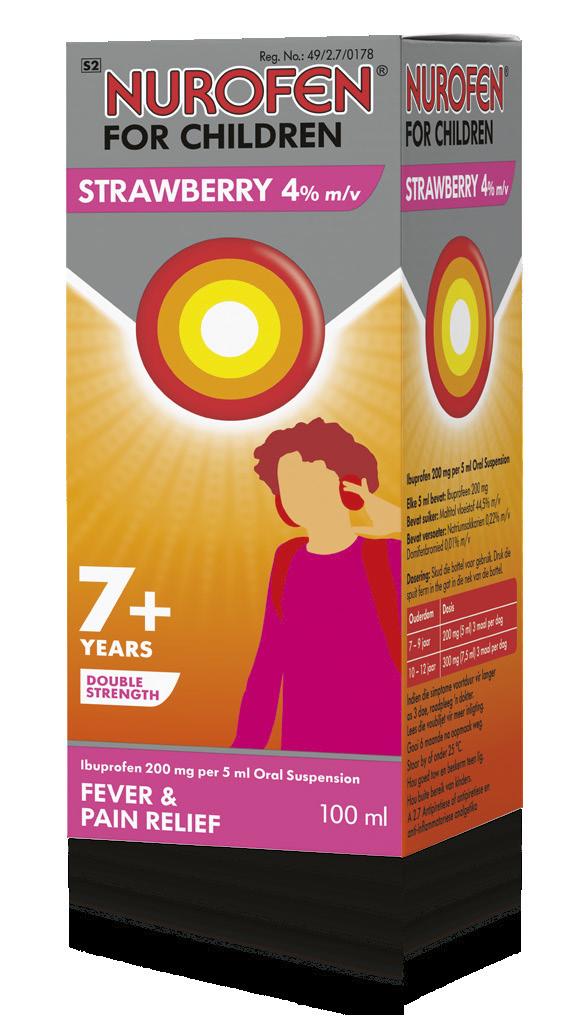
S2 NUROFEN® for Children Orange. Ibuprofen 100 mg/5 ml. 31/2.7/0466. S2 NUROFEN® for Children Strawberry. Ibuprofen 100 mg/5 ml. A40/2.7/0092. S2 NUROFEN® for Children Strawberry 4 % m/v. Ibuprofen 200 mg/5 ml. 49/2.7/0178. S2 NUROFEN® for Children Orange 4 % m/v. Ibuprofen 200 mg/5 ml. 49/2.7/0179. Reckitt Benckiser Pharmaceuticals (Pty) Ltd. For further information refer to the leaflet approved by the medicines regulatory authority. Consumer Care Line 0861 11 11 00. RT-M-sHEoIp.
Beyond temperature control: ibuprofen’s evolving role in childhood fever
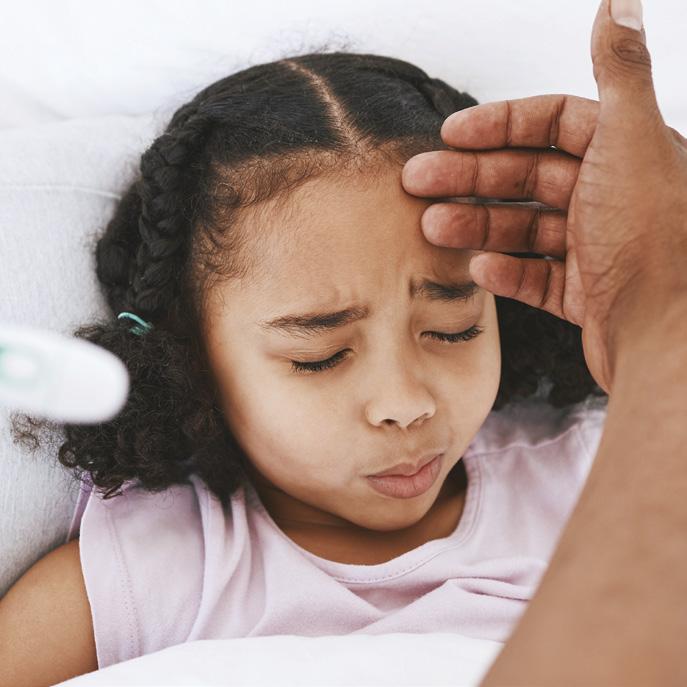
Fever remains one of the most common reasons for paediatric consultations, often arising from benign viral infections but occasionally signalling serious bacterial or non-infectious conditions. While fever itself is a regulated physiological response that supports host defence, it frequently causes discomfort, irritability and sleep disturbance, which drive parental anxiety and healthcare visits. Importantly, pharmacists are advised to treat the child rather than the thermometer, focusing on alleviating distress rather than normalising temperature. Indicators such as poor sleep, reduced intake, irritability, pallor, or chills may justify intervention, while children without significant distress often require only hydration and observation. Referral is essential in high-risk scenarios, including infants under three months with any fever, very high temperatures, seizures, respiratory distress, or prolonged fever.
Understanding fever physiology helps contextualise management. The hypothalamic ‘thermostat’ raises the set point in response to cytokine-mediated prostaglandin synthesis, producing shivering, vasoconstriction and behavioural adaptations. Unlike hyperthermia, which reflects dysregulated thermoregulation and can cause organ dysfunction, fever is a controlled inflammatory process. This distinction underscores why fever itself is not inherently dangerous and why symptom relief is the primary therapeutic goal. Pharmacological management traditionally centres on paracetamol and ibuprofen. Paracetamol acts mainly within the central nervous system, reducing fever and pain but offering minimal peripheral anti-inflammatory activity. Ibuprofen, by contrast, inhibits cyclooxygenase enzymes both centrally and
peripherally, reducing prostaglandin production and providing antipyretic, analgesic and clinically relevant anti-inflammatory effects. This dual mechanism makes ibuprofen particularly suitable in conditions where inflammation drives discomfort, such as otitis media, pharyngitis, tonsillitis and musculoskeletal pain. Ibuprofen is the most widely used NSAID in paediatric care and uniquely approved from three months of age, supported by a favourable tolerability profile. Other NSAIDs carry stricter age restrictions, reinforcing ibuprofen’s practical relevance. Pharmacokinetic considerations, including hepatic chiral inversion and cytochrome P450 variability, do not appear to limit therapeutic use in children. Evidence from randomised trials and systematic reviews confirms ibuprofen’s efficacy in shortening fever duration and relieving pain. Combination or alternating therapy with paracetamol is not routinely recommended, given limited evidence of added benefit. Safety data remain reassuring. The 2025 PIPPA Tamariki trial, enrolling nearly 4 000 infants, found no significant differences between paracetamol and ibuprofen in rates of eczema, bronchiolitis or serious adverse events during the first year of life. Gastrointestinal irritation and renal impairment remain recognised risks, particularly in dehydrated children, but overall findings support ibuprofen as a safe, evidence -based option.
It’s important to treat the child rather than the thermometer, focusing on alleviating distress rather than normalising temperature
For pharmacists, the evolving role of ibuprofen highlights its value not only in fever reduction but also in addressing inflammatory symptom burden. By prioritising comfort and recognising when referral is warranted, pharmacists can guide caregivers toward rational, evidence - aligned use of antipyretics in paediatric practice.
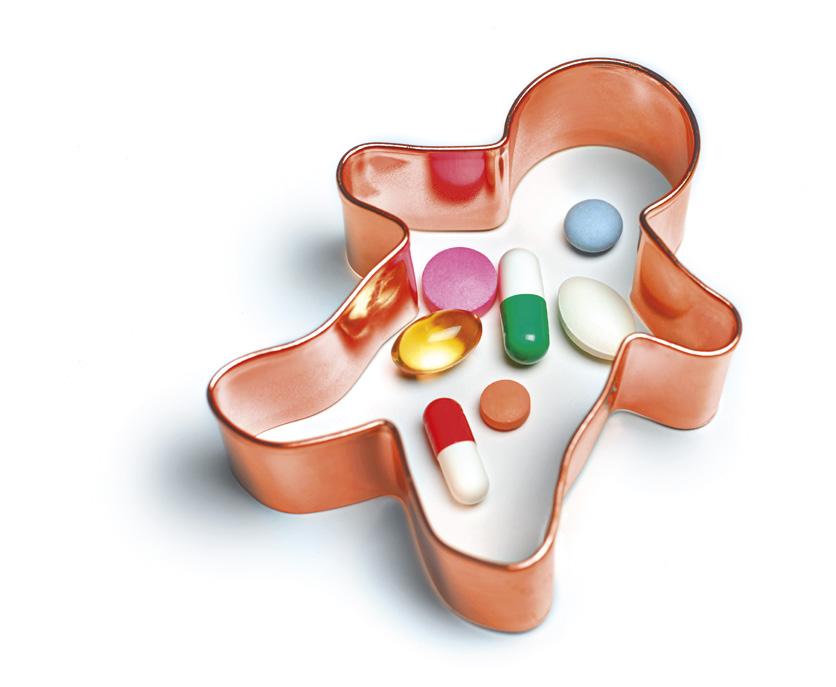
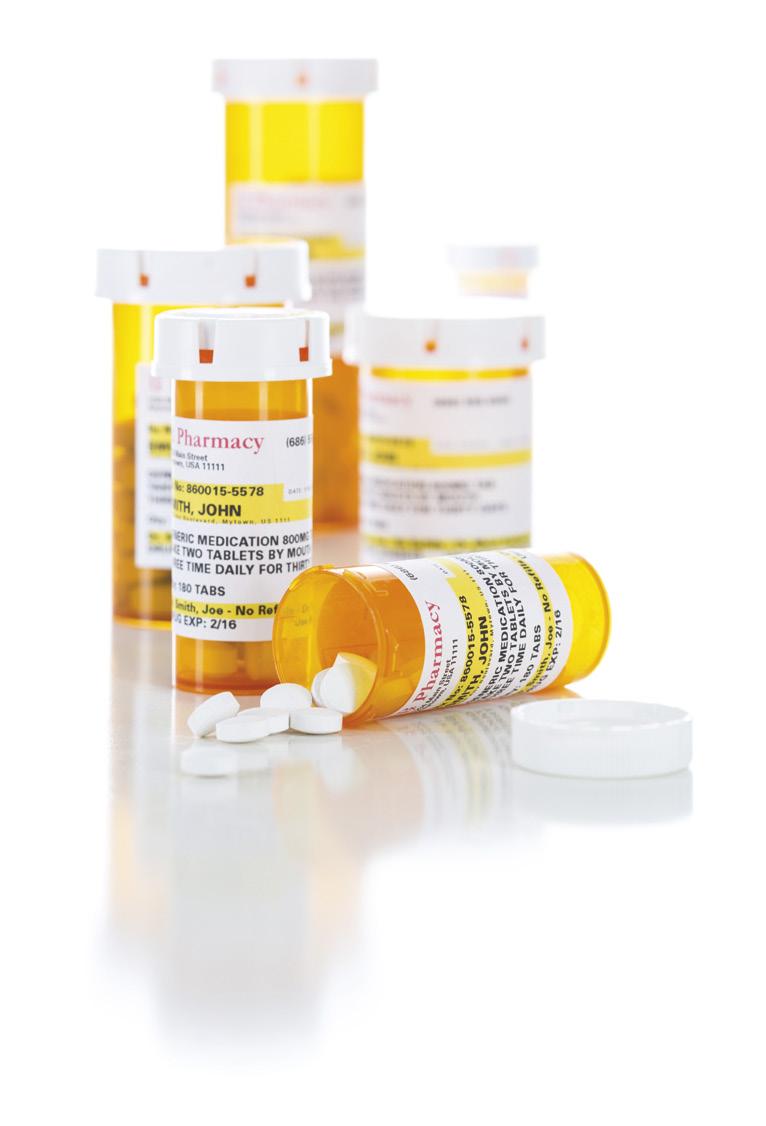
The pain treatment dilemma: too little relief or too many side effects?
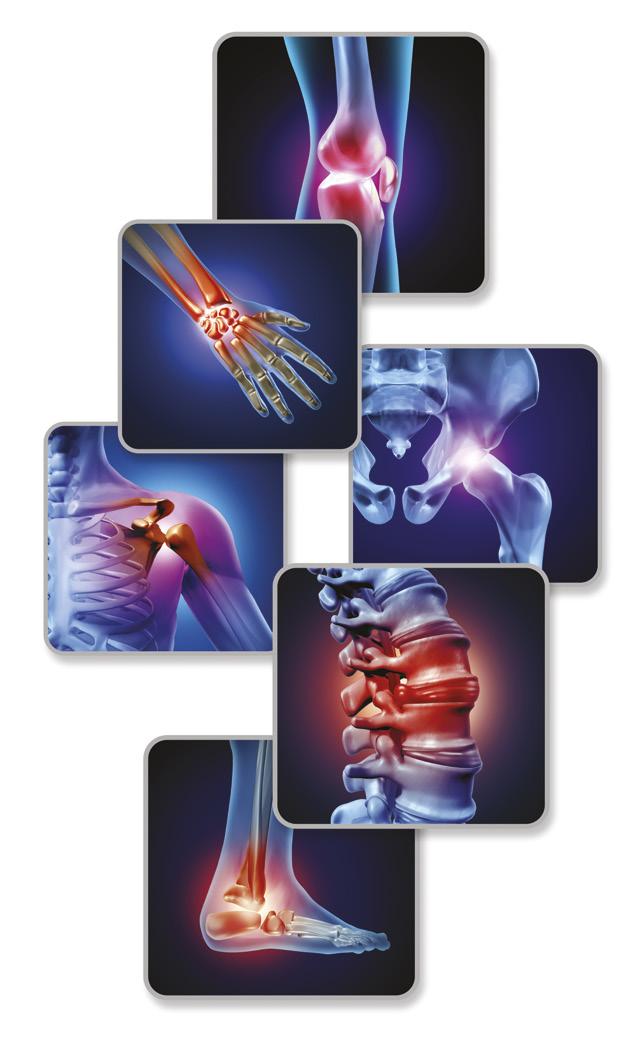
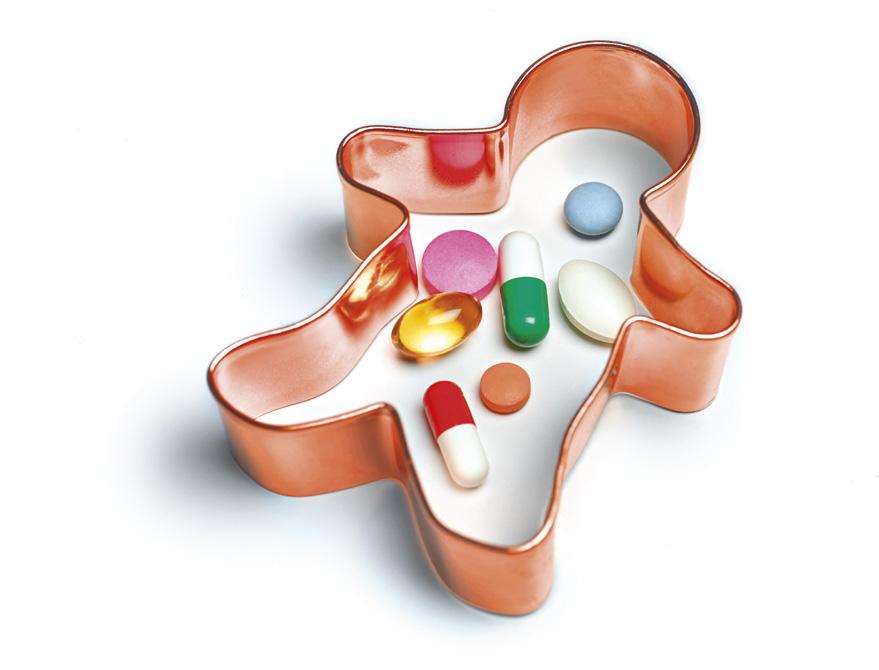
Pain management is often a balancing act. While some individuals experience inadequate pain relief, others develop adverse effects, even at standard doses. This may be particularly relevant in older adults, who frequently require pain medication and are already more vulnerable to falls, sedation, gastrointestinal bleeding, and the complications associated with polypharmacy.1,2
Part of the explanation for this variability may lie in pharmacogenetics (PGx), which explores how genetic variation influences an individual’s response to medication. 2 These variations can affect how medicines are metabolised, transported, and interact with targets in the body, impacting both efficacy and safety in pain management.3
OPIOIDS
One of the most clinically relevant examples involves CYP2D6, an enzyme responsible for metabolising opioids such as codeine and tramadol. Codeine is a prodrug that must be converted into morphine to provide pain relief. Individuals who are CYP2D6 poor metabolisers may not adequately convert codeine into its active form, resulting in poor pain control. Ultrarapid metabolisers, on the other hand, convert codeine into its active form more rapidly, increasing the risk of severe toxicity, including respiratory depression.
NSAIDS
Non-steroidal anti-inflammatory drugs (NSAIDs) are also widely used for pain and inflammation and carry their own set of risks. Variants in the CYP2C9 gene may reduce NSAID metabolism, increasing the risk of toxicity and adverse effects such as gastrointestinal bleeding, renal impairment, and cardiovascular complications. Combined with comorbidities and polypharmacy, these risks become even more significant.5
THE MISSING PUZZLE PIECE
While factors such as age, liver and kidney function, concomitant medications, and lifestyle all contribute to treatment response and tolerability, pharmacogenetics may provide additional insight during medicine review and optimisation. By incorporating both genetic and non-genetic factors into clinical decision-making, pharmacists can take a more personalised approach to pain management and patient care. Pharmacists are well positioned to support individualised pain management by identifying individuals at higher risk of adverse drug reactions, recognising unusual treatment responses, and supporting safer, more effective therapy decisions.6
While
some individuals experience inadequate pain relief, others develop adverse effects, even at standard doses1,2
Similar variability may occur with tramadol, where altered metabolism can affect both analgesic response and the risk of side effects. In older adults, these effects may be amplified due to age-related physiological changes and reduced organ function. 4
As SA observes the ‘Go Turquoise for the Elderly’ campaign in the national health awareness calendar, it serves as an important reminder that improving medicine safety and quality of care in older adults remains a healthcare priority. Pain management in this population should extend beyond symptom relief alone, with a more personalised approach helping to improve both safety and treatment outcomes.
*References available on request
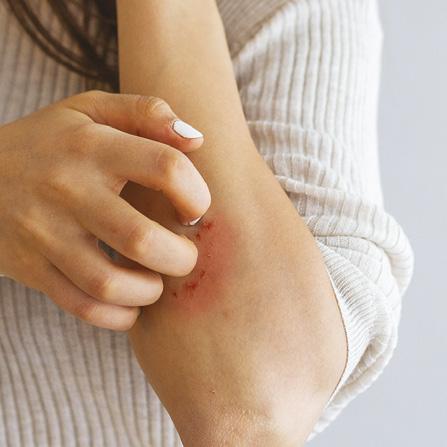
Barrier breakdown: winter skin challenges
Clinical insights on dryness, eczema, and psoriasis during cold weather months
Cold weather and low humidity compromise skin barrier integrity, leading to xerosis, eczema, and psoriasis flares. Pharmacists are well positioned to advise on topical therapies, optimise adherence, and identify when escalation of care is required.
COMMON WINTER SKIN ISSUES
F Dryness (xerosis): Reduced sebaceous activity and impaired lipid synthesis in the stratum corneum predispose patients to scaling and pruritus.1 Barrier dysfunction increases susceptibility to irritants and secondary infection. 2
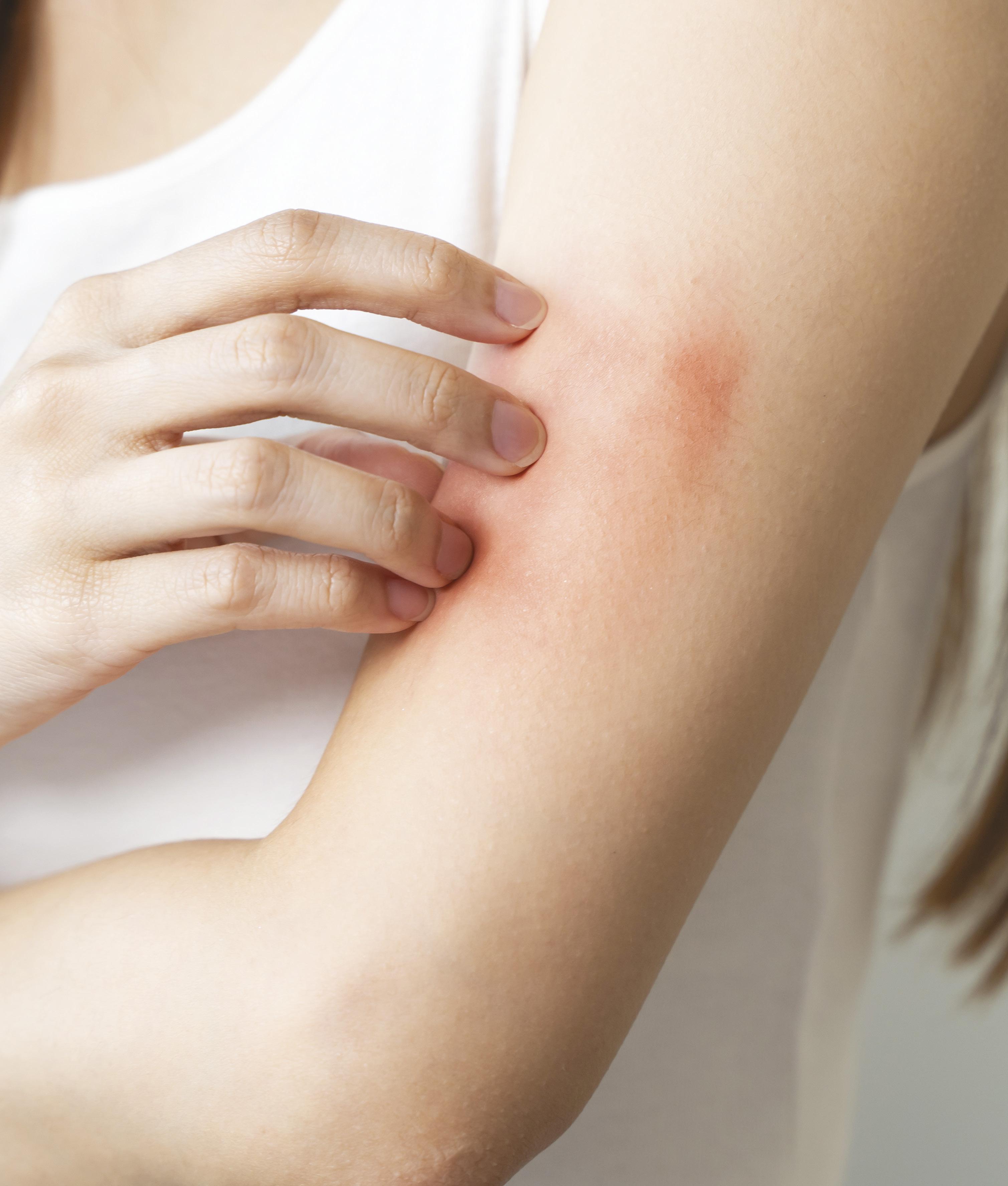
F Eczema (atopic dermatitis): Winter exacerbates transepidermal water loss, intensifying inflammation and pruritus.3 Filaggrin mutations further impair barrier proteins, necessitating vigilant emollient use. 4,5 Seasonal flares often require stepped pharmacologic intervention.6
F Psoriasis: Decreased UV exposure and indoor dryness worsen plaque inflammation.7 Stress8 and infections9 act as triggers, while Koebner phenomenon from skin trauma remains a risk.10
MANAGEMENT STRATEGIES
Pharmacists should emphasise barrier repair and hydration as first-line measures:
should counsel on fingertip unit dosing and duration to minimise atrophy.6
F Calcineurin inhibitors: Tacrolimus and pimecrolimus are steroid-sparing options for sensitive areas. Pharmacists should advise on transient burning sensations and reinforce adherence. 6
F Adjunctive therapy: Antihistamines may reduce nocturnal pruritus, though evidence for efficacy is limited.12
Psoriasis:
F Topical corticosteroids: Potent agents (eg, betamethasone dipropionate) reduce plaque thickness10 but require monitoring for tachyphylaxis.13
F Vitamin D analogues: Calcipotriol modulates keratinocyte proliferation; pharmacists should counsel on avoiding use on the face and intertriginous areas.10
F Emollients: Thick ointments or creams reduce water loss and improve barrier function. Petrolatum-based products are superior to lotions. 4,6
F Bathing practices: Counsel on short, lukewarm baths with gentle cleansers; avoid hot water.6,11
F Adjuncts: Humidifiers and avoidance of irritants (wool, fragranced products) reduce flare frequency.5,11
PHARMACOLOGIC CONSIDERATIONS
Eczema:
F Topical corticosteroids: Potency selection depends on site and severity. Hydrocortisone 1% is suitable for facial lesions, while medium-potency agents (eg, triamcinolone acetonide 0.1%) are appropriate for trunk and limbs. Pharmacists
F Combination therapy: Corticosteroid–calcipotriol combinations improve efficacy and adherence.9
F Systemic therapies: Patients on methotrexate or biologics require pharmacist monitoring for drug interactions, hepatotoxicity, and infection risk.9
ROLE OF PHARMACISTS
Pharmacists should:
P Guide emollient selection and application technique.
P Counsel on corticosteroid potency, fingertip unit dosing, and safe duration.
P Reinforce adherence to calcineurin inhibitors and vitamin D analogues.
P Identify uncontrolled disease or adverse effects and refer appropriately.
P Collaborate with dermatologists to optimise systemic therapy monitoring.
By integrating pharmacologic expertise with practical counselling, pharmacists can significantly improve winter skin outcomes. 4
*References available on request
Reduced sebaceous activity and impaired lipid synthesis in the stratum corneum predispose patients to scaling and pruritus1
Including content generated by Medical Chronicle, Specialist Forum, Pharmacy Magazine and the SA Ophthalmology Journal.
For more information, please contact us:
Editor: Rene.Bosman@media24.com
Key Account Managers:
Cindy.Riederer@media24.com | Tel: 082 492 0229
Anel.duPlooy@media24.com. | Tel: 082 786 9517
/ Stay up to date
Be the first to receive email updates on all things CPD, keep abreast of latest industry revelations, and keep adding to your CPD point score.
/ Catch up on your webinars
Never miss a webinar with our replay channel.
/
Register
Register with your FREE CPD account for access to clinical and CPD approved content.
Hormones in flux: navigating the change
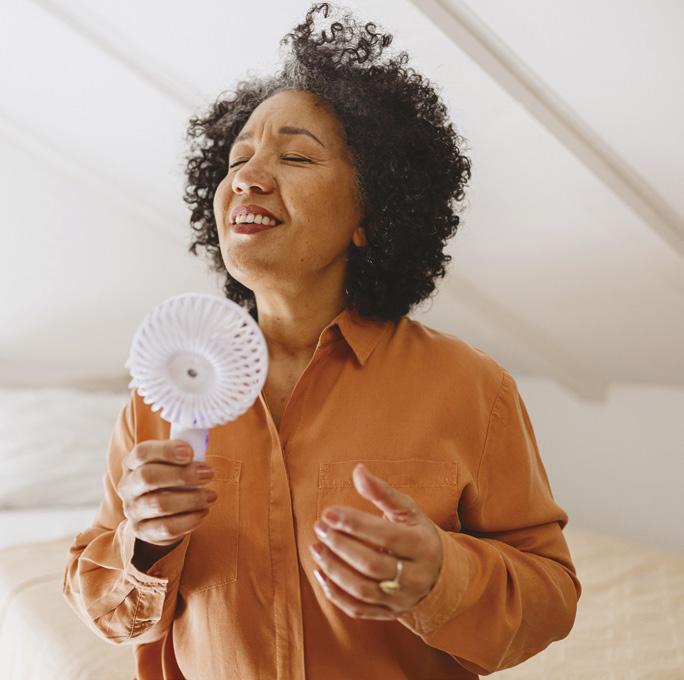
Perimenopause is the transitional period before menopause, marked by declining and fluctuating levels of oestrogen and progesterone.1,2 These hormonal changes drive irregular cycles, vasomotor symptoms, and systemic effects that pharmacists should recognise.1-3
HORMONAL DYNAMICS
Oestrogen levels rise and fall unpredictably, leading to hot flashes, night sweats, and genitourinary changes.1-3 As ovulation becomes irregular, menstrual bleeding often becomes heavier or unpredictable, and sleep disturbance is also common during this stage.1-4 Sleep disturbance is common in perimenopause, often linked to vasomotor symptoms such as night sweats.1-3 Mood changes including irritability, anxiety, and depression are frequently reported.1-3 Research highlights that variability in oestrogen and progesterone can influence neurotransmitter systems, increasing vulnerability to mood disorders. 4 Sexual function changes are also common, often related to vaginal dryness and discomfort during intercourse.1-3 These changes can lead to inflammation and recurrent infections, further affecting quality of life.3
and increased cardiovascular risk as oestrogen declines. 2,3 Osteoporosis risk rises as bone density decreases, while cardiovascular disease becomes more common after menopause.3 Cholesterol changes, including increased LDL and decreased HDL, contribute to this risk. 2 Pharmacists should counsel on calcium, vitamin D, and lifestyle measures to mitigate these risks.3
RED‑FLAG SYMPTOMS FOR REFERRAL
Pharmacists should be alert to abnormal bleeding patterns such as very heavy periods, clots, bleeding between cycles, or menopausal bleeding.1,3 Severe mood disturbance, including major depression or psychosis, requires urgent referral. 4 Persistent insomnia unresponsive to lifestyle or OTC measures, recurrent urinary tract infections, haematuria, or severe dyspareunia also warrant specialist input. 2,3 Systemic flags include unexplained fractures or cardiovascular events. 2,3
PHARMACIST’S ROLE
CLINICAL MANIFESTATIONS
Mood disturbances are a frequent feature of perimenopause.1-4 Women with prior premenstrual or postpartum mood disorders are at higher risk of depression during this transition. 2,4 Persistent low mood or suicidal ideation should prompt referral. 4 Sleep disruption is another hallmark, often linked to hot flashes and night sweats.1-3 Insomnia can worsen fatigue and cognitive function, and referral is warranted if symptoms persist despite first-line measures.3 Systemic effects include accelerated bone loss
Pharmacists provide evidence -based counselling on lifestyle interventions including diet, exercise, smoking cessation, and sleep hygiene.1,3 Hormone therapy remains the most effective treatment for vasomotor and genitourinary symptoms in appropriately selected patients.3 Non-hormonal agents such as SSRIs, SNRIs, gabapentin, clonidine, and fezolinetant are alternatives when hormone therapy is unsuitable.1,3 Moisturisers and lubricants can help relieve vaginal dryness, while calcium-rich foods support bone health.3 Monitoring adherence, drug interactions, and comorbidity risks is essential.1,3 By combining technical knowledge with vigilance for red-flags, pharmacists can ensure comprehensive support during this transitional stage.1,4 *References available on request
READER’S CHOICE: This article was requested by a reader. Do you have a specific topic you’d like us to
cover?
LET THE EDITOR KNOW: nicky.belseck@media24.com
Sleep disturbance is common in perimenopause, often linked to vasomotor symptoms such as night sweats1-3
Vaginal atrophy is more than a physical condition — it’s a silent disruptor of intimacy and emotional connection for many South African women and their partners (CLOSER Study, n=400)1
Restoring feminine confidence
Local estrogen therapy is the first-line treatment for symptomatic vaginal atrophy, offering effective relief of symptoms such as dryness, irritation, and dyspareunia, with minimal systemic absorption and a favourable safety profile2 Effective
Restores vaginal health and relieves symptoms associated with a thin dry vaginal lining such as burning, itching and vaginal irritation3,4
Women using Vagifem® reported greater comfort, improved hygiene, and less inconvenience compared with those using estriol vaginal suppositories.5
Patients reported greater ease, comfort, and overall satisfaction with Vagifem® compared to vaginal cream formulations.6
Scan for API. For full prescribing information, refer to the professional information approved by the Medicines Regulatory Authority.
References: 1.Guidozzi F, et al. Climateric. 2017. 2. Portman DJ, Gass ML. Menopause. 2014. 3. Vagifem® 10 μg vaginal tablets approved professional information, 2024. 4. Simon J, et al. Obs & Gynecol. 2008. 5. Dugal R, et. al. Acta Obstet Gynecol Scand. 2000. 6. Rioux JE, et al. Menopause. 2000.
Scheduling status: S2 Name of the medicine: Vagifem® 10 μg vaginal tablets. Qualitative and quantitative composition: One film-coated vaginal tablet contains: Estradiol hemihydrate equivalent to estradiol 10 micrograms. Reg No.: 47/21.8.1/0166. Applicant
Address: Novo Nordisk (Pty) Ltd, 90 Grayston Drive, Sandown, Sandton, 2031, Gauteng, South Africa. Tel: 011 202 0500. Novo Nordisk (Pty) Ltd, 1959/000833/07. ZA25VG00019. 2025_10.
GSM: initiating the conversation
Genitourinary Syndrome of Menopause (GSM), previously referred to as vaginal atrophy, is a prevalent yet underdiagnosed condition affecting postmenopausal women. The South African CLOSER study highlights the significant impact of GSM on patients’ sexual and interpersonal relationships, as well as the critical role pharmacists can play in addressing this condition.1
UNDERSTANDING GSM AND ITS IMPACT
GSM encompasses a range of symptoms, including vaginal dryness, itching, burning, dyspareunia (pain during intercourse), and dysuria (painful urination).
According to the CLOSER study, 50% of SA women reported vaginal dryness, with other symptoms such as itching (38%) and burning (24%) also being common. These symptoms often lead to intimacy avoidance, reduced sexual frequency, and diminished self-esteem, affecting both women and their partners.
topic with their partners. Older women (aged 61–65) were particularly reluctant, often fearing a loss of attractiveness or intimacy.
Access to healthcare further complicates the issue. Many SA women rely on pharmacies as their primary source of information and care, particularly black women who were less likely to have tried treatment compared to their white counterparts. This reliance underscores the pivotal role pharmacists play in bridging the gap between patients and effective GSM management.
THE ROLE OF PHARMACISTS
Pharmacists are among the most accessible, frequently visited and most trusted healthcare professionals.2 They are uniquely positioned to initiate conversations about GSM, educate patients on available treatments, and provide appropriate referrals when necessary.2 By fostering open dialogue, pharmacists can help overcome the stigma surrounding GSM and encourage early intervention. This is especially crucial as even women on menopausal hormone therapy may require additional local topical preparations for GSM.3
Despite the availability of effective treatments, such as local vaginal oestrogen, only 21% of SA women in the study had received this therapy, compared to approximately 41% in Europe and North America. However, those who used local oestrogen reported significant improvements, including reduced pain and enhanced sexual satisfaction. Partners of treated women also noted substantial benefits, with 90% expressing renewed anticipation for intimacy.
BARRIERS TO DIAGNOSIS AND TREATMENT
The underdiagnosis of GSM is largely attributed to sociocultural stigmas, limited awareness of treatment options, and discomfort in discussing intimate health issues. While the study revealed that 67% of women and 77% of men were comfortable discussing vaginal discomfort, a notable 29% of women hesitated to raise the
RECOMMENDATIONS FOR PHARMACISTS
F Promote awareness: Educate patients about GSM symptoms and treatment options, emphasising the benefits of early intervention.
F Encourage open dialogue: Create a safe and nonjudgmental environment for patients to discuss their concerns.
F Collaborate with healthcare providers: Work closely with physicians to ensure comprehensive care for GSM patients.
F Stay informed: Keep up to date with the latest research and guidelines on GSM management.
By taking these steps, pharmacists can play a transformative role in improving the quality of life for women affected by GSM, fostering healthier relationships and greater well-being.
*References available on request
50% of SA women report vaginal dryness, with other symptoms such as itching (38%) and burning (24%) also being common 50%
UNITE AGAINST
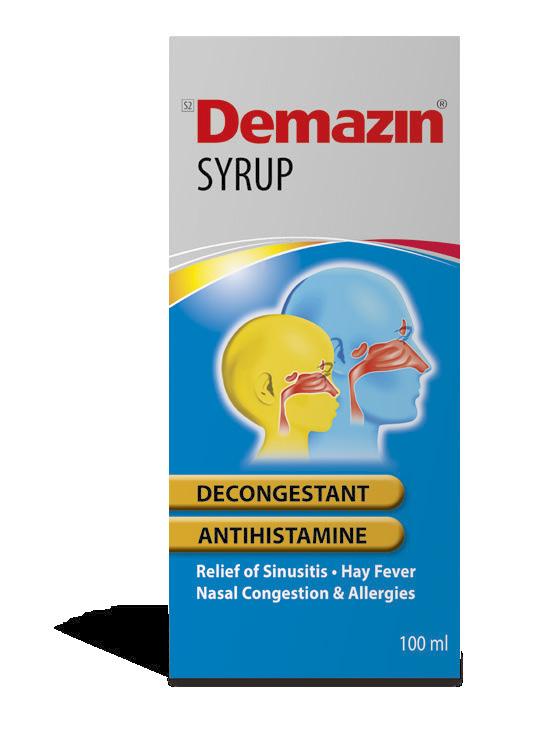
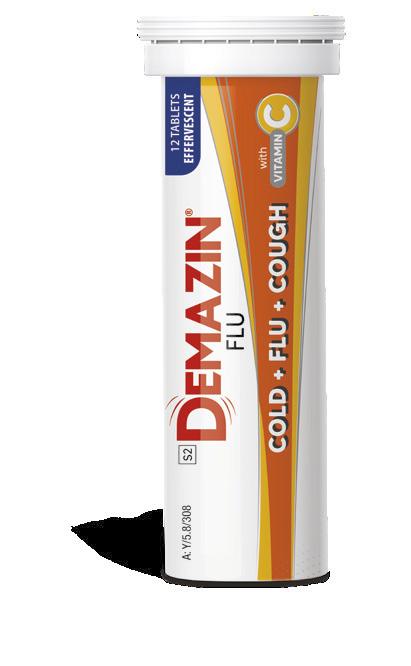
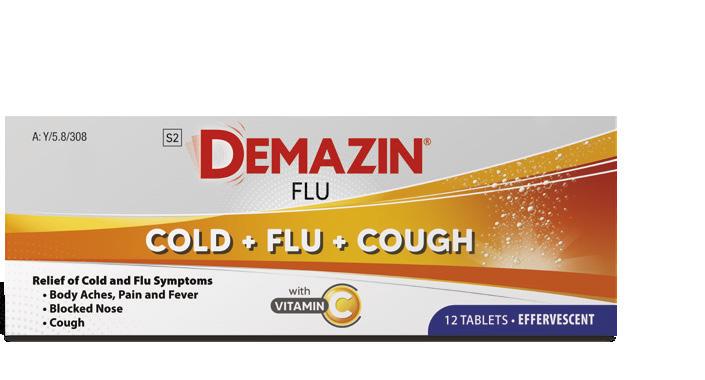
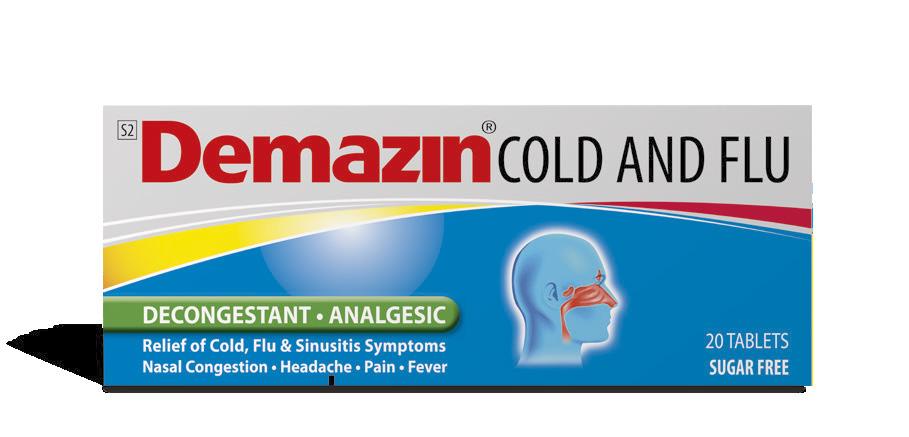
* Demazin syrup provides relief of symptoms associated with colds/flu
References: 1. Pseudoephedrine [online] 2018 [cited 3 June 2025]; Available from: https://medlineplus.gov/druginfo/meds/a682619.html#:~:text=Pseudoephedrine%20is%20used%20to%20 relieve,the%20symptoms%20or%20speed%20recovery. 2. Loratadine [online] September 2024 [cited 3 June 2025]; Available from: https://www.drugs.com/loratadine.html 3. Dextromethorphan (Monograph) [online] January 2023 [cited 21 July 2024]; Available from: https://www.drugs.com/monograph/dextromethorphan.html. 10. Siu A, Drachtman R. Dextromethorphan: A Review of N-methyl-D-aspartate Receptor Antagonist in the Management of Pain. CNS Drug Rev. 2007;13(1):96-106. 4. Cleveland Clinic. Sinus Infection (Sinusitis) [online] September 2023 [cited 21 July 2024]; Available from: https://my.clevelandclinic.org/health/diseases/17701-sinusitis. 5. IMS September 2025. 6. Eccles R. Common cold. Frontiers in Allergy. 2023;4:1–10. Available from: https://doi.org/10.3389/falgy.2023.1224988.
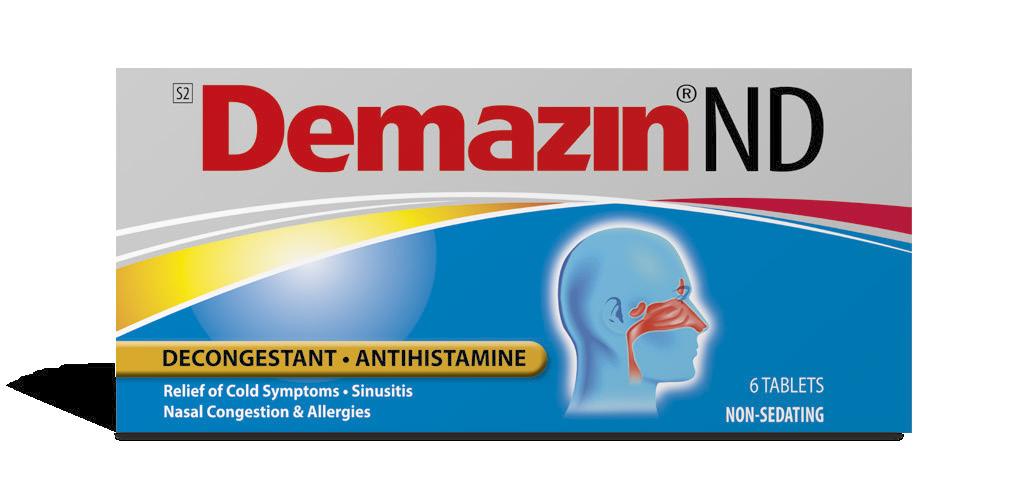
S2 DEMAZIN® SYRUP. Each 5 ml contains Chlorphenamine maleate 1,25 mg and phenylephrine hydrochloride 2,5 mg. Reg. No.: C535 (Act 101/1965). S2 DEMAZIN® COLD AND FLU. Each tablet contains ibuprofen 200 mg and pseudoephedrine hydrochloride 30 mg. Reg. No.: 37/5.8/0423. S2 DEMAZIN® ND. Each tablet contains loratadine 5 mg and pseudoephedrine sulphate 120 mg. Reg. No.: 27/5.8/0373. S2 DEMAZIN® FLU. Each effervescent tablet contains 30 mg pseudoephedrine hydrochloride, 20 mg dextromethorphan, 300 mg paracetamol and 125 mg ascorbic acid. Reg. No:. Y/5.8/308.
Invasive meningococcal disease in SA
Invasive meningococcal disease (IMD) occurs when Neisseria meningitidis invades the body.1 Infected patients can progress rapidly from healthy to critically ill; and require urgent medical attention.1 Despite prompt treatment, ~17% of patients die1,2 , and up to 20% of survivors suffer long-term complications. 2
IMD is endemic in SA 2 , with seasonal peaks from June to October.1 In 2024, serogroup B accounted for most cases, followed by W, Y, and C. 2 Infants are the most affected 1, with a secondary peak in adolescents and young adults (ages 15-24 years).1 N. meningitidis is carried asymptomatically in the oropharynx of approximately 5-10% of the population, and is spread via respiratory droplets during close contact.1
CLINICAL PRESENTATION AND OUTCOMES
IMD occurs in two main forms; meningococcal meningitis where bacteria infect the lining around the brain and spinal cord, and meningococcal septicaemia where bacteria infect the blood stream.1 Early symptoms can include fever, headache, and malaise1, which may present as flu-like symptoms.1 In children and adults, more specific symptoms can include sudden high fever, neck stiffness, light sensitivity, vomiting or abdominal pain, joint pain, pale or blotchy skin, cold hands and feet, seizures, drowsiness, and, in severe cases, coma.1
on the body, and does not fade under a tumbler test.1 Its appearance is a medical emergency requiring immediate intervention.1
DIAGNOSIS AND TREATMENT
Definitive diagnosis requires blood cultures, DNA detection by polymerase chain reaction (PCR) assay, or isolation from cerebrospinal fluid analysis.1 Rapid antigen tests are not recommended due to reliability concerns.1 Due to rapid disease progression, empiric treatment should be started immediately.1 Patients with suspected or confirmed meningitis should be promptly isolated.1
VACCINES AND PREVENTION
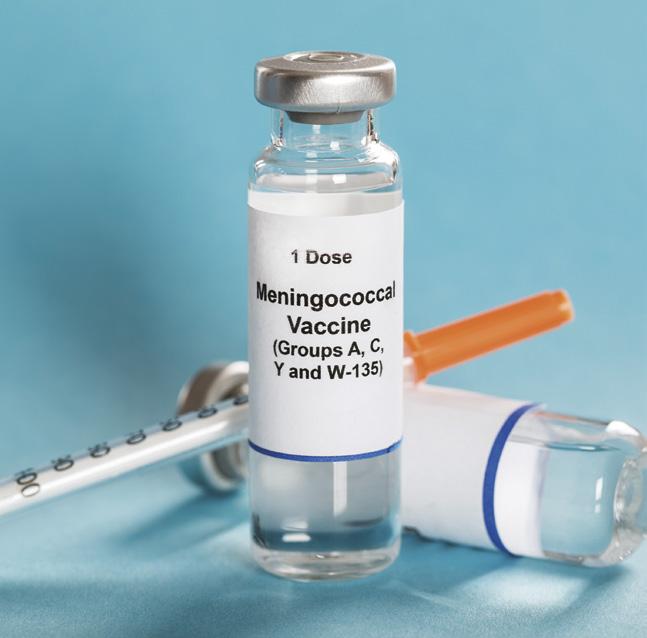
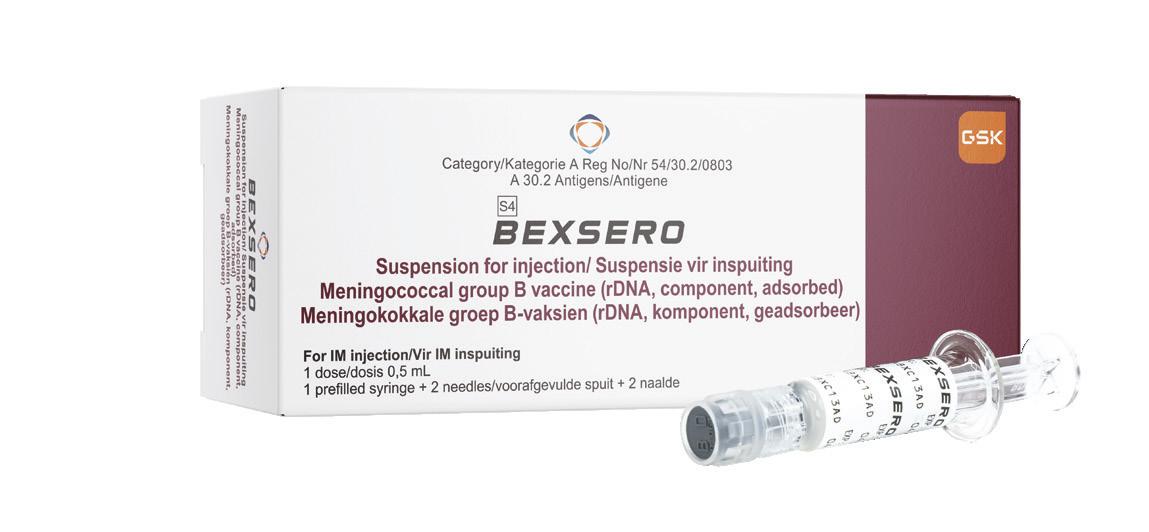
Certain meningococcal strains can be prevented with vaccination.1 SA has three licensed vaccines; one quadrivalent conjugate vaccine (targeting serogroups A, C, W, Y) and two recombinant vaccines targeting serogroup B.1 These multi-component vaccines target multiple proteins and outer membrane vesicles3 , achieving 75% reductions in incidence in infant studies.3
In infants, IMD symptoms are often harder to recognise.1 Symptoms may include fever with cold hands and feet, high-pitched crying or moaning, staring or unresponsiveness, lethargy, poor feeding, stiffness or arching of the back, and pale or blotchy skin.1
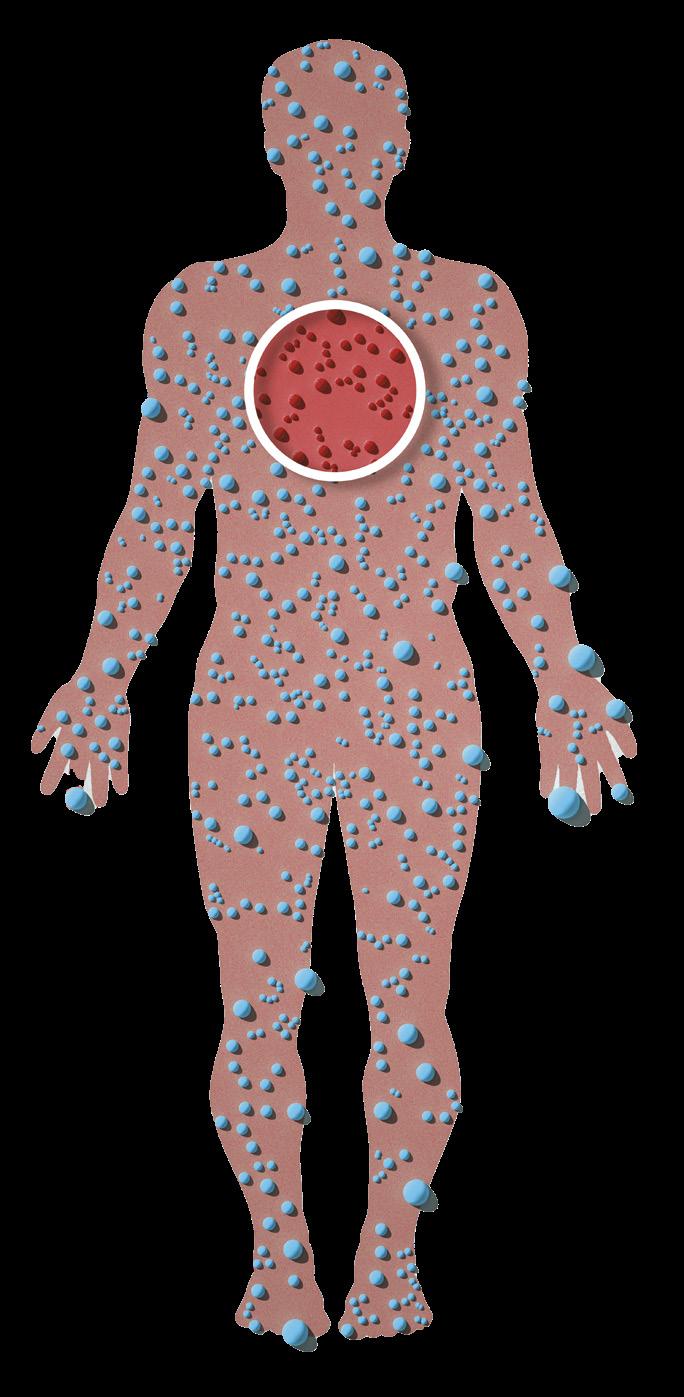
In addition, a purpuric rash is a late symptom of septicaemia.1 It begins as small pinprick spots that merge into bruises, can appear anywhere
Vaccination schedules vary by age, with infants (2-5 months) receive three primary doses plus a booster, young children receiving two doses plus a booster, and adolescents or adults receiving two doses.3 Common side effects in children less than two years old are injection site reactions, fever, and irritability, and can generally be managed with prophylactic use of paracetamol.3 Due to the circulation of multiple serotypes, it is recommended that high-risk individuals receive both vaccines where available.1
Meningococcal vaccination is not included in SA’s national immunisation programme but is accessible in the public sector for certain high-risk groups or via prescription in the private sector.1
*References available on request.
A purpuric rash is a late sign of bloodstream infection1
Meningococcal Group B
Recommend. Repeat. Reinforce. Remember.
months) (uncommon after booster); Arthralgia; Fever (≥ 38 °C), injection site tenderness (including severe injection site tenderness defined as crying when injected limb is moved), injection site erythema, injection site swelling, injection site induration, irritability. Adolescents (from 11 years of age) and adults Very Common: Headache; nausea; myalgia, arthralgia; Injection site pain (including severe injection site pain defined as unable to perform normal daily activity), injection site swelling, injection site induration, injection site erythema, malaise. S4 BEXSERO suspension for injection in pre-filled syringe, Meningococcal group B vaccine (rDNA, component, adsorbed). Each 0,5 mL of the reconstituted vaccine contains 50 μg recombinant Neisseria meningitidis group B NHBA fusion protein, 50 μg recombinant Neisseria meningitidis group B NadA protein, 50 μg recombinant Neisseria meningitidis group B fHbp fusion protein and 25 μg outer membrane vesicles (OMV) from Neisseria meningitidis group B strain NZ98/254 measured as amount of total protein containing the PorA P1.4.
CROSSWORD #86
WIN:R1000 WOOLWORTHS VOUCHER
TO ENTER
Use the letters in the highlighted blocks to find the final answer for this month’s crossword puzzle. Email the answer with your name, surname, and cell phone number to PharmacyMagazine@media24.com. Competition closes 20 July 2026. Winners will be contacted directly. Visit www.pharmacymagazine.co.za for full terms and conditions.
ACROSS
7. work by binding to the bone and inhibiting osteoclasts resorption of bone, the cells that chew up the bone – from working too hard. (PAGE 11)
10. Burnout among community pharmacists has escalated from a localised workplace issue into a full-blown global crisis. (PAGE 9)
11. are among the most effective public health tools, second only to clean water. (PAGE 7)
12. Winter exacerbates water loss, intensifying inflammation and pruritus. (PAGE 25)
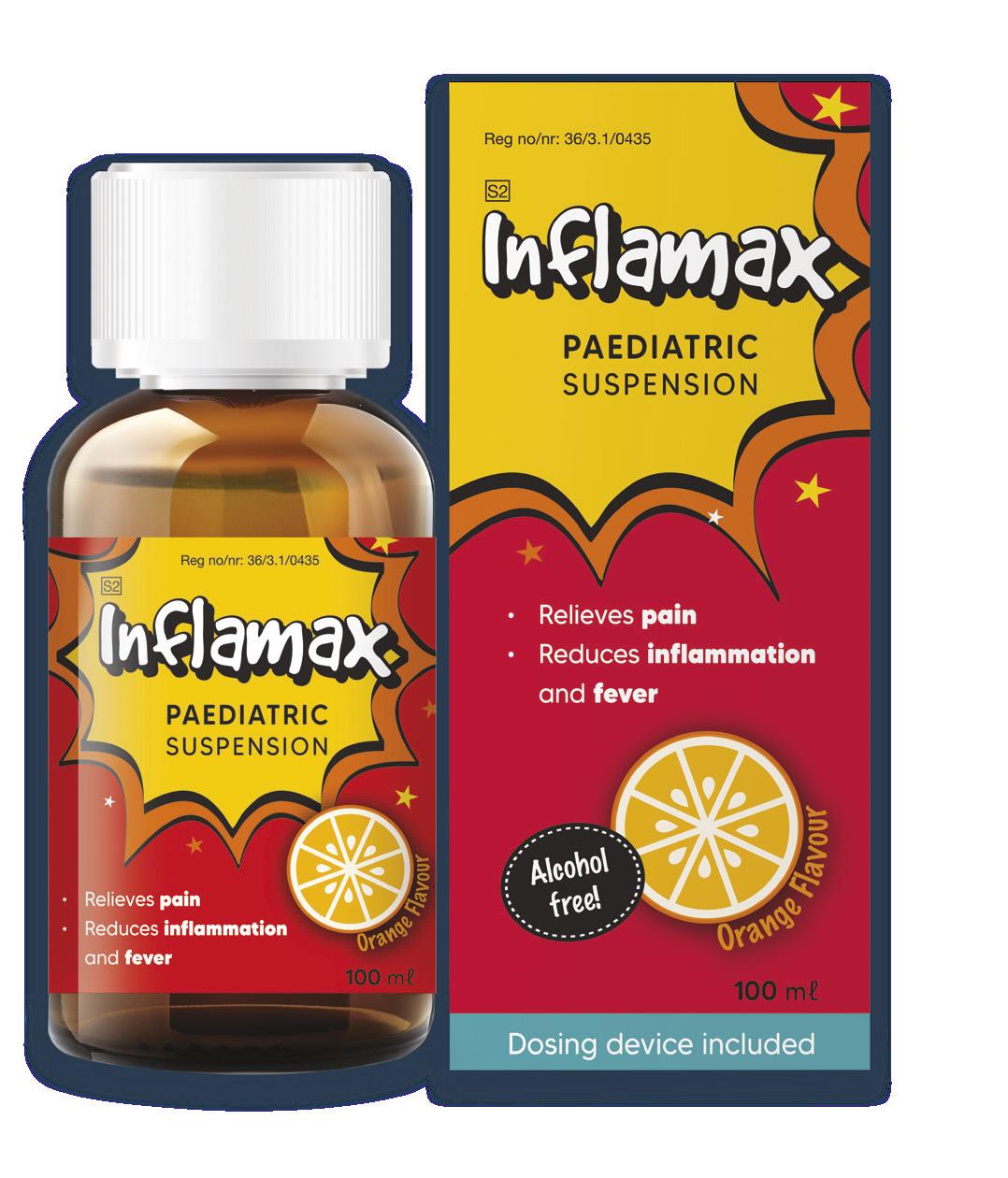
14. Inflamax suspension relieves pain and reduces inflammation and fever. (PAGE 16)
15. It’s important to treat the child rather than the , focusing on alleviating distress rather than normalising temperature. (PAGE 21)
DOWN
1. Most URIs are viral and self- limiting, but distinguishing bacterial cases is critical for stewardship. (PAGE 19)
2. Prenatal vitamins are a of maternal and foetal health. (PAGE 15)
3. Invasive disease (IMD) occurs when Neisseria meningitidis invades the body. (PAGE 31)
4. Oestrogen levels rise and fall unpredictably during . (PAGE 27)
5. Obesity is consistently associated with lower sperm concentration, motility, and . (PAGE 17)
6. explores how genetic variation influences an individual’s response to medication. (PAGE 23)
8. The underdiagnosis of GSM is largely attributed to stigmas, limited awareness of treatment options, and discomfort in discussing intimate health issues. (PAGE 29)
9. Créche Guard Immune is specifically formulated to help give children the daily nutrients they need for the of good health. (PAGE 6)
13. Although many smokers want to quit, dependence is complex and relapse is common. (PAGE 13)
to the PregOmega Family
Enriched 3-in-1 formula with additional: Chromium, Iodine, Vitamin B5 & Vitamin E