Design sunscreens to protect and perform Velden Botanicals leads the skintelligence era
Power up your brand with connected packaging
Modern sun protection for African consumers starts with smarter formulation.
Sun care is evolving from seasonal protection into an everyday skincare essential. As consumers look for lightweight textures, inclusive finishes and SPF formats that fit comfortably into daily routines, manufacturers need technical support to bring these expectations to life. IMCD partners with beauty and personal care brands to develop sun care concepts that balance protection, sensorial appeal and real-world usability for Africa’s diverse skin tones, climates and lifestyles.
www.imcdsa.co.za
www.pharmacos.co.za
6 News
Evonik’s new brand identity receives prestigious awards
dsm-firmenich celebrates FDA approval for PARSOL® Shield
8 Sun Care
IMCD explores the future of sun care in Africa
How to design sunscreens that protect and perform
Distinctive MAC silicone alternative in sunscreen development
CTFA provides insight into navigating regulatory requirements Power up your brand with VR Print’s connected packaging
30 Personal Care/Bath & Body
32 Pharma Focus/CAMs & Health Supplements
Euromonitor International’s global consumer health trends report
Brenntag enables innovation in SA’s nutritional health market
Three trends shaping bath and shower innovation 22 12 28
Formulation-ready actives from Velden Botanicals
The next chapter of climate-adaptive beauty
Vytrus Biotech introduces Ignilyte for skin regeneration
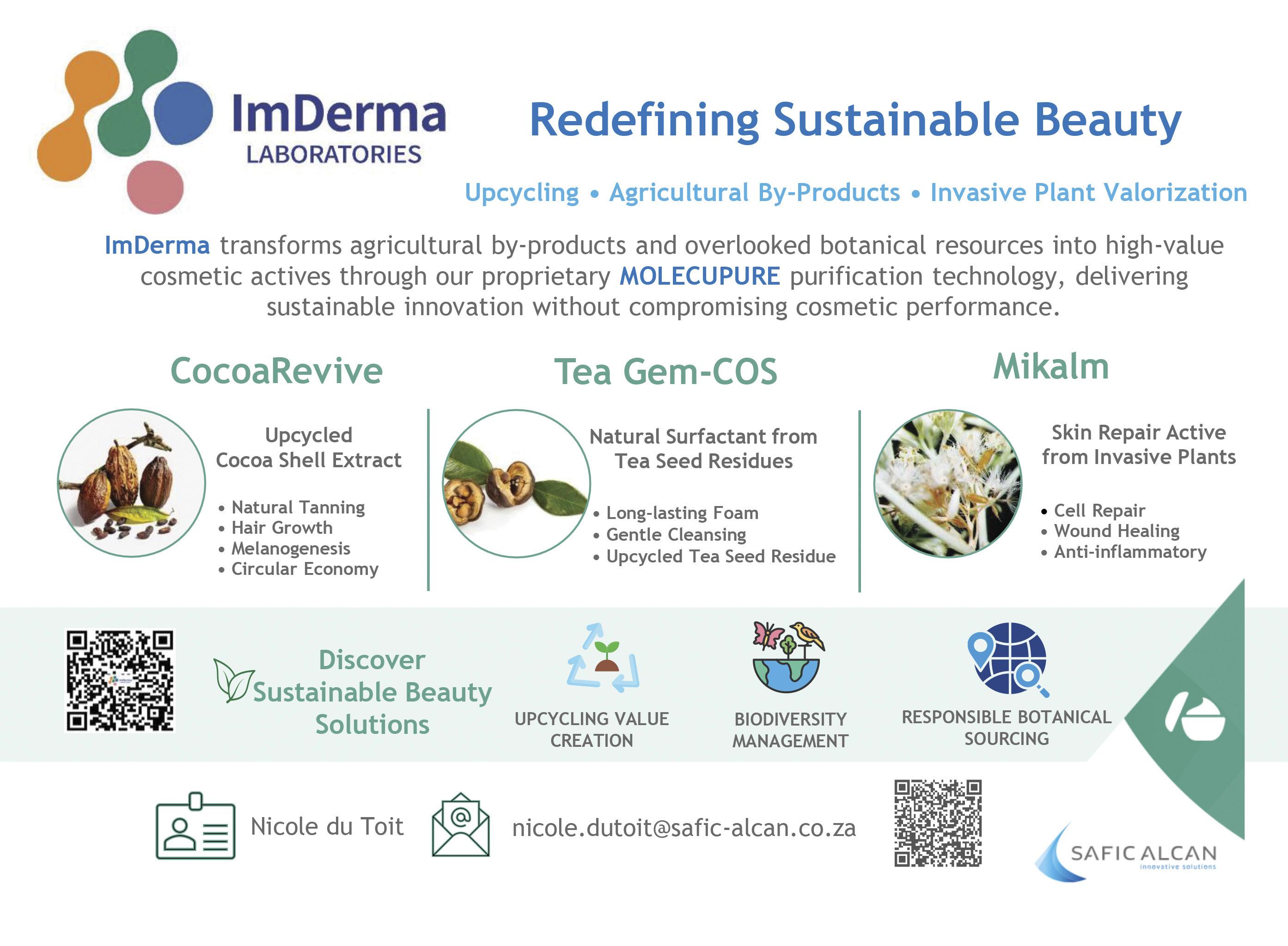
ImDerma integrates sustainability into ingredient design
Sustainable by design
Welcome to the July edition of P&C Review – your essential guide to personal care and pharma innovation in the South African market. This edition brings together a wealth of content designed to inform and inspire our readers.
In the formulator’s lab, sun care product development is shifting gears with UV filter solubilisation, sensory parameters and consumer demand giving rise to new challenges. Our sun care feature is packed with practical guidance and innovative solutions to help formulators overcome these issues and meet consumers’ needs.
In the section on natural and sustainable ingredients, Velden Botanicals takes centre stage with its formulationready African botanicals. Croda’s climateadaptive beauty solutions and Vytrus Biotech’s award-winning Ignilyte™ also demonstrate how natural and sustainable ingredients are reshaping the landscape of cosmetic actives.
If you’re interested in packaging and labelling content, CTFA's regulatory
guidance unpacks what is required for compliant labelling, while VR Print showcases the benefits of connected packaging – you can learn more about Scantrust ® secure QR codes and sustainable materialreduction innovations.
Texture is driving innovation in the bath and body category, with jelly, whipped and mousse formats redefining sensory experiences and creating new opportunities for product claims.
Rounding things out, our pharma focus unpacks the convergence of beauty and consumer health with a focus on Euromonitor data, GLP-1’s ripple effect on the supplement market, and Brenntag and SPI Pharma's partnership enabling growth and innovation in South Africa.
CONTRIBUTORS: Òscar Expósito, Alejandro Guirado, Victoria Vidal, Ana Gallego, Sandra Ruiz, Pau Riera, Daniel Luna, Maria Mas, Marta Gibert, Laura Cano, Sara Laplana, Tarik Ruiz
Taiwan: Ringier Trade Media Sydney Lai +886 4 2329 7318 sydneylai@ringier.com.hk
CIRCULATION
CIRCULATION MANAGER: Rae Morrison Rae.Morrison@media24.com
PUBLISHING TEAM
GENERAL MANAGER: Dev Naidoo
HEAD OF CONTENT & DIGITAL STRATEGY: Varushka Padayachi
PRODUCTION MANAGER: Angela Silver
GROUP ART DIRECTOR: David Kyslinger
MEDIA24 MEDIA
CEO: Minette Ferreira CFO: Luxolo Dywili
MEDIA24 CORPORATE
CEO MEDIA24: Raj Lalbahadur CFO MEDIA24: Nelmarie Beyers
JOHANNESBURG OFFICE
Building 13, The Woodlands Office Park, 20 Woodlands Drive, Woodmead, Sandton PO Box 784698, Sandton 2146
Tel: +27 (0)11 713 9000
POSTAL ADDRESS PO Box 784698, Sandton, Johannesburg, 2146
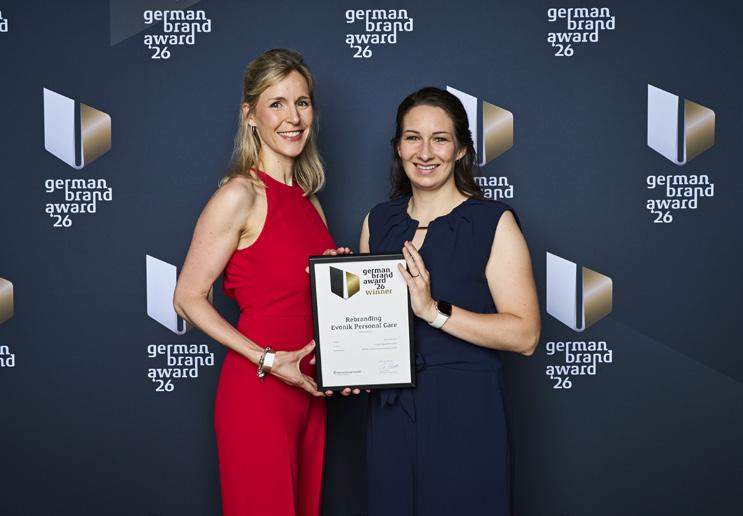
Evonik’s new brand identity receives prestigious awards
Evonik has been honoured with a German Brand Award in two categories in recognition of its new Beauty & Personal Care brand identity.
The categories are:
1. Excellent Brands Product Brand of the Year
2. Excellent Brands Beauty & Care.
Developed in collaboration with long-standing creative partner Liebchen+Liebchen, the new identity brings to life a magical and mystical brand. It communicates Evonik’s promise to enable customers to turn their ideas into reality. Built on the core pillars of sustainability, disruption and partnership, the new brand identity was officially launched at PCHI in China and in-cosmetics Global in Paris, France.
Over the past decade, Evonik has strategically transformed its Beauty & Personal Care business into a leading provider of sustainable solutions through a series of acquisitions and portfolio optimisations. The new brand identity unites this expanded portfolio under one cohesive umbrella, positioning Evonik as a holistic solutions partner to the global beauty and personal care industry. Inspired by natural elements, the visual language underscores the company’s commitment to sustainability, while bringing its slogan ‘The Soul and Science of Beauty’ to life.
“This achievement is a great honour and a strong validation of our strategic direction,” said Ute Schick, head of Evonik’s Care Solutions business line. “Our new brand identity reflects the transformation of our portfolio and our ambition to empower customers to innovate and create –enabling ideas they may not have thought possible.”
The German Brand Award is an initiative of the German Design Council and GMK Markenberatung. With over 1 300 entries from 19 countries, German Brand Awards are among the most prestigious brand awards in Europe.
dsm-firmenich receives FDA approval for PARSOL® Shield
The innovator in nutrition, health and beauty, dsmfirmenich announces its received FDA approval for bemotrizinol (PARSOL® Shield), for the US market. This makes PARSOL® Shield the first new sunscreen active ingredient approved in the United States in more than 25 years under modernised GRASE and MUsT evaluation guidelines.
The approval marks a major milestone for sunscreen innovation and public skin health in the United States, helping expand access to nextgeneration UV protection while opening new possibilities for formulators across the industry.
Parand Salmassinia, Beauty & Care president at dsm-firmenich, comments: “The FDA approval of PARSOL® Shield represents an important step forward for sun protection in the United States. It builds on years of scientific leadership and regulatory excellence, while helping address a longstanding innovation gap in the market. After more than two decades, this new active ingredient delivers on our customers’ needs. It gives sun care manufacturers the flexibility to develop next-generation, globally scalable solutions that enhance the consumer experience.”
Clinical studies, involving nearly 500 participants representing the diversity of the US population, demonstrate exceptional UV efficacy, excellent tolerability and an excellent safety profile for PARSOL® Shield. It addresses real consumer needs, from reducing the risk of skin cancer to protecting against long-term UV-induced skin damage and premature photoageing. For formulators of sun care products, it enables silky, lightweight sunscreen textures with strong photostability and formulation flexibility.
Already approved across multiple global regions, PARSOL® Shield enables the development of global sunscreen formulations that simplify product strategy, reduce formulation complexity and accelerate speedto-market for customers.
Its broad-spectrum protection is a key benefit, while its high efficiency at low concentrations contributes to a strong eco-profile, and helps suncare brands address evolving sustainability expectations and reporting requirements.
Evonik is honoured with a German Brand Award in two categories
PARSOL® Shield represents an important step forward for sun protection in the US
2026 Diary
AUGUST
CPHI Korea
25 to 27 August
Seoul, South Korea www.cphi.com/korea
SEPTEMBER
Coschem Scientific Conference & Industry Mixer 9 to 10 September Joburg, South Africa www.coschem.co.za
Africa Pharma Manufacturing Expo – Western Africa 15 to 17 September Lagos, Nigeria pharma.afmass.com/west
IFSCC Congress
28 September to 1 October Perth, Australia ascc.com.au/ifscc-congress
OCTOBER
Professional Beauty London
4 to 5 October
London, UK professionalbeauty.co.uk/ professional-beauty-london
I would like to receive the newsletters and feature announcements via email and may be added to the mailing lists. ❑ Direct Deposit (Complete and email this form to: Rae.Morrison@media24.com
Note: The above prices are applicable to South Africa only. International rates available on request.
The new sun care standard
Across Africa, where high UV exposure is a daily reality, consumers are beginning to look at sun protection through a more modern lens – not only as a protective step, but as a skincare essential that must feel good, look good and fit seamlessly into everyday life.
This shift is being driven by a combination of awareness, lifestyle and expectation. Consumers are more informed about the longterm effects of UV exposure and are recognising that sun protection is not only relevant during summer or when the sun feels intense. Daily exposure happens while commuting, sitting near windows, spending time outdoors, exercising, socialising or simply moving through the day. As a result, SPF is no longer expected to be occasional. It needs to be practical enough for everyday use.
MARKET TRANSFORMATION AND CONSUMER EXPECTATIONS
For manufacturers, this creates a powerful opportunity to reimagine the prospects of sun care innovation. Modern consumers are no longer satisfied with heavy, greasy formulations, which leave a visible residue or feel uncomfortable in warm conditions. They want lightweight textures, elegant finishes and formats that feel closer to skincare than a traditional sunscreen. The rise of skinified sun care reflects this change, where SPF products
A Titanium Dioxide, Coco-Caprylate/Caprate, Polyhydroxystearic Acid, Stearic Acid, Alumina
are designed with sensorial appeal, skin comfort and daily usability at the centre of the formulation.
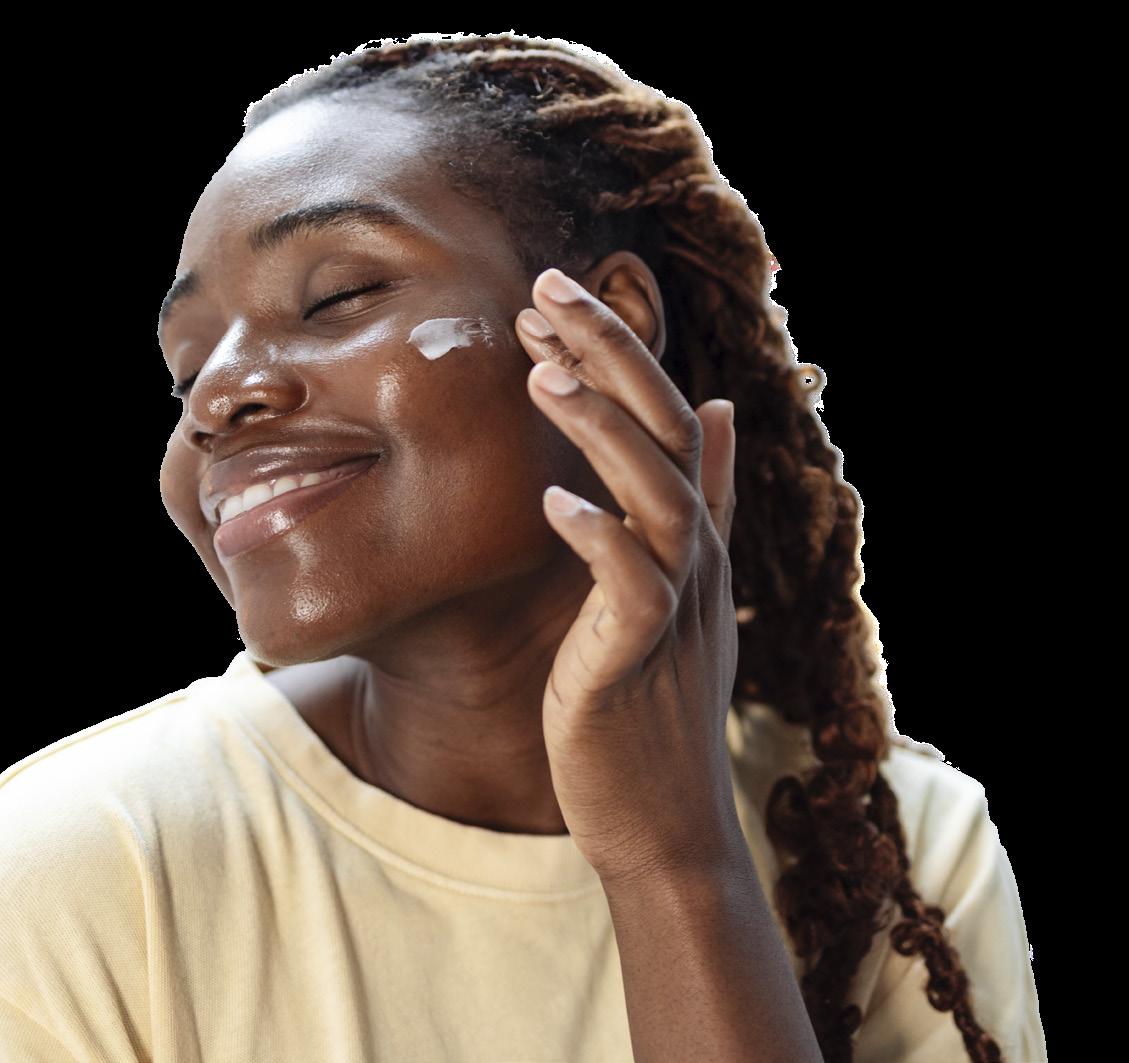
In African markets, inclusivity is especially important. Visible residue remains one of the biggest barriers to regular sunscreen use, particularly for consumers with melanin-rich skin. A product that leaves a white cast or feels difficult to blend is unlikely to become part of a consistent daily routine.
The market is seeing increased demand for transparent finishes, subtly toned options, improved spreadability and more refined sensory profiles that support confident use across diverse skin tones.
Climate also plays a major role. In warm and humid environments, texture can determine whether a product is loved or left behind. Consumers are looking for products that absorb quickly, feel breathable on skin and do not leave behind a sticky or oily finish.
INNOVATION FOR EVERYDAY PROTECTION
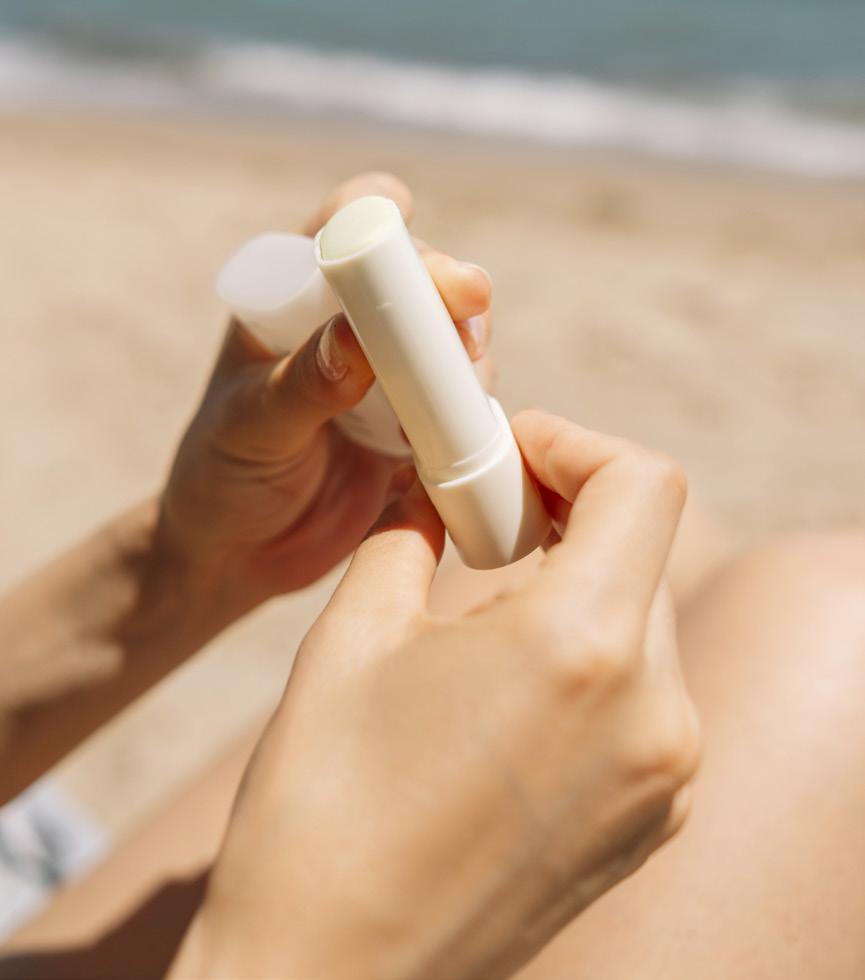
Lightweight lotions, fast-absorbing fluids, airy foams, sticks, mists, lip oils and hybrid tinted formats are gaining relevance. This is because they make protection easier to apply and reapply throughout the day. This is where formulation innovation becomes critical. While sun care must continue to deliver reliable protection, it must also address the behavioural side of product use.
The best SPF is one that consumers are willing to apply consistently
The best SPF is one that consumers are willing to apply consistently. This means comfort, convenience and appearance are no longer secondary considerations. They are now central to a product’s success. Therefore, a well-designed sun care product must perform technically while simultaneously delivering a pleasant experience from first application to reapplication.
Concepts such as lightweight daily lotions and comfortable mineral protection reflect the direction of the category. An invisible daily lotion can support consumers looking for effortless SPF, which integrates into their morning skincare routine. A refined mineral formulation can appeal to those seeking protective performance with a smooth, non-greasy skin feel. Both approaches point to the same market reality: sun protection must be inclusive, elegant and easy to use.
For formulation inspiration, IMCD South Africa proposes two options for daily sun care products. See formulation guides 1 and 2 for more info.
FORMULATING FOR THE FUTURE
The future of sun care in Africa lies in products that truly understand consumers’ lifestyles. Protection must work for different skin tones, different climates and different daily routines. It must be suitable for urban living, outdoor activity, workdays, travel and everyday selfcare. More importantly, it must move beyond the idea of sunscreen as a product consumers feel they should use to become something they genuinely want to use.
The suncare shift is not simply about SPF. It is about creating sun protection that feels modern, wearable and relevant. For brands and manufacturers, the opportunity is clear: develop solutions that combine technical performance with sensorial elegance, helping consumers protect their skin every day with confidence, comfort and ease. •
South Africa – www.imcdsa.co.za
A refined mineral sunscreen formulation with Titanium Dioxide and Zinc Oxide for protective performance with a smooth, non-greasy
Designing sunscreens that protect and perform
As the link between UV exposure and skin health becomes clearer, consumer interest in sun care as a preventive solution continues to grow. Choosing a favourite sunscreen is no longer just a matter of SPF. Users now expect a multifunctional product that feels like premium skincare: lightweight, pleasant to wear and effortless to apply.
Inspired by the sensorial elegance of K- and J-Beauty, modern sun care combines highperformance UV protection with refined textures and a superior sensory experience. At the same time, formulators face growing complexity. Organic and mineral UV filters each present distinct challenges, while regulatory developments, such as the recent US approval of bemotrizinol (BEMT), continue to expand formulation possibilities. Yet whichever filter system is chosen, one thing remains: the formulation base determines how a sunscreen feels, performs and lasts on skin.
CAREFULLY BALANCED FORMULATIONS
While O/W emulsions are generally favoured for their lighter sensory, W/O systems are often better suited to sun care formulation. Their film-forming properties can offer higher efficacy and long-lasting properties. However, if the emulsifiers and emollients are not carefully selected, W/O emulsions can feel heavier on the skin. Here the choice of ingredients becomes critical to achieve a perfect balance between efficacy and skin feel.
IOI Oleo’s emulsifier IMWITOR® 600 enables light, non-sticky W/O emulsions, which combine excellent stability with a soft, silky skin feel. This robust emulsifier helps create various textures, from fluid to buttery, with up to 80% of the water phase. Its pigment-wetting properties also promote homogeneous formulations –particularly valuable for mineral sunscreens.
The choice of emollient is also important. Against this backdrop, MIGLYOL® T-C7 offers excellent dissolving power for organic UV filters, including the newly approved BEMT, while delivering a smooth, lightweight sensory
A sunscreen product performs only as well as the protective film it forms on skin
1: Tewametry results of
profile. For mineral formulations, MIGLYOL® Coco 810 improves pigment wetting and dispersion through its fast-spreading properties, contributing to greater formulation stability and a dry, delicate touch.
To maintain texture and stability throughout a product’s lifetime, MIGLYOL® Gel ISD provides efficient rheology control for W/O and anhydrous systems. The unique honeycomblike structure of this oleogel helps suspend pigments and mineral UV filters while creating silky textures and improving thermostability. All these benefits come together in an easy-touse, cold-processable system.
THE INVISIBLE LAYER BEHIND LASTING PROTECTION
Ultimately, a sunscreen product performs only as well as the protective film it forms on skin. A continuous, uniform film keeps UV filters evenly distributed, enhances water resistance and supports long-lasting protection.
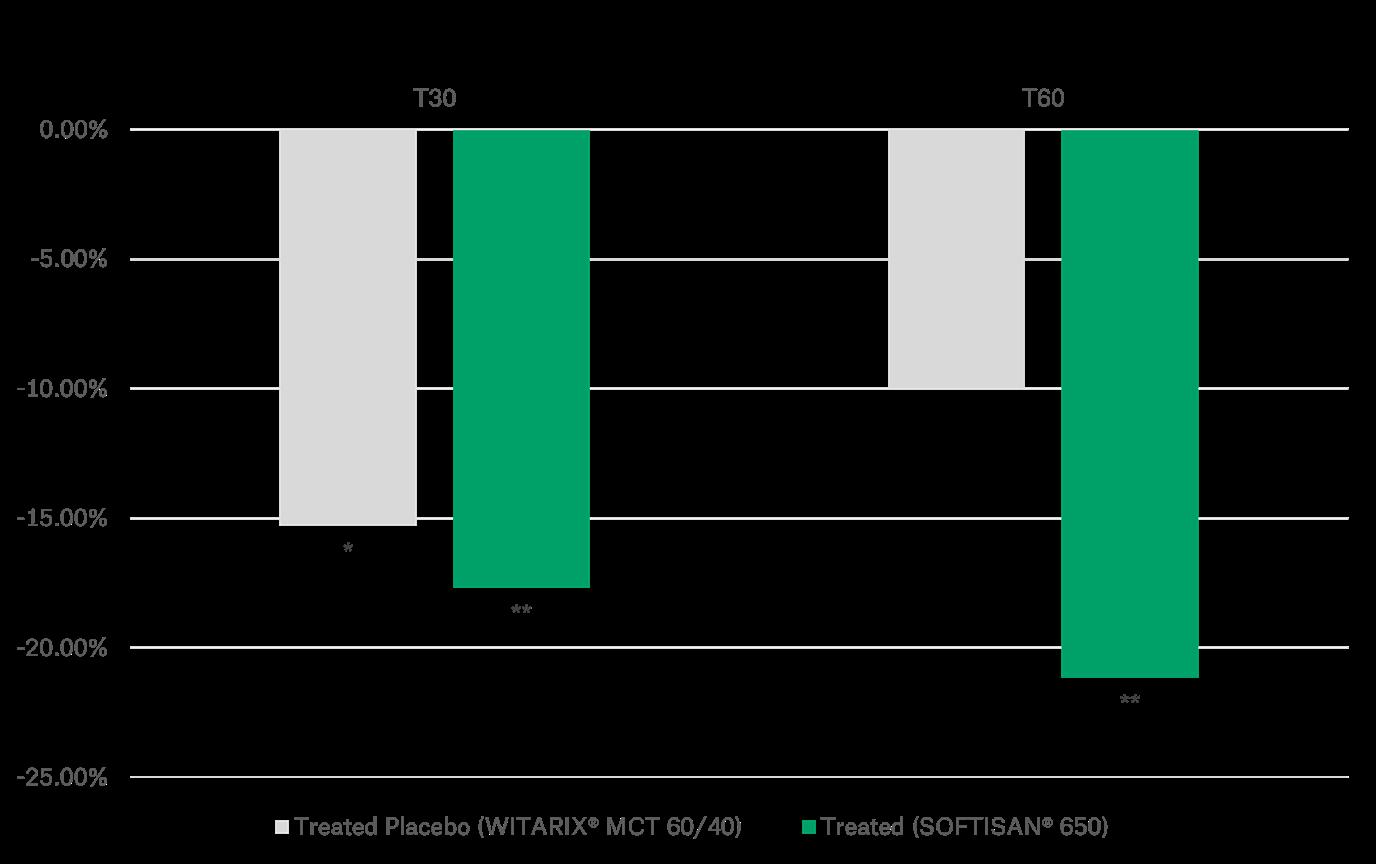
The challenge is that many conventional filmformers leave a sticky or heavy after-feel on skin. IOI Oleo’s SOFTISAN® 650 overcomes this compromise. The naturally derived* film-former creates a lightweight, virtually imperceptible protective film while improving formulation performance. External testing results, done
by a certified third-party laboratory, showed an improvement in the long-lasting properties compared to a placebo formulation, without increasing glossiness on skin.
SOFTISAN® 650 also supports the skin barrier by helping reduce TEWL, making it an ideal solution for today’s hybrid skincare-inspired sunscreens, which combine effective UV protection with everyday skincare.
FORMULATING FOR THE FUTURE
Sunscreen is now an essential part of daily skincare – and formulating sun care that consumers genuinely love to wear demands far more than UV filter selection alone. By combining high-performance emulsifiers, emollients, rheology modifiers and advanced film-forming technologies such as IOI Oleo's SOFTISAN® 650, formulators can create sunscreens that deliver stability, sensory excellence and long-lasting protection with every application.
The sun care ingredients featured in this article are available in South Africa from CJP Chemicals. •
South African macadamia is making its mark in sun care – not just as a natural ingredient, but as a technically proven silicone alternative. Vantage Specialty Chemicals’ Distinctive MAC is showing formulators that local provenance and high performance are not a compromise, but a good combination.
The macadamia nut at the heart of Distinctive MAC is sourced from South African growers
Silicone alternatives have steadily moved up the formulation agenda, driven by evolving consumer expectations and growing regulatory interest across global markets. Distinctive MAC (INCI: Ethyl Macadamiate), launched by Vantage Specialty Chemicals at in-cosmetics Global, is the newest addition to the company’s silicone alternative offering. What makes it particularly compelling for local formulators is that its story starts right here in South Africa.
The macadamia nut at the heart of Distinctive MAC is sourced from South African growers through LIPOVOL® ORIGIN Macadamia, with Vantage Specialty Chemicals being an active member of the South African Macadamia Association. Through its commitment to local sourcing, the company supports regional agriculture and local livelihoods, while ensuring the supply chain can be traced from orchard to emulsion.
What truly sets the ingredient apart is its upcycled origin. The ethyl macadamiate is derived from material that would otherwise be discarded through the food supply chain. The husks are composted, and the shells are recycled as fuel, closing the loop in a manner that aligns with the principles of the Marketing of Agricultural Products Act. For brands looking to make credible sustainability claims, this traceable, ethical source is a meaningful differentiator and not just a label.
PLANT-DERIVED
SILICONE-LIKE PERFORMANCE
Ethyl macadamiate is a plant-derived ethyl ester that delivers the sensorial qualities cosmetic chemists associate with silicones – without relying on them. The silky glide, effortless spreadability and lightweight, non-greasy feel are all on par with that of cyclopentasiloxane and dimethicone 5cs.
In a blind panel evaluation with 15 participants, Distinctive MAC achieved an approximately 53% higher perceived skin glow
compared to silicone-based benchmarks. For formulations targeting luminosity, radiance, or that sought-after ‘healthy glow’, this ingredient brings a measurable sensorial edge.
A NATURAL FIT FOR SUN CARE
Sun care represents one of the most demanding applications for any emollient. High loadings of inorganic UV filters, particularly zinc oxide, test the limits of formulation science. This is where Distinctive MAC rises to the challenge. It has demonstrated the ability to produce a lump-free, flowable dispersion at 75% zinc oxide loading, overcoming one of the most persistent technical hurdles in mineral SPF development. The plant-derived emollient also solubilises chemical UV filters such as avobenzone, broadening its useability across the full spectrum of sun care formats. With a use level ranging from 0.5% to 80% and heat stability to approximately 90°C in the oil phase, Distinctive MAC offers formulation flexibility. It is ideal for various sun care applications, ranging from lightweight serums to heavy-duty UV barriers, as well as daily SPF moisturisers and beach-ready mineral sunscreens.
MAKING A MEANINGFUL DIFFERENCE
Distinctive MAC demonstrates that performance and provenance can coexist in the cosmetics ingredients supply chain.
With this emollient, formulators don’t have to choose between sensorial excellence and sustainability credentials, and it shows that South African agriculture has a meaningful role in the future of global cosmetics innovation. For formulation decision-makers and cosmetic chemists working across southern Africa, it represents a forward-thinking choice that aligns cutting-edge performance with a supply chain they can stand behind. •
Vantage Specialty Chemicals –www.vantagegrp.com
Sunscreen formulation through intelligent UV filter solubilisation
The demand for high-performance sunscreens has evolved beyond simply achieving a high SPF. At the same time, formulators face increasing pressure to incorporate modern UV filters, improve product sustainability and maintain long-term formulation stability.
Meeting the expectations of modern sun care has become increasingly challenging, particularly as newer organic UV filters offer exceptional photoprotection but introduce significant formulation complexities. Nowadays, developing high-SPF sunscreens involves formulation technologies capable of maintaining filter solubility, stability and sensory elegance throughout the product's shelf life.
THE CHALLENGE OF FORMULATING WITH BEMT
Bis-Ethylhexyloxyphenol Methoxyphenyl Triazine (BEMT) has become one of the most desirable for broad-spectrum sunscreen formulations. It provides excellent UVA and UVB protection with outstanding photostability, making it an important component of modern high-SPF systems.
Despite these advantages, BEMT presents a significant formulation challenge. Its highly crystalline molecular structure and relatively high molecular weight make it inherently difficult to dissolve in conventional cosmetic emollients. Although traditional ester solvents can solubilise BEMT during manufacturing, they often fail to maintain the solubility throughout a product's lifetime.
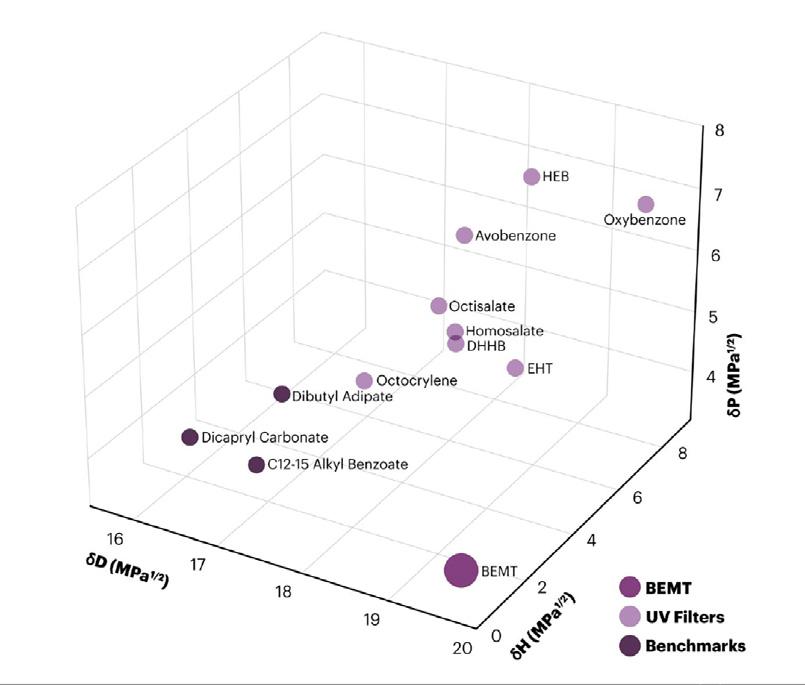
This behaviour can be explained using Hansen Solubility Parameters (HSP), which describe the compatibility between solvents and solutes based on dispersion, polar and hydrogen-bonding interactions. Conventional sunscreen solvents only partially match the HSP profile of BEMT, meaning the UV filter is only marginally soluble. As formulations cool after manufacture or experience temperature fluctuations during storage and distribution, dissolved BEMT molecules gradually return to their crystalline state, increasing the risk of recrystallisation.
WHY RECRYSTALLISATION MATTERS
Recrystallisation is far more than an aesthetic concern. Once UV filters begin forming crystals, they are no longer evenly distributed throughout the sunscreen film applied to the skin. Instead of creating a continuous, homogeneous protective layer, the formulation develops microscopic regions containing lower concentrations of active UV filters. These discontinuities reduce the efficiency of UV absorption and may compromise the uniformity of protection. Crystal formation can also negatively affect product clarity, texture, spreadability and long-term physical stability. From both a formulation and regulatory perspective, preventing recrystallisation is essential.
A MULTIFUNCTIONAL APPROACH TO SOLUBILISATION
Rather than functioning as a conventional solvent, LexFeel® Enhance MB has been engineered as a multifunctional UV filter solubilisation system. Its unique composition combines Diheptyl Succinate, Propylene Glycol Dibenzoate and Capryloyl Glycerin/Sebacic Acid Copolymer, each contributing a specific role within a formulation.
The aromatic component provides strong interaction with polar UV filters such as BEMT, while the dispersion-friendly ester improves compatibility throughout the oil phase. The polymeric copolymer forms a stabilising network that suppresses UV filter recrystallisation by maintaining molecular dispersion during storage. Together, the components create a formulation platform capable of solubilising high concentrations of BEMT while improving long-term stability and delivering an elegant sensory profile.
LexFeel® Enhance MB also enhances application aesthetics, producing lightweight formulations with smooth spreading, fast absorption, a soft cushion-like feel and a clean, non-tacky afterfeel. These sensory characteristics support improved consumer acceptance and encourage daily sunscreen use.
VALIDATING SUNSCREEN PERFORMANCE
Demonstrating sunscreen performance requires laboratory screening and human clinical evaluation. Formulations containing LexFeel® Enhance MB achieved an average in vitro SPF of 72, outperforming comparable systems formulated with conventional benchmark emollients. The technology effectively solubilised 6% BEMT, enabling high UV filter loading while maintaining formulation homogeneity. While in vitro testing is invaluable during formulation development, in vivo SPF testing remains the regulatory gold standard because it evaluates sunscreen performance under realuse conditions on human skin. The same formulation demonstrated an in vivo SPF of 64, comfortably supporting an SPF 50+ product claim. The close correlation between laboratory screening and clinical performance provides formulators with confidence that
Figure 1: Solubility compatibility of UV filters with conventional cosmetic emollients
Figure 2: Solubility compatibility of BEMT with conventional cosmetic emollients
optimisation achieved during development translates into effective consumer protection.
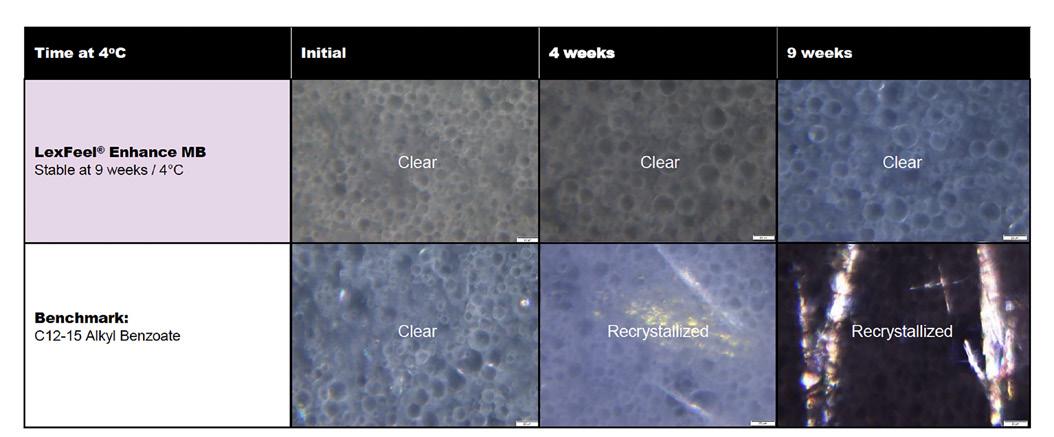
Performance was further supported through accelerated stability studies conducted at 4°C over nine weeks. Formulations incorporating
LexFeel® Enhance MB remained clear with no observable UV filter recrystallisation, whereas benchmark formulations containing conventional emollients exhibited visible crystal formation over the same period.
A RECIPE FOR SUCCESS
As sunscreen innovation continues to evolve, successful formulations will depend on technologies that address multiple formulation challenges simultaneously. Achieving high SPF values alone is no longer sufficient; formulators must also deliver long-term stability, elegant sensory performance and sustainable ingredient choices without compromising efficacy.
LexFeel® Enhance MB demonstrates how intelligent formulation design can simplify the development of modern sunscreen systems. By improving UV filter solubilisation, suppressing recrystallisation and validating performance, formulators are better equipped to develop the next generation of stable, elegant and consumer-friendly sunscreens. •
Table 1: Test formulation – daily sunscreen lotion
African botanicals make their mark in skintelligence
A confluence of mega-trends – including the growth of barrier-focused skincare, or ‘skintelligence’, and stronger consumer demands for sourcing transparency – is creating new challenges in the global cosmetic industry.
As beauty enters the era of ‘skintelligence’, the cosmetic industry is undergoing seismic shifts. The concept refers to the rise of ingredient-literate ‘skintelligent’ consumers, who are moving away from aggressive actives toward products that protect and strengthen the skin barrier. It also signals the growing pressure on brands to substantiate ingredient claims with robust scientific data and traceable sourcing.
“These shifts are creating the ideal industry conditions for the African continent to position its powerful botanical resources as trusted ingredients in global cosmetic formulation,” comments Mary-Ann Venter, managing director of Velden Botanicals, a science-led botanical ingredient manufacturer creating formulationready actives for the global cosmetics and flavour and fragrance industries.
“However,” she adds, “bringing African botanicals to a global audience requires consistent quality, scientific validation and robust documentation. This is the gap we’re bridging.”
THE BURGEONING BARRIER-REPAIR CATEGORY
There is growing consensus that skin’s natural barrier must be intact before any active ingredient can do its work. This insight has reshaped modern skincare thinking.
In what dermatologists describe as a structural shift, the industry is moving away from aggressive intervention to prevention and
long-term resilience, placing the skin barrier at the centre of the formulation conversation. In fact, according to Google Trends, online searches for ‘skin barrier’ have increased by 200% over the past year with ceramides and niacinamide among the highest skin barrier ingredients searched by consumers.
This trend is driven partly by environmental stressors like pollution, the overuse of cosmetic actives that put added strain on skin, and partly by more ingredient-literate shoppers who are learning the language of ingredients, questioning claims and asking hard questions about formulations.
“In this context, skin barrier resilience is becoming a skin-health priority and central to the formulation brief,” notes Venter. “For formulators, barrier care is less about using one repairing ingredient and more about building a balanced system that supports skin function holistically.”
Within this context, Velden’s AxRose™ category of ingredients offers a practical example of how African lipid intelligence can be translated into modern barrier-care formulation. The newly introduced compound features Sclerocarya birrea (Marula), one of Africa’s most iconic botanical oils from the harsh Savanna Biome, and Rosa canina (Rosehip) oil. Through its unique composition and antioxidant system, AxRose™ delivers a clinically backed 22% reduction in transepidermal water loss after a single application. This is significantly higher than ceramides and on par with niacinamide.
TRACEABILITY AND SOURCING BECOME CRUCIAL
The new beauty conversation is also shaped by proof: traceable sourcing, consistent quality, measurable efficacy, and technical documentation, which supports product development and credible consumer communication.
For botanical ingredients, this proof starts long before the ingredient reaches the lab. Responsible sourcing and sustainable harvesting help protect the ecosystems
AxRose™ delivers a clinically backed 22% reduction in transepidermal water loss after a single application
where the botanicals grow, while supporting transparency and integrity across the supply chain.
“Our botanicals are unique due to their superior location and Velden’s robust six pillar responsible strategic sourcing programme. This allows us to offer customers full traceability and close collaboration with the landscapes and communities involved. Our comprehensive product information file is globally approved, allowing formulators and brand teams to build confident claims around provenance, responsible sourcing and ingredient integrity.”
Velden’s dual Swiss-African structure reinforces this: a Geneva entity aligned with European regulatory expectations coupled with South African operations focused on sourcing and manufacturing close to origin.
UNLOCKING THE POTENTIAL OF AFRICAN BOTANICALS
Velden’s initial portfolio spans several innovation platforms including:
• AxRose™ for barrier repair and protection
• RubyM™ for longevity
• NatSol™ for sun care
• TriAct™ for rejuvenation.
While the company’s current focus is on African biodiversity, Velden plans to expand its portfolio, building new botanical pipelines while deepening its scientific and manufacturing capabilities. The objective is to establish emerging botanicals from Africa and beyond as trusted ingredients in mainstream cosmetic formulation. •
Velden Botanicals – www.veldenbotanicals.com
To showcase the AxRose™ category of ingredients in application, Velden has developed a formulation kit for its customers
Climate-adaptive beauty – the next chapter
Clean 2.0 is reshaping what consumers expect from their beauty products. Not ‘clean’ or ‘clinical’ in isolation, but both at once, delivered through precision fermentation and green biotechnology. These processes are used to produce nature-identical ceramides, squalane and hyaluronic acid without the environmental burden of intensive farming. Alongside this shift is another trend gathering serious momentum. Climate-adaptive beauty speaks directly to consumers across Sub-Saharan Africa.
Climate-adaptive beauty refers to beauty products specifically formulated to perform under diverse and shifting environmental conditions, extreme heat, humidity, pollution, dryness, UV exposure and temperature fluctuations. These products are designed to protect and rejuvenate skin and hair in response to changing climate stressors.
The concept is grounded in the recognition that climate change is no longer a distant threat, but rather a present reality affecting consumers' everyday lives. Environmental stressors are impacting our skin and hair in more complex and varied ways. For example, Saharan dust events sweep across West African skies, high-altitude UV intensity bears down on East Africa’s highlands and the dry winters of South Africa's interior sit in stark contrast to the humidity of Durban or Lagos.
This beauty trend emphasises the following:
• Protection against environmental factors (UV
radiation and pollution) as well as extreme conditions like cold winters, hot summers or high altitudes.
• Appropriate ingredients well suited to a specific climate.
• Climate-confident formats, such as sticks that won't melt in high temperatures.
• Adaptive routines and formats to accommodate skin and hair's changing needs due to seasonal changes or varying weather conditions.
• Tailored recommendations to help individuals make informed choices for their skin and hair care needs.
• Products where the processing and ingredient sourcing have a lesser impact on the environment compared to traditional products.
The trend resonates well with the following consumer groups:
• Global travellers and digital nomads who
move frequently between climates. With intra-African business travel and tourism on the rise, think Johannesburg to Lagos, or Cape Town to Nairobi, these consumer groups want skin and hair care products that work seamlessly across environments.
• Urban consumers who face a unique cocktail of environmental stressors. This is true of Africa's fast-growing cities like Lagos, Nairobi, Accra and Johannesburg, where climate-adaptive products can offer targeted protection and support skin and hair.
• Skincare-savvy millennials and Gen Z consumers who are highly informed and expect performance from their beauty products. Across South Africa, Nigeria and Kenya, a social media-driven skincare culture means these consumers understand the impact climate can have on their skin and hair. They are looking for innovative, sciencebacked solutions that fit their fast-paced, socially conscious lifestyles.
• Sustainability-conscious buyers who are drawn to products that reflect an awareness of climate change issues. For many South Africans, memories of Cape Town's ‘day zero’ water crisis remain a powerful reference point, making water-efficient formulations and packaging especially resonant.
MAKE SUSTAINABILITY A PRIORITY
For brands, retailers, R&D teams and investors, climate-adaptive beauty is a strategic opportunity to meet evolving consumer needs and gain a competitive edge in a crowded marketplace. Manufacturers should consider the following sustainability factors:
• Water efficiency in product manufacture and use phases, a consideration that carries weight in a region where water
security has been front of mind for consumers.
• Recuing the carbon footprint of ingredient sourcing and manufacturing. Key to this is understanding what the carbon footprint of your ingredients are, something Croda Beauty is well equipped to help with as it has more than 1 550 PCF statements available across its portfolio.
• Ingredient sourcing with a reduced environmental impact, particularly for actives and botanicals. This could take the form of raw materials that have been third-party certified as having been cultivated using sustainable farming practices or technologies such as Plant Cell Culture, which help to preserve plant species.
PROGRESSIVE FORMULATION DEVELOPMENT
Environmental intelligence is becoming the new luxury. Modern consumers are more aware of their surroundings and want products that reflect the realities of their local environment. Climate-adaptive products signal a brand's responsiveness and intelligence, placing it ahead of the curve in personalisation and care. This is driving demand for climate-targeted products, such as:
• Hybrid products, particularly adding sun protection or climate protection capabilities to hair care and cosmetic products.
• Humidity-responsive moisturisers. Formulation science also needs to evolve. Creating truly climate-adaptive products means formulating for versatility and performance. Ingredients must be:
• Stable across temperature extremes, especially where cold-chain storage and distribution can't always be guaranteed.
• Non-comedogenic under high humidity.
• Protective against oxidative stress from pollution and UV.
• Capable of maintaining hydration in arid and damp environments.
TREND-ALIGNED SKIN AND HAIR INGREDIENTS
Across sun care, skincare and hair care applications, Croda Beauty produces a variety of ingredients that can help brands meet the climate-adaptive beauty trend.
Solaveil Clarus is Croda Beauty’s hero SPF active for daily wear formulations. This UV filter technology delivers a tightly controlled particle size distribution. As a result, the undesirable whitening effect typically associated with mineral filters is effectively eliminated, while the
Environmental
intelligence is becoming the new luxury
SPF and UVA efficacy remains uncompromised. It is extremely versatile and suitable for a wide range of applications, making it ideal to add sun protection to hybrid products for a wide range of skin phototypes.
Mel[o]stem™ can help repair damage caused by UV exposure. It regulates melanocyte life disorders and hyper- and hypopigmentation. Produced using plant cell culture, Mel[o]stem’s manufacturing process consumes 35x less water and preserves 100x of the land footprint compared to traditional plant cultivation, as well as offers 100% of manufacturing waste recovery.
Crodasorb™ UV-283 is a patented, highactivity quaternised UV absorber that protects hair from sun by preventing UVB damage, while
ChromAveil™ protects hair from the damaging effects caused by exposure to sunlight (UVA and UVB). Both are relevant year-round given the UV intensity experienced across much of the continent.
Higher temperatures can make hot places hotter and humid places more humid, but they also create increased variability in both, and neither skin nor hair like to be too dry or too hot.
Capable of adapting to the surrounding environment, DuraQuench™ IQ SA optimises skin hydration by regulating water loss from the skin at different temperatures and humidities. More humidity means more frizz. The formation of frizz and undesirable volume are a daily concern for many consumers with textured hair types. Thanks to its low molecular weight,
Prolevium™ is thought to maintain the perfect style and protect hair from frizz. It offers a combination of moisture-balancing and filmforming properties that work synergistically to protect hair from humidity variation.
POLLUTION AND OTHER ENVIRONMENTAL AGGRESSORS
Air pollution refers to any air particulate with harmful effects, many of which are exacerbated by climate change. For consumers in Africa's growing megacities, urban pollution combined with intense UV and, in West Africa, seasonal Saharan dust, adds up to a particularly demanding environment for skin and hair.
Citystem™ protects skin from environmental and screen light pollution damage. It can also restore autophagic functions that can be altered by pollution, helping to detoxify skin cells.
Luceane™ acts on the skin holobiont to reinforce barrier function, using a unique bacteria sampling (2009 UPEI collection expedition) with full traceability. It is readily biodegradable and supports the production of RSPO-certified sustainable palm oil by using the Mass Balance supply chain model.
FibraShield™ C is a protective peptide derived from chickpeas which fights oxidative stress to preserve hair longevity. It proactively protects the hair cortex and cuticles from the damaging effects of environmental aggressors and helps to maintain hair health. FibraShield C is 98.9% derived natural (ISO 16128) and Readily Biodegradable (OECD 301B), and COSMOS approved.
FORMULATING FOR CLIMATEADAPTIVE BEAUTY
Daily sunscreens are a key product in climateadaptive beauty, as modern consumers are aware of the damage caused by UV exposure. A daily product needs to deliver a great
skin-feel and no white cast, particularly for the diverse skin phototypes found across sub-Saharan markets.
Croda Beauty has developed a fluid facial lotion SPF 30 with a light skin feel. Transparent on skin, it contains Crodamol™ ISIS to provide excellent skin moisturising properties, while the combination of Solaveil™ CT-300 and Solaveil CZ-300 provides broad-spectrum protection from solely inorganic sun filters. The light hybrid sunscreen SPF 50+ is another example of a formula with a light sensorial experience and good transparency.
Sunscreen sticks are also popular due to their portability, being light weight, and the perception that they have a lower water-use impact than traditional sun creams. However, this can vary significantly depending on the formulation and packaging. For water-conscious South African consumers, this is a meaningful point of difference.
Croda Beauty’s naturally shielding sun stick SPF50 is ideal for on-the-go application. The waterless formulation combines anhydrous ingredients to deliver a convenient and easy-to-use sun stick that provides powerful protection. Th stick format is achieved using Syncrowax™ HRC and Syncrowax ORM, which provide a firm structure without compromising on pay-off or sensory.
Hybrid products also play a role in daily sun protection, giving consumers a wide range of benefits in as few products as possible. Croda Beauty’s ceramide shield foundation stick SPF 50 combines sun protection and moisturisation in one handy stick format. This multi-functional formula offers the lightweight moisturising properties of Crodamol™ GTCC with the smooth application of Syncrowax™ SB1 MBAL for a velvety finish, as well as Solaveil™ XT-300 for broad-spectrum UV protection from a single ingredient.
DID YOU KNOW?
Biotechnology, adaptogenic botanicals, encapsulation technologies and smart emulsifiers play a central role formulating for climate-adaptive beauty.
For hair protection, Croda Beauty has developed a bio-engineered hair shield to protect hair from the main environmental aggressors. This formula contains a combination of high-performance bioactive ingredients. Crodasorb™ UV-283 offers protection against structural damage caused by UVB, Heliogenol™ offers protection against colour damage caused by UVA, Cropeptide™ W is capable of regulating fibre hydration in different relative humidity situations, and Crodamol™ GTS is good for shiny, healthy-looking hair.
To repair damage to the scalp caused by its biological responses to environmental aggressors, Croda Beauty has formulated a scalp recovery & resistance concentrate. It contains Hairspa™, a natural prebiotic complex; Phytessence™ Hazel Leaf MBAL, a botanical extract with anti-inflammatory and antioxidant action; and Procapil™, a bioactive ingredient that strengthens hair anchoring structures, accelerating hair growth and preventing hair loss.
THE OPPORTUNITY FOR SOUTH AFRICAN PRODUCERS
For South African manufacturers, climateadaptive beauty offers a practical entry point into the broader Clean 2.0 conversation. The same biotech-derived actives driving this trend globally sit comfortably alongside the country's own botanical strengths, from jojoba oil to indigenous extracts with their own adaptogenic and protective properties. With water efficiency, carbon transparency and ingredient traceability becoming baseline expectations from local consumers and export markets, aligning formulation strategy with climate-adaptive principles is a sound business case for producers looking to compete on shelves at home and abroad. •
Send an email to rendani.nemaungani@croda.com for more information
Skin bioelectricity: A device-like biotech strategy for skin regeneration
Skin bioelectricity is an evolutionarily conserved mechanism critical for tissue morphogenesis, cellular repair and homeostasis. Recent breakthroughs reveal that skin cells generate active electrical impulses — once thought exclusive to neurons and cardiomyocytes. This endogenous signalling coordinates cellular responses through ionic gradient modulation, electrotaxis and tissue-repair pathway activation. By Òscar Expósito, Alejandro Guirado, Victoria Vidal, Ana Gallego, Sandra Ruiz, Pau
As the skin ages, these intrinsic electrical currents decline, resulting in diminished cellular communication, compromised structural integrity and visible signs of fatigue, particularly in the delicate periorbital area. Traditional clinical approaches to counteract this decline rely on energy-based devices (microcurrents or electroporation hardware) to stimulate tissue regeneration. To meet the demand for non-invasive, sustainable cosmetic solutions, Vytrus Biotech has developed a ‘devicelike’ lifting and rejuvenating active that mimics the physiological shifts of electrostimulation at the cellular level. It does this by targeting purinergic receptors, optimising microcirculation via the vascular endothelial growth factor (VEGF), and reinforcing the extracellular matrix through procollagen I synthesis.
HARNESSING PLANT INTELLIGENCE
To develop a bioelectric-mimetic ingredient, Vytrus Biotech leveraged the adaptive intelligence of Hylocereus undatus. This plant species is naturally adapted to arid environments through its highly conductive properties and unique capacity to accumulate cationic electrolytes.
Using a proprietary biotechnology platform, Hylocereus undatus stem cells are cultured under a specialised nocturnal mimicry protocol (continuous darkness) combined with optimised carbon sources. This controlled environmental stress triggers a process of functional specialisation and metabolic reprogramming, forcing the plant stem cells to biosynthesise a complex, highly active secretome enriched with unique bioelectrical signalling components called Plant Electrines™.
To evaluate the impact of this optimisation process, a comparative biochemical profiling was conducted between the optimised secretome (Ignilyte™) and a standard control culture.
The analytical data confirms that nocturnal elicitation significantly enhances the following parameters, which are crucial for bioelectrical signal propagation and tissue protection:
• Active Plant Electrines™ (glycoproteins) – specialised signalling glycoconjugates and structural proteins increased by 65%, comprising 70% of the total protein fraction, tailored to recharge cellular energy.
• Natural bioelectrical enhancers – electrical conductivity rose by 43% alongside a 34% increase in ion/electrolyte concentration, optimising the ionic environment required to restore natural cutaneous electrical gradients.
• Polyphenolic enrichment – a 156% surge in secondary metabolites and polyphenols ensures potent antioxidant protection to maintain periorbital tissue vitality.
TWO-STEP MECHANISM OF ACTION
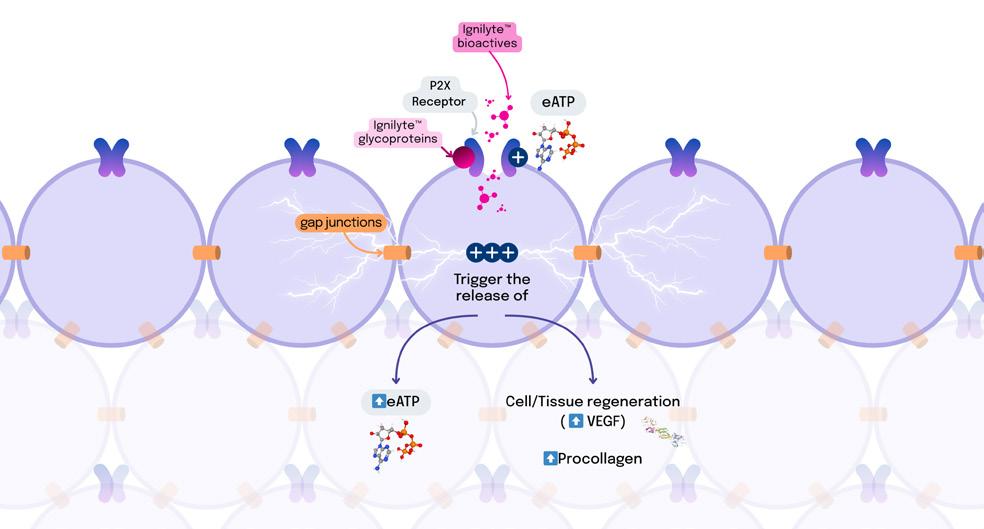
Ignilyte™ operates through a sophisticated, bio-inspired system (see figure 1), which mirrors the cellular actions of professional electrotherapy devices:
• Step 1 – Bioelectric activation (purinergic sensitisation) where the plant glycoproteins within the active ingredient function as active signalling switches rather than static structural entities. They act as positive allosteric modulators (PAMs) of purinergic P2X receptors, sensitising them to native, physiological levels of extracellular ATP (eATP). The amplified signal propagates through autocrine and paracrine pathways across gap junctions, establishing a self-sustaining positive feedback loop that enhances tissue-wide electrical connectivity.
• Step 2 – Regenerative stimulation and self-delivery where the localised bioelectric activation alters cell membrane potentials, inducing a temporary increase in membrane permeability analogous to physical electroporation. This biological electroporation enables the active internalisation of the bioactive molecules of Ignilyte™ into the target skin cells. Once inside, these molecular complexes upregulate the expression of VEGF to improve local microcirculation and stimulate fibroblasts to synthesise pro-collagen I, making Ignilyte™ the first cosmetic active demonstrating self-penetration capabilities.
Riera, Daniel Luna, Maria Mas, Marta Gibert, Laura Cano, Sara Laplana and Tarik Ruiz
Figure 1: Mechanism of action of Ignilyte™
BIOLOGICAL ACTIVITY
A comprehensive series of multi-level in vitro studies validated the bioelectrical and structural mechanisms of Ignilyte™ in human dermal fibroblasts (HDF) and human epidermal keratinocytes (HaCaT), utilising professional clinical hardware as a positive control.
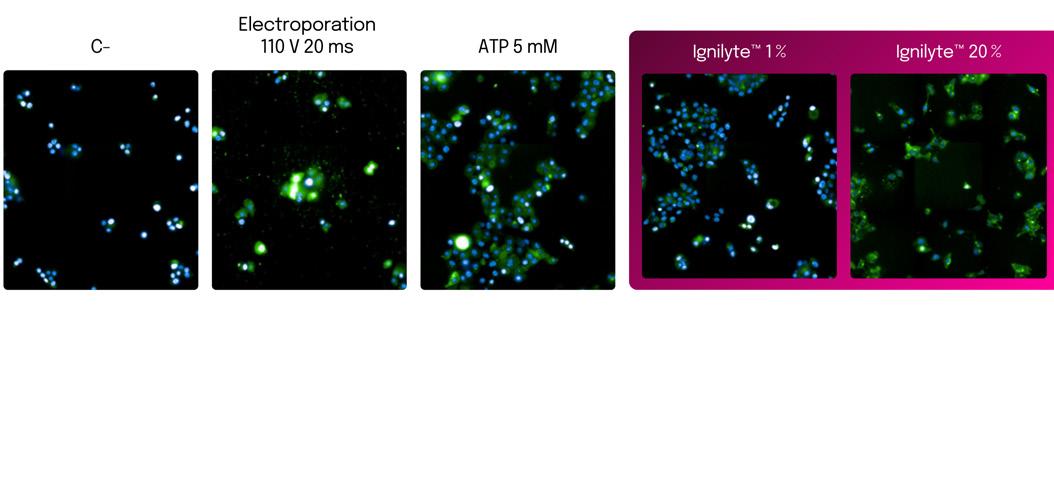
High-content imaging studies in HaCaT cultures demonstrated that extended incubation with Ignilyte™ significantly increased cell membrane permeation. The active promoted a cumulative, dose- and time-dependent internalisation of a fluorescent tracer dye, showing an increase in cellular uptake of up to 356% (see figure 2).
The application of Ignilyte™ led to a robust, significant release of eATP in both HaCaT and HDF cultures after 24 hours. Upregulation of eATP reached up to 116%, successfully activating the purinergic signalling networks required for fast cell-to-cell communication and accelerated barrier repair.
VEGF secretion was measured in HaCaT cells at 4 hours and 24 hours. Ignilyte™ treatment stimulated VEGF secretion up to values 2.2 times higher than those achieved by physical, high-voltage electroporation hardware.
In HDF cultures, Ignilyte™ significantly stimulated the synthesis of critical dermal matrix components. Quantitative assays showed a major increase of up to 82% in pro-collagen I synthesis, restoring the extracellular matrix's architectural integrity.
2: Electroporation-like activity in HaCaT after 24 hours of Ignilyte™ (1, 20% (v/v) or ATP (5mM, 10mM) incubation (high-content imaging). Green: BLOCK-iT™ uptake; blue: Hoechst nuclear staining. This active ingredient enhances cellular permeation through a process influenced by concentration and exposure time. A self-powered, self-delivering system that promotes intracellular delivery of its own bioactive molecules
CLINICAL EVALUATION USING IN VIVO
ASSAYS
To validate the biological mechanisms on human subjects, Ignilyte™ was evaluated in three randomised, double-blind, placebo-controlled clinical trials utilising multi-ethnic, genderless-inclusive panels exhibiting periorbital ageing, eyelid sagging, eyebags and mechanical fatigue. Formulations were applied twice daily for 14 to 56 days, benchmarked against a professional needle-free mesotherapy device. Clinical skin profilometry and morphometric evaluations proved that Ignilyte™ delivers deep lifting and tissue de-congestion equivalent to instrumental mesotherapy treatments. By restoring native bioelectric pathways and improving microcirculation, the active achieved the following structural and aesthetic benefits:
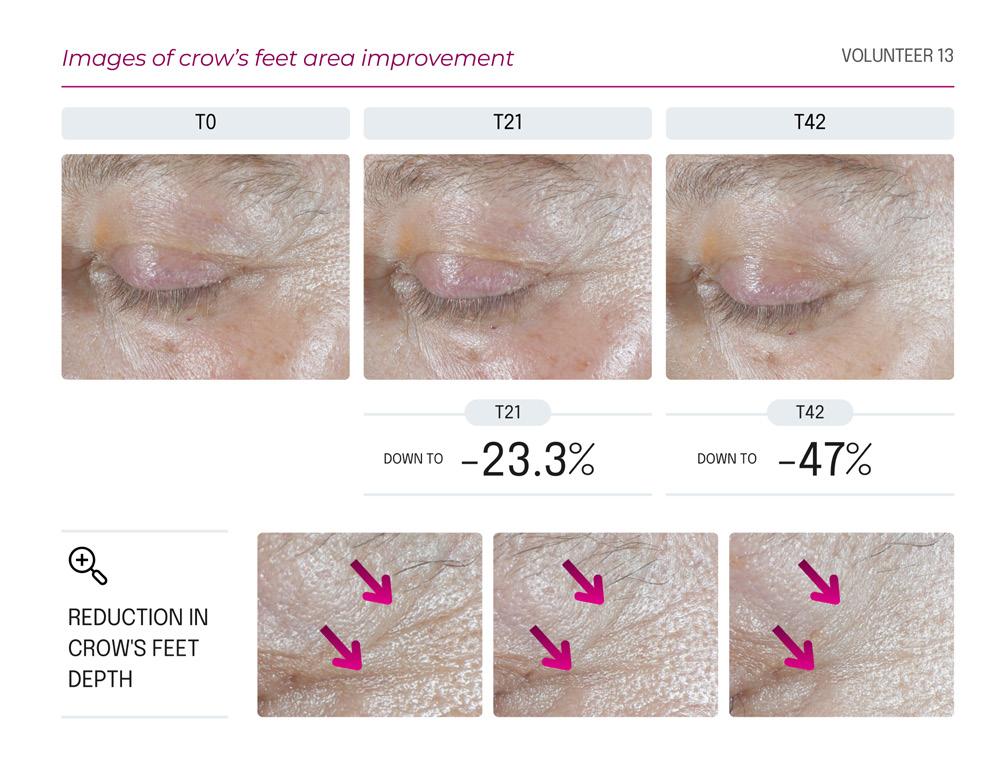
• Crow's feet wrinkle depth was significantly reduced at day 21, reaching an exceptional reduction of up to 47% by day 42 (see figure 3).
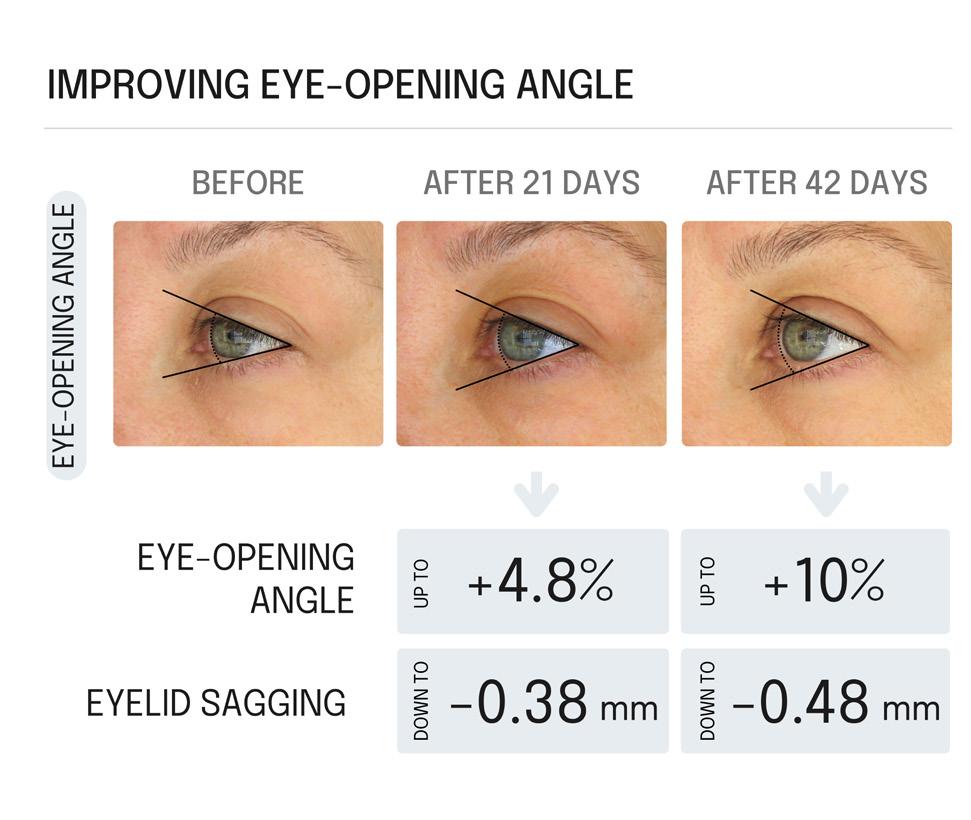
• Morphometric analysis revealed a progressive lifting of the upper eyelid, increasing the eye-opening angle up to 10% at day 42, which correlated with a physical reduction in eyelid sagging of 0.48mm (see figure 4).
• High-resolution tissue scanning demonstrated a reduction in eye bag volume up to 25.9% by day 42.
RADIANCE, HYDRATION AND SHORT-TERM REJUVENATION
An accelerated clinical trial focused on short-term skin quality parameters, demonstrating significant efficacy within 14 to 28 days of application:
• The active ingredient markedly enhanced periocular luminosity, showing a 34.3% increase in skin radiance by day 28.
• Epidermal moisture retention was significantly improved, providing a 21.5% boost in skin hydration by day 28.
• Fine periocular lines and skin roughness were minimised, showing a 15% decrease in wrinkle depth at 28 days.
LONG-TERM MECHANICAL RESILIENCE AND ANTI-GRAVITY ACTION
A 56-day clinical evaluation was conducted to assess the active’s ability to protect tissues against gravity and mechanical fatigue:
• Skin firmness increased by 8.7% by day 56, reflecting long-term structural reinforcement.
• Inderma measurements showed a 9.8% reduction in mechanical skin fatigue and a 1.2% improvement in the anti-gravity effect at day 56, successfully counteracting gravitational sagging and tissue laxity.
CONCLUSION
Developed by Vytrus Biotech's proprietary platforms and available in South Africa from Savannah Fine Chemicals, Ignilyte™ represents a frontier innovation in dermocosmetics, bridging plant biotechnology with advanced skin bioelectricity. Through a secretome rich in Plant Electrines™ and natural electrolytes, Ignilyte™ functions as a biological electrostimulator. It reawakens the skin’s electrical signalling, induces biological electroporation for the self-penetration of bioactives and drives tissue regeneration. •
References available on request
Savannah Fine Chemicals – www.savannah.co.za Vytrus Biotech – www.vytrus.com
Figure
Figure 3: Skin profilometry to assess Ignilyte™ progressive results on crow’s feet winkle depth comparable to professional hardware
Figure 4: Morphometric analysis was used to assess the reduction of eyelid sagging and eye-opening angle
Turning waste into cosmetic wonder
The beauty industry has long talked about ‘clean’ and ‘natural’ – but a quieter revolution is now underway at the ingredient level. Rather than simply sourcing responsibly, forward-thinking suppliers are converting agricultural by-products and invasive-species biomass into highperformance actives. It's a shift that lets brands meet growing consumer demand for efficacy and environmental responsibility, without having to choose between them.
Agricultural by-products, invasive species management and local botanical sourcing are shaping the next generation of high-performance cosmetic ingredients. Clean beauty is evolving beyond natural claims. Today's consumers expect ingredients that not only deliver proven performance but also contribute to environmental responsibility. Upcycling agricultural by-products, supporting biodiversity management and promoting responsible sourcing have become key pillars of next-generation cosmetic innovation.
UPCYCLING COCOA SHELLS INTO HIGH-VALUE BEAUTY
ACTIVES
Chocolate production generates millions of tonnes of cocoa shells annually. These shells are often discarded despite containing valuable bioactive compounds. As consumer demand grows for sustainable and circular beauty solutions, these agricultural byproducts present an opportunity to create value while reducing waste.
Imdermalab ® CocoaRevive is produced from cocoa shells using a proprietary Molecupure purification technology. Molecupure transforms an underutilised
resource into a multifunctional cosmetic active. Rich in naturally occurring polyphenols and alkaloids, CocoaRevive supports skin and hair beauty applications while embodying the principles of upcycling and resource efficiency.
Research has demonstrated that CocoaRevive promotes melanocyte proliferation, enhances tyrosinase activity, supports natural tanning pathways and stimulates hair follicle cell growth. By converting cocoa processing residues into highperformance cosmetic ingredients, CocoaRevive exemplifies how agricultural waste can become a valuable source of sustainable innovation.
CIRCULAR BEAUTY FROM TEA SEED RESIDUES
As consumer demand shifts toward sustainable cleansing solutions, ingredient manufacturers are exploring ways to maximise the value of agricultural byproducts. COSMOS-approved Imdermalab® Tea Gem-COS is derived from Camellia oleifera seed cake, the residual material remaining from tea oil production, which is traditionally underutilised or discarded. Using Molecupure purification technology, this botanical byproduct is transformed into a high-purity
active rich in tea saponins, creating new value from an existing agricultural resource. Beyond its sustainability story, Tea Gem-COS offers excellent formulation performance. The naturally occurring tea saponins provide rich, long-lasting foam and effective cleansing while maintaining exceptional skin mildness. Unlike many conventional surfactant systems, Tea Gem-COS has demonstrated non-irritating and nonsensitising properties, making it particularly suitable for modern sulfate-free, sensitive skin and scalp care formulations.
INGREDIENTS/NATURAL
By transforming tea seed residues into a multifunctional cosmetic ingredient, Tea Gem-COS exemplifies how responsible botanical sourcing and circular economy principles can work together to deliver environmental and functional benefits for next-generation personal care products.
SUPPORTING
BIODIVERSITY MANAGEMENT
Imdermalab ® Mikalm represents another dimension of sustainability by transforming ecological challenges into valuable cosmetic solutions. This active ingredient is derived from Mikania micrantha, an invasive species widely recognised for its rapid growth and negative impact on local biodiversity. Conventional control methods often focus on removal and disposal, generating an additional environmental burden. Through responsible utilisation and Molecupure purification technology, this unwanted biomass is converted into a
high-value skincare active. Research has demonstrated that Mikalm possesses antiinflammatory, antimicrobial and skin-repair properties, making it suitable for sensitive skin and skin recovery applications. By creating value from invasive plant resources, Mikalm showcases how biodiversity
management can be aligned with sustainable cosmetic innovation.
TOTAL SUSTAINABLE INTEGRATION
CocoaRevive, Tea Gem-COS and Mikalm –available in South Africa from Safic Alcan Southern Chemicals – demonstrate how sustainable sourcing strategies can generate measurable cosmetic performance while reducing waste, supporting biodiversity and creating value from previously overlooked natural resources.
At ImDerma Laboratories, sustainability is not simply a marketing concept, it is integrated into ingredient design, purification technology and responsible sourcing practices. By transforming overlooked natural resources into high-performance cosmetic actives, ImDerma Laboratories believes the future of beauty can be both effective and environmentally responsible. •
Inside the label: Navigating regulatory requirements in SA
South Africa’s cosmetics industry is fast-growing and increasingly aligned with global standards. Yet behind every product on the market lies a complex web of labelling requirements designed to protect consumers and ensure transparency. For manufacturers and brand owners, understanding how legislation, draft regulations and voluntary standards interact, is essential to achieving compliance and building consumer trust.
By Dershana Jackison, CTFA’s technical & regulatory affairs manager
Unlike highly centralised regimes such as the European Union's Cosmetic Regulation, South Africa’s cosmetics industry operates under a hybrid system. At its core is the Foodstuffs, Cosmetics and Disinfectants Act, 1972 (Act 54 of 1972), which empowers the Minister of Health to regulate cosmetics, including labelling requirements. Although the National Department of Health (NDoH) published draft regulations in 2017 specifically to address labelling, advertising and composition, they have not yet been fully enforced. Whilst the industry is self-regulated, the Cosmetic, Toiletry and Fragrance Association (CTFA), through its guideline CTFA Cosmetic Compendium, offers member companies support and guidance through label reviews, training and regular ingredient and regulatory updates. In practice, the following documents build the framework for labelling compliance:
• SANS 98 ingredient labelling of cosmetics.
• SANS 289 general labelling requirements for prepackaged products (prepackages) and general requirements for the sale of goods subject to legal metrology control.
• CTFA Cosmetic Compendium – industry guideline aligned with the European Commission regulations, EC 1223/2009.
• Regulations relating to labelling, advertising & composition of cosmetics, R.1469, 22 December 2017 (draft).
Compliant labelling is a promise to the consumer
STANDARDISED DECLARATION OF INGREDIENTS
SANS 98 is the cornerstone standard governing how ingredients must be declared on the packaging of cosmetic products in South Africa. It is also aligned with global practice. Implementing the standard ensures consumer safety and informed choice, transparency for allergens and sensitivities, and ease of global trade. There are five key requirements:
1. INCI naming system for ingredients, which ensures global consistency and consumer understanding.
2. Descending order of concentration.
3. Mandatory ‘ingredients’ heading.
4. Fragrance and colourants listing descriptions.
5. Exclusions of certain substances such as impurities or processing aids not present in the final product do not need to be declared.
COMPULSORY LABELLING REQUIREMENTS
While SANS 98 focuses on ingredients, SANS 289 governs the broader labelling requirements applicable to all prepackaged goods, including cosmetics. This is a compulsory specification enforced by the National Regulator for Compulsory Specifications. The core labelling elements described are aligned in the draft NDoH regulations. According to SANS 289, cosmetic labels must include:
• product identity
• the responsible person’s details
• net quantity declaration complying with legal metrology rules
• legibility and presentation of information. Although still in draft form, the NDoH’s regulations represent the government’s intent and are widely treated as a compliance
benchmark. A cosmetic label must include, at least the following, in English:
• product name and function
• batch or lot number (for traceability)
• name and address of the responsible person
• country of origin for imported products
• nominal content
• ingredient list (aligned with SANS 98)
• warnings and precautions where applicable
• expiry or period-after-opening information (where relevant).
The regulations also emphasise that labels must not be misleading. Claims suggesting therapeutic or medicinal effects could reclassify a cosmetic as a medicine, triggering stricter oversight by SAHPRA.
BUILDING TRUST AMONG CONSUMERS
In practice, compliance requires integrating all three frameworks, being legal foundation, technical standards and guidelines. This will ensure brands not only meet compliance requirements but also build credibility in an increasingly informed and discerning market.
As South Africa steadily moves toward a more formalised regulatory environment, the draft NDoH regulations indicate a future where labelling requirements will become legally binding with more consistent enforcement and greater alignment with international frameworks. Cosmetic labelling in South Africa is far more than a design exercise, it is a regulatory discipline rooted in consumer protection, transparency and global harmonisation. In a competitive industry where trust is everything, compliant labelling is a promise to the consumer. •
CTFA – ctfa.co.za
Power up your brand with connected packaging
For many years, labels were primarily used to identify products, support branding and carry regulatory information. Today, they are expected to do much more.
Pharmaceutical and cosmetic manufacturers are under increasing pressure to provide more information, improve traceability, support sustainability objectives, engage consumers, protect their brands and reduce costs. At the same time, brands still need to differentiate themselves on shelf and grow market share.
As a result, the label is becoming one of the most important assets on a product.
One of the most significant developments underway is the transition from traditional barcodes to 2D codes. Global initiatives such as GS1 Sunrise 2027 are accelerating this shift and encouraging manufacturers, retailers and brand owners to prepare for a future where significantly more information can be stored and accessed through a single code.
Unlike conventional barcodes, 2D codes can support product authentication, traceability, batch and expiry information, consumer engagement and access to digital product information. For pharmaceutical and cosmetic manufacturers, this represents both a significant opportunity and a significant challenge. While many organisations recognise that change is coming, uncertainty exists around implementation, data management and how these technologies can be used to create value.
MORE THAN JUST A BARCODE
VR Print is working with customers to prepare for this transition.
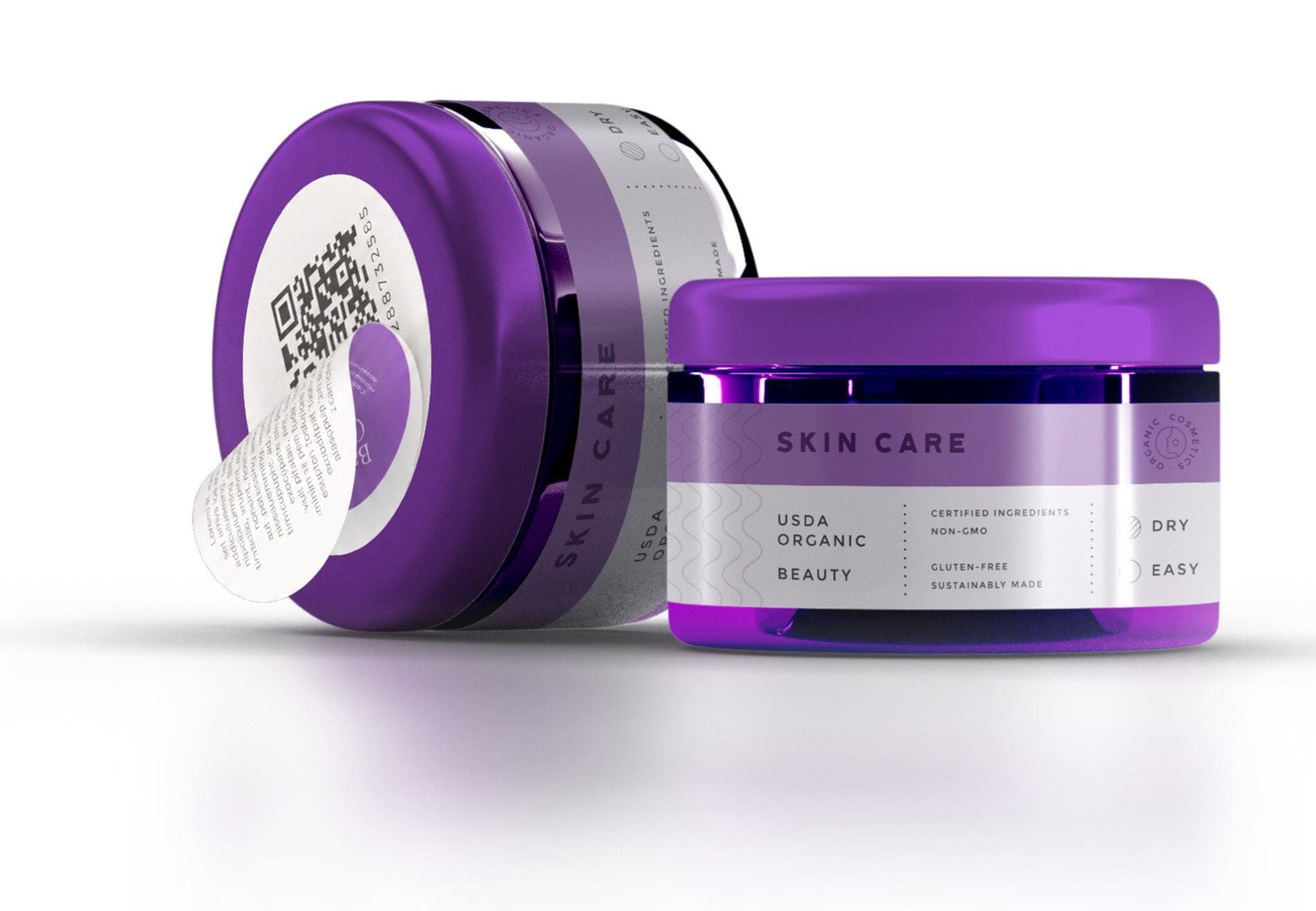
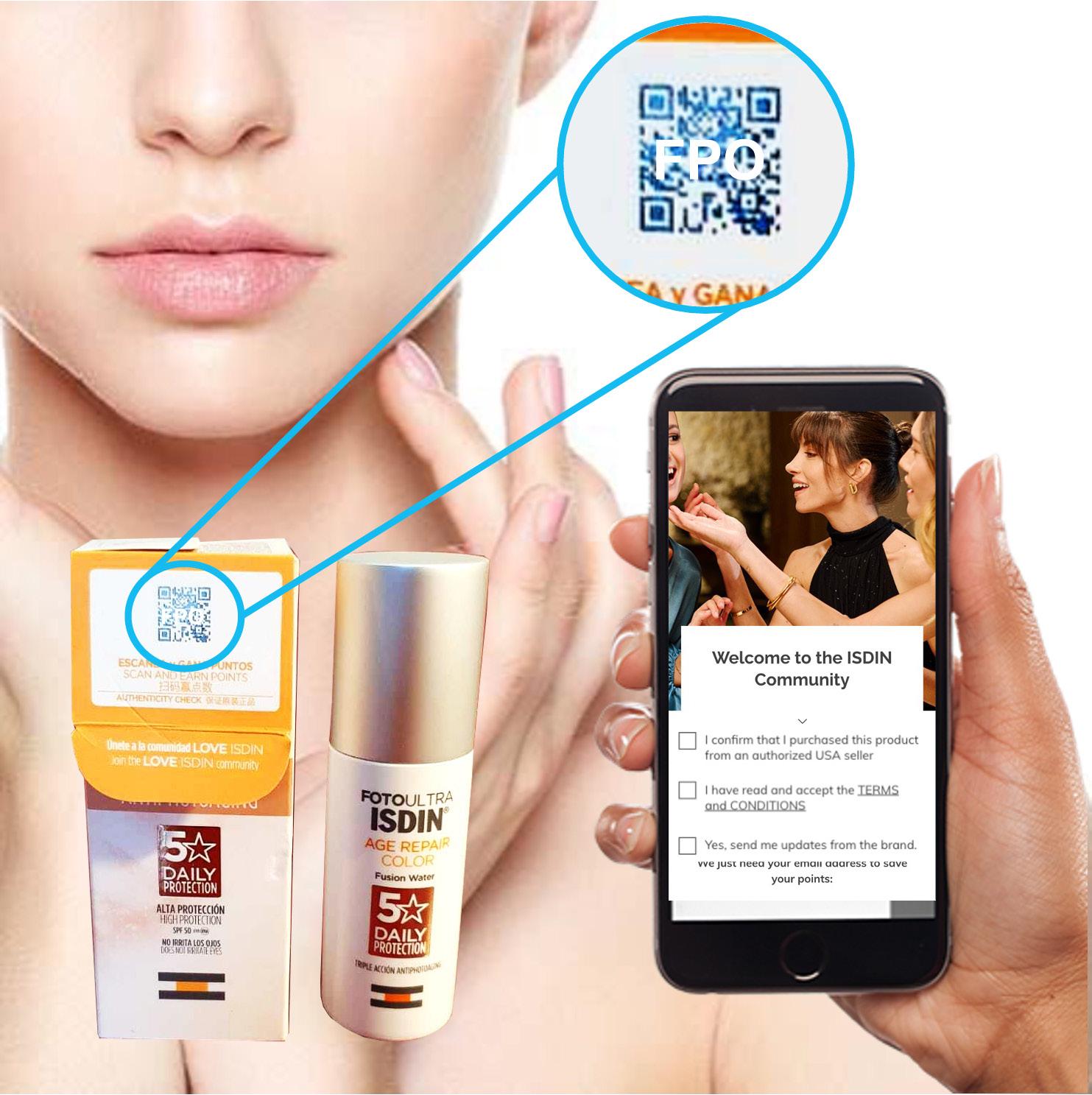
Solutions such as Scantrust® secure QR codes combine authentication, traceability and consumer engagement through a single dynamic QR code. They help brands combat counterfeiting, verify product authenticity, improve supply chain visibility and provide consumers with instant access to trusted product information. What makes connected packaging particularly exciting is that it creates opportunities beyond compliance. A single QR code can support consumer education, product authentication, loyalty programmes, promotional campaigns and valuable market intelligence. Instead of serving only as an identifier, the label becomes an active part of the consumer experience. Interest in technologies such as NFC, RFID and augmented reality is also growing as brands explore new ways to
ISDIN
connect physical products with digital experiences. While QR codes are currently seeing the fastest adoption because they are accessible and cost-effective, these technologies point towards a future where labels become increasingly intelligent, interactive and connected.
PRACTICAL SUSTAINABILITY WITH REAL RETURNS
Sustainability remains another major driver of change, but the conversation is becoming more practical. In VR Print’s experience, the most successful sustainability initiatives are those that also deliver measurable commercial benefits. Reducing material consumption, simplifying packaging structures, improving production efficiency and reducing waste can lower costs, improve margins and support environmental objectives at the same time.
Sustainability also extends beyond the label material itself. Technologies such as UV LED curing, expanded colour gamut
uses the Scantrust® secure QR code on its packaging for authentication, traceability and consumer engagement
(ECG) printing and digital label production support more efficient manufacturing with reduced waste and lower energy consumption.
As product portfolios expand, SKU counts increase and order volumes become more fragmented, so is digital printing becoming more important. By eliminating the need for printing plates and enabling economical short-run production, digital printing helps brands reduce obsolete inventory, minimise waste associated with artwork changes and manage increasingly complex product ranges more efficiently.
Nowadays, labels are designed with the recycling stream in mind. Rather than looking at the label, adhesive or container in isolation, manufacturers are considering how these elements work together as part of a complete packaging system.
RETHINKING SECONDARY PACKAGING
One of the biggest opportunities perceived by VR Print is not necessarily how to make packaging more sustainable, but rather questioning whether some packaging components are still necessary at all.
Many pharmaceutical and cosmetic products continue to rely on secondary cartons and loose information leaflets primarily to carry regulatory information, multilingual content and marketing messages. While this has been standard practice for decades, it is worth asking whether these additional components still justify their cost, complexity and environmental impact.
promotional campaigns and loyalty programmes, helping brands drive interaction and encourage repeat purchases.
Together, these solutions help brands communicate more information, support multilingual markets, improve compliance and reduce packaging complexity.
THE CASE FOR BANDING
In many cases, the carton is discarded shortly after purchase and the leaflet is misplaced or discarded long before the product is finished. Yet both add material, inventory, warehousing, handling and packing costs. Ultimately, they increase complexity and reduce manufacturer margins.
This is one of the reasons VR Print is seeing more interest in extended content labels.
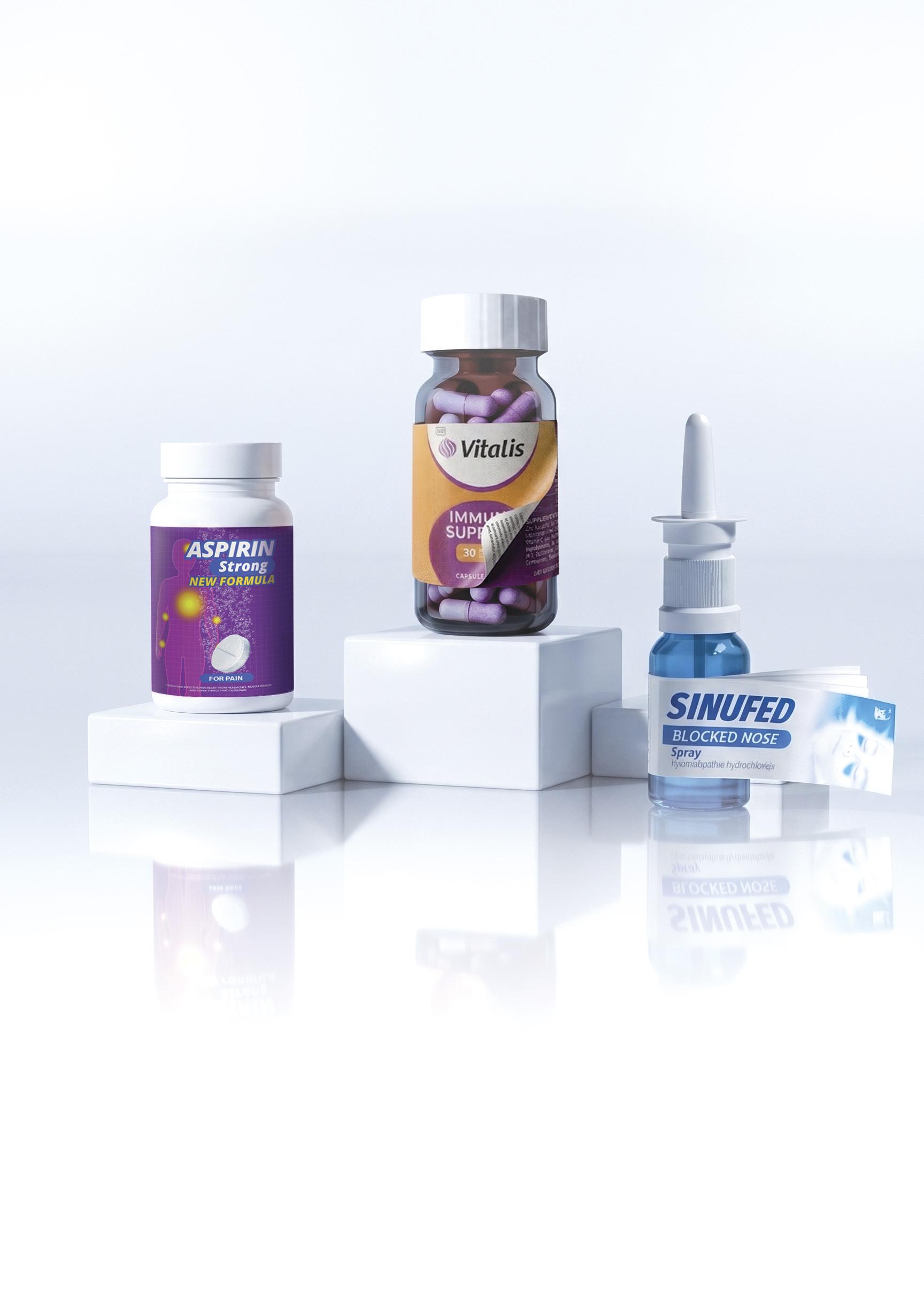
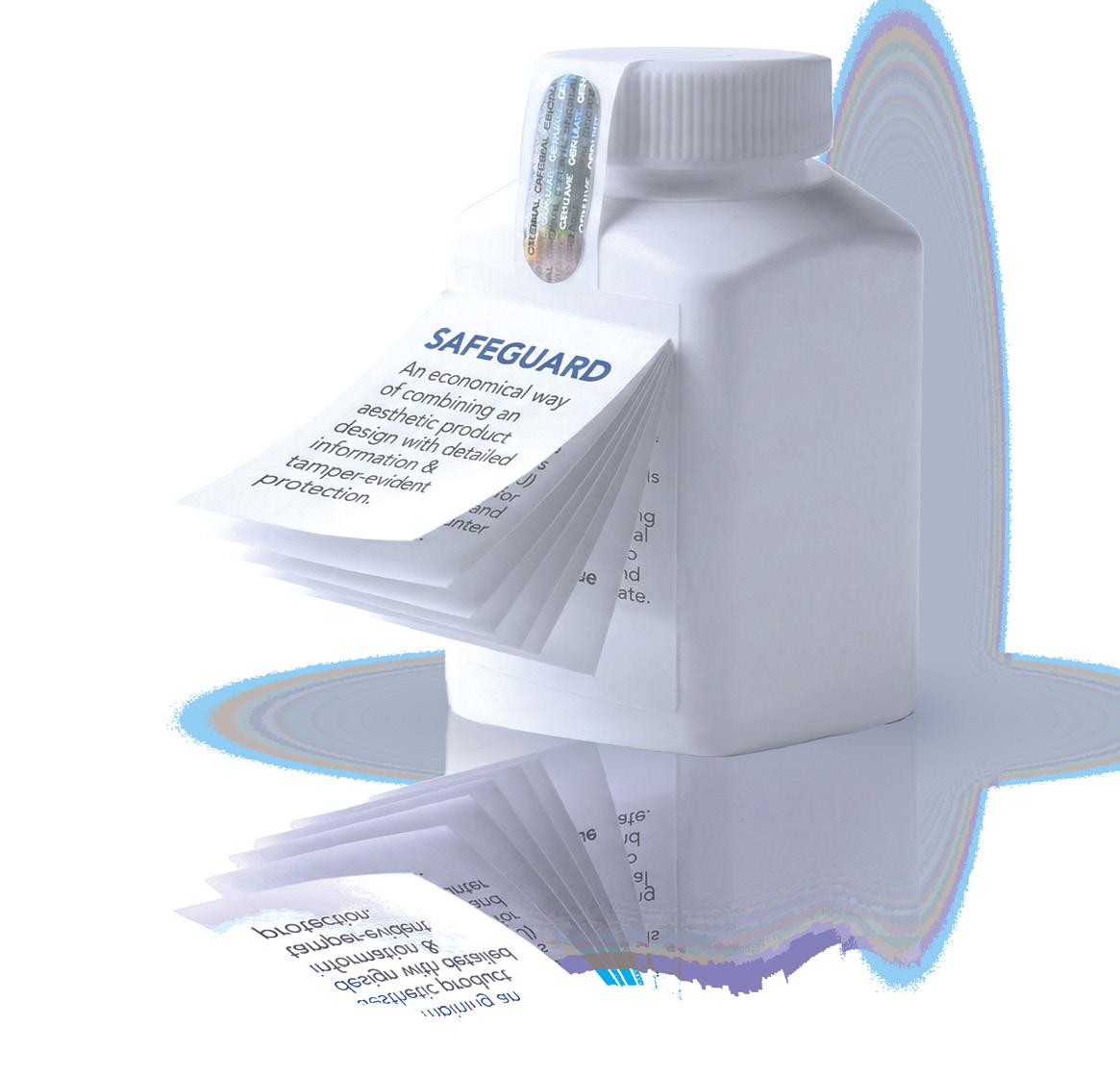
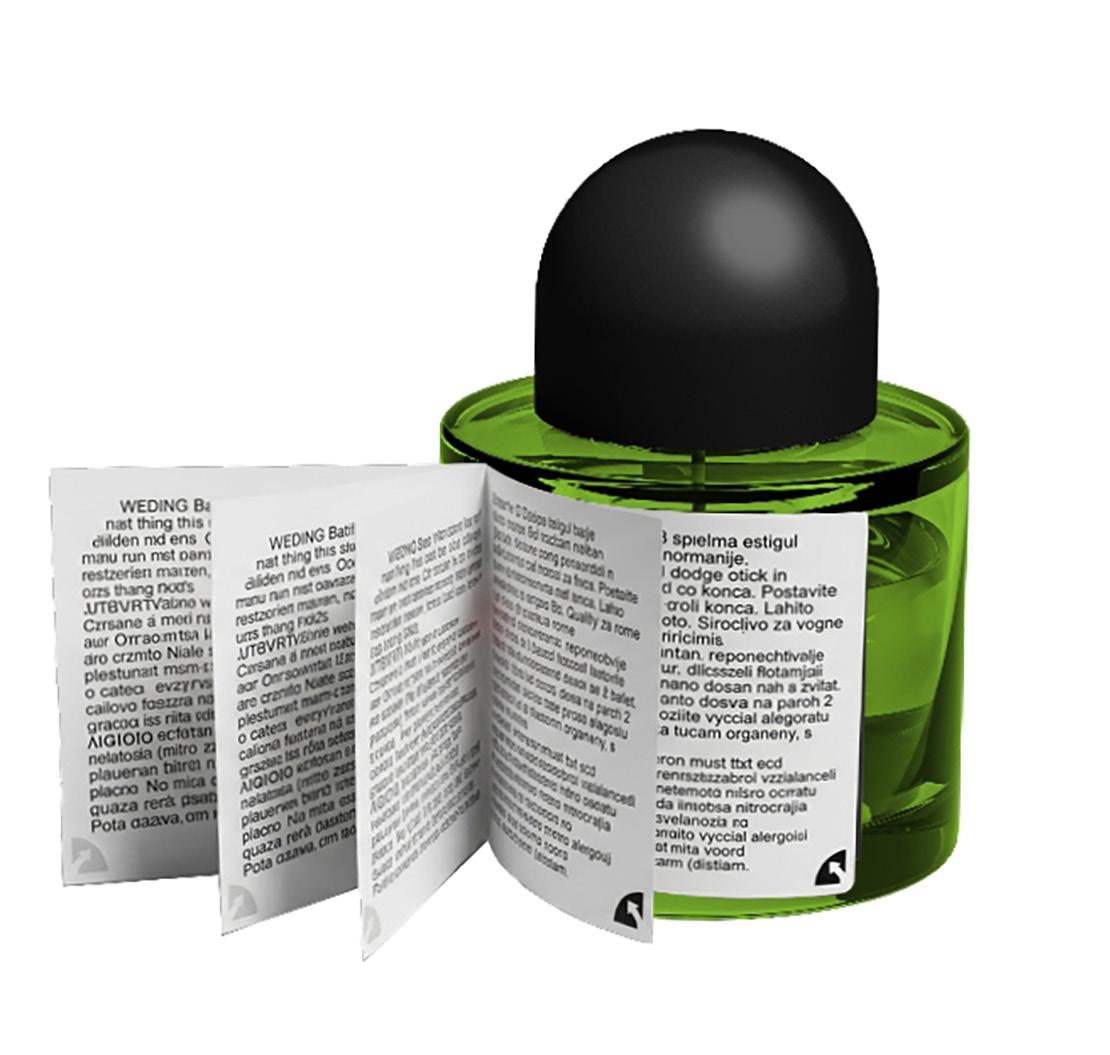
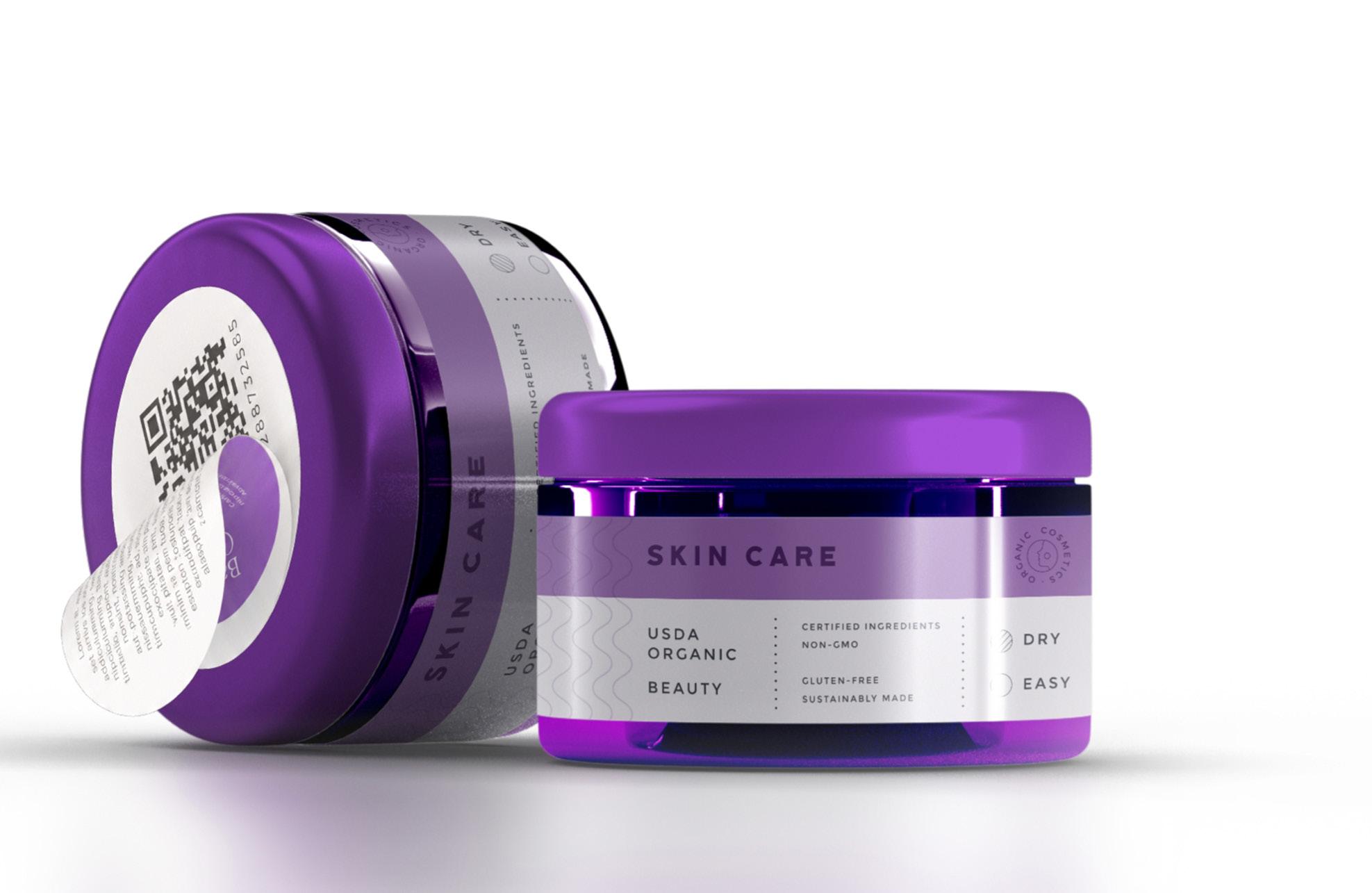
Attach-A-Leaflet® booklet labels provide a practical way to integrate extensive regulatory, multilingual and marketing information directly onto a product. Importantly, the information leaflet remains attached to the product throughout its life, ensuring that important information stays with the medicine, cosmetic or consumer product until it is discarded. This can simplify packaging operations, eliminate leaflet insertion and, in some applications, reduce reliance on secondary cartons while maintaining compliance.
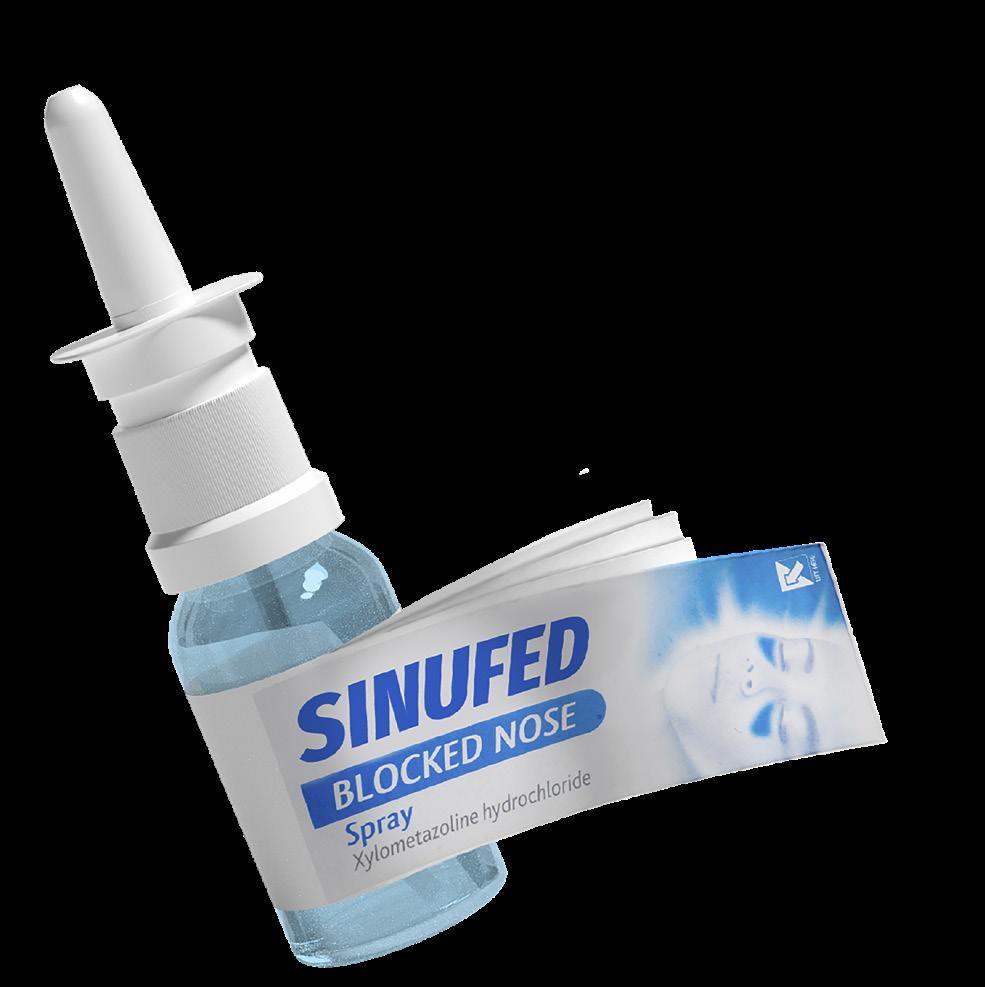
Peel & Read labels solve a different challenge. By creating additional printable panels within the label construction, they provide significantly more space for product information, instructions, multilingual content or marketing messages without increasing pack size. They are ideal where additional communication space is required, but a full booklet construction would be unnecessary.
Peel & Win labels are designed primarily for consumer engagement. They combine on-pack communication with redeemable vouchers, competitions,
For manufacturers looking at material reduction, Labelling by Banding ® provides a solution to replace traditional cardboard sleeves and other secondary packaging components with a narrow printed paper or film band. The band is automatically applied around the product using a Bandall banding machine, which wraps, seals and cuts the band in a single operation. This creates an efficient, highly automated process while reducing the labour associated with manually applying sleeves or secondary packaging components.
Because banding solutions can be produced without a liner or adhesive and can utilise recyclable paper or mono-material film constructions, they significantly reduce material consumption. They can also eliminate the cost of cardboard sleeves, reduce manual packing operations, improve product visibility, simplify inventory management and lower overall packaging costs.
In many applications, consumers prefer being able to see the product rather than having it concealed behind unnecessary packaging. Labelling by Banding ® is a good example of how manufacturers can use less material while maintaining product identification, branding and traceability.
Labels are one of the most powerful tools available to influence purchasing decisions
LABELS THAT SELL FOR SUCCESS
While compliance and sustainability remain important, labels are one of the most powerful tools available to influence purchasing decisions. Premium decoration, embellishments, security features and innovative label formats help products stand out on increasingly crowded shelves.
Labels should not only communicate information and support compliance. They should also help brands sell more products. Looking ahead, the most successful labelling solutions will be those that deliver more information, stronger brand protection, greater consumer engagement and improved sustainability while reducing complexity, costs and waste. The brands that embrace these opportunities today will be best positioned for the challenges and opportunities of tomorrow. •
A fragrance featuring the Attach-A-Leaflet® booklet label
3 trends reshaping bath and shower innovation
Forget plain soap – the bath and shower category is being reinvented around skin nourishment, sensory textures and fragrance storytelling.
Walk down the bath and shower aisle today and one thing becomes clear: cleansing is no longer the hero claim. Instead, brands are competing on nourishment, texture and sensory appeal. From lipid-enriched shower gels to fragrance-led cleansing rituals, product launches are focusing on the overall experience rather than cleansing performance alone.
LIPID-ENRICHED CLEANSING GOES MAINSTREAM
While oil-rich cleansing concepts recently gained popularity in Mediterranean and southern European markets, they are also influencing bath and shower innovation globally. Rather than traditional shower oils, many of the latest launches feature crystal-clear shower gels
suspended with golden oil droplets, creamy serum body washes and milky cleansing gels designed to leave skin feeling soft and comfortable after rinsing.
The appeal lies in combining the freshness and foam consumers expect from a shower gel with the nourishment traditionally associated with body oils.
Sunflower, sweet almond, jojoba and avocado oils are also finding their way into cleansing formulations, while omega-rich oils support claims linked to comfort and skin conditioning. For consumers, the result is a shower experience that feels less like cleansing and more like skincare.
TEXTURE BECOMES A PRODUCT CLAIM
Texture is no longer just a formulation characteristic. It has also become a product claim.
Across the category, brands are experimenting with bouncy jelly cleansers, whipped cream-gels, cloud-like foams, oilswirled transparent gels and cushiony mousse textures that transform everyday cleansing into a more engaging sensory experience.
A translucent gel suspended with visible oil droplets instantly communicates nourishment. A rich, dense foam suggests comfort and mildness. Jelly textures evoke playfulness and premiumisation, while exfoliating gels containing natural scrub particles introduce a treatment element to the cleansing ritual.
As social media continues to influence product discovery, these visually distinctive formats are becoming powerful tools to capture consumer attention, both on shelf and online.
FRAGRANCE BECOMES PART OF THE EXPERIENCE
Fragrance is also shaping how consumers choose bath and shower products. Rather than functioning as standalone cleansers, body washes and scrubs are becoming the first step in a broader fragrance ritual.
Current fragrance trends range from indulgent gourmand profiles featuring vanilla,
coconut, honey and creamy dessert-inspired notes to tropical fruit blends built around mango, pineapple and passionfruit. At the same time, spa-inspired concepts featuring citrus, eucalyptus, mint and aromatic herbs continue to resonate with consumers seeking moments of relaxation and escapism. These fragrance stories are often reinforced through appearance and texture. Imagine a whipped coconut cream shower gel, a honey-inspired cleansing jelly with a golden glow or a sparkling citrus body wash infused with botanical extracts. Increasingly, consumers expect fragrance, texture and visual appeal to work together to create a complete sensory experience.
ENGAGE THE SENSES FOR SUCCESS
The future of bath and shower innovation lies in creating products that engage multiple senses at once. Nourishing cleansing systems, visually distinctive textures and fragrance-led concepts are helping brands transform everyday routines into more memorable experiences.
Beyond cleansing, opportunities remain in adjacent categories such as exfoliation and depilatories, where consumers continue to seek solutions that balance efficacy with comfort and sensory appeal.
FORMULATION OPPORTUNITIES
Through its Beauty & Care portfolio, Brenntag supports manufacturers developing nextgeneration bath and shower products with a broad range of ingredient solutions. These include surfactants, natural oils, botanical extracts, specialty esters, texture-enhancing technologies, visual effect ingredients and actives for treatment-oriented applications. These solutions help formulators create differentiated products that combine nourishment, sensory appeal and performance in line with evolving consumer expectations. •
Bath and shower innovation?
From nourishing shower gels and sensory textures to fragrance-led concepts and treatmentfocused body care, Brenntag Beauty & Personal Care provides the ingredients, technical expertise and formulation support to bring your next concept to life. Supporting your next bath and shower innovation with: Vegetable oils and emollients • essential oils and fragrances • surfactants and solubilizers • moisturizers and actives • botanical extracts • rheology and texture modifiers • visual effect and other specialty ingredients Talk to our Beauty & Personal Care team.
A market on the move
According to Euromonitor International, the global consumer health market expanded to $338 billion in 2025, posting 4% year-on-year growth. This result reflects the sustained demand for OTC and self-care solutions as well as the accelerating evolution of the supplements landscape.
Within this broad picture, several sub-segments are growing well ahead of the market average, and their dynamics are increasingly relevant to South African industry players navigating a constrained domestic retail environment.
THE CONVERGING HEALTH-COSMETICS OPPORTUNITY
One of the most consequential forces reshaping the global consumer health market is the convergence of beauty and health.
“The traditional boundary between beauty and health solutions continues to blur, with beauty products increasingly grounded in science-backed benefits and health-orientated claims, creating new opportunities for dietary supplements,” says Nick Stene, senior global insight manager, consumer health at Euromonitor International.
The South African consumer health market presents a picture of resilience under
pressure
Since July 2024, approximately 20% of newly launched dietary supplement SKUs globally carry some form of beauty health claim – a figure that underscores how rapidly this convergence has accelerated. In the Asia Pacific and Australasia VDS market – valued at $65.8 billion in 2025 – ‘beauty’ is now the second-most important leading function, ranking ahead of immune, bone and digestive health.
South Korea continues to lead in format and skin/hair/nail health messaging innovation, acting as a bellwether for trends that flow downstream to more mature markets.
The ingredient landscape within beauty supplements reveals a clear hierarchy. As illustrated in figure 1 –which tracks ingredient penetration on dietary supplements carrying any form of beauty health claim across e-commerce scope – collagen leads by a considerable margin, present in approximately 38% of beauty supplement SKUs launched since January 2022 and rising to around 44% for SKUs launched since July 2024. Vitamin C follows at approximately 27% and 32% respectively, and hyaluronic acid at approximately 15% and 19%. The consistent upward shift across cohorts signals clear acceleration in beautyoriented launch activity.
THE EXPANDING ROLE OF PROTEIN
Protein demand has expanded far beyond its traditional athletic-recovery roots.
“It has become increasingly evident that consumer demand for protein now reaches far beyond athletic recovery,” Stene adds. “Now, it has evolved into a fundamental pillar of wellness, spanning immunity support, healthy ageing, weight management and everyday vitality.”
Globally, sports nutrition grew 9% in current value terms between 2024 and 2025, while ready-to-drink protein beverages added 10% in value over the same period – both significantly outpacing the broader market. This expansion has direct implications for product positioning. Manufacturers that continue to frame protein exclusively through a sportsperformance lens are likely to overlook a growing mainstream consumer base seeking its everyday wellness benefits.
GLP-1 AND THE WEIGHT MANAGEMENT SHIFT
Weight management supplements grew only 1% in the same period. This sluggish result reflects growing consumer adoption of GLP1 medications and their dampening effect on traditional slimming-aid formats. An oral GLP-1 format, launched in May, is anticipated to further reshape this segment.
For manufacturers, the real opportunity lies in offering meaningful support to GLP1 users – clearly communicating how their products contribute to raised protein intake recommendations – rather than leaning on explicit ‘GLP-1 support’ labelling.
LOCAL MARKET DYNAMICS
Against this global backdrop, the South African consumer health market presents a picture of resilience under pressure. Macroeconomic headwinds – low GDP growth, high unemployment and elevated inflation – are compressing consumer purchasing power, driving downtrading to generics, private label and value packs. Consumers are prioritising essential healthcare expenditure whilst remaining brand-loyal to trusted names.
Despite these pressures, retail current value sales continue to grow, partly pricedriven. Sustained real growth is expected as self-medication and preventative health gain further traction. The top three categories by retail value remain:
1. cough, cold and allergy/hay fever remedies
2. vitamins and dietary supplements
3. analgesics.
Wound care is projected to post the highest retail value growth rate in 2025,
driven by active lifestyles and parenting demographics, whilst sleep aids are expected to record the highest retail value CAGR over the forecast period – propelled by rising stress levels and a cultural preference to avoid doctor consultations where possible.
The
convergence of beauty and health claims presents a meaningful product development opportunity
Digestive remedies are also growing in popularity, underpinned by hectic lifestyles, poor dietary habits and demand for alternative formats such as gummies. Consumers increasingly seek portable, user-friendly delivery formats, creating opportunities for manufacturers to differentiate through innovation in this space.
The pharmacy channel accounts for approximately two-thirds of retail value sales. This is reinforced by consumer trust in pharmacists, continued pharmacy chain expansion, private label investment and loyalty programmes. E-commerce remains small but is growing, with pharmacy and grocery online platforms expanding their
reach. Natural and herbal products are gaining interest but remain constrained by price sensitivity, limited awareness and access challenges.
The competitive landscape is highly fragmented. Adcock Ingram is the only company holding a double-digit retail value share, whilst Clicks and Dis-Chem private labels are making inroads into lowerincome segments. Notable brands such as USN, Centrum, Gran-Pa, Panado, Vital and Benylin continue to retain meaningful consumer loyalty despite the broader price-sensitivity environment. Seasonal flu demand also continues to drive uniquely South African patterns of preventative and symptomatic OTC purchasing.
IMPLICATIONS FOR INDUSTRY PLAYERS
The global consumer health market is projected to sustain its upward trajectory, and South African retail value growth is expected to remain positive, underpinned by structural tailwinds in self-medication and preventative health.
For manufacturers and brand owners, the convergence of beauty and health claims presents a meaningful product development opportunity. Sciencebacked positioning, combined with clear functional benefits, is increasingly the language that resonates with both global and South African consumers. Protein, across its expanded wellness use cases, represents a particularly highgrowth vector – and one that can be leveraged across formats from standard supplements to RTD beverages.
For retailers and pharmacists, format innovation, private label investment and loyalty programme architecture remain critical levers. The pharmacy channel’s dominance is not guaranteed if e-commerce and alternative retail formats continue to scale, making digital shelf strategy as important as instore execution.
The industry players best placed to succeed will be those who understand both the macro trends and the local behavioural nuances that shape purchasing decisions. Tracking global ingredient and format innovation whilst remaining attuned to the specific dynamics of the South African consumer will be essential for brands seeking to capture share in an increasingly competitive landscape. •
Euromonitor International –www.euromonitor.com
Enabling innovation in SA’s nutritional health market
The health supplements market is entering a dynamic phase of expansion, driven by a structural shift toward preventive healthcare and consumer-led wellness. Despite ongoing economic pressure, rising inflation and constrained household budgets, demand for vitamins, minerals, herbal remedies and condition-specific supplements continues to grow robustly.
Today’s consumers are actively managing their health through daily supplementation routines, seeking solutions for immunity, gut health, cognition, energy and overall wellbeing. At the same time, expectations have evolved. Products must not only be effective, but also enjoyable, convenient and easy to integrate into everyday life.
For manufacturers, these shifts create opportunity and complexity. Delivering differentiated, high-performing products while maintaining cost-efficiency and speed-tomarket is increasingly challenging.
It is in this context that the partnership between Brenntag – a global market leader in chemical and ingredients distribution – and SPI Pharma emerges as a powerful enabler of growth and innovation across the nutritional health supply chain.
A DRIVER OF LOCAL INNOVATION
SPI Pharma brings world-class expertise in excipients, drug delivery systems, tastemasking technologies and formulation support, all of which are highly relevant in South Africa’s evolving supplements market. With a footprint spanning more than 55 countries, the company offers a comprehensive portfolio that includes directly compressible excipients, effervescent systems, orally disintegrating tablet platforms, multifunctional sugars and mineral actives.
Through its collaboration with SPI Pharma, Brenntag serves as a critical bridge between global innovation and local market needs.
Minerals
are
among the fastest-growing categories in South Africa’s supplement market
By combining SPI’s advanced formulation technologies with Brenntag’s deep regional presence, technical expertise and customer proximity, the partnership enables South African manufacturers to access high-quality ingredients and solutions tailored to their specific requirements.
BRENNTAG´S ROLE: CONNECTING SUPPLY CHAINS, UNLOCKING VALUE
At the heart of this collaboration is Brenntag’s role as a strategic supply chain partner. In today’s increasingly complex and fragmented environment, the ability to ensure reliability, quality and efficiency across the value chain is essential.
Brenntag’s value proposition lies in its ability to seamlessly connect suppliers like SPI Pharma with manufacturers, providing not just access to ingredients, but also technical services, regulatory support and market insights. This integrated approach helps customers reduce complexity, mitigate risk and accelerate innovation cycles.
In the context of nutritional health, this role becomes even more critical. Formulations often involve sensitive ingredients, minerals, herbal extracts and high-dose actives, which pose challenges related to stability, taste and processing. Brenntag’s technical expertise, provided by its dedicated pharma team, combined with SPI Pharma’s specialised solutions, enables manufacturers to overcome these barriers more effectively.
ENHANCED CONSUMER EXPERIENCE
One of the most significant challenges in supplement development lies in delivering a superior sensory experience. Taste, texture and mouthfeel have become key drivers of consumer adherence and brand loyalty. Bitter, chalky or gritty formulations can quickly undermine even the most efficacious product.
SPI Pharma addresses these challenges with advanced taste-masking technologies,
multifunctional excipients and optimised delivery systems. Brenntag brings these solutions to the South African market, ensuring they are accessible and effectively implemented by local manufacturers. The result is a new generation of supplements that meet functional and experiential expectations, enhancing compliance and driving repeat purchase.
SUPPORTING MARKET GROWTH
Minerals such as calcium and magnesium are among the fastest-growing categories in South Africa’s supplement market, driven by demand for bone health, stress management, sleep support and immunity. SPI Pharma’s highquality mineral actives enable manufacturers to develop products that effectively address these needs.
Brenntag’s role is to ensure consistent availability, technical guidance and supply reliability for these critical ingredients. In doing so, the company helps manufacturers scale production efficiently while maintaining stringent quality standards.
DRIVING EFFICIENCY AND COMPETITIVENESS
Affordability remains a key purchasing driver in South Africa’s supplements market. Manufacturers must therefore balance innovation with cost control. SPI Pharma’s direct-compression platforms and high drugload excipients help streamline processing, reduce manufacturing complexity and improve scalability.
Brenntag amplifies these benefits by optimising logistics, inventory management and supply chain efficiency. This ensures that customers not only gain access to advanced materials but can also utilise them in a cost-effective and operationally efficient manner. •
From specialty ingredients distribution to GMP manufacturing and services. We are your trusted partner to the pharma, biopharma and nutraceutical industries.
From customized buffer solutions and GMP-compliant repackaging to GDP-certified warehousing, regulatory support, and advanced analytical services, we provide a comprehensive service and ingredient portfolio designed to support your success at every stage.
Serving a broad range of markets - including APIs, Biopharma, Excipients, Nutritional Health, and Regulated Synthesis - we enable innovation, efficiency, and compliance in an evolving industry landscape.
Contact Charlotte Treurnicht
Business Development Specialist
Phone: +27 834 423 475
E-Mail: charlotte.treurnicht@brenntag.com
brenntag.com
Our dedicated team of specialists delivers tailored solutions that create measurable value for our global business partners – Pharma at Brenntag is more than you think.