GUIDING YOUR CLIENTS THROUGH A VOLATILE GLOBAL ENVIRONMENT
In these times of uncertainty, advisers need to ensure clients remain focused on their long-term goals.
Pg7-12
CHANGING MEDICAL AIDS
Choosing the right medical aid option means ensuring any switch aligns with clients’ healthcare needs, budget and long-term financial wellbeing.
Pg14-19
CRITICAL COVER
Increased education can help clients protect themselves against the potentially devastating financial impact of serious illness, injury or loss of income.
Pg20-23
FIXED INCOME
A cornerstone of diversified portfolios, fixed income still offers investors stability, predictable returns and an important buffer against market volatility.
Pg26-28
FINTECH FOR ADVISERS
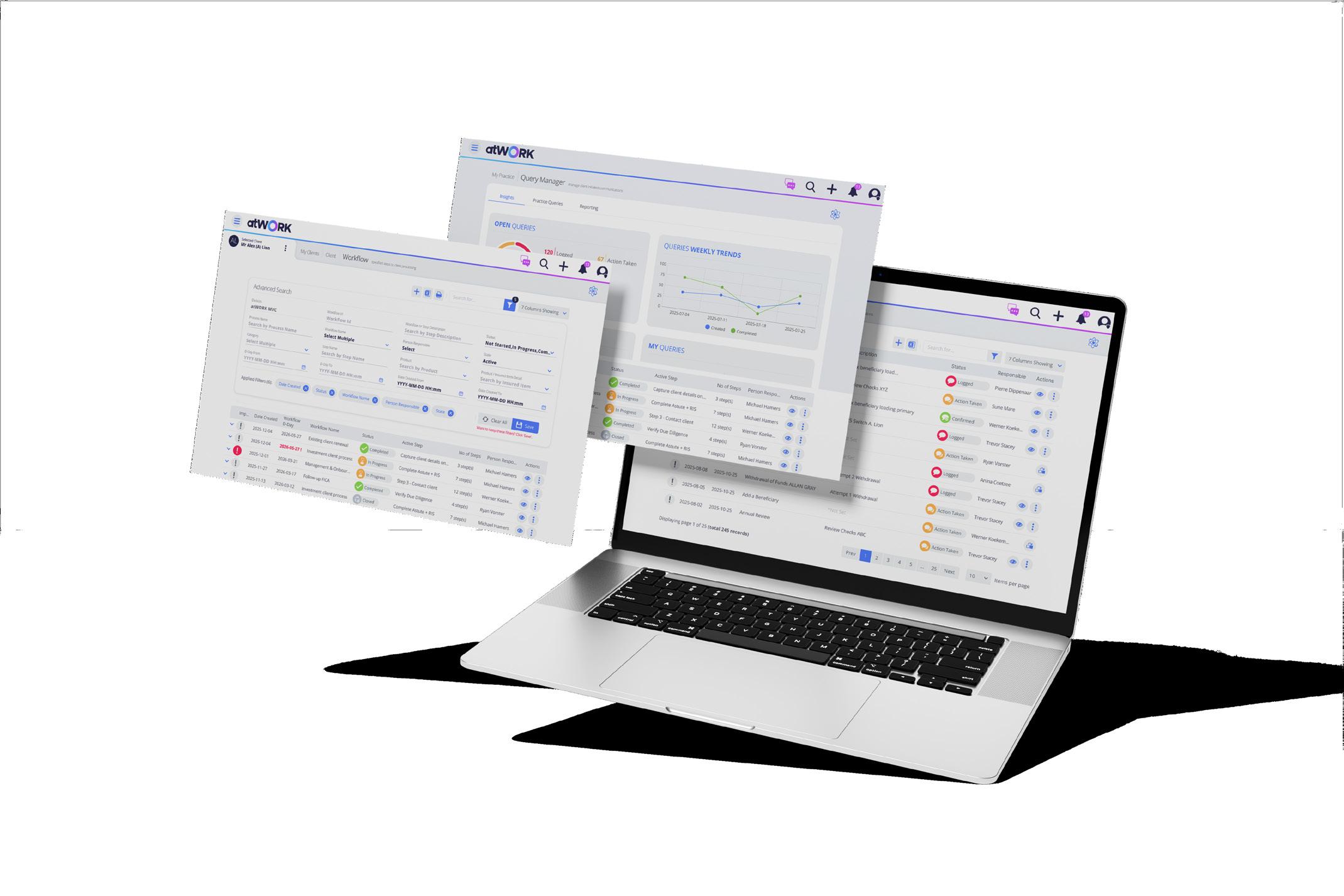
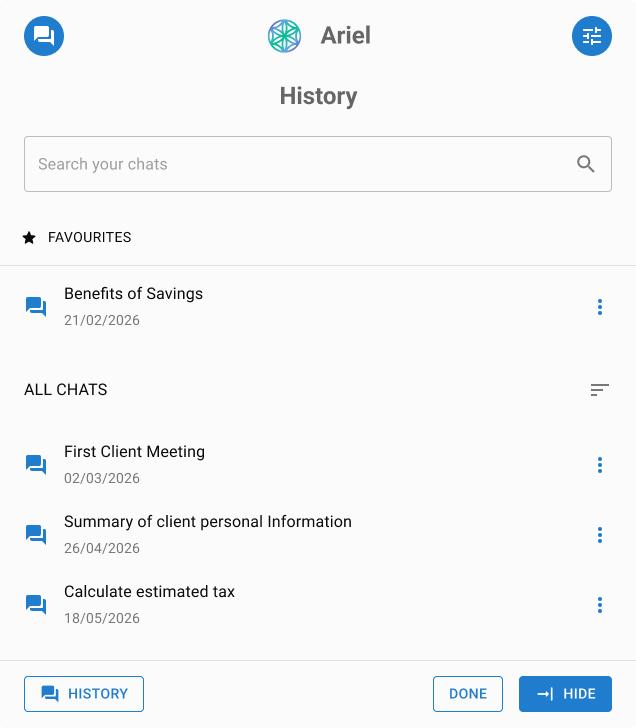
As fintech continues to transform the advice landscape, is your practice fully prepared to improve client engagement and deliver more personalised financial solutions?
Pg30-34
WANT MORE VALUE FROM YOUR INBOX?
Scan to subscribe to our weekly newsletters.
Debt Capital Markets comes into sharper focus at Futuregrowth
By Sandy Welch Editor MoneyMarketing
Futuregrowth has long been recognised as one of South Africa’s leading fixed-income investors, with a reputation built on rigorous credit analysis, responsible investing and a willingness to take a stand when governance concerns emerge. Earlier this year, the asset manager made what may appear to be a subtle change, but one with broader strategic significance: its Listed Credit team was renamed to Debt Capital Markets (DCM).
According to Wafeeqah Lagerdien, Head: Debt Capital Markets at Futuregrowth, the move is about far more than a new title. It reflects the true breadth of the team’s capabilities and positions Futuregrowth more clearly within the credit landscape.
A name that better reflects reality
To understand the significance of the change, it helps to understand where debt capital markets fit within the broader investment universe. “On the higher end of the risk spectrum you have equities, which offer potentially higher returns but also greater volatility,” says Lagerdien. “At the lower end of the risk spectrum you have debt investments, where the objective is generally to preserve capital and receive payments in full and on time.”
Within this debt universe sits a wide range of opportunities, from government bonds and bank-issued debt to investment-grade credit and more complex structured and high-yielding transactions.
Futuregrowth’s DCM team focuses primarily on investment-grade issuers, including large corporates, banks, state-owned entities and other institutions that raise funding via the debt capital markets. The previous name, Listed Credit, unintentionally narrowed the perception of the team’s mandate. “The reality is that not all debt opportunities are listed, and not all issuers are listed companies,” explains Lagerdien. “We have always had the capability to participate in private placements, bilateral agreements and offmarket transactions. The name
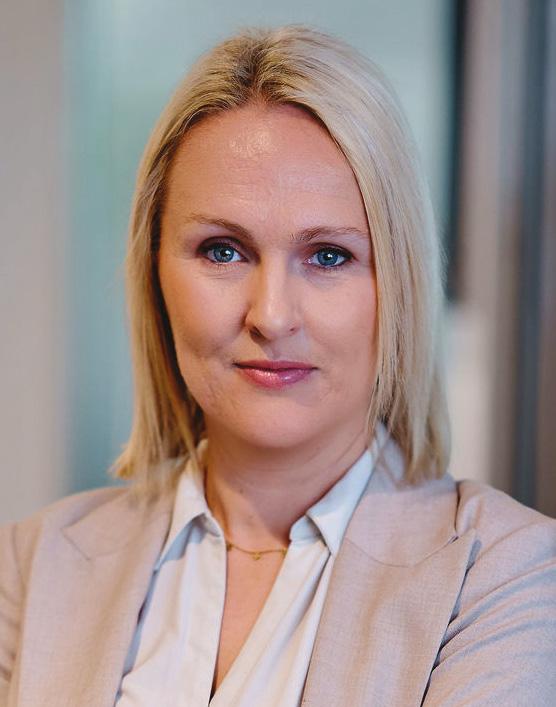
Wafeeqah
Lagerdien
simply did not reflect the full scope of what we do.”
The shift to Debt Capital Markets therefore aligns Futuregrowth more closely with industry terminology while better communicating its investment approach to clients, banks and issuers.
A changing credit landscape
The renaming comes at a time when South Africa’s credit market is undergoing significant transformation. A decade ago, state-owned enterprises such as Eskom and Transnet were among the largest issuers in the debt market. Banks remained consistent participants, while corporates regularly raised debt to fund expansion and capital expenditure programmes.
That environment has changed considerably. Governance challenges at several state-owned entities reduced their participation in public debt markets, while subdued economic growth meant fewer corporates needed to raise debt for expansion.
“The supply side of the market has been constrained for several years,” says Lagerdien. “If you look at total debt in issue, we are only now beginning to approach pre-Covid levels.” At the same time, investor demand for credit has increased substantially.
Institutional investors, balanced funds and other market participants have increasingly allocated capital to investment-grade credit, creating a clear imbalance between supply and demand. The result has been steadily declining credit spreads.
Credit spreads represent the premium investors receive for taking on credit risk. Under normal market conditions, spreads should reflect both the quality of the issuer and broader economic risks. However, current market dynamics tell a different story.
“There is simply too much money chasing too few opportunities,” says Lagerdien. “That has caused credit spreads to compress significantly, making it increasingly difficult to find attractive yield opportunities.”
When fundamentals take a back seat
Ordinarily, global uncertainty would be expected to influence credit pricing. Geopolitical tensions, inflationary pressures and supply chain disruptions should theoretically result in higher risk premiums as investors demand greater compensation for uncertainty. Yet that has not necessarily happened.
When the world is drifting can you afford to trust your gut?
In uncertain conditions, drift feels like movement. But movement isn't always momentum. Prescient holds to structure. Our investment process stays focused on long-term direction, not short-term sway. It's how we stay aligned when markets wander.
Continued from previous page
“From a theoretical perspective, global events should influence spreads,” says Lagerdien. “But in practice, the demand-supply imbalance is currently overpowering many of those fundamental considerations.” This means technical market factors are playing a more significant role than traditional credit fundamentals. For investors, that creates an environment in which identifying value requires deeper analysis and greater selectivity.
Looking beyond public auctions
One of the key advantages Futuregrowth believes it offers is its ability to source opportunities beyond traditional public debt issuance. Many investors rely heavily on primary market auctions, waiting for issuers to bring debt to market before participating. Futuregrowth’s DCM approach is more proactive and origination-led.
“If you only rely on public auctions, you are waiting for opportunities to come to you,” says Lagerdien. “In a highly competitive market, that can mean missing out on allocations altogether.” Instead, the team actively engages with issuers, banks and intermediaries to access opportunities through private placements, secondary market transactions and tailored structures. This flexibility becomes particularly valuable in a supply-constrained environment. Research conducted by the team suggests that roughly half of the listed credit market activity occurs outside traditional public auctions, highlighting the importance of having broader origination capabilities. “You need to be able to access opportunities in multiple ways if you want a scalable investment approach,” Lagerdien explains.
The value of independent credit analysis
A further differentiator is Futuregrowth’s emphasis on internal credit analysis. While credit ratings from agencies provide reference points, Lagerdien argues that external credit ratings should not be relied on exclusively. “Ratings agencies provide valuable insights, but they should never replace independent analysis,” she says.
In a market where spreads are increasingly influenced by technical demand, that independent view of credit risk becomes especially important in supporting pricing discipline and relative value decisions.
The point has become increasingly relevant following changes in South Africa’s ratings landscape, including the withdrawal of some international agencies from local operations. Futuregrowth’s investment process is built around internal credit assessments conducted by fundamental analysts who evaluate issuers continuously rather than relying solely on periodic external reviews. “Our analysts are looking at businesses, sectors and market developments on an ongoing basis,” says Lagerdien. “That allows us to respond more dynamically when circumstances change and to assess relative value more independently.”
The approach is supported by decades of credit-investing experience within the business, and a strong and experienced credit committee. For advisers evaluating fixed-income managers, this depth of internal expertise should be an important consideration. “It comes down to people, processes and systems,” she says. “You need confidence that a manager truly understands the risks they are taking on behalf of investors.”
Selectivity matters
In today’s market, generating returns requires more than simply finding available credit opportunities. Futuregrowth's DCM team believes careful portfolio construction is essential. The team evaluates opportunities through multiple lenses, including sector exposure, duration, seniority within capital structures, and interest-rate positioning. “We have to be highly selective,” says Lagerdien. “In an environment where spreads are tight, the risk of mispriced credit increases.”
This means making deliberate decisions about where to allocate capital. Sector resilience, issuer quality and market conditions all play a role in determining investment outcomes. The process is supported by Futuregrowth’s broader fixed-income capability, including specialist interest-rate expertise and collaboration with its private debt team.
Responsible investing remains central
One aspect of Futuregrowth’s philosophy that remains essential across all business units is responsible investing. As such, environmental, social and governance considerations continue to form an integral part of the DCM investment process. For Lagerdien, governance remains particularly important. “Businesses are run by people,” she says. “You have to understand governance structures, board composition, oversight mechanisms and how decisions are being made.”
Futuregrowth has also become well known for its willingness to engage directly with management teams and policymakers when governance concerns arise.
One of its most prominent interventions occurred in 2016, when the firm publicly raised concerns about governance failures at stateowned enterprises. “We take our fiduciary responsibilities seriously,” says Lagerdien. “Responsible investing is not a separate exercise. It is embedded in how we assess risk and protect client capital.”
More than a new name
For advisers, the key takeaway is that the transition from Listed Credit to Debt Capital Markets does not represent a change in investment philosophy. Rather, it is a clearer articulation of capabilities that have existed for years and are increasingly relevant in the current market environment. Futuregrowth’s DCM team continues to focus on high-quality issuers, rigorous credit analysis and active opportunity
ED'S LETTER
June arrives with a mix of reflection and urgency, which is fitting for a month that recognises the role and resilience of South Africa’s youth while demanding clear-eyed focus from the financial services industry. In this issue, we are taking stock of the pressures shaping advice conversations right now, and the opportunities that exist for advisers who remain agile, informed and client-centred.
Volatility continues to define global markets, and advisers are once again called to guide clients through uncertainty with both discipline and empathy. Our feature on navigating turbulent conditions examines how to keep clients fixed on long-term strategy without losing sight of short-term risks.
Healthcare planning also comes to the fore as more consumers consider switching medical aids in search of affordability or better value. We unpack what advisers need to know before guiding clients through complex benefit structures and regulatory requirements.
Risk protection remains another essential pillar of holistic advice, and our coverage of dread disease and disability benefits offers practical insights into structuring cover for both affordability and adequacy. We also dive into fixed income opportunities, a growing interest in alternative investments, and everything you need to know about fintech for advisers. Enjoy the issue, and may it support your work in this ever-shifting advice landscape.
Stay financially savvy,
Note: If you subscribe to our MoneyMarketing newsletter, see QR code on the cover, you will receive a special discount off a News24 or Netwerk24 subscription*.
*Offer available to new subscribers only.
FOLLOW US:
TikTok @moneymarketing_sa @MoneyMarketingSA
www.moneymarketing.co.za
sourcing. What has changed is the language used to describe that capability. “The process, discipline and expertise have always been there,” says Lagerdien. “The new name simply reflects our ability to operate across a broader debt capital markets opportunity set.”
Futuregrowth Asset Management is a registered FSP.
Sandy Welch Editor, MoneyMarketing
Henk Kotze Head of Cash and Income, Prescient Investment Management
How did you get involved in the finance industry – was it something you always wanted to do?
My career in asset management started in 2007 with an internship at Investec Asset Management in their London offices. Seeing the industry from the inside at that point – and at that moment in the cycle – was formative. It gave me the conviction that this was the industry I wanted to build a career in, and I haven’t looked back since.
What was your first meaningful successful investment?
On a personal level, the first home my wife and I bought stands out – both as a life milestone and as an investment, where we eventually realised a return of more than 100%. Professionally, some of the early calls I made during my hedge fund days were the most formative. In the wake of the 2009 postGFC environment, we positioned aggressively around the interest rate cycle, and the fund was nominated for top-performing Fixed Income Hedge Fund in South Africa that year –pipped to the post only by a marginally better Sharpe ratio. My time at Prescient Investment Management has seen many successes, all of them driven by a strong team and unwavering focus on our process.
What have been your best and worst financial decisions?
Again from a personal perspective – the best was getting into property early. The worst was not starting to invest sooner than I did – compounding is unforgiving of a late start, and it’s the lesson I most often share with younger colleagues.
A more unconventional success has been wine. What started as a passion for Burgundy has, over the years, also turned out to be a genuinely good investment – the top producers have compounded at rates that would make
most asset classes blush. It’s a reminder that the best investments are often the ones you’d happily own even if they didn’t appreciate.
What are the biggest lessons you have learnt over your career?
Three stand out. First, in fixed income, the asymmetry of returns demands real discipline on credit – you don’t get paid much to be right, but you can lose a lot being wrong. Second, macro humility: the market will reliably surprise you, and the strategies that survive are the ones built to be wrong occasionally rather than to be right always. Third, the importance of process over individual calls. Good outcomes from poor processes are dangerous; they teach the wrong lessons.
What do you like most about your current position?
Two things, really. The team – I get to work alongside an incredibly dynamic group of people in a business that has consistently led the way in shaping how South Africans invest. And the intellectual canvas: my role spans both local and global yield and credit curves, which means there is always something new to think about. Fixed income has also re-emerged as a genuinely interesting asset class after a long period in the wilderness, which makes this a particularly good time to be doing what I do.
What makes a good investment in today’s environment?
Real yields are back, which has reset the conversation entirely. A good investment today is one where you are being adequately paid for the risk you are taking – and in cash and income markets, that means rigorous credit work, an honest view on duration, and a clear sense of where you sit in the capital structure. Headline yield is easy; understanding what’s inside it is the work.
EARN YOUR CPD POINTS
What makes Prescient a good choice for clients?
Prescient has consistently been ahead of the curve in shaping how people invest in this country – from quantitative process to product innovation to the way we engage with clients. For investors in our part of the market, that translates into portfolios built on a rigorous, repeatable process rather than a single individual’s view, with a strong focus on riskadjusted outcomes. Clients get the benefit of institutional-grade thinking applied across the income and credit spectrum.
What finance/investment trends and macroeconomic realities are currently on your watchlist?
The transmission of geopolitical risk into South African bank credit is something I spend real time on – particularly how shocks flow through to default probabilities and AT1 pricing for the major banks. The local fiscal trajectory and what it means for the sovereign curve. Globally, the path of US rates and how long the higher-for-longer regime persists. And the structural shifts in credit markets – the growth of private credit, the changing role of banks as intermediaries, and what all that means for liquidity in stress.
What are some of the best books on finance/ investing that you’ve ever read – and why would you recommend them?
Liar’s Poker by Michael Lewis – required reading, in my view, for anyone in fixed income. It’s funny, uncomfortable, and a useful reminder of how cultural and behavioural the bond market really is beneath the quantitative surface.
Principles by Ray Dalio – for the discipline of thinking systematically about decisions, mistakes, and the value of an honest feedback loop. The book is about how to build a process that survives your own biases.
The FPI recognises the quality of the content of MoneyMarketing’s June 2026 issue and would like to reward its professional members with 2 verifiable CPD points/hours for reading the publication and gaining knowledge on relevant topics. For more information, visit our website at www.moneymarketing.co.za
By Francois du Toit Founder and Director, PROpulsion
The three futures method: Why great financial planners make their clients a little uncomfortable
Smooth meetings feel professional, but they rarely drive change. Here is how to use strategic tension to help clients take ownership of their financial plan.
Picture three versions of your client: the person they are today, the person they will gradually become if nothing changes over the next 10 or 20 years, and the person they could become if they make a few harder choices. We usually focus only on that third version. We build a plan in the client’s best interest and guide them through it carefully, then wonder why so many drift away from it within months. The plan is not the problem. The problem is that the client never fully felt the gap between their current path and where it leads, so the third future never truly felt like their own. That is the role of strategic tension, and it is often the missing element in client conversations. Think of it as a careful, deliberate way of asking questions that let clients feel the weight of their current path for themselves. In this article, we will look at what strategic tension is, why most advisers tend to avoid it, and how to use it without causing harm.
Identify the comfort problem
According to the Momentum Financial Advice Research Report 2025, only 9% of South African households use a professional or certified financial adviser. The report points to two main reasons: low financial literacy, and deep mistrust of financial services. So when a client does come through your door, it is tempting to be especially warm and reassuring, and to send them away feeling good about themselves and about you.
The problem is that comfortable meetings are easy to forget, and forgettable meetings
rarely change behaviour. People do not change their financial habits because we showed them a neat cashflow projection. They change because they felt the cost of doing nothing, and that feeling stayed with them after they left. If your client ends the meeting nodding politely while you do most of the talking, you are delivering information, not having a planning conversation. The plan ends up in a drawer, and the relationship slowly loses momentum.
Use tension to serve the client
Let us be clear about what strategic tension is not. It is not picking a fight, lecturing or using fear to pressure a client into signing. It is far more respectful than that. You ask open, wellshaped questions and give the client space to recognise the gap between their first and second futures for themselves.
There is a trade-off
You may get fewer eager nods and more thoughtful silences, and clients may leave reflective rather than delighted. In return, you get a client who has done the emotional work of choosing the third future for themselves instead of being sold on it.
This aligns with the Financial Sector Conduct Authority’s Treating Customers Fairly outcomes, which require advice to be clearly understood and acted on.
However, the key is not to leave clients in discomfort for too long, because unresolved tension becomes anxiety. Take them there,
let them sit with it briefly, and then walk with them into that third future.
Try this in your next three meetings
You do not need a new framework, app, or polished script. You need three good questions and the patience to wait for an honest answer.
In your next discovery, review, or strategy meeting, try one or two of these:
If you keep doing exactly what you are doing now, where do you think you will be in 10 years? And in 20?
• What would your future self thank you for, starting today? And what would they wish you had stopped?
If we had this same conversation in five years and nothing had changed, how would you feel?
Stay quiet and let the silence do its work. The most common mistake is stepping in before the client has time to think. Once they speak, your role changes from asking to guiding. Reflect their words clearly and connect them to the steps in the plan, so the third future becomes theirs, not yours.
Clients need advisers they can trust for decades, not transactions. That trust is not built by keeping every meeting comfortable. It grows when you stay with clients as they face the real consequences of their choices, with a steady guide across the table. Make your next few meetings a little less comfortable, and see what changes.
Stay curious!
Du Toit believes that when financial planners build great practices, they change lives at scale. He also believes we must grow the entire profession so that everyone benefits. That's why he founded PROpulsion, where he helps planners grow through community, events, and expert resources. He hosts the weekly PROpulsion LIVE show on YouTube with over 325 episodes. Visit www.propulsion.co.za
Gen Z is rethinking life insurance – here’s what advisers should do about it
By Nic Smit
Product and Pricing
Executive at Bidvest Life
Gen Z is often described as a financially savvy generation, despite navigating significant economic pressure and uncertainty. And yet, their spending power cannot be underestimated: global research1 shows that Gen Z already spends more per capita than previous generations did at the same age, while their per capita spending is expected to grow the fastest over the next six years.
However, data on 18- to 35-year-old South Africans from a recent Youth Barometer Report2 shows that most of this spend still goes to essentials such as groceries, clothing and connectivity, with proportionately less allocated to life insurance, loans and savings. By the time they reach the ages of 25 to 29, this audience begins to increase their spend on life insurance and loan repayments, suggesting that many in this group are starting to formalise their finances.
But Gen Z’s relationship with life insurance is complex. While many prioritise long-term financial security3, fewer than 50% have some form of life insurance4. They often find life insurance difficult to understand, hard to trust, and uncomfortable to engage with. Conversations about the potential risks they face, such as injury and illness, feel distant and overwhelming; but this contrasts with their financial behaviour when it comes to death cover.
Roughly a quarter of Standard Bank’s funeral policyholders are under 35, while only around 16% of life insurance customers fall within this same age group. This indicates that Gen Z recognises the value of insurance products when they feel tangible and personally relevant. So, what does this mean for you as an adviser?
Your first step is to reconsider the way you approach and discuss life insurance with these clients, by focusing on the relevance of the product. For many younger clients, income protection may form an important part of the advice discussion because it addresses a common risk they face: losing their ability to earn due to temporary illness or injury. If their ability to earn is disrupted, the rest of their financial plan could be at risk. Framing income protection in these terms makes the conversation more immediate and practical.
You need to make life insurance tangible to help Gen Zs see it as an important form of financial protection, as they are likely to benefit from it multiple times throughout their careers. In many cases, purchasing life insurance at a younger age may result in lower premiums. Comparative data can show how much more affordable life insurance can be if purchased at a younger age.
As always, trust remains the primary challenge. Many young clients are sceptical of advisers who appear focused only on their own agenda: on closing a deal3. They are looking for someone who communicates on equal footing, listens to their concerns, and guides them without pressure. Gen Z expects simplicity and transparency. If they do not understand a product or why it matters, they will hesitate to buy it. Your role is to help them build confidence in their ability to make the right decisions.
Although Gen Z’s financial approach differs from preceding generations, they are not necessarily rejecting life insurance. Instead, they are questioning its relevance and adaptability. By offering financial advice that is transparent, easy to understand, and matched to their personal needs by protecting what matters most to them right now, you are likely to build a lifelong client.
South Africa can’t afford to lose a generation
As Youth Month arrives, South Africa faces a sobering reality: the country’s young people remain locked out of meaningful economic participation at an alarming scale. The latest unemployment data is a stark reminder. Overall unemployment has climbed to 32.7%, while youth unemployment has surged to nearly 46% – and that figure excludes those discouraged from seeking work altogether. For many young South Africans, especially those entering the labour market for the first time, the economy is simply not absorbing them.
“This continued rise in youth unemployment is not just another statistic,” says Nkosinathi Mahlangu, Youth Employment Specialist at the Momentum Group Foundation. “It further dims the hopes and aspirations of millions of young people.”
Even in sectors where marginal job gains are visible, particularly manufacturing, these opportunities are often seasonal, temporary, or vulnerable to economic volatility. Long-term stability remains elusive. And within this broader crisis, young Black women remain the most economically marginalised group – a pattern that has persisted for years, reflecting deep structural inequities that shape access to skills, networks and employment. For many who are employed, the reality is equally precarious: short-term contracts, gig work, informal jobs, or earnings so unstable that planning for the future becomes nearly impossible. Rising fuel and transport costs erode already fragile incomes, and economic pressures – both domestic and global –continue to disrupt sectors that typically absorb young labour. What is most worrying, Mahlangu notes, is the absence of a bold, coordinated national plan to meaningfully tackle youth unemployment. The issue is too often reduced to quarterly headlines and political talking points, despite being one of the most urgent social and economic risks facing the country.
“It can no longer be treated as a secondary issue,” he stresses. “South Africa needs government, business, labour and civil society pulling in the same direction to create sustainable economic opportunities before we lose an entire generation to hopelessness.”
This sentiment was central to conversations at the recent Momentum Group Foundation On the Record conference, where local and international experts considered what it would take to create five million new formal jobs in the next decade. Two global examples stood out: China and India – countries that, despite very different contexts, transformed their economies through clarity of focus, skills alignment, and strong cooperation between government and the private sector.
China lifted over 800 million people out of extreme poverty, driven largely by a manufacturing-led growth strategy. India, by contrast, built its success on services –particularly IT, outsourcing and finance – underpinned by a massive investment in technical education. As speakers, including Dr Keyu Jin, Montek Ahluwalia and David McWilliams, pointed out, neither country tried to do everything. They built around their strengths. South Africa must do the same. Research presented at the conference identified four sectors with the highest potential to generate large-scale employment: agriculture, manufacturing, construction and mining. Agriculture alone could add around 200 000 jobs in the next decade, while manufacturing – responsible for 42% of South Africa’s exports – has extensive multiplier effects across the economy.
At the Momentum Group Foundation, these insights directly inform investment decisions, says CSI Manager Tshego Bokaba. “Our role is to invest in the right sectors, the right skills and the right partners, and to ensure those investments lead to real employment outcomes.”
The Foundation supports agricultural entrepreneurship through its Women in Farming initiative, backs high-absorption sectors like BPO through partners such as Harambee and ALX, and invests in digital and technology training via programmes like WeThinkCode and the Faith Mangope Leadership Academy. These are deliberate, datadriven choices designed to match young people to jobs with real growth potential. Beyond skills, Bokaba emphasises that partnerships matter. China, India and Ireland all demonstrate how effective cooperation between government and business accelerates job creation. South Africa requires the same commitment. “The Foundation acts as a bridge,” she says. “We sit between sectors, ensuring that young people gain not only skills, but access to real opportunities.”
Youth Month should be more than commemorative. It must be a turning point – a moment when South Africa commits to a clear strategy that backs the sectors capable of absorbing young workers, aligns education with real economic demand, and strengthens the partnerships that make growth possible.
The challenge is immense. But with focus, collaboration and sustained investment, the country can still rewrite the future for its youth.
By Dr Ryan Murphy Global Head of Behavioural Insights for Morningstar
How financial advisers can support clients through market volatility
Financial advisers must face challenging market environments alongside their clients. In fact, helping clients withstand volatile markets is one of the most valuable services an adviser provides. Even so, there is no ‘one correct way’ to guide clients through market volatility. Instead, advisers must develop their own toolbox to help their clients endure inevitable market volatility by relying on their own experiences (or those of other advisers in their circle) along with a hodgepodge of advice online.
In our research, we set out to help advisers develop a well-rounded approach for guiding clients through rocky markets. To that end, we captured the experiences of a diverse group of advisers who have guided clients through a challenging market. By collecting their experiences, challenges and lessons, we’ve extracted insights and effective practices to help advisers be better prepared to handle these conversations with their clients when they inevitably happen in the future.
Our sample was sourced from the Morningstar Behavioural Research Circle. This is a panel of advisers who are passionate about helping clients succeed and who understand that psychology and behavioural science play a role in that success. Advisers in the panel are open to participating in voluntary research studies to advance our understanding and the application of behavioural science in financial advising and practice management.
The study was conducted in June 2025, and advisers were asked to consider their experiences during the most recent case of market volatility (that is, the beginning of 2025, which included the announcement of sweeping tariffs from the USA).
The study sample comprised 47 advisers with a broad array of backgrounds, representing six countries (the UK, the USA, Canada, Australia, South Africa, and India). We heard from advisers ranging from 26 years old to 72 years old (with an average age of 50 years) and who had been practicing financial advising for as little as one year to as many as 40 years (with an average of 19 years’ experience).
The group also spanned industry channels (56% registered investment advisers, 33% independent broker-dealers, and 11% hybrid)
and fee structures (26% of the sampled followed a fee-only model, 18% assets under management model, 13% commission, and the remainder followed some combination of the three). This varied and wide-ranging group of professionals allowed us to gather insights from different perspectives across the industry from a global perspective.
From the generous contributions of these advisers, we can:
Better understand the patterns in advisers’ experiences regarding how clients typically engage with them during market volatility
Learn from the experiences of advisers on how they manage market volatility with their own clients.
Keeping your clients informed
For advisers, the swings of the market may feel more pressing to you. Your role requires you to closely monitor market fluctuations. Clients, on the other hand, may not be as aware of the goings-on of the market. So, when touching base with clients, it might be best to place less emphasis on the present volatility, as there is no need to cause a panic among the clients who may not even be aware that there’s cause for concern.
“Clients often looked to their advisers as experts who could provide clarity on a confusing situation”
Instead, if you reach out to clients during times of volatility, consider using (1) a general communication to clients, reminding them you are a resource for the long haul, or (2) a personalised communication to anxious clients who you know may need some reassurance.
We asked advisers what patterns they noticed in the clients who reached out during volatility. By knowing these patterns, advisers can be prepared for the types of clients who may need more attention during these times. The largest category of clients is those who have less experience investing or are new to an adviser’s practice in general. This suggests that advisers may have to attend to newer clients – regardless of investing experience – as they may lack the preemptive education that helps them feel prepared for market volatility.
Numerous advisers also noted being contacted by clients who are near or in retirement and are relying on their investments for income. For these clients, the stakes of market volatility are high, as they may not have the time to make up for losses they incur during volatility.
Lastly, about a quarter of advisers noted some clients are just consistent worriers. They serve as a reminder that some clients (even after years of working together) will require handholding during volatility. These patterns are revealing. They serve as a reminder that clients of all ages may seek guidance when markets get rough. Therefore, advisers shouldn’t assume that some clients will or won’t need help; instead, advisers should be prepared to provide clients at all stages of the investing journey with meaningful guidance based on their concerns.
You are the experts
When it came to what topics clients typically bring up when discussing market volatility, they often looked to their advisers as experts who could provide clarity on a confusing situation. They wanted to understand not just the mechanisms behind market volatility but also the impact it would have on their portfolios, lifestyles and goals. Our data suggests clients may be missing a contrarian mindset, as investing opportunities were rarely asked about by clients. Though this may not be surprising to advisers, it still warrants pause, as a contrarian mindset can be an antidote to the common behavioural mistakes clients make during market volatility, like panic selling.
Furthermore, clients seem to lose focus on their long-term goals and plans, with the topic seldom coming up. Like with the contrarian mindset, refocusing on goals can help clients avoid costly mistakes as they provide them with a meaningful reason to stay the course.
Moreover, progress to goals can be used as a performance metric in lieu of returns, making clients less susceptible to the shortterm volatility of returns.
When preparing for conversations regarding market volatility, advisers should address the concerns clients bring to the table but then steer conversations toward more promising topics.
Continued on next page...
Continued from previous page
The following are a few ideas to reorient the conversations:
• Clients want to understand the markets Advisers should: Have educational resources on hand to share with clients to guide conversation and aid comprehension.
• Clients want to understand what volatility means for their portfolios and lifestyles
Advisers should: Help clients see past this current bout of market volatility by showing graphs demonstrating how investments (and the market in general) have rebounded in the past.
• Clients need to see the opportunity
Advisers should: Help clients adopt a contrarian mindset by finding opportunities that are now at a ‘discount’. If a client has brought up certain investments in the past, it may be time to revisit them.
• Clients need to reconnect with their long-term goals Take time to revisit goals with clients to help remind them of the need to stay steady amid market volatility.
Tactics to begin making progress on top changes in your own practice
• Improve your communication skills
Give yourself an audit. If you have a recording or transcript of a market volatility conversation with clients, take time to review it for improvement. When you do, ask yourself the following: When my client expressed concern or fear, did I acknowledge the emotion? If my client spoke about a particular issue or question, did my response demonstrate that I listened? How often did I use jargon, and did I clarify the meaning when I did? By identifying your weak points in communication, you can make a concentrated effort in the future to improve.
• Gain confidence in your investing knowledge
Pick the brain of a senior adviser. Advisers who had several decades of financial planning under their belt often state that they had seen it all. If you’re not there yet, it can be helpful to hear what other advisers experienced during other bouts of market volatility. What mistakes did they see clients make? How did they think the market downturn would shake out? By borrowing the knowledge from more experienced advisers, you can begin to grow your confidence in the markets and long-term investing by seeing how history doesn’t just repeat itself – it repeats itself often.
• Enhance your reassurance tactics
Take note of what works. Advisers often employ multiple tactics to engage clients during volatility (see section above for a few ideas). As you use these tactics, keep track of what yields good outcomes (that is, calmer, more confident clients) and what doesn’t. When you have found tactics that are productive, ask yourself what you can do to bring more of this to the situation.
Market volatility is inevitable to the financial planning profession. Fortunately, our data suggests advisers are mentally prepared for these conversations; most advisers do not find them to be difficult, exhausting, or anxiety-inducing. Instead, advisers tend to feel these conversations are rewarding.
It’s about reconnecting, not reacting
MoneyMarketing spoke to three of Private Client Holdings’ advisers to see how they are dealing with clients under the current challenging economic circumstances. Nicola Langridge, CFP® current FPI Financial Planner of the Year™, Mark MacSymon, CFP® 2017 FPI Financial Planner of the Year™, and Warren Buys, CFA® CFP®, gave their views on how best to deal with uncertainty.
How are you adjusting your client conversations to help them stay focused on long-term goals despite short-term market swings?
Langridge: In times like these, my role becomes less about reacting to headlines and more about reconnecting clients to the purpose behind their wealth. Volatility can make markets feel deeply personal, but I consistently remind clients that their long-term plan was never built for calm conditions alone; it was designed to endure uncertainty too. I bring conversations back to their goals-based framework: what must remain secure, what brings them joy, and what they ultimately want their wealth to enable. By anchoring discussions around these priorities, rather than daily market movements, clients are better able to distinguish between temporary turbulence and genuine threats to their long-term objectives. Often, clarity comes not from changing the plan, but from reaffirming why it was built that way in the first place.
MacSymon: Periods of volatility naturally create anxiety because they bring uncertainty into sharp focus. During these periods, my conversations with clients become less about markets and more about perspective, behaviour, and purpose.
One of the most important things I try to do is help clients widen their time horizon. Markets move daily, but financial plans are built to achieve outcomes measured in years and decades. When clients understandably feel unsettled by short-term swings, I try to anchor the conversation around what their capital is designed to achieve – whether that is financial independence, protecting a family legacy, or funding retirement.
Behaviourally, this matters enormously. The more frequently we look at portfolios, the more volatility we perceive and the more intensely we feel it. Yet volatility itself is not unusual, it is an inherent part of long-term investing. I remind clients that good portfolios are expected to experience difficult periods along the journey. The question is not whether markets will correct, but how we respond when they do.
In many respects, my role during volatile periods shifts from investment manager to behavioural coach. Investment strategy remains important but helping clients remain disciplined and avoid emotionally driven decisions often has the greatest impact on long-term outcomes. Staying invested through uncertainty is frequently where the real value is created.
What practical steps are you taking to reduce client anxiety during periods of heightened volatility, such as more frequent check-ins, scenario planning or stress-testing portfolios?
MacSymon: The most important work often happens before volatility arrives. A key part of our planning process is preparing clients psychologically for the reality that markets will experience setbacks. During calmer periods, we spend time discussing what a market correction could feel like emotionally and how we will respond together if volatility increases. Having these conversations in advance creates an important behavioural anchor when emotions inevitably rise.
Practically, communication becomes more proactive during periods of heightened uncertainty. Rather than waiting for anxiety to build, we increase engagement through check-ins, contextual market commentary, and scenario-based discussions that help clients distinguish between short-term noise and material long-term risk.
We also spend time stress-testing financial plans rather than simply portfolios. Markets can and will fluctuate, but the more important question is whether a client’s long-term objectives remain achievable under different scenarios. Often, the answer is yes, which is incredibly reassuring. When clients can see their plan remains resilient even under difficult market conditions, it reduces the temptation to react emotionally to short-term events.
Importantly, I try to remind clients that volatility is not evidence that a strategy is broken, it is the mechanism through which long-term returns are earned. Calm during periods of uncertainty is not passive; it is a deliberate discipline. In my experience, helping clients maintain that discipline is one of the most valuable things a wealth manager can do.
Langridge: During periods of heightened uncertainty, communication becomes one of the most valuable tools we have. We sent a mailer out from our Chief Investment Officer during the first week of the conflict with our outlook and how we are structuring portfolios to protect and nurture them. I make sure that I check in with clients who I know might be feeling a bit more anxious than most during these times. Anxiety often grows in silence, so regular communication is essential.
Scenario planning and stress-testing are also incredibly effective. By modelling different market outcomes and revisiting how a client’s portfolio is structured to absorb volatility, we can replace fear of the unknown with practical understanding. Clients are often reassured when they can see that their portfolios were built with diversification, liquidity, and resilience in mind. Ultimately, confidence grows when people understand not only what they own, but why they own it.
Are you making any changes to asset allocation or risk management strategies in response to current geopolitical and economic uncertainty? If so, what is guiding those decisions?
Buys: Over recent years, geopolitics has increasingly dominated headlines, contributing to elevated global policy uncertainty. A key lesson through this period has been the importance of distinguishing between external shocks, which are unexpected events outside the market system that temporarily impact asset prices and systemic issues, which fundamentally alter the market regime we are operating in. At present, we do not believe the geopolitical environment has created a systemic shift. As such, we have maintained a neutral positioning to growth assets.
Importantly, company earnings growth remains resilient across many economies, while broadly accommodative monetary and fiscal policy continues to support asset prices. In addition, our portfolios retain meaningful exposure to assets such as gold, commodities, and emerging markets, which benefit from strong long-term structural tailwinds. This diversified approach positions our client portfolios to navigate a range of potential market environments with greater resilience.
“Financial plans are built to achieve outcomes measured in years and decades”
How do you help clients distinguish between noise and meaningful signals in the market, especially when sentiment shifts rapidly?
Buys: In our client engagements, we always focus on what we call the ‘big picture’. The constant stream of headlines and short-term market noise from our phones and social media is distracting and often doesn’t reflect what truly drives long-term outcomes. By taking a step back, we can better identify the key long-term structural forces shaping markets; factors that tend to unfold gradually over time but ultimately have the greatest impact. It’s often just a small number of these drivers that really matter.
This is where our role as wealth managers becomes so important. We aim to bring a calm, considered and objective perspective, drawing on experience to interpret these long-term trends and translate them into a clear and thoughtful strategy that aligns closely with each client’s goals and needs.
Langridge: My role is often to act as a filter. I encourage clients to ask: “Does this event materially change my long-term financial goals, cashflow needs, or investment time horizon?” If the answer is no, then it may simply be noise – emotionally powerful, but strategically irrelevant.
Meaningful signals are typically structural: sustained inflation shifts, policy changes, interest-rate cycles, etc. Noise is often short term, sensational, and sentiment driven. Helping clients understand this distinction allows them to avoid making permanent decisions based on temporary fear.
What tools, insights or behavioural-finance techniques do you find most effective in keeping clients disciplined and preventing emotional decision-making?
Langridge: Behavioural coaching is one of the most underrated aspects of wealth management, yet often one of the most valuable. Research like Vanguard’s Advisor Alpha consistently shows that a significant portion of an advisor’s value comes not from stock selection, but from helping clients avoid emotionally driven mistakes. Practically, I use goals-based planning, cashflow forecasting, and regular review meetings to create structure. But beyond the technical tools, the most powerful behavioural technique is often reframing. Instead of asking, “What is the market doing today?” I encourage clients to ask, “Have my life plan or my goals changed?”
I also remind clients that volatility is a normal part of investing, not evidence that the plan is broken. Discipline often comes from preparation: when clients understand in advance that market corrections are part of the journey, they are less likely to interpret volatility as failure. My role is to provide both technical expertise and emotional steadiness, because in moments of panic, clients do not just need information, they need perspective.
Nicola Langridge, CFP® current FPI Financial Planner of the Year™
Warren Buys, CFA® CFP®
Mark MacSymon, CFP® 2017 FPI Financial Planner of the Year™
David Venter Head of School: Financial Services, Milpark Education
Financial professionals: Supportive guides for volatile times
This topic has and will continue to be a perennial question which financial advisors, fund managers and investment professionals grapple with, in their own contexts. Financial advisors sit at the front line, dealing directly with the anxieties of retail investors.
In this role, advisers must go beyond technical expertise to act as coach, guide and behavioural psychologist to provide expert advice that helps create long-term value for clients. This is what make the role of financial planning professionals so crucial, in a way that is separate from the rational asset allocation decisions that initially push clients to seek financial advice.
The phrase “volatile global environment” refers to a combination of geopolitical tensions, shifting economic data, and rapid swings in investor sentiment. These forces create uncertainty, making disciplined, supportive advice more significant than ever.
Key steps to success for financial advisers and their clients
The description of coach, guide and behavioural psychologist is a role that can be broken down into five key areas of responsibility:
• Pre-emptively reminding clients that volatility is not an anomaly but a defining and structural characteristic of the risk and reward inherent in financial markets. Reminding and psychologically preparing clients for this reality is most useful if done consistently during stable periods and downturns in the financial markets.
• Reminding clients to avoid recency bias in both strong and weak markets. This gives clients awareness that wealth accumulation operates in an environment where the “past performance does not reflect expectations for future performance”. Those nine words were drummed into my psyche as a young fund manager, and over time, I have become more aware of its simple wisdom.
• Trying to time the market and pick a bottom is futile. Financial advisers need to create a culture of boring long-term wealth accumulation through consistent contributions and capital accumulation. This is the best recipe for long-term success. Pointing to the impact of consistent contributions during market downturns also makes those moments more palatable if/when they eventually arrive for clients. Simply put: time in the market consistently beats timing the market.
• Providing guidance to avoid the risk of frequently changing strategy and or switching between funds in a retail setting. Doing this in times of volatility often results in locking in losses as opposed to avoiding them. This move may feel rational in the moment but it is motivated by fear and is exactly when advisors should be guiding their clients to stick to their investment philosophy.
• Being consistent from the start. Beginning the coaching journey with a client during a downturn may be futile as behavioural biases are stronger during periods of market stress. Coaching must be woven into the client relationship consistently over time so that when the volatile times come, the client can implement it. When clients come to the other side of these cycles, their faith in the process becomes embedded, resulting in a lower long-term emotional cost when living through the risk-return relationship. It’s a phase that retail clients inevitably need to be able to weather during the long term of 30+ years of wealth accumulation.
The road to success is not short, but steady When applied consistently, these guidelines help make behavioural biases less pronounced during periods of volatility and this, in turn, makes the job of the advisor less onerous. It demonstrates how a financial advisor who sees themselves as a financial coach can add value beyond simple asset allocation decisions – through managing and reducing the emotional impact on clients during periods of volatility. The positive impact ripples further in improved client outcomes, proven trust, disciplined action/inaction, and improved long-term results, which is the ultimate outcome.
“Coaching must be woven into the client relationship consistently over time”
By Alan Yates Head of Distribution at Peregrine Capital
TCuriosity is their superpower
What the top 1% of South African advisers do differently: They never stop asking why.
here is one binding hallmark of every great investor I can think of – Charlie Munger, Warren Buffett, Paul Tudor Jones, Howard Marks, the list goes on. It is not raw intellect (although they all have it), it is not superior pattern recognition, and it is not a common drive for riches. It is intellectual curiosity. A refusal to conclude they know enough.
Charlie Munger put it plainly in his 2007 commencement address at the University of Southern California: “I constantly see people rise in life who were not the smartest, sometimes not even the most diligent, but they are learning machines. They go to bed every night a little wiser than they were when they got up.” Paul Tudor Jones, asked once what separates traders who endure from the rest, replied, “An indefatigable and unquenchable thirst for information and knowledge.” These men had totally different styles of investing and ways of generating returns, but they shared a common trait that made them successful.
That trait is curiosity, and I have come to believe it is what separates the very best South African financial advisers from everyone else.
I have spent the better part of a decade sitting across the table from thousands of different financial advisers. Couple that with the fact that one of the most frequent requests I get from my wider social circles is a recommendation for a great financial adviser, and it was inevitable that I became interested in what separates the great from the good.
On balance, most of them have very similar environments: they share the same market, the same regulatory environment, can broadly access the same product universe, and, for the most part, have similar professional training. And yet the variance in outcomes – for the advisers themselves and, more importantly, for their clients – is enormous. After enough conversations, a pattern emerges. The very best advisers are quickly recognisable, and what makes them great in my mind is that they share that same trait as Warren Buffet, Charlie Munger, and Howard Marks. They never stop asking why.
The adviser who dismisses a new product, asset class or regulatory change out of hand – on the strength of a headline, a stereotype, or a half-remembered impression – is, in my experience, almost never the adviser whose clients are best served over time. The adviser who is willing to engage with new things, do the work to understand it, and only then form a view, is.
I engage with advisers about hedge funds. For most advisers, this is new territory. Many had grown up in an industry dominated by fixed income and equities. Hedge funds are often a new frontier that require work to understand.
Some dismissed this new category out of hand, reflexively closing off an entire toolkit before they had any basis for evaluating it. The intellectually curious were willing to do the work before deciding. They read; they enquired; they asked the difficult questions. They understood the mandates, the fee mechanics, the liquidity terms and the risk frame.
Most of them, having done that work, concluded that regulated hedge funds had a meaningful role to play in their clients’ portfolios – perhaps not for every client, and not in every allocation, but often enough to matter. A smaller number reached the opposite view, and that was an equally valid outcome, because it was informed.
What separated the top advisers was never the conclusion they reached. It was their willingness to reach it through work rather than assumption. That habit, doing the work to choose, rather than choosing to avoid the work, runs through everything else that distinguishes them. It is the same habit I see when a new tax regime is introduced, a new offshore allowance is granted, or a new product structure enters the market. The best advisers are not always the first to adopt, but they are always among the first to do the work to understand.
And one can see that level of curiosity in every level of their business. The first hour with a new client tells you almost everything you need to know about an adviser’s approach. Many spend that hour explaining what they do; the better choice is to ask what the client has lived through with money.
They treat that first meeting as a real opportunity for discovery, rather than just an opportunity to close a sale. They spend the time learning and listening, rather than merely explaining,
It’s that mindset that creates the greatest competitive advantage in a very, very competitive market. The best advisers I’ve observed are not just trying to beat the market. They are trying to develop a genuine understanding of the person so they can help them achieve what is meaningful to them. They are trying to protect their clients from the version of themselves that wants to react when markets induce fear. The best advisers treat their clients as the asset they are managing. Returns are downstream of behaviour. They focus their attention where the leverage is.
This shows up over years, not meetings. The best advisers compound their practices the same way good portfolios compound – long client tenure, low churn, referrals arriving unprompted, the second generation of a family appearing because the first generation has absolute trust in them. The practice itself behaves like a well-run portfolio – long duration, low turnover, growing intrinsic value.
None of this requires a new qualification, a new product, or a new platform. What they share is a single underlying habit: the willingness to keep learning, to keep doing the work, to keep asking why.
The South African advice profession is full of good people doing serious work. The top 1% are not better qualified or better funded. They are simply more curious. They have decided, like the greats, that the most valuable asset they have is a refusal to conclude that they ever know enough. The best advisers understand that the stakes of their work are not measured in basis points. They are measured in whether someone gets to live the life they planned for themselves. Curiosity isn’t just a professional edge – it’s what clients deserve.
Safe harbour when shocks strike
By Paul Cluer Managing Director, Foord
Back in March, investors were in a reasonably cheerful mood. Inflation seemed to be fading, interest rates looked more likely to fall than rise, and the rich world appeared to have put its worst economic worries behind it. By month-end the mood had changed sharply. The Israeli American attack on Iran, and the effective closure of the Strait of Hormuz to oil traffic, produced a classic supply shock. Brent crude surged 63% in March. Equities and bonds fell globally. Europe was among the worst hit. South African assets and the rand tumbled. Even gold came under pressure as investors sold what they could to raise cash.
What unsettled markets was not only the jump in energy prices, but the absence of any quick fix. Oil traders were not responding to diplomatic rumour so much as to physical reality: damaged infrastructure, disrupted shipping, scarcer insurance and the slower work of restarting production, refining and transport. Strategic reserve releases bought time but did not create supply. As so often in markets, hope and logistics were telling different stories.
It was in that setting that Foord’s safety-first investment positioning mattered. The Foord funds had for some time avoided the frothiest parts of the market and had been constructed more defensively than many peers. That caution was not a prediction of war, but an acknowledgement that expensive assets, narrow leadership and complacent markets leave little room for external shocks. Diversification, judicious asset allocation, a preference for safer equities and bonds, some non-correlated investments, and derivative hedging at the margin all helped to soften the blow.
The result was that the Foord funds performed near the top of their respective peer groups in March. Given the market rout, this meant our funds typically declined much less than benchmarks and peers. Protecting investors against loss is, after all, a hallmark of the Foord investment philosophy.
Every Foord fund outperformed at least 75% of comparable funds. Some ranked near the very top of their sectors for the month. Most encouragingly, the more defensive products did exactly what they were meant to do. The Foord Flex Income Fund and Nedgroup Investments Stable Fund stood out. In sectors designed for
shorter time horizons and lower tolerance for loss, that resilience mattered. We were stunned that some peer group funds lost 6% or more in a single month.
Within the Foord global funds, the pattern was similar. Our Foord Asia ex-Japan Fund declined almost 9% but outperformed 90% of funds with a similar investment objective. A focus here on better quality companies at better valuations paid off. The same was true of the Foord Global Equity Fund. The Foord International Fund was perhaps not quite as resilient as might have been expected. The derivative hedges worked as designed, but the fund’s precious metals investments weighed on returns, with gold failing to offer protection in a month when liquidity mattered more.
March was an unusually vivid reminder that markets do not only rise and fall on earnings and interest rates alone. Politics can move inflation, currencies, capital flows and valuations all at once. In such conditions, portfolios built for several plausible outcomes, with liquidity preserved and balance maintained, are likely to prove more useful than those built around a single optimistic view of how quickly calm will return.
request from the manager. The rate of return is calculated on a total return basis, and the following elements may involve a reduction of the investor’s capital: interest rates, economic outlook, inflation, deflation, economic and political shocks or changes in economic policy. Annualisation is the conversion of a rate of any length of time into a rate that is reflected on an annual basis. Past performance is not indicative of future performance. This is a medium to high-risk investment. The value of participatory interests or the investment may go down as well as up. Collective investment schemes are traded at ruling prices and can engage
What you need to know about navigating SA’s shifting medical aid landscape
South Africa’s medical scheme environment is undergoing its most significant structural shift in a decade. Rising healthcare inflation, tougher economic conditions, regulator-driven reforms and widening cover gaps are reshaping how schemes price risk and design benefits. For advisers, the challenge is about understanding how medical schemes are repositioning themselves, where real value lies, and how to balance cost, benefits and long-term sustainability in an increasingly complex market.
According to Thoneshan Naidoo, spokesperson for the Health Funders Association (HFA), the sector is now at a critical inflection point. “Medical schemes are facing the same pressures clients are – higher input costs, higher utilisation, and benefit demands that are rising faster than contributions. Advisers have an essential role in guiding members through this shifting terrain, ensuring cover decisions are grounded in value, not just price.” Much like fixed-income markets in a high-rate cycle, the medicalscheme environment requires advisers to think differently about risk, duration and value.
Are clients truly protected after healthcare inflation?
Advisers should start with the real value of benefits after medical inflation, which consistently outpaces CPI by three to five percentage points. Contribution increases of 6 to 9% may appear moderate, but if benefits have been reduced or networks tightened, the real value may decline.
Naidoo cautions that “inflation in healthcare is structurally higher because of technology, specialist costs, and utilisation patterns. Schemes can’t absorb this indefinitely. Advisers must interrogate whether clients are being adequately compensated in terms of benefit richness and protection.”
Real-value erosion is particularly noticeable in hospital plans where networks are restricted; savings levels that have not grown in line with procedure costs, and co-payments and deductibles that rise faster than contributions. This creates a ‘breakeven inflation’ challenge: benefits must surprise to the upside for clients to truly gain value, otherwise affordability masks underinsurance.
Treat scheme selection as an active decision In fixed income, duration is an active choice. In medical schemes, benefit design should be treated the same way. Each product sits somewhere on a risk curve because lower-cost options often carry higher out-of-pocket risk, while comprehensive plans reduce volatility
but require higher contribution ‘premium’. At the same time, network-based options anchor affordability but narrow flexibility.
“Clients often stick with a plan out of habit, even when their health, family structure or risk tolerance changes,” says Naidoo. “Advisers need to treat every annual review as an active re-underwriting of the client’s needs.”
Opportunities arise when:
Benefit limits are misaligned with expected healthcare utilisation
• Family chronic conditions move members into higher-risk categories
• Schemes adjust hospital networks, creating value distortions across options.
Identify mispricing and value distortions across the market
Just as steep yield curves create roll-down opportunities, distortions in the medicalscheme market can create value pockets. Currently, three distortions are emerging:
1. The young-healthy subsidy gap
Younger members are subsidising older, higher-claiming cohorts more than before. Value may lie in network options or efficiency-discounted plans.
2. High utilisation in comprehensive options
Clients often overpay for benefits they do not use. Switching to a middle-tier option with a health-saver top-up can improve real value.
3. Supply pressure at the ‘long end’ Hospital costs, especially in large metros, are rising faster than scheme contributions, similar to long-end curve steepness in bond markets. Naidoo notes this is pushing schemes to redesign networks and renegotiate tariffs. These distortions create opportunities to position clients in the ‘belly of the curve’ – mid-range options with attractive cover and manageable risk.
Expanding the medical-cover toolkit
Fixed income is no longer just bonds; likewise, medical cover is no longer limited to traditional medical schemes. As healthcare costs rise and benefit structures become more complex, advisers need to adopt a multi-instrument approach when designing clients’ medical protection strategies. This means viewing healthcare in the same way they would a diversified portfolio – one that blends different instruments to manage risk, cost and volatility. Gap cover, for example, now plays a critical role in hedging the ‘spread risk’ created by rising hospital co-payments and specialist tariff gaps. Health insurance and primary care plans offer essential, lower-cost access points for more price-sensitive clients. Top-up day-to-day solutions help smooth unpredictable out-ofpocket expenses, while wellness and prevention
benefits support long-term affordability by reducing future utilisation. Together, these components create a more resilient and responsive healthcare portfolio at a time when hospital events are becoming less frequent but far more severe.
Choosing the right benefits amid rising claims
As defaults rise in fixed income, so too are clinical risk and utilisation rising post-pandemic. Schemes are reporting an increase in chronic disease diagnoses as well as higher mental health utilisation, says Naidoo, and delayed elective procedures are now coming through. This shift means advisers must prioritise benefit resilience over headline affordability. The focus should be on strong hospital networks, robust chronic disease lists, transparent co-payment and deductible structures, and quality of managed-care protocols. Naidoo warns: “Cheap premiums are meaningless if claims don’t pay. Advisers must ensure clients understand the trade-offs.”
Preparing clients for future change
Just as bonds mature into a new rate cycle, clients’ health risks change into new cost cycles. Three strategies help manage this ‘reinvestment’ risk:
1. Use annual benefit reviews actively Don’t roll clients over by default. Reassess utilisation, chronic needs and lifestyle changes.
2. Maintain flexibility, including cash reserves
A small medical emergency fund helps avoid debt and mitigates volatility.
3. Blend fixed and floating-risk benefits Combine structured scheme benefits with flexible health-saver or top-up products.
Leveraging models and comparison tools
Similar to fixed-income ETFs improving liquidity and implementation, digital comparison tools help advisers to quickly analyse benefit differences, model out-of-pocket risk, illustrate utilisation scenarios, and manage large books of clients efficiently. These tools support a disciplined review process while allowing advisers to add personalised overlays.
The adviser’s role is more essential than ever
Medical schemes are changing fast, and so are client needs. Advisers must balance affordability with real protection, identify value distortions early, and re-evaluate options actively – much like managing a fixedincome portfolio in a volatile cycle. With rising healthcare inflation, product redesign and tightening household budgets, the adviser’s ability to cut through complexity is now a fundamental part of clients’ financial wellbeing.
Bonitas’ biggest operational shift in decades
South Africa’s healthcare environment is being shaped by growing financial pressure on consumers, increasingly complex healthcare needs, and rising expectations around digital experience, accessibility and service delivery. In response to these shifts, Bonitas Medical Fund will implement new administration and managed care arrangements from 1 June 2026 as part of a broader strategy to strengthen the Scheme’s long-term sustainability and responsiveness to members and stakeholders.
PHA that can strengthen capability, unlock innovation, and support a more future-fit healthcare ecosystem.”
With a history spanning more than four decades, Bonitas Medical Fund has grown into one of South Africa’s leading open medical schemes, serving a diverse and expanding membership base. The Scheme’s latest operational transition forms part of its ongoing commitment to ensuring that its operating model remains aligned to the changing realities of the healthcare market and the evolving expectations of members across the country.
Principal Officer Lee Callakoppen explains, “This is not change for the sake of change. Healthcare needs are evolving, consumer expectations are changing, and the pressures facing South Africans are intensifying. To remain relevant and continue delivering value, healthcare organisations need to become more agile, responsive and better equipped to meet the demands of a rapidly evolving environment.
“Traditionally, healthcare funders, administrators and managed care organisations have moved at a measured pace. However, today’s environment requires stronger collaboration, enhanced capability, faster innovation and a relentless focus on creating value for the people we ultimately serve, our members.”
The transition follows an extensive governance-led process undertaken by the Scheme to evaluate how its operating model can best support future growth, sustainability and stakeholder experience. Central to this process was identifying the right capabilities, technology and strategic partnerships required to support Bonitas’ long-term ambitions and strengthen its ability to operate within an increasingly complex healthcare environment.
“We have a responsibility to ensure we remain responsive to changing market realities while always acting in the best interests of our members,” says Callakoppen. “That means partnering with organisations like Momentum and
The operational transition is expected to improve experiences for members, healthcare providers, brokers and employer groups. These include more streamlined digital experiences, simplified communication and service touchpoints. Bonitas also expects the transition to enhance broker functionality through integrated digital tools, consolidated contribution and reconciliation processes, strengthened servicing capability and improved collaboration across administration and managed care functions. “The care remains the same, what we are strengthening is the system behind it,” says Callakoppen.
“Healthcare organisations need to become more agile, responsive and better equipped”
The transition aligns with the Scheme’s broader ambition to remain adaptable in a healthcare market increasingly shaped by affordability pressures, changing disease patterns, regulatory complexity and evolving consumer behaviour. Bonitas believes these changes will strengthen its ability to continue delivering value-driven healthcare solutions while positioning them for long-term sustainability and growth within South Africa’s evolving private healthcare sector.
“We understand that while we take steps to ensure that our stakeholders have a positive experience, ultimately it is their input and buy-in that helps drive success. To this end, we have proactively engaged with stakeholders including members, brokers, healthcare providers and corporates to understand what they believe we should prioritise – as well as their confidence levels. I am happy to note that we have received overwhelmingly positive support that their confidence levels are high and that they understand how this transition will be handled.”
Important points to note before changing medical aids
With rising living costs, growing health needs and increased pressure on household budgets, many South Africans are reassessing whether their current medical aid still meets their expectations. But switching schemes is rarely straightforward and requires a clear understanding of timing, benefits and the financial implications involved. According to Varsha Vala, Principal Officer at Medihelp, informed, advice-led decisionmaking is essential to ensure that members don’t compromise their long-term wellbeing in pursuit of short-term savings.
Why people switch
Consumers change medical aids for a range of reasons, and most of them stem from gaps in value or experience. “Members consider switching when they have a poor service experience, an unmet need in terms of healthcare funding, or when their current plan no longer supports their lifestyle or health status,” says Vala. Financial pressure is another significant driver, as households look for ways
to reduce monthly contributions without losing essential cover.
There is also a noticeable shift in member expectations. Increasingly, people want medical aids that do more than fund hospital stays. They’re looking for schemes that invest in preventative care, promote healthier living, and help members remain independent for longer. This is shaping new product design across the industry – and influencing which schemes consumers gravitate toward.
When is the right time to move?
While many members assume there is a specific ‘best time’ to switch, the answer is more nuanced. Vala emphasises that timing should be guided by personal health circumstances. “If a member has a planned surgical event or a big healthcare funding need, it’s better to see this out on the existing medical aid than to move during a stressful and vulnerable period,” she explains.
Annual review season, which is typically towards the end of the year, is generally
a good time to reassess options because schemes publish their new benefits and their revised pricing.
But for members without imminent health events, switching can happen at any point, as long as it’s done proactively. Selecting a new option while health needs are stable allows for long-term planning, rather than reactive decision-making.
How advisers should compare options
For advisers, helping clients navigate the complexity of medical aid choices requires a focus on both value and price. Key areas to evaluate include:
The strength of preventative and primary care benefits
• The effectiveness of provider networks and care pathways
How well the scheme supports and incentivises member engagement
The degree of personalisation within benefit structures
• The scheme’s service culture and escalation processes
Whether the scheme is self-administered, which can influence responsiveness.
Continued from previous page
This balanced assessment helps ensure that clients aren’t seduced by low contributions only to face high out-of-pocket costs later.
The financial reality of switching
Affordability matters more than ever in the current economic climate, but focusing only on monthly premiums can be misleading. Members on high-end options with low utilisation may find better value on more affordable plans and redirect the savings toward building an emergency fund or medical savings buffer. Conversely, members on lowercost options who have growing healthcare needs may face higher out-of-pocket spending if benefits don’t match their utilisation patterns. Understanding the total cost of healthcare, and not just contributions, is crucial.
Life stage matters
Health needs change with age, and medical aid choices should reflect this. Young professionals typically prioritise affordability, digital convenience and essential cover. Families focus on GP access, preventative care and predictable expenses.
Pre-retirement members look for stability and protection against emerging health risks. The right medical aid should provide solutions that adapt across life stages, avoiding repeated, disruptive switches.
Networks and benefit design
Provider networks and structured care pathways are often misunderstood as limiting member choice.
“Understanding the total cost of healthcare, and not just contributions, is crucial”
In reality, they play a key role in delivering quality outcomes at sustainable costs. “When implemented well, networks don’t restrict members –they guide them towards efficient care and better health outcomes,” Vala explains. These structures reduce unnecessary utilisation, helping keep contributions more affordable.
Myths about losing benefits
A common misconception is that switching automatically results in the loss of benefits. In truth, this depends on scheme rules, joining dates, prior cover and pro-rating. Members should study the terms and conditions carefully and ask questions if anything is unclear. Switching medical aids is ultimately a strategic decision that requires clarity, timing and expert guidance. With the right advice, members can secure a plan that supports both their budget and their long-term health.
A practical model for affordable, high-quality medical cover in 2026
By Dr Ron Whelan CEO of Discovery Health
As clients reassess medical aid in a constrained economic environment, affordability is often the starting point. However, the risk for advisers is that affordability discussions become too focused on contribution levels alone, without fully considering quality of cover, long-term value and risk.
Discovery Health Medical Scheme leads with an approach to affordability that does not rely on reducing benefits or shifting costs to members. The focus is on improving health outcomes, managing risk, and using financial strength to return value to members.
Supporting clients with real and immediate affordability
In 2026, members benefited from two forms of financial relief that improved overall affordability. The national budget increased medical scheme tax credits to R376 for the first two beneficiaries and R254 for each additional dependant, reducing the aftertax cost of cover for taxpayers and providing sustained monthly relief.
Discovery Health Medical Scheme also deferred its annual contribution increase by three months. While the weighted average increase for 2026 is 7.2%, the effective increase for the year is approximately 5.4%, because contributions remained at 2025 levels until April. This returned R1.5bn to members and positioned the Scheme’s increase among the lowest in the industry.
Importantly, a deferral is a timing shift – not a reduction in contributions – but it provides measurable short-term affordability relief to members.
Stability that delivers greater member value
When advising clients who are considering medical aids, financial stability and sustainability are foundational. Discovery Health Medical Scheme reports solvency of approximately 32.6%, well above the statutory requirement of 25%, supporting long-term sustainability and claims certainty.
Over the past five years, more than R11bn in excess reserves has been returned to members through contribution deferrals and additional day-to-day benefits, demonstrating a consistent track record of value being returned.
Innovation that improves outcomes and controls costs
Advisers are increasingly required to help clients understand how innovation affects affordability over time. Discovery Health Medical Scheme’s Personal Health Pathways reinforces the importance of the right health actions at the right time.
This highly tailored programme uses individual health profiles, including age, risk factors and clinical history, to prompt targeted actions such as screening, prevention, chronic condition management and exercise goals. Each recommendation is specific to the individual, helping members take practical steps to improve their health.
More than 670 000 members are already using the programme, completing over 1.2 million health actions since inception. This has driven a 20% increase in cancer screening rates, improving outcomes through earlier detection and treatment. In turn, this supports better health outcomes and more stable contributions for members.
Tangible day-to-day value for clients who engage in their health
The Personal Health Fund supports everyday healthcare expenses such as GP visits, medicine and optometry.
Clients who engage in their Personal Health Pathways can unlock up to R7 000 in value in 2026, depending on their plan type, including a once-off R1 000 boost per beneficiary, up to R6 000 per policy. As family size increases, so does the available benefit. These benefits are unlocked through simple actions such as completing a Health Check and activating a personalised pathway, making them accessible and practical for members.
Supporting confident switching decisions
For advisers assisting clients with medical aid choices during 2026, the key consideration is whether a scheme can balance current affordability with long-term sustainability.
Discovery Health Medical Scheme demonstrates how pricing discipline, financial strength and proactive health management can work together to support consistent value and more predictable contributions over time.
Important disclaimers: This statement is issued by Discovery Health (Pty) Ltd, registration number 1997/013480/07,
Changing medical aids in 2026? Give your clients confidence with Discovery Health Medical Scheme
This year, advisers and brokers face one of the most dynamic healthcare landscapes in recent memory. With benefit structures shifting and clients placing increasing pressure on value and affordability, trusted guidance has never been more critical. At a time when competitors are restructuring, Discovery Health Medical Scheme stands out as the trusted healthcare partner for the long term – combining innovation, personalised care and operational excellence – giving you and your clients confidence in every decision.
Why Discovery Health Medical Scheme is the right choice for you and your clients?
Personalised care that improves your client’s health
Personal Health Pathways delivers a guided approach to care that helps your clients access the right treatment at the right time.
The Personal Health Fund unlocks additional value by rewarding healthier choices and providing more cover for those day-to-day expenses. This includes a once-off PHF Boost which provides an extra R1,000 for each beneficiary. More day-to-day benefits
With a broad range of plan options, starting from as little as R1,350 you can be confident that there is a plan that will meet your client’s health and financial needs. Affordable and flexible cover options
Clinical expertise and high-quality care
Healthcare partnerships, networks and benefits that ensures your clients receive the best possible care.
With unmatched scale, reliability, and decades of experience, Discovery Health provides seamless service that brokers can depend on. Trusted service you and your clients can rely on
With dedicated consultant teams, training resources and smart tools, Discovery Health Medical Scheme is more than a medical aid – it’s your partner in building long-term client trust. By combining innovation with consistency, we help advisers navigate the changing environment and deliver real value. Whether your clients are reconsidering their cover or seeking better healthcare outcomes, Discovery Health, as the administrator, ensures that every recommendation you make is backed by proven expertise, superior care, and innovative benefits that truly set us apart.
Discovery Health Medical Scheme – The best choice for brokers, the right choice for clients.
Momentum Life Insurance’s 2025 Claims Statistics
The growing financial reality of surviving serious illness and disability
Momentum Life Insurance’s latest claims statistics reveal an evolving risk landscape for South Africans. While life cover remains a critical component of financial planning, the 2025 claims experience highlights the increasing financial impact of surviving serious illness, disability, impairment, and long-term health events.
To date, Momentum Life Insurance has paid more than R84,8 billion in claims. This includes a 2025 payout of R6,88 billion across its Momentum Retail Life Business, with R5,92 billion delivered under its flagship Myriad product range
Myriad claims payments per category
and comprehensive protection structures that extend beyond death cover
alone.
Critical illness claims continue to rise
Critical illness claim payouts increased by more than 15% year-onyear during 2025, exceeding R1 billion in payouts for the first time.
Cancer remained the leading cause of critical illness claims, accounting for 43% of claims, followed by cardiovascular, nervous system, and musculoskeletal conditions.
The data also highlighted the extent to which many clients remain underinsured for critical illness. Of clients who died from cancer or cardiovascular-related conditions during 2025, 87% did not have critical illness cover in place, at least not with Momentum Life Insurance.
This highlights the significant critical illness gap in the market. The reality is that medical advances ensure that many clients do not pass away after a critical illness event, but they might face severe financial pressures if they don’t have critical illness cover to help them manage the financial consequences associated with treatment, recovery, and ongoing care.
Momentum Life Insurance also paid R33 million in claims under its Breadth of Cover Guarantee®. Although these claim conditions were not covered under the Myriad claim definitions, the claims were paid because at least one other insurer in the market included the conditions in its definitions. This reinforces the value of the guarantee and provides clients with the peace of mind that, with Myriad, they have the most comprehensive critical illness cover in the market.
Serious life events continue to affect younger clients
The 2025 claims experience again demonstrated that serious life events can occur at any age and are not always health-related, but may also result from unexpected events such as accidents and other external causes.
One trend that continues to stand out is the disproportionately high number of death claims among younger clients resulting from unnatural causes. In 2025, 62% of death claims for clients under the age of 30 were due to unnatural causes
As in previous years, accidents remained the leading cause of unnatural deaths across all age groups. Among younger clients, accidents accounted for 63% of unnatural death claims, compared with 48% among older clients. Motor vehicle accidents were the primary cause of accidental deaths.
These figures highlight why young clients should not be overlooked when considering life cover. While youth often comes with confidence and a sense of freedom, life remains unpredictable. Having the right protection in place ensures that loved ones are financially supported if the unexpected occurs.
Simply put, if someone is old enough to hold a driver’s licence, they’re old enough to consider life insurance. Many young adults already spend significantly on short-term insurance — yet life cover at this stage is very affordable.
The youngest individual for whom a death claim was honoured in 2025 was a 25-year-old female who tragically succumbed to a uterine rupture. In comparison, the youngest terminal illness claim was paid to a 34-year-old male diagnosed with terminal skin cancer.
The youngest critical illness claimant was a 26-year-old male diagnosed with spastic paraparesis, while the youngest lump
sum disability claimant was a 29-year-old female presenting with psychiatric conditions, including PTSD, major depression, and anxiety.
These claims reinforce the importance of engaging younger clients in risk conversations early, while premiums are highly affordable and insurability is at its peak.
Disability and income protection remain essential
Momentum Life Insurance’s disability and income protection claims experience continues to highlight the importance of protecting clients’ ability to earn an income during periods of illness, injury, or impairment.
Musculoskeletal conditions remained the leading cause of income protection claims during 2025, accounting for 33% of claims overall. Cancer, nervous system conditions, and psychiatric conditions also featured prominently.
For lump sum disability claims, cancer was the leading cause overall at 27%, followed closely by musculoskeletal and nervous system claims.
Permanent income protection claims accounted for approximately 49% of monthly income protection claim payments during 2025, reinforcing the growing need for long-term financial support structures where disability or impairment becomes permanent.
Multiple-benefit claims demonstrate the value of holistic planning
The value of comprehensive financial planning was clearly demonstrated through multiple-benefit claims during 2025.
A total of 377 clients received claim payments across multiple benefits. Among these clients, the ten highest multiple-benefit claimants each received more than R25 million in cumulative payouts.
These claims demonstrate how layered protection structures can provide meaningful long-term financial support across multiple stages of illness, disability, and recovery.
What this means for advisers
The 2025 claims statistics reinforce several important realities for financial advisers:
Financial advisers play an essential role in providing sound financial guidance that helps individuals make informed decisions and achieve their financial goals.
Clients remain significantly underinsured for critical illness events.
• Income protection and disability benefits play an essential role in maintaining financial continuity for individuals and businesses.
• Younger clients remain vulnerable to unexpected life events.
Momentum Life Insurance processed 8 773 claim payments during 2025 — equating to approximately R26,3 million paid every working day and around R3,5 million every working hour.
Behind every claim is a client, family or business that depended on having the appropriate advice and protection structures in place when it mattered most. We applaud our valued financial advisers, without whom this would not have been possible.
Why dread disease and disability cover matter more than ever
Advisers play an essential role in helping clients understand how dread disease and disability cover benefits work together, providing income stability, funding for treatment, and support during recovery.
Belinda Sullivan: Head Corporate Value Proposition – Corporate EBC at Alexforbes answered some of our pressing questions.
Why is dread disease and disability cover so important and how can advisers best communicate this with their clients?
Disability income benefits provide reliable income replacement during periods of incapacity, reducing reliance on discretionary salary continuance by employers and ensuring fair, consistent outcomes. The market has shifted from capital disability, which requires total and permanent disablement, to income-based benefits that consider temporary and total disablement, offering broader financial support.
Critical illness benefits also play a growing role in workforce resilience. At modest levels, they provide liquidity during serious but survivable medical events, supporting recovery without triggering premature disability claims. In many cases, an individual may not qualify for disability but could still claim under critical illness.
This creates value for both employers and employees through:
Liquidity following serious illness
• Financial support during recovery without forcing early disability claims
• Improved resilience, productivity and return-to-work outcomes.
How have your underwriting criteria for dread disease and disability cover changed in response to rising claims trends and earlier detection of serious illnesses?
Underwriting approaches recognise that rising claims are not only due to worsening health, but also improved early detection, diagnosis, and benefit awareness. The focus has shifted from exclusion at entry to active risk management throughout employment. Earlier identification enables proactive clinical and workplace interventions, supporting better claims experience and long-term benefit sustainability. Increasing alignment between underwriting, wellness programmes, and health management allows employers and insurers to implement
targeted initiatives that improve employee wellbeing and reduce future health risks. The broader uptake of critical illness cover has also raised reported claims, reflecting greater awareness and earlier engagement with benefits, rather than a purely negative trend.
What product enhancements or benefit definitions have you introduced to address modern medical treatments and the increasing prevalence of chronic conditions?
Disability income definitions typically combine occupational, functional, medical, and financial criteria. In practice, this means eligibility is assessed according to whether someone can perform their own occupation, a similar occupation, or any role suited to their skills, with many policies applying a tiered structure over time. Functionality is also measured through the ability to carry out activities of daily living, which helps capture impairments not fully reflected in occupational assessments. Some definitions include specific medical or functional impairment criteria, although these are more common in lump sum disability benefits than in income protection. Modern disability income products also recognise partial or residual disability, linking benefits to a proven loss of earnings when an individual can work only in a reduced capacity.
“Rising claims are not only due to worsening health, but also improved early detection, diagnosis and benefit awareness”
Critical illness (dread disease) cover is based on a defined list of conditions set by the insurer. While these lists generally cover major illnesses such as cancer, heart disease, and neurological disorders, insurers increasingly differentiate their approach. Some offer focused solutions, such as canceronly cover, while others provide wide-ranging, comprehensive protection across many conditions. This flexibility enables employers and individuals to tailor cover to their needs, balancing affordability with the level of protection required.
How do you balance comprehensive critical illness cover with affordability, especially for clients in younger age bands or small businesses?
It requires careful benefit design, especially for younger employees and smaller schemes. A common approach is to offer cover on a compulsory group basis, which spreads risk and lowers costs. In these arrangements, employees receive cover up to a medical free limit without needing to provide evidence of good health, with the limit determined by scheme size. To manage anti-selection, insurers apply pre-existing condition exclusions, meaning no claim is paid if a condition was known, treated, or symptomatic in the 12 months before joining and then manifests within a defined period after joining. This postjoining period is typically 12 months but may extend to 24 or 36 months. Affordability is further controlled by setting clear cover limits.
What trends are you seeing in disability claims – temporary and permanent – and how is this influencing your approach to income protection and lump sum benefits?
Disability claims are increasingly driven by higher incidence and shifting underlying causes, with musculoskeletal conditions, cancer, cardiovascular and neurological diseases remaining dominant. There is a notable rise in cancer-related claims across both income and lump sum disability benefits, reflecting earlier detection and greater awareness. At the same time, insights from Swiss Re highlight ongoing growth in group risk cover and utilisation, reinforcing increasing demand for disability and critical illness protection. From an industry perspective, the ASISA and True South Insurance Gap Study show a significant and widening shortfall in disability cover, with available protection not keeping pace with income growth, leaving households materially exposed in the event of permanent disability.
There is a clear shift toward income protection solutions that support temporary disability, early intervention, and return-to-work outcomes, while lump sum benefits are increasingly reserved for severe, permanent disability.
Surviving illness shouldn’t mean financial ruin
MoneyMarketing spoke to Kresantha Pillay, Chief Specialist: Risk Products at Liberty about the latest trends in critical illness and disability cover and how advisers can best communicate with clients about this oftenoverlooked insurance.
Why is critical illness and disability cover so important, and how can advisers best communicate this with their clients?
For many South Africans, the greatest financial risk is not death but surviving a serious illness or disability without the means to maintain their lifestyle. Advances in medical care mean more people recover from conditions like cancer, strokes and heart disease; yet, recovery often brings major financial strain through income loss, ongoing treatment costs and lifestyle adjustments.
Liberty’s latest claims data reinforces this reality: cancer accounts for more than 31% of claims paid, while income protection and disability claims continue to rise. This underscores the need for cover that supports clients while they are living through illness, not only in worst-case scenarios.
For advisers, the discussion must shift toward financial resilience. Instead of asking whether clients expect to become critically ill, the real question is: what happens if they survive but cannot work? These human conversations are where advice truly matters.
How have your underwriting criteria for critical illness and disability cover changed in response to rising claims trends and earlier detection of serious illnesses?
The underwriting landscape continues to evolve alongside advances in medicine, diagnostics and changing claims trends. Earlier detection of serious illnesses, particularly cancers and cardiovascular conditions, has significantly improved survival rates, but it has also changed the nature of insurance risk. Clients are increasingly living longer with illnesses that may still impact their ability to work, earn an income or maintain their lifestyle over time.
Meanwhile, insurers are seeing rising claims linked to chronic conditions, mental health challenges and lifestyle-related illnesses. Liberty’s claims data continues to show cancer as the leading cause of claims, while disability and income protection claims have also increased. This requires underwriting approaches to continuously change in line with medical
evidence, population health trends and longterm sustainability considerations.
The focus today is not only on mortality risk, but increasingly on morbidity risk – understanding how illness affects a client’s quality of life, recovery journey and earning potential. Technology and data analytics are also helping create more sophisticated risk assessment models and improved turnaround times. The goal is to strike the right balance between ensuring cover remains accessible and relevant to clients, while still pricing risk responsibly and sustainably.
What product enhancements or benefit definitions have you introduced to address modern medical treatments and the prevalence of chronic conditions?
The reality of illness and disability has shifted dramatically over the past decade, and insurance products have evolved accordingly. While more South Africans are surviving serious illnesses thanks to medical advances and early detection, many still face long-term financial strain from treatment, rehabilitation and reduced earning capacity. This has placed greater emphasis on ensuring that critical illness and disability solutions reflect modern medical realities rather than outdated assumptions.
Product design now looks beyond diagnosis alone, considering severity, functional impact, and how an illness affects a client’s ability to work and maintain their lifestyle. Within Liberty’s offering, clients can enhance their protection through flexible options such as Top-Up, which allows for higher payouts, and Extended, which provides lower payouts for minor conditions or early-stage cancers, an important feature in an era of earlier detection and improved outcomes. Liberty also includes a Medical Advancements Protection (MAP) feature to futureproof cover. If diagnostic methods or medical standards evolve, MAP enables claims to be assessed against updated practices rather than outdated definitions.
How do you balance comprehensive critical illness cover with affordability?
Affordability remains a major barrier to adequate insurance cover, especially for younger clients and small business owners. A common misconception is that comprehensive protection must be implemented all at once, when good advice is often about prioritising the most significant risks and building cover gradually. Younger clients may start with income protection or core critical illness benefits, expanding as their income and responsibilities grow. Because they are typically
healthier, they can also secure cover at more favourable premiums, making early planning valuable. Yet, many underestimate their vulnerability during peak earning years.
What support tools or value-added services do you provide to help advisers navigate complex definitions and ensure suitable benefit structuring?
Critical illness and disability products can be highly technical, which makes adviser enablement and education incredibly important. Increasingly, the focus is not only on product training, but also on equipping advisers with practical tools that help translate complex concepts into meaningful client conversations. This includes needs-analysis frameworks, scenario-based guidance, digital adviser tools and educational resources.
There is also growing emphasis on helping advisers identify underinsurance risks and gaps in client understanding. Many clients underestimate the financial impact of surviving a serious illness or being temporarily unable to work, which is why the adviser’s role extends far beyond simply recommending products. Technology is also playing a growing role in simplifying product comparisons, benefit structuring and servicing processes.
What trends are you seeing in disability claims – temporary and permanent – and how is this influencing your approach?
One of the most notable shifts in disability claims is the growing complexity of what disability looks like. Historically, discussions focused on severe, permanent physical impairment, but modern claims trends reveal a far broader spectrum of conditions.
Liberty’s claims experience shows rising claims linked to mental health conditions, neurological disorders, musculoskeletal issues and chronic illnesses. Psychiatric and neurological conditions, in particular, have become increasingly prominent contributors to disability and incomeprotection claims. Disability is no longer only about catastrophic events, but also about conditions that progressively limit a person’s ability to work consistently.
Temporary disability can also create significant financial strain, even when clients ultimately recover. As a result, greater emphasis is being placed on holistic incomecontinuity solutions that combine lumpsum and income-protection benefits. Each plays a different but complementary role: lump-sum benefits support capital needs or lifestyle adjustments, while income protection helps sustain day-to-day financial stability. Ultimately, these trends highlight the need for personalised advice structures aligned to each client’s occupation, income dependency and long-term responsibilities.
By Izak van der Westhuizen Chief Financial Officer, BrightRock
FWhy Gen Z should already be on every adviser’s protection agenda
or many advisers, Gen Z (born between 1997 and 2012) may still look like a future market. In reality, it is a protection conversation that should start now. Young South Africans entering the workforce have decades of earning potential ahead of them, yet many still view life cover and income protection as products for ‘later’ – after the first home, marriage or children. That delay creates risk for clients and missed planning opportunities for advisers.
The core advice message is simple: for Gen Z, income is the asset that funds everything else. It pays for rent, transport, debt repayments, emergency savings, and long-term investing. The challenge is behavioural. Younger clients are especially vulnerable to present bias –prioritising immediate expenses and lifestyle goals over low-frequency, high-impact risks such as disability, severe illness or death.
How advisers can make protection resonate with Gen Z
Rather than leading with mortality, advisers should lead with income continuity, affordability, and flexibility. Gen Z responds to practical value: protecting pay cheques, keeping debit orders
running and avoiding financial regression after a health event. Starting cover early can also mean lower premiums and fewer underwriting complications than waiting until health risks emerge later.
For clients without dependants, the conversation may begin with disability or income protection rather than large life cover amounts. As careers progress and liabilities increase, cover can scale with them. This staged approach helps advisers meet Gen Z where they are financially, while establishing an advice relationship early.
The cost of waiting is higher for younger clients than it looks
Delaying protection is not a neutral decision. It can mean higher premiums, exclusions or reduced access to cover later. For a generation already juggling debt, rising costs of living, and uncertain employment conditions, early protection can be one of the few financial decisions that becomes harder and more expensive if postponed.
That is why advisers should treat Gen Z not as ‘too young to insure’, but as clients with the longest income horizon to protect. The earlier the
advice conversation starts, the greater the chance of building resilient, long-term financial habits around protection, saving and investment.
Three practical actions for advisers
1. Reframe the conversation. Start with earning power, cashflow resilience and future flexibility rather than product features.
2. Keep the entry point simple. Recommend an affordable base of protection that can expand as the client’s life changes.
3. Use the channels Gen Z prefers. Clear digital communication, fast followup and transparent explanations can improve engagement without replacing personal advice.
Advisers who act early can build clients for life
Gen Z is not too young for life insurance advice
– it is the ideal stage for it. For advisers, the opportunity is to make protection feel relevant, accessible and aligned to real life. When positioned correctly, income protection and life cover are not just products for later-life milestones – they are foundational tools for a generation trying to build financial momentum in a demanding economy.
Enhanced protection for a changing risk landscape
Rising claims trends, earlier detection of serious illnesses, and the growing complexity of modern health conditions are reshaping how insurers design, price and underwrite dread disease and disability cover. For 1Life, these shifts have reaffirmed the strength of its established underwriting philosophy, rather than necessitating wholesale changes. The insurer’s robust, questionnaire-driven underwriting model – supported by advanced automation and reflective questioning – continues to provide a reliable, accurate assessment of applicant risk, ensuring fair, sustainable cover outcomes.
Although 1Life has observed an increase in dread disease and disability claims among younger lives, particularly related to cancer and mental-health conditions, these patterns align with broader industry experience. Improving diagnostic technology means serious illnesses are being detected earlier and more frequently, resulting in higher short-term claims incidence. However, earlier intervention generally improves long-term outcomes. For this reason, these trends have had minimal impact on long-term mortality and long-term disability projections, allowing 1Life to maintain stable, consistent underwriting criteria.
Facing modern medical realities
While underwriting has remained steady, product design has advanced significantly. To address the realities of modern healthcare, shifting claims patterns and the increasing prevalence of chronic conditions,
1Life is preparing to launch its Vantage Elite Disability and Vantage Elite Dread Disease ranges into the financial adviser market. These solutions have been redesigned to offer broader protection, clearer and more objective definitions, and greater flexibility.
The Vantage Elite Disability offering now provides enhanced solutions across both Events-based and Own Occupation benefits. The Events-based Disability benefit introduces expanded disability triggers and additional tiers, enabling claims across a wider spectrum of impairments. A newly added Activities of Daily Living (ADL) Scale offers a comprehensive ‘catch-all’ assessment for disability, with tiered payouts ranging from 25% to 100% of the sum assured. Clients can choose cover on a Whole of Life basis or up to a selected retirement age, providing meaningful flexibility.
For clients needing occupational-specific protection, the Vantage Elite Own Occupation benefit now applies a true ‘Own Occupation’ definition. Claims are payable when clients are unable to perform their own occupation, which removes the subjectivity and ambiguity associated with ‘suited occupation’ concepts used elsewhere in the market. Pre-retirement protection has also been strengthened, with no tapering before retirement age. An optional Extender Benefit allows cover to continue beyond retirement, converting to Events-based Disability at 50% of the sum assured with a reduced premium.
Enhancements to the Vantage Elite Dread Disease product ensure broader, earlier and more certain access
to benefits. Expanded severity levels allow clients to claim at more stages of illness, while SCIDEP-aligned medical definitions improve clarity, consistency and claims certainty. Each condition category has its own benefit pot of up to 100% of the sum assured, meaning clients can claim across multiple categories. The optional Booster Benefit increases total potential payouts up to 300%, with recurrence cover for major conditions such as cancer, heart attack, stroke and CABG. A reduced survival period of 14 days and built-in Terminal Illness cover further strengthen the proposition.
Driving better outcomes
Recognising the complexity of modern product structures, 1Life has invested heavily in adviser enablement. Its proprietary adviser platform, Vantage, is one of SA’s first fully integrated, paperless digital ecosystems built specifically for financial advisers. Operating in real time, Vantage consolidates all compliance documentation, needs analysis, product selection and policy acceptance into a seamless endto-end process.
Automated underwriting and straight-through processing allow a policy to be applied for, underwritten and accepted within minutes, without human intervention – delivering faster turnaround times, non-disruptive underwriting and clear, generated terms and conditions. For advisers, this translates into greater certainty and efficiency; for clients, a smoother and more accessible experience.
Is your finely crafted financial plan a grand masterpiece?
Or will it be let down by traditional life insurance products that don’t match your clients’ needs?
As a highly skilled financial adviser, you know that every financial plan is carefully designed to meet your client’s needs today, and as their life changes. BrightRock’s needs-matched life insurance lets you create a product solution that precisely matches the financial plan you’ve crafted for your client.
For example, we can offer your client up to double the capital disability cover on their current policy for the same premium, so they can afford the cover they need. With traditional disability products, your client’s cover is designed to offer the lowest level of cover today, with the
promise of more cover in the future. It’s priced to keep growing, even when your client is close to retirement and needs far less of it. We cut out this waste, without compromising on meeting your client’s needs, giving them up to double the disability cover for the same premium now.
Only with needs-matched life insurance do you have unrivalled flexibility and efficiency, so that your finely crafted financial plan becomes an enduring masterpiece in your client’s hands.
Get the first ever needs-matched life insurance that changes as your life changes.
*Terms and conditions apply
The shifting role of retirement fund advisers in South Africa
By Chris Basson Joint Head of Group Savings and Investments at Allan Gray
Traditionally, the role of retirement fund advisers was mainly technical, with a focus on understanding fund rules, assisting with compliance, and providing input on investment mandates and administrator selection. Today, advisers are increasingly considered strategic partners by their clients (trustees, employers, fund administrators and members).
The cost and complexity of running standalone retirement funds have increased on the back of legislative reforms and how market participants, such as fund administrators and investment managers, have responded to them. Now many employers are opting for umbrella funds instead. As these changes unfold, they have an impact on the role of advisers. While investment strategy remains critical, advisers now typically evaluate the suitability of default investment options across umbrella fund providers, rather than constructing portfolios directly. Under Regulation 37 of the Pension Funds Act, retirement funds must offer appropriate default portfolios. Advisers are
increasingly called upon by employers to assess the appropriateness of these strategies.
With the added complexity introduced by the two-pot retirement system, which splits contributions between savings and retirement components, advisers must also evaluate the operational effectiveness of platforms and administrators. This includes assessing their ability to accurately and efficiently manage withdrawals, tax calculations and annuitisation requirements. These due diligence responsibilities are now central to platform selection, reinforcing the adviser’s role as a strategic partner in benefit design and member outcomes.
Providing member-centric advice in a reform-driven landscape
The introduction of compulsory annuitisation in 2021 and the roll-out of the two-pot retirement system in 2024 have reshaped how members engage with their retirement savings. Members need more guidance to navigate their options, including around making early withdrawals. Increasingly, employers are asking retirement fund advisers to offer direct advice to underlying members on these complex choices. This shift represents a challenge to advisers, but also opportunities to expand their client base and revenue. Decision-making for members exiting retirement funds
The Allan Gray Umbrella Retirement Fund
Simpler choices. Better decisions.
With countless funds to choose from, making the right investment decision for your employees can be daunting. At Allan Gray, we simplify this process by providing a considered selection of funds containing our best investment ideas. Our focus is on removing complexity from retirement benefits, so that you can concentrate on what matters most: running your business.
To find out more about our Umbrella Retirement Fund, call Allan Gray on 0860 000 870, or your financial adviser, or visit www.allangray.co.za.
has also become more complex. Members must consider how much of their savings can be accessed in cash, which tax tables apply to each component, and what portion must be used to purchase a living or guaranteed life annuity. Advisers who provide clear guidance, practical tools and well-informed conversations can help members navigate these choices confidently.
Regulatory pressure and professional risk
The adviser’s fiduciary duty is under closer scrutiny, with a narrower margin for error.
All eyes will be on the Financial Sector Conduct Authority (FSCA) when they roll out their Integrated Regulatory System (IRS), a data-driven platform to monitor advice practices and flag potential risks, in late 2026. It will also support the implementation of the Conduct of Financial Institutions (COFI) Bill, which aims to improve outcomes for financial customers. The IRS will hold advisers accountable for broader patterns and outcomes.
Opportunities in a changing industry
Yet, this environment presents significant opportunities, including in financial education: Demand for member workshops, tailored advice and digital tools is rising.
To remain effective, advisers must adopt a proactive and adaptive mindset.
Ultimately, the adviser’s role is becoming more dynamic, demanding and impactful. Those who embrace the transition will contribute to a more resilient and inclusive retirement system.
By Martiens Barnard Marketing Actuary at Momentum Investments
RReimagining retirement
etirement income planning has long been framed as a question of returns. What investment strategy should you follow? How much risk should you take? Which funds should you select?
But this way of thinking misses a far more important question, one that sits at the heart of whether a retirement plan succeeds or fails: what return do you need for your income to last? This is one of the central ideas explored in the Reimagining retirement whitepaper, which challenges longheld assumptions about how retirement income strategies are constructed.
In retirement, the income you choose sets the path for everything that follows. The higher the income you draw, the higher the return you will need to sustain it over time. This relationship is often overlooked. Many retirees focus on what income they want, without fully appreciating what that income demands from the market.
the solution is not necessarily to chase higher returns, it may be to reduce the return you need.
For this reason, the retirement income rule of thumb has long served as a practical guide. It suggests that a starting income of around 4% to 5% of your capital, adjusted for inflation, provides a reasonable chance of sustaining income over a 25- to 30-year retirement.
What sits behind this rule is an important principle: it is not just about how much you draw, but about setting an income level that keeps the required return within a realistic range.
Yet, in practice the numbers tell a different story. A significant proportion of retirees draw closer to 7%, with many going even higher. At first glance, this may seem like a small deviation. But the implications are anything but small, as the relationship between drawdown and return is not a one-to-one relationship.
“The new question becomes how to build a structure that reduces the return you need”
As illustrated in the Reimagining retirement whitepaper, under the assumption that your income increases by 5% each year, selecting a 5% starting drawdown requires a return of around 8.2% net of fees to sustain income over time.
Increase the starting drawdown to 7%, and the required return rises to approximately 11.2% net of fees or closer to 12% or 12.5% gross of fees.
A 2% increase in income requires a 3% increase in return.
That shift moves a retirement strategy from a range that is broadly achievable over time to one that depends on consistently strong market performance for decades. It also leaves very little room for error.
The reality is that most retirement plans do not fail because of poor returns. They fail because the returns required were unrealistic from the start, or because returns were poor early on in retirement. This is what is called sequence risk.
If returns are lower than expected in the early years of retirement, the combination of withdrawals and underperformance can permanently damage a portfolio. Even if markets recover later, the capital base may already be too depleted to sustain income over the full retirement horizon.
In other words, retirement does not usually fail in year 25. It begins to fail much earlier, when drawdowns and required returns fall out of balance. If the real problem is an unachievable required return, then
One way to do this is to draw a lower level of income. An alternative approach is to reduce reliance on the market.
A hybrid annuity structure (a living annuity with a guaranteed component) combines market-linked investments with a guaranteed income stream.
By allocating a portion of retirement savings to our Guaranteed Annuity Portfolio, part of the income is secured for life. This can reduce the amount that needs to be funded by market-linked assets, and the effect can be significant. As shown in the whitepaper, this can reduce the required return from the market-linked assets from above 11% to a level closer to 8% or 9%*, which is far more achievable over time.
Yet, if this strategy can improve your income sustainability, the question is: at what cost? A common concern is that introducing guaranteed income reduces flexibility or compromises inheritance. However, the relationship is more nuanced. By easing the pressure on the market-linked portion of the portfolio, capital can be preserved more effectively in the long term, especially when markets underperform. In many scenarios, this increases the likelihood of maintaining income while still leaving a meaningful inheritance, rather than depleting the capital entirely.
The key insight from this research is simple but powerful: retirement success is not only defined by the return you achieve, but by the return you require.
Once this is understood, the conversation shifts. Instead of just asking how to generate higher returns, the new question becomes how to build a structure that reduces the return you need.
This shift from return chasing to risk management has the potential to fundamentally improve retirement outcomes.
In a world where uncertainty is the only constant, you can implement a different strategy – one that requires less from markets, not more.
To download the full Reimagining retirement whitepaper, scan the QR code.
*The reduction was based on the example that is referenced in the whitepaper and will vary based on each client’s circumstances and requirements, as well as the levels of income available from guaranteed products at the time of retirement
Momentum Wealth is part of Momentum Investments and Momentum Group Limited. Momentum Wealth (Pty) Ltd is an authorised financial services provider (registration number 1995/008800/07, FSP number 657). Momentum Metropolitan Life Limited is an authorised financial services and credit provider (registration number 1904/002186/06, FSP number 6406).
Navigating fixed income in a high-inflation era
When inflation is uncertain, interest rates high, and global policy unclear, fixed income is no longer the straightforward anchor it once was. Advisers need to be able to interpret shifting signals across the curve, the credit cycle and geopolitical landscape, and to translate these into resilient portfolio strategies for clients.Income at Perpetua, today’s market requires a far more deliberate, analytical approach. “Advisers can’t rely on traditional bond heuristics in this environment. Duration, inflation and credit cycles are all moving parts and each one must be assessed actively rather than assumed.”
Start with real yields, not headlines
A logical starting point is assessing whether investors are being adequately compensated after inflation. Real yields in South Africa are currently elevated, sitting between 3.3% and 4.1% – yet, these must be seen in context. “When you compare real yields to nominal yields of 7%–9%, the market is effectively pricing breakeven inflation at 4.5%–5.0%,” says Tanna. “For inflation-linked bonds to outperform, inflation would have to surprise materially to the upside – and that already feels priced in. On a relative basis, nominals simply offer better value.” This shift tilts the playing field in favour of select nominal bonds. But the choice isn’t binary; it’s about evaluating the full inflation-risk spectrum.
Treat duration as an active decision
Duration risk has become one of the defining forces in fixed-income strategy. With central banks navigating late-cycle monetary policy, duration now reflects both policy risk and inflation risk. “Duration should never be a default allocation – it’s an active decision,” says Tanna. “Opportunities arise when the market misprices rate hikes or underestimates inflation. Currently, the market looks fairly priced, but pockets of mispricing are always present across the curve.”
The shape of the curve itself is telling. In a typical high-inflation environment, curves should be flattening. Instead, rising fiscal concerns have pushed long-end yields higher in a near-parallel shift. This creates a rare distortion: the front end is anchored to policy expectations, while the back end absorbs supply and fiscal risk. This is where the ‘belly’ of the curve – the mid-maturity segment –becomes attractive. It offers healthy carry and roll-down without forcing advisers to take on excessive long-end risk. “Curve positioning is a
major source of alpha right now,” Tanna adds. “The distortions are opportunities.”
A multi-instrument toolkit for portfolio stability
In today’s environment, no single fixed-income instrument can stabilise a multi-asset portfolio. Instead, advisers must view the toolkit holistically.
• Government bonds remain the core defensive asset, offering liquidity and protection during risk-off episodes. But their sensitivity to fiscal dynamics and inflation means their role is increasingly tactical.
• Inflation-linked bonds offer a crucial hedge. “Inflation uncertainty is now driven more by supply shocks and currency volatility,” says Tanna. “Linkers provide diversification precisely because they respond differently to these shocks.”
• Credit, meanwhile, sits between sovereign bonds and equities. Its primary benefit –carry – acts as a stabiliser. But spreads are tight, and in such an environment, Pooja warns against chasing yield. “When spreads compress, the risk is asymmetrical. Even a modest widening can wipe out a year of carry. Quality and shorter spread duration matter far more than headline yield.”
To reduce duration and reinvestment risk, floating-rate and structured instruments become valuable additives. Derivatives such as interest-rate swaps allow advisers to adjust duration efficiently without selling underlying positions.
Credit strategy in a normalising default cycle
As corporate defaults rise from historic lows, the emphasis must shift decisively toward resilience. “Yield is only attractive if it compensates appropriately for default and refinancing risk,” Tanna notes. With spreads likely to widen from compressed levels, she argues for defensible carry anchored in higherquality issuers, shorter spread duration and exposures with strong structural protections. “Selectivity really matters right now. Incremental yield should come from genuine fundamentals, not superficial spread pick-up.”
Managing reinvestment risk in a turning rate cycle
With bonds maturing into an uncertain rate environment, reinvestment risk is becoming a central concern. Advisers should avoid the temptation to simply roll maturing capital into long-duration assets. “Use the curve actively,” Tanna says. Segments offering superior carry and roll-down may deliver far more value than locking in long-dated yields. And while often
overlooked, holding cash remains entirely rational. Cash yields are attractive, and the optionality to redeploy quickly is invaluable as opportunities emerge across the curve.
ETFs and model portfolios
In fast-moving markets, implementation matters. Fixed-income ETFs provide efficient access to global duration, credit and currency exposures, while simplifying liquidity management. “ETFs give advisers a way to adjust positioning quickly without disrupting underlying holdings,” says Tanna. Model portfolios help maintain discipline, enabling managers to blend passive beta with active overlays in duration, curve strategy and credit selection.
“For inflation-linked bonds to outperform, inflation would have to surprise materially to the upside – and that already feels priced in”
Global shifts and their implications for SA investors
Despite global uncertainty, South Africa offers some of the most compelling real yields in emerging markets, which is underpinned by a credible central bank and relatively stable political backdrop. While fiscal risks remain, much of this is already reflected in higher long-end term premia. The rand, when compared with other EM currencies, continues to demonstrate resilience, supported by robust real yields. Global risk-off episodes often hit South Africa disproportionately, but this, says Tanna, creates opportunity. “Volatility is uncomfortable but investable. SA bonds, and even the currency, often become more attractive on the dips.”
The bottom line
In this new fixed-income regime, simplicity is no longer sufficient. Advisers must embrace a multi-dimensional approach that involves balancing real yields against inflation risks, evaluating duration actively, identifying curve distortions, and prioritising credit quality over yield. As Tanna puts it: “Fixed income today is about understanding how every instrument responds to inflation, growth and policy shocks, and using that toolkit to build truly resilient portfolios.”
Fixed income needs to be a toolkit
In a world where inflation remains sticky, policy uncertainty persists and interest rates hover at multiyear highs, fixed income has re-emerged as one of the most strategically important – and misunderstood – components of client portfolios. For advisers, the challenge is no longer simply identifying yield but determining where in the fixed-income spectrum true value lies, and how to balance return potential with risk management in an environment where traditional long-duration bonds can quickly become a liability.
Today’s conditions demand a more nuanced approach. High interest rates increase both the opportunity for income and the danger of duration-driven losses, making flexibility essential. Shorter-duration instruments offer a buffer against rate volatility, while fixed-rate investments remain valuable for locking in income before the cycle eventually turns. Understanding how these levers work together is critical, particularly for clients with differing time horizons and liquidity needs.
But fixed income should be seen as a toolkit, not a single decision point. Government bonds, credit, inflation-linked securities, ETFs and model portfolios play a distinct role in stabilising returns, diversifying risk, and countering inflation uncertainty.
For advisers, the real skill lies in blending these elements to create strategies that protect purchasing power while navigating an increasingly complex global landscape.
Paul Counihan, Managing Director: Wealth and Investments at Fedgroup, answered MoneyMarketing’s questions.
How should advisers assess fixed-income opportunities in a high-inflation, high-rate environment where traditional bonds face duration risk?
When interest rates are high, or inflationary pressures increase the risk of further rate hikes, advisers should focus on balancing flexibility, income certainty and duration risk within client portfolios. Shorter-duration fixed-income solutions can help reduce sensitivity to interest rate volatility while still delivering attractive yields.
For clients with shorter investment horizons or liquidity needs, solutions such as Income Plus can provide access to shorter-dated opportunities with lower exposure to interest rate movements. At the same time, advisers should not avoid fixed-rate investments altogether. Historically, rate hiking cycles tend to last between one and three years before eventually stabilising or declining. This means that fixed-rate investments, like
Fedgroup Secured Investment or other fiveyear-plus duration instruments, can play an important role in smoothing out market volatility and delivering reliable long-term income and returns.
The key is diversification. Advisers should not position fixed income as an all-or-nothing decision, but rather as one component within a balanced portfolio designed to weather different market conditions. Reliable income-generating investments have a place alongside growth assets and shorter-duration instruments, helping clients ride out uncertainty without relying too heavily on any single asset class. It is less about putting all your eggs in one basket, and more about ensuring you have the right mix of baskets to create balance and resilience over time.
What role can government bonds, credit and inflation-linked instruments play in stabilising multi-asset portfolios today?
Government bonds provide stability and defensive characteristics during periods of uncertainty, while corporate credit can enhance portfolio yield through additional income generation. Inflation-linked bonds help protect purchasing power by ensuring returns keep pace with rising inflation. Together, these instruments can help smooth returns and improve diversification within a multi-asset portfolio.
How should advisers weigh credit quality versus yield as corporate defaults begin to normalise off historic lows?
As corporate defaults begin to normalise following an extended period of unusually low default rates, advisers should prioritise credit quality over simply chasing higher yields. Higher coupons may appear attractive, but they often come with materially higher default risk. Focusing on financially resilient issuers with strong balance sheets and dependable cashflows is typically more important than maximising yield in a deteriorating credit environment.
What strategies can help clients navigate reinvestment risk as bonds mature into a changing rate cycle?
One of the most effective ways to manage reinvestment risk is through laddering maturities across different time horizons. Rather than having all bonds or fixedincome instruments mature simultaneously, staggered maturities allow investors to reinvest smaller portions over time. This reduces the risk of having to reinvest large
Paul Counihan, Managing Director: Wealth and Investments at Fedgroup
amounts during an unfavourable interest rate environment and creates greater flexibility across changing market cycles.
How can fixed-income ETFs and model portfolios support more efficient implementation and liquidity management? Fixed-income ETFs and model portfolios can improve implementation efficiency by providing diversified bond exposure through a single investment vehicle. They offer daily liquidity, transparent pricing and lower costs compared to building and managing individual bond portfolios directly. For advisers, they also simplify portfolio construction and rebalancing while improving access to different fixed-income sectors and duration profiles.
What impact do shifting global monetary policies and geopolitical risks have on fixedincome allocations for South African investors?
Shifting global monetary policy, persistent inflation uncertainty, and geopolitical tensions can all materially influence bond yields, currency movements and capital flows. For South African investors, maintaining diversified fixed-income exposure across local and offshore markets can help manage these risks. A combination of local inflationlinked bonds, quality domestic fixed income, and selective offshore bond exposure may help protect portfolios against rand weakness, global volatility and changing interest rate expectations.
By Noluvuyo Yumata
Fixed Income Analyst, Truffle Asset Management
African Bank: Avoiding risk… twice
African Bank has long been a defining case study in South African credit markets. While its 2014 collapse is often viewed as a lending failure, it is also a reminder that risk evolves and is often visible before it is reflected in financial metrics or rating actions.
In managing Truffle’s fixed income mandates, we avoided exposure to African Bank in both 2014 and again in the recent cycle. Although the circumstances differed, our guiding principle remained consistent: credit risk is not only about balance sheet strength but also trust in the institution.
The First Episode (2014): A broken business model
Prior to its 2014 collapse, African Bank pursued aggressive growth in unsecured lending, supported by heavy reliance on wholesale funding. The strategy delivered rapid growth but also created a fragile ecosystem dependent on sustained market confidence. Our investment process identified several warning signs before the collapse:
• Excessive concentration in a single, high-risk lending segment
• Rapid growth masking deterioration in underlying loan quality
• A funding model highly vulnerable to market stress.
The lesson was clear: when the business model is flawed, capital provides only a temporary support rather than a durable solution. This represented a classic yield trap, where spreads appeared attractive relative to the underlying risk.
The Second Episode (2016–2026): The credibility gap
Following curatorship, the bank expanded its customer base, strengthened capital ratios, diversified funding, and accelerated growth through acquisitions. These improvements, however, warranted further inspection.
Balance sheet metrics improved, but broader structural concerns remained:
• Elevated credit risk within the unsecured lending portfolio
• Execution risk from rapid expansion and acquisitions
• Earnings quality concerns, with group profitability supported by insurance operations rather than core banking activities.
These issues alone did not imply default risk or another collapse. However, they suggested that the engine generating sustainable returns remained weak.
What
the numbers won’t reveal
At Truffle, ESG considerations form part of our credit research framework. In this case, the factor that ultimately shaped our view was governance credibility.
Governance deterioration rarely begins with major breaches. More often, it emerges gradually through smaller decisions that prioritise outcomes over principles. Several developments reinforced our concern:
• Ethical boundary pushing: Regulatory penalties linked to marketing practices
• Repeated IPO delays partly explained by market
• Leadership instability, including interim appointments and abrupt resignation of Kennedy Bungane without a clear succession plan.
The April 2026 Financial Services Tribunal ruling on the controversial ‘kite-flying’ capital-looping transaction reinforced these concerns. In simple terms, funds circulated within the group structure to artificially support reported capital levels. While not indicating default, it raised broader concerns around governance culture and prioritising optics over fundamentals. Importantly, our decision to avoid the credit was taken before the Tribunal ruling, which later validated many of our underlying concerns.
Governance belongs inside credit analysis
At Truffle, we believe governance failures rarely emerge suddenly. By the time these risks appear in formal ratings downgrades or defaults, the damage to investor capital is often already done. Identifying early warning signs through in-depth research is central to our investment process and focus on avoiding permanent capital loss.
Some UHNW families are taking two roads into private markets
By Mat Powley
For ultra-high-net-worth (UHNW) families and family offices, the focus has shifted from whether to include private markets to how to do so most effectively. As private asset allocations grow worldwide, two specialists from Stonehage Fleming’s private markets team, Head of Private Capital Mat Powley, and Head of Private Markets
Advisory Richard Hill, responsible for direct investments, emphasise that the right entry point into private equity is as critical as the decision to invest.
Why private markets, and why now
The appetite for private market assets has become more structural rather than cyclical. Public equities and bonds, once the reliable counterweights of a balanced portfolio, have increasingly moved in tandem. For families seeking genuine diversification, private markets offer something meaningfully different: lower correlation with listed assets and access to value creation that public markets simply cannot replicate. “There are parts of private markets that we believe are relatively more compelling than others,” says Powley. “Not only do alternatives offer that diversification benefit, but within them, there are real pockets of opportunity and value – and areas of genuine risk. Helping clients navigate that distinction is critical.”
The less transparent nature of private markets and the relative scarcity of independent research make informed guidance essential. Unlike liquid strategies, where a poorly performing manager can be exited swiftly, private market commitments are long-term and largely illiquid. Thorough due diligence before entry is the primary risk-management tool for investing in private markets.
The fund route
Private equity funds make private equity more accessible and navigable for family investors and are designed to address the specific friction points that typically frustrate private wealth investors: the J-curve effect, opaque fee structures, administrative complexity, and a lack of transparency around capital deployment. Powley notes that the lower- and middle-market segment of the private equity universe has historically offered higher return potential and deeper value-creation opportunities compared with the large- and mega-cap space.
“A private equity fund portfolio is not meant to shoot the lights out,” Powley explains. “It is meant to deliver consistent, attractive returns over the long term – a compounding instrument for families who have, by definition, a perpetual investment horizon.”
For investors seeking a professionally managed, systematically constructed entry into private markets without the complexity of selecting individual deals, the fund route offers precisely that: a diversified, institutionally rigorous portfolio built over time. Key risk management considerations include the possibility of capital loss and
the understanding that private market assets are more complex and less regulated than public investment vehicles, making them most suitable for professional or more sophisticated investors.
The direct route
Direct private investments in individual companies on behalf of families typically target higher net returns. The appeal to UHNW investors is not only financial; direct private investments also resonate on a psychological level. “There is an intellectual curiosity element to direct investing,” Hill notes. “Particularly for successful founders and entrepreneurs who have exited their businesses and are reinvesting the proceeds of this. These are people who are used to making decisions, and the psychology of ownership appeals to them.”
Direct deals allow families to invest in sectors and businesses they understand intimately, potentially in industries where they have built their own wealth. The returns can be higher, but so is the risk profile: singledeal exposure means that concentration risk is real, and diligence, both before and after investment, is paramount.
The case for combining
Both Powley and Hill argue that there is a compelling case for families to integrate both approaches. Accessing private markets through funds provides a stable, diversified core with steady compounding, serving as the long-term basis for a private market allocation. Direct private investments introduce a satellite layer characterised by higher conviction, greater potential returns, and engaged entrepreneurial clients. Combined, they form a portfolio that reflects the well-known public market approach, a core-satellite structure, but applied to private assets.
“Sometimes one entry point into private markets resonates better with a particular family,” says Powley. “Sometimes the two combined are complementary. Our job is not to push either approach. It is to understand the family’s circumstances and provide the solution that fits best.”
Navigating a more competitive landscape
As private markets attract growing attention from a wide range of providers, the differentiators are increasingly about track record, access and discipline. Powley points to the firm’s decade-long presence in the space, its relationships with fund managers across the US, Europe and Asia, and its vigilance around market cycles as the foundations of its private equity fund proposition. Hill highlights the importance of proprietary deal flow and network depth in sourcing direct opportunities that clients would be unlikely to access independently.
For UHNW families exploring private markets for the first time, or reviewing an existing allocation, there are genuine opportunities to consider. The key question is often not which single route to pursue, but whether a combination of approaches may be appropriate.
Head of Private Capital at Stonehage Fleming, and
Richard Hill
Head of Private Markets
Advisory at Stonehage Fleming
How hedge funds help advisers deliver smoother investment journeys
Amid uncertainty and intermittent shocks, advisors and asset managers need strategies to smooth and improve performance as investors are expressing increased concerns about the possibility of volatile returns. Investment professionals are increasingly required to quickly make sense of events shaping investment outcomes and act promptly, and this is where hedge funds are coming into their own, Amplify Investment Partners investment specialist Chris Hall said.
Speaking at the Money Maestros Workshop – a platform for advisors that explores the intersection of technical expertise and human behaviour in investing
– Hall pointed out that traditional performance conversations with investors focus on annualised return, benchmark outperformance, peer rankings and fees.
“But what they often ignore is how volatile the path was, how much capital was lost along the way, and whether investors could realistically stay invested,” he said.
“Investors, in practice, don’t experience annualised numbers – they experience drawdowns, recovery periods, and behavioural stress,” Hall said. They seek specific outcomes tied to a time horizon (such as CPI+5% over five years), and some view risk as volatility and drawdowns. Market fluctuations may lead to investment behaviour that results in a ‘behaviour tax’. Their investment journeys are notably influenced by:
• Advisers, who design solutions to meet their clients’ goals, viewing risk as failing to achieve these goals and guiding clients’ emotions to stay aligned with their goals
• Asset managers who seek capital appreciation, mostly by taking long positions exposed to market cycles. They define risk as permanent capital loss and are exposed to market swings and rigid mandates. They have limited tools to help manage behaviour.
Hedge funds can bridge this gap, leading to better outcomes
“Portfolio construction that includes hedge funds facilitates the generation of consistent positive returns across varying market conditions and helps achieve goals more consistently,” said Hall. “Some hedge fund managers define risk as missing an absolute return target while protecting against downside risk, and hedge strategies act as a behaviour stabiliser, leading to less client switching and improved long-term goal adherence,” he added. Hedge funds aim to enhance consistency due to their consistent absolute returns that are more positive than the market, irrespective of market cycles, making the client experience a smoother journey.
Amplify has nine hedge fund strategies, including equity and fixed income, with risk profiles from cautious to aggressive. “Ignoring the client experience and fixating on returns often leads to a disconnect between asset management and financial planning. Our experience has proved that hedge funds are bridging this gap,” Hall concluded.
By Cheree Dyers Chief Executive Officer at Prescient Investment Management
WShaping what’s next: AI and the future of exceptional performance
e are living through one of the most important technological shifts of our generation. Artificial intelligence is already reshaping how we work, learn, analyse, code, communicate and make decisions. At Prescient Investment Management, we have embraced this shift early and intentionally, and we should continue to do so.
AI is helping us move faster, automate repetitive work, synthesise information more effectively, and unlock new forms of insight. Researchers, quant analysts and data scientists can now interrogate vast datasets, test hypotheses and identify patterns at a speed and scale that would previously have taken exponentially more time and effort. Developers can generate and test ideas rapidly, while workflows and operational processes are increasingly being automated and enhanced.
In investment management specifically, the possibilities are significant: enhanced data analysis, stronger pattern recognition, more scalable operations, improved monitoring and surveillance capabilities, better client servicing, and the ability to process complexity at a scale beyond human capacity alone.
We should continue embracing these opportunities boldly. But as AI becomes more capable, an important question emerges: What will distinguish exceptional organisations and professionals when everyone has access to increasingly powerful technology? I believe the answer will increasingly lie in human capability. Not despite AI. Because of it.
Focus on learning essential
Recent discussions around AI have highlighted an important tension: while technology can dramatically improve outputs, it may also reduce the depth of cognitive engagement underneath those outputs. A recent Baillie Gifford article referencing emerging studies on AI-assisted work highlighted that while outputs improved, many participants retained surprisingly little of the underlying knowledge afterwards. In other words, the work became easier, but the learning diminished.
That distinction matters. Long-term competitive advantage in knowledge businesses is not built only on producing answers quickly. It is built on developing judgment, creativity, intellectual depth and the ability to think independently under uncertainty. Those capabilities compound over years.
Analysts learn through constructing models from first principles. Investors learn through debating assumptions and making judgment calls under uncertainty. Developers learn through experimentation and problem-solving. Leaders learn through navigating ambiguity and making difficult decisions.
The struggle is often the learning
As AI removes more friction from knowledge work, the premium on genuinely deep understanding may rise. This matters enormously in our industry. Investment management is ultimately a judgment business. Models matter. Data matters. Technology matters.
But independent thinking, curiosity, scepticism and accountability matter just as much.
There is also another important dynamic we will need to manage carefully: automation bias. As technology becomes more capable, humans naturally begin trusting its outputs more readily. Over time, people can become less likely to challenge recommendations, question assumptions or think independently when systems appear authoritative and efficient. But markets are adaptive. Models fail. Correlations break. Regimes shift.
And some of the most important decisions in investing are made precisely when historical patterns become unreliable. Research on AI transformation is also increasingly pointing to the same conclusion: technology alone does not create exceptional performance. Successful transformation depends heavily on people, leadership, workflows, culture and adaptability.
Organisations still rely on people to ask better questions, apply judgment, integrate insights, adapt processes and ultimately make better decisions. Our edge therefore will not come from avoiding AI. Nor will it come simply from using AI more than everyone else. Our edge will come from combining exceptional human judgment with extraordinary technological capability. That means:
• using AI to accelerate learning, not bypass it
• using AI to improve preparation, not replace accountability
• using AI to strengthen our thinking, not weaken our intellectual independence.
The future will not belong simply to people who know how to use AI tools. It will belong to people who combine AI with judgment, creativity, curiosity and independent thinking.
The challenge for all of us is not whether we will use AI. We will. In many roles, working alongside AI agents and increasingly intelligent systems will simply become part of how work gets done. The more important question is:
• How are you going to continue developing yourself in a world where you will increasingly work with an agent?
• How will you continue building judgment?
• How will you deepen your expertise?
• How will you strengthen your ability to think independently, challenge assumptions and develop mastery in your craft?
Because while AI may raise productivity, the people who will truly stand out will be those who continue developing judgment, mastery and the ability to think deeply.
Technology that gives advisers their time back
Technology has become central to the modern advice practice. From compliance and client communication to workflow management, advisers increasingly rely on software to keep their businesses moving.
Yet, as technology becomes more sophisticated, advisers are asking a simpler question: does it actually make life easier?
For atWORK, that question has shaped the evolution of its platform experience.
“We didn’t want to redesign software for the sake of redesigning software,” says Niclaas Roets, CEO of atWORK. “Everything we’ve done in the latest version of atWORK has been guided by adviser feedback and the realities of running a financial advice business.”
Over the past two years, atWORK has been rolling out a modernised, unified platform experience across its ecosystem, with a strong focus on speed, stability and usability. The company’s new environment, which has already expanded across CRM and financial planning components, is now extending into Queries and Workflows, one of the most operationally critical parts of an adviser’s day.
For many advisory practices, managing queries and internal processes can become overwhelming as client books grow. atWORK’s refreshed Queries and Workflows functionality has been designed to bring structure and visibility back into those processes.
“A lot of advisers told us they needed a cleaner, more intuitive way to manage tasks and workflows across the practice,” says Roets. “The challenge isn’t just capturing information anymore but keeping track of everything efficiently while still maintaining a high level of client service.”
The updated experience introduces a unified view of queries and workflows, with live tracking, improved search functionality and saved filters helping reduce unnecessary admin.
“This isn’t just a visual update,” says Roets. “Underneath it is a major focus on improving system performance, reducing friction and creating a more stable experience across the platform.”
That focus on stability and security has become increasingly important as advisory firms centralise more sensitive client data and business operations within digital systems. Hosted on Microsoft Azure, atWORK’s infrastructure incorporates multi-layered security protections, incremental backups every 10 minutes, regular recovery testing and annual independent penetration testing.
“Advisers carry enormous responsibility when it
comes to client information,” says Roets. “Security and continuity can’t sit in the background anymore. They have to form part of the foundation of the advice process.”
Compliance is another area where advisers continue to feel growing pressure, particularly around FICA and anti-money laundering requirements. To help address this, atWORK recently introduced atFICA, its integrated compliance solution built directly into the platform.
atFICA centralises client due diligence, screening and monitoring within the adviser’s existing workflow. The solution automates ID verification, sanctions screening, PEP checks, risk rating and audit tracking, while supporting firms’ RMCP requirements and broader compliance obligations.
At the same time, atWORK is preparing to launch a refreshed version of atWEALTH, its investment reporting solution designed to help advisers make better use of portfolio insights. The updated experience will provide advisers with consolidated investment views and more flexible reporting tools.
For Roets, the common thread across every enhancement is simple: reducing complexity so advisers can focus on relationships rather than administration.
“The best adviser technology should feel almost invisible,” he says. “If the system is doing what it should, advisers spend less time managing software and more time focusing on clients.”
Niclaas Roets, CEO, atWORK
By Kobus Barnard Managing Director, Allegiance
The adviser is not being replaced. The adviser is being rebuilt
It is happening now.
Financial advice is entering one of the most important inflection points in its history. For years, technology promised efficiency: better workflows, cleaner client records, faster reports, digital signatures, CRM integrations, and compliance dashboards. All of this mattered, and all of it still matters. However, something more profound is emerging.
The next generation of software will not merely help advisers administer advice. It will help them think, interpret, personalise, govern and scale advice.
A tectonic shift
That is the shift Ariel represents. Ariel is not a chatbot bolted onto a financial planning system. It is an AI adviser-assistant designed to operate within the financial identity of the client. It understands the client’s context, goals, financial reality, risk exposure, behavioural patterns and advice journey. It is built to help advisers move beyond product-led interactions into deeply contextual, personalised and compliant engagements.
This matters because the adviser’s world has become almost impossibly complex. Clients expect more. Regulators expect more. Businesses expect more. Compliance teams expect more. Product providers expect more. At the same time, advisers are expected to serve larger client bases, document everything, keep advice suitable, understand changing client needs, and somehow remain deeply human in the process.
The old answer was more administration. More forms. More checklists. More templates. More supervision. More systems.
Contextual Intelligence is here
The new answer is intelligence. Ariel exists to augment the adviser, not replace them. This distinction is critical. Financial advice is not merely the calculation of a retirement number, or the selection of a product. Advice is trust, interpretation, and judgement. It is the ability to understand what a client says, what they do not say, what they fear, what they hope for, and what they are likely to do under pressure.
AI can assist with this, but it must be properly grounded. It must not hallucinate its way through financial advice. It must operate inside rules, evidence, governance, audit trails and approved methodologies. It must understand the difference between assisting and advising, between insight and instruction, between possibility and suitability.
That is where context becomes the new frontier. For the past couple of years, much of
the AI conversation has focused on prompt engineering. In financial advice, prompts are not enough. The real breakthrough is contextual intelligence: giving AI access to the right client context, in the right structure, at the right time, with the right permissions, so that it can support better decisions without compromising privacy, compliance or trust.
Ariel is built around this principle.
Imagination to reality
Imagine an adviser preparing for a client review. Instead of manually piecing together reports, notes, goals, product information, risk needs, investment progress and outstanding actions, the adviser can ask Ariel to surface the key issues: What has changed? What risks are emerging? Which goals are underfunded? Where is the client exposed? What needs attention? What should the adviser discuss next?
Imagine a compliance team reviewing advice quality. Ariel can assist by reading advice records, identifying gaps, testing whether the advice aligns with client needs, and highlighting exceptions for human review. The result is not less governance. It is better governance at scale.
Imagine a client who feels anxious, confused or overwhelmed. The adviser, supported by Ariel, can communicate in a way that is more personal, more relevant, and more aligned to the client’s actual financial life. This is where technology becomes more human, not less.
The adviser of the future will therefore not compete with AI. The adviser of the future will be empowered by AI.
You are in a silent war for relevance… and we will help you win
This means adviser relevance will change. In the past, advisers could remain relevant by knowing products, maintaining relationships,
and meeting compliance requirements. In the future, those skills will not be enough. The best advisers will become interpreters of intelligence. They will use AI to see more, prepare better, engage deeper and act sooner. They will spend less time assembling information and more time applying wisdom. This is a better model for clients and for advisers.
The great danger in financial services is that technology becomes another layer of noise. Ariel’s purpose is the opposite: to reduce noise, reveal meaning and help advisers focus on what matters most.
That is why AI in advice should not be measured only by speed. Speed matters, but quality matters more. The goal is not simply to produce advice faster. The goal is to produce better, safer, more personalised advice, and advice that remains alive as the client’s life changes.
A massive transformative purpose realised
This is especially important in South Africa, where financial advice has the potential to play a much broader role in society. Many clients do not merely need products. They need direction and confidence. They need help making better decisions. They need someone to connect their money to their life.
The future belongs to advice businesses that understand this. Software solutions for advisers and brokers are no longer just about administration. They are becoming the intelligence layer between client, adviser, business and regulator. Platforms that can combine financial modelling, behavioural insight, compliance intelligence, and AI assistance will define the next era of advice.
Ariel ushers in a bright future
Ariel is our contribution to that future. It is part of a future-forward ecosystem that includes Ariel, Avalon and Dreamzter. The countdown has begun, and before 1 August, it will be in the hands of advisers.
It is built on a simple belief: advisers should not be buried under complexity; they should be elevated by intelligence.
Clients should not be reduced to policy numbers, risk profiles or product opportunities. They should be understood as whole human beings with dreams, responsibilities, fears, families and futures.
The adviser is not disappearing. The adviser is being rebuilt for a world where trust must scale, compliance must strengthen, and personalisation must become real.
In that world, the winners will not be those who use AI to replace humanity. They will be those who use AI to make advice more human than ever.
THE WAIT IS OVER
Built into Avalon to help financial advisors work smarter, identify opportunities, and bring greater clarity to every client conversation.
How fintech is transforming advice delivery in a COFI world
As regulatory expectations rise and client behaviour continues to adapt, South Africa’s financial advisers face a defining moment in how they deliver advice. The industry is shifting decisively toward outcomes-based accountability, where advisers must prove they understand their clients’ full financial lives and not just the products they hold. In this rapidly changing environment, fintech has become a central driver of compliant, scalable, humancentred advice. Few platforms illustrate this shift better than Asset-Map, a visual advice engagement technology reshaping how advisers gather information, frame conversations and demonstrate suitability. According to Bennie Gouws, Director of Adviser Experience at AssetMap, the next era of advice will belong to firms that can blend digital efficiency with deeply personal client experiences.
“Regulatory expectations are increasingly moving toward proving you truly know the client,” says Gouws. “Our technology helps advisers create a visual ‘financial X-ray’ of a client’s world, uncovering a household’s full financial ecosystem in minutes.” This dynamic visualisation is not simply a digital version of a fact-find. It standardises the discovery process while uncovering nuanced financial relationships, priorities and risks that often remain hidden in traditional spreadsheets or lengthy questionnaires. In an advice environment where every recommendation must be defensible, this ability to capture context quickly and consistently is becoming a strategic advantage.
The new standard for knowing your client
One of the most compelling shifts brought about by Asset-Map is how it enables advisers to deliver personalised, holistic conversations at scale.
Historically, deep personalisation required time-consuming modelling and bespoke planning for only a subset of clients – usually the most complex or profitable. By contrast, Asset-Map’s single-page clarity allows advisers to elevate every client interaction, ensuring the same high-quality engagement, whether the discussion involves a business owner with multiple entities or a young family setting foundational goals. “This creates a more consistent and defensible advice process,” Gouws explains, “and helps demonstrate that the adviser has considered the client’s broader situation.” In a COFI-driven world, this type of transparency is priceless.
The efficiencies achieved by firms using visual advice technology are equally significant. Many advisers report shorter and fewer meetings while still delivering more meaningful conversations. With clients now seeing their financial lives laid out in a clear, intuitive map, decisions become faster and more collaborative. Gouws notes that the return on investment extends well beyond time saved: “ROI is often reflected in stronger client engagement, higher referral rates, and better retention across generations. Advisers can engage entire family relationships more effectively, rather than focusing only on individual products or transactions.” In an era defined by intergenerational wealth transfer and shifting client expectations, the ability to build household-level relationships is a gamechanger.
and confidentiality dimensions, which gives advisers confidence that they can digitise their practices without compromising client trust.
Supporting the rise of hybrid advice
Integrating seamlessly into the advice ecosystem Integration – or the historic lack thereof – has long been a friction point in the adviser tech landscape. As practices rely on a mix of CRM systems, DFM platforms, product-provider tools and compliance systems, interoperability is essential. According to Gouws, Asset-Map integrates with a wide range of platforms globally and continues to grow its local connectivity as South African providers modernise their ecosystems. Even where direct integrations are still developing, advisers can work efficiently through digital fact-finding, data import and export tools, and workflow automation. Looking ahead, Gouws sees AI playing a central role in reducing friction even further: “We believe AI and automation will increasingly reduce friction between systems over time.”
Behind all of this sits a non-negotiable pillar: data security. “Cybersecurity is top of mind for everyone, particularly as AI is increasing the sophistication and scale of phishing and cyber threats,” Gouws says. Asset-Map undergoes independent SOC 2 Type II audits, one of the most rigorous global standards for information security. This ensures that sensitive financial data is protected across security, availability
Another defining trend shaping the advice profession is the rise of hybrid models. Clients want digital convenience, but they still value human empathy, guidance and accountability, especially when the financial decisions carry significant consequences. Asset-Map supports this blended model by enabling direct-toclient digital fact-finding, collaborative visual planning during virtual or in-person meetings, intuitive single-page planning, and secure client access. “We believe the future is about ‘advice engagement’, which means getting the balance right between digital ease and human empathy,” Gouws says. Rather than replacing advisers, technology becomes the catalyst for richer, more interactive conversations. This philosophy also speaks directly to the broader debate around AI in financial planning. As automation continues to reshape the industry, some fear that machines may displace the adviser’s role. Gouws disagrees: “Asset-Map highlights the ‘Original AI’ – Advisor Intelligence,” he says. By improving clarity, uncovering insights and guiding conversations, AI-enhanced tools amplify the adviser’s human judgement, not replace it. Clients still need reassurance, behavioural coaching and personalised context – roles that technology can enhance but never fully replicate.
Aligned with the spirit of COFI
Perhaps most importantly for the South African market, Asset-Map’s framework aligns naturally with the demands of COFI. The legislation shifts the profession from rules-based compliance to an outcomes-based model where the adviser must evidence that advice is appropriate, client-centric and rooted in real needs. “By visually mapping the ‘who’ and the ‘why’ before the ‘what’,” Gouws says, “advisers can better ensure advice is fit for purpose.” AssetMap enables advisers to get to meaningful conversations faster while documenting every step of the engagement journey, supporting a transparent, client-centred relationship.
In a world where clients demand clarity, regulators demand accountability and advisory firms demand efficiency, fintech solutions like Asset-Map are redefining the future of the profession. They enable advisers to scale personalisation, enhance compliance, deepen relationships, and elevate the quality of every conversation. Most importantly, they preserve the role of the adviser at the heart of the financial decision-making process – empowered by technology, not overshadowed by it.
By André Daniels Head of Tax Controversy & Dispute Resolution at Tax Consulting SA
When tax litigation becomes part of the problem, not the solution
Tax litigation has long played an important role in South Africa’s dispute resolution framework. For many years, this was both necessary and effective, particularly at a time when administrative processes lacked consistency and litigation introduced discipline into a system that required it. However, the landscape has changed.
What was once a mechanism to resolve disputes by focusing on the underlying tax issues has increasingly given way to a model driven by procedural manoeuvres, exceptions, and technical arguments that can extend proceedings over several years. The reality is that this approach benefits very few parties: it does not benefit the South African Revenue Service (SARS), it does not benefit taxpayers, and it does not necessarily lead to meaningful resolution.
This raises a fundamental question: is this the right approach for tax disputes in South Africa, where every rand matters – for taxpayers, who should pay what is legally due (not more and not less), and for SARS, where efficient revenue collection helps to build a capable state that enables service delivery?
The rise of procedural litigation
Recent Tax Court and Appellate Division judgments illustrate a growing focus on procedural compliance. Courts are frequently required to determine issues such as condonation, adherence to timelines, and whether parties are entitled to advance particular arguments at specific stages. While these matters are legally significant, they do not resolve the underlying tax dispute.
The Supreme Court of Appeal’s decision in Commissioner for SARS v Erasmus (2026) confirms that
SARS may not fundamentally alter the factual basis of its case during litigation. Similarly, in Baseline Civil Contractors (2026), the Court reaffirmed that the grounds of objection define the dispute and cannot later be replaced. These judgments reinforce the important principle that disputes must be properly framed from the outset. At the same time, they highlight a broader concern. Increasingly, disputes are being determined on procedural grounds rather than on their substantive merits.
When process overtakes substance
In too many cases, disputes that should be resolved on the underlying tax position are instead becoming protracted battles over procedural steps, deadlines and technical compliance with litigation rules. The focus becomes how the case is framed, rather than what the correct outcome should be. The result is predictable. Timelines extend, costs increase, and the underlying issue remains unresolved. This is not a criticism of litigation itself. Litigation remains essential, particularly where matters of principle must be determined. However, where it becomes an end in itself, rather than a means to resolution, its effectiveness is diminished.
Strategic decisions made early
Recent High Court and Tax Court judgments published by SARS, including those within the 2023 to 2026 reporting cycles, illustrate how strictly the dispute framework is applied. Matters have been dismissed or materially impacted due to procedural non-compliance, reinforcing the importance of correctly framing disputes from the start. For taxpayers, the implications are significant. The way a dispute is approached at the outset, how the objection is framed, how engagement is conducted, and whether litigation is treated as a first or last resort, will often determine the trajectory of the entire case.
In our experience, disputes that begin with a clear focus on resolution tend to reach finality more efficiently. By contrast, once cases become entrenched in procedural litigation, extracting a practical outcome becomes more difficult.
A growing need for strategic reassessment
Tax litigation remains a necessary tool, but it has evolved. The key question is about how and when litigation should be used. In our experience, the most effective outcomes are achieved where litigation is applied strategically, and unnecessary procedural disputes are avoided in favour of resolving the substantive issue. This is reflected in taxpayer behaviour. More taxpayers are seeking a second, independent view early in the dispute process. This is not to avoid litigation entirely, but to ensure that it remains aligned to a defined outcome rather than becoming a process without direction.
Litigation remains vital, particularly where matters of principle must be determined. However, it should not be the default approach but rather weighed against other mechanisms to secure a meaningful resolution.