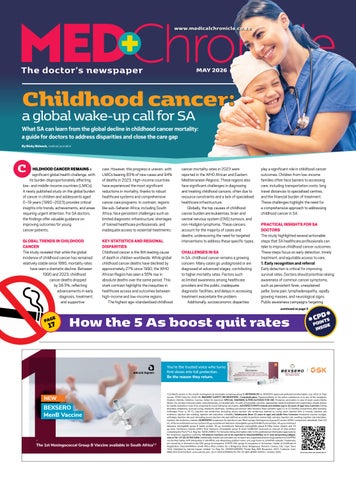
Childhood cancer: a global wake-up call for SA

HILDHOOD CANCER REMAINS a significant global health challenge, with its burden disproportionately affecting low- and middle-income countries (LMICs).
A newly published study on the global burden of cancer in children and adolescents aged 0–19 years (1990–2023) provides critical insights into trends, achievements, and areas requiring urgent attention. For SA doctors, the findings offer valuable guidance on improving outcomes for young cancer patients.
GLOBAL TRENDS IN CHILDHOOD CANCER

care. However, this progress is uneven, with LMICs bearing 85% of new cases and 94% of deaths in 2023. High-income countries have experienced the most significant reductions in mortality, thanks to robust healthcare systems and comprehensive cancer care programs. In contrast, regions like sub-Saharan Africa, including South Africa, face persistent challenges such as limited diagnostic infrastructure, shortages of trained healthcare professionals, and inadequate access to essential treatments.
KEY STATISTICS AND REGIONAL DISPARITIES
cancer mortality rates in 2023 were reported in the WHO African and Eastern Mediterranean Regions. These regions also face significant challenges in diagnosing and treating childhood cancers, often due to resource constraints and a lack of specialised healthcare infrastructure.
Globally, the top causes of childhood cancer burden are leukaemias, brain and central nervous system (CNS) tumours, and non-Hodgkin lymphoma. These cancers account for the majority of cases and deaths, underscoring the need for targeted interventions to address these specific types.
play a significant role in childhood cancer outcomes. Children from low-income families often face barriers to accessing care, including transportation costs, long travel distances to specialised centres, and the financial burden of treatment. These challenges highlight the need for a comprehensive approach to addressing childhood cancer in SA.
PRACTICAL INSIGHTS FOR SA
DOCTORS
Early detection is critical for improving survival rates. Doctors should prioritise raising awareness of common cancer symptoms, such as persistent fever, unexplained pallor, bone pain, lymphadenopathy, rapidly growing masses, and neurological signs. Public awareness campaigns targeting What
The study revealed that while the global incidence of childhood cancer has remained relatively stable since 1990, mortality rates have seen a dramatic decline. Between 1990 and 2023, childhood cancer deaths dropped by 56.5%, reflecting advancements in early diagnosis, treatment, and supportive
Childhood cancer is the 8th leading cause of death in children worldwide. While global childhood cancer deaths have declined by approximately 27% since 1990, the WHO African Region has seen a 56% rise in absolute deaths over the same period. This stark contrast highlights the inequities in healthcare access and outcomes between high-income and low-income regions.
The highest age-standardised childhood

CHALLENGES IN SA
In SA, childhood cancer remains a growing concern. Many cases go undiagnosed or are diagnosed at advanced stages, contributing to higher mortality rates. Factors such as limited awareness among healthcare providers and the public, inadequate diagnostic facilities, and delays in accessing treatment exacerbate the problem.
Additionally, socioeconomic disparities
The study highlighted several actionable steps that SA healthcare professionals can take to improve childhood cancer outcomes. These steps focus on early detection, timely treatment, and equitable access to care. 1. Early recognition and referral
By Nicky Belseck, medical journalist
parents and caregivers can also play a vital role in encouraging early presentation. Fast referral pathways to specialised paediatric oncology centres are essential for timely diagnosis and treatment. Establishing clear guidelines for when and how to refer suspected cases can help streamline the process and reduce delays.
2. Strengthening diagnostic capabilities
Expediting basic investigations like complete blood counts (CBC), peripheral smears, lumbar punctures, and imaging is crucial. Access to advanced diagnostics, including biopsies and imaging for suspected CNS, lymphoma, or solid tumours, should be fast-tracked to avoid delays in treatment initiation. In rural and underserved areas, mobile diagnostic units and telemedicine can bridge the gap in access to specialised diagnostic services. Training primary care providers to recognise early signs of cancer and initiate appropriate investigations can also improve diagnostic accuracy.
3. Standardised treatment and supportive care
Implementing nationally adapted, resource-appropriate treatment protocols for common cancers such as acute lymphoblastic leukaemia (ALL) and lymphomas is vital. Ensuring timely access to essential chemotherapy, blood products, infection prevention, and emergency supportive care can significantly reduce mortality. Supportive care is particularly important for managing treatment-related complications. Interventions such as paediatric early warning systems (PEWS), standardised supportive-care protocols, and better emergency and critical-care support can help manage complications effectively. Additionally, pain and anxiety management during procedures should be prioritised to improve the overall patient experience.
4. Addressing treatment abandonment
Barriers to treatment adherence, such as transportation costs, caregiver support, and inpatient/outpatient capacity, must be addressed. Integrating psychosocial support and follow-up systems can help reduce treatment abandonment and improve long-term outcomes. Community health workers and patient navigators can play a crucial role in supporting families throughout the treatment journey. Providing financial assistance and accommodation for families traveling long distances can also alleviate some of the burdens associated with treatment.
5. Multidisciplinary care and referral networks
Developing regional hubs for complex surgeries, radiotherapy, and intensive care is essential. Clear referral criteria and teleconsultation links between district hospitals and specialised centres can enhance care coordination and outcomes. Multidisciplinary teams, including oncologists, surgeons, radiologists, and palliative care specialists, should collaborate to
provide comprehensive care for children with cancer. Regular case discussions and tumour boards can help ensure that treatment plans are tailored to each patient's needs.
6. Ensuring medicine supply chains
Advocating for the inclusion of paediatric oncology drugs and supportive medicines in essential-medicines lists is critical. Protected supply chains can ensure consistent availability of lifesaving treatments.
7. Building workforce capacity
Training primary care, emergency, surgical, and oncology teams in paediatric oncology recognition, initial management, and complications (eg, tumour lysis syndrome, febrile neutropenia) is essential for improving care quality. Continuous professional development programmes and mentorship opportunities can help build a skilled workforce.
8. Data and quality improvement
Contributing to national and regional cancer registries is vital for tracking stage, treatment initiation, abandonment, and outcomes. This data can guide policy decisions and resource allocation to areas of greatest need.
9. Palliative care integration
For cases where curative treatment is not possible, early integration of palliative care pathways is essential. Training clinicians in symptom control and communication can improve the quality of life for patients and their families.
10. Advocacy and partnerships
Collaborating with health departments, NGOs, and international partners can help expand paediatric oncology infrastructure, including diagnostics and radiotherapy. Advocacy for universal access to standardised care is crucial for reducing disparities.
THE ROAD AHEAD
While the global decline in childhood cancer mortality is encouraging, the stable incidence rates and persistent disparities highlight the need for continued efforts. For doctors, the priorities are clear: improve diagnostic capture and registries, strengthen early-detection and supportive-care systems, and use data to direct resources and partnerships effectively. By addressing these challenges, SA can make significant strides in reducing childhood cancer deaths and improving the quality of life for young patients and their families. The study serves as a call to action for healthcare professionals, policymakers, and stakeholders to work together in building a future where no child dies unnecessarily from cancer.
Rethinking how we practise
E OPEN WITH something close to the heart. Childhood cancer mortality has declined globally, yet children in low- and middle-income countries, including South Africa, continue to bear a disproportionate burden. We outline a practical, 10-point strategy for SA clinicians: from early recognition and referral to building diagnostic capacity, securing medicine supply chains and integrating palliative care. This is not a distant policy conversation; it is a call to action for every clinician who sees a child. The SAGER guidelines feature is one I feel strongly about. Sex and gender equity in research is not a peripheral concern; it is a fundamental quality issue. The underrepresentation of women in clinical trials has real consequences for how we interpret and apply evidence. The call for research ethics committees to embed SAGER principles into their review processes is overdue.
On the respiratory front, we look at vaping cessation, where the evidence now supports varenicline combined with brief behavioural counselling as a markedly effective strategy in young adults – a population increasingly presenting in our consulting rooms. We also address acute low back pain, bacterial conjunctivitis, preconception nutrition, abdominal obesity and menopause, and the legal implications of end-of-life decisionmaking in South Africa – all areas where evidence-based guidance
can meaningfully shape clinical practice.
In terms of webinar coverage, in cardiology, we examine the paradigm shift from ACE inhibitors to angiotensin receptorneprilysin inhibitors (ARNIs) in heart failure with reduced ejection fraction. The evidence for sacubitril/valsartan is compelling, and we address the practical questions of titration, ACE washout and access that remain real barriers in our setting.
Dermatology colleagues will find a comprehensive review of chronic spontaneous urticaria (CSU) – its mast-cell-driven pathogenesis, the two distinct immunological subtypes, validated monitoring tools such as the UAS7 and UCT, and a clear stepwise management pathway. With emerging agents on the horizon, the treatment landscape is shifting rapidly.
Finally, Prof Chetty’s opinion piece on transitioning from sick care to healthcare invites reflection on the structural shift our system must make – from reactive management to proactive, value-based care. It is an uncomfortable but necessary conversation. As always, this issue is accompanied by CPDaccredited webinars and articles. I encourage you to engage with these resources.


HIV therapy's hidden side effect: syphilis surge

By Nicky Belseck,
A
NEW STUDY PUBLISHED in
Health Economics last month revealed an unintended consequence of the introduction of highly active antiretroviral therapy (HAART) in the late 1990s. While HAART dramatically improved survival rates for individuals living with HIV, it also contributed to a resurgence of syphilis, a sexually transmitted infection (STI). This finding underscores the complex interplay between medical advancements and public health dynamics.
STUDY OVERVIEW
The research utilised state-level surveillance data from the Centers for Disease Control and Prevention (CDC) spanning 1992–2006, alongside HIV/AIDS mortality records and HAART prescription data. The authors employed a robust causal inference strategy to assess whether HAART's introduction influenced syphilis incidence. They hypothesised two mechanisms: moral hazard, where reduced perceived HIV risk led to increased sexual risk behaviours, and increased longevity among HIV-positive individuals, particularly men who have sex with men (MSM), which expanded the pool of individuals susceptible to syphilis.
KEY FINDINGS
The study found a significant association between HAART availability and rising syphilis rates, particularly among men. States with higher AIDS prevalence prior to HAART rollout experienced larger increases in syphilis incidence. Women, who were less directly affected by HAART, did not exhibit similar trends, reinforcing the hypothesis that behavioural shifts in male sexual networks were a driving factor. The authors estimated that, without HAART, syphilis cases would have been approximately 81%
lower between 1996 and 2008. This resurgence aligns with a risk-compensation mechanism, where reduced perceived HIV severity led to riskier sexual behaviours, such as condomless sex and higher partner numbers.
IMPLICATIONS FOR CLINICIANS
The findings highlight the need for clinicians to adapt their practices in response to evolving public health challenges. Key recommendations include:
• Enhanced STI screening: Adherence to guideline-recommended screening for at-risk populations, such as MSM and individuals with multiple partners, is critical. More frequent testing may be warranted in high-risk groups.
• Prevention counselling: Patients on antiretroviral therapy should receive routine counselling on STI risks, condom use, and partner reduction to mitigate the unintended consequences of reduced HIV risk perception.
• Public health coordination: Expanding targeted screening, contact tracing, and harm-reduction messaging can complement biomedical interventions to curb the spread of other STIs.
“With syphilis now at a 60-year high, these findings offer timely insight into how life-saving innovations can reshape population behaviour and highlight the need for complementary public-health strategies,” said corresponding author David Beheshti, PhD, of the University of Texas at San Antonio. While HAART has been transformative for individuals living with HIV, this study underscores the importance of anticipating and addressing the broader public health implications of medical breakthroughs.
Clinicians play a pivotal role in mitigating these unintended consequences through vigilant screening, prevention counselling, and collaboration with public health
initiatives. By doing so, they can ensure that the benefits of HIV therapy are maximised while minimising its external costs.


Study links antiretroviral breakthrough to rising STI rates among high-risk groups: a call for vigilance among clinicians
medical journalist
Abdominal obesity and menopause
WEIGHT GAIN DURING menopause is common, with abdominal obesity being especially common and unhealthy. A new study based on data from the Study of Women’s Health Across the Nation (SWAN) found that, in addition to its adverse physical health effects, abdominal obesity can increase the severity of multiple menopause symptoms, including
forgetfulness, irritability, and night sweats. Results are published online today in Menopause, the journal of The Menopause Society. Abdominal obesity, which is estimated to affect more than 60% of menopausal women, is especially unhealthy because it represents a buildup of visceral fat, which is deep, active fat surrounding internal organs. This fat releases
inflammatory proteins and toxic fatty acids that cause insulin resistance, cardiovascular disease, high blood pressure, and increased risk for certain cancers. As estrogen levels drop during menopause, women tend to store more fat around the waist rather than the hips, even if their overall weight doesn’t change. Despite regional variations in both obesity patterns (eg. higher rates in the

Americas vs Asia) and menopause symptom burden (eg. more severe hot flashes in African women), research on the effect of abdominal obesity on these symptoms remains scarce. Moreover, prior research has predominantly examined isolated symptoms, thereby overlooking complex interrelationships among symptoms (eg. the interconnections among hot flashes, anxiety, sleep disturbances, and depression).
Network analysis, which looks at how symptoms are interconnected, is gaining traction in the medical field. In this latest study involving data from more than 1 100 women who participated in SWAN, researchers applied network analysis to compare symptom network structures between women with and without abdominal obesity.
They identified abdominal obesity based on waist-to-height ratios. Based on the results, the researchers concluded that women with abdominal obesity exhibit both a higher prevalence and greater severity of a variety of symptoms, as well as a distinct symptom network structure.
The network of symptoms differed by abdominal obesity status. In particular, women with abdominal obesity reported a higher prevalence and severity of dizziness, hot flashes, and night sweats compared with women with nonabdominal obesity.
Other symptoms such as sleep disturbances and palpitations were reported more frequently in women with abdominal obesity. As a result of these observed differences, the researchers suggest that an assessment of abdominal obesity using waist-to-height ratios may help stratify women who are likely to benefit from targeted, network-based interventions over isolated symptom management.
Study results are published in the article “Menopausal symptom network differences between women with and without waist-toheight ratio-defined abdominal obesity.”
“Unintended weight gain during the menopause transition, especially in the midsection, is one of the most commonly reported complaints, with the most significant gains experienced in the years leading up to the final menstrual period and a couple of years after.
This not only affects self-image but also imposes negative health risks and, as the study highlights, is associated with higher prevalence and severity of menopause symptoms. Educating women early about healthy lifestyle interventions to prevent midlife weight gain is key to improving mental and physical well-being during a tumultuous time frame,” says Dr Monica Christmas, associate medical director for The Menopause Society.
Source: The Menopause Society


















1CPD POINT


Date: 11 June 2026
Time: 19h00
Topic: Rethinking cough management: Balancing efficiacy and safety
Speaker: Dr Corli Lodder
CLICK TO REGISTER:
This webinar is sponsored by Shanur https://bit.ly/4dtA9LP
Dr Corli Lodder (Cornelia M Lodder) is the founder of the Allergy and Asthma clinic in George, Western Cape. She is a GP with a special interest in allergic diseases. In 2003 she received the Diploma in Allergology at the SA College of Medicine. As member of “The SA Allergic Rhinitis Working Group” since 2006, she is involved in Allergic Rhinitis treatment guideline development. The latest version was published in SAMJ in 2020. In 2007 she was appointed as part time researcher in the Department of Immunology at the University of Pretoria. The results of her research were presented at congresses both locally and internationally and resulted in four publications in International


Journals. She was awarded a PhD in Nov 2011. The title of her PhD is: “Investigation of the neutrophildirected anti-inflammatory properties of the cysteinyl leukotriene receptor antagonist, montelukast.” After practising in Boksburg on the East Rand for 24 years, as a GP and running an Allergy clinic in the practice, she relocated to George in April 2019 again practicing as GP and seeing allergic patients. In April 2021, her dedicated Allergy and Asthma clinic opened in George focusing totally on Allergology and Asthma. She is actively involved in lecturing at CME events mainly for general practitioners and pharmacists, doing webinars and face-to-face talks as well as writing scientific articles.

Dr Corli Lodder
SAGER guidelines: time for action
Exploring the ethical and scientific imperatives of sex and gender equity in research to bridge the gender evidence gap
By Nicky Belseck, medical journalist
THE RESEARCH ETHICS Committee
Association of Southern Africa (REASA) recently convened a pivotal discussion on the transformative potential of the Sex and Gender Equity in Research (SAGER) guidelines. The event, held virtually, brought together leading experts to explore the ethical and scientific imperatives of harmonising research practices to address the gender evidence gap.
A DECADE OF PROGRESS AND NEW FRONTIERS
Dr Shirin Heidari, the founder of GENDRO and lead author of the SAGER guidelines, delivered the keynote presentation. She highlighted the guidelines' decade-long journey in promoting sex- and genderresponsive research across human, animal, and translational studies. Dr Heidari emphasised the importance of integrating SAGER principles early in study design, including clear definitions of ‘sex’ and ‘gender’, disaggregated data reporting, and balanced discussions of findings. She also introduced the ongoing development of SAGER ethics guidelines and practical tools to support their implementation.
ETHICS COMMITTEES AS CATALYSTS FOR CHANGE
Prof Mantoa Mokhachane, a neonatologist and medical educator, underscored the role of research ethics committees (RECs) in embedding sex and gender considerations into ethical review processes. She argued that these considerations are integral to core ethical principles such as autonomy, beneficence, and justice. Prof Mokhachane outlined the goals of the SAGER Ethics Working Group, which include developing practical tools for RECs, fostering inclusive and context-sensitive reviews, and promoting gender expertise within committee compositions.
Dr Ann George, a senior lecturer at WITS, presented draft recommendations tailored for RECs. These included guidelines for assessing the relevance of sex and gender in research questions, ensuring ethical inclusion and exclusion criteria, and safeguarding participants' privacy and confidentiality. She also stressed the importance of training REC members and researchers to enhance capacity and awareness.
REGIONAL PERSPECTIVES AND CHALLENGES
Sandra Chilengi-Sakala (Zambia National Health Research Authority: deputy director, research coordination) shared insights into Zambia's initial steps toward incorporating a sex and gender lens into REC processes. While progress has been slow, she emphasised the importance of regional collaboration and institutional commitment to advancing these practices.
ENGAGING DISCUSSIONS AND FUTURE DIRECTIONS
The event featured a dynamic Q&A session where attendees raised practical questions about implementing SAGER guidelines in diverse contexts. Topics included the inclusion of non-binary and transgender voices, training for peer reviewers, and decolonial approaches to research ethics.
Closing remarks by Eleni Flack-Davison, a legal advisor and research compliance manager, reiterated the need for institutional adoption of SAGER principles and the development of context-sensitive tools and resources.
A CALL TO ACTION
The discussion highlighted the
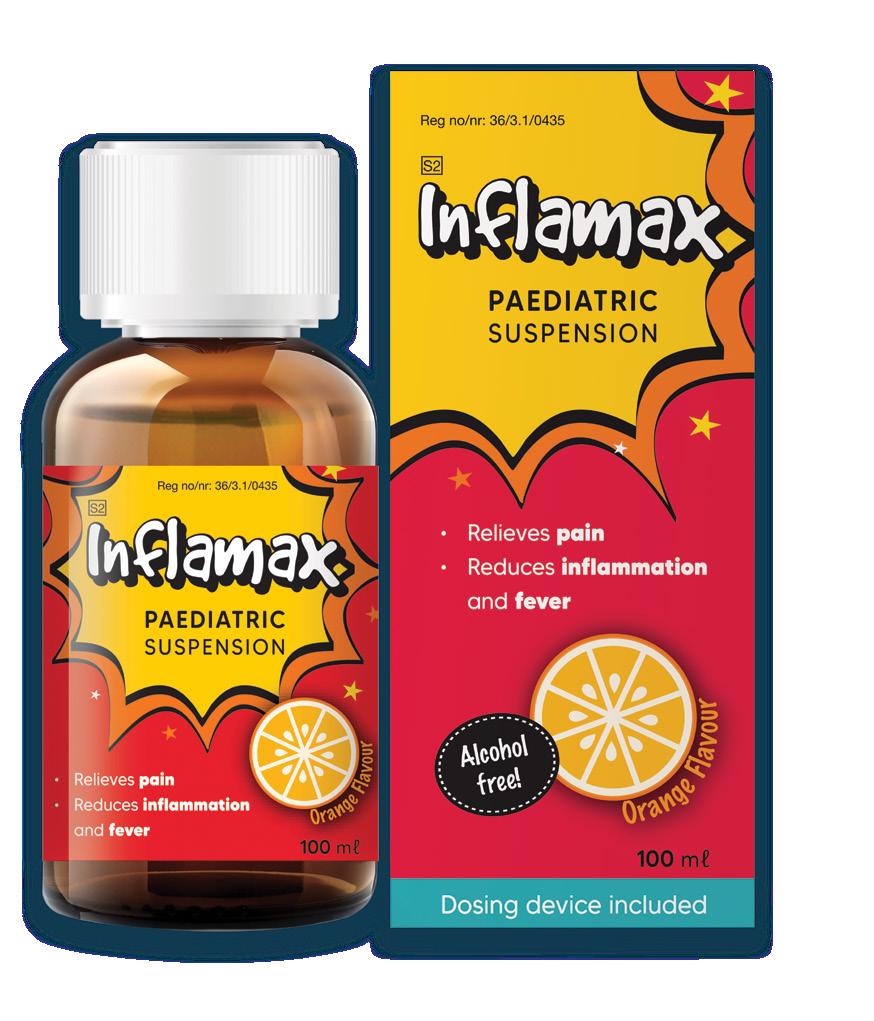
100 mg of Ibuprofen per 5 ml
transformative potential of the SAGER guidelines in bridging the gender evidence gap. With ongoing efforts to develop ethics-focused tools and foster regional collaboration, the event underscored the critical role of RECs, researchers, and institutions in advancing sex- and gender-responsive research practices.
IS INDICATED IN THE MANAGEMENT OF MILD TO MODERATE PAIN AND INFLAMMATION, AND TO REDUCE FEVER PAEDIATRIC SUSPENSION PAEDIATRIC SUSPENSION
• Inflamax has a triple action:
• Analgesic
• Antipyretic
• Anti-inflammatory
ALCOHOL FREE
• Ibuprofen is recommended as a first line treatment option for pain & fever1-4
• Starts to reduce fever from 15 minutes4
Covered by medical aids including GEMs
*INFLAMAX PAEDIATRIC SUSPENSION is not recommended for children under 1 year of age or in those weighing less than 7 kg. References: 1. Green R, Webb D, Jeena PM, et al. Management of acute fever in children: Consensus recommendations for community and primary healthcare providers in sub-Saharan Africa. Afr J Emerg Med. 2021;11(2):283-296. doi:10.1016/j.afjem.2020.11.004. 2. Marseglia GL, Alessio M, Da Dalt L, Giuliano M, Ravelli A, Marchisio P. Acute pain management in children: a survey of Italian pediatricians. Ital J Pediatr. 2019;45(1):156. doi:10.1186/s13052-019-0754-3. 3. Chiappini E, Bortone B, Galli L, de Martino M. Guidelines for the symptomatic management of fever in children: systematic review of the literature and quality appraisal with AGREE II. BMJ Open. 2017;7(7):e015404. doi:10.1136/bmjopen-2016-015404. 4. Barbagallo M, Sacerdote P. Ibuprofen in the treatment of children’s inflammatory pain: a clinical and pharmacological overview. Minerva Pediatr. 2019;71(1):82-99. doi: 10.23736/S0026-4946.18.05453-1. Scheduling status: S2
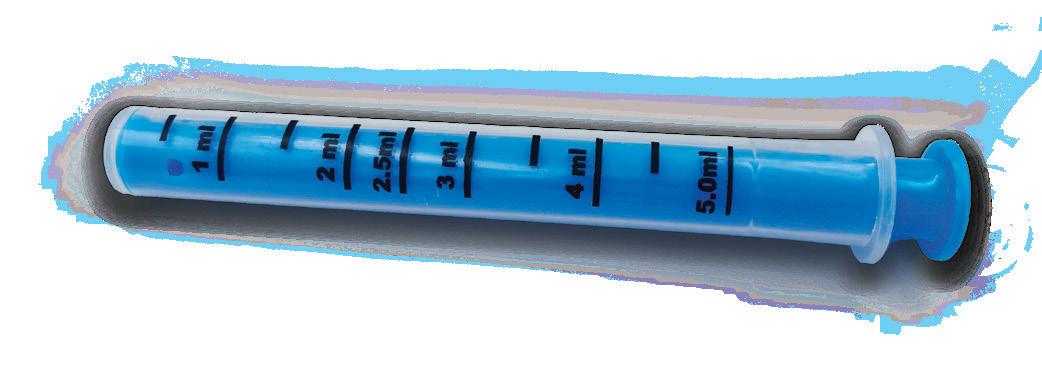
Proprietary name (and dosage form): INFLAMAX Paediatric Suspension. Composition: Each 5 ml contains: 100 mg of Ibuprofen. Registration number: 36/3.1/0435. For full prescribing information refer to the Professional Information as approved by SAHPRA (South African Health Products Regulatory Authority) available at: www.inovapharma.co.za. Further information is available on request from iNova Pharmaceuticals. Name and business address of applicant: Pharmaceutical Contractors (Pty) Ltd. Co.Reg.No.:1997/013353/07. 44 Monteer Road, lsando , Kempton Park, 1601. Tel.No.: 011 974 1631. Marketed and distributed by: iNova Pharmaceuticals (Pty) Limited. Co. Reg. No.: 1952/001640/07. 15E Riley Road, Bedfordview. Tel. No. 011 087 0000. www.inovapharma.co.za. 27256L. IN5474/26.
1
A Bridging the menopause gap
GROUNDBREAKING STUDY
JUST published in Menopause has demonstrated the effectiveness of a menopause-focused education programme delivered through Project ECHO, a telementoring model designed to address knowledge gaps among primary care clinicians. The programme, conducted
by the Oregon ECHO Network, has shown significant improvements in clinician confidence and anticipated practice changes, offering a scalable solution to enhance menopause care for midlife women.
The study evaluated a 12-session ‘Menopause in Primary Care’ programme involving 54 clinicians, including physicians,
nurse practitioners, and physician assistants, from diverse practice settings. The sessions combined didactic teaching with case-based discussions, fostering a collaborative learning environment. Participants reported high satisfaction, with session delivery rated between 5.3 and 5.5 on a 6-point scale.

By Nicky Belseck, medical journalist
“This study highlights how effective structured educational programmes can be in closing the gaps in menopause education,” said Dr Stephanie Faubion, medical director for The Menopause Society. “The Menopause Society is committed to and already working toward significantly expanding our educational initiatives to provide clinicians with the tools they need to provide evidence-based care to midlife women.” Quantitative results showed a marked increase in self-rated confidence across six menopause-care competencies, with scores rising from baseline averages of 2.0–2.6 to 3.7–3.9 on a 5-point scale. Notably, 95% of participants indicated they were likely to apply the new knowledge in patient care, and 59% reported sharing insights with colleagues. These findings underscore the programme’s ability to empower clinicians to deliver better care. The programme also identified areas requiring deeper education, including breast health, sexual dysfunction, weight management, and abnormal vaginal bleeding. These gaps, coupled with the complexity of real-world cases involving multimorbidity and underserved populations, highlight the need for more advanced and comprehensive training. Participants emphasised the value of case-based discussions in addressing these challenges, which fostered a sense of community and the ‘joy of learning’. In addition to boosting confidence, participants reported several anticipated practice changes. These included reduced reliance on specialist referrals, increased comfort diagnosing perimenopause, and greater use of evidence-based tools like risk calculators. Such changes are expected to improve access to care for women in rural and underserved areas, where specialist resources are often limited. However, barriers such as limited clinic time and insurance restrictions were noted, suggesting the need for systemic support to maximise the programme’s impact. The study’s authors concluded that the ECHO model is a feasible and effective approach to menopause education, particularly for clinicians in under-resourced settings. They emphasised the importance of tailoring curricula to address complex cases and emerging needs, while also calling for further research to evaluate long-term practice changes and patient outcomes.
As menopause care continues to evolve, initiatives like Project ECHO offer a promising pathway to equip clinicians with the knowledge and confidence needed to improve the quality of life for midlife women. With the success of this programme, there is a clear opportunity to expand similar educational initiatives to reach more clinicians and ultimately enhance care for women worldwide.
Patient’s own bone treated and reimplanted in breakthrough procedure
E Liquid nitrogen saves teen’s leg in SA medical first
WING'S SARCOMA IS an aggressive primary bone tumour most commonly seen in adolescents between the ages of 10 and 20 years. Conventional surgical management of long-bone lesions typically involves resection of the affected segment, followed by reconstruction with large endoprostheses or reimplantation of the patient's own bone after sterilisation, most often by irradiation. Both approaches carry limitations: prosthetic reconstruction can restrict long-term function and reduce the likelihood of return to contact sport, while irradiated autografts may demonstrate reduced structural integrity and higher rates of non-union.
A 15-year-old male with Ewing's sarcoma of the femur underwent a procedure led by an orthopaedic oncology surgeon, with surgical assistants, an anaesthetist, and perioperative nursing staff. The operation lasted approximately 4.5 hours and involved the following steps:
• Wide resection of a 24cm segment of femur containing the tumour.
• Ex vivo treatment of the resected bone segment by immersion in liquid nitrogen at approximately −179°C to devitalise tumour cells.
• Reimplantation of the treated bone with internal fixation using pins.
RATIONALE AND TECHNICAL CONSIDERATIONS
Cryogenic treatment aims to destroy residual tumour cells while preserving the bone's macro- and microarchitecture, potentially facilitating biological incorporation and regeneration after reimplantation. Compared with irradiation, liquid nitrogen treatment may better preserve the mechanical properties of the autograft, potentially reducing the risk of non-union and revision surgery.
Preservation of the patient's native joint and bone length is particularly advantageous in skeletally immature patients, where maintaining growth potential and accommodating higher functional demands, including sport participation, are priorities. The technique requires meticulous surgical planning, precise resection margins, careful tumour handling to prevent contamination, and secure fixation to promote graft incorporation. On postoperative day one, the patient was alert with preserved neurovascular status of the limb, and early mobilisation with physiotherapy input was initiated.
Planned follow-up includes serial imaging and clinical assessment to monitor graft integration, union, function, and oncological control. Long-term outcomes for cryo-treated autografts in Ewing's sarcoma remain limited, and ongoing surveillance for local recurrence, graft failure, infection, and mechanical complications is essential.
ADVANTAGES AND LIMITATIONS
Potential advantages of this
approach include:
• Preservation of native bone and joint anatomy.
• The possibility of better functional outcomes and return to highdemand activities.
• Avoidance of large prosthetic implants in young patients.
However, limitations must be acknowledged:
• Global experience with this technique for
Ewing's sarcoma remains limited, and the procedure is technically demanding.
• Incomplete tumour cell kill is a risk if protocol is not rigorously followed.
• Possible complications include non-union, autograft fracture, infection, and local recurrence.
• Long-term comparative data against standard reconstructions are sparse.
IMPLICATIONS FOR PRACTICE
Cryogenic autograft reimplantation using liquid nitrogen represents an additional limb-sparing option for selected patients with bone tumours, particularly in younger patients where joint preservation and growth are priorities. Case selection should involve multidisciplinary tumour board review and thorough informed discussion with patients and families.


Bridging the data gap: Advanced analytics via the GoodX Report Application
In the modern clinical landscape, the bottleneck to efficient practice management is rarely a lack of data, but rather the inability to synthesise it
EDICAL PRACTICES GENERATE
a constant stream of financial and clinical touchpoints yet translating these into actionable insights often requires cumbersome exports to external spreadsheets – a process prone to versioncontrol errors and data silos.
The GoodX Report Application represents a paradigm shift in this workflow. By utilising a data-agnostic, WYSIWYG (What You See Is What You Get) architecture, it empowers practitioners and administrators to interrogate their data in real-time, directly within the web ecosystem.
DYNAMIC DATA ARCHITECTURE
Unlike traditional reporting modules that rely on rigid, predefined columns, the Report App is data-agnostic. It interprets the underlying structure of the data – whether it be ICD-10 codes, stock levels, or invoice amounts – and allows the user to reshape it dynamically. As the GoodX ecosystem expands, new data points from modules such as Clinical Review, Smart Stickers, and Hospital Cases integrate out of the box, ensuring the reporting tool evolves alongside the practice’s clinical requirements.
OPTIMISED WORKFLOW: FROM ‘POWER USERS’ TO PRESETS
The application caters to the full spectrum of administrative expertise:
1. For power users: The interface allows deep-dive interrogation, running at desktop speeds in a browser. Users can manipulate hundreds of thousands of rows without the lag or pagination typically found in webbased tools.
2. For optimised practices: Understanding that time is a premium, the GoodX implementation team assists in creating profiles and filter profiles. These allow
Feature Clinical and operational benefit
Partitioning Create instant summary/detail views. Group data by practitioner, ward, or account number to see grand totals while retaining the ability to drill down into granular detail.
Advanced filtering Move beyond basic searches. Filter by date ranges, amount thresholds (eg, invoices between R100-R500), or text strings (eg, ICD-10 codes containing specific prefixes, or exclude non-billable item codes).
ISO-standard export Exports to PDF/A for long-term digital archiving and Excel. Unlike standard CSV exports, these retain formatting and structure, ensuring ‘what you see’ is exactly what you print.
Data integrity Operates on the existing GoodX security model. If a user is restricted from viewing clinical data in the main suite, those restrictions persist within the report app.
non-technical staff to load complex, pre-configured views – such as monthly practitioner revenue or comorbidity audits –with a single click.
CLINICAL AND FINANCIAL USE CASES
1. Comorbidity analysis and auditing
Practitioners can filter billing items by specific ICD-10 codes to monitor trends in comorbidities, such as patients presenting with both Diabetes and Hypertension. This is invaluable for clinical auditing, ensuring ‘Smart Stickers’ are applied correctly, and refining patient outreach for chronic prescription reminders.
2. Revenue and productivity tracking By partitioning the audit trail by treating practitioner or service centre, administrators can gain an immediate overview of revenue distribution. This eliminates the need for manual data manipulation in external spreadsheets, as the report app is built to handle high-volume data processing that often exceeds the practical limitations of traditional tools.
3. Stock and resource management
From stock takes to warehouse corrections, the report app allows managers to reorder

and sort data to instantly identify inventory anomalies, reducing overhead and wastage. The heart of the report app lies in breaking down data silos. By connecting clinical, financial, and administrative data in a single responsive environment, we enable practices to answer complex questions without requiring a degree in data science.
CONCLUSION
The GoodX Report Application is more than a reporting tool; it is a clinical intelligence interface. By removing the technical barriers to data manipulation, this enables healthcare providers to refocus on what truly matters: informed decision-making and enhanced patient care.

1CPD POINT

Join Medical Chronicle for a free, one-hour, CPD-accredited webinar on

Dr Pieter de Waal
Date: 24 June 2026
Time: 7pm
Topic:
Presenter: Dr Pieter de Waal

Dr Pieter qualified as a Paediatrician in 2009 at the University of the Free State. In 2017, he earned the South African Certificate in Asthma Care (NAEP), and in 2018, he obtained a Diploma in Allergology from the College of Family Physicians of South Africa. That same year, he became a certified Allergologist at the University of Cape Town and went on to complete his M.Phil. degree in Allergology in 2019, graduating cum laude. He worked as a full-time subspecialist in Allergology at MediClinic Bloemfontein while also holding a part-time position as a senior consultant at the University of the Free State. In this role, he taught Allergology, Asthma, and Pulmonology to both undergraduate and postgraduate medical students, as well as registrars. Currently, Pieter is the chair of the South African National Asthma Education Programme (NAEP) and serves on the executive committee of the Allergy Society of South Africa (ALLSA). He is also a member of the South African Allergic Rhinitis Working Group. He is now in full-time private practice at MediClinic Panorama Hospital in Cape Town.





Dislipidaemia clinical trials
What do FIELD,
IELD STUDY
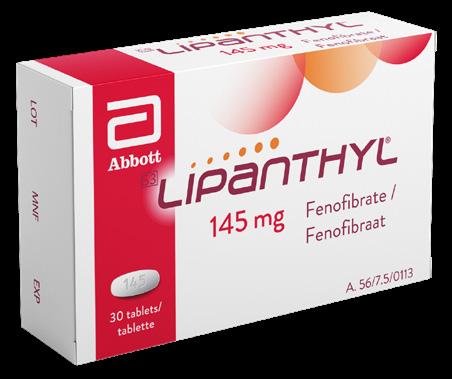
The Fenofibrate Intervention and Event Lowering in Diabetes (FIELD) study was a double-blind, placebocontrolled trial assessing fenofibrate versus placebo on coronary heart disease (CHD) morbidity and mortality in 9 795 patients with type 2 diabetes (T2DM).²ᵈ Patients with T2DM carry increased cardiovascular (CV) risk due to atherogenic dyslipidaemia – elevated triglycerides (TG), small dense LDL particles, and low HDL-C – a pattern fibrates can correct.² ³
Participants were randomised to fenofibrate 200mg/day or placebo over an average five-year follow-up.² The primary endpoint–first non-fatal MI or CHD death – was not significantly reduced (5.2% vs 5.9%; p=0.16).² However, total CV events were significantly reduced from 13.9% to 12.5% (p=0.035), including a 21% reduction in coronary revascularisation (p=0.003).² Notably, fenofibrate also reduced albuminuria progression (p=0.002) and retinopathy requiring laser treatment (3.6% vs 5.2%; p=0.0003).² Fenofibrate was well tolerated with similar discontinuation rates to placebo.²
ACCORD STUDY GROUP
(ACCORD LIPID)
The ACCORD Lipid trial evaluated fenofibrate added to simvastatin versus simvastatin alone in 5 518 patients with T2DM.¹ Over a mean 4.7-year follow-up, the primary endpoint – non-fatal MI, non-fatal stroke, or CV death – was not significantly reduced (2.2%/year vs 2.4%/year; HR 0.92, 95% CI 0.79–1.08; p=0.32).¹ No significant differences were observed in secondary outcomes.¹ A subgroup with high TG (>200mg/dL) and low HDL-C (<35mg/dL) showed a trend toward benefit, suggesting fibrate add-on therapy may be considered in this population, particularly in men.¹
ACCORDION STUDY
The ACCORDION analysis evaluated legacy effects of fenofibrate-statin therapy in 765 ACCORD-Lipid participants with dyslipidaemia (TG ≥204mg/dL and HDL-C ≤34mg/dL) over a combined median of 9.7 years.¹ Fenofibrate was associated with lower incidence rates of all-cause mortality, CV mortality, non-fatal MI, heart failure, and major CHD.¹ Combined trial and followup data showed statistically significant long-term benefits for all-cause mortality, CV mortality, and major CHD, suggesting a durable legacy effect of fibrate therapy in this high-risk subgroup.¹
SOUTH AFRICAN DYSLIPIDAEMIA GUIDELINE CONSENSUS (2018)
Based on ESC/EAS guidelines, high- and very-high-risk patients – those with established CVD, T2DM, CKD, or severe dyslipidaemia – do not require risk scoring before initiating lipid-lowering therapy.¹
Statins remain first-line, with LDL-C the primary treatment target (<1.4mmol/L for established CVD with ≥50% reduction from baseline).² Fibrates are recommended for severe hypertriglyceridaemia (TG >10mmol/L) to mitigate pancreatitis risk.² Despite optimal therapy, residual CV risk persists and may warrant fibrates, omega3s, or additional LDL lowering.¹
COMBINED
HYPERLIPIDAEMIA AND THE SAFARI TRIAL
The SAFARI trial randomised 618 patients with combined hyperlipidaemia to simvastatin 20mg plus fenofibrate 160mg or simvastatin plus placebo for 12 weeks.¹ Combination therapy reduced TG by 43% vs 20% with monotherapy (p<0.001), improved LDL-C by 31.2% vs 25.8%

(p<0.001), and raised HDL-C by 18.6% vs 9.7% (p<0.001).¹ LDL particle size shifted from small dense to larger, more buoyant particles – a likely cardioprotective change. No serious drug-related adverse events were reported.¹
References available on request.

Results of the primary composite outcome of referable diabetic retinopathy or maculopathy, or treatment thereof, with intra-vitreal injection of medication, retinal laser therapy or vitrectomy. The primary outcome occurred in 131 participants (22.7 %) in the fenofibrate group and in 168 participants (29.2 %) in the placebo group, representing 65 fewer primary outcome events per 1000 participants in the fenofibrate group than in the placebo group over a median of 4.0 years of follow-up.2
DR: Diabetic Retinopathy; HR: Hazard Ratio; Cl: Confidence Internal. Pragmatic, national, randomized, parallel-group, double-masked, placebocontrolled clinical trial.

Dr Sam Molepo
Date: 13 June 2026
Time: 7pm
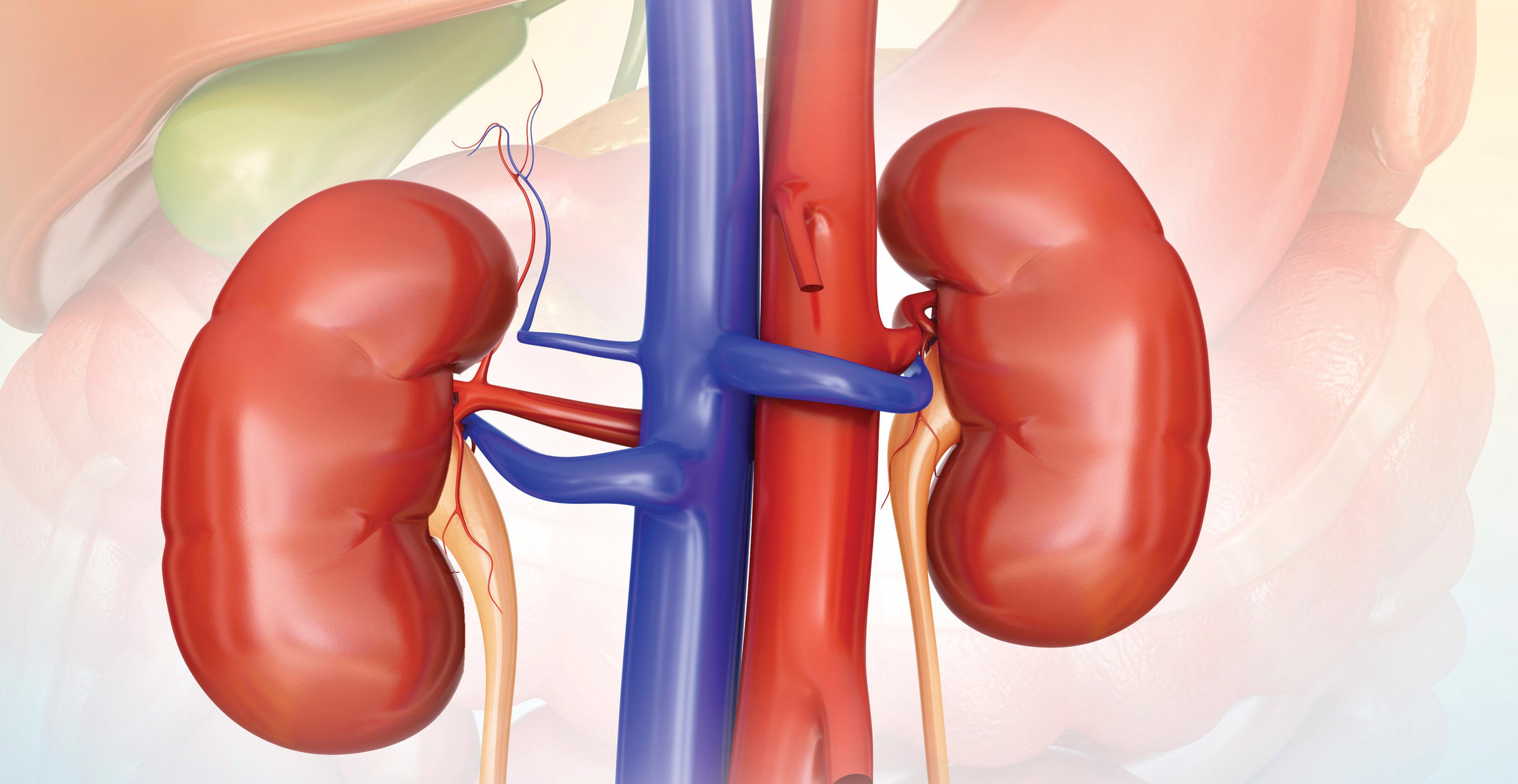
Topic: World Kidney Cancer Day, Beyond haematuria, clinical red flags of renal cell carcinoma
Presenter: Dr Sam Molepo
CLICK TO REGISTER: https://bit.ly/AcinoWebinar17Jun26
Dr Sam Molepo is a Specialist Physician and Medical Oncologist, who completed his undergraduate as well as postgraduate studies at Wits University. He has a special interest in breast, lung, gastrointestinal, urological, haematological and sarcomatous malignancies, as well as a keen focus on the genetic basis of malignancies. He


worked at Charlotte Maxeke Medical Oncology from 2022 to the end of his contract in June 2025, integrating various disciplines and has now joined the Wits University Donald Gordon Medical Centre. He is a strong advocate for patient-centred care, customised anticancer treatment, and a multidisciplinary approach to patient care.


Evidence for a triple-action lozenge
A Multi-modal management of sore throat and dry cough
CUTE SORE THROAT and dry cough frequently coexist during upper respiratory tract infections (URTIs), yet single-agent treatments often fail to adequately address both symptoms simultaneously.1,2 A triple-action lozenge combining dextromethorphan hydrobromide, cetylpyridinium chloride (CPC), and benzocaine offers a multimodal pharmacological approach targeting concurrent symptoms through distinct mechanisms.
COMBINATION THERAPY
Acute cough lasting less than three weeks requires careful duration assessment and exclusion of serious underlying causes.1 When sore throat and dry cough coexist, targeting multiple pathways simultaneously is clinically preferable to sequential singleagent treatment.1,2
Dextromethorphan hydrobromide acts centrally as an antitussive, suppressing the cough reflex via NMDA receptor antagonism.4,6 Clinical evidence supports its efficacy in children aged 6-11 years with acute cough associated with the common cold.5 CPC provides antiseptic activity against oropharyngeal pathogens, reducing microbial load and supporting throat hygiene during viral URTIs.7 Its quaternary ammonium structure disrupts bacterial cell membranes, providing broadspectrum antimicrobial activity.7 Benzocaine delivers rapid local anaesthetic relief by blocking sodium channels in oropharyngeal mucosa, reducing throat pain.8,9 Clinical evidence confirms its efficacy in uncomplicated sore throat.9
Lozenge formulation ensures prolonged local mucosal contact, optimising both topical antiseptic and local anaesthetic effects while allowing systemic absorption of dextromethorphan.10 This delivery system may improve patient compliance through portability and ease of use.
DOSING EDUCATION AND MONITORING
Age-stratified dosing recommendations are as follows:3
• Children aged 6-12 years: one disc every three hours as needed.
• Adults and children older than 12 years: two discs every three hours as needed.3
Contraindications include use in children under six years due to benzocaine risks, concurrent monoamine oxidase inhibitor use, specific hypersensitivities, and certain carbohydrate malabsorption disorders. 3-6 Caution is advised in elderly patients, those with underlying conditions, and diabetic patients given the sucrose and glucose content. 3 The triple-action combination is most appropriate for viral URTI patients presenting with concurrent dry cough and
sore throat. It should be avoided where productive cough requiring expectorants is present, swallowing difficulties exist, or age restrictions apply. 3
PATIENT EDUCATION AND SAFETY MONITORING
Patients should be counselled to
This is a summary of a CPD-accredited article available on https://www.medicalacademic.co.za/
allow complete lozenge dissolution, adhere to prescribed dosing intervals, and monitor for signs of benzocaine toxicity, including excessive oral numbness and symptoms of methemoglobinaemia.3 Medical attention should be sought for severe, persistent, or worsening symptoms.3

CONCLUSION
The triple-action lozenge provides an evidence-based, multi-modal option for managing concurrent acute sore throat and dry cough in viral URTIs.
References available on request.







































Optimising functional abdominal cramping pain outcomes
UNCTIONAL ABDOMINAL CRAMPING pain (FACP) is a common clinical complaint that may occur independently or as a key feature of functional gastrointestinal (GI) disorders,¹ now recognised as disorders of gut–brain interaction (DGBI).² Prevalence estimates range from 10% to 46%,¹ and it affects ~13.5% of infants and children worldwide.³
for healthcare professionals to recognise FACP, understand its burden on patients, and implement appropriate symptom management strategies.¹
FACP is defined by the sudden onset of mild-to-moderate, recurrent, undulating abdominal pain lasting from seconds to hours, occurring in the absence of red flag features or structural disease.¹ Assessment

family background, medication use, pain characteristics, and bowel and dietary habits, with further evaluation where appropriate.¹
WHEN THE GUT SPEAKS DIFFERENTLY, TREATMENT SHOULD TOO
According to Prof Adam Mahomed, Clinical Head: Internal Medicine at the Charlotte Maxeke Johannesburg Academic Hospital
BELLY PAIN RELIEF




healthcare providers must first consider the mechanisms underlying FACP. "The type of pain in FACP is primarily visceral rather than somatic – diffuse, poorly localised, and related to distension or contraction of hollow organs, rather than tissue damage." Three key mechanisms explain pain generation:
• Smooth muscle spasm, with dysregulated intestinal motility producing episodic cramping.
• Visceral hypersensitivity, driven by peripheral and central sensitisation, amplifying pain signalling.
• Gut–brain axis dysfunction, altering sensory integration and enhancing pain perception and abnormal motility.
ANTISPASMODIC FIRST, ANALGESICS SECOND
Antispasmodics are recommended as first-line therapy for FAPDs, used for maintenance or acute symptom relief depending on clinical presentation.² They directly target smooth muscle contraction via anticholinergic pathways, calcium channel modulation, or direct muscle relaxation – addressing the primary driver of pain. Conventional analgesics, by contrast, act on central pain perception without addressing pathophysiology. NSAIDs may cause GI irritation, while opioids can worsen motility, leading to narcotic bowel syndrome.
NOT EVERY CRAMP NEEDS THE SAME APPROACH
Management depends on symptom intensity and frequency. Mild episodes may require only reassurance, while more frequent or severe symptoms warrant pharmacological intervention.¹ Patient-specific factors –including age, sex, pain characteristics, lifestyle, and comorbidities – guide treatment selection.¹ When antispasmodics prove insufficient, paracetamol, low-dose tricyclic antidepressants, SSRIs, or pregabalin may be considered, alongside adjunctive psychological approaches.¹
TARGETING CRAMPS WHERE IT COUNTS





Hyoscine butylbromide is the most extensively studied antispasmodic for FACP.¹ In South Africa, it is approved for GI spasm across all age groups. It acts via muscarinic receptor blockade with additional ganglion-blocking effects, delivering a direct spasmolytic action. Bioavailability following oral administration is <1%, yet sustained local GI activity is maintained. Critically, it does not cross the blood–brain barrier. Clinical evidence confirms significant pain relief within 30 minutes, a ~55% reduction in peak pain over three days, and 42%–50% reduction in pain frequency. On-demand use also demonstrated ~30% faster pain relief versus placebo.
How the 5 As boost quit rates
Helping your patients quit starts with five simple steps
TOBACCO KILLS MORE than eight million people per year and it is estimated that 1.25 billion people use tobacco globally.1 Locally, 36.9% of South Africans (16.9 million adults) use tobacco.2 Approximately 80% of global tobacco users live in low- and middleincome countries (LMICs), where the burden of tobacco-related illness and death is heaviest.3 Tobacco smoking increases the risk of COPD, TB, cancer, pneumonia, ischaemic heart disease and stroke; mortality among current smokers in South Africa is nearly double that of non- or ex-smokers.4
THE
GROWTH OF PUBLIC-HEALTH ACTION AGAINST TOBACCO
World No Tobacco Day raises global awareness of the tobacco epidemic and the preventable death and disease it causes.6 The WHO Framework Convention on Tobacco Control (WHO FCTC) provides comprehensive recommendations for countries to decrease, and ultimately eradicate, tobacco-related harms, including eliminating predatory tobacco industry marketing.1
CHALLENGES IN THE QUIT JOURNEY
Quitting is difficult. Nicotine is highly addictive, and smoking is frequently linked to social and psychological factors. Successful quitting requires addressing both the drivers of smoking and nicotine withdrawal symptoms.4 Ninety to ninetyfive percent of smokers who try to quit unaided resume smoking within a year.7 Estimates of quit attempts required are likely underestimated–for some smokers, attempts may number as high as 30 before success is achieved.8 In South Africa, 41.1% of smokers planned or considered quitting (SASAS 2024), yet barriers remain significant.2 Over 60% of adult tobacco users want to quit, but ~70% lack access to comprehensive cessation services.1 Misunderstandings about NRT safety further limit willingness to use it.10 Vulnerable groups – including patients with COPD,7 psychiatric disorders,7 underage smokers,7 and female smokers 4 – face additional challenges. South Africa's high TB and HIV burden further exacerbates smoking-related harms.4
SUPPORT
Under WHO FCTC Article 14, healthcare professionals should screen for tobacco use, provide brief cessation advice, and offer evidence-based treatment – each of which significantly increases cessation likelihood.11 Yet only 33.9% of smokers who visited a healthcare provider in a 12-month period were advised to quit (SASAS 2024).2 Given that >70% of tobacco users visit a physician annually, every visit is an opportunity to intervene.12
Interventions as brief as three minutes can significantly increase quit rates.4 The 5 A's: Ask, Advise, Assess, Assist, and Arrange, provide a systematic framework for addressing tobacco use at every clinical encounter,4 supported by the American College of Cardiology Expert Consensus Decision Pathway. 4, 13
PHARMACOLOGICAL OPTIONS
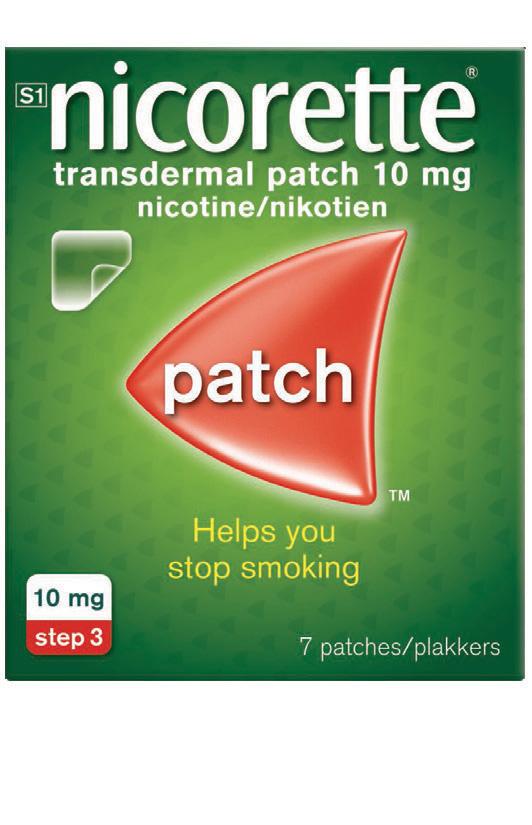
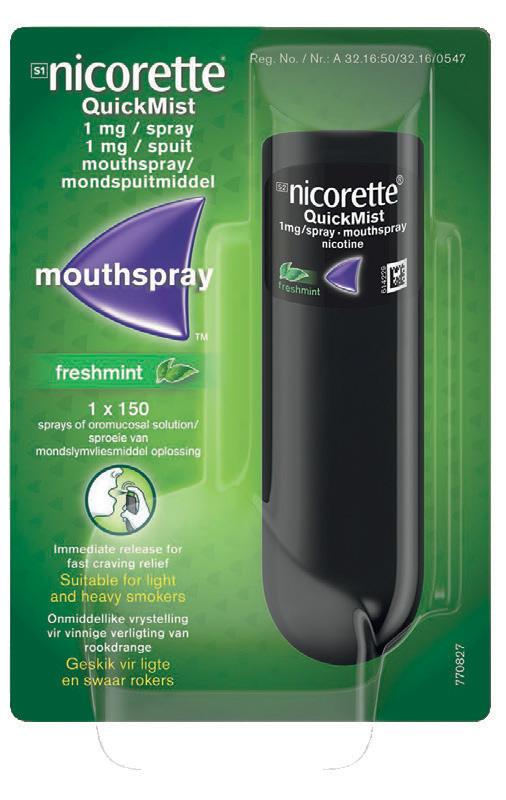
Pharmacotherapy should be offered to every willing patient.13 The WHO recommends varenicline, NRT, bupropion, and cytisine as first-line options.1 Dual NRT – combining a long-acting nicotine patch with a shortacting reliever – is substantially more effective than single NRT (OR 3.6, 95%

CI 2.5–5.2).4 A Cochrane meta-analysis of 16 RCTs (n=12,169) confirmed that combination NRT yields higher long-term quit rates than single-form NRT (RR 1.27, 95% CI 1.17–1.37) – meaning patients are 27% more likely to quit successfully.14
References available on request.

COMBINATION NRT INCREASES the likelihood of LONG-TERM SMOKING CESSATION by relative to monotherapy.1* 27 %
*Absolute risk reduction is 17,4 versus 13,7 %.1

NRT: Nicotine Replacement Therapy. For a full list of excipients, please refer to the approved Professional Information. References: 1. Theodoulou A, Chepkin SC, Ye W, et al. Different doses, durations and modes of delivery of nicotine replacement therapy for smoking cessation. Cochrane Database of Systematic Reviews 2023, Issue 6. Art. No.: CD013308. DOI: 10.1002/14651858.CD013308.pub2. 2. Van Zyl-Smit
DOI:10.7196/SAMJ.7484. 3. NICORETTE® Transdermal Patch professional information, February 2025. 4. NICORETTE® ICY WHITE, FRESHFRUIT AND FRESHMINT 2 mg
NICORETTE® QUICKMIST 1 mg/spray oromucosal spray. Professional Information. January 2024.
S0 Nicorette® Icy White 2 mg: Each piece of gum contains 10 mg nicotine-resin complex 20 %, equivalent to 2 mg nicotine. Reg. No. 46/34/0164. For full prescribing information, refer to the Professional Information approved by the medicines
Contains
(0,1 mg
(1
S1
and 0,1 mg acesulfame potassium/spray). Reg. No. 50/32.16/0547. For full prescribing information, refer to the Professional Information approved by the medicines regulatory authority. S1 Nicorette® Transdermal Patch 10 mg: Each patch contains nicotine equivalent to 1,75 mg per 1,0 cm2. Content of nicotine per patch 15,75 mg. Reg. No. 45/32.16/0952. For full prescribing information, refer to the Professional Information approved by the medicines regulatory authority.

Fertility is a team sport
Nutrition for him and her before conception
HE JOURNEY TO conception has long been viewed through a predominantly female lens, with healthcare practitioners focusing primarily on women's nutritional needs during the preconception period. However, emerging evidence reveals that fertility is indeed a team sport, requiring optimal nutritional support for both partners to maximise the chances of conception and
healthy pregnancy outcomes. Recent systematic reviews demonstrate that preconception nutrition significantly influences reproductive success in both men and women, affecting everything from sperm quality and ovulation to embryo implantation and early foetal development.¹ Understanding the biological basis of this shared responsibility reveals why both partners' nutritional status matters.
Spermatogenesis, the process of sperm production, takes approximately 74 days to complete, while oogenesis and the maturation of eggs ready for ovulation occurs over several months. This timeline underscores the importance of optimising nutritional status at least three months before attempting conception, allowing sufficient time for improvements in gamete quality to manifest.² Male fertility depends


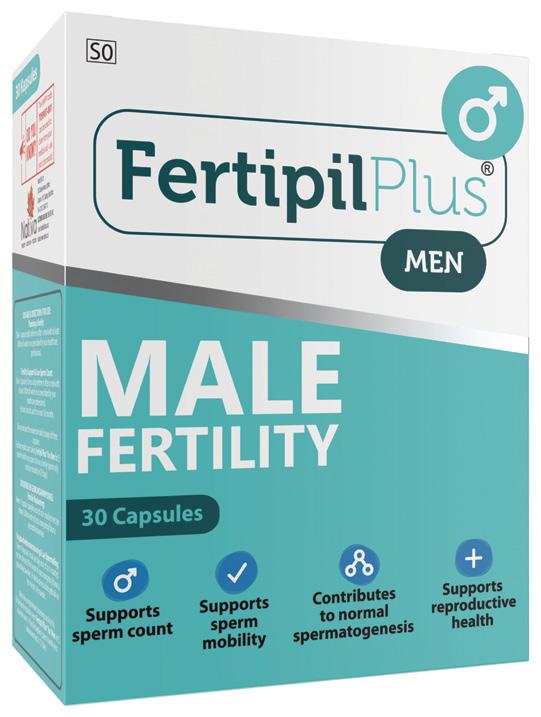
on several key nutrients. Selenium and vitamin E co-supplementation significantly improves sperm concentration and motility.³ Zinc deficiency directly impacts sperm quality, DNA integrity, and testosterone levels.⁴ Adequate zinc intake is essential for optimal sperm function and male reproductive health.⁵ Vitamin B6 supports healthy sperm development, while L-arginine supplementation can improve sperm concentration and motility in subfertile men. ⁶ Additional nutrients showing promise include vitamin D, which correlates with improved sperm motility,⁷ and coenzyme Q10 for enhanced sperm parameters.


However, recent large-scale trials suggest caution. The FAZST trial found no significant improvements in live birth rates with folic acid and zinc supplementation in men,⁸ highlighting the need for individualised approaches rather than universal supplementation protocols. For women, folic acid remains the cornerstone of preconception nutrition. Periconceptional supplementation reduces neural tube defects by up to 80%.⁹ Zinc is equally important for female fertility, supporting ovulation and embryo development.¹⁰ Vitamin B6 supplementation can improve hormone regulation and may benefit women with premenstrual syndrome.¹¹ For specific conditions like polycystic ovary syndrome (PCOS), myo-inositol supplementation shows significant benefits for ovulation and metabolic parameters.¹² Omega-3 fatty acids support reproductive health through anti-inflammatory mechanisms and improved egg quality, particularly beneficial for women with inflammatory conditions or advanced maternal age.
DIETARY PATTERNS AND LIFESTYLE SYNERGY

Beyond individual nutrients, overall dietary patterns matter significantly. The Mediterranean diet consistently shows positive associations with improved semen quality and fertility outcomes.¹³ This eating pattern emphasises whole foods, healthy fats, antioxidant-rich vegetables, and lean proteins. Certain substances negatively impact fertility and should be minimised or eliminated before conception. Alcohol consumption affects both male and female fertility through multiple mechanisms. Excessive caffeine intake may reduce fertility, particularly in women. Trans fats should be avoided as they impair reproductive function and increase inflammation.
TIMING AND INDIVIDUALISATION
The three-month preconception window allows for complete gametogenesis cycles in both partners. However, timing should be individualised based on age, existing health conditions, nutritional deficiencies, and genetic factors.
References available on request.












































































Vaping addiction, what can be done?
Results from the first randomised pharmacotherapy trial
ELECTRONIC NICOTINE DELIVERY systems, commonly known as e-cigarettes or vapes, have become increasingly prevalent among young people, with nicotine dependence emerging as a significant clinical concern. While pharmacotherapy options for traditional cigarette cessation are well-established, evidence-based treatments for vaping cessation have remained limited. A groundbreaking randomised clinical trial published in JAMA has now demonstrated that varenicline, combined with brief behavioural counselling, significantly increases vaping cessation rates in young adults aged 16-25 years.¹
STUDY DESIGN AND METHODOLOGY
This three-group, randomised clinical trial compared varenicline plus behavioural counselling against placebo plus identical counselling, with an additional enhanced usual care arm receiving text-programme referrals only.¹ The study recruited 261 participants (mean age 21.4 years, 53% female) across three groups: varenicline (n=88), placebo (n=87), and enhanced usual care (n=86). Participants were required to vape nicotine on at least five days per week, have salivary cotinine levels exceeding 30ng/mL, and express motivation to reduce or quit vaping.¹ Notably, the study excluded regular combustible tobacco smokers, focusing specifically on individuals who primarily used vaping products. This design addresses a critical gap in the literature, as previous pharmacotherapy research has predominantly focused on traditional cigarette cessation.¹
PRIMARY OUTCOMES AND EFFICACY RESULTS
The primary endpoint–biochemically verified continuous vaping abstinence during weeks 9-12–revealed striking differences between treatment groups. Participants receiving varenicline achieved a 51% continuous abstinence rate compared to 14% in the
placebo group, yielding an adjusted odds ratio of 6.5 (95% CI 3.0-14.1, P < 0.001).¹
The treatment effect remained robust during extended follow-up. Continuous abstinence from weeks 9-24 was achieved by 28% of varenicline recipients versus 7% of placebo recipients, with an adjusted odds ratio of 6.0 (95% CI 2.1-16.9, P = 0.001).¹
When comparing varenicline to enhanced usual care, the differences were even more pronounced. Weeks 9-12 abstinence rates were 51% versus 6% respectively (adjusted odds ratio 16.9, 95% CI 6.2-46.3), and weeks 9-24 abstinence rates were 28% versus 4% (adjusted odds ratio 11.0, 95% CI 3.1-38.8).¹
SECONDARY OUTCOMES AND SYMPTOM RELIEF
Beyond cessation rates, varenicline demonstrated significant benefits in managing withdrawal symptoms and cravings. Participants receiving varenicline experienced reduced nicotine withdrawal scores (β −1.88, 95% CI −2.93 to −0.83), decreased vaping cravings (β −6.76, 95% CI −9.08 to −4.45), and lower mood and anxiety distress scores (β −1.78, 95% CI −3.08 to −0.48).¹ These findings suggest that varenicline's mechanism of action–partial agonism at α4β2 nicotinic acetylcholine receptors–effectively attenuates the reinforcing effects of nicotine from vaping devices.
SAFETY PROFILE AND TOLERABILITY
Varenicline's safety profile in this young adult population was consistent with previous research in adult smokers. Treatment-emergent adverse events occurred in 86% of varenicline recipients compared to 79% in both placebo and enhanced usual care groups.¹ The most common side effects associated with varenicline included nausea (58%), vivid dreams (39%), and insomnia (31%).¹
Importantly, medication discontinuation due to adverse events was rare, occurring
in only 2% of varenicline recipients versus 1% of placebo recipients. No drug-related serious adverse events were observed, and there was no evidence of increased neuropsychiatric adverse events–a previous concern with varenicline that has been largely refuted by subsequent research.¹
CLINICAL IMPLICATIONS
These results have significant implications for healthcare professionals treating young adults with nicotine vaping dependence. The study provides the first robust evidence that pharmacotherapy can effectively support vaping cessation in this population. The number needed to treat for continuous abstinence at weeks 9-12 is approximately 2.7, indicating high clinical efficacy. The findings are particularly noteworthy given that previous adolescent varenicline trials for combustible cigarette cessation have shown mixed results. The larger effect sizes observed in this vaping cessation trial may reflect differences in nicotine delivery patterns between vaping devices and traditional cigarettes, or potentially greater motivation to quit among study participants.¹
STUDY LIMITATIONS AND GENERALISABILITY
Several limitations warrant consideration when interpreting these findings. The study recruited participants from a single state and excluded regular combustible tobacco users, potentially limiting generalisability to dual users or other geographic populations.¹ Additionally, some differential treatment uptake occurred, with lower counselling attendance and medication adherence in the placebo group, though per-protocol analyses continued to favour varenicline.¹
The text-based support programme showed lower-than-expected engagement rates, and objective usage data were not available. Furthermore, the study was powered for the primary comparison between varenicline and placebo, making
exploratory comparisons with the enhanced usual care arm underpowered for detecting smaller differences.¹
FUTURE RESEARCH DIRECTIONS
This trial establishes varenicline as an effective pharmacotherapy option for vaping cessation but raises important questions for future investigation. Research is needed to determine optimal treatment duration, evaluate effectiveness in dual users of vaping and combustible products, and explore combination approaches with other pharmacotherapies or more intensive behavioural interventions. Additionally, studies examining varenicline's effectiveness across diverse populations and healthcare settings will be crucial for informing clinical practice guidelines. The integration of pharmacotherapy with digital health interventions also represents a promising avenue for enhancing treatment accessibility and engagement.
CONCLUSION
This landmark trial demonstrates that varenicline, combined with brief remote behavioural counselling, significantly increases biochemically verified vaping abstinence in young adults who do not regularly smoke combustible tobacco. With over half of participants achieving continuous abstinence during the final month of treatment, these findings represent a major advance in evidencebased treatment options for nicotine vaping dependence. Healthcare professionals should consider varenicline as a first-line pharmacotherapy for motivated young adult patients seeking to quit vaping, while monitoring for manageable side effects and providing concurrent behavioural support.
REFERENCES
1. Evins AE, Cather C, Reeder HT, et al. Varenicline for youth nicotine vaping cessation: a randomized clinical trial. JAMA. 2025;333(21):1876-1886. doi:10.1001/ jama.2025.3810



PART 3: Chronic Inducible Urticaria
Date: 23 June 2026 | Time: 7 pm
Professor Jonathan Grant Peter is a Full Professor and NIHR Global Research Professor at the University of Cape Town, and head of the Division of Allergology and Clinical Immunology. He is an internationally recognised clinician-scientist with extensive expertise in drug hypersensitivity, angioedema, allergy, and infectious diseases, and has led multiple large-scale global and African research initiatives.
CLICK


PART 1: Chronic Spontaneous Urticaria

CLICK TO WATCH REPLAY https://event.webinarjam.com/9pqmp/ login/y1o41u7wpu573irl8irsq

PART 4: Actinic Keratosis
Date: 28 July 2026 | Time: 7 pm

PART 2: Superficial Basal Cell Carcinoma
CLICK TO WATCH REPLAY

https://event.webinarjam.com/9pqmp/replay/ n62z6u584u723inkpivmxkr
CLICK TO REGISTER: https://bit.ly/iNovaWebinar28Jul26


Prof Jonathan Grant Peter
Dr Imraan Jhetam
Dr Sian Hartshorne

https://bit.ly/P_GWebinar27May26


https://bit.ly/P_GWebinar9Jun26

Effective management of acute LBP
Evidence for orphenadrine and paracetamol combination
OW BACK PAIN (LBP) affects up to 80% of individuals during their lifetime, representing a significant clinical and socioeconomic burden.¹
Understanding pain classification and implementing stepwise management approaches are crucial for preventing chronicity and optimising patient outcomes.
LBP is classified by duration: acute (<3 months), subacute (1-2 months), and chronic (>3 months).² Approximately 9095% of cases are non-specific, with only 1% attributed to specific pathology and 5-10% to radicular syndromes.² Pain mechanisms include nociceptive, neuropathic, and central sensitisation, with psychosocial factors significantly influencing outcomes.²
While most acute LBP resolves within one month, 4%-25% may progress to chronic pain, particularly in older patients and women.4 Early identification of red flags and neurological signs is essential to prevent chronicity and guide appropriate referral. Effective pain management follows the
WHO analgesic ladder principle: oral medications, regular dosing schedules, and escalation based on pain severity while balancing efficacy and tolerability.5 This structured approach ensures appropriate treatment intensity while minimising adverse effects. Healthcare professionals must actively screen for red flags and neurological impairment, referring promptly when indicated.6 Early intervention reduces the risk of pain chronification and improves long-term outcomes.
ORPHENADRINE AND PARACETAMOL COMBINATION
Orphenadrine, a centrally acting muscle relaxant, combined with paracetamol, is approved for muscle spasm pain and acute musculoskeletal conditions.7,8 The combination provides synergistic effects, with orphenadrine demonstrating onset within one hour and a half-life of approximately 14 hours.9,10This fixeddose combination addresses both
the inflammatory and muscle spasm components of acute LBP, offering a targeted therapeutic approach for nonspecific low back pain with associated muscle tension.
REAL-WORLD EVIDENCE
Recent real-world data from Nailes et al. (2024) demonstrated the clinical effectiveness of orphenadrine 35mg plus paracetamol 450mg in Filipino patients with LBP.¹¹ The study showed:
• Rapid pain relief with median onset approximately one hour
• Visual analogue scale improvement from 7 to 0 by day seven
• Mean time to pain resolution of 5.1 ± 2.2 days
• Functional improvement with RolandMorris Disability Questionnaire scores reaching zero by day 11
• Predominantly mild, self-limiting adverse effects including dizziness and somnolence.¹¹
CLINICAL CONSIDERATIONS
Healthcare professionals should monitor for orphenadrine's anticholinergic effects, including dry mouth, tachycardia, urinary retention, blurred vision, constipation, and sedation.7 Patient counselling regarding these potential effects ensures appropriate monitoring and adherence.
CONCLUSION
Acute non-specific LBP requires systematic assessment and evidencebased management. The orphenadrineparacetamol combination provides effective pain relief with rapid onset and functional improvement in real-world settings. When used within a structured, stepwise approach, this combination offers clinicians an evidence-based option for managing acute LBP while minimising the risk of chronicity.
References available on request.
Interested in sponsoring a medical webinar?
Medical Chronicle has hosted many successful webinars over the past year. From product launches to CPD-accredited talks, we’ve done it. To be part of these popular events, hosted on a platform that requires no downloading, contact:
What we offer

Anel du Plooy
082 786 9517 ChronicleMED
Anel.duPlooy@media24.com
Cindy Riederer Cindy.Riederer@media24.com
082 492 0229
• Hosting of a one-hour CPD-accredited or product webinar on a user-friendly platform
• Q&A session after the webinar, questions typed by attendees in the chat section
• Recording of the webinar
• Announcement and replay articles in print and online
• Announcement on social media
• Invitation mailers sent to our database
Join Medical Chronicle for a free, one-hour CPD accredited webinar on

This webinar is sponsored by Zydus

Date: 29 June 2026
Time: 19h00
Topic: Desvenlafaxine - the journey towards meaningful recovery
Speaker: Dr Khomotjo Matjila
CLICK TO REGISTER: https://bit.ly/ZydusWebinar29Jun26

Dr Khomotjo Matjila is a Specialist Psychiatrist with 16 extensive years of experience in Psychiatry across the public sector and private practice, working collaboratively with patients to develop personalised treatment plans. For Dr Matjila, mental health is just as important as physical health, and her mission is to provide compassionate, evidence-based psychiatric care, tailored to each person's unique needs.


Dr Khomotjo Matjila
Inpractical terms,thismeans guaranteed,timely access to lifesavingtools;not charityordelay tactics

Why Africa needs a binding pandemic deal
E Health equity can’t wait
XPERTS AT THE World Health Organization have long asserted that the next pandemic is an epidemiological certainty, yet the global systems designed to protect populations remain questionable. For Ngaatendwe Murombedzi, regional advocacy, policy, and marketing manager for the AIDS Healthcare Foundation (AHF), this reality has recently become urgent beyond measure.
"It is both perplexing and inspiring that in 2026, we continue to address fundamental questions concerning the effective delivery of healthcare services to various populations. It is inspiring because it suggests a commitment to achieving optimal outcomes, yet perplexing and discouraging due to a perceived lack of urgency. As we deliberate, lives are being lost, and this will ultimately define the legacy of our actions and endeavours."
The disconnect between systems, and the people they are meant to serve, sits at the heart of ongoing negotiations around the global Pandemic Agreement. Adopted in May 2025, the agreement should guide how the world responds to future health crises. But its efficacy hinges on a critical missing piece: the Pathogen Access and Benefit Sharing (PABS) Annex.
CLOSING THE GAP BETWEEN ACCESS AND EQUITY
“The PABS Annex must ensure that when countries share pathogen samples and data, often originating in the Global South, that benefits – vaccines, diagnostics, and treatments – are equitably distributed. In essence, it should prevent a repeat of the Covid-19-era ‘vaccine
apartheid’,” advises Murombedzi.
For Southern Africa, equity cannot simply be a principle written into policy; it must translate into both real and measurable outcomes. “A truly equitable Pandemic Agreement is one that changes the lived reality. Without African countries standing at the back of the queue, cap in hand.”
In practical terms, this means guaranteed, timely access to life-saving tools; not charity or delay tactics. It also requires structural reforms: pre-agreed allocations of medical countermeasures, technological transfer to build regional manufacturing, sustained financial contributions, and open access to research outputs. Without these, the systems currently in place risk reinforcing the very inequities they claim to solve.
WHY VOLUNTARY MEASURES FALL SHORT
AHF has been clear that the PABS Annex must be binding. Voluntary mechanisms, Murombedzi warns, simply will not work. “Benefit-sharing must be automatic and enforceable… Without it, we are left in a position of doubt.”She outlines four essential safeguards that African nations can insist on in their upcoming negotiations: enforceable benefit-sharing, standardised contracts agreed upfront, full transparency through user registration and traceability, and intellectual property rules that prioritise public health over monopolies. Without these, powerful nations and pharma corporations could once again dominate healthcare access in a future crisis.
A particularly concerning proposal is the so-called 'dual-track' model, which
would allow companies to access pathogen data without binding obligations to share benefits. “This would create a loophole,” Murombedzi states.

For southern Africa, the consequences could be severe: local resources exploited commercially, limited access to resulting treatments, and a repeat of the inequitable distribution of essential resources seen during Covid-19. “We don’t want that exploitation; we want people accessing such a platform with the mindset of doing good and giving back,” according to Murombedzi.
LESSONS FROM COVID-19 NOT TO IGNORE
The lessons learned from the pandemic we’ve lived through have provided a headwind. Equity cannot be optional, delays
cost lives, and regional production capacity is not a luxury; it is a matter of continental security. Most importantly, Murombedzi stresses, “Bad agreements are worse than none at all.”
Health equity must also extend beyond that of an emergency response. It should be embedded into everyday systems: through continuous funding, alignment with existing health programmes, and recognition of access to medicines as a fundamental right. “Health equity must be structural, not episodic when a crisis arises,” is Murombedzi’s professional take.
Time, however, is running out. The current negotiation round represents the last real chance for nations to finalise a meaningful PABS Annex before the World Health Assembly, 18-23 May. “Delay benefits those already well-resourced and entrenches the global imbalance… For southern Africa, time equals lost lives,” says Murombedzi.
Beyond policy, her perspective is grounded in lived experience and a deep understanding of how people interact with health systems. “AHF always says that ‘public health’ should be replaced with ‘people’s health’… but often policies, and their structure, don’t favour on-the-ground communities at all.” Ultimately, the stakes go far beyond technical agreements. They touch on economics, dignity, and survival itself. “Healthy people make for stronger economies… you will invest less in prevention than you do in treating an ailing population,” she reflects.
The question now, is whether global leaders will pull out the stops, or allow history to repeat itself.
Ngaatendwe (Ngaa) Murombedzi, AIDS Healthcare Foundation regional advocacy and policy manager Southern Africa.
CLINICAL | OPHTHALMOLOGY
S When eyes rebel against the season
EASONAL ALLERGIC
CONJUNCTIVITIS represents one of the most prevalent ocular conditions encountered in primary care and specialist practice, affecting up to 40% of the global population and significantly undermining quality of life.¹ Characterised by bilateral ocular itching, tearing, redness, and chemosis, the condition arises from IgE-mediated hypersensitivity to








environmental allergens including pollen, dust mites, and animal dander. Selecting the most appropriate topical therapy requires a thorough understanding of immunopathophysiology and the evolving evidence base supporting current treatment options. Allergic conjunctivitis is driven by a well-characterised type I hypersensitivity response. Initial allergen exposure sensitises conjunctival mast cells, which subsequently





degranulate upon re-exposure, releasing histamine, leukotrienes, prostaglandins, and platelet-activating factor.² This cascade produces both immediate symptoms, occurring within minutes, and late-phase inflammatory responses mediated by recruited eosinophils and T-lymphocytes. Effective therapeutic intervention therefore requires agents capable of addressing both phases simultaneously.





beyond itchy eyes.1, 2
Goes beyond itchy eyes.1,
DUAL-ACTION AGENTS



Contemporary evidence strongly favours topical agents that combine histamine H1 receptor antagonism with mast cell stabilisation over traditional singlemechanism therapies.³ While standalone mast cell stabilisers require prophylactic administration days before allergen exposure to achieve therapeutic benefit, and antihistamines alone fail to prevent mediator release, dual-action agents provide both immediate symptomatic relief and sustained inflammatory control within a single formulation.²
KETOTIFEN FUMARATE
Ketotifen fumarate, a well-established dual-action ophthalmic antihistamine and mast cell stabiliser, has an extensive evidence base supporting its clinical efficacy. A 2023 systematic review and meta-analysis published in the International Journal of Ophthalmology, encompassing eight randomised controlled trials involving 1,589 patients, demonstrated that topical ketotifen significantly reduced ocular itching (MD=−0.91, 95% CI −1.63 to −0.20, p=0.01) and tearing (MD=−0.40, 95% CI −0.61 to −0.18, p=0.0003) compared with placebo, with a statistically significant improvement in total symptom scores (MD=−0.85, 95% CI −1.12 to −0.58, p<0.00001).
OCULAR SURFACE SAFETY CONSIDERATIONS




A 2024 review in the Journal of Clinical Medicine, examining ophthalmic formulations across recent clinical trials, highlighted that the preservative content and physicochemical properties of topical ophthalmic solutions significantly influence ocular surface health and longterm tolerability.² Benzalkonium chloride, present in many preserved formulations, was identified as a potential contributor to ocular surface disruption with prolonged use. Preservative-free, physiologically compatible formulations with moisturising additives were recommended as preferable options, particularly in patients with concurrent dry eye or chronic ocular surface disease.
IMPLICATIONS FOR PRACTICE
Consider individual patient profiles when selecting topical therapy for allergic conjunctivitis. The evidence supports dual-action antihistamine and mast cell stabiliser combinations as the therapeutic standard, particularly for patients requiring both rapid symptom control and sustained anti-inflammatory protection.³ Preservative burden, dosing frequency, and patient adherence remain important practical considerations when tailoring treatment decisions.
References available
The science of treating a sore throat
The science of treating a sore throat
Dual active ingredient approach for optimal therapeutic outcomes
Dual active ingredient approach for optimal therapeutic outcomes
Benzydamine hydrochloride as antiinflammatory, analgesic and local anaesthetic
• Functions as a topical non-steroidal anti-inflammatory drug with three complementary mechanisms of action for the management of painful oropharyngeal conditions.¹,²
• Functions as a topical non-steroidal anti-inflammatory drug with three complementary mechanisms of action for the management of painful oropharyngeal conditions.¹,²
• Anti-inflammatory action involves inhibition of prostaglandin synthesis and cellular membrane stabilisation, reducing pain-driving inflammation in the throat.³
• Anti-inflammatory action involves inhibition of prostaglandin synthesis and cellular membrane stabilisation, reducing pain-driving inflammation in the throat.³
• Analgesic and local anaesthetic effects result from membrane stabilisation and blockade of voltage-gated sodium channels, reducing nociceptor excitability and numbing inflamed tissue.²
• Analgesic and local anaesthetic effects result from membrane stabilisation and blockade of voltage-gated sodium channels, reducing nociceptor excitability and numbing inflamed tissue.²
• Onset of throat pain relief demonstrated from as early as 1 minute, with effects lasting up to 4 hours, in adults with acute tonsillopharyngitis.¹
REFERENCES
REFERENCES

• Onset of throat pain relief demonstrated from as early as 1 minute, with effects lasting up to 4 hours, in adults with acute tonsillopharyngitis.¹


Chlorhexidine gluconate as broadspectrum antiseptic
gluconate as broadspectrum antiseptic
• Exhibits broad-spectrum antimicrobial activity against grampositive and gram-negative bacteria, as well as viruses and fungi.³,
• Exhibits broad-spectrum antimicrobial activity against grampositive and gram-negative bacteria, as well as viruses and fungi.³,
• Reduces local microbial load in the throat, supporting the management of bacterial throat infections and reducing the risk of secondary infection.³,
• Reduces local microbial load in the throat, supporting the management of bacterial throat infections and reducing the risk of secondary infection.³,
• Demonstrates substantivity, binding to oral tissues and releasing gradually over time to provide prolonged antimicrobial activity after application.³,
• Demonstrates substantivity, binding to oral tissues and releasing gradually over time to provide prolonged antimicrobial activity after application.³,
• Works complementarily with benzydamine to address both the infective and inflammatory components of painful throat infections.¹,³
• Works complementarily with benzydamine to address both the infective and inflammatory components of painful throat infections.¹,³
Dual-ingredient approach with multiple mechanisms of action
Dual-ingredient approach with multiple mechanisms of action
Two active ingredients address multiple pathophysiological targets in painful throat infections: inflammation, pain, local anaesthesia and microbial load.1,2,3
Two active ingredients address multiple pathophysiological targets in painful throat infections: inflammation, pain, local anaesthesia and microbial load.1,2,3
Because most sore throats are self-limiting, management appropriately focuses on symptomatic relief, reducing inflammation and pain, and limiting progression to secondary infection.³
Because most sore throats are self-limiting, management appropriately focuses on symptomatic relief, reducing inflammation and pain, and limiting progression to secondary infection.³
Local application ensures targeted delivery directly at the site of infection and inflammation, providing fast, effective relief where it is needed most.1,3
Local application ensures targeted delivery directly at the site of infection and inflammation, providing fast, effective relief where it is needed most.1,3
1. Valerio C, Di Loreto G, Salvatori E, Cattaneo A. Comparative evaluation of rapidity of action of benzydamine hydrochloride 0.3% oromucosal spray and benzydamine hydrochloride 3mg lozenges in patients with acute sore throat: A phase IV randomised trial. Medicine (Baltimore). 2023;102(13):e33367. doi:10.1097/MD.0000000000033367
1. Valerio C, Di Loreto G, Salvatori E, Cattaneo A. Comparative evaluation of rapidity of action of benzydamine hydrochloride 0.3% oromucosal spray and benzydamine hydrochloride 3mg lozenges in patients with acute sore throat: A phase IV randomised trial. Medicine (Baltimore). 2023;102(13):e33367. doi:10.1097/MD.0000000000033367
2. Ferrer-Montiel A. Benzydamine hydrochloride: an overview on a well-established drug with news in mechanisms of action [version 2]. F1000Research. 2025;13:350. doi:10.12688/f1000research.144067.2
2. Ferrer-Montiel A. Benzydamine hydrochloride: an overview on a well-established drug with news in mechanisms of action [version 2]. F1000Research. 2025;13:350. doi:10.12688/f1000research.144067.2
3. Andolex-C Oral Rinse and Spray. Professional Information. South Africa: iNova Pharmaceuticals; 2022.
3. Andolex-C Oral Rinse and Spray. Professional Information. South Africa: iNova Pharmaceuticals; 2022.
4. Bescos R, Ashworth A, Clarke C, et al. Effects of chlorhexidine mouthwash on the oral microbiome. Sci Rep. 2020;10:5254. doi:10.1038/s41598-020-61912-4
4. Bescos R, Ashworth A, Clarke C, et al. Effects of chlorhexidine mouthwash on the oral microbiome. Sci Rep. 2020;10:5254. doi:10.1038/s41598-020-61912-4

Besifloxacin in the front line
Rethinking topical antibiotic therapy for acute bacterial conjunctivitis
A
CUTE BACTERIAL
CONJUNCTIVITIS is among the most frequently presenting ocular conditions in both primary care and ophthalmology practice, affecting patients across all age groups and accounting for a significant proportion of antibiotic prescriptions globally. With antimicrobial resistance emerging as one of the most pressing challenges in modern medicine, the selection of topical ophthalmic antibiotics
demands careful consideration of both efficacy and resistance profile. Besifloxacin hydrochloride 0.6% ophthalmic suspension, a fourth-generation fluoroquinolone developed exclusively for topical ophthalmic use, offers a compelling evidence-based option that addresses both therapeutic and resistance concerns. Besifloxacin's pharmacological profile is distinguished by its balanced, dual-target inhibition of two essential bacterial enzymes: DNA gyrase
(topoisomerase II) and topoisomerase IV.¹ This simultaneous inhibition of both targets is clinically significant. Resistance to earlier fluoroquinolones typically arises from singletarget mutations, whereas besifloxacin's dual mechanism requires concurrent mutations at both enzyme targets — an event of considerably lower probability. As a result, besifloxacin demonstrates a low propensity for resistance selection. The broad-spectrum antimicrobial activity

of besifloxacin encompasses the most common causative organisms of bacterial conjunctivitis, including Gram-positive pathogens such as Staphylococcus aureus, Staphylococcus epidermidis, and Streptococcus pneumoniae, as well as Gram-negative organisms including Haemophilus influenzae. Critically, besifloxacin retains potent activity against methicillin-resistant Staphylococcus aureus (MRSA) and methicillin-resistant Staphylococcus epidermidis (MRSE), organisms that confer resistance to multiple antibiotic classes and represent an increasing proportion of ocular bacterial isolates.¹ A pivotal randomised, multicentre, double-masked, vehicle-controlled phase III trial involving 957 patients demonstrated that besifloxacin 0.6% ophthalmic suspension achieved significantly superior clinical resolution rates compared with vehicle at day five.² Microbial eradication rates were similarly superior at day five and day eight.² Importantly, the incidence of adverse events was lower in besifloxacintreated eyes than in vehicle-treated eyes, underscoring its favourable tolerability profile.² A further large randomised controlled trial in 1 161 patients compared besifloxacin 0.6% ophthalmic suspension with moxifloxacin 0.5% ophthalmic solution — both administered three times daily for five days — and demonstrated noninferiority across all primary endpoints.³ Clinical resolution rates at day five were 58.3% vs 59.4%, and at day eight were 84.5% vs 84.0% for besifloxacin and moxifloxacin respectively, with overlapping 95% confidence intervals confirming equivalence.³ Microbial eradication at day five was 93.3% with besifloxacin vs 91.1% with moxifloxacin.³ Eye irritation was significantly less frequent in besifloxacintreated patients (0.3% vs 1.4%, p=0.0201), an important tolerability consideration for patient-reported experience.³
PRECISION STRIKES ON PATHOGENS
Safety data across extended treatment durations have been systematically characterised. A randomised, multicentre, double-masked, vehicle-controlled trial enrolling 518 patients aged one year and older evaluated besifloxacin administered three times daily for seven days.4 Ocular treatment-emergent adverse events considered at least possibly related to treatment were reported in only 1.2% of besifloxacin-treated patients compared with 2.9% of vehicle-treated patients.4 No serious adverse events were recorded, and assessments of visual acuity, biomicroscopy, and ophthalmoscopy remained unremarkable throughout. These findings confirm besifloxacin's safety across a broad patient age range and for treatment durations extending beyond standard fiveday regimens.4


Date:
Time:
Speaker:



Dr Ethel Andrews
Andrews
ETHICS

A End-of-life law in South Africa
The DignitySA challenge and what it could mean for patients, practitioners and insurers
SIGNIFICANT SOUTH AFRICAN
law draws a clear distinction between medical care that may shorten life and medical actions that are intended to end life. Healthcare practitioners may lawfully stop treatment in circumstances where treatment may be futile or the burden of treatment outweighs benefit, or if the patient refuses treatment, even if death follows. However, the law prohibits healthcare practitioners from actively helping a person to die, even if that person is a mentally capable consenting patient who has no prospect of recovery.
On the 10 April 2026, Dignity SA NPC (DignitySA) brought an application in the Gauteng Division of the High Court, Pretoria. The application challenges the common-law prohibition on what DignitySA refers to as “medical assistance in dying” (MAiD) and prays for an order to declare the prohibition unconstitutional.
THE CURRENT LEGAL POSITION
South African case law and professional guidelines draw a distinction between assisted suicide and voluntary euthanasia. Assisted suicide refers to circumstances in which a patient is provided with the means to end their own life, typically by self-administering prescribed medication. Voluntary euthanasia, by contrast, involves a medical practitioner administering a lethal intervention at the patient’s request with the intention of causing death.
Under the common law, the intentional killing of another person constitutes murder and patient consent does not render such conduct lawful. The Health Professions Council of South Africa (HPCSA)’s Guidelines for the Withholding and Withdrawing of Treatment (Booklet 7) classifies euthanasia and assisted suicide as unethical conduct and inconsistent with South African law.
The Supreme Court of Appeal in Minister of Justice and Correctional Services v Estate Stransham-Ford (531/2015) 2016 ZASCA 197 distinguished between assisted suicide and voluntary euthanasia, on the one hand, and the lawful refusal or withdrawal of medical treatment, on the other. The court confirmed that a competent patient may refuse treatment, and that healthcare
practitioners may withhold or withdraw treatment where it no longer serves a therapeutic or palliative purpose, even if death ensues.
South African law allows healthcare practitioners to relieve pain and symptoms even in circumstances where such treatment may shorten the patient’s life. The purpose of such treatment is to ease suffering and not to cause death. A healthcare practitioner is allowed to withhold or withdraw medical treatment if such treatment no longer benefits the patient or no longer improves comfort.
Healthcare practitioners are required to respect a competent patient’s refusal of treatment, request to stop life -sustaining treatment, including artificial nutrition or hydration, and a patient’s decision to voluntarily stop eating and drinking. These practices are lawful and regarded as ethically acceptable because the intention is not to cause death but to respect the patient’s choice and autonomy.
DIGNITYSA’S APPLICATION
DignitySA states that its application is made in its own interest and on behalf of those with terminal or permanent medical conditions, healthcare professionals and workers, and in the public interest. It defines MAiD broadly as physician assisted suicide and physician administered euthanasia, both of which are prohibited in terms of South African law.
DignitySA refers to several case studies of people who, according to DignitySA, suffer from or have, in the past, suffered irremediable pain and the steps they took to end their lives such as refusing medical treatment or ending their own lives by not seeking medical help.
One of the grounds on which DignitySA has founded its application is that the law treats similar situations differently without a rational basis. It contends that a competent patient may refuse treatment or request that treatment be withdrawn even if death follows. Further, it states that a healthcare practitioner may lawfully provide symptom - relieving medication that shortens life as a side effect. However, the same patient may not make such a request even in circumstances where the request is


informed and voluntary.
It is argued that the prohibition on MAiD infringes on individuals’ Constitutional rights such as dignity, life, equality and freedom and security. It states that the Constitution protects bodily and psychological integrity and that competent adults have the right to decide how to respond to serious and incurable illness. Preventing a person from acting on a settled decision about their body and future therefore undermines this right.
It states further that the Constitution protects everyone’s inherent dignity and that this dignity includes respect for personal autonomy. As such, forcing a person to continue living in circumstances they experience as intolerable, against their wishes amounts to a failure to respect that person’s autonomous individuality.
It contends that the law operates unevenly in that some people can bring about death by refusing treatment or stopping eating and drinking while others cannot do so because of the nature of their illness or disability. Wealthier individuals may travel overseas, while others cannot. DignitySA argues that this results in unequal operation of the law.
Further, it is argued that the right to life is linked to dignity and autonomy and that the prohibition may pressure some people to end their lives earlier than they wish, while they are still physically able to do so, which undermines the value the Constitution places on human life. DignitySA further argues that a patient forced to continue to endure unbearable suffering, against their will, is not being treated as a human being with dignity. At the same time, concerns are often raised regarding the protection of vulnerable patients, the adequacy of safeguards, and the ethical obligations of healthcare practitioners, particularly within a resource-constrained healthcare system.
A comparison of South African end-oflife-laws is made with other constitutional democracies within the global context where medical assistance in dying is legal. It further states that South Africa already possesses the institutional, ethical, and professional infrastructure necessary to implement a regulated system to accommodate medical assistance in dying.
WHAT THE CASE COULD MEAN IF THE ORDER IS GRANTED
If the court grants the order in favour of DignitySA, the legal position will not change immediately upon the granting of such an order. Any declaration of constitutional invalidity by the High Court would require confirmation by the Constitutional Court. A court may suspend the order of invalidity to allow Parliament an opportunity to enact appropriate legislation, and the Constitutional Court may confirm, vary or set aside such suspension. During this period, the current prohibition on assisted suicide and voluntary euthanasia would remain in place. Should legislation ultimately be introduced to regulate medical assistance in dying, it would mark a significant shift in South Africa’s legal and ethical framework governing end-of-life care. Patients who meet the prescribed requirements may, in time, be able to lawfully request such assistance, subject to the framework enacted by Parliament. This would require corresponding amendments to professional guidelines, including those of the Health Professions Council of South Africa, and the development of clear clinical protocols and safeguards. For healthcare facilities, practitioners, insurers, underwriters and brokers, the implications extend beyond the immediate legal position. A change in the law would necessitate careful consideration of clinical governance structures, ethical decision-making frameworks, professional liability exposure, policy wording, underwriting risk and claims assessment. It raises complex questions regarding how end-of-life decisions are documented, how patient consent is established and verified, how practitioners are supported within a regulated system, and how insurers classify and respond to deaths occurring in these circumstances.In the interim, the position remains unchanged. Medical assistance in dying, assisted suicide and voluntary euthanasia are unlawful in South Africa, and healthcare practitioners may only withhold or withdraw treatment where it is no longer clinically indicated or is refused by a competent patient..
Sibusiso Madisha, Candidate Attorney: Fairbridges
Natasha Naidoo: Director, Fairbridges
Part 1 of a 5 part Anaemia Masterclass series
1 Ethics Point
Join Medical Academic for a free, one-hour CPD accredited webinar on POPIA in healthcare practice
Sponsored by Acino part of Arcera

Ms Shakira Ramlakhan
Date: 25 June 2026
Time: 19h00
Topic: POPIA in healthcare practice
Speaker: Ms Shakira Ramlakhan
CLICK TO REGISTER: https://bit.ly/AcinoWebinar25Jun26?r=qr
Shakira Ramlakhan is a healthcare legal, ethics and compliance professional with more than 20 years’ experience across the pharmaceutical, medical devices and broader healthcare sectors. She is an admitted attorney of the High Court of South Africa with postgraduate qualifications in Corporate Law and Medical Law. Her experience spans healthcare compliance, legal governance, ethics, contract development, investigations, risk management,

stakeholder engagement, training and regulatory strategy across both multinational pharmaceutical and healthcare organisations. She has advised a broad range of healthcare stakeholders including pharmaceutical companies, hospital groups, medical schemes, administrators and healthcare practitioners. She currently serves as Head of Compliance and Sustainability, Africa for Acino Pharma, part of Arcera Life Sciences.
CLINICAL | ENDOCRINOLOGY
Osteoporosis could be deadly
New study suggests an inverse relationship between femoral bone mineral density and mortality risk, especially within certain ranges
OSTEOPOROSIS, WHICH IS highly prevalent in postmenopausal women, has long been associated with an increased risk of fractures. A new study suggests it may also increase a woman’s overall risk of death by as much as 47%,
especially within specific ranges of bone mineral density (0.46-0.71 g/cm² for total femur bone mineral density).
As the total population ages, the incidence of osteoporosis also increases. In 2022, the global prevalence of osteoporosis was 19.7%, with women
exhibiting a significantly higher prevalence than men (23.1%). One study projected that by 2030 the number of people affected by osteoporosis worldwide will reach 263 million, with 154 million of them being women. Previous research has documented that

postmenopausal women experience a significantly higher mortality rate within 1 year after hip or vertebral fractures.
The decline of estrogen levels during the menopause transition has been linked to a number of physiologic changes across multiple systems, including bone metabolism, cardiovascular function, muscle mass, and fat distribution. Regarding bone health, declining estrogen levels accelerate bone resorption and inhibit bone formation, leading to a rapid decrease in bone mineral density (especially in the femoral region), which in turn increases the risk of osteoporosis and fractures.
Most research to date has focused on the association between low bone mineral density and adverse outcomes, such as falls and fractures. However, there is a lack of systematic studies examining whether increasing bone density in postmenopausal women can reduce the risk of death. In this new study involving nearly 3 000 postmenopausal women, bone mineral density at four femoral sites was assessed using dualenergy x-ray absorptiometry.
The analysis revealed that mortality risk was significantly elevated when femoral bone mineral density reached the osteoporotic threshold or in the presence of osteoporotic fractures. After full adjustment, osteoporosis was associated with a 47% increased risk of mortality. A stronger inverse association between increased bone mineral density and mortality risk was observed within specific ranges, suggesting that bone mineral density should serve as a prognostic biomarker of systemic health.
Study results are published in the article: Femoral bone mineral density and mortality risk in postmenopausal women: a National Health and Nutrition Examination Survey cohort study.
“Osteoporosis often remains a silent threat after menopause, despite its profound effect on women’s lives from loss of height, poor balance, and reduced mobility to disfigurement, pain, and even premature death. Early screening and preventive measures, including a calcium-rich diet (preferably from food sources), regular weight-bearing exercise, and hormone therapy when appropriate, can significantly improve bone health and reduce risks not only of fractures but also cardiovascular disease, certain cancers, and dementia. It’s time we bring this conversation to the forefront,” says Dr Monica Christmas, associate medical director for The Menopause Society.
Source: The Menopause Society
Obesity and mental health
A critical intersection in clinical practice
SOUTH AFRICA CARRIES a substantial and growing obesity burden. Approximately 70% of adult South African women are overweight and more than 40% are obese, figures cited by Dr Kathleen Mawson, consultant psychiatrist and senior lecturer at Stellenbosch University. Speaking as part of a three-part CPD-accredited obesity masterclass, Dr Mawson presented the psychological and psychiatric dimensions of obesity – an area that remains critically under-addressed in primary care, where fewer than 8% of South Africans receive any form of outpatient mental health care in the public sector.
OBESITY AS A NEUROBIOLOGICAL DISEASE
Educating patients about the neuroscience of obesity is therapeutically important. Dr Mawson emphasised that obesity results from a complex interplay of genetics, neurobiological appetite regulation, and an obesogenic environment. Framing obesity as a chronic, complex disease – rather than a failure of willpower – reduces self-blame and stigma, and improves engagement with treatment.
BEHAVIOURAL AND PSYCHOLOGICAL INTERVENTIONS
Psychological and behavioural strategies carry Level 1A evidence in the South African Obesity National Guidelines 2025. Dr Mawson highlighted several evidence-based approaches applicable in primary care:
• Self-monitoring through food and exercise diaries
• Realistic, health-focused goal-setting rather than target-weight obsession
• Stimulus control – modifying the environment to reduce triggers for maladaptive eating
• Reinforcement management, rewarding positive behaviour change.
THE MENTAL ILLNESS-OBESITY OVERLAP
People living with severe mental illness (SMI), including psychosis and bipolar I disorder, experience higher rates of obesity internationally. A major evidence gap exists: large obesity pharmacotherapy trials routinely exclude individuals with active mental illness. Dr Mawson stressed that a thorough mental health history – including current symptoms, treatments, and
substance use – must form part of every obesity assessment.
PSYCHIATRIC
CONSIDERATIONS
Several commonly used psychiatric medications carry significant metabolic risk. Antipsychotics such as olanzapine and clozapine are associated with substantial weight gain and cardiometabolic consequences. Dr Mawson cautioned against off-label prescribing of agents such as quetiapine when metabolic risk is not justified. For antipsychotic-induced weight gain, she recommended early initiation of metformin. Early intervention plateaus further gain and should be sustained for the duration of antipsychotic use. Phentermine is contraindicated in patients with psychotic or manic presentations.
Both the FDA and the European Medicines Agency have reviewed available data and found no direct causal link between initiating a GLP-1 receptor agonist and suicidality. Evidence gaps persist because people with mental illness are frequently excluded from large trials. Emerging observations suggest possible reductions in cravings for other

substances and preliminary signals of positive cognitive effects, though these require further clinical investigation. Before prescribing any appetitesuppressing medication, Dr Mawson recommended screening for eating disorders using the SCOFF questionnaire to identify patients who may require specialist assessment. While most patients report improved quality of life and mental health after bariatric surgery, a subset develops new-onset mood or anxiety disorders, suicidal ideation, or substance use disorders – particularly alcohol and opioids – possibly reflecting a 'substitution' phenomenon as food loses its role as a coping mechanism. Preoperative assessment and ongoing postoperative monitoring are essential.
Mental health is inseparable from effective obesity management. Obesity care teams must include mental health professionals, pharmacotherapy decisions must account for psychiatric comorbidities and drug interactions, and clinicians must remain vigilant for mental health consequences both before and after intervention.
From ACE inhibitors to ARNI
A paradigm shift in heart failure management
EART FAILURE REMAINS one of the most consequential syndromes in modern medicine. Dr Suman Karamchand, cardiologist at Mediclinic Panorama, Cape Town, delivered a timely webinar exploring the evolution of heart failure pharmacotherapy – from the early era of ACE inhibitors to the transformative potential of angiotensin receptor-neprilysin inhibitors (ARNIs). This webinar was sponsored by Hetero.
THE BURDEN OF HEART FAILURE
The scale of the problem is considerable. Approximately 64 million people are living with heart failure worldwide, with a lifetime risk of approximately 33% in men and 29% in women. Mortality ranges from 2%-17%, and heart failure accounts for

up to 50% of one-year readmissions, with five-year remission rates as high as 80%.
In sub-Saharan Africa, hypertension is the dominant aetiology – a finding underscored by the Heart of Soweto study, which identified hypertension as the leading cause of heart failure in an ethnic Black population.
UNDERSTANDING THE PATHOPHYSIOLOGY
Heart failure is characterised by maladaptive activation of the sympathetic nervous system and the renin-angiotensinaldosterone system (RAAS), leading to vasoconstriction, hypertrophy and fibrosis. The natriuretic peptide system offers a compensatory counterforce, but its peptides are continuously degraded by the enzyme neprilysin – a vulnerability that ARNI therapy directly addresses.
THE PARADIGM-HF TRIAL: A TURNING POINT
The landmark PARADIGM-HF trial compared sacubitril/valsartan – a combined ARNI – against enalapril in patients with heart failure with reduced ejection fraction (HFrEF). The results were striking: a 20% reduction in the composite endpoint of
death or heart failure hospitalisation. Subsequent trials reinforced these findings. The PIONEER-HF study demonstrated that ARNIs could be safely initiated in patients with acute decompensated heart failure after clinical stabilisation.
The PROVE-HF trial showed that ARNI therapy leads to significant reverse remodelling of the heart, while the TRANSITION trial confirmed acceptable tolerability even in patients with renal dysfunction.
THE FOUR PILLARS OF HFREF THERAPY
Dr Karamchand was emphatic on a central principle: "It is better to have four drugs at low doses than one at high dose." Current evidence supports early, simultaneous initiation of four guideline-directed pharmacological pillars in HFrEF:
• ARNIs (preferred over ACE inhibitors or ARBs where accessible)
• Beta-blockers (bisoprolol preferred for its beta-1 selectivity)
• Mineralocorticoid receptor antagonists (eg. spironolactone)
• SGLT2 inhibitors (eg. dapagliflozin or empagliflozin).

PRACTICAL PRESCRIBING OF ARNIS
Sacubitril/valsartan is initiated at 100mg twice daily (containing sacubitril 49mg and valsartan 41mg), with a target dose of 200mg twice daily. Doses should be doubled at no less than two-weekly intervals, with blood chemistry rechecked one to two weeks after each titration. Importantly, a washout period of at least 36 hours is required after stopping an ACE inhibitor before commencing an ARNI, to avoid the risk of severe angioedema through bradykinin accumulation.
ADDRESSING ACCESS IN THE PUBLIC SECTOR
Despite compelling mortality data, access to ARNIs in South Africa's public health sector remains constrained by cost and policy. Dr Karamchand called on policymakers and funders to include ARNIs on essential medicine lists, arguing that the evidence base leaves little clinical justification for their exclusion.
Overcoming therapeutic inertia and initiating all four pillars early is, Dr Karamchand concluded, the most impactful step clinicians can take to reduce heart failure hospitalisations and mortality.


Dr Nazeer Ahmed Ismail Chopdat
Physician gastroenterologist at Lenmed head of Gastroenterology
Date: 22 June 2026
Time: 19h00
Topic: GERD across specialties: Recognition, medication, links and dexlansoprazole’s role in care
Speaker: Dr Nazeer Ahmed Ismail Chopdat
CLICK TO REGISTER: https://bit.ly/AdcockIngramWebinar22Jun26
Dr Chopdat is a distinguished gastroenterologist practising at Ahmed Kathrada Private Hospital in Lenasia and Baragwanath Hospital in Johannesburg, Gauteng. He brings a comprehensive educational and professional background to his clinical practice.
Dr Chopdat earned his Bachelor of Medicine and Bachelor of Surgery (MBBCh) from the University of the Witwatersrand. His commitment to advancing his expertise led him to complete a fellowship with the Fellowship College of Physicians of South Africa.
He further solidified his specialisation in gastroenterology by obtaining a Certificate in Gastroenterology from the College of Physicians of South Africa and MRCP Gastroenterology qualification from the Royal College of Physicians in the United Kingdom. In his practice, Dr Chopdat embraces a broad and inclusive approach to patient care.
His extensive skill set encompasses:
• Healthcare management.
• Clinical research.
• Medical education.
• Emergency medicine.
• Critical care.
• Internal medicine.

Dr Chopdat's diverse qualifications and comprehensive training enable him to provide valuable insights into gastroenterology while maintaining a versatile approach to patient care. His extensive experience across multiple healthcare settings, combined with his dedication to both clinical practice and medical education, positions him as a well-rounded practitioner in the field of gastroenterology.

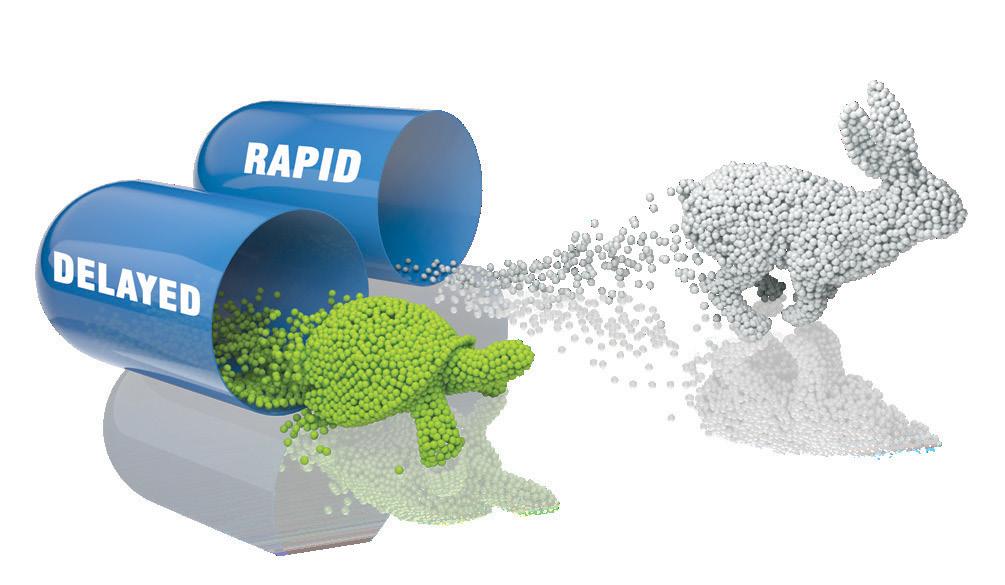
WEBINAR REPORT
Chronic spontaneous urticaria
Pathogenesis, diagnosis and stepwise management
To
CHRONIC SPONTANEOUS
URTICARIA (CSU) is a condition that extends far beyond skin-deep discomfort. Affecting patients for six weeks or longer without an identifiable external trigger, CSU can severely disrupt sleep, work productivity, and overall quality of life – yet it remains frequently mismanaged in clinical practice. Dr Imraan Jhetam recently presented Part 1 of iNova's Practical Dermatology – a three-part dermatology case-study series.
PATHOGENESIS
The mast cell is the primary effector cell in CSU. Upon activation, it releases pre-stored mediators such as histamine, as well as newly synthesised mediators including platelet-activating factor (PAF). These trigger pruritus via nerve activation, produce the characteristic wheals through vasodilation and plasma extravasation, and recruit inflammatory cells that sustain the disease process.
Two immunological subtypes are now recognised. In Type 1 (autoallergic) CSU, autoreactive IgE antibodies target self-
antigens such as thyroid peroxidase and thyroglobulin, and patients typically show elevated total IgE. This subtype often responds well to anti-IgE therapy. In Type 2B (autoimmune) CSU, IgG autoantibodies target IgE or the high-affinity IgE receptor (Fc RI) on mast cells. These patients may have a positive autologous serum skin test, normal or low total IgE, and may respond better to immunosuppressants such as ciclosporin.
CLINICAL RECOGNITION
Urticarial wheals classically resolve within 24 hours. Lesions persisting beyond this, or those that are painful or burning, should raise suspicion of urticarial vasculitis, warranting a skin biopsy. In patients with darker skin tones, erythema may be less apparent – clinicians should look for oedema and surface texture changes instead. Investigations should be guided by history rather than performed routinely. Targeted tests may include a full blood count, thyroid function and thyroid antibodies, antinuclear antibody, and inflammatory markers. Broad allergy
IBS management
The role of probiotics in line with WGO guidelines
I
RRITABLE BOWEL SYNDROME
(IBS) affects approximately 10% of the global population – roughly one in 10 individuals – making it one of the most commonly encountered conditions in both primary care and gastroenterology practice. Yet it remains frequently mismanaged: either over-investigated or inadequately treated. In a recent CPD-accredited webinar sponsored by Shanur, consultant gastroenterologist Dr Peter Barrow offered a clinically grounded review of current World Gastroenterology Organization (WGO) guidance on IBS, with a particular focus on the evidence base for probiotics. Before a diagnosis of IBS can be confidently made, red-flag features must be actively excluded. Dr Barrow emphasised that dysphagia, rectal bleeding, unexplained weight loss, anaemia, new persistent change in bowel habit (particularly in patients over 40), raised inflammatory markers, and new extraintestinal features such as arthritis or uveitis all warrant further investigation. Failure to investigate alarm features carries medicolegal risk. In the absence of red flags, IBS should be made as a positive diagnosis once the Rome IV criteria are satisfied: recurrent abdominal pain on at least
Please
testing is not indicated unless the history specifically suggests a trigger. Disease activity should be monitored using validated patient-reported outcome tools: the Urticaria Activity Score over seven days (UAS7, maximum 42), the Urticaria Control Test (UCT, maximum 16), and the Dermatology Life Quality Index (DLQI, maximum 30). No reliable blood biomarker exists to monitor disease activity or treatment response.
STEPWISE MANAGEMENT
Management follows a guidelinedriven escalation approach. Secondgeneration H1 antihistamines – such as rupatadine, desloratadine, levocetirizine, or bilastine – form the foundation of therapy. Rupatadine carries the added benefit of PAF antagonism. If standard dosing is insufficient, the dose may be increased up to four times the licensed dose in a stepwise fashion. For patients who remain uncontrolled, omalizumab 300mg subcutaneously monthly is the recommended biologic add-on. Should omalizumab prove inadequate, ciclosporin

is a guideline-supported option, requiring monitoring of blood pressure, creatinine, and lipid profile. Short courses of systemic corticosteroids – such as prednisone 30mg tapered over ten days – may be used as rescue therapy for severe exacerbations but must not be employed long term.
EMERGING THERAPIES
The therapeutic landscape is expanding. Dupilumab, a subcutaneous IL-4/IL-13 pathway inhibitor, has recently received approval for CSU. Remibrutinib, an oral Bruton tyrosine kinase (BTK) inhibitor dosed at 25mg twice daily, represents the first approved agent of its class for CSU. Additional agents in development include baszovolumab, a monoclonal antibody targeting the c-KIT receptor to deplete mast cells, and next-generation antiIgE antibodies. Cost and access remain significant barriers, particularly in the South African context.
Part 2 of the Practical Dermatology series will address superficial basal cell carcinoma.
To view the replay of this webinar, visit https://event.webinarjam.com/9pqmp/go/replay/m26v2uz0rf2q7bmokbg
one day per week over the preceding three months, associated with a change in stool form or frequency and related to defecation.
Dr Barrow cautioned against reflexive endoscopy in typical IBS. The WGO recommends targeted baseline investigations: a full blood count, C-reactive protein, thyroid function tests where constipation predominates, and coeliac serology. Crucially, faecal calprotectin –which Dr Barrow described as 'the full blood count for gastroenterologists' – is the key non-invasive test for patients with abdominal pain and diarrhoea.
A normal result makes gut inflammation unlikely and supports a clinical IBS diagnosis without colonoscopy. Colonoscopy should be reserved for patients with alarm features, elevated calprotectin, or those meeting the
Please contact John.Woodford@media24.com once you have watched the recording.
appropriate age threshold for colorectal cancer screening.
A FOUR-PILLAR MANAGEMENT FRAMEWORK
WGO guidance frames IBS management around four pillars: dietary intervention, lifestyle modification, gut–brain therapies, and symptomatic medical treatment. Dietary approaches include low-FODMAP strategies and fibre modulation. Lifestyle measures encompass at least 150 minutes of physical activity per week and attention to sleep hygiene. Gut-brain therapies –including cognitive behavioural therapy (CBT) and biofeedback – are particularly relevant given the bidirectional relationship between psychological factors such as stress, anxiety, and catastrophising, and visceral pain perception. Pharmacological


therapy is considered only after these foundational pillars are addressed.
STRAIN SPECIFICITY MATTERS
Probiotics form a recognised component of the dietary pillar in IBS management. However, Dr Barrow was emphatic: the evidence is entirely strain-specific, and pooling all probiotics yields no consistent benefit. Clinicians must consider the species, strain, dose in colony-forming units (CFU), and survivability through gastric acid and bile.
Among the strains with the most reproducible evidence is Lactilactobacillus plantarum LP-229V, which has demonstrated statistically significant improvements in abdominal pain, bloating, and the sensation of incomplete evacuation in randomised controlled trials at doses of approximately 10 billion CFU. Proposed mechanisms include upregulation of mucosal barrier proteins (MUC2 and MUC3), strengthening of tight junctions to reduce intestinal permeability, and immunomodulatory effects including increased IL-10 and reduced IL-8 and TNF. Bifidobacterium infantis 35624 similarly carries strain-specific evidence for global IBS symptom improvement.
From the past to the future
I Irritable bowel syndrome
RRITABLE BOWEL SYNDROME
(IBS) affects approximately 6% of the South African population and represents one of the most frequently encountered functional gastrointestinal disorders in primary care and specialist practice. A recent Acino-sponsored webinar, IBS: From the Past to the Future, presented by gastroenterologist Dr Nazier Chopdat, offered a comprehensive clinical overview of the condition, from pathophysiology through to emerging therapies.
A DISORDER OF THE BRAIN–GUT AXIS
IBS is now firmly classified as a disorder of the brain–gut axis – a bi-directional network of neuronal, hormonal, immune, and microbial pathways. Visceral hypersensitivity, altered intestinal motility, increased mucosal permeability, microbiome dysbiosis, and immune activation all contribute to symptom generation. Psychological comorbidities – including anxiety, depression, and chronic stress –frequently precipitate or perpetuate IBS, and must be addressed as part of holistic management.
The Rome IV criteria (2016) define IBS as recurrent abdominal pain occurring at least once per week during the preceding three months, associated with two or more of the following: pain related to defecation,
To view the replay of this webinar, visit https://event.webinarjam.com/9pqmp/go/replay/519k1unn2c3zpbzw5av Please contact John.Woodford@media24.com once you have watched the recording.

a change in stool frequency, or a change in stool form – with symptom onset at least six months prior to diagnosis.
Subtyping by predominant bowel habit – using the Bristol Stool Form Scale and a two-week stool diary – guides treatment selection. The four subtypes are IBS with constipation (IBS-C), IBS with diarrhoea (IBS-D), mixed IBS (IBS-M), and unclassified IBS (IBS-U).
Alarm features must always be actively sought, including rectal bleeding, unintentional weight loss, progressive dysphagia, family history of inflammatory bowel disease (IBD) or colorectal cancer, nocturnal symptoms, and objective signs of systemic disease. A positive diagnostic strategy – rather than purely exclusionary testing – is recommended. Baseline investigations should include a full blood count, C-reactive protein, coeliac serology, and faecal calprotectin. Calprotectin values below 50µg/g are reassuring for a non-
Beyond muscles
Magnesium in immunity and metabolic health
MAGNESIUM IS THE fourth most abundant mineral in the human body, yet its clinical significance is frequently overlooked. In a compelling webinar, Dr Gary Hudson made a persuasive case for placing magnesium at the centre of everyday clinical practice. This webinar was sponsored by P&G Health. Total body magnesium is approximately 25g (~1,000mmol), with roughly 60% stored in trabecular bone and 40% distributed across muscle, brain, organs and bone marrow. Critically, only about 1% is extracellular, which means that the routine serum magnesium test measures a fraction that is poorly reflective of true body stores. The normal serum range is approximately 0.7–1.05mmol/L, but Dr Hudson argued that functional deficiency may begin as low as 0.75mmol/L, while clinical symptoms typically only emerge below 0.5mmol/L. Red blood cell magnesium, he noted, provides a more accurate intracellular marker.
Perhaps the most striking statistic shared was that 90% of patients with
inflammatory aetiology, while levels above 400µg/g strongly suggest IBD and warrant further evaluation. Colonoscopy should be reserved for cases with alarm features or abnormal baseline results.
MANAGEMENT
Management begins with the therapeutic relationship itself – empathy, clear explanation of the brain-gut axis, and patient education form the foundation of care. Lifestyle interventions, including regular exercise and adequate sleep, are beneficial and should be recommended early.
Dietary modification follows a stepwise approach. Soluble fibre (psyllium) should be introduced at a low dose and titrated gradually for IBS-C. The low-FODMAP diet is a second-line dietary strategy effective in approximately 50% of patients, but requires dietitian oversight to prevent nutritional deficiencies. Peppermint oil, via calcium channel blockade, has demonstrated

efficacy for global IBS symptoms and abdominal pain, though caution is warranted in patients with gastro-oesophageal reflux.
PHARMACOTHERAPY BY SUBTYPE
For IBS-D, loperamide (2-16mg/day) improves stool consistency but has limited effect on pain. Rifaximin, administered as a two-week course, improves global symptoms and bloating, with pain improvement in approximately 40% of patients. For IBS-C, osmotic laxatives and secretagogues – including linaclotide, lubiprostone, plecanatide, and tenapanor – are effective options; a meta-analysis of 18 randomised controlled trials comprising approximately 10,000 patients ranked linaclotide highest for efficacy.
For pain and gut-brain modulation, low-dose tricyclic antidepressants and selective serotonin reuptake inhibitors serve as neuromodulators, while cognitive behavioural therapy and gut-directed hypnotherapy are strongly supported interventions, particularly in refractory or stress-related IBS. For patients experiencing predictable stress-related exacerbations, short-term rescue therapy combining an anxiolytic agent (chlordiazepoxide) with an antimuscarinic antispasmodic (clidinium bromide) may be considered to address both the central stress response and gut spasm simultaneously.
To view the replay of this webinar, visit https://event.webinarjam.com/9pqmp/go/replay/xq0nqall2uvqqa1zgc9 Please contact John.Woodford@media24.com once you have watched the recording.
low magnesium remain undiagnosed. In critically ill patients, the figure is even more alarming: more than 70% of those admitted to intensive care are magnesiumdepleted. The reasons are varied and often iatrogenic. Proton pump inhibitors (PPIs), loop and thiazide diuretics, aminoglycosides, cisplatin and anti-EGFR agents such as panitumumab, which is associated with a 35% increased risk of hypomagnesemia, all contribute to depletion. Alcohol excess, malabsorption syndromes, chronic kidney disease and poor dietary intake compound the problem further.
Dr Hudson introduced the Magnesium Depletion Score, a simple four-factor clinical tool incorporating current diuretic use, PPI use, heavy alcohol intake and renal function (eGFR). Each incremental point on the score is associated with approximately a 1.3-fold increase in the risk of cardiometabolic and neurodegenerative disease, with metabolic syndrome risk particularly elevated at a score of three or above. The score also correlates with worsened all-cause and
cardiovascular mortality, making it a valuable bedside risk stratification tool, particularly in settings where RBC magnesium testing is unavailable.
MULTI-SYSTEM CLINICAL IMPACT
The webinar outlined magnesium's expansive role across multiple organ systems. Cardiac manifestations of deficiency include prolonged QT interval, U waves, atrial and ventricular arrhythmias, and potentiation of digitalis toxicity. Preoperative oral magnesium supplementation for three days before coronary artery bypass grafting was shown to reduce postoperative arrhythmias by approximately 45%. In metabolic health, magnesium is integral to insulin signalling and glucose metabolism, with deficiency linked to insulin resistance, type 2 diabetes and dyslipidaemia. From an immunological perspective, magnesium is essential for lymphocyte activation via the LFA-1 adhesion pathway, T-cell and NK cell function, immunoglobulin synthesis and macrophage activity.

Deficiency has been associated with thymic atrophy and impaired antiviral immune responses.
PRACTICAL MANAGEMENT
For acute, symptomatic hypomagnesemia intravenous magnesium sulphate remains the treatment of choice. For chronic repletion, Dr Hudson recommended sustained-release oral formulations, noting that only approximately 33% of an oral dose is typically absorbed. Magnesium glycinate, citrate and aspartate are generally better tolerated than oxide or sulphate formulations, which carry a higher risk of osmotic diarrhoea. He also advised co-supplementing with vitamin D, as magnesium is required at multiple steps of vitamin D activation. Dietary counselling should encourage magnesium-rich foods, including spinach, chard, kale, legumes, nuts, seeds, whole grains, avocado, banana and tuna, with gentle cooking methods such as steaming or blanching preferred to preserve magnesium content.
WEBINAR REPORT
Protecting the youngest patients
Advances in RSV prevention
THIS ARTICLE IS based on a Sanofi-sponsored webinar presented by Prof Shabir Madhi, Dean of the Faculty of Health Sciences and Professor of Vaccinology, University of the Witwatersrand, and director of the South African Medical Research Council Vaccine and Infectious Diseases Analytics Research Unit. Respiratory syncytial virus (RSV) remains one of the leading causes of acute lower respiratory tract infection (LRTI) in children under five years of age globally. Each year, RSV is responsible for approximately 33 million LRTI episodes in this age group, with roughly 10% of cases requiring hospitalisation, nearly one million resulting in severe hypoxaemia, and an estimated 100 000 deaths.
The burden falls disproportionately on the youngest infants. Approximately 50% of all RSV hospitalisations and just under 50% of RSV-related deaths occur in infants under six months of age, with the median age of hospitalisation at two to three months and the peak incidence at one month of life. South African data from the Drakenstein cohort in Cape
Town corroborate this pattern, with RSV accounting for 15% of all-cause hospitalisations in the first two years of life, 20% of hospitalisations in infants under six months, and approximately 40% of LRTI hospitalisations up to 60 months of age.
Two prevention strategies have now demonstrated substantial efficacy in protecting infants during this critical window: long-acting monoclonal antibodies and maternal vaccination with a bivalent pre-fusion F (pre-F) protein RSV vaccine.
LONG-ACTING MONOCLONAL ANTIBODIES
Nirsevimab, a long-acting monoclonal antibody targeting the pre-F antigenic site, has a half-life of approximately 74 days, enabling a single dose to provide protection for up to six months. In pivotal phase 3 trials, efficacy against medically attended RSV LRTI was approximately 70% in preterm infants (29-35 weeks gestational age) and approximately 75% in term infants. Combined analyses demonstrated an approximately 80% reduction in RSV LRTI hospitalisation, an


approximately 86% reduction in very severe RSV LRTI, and approximately 90% efficacy against RSV LRTI requiring ICU admission or mechanical ventilatory support. Realworld data from Europe and the United States are consistent with these findings, showing approximately 80% reductions in both RSV-related emergency department visits and hospital admissions, and a 76% reduction in ICU admissions. Importantly, similar effectiveness has been observed in infants with comorbidities, including chronic lung disease and congenital heart disease. Benefits extend beyond RSV: a 35% reduction in all-cause LRTI and a 25% reduction in antibiotic use have been reported among recipients.In South Africa, nirsevimab is licensed for infants under 12 months of age, dosed at 50mg for infants
Severe asthma in primary care
Recognising the preventable burden
SPEAKING FOR WORLD ASTHMA
DAY 2026, Prof Ismail Kalla, pulmonologist, critical care specialist, and academic head of the Department of Internal Medicine at the University of the Witwatersrand, outlined the scale of the problem and the practical steps primary care clinicians can take to reduce the burden. This webinar was sponsored by AstraZeneca. Asthma deaths are not distributed evenly across the globe and 96% occur in low- and middle-income countries (LMICs). South Africa bears a disproportionate share of this burden. Despite its moderate asthma prevalence, the country ranks third globally in asthma death rates – a statistic Prof Kalla described as unacceptable, particularly given that these deaths are largely preventable with access to appropriate antiinflammatory therapy.
THE SABA PROBLEM
A central driver of poor outcomes is over-reliance on short-acting beta2 agonists (SABAs). SABAs provide rapid bronchodilation but carry no antiinflammatory effect, and their overuse is directly associated with increased exacerbation risk and acute healthcare
utilisation. Data from Schatz et al. demonstrate that adults dispensed two or more SABA canisters within six months – and children dispensed three or more within 12 months – face a greater than twofold increased risk of severe exacerbation requiring emergency care or hospitalisation. Prof Kalla highlighted South African data from the SABINA III cohort showing that over-the-counter SABA purchasing, without a prescription, compounds this risk further.
PERCEPTION DOES NOT EQUAL CONTROL
Patients are frequently unreliable judges of their own disease severity. The INSPIRE study, a structured telephone interview of 3 415 adults prescribed regular maintenance therapy across 11 countries, found that the majority of participants rated their asthma control as at least 'very good,' despite objective assessment using the Asthma Control Questionnaire (ACQ) revealing that their asthma was only partly controlled or uncontrolled. Critically, these same patients escalated their SABA use early during periods of deterioration but delayed increasing their inhaled corticosteroid (ICS) dose – a behavioural pattern that directly increases exacerbation risk.
Exacerbations beget exacerbations. Miller et al. demonstrated that a recent asthma exacerbation is a strong independent predictor of future events, with an unadjusted odds ratio of approximately six, remaining significantly elevated even after adjustment for baseline clinical characteristics and GINA severity. Interrupting this cycle early with anti-inflammatory therapy rather than bronchodilation alone is therefore a clinical priority.
THE EVIDENCE FOR ICS–FORMOTEROL
The SYGMA and Novel START trials established that as-needed budesonide–formoterol in mild asthma is non-inferior to twice-daily budesonide for the rate of severe exacerbations over 52 weeks,

weighing less than 5kg and 100mg for those weighing 5kg or more, and may be coadministered with routine vaccines.
MATERNAL VACCINATION
The bivalent RSV pre-F maternal vaccine confers protection via transplacental transfer of neutralising antibodies, producing 11-14-fold higher antibody concentrations at birth in infants of vaccinated mothers compared with those born to unvaccinated mothers. Pivotal trial data demonstrate approximately 70% efficacy against medically attended RSV LRTI through 280 days of age, and approximately 50% reduction in all-severity medically attended LRTI. In South Africa, administration is recommended from 28 weeks’ gestation.

while delivering approximately one quarter of the cumulative inhaled corticosteroid exposure. This evidence base underpins the GINA 2020 update – reaffirmed in GINA 2024/2025 – which explicitly states that SABA-only treatment is no longer recommended. As-needed low-dose ICSformoterol is now the preferred reliever strategy across multiple severity steps, and the single-inhaler maintenance-and-reliever therapy (MART) approach has been shown to reduce exacerbations, improve lung function, and improve symptom control.
WHAT PRIMARY CARE MUST DO
Prof Kalla's message was unambiguous: no patient with asthma should be on SABA monotherapy. Every patient requires ICS-containing therapy, with ICS–formoterol as the preferred reliever. Clinicians should confirm diagnoses with spirometry, use objective tools such as the ACT or ACQ to assess control, check inhaler technique at every visit, and provide written asthma action plans. At a policy level, Prof Kalla called on clinicians to advocate for the inclusion of fixed-dose ICS-LABA combinations on South Africa's Essential Medicines List and publicsector formulary.
Transitioning from sick care to healthcare
Technology and AI enabled
PROFOUND PARADOX. We built a healthcare system that primarily responds to sickness rather than proactively monitoring health and preventing illness. This is a fundamental misalignment. We created a sick care system that awaits a breakdown before any intervention.
We built a system focused on extending lifespan rather than enhancing lifespan. Our current healthcare system operates as a repair model. We prescribe intervention when symptoms appear.
The transition from the recent healthcare crisis, marked by the Covid-19 pandemic, to future delivery models is defined by a shift toward resilient, digitally enabled, patient-centred care.
The future of healthcare is moving away from reactive episodic treatment towards proactive personalised and value-based care with significant integration of AI and virtually decentralised services.
We are witnessing a transition from fragmented, disruptive healthcare markets to a more integrated and functional future. This shift is driven by the urgent need to address systemic inefficiencies, rising costs and poor patient experiences caused by siloed care. It aims to reduce the burden of chronic disease and improve overall patient outcomes by focusing on wellness, rather than simply treating acute problems. Key aspects of the transition:
• From reactive to proactive – focus on prevention
• Predictive analytics – data analytics are increasingly used to identify risks early, allowing for interventions before disease progresses.
• AI and digital tools – technology is being leveraged to enable predictive, preventive healthcare.
• Empowering patients – to take charge of their own healthcare.
• Value-based care – the focus is moving towards measuring outcomes rather than the volume of services provided.
This evolution represents a fundamental reorientation of the healthcare landscape, moving away from primary reliance on hospitals for treating sickness towards a system of primary care before symptoms and illness set in.
Transitioning from sick care to smart care is not optional; it's a path to sustainable, equitable health. Moving from sick care to well care means shifting away from a predominantly hospital focus. The ultimate goal is to transition from a dizzying array of decentralised sectors to a cohesive network that provides user-friendly, highvalue and most importantly, patient-centred
care. Start-ups and consumer-focused retailers are forcing traditional providers to adopt new technologies to enhance patient experience and fill gaps in the medical infrastructure. This transformation is driven by a need for increased resilience, workforce sustainability and better patient outcomes.
THE TRANSITION FROM PAST CRISES TO THE FUTURE OF HEALTHCARE DELIVERY
Key aspects of the transition:
- From reactive to proactive: Focus on prevention
- Predictive analytics: Data analytics are increasingly used to identify risks early, allowing for interventions before disease progress
- AI and digital tools (technology): Technology is being leveraged to enable predictive, preventive healthcare
- Empowering patients: To take charge of their own healthcare.
- Value-based care: The focus is moving towards measuring outcomes rather than the volume of services provided.
This evolution represents a fundamental reorientation of the healthcare landscape, moving away from primary reliance on hospitals for treating sickness towards a system of primary care before symptoms and illness sets in. Transitioning from sick care to smart care is not optional, it’s a path to sustainable, equitable health. The change of moving from sick care to well care is moving away from a predominantly hospital focus. The ultimate goals is to transition from a dizzying array of decentralised sectors to a cohesive network that provides user-friendly, high value and most importantly, patient-centred.
Start-ups and consumer focused retailers are forcing traditional providers to adopt new technologies to enhance patient experience and fill gaps in the medical infrastructure. This transformation is driven by a need for increased resilience, workforce sustainability and better patient outcomes.
The transition from past crises to the future of healthcare delivery can be understood as follows:
A shift from crisis response to intelligent reinvention
- Previous challenge: (2020 – 2024)
Acute, reactive responses to pandemics, with severe workforce burnout, fragmented care and financial strain with high turnover rates [106.6% turnover over five years in some settings]
- Future delivery: (2026 – 2030)
Proactive intelligent reinvention with AI,
data and human insight coverage. Focus moves to long-term resilience, creating sustainable diagnostics, workflow automation, plus predictive analytics. AI is no longer an experiment, but a foundational capability, a trend for 2026 and beyond.
Meeting modern consumer expectations:
- The Amazon experience
Patients now expect a digital, consumercentred experience, including virtual scheduling, easy access to information and price transparency.
- Digital integration
Shift enables the use of interoperable data, allowing for smooth, real-time information exchange across the entire ecosystem, which is essential for modern efficient care.
- Multidisciplinary teams
Doctors, nutritionists, coaches, nurses work together to maintain optimal health, particularly for those with chronic, complex needs.
- Data-driven intelligence
Transitioning from evidence-based to intelligence-based medicine, using AI and big data, allows for faster, more accessible diagnoses and personalised treatment. Technology integration: From basic digitalisation to digital maturity
- Previous challenge: Rapid, fragmented adoption of telemedicine and tools, leading to interoperability gaps and data silos.
- Future delivery: digital maturity replaces rapid digitalisation with focus on optimising existing systems enhancing user experience for clinicians and fostering data interoperability.
• A key trend is the use of Agentic AI: autonomous agenda that performs complex, multi-step tasks (eg. billing, prior authorisation and administrative support) to alleviate workforce burdens.
SHIFT TO VALUE-BASED, PERSONALISED CARE
Emphasising the need for value, ie. higher outcomes against costs.
The future will see a gravitation to personalised medicine [P4 medicine]: Predictive, preventive, personalised and participatory.
- Future: care moves from outside of the four walls of the hospital to homes, retail clinics and community hubs.
- A key trend is virtual first and hybrid care models, are becoming standard.
EMERGING
OPERATIONAL TRENDS IN 2028

1. AI Powered health intelligence
Moving from descriptive analytics to predictive AI that anticipates disease decompensation (eg. COPD, diabetes)
2. Consumerism — Patients increasingly expect a digital-first healthcare experience similar to Amazon or Apple. This expectation is driving the growth of on-demand, direct-to-consumer health services that prioritise convenience, speed and accessibility.
3. By 2030: Digital twins will simulate patient physiology, while AI guided robotic systems embrace surgical precision.
KEY TRANSITIONS AND FUTURE DIRECTIONS
'From episodic to continuous care' (virtual and home based)
The pandemic accelerated telehealth from niche to mainstream, with an estimated 20% of outpatient consultations becoming virtual by 2025. The future centres on 'hospital at home' models and wearable technologies that enable realtime monitoring of chronic conditions, helping prevent complications before emergency care is needed. Future care is shifting towards personalised treatment plans based on generic profiling, lifestyle and environmental data, which is an enhancement of treatment efficacy.
1. From administrative overload to AI-driven efficiency
AI is being deployed to handle administrative tasks, documentation and routine tasks. AI is moving from simple automation to Agentic Systems that autonomously manage revenue cycles, medical records and claims.
2. Future model prioritises wellness and early detection over acute treatment. This involves using advanced data analytics to identify at-risk populations and intervene early.
3. The future requires data interoperability. A seamless data exchange between EHR and different care settings to provide a 360-degree view of the patient.
CONCLUSION
Real transformation requires coordinated system-wide change. Future healthcare delivery is proactive, technologyenabled and patient-centred. By 2026, this evolution, often described as Healthcare 5.0, emphasises AI-enabled data interoperability, prevention and personalised care. It demands a new reality of resilient operations, where digital maturity and data-driven insights are fundamental to delivering high-quality, accessible care.
Prof Morgan Chetty, Visiting Prof: Health Sciences, DUT chairman, IPAF, CEO: KZNDHC
PLACEBO
Renovation is a lifeline for deaf children
For children born with hearing loss, the ability to listen, speak, and connect with the world can shape the course of their lives. The Carel du Toit Centre has unveiled its newly renovated facilities, strengthening its ability to support deaf and hearing-impaired children during the most critical years of development
THE RENOVATION WAS unveiled and made possible through the support of the Rotary Club of Bellville (South Africa), and the Rotary Club of Bristol Breakfast (United Kingdom), the National Lottery Commission, Janie Mouton Foundation and leading furniture retailer Lewis Group.
The upgrade strengthens the Centre’s capacity to support children at the earliest stage, when intervention has the greatest impact on their ability to communicate, learn, and thrive.
At its core, the project reflects the power of sustained collaboration, particularly the longstanding partnership between Rotary Clubs in Bellville and Bristol Breakfast, which has evolved in the last decade into a model of international cooperation in action.
Rotary’s involvement has helped improve the facilities and expand the programmes that children and families rely on every day. Together, the partnership demonstrates how shared purpose can translate into tangible, life-changing outcomes. “Our partnership shows just what can be achieved when communities come together with a shared commitment to service and opportunity. The impact is seen not only in the facilities, but in the futures of the children who benefit from them every day,” says President, Pieter van der Walt from the Rotary Club of Bellville.
THE SOUND OF EARLY-STAGE CHANGE
Based at Tygerberg Hospital in Cape Town, the Carel du Toit Centre, together with its CHAT Early Intervention Centre, continues to champion early diagnosis and intervention as the most decisive factor in a child’s development. Its listeningand-spoken-language approach is rooted in natural language acquisition and maximises the critical early years of brain development.
Through audiology services, speech and occupational therapy, parent coaching, and family-centred support, children with hearing loss are given the opportunity to develop spoken language skills that enable them to participate more fully in everyday life. “Early intervention changes everything. When children are identified and supported early, their communication skills and in turn it changes the entire trajectory of their lives, and those of their families,” comments Louise Eksteen, director at the Carel du Toit Trust.
The launch also marks the return of Sue Petersen to Rotary Club of Bristol Breakfast.

Peterson’s personal journey has become closely intertwined with the Centre’s history and growth, after her son, Hughan, was diagnosed deaf at 14 months old and became one of the earliest children to receive cochlear implant support in South Africa in the early 1990s.
What began as a moment of profound uncertainty for her family evolved into a lifelong commitment to advocacy and support for deaf children and Peterson’s involvement ultimately helped spark the connection between Rotary Bristol Breakfast and the Rotary Club of Bellville, forming the international partnership that continues to support the Centre today.
Reflecting on her journey, she explained that discovering the Carel du Toit Centre changed everything for her family.
“What we have achieved through partnership and shared purpose shows how powerful it is when people come together across countries to give children the ability to listen, speak, and thrive,” Louise adds.
While the renovation marks an important milestone, the centre emphasises that its work is ongoing, and as a specialised institution, it continues to face essential maintenance needs, including roof, plumbing, and long-term facility upkeep, costs that are often not
© Copyright Medical Chronicle 2026
EDITORIAL
EDITOR: Claire Rush McMillan
Claire.Rush@media24.com
NEWS WRITER: Nicky Belseck
Nicky.Belseck@media24.com
SUB-EDITOR: Gill Abrahams
EDITORIAL CONTRIBUTORS
Dr Ilhaam Mohamed, Prof Morgan Chetty.
LAYOUT & DESIGN: Naresh Budraj
ADVERTISING EXECUTIVES
Anel du Plooy - Tel: 082 786 9517
Anel.duPlooy@media24.com
Cindy Riederer - Tel: 082 492 0229
Cindy.Riederer@media24.com
DISTRIBUTION & SUBSCRIPTIONS
Rae Morrison
Email: Rae.Morrison@media24.com
Update your details here: www.medicalacademic.co.za
PUBLISHING TEAM
General Manager: Dev Naidoo
Head of Content & Digital Strategy: Varushka Padayachi
Production Manager: Angela Silver
Group Art Director: David Kyslinger
CONTACT
Johannesburg Office
Building 13, The Woodlands Office Park, 20 Woodlands Drive, Woodmead, Sandton PO Box 784698, Sandton 2146 +27 11 867 6111
COVER PRICE
Medical Chronicle per issue R60.00 VAT Incl.
covered through traditional funding streams.
In addition, the centre relies on philanthropic and corporate support to sustain its core services, including therapy, audiology, educator training, and family support programmes. It is now calling on businesses and donors to consider long-term partnership models that ensure sustainability beyond capital upgrades.
Initiatives such as ‘Sponsor a Child’ offer meaningful opportunities for individuals and companies to contribute directly, with potential BBBEE recognition benefits for corporate partners.
“While this renovation is an important milestone, the daily work of changing children’s lives depends on sustained support. We invite and challenge businesses and other partners to join us in building facilities, and shaping futures,” adds Nicky Jacobs, head of fundraising at Carel du Toit Trust
The Carel du Toit Centre, and CHAT Early Intervention Centre supported by the Carel du Toit Trust, remains one of South Africa’s leading institutions for listening and spoken language development. Its work ensures that children with hearing loss are given the strongest possible foundation for communication, learning, and long-term independence.
Published by Media24 B2B
Printed and bound by Novus PrintMontague Gardens, Cape Town
MEDIA24 MEDIA
CEO: Minette Ferreira
CFO: Lana Goliath
MEDIA24 CORPORATE
CEO MEDIA24: Raj Lalbahadur
CFO MEDIA24: Nelmarie Beyers
Unless previously agreed in writing, Medical Chronicle owns all rights to all contributions, whether image or text.
SOURCES: Gettyimages, supplied images, editorial staff. Articles are created with the assistance of artificial intelligence (AI) tools to aid in research and drafting. The content has been reviewed and edited by a human expert for quality and reliability. While precautions have been taken to ensure the accuracy of its contents and information given to readers, neither the editor, publisher, or its agents can accept responsibility for damages or injury which arise therefrom. All rights reserved. © Medical Chronicle. No part of this publication be reproduced, stored in a retrieval system or transmitted in any form or by any means, photocopying, electronic, mechanical or otherwise without the prior written permission of the copyright owners. Attention African readers: Please note that some products might not be available in your region and product names could vary. Please contact your local distributors, agents or pharmaceutical companies concerned for any discrepancies.
Medical Chronicle has hosted many successful webinars over the past year. From product launches to CPD-accredited talks, we’ve done it. To be part of these popular events, hosted on a platform that requires no downloading, contact:
What we offer
• Hosting of a one-hour CPD-accredited or product webinar on a user-friendly platform
• Q&A session after the webinar, questions typed by attendees in the chat section

• Recording of the webinar
• Announcement and replay articles in print and online
• Announcement on social media
• Invitation mailers sent to our database