Bakery breakthrough
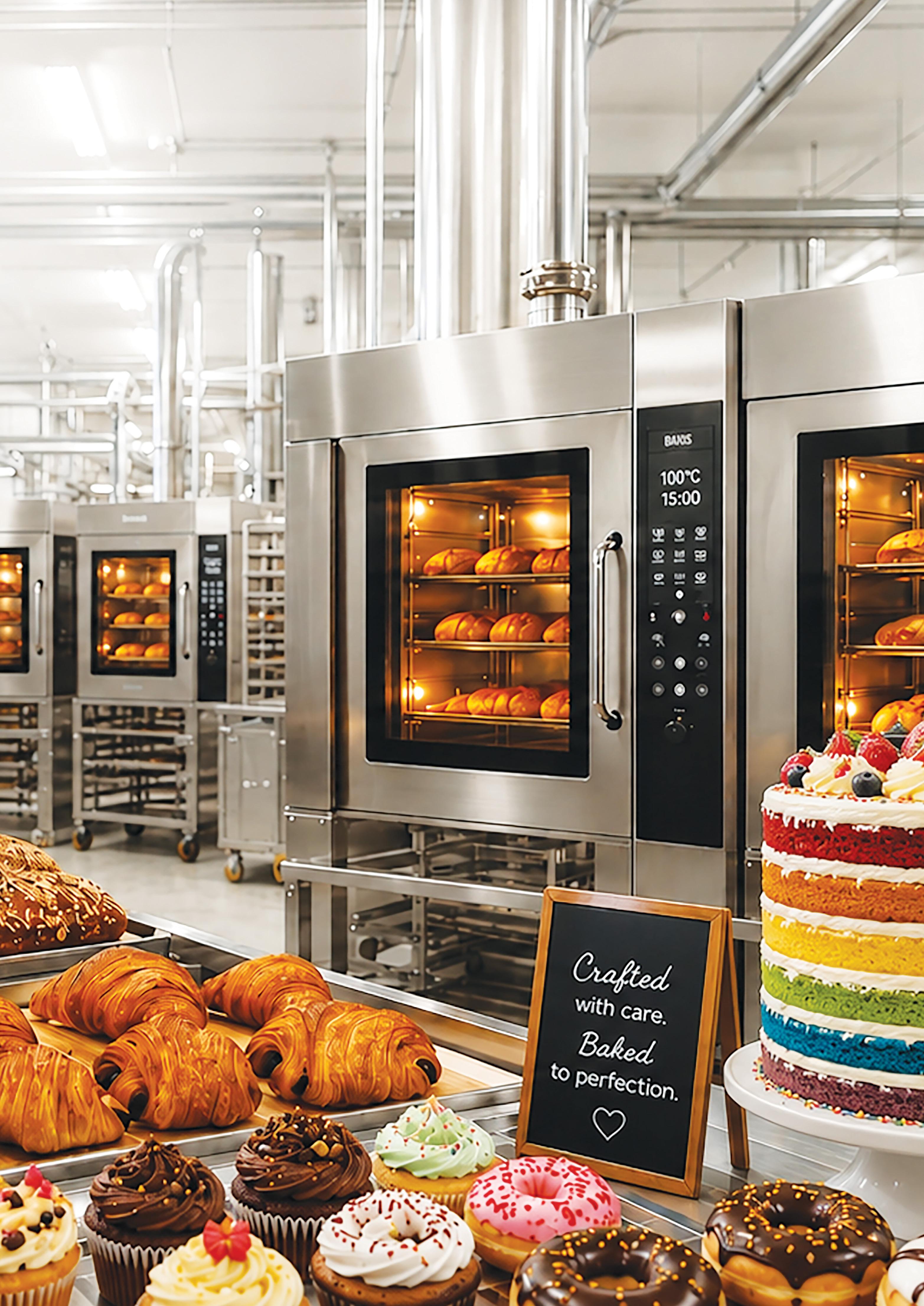
From clean-label leavening to plantbased butter innovations
• Gut health boom
• Protein – fortified hot beverages
• Chemical free testing
• Automated bag-closing






































































































7
WHAT’S NEW
Krispy Kreme collaborates with LANCEWOOD
Granadilla cheesecake chiller
Jacobs Origins Kenya & Uganda Beans
8
NEWS
TetraPak's big win in sustainable packaging
Manuchar acquires CJP PET wine packaging division
AGROPRO Africa 2028 announcement
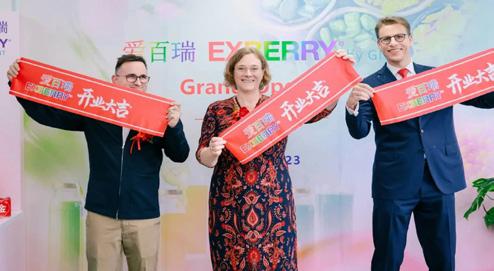
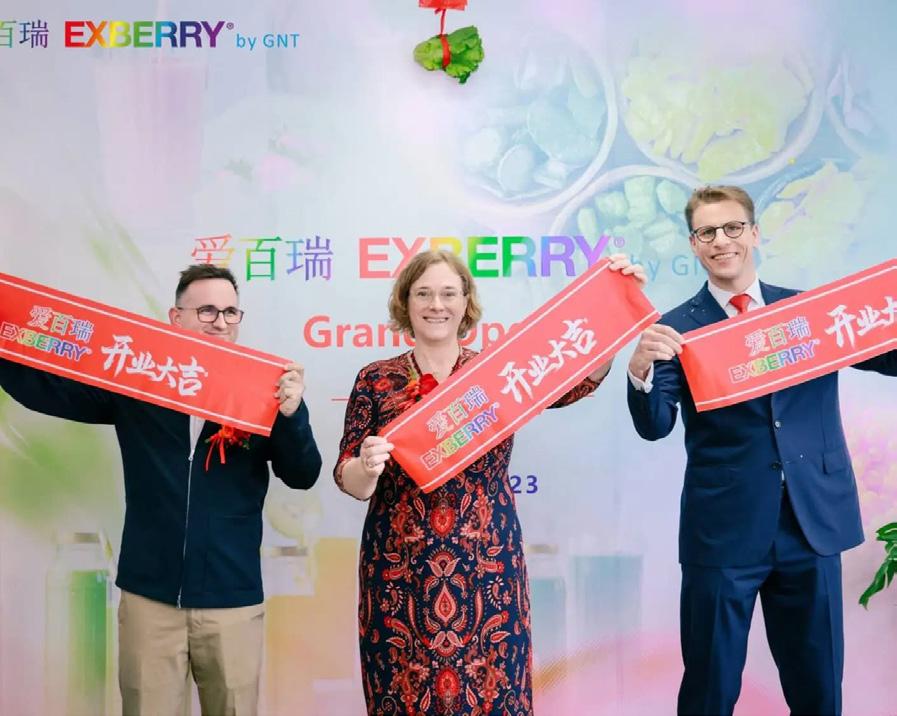
GNT opens sales & application office in Shanghai for EXBERRY colours
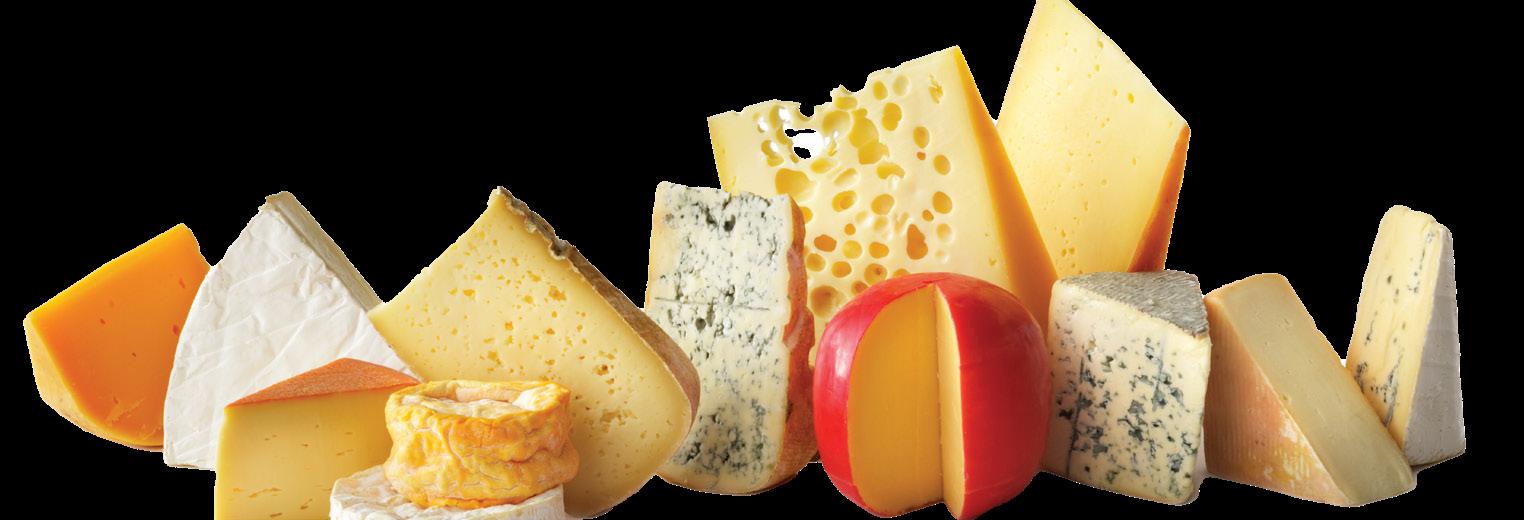
Woodlands Dairy acquires Ladismith Cheese

22
INDUSTRY TALK
How sodium reduction shifts sensory cues and flavour timing
Managing bitterness and mouthfeel in reduced-sodium formulations
Why no single solution can restore flavour across different product bases
9
PRECISION TESTING
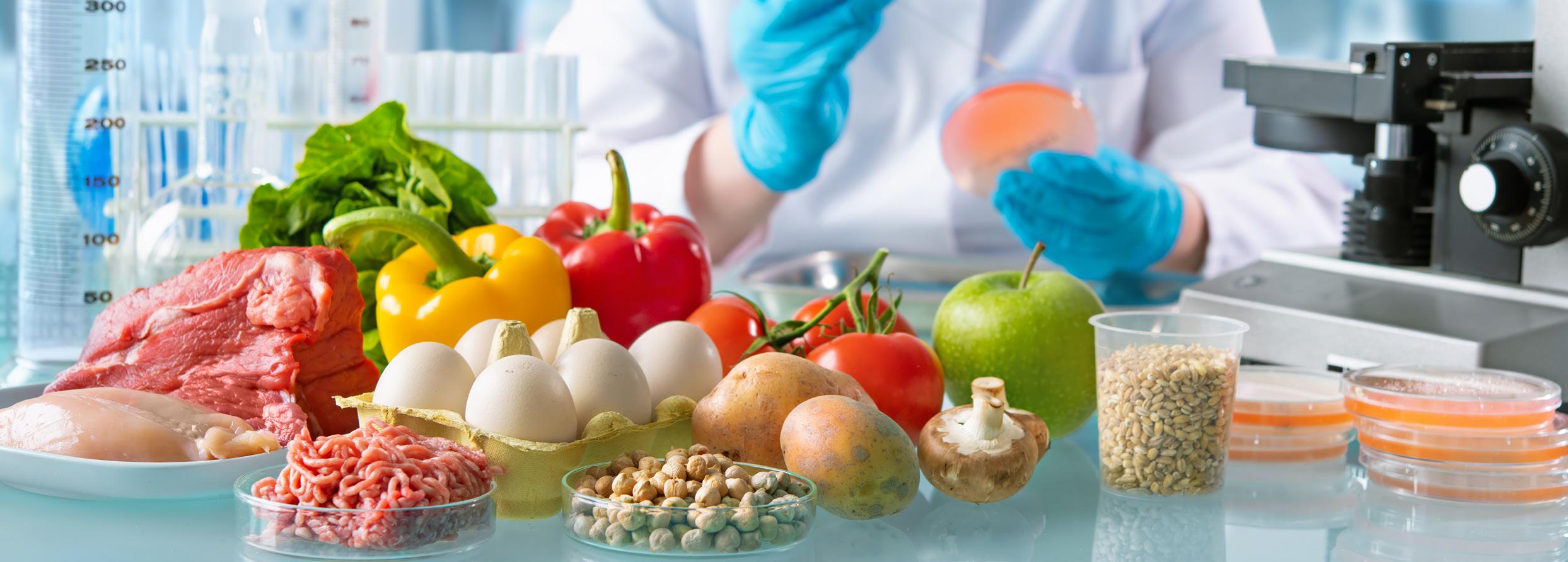
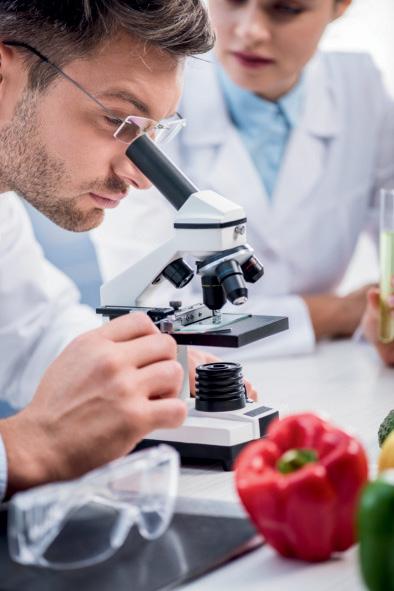
Comprehensive food testing services
Quality assurance and regulatory compliance solutions

10
COMPANY FOCUS
Solutions-driven industrial support
12
BAKERY
History and evolution of chemical leavening agents
Premixes, bread mixes & fruit toppings
Secondary and tertiary packaging trends in bakery
Steel belt solutions for baking operations


26
FUNCTIONAL INGREDIENTS
Gut health sodas
Traceability from grassland to customer
31
HOT BEVERAGES
Precision size reduction for coffee and tea extraction
Urschel Comitrol processors
34
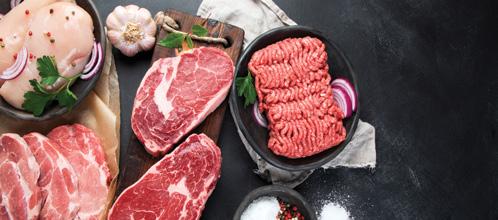
MEAT, FISH & POULTRY
Rapid quality control in under 30 seconds
36
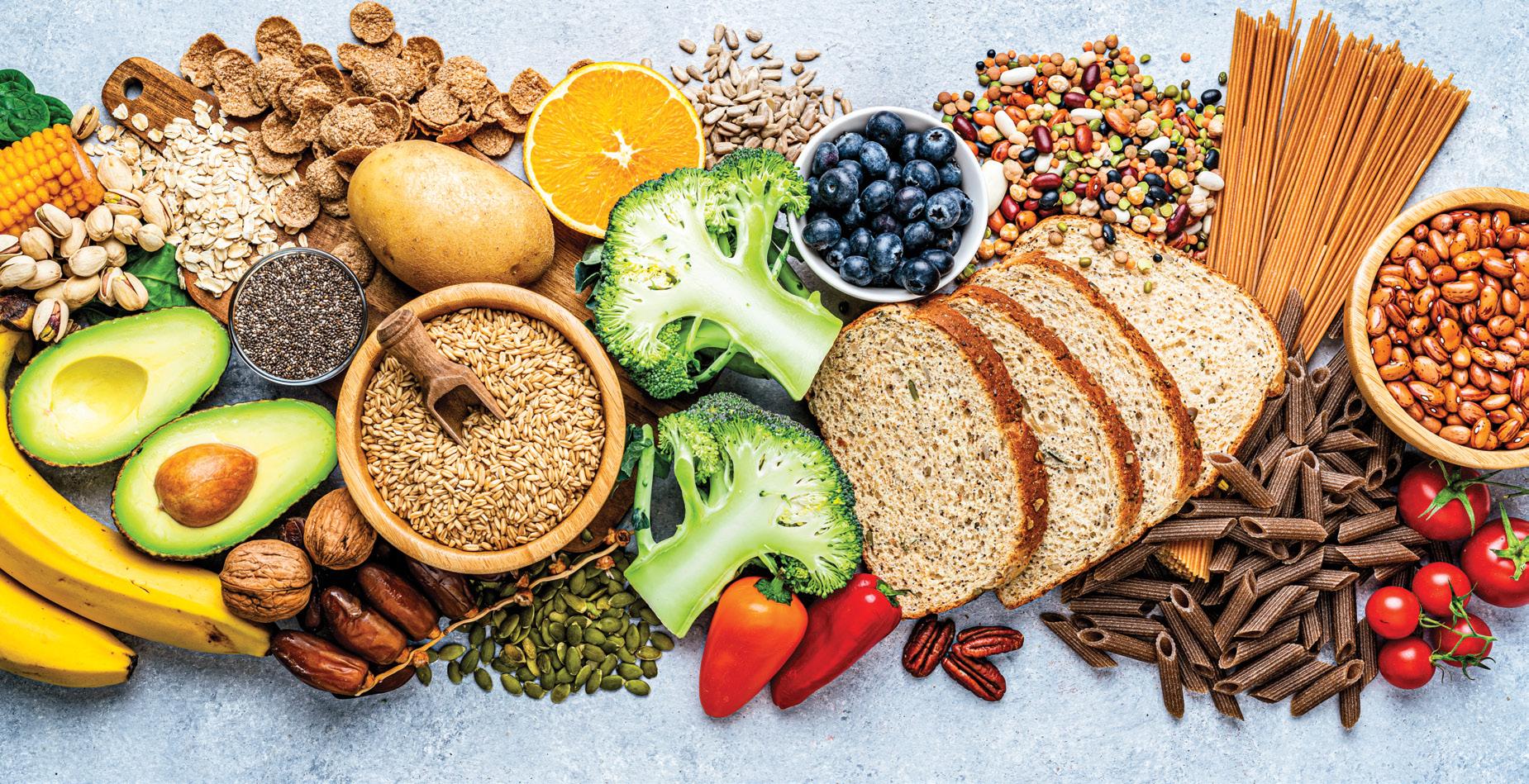
PACKAGING TECH
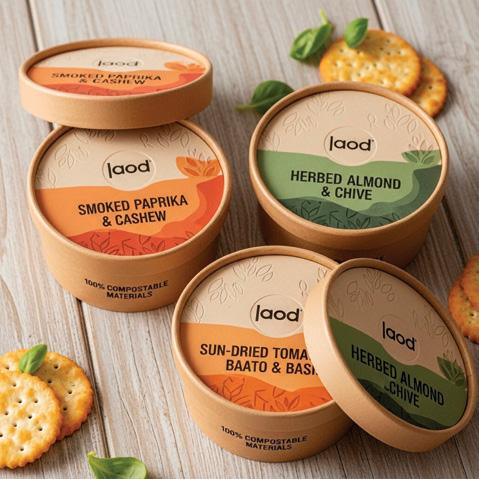
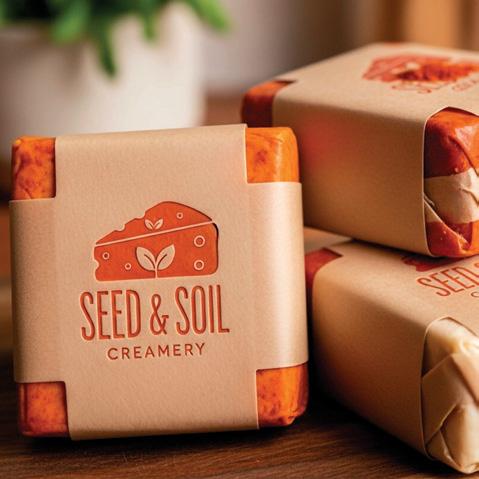
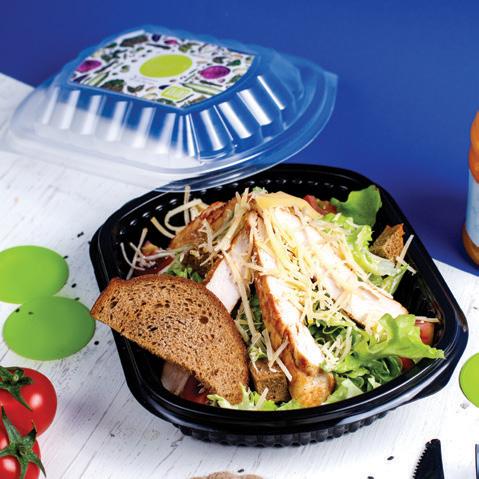
Small packs drive big changes
Navigating challenges, embracing innovation
While South African food manufacturers continue to grapple with a complex economic landscape marked by fuel price volatility and operational cost pressures, this May edition of Food Review demonstrates the industry's remarkable resilience and innovative spirit.
Despite food inflation reaching a 14-month low of 2.8% in April 2026—driven by robust domestic supplies in grains, fruits, and vegetables—manufacturers face mounting structural challenges. The recent R6.19 per litre diesel price increase has placed significant strain on production and logistics costs, with fuel accounting for approximately 13% of grain farmers' input costs alone. Companies like Astral Foods report absorbing these escalating expenses to shield consumers from immediate price hikes, though this approach remains unsustainable without long-term solutions.
Against this backdrop, our feature sections showcase how South African food manufacturers are innovating to maintain competitiveness while managing cost pressures. Our comprehensive Bakery section (pages 12-21) explores breakthrough technologies from clean-label leavening agents to plant-based butter alternatives, demonstrating how innovation can drive both consumer appeal and operational efficiency. Bunge's FlexiBetter and Design Baking Ingredients' quality-focused premixes exemplify solutions that deliver value without compromising standards.
The Functional Ingredients spotlight (pages 26-30) reveals how manufacturers are capitalising on health-conscious consumer trends, with Tirlán's advanced dairy proteins and Döhler's natural beverage systems offering premium positioning opportunities. Meanwhile, our Hot Beverages section (pages 31-33) examines protein fortification strategies that meet nutritional demands while maintaining sensory excellence.
As fuel costs threaten to impact food prices in the second half of 2026, the technologies featured in our Meat, Fish & Poultry (pages 34-35) and Packaging Tech (pages 36-38) sections—from rapid FT-NIR quality control to automated packaging solutions—offer pathways to enhanced efficiency and cost management.
This edition underscores that while external pressures persist, strategic innovation remains the key to sustainable growth in South Africa's dynamic food manufacturing landscape.
Kelebogile (Lebo) Nondzaba
EDITORIAL
Editor: Kelebogile Nondzaba +27 (0)78 175 9632 kelebogile.nondzaba@media24.com
Layout & Design: Tumi Kunene
Cover Image and current page: Chatgpt and Getty Images
ADVERTISING
Key Account Manager: Càndida Giambò-Kruger +27 (0) 71 438 1918
càndida.giambò-kruger@media24.com
INTERNATIONAL SALES
Germany/Austria/Switzerland:
Eisenacher Medien
Erhardt Eisenacher +49 228 249 9860 info@eisenacher-medien.de
Italy: Ngcombroker
Giacomo Rotunno +39 370 101 4694
g.rotunno@ngcombroker.com
Taiwan: Ringier Trade Media
Sydney Lai +886 4 2329 7318 sydneylai@ringier.com.hk
CIRCULATION
Circulation Manager: Rae Morrison Email: Rae.Morrison@media24.com
PUBLISHING TEAM
General Manager: Dev Naidoo
Head of Content & Digital Strategy: Varushka Padayachi
Production manager: Angela Silver
Production Controller: Mandy Ackerman
Group Art Director: David Kyslinger

MEDIA24 MEDIA
CEO: Minette Ferreira
CFO: Lana Goliath
MEDIA24 CORPORATE
CEO MEDIA24: Raj Lalbahadur
CFO MEDIA24: Nelmarie Beyers JOHANNESBURG OFFICE
Building 13, The Woodlands Office Park, 20 Woodlands Drive, Woodmead, Sandton PO Box 784698, Sandton 2146 Tel: +27 (0)11 713 9000
POSTAL ADDRESS PO Box 784698, Sandton, Johannesburg, 2146 At SA Food Review, we employ artificial intelligence (AI) software as part of our editorial workflow to assist with research processes and content refinement. While AI technology enhances our efficiency and capabilities, we maintain our commitment to journalistic integrity through rigorous human oversight. All content generated or refined using AI tools undergoes thorough review and fact-checking by our professional editorial team. Our human editors maintain full responsibility for the final review of all published content, ensuring adherence to the highest editorial standards and verifying that all information presented is accurate, factual, and aligned with our publication’s values. This human-led approach allows us to leverage innovative technology while upholding the quality and reliability our readers expect and deserve. Should you have any concerns regarding our use of AI please email the editor at: Kelebogile.nondzaba@newmedia.co.za





Càndida Giambò-Kruger
Account Manager


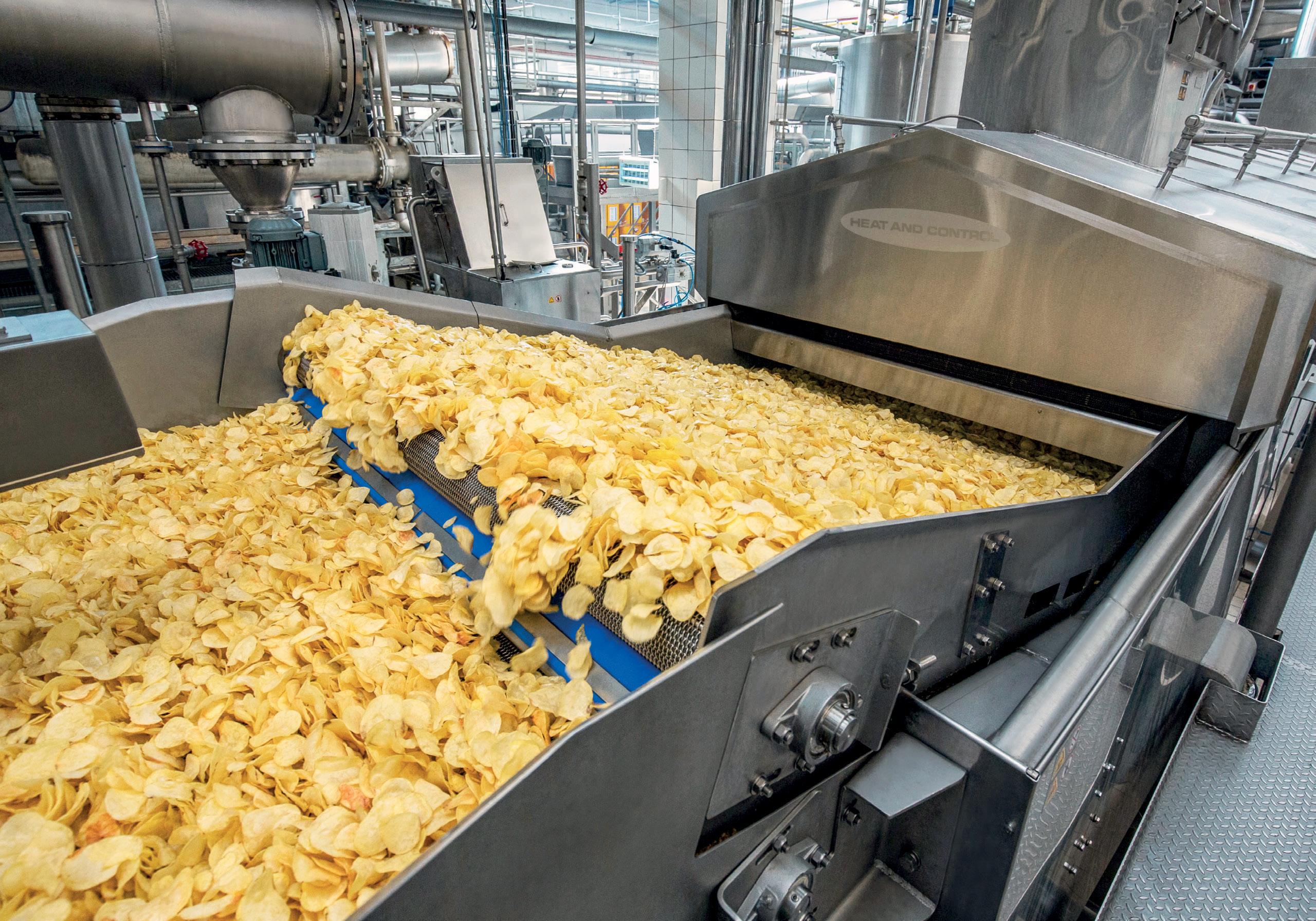
Delivering the ultimate in Potato Chip processing flexibility and quality
Precisely control temperature, product, and oil flow for superior potato chips with uniform colour and consistent finished moisture content. You can create custom temperature profiles with the same fryer to produce different styles for greater return on your equipment investment.
IDEAL APPLICATIONS:
Traditional potato chips
Ripple and wavy potato chips
Potato sticks


June
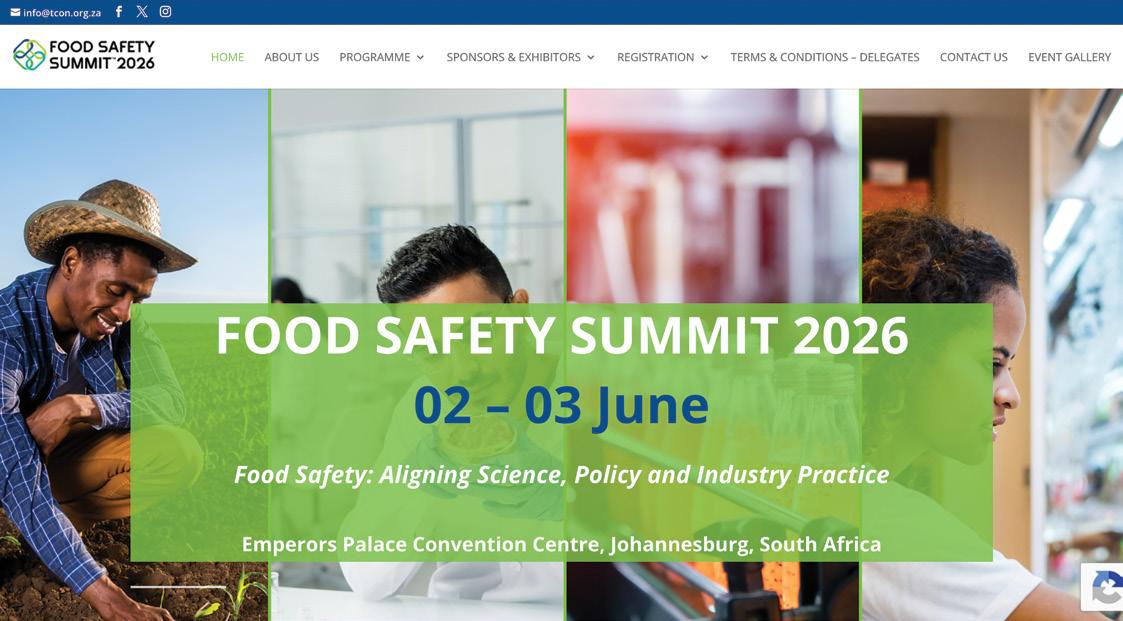
Food Safety Summit
2 – 3 June
Emperors Palace Convention Centre
Johannesburg, South Africa www.foodsafetysummit.co.za
Africa Food Show
10 – 12 June
Cape Town, South Africa www.theafricafoodshow.com
July
Africa Food Show Kenya 2026 19–21 August
Nairobi, Kenya www.africafoodshow.com
Vietfood & Beverage – ProPack 2026 6–8 August
Saigon Exhibition & Convention Centre www.foodexvietnam.com
July
AFMASS Food Expo 15 – 17 July
Kenya & East Africa www.afmass.com
FoodPro 26 – 29 July
MCEC Melbourne www.foodproexpo.com
IFT FIRST Annual Event and Expo 12–15 July
McCormick Place, Chicago, Illinois, USA www.ift.org/ift-first-event
Organic Produce Summit (OPS) 14–16 July
Monterey, California, USA www.organicproducesummit.com
NEW JACOBS ORIGINS KENYA & UGANDA BEANS LAUNCH THIS AFRICA DAY
As Africa Day approaches this May, Jacobs Coffee celebrates Africa’s rich coffee heritage with the launch of Jacobs Origins Kenya & Uganda Beans. This premium, origin-led blend highlights the craftsmanship and diversity of two of the world’s most influential coffee-producing nations: Kenya and Uganda. Africa contributes approximately 12% of global coffee production, with Uganda and Kenya playing pivotal roles in shaping the global coffee landscape. The launch of Jacobs Origins Kenya & Uganda Beans aligns with a growing consumer trend towards provenance, flavour exploration, and premiumisation in at-home coffee experiences. A shift in coffee culture.

LANCEWOOD® COLLAB WITH KRISPY KREME
Get ready to treat yourself as global icon Krispy Kreme Doughnuts and premium South African dairy producer LANCEWOOD® just unwrapped a collab in deliciousness.
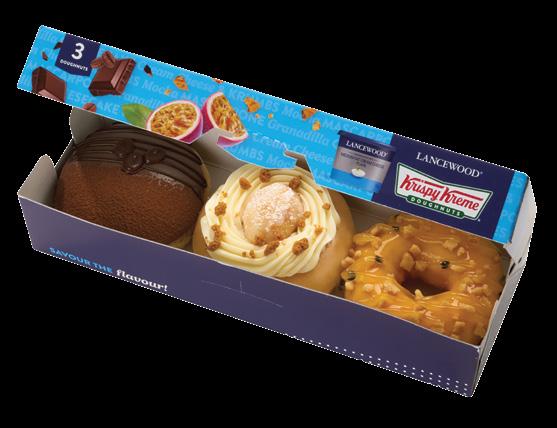
When two popular, and complementary, brands join creative forces to whip up a quartet of limited-edition treats, ultimate indulgence is guaranteed - the LANCEWOOD® x Krispy Kreme Doughnuts Trio Box features a Mocha Mascarpone doughnut, a Cream Cheese & Krumbs doughnut and a Granadilla Cheesecake doughnut. While the stand-alone Granadilla Cheesecake Chiller offers a refreshing, on-the-go iced dairy drink.
The doughnut 3-pack is dessert heaven in a box:
• The Mocha Mascarpone delivers rich, creamy, coffee-kissed bliss.

• The Cream Cheese & Krumbs blends smooth richness with a satisfying crunch.
• The Granadilla Cheesecake is vibrant, sweet, tangy, and irresistible.
Made fresh daily and perfect for sharing with the people you love most, or for treating yourself, three times, nobody is counting.
LANCEWOOD® is the market leader in soft cheese and was crowned SA Champion for its Full Fat Plain Cream Cheese at the SA Dairy Awards 2026. So, it is no surprise cream cheese features as a key ingredient in two of the doughnut collabs, with the LANCEWOOD® Mascarpone the secret to the third.
The Chiller beverage also showcases its cream cheese.
“We’re thrilled to part-
ner with Krispy Kreme, bringing together two beloved brands that share a commitment to quality and craft. This limited edition Krispy Kreme LANCEWOOD® Doughnuts range celebrates the best of both, creating the ultimate indulgence for our customers,” said JeanneMare Africa, LANCEWOOD® Marketing and Innovation Executive.
Visit, FoodReview for more

FROM VINEYARD TO VICTORY
Hasher Family Wines has been named Winery of the Year at the 2026 London Wine Competition, marking its second consecutive win. The title, awarded to the winery whose portfolio achieves the highest average score across all judged criteria, places Hasher at the top of an international field entries from 30 wine-producing nations. Leading the charge was the Ernest Pinot Noir 2024, which scored 99 out of 100 points, earning a Double Gold medal - the competition’s highest honour, reserved for wines that judges unanimously consider best in class. The 2024 Ernest also claimed Pinot Noir of the Year, Wine of the Year South Africa, and Wine of the Year. Equally, the 2023 Batrachella
Pinotage scored a staggering 99 points, while the Marimist Chardonnay 2024 was awarded 98 points. Both the 2023 Cyriel Cabernet Franc and 2025 Nauticus Sauvignon Blanc scored 95 points. For a winery established only in 2021, winning it twice signals something far more meaningful: consistency at the highest level. “We’ve always believed that quality isn’t a single moment — it’s something you build, vintage by vintage,” said Natasha Williams, winemaker at Hasher Family Wines. “Winning Winery of the Year back-to-back tells us that what we’re doing in the vineyards and in the cellar is truly consistent, and that matters to us more than any single score. Modern coffee drinkers are increasingly curious and intentional about their choices. They seek transparency in origin, unique flavour profiles, and products that tell a story. Jacobs Origins Kenya & Uganda Beans caters to this demand by combining two iconic African coffee traditions into one premium experience. “Consumers are increasingly looking for coffee that tells a story—where it comes from, how it is crafted, and what makes it unique,” says Domaine Rautenbach, Senior Brand Manager at Jacobs. “Jacobs Origins Kenya & Uganda Beans speaks directly to that shift by bringing together two iconic African origins to create a premium coffee experience rooted in flavour, quality, and authenticity.”
GNT STRENGTHENS ITS FOOTPRINT IN CHINA
GNT has opened a sales and application office in Shanghai to meet demand for plant-based EXBERRY® colours in China. GNT offers a full spectrum of EXBERRY® colour concentrates in China. They are made from non-GMO fruits, vegetables, and plants using physical processing methods and water. Under China's new official industry standard, these concentrates are classified as Colouring Foods and qualify for clean and clear label declarations such as "carrot colouring ingredient."
GNT has now opened its first dedicated office in China to help the country's food and beverage manufacturers create more natural products. The application laboratory will enable GNT to offer Chinese customers faster and highly tailored application support. It will provide a space for customer training sessions and workshops, as well as services including concept innovation, formulation support, and stability testing. Andreas Thiede, General Manager APAC at GNT Group, said: "Together, this office and application lab demonstrate our commitment and long-term strategic growth ambition in China." He added: "China is a dynamic market, with strong momentum behind natural and clean-label food and beverage products. Customers here move fast – and they expect partners to be able to move with them. Now, with a local team in place, we can support this growth with faster decisions, closer collaboration, and tailored solutions." Visit, foodreview.com for more

Why do foods lose so much character when sodium is reduced? Because sodium shapes the rhythm of flavour. It determines when savoury notes appear, how bitterness is managed and how a product feels from first taste to finish. When sodium is lowered, these sensory cues shift together, which is why reductions that look small on paper can feel significant on the plate or in the bowl. Why does reducing sodium today feel harder than it did ten years ago? Most products have already undergone years of silent optimisation. Each incremental cut pushed the flavour further from its original profile, meaning
THE SILENT SODIUM IMPACT
developers now start from a tougher baseline. Combine that with stricter front-of-pack labelling systems and rising consumer expectations, and sodium reduction has become a more complex, higher-stakes challenge than ever. What makes different bases react so differently when sodium comes down? Red, white and brown bases each carry their own mix of umami, acidity, aromatics and bitter compounds. Remove sodium and those compounds behave differently in each base. This is why one recipe suddenly tastes flat while another turns sharp, and why a universal solution cannot restore flavour across categories.

Visit, Food Review.com for more.
WOODLANDS DAIRY ACQUIRES LADISMITH CHEESE
Woodlands Dairy Group (Pty) Ltd is pleased to announce that the South African Competition Tribunal has approved its acquisition of 100% of Ladismith Cheese Company (Pty) Ltd, together with its subsidiaries, Ladismith Powder Company (Pty) Ltd and Mooivallei Suiwel (Pty) Ltd, from Sea Harvest Group Limited. The Tribunal’s approval, following a positive recommendation from the South African Competition Commission, marks the conclusion of the regulatory approval process in South Africa.
Sea Harvest Group previously issued a voluntary announcement regarding the successful disposal of Ladismith Cheese
Company and its subsidiaries (collectively “Ladismith”) to Woodlands Dairy Group. The transaction closed on 30 April 2026, with effect from 1 May 2026, when Ladismith officially became part of the Woodlands Dairy Group. “This is an important milestone for our business and supports our longterm growth strategy,” says Woodlands Dairy Group CEO, Helen McDougall. “Ladismith brings strong regional expertise and a complementary product offering, positioning us to expand our capabilities while continuing to deliver quality, value, and innovation to our customers. We look forward to a successful integration.”
Visit, foodreview.com for more
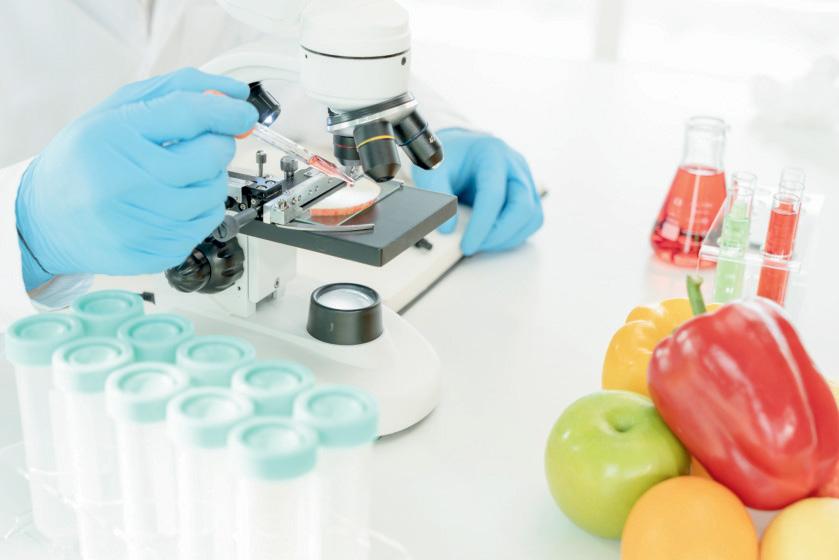
Precision testing protects health
In today’s world, where the safety and quality of food products are non-negotiable, laboratories providing testing services play

new, innovative products meet safety requirements, the lab’s capacity for innovation makes it a key partner in industries where precision and foresight are paramount.
MLS Laboratories offers a wide range of testing services, including food safety testing, nutritional testing, environmental testing, and the testing of products for harmful contaminants such as heavy metals, pesticides, and microbiological agents. The laboratory ensures that results are accurate, reproducible, and scientifically sound. This commitment
to quality is not just about meeting regulatory standards—it’s about safeguarding the well-being of individuals, communities, and ecosystems at large.
NATIONWIDE EXCELLENCE
MLS National Laboratory Services and Supplies is a fully ISO 17025 laboratory based in Midrand, KZN and Cape Town, with a significant footprint across South Africa.



Solutions-driven industrial support across South Africa’s key industries
South Africa’s industrial sectors continue to operate within increasingly demanding environments where efficiency, reliability and operational performance are critical to longterm success. Tegman Food Processing Equipment has established itself as more than an equipment supplier — the company continues to position itself as a trusted industrial partner focused on delivering practical solutions, technical expertise and long-term operational support across multiple industries.
Established in 2017, Tegman Food Processing Equipment has grown into a trusted supplier of industrial processing, screening, filtration and material handling solutions across South Africa.
Backed by more than 48 years of combined technical expertise and over two decades of industry experience, the company continues to build strong industry relationships through service excellence, customised support and a solutions-driven approach to industry.
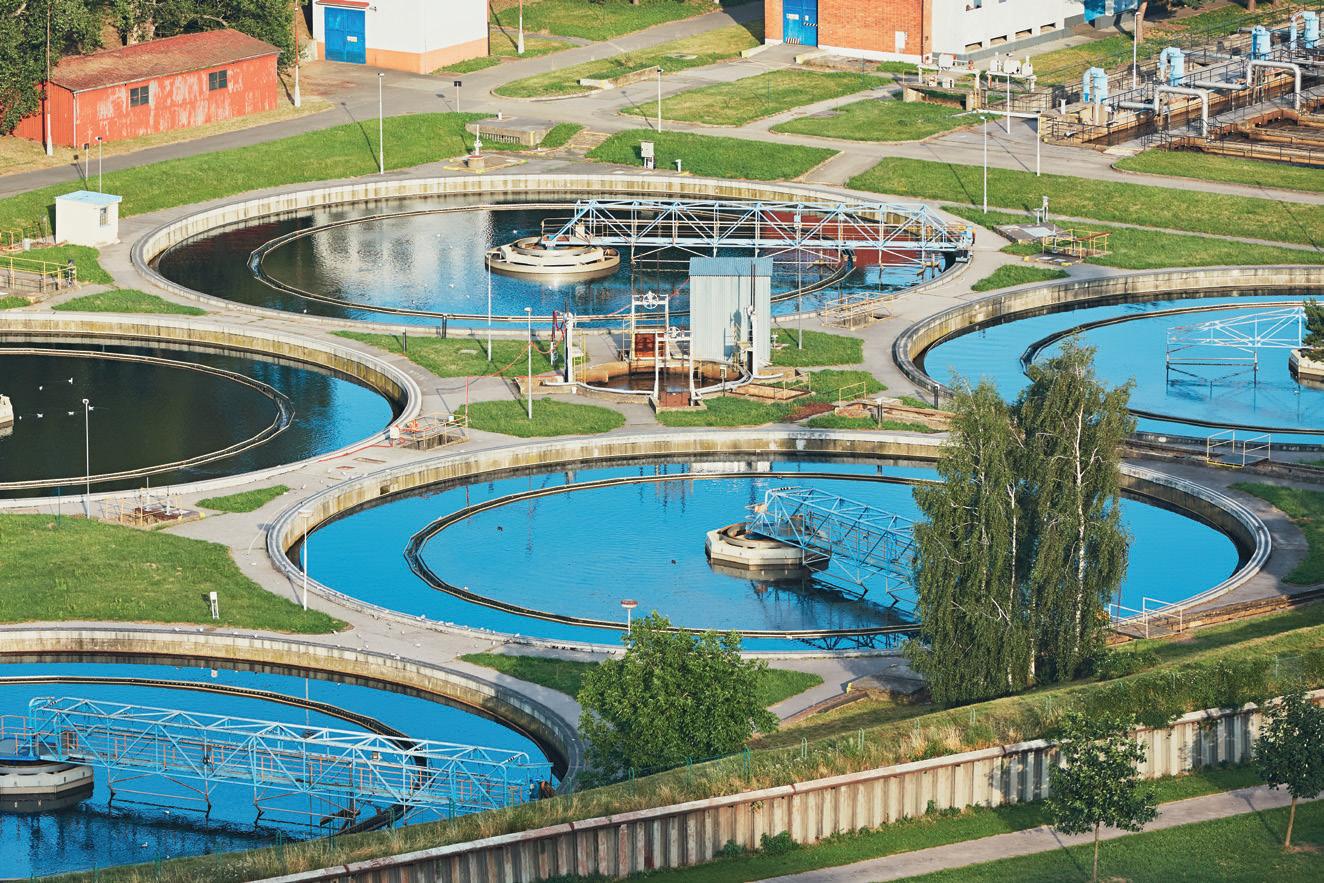
Strategically positioned across Gauteng, Nelspruit, Durban and Cape Town, Tegman supports clients operating within food processing, paper and pulp, wastewater treatment, recycling and industrial manufacturing sectors. What continues to set the company apart is its commitment to understanding the operational challenges faced within each industry and providing practical solutions focused on improving operational efficiency, productivity and long-term reliability.
Rather than focusing solely on equipment supply, Tegman works alongside its clients to understand production processes, identify inefficiencies and provide tailored support solutions designed around the specific requirements of each oper -
ation. This customer-focused philosophy continues to position the company as a long-term industrial partner dedicated to delivering value beyond product supply.
“More than an equipment supplier, Tegman delivers customised industrial solutions backed by technical expertise, responsive support and long-term partnerships.”
SUPPORTING MODERN FOOD PROCESSING OPERATIONS
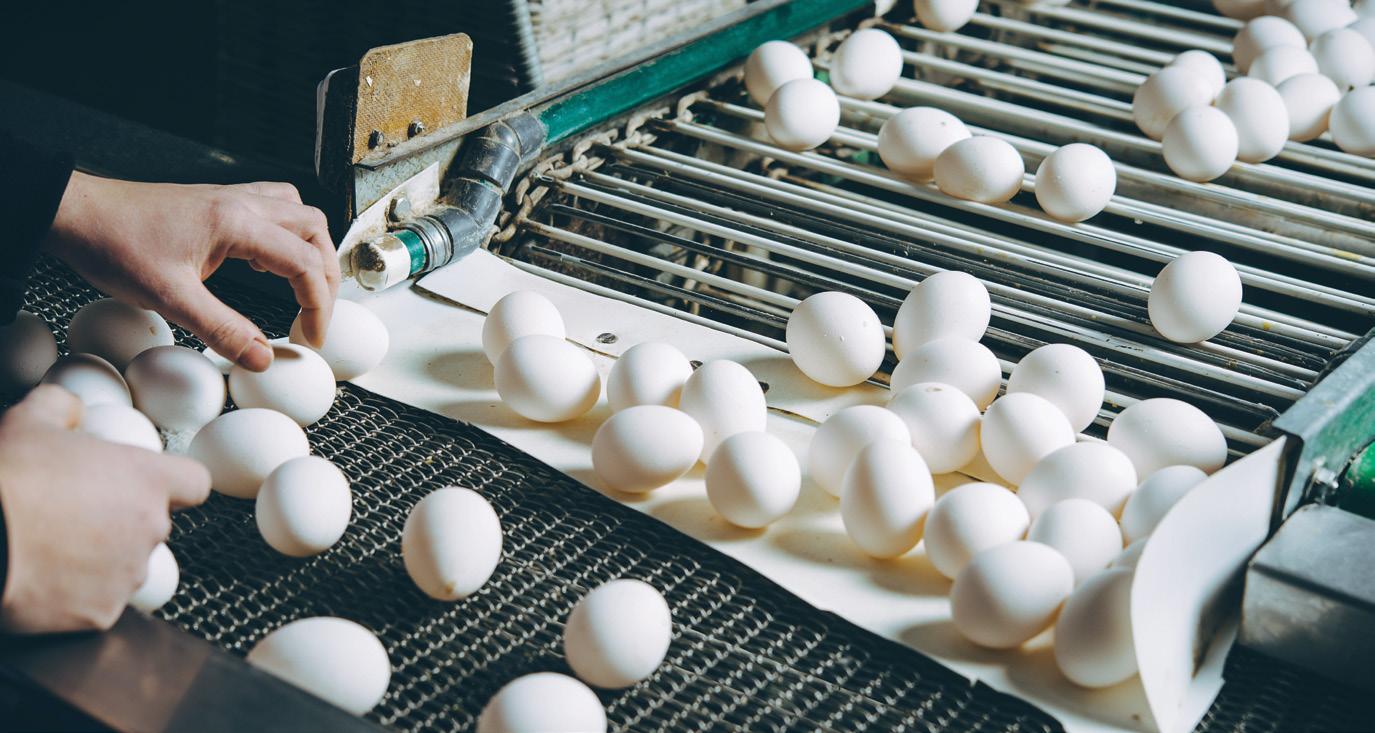
Food processing remains one of Tegman’s core focus areas, with the company supplying advanced processing systems designed to improve product consistency, operational reliability and production efficiency.
Its automated production solutions integrate forming, battering, breading, frying, cooking, freezing and packing into streamlined processing systems engineered for meat, poultry, seafood, vegetable and plant-based applications. However, Tegman’s value within the food sector extends beyond machinery alone.
Image: Supplied by Tegman
The company works closely with manufacturers to improve production flow, reduce manual handling, minimise downtime and support long-term operational performance through customised processing solutions, technical expertise and responsive customer support.
By understanding the operational demands of modern food manufacturing environments, Tegman continues to provide practical solutions focused on efficiency, hygiene compliance and consistent production performance.
PRACTICAL SOLUTIONS FOR THE PAPER AND PULP INDUSTRY
Tegman continues to support the paper and pulp industry with solutions designed to improve operational reliability, plant efficiency and continuous production performance within demanding mill environments.
The company understands the challenges associated with material handling, screening efficiency, wear resistance and maintaining uninterrupted production flow. Through close collaboration with clients, Tegman provides practical support solutions including conveyor systems, screening applications, wedge wire technologies and customised industrial components designed around operational requirements.
“From food processing and paper and pulp to water treatment and industrial manufacturing, Tegman focuses on improving efficiency, reliability and operational performance.”
Its focus remains on helping paper and pulp facilities reduce downtime, improve maintenance efficiency and support longterm plant productivity through reliable engineering solutions and technical expertise.
WATER TREATMENT AND INDUSTRIAL FILTRATION SUPPORT
Within the water treatment and filtration sector, Tegman supplies screening and filtration solutions engineered to support efficient flow management, improved separation performance and reliable plant operation.
The company works closely with wastewater treatment facilities and industrial processing environments to identify operational challenges and provide customised solutions focused on reducing
blockages, improving filtration efficiency and maintaining continuous operational performance.
Tegman’s expertise includes wedge wire screens, perforated plates, trommel screens and customised filtration systems designed for durability, wear resistance and long-term operational reliability within demanding industrial applications.
Its commitment to technical support and practical problem solving allows facilities within the water treatment sector to improve operational efficiency while reducing maintenance-related disruptions and downtime.
CONVEYOR AND MATERIAL HANDLING EXPERTISE ACROSS INDUSTRY
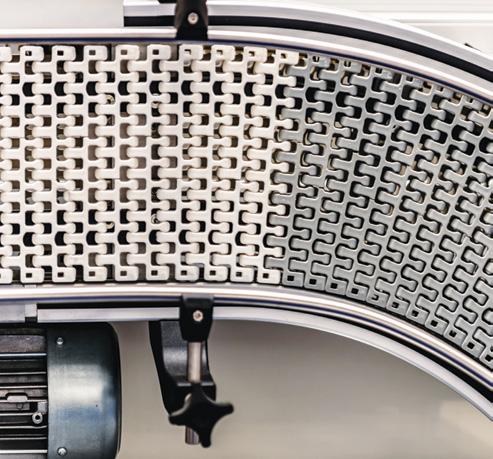
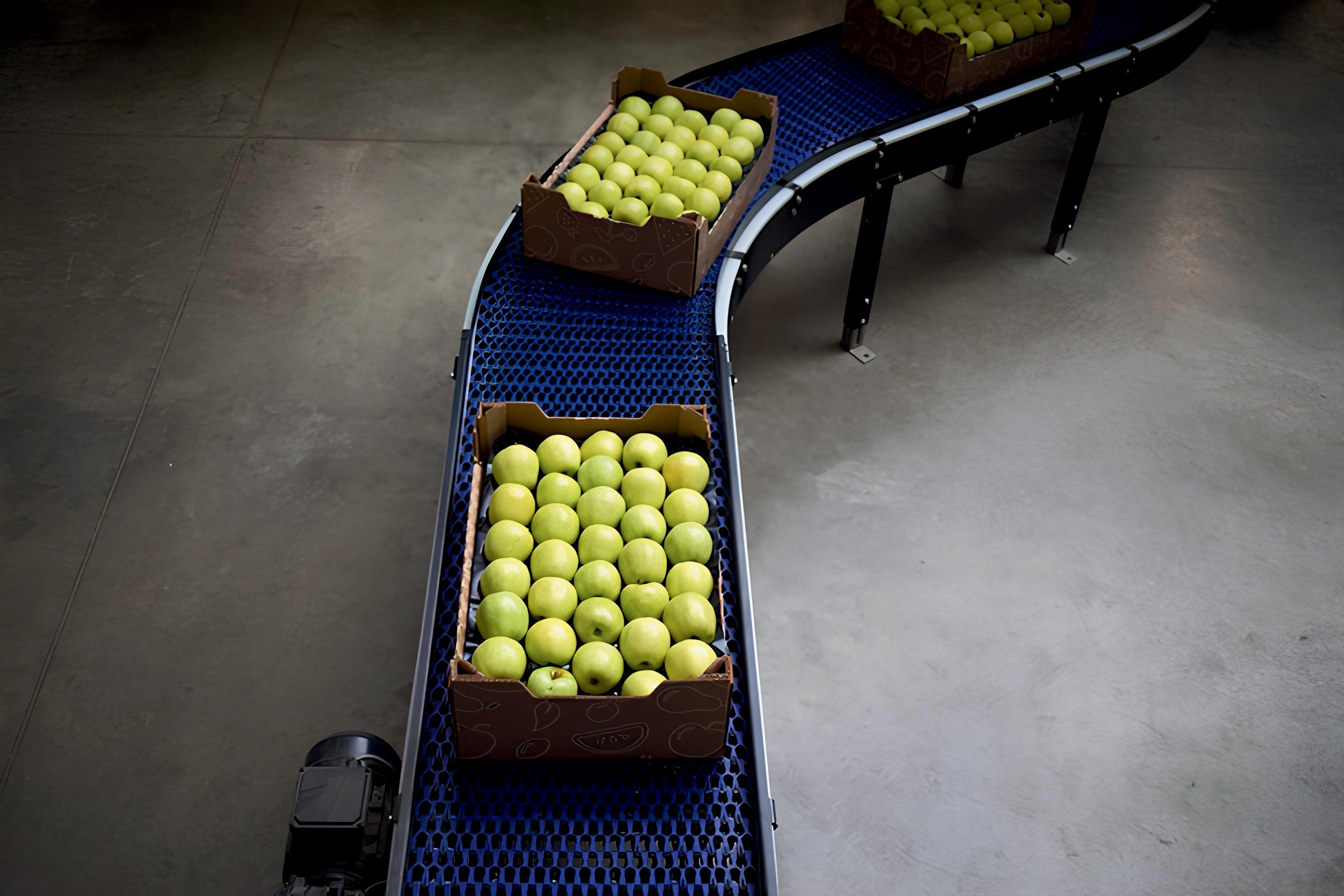
Efficient material handling remains critical across food processing, paper and pulp, recycling and industrial manufacturing environments. Tegman supplies conveyor belting and conveyor system solutions designed to improve production flow, reduce maintenance interruptions and support continuous operational performance.
Tegman – www.tegman.co.za
Your Integrated Partner for Quality Industrial Products.
Our range includes Perforated Plates, Woven Wire Mesh, Wooden Screens, Wedge Wire, Pulp & Paper Processing, Belting, Drive Components and Food processing equipment

Rethinking butter in an uncertain global market
Butter has long been the gold standard in baking — but soaring costs, supply instability and sustainability pressures are forcing Africa’s bakers to rethink their most trusted ingredient.
"The global baking industry is at a crossroads. Rising ingredient volatility, climate pressure, sustainability commitments and evolving consumer expectations are forcing manufacturers to rethink even their most established ingredients. Butter, long regarded as the gold standard in baking, is now under renewed scrutiny. Across Africa, and particularly in South Africa, bakers are navigating a dual reality — consumers still expect rich, buttery taste and indulgent textures, while manufacturers must manage an unstable dairy supply, rising costs and growing environmental expectations. It is precisely this challenge that Bunge, in partnership with Savannah Fine Chemicals, is working to address, offering the South African and broader African baking market a practical, future-ready alternative. In this environment, butter is no longer just an ingredient; it is a strategic choice."
GLOBAL PRESSURES, LOCAL IMPACT
Dairy butter prices have become increasingly unpredictable for a variety of reasons, including climate stress impacting milk production per cow, fluctuating feed and energy costs and reliance on cold chain logistics. For African markets that depend heavily on imported dairy fats, price volatility directly affects margin control and long term planning. At the same time, sustainability requirements are becoming operational imperatives. Dairy butter has one of the highest environmental footprints among commonly used fats, particularly in greenhouse gas emissions, water use and land occupation . As a result, food manufacturers and foodservice operators are actively seeking alternatives that reduce environmental impact while preserving performance.
“Indulgence remains central to bakery consumption — but expectations are shifting.”
CHANGING EXPECTATIONS IN BAKERY MARKET
Indulgence remains central to bakery consumption, but expectations are shifting. Flexitarian eating patterns, dairy sensitivity awareness and clean label preferences are gaining traction. For B2B customers, this means ingredients must deliver an authentic buttery flavor and aroma and provide consistent functionality across applications.
FROM LIMITATION TO INNOVATION
Historically, butter alternatives failed to meet the functional demands of professional baking. Today, butter equivalent systems have transformed the category, replicating butter’s critical properties, including melting behavior, plasticity, aeration and lamination. One such solution is Bunge FlexiBetter.
BUNGE FLEXIBETTER: A PRACTICAL B2B BUTTER EQUIVALENT
Bunge FlexiBetter is a next generation, plant based butter equivalent developed specifically for bakery, foodservice and prepared food applications. Designed as a true butter replacement, it delivers comparable handling, melting profile and sensory performance, without requiring changes to recipes or processes.
Backed by Bunge’s global expertise in fats and oils, FlexiBetter helps manufacturers manage cost volatility, stabilise operations and support sustainability goals.
APPLICATION VERSATILITY
FlexiBetter has demonstrated consistent performance across a variety of applications. Cookies and cakes, delivering rich flavour and texture.
Croissants and laminated pastries, with controlled melting and reliable lamination. Bread, fillings and buttercream, enabling faster aeration and improved stability.
Granola and specialty products, supporting clean labels and consistent performance.
FAST FACT
Dairy butter: one of the highest environmental footprints of any common fat.
KEY ADVANTAGES
• 100% plant based, dairy free and lactose free
• Palm free, soy free and non hydrogenated
• Comparable melting curve and handling butter
• Suitable for full or partial butter replacement
• Shelf life aligned with butter; 5 months when chilled / 18 months when frozen
LOOKING AHEAD
For South African and African bakers, Bunge FlexiBetter offers a practical, future ready solution that balances performance, cost stability, sustainability and taste—without compromise.

Savannah Fine Chemicals –www.savannah.co.za Bunge - www.bunge.com
Image: Supplied by Savannah Fine Chemicals

Leavening phosphates: Baking's chemical rise
Victor T. Mhaka, product manager (Bakery) at Lake International (Pty) Ltd, traces chemical leavening's fascinating evolution from pearl ash to modern baking powders.
There are predominantly three methods of leavening in bakery applications which can either be biological (i.e., yeast fermentation), physical (i.e., whipping to incorporate air or steam) or chemical (i.e., acid-base reactions that release CO2 and other gases). Yeast fermentation, which is still widely in use, is the most antiquated of the three, spanning back to 6600 BCE. However, this article shall focus on chemical leavening and discuss its journey in history, application, concerns, adaptations, and outlook.
HISTORICAL CONTEXT

Chemical leavening in breadmaking is believed to have started in the late 18th century when American home bakers were using pearl ash (potassium carbonate from wood ash) as a leavening agent. The pearl ash would react with acids naturally present in baking ingredients to release CO2. However, pearl ash was found to be caustic and resulting in an unpleasant smell and aftertaste. This necessitated the use of sodium bicarbonate early-to-mid 19th century which was often combined with sour milk where lactic acid would trigger CO2 release. The adaptation of this combination was later considered unreliable due to the inconsistencies emanating from lactic acid variations. The First Industrial Revolution (1760-1840) in Europe and the United States of America did not spare chemical leavening in breadmaking, and further innovation followed which led to the use of, firstly, cream of tartar (potassium hydrogen tartrate crystals which were byproducts of winemaking), then followed by use of monocalcium phosphate/ MCP (initially sourced from applying sulphuric acid to animal bones but later from mined
"In the mid-19th century, chemical leavening was promoted as faster, more nutritious, and morally superior to yeast."
deposits), sodium aluminium sulphate (SAS), sodium aluminium phosphate (SALP), and sodium acid pyrophosphates (SAPP).
Chemical leavening agents were initially packaged and used separately as sodium bicarbonate and leavening acid (e.g., MCP). This presented challenges around high costs and storage. In the spirit of the Industrial Revolution and continuous improvement, single-package baking powders consisting of sodium bicarbonate, a leavening acid, and corn starch (filler and stabilizer) were later developed. These were the infant iterations of what we know today as baking powder. Interestingly, in the mid-19th century, chemical leavening was promoted as faster, more nutritious, and morally superior to yeast, which was seen as linked to decay.
APPLICATIONS
Besides in baking powders, phosphates are sometimes used as single ingredients for leavening purposes. They can be further classified as fast acting, slow acting or moderate acting. Fast acting leavening acids react at low temperatures and release CO2 from sodium bicarbonate (or ammonium bicarbonate) during dough or batter mixing (e.g., MCP). These can be used in production of single-acting baking powders, scones, and some self-rising cake mixes. Slow acting
leavening acids react at high temperatures (heat activated) and release CO2 from sodium or ammonium bicarbonate usually during baking (e.g., SAPP-10, SAPP-15. SAPP-20, SAPP-21 and SALP). Slow acting leavening acids are commonly used in biscuit, cracker, and cookie baking. Moderate acting leavening acids usually aid CO2 release from sodium or ammonium bicarbonate and can react at 40°C-75°C (e.g., SAPP-28 and SAPP-40). Moderate acting leavening acids are usually used as all-purpose leavening phosphates and can be found in double-acting baking powders, and some bakery premixes. The leavening acid choice depends on intended use and required product quality parameters.
CONCERNS
There have been challenges associated with usage of chemical leavening agents which include health concerns, taste issues, and perceived risks. This has culminated in new consumer demands, legislation in certain regions, increased focus on clean label substitutes and innovations, and reduced sodium or aluminium iterations of various leavening acids. For example, high aluminium intake is considered harmful since it is linked to neuropathy and cognitive interference.
OUTLOOK
Even with the new wave of a demand in clean label bakery leavening ingredients, a complete departure from the traditional chemical leavening agents seems unlikely soon, unless there are new discoveries, especially considering current regulations, comparative cost associated with alternatives, and their known reliability and predictability in application.
Lake International –www.lakeinternational.com
Images: Supplied by Lake International

Quality at every step
At Design Baking Ingredients, we understand the pure joy of creating delicious baked goods. Founded in 2007 by passionate food enthusiasts with over 30 years of industry experience, our mission is simple: to be the premier supplier of the nation’s favourite baking and confectionery ingredients.

We offer a comprehensive portfolio of top-notch baking and confectionery solutions to satisfy your every need. Whether you’re a professional baker, a home-based entrepreneur, or simply someone who enjoys whipping up a batch of cookies for family and friends, we have the ingredients to help you bring your baking dreams to life. We are driven by an unwavering commitment to quality and a desire to empower bakers of all levels to achieve success in the kitchen.
OUR WIDE RANGE OF PRODUCTS OFFERINGS:
Premixes and bread mixes: Save time and ensure consistent results with our convenient premixes and bread mixes. From classic white bread to flavourful multigrain options, we offer a variety of choices to suit your taste and baking goals.
Fruit toppings and pie fillings: Elevate your pies, pastries, and desserts with our delicious selection of fruit toppings and pie fillings. Made with high-quality ingredients and bursting with flavor, our fillings are sure to become a staple in your baking repertoire.
Chocolate, chocolate spreads, and truffles: Indulge your sweet tooth with our

decadent chocolate products. We offer a variety of chocolates, from rich dark varieties to creamy white chocolate, perfect for baking, decorating, or simply enjoying on their own. Our chocolate spreads are a delightful addition to toast, waffles, or even enjoyed straight from the jar, while our truffles offer a luxurious taste sensation.
Chocolate fillings: We are particularly proud of our popular chocolate fillings. These fillings are guaranteed to take your baked goods to the next level. Our white truffle filling offers a smooth and creamy texture, while the dark chocolate truffle filling provides a rich and decadent flavour experience. And for those who crave a truly unique taste sensation, our caramel chocolate filling is simply out of this world!
UNWAVERING COMMITMENT TO QUALITY
At Design Baking Ingredients, quality is not just a word; it’s the cornerstone of everything we do. We source our ingredients from top South African suppliers renowned for their dedication to excellence. Our commitment extends beyond the ingredients themselves; we implement rigorous food safety protocols to ensure the safety and consistency of our products.
We understand that food safety is paramount to customer satisfaction and the success of your baked goods. That’s why we take every step necessary to ensure that our products meet the highest safety standards.
We are dedicated to providing exceptional customer service and building long-lasting partnerships with our clients. Our team of technical experts is always available to answer your questions, offer guidance, and help you find the perfect ingredients for your baking needs. We encourage you to “task us with your needs” – no challenge is too big or too small!
Whether you’re a seasoned baker or just starting out, we are here to support you on your baking journey. With our extensive product range, unwavering commitment

to quality, and dedication to customer service, Design Baking Ingredients is your one-stop shop for all your baking and confectionery needs.
DRIVING INNOVATION AND EFFICIENCY
Our passion for food extends beyond simply providing ingredients. We are constantly striving to innovate and develop new products that meet the evolving needs of our customers. We are also committed to helping our clients achieve factory efficiency and cost reduction. By offering high-quality, consistent products that minimise waste, we can help you streamline your operations and minimise your profits
" We offer a comprehensive portfolio of top-notch baking and confectionery solutions to satisfy your every need."
Design Baking Ingredients –www. designbaking.co.za

Polyline
The Polyline is Rondo’s starting point for automatic pie production. In addition to pies you can produce folded, rolled, filled, decorated, cut and even stamped out products with the Polyline.
Distributors of Rondo equipment in South Africa
equipment in South Africa
Distributors of Rondo equipment in South Africa
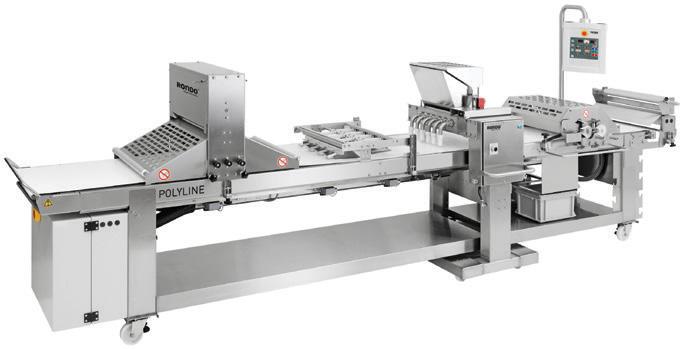
E-mail: foodequip@arbonia.co.za Polyline production. decorated, the Polyline.
Tel: +27 11 462 3224/5
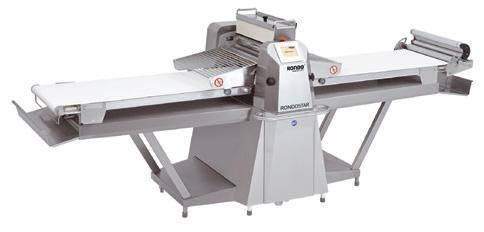
can produce dough bands and blocks easily and gently. thin dough bands and process the more difficult shortcrust pastry.
Rondostar 4000
The Rondostar 4000 can produce dough bands and blocks easily and gently. It can also produce very thin dough bands and process the more difficult dough types like shortcrust pastry.
Tel: +27 11 462 3224/5 Fax: +27 11 462 3226
Fax: +27 11 462 3226 E-mail: foodequip@arbonia.co.za

The proof is in the packaging
Cama Group is redefining what end-of-line packaging can do for bakery manufacturers navigating omnichannel demands, sustainability pressures and relentless format change.
In the bakery industry, secondary and tertiary packaging are no longer “just packaging”: they directly impact line efficiency, perceived quality and logistics robustness. Omnichannel distribution, shelf-ready formats and sustainability goals are accelerating change and pushing manufacturers towards more flexible, automated end-of-line solutions.
SECONDARY AND TERTIARY PACKAGING
Bakery products often travel through demanding logistics conditions: high throughput, many SKUs, variable formats and high sensitivity to crushing, impacts and humidity. In this context, secondary and tertiary packaging do more than “contain”: they protect, present and improve the efficiency of the entire end-of-line flow through to shipping.
Secondary packaging affects line speed, collation accuracy, perceived quality and shelf replenishment. Tertiary packaging
KEY TRENDS:
Trend 1 — Continuous Innovation (Incremental Improvements That Add Up)
In end-of-line packaging, innovation is not only about technology leaps: steady machine evolution and the transfer of proven solutions from other markets matter just as much — helping increase robustness, ease of use and adaptability to new product and channel requirements. In practice, “continuous innovation” means designing the end-of-line to absorb variability — new board grades, new adhesives, new pack formats — without losing process stability. What makes the difference is faster adjustments, repeatable machine programmes and diagnostics that help prevent waste and unplanned stoppages.
Trend 2 — Sticker-based multipacks
The use of stickers to replace multipack flow-wrapping is growing individual products
“Secondary and tertiary packaging are no longer just packaging.”
impacts load stability, pallet optimisation, damage reduction and compatibility with increasingly automated warehouses. In short: secondary and tertiary packaging should be designed for the entire supply chain — manufacturing, logistics, retail and e-commerce.
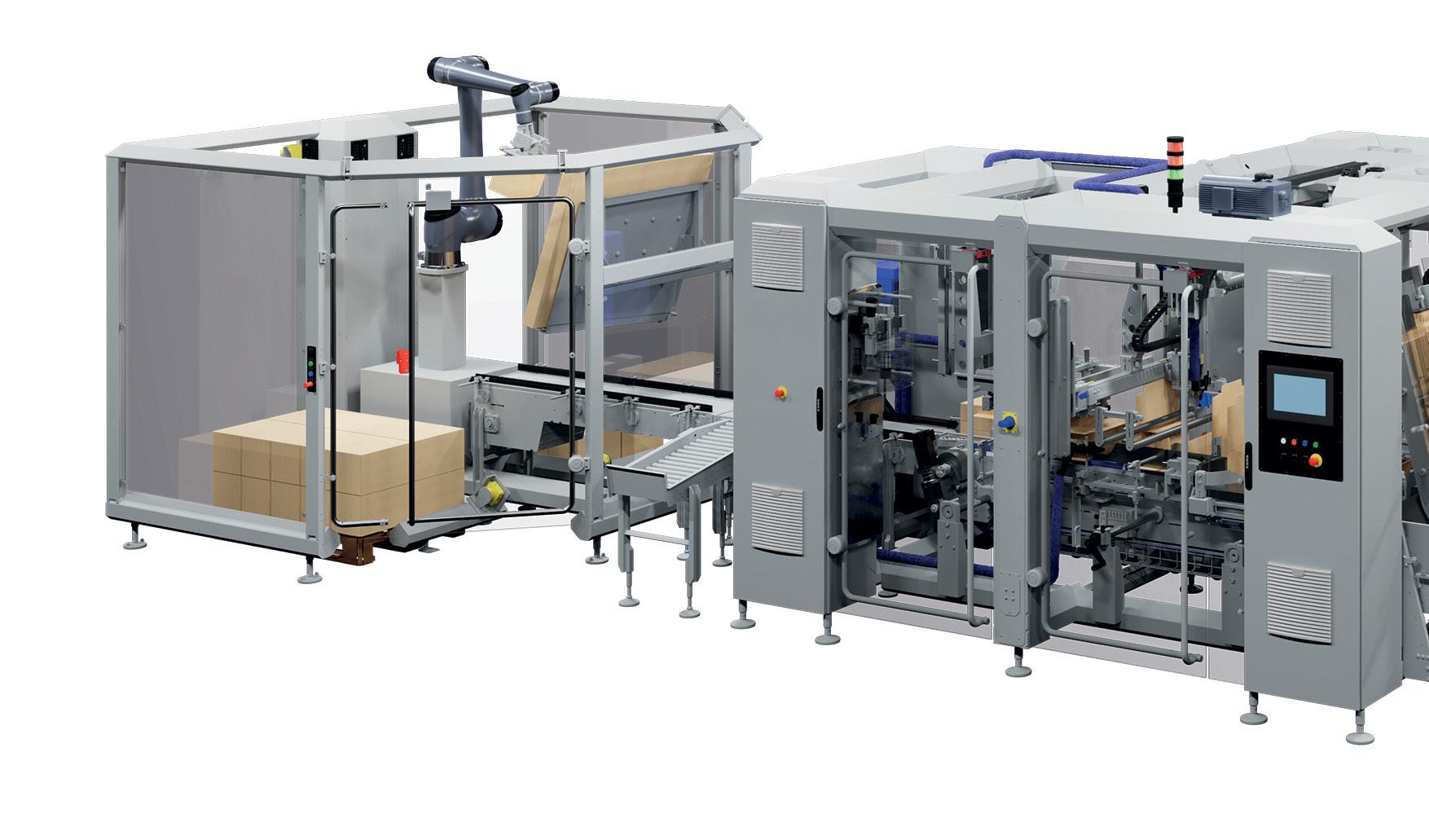
END-OF-LINE AUTOMATION
To meet increasingly demanding requirements — especially in e-commerce and pick-and-pack scenarios — end-of-line automation is becoming a core lever.
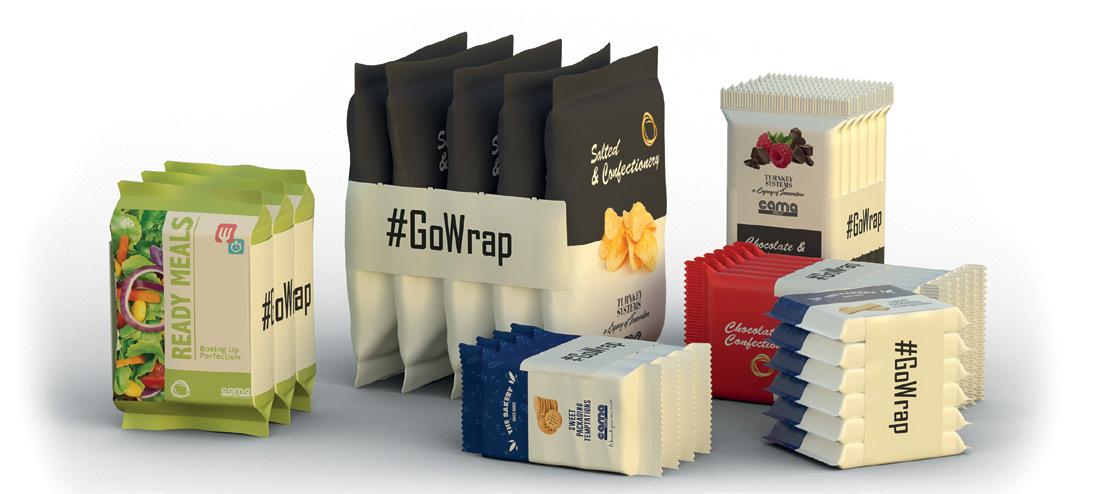
— already protected by their primary packaging — are collated into shelf-ready bundles using a shared label. This approach keeps the collation stable and makes it easy to separate single units when needed. If the label and the primary pack belong to the same family of materials, it becomes easier to route the bundle into a single recycling stream, supporting a mono-material approach. Labels also support branding and on-demand variants without adding an extra wrap.
From a technical standpoint, label-based solutions require attention to three areas: collation stability (to prevent slipping), application repeatability (tension and positioning), and quality checks that confirm label presence and placement. The same logic enables more frequent customisation: with digital printing and leaner workflows, changing graphics or promotional messages becomes
In the bakery sector, it is also a response to higher throughput and the challenge of keeping manual tasks such as cartoning and case packing reliable and repeatable: when packing errors and micro-stoppages increase, the impact on quality and output is immediate. Beyond pure performance, user experience matters more than ever. Intuitive interfaces and guided procedures reduce adoption barriers, while tools such as AR/ VR for training and operational support and traceable changeover routines — enabled by technologies such as RFID — help limit errors during the frequent reconfigurations typical of batch production. Beyond pure performance, user experience matters more than ever. Intuitive interfaces and guided procedures reduce adoption
part of the process — not the exception.
Trend 3 — Shelf-ready packaging and integrated lines
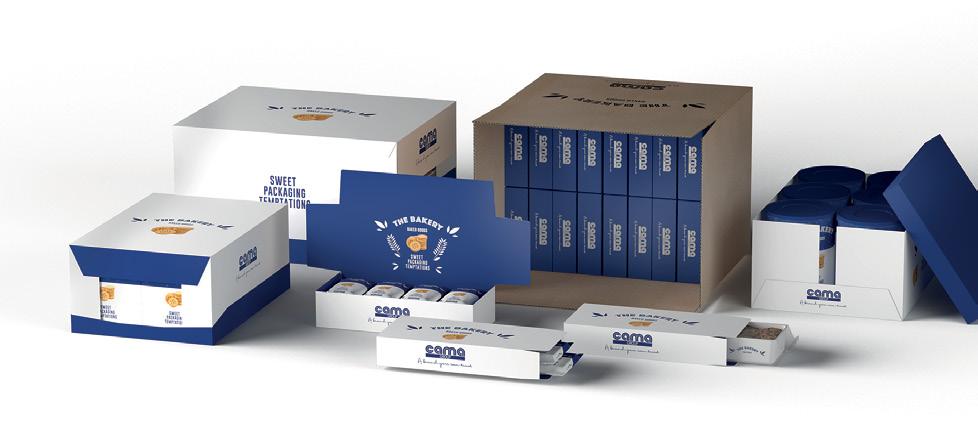
Many bakery manufacturers face a dual requirement: shelf-ready cases and trays for retail and robust, standardised shipping packs for distribution. This is why integrated lines are gaining momentum — combining collation, shelf-ready packaging and shipping case packing within a single architecture.
Trend 4 — E-Commerce-ready packaging
The growth of online channels and pickand-pack flows introduces requirements that differ from traditional retail: more handling, more vibration and greater route variability. As a result, secondary and tertiary packaging must be designed to reduce damage — crushing, breakage and misalignment — without significantly increasing weight and volume.
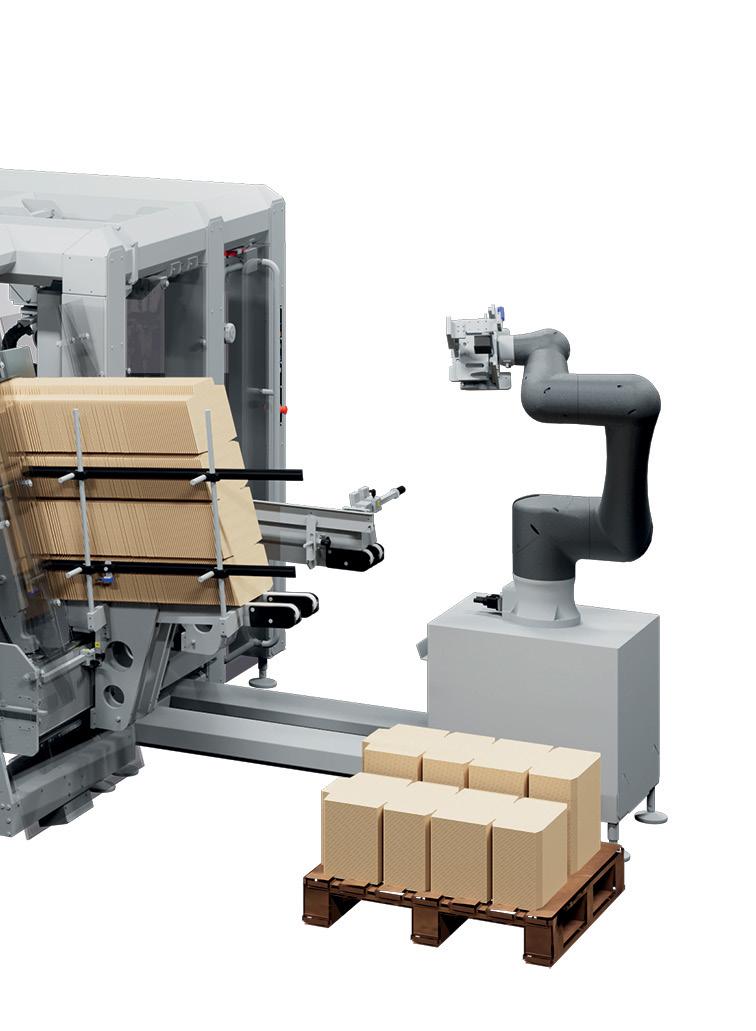
barriers, while tools such as AR/VR for training and operational support and traceable changeover routines — enabled by technologies such as RFID — help limit errors during the frequent reconfigurations typical of batch production.
At the same time, a market driven by new flavours, limited editions and retailer demands for more visibility but less shelf space per SKU is pushing manufacturers towards compact, shelf-ready formats and lines that can handle weight and count variants across multiple pack sizes and markets without growing in complexity or footprint. The goal is clear: to prevent packaging from becoming
the line bottleneck and to improve OEE. Manufacturers are responding with automated and guided changeovers, clearer diagnostics, data-driven stop analysis and scalable modular platforms.
From a mechatronics standpoint, there is a gradual shift from pneumatic architectures to servo-driven solutions — with machines designed to evolve over time and protect the investment.
WHAT TO EXPECT IN THE NEXT FIVE YEARS
The direction is clear: multi-capability platforms that can run multiple products, variants and packaging configurations with minimal set-up time and intuitive, often toolless changeover routines. This versatility is essential as bakery portfolios fragment and product life cycles shorten. Ease of operation will become an increasingly important selection criterion. Machines designed to be run by less specialised teams — supported by digital training and changeover guidance — will make production more resilient. A co-design approach — developing packaging and automation together — helps manufacturers
balance sustainability, product protection and line performance. Cama Group supports customers from concept definition to final solution, offering stand-alone machines or fully integrated turnkey lines.
DID YOU KNOW?
Label-based multipacks — where a shared sticker collates individually wrapped bakery products into a shelfready bundle — can eliminate the need for an outer flow-wrap entirely, simplify recycling through a mono-material approach and allow promotional graphics to be changed digitally without stopping the line.
USS Pactech- www.usspactech.co.za Cama Group - www.camagroup.com

Bake oven tracking sensor optimisation
IPCO has launched the CBT 2G, an advanced tracking device for steel bake oven belts, enhancing conveyor performance with optical sensors for precise, contact-free tracking.
As a company that will next year celebrate 100 years of bake oven belt manufacturing, IPCO’s experience in belt technology is unparalleled and has helped drive the development of a comprehensive range of associated components. These include rolling supports, sliding supports (e.g. skid bars and graphite stations), frames, end stations, pulleys, cleaning devices and more.
ENHANCED PRECISION
For a belt to track properly, the line and all the parts that touch the belt (i.e. belt supports, rollers and the like) must be straight and level with gravity and each other. They must also be in good working order and not worn down. When these requirements are fulfilled – in other words with perfect, stable conditions and fine adjustment of the drums – a properly designed conveyor will track straight and true without the need for a tracking system.
However, as Marko Leber, Global Products Manager at IPCO explains, such conditions are rare in a working environment. “Temperature changes alone will cause the belt to track one way or the other – so steel bake oven belts require some form of tracking.”
IPCO’s Compact Belt Tracking (CBT) system offers an excellent solution when active is required on an existing conveyor and a rebuild is not practical or desirable. Previous CBT models used a physical belt edge detector but the newly introduced 2G employs an optical sensor instead, eliminating any contact with the belt edge and enabling increased tracking speed and precision.
“For a belt to track properly, the line and all the parts that touch the belt (i.e. belt supports, rollers and the like) must be straight and level with gravity and each other.”
EASY INSTALLATION
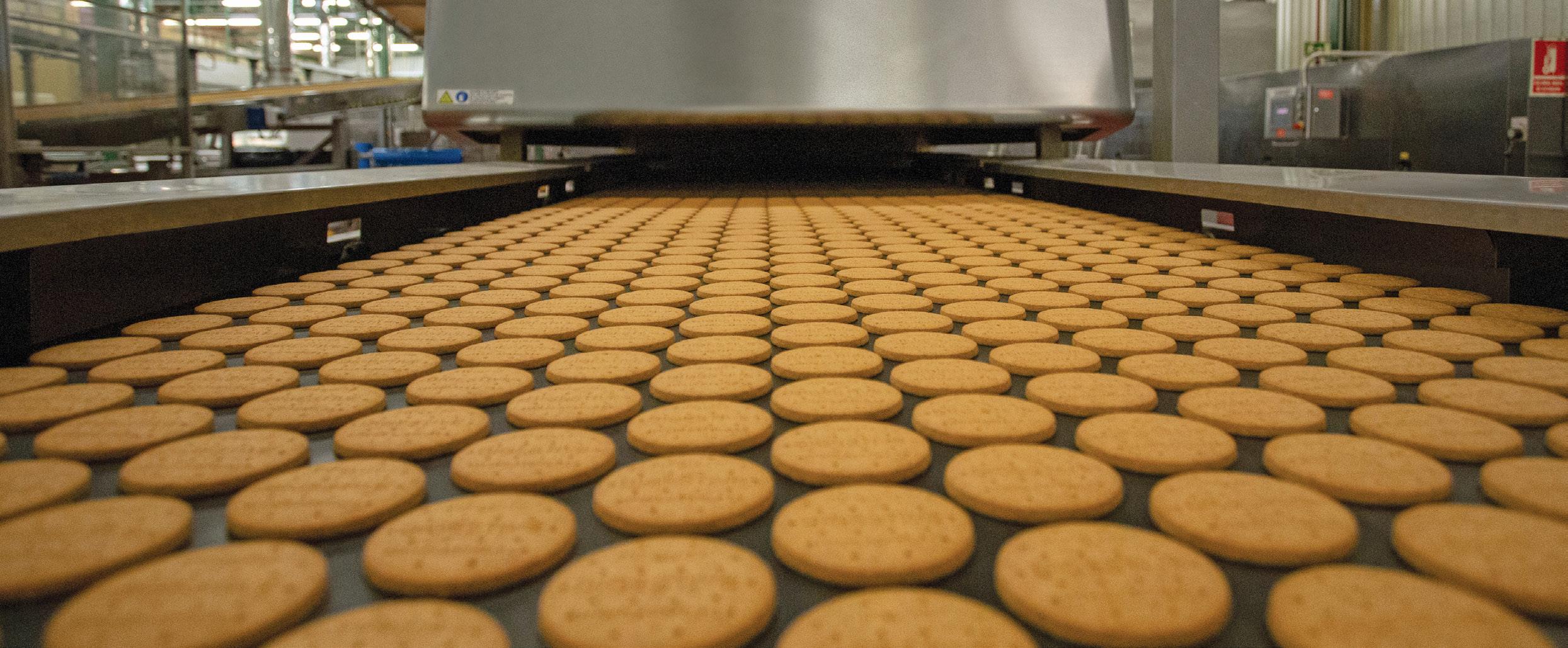
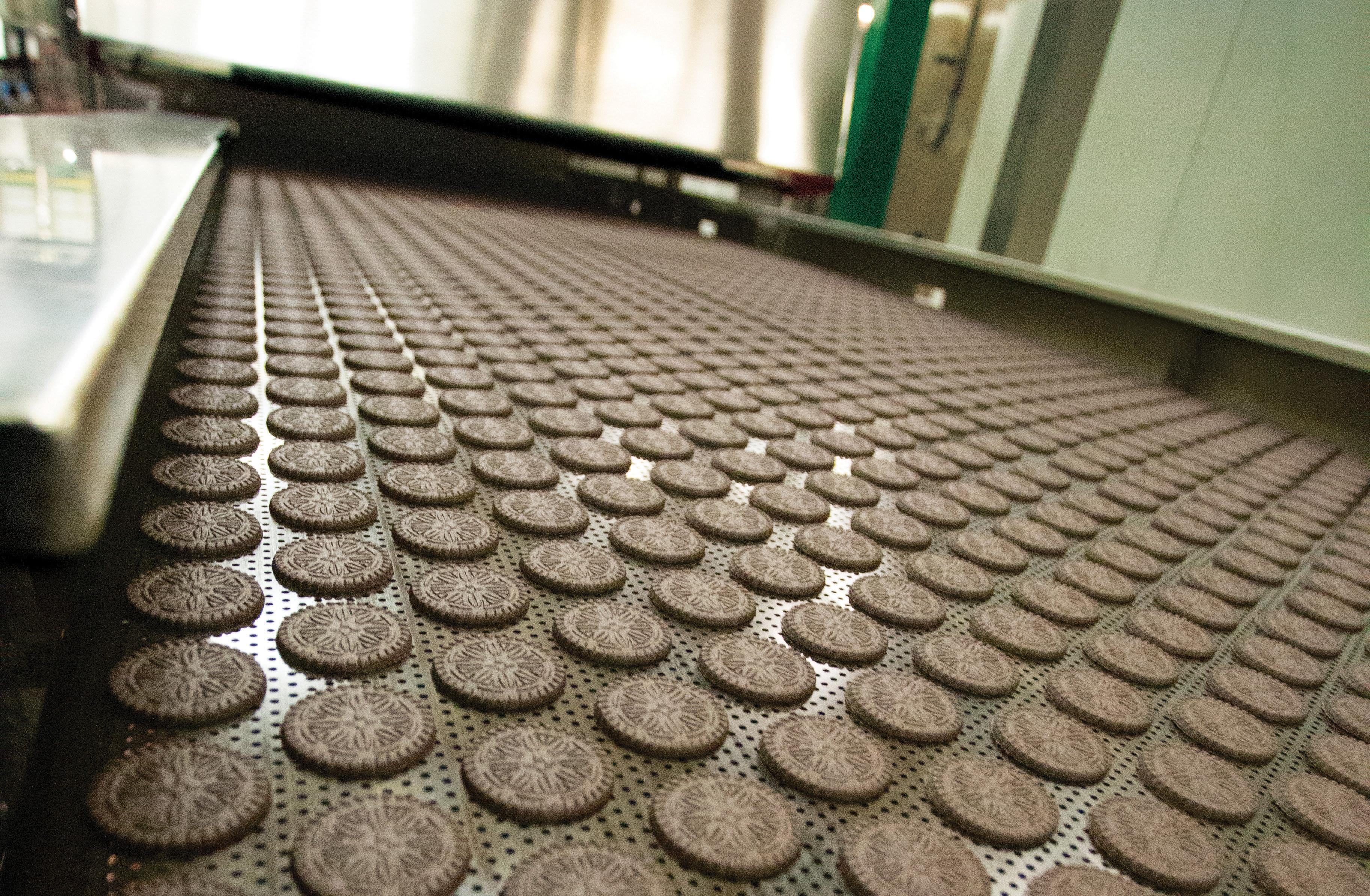
The optical sensor continuously monitors the position of the belt edge. Any deviation immediately triggers a corrective action in the CBT 2G unit to restore smooth, straight running. The tracking effect is achieved by tilting rollers that cause the belt to move laterally in the appropriate direction.
Like its predecessor, the CBT 2G model can be mounted to an existing conveyor, usually with little modification, making it ideal for retrofitting. This next generation model delivers a range of benefits including:
LOCAL SERVICE EXPERTISE
The company has a fully trained service team based in Johannesburg and equipped to deliver a quick response to any service needs. This means that work is carried out by qualified people with an understanding of customers’ needs and values.
As part of a global business, IPCO’s African service team can also call on the support of the company’s Special Engineering Team, belt experts who can be sent anywhere in the world to provide specialist support.

• Faster, more precise tracking performance.
• Easier installation, set up and servicing.
• Contact-free optical belt edge sensing.
• Longer working life for device and belt.
IPCO SERVICE SUPPORT
IPCO has been involved in bake oven conveyor design for decades, often working hand in hand with oven builders to ensure that an oven reaches its full potential. This extends to ongoing partnerships with bakeries and the company has a special engineering team who can provide expert technical support.
“This experience gives us an in-depth understanding of how a belt behaves in an oven, how it interacts with other component parts that make up the system,” adds Leber. “This means we can deliver inspection and maintenance services that go beyond the belt.”
“To our service engineers, the steel belt acts as a window into the performance of the entire bake oven. We understand how it interacts with the other components that make up the system as a whole and the condition of a belt gives us an insight into how an entire system is performing.”
For example, wavy edges on a belt could be an indication of side wandering, or of uneven temperature in the oven. It can also indicate uneven pressure from the belt cleaner or scraper, or a belt scraper that is wider than the belt itself.
IPCO’s engineers will look for deformations in the belt, which could suggest problems with drums, belt supports or other parts coming into contact with the belt. IPCO –


Bio-Sil: Transforming foam control
Discover Bio-Sil, a cutting-edge range of food-grade silicone and non-silicone antifoams designed to optimise efficiency in food manufacturing.
FOOD-GRADE ANTIFOAMS. ENGINEERED FOR PERFORMANCE.
Foam slows production. Wastes product. Disrupts precision.
In food manufacturing, that’s not acceptable. Bio-Sil is designed to change that. Developed by Silicone & Technical Products in South Africa, Bio-Sil brings silicone and non-silicone food-grade antifoam technology together in one powerful range — delivering control, consistency, and confidence in every batch.
CONTROL WITHOUT COMPROMISE
Every process is different. That’s why BioSil is available in high-efficiency silicone formulations for rapid knockdown and non-silicone variants for applications requiring non-silicone solutions. The result? Smoother runs, predictable outcomes, and no compromise on quality — whether you’re handling delicate dairy processes or highintensity beverage production.
With Bio-Sil, foam is no longer an unpredictable variable. It becomes something you manage with precision. Every batch is manufactured by our South African-based R&D team — formulated for legal compliance, built for real-world

"Bio-Sil reduces waste, shortens batch times, and enhances product quality, keeping your production steady and efficient."
performance, and trusted in both domestic and export markets.
Specific Bio-Sil food-grade antifoams are are developed to meet key global regulatory requirements (including EU, FDA and German BfR compliance) — extending confidence into highly regulated markets.Our team ensures these products not only meet the required compliances but also deliver proven performance where it matters most — on the production floor.
PROVEN IN THE TOUGHEST APPLICATIONS
From fast-moving beverage lines to high-viscosity food prep, Bio-Sil delivers measurable results:
• Dairy processing – Stable throughput from pasteurisation to fermentation.
• Beverage production – Clarity and accuracy in every fill.
• Confectionery & syrups – No boil-over, no slowdowns, no wasted time.
• Sauces & food prep – Smooth consistency and control, even with complex recipes. When production is running at full capacity, Bio-Sil keeps performance steady.
Fast Answers. Expert support: Our South African-based technical team moves quickly — delivering solutions that keep your line running and your output consistent. Whether it’s remote guidance, rapid sample dispatch, or targeted recommendations, we’re here when you need us most.
CERTIFIED FOR THE STANDARDS THAT MATTER
Bio-Sil meets the world’s toughest benchmarks:
• Halaal & Kosher
• ISO 9001 – Quality management
• ISO 14001 – Environmental management
• ISO 45001 – Occupational health & safety
• FSSC 22000 – Food safety management
• CSR 26000 – Social responsibility.
EFFICIENCY YOU CAN MEASURE
Bio-Sil isn’t just about removing foam — it’s about optimising your entire process:
• Reducing waste
• Shortening batch times
• Improving heat transfer
• Maintaining product quality
• Saving on costly breakdowns and unplanned downtime.
The result: lower costs, higher yields, and production you can rely on.
The future of foam control starts here: Foam doesn’t just disappear it’s engineered out. Bio-Sil makes that possible. Silicone & Technical Products — building solutions that keep you ahead.
DID YOU KNOW?
Bio-Sil meets global regulatory standards, including FDA, EU, and German BfR compliance, ensuring legal and food safety certifications.













From plastic reduction to brand advantage
SealGlobal.Co proves how paperised packaging is reshaping food sustainability.
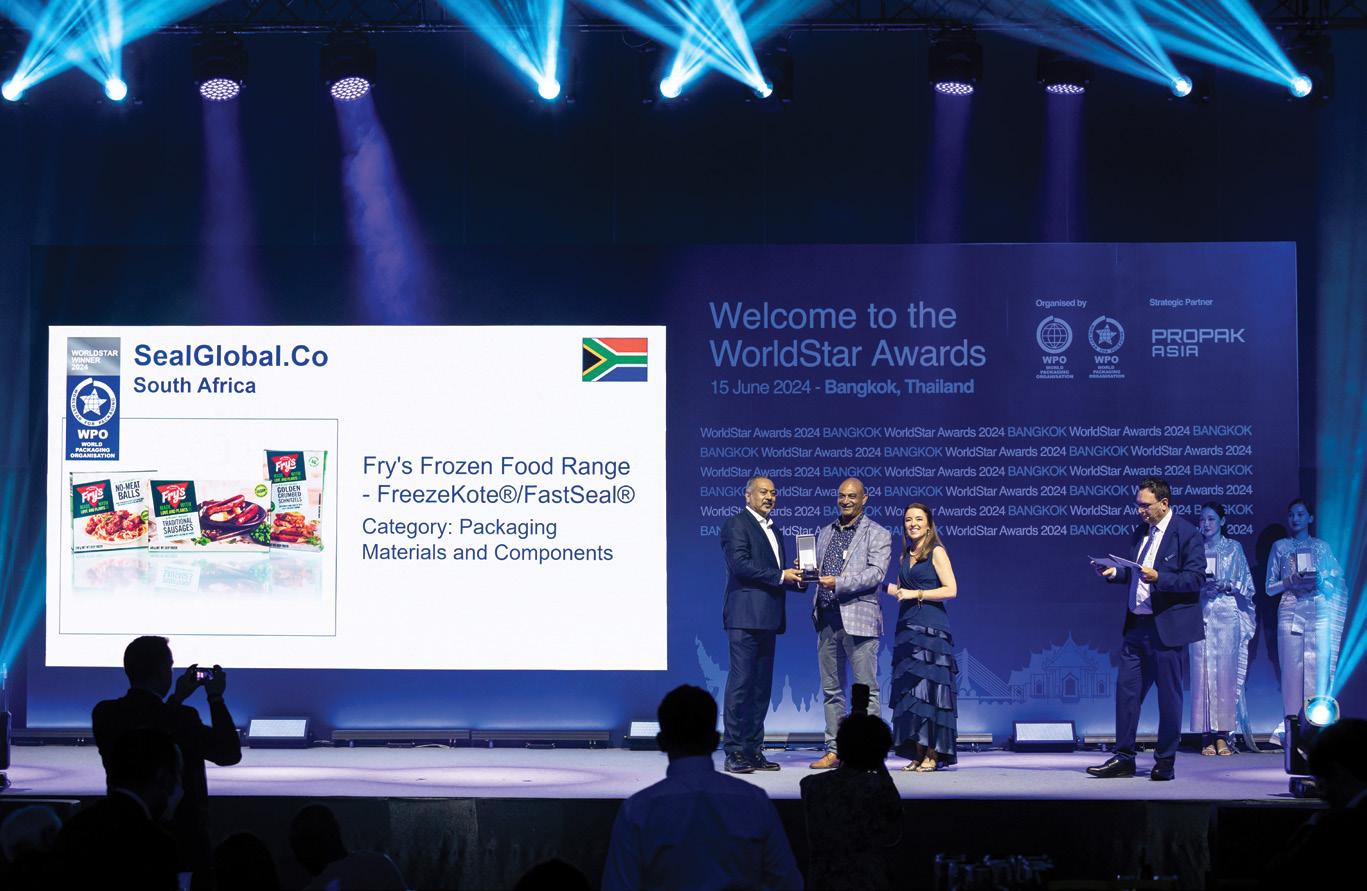
For many FMCG brand owners, sustainability has become a crowded space of claims, symbols, and pilot projects. Yet amid rising consumer scrutiny and tightening regulations, one question matters more than ever: what actually works at scale? That is where SealGlobal. Co has efficiently built its reputation. Now celebrating its 60th Diamond Jubilee, SealGlobal.Co marks this milestone year with global recognition - winning two WorldStar Awards from the World Packaging Organisation. Often referred to as the Nobel Prize of Packaging, the WorldStar Awards honour only packaging innovations that have already succeeded commercially in their home markets - and in 2026, SealGlobal. Co stands alone as the only African company to receive this global recognition. For food brands navigating the shift away from plastic, that distinction matters. “These awards validate decades of chemistry-driven innovation applied at real FMCG scale,” says Marc Lewis, marketing director. “They’re not concepts or pilot projects - they’re technologies already running in demanding environments. They prove that sustainable packaging doesn’t have to mean compromise.
MOVING BEYOND “SUSTAINABLE PACKAGING”
At the heart of SealGlobal.Co’s approach is Paperised Packaging™ - a framework designed to simplify sustainable decisionmaking for brand owners in a market increasingly clouded by greenwashing. Rather than layering plastic films, metallisation, or composite laminates onto paper and calling it sustainable, Paperised Packaging™ uses advanced water-based barrier chemistry to preserve paper’s natural recyclability and repulp ability. The principle is simple: if packaging starts with paper, it should end with paper. This philosophy directly addresses a growing industry challenge. Many “recyclable” packs fail in real-world systems due to hidden plastic layers or composite structures - a disconnect between marketing claims and environmental reality. Paperised Packaging™ avoids that trap entirely, enabling brands to move beyond greenwashing toward packaging that performs technically
while remaining compatible with existing recycling infrastructure.
FOOD-FIRST INNOVATION, BUILT ON CHEMISTRY
SealGlobal.Co’s WorldStar-recognised portfolio includes a suite of food-facing technologies engineered to replace plastic while maintaining product integrity, shelf appeal, and line efficiency. KandyKote® enables confectionery and snack packaging without plastic films. FreezeKote® delivers cold-chain tolerance in frozen food applications. FastSeal® provides OGR barrier and WVTR performance for fast foods, and SupaKote® is a polyester replacement for soaps and soup packs, allowing brands to maintain productivity while evolving to paper-based structures. CupSeal® supports liquid containment in paper cups, replacing polyethylene linings with waterbased barrier coatings. Each solution is formulated for conversion and forming on existing equipment, complies with food safety requirements, and integrates seamlessly into current supply chainsmaking sustainability practical rather than disruptive. This is chemistry engineered for commercial and functional reality.
AUTHENTIC SUSTAINABILITY, MEASURABLE IMPACT
For SealGlobal.Co, sustainability is not a marketing layer added at the end of development. It is embedded from formulation through to application. The
"If packaging starts with paper, it should end with paper."
systems are water-based. Every solution is engineered for recyclability and sustainable degradability in landfill. All innovations are validated in live FMCG environments prior to commercialisation.
The result is functional, fit-forpurpose packaging that reduces plastic dependency, lowers carbon impact, and supports sustainability - while delivering operational benefits such as improved yields, energy savings, cleaner production, and maintained shelf presentation.
“Sustainability only succeeds when it aligns with business outcomes,” Marc explains. “Our role is to make that transition practical, profitable, and scalable for brand owners.” In an era where sustainability messaging often outpaces real environmental progress, SealGlobal. Co’s focus remains firmly on substance over slogans - replacing greenwashing with measurable sustainability performance.
SIXTY YEARS IN THE MAKING - AND JUST GETTING STARTED
Founded in 1966, SealGlobal.Co’s Diamond Jubilee represents six decades of continuous refinement in packaging chemistry and application performance.
Seal Global – www.sealglobal.au
SealGlobal.Co’s Clint Angamuthoo and Anwar Grow collect a WorldStar Award in Thailand. Double Gold at GoldPack for the SealGlobal.Co team: Reza Muller, Cimone Angamuthoo, Clint Angamuthoo, Anwar Grow and Clive Moonsamy


Gut health in a can
The gut health trend is reshaping the drinks aisle — and prebiotic sodas are leading the functional beverage revolution.
Döhler, a global producer, marketer and provider of technology-driven natural ingredients, ingredient systems and integrated solutions, is producing solutions for prebiotic drinks that assist with improving gut health while also being an innovative approach towards closing the fibre gap and supporting overall well-being. As this prebiotic trend continues to rise, Döhler offers natural, clean-label ingredient solutions to fuel this growing shift.
"From sodas to still drinks, Döhler has developed unique beverage solutions that deliver comprehensive gut health without compromising on taste."

GUT HEALTH: RESHAPING DRINKS
56% of global consumers actively seek out foods and beverages that support gut health, reflecting a growing trend toward healthconscious food and beverage choices with research showing 70% of global consumers link gut health to overall wellbeing. Healthconscious consumers are raising their expectations when it comes to beverages, driving innovation in the drinks industry. One popular example of this are functional beverages supporting gut health with 33% of people reported incorporating prebiotic or fibre supplements into their diets.
Prebiotics are non-digestible fibres that act as food for beneficial gut bacteria, supporting their growth and activity. By nourishing beneficial gut bacteria, prebiotics help support a healthy gut microbiome, which plays a crucial role in overall well-being. This, in turn, creates a balanced microbiome which supports digestion, strengthens the immune system and even aids in the production of neurotransmitters that enhance mental clarity, amongst many other things, contributing to holistic health and well-being.
ONE DRINK, MULTIPLE BENEFITS
So, it’s no surprise that prebiotic beverages are a quickly growing trend, offering numerous health benefits in a single, convenient drink. Döhler supports this innovation through ingredient solutions such as its prebiotic soluble and acid-stable fibre blend, ensuring beverages retain their quality and appeal. Additionally, Döhler offers ready-to-drink concepts like Gut Health Sodas, which also combine functionality with great taste. By further enhancing these products with postbiotics, Döhler has developed unique beverage solutions – ranging from sodas to still drinks – that deliver comprehensive gut health benefits without compromising the essential qualities of a great soft drink.
GUT HEALTH SODAS
For example, Döhler's Gut Health Sodas address this need with the soluble and acid-stable prebiotic fibre blend consisting of topinambur (also known as Jerusalem Artichoke), gum arabic and tapioca starch. These sodas are specifically designed to close the "Fibre Gap," addressing the reality that most people in North America and Europe
"Prebiotics help support a healthy gut microbiome — creating balance that supports digestion, immunity, and even mental clarity."
consume only 50% of the daily recommended fibre intake. Perfect for health-conscious consumers, they offer a refreshing way to boost fibre intake while promoting digestive health and overall well-being.
Döhler’s ingredients are derived from natural raw materials. The comprehensive product portfolio of natural ingredients ranges from natural flavours, natural colours, natural health ingredients, a broad range of plant-based ingredients to ingredient systems and end-to-end solutions.
With more than 50 production sites, 75 offices and application centres, Döhler creates value for customers in over 160 countries. More than 10,000 dedicated employees, including 1,000 people in R&D, focused on science, technology and
Empowering Better Nutrition with Döhler Natural SuperHEROES®
natural health ingredients support you in
DID YOU KNOW?
South Africa's food regulations specifically prevent misleading claims like "fat-free water" or "cholesterolfree vegetable oil" - because these products naturally don't contain fat or cholesterol anyway.
innovation are committed to making Döhler’s customers successful.
“WE BRING IDEAS TO LIFE.” describes Döhler’s integrated and entrepreneurial approach to innovation and value creation. Smart ideas have a way of becoming great products.
This also includes innovation services, market intelligence, advice on food safety and microbiology as well as sensory & consumer science. Döhler runs its own venture unit with more than 100 active ventures. Döhler also partners with the scientific community through its own Future of Nutrition and Longevity Institute (FNL Institute).
Döhler – www.doehler.com



Dairy proteins powering nutrition change
As demand for functional, high-protein intensifies, Tirlán and local supplier Savannah Fine Chemicals are giving South African manufacturers access to the premium dairy ingredients to compete – and win.
In today's competitive nutrition and functional food landscape, the ingredient behind the label matters as much as the claim on it.Listing protein grams is no longer sufficient. Consumers, retailers, and regulators are increasingly interested in how that protein was produced, what it contains, and whether it genuinely performs as promised.
It is within this context that the collaboration between Irish dairy ingredient producer Tirlán and Savannah Fine Chemicals, its South African distribution partner, is making a meaningful contribution to the local food and beverage manufacturing sector. Together, the two companies bring a complementary portfolio of premium dairy proteins to market including Solmiko Milk Proteins and Promiko Whey Protein Isolate, — giving local formulators access to ingredients that are as technically rigorous as they are nutritionally compelling.
Tirlán, formerly known as Glanbia Ireland, manufactures both product ranges at its facilities in Ireland, with full traceability from grassland to customer. Savannah Fine Chemicals distributes these ingredients locally, supporting manufacturers with formulation expertise and technical guidance at every stage of the process.

“Together, Tirlán and Savannah Fine Chemicals are not just supplying ingredients –they are enabling nextgeneration nutrition solutions.”
MEET THE TEAM AT AFRICA FOOD SHOW
Savannah Fine Chemicals will be exhibiting at the Africa Food Show in Cape Town from 10 to 12 June 2026. Visit the team at Stand J27 to taste Tirlán protein gummies formulated with Promiko WPI — a hands-on demonstration of how functional dairy proteins translate from specification sheet to shelf-ready product. It is the kind of showcase that matters in an industry where texture, taste, and label claims must work simultaneously, and where the gap between a good formulation and a great one often comes down to the quality of the ingredient.
FAST FACT
Promiko WPI delivers 22 g of BCAAs per 100 g — that is 5 g more than standard WPC80 — with a leucine content of 10 g per 100 g and a PDCAAS score of 1.0, the highest protein quality rating achievable.
ONE INGREDIENT. TWO PROTEINS. NATURAL BALANCE
At the heart of Tirlán's offering is Solmiko — a range of Milk Protein Concentrates (MPC) and Milk Protein Isolates (MPI) manufactured from fresh, ultrafiltered skim milk. What distinguishes Solmiko from generic milk protein ingredients is its ability to deliver the natural 80:20 ratio of casein to whey proteins found in milk, preserving the biological integrity of both protein fractions within a single ingredient.
This distinction is not trivial. The caseinto-whey ratio directly influences digestibility, amino acid release kinetics, texture, mouthfeel, and processing behaviour. For formulators working across high-protein dairy beverages, protein-enriched bakery products, or nutritional powders, Solmiko provides a versatile building block that behaves predictably across a broad range of processing conditions.
Solmiko's key attributes include:
• Native micellar casein and whey proteins for authentic nutritional functionality
• Low bacterial and spore counts — supporting clean-label and export-ready formulations

Images: Supplied by Savannah & Getty Images

FUNCTIONAL FOOD INGREDIENTS FOR EVERYDAY SOLUTIONS


of additives to help create the taste, texture, performance and appearance you need for your food & nutritional products. We represent leading global manufacturers & our specialists can provide you with unrivalled sales support bringing the highest quality products to market:

+27 21 830 5306




We supply nutritonal & food manufacturers with quality ingredients and a wide range of additives to help create the taste, texture, performance and appearance you need for your food & nutritional products. We represent leading global manufacturers & our specialists can provide you with unrivalled sales support bringing the highest quality products to market:



Bakery ingredients: flavour, texture and fortification - Beverage ingredients for innovation - Confectionary: healthier & tastier alternatives to enhance your brandCulinary solutions for sauces, dressings and prepared meals that will innovateDairy & Desserts: texture and functionality - Flavour & fragrance creation - Health & sports nutrition.
+27 31 313 3338
+27 31 313 3338
+27 21 830 5306













Health & sports nutrition • Beverage ingredients for Innovation • Bakery ingredients: flavour, texture and fortification • Confectionary: healthier & tastier alternatives to enhance your brand • Culinary solutions for sauces, dressings and prepared meals that will innovate • Dairy & Desserts: texture and functionality • Flavour & fragrance creation
Visit us at the Africa Food Show in June (10-12th)- Hall 3, stand J27 & J28
• Excellent solubility and heat stability for seamless use in beverages, powders, and high-protein foods
• Rich milk calcium content, supporting bone health claims and fortification strategies
• Superior flavour and processing stability across a wide range of applications
In terms of application breadth, Solmiko is well-suited for UHT high-protein beverages, high-protein yoghurt, protein bars, low-sugar chocolate protein pudding, ready-to-mix (RTM) beverages, and high-protein baking — a versatility that makes it a practical choice for manufacturers operating across multiple product categories.
PROMIKO: PURITY YOU CAN MEASURE
Complementing Solmiko is Promiko — Tirlán's premium Whey Protein Isolate (WPI), crafted in Ireland from fresh local milk using advanced cross-flow microfiltration (CFM). Unlike conventional ion-exchange processing, CFM is a chemical-free, low-temperature
membrane process that removes fat, lactose, denatured proteins, and particulates while preserving the native structure of the whey protein and its bioactive components — including GMP and β-lactoglobulin.
The result is a WPI that achieves greater than 90% protein content on a dry matter basis, with virtually zero fat and minimal lactose — making it suitable for lactose-sensitive consumers and those seeking an exceptionally clean ingredient label. Its PDCAAS score of 1.0 — the maximum achievable — confirms a complete essential amino acid profile that the body can utilise with high efficiency.
The nutritional figures speak for themselves:
• Total BCAAs: 22 g per 100 g — compared to 17 g per 100 g in WPC80
• Leucine: 10 g per 100 g, delivering approximately 2.5 g per 25 g serving — meeting the recommended 2–3 g threshold for maximising muscle protein synthesis
• Fat: 0 g per 100 g
• Calcium: 425 mg per 100 g
• Sodium: 260 mg per 100 g
• PDCAAS: 1.0
Promiko is also instantised — lecithinated with either soy or sunflower lecithin depending on allergen requirements — giving it outstanding dispersibility and rapid solubility on contact with liquid. This matters as much on the factory floor as it does in the consumer’s kitchen — poor dispersibility leads to clumping, line blockages, and product inconsistency. Sensory performance
DID YOU KNOW?
Solmiko delivers native micellar casein and whey proteins in the same 80:20 ratio as found naturally in fresh milk — meaning formulators get the full nutritional benefit of both protein fractions in a single ingredient, with no need for blending or adjustment.
has been independently validated. A sensory panel described Promiko as having a sweet aroma, a clean flavour, and no aftertaste — a profile that performs equally well in flavoured and unflavoured product applications. In an industry where protein ingredients have historically been associated with off-notes and grittiness, this is a meaningful competitive advantage.
FROM THE PASTURE – WITH PROOF
For manufacturers targeting the premium and clean-label end of the market, Tirlán also offers a Truly Grass Fed™ variant of Promiko WPI. The Truly Grass Fed™ seal carries specific, independently verified claims: cows spend at least 250 days per year on pasture, the product is 95% grass fed, Non-GMO Project Verified, Animal Welfare Approved, and produced without artificial growth hormones.
Tirlán is a founding member of Ireland's Origin Green sustainability programme and operates under the Sustainable Dairy Assurance Scheme (SDAS) — giving its supply chain a level of environmental and ethical traceability that is increasingly demanded by both retailers and consumers. For South African manufacturers exporting into European or North American markets, these credentials carry genuine commercial weight.



Boosting protein in your instant coffee sachet
Instant cappuccino and latte sachets are getting a nutritional upgrade — but formulating with protein is trickier than it sounds, explains Chempure.
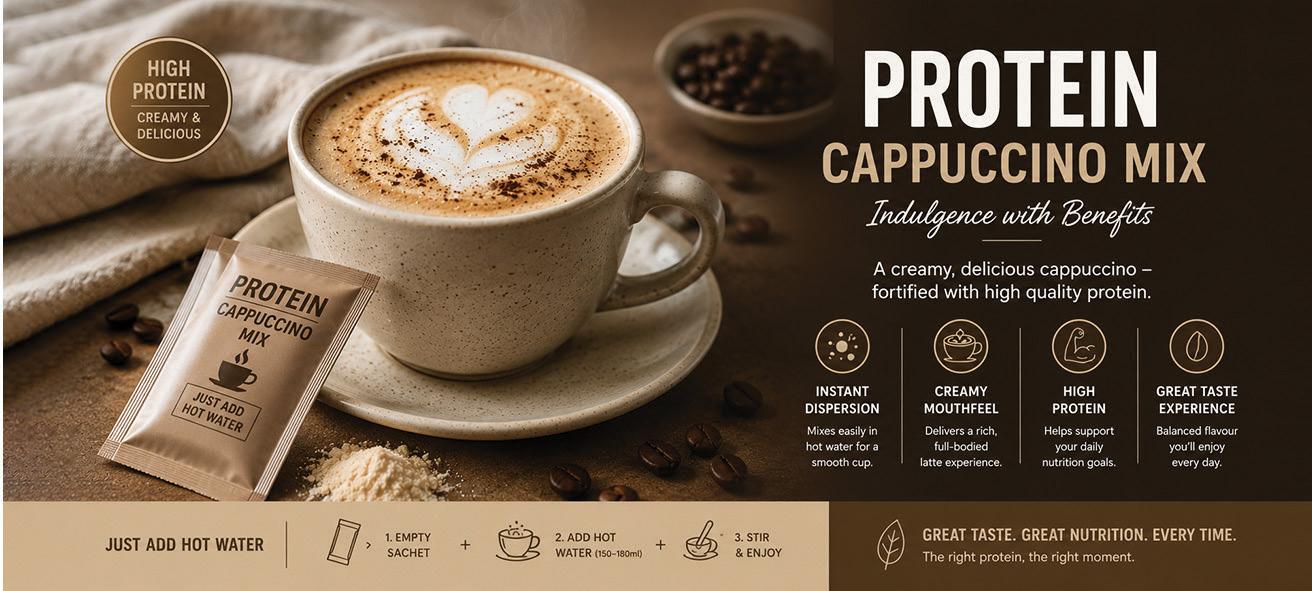
Unlike ready-to-drink beverages, instant sachets are prepared by the consumer at the point of use. The powder is usually added to hot water, stirred briefly and consumed immediately. This means the protein does not only need to be nutritionally suitable — it must also disperse quickly, hydrate effectively and deliver a smooth, creamy drinking experience without lumps, sediment or graininess.
DAIRY PROTEINS DELIVER
Protein fortification is becoming increasingly relevant in indulgent beverage formats, including instant cappuccino and latte-style sachets. These products offer a convenient way for consumers to add nutritional value to an everyday coffee occasion, but they also present specific formulation challenges.
NOT YOUR ORDINARY CUP
Because cappuccino and latte-style beverages are typically formulated closer to a milk-like, more neutral pH than black coffee, dairy proteins are generally better suited to these applications, where they can provide good solubility, creamy mouthfeel and a familiar milky flavour. For this reason, the physical format of the protein is extremely important. In ready-to-
"A protein may be soluble under controlled conditions, yet still clump in a cup if it does not wet and disperse properly when mixed by hand."
mix applications, instantised or agglomerated proteins are often preferred because they wet and disperse more easily than fine, noninstantised powders. Solubility is important, but it is not the only measure of performance. A protein may be soluble under controlled conditions, yet still clump in a cup if it does not wet and disperse properly when mixed by hand.
CHOOSING THE RIGHT MILK PROTEIN
In cappuccino and latte-style systems, milk proteins are particularly suitable because they contribute a natural dairy taste, creamy mouthfeel and good compatibility with the flavour profile of coffee. Milk protein concentrates, milk protein isolates, caseinates and micellar casein ingredients can all be considered, depending on the desired protein level, texture and cost target. Casein-rich dairy proteins are generally more heat tolerant
than whey proteins and support the milky character expected in latte-style drinks.
Whey proteins can also be used, especially where a lighter mouthfeel or higher protein density is required. However, standard whey proteins may be more sensitive to hot water, particularly at higher inclusion levels. For this reason, instant whey proteins or whey protein hydrolysates may be considered for hot ready-to-mix applications. Hydrolysates can offer improved dispersibility and heat performance, although bitterness or astringency may need to be managed through flavour design, sweeteners or masking systems.
BALANCING THE FULL FORMULA
The final formulation also needs to balance protein with other key ingredients such as dairy powders, creamers, coffee solids, sweeteners, stabilisers and foaming systems. At higher protein levels, the risk of viscosity increases, drying mouthfeel or sediment becomes more pronounced.
Successful protein fortification in instant cappuccino and latte sachets therefore depends on choosing the right protein and the right powder format.
Chempure – www.chempure.co.za

Maximising flavour and efficiency in extraction
Did you know over 70% of coffee and tea extraction efficiency depends on particle size? From maximising flavour capture to ensuring consistent quality, precise size reduction is essential for producing premium coffee and tea.

Did you know over 70% of coffee and tea extraction efficiency depends on particle size? In a market where flavour and consistency define product success, manufacturers can’t afford to get this step wrong.
Achieving a premium end product starts with precise size reduction of your raw ingredients, ensuring optimal surface area for flavour capture. When particle size is inconsistent, extraction efficiency suffers — leading to wasted product, undesirable bitterness, or weak flavour profiles.
For processors using integrated extraction systems, controlling the particle
size of roasted coffee beans and tea leaves is critical. Too coarse, and valuable flavour compounds may not be fully extracted. Too fine, and excess bitterness or over-extraction can occur. Achieving the perfect balance in particle size requires advanced technology and this is where Comitrol® processors from Urschel make all the difference.
PARTICLE SIZE IN EXTRACTION
In modern coffee and tea processing, the ground ingredients are mixed with water to create a slurry — a thick liquid mixture that allows for efficient extraction of flavour compounds. This process is essential in the production of coffee essences, instant coffee, and tea concentrates.
At this stage, the efficiency of flavour extraction is directly linked to how precisely the ingredients have been reduced in size.
Inconsistent or oversized particles may result in uneven extraction, reducing yield and overall quality.
Urschel’s Comitrol processors ensure a highly controlled, uniform particle size, allowing manufacturers to achieve: Maximised flavour capture – More surface area exposure leads to greater aroma retention.
Higher yield efficiency – Improved extraction of soluble coffee or tea compounds. Process consistency – Ensures uniformity across production batches.
Comitrol M3600S – Uniform particle size for optimal extraction.
Comitrol M3600S® is a leading solution for grinding roasted coffee beans and tea leaves before extraction. It’s designed for precision size reduction, ensuring particles are uniform and optimal for slurry preparation.
By maintaining tight control over particle size, Comitrol M3600S prevents inconsistencies that lead to flavour degradation or loss. This translates to a better-quality final product — whether for coffee extracts used
in ready-to-drink (RTD) applications or premium instant tea concentrates.
URSCHEL COMITROL M1700
For manufacturers requiring greater flexibility in size reduction, the Comitrol Processor M1700® provides multiple cutting options in a single machine. This model allows processors to fine-tune particle size based on their specific application, for example: Finely milled coffee or tea powders for instant extraction.

Micro-cut tea leaves for enhanced flavour infusion.
Pre-ground coffee for instant formulations with consistent texture.
Comitrol M1700’s preci sion cutting heads ensure that every batch meets the required specifications, reduc ing waste and improving process efficiency.

“Achieving the perfect balance in particle size translates to superior flavour, higher yield efficiency, and consistent quality in every batch. ”
PROCESSING EFFICIENCY
Beyond flavour optimisation and helping you bring your best product to market, the Comitrol series from Urschel delivers additional operational benefits, including: High throughput – Handles large volumes
with minimal operator intervention. Sanitary, enclosed design – Prevents dust, vapour, or liquid escape, ensuring cleanliness. Low maintenance – Durable stainless-steel construction for easy cleaning and longevity. Comitrol M3600S and M1700 are tailored solutions to meet the demands of modern extraction systems, ensuring superior results in every batch.
For coffee and tea manufacturers aiming to maximise flavour retention, optimise extraction, and enhance product consistency, investing in precision size reduction technology is essential. Both the Comitrol M3600S and Comitrol M1700 models will ensure superior results in every batch. By utilising advanced size reduction equipment, manufacturers can produce higher-quality extracts, increase efficiency, and deliver premium coffee and tea products to a global market.
Heat and Controlwww.heatandcontrol.com

Explore more cutting solutions at heatandcontrol.com/urschel.



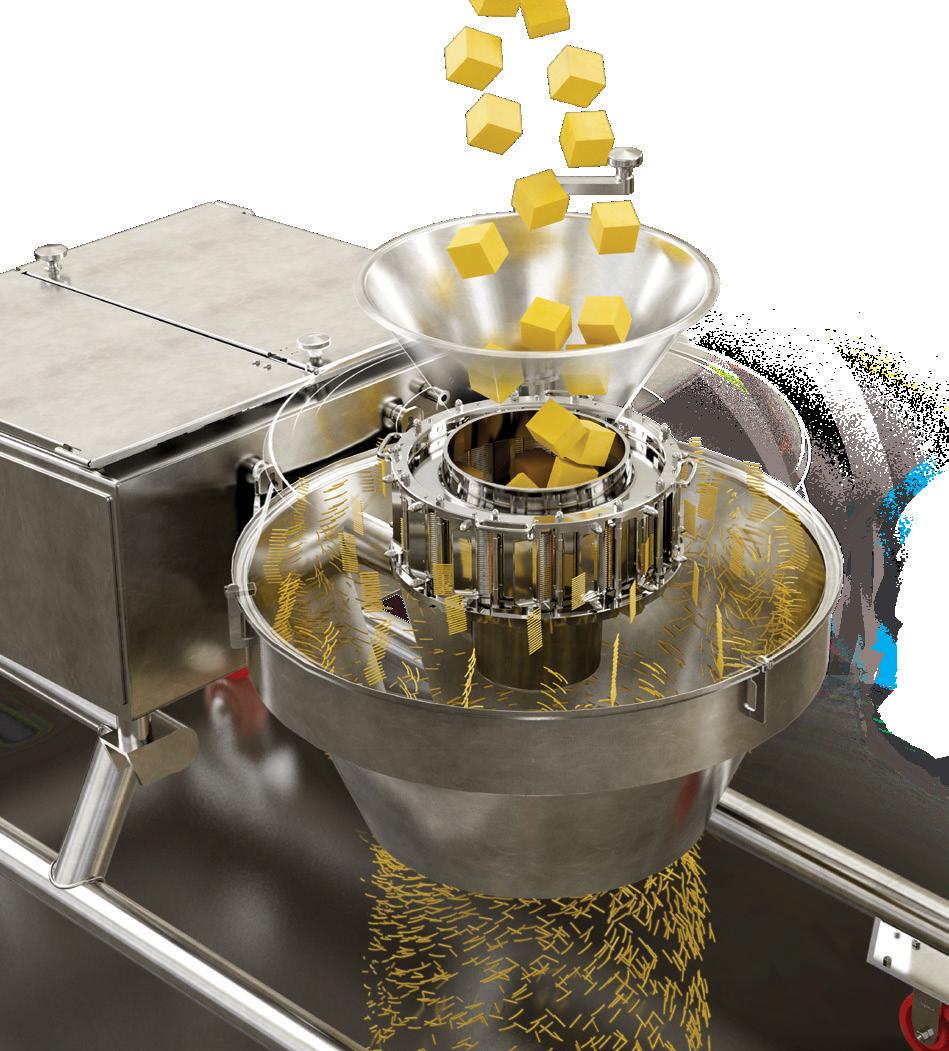
The CCX-D Shredder now features a powerful 15 HP (11.2 kW) motor for peak production. 32” (813 mm) enclosure paired with the SH-14 MicroAdjustable® 14-station shred head offers maximum capacity of precision shreds. Both the shredder and head design provide the ultimate in sanitation. PIONEERING INNOVATION SINCE 1950


Slice | Dice | Strip | Shred | Puree
Speed, precision, safety: FT-NIR transforms meat testing
FT-NIR spectroscopy gives meat, fish and poultry producers fast, reliable, chemical-free quality control — from raw material intake to final product release.
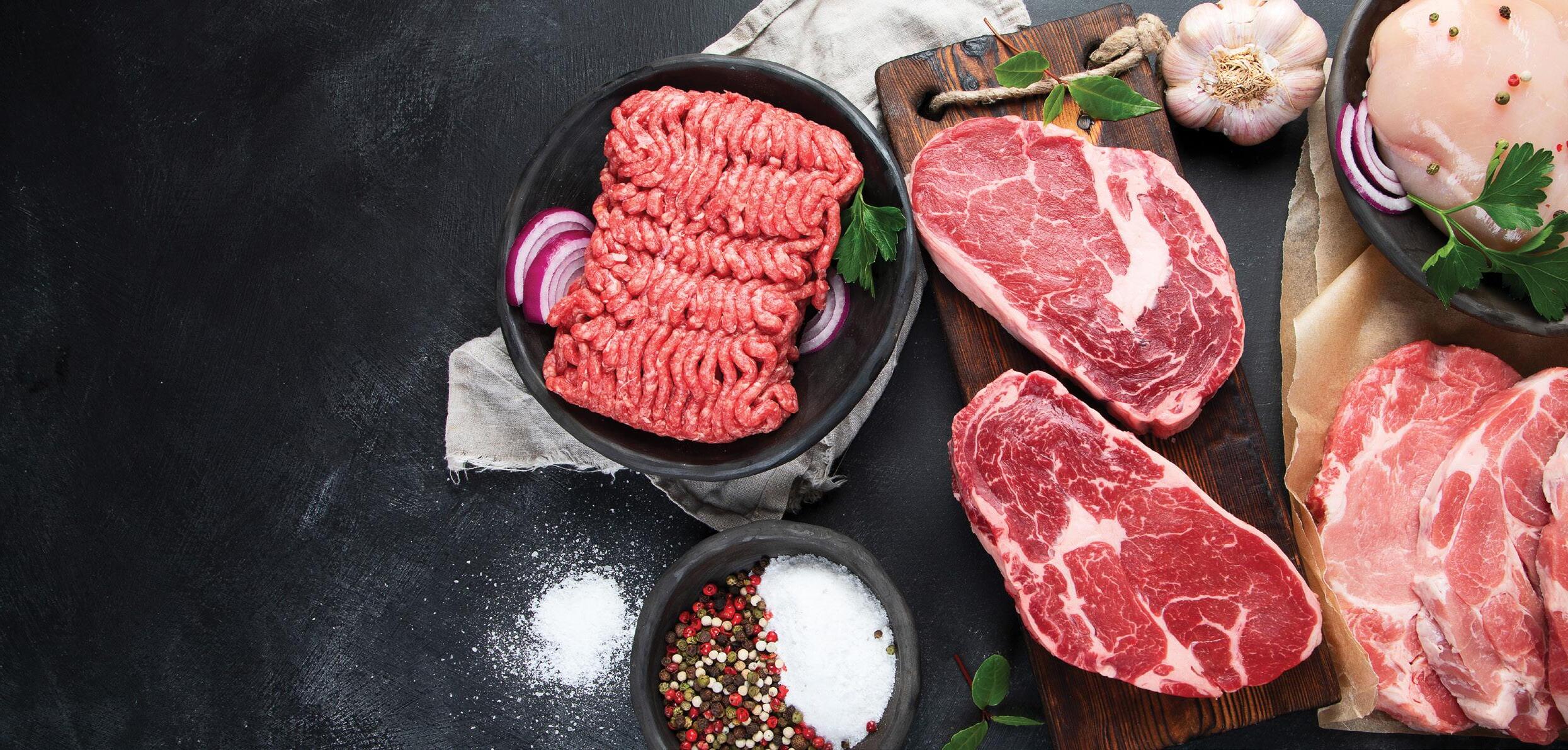
Within the meat industry the continuous analysis of fresh meat and other ingredients is necessary to adapt the recipes to ensure a constant batch to batch quality of sausages, salami and various other types of meat products.
Meat comes – like all natural materials – in a wide range of variation. For the meat industry it is essential to know the composition of raw meat and other ingredients in order to adapt the recipes for high quality sausages, salami, ham or other types of meat products. In addition, the testing of intermediates as well as the finished goods before delivery to the end customer is a crucial step for consumer satisfaction.
Bruker Optics MPA II and TANGO are easy-to-use FT-NIR spectrometers, which help you analyse the composition of your sample with little to no sample preparation. The minced meat or meat product is filled in either glass or disposable polystyrene Petri dishes and placed on the integrating sphere for measurement in reflection mode.
FT-NIR SPECTROMETERS
FT-NIR Spectroscopy offers a lot of advantages over classical wet-chemical and chromatographic analyses. It is very fast with analysis times below 30 seconds, cost-effective and safe, since no hazardous chemicals are used. Today it is widely used in the food industry for non-destructive qualitative and quantitative analysis of raw materials, in-process materials, and finished products throughout the entire manufacturing process:
• Produce a consistently high product quality
• Make the most efficient use of valuable raw materials
KEY MEASUREMENT TARGETS
INCLUDE:
• Water content
• Fat content
• Ash content
• Protein content
With the growing global demand for meat and meat products it can be a challenge to keep the standard quality requested by the customers. FT-NIR technology being able to provide analysis results in less than a minute has the potential to complement or even substitute a wide range of classical test methods for the quality assessment of meat and meat products in the laboratory as well as on-line.
• Improve product efficiency and reduce downtime
Bruker Optics offers various FT-NIR spectrometer models for lab, at-line and online applications:
• TANGO: Touch-screen operated FT-NIR analyser for routine use in the lab and atline.
• MPA II: Multi-purpose Analyser for maximum flexibility with ease-of-use.
• MATRIX-F: Process monitoring with probes and contact-less sensor heads.
ANALYSING RAW MEAT
Meat can be a very complex raw material where small changes in external impacts like animal nutrition can lead to large variation in the final meat quality. Fluctuating fat content in the supplied meat can e.g. be a large problem for a sausage producer if he is not aware of it. Measuring the fat content of carcasses is also often a criterion for the value-based payment of the suppliers. FT-NIR Spectroscopy offers here a valuable tool for assessing the incoming material. The parameters fat, protein and
“From delivery bay to dispatch — one instrument, every parameter, under 30 seconds.”
moisture can be determined simultaneously with only one measurement. With the results, decisions can be taken on how to proceed with the production.
MONITORING THE FINAL PRODUCT QUALITY
In Germany alone, there are more than 1500 different types of sausages available in the shops, including fresh or fresh smoked, dry and cooked sausages, as well as a wide variation of hams. The regulating bodies require the determination of the amount of water, protein and fat in every type of sausage. Moreover, the salt content is of interest for the producer as well as for the customer.
FT-NIR has proven to be an efficient analysis method for the determination of moisture, fat, protein and salt content in various types of sausages. Furthermore the water activity (aW) can be analysed for the optimisation of product shelf life.
BENEFITS OF FT-NIR
At the push of a button, the analyser evaluates your sample and displays results for protein, fat, moisture, salt content and other parameters simultaneously. The Bruker Meat Calibration Package contains methods for the analysis of raw meat as well as meat products like ham or cooked and raw sausages.
Bruker - www.bruker.co.za
SPECTROSCOPY
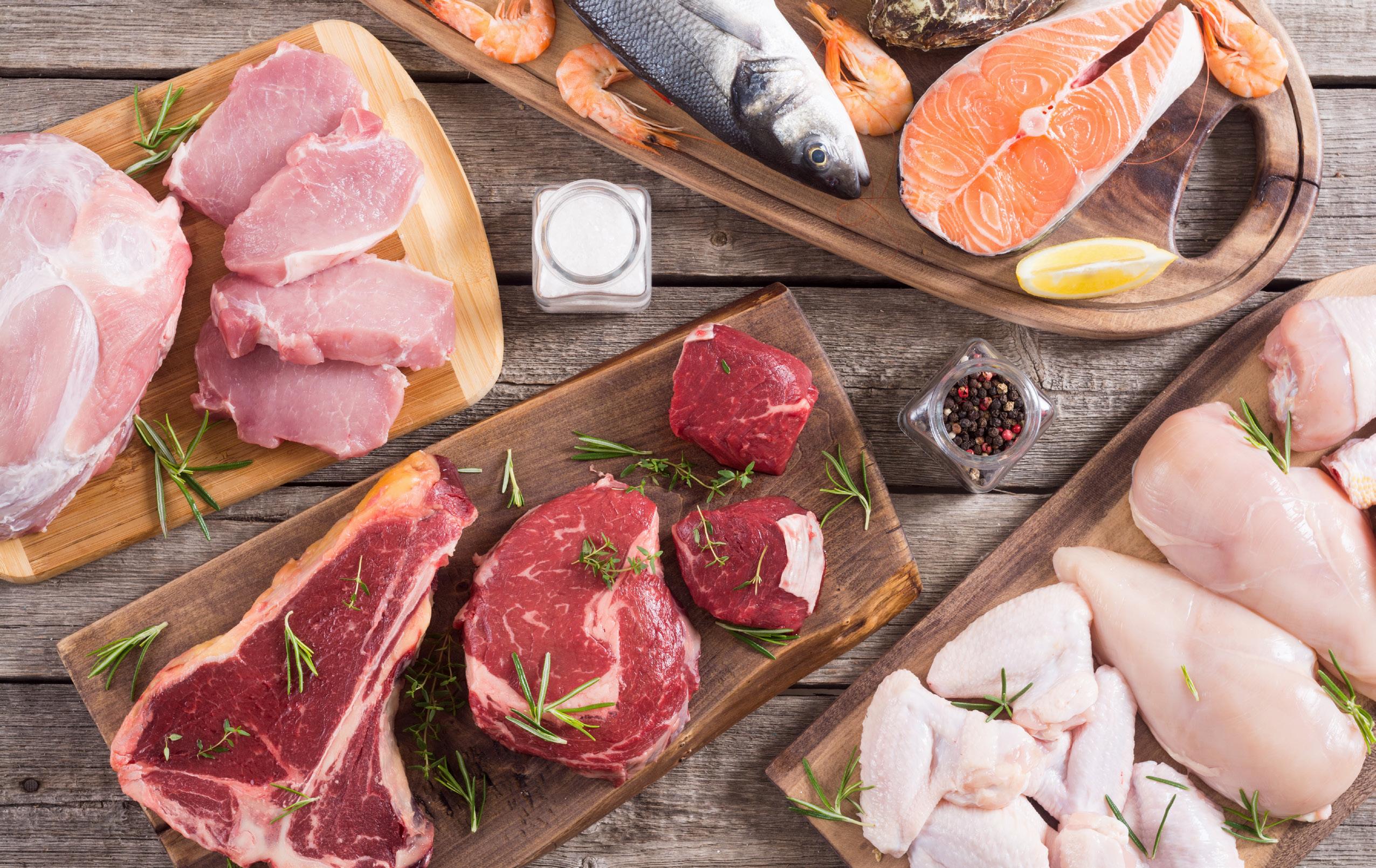


Quality begins with precise analysis. We support food manufacturers in ensuring safety and efficiency along the entire value chain: from raw materials to the final product.
Lab Analysis: Fast and reliable results for key parameters, ideal for routine checks and product approvals.
Process Control: Continuous monitoring directly in production for maximum safety and optimized resource utilization.
Sustainability: Less waste and stable processes contribute to cost efficiency and responsible use of resources.
Integration & Support: Networked analytics, easy implementation, and global service for long-term process optimization.
Contact us: infoza.bopt@bruker.com
For more information please visit www.food-analysis-nir.com
Small packs drive big changes
PMD Packaging launches innovative small pack machinery range targeting African entrepreneurs and addressing portion control hygiene challenges across diverse markets.
PMD is constantly investing in new solutions for packaging systems to suit the Food and Beverage market and others including Pharmaceutical, Nutriceutical, et al. Furthermore the company wants to pay attention to the economic profile of Africa. Many end users of common domestic products just don’t have the resources to purchase the big packs and the result is often Please change to manual intervention in order to satisfy the need for small packs. Small entrepreneurs have no choice but to do their best and measure portion size as best they can and manage their hygiene issues accordingly. This naturally introduces the consumer to hygiene risks and also risk of being over charged. Thus there is more pressure to make small packs available and that they are produced in compliance with health and safety requirements of the modern world.
PMD has now launched a new range of machines to complement a very successful range of VFFS machines with a multitude of special dosing systems, plus Auto Baling, Shrink-wrap, and many other special solutions where the company enjoys assistance from our European partners.
This move is designed to satisfy many markets including, small entrepreneurs, and also big companies that need to offer small portions.
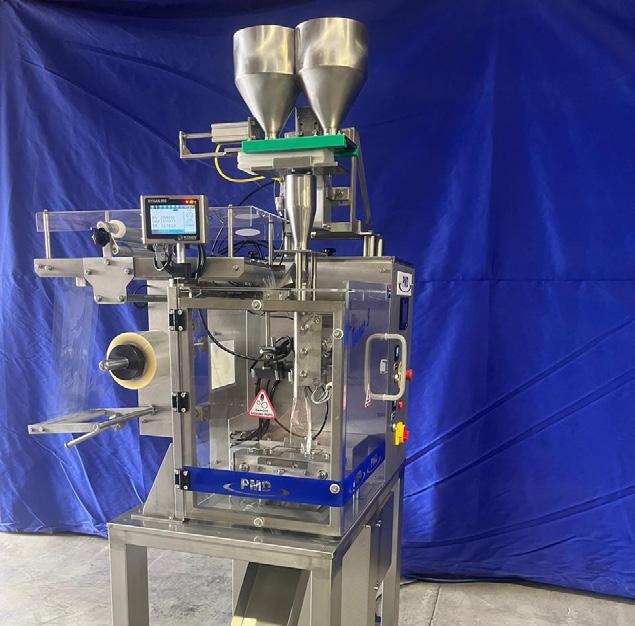
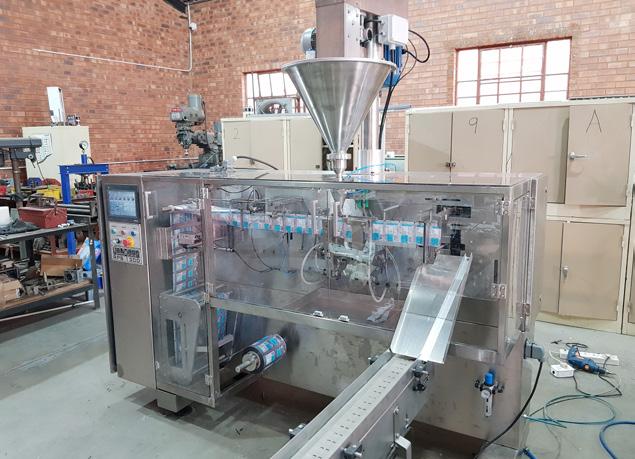
PMD HAS DEVELOPED AND INTRODUCED TO THE MARKET, A RANGE OF SMALL PACK MACHINES: Taurus: Mini VFFS machine for 3 side seal or pillow pack. Taurus is available with quick change over dosing capability for liquids, powders or granules.
Sigma 1: High speed VFFS machine for small packs up to 100 packs / min
Apollo: Horizontal sachet machine for 3 or 4 side seal in single or twin lane format.
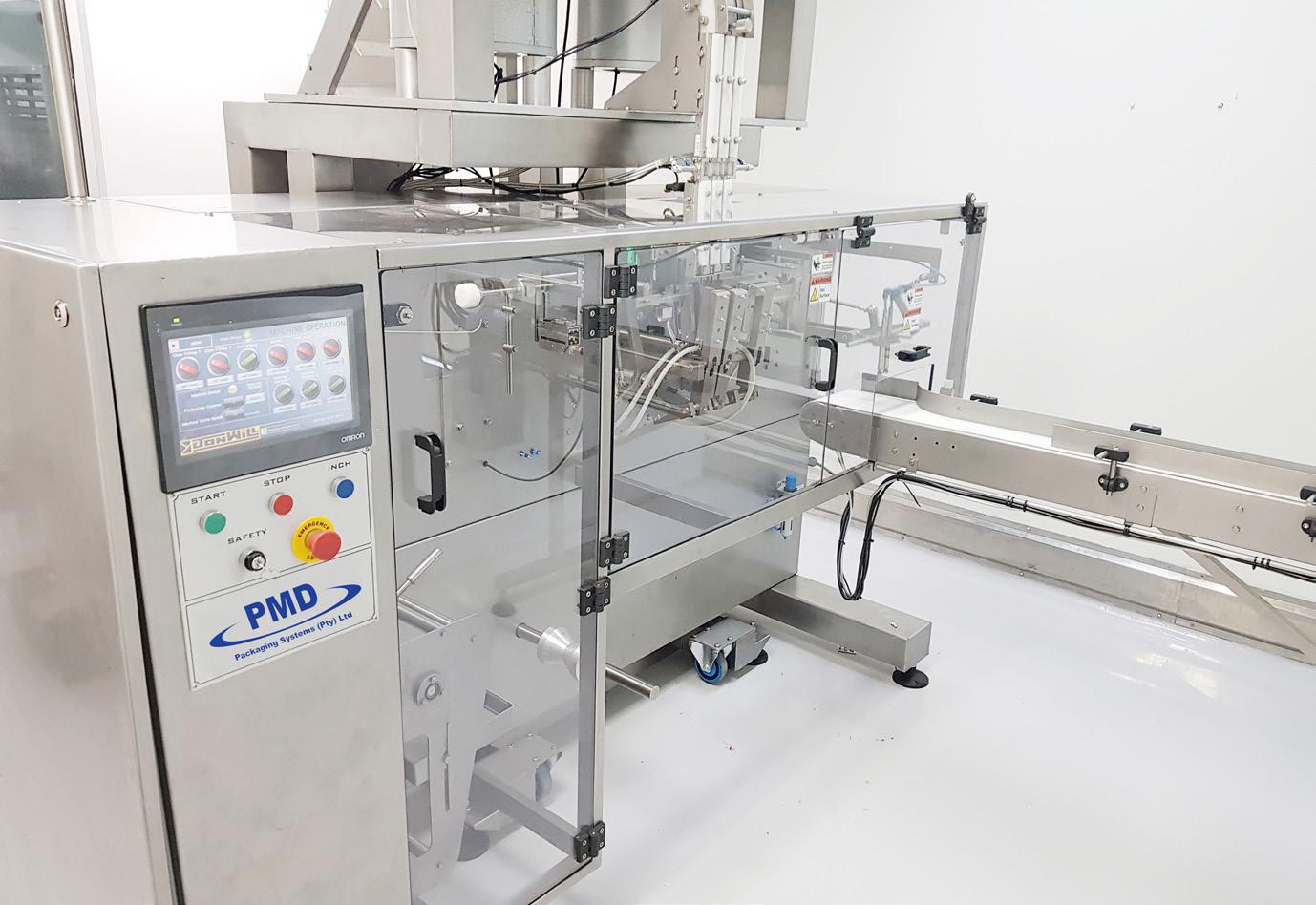
"We design them, we build them, we maintain them, we improve them, we develop them. And above all we have technical support for everything we make."
ABOUT PMD
PMD Packaging has been manufacturing high-quality packaging machinery, since inception in 1966. The Sigma range of vertical form fill and seal packaging machines complies with world class standards. Under the guidance of Mike Spencer, the company has expanded, to offer a wide range of packaging and processing machinery by partnering with a number of international brands. PMD services a loyal client base globally and throughout Africa, with local representation in Johannesburg, Cape Town and Durban.
Our success is based on our work ethic, as well as an excellent track record of successful installations and back up service for many leading multi-national companies. Throughout the years PMD has put technical development at the top of its agenda with the result that its products are widely recognised as leaders in the field of food packaging machinery, and now has many machines installed in a broad cross section of industries and countries throughout the world. We represent a number of suppliers including, Matcon, Delfin, Velteko, New Projects, Proxes, Symach. Pat Galleymore, Technical Director heads up PMD’s manufacturing and demo facility in Northriding, Johannesburg, supported by an experienced and qualified team.
MILLING AROUND PEOPLE LIKE PMD WILL INCREASE YOUR PRODUCTIVITY
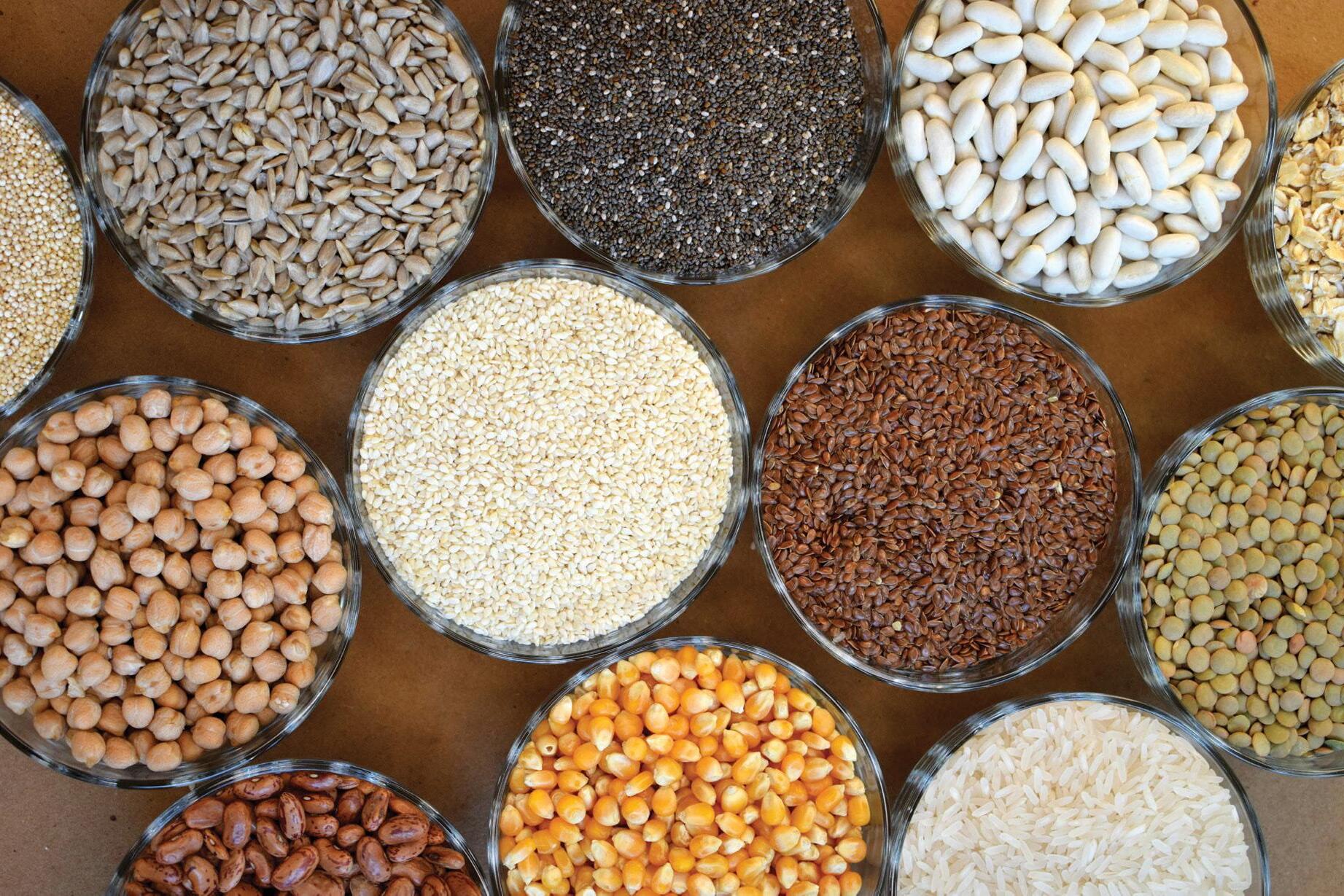

Over the last 50 years, PMD has built up a proven track record, as a reliable partner to the milling
We offer an array of equipment to maximise productivity and lower operational costs. With representation in Gauteng, Cape Town and Durban, we are able to offer quick and effective sales,
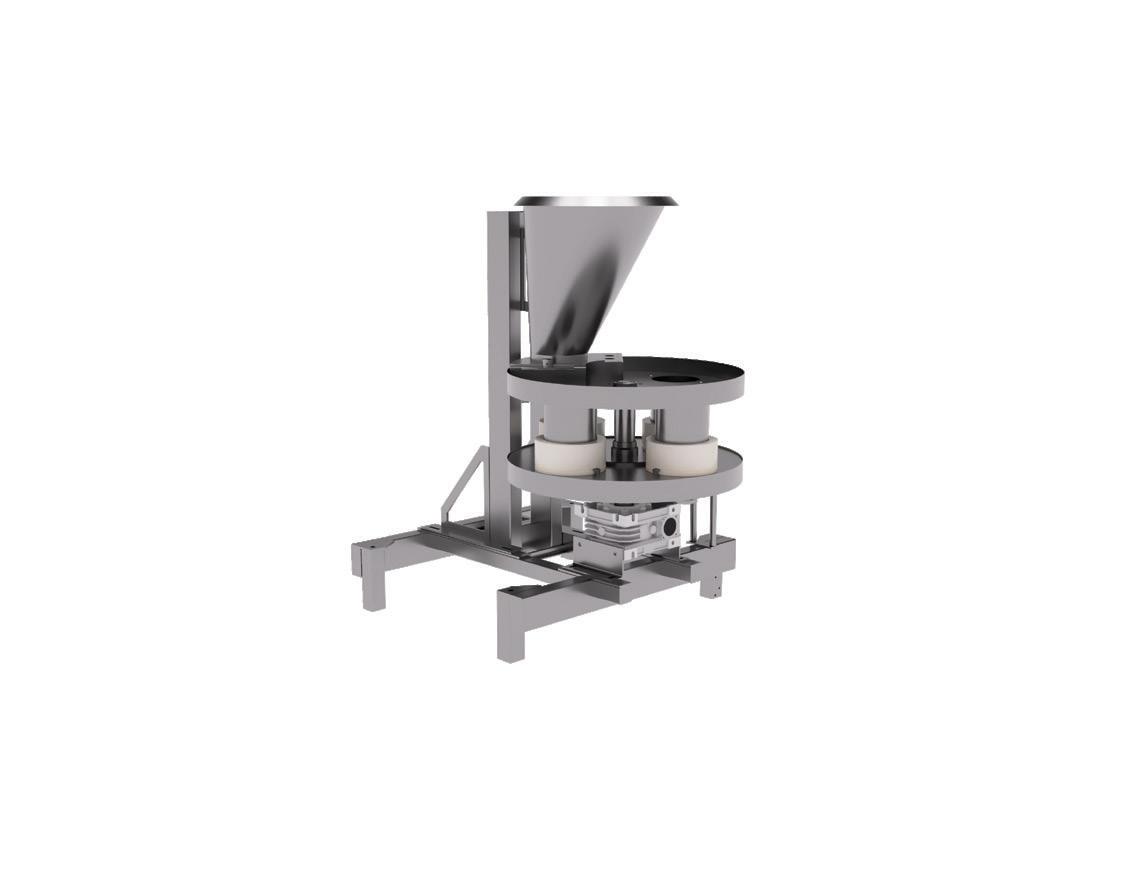
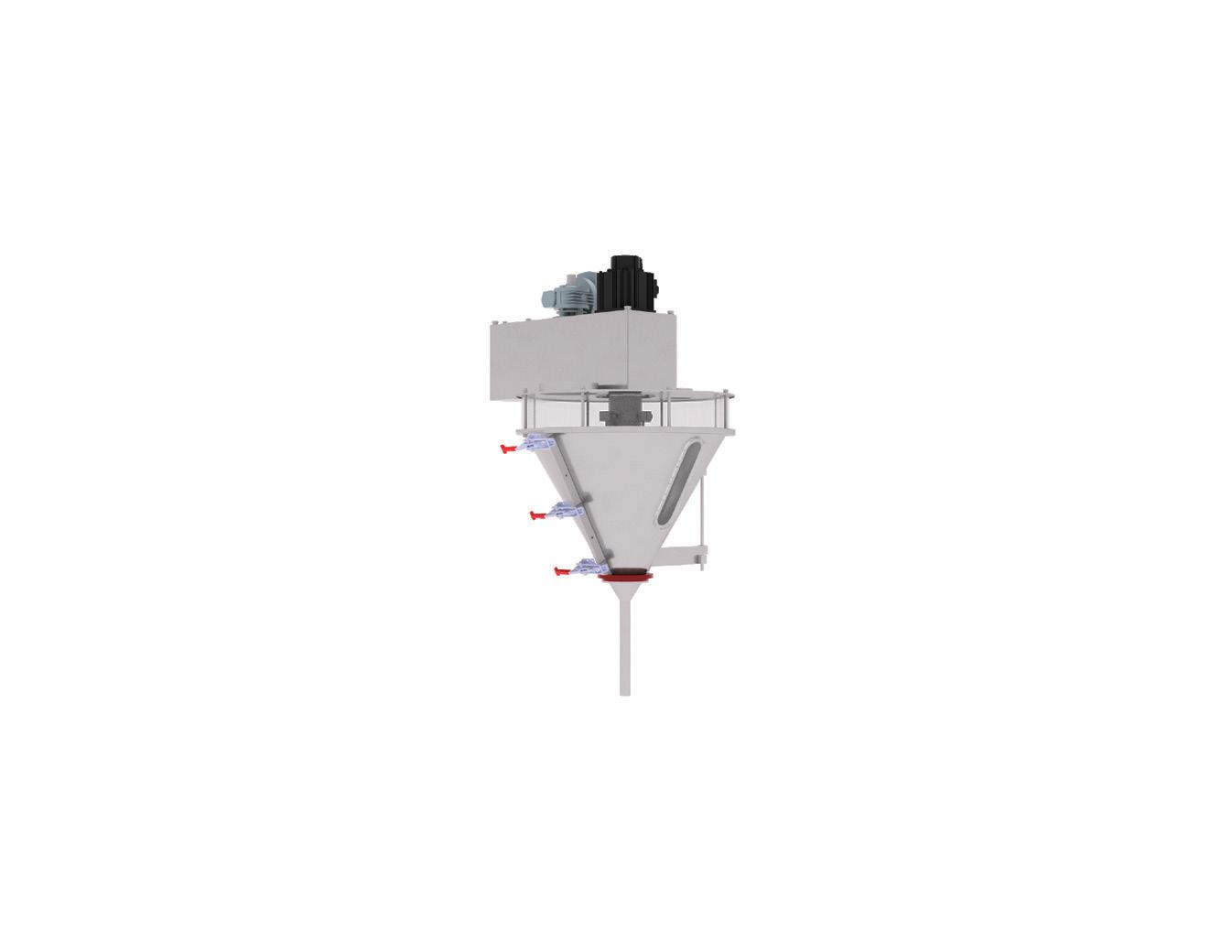

Contact us to assist you in finding a customised solution tailor made for your factory and/or mill.
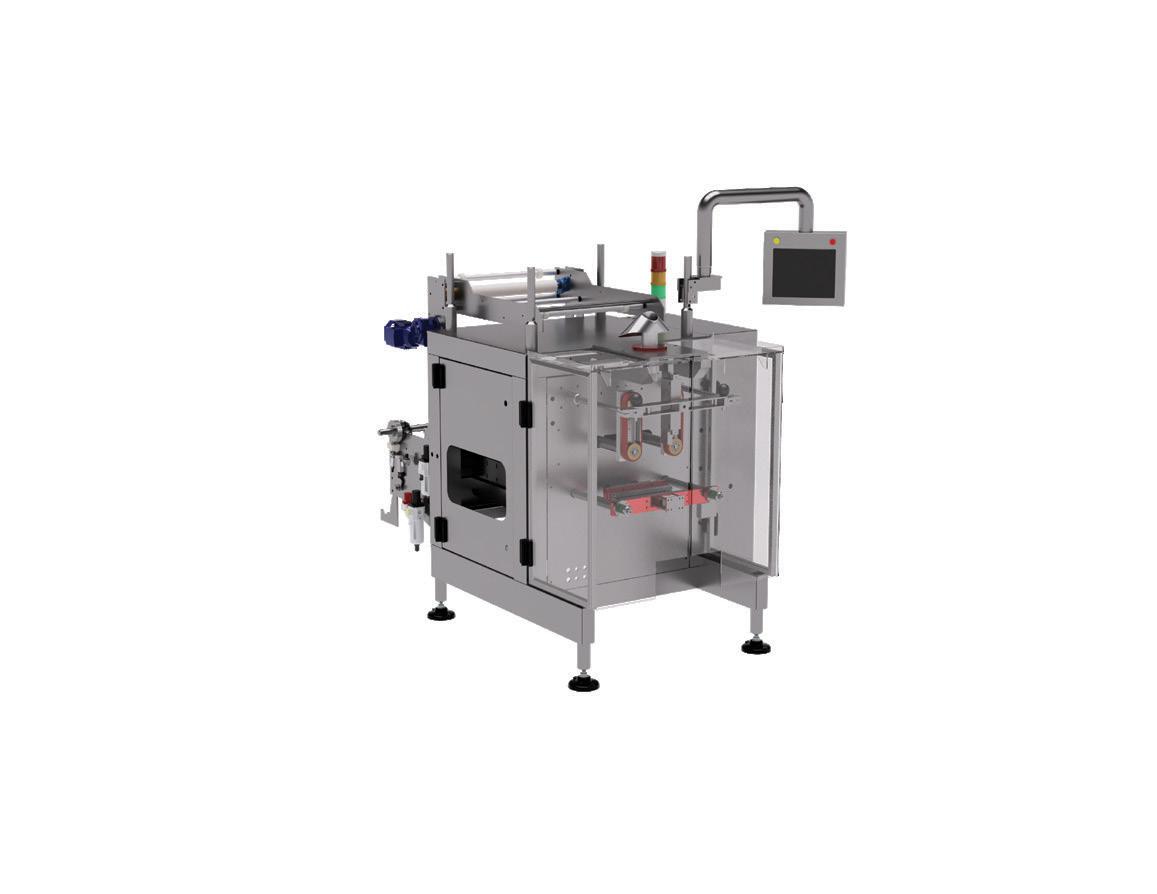
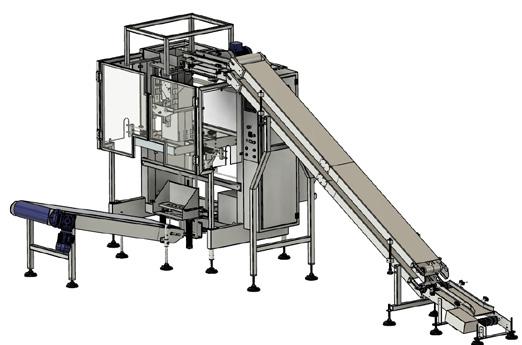
Bag sealing sweet success
Buckle Packaging delivered a precision bag-closing solution to one of South Africa's largest sugar mills, transforming efficiency and seal quality at scale.
There is something quietly satisfying about a perfectly sealed bag. To the untrained eye it is a minor detail — but to a sugar producer moving thousands of 20 kg paper bags, it is everything. A poor seal means product loss, customer complaints, and costly downtime. A great seal means efficiency, consistency, and trust. That is precisely why one of the biggest sugar mills in South Africa turned to the company when they needed a closing solution that could keep up with the relentless pace of large-scale sugar production.
THE CHALLENGE
Sugar mills operate in demanding environments. High volumes, fine particulate product, and the need for tamper-evident, moisture-resistant packaging make bag closing a surprisingly complex engineering challenge. The client needed to close heavy-duty 20 kg paper bags quickly, cleanly, and securely — without compromising the integrity of the bag or slowing down the line. After a thorough assessment of the operation, the team recommended one machine for the job: the Fischbein PBC 6000.
SOLUTION: FISCHBEIN PBC 6000
The Fischbein PBC 6000 is a high-performance hot-melt gluing machine purpose-built for closing multi-wallpaper bags — exactly the kind used in sugar, flour, feed, and pet food applications. It was not chosen by chance. Every aspect of this machine made it the standout solution for this client’s needs. It integrates seamlessly into high-throughput lines without slowing production, delivers a clean, flat, retail-ready finish, and is built for the rigours of heavy industrial environments with minimal maintenance. The result was a smooth installation and consistent, high-quality seals from day one.
"A poor seal means product loss, customer complaints, and costly downtime. A great seal means efficiency, consistency, and trust."
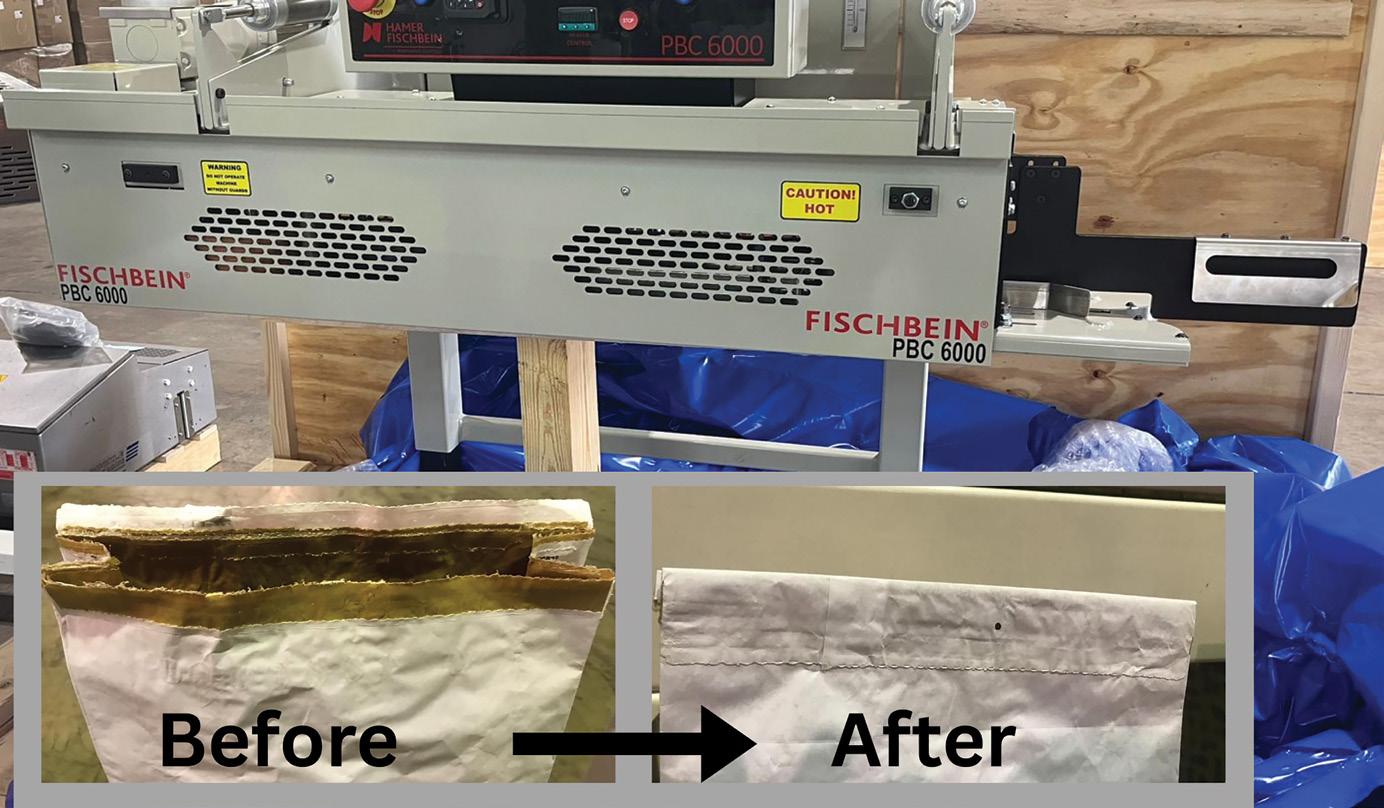
A
DID YOU KNOW?
Bag closing is a far more complex engineering challenge than it appears. Seals must be tamper-evident and moisture-resistant, while withstanding high volumes and fine particulate products like sugar — which is why the industry relies on three distinct closing technologies, each suited to different operational needs.
ONE SIZE DOESN'T FIT ALL
What sets Buckle Packaging apart from a standard equipment reseller is the consultative approach the team brings to every project. The Fischbein PBC 6000 was the right machine for this sugar mill — but it will not be the right machine for every customer, and the team is upfront about that. Depending on the application, budget, bag material, and bag size, there are three primary closing technologies used in the bagging industry, and the business works across all of them: bag sewing, bag heat sealing, and bag glueing.
FAST FACT
Buckle Packaging works across all three primary bag-closing technologies used in the bagging industry — bag sewing, bag heat sealing, and bag glueing — ensuring the right solution for every application, budget, bag material, and bag size.
PARTNERSHIP BUILT ON THE RIGHT FIT
This sugar mill installation is a strong example of what the company does best: listening to the customer's specific challenge, understanding the environment they operate in, and recommending equipment that genuinely solves the problem. The Fischbein PBC 6000 is an excellent machine in the right application — and this was absolutely the right application. Whether you are sealing paper bags of sugar, stitching woven bags of maize, or heat-sealing plastic sacks of animal feed, Buckle Packaging has the expertise and the equipment to get your line running reliably and efficiently.
"What sets the company apart from a standard equipment reseller is the consultative approach the team brings to every project."
OUR STORY
Buckle Packaging was established in 1979 in South Africa. With a proven track record spanning more than 45+ years, Buckle Packaging remains family run. It is an industry leader with an extensive customer base across Southern Africa and across industries.
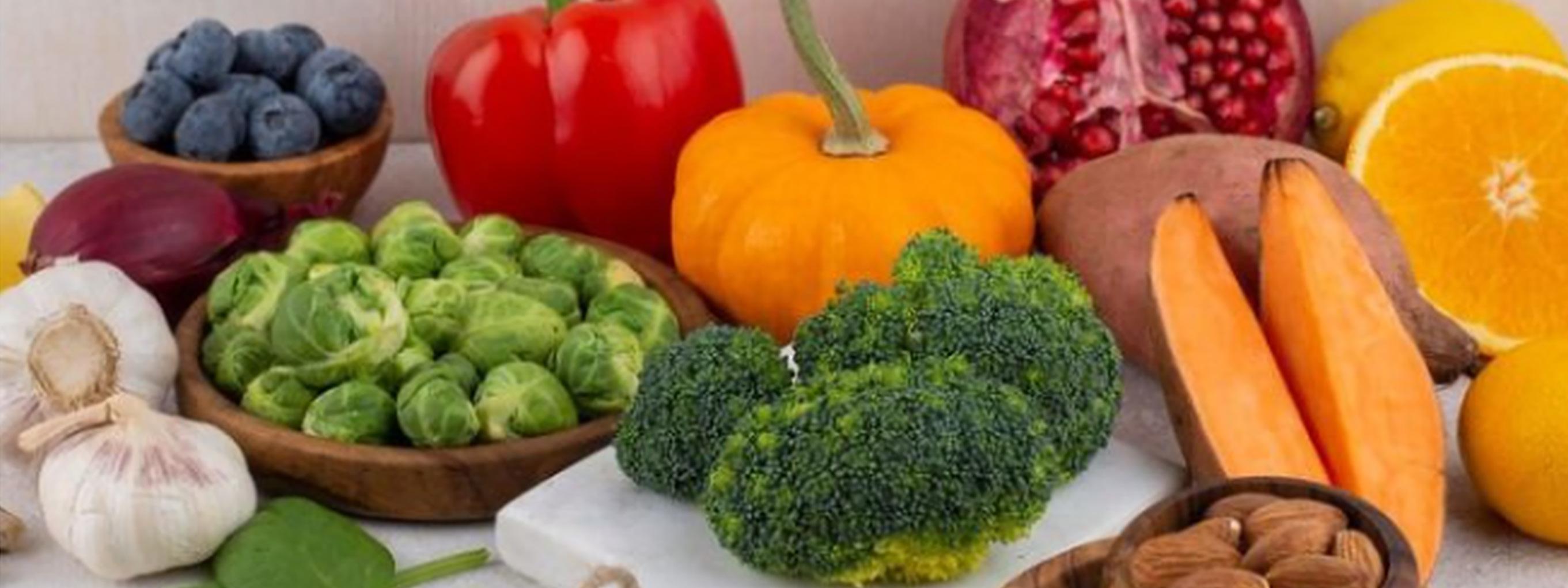
Zinc deficiency is an economic issue

Zinc rarely makes agricultural headlines, yet this overlooked micronutrient is quietly determining crop yields, fruit size, and farm profitability across South Africa, explains, Simon Norton, director of International Zinc Association (Africa).
APPK031-3.pdf 1 2025/04/04 12:07
s South African agriculture faces mounting pressure to increase yields, improve quality, and remain globally competitive, attention is once again turning to a nutrient that rarely makes headlines but quietly determines performance — namely zinc. According to Simon Norton, director of the International Zinc Association (Africa), zinc may not receive the same attention as nitrogen,


phosphorus, and potassium, but its role in plant physiology makes it indispensable.
BEYOND COSMETIC
"Zinc is the trigger that makes the engine run," says Norton. "While NPK fertilisers provide the bulk nutrition, zinc is the micronutrient that activates the hormonal systems responsible for structural growth. Without it, crops simply cannot reach




their genetic potential." NPK fertilisers are compound fertilisers containing the three primary macronutrients that plants need in the largest quantities, namely nitrogen, phosphorus, and potassium.
Zinc plays a central role in the production of auxins — particularly indole-acetic acid (IAA), the hormone responsible for leaf development and internode elongation. When zinc levels are insufficient, crops exhibit stunted growth









WHY ZINC GETS LOCKED OUT OF YOUR SOIL
South African soils are particularly vulnerable to zinc deficiency for three key reasons:
• Alkaline soils — At a pH above 8.4, zinc binds chemically to soil particles and becomes unavailable to plant roots.
• Excessive phosphorus — High phosphorus levels, from natural sources or over-fertilisation, antagonise zinc uptake even when zinc is present.
• Sandy soils with low organic matter These soils struggle to retain micronutrients, allowing zinc to leach away with irrigation or rainfall.
• What to do: Match your zinc formulation to your soil type. Zinc sulphate works well in acidic to neutral soils, while synthetic chelates such as Zn-EDTA are more effective in high-pH or problematic soils. Consult your agronomist to test soil pH and micronutrient levels before the season begins.
"Zinc deficiency is not a cosmetic issue — it is an economic one."
apples, deficiency can result in "little leaf" disease, reducing the tree's photosynthetic capacity and directly affecting fruit size and overall yield.
"In fruit production, reduced leaf surface area translates directly into reduced sugar production," explains Norton. "That ultimately means smaller fruit, lower yields, and compromised market value. Zinc deficiency is not a cosmetic issue — it is an economic one."
BENEATH THE SURFACE
South Africa's unique soil profile presents additional challenges. Many of the country's soils are ancient and highly weathered, making zinc deficiency more common than many farmers realise. In alkaline soils, particularly those with a pH above 8.4, zinc becomes chemically locked and unavailable to plants.
micronutrients, allowing zinc to leach away during irrigation or rainfall.
"Phosphorus-induced zinc deficiency is one of the most common mistakes in vegetable farming," says Norton. "Producers may believe they are applying sufficient nutrients, but antagonistic interactions in the soil can block uptake. Understanding the chemistry is critical."
ZINC FORMULATION
Selecting the correct zinc formulation is therefore essential. Zinc sulphate remains widely used owing to its high solubility and cost-effectiveness, particularly in acidic to neutral soils. However, in high-pH or problematic soils, synthetic chelates such as Zn-EDTA are often more effective, as the chelated structure protects the zinc ion from reacting with other soil minerals.
Increasingly, fertiliser manufacturers are also incorporating zinc into coated NPK granules to ensure consistent micronutrient delivery throughout the crop cycle. Timing and method of application are key considerations for maximising efficacy.. and distorted leaf formation.
In vegetables, this often appears as rosetting, where leaves are small, narrow, and bunched because the stem fails to elongate properly. In fruit trees such as citrus and













Excessive phosphorus — whether naturally occurring or the result of over-fertilisation — can further inhibit zinc uptake, even when soil zinc levels appear adequate. Low organic matter in sandy soils compounds the problem, as these soils struggle to retain







































• Processing technology

CONNECT WITH INDUSTRY LEADERS











Functional ingredients
Packaging solutions
Product categories











Food safety & quality
Industry trends































































































Glass-like protection in a PET bottle
KHS Group's innovative Plasmax barrier technology redefined the protection of oxygen-sensitive beverages — seamlessly combining the performance of glass with the practicality and handleability of PET packaging.
With KHS SUPREME, the KHS Group took the protection of oxygen-sensitive beverages to the next level. The innovative system combined the benefits of glass with the handleability of PET by applying Plasmax barrier technology.

KHS presented the result of an extensive development study: with the KHS SUPREME PET bottle, the Dortmund turnkey supplier focused on the product protection of oxygen-sensitive beverages such as tea. KHS made use of its tried-and-tested Plasmax barrier technology — a wafer-thin, transparent layer of silicon oxide that coated the inside wall of PET bottles like glass. Less than 100 nanometres thick, it reliably protected the sensitive bottle contents from oxidation, retaining taste, colour, and quality for lengthy periods of time. This helped to make the product last up to ten times longer.
Plasmax technology, which KHS had been using successfully for over 20 years, was continuously further developed at its Hamburg factory. This site was KHS' competence centre for PET, with the team's pooled expertise directly incorporated into every single innovation to support customers worldwide with the development of pioneering packaging systems.
PROTECTING QUALITY BEVERAGES
Tea oxidised easily, leading to unwanted changes in colour and taste. The glass barrier prevented this, making for long shelf lives, freshness, and safety. This technology, originally developed for pharmaceutical glass containers, was based on many years of research and process optimisation. The first Plasmax systems were piloted in the food sector back in the early 2000s. Since then, KHS further developed its Plasmax barrier and that year scaled it up to industrial production speeds of up to 60,000 bottles per hour — without any detriment to its protective properties.
DID YOU KNOW?
Plasmax barrier technology was originally developed for pharmaceutical glass containers — not beverages.
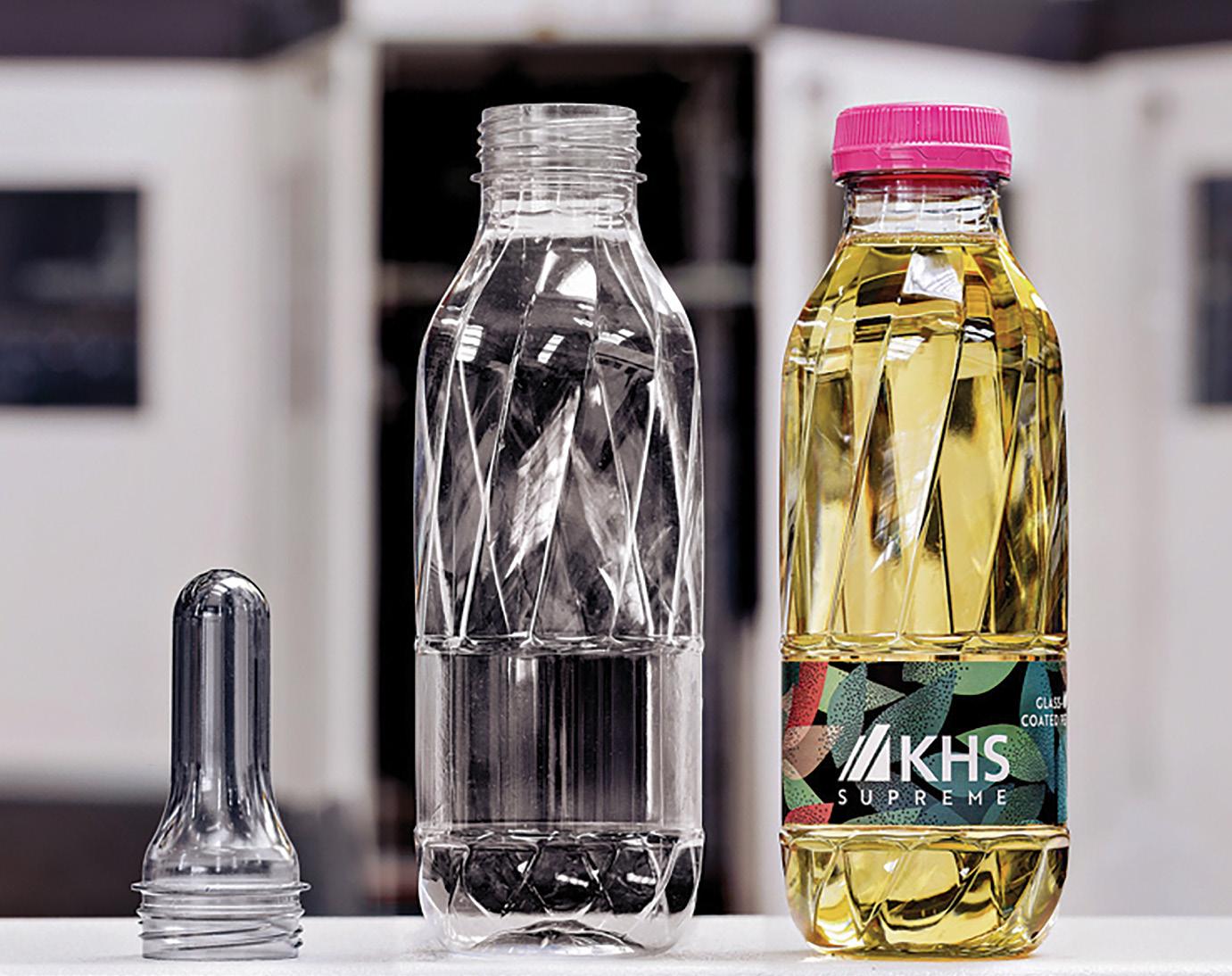
"Our barrier system was ideal for premium products such as green tea that was extremely quality-sensitive and had to satisfy the highest requirements on markets such as Asia.”
TECHNOLOGY MEETS SUSTAINABILITY
Besides its technical precision, the barrier was also convincing with respect to its environmental friendliness. One major advantage of Plasmax technology was that it was completely recyclable: the glass coating was removed by caustic during the recycling process without affecting the quality of the material. Unlike chemical scavenger technologies that made recycling more difficult, the purity of the separated PET was maintained. The coating was also fully compatible with 100% [r]PET — meaning it could be recycled and applied to recycled PET containers, making it a fully circular barrier technology.
KHS GMBH – LEADER IN FILLING AND PACKAGING SYSTEMS
KHS GmbH is a global company with over 150 years of experience and one of the leading manufacturers of filling and packaging systems for beverages and liquid food. The German company was established in 1993 through a merger of Holstein & Kappert AG, founded in Dortmund in 1868, and Seitz-Werke GmbH, founded in Bad Kreuznach in 1887 (later SEN AG). With 5,769 employees, in 2025 KHS realised sales totalling €1.649 billion. KHS GmbH is a wholly owned subsidiary of Salzgitter Klöckner-Werke GmbH.
Core areas of expertise and production sites: KHS develops and manufactures single machines and turnkey lines for the filling and packaging of plastic (PET) and glass containers, beverage cans and kegs. It is headquartered in Dortmund, where its centre for sanitising, pasteurising, labelling, inspection and conveying technology is also situated.
Tropic Plastic & Packaging has been providing customers with the best in packaging solutions for over 50 years.
Our core business is manufacturing polyethylene lms and their derivatives, printing and converting exible packaging in its various forms and lamination. Today, Tropic Plastic & Packaging has grown to be one of the most modern and well-equipped plastic packaging converters in Southern Africa.
Tropic Plastic & Packaging is home to the largest exible printing, extrusion and wicket capacity under one roof in South Africa.
Tropic Plastic & Packaging is committed to offering its blue chip customers the highest quality packaging and service, underpinned by the FSSC 22000 Food Safety Management System.
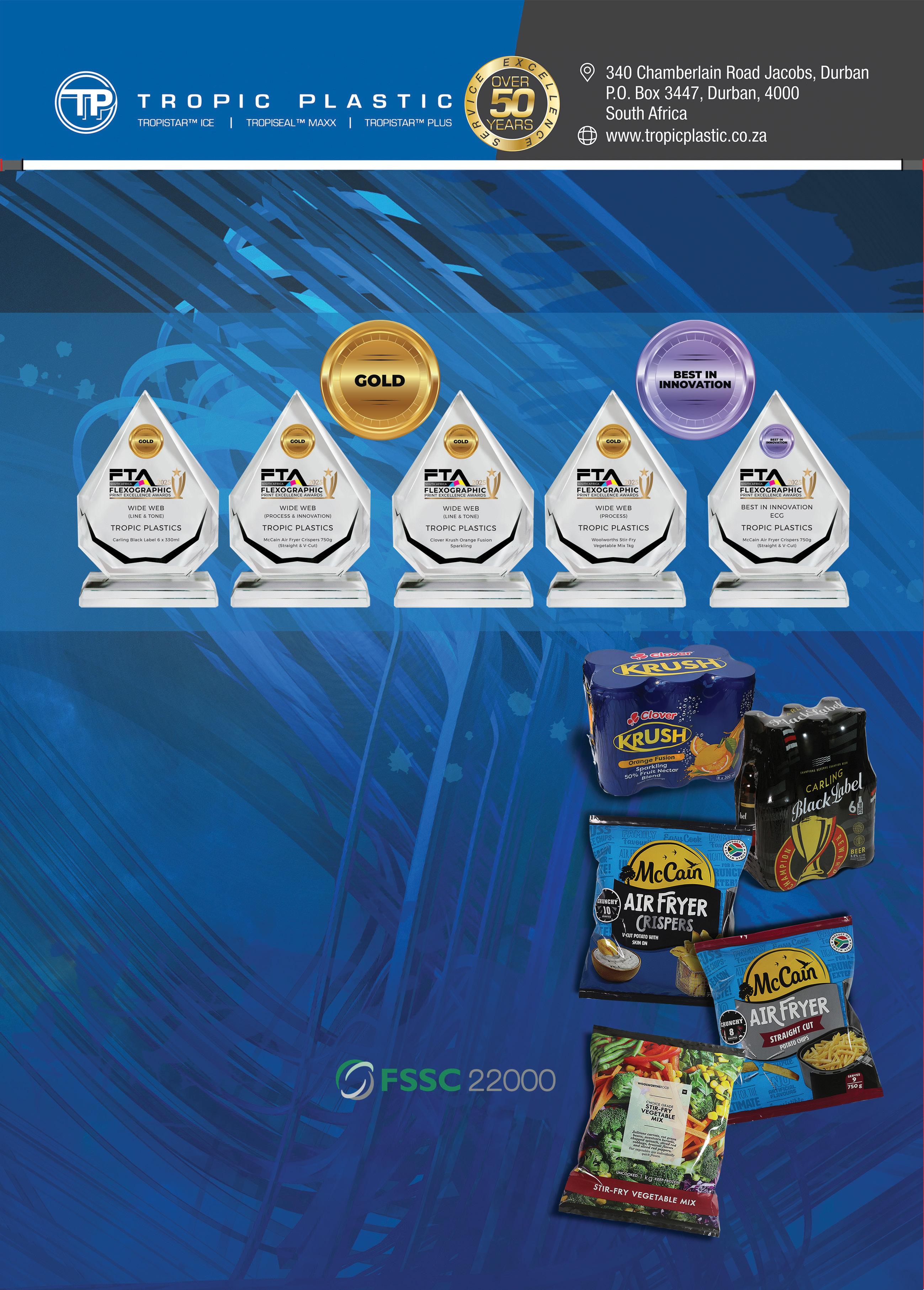
Tel: +27 (31) 468 1534 | Email: info@tropicplastic.co.za
340 Chamberlain Road, Jacobs, Durban
www.tropicplastic.co.za