There's something quietly exciting about putting together an issue that covers everything from maize flour to metal detection — and somehow, it all connects. This month we're heavy on the processing and milling side, and honestly, it felt like the right time for it. The conversations happening in grain and cereal production right now aren't small ones. Tiger Brands is building a bakery capable of producing 12 000 loaves an hour. Bühler is making a case for rethinking how the world processes maize — from arepa to tortilla. Bruker is pushing the idea that near real-time quality control across an entire milling chain isn't a luxury anymore, it's the baseline. These aren't incremental shifts. They're the kind of moves that tend to set a new pace for an industry.
What struck me most putting this issue together, though, was how much the fermentation story has grown. CJ BIO's feature is one worth reading slowly. Precision fermentation used to feel like something that lived in a lab and occasionally made headlines. Now it's showing up in formulation briefs, on clean-label ingredient lists, and in commercial pipelines. That shift is real, and it's moving faster than most people expected.
On the beverage side, the digestive-health carbonate market is sitting at USD 1.1 billion and is expected to hit USD 1.8 billion by 2029. The Döhler piece unpacks why sugar reduction in carbonates is harder than it sounds — taste, mouthfeel, aroma balance — and why getting it right matters more than ever.
Packaging gets its due too, and we've got a good spread from digital label presses to banding technology to sealing solutions.
As always, there's a lot packed in. Grab a coffee and dig in.
Sydney Lai +886 4 2329 7318 sydneylai@ringier.com.hk
CIRCULATION
Circulation Manager: Rae Morrison Email: Rae.Morrison@media24.com
PUBLISHING TEAM
General Manager: Dev Naidoo
Head of Content & Digital Strategy: Varushka Padayachi
Production manager: Angela Silver
Production Controller: Mandy Ackerman
Group Art Director: David Kyslinger
MEDIA24 MEDIA
CEO: Minette Ferreira
CFO: Luxolo Dywili
MEDIA24 CORPORATE
CEO MEDIA24: Raj Lalbahadur
CFO MEDIA24: Nelmarie Beyers
JOHANNESBURG OFFICE
Building 13, The Woodlands Office Park, 20 Woodlands Drive, Woodmead, Sandton PO Box 784698, Sandton 2146
Tel: +27 (0)11 713 9000
POSTAL ADDRESS PO Box 784698, Sandton, Johannesburg, 2146
(Lebo) Nondzaba
We know what to do with corm!
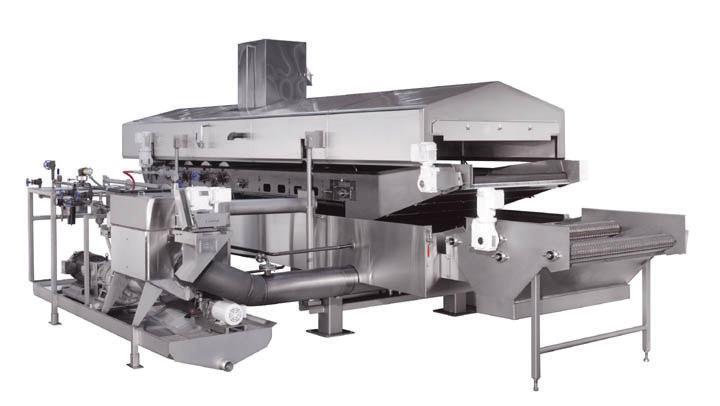
Bringing together leading brands in processing and packaging equipment for the snack food industry. Our solutions set the standard for yield, efficiency, and safety while producing the highest quality snacks. Whatever your product needs, we can meet it with precision and passion.
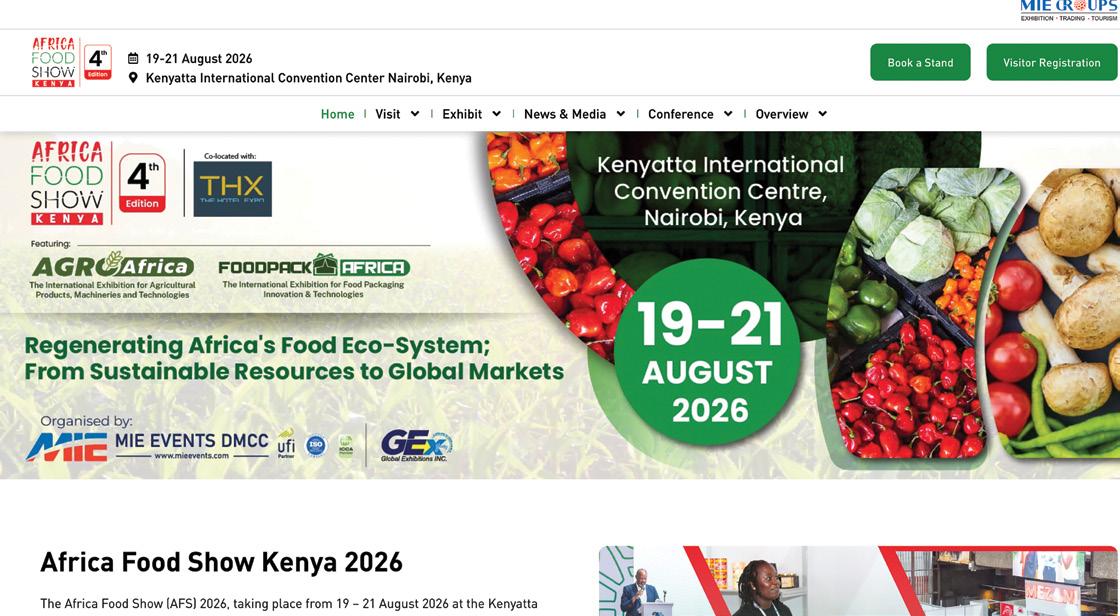
Africa Food Show Kenya 2026 19–21 August Nairobi, Kenya www.africafoodshow.com
Vietfood & Beverage – ProPack 2026 6–8 August
Saigon Exhibition & Convention Centre www.foodexvietnam.com
October
Fruit Attraction 2026
6 – 8 October 2026
Spain, IFEMA MADRID www.ifema.es/en/fruit-attraction
SIAL Paris 2026
17 – 21 October 2026
France, Paris Nord www.sialparis.com
September
Dairytech Africa
9 – 11 September
KICC. Nairobi. Kenya www.dairytechafrica.com
Africa Print Expo
8 – 10 September Gallagher Convention Centre, South Africa www.africaprintexpo.com
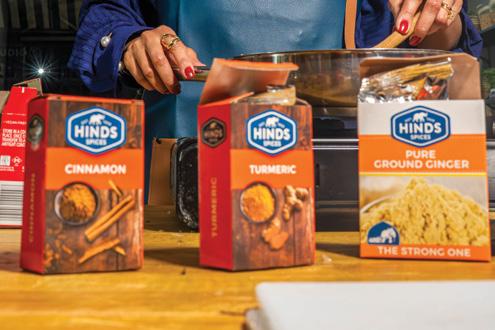
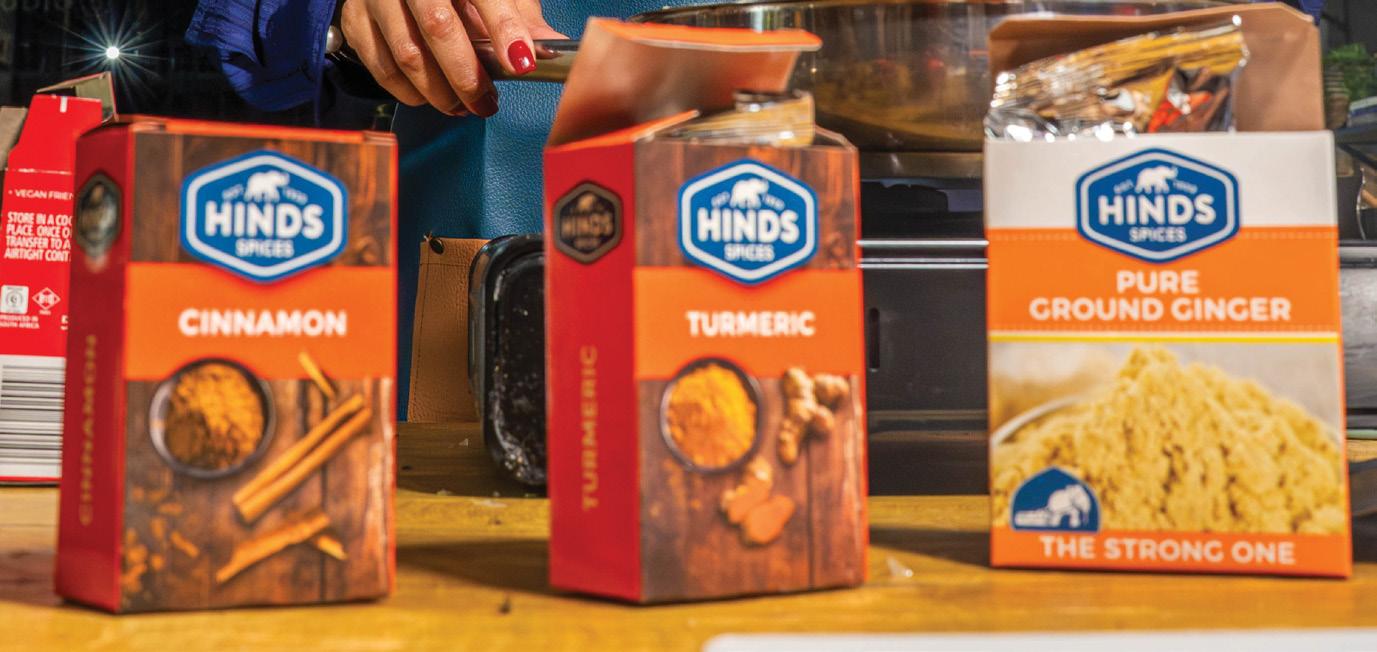
MEET HINDS’ FIVE WINTER WARMING SPICE HEROES
Winter is here, and the chilly weather is perfect for preparing hearty soups, slowcooked stews, and comforting, warm homecooked meals for cozy nights in with family and friends. Much-loved South African brand Hinds Spices unlocks bigger, bolder, betterfor-you winter flavour with five versatile winter spices. Bright, rich, and aromatic, these winter spices bring tasty goodness and soothe away winter chills. Each of these aromatic Hinds Spices brings its own unique character and bold, enhancing flavours. They are pure spices, containing no fillers or starch.
Hinds Spices Pure Ground Ginger delivers a warming zing, making it ideal for curries, baking, chutneys, infused drinks, and home-
made ginger beer. Hinds Spices Cinnamon adds comforting sweetness and fragrant warmth to desserts, breakfast dishes, baked treats, and hot winter beverages. Hinds Spices Turmeric adds an earthy flavour and vibrant colour to soups, curries, and other savory dishes. Hinds Spices Cayenne Pepper provides a spicy boost to soups, stews, teas, smoothies, and roasted vegetables.
Hinds Spices Pure Black Pepper delivers bold flavour and depth to roasts, potjies, braais, and hearty family meals. Delicious ways to unlock your spices. To demonstrate the versatility of the range, Hinds Spices has delicious, easy and quick recipes that incorporate these spices in exciting and unexpected ways.
TIGER BRANDS BETS ON SCALE UP WITH SA'S LARGEST BAKERY
Tiger Brands is constructing a cutting-edge "super bakery" on the East Rand near Johannesburg — set to be the largest of its kind in the Southern Hemisphere. The greenfield facility is central to the company's strategic shift away from its historically fragmented network of small plants toward centralised mega sites, designed to unlock economies of scale across procurement, logistics, and national distribution. Built for maximum automation and efficiency, the bakery will produce 12,000 loaves per hour and is expected to replace five to six older inland bakeries. Management projects it will cut conversion costs by 50% and eliminate R250 million in annual overheads. The facility is on track for completion before the end of 2026.
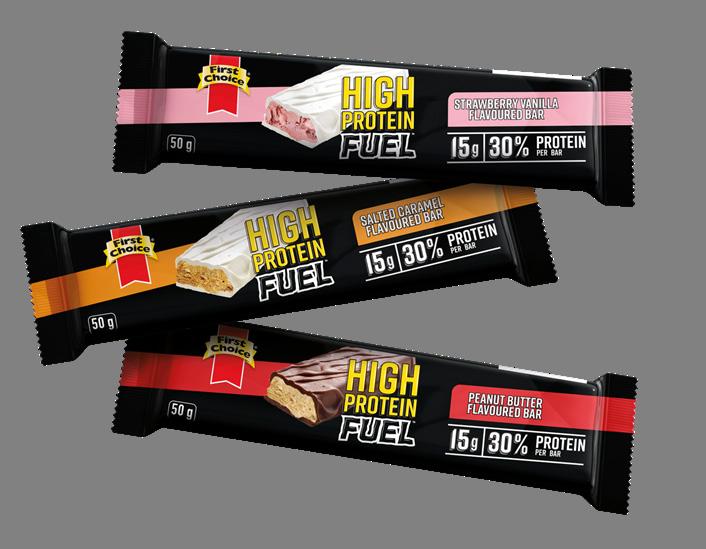
WHAT'S NEW FIRST CHOICE LAUNCHES HIGH PROTEIN FUEL BARS
First Choice, a pioneer in the high-protein beverage category, has launched its new High Protein Fuel Bars, expanding its successful range into the snacking segment. Designed to combine great taste with strong nutritional value, the bars cater to healthand fitness-conscious consumers seeking a convenient, on-the-go snack option.
Marisa Maccaferri, Marketing Executive at Woodlands Dairy Group, says the strong performance of the High Protein ready-todrink range paved the way for this natural extension into bars. “We’ve experienced consistent year-on-year growth, reflecting sustained market demand. The Fuel Bars are designed to provide a convenient, nutritious snack for fitness enthusiasts and consumers looking to increase or manage their protein intake,” she says. She adds that the snack category continues to lead innovation in high-protein product development.
IFF'S DUOGEL BRIDGES TEXTURE GAP IN PLANT-BASED GUMMIES
IFF has launched DANISCO® GRINDSTED® DuoGel, a first-of-its-kind stabilizer system aimed at closing the texture gap between plant-based and traditional gummies across Europe, the Middle East and Africa (EMEA). Developed specifically for low-pH, fruitbased gummies, DuoGel combines pectin and carrageenan — two hydrocolloids — to deliver the elastic, chewy bite that single-ingredient, gelatin-free formulations have historically struggled to replicate. IFF studies show
the system also improves melt resistance and reduces surface stickiness in warmer conditions, making it suitable for reliable distribution in hot climates. The solution is halal-certified and supports both plant-based and vegan claims, offering manufacturers greater flexibility in product positioning. Designed for easy integration into existing production lines, DuoGel gives confectionery manufacturers the confidence to innovate and scale quickly.
What to expect at Propak 2026
Packaging has moved well beyond its traditional protective function. Today, it is a strategic driver of sustainability, supply chain efficiency and brand differentiation — and Propak Cape 2026 is set to showcase exactly where the industry is headed.
Packaging is playing an increasingly important role across the value chain. Beyond its traditional protective function, packaging has become a key consideration in areas such as sustainability, supply chain efficiency, product traceability and brand differentiation. As market demands evolve, manufacturers, processors and brand owners are increasingly adopting new materials, technologies and production methods to remain competitive.
THE CIRCULAR PACKAGING PUSH
Several of these developments are expected to feature prominently at the Propak Cape exhibition later this year. Sustainability remains a significant focus area, with growing demand for recyclable, reusable and fibre-based packaging solutions that support circular economy objectives. At the same time, businesses continue to seek ways to improve operational efficiency, reduce material consumption and optimise logistics through packaging innovation.
TECHNOLOGY TAKES CENTRE STAGE
Technology is also reshaping the sector. Advances in automation, digital printing, smart packaging and product traceability are creating new opportunities for manufacturers and brand owners alike. Customisation is becoming increasingly important as businesses seek packaging solutions tailored to specific products, distribution requirements and customer expectations. Regulatory compliance, food safety and product integrity are also influencing packaging design and production decisions across a range of industries.
WHAT TO EXPECT IN 2026
These trends are expected to be reflected across the more than 200 exhibitors participating in Propak Cape 2026. The exhibition will showcase products, technologies and services spanning packaging, plastics, processing, printing, labelling and production, providing a broad overview of current developments within the sector.
"The event is particularly relevant to the Western Cape, which accounts for more than 50% of South Africa's agricultural exports."
DID YOU KNOW?
The Western Cape is responsible for more than 50% of South Africa's total agricultural exports, making it one of the country's most packagingintensive regions — and a key driver of demand for advanced processing and labelling solutions.
SEE IT IN ACTION
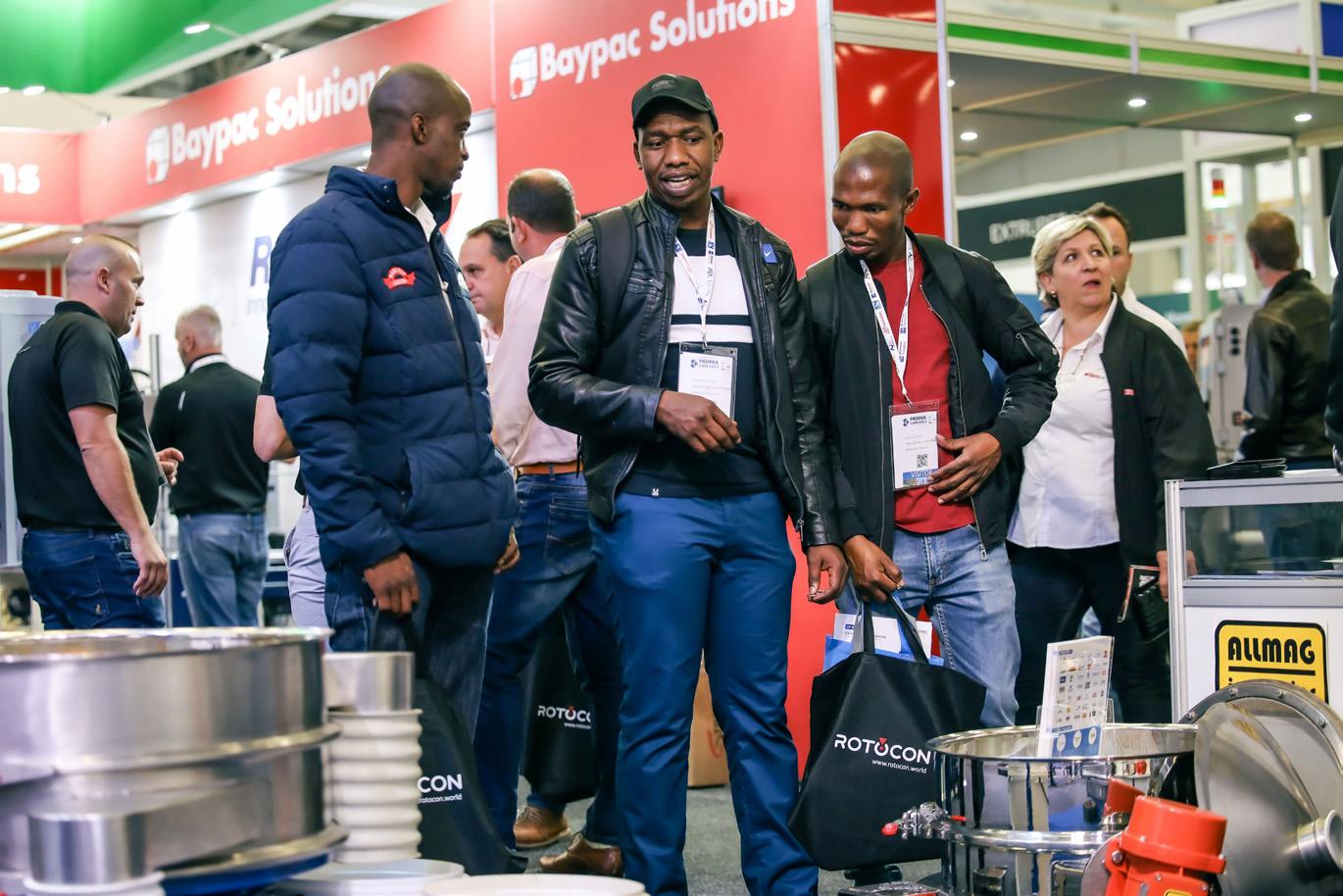
Live equipment demonstrations will form part of the exhibition, offering visitors the opportunity to observe technologies in operation and gain insight into their practical applications. The event will also provide a platform for engagement between suppliers, technology providers, manufacturers and industry stakeholders.
“Taking place once every three years,
Propak Cape has become an established meeting place for the packaging, plastics, printing and processing sectors,” explains Mark Anderson, Portfolio Director at Montgomery Group Africa, organisers of the show. “The event is particularly relevant to the Western Cape, which accounts for more than 50% of South Africa’s agricultural exports and generates significant demand for packaging, processing and related technologies.”
WHY PROPAK CAPE MATTERS
The exhibition will be complemented by a programme of industry seminars hosted by the Institute of Packaging SA (IPSA), while Printing SA’s one-day conference will deliver additional insights from industry experts. The Flexographic Technical Association of South Africa (FTASA) will also host its prestigious awards evening alongside the exhibition. Propak Cape will take place at the Cape Town International Conference Centre (CTICC) from 27-29 October 2026 incorporating Pro-Plas Expo, Print Expo, Pro-Label Expo, FoodPro Expo, and the Wine & Olive Oil Production Expo. The event is supported by IPSA, Packaging SA, Plastics SA, Printing SA and FTASA.
Propak - www.propakcape.co.za
Hydrolized vegetable protein: Your winter warmers seasoned to perfection
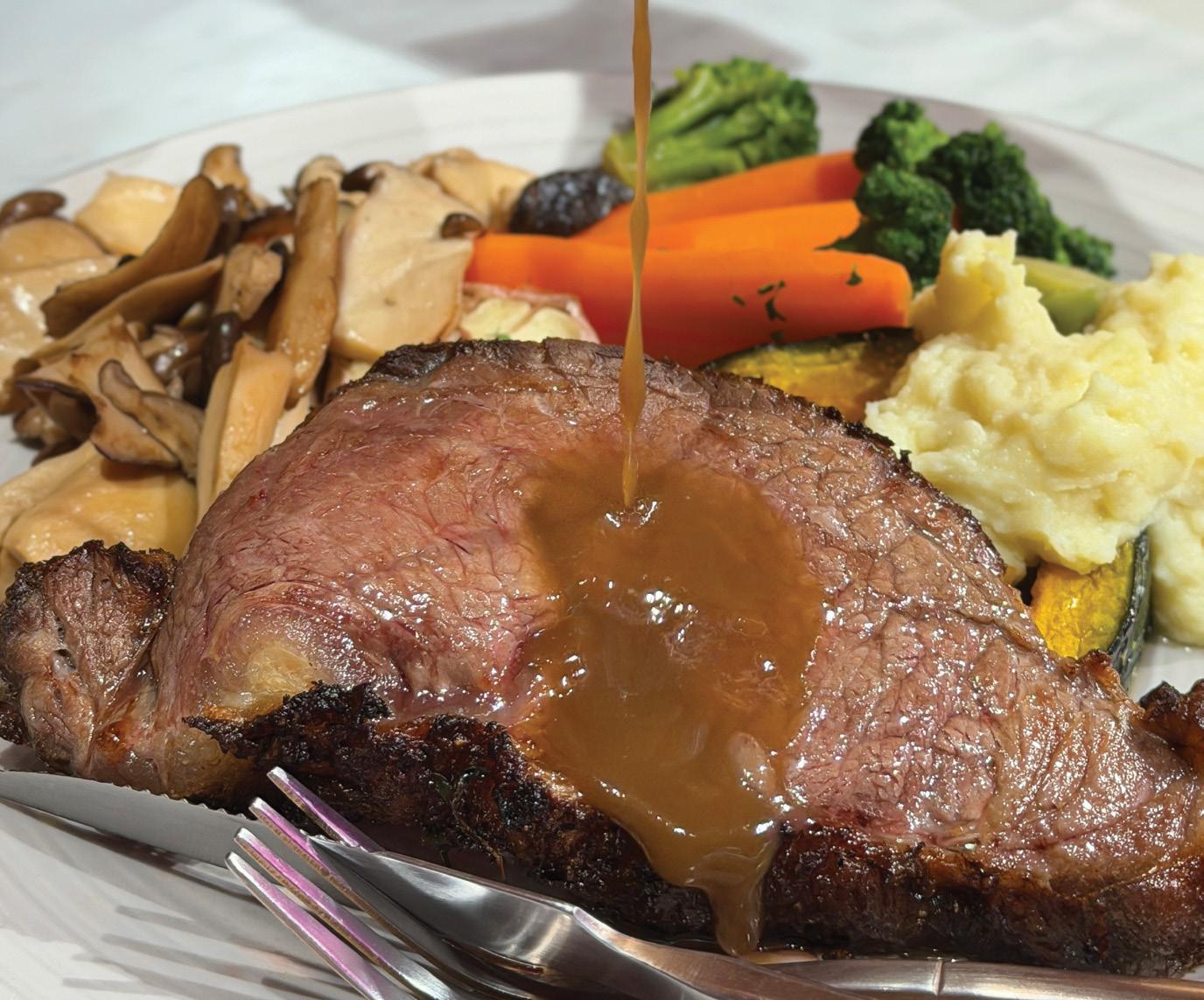
Craving hearty, comforting meals this winter? Look no further than hydrolysed vegetable protein (HVP)! This versatile ingredient packs a savoury punch, adding depth and umami flavour to soups, stews, and all your favourite cold-weather dishes.
There is nothing like a well-seasoned hearty meal to keep you warm during this winter season. Hydrolysed vegetable protein (HVP) is a vegetable-based savoury ingredient with an authentic broth or bouillon taste that can elevate your soups, sauces, and savoury meals. Initially discovered and used in the 1830s, hydrolysed vegetable protein (HVP) is sourced from soybean, maize/corn, or wheat and now plays a role in numerous modern culinary dishes, helping to bring out the umami taste. We frequently add umami to our dishes when they seem to lack a little something. Using glutamate-rich ingredients enhances the overall flavour. Pantry staples for boosting umami include powdered soups, instant noodles, ketchup, ranch dressing, and soy sauce.
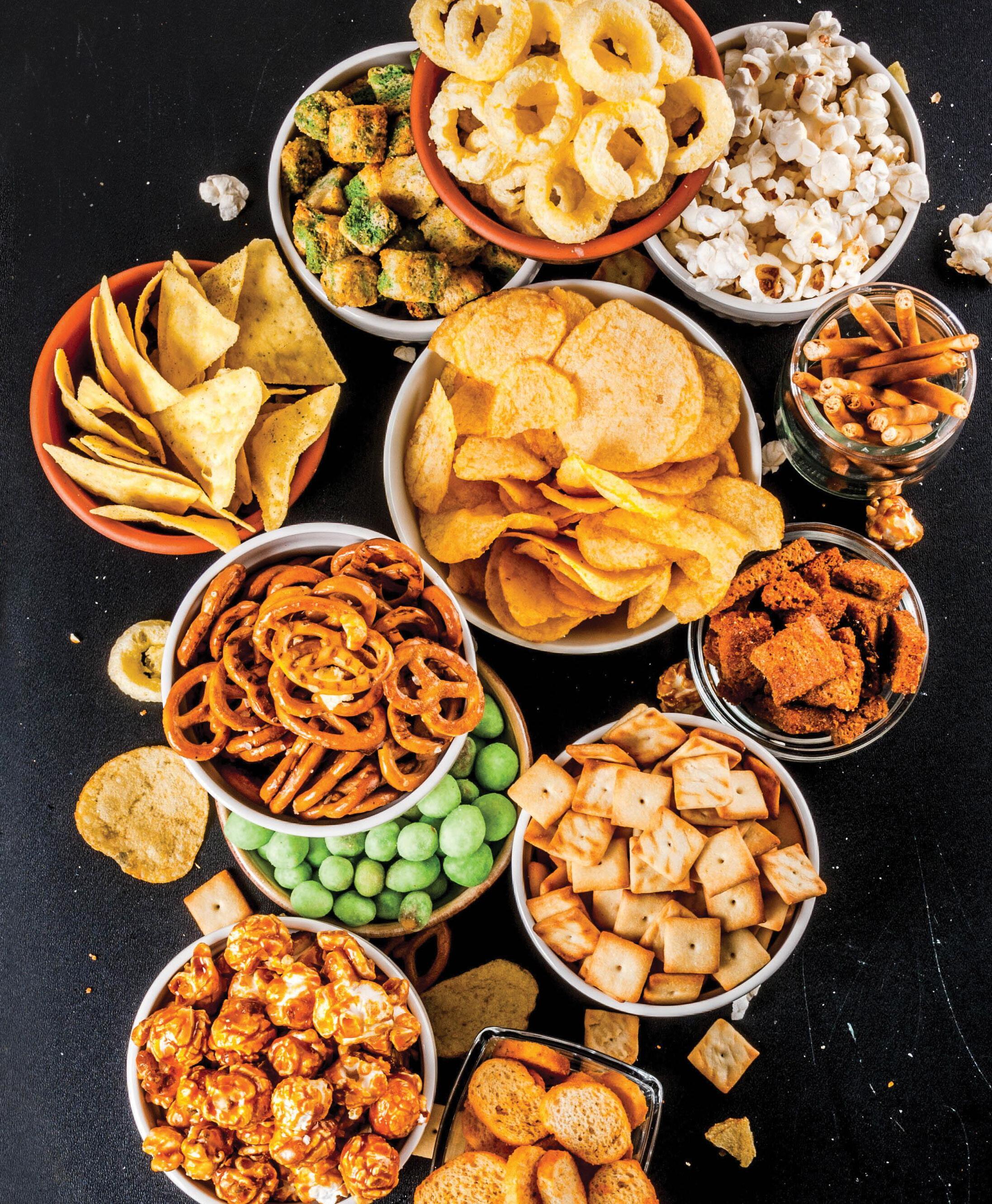
HVP is commonly added to enhance the umami taste of food. Some of these food products include bouillon, premade soups, gravies, stocks, sauces, stews, beef products, imitation meats, processed meats, chips, pretzels, dips, and mass-produced vegetarian items, especially those made from soy.
HOW HVP IS MADE
Hydrolyzed vegetable protein (HVP) is produced by breaking down vegetable proteins into amino acids, which are then used to enhance the flavour of food. To make HVP, the vegetable proteins undergo a process that involves adding them in hydrochloric acid, followed by neutralisation with sodium hydroxide. This treatment breaks down the proteins into their individual amino acids. One of these amino acids found in the resulting dark liquid is glutamic acid. Consumers often recognise glutamic acid in its sodium salt form, called monosodium glutamate (MSG).
"There is nothing like a well-seasoned hearty meal to keep you warm during this winter season."
Industry experts AIPU Food, the leading manufacturer and Research & Development company in food additives and seasonings in China, have conducted extensive research and testing to manufacture this product as an innovative solution to flavouring. AIPU Food manufactures two of the most popular sources of hydrolysed vegetable protein, one that is soy-based and one that is corn-based.
HYDROLIZED VEGETABLE BENEFITS
Savoury Flavour: HVP has a savoury, umami flavour often described as meaty or brothlike, due to its naturally occurring glutamic acid. It enhances the taste of various foods, including soups, sauces, snacks, and spices, adding depth and complexity. It can be used directly as a seasoning powder or mixed with other ingredients for flavour bases. Sometimes, the original flavour of food weakens during manufacturing or storage. Manufacturers can use HVP to restore and enhance the lost flavours.
Allergen-Free: The corn-based HVP is allergen-free, providing a safe, allergen-free flavouring option for individuals allergic or sensitive to common food allergens such as soy, dairy, eggs, and nuts. Being free from major allergens and gluten, HVP can be used in gluten-free and allergy-friendly food products.
Non-GMO/Clean Label Product: HVP is ideal
Bragan Ingredientswww.braganingredients.co.za
AIPU Food - www.aipufood.com/en
for clean-label foods because it undergoes minimal processing, unlike other additives and artificial flavour enhancers. In an increasingly health-conscious world, more individuals are opting for non-GMO products.
Vegetarian: Hydrolysed Vegetable Protein is 100% vegetarian. It’s a complete protein source with the essential amino acids our bodies need. Since it comes from plants, it’s perfect for people with dietary restrictions or animal protein allergies.
Extended Shelf Life: HVP has a shelf life of two years when stored in tightly closed bags in a cool and dry environment.
Overall, HVP is a versatile ingredient with various properties. Its origin and benefits make it an excellent choice for creating effective, sustainable, and flavourful products. Manufacturers worldwide are finding healthier alternatives to enhance the taste of savoury products, and HVP is at the forefront of this innovation.
The future of food is fermented
How CJ BIO is leading the clean label innovationTasteNrich - naturally bold, consciously clean.
In recent years, the global food industry has undergone a profound transformation, fueled by consumers’ growing awareness of health, sustainability, and food transparency. In South Africa, this shift is particularly evident as shoppers increasingly seek out products that are natural, safe, and free from highly refined food additives such as monosodium glutamates (MSG). The clean label movement—focused on wholesome, minimally processed, and ethically sourced ingredients—is reshaping everything from supermarket shelves to restaurant menus.
"Precision fermentation streamlines ingredient production and minimises waste — offering a way that's not only scalable and sustainable, but also economically viable."
A GLOBAL SHIFT IN CONSCIOUS EATING
This movement aligns closely with the rise of sustainable and conscious eating. In Europe, the United Kingdom, and the United States, plant-based alternatives and animal-free solutions are no longer considered niche— they’re an integral part of today’s food culture. But alongside the push for better nutrition and lower environmental impact, there’s a growing need for cost-efficient solutions that enable food producers to meet these high standards without inflating production costs.
Enter biotechnology—and specifically, precision fermentation—as a powerful enabler of both clean label innovation and cost reduction. This advanced technology programmes microorganisms to produce high-value natural ingredients, such as amino acids, proteins, and flavours, in a way that’s not only scalable and sustainable but also economically viable. By reducing reliance on
FAST FACT
CJ BIO has over 1,000 R&D specialists dedicated to agile market sensing and next-generation fermentation science — accelerating time-to-market for clean label food solutions worldwide.
DID YOU KNOW?
Precision fermentation doesn't just produce cleaner ingredients — it actively reduces waste. By programming microorganisms to synthesise amino acids, proteins, and flavours on demand, CJ BIO eliminates the inefficiencies and inconsistencies of traditional natural sourcing, making sustainability scalable.
costly or inconsistent natural sources, precision fermentation streamlines ingredient production and minimises waste.
MEET CJ BIO
At the forefront of this global shift is CJ BIO, a biotechnology leader renowned for delivering clean, natural, and sustainable ingredients through cutting-edge microbial engineering. With 70 years of expertise, CJ BIO combines traditional fermentation wisdom with state-of-the-art R&D to create cost-effective bio-solutions that support both flavour innovation and nutritional integrity.
CJ BIO’s R&D hub in South Korea leverages precision tools like metabolic engineering, protein/enzyme optimisation, and automated strain screening to develop robust microbial platforms. These platforms—including Corynebacterium, E. coli, Yeast, Microalgae, and more— allows for the implementation for
clean and sustainable food within the industry, including taste and flavour solutions for savoury foods, and food-grade amino acids for human nutrition.
SUSTAINABILITY BEYOND THE INGREDIENT
Beyond ingredients, CJ BIO also addresses packaging sustainability with its line of biodegradable materials—another area where biotechnology helps reduce overall production and environmental costs. Their recent expansion into microbiome research and big data analytics enables even more precise product development, reducing R&D overhead for partners and accelerating time-to-market.
CJ BIO discovered the value of traditional fermentation principles and applied innovative biotechnology to combine and create better performance to deliver sustainable value. With more than 1,000 R&D specialists with the expertise for agile market sensing, CJ BIO can provide differentiated solutions for clean label taste and nutrition heightening the customer’s value.
INTRODUCING TASTENRICH
In 2020, CJ BIO introduced groundbreaking vegan and natural umami ingredients under the ‘TasteNrich’ brand. As the name implies, TasteNrich enriches authentic taste in a versatile savory complex across diverse food
Micronutrient deficiencies remain a widespread concern, particularly in regions where staple foods dominate the diet. Africa, maize and wheat flour are daily essentials millions. Fortifying these foods presents a high-impact opportunity to support public health – and Prinova is be at the forefront of this critical mission.
categories. This innovative platform of natural fermented taste compounds seamlessly integrates into an array of applications such as sauces, snacks, seasonings, soups, ready meals, instant noodles, processed meats, and even plant-based options, offering outstanding culinary flexibility.
global leader in ingredient distribution and custom manufacturing, Prinova brings decades of experience, technical expertise, and global infrastructure fortification strategies that make a difference. Our customised micronutrient premixes are designed to consistent performance in real-world production environments – ensuring stability, shelf-life, heat tolerance flavour neutrality.
Prinova Fortification Approach
in South Africa
In partnership with Savannah, our Changzhou-based facility has successfully met the stringent audit and testing criteria required for premix approval in South Africa. This achievement is a testament to the high
maize and wheat flour premixes are developed to both national mandatory standards and voluntary fortification initiatives. Each formulation is tailored with vitamins and minerals – including iron, folic acid vitamin A – to address key nutritional gaps that affect cognitive development, and overall wellbeing.
The uniqueness of TasteNrich is the way each product works with the umami dynamics. One of the major product lines, TasteNrich Solution UF, can enrich up-front notes, create a satisfying fullness, and amplify salt perception. This empowers sodium reduction initiatives while preserving exceptional taste. Other products, also customisable per customer demand, can achieve intense umami that harmonises and balances the overall flavour with fullness and mouthfeel, in broth or stew, for instance. Some products specialise in maintaining that long-lasting rich full-bodied umami taste (i.e. to improve cheese flavours in snacks). The high taste intensity in these premium products allows a highly efficient cost-in-use in the final product.
UMAMI, REIMAGINED
a collaborative approach to every project. hand-in-hand with millers, food producers, and public health bodies, we ensure that our fortification solutions are technically feasible, commercially viable, and nutritionally effective.
you’re supporting government-led health or looking to strengthen your brand with added-value nutrition, Prinova provides full-service from formulation to production scale-up.
In an era emphasising ingredient integrity, TasteNrich shines as a trusted choice. Developed through fermentation with natural raw ingredients like vegetable sugar, it boasts authenticity without artificial additives. Its credentials include non-GMO, allergen-free, certified vegan, Kosher, and Halal designations, guaranteeing transparency and quality consumers seek.
Looking to enhance your fortification strategy?
Visit www.prinovaglobal.com or scan the QR code to connect with our experts.
deliver reliable, scalable solutions that improve lives and support healthier communities.
With strong partnerships across the globe—including collaborations with foodtech startups and legacy brands—CJ BIO is helping to redefine the economics of clean label food. Their unique blend of sustainability, innovation, and cost-efficiency provides a blueprint for the future of food manufacturing.
In 2025, as the South African food industry continues to evolve, companies that adopt intelligent, sustainable, and cost-
In partnership with Savannah www.savannah.co.za
conscious solutions will lead the market. With unmatched microbial platforms and a forward-looking vision, CJ BIO is shaping a future where better food is not only possible— but also practical and affordable.
With 70 years of expertise, CJ BIO combines traditional fermentation wisdom with state-of-the-art R&D to create cost-effective bio-solutions that support both flavour innovation and nutritional integrity."
Engineered screening solutions for modern milling
From milling floors to food processing lines, Tegman delivers precision-engineered screening and conveying solutions designed to maximise efficiency, minimise downtime, and maintain consistent performance across cereal, grain, and agricultural processing operations.
In the cereals, grain, and milling industries, productivity depends on precision. From removing contaminants and grading raw materials to processing finished products, every stage relies on screening and separation equipment that delivers consistent performance. Tegman supplies a comprehensive range of specialised screening products and engineered consumables designed to improve efficiency, reduce downtime, and meet the demanding requirements of modern food processing operations.
WOODEN SEPARATION SCREENS
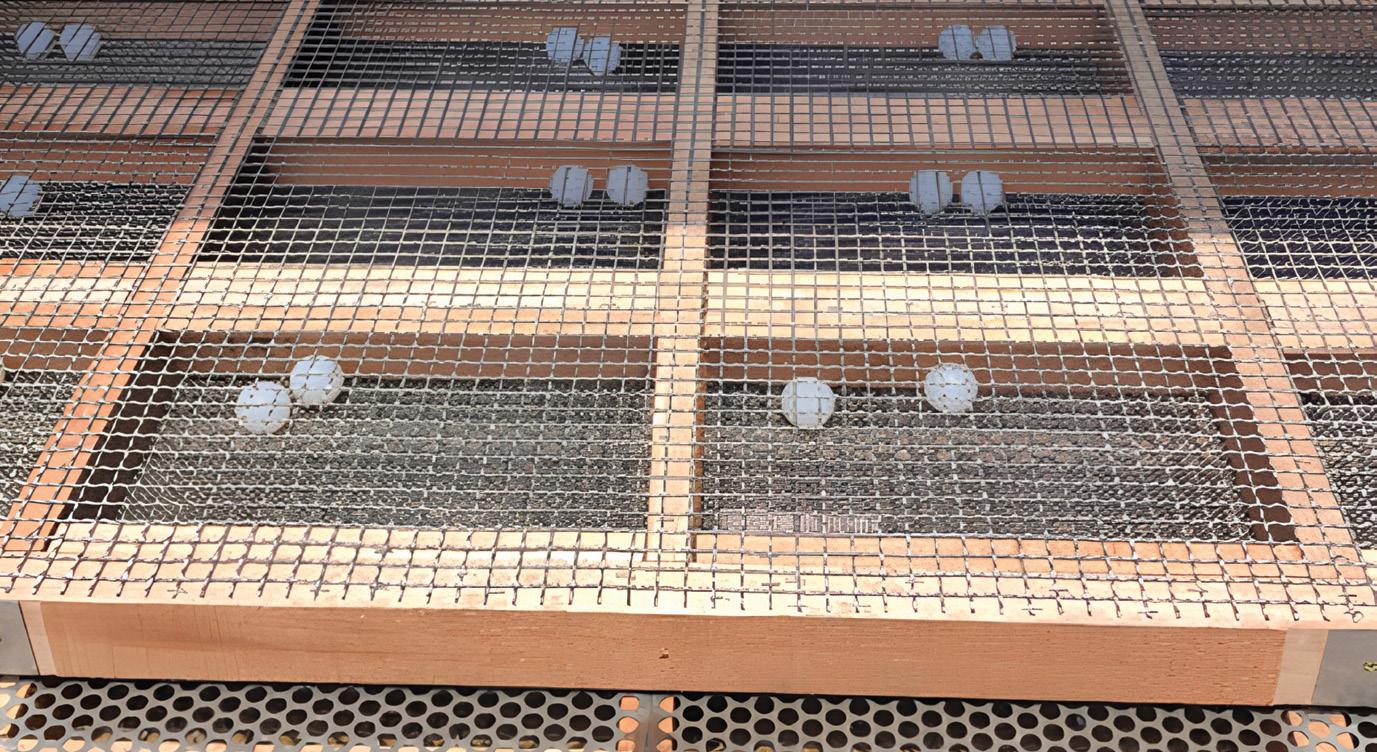
One of Tegman's core product offerings is its range of wooden separation screens, manufactured as complete, ready-to-install units for use in de-stoners, multi-tiered machine assemblies (MTMAs), seed cleaners, and grading equipment. Each screen is supplied fully assembled with a durable wooden frame, backing mesh, perforated plate, and foodgrade cleaning balls that prevent material build-up during operation, helping to maintain consistent screening performance. Designed for easy maintenance, individual components including frames, perforated plates, backing mesh, and cleaning balls are also available separately, allowing operators to replace worn parts without changing the entire assembly.
In de-stoning applications, these screens play an essential role in separating heavier contaminants such as stones from lighter grains and seeds using a combination of airflow and density differences. Within MTMAs, they assist in removing impurities such as dust, husks, and foreign material before products move further through the milling process. As seed screens, they provide accurate grad-
ing by size, with a wide selection of perforation patterns and mesh openings suitable for processing wheat, maize, rice, millet, pulses, and many other agricultural products.
BALANCED WEAVE MESH BELTS
Tegman also manufactures balanced weave mesh belts; a versatile conveyor solution widely used throughout the food processing industry. Designed with alternating left- and right-hand spiral coils connected by crimp rods, these belts provide excellent tracking, smooth operation, and an outstanding strength-to-weight ratio. Available in both round and flat spiral wire configurations, they can be customised with welded or knuckled edges, chain drives, side plates, and cross flights to suit individual production requirements. Their adaptability makes them ideal for a broad range of food processing applications, including baking, cooking, heating, cooling, coating, curing, drainage, wrapping, elevating, and conveying. Their open mesh design promotes efficient airflow and product drainage while maintaining reliable product support throughout the process.
HAMMER MILL CONSUMABLES
Beyond screening and conveying, Tegman supplies specialised consumables that keep milling operations running efficiently. Hammer mill plates are manufactured to customer specifications with precisely rolled curvature to ensure a perfect fit within the mill housing. Available in a wide range of aperture sizes and material grades, including hardened wear-resistant options, these plates are designed to deliver long service life in demanding operating conditions. Complementing these are custom-cut Hammer mill blades manufactured with precise mounting holes and available in hardened materials that have been extensively tested for durability and consistent performance.
COMPLETE MILLING SYSTEM SUPPORT
To support complete milling systems, Tegman also supplies wedge wire sieve bends and cylinders, centrifuge basket segments, de-germinator screens, diffuser plates, and Sweco rings with re-meshing services for circular vibratory separators. By combining engineering expertise with high-quality manufacturing, Tegman delivers dependable screening and processing solutions that help food and grain processors maximise efficiency, improve product quality, and keep production moving
Tel - 031 563 4252
W - www.tegman.co.za
E - sales@tegman.co.za
Smarter flour milling starts with faster analysis
From wheat intake to finished flour, FT-NIR spectroscopy is transforming quality control in flour milling — delivering rapid, reliable results that optimise yield, reduce costs, and safeguard baking performance.
Cereals are a cornerstone of the global food supply, and the flour milling industry sits at the heart of converting raw grain into the flours that feed the world. Yet millers face mounting pressure to control quality, maximise yield, and meet the exacting baking performance standards demanded by food manufacturers — all whilst keeping operational costs firmly in check.
Traditionally, achieving this balance has meant relying on a battery of time-consuming laboratory tests: wet chemistry for protein and ash, rheological assessments using Alveograph and Extensograph instruments, and manual moisture determinations at every stage of the process. Each test adds time, labour costs, and the risk of delayed decision-making on the mill floor.
"The same analytical platform that monitors wheat at intake can assess baking performance in the finished flour — reducing complexity and cost across the entire operation."
A FEW ANALYTICAL STANDARDS: FTNIR SPECTROSCOPY
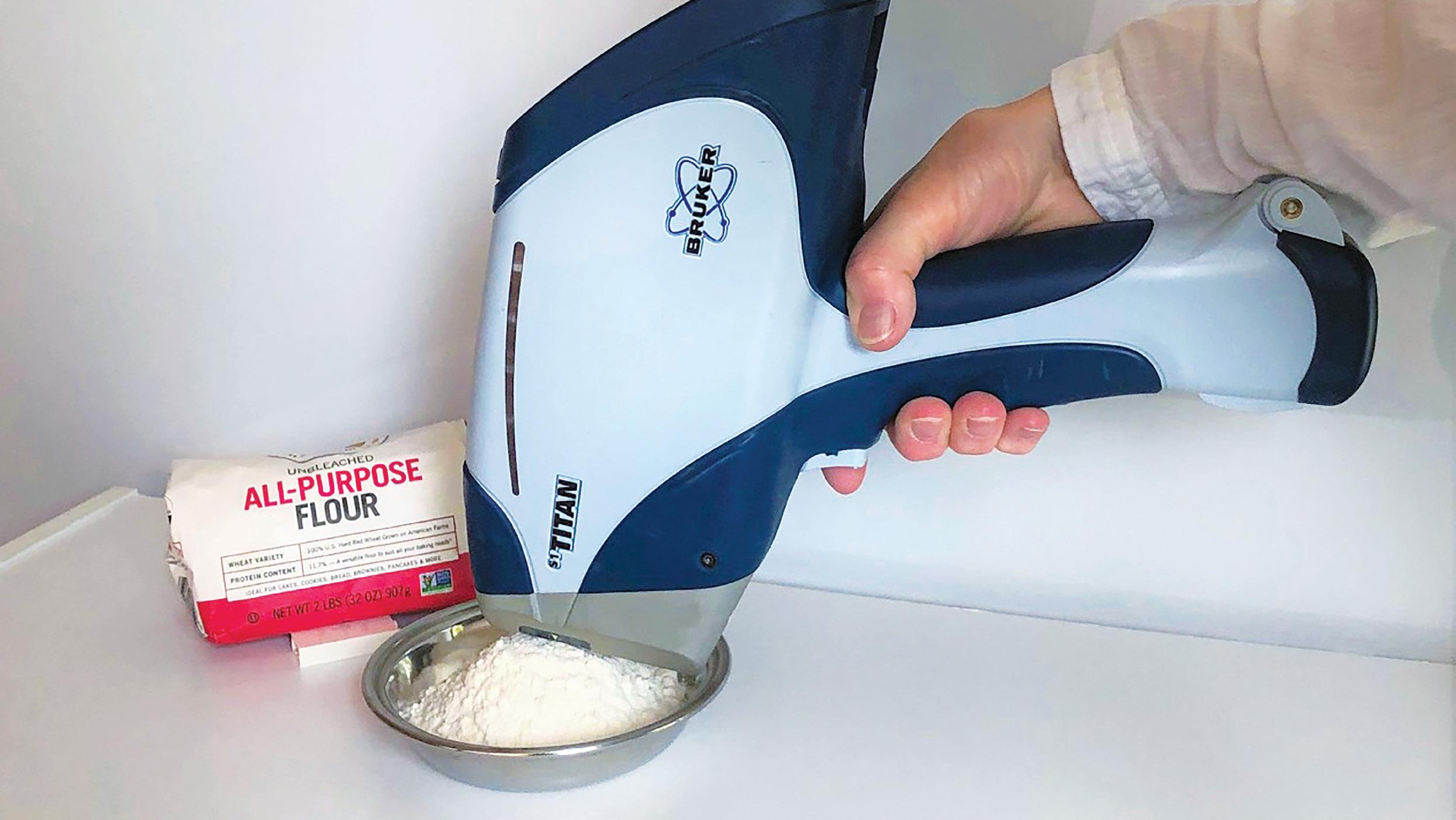
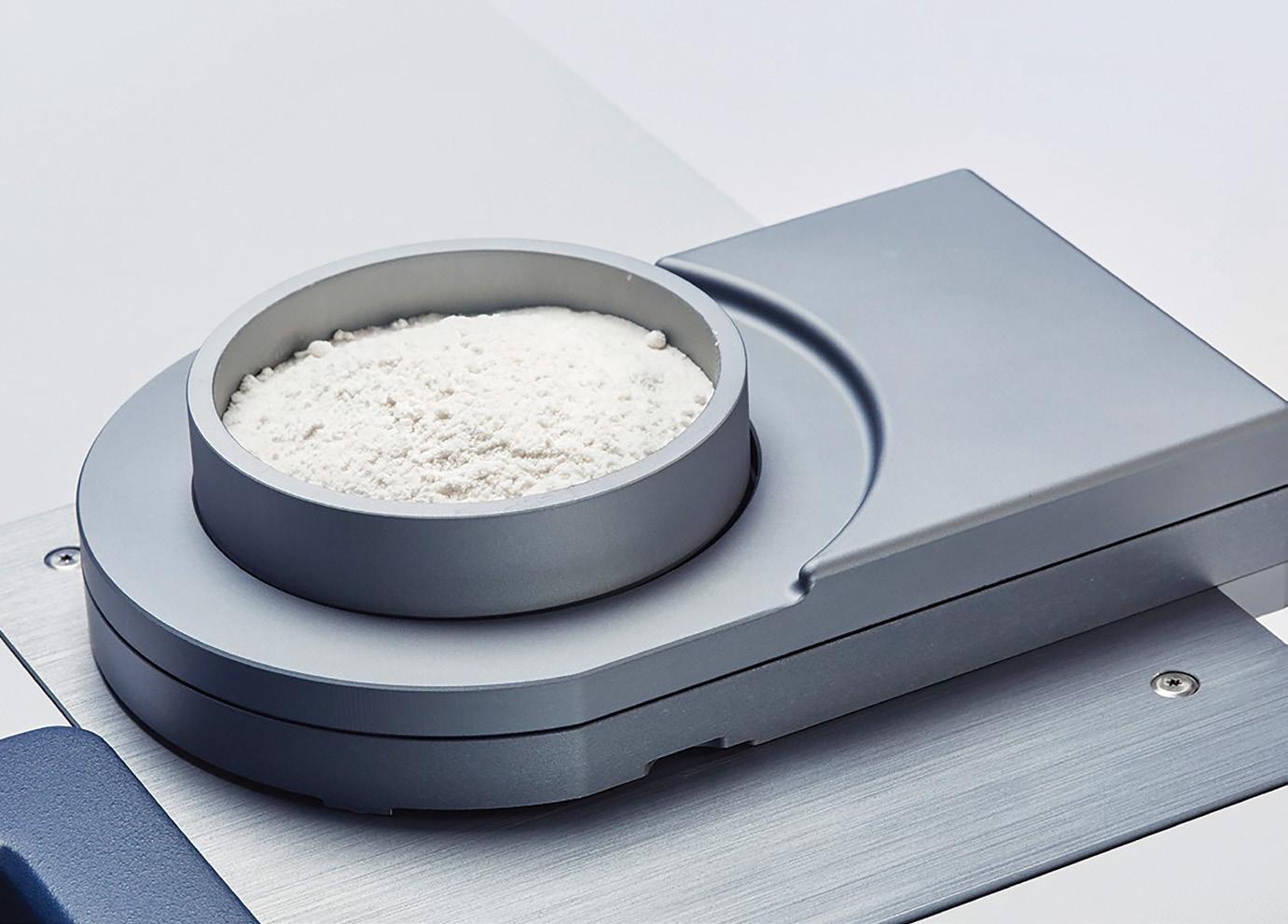
Bruker Optics has developed a suite of Fourier Transform Near-Infrared (FT-NIR) spectrometers specifically designed to address these challenges. FT-NIR technology
FAST FACT
Bruker's FT-NIR spectrometers deliver key quality parameters — including moisture, protein, ash, and wet gluten — in a matter of seconds, replacing laboratory tests that can take hours to complete.
works by measuring how near-infrared light interacts with a sample, providing compositional data without the need for destructive or chemical-based testing. The result is a rapid, non-destructive analytical method capable of processing high sample volumes with consistent accuracy.
Crucially, Bruker's ready-to-use NIR calibration packages mean that operators do not need specialist spectroscopy expertise to begin generating reliable results. Once installed, the system can measure multiple quality parameters simultaneously — in seconds — making it a genuinely practical solution for the demanding pace of milling operations.
• Conditioning stage: Moisture content for water addition optimisation
• Milling process: Ash content (milling benchmark), protein and gluten for blending
• Flour quality & baking performance: Alveograph indices (L, P, P/L, W), resistance, extensibility, water absorption
Images: Supplied by
Bruker
Transforming Agriculture and Production with Bruker FT-NIR
Bruker provides precise and reliable analysis solutions for laboratory and production use, delivering essential data throughout all stages of production.
Replace time-consuming wet chemical and chromatographic methods with Bruker FT-NIR spectroscopy – a fast, non-destructive, and chemical-free solution for laboratory and production use. Whether for rapid raw material identification or accurate multi-component analysis, FT-NIR provides results in seconds and offers deep insights into your processes.
Bruker offers the right solution for every application:
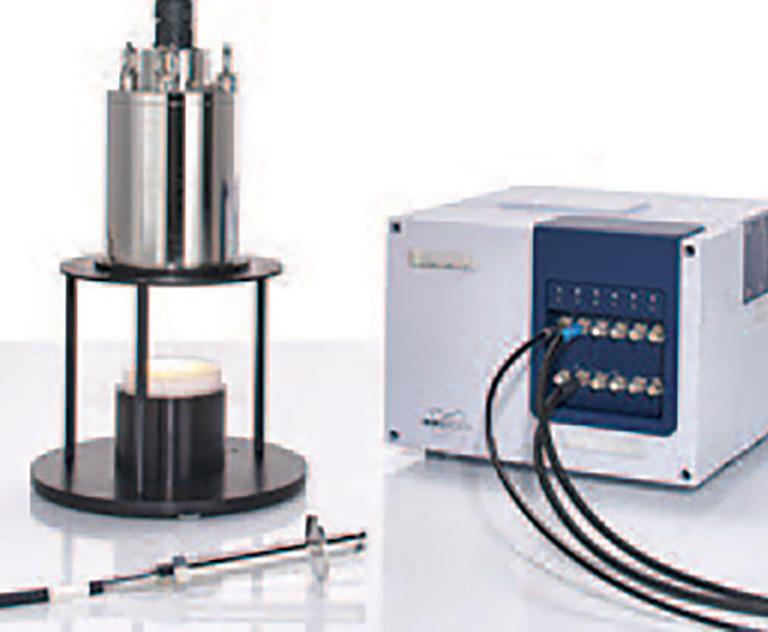
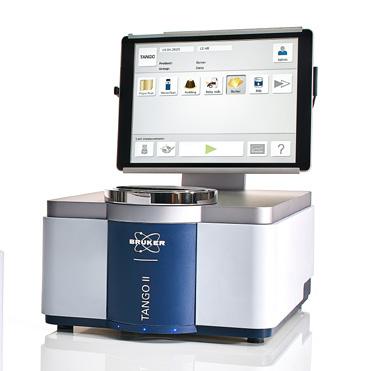
TANGO II – for laboratory and at-line analysis
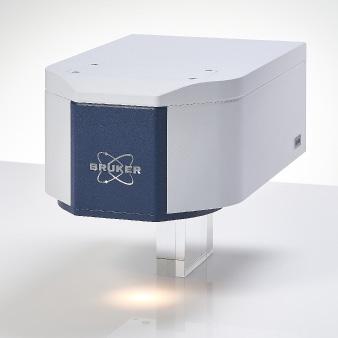
BEAM – for real-time process control
MONITORING QUALITY AT EVERY STAGE OF THE PROCESS
One of the most compelling advantages of FTNIR is its applicability across the full milling process chain, rather than at a single point. At wheat intake, the technology enables millers to verify grain grade and quality before milling begins, ensuring that only suitably graded wheat enters production and that blending decisions are made on solid analytical foundations. During conditioning — the critical stage where water is added to wheat prior to milling — FT-NIR monitors moisture content continuously, allowing operators to optimise water addition and conditioning time for maximum efficiency.
On the mill itself, ash content serves as a key benchmark for milling performance, and FT-NIR provides the rapid feedback needed to make real-time adjustments. Protein and wet gluten data support blending decisions that directly influence profitability, whilst at the flour quality assessment stage, the technology can replicate the outputs of traditional
rheological tests — including Alveograph indices such as resistance, extensibility, and water absorption — without the associated time and labour overhead.
THE RIGHT INSTRUMENT, EVERY TIME
Bruker's FT-NIR portfolio offers three distinct instruments, each suited to a different operational context within the milling environment.
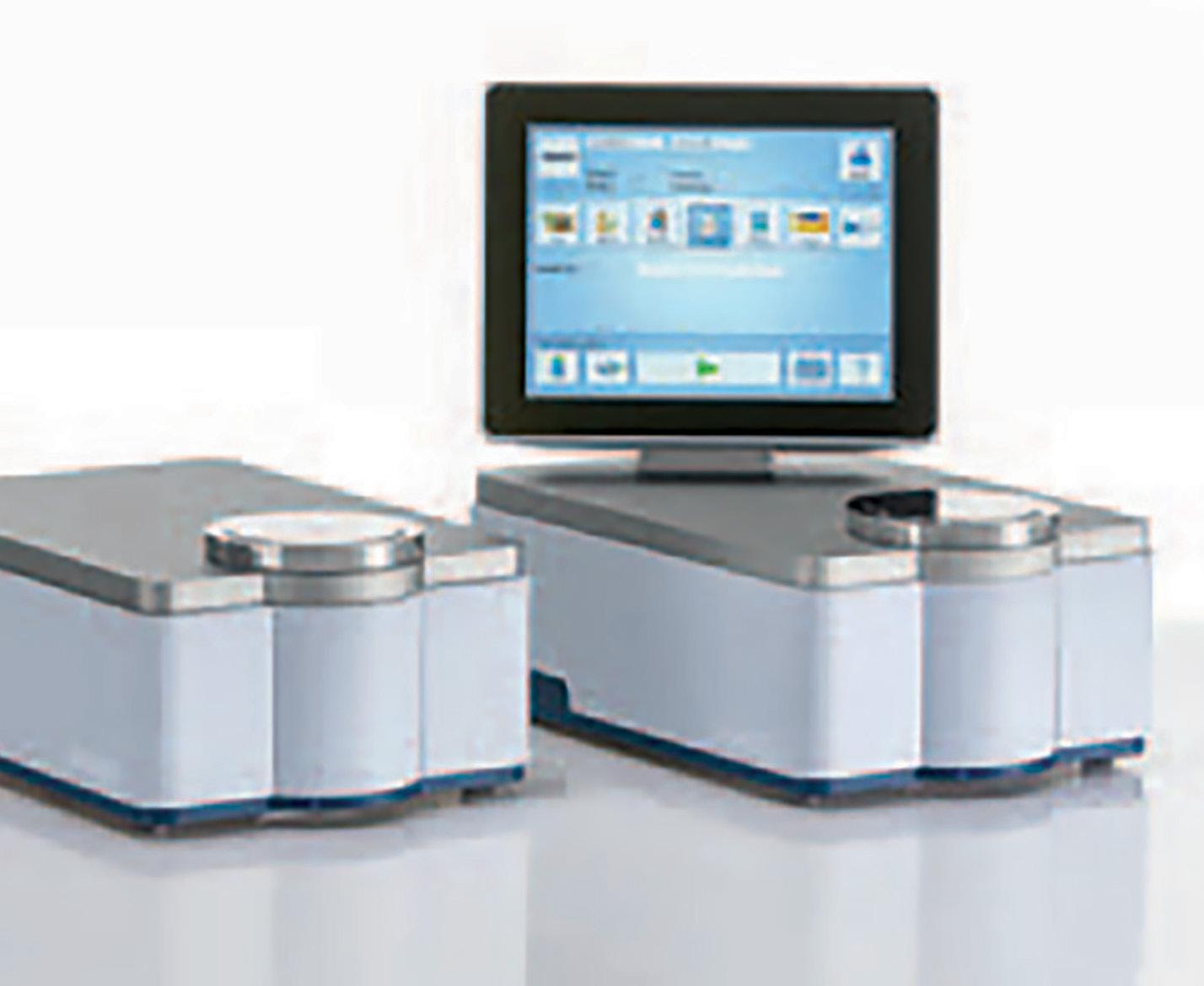
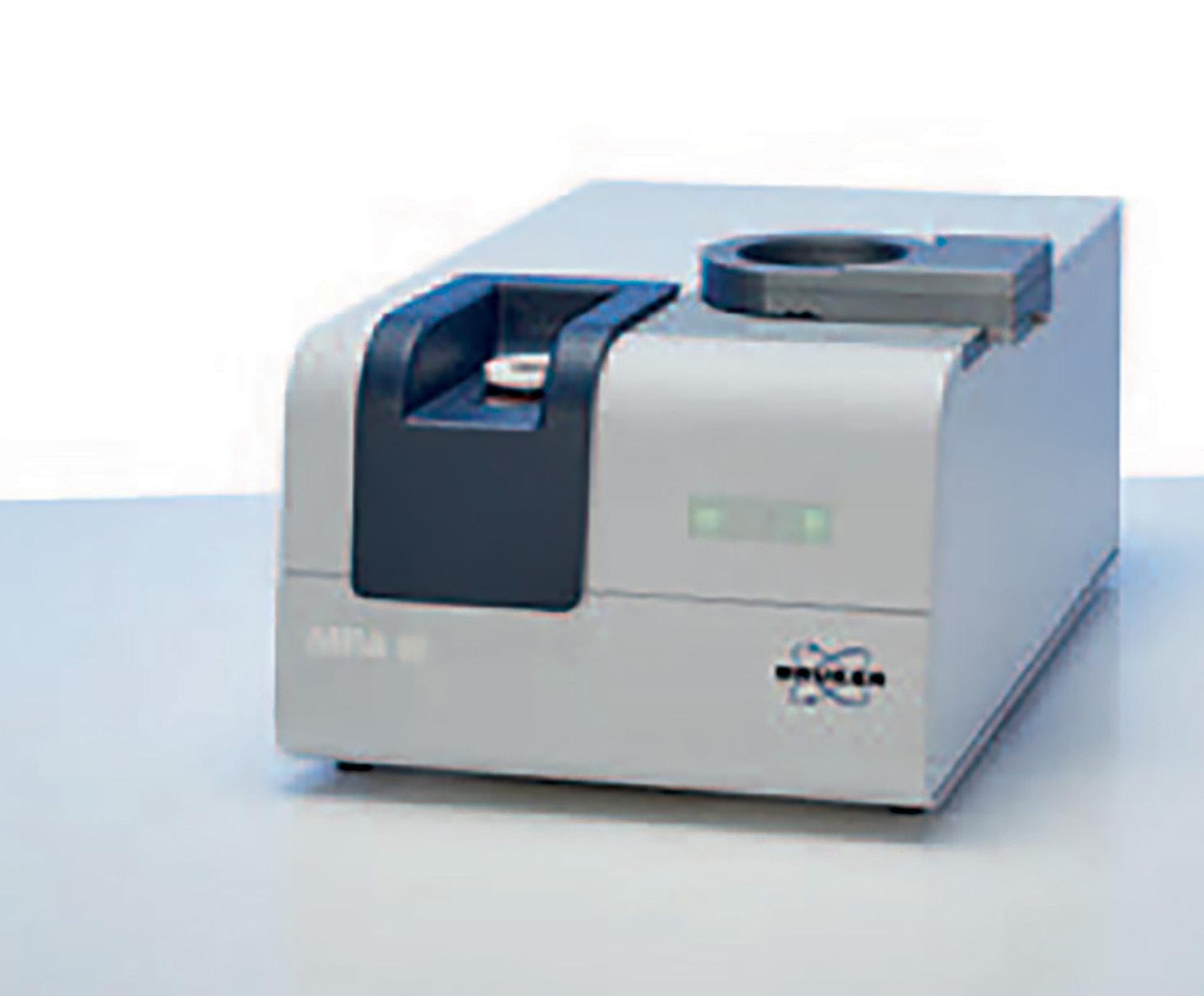
The TANGO is a routine laboratory FT-NIR analyser designed for high-throughput sample analysis in a quality control setting. For laboratories requiring greater analytical flexibility across a wider range of sample types, the MPA III (Multi Purpose Analyser) offers expanded capability whilst retaining ease of use. For mills seeking at-line or on-line process monitoring, the MATRIX-F — equipped with dedicated probes and sensor heads — can be integrated directly into the production line, enabling continuous monitoring without interrupting the flow of production.
"FT-NIR spectroscopy enables near real-time process control across the entire milling chain — from wheat intake and conditioning through to final flour quality assessment — on a single, unified analytical platform."
FASTER, SMARTER TESTING
For many mills, the most immediate benefit of adopting FT-NIR is the reduction in time and cost associated with conventional testing. Wet chemistry and rheological methods require skilled laboratory technicians, specialist reagents, and significant turnaround time — factors that can slow decision-making
and create bottlenecks in fast-moving production environments.
FT-NIR replaces many of these tests with a single, rapid measurement that requires minimal operator intervention. The reduction in labour requirements, combined with the elimination of consumables and the speed of results delivery, translates into meaningful cost savings — particularly for larger milling operations processing high volumes of grain.
BUILT ON QUALITY
Bruker Optics holds ISO 9001, ISO 13485, ISO 14001, and ISO 50001 certifications, reflecting the company's commitment not only to product quality but also to environmental responsibility and energy management. For millers operating within tightly regulated supply chains, this level of certification provides an additional layer of confidence in the reliability and traceability of their analytical results.
THE FUTURE OF FLOUR MILLING ANALYSIS
As the food industry continues to demand
greater transparency, consistency, and efficiency from its supply chains, the case for FT-NIR spectroscopy in flour milling has never been stronger. Bruker's platform — validated, versatile, and genuinely easy to deploy — offers millers a clear pathway to smarter process control, improved
TAP INTO THE GROWING PET ECONOMY
Pet Hub is a specialised B2B digital publication connecting your brand to the decision-makers shaping South Africa’s booming pet food, pet care, and pet services sector—from manufacturers and formulators to retailers, groomers, and industry innovators driving growth in one of the fastestexpanding consumer markets.
profitability, and a higher standard of product quality from grain to finished flour. Based on Bruker Optics Application Note N305 — Flour & Milling Analysis by FT-NIR Spectroscopy
Bruker – www.bruker.com
Driving Nutritional Impact Through Staple Food Fortification in South Africa
Prinova Premix Solutions Move Closer to Regulatory Approval
Micronutrient deficiencies remain a widespread concern, particularly in regions where staple foods dominate the diet. In South Africa, maize and wheat flour are daily essentials for millions. Fortifying these foods presents a high-impact opportunity to support public health – and Prinova is proud to be at the forefront of this critical mission.
As a global leader in ingredient distribution and custom premix manufacturing, Prinova brings decades of experience, technical expertise, and global infrastructure to fortification strategies that make a difference. Our customised micronutrient premixes are designed to deliver consistent performance in real-world production environments – ensuring stability, shelf-life, heat tolerance and flavour neutrality.
The Prinova Fortification Approach
Our maize and wheat flour premixes are developed to meet both national mandatory standards and voluntary fortification initiatives. Each formulation is tailored with essential vitamins and minerals – including iron, folic acid and vitamin A – to address key nutritional gaps that affect immunity, cognitive development, and overall wellbeing.
We take a collaborative approach to every project. Working hand-in-hand with millers, food producers, NGOs, and public health bodies, we ensure that our fortification solutions are technically feasible, commercially viable, and nutritionally effective.
Whether you’re supporting government-led health initiatives or looking to strengthen your brand with added-value nutrition, Prinova provides full-service support – from formulation to production scale-up.
Global Strength, Local Partnership
Prinova’s extensive portfolio spans more than 3,500 functional and nutritional ingredients – from vitamins and amino acids to botanical extracts, proteins, and branded ingredients. Our integrated supply chain, deep market knowledge, and strategically located manufacturing sites ensure security of supply and responsive service wherever our customers operate.
As a partner in product development and nutritional innovation, Prinova delivers more than ingredients – we deliver reliable, scalable solutions that improve lives and support healthier communities.
Regulatory Approval Secured for South Africa
In partnership with Savannah Fine Chemicals, our Changzhou-based facility has successfully met the stringent audit and testing criteria required for premix approval in South Africa — a testament to the high manufacturing standards we uphold across our global production network.
We are proud to confirm that official government certification has been granted, authorising the supply of fortified premixes for maize and wheat flour to the South African market. This milestone marks the beginning of a new chapter in our commitment to food security and nutritional advancement across the region.
Visit www.prinovaglobal.com or scan the QR code to connect with our experts.
Our extensive ingredient portfolio, blended your way
From our extensive ingredient portfolio to our vertically-integrated capabilities, we utilise all of our strengths to formulate superior custom premixes and market-ready blends.
Our premixes and blends are formulated to ensure stability, tolerate heat, eliminate undesirable flavours and odours, and contain the right overages to account for processing and shelf-life conditions.
As a full-service partner, we develop dry and liquid premixes and market-ready solutions for a wide range of applications, including:
Beverages
Cereals & bars
Dairy
• Flour fortification
• Infant & early life nutrition
Meal supplements & replacements
Nutritional supplements
Oil & fat fortification
• Personal care
• Sports & lifestyle nutrition
For more information, scan the QR code or visit our website prinovaglobal.com
Vitamin-fortified flour
Together with cooking oils, flour can be fortified to target specific conditions. Take advantage of our expertise in wheat flour fortification, maize, rice flour, and other staple food applications, including cooking oils, spreads, and margarine.
Our expert team can develop formulations, product samples and prototypes to enhance development and production.
In partnership with Savannah www.savannah.co.za
From arepa to tortilla: Reinventing maize flour for a sustainable future
Pre-cooked maize flour has evolved from a regional staple into a multi-billion-dollar global ingredient. Bühler is leading the charge — developing smarter, cleaner technology to help the industry scale sustainably and meet surging worldwide demand.
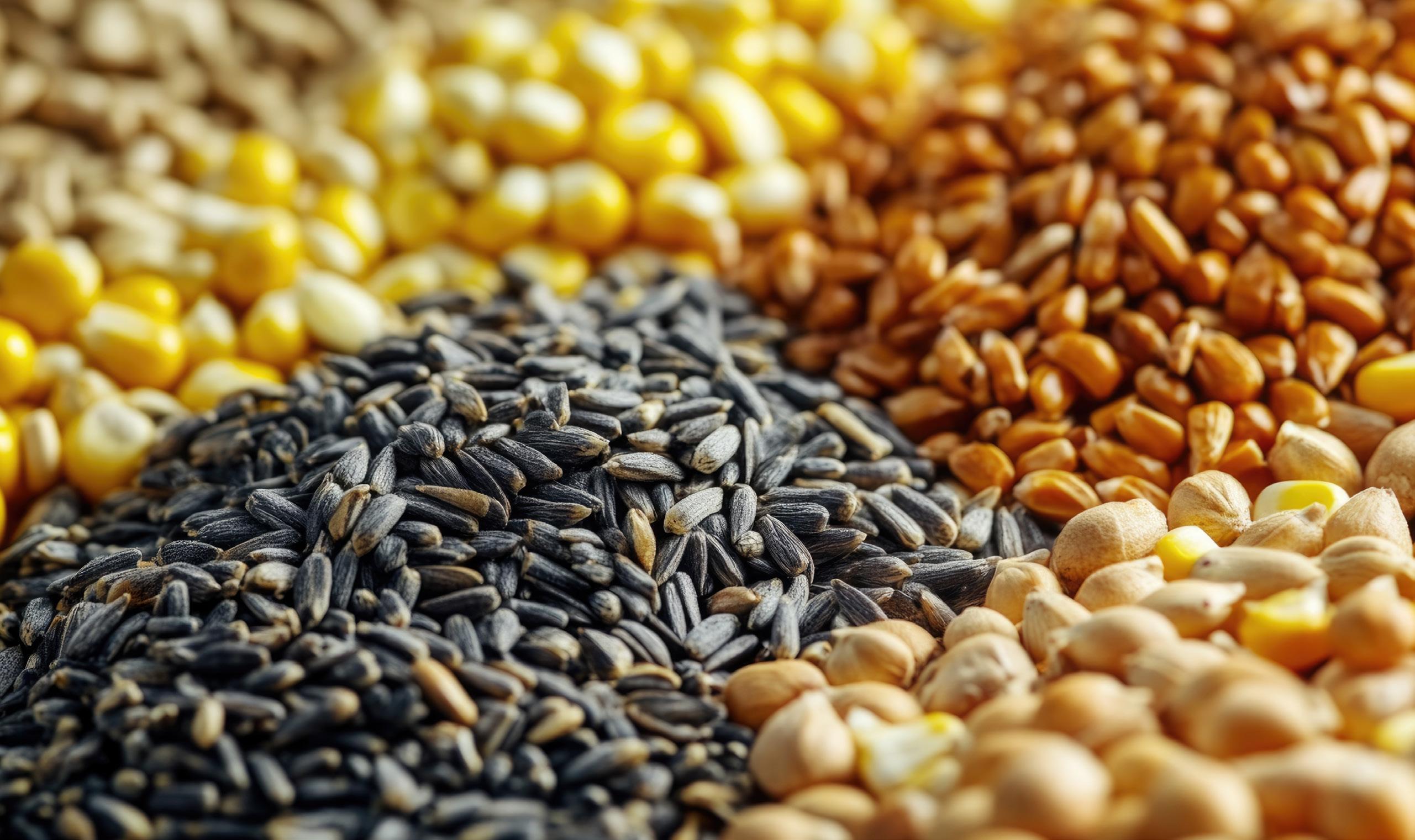
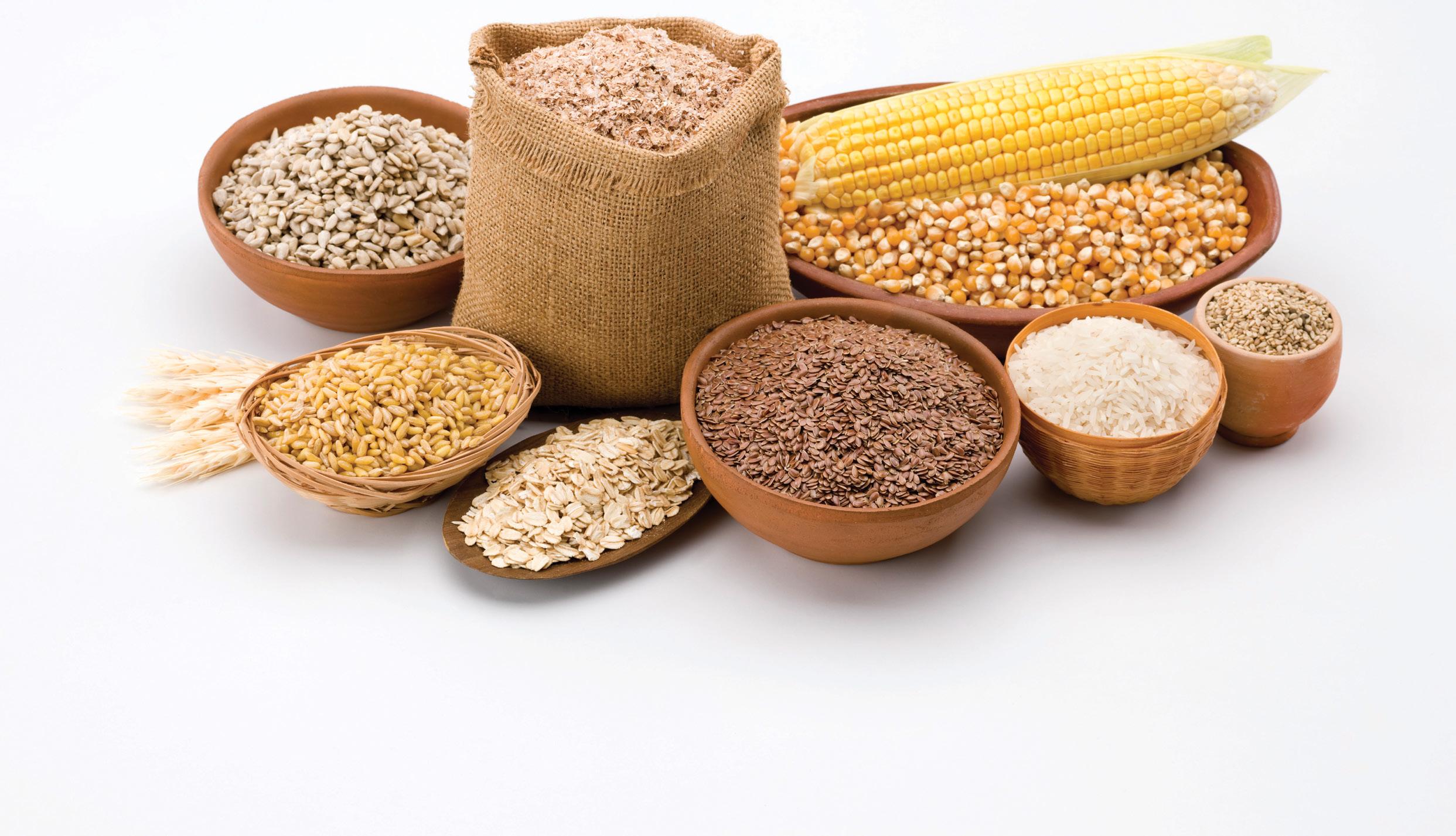
Maize (or corn) has been a staple food in Latin America for more than 3,000 years. Today, average per capita consumption of maize is around 50 kg in Central and South America, and the crop has become a primary source of calories across much of Africa. Maizebased snacks and food products are widely consumed across North America, and are growing in popularity in Europe and parts of Asia. Global maize production has more than doubled since the start of the 21st century, reaching approximately 1.1 billion tons—of which about 150 million tons are used for food—making it around 50 percent higher than rice or wheat production.¹
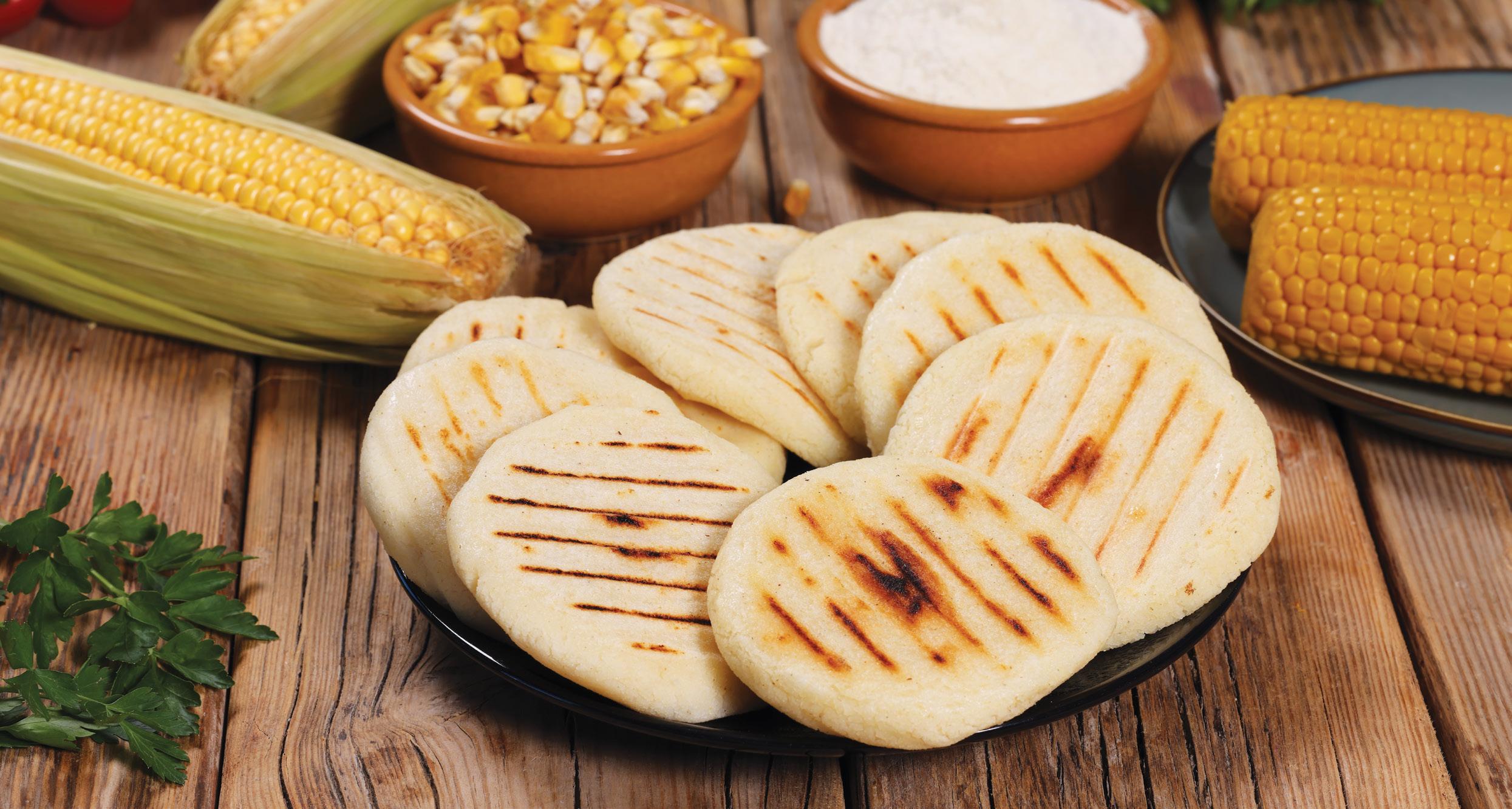
Maize is an exceptionally versatile ingredient, used to produce a diverse range of dishes including baked goods, porridges, drinks, and snacks. In Latin American markets, however, consumption is dominated by tortillas and arepas, typically made using pre-cooked maize flour.
Pre-cooking maize before grinding enhances flavour, texture, and handling, while improving the bioavailability of nutrients. Historically, this pre-cooking and grinding were carried out in households, a labour-intensive and time-consuming process. Since the 1950s, however, domestic processing has largely been replaced by industrially produced flours, which offer longer shelf life and far greater convenience.
"Steam-based processing is redefining what sustainable maize flour production looks like — cutting water use by 84%, slashing energy consumption by 52%, and reducing wastewater generation by an extraordinary 96%, all while retaining more of the nutrients that conventional nixtamalisation washes away."
DEMAND AND GROWTH
Today, the global market for pre-cooked flours is valued at around USD 21 billion, with maize flours dominating. This market is forecast to expand rapidly, at more than 10 percent per year.² Growth is being driven by rapid urbanisation in regions where maize remains a staple, and by increasing demand in new markets where maize-based foods are gaining popularity.
Pre-cooked maize flours are produced in a wide range of styles, tailored to different cuisines and consumer preferences. The nixtamalisation process, for instance, involves soaking and cooking maize in an alkaline solution (usually lime water); this leads to starch gelatinisation, improving water absorption and flavour. Nixtamalized flours are used extensively in Mexican cuisine for staples such as tortillas and tamales.
In contrast, consumers in Colombia and Venezuela prefer non-alkali-treated flours used to make arepas, grilled, fried, or baked unleavened flatbreads eaten either plain or stuffed with meats, vegetables, or cheese. Arepas vary by region: Venezuelan arepas are typically thicker and stuffed, while Colombian varieties are thinner and sometimes sweetened or topped.
LOCAL TO GLOBAL
Consumption of pre-cooked maize flours is expanding beyond traditional regions. Some of this growth stems from the global popularity of Latin American cuisine, but maize's flavour, functionality, and nutritional qualities are also driving its use in packaged and convenience foods.
Both nixtamalised and non-nixtamalised flours are now used in chips, extruded snacks, and coatings for fried or baked foods. Maize flours offer an appealing alternative to potato or wheat-based formulations, meeting
consumer preferences for products that are gluten-free, lower in fat, and made with simpler ingredient lists.
Globally, the market for corn-based snack products is estimated at around USD 9.5 billion, growing at roughly 4 per cent annually. North America remains the largest consumer, but growth is expected to accelerate in the Asia-Pacific region, driven by changing lifestyles and di etary preferences.³
CHALLENGES FOR PROCESSORS
Producers of pre-cooked maize flours face growing technical and economic pressures. Input costs have risen due to higher energy prices and volatile maize harvests. Meanwhile, industrial custom ers, especially snack and packaged food manufacturers, demand consis tent quality and tight process control.
Industrial-scale demand is creating pro duction bottlenecks too. Most producers in Colombia, Mexico and Venezuela manufacture in relatively small volumes for regional markets. Only a handful of organizations have invested in high-capacity mills capable
of delivering flour in the quantities required for large-scale industrial snack production. Environmental scrutiny is also intensifying. Pre-cooked flour production is energy- and water-intensive: producing one ton of nixtamalized flour can require more than three tons of water and around 5.8 GJ of energy.⁴
Waste streams are another concern. Wastewater from cooking, soaking, and cleaning contains large amounts of suspended and dissolved organic material, and nejayote, the liquid waste from nixtamalization, is highly alkaline.⁵ That waste has a direct downside for consumers too, since lost organic material is a significant fraction of the nutritional content of the maize. As water scarcity intensifies, these challenges will become more acute. Global freshwater demand is outpacing supply, and in Latin America, water demand is expected
to rise by more than 40 percent by 2025— double the global rate. Droughts have already caused severe crop losses in the region. By 2080, the UNDP expects 46 percent of Latin American countries to experience water stress, with 16 percent facing high or extreme levels. Mexico experienced its driest year on record in 2023, with drought conditions impacting 55% of the country.⁶
Baseline Water Stress — Legend:
Low (0–1) Low-medium (1–2) Medium-high (2–3) High (3–4) Extremely-high (4–5).
RESOURCE EFFICIENT PRODUCTION
The maize processing industry is acutely aware of these sustainability challenges and is actively developing approaches to reduce waste by finding alternative uses for production side streams. Research is also under way into technologies that reduce energy and water use while maintaining product quality. Approaches under development include microwave, ultrasound, and pulsed-electricfield systems for thermal processing and mechanical extrusion, which promotes starch gelatinization with lower energy input.
*References available on request
Bühler – www.buhlergroup.com
Local crops for sustainable and nutritious food systems
As demand for diverse, nutritious, and climate-resilient foods grows, we understand the challenges you face in bringing these crops to market at scale while maintaining quality and efficiency.
At Bühler, we combine proven processing technologies with deep expertise to help you unlock the potential of local crops.
Scan to learn more or visit http://www.buhlergroup.com/millet
From grain to crunch: Science behind cereal processing
Dr. Stefan Hayward, Principal Scientist at Synercore, explores how extrusion and exfoliation transform cereal starch — revealing the science that turns hard grains into crunchy, digestible products while preserving tradition.
Consider the humble popcorn kernel. Hard, dense, and essentially inedible in its raw form. Through a single processing step, maize kernels become light, crunchy, and, perhaps most importantly, easily digestible. This transformation happens when rapid heating drives moisture inside the kernel to flash into steam resulting in pressure buildup overwhelming the pericarp leading to inversion and rapid expansion of the kernel with a satisfying “pop”. What was a once tightly ordered semi-crystalline starch granule network becomes an amorphous, gelatinised foam transforming the product completely. This transformation reduces cooking time, increases digestibility, and yields a product which bears almost no resemblance to the raw material. Under dry heat the kernel spontaneously does what industrial processes replicates in a controlled, continuous, and scalable way.
THE ROLE OF STARCH STRUCTURE
All cereal grains typically contain 60–75% starch on a dry weight basis. Native starch exists as semi-crystalline granules which are composed of tightly ordered structures of amylose and amylopectin. The granule's crystallinity is what gives raw grain its hardness and its relative resistance to rapid enzymatic digestion. Both extrusion and exfoliation disrupt this order, but the degree and nature of that disruption differ significantly.
A twin- or single-screw extruder is essentially a continuous high-pressure cooker. Conditioned grain meal is conveyed by a rotating screw through a heated barrel, where the product experiences
"Processing modernises convenience without sacrificing cultural authenticity."
simultaneous compression, shear, and temperatures ranging from 120°C to 180°C. The combination forces starch granules to absorb water rapidly, swell, and gelatinise completely. The product is then passed through a die and exits at atmospheric pressure. This sudden pressure drop causes superheated moisture to flash off as steam producing the characteristic open, porous cell structure of extruded cereals and snacks. The expansion ratio, and ultimately hardness, can be controlled by manipulating the cell wall thickness, die geometry, and exit moisture.
EXTRUSION VS EXFOLIATION
The starch in an extrudate is almost entirely gelatinised and partially restructured, with significant fragmentation of amylopectin chains under high shear. This amorphous, expanded starch network is responsible for the product's rapid water uptake, fast solubilisation, and high in vitro starch digestibility. Texturally, the result is a light, airy crunch characteristic of corn puffs, rice snacks, and many ready-to-eat breakfast cereals.
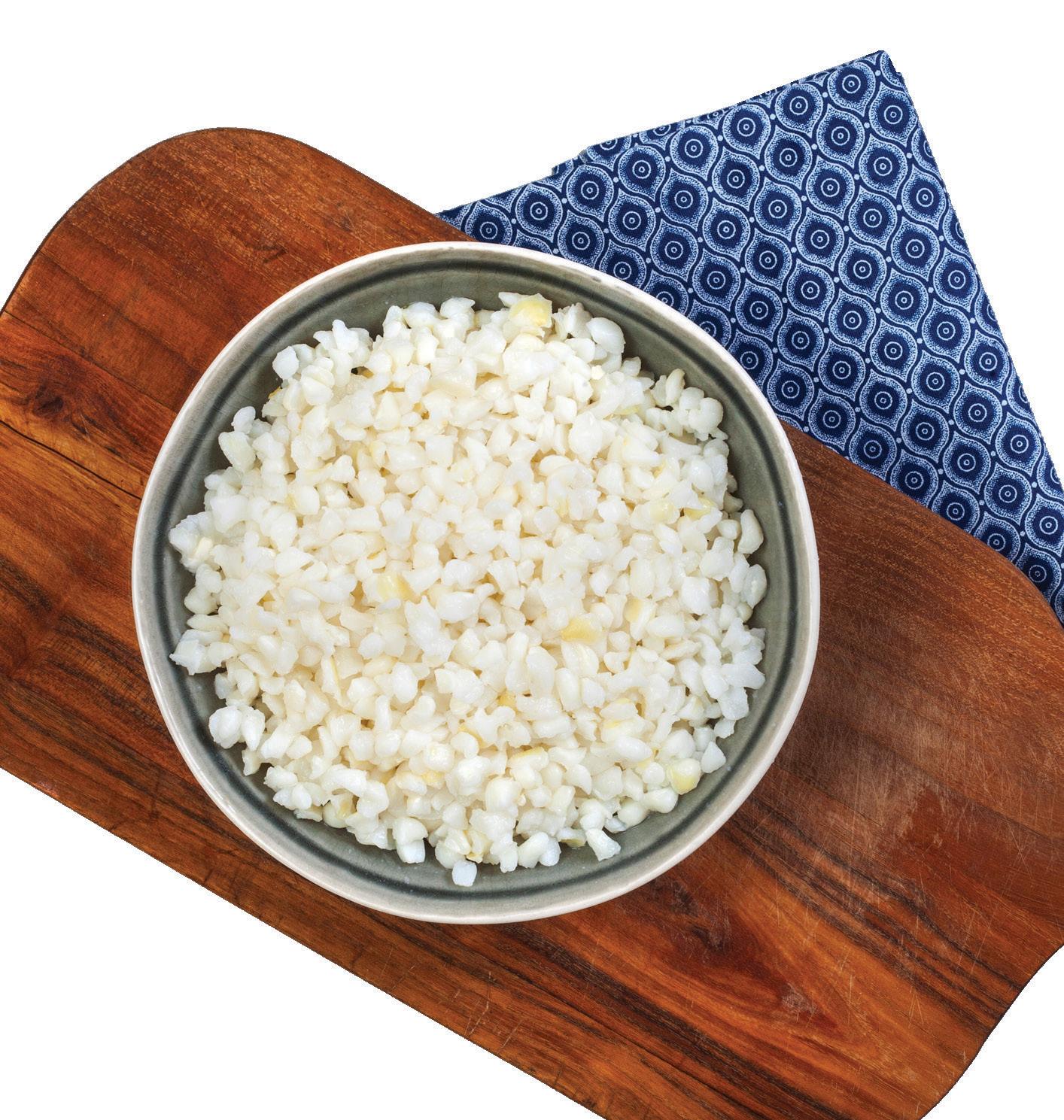
On the other hand, exfoliation is an older, gentler process, and nowhere is its practical value more clearly demonstrated than in the production of quick cook samp. Traditional samp, made from dried and stamped maize kernels, is a staple of South African cuisine.
However, its long cooking time of two hours or more has always been a barrier to everyday convenience. Exfoliation changes that equation entirely.
In quick cook samp production, dried maize kernels are tempered with steam under pressure to raise moisture content and initiate partial cooking of the starchy interior. The starch chemistry of this transformation is the key to the reduced cooking time. As with extrusion, steaming also causes partial gelatinisation of the starch granules. However, the process is far gentler than extrusion and has a minimal effect on the physical appearance of the product. When the consumer rehydrates the product, water penetrates rapidly through the fractured granule network, reducing cook time from hours to minutes while still delivering the characteristic body, chew, and flavour expected of traditional samp. The granule remnants within the flake also contribute to the cohesive, slightly sticky texture on the plate, a property that would be lost in a fully expanded extrudate.
PROCESS, PURPOSE AND PRODUCT
The choice between extrusion and exfoliation is ultimately a product design decision. Extrusion offers speed, flexibility, and the ability to produce a wide range of shapes and textures from composite flour blends, including fortified or fibreenriched formulations. On the other hand, exfoliation preserves more of the grain's native structural, nutritional, and sensorial characteristics.
Synercore – www.synercore.co.za
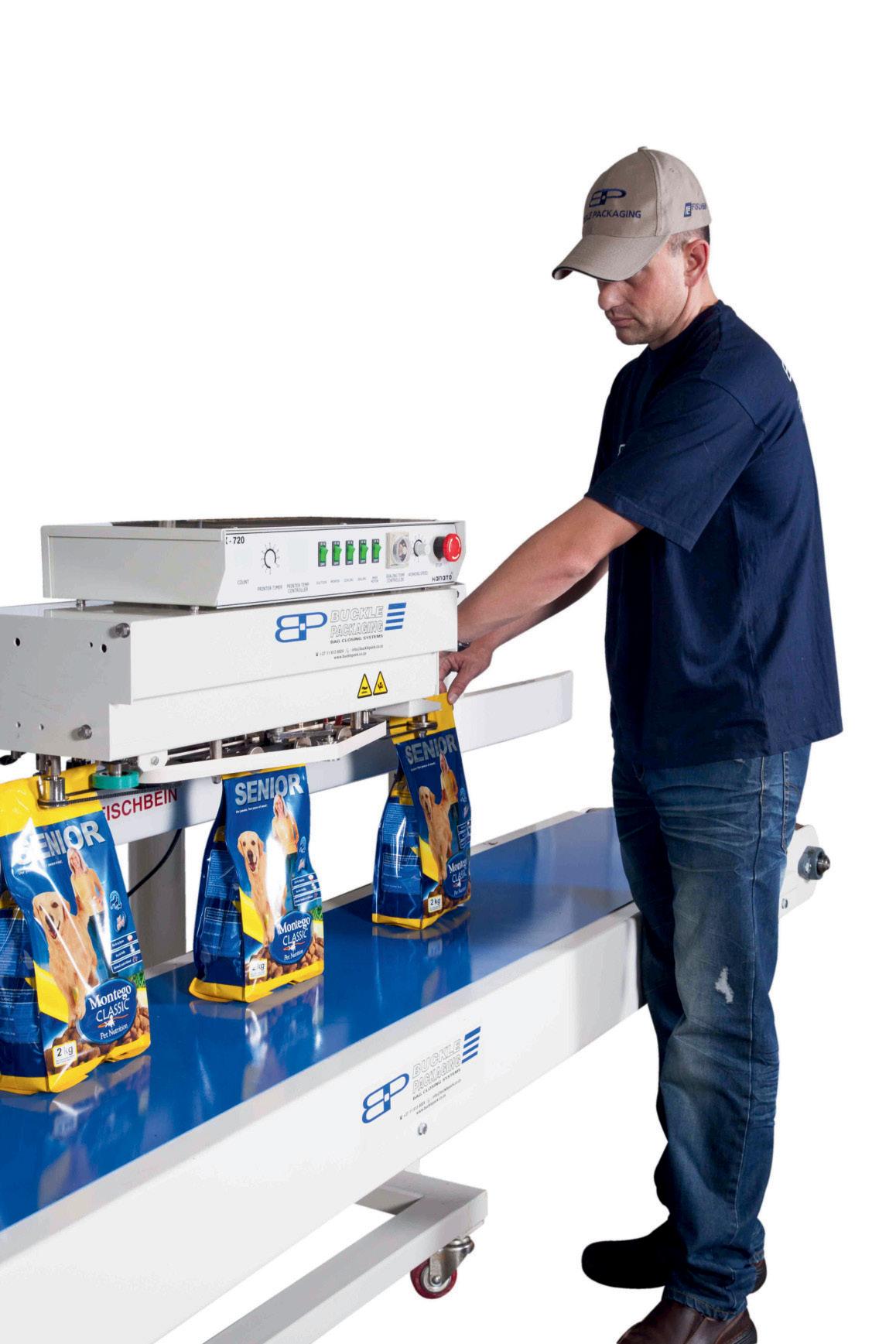
Small packs drive big changes
PMD Packaging launches innovative small pack machinery range targeting African entrepreneurs and addressing portion control hygiene challenges across diverse markets.
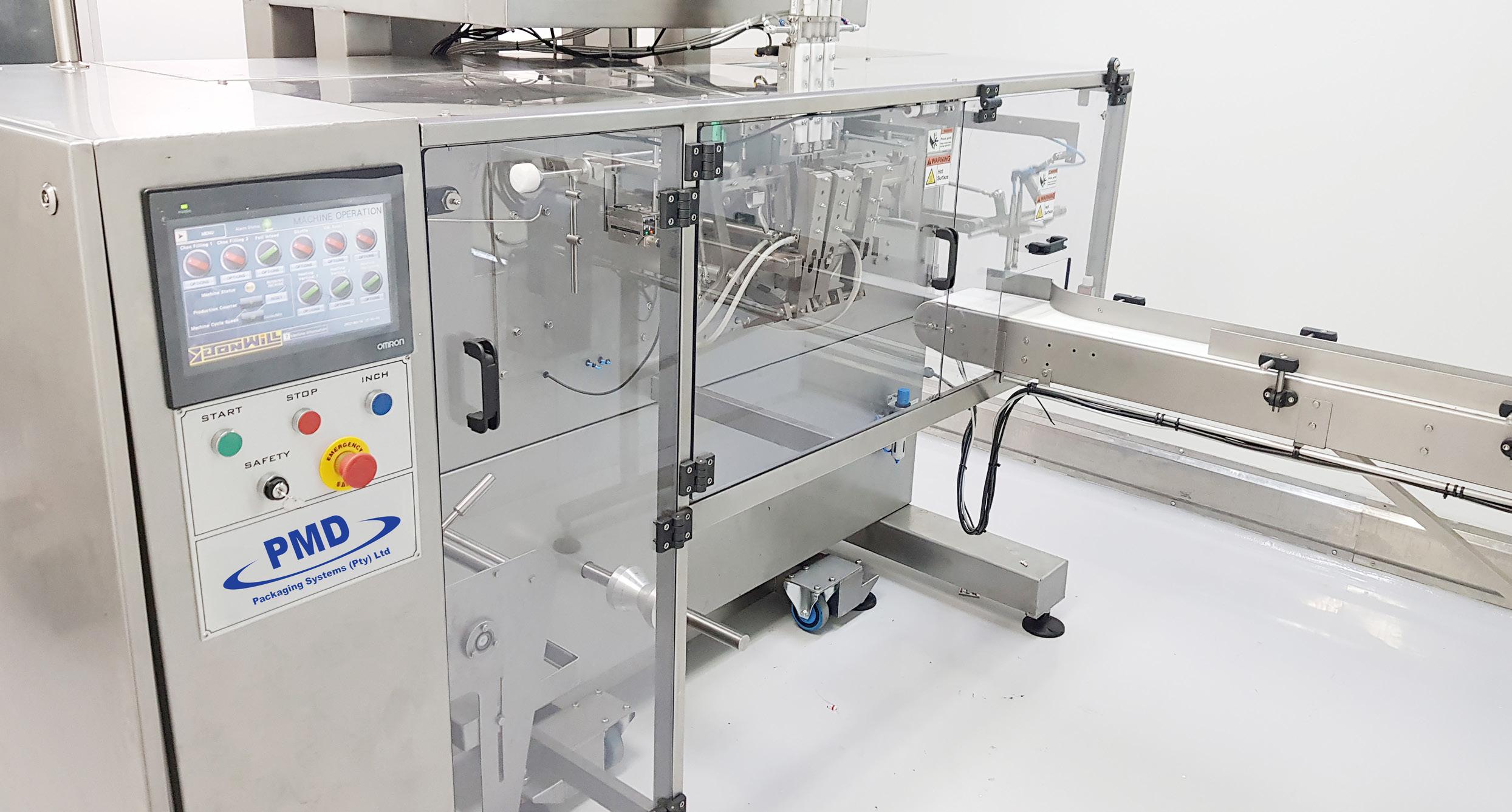
PMD is constantly investing in new solutions for packaging systems to suit the Food and Beverage market and others including Pharmaceutical, Nutriceutical, et al. Furthermore the company wants to pay attention to the economic profile of Africa. Many end users of common domestic products just don’t have the resources to purchase the big packs and the result is often Please change to manual intervention in order to satisfy the need for small packs. Small entrepreneurs have no choice but to do their best and measure portion size as best they can and manage their hygiene issues accordingly. This naturally introduces the consumer to hygiene risks and also risk of being over charged. Thus there is more pressure to make small packs available and that they are produced in compliance with health and safety requirements of the modern world.
PMD has now launched a new range of machines to complement a very successful range of VFFS
machines with a multitude of special dosing systems, plus Auto Baling, Shrink-wrap, and many other special solutions where the company enjoys assistance from our European partners.
This move is designed to satisfy many
We design them, we build them, we maintain them, we improve them, we develop them. And above all we have technical support for everything we make.
ABOUT PMD
PMD Packaging has been manufacturing high-quality packaging machinery, since inception in 1966. The Sigma range of vertical form fill and seal packaging machines complies with world class standards. Under the guidance of Mike Spencer, the company has expanded, to offer a wide range of packaging and processing machinery by partnering with a number of international brands. PMD services a loyal client base globally and throughout Africa, with local representation in Johannesburg, Cape Town and Durban.
Our success is based on our work ethic, as well as an excellent track record of suc-
markets including, small entrepreneurs, and also big companies that need to offer small portions.
PMD HAS DEVELOPED AND INTRODUCED TO THE MARKET, A RANGE OF SMALL PACK MACHINES:
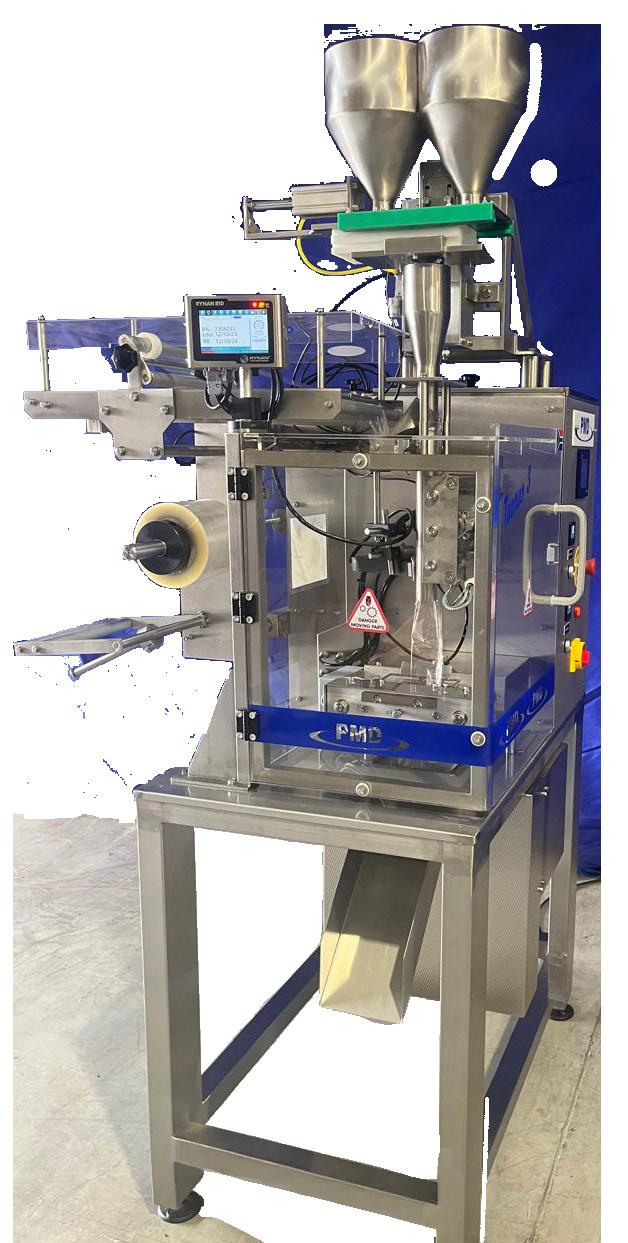
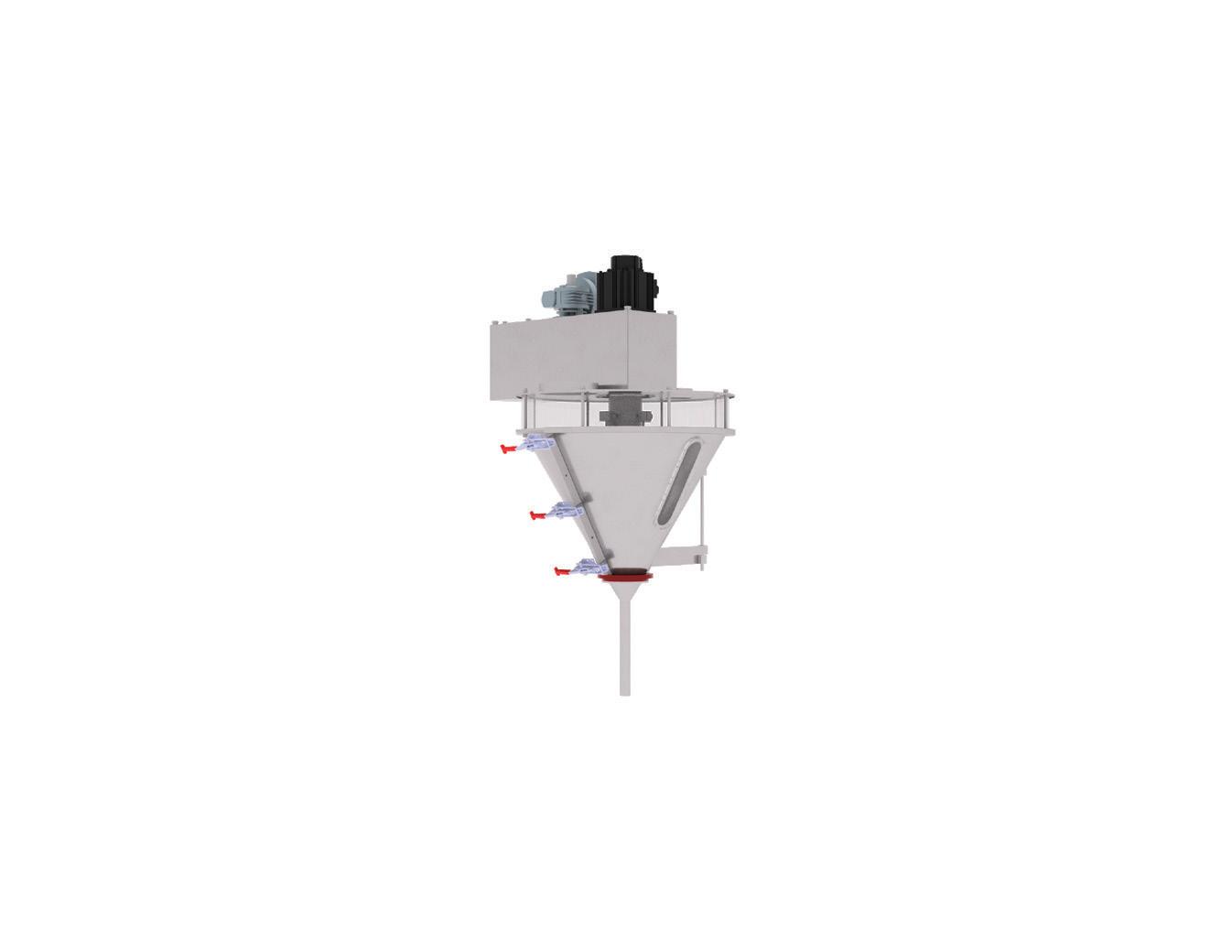
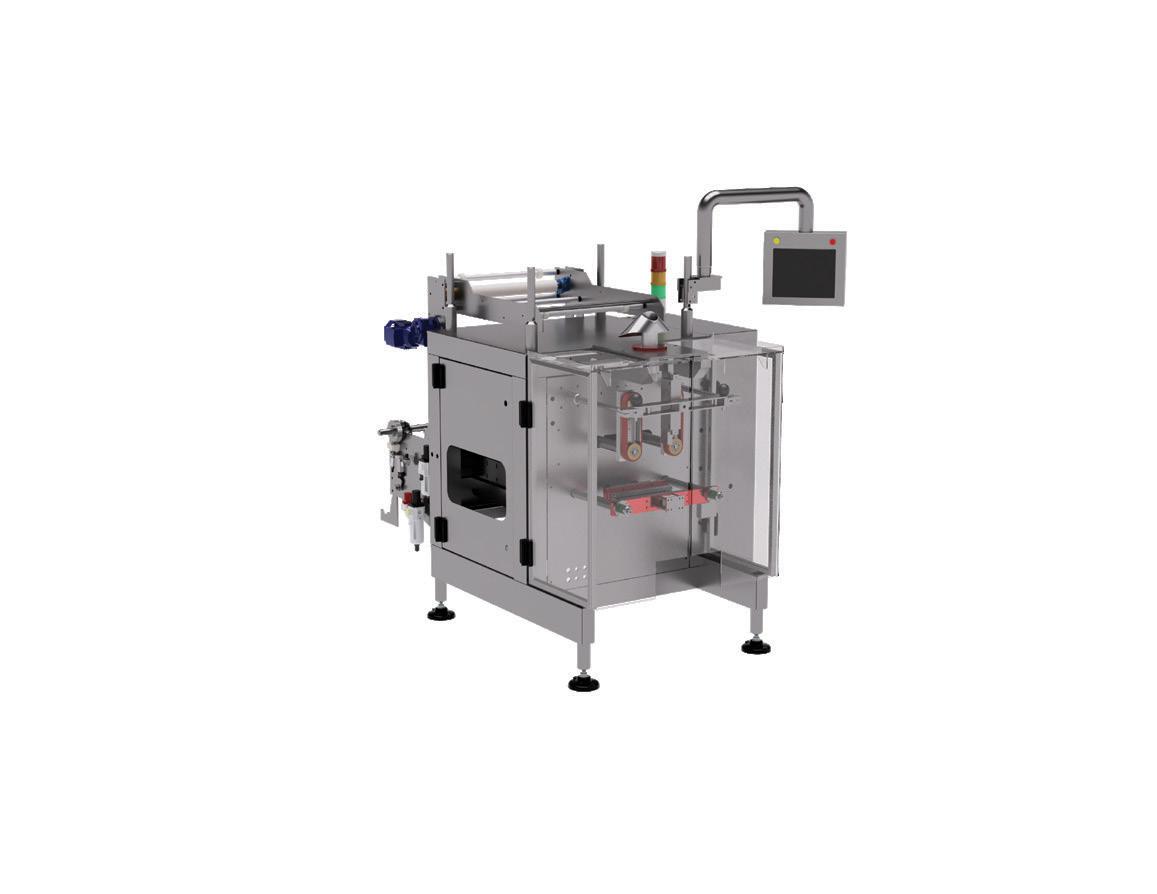
Taurus: Mini VFFS machine for 3 side seal or pillow pack. Taurus is available with quick change over dosing capability for liquids, powders or granules.
Sigma 1: High speed VFFS machine for small packs up to 100 packs / min Apollo: Horizontal sachet machine for 3 or 4 side seal in single or twin lane format.
PMD - www.pmdpackaging.co.za
cessful installations and back up service for many leading multi-national companies. Throughout the years PMD has put technical development at the top of its agenda with the result that its products are widely recognised as leaders in the field of food packaging machinery, and now has many machines installed in a broad cross section of industries and countries throughout the world. We represent a number of suppliers including, Matcon, Delfin, Velteko, New Projects, Proxes, Symach. Pat Galleymore, Technical Director heads up PMD’s manufacturing and demo facility in Northriding, Johannesburg, supported by an experienced and qualified team.
MILLING AROUND PEOPLE LIKE PMD WILL INCREASE YOUR PRODUCTIVITY
Over the last 50 years, PMD has built up a proven track record, as a reliable partner to the milling
We offer an array of equipment to maximise productivity and lower operational costs. With representation in Gauteng, Cape Town and Durban, we are able to offer quick and effective sales,
Contact us to assist you in finding a customised solution tailor made for your factory and/or mill.
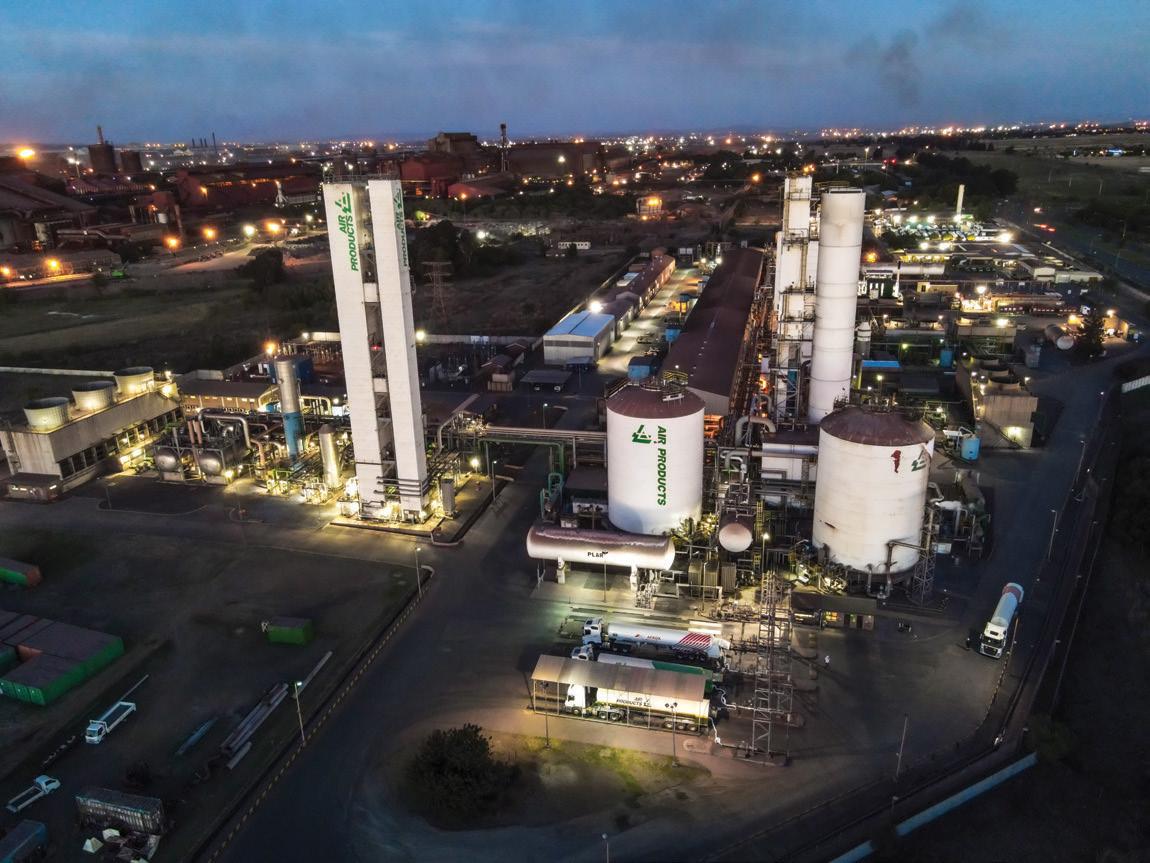
Air Products achieves SANAS flowmeter accreditation
Air Products South Africa's SANAS accreditation for cryogenic flowmeter verification and repair transforms local capability and regulatory compliance.
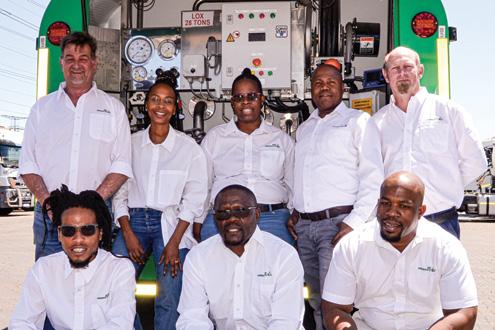
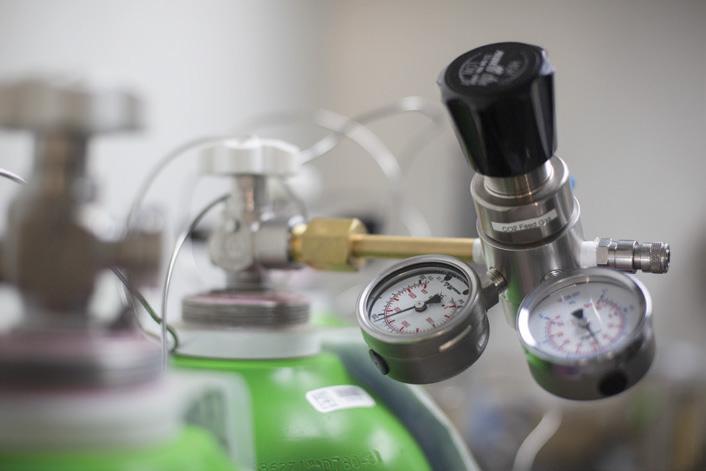
The Air Products verification and repair body accreditation team Air Products South Africa’s Verification and Repair Body accreditation for cryogenic and liquid carbon dioxide (CO2) by the South African National Accreditation System (SANAS) is a turning point in terms of the local capability and compliance of flowmeters in South Africa.
The accreditation is the result of a demand for legal metrology in a high-risk, precision-driven field. The Verification and Repair Body accreditation process was a complex journey with a lot to learn and has sharpened the team’s understanding of the requirements. The following key achievements were valuable and obtained:
• Legal traceability
• Reduced fragmentation
• Improved local capability
• Technical excellence.
Dual accreditation: Verification and repair:
According to Gift Nyambe, the General Manager for Technical, the accreditation was built on three critical pillars, which empowers Air Products South Africa to deliver the verification and repair service. These pillars include technical astuteness, legal compliance and system efficiency, and our customers will be able to benefit from this compliant and integrated solution. The process included the Master Meter approval by the National Regulator for Compulsory Specifications (NRCS), certification by the verification officer, and final accreditation by SANAS.
REGULATORY COMPLIANCE
“The accreditation is not only an indication
of the compliance to regulation, but it also holds a commercial advantage to customers. This is largely due to the metering accuracy and traceability, a reduced risk of not conforming to regulation and a vast improvement in the service turnaround times and cost efficiencies because of our in-house capability and resources”, says Nyambe.
Nyambe further comments: “Teamwork and tenacity were critical in the process with a dedicated team that had to drive the project planning, documentation and audits. The Technical team in collaboration with the Bulk Distribution team, were integral in obtaining the accreditation. Besides a vision, metrological rigour was essential as the systems must be traceable to certified weighbridge standards. Lastly, the team had to ensure that a robust quality infrastructure was implemented and aligned with SANAS’ quality management system (QMS) requirements. The team describes the accreditation journey not only as technically fulfilling, but as transformational”.
STRATEGIC INVESTMENT
With the accreditation milestone, Air Products South Africa uplifted more than systems –it empowered people. The newly certified Verification Officer and Repairer now hold nationally recognised qualifications, which builds sustainable metrology expertise within South Africa. Nyambe concludes: “Earlier this year, Air Products South Africa also obtained its ISO/IEC 17025:2017 accreditation for testing and calibration in laboratories. These accreditations strategically differentiate the company from competitors in the market and assures our customers of superior service and quality products”.
FAST FACT
Air Products South Africa is now accredited by SANAS for both verification and repair of cryogenic and liquid CO2 flowmeters - a dual capability advantage.
Sidel earns gold — and raises the bar
Sidel has achieved EcoVadis Gold, proving that sustainability is no longer a goal — it is how the company operates.
Having been presented with another EcoVadis Gold Medal, Sidel’s strong performance across sustainability sectors is reflected within this assessment, highlighting the company’s progress achieved through a long-term, companywide commitment to responsible business practices.
SIDEL’S 2026 CERTIFICATION
Sidel emphasises that Environmental, Social, and Governance (ESG) principles are key for driving positive change. In order to achieve this goal, they have joined forces with customers, suppliers, external partners and communities. For this year’s assessment, Sidel demonstrated its environmental leadership and advanced ESG reporting, highlighting a structured approach to environmental management, transparency and performance disclosure.
Sidel’s vast supply chain and robust deployment also reflect the integration of sustainability principles throughout procurement processes and supplier engagement activities, with high social performance and integrated ethics practices being supported by strong governance, people-focused initiatives and a culture of integrity throughout the organisation. “This recognition is a testament to the collective efforts of teams across the entire organisation,” said Francesca Bellucci, Vice-President for Strategy and Sustainability at Sidel. “Achieving EcoVadis Gold at Group level demonstrates that sustainability is deeply embedded in the way we operate and create value for our customers, employees, partners and communities. While we are proud of this accomplishment, we also see it
“Sidel has committed to reducing its Scope 1 and 2 emissions by 72.8% and Scope 3 emissions by 30% by 2030 — with a full net-zero target set for 2050.”
as an incentive to continue raising our ambitions and driving continuous improvement.”
SUSTAINABLE TRANSFORMATION
While celebrating this benchmark, Sidel still remains focused on its long-term sustainability ambitions. It’s decarbonisation strategy aims to reduce Scope 1 and 2 emissions by 72.8% and Scope 3 by 30% in 2030, when compared to the levels of 2019. Sidel is also working towards achieving net-zero greenhouse gas emissions across the whole
value chain (Scope 1, 2, and 3) by 2050. The company will continue to strengthen its ESG performance, supporting customers in their sustainability transition and advancing the roadmap towards ever-higher standards of sustainability excellence.
ABOUT THE ACHIEVEMENT
EcoVadis is one of the world’s most trusted providers of business sustainability ratings, assessing companies from all industries across four stand-out pillars: Environment, Labour and Human Rights, Ethics and Sustainable Procurement. EcoVadis ratings provide a consistent, independent view of sustainability performances, enabling organisations to monitor and communicate their progress across entire supply chains. Sidel's latest achievement follows a comprehensive review involving more than 300 questions covering these critical areas.
Sidel – www.sidel.co.za
Epson digital label presses redefine shelf appeal
Marco Engelbrecht, specialist product manager at Altron Document Solutions, explores how digital label printing transforms brand recognition and consumer engagement.
Crowded shelves mean your product cannot play hide and seek. It needs to be front and centre. I loved labels as a youngster. My boombox, bicycle and school lunch box were branded with colourful labels. These labels were my brand, my identity and my style. Fast forward to today and, in my role as product manager at Altron Document Solutions for the production division, it is my responsibility to bring solutions to market that will diversify our customers’ print businesses and enhance their customers’ experience. Just as my creative labels were my identity, the same applies to brands. Brand recognition is determined by the label on the product, and it attracts consumers’ attention. This is the difference between a product staying on the shelf or going into the trolley on its way to the checkout line.
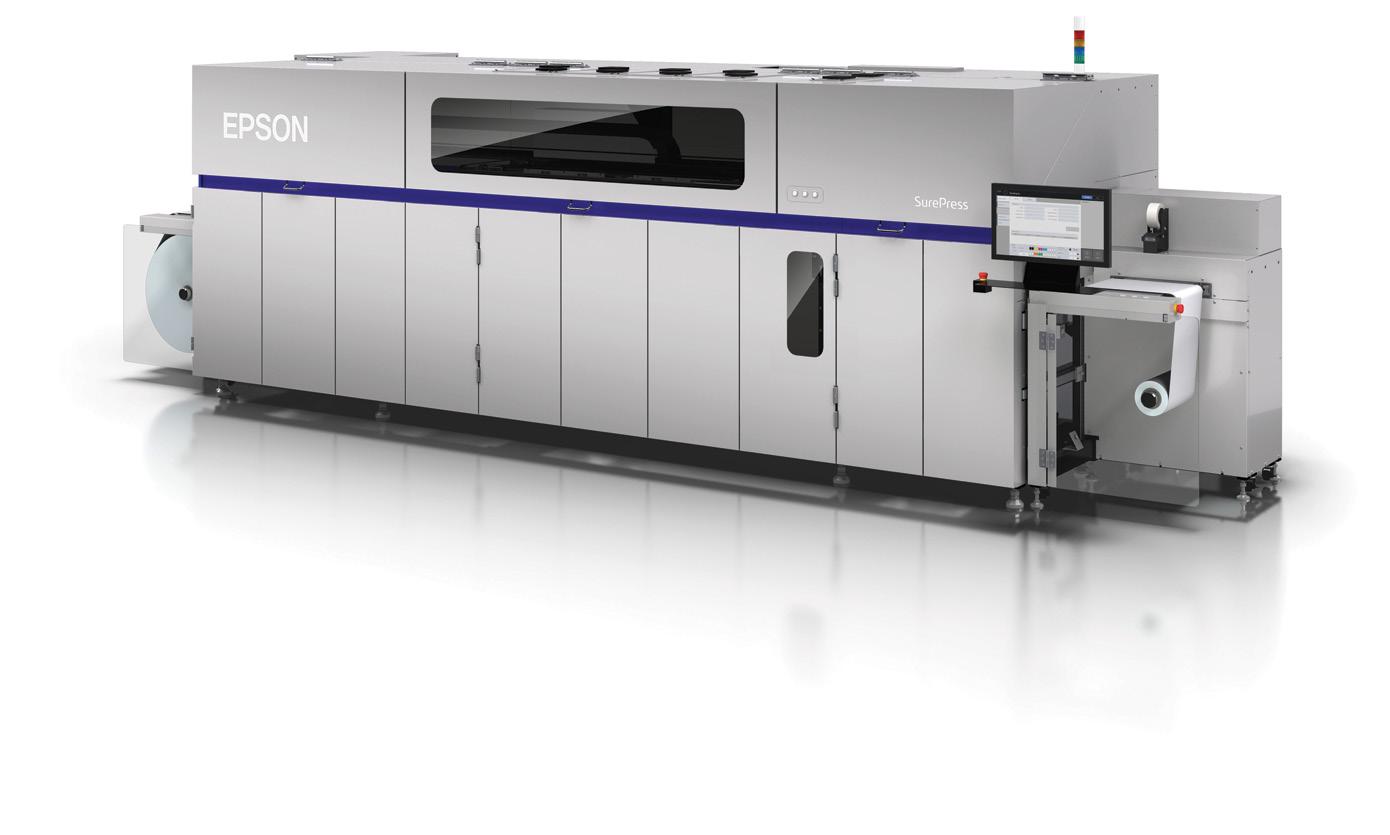
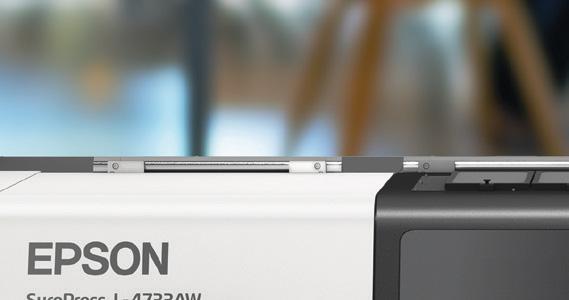
INTRODUCING THE EPSON SUREPRESS LABEL PRESS
One of the differentiating solutions we recently launched is the Epson SurePress label press. Available in two ranges, waterbased inkjet and UV inkjet, these presses will most definitely enhance your customers’ experience, with both presses reaching more than 90% of Pantone colours. The waterbased inkjet press, with a 6-colour ink set consisting of CMYK, orange and green, plus optional white, gives the SurePress L-4733A/ AW a wide colour gamut for precise colour matching and colour consistency throughout the production run.
The water-based inkjet press, with a 6-colour ink set consisting of CMYK, orange
FAST FACT
Epson SurePress label presses achieve more than 90% of Pantone colours, delivering exceptional colour consistency and precise matching with minimal setup time — ideal for short-tomedium label runs across wine, spirits, health, beauty, and pharmaceutical markets.
Brand recognition happens in the blink of an eye on crowded retail shelves. Digital label printing allows brands to personalise labels by store, region, or language — transforming each product into a storytelling opportunity that captures consumer attention instantly.
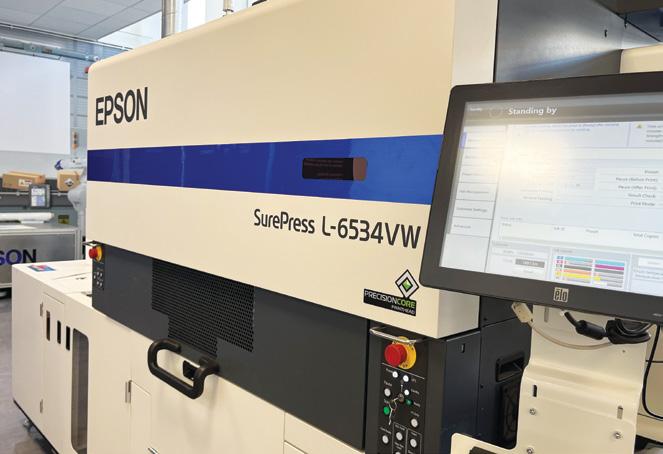
and green, plus optional white, gives the SurePress L-4733A/AW a wide colour gamut for precise colour matching and colour consistency throughout the production run. The L-6534VW configuration is CMYK plus a high-opacity white ink, with a choice of orange ink for an expanded colour gamut, or digital varnish printed in-line to provide powerful embellishment with a gloss or matte finish.
BUILT
FOR FLEXIBILITY AND RELIABILITY
These presses are designed and engineered by Epson for flexibility, consistency and reliability, delivering repeatable, high-quality printed labels with minimal downtime and waste. Cast-coated, machine-coated, uncoated, film, clear film and metallised paper are some of the substrates on which these presses can deliver beautiful results. This means you can produce wine, craft beer and spirits labels, health and beauty labels, pharmaceutical and healthcare labels, and many more.
This happens in the blink of an eye, with minimal setup and preparation time, making it ideal for short to medium runs. Variable data can also be added to your labels with these digital presses, allowing you to personalise labels for
different stores, regions and languages with ease. Looking back, those labels on my boombox, bicycle and lunch box were more than decoration, they were a statement. Today, brands need that same power of expression. With our Epson digital label printing solutions, every product can carry a label that tells its story, captures attention and creates a lasting impression and, of course, helps secure that trolley ride to the cashier.
EPSON SUREPRESS AT A GLANCE
Altron Document Solutions offers two Epson SurePress digital label presses designed for flexibility, precision and reliability:
• Ideal for cast-coated, machinecoated, uncoated substrates
UV INKJET MODEL (L-6534VW)
• CMYK + High-Opacity White
• Optional Orange or In-Line Digital Varnish
• Supports film, clear film, and metallised paper
KEY BENEFITS
• Minimal downtime and waste
• Fast setup for short-to-medium runs
• Variable data for personalised labels
• Consistent, repeatable colour accuracy
• Perfect for wine, craft beer, spirits, health & beauty, and pharmaceutical labels.
Uniting global scale with shrink sleeve expertise
CCL Industries announces closing of Sleever international acquisition, strengthening global sleeve and film capabilities.
CCL Label (“the Company”), a world leader in specialty label, security and packaging solutions, today announced the closing of its acquisition of Sleever International Company SA, its subsidiaries, and related companies (“Sleever”). Sleever is a privately owned global manufacturer of shrink sleeve labels, extruded films, and application equipment serving consumer packaged goods and healthcare customers.
Following the closing, Sleever’s label and film businesses will be rebranded as CCL Label and Innovia Films, respectively. Sleever’s application equipment business will continue to operate under the Sleever name, preserving its strong reputation in machinery and engineering.
VALUE FOR CUSTOMERS
The acquisition significantly expands CCL’s global footprint and technical capabilities in the growing sleeve and film segments. Customers across consumer-packaged goods, food & beverage, beauty, home care, and healthcare markets will benefit from:
• Broader global supply coverage, with Sleever’s 11 manufacturing sites joining CCL’s worldwide network to improve supply chain resilience, shorten lead times, and enhance business continuity.
• A more comprehensive portfolio of sustainable materials, including recycling-friendly and low-impact sleeve solutions, advanced films, and energy-efficient application systems that support customers’ environmental commitments.
• Stronger innovation capabilities, combining CCL’s and Sleever’s R&D strengths to accelerate development of next-generation sleeve formats, improved recyclability technologies, and high-performance films.
• Integrated decoration and application expertise, enabling customers to achieve premium shelf impact, reduce waste, and improve operational efficiency through ad-
vanced application equipment and high-end decoration services.
• Greater technical support and engineering depth, with expanded global teams providing end-to-end expertise from material science to application equipment.
WHAT THE SLEEVER ACQUISITION MEANS FOR CUSTOMERS
CCL Industries' integration of Sleever International delivers a range of immediate and long-term benefits across the supply chain:
• Greater supply resilience — Broader global footprint means shorter lead times and stronger business continuity
• Expanded sustainable materials — A wider portfolio of recycling-friendly and low-impact sleeve and film solutions
• Energy-efficient application systems — Advanced machinery designed to support customers' environmental commitments
• Combined R&D power — Joint technical teams accelerating next-gen sleeve formats and recyclability technologies
• End-to-end expertise — Integrated decoration, application, and material science support from a single partner.
"Bringing Sleever into the CCL family significantly strengthens our ability to serve customers in the sleeve and film markets."
LEADERSHIP COMMENTARY
Günther Birkner, president of CCL Label’s food & beverage sector and Innovia Films, who will assume overall responsibility for the acquisition, commented: “Bringing Sleever into the CCL family significantly strengthens our ability to serve customers in the sleeve and film markets. By combining Sleever’s deep expertise in shrink sleeve technology and application equipment with CCL’s global scale and portfolio, we are creating a more resilient, innovative, and further customer-focused platform. This acquisition allows us to offer broader sustainable solutions, enhanced technical support, and greater supply security—benefits that will help our customers compete and grow in their markets.”
CCL - www.cclind.com
Sleever International - www.sleever.com
TIME TO STAND OUT
Strategic investment powers packaging
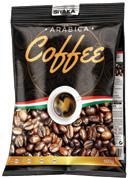
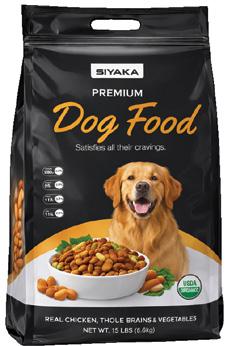
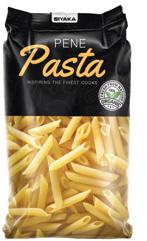
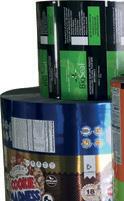
The MIRAFLEX || installation at SIYAKA's Dube Trade port facility is part of a broader investment initiative that includes converting equipment, virtual workflow systems, and workforce skill.
Additional strategic investments
reaffirming its leadership in the flexible packaging sector, SIYAKA has made a landmark investment in Windmöller & Hölscher’s (W&H’s) flagship MIRAFLEX || Central Impression (CI) flexographic printing press—a machine world-renowned for precision, efficiency, and future-ready packaging innovation. This investment is far more than a phased equipment installation —it's a deliberate strategic leap. At SIYAKA’s new Dube Trade port facility the latest MIRAFLEX || amongst an already state-of-the-art line-up of converting equipment, SIYAKA is positioning itself at the intersection of operational excellence and supply chain optimization, ensuring maximum synergy across its operational realm and bespoke client experiences.
STRATEGIC PARTNERSHIP WITH W&H
Partnering with Windmöller & Hölscher’s (W&H) was an easy decision for SIYAKA as the W&H brand shares core business principles, focusing on high quality standards, operational efficiencies, world-class technologies and value engineered solutions.
The MIRAFLEX || was exclusively selected for its proven capability to deliver on both quality and efficiency metrics critical to modern packaging requirements. Its versatility across substrates and unmatched print quality making it ideal for serving SIYAKA’s high-end client base. As packaging demands continue to evolve—driven by brand differentiation, regulatory compliance, and consumer expectations—SIYAKA's investments sends a profound message: “The Future, We are already Present.” The MIRAFLEX || is not only an industry benchmark; it’s engineered
with technological advancements in future proof packaging.
“The new MIRAFLEX || investment is part of a broader investment initiative at SIYAKA, which includes converting and finishing equipment, expanding virtual workflow systems, and enhancing workforce skill.” says Mikhail Lutchman, COO (Chief Operation Officer) of SIYAKA.
“This installation represents the next chapter in SIYAKA’s growth strategy; by embedding this industry-leading technology into our operations, we’re not just investing in conversion capabilities—we’re providing solutions for traditional market challenges, with a futuristic packaging ecosystem”, he adds. In an increasingly dynamic and demanding packaging landscape.
Siyaka – www.siyaka.net
printers and converters of shrink sleeves & flexible packaging
Through an innovative and out of the box approach to our clients’ needs, we are not only willing, but also able to provide practical and efficient cost-saving solutions to most printing and packaging challenges. A pioneering narrow web flexographic printer, ISW specializes in, while not confined to, the manufacturing of highly decorative and complex shrink sleeves, self-adhesive and wraparound labels, and various forms of flexible packaging. By working closely with local and international suppliers, and utilising specially developed in-house processes a multitude of innovative finishes including the likes of thermochromic, glow in the dark, domed, holographic and high lustre metallics along with specialised multi-perforation solutions for promotional items are achieved.
With the manufacturing plant consisting of 10-colour and eight-colour MPS EPW560’s and a full complement of the latest offerings in finishing equipment for the conversion and inspection of our products, ISW maintains the highest level of quality and is one of only a handful of narrow web printers capable of producing wide lay flat shrink sleeves, achieving a L/F of 276mm from a printed web width of 575mm. By offering assistance and advice with every step from concept to design, production and application; we are there to ensure our clients achieve their desired vision efficiently, affordably and consistently.
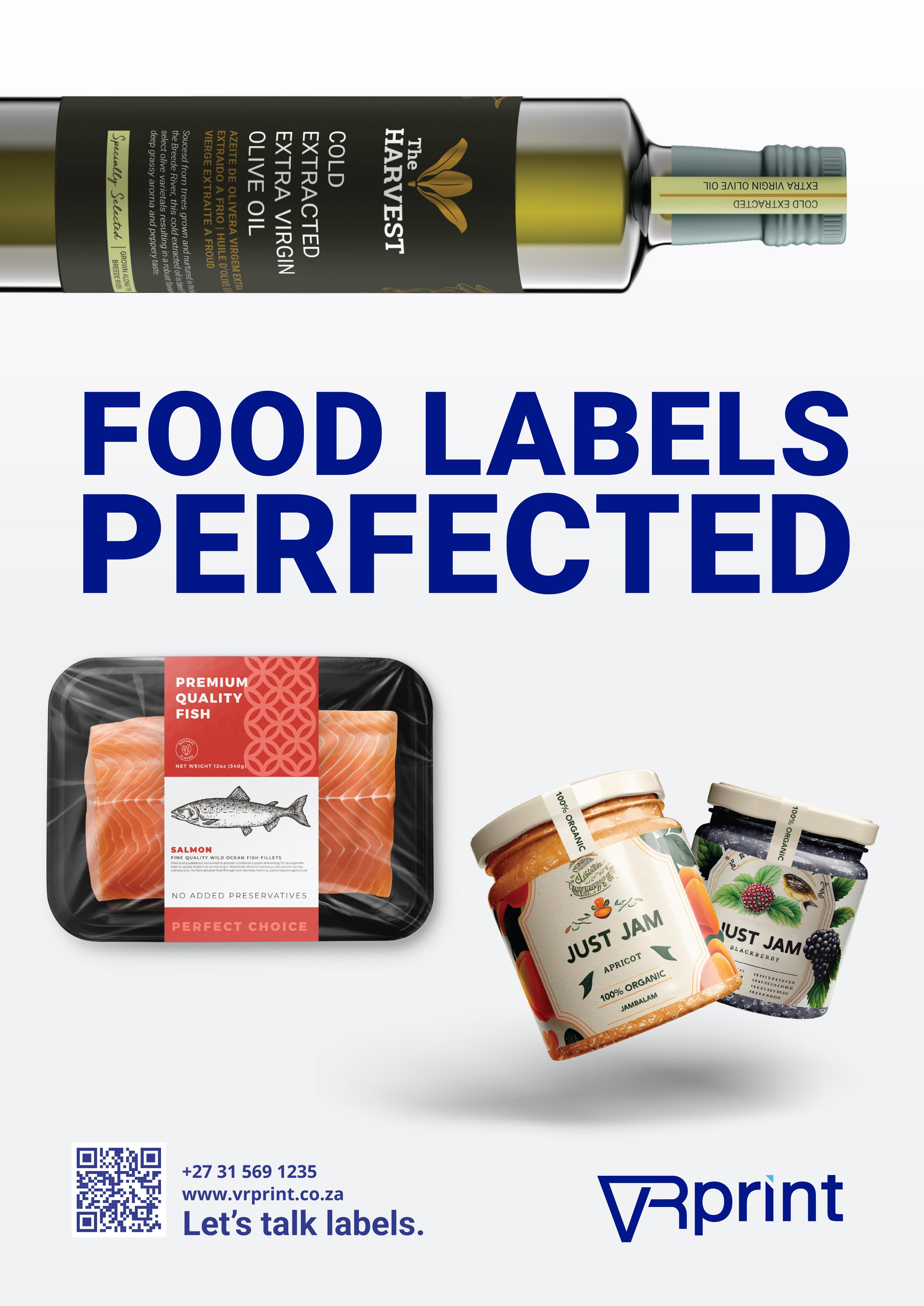
Smart packaging is now a strategic business tool
Food packaging is transforming fast. VR Print is helping manufacturers embrace digital, traceable and sustainable solutions — empowering those who act today to lead the market tomorrow.
Food packaging is undergoing one of the most significant transformations the industry has experienced in decades. Increasing production costs, retailer expectations, sustainability commitments, shorter product life cycles and changing consumer behaviour are reshaping how food products are packaged, identified and presented. As a result, packaging is no longer simply about protecting a product or displaying a brand. It is becoming a strategic business tool capable of improving manufacturing efficiency, reducing costs, strengthening consumer trust and creating competitive advantage.
PREPARING FOR GS1 SUNRISE 2027
One of the most significant developments currently facing the food industry is GS1 Sunrise 2027.
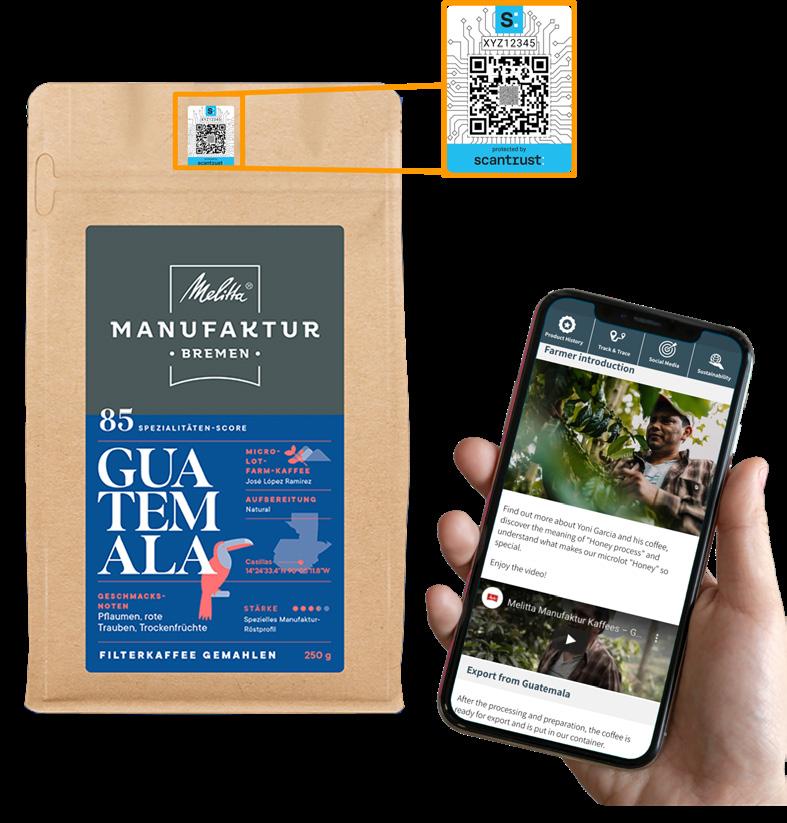
In our experience, many manufacturers still underestimate what this transition involves. It is often viewed as simply replacing a traditional barcode with a QR code, when it represents a fundamental shift in how products communicate throughout the supply chain and with consumers. Preparing for GS1 Sunrise 2027 requires considerably more than updating artwork. Manufacturers need to consider print quality, code verification, variable data, digital content, authentication, traceability and how connected packaging will support future consumer engagement. The businesses that begin preparing now are likely to be in a far stronger position than those waiting until retailer or customer requirements make the transition unavoidable. We are already helping food manufacturers prepare through GS1 Digital Link-compatible QR codes and Scantrust® secure QR technol ogy, enabling brands to com bine product authentication, traceability and consumer en gagement within a single intelli gent QR code while preparing for
the next generation of food packaging.
FROM INFORMATION TO CONVERSATION
Artificial Intelligence is expected to become another major driver of packaging innovation. For many years, packaging has simply displayed information. Increasingly, it will become the starting point of an intelligent conversation between brands and consumers. Rather than directing consumers to a static website, AI-powered conversational packaging has the potential to answer questions about ingredients, allergens, nutritional values, product origin, recipes, storage recommendations, authenticity, recalls and recycling instructions, providing information specific to the product in the consumer's hands.
This creates new opportunities for food manufacturers to improve transparency, strengthen consumer confidence, build brand loyalty and gain valuable insights into how products are purchased and used. Sustainability remains one of the industry's biggest priorities, but we believe the conversation is beginning to change. Rather than asking how packaging can become more sustainable, manufacturers are increasingly asking whether every packaging component is still necessary.
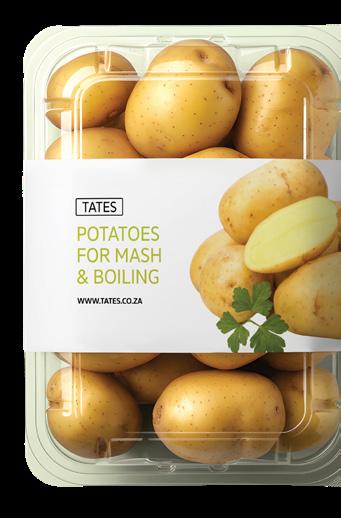
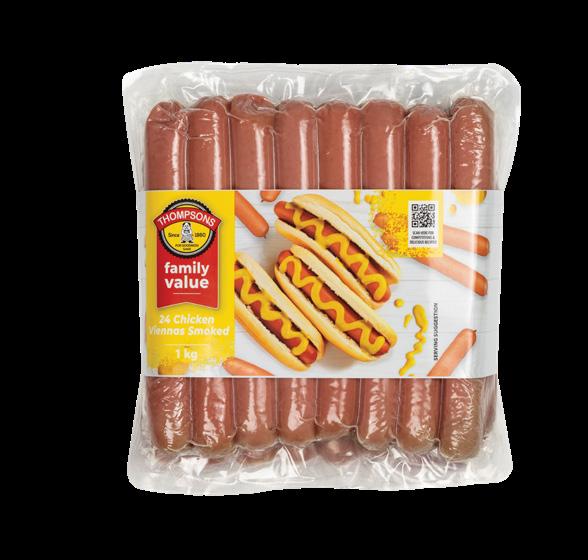
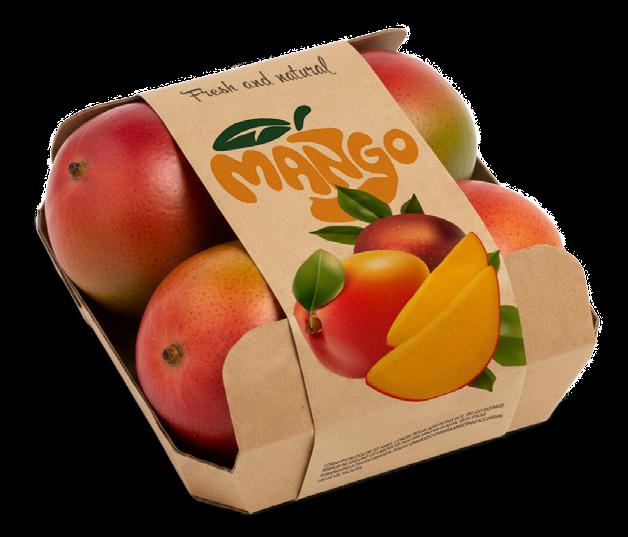
BANDING CHANGES THE GAME
Many food products continue to rely on cardboard sleeves, paperboard wraps, printed lidding, separate weigh-price labels, promotional neck tags and other secondary packaging that increases material consumption, adds manufacturing complexity and is often discarded shortly after purchase. In our view, every packaging component should justify its place on the pack. One of
"Packaging is no longer a cost. For forward-thinking manufacturers, it is a competitive advantage."
the most exciting developments we are seeing is Labelling by Banding®. Rather than applying a conventional self-adhesive label or relying on unnecessary secondary packaging, a narrow-printed paper or mono-material film band is automatically wrapped around the product, sealed and cut in a single automated operation.
The printed band provides branding, product identification and traceability while allowing consumers to see significantly more of the product they are purchasing. It can reduce material consumption, eliminate adhesives and release liners, simplify recycling and lower packaging costs, while creating a cleaner, more modern shelf presentation. Consumers buy food with their eyes first. Allowing them to see more of the product, rather than hiding it behind unnecessary packaging, can become a significant commercial advantage.
We recently worked with Gen4Foods, a South African manufacturer of ready-toeat meat products, to implement Labelling by Banding® on selected Vienna multipacks. Three individual retail packs are automatically bundled into a single promotional pack using a printed band, eliminating the need for conventional secondary packaging.
Intellectual property protects food industry innovation
Candidate Patent Attorney Stellar Frisby from Hahn & Hahn explores how intellectual property rights protect every aspect of food production innovation.
Imagine cooking a perfect, fluffy free-range egg omelette in your trusty non-stick pan. Following the recipe of your favourite chef, you add a knob of butter to the pan and crack in three eggs, whisking vigorously. Once the eggs are almost cooked, you grate in a generous helping of Parmigiano Reggiano before folding the omelette, garnishing with radish microgreens and serving with a slice of buttered sourdough toast and a hot almond-milk latte. Looking down at the mug and plate from a food industry perspective, we would tend to think of food chemistry, microbiology, processing techniques, nutrition and sensory analysis, without realising the intellectual property (IP) rights that linger behind each component. Now, imagine each item on your breakfast table as a piece of intellectual property (IP). IP rights protect not only the ingredients themselves, but the formulations, processes, and reputations that go along with them. Here’s how IP play a role in your breakfast, and why it should matter to all food industry professionals
Rohwedder in 1928, transformed commercial baking forever. Without it, you may still be slicing your bread at home and “the best thing since sliced bread” might never have become a phrase at all!
DESIGNS – IS IT A BIRD? IS IT A PLANE?
NO, IT’S A TOASTER!
PATENTS – THE BEST THING SINCE SLICED BREAD
Your trusty frying pan may be coated with a handy non-stick surface that allows the omelette to seamlessly glide out of the pan and onto your plate. Inventions such as compositions or manufacturing processes which help solve problems (such as omelettes sticking to the bottom of pans) may be protected by patents. To be patented in South Africa, inventions must be new, inventive, and capable of industrial application. Patents help protect the research and development that goes into new products, such as cookware, ingredients, or processing methods, by excluding others from exploiting the invention without permission. A patentee may also choose to license their patents to earn royalties, which can be a valuable revenue stream and may facilitate the reaching of wider markets. Patents not only reward inventors; they drive technological advancement by encouraging innovation and sharing knowledge. For example, the first patent for a machine that sliced and packaged bread, granted to Otto Frederick
The toaster’s smooth curves, sleek aesthetic, and unique shape, almost reminiscent of a well-designed sports car, give it a distinctive, eye-catching presence on your kitchen counter and may be protected as a registered design. Registered designs protect the visual appearance of an article, including its shape, configuration, ornamentation, and pattern.
Trademarks – What’s in a name? The butter's brand name, logo, and slogan may be protected by trademarks. A trademark helps consumers easily identify your brand which can develop your reputation and consumer trust, while also helping to prevent confusion in the market.
Geographical indications– Who moved my cheese? Only cheese made in specified regions of Italy using traditional methods may be labelled Parmigiano Reggiano. This is known as a Geographical Indication (GI). South Africa recognises certain international
"The first patent for a machine that sliced and packaged bread... transformed commercial baking forever"
GIs and protects some of its own, for example the world-renowned Rooibos tea. GIs safeguard cultural heritage and food quality linked to specific origins.
Trade Secrets – Your secret’s safe with me: At what temperature and time combination was the coffee roasted to give it that perfect chocolaty aroma? What emulsifiers and stabilisers were added to enhance the homogenisation of the almond milk? If this knowledge gives your company a competitive edge and it’s kept secret, it may qualify as a trade secret.
COPYRIGHT – ALL RIGHTS RESERVED
The beautifully illustrated recipe book sitting open beside your stove is protected by copyright. In South Africa, original literary and artistic works are protected automatically when recorded in material form. This means the wording, layout and any accompanying illustrations or photographs cannot be copied, even if the ingredients are as common as eggs, butter, and cheese.
Plant breeders’ rights – Your secret’s safe with me: The delicate, red, peppery microgreens garnishing your plate may be the result of years of selective breeding. Plant Breeders' Rights (PBRs) protect new plant varieties if they are distinct, uniform, and stable. In South Africa, PBRs are crucial for innovation in agriculture and give breeders exclusive rights to produce and sell their varieties.
“ARE YOUR LAWYERS ENGINEERS TOO? WE ARE ™.
Our Lawyers who are Engineers and Scientists too understand your complex legal and regulatory matters which require an understanding of the technical subject matter and a firm grasp of the law.
As IP attorneys we can protect your valuable inventions and brands through patent and trade mark applications drafted by patent attorneys who understand your specific technical field.
So ask yourself, should your Lawyers be Engineers and Scientists too?”
Janusz F. Luterek for: Hahn & Hahn Inc,
V C Williams, J F Luterek, PCR Venter, C Michael, C Berndt, V Lawrance, Y Ra
Vital testing for food compliance
MLS Laboratories provides ISO/IEC 17025-accredited nutritional testing services to help ensure food products comply with South African health regulations while supporting critical product development deadlines.
Nutritional information plays an important role in consumers' right to know and their ability to make informed lifestyle choices. In South Africa, nutritional labelling is regulated by the Department of Health under the Foodstuffs, Cosmetics and Disinfectants Act and Regulation R.146.
These regulations help prevent misleading claims, such as "fat-free water" or "cholesterol-free vegetable oil", while ensuring that claims relating to potential health benefits—such as "high in dietary fibre" or "low in sugar"—are supported by appropriate data.
ACCREDITED TESTING: SPEED MEETS PRECISION
MLS Laboratories supports regulatory compliance by conducting nutritional testing
in an ISO/IEC 17025-accredited laboratory. Whether testing is required for regulatory compliance or new product development, our accredited laboratory services provide accurate, reliable results to support your nutritional testing requirements. Fast turnaround times are a priority, helping our clients meet critical deadlines for new product launches, label updates and printing schedules. Our testing services include nutritional parameters commonly required for labelling, such as protein, total fat, carbohydrates, sugars,
"Regulations prevent misleading claims while ensuring health benefits are supported by appropriate data."
sodium, moisture, ash, fibre and cholesterol. Additional chemical analyses include aflatoxins, antibiotic residues, pesticide residues and free fatty acids (FFA).
STORY
MLS is a SANAS-accredited laboratory that has been operating as part of the LTL Group of Companies for more than 10 years. Our methods enable us to submit preliminary results within 48 hours and final reports within five working days. We have highly qualified and experienced scientists and laboratory analysts. We can assist you at all stages of analysis, from sample submission through to final reporting.
Inline pump filling equipment
equipment
Round bottle labelling
Gravity filling equipment
Entry level filling equipment
Front and back labelling
Pharmaceutical labelling & coding
Rotary filling
Perfect fit for hygienic applications
With over eight million installations worldwide, the Endress+Hauser Liquiphant has redefined industrial level detection. Now, the FTL63 brings that trusted vibronic precision to the most demanding hygienic environments.
The Liquiphant has been installed more than eight million times worldwide. Developed as a new measuring principle for customer challenges in the 1980s, it is considered the most reliable and safe point level detector in industrial plants. The latest generation of devices is ready for Industry 4.0 and, with the Liquiphant FTL63, ideally suited for applications with hygienic requirements.
At the end of the 1970s, Georg H. Endress asked his developers for an all-metal and thus permanently sealed sensor, that would switch reliably and trouble-free everywhere without adjustment to different media. It quickly became clear that the capacitive and conductive probes used until then could not fully meet these requirements. This was the birth of a new measuring principle: vibronics. Within a very short time, this new technology became the best-seller from Endress+Hauser and to this day the vibrating metal fork is known as the most reliable and safe limit switch. Whether utilised for overfill or dry-run protection, the Liquiphant performs many tasks in process automation. But even the best measuring principles must bow to digital change. It was time to equip the sensor, which has proven itself a million times over, for the tasks of tomorrow.
The Liquiphant FTL51B can be used as an all-rounder in all pumpable liquids for point level detection. The Liquiphant FTL62 scores with its coatings when used in aggressive liquids. At high process temperatures of up to 280 °C, the Liquiphant FTL64 is the preferred measuring instrument due to a special high-temperature design. The portfolio is now completed with the Liquiphant FTL63 - the perfect choice for the Food and Beverage and Life Sciences industries due to its hygienic design.
EXPERTISE IN HYGIENIC APPLICATIONS
The Liquiphant FTL63 is used for point level detection in process and storage tanks, as well as in pipelines supports a wide range of typical use cases. These include empty level detection in milk tanks, dry-run protection
"The completely welded sensor concept guarantees cleanability in the process, ensuring efficient and nearly maintenance-free operation."
for pump monitoring in the cleaning system of fermentation tanks for beer production and overfill protection in the concentrate tank in fruit juice production. In all these applications, the outstanding technology
FTL63 KEY BENEFITS
• Universal use in all pumpable liquids without adjustment to the media
• Easy commissioning (Plug and Play)
• High process and product safety thanks to certified hygienic design (3-A, EHEDG, ASME BPE)
• Proven material compliance and traceability (e.g. EC1935/2004, FDA und cGMP)
• Continuous diagnostics as well as traceable and documented on-demand verification without process interruption thanks to Heartbeat Technology
• Minimised maintenance effort: function test via test button or magnetic pin
• Intuitive operation via Bluetooth® Technology as well as optical process status indication via LED module
• Efficient operation due to cleanability in the process - CIP/SIP
works reliably in all pumpable liquids the same time, the Liquiphant FTL63 is ideally suited for use in hygienic applications. The all-metal sensor meets the highest requirements for robustness as well as hygienic design (3-A certified and ASMEBPE compliant), making the device reliable and nearly maintenance-free in operation. The completely welded sensor concept guarantees cleanability in the process (CIP/ SIP) and thus ensures efficient operation. The point level switch can be put into operation in a few minutes without adjustment to the respective medium. The Liquiphant FTL63 switches reliably even where other measuring principles reach their limits, e.g. due to changes in conductivity or dielectric constant, build-up, foam, turbulence or air bubbles. The technology of the Liquiphant is therefore ideal for replacing float switches, capacitive or optical sensors, and meets the current requirements for Industry 4.0.
DIGITAL POTENTIAL
Migration to Industry 4.0 requires sensors that provide relevant data to trigger process optimisation and efficiency gains. In the Technology Roadmap: "Process Sensors 4.0", NAMUR calls for an additional, mobile way of communicating with the sensor. This information is used for predictive maintenance and process optimisations. Furthermore, additional product information, such as manuals or certificates, is available online on site at any time..
Endress & Hauser – www.endress.com
Image: Supplied by Edress & Hauser
Constant demand for consistency in product quality and taste makes Food & Beverage a demanding industry. With our comprehensive portfolio of instruments, industry expertise and accredited calibration services we ensure plant availability, resource conservation and repeatability in processing with traceable compliance.
Constant demand for consistency in product quality and taste makes Food & Beverage a demanding industry. With our comprehensive portfolio of instruments, industry expertise and accredited calibration services we ensure plant availability, resource conservation and repeatability in processing with traceable compliance.
The prebiotic fibre quietly transforming functional beverage innovation
Galam's GoFos is redefining prebiotic nutrition in functional beverages — delivering gut health, cleanlabel credentials, and superior taste masking in one ingredient. Proudly distributed by CJP Chemicals.
In the modern food and beverage landscape, the "health-conscious consumer" is no longer a niche demographic—they are the market driver. As manufacturers pivot to meet demands for lower sugar, higher fibre, and functional benefits, the search for ingredients that offer both nutritional power and technical ease has intensified. Enter GoFos, a high-purity prebiotic fibre developed by Galam, a global leader with over 80 years of experience in refining nature's raw materials.
For beverage formulators, GoFos represents a multi-functional tool capable of transforming a standard drink into a health-promoting powerhouse without compromising on taste or clarity.
WHAT IS GOFOS?
At its core, GoFos is a short-chain fructo-oligosaccharide (sc-FOS), a sweet, tasty, and highly soluble prebiotic fibre. While some fibres are extracted through mechanical means, GoFos is produced via a proprietary enzymatic process from beet sugar. This process mimics nature, resulting in a high-purity (95%) ingredient composed of specific molecules: 1-kestose (GF2), nystose (GF3), and fructofuranosyl nystose (GF4).
Unlike longer-chain fibres like inulin, the short-chain structure of GoFos makes it exceptionally functional in liquid applications. It is available in both white spraydried powder and pale-yellow liquid forms, ensuring it can be integrated into a variety of production workflows.
THE NUTRITIONAL "TRIPLE THREAT"
When a brand chooses to incorporate GoFos into a beverage, they aren't just adding a "buzzword" ingredient; they are providing documented physiological benefits:
1. Fiber enrichment and prebiotic power:
"At just 2 kcal per gram and 30% the sweetness of sugar, GoFos proves that functional and delicious are never mutually exclusive."
GoFos is a non-digestible fibre that passes through the stomach and small intestine unchanged until it reaches the colon. There, it acts as a selective fuel for beneficial gut bacteria, specifically Bifidobacteria and Lactobacilli. Remarkably, it achieves a prebiotic effect at low doses, with a bifidogenic threshold of just 2.5 grams per day.
2. Sugar and calorie reduction: In the fight against the "sugar tax" and rising obesity rates, GoFos offers a compelling solution. It has a low caloric value of only 2 kcal/g— half that of sucrose. Because it possesses approximately 30% of the sweetening power of sugar, it allows manufacturers to reduce sugar content while maintaining a "clean sweet taste" profile with no bitter aftertaste.
3 Blood sugar management: For the growing diabetic and pre-diabetic population, GoFos is a game-changer. It has a very low glycaemic index of approximately 8, meaning it does not cause the sharp spikes in blood glucose typically associated with sweetened beverages.
IMPORTANT FORMULATION NOTE
While robust, formulators should be aware that GoFos (sc-FOS) can break down into sugar when exposed to low pH (below 4.0) combined with high temperatures. This makes it most stable in neutral or moderately acidic beverages and those not subject to extreme heat for extended periods.
FORMULATION ADVANTAGES IN BEVERAGE PRODUCTION
The technical challenges of reformulating beverages—such as maintaining mouthfeel, flavour, and clarity—are often where R&D teams struggle. GoFos is designed to solve these specific hurdles.
• Superior solubility: One of the most significant benefits for beverage production is that GoFos is highly soluble. This ensures that even at high concentrations, the beverage remains clear and free of grit or sedimentation, a common issue with other fibre sources.
• Synergy with sweeteners: Many beverages today rely on high-intensity sweeteners like Stevia, Sucralose, or Acesulfame K to keep calories low. However, these often come with lingering offnotes. GoFos exhibits a synergistic effect with these sweeteners, helping to mask their aftertaste and providing a more rounded, sucrose-like sweetness.
• Flavour enhancement: Beyond just sweetening, GoFos acts as a flavour carrier. It has been shown to improve and enhance fruit, vanilla, and chocolate flavours, making it ideal for everything from fruit juices to protein shakes and meal replacements.
• Mouthfeel and texture: Reducing sugar often results in a "thin" or "watery" mouthfeel. GoFos provides the bulking properties necessary to restore the body and viscosity of a beverage, ensuring a satisfying sensory experience for the consumer.
Reinventing carbonated soft drinks
Renovate the core, innovate at the edge: why the next growth chapter for CSDs depends on taste and mouthfeel optimisation, credible functionality and application-ready development.
According to Ekaterina Kuznetsova, Global Team lead Product Management Taste Modulation; Tina Nikolai, Senior Market Segment Manager Soft Drinks; Marlisa Quiskamp, Global Product Manager Health; and Dr. Katrin Schütz, Global Head of Market Segment Beverages, Döhler. Carbonated soft drinks have always been built on a clear promise: refreshment, fizz, sweetness and familiar flavour pleasure. That promise remains essential. What is changing is the expectation around it. Consumers still want enjoyable soda, but with less sugar, a more natural taste and added benefits such as digestive wellness, energy, hydration or immunity support. Around the world, this space is described as modern soda, betterfor-you soda, functional soda, prebiotic soda, adult soft drinks or next-generation functional carbonates.
For beverage manufacturers, this is more than a new label. It changes the development logic. Digestive health carbonates are one example of how healthier carbonates are gaining commercial relevance. Euromonitor estimates the global market at USD 1.1 billion in 2025 and projects it to reach USD 1.8
billion by 2029, corresponding to a CAGR of 11 percent. At the same time, these beverages have moved from start-up shelves into major beverage portfolios. The numbers for digestive health carbonates illustrate the opportunity for brands: Consumers are actively seeking healthier sodas, provided they still taste like rewarding soft drinks and not like supplements.
PORTFOLIO STRATEGY
The strategic question is not whether to reformulate existing CSDs or create new concepts. Most portfolios need both. Reformulating established CSDs, especially through sugar reduction, represents the largest volume opportunity. Pressure is increasing worldwide, driven by regulation,
DID YOU KNOW?
Digestive health carbonates have made the leap from niche startup shelves into major mainstream beverage portfolios — signalling that better-for-you sodas are no longer a trend, but a commercial reality.
sugar taxes and health-aware consumers. Yet the technical and commercial risk is high because consumers notice even small changes in iconic products. Sugar does far more than sweeten; it contributes to body, aroma release, acidity balance and overall satisfaction.
New CSD platforms, by contrast, offer stronger value and brand-building opportunities. They can address new target groups, occasions and price points: from prebiotic refreshment and natural energy to adult aperitif-style soft drinks. In addition, they require education, discipline in using claims and a clear story. Packaging is also part of the concept. Cans are a popular choice: they are strong for modern functional sodas because they support single-serve portion control, fast chilling and on-the-go consumption. They also provide a contemporary design canvas, shelf differentiation and premium potential in smaller formats.
The most resilient approach is therefore to renovate the core and innovate at the edge: protect high-volume products through carefully managed reformulation while using new functional platforms to explore future growth.
TASTE AS SENSORY ARCHITECTURE
Taste remains non-negotiable. A health claim may create trial, but repeat purchase is driven by enjoyment. Successful concepts align flavour, sweetness, acidity, carbonation and mouthfeel with the intended benefit, packaging format, price point and brand story. If too many benefits are loaded into one can, credibility declines. Focused concepts are stronger than overextended wellness narratives. This is also changing how manufacturers work with ingredient partners. Five years ago, many CSD briefs centred on sugar reduction, new flavours or line extensions. Today, they more often start with a complete concept: consumer, occasion, claim, sweetening system, packaging, scalability and shelf life. Manufacturers no longer need ingredients only. They need application-ready solutions that help move from idea to launch faster and with lower risk, supported by market insight, concept development, application expertise, regulatory guidance, scale-up and shelf-life validation.
Sugar reduction is one of the most demanding formulation tasks in CSDs. When sugar is reduced or replaced, beverages
"Sugar does far more than sweeten; it contributes to body, aroma release, acidity balance and overall satisfaction. The technical and commercial risk is high because consumers notice even small changes in iconic products."
can become thinner, sharper and less rounded. High-intensity sweeteners may bring bitterness, metallic notes or lingering sweetness. Carbonation further intensifies the challenge because it lifts freshness but can also suppress perceived sweetness. Taste modulation therefore must address the full sensory architecture: sweetness onset, peak and decay, aftertaste, aroma impact and mouthfeel.
DÖHLER AT A GLANCE
Döhler is a global producer of natural ingredients, ingredient systems and integrated solutions for the food, beverage and nutrition industries.
• Present in 160+ countries
• 50+ production sites worldwide
• 75 offices and application centres globally
• More than 10 000 employees, including approximately 1 000 in R&D
Blended sweetening systems are increasingly important, combining highintensity sweeteners, natural options where permitted, polyols or other bulking tools depending on regional legislation and label targets. Masking and mouthfeelmodulating flavour systems can reduce off-notes and rebuild the rounded profile consumers associate with classic CSDs. The goal is not to copy sugar analytically, but to recreate a satisfying drinking experience.
CREDIBLE FUNCTIONALITY
Functionality adds another layer of complexity. Prebiotic and fibre-enriched sodas are attracting attention because they connect with digestive health and overall wellbeing interest and the fibre gap. Energy, focus, hydration and immunity-supporting carbonates are also relevant, often built around vitamins, minerals, electrolytes, botanicals or caffeine from natural sources like Guarana. Protein carbonates are expanding from sports nutrition into the refreshment category, though they still require careful formulation to ensure appealing taste, clarity and stability. Whatever the benefit, functionality must be credible in the finished beverage. Ingredients need meaningful dosages, shelflife stability and a good fit with the sensory profile. Manufacturers must distinguish between general wellness positioning and authorised nutrition or health claims. Messages such as low sugar, no added sugar, high in fibre, with vitamins or natural flavours are powerful when they are simple, compliant and easy to decode.
Flavour is the bridge between health and indulgence. Strong concepts often combine nostalgia with sophistication: cola, orange, lemon-lime, red fruits and tropical flavours on one side; yuzu, ginger, elderflower,
FAST FACT
The global digestive health carbonates market is valued at USD 1.1 billion in 2025 and is projected to reach USD 1.8 billion by 2029 — a compound annual growth rate of 11%, according to Euromonitor.
"Consumers are actively seeking healthier sodas, provided they still taste like rewarding soft drinks and not like supplements."
hibiscus, spices, tea notes and adult bitter profiles on the other. Botanical-inspired flavours can support a more natural, grown-up image. Thoughtful integration with functional plant extracts, supported by flavour creation and taste modulation, maintains a clean, refreshing taste while uniting health-driven expectations with an emotional connection to functional benefits.
OUTLOOK
The next phase of CSD growth will be won neither by health claims nor by conventional reformulation alone. Manufacturers entering next-generation functional carbonates need a consumerfirst, concept-led and application-ready mindset: start with taste and enjoyment as non-negotiable; anchor functionality in simple, credible benefits; think in complete platforms rather than single SKUs; and work with partners who can connect consumer needs with industrial reality. The practical formula is clear: renovate the core, innovate at the edge and make every healthier soda taste like a product consumers want to drink again.
OUR STORY
Döhler is a global producer, marketer and provider of technology-driven natural ingredients, ingredient systems and integrated solutions for the global food, beverage and life science & nutrition industry. Döhler is all about mastering sensory experience and nutritional performance. Being sustainable by nature, Döhler helps to nourish the world better: Good for people – Good for planet.®
Döhler’s ingredients are derived from natural raw materials. The comprehensive product portfolio of natural ingredients ranges from natural flavours, natural colours, natural health ingredients, a broad range of plant-based ingredients to ingredient systems and end-to-end solutions.
With more than 50 production sites, 75 offices and application centres, Döhler creates value for customers in over 160 countries. More than 10,000 dedicated employees, including 1,000 people in R&D, focused on science, technology and innovation are committed to making Döhler’s customers successful.
“WE BRING IDEAS TO LIFE.” describes Döhler’s integrated and entrepreneurial approach to innovation and value creation. Smart ideas have a way of becoming great products. This also includes innovation services, market intelligence, advice on food safety and microbiology as well as sensory & consumer science. Döhler runs its own venture unit with more than 100 active ventures. Döhler also partners with the scientific community through its own Future of Nutrition and Longevity Institute (FNL Institute).
Döhler – www.doehler.co.za
NiHTEK launches an allergen-
free protein ingredient
Chempure’s NiHPRO®Bev is a breakthrough in functional and medical beverage protein.
In a market flooded with compromises, NiHTEK®, Nature’s Innovative Health Technologies, has unveiled a truly gamechanging innovation: NiHPRO®Bev—the world’s first hydrolysed, isolated, allergenfree, FODMAP-free protein ingredient explicitly designed for functional beverages and medical nutrition.
Built on five years of proprietary and patent-pending R&D and one year of beverage-specific refinement, NiHPRO®Bev is redefining what’s possible for protein formulation in the ready-to-drink (RTD), clinical, and wellness markets.
NIHPRO®BEV
Unlike conventional dairy or plant-based proteins, NiHPRO®Bev is 100% free from allergens, including dairy, soy, gluten, lactose, and nuts. It’s also zero FODMAP, making it exceptionally easy to digest—ideal for consumers with IBS, Crohn’s, or other digestive sensitivities, and for medical patients recovering from surgery or illness. What sets NiHPRO®Bev apart is its advanced hydrolysis and purification, delivering a fully soluble, smooth protein with no bitterness, no grit, and no off-notes. While it isn’t designed for clear protein waters, it performs flawlessly in shakes, fortified drinks, and clinical beverage applications, providing excellent mouthfeel and flavour neutrality.
From a nutritional standpoint, NiHPRO®Bev is a superior performer. It delivers a full spectrum of essential amino acids. It is especially rich in leucine, critical for muscle
"Built on five years of proprietary and patentpending R&D and one year of beveragespecific refinement, NiHPRO®Bev is redefining what's possible for protein formulation."
protein synthesis, and L-arginine, at levels four times higher than most dairy or non-dairy proteins. This makes it particu larly effective for vascular support, immune recovery, and tissue repair, significant for athletes, aging populations, and those recovering from trauma or surgery.
GENTLE DIGESTION
One of the most compelling appli cations is in the growing field of GLP-1-based ther
apies for weight loss and metabolic health. Patients on medications like semaglutide or tirzepatide often face appetite suppression, muscle loss, and protein deficiency. NiHPRO®Bev’s gentle digestion, clean taste, and muscle-sparing amino acid profile make it a perfect fit for GLP–1–compatible shakes and medical beverages.
From a manufacturing perspective, NiHPRO®Bev is stable across a wide pH range and can withstand UHT, pasteurisation, and retort processing. It is Halaal, Kosher, Non-GMO, and gluten-free, produced in HACCP-compliant facilities, and ready for global scale.
NiHPRO®Bev is part of the growing NiHPRO®Family of innovative branded ingredients exclusive to NiHTEK®, which includes NiHPRO®Core (for powders and food applications) and the soon-to-launch NiHPRO®Puffs (for high-protein, low-carb snacks). As demand surges for cleaner, medically suitable, and stablepriced protein sources, NiHPRO®Bev leads the way—offering unmatched versatility, safety, and nutritional performance.
Advanced metal detection for heavy washdown areas
The CEIA THS/210-MBH9 is redefining contaminant control in wet meat processing environments — delivering cutting-edge detection technology, hygienic construction, and operator-focused design built for the demands of modern food production.
Metal detection plays a critical role in meat and alternative meat processing — where maintaining food safety often means balancing rigorous sanitation requirements with reliable contaminant detection. Frequent washdown procedures, demanding production conditions, and natural product variation can all impact inspection performance, making equipment design just as important as detection capability. The CEIA THS/210®MBH9 addresses these challenges through a combination of cutting-edge detection technology, hygienic construction, and operator-focused design. Engineered specifically for wet processing environments, the system combines exceptional metal detection performance with IP69K construction to support food safety and production efficiency.
FROM FRESH MEAT TO READY MEALS
Applications range from fresh and processed meat products to poultry, seafood, meat-alternatives, dairy products, and ready meals, where effective contaminant control and hygienic operation are essential. A key feature of the THS/210-MBH9 is its hygienic design. Built for intensive washdown environments, the system is built with AISI 316L stainless steel
housing and FDA-compliant materials. This sanitary design supports residue-free cleaning and is engineered to withstand the high-pressure, high-temperature washdown procedures common in food processing facilities.
Developed over several years of research and development, the rugged touchscreen interface was specifically engineered to provide long-term reliability in harsh washdown
environments while maintaining intuitive operation. The interface allows faster startup, simplified product changeovers, and quick access to inspection settings, helping operators work more efficiently while reducing maintenance concerns often associated with equipment operating in wet environments.
THE SCIENCE BEHIND SMARTER DETECTION
At the core of the THS/210-MBH9 is CEIA’s exclusive multi-spectrum technology. Particularly valuable for meat and meat alternative applications, the technology manages product effect caused by natural variations in moisture, salt content, blood, temperature, density, and viscosity. By automatically compensating for these variables, the system maintains high detection sensitivity while reducing false rejects, unnecessary product waste, and production interruptions.
The metal detector also incorporates CEIA’s built in Auto-QC function, a factory calibrated verification system that simulates the passage of ferrous, non-ferrous, and stainless-steel test pieces through the detec-
tor aperture. This allows processors to verify detector performance automatically without interrupting production or conducting manual test passes, helping simplify quality assurance procedures and minimise downtime.
FLEXIBLE, CONNECTED, FUTUREREADY
Additional detection modes enable the THS/210-MBH9 to be optimised for wet products, dry products, and products packaged in metallised materials, providing flexibility for processors managing multiple production lines or diverse product portfolios. Smart connectivity capabilities further support production monitoring and system management.
By combining hygienic design, advanced inspection technology, intuitive operation, and automated verification capabilities, the THS/210-MBH9 provides food processors with a practical solution for strengthening food safety, reducing waste, protecting brand reputation, and improving production efficiency in demanding washdown environments. Heat and Control are experts in
Revolutionary NEW cutting technology
inspection solutions for the food industry and the exclusive supplier of CEIA equipment throughout Australia, New Zealand, and Africa.
OUR STORY
Established in 1950, Heat and Control is a privately-owned company with a global team that has built an extensive knowledge bank and developed a wealth of experience and expertise. Access to production and technical support from a network of engineers, food technicians, field service technicians, skilled tradespeople, and support teams provide food manufacturers with confidence to achieve production goals.
• Twelve manufacturing, warehouse, and associated facilities, 10 test centres, more than 30 offices globally
• Testing, design, engineering, manufacturing, installation commissioning, user training, spare parts, and provision of after sales service.
The Little Gem Aspire™ Dicer offers a small footprint and is ready to run to produce ideal cuts including a full range of slices from 2 mm up to 20 mm, a variety of strip cuts, and dices up to 20 mm.
Sealing accuracy: Buckle Packaging revolutionises
When one of South Africa's largest sugar mills required a fast, tamper-evident bag-closing system, Buckle Packaging supplied the perfect solution.
There’s a subtle satisfaction in a flawlessly sealed bag. To an untrained observer, it may seem trivial — but for a sugar producer handling thousands of 20 kg paper bags, it’s critical. A poor seal leads to product loss, customer dissatisfaction, and costly downtime. A perfect seal ensures efficiency, consistency, and reliability. That’s why one of South Africa’s largest sugar mills chose Buckle Packaging for a closing solution that could match the demanding speed of large-scale sugar production.
THE CHALLENGE
Sugar mills operate under tough conditions. High volumes, fine particulate products, and the requirement for tamper-evident, moisture-resistant packaging make bag closing a complex engineering task. This
client needed to seal heavy-duty 20 kg paper bags quickly, cleanly, and securely — without damaging the bag or slowing their production line. After a detailed evaluation, Buckle Packaging recommended one machine: the Fischbein PBC 6000.
FISCHBEIN PBC 6000
The Fischbein PBC 6000 is a high-performance hot-melt gluing machine designed specifically for closing multi-wallpaper bags — commonly used in sugar, flour, feed, and pet food indus-
ONE SIZE DOESN’T FIT ALL
What sets Buckle Packaging apart from typical equipment suppliers is the consultative approach they apply to each project. The Fischbein PBC 6000 was perfect for this sugar mill — but it won’t suit every customer, and Buckle Packaging is transparent about that. Depending on the application, budget, bag material, and bag size, three main closing technologies are used in the bagging industry, and Buckle Packaging supports all of them: bag sewing, bag heat sealing, and bag gluing.