

Painted by nature, perfected by science
Labelling: Stick to what works
Packaging: Less pack. More punch
Beverage processing: Precision on tap
































































































EDITORIAL
Editor: Kelebogile Nondzaba +27 (0)78 175 9632 kelebogile.nondzaba@newmedia.co.za
Layout & Design: Tumi Kunene
JANUARY - MAY 2025 Vol. 15 • No. 1
SA's on shelf trendy products
Industrial support, built for South Africa
Dairy's secret weapon has a natural twist
From farm to formula: Protein that performs
Smarter chocolate processing
Leavening phosphates: Baking’s chemical rise
Small packs drive big changes
State-of-the art packaging machinery
NSI Label – Stand: No – F01
Cranbrook Flavours – Stand: No – N09
CIRCULATION
Circulation Manager: Felicity Garbers felicity.garbers@newmedia.co.za
PUBLISHING TEAM
General Manager: Dev Naidoo
Doehler – Stand: No – M11
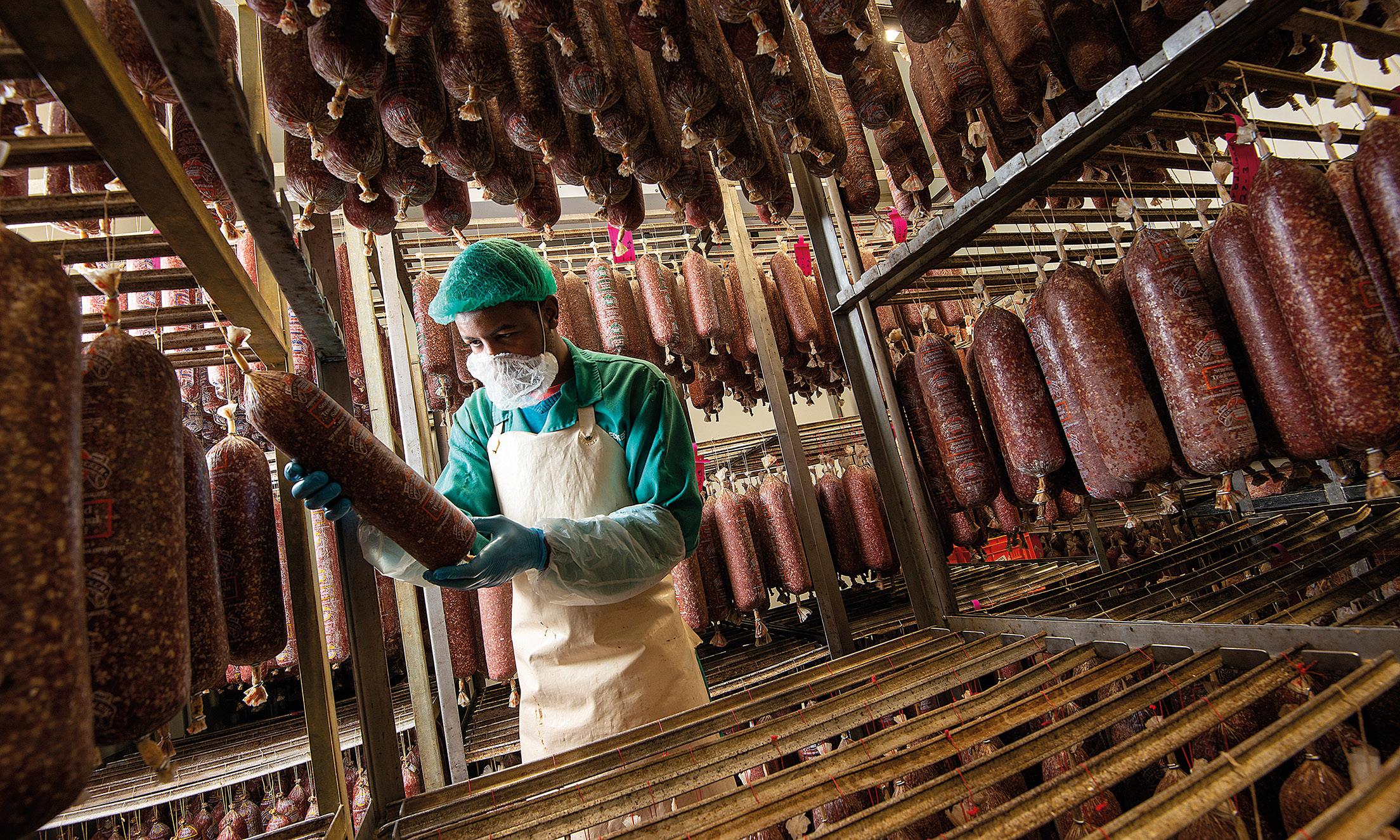
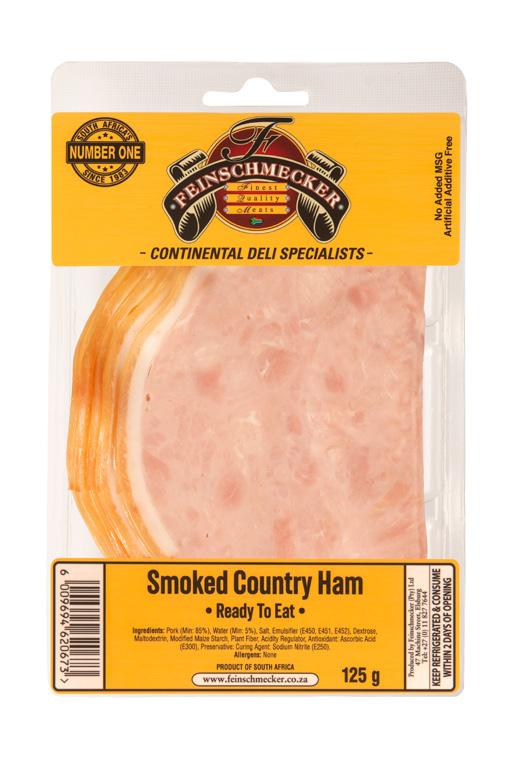
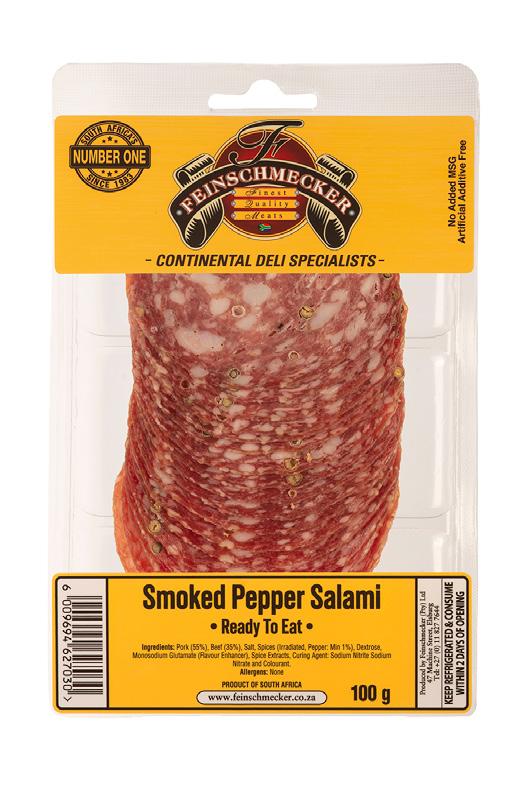
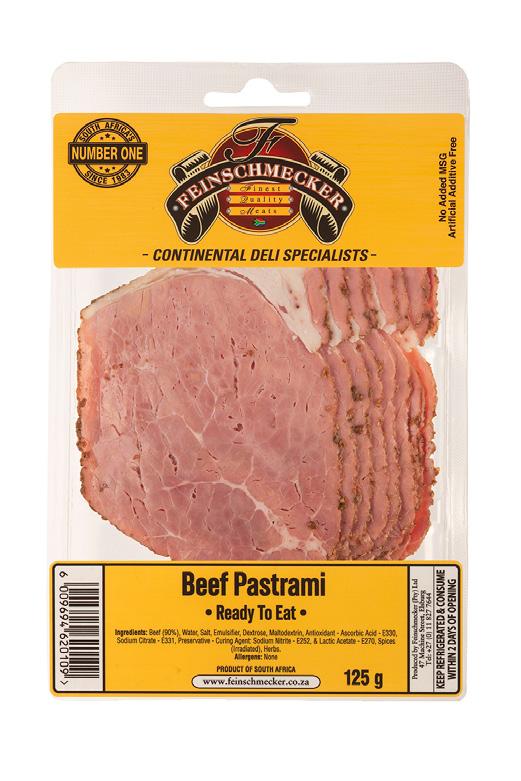
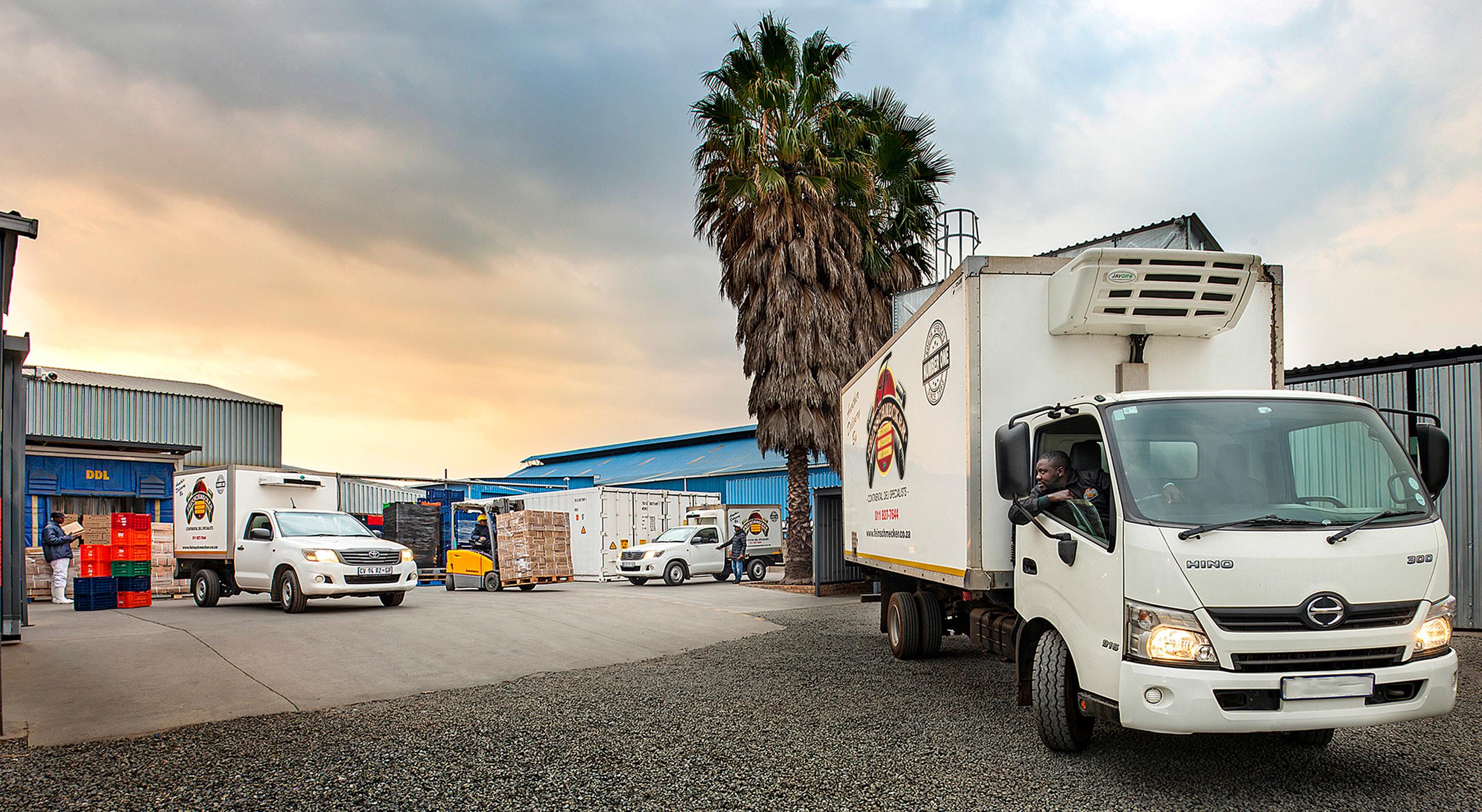
Feinschmecker – Stand: No – N26
Packaging to perfection
Stick to what works
When labels stop, production stops
Label and packaging mastery
The ingredient no one can copy?
Your IP
Brew smarter, not harder
Gain quality control confidence
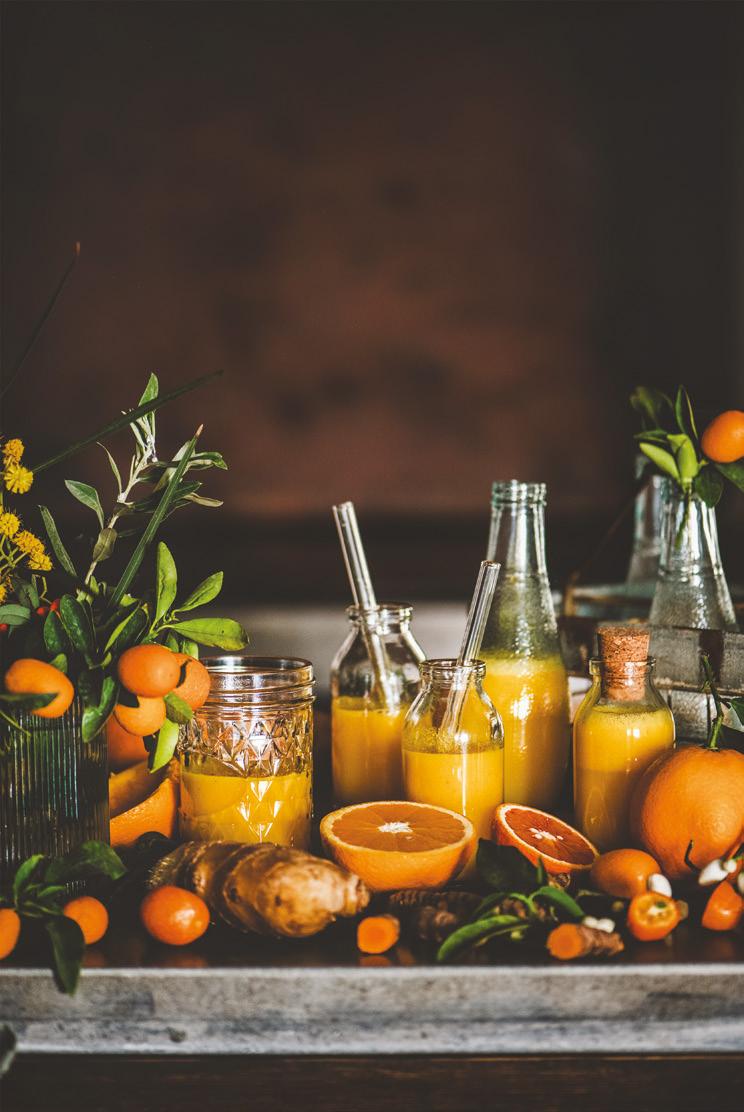
Painted by nature, perfected by science
MEDIA24 MEDIA
CEO: Minette Ferreira
CFO: Lana Goliath
MEDIA24 CORPORATE
CEO MEDIA24: Raj Lalbahadur
CFO: Luxolo Dywili
Cover image: Courtesy of Cranbrook Flavours.
ADVERTISING
Key Account Manager: Càndida Giambò-Kruger +27 (0) 71 438 1918 càndida.giambò-kruger@newmedia.co.za
INTERNATIONAL SALES
Germany/Austria/Switzerland: Eisenacher Medien
Erhardt Eisenacher +49 228 249 9860 info@eisenacher-medien.de
Italy: Ngcombroker
Giacomo Rotunno +39 370 101 4694 g.rotunno@ngcombroker.com
Taiwan: Ringier Trade Media
Sydney Lai +886 4 2329 7318 sydneylai@ringier.com.hk
Head of Content & Digital Strategy: Varushka Padayachi
Production Manager: Angela Silver
Production Controller: Mandy Ackerman
Group Art Director: David Kyslinger
B2B JOHANNESBURG OFFICE
Building 13, The Woodlands Office Park, 20 Woodlands Drive, Woodmead, Sandton PO Box 784698, Sandton 2146 Tel: +27 (0)11 713 9000

COMMUNICATE & CONNECT
Dear reader, welcome to this edition of Food Manufacturing Africa — where innovation, sustainability and realworld problem-solving converge. This issue reflects the energy and ingenuity shaping our industry across the continent.
We open with a spotlight on colours and flavours — arguably the two most persuasive elements in any food product. As clean-label demand accelerates, manufacturers are turning to plant-derived colourants that double as natural flavourants, delivering visual appeal and taste in equal measure. Our feature on the SAAFFI 24th Annual Conference explores how AI is beginning to assist R&D teams in trend identification and sensory analysis — not as a replacement for human expertise, but as a powerful tool that, used responsibly, can unlock faster, smarter innovation.
Our Functional Ingredients section introduces the invisible powerhouses behind great food. From gum acacia transforming dairy textures to leavening phosphates perfecting the baker's rise, strategic ingredient selection is enabling nextgeneration nutrition across Africa. Tirlán's premium dairy proteins and Savannah Fine Chemicals' expanding portfolio show how local manufacturers are accessing world-class solutions to support everything from infant nutrition to sports performance.
Packaging and labelling are increasingly mission-critical. PMD Packaging's smallformat machinery proves that less pack can deliver more punch, while in-house labelling investments are giving producers faster turnarounds and migration-safe solutions that meet rigorous food-safety standards.
On the processing floor, precision is everything. Bühler's latest chocolate systems and Vega Controls' instrumentation are raising the bar on batch-to-batch consistency, while hygienic pumping technology is turning recipe ambition into scalable reality.
As we look ahead to the Food Safety Summit, the Africa Food Show and IFT FIRST, one truth stands firm — Africa has a choice. We can shape how technology and innovation unfold here, or be shaped by priorities designed elsewhere. At Food Manufacturing Africa, we choose participation. Thank you for reading.





•
• French fries
•
•
•
• Crackers
• Confectionery

June 2026
Food Safety Summit 2 – 3 June
Emperors Palace Convention Centre
Johannesburg, South Africa www.foodsafetysummit.co.za
Africa Food Show 10 – 12 June
Cape Town, South Africa www.theafricafoodshow.com
July 2026
AFMASS Food Expo
15 – 17 July
Kenya & East Africa www.afmass.com
FoodPro 26 – 29 July
MCEC Melbourne www.foodproexpo.com
IFT FIRST Annual Event and Expo 12–15 July
McCormick Place, Chicago, Illinois, USA www.ift.org/ift-first-event
August 2026
Africa Food Show Kenya 2026 19–21 August Nairobi, Kenya www.africafoodshow.com


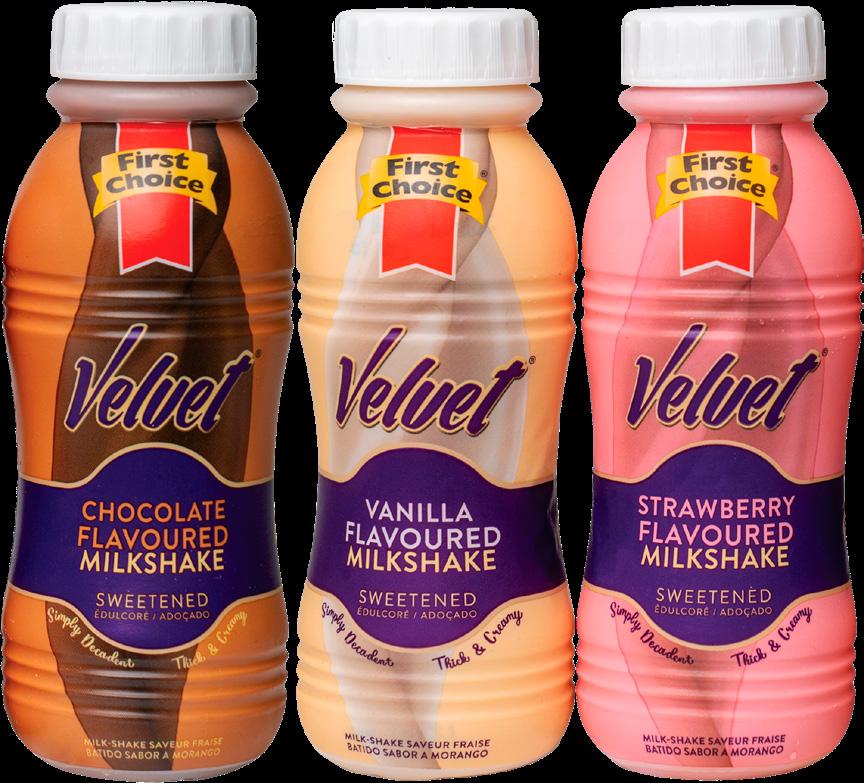
The First Choice Velvet Flavoured Dairy Dessert range has expanded with the launch of First Choice Velvet Milkshake, bringing its signature rich, velvety taste into a convenient ready-to-drink format.
According to Marilee Jansen van Nieuwenhuizen, brand manager at Woodlands Dairy and First Choice, the new product was developed in response to strong consumer demand identified through retail partnerships. “Together with our retail partners, we saw an opportunity to extend the iconic Velvet brand into a milkshake that delivers the same premium, indulgent experience in a new, convenient format.”
Crafted with full cream milk,
Velvet Milkshake delivers a thick, smooth texture with balanced, dessert-inspired flavour profiles. When shaken, it forms a light foam for a café-style experience, while its higher fat content enhances richness and delivers a fuller, more satisfying taste.
“Consumer insights highlighted growing demand for everyday indulgence, revealing a gap for a richer, more decadent ready-todrink option in the category,” Van Nieuwenhuizen explains. “Designed for those seeking affordable luxury, the milkshake appeals to a wide audience – from individuals craving a treat to families looking for something comforting, convenient and easy to enjoy.”
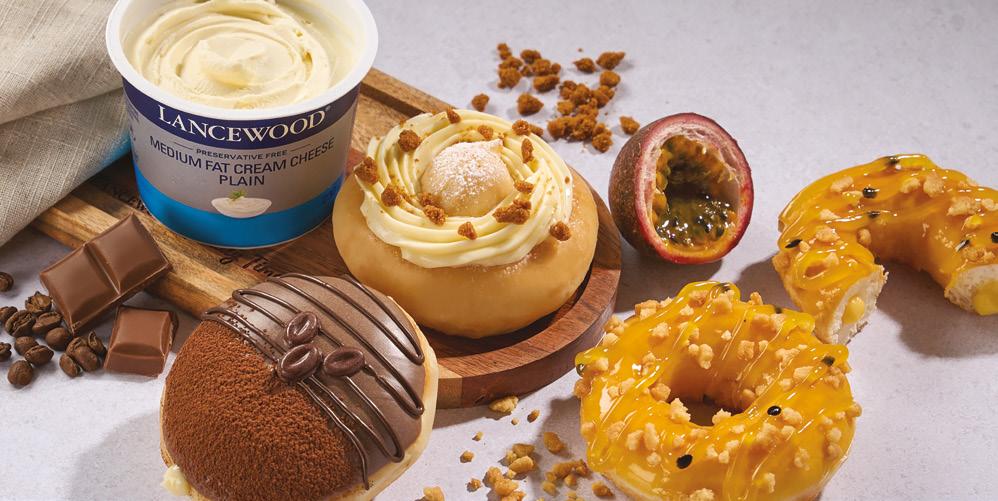
South Africa’s premium dairy favourite, LANCEWOOD, continues to lead with product innovation with the launch of South Africa’s only Fruity Smooth Cottage Cheese as well as unveiling a Fat Free Greek Delight® Plain Yoghurt.
LANCEWOOD is stirring up snack time with the launch of Fruity Smooth Cottage Cheese – a creamy, protein-packed anytime treat, bringing a moment of joy with a burst of fruity fun. Available in Strawberry, Blueberry and Pineapple, this delicious new range is flavoured using real fruit pieces and is all about individual indulgence. Neatly
packaged in a handy singleserve tub, LANCEWOOD Fruity Cottage Cheese is a spoon able, anytime, snack for one.
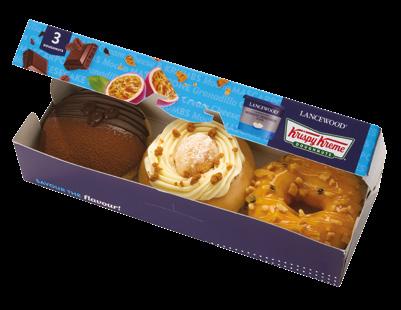
LANCEWOOD has also introduced Fat Free Greek Delight® Plain Yoghurt with all the indulgent richness of its popular Double Cream Greek Delight® Yoghurt, now in a lighter, fat free version. Designed for yoghurt lovers who want to keep things balanced without giving up flavour. The new addition delivers LANCEWOOD’s signature thick, creamy texture, but with fewer calories, making everyday wellness feel all the more delicious.
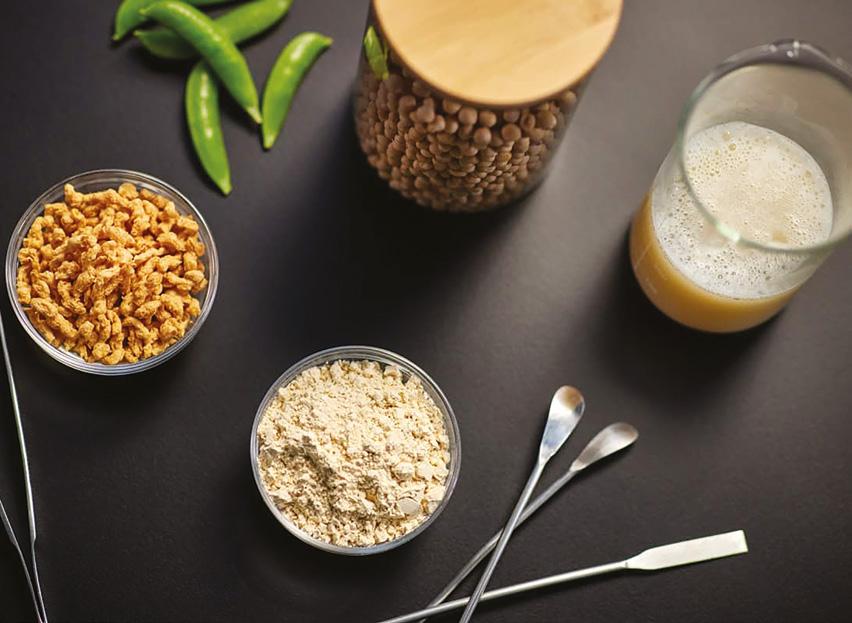
Agribusiness ADM has added eight new plant protein products to its ingredient portfolio, targeting food manufacturers in North America and Europe with expanded soy and pea-based solutions.
The new lineup spans soy protein isolates, soy protein concentrates, and pea flour, covering applications including plantbased meat alternatives, dairy alternatives, beverages, baked goods, and snacks. Two of the products, textured and concentrate soy proteins sold under the Arcon brand, are specifically sourced from European supply chains to serve regional customers in Europe, the Middle East, and Africa.
Growing demand for protein variety
Greg Dodson, vice president, Protein, North America, ADM, stated, “Protein is one of the most dynamic areas of nutrition, with consumers now asking for more variety,
functionality and choices than ever before. With new ingredient introductions and expanding capabilities in facilities across the globe, ADM is uniquely positioned to not only meet that demand at scale, but to also help shape the future of protein innovation.”
ADM operates protein-focused facilities across multiple regions, including a 36,000-square-foot protein solutions centre in Decatur, Illinois; an innovation centre at Wageningen University in the Netherlands; a SojaProtein facility in Serbia; and a Customer Creation and Innovation Centre in Hortolândia, Brazil. The company points to this regional manufacturing footprint as central to its ability to adapt formulations to local market requirements.
Tony Payne, senior director, Creation, Design, and Development, ADM, noted,
“By expanding our protein portfolio, we’re giving customers more precise, functional solutions that will perform across a wide range of applications. This is about delivering choice, and giving consumers access to protein sources that are backed by decades of plant-based expertise and global innovation.”
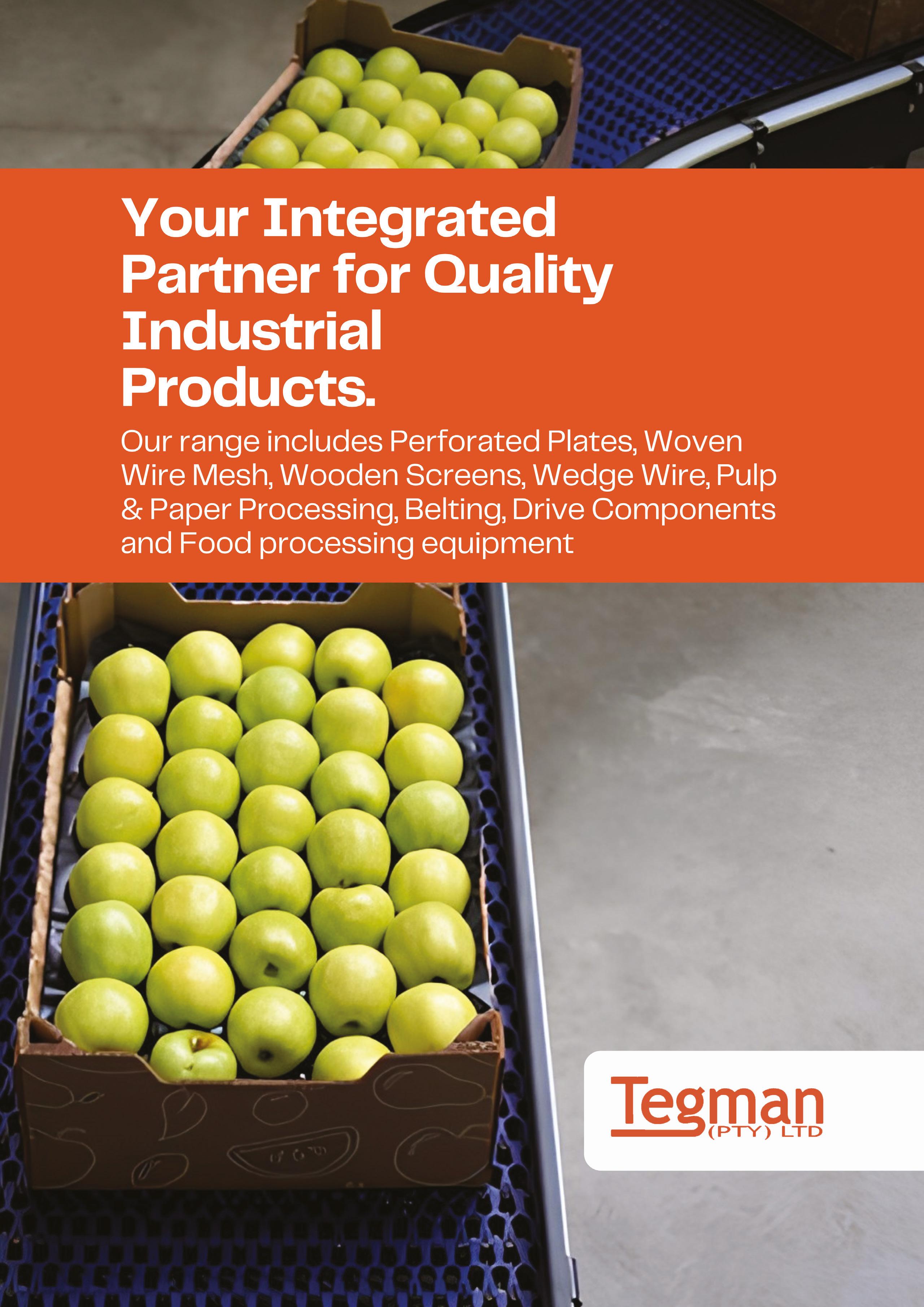
South Africa’s industrial sectors continue to operate within increasingly demanding environments where efficiency, reliability and operational performance are critical to longterm success. Tegman Food Processing Equipment has established itself as more than an equipment supplier — the company continues to position itself as a trusted industrial partner focused on delivering practical solutions, technical expertise and long-term operational support across multiple industries.
Established in 2017, Tegman Food Processing Equipment has grown into a trusted supplier of industrial processing, screening, filtration and material handling solutions across South Africa.
Backed by more than 48 years of combined technical expertise and over two decades of industry experience, the company continues to build strong industry relationships through service excellence, customised support and a solutions-driven approach to industry.
Strategically positioned across Gauteng, Nelspruit, Durban and Cape Town, Tegman supports clients operating within food processing, paper and pulp, wastewater treatment, recycling and industrial manufacturing
sectors. What continues to set the company apart is its commitment to understanding the operational challenges faced within each industry and providing practical solutions focused on improving operational efficiency, productivity and long-term reliability.
Rather than focusing solely on equipment supply, Tegman works alongside its clients to understand production processes, identify inefficiencies and provide tailored support solutions designed around the specific requirements of each operation. This customer-focused philosophy continues to position the company as a long-term industrial partner dedicated to delivering value beyond product supply.
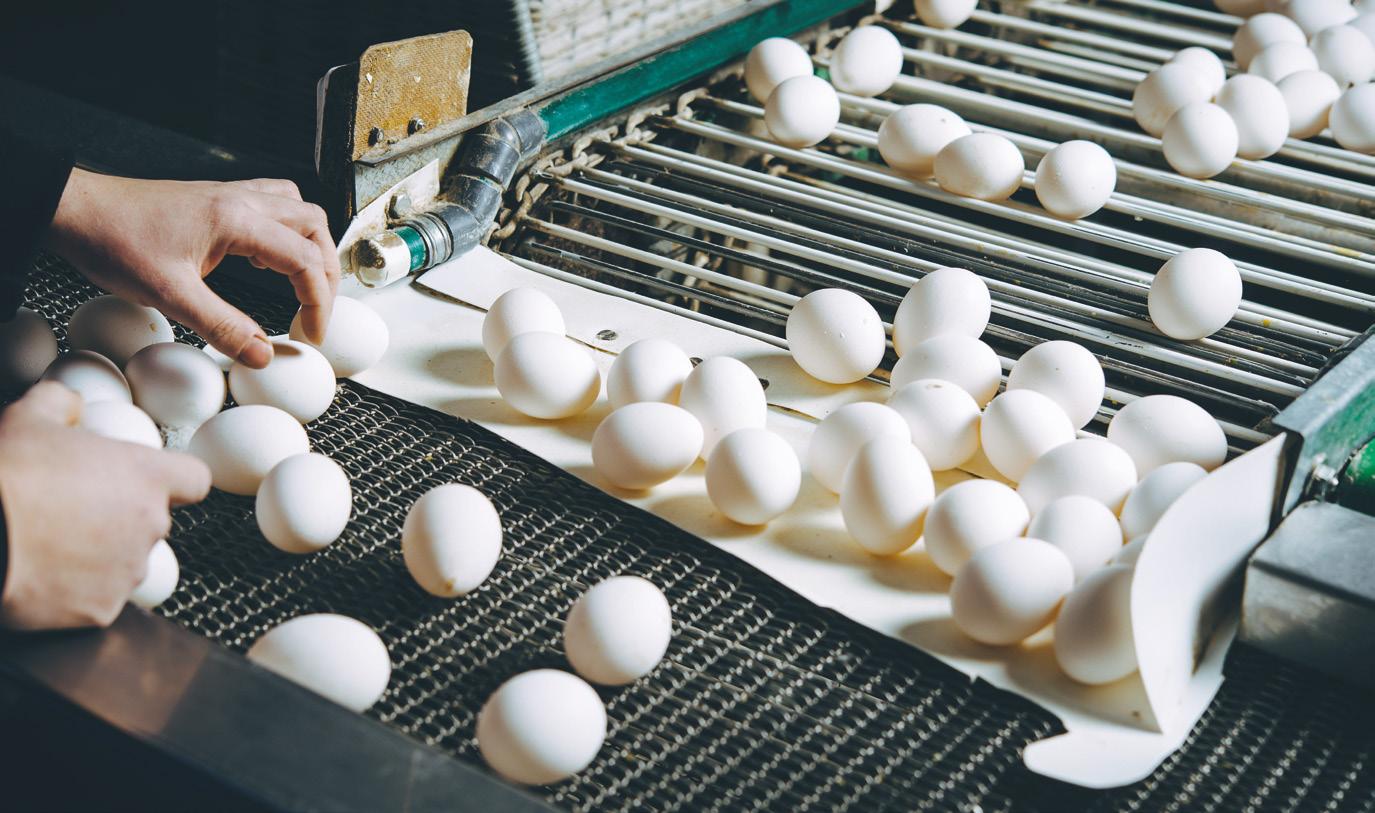
Food processing remains one of Tegman’s core focus areas, with the company supplying advanced processing systems designed to improve product consistency, operational reliability and production efficiency. Its automated production solutions integrate forming, battering, breading, frying, cooking, freezing and packing into streamlined processing systems engineered for meat, poultry, seafood, vegetable and plant-based applications. However, Tegman’s value within the food sector extends beyond machinery alone.
The company works closely with manufacturers to improve production flow, reduce manual handling, minimise downtime and support long-term operational performance through customised processing solutions, technical expertise and responsive customer support.
“More
than an equipment supplier, Tegman delivers customised industrial solutions backed by technical expertise, responsive support and long-term partnerships.”
By understanding the operational demands of modern food manufacturing environments, Tegman continues to provide practical solutions focused on efficiency, hygiene compliance and consistent production performance.
Tegman continues to support the paper and pulp industry with solutions designed to improve operational reliability, plant efficiency and continuous production performance within demanding mill environments.
The company understands the challenges associated with material handling, screening efficiency, wear resistance and maintaining uninterrupted production flow. Through close collaboration with clients, Tegman provides practical support solutions including conveyor systems, screening applications, wedge wire technologies and customised industrial components designed around operational requirements.
Its focus remains on helping paper and pulp facilities reduce downtime, improve maintenance efficiency and support longterm plant productivity through reliable engineering solutions and technical expertise.
Within the water treatment and filtration sector, Tegman supplies screening and filtration solutions engineered to support efficient flow management, improved separation performance and reliable plant operation.
The company works closely with wastewater treatment facilities and industrial processing environments to identify operational challenges and provide customised solutions focused on reducing blockages, improving filtration efficiency and maintaining continuous operational performance.
“From food processing and paper and pulp to water treatment and industrial manufacturing, Tegman focuses on improving efficiency, reliability and operational performance.”
Tegman’s expertise includes wedge wire screens, perforated plates, trommel screens and customised filtration systems designed for durability, wear resistance and long-term operational reliability within demanding industrial applications.
Its commitment to technical support and practical problem solving allows facilities within the water treatment sector to improve operational efficiency while reducing maintenance-related disruptions and downtime.
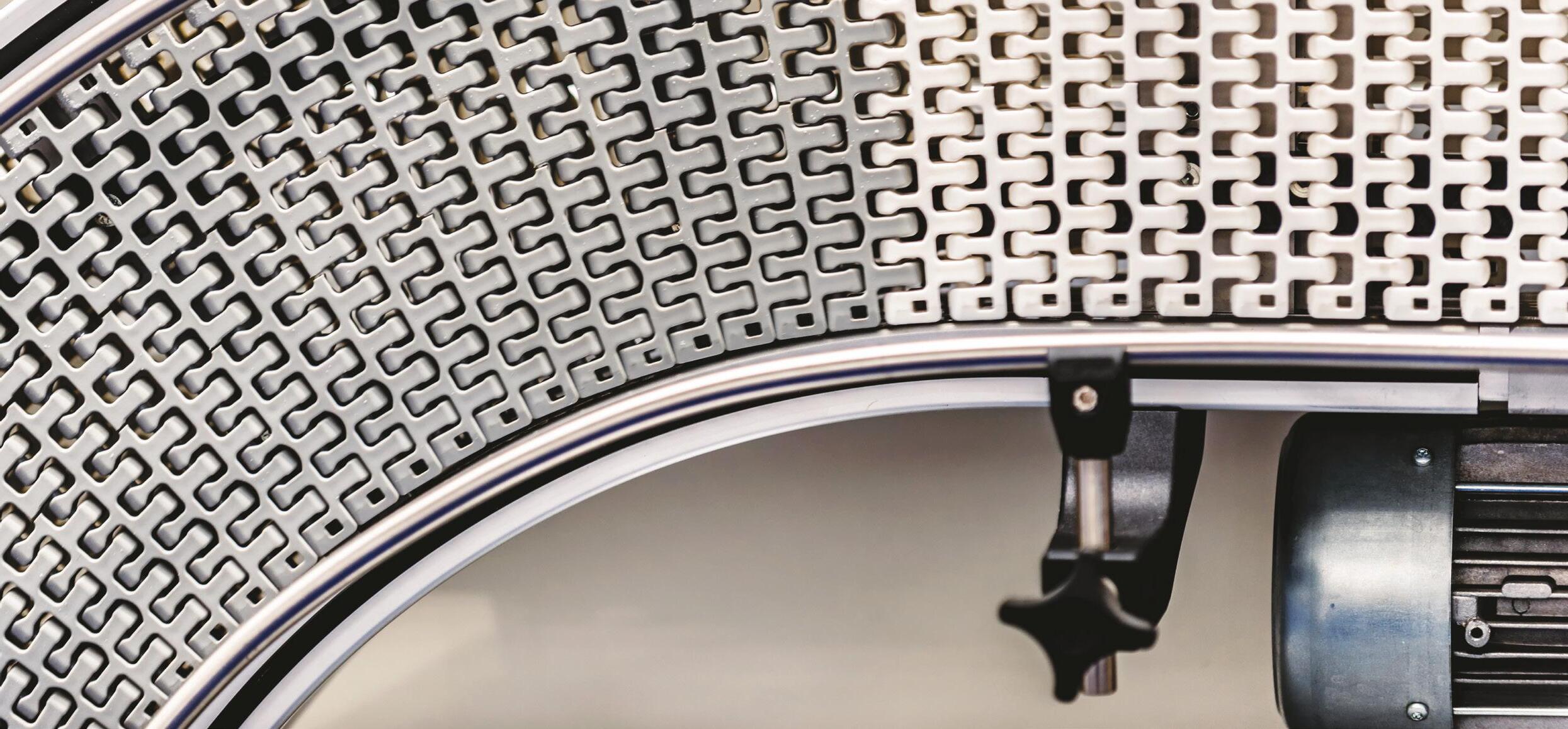
Efficient material handling remains critical across food processing, paper and pulp, recycling and industrial manufacturing environments. Tegman supplies conveyor belting and conveyor system solutions designed to improve production flow, reduce maintenance interruptions and support continuous operational performance.

Tegman – www.tegman.co.za













Consumer demand for clean-label, sustainable ingredients drives dairy manufacturers toward naturally sourced solutions like versatile gum acacia.
The dairy industry is undergoing a shift driven by more conscious and informed consumers. Today’s buyers are not only focused on taste and price, but also on ingredient transparency, sustainability, and nutritional value. As a result, manufacturers are re-evaluating formulations to meet the growing demand for clean-label, naturally derived ingredients that deliver both performance and trust.
Gum acacia, also known as gum arabic (E414), is emerging as a valuable solution in this space. Sourced from Acacia trees in the Sahel region
of Africa - often referred to as the “Gum Belt”this ingredient is harvested naturally with minimal processing. Its origin aligns strongly with clean-label expectations, while its supply chain supports rural communities and contributes to environmental sustainability by helping combat desertification and preserve ecosystems.
In dairy applications, gum acacia is recognised for its multifunctional properties. It acts as a stabiliser, emulsifier, and texturiser, making it particularly effective in products where consistency and mouthfeel are critical. In flavoured milks, drinking yoghurts, and dairy-based beverages, gum acacia helps prevent separation of ingredients, ensuring a uniform product throughout its shelf life.

Bragan Ingredients, a Solevo Group company since October 2024, has earned generations of trust as a leading supplier and distributor of raw materials and ingredients across South Africa and sub-Saharan Africa. Serving the food, beverage, bakery, dairy, pharmaceutical, and cosmetic sectors, as well as industrial and agricultural markets - Bragan offers an extensive portfolio to meet the evolving needs of its customers. With ISO 9001:2015-certified warehousing and distribution hubs in Johannesburg, Cape Town, Durban, and Port Elizabeth, we provide national reach with uncompromising quality.
Now powered by Solevo Life Sciences and strengthened by Solevo’s global network, Bragan Ingredients delivers nutrition, safety, and innovation to Africa’s growing industries. From our South African roots to Solevo’s continental platform, we remain committed to shaping a safer, healthier, and more sustainable future for communities across the region.
Its emulsification capabilities allow for better integration of fat and water phases, which is especially beneficial in reducedfat formulations where maintaining creaminess can be a challenge. At the same time, it contributes to a smooth, rounded mouthfeel, enhancing the overall sensory experience without altering the taste or colour of the final product.
Beyond functionality, gum acacia also supports manufacturing efficiency. It remains stable under heat treatment and across varying pH levels, making it suitable for a wide range of dairy processes. Its ability to improve freeze-thaw stability is particularly valuable in applications such as ice cream and frozen desserts, where maintaining texture and quality is essential.
Gum acacia remains stable under heat treatment and across varying pH levels, making it suitable for diverse dairy processing conditions.
"Its versatility allows manufacturers to simplify formulations while still achieving the desired product performance."




As innovation in dairy continues to expand into hybrid and plant-based alternatives, gum acacia plays an important role in improving dispersion and stability in these more complex systems. Its versatility allows manufacturers to simplify formulations while still achieving the desired product performance. Through its partnership with Alland & Robert, a global leader in gum acacia production, Bragan Ingredients is able to offer consistent, high-quality solutions backed by deep technical expertise and a reliable supply chain. This collaboration ensures access to sustainably sourced raw materials from the Sahel region, while supporting local communities through responsible sourcing practices and ongoing supplier development.

Bragan Ingredients –www.braganingredients.co.za Tel: +27 11 708 0007


• Flooring Solutions – Hygienic, durable, safetycompliant surfaces
• Plant Safety & Lubrication – Worker protection and equipment performance

• Packaging Technology – Machinery, materials, and automation
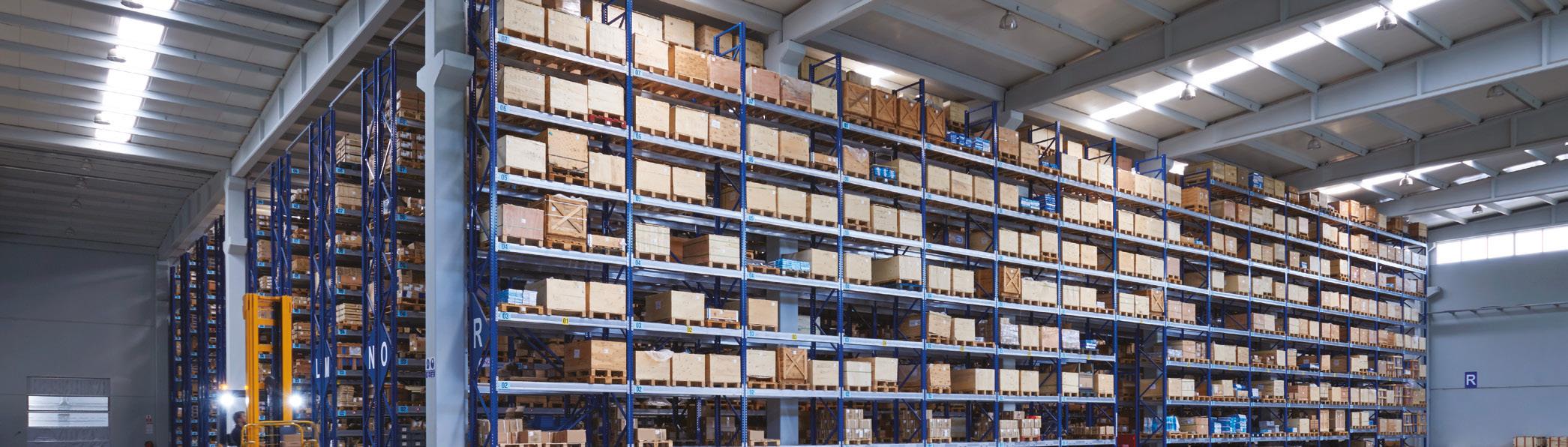
• Shelving, Racking & Storage – Space optimisation and materials handling


• Machinery & Equipment – Processing, production, and maintenance solutions






To contribute editorially contact Kelebogile (Lebo) Nondzaba kelebogile.nondzaba@media24.com
For advertising enquiries, contact Càndida Giambò-Kruger +27 (0)71 438 1918 candida.giambo-kruger@media24.com



• Industry Trends – Future-focused insights and best practices






Building 13
The Woodlands Office Park 20 Woodlands Drive Woodmead, Sandton 2146 SA_FoodReview www.facebook.com/FoodReview13




At ADM's newly opened flavour creation facility in Johannesburg, South Africa, innovation starts with the senses – and with the people behind them.

The facility marks a major expansion of ADM's presence in Africa, accelerating flavour creation, design and development capabilities. That mission reflects a clear shift in local preferences: 83% of South African consumers often or sometimes enjoy combinations of traditional flavours with innovative ingredients to explore new taste experiences.1 In response, the Johannesburg team is exploring unique local flavours like Marula (Sclerocarya birrea) Baobab (Adansonia digitata), African Custard-Apple (Annona senegalensis), while collaborating closely with customers to bring ideas to market faster. For ADM's principal flavourist, Amos Mphephu, the lab is more than a workplace; it's a creative hub where culture, science and curiosity meet. When Amos talks about flavour, it's never just chemistry. It's memory, place and possibility.
As one of the flavourists shaping this state-of-the-art lab, Amos works at the intersection of global expertise and deep local taste, translating a rich culinary heritage into modern food and beverage experiences. We asked him about his role at ADM and his journey to becoming a flavourist, and how his local heritage to South Africa impacts
Q. How does ADM's new lab impact flavour innovation in South Africa?
My path into flavours started with genuine curiosity. I have always been interested in the mixing of taste and smells, but more importantly, how the experience can be recreated. While the "flavourists" occupation was not introduced to me when I was growing up, flavours were a key part of my daily life. We ate real fruit straight from the tree, like mangoes, pineapples and other indigenous fruits. That's where my passion for taste started. Throughout my education, I was originally drawn to agriculture. My studies naturally evolved towards chemistry and botany, but what mattered most to me was the application of it — using my education to serve my community and create something tangible. I loved chemistry because it was good for the world, and good for my community. Then phytochemistry came into my life, and I started to understand more about the chemicals in nature and how they behave. Looking back now, I can see how everything in my path pointed me here, even though I didn't know it at the time.
Q. What types of flavours are you most passionate about?
I enjoy working with many flavours, but I am naturally drawn to tropical profiles, especially pineapple. There's something about the sulphur notes in pineapple. It is complex and beautiful, and it fascinates me. My strongest
creative drive comes from flavours rooted in my childhood — particularly marula, an indigenous fruit native to Southern and parts of West Africa. I've never experienced a flavour that truly captures authentic marula. It's fruity, fermented, slightly alcoholic in character, and incredibly difficult to recreate. One day, that's my goal. Indigenous ingredients tell powerful stories. If we can unlock them properly, we bring something truly new to the market. More than any single flavour, it's the process that excites me. When you're blending molecules and suddenly the aroma starts to resemble the real fruit, that moment feels like magic. It's chemistry, but it doesn't always feel like it.
Q. What role do local ingredients play in ADM's flavour innovation?
This new lab represents a major milestone, both personally and for ADM. It is far more than just physical space. It represents innovation, speed, flexibility and autonomy. We previously relied on flavours developed and produced in other ADM locations in Europe. Now we can create, adjust and test flavours locally. This allows us to dramatically shorten innovation cycles and better support customers across South Africa. The proximity also gives us a real competitive advantage. Customers don't just want a great flavour; they want it fast. Now we can deliver both. The lab is small, but mighty – what I call a dynamite that comes in small packages.
ADM - www.adm.com
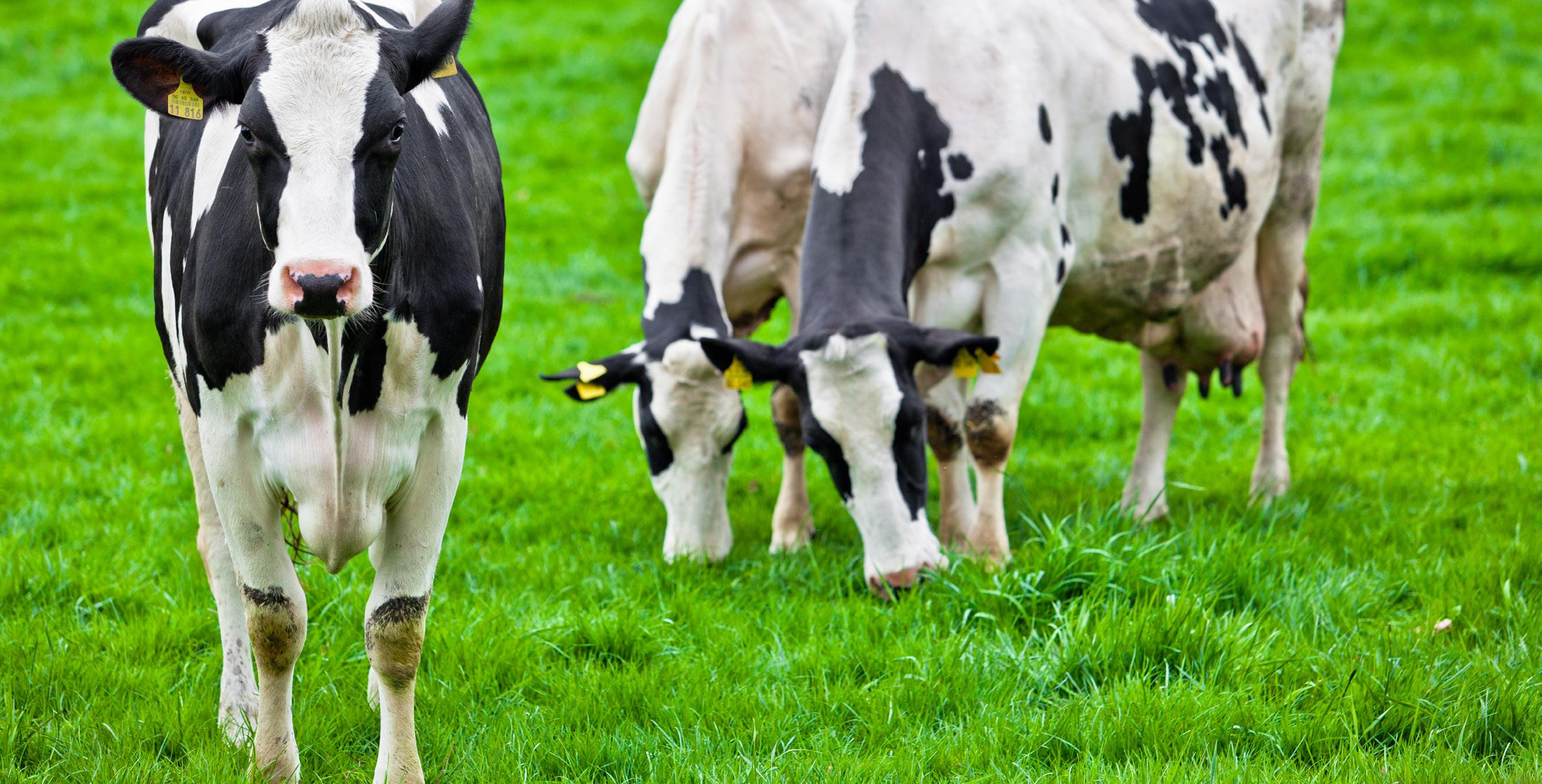
As demand for functional, high-protein intensifies, Tirlán and local supplier Savannah Fine Chemicals are giving South African manufacturers access to the premium dairy ingredients to compete – and win.
In today's competitive nutrition and functional food landscape, the ingredient behind the label matters as much as the claim on it.Listing protein grams is no longer sufficient. Consumers, retailers, and regulators are increasingly interested in how that protein was produced, what it contains, and whether it genuinely performs as promised.
It is within this context that the collaboration between Irish dairy ingredient producer Tirlán and Savannah Fine Chemicals, its South African distribution partner, is making a meaningful contribution to the local food and beverage manufacturing sector. Together, the two companies bring a complementary portfolio of premium dairy proteins to market including Solmiko Milk Proteins and Promiko Whey Protein Isolate, — giving local formulators access to ingredients that are as technically rigorous as they are nutritionally compelling.
Tirlán, formerly known as Glanbia Ireland, manufactures both product ranges at its facilities in Ireland, with full traceability from grassland to customer. Savannah Fine Chemicals distributes these ingredients locally, supporting manufacturers with formulation expertise and technical guidance at every stage of the process.

“Together, Tirlán and Savannah Fine Chemicals are not just supplying ingredients –they are enabling nextgeneration nutrition solutions.”
Savannah Fine Chemicals will be exhibiting at the Africa Food Show in Cape Town from 10 to 12 June 2026. Visit the team at Stand J27 to taste Tirlán protein gummies formulated with Promiko WPI — a hands-on demonstration of how functional dairy proteins translate from specification sheet to shelf-ready product. It is the kind of showcase that matters in an industry where texture, taste, and label claims must work simultaneously, and where the gap between a good formulation and a great one often comes down to the quality of the ingredient.
FAST FACT
Promiko WPI delivers 22 g of BCAAs per 100 g — that is 5 g more than standard WPC80 — with a leucine content of 10 g per 100 g and a PDCAAS score of 1.0, the highest protein quality rating achievable.
At the heart of Tirlán's offering is Solmiko — a range of Milk Protein Concentrates (MPC) and Milk Protein Isolates (MPI) manufactured from fresh, ultrafiltered skim milk. What distinguishes Solmiko from generic milk protein ingredients is its ability to deliver the natural 80:20 ratio of casein to whey proteins found in milk, preserving the biological integrity of both protein fractions within a single ingredient.
This distinction is not trivial. The caseinto-whey ratio directly influences digestibility, amino acid release kinetics, texture, mouthfeel, and processing behaviour. For formulators working across high-protein dairy beverages, protein-enriched bakery products, or nutritional powders, Solmiko provides a versatile building block that behaves predictably across a broad range of processing conditions.
Solmiko's key attributes include:
• Native micellar casein and whey proteins for authentic nutritional functionality
• Low bacterial and spore counts — supporting clean-label and export-ready

formulations
• Excellent solubility and heat stability for seamless use in beverages, powders, and high-protein foods
• Rich milk calcium content, supporting bone health claims and fortification strategies
• Superior flavour and processing stability across a wide range of applications
In terms of application breadth, Solmiko is well-suited for UHT high-protein beverages, high-protein yoghurt, protein bars, low-sugar chocolate protein pudding, ready-to-mix (RTM) beverages, and high-protein baking — a versatility that makes it a practical choice for manufacturers operating across multiple product categories.
PROMIKO: PURITY YOU CAN MEASURE
Complementing Solmiko is Promiko — Tirlán's premium Whey Protein Isolate (WPI), crafted in Ireland from fresh local milk using advanced cross-flow microfiltration (CFM). Unlike conventional ion-exchange
processing, CFM is a chemical-free, low-temperature membrane process that removes fat, lactose, denatured proteins, and particulates while preserving the native structure of the whey protein and its bioactive components — including GMP and β-lactoglobulin.
The result is a WPI that achieves greater than 90% protein content on a dry matter basis, with virtually zero fat and minimal lactose — making it suitable for lactose-sensitive consumers and those seeking an exceptionally clean ingredient label. Its PDCAAS score of 1.0 — the maximum achievable — confirms a complete essential amino acid profile that the body can utilise with high efficiency.
The nutritional figures speak for themselves:
• Total BCAAs: 22 g per 100 g — compared to 17 g per 100 g in WPC80
• Leucine: 10 g per 100 g, delivering approximately 2.5 g per 25 g serving — meeting the recommended 2–3 g threshold for maximising muscle protein synthesis
• Fat: 0 g per 100 g
• Calcium: 425 mg per 100 g
• Sodium: 260 mg per 100 g
• PDCAAS: 1.0
Promiko is also instantised — lecithinated with either soy or sunflower lecithin depending on allergen requirements — giving it outstanding dispersibility and rapid solubility on contact with liquid. This matters as much on the factory floor as it does
Solmiko delivers native micellar casein and whey proteins in the same 80:20 ratio as found naturally in fresh milk — meaning formulators get the full nutritional benefit of both protein fractions in a single ingredient, with no need for blending or adjustment.
in the consumer’s kitchen — poor dispersibility leads to clumping, line blockages, and product inconsistency. Sensory performance has been independently validated. A sensory panel described Promiko as having a sweet aroma, a clean flavour, and no aftertaste — a profile that performs equally well in flavoured and unflavoured product applications. In an industry where protein ingredients have historically been associated with off-notes and grittiness, this is a meaningful competitive advantage.
For manufacturers targeting the premium and clean-label end of the market, Tirlán also offers a Truly Grass Fed™ variant of Promiko WPI. The Truly Grass Fed™ seal carries specific, independently verified claims: cows spend at least 250 days per year on pasture, the product is 95% grass fed, Non-GMO Project Verified, Animal Welfare Approved, and produced without artificial growth hormones.
Tirlán is a founding member of Ireland's Origin Green sustainability programme and operates under the Sustainable Dairy Assurance Scheme (SDAS) — giving its supply chain a level of environmental and ethical traceability that is increasingly demanded by both retailers and consumers. For South African manufacturers exporting into European or North American markets, these credentials carry genuine commercial weight.





of additives to help create the taste, texture, performance and appearance you need for your food & nutritional products. We represent leading global manufacturers & our specialists can provide you with unrivalled sales support bringing the highest quality products to market:

+27 21 830 5306




We supply nutritonal & food manufacturers with quality ingredients and a wide range of additives to help create the taste, texture, performance and appearance you need for your food & nutritional products. We represent leading global manufacturers & our specialists can provide you with unrivalled sales support bringing the highest quality products to market:



Bakery ingredients: flavour, texture and fortification - Beverage ingredients for innovation - Confectionary: healthier & tastier alternatives to enhance your brandCulinary solutions for sauces, dressings and prepared meals that will innovateDairy & Desserts: texture and functionality - Flavour & fragrance creation - Health & sports nutrition.
+27 31 313 3338
+27 31 313 3338
+27 21 830 5306













Health & sports nutrition • Beverage ingredients for Innovation • Bakery ingredients: flavour, texture and fortification • Confectionary: healthier & tastier alternatives to enhance your brand • Culinary solutions for sauces, dressings and prepared meals that will innovate • Dairy & Desserts: texture and functionality • Flavour & fragrance creation
Visit us at the Africa Food Show in June (10-12th)- Hall 3, stand J27 & J28
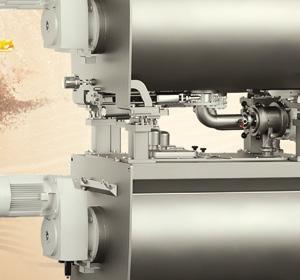
Bühler introduces the next evolution of two of its most trusted solutions in chocolate mass processing: the Finer S Edition 26 five-roll refiner and the ELK S Edition 26 single-shaft conche.
While the two core process steps in high-quality chocolate mass processing — refining and conching — remain as robust and reliable as ever, the Edition 26 systems run cleaner, smarter, more efficiently, and with greater transparency. With the new Edition 26, Bühler is equipping its customers for future requirements and reinforcing its leading position in the chocolate industry. Through its proven technologies, Bühler has earned long-standing trust and recognition from customers across the global chocolate industry. For decades, its DoMiReCo process — dosing, mixing, refining, and conching — has set the benchmark. At the heart of this process are refining and conching, the two steps that largely define final product quality. Fineness, taste and aroma, flow behaviour, and raw material efficiency are all shaped here. With Edition 26, Bühler is helping customers address industry challenges and turn them into business opportunities.
"Our roll refiner has helped shape the chocolate industry for more than a century. The ability to achieve fineness down to 12 micrometres — crucial for the target particle-size distribution that delivers mouthfeel and smoothness — remains unique to Bühler's five-roll refiner. That is why we built the Edition 26 on the strongest possible foundation, adding value where customers feel it most: easier operation, greater reliability, higher energy efficiency, optimised maintenance, and better hygiene," says Skeljzen Nesimi, Head of Product Management, Chocolate & Flavour Creation, Bühler. With cocoa price volatility and supply shortages, getting the most out of every cocoa bean is not just a slogan — it is a direct lever on profitability. Working closely with customers, Bühler engineers took a whole-process view to identify where performance could be improved.
"Our sensor technology monitors the refining process and automatically fine-tunes roll speed, pressure, and temperature — all without manual intervention and regardless of operator skill level. This real-time optimisation ensures consistent fineness, increases


“In a 24/7 production environment, even small adjustments matter.”
throughput, and reduces waste," says Nesimi.
A stable and consistent fineness prevents costly fat overdosing in the conche, resulting in significant significant savings in production costs. "In a 24/7 production environment, even small adjustments matter. Our new energy-efficient IE5 motors cut energy consumption by up to 3%. A more hygienic design strengthens food safety, improves access for cleaning, and reduces downtime," says Nesimi. Uptime is further boosted through simplified maintenance and advanced diagnostics.
Conching gives chocolate manufacturers precise control over flavour development, mouthfeel, and flow behaviour. Bühler's ELK S Edition 26 single-shaft conche creates the desired chocolate flavour profile while reliably removing unwanted volatiles and moisture, delivering consistent, repeatable results.
The ELK S Edition 26 focuses on simplified operation, energy efficiency, hygienic design, and improved accessibility. "We have redesigned multiple components of the machine to make it even easier to operate and maintain. In addition to a completely new automation system, we have adapted the machine frame and design for higher hygiene and better maintenance. New IE5 drives and food-grade materials also enable higher efficiency and safer production," says Nesimi.
The proven conching technology — featuring specially designed ELK conching tools — remains unchanged, enabling intense shearing and high-fat release for a perfect mouthfeel and taste. These tools, combined with the conching control, can reduce energy consumption by up to 30% and increase throughput without compromising taste or quality. In addition,enhanced shearing and improved fat release deliver fat savings of up to 2%.
The full system upgrade was developed around Bühler's Playone automation system, integrated as a standard component. The Finer S and ELK S Edition 26 automation systems deliver a wide range of benefits

— from improved user-friendliness and advanced automation features to remote monitoring and control.
"Our new automation system, powered by Bühler's Playone, frees operators to focus on higher-value tasks such as quality control. With its web-based design, the system can be can be accessed via any authorised factory device — whether tablet, desktop, or smartphone — adding flexibility to the production setup," says Nesimi. With such a high level of digitalisation and automation, customers benefit from simpler operation, faster onboarding, and greater process transparency.
Bühler - www.buhlergroup.com







EXCELLENCE FROM BEAN TO BAR
Going beyond chocolate mass processing, Bühler supports customers across the entire value chain — from cocoa processing to final product moulding — delivering equipment, complete plants, and deep process expertise. Through its global network of research and training centres, customers can develop recipes, test technologies, and validate processes under real production conditions.









With CompactMix you cover the full process in one step – from mixing to grinding.
The solution ensures precise fineness, consistent quality, and flexible capacity for various confectionery masses such as spreads, fillings, coatings, and more. Designed for operational efficiency, CompactMix delivers up to 30% energy savings, fast recipe changes, and a smooth, uniform fineness down to 20 microns.
Discover the future of compound production: buhlergroup.com/compactmix











buhler.johannesburg@buhlergroup.com +27 11 801 3500

Buhler

Innovations for a better world.








Your solution for confectionary products with a smooth texture.















Victor T. Mhaka, product manager (Bakery) at Lake International (Pty) Ltd, traces chemical leavening's fascinating evolution from pearl ash to modern baking powders.
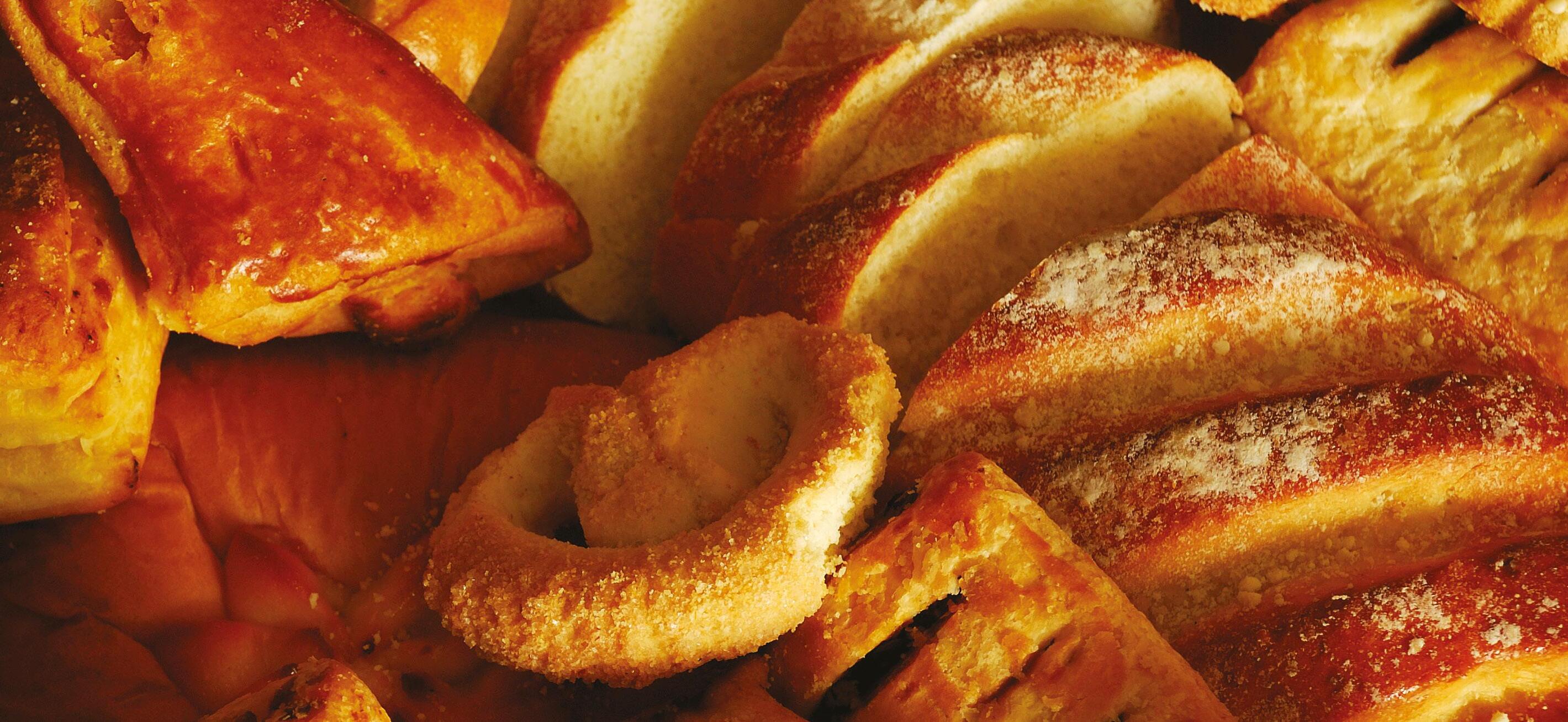
There are predominantly three methods of leavening in bakery applications which can either be biological (i.e., yeast fermentation), physical (i.e., whipping to incorporate air or steam) or chemical (i.e., acid-base reactions that release CO2 and other gases). Yeast fermentation, which is still widely in use, is the most antiquated of the three, spanning back to 6600 BCE. However, this article shall focus on chemical leavening and discuss its journey in history, application, concerns, adaptations, and outlook.

Chemical leavening in breadmaking is believed to have started in the late 18th century when American home bakers were using pearl ash (potassium carbonate from wood ash) as a leavening agent. The pearl ash would react with acids naturally present in baking ingredients to release CO2. However, pearl ash was found to be caustic and resulting in an unpleasant smell and aftertaste. This necessitated the use of sodium bicarbonate early-to-mid 19th century which was often combined with sour milk where lactic acid would trigger CO2 release. The adaptation of this combination was later considered unreliable due to the inconsistencies emanating from lactic acid variations. The First Industrial Revolution (1760-1840) in Europe and the United States of America did not spare chemical leavening in breadmaking, and further innovation followed which led to the use of, firstly, cream of tartar (potassium hydrogen tartrate crystals which were byproducts of winemaking), then followed by use of monocalcium phosphate/ MCP (initially sourced from applying sulphuric acid to animal bones but later from mined
"In the mid-19th century, chemical leavening was promoted as faster, more nutritious, and morally superior to yeast."
deposits), sodium aluminium sulphate (SAS), sodium aluminium phosphate (SALP), and sodium acid pyrophosphates (SAPP).
Chemical leavening agents were initially packaged and used separately as sodium bicarbonate and leavening acid (e.g., MCP). This presented challenges around high costs and storage.
In the spirit of the Industrial Revolution and continuous improvement, single-package baking powders consisting of sodium bicarbonate, a leavening acid, and corn starch (filler and stabilizer) were later developed. These were the infant iterations of what we know today as baking powder. Interestingly, in the mid-19th century, chemical leavening was promoted as faster, more nutritious, and morally superior to yeast, which was seen as linked to decay.
Besides in baking powders, phosphates are sometimes used as single ingredients for leavening purposes. They can be further classified as fast acting, slow acting or moderate acting. Fast acting leavening acids react at low temperatures and release CO2 from sodium bicarbonate (or ammonium bicarbonate) during dough or batter mixing (e.g., MCP). These can be used in production of single-acting baking powders, scones, and some self-rising cake mixes. Slow acting
leavening acids react at high temperatures (heat activated) and release CO2 from sodium or ammonium bicarbonate usually during baking (e.g., SAPP-10, SAPP-15. SAPP-20, SAPP-21 and SALP). Slow acting leavening acids are commonly used in biscuit, cracker, and cookie baking. Moderate acting leavening acids usually aid CO2 release from sodium or ammonium bicarbonate and can react at 40°C-75°C (e.g., SAPP-28 and SAPP-40). Moderate acting leavening acids are usually used as all-purpose leavening phosphates and can be found in double-acting baking powders, and some bakery premixes. The leavening acid choice depends on intended use and required product quality parameters.
There have been challenges associated with usage of chemical leavening agents which include health concerns, taste issues, and perceived risks. This has culminated in new consumer demands, legislation in certain regions, increased focus on clean label substitutes and innovations, and reduced sodium or aluminium iterations of various leavening acids. For example, high aluminium intake is considered harmful since it is linked to neuropathy and cognitive interference.
Even with the new wave of a demand in clean label bakery leavening ingredients, a complete departure from the traditional chemical leavening agents seems unlikely soon, unless there are new discoveries, especially considering current regulations, comparative cost associated with alternatives, and their known reliability and predictability in application.
Lake International –www.lakeinternational.com


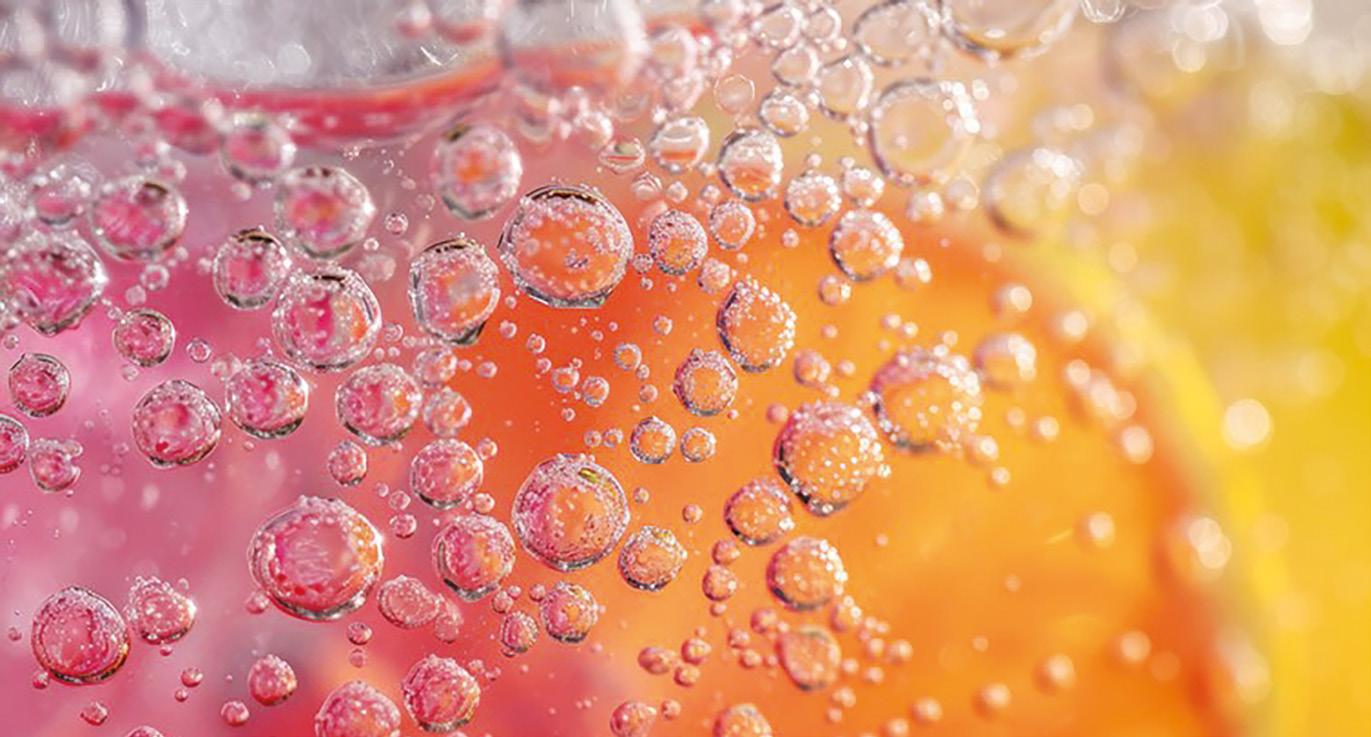
The gut health trend is reshaping the drinks aisle — and prebiotic sodas are leading the functional beverage revolution.
Döhler, a global producer, marketer and provider of technology-driven natural ingredients, ingredient systems and integrated solutions, is producing solutions for prebiotic drinks that assist with improving gut health while also being an innovative approach towards closing the fibre gap and supporting overall well-being. As this prebiotic trend continues to rise, Döhler offers natural, clean-label ingredient solutions to fuel this growing shift.
"From sodas to still drinks, Döhler has developed unique beverage solutions that deliver comprehensive gut health without compromising on taste."
GUT HEALTH: RESHAPING DRINKS
56% of global consumers actively seek out foods and beverages that support gut health, reflecting a growing trend toward healthconscious food and beverage choices with research showing 70% of global consumers link gut health to overall wellbeing. Healthconscious consumers are raising their expectations when it comes to beverages, driving innovation in the drinks industry. One popular example of this are functional beverages supporting gut health with 33% of people reported incorporating prebiotic or fibre supplements into their diets.
Prebiotics are non-digestible fibres that act as food for beneficial gut bacteria, supporting their growth and activity. By nourishing beneficial gut bacteria, prebiotics help support a healthy gut microbiome, which plays a crucial role in overall well-being. This, in turn, creates a balanced microbiome which supports digestion, strengthens the immune system and even aids in the production of neurotransmitters that enhance mental clarity, amongst many other things, contributing to holistic health and well-being.
So, it’s no surprise that prebiotic beverages are a quickly growing trend, offering numerous health benefits in a single, convenient drink. Döhler supports this innovation through ingredient solutions such as its prebiotic soluble and acid-stable fibre blend, ensuring beverages retain their quality and appeal. Additionally, Döhler offers ready-to-drink concepts like Gut Health Sodas, which also combine functionality with great taste. By further enhancing these products with postbiotics, Döhler has developed unique beverage solutions – ranging from sodas to still drinks – that deliver comprehensive gut health benefits without compromising the essential qualities of a great soft drink.
For example, Döhler's Gut Health Sodas address this need with the soluble and acid-stable prebiotic fibre blend consisting of topinambur (also known as Jerusalem Artichoke), gum arabic and tapioca starch. These sodas are specifically designed to close the "Fibre Gap," addressing the reality that most people in North America and Europe
"Prebiotics help support a healthy gut microbiome — creating balance that supports digestion, immunity, and even mental clarity."
consume only 50% of the daily recommended fibre intake. Perfect for health-conscious consumers, they offer a refreshing way to boost fibre intake while promoting digestive health and overall well-being.
Döhler’s ingredients are derived from natural raw materials. The comprehensive product portfolio of natural ingredients ranges from natural flavours, natural colours, natural health ingredients, a broad range of plant-based ingredients to ingredient systems and end-to-end solutions.
With more than 50 production sites, 75 offices and application centres, Döhler creates value for customers in over 160 countries. More than 10,000 dedicated employees, including 1,000 people in R&D, focused on science, technology and
South Africa's food regulations specifically prevent misleading claims like "fat-free water" or "cholesterolfree vegetable oil" - because these products naturally don't contain fat or cholesterol anyway.
innovation are committed to making Döhler’s customers successful.
“WE BRING IDEAS TO LIFE.” describes Döhler’s integrated and entrepreneurial approach to innovation and value creation. Smart ideas have a way of becoming great products.
This also includes innovation services, market intelligence, advice on food safety and microbiology as well as sensory & consumer science. Döhler runs its own venture unit with more than 100 active ventures. Döhler also partners with the scientific community through its own Future of Nutrition and Longevity Institute (FNL Institute).

natural health ingredients
Döhler – www.doehler.com

PMD Packaging launches innovative small pack machinery range targeting African entrepreneurs and addressing portion control hygiene challenges across diverse markets.
PMD is constantly investing in new solutions for packaging systems to suit the Food and Beverage market and others including Pharmaceutical, Nutriceutical, et al. Furthermore the company wants to pay attention to the economic profile of Africa. Many end users of common domestic products just don’t have the resources to purchase the big packs and the result is often Please change to manual intervention in order to satisfy the need for small packs. Small entrepreneurs have no choice but to do their best and measure portion size as best they can and manage their hygiene issues accordingly. This naturally introduces the consumer to hygiene risks and also risk of being over charged. Thus there is more pressure to make small packs available and that they are produced in compliance with health and safety requirements of the modern world.
PMD has now launched a new range of machines to complement a very successful range of VFFS machines with a multitude of special dosing systems, plus Auto Baling, Shrink-wrap, and many other special solutions where the company enjoys assistance from our European partners.
This move is designed to satisfy many markets including, small entrepreneurs, and also big companies that need to offer small portions.
"We design them, we build them, we maintain them, we improve them, we develop them. And above all we have technical support for everything we make."
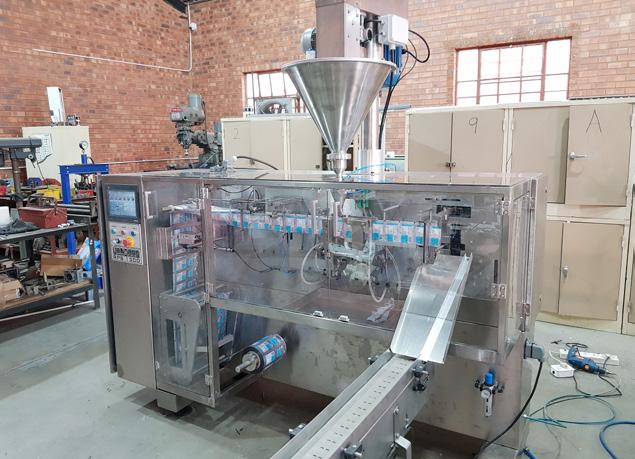
PMD HAS DEVELOPED AND INTRODUCED TO THE MARKET, A RANGE OF SMALL PACK MACHINES:
Taurus: Mini VFFS machine for 3 side seal or pillow pack. Taurus is available with quick change over dosing capability for liquids, powders or granules.
Sigma 1: High speed VFFS machine for small packs up to 100 packs / min
Apollo: Horizontal sachet machine for 3 or 4 side seal in single or twin lane format.
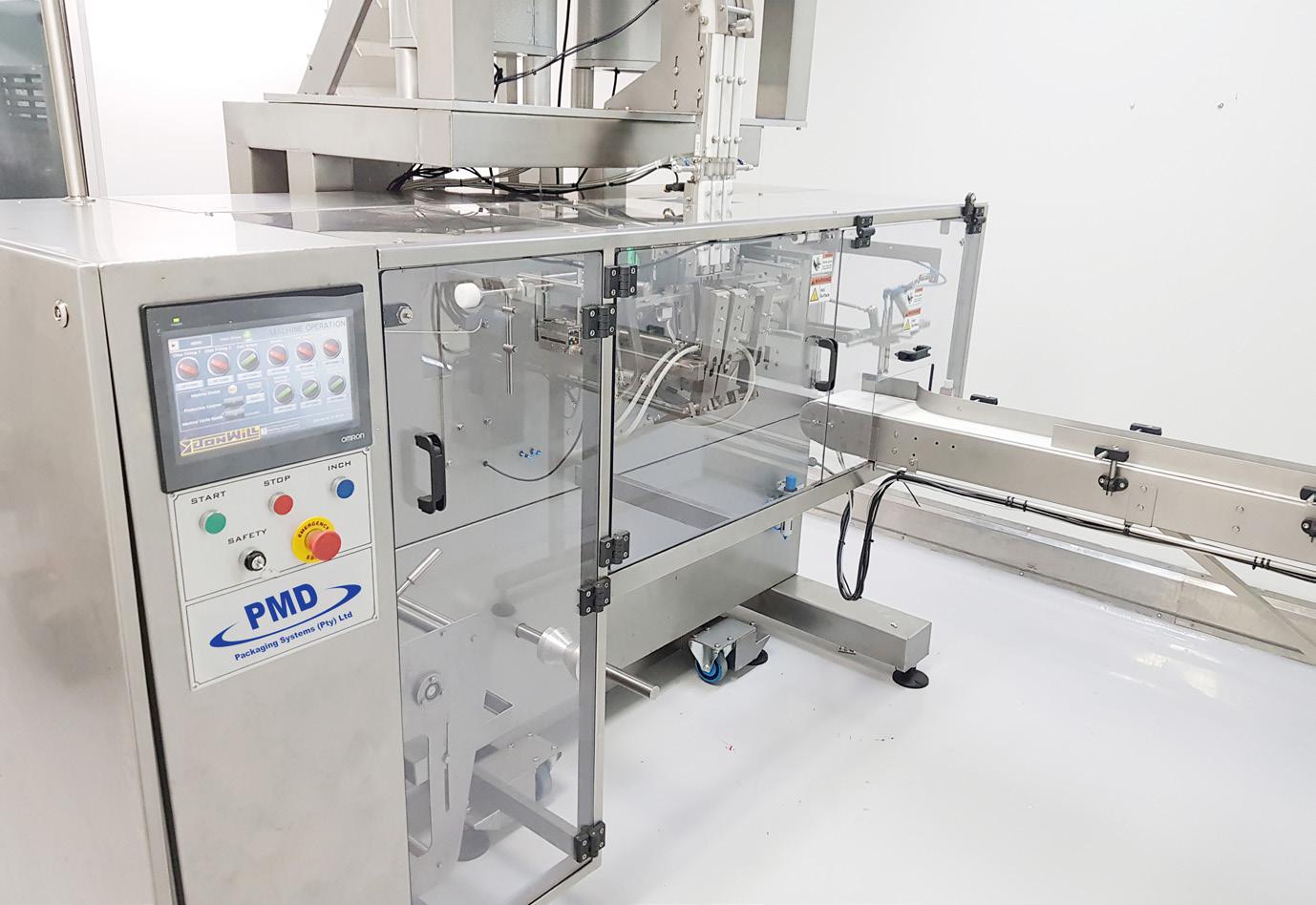
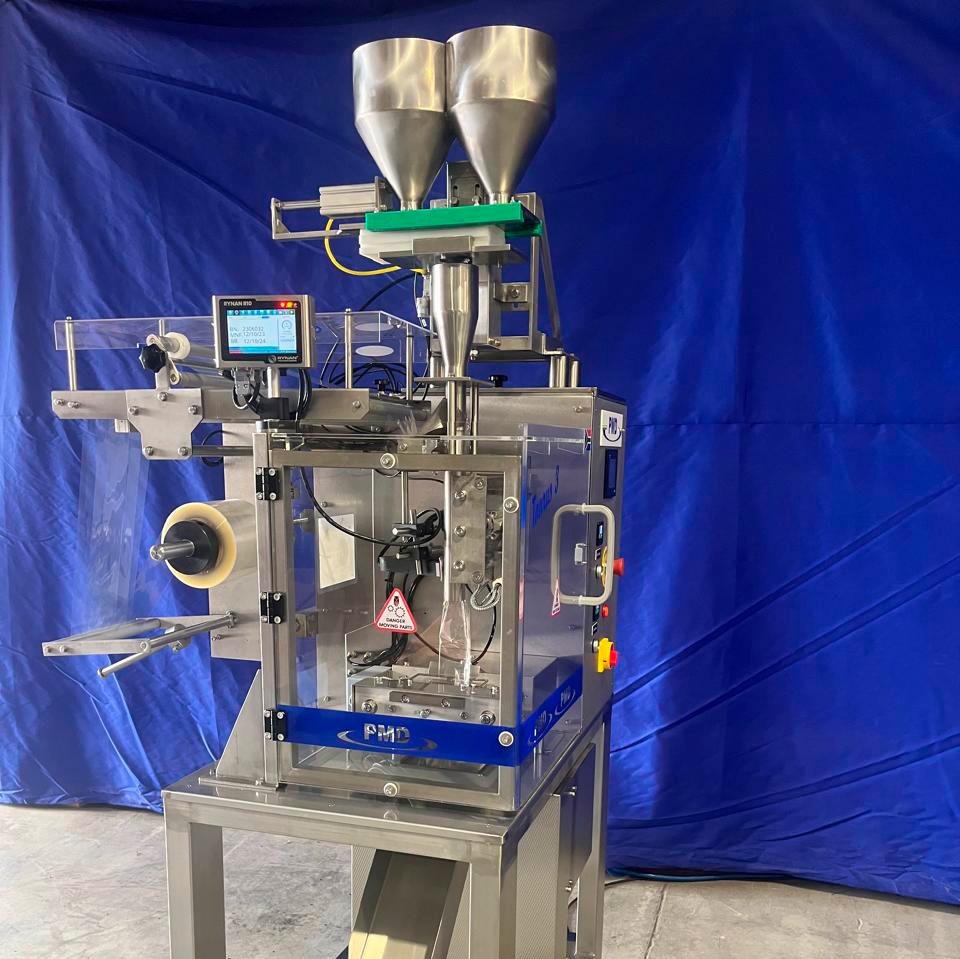
PMD Packaging has been manufacturing high-quality packaging machinery, since inception in 1966. The Sigma range of vertical form fill and seal packaging machines complies with world class standards. Under the guidance of Mike Spencer, the company has expanded, to offer a wide range of packaging and processing machinery by partnering with a number of international brands. PMD services a loyal client base globally and throughout Africa, with local representation in Johannesburg, Cape Town and Durban.
Our success is based on our work ethic, as well as an excellent track record of successful installations and back up service for many leading multi-national companies. Throughout the years PMD has put technical development at the top of its agenda with the result that its products are widely recognised as leaders in the field of food packaging machinery, and now has many machines installed in a broad cross section of industries and countries throughout the world. We represent a number of suppliers including, Matcon, Delfin, Velteko, New Projects, Proxes, Symach. Pat Galleymore, Technical Director heads up PMD’s manufacturing and demo facility in Northriding, Johannesburg, supported by an experienced and qualified team.
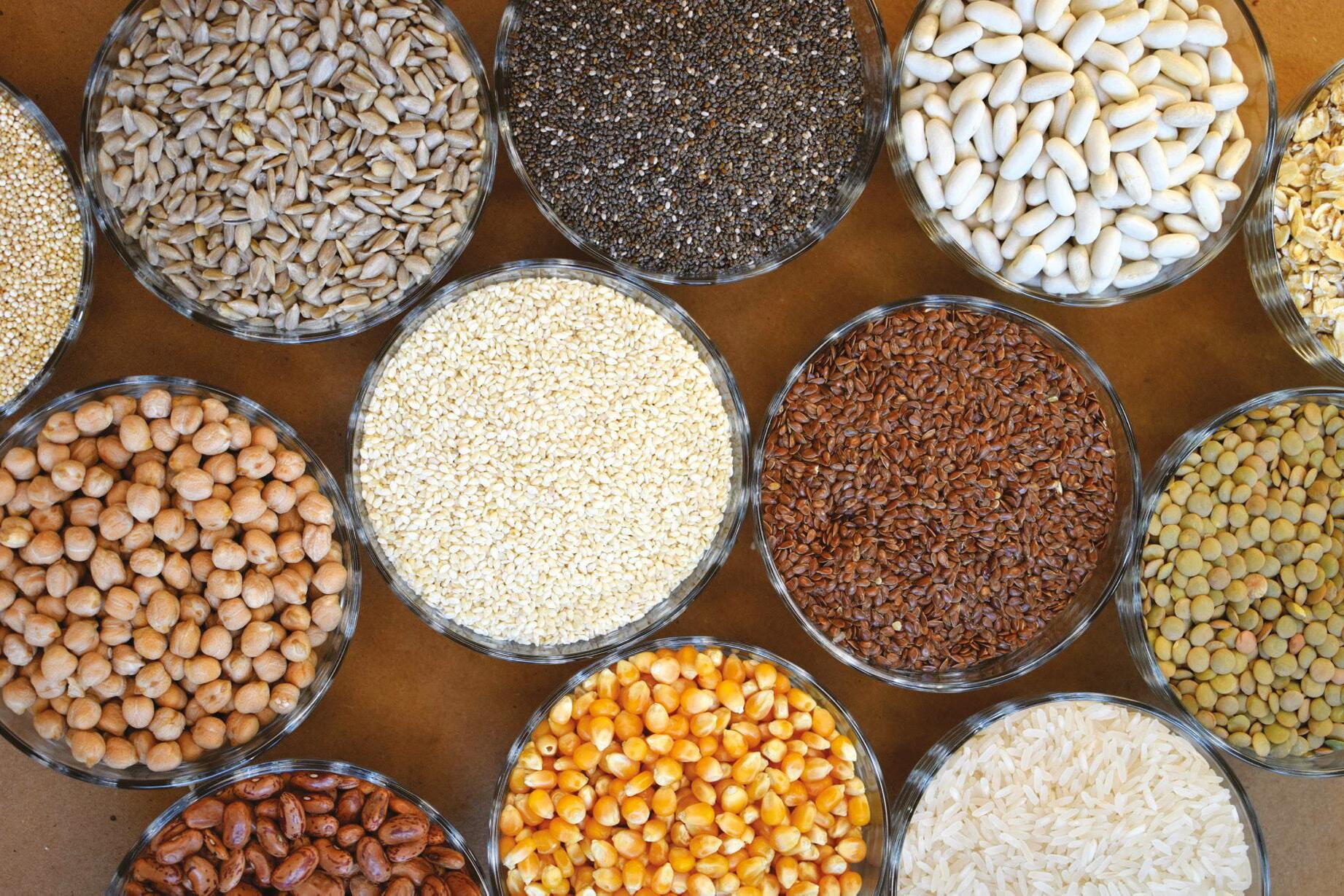

Over the last 50 years, PMD has built up a proven track record, as a reliable partner to the milling
We offer an array of equipment to maximise productivity and lower operational costs. With representation in Gauteng, Cape Town and Durban, we are able to offer quick and effective sales,
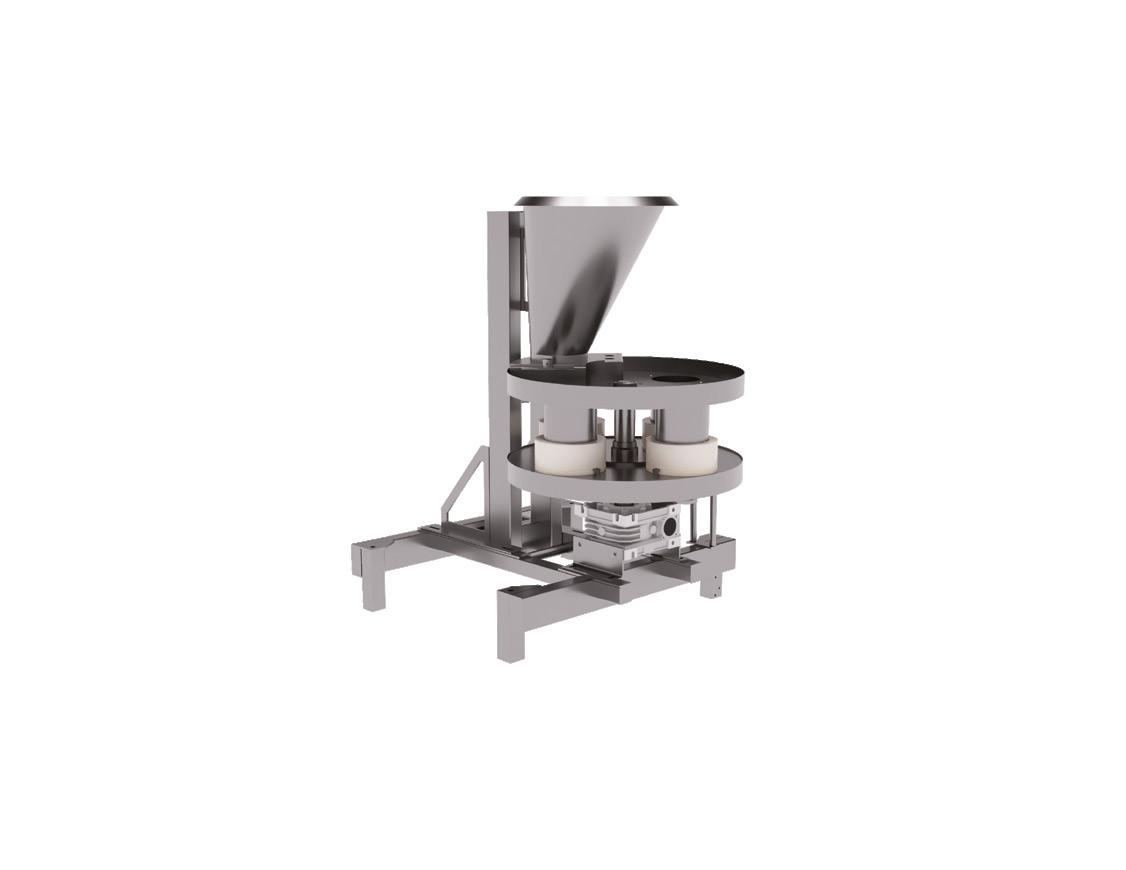
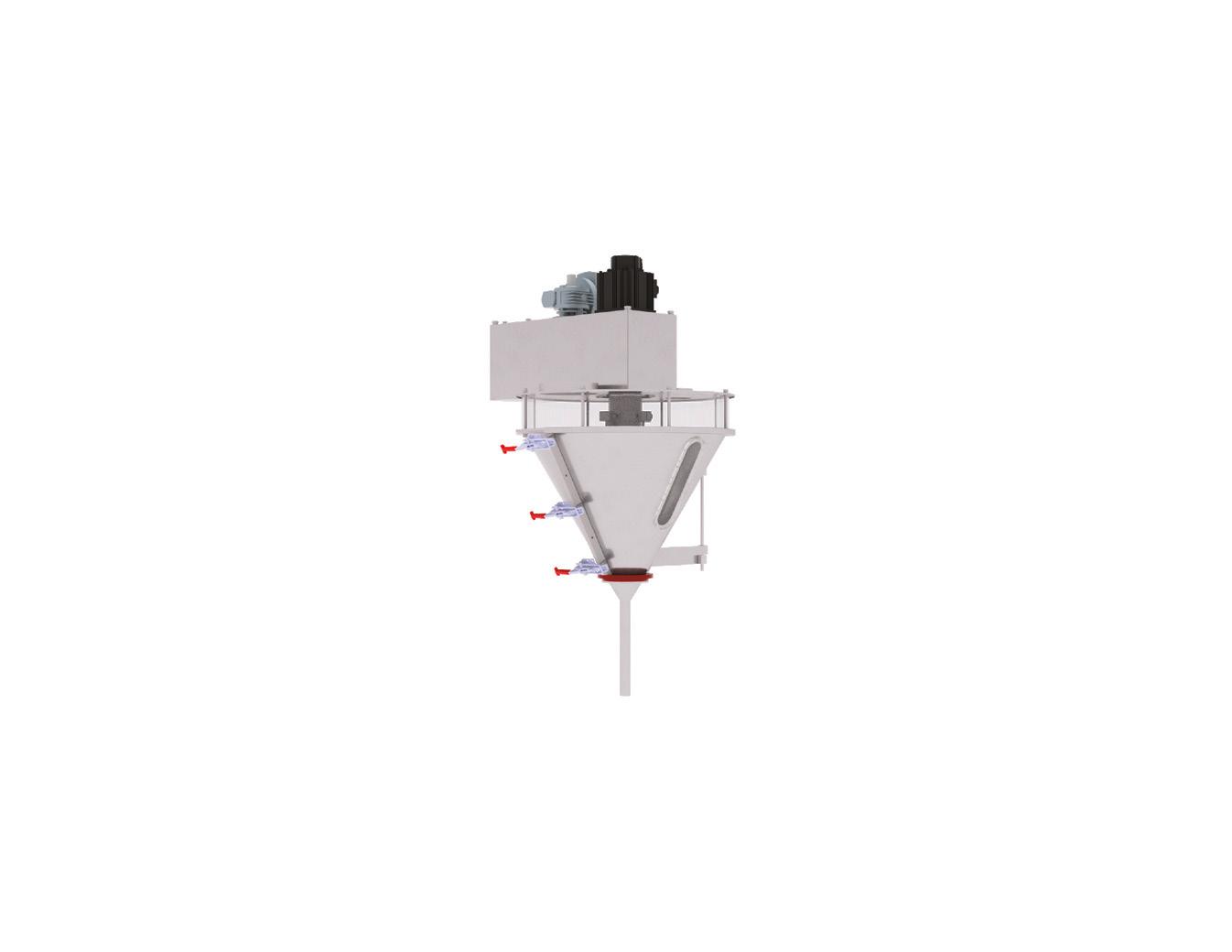

Contact us to assist you in finding a customised solution tailor made for your factory and/or mill.
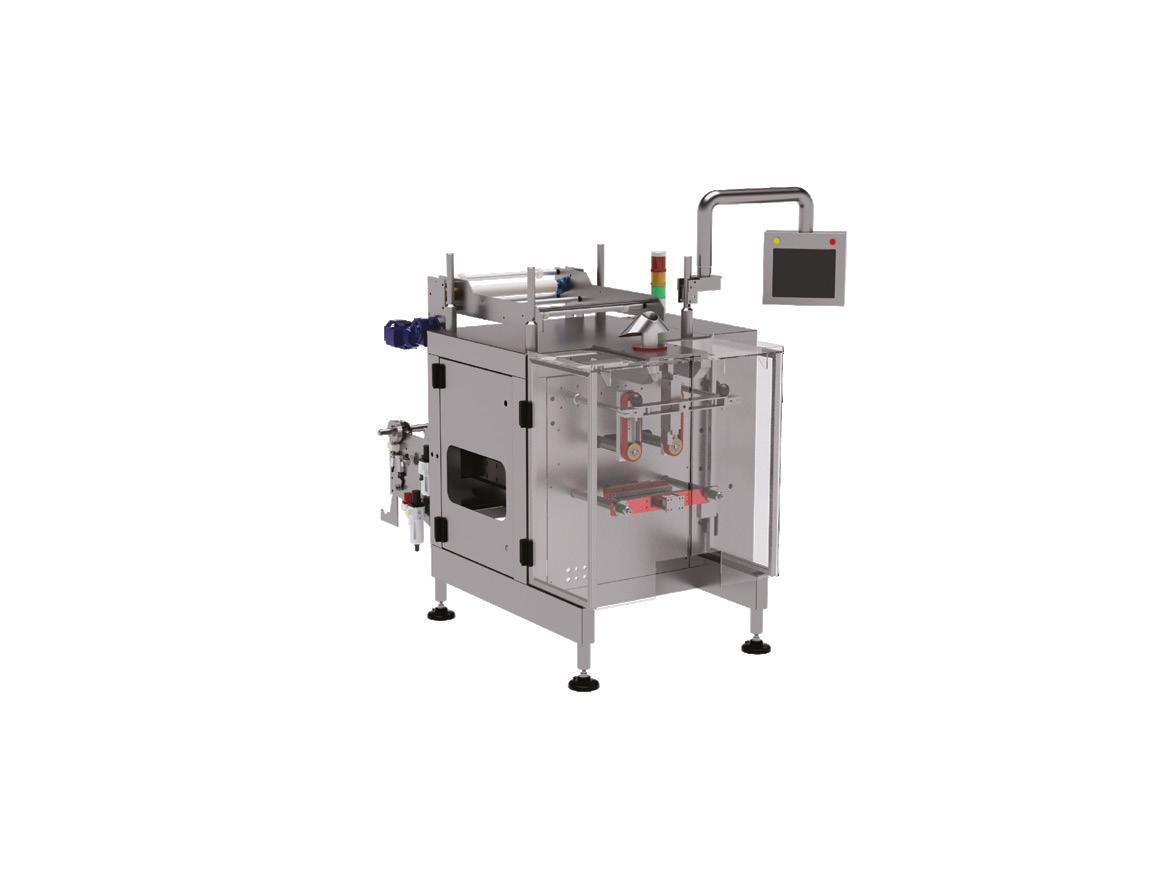
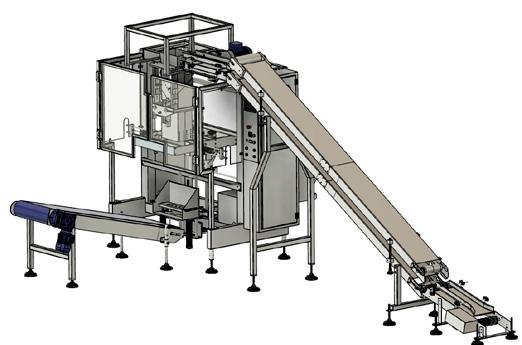

Progetto International manufacturers and distributors of automated machinery for the packaging, labelling, and filling industries. They commit themselves to fulfilling the client’s requirements, from conceptual design to implementation, delivery and after sales service. Food Review editor, Kelebogile Nondzaba, speaks to Progetto International about their latest product and service offerings.
Progetto international is one of South Africa’s leading packaging systems design and manufacturing companies. They manufacture and distribute machinery for the packaging, labelling, and filling industries and provide the best solution and equipment at a competitive price to their clients. Progetto International is recognised for its high standard of service, quality and competitive pricing, workmanship, and technology. Combining its own manufacturing of engineered designs through a team of highly skilled mechanical and electrical engineers with their approved and reliable suppliers. They commit to fill the clients’ requirements, from conceptional design to implementation, delivery and after sales service.
The new factory and location in Killarney gardens form their next step in the journey to expansion. With the growth of the company, logistical and capacity challenges they were obliged to seek for a larger premisses. Progetto Int was established in 2008 and its manufacturing facility is currently situated in Killarney Gardens, located in the proximity of Cape Town. The aim is to provide the best solutions and equipment at a competitive price by maintaining a good balance between time, cost, scope and quality. Furthermore, they network with professional suppliers to achieve a high level of planning, price negotiation and quality. The team at Progetto specialises in managing processes – from start to finish. The tasks include handling concepts of automation requirements through research that involves integration of solutions as part

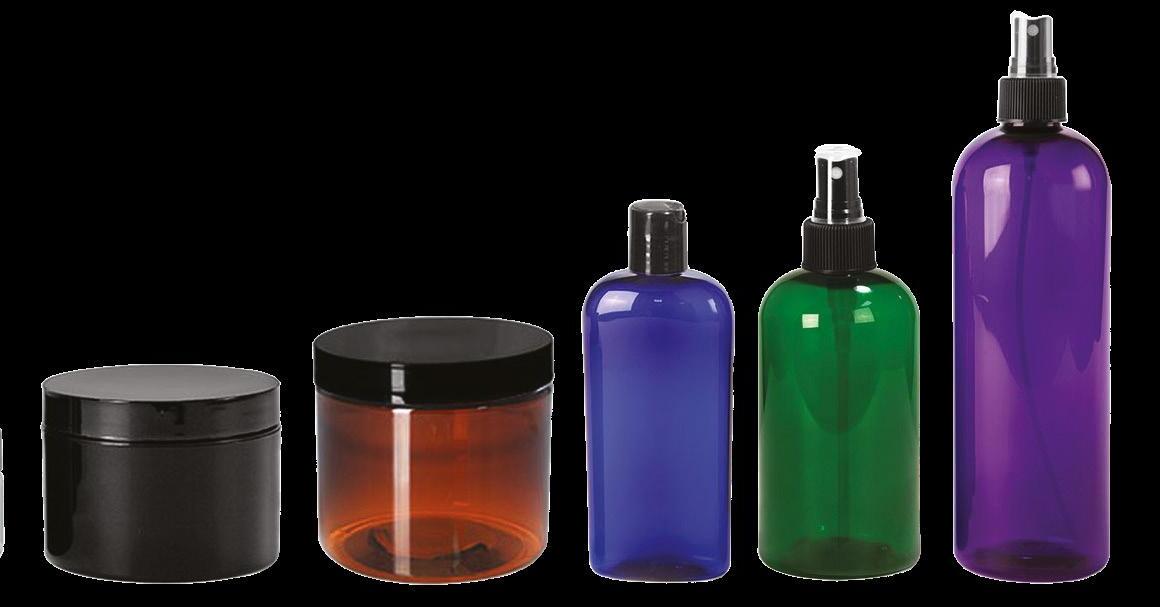
of the production lines and process. They have successfully supplied equipment and installed projects throughout South Africa and proudly crossed borders to Angola, Kenya, Nigeria, Canada, and USA.
Q. HOW DO YOU STAY AHEAD OF INDUSTRY TRENDS AS WELL AS FOSTER INNOVATION?
We stay ahead of our business competition in the market by constantly being on the lookout for innovative and practical ways to fill the gaps in the current market with new products and services. This requires a substantial amount of investment in product development.
Q. HOW DOES THE COMPANY INTEGRATE ENVIRONMENTAL AND SOCIAL CONSIDERATIONS INTO ITS OPERATIONS?
To reduce waste, there is a recycle system in place for all our waste materials, this builds employee awareness and engagement to be more environmentally friendly. With their continuous training, creativity to design and maintaining systems we also improve their quality of life.
We as a highly motivated and skilled team committed to our customers success and requirements by exceeding their expectations, providing high quality, services, and cost with continuous improvement.
Is to lead as a preferred manufacturer and supplier in the packaging and automation industry. To provide clients with appropriate and cost-effective packaging solutions.
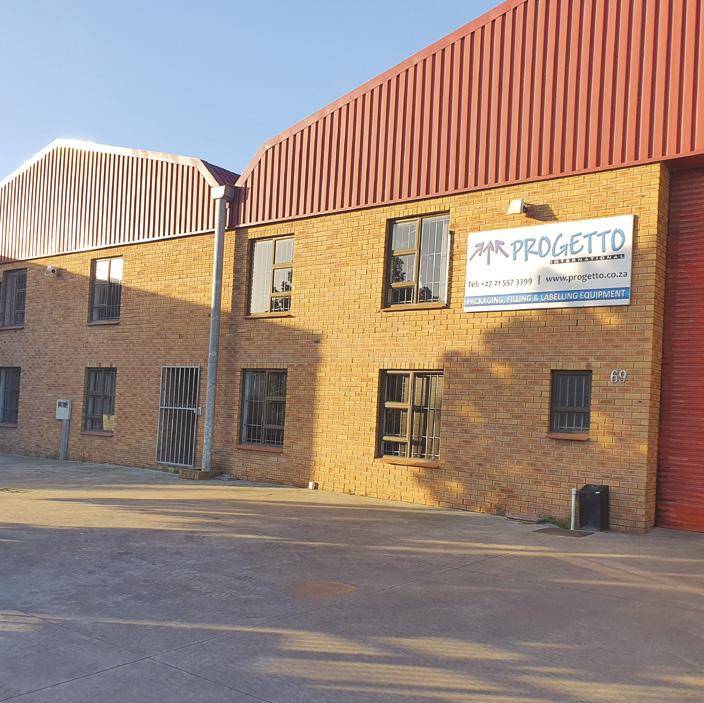
The team at Progetto specialises in project design and manufacturing to implementation – from start to finish. The tasks include handling concepts of automation requirements through research that involved to integrate the solutions as part of production lines and processes. They have successfully supplied equipment and install projects through South Africa and proudly crossed borders to Angola ,Kenia, Nigeria, Canada and USA.
Q. PLEASE SHARE ANY NEW PRODUCTS OR SERVICES IN THE PIPELINE?
We offer a wide range of high-quality packaging systems that include the following:
• Semi-auto carton erectors for different carton sizes
• Manual and semi-automatic carton sealer for top and bottom sealing – tape or hot melt sealing
• Flow wrapping systems
• Custom built carton packing systems
• Auto filling machines for all industries e.g., cosmetic and pharmaceutical industries
• Auto and semi auto tube fillers, sealers, and trimming systems
• Pallet and shrink wrap systems.



NSI LABEL (PTY)LTD STAND NO- F01

With over 40 years’ collective experience, NSI Label delivers innovative, competitively priced labelling solutions across Sub-Saharan Africa. Backed by global trade partners and a dedicated technical centre in Midrand, the company has supplied customised, top-tier label systems since 2008 — driven at every step by customer profitability.


STAND NO- N09


Join Cranbrook Flavours at The Africa Food Show 2026 and discover how flavour can be anything but basic. From bold ideas to vibrant taste experiences, we’re bringing creativity, colour, and inspiration to the floor. Visit us at Stand N09

Döehler is a global producer and provider of technology-driven natural ingredients, ingredient systems, and integrated solutions for the food, beverage, and life science & nutrition industries. Committed to sustainability, Döehler helps nourish the world better — Good for people. Good for planet.® Their portfolio spans natural flavours, colours, health ingredients, plant-based ingredients, and end-to-end solutions, all derived from natural raw materials.

DӦHLER STAND NO- M11
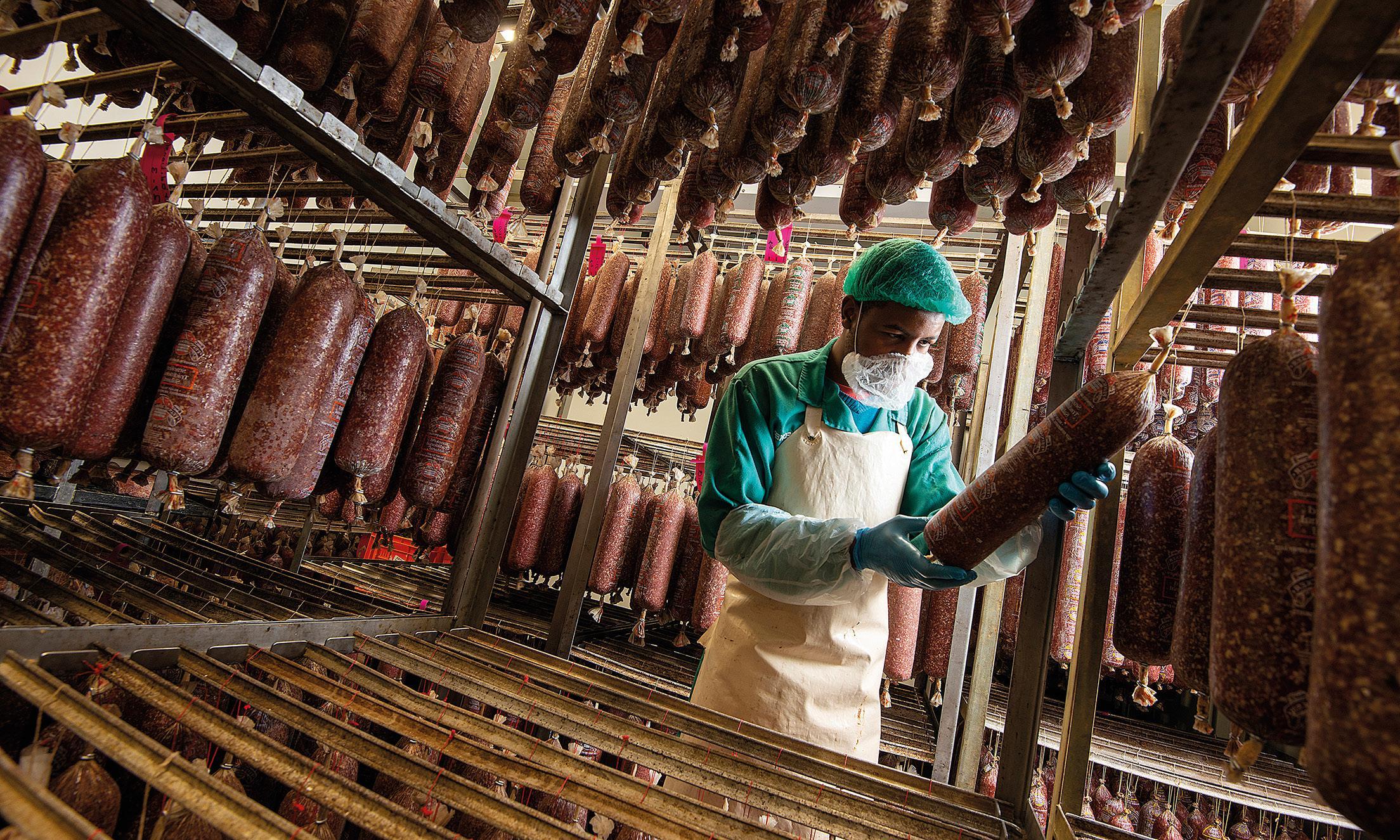
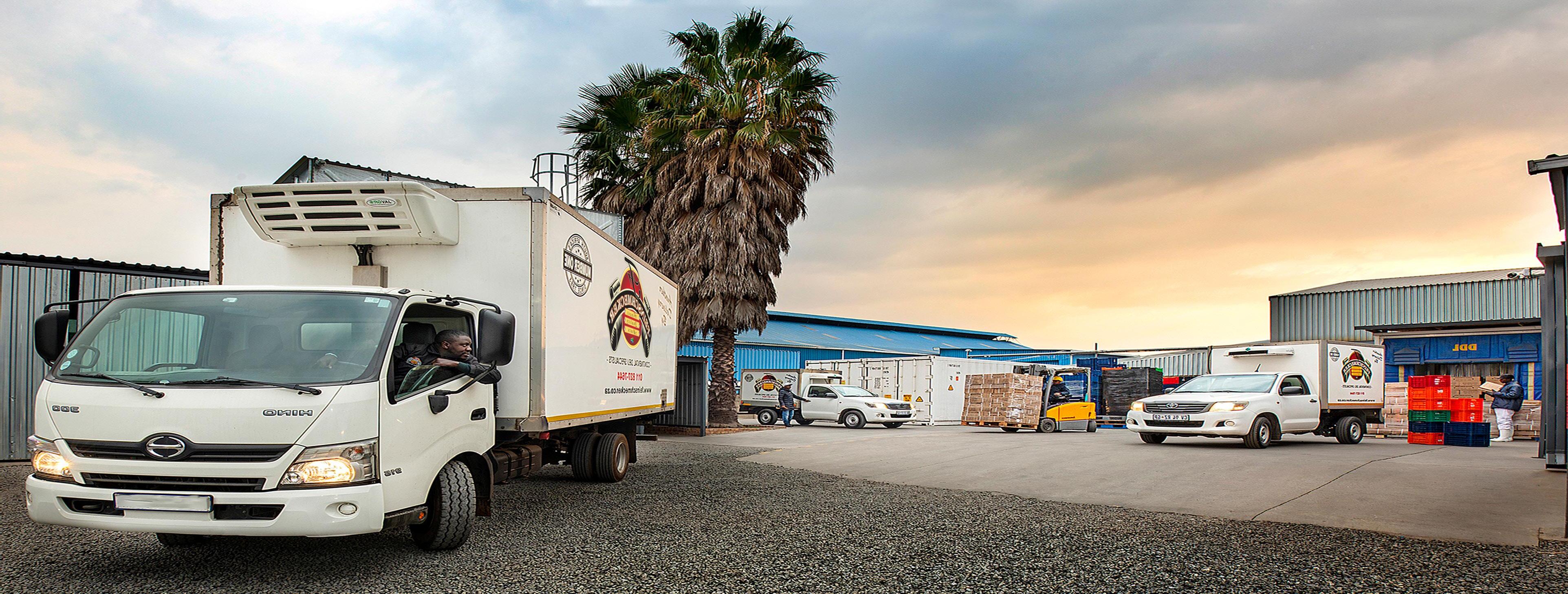
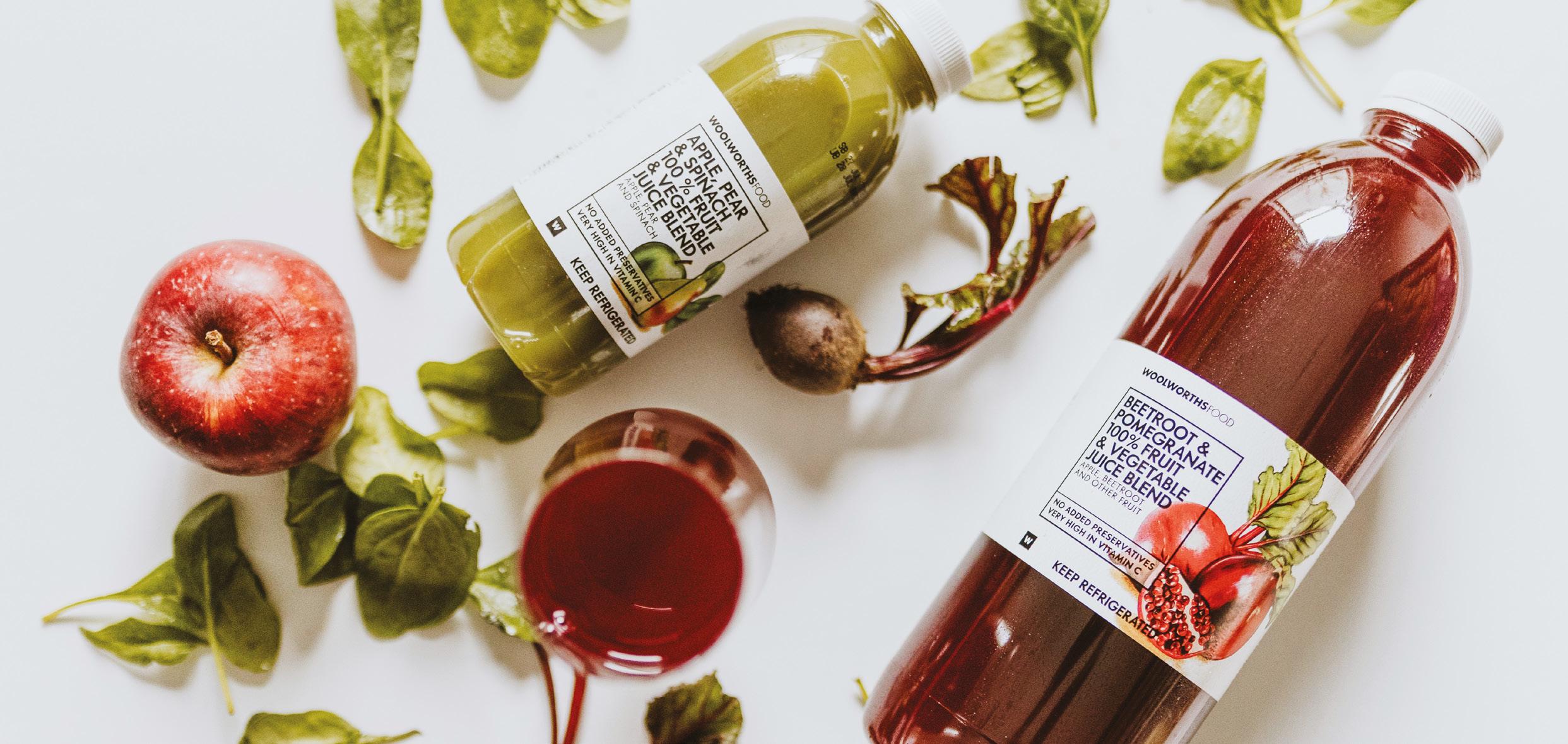
According to Bidvest Labels Rotolabel, labels are often one of the smallest costs in the total product, but one of the biggest risks if they are not there. Without the label, the product does not go to shelf.
That is the reality many businesses overlook. A label may represent a small percentage of total product cost, but it carries huge responsibility – product identification, compliance, branding, traceability, and ultimately getting the product into the hands of consumers. At Bidvest Labels Rotolabel, this understanding has shaped our business for more than 40 years. Based in Thornton, Cape Town, and proudly part of the Bidvest Group, we have built our reputation by doing the basics exceptionally well: quality, consistency, service and being there when customers need us most. Led by managing executive Grant Watson, the business continues to focus on what matters most – trust.
“Trust is the backbone of our business. Customers need to know that when they have pressure on their side, we will respond. Labels are often only noticed when they are missing, and by then it is already a major problem. Our job is to make sure that never happens.”
Rotolabel was one of the early pioneers of self-adhesive labels in South Africa and helped set the benchmark for premium label printing in the local market. Today, we work across wine, FMCG, food, personal care, and pharmaceutical markets, supplying many of South Africa’s leading brands. But we do not see ourselves as just printers. We understand our customers’ production environments, lead times, line pressures and the commercial impact of downtime. When production
Without
the label, the product does not go to shelf.
"Trust is the backbone of our business. Customers need to know that when they have pressure on their side, we will respond. Labels are often only noticed when they are missing, and by then it is already a major problem. Our job is to make sure that never happens."
is under pressure, flexibility matters. When urgent changes happen, responsiveness matters. When stock is short, reliability matters. That is where partnerships are built. It is not about big promises or sales talk – it’s about consistently delivering and making sure our customers can meet their commitments.
Our investment in both flexographic and digital printing allows us to support a wide
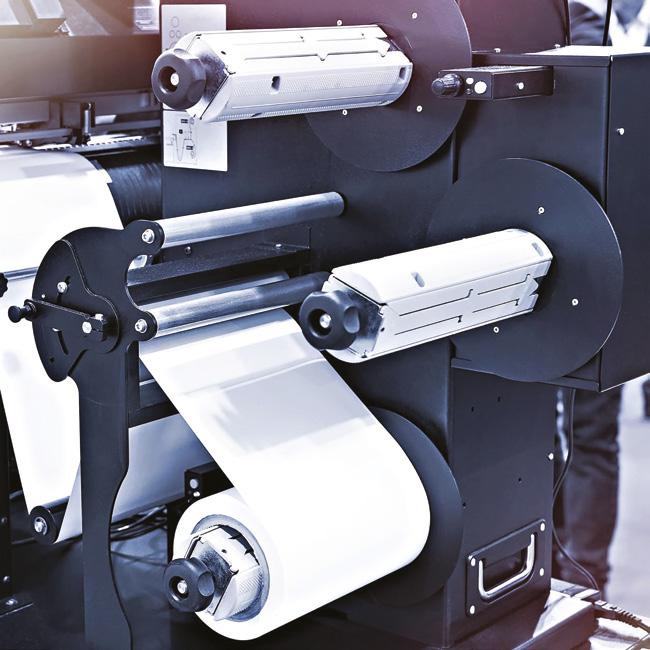
range of customer needs, from high-volume FMCG production to highly specialised premium wine labels. Our finishing capabilities include hot and cold foiling, silkscreen, high-build varnishing, laminating and decorative finishes that help brands stand out on shelf. But technology alone is not the answer. It is the experience of our people, the knowledge of our operators and the accountability of our team that turns good equipment into reliable service.
Sustainability through practical action: Sustainability is important, but it must be practical. Bidvest Labels Rotolabel continues to focus on liner recycling programmes, waste reduction and material efficiency improvements that create real value for both the business and our customers. It is not about saying the right things – it’s about doing the right things consistently.
Built for the long term: Rotolabel became part of the Bidvest Group in 2008 and today forms part of Bidvest Data, Print & Packaging within the Bidvest Branded Products silo. What has not changed is how we approach business. We value long-term relationships over short-term wins. We believe customers stay because they trust us to deliver, especially when things get difficult. In our industry, that matters more than anything. Because when labels stop, production stops. And our job is to make sure that does not happen.
Bidvest Labels Rotolabelwww.bidlabels.co.za
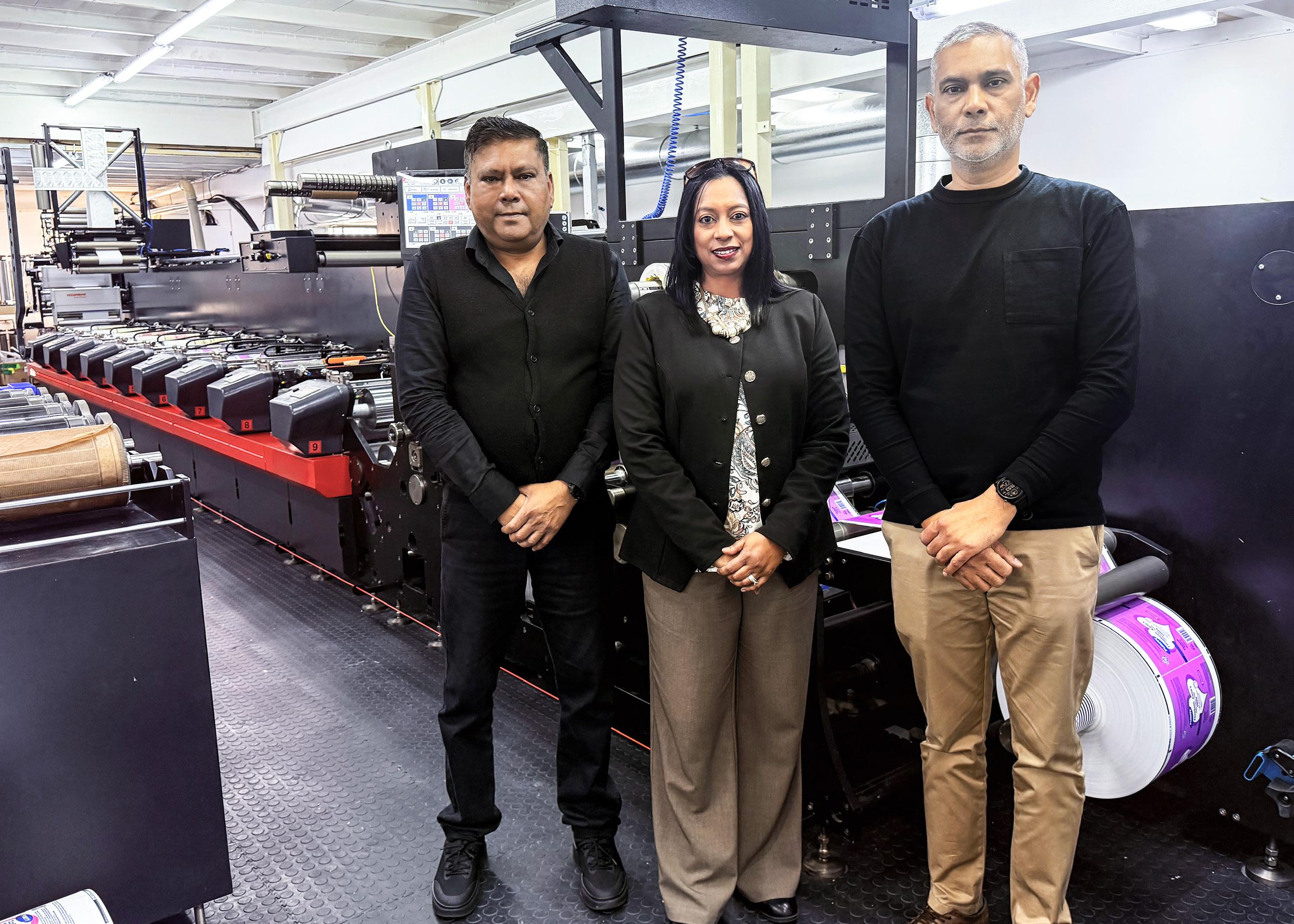
Driven by market demand and a relentless commitment to innovation, Clomark is raising the bar across its entire manufacturing operation.
In its fifty-fifth year of trading, Clomark makes yet another bold move. Its latest investment in another state-of-the-art flexographic printing press supports the company's market penetration strategy and adds diversity to its manufacturing ability, significantly increasing capacity for future growth. The company took time to carefully study the latest offerings in printing machines around the globe. Making the correct choice — one that supports the identity of the company — is paramount. "In our case, best and consistent quality, and quick set-up and turnaround time. It is also extremely important to have excellent local support, and we have a strong relationship with the local agent, Ipex Engineering," says Shyam Chirkoot, managing director.
The addition of the new advanced press marks a significant investment in the future of the business. Equipped with the latest flexographic printing technology, it substantially increases production capacity
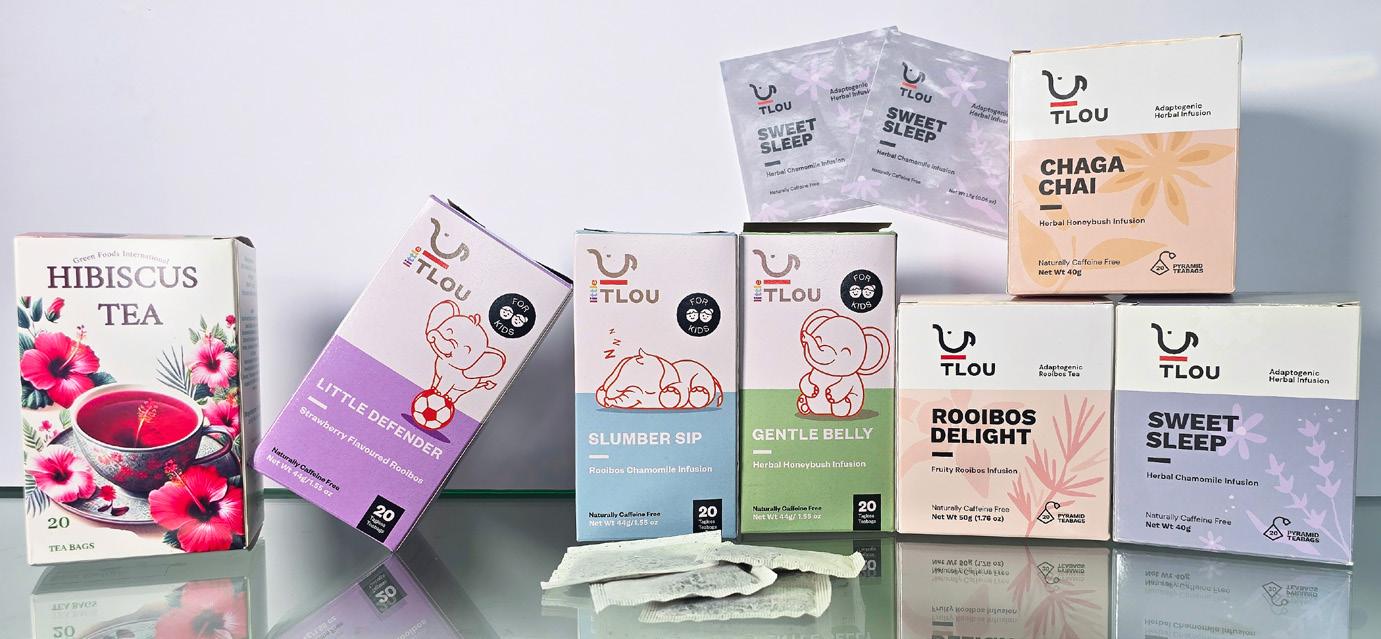
Because Clomark is privately owned with all three shareholders actively involved in the business day-to-day, the company can make major strategic decisions significantly faster than most corporate competitors — a structural advantage that fuels its pace of innovation.
and capabilities, enabling the company to meet growing market demands with greater efficiency, flexibility, and quality. "This investment reinforces our commitment to innovation and positions us strongly in an increasingly competitive and evolving industry," says Dhiraj Chirkoot, operations director. From a sales perspective, the company has seen many customers growing significantly in recent years and welcomes the latest manufacturing investments as

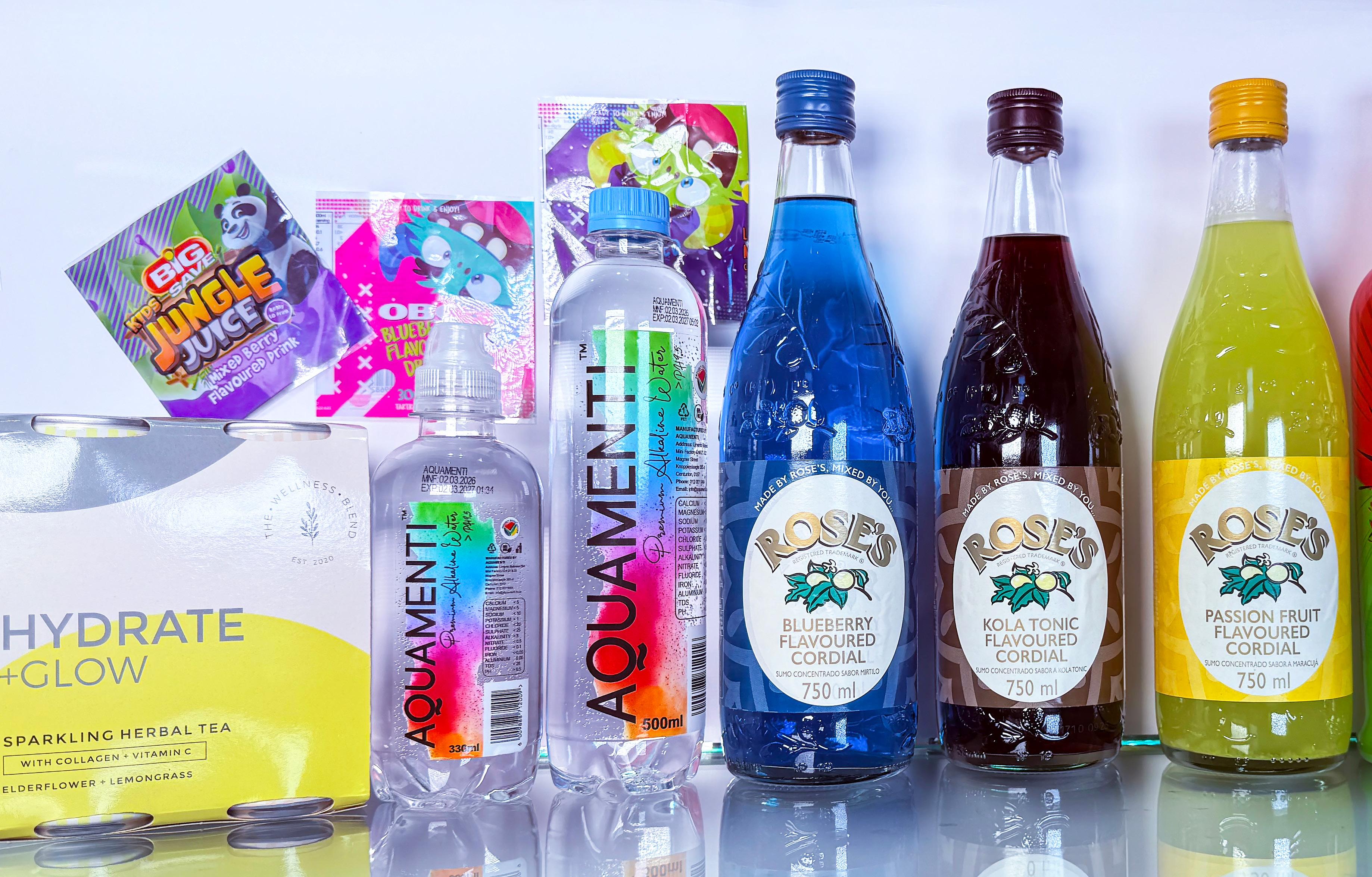
they directly support this expansion. The sales team looks forward to new innovations from the latest flexo printing technology, and the market is hungry for new innovative offerings. "The food and beverage industry is a focal area in sales growth, and we are well positioned not only in manufacturing capability, but also in terms of our quality systems portfolio, particularly FSSC (Food Safety System Certification)," notes Jocelyn Munsami, sales director.
Clomark is proud to announce the acquisition and successful commissioning of its new flexographic printing machine — an important investment that enhances production capabilities and sets a new benchmark for efficiency, precision, and innovation. The investment enables the company to deliver exceptional print quality, increased production flexibility, and faster turnaround times, while supporting its commitment to sustainable manufacturing practices. This strengthens its ability to meet customer demands and reinforces its position as a trusted partner in the packaging market. "Our customers need solutions that combine speed, quality,
"The market is hungry for new innovative offerings."
and sustainability. We look forward to providing even greater value, reliability, and excellence to our customers. Our larger customers continue to entrust us with new or current leading brands, and we work hand in hand with customers at our operations as part of brand success," says Munsami. The company has invested significant resources in its quality and related departments, not only to align operations with customer expectations but also to drive continuous self-improvement in business responsibility, compliance, and operational excellence.
The certification portfolio demonstrates this commitment and includes ISO 9001 (Quality Management), IATF 16949 (Automotive Quality Management), ISO 14001 (Environmental Management), ISO 45001 (Occupational Health and Safety Management), FSSC (Food Safety System Certification), and SMETA/URSA (Social
and Ethical Compliance). This commitment has helped the company continue winning awards at FTASA and the Gapp Awards. "Being privately owned with the three shareholders hands-on in the business makes key decisions easier and faster, making us a nimble business. Other recent investments include digital printing, slitting and rewinding, variable data printing, an automated inline inspection system, as well as lithographic printing equipment," says Shyam Chirkoot.
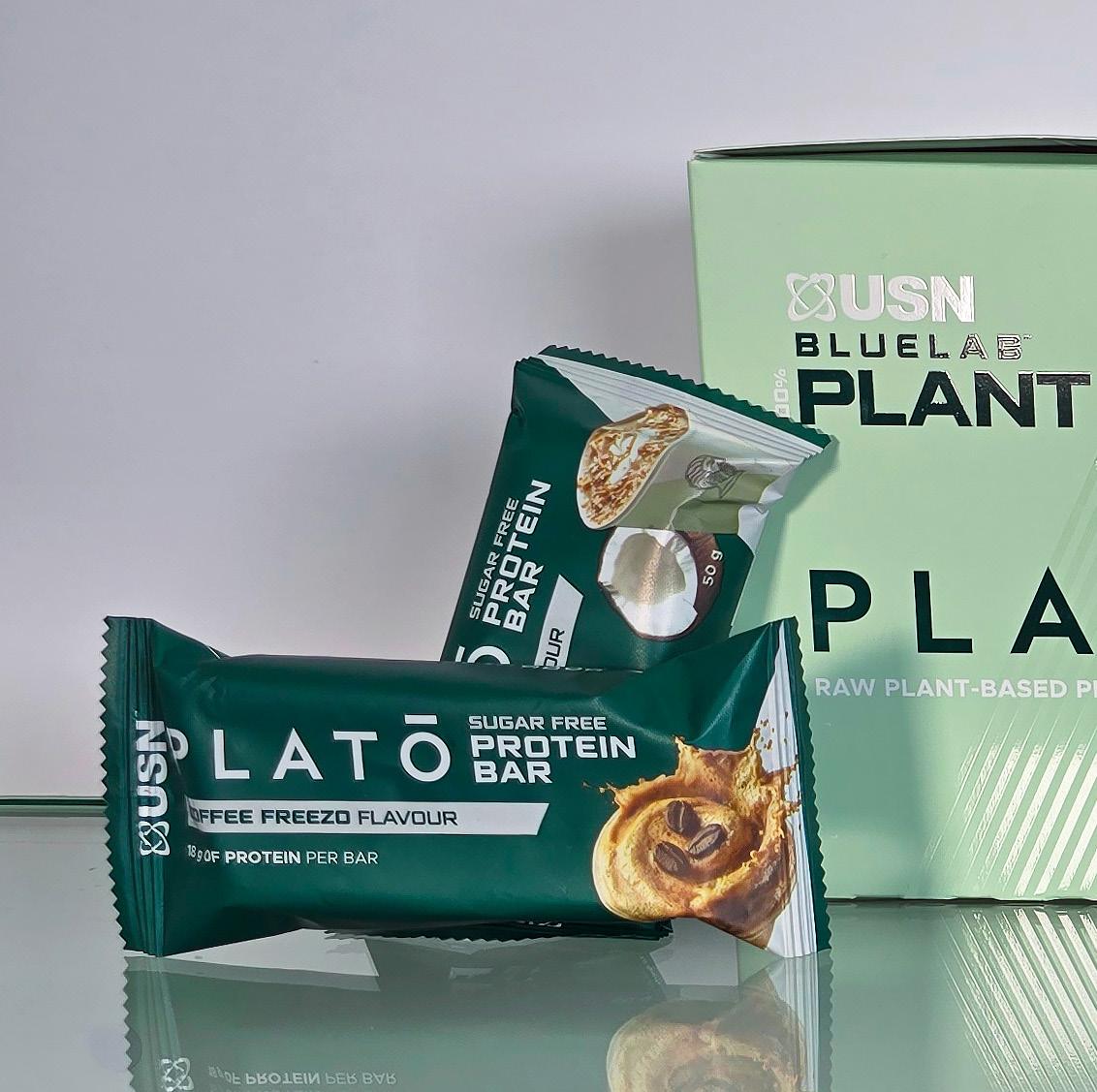
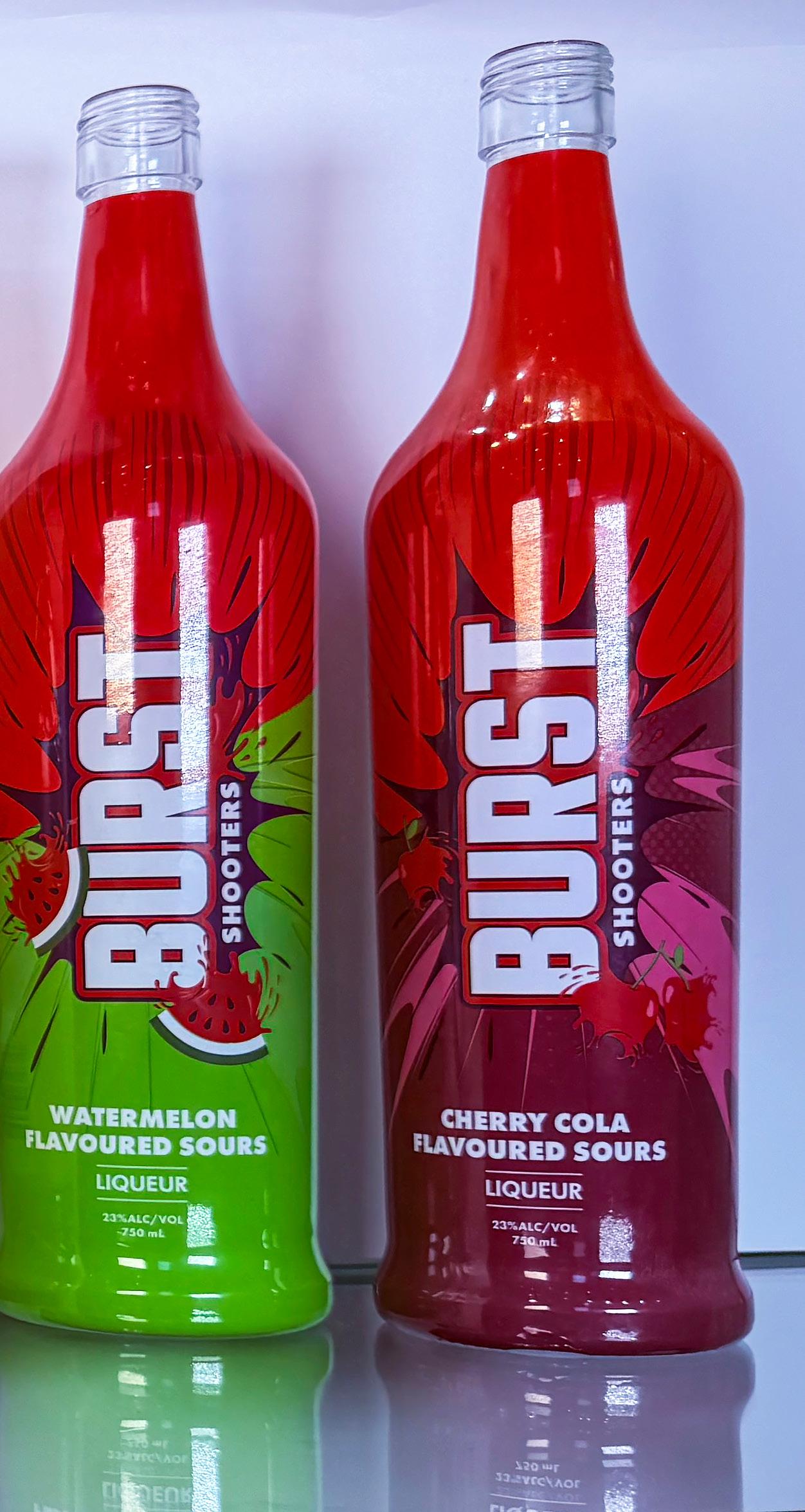
The Lithographic division operates from a dedicated manufacturing facility in Johannesburg South, specialising in the production of high-quality mono-cartons. Through a strong focus on efficiency, technology, and customer service, the company consistently delivers lead times that are significantly faster than industry norms. In line with evolving market expectations and its commitment to responsible business practices, Clomark is currently pursuing forestry certification — an increasingly important requirement for customers and a further demonstration of the company's dedication to sustainability, traceability, and environmental stewardship. The division is led by Yolanda and her team, whose experience and commitment continue to drive growth and success, according to Chirkoot.
"Our core management team is based at our head office in Midrand, where we specialise in flexographic printing and the manufacture of automotive products. To support our continued growth, we have recently acquired an additional facility in
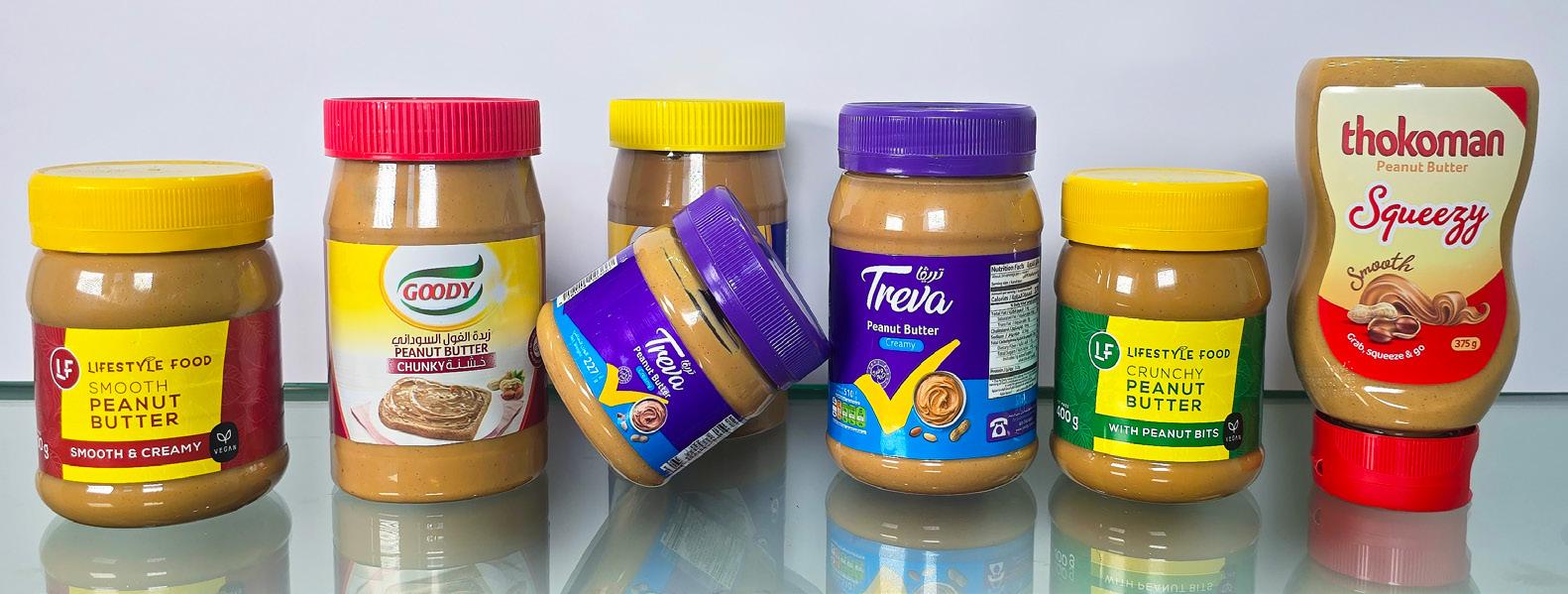
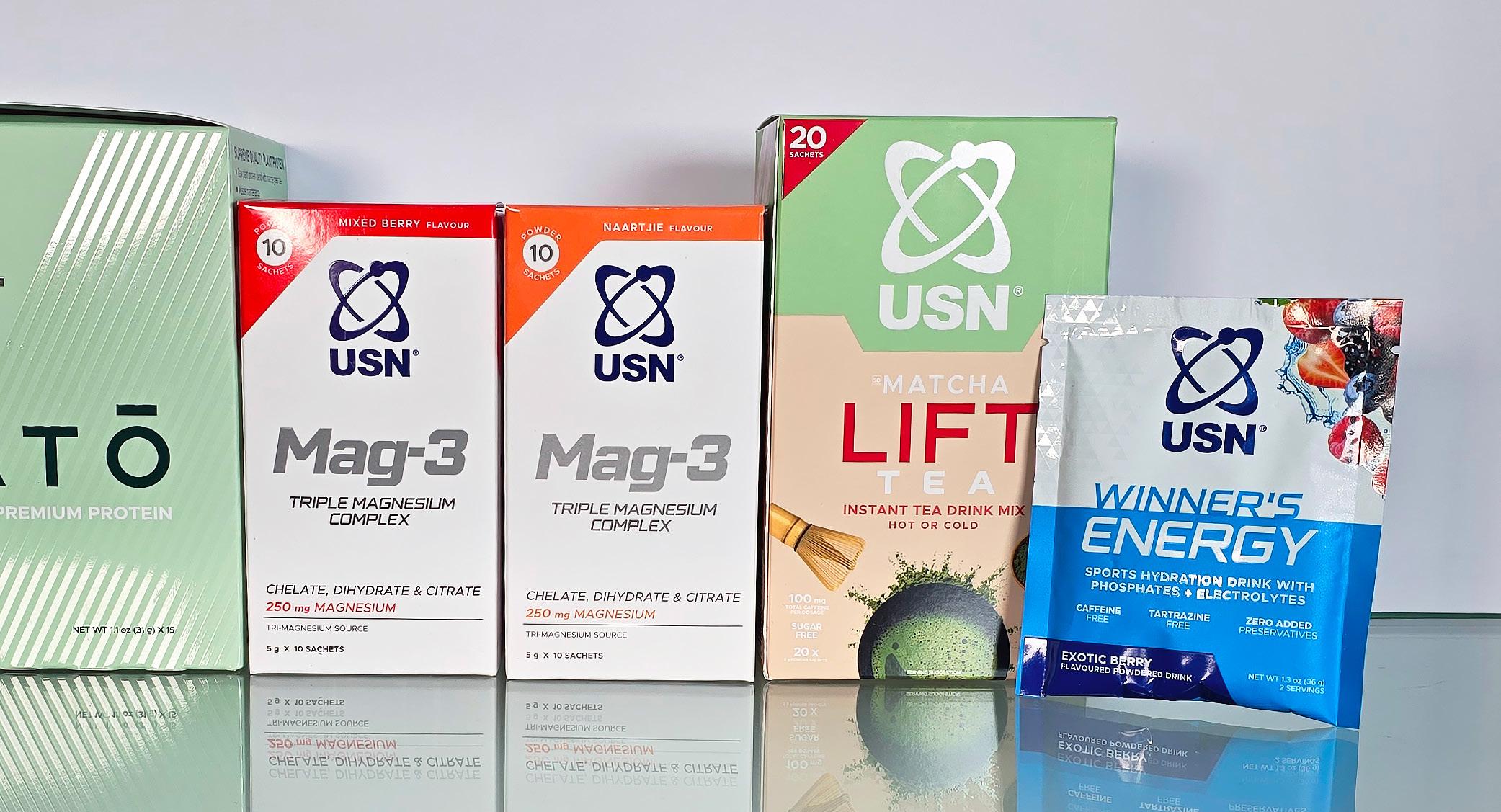
Midrand, which will house our dedicated shrink sleeve application department. This facility represents another important step in our expansion strategy and reflects our commitment to investing in capacity, efficiency, and technology. "We are particularly proud of our recent investment in a larger steam generation system, which enhances our production capabilities and positions us to meet increasing customer demand. We believe that our continuous reinvestment in the business has been a key driver of our success, resilience, and long-term sustainability. This commitment remains central to our strategy, and we expect it to continue shaping our future growth and development. We welcome customers to visit our facility and see firsthand the investments, systems, and culture that support our operations. Sound decision-making is critical to business success, and our consistent focus on making responsible, forward-thinking choices has positioned us well for the future," say Shyam and Dhiraj Chirkoot.
"Our new investment enables us to deliver exceptional print quality, increased production flexibility, and faster turnaround times, while supporting our commitment to sustainable manufacturing practices — reinforcing our position as a trusted partner in the packaging market."
Clomark holds six international certifications — spanning quality, automotive, environmental, food safety, health & safety, and social compliance — making it one of the most comprehensively certified packaging manufacturers in the region.
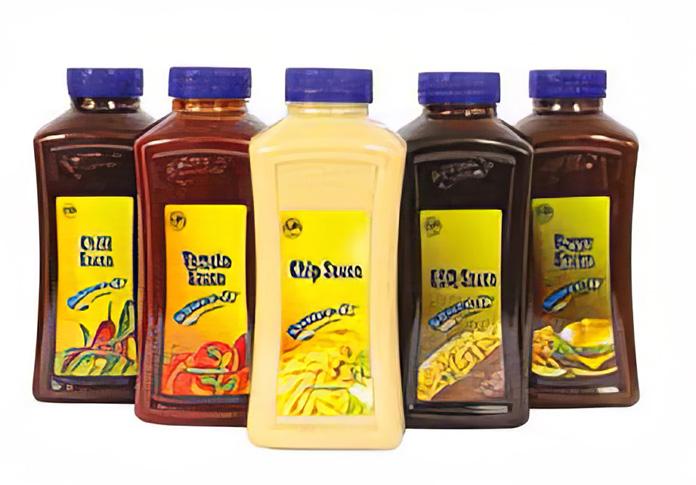
Local sauce manufacturer, Sauce Land has been in business since 2004. The company recently embarked on a campaign to increase capacity with the installation of a new sauce filling lines at their premises in Randburg, Gauteng.
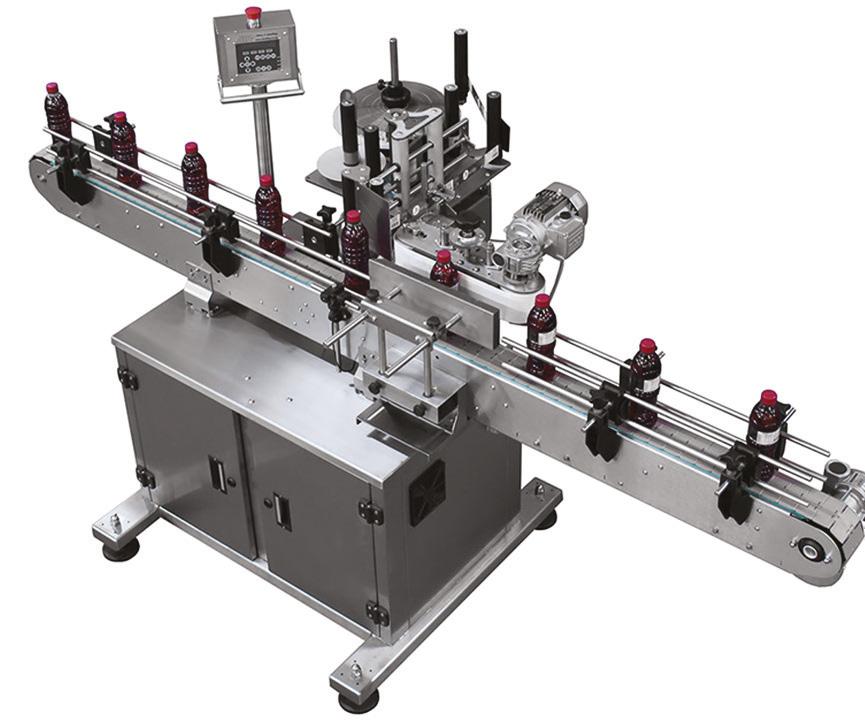
The new line includes an automatic bottle-feeding table, bottle inverter with Ozone purging, automatic 12 head progressive cavity filler, rotary capping machine, sleeve labelling machine, double sided self-adhesive label applicator and an automatic shrink wrapper with tray inserter.
“Prior to expansion of the new facility, production levels were around 30 bottles per minute. The new facility and equipment have taken our capacity up to 80 bottles per minute on the one litre line and we can now accommodate demand from our loyal customer base. Further good news is that in the future, we plan to increase capacity even further,’ says Jared Fagri, the company’s managing director. “We have invested in our new production site, and this serves as one way in which we can confirm our determination to continue to serve the food industry.”
The expansion project started in June 2022 and required Sauce Land to build a completely new bottling plant. The entire project was self-managed, and several different suppliers were used to complete it. The bottling facility alone consists of some 900m2 of purpose-built factory space.
The new facility and equipment have taken our capacity up to 66 bottles per minute on the one litre line
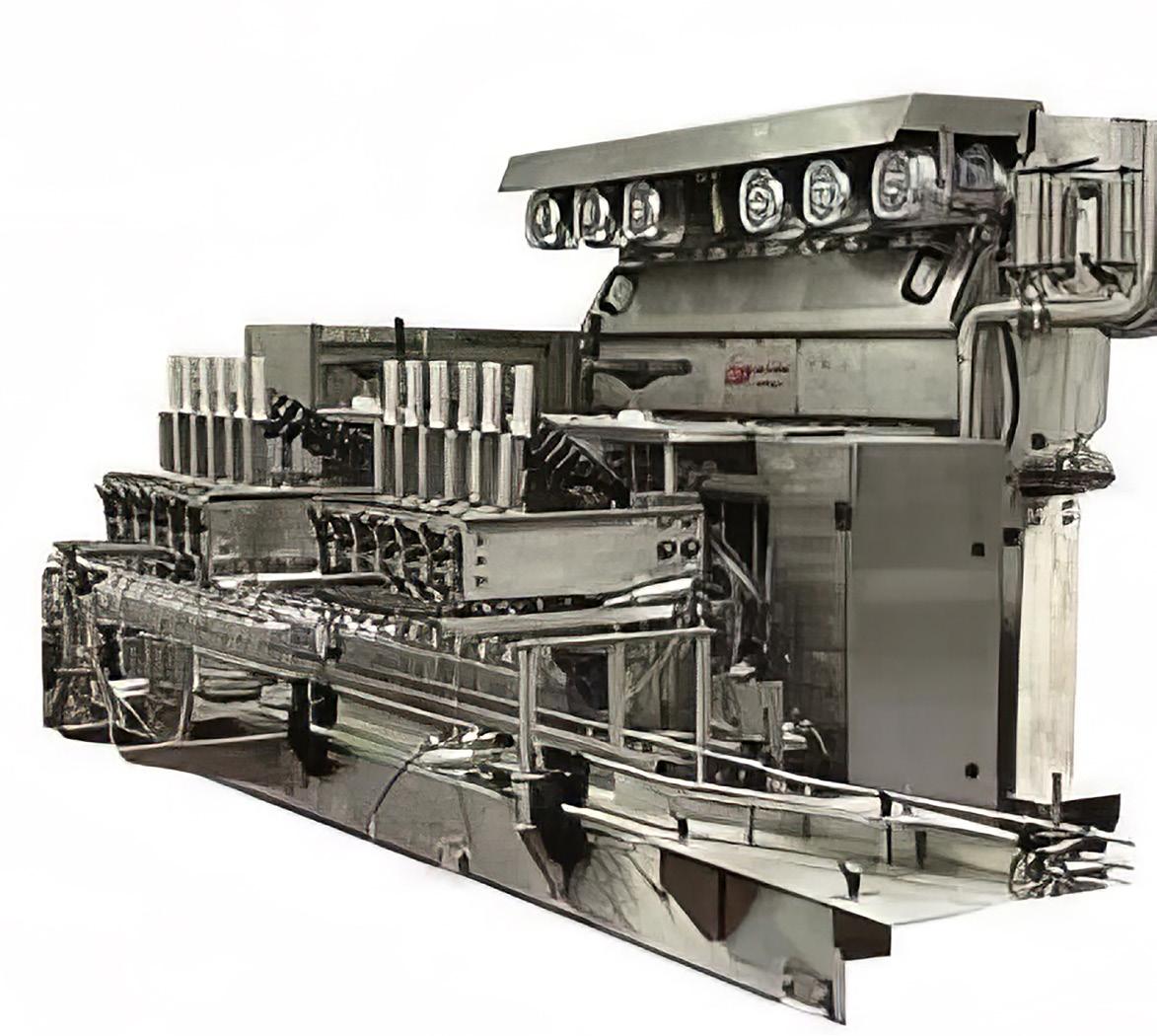
The factory was built to meet the stringent standards of FSSC 22000.
All the new filling, capping, labelling and shrink wrap equipment was supplied and installed by Gauteng-based IJP Filling and Labelling. These lines are versatile inline filling equipment and has been designed to cope with the demand for various bottle sizes and various sauces with different viscosities.
The company is particularly proud of its newly designed double lane 12 head progressive cavity filling machine. The unit offers the choice to run a single lane for smaller batches or both lanes for the larger batches at high filling accuracies.
IJP Filling and Labelling has re-engineered the filler to cope with customer’s needs ofhigher production outputs on high
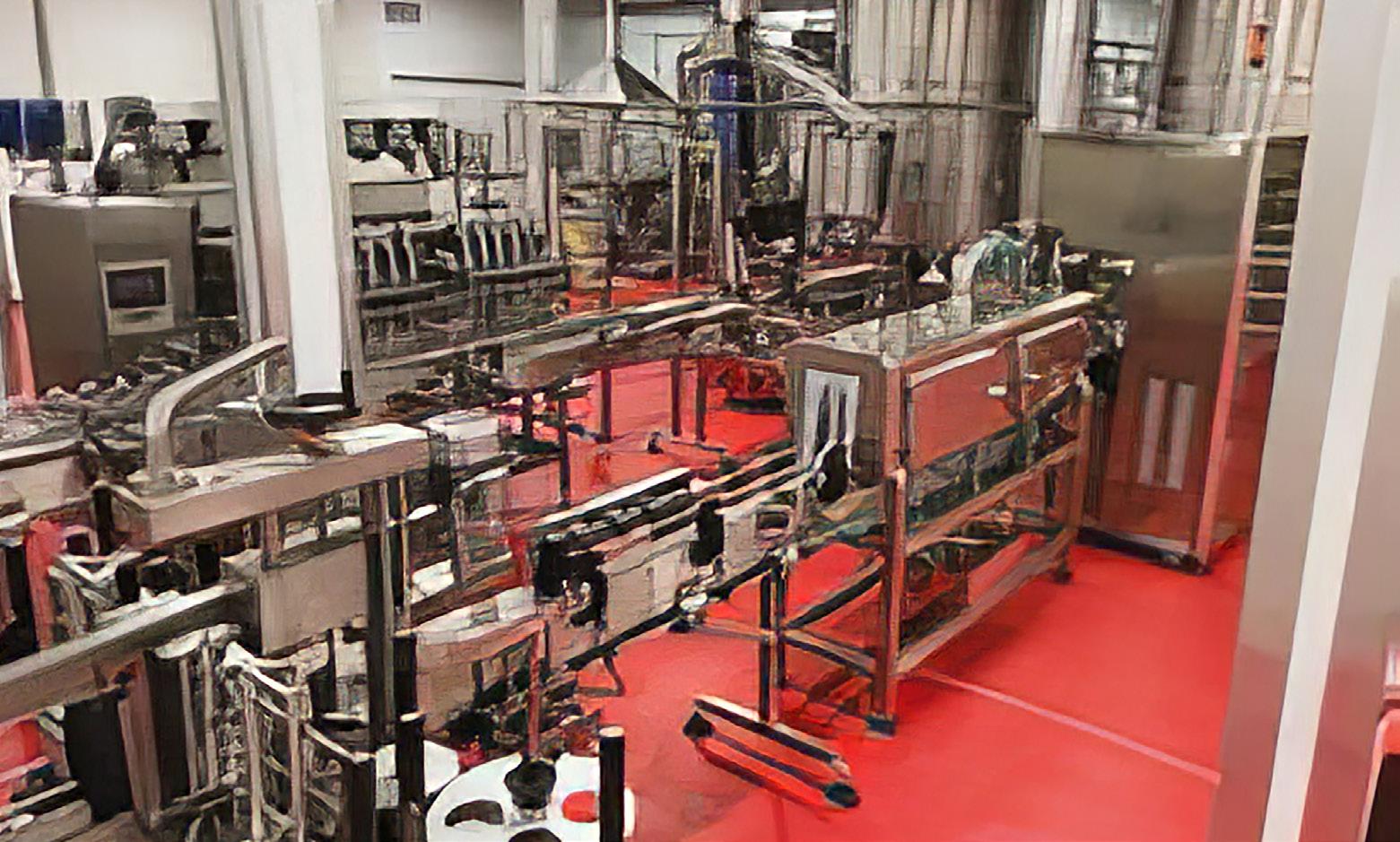
The new line includes an automatic bottlefeeding table, bottle inverter with Ozone purging, automatic 12 head progressive cavity filler, rotary capping machine, sleeve labelling machine, double sided self-adhesive label applicator and an automatic shrink wrapper with tray inserter
viscosity products with the added benefit of quick change over times without the need for change parts between different bottle sizes. This installation is the first order that the company has been awarded for the newly designed equipment.
“We believe that our local manufactured packaging equipment offers great value for your money with the added benefit of local support,” says IJP’s owner, Leon van Wyk.
The need for affordable quality sauces continues to grow at a rapid rate in Southern Africa. “Although the market for sauces has been huge for many years, the market for affordable high-quality sauces has really only seen enormous growth over the past ten years,” Fagri points out. “The products have a relatively small profit margin, therefore, to keep up with the demand, the way to go was to completely automate facilities.’”
Various sauces are produced by the company. These are highly regarded and well established in the marketplace and are becoming rapidly available.
“When we started with our manufacturing expansion plan, we were looking for a local, quality equipment supplier with whom we could form a partnership,” Fagri explains.
“The scope also included good backup service, as well as the right price. IJP Filling & Labelling met the criteria.
“We like to be able to pick up the phone, and talk to someone on the supplier’s side, regardless of the time of day. This is how we run our business, and it is refreshing to find a supplier with a similar mindset,” he concludes.
Sauce Land was established in 2004, and is based in Randburg, Gauteng. The company also distributes to most neighbouring countries.

Inline pump filling equipment
equipment
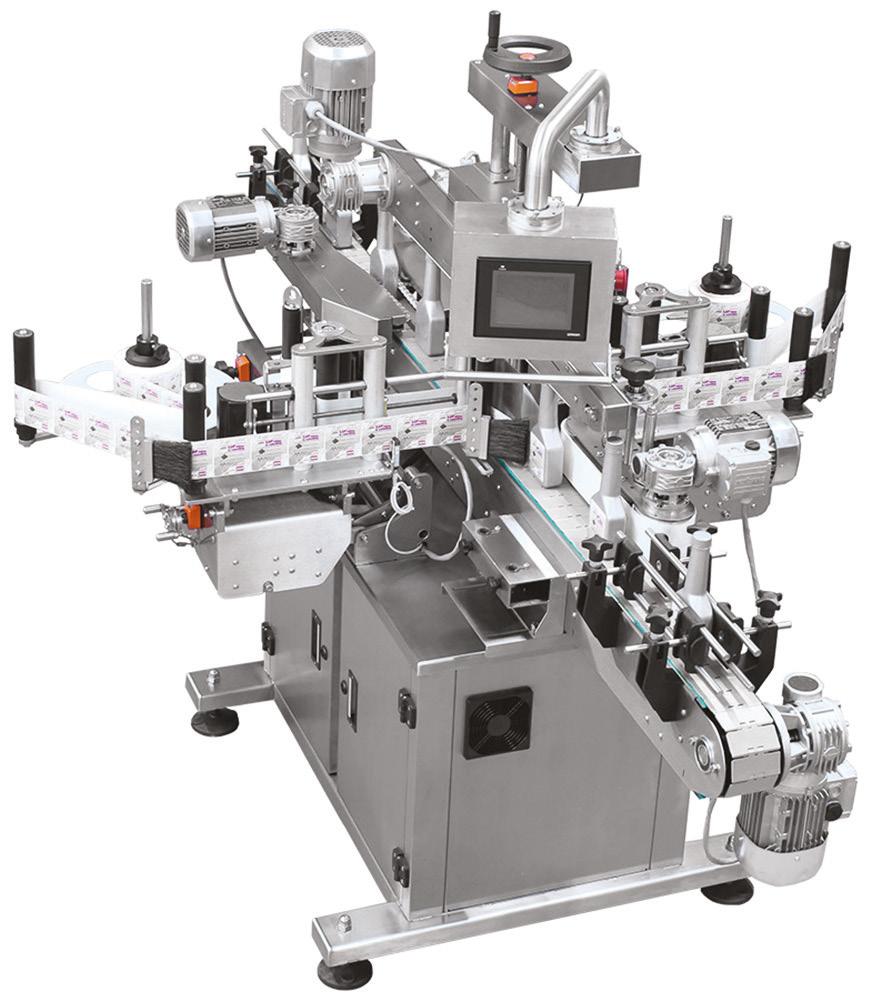
Round bottle labelling
Gravity filling equipment
Entry level filling equipment

Front and back labelling
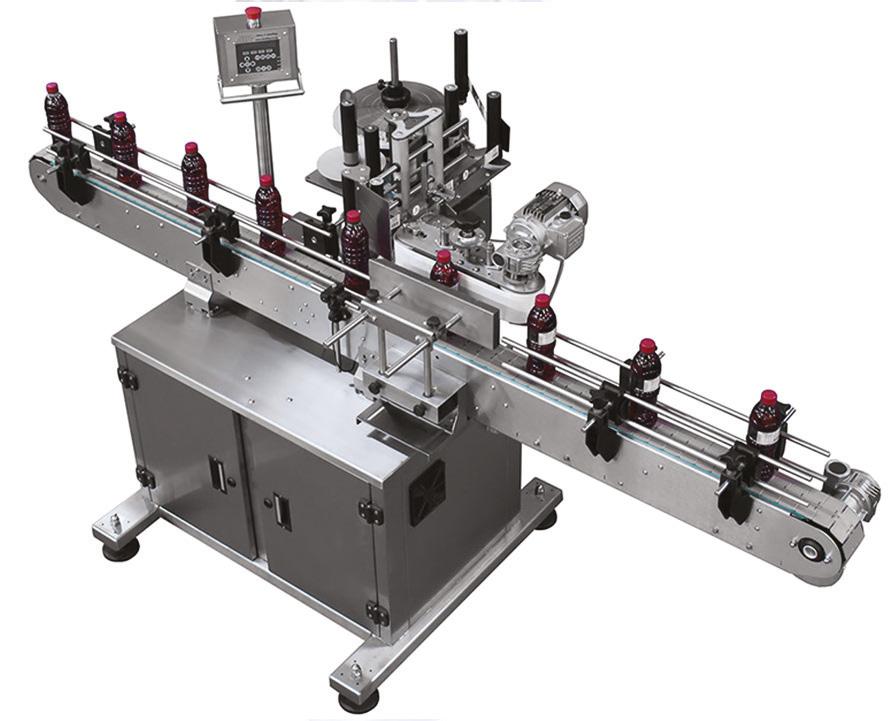
Pharmaceutical labelling & coding
Marco Engelbrecht, specialist product manager at Altron Document Solutions, explores how digital label printing transforms brand recognition and consumer engagement.
Crowded shelves mean your product cannot play hide and seek. It needs to be front and centre. I loved labels as a youngster. My boombox, bicycle and school lunch box were branded with colourful labels. These labels were my brand, my identity and my style. Fast forward to today and, in my role as product manager at Altron Document Solutions for the production division, it is my responsibility to bring solutions to market that will diversify our customers’ print businesses and enhance their customers’ experience. Just as my creative labels were my identity, the same applies to brands. Brand recognition is determined by the label on the product, and it attracts consumers’ attention. This is the difference between a product staying on the shelf or going into the trolley on its way to the checkout line.
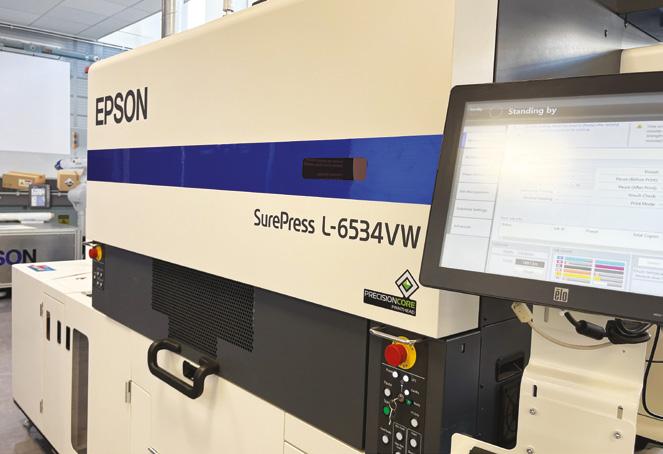
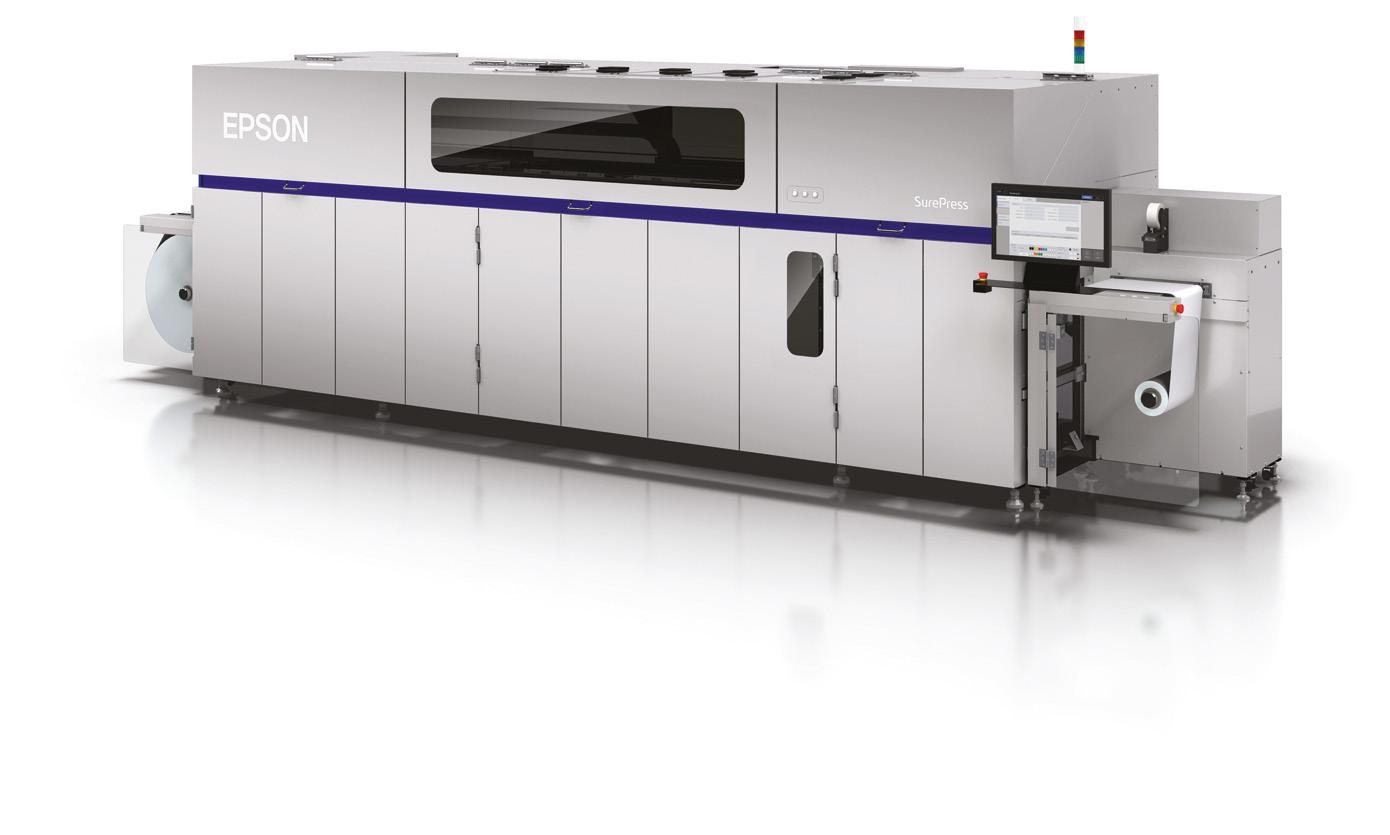
One of the differentiating solutions we recently launched is the Epson SurePress label press. Available in two ranges, waterbased inkjet and UV inkjet, these presses will most definitely enhance your customers’ experience, with both presses reaching more than 90% of Pantone colours. The waterbased inkjet press, with a 6-colour ink set consisting of CMYK, orange and green, plus optional white, gives the SurePress L-4733A/ AW a wide colour gamut for precise colour matching and colour consistency throughout the production run.
The water-based inkjet press, with a 6-colour ink set consisting of CMYK, orange
Epson SurePress label presses achieve more than 90% of Pantone colours, delivering exceptional colour consistency and precise matching with minimal setup time — ideal for short-tomedium label runs across wine, spirits, health, beauty, and pharmaceutical markets.
Brand recognition happens in the blink of an eye on crowded retail shelves. Digital label printing allows brands to personalise labels by store, region, or language — transforming each product into a storytelling opportunity that captures consumer attention instantly.
and green, plus optional white, gives the SurePress L-4733A/AW a wide colour gamut for precise colour matching and colour consistency throughout the production run. The L-6534VW configuration is CMYK plus a high-opacity white ink, with a choice of orange ink for an expanded colour gamut, or digital varnish printed in-line to provide powerful embellishment with a gloss or matte finish.
These presses are designed and engineered by Epson for flexibility, consistency and reliability, delivering repeatable, high-quality printed labels with minimal downtime and waste. Cast-coated, machine-coated, uncoated, film, clear film and metallised paper are some of the substrates on which these presses can deliver beautiful results. This means you can produce wine, craft beer and spirits labels, health and beauty labels, pharmaceutical and healthcare labels, and many more.
This happens in the blink of an eye, with minimal setup and preparation time, making it ideal for short to medium runs. Variable data can also be added to your labels with these digital presses, allowing you to personalise labels for
different stores, regions and languages with ease. Looking back, those labels on my boombox, bicycle and lunch box were more than decoration, they were a statement. Today, brands need that same power of expression. With our Epson digital label printing solutions, every product can carry a label that tells its story, captures attention and creates a lasting impression and, of course, helps secure that trolley ride to the cashier.
EPSON SUREPRESS AT A GLANCE
Altron Document Solutions offers two Epson SurePress digital label presses designed for flexibility, precision and reliability:
Water-based inkjet model
• 6-colour ink set: CMYK + Orange + Green (optional White)
• Ideal for cast-coated, machinecoated, uncoated substrates
UV INKJET MODEL (L-6534VW)
• CMYK + High-Opacity White
• Optional Orange or In-Line Digital Varnish
• Supports film, clear film, and metallised paper
KEY BENEFITS
• Minimal downtime and waste
• Fast setup for short-to-medium runs
• Variable data for personalised labels
• Consistent, repeatable colour accuracy
• Perfect for wine, craft beer, spirits, health & beauty, and pharmaceutical labels.
















































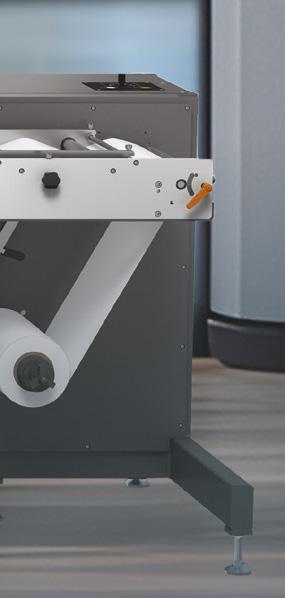




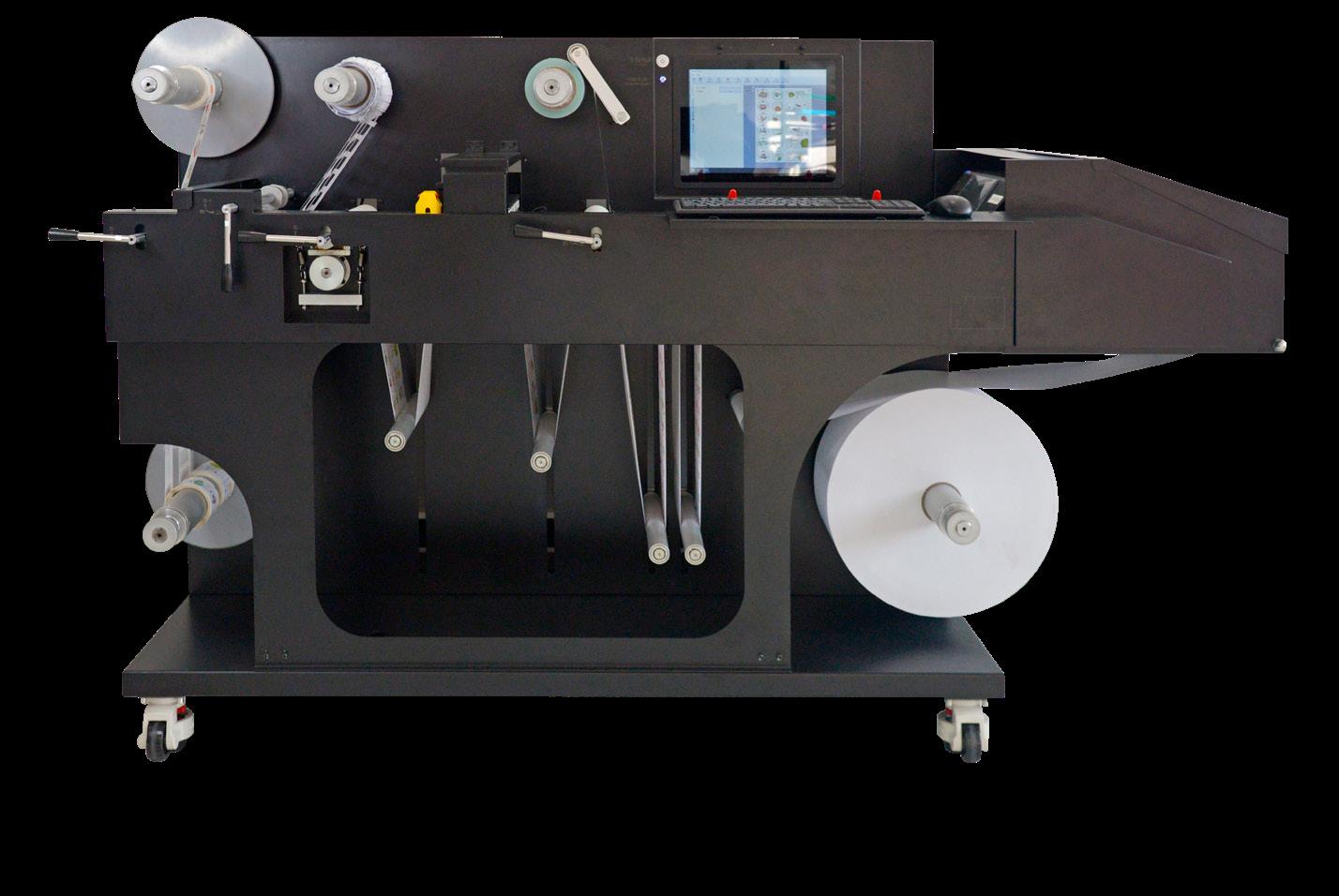
In 2024, Southern African food and beverage manufacturers aim to gain a competitive edge by producing their labels and packaging in-house. Beyond cost savings, in-house production offers the freedom to experiment with designs, adapt to market trends swiftly and streamline supply chains, ensuring a distinctive and responsive brand presence on the shelves.
In today’s competitive world, every industry is striving to make their product stand out on the shelves. Food and beverage manufacturers in Southern Africa are no exception. There are various ways in which a manufacturer can make their product more appealing, such as catchy slogans, informative marketing messages, and striking packaging materials. However, one of the most crucial elements that make a food or beverage product attractive to the consumer is the label and packaging. As a result, it’s crucial for Southern African manufacturers of food and beverage products to consider investing in equipment to produce their product labels and packaging in-house.
One of the primary reasons for manufacturers in Southern Africa to invest in such equipment is the freedom and flexibility it provides. The ability to produce their labels and packaging in-house gives complete control over the design and production process. This enables the manufacturer to experiment with different design and packaging options to determine what works best for their product and target market. Manufacturers can create unique and distinguishable label designs that accurately
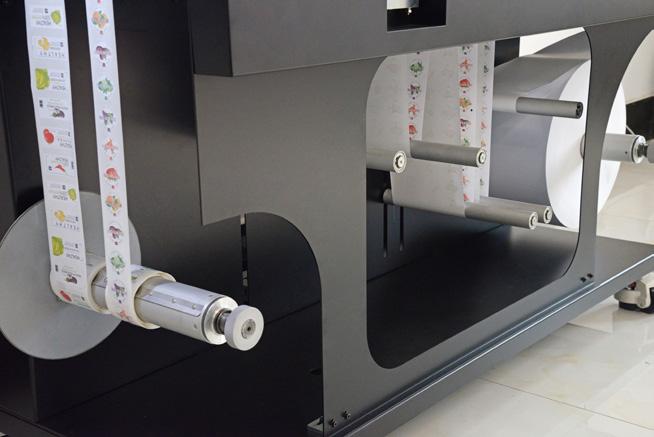
represent their brand identity. Additionally, in-house production of product labels and packaging can help cut down on expenses by eliminating the need to outsource to a thirdparty printing service.
Another significant advantage of in-house label and packaging production is that it allows manufacturers to respond quickly to market trends. In today’s fast-paced market, it’s vital to be able to adapt to changes quickly. Manufacturers can keep up with the latest market trends and seasonal demand by creating and modifying their labels and packaging on demand. In-house production can be quickly modified to suit the changing market conditions.
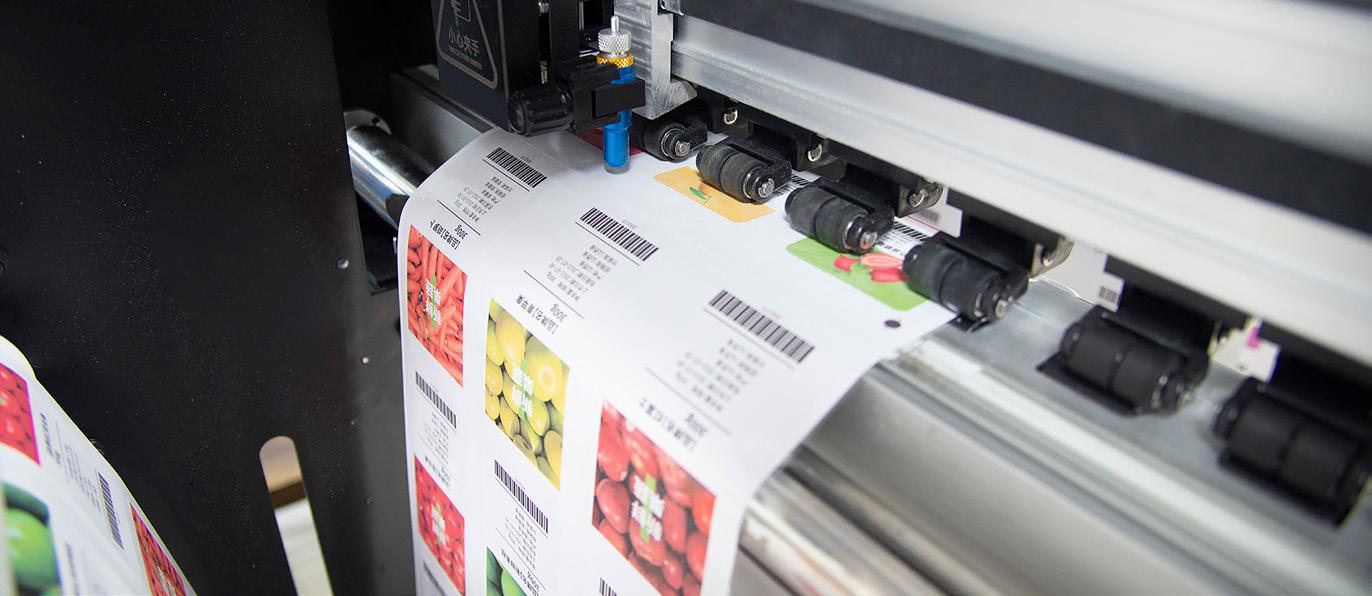
Additionally, in-house label and packaging production enables manufacturers to reduce lead times. Lead time is a critical element in the supply chain, and delays can result in lost sales or production downtime. Thirdparty printing services have a more extended lead time, which can cause bottlenecks in the supply chain. On the other hand, inhouse labelling and packaging production allows manufacturers to get their products to market faster, reducing lead times and streamlining the supply chain.
In-house labelling and packaging production can also improve supply chain efficiency. By controlling the label and packaging production process, manufacturers can integrate the printing process with other production processes. This allows them to create labels and packaging as needed, reducing inventory costs and eliminating the need for warehousing.
In conclusion, investing in equipment to produce their product labels and packaging in-house, provides a range of opportunities and benefits to food and beverage manufacturers in Southern Africa seeking to level up in their products’ competitive industry. It provides freedom and flexibility in packaging design; enables quick response to market trends and changes, reduces lead times, streamlines the supply chain operation, and allows manufacturers to adapt faster to the demands of their target market. Taking that leap would indeed translate into a practical business move and investment.

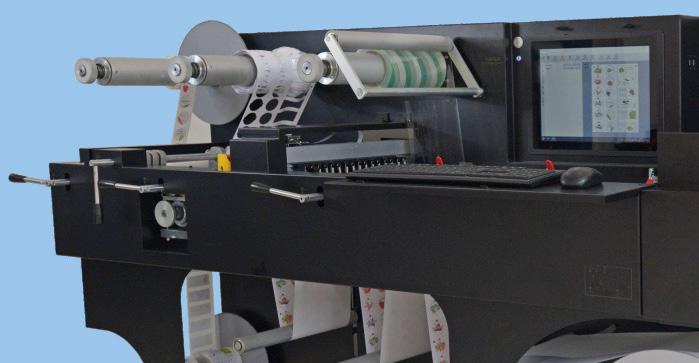

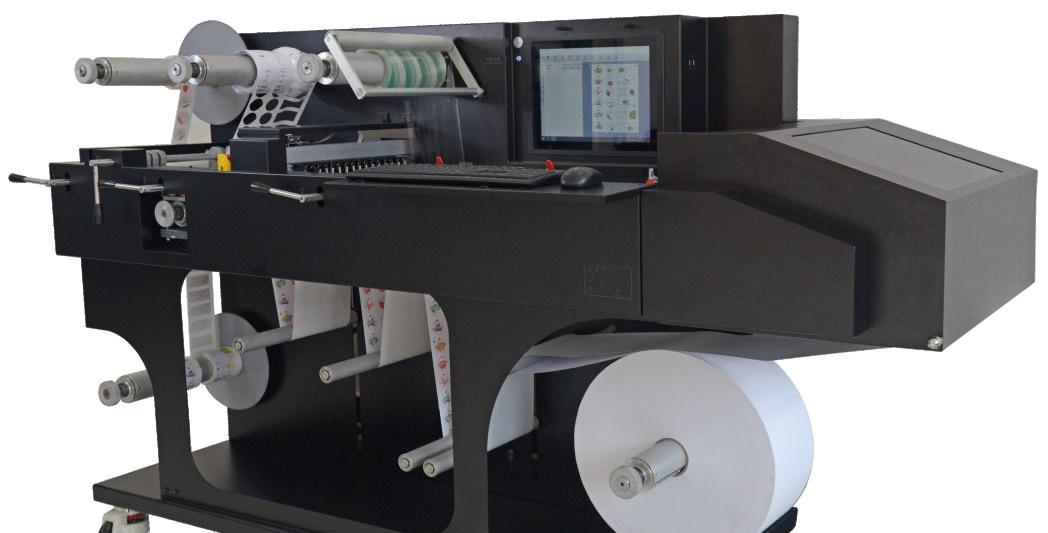

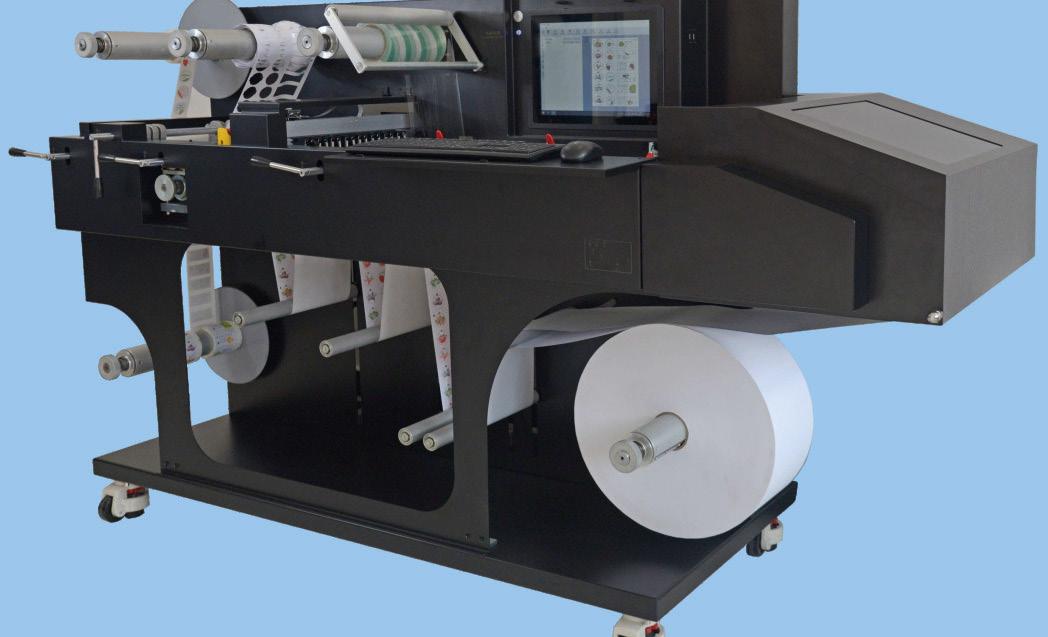
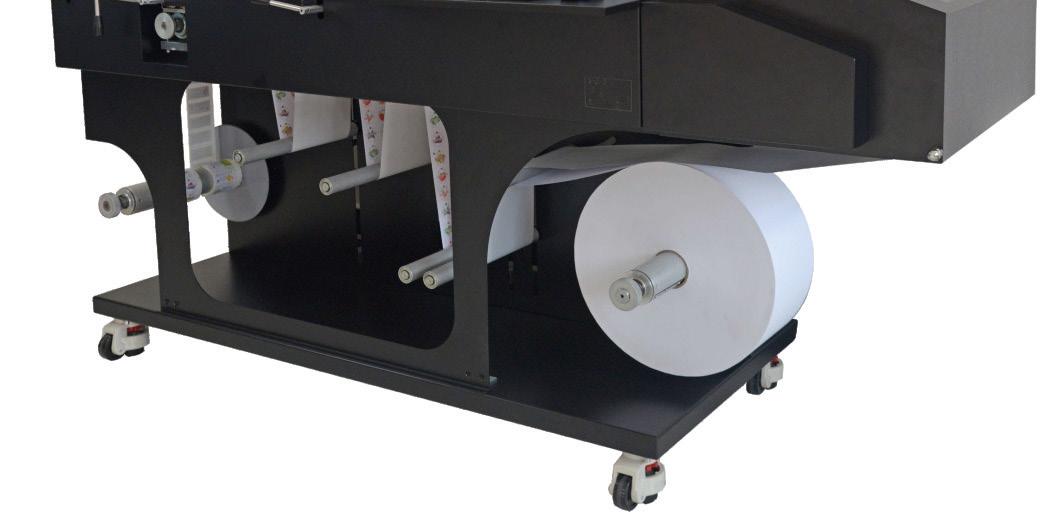

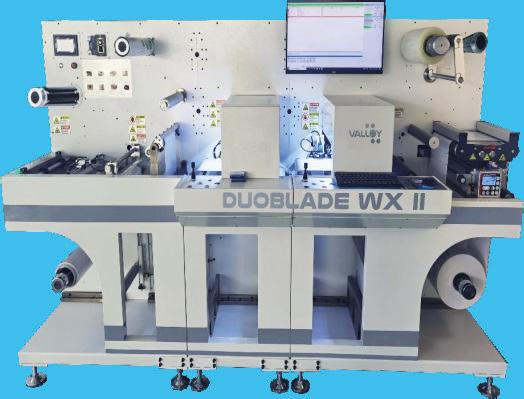
Candidate Patent Attorney Stellar Frisby from Hahn & Hahn explores how intellectual property rights protect every aspect of food production innovation.
Imagine cooking a perfect, fluffy free-range egg omelette in your trusty non-stick pan. Following the recipe of your favourite chef, you add a knob of butter to the pan and crack in three eggs, whisking vigorously. Once the eggs are almost cooked, you grate in a generous helping of Parmigiano Reggiano before folding the omelette, garnishing with radish microgreens and serving with a slice of buttered sourdough toast and a hot almond-milk latte. Looking down at the mug and plate from a food industry perspective, we would tend to think of food chemistry, microbiology, processing techniques, nutrition and sensory analysis, without realising the intellectual property (IP) rights that linger behind each component. Now, imagine each item on your breakfast table as a piece of intellectual property (IP). IP rights protect not only the ingredients themselves, but the formulations, processes, and reputations that go along with them. Here’s how IP play a role in your breakfast, and why it should matter to all food industry professionals


Rohwedder in 1928, transformed commercial baking forever. Without it, you may still be slicing your bread at home and “the best thing since sliced bread” might never have become a phrase at all!
DESIGNS – IS IT A BIRD? IS IT A PLANE? NO, IT’S A TOASTER!
GIs and protects some of its own, for example the world-renowned Rooibos tea. GIs safeguard cultural heritage and food quality linked to specific origins.
– THE BEST THING SINCE SLICED BREAD
Your trusty frying pan may be coated with a handy non-stick surface that allows the omelette to seamlessly glide out of the pan and onto your plate. Inventions such as compositions or manufacturing processes which help solve problems (such as omelettes sticking to the bottom of pans) may be protected by patents. To be patented in South Africa, inventions must be new, inventive, and capable of industrial application. Patents help protect the research and development that goes into new products, such as cookware, ingredients, or processing methods, by excluding others from exploiting the invention without permission. A patentee may also choose to license their patents to earn royalties, which can be a valuable revenue stream and may facilitate the reaching of wider markets. Patents not only reward inventors; they drive technological advancement by encouraging innovation and sharing knowledge. For example, the first patent for a machine that sliced and packaged bread, granted to Otto Frederick
The toaster’s smooth curves, sleek aesthetic, and unique shape, almost reminiscent of a well-designed sports car, give it a distinctive, eye-catching presence on your kitchen counter and may be protected as a registered design. Registered designs protect the visual appearance of an article, including its shape, configuration, ornamentation, and pattern.
Trademarks – What’s in a name? The butter's brand name, logo, and slogan may be protected by trademarks. A trademark helps consumers easily identify your brand which can develop your reputation and consumer trust, while also helping to prevent confusion in the market.
Geographical indications– Who moved my cheese? Only cheese made in specified regions of Italy using traditional methods may be labelled Parmigiano Reggiano. This is known as a Geographical Indication (GI). South Africa recognises certain international
"The first patent for a machine that sliced and packaged bread... transformed commercial baking forever"
Trade Secrets – Your secret’s safe with me: At what temperature and time combination was the coffee roasted to give it that perfect chocolaty aroma? What emulsifiers and stabilisers were added to enhance the homogenisation of the almond milk? If this knowledge gives your company a competitive edge and it’s kept secret, it may qualify as a trade secret.
The beautifully illustrated recipe book sitting open beside your stove is protected by copyright. In South Africa, original literary and artistic works are protected automatically when recorded in material form. This means the wording, layout and any accompanying illustrations or photographs cannot be copied, even if the ingredients are as common as eggs, butter, and cheese.
Plant breeders’ rights – Your secret’s safe with me: The delicate, red, peppery microgreens garnishing your plate may be the result of years of selective breeding. Plant Breeders' Rights (PBRs) protect new plant varieties if they are distinct, uniform, and stable. In South Africa, PBRs are crucial for innovation in agriculture and give breeders exclusive rights to produce and sell their varieties.

“ARE YOUR LAWYERS ENGINEERS TOO? WE ARE ™.
Our Lawyers who are Engineers and Scientists too understand your complex legal and regulatory matters which require an understanding of the technical subject matter and a firm grasp of the law.
As IP attorneys we can protect your valuable inventions and brands through patent and trade mark applications drafted by patent attorneys who understand your specific technical field.
So ask yourself, should your Lawyers be Engineers and Scientists too?”
Great beer isn't just brewed — it's measured. VEGA is giving South African breweries the instrumentation precision needed to protect quality at every single stage.
Consistency is the currency of modern brewing. Whether you’re a craft producer scaling up or an established brewery protecting brand reputation, even small deviations in pressure, temperature, or ingredient dosing can shift a beer from exceptional to average. As South Africa’s beer market becomes increasingly competitive, brewers are turning to smarter, more reliable instrumentation to safeguard quality at every stage.
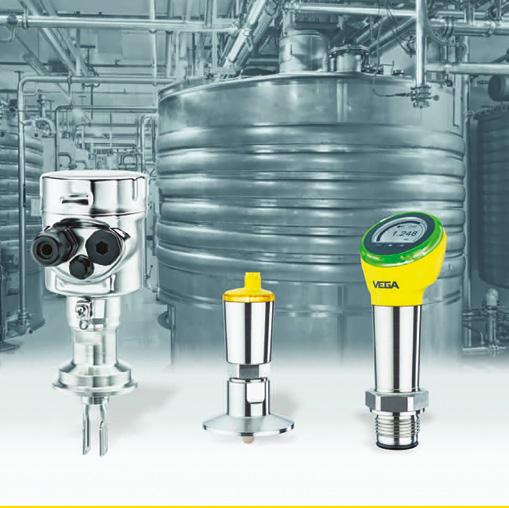
The heart of flavour development happens when wort and hops meet. Achieving the right hop balance—bitterness, aroma, and stability—depends on accurate dosing and controlled cooking. This is where pressure and point level measurement become mission critical.
Breweries face a demanding measurement environment:
• Level ranges up to 5 metres
• Temperatures from 10°C to beyond 100°C
• Pressures exceeding 2 bar
• Foam, condensation, and suspended solids
These variables can easily compromise inferior sensors. Reliable instrumentation ensures that hop additions, boil intensity, and wort volumes remain consistent from batch to batch directly influencing flavour, yield, and production efficiency.
VEGA’s process instrumentation is engineered specifically for food grade environments. All wetted materials comply with FDA and EC regulations, supporting breweries that prioritise hygiene, traceability, and export readiness. The equipment is designed for maintenance free operation, reducing downtime and long term operating costs, an important consideration for breweries managing tight margins. Setup is streamlined through a VDMA compliant interface, allowing quick commissioning and easy integration into existing control systems.
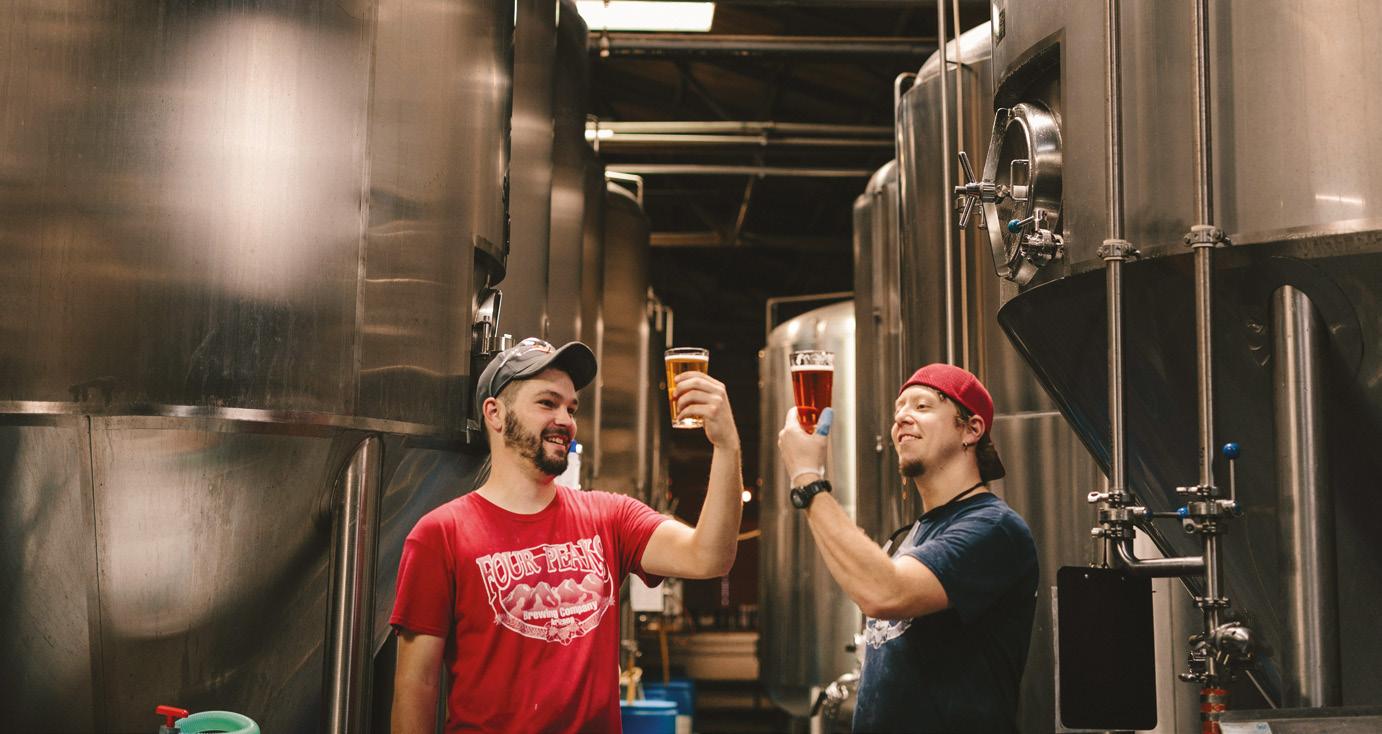
1. VEGAPOINT 23 - Reliable point level detection for liquids
The VEGAPOINT 23 is a compact capacitive limit switch ideal for water based liquids in brewing applications. Its key strengths include:
• Tube extension options for flexible installation
• Universal hygienic adapter compatibility, reducing installation complexity
• IO Link connectivity for continuous digital data transmission and improved process transparency
This makes it particularly effective for monitoring fill levels in the hops dissolver and ensuring accurate dosing.
2. The VEGABAR 39 is a universal pressure transmitter designed for gases, vapours, and liquids up to 130°C. It offers:
• A fully welded metallic measuring cell for long term reliability
• A 360° status display for instant visual feedback
• On site operation via an integrated display
• IO Link communication for seamless integration into brewery automation systems
For brewers, this means stable pressure control during wort boiling and hop addition; two stages where precision directly affects product quality.
“As South Africa's beer market becomes increasingly competitive, brewers are turning to smarter, more reliable instrumentation to safeguard quality at every stage."
Raising the bar for South African breweries: Brewing is both craft and science. As local producers innovate with new styles and scale production to meet demand, the need for dependable, hygienic, and digitally integrated instrumentation becomes even more important. VEGA’s solutions give breweries the confidence to maintain consistency, reduce waste, and deliver the flavour profiles consumers expect: batch after batch.
South African breweries operate measurement environments where temperatures can swing from 10°C to beyond 100°C, pressures can exceed 2 bar, and liquid levels can reach up to 5 metres — all within a single production cycle.
Vega – www.vega.co.za

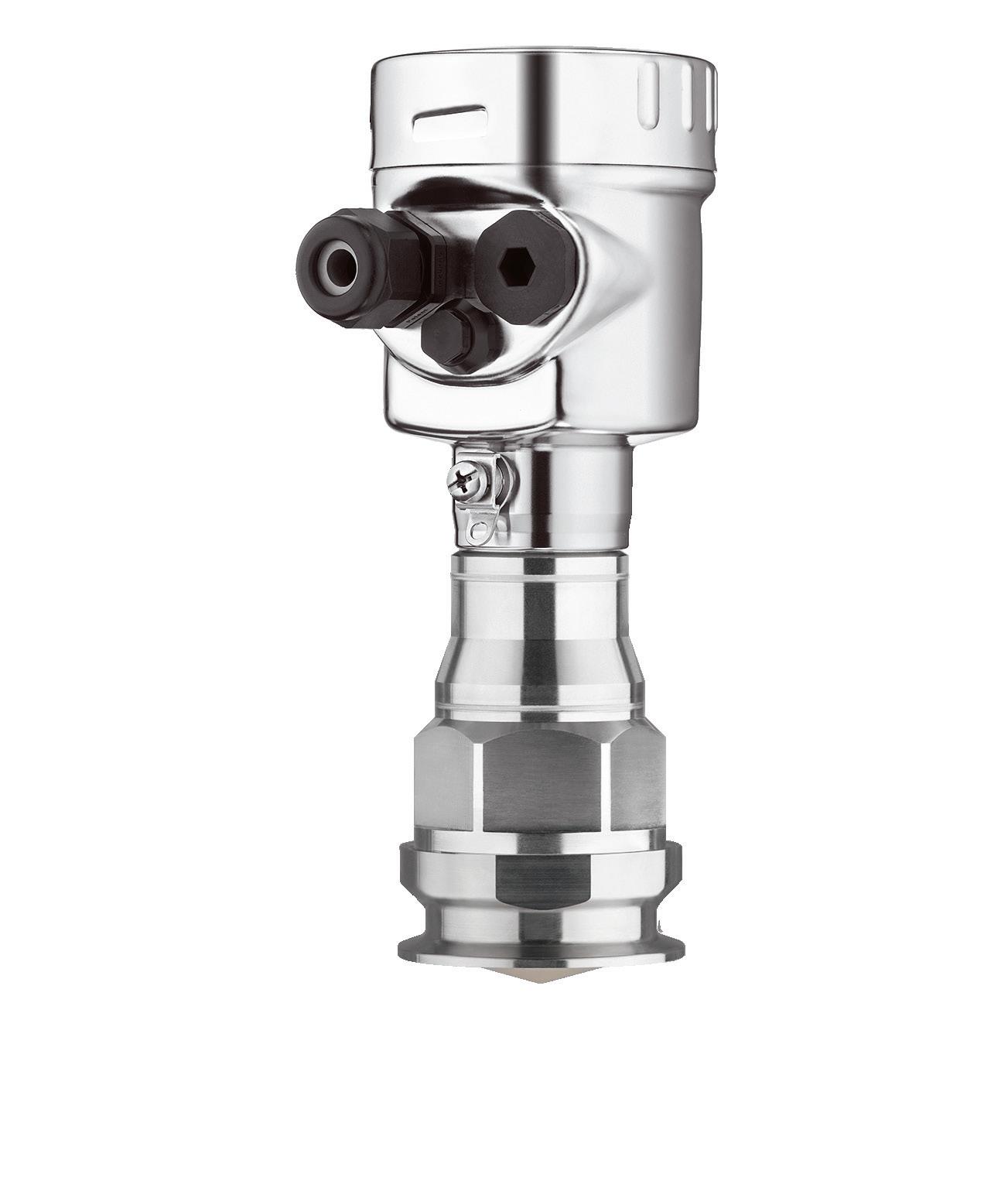

VEGAPULS 6X
The perfect radar transmitter for non-contact level measurement in hygienically demanding production facilities.
Everything is possible. With VEGA

• Precise level data, even with buildup and internal vessel installations
• Hygienic, easy-to-clean process fitting, resistant to CIP processes
• Tightly focused for maximum measurement certainty
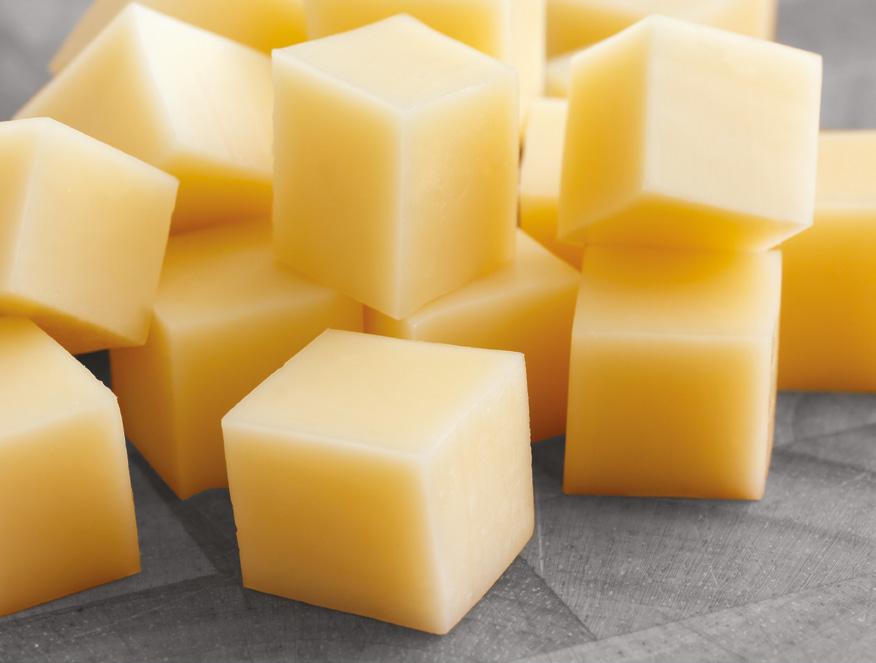
Heat and Control's dicer technology addresses cheese variations, delivering consistent cuts whilst improving throughput for manufacturers across diverse production applications.
Cheese processing requires careful control at the cutting stage. Natural variation in fat content, moisture levels, density, and temperature can alter how the product performs — directly affecting cut integrity, yield, batch consistency, and presentation of the final product. For manufacturers producing slices, dices, crumbles, and granulations, achieving uniform results despite these fluctuations is a daily priority. Urschel’s Affinity® Integra-D Dicer addresses these challenges, enabling high-capacity output when processing high-fat, cold-temperature, and traditionally difficult-to-cut products such as cheese, imitation cheese,


















"Cheese is a technically demanding product because it varies batch to batch.”
meat and meat products.
As a more compact version of Urschel’s widely adopted Affinity Dicer, the Integra-D delivers precise small- to mid-range cut sizes well suited to Australian cheese production lines. Heat and Control's compact design also compact design also installs easily into existing production lines with minimal modification, helping manufacturers increase





































































output and improve sanitation without major disruption. “Cheese is a technically demanding product because it varies batch to batch,” says Heat and Control general manager South Africa – Jeff Rossouw.
“With a larger infeed and impeller case, plus updated design enhancements, the Integra-D delivers 20–50% higher throughput than previous models, depending on the application.”
Sanitary design is central to Integra-D, with all mechanical components fully separated from the food zone. Food-contact surfaces





















































































are highly polished to an Ra 32 finish, while rounded tube framing and angled surfaces simplify washdown and help deter bacterial growth. Hinged swing-away panels provide easy maintenance access. Precision cutting is maintained through the feed roll and feed drum, which ensure positive, consistent product flow through the cutting stations. For heavier-duty applications, optional outboard bearing supports assist the cutting spindles, with additional heavy-duty components available.
The dicer is designed for straightforward operation, with simple controls and clear procedures for maintenance and changeovers. As a three-dimensional cutting system, it accepts product up to 120 mm (4.75″), which is delivered to a feed hopper and enters a rotating impeller. Centrifugal force holds the product against the inside of the case. Impeller paddles carry the product past the slicing knife, and an
adjustable slice gate at the top of the case determines slice thickness. Slices pass between the rotating feed drum and feed spindle before entering the circular knives, where they are cut into strips. The strips then pass directly into the crosscut knives, where the final cut creates a precision dice. The stripper plate removes product from the spaces between the circular knives and acts as a shear edge for the crosscut knives. Strip cuts are produced by removing the crosscut knife spindle.
Integra-D effectively processes all cold-temperature cheeses, including high-fat and imitation varieties. Common applications include blue cheese, cheddar, mozzarella, vegan mozzarella, parmesan, and reduced-fat cheddar.
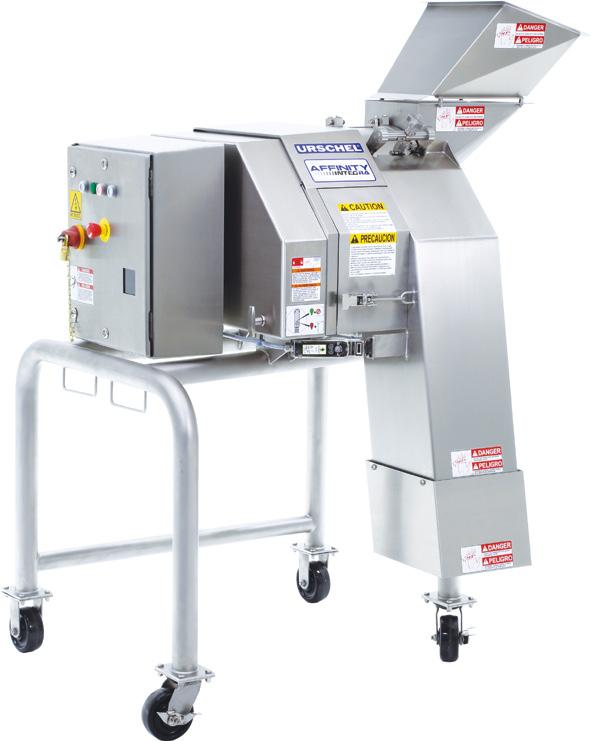
“It’s designed for continuous, high-capacity production and well suited to both specialty batch production or largescale processing environments,” Rossouw says.
“Heat and Control can organise a no-obligation test cut so customers can see exactly
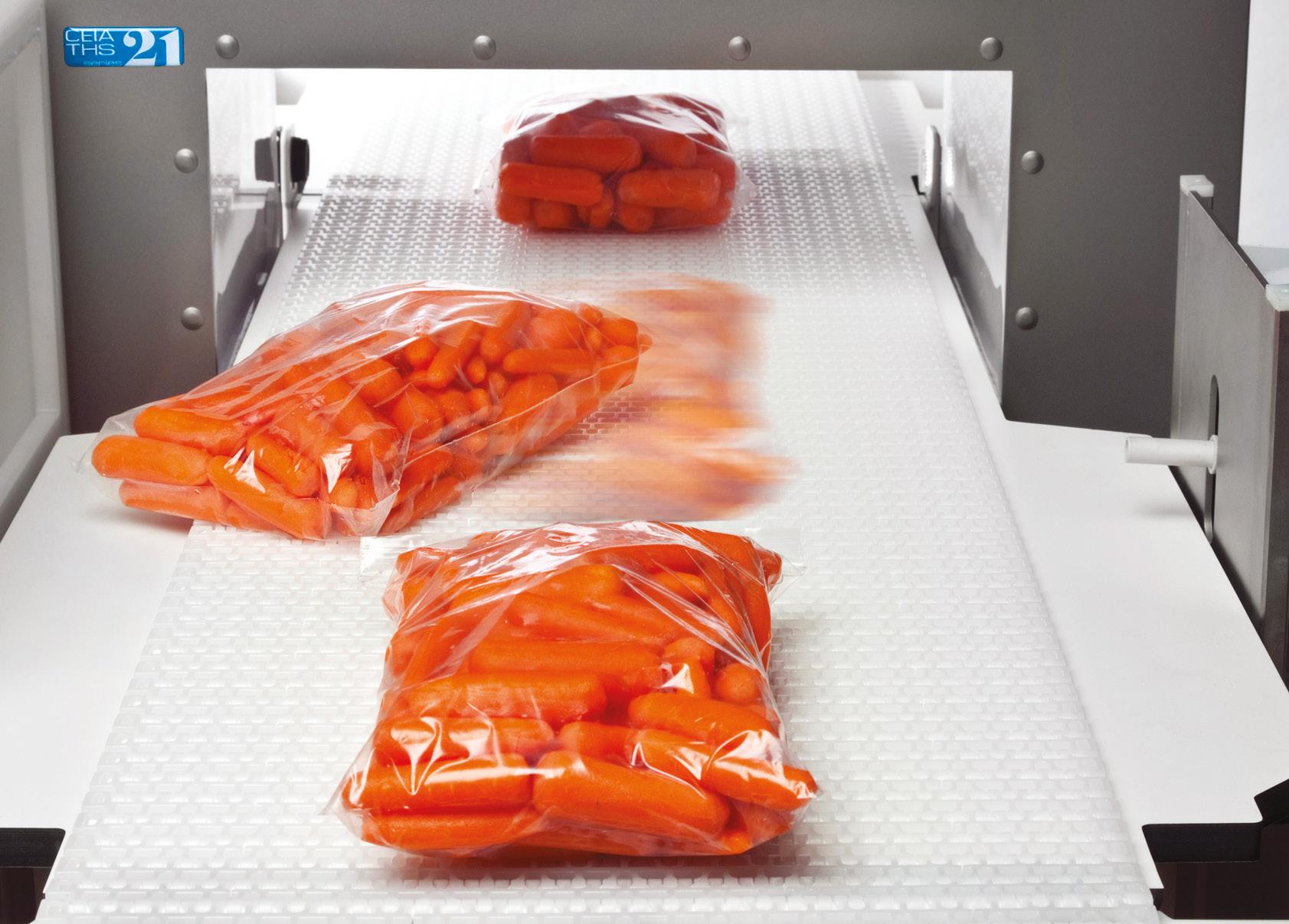
how their product performs on the equipment. "We work closely with you to understand your product and cut requirements, so we can recommend the right machine for the best processing outcome.” Urschel equipment is supplied exclusively in Africa by Heat and Control.
OUR STORY
Established in 1950, Heat and Control is a privately-owned company with a global team that has built an extensive knowledge bank and developed a wealth of experience and expertise. Access to production and technical support from a network of engineers, food technicians, field service technicians, skilled tradespeople, and support teams provide food manufacturers with confidence to achieve production goals.
• Ten manufacturing facilities, 11 test centres, more than 30 offices globally
• Testing, design, engineering, manufacturing, installation commissioning, user training, spare parts, and provision of after sales service.
Heat and Controlwww.heatandcontrol.com

Deliver unparalleled inspection with extremely high detection sensitivity for metals - whether ferrous, non-ferrous, or stainless steel - for all manner of food products, anywhere along the line.
ROHA shows how consumers see before tasting - making colour the critical first impression shaping expectations around freshness, flavour, and quality.
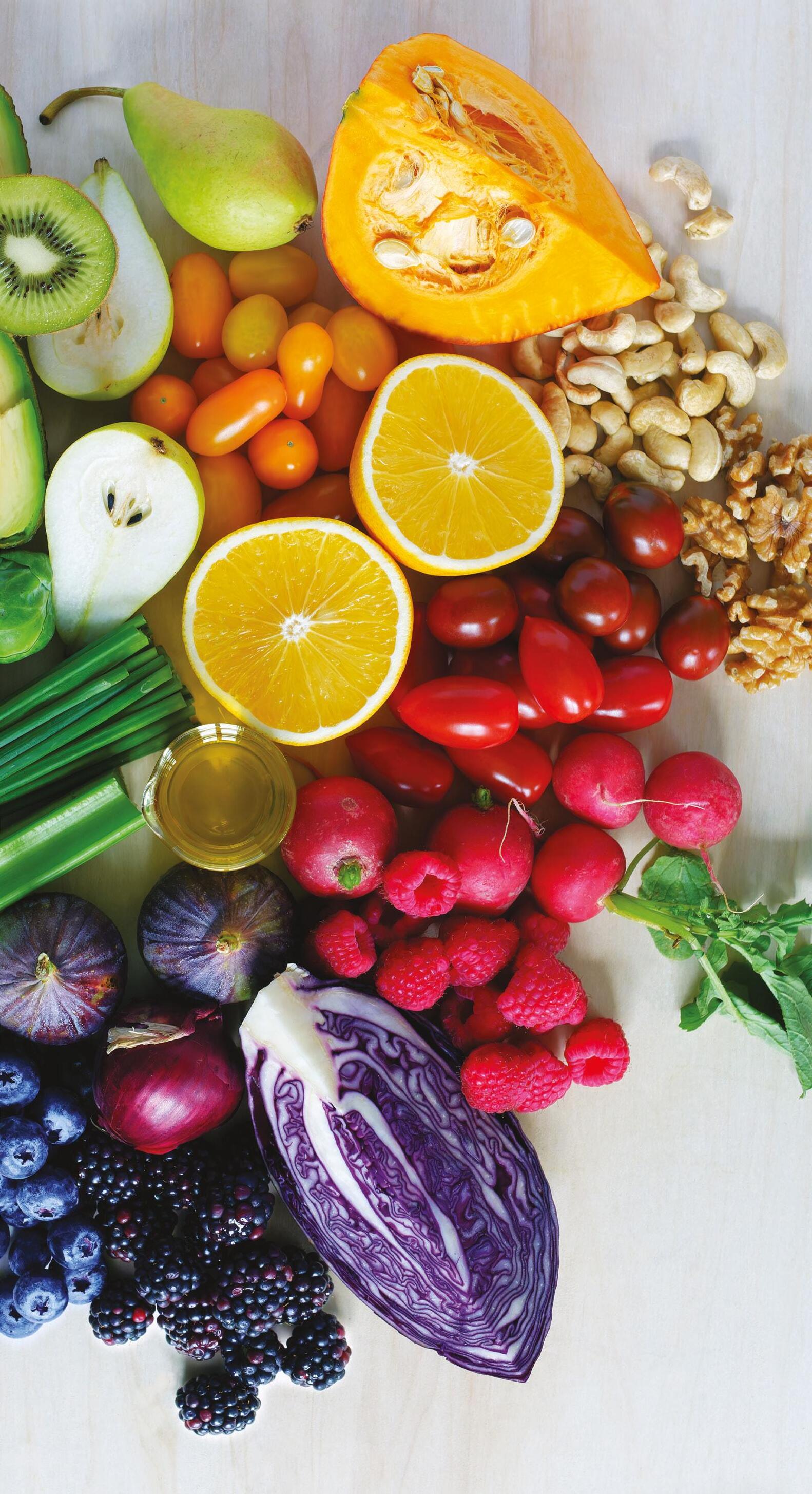
"Colour has evolved from a decorative element to a strategic tool in product development."
Before a product is tasted, it is seen. Colour is the first language food speaks to the consumer - shaping expectations around freshness, flavour, and quality in an instant. In a competitive and visually driven marketplace, colour has evolved from a decorative element to a strategic tool in product development. As food & beverage (F&B) portfolios expand and consumer preferences become more nuanced, manufacturers are placing renewed focus on how colour performs - across applications, processes, and markets.
Colour plays a critical role in defining product identity. It helps consumers recognise variants, anticipate taste profiles, and associate products with consistency and reliability. Whether subtle or bold, colour must remain stable, uniform, and true to expectation from production to shelf. In modern food systems, this requires more than shade selection. It demands an understanding of how colour interacts with ingredients, processing conditions, and shelf-life requirements.
Naturally derived colours sourced from fruits, vegetables, algae, and botanicals - offer a diverse palette suited to today’s evolving product needs. Their successful application depends on careful formulation, processing knowledge, and technical control. Each colour behaves differently depending on the product matrix. Factors such as pH, heat exposure, light, and storage conditions influence colour performance, making application-specific design essential.
No two applications are the same. Beverages
TO LOOK FOR IN FOOD COLOURS
• Shade accuracy and repeatability
• Stability across processing and shelf life
• Compatibility with the products matrix
• Uniform dispersion and visual clarity
• Scalability from pilot to commercial production








require clarity and pH stability. Dairy systems demand uniform dispersion and heat tolerance. Bakery and confectionery applications must withstand processing without compromising intensity, while savoury and plantbased products call for long-term colour consistency. This diversity has driven a more targeted, application-led approach to colour development, ensuring performance is maintained under real manufacturing conditions. Consistency across markets: For food brands operating across regions, colour consistency is non-negotiable. Products must look the same across batches, facilities, and geographies, supporting brand recognition and consumer trust. Advancements in processing technology and quality systems have strengthened the ability to deliver repeatable colour performance, even across complex global supply chains.
Consistent colour performance supports:
• Brand uniformity across markets
• Efficient production and reduced rework
• Predictable outcomes during scale-up
• Confidence in long-term product portfolios.
Colour and sensory experience: While flavour completes the sensory experience, colour shapes how that flavour is perceived. When visual cues align with taste expectations, they reinforce familiarity and trust, making colour a foundational element of sensory design rather than a final touch.
Shaping the future of food colour: As food innovation continues to evolve, colour will
ROHA has its beginnings in the Roha district of Maharashtra, India. The company was founded as a manufacturer of synthetic colours for industrial applications in 1972. ROHA has always held clients at the centre of what it does, and this has shaped how the company does business and how it has evolved over the years. The company has led a revolution in the food colours industry through unmatched quality standards. In its present avatar, ROHA is a multinational giant dealing with natural food ingredients, food colours, pharmaceutical and cosmetic pigments, dried ingredients, and industrial colours & dyes.
play an increasingly strategic role. The future belongs to solutions that balance visual appeal with technical performance enabling manufacturers to innovate while maintaining consistency and efficiency. At ROHA, colour development is driven by application expertise and scientific precision. With a broad portfolio of natural colour solutions and a strong global presence, ROHA supports food and beverage manufacturers in achieving reliable, high-impact colour across diverse applications, bringing visual consistency and confidence to modern food systems.
Colour is the first language food speaks to consumers, influencing purchase decisions before taste or texture even matter.
ROHA is constantly evolving to serve its clients by co-creating new and innovative solutions that anticipate future requirements and developments. At the core of such innovation are 14 technical labs spread across the world. ROHA’s main headquarters remain in India but is now present in 25 countries across the world. Every continent is served by robust technology, logistics, regulatory and manufacturing teams. ROHA is one of the largest players in the food colour & ingredients industry, serving major names in the FMCG, Pharma, F&B, and Industrial colours industry. ROHA is a part of the JJT Group which is a force that positively transforms the lives around it. ROHA – www.roha.com


Don’t miss out – make sure to book your spot now by contacting us on:
Editorial submissions: 5 JuneKelebogile.nondzaba@media24.com
Advertising: 10 Junecandida.giambo-kruger@media24.com
Verder Pumps South Africa reveals how smarter product unloading transforms food and beverage plant efficiency, hygiene, and quality from the outset.
In food and beverage manufacturing, efficiency gains are often sought in highvisibility areas such as mixing, filling, and packaging. Yet one critical step remains underestimated: product unloading. Whether transferring raw ingredients from tankers, totes, or drums into the production process, unloading represents a key interface between supply chain and manufacturing. When not properly optimised, it can introduce risks to product quality, hygiene, and overall plant efficiency.
In today’s operating environment — shaped by rising input costs, global trade volatility, evolving customer preferences, and growing pressure to offer higher-value premium products — the margin for operational error is shrinking. Even these so-called ‘in-between’ steps are now coming under much closer scrutiny.
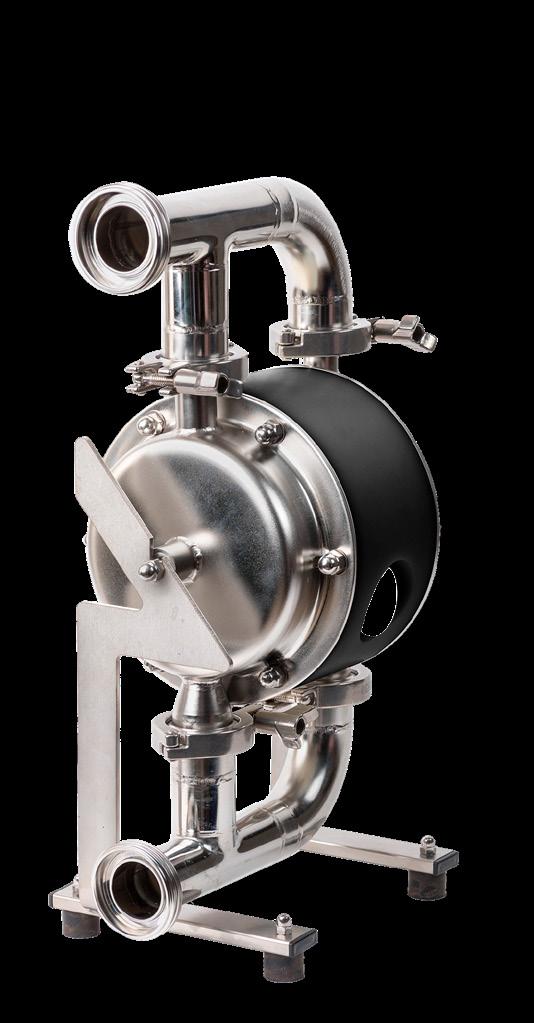
Unloading in food and beverage applications is far from straightforward. It must accommodate a wide range of product physical characteristics — such as texture and density — and varying process conditions, often within the same facility, and sometimes even on the same multi-product line. Products may differ significantly in viscosity,
AODD pumps can self-prime, handle intermittent dry running, and manage viscosities from thin, free-flowing juices to thick, heavy doughs — all within a single pump platform, making them one of the most versatile choices in food and beverage unloading.
“Excessive shear can compromise product quality, leading to costly rework or unnecessary waste — making pump selection far more than a mechanical afterthought.”
from free-flowing liquids such as juices and oils to highly viscous substances like sauces, syrups, and doughs.
Temperature fluctuations during transport and storage can further alter flow behaviour, placing additional demands on pumping systems. At the same time, many products are shear-sensitive. Dairy products, emulsions, and formulations containing particulates require careful handling to maintain texture and consistency. Excessive shear can compromise product quality, leading to costly rework or unnecessary waste.
Hygiene remains a central concern.
Equipment used during unloading must comply with stringent food-safety standards, including FDA and EC-1935/2004 regulations, and be designed to eliminate dead zones where contamination could occur. Cleaning efficiency is particularly important in facilities with frequent product changeovers. Operational challenges also arise from the very nature of unloading itself.
Pumps must be capable of handling air ingress, intermittent dry running, and variable suction conditions as containers empty. In some cases, they must also transfer products containing solids without causing damage or blockages.
MATCHING
These combined requirements make pump selection a critical factor in ensuring consistent and reliable unloading performance. Air-operated doublediaphragm (AODD) pumps are increasingly specified in such applications due to their inherent flexibility. Their ability to selfprime, run dry, and handle a wide range of viscosities makes them well-suited to the unpredictable conditions often encountered during unloading. In addition, their low-shear pumping action supports the transfer of sensitive products without compromising structure or quality.
Within this category, hygienic AODD pump designs — such as the Verderair HC-PURE range — have been developed specifically to meet the demands of food and beverage environments. Material selection plays an important role. Constructed from electropolished stainless steel with smooth internal geometries, these pumps are designed to ensure safe, efficient unloading of everything from viscous sauces and pie fillings to delicate dairy and bakery ingredients. These pumps also

enable effective cleaning while minimising the risk of contamination. Features such as single-piece manifolds help eliminate crevices where product residues could accumulate. Overmoulded diaphragms and oil-free air systems provide an additional safeguard against contamination, even under fault conditions. From an operational perspective, durability and ease of maintenance are key considerations. Design elements that simplify disassembly and reduce service requirements contribute to shorter downtime and improved plant operability.
As producers continue to look for incremental gains across their operations, unloading is emerging as an area where relatively modest improvements can deliver measurable benefits. From unloading bulk ingredients to transferring finished products, selecting the
right pumping technologies — those that align with product characteristics, hygiene requirements, and process conditions — allows producers to reduce waste, improve consistency, and enhance overall efficiency. What was once regarded as a routine transfer step is increasingly being recognised as a genuine opportunity to strengthen process reliability and product quality from the very first stage of production.
“What was once seen as a routine transfer step is increasingly being recognised as an opportunity to strengthen both process reliability and product quality — from the very first stage of production.”
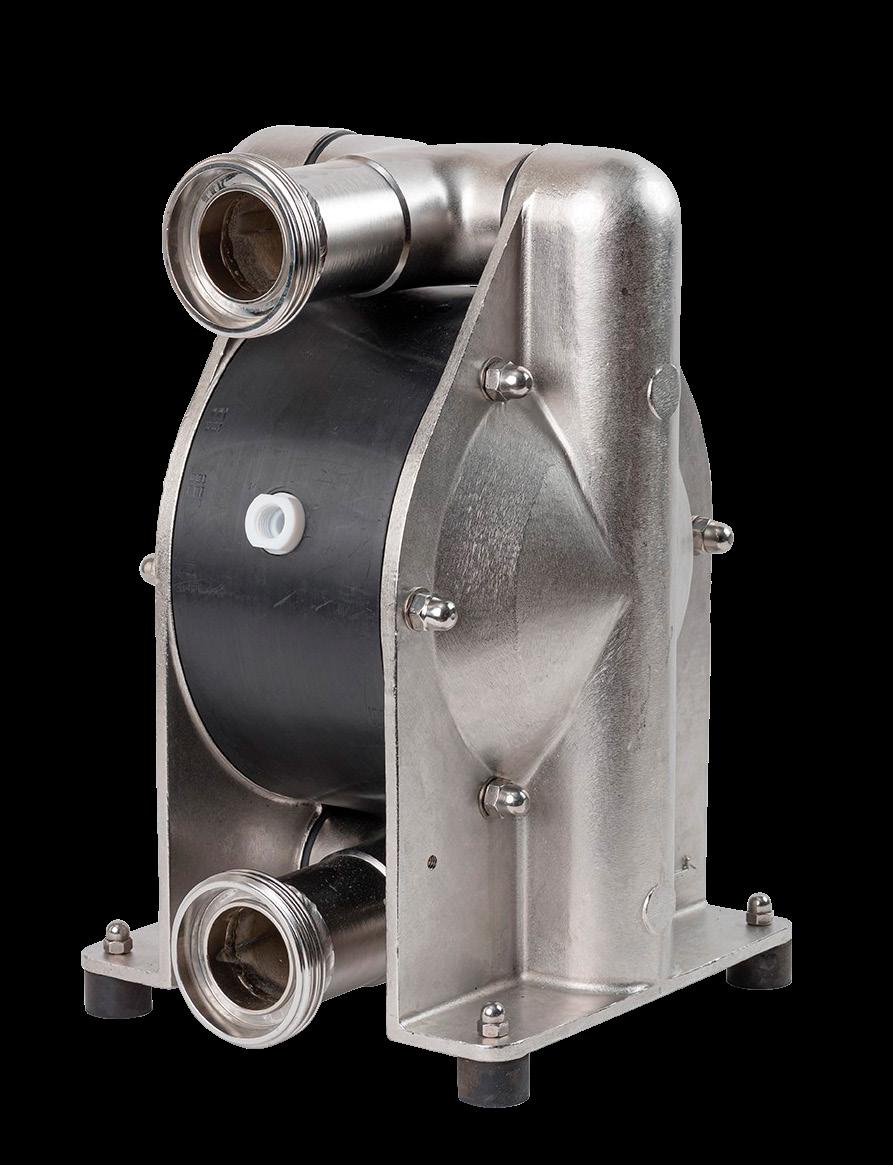
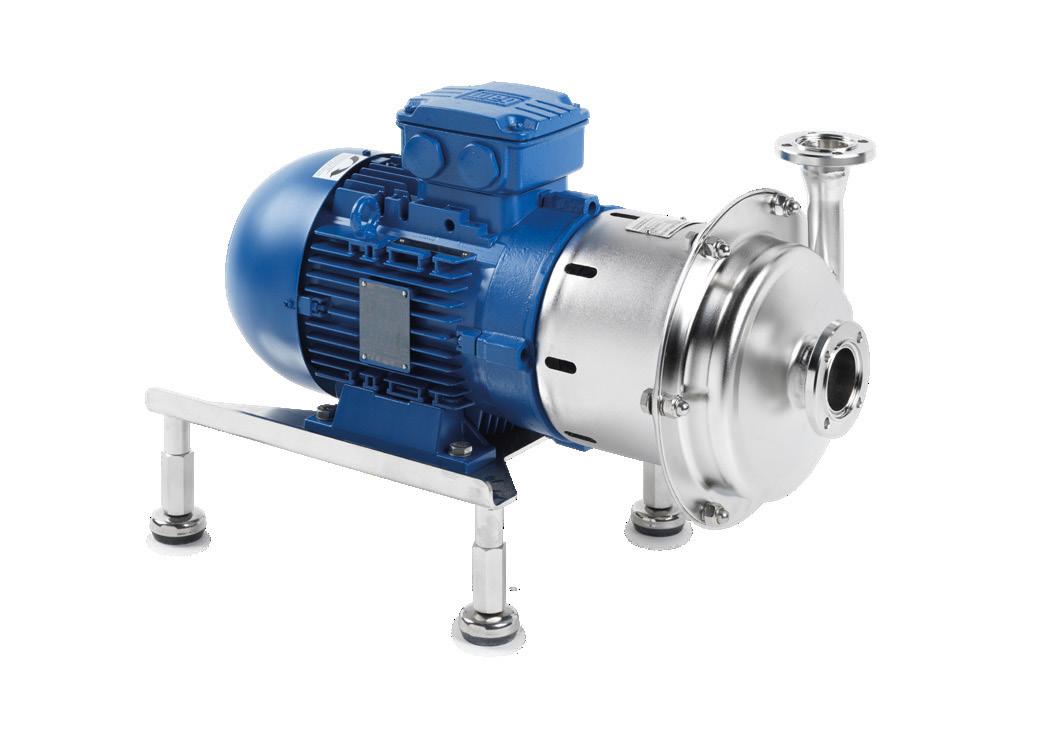
The Verderair HC-PURE range is Verder’s dedicated hygienic AODD pump solution for the food and beverage sector. Key design features include:
• Electropolished stainless steel construction for superior surface finish and cleanability
• Smooth internal geometries to prevent product build-up and bacterial growth
• Single-piece manifolds that eliminate crevices and dead zones
• Overmoulded diaphragms for robust, contamination-resistant operation
• Oil-free air systems that prevent contamination, even under fault conditions
• Simplified disassembly for faster, easier servicing and reduced plant downtime
• Compliance with FDA and EC-1935/2004 food-contact material regulations
• Suitable for viscous sauces, pie fillings, dairy ingredients, and bakery products
Verder Pumps South Africa –www.verderliquids.com/za

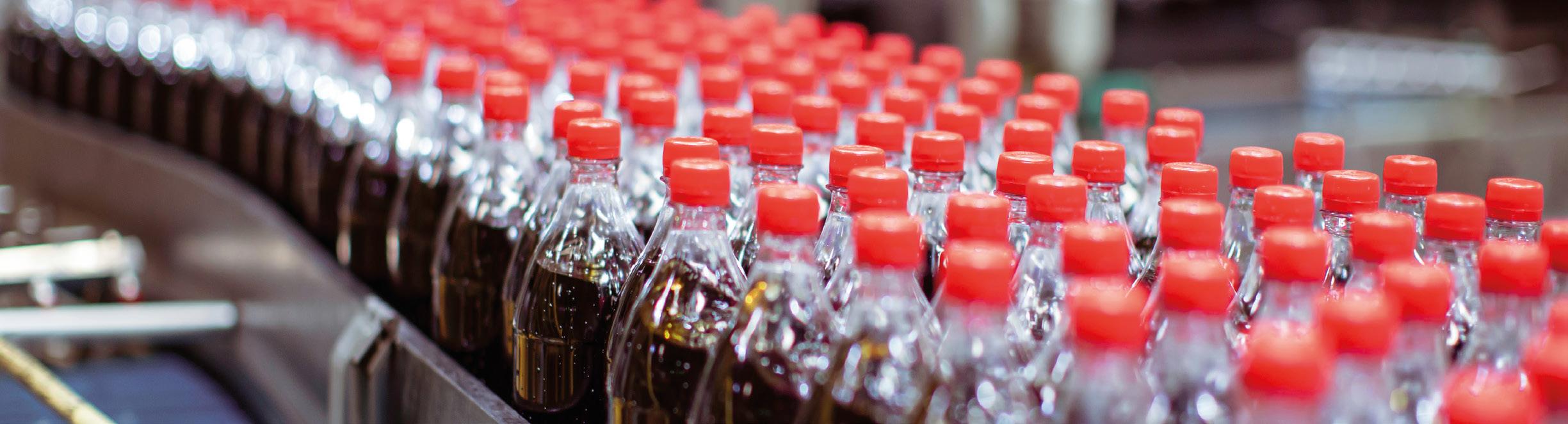
SAAFFI's 24th annual conference united South Africa's flavour and fragrance industry to explore AI, sustainability, and tomorrow's sensory innovation.
The South African Association of the Flavour and Fragrance Industry (SAAFFI) held its 24th Annual Conference on Thursday, 19 March 2026, at the GIBS Conference Centre in Illovo, Johannesburg — and it was a day that gave the industry plenty to think about. Themed Toolkit for the Future: Today’s Innovators Shaping Tomorrow’s Flavours and Fragrances, the event brought together flavourists, fragrance specialists, ingredient suppliers, sensory experts, economists and entrepreneurs under one roof for a full day of presentations, hands-on workshops and, of course, good conversation.
For those unfamiliar with the organisation, SAAFFI serves as South Africa’s national industry association for the flavour and fragrance sector. It represents more than 60 member organisations — ranging from flavouring and fragrance compound manufacturers to raw material suppliers and end-user partner companies — and its mandate is to unite the sector on non-competitive matters, promote good practice and safety, set industry standards, and act as a credible voice with government and regulatory bodies.
The GIBS foyer and atrium quickly filled with delegates collecting their goody bags, finding their name tags and helping themselves to a light breakfast. People reconnected with familiar faces, introduced themselves to new ones, and the kind of easy, productive conversation that only happens when you put industry professionals in a room together before the formalities begin flowed naturally. There was a genuine warmth to it — a reminder that, for all the talk of digital transformation and artificial intelligence, this industry still runs on relationships.
We made our way into the Auditorium and Dr Karina Rogers, chairperson of the SAAFFI management committee, officially welcomed everyone and set the scene for the day ahead.
Dr Emmanuel Kweinor Tetteh of the Green Engineering Research Group at Durban University of Technology opened the technical

“Africa has a choice — and that choice is not between AI and no AI. It is between being an active participant in shaping how AI develops and is used on this continent, or being shaped by systems and priorities designed elsewhere.”
sessions with a presentation titled Artificial Intelligence and Green Chemistry: Lessons for the future of flavours and fragrances. His talk examined how AI is being applied alongside green chemistry principles to reshape how flavour and fragrance ingredients are developed, sourced and produced — with sustainability as a central concern rather than an afterthought.
The theme of AI was revisited in earnest during the mid-morning workshop, Embrace AI Without Losing the Human Connection, which was facilitated by Jeanine Kriek, Deborah van der Merwe, and Yolande Schulz, a sensory and consumer insights expert from element3. The hands-on session was designed to give delegates practical, firsthand exposure to how AI tools can be used
to accelerate and streamline the innovation cycle — from trend identification and research and development, through to sensory evaluation
FLAVOUR TRENDS: WHAT LIES AHEAD
Sunelle Roux, senior consumer insights manager for Emerging Markets at McCormick SA, presented flavour trends: How will the flavour industry evolve in 2026 and beyond?
Roux’s presentation drew on McCormick’s extensive consumer research to map out where flavour preferences are heading, what is driving those shifts, and what it means for product developers working in this part of the world. Given the complexity of the South African consumer landscape — with its diverse cultural influences, income disparities and rapidly evolving retail environment — this was a session with real practical value for anyone involved in flavour creation or food product development. What struck me most was the balance the programme struck between the technical and the human. Yes, artificial intelligence featured heavily — as it does in virtually every industry conversation right now — but it was framed throughout as a means to an end rather than an end. The flavour industry, at its core, is about creating experiences that resonate with people. That is not something any algorithm does on its own.