Unless previously agreed in writing, Coatings SA owns all rights to all contributions, whether image or text.
SOURCES
Getty Images, supplied images, editorial staff.
DISTRIBUTION & SUBSCRIPTIONS
Rae Morrison
Email: rae.morrison@media24.com
UPDATE YOUR DETAILS HERE
Email: register@media24.com
Web: www.diytradenews.co.za
PUBLISHING TEAM
GENERAL MANAGER: Dev Naidoo
HEAD OF CONTENT & DIGITAL STRATEGY: Varushka Padayachi
PRODUCTION MANAGER: Angela Silver
GROUP ART DIRECTOR: David Kyslinger
MEDIA24 MEDIA
CEO: Minette Ferreira
CFO: Luxolo Dywili
MEDIA24 CORPORATE
CEO MEDIA24: Raj Lalbahadur
CFO MEDIA24: Nelmarie Beyers
B2B JOHANNESBURG OFFICE:
Building 13, The Woodlands Office Park, 20 Woodlands Drive, Woodmead, Sandton
PO Box 784698, Sandton 2146
Tel: +27 11 867 6111
PRINTING
Printed and Bound by Novus PrintCape Town
News: SAPMA
News: A unique tribological dry coating from igus
News: New quick-drying wood varnish
Global news: Drones for aeronautics and data centre coatings
Feature: NCS Colours Beyond 2027+
Feature: How dispersion chemistry defines exterior durability
Your business: Employee changes to note
Innovation, colour and performance in focus
This month, the industry comes together for one of its most important milestones: Coatings For Africa. More than an exhibition, it’s a gathering of expertise, innovation and shared purpose — a reminder of how dynamic, technical and globally connected our sector has become. As manufacturers, formulators and suppliers convene, we celebrate not only the progress made, but the challenges that continue pushing us to elevate performance, sustainability and standards.
On that note, you’ll see this is a bumper issue. Coatings SA works in close collaboration with SAPMA and the Coatings Confederation of South Africa, and to this end, we’re carrying a special supplement that documents the confederation and outlines its value to the industry. We hope you will engage with the incredible services the SAPMA team provide.
In this issue, we also look ahead with Colours Beyond 2027+, a compelling exploration of the cultural, material and design shifts shaping tomorrow’s
interiors. Developed with the NCS Colour Forecast Council, the report translates global currents into practical palettes, giving architects, designers and manufacturers a roadmap for colour that resonates both aesthetically and commercially. We then shift from colour to climate, focusing on one of the most demanding segments of our market: roof coatings. South African roofs face a level of punishment few global regions can match including intense UV, salt-laden air, harsh temperature swings and years of thermal stress. Our deep dive with BD Chemie unpacks the science behind true durability.
We’re also highlighting innovation in the field, from aerospace coatings engineered for extreme conditions to data centre solutions meeting the needs of a rapidly expanding digital infrastructure.
As always, we aim to bring you insight, clarity and inspiration to help drive the next wave of industry excellence.
We are proud to partner with leading paint manufacturers and focus on exporting to Africa. We boast a team of highly skilled polymer chemists in the laboratory and on the plant to ensure quality control and superior resin standards. We also have a maintenance team of qualified engineers, fitters, welders, and electricians.
Our high quality polymers are the key to vibrant decorative, industrial, automotive, and other coatings. Our state-of-the-art laboratory boasts cutting-edge technology and a team of R&D chemists who endeavour to develop products for our customers.
EXPERIENCE THE MAGIC with SYNTHETIC POLYMERS
Our 20-metric-ton bulk delivery vehicle guarantees your order will arrive within 24-72 hours within Johannesburg and the surrounding areas.
THE VISION IS TO RE-DEFINE THE COATINGS INDUSTRY WITH OUR QCCP (QUALITY, CONSISTENCY & COMPETITIVE PRICES)
Long, Medium & Short Oil Alkyds
Polyurethane Alkyds & Oils
Hydroxy Functional Acrylics
Thermoplastic Acrylics
Speciality Alkyds
Short & Medium chain stopped Alkyds
Styrenated & Acrylated Alkyds
Amino Resins (Urea & Melamine Formaldehyde)
Thermoset Acrylics
Saturated Polyesters
Synthetic Dispersions is the next step in our polymer innovation, delivering solutions for a rapidly evolving coatings industry.
Join us in shaping the future of coatings. Explore our range of resin solutions today.
SAPMA leads a new era of unity and professionalism in SA coatings
South Africa’s coatings sector is undergoing major change as SAPMA strengthens collaboration, compliance and professional standards across the value chain.
The South African coatings sector is entering a period of unprecedented transformation, and at the centre of that evolution is the South African Paint Manufacturing Association (SAPMA). Over the past year, SAPMA has continued to strengthen its role not only as an industry association, but also as a strategic platform driving collaboration, professionalism, compliance, and longterm sustainability across the coatings value chain.
What has become increasingly evident is that the coatings industry can no longer operate in fragmented silos. Manufacturers, suppliers, retailers, contractors, waterproofing specialists, and professional practitioners are all interconnected within a broader coatings ecosystem. This reality has accelerated the formalisation of the Coatings Confederation of South Africa, an initiative designed to provide a more unified and representative voice for the sector when engaging with government, regulators, organised labour, and consumers alike.
A major milestone during the year has been the growth of SAPMA’s retail representation structures and the establishment of the South African Retail Paint and Hardware Association (SARPHA). Retailers are increasingly faced with growing compliance obligations, consumer protection requirements, tinting standards, and product accountability responsibilities.
Through SARPHA, the retail sector is beginning to formalise more strategically while contributing towards improved industry accountability and standards.
Another significant development has been the incorporation of waterproofing stakeholders into the broader Confederation framework. As waterproofing continues to expand through infrastructure refurbishment projects, insurance-related work, and growing demand for energy-efficient and warranty-backed systems, industry alignment and professional standards within the contractor environment have become increasingly important. Perhaps one of SAPMA’s most ambitious undertakings to date has been the development of a Professional Body for the coatings sector. The initiative reflects a growing recognition that the future sustainability of the industry depends on professional recognition, structured competency standards, ethical accountability, and continuous professional development. Pilot professional designations have already been introduced for senior executives, paint chemists, and paint mixologists, placing the industry on a pathway towards eventual SAQA recognition.
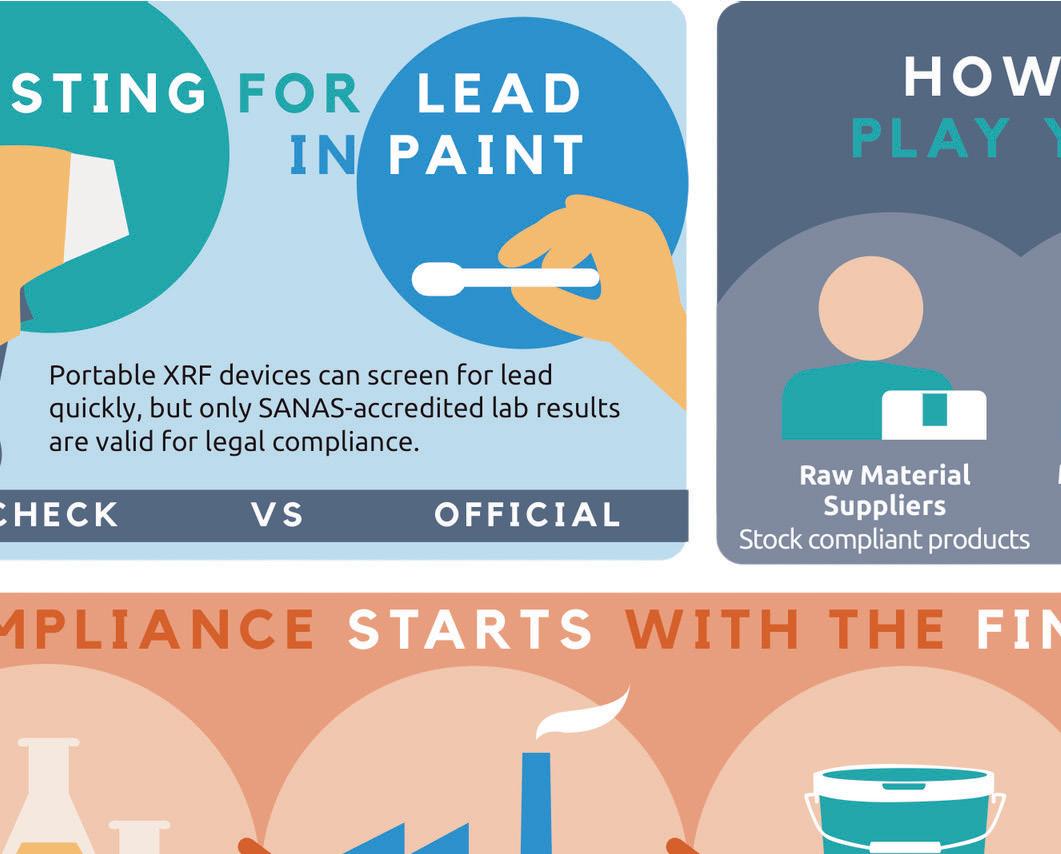
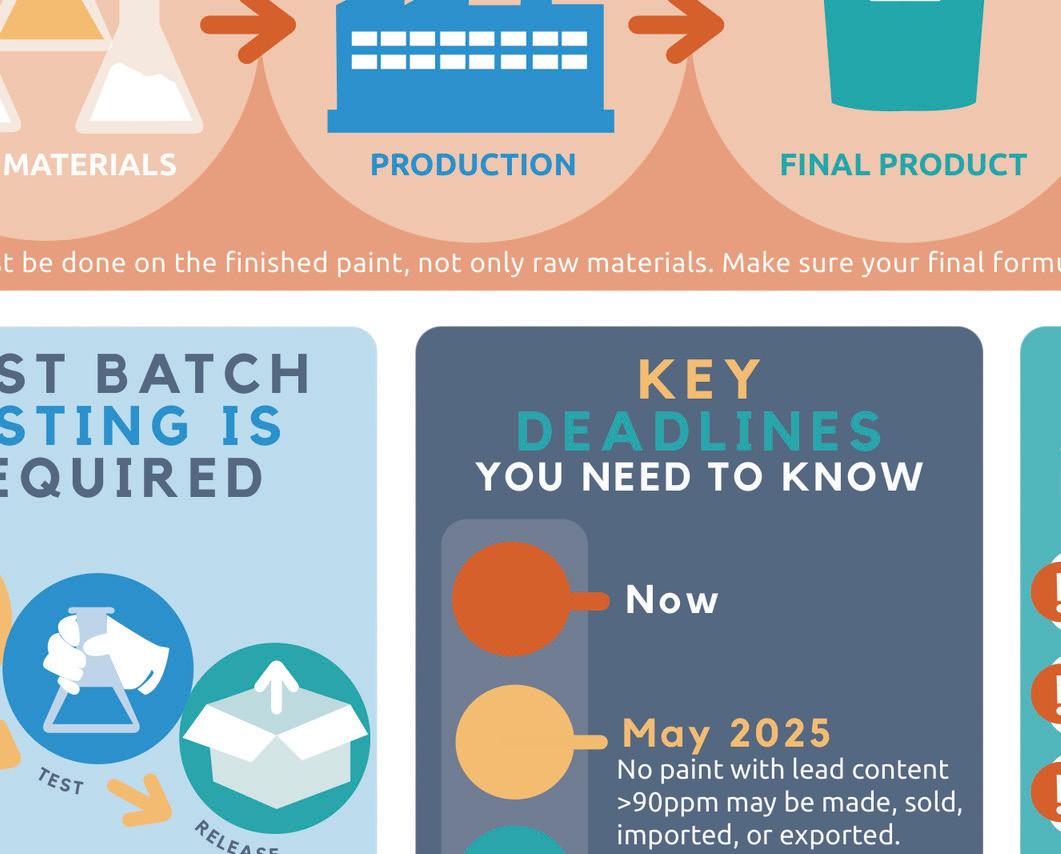
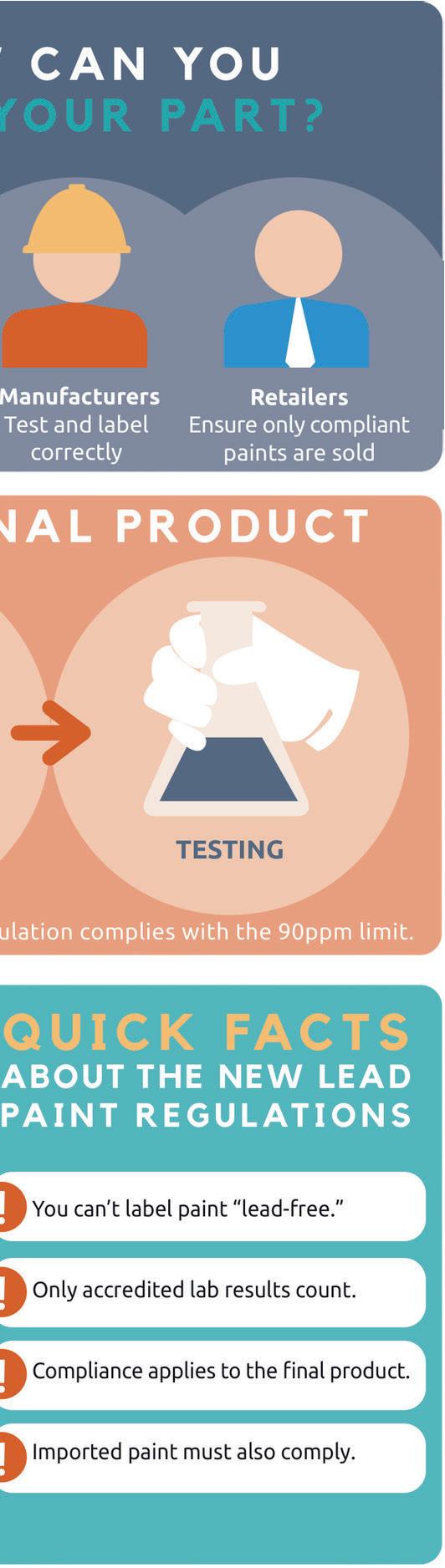
Regulatory compliance has also dominated much of the industry focus over the past year, particularly around the implementation of the Lead in Paint Regulations. Working closely alongside the Department of Health and LEEP,
SAPMA has played a leading role in assisting members with navigating compliance obligations relating to testing, labelling, quality assurance, product traceability, and training. These regulations represent more than a legal requirement, they are helping shape public confidence in compliant and responsibly manufactured coatings products across South Africa.
Beyond regulation, SAPMA’s influence within broader economic and labour policy structures continues to grow. Through its participation in Business Unity South Africa (BUSA), NEDLAC, and the National Bargaining Council for the Chemical Industry (NBCCI), SAPMA remains actively engaged on issues ranging from labour legislation and skills development to occupational health and safety and environmental compliance. Significant work has also been undertaken through the Surface Coatings Employers Association (SCEA) to protect members from potential compliance shocks linked to bargaining council extensions, particularly for smaller businesses operating within the sector.
At the same time, SAPMA continues to position the South African coatings sector within a broader continental and global context. Its evolving relationship with Coatings For Africa reflects a commitment to ensuring that local companies remain connected to international technologies, sustainability developments, and
emerging market opportunities shaping the future of coatings across Africa.
As the sector becomes increasingly complex, SAPMA’s focus on research
and industry intelligence has also intensified. The publication of the annual Sectoral Review has already become an important reference point for understanding market conditions,
regulatory developments, trade risks, and growth opportunities within the coatings value chain. Evidence-based advocacy and informed decisionmaking are becoming essential tools for navigating an increasingly regulated and competitive operating environment.
The coatings industry is no longer simply about manufacturing paint. It is about building an integrated, professional, compliant, and futurefocused sector capable of supporting economic growth, protecting consumers, developing skills, and strengthening industry sustainability. SAPMA’s work over the past year demonstrates that the Association is not merely responding to change, it is helping lead it. c
“SAPMA’s influence within broader economic and labour policy structures continues to grow”
Photo credit: Getty Images / Thaweesak Thipphamon
Dry coating make running surfaces outlast the line
Engineered polymers manufacturer, igus, has developed a unique tribological dry coating for high-throughput packaging and manufacturing plants to reduce friction and wear.
In these applications friction is the silent productivity killer and is responsible for wearing chutes and guides as well as snagging transfer points, leading to increased maintenance requirements and reduced productivity. In South Africa, igus is introducing the newly developed iglidur coating technology to companies that require continuous duty manufacturing and packaging operations where its tribologically engineered coating uses a special polymer layer to turn standard metal components into low-friction.
“This removes friction from the equation without introducing maintenance complexity. The coating allows operators to upgrade existing steel components into engineered sliding surfaces that run clean, dry and predictably over long cycles,” says igus South Africa managing director, Ian Hewat.
He says many industries have the same challenge where products slide down chutes, are oriented, and transition between conveyors in contact with steel. Over time that interaction drives abrasion and leads to material build-up and eventually impacts the smooth flow of the items down the process.
Applied as a powder and baked onto conductive metal surfaces, the coating forms a durable, uniform layer with a defined coefficient of friction. It prevents wear and buildup by embedding solid lubricants within a polymer matrix and the outcome is a controlled sliding interface that operates entirely without oils, greases or any other lubricant.
SIMPLE PROCESS
Components are first prepared and cleaned to ensure proper adhesion whereafter the iglidur powder is
applied electrostatically allowing it to evenly coat complex geometries. Once coated the component is cured in an oven where the material bonds to the substrate and forms a robust tribological surface. For powder coaters this represents a natural extension of existing capabilities and is a value-added service that they can offer to industrial clients to increase their revenue.
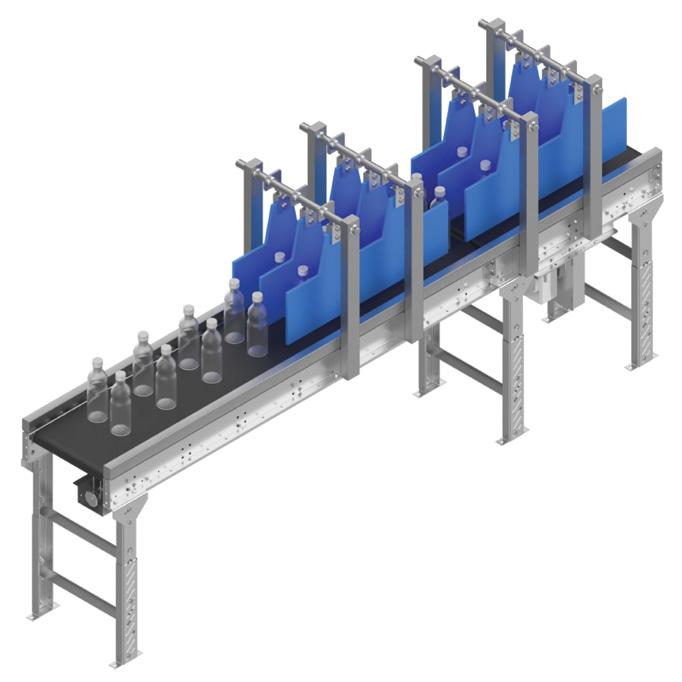
The coating is suitable in a wide range of applications including transfer plates in conveyor systems, chutes in production or distribution centres, vibratory and spiral conveyor systems, food packaging and sorting equipment and many others. igus offers a range of coating variants engineered for specific operating conditions, from general-purpose wear resistance through to high-temperature and chemically aggressive environments.
Food-grade options are available with blue-coloured variants supporting visual detection in sensitive processing lines which is an increasingly important requirement in modern food operations.
Critically, the technology is not limited to new equipment. Existing systems can be retrofitted using coated plates or flexible coated mesh, allowing operators to upgrade performance without replacing hardware. This aligns with a growing industry focus on lifecycle optimisation and cost control.
“South African operators are under pressure to do more with less and igus coatings offer a practical route to extend equipment life and stabilise processes without redesigning the entire system,” Ian concludes. c
"The coating forms a durable, uniform layer with a defined coefficient of
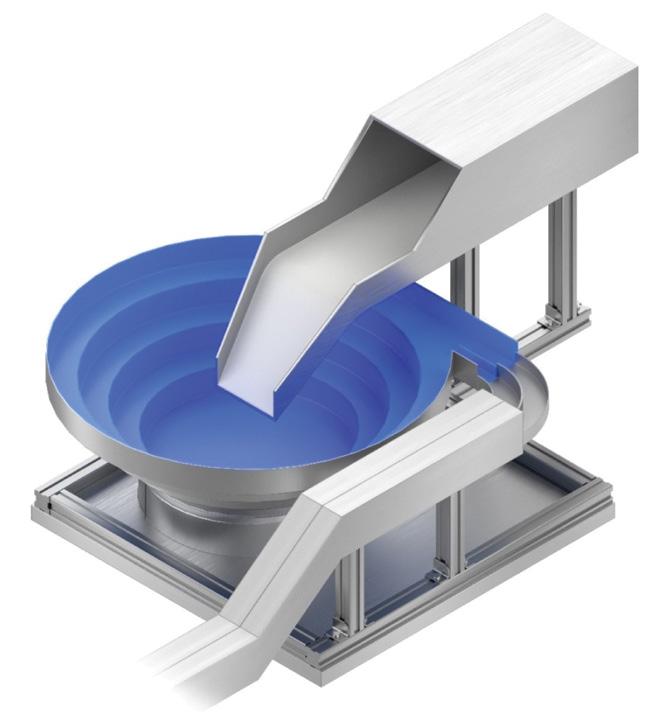
Examples of running parts that can be coated with igus friction reducing dry coatings
friction"
A South African first ALL-IN-ONE QUICK DRYING WOOD VARNISH
Medal, the leading name in high-quality decorative coatings, is proud to announce the launch of a revolutionary advancement in timber maintenance: Medal Premium All-In-One Quick Drying Wood Varnish. This solvent-based innovation is the first of its kind in the South African market, designed to simplify wood restoration while delivering professional-grade durability.
A BREAKTHROUGH IN EFFICIENCY: ALL-IN-ONE & QUICK DRYING
Homeowners and DIY enthusiasts no longer need to manage multiple products for a single project. The Medal Premium All-In-One formula acts as a self-priming preservative topcoat, effectively functioning as its own knotting and sanding sealer.
The standout feature of this new product is its industry-leading drying time. While traditional varnishes often require extensive waiting periods, this alkyd-based solution is touch-dry in just one hour and ready for recoat in only four hours. This allows users to complete entire projects, from preparation to the final coat, in a single day. Making it the perfect product for floors and decks.
TRANSFORMING LIVING AND ENTERTAINMENT SPACES
Engineered for both interior and exterior use, the varnish is UV-resistant and hard-wearing, making it the ideal choice for revitalising wood furniture and surfaces. Whether refreshing an indoor sanctuary or preparing
an outdoor entertainment area, the product provides an exceptional glossy finish that beautifies and protects.
Homeowners can use the Medal Premium All-In-One Varnish to transform: Decks, wooden floors, doors, window frames, skirting boards, knotty pine ceilings, cupboards, wooden furniture, and decorative timber accents. As well as outdoor spaces - wooden fascias and exterior fixtures exposed to the elements.
VIBRANT SHADES AND GUARANTEED LONGEVITY
The range is available in a sophisticated palette designed to revitalise imperfect wood, including Clear, Light Oak, Dark Oak, Teak, Mahogany, and Ebony.
Medal stands firmly behind the performance of this new range with a 10-year quality guarantee, provided a maintenance coat is applied every two years. This ensures that once a space is transformed, it remains protected and aesthetically pleasing for a decade. c
AVAILABILITY AND SPECIFICATIONS
Medal Premium All-In-One Quick
Drying Wood Varnish is available in 1-litre and 5-litre pack sizes. It offers a spreading rate of approximately 8–10m2 per litre, depending on surface porosity, ensuring excellent coverage for projects of any scale.
"This alkyd-based solution is touch-dry in just one hour and ready for recoat in only four hours"
EU Ecolabel revised paints and varnish criteria
The European Commission has officially updated the EU Ecolabel criteria for paints and varnishes, introducing stronger environmental requirements.
This updated version is now laid out in Commission Decision (EU) 2025/2607, which will be valid until 31 December 2032.
WHAT’S NEW IN THE CRITERIA?
The updated Ecolabel criteria reflect both environmental and health considerations:
1. Tighter emissions limits
The new criteria include lower limits for volatile organic compounds (VOCs) and semi-volatile organic compounds (SVOCs). These compounds are the main source of emissions from paint and varnish products after application — affecting indoor air quality and environmental emissions over time. It’s not just instantaneous emissions during application that are addressed — standards now explicitly focus on longerterm indoor exposure to VOCs. This means products seeking the EU Ecolabel must demonstrate lower emissions both in the short and longer term.
2. Broader product categories
To better reflect market trends, the criteria now cover three distinct product groups instead of one:
• Decorative paints, varnishes and related products
• Performance coatings and related products
• Water-based aerosol spray paints (a new category recognising growth in this segment).
3. Life cycle and performance requirements
Beyond emissions during use, the
updated criteria consider the full product life cycle — from manufacture to disposal — balancing performance (eg, durability, fitness for use) with lower environmental impact.
4. Updated preservative limits
New thresholds are set for preservatives, seeking to balance product performance and durability with stronger environmental protection.
WHY THIS MATTERS
The revised criteria for paints and varnishes show a clear shift toward reducing harmful emissions not just at point of application but over the product’s lifetime. This includes:
• Short-term emissions during application — VOCs released as paint cures
• Longer-term emissions after application — indoor air quality impacts from residual VOCs being released over time
• This focus aligns with larger EU environmental policies, including the European Green Deal, emphasis on circular economy principles, and cleaner indoor air standards
• Implementation support for industry
• The updated criteria were adopted on 17 December 2025 and are set to apply through 2032
• The EU Commission and Joint Research Centre (JRC) hosted a webinar (19 February 2026) for stakeholders explaining the changes and guiding companies on how products can qualify for the new Ecolabel
• A User Manual and checklist documents have also been published to help manufacturers meet these criteria.
THE STRATEGIC PURPOSE
The revision aims to encourage innovation in lower-emission paint technologies, improve indoor and outdoor air quality by limiting emissions over the product life cycle, support green public procurement and market differentiation for environmentally superior products and promote circular economy practices in the coatings sector.
BACKGROUND EU POLICIES
These updated Ecolabel criteria work alongside existing EU regulations designed to limit emissions from coatings, such as the long-standing Directive 2004/42/EC, which sets VOC content limits for certain paints and varnishes.
IN SHORT
The new criteria drastically tighten standards by requiring:
• Very low VOC content (as sold)
• Very low VOC and SVOC emissions at 28 days (post-application)
• Near-zero hazardous substances
• Stronger oversight on preservatives, nanomaterials, and lifecycle emissions.
Sources: https://environment.ec.europa.eu/ topics/circular-economy-topics/eu-ecolabel/ product-groups-and-criteria/; https://op.europa. eu/en/publication-detail/-/publication/; https:// www.tecnalia.com/ c
Aircraft paint maintenance has reached new levels of precision and predictability with the digital management system developed by AkzoNobel’s Aerospace Coatings business.
First introduced in 2023, the Aerofleet Coatings Management service uses data-rich insights to help airlines optimise coating maintenance across their fleets. It now features a second drone-based inspection tool – the Iris CMX – which is capable of directly measuring coating performance using a targeted three-inone, contact-based sensor.
Developed in partnership with Donecle, it captures precise, quantitative data on dry film thickness, colour data and gloss measurements, bringing a new level of accuracy, consistency and repeatability to coating inspections.
The existing Iris GVI drone flies in a set grid over a plane’s surface and provides a full-surface visual analysis by taking
analyses the images to flag any issues or wear of the coatings. Employing an advanced two-drone system further boosts Aerofleet’s ability to precisely determine when an aircraft needs repainting, rather than simply using time or flight hours
“Aerofleet Coatings Management has always been about giving airlines greater confidence in when and why they maintain or repaint their aircraft,” explains Patrick Bourguignon, director of AkzoNobel’s Automotive and Specialty Coatings business.
“The addition of the Iris CMX brings precise, consistent measurement into the process to strengthen the data that underpins our predictive models. It also allows us to support expert assessment with more objective, consistent and repeatable inspections, while improving
the speed and efficiency of the inspection process.”
With the addition of Iris CMX, the Aerofleet system now brings together three core data inputs to provide a comprehensive view of coating performance:
• Flight and environmental data, such as route profiles, UV exposure and humidity
• Full-surface visual analysis from the Iris GVI drone
• Targeted, high-precision measurement from the Iris CMX drone.
The two drones can be operated simultaneously, one on each side of the aircraft, by a trained team, who can complete a full inspection. c
PPG introduces application services for data centres
Specialised coatings are on the rise as they become essential to protect the numerous data centres being built.
As data centres expand rapidly worldwide to support cloud computing, AI and digital services, specialised coating solutions are becoming increasingly important to protect critical infrastructure from corrosion, heat, moisture and fire risks while helping ensure long-term reliability and uptime.
PPG teams demonstrated the company’s full range of pretreatment, electrocoat, liquid and powder coatings for data centre applications. The company also shared information about its coatings application services and custom paint line design and installation capabilities.
“We are the only company in the industry that combines end-to-end protective coating solutions with
in house application expertise,” said Juliane Hefel, PPG senior vice president, Industrial Coatings and Specialty Products.
“This helps our data centre partners accelerate construction timelines and strengthen long-term operational efficiency, reliability and sustainability.”
PPG’s precision-engineered solutions are supported by a global supply network and technical expertise and offer a range of performance properties vital for data centre environments, including:
• Electromagnetic interference (EMI) shielding
• Antistatic and fire resistance
• Passive fire protection
• Dissipative and conductive coating systems
• Corrosion protection
• Heat reflective performance for reduced cooling demand
• Insulative, dielectric and thermal resistance
• Enhanced durability to lower maintenance costs and improve operational continuity.
“As the data centre industry accelerates, owners, construction firms and fabricators are placing greater value on partners who can deliver performance, reliability and productivity for high-speed data,” said Amy Ericson, PPG senior vice president, Protective and Marine Coatings. c
DISCOVER THE CHEMIPOL DIFFERENCE
At Chemipol Solutions, we’re more than just a raw material distributor – we’re your trusted partner in the paints, coatings, and inks industries
Our commitment to quality, innovation, and brand consciousness sets us apart as a premier supplier of raw materials sourced from leading global manufacturers.
COATINGS INDUSTRY PRINCIPALS
NEW FROM
ELEVATE YOUR TINTING ESSENTIALS
Meet the TI ELEMENT™ Platform
From IDEX Dispensing Group
Simplicity. A ordability. Reliability.
The TI ELEMENT™ platform builds on the trusted X-Series legacy, combining proven engineering with customer-driven innovation. Designed specifically for small to medium tinting operations, TI ELEMENT delivers superior performance, ultra-low maintenance, and the lowest total cost of ownership (TCO).
TI ELEMENT 4
The All-Rounder Dispenser
Powerful. Scalable. Built to perform.
• Flow rate up to 558 ml/min (19 oz/min)
• Minimum dispense 0.050 ml (1/512th of a shot)
• Configurable up to 24 or 32 canisters
• Compatible with any colorant system
• Accommodates large cans and peak-hour demand
Why Choose TI ELEMENT 4?
• Robust and Reliable
Strong steel frame construction. No assembly required. Built to last in demanding retail environments.
• Ultra-Low Maintenance
Daily cleaning takes minutes. The magnetic wet brush system with sensor extends cleaning intervals and ensures smooth operation.
• Zero Mistints. Zero Waste.
Featuring the ZeroPurge™ piston pump with 100% recirculation to eliminate idle colorants and prevent dry nozzles.
• Smart and Connected
Seamless integration with Tintelligence software suite for real-time updates, intuitive dispensing, and remote fleet management.
TI ELEMENT 2
Compact. Accurate. Cost-E cient.
Ideal for low-volume daily tinting operations.
• Precise dispensing down to 0.050 ml
• Faster dispense cycles with bi-directional turntable
• Accommodates cans up to 47 cm height
• Easy assembly and operation
• Compact footprint for small-medium stores
Key Benefits
• Accurate and Repeatable Tinting
Proven piston pump technology ensures consistency every time.
• Minimal Maintenance
Magnetic clamp brush, click ‘n release canisters, and manually movable turntable simplify servicing.
• Lowest TCO
Self-serviceable design reduces service visits and spare part requirements.
• Flexible Software Options
Compatible with ColorPro/PrismaPro or the Tintelligence digital suite.
NCS Interior Colours Beyond 2027+
Colour is never chosen in isolation. It shapes how a room feels, how light moves across a surface, and how materials come to life in everyday spaces.
Colours Beyond 2027+ explores the emerging shifts influencing colour choices in interiors. Developed together with the NCS Colour Forecast Council, the forecast translates global movements in design, culture and material development into practical colour directions for real environments.
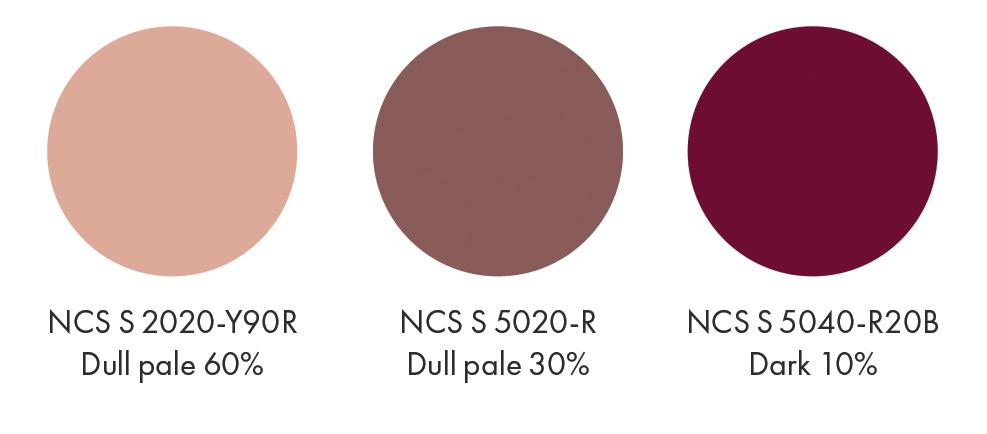
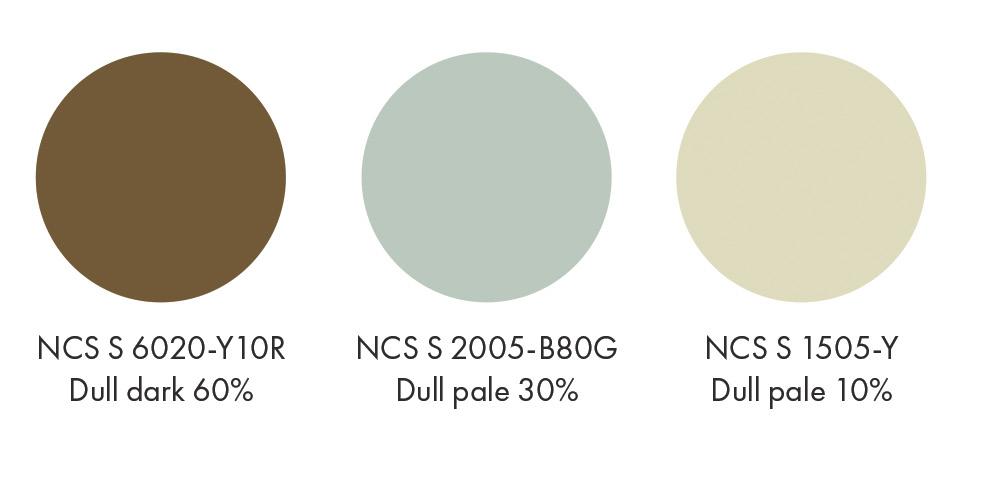
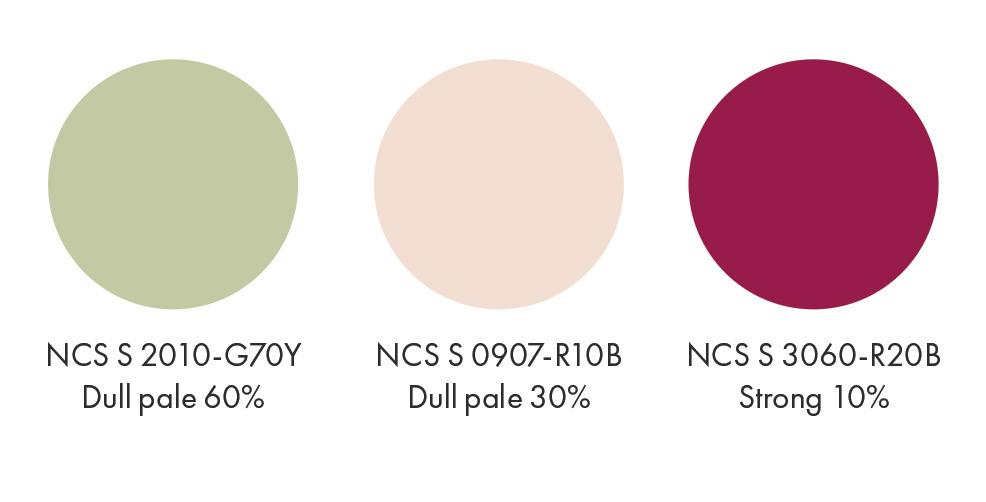
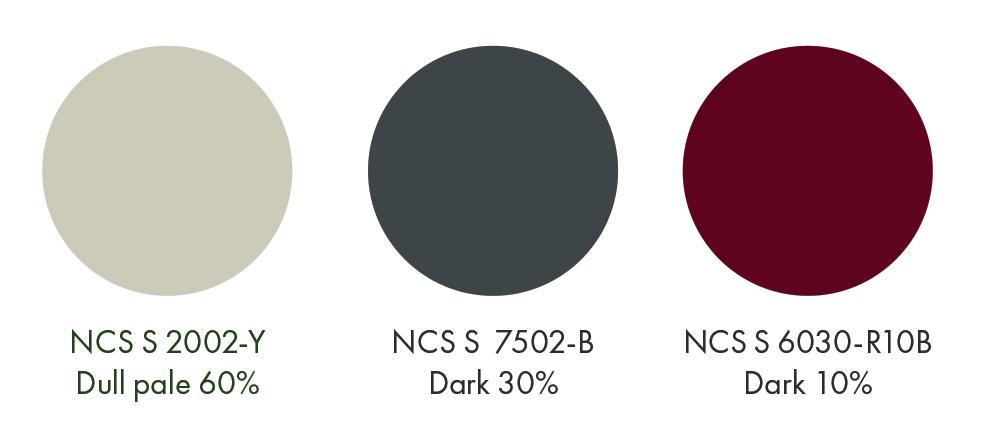
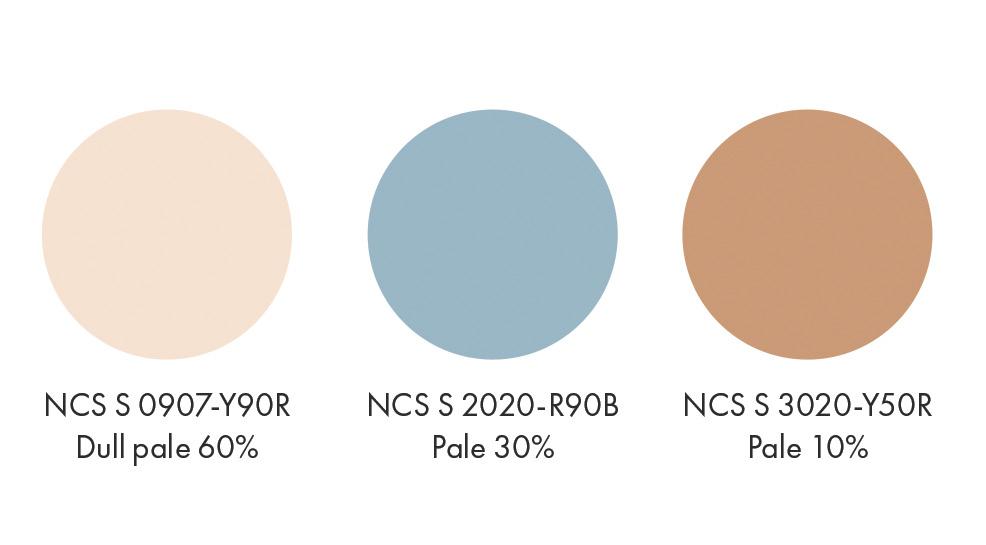
Colours Beyond 2027+ introduces a flexible framework that helps people understand how colour behaves in space and how it can shape atmosphere and experience. The framework is built around three Colour Areas - Pale, Dull Pale and Dark - each representing a distinct atmosphere and way of shaping interiors. From quiet mid-tones and filled surfaces to decorative lighttones and deeper tactile environments, these Colour Areas help designers and manufacturers create spaces with clarity and intention.
The Colours Beyond 2027+ Guide are all defined using the Natural Colour System®, ensuring that every nuance can be clearly described, reproduced and combined across products and materials.
Each Colour Area has its own logic in nuance and material behaviour. When colours are combined across and within these areas, they create the key moods shaping how people want their environments to feel beyond 2027.
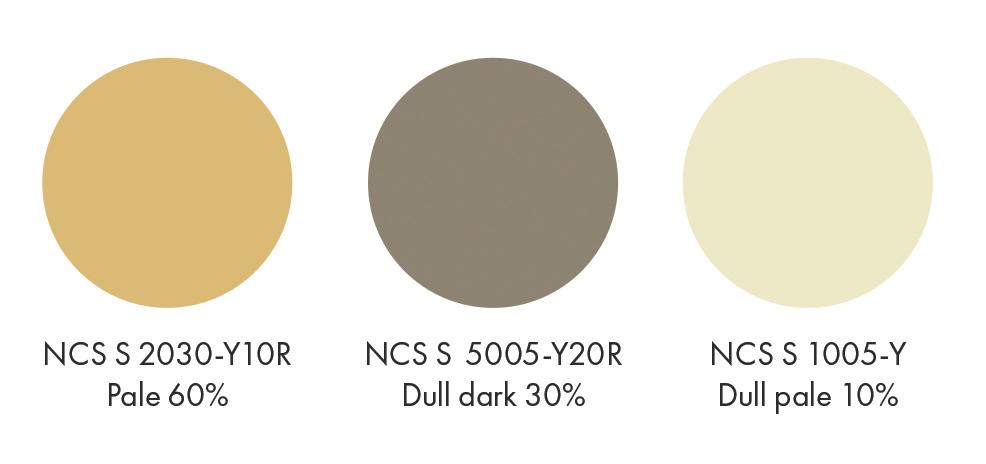
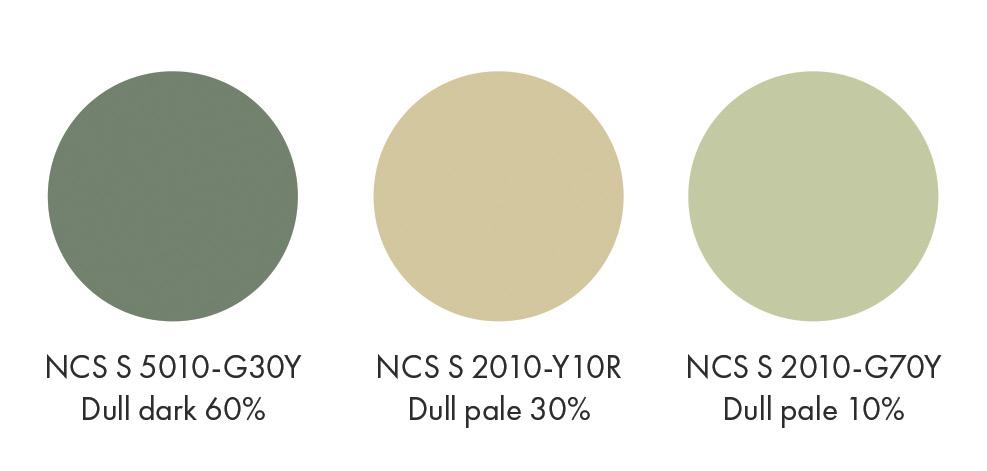
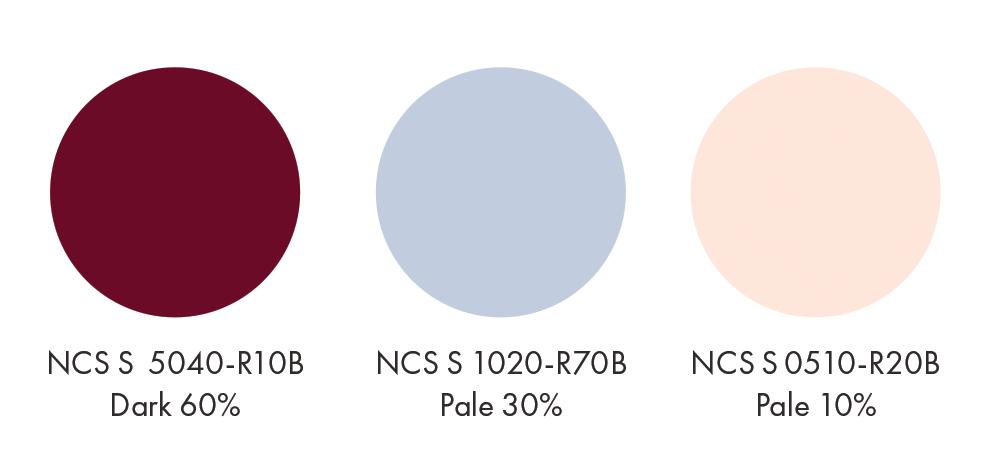
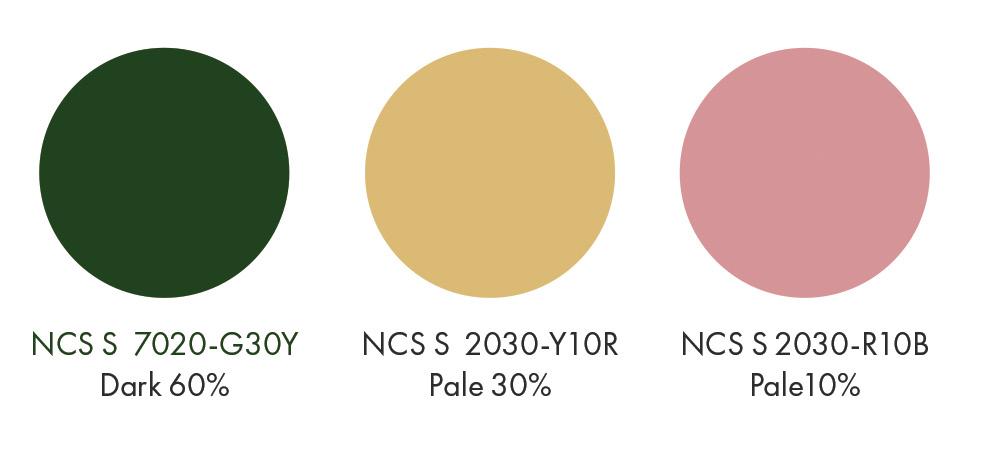
In Colours Beyond 2027+, colour is explored through three Colour Areas: Pale, Dull Pale and Dark.
Each Colour Area provides a starting point for combining colours and building balanced atmospheres in interior spaces.
Soft at first, then slowly unfolding into a deeper, cocooning warmth
Quiet layers
Light and shadow build a gently rhythm, shaping the space with quiet depth
Balanced natural light
A grounded base where light moves freely, softening edges and lifting the whole
Richness softened by light, where depth feels calm rather than heavy
Grounded expression
Deep and stable, yet lifted by moments of colour that bring energy and light
Earthen tactility
Rooted in material, where warmth and texture create a sense of permanence
Refined expression
Restrained and elegant, sharpened by a single, confident note of colour
Quiet warmth
Soft shadow
Structured decoration
Clear and composed, where contrast defines form and detail becomes structure
Cultural warmth
Layered and familiar, with warmth that feels both rooted and quietly evolving
THE STRUCTURE OF COLOUR
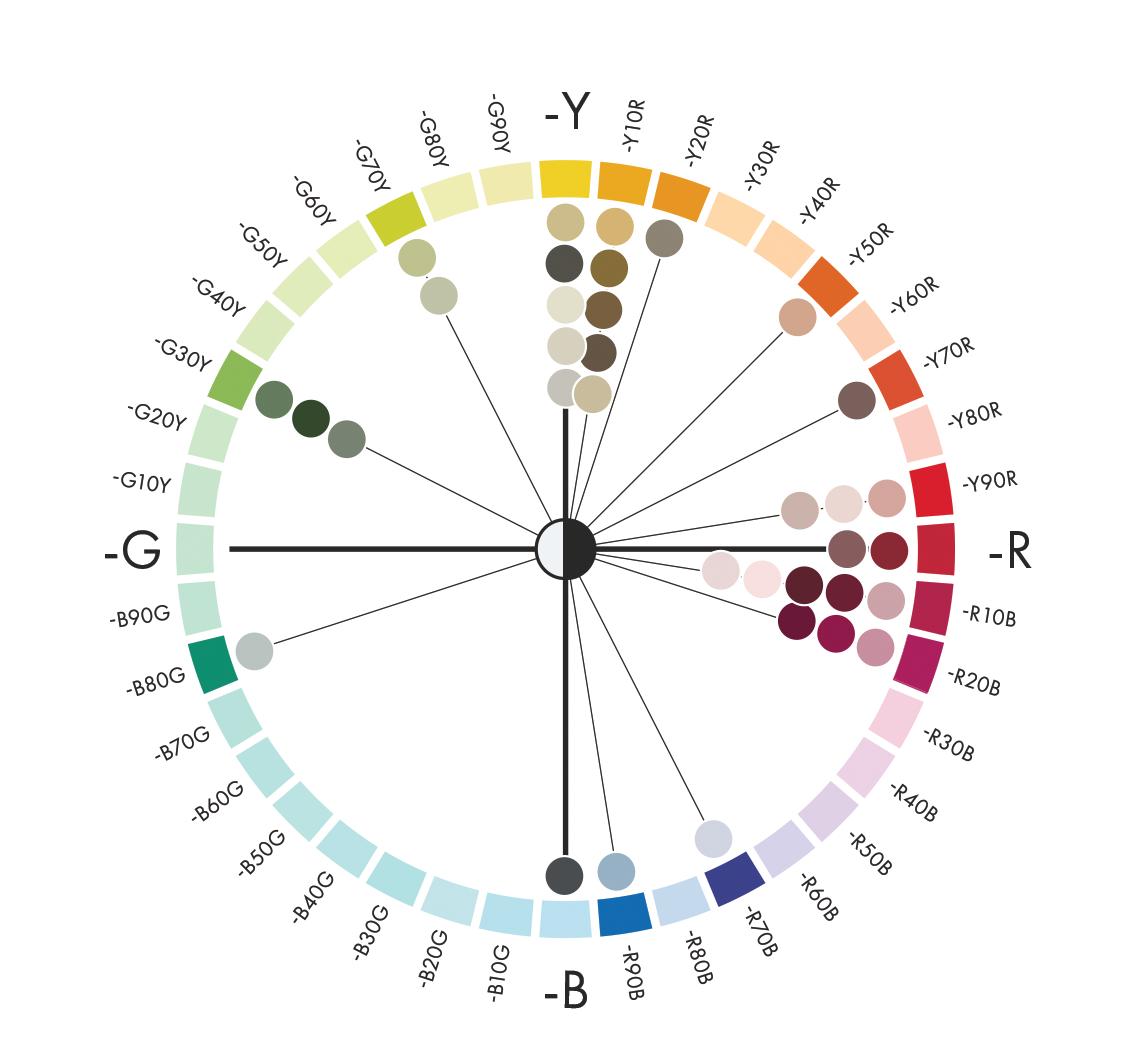
The colours in Colours Beyond 2027+ are selected and organised using the Natural Colour System® (NCS). Because the system describes colour as we perceive it, every hue can be defined, reproduced and combined with precision. The palette spans several areas of the NCS colour circle, with a strong presence of warm hues between Y and R, balanced by grounded neutrals and deeper blue and blue-red tones. Together they create a colour landscape that moves from calm mid-tones to more expressive accents.
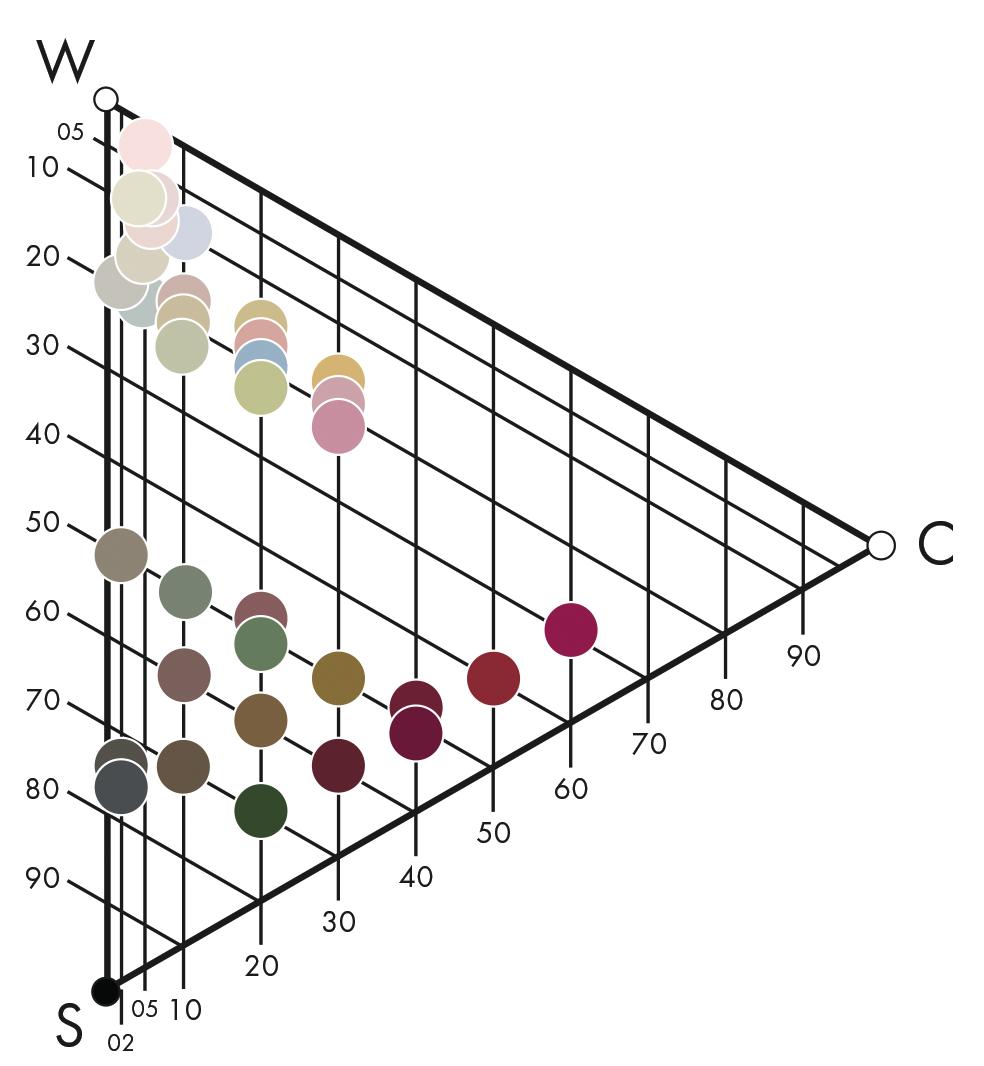
Across the palette we see three key nuance directions: Pale, Dull Pale, and Dark. Each Colour Area represents a different way of composing colour in interior spaces and helps structure how colours can be combined to shape atmosphere. Pale tones introduce
balanced mid-tones that bring warmth and quiet presence into interiors.
Dull Pale tones provide lighter nuances that soften surfaces and interact gently with light. Dark tones add depth and tactility, creating contrast and atmospheric weight.
When colours are combined across different nuances of blackness, chromaticness and whiteness, interiors gain depth through gradual shifts in tone rather than strong contrast. The result is a layered and contemporary colour expression that reflects how we are beginning to shape interiors in the years ahead.
COLOUR POSITIONED THROUGH NCS
The palette of Colours Beyond 2027+ spans several parts of the NCS colour circle, with a concentration of warm Y–R hues and deeper red tones, balanced by muted greens and a few cooler blue accents.
UNDERSTAND THE NCS SYSTEM
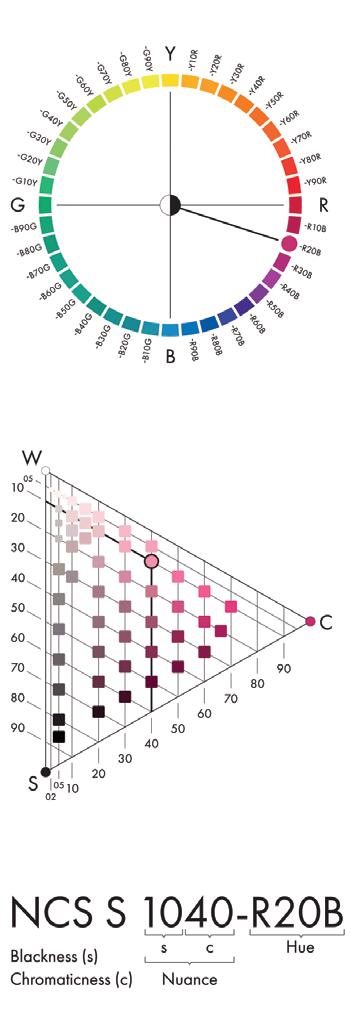
The NCS system is a scientifically grounded way to describe colour, based on human visual perception. Each colour is defined by an NCS notation, which shows its hue, blackness and chromaticness. Use the NCS colour circle to understand hue relationships and the NCS colour triangle to see how whiteness, blackness and chromaticness interact. Together, these steps help people navigate, compare and specify colours with confidence and precision.
In the NCS nuance triangle the colours organise into three key areas: Pale, Dull Pale and Dark.
Together, they show how variations in blackness, chromaticness and whiteness shape the atmospheres of interiors.
• Find the colour hue (-R20B)
• Find the nuance (1040)
• Complete the NCS notation (NCS 1040R20B.
A COMMON LANGUAGE FOR COLOUR
The Natural Colour System® (NCS) is a scientifically based colour system built on how we perceive colour visually. Every colour can be described using an NCS notation, which defines its hue as well as its relationship to blackness, chromaticness and whiteness. Because colours are defined in a structured way, they can be compared, reproduced and communicated with precision. This makes the NCS System a reliable reference for colour decisions in design, manufacturing and paint production. Today, NCS is used as a shared colour language across industries and is present in more than 80 countries, helping professionals and consumers work with colour in a clear and consistent way. c
For more information visit www.ncscolour.co.za
The chemistry above your head
By Nirasha Sewambar and Oliver Wagner
How dispersion chemistry defines exterior durability in the South African roof coatings market.
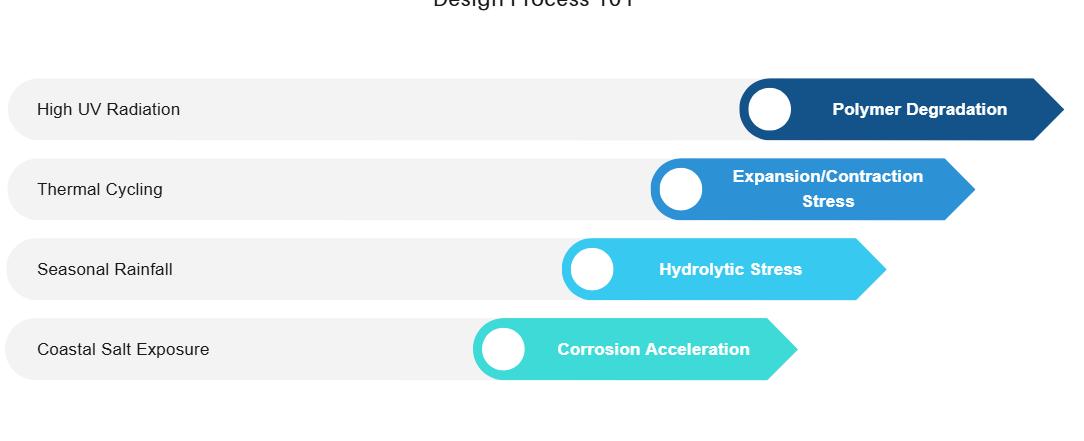
In South Africa, roof coatings don’t just protect — they endure some of the toughest conditions imaginable. Unlike coatings used in milder climates, local products must hold up against intense UV exposure, coastal humidity, sharp temperature swings, and long dry heat spells.
Whether it’s a corrugated iron roof in Soweto, a coastal home in KwaZuluNatal, or a concrete tile roof in Cape Town, each surface is exposed to a unique combination of stress factors over many years.
WHY POLYMER DISPERSIONS MATTER
At the heart of every modern roof coating is a polymer dispersion — essentially tiny particles of film-forming polymers suspended in water. These particles, together with pigments, fillers, and additives, form a coating that needs to do several things at once: adhere well, remain flexible, resist water, and withstand UV degradation over time.
The real performance of a coating is largely decided at this stage of formulation.
Factors like the type of polymer, the glass transition temperature (Tg), particle structure, and hydrophobicity all play a major role in whether a product lasts for years or fails far too soon.
Over time, the South African market has moved away from traditional solvent-based systems toward waterborne technologies.
This shift hasn’t just been driven by environmental regulations — it’s also about performance. Water-based dispersions offer better flexibility and improved resistance to UV damage, making them more suited to local conditions.
CHOOSING THE RIGHT CHEMISTRY
Two main types of dispersions dominate the market: pure acrylics and styreneacrylics.
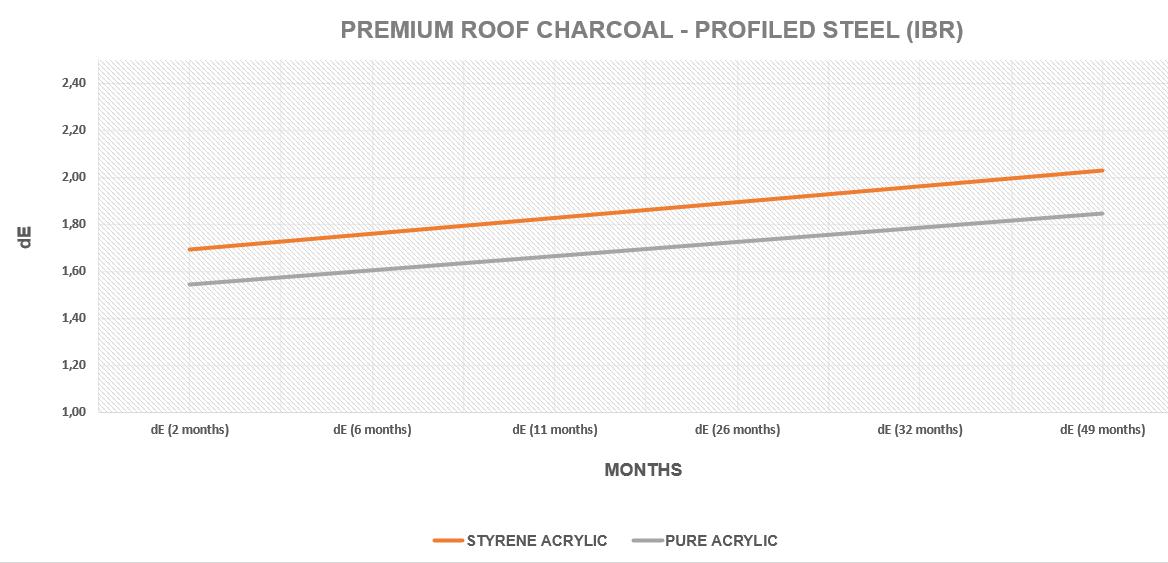
Pure acrylics are widely regarded as the benchmark for exterior durability. Their chemical structure gives them strong UV resistance, good flexibility, and the ability to maintain colour and film integrity for many years — often close to a decade or more under real conditions.
Styrene-acrylics, on the other hand, are often chosen for cost reasons and their faster resistance to water. However, they come with trade-offs. The presence of styrene makes them more vulnerable to UV degradation, which can lead to chalking and yellowing over time — especially under harsh sunlight. In high-UV regions like Gauteng, this can become visible within a relatively short period.
THE FINE BALANCE: FLEXIBILITY VS DIRT RESISTANCE
One of the most important decisions in coating design comes down to balancing flexibility and hardness. If a coating is too hard, it can crack when the surface beneath it expands or contracts with temperature changes — something that happens frequently on metal roofs.
If it’s too soft, it may become soft and tacky in the heat, attracting dirt and losing its colour and reflective properties.
Finding the right balance — often through careful control of the Tg — is key to ensuring long-term performance.
Below is a measured changes in colour over a period.
THE SOUTH AFRICAN TEST ENVIRONMENT
South Africa presents one of the more demanding environments globally for roof coatings:
SUBSTRATE
DIVERSITY: THE CORE TECHNICAL CHALLENGE
The South African housing and construction market is particularly complex due to its wide variety of roofing substrates that require coating. While other markets may use similar roof types, South Africa features almost every kind of roofing material in active use. Each substrate brings its own unique surface chemistry, level of porosity, thermal expansion rate, and adhesion requirements, making it challenging for coating systems to adapt.
Galvanised steel substrates – GCI (Galvanised Corrugated Iron) and IBR (Inverted Box Rib) profile sheeting is the dominant roof substrate across South Africa’s vast informal and low-income housing stock, as well as in industrial and commercial construction.
Zincalume and aluzinc substrates –aluminium-zinc alloy coated steels have become the preferred specification for quality construction due to their significantly superior corrosion resistance over conventional GCI or IBR.
Challenges of galvanised steel and zincalume substrates:
Cracking – the thermal expansion and contraction of the metal substrates may result in cracking of the coating at the coating/ substrate interface if the coating is not flexible to allow for the movement.
Adhesion failure – the non-porous nature of the metal substrate, in combination with the passivating layer that sits on top of the metal surface can affect the ability of the roof coating to adhere to the substate
White rust formation – the production of porous zinc hydroxide corrosion product on inadequately ventilated or newly installed galvanised surfaces in humid conditions
Cementitious substrates:
Concrete and cement tiles – Concrete and cement tiles are the most prevalent roofing materials used in South Africa’s established residential suburbs. Unlike metallic substrates, cementitious materials introduce a distinct set of challenges related to adhesion and longterm durability.
The surface chemistry and physical properties of cement-based roofing differ significantly from metal, requiring tailored coating solutions to address their unique characteristics and ensure effective protection and performance over time.
Challenges of cementitious substrates:
Fibre-cement sheeting – often found in older buildings, can be brittle and prone to absorbing moisture, adding yet another layer of complexity.
RAISING THE STANDARD
Given these challenges, the local market is advised to move toward more durable systems designed specifically for local conditions.
A TAILORED SOLUTION
Alkalinity represents the principal chemical concern. Newly cured cementitious substrates typically exhibit surface pH levels exceeding 12; although weathering gradually mitigates surface alkalinity via carbonation, elevated alkalinity may remain for extended periods, particularly in protected or inadequately ventilated roof spaces.
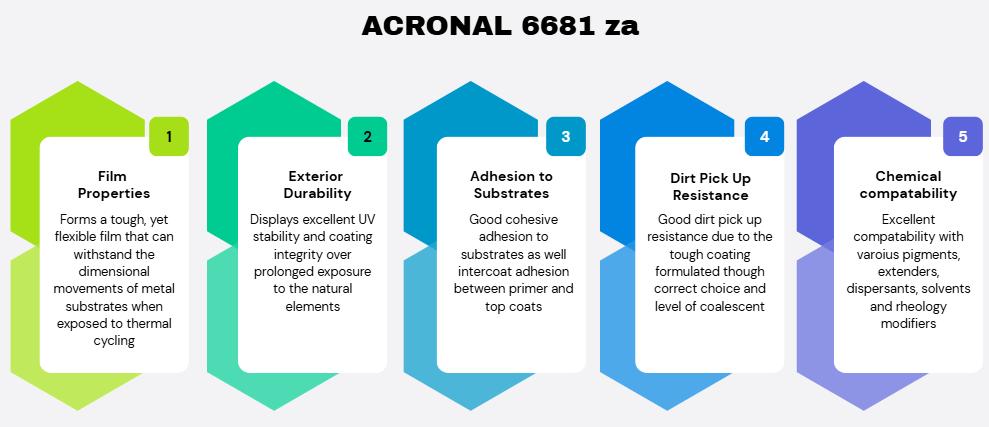
BASF’s Acronal 6681 ZA is an example of a product developed with these realities in mind. Manufactured locally in Durban, it is designed to meet the specific demands of African environments. Its pure acrylic backbone provides strong UV stability, resistance to photo-degradation and colour loss. The polymer architecture reduces water uptake, slowing coating degradation. At the same time, its carefully balanced Tg allows the coating to move with the substrate while still resisting dirt pickup. The small particle size also helps improve adhesion across a variety of surfaces, making it suitable for use on different roof types.
Efflorescence –the movement of soluble calcium salts to the surface where they crystallise – is a common failure on cementitious roofs.
BOTTOM LINE
Roof coatings might seem simple on the surface, but their performance is anything but. In a country as demanding as South Africa, long-term durability doesn’t happen by chance — it’s engineered into the chemistry from the start. In the end, a welldesigned dispersion does more than just protect a roof. It creates a system that can adapt, endure, and perform consistently over time, even under some of the harshest conditions. c
"Each substrate brings its own unique surface chemistry, level of porosity, thermal expansion rate, and adhesion requirements" For more information, Email: nirasha.sewambar@basf.com or Email:
A new threshold – and a new set of responsibilities for employers
By Carole Ratcliffe,
A new earnings threshold took effect on 1 May, raising the level at which employees qualify for certain protections under the Basic Conditions of Employment Act (BCEA).
On the surface, the adjustment of three per cent — to R269 601 per year, or R22 467 per month — appears modest. In practice, it alters how a significantly greater portion of the workforce must be managed.
The new threshold determines which employees are automatically covered by provisions that regulate working hours, overtime, rest periods, and certain pay conditions. Employees earning below the threshold are automatically entitled to these protections.
This threshold increase has a dual impact. Some employees whose earnings were previously above the threshold may now fall below it and gain additional protections. And, for employers, these employees’ existing arrangements and employment contracts must become compliant.
The first step for employers is to understand what must be assessed. ‘Earnings’ refer to an employee’s regular annual remuneration before any deductions. It includes salary and regular payments but excludes allowances such as transport or subsistence, as well as overtime and performancerelated awards. Misinterpreting what qualifies as earnings can result in incorrect classification and unintended non-compliance.
With this clarity, employers then need to review their workforce against the new threshold. This is not limited to payroll data; it also requires a detailed audit of employment contracts, remuneration structures, and job classifications to ensure alignment with how earnings are defined and how protections apply.
WORKING HOURS IN FOCUS
Working hours must also be examined. This includes how ordinary hours are structured, how overtime is calculated and authorised, and how rest periods are managed. In many organisations, these practices have evolved over time and may not be consistently documented or applied. Where more employees now fall within the scope of statutory protections, these gaps become compliance risks.
The complexity increases for businesses that rely on non-standard employment arrangements. Fixedterm contracts, labour broking, and flexible work models require closer attention. Employees placed through labour brokers, for example, may be deemed employees if they are providing a permanent service. Similarly, some fixed-term contracts may be regarded as indefinite employment. As more employees fall below the threshold, these provisions become more relevant and require tighter governance.
The financial implications are not limited to potential penalties. Expanding the pool of employees entitled to overtime and regulated working hours can affect labour costs and operational planning. Budgets may need to be adjusted to account for higher overtime payments or changes in shift structures. Workforce planning becomes more complex as
compliance requirements intersect with productivity targets.
IT’S
ALL IN THE APPLICATION
This change also presents a practical challenge. Policies must be applied consistently, and decision-making must be informed by a clear understanding of where protections apply. Training and communication are essential to ensure that those managing teams can implement changes correctly.
At the same time, the shift has direct implications for employees. Those who now fall below the threshold gain access to protections that support fair working conditions. These include limits on working hours, entitlement to overtime pay, and prescribed rest periods. Failure to grant these protections or to entrench them contractually could lead to disputes.
This places greater importance on how employment agreements are structured. Employers need to ensure that contracts become legally compliant, while also being clear, fair, and aligned with business needs.
OPPORTUNITY FOR TRANSPARENCY
Beyond compliance, however, this is an opportunity to strengthen workforce planning and improve transparency in pay structures. Clear alignment between remuneration, role expectations, and legal requirements supports both operational stability and employee trust.
The threshold change has shifted a line within the workforce. It is now up to employers to ensure that the line is understood, applied correctly, and reflected in day-to-day practices. Acting now allows businesses to address these risks directly and implement systems that will remain robust. c
managing executive at Quest by Adcorp
Photo credit: Getty Images / Phynart Studio
The future of employee wellness lies in rewarding behaviour
Employee wellbeing is not simply a ‘nice to have’ spend item. It’s a multiplier of the investment which organisations are already making in their people.
According to Guy Chennells, chief commercial officer of Discovery’s Corporate and Employee Benefits division explains: “The place of wellbeing is to multiply the effort that you’re already putting into all the other pillars.” In other words, when more employees move from merely coping to being genuinely well, this directly translates into more value.
PILLARS, INEXTRICABLY LINKED
A useful way to understand this is
through the link between physical, emotional, and financial wellbeing.
Chennells is clear that these challenges rarely exist in isolation.
“These pillars are all inextricably linked,” he says. “For example, a person’s depression could be linked to a level of financial responsibility that they simply cannot meet, which could in turn be driven by costly health challenges.”
Here, data becomes powerful. Chennells explains that the Discovery business is a core client of the
Corporate and Employee Benefits team, and so the team can gain valuable insight through data and partnership with the Discovery human resources department. For example, an internal analysis has found that employees with BMIs outside the healthy range (ie with an index above 27) take on average 51% more sick leave days than those whose BMI is within range.
Chennells is careful to frame BMI appropriately. “This is not to bodyshame anyone,” he says. “But there’s
Photo credit: Getty Images / Organic Media
Your business
a statistical link between weight and several other critical health conditions. This makes BMI a good measurement index for overall health.”
ABSENTEEISM, OR PRESENTEEISM WITH A LACK OF ENGAGEMENT
Health impacts productivity. Poorer health often manifests through higher absenteeism, lower energy levels, and reduced capacity to perform. Healthier employees, by contrast, are simply able to contribute more.
“You’re getting a third less absenteeism from the people who are healthier, without you doing an extra thing,” Chennells notes. The same pattern appears in mental wellbeing. Employees identified as high risk on standard mental wellbeing questionnaires show significantly higher sick leave scores than those in a healthier range. And when health improves, productivity does too. Further analysis shows that for employees whose BMIs moved from out of range to within the healthy range (below 27 on the index) over time, their sick leave dropped by almost 20%.
CAUSE, EFFECT, AND TARGETED INTERVENTIONS
“Eighty percent of the consequences in your organisation which result from poor health, or poor wellbeing, come from 20% of the people,” Chennels says. This means the highest-cost wellbeing issues are often concentrated within a relatively small group of employees. Targeted interventions, informed by data, can therefore outperform broad, generic campaigns aimed at all employees.
“As you target and segment, you start thinking about people in a focused way. This gives you a better outcome,” Chennells explains. “You get about a 20% better impact on behaviour from an intervention when it is highly targeted.”
THE WORST KIND OF STRESS: DEBT
Recent retirement reforms in South Africa have added another dimension to the challenge. The introduction of the two-pot retirement system was designed to give employees limited access to their retirement savings, in
times of financial pressure.
While the intention was aimed at providing flexibility and relief, the reality is that many employees are withdrawing funds to manage shortterm debt or financial emergencies. At the same time, long-standing behaviour remains common: employees resigning from jobs primarily to access their retirement savings.
“Wellbeing
is how you dial up the impact of all the other HR spend – it is a multiplier, not a nice-to-have”
These withdrawals can provide immediate cash flow relief, but they are unfortunately accessed at the cost of long-term financial security.
For employers, it can also contribute towards higher turnover, financial stress, and disengagement among employees who feel trapped in cycles of debt. This is where data-driven financial wellbeing interventions can shift outcomes. Employees caught in debt cycles often make financial decisions that feel unavoidable in the moment — ie withdrawing retirement funds, taking high-interest credit, or leaving jobs to unlock savings. But when these behaviours change, value is created across the entire financial ecosystem.
“If someone avoids withdrawals that they would otherwise have made, that behaviour change has real financial value,” Chennells explains. “That retained money earns valuable fees in the system.
If we can prevent withdrawals through better financial support and incentives, we can redirect that value back to the employee.”
Discovery Corporate and Employee Benefits responded to the need with an innovation called Debt Reset, built around a simple principle: it is worth it for a Retirement Fund to spend money to get and keep someone out of a debt trap. As Chennells explains it, “Find a way for someone’s behaviour to create value, and then give that value back to them.”
Importantly, the Debt Reset intervention does not require additional employer funding. Instead, it unlocks value that already exists within the system. Employees can pause their retirement contributions for up to 12 months and redirect those funds toward settling debt, up to a maximum of R25 000. For many, this provides the first realistic pathway out of persistent indebtedness. The Debt Reset solution is permitted for those employees who have successfully completed an important financial education, budgeting and coaching session specifically designed for them, and once they can show that they have established a pattern of stable spending.
The lesson is clear: financial wellbeing programmes are not simply about education or creating awareness. When designed around behavioural economics and real financial incentives, they can actively reshape employee financial decisions. c
Photo credit: Getty Images / Jacob Wackerhausen
Sancryl Chemicals manufactures a wide range of Sancryl Chemicals manufactures a wide range of Sancryl Chemicals manufactures a wide range of environmentally friendly performance industrial environmentally friendly performance industrial environmentally friendly performance industrial polymers and speciality chemicals for the polymers and speciality chemicals for the polymers and speciality chemicals for the following industries: following industries: following industries:
• Paints and Coatings
• Paints and Coatings
• Paints and Coatings
• Mining and Construction
• Mining and Construction
• Mining and Construction
• Industrial Water Treatment
• Industrial Water Treatment following Treatment
• Industrial Water Treatment
Paints and coatings formulated using our environmentally friendly range will conform
Paints and coatings formulated using our environmentally friendly range conform to the VOC regulations of European directive 2004/42/EC. the regulations directive formulated using our environmentally to the VOC regulations 2004/42/EC.
Envirocryl PA64
A high performance, waterborne pure acrylic polymer that is designed to give very good colour development and enhanced durability It allows the paint formulator the luxury of designing a variety of different paints using one emulsion, including interior and exterior coatings
Enviropol SP18
Enviropol SP 18 is an environmentally friendly, APEO free, water reducible solution polymer designed for use in Masonry Paints, Primers and Bonding Liquids The use of this polymer on masonry and concrete affords the user exceptional long term water durability, water repellence, and breathability
Envirocryl PA65
This speciality polymer is designed for waterproofing compounds, roof paints, and flexible coatings, where a high degree of water resistance and elongation is required in seamless coatings. It can also be used in applications that require zero to low odour Coatings manufactured using this polymer has half the water uptake and three times the elongation when evaluated against its closest competitors
Envirocryl SA54
Envirocryl SA54 possesses specialized reactive groups which impart excellent water resistance, excellent alkali resistance, extremely good flexibility and very good binding power Paints made using this binder show improved alkali resistance and improved water resistance Such paints also have improved adhesion and no nasty odours!
Envirocryl PA68
Our latest technology in a fine particle size, waterborne acrylic emulsion, that requires zero coalescent It can be used in a wide variety of applications including gloss and sheen paints.
Envirocryl SA50
This acrylic copolymer has been designed to manufacture high quality paints exhibiting excellent hiding power and scrub resistance It allows for good colour development and enhanced durability It also exhibits better hiding power than most competitors These capabilities allow our polymer to outperform traditional binders when used in high quality paints
Envirogel Thickeners:
An environmentally friendly, hydrophobically modified, alkali swellable emulsion that can be used as a rheology modifier and viscosity enhancer in low VOC coatings
Envirosperse Dispersant:
An effectively environmentally compliant multifunctional dispersing, wetting, and grinding aid used for the preparation of stable aqueous dispersions with high pigment loading. It can also be used as a water softening and defl occulating aid
Envirocide Biocides:
A range of broad spectrum microbicides that can be used to protect paints, adhesives, textile coatings, colloidal thickeners and slurries against microbiological degradation in environmentally friendly applications
A range of environmentally additives that can be used for improved production and/or cost savings: Sancryl Environmentally Friendly Additives Sancryl Environmentally Friendly Additives Sancryl Environmentally Additives
Envirosolv Coalescents:
An extremely low odour, environmentally friendly coalescing agent that can be used in a wide range of applications.
Envirowet Surfactants:
A superior range of APEO free anionic wetting agents that can be used in warm water, cold water, and polar solvents, without gel formation giving superior stability to mixes An environmentally friendly alternative to NP9!
Enviromine:
An environmentally friendly amine derivative designed for use in coating formulations for pH control and anti-flash rusting properties Additionally,it functions as a codispersant and enhances the stability and colour development in coating formulations.
YEARS
Eight
Decades of Getting It Right Eigh t Decade s o f Ge tt i n g I t Righ t
Africa’s most trusted partner in coating measuremen t-since 1946
Eight decades of industry revolution, technological revolution, and market change. Through it all, one constant: our unwavering commit ment to precision, to service, and to the professionals across Africa who depend o n us every day. World-class instruments. Local expertise. A partner who picks u p the phone.
From Cape to Cairo - we are your measuring partner
A year of consequence: Reflections from the Chairperson
By Sanjeev Bhatt (Synthetic Polymers)
There are years that pass quietly, and years that leave a mark. The 2025/2026 year has unquestionably been the latter for SAPMA and the broader South African coatings sector.
The pace of regulatory reform, the deepening of sector integration, and the growing professionalisation of our industry have combined to make this one of the most consequential periods in our Association's modern history. Reflecting on that journey as cochairpersons has been both humbling and energising.
THE CONFEDERATION TAKES SHAPE
One of the defining themes of this year has been the steady formalisation of the Coatings Confederation of South Africa. The Confederation is not simply an organisational structure. It is a recognition that our sector has evolved. Manufacturers, retailers, suppliers, contractors, waterproofing specialists, and professional practitioners no longer operate in isolation from one another. We are an integrated ecosystem, and our representation, advocacy, and standard-setting must reflect that reality. SAPMA's role in facilitating the Confederation has become central to building the cohesion and unified voice our sector needs when engaging government, organised labour, regulators, and consumers.
RETAIL COMES INTO ITS OWN
A significant development during the year has been the continued expansion of SAPMA's Retail Chamber and the establishment of the South African Retail Paint and Hardware Association (SARPHA). Retailers occupy a strategically important position in the coatings value chain, and they face an increasingly demanding environment of regulatory compliance, consumer protection obligations, training requirements, and product accountability. The growth of SARPHA reflects a growing recognition among
retailers that collective organisation is not optional; it is essential. Important work is already underway on mixologist and tinting standards, retailer compliance frameworks, and broader industry accountability.
WATERPROOFING JOINS THE FAMILY
The formal incorporation of the Waterproofing Trade Association and its members into the Coatings Confederation framework has been another meaningful milestone. Waterproofing has become one of the fastest-growing subsectors within our industry, driven by infrastructure refurbishment, insurance-related remediation, energy-efficiency upgrades, and the rising consumer demand for warranty-backed solutions. Bringing waterproofing stakeholders into the Confederation strengthens industry alignment while improving accountability, training, and professional standards across the contractor environment. It is exactly the kind of integration the Confederation was designed to achieve.
BUILDING A PROFESSION, NOT JUST AN INDUSTRY
Perhaps no initiative better captures the long-term ambition of SAPMA than the establishment of the Professional Body for the Coatings Sector. This is one of the most ambitious undertakings in the history of our industry, and meaningful progress has been made in piloting professional designations and Continuous Professional Development structures aligned to recognised industry competency standards. Particular emphasis has been placed on the Professional Senior Executive Leader designation, alongside the Paint Chemist and Paint Mixologist designations. These initiatives rest on a straightforward
conviction: the future credibility and sustainability of our sector depends on structured professional recognition, ethical accountability, lifelong learning, and the formal acknowledgement of expertise. The progress achieved during the year places SAPMA on a clear pathway towards eventual SAQA recognition of the professional body.
LEAD IN PAINT: A DEFINING COMPLIANCE MOMENT
As a proud member of the MCCM Committee of the Department of Health, one of the most pressing priorities confronting the sector this year has been the implementation of the Lead in Paint Regulations and their associated compliance deadlines. These regulations have required manufacturers, retailers, suppliers, contractors, and associated stakeholders to fundamentally rethink quality assurance, product traceability, training, labelling, and consumer accountability across the value chain. SAPMA has played a central role in helping members navigate these obligations responsibly, while simultaneously engaging Government and regulators to ensure implementation remains practical and cognisant of operational realities. The significance of these deadlines goes beyond compliance. They represent a defining moment in building public confidence in compliant coatings products and in demonstrating that our industry takes its responsibilities seriously.
COATINGS FOR AFRICA
SAPMA's strengthening relationship with Coatings For Africa has been another positive development. As the premier coatings exhibition on the continent, Coatings for Africa connects African and international manufacturers, suppliers, innovators, distributors, and professional stakeholders. Our evolving relationship
Chairperson's letter
with the exhibition reflects a broader commitment to positioning South Africa as a leading coatings hub within the African market.
The African Continental Free Trade Agreement continues to be a subject of careful strategic attention. AfCFTA opens significant export opportunities for South African manufacturers, suppliers, retailers, and contractors. For many SAPMA members, this represents the first realistic prospect of scaling regionally. At the same time, we are under no illusions about the risks. The reduction and removal of tariffs across participating countries introduces genuine competitive challenges, particularly where imported products originate from jurisdictions with substantially lower production standards, weaker environmental controls, and limited compliance obligations. The long-term success of AfCFTA for South African producers will depend not only on trade liberalisation, but equally on the progressive alignment of regulatory standards, quality assurance frameworks, and fair trading practices across the continent. SAPMA will continue to engage on this matter.
POLICY ENGAGEMENT: BUSA, NEDLAC, AND THE NBCCI
SAPMA's participation as a member of Business Unity South Africa (BUSA) and through BUSA's structures at NEDLAC continues to provide an important platform for direct engagement with government, organised labour, and broader business formations on matters affecting our sector. These engagements have encompassed labour legislation, employment equity, occupational health and safety, skills development, environmental compliance, bargaining council matters, and broader economic policy. Throughout, SAPMA has been consistent in ensuring that the particular realities facing small and medium-sized businesses within the coatings sector are not overlooked within these broader policy discussions.
On the labour relations front, a significant body of work has been completed during the year. Some 32 years ago, SAPMA was instrumental in registering the Surface Coatings Employers Association (SCEA) to
represent the interests of members who voluntarily participate in the National Bargaining Council for the Chemicals Industry (NBCCI). The SCEA continues to serve those members well, and SAPMA serves on the executive committee of the NBCCI, continually protecting member interests.
Equally important is the work done to protect the majority of members who are not parties to the NBCCI Industrial Chemical Agreement.
Anticipating the likely extension of that agreement to non-parties by the minister of Employment and Labour, SAPMA and the SCEA have worked extensively on the redevelopment of both the Exemptions Policy and the Small Business Phasing-In Policy. These interventions are critically important for ensuring that smaller businesses are not exposed to unsustainable compliance shocks should extension occur. More practical exemption and phased implementation mechanisms represent a meaningful achievement in safeguarding sector sustainability while respecting broader labour policy obligations.
We are also acutely aware that many SAPMA members who are not parties to the NBCCI are currently precluded, in terms of Rule 25 of the Labour Relations Act, from being represented at the NBCCI or the CCMA in conciliation or arbitration disputes, because they are not members of the SCEA. To resolve this gap, SAPMA has created an Associate Membership category, enabling the SCEA to represent those companies at both the NBCCI and the CCMA. This is a practical and important protection for a significant portion of our membership.
THE SECTORAL REVIEW: KNOWLEDGE AS ADVOCACY
Now entering its second year of publication, SAPMA's Sectoral Review has already established itself as an important strategic reference point for members and stakeholders alike. In an increasingly complex operating environment, structured industry research, data analysis, and sectoral intelligence are indispensable tools for understanding market dynamics, regulatory pressures, trade risks, and emerging opportunities across the
coatings value chain. The Sectoral Review reflects SAPMA's commitment to evidence-based advocacy and to ensuring that our engagement with government and policymakers is grounded in credible, sector-specific knowledge.
LEADERSHIP AND THE ROAD AHEAD
As we move into the next phase of SAPMA's evolution, one reality is abundantly clear: the coatings sector is entering a more regulated, professionalised, integrated, and accountable era. That creates pressure, but it equally creates opportunity for compliant, organised, and forwardlooking businesses to distinguish themselves in a changing market. SAPMA remains committed to ensuring our members are actively helping to shape the future of our sector.
A WORD OF APPRECIATION
No account of this year would be complete without a sincere word of appreciation to Tara Benn, CEO of SAPMA and the Coatings Confederation. The scale of regulatory engagement, stakeholder coordination, member support, industry administration, and strategic implementation currently underway across the Confederation is considerable. Tara's exceptional professionalism, discipline, and attentiveness have provided the stability and momentum the organisation has needed during a period of substantial transition and growth. Her commitment to the sector is evident daily, and it does not go unnoticed.
Equally deserving of recognition is the outstanding contribution made by our YES interns throughout the year. Their energy, dedication, administrative support, research assistance, and willingness to take on responsibility have become a genuine asset to the organisation. Their contribution has strengthened SAPMA's operational capacity in meaningful ways and serves as an encouraging reminder of the talent that exists within the next generation of industry professionals. c
It has been a privilege to serve as co-chairpersons during a year of such consequence. We look forward to what lies ahead.
Across manufacturing, retail, raw material supply, waterproofing, industrial application, and associated professional services, the operating environment is becoming more regulated, more integrated, more accountable, and considerably more competitive. The structures, assumptions, and practices that served our industry in an earlier era are being tested by new realities and responding to those realities requires clear, shared, evidence-based insight.
For many years, significant portions of the coatings industry operated with fragmented data, inconsistent benchmarking, and limited collective visibility into the broader forces shaping our sector. That environment is no longer adequate. A modern industry expected to engage constructively with government, organised labour, regulators, consumers, international markets, and continental trade structures must do so from a position of credibility and credibility depends on the quality of the intelligence that underpins our collective voice.
THE
ANNUAL DASHBOARD
INITIATIVE
It is against this backdrop that SAPMA and the broader Coatings Confederation have commenced the development of what we believe will become the coatings sector’s Annual Dashboard a structured, evolving mechanism designed to provide ongoing insight into the condition, trajectory, opportunities, and pressures shaping our industry. This publication represents a significant early step in that journey.
The Dashboard initiative is intended
Moving ahead
By Tara Benn, chief executive officer, SAPMA & The Coatings Confederation
The South African coatings sector is entering a period of profound transition.
to become far more than a statistical exercise. Its purpose is to assist the sector in understanding itself with greater clarity and rigour.
It seeks to identify and track emerging trends, regulatory risks, labour dynamics, transformation realities, market shifts, professionalisation requirements, compliance obligations, skills shortages, trade developments, and growth opportunities both within South Africa and across the African continent.
Critically, the Dashboard also reflects a growing recognition that the coatings sector can no longer operate as a collection of isolated silos. Manufacturers, retailers, contractors, raw material suppliers, waterproofing specialists, professional practitioners, and organised employer structures increasingly form part of a connected ecosystem in which developments in one segment rapidly influence all others. Sectoral intelligence must reflect that interconnectedness.
A SECTOR AT A STRATEGIC CROSSROADS
The implementation of Lead in Paint Regulations, the emergence of the African Continental Free Trade Agreement, increasing environmental and consumer compliance obligations, evolving labour frameworks, professional designation requirements, and growing pressure for transformation accountability all point toward a future in which organised, compliant and dataaware businesses will be decisively better positioned to adapt and thrive.
At the same time, the sector continues to demonstrate remarkable resilience, innovation, entrepreneurial energy, and technical excellence.
South African coatings businesses compete in highly demanding conditions while simultaneously managing volatile input costs, infrastructure instability, uneven regulatory enforcement, and intensifying informal market pressures.
This capacity for adaptation is a genuine strength one that structured, shared intelligence can only reinforce.
THE ROLE OF SAPMA AND THE COATINGS CONFEDERATION
The role of SAPMA and the Coatings Confederation is therefore becoming increasingly important not merely as representative bodies, but as coordinating platforms capable of strengthening collaboration, facilitating industry alignment, advancing professional standards, supporting regulatory engagement, and ensuring that the collective voice of our sector remains credible, informed, and influential.
It is our sincere hope that this evolving Annual Dashboard will serve as an important strategic reference point for industry leaders, policymakers, investors, organised labour, regulators, researchers, and member companies alike. Most importantly, we hope it assists the sector in preparing not only for the challenges that lie ahead, but also for the significant opportunities emerging across South Africa and the broader African continent.
We present this publication to you, and we look forward to deepening the partnership between SAPMA, the Coatings Confederation, and every stakeholder committed to a stronger, more competitive, and more sustainable South African coatings industry. c
Headline findings across the SA coatings value chain
The 2025 SAPMA Sector Review presents a coatings industry in rapid transition.
The South African coatings sector is facing growing compliance demands, changing market conditions, increased competition, and pressure to professionalise. At the same time, opportunities are emerging through regional trade, sustainabilityfocused products, digital integration, refurbishment activity, and stronger industry collaboration.
These findings are based on surveys conducted across four industries within the coatings value chain.
R16.8bn
4 000
4 Industries
MARKET
CONDITIONS
AND ECONOMIC CONTEXT
The South African paint and coatings sector is valued at around R16.8bn in 2025, with moderate growth despite ongoing economic pressure. Key challenges include volatile input costs, import dependence, currency fluctuations, shipping and port inefficiencies, and growing pressure from informal and non-compliant retailers. Retail paint and hardware remains a major segment, valued at approximately R22.5bn across nearly
4 000 stores, while automotive OEM coatings continue to play an important role in local manufacturing.
COMPLIANCE, REGULATION AND TRADE
Compliance demands increased in 2025, particularly around lead regulations, GHS requirements, environmental accountability, and consumer protection. While the African Continental Free Trade Agreement is opening new regional opportunities, concerns remain over uneven regulation and lower-cost imports. Rising compliance costs are also placing added pressure on small and medium-sized businesses.
INNOVATION, SUSTAINABILITY AND DIGITAL INTEGRATION
Sustainability and green coatings are becoming mainstream across decorative, waterproofing, and industrial applications. Digital integration is also accelerating, with growing use of ERP systems, traceability tools, colourmatching technology, and digitally managed warranties. Demand is increasingly shifting towards complete warranty-backed systems rather than standalone products.
WATERPROOFING AND CONTRACTING:
The waterproofing sector continues to grow, driven by refurbishment,
repairs, energy upgrades, and ageing infrastructure. Demand is also rising for approved contractors offering manufacturer-backed systems and warranties.
SKILLS, PROFESSIONALISM AND SECTOR DEVELOPMENT:
Skills shortages persist across compliance, formulation, quality control, waterproofing, and technical roles. SAPMA’s Professional Body initiative is introducing new designations, while Continuous Professional Development is becoming essential for maintaining competence and industry credibility.
INDUSTRY REPRESENTATION AND STRUCTURES:
SAPMA’s role within BUSA and NEDLAC is strengthening sector engagement on regulation, labour, and trade. The Coatings Confederation is improving alignment across the value chain, while manufacturers continue to face pressure from costs, compliance, and import competition.
INDUSTRY REPRESENTATION AND STRUCTURES:
SAPMA’s role in BUSA and NEDLAC is strengthening sector engagement with government and labour on regulation, economic, and trade issues. The Coatings Confederation is improving alignment across manufacturers, retailers, contractors, and suppliers, while manufacturers face rising costs, compliance pressure, and import competition.
OVERALL OUTLOOK:
The outlook remains cautiously optimistic. Compliant, well-managed, and adaptable businesses are best positioned to benefit from emerging opportunities in South Africa and across Africa. c
Photo credit: Getty Images / Bloomberg
We are proud to be associated with leading paint manufacturers & have a key focus on EXPORT markets in Africa. We boast a team of highly skilled polymer chemists in the laboratory as well as on the plant to ensure quality control and superior standards of resin. Adding to the mix is our MAINTENANCE team of qualified engineers, fitters, welders & electricians. Our high-quality polymers are the key to vibrant decorative, industrial, automotive, and other coatings. Our state-of-the art laboratory boasts cutting-edge technology and a team of R&D chemists who endeavour to develop products for our customers.
The vision is to RE-DEFINE the COATINGS INDUSTRY with our QCCP (Quality, Consistency & Competitive Prices) THEORY.
Are you looking for lightning-fast delivery? Our 20-metric ton bulk delivery vehicle guarantees your order will arrive within 24-72 hours.
• Long, Medium & Short Oil Alkyds
• Polyurethane Alkyds & Oils
• Hydroxy Functional Acrylics
• Thermoplastic Acrylics
• Speciality Alkyds
• Short & Medium chain stopped Alkyds.
• Styrenated & Acrylated Alkyds
• Amino Resins (Urea & Melamine Formaldehyde)
• Thermoset Acrylics
• Saturated Polyesters
Experience the MAGIC with SYNTHETIC POLYMERS!
A SWOT analysis for Confederation members
Synthesising macroeconomic, trade, and sector-specific forces shaping the South African coatings industry.
South Africa enters the 2026 review period with firmer macroeconomic foundations than at any point since the pandemic but with persistent structural vulnerabilities that the coatings sector cannot afford to ignore. National Treasury projects real GDP growth averaging 1.8% from 2026 to 2028, up from 1.4% in 2025, underpinned by improved electricity availability, logistics reform, South Africa’s removal from the FATF grey list, and a credit rating upgrade by S&P Global. These are meaningful tailwinds. They are not, however, sufficient to dissolve margin pressure, skills shortages, or the costcompetitiveness challenges facing Confederation members.
1.8%
SA GDP Growth Avg 2026–28 (National Treasury)
3.1%
Headline CPI Mar 2026 (21-yr Low in 2025)
R16.43/$ Rand / USD Rate (SARB, 8 May 2026)
98.9%
Eskom Energy Availability FY2025/26
Globally, the environment is more fractured. The OECD projects global GDP growth of just 2.6–2.9% for 2026, with the United States growth slowing to approximately 1.5%, China to 4.6%, and the eurozone remaining constrained. US tariff escalation now affecting broad categories of
manufactured goods, chemicals, and inputs is reshaping global supply chains, disrupting commodity pricing, and generating the kind of policy uncertainty that discourages mediumterm investment. For South African coatings businesses dependent on imported resins, pigments, solvents, additives, and equipment, this translates directly into procurement volatility, currency exposure, and compressed margins.
At home, inflation has moderated sharply. Headline CPI stood at 3.1% in March 2026, close to the South African Reserve Bank’s new 3% target itself a milestone signalling heightened monetary policy credibility. The SARB delivered 100 basis points of rate cuts during 2025 and is expected to provide a further 50 basis points of relief in 2026, reducing borrowing costs for working capital, capex, and property investment. Lower rates support refurbishment activity, home improvement demand, and contracting pipelines all core demand drivers for Confederation members. However, the rand remains a structural source of
volatility. At R16.43 to the US dollar on 8 May 2026, the currency is materially exposed to oil-price movements, global risk sentiment, US trade policy shifts, and domestic fiscal credibility risks. A stress scenario modelled by the Bureau of Market Research places rand depreciation toward R17.50/USD as a plausible downside which would push CPI toward 4.0% and reverse recent monetary easing.
The electricity environment has transformed meaningfully. Eskom recorded 98.9% energy availability for the 2025/26 financial year, and loadshedding has been suspended since May 2025. For manufacturers, this improves production planning, batch consistency, and cost predictability. For retailers, it restores tinting and mixing operations. For contractors, it enables more reliable scheduling and throughput. The benefit is real and quantifiable. But municipal electricity failures, ageing distribution infrastructure, and the embedded cost of generator and battery backup already absorbed by many businesses continue to represent a non-trivial
operating burden.
Construction activity shows early recovery rather than a broad-based boom. Civil construction confidence has improved substantially from its trough, supported by infrastructure investment commitments, Operation Vulindlela Phase 2, and World Bank-backed municipal upgrade programmes. However, private residential construction remains subdued and dependent on consumer confidence, which while rising sat at -7 in Q1 2026, still in negative territory. High-income households are demonstrating stronger spending sentiment, which supports premium decorative coatings, home improvement, waterproofing, and specialist advisory services. Lowerincome consumers remain acutely price-sensitive, sustaining demand for house brands, informal alternatives, and non-compliant products.
On the continental front, 2026 marks a significant phase of AfCFTA implementation, with major tariff reductions and digital trade protocols taking effect. South Africa commenced preferential trade under the agreement in January 2024, and the framework now provides access duty-free or at reduced duty rates to 12 African markets. Intra-African trade grew 7.7% in 2024. The opportunity for compliant South African coatings manufacturers and specialist contractors to serve infrastructure-driven demand across sub-Saharan Africa is genuine and expanding. The risk, however, is equally real: the tariff architecture that was meant to protect the domestic coatings sector from Egyptian and North African manufacturers appears to have been altered without full industry consultation, creating exposure to lower-cost, lower-regulation imports. This is a structural threat that SAPMA and the Confederation must continue to monitor and contest through engagement with the dtic and ITAC.
SWOT ANALYSIS
The matrix below integrates global macro forces, domestic economic conditions, trade dynamics, regulatory developments, and sector-specific pressures into a structured strategic assessment.
Macroeconomic analysis
S STRENGTHS
• Electricity stabilisation: Eskom’s 98.9% energy availability has materially improved manufacturing reliability, retail trading continuity, tinting operations, and contractor scheduling.
• Inflation at multi-decade lows: Headline CPI of 3.1% and a new 3% SARB target reduce input cost uncertainty, support consumer purchasing power, and enable more predictable pricing strategies.
• Interest rate relief: 100 bps of SARB cuts in 2025 and a further 50 bps expected in 2026 lower the cost of working capital, capex investment, and mortgage-linked demand for home improvement.
• Improved sovereign credibility: S&P credit upgrade and FATF grey-list removal bolster investor confidence, reduce South Africa’s risk premium, and improve access to international capital and supplier terms.
• AfCFTA export access: Preferential trade access to 12 African markets positions compliant South African manufacturers and contractors favourably in a continent with significant infrastructure-driven coatings demand.
• Professional body milestone: SAPMA’s professional designation programme differentiates compliant, certified businesses, creating a competitive advantage in procurement, insurance, and warranty-backed contracting.
• Sectoral organisation depth: The Coatings Confederation, BUSA engagement, and NEDLAC representation give the sector an authoritative, coordinated voice that most competing industries cannot match.
W WEAKNESSES
• Structural import dependency: Key raw materials titanium dioxide, resins, solvents, TOFA, pigments, and specialty additives are not manufactured locally, leaving the entire cost base exposed to rand/dollar movements and global freight disruption.
• Fragmented scale: Many Confederation members are SMEs with limited balance sheet depth, making sustained compliance investment, technology adoption, and price competition difficult against large multinationals and informal competitors.
• Skills and capacity gaps: Critical shortages in regulatory compliance, technical formulation, quality control, waterproofing application, and specialist advisory roles persist across the sector.
• Municipal infrastructure fragility: While national load-shedding has ended, municipal electricity failures, water supply disruptions, road maintenance deficits, and waste management failures continue to impose variable and unbudgeted costs on members.
• Consumer confidence still negative: A Consumer Confidence Index of -7 in Q1 2026 limits broad-based discretionary spending, sustaining tradingdown behaviour and reinforcing demand for non-compliant, unbranded alternatives.
• Compliance cost asymmetry: Lead in Paint Regulations, GHS obligations, POPIA requirements, B-BBEE reporting, and potential bargaining council extensions impose disproportionate costs on compliant members relative to informal competitors who ignore them.
Macroeconomic analysis
O OPPORTUNITIES
• Infrastructure and refurbishment pipeline: Government’s Operation Vulindlela Phase 2 commitments, World Bank municipal investment programmes, and ageing building stock support growing demand for maintenance, waterproofing, protective coatings, and specialist contracting.
• AfCFTA continental expansion: 2026 marks accelerated AfCFTA tariff reductions and digital trade protocol implementation. South African manufacturers with certifiable quality, traceability, and professional designation are positioned to serve infrastructure-driven demand across sub-Saharan Africa.
• Green coatings and sustainability demand: Environmental regulation, ESGdriven procurement requirements, EU Carbon Border Adjustment Mechanism pressures on supply chains, and consumer preference shifts are creating genuine and growing commercial demand for low-VOC, high-performance, sustainable coatings systems.
• Premium home improvement spending: Higher-income household sentiment is improving, directly supporting premium decorative coatings, architect-specified products, professional application,
and warranty-backed waterproofing systems.
• Digital integration advantage: ERP integration, traceability systems, colour-matching platforms, and digitally managed warranty structures enable compliant businesses to differentiate on service, accountability, and data quality areas where informal competitors cannot compete.
• Lower borrowing costs enabling capex: Continued SARB rate reductions in 2026 lower the cost of factory upgrades, fleet investment, laboratory expansion, and technology adoption for members positioned to invest.
• Global supply chain realignment: US-China trade tensions and tariff escalation are prompting multinationals to diversify sourcing and manufacturing locations. South Africa’s improved credibility, AfCFTA access, and manufacturing base present genuine foreign direct investment attraction opportunities.
T THREATS
• Global tariff volatility: US tariff escalation on manufactured goods and chemicals is disrupting global supply chains, creating input cost uncertainty, and generating the policy instability that suppresses investment planning across the sector.
• Rand vulnerability: A BMR stress scenario places rand depreciation toward R17.50/USD as plausible in 2026, which would push CPI toward 4.0%, delay SARB easing, and significantly increase imported raw material, packaging, and equipment costs.
• AfCFTA import exposure: Unresolved tariff structure changes appear to expose the domestic coatings market to Egyptian and North African manufacturers without the protection previously committed by the dtic. Lower-cost, lower-regulation imports represent a direct threat to compliant domestic producers.
• Informal and non-compliant market growth: The informal retail sector continues expanding, placing downward pressure on pricing, accelerating trading-down behaviour, and distributing unsafe products that undermine professional standards and consumer confidence.
• Middle East and geopolitical instability: Ongoing conflict in the Middle East creates oil price risk. Sustained elevated Brent crude prices feed directly into South African fuel costs via the regulated fuel price formula and then into freight, transport, and raw material pricing across the coatings value chain.
• Fiscal and regulatory risk: South Africa’s fiscal consolidation trajectory, while improving, remains fragile. Potential VAT adjustments, carbon tax escalation, municipal tariff increases, and new compliance obligations represent unbudgeted cost risks for members across all segments.
• Skills attrition and emigration: The continued emigration of technically trained professionals, chemists, and compliance specialists depletes the sector’s capacity to formulate, certify, and advise at the standard required by a professionalising industry.
Photo credit: Getty Images / Suphanat Khumsap
Macroeconomic analysis
Segment-level lmplications for Confederation members
Confederation segment
Manufacturers
Raw material suppliers
Retailers
Waterproofing contractors
Professional applicators
SMEs (all segments)
STRATEGIC OUTLOOK: MAY 2026
The macroeconomic environment of May 2026 is genuinely better than at any point in the preceding five years. Electricity stabilisation, moderating inflation, lower interest rates, improved sovereign credibility, and AfCFTA market access together represent a meaningful shift in the operating conditions available to South African coatings businesses. These advantages are not evenly distributed, and they are not permanent.
Primary macroeconomic implication
Currency exposure on imported raw materials remains the dominant margin risk. Lower borrowing costs and electricity stability create conditions for capex investment in compliance, automation, and traceability. AfCFTA export access should be actively pursued.
Global tariff volatility and US-China supply chain disruption create procurement uncertainty. Businesses that can offer local supply alternatives, technical support, and certified traceability will command premium positioning.
Dual-market dynamics intensify: premium spend supports margin-accretive product categories, while price-sensitive consumers sustain informal competition and trading-down. House brand strategy and professional advice differentiation are the primary defensive tools.
Infrastructure investment and refurbishment pipelines create genuine and growing demand. Approved applicator status, professional designation, and warranty-backed systems are rapidly becoming procurement prerequisites rather than differentiators.
Professionalisation through SAPMA’s designation framework directly addresses the compliance and credibility gap that informal competitors cannot bridge. CPD investment is increasingly a commercial imperative.
Rising compliance costs, potential bargaining council extensions, and skills attrition represent disproportionate threats. Confederation membership, shared intelligence, and collective regulatory engagement are essential risk-mitigation tools.
Global tariff instability, rand vulnerability, AfCFTA import risks, informal market expansion, and structural skills attrition represent real, concurrent threats. The businesses that will consolidate market position in this cycle are
those that combine cost discipline with compliance readiness, technical credibility with digital capability, and individual operational strength with the collective intelligence that only a structured, organised sector can provide.
That is the purpose of the Coatings Confederation. And it is why participation, data contribution, and collective engagement in 2026 are not optional for businesses that intend to lead their segments into the next decade. c
Photo credit: Getty Images / Monty Rakusen
SLOW AND STEADY...
We are proud to be associated with leading paint manufacturers & have a key focus on EXPORT markets in Africa. We boast a team of highly skilled polymer chemists in the laboratory as well as on the plant to ensure quality control and superior standards of resin. Adding to the mix is our MAINTENANCE team of qualified engineers, fitters, welders & electricians. Our high-quality polymers are the key to vibrant decorative, industrial, automotive, and other coatings. Our state-of-the art laboratory boasts cutting-edge technology and a team of R&D chemists who endeavour to develop products for our customers.
The vision is to RE-DEFINE the COATINGS INDUSTRY with our QCCP (Quality, Consistency & Competitive Prices) THEORY.
Are you looking for lightning-fast delivery? Our 20-metric ton bulk delivery vehicle guarantees your order will arrive within 24-72 hours.
• Long, Medium & Short Oil Alkyds
• Polyurethane Alkyds & Oils
• Hydroxy Functional Acrylics
• Thermoplastic Acrylics
• Speciality Alkyds
• Short & Medium chain stopped Alkyds.
• Styrenated & Acrylated Alkyds
• Amino Resins (Urea & Melamine Formaldehyde)
• Thermoset Acrylics
• Saturated Polyesters
Experience the MAGIC with SYNTHETIC POLYMERS!
Regulatory and standards update
A compliance reference for suppliers, manufacturers, retailers, contractors, and professional practitioners across the Coatings Confederation.
The regulatory environment governing the South African coatings sector has intensified materially. In the twelve months to May 2026, multiple concurrent regulatory obligations have either come into full force or entered critical implementation phases affecting every segment of the value chain simultaneously. Lead restrictions, chemical labelling obligations, consumer protection requirements, environmental accountability, occupational health and safety duties, employment equity targets, extended producer responsibility, and the emergence of formal professional standards under the Coatings Confederation have converged into what is arguably the most demanding compliance landscape the sector has ever faced.
This update sets out the regulatory framework across each major area, with specific reference to the obligations, timelines, and practical implications for Confederation members by segment. It is structured to serve as both a compliance briefing and a reference document for internal planning, legal engagement, and professional development purposes.
LEAD IN PAINT REGULATIONS:
PHASE TWO NOW IN FORCE
The Lead in Paint Regulations gazetted under the Hazardous Substances Act (Act 15 of 1973) and published in Government Gazette No. 50665 represent the single most significant product-specific regulatory development in the history of the South African coatings sector. Phase one, which prohibited the manufacture, import, export, distribution, and sale of paint and coating materials containing more than 90 parts per million of lead, came into full force on 17 May 2025. Phase two is now imminent.
From 17 May 2026, all packaging for paint and coating products sold in South Africa must carry specified statutory wording: “Conforms with the South African legal lead limit of 90 ppm or less.”
Labels may not claim ‘lead-free’ or ‘lead-safe’ since trace amounts up to 90 ppm remain permissible but must affirmatively confirm compliance within the regulated limit. Compliance is measured on the final formulation, not on individual raw materials, and firstproduction-batch testing by a SANASaccredited laboratory is mandatory for any reformulated product.
Compliance Obligation Matrix by Segment
✔
Lead in Paint ≤ 90 ppm (from 17 May 2025)
Lead compliance label on all packaging (from 17 May 2026)
GHS Rev 10 classification and labelling (from 1 July 2025)
SDS mandatory for all mixtures (GHS Rev 10)
SANS / product performance compliance
CGSO registration (Consumer Protection Act)
EPR packaging registration (Section 18 NEMWA)
Employment Equity Plan (designated employers 50+)
OHS / GHS site compliance, method statements, permits
Professional designation / CPD (SAPMA Professional Body)
This labelling deadline is operative now. Confederation members who have not yet audited current stock, updated packaging artwork, or confirmed documentation from their raw material suppliers are at direct regulatory risk. The obligation extends across the full supply chain: suppliers must provide Declarations of Compliance on pigments, additives, and fillers. Manufacturers must maintain batch records and traceability documentation. Retailers must verify the compliance status of all products held on shelves and must not sell non-conforming stock post the 17 May 2026 deadline. Contractors and specifiers must ensure that only verified, labelled products are used on site and retained in project records.
• Suppliers: Provide signed Declarations of Compliance for all pigments, additives, fillers, and other inputs confirming ≤90 ppm lead content. Maintain test documentation from accredited laboratories.
• Manufacturers: Ensure all current formulations are tested and confirmed compliant. Update all product labels with required statutory wording by 17 May 2026. Retain batch test records as part of traceability documentation. No product may be sold without compliant labelling after this date.
• Retailers: Audit existing shelf stock immediately. Remove or quarantine any product with non-compliant labelling before 17 May 2026. Do not accept new deliveries without verifying supplier declarations. Tinting and mixing operations must use only verified compliant bases and tinters.
• Contractors and specifiers: Update tender specifications and purchase orders to require compliant labelling as a contractual condition. Retain product records on all projects. Avoid unverified or informal supply channels.
GHS REVISION 10: STRENGTHENED CHEMICAL CLASSIFICATION AND LABELLING
From 1 July 2025, South Africa completed the transition to the tenth revised edition of the Globally Harmonized System of Classification and Labelling of Chemicals (GHS 10), implemented through the Department of Employment and Labour’s Draft Regulation No. 50431 under the Occupational Health and Safety Act. This follows the progression from GHS Rev 8, which became mandatory under the Regulations for Hazardous Chemical Agents (RHCA) from September 2022 and required full SDS and labelling compliance from September 2023.
GHS Revision 10 introduces material changes that directly affect the coatings sector. Stricter labelling rules now require larger pictogram sizes and clearer disclosure of ingredients, with specific requirements around
carcinogens and Specific Target Organ Toxicity (STOT) hazards. Safety Data Sheets are now mandatory for all mixtures even those not classified for acute toxicity removing a previous exemption that some manufacturers and importers had relied upon.
Updated Occupational Exposure Limits with revised calculation methodologies apply, alongside enhanced safety protocols for particulates, confined spaces, and personal protective equipment.
Employers are now explicitly obligated to engage health and safety committees on all hazardous chemical agent matters.
Non-compliance with the Hazardous Chemical Agents Regulations constitutes a criminal offence.
The penalty framework provides for fines and up to six months’ imprisonment, with an additional R500 per day or an additional day of imprisonment for each day of continuous violation. These are not administrative notices. They are criminal provisions under occupational health and safety law.
KEY GHS REV 10 OBLIGATIONS
• Manufacturers and Importers: Classify all products under GHS 10 criteria. Prepare updated SDSs covering all 16 required sections, including revised STOT disclosures and updated OELs. Update product labels with revised pictogram sizes and ingredient disclosures.
• Suppliers: Ensure all SDSs provided to workplace customers are GHS 10 compliant. SDSs must be provided at first supply and whenever the SDS is amended.
• Retailers: Maintain current SDSs for all hazardous products sold into workplaces. Ensure customerfacing hazard information is accurate and accessible. Staff must be trained on GHS pictograms and SDS interpretation.
• Contractors: SDS documents must be available on site for every product in use. Method statements and risk assessments must reflect current GHS 10 classifications. Employees must receive training on product hazards, pictogram interpretation, and emergency procedures.
SABS AND SANS STANDARDS: QUALITY ASSURANCE AS A COMPLIANCE OBLIGATION
South African National Standards continue to provide the technical framework against which product quality, safety, and performance are measured across the coatings sector. The SABS catalogue includes standards applicable to paints, undercoats, architectural coatings, industrial coatings, building products, chemical classification, and related applications, published predominantly under the SANS prefix. These standards do not merely constitute technical references they underpin warranty validity, procurement specifications, professional designation requirements, and increasingly the regulatory compliance of products sold into the market.
For manufacturers, SANS compliance must be integrated into product development, testing protocols, quality management systems, and market claims. Performance claims that exceed or misrepresent what a product can deliver under applicable SANS standards create direct exposure under the Consumer Protection Act. For retailers, overstating performance, durability, or fitness for purpose whether in product labelling, in-store advice, or marketing materials exposes the business to consumer complaints and CGSO referrals. For contractors, application specifications, method statements, and warranty claims must align with the recognised product and building standards applicable to the work environment particularly in waterproofing, remedial coatings, corrosion protection, and constructionadjacent applications.
The SAPMA Guarantee Verification Scheme designed to register, track, and report on warranties and guarantees offered by manufacturers, retailers, and contractors is directly linked to the standards framework.
A warranty that cannot be backed by documented, standards-aligned application records and verified product compliance is a warranty that creates, rather than mitigates, legal risk.
ENVIRONMENTAL REGULATIONS: EPR, AIR QUALITY, AND THE CIRCULAR ECONOMY
Environmental compliance obligations affecting the coatings sector have expanded on multiple fronts simultaneously. Three distinct but interconnected regulatory frameworks now require active management by Confederation members.
EXTENDED PRODUCER RESPONSIBILITY (EPR) PACKAGING
The National Environmental Management: Waste Act (NEMWA) Section 18 EPR Regulations in force since May 2021 and with collection and recycling targets becoming increasingly enforceable require producers, importers, and brand owners of identified packaging streams to register with the Department of Forestry, Fisheries and the Environment (DFFE) and join or form an accredited Producer Responsibility Organisation (PRO). Paint packaging cans, lids, plastic containers, shrink-wrap, and cartons falls within these requirements. A fee modulation system (the RAG red, amber, green framework) is now being introduced, linking EPR contribution levels to the recyclability of packaging formats. Manufacturers and importers who have not yet registered, reported on packaging placed into market, or begun meeting collection and diversion targets are at direct regulatory and reputational risk.
AIR QUALITY AND SOLVENT EMISSIONS
Air quality licensing obligations apply where listed activities are conducted, including the use of organic solvents in coating manufacture and application above defined thresholds. The National Environmental Management: Air Quality Act framework including the National Dust Control Regulations published in 2026 introduces stronger emission reduction and reporting expectations in designated priority areas. Non-compliance is capable of attracting significant penalties, including operational suspension orders. Manufacturers must manage solvent use, VOC emissions, and abatement equipment to maintain licence conditions. The shift toward waterborne and low-VOC formulations is therefore not only a market-driven development it is progressively a regulatory necessity.
HAZARDOUS WASTE, STORAGE AND DISPOSAL
Suppliers and manufacturers must manage hazardous chemical storage, waste classification, contaminated container disposal, wastewater management, and transport documentation in accordance with SANS 10228 and related regulations. Retailers face obligations around hazardous substances storage, municipal licensing, gas cylinder management, and safety regularisation.
Contractors must manage chemical handling, site waste, contaminated container disposal, and environmental controls on client premises, including managing spill risks and maintaining site waste records.
CONSUMER PROTECTION AND CGSO: REGISTRATION IS MANDATORY
The Consumer Protection Act, reinforced by the Consumer Goods and Services Industry Code of Conduct, continues to shape the obligations of retailers, manufacturers, and contractors involved in businessto-consumer transactions. The Consumer Goods and Services Ombud (CGSO) administers the Code and is responsible for adjudicating consumer complaints. The 2025 Code confirms that registration with the CGSO is mandatory for all covered participants including paint and coatings retailers, manufacturers, and contractors who sell or supply directly to end consumers.
SAPMA’s ongoing engagement with the Office of the CGSO including the Guarantee Verification Scheme represents a strategic response to an increasingly active consumer protection enforcement environment. The Guarantee Verification Scheme is designed to register, track, and report on warranties and guarantees offered by members: manufacturer product guarantees, retailer warranties on products sold, and contractor application warranties. In an environment where warranty claims are rising and consumer expectations of accountability are increasing, a documented, registered, and verified warranty structure is becoming
Photo credit: Getty Images / georgeclerk
Photo credit: Getty Images / Ivan Pantic
both a legal protection and a market differentiator.
Retailers, in particular, must pay close attention to labelling accuracy, tinting competency, warranty language, and the qualifications of staff advising on product selection. The establishment of SARPHA and the development of professional Paint Mixologist and tinting designations under SAPMA’s Professional Body initiative are direct responses to the compliance obligations that arise when consumers rely on retail advice for significant purchasing and application decisions.
EMPLOYMENT EQUITY: BINDING SECTORAL TARGETS
The Employment Equity Amendment Act came into effect on 1 January 2025, marking the most significant transformation in South African workplace equity legislation in decades. On 15 April 2025, the Department of Employment and Labour published the final Employment Equity Regulations 2025 and the sector-specific numerical targets applicable across 18 national economic sectors including Manufacturing and Wholesale and Retail Trade, both directly relevant to Confederation members.
Designated employers defined as those with 50 or more employees, or meeting applicable sector-specific turnover thresholds are required to develop five-year Employment Equity Plans covering the period 1 September 2025 to 31 August 2030, incorporating the published sectoral targets. These targets are legally binding. The first reporting cycle ran from 1 September 2025 to 15 January 2026, and the first formal assessment of annual goals against sectoral targets will occur during the 2026 reporting period (1 September 2026 to 15 January 2027). Employment targets for persons with disabilities have increased from 2% to 3% across all sectors.
Legal challenges to the regulations were dismissed comprehensively. The Constitutional Court and Supreme Court of Appeal both declined leave to appeal in March 2026, and the courts confirmed that the five-year sectoral targets are binding and enforceable without suspension. The window of
legal uncertainty has closed. Noncompliance now attracts penalties of up to R1.5 million or 2% of annual turnover whichever is greater and the loss of eligibility to do business with the State, which requires a valid Employment Equity Compliance Certificate valid for 12 months.
For Confederation members, this is not a matter for future attention. Businesses that have not yet developed credible EE Plans, conducted workforce analyses, and set defensible annual targets are already in the enforcement window. SAPMA and the Confederation’s engagement with the Surface Coatings Employers Association on exemptions and phase-in provisions for small businesses remains critically important for SME members who may face disproportionate transition costs.
OCCUPATIONAL HEALTH AND SAFETY: CONTRACTOR AND WATERPROOFING OBLIGATIONS
Contractors and waterproofing practitioners operate under a comprehensive and increasingly enforced occupational health and safety framework. The Occupational Health and Safety Act and its subsidiary regulations including the Construction Regulations, the Hazardous Chemical Agents Regulations (GHS Rev 10), and the proposed Certificate of
Competency Regulations (draft published in 2026 for public comment) create layered obligations around chemical handling, working at height, access scaffolding, confined spaces, fall-arrest systems, and environmental site controls.
Method statements, risk assessments, permits to work, and fall-arrest plans are now standard contractual and legal requirements for professional coatings and waterproofing work.
GHS-aligned hazard communication, current SDSs, and employee training on product hazards must be documented and available for inspection. Photobased quality records, diagnostic assessments, and system-linked application records are increasingly expected and in many procurement environments, required as part of warranty-backed contracting frameworks.
The professionalisation of waterproofing and coatings contractors under the SAPMA Professional Body is therefore not a credential exercise. It is part of the compliance architecture that distinguishes professionally managed, accountable operators from informal and non-compliant applicators.
Approved applicator programmes, professional designation, and warrantybacked systems are converging with legal obligation and the market is moving decisively in that direction.
Photo credit: Getty Images / Julia Kozlov
Regulatory Compliance Timeline: 2022–2026
Highlighted rows indicate active or imminent milestones requiring urgent attention.
Date Milestone
Sep 2022
GHS Rev 8 labelling & SDS made compulsory (RHCA)
17 May 2025 Lead in Paint Regulations: 90 ppm limit in force
Ongoing 2026 CGSO Guarantee Verification Scheme rollout; SAPMA Professional Body designations expanding
Penalty Reference Summary
Who It Affects
Manufacturers, suppliers, retailers
Full value chain
Designated employers (50+ employees)
Manufacturers, importers, suppliers
All designated employers
Manufacturers, retailers, importers
All designated employers
Manufacturers, producers, importers
Retailers, contractors, manufacturers
Non-compliance in each of the frameworks below carries criminal, civil, or administrative consequences.
Regulation
Lead in Paint Regulations (Hazardous Substances Act)
GHS / Hazardous Chemical Agents Regulations
Employment Equity Act (amended 2025)
Consumer Protection Act / CGSO
EPR Regulations (NEMWA Section 18)
OHS Act chemical agents, working at height
THE STRATEGIC DIRECTION IS CLEAR
Compliance has become a defining competitive characteristic across the coatings sector. Suppliers who cannot prove input safety and traceability will be excluded from compliant supply chains. Manufacturers who cannot demonstrate formulation testing, labelling accuracy, environmental management, and EE plan credibility will face regulatory sanctions and contract losses. Retailers who cannot verify staff competency, product compliance, and warranty integrity will face consumer protection enforcement and CGSO referrals. Contractors who cannot produce method statements, GHS-aligned documentation, and professional designation credentials will be excluded from the warranty-backed project market that is now the sector’s
Maximum Penalty
Criminal prosecution; product recall; prohibition from trading
Fine + up to six months imprisonment; R500/day continuous violation
Up to R1.5 million or 2% of annual turnover (greater); loss of state contracts
Compliance orders; fines; public naming; reputational exposure
Administrative fines; production halt orders; deregistration
Fine + up to 12 months imprisonment per violation
Primary Exposure
Manufacturers, retailers, importers
Manufacturers, suppliers, employers
All designated employers (50+ employees)
Retailers, manufacturers, contractors
Producers, importers, brand owners
Employers, contractors, principal contractors
primary growth environment.
The businesses best positioned to lead in this environment are those that document properly, train consistently, align with SANS and GHS requirements, participate in SAPMA’s professional designation structures,
and avoid informal supply chains that expose them to product liability, consumer, labour, and environmental risk. For Confederation members, this is a strategic opportunity to create distance from competitors who are not yet ready. c
Photo credit: Getty Images / narvo vexar
Sustainability & innovation review
From marketing language to operational imperative: how the coatings value chain is responding to sustainability pressure.
Sustainability in the South African coatings sector has become a baseline requirement rather than a differentiator. Low-VOC, waterborne, and lead-free products are now standard across retail, specification, and institutional markets, reinforced by green building frameworks like Green Star, LEED and SANS 10400-XA. Global regulations such as EU REACH, PFAS phase-outs, and tighter VOC limits are further accelerating formulation changes. This creates both compliance pressure and opportunity: Companies investing in sustainable chemistry, traceability, responsible packaging, and application quality are better positioned for specification-led, warranty-backed work, while those that fail to adapt risk exclusion from compliant supply chains.
40% of global carbon emissions from built environment (GBCSA)
1 000+
GBCSA-certified green buildings in South Africa
Low-VOC
now a baseline spec in Green Star SA & LEED projects
Waterborne
OEM basecoats now standard at SA vehicle assembly plants
Sustainability Innovation by Confederation Segment Segment Key Sustainability & Innovation Focus Areas
Raw Material Suppliers
Manufacturers
Retailers
Contractors & Waterproofers
Nano-dispersed pigments, antimicrobial additives, biobased resins, self-healing polymers, traceable supply chains, compliance data provision, and technical support for downstream formulation alignment.
Waterborne and high-solids systems, lead-free formulations, low-VOC architectural and industrial coatings, waterborne OEM basecoats, smart factory integration, digital traceability, and lifecycle documentation.
Professional paint mixologist designations (SARPHA/ SAPMA), tinting accuracy systems, stock compliance management, digital job cards, warranty-linked product advice, and reduced product waste through better specification.
Approved applicator programmes, photo-based quality records, diagnostics, method statement integration, warrantybacked system application, and Coatings Professional Body designations replacing informal practice.
CHEMISTRY AND FORMULATION: THE MAINSTREAM HAS SHIFTED
The coatings formulation landscape has shifted into the mainstream, with waterborne systems, highsolids coatings, and bio-based resins now widely adopted rather than experimental. In South Africa, waterborne basecoats are standard in automotive OEM production, while advanced technologies like self-healing clearcoats and improved UV-resistant finishes are progressing through evaluation. Architectural and industrial segments are increasingly focused on lowering VOC's, removing hazardous heavy metals, and meeting both local SANS standards and export environmental requirements.
Global regulatory changes — particularly PFAS (per-and polyfluoroalkyl subsances) restrictions in the EU and US — are also driving reformulation pressure, affecting waterand stain-resistant technologies. At the same time, bio-based inputs such as soybean oil polyols, linseed and tall oil alkyds, and microbial-derived resins are gaining international traction and beginning to influence local specifications. Manufacturers that do not track these shifts risk losing access to premium and export-aligned markets.
GREEN BUILDING AND SPECIFICATION-DRIVEN DEMAND
The built environment accounts for nearly 40% of global carbon emissions,
Photo credit: Getty Images / Noko LTD
and South Africa’s green building certification ecosystem through the GBCSA’s Green Star SA framework, LEED, and the EDGE system is creating a structured, growing demand pull for coatings that meet Indoor Environmental Quality (IEQ) criteria. GBCSA’s IEQ-13 requirements for low-VOC interior coatings, energylinked cool roof specifications, and the shift toward Energy Performance Certificates in commercial buildings (compliance extended to December 2025 and now in active enforcement) all translate into product documentation requirements that coatings suppliers and manufacturers must meet to access specification-led work.
For Confederation members, the implication is clear: products used on Green Star, LEED, or SANS 10400XA projects must have verified VOC data, low-emission certification, and lifecycle documentation. Without this, manufacturers are excluded, and contractors risk disqualification if they cannot provide compliance evidence in their method statements.
DIGITAL INNOVATION: TRACEABILITY, QUALITY, AND COMPETITIVE DIFFERENTIATION
Digital integration is accelerating across every segment of the coatings value chain and is increasingly linked to sustainability outcomes rather than being treated as a separate technology agenda. Traceability systems that link raw material declarations to finished product batch records are now part of lead compliance, GHS documentation, and warranty verification requirements. Digital job cards, photo-based quality records, and warrantylinked documentation are becoming standard expectations in professional contracting and waterproofing environments.
Manufacturers: ERP integration, smart factory tools, and predictive maintenance systems are improving production consistency, reducing waste from batch failures, and generating the compliance data that customers and regulators increasingly require.
Retailers: Tinting accuracy systems, colour-matching platforms, and digitally
managed stock controls reduce incorrect product selection, application failures, and consumer disputes directly improving sustainability outcomes through reduced rework and material waste.
Contractors: Photo-based diagnostic records, digital method statements, and warranty management systems are transforming professional coatings and waterproofing contracting from informal, paper-based practice into documented, accountable service delivery.
The gap between larger businesses investing in digital infrastructure and smaller firms operating without it is widening.
The Confederation’s role in supporting accessible digital tools, shared compliance platforms, and sector-wide traceability standards represents a genuine opportunity to raise the floor across the membership rather than allowing digital capability to become yet another barrier to SME competitiveness.
Paint packaging metal cans, plastic containers, lids, and shrink-wrap falls within South Africa’s Extended Producer Responsibility (EPR) regulations under NEMWA Section 18. Producers and importers are required to register with accredited Producer Responsibility Organisations and meet collection and recycling targets that are now entering active enforcement. A fee modulation system the red, amber, green (RAG) recyclability framework is being introduced, linking EPR contribution levels to packaging recyclability.
Manufacturers whose packaging scores poorly under RAG criteria will face higher EPR fees.
Beyond regulatory compliance, packaging sustainability is increasingly a procurement criterion. Institutional buyers, property developers, and environmentally committed contractors are beginning to ask questions about recycled content, container recovery programmes, and environmental claims substantiation. The direction is clear: members who
invest in recyclable packaging formats, transparent environmental claims, and container take-back initiatives will be ahead of both regulatory and market expectations. Those who do not will face both higher EPR costs and growing procurement exclusion.
PROFESSIONALISATION AS A SUSTAINABILITY TOOL
SAPMA's Professional Body initiative, including designations for Senior Executive Leaders, Paint Mixologists, and Paint Chemists, has an important sustainability impact. Poor workmanship — such as incorrect product selection, poor surface prep, and non-compliant application — drives material waste, product failure, and rework, increasing environmental impact and undermining sector credibility.
Designations in paint tinting and mixology under SARPHA and SAPMA reduce specification and application errors at retail and contractor level. Accredited applicator programmes also shift the market toward competency-based selection, improving workmanship and delivering more durable, documented outcomes.
THE OPPORTUNITY AHEAD
The sector's direction is positive but uneven. While there is strong innovation in chemistry, digital systems, standards, and packaging, many members are still constrained by import reliance, limited R&D capacity, skills shortages, and the cost of shifting from legacy solvent-based products.
The opportunity for SAPMA and the Coatings Confederation is to turn sustainability into a measurable commercial advantage through safer chemistry, traceable supply chains, reduced failure rates, responsible packaging, stronger training, and credible product assurance across the coatings value chain.
The businesses that lead in this space will not only meet the expectations of regulators, institutional buyers, and professional specifiers they will define what professional coatings practice means in South Africa for the decade ahead. c
Trade developments reshaping the south african coatings sector
The South African coatings sector remains predominantly a domestic manufacturing industry, supplying primarily local markets while relying extensively on imported raw material inputs. However, the operating environment is changing rapidly.
New continental trade frameworks are opening access to African markets. China has introduced a twoyear zero-duty window for qualifying South African exports. At the same time, exchange-rate volatility continues to place pressure on imported input costs, while product traceability, origin verification and quality assurance are becoming increasingly important differentiators in international trade. These developments have strategic implications across the coatings value chain, affecting manufacturers, raw material suppliers, retailers, contractors and applicators alike.
IMPORT DEPENDENCY AND CURRENCY EXPOSURE
Approximately 70% of the inputs used within the South African coatings sector, including resins, pigments, solvents, titanium dioxide, additives, packaging materials and specialised chemistry, are imported.
Consequently, a substantial proportion of raw material expenditure remains directly exposed to exchange-rate movements and international logistics performance.
A weakening rand immediately increases the landed cost of imported materials, often before shipments have cleared ports. Logistics inefficiencies, congestion and delays within South African port infrastructure further compound these pressures through extended lead times and additional costs.
Manufacturers may mitigate some exposure through forward exchange cover arrangements, strategic stock positioning where commercially viable,
and evaluation of local alternatives where technically suitable. Import dependency is unlikely to reduce materially in the near term, but exposure management remains possible.
AfCFTA AND REGIONAL MARKET EXPANSION
The implementation of the African Continental Free Trade Area (AfCFTA) from 1 January 2026 represents a significant development for regional trade.
Twenty-four African countries are currently trading with South Africa under reduced or zero-tariff arrangements, subject to compliance with origin requirements.
For the coatings sector, this development aligns with continued infrastructure growth across the continent. Investment in roads, water infrastructure, industrial facilities, commercial developments and housing continues to support demand for decorative coatings, waterproofing
systems, protective coatings and industrial maintenance products.
Markets including Kenya, Ghana, Rwanda, Egypt and Cameroon represent meaningful opportunities rather than peripheral export destinations.
However, AfCFTA also increases competitive exposure. Manufacturers operating in countries with lower labour and energy costs may gain improved access to South African markets. Maintaining appropriate tariff protections and fair competitive conditions therefore remains strategically important.
SAPMA continues engaging relevant stakeholders regarding these developments.
SADC MARKETS AS PRACTICAL EXPORT GATEWAYS
For many South African coatings businesses, the most immediate export opportunities continue to lie within the Southern African Development Community region.
Neighbouring markets provide
shorter logistics routes, established commercial relationships, relatively familiar regulatory environments and manageable operating conditions.
Regional opportunities differ across market participants:
Manufacturers may prioritise regional distribution partnerships and project supply arrangements, particularly in waterproofing systems, protective coatings and premium decorative products.
Waterproofing contractors may expand approved applicator networks linked to infrastructure and commercial development projects, where documentation capability and warranty support become important differentiators.
Suppliers may strengthen regional loyalty through technical support and downstream capability development.
Across several regional markets, verified product quality, Safety Data Sheet compliance and technical support remain important advantages over lower-cost imported alternatives.
CHINA’S DUAL ROLE IN THE COATINGS VALUE CHAIN
China continues occupying two distinct positions within the South African coatings industry.
Firstly, it remains the dominant source of imported raw materials and industrial inputs. This relationship remains commercially significant but is becoming increasingly complex as shipping disruptions, global tariff developments and currency volatility interact.
Trade & export snapshot
Secondly, China now presents a new export opportunity.
From 1 May 2026 to 30 April 2028, qualifying South African exports will enter China under zero customs duty arrangements following China’s extension of duty-free access to African trading partners.
Access to these benefits requires valid certificates of origin issued through authorised structures, with implementation systems currently being finalised by the South African Revenue Service and the Department of Trade, Industry and Competition.
For coatings businesses producing specialist coatings, industrial systems and technical application products, this represents a time-limited opportunity requiring early market engagement.
AGOA AND THE UNITED STATES MARKET
The African Growth and Opportunity
Act was extended during February 2026 for a further one-year period to December 2026 following an earlier lapse.
For most coatings businesses, however, the United States remains a limited near-term export destination.
Existing exporters should maintain compliance and preserve market access positions. However, expansion strategies built primarily around AGOA assumptions carry uncertainty.
From a strategic perspective, Africa and selected Asian opportunities currently offer stronger medium-term potential.
EUROPEAN MARKET ACCESS AND COMPLIANCE REQUIREMENTS
The SADC-European Union Economic Partnership Agreement continues providing preferential access to European markets.
However, European procurement requirements increasingly extend beyond price competitiveness.
Buyers are placing greater emphasis on traceability, carbon reporting, volatile organic compound declarations, responsible sourcing evidence, Safety Data Sheets and broader environmental accountability.
For Confederation members already investing in compliance systems, standards alignment, Globally Harmonized System documentation and professionalisation initiatives, these requirements may create competitive advantage.
Conversely, businesses operating through informal processes and limited documentation structures may find
Photo credit: Getty Images / Wong Yu Liang
Photo credit: Getty Images / aprott
Trade & export snapshot
European market access increasingly difficult.
STRATEGIC OUTLOOK
Trade competitiveness within the
Six things to do before the end of 2026
Do This Why It Matters
Know your tariff code
Get certificate-of-origin ready
Protect your margins on imports
Start with your neighbours
Document everything
Treat AGOA as a bonus, not a plan
coatings sector is increasingly determined by traceability, compliance capability, documentation quality and demonstrable product provenance.
Businesses entering new markets are increasingly expected to substantiate origin, product composition, compliance status and application capability.
For organisations already implementing Lead Regulations, Globally Harmonized System requirements, Consumer Goods and Services Ombud registration obligations and professional designation initiatives, many of the foundations required for market access are already in place.
The competitive advantage is progressively shifting towards structured, compliant and professionally organised businesses. c
Every product has a customs tariff code. If yours qualifies for AfCFTA or China zero-duty treatment, you save money or make exports cheaper. If you don’t know your code, you can’t claim the benefit.
AfCFTA duty-free access and China’s zero-tariff scheme both require a valid certificate of origin proof that your product was genuinely made in South Africa. SARS and DTIC manage the process. Without it, you pay full duties.
70% of coatings raw materials are imported. Every rand weakening by 10 cents costs money. Look at forward cover, longer supply contracts, or local input alternatives where they exist.
Mozambique, Zimbabwe, Zambia, Botswana, Namibia. You probably already know distributors there. SADC trade routes are shorter, customs are more familiar, and the languages are manageable. This is where most SME export stories begin.
Whether selling locally or across a border, the buyer of tomorrow will want proof: product test results, lead compliance, SDS, origin, application warranty. If you can hand over a folder that answers every question before it’s asked, you win the tender.
If you export to the US, stay registered and keep compliant. But don’t invest in US-facing capacity on the assumption AGOA continues after 2026. Plan for the African market instead.
NCS is the understandable international colour order system for colour selection, specification, communication and the control of colour in design, architecture, research, marketing and manufacturing. It is based on how people see colour.