





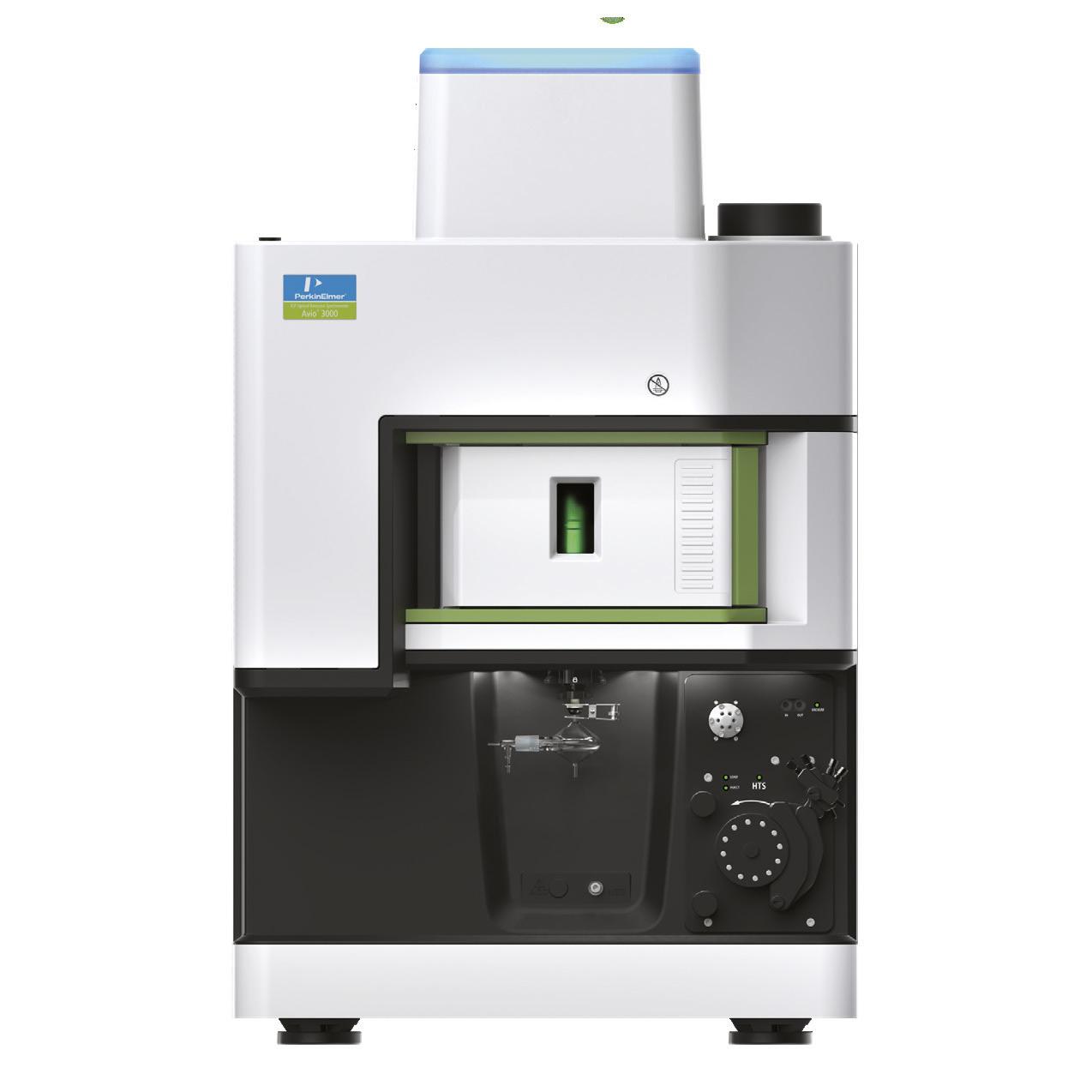
Avio® 3000 ICP-OES — The next generation of ICP-OES for the demands of modern mining
From exploration to production, mining laboratories depend on accurate elemental data to drive critical decisions. The Avio® 3000 ICP-OES combines innovative plasma technology, true simultaneous analysis, and exceptional robustness to deliver reliable results across challenging sample matrices with greater operational efficiency.
Ready to elevate your mining analysis?
Learn how the Avio® 3000 ICP-OES delivers the performance and efficiency modern laboratories demand.
www.perkinelmer.com/Avio3000

Syringe filters for sample prep
Rapid Identification of Unknown Materials with Handheld Raman Technology
Electrochemical characterisation at the nanoscale with VIONIC
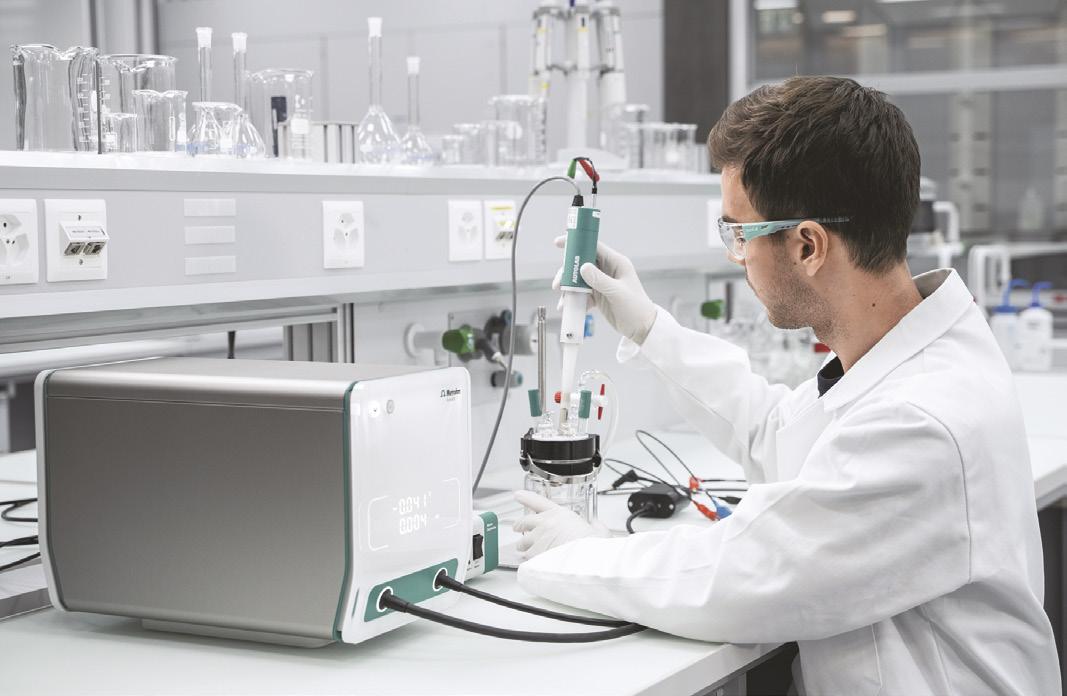
Rainbow Rare Earths Enhances Process Control with Eco IC System
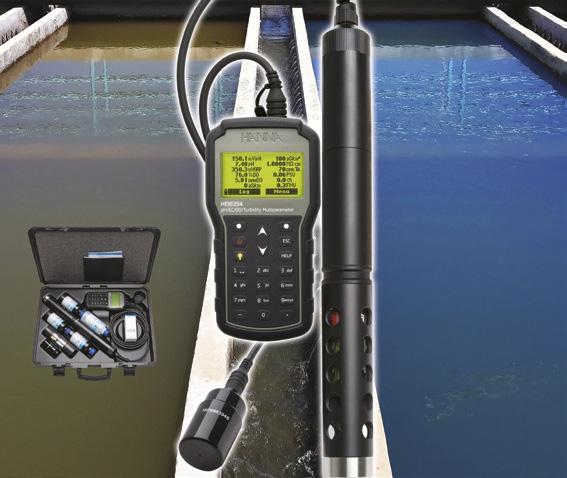
HI98594
Precision helium leak detection for critical laboratory and industrial applications
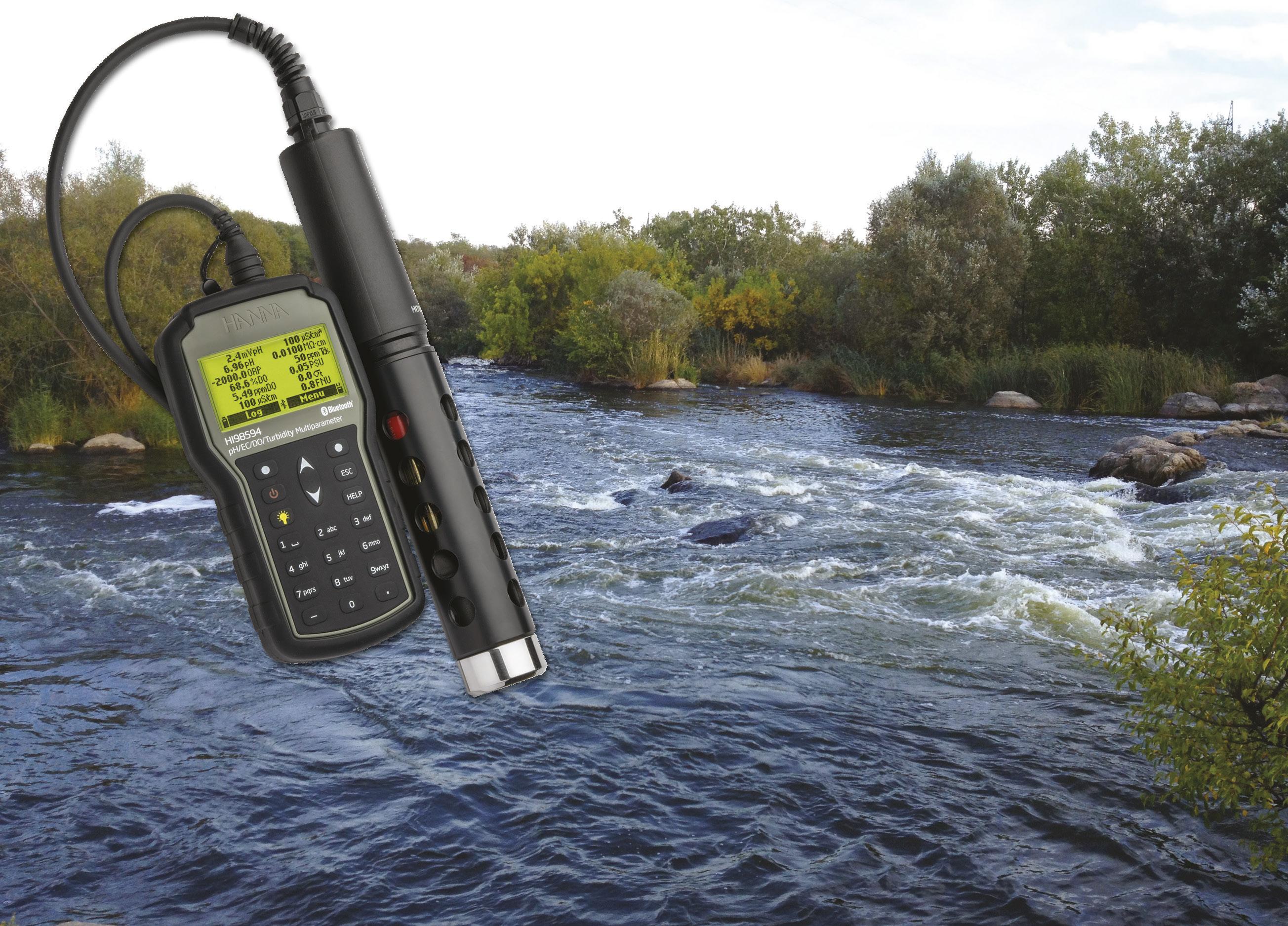
Multi-parameter Bluetooth® Portable pH/EC/Turbidity/OPDO® Meter pH, ORP, EC, TDS, Turbidity, Resistivity, Salinity, Seawater σ, Dissolved Oxygen, Atmospheric Pressure and Temperature
• Instantaneous conductivity and turbidity measurements
• Field-replaceable sensors with auto recognition (including optical DO technology)
• Built-in barometer for percent saturation and DO measurement com pensation
•Dual battery system for extended field use
• Good Laboratory Practice feature, the last 5 calibrations are automatically stored
• Graphical display of logged data on backlit LCD screen
• Log-on-demand and automatic logging on meter for all parameters
• Protective rubber boot included
We also operate in Botswana, Eswatini, Lesotho, Mozambique, Namibia and Zimbabwe. Contact apaka@hanna.co.za Cell: +27 (0) 72-910-5749
T: (011) 615 6076
F: (011) 615 8582
E: hanna@hanna.co.za
CAPE TOWN BRANCH Unit B 18 Bellville Business Park Belville, Cape Town T: (021) 946 1722
F: (021) 946 1723
E: ct@hanna.co.za
DURBAN BRANCH
Office 2 Dias Block Fairway Green Office Park 3 Abrey Road Kloof 3640
T: (031) 701 2711
E: durban@hanna.co.za
EASTERN CAPE Southern
Gardens First Floor, Block F 70-2nd Avenue Newton Park Gqeberha 6045 T: (041) 450 5685
E: pe@hanna.co.za
Email: kyle.martin@media24.com



As South Africa prepares to commemorate National Women's Day on 9 August, it is fitting to reflect on the vital contributions women make in our laboratories—the unsung heroes advancing scientific discovery, ensuring quality control, and developing innovations that transform industries and save lives.
Yet the numbers tell a sobering story. According to Statistics South Africa, women comprise just 10.6% of technician roles across the country, whilst women represent only 23% of all STEM occupations in South Africa. Globally, the picture is similarly challenging: UNESCO's 2026 R&D Data Release reveals that women account for just 31.4% of researchers worldwide, with Sub-Saharan Africa at 32%—marginally above the global average but far from parity.
These statistics underscore a persistent 'leaky pipeline' phenomenon, where women enter STEM education in significant numbers but face barriers to professional advancement. In South Africa's chemical industry—a sector heavily reliant on laboratory expertise—women comprise approximately 35% of the workforce, with technicians and associate professionals representing the largest occupational group at 21% of sector employees. But statistics alone cannot capture the transformative impact of women in laboratory science. From microbiologists ensuring food safety to virologists tracking disease outbreaks, from analytical chemists developing sustainable materials to clinical laboratory scientists diagnosing illness, women are driving progress across every discipline represented in these pages.
This edition celebrates their achievements whilst acknowledging the work still required to achieve true representation. As we feature innovations from women engineers solving Africa's most pressing challenges, we recognise that laboratories need diverse perspectives to ask better questions, design inclusive solutions, and serve all communities effectively.
National Women's Day reminds us that progress requires collective action. For laboratory suppliers, educators, employers, and policymakers reading this publication: the future of analytical science depends on creating pathways for women to enter, remain, and lead in laboratory environments.
Yours sincerely Varushka
Padayachi

More than 300 exhibitors gathered in San Antonio for a showcase defined by AI-driven laboratory informatics, nextgeneration instrumentation, and major M&A activity
Pittcon 2026 brought together more than 300 exhibitors in San Antonio, Texas, showcasing significant advances across analytical instrumentation, laboratory informatics, and automation. Several overarching trends emerged from this year's event.
AI and automation in laboratory informatics
Artificial intelligence and automation dominated the informatics landscape. LabVantage launched CORTEX, an AI-powered platform that uses autonomous agents to orchestrate laboratory tasks within its enterprise LIMS, whilst LabWare emphasised rapid SaaS deployment for food safety and analytical testing workflows. Labbit introduced a structurally different LIMS approach, using business process modelling notation mapped to a knowledge-graph database.
Next-generation instrumentation launches
On the instrumentation front, Agilent unveiled its Infinity III LC Series with onboard diagnostics, and Shimadzu presented a broad portfolio including the CF3-C8030 centrifugal field-flow fractionation system and the Nexera IC ion chromatograph. Waters launched the ARES-G3 Rheometer under its TA Instruments brand, capturing up to 25,000 data points per second. Thermo Fisher highlighted the Orbitrap Astral Zoom, capable of analysing 300 human proteomes per day.
Industry consolidation
Industry consolidation was another prominent theme. Bruker completed its acquisition of TOFWERK, Velaris brought together seven laboratory automation brands under a single platform, and Waters finalised its combination with BD's Biosciences and Diagnostic Solutions businesses.
The breadth of launches — from CEM's BLADE microwave digestion system to Malvern Panalytical's Mastersizer 3000+ — underscores a clear direction: faster throughput, deeper automation, and greater accessibility across both research and quality control environments.
Source: R&D World (www.rdworldonline.com). Compiled from exhibitor announcements and conference coverage.


The 110 Carbon Screen Printed Electrode has become a cornerstone of electrochemical analysis across multiple sectors over the past 20 years. contamination risks between measurements. These features have made SPEs indispensable tools in laboratories requiring rapid, reliable electrochemical data.
Metrohm DropSens is marking a significant milestone in 2026 as its pioneering 110 Carbon Screen Printed Electrode celebrates 20 years of continuous use in laboratories worldwide. This anniversary highlights the transformative impact of screen printed electrode (SPE) technology on modern electrochemical analysis.
Since its introduction, the 110 Carbon SPE has revolutionised laboratory workflows by offering researchers a practical alternative to conventional electrodes. The technology eliminates time-consuming polishing and regeneration steps whilst providing exceptional reproducibility through consistent electrode geometry.
The disposable electrode portfolio, which includes carbon, gold, platinum, and silver variants, has found widespread adoption across diverse fields. Applications span environmental monitoring, food analysis, biomedical research, industrial quality control, and sensor development. Academic institutions have also embraced the technology for both research and teaching purposes.
Key advantages include suitability for small sample volumes, simplified handling protocols, and the elimination of cross-
To commemorate this anniversary, Metrohm DropSens has launched a global campaign offering special benefits on qualifying purchases of the 110 Carbon SPE throughout 2026.




METROHM SA (PTY) LTD
Contact: Leanne Zwiegers
Email: leanne.zwiegers@metrohm.co.za
Contact: Ravi Issari
Email: ravi.issari@metrohm.co.za
Website: www.metrohm.com Did you know?
Screen printed electrodes eliminate the need for timeconsuming electrode polishing and regeneration, with consistent geometry ensuring reproducible results across thousands of measurements. Their disposable nature also prevents cross-contamination between samples, making them ideal for highthroughput analytical workflows.
Award-Winning Platform Recognised by Users Metrohm's OMNIS analytical platform has been awarded the prestigious SelectScience Gold Seal of Quality, based on verified user reviews. This recognition underscores the platform's exceptional performance and reliability in modern laboratory environments.
The OMNIS platform delivers a comprehensive multi-technique solution, integrating potentiometric, photometric, thermometric, and Karl Fischer titration alongside near-infrared spectroscopy capabilities. This modular approach enables laboratories to configure systems tailored to their specific analytical requirements whilst maintaining a single, unified software environment.
The platform's integrated OMNIS Software provides centralised control across all connected instruments, streamlining method development, data handling, and reporting processes. Laboratories benefit from improved traceability through secure data storage and seamless LIMS integration, meeting stringent regulatory requirements.
Scalability remains a key advantage, with systems easily expandable to accommodate growing analytical demands. The optional OMNIS Sample Robot enables automated workflows, significantly increasing sample throughput whilst maintaining consistent analytical quality. This flexibility makes OMNIS suitable for both routine analysis and application-specific laboratory workflows.
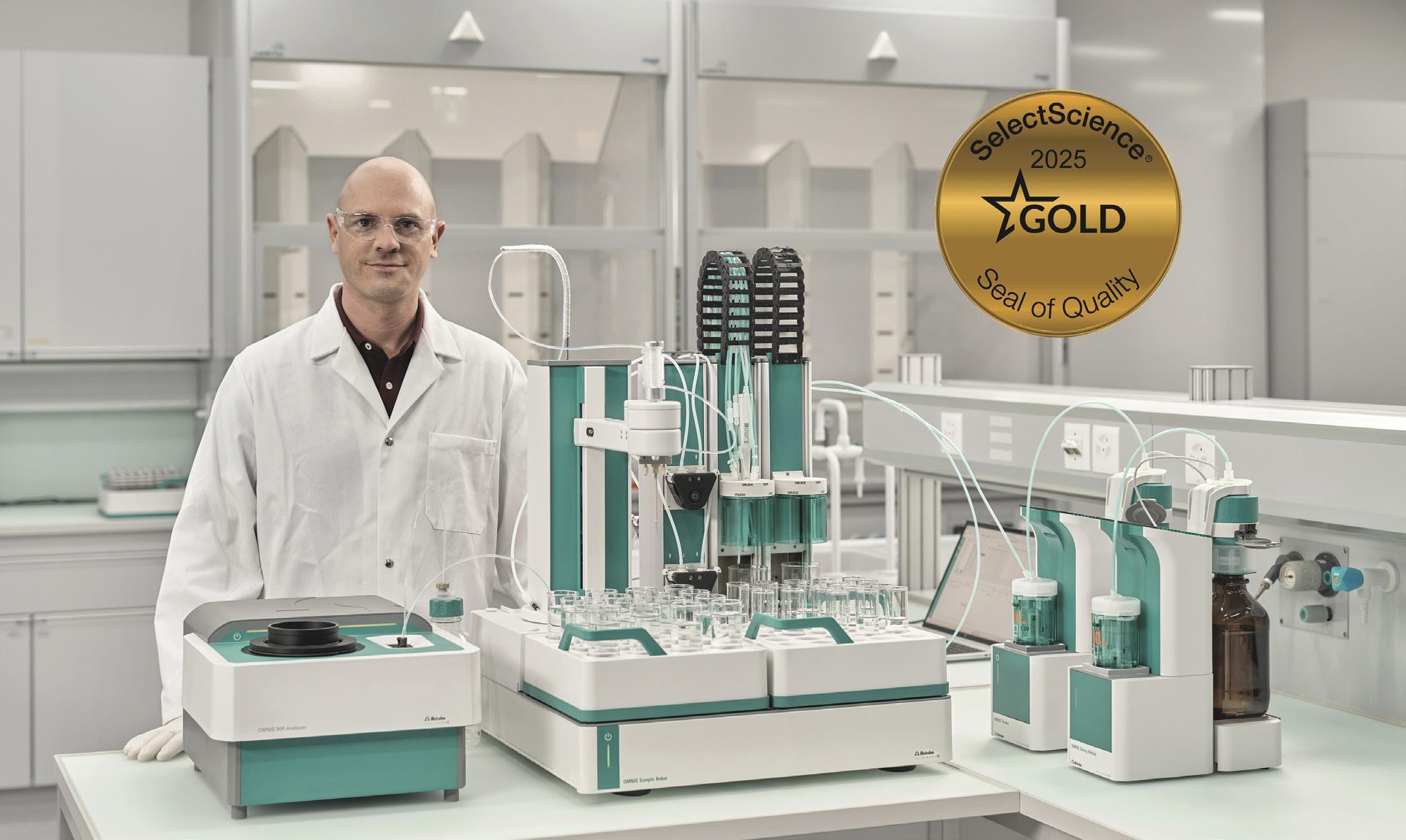
The OMNIS platform offers a modular, multi-technique solution for modern analytical laboratories seeking enhanced efficiency and data integrity.


74th ASMS Conference in San Diego recognised pioneers in native mass spectrometry,
The American Society for Mass Spectrometry (ASMS) announced its 2026 award recipients at the 74th ASMS Conference on Mass Spectrometry and Allied Topics, held from 31 May to 4 June 2026 at the San Diego Convention Center in California.
John B. Fenn Distinguished Contribution Award
The John B. Fenn Distinguished Contribution Award was presented to Professor Albert J.R. Heck, recognised for his pioneering work in native mass spectrometry. His research has advanced the study of the structure, function, and assembly of large macromolecular complexes, including viruses and immune complexes, using mass spectrometry-based approaches.
Biemann Medal: single-cell proteomics
The Biemann Medal was awarded to Nikolai Slavov for the development of high-
throughput single-cell proteomics by mass spectrometry (SCoPE-MS and SCoPE2). His work has been instrumental in establishing single-cell mass spectrometry proteomics as a growing field of research.
Al Yergey MS Scientist Award
Three recipients shared the Al Yergey MS Scientist Award, which recognises unsung heroes in the mass spectrometry community. Kevin Giles was honoured
for over three decades of contributions to mass spectrometry instrumentation development at Waters Corporation and VG Biotech. Daniel B. McClatchy, Senior Staff Scientist at Scripps Research Institute, was recognised for his work in neuroproteomics and his commitment to collaboration and training. Michael W. Senko, Principal Scientist at Thermo Fisher Scientific, received the award for more than 35 years of advancing mass spectrometer performance and data analysis, alongside his dedication to mentoring.
The awards highlight the breadth of innovation driving mass spectrometry forward — from instrumentation design to single-cell proteomics and structural biology.
Source: ASMS (www.asms.org). Compiled from award announcements and conference proceedings.
From Virtual Labs to Mobile Dialysis Units
Following International Women in Engineering Day in June and ahead of National Women's Day in August, six remarkable women have been shortlisted for the 2026 Africa Prize for Engineering Innovation are demonstrating how engineering can solve critical challenges across the continent.
In South Africa, Sincengile Ntshingila has developed LabZero, a low-bandwidth virtual tissue culture laboratory enabling students to practise biomedical research skills before entering physical labs. Meanwhile, Kenyan innovator Naom Monari is bringing life-saving dialysis treatment to rural communities through Renal Roads, a mobile dialysis unit built from a repurposed shipping container, eliminating the need for patients to travel long distances for regular treatment.
Addressing Water Access and Healthcare Gaps
Water access remains a critical challenge, with Faith Kuya in Tanzania deploying

WaterBank, a solar-powered water utility for off-grid communities, whilst Tadala
Mtimuni in Malawi has created MalawiDrop, a low-cost refillable water treatment












device for households. In healthcare, Alice Muhuhu's MoyoECG brings AI-powered cardiac screening to rural Kenyan clinics, whilst Millicent Kariuki's HarakaPlus platform in Rwanda provides real-time bus tracking information, improving urban mobility for thousands of commuters.
The Africa Prize has now supported 48 women from 17 countries, with applications for the next cycle opening on 13 July. These innovators demonstrate that engineering leadership takes many forms— all focused on solving real problems for communities that cannot wait for traditional systems to catch up.
ROYAL ACADEMY OF ENGINEERING - AFRICA
Website: africaprize.raeng.org.uk

















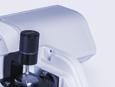
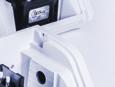
































































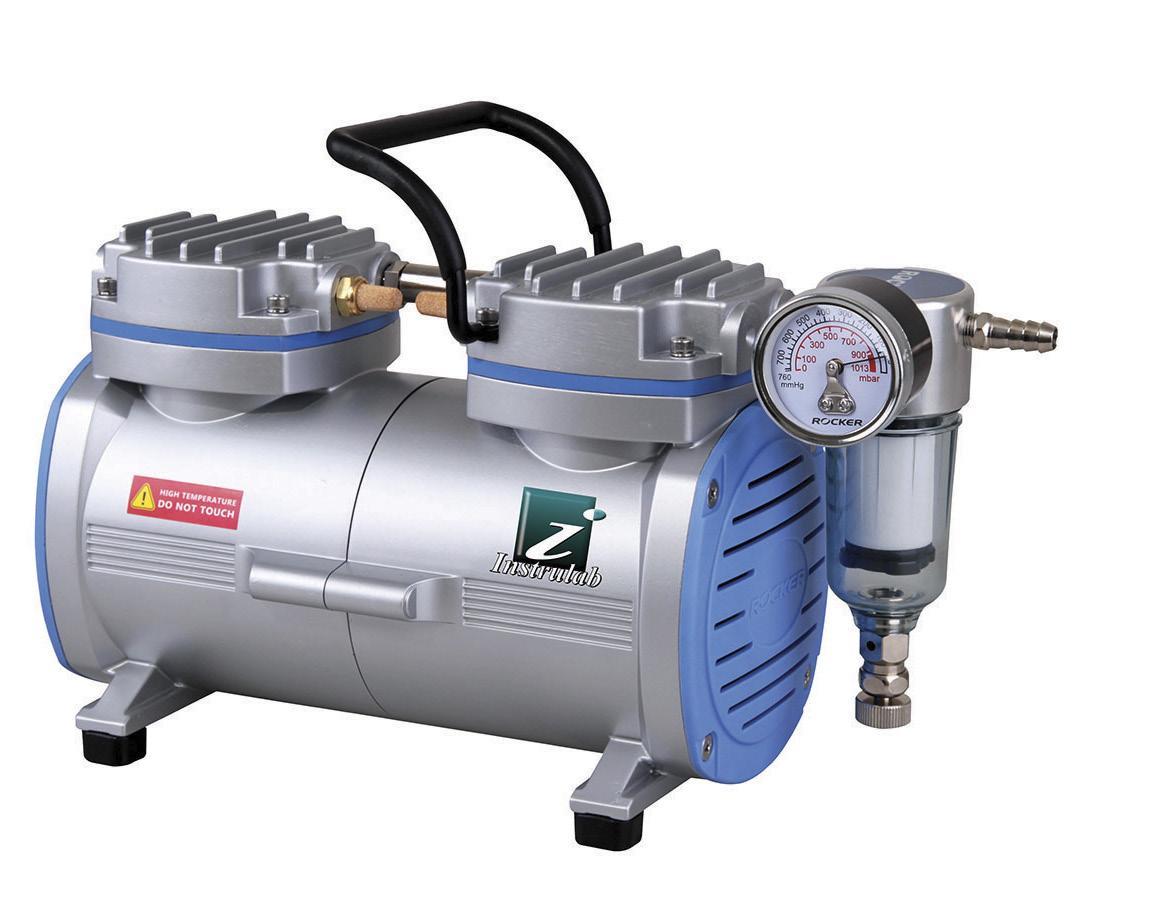
The DryVac Oil Free Piston Vacuum Pump — an oil-free, maintenance-free vacuum solution for modern laboratory applications.
The inaugural Indaba in Cape Town brought together automation leaders, academics and policymakers to discuss the role of automation in Africa's industrial and economic future
Africa Automation Indaba (AAI) 2026 has concluded with a clear signal that Africa's automation conversation is moving beyond technology showcases and into strategic, outcomes-driven dialogue.
A platform for sustained engagement
Held at the Radisson Collection Hotel in Cape Town from 13 to 14 May 2026, the inaugural Indaba brought together automation leaders, technology innovators, academics, industrial decision makers, solution providers and policy stakeholders to discuss the role of automation in Africa's industrial and economic future.
Launched as part of the Africa Automation Technology Fair (AATF) portfolio, the Indaba was created to sustain sector engagement during the years between the biennial AATF events. The event featured keynote presentations, panel discussions, networking sessions and dedicated meeting pods, creating valuable engagement between delegates and speakers.
Municipal support and delegate response
The City of Cape Town's support added further weight to the inaugural Indaba. The city noted that the Indaba explored how automation and artificial intelligence can support service delivery and economic growth.
The DryVac Oil-free Piston Vacuum Pump Series, distributed exclusively across South Africa and the rest of Africa by Air & Vacuum Technologies, offers laboratories a reliable, contamination-free vacuum solution with minimal maintenance demands. The series is suited to a broad range of applications, including vacuum filtration, suspended solid tests, and microbial detection.
Driven by a piston mechanism, the DryVac requires no lubrication, eliminating the risk of oil contamination – a critical consideration in analytical and life science environments where sample integrity is paramount. The absence of oil also means fewer consumables and a significantly reduced maintenance schedule, keeping laboratory operations running without unnecessary interruption.
Quiet operation and built-in overheat protection
Noise levels in shared laboratory spaces are a practical concern. The DryVac Series
incorporates a motor-driven transmission and vibration-proof assembly, delivering quieter, more stable performance than conventional pump designs. Safety is further addressed through an integrated overheat protection device that automatically shuts the pump down when operating temperatures exceed safe limits, resuming operation once the unit has cooled. This feature extends service life and reduces the risk of disruption during extended laboratory runs.
Air & Vacuum Technologies has supplied laboratory and industrial equipment across South Africa for over 40 years, and holds sole distribution rights for both the DryVac and ChemVac ranges across the continent.

Delegate feedback pointed to a clear demand for a focused platform of this nature. Attendees highlighted the relevance of the programme, the calibre of speakers and the quality of networking opportunities. The speaker programme brought together voices from technology, governance, academia and industry, including Professor Thuli Madonsela, Arthur Goldstuck and Dain Richardson.
Looking ahead to 2027
AATF will return in 2027 alongside the launch of Future Labs Africa, a new platform focused on emerging technologies, analytical testing and laboratory innovation.
AND
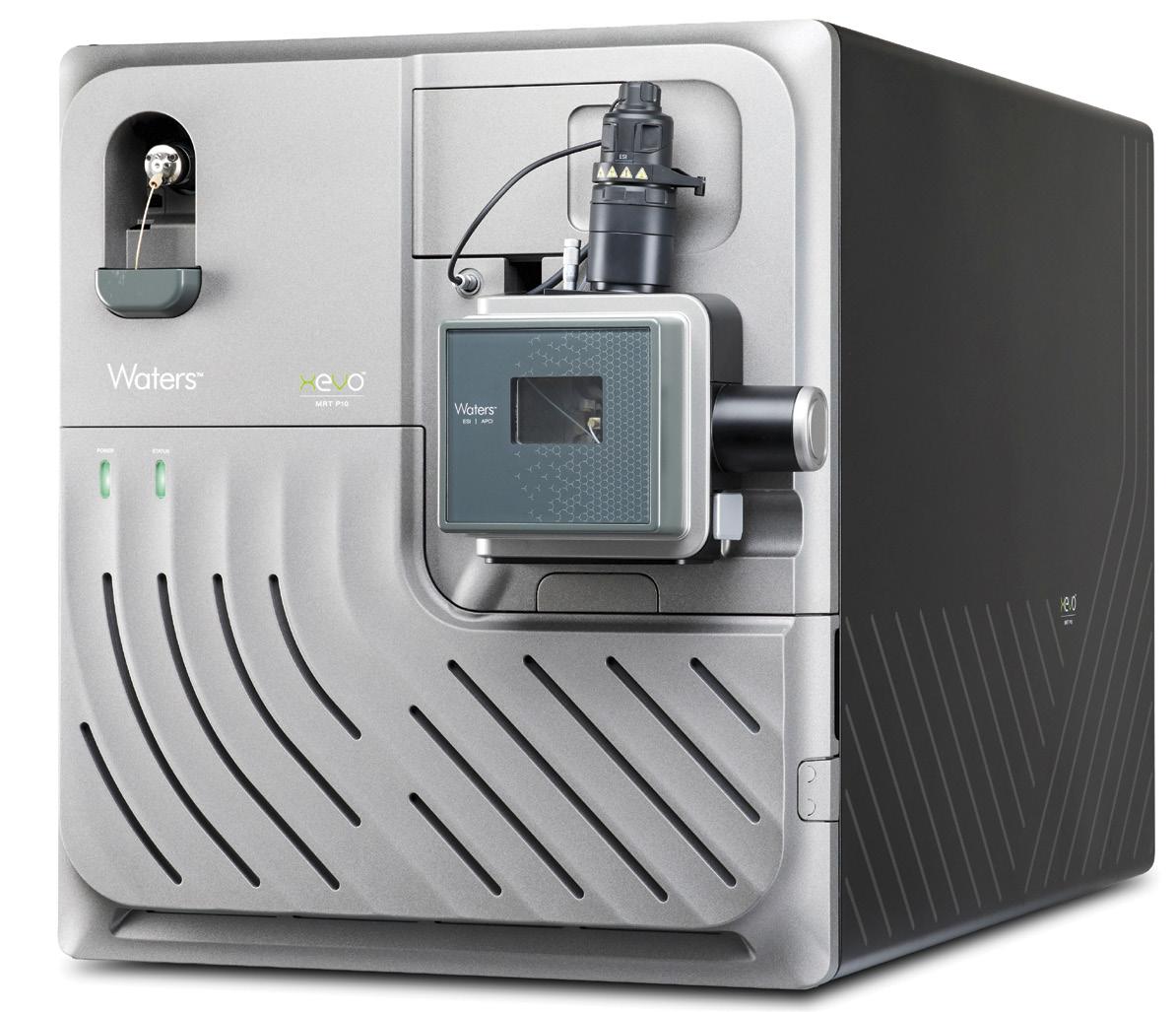
Waters Corporation has introduced the Xevo MRT P10 Mass Spectrometer, a high-resolution Quadrupole Time-of-Flight (QToF) System designed for high-throughput multiomics, bioanalysis, and biopharmaceutical laboratories.
Speed and sensitivity at scale
The Xevo MRT P10 MS delivers up to 20x greater MS/MS sensitivity than its predecessor, along with industry-leading speed and expanded acquisition modes to comprehensively support both targeted and untargeted analysis in a single benchtop platform. The system is designed to accelerate biomarker discovery and validation while supporting the identification of disease pathways and therapeutic targets across large-cohort biomedical research and epidemiology studies.
With acquisition speeds twice as fast as its predecessor, it is the fastest benchtop highresolution mass spectrometry (HRMS) system currently available. The new system supports rapid throughput, alongside exceptional resolution and mass accuracy, delivering the highest data quality and confidence. When combined with the DESI XS ion source, rapid spatial analysis is unlocked down to the cellular level at up to 200 Hz, increasing throughput sixfold while maintaining image quality.
and support rapid separations at scale.
In comparative lipid profiling by LC-MS/MS, the Xevo MRT P10 MS identifies up to 40% more lipids than the most competitive alternative systems.
These enhancements support more comprehensive biological interpretation in multiomics driven research and ultimately drive deeper levels of disease understanding.
Capacity expansion and new application laboratory strengthen BASF's supply capabilities for architectural coatings, construction and paper industries across Africa
Broad applicability across multiomics and drug discovery
The Xevo MRT P10 MS is well suited to support long-term growth across multiomics, including proteomics, lipidomics, and metabolomics, as well as biopharmaceutical analysis and drug discovery. The instrument unlocks new workflows in high-throughput, deep proteome discovery by combining greater sensitivity with ultra-fast acquisition rates and advanced acquisition modes. Researchers can now confidently detect of low-abundance peptides, achieve comprehensive protein identification
In comparative lipid profiling by LC-MS/MS, the Xevo MRT P10 MS identifies up to 40% more lipids than the most competitive alternative systems.

MICROSEP (PTY) LTD
Contact: Louis van Huyssteen Tel: 082 773 5518 / 087 092 7300
Email: louis.vanhuyssteen@microsep.co.za Website: www.microsep.co.za
BASF has expanded production capacity for dispersions at its site in Durban, South Africa, strengthening the company's ability to supply customers with high-quality dispersions used in architectural coatings, construction materials and the paper industry. The significant capacity increase ensures supply reliability, enabling BASF to support customer growth plans more effectively.
New application laboratory on-site
In addition to the expanded capacity, BASF has established a modern application laboratory on-site. This new facility enhances technical service capabilities, enabling closer collaboration with customers and stronger support for formulation development.
Strengthening supply across EMEA
The Durban site supplies customers across East, West and Southern Africa and is one of six dispersion production locations within BASF's EMEA network. With manufacturing facilities across Europe, the Middle East and Africa, the company ensures close local proximity to customers and responsiveness to regional market needs.
through modernised production facilities and a cutting-edge reactor.
This year, BASF celebrates 60 years in South Africa. The company remains the only multinational operating a dedicated dispersions production facility in the country, demonstrating its long-standing commitment to customers, partners and regional market development.
Did you know?
Dr Jörg Niebergall, Senior Vice President, Dispersions Europe, said the investment underscores BASF's strong commitment to the African region. Ruveshen Reddy, responsible for the Durban production site, added that the expansion will increase supply reliability and ensure excellent product quality, achieved
BASF is the only multinational company operating a dedicated dispersions production facility in South Africa — a position it has maintained for 60 years.
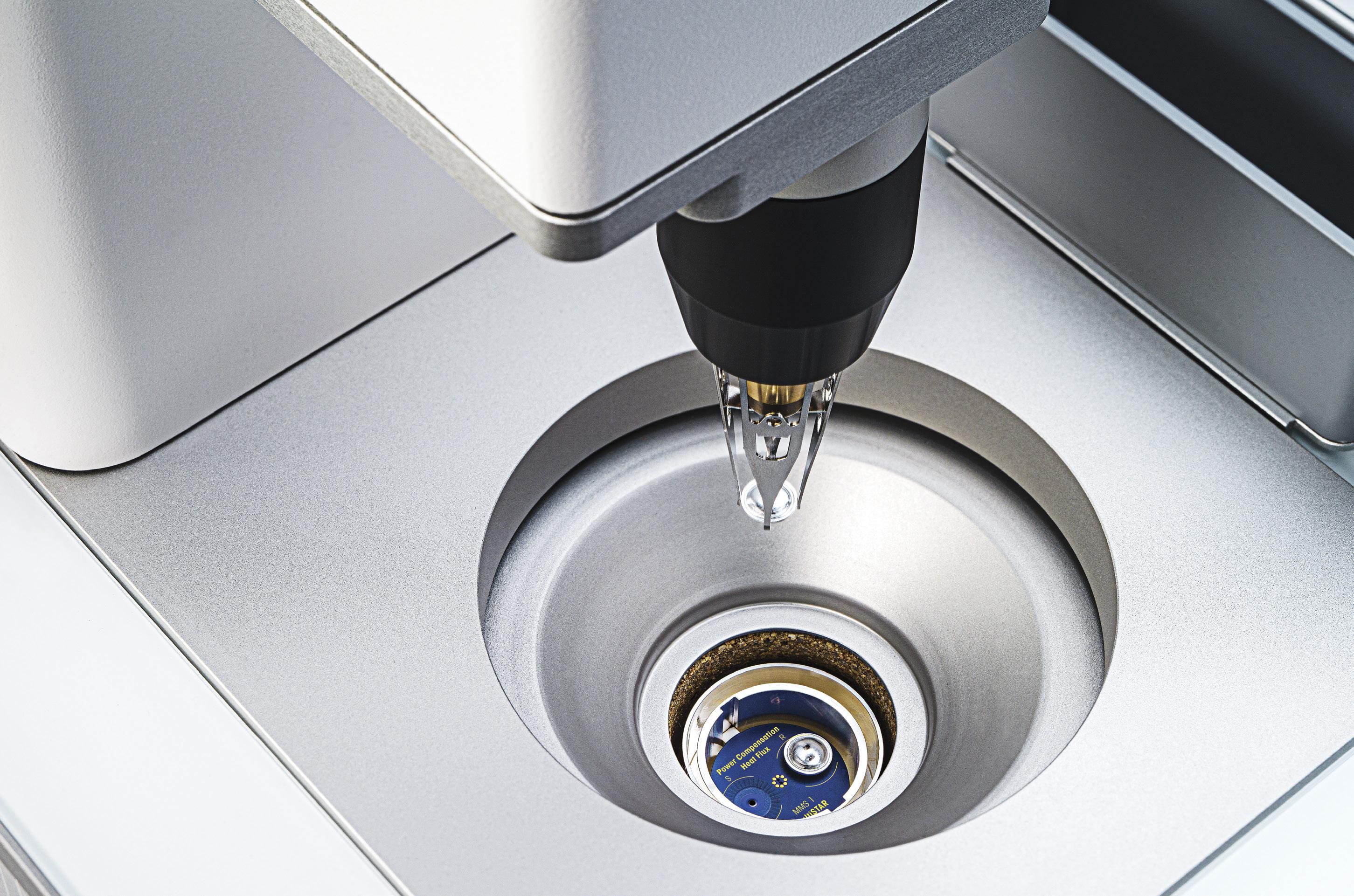
METTLER TOLEDO’s DSC 5+ features the new, advanced MMS1 sensor, equipped with 136 thermocouples and two built-in heaters for power compensation mode. It employs heat flux technology to provide superior performance.
FlexMode ™ Technology. Power compensation or heat flux mode.
Unsurpassed MultiSTAR ™ sensor. 136 thermocouples.
Innovative Robot. Protect samples with gas-purged sample chamber. FlexCal ™ Adjustment. Save time, maintain accuracy.
Unique Modular Concept. Compact design and ease-of-use.
Wide Temperature Range. From -150°C to 700°C in one measurement.

METTLER TOLEDO's Thermal Analysis
Excellence instruments enable rapid, accurate characterisation of materials across a broad temperature range, helping laboratories accelerate development, improve quality control, and gain deeper insight into material behaviour. At the core is Differential Scanning Calorimetry (DSC), a powerful technique used to investigate thermal transitions and material properties as a function of temperature or time.
The DSC 5+ fully automated thermal analysis system sets a new benchmark in DSC technology. Its exceptional performance extends the capabilities of DSC analysis, allowing users to confidently tackle even the most demanding applications. Its unrivalled modular design provides a flexible solution for current and future requirements, while many new features simplify daily laboratory operations.
Market-leading MMS 1 sensor with FlexMode™
The advanced MultiStar™ MMS 1 sensor features 136 thermocouples and two integrated heaters, delivering exceptional sensitivity and high-resolution thermal analysis. FlexMode™ technology allows the DSC5+ to operate in either power compensation or heat flux mode. In power compensation mode, the integrated heaters deliver a very short signal-time constant and outstanding resolution for
separating close-lying thermal effects. Heat flux mode provides low noise levels, ensuring high sensitivity for the detection of weak thermal transitions and effects. In addition, the new measurement cell ensures exceptional enthalpy reproducibility and highly accurate specific heat capacity determination.
& Electrical Heat-flow
FlexCal™ calibration accounts for method variables such as crucible size and type, heating rate and gas type. The patented
Electrical Heat-flow Adjustment (EHA) is available for the entire temperature range, eliminating the need for reference substances. This removes operator bias, saves time and improves measurement accuracy.
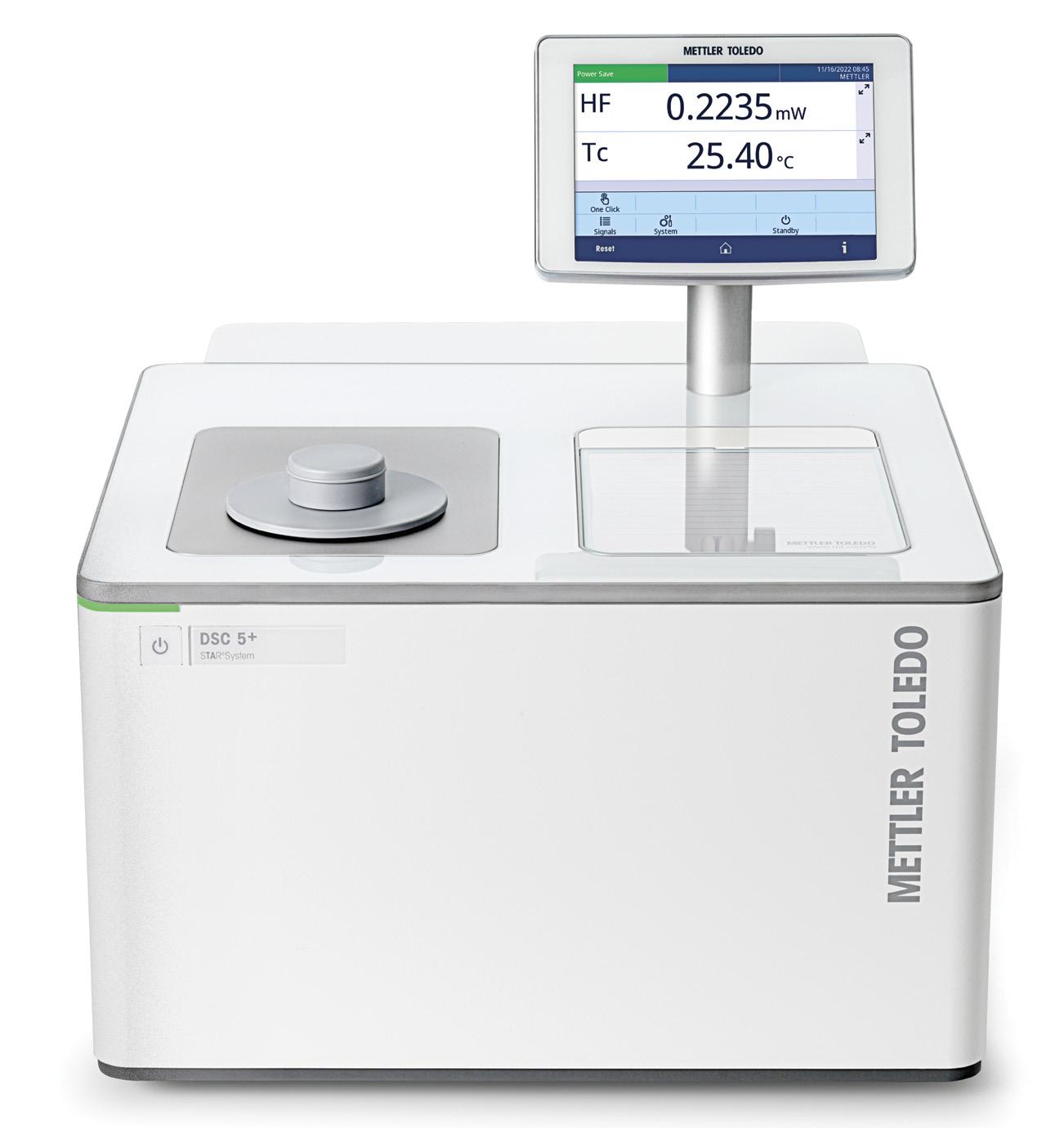
High-capacity sample robot with gaspurged sample changer
The DSC 5+ is equipped with a highcapacity sample robot with 96 samples and seven interchangeable reference crucible positions for unattended operation, using a variety of crucibles in the same run. To protect samples from environmental influences, the trays are stored in a gaspurged chamber. Removable sample trays simplify sample preparation and improve workflow efficiency.
Versatile cooling selection
The CombiCooler connects to both liquid nitrogen and the intra-cooler. To reduce consumption, the instrument automatically selects the correct cooling method, using liquid nitrogen only when required by the measurement conditions.
With STARe software, the DSC5+ leverages AIWizard™ technology to automatically detect, evaluate and identify thermal effects, enabling fully automated analysis while improving consistency, accuracy and laboratory efficiency.
Robust Sensors for Demanding Industrial Applications
Metrohm has introduced its ProTrode inline sensor range, designed to provide reliable
continuous measurement of critical process parameters in industrial environments. The sensors offer real-time monitoring of pH, dissolved oxygen,
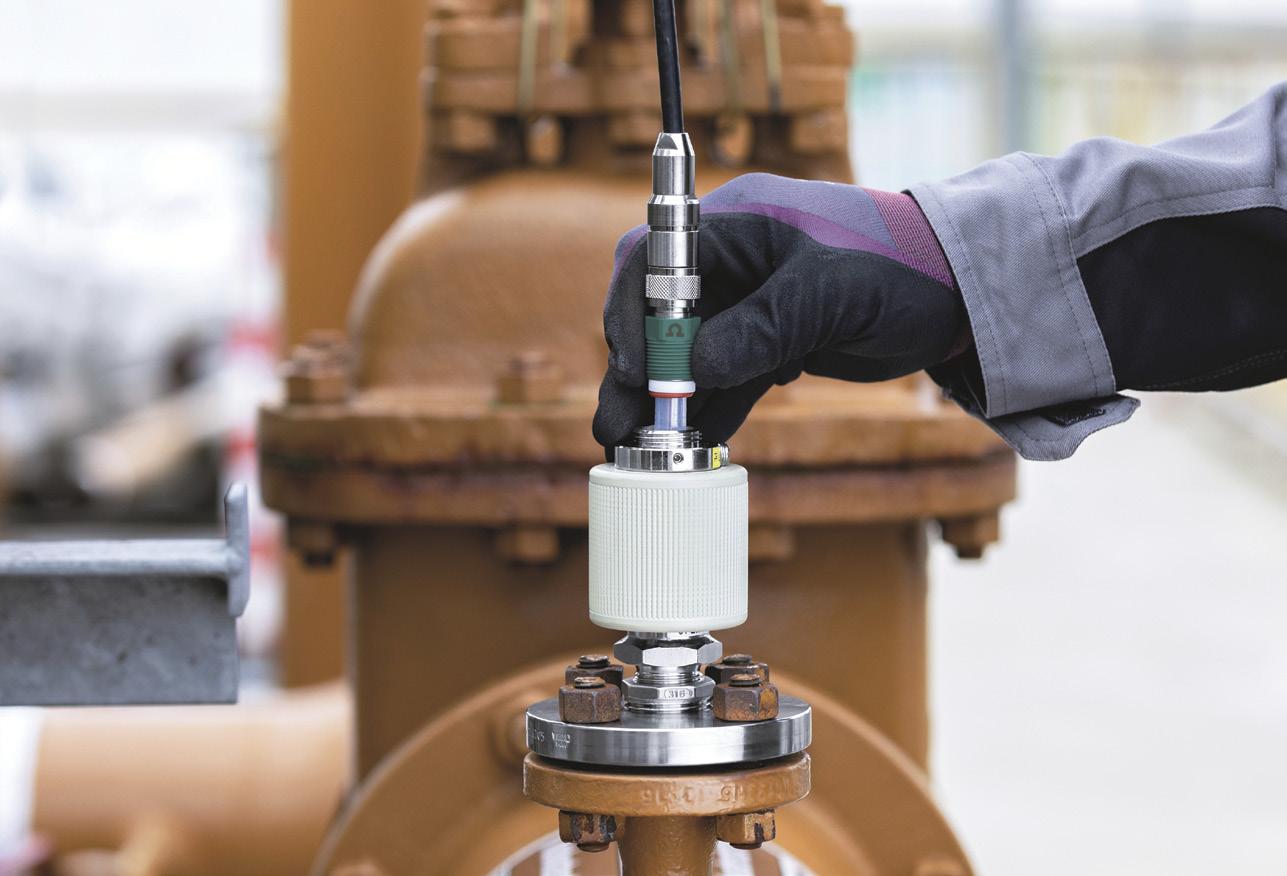
dissolved carbon dioxide, and multiple parameters simultaneously, enabling process operators to detect and prevent deviations that could compromise product quality or yield.
Built for harsh and variable industrial conditions, ProTrode sensors feature robust construction suitable for installation in pipes, tanks, and reactors. The range includes adaptable designs with sleeve or ceramic diaphragm configurations for stable electrolyte flow, whilst open-junction versions reduce clogging in high-solids or complex media applications.
Selected ProTrode models incorporate prepressurised reference systems, enabling reliable operation in elevated-pressure environments. This design enhances longterm measurement stability whilst reducing maintenance requirements and minimising unplanned downtime.
The sensors can be pre-calibrated in controlled environments, with calibration data stored via integrated connectors. This innovative feature reduces onsite
calibration needs, streamlining deployment and ensuring faster response to process deviations, ultimately improving production consistency across chemical, pharmaceutical, bioprocessing, and wastewater treatment operations.

Endecotts Test Sieves and Sieve Shakers deliver accurate, repeatable particle size grading for recycled plastics — from laboratory to industrial scale
Air & Vacuum Technologies are the sole suppliers of Endecotts in Africa, a global leader in particle size analysis equipment used by laboratories worldwide. In plastic recycling, particle size consistency directly determines processing stability and final product quality.
Shredded plastics, regrind, flakes, and pelletised materials must be accurately classified to ensure they meet specification for downstream processes such as extrusion, compounding, and moulding.
Endecotts Test Sieves and Sieve Shakers are widely used in recycling laboratories as a trusted solution for particle size analysis. They provide a simple, repeatable method for separating and grading recycled plastics, ensuring reliable quality control and consistent batch-to-batch comparison.
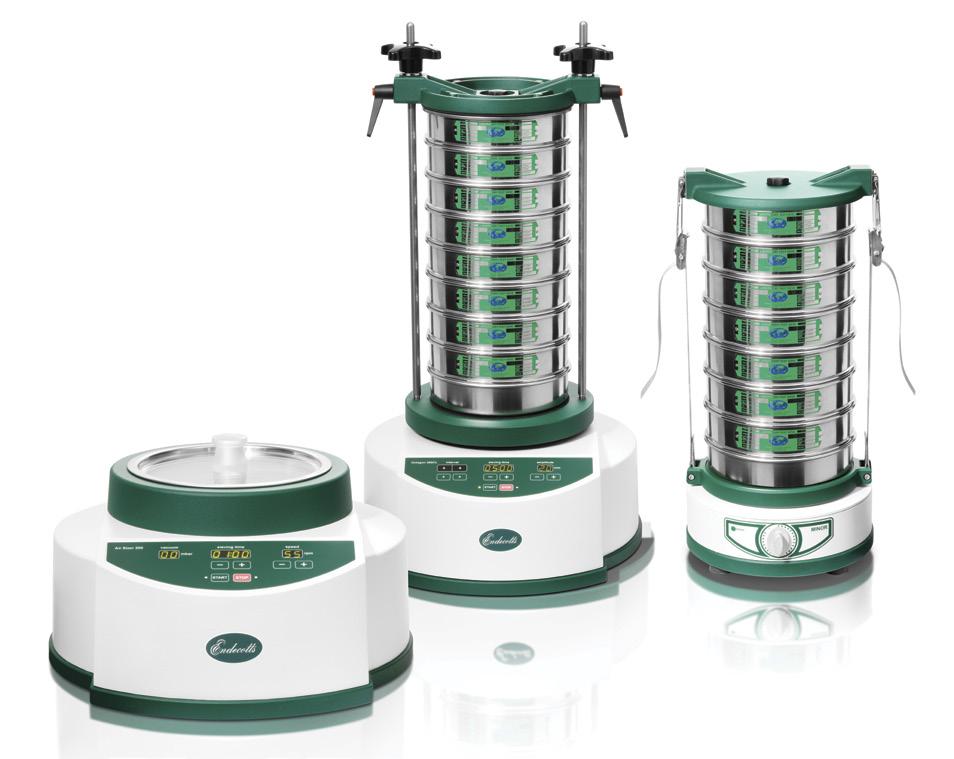
Endecotts Test Sieves and Sieve Shakers, available exclusively in Africa through Air & Vacuum Technologies, providing reliable particle size analysis for recycled plastics including PET, HDPE, LDPE, and PP.
Equipment selection across throughput requirements
Equipment selection typically depends on sample volume and laboratory throughput. The Minor 200 and Octagon 200 are commonly used for routine testing with 200 mm (8-inch) sieves. The EFL 300 series is suited to higher-capacity applications and supports 300 mm (12-inch) sieves for increased sample loading. For industrial-scale recycling operations, the TITAN 450 is used with sieve diameters ranging from 250 mm up to 450 mm, making it ideal for bulk grading of plastic flakes, regrind, and pelletised materials.
Consistent results across recycled plastic grades
Across all systems, controlled vibratory motion ensures uniform particle movement through the sieve stack, reducing operator influence and improving repeatability of results. When combined with Endecotts Test Sieves, these systems provide a proven and widely adopted method for grading recycled plastics such as PET, HDPE, LDPE, and PP.
This enables recyclers to maintain tighter control over material quality and achieve more consistent downstream processing performance.
info@vactech.co.za clientliaison@vactech.co.za www.vactech.co.za
Fast, Reagent-Free Alternative to Traditional Methods
Metrohm has introduced near-infrared (NIR) spectroscopy as a modern solution for polyol quality control, offering a rapid alternative to traditional wet-chemical titration methods. The OMNIS NIR Analyzer enables determination of hydroxyl number—a critical parameter for polyurethane production—in less than one minute, without requiring reagents or sample preparation.
Traditional methods such as ASTM D4274 titration are timeconsuming and involve hazardous chemicals. NIR spectroscopy eliminates these challenges by directly measuring the absorption of hydroxyl groups, providing robust calibration models that correlate strongly with established reference methods whilst significantly reducing safety risks and laboratory complexity.
The OMNIS NIR Analyzer offers simultaneous measurement of multiple parameters in a single analysis, including hydroxyl number, viscosity, moisture content, and acid value. This multiparameter capability streamlines quality control workflows in polymer production facilities, reducing both analytical time and operational costs.
The technology is particularly valuable for polyol feedstock control in polyurethane manufacturing, where rapid, accurate measurements ensure consistent product quality. The reagentfree approach also supports sustainability initiatives by
eliminating chemical waste and reducing the environmental footprint of quality control operations.

METROHM SA (PTY) LTD
Contact: Ravi Issari
Email: ravi.issari@metrohm.co.za Website: www.metrohm.com
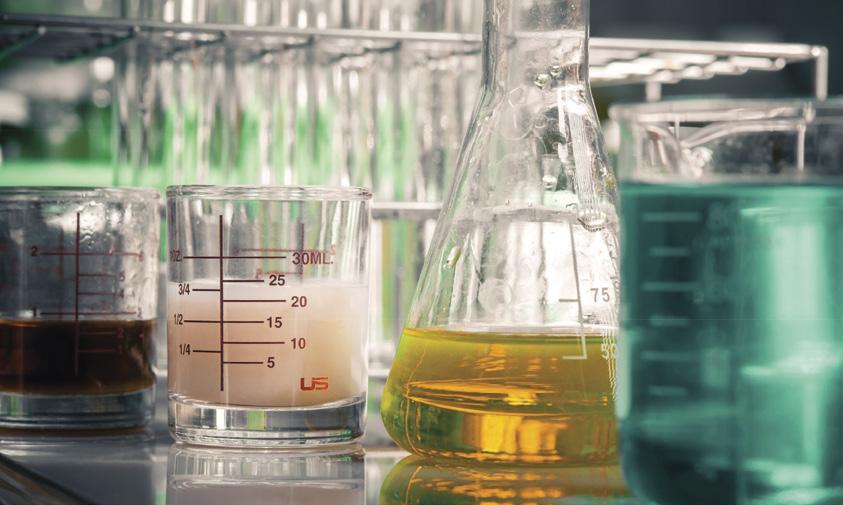
The OMNIS NIR Analyzer enables rapid, reagent-free determination of hydroxyl number and other critical polyol parameters in under one minute.

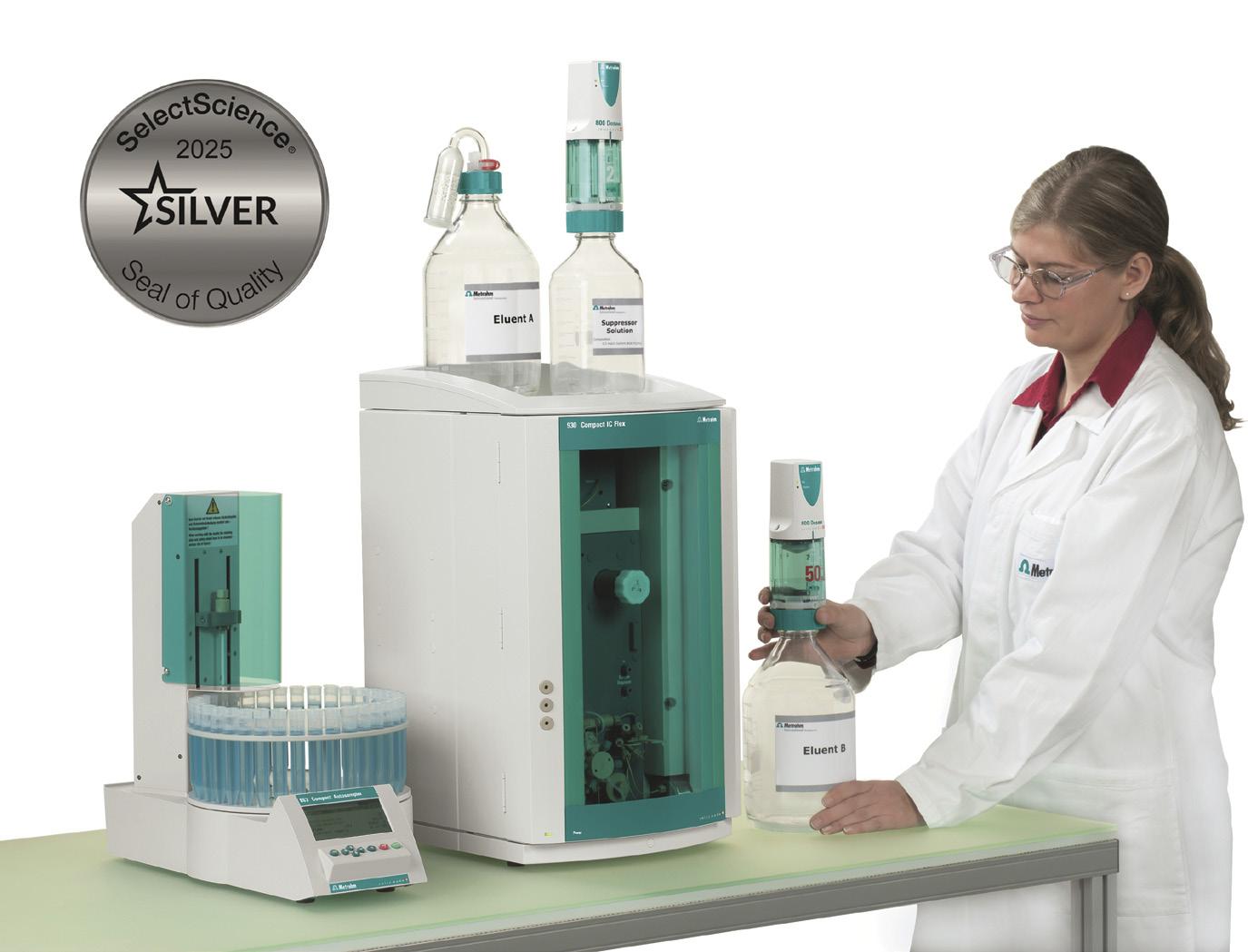
Metrohm's 930 Compact IC Flex has been awarded the SelectScience Silver Seal of Quality, recognizing products that have received at least 75 verified user reviews with an average rating of 4.5 stars or higher. The award reflects positive feedback from laboratories performing routine ion chromatography.
Metrohm describes the 930 Compact IC Flex as a single-channel ion chromatograph developed for routine analysis of anions, cations, and polar substances. The system is intended for contract laboratories and quality control environments where reliable, day-today operation is required.
The instrument features a compact footprint and supports a range of configurations, including different detection options and suppression modes. Metrohm also highlights compatibility with Metrohm Inline Sample Preparation (MISP), supporting the analysis of challenging matrices while reducing manual sample handling.
Additional configuration options include microbore ion chromatography for increased sensitivity and reduced eluent consumption, as well as automated eluent production and continuous operation modules. Data acquisition and processing are managed using MagIC Net software, supporting secure and compliant data handling.
Peer-reviewed performance
The SelectScience Silver Seal reinforces the position of the 930 Compact IC Flex as a robust and flexible system for routine ion chromatography, supported by peer-reviewed user experience across a range of laboratory environments.
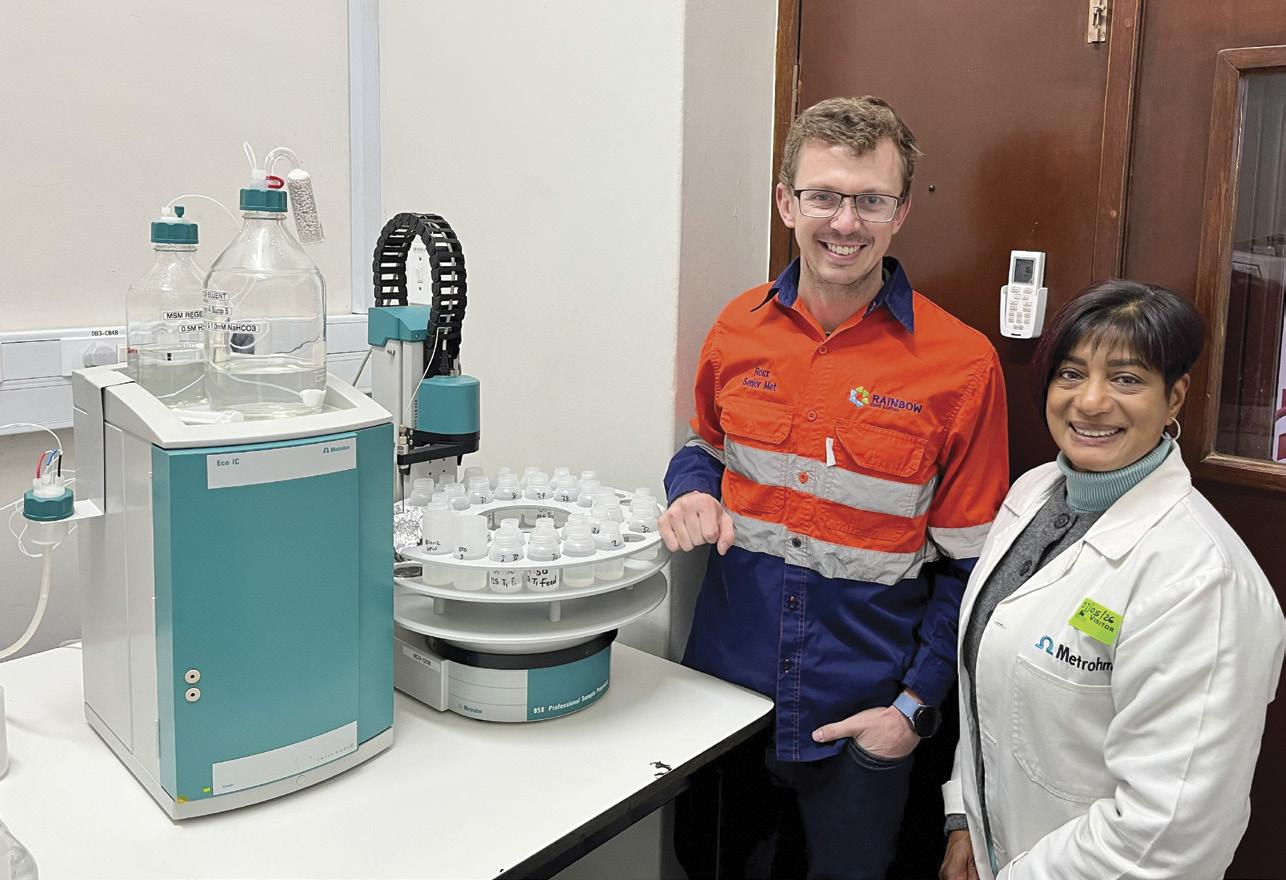

Rainbow Rare Earths is developing innovative approaches to extract and process rare earth minerals, primarily from industrial waste streams, to supply critical materials for electric vehicles, renewable energy applications, and advanced technologies.
As demand for rare earth elements continues to grow, Rainbow Rare Earths recently invested in a Metrohm Eco IC together with the Metrohm 863 Sample Processor to support analytical monitoring within its extraction process.
The company focuses on recovering rare earth elements and associated materials, including gypsum, from waste dumps.
Monitoring anion concentrations in solution is an important part of this process, as these species can directly influence extraction efficiency.
Using ion chromatography, Rainbow Rare Earths can determine key anions including fluoride, chloride, nitrate, and sulfate. Fluoride is of particular interest because it can affect gypsum extraction and process performance.
The Eco IC is coupled with an autosampler and controlled using MagIC Net software, enabling automated sample injections and helping improve consistency and throughput within the analytical workflow.
Email: ravi.issari@metrohm.co.za
Did you know?
Ion chromatography monitoring of fluoride concentrations in rare-earth recovery processes can prevent unwanted gypsum formation, which directly affects separation efficiency and overall extraction performance. Automated IC systems deliver ppm-level sensitivity, enabling precise process control in complex industrial matrices.




































Product


















































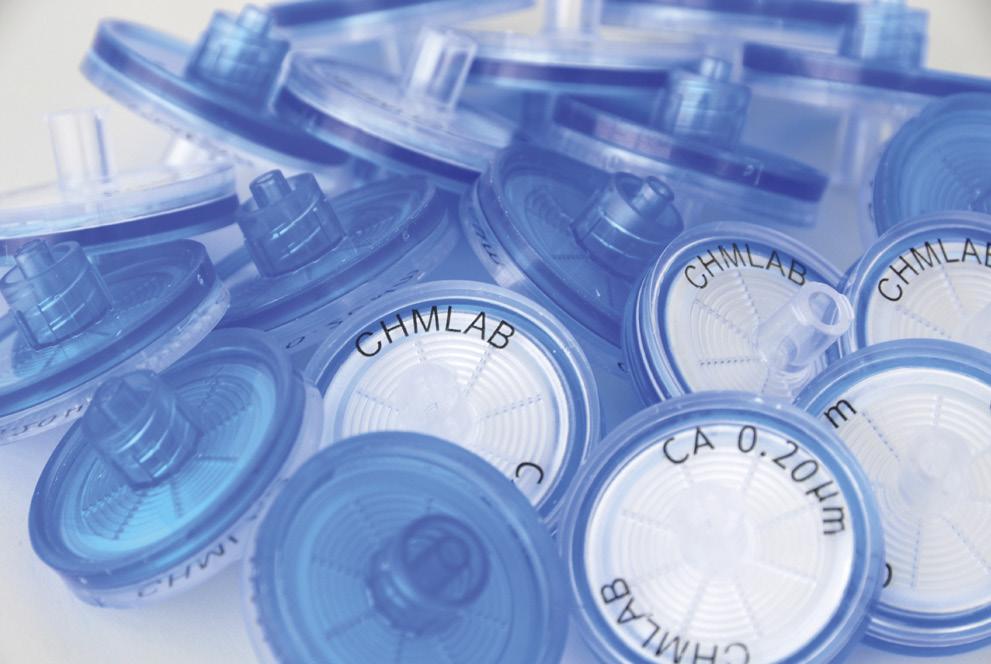
National Separations (NATSEP) offers a selection of syringe filters designed to deliver consistent, high-quality filtration for both organic and aqueous solutions. These filters ensure sample integrity in pharmaceutical,
biotechnology, agricultural, food and beverage, and environmental laboratories. Designed for reliable performance, they enable quick and easy sample preparation across a range of laboratory applications.
Variety of membrane options
Syringe filters are available in multiple membrane formats to accommodate diverse sample types and laboratory requirements. Options include hydrophilic, hydrophobic, solvent-resistant, or pre-filter combinations, supplied in sterile or non-sterile versions. High-grade membrane materials include regenerated cellulose (RC), polyvinylidene fluoride (PVDF), nylon membranes (NY), polyethersulphone (PES), cellulose acetate (CA), polytetrafluoroethylene (PTFE) and polypropylene (PP). Each filter is manufactured to provide low extractables, minimal adsorption, and exceptional chemical compatibility.
Designed for ease of use
Featuring durable housings and high-quality membranes, syringe filters are available in a variety of pore sizes and diameters to suit both small sample volumes and higherthroughput applications. Secure luer-lock and luer-slip connections allow easy attachment to syringes, ensuring smooth operation and safe handling. Pre-sterilized options provide added flexibility for research and clinical environments.
Reliable results, every time
By removing particles and improving sample clarity, syringe filters improve the accuracy and reliability of downstream analyses. Their dependable performance helps laboratories save time, reduce instrument downtime, and maintain reproducible results across applications.
Combining convenience, versatility, and dependable performance, these syringe filters are an ideal choice for routine laboratory filtration.
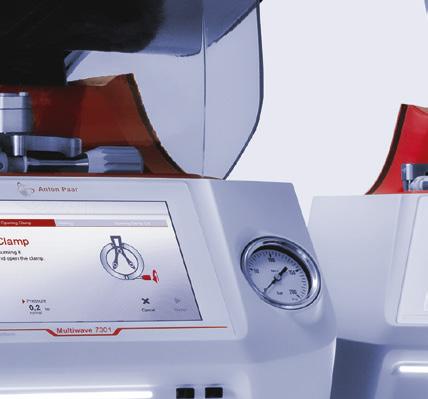
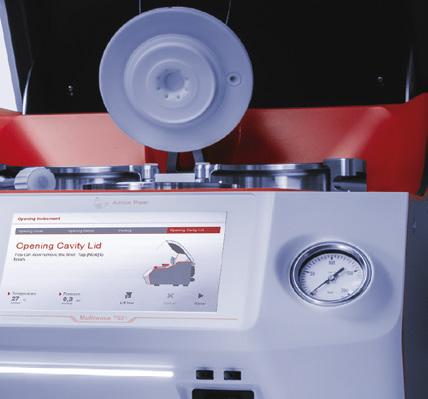
In elemental analysis, the reliability of analytical results is strongly influenced by the quality and consistency of sample preparation. The ETHOS Microwave Labstation is designed to support this critical step by enabling controlled, reproducible sample digestion within a broader, integrated preparation workflow.
Closed-vessel microwave digestion
The ETHOS Microwave Labstation supports closed-vessel microwave digestion, allowing samples to be processed at elevated temperatures and pressures compared to conventional heating methods. This enables more complete digestion of complex matrices while reducing the risk of contamination and analyte loss.
Beyond digestion, the ETHOS Microwave Labstation is positioned as part of a wider sample preparation strategy that includes additional processes such as solvent extraction, evaporation, and concentration. This integrated approach reflects the importance of managing upstream and downstream preparation steps to ensure overall analytical performance.
Reproducible workflows for highthroughput laboratories
In high-throughput laboratories, consistency in preparation is essential. By consolidating multiple preparation steps within a
controlled system, the ETHOS Microwave Labstation supports reproducible workflows, helping laboratories reduce variability between samples and improve overall efficiency.
Through this workflow-focused approach, sample preparation becomes a defined and controlled part of the analytical process, supporting reliable results across demanding elemental analysis applications.
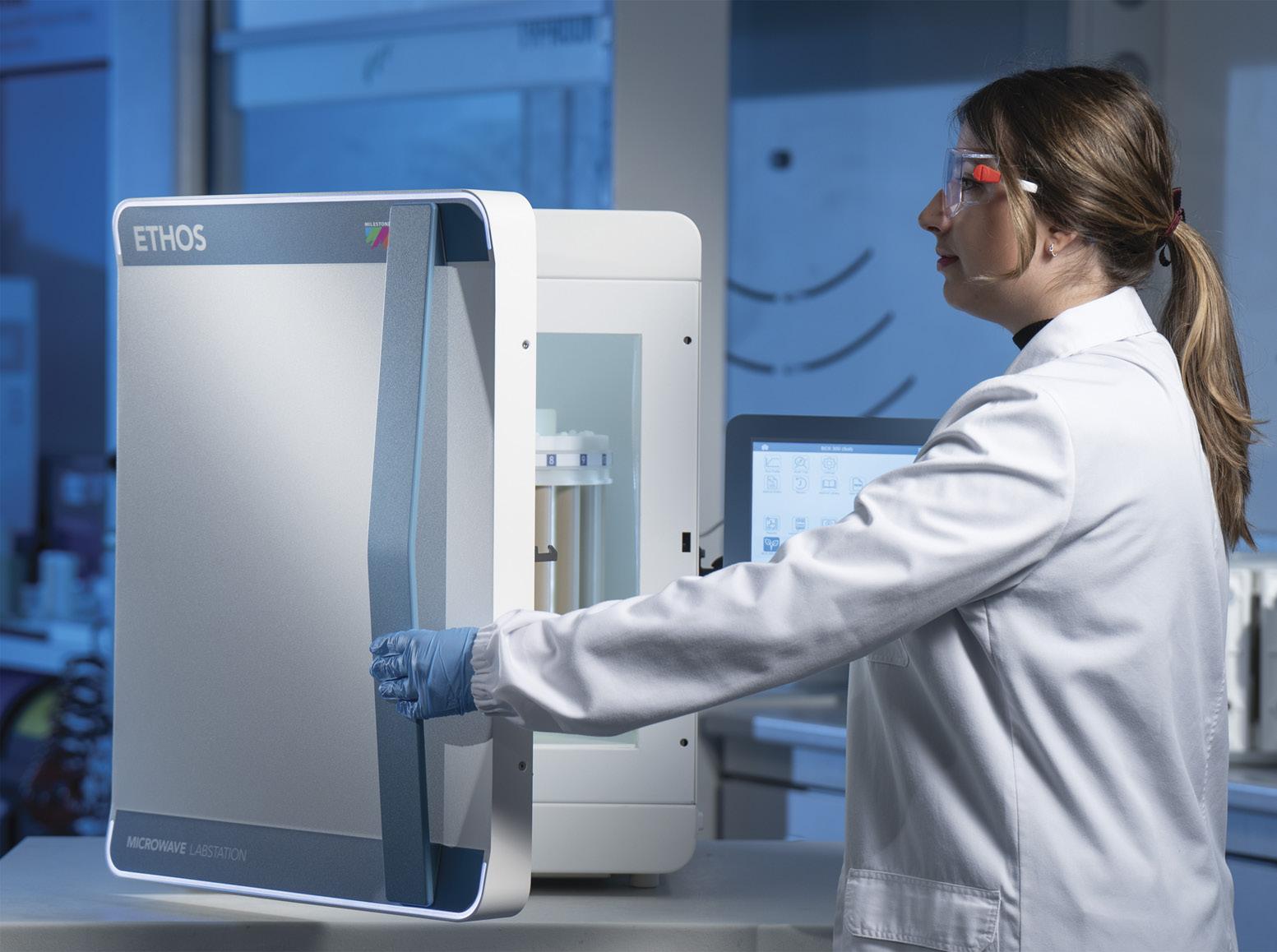
The ETHOS Microwave Labstation combines precise closed-vessel digestion with the flexibility to support a broad range of sample preparation workflows, helping laboratories achieve reliable and reproducible analytical results.

Microchem, a laboratory focused on delivering high-quality analytical services, requires reliable and consistent sample preparation across a range of matrices. Traditional sample preparation methods can be time-consuming and may introduce variability, impacting overall laboratory efficiency and data consistency.
Microwave-assisted processing for controlled sample preparation
To address these challenges, Microchem implemented the Milestone ETHOS X microwave system to support controlled and reproducible sample preparation. The system enables efficient processing
through uniform heating and well-defined methods, allowing consistent treatment of a variety of sample types.
Improved throughput and data consistency
By reducing preparation time and standardising conditions, the ETHOS X supports improved workflow efficiency while maintaining alignment with established analytical requirements. The introduction of microwave-assisted processing has strengthened Microchem's ability to manage sample throughput while maintaining data consistency, supporting the delivery of reliable analytical results.
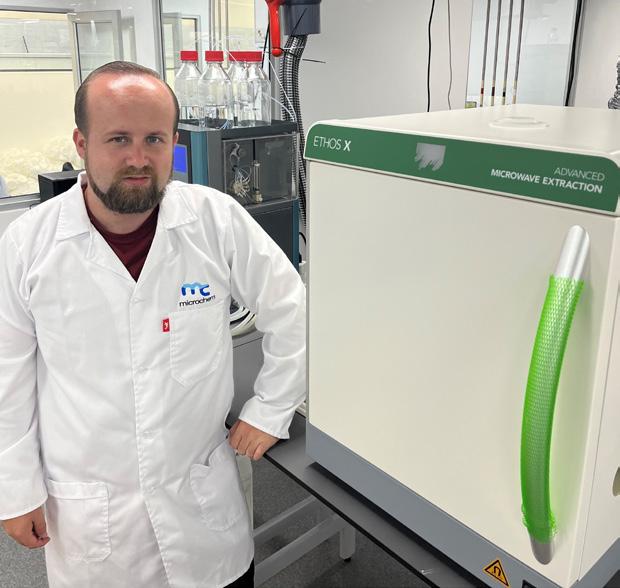
Rogan van Kerpel of Microchem alongside the Milestone ETHOS X Advanced Microwave Extraction system, which supports controlled and reproducible sample preparation across a range of laboratory applications.

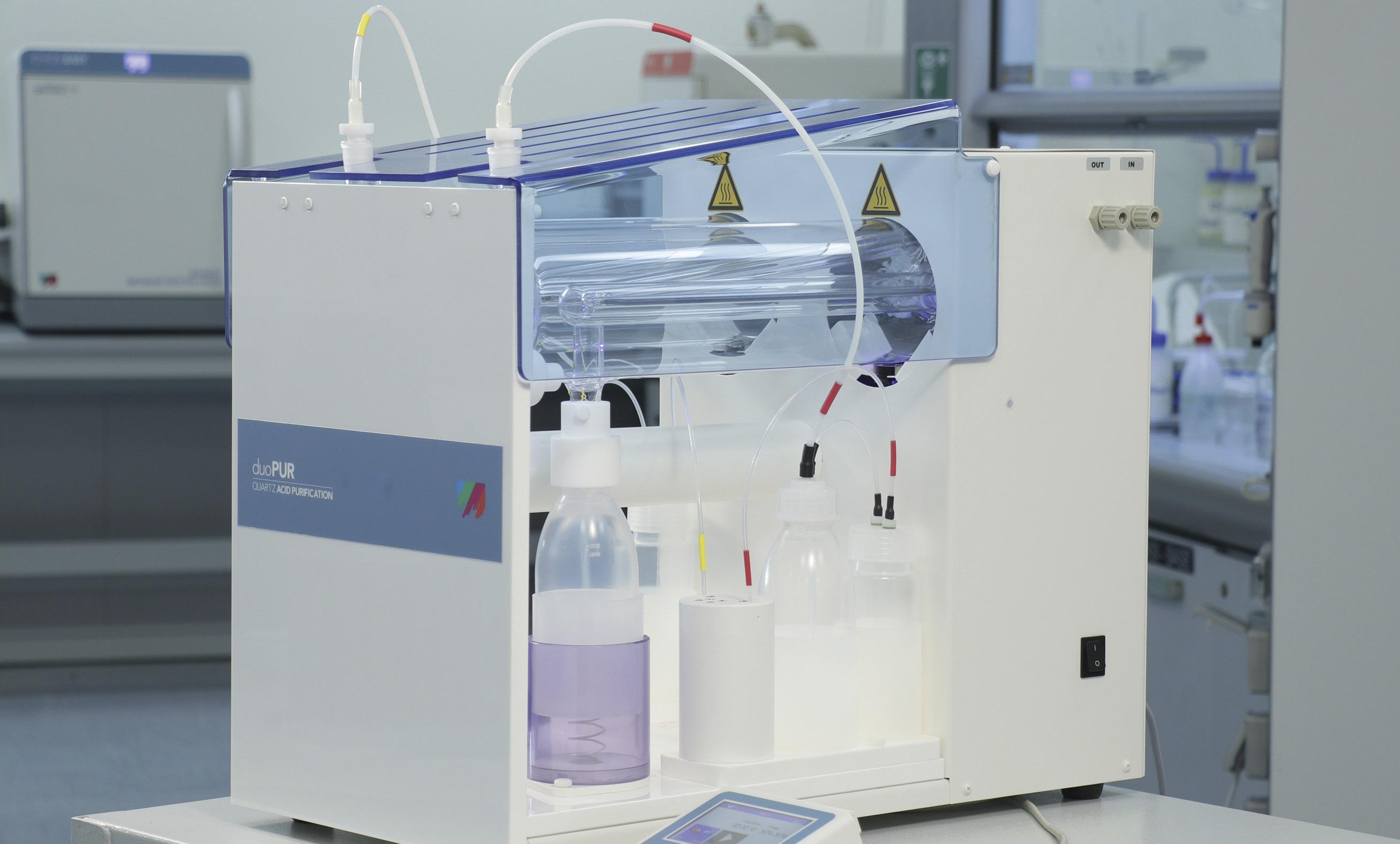
In elemental analysis, reliable results at trace and ultra-trace levels depend not only on instrumentation, but on controlling sources of contamination. Among these, reagent purity is a key contributor to the analytical blank. The duoPUR acid purification system addresses this by enabling laboratories to produce high-purity acids within their own workflow.
Sub-boiling distillation for high-purity acid production
The duoPUR system is based on subboiling distillation, a recognised technique for acid purification. Unlike conventional distillation, which relies on vigorous boiling and can introduce aerosolised contaminants, sub-boiling technology gently vaporises the surface of the liquid using controlled infrared heating. This process minimises the formation of droplets and helps prevent re-contamination of the distillate, supporting the production of high-purity acids.
On-demand purification within the analytical workflow
By enabling on-demand purification, the duoPUR system allows laboratories to manage reagent quality more directly. Common acids used in elemental analysis, such as nitric acid and hydrochloric acid, can be purified as required, reducing reliance on externally supplied highpurity reagents. In addition, the ability to purify
reagent-grade acids supports more efficient use of laboratory resources. High-purity acids can be prepared as needed, supporting continuity of analysis while reducing dependence on prepurified acids.
The use of duoPUR supports a controlled approach to reagent preparation within the analytical workflow, particularly in applications where low detection limits and reproducibility are required.

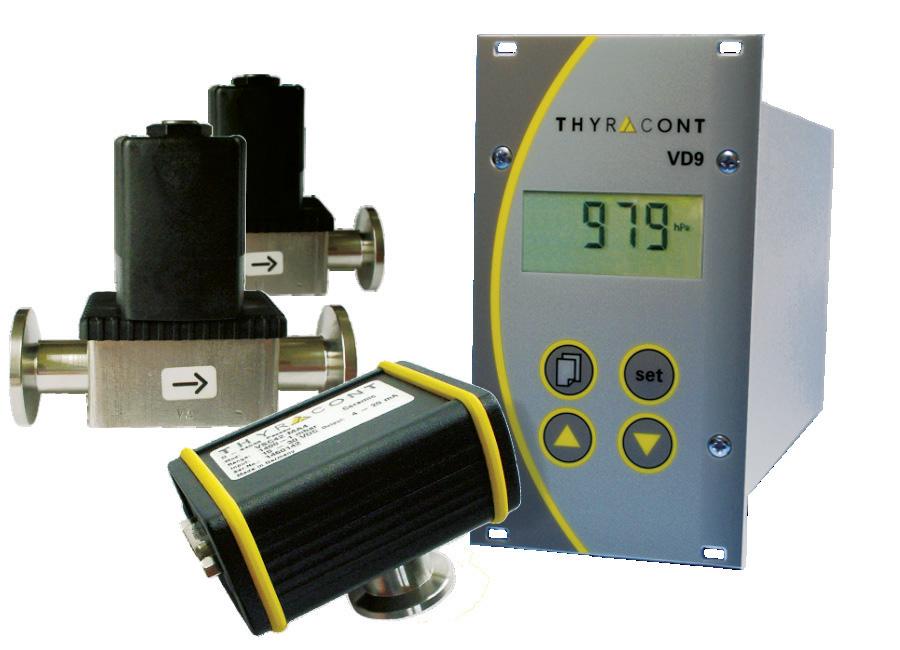
In most laboratories, sample preparation is where consistency really matters. Small variations in how reagents are added or diluted can have a direct impact on the reliability of results further down the line. The ANT Dosing Pump range is designed to give laboratories better control over this stage of the process, delivering steady and repeatable chemical dosing for routine and research work.
Low flow stability makes it suitable for tasks such as sample dilution, reagent addition, and preparation of test solutions. By improving control during dosing, laboratories can reduce variation between samples and achieve more consistent results across repeated runs.
The system also helps limit direct handling of chemicals, supporting safer day-to-day operation. It can be used with a range of common laboratory reagents, including acids, bases, and solvents, depending on material compatibility.
A simple digital interface allows users to set
flow rates, timing, and dosing cycles, which can then be repeated as required without further adjustment.
Compact in design and intended for bench-top use, the pumps are built for continuous laboratory operation with low maintenance requirements. Typical use includes sample preparation in analytical labs, as well as supporting work in forensic, pharmaceutical, and life science environments.
The ANT Dosing Pump range offers a practical way to improve consistency and control in everyday laboratory liquid handling.
INSTRULAB A DIVISION
3241/2/3/4 CT: 069 872 7528 KZN: 069 872 7528
info@vactech.co.za clientliaison@vactech.co.za www.vactech.co.za


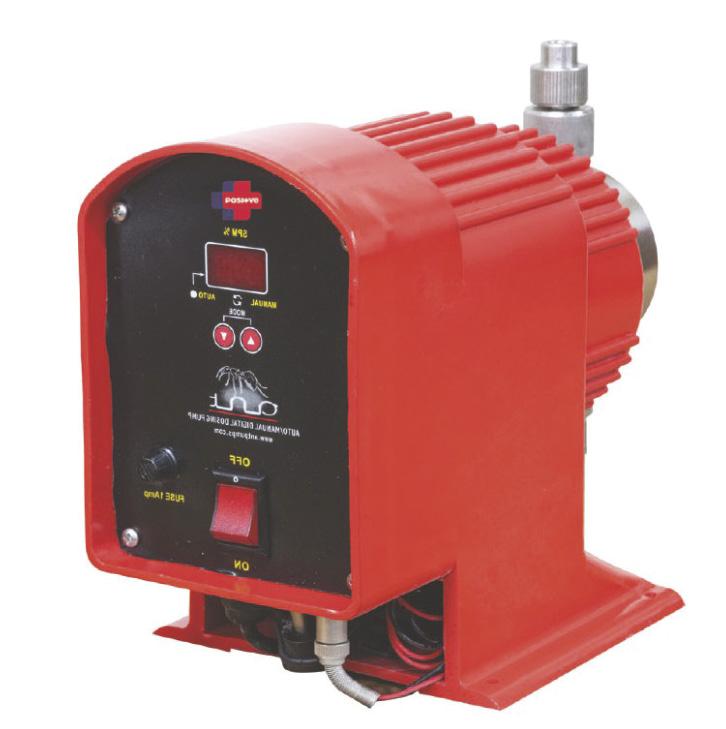

Air & Vacuum Technologies, is a direct importer & supplier of the Thyracont range of vacuum measurement equipment. Thyracont is a global leader in the manufacture of innovative vacuum measurement solutions, offering high-precision digital vacuum gauges, intelligent controllers, and robust sensors designed for laboratories, manufacturing, pharmaceuticals, research facilities, and industrial applications.

METTLER TOLEDO's XPR Automatic Balance
sets a new benchmark in automated weighing, delivering exceptional accuracy when dispensing both powders and liquids into a variety of container types. Designed for laboratories seeking greater precision, safety and productivity, the XPR Automatic Balance can dispense at a USP minimum weight of just 4 mg, exceeding the capabilities of manual weighing methods. The XPR Automatic Balance seamlessly integrates the new USP 41 and 1251 standards, enabling compliant, accurate and efficient weighing workflows.
Precise and efficient
The XPR Automatic Balance delivers precise, efficient and consistent weighing processes. It serves as a versatile standalone, all-in-one solution for basic weighing, powder dispensing and liquid dispensing. This consolidated approach makes it suitable for a wide range of industries, including both pharmaceutical and non-pharmaceutical industries, where applications such as quality control, sample and standard preparation, capsule filling and formulation screening play an integral role.
Advantages of automated weighing
By combining automated dispensing with advanced weighing technology, the XPR automatic balance reduces out-of-
specification (OOS) errors by up to 50%, significantly cutting down on costly reworking. Weighing small amounts of substances is now considerably faster, as automated dispensing reduces the minimum sample weight by up to 30%, saving costs by using smaller quantities of expensive or rare samples.
Easy-to-operate
Operating the XPR Automatic Balance is userfriendly and requires no special training. Automated dispensing protects the operator from potential exposure to toxic or chemically aggressive substances, enhancing workplace safety while maintaining control over the dispensing process.
Precise concentrations
Equipped with a liquid dispensing module, the XPR automatic balance enables the preparation of highly precise concentrations as low as 0.1 mg/g in a single step. The balance calculates the exact solvent quantity needed based on the dosed substance, delivering fast, accurate and cost-effective results.
Increased productivity and throughput
For even greater productivity, simply add a sample changer to the XPR Automatic Balance to dispense solids and liquids into up to 30
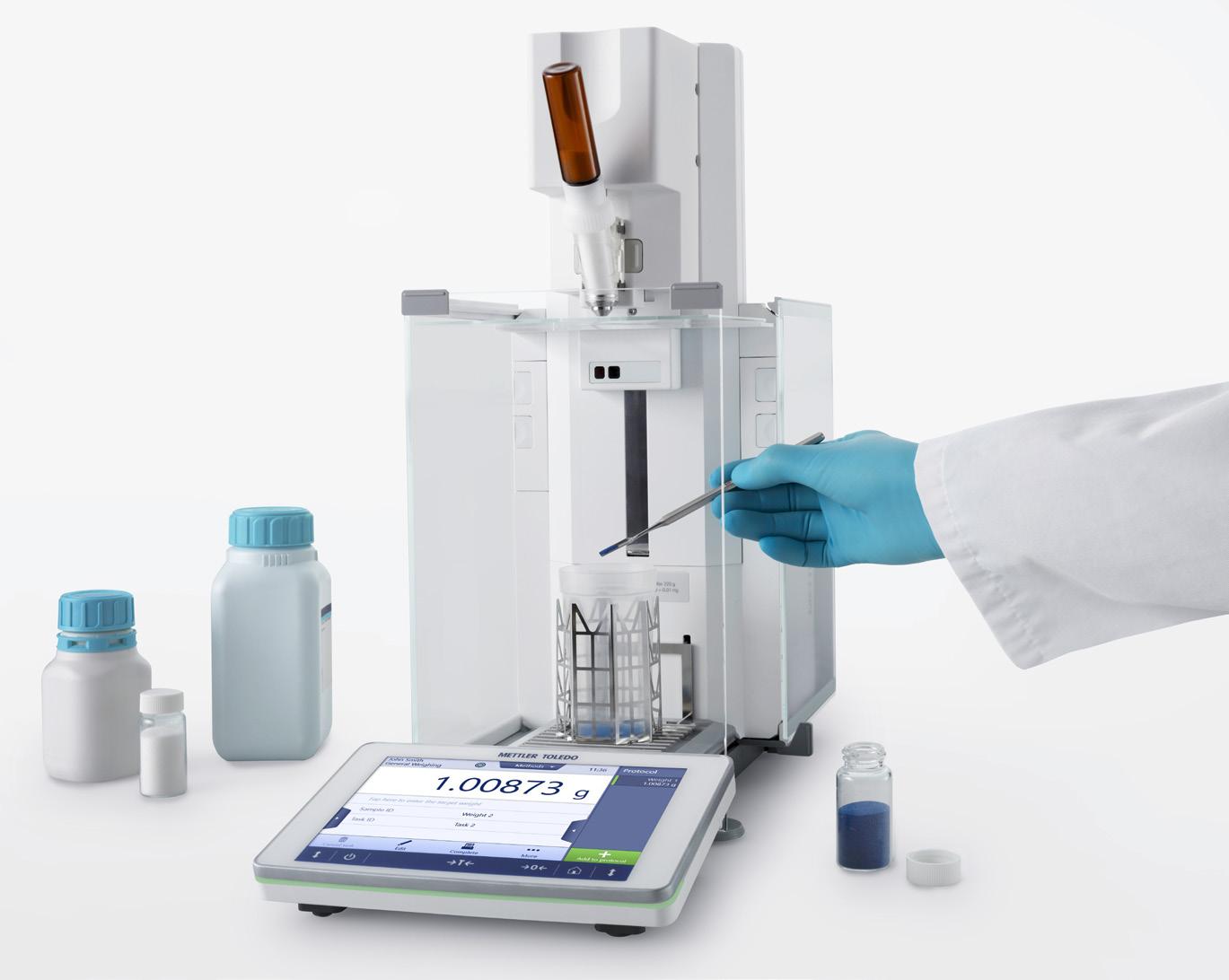
containers in a single automated run. Integration with LabX software provides comprehensive data management, guided workflows, and enhanced process efficiency.
Researchers develop a validated DLLME-LC-MS/MS method for sotalol quantification in human plasma, reducing solvent use and improving extraction efficiency
Sotalol hydrochloride, a class III antiarrhythmic agent used for managing ventricular arrhythmias and atrial fibrillation, has a narrow therapeutic window that makes therapeutic drug monitoring essential. However, existing analytical methods often require large plasma volumes, hazardous organic solvents, and time-consuming sample preparation procedures.
A greener approach to sample preparation
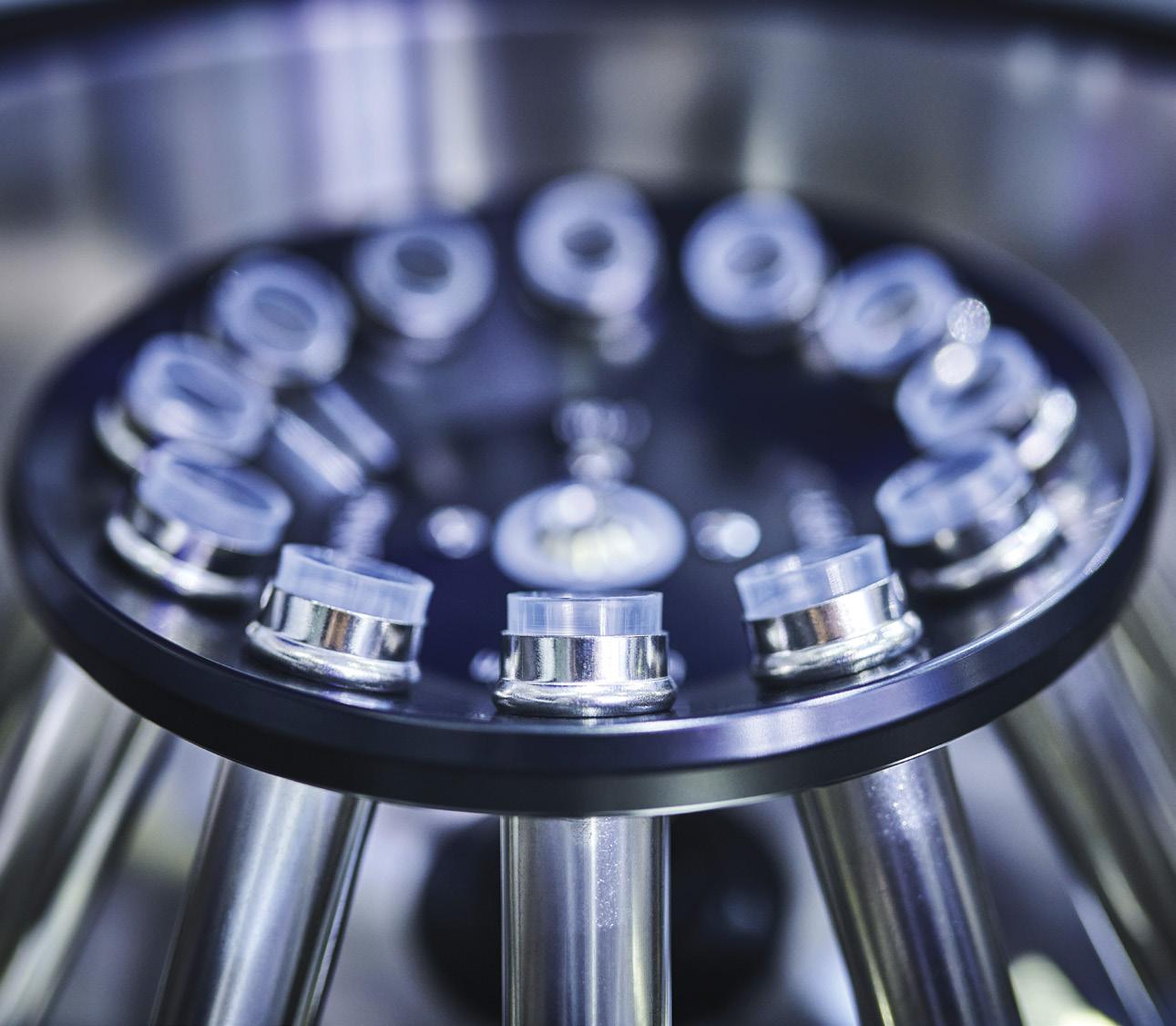
Researchers have developed an LC-MS/MS method coupled with central composite design (CCD)-optimised dispersive liquidliquid microextraction (DLLME) for sotalol quantification in human plasma. DLLME uses minimal organic solvent, offering rapid extraction with high efficiency. The CCD approach systematically evaluated four parameters — disperser solvent volume, extraction solvent volume, sample pH, and centrifugation time — identifying extraction solvent volume, pH, and disperser volume as the dominant factors governing extraction efficiency.
Validated performance and sustainability
The optimised method was validated according to ICH M10 guidelines and applied to a pharmacokinetic study, producing results broadly consistent with published literature values.
Ethyl acetate served as the extraction solvent and ethanol was used for stock solutions, selected as a greener alternative to methanol.
Multi-metric sustainability assessment using tools including AGSA-prep, BAGI, and WECA demonstrated improved environmental performance relative to conventional extraction approaches such as solid-phase extraction and protein precipitation.
The study highlights DLLME's potential as a simple, cost-effective, and environmentally conscious sample preparation technique for bioanalytical applications, supporting the growing emphasis on green analytical chemistry in therapeutic drug monitoring.
Forensic analysis is a unique discipline that operates at the intersection of science and the legal system. Its practice and presentation must meet the requirements of both communities. Forensic and toxicology laboratories are tasked with addressing increasingly complex challenges, including the identification of seized drugs and emerging psychoactive substances, monitoring illicit drug use, supporting anti-doping investigations, and presenting reliable data in court.
Waters offers a comprehensive portfolio of integrated technologies designed to support both targeted and non-targeted screening and confirmation workflows in forensic toxicology laboratories. This includes industryleading liquid chromatography (LC) and mass spectrometry (MS) systems, data informatics, chemistries, automation tools, sample preparation products, and expert support services. Together, these capabilities help laboratories generate accurate, reproducible, and defensible data with confidence.
Forensic toxicology screening
Waters forensic toxicology solutions bring the power and versatility of highresolution mass spectrometry and accurate mass to support routine forensic workflows. With integrated solutions,
forensic laboratories gain the sensitivity, reproducibility, and ease-of-use needed to perform targeted and non-targeted
screening and confirmatory analyses on complex biological samples. These capabilities enable confident identification
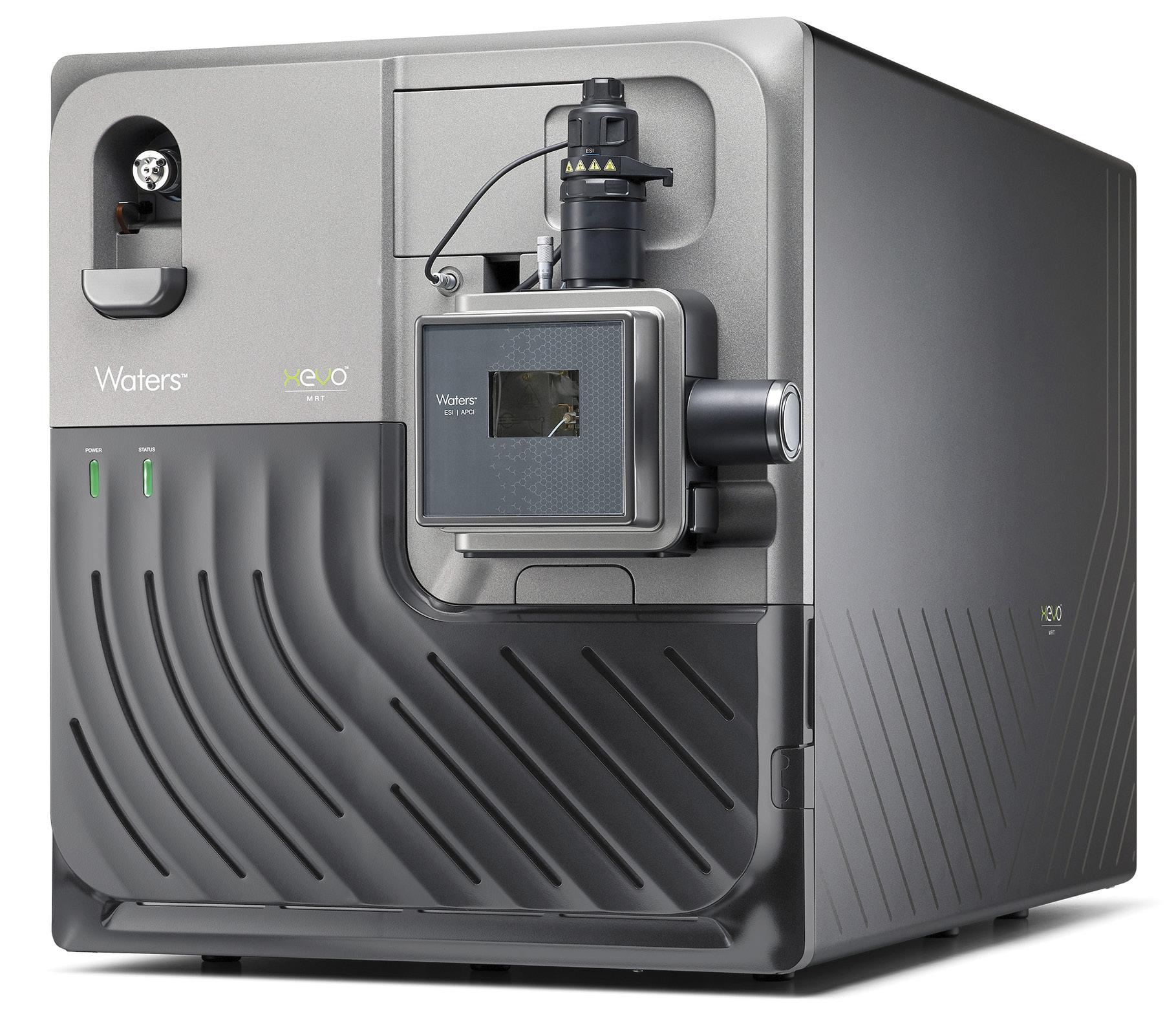
The Waters Xevo MRT Mass Spectrometer delivers routine parts-per-billion (ppb) mass accuracy for high-confidence identification of drug substances and toxicants.
of both expected and unexpected compounds across routine testing, confirmation, and quantitation workflows.
Confident drug analysis with LC-MS/MS LC-MS/MS analysis saves time and costs by reducing reliance on presumptive immunoassay screening while enabling the detection and quantification of significant drugs present in a sample. Waters LC-MS/ MS systems and software enhance the detection and quantification of a wide variety of drugs and metabolites encountered in forensic laboratories for routine drug testing of urine and oral fluid samples. These systems also enable confident detection of highly potent fentanyl compounds at trace levels while accurately analysing more common drugs present at higher concentrations.
The MIRA XTR delivers in-field molecular identification of narcotics, explosives, and hazardous chemicals — in seconds
Forensic analysis often takes place under pressure, where rapid and accurate identification of unknown substances is critical to ensuring both safety and effective decision-making. Whether dealing with suspected narcotics, explosives, or hazardous chemicals, the ability to analyse materials directly at the point of contact has become increasingly important in modern forensic workflows.
Handheld Raman spectroscopy has emerged as a powerful tool in this context. By providing molecular "fingerprint" identification of substances, Raman techniques enable non-destructive analysis of solids, liquids, and powders without the need for sample preparation. This makes the technology particularly suitable for field-based forensic applications, where speed and reliability are essential.
Actionable results within seconds
The MIRA XTR handheld Raman analyser is
designed specifically to address these challenges. It enables rapid, in-field identification of unknown materials, delivering actionable results within seconds to support first responders and forensic professionals in critical situations.
A key advantage of the system lies in its flexibility of sampling. Materials can be analysed directly, through packaging, or even at a distance using standoff capabilities, reducing the need for direct contact with potentially hazardous substances. This approach enhances operator safety while preserving sample integrity, which is often crucial in forensic investigations.
Extensive spectral libraries and advanced algorithms
In addition, MIRA XTR incorporates extensive spectral libraries containing thousands of substances, including narcotics, explosives, and chemical agents. This allows for rapid identification of
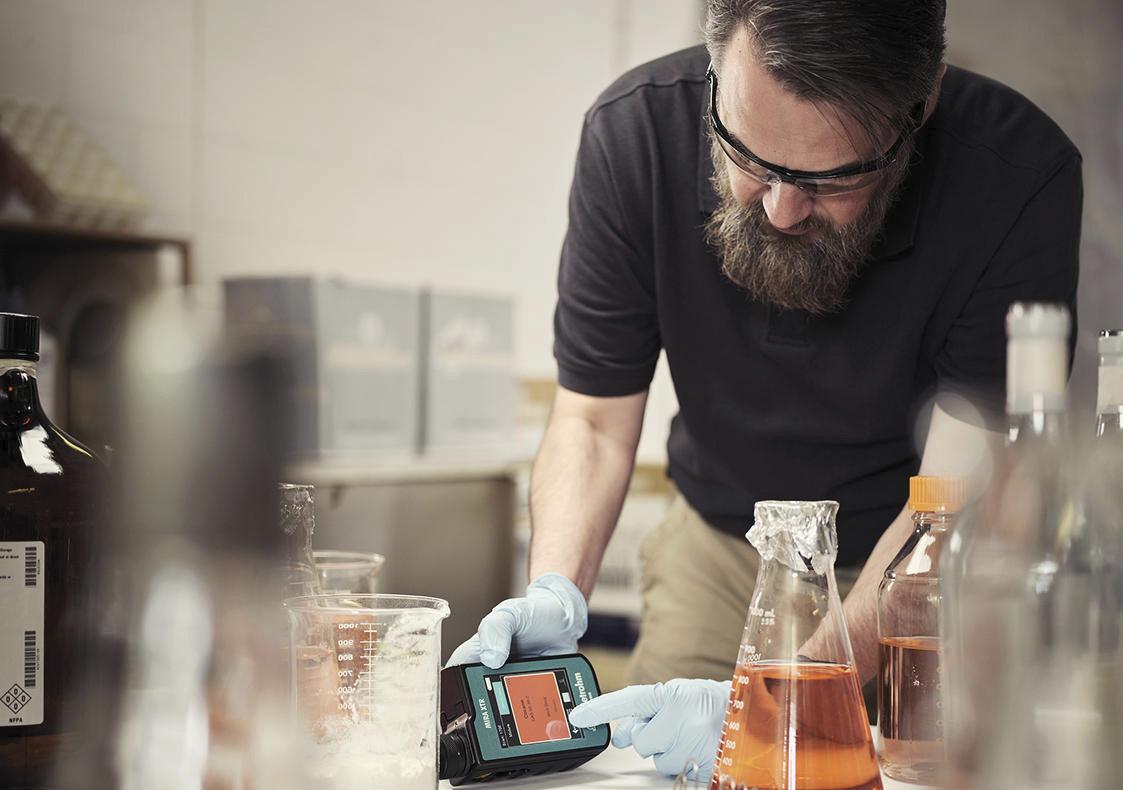

The Metrohm MIRA XTR handheld Raman analyser enables rapid, non-destructive identification of unknown substances in the field — without the need for sample preparation.
known materials, even in complex or contaminated samples. Advanced algorithms further support analysis by mitigating fluorescence effects, enabling detection of substances that are typically difficult to analyse using conventional Raman systems.
Updated 2025 guidance on sample
The European Commission's Joint Research Centre (JRC) and the OECD have published updated guidance on sample preparation and dosimetry for the safety testing of manufactured nanomaterials. The 2025 edition reflects new knowledge accumulated since 2012 and covers general principles, dosimetry, and sample preparation for regulatory safety testing.
Sample preparation as the foundation of reproducible testing
Sample preparation is fundamental to nanomaterial testing, as it is the initial step for applying any testing protocol and achieving reproducible results. The unique physical and chemical properties of nanomaterials require specialised procedures to identify adverse effects and ensure safety for humans and the environment.
Progress and ongoing challenges after 25 years
The guidance update comes alongside a JRC-OECD review analysing 25 years of
nanotechnology research and regulation. The review identified ongoing challenges, including the lack of a unified regulatory definition, applicable test methods for physical and chemical characterisation, exposure assessment and modelling, and the quantification of nanomaterials in complex media.
Progress has been made, but areas needing further attention include alternative test methods, reference nanomaterials, and FAIR (findable, accessible, interoperable, and re-usable) data.
reference materials and alternative
The JRC has also developed two new certified reference materials to support implementation of the European Commission's recommendation on a nanomaterial definition, helping laboratories reliably identify and measure nanomaterials in regulatory contexts.
Scientists emphasise the need to further explore alternative test methods,

such as in vitro testing and QSARs, to reduce reliance on animal testing and provide more efficient safety assessments.
The JRC's Nanobiotechnology Laboratory remains available to researchers and industries for nanomaterial, nanomedicine, and micro(nano)plastics research.




The Metrohm VIONIC potentiostat supports reproducible electrochemical measurements for the study of
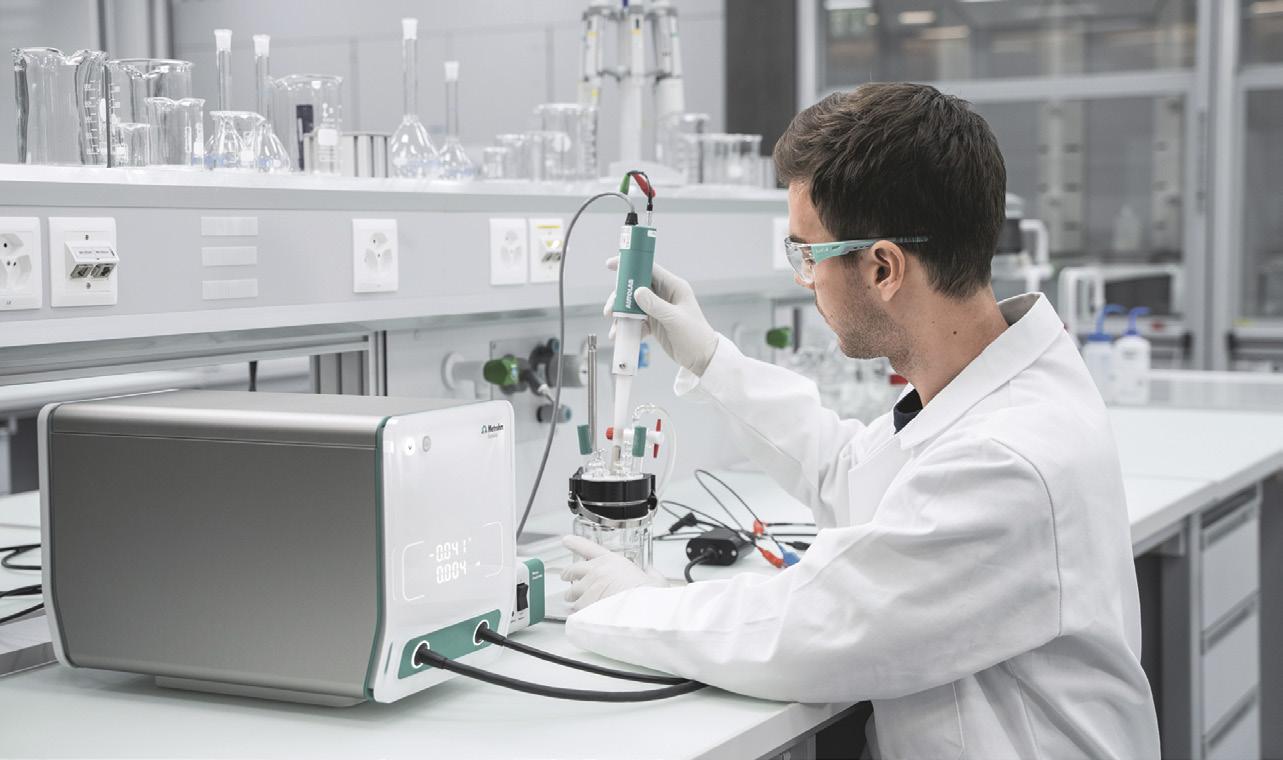
The Metrohm VIONIC potentiostat, powered by INTELLO software, enables precise electrochemical characterisation at the nanoscale — supporting biosensor research, materials science, and the development of advanced sensor technologies.
Advances in nanotechnology continue to support developments across fields such as biosensing, materials science, and life sciences. As materials and functional systems are designed at increasingly smaller scales, understanding interfacial processes and surface behaviour becomes essential.
Electrochemical techniques at the nanoscale Electrochemical techniques provide a direct approach to investigating these phenomena. At the nanoscale, processes such as electron transfer, adsorption, and surface reactions are influenced by the structure and composition of the material interface. Techniques including cyclic voltammetry, impedance spectroscopy, and chrono-methods enable the study of these processes in real time, supporting the characterisation of nanoscale systems.
The VIONIC potentiostat, powered by INTELLO software, supports electrochemical measurements across a wide range of research applications. Its ability to measure low current signals is particularly relevant when working with microelectrodes and small-scale systems, where signal levels are inherently low.
Biosensor research and interfacial monitoring
In biosensor research, electrochemical methods are used to investigate protein–electrode interactions, self-assembled monolayers, and surfactant films. These systems depend on controlled surface
A $29 million underground facility provides low-vibration environments for electron microscopy, scanning probe microscopy, and X-ray characterisation at the nanoscale
Stanford University has officially opened the Deep Lab, a new nanocharacterisation facility located three stories below the engineering quad in a former physics building. The 29 600-square-foot underground space provides specialised, low-vibration environments designed for advanced instrumentation including transmission electron microscopy, scanning probe microscopy, X-ray and spectroscopy, and electrical and magnetic characterisation.
Consolidating nanotechnology capabilities
The grand opening ceremony, held on 6 May 2026, featured a traditional Chinese lion dance and ribbon-cutting. The facility is an expansion of nano@stanford, the unified organisation formed by merging the Stanford Nano Shared Facilities and the Stanford Nanofabrication Facility.
The facility's underground location is critical to its function — the stable, lowvibration environment enables the highresolution imaging and measurement techniques essential to nanoscale research. Most instruments were commissioned and operational by April 2026.
Source: Stanford University (news.stanford.edu
interactions, where small changes can influence performance. Electrochemical measurements enable in-situ monitoring of adsorption and kinetic processes, providing insight into system behaviour at the interface. By enabling reproducible electrochemical measurements, systems such as VIONIC support the study of processes occurring at small scales. As nanotechnology applications continue to evolve, electrochemical characterisation remains an important tool for understanding functional behaviour and supporting the development of new materials and sensor technologies.
The $29 million renovation was supported by the Provost's Office, the Vice Provost and Dean of Research, the School of Engineering, the School of Humanities and Sciences, and the Doerr School of Sustainability. Construction began in April 2024 and concluded in October 2025, with tool installation and commissioning following in early 2026.
Leadership and operational readiness
The Deep Lab is directed by Yuri Suzuki, the Stanley G. Wojcicki Professor of Applied Physics, who also leads the combined nano@ stanford unit. By consolidating nanofabrication and nanocharacterisation capabilities under a single organisation, Stanford aims to streamline access for researchers across disciplines.
The Deep Lab sits three stories below Stanford's engineering quad in a former physics facility — the underground location is essential because even subtle vibrations from surface activity can disrupt high-resolution electron microscopy and nanoscale measurements.













































To advertise, contact sindi.mbambo@media24.com
Analytical Reporter is the premier laboratory equipment journal, and is recognised internationally
• It is the ideal vehicle for laboratory equipment suppliers to showcase their merchandise, with its regular coverage of the latest product information
• Complete with a comprehensive suppliers directory
• This database boasts a niche, targeted audience of requested subscribers



• Digital subscribers


































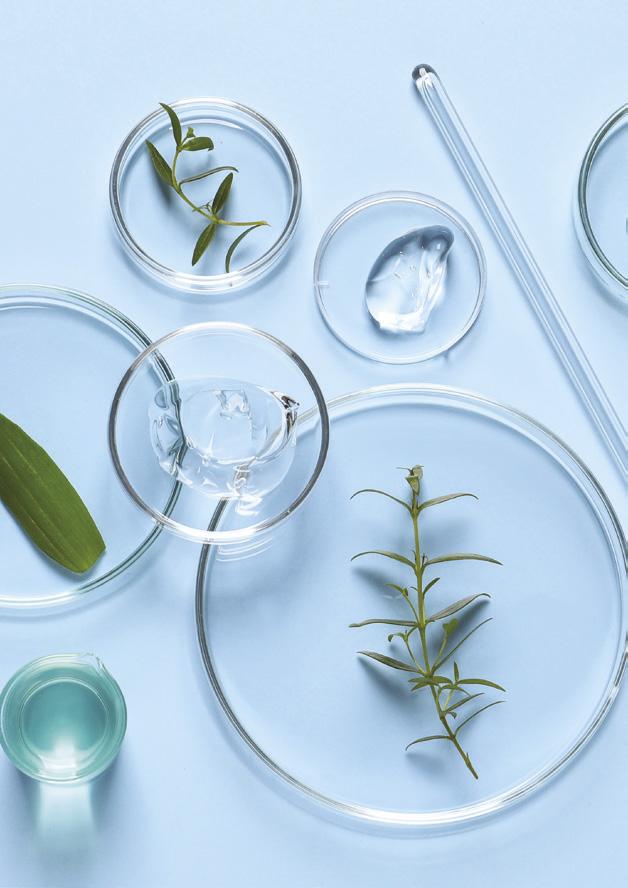























The LINXON LX218 Helium Leak Detector, manufactured in Germany by Inficon — the world's largest producer of leak detectors — is available in South Africa exclusively through Air & Vacuum Technologies. Previously re-branded and sold under the Pfeiffer Vacuum name, the LX218 brings proven, precision leak-detection technology to a broad range of laboratory, manufacturing, and industrial applications.
The LX218 is fully operational in under three minutes, reducing downtime in time-sensitive workflows. It functions in both vacuum and sniffing modes, offering flexibility across diverse testing environments. A stainless-steel vacuum system prevents helium contamination and can detect even the smallest leaks with precision. High pumping speed significantly reduces measuring times, while integrated mass spectrometers, pumps, and valves work in concert to deliver consistent, reliable results. The instrument's modular construction accommodates additional accessories, allowing configuration for specific testing requirements.
The LX218 addresses leak-integrity requirements across a wide range of
industries. In pharmaceutical and medical device environments, it verifies the leaktightness of drug vials and syringes. In manufacturing and production, it performs tests on sealed containers and pipelines. It is equally applicable in HVAC and refrigeration (refrigerant leak detection), automotive and aerospace (fuel systems and aircraft airconditioning integrity), energy (steam turbines and heat exchangers), and electronics manufacturing (hermetic sealing of components).
Intuitive navigation minimises operator training requirements, making the LX218 a practical, long-term investment for laboratories and industrial facilities operating under rigorous quality standards.
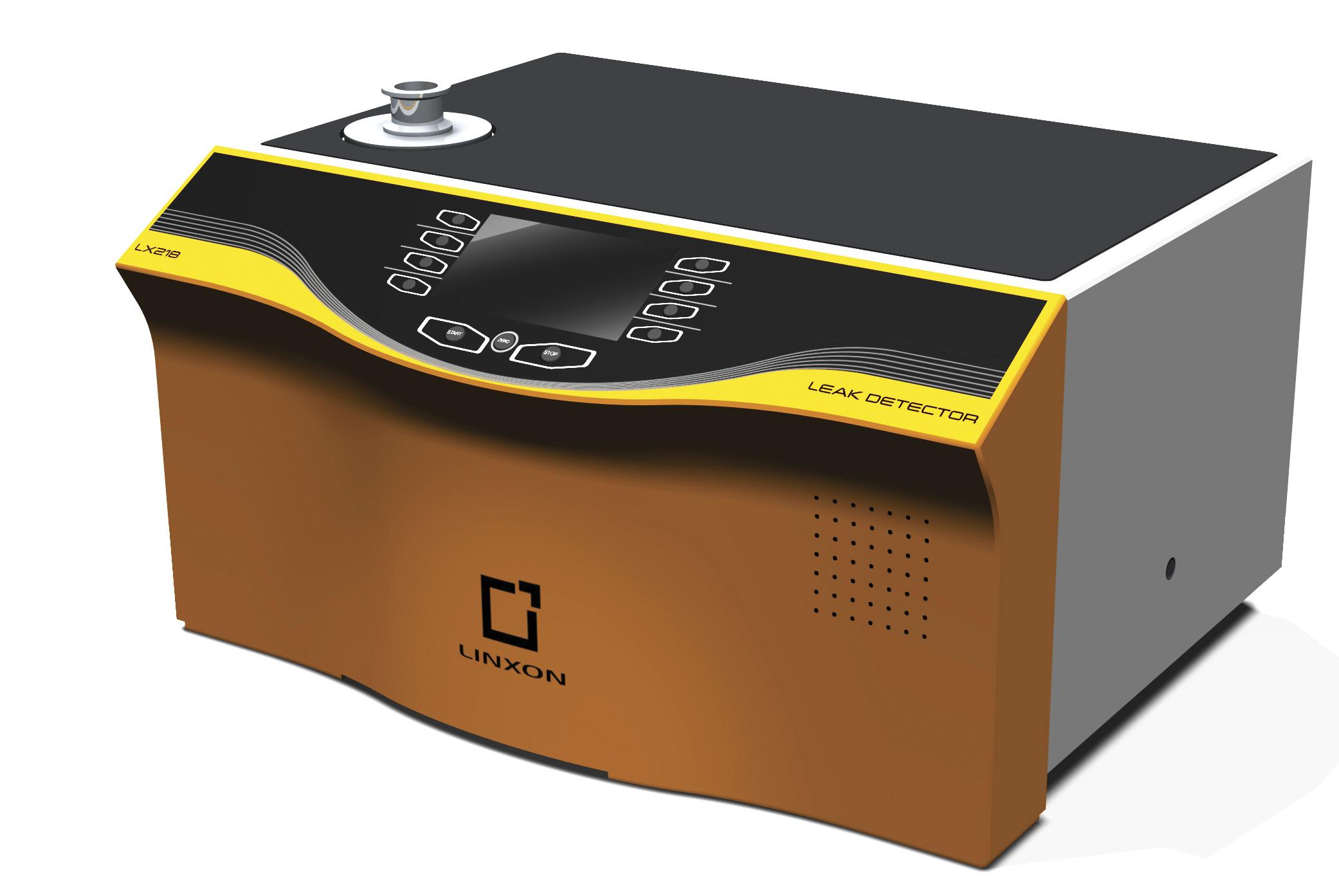
The LINXON LX218 Helium Leak Detector — manufactured by Inficon in Germany and available exclusively in South Africa through Air & Vacuum Technologies.
Machine-learning-guided imaging of cellulosomes on Clostridium thermocellum opens new possibilities for consolidated bioprocessing of biofuels and biochemicals
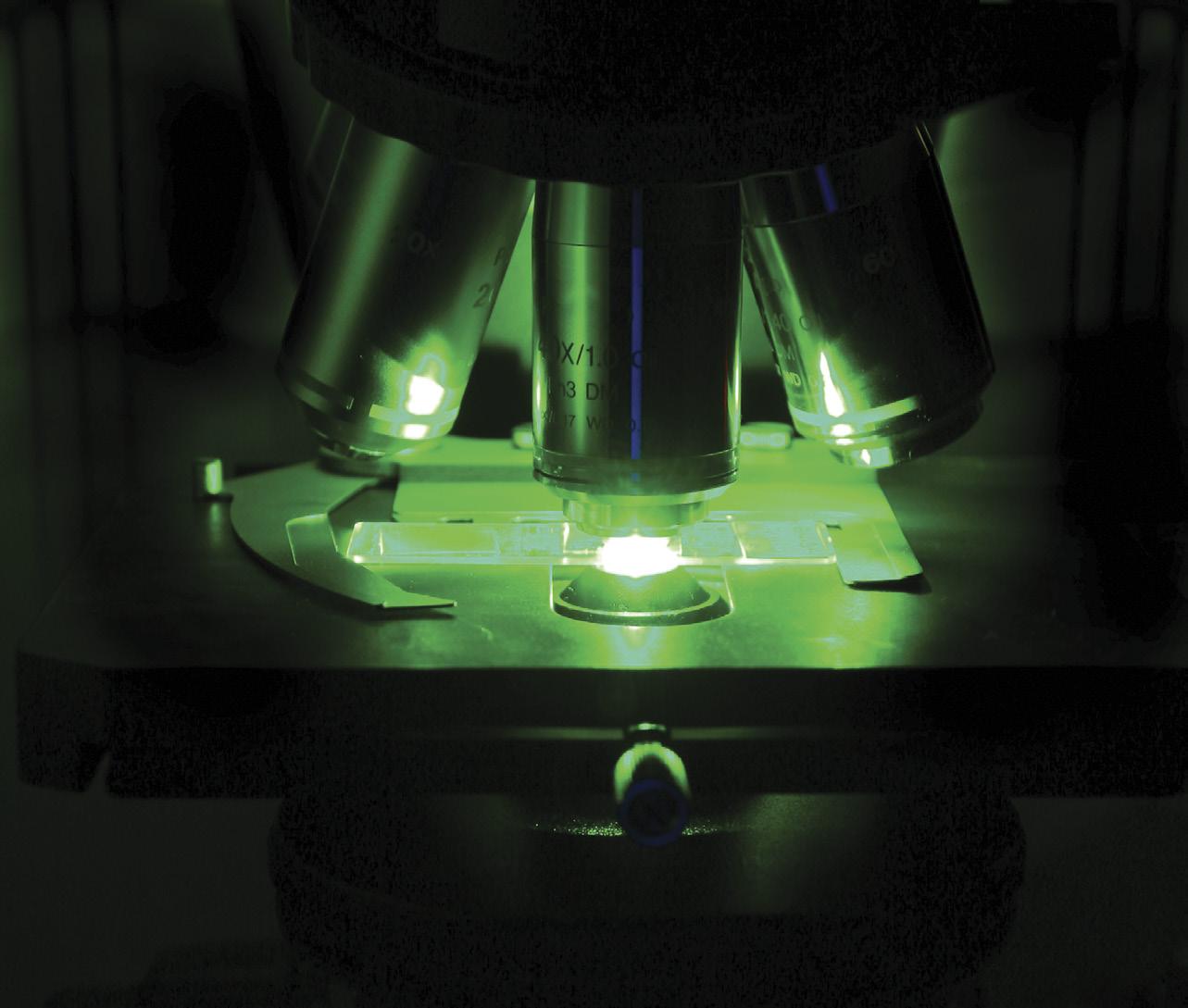
Researchers at the National Laboratory of the Rockies (NLR) have used super-resolution microscopy combined with machine learning to produce the first real-time, quantitative picture of how bacteria degrade biomass using enzyme complexes known as cellulosomes.
A rare and powerful biomass degrader
Cellulosomes are large protein structures packed with dozens of enzymes, found on the surface of certain bacteria.
Only about 10 to 20 microbes have been identified with cellulosomes, making them a rare biomass deconstruction mechanism in nature. Clostridium thermocellum, the subject of the study, is considered the most efficient biomass degrader identified to date.
Machine-learning-guided imaging at the nanoscale
The research team, led by senior researcher John Yarbrough and group manager Yannick Bomble, captured more than 15 000 images of bacterial samples using a super-resolution
microscopy setup capable of resolving objects barely 30nm apart. An unsupervised machine-learning clustering algorithm was then applied to analyse the location and movement of cellulosomes across the bacterial surface.
The results revealed that cellulosomes are significantly more abundant on plant biomass than on the bacteria themselves toward the end of the bacterial life cycle. The team observed that cellulosome clusters became enriched at the cell surfaces in direct contact with biomass, and that they dynamically redistributed as biomass deconstruction progressed.
Towards consolidated bioprocessing
The quantitative imaging approach provides a statistical basis for comparing results as researchers genetically modify cellulosomes, supporting the development of consolidated bioprocessing — a method where biomass deconstruction and conversion occur in a single step, without the need for costly pretreatment or added enzymes.
Source: National Laboratory of the Rockies


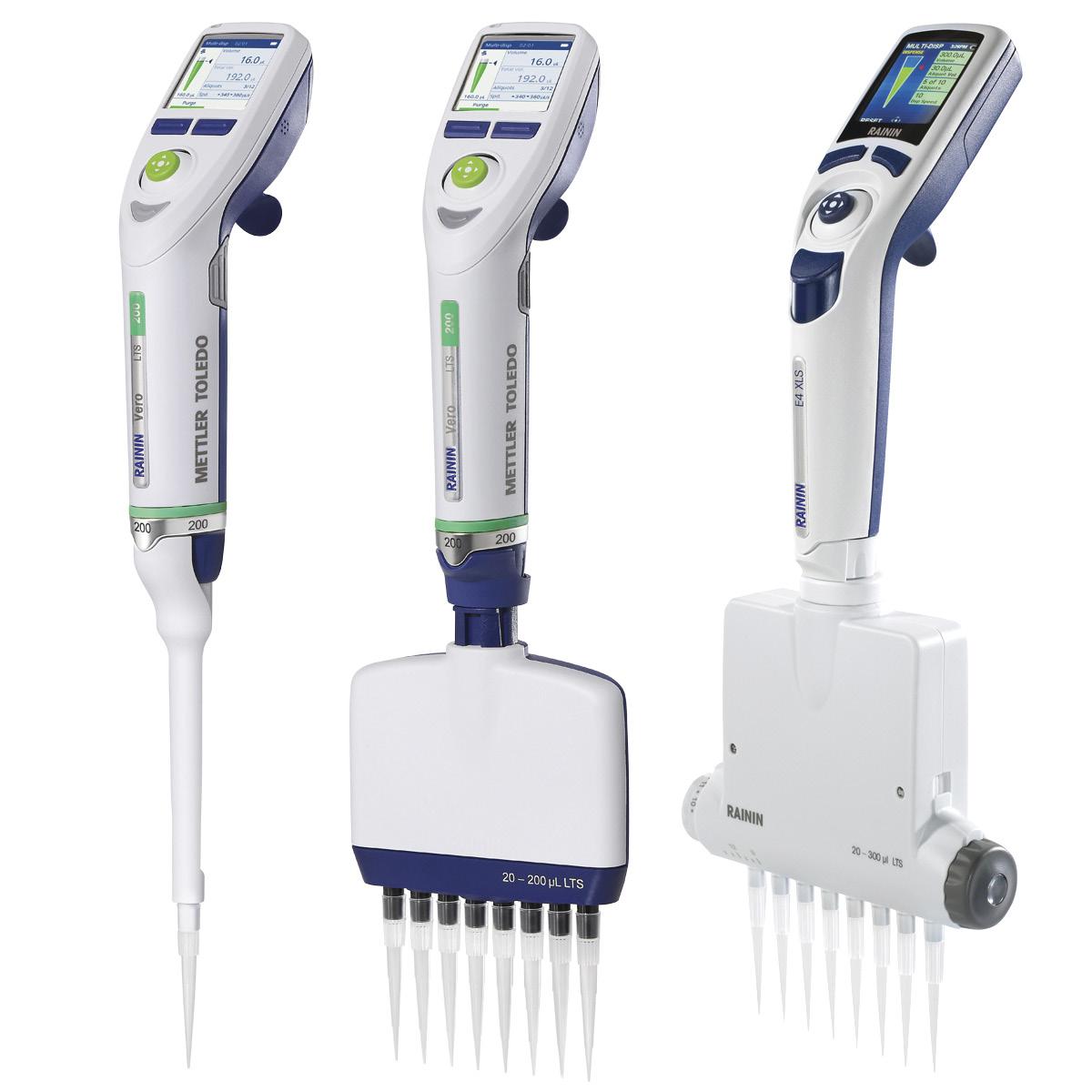
Rainin Vero electronic pipettes are designed to deliver exceptional accuracy, precision and ergonomic performance for modern laboratories. Rainin Vero represents a major step forward in performance, usability and design. Smaller, lighter and easier to use than most electronic pipettes, Vero enables faster setting adjustments and quick preset loading, helping users improve speed, efficiency and repeatability. Vero is available in both single-channel and multichannel LTS models.
Reliable data, simplified operation
Electronic aspiration and dispensing are controlled through a digital interface, ensuring consistent and reliable results. Adjustable flow rates, mixing parameters and customizable pipetting protocols support consistency across applications, including multi-dispense, serial dilution and more. Intuitive software and joystick navigation make it quick and easy to adjust settings and switch between pipetting modes. The lightweight ergonomic design, combined with electronic tip ejection and thumb or index finger operation, delivers all-day comfort.
Faster setup, fewer clicks
Rapidly adjust volume, flow rate and mixing parameters with just a few taps of the joystick. Clear menu tiles replace time-consuming scrolling, allowing users to move between modes and settings with speed and confidence.
Reduced errors, lower risk
Users can easily create, save and switch between protocols, streamlining repetitive tasks while reducing the risk of manual errors. Password protection and interval service alarms support compliance and minimise operational risk. A well-designed interface prevents accidental setting changes or unintended pipetting actions, while improved accuracy increases confidence that the correct volume is delivered every time.
Tetra Pak has announced the launch of the Tetra Pak Bioreactor RF, its first industrial bioreactor, following the company's acquisition of Bioreactors.net in December 2025.
The system is designed for industrial fermentation and New Food production, enabling stable, scalable fermentation from pilot validation through to full-scale production.
Patented magnetic agitation eliminates contamination risk
At the core of the Bioreactor RF is a patented magnetic agitation system that eliminates the need for mechanical seals, a common source of contamination risk and process instability in conventional designs. Unlike traditional magnetic agitators, the system maintains performance across a wide range of viscosities and volumes. The bioreactor is pre-assembled and factory-tested, enabling faster installation and commissioning whilst reducing disruption to production planning.
High levels of automation further simplify operation. Self-adjusting control functions help stabilise conditions as
processes evolve, reducing the need for manual intervention. Combined with predefined operating strategies and
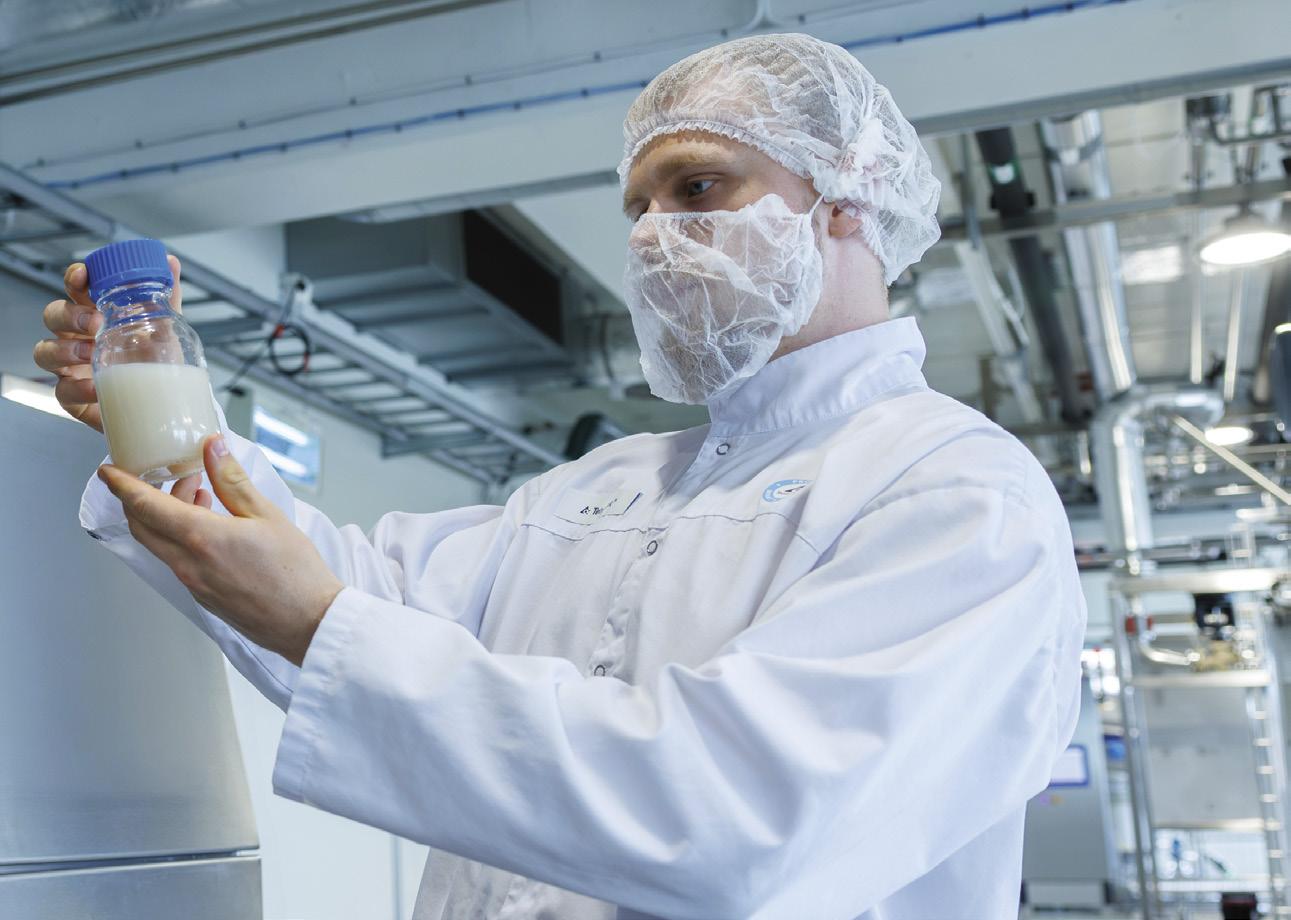
integrated data monitoring, the system supports repeatable performance with reduced operational risk.
Scalable from 10 to 50,000 litres
Available in sizes from 10 to 50 000 litres, Bioreactor RF units share the same design platform, control logic, and operating philosophy. This consistency simplifies operator training and day-to-day operation across sites and production scales. The modular configuration also allows producers to adapt capacity as demand grows.
Rafael Barros, Director of the New Food Business Stream at Tetra Pak, said: "Industrial fermentation succeeds when performance is repeatable, day after day. Bioreactor RF is designed to reduce operational risk and remove complexity, helping operators stay in control."
Overall, the combination of simplified operation, reduced contamination risk, and improved process stability can help producers lower operational costs by up to 12%.
SpudCell, built from non-living chemical components, marks a major milestone in synthetic biology with potential applications in drug synthesis and environmental remediation
Researchers at the University of Minnesota, led by synthetic biologist Kate Adamala, have announced the creation of SpudCell — the first synthetic cell built from scratch that exhibits a complete life cycle, including growth, DNA replication, and division.
Built from non-living components
The cell was constructed piece by piece from non-living chemical components, featuring a fatty membrane, a 90 kilobase genome, and 36 genes. Unlike previous synthetic constructs, SpudCell can perform essential cellular functions including resource acquisition, growth, genome replication, and division. The researchers released their data and methods via a preprint on bioRxiv on 1 July 2026.
A proof of concept, not yet alive
Whilst the creation represents a significant proof of concept, it is not considered alive by biological definitions, as it cannot survive without constant external support
such as deliveries of food and ribosomes.
Nevertheless, the breakthrough marks a major step towards engineering fully autonomous
synthetic cells. The research team, which includes Drew Endy, Jan Jedryszek, and Chris Raggio, has founded a public-benefit
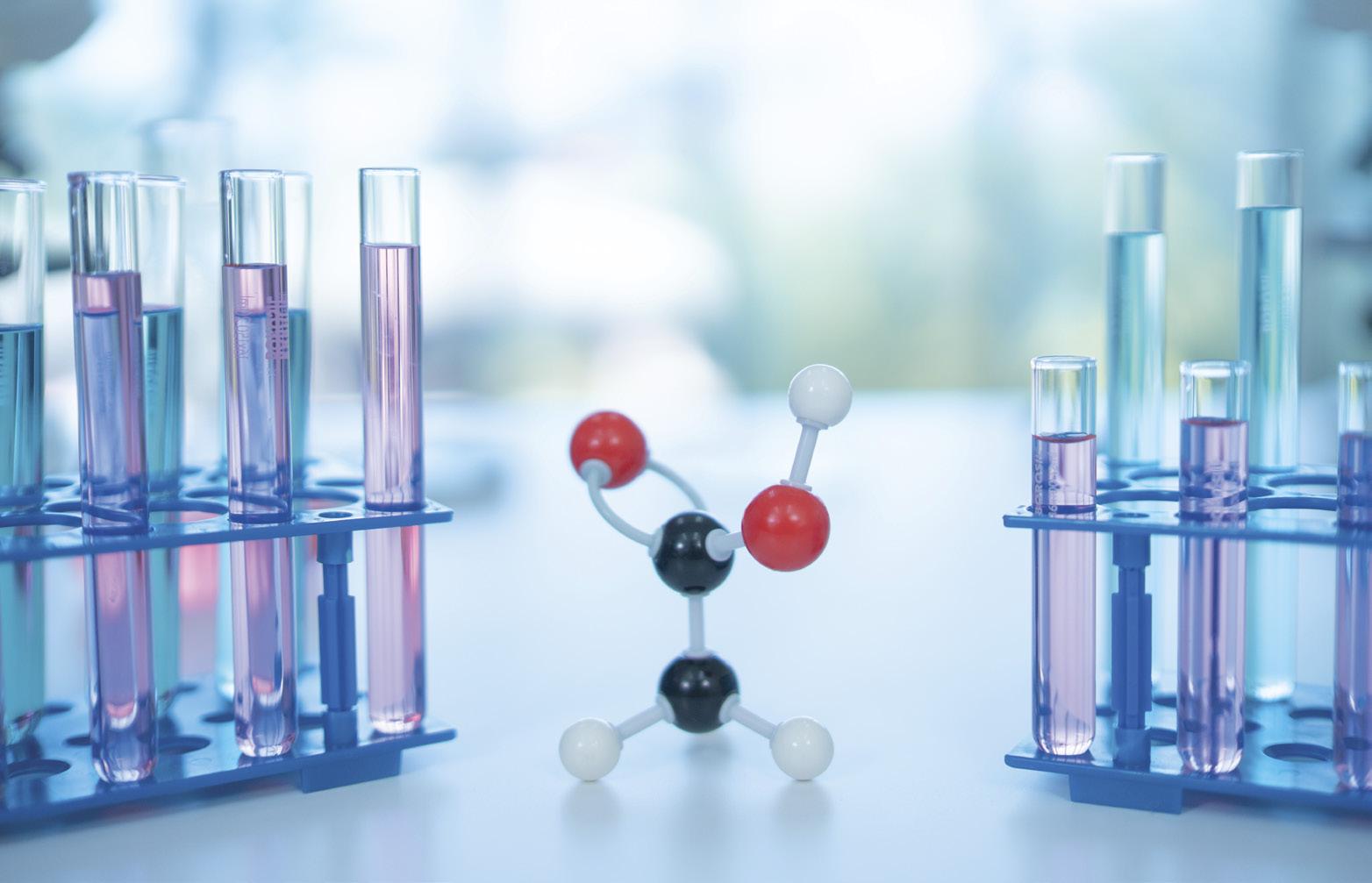
institution called Biotic. The organisation aims to make the synthetic cell technology available to other researchers as an opensource standard for synthetic biology — similar to an operating system like Linux — with the eventual goal of facilitating applications such as plastic production, drug synthesis, and environmental remediation.
Building on incremental advances
The development follows a series of incremental advancements in the field. In July 2025, researchers at the Institute for Bioengineering of Catalonia developed a minimal artificial cell capable of chemical navigation, whilst scientists at the University of California San Diego incorporated metabolic activity into synthetic cell membranes. In May 2026, researchers at the University of Michigan and the University of Chicago used tardigrade proteins to improve synthetic cell durability under stress.
Source: phys.org
Molecular test enables rapid detection of Bundibugyo virus as the largest recorded outbreak continues across the DRC and Uganda
The World Health Organization (WHO) has added the first molecular diagnostic test for Bundibugyo virus (BDBV) to its Emergency Use Listing (EUL). The test detects the virus by identifying its genetic material in blood samples, enabling rapid and accurate confirmation of infection.
A critical time for outbreak response
The listing comes at a critical time, as countries respond to the largest recorded outbreak of Ebola disease caused by BDBV.
As of 2 July 2026, 1,406 laboratoryconfirmed cases and 438 deaths had been reported in the Democratic Republic of the Congo, with cases also reported in Uganda. On 17 May 2026, WHO Director-General Dr Tedros Adhanom Ghebreyesus declared a public health emergency of international concern over the outbreak.
Accelerating access to reliable diagnostics
WHO's EUL procedure assesses the quality, safety, and performance of essential health products based on available evidence, ensuring they meet minimum international standards and address the needs of low- and middle-income countries. The mechanism aims to accelerate access to reliable diagnostic tools for early case detection, timely clinical care, disease surveillance, and effective outbreak response.
With support from WHO and the Africa Centres for Disease Control and Prevention (Africa CDC), laboratory testing capacity has expanded from a limited number of sites to additional facilities across the region. WHO continues to work with manufacturers and global partners to
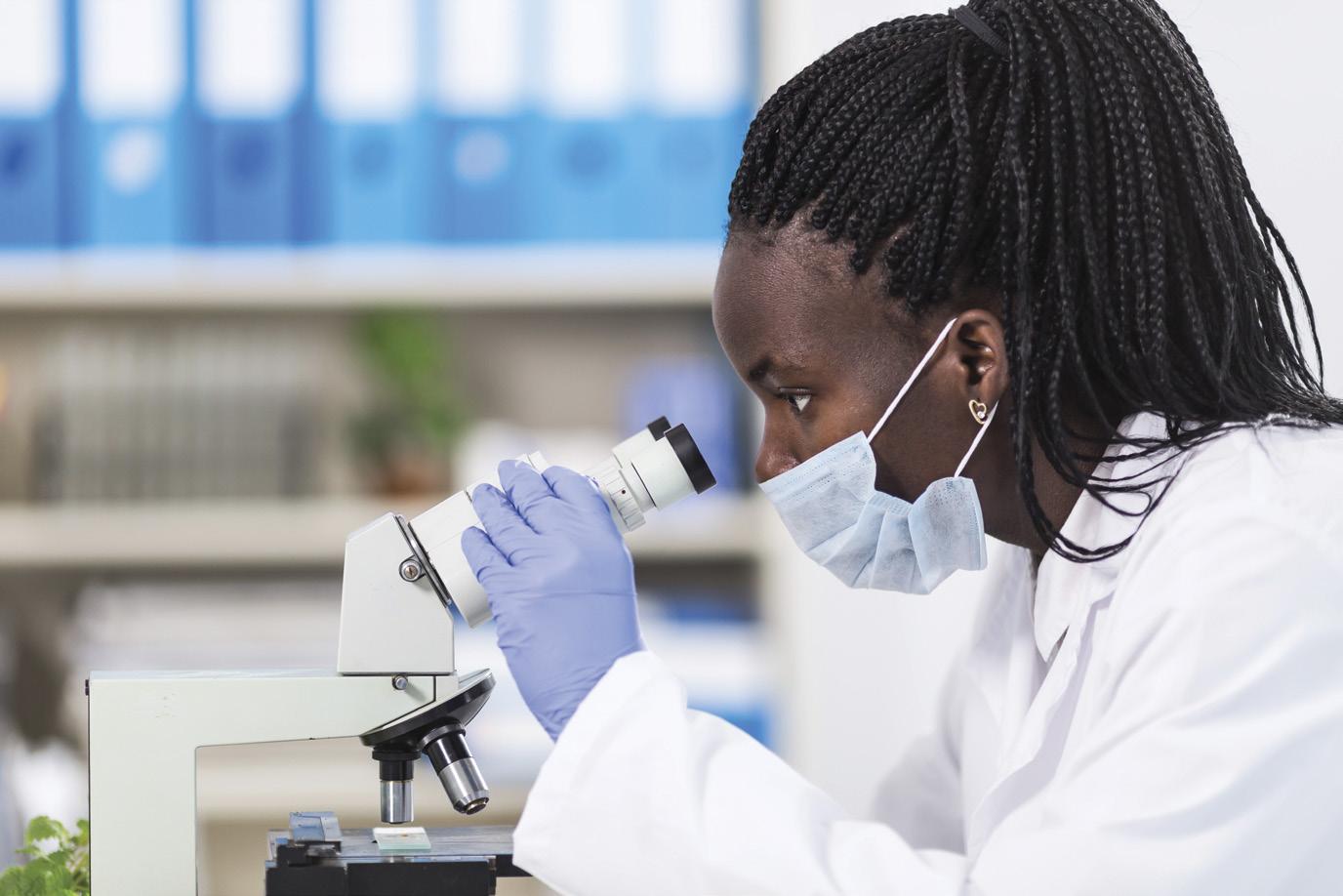
expand availability of quality-assured health products, and additional diagnostic applications are under review.
Standards for quality and confidence
Dr Yukiko Nakatani, WHO Assistant Director-General for Health Systems, Access and Data, said: "Public health
Image credit: Gallo Images/valentinrussanov
emergencies require not only speed, but also confidence that the health products being used meet standards for quality, safety and performance."
Bundibugyo virus disease is a severe, often life-threatening illness caused by one of three Ebola virus species known to cause large outbreaks in humans.
GENE-UP Probiotic Species ID delivers species-level identification in 90 minutes or less, developed in collaboration with natural products manufacturer NOW
bioMérieux has launched GENE-UP
PROBIOTIC SPECIES ID, a first-of-its-kind commercialised species-level identification PCR solution for in-house quality control teams and external laboratory partners. The system verifies dietary supplement label claims in 90 minutes or less, helping
manufacturers bypass the costly delays associated with conventional compendial testing.
Developed in collaboration with NOW
Developed in collaboration with NOW, a natural products leader with more than 50
years of experience in the category, the solution was created to address the growing need for faster, more capable probiotic species verification. Previously reliant on third-party reference laboratories for multi-strain species identification, NOW partnered with
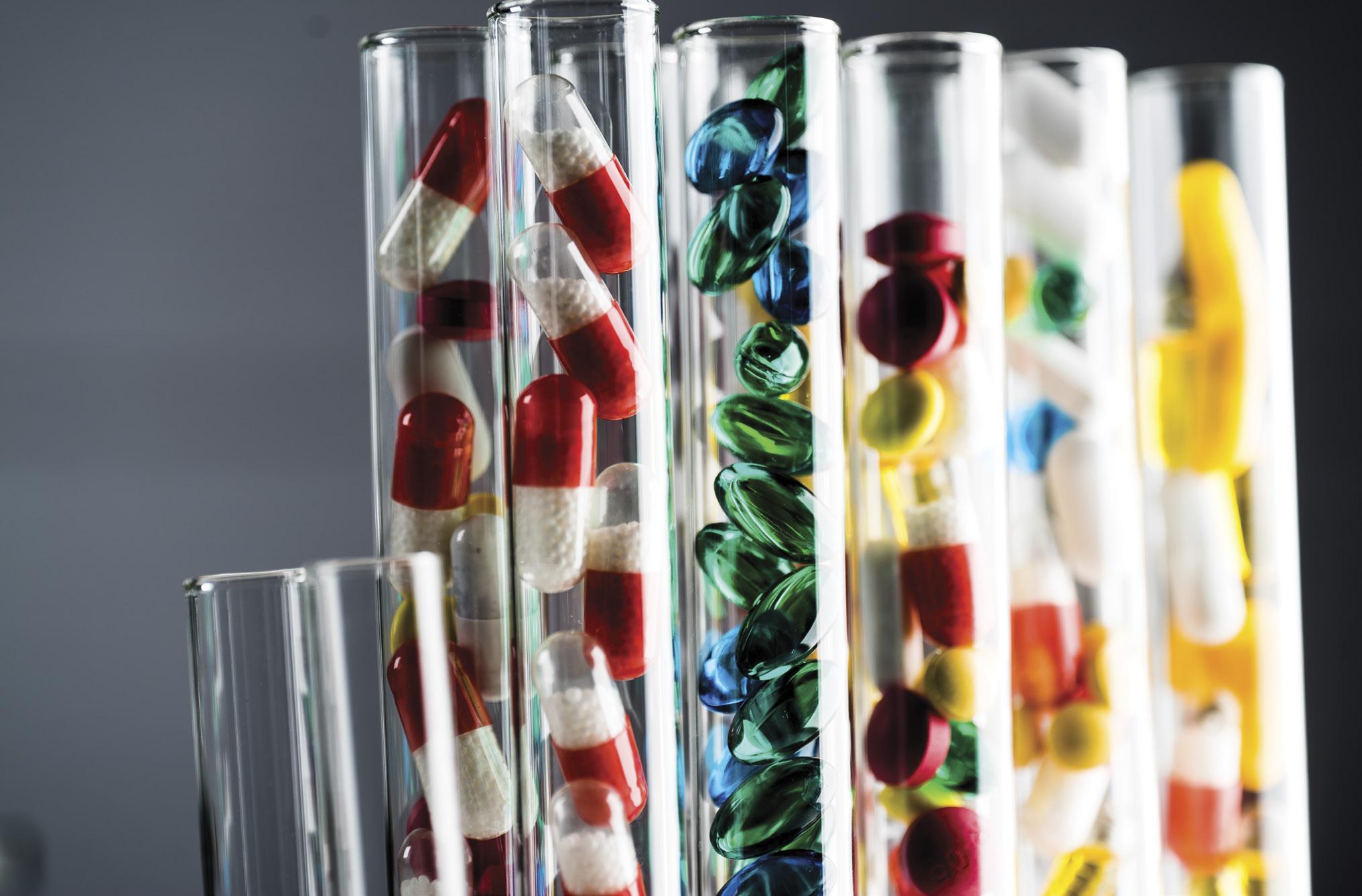

bioMérieux to develop a solution that reflects a shared commitment to scientific rigour, operational efficiency, and consumer trust.
The system identifies the 18 most commonly used probiotic species across capsules and powders, including Lactobacillus acidophilus, Lactobacillus rhamnosus, and Bifidobacterium lactis. Demonstrating probiotic efficacy requires reliable species-level identification, yet many existing quality control approaches are costly, complex, or slow — placing operational strain on quality teams and limiting routine testing.
Maria Mendres, Microbiology Manager at NOW, said: "Waiting weeks for compendialbased species identification created bottlenecks across our operations, from delayed production release to increased holding costs and unnecessary product risk."
Miguel Villa, Senior Vice President, Industrial Applications at bioMérieux, said: "GENE-UP PROBIOTIC SPECIES ID gives manufacturers the confidence to stand behind their products and deliver precise species identification that supports label integrity and protects brand reputation."
The solution is currently available in the United States, ahead of an expanded global rollout.
It is the latest diagnostic innovation from bioMérieux's xPRO Program, which empowers industry leaders to partner directly with bioMérieux experts to accelerate development of next-generation molecular diagnostics.

INSTRULAB a division of Air & Vacuum Technologies (Pty) Ltd
JHB: +27 (0)11 318 3241/2/3/4
CT: 069 872 7528
KZN: 069 872 7528
info@vactech.co.za clientliaison@vactech.co.za www.vactech.co.za
Air and Lab Products Africa (Pty) Ltd Suite 29 Private Bag x 2 Dainfern 2055 South Africa
Tel: +27 83 626 5742 +27 64 870 5046 Email: sales@alpa.bz Website: www.airlabproducts.com


Bruker South Africa (Pty) Ltd
Telephone: +27 (0)11 463 6040
Fax: +27 (0)11 463 6289
Email: info.za@bruker.com Web: www.bruker.com
Unit A-A001-G
floor

Bruno Steiner Lab Consultancy is the Sole Supplier of the following high technology lab equipment for Sub-Saharan Africa:
• Advion - Compact & affordable High Performance Mass Spectrometer using Atmospheric Solid Analysis Probe, Open Port Sampling Interface and Gas Phase Sample Analysis. Other instrumentation includes Plate Express (TLC interface), (U)HPLC, ICP-MS and Chip-Based Electrospray Ionization
• Interchim – Formidable instrumentation for Preparative Liquid Chromatography, Ultra performance Flash Purification, Purification of Proteins and Peptides, Process Purification and Protein Analysis.
• Bio-Logic - High performance instrumentation for the Research Lab, Electrochemistry, Potentiostat/Galvanostat, Corrosion, Battery & Fuel Cell Testing, Super Capacitors, Sensor Development, Nanotechnology, Material Testing, Solar Cells & Photovoltaic Systems, Electro-chemical Scanning Systems, Spectroscopy & Photosynthesis and Rapid Kinetics.
• CAMAG – World’s Leader in Thin Layer Chromatography supporting TLC, HPTLC, HPTLC PRO and Dried Blood Spot Sampling.
• Kuhner - World’s most reliable Shaker/Shaking Incubator (from 2g up to 2tons) for more than 60 years with 5 years warranty
Tel: (011) 804 3503
Fax: 086 719 2778 Mobile: 078 342 3354
E-mail: bruno@bslc.co.za Web: www.bslc.co.za
The logical choice for high quality scientific equipment
Tel: +27 (0)87 610 0900
Fax: +27 (0)86 244 9524
E-mail: info@analyticalsolutions.co.za www.analyticalsolutions.co.za

• Chembiz is a supplier of high quality laboratory instrumentation.
• Supplier of Ohaus balances, scales and moisture analysers.
• Ohaus pH, Conductivity, electrochemistry products.
• Ohaus Centrifuges, Micropipettes, Shakers, Vortex mixers.
• Ohaus precision mass calibration weights.
• General laboratory equipment
48 Bryntirrold Drive P.O. Box 67 Northriding 2162 Johannesburg – Head office
Tel: +27 (0)11 465 6390
Fax: 086 689 5366
Mobile: 0763638115
Email: ivan@chembizlab.co.za
Cape Town Cape Town mobile: 082 897 4054
Cape Town E-mail: chembizct@mweb.co.za Website: www.chembizlab.co.za

Davies Diagnostics (Pty) Ltd
We offer EXTRAordinary service to all laboratories. Our staff is technically qualified to offer full technical support of all our products.
Our product range covers microbiology, haematology, virology, immunology, serology, blood transfusion, molecular biology, immunohistochemistry and general laboratory products.
PO Box 3222
Randburg
2125
Tel: +27 11 777 7600
Fax: +27 11 787 6917
Email: mkt@daviesdiag.co.za www.daviesdiagnostics.co.za


Head office Tel: 011 615 6076
Durban Tel: 031 701 2711
Cape Town Tel: 021 946 1722
Eastern Cape Tel: 041 450 5685
Export: +27 (0)72 910 5749
Website: www.hanna.co.za
E-mail: hanna@hanna.co.za




Your solution provider of certified and analytical reference materials, pharmaceutical impurity - and drug standards, biological standards, profieciency testing schemes and Fusion Equipment
Tel: (011) 466 4321 sales.za@lgcgroup.com www.lgcstandards.com

agents for: CEM Microwave and Teledyne Cetac Technologies
Radom MICAP-OES
Tel: +27 11 797 3660
Fax: +27 11 797 3670
Cell: +27 82 803 4484 bruce@madtech.co.za www.madtech.co.za

Microsep distributes and supports market-leading brands in southern Africa and sub-Saharan Africa. We offer the sale and support of technologically advanced scientific and analytical instrumentation, laboratory and industrial weighing equipment. Our focus is to provide high quality products and innovative solutions to satisfy the needs of our customers in the general laboratory, pharmaceutical, biotechnology, food and beverage, chemical and petro-chemical, environmental and industrial markets. Industry leading brands include Waters and Mettler Toledo.
Johannesburg | Cape Town | Durban | Gqeberha Tel. 087 092 7300
Email: info@microsep.co.za www.microsep.co.za
2 Saturn Crescent, Linbro Business Park Frankenwald Ext. 30 Sandton, 2090
We are a BBBEE subsidiary of Metrohm-AG. Our market-leading products are produced in Switzerland and other European countries thereby guaranteeing you the highest accuracy and reliability. We supply lab and on-line process monitoring analysers for:
pH, conductivity, dissolved oxygen, Titration / Karl Fischer, Ion chromatography, Electrochemistry, Raman and NIR spectroscopy.
Milestone: microwave sample preparation, acid purification systems and direct mercury analysers.
Gauteng: 011 656 1918
Kwazulu Natal: 031 265 0067 Western Cape: 021 852 0213 E-mail: info@metrohm.co.za www.metrohm.com/en_za


National Separations (NATSEP) partners with global leading biotechnology and diagnostic companies to provide general laboratory equipment, lab and process filtration technologies, water purification systems, rapid microbiological and contamination monitoring products in southern Africa and sub-Saharan Africa. Market leading product brands include Amazon Filters, Hygiena Diagnostics, Rephile BioScience, Saint-Gobain and Avantor Bioprocess for all industries. Sartorius products for the Food and Beverage market.
Johannesburg | Cape Town | Durban | Gqeberha Tel. +27 87 092 7300
Email: sales@natsep.co.za www.natsep.co.za