

By John Fey
The Bible states in Genesis
1:1: “In the beginning God created the heavens and the earth.” And in 1969, one year after Omaha University became the University of Nebraska at Omaha, Connie Claussen created sports for female athletes at her alma mater.
And as the 1968 advertising slogan for Virginia Slims cigarettes once said: “They’ve come a long way, baby.”
It began with softball, and what a start it was. After graduating in 1963, Claussen began teaching physical education and two years later became chair of the department. She soon began the process of starting women’s sports, but it wasn’t easy. Title IX didn’t come to be until 1972, so scholarships for female athletes didn’t exist. (And it took three more years before financial aid kicked in.)
Claussen rounded up players to be part of that first softball team and acted as its non-paid head coach. Her assistants were friends who also volunteered their time. One of her closest friends, Bev Sanders, later became the first equipment manager and a second mother to the female athletes.
A couple of years into her coaching career, Claussen secured more funding for the physical education department, allowing her to cut back on her teaching workload.
That initial year of softball also marked the beginning of the Women’s College World Series. It was born from talks Claussen had with Omaha Softball Association commissioner Carl Kelley. Starting in 1969, the WCWS was played at Omaha’s Dill Complex.
The first three years of the tournament were recognized by the
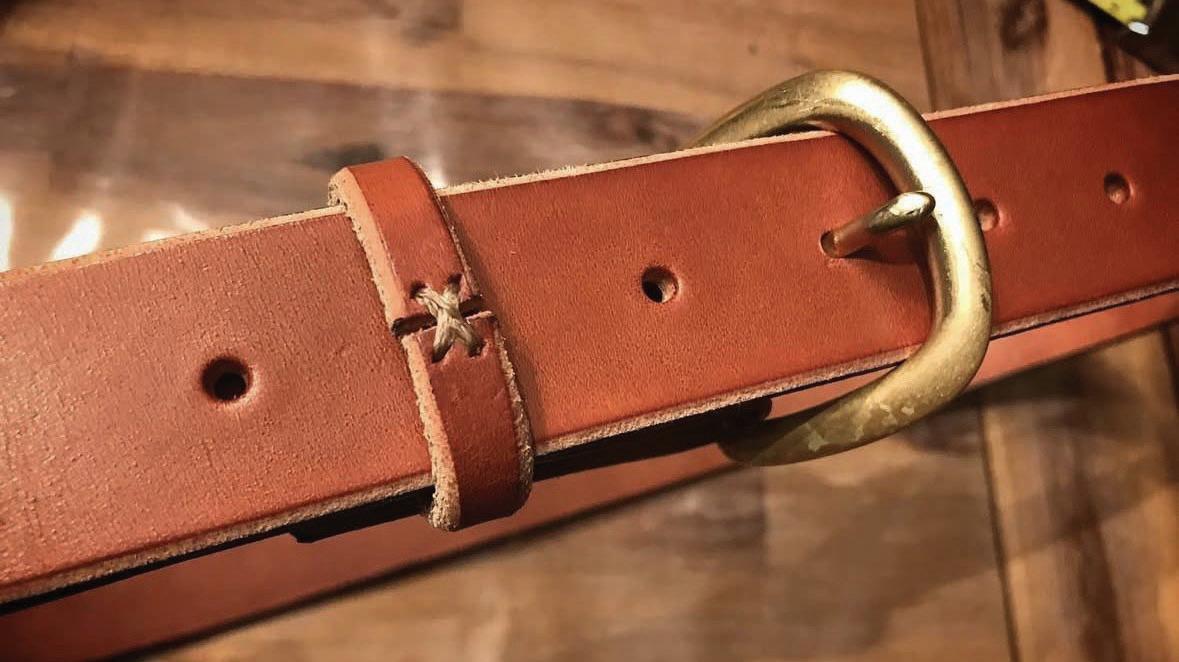
Leatherworking is the craft of creating items by hand or machine from leather, encompassing a wide range of products from functional goods like belts and bags to artistic pieces. Learn more about leatherworking offered in Walton, Nerbraska on Page 16.
national governing body known as the Division for Girls’ and Women’s Sports, forerunner to the Association for Intercollegiate Athletics for Women.
John F. Kennedy College out of Wahoo, Neb., won the first three national titles, Arizona State took back-to-back crowns and Southwest Missouri State was the 1974 WCWS champion.
Claussen’s 1975 team secured its first national championship trophy by beating Northern Iowa 6-4 –after losing to UNI to force the
if-necessary game. Connie Wichman was a member of that team and vividly recalls how Claussen managed the team that day.
“We were all pretty down and depressed and thought we had just blown the whole thing,” Wichman said. “Connie was able to get our spirits up, and we won the second game. But I think if she hadn’t given us a little speech to get us back on track, we probably wouldn’t have won that second game.” Wichman enjoyed playing for Claussen.
“She was great,” Wichman said. “She was all business, but she knew what she was doing.”
Getting administrative support for women’s athletics was difficult to say the least, Claussen said. Chancellor Ronald Roskens made it immediately clear he wasn’t in favor of the idea.
She recalls: “He said, ‘One (athletic) program is enough,’ ”
But help quickly arrived when one of the parents of a female athlete threatened to take UNO to court.
--Claussen continued on page 9.
By Melinda Myers
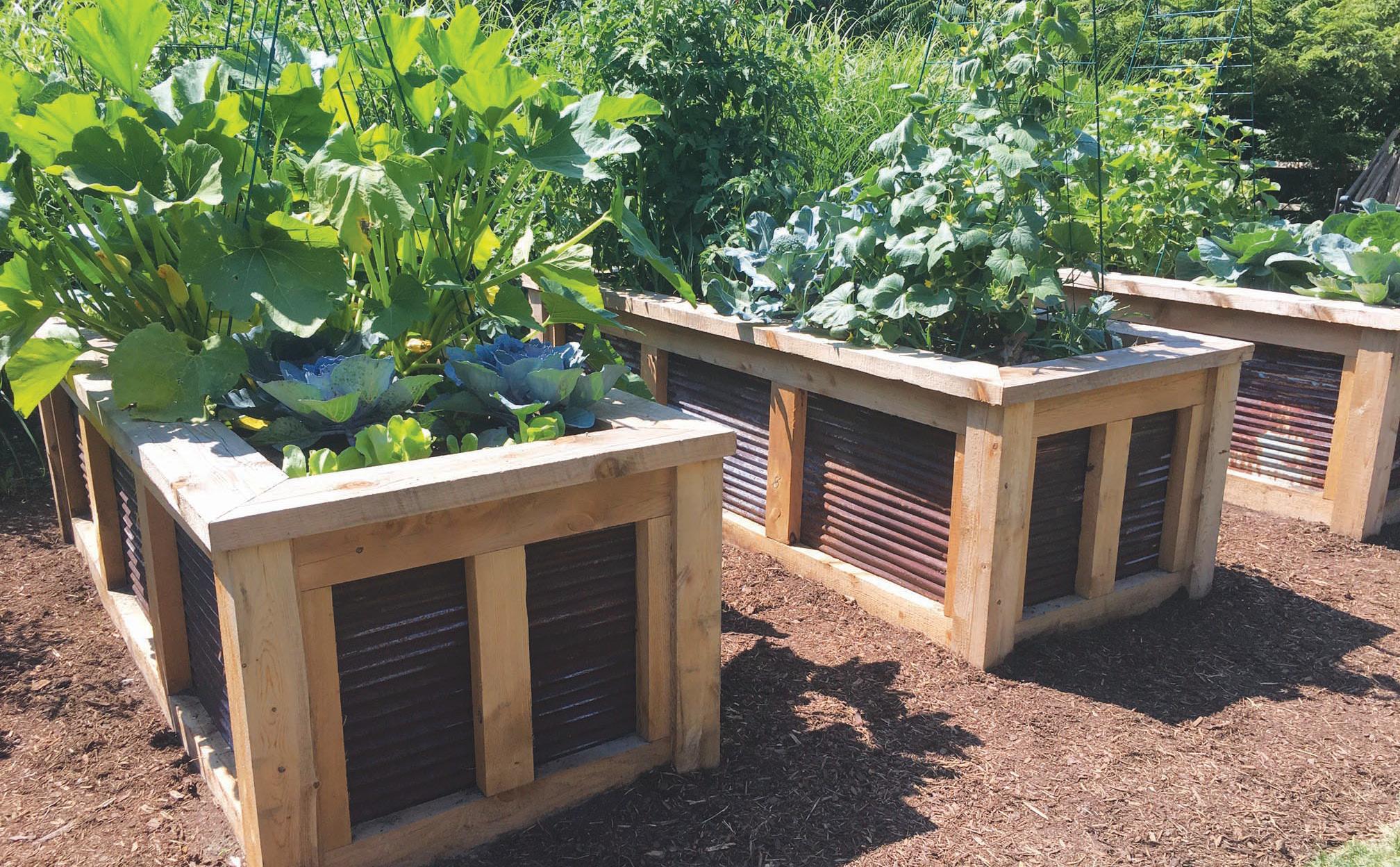
Elevated and raised bed gardens can expand your planting options and make planting and maintenance easier and more convenient. You’ll be able to plant, weed and harvest with minimal bending or even from the luxury of a chair or bench.
Elevated gardens are basically containers on legs. You can find plans to make your own or purchase one from your local garden center or garden supply retailer. Consider one on wheels or add your own for ease of moving. You’ll be able to
move your garden into the sun or shade as needed each day or out of the way when you entertain. Set the garden in place first. Once filled with soil, it will be very heavy and difficult to move unless you have added wheels. Those who garden on a balcony should confirm the space will hold the weight of the elevated garden bed once it is filled with moist soil and mature plants. Including raised beds in your gardens and on or near your patio is another way to increase planting space and
easier access. Purchase a prefab raised bed or make your own from a long-lasting material such as interlocking block, fieldstone, plastic lumber or naturally long-lasting wood. Consider the available space, your gardening goals and one that provides a comfortable height for gardening. Select one with corners or edges suited for sitting or narrow sides to allow easy access from a garden bench.
Line the bottom of your raised bed with hardware cloth to reduce the risk of animals burrowing
--Garden continued on page 8.


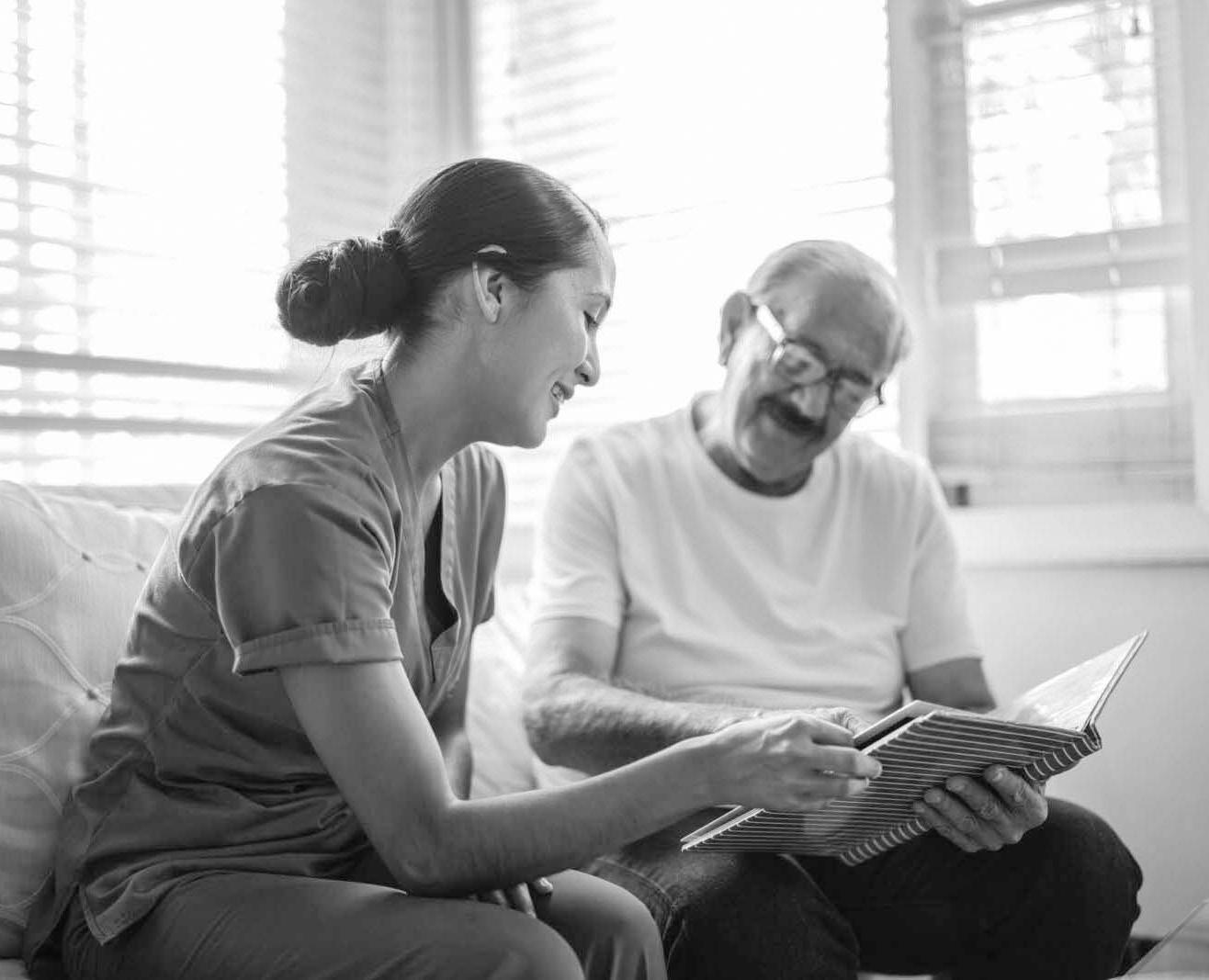
Memory care is about embracing possibility—providing the expertise and compassion that allow residents to live with dignity, security and genuine quality of life. It’s a decision that can bring peace of mind to your family while opening a new chapter of meaningful experiences for the person you cherish.
By Lois Jordan
When someone you love begins to lose their way in familiar rooms or forgets important faces, it’s more than memory loss – it’s a shift in how life itself works. For many families, this is the point when they begin asking a difficult but important question: Is it time for memory care services?
Memory care assisted living is a specialized care setting, created for people living with Alzheimer’s or some other form of dementia. Unlike traditional assisted living, memory care communities provide 24-hour supervision in secure environments and are staffed by caregivers trained in the unique needs of people with cognitive challenges. Individuals receive help with daily activities such as bathing, dressing, and medication, but also benefit from programs designed to keep minds active and spirits calm.
These communities include secure doors and alarmed exits, as well as higher staff-to-individual ratios to ensure safety and personal attention.
When is it time to consider memory care assisted living?
There is rarely one defining moment, but certain signs may indicate it’s time to make the
transition:
• Safety risks such as leaving stoves on or wandering outside at night
• Escalating behaviors like paranoia, agitation, or physical aggression that are difficult to manage at home
• Physical decline –difficulty swallowing, weight loss, or repeated hospital visits
• Exhausted caregivers who are no longer safely able to provide constant supervision.
Families frequently describe a sense of relief once the decision has been made and their loved one moves into an environment designed especially for their memory care needs. Consistent routines, minimized noise and commotion, and familiar staff trained in memory care needs reduce anxiety and confusion.
So, what should one look for in a quality memory care community?
Because not all communities are alike, pay special attention to:
• Staff training – ask about memory care-specific education they provide to their staff.
• Meaningful activities – look for programs that connect with each individual’s personal history, likes, and preferences, such as music, art, hands-on tasks, etc.
• Sensory-friendly
environments – minimal noise levels, soft lighting, clear visual cues that make daily life calmer and less confusing.
• Financial planning –what happens if Medicaid is needed in 6-12 months? What happens if all Medicaid beds are full then?
Modern memory care goes beyond safety – it’s about preserving dignity and purpose. Specialized care communities focus on maintaining routines, fostering social connections, and emphasizing emotional well-being. Gentle communication, familiar surroundings, and a rhythm to each day help residents live with greater peace and fewer episodes of distress.
Moving a loved one into a memory care community is never an easy decision, but it can be an act of love. It’s about acknowledging that specialized support and compassionate environments can offer safety, comfort, and meaningful moments even as memory fades. In the end, the goal isn’t just longevity, it’s dignity, community, and living in the moment.
Lois Jordan, CEO for Midwest Geriatrics Inc. Management company for Florence Home Healthcare Center, Royale Oaks, and House of Hope Assisted Living and Memory Care.
By Kelly C. Bourne
The smart phones we carry with us constantly come with significant privacy and security risks. Some of the personal information that can be leaked from our phones includes:
• A list of contacts, i.e., people that you call or text
• The physical location of you and your phone at all times. This can be used to determine where you work, eat, shop and spend the night
• Websites you visit as well as account numbers and passwords for those sites
• Online purchases made using your phone
• Photographs taken with the phone
• Apps you’ve downloaded and how often you use each of them
• Events you’ve entered onto the phone’s calendar. Access to the above examples of personal data would enable a hacker or adversary to learn an incredible amount about you and your life. Securing your phone can help protect this information from the wrong people.
CREATE A STRONG PASSCODE
A strong PIN is your phone’s first defense against a thief. Pick an unpredictable value that you’ll be able to remember but would be hard for anyone else to guess. Avoid using something predictable like 000000 or 123456.
INSTALL UPDATES
You should keep the software on your smartphone updated. The patches that Apple and other vendors provide frequently resolve security issues. If your phone isn’t running the most up-to-date software, then it has a greater chance of being a security risk. iPhones can be set to update automatically by going to Settings > General > Software Update. From here you can see if an update is available and install it. You can also set the Automatic Updates option to “On” to automatically install future updates.
APPS (APPLICATIONS)
According to a Facebook study, the average person has 80 apps installed on their phone. The same study found that people only use nine of them on a daily basis. So, the average person has about 70 apps that they
don’t use frequently. Each of those apps take up space and are a potential way that your personal information could be leaked. Another strategy to secure your phone is to remove apps that you don’t actively use.
At least once a year, starting today, review all your apps and delete the ones you don’t use or don’t remember downloading. If you can’t remember the last time you used it then you probably don’t need it.
On an iPhone got to Settings > General > iPhone Storage to see the apps installed on your phone. To remove an app select it and choose “Delete App”. The steps for removing an app from an Android phone are similar.
When installed, apps frequently request permission to access data on your phone. For example, it might ask to access your GPS location, camera, microphone, photos or Contacts list. If there isn’t a legitimate reason why it needs that information, then you should deny the request. Many apps collect information about you and send it to the company that created it. Don’t give an app access to your data unless there’s a legitimate need.
You should regularly review the access that apps already on your phone have and remove any access permissions you’re not comfortable with. On an iPhone, go to Settings > Privacy & Security. On that screen you can see the list of apps that have access to each category of data. For example, if you select “Location Services” you’ll see a list of apps that can see your location data. If you don’t want an app to have that information, then can remove its access. Repeat this for data types like your calendar, contact list, files, health, photos, reminders, camera, microphone, etc.
I recently encountered a woman who asked me to review the apps on her phone. She had an app named “Flashlight” which had access to her location data. First, every iPhone comes with a flashlight function so downloading that app wasn’t necessary. Second, that app had access to her location data.
Why would a flashlight app need to know her location? I strongly suggested that she revoke that app’s access.
If you have an iPhone it’s safest to only download apps from the Apple App Store. If you have an Android download your apps exclusively from the Google Play Store. These platforms inspect apps to ensure they don’t have security weaknesses. Their review isn’t perfect but definitely provides additional security.
There are several settings for iPhone browsers that can be tweaked to minimize the amount of personal data that’s collected or shared. You can see them by going to Settings > Apps and then selecting the browser(s) you use, e.g., Safari, Firefox, DuckDuckGo. All browsers are different, but the most important settings for the Safari browser that should be enabled are:
• Block Pop-ups
• Prevent Cross-Site Tracking
• Fraudulent Website Warning
• Not Secure Connection Warning
On the browser settings page you should periodically clear the history and website data. This can prevent apps, websites and hackers from viewing your past activity and data you’ve entered into web forms.
Safari lets you decide whether websites can access your phone’s camera, microphone and location data.
The choices are “Ask”, “Deny” or “Allow”. The deny setting is most secure. Choosing “ask” enables you to make the decision for each website you visit.
Some apps will try to track your activity across multiple websites and when you using other apps. You can prevent this by going to Settings > Privacy & Security > Tracking and turn the entry for “Allow Apps to Request to Track” to off.
When you’re not using your phone, it should lock itself automatically. Two reasons why this is a good practice is to reduce battery usage and to prevent someone else from using it. The Auto-Lock setting is found under Settings > Display & Brightness. Setting this to between 2-4 minutes is common.

New Horizons is the official publication of the Eastern Nebraska Office on Aging. The paper is distributed free to people over age 60 in Douglas, Sarpy, Dodge, Washington, and Cass counties. Those living outside the five-county region may subscribe for $5 annually. Address all correspondence to: Ron Petersen, Editor, 4780 S. 131st Street, Omaha, NE 68137-1822. Phone 402-444-6654. FAX 402-444-3076. E-mail: ron.petersen@enoa.org
Advertisements appearing in New Horizons do not imply endorsement of the advertiser by the Eastern Nebraska Office on Aging. However, complaints about advertisers will be reviewed and, if warranted, their advertising discontinued. Display and insert advertising rates available on request. Open rates are commissionable, with discounts for extended runs. Circulation is 9,000 through direct mail .
Editor................................Ron Petersen, 402-444-6654 Ad Mgr................Mitch Laudenback, 402-444-4148
Contributing Writers.........Leo Biga & Andy Bradley
ENOA Board of Governors: Mary Ann Borgeson, Douglas County, chairperson; Don Kelly, Sarpy County, vice-chairperson; Lisa Kramer, Washington County, secretary; Pat Tawney, Dodge County, & Taylor Boyle, Cass County.
The New Horizons and the Eastern Nebraska Office on Aging (ENOA) complies with applicable federal civil rights laws and does not exclude, deny services to, or otherwise discriminate against any person on the basis of race, color, national origin, disability, age, sex, marital status, veteran status, or religion.
Iron deficiency anemia is the most common nutritional deficiency worldwide, specifically affecting about 17% of the population over the age of 65 years. Anemia is a condition where your blood has fewer red blood cells than normal, and iron is an important mineral that helps maintain healthy
blood. It is a major part of hemoglobin, a type of protein in red blood cells that carries oxygen from the lungs to the body. You can get plenty of iron through certain foods.
Older ages are associated with a higher risk of iron-

• One Floor Living
“Open Concept” design – easy traffic flow
• Step-less Front Door & Garage Entries
• Wider Hallways
Homes designed with your future in mind! Open concept floor plans with “Universal Design”* standards
• Wider Doorways (most doors)
• Low-Curb or Zero-entry (per plan) Shower Access
• Low Maintenance Exteriors
• Available in over 20 Communities
Locations available in all parts of the Omaha area For NW/Elkhorn Living: 402-916-9883 For SW/Gretna Living: 402-895-1100 For Papillion Living: 402-896-9200 For Bellevue Living: 402-614-6088

*This is Universal Design; not ADA Standards.

deficiency anemia due to possible poor nutritional status and chronic inflammatory diseases that can lead to iron malabsorption, such as celiac disease, ulcerative colitis, or Crohn’s disease. Other chronic conditions that may affect red blood cells are ulcers, cancers, or liver and kidney disease. Another risk factor for iron malabsorption is a history of weight-loss surgery.
To increase iron in your diet, consume a mix of heme iron (meat, poultry, seafood) and non-heme iron (legumes, dark leafy greens, fortified cereals).
Boost absorption by pairing iron-rich foods with vitamin C (citrus, tomatoes, peppers) while avoiding coffee, tea, or high-calcium foods during meals.
Without enough iron, the body experiences extreme fatigue because there are not enough red blood cells to transport oxygen.
Other symptoms of irondeficiency anemia include dry, damaged hair and skin; paler-than-normal skin; brittle or spoon-shaped fingernails; cold hands and feet; and shortness of breath.
TYPES OF IRON: HEME VS. NON HEME
Iron comes in two forms:
• Heme iron: Found in animal-based foods and is absorbed more efficiently.
• Examples: red meat, poultry, fish, oysters, canned sardines, canned tuna, and organ meats
• Non-heme iron: Found in plant-based foods. Absorption is more variable as it does not bind to hemoglobin or myoglobin.
• Examples: Beans, lentils, spinach, fortified cereals, nuts, seeds, dark chocolate
• Other examples of high iron foods: Eggs, figs, dates, raisins, whole wheat or enriched breads, tofu, broccoli, potatoes
Although the absorption of heme iron is more efficient, keep in mind that too much intake of animalbased proteins may increase the risk of heart disease. Both animal and plant-based iron sources are essential for maintaining sufficient iron levels.
Pro Tip: Improve your iron absorption from plantbased foods by pairing them with vitamin C-rich foods, such as citrus fruits and bell peppers.
DAILY IRON INTAKE AND IRON SUPPLEMENTS FOR OLDER ADULTS
The Recommended Dietary Allowance (RDA) of iron for older adults (aged 51+) is 8 mg per day. For women, the RDA drops from 18 mg per day (aged 19-50 years) due to the end of menstruation occurring with menopause.
While highly unlikely, consuming an excess amount of iron is unlikely to cause any harmful effects on health.
The Tolerable Upper Intake Level (UL), or the maximum daily intake, is 45 mg daily for all males and females ages 14+.
Iron-deficiency anemia is diagnosed through a blood test, specifically measuring levels of ferritin and total iron-binding capacity (TIBC). It can be treated through diet and consuming high iron foods, but also through oral iron supplementation or iron infusions given intravenously (IV). Some possible side effects of iron supplementation are constipation, dark bowel movements, a metallic taste, diarrhea, or nausea and vomiting. Discuss with your provider which treatment
may be right for you.
Foods and Medications That Affect Iron Absorption
• Heartburn medications (Tums, Pepcid, Omeprazole, Protonix)
• Iron is best absorbed with acid in the stomach. If you take heartburn medication, it is recommended to take your iron supplement about 2 hours prior.
• NSAIDs (Advil, Motrin)
• While helping manage pain and inflammation, they can also carry risks, such as stomach ulcers and bleeding, which can lead to irondeficiency anemia. This can counteract the benefits you get from iron supplements. Ask your provider about pain-reliever alternatives.
• Dairy Products (milk, yogurt, cheese)
• Rich in calcium, which is great for your bones, but calcium binds to iron in the stomach, preventing its absorption. Take iron either 2 hours before or 2 hours after consuming dairy products.
• Coffee and tea
• While delicious, they contain certain chemicals called polyphenols and tannins that bind to iron. This goes for both caffeinated and decaffeinated coffee and tea. No need to go without, though - just make sure to wait to enjoy it about 2 hours after taking iron.
• Levothyroxine (Synthroid)
• A common and effective treatment for hypothyroidism, however it will not fully absorb when taken too closely with iron. It is recommended to space these out by at least 4 hours, preferably iron in the morning and Levothyroxine in the evening.
• Bisphosphonates (Fosamax)
• Used to prevent and treat Osteoporosis. Space at least two hours apart from an iron supplement. Adding more iron to your diet doesn’t have to feel overwhelming. Small, consistent changes, like pairing plant based iron with vitamin C or spacing supplements away from dairy or coffee, can make a meaningful difference.
If you’re concerned about your iron status or experiencing symptoms of deficiency, reach out to your healthcare provider for personalized guidance. Nourishing your body with the right nutrients is a powerful step toward feeling your best.
Each May, the National Institute on Deafness and Other Communication Disorders (NIDCD) joins the American SpeechLanguage-Hearing Association(ASHA) in observing Better Hearing and Speech Month to raise awareness about hearing and speech disorders.
Scientific breakthroughs in hearing and speech— many of which were funded by the NIDCD—connect research in the lab to interventions that help people connect with each other through communication.
Hearing, voice, speech, and language disorders exact a far-reaching toll on public health and individual well-being. At least 46 million people in the U.S. have a hearing or other communication disorder that affects how they engage with their environments. These disorders can occur at any age and in all ethnic and socioeconomic groups.
Hearing loss can be present at birth, happen instantly, or, most commonly, develop over time from excessive noise exposure, aging, or a combination of these factors.
Approximately 15% of American adults (37.5 million) report some trouble hearing. This rate increases to 50% among those who are 75 and older.
Individuals with untreated hearing loss may
become isolated from their families and communities. In older adults, untreated hearing loss is also associated with higher total health care costs, increased risk of dementia and cognitive decline, falls, depression, and lower quality of life.
Hearing aids and other assistive devices can help people with hearing problems reconnect to others, but only about one in four adults (ages 20 and over) who could benefit from hearing aids has ever used them.
Speech disorders and related conditions also affect adults and children—with or without hearing problems. By the first grade, roughly 5% of children have noticeable speech disorders, usually marked by difficulty pronouncing specific sounds.
Stuttering, a disorder affecting speech fluency, affects approximately 5 to 10% of children in the U.S. Stuttering may last a few weeks or several years, or it may persist into adulthood. Research funded by the NIDCD has advanced our understanding of hearing, voice, speech, and language disorders, leading to improvements in diagnostic, treatment, and prevention strategies. To help people with hearing loss connect with others and with their environment, for example, the NIDCD has supported
The University of Nebraska Omaha is conducting a research study.
Volunteers are needed to participate in the research study titled, “Impact of Nrf2 activation on macrovascular function, microvascular function, leg function, and walking capacity in patients with peripheral artery disease.” The Vascular Research Lab at the University of Nebraska at Omaha will be assessing the effectiveness of Vumerity on vascular function and exercise capacity in healthy older adults and those with peripheral artery disease.
This study will require four lab visits (i.e., a consenting visit, two experimental visits, and one follow-up visit) in the Vascular Research Lab located in the H&K building on UNO’s Dodge St. campus and at the University of Nebraska Medical Center.
You may qualify if you are 50-75 years old, currently have or do not have a diagnosis of peripheral artery disease, if you are not currently pregnant or breastfeeding, if you are not diagnosed with kidney disease, liver disease, multiple sclerosis,psoriasis, lymphopenia or gastrointestinal disorders that would prevent you from safely taking the study drug or if you are not allergic to diroximel fumarate or dimethyl fumarate.
If you are interested, please call the UNO Vascular Research Lab at 402-554-3779 or email or unovrl@ unomaha.edu.
basic, clinical, and translational research on assistive device technology to improve hearing aids, cochlear implants, and other devices, as well as studies to improve access to affordable hearing health care.
Researchers are making similarly remarkable advances in assistive devices for people with speech disorders. One exciting example could help individuals who have lost their ability to express words from stroke or neurodegenerative diseases regain an ability to communicate. Early research is exploring how novel assistive devices could record and translate certain signals in the brain to enable the user to speak directly through a computer.
(Information provided by National Institute on Deafness and Other Communication Disorders).
You’re invited to visit the La Vista Senior Center, located at 8116 Park View Blvd. The facility provides activity programs and meals Monday through Friday from 8 a.m. to 5 p.m. Please call 402-331-3455 for general Community Center hours.
Meals are served weekdays at 11:30 a.m. Reservations are due by noon the business day prior to the date the participant wishes to attend and can be made by calling 402-331-3455.
A $5 contribution is suggested for the meal if you are age 60 and older. If you are under age 60, then the meal cost is $9.50.
In addition to meals being served daily, the La Vista Senior Center offers a variety of activities such as: Bingo, outings, cooking classes, movies with popcorn, arts and crafts, a variety of card games, quilting, Tai Chi, exercise classes, musical entertainment and various parties. Please visit our website at cityoflavista.org/seniors for updated information or call 402-331-3455.
I would like to become a partner with the Eastern Nebraska Office on Aging, and help fulfill your mission with older adults.
Traditional funding sources are making it more difficult for ENOA to fulfill its mission. Partnership opportunities are available to businesses and individuals wanting to help us. These opportunities include volunteering, memorials, honorariums, gift annuities, and other contributions These gifts are tax exempt.
$25 = One month of Personal Emergency Response.
$50 = Provides one week of Meals on Wheels for one older adult.
$75 = Provides one week of meals and activities at a senior center.
$125 = Full month of bathing assistance.
$175 = Helps provide respite care for an older adult.
$250 = Provides urgent relief and essential support to individuals during unexpected emergencies.
Other amount (please designate)__________________________
Please contact me. I would like to learn more about how to include the Eastern Nebraska Office on Aging in my estate planning.

Please see the ad on page 3
$25
Margaret Peterson
David, Gay Emry
Connie Kudlacek
Shirley N
$15
Ron, Nancy Kelley
$10
Paul Goetz
$5
Marcia Wohlers
Heinrich Susan Jimerson
Life can bring on stress for many of us. Finding ways to relieve stress is important to our overall health and wellbeing. Caregivers are not immune to this stress.
Please contact Respite Across the Lifespan at edbennett@unmc.edu or 402-559-5732 to find out more about respite services and to locate resources in your area.
The School of Pharmacy and Health Professions at Creighton University is conducting a research study and are looking for older adults with sarcopenia.
The goal of this research study is to provide evidence for the use of internal and external cues to optimize resistance training within rehabilitation.
You may qualify if you are 60-95 years of age, are physically independent and if you have reduced muscle mass. You should not be in this study if you have known neurological, circulatory, or edema pathology.
If you are interested, please call Rashelle Hoffman at 402-280-5691 or email movecoglab@creighton.edu.

By Ron Petersen
Living in Omaha may seem quaint to out-of-state residents looking from the outside, with little to no history. But it’s far from it.
For authors Tim and Lisa Trudell, they jumped at the opportunity to take a look back at Omaha’s history in their book, “Lost Treasures of Omaha.”
“It’s a nostalgic look at Omaha’s history,” Tim Trudell said. “There is 234 entries in the book, all of the places are gone, but they are all a part of history.”
The Golden Spike; Petrow’s; Rosenblatt; Peony Park; Hilltop House — just to name a few — are all places that once took
residence in Omaha but have since become a lost treasure. One lost treasure includes Bill Bailey’s Banjo Bar in Benson.
“Bill Bailey’s Banjo Bar was a place for college kids, which ended up being a place for young people to meet, who would later get married. It’s a cool story and something people can relate to,” Trudell said.
The Trudells pay tribute to once greatly attended places and many others in Omaha.
“The book is an example of the love we have for Omaha,” Trudell said.
“I am proud to be from Omaha – I love how the city is growing and where it’s come from.”
Trudell mentioned that sharing these stories and having people relate and build on the history surrounding these places with their own experiences is something that keeps these memories alive and expressed how important Omaha is to Nebraskans through his research.
“It’s an honor to share the stories of Omaha,” Trudell said. “I did a lot of researching and went down plenty of rabbit holes. The opportunity to educate people about Omaha is fun because the history in Omaha is simply amazing.”
The Lost Treasures of Omaha can be found online Amazon’s website and at local bookstores.

You’re invited to visit the Fremont Friendship Center, 1730 W. 16th St. (Christensen Field). The facility is open Monday through Thursday from 9 a.m. to 3 p.m. and Friday from 9 a.m. to 12:30 p.m.
A meal is served weekdays @ 11:30 a.m. Reservations, which are due by noon the business day prior to the meal the participant wishes to enjoy, can be made by calling 402727-2815. A $5 contribution is suggested for the meal. This month’s activities will include:
• Everyday: Sip and Chat @ 9 a.m.
• May 4: Home Instead will bring snacks @ 2:30 p.m.
• May 6: Music with the Links @10 a.m.
• May 7: Presentation from Nye @10 a.m.
• May 8: Bingo with Pro-Med Care @ 10:30 a.m.
• May 13: Music with Larry Marik @10:30 a.m.
• May 14: Mobile Library @ 9:30 a.m.
• May 20: Music with Billy Troy @ 10 a.m.
• May 21: Listening Sessions & Surveys for Seniors with UNO @ 10 a.m.
• May 22: Bingo with Senior Life Solutions @ 10:30 a.m.
• May 26: Board Meeting @ 1:30 p.m.
• May 27: Music with the Arthrighteous Brothers @ 10 a.m.
• May 28: Archwell Health presentation with the Fremont EMT Department @ 10 a.m.
Donate during the Big Give on May 7. Donations help in their purpose of providing a safe place for seniors to make new friends and participate in a variety of activities. Give Blood on Monday mornings @ 9 a.m. Craft class on Tuesday afternoons @ 1:30 p.m.
Tai Chi offered every Tuesday and Friday from 9:15-10 a.m.
If you can’t stay for lunch with our friends and you currently participate in any activity at the center, you may now order a Grab-n-Go meal to take home for your lunch. Grabn-Go meals must be reserved the day before by noon and the person ordering the lunch must come in to the center to pick it up at 11 a.m. The number of Grab-n-Go lunches are limited to a first come first serve basis. Suggested donation is $5.
For meal reservations and more information, please call Laurie at 402-727-2815.
You’re invited to visit the Intercultural Senior Center (ISC), 5545 Center St.
The Intercultural Senior Center facility offers programs and activities from 8 a.m. to 4 p.m. Monday to Friday. At ISC, we celebrate cultures, friendships, and healthy living every day. Free foot care will be offered in May. What makes the ISC unique?
• Cultural Connections: ESL, Spanish, and Chinese classes, citizenship preparation, and global celebrations.
• Fitness & Fun: Tai Chi, Zumba, Salsa, Yoga, Pickleball, Chair Volleyball, and more to keep you active and energized.
• Creative & Social Activities: Sewing, crafts, karaoke, dance classes, music clubs, and exciting field trips.
• Health & Wellness Services
• Foot care and dental care
• NEW Blood Pressure Hub
• Nutrition consultations with our Nutrition Coach
• Health fairs and educational presentations
• Medical Care Services: Scheduling and accompanying to medical appointments, refilling and picking up medications
• Low-Cost Medical Clinic: Available once a month
• Community Support: Free monthly food pantry, social services & interpretation services
• Transportation Services: Helping you get where you need to go
• Technology & Learning: Computer classes, tech support, and workshops to keep you connected.
• Meals & Community: Enjoy regular or vegetarian lunches, morning snacks, and coffee chats every Friday. For more information, please call 402-444-6529 or visit the ISC website at interculturalseniorcenter.org.
Intercultural Senior Center – Where cultures connect and friendships grow.
Building new habits effectively requires starting with very small, manageable actions, anchoring them to existing routines, and ensuring consistency over time.
Differentiate between goals and habits. Goals are outcomes, such as “getting healthy.”
Habits are the actions you take to achieve a goal. For example, eating vegetables with each meal and exercising every day.
Start with small changes. Make incremental changes toward the behavior you want and work your way up from there.
Update your environment. Make changes that encourage your new habit and discourage unwanted habits. If you would like to eat healthier, keep a bowl of fruit on the counter, and put unhealthy snacks out of sight.
Tie new habits to other activities. Make a plan using the format: “After, I will.” For example: “After each meal, I will read for 5 minutes.”
Some practice is better than no practice.
Even if you don’t have a lot of time or energy, do something toward building your habit. Too tired for a long walk? Walk for 5 minutes.
Tell someone you’re starting a new habit. Doing so creates accountability and makes it more difficult to back out of your commitment.
Track your habit. Keep a journal, calendar, or spreadsheet to record your habit each time you practice. It can be satisfying to record your behavior, and to look back and see all the hard work you’ve put in. Celebrate your successes. Healthy habits tend to have long-term benefits that take time to kick in.
Key strategies to building new habits include setting, clear, small, and achievable goals, using environmental cues, and focusing on daily, gradual progress rather than relying on motivation alone.
Submitted by Karen Rehm, worksite wellness specialist. To contact Karen at 402-483-1077 or send an email to krehm36@gmail.com.

into your garden. Lay the hardware cloth over the ground and bend it up along the inside of the raised bed walls. Add a liner of landscape fabric to keep the soil in place when placing your raised bed on a patio.
A three- or four-foot width makes it easy to reach all parts of the garden for planting, weeding and harvesting. Raising your planting bed at least 8 to 12 inches improves drainage and provides an adequate space for most plants to root and grow. If you want to minimize bending, go higher or add benches to increase your gardening comfort and ease.
Once your raised bed is complete or elevated garden is in place, fill it with quality planting mix. You can calculate the volume of
soil that is needed yourself or use one of the many soil calculators available online. Check the soil moisture regularly as the limited soil mass and increased
exposure to wind, heat and sunlight make raised beds dry out more quickly than in-ground gardens. Reduce the need for frequent watering by incorporating a
certified organic and sustainable soil amendment, like Wild Valley Farms wool pellets. Research found adding these pellets made from 100% wool waste

helps reduce watering by 25% and increases air space in the soil for better plant growth. You’ll only need a one-pound bag of these wool pellets to cover about 30 square feet if you add the pellets as you plant or it is enough to amend 12 gallons of soil when mixing thoroughly in your mix, following label directions. Further boost your gardening success by selecting the best plants suited to the growing conditions and your gardening goals. In no time, you’ll be enjoying the flavor and beauty these gardens provide.
Melinda Myers has written over 20 gardening books, including Midwest Gardener’s Handbook, 2nd Edition and Small Space Gardening. She hosts The Great Courses “How to Grow Anything” instant video and DVD series and the nationally syndicated Melinda’s Garden Moment radio program. Myers is a columnist and contributing editor for Birds & Blooms magazine and was commissioned by Tree World Plant Care for her expertise in writing this article. Her website is www.MelindaMyers.com.
Camelot Friendship Center
You’re invited to visit the Camelot Friendship Center, 9270 Cady Ave., for regular activities, which include Chair Yoga, card games, Tai Chi, Pinochle, 10 Point Pitch, and bingo. This month’s events include:
• May 8: Annual May Tea
• May 21: Jackpot Bingo @ 12:15 p.m.
• May 25: Center is Closed for Memorial Day
• May 26: Presentation with Allison from Archwell Health @ 12:15 p.m.
• May 28: Team Trivia Challenge @ 12 p.m.
Every Monday – Card Game: Manipulation @ 10 a.m.
Every Monday – Pickleball @ 10 a.m.
Every Monday and Friday – Bingocize @ 10 a.m.



Every Tuesday, Wednesday and Thursday – Kings in the Corner @ 10 a.m.



Every Wednesday – Chair Volleyball @ 10 a.m.
Everyday – Card Games @ 10 a.m.
Grab N Go meals are available.
For more information, contact Barb at 402-4443091 or barbara.white@ cityofomaha.org.
Claussen continued from page 1.
“I had a lot of good people who were fighting for me,” Claussen said. “There just wasn’t much money available.”
Claussen’s first full-time hire was Cherri Mankenberg, who was a standout basketball player from Onawa (Iowa) High School and Wayne State College. It was a home run hire.
In 22 seasons, Mankenberg’s basketball teams (1976-1998) went 344-277. In those early years, the Division II Mavericks played against D-I foes Creighton, Nebraska, Missouri, Kansas and Utah.
Mankenberg recalls with fondness her relationship with Claussen from the beginning.
“We’re dear friends,” Mankenberg said. “It’s like family. She’s like a big sister. I have the utmost respect, of course, for her and always will. She’s been a big part of my life.
“With all of her coaches, she’s had their best interests at heart. She is a pioneer in so many ways in starting sports and getting people involved but in knowing how to get things done.”
Claussen quickly became recognized around the country for her pioneering work in Omaha.
In 1977, she became vice chairman of the Pan American Softball Games Committee, and two years later served as manager of the USA Women’s Softball team that won the gold medal at the Pan American Games in San Juan, Puerto Rico.
But as the 1970s came to a close, UNO women’s athletics was still taking a huge backseat to the men’s program.
INTRODUCING “UNO WOMEN’S WALK”
That all changed in 1986, when Claussen started a fundraiser known as the “UNO Women’s Walk.” Since its humble beginning, the event grew over the years, raising millions of dollars. In 2012, it was renamed the Claussen/Leahy Maverick run to honor Claussen and Don Leahy, who served two terms as UNO athletic director. The 2024 event raised $475,000.
Many of Claussen’s former athletes, including Wichman, either assisted with the event or participated. Wichman remembers by then Claussen had a reputation as a ferocious fundraiser.
“Everybody knew,” Wich-
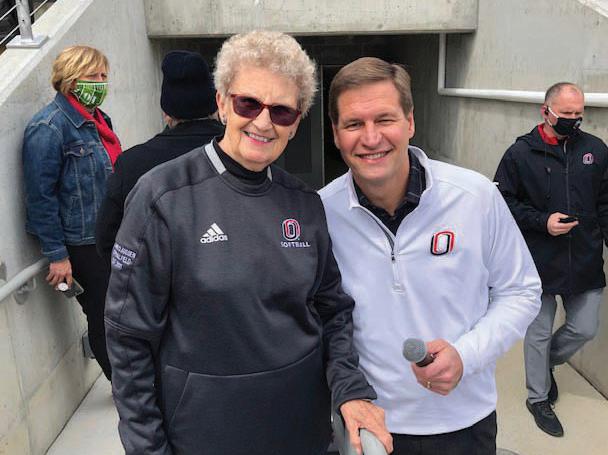
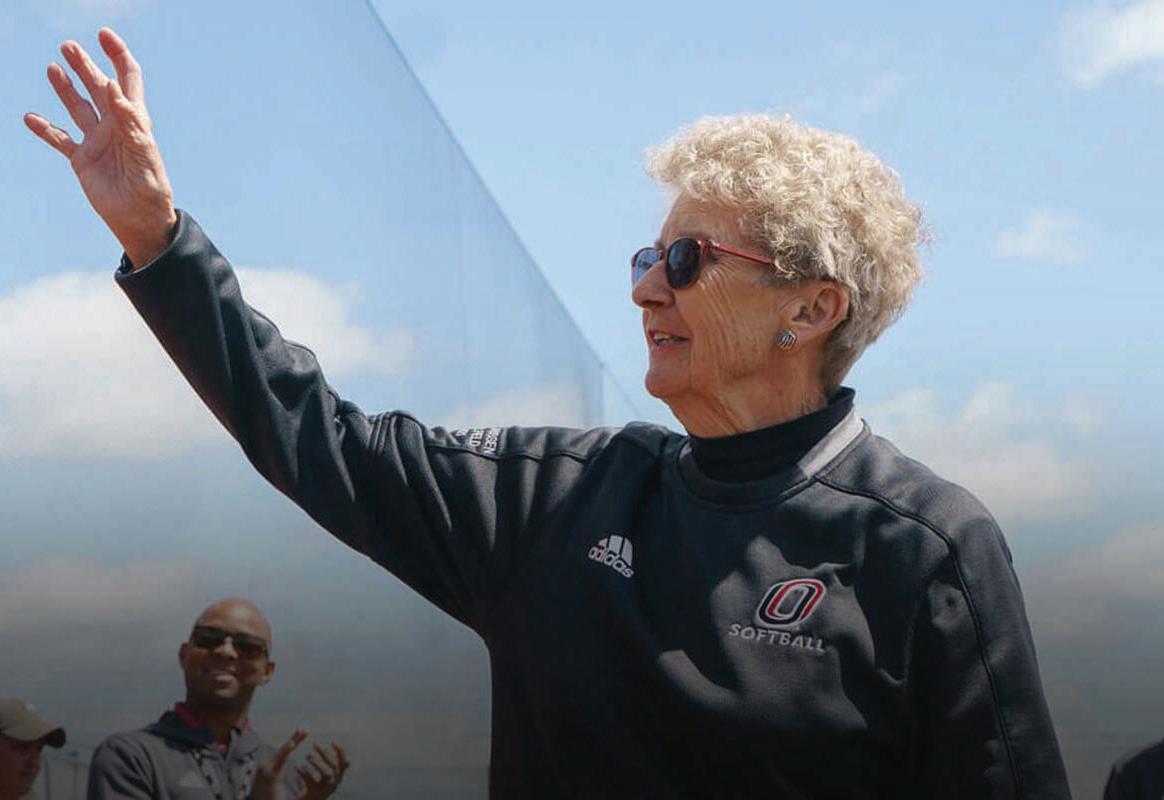
Connie Claussen retired as the associate athletic director in 1998 but remains in that position in an advisory role. She has nurtured the growth of women’s athletics at UNO since its inception.
man said with a chuckle, “you had to hold onto your wallet when Connie came calling.”
Women’s sports got a boost with the announcement that UNO was going to begin an NCAA Division I hockey program. Claussen remembers being highly involved in the process, because it had significant Title IX implications.
In a 2015 book written about the birth of Maverick hockey and the road to the opening of Baxter Arena, Claussen recommended that more women’s sports be added to stay in compliance with Title IX. It came to fruition based on conversations she had on a sevenhour ride to Fargo, N.D., for a 1995 meeting of NCC athletic administrators.
Claussen recorded the discussion among her, Leahy and then-assistant athletic director Bob Danenhauer.
“We had to do a lot of work to put things together, figure out costs and how much money we would need,” Claussen remembers. “The money would have to come from hockey.”
With those concerns resolved, paired with the blessing of then-chancellor Del Weber, UNO added swimming and diving, soccer, golf and tennis to the women’s program, along with the restoration of dormant track and field.
Arguably, the biggest change to the history of UNO athletics came in April 2009 with the hiring of Trev Alberts to become the school’s athletic director. Alberts, an all-America linebacker at Nebraska who became a cable TV personality after a brief NFL career, had zero athletic administration experience.
Alberts admitted in a January phone interview he
hard she worked and how passionate she was about those young people that she served.
“And she did it the right way. She was a person of integrity, and I think she was respected for her resolve and her resiliency and her determination. She singlehandedly decided that UNO was going to have a women’s athletic program, but she didn’t stop there. She decided they were going to be elite.”
she did, and they wanted to honor her.
“You had donors insisting on it, you had a name that was so symbolic of everything the Mavericks stand for, and it was just a way to properly honor somebody who has given so much. Without Connie Claussen, Maverick Park doesn’t happen.”
had a lot of homework to do as he learned on the fly. And he quickly discovered two sources he needed were Leahy and Claussen. Both were serving as advisers to the athletic department.
“In that time, Connie –Ms. Claussen – was coming to the executive staff meetings,” Alberts said, “so it was very early on I got introduced to the reality of those two strong individuals.”
Before totally settling in, he also discovered Claussen’s devotion to Omaha and its university.
“She was somebody who bled Mavericks,” Alberts said. “When I would get out and engage with donors, her name kept coming up. Everybody just respected her so much because of how
Once he became comfortable in his new professional role, Alberts was a driving force for facility upgrades –starting with Baxter Arena, home of Maverick hockey, volleyball and men’s and women’s basketball.
The next historic addition was the opening of the softball/baseball complex in 2021, Alberts’ last year at UNO before he left to become A.D. for his alma mater. Not only did Claussen support the $23.5 million complex, she contributed to the fundraising effort. It became a no-brainer to name the softball field after Claussen.
Alberts went on to say, “She made it very easy to raise money for the complex. I don’t think the facility would have gotten done if we wouldn’t have named it after her. The reality is donors were interested in donating money because they so believed in Connie, they so believed in what
Claussen’s decades-long devotion to UNO women’s athletics hasn’t gone unnoticed. Far from it. Starting with the Chancellor’s Medal in 1981, she added the UNO Alumni Association’s Citation for Alumnus Achievement award in 1997. She’s been enshrined in numerous local and national Halls of Fame and received citations from Omaha professional organizations.
And with each individual honor, she’s quick to divert it.
“I had a lot of help over the years,” Claussen often said.
Alberts, who remains in contact with Claussen, looks back in amazement at what she did to put UNO on the national map for women’s athletics.
“I think what she feels really good about is she’s been able to see this come full circle,” he said. “She started this thing from scratch where it wasn’t much, and now to be able to sit down in a world-class facility that the Omaha donors helped deliver, it’s pretty special.”


• Do you have questions about the Eastern Nebraska Office on Aging, its programs, or services?
• Do you have a comment about the agency and how it serves older adults in Douglas, Sarpy, Dodge, Cass, and Washington counties?
• Do you have a story idea for the New Horizons newspaper, or would you like to receive a FREE copy each month?
Please send your questions, comments, and story ideas to:
enoa.info@enoa.org
We appreciate your interest in ENOA and the New Horizons.
If you are still working and covered by an employer health plan in the Omaha metro, an HSA can be a useful part of your overall retirement plan. But the rules get more important as you approach Medicare. One of the most common mistakes is assuming you can keep contributing right up until Medicare starts, only to find out later that Medicare timing can create excess contributions.
A Health Savings Account, or HSA, is a tax-advantaged account available to people who qualify under IRS rules.
The basic appeal is straightforward: Eligible contributions can be deducted or excluded from income, earnings can grow tax-free, and withdrawals for qualified medical expenses can also be tax-free. Unlike a Flexible Spending Account, HSA money generally rolls forward and stays with you if you change jobs or leave the workforce.
To contribute to an HSA, you must be covered by a qualifying high-deductible

health plan, have no disqualifying health coverage, not be enrolled in Medicare, and not be claimed as someone else’s dependent. For 2026, the IRS set the HSA contribution limits at $4,400 for self-only coverage and $8,750 for family coverage, with an additional $1,000 catch-up contribution for people age 55 and older. For 2026, an HSA-qualified high deductible health plan must have a deductible of at least $1,700 for self-only coverage or $3,400 for family coverage. Retirement itself does not automatically end HSA eligibility.
Medicare does. So if someone is retired but still has qualifying HDHP coverage and has not enrolled in Medicare, they may still be eligible to contribute.
Once Medicare begins, however, the IRS says the contribution limit becomes zero starting with the first month of Medicare enrollment, including retroactive months.
HSA money can be used tax-free for qualified medical expenses such as doctor visits, hospital care, prescriptions, dental treatment, vision care, and many other IRS-approved expenses. Two rules matter here.
First, the expense must be incurred after the HSA is established.
Second, you cannot use the same expense for multiple tax benefits. If it was reimbursed from another source, or already used as an itemized deduction, it cannot also support a tax-free HSA withdrawal.
Insurance premiums are where people often get tripped up.
In general, HSA money cannot be used for regular health insurance premiums. But the IRS allows exceptions for qualified long-term care insurance, COBRA coverage, health cover-
age while receiving unemployment compensation, and Medicare premiums after age 65. Medigap premiums are not considered qualified HSA expenses.
Payroll contributions are often the most tax-efficient option. IRS guidance says employer contributions, including salary reduction contributions made through a cafeteria plan, may be excluded from gross income, and employer HSA contributions generally are not subject to employment taxes.
Employer contributions still count toward the annual contribution limit, so they need to be included when calculating how much room is left for the year.
You can also make direct contributions with after-tax dollars and generally deduct them on your federal return. Another option is a qualified HSA funding distribution, which allows a direct transfer from a traditional IRA or Roth IRA into the HSA. That transfer is not included in income, but it does count toward your HSA contribution limit and comes with a testing period.
This is the part many adults nearing 65 need to pay attention to. Medicare. gov states that if you sign up later for premium-free Part A, your Part A coverage can begin up to 6 months before the month you apply, but not earlier than the month you turned 65.
The IRS also says that HSA contribution eligibility becomes zero for months you are enrolled in Medicare, including retroactive coverage.
That means someone who keeps funding an HSA right up until Medicare enrollment can accidentally create excess contributions for those lookback months. A practical planning step is to stop HSA contributions about 6 months before enrolling in Medicare if you are over 65 and planning to start Part A. This is especially important for people continuing to work past 65. It is wise to review that timing with both a tax
--HAS continued on page 11.
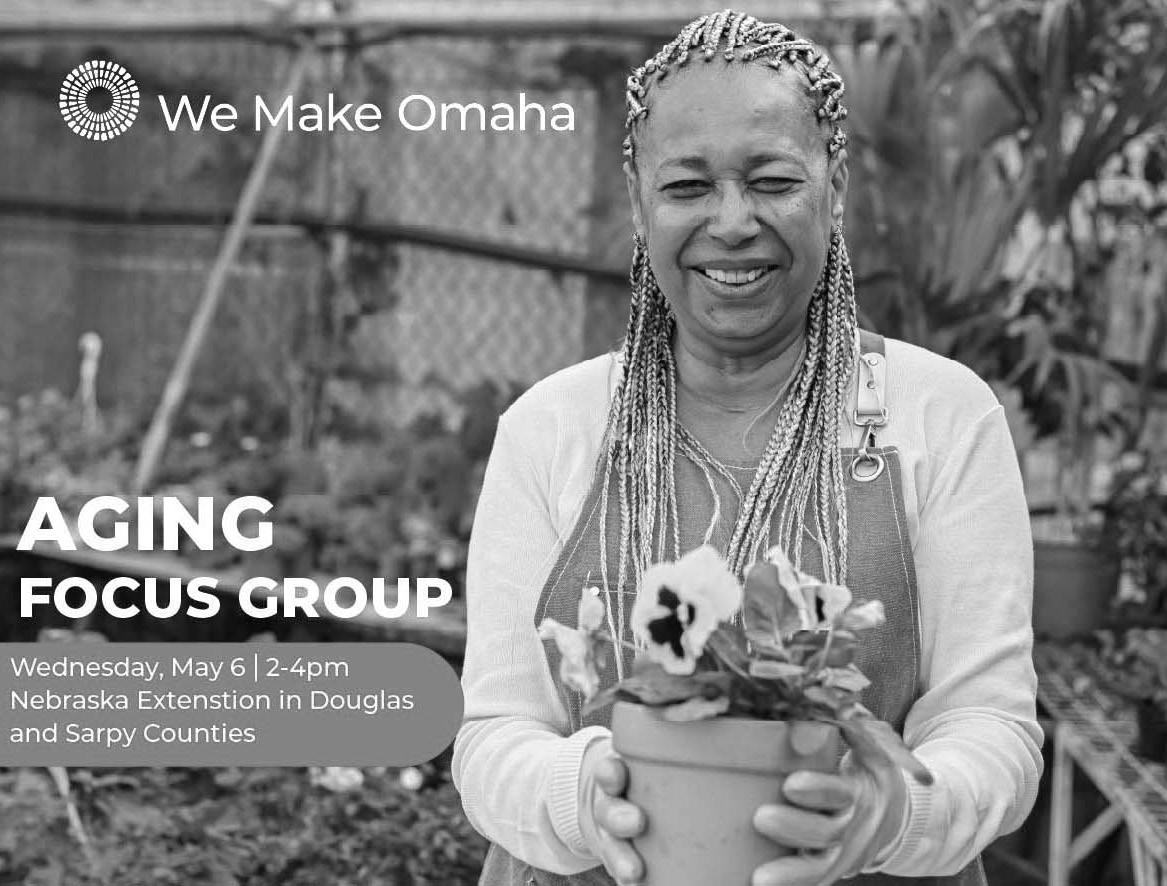
The City of Omaha is currently updating its Comprehensive Plan for the first time in nearly 30 years, and community input is a critical part of the process.
As part of this effort, the City is hosting a focus group to hear directly from residents about the challenges, opportunities, and changes they are experiencing in their communities.
On May 6 from 2-4 p.m., people around the community are invited to participate in a community focus group at the Nebraska Extension in Douglas and Sarpy Counties.
HAS continued from page 10.
professional and a Medicare advisor before filing enrollment paperwork.
For people not yet on Medicare, an HSA can sometimes help with health insurance planning, too. Because direct HSA contributions are generally deductible, and Marketplace MAGI starts with AGI plus only a few specific additions, HSA contributions can reduce the income figure used for premium tax credit calculations in some situations. That can matter for early retirees or for a younger spouse who is still buying coverage through the Marketplace. This is a tax-sensitive strategy, so it should be reviewed case by case.
Withdrawals used for qualified medical expenses are tax-free. If you use HSA money for non-medical purposes before age 65, the distribution is taxable and usually subject to an additional 20% tax. After age 65, non-medical withdrawals are still taxable, but the 20% additional tax no longer applies. That is why some people view the HSA as a medical account first, with added retirement flexibility later.
There is no requirement to reimburse yourself in the same year the expense happens, as long as the expense was incurred
This conversation will bring together community members to share experiences, discuss the issues that matter most, and help shape recommendations that will guide Omaha’s future. Your input will help ensure the plan reflects the needs and priorities of Omaha’s aging population.
Adults must be ages 50 and older to participate in a community focus group.
For more information, contact Aden Johnson at 402-444-5150 or by email at ayden.johnson@cityofomaha.org.
after the HSA was established. But the IRS expects solid records. You should be able to show that the expense was qualified, was not reimbursed elsewhere, and was not already taken as an itemized deduction. Beneficiary designations matter too. If a spouse is the beneficiary, the HSA keeps its status after death. If the beneficiary is not a spouse, the account stops being an HSA, and the balance generally becomes taxable income in the year of death.
An HSA is more than a way to pay today’s deductible. It can reduce taxable income, help cover eligible medical costs in retirement, and make the years leading up to Medicare a little more manageable. The key is to understand the transition rules before they become a problem.
Mary Hiatt is a Retirement & Insurance Advisor and President of Mary the Medicare Lady (A non-government entity.) She helps retirees convert their 401Ks and IRA’s into guaranteed income streams as well as helping clients get Medicaid with eligible spend-down plans and Funeral Expense Trusts. Not connected with or endorsed by the U.S. government or the federal Medicare program. Medicare Supplement insurance plans are not connected with or endorsed by the U.S. government or the federal Medicare program.
By Andy Bradley Contributing Writer
It’s a tradition long embedded in the fabric of our family. Come rain or shine, blazing heat or shivering cold, our family celebrates Memorial Day this way – traipsing through cemeteries to adorn the graves of parents, grandparents and other long-deceased friends and kin with fresh-cut flowers in hand, preferably peonies from our own backyard.
Every year, for example, we get lost one more time searching for my parents’ graves at Calvary Cemetery in Omaha, where no aboveground markers are allowed, just simple granite slabs camouflaged by the sunken grass.
We typically visit three cemeteries in all, a half-day venture normally ending with a casual early dinner at a nearby pizzeria or steak house.
It’s a tradition that more and more leaves my wife and me asking, “Who’s next in the cue?” – not unlike what we pondered at weddings decades earlier.
Finally, this year, we started taking the question seriously, now that we’ve entered our 70s. “What if it’s us?”
So we decided to explore plots of ground for our eternal rest – “inspecting real estate” as we told our families. Our priorities were two-fold: someplace quiet and alone, far away from cemetery traffic on

Memorial Day weekends, and someplace in the same burial ground neighborhood and not too distant from other relations.
We found our ideal eternal home, a high and sightly slice of real estate, and forked over payment in one lump sum (more than we were expecting). We then set our sights on identifying the right mortuary to handle everything else when that time comes. This part can be especially tricky. We identified resources, both local, national, online and in-person, to assist in the search.
Three organizations offer voluminous information online – AARP, Funeral Consumers Alliance (funerals.org) and the National Funeral Directors Association (NFDA), whose rememberingalife.com website is replete with valuable guidance.
AARP (AARP.org) offers free detailed assistance under its headline banners, “What to Do When a Loved One Dies,” “10 Ways to Save on Funeral Costs,” “8 Tips for Funeral Planning,” and others. (Google the title of the article and click on the link). Mortuaries also offer helpful information online. We discovered two basic ways of going about this selection process. One is to procrastinate until that fateful day comes. The other is to plan in advance.
Procrastination has its obvious disadvantages – the stress of making decisions on the spot – a numbingly volatile moment in time shrouded in panic and tension and grief. During these

moments, the mind just can’t absorb information or act rationally.
“The worst time to do it is when you are losing a loved one because decisions can be made on emotions rather than logic,” said Omaha pre-planning professional Teresa Randazzo.
So why do people wait? Either the death of the loved one came out of the blue, or the principals involved considered the topic excessively morbid or taboo and delayed the planning process indefinitely.
“We all know it’s inevitable. It’s just a matter of when we’re going to take care of it,” Randazzo said. It’s very important to “get over the hurdle of I don’t want to talk about it,” she added.
Pre-planning has its obvious advantages – by making decisions before the need arises, the emotional paralysis accompanying the death of a loved one is somewhat neutralized. The grief process and memorial events can commence without the pressure of making the myriad of pressing decisions.
The pre-planning process starts with identifying the mortuary of choice. Mortuaries have professional staff, like Randazzo, who can guide the family through the decision-making process. Several factors can influence the decision.
People often choose based on the experience of family and friends. Other considerations may involve price (yes, families do price shop for final arrangements), perceived
“Mydoctormakesmefeel comfortable.He’salways thinkingafewmovesahead.” -DavidT.
reputation, location (including proximity to home, church, family and cemetery) and ownership.
More mortuaries, for example, are becoming corporate-owned rather than family-owned, said Brian Roeder, immediate past president of the Nebraska Funeral Directors Association.
According to the National Funeral Directors Association, 75 percent of funeral homes are family-owned. Roeder suggested local family ownership can provide more flexibility and personalization in funeral arrangements.
Forty percent of consumers choose a funeral home based on price, according to 2020 NFDA research. “When all funeral homes are deemed equal, price will always be a qualifying factor,” according to NFDA. Randazzo agreed. “We have more price shoppers than ever before.”
When families make that first pre-planning visit, the conversations often revolve around these key subjects: price, including a discussion of various à la carte menu options; the logistics surrounding cremation; embalming practices and regulations; the planning of public viewing; and the logistics of a memorial or church service and subsequent transportation to a final resting place.
Prices will vary widely depending upon the options families select. Funeral costs, not including a cemetery plot and associated
--Memorial Day continued on page 13.
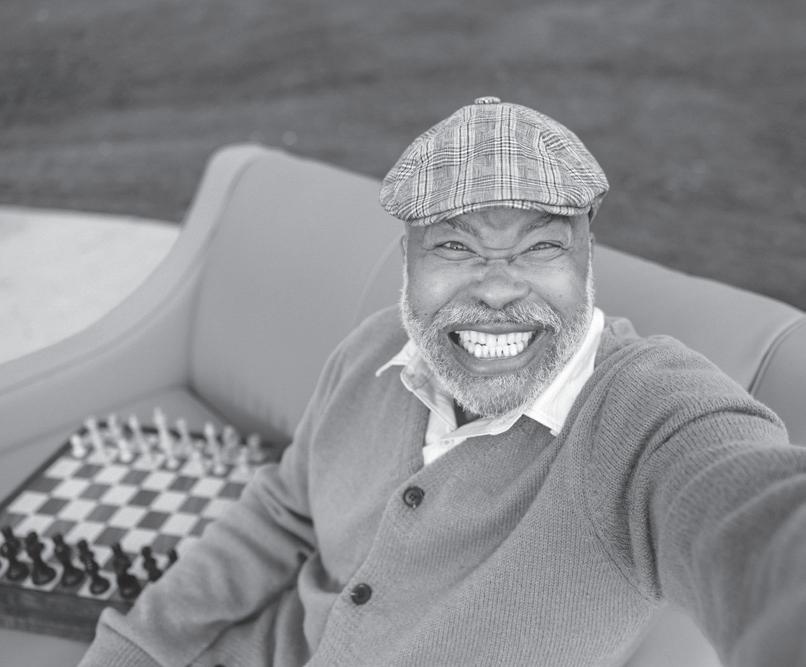
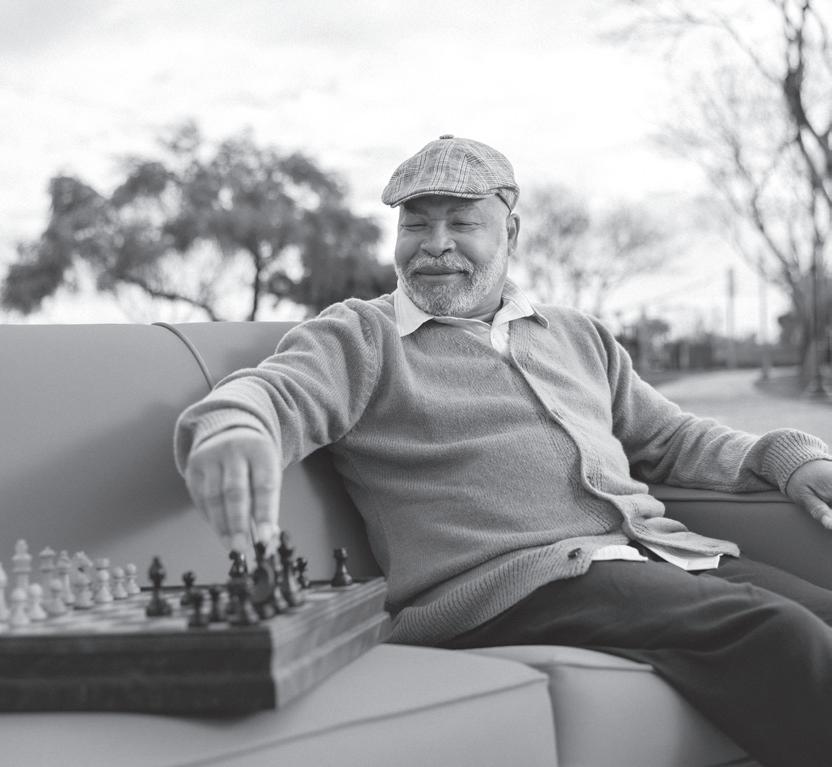
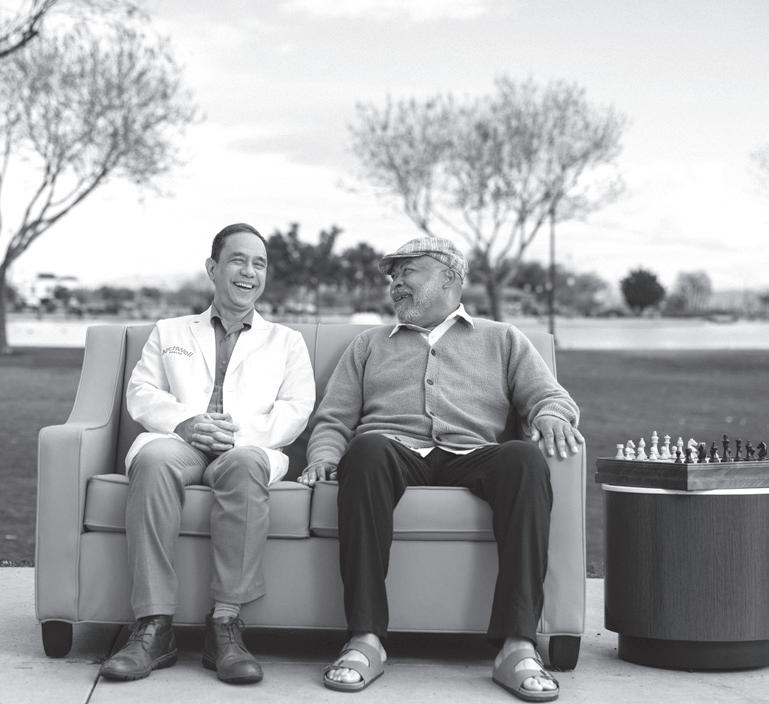
David, our member from Phoenix, Arizona, stays active by playing it smart, whether it’s chess in the park or Tai Chi in the ArchWell Health activity room.
With care designed especially for older adults, his doctor sees the full board and is invested in improving his cognitive function and overall health. It makes every visit feel more personal. And, it helps him keep his mind sharp, his body moving, and every move intentional.
the QR code or call (531) 895-9805 to learn more.
expenses, will range from $1,500 to $15,000, with the average hovering between $5,000 and $10,000, said Roeder.
NFDA reported the average cost in 2023 in a seven-state region, including Nebraska and Iowa, was $8,755. Those average costs lower considerably, to $6,713, if cremation is chosen, an option now selected by nearly two out of three families, according to NFDA.
Additionally, a traditional cemetery plot in the metro area can cost upwards of $4,500, with the average single plot often falling between $1,500 and $3,000, according to Gravesolutions. com. This does not include opening/closing fees, vaults, and markers/headstones.
For some, life insurance proceeds may cover those costs. For others, especially very low income families, limited financial assistance may be available through the county of residence.
“If you have no money and your assets are extremely limited, you don’t own a home, then the county will pay for what is known as a simple cremation,” said Roeder.
A small but growing number of financially-strapped families now use crowdfunding resources, such as GoFundMe, to cover a portion of the expenses.
Veterans and their families have additional financial support. “If they’re a veteran, that opens up other possibilities,” said Roeder. Eligible active duty veterans are entitled to burial in a national cemetery, with no charge for the gravesite, headstone, vault and internment. The family is responsible for all other charges.
Locally, the Omaha National Cemetery at 142nd
and Schram Road in Sarpy County, which opened in 2016, has capacity for 112,000 veterans and their families. Access the VA website at cem.va.gov for more information.
While pre-planning is always encouraged, it may or may not include prepayment, which can also be a bit tricky.
Pre-payment options can range from paying all burial costs up front to spreading payments over a number of years.
Pre-payments should never flow directly to the mortuary. “Honestly, you don’t want it to go directly to the funeral home,” said Roeder, “because what if something happens to that funeral home?”
“So we put it in an insurance trust,” Roeder said. “If you move or if something happens to that funeral home, it’s your money. It’s just like you can transfer it wherever you go.”
“Down the road, that policy should be keeping up with the rate of inflation,” added Randazzo. If funds in the trust are more than the actual costs of the funeral and burial, the difference is returned to the family.
If financial assets are being spent down to qualify for Medicaid, the state does not consider the trust a financial asset.
The final decision regarding the selection of a mortuary may boil down to intangibles, such as instinct, intuition or “feel” – factors including the hospitality, patience and responsiveness of the staff. Also, is information provided in a clear and understandable fashion with no sales pressure?
“You do hear stories” about high-pressure sales techniques, said Roeder. “You hope that’s a pretty minimal aspect.” Randazzo agreed. “I really do believe
that there are some people who are not in it for the purpose of serving the community. They’re in it for themselves.”
Red flags might include not being immediately shown all options, including lower cost alternatives for caskets, urns, and all components of the burial process. Did you know, for example, that a casket can be rented for cremation purposes or purchased from an outside supplier?
Another example: embalming – it’s not required in every case, and morticians should explain the details. Mortuaries are typically Better Business Bureau members and their ratings and other consumer information can be found at BBB.org.
When families arrive at a mortuary, whether it’s at the time of death or for preneed counseling, three items are required to facilitate the process: The individual’s Social Security Number, the mother’s maiden name, and the parents’ names.
This information, as well as all final instructions, financial accounts and other pertinent details, should be readily accessible to persons responsible for making final arrangements, typically the designated executor of the estate. Safe deposit boxes may not be the best place to store these documents, said Randazzo.
So, as another Memorial Day holiday approaches, fully one year after the planning process started for us, which mortuary did we choose? Well, remember those references to procrastination above? That’s still haunts us today. Maybe, just maybe, our plans will be finalized by the next time we plod through the rows of markers at Calvary looking for the nondescript graves of my mom and dad.
First United Methodist Church has some excellent adult curriculums available. They are free for any Christian group which would like to study prayer, discipleship and beliefs.
Call First United Methodist Church at 402-556-6262 if you wish to receive more information about the list of the studies available.
Are you worn out after a busy week? Do you need a “pick me up” to kickstart your weekend? Grab your friends or significant other and come wind down during the Sunset Hike.
This hike will explore the gravel and dirt trails near the Nature Center, then head out to the third loop of the Boardwalk to watch the sunset over the Missouri River.

You’re invited to visit the Millard Senior Center at Montclair, 2304 S. 135th Ave., this month for the following:
• May 5: Cinco de Mayo Party @ 11 a.m.
• May 6: Board Meeting @ 9:30 a.m.
• May 11: Bunco @ 12:15 p.m.
• May 13: P.A.W.S (Puzzles & Words with Seniors) @ 9:30 a.m.
• May 13: Sewing Club meet to make sun dresses and shorts @ 9:30 a.m.
• May 22: “In Memorium” cake served
• May 25: Center is Closed for Memorial Day Tai Chi on Mondays and Fridays @ 9:30 a.m. Bingo every Tuesday and Friday @ 12 p.m. Bingo callers in need
Hand-N-Foot Wednesdays @ 8:30 a.m.
MahJongg Wednesdays @ 1 p.m. Chair Volleyball Thursdays @ 9:30 a.m. Dominoes Thursdays @ 12:30 p.m.
For more information, please call 402-546-1270.
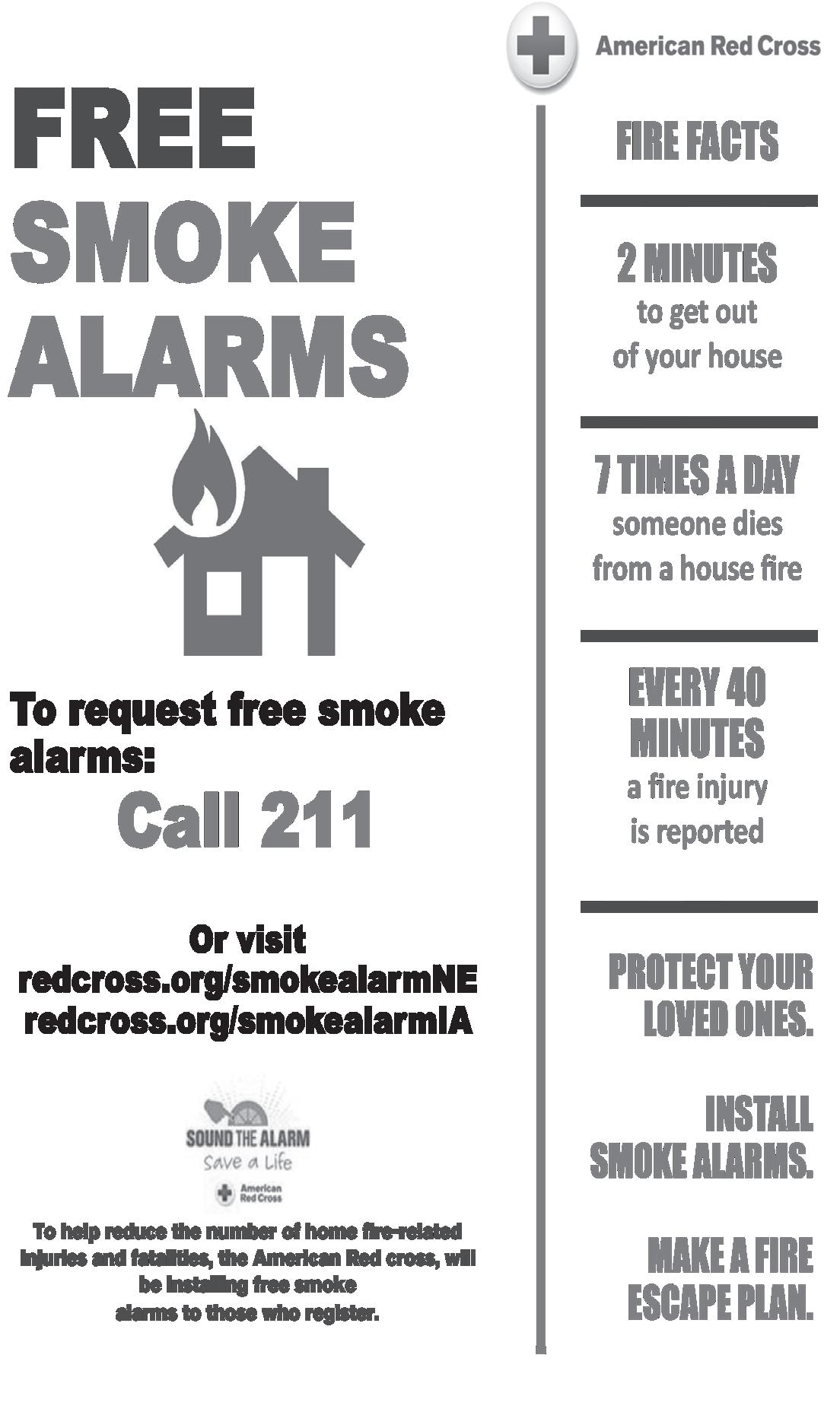
The Omaha Fire Department’s Public Education and Affairs Department will install free smoke and/or carbon monoxide detectors inside the residences of area homeowners.
To have a free smoke and/or carbon monoxide detector installed inside your home, send your name, address, and telephone number to the Omaha Fire Department. For more information, please call 402-444-3560.
Personalized moving solutions designed specifically for seniors and their families.

• We Organize pre-move
• Move our Clients
• Mediate Family Issues
• Prepare assets for online auction
• Real Estate Broker
• Licensed Federal Firearm Dealer
• Auto Auction Dealer
• Coin Collections
• Asset Appraisal
• We love to Move Seniors
We are “tasked by love.” I came upon this phrase in my reading and find it offers a compelling way to look at my life now. When we were in the workforce, we had tasks dictated by our job descriptions and our bosses. Most of the jobs were prescriptive and did not require a lot of personal choice. We did what needed to be done. Retirement is different. Because we have more freedom, we have many more choices to make in planning how we spend our time. No two days are alike, and we can choose to do those things that are meaningful unless we passively veg out.
As I plan my day each morning, I usually make a list. Some items are necessary tasks which must be done in order for life to run smoothly. Typical examples are to get groceries, fill up the gas tank, call for a repair, fill my daily pill boxes, do the dishes.
Beyond these duties there are things that are “tasked by love.” If we are, or want to be, loving human beings, there are endless opportunities to put this into practice.
By Nancy Hemesath
If our desire is to be of loving service to others, the possibilities abound.
Attitude is everything! When our actions are bound up with a sense of guilt or duty, the task may be accomplished but, if not motivated by love, they will likely fall flat. When tasks are done out of love, they bring joy to us and those around us.
Putting extra effort into cooking a good meal for the family. Driving a friend to a medical appointment. Checking in by phone or text with someone who lives alone “just to connect.”
Purchasing a meaningful birthday gift for an old friend. Bringing chicken soup to a newly bereaved spouse who may not be cooking. Loaning a good book to a friend. Listening to another’s story. Attending a celebration honoring a friend. Attending a funeral. Making a donation to those
in need.
In addition to these examples of supportive love for those around us, there are other loves tasking us. Love of self requires good selfcare, such as sleep, healthy diet, exercise, healthy social interaction, and relaxation. Love of country tasks us with voting, educating ourselves, speaking up for what we believe and contacting our representatives. Love of the earth tasks us with careful stewardship of the gifts of creation. This includes reducing consumption, recycling and reusing what is available.
I invite you to make your own list of what you are being “tasked by love.” Becoming more conscious of the many things you already do as acts of love enriches our lives and enhances our sense of joy. A meaningful way to end a day is to ask, “What tasks did I do today out of love?”
Every May, ACL leads the nation’s observance of Older Americans Month, a time to recognize older adults’ contributions and reaffirm our commitment to supporting their health and independence.
The 2026 theme, Champion Your Health, under-
scores prevention, wellness, and personal responsibility as cornerstones of healthy aging. It encourages taking an active role in managing
and advocating for your health, accessing preventive care, and making informed decisions.
This year, we are focused on evidence-based approaches, self-management, caregiver roles, and community partnerships that empower individuals to lead healthy lives.
Join Flaherty Senior Consulting for a series of Solutions Group gatherings that will address the questions and challenges caregivers face.
Solutions Groups provide opportunities for caregivers to learn how to deal with various issues, obtain skills and knowledge, engage in discussions, and interact with others in similar circumstances.
Upcoming meeting dates and locations are:
• May 12, July 14, Sept. 8, Nov. 10
St. Vincent de Paul Church 14330 Eagle Run Dr.
• May 16, July 25, Sept. 26, Nov. 28
Faith Westwood United Methodist Church 4814 Oaks Ln.
• June 4, Aug. 6, Oct. 1, Dec. 3
The Servite Center of Compassion 72nd St. and Ames Cr.
• June 17, Aug. 19, Oct. 21, Dec. 16
St. Timothy Lutheran Church 93rd and Dodge streets
The Solutions Groups are facilitated by Nancy Flaherty, MS, CDP, president of Flaherty Senior Consulting. She has extensive experience working with family caregivers and caregiver groups.
For more information, email Nancy at flahertyconsulting@cox.net or call/text her at 402-312-9324.
You’re invited to visit the Florence Senior Center, 2920 Bondesson St.
At the Florence Senior Center, lunch is served at 11:30 am. A select menu is offered Monday thru Friday. Meal reservations must be made one day in advance. Please call by noon the day before for a meal reservation.
There will be a painting workshop with Kim Darling at 9 a.m. every Wednesday.
The center hosts activites such as Tai Chi, annual picnics/ special events, bingo, cards, gym & game room access, special guest speakers and socials.
Arts and crafts will be held on the third Wednesday of each month. They also provide health and nutrition programs.
For more information, please call Colleen Metz @ 402444-6333.
Legal Aid of Nebraska operates a free telephone access line for Nebraskans ages 60 and older.
Information is offered to help the state’s older men and women with questions on topics like bankruptcy, Homestead Exemptions, powers of attorney, Medicare, Medicaid, and Section 8 housing.
The number for the Elder Access Line is 402-827-5656 in Omaha and 1-800-527-7249 statewide.
This service is available to Nebraskans ages 60 and older regardless of income, race, or ethnicity.
The Legal Aid of Nebraska hours of operation are 9 a.m. to noon and 1 to 3 p.m. Monday through Thursday, and 9 a.m. to noon on Friday.



TTY/TDD: 711 HUD subsidized One-bedroom apartments for seniors 62 and over, or disabled. Waitlist is open



By Ron Petersen
Hobbies that involve crafting are a great way to spend your time, and leatherworking is a skill to learn.
Leatherwork is the craft of creating and decorating objects from animal hides. It involves a wide range of techniques, including cutting, stitching, and finishing, as well as artistic processes like carving, stamping and dyeing to transform raw leather into a finished product. The practice can range from making simple, functional items like wallets to elaborate works of art.
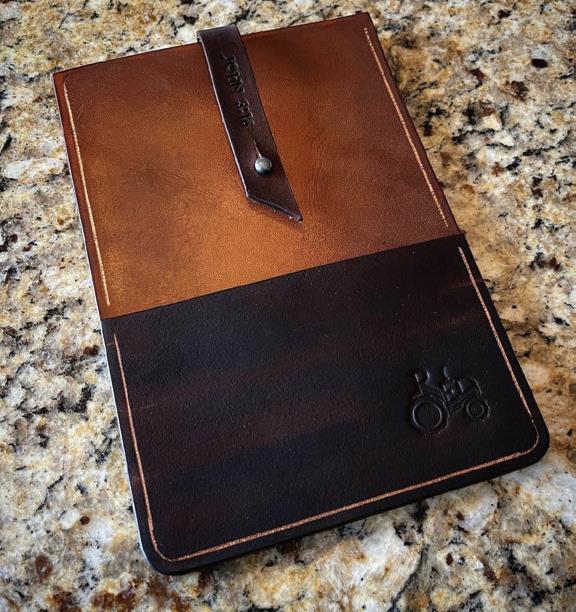
“If you want to make a wallet, a key chain or book cover you could learn by
yourself,” Red Tractor Leather Company owner, Mike Czyz said. “I’ve seen kids to older adults out there working with leather. You are working with your hands and its therapeutic.”
Leatherworking requires you to have nimble fingers and flexible hands. Stitching the leather together and stretching out the hides will improve your dexterity and grant you more mobility in your fingers.
The delicate details of making a leather item will push you to use more precision and keep a steady hand. Careful fingers and a stable wrist make the best leath-
erwork. As you continue this hobby, you’ll see an improvement in the finer details you put into your work, thanks to the improved dexterity.
Leatherworking as a hobby will help your handeye coordination. Stitching straight lines, making creases, and using stamping tools require precision and a keen eye.
This skill is a great benefit of leatherworking and will also help you in other aspects. If you have other interests, such as cooking or gaming, you’ll see an improvement in your actions. Tasks such as writing and
typing will be more efficient as you move your fingers accurately while hitting the keys or moving your pencil.
“You can have a lot of fun with it,” Czyz said. “It’s easy to make different designs, but there needs to be a little bit of skill to assemble it.”
When it comes to leatherworking, instead of buying jackets, wallets, belts, book covers and more, why not make it.
“Wallets is the main thing to make,” Czyz said. “The stitching projects turn into a very long class, which you have to rush.”
Over the last three years, Red Tractor Leather Company has hosted leatherworking classes at Czyz’s barn in Walton, Nebraska.
“It’s creative and you make the leather into something you use. There’s a time constraint when doing the class, so we stick to doing something simple that you can walk out with,” Czyz said. “The average group to come in to do a class are families, but there

The University of Nebraska Omaha is conducting a research study for older adults, evaluating strategies to improve recovery from long-COVID.
The purpose of this 12 week research study is to find out whether warming your lower body (heat therapy) or walking more often can help people who had COVID-19 and now feel constantly tired or less able to move.
You may qualify if you are 50-90 years old or if you are experiencing lasting symptoms from COVID 19.
If you are interested, please call Gwenael Layec at 402-554-3779 or email or unovrl@unomaha.edu.