
How to Measure Pupil Size Accurately? A Guide for Medical Professionals
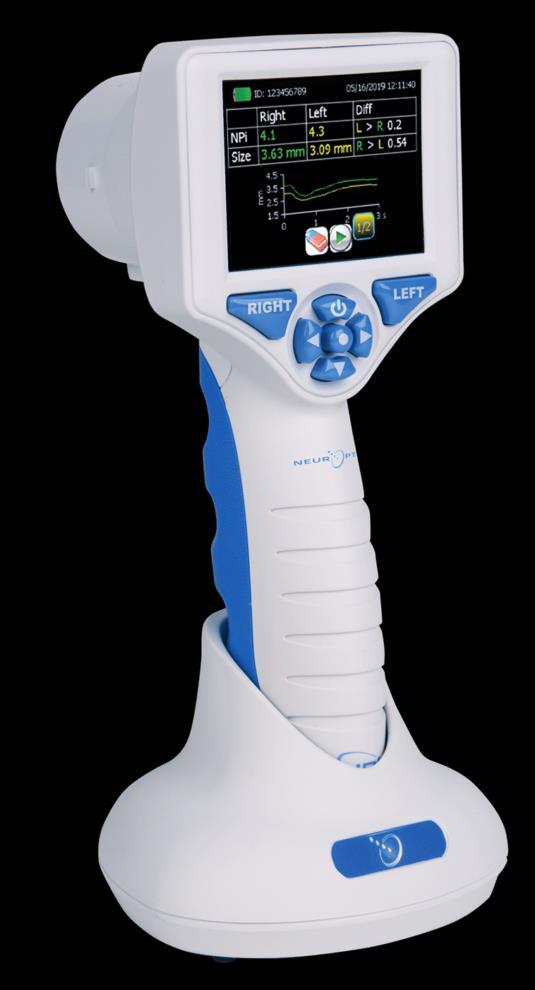
Pupil evaluation is a critical diagnostic tool in medical practice, particularly in neurology, ophthalmology, and psychiatry. The size of the pupils can provide valuable information about an individual's health status, including the presence of neurological conditions, ocular diseases, and drug toxicity.
Accurate measurement of pupil size is crucial in diagnosing and managing medical conditions. This article aims to guide medical professionals in measuring pupil size accurately.
Preparation
Before measuring pupil size, it is essential to prepare the patient adequately. The patient should be relaxed, and the room should be dimly lit to avoid reflex constriction of the pupil. The clinician should clean the patient's eyes and remove any contact lenses or glasses to avoid interfering with the measurement.
The patient should be asked to look at a distant object for at least 30 seconds to ensure the pupils have reached a stable size. The clinician should also explain the procedure to the patient and obtain their consent.
Equipment
The equipment needed to measure pupil size accurately includes a penlight or flashlight to shine a light into the patient's eye, a ruler or millimeter tape to measure pupil size, and a stopwatch or timer to ensure accuracy in measuring the pupil size. The penlight or flashlight should be bright enough to elicit a response but not too bright to cause discomfort to the patient.
Procedure
To perform pupil measurement accurately, the clinician holds the light about 15 cm away from the patient's eye and shines it directly into the eye while observing the pupil size. The clinician should ensure that the light beam is perpendicular to the eye to avoid oblique illumination, which can cause an inaccurate measurement.
The pupil's diameter should be measured in millimeters with a ruler or millimeter tape. The clinician should repeat the procedure for the other eye and record the findings.
Conclusion:
Pupil evaluation is a simple and non-invasive technique that can provide valuable information about an individual's health status. Accurate pupil size measurement is crucial in diagnosing and managing medical conditions, and medical professionals should master this technique. By understanding the factors affecting pupil size and following the steps outlined above, clinicians can provide better patient care.
Summary
Learn how to accurately measure pupil size with this guide for medical professionals. Discover the equipment needed, preparation steps, and factors affecting pupil size. Perfect for doctors and health experts.