Neuroblastoma Australia
Investing in Lifesaving Research,
Advocacy and Care
Introduction
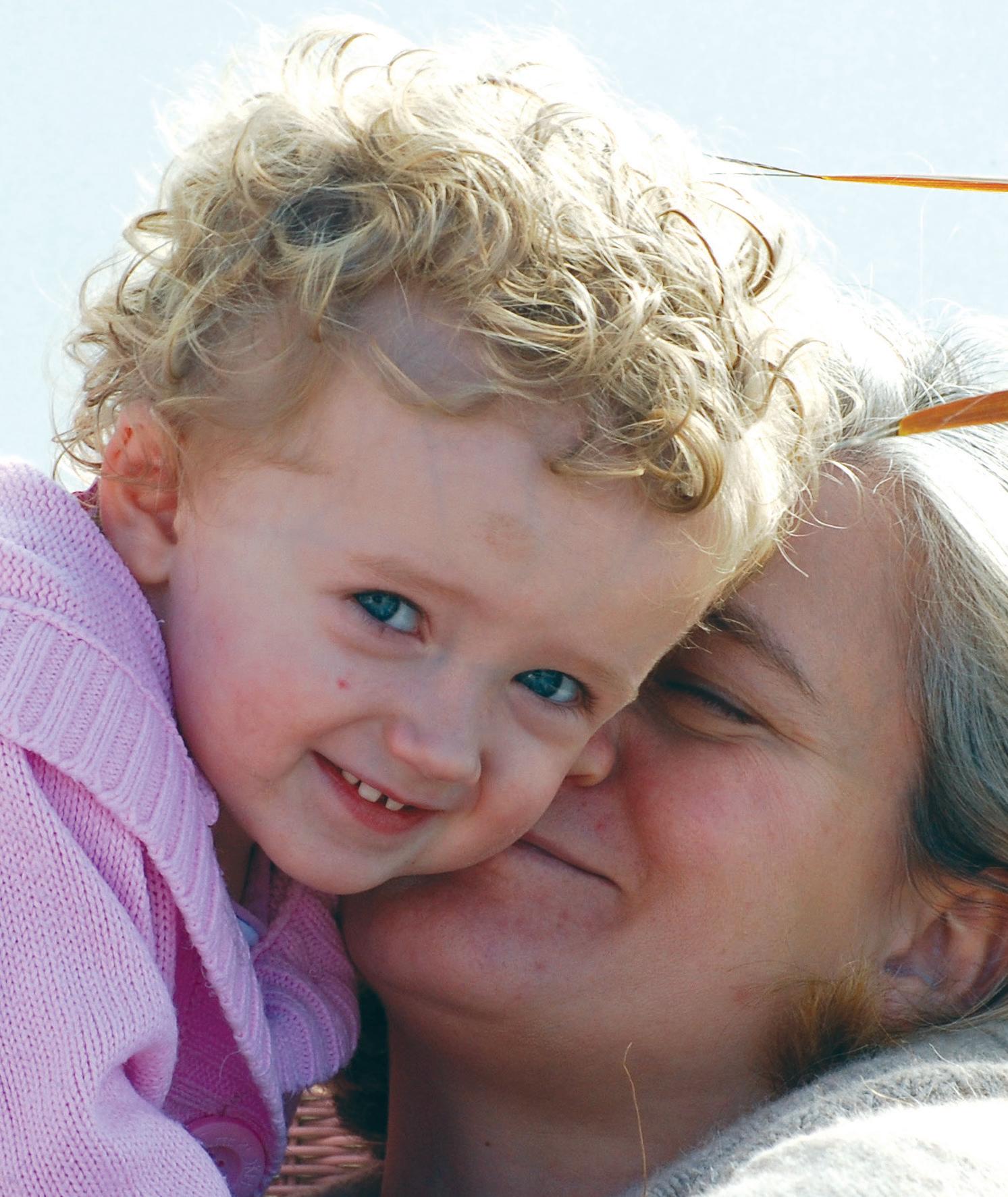
Neuroblastoma Australia started in 2008 when Lucy Jones started fundraising after her 9 month old daughter, Sienna was diagnosed with neuroblastoma. Lucy had never heard of neuroblastoma before and was totally shocked that such an aggressive disease existed and that there was no cure. Sienna initially responded well to treatment but very sadly she relapsed just after she turned two and tragically passed away six months later.
Watching what her little daughter went through and living with the tragic loss motivated Lucy to focus on raising awareness and funds with the goal of improving treatments. Lucy started Sienna’s Gala Dinners in honour of her daughter. In 2010 another Mother, Michaela Flanagan who had a little girl with Neuroblastoma, Ciara, approached Lucy to support the development of the organisation and in 2012 Neuroblastoma Australia was officially registered as a charity and in 2014 it received Deductible Gift Recipient Status.
Other events were developed in this time including the Balmain Fun Day and the fun run, Run2Cure. These events as well as other initiatives have led to over $3.7 million being donated to leading neuroblastoma research projects.
Neuroblastoma Australia is the only charity solely focused on neuroblastoma in Australia. It has achieved a significant amount in the last 11 years including funding nine innovative and exciting pre-clinical research projects, a number of which are continuing into clinical trial which could lead to better and safer treatments for children. In order to ensure money is invested in the best and most promising projects, Neuroblastoma Australia has a world-class Scientific Advisory Board which reviews grant proposals.
It is crucial that more research is funded so we are able to change survival rates and ensure every child gets the chance to grow up. We need the community’s help to do this.
Our Scientific Advisory Board
MAKING SURE FUNDS ARE INVESTED IN THE VERY BEST RESEARCH
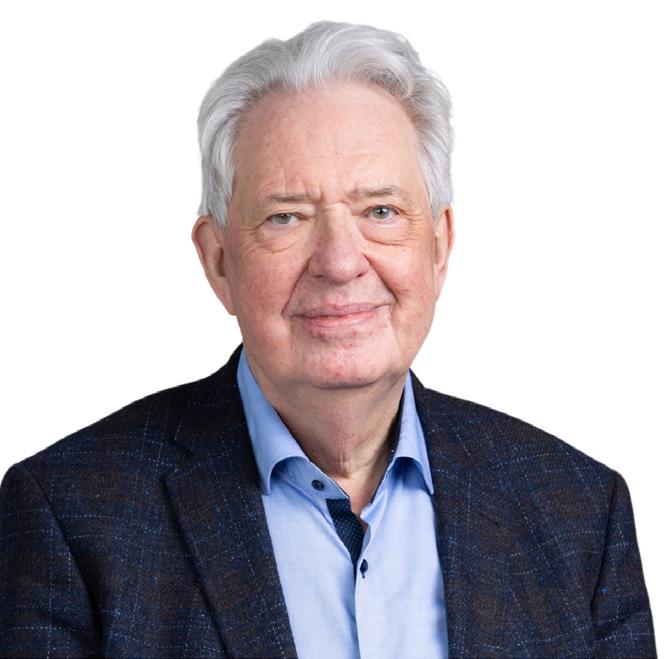
PROFESSOR ANDY PEARSON
Prof. Andy Pearson is formerly a Cancer Research UK Professor of Paediatric Oncology, at the Institute of Cancer Research and the Royal Marsden Hospital NHS Trust. During a long and distinguished career, he helped establish and led many key groups in the paediatric oncology landscape both nationally and internationally.
PROFESSOR
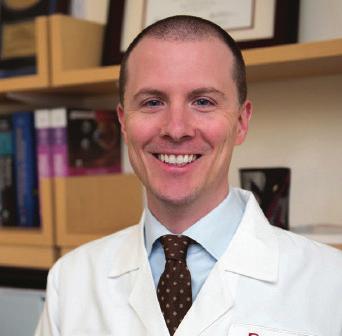
STEVE DUBOIS
Dr. DuBois is director of experimental therapeutics at Dana-Farber/ Boston Children’s Cancer and Blood Disorders Center in the USA. He is a paediatric oncologist with an active clinical and translational research program focused on patients with advanced neuroblastoma and Ewing sarcoma.
PROFESSOR
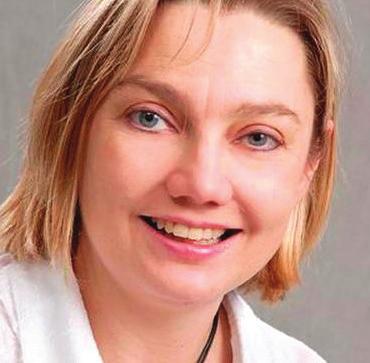
JULIET GRAY
Dr. Juliet Gray is an Associate Professor in Paediatric Oncology at the Cancer Immunology Centre, University of Southampton. She leads a translational research group focused on novel antibody immunotherapies for neuroblastoma, including preclinical evaluation of novel combinational therapies as well as early phase clinical trials.
Our Purpose
RAISE AWARENESS
To raise awareness of neuroblastoma childhood cancer and increase the understanding and the need to support research in this area.
RAISE VITAL FUNDS PROVIDE INFORMATION & SUPPORT
To raise vital funds for research into the development of better, safer treatments for children diagnosed with neuroblastoma now and in the future which ultimately lead to a cure.
To provide information and support to those affected by neuroblastoma.
“It is my belief we can save children in the future, through investing in research today. It is the responsibility of adults to help children and to ensure they all have a bright, healthy and happy future. Children diagnosed with neuroblastoma are on average just 2 years old. They don’t have a voice and it is so important they have one and don’t have to endure this disease in silence. We would welcome your support to help us ensure that all children get the chance to grow up that they so deserve”
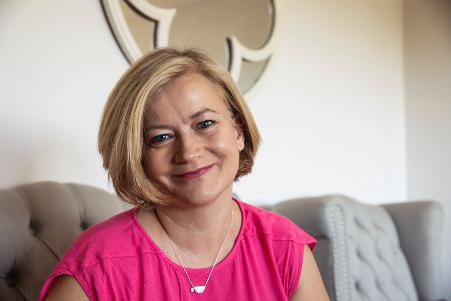
LUCY JONES, SIENNA’S MUM AND FOUNDER OF NEUROBLASTOMA AUSTRALIA
Our Vision
TO HAVE A WORLD
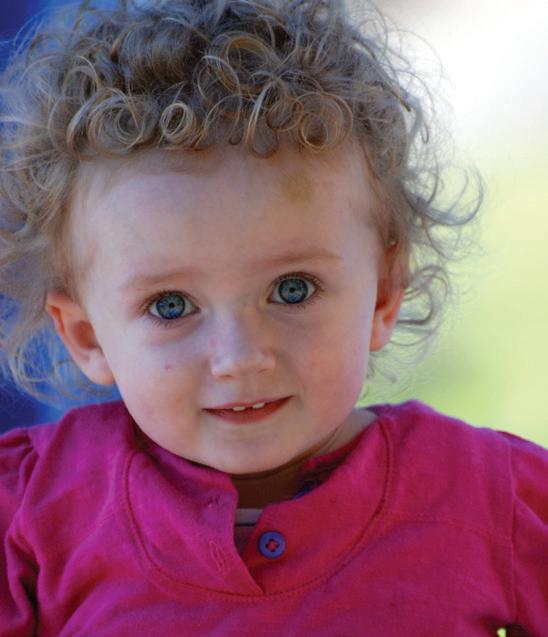
WHERE EVERY CHILD GETS TO GROW UP
Our vision is to have a world where every child diagnosed with neuroblastoma gets to grow up and live a long and healthy life without side effects.
ONLY ONE IN TWO CHILDREN WITH HIGH RISK NEUROBLASTOMA CURRENTLY GET TO GROW UP.
What is neuroblastoma?
NEURO means nerve
BLAST means cells in an early stage of development
OMA means a group of cells, or a tumour
NEUROBLASTOMA IS AN AGGRESSIVE CHILDHOOD CANCER AND SURVIVAL RATES FOR THE AGGRESSIVE TYPES ARE AROUND 50%.
Children diagnosed with neuroblastoma are on average just 2 years old . It is the second most common solid tumour in children after brain tumours.
Around 50 children in Australia are diagnosed each year with neuroblastoma, making up about 6% of the total number of childhood cancer diagnoses. It primarily affects younger children and is the most regularly found solid tumour in infants under the age of one, making up around a fifth ( 22% ) of all cancers diagnosed at this age. It is rare for children to be diagnosed with neuroblastoma over the age of five. Only 2% of neuroblastomas are diagnosed in children over the age of 10 years and 0.5% in those over 15 years old.
Currently, a third of those who do survive, have long term effects from their actual treatments, as the treatments themselves are so toxic and extensive.
Neuroblastoma is classified as an embryonal tumour, a type of cancer that develops from the cells left behind from a baby’s development in the womb . The cells from which it develops from are specific cells in the nervous system called neuroblasts, giving neuroblastoma its name.
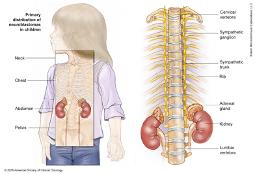
We gratefully acknowledge the American Society of Clinical Oncology Cancer.Net for permission to use the image above.
Current treatments for high risk neuroblastoma
Current treatment for a high risk neuroblastoma is extensive and is one of the most aggressive treatment regimes there is. It usually takes 11 to 13 months minimum with a large amount of that time spent in hospital or isolation. Frequently there is additional sickness due to treatments so often it can be far longer. Treatment often includes:
* 8 rounds of high dose chemotherapy, separated by 10 days to be completed within 70 days where possible (includes toxic chemotherapies including vincristine, carboplatin, etoposide and cyclophosphamide)
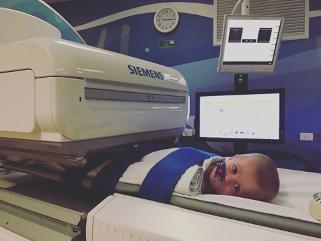
* Stem Cell transplant – takes 4-6 weeks, in hospital isolation and with very high dose cycle of chemotherapy (Busulphan and melphalan)
* Stem cell harvest where stem cells are collected over 1 to 3 days
* Surgery performed to remove the tumour if chemotherapy has worked – 3 to 4 week recovery
* Potentially 2 more cycles of high dose chemotherapy (toxic chemotherapies including topotecan, vincristine, and doxorubicin) If required to attack cancer further
* Radiation – site where the tumor was located is radiated every day for 21 days (often with a general anaesthetic)
* Immunotherapy – infusion over 5 days every 4 weeks for 5 courses
Stem Cell transplant is one of the toughest times as explained by Teniele, Aunt to Lukas
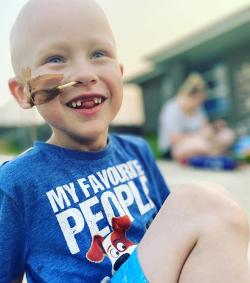
“Transplant was frightening. I mean, I write this from the perspective of being an aunt. I cannot even articulate how frightening it was for Lukas’ mum and dad to have to be present during such an anxiety ridden time. We had to take the transplant every day by day, hour by hour, minute by minute and sometimes even second by second. We hovered constantly over our phones waiting for updates, results and treatment plans that would change to manage arising symptoms. Mucositis (oral and intestinal) or nausea and vomiting just to name a couple. Then the day came, day zero when our warrior was transfused his stem cell rescue. His rebirth. Then it was a waiting game. Waiting for the stem cells to engraft into his bone marrow. Many days passed with Lukas having 0 counts. Being kept alive and supported by multiple infusions of red blood cells, platelets, electrolytes, fluid and antibiotics. Then it happened. I remember being told by my daughter “it’s happened. He is engrafting….he has made his own cells’. To say that the entire family was jumping for joy would be really under representing what this moment really meant to us all.”
What
Neuroblastoma Australia does with funds raised
OUR FOCUS IS ON THE PRECLINICAL STUDIES STAGE
Design Test
IDEA / DISCOVERY INVENTION & PROTOTYPE
PRECLINICAL STUDIES
REGULATORY & ETHICS REVIEW
TWELVE
PRE-CLINICAL PROJECTS HAVE BEEN FUNDED BY NEUROBLASTOMA AUSTRALIA WITH 4 GOING INTO CLINICAL TRIAL.
Fund leading pre-clinical research
Current treatments are only saving around 50% of children diagnosed with neuroblastoma and leave lasting long term affects on at least a third of the children treated due to the toxicity of treatment.
Study Data
New treatments are needed which are not simply intensifying current treatments but providing new approaches. New drugs need to be found which are more effective and less toxic which is why we focus on preclinical research.
POST-MARKET STUDIES / SURVEILLANCE CLINICAL TRIALS
REGULATORY REVIEW & DECISION MARKET RELEASE
CHILDREN WILL OFTEN SPEND APPROX. 9 TO 14 MONTHS ON TREATMENT IF NOT LONGER. THE ACTIVITY PACKS ARE SPECIALLY DESIGNED TO PROVIDE DISTRACTION AND ENTERTAINMENT.
Support the Community
Neuroblastoma Australia provides support to families affected by neuroblastoma
* Maintains up to date and comprehensive information about the disease on the website and provides guidance to parents seeking specific information
* Organises events and conferences where families can interact with other families
* Provides activity toy sets to children who are on treatment for neuroblastoma or at home in isolation. Children will often spend approx. 9 to 14 months on treatment if not longer and often have to sit or lie in bed due to the transfusions or drips or because they are unwell. The activity packs are specially designed to provide distraction and entertainment.
* Provides peer to peer support through the provision of introductory groups for newly diagnosed families via a qualified social worker as well as a bereavement support group.
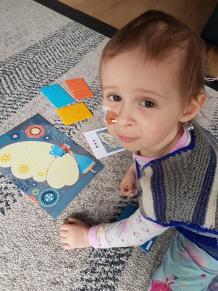
countless hours playing with the colouring and craft sets”
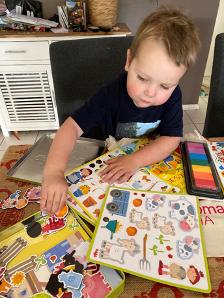
Jacqui Oakley
Recent funded projects
With your help, we can develop better and safer treatment options for children and ultimately get to a cure for neuroblastoma.
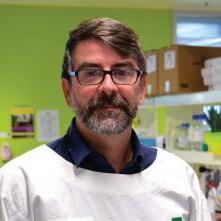
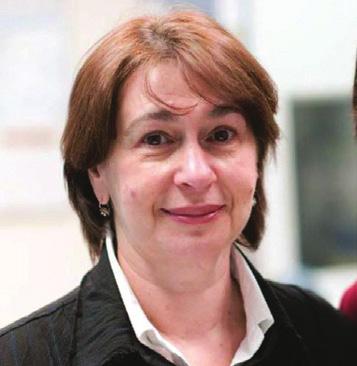
CBLO137 combination research –testing new drug combinations which are more effective and less toxic for children.
Dr Jamie Fletcher
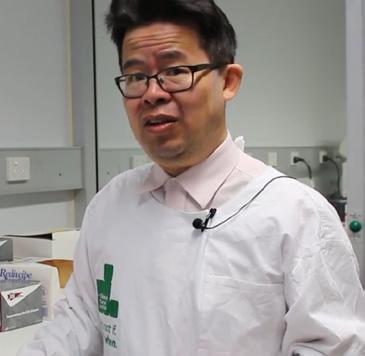
Venetoclax combination research – testing the drug venetoclax in combination with other drugs to see if there is synergy and potential to improve treatments (collaborating with US and Netherlands).
Dr Jamie Fletcher
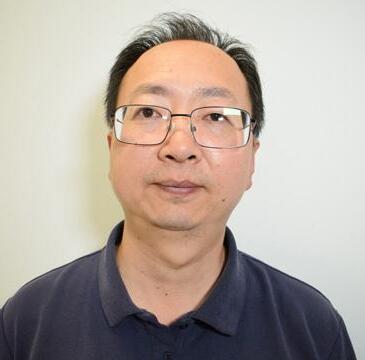
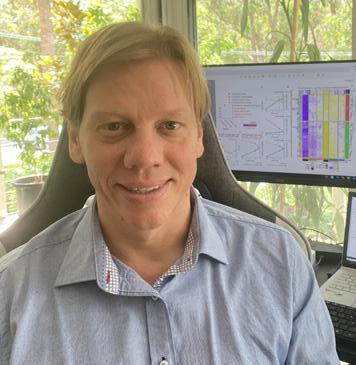
TERT oncogene research project –focusing in on the highest and most aggressive form of neuroblastoma by identifying the key drivers in such tumours.
Assoc. Prof Tao Liu
TERT
CBLO137
VENETOCLAX
CAR T-CELL
DFMO & AMXT1501
CHROMOSOME 17 & MYNC
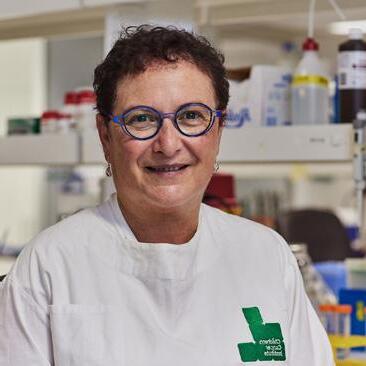
CAR T Cell therapy research project –making thebody’s own killer cells effective on neuroblastoma tumours.
Dr Alla Dolnikov
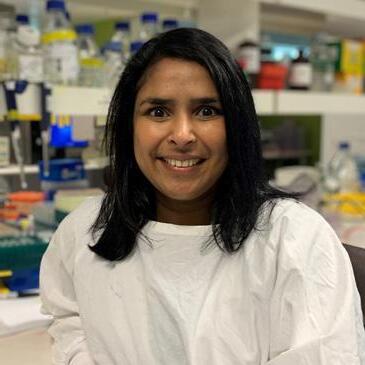
DFMO and AMXT1501 combination research –testing a drug andpolyamine combination which could stop tumour growth –looking to move this into a global phase 1 clinical trial in 2022.
Dr Ruby Pandher
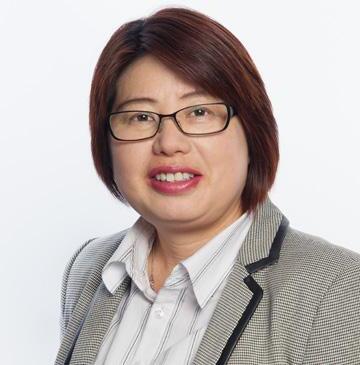
This project is to develop a therapeutic strategy that targets the crosstalk between chromosome 17 and the MYNC gene.
Dr Kevin Wang
NANOTECHNOLOGY NEW DIAGNOSTIC TARGETTING MYNC GENE
Development of a GD2 immunotargeted gene silencing nanotherapeutic against neuroblastoma.
Prof Maria Kavallaris
Creating a single‐cell diagnostic tool to direct choice of targeted combination therapy in advanced neuroblastoma
Dr Daniel Carter
Novel combination drug strategies aimed at inactivating the cancer driver gene MYCN.
Dr Belamy Cheung
HUMANISED MICE MODELS
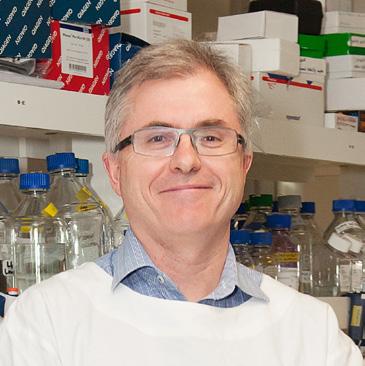
Developing humanised mouse models which are immuno-competent to develop immune-oncology research.
Dr Toby Trahair
AURKA PROTACS ROLE OF BUD23 GENE
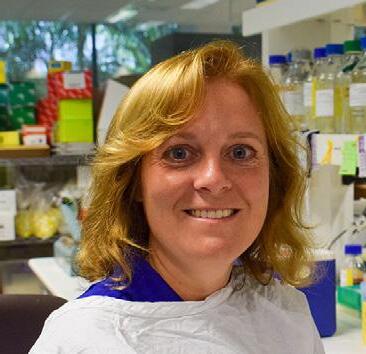
Investigating the anti-tumour Immunity and impact of AURKA protacs.
Dr Emmy Dolan
Researching the impact of the BUD23 gene in cancer development.
Assoc. Prof Tao Liu
Financial needs to deliver research and family support for ����
Research Projects and Funding Requests
Research for a cure - Pre-clinical research
CAR T-Cell therapy continuation $50,000
TERT further research
$100,000
Nanotechnology further research project $100,000
Grant for a innovative pre-clinical research $175,000
C linical trial support for global trial: DFMO and Polyamine AMX1501
Family Support Research
Development of a registry (research/late effects)
$250,000
$38,000
Parent conference $22,000
Psychological Support/counselling for parents and siblings $15,000
The ultimate goal of Neuroblastoma Australia is to fund more effective and safer treatments for neuroblastoma until there is a cure for all children. Until that point is reached Neuroblastoma Australia is supporting families on their often traumatic journeys and is undertaking research looking into the late effects of treatments and also the toll a neuroblastoma diagnosis takes on the whole family. Late effects include hearing loss, dental issues, stunted growth, bone and organ issues, infertility, learning difficulties, depression and secondary cancers. Neuroblastoma Australia is working with the Behavioural Sciences Unit at Sydney Children’s Hospital to assess these areas and has funded a number of research projects. The goal in 2025 is also to set up a registry so patients with neuroblastoma can be contacted for research if they are interested in taking part.
Total Research Funding by Neuroblastoma
RESEARCH FUNDED
CHILDREN’S CANCER INSTITUTE AUSTRALIA
PROJECT NAME AMOUNT FUNDED YEARS PURPOSE
HUMANISED MICE MODELS
AURKA PROTACS
ROLE OF BUD23 GENE
NANO-TECHNOLOGY
TARGETTING MYNC GENE
TERT ONCOGENE
VENETOCLAX DRUG
CAR T CELL THERAPY
TARGETTING ALREF
XENOGRAFT MODELLING
$150,000 2025 -26
$150,000 2025 -26
$150,000 2025 -26
$175,000 2023 -25
$72,688 2023 -25
$300,000 2019 -24
$225,000 2019 -24
$175,000 2019 -24
$125,000 2009 -23
$143,631 2018 -20
This projects builds on our previous Xenograft model project. It is focused on creating immunocompetent humanised mouse models which will help develop immune-oncology research.
This project investigates the anti-tumour immunity and impact of AURKA protacs, a new exciting research area.
This research investigates the role of gene BUD23 to understand if it is involved in the development of neuroblastoma cancer cells
Development of a GD2 immuno-targeted gene silencing nanotherapeutic against neuroblastoma.
Novel combination drug strategies aimed at inactivating the cancer driver gene MYCN in collaboration with The Kids Cancer Project.
This is a totally new research area looking at TERT oncogene which is involved in very high risk disease.
This drug is showing promise and funding is used to work out possible drug combinations which will lead to even better results.
This project focuses on developing CAR T cell therapy to make it effective on neuroblastoma tumors.
Accessing the crosstalk between chromosome 17 and the MYNC gene.
Work has led to a range of neuroblastoma models which are useful for research throughout the world.
CHILDREN’S CANCER INSTITUTE AUSTRALIA RESEARCH FUNDED
CBLO137 DRUG
DFMO DRUG
ZERO
PRE-CLINICAL RESEARCH
$558,180 2010 -18
$546,964 2009 -12
This drug was tested on its own with strong results and will now move into clinical trial in 2021. Funding has also supported testing it in combination with panobinostat.
This drug has been tested alone with promising results and will now move into a combination clinical trial with a polyamine in 2022.
$55,000 2010 This trial which includes genome profiling has developed into a major project funded also by the Government and will be extended further to include more high risk children.
$419,967 2009 -15
Supporting research of Prof Michelle Haber, Prof Murray Norris and Prof Glen Marshall.
SUBTOTAL $2,446,430 22
OTHER RECIPIENTS
UTS
CANCER COUNCIL
PETER MACCALLUM
UNSW
KIDS CANCER PROJECT
$175,000 2023 -25
$161,591 2014 -17
$29,300 2018
$51,930 2019 -22
Funded Dr Daniel Carter for his project focused on creating a single‐cell diagnostic tool to direct choice of targeted combination therapy in advanced neuroblastoma.
Funded research Assoc. Prof. Tao Liu, carrying out research into assessing the genes involved in neuroblastoma.
Research into radionuclide therapy – testing separately and in combinations.
Study assessing late effects from current neuroblastoma treatments.
$13,655 2015 Overall research.
TOTAL $3,727,906.00