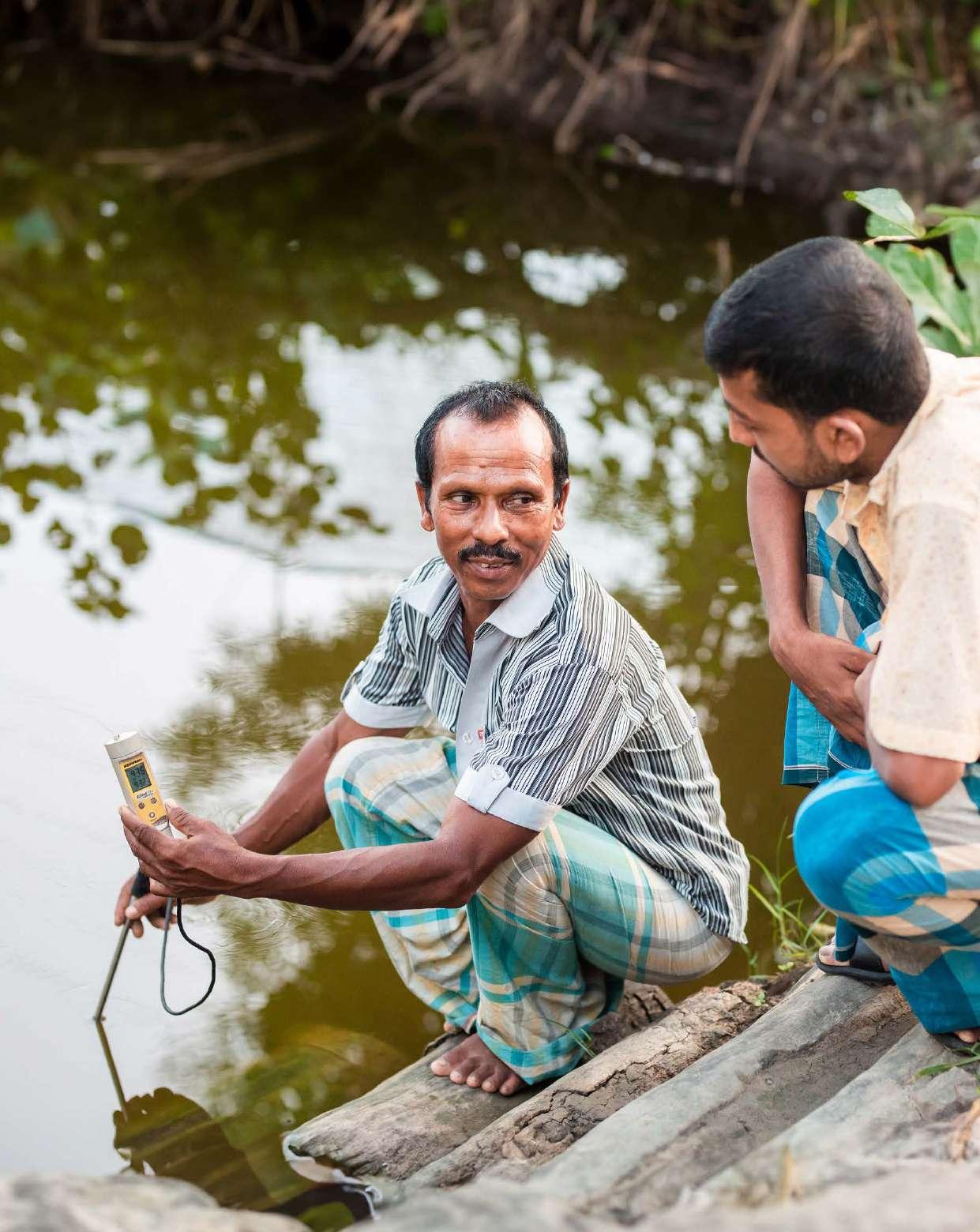
Emphasizing the role of cross-sectoral collaboration and partnerships
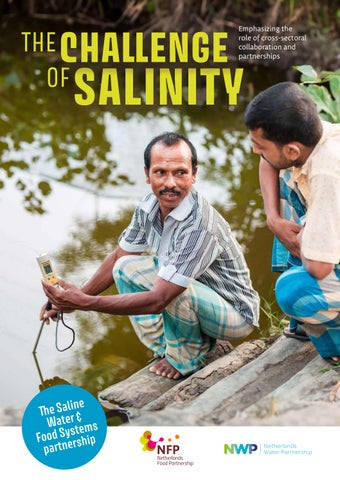
Emphasizing the role of cross-sectoral collaboration and partnerships
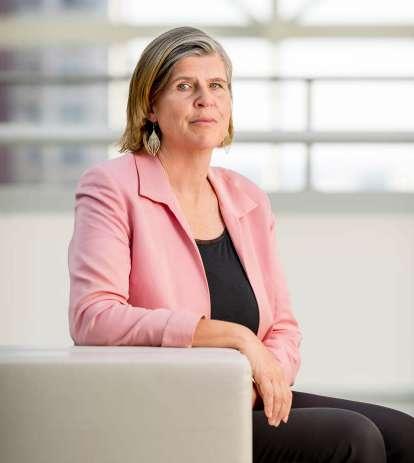
I am delighted to introduce this edition of the Salinity Magazine, a milestone publication crafted through the collaborative efforts of the Netherlands Food Partnership and the Netherlands Water Partnership as part of their Saline Water & Food Systems partnership.
Our freshwater resources are increasingly saline. This threatens food security. The genesis of the Salinity Magazine is a shared recognition of the urgent need to address the complex interplay between salinity, water security, and food production. Climate change exacerbates salinization of surface water and groundwater resources through longer droughts and dropping groundwater tables. Rising sea levels cause salt water intrusion. Overexploitation of groundwater, often by agricultural users, also leads to salinization. This was also acknowledged during an international high level dialogue on saline agriculture at COP28 in Dubai, which I had the honor of moderating.
Water and food technology can help in climate adaptation. For instance, progress on salt-tolerant crops has been impressive. But we also have to realize that technology alone will not be sufficient. We need to protect our natural water buffers in aquifers, wetlands and lakes. Plus our spatial planning will have to be guided by water and soil considerations. With a changing climate, more erratic rainfall patterns and salinization of freshwater
resources, not all economic and agricultural activities will be possible everywhere anymore.
The Saline Water & Food Systems partnership stands for integrated action — a philosophy that resonates with my own dedication to cross-sectoral collaboration. We need to work across disciplines and across sectors. Salinity issues transcend disciplinary boundaries. Agronomists are great at optimizing crop per hectare and crop per drop under changing circumstances. Hydrologists can help with estimating water availability and devising measures to regulate water availability. We need engineers, economists, ecologists, and social scientists. Growing sufficient food in a changing climate calls for a holistic approach that engages actors from the water and food sectors and beyond. By harnessing the collective expertise and resources of diverse stakeholders, we unlock synergies and amplify impact.
The content of the Salinity Magazine reflects this holistic approach. You can read an array of perspectives, insights, and case studies from around the globe. I appreciated the in-depth background articles explaining the scientific complexities of salinity. I also enjoyed the compelling project examples showcasing real-world interventions. Each section is made to inform, inspire, and empower water and agriculture professionals like you. I am happy that the magazine highlights the contributions of Dutch actors and our international network of partners. I trust that these examples will foster collaboration and knowledge exchange on a global scale.
I invite you to read this Salinity Magazine, to learn from others, to challenge assumptions, and to contribute with your own perspective to the ongoing conversation. Let us join forces to address salinity challenges so we can feed the world and manage our water resources sustainably.
Meike van Ginneken
Water Envoy for the Kingdom of the Netherlands
By publishing this Salinity Magazine we have the ambition to provide professionals and practitioners working in the international water and agrifood sectors with an easily accessible and attractive reference publication relevant to the challenge of global salinity.
Ivo Demmers Executive Director, Netherlands Food Partnership
our work is the promotion of an integrated systems approach, which has led to the implementation of seed money projects in various LMICs, knowledge-sharing workshops, and a series of networking activities targeting both the Dutch and international networks.. A Saline Agri Map (SAM) has been developed in collaboration with Vrije Universiteit Amsterdam to share information about projects and lessons learned in the area of saline agriculture.
Rick Elmendorp Director and Chair, Netherlands Water Partnership
The Magazine is one of the outputs of the Saline Water and Food Systems (SWFS) partnership and several of its international partners. In 2022 the Netherlands Food Partnership (NFP) and the Netherlands Water Partnership (NWP) launched the SWFS partnership as a cross-sectoral collaboration to strengthen cooperation between the Dutch water and agrifood sectors to address the challenge of salinity in low and middle-income countries (LMICs). It has been supported by various organizations in the Netherlands, including the Dutch Ministry of Agriculture, Nature, and Food Quality. Through the networks of NFP and NWP, we facilitate the collaboration of stakeholders from diverse sectors, including governmental ministries, esteemed knowledge and research institutes, Non-Governmental Organizations, and corporate entities within the water and food sectors.
This unique cross-sectoral collaboration aims not only to convene and connect networks, but also to add value in addressing the challenge of salinity together. Central to
International policy advocacy is greatly needed to elevate the prominence of the topic on the political agenda. For this reason, we have also intensified international collaboration with organizations and platforms working on salinity. In order to create impact on a global scale, collaboration was sought with organizations such as the United Nations Food and Agricultural Organization (FAO), the Global Framework on Water Scarcity in Agriculture (WASAG), the International Water Management Institute (IWMI), the Global Soil Partnership’s International Network on Salt-Affected Soils (INSAS), and research institutes like the International Center for Biosaline Agriculture (ICBA), all of which have a long-term engagement with the topic. We joined forces to raise (policy) awareness about salinity challenges during a session at COP28 and through the efforts of FAO’s WASAG initiative. Moreover, the collaboration kickstarted an initiative to develop and implement a Global Campaign on Salinization.
We sincerely appreciate the contribution of international and national partners, some of whom are featured in next sections of the magazine, and look forward to continuing this collaborative journey. We hope you will join us in addressing the salinity challenge together and interact through platforms such as NFP Connects. Let’s raise awareness, share lessons learned, engage with the international network and develop initiatives capable of preventing, mitigating, or adapting to salinity. For this purpose, the magazine not only provides background information but also aspires to offer inspirational examples and thought-provoking sections.
Salinity presents a significant global challenge, affecting both the developed and the developing world. To provide context, it is estimated that 400 million hectares of topsoil (0-30 cm) and 800 million hectares of subsoil (30– 100cm) are salt-affected soils 1. This poses serious threats to local as well as international food security, considering the interconnectedness of global food (and other agricultural products) supply networks. From an economic perspective, the global annual cost of salt-induced land degradation in irrigated areas is estimated to be at least € 21 billion (US$ 27 billion).2
What do we mean by salinization? In short, the terms refer to (increasing) levels of salt concentrations (sodium, calcium, magnesium or a mixture) in soil and/or water, which directly negatively impacts crop growth. While each crop has its own salt tolerance levels, the majority of the global food stocks are composed of relatively saline-sensitive crops. This includes wheat, rice, maize and sugarcane.3 Increasing salt levels in the soil, but also sudden, or seasonal differences in water quality, can negatively affect or completely obstruct crop growth. In addition, high
concentrations of sodium in particular in the soil can lead to overall land degradation. This, in turn, threatens global food security (SDG2), directly affecting the livelihoods of millions of (smallholder) farmers (SDG8) around the world as well as water-consuming industries (SDG6).
A few important observations should be made about the nature of salinity, in order to understand its cause(s) and potential response options. A first distinction is between soil that can be saline due to (historic) geological processes, versus soil that has become more saline due to human-induced practices. The first type is often difficult to alter, as it can be regarded as an environmental condition. Human-induced practices, however, include the use of irrigation systems. This might come as a surprise to some. But even fresh irrigation water contains some percentage of salts that will reside in the soil when applied, or when water evaporates. When irrigation is not coupled with appropriate drainage, there is a high risk of salt accumulation in the long run.4
A second distinction can be made between salts in the (sub)soil, and salt concentrations in water. Salts dissolved in water limit how much water plants or crops can physically absorb, and therefore reduce crop growth. Certain salts
in subsoil can have another type of impact: high levels of sodium damages soil structure, forming clayish particles, blocking soil pores and reducing the flow of groundwater in the essential root zone. This phenomenon is referred to as land degradation.
As previously mentioned, human-induced practices can increase but also successfully prevent or mitigate salinity issues. This section outlines a few response pathways to address salinity. We loosely use the spectrum of prevention – mitigation – adaptation to characterize these responses.
Prevention involves measures aimed at reducing the concentration or arrival of salts in water and soil in the first place. By keeping saline groundwater or tidal water at bay agriculture can be protected from their impact. Various technologies, such as tidal barriers and soil screens5, can be employed for this purpose.
Interventions that reduce the impact of salinity are characterized as mitigation measures. Improved irrigation and drainage practices, infiltration and recharge of freshwater resources, soil improvement techniques are only a few examples.
Adaptation includes measures that adapt (food) systems to more saline conditions. Growing salt-tolerant crops instead of conventional crops requires broad food system transformations. Also, aquaculture can be positioned in this part of the ‘spectrum’, especially when it’s an intentional measure in response to increasing salinity levels in a coastal zone.
As a cross-cutting response, it is important to develop long-term policies and organize inclusive stakeholder engagement processes for all different response strategies. Although salinity can vary greatly from location to location, a regional and integrated approach is
often needed to develop cost-effective interventions on the water, land and food systems level.
In the following sections of this magazine, particularly the four interviews, we will delve into greater detail on these challenges and explore potential solutions across various sectors.
Research on salinity includes environmental sciences (e.g. soil, chemistry, geohydrology, water quality, and plant (physiology) disciplines). Also, the socio-economic sciences have taken an interest in the topic, from the perspective of policy, governance and economics. Climate research in particular, provides alarming messages in relation to salinity, noting accelerating sea level rise, climate change impacts and precipitation patterns becoming more erratic. This underlines that salinization is an interdisciplinary topic, which requires an integrated approach. It is a global challenge that will be felt from wet coastal zones to arid inland regions, as well as on small island developing states.
The initial draft of this section has been reviewed by Kate Negacz (VU) and Judit Snethlage (WUR)
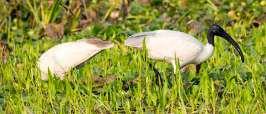
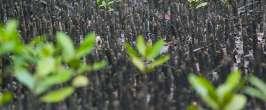
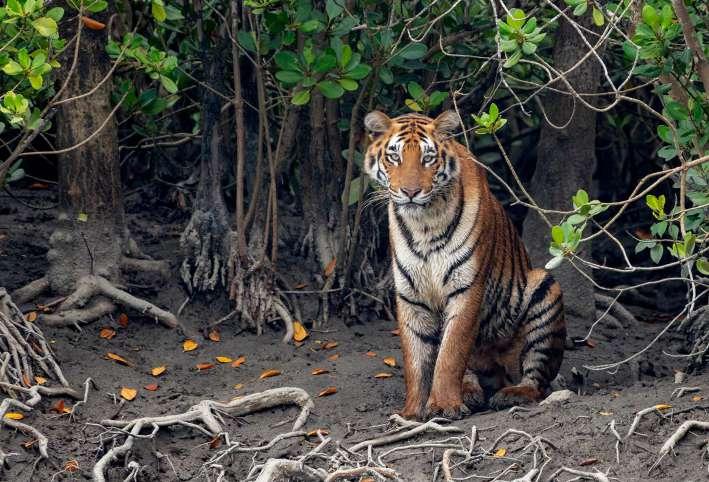
It is noteworthy that saline or brackish water conditions can support unique flora and fauna, and therefore can have an added value in environmental conservation and biodiversity. Coastal mangroves, such as the Sundarbans along the IndiaBangladesh coast, are among the richest biodiversity areas on the globe.
(Bengal tiger)
Saline groundwater deserves a special mention. Around the world, it is often a practice to use groundwater for human consumption and agriculture. Excessive groundwater extraction could stimulate the structural flow of (deep) saline groundwater towards upper soil layers. This process might be irreversible in coastal zones where pressure from saline ground- and tidal water intrusion is always present.
1 Global Map of Salt-Affected Soil, FAO; Saline soils worldwide: Identifying the most promising areas for saline agriculture, Negacz et al. 2022
2 Dealing with the global challenges of salinization; Drivers, challenges and solutions, WUR 2023
3 Farmers’ guidelines on soil and water management in salt-affected areas, FAO 2023
4 The state of the world’s land and water resources for food and agriculture, FAO 2011
5 The application of desalination plants to desalinate water is of a different nature than the focus of
(Semi)arid areas
Delta areas
Small Island Developing States
Netherlands
– Acacia Water
– Arcadis
– Cordaid
– Delphy
– Deltares
– Dutch Enterprise Agency (RVO)
– Hogeschool Zeeland
– Ministry of Agriculture, Nature and Food Quality
– Ministry of Foreign Affairs
– Nectaerra
– Royal Eijkelkamp
– Salt Doctors
– Salt Farm Foundation
– SALTA
– TU Delft
– Van der Hoeven
– Van Hall Larenstein
– Vrije Universiteit (VU)
– Wageningen University & Research (WUR)
International
– FAO-WASAG
– GSP-INSAS – ICARDA – ICBA – IMWI
Drivers (global importance)
– Sea level rise
– Temperature increase
– Natural soil salinization
– Population growth
Drivers (regional importance)
– Irrigation systems
– Overextraction of groundwater
– Land use change
– Use of de-icers
– Inland water diversion
– Melting glaciers
– Limited freshwater resources
Challenges salinization on food system
– Soil degradation
– Desertification
– Inadequate water quality
– Migration
– Adverse impacts on biodiversity
– Pressure on freshwater resources
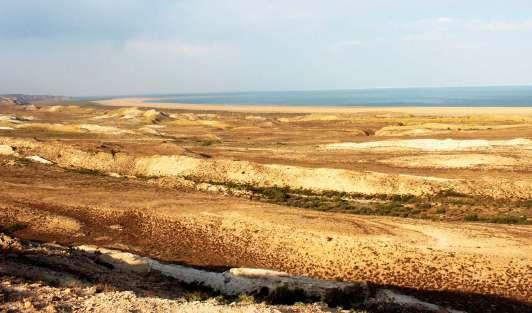
– Higher temperatures lead to more evaporation
– Irrigation systems lead to higher salinization
– Overextraction of groundwater leads to salinization
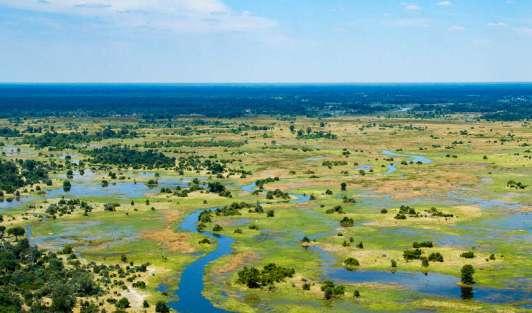
– Land subsidence increases salt water intrusion
– Overextraction of groundwater leads to salinization
– Sea level rise is pushing salt front land inwards
– Temperature increase leads to more evaporation
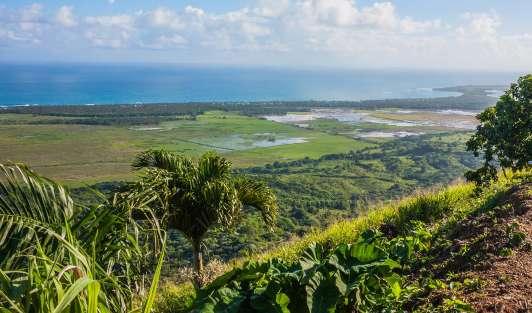
– Land subsidence increases salt water intrusion
– Sea level rise increases salinity coastal aquifers
– Temperature increase leads to more evaporation
Global annual costs (US$ 27.3 billion) €21.3 billion
The current global annual cost of salt-induced land degradation in irrigated areas is estimated to be EU € 21.3 billion (US$ 27.3 billion) related to lost crop production.
Salt-affected topsoil (0-30 cm)
424 million ha
Salt-affected subsoil (30-100 cm)
838 million ha
With the current information from 118 countries covering 85% of global land area, it shows that more than 424 million hectares of topsoil and 833 million hectares of subsoil are salt-affected.
Thirty crop species provide 90% of our food, most of which display severe yield losses under moderate salinity.
Salts per annum added in Europe 1 million x
Salts per annum added in USA 10 million MT
Europe adds 1 million metric tons of salts per year to the environment, while USA applies about 10 times more than this annually to paved surfaces, causing secondary salinization.
Irrigating agriculture with saline water will decrease the yield with around 17.3% compared to freshwater irrigation.
Estimates predict that 50% of all arable land will become impacted by salinity by 2050.
The Global Framework on Water Scarcity in Agriculture (WASAG) is a partnership hosted by FAO and which was established in April 2017 when partners adopted the Rome Statement. It consists of more than 70 partners committed to identifying priority actions for the adoption and scaling up of successful responses to increasing water scarcity and climate change threats to agricultural production. One of the six WASAG working groups focuses on saline agriculture; it develops, promotes and disseminates practical solutions for sustainable food production, as a response to increasing salinity affecting water and soils.

is one of the CGIAR Research Centers. CGIAR, a global research partnership for a food and water secure future, aims to use new knowledge and innovation to spearhead and accelerate a ‘food, land and water systems revolution in a climate crisis’ to meet the SDGs. IWMI has a 40-year track record of rigorous, solutions-oriented water management research in the Global South. The institute, located in Colombo, Sri Lanka, has a growing portfolio on salinity research with a geographic focus on Asia and Africa.
The International Center for Biosaline Agriculture (ICBA) established in Dubai, the UAE, in 1999, is an applied agricultural research center with a unique focus on marginal areas where an estimated 1.7 billion people live. It identifies, tests, and introduces resource-efficient, climate-smart crops and technologies that are best suited to different regions countries affected by salinity, water scarcity and drought. Through its work, ICBA helps to improve food security and livelihoods for some of the poorest rural communities around the world.
INSAS (the International Network on Salt-Affected
was launched in 2019 and is a Technical Network of the Global Soil Partnership (GSP). INSAS's mission is to support and facilitate joint efforts towards the sustainable management of salt-affected soils for food security, agricultural sustainability and climate
Agricultural Research in the Dry Areas) is a premier CGIAR center specializing in nontropical dryland agriculture that for over four decades has undertaken research-for-development to provide innovative, science-based agricultural solutions that improve the livelihoods resilience of rural dryland communities. They work on building farmers’ resilience to climate change-related water risks through crops and varieties that require little water, and that can withstand climatic stresses of heat, drought, and soil salinity, improve irrigation methods, and systems using modern irrigation techniques.
change mitigation. It develops knowledge products, trainings and webinars on the topic of salt-affected soils. The network is open to new partners and members, who can register via the website.
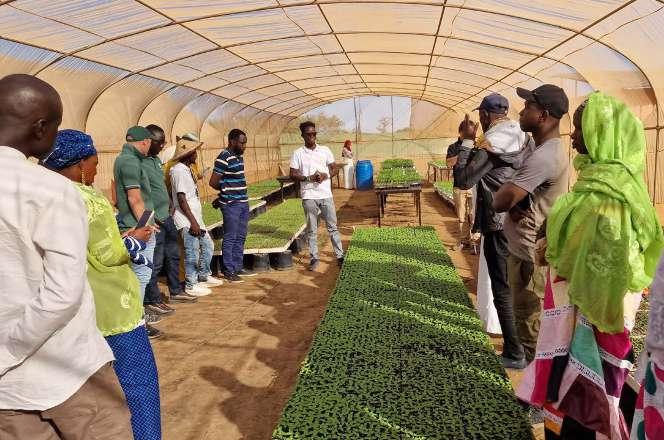
The Salt Doctors, a research and advisory company, have been involved in 53 projects and initiatives across 19 countries. Their focus is on creating resilient farming systems for salt-affected areas by providing practical training in the field and assisting with the implementation side, from sowing to harvesting. They work with salt-tolerant crops, but often a range of on-farm interventions including mulching, different irrigation and drainage methods could already have good results in response to salinity.
Previous sections of the magazine have discussed the global perspective on salinity issues and the global actor network. This chapter takes a different view and goes into practical interventions. When faced with salinity, what can be done locally?
The project in Senegal highlights the significance of collaboration, not only with local farmers but also with governmental institutions, universities, and both Dutch and local agribusinesses, including seed companies. However, Arjen emphasizes the cautious approach towards investments, highlighting the need for a thorough risk analysis and demonstrating solutions that offer benefits to farmers.
Arjen further elaborates on the challenges encountered in different regions, citing examples from Egypt and Bangladesh. In Egypt, land is often rented for a certain period of time resulting in a lack of interest in soil improvement, while in Bangladesh smallholders face their own set of constraints, including limited land size and governmental subsidies that may not always align with farmers' needs. Therefore, it is important to take into account the specific context and tailor the general approach as well as specific interventions.
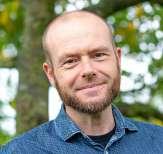
Recently, Salt Doctors started activities in Senegal, being part of two Impact Clusters1 aimed at addressing prevalent agricultural challenges and formulating tailored solutions. The projects focus on onions, potatoes and different vegetables. Soil salinization poses a significant threat to sustained productivity and climate resilience in Senegal. Inappropriate farming practices, such as excessive fertilizer use, sub-optimal irrigation methods, and leaving land fallow during hot summer months, contribute to soil degradation. Arjen de Vos, Director and Founder of The Salt Doctors, sheds light on their endeavors in Senegal.
‘In Senegal, our approach revolves around understanding the specific issues faced by farmers and devising suitable solutions,’ explains Arjen. ‘We work closely with farmer cooperatives and organizations, directly training and educating 300 lead farmers. Establishing demo fields allows us to closely monitor salt concentrations in the soil and develop effective strategies, such as crop rotation and implementing suitable irrigation techniques.’
Lessons learned from on-the-ground implementation emphasize the significance of accurate measurement and monitoring, empowering farmers with insights into soil salinity and water management. Arjen stresses the importance of long-term projects, noting that significant improvements in soil health and crop yields require sustained efforts over three to five years.
‘Structural improvements in soil health lead to increased crop yields, making it economically viable for farmers to invest in equipment and practices,’ says Arjen. ‘Our aim is to empower smallholder farmers with the knowledge and resources to make crop cultivation under saline conditions not only possible but also profitable.’
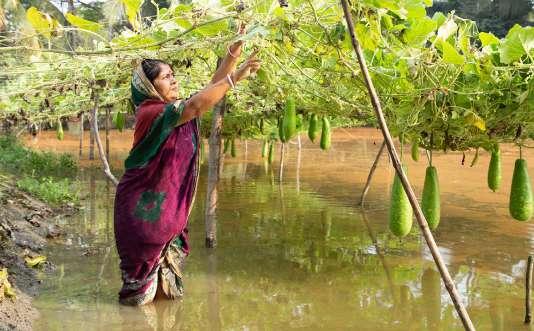
Wageningen University and Research (WUR) focuses on academic research and implementation science related to healthy food and living environment in the broadest sense. WUR addresses shortterm knowledge needs, as well as the formulation of research questions relevant for the longer term in these domains.
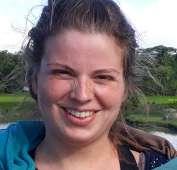

Judit Snethlage and Catharien Terwisscha van Scheltinga have been involved in the water and food team at WUR for many years, and work on salinity research. The majority of their work concerns international collaborative research activities.
They stress two topics when working on salinity: the need for integrated approaches, involving stakeholders from both the water and food sectors, and the identification of scenarios for decision-making purposes. Policy-making institutes as well as farmers have a need to reflect on the potential impact of their decisions; scenarios are a helpful tool for both stakeholder groups to weigh different alternatives and make informed choices.
When asked about contemporary knowledge gaps in the area of salinity, the two researchers refer to the growing need to know in a ‘higher resolution’ where salinity is felt, what its potential effects are on crops and the environment, and what could be done about it. As Judit explains: ‘We are developing a global long-term assessment of where salinity occurs, and where it will probably get worse in the future, considering various indicators including climate change, irrigation practices and
(ground)water extraction.’ Salinity is included as a priority topic in WUR’s multi-annual Strategic Research Programme.
Another message is to develop a long-term and close collaboration at the science-policy-practice interface. As Catharien explains: ‘In Bangladesh, WUR maintains partnerships with NGOs such as Solidaridad, who work closely with farming communities on challenges related to sustainable development. Long-term collaboration with the academic agricultural network, including the Bangladesh Agricultural University and Patuakhali Science and Technology University supports structural knowledge generation and exchange. And on the policy level, interaction takes place with the (departments of the) Ministry of Agriculture. Long term collaboration helps to develop trust, speaking ‘the same language’ and facilitates progress bringing research, in this case salinity research, from practice to policy.’
Finally, Judit and Catharien reflected on the complexity of salinity. Salinity cannot be addressed via agriculture alone, or via water system interventions alone. You also need a thorough understanding of the associated water and food system, including its actor network, the(inter) national value chains and crop growth processes, in order to understand the potential effect of interventions. Also, the geological history and soil structure play an important role in the cause and specific occurrence of salinization.
They concluded with the call to ‘bring different disciplines together and exchange knowledge in order to formulate much-needed action perspectives.’
WUR hosts the library of ILRI (the International Institute for Land Reclamation and Improvement). While it no longer exists, the institute was founded in 1955, after a large-scale coastal flood disaster submerged large parts of agricultural fields in the Netherlands with salty water. Its establishment represented an important step in sharing practical experiences of soil, water and agriculture and salinity and combining it with academic research in low-lying or reclaimed lands in the Netherlands and beyond.
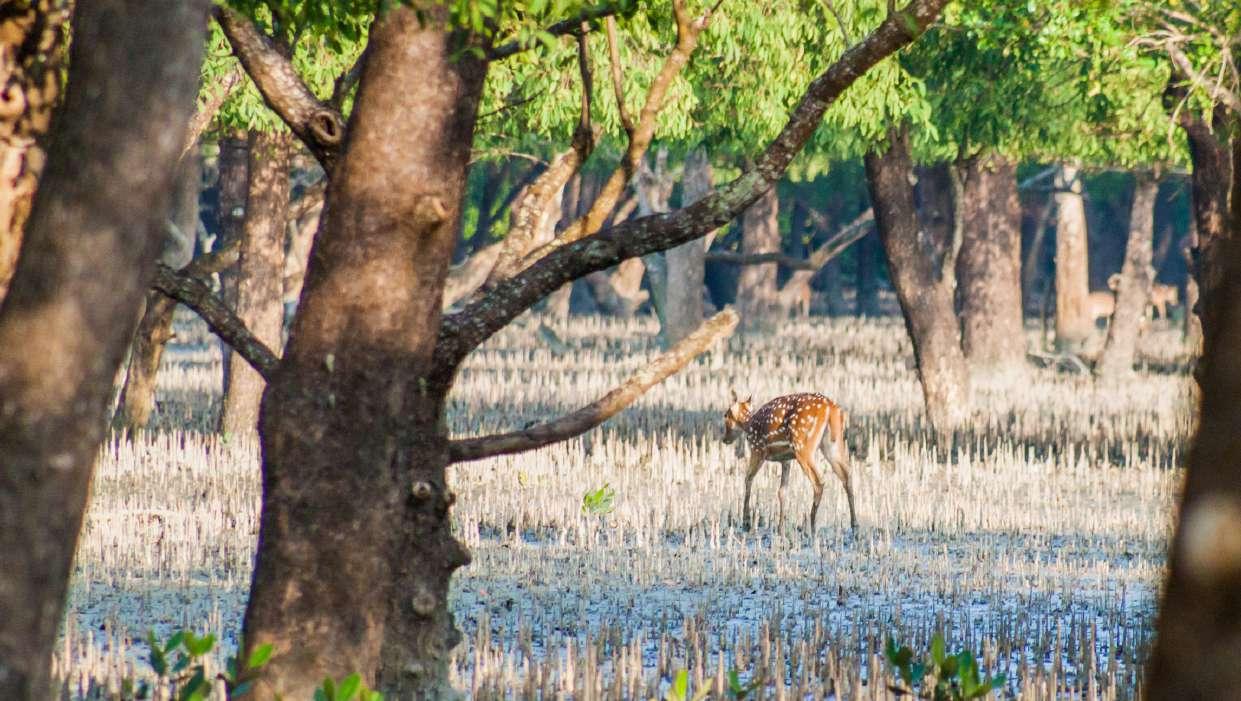
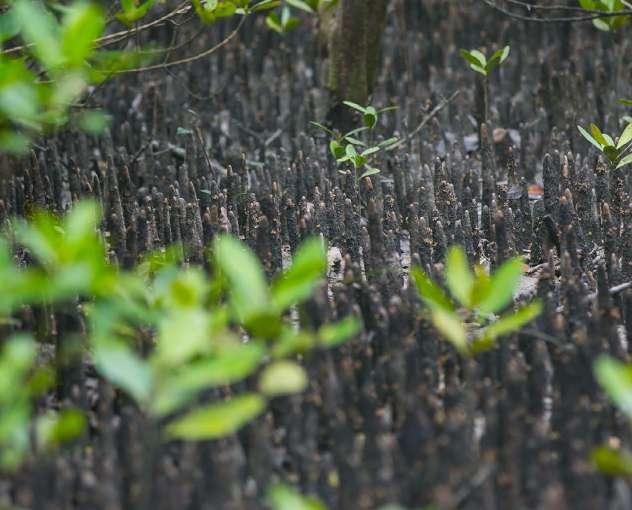
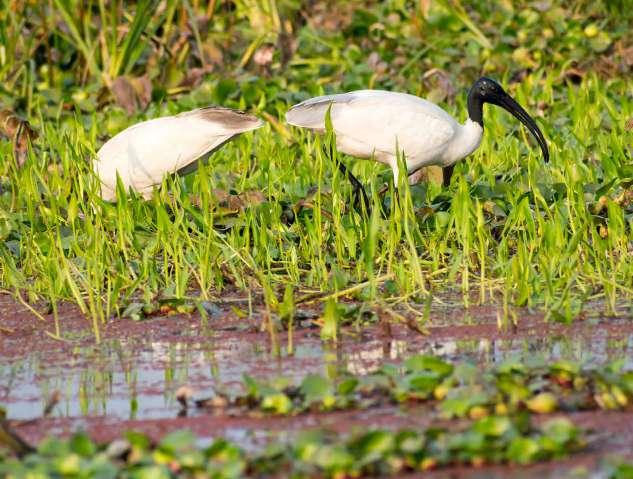
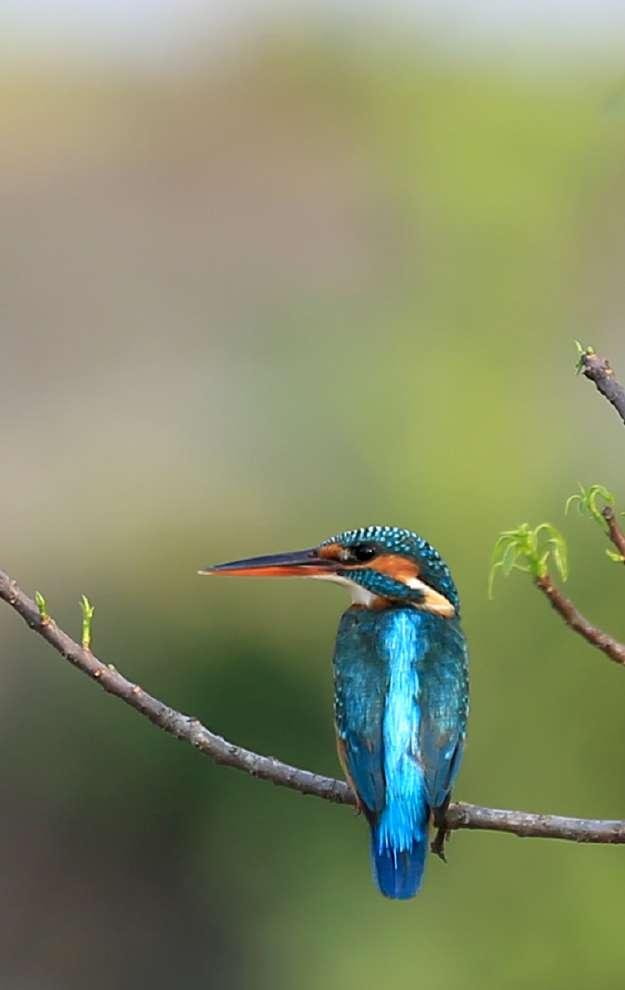
While salinity negatively impacts agriculture, saline environments are amongst the richest on earth in terms of biodiversity. Coastal wetlands act as interface between freshwater and marine environments. Their brackish environment is home to fish and other marine species, migratory birds and many other species. The Sundarbans mangrove forest, depicted here, is the largest interconnected mangrove forest in the world. It covers about 140,000 hectares along the coastal zone of India and Bangladesh and is described as a UNESCO World Heritage Site. The site is intersected by a complex network of tidal waterways, mudflats and small islands of salt-tolerant mangrove forests.
More on the Sundarbans
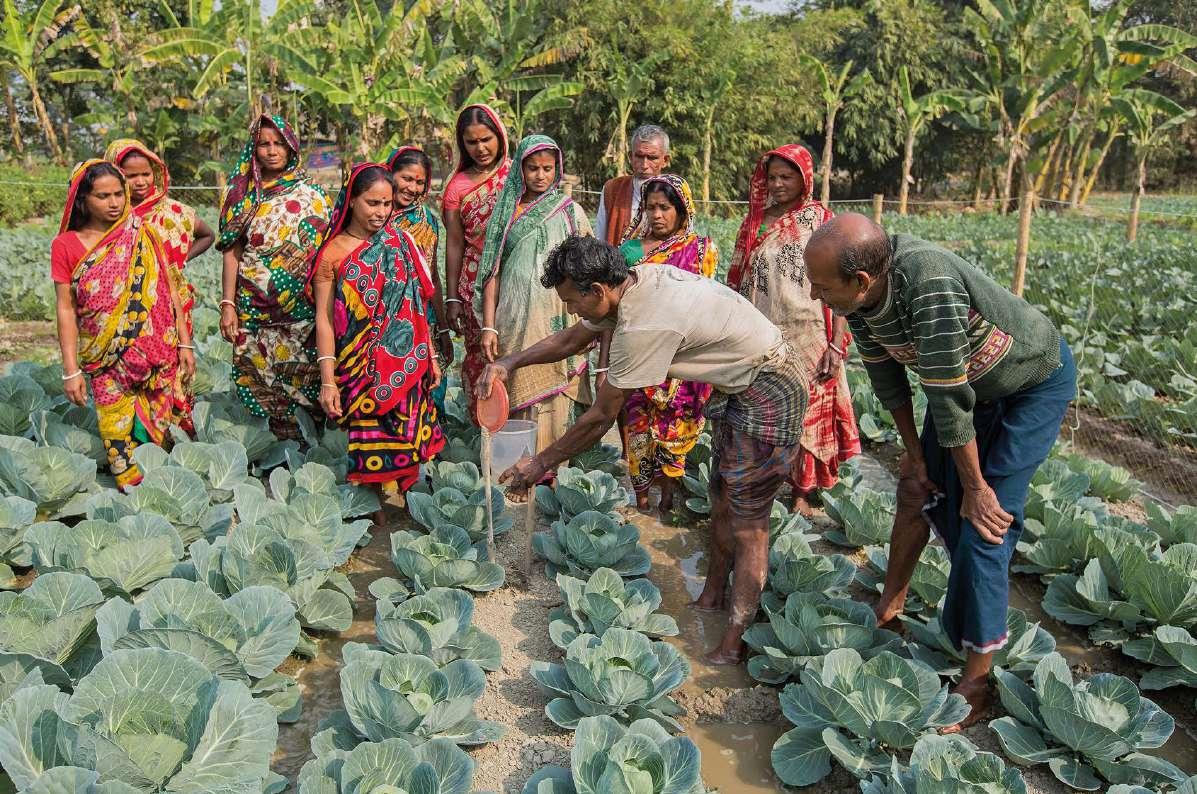
In the battle against salinity intrusion in Bangladesh's coastal regions, the COASTS project provides insights into how public-private collaboration can have an impact at the community level. This project, ‘Coastal Opportunities and Agriculture Solutions to Tackle Salinity’ (COASTS), is funded by the Dutch Government and steered by a publicprivate partnership led by Cordaid Bangladesh. It is an innovative strategy to combat the effects of salinity on agriculture and livelihoods.
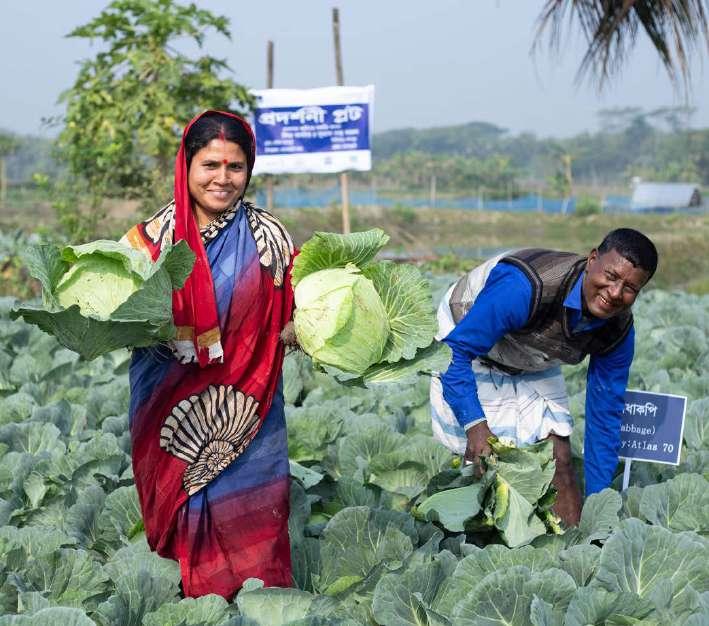
Salinity poses a significant threat to Bangladesh, particularly in its coastal areas. With the increasing frequency of cyclones due to climate change, vast stretches of farmland are inundated, rendering them unsuitable for cultivation. Approximately 30-35% of the population resides in the coastal delta region, with 30% of the land affected by cyclones. When cyclones hit shore, which happened most recently in May 2023, this resulted in damaged lands and disrupted crop cycles.
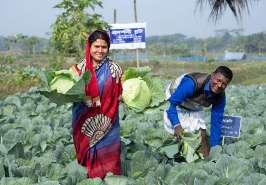
Arun Ganguly (Project Manager) and Razibul Kader (Project Monitoring Evaluation and Learning Coordinator) have been working on the COASTS project since July 2020. The COASTS project aims to address salinity by restoring and utilizing 5000 hectares of salt-affected land through the introduction of salt-tolerant seeds and innovative agricultural technologies.
What do they see as the highlight of the program? Arun Ganguly: ‘For me, three innovations stand out. Firstly, empowering female farmers with knowledge and tools to manage soil salinity effectively. Training is provided on utilizing smart devices for measuring salinity levels. Through the deployment of Farm Business Advisors (FBAs) equipped with smart devices to measure salinity levels,
farmers can make informed decisions about crop selection and soil management practices. Secondly, we use nature-based solutions to collect rainwater during the monsoon period for irrigation. And as a third, we bring in local and international seed businesses, which provide access to salt-tolerant varieties.’
Razibul Kader adds: ‘We target 50% of female farmers as direct beneficiaries. Through this program, women can make informed decisions about crop selection and soil management practices. This not only enhances agricultural productivity but also provides additional income opportunities, particularly for women farmers who play a pivotal role in sustaining their families.’
Part of the public-private partnership are seed company Lal Teer, the Bangladesh Agricultural University and the Soil Resource Development Institute of the Bangladeshi Ministry of Agriculture. Arun: ‘The government plays an important role; the government extension workers further facilitated the dissemination of best practices, creating an enabling environment for sustainable agricultural development.’ Lal Teer has a role in driving a business mentality and can discover markets for salttolerant seeds. Investments in developing salt-tolerant seeds are needed.
At the community level, the project fosters knowledge sharing and peer-to-peer learning by a ‘training of trainers.’ activity. Razibul continues: ‘The trained farmers go home and teach these techniques to other farmers. Thus the program impact is being scaled up. But still, a lot of untapped coastal areas are yet to be reached in Bangladesh. Aligning local and international efforts is needed to have a greater impact, which might be useful for other countries encountering coastal salinity.’
As the world strives to meet the targets outlined in the Sustainable Development Goals (SDGs), the impact of salinity on both soil and water emerges as a significant challenge. How can partnerships (SDG17) focused on addressing salinity contribute to SDG2, SDG6 and SDG13?
End hunger, achieve food security and improved nutrition and promote sustainable agriculture
High salinity levels in soil and water inhibit the growth of crops and compromise their nutritional value, making it increasingly challenging to achieve food security and adequate nutrition for vulnerable populations. Mitigating salinity's impact on agriculture is essential for safeguarding the right to food and combating hunger on a global scale.
Take urgent action to combat climate change and its impacts
Embracing saline agriculture presents a promising avenue for climate-resilient solutions. By utilizing lands unsuitable for conventional agriculture, saline agriculture not only expands agricultural productivity but also contributes to climate change mitigation and adaptation efforts. Implementing innovative salinity management strategies is crucial in fostering resilience to climate-related challenges.
Ensure availabilty and sustainable management of water and sanitation for all
The contamination of freshwater sources by saline water jeopardizes access to clean water for drinking, irrigation, and sanitation purposes. Effective management of salinity levels is paramount in preserving the quality and availability of freshwater resources, thereby advancing the goal of ensuring clean water and sanitation for all.
Strenghten the means of implementation and revitalize the global partnership for sustainable development
In conclusion, addressing salinity issues through sustainable agricultural practices, water management strategies, and innovative technologies is essential for achieving multiple SDGs. By tackling salinity, we not only promote environmental sustainability but also foster economic development and social well-being on a global scale. It is essential that stakeholders collaborate and prioritize salinity management as part of broader sustainability initiatives, ensuring a more resilient and prosperous future for all.
In October 2023, the Saline Agri Map was launched by NFP, NWP and the Vrije University Amsterdam (VU). The Saline Agri Map (SAM) is based on the results of the SALAD (Saline AgricuLture for ADaptation) research project, coordinated by VU. It discloses a range of projects on salinity currently taking place. SAM makes the global network of actors and their expertise in saline agriculture more visible and accessible.
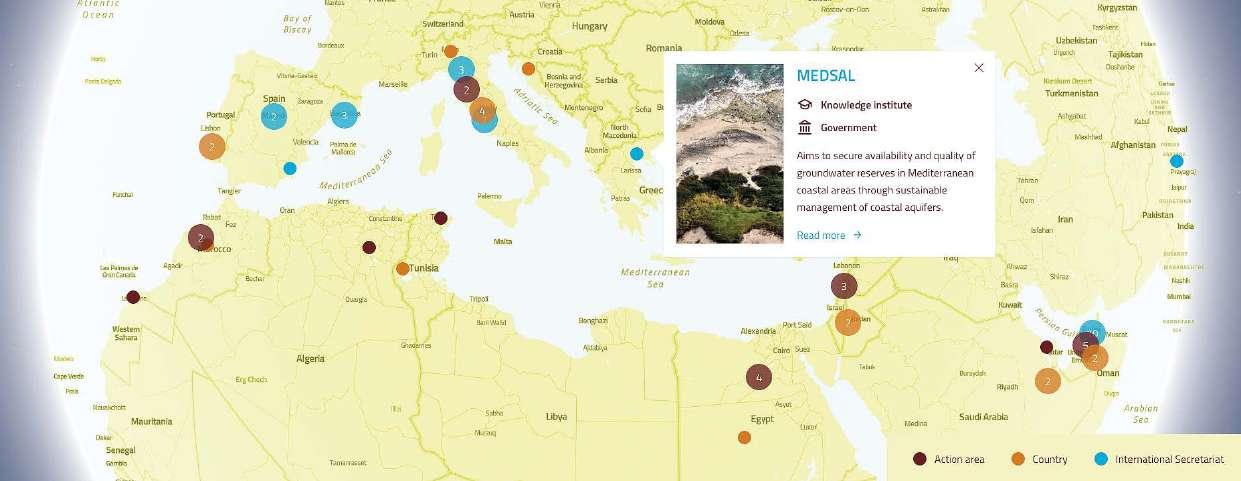
The projects or initiatives featured on the Saline Agri Map include a broad spectrum of initiatives, including both formal projects and innovative pilots. SAM features both active and completed initiatives, showcasing the evolution and outcomes of initiatives over time. It captures a diverse range of regions and countries, providing a comprehensive overview of global efforts in saline agriculture.
The map shows the location, partner network and results of saline agriculture research projects. The first uploaded batch of projects illustrates initiatives in Europe and North Africa. The next round of uploads will include projects geographically located in Asia and Africa.
If you would like to have your project displayed on the map, please review the following guidelines first. Projects or initiatives in the area of saline agriculture should…:
…include international and transnational institutions: These initiatives involve organizations that operate across international borders.
Include your projects? Take a look.
…be collaborative initiatives: that involve more than one partner/member. These initiatives can include a mix of participants, such as companies, civil society organizations, and government entities at various levels (national, regional, or local).
…work towards a common governance goal and significant governance function: These initiatives aim to influence policies and behaviors among their members or a broader community. They perform key governance functions to achieve their goals.
Text by Pim van Tongeren
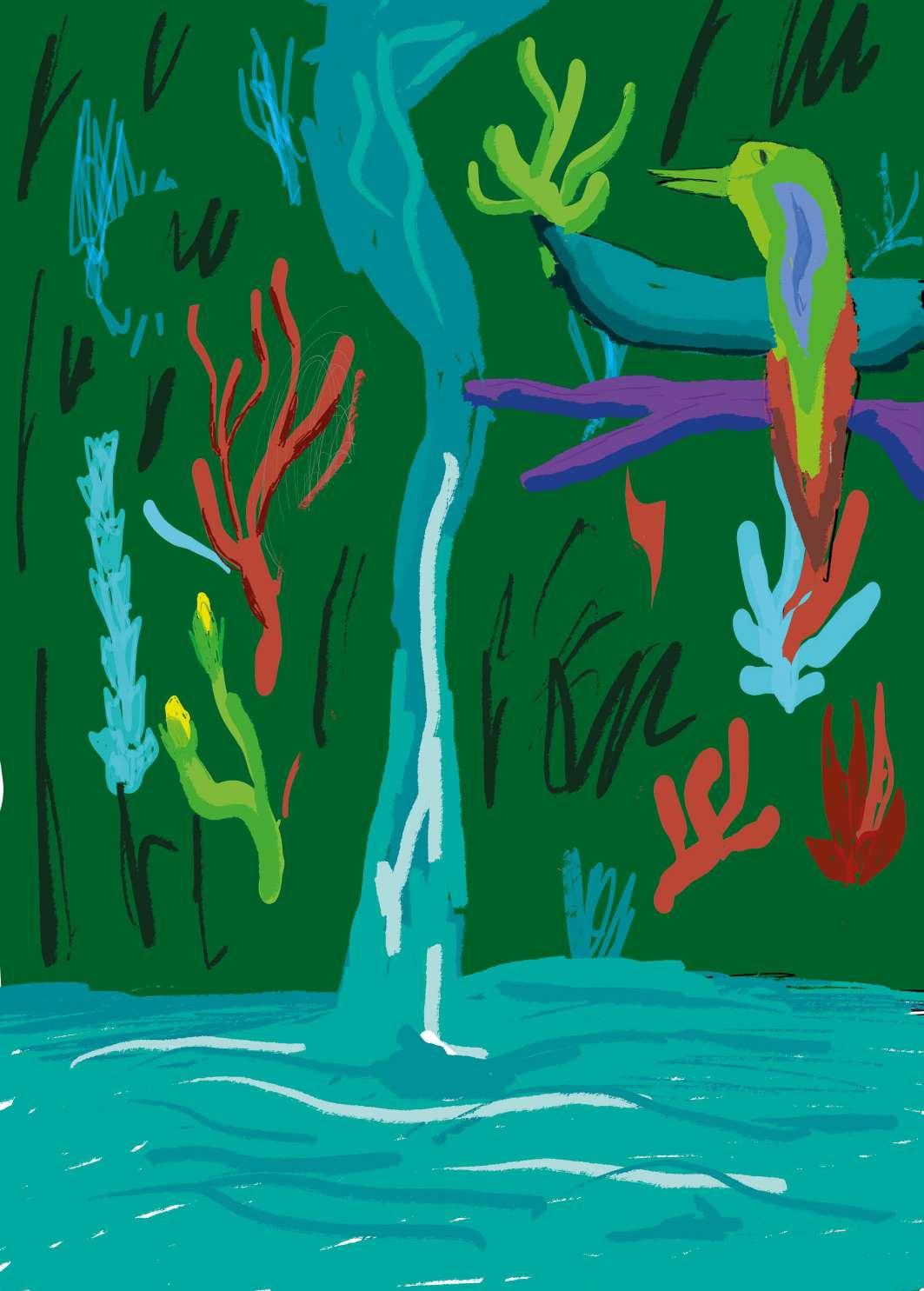
by Benjamin van Overbruggen (aged 8)
When the songs are sung, The days grow long, Beneath the fading sun’s embrace, The soil sighs, its strength undone.
Amidst the echoes, whispers of old tales, Once lush oceans, fields so green, Stars align, where dreams set sails, Sprouts a seed, where wonder is seen.
When veiled in darkness, A beacon of hope does gleam, From degradation and ashes, New life emerges, like a dream.
Together, united in purpose we share, Rises a promise, a message to send, Through nurturing hands and tender care, The Earth's wounds begin to mend.
When the dust settles, Revealing scars of time, In its quiet aftermath, New beginnings chime.
For in the cycle of life, there's a chance, In nature's rhythm, we find our way, With every seed that dares to dance, Hope blooms bright for Earth’s new day.
By publishing this Salinity Magazine we have the ambition to provide professionals and practitioners working in the international water and agrifood sectors with an easily accessible and attractive reference publication relevant to the challenge of global salinity. The Magazine is one of the outputs of the Saline Water and Food Systems (SWFS) partnership and several of its (inter)national partners.
International policy advocacy is greatly needed to elevate the prominence of the topic on the political agenda. Let’s raise awareness, share lessons learned, engage with the international network and develop initiatives capable of preventing, mitigating, or adapting to salinity.
Content and coordination
Martijn van Staveren and Babette Bodlaender
Contributions and reviewing Jean Ruhiza Boroto, Timo Cober, Ivo Demmers, Rick Elmendorp, Marc Fonseca, Arun Ganguly, Meike van Ginneken, Patricia Haverkamp, Razibul Kader, Maria Konyushkova, Simkje Kruiderink, Dionysia Angeliki Lyra, Sarfraz Murir, Vinay Nangia, Kate Negacz, Koen Overkamp, Ken Owino, Judit Snethlage, Catharien Terwisscha van Scheltinga, Pim van Tongeren and Arjen de Vos.
Concept and realisation
WIM Ontwerpers
Photo and illustration
Project photo Cordaid (p. 1, 4, 10, 12)
Project photo Salt Doctors (p. 9)
Shutterstock (p. 5, 16)
Wageningen University & Research (p. 6, 7)
Canva (p. 8, 11)
Benjamin van Overbruggen (p. 15)
More information
Netherlands Food Partnership
Arthur van Schendelstraat 500, Utrecht
Netherlands Water Partnership
Koningskade 40, Den Haag
April 2024 – nothing in this publication may be reproduced without prior permission