Designed for someone else
BETTER INTERVENTIONS START WITH ONE QUESTION: WHO IS THE FARMER?
BETTER INTERVENTIONS START WITH ONE QUESTION: WHO IS THE FARMER?
Everyone in the room has been given a character. Not themselves, but a farmer with different characteristics - gender, age, level of wealth, land access, proximity to markets, exposure to extension services. A statement is read out. If it applies to your character, you take a step forward. If it does not, you take a step back. No one speaks. This is called a power walk. The exercise takes a few minutes.
By the end, some people are at the front of the room and some are at the back. The distance between them is visible to everyone. And something that had been abstract, the unequal starting points of the farmers that agricultural programs are designed to serve, is suddenly, physically visible. “I didn’t have to say much,” says Julie Newton, who ran the exercise with the senior leadership of the Sustainable Farming program. “It became very clear.”
TEXT
Jasmijn Snoijink PHOTOGRAPHY
Rashida Chantima Ziblila
Stefan Egberts
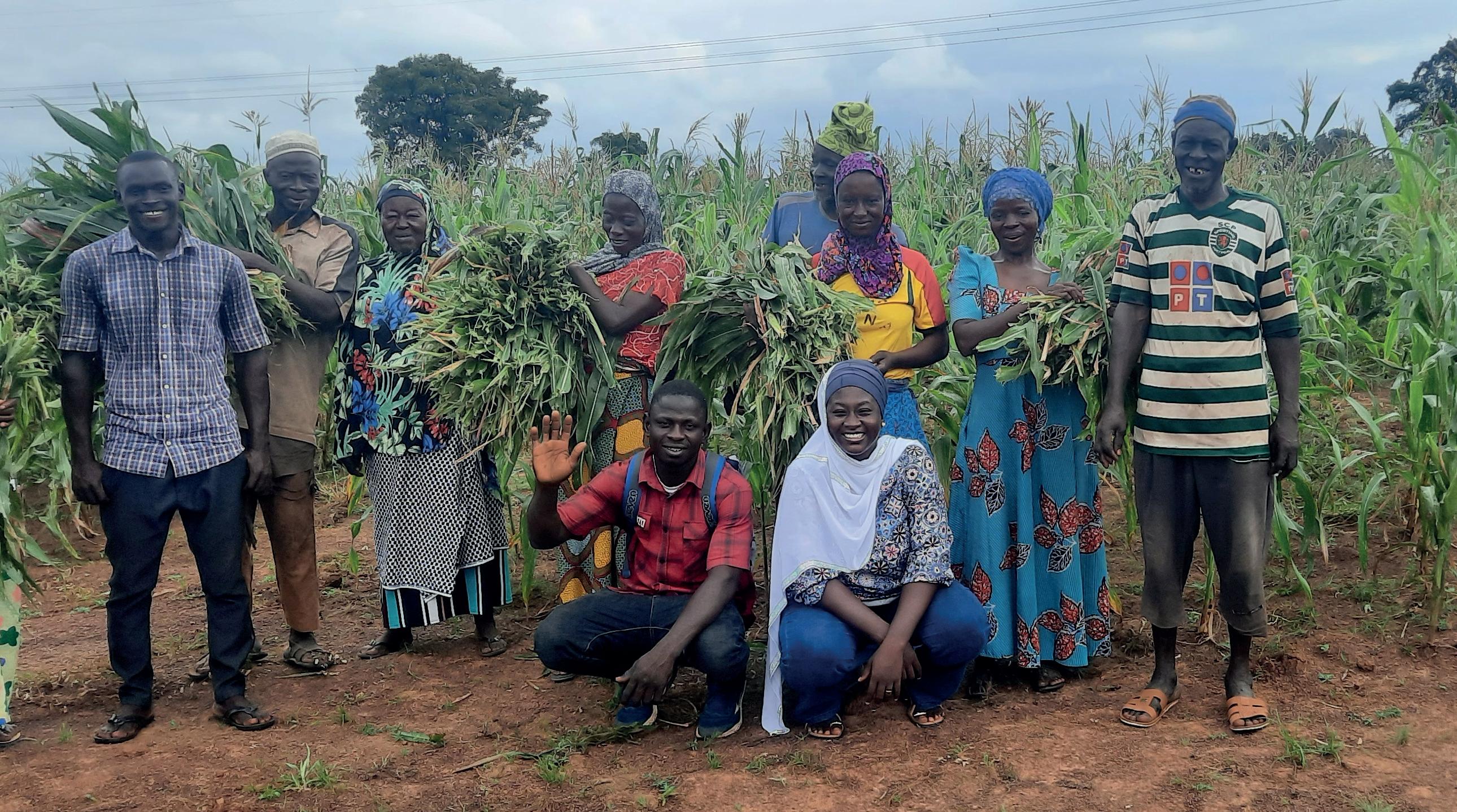
Whatbecame clear is a problem that runs through agricultural research and development worldwide. Governments, NGOs and international research programs spend vast sums designing interventions to improve the livelihoods of smallholder farmers. Many of those interventions work, technically. The seeds are better. The advice is sound. The mechanisation equipment saves time. Progress has been made - CGIAR and others have invested significantly in more inclusive, co-created research approaches in recent years - but the work is unfinished. Too often, the farmer assumed at the design stage still does not reflect the full diversity of those farmers the intervention is meant to serve. Women, older people, the landless, younger farmers, indigenous groups, those without access to markets or extension services: all these different profiles of farmers may be present in the same fields, but their differences are overlooked in the assumptions that shape the design. The implications are that interventions and technologies are not reaching those who need them most, or at worst, deepen existing inequalities and restrict progress on food and nutrition security. The Gender Equity and Inclusion Accelerator, part of CGIAR’s current portfolio of programs, exists precisely to address this. This is the problem
‘Too often, the farmer assumed at the design stage does not reflect the full diversity of those the intervention is meant to serve.’
that Julie Newton and Rashida Chantima Ziblila are working to change, one research team, one intervention, one conversation at a time - working from within the system to shift how it thinks.
Julie Newton is a gender researcher and advisor at KIT Institute in Amsterdam, where she has worked for around eleven years. Her path there was anything but direct. She grew up between South Africa during apartheid and Switzerland, and studied geography because it looks at the relationship between people and place and at the inequalities that shape both. Her undergraduate dissertation examined what was then called the triple role of women in the Global South: the idea that women in low-income countries simultaneously carry the burden of productive work, reproductive work and community responsibilities, yet remain largely invisible in development policy. Her PhD examined gender mainstreaming in agricultural extension in Namibia. After that came work on well-being
Most agricultural programmes are operating somewhere between reach and benefit. That is where the work pushes for more.
measurement at the University of Bath - involving research into how governments and communities define and assess quality of life in Bangladesh, Ethiopia, Thailand and Peru - followed by a period with the UK government’s Department for Environment, Food and Rural Affairs. With the University of Cardiff, she focused on research on building skills for sustainable communities within the UK. She then pivoted back to the Global South: first with VSO (Voluntary Service Overseas) and a local NGO called SAFE, working on shrimp workers’ rights in Bangladesh, then with Save the Children on food security and nutrition. It was there that she first worked alongside CGIAR partners. She joined KIT, she says, because it felt like finding a sweet spot: working at the interface of research, policy and practice, with scientists, NGOs, government stakeholders and farmers.
Rashida Chantima Ziblila grew up in Ghana with agriculture as a constant backdrop, something she says she could never escape and never wanted to. The turn toward gender as a specialism came during her undergraduate studies at the University for Development Studies in Ghana, through a field practical programme that took students out of the classroom and into rural communities. What she saw there, girls sitting at the back of meet-
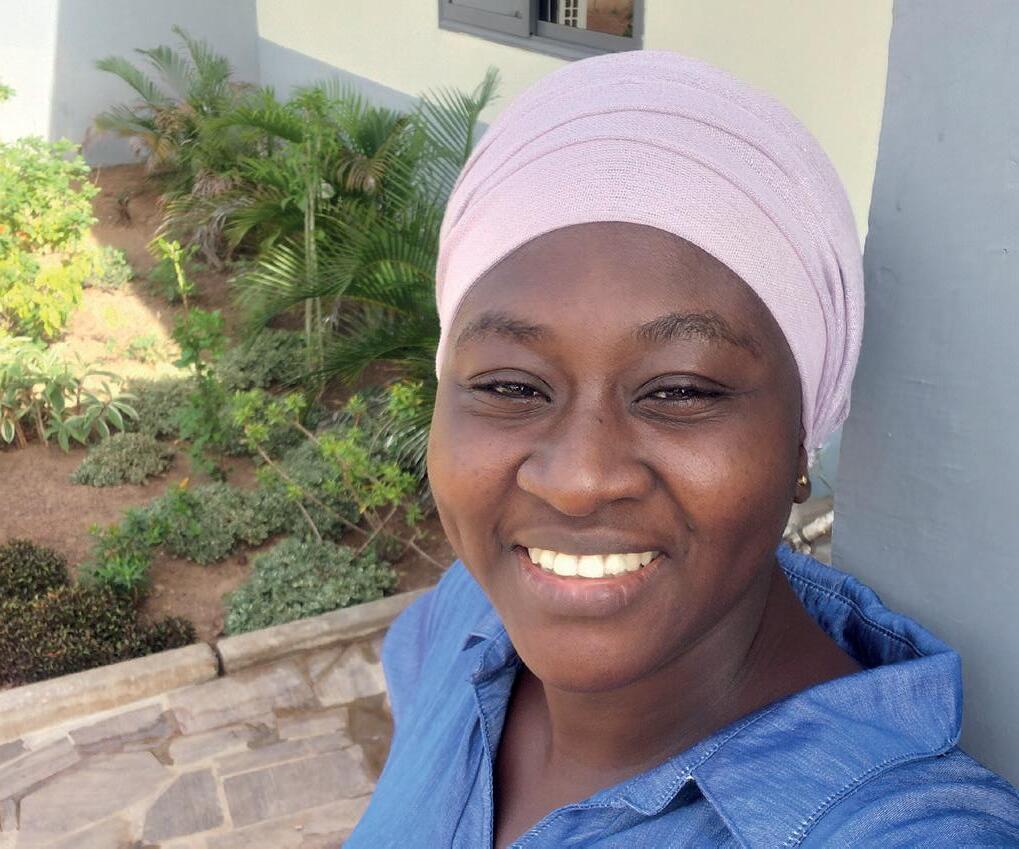
ings, women doing agricultural work while others controlled the decisions, matched something she had already felt: that structural inequalities rooted in cultural norms were holding people back, and that research could be part of changing that. Her undergraduate thesis examined the role of Queen Mothers in the northern regions of Ghana, a traditional female leadership institution in which women hold recognised authority within their communities, acting as advisors, mediators and guardians of cultural norms. Her master’s research looked at how commercial land acquisition affects the already fragile land rights of women. She is now an International Institute of Tropical Agriculture (IITA) gender specialist within the CGIAR Sustainable Farming program, based in Tamale.
Julie and Rashida were introduced in December 2024. Julie had taken up her NL-CGIAR Senior Expert assignment earlier, bringing her into CGIAR’s network of researchers and programs. It was
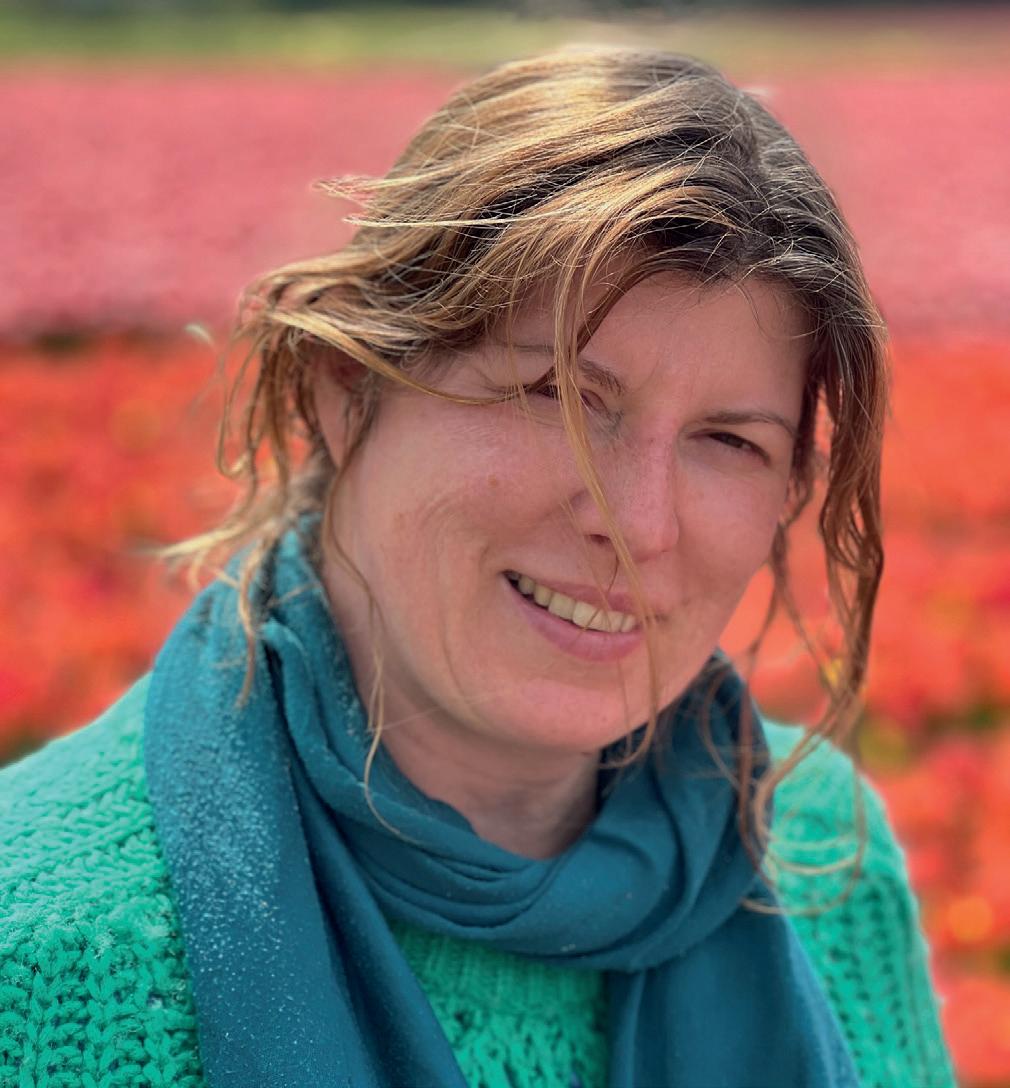
through that connection that she was introduced to Rashida - at a moment when CGIAR’s portfolio of programs and accelerators was being restructured and relaunched. Neither knew the other. Neither knew what the work would become. What has grown between them, through regular check-ins, shared documents and long conversations, is a working relationship Rashida describes in terms that are worth pausing on. All views are recognised, she says. Acknowledged. Respected. The agenda is not set for her; she is invited to bring what she knows. “It is not like things are being imposed on me,” she says. “I am being asked: what do you think? What are you seeing?” That quality of the collaboration, she is clear, is not incidental to the work. It is the same principle they are trying to build into agricultural research itself: that the knowledge of the person closest to the ground is not a variable to be managed, but the starting point. Julie works from Amsterdam; Rashida works in Tamale in northern Ghana, often, she says, with
Accommodative approaches work around the constraints women face. Transformative approaches ask why those constraints exist and focus on the structural roots of the constraints.
The innovation had reached women. It had not benefited them in the ways assumed.
her baby alongside her in the office. It is a small detail that sits precisely at the heart of what this research is about: the daily negotiations between work and care that shape women’s lives, and that most agricultural programme design does not see. The central analytical tool Julie and Rashida work with is the Reach-Benefit-Empower-Transform (RBET) framework, a structured approach to thinking about what type of equity result an intervention is actually achieving at different levels. Does it reach the intended group? Do they genuinely benefit? Does it contribute to empowerment, more agency, more decision-making power? And does it address and transform the structural causes of inequity, not just its symptoms? Julie has contributed to the development of this framework through her earlier work, including a gender integration guidance note co-authored with WorldFish (a CGIAR Center), which has also shaped how she approaches her coaching work. Most agricultural programmes, she explains, are operating somewhere between reach and benefit. That is where the work pushes for more.
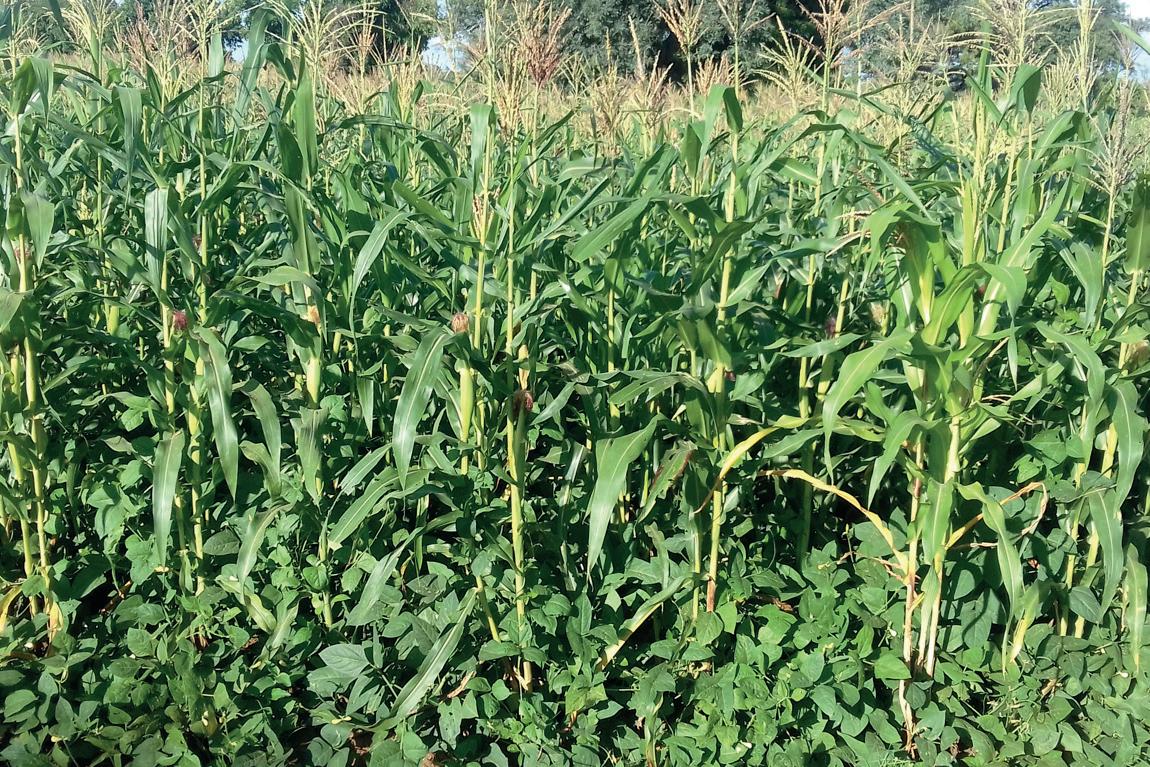
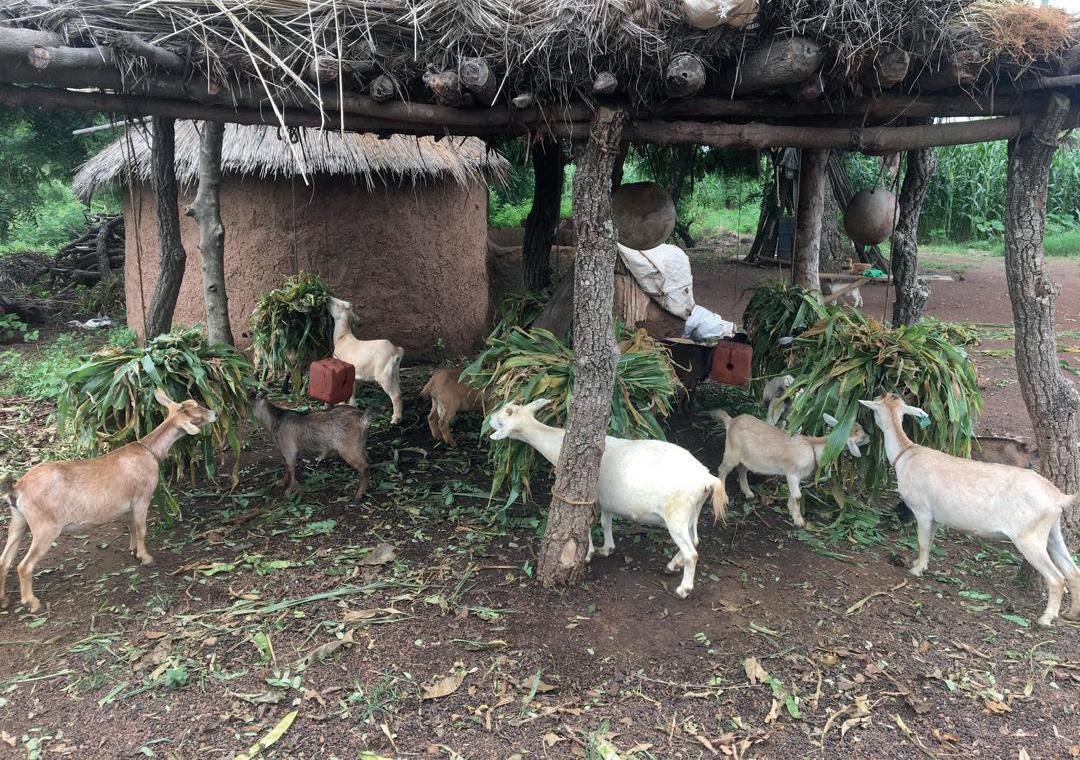
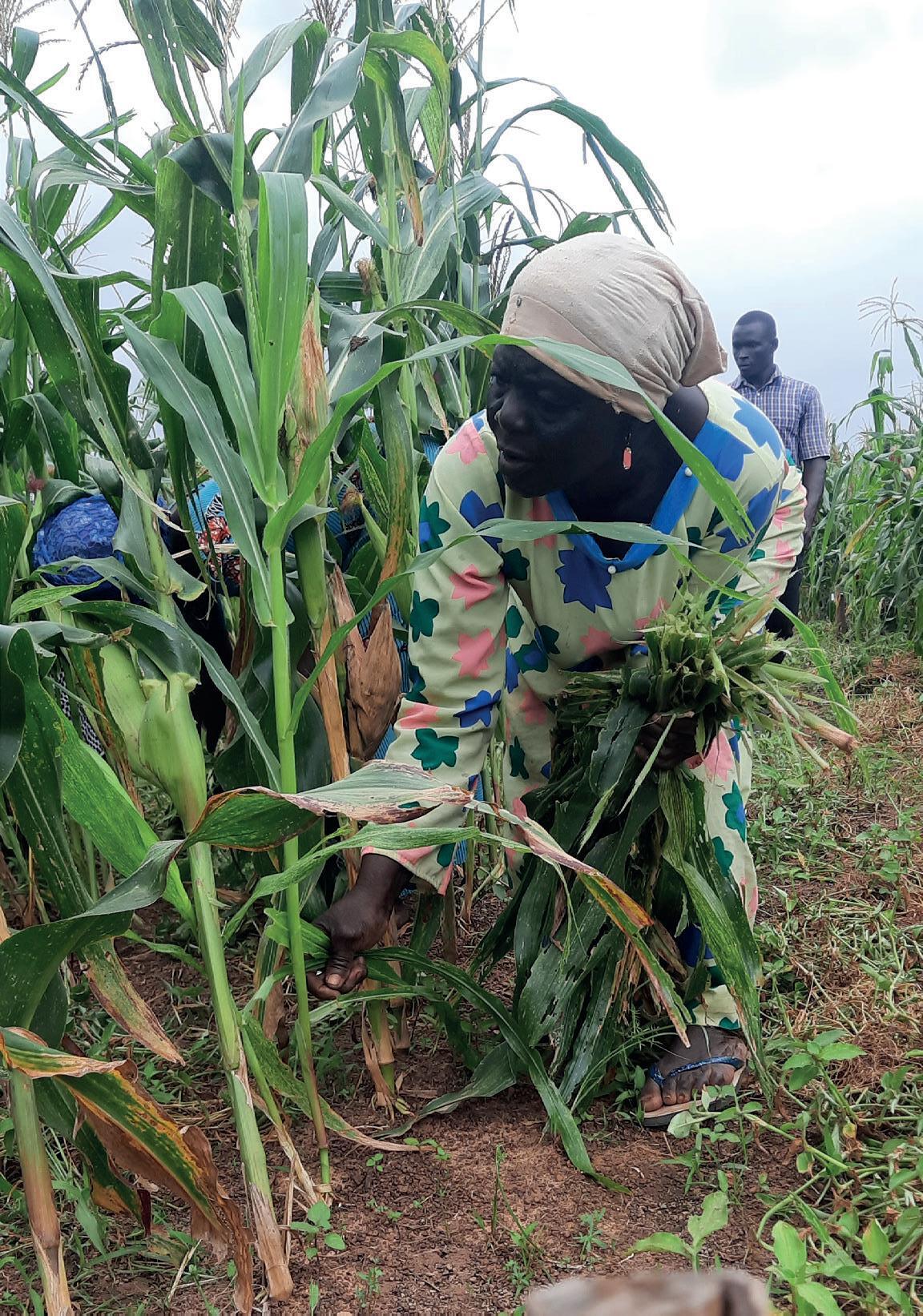
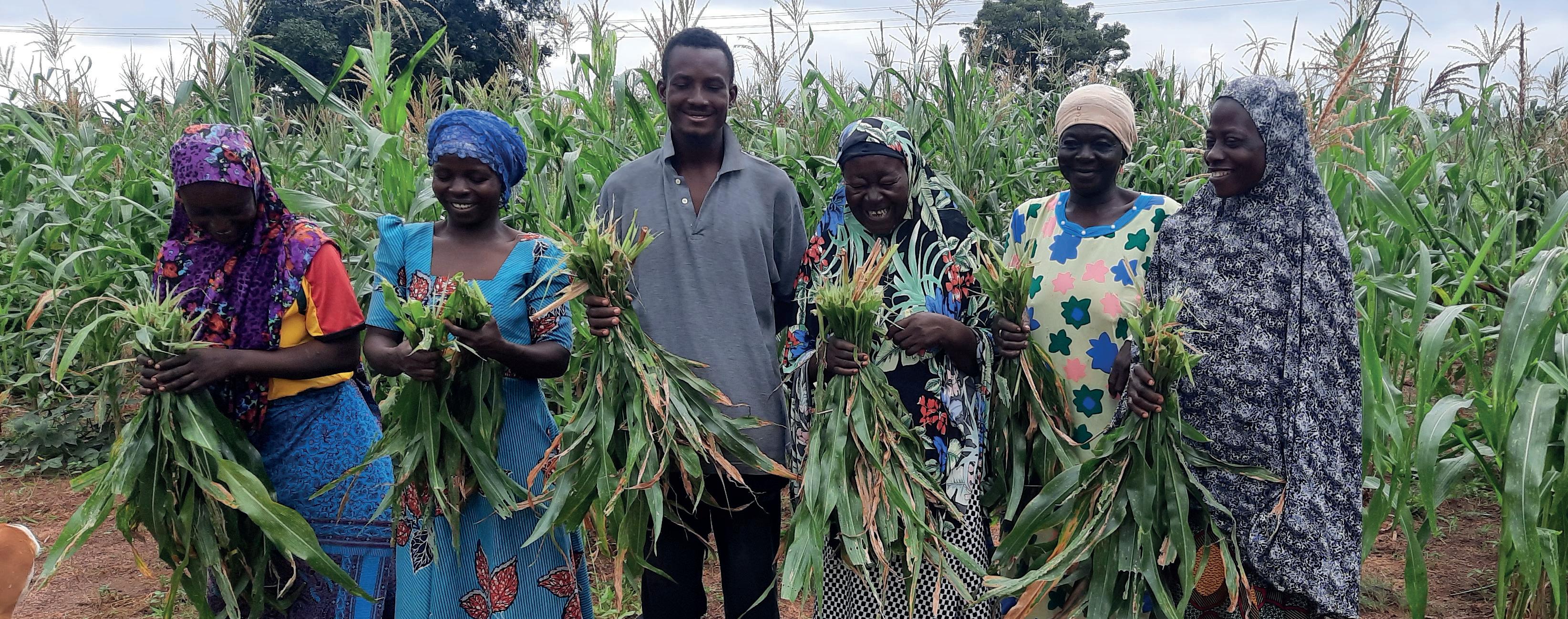
Rashida gave a concrete illustration. For more than ten years, an innovation called cowpea living mulch, a system of intercropping maize with cowpea, has been promoted among farmers in northern Ghana. The logic was sound: maize is a high-value cash crop, and giving women access to it could raise their incomes relative to the lower-value crops they traditionally cultivate. But when Rashida applied the RBET framework to this intervention, a different picture emerged. Women had gained access to fertile land. But maize, unlike cowpea, is classified as a household staple crop rather than a women’s crop. That meant women did not control what happened to it: how much
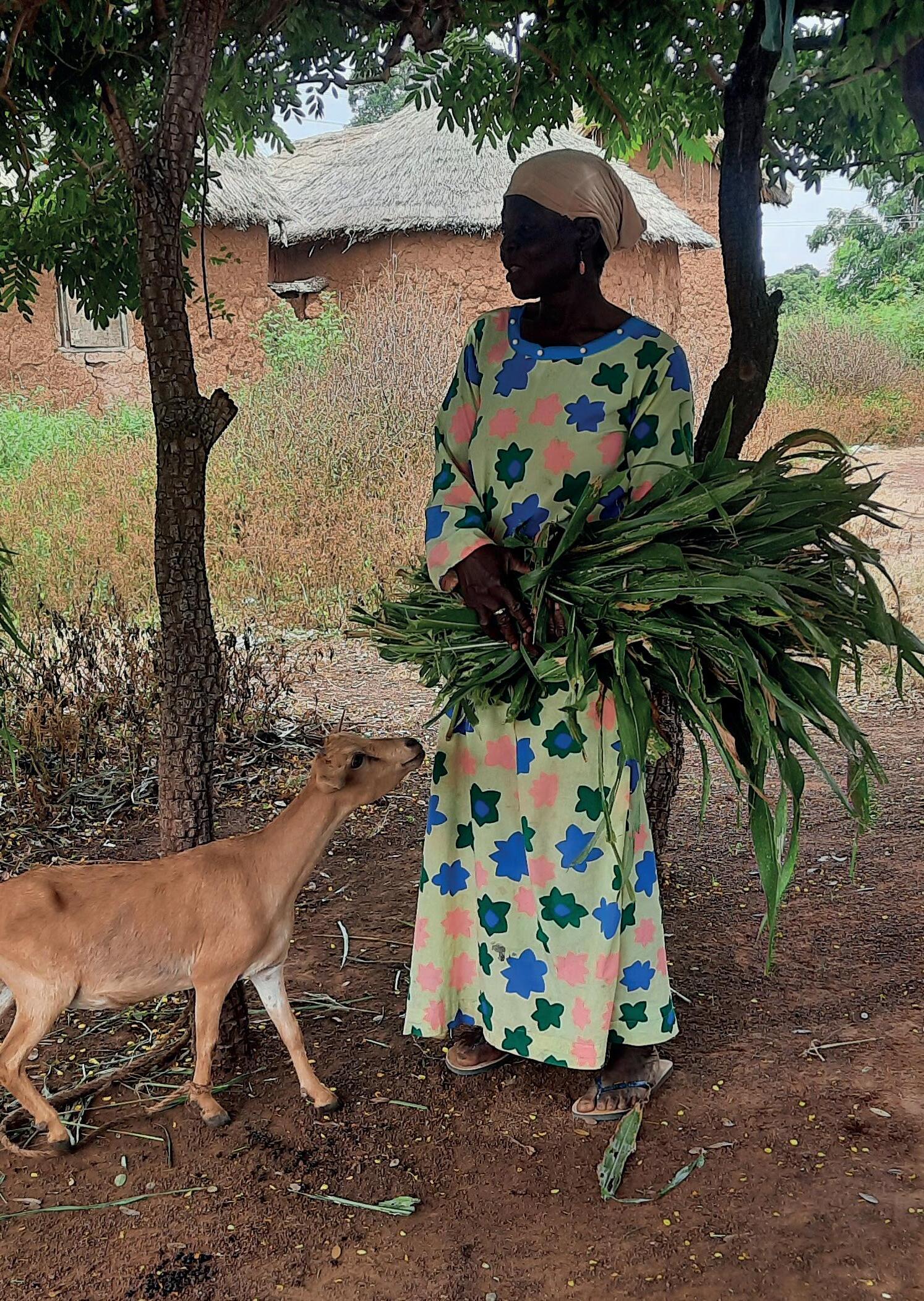
was consumed, how much was sold, who kept the income. Meanwhile, growing maize added significantly to an already heavy workload. And the cowpea, over which women traditionally had full decision-making power and income, was losing ground in the process.
The distinction Julie and Rashida draw most carefully is between gender accommodative and gender transformative programming. Accommodative approaches work around constraints women face: scheduling a training at a time that does not clash with household work, locating a demonstration plot nearer to home. These adjustments are real and useful, but they do not challenge the underlying reasons those constraints exist. Transformative approaches go further. They probe into the social rules that determine who does what, who decides, who benefits. That might mean working with all members of a household to make visible the different workloads of women and men, and opening up discussions about who controls income from a shared crop. Or designing a mechanisation scheme that generates income specifically for women’s
“I didn’t know that it was okay to zoom in, zoom out, look at my work in a different way. I used to look at it with one straight eye.”
groups, while also anticipating that when something becomes profitable, the risk of others taking control rises.
The lens they apply does not stop at gender. The power walk exercise makes this visible in a way that data rarely does. When participants embody different types of farmers that vary not only by gender but by age, wealth, land access and geography, what emerges is a more complicated picture than women versus men. Poor, landless, older people, marginalised ethnic groups or geographically remote farmers, across genders, are often the last to benefit from agricultural innovations. A young woman farmer in a remote area without land of her own faces a different set of obstacles than a woman farmer with land in a market-connected village. A landless older man may be just as marginalised as either. Understanding how these dimensions of identity and circumstance combine to shape someone’s access and agency, what researchers call intersectionality, is more complex to design for than a simple focus on women. But both Julie and Rashida see it as the only way to do the work properly to make a genuine long lasting impact. If an intervention is designed without that picture, it will serve the farmers who were already best served. The others will remain, as they have always been, at the back of the room. What makes the collaboration work, both say, is that each brings what the other cannot supply alone. Julie provides conceptual breadth: the frameworks, the cross-country perspective, the ability to connect Rashida’s work in Ghana to what other teams in the programme are doing and to wider debates in gender research. Rashida provides context: what is actually happening in communities in northern Ghana, what cultural
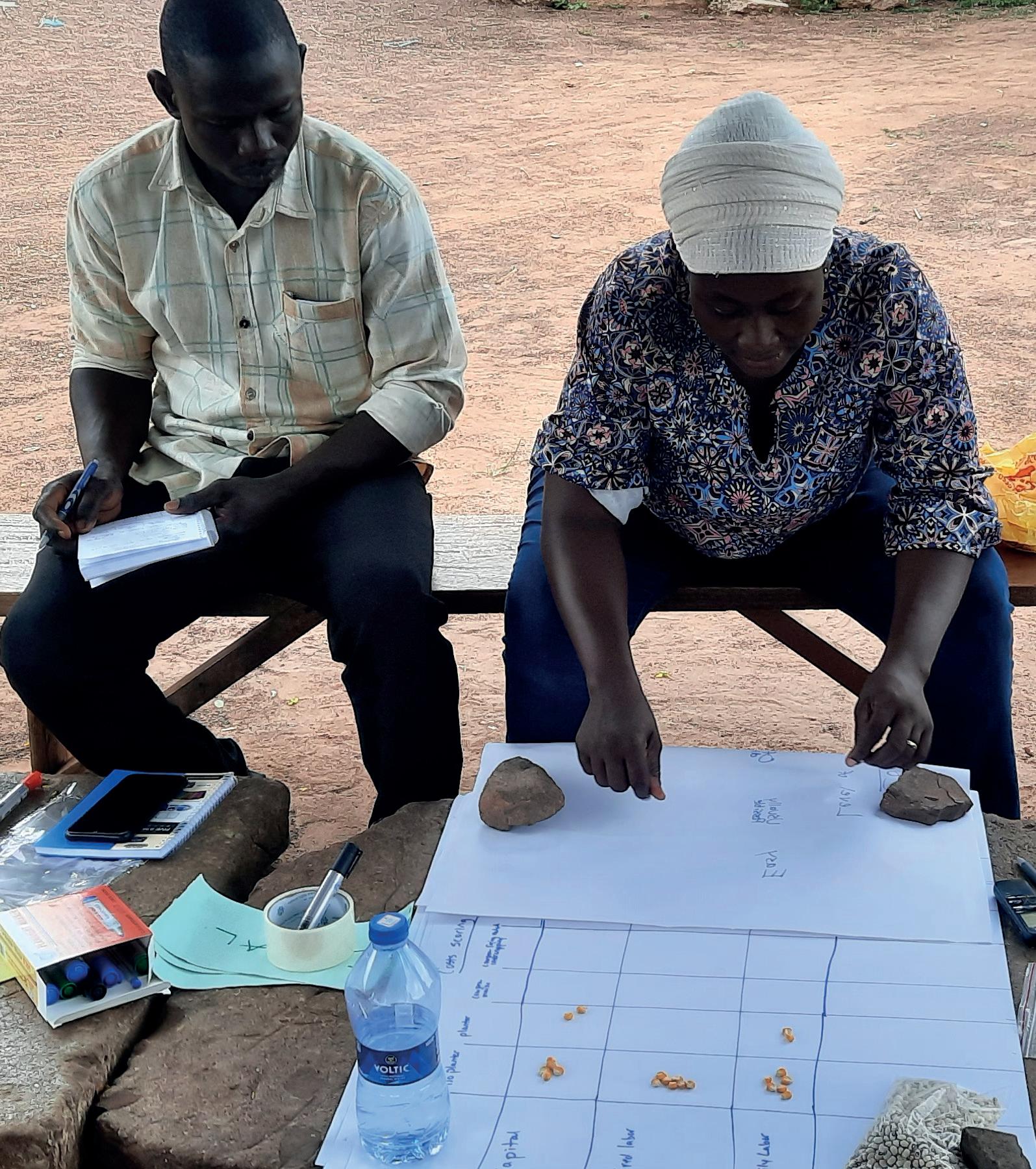
norms look like in practice, where the real friction is between an innovation and the people it is supposed to serve. Without that grounded knowledge, the frameworks stay abstract.
Rashida describes a shift in how she now approaches her own research. “I didn’t know that it was okay to be doing your work and eventually have to zoom in, zoom out, look at it in a different way,” she says. “I used to look at my work with one straight eye.” Before this collaboration, she moved through her fieldwork along a single track, focused on what was immediately in front of her. With Julie’s perspective alongside her, she learned to step back and see the bigger picture, or to step closer and concentrate on what mattered most. It changed not just what she sees, but how she moves through her work.
Both describe a turbulent backdrop. Gender work, Julie notes, is often the first item to be cut when development budgets shrink. Gender-transformative programming in particular requires long-term and flexible investment horizons. The kind of change it aims at does not happen in a single project cycle. “Cutting it now,” she says, “risks erasing
Statements were read. People moved. The distance between farmers was suddenly, physically visible.
what has been built, and ultimately holds back progress on food security, resilience and environmental outcomes.” The irony is stark: the interventions most likely to reach the farmers who need them most are the first to lose their funding.
And yet both describe a sense of purpose that the pressure has, if anything, sharpened. In the Sustainable Farming program itself, there are signs of movement: a gender equity and social inclusion strategy in early development, a gender coordinator has been recently appointed, supported by senior management of the Sustainable Farming Program and the CGIAR Gender Equity and Inclusion Accelerator, and a growing group of researchers is beginning to ask the right questions about their own work. “Currently some people see it like we are forcing it,” Rashida says. “But by seeing the outcomes themselves, it becomes much easier.”
Julie’s most vivid memory from the collaboration so far is recent. Invited for the first time to attend a Pause and Reflect meeting of the programme’s senior leadership, she ran the power walk exercise before introducing the idea of a gender equity strategy. Each person was given a different farmer’s profile. Statements were read. People moved. The appetite to act was already there; the exercise
gave it a shape. The demand that followed was concrete: how do we do this?
Rashida ran the same exercise at a PAASS workshop in Ghana, one of around ten Platforms for Accelerating Agronomic Solutions at Scale operating across different countries. She had spent the first day gently but persistently drawing attention to what she saw: innovation teams assuming that reaching farmers was the same as benefiting them, and moving straight past the harder questions about decision-making, control and power. She did not point fingers. She asked questions. She named what the framework makes visible. At the end of that first day, one of the main conveners came to find her. He told her he hoped she would be joining the other PAASS platforms. What struck Rashida, reflecting afterward, was what that meant. He had been in the room where Julie ran her power walk at the senior leadership meeting. He had then come to Ghana and seen Rashida
Food security, climate resilience, sustainable food systems, these are challenges that no single country or institution can address alone. That is the driving logic behind the collaboration between the Netherlands and CGIAR, the world’s largest publicly funded network of agricultural research centres, working across low- and middle-income countries on the most pressing challenges in food and agriculture.
Through the NWO funded Senior Expert Programme in the NL-CGIAR research programme, experienced Dutch researchers contribute their expertise to The CGIAR
doing the same kind of work. And at the end of a long first day, he had turned to her and said: we need you in these other rooms too.
Rashida thinks of it as something she and Julie have been doing together, deliberately and patiently. The seeds are taking root in places neither expected: in a senior leader who came to find her at the end of a long day, in a room full of researchers who moved without being told what to feel, in the growing number of colleagues who want to know how to do this work, not just why it matters. And for that to happen, the farmer at the back of the room has to be engaged from the start. And this starts by asking ‘who’ she or he is, and how this affects their experience of the agricultural challenge.
The farmer at the back of the room has to be engaged from the start.
Research Portfolio, bringing Dutch knowledge to where it is needed most, and bringing global insights back to the Netherlands. The programme is designed to strengthen international research collaboration and ensure that science leads to real-world impact.
This article is part of a series of interviews highlighting these collaborations. The series is produced by the Netherlands Food Partnership in partnership with the NL–CGIAR working group, which brings together NWO, the Dutch Ministry of Foreign Affairs, and the Ministry of Agriculture, Fisheries, Food Security and Nature.