







The Wellcome Snakebite Innovation Prize is a £6.25 million challenge prize that aims to improve outcomes for people affected by snakebite and contribute to the World Health Organization’s (WHO) goals of reducing mortality and disability from snakebite envenoming1 by 50% before 2030.
Each year, it’s estimated that more than 100,000 people die from snakebites, with up to four times as many left with life-changing disabilities. Most snakebite deaths are preventable, but patients often cannot reach safe and effective care fast enough.
Snakebite is distinct from other neglected tropical diseases (NTDs) due to its acute and unexpected nature, which requires appropriate and time-critical responses. This challenge is compounded by the extraordinary diversity of venom toxins across species and regions. Moreover, the burden is felt most acutely by rural, poor, and agrarian communities that may work outdoors and live far from medical centers, making them vulnerable to venomous encounters and disconnected from lifesaving care.
The Wellcome Snakebite Innovation Prize calls for solutions that tackle critical challenges and improve outcomes for people affected by snakebite in high-burden settings – by strengthening community responses, accelerating access to appropriate care, or improving the delivery of treatment. While important work is being done to improve existing antivenoms and develop new treatments, these are out of scope for this prize. Rather, the prize seeks the technological, social, logistical and systems-level innovations that will maximise the reach of these treatments and ultimately improve health outcomes in the settings where snakebite is most harmful and unmet need is greatest.
1 Snakebite envenoming is a potentially life-threatening disease caused by toxins in the bite of a venomous snake. Envenoming can also be caused by having venom sprayed into the eyes by certain species of snakes that have the ability to spit venom as a defence measure (WHO).

Crucially, we are looking for solutions developed with and for the end user in mind, whether it’s the individuals and communities affected by snakebite, the front-line workers and first responders, and those working in the healthcare facilities. This ensures that innovations are practical, culturally integrated, and readily adopted. Solutions can be entirely novel, repurposed from adjacent fields, or existing models ready to be scaled and combined for greater implementation and impact.
While snakebite presents unique clinical challenges, many of the barriers to care are crosscutting – systemic hurdles in logistics, communication, and infrastructure that are shared across global health. Because of historically low funding and the neglected nature of this field, there is a great opportunity for new collaborations, fresh perspectives, and new solutions to be tried. The prize incentivises the participation of both snakebite specialists, people with lived and frontline experience, and experts from numerous adjacent sectors. By bridging the gap between specialised knowledge and novel approaches with proven solutions from other fields, we can solve snakebite’s most intricate challenges.
This 4.5-year prize will see global multidisciplinary teams compete in a two-phased programme to identify, target, and address challenges in the snakebite patient journey2. The prize will encourage the creation and acceleration of solutions by helping teams develop their skills and build capacity through bespoke innovator support, in addition to the financial incentives. The prize will support multidisciplinary teams by providing a wide range of resources, including partnership and networking opportunities, capacity building, and technical expertise.
Whether you are already familiar with snakebite or a new player entering the space, if you’re interested in working on complex and unique problems in global health we strongly encourage you to engage with the prize and take advantage of the opportunities to collaborate and create solutions. Join us in tackling snakebite.
The Wellcome Snakebite Innovation Prize team.

2 The critical hours a person faces from when they are bitten by a venomous snake to the point where they receive effective emergency care through the correct administration of antivenom.
The prize is funded by Wellcome, and designed and delivered by Challenge Works (Nesta).
To ensure the prize is rooted in and informed by the local contexts of the high-burden regions, we are working with a range of regionally focused partners, including Villgro Africa, Villgro Philippines, the Appropedia Foundation, and the Malla Reddy Foundation for Research and Innovation (MRFRI).
Wellcome is a global charitable foundation that supports science to solve the urgent health challenges facing everyone. It supports discovery research into life, health and wellbeing, and is taking on three worldwide health challenges: mental health, infectious disease, and climate and health. Since 2019, Wellcome has been working to transform the way snakebite treatments are researched and delivered to help make them safe, effective and accessible for all.
Challenge Works is a global leader in design and delivery of open innovation challenges that mobilise diverse, innovative thinkers to solve pressing problems and unlock change.




An impact-focused healthcare incubator and impact investor that has invested $4M+ in catalytic seed funding to 250+ African startups, unlocking $60M in follow-on funding, and impacting 12 million lives across Africa.
A gender-smart impact incubator that funds, mentors, and nurtures entrepreneurs building innovative solutions to the most intractable social and climate issues in the Philippines and Southeast Asia.
Based in Hyderabad, India, they bridge the gap between academic research, clinical practice, and real-world healthcare solutions. Through PAN-India incubator networks, they are connected to the startup ecosystem, healthcare providers, and Indian government groups.
Nonprofit, with a delivery team based in El Salvador, promoting opensource sustainability solutions via a global wiki. They have strong connections to innovation hubs, including UNDP Accelerator Lab and maintain the Latin American CAN.
This guide aims to support potential applicants interested in participating in the Wellcome Snakebite Innovation Prize. Along with the Frequently Asked Questions (FAQs) and Terms and Conditions (T&Cs), it will provide you with all the information you need, including:
ׁ Background and objectives of the prize
ׁ Prize structure and timeline
ׁ Who can apply to participate in the prize
ׁ What is required at each stage of the prize
ׁ The support and awards available
We strongly encourage all applicants to read the entire handbook along with the full T&Cs before entering the prize.
If you have read the handbook, FAQs, T&Cs, and have more questions, please contact the team at snakebite.prize@challengeworks.org.



Challenge prizes spark innovation by rewarding those who can most effectively solve a defined problem. Unlike a recognition prize, rather than rewarding past achievements, they act as an incentive for meeting a specific challenge, setting clear goals and success criteria that encourage diverse problem-solving approaches. Through a public competition, challenge prizes tap into the broadest possible range of ideas from diverse problem-solvers, thereby enabling anyone who can address the challenge to engage and participate.
The value of challenge prizes goes beyond the cash awards. Through the competitive process, innovators develop skills and build capacity. This helps to break down barriers to participation and supports innovators’ long-term success. The attention generated by a challenge prize can also have a much wider systemic impact by raising awareness of a neglected problem.
Every year, over 5.8 billion people are at risk of encountering a venomous snake, resulting in approximately 5 million bites and up to 2.7 million cases of snakebite envenoming – when a venomous snake injects toxins into a human body. Preventing bites from ever happening is important, but because humans and snakes will always coexist, these dangerous incidents will continue to occur. Our focus must therefore shift to ensuring rapid, effective intervention when they do.
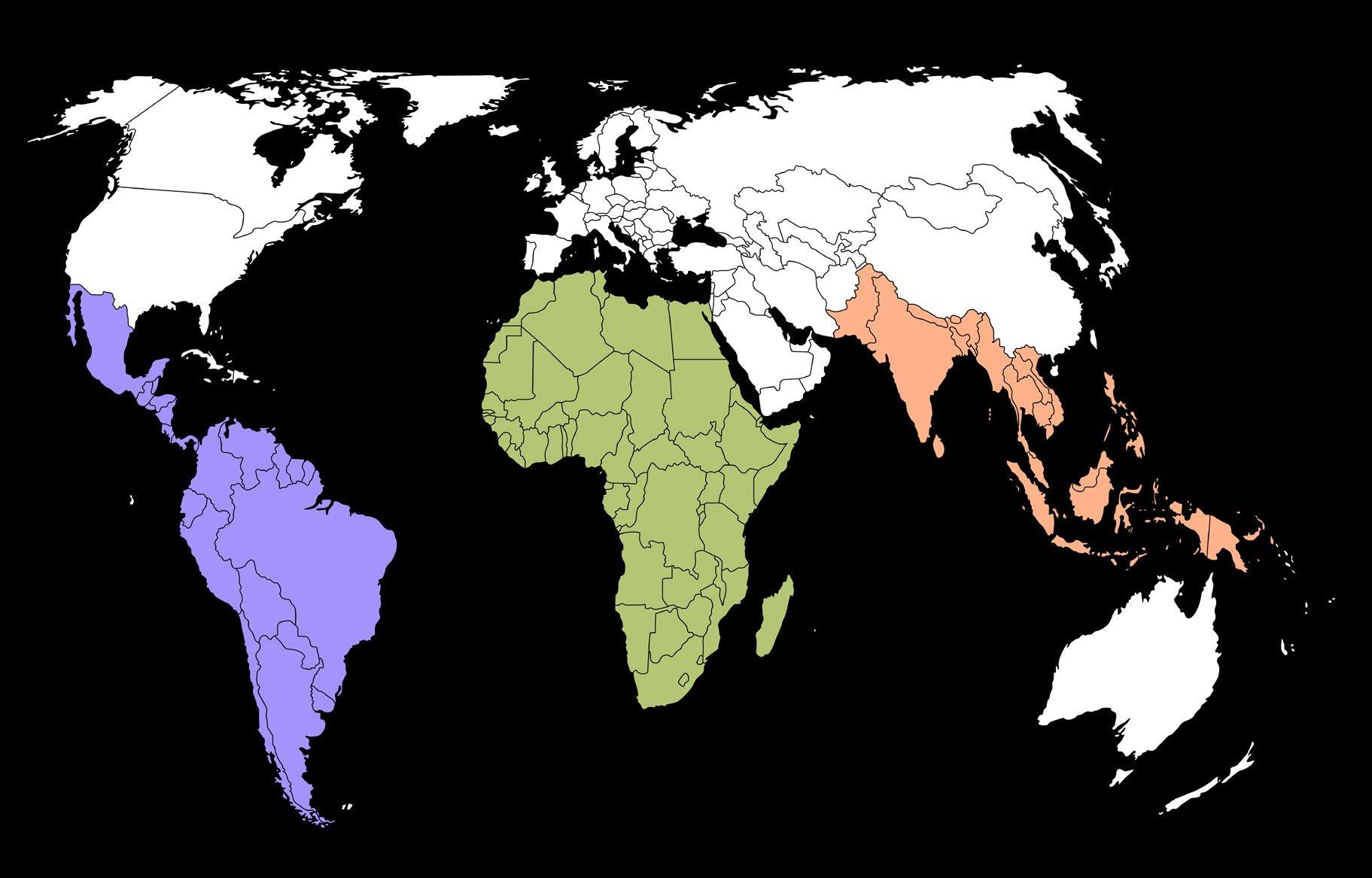
Currently, snakebite envenoming causes over 100,000 deaths annually and leaves another 400,000 people with life-changing disabilities. Yet most snakebite deaths could be prevented if people received the correct care fast enough. This burden is felt most acutely by rural, poor, and agrarian communities predominantly in Sub-Saharan Africa, South Asia, Southeast Asia, and Latin America. In many of these high-burden regions, people work outdoors and live far from health facilities, making them vulnerable to snakebite envenoming, while facing challenges in accessing lifesaving care.
With the World Health Organization’s target to reduce snakebite mortality and disability by 50% by 2030, the clock is ticking. While promising scientific work is underway to develop next-generation treatments and improved antivenoms, many of these are a long way from implementation and fall outside the scope of this prize. To make meaningful progress by 2030, we urgently need near-term solutions – practical, deployable systems-level, technological, and social innovations that can be implemented to optimise the delivery and reach of existing care and maximise the impact of new treatments when they become available.
Most snakebite deaths occur because patients do not reach appropriate medical facilities in time to receive emergency treatment and antivenom, or adequate treatment and antivenom are unavailable at the healthcare facilities. Critical hours are often lost due to delays in seeking and accessing appropriate medical care. Extreme distances, lack of transport, deterioration of condition during transit to the medical facility, and fragmented referral systems often prevent patients from reaching help in time. Patients may also delay seeking hospital treatment due to a misunderstanding of the seriousness and urgency of snakebites, fear of adverse medical consequences (i.e., amputations or chronic pain), financial barriers, mistrust in the healthcare system, and preference for traditional healers.
Even when a person bitten by a venomous snake reaches a health facility in time, care can be hampered by a lack of resources, including appropriate antivenom. Some health facilities lack basic equipment, protocols, and capacity to manage snakebite emergencies. Healthcare workers may also lack specific training or experience, which can mean they also lack confidence in managing snakebite and its complications. Furthermore, an absence of reliable, affordable diagnostic tools to understand the type of venom and how it is spreading means clinicians rely on symptom observation to assess patients – potentially leading to overtreatment of non-venomous bites, incorrect antivenom administration, and unanticipated treatment needs.
Investment in this space has historically been low due to scarce and fragmented burden data, a lack of global visibility, and a perception that snakebite is ‘unsolvable’ because it’s not traditionally eliminable. Because the snakebite is not contagious and disproportionately affects marginalised communities, innovation has stalled across the entire patient journey. Experts have noted challenges at every level, requiring innovation in multiple areas, from the critical hours between a bite to when people receive effective treatment.
Furthermore, snakebite has often been viewed in isolation. However, many of its challenges are cross-cutting, last-mile emergency hurdles – such as supply chain gaps, digital connectivity, health worker training, and community trust – that have been addressed in other fields. This makes snakebite ripe for innovation from within and outside the field.
The prize seeks to improve outcomes for people affected by snakebite by incentivising innovative approaches to overcoming challenges in the patient journey.
The aims of the prize are to:
ׁ Advance innovations with the potential to make near-term transformative impacts to the snakebite patient journey in high-burden settings through the facilitation of a challenge prize, providing funding and support.
ׁ Develop a more mature and diverse snakebite innovation landscape by supporting new multi-sector, multi-disciplinary, and international teams of innovators to tackle challenges in creative ways.
ׁ Raise the profile of snakebite as a global health issue and showcase the potential of innovation to address its unique challenges.
The prize is calling for innovators to tackle critical challenges and improve outcomes for people affected by snakebite in high-burden settings – by strengthening community responses, accelerating access to appropriate care, or improving the delivery of treatment.
We seek diverse problem-solvers who bring fresh approaches and solutions to the snakebite field while remaining grounded in the lived realities of high-burden communities. We’re looking for practical solutions from health workers, researchers, entrepreneurs, community organisations, designers, engineers, and local problem-solvers. We’re open to brand-new ideas and solutions in development that are ready to integrate innovative features to achieve real-world implementation and scale.
We welcome entries from those outside of the traditional research and innovation ecosystem, and encourage those with first-hand experience of snakebite to engage. The prize will support people who can identify a challenge in the snakebite patient journey, propose a promising solution, and work with the right partners to develop and test it with affected communities.
The prize will advance ideas with potential for near-term transformative impact, looking towards WHO’s 2030 goal to halve the number of deaths and disabilities caused by snakebite envenoming. Eligible solutions may be hyperlocal and focused on a single community, while others may be national, regional, or global in reach. Innovators will be required to justify their chosen scale, explain why that selection maximises impact, and share their plans for further scaling.
Solutions must be centred on and informed by the end users (i.e. patients, affected communities, first responders, traditional healers, and frontline health workers) to meaningfully contribute towards improving patient outcomes. Co-design processes can include interviews, workshops, or trials. To ensure lasting impact, solutions must be culturally resonant and accompanied by a credible plan for long-term sustainability (e.g., a plan to secure buy-in from local public health authorities).
We expect solutions to be informed by research to support the development of their interventions. Throughout the finalist development phase, teams must incorporate research, validation, or monitoring and evaluation (M&E) elements appropriate to their stage of development, to measure their impact on the long-run. This can include baseline data collection, market research, and impact evaluations. We will support finalists with research best practices and monitoring and evaluation techniques as part of the wrap-around support.
Snakebite envenoming is a complex challenge, demanding a range of holistic solutions and multidisciplinary approaches to tackle it. We highly encourage teams to search for partners to complement their organisation’s skillset and strengthen their proposals. The prize will support interested participants to make these connections. More information on this is found below on the Register on our website section and on our website.
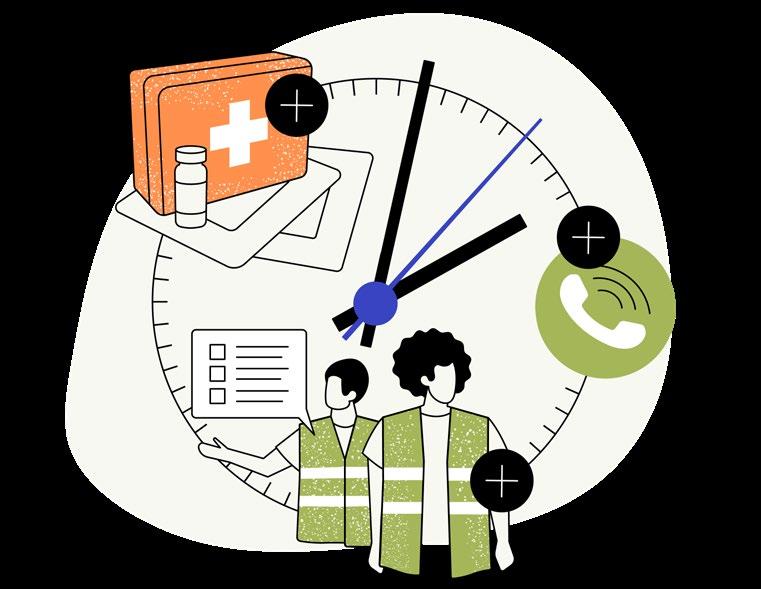
Innovations are needed across the patient journey – from bite to effective emergency care – in order to support better community responses, diagnose and assess the type of care they need, and help people receive appropriate and high-quality treatment faster:
Note that solutions can focus on one or more aspects of the patient journey and address one or more aims of the challenge statement (i.e., strengthening community responses, accelerating access to appropriate care, and improving the delivery of treatment).

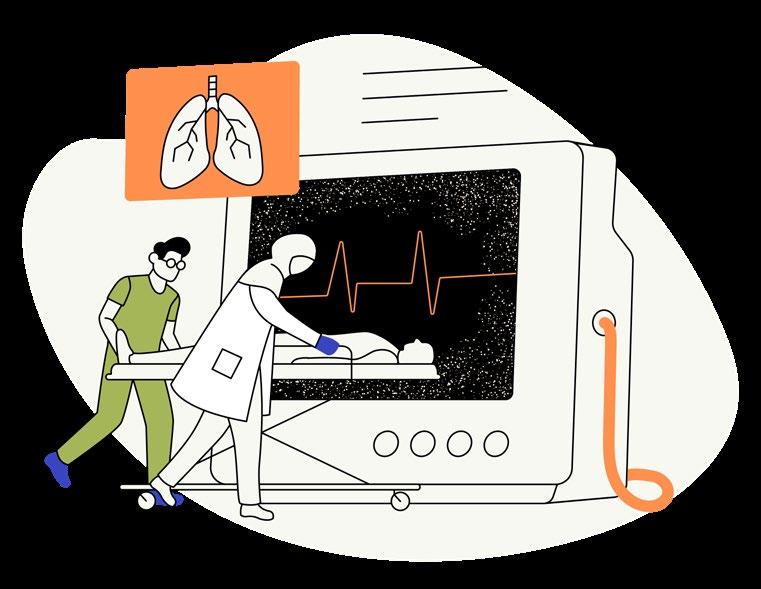
Bite
First aid response:
Immediate, informed, and accurate community and health worker responses with improved first aid tools or methods.
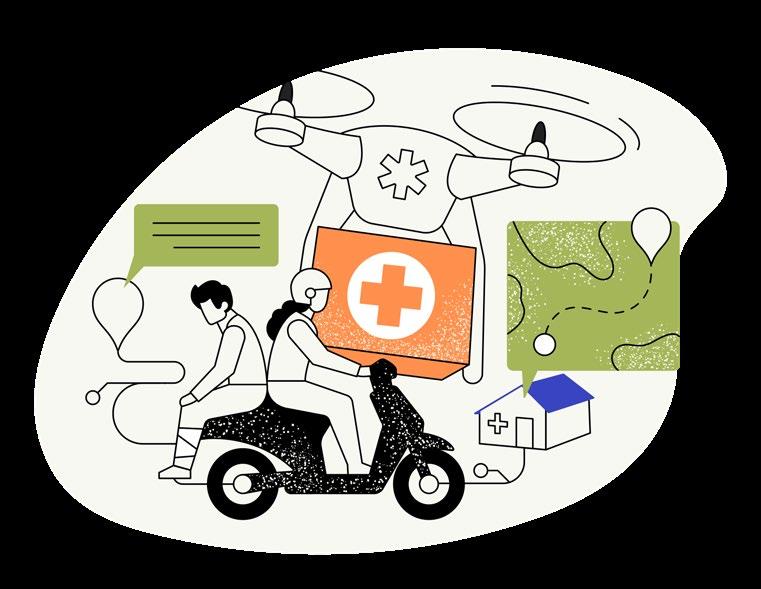
Access and logistics:
Getting people who have been bitten to appropriate emergency medical care, or bringing appropriate care closer to patients faster.
Assessment and diagnosis:
Supporting clinical decision-making pathways by understanding patient need and treatment required (e.g., detecting whether venom was injected by the bite or identifying the type of antivenom needed).
Emergency and supportive care:
Addressing the venom’s effects on the patient, depending on whether it’s cardiovascular toxic (heart and circulation), neurotoxic (nervous system), hemotoxic (blood), cytotoxic (tissue), or myotoxic (muscle), (e.g., timely pain management and resuscitation, knowledge of proper antivenom administration, management of adverse reactions, ancillary care, wound management).
Discharge from care
Solutions can range from grassroots and community-level innovations to technological, AI-enabled products applicable in low-resource settings. Innovators from numerous fields are needed to design and develop technological, social, logistical, and systems-level innovations. For example:
Medtech innovations – Diagnostic tools (point-of-care tests to support communitylevel decision making) and emergency care innovations (low-resource setting devices for wound care, ventilators, or management of other immediate complications).
Logistical innovations – Rapid transit innovations to bring patients to care quickly and safely (agile emergency transport, equipment to stabilise/monitor patients) or use of data to improve the distribution of antivenom/care.
Technological innovations – Digital technologies (apps, telemedicine, species identification tools to support training and decision-making for clinicians and first responders).
Financial model innovations – Developing structured health services blended with economic security to address anxiety around access, i.e. new mechanisms to fund access to essential health services (introducing small-scale private community snakebite health models).
Healthcare access innovations – Leverage existing care infrastructure in resourceconstrained settings, i.e. building local capacity to deliver care, ensuring interventions are sustainable without constant external funding (use of existing physical or social infrastructure to deliver care).
Social innovations – Changing the social interaction/spread of knowledge, i.e. embedding healthcare education in high-trust, non-medical locations (innovative use of social media, campaigns, including traditional healers).
See the annex for examples of innovation types for each step of the patient journey.
Along with novel practical innovations, we’re looking for solutions that are poised for further development, implementation, and scaling (read more about the two-track system below). Eligible solutions can be repurposed from adjacent fields or combined in new ways by integrating two or more existing approaches, tools, or technologies to make the overall solution significantly more innovative and effective than its individual parts. By ‘innovative’ we mean any type of solution that leverages new ideas, methods, or tools that will add value, improve process, create efficiencies, and ultimately, help solve some of snakebite’s unique challenges.
The prize is focused on achieving near-term patient impact in the pathway from bite to effective emergency care. To be successful, proposals must clearly describe how they strengthen community responses, accelerate access to appropriate care, or improve the delivery of treatment.
Drug, antivenom, or venom neutralisation therapy development is out of scope: While important work is being done on improving existing traditional antivenoms and developing next-generation treatments, including new recombinant antivenoms and small molecules, there is a real need for technological, social and system-level solutions to maximise the reach of these treatments and ultimately improve health outcomes. To tackle the complexity of snakebite, we must holistically consider and address the surrounding challenges along the patient journey. This prize focuses on improving the other barriers to care that patients encounter.
While the areas listed below are valuable and highly encouraged as part of a systemic approach, they do not meet the prize’s core aims if they are the sole focus of an entry. These elements can be integrated as supporting components of a broader solution aimed at reducing mortality and/ or morbidity through more accessible, faster, and safer care along the patient journey.
Primary prevention3: While stopping bites from occurring is important, bites will continue to be an unavoidable reality in many communities. The prize focuses on a system-wide response to bites.
Basic research and data collection without a link to the development of a specific solution: Although the field requires more research to understand the complexities of snakebite as a global health issue, the prize is targeting innovative operational solutions with real-world impact on patient outcomes. Therefore, research and data collection are supported only when directly linked to the deployment of a specific solution that will have direct impact on people affected by snakebite.
Long-term recovery, rehab and mental health: These are under resourced critical issues; however, this prize focuses on the pathway from bite to effective emergency care. Focusing on upstream access and early intervention is expected to have downstream benefits and improve health outcomes in the long term by reducing physical disability and psychological trauma.
3 Primary prevention refers to proactive and protective measures to reduce human-snake encounters and prevent bites from occurring. For example, protective boots and clothing, raising beds, sensors to detect the presence of snakes, and snake repellent technology. Secondary prevention, i.e., limiting harm after bite occurs including pre-defining protocols that dictate the correct responses in case of a bite, is within scope.
The prize is split into two tracks by innovation maturity:

Supports new or repurposed ideas from other fields to develop a proof of concept.

Strengthens more mature solutions that may have already been tested and partially implemented, helping them develop, implement, reach scale, and achieve health impact.
The two-track design creates distinct pathways – one for new/repurposed ideas to develop to proof-of-concept, and another for more mature solutions with an opportunity for innovation to help them reach scale – ensuring both ecosystem growth and near-term impact. The split is designed to:
ׁ Attract diverse problem-solvers – supporting promising existing solutions while opening the door to fresh thinking and ideas from other fields to be repurposed into snakebite.
ׁ Balance novel innovations with near-term impact – encouraging new approaches while pushing for impact to reach the WHO’s 2030 goal.
All innovators must respond to the same challenge statement, judging criteria, and work to the same prize timeline. However, innovator teams must enter into one of two tracks. Track selection depends on how developed your solution is at the point of entry. We will use Innovation Maturity Levels to understand your solution’s current development level.
Entrants must confirm the track (Growth or Launch) under which they intend to enter their solution. The chosen track determines the questions and the level of evidence expected in the initial submission, as well as the funding and support available.

Track focus: High-potential concepts → early-stage validation.
Entry: Your solution is Innovation Maturity Levels 1-2, early-stage concepts seeking proof-of-concept and early to mature concepts (requiring major adaptation or redesign) from neighbouring fields being repurposed and validated for snakebite patients.
You are eligible for the Launch track if your solution fits one of these descriptions:
Your solution is a completely novel, early stage idea.
Your solution is currently available or under development in a field outside of snakebite, and will require major changes to be suitable for snakebite patients.
With the prize funding and support, we expect your solution to reach the following Innovation Maturity Levels:
By November 2027, you plan to reach Innovation Maturity Level 2, which requires an initial validation of the design of your solution accompanied by evidence of testing in a near-real-world environment.
By November 2030, you plan to reach Innovation Maturity Level 3+, preparing for implementation or commercialisation, including sharing evaluative data and other evidence of your solution being tested in real-world pilots.
ޜ After the first judging phase at the end of 2026, up to 10 teams will be selected as finalists. Each team will receive £75,000 and a bespoke package of innovator support.
ޜ After the second judging phase at the end of 2027, up to 2 teams will be selected as winners. Each team will receive £750,000.
Innovation Maturity Levels
IM Level 1: Initial Research
IM Level 2: Concept and feasibility
IM Level 3: Development and verification
IM Level 4: Validation and optimisation
IM Level 5: Deployment and post-launch
IM Level 6: Expansion of deployment
Please refer to the annex for further detail on the Innovation Maturity levels.

Track focus: Expanding and improving mature solutions to be implemented into a healthcare system to increase their impact.
Entry: Your solution is Innovation Maturity Level 3+ (at a minimum, the basic principles of your solution have been tested), including established solutions looking to grow within snakebite (i.e., scale up, out, or deeper4), and mature concepts from closely related sectors (requiring minor adaptation or redesign) repurposed and validated for snakebite patients.
You are eligible for the Growth track if your project fits one of these descriptions:
You have a developed prototype that needs to be tested in the field.
You have a proven model that, with minor changes, has the potential to be tailored for snakebite patients.
You have an innovative solution already supporting snakebite patients and plan to extend its reach, increase its impact, or add new components to it.
With the prize funding and support, we expect your solution to reach the following Innovation Maturity Levels:
By November 2027, you plan to reach Innovation Maturity Level 4 at a minimum, preparing for implementation or commercialisation including sharing evidence of your solution being tested in real-world pilots.
By November 2030, you plan to reach Innovation Maturity Level 5+ , at a minimum implementing your solution in the field and executing a monitoring and evaluation framework to assess its impact.
ޜ After the first judging phase at the end of 2026, up to 5 teams will be selected as finalists. Each team will receive £100,000 and a bespoke package of innovator support.
ޜ After the second judging phase at the end of 2027, up to 2 teams will be selected as winners. Each team will receive £1,750,000.
Please refer to the annex for guidance on how to select your track.
The prize is divided into three phases:
Phase 1 Entry: In the entry phase, innovators will have the opportunity to learn about the Prize, join informational webinars, participate in hybrid and online hackathon-style events, find partners, ask questions, and submit eligible entries, which will be judged by an expert panel against the judging criteria
Phase 2 Finalists’ development phase: Up to 15 finalists (10 Launch track teams and 5 Growth track teams) will each receive a finalist prize and a package of innovator support to develop and validate their innovations, ultimately submitting an entry for the winners’ prize to show how they have advanced according to the judging criteria
Phase 3 Winners’ development phase: Up to 4 winners will receive a grand prize. Teams will have three years to further implement their solutions. All finalists and winners will be celebrated, with an opportunity to showcase their work on a global stage.
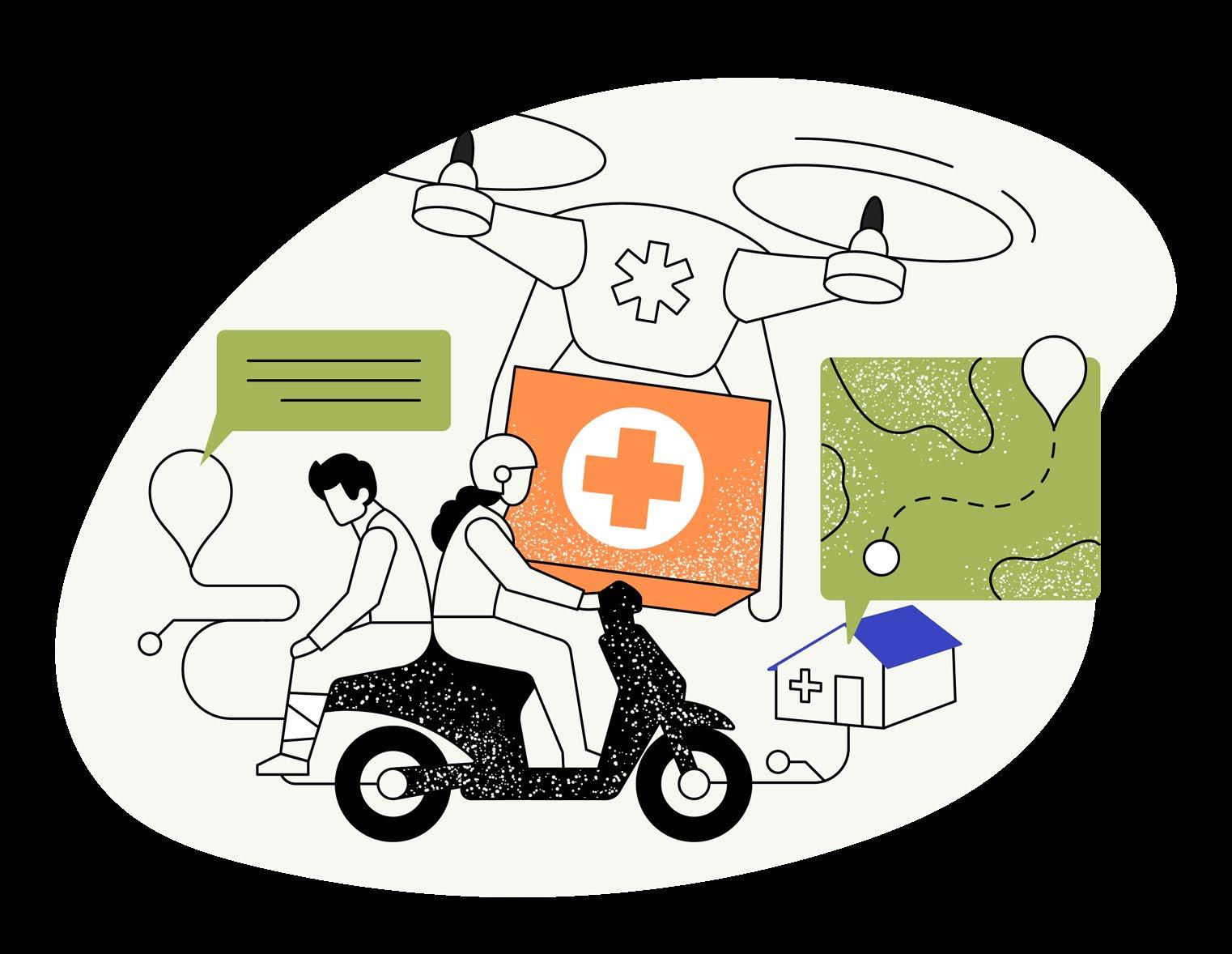
4 Scaling Up – Growing vertically by increasing resources, capacity, or adoption at higher levels, for example integrating the solution into existing systems and programmes; for example, local health solutions scaling up by becoming part of a national healthcare system.
Scaling Out – Spreading horizontally by replicating or expanding the solution to new locations or groups. This involves reaching more people or areas with the same model; for example, a successful support programme in one location reaches more users by replicating and adapting the model to neighbouring communities.
Scaling Deep – Maximising impact within a specific community or context by fostering cultural, behavioural, or mindset shifts. The focus is on deepening the quality of engagement and influence; for example, a community program scaling deep by embedding itself into the local culture.
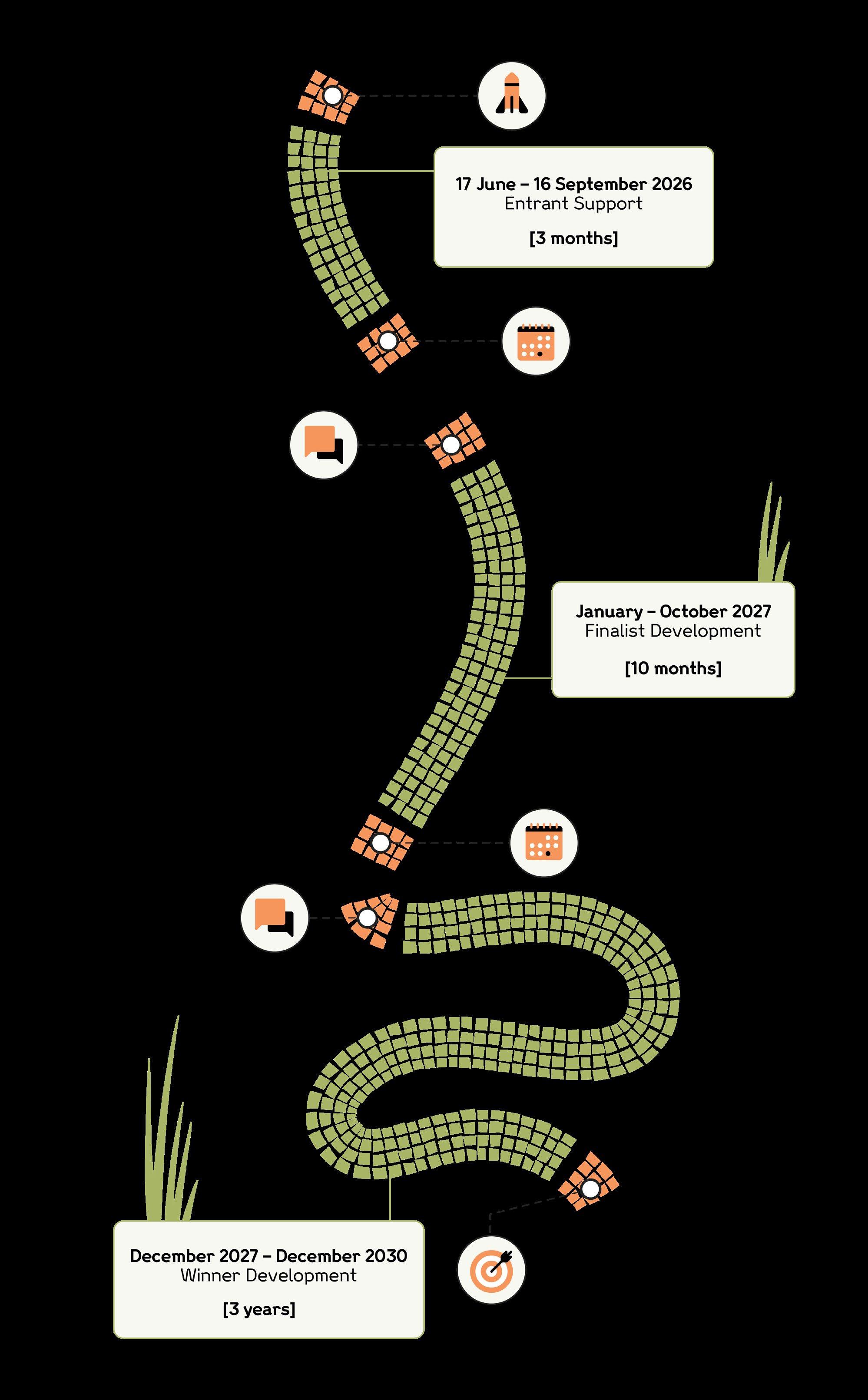
17 June 2026 Prize Opens: The prize officially opens for entries.
17 June –
16 September 2026 [3 months]
Entrant Support:
ׁ Informational webinars
ׁ Team matchmaking
ׁ Partnership building and ideation hackathon-style events
16 September 2026 Entry Deadline: Deadline for initial submissions across both Launch and Growth tracks.
29 January 2027
January –October 2027 [10 months]
Finalist Announcement: Up to 15 of the most promising teams are selected to receive a total of £1.25M in and bespoke support.
ׁ 10 Launch teams, £75K each
ׁ 5 Growth teams, £100K each
Finalist Development: During the 10-month development period, the finalist cohort will utilise their funding to conduct research and accelerate their solutions’ development. Additional support, decided via needs assessment, may include:
ׁ Mentorship from technical, product, business, snakebite, or clinical specialists, including those with lived experience.
ׁ Project management, business, innovation, market fit, sustainability, procurement, and financial training.
ׁ Support from agencies specialising in user-centred design, behavioural insights, and impact reporting.
ׁ Communications, pitching, public events, and media coaching.
October 2027
December 2027
December 2027 –December 2030 [3 years]
Final Entry Deadline: The 15 finalists submit their refined solutions and long-term proposals for final judging.
Winners Announced: Up to 4 winning teams are selected to receive a total of £5 million to further develop their solutions by 2030.
ׁ 2 Launch teams, £750K each
ׁ 2 Growth teams, £1.75M each
Winner Development: The 4 winning teams will use their funding to progress their solutions, validate and prepare for implementation (if Launch winner), or achieve full-scale implementation and begin sustainable long-term operations to support snakebite patients (if Growth winner).
December 2030 Prize End.

Eligibility criteria
We are looking for multi-disciplinary teams with the expertise to deliver real-world impact. We welcome entries from a range of stakeholders, including those outside of the traditional research and innovation ecosystem, and encourage those with first-hand experience of snakebite to engage with the prize.
The eligibility criteria explains who can enter the prize. Entries that are not eligible will not be considered for the prize.
ׁ Eligible teams/organisations: Submitting teams must nominate a lead entrant, who must be at least 18 years of age. The lead entrant must be employed by a legally incorporated organisation (e.g. companies, non-profits, charities, research organisations, universities, civil society groups). Unincorporated teams entering under a host organisation must provide a letter of support signed by an authorised official. This letter must confirm the organisation’s endorsement of the entry, their commitment to hosting the project, and their agreement to manage any prize funds awarded. Entries from individuals without an organisational affiliation will not be considered. Note that the team composition can change between the finalist and winners’ submission stage (e.g., you can partner with more organisations, hire more people, contract external consultants).
ׁ Collaboration: Teams may enter as consortia of any combination of the above, but must nominate one organisation as the lead. The lead organisation will enter into a prize agreement to receive funding.
ׁ Multiple entries: Teams can submit multiple entries, but only one per lead applicant.
ׁ Conflict of interest: Employees of Wellcome, the Nesta Group, or members of the prize Judging Panel will not be eligible to enter.
ׁ Launch Track eligibility: Your solution is at Innovation Maturity Level 1 or 2 at the point of entry. By November 2027, your aim is to develop your solution to reach Innovation Maturity Level 2 at a minimum; you’ll need to share evidence of the development of your prototype and feedback gained from end users. By November 2030, your aim is to develop your solution to reach Innovation Maturity Level 3; you’ll need to share evidence of testing in a near-real-world environment.
ׁ Growth Track eligibility: Your solution is Innovation Maturity Level 3 or above at the point of entry. By November 2027, your aim is to develop your solution to reach Innovation Maturity Level 4 at a minimum; you’ll need to share evidence of your solution being tested in real-world pilots. By November 2030, your aim is to develop your solution to reach Innovation Maturity Level 5 at a minimum; you’ll need to share evidence of the implementation of your solution in the field and assess its impact.
ׁ Solution eligibility: Proposed solutions must be focused on improving snakebite patient outcomes in high-burden settings by supporting better community responses, expediting access to appropriate care, or improving the quality of medical care.
ׁ Drug, antivenom or venom neutralisation therapies development are strictly out of scope.
ׂ Solutions solely focused on the following elements are out of scope: primary prevention, foundational research with no direct link to the deployment of a specific solution, long-term recovery, rehabilitation, and mental health.
ׁ Geographic scope:
ׂ Proposed solutions must be tailored specifically for and implemented to improve snakebite patient outcomes in communities where the snakebite burden is highest (i.e., settings with high snakebite envenomation mortality or morbidity rates) and the unmet need is greatest. Please see the map on our About Snakebite Envenoming page to understand eligible countries.
ׂ Wellcome cannot fund into territories that are not legally recognised by the UK Government, nor fund activities in mainland China.
ׁ Language: Entries must be in English.
ׁ Sanctions: Organisations and individuals are ineligible if they (or anyone working with them on the proposed consortium or project team) are the subject of international sanctions.
ׁ Tobacco: Researchers who have a research grant from the tobacco industry, are applying for funding from the tobacco industry, or are employed by the tobacco industry, are ineligible.
In addition to these requirements, teams must:
ׁ Pass due diligence checks
ׁ Have a business bank account capable of receiving funding in Great British Pounds (GBP).
ׁ Comply with the prize Terms and Conditions
All entries for the finalist and winner stages of the prize will be assessed against the set Judging Criteria by a pool of independent Technical Assessors and by the prize’s multidisciplinary Judging Panel, who will make decisions on which entries should move forward in the prize. We will let you know about the status of your submission in January 2027.
The pool of Technical Assessors will be composed of experts who will support the Judging Panel’s decision-making throughout the prize by conducting an initial assessment of entries and offering insights on the proposals’ quality.
The Judging Panel will be composed of international experts who can collectively speak to the prize’s judging criteria. This includes individuals with global and regional experience in the fields of snakebite, global health, innovation, medtech, and scaling. The Judging Panel will decide which applicants should advance in the prize.
Note that when judging the entries to select the finalists, the judging panel will consider a portfolio approach that represents the diversity of solution types, challenges and geographies needed to address the issues in snakebite as stated in the challenge statement.
The 15 finalist teams and 4 winners will be selected based on the following 6 criteria: Criteria
1. Impact
2. Innovation and contribution to the field
We define ‘impact’ as a measurable improvement in patient outcomes for snakebite patientsreducing mortality and/ or morbidity through more accessible, faster, and safer care along the patient journey.
We define ‘innovation and contribution to the field’ as what is original about the solution’s approach and how it advances the snakebite field. It could include novel, combined, or adapted processes, technologies or services.
3. Implementation pathway and sustainability
We define ‘implementation pathway and sustainability’ as a solution’s credible plan for how it will be delivered, funded, and adopted in high-burden settings –beyond the prize period.
Ensures that solutions demonstrate credible potential to improve outcomes for snakebite patients and at what scale – keeping the criterion open to the broadness of solution types and patient journey focus.
Ensures that solutions demonstrate a meaningful and credible improvement compared to the current state of the art in snakebite care.
Patient outcome improvement: The solution improves responses after a snakebite occurs, expedites access to appropriate care, and/or improves the quality of emergency treatment in high-burden settings.
Level of reach: The solution clearly defines and justifies the chosen level of intervention (e.g., community, national, regional, or global) in relation to the desired patient outcomes. The response must explain the current severity of the issue to demonstrate why the selected level of reach is necessary and appropriate.
Original approach: The solution proposes a cutting-edge process, technology, approach, solution, tool, and/or intervention that goes beyond existing interventions, or standard practice in snakebite care –whether through a genuinely original approach, a combination of existing methods, or a useful adaptation of a technology from a different field from snakebite.


Ensures that solutions have a credible pathway to implementation and longterm sustainability beyond prize funding – not just a promising solution, but one that might be deliverable, fundable, and adoptable in high-burden settings.
Operational pathway: The solution demonstrates a clear understanding of how it will be delivered and by whom – including the roles of health systems, governments, NGOs, communities, or other partners required for expansion or wider implementation.
Contextual and adoption feasibility: The solution shows consideration of the practical conditions for adoption, including community acceptance, cultural appropriateness, barriers to access, and costeffectiveness in high-burden settings.
Financial sustainability: The solution presents a credible approach to funding and/or revenue beyond the prize – including who will pay for it, how costs and revenue may evolve, and what partnerships are needed to remain financially viable.
4. Understanding of the end user
5. Team capability and project delivery
We define ‘understanding of the end user’ as a solution’s demonstrated knowledge of the needs, realities, and constraints of the people it aims to serve – and how these determine the design and development of the solution.
We define ‘team capability and project delivery’ as the team’s demonstrated ability to deliver their proposed solution through relevant expertise, strategic partnerships, and a realistic plan to meet proposed outcomes within the timeline.
6. Safety and Ethics
The team should show they understand any risks associated with their solution and are committed to doing no harm when testing and implementing their solution.
Ensures that solutions are grounded in the realities of the people they aim to serve – including patients, affected communities, first responders, traditional healers, and frontline health workers in highburden settings.
Ensures that innovator teams have the expertise, partnerships, and operational capacity to deliver on their proposed solution.
Understanding of end users and context: The solution demonstrates a clear understanding of the realities, needs, and constraints of the people it aims to serve.
User-informed design: The solution demonstrates how end user needs, local contexts, and community realities have been – or will be –meaningfully incorporated into its design and development, for example through community-led approaches, expert advisors, co-design processes or partnerships.

Team capabilities: The entry demonstrates relevant skills, expertise, and experience within the delivery team to develop and deliver the proposed solution, including key partners and their roles where relevant. Preference will be given to teams and partners with proven snakebite expertise and relevant cultural experience.
Project plan and management: The entry demonstrates realistic plans to meet their proposal outcomes within the prize’s timeline
Ensures that solutions are developed and implemented responsibly –with a clear understanding of potential risks and a commitment to safeguarding patients and communities through testing and deployment.
Do-no-harm: The entry demonstrates consideration for safe and ethical development and deployment, which are committed to doing no harm.
Note that the Launch and Growth criteria weightings are different, and the expected level of evidence for each track will also differ.


To support innovators to develop their solutions, the Launch and Growth finalists will be awarded the following amounts:


10 Launch Track finalists awarded £75,000 each.
5 Growth Track finalists awarded £100,000 each.
In December 2027, the Launch and Growth winners will be granted the following grand prize awards to further develop their solutions:
2 Launch Track winners awarded £750,000 each.
2 Growth Track winners awarded £1,750,000 each.
The prize awards will be governed by the prize’s Terms and Conditions, along with the finalist and winner agreements. All prize funding must be used to develop and implement the selected solutions. The prize funding may be used for the following activities, among others:
ׁ Research and generating/analysing relevant data
ׁ Technology development activities
ׁ Conducting pilot studies and clinical evaluations
ׁ Implementation, scale-up and monitoring and evaluation activities
ׁ Networking, knowledge sharing and/or technology transfer activities and associated administrative support
ׁ Travel and subsistence costs
ׁ Training needs
ׁ Expert consultation/input
ׁ Patient and Public involvement
ׁ Sustainability activities (e.g. exploring follow-on funding opportunities) to ensure successful implementation and long-term viability
ׁ Core team’s salaries
ׁ Overhead costs capped at 20%.
The selected finalists will benefit from a comprehensive support package to develop their solutions. The innovator support will be delivered by Challenge Works and its partners and will be bespoke, tailored to the finalists’ solution types and development stages, as determined through a rapid needs assessment coordinated centrally by Challenge Works.
Cohort-level support could include elements that support teams in participating in the prize and that are directly related to the judging criteria, such as:
ׁ General proposal writing support.
ׁ Publicity opportunities, including guidance on publishing team’s use cases and findings.
ׁ Pitching and comms training for public-facing engagements.
ׁ Behavioural insights and user-centred design training.
ׁ Team capacity building training, including business development support, sustainable or procurement paths, and market fit.
ׁ Networking opportunities.
Support provided will depend on the teams’ track selection, their development stages, solution types, and the results of the needs assessment. Innovator support for Launch finalists will focus on helping them take their ideas and early stage research into proof-of-concepts; for Growth finalists, on providing guidance for them to deploy and expand their solutions to be implemented and scaled to increase their health impact.
Track-specific support may include, but is not limited to:

ׁ Introductions to end users and snakebite experts/ innovation experts, depending on the team’s current expertise
ׁ Impact reporting support to help them define their impact and utilise existing data
ׁ Technical support to begin transforming their ideas into early-stage concepts
ׁ Access to labs or other facilities to test their solutions during the finalist phase, with early introductions to pilot sites to build partnerships ready for the winner phase

ׁ Solution evaluation support, allowing them to confidently share evidence at the finalist submission stage.
ׁ Access to pilot sites to validate their solutions, or introductions to relevant partners to support scaling and sustainability
ׁ Mentorship from snakebite experts/ business or procurement experts to support the development of implementation plans
ׁ Technical support to adapt and improve their solutions
Finalists will be supported by a powerful network of partners and mentors who will provide real-world insights, feedback, and connections to help shape and strengthen their solutions.
By the end of the prize, finalists will gain access to networks of influential individuals and organisations that can open doors – financially, reputationally, and strategically – to support implementation of their solutions at scale, such as health ministries, philanthropic or private sector funders, or potential buyers of solutions.
Crucially, the prize is designed to ensure that participation is a collaborative and supportive process for all teams involved, regardless of the final outcome. Beyond the financial incentives, the prize serves as a powerful accelerator by granting cohorts widespread visibility, validating their approaches, and building the institutional credibility needed to propel innovations forward.
To maximise this impact, winners and finalists will be showcased in the media and at regional events, showing their solutions and progress during the prize. Their work will be highlighted to funders, government partners, innovation hubs, and other key industry experts, positioning the participating teams for future partnerships and successful implementation.

Register on our website
First, you will need to register here as a competing team. You will be asked to complete a simple form that captures key details about your team’s expertise. It only takes a few minutes to complete and will allow us to share key prize updates with you and help connect you with potential partners if you’re seeking collaboration opportunities.
The website includes a matchmaking platform that will allow you to connect with potential partners, share resources and expertise, access mentorship, and build the multidisciplinary team needed to deliver your solution.
Attend our events and prepare your submission
We also encourage all interested applicants to attend one or more of a range of events over the entry period in support of your submission. These include:
ׁ Immersion series: a series of 90-minute virtual webinars grounding participants in the realities of snakebite envenoming and innovation, introducing the objectives of the prize, and all the key information a prospective entrant would need to enter the prize. This will include expert presentations, participation of people with lived experience, Q&A, and networking opportunities.
ׁ SnakeHacks: The SnakeHacks are designed to provide prospective entrants with opportunities to connect with other participants and experts to explore innovation in snakebite, understand the prize context and develop their proposals. Participants will engage in plenary sessions and networking breakouts to explore collaborations.
ׁ Application support webinars: webinars with moderated Q&A to help teams gain final clarity on the prize and prepare their entry for the prize, including clarifications on the judging criteria, evidence required, entry form, and terms and conditions.
We will host multiple webinars and SnakeHacks to facilitate the participation of interested applicants globally, taking into account the different timezones.

All entries must be submitted by Wednesday 16th September 2026, 12pm UTC, using the online submission form (on Submittable) available via the Prize website. Remember to select the entry form corresponding to your track. Late entries will not be accepted.
Before submitting your entry, please ensure that:
ׁ You have read and understood the prize’s Terms and Conditions and Privacy Policy.
ׁ Your entry is aligned with the Challenge Statement and assessment criteria.
ׁ Your entry meets the eligibility requirements to enter.
To access the entry form and submit an entry, you will need to set up a Submittable account. Once you have started an entry, you can save a draft and return to it at a later date to complete. The organisation leading any partnership or consortium will need to submit the Submittable entry. Submittable is a third party platform. For more information on Submittable see our privacy policy and the Submittable privacy policy
We are aiming to make sure the entry process is as accessible, efficient and practical as possible. If you have any challenges with the entry process or there are any reasonable adjustments that would support you to enter, catering for any additional needs you have, please contact us at snakebite.prize@challengeworks.org.
The entry form is made up of five sections:
A. Eligibility form: when you click the entry form, you’ll first complete an eligibility check. This ensures you meet the criteria before proceeding. Ineligible entries won’t be processed.
B. About your entry: This summary of your proposed solution provides context for the rest of your entry. We will use this information throughout the assessment and judging process to support the finalist selection process.
C. Entry form: Once you select the track for your entry, you’ll have to answer the questions which will be assessed against the judging criteria.
D. Declaration: You’ll have to sign a declaration stating that you fulfill the eligibility criteria, have read the T&Cs, and that all the information is correct to the best of your knowledge.
E. Additional information: We will use this information to help shape the Wellcome Snakebite Innovation Prize and to support programme evaluation. This information will not be assessed and will be concealed from assessors and judges during their evaluation.
Tip: To prevent losing your work due to technical issues, draft your answers offline first, then copy them into the entry form when you’re ready. You can download the entry form template here.
Note that you’ll have to complete your entry form in English.
All entrants to the prize are expected to abide by the Terms and Conditions. Please read these in full before submitting your entry. As part of your entry, you will be required to outline how you intend to use the funding, showing cost breakdowns.
Successful applicants will be expected to:
ׁ Sign a prize agreement and commit to use any funding received for the purposes of developing and scaling your solution.
ׁ Engage in key mandatory sessions throughout the finalist phase as laid out in the prize agreement.
ׁ Engage with communication opportunities to promote your participation in the prize, the prize itself and its partners and funders.
ׁ Gather evidence and impact data and provide reporting against your award as laid out in the prize agreement.


Note that the list below is by no means comprehensive; it seeks to illustrate some types of solutions that can be applied at different stages of the patient journey. These illustrative examples have been trialed with varying levels of success globally; they are included here to spark ideas, not to serve as pre-validated or preferred approaches
Patient journey stage
First aid response
Immediate, informed, and accurate community and health worker responses with improved first aid tools or methods.
Innovation type examples
ׁ Integrating traditional healers: Establishing collaborative referral networks with traditional healers so they manage nonvenomous bites with safe remedies, while directing venomous cases to medical facilities.
ׁ Community education: Training community champions to deliver clear, practical guidance on what to do after a bite.
ׁ Antivenom banks and cost-sharing: Creating communityorganised funds or regional pools to purchase and locally store antivenom, mitigating the catastrophic out-of-pocket costs that often deter people affected by snakebite from seeking care.
ׁ Field snakebite kits: Equipping communities or field nurses with emergency kits containing splints, EpiPens, manual resuscitators, and snake ID guides to stabilise patients before transport.
ׁ 24/7 hotlines: Establishing dedicated phone lines to advise panicked people affected by snakebite on proper immediate actions and direct them to the nearest properly stocked health facility.
ׁ Safe transport training: Training first responders and paramedics in safe positioning during transport, including lateral positioning when needed to reduce aspiration risk.
ׁ Digital training: Such as smartphone apps that provide training and education on snakebite first aid.
First aid response cont.
Access and logistics
Getting people bitten to appropriate emergency medical care, or bringing appropriate care closer.
ׁ Pressure pad immobilisation: Simple pressure pads or smart bandages bound directly over the bite wound to delay venom spread during transit, offering a safer, evidence-based alternative to harmful traditional practices like tourniquets or cutting the wound.
ׁ Drug delivery platforms: Methods to improve the delivery of drugs to the body, including microneedle patches designed for early, field-based treatment of snakebite envenoming, with the aim of delivering supportive or venom-inhibiting drugs rapidly before hospital care.
ׁ Motorcycle ambulances: Using trained volunteer riders to transport patients from remote areas to healthcare facilities, paired with the development and testing of a novel delivery programme with robust monitoring and evaluation.
ׁ Drone delivery networks: Partnering with autonomous delivery services to centralise antivenom inventory and deliver it on-demand to remote clinics, reducing waste and expanding where treatment can be effectively offered.
ׁ Cold-chain transport tools: Using mini chillers that ensure antivenoms are stored at optimal temperature to ensure safe transport to remote areas.
ׁ Mobile clinics: Extending access to assessment and early treatment in underserved areas.
ׁ Transport unions and commercial buses: Creating evidence-based social arrangements with local transport providers to offer free or prioritised transport to health facilities for snakebite emergencies.
ׁ Digital apps: Developing smartphone apps designed to call motorcycle-based ambulances or other transport options.
ׁ Predictive supply matching and rapid-dispatch logistics: Utilising predictive analytics software to forecast snakebite “hotspots” based on seasonal weather patterns and snake migration data to pre-position antivenom stock at strategic regional hubs before surges occur.
Patient journey stage
Assessment and diagnosis
Understanding patient needs and the treatment required.
Innovation type examples
ׁ Point-of-care tests: Using rapid bedside or in-field tools to detect venom and distinguish envenoming from dry bites, supporting immediate treatment decisions and preventing antivenom waste and anaphylaxis risk. Examples include lateral flow tests and blood clotting tests.
ׁ Clinical diagnosis support: Tools that help diagnose snakebite patients based on clinical information rather than direct toxin detection. Clinical information includes patient histories (such as circumstances of the bite) and physical examinations. Examples include decision support systems that help formulate treatment plans and vital sign monitoring devices.
ׁ Snake identification tools: Using non-patient tools, including AI photo-based apps, to identify the biting species and inform management.
ׁ Imaging tools: Utilising simple, low-cost imaging (e.g., infrared thermal imaging) to assess tissue damage and determine the severity of envenoming, guiding decisions on hospital admission, antivenom dosing, and follow-up.

Patient journey stage
Emergency and supportive care
Addressing the venom’s effects on the patient, timely pain management and resuscitation, knowledge of proper antivenom administration, management of adverse reactions, ancillary care, wound management.
Innovation type examples
ׁ Digital treatment support: Apps and digital protocols that guide facility staff through emergency snakebite management, including treatment steps, monitoring, and escalation.
ׁ Telemedicine and expert teleconsultation: Creating dedicated networks (e.g., structured WhatsApp groups) allowing rural clinicians to consult with toxinologists in real-time regarding diagnosis, antivenom dosing, and complication management.
ׁ Virtual reality telepresence: Utilising eyeglass cameras to allow remote experts to visually evaluate a patient’s condition and guide local providers through emergency procedures in the field.
ׁ Airway and respiratory support: Tools and systems for bagmask ventilation, oxygen delivery, intubation, and mechanical ventilation in neurotoxic envenoming.
ׁ Decentralised care models: Training non-physician personnel (like paramedics or community health nurses) to safely administer antivenom in indigenous or primary care health posts.
ׁ Wound care: Interventions addressing local tissue damage caused by snakebites. Examples include debridement tools to remove non-viable tissue, dressings for snakebite wounds, topical treatments, laser therapies, and adapting protocols from other chronic wound or skin disease programmes.
ׁ Dedicated snakebite units: Creating specialised spaces within district hospitals, similar to stroke or coronary care units, equipped with specifically trained staff to centralise expertise for acute complications like kidney failure or bleeding.
Innovation Maturity Level Description
1. Initial Research
2. Concept and feasibility
Understanding the problem and realising the basic principles of your solution
Typical activities to be supported in this phase of maturity
ׁ Initial field and market research
ׁ Problem investigation and analysis, gathering end-user requirements
ׁ Early optioneering of solutions, technology concept/application formulation,
ׁ Risk/opportunity analysis and research
ׁ Innovation concept selection
3. Development and verification
Developing or testing a concept, designing the solution, and testing the feasibility of solutions
Developing the preferred solution, verifying the design through a prototype demonstration in a real-world (or near real-world) environment
ׁ Development of concept design,
ׁ Early testing/proving a concept,
ׁ Developing the initial Prototype,
ׁ Gaining feedback from end users,
ׁ Defining the approach to enable further detailed testing within a controlled environment.
ׁ Trialling the solution in a near-real or real-world environment to gather feedback and generate early data on efficacy,
ׁ Conduct a risk analysis for future operation,
ׁ Define an approach to deploy the solution, with an understanding of operational requirements.
4. Validation and optimisation
Pilot Validation and preparing for implementation or commercialisation
5. Deployment and post-launch
Implementing or rolling out the solution and assessing its impact
ׁ Identifying routes to market,
ׁ Development of training, education or other implementation requirements,
ׁ Large-scale or late-stage testing (pilots) to validate the intervention’s efficacy and gather robust data as operational evidence base,
ׁ Fine-tuning to proven operational concepts,
ׁ Final evaluation for approval is ready for deployment, including meeting the required standards
ׁ Implementation,
ׁ Standard/ specification finalisation and publication,
ׁ User training or education,
ׁ Establish monitoring and evaluation (M&E) frameworks and ongoing impact evaluation,
ׁ Continuous improvement and lessons learned for future development.
6. Expansion of deployment
Furthering reach of the solution and assessing its impact further.
Expansion of reach could be:
Up – Maximizing impact by influencing institutional structures, legislation, or policy to drive change at a systemic level.
Out – Increasing the impact footprint by expanding into new geographic areas or reaching a larger population within the current target area.
Deeper – Maximising impact within specific communities or focusing intensely on the needs of specialised target groups.
ׁ Further problem investigation and analysis, gathering new end-user or geographic area requirements,
ׁ Adapting the solution to the new areas or targeted groups,
ׁ Expanding partnerships and operational team,
ׁ Formalising the solution as a standard operating procedure,
ׁ Implementation of expansion work,
ׁ Ongoing M&E and impact evaluation,
ׁ Establishing oversight procedures for continuous improvement and lessons learnt for future development.
If your current status is... ...then you belong in:
“I have never worked in this field before, but I have an idea or some promising early data.”
“I’m repurposing a mature solution for a brand new use, it will need major changes to be fit for snakebite patients.”
“I’m part of an existing organisation with a core focus of supporting snakebite patients, we have had a new idea, completely different from our other work, that we want to develop within our portfolio of work.”

“I have a prototype with some promising outcomes from early tests and need to test it in the field.”
“I have a proven tool whose current users are also snakebite patients. I need to make some changes and test it in the snakebite field”

“I have a solution that is supporting snakebite patients already and want to adapt it for a different context to reach more/new patients or increase its impact.”
If you are uncertain which track you belong in, email the Snakebite Innovation Prize team at snakebite.prize@challengeworks.org.
snakebiteprize.challenges.org snakebite.prize@challengeworks.org