ABOUT THE NEW ENGLAND RURAL HEALTH ASSOCIATION
For 30 years, the New England Rural Health Association (NERHA) has served as the state rural health association for the six New England states. We are a non-profit organization dedicated to advancing rural health. NERHA provides education, training, consulting, and advocacy in support of the rural health organizations and individuals in our region. We encourage future health professionals to practice rurally through scholarships for rural student internships. Headquartered in Vermont, the Association is governed by a Board of Directors and administered by an Executive Director.
With over 6,300 voting and affliate members, we represent a wide range of rural health professionals, including hospitals, clinics, public health, and academic institutions. Key initiatives include strengthening the rural health workforce through student memberships, scholarships, and internships.
Join us in advancing rural health by becoming a member, serving on our committees or Board, or partnering with us. Learn more at NERHA.org.
Welcome INTRODUCTION
03 Feature RETENTION: AFTERTHOUGHT OR CORE STRATEGY IN THE RURAL HEALTHCARE WORKFORCE
RURAL ROOTS
Summer 2026 Vol. 4
Publishing
Dartmouth Printing
Planning & Design
New England Rural Health Association
Executive Editor: Andy Lowe
Editor & Designer: Kiera Hight
E-mail: admin@newenglandrha.org
Read Rural Roots magazine online at the website: nerha.org
Copyright ©2026 New England Rural Health Association. All rights reserved.
23
Feature MILES FOR A SMILE: THE HIDDEN BURDEN OF DENTAL ACCESS IN RURAL NEW ENGLAND
13
NERHA Events CELEBRATING 30 YEARS OF IMPACT: NERHA’S LAKE MOREY RETREAT CHARTS A NEW COURSE
27
Meet a NERHA Staff Member NYLAB NOORI
19
Meet a Member CYNTHIA MITCHELL
35
Rural Roots Locator STORIES FROM NEW ENGLAND
Article by Andy Lowe
Introduction
I can’t think of any single factor that contributes more to the success of rural health than strong partner networks. Rural health provider organizations are smaller than their urban counterparts, and less able to take advantage of economies of scale in staffing, purchasing, IT infrastructure, and more. However, our rural providers are richer by far when it comes to the strength and breadth of their partner networks. We have an inherent advantage: rural folks have always naturally worked together, from barn raisings in the eighteenth century to community pot luck lunches on town meeting day in the twenty-first century. After all, that sense of intimate and caring community is why we choose to live rurally to start with, isn’t it?
In this edition of Rural Roots, I am reminded more than ever about the strong, diverse network of fibers woven into the fabric of rural partnerships. You’ll read about how the close ties between neighbors living on a small island have shaped the professional and personal life of one of our NERHA members. You will hear about how innovation and dedication to overcoming the challenges of accessing dental care is turning the story around in rural communities, one smile at a time. Find out how one NERHA staff member is working with a wide network of partners to recover lands compromised by environmental degradation. And learn about the unsung heroes of occupational medicine who are preventing workplace injuries and burnout to strengthen our rural healthcare workforce by bringing businesses, healthcare providers, government, and other partners together to map new paths to recovery and wellness.
This issue of Rural Roots will convince you, if you needed any further convincing, that keeping our rural populations healthy is possible only through the power of partnerships. Would more money be helpful? Of course. Do we need policies that recognize the unique strengths and vulnerabilities of rural populations and the providers who serve them? Sure. But where the pavement ends, we have something that you won’t find elsewhere: a community of dedicated rural partners who understand we’re all in this together and that “health” takes in a whole lot of territory. We need everyone at the table: providers, social services, police, housing, veterans, food banks, money banks, community colleges, technology providers, corrections, transit providers… the list never stops.
That’s why this volume of Rural Roots makes me proud of our incredible network of rural partners and all the people who make this network strong and resilient. It’ll make you proud too.
AFTERTHOUGHT OR CORE STRATEGY IN THE RURAL HEALTHCARE WORKFORCE
“When I began my current position in 2021, I had been working in medical education in a healthcare setting for 7 years. I was burned out, depressed, and had considered suicide. I had worked coordinating medical residency and fellowship training programs with much of the program administration work falling to me so that the program director and chief residents would not be overburdened. When I expressed that I was burned out to my supervisor, the solutions were to shift the work to peers who were just as burned out as I was and to learn about burn out as a department. When I could not get the help I needed, I began looking for a way out of my job.”
Stories like this are all too common in healthcare, where extremely high rates of burnout and accompanying mental health struggles are frequent, normative occurrences, causing healthcare workers to take medical leave at high rates. Despite the massive size of the U.S. healthcare workforce, this high rate of employee leave has led to a non-stop turnover where new workers must be continually recruited, onboarded, credentialed, and trained, and much of the experiential learning and teaching in the workforce is lost. Healthcare workforce programs proposed by states under the new federal Center for Medicare and Medicaid Services (CMS) Rural Health Transformation (RHT) initiative have largely focused on supply-side strategies (i.e., recruitment and training pipelines) when combating rural healthcare worker shortages. Most programs have not adequately addressed the problem of burnout, mental health crises,
and the constant flow of healthcare worker turnover. Evidence-based work retention initiatives are not getting the focus they need to address this problem. It is well established that most work disability (meaning leaving work for health reasons, both physical and mental) is preventable. Providing evidence-based work disability interventions to these workers is a cost-effective way to expand a state’s healthcare workforce. Generally, it is much less expensive to retain a healthcare employee than to replace them, especially when factoring in rehiring costs, the substantial training time needed for a new healthcare worker, lost productivity, and lost billing from understaffed clinical operations.
Nurse turnover costs U.S. hospitals an average of $4.2M to $6.2M annually while replacing one licensed physician can cost up to $1.2 million. Factoring in that, according to the 2026 NSI National Health Care Retention Report, 29.5% of new hospital employees leave within their first year, the cost to replace just only those first year employees is staggering, much less more experienced workers. The development of work retention programs provides an opportunity to integrate stay-at-work and return-to-work best practices into current recruitment efforts to better lower this effect.
The current challenge with this integration lies in the frequent lack of understanding of work disability and employee medical leave; there is little tracking of medical leave, lack of inclusion of patient work status in electronic medical record dashboards, and increasing siloing of health and employment services.
This is where Occupational Medicine comes in.
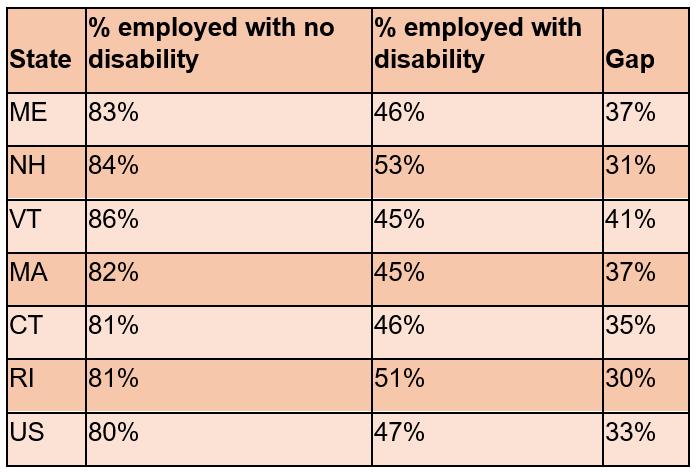
Citation: Thomas, N., Kingsbury, S., Lansing J., & Houtenville, A. (2026). Annual Disability Statistics Compendium: 2026 (Table 3.1). Durham, NH: University of New Hampshire, Institute on Disability.
Marlborough, NH, USA

RURAL HEALTH WORKFORCE FACTS
• People with work-limiting health conditions lack real-time, coordinated support to maintain employment. Crucially, while mental health is the leading cause of work disability, most interventions focus on physical conditions.
• Northern New England is disproportionately affected, with high rates of working age people receiving Social Security Disability Insurance (SSDI) benefits and high rates of SSDI for mental disorders. This crisis costs New England employers $32 billion annually in lost productivity and is linked to 30% higher healthcare utilization.
• Healthcare workers face unique workplace hazards and burnout, resulting in a staggering 40% Family Medical Leave rate (versus a 10% cross-industry average) and a record number of workers abandoning the field.
• Recruitment alone cannot solve the workforce shortage. Retention is highly cost-effective, yet less than 1/3 of U.S. employers accurately manage medical leave, missing vital opportunities for early intervention and injury prevention.
• Equipping employers to safely return these at-risk employees to work offers massive economic potential. If New England reduced the rate of workers receiving SSDI to the national average, the labor force in New England would increase by 40,025 workers.
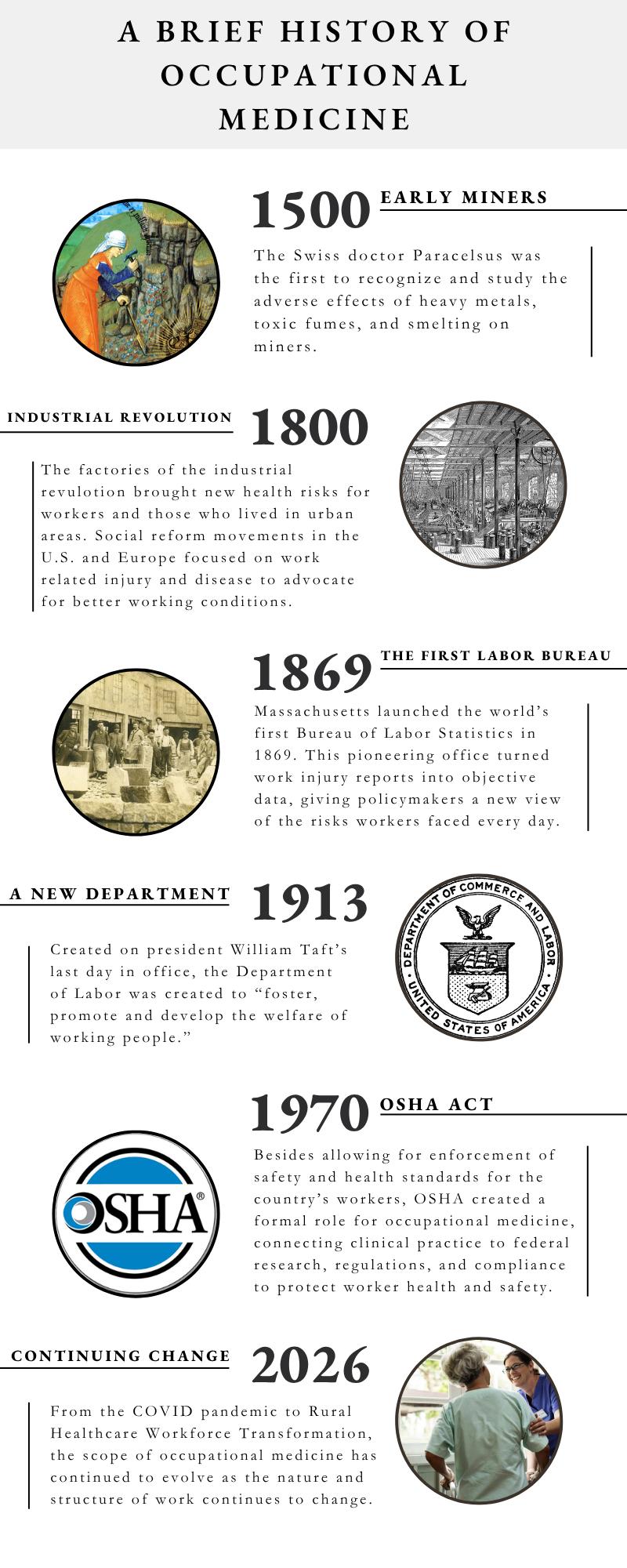
ENTER OCCUPATIONAL MEDICINE
Occupational Medicine clinicians are experts in ensuring the health, safety, and productivity of working people, their families, and communities. Services provided by Occupational Medicine to promote successful workforce retention include:
• Identifying and addressing workplace hazards and exposures
• Providing evidence-based education and programs on workplace hazards and worker health and safety
• Ensuring a match between the worker and their job tasks and providing appropriate job modifications
• Facilitating timely and safe return to work
• And – very importantly – preventing work disability in the first place!
The experience and training of Occupational Medicine clinicians can be used specifically to improve rural workforce retention through different paths. Occupational Medicine clinicians have knowledge and experience that can be used to train other healthcare workers to better integrate all aspects of a patient’s life –including work and disability – into their longitudinal care. Taking advantage of evidence-based Occupational Medicine trainings for nurses and clinicians in rural areas is of particular importance due to the limited work-health resources (as well as limited health resources as a whole) in those environments and thus greater importance of the prevention of burnout and other work disability. Additionally, Occupational Medicine clinicians have expertise in the organization and administration of work-related health challenges and monitoring that often lead to miscommunications and delays in care and services across employers, employees, and other clinicians. They have the ability to assist with things such as massive paperwork burden, work requirement evaluation, and coordination with statewide officials, employers, and workers to better keep track of and address work disability on a state and regional level as well as a personal patient-focused one. Through this, Occupational Medicine clinicians can help not only patch the holes in the rural workforce, but lead to a more lasting solution through clinician-led retention strategies.
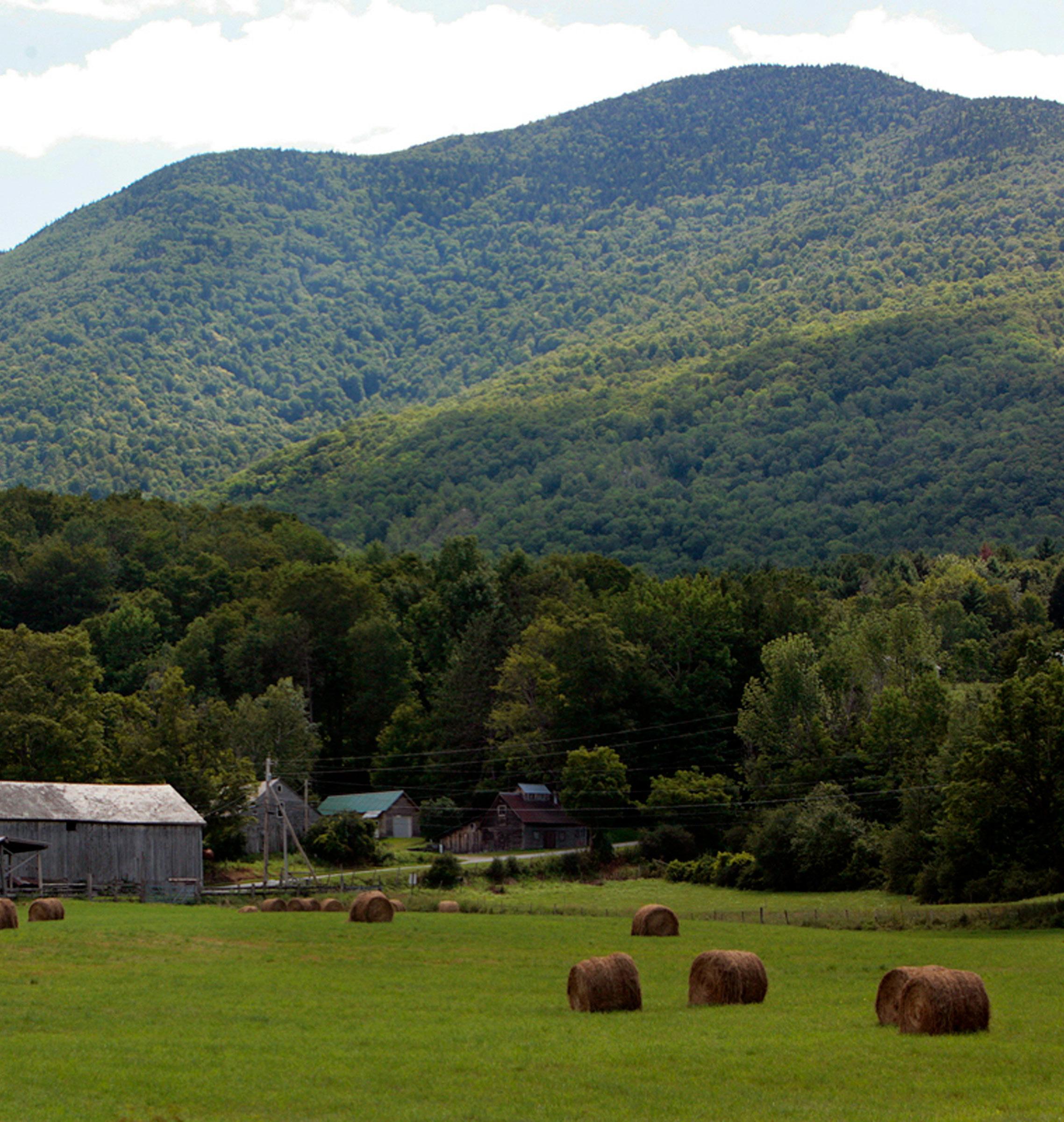

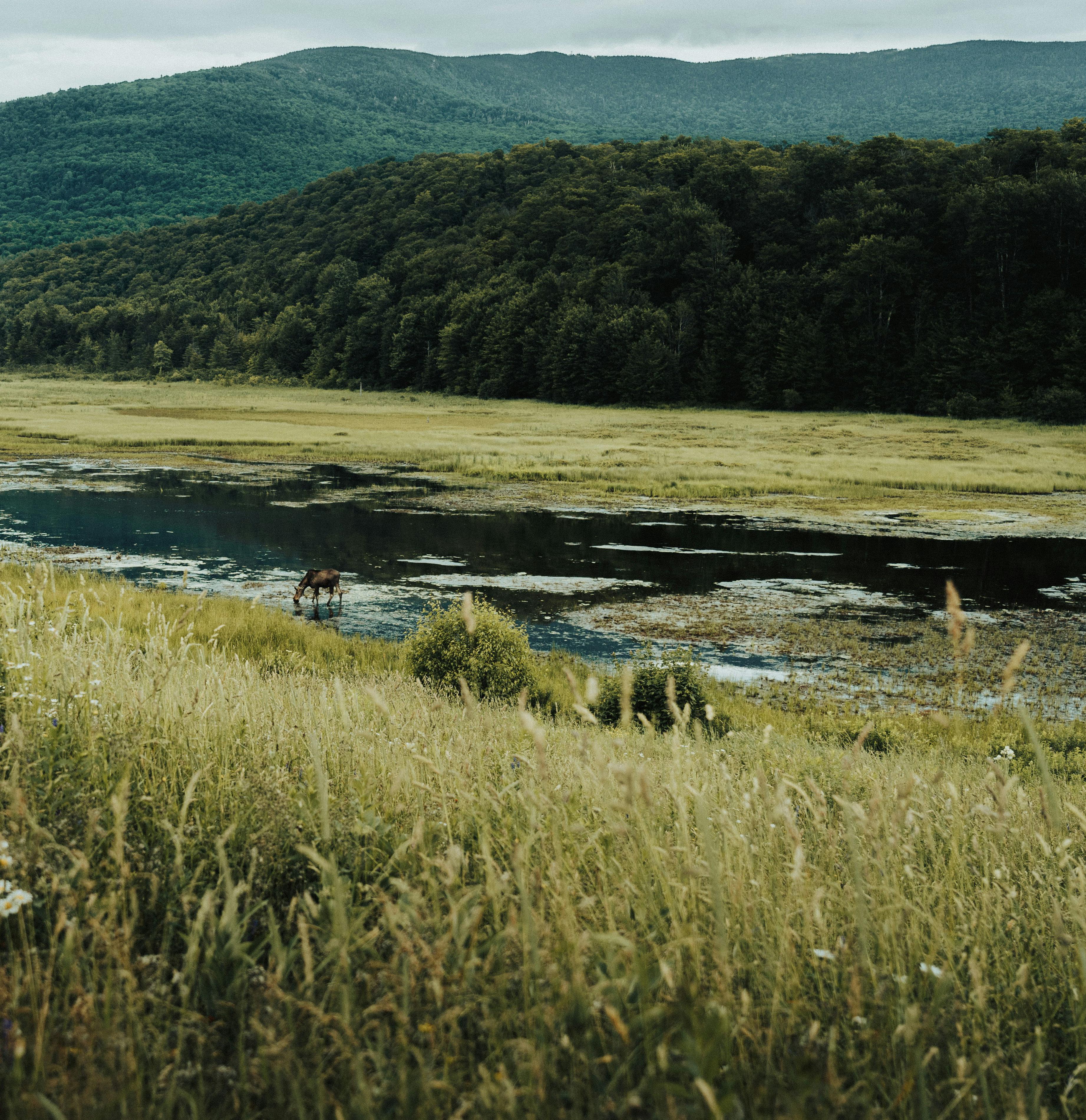
Abbey Pond, located within the Green Mountain National Forest near Middlebury, Vermont
STAY-AT-WORK, RETURN-TO-WORK: THE RETAIN MODEL AND LESSONS WE CAN LEARN FROM IT
There are many examples of successful stay-at-work and return-to-work strategies, tools, and programs implemented by occupational health professionals. One recent example is the Retaining Employment and Talent After Injury/Illness Network (RETAIN) funded by the US Department of Labor and conducted in five rural states (Kansas, Kentucky, Minnesota, Ohio, and Vermont) to develop state-wide work disability prevention capacity. RETAIN states successfully implemented a range of evidence-based occupational health approaches to workforce retention available to share with other states, including return-to-work care coordination for workers; best practice trainings for employers,
clinicians, and community health workers; patient work status dashboards in the electronic medical record; tracking and management of employee medical leave; and embedding work-health coaching into care teams. Although workers of all fields were eligible, the highest percentage of RETAIN participants in all states were healthcare workers, speaking to the need for work disability prevention support in this worker population.
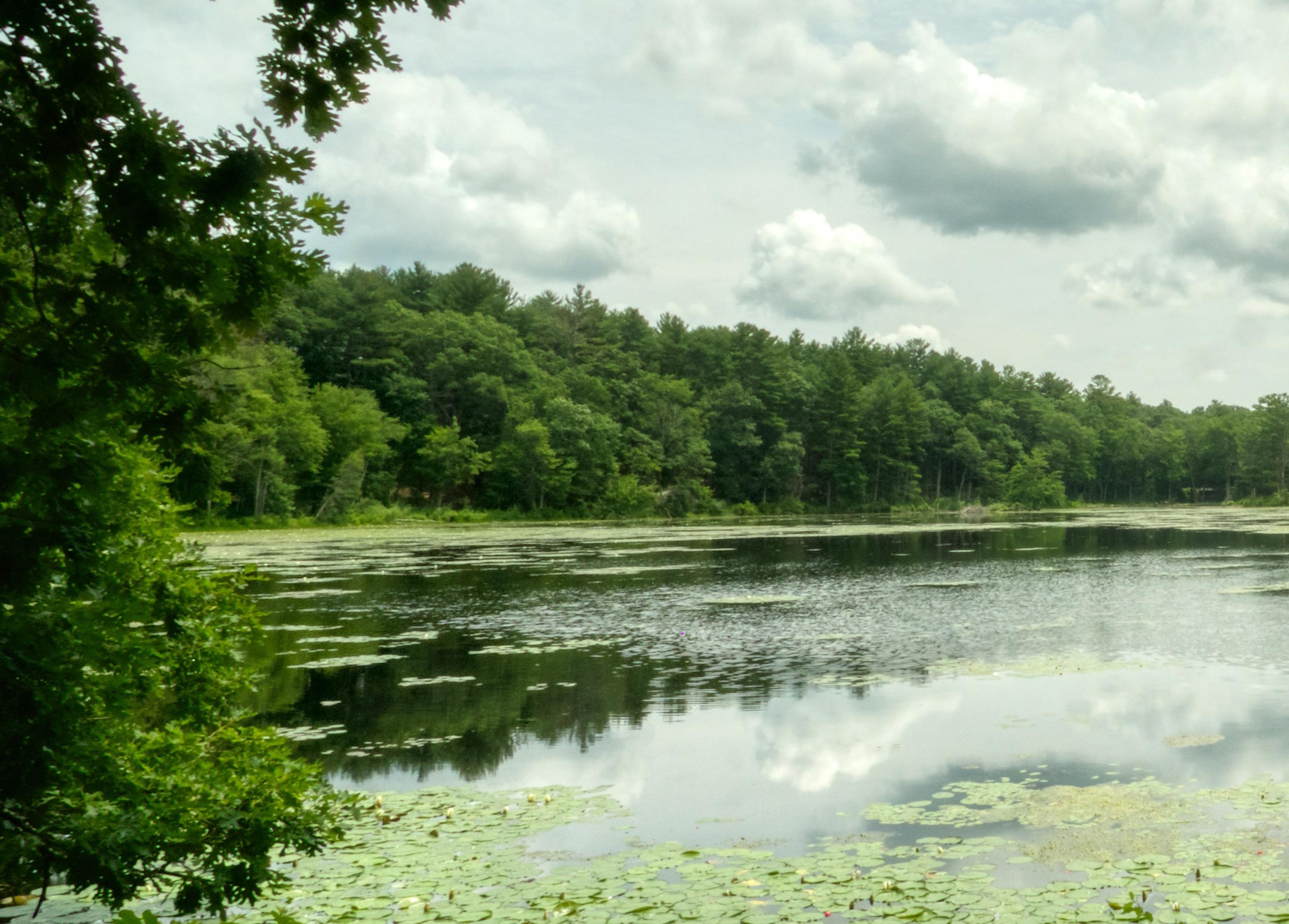
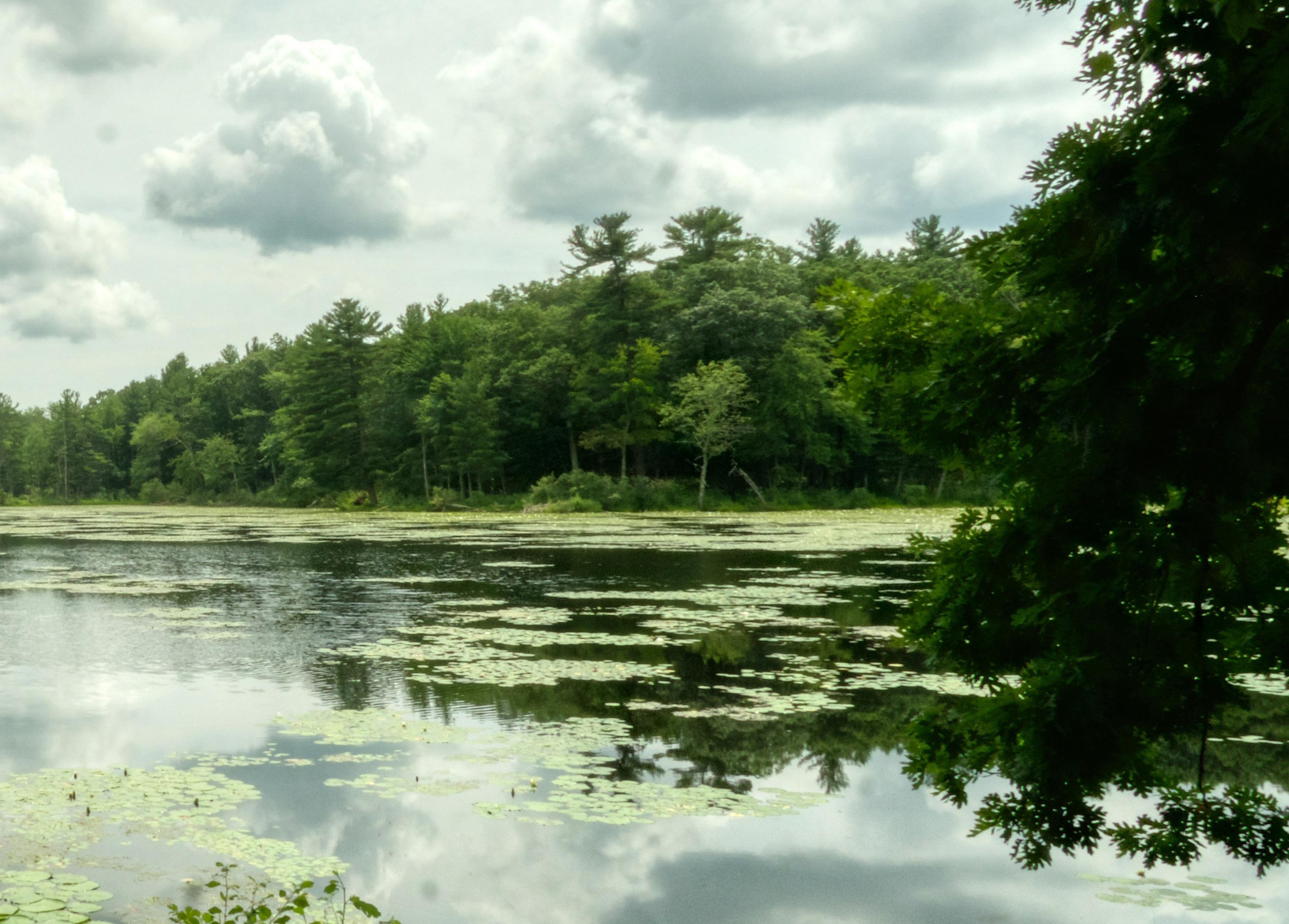
Fawn Lake, Bedford, MA, USA

How Can Occupational Medicine Help Retain Rural Healthcare Workers?
Enhancing HR Systems
Fewer than one third of employers accurately track employee medical leave. By tracking and managing employee leave using occupational health best practices, we can understand why employees are leaving and how to intervene to ensure fast and safe return to work.
Enhancing Electronic Medical Record (EMR) systems
By building patient work status into EMR dashboards, clinicians can better understand when patients need work disability intervention. This information is not usually tracked.
Expanding Access to eConsults and Telehealth
Primary care providers play a critical role in keeping patients working but sometimes lack training and resources to address patient work needs. Work eConsults or eVisits for completion of patient work forms by occupational experts can keep patients working safely and productively.
Increasing Mental Health, Community Support, and Addressing Chronic Disease
Unemployment is an independent risk factor for chronic disease and poor mental health, increasing reliance on social services. Embedding Work-Health Coaching in care teams can help patients work safely while improving both mental health and chronic disease outcomes.
Expanding or Implementing a Community Health Worker Team
Community Health Workers play a vital role in connecting patients to care, but most do not have training to support patient work needs. Including stayat-work/return-to-work best practice training and a toolkit in Community Health Worker .
The advent of the CMS Rural Health Transformation Program presents a timely opportunity for integration of Occupational Medicine best practices and implementation of proven work disability prevention strategies to shift focus from recruitment and replacement to retention of our rural healthcare workforce. A stay-at-work/return-to-work program such as RETAIN fits the intent of RHTP by transforming our rural healthcare system sustainably. After initial implementation, the cost savings generated by the program will create a self-sustaining model for the future. States could easily leverage RETAIN and other successful work retention models and materials to shift from recruiting workers into a fractured system which does not help retain them to mending the cracks that cause workers to leave the system and truly transform the rural healthcare workforce.
Article by Joel Smith, Luka Villani, Ken Greco, Sarah Probst, Andy Lowe, and Dr. Karen Huyck
CELEBRATING 30 YEARS OF IMPACT: NERHA’S LAKE MOREY RETREAT CHARTS A NEW COURSE
The sunshine reflecting off the surface of Lake Morey in Fairlee, Vermont, provided a serene backdrop for a pivotal moment in the history of the New England Rural Health Association. In May, 2026 the NERHA Board of Directors and staff gathered for a multi-day retreat that served as both a look back at three decades of service and just how far the organization has come with an eye toward the future.
As we celebrate our 30th Anniversary in the year ahead, the retreat wasn’t just about honoring the past; it was about setting the stage for our next Comprehensive Strategic Planning cycle. In the quiet of Vermont, away from the daily churn of the Rural Health Transformation Program and the grind of clinical pressures, the collective heartbeat of New England’s rural health champions found its rhythm and got to work.
Thirty years ago, NERHA was born from a simple idea that the health needs of a farmer in Aroostook County, Maine, or a fisherman in Gloucester, Massachusetts, were distinct from their urban counterparts and deserved a dedicated voice and a seat at the table. The six State Offices of Rural Health throughout New England believed we were stronger together.
NERHA Events
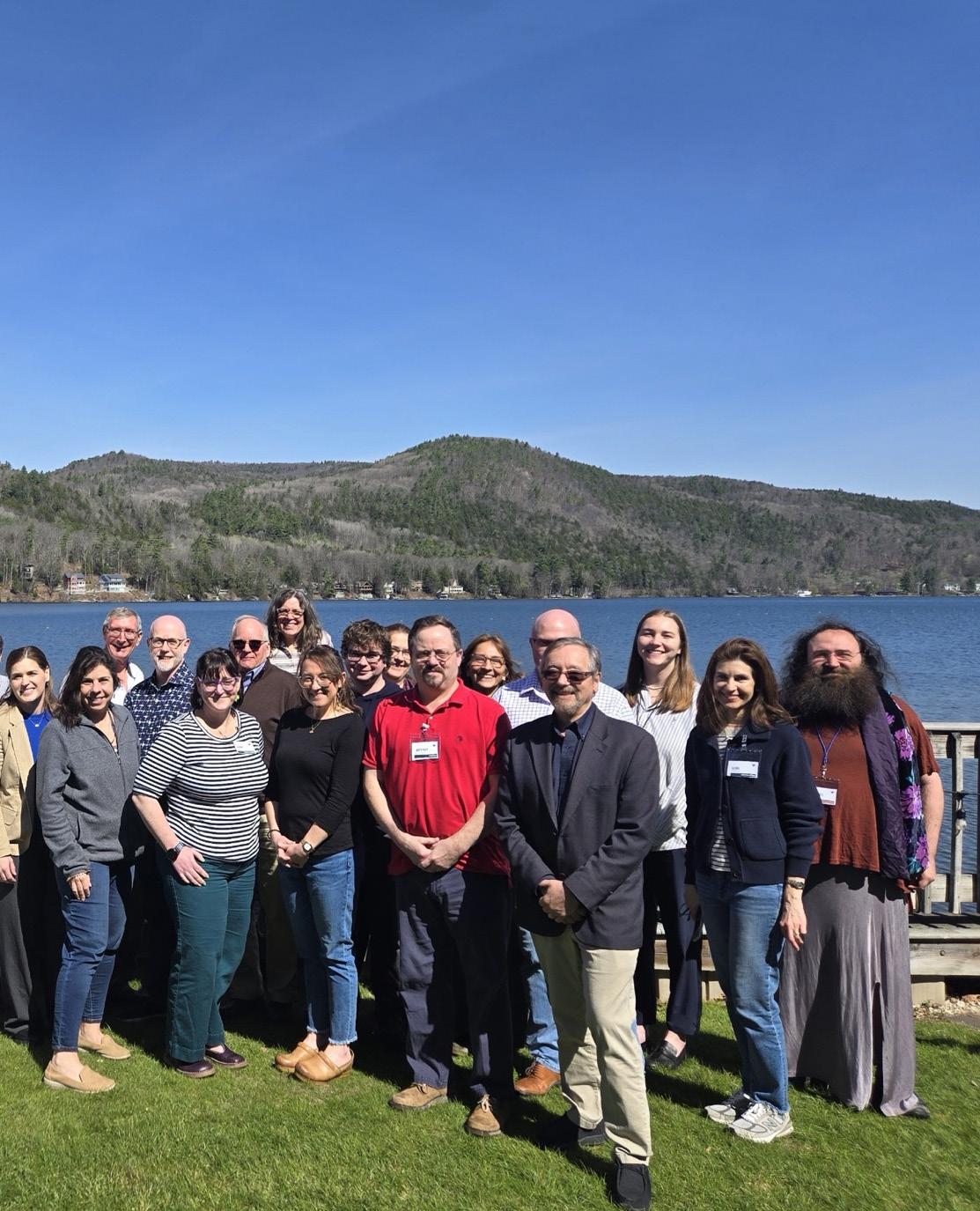
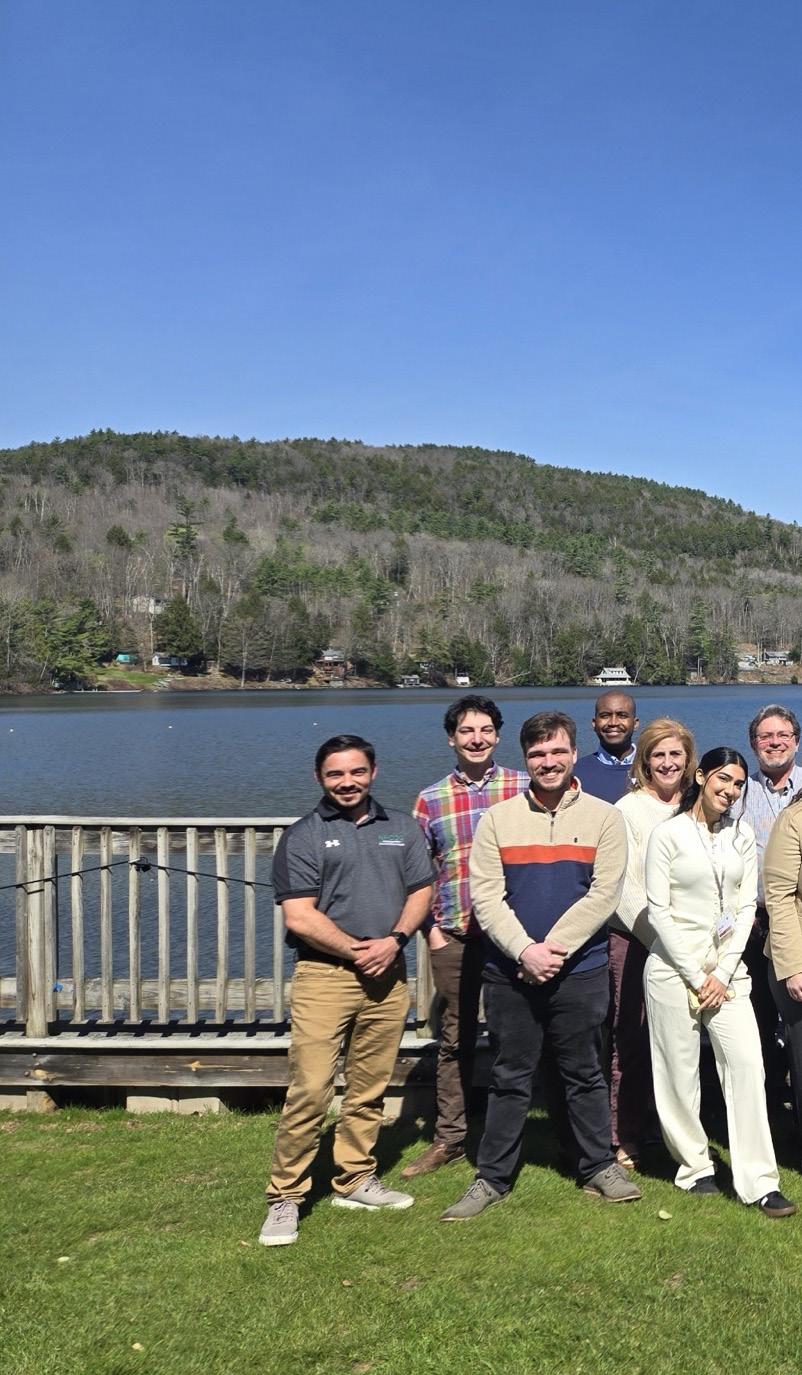
NERHA Board and staff at the 2026 Board Retreat at Lake Morey, VT, USA
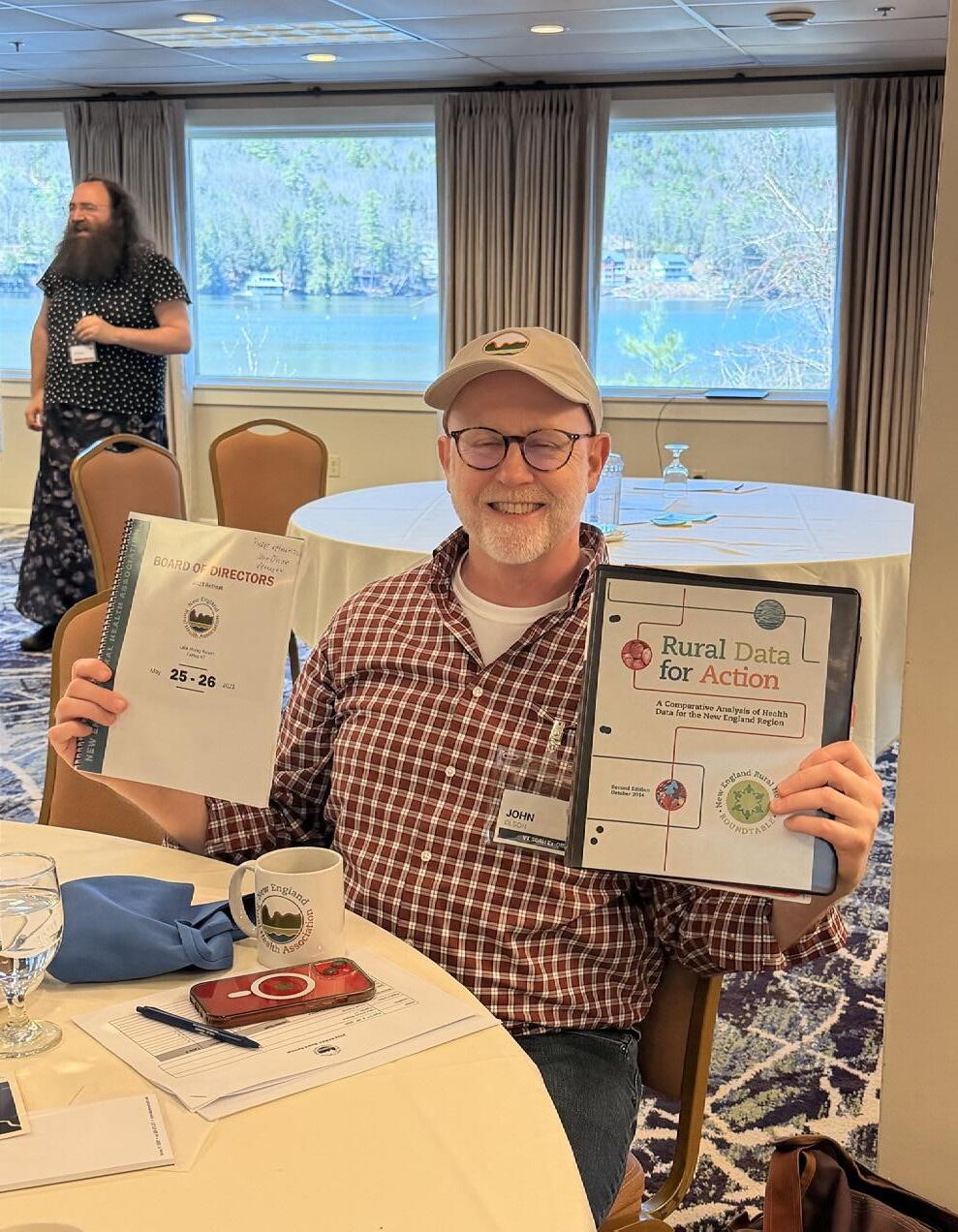
Embracing a collaborative, cross-border approach, they pooled their insights, resources, and passion to form a regional association called the New England Rural Health Roundtable.
During the retreat’s opening session, long-standing members John Olson, John Gale, Kirby Lecy, and special guest and former Board President, Eric Turer, shared origin stories. We tracked down initial budget and goals, unearthing historic goals, hardcopy data books from 2007, and conference programs from our earliest conferences, tracing our evolution from a fledgling network to a powerhouse of regional advocacy and programming. We have spent 30 years:
• Bridging Gaps: We have spent three decades connecting isolated healthcare providers and community-based organizations with the specific resources, funding, and legislative attention they need to survive and thrive.
• Innovative Programming: We ensure that public health programs are not just copied and pasted from urban models, but are genuinely designed to work within a rural context. Crucially, our initiatives are led, informed, and trained by people who possess real, rural lived experience.
• Building Community: We have intentionally created an enduring, supportive space where rural health champions can connect, ensuring they never feel like they are shouting into a vast void.
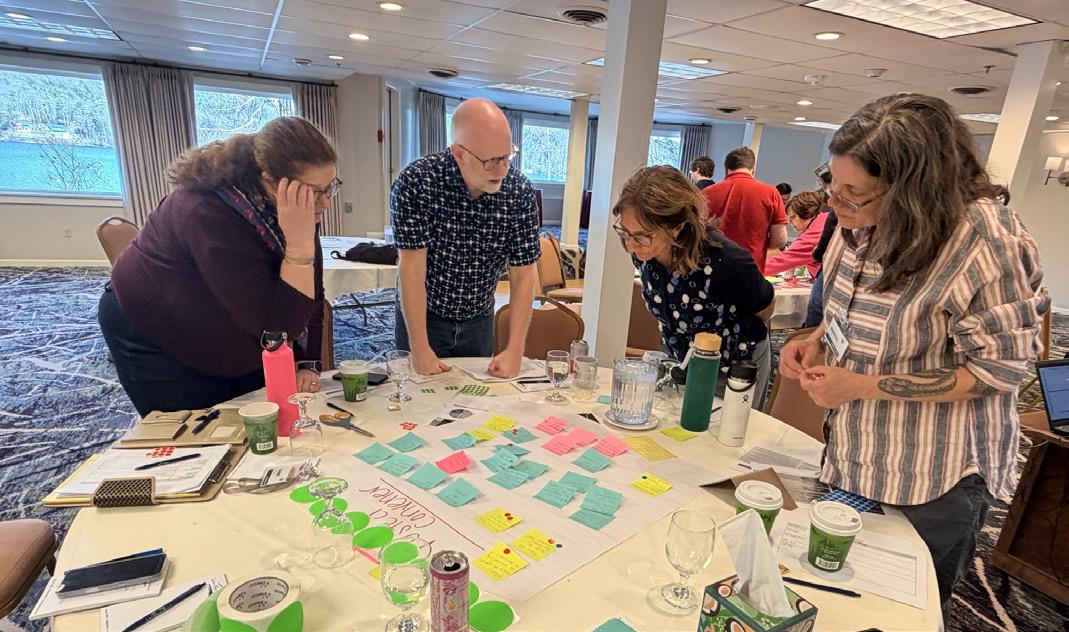
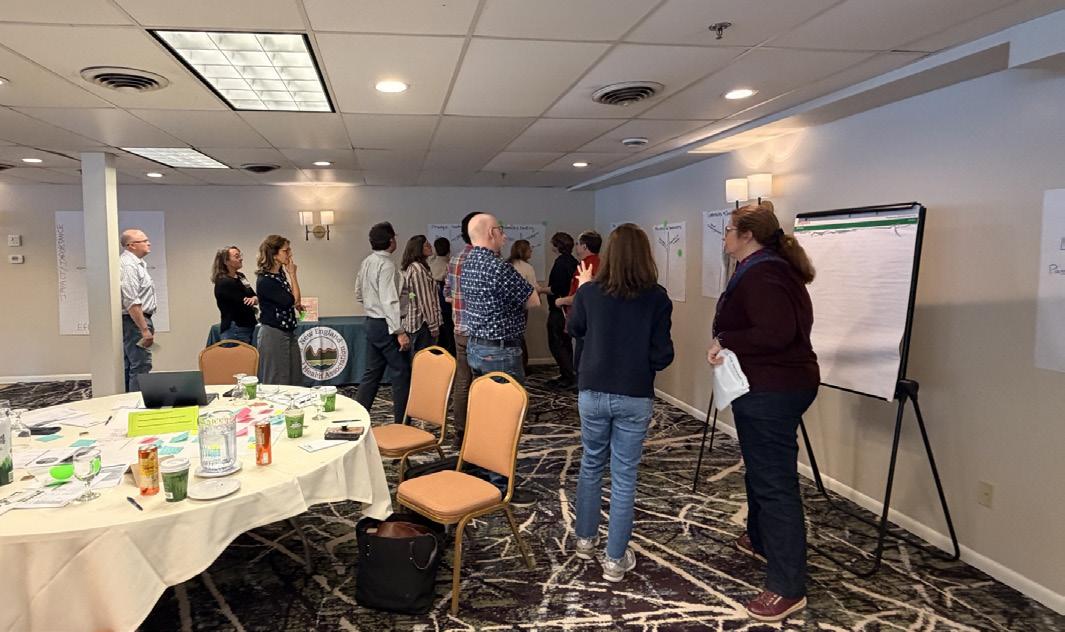
While it was fun and enlightening to look back, the group was quick to pivot from nostalgia to the pressing realities of 2026. The landscape of rural health has changed since our founding. The advent of digital tools, shifts in federal policy, and evolving economic pressures have transformed the terrain. However, the core challenges, such as workforce shortages, aging populations, and the digital divide, have simply evolved into new and more complex forms. The primary objective of the Lake Morey retreat was to lay the groundwork for a strategic plan that is as resilient as the communities we serve. Over two days of intensive workshops, the Board identified its key pillars that will guide NERHA. We conducted a SWOT analysis (Strengths, Weaknesses, Opportunities, and Threats), explicitly recognizing how much the healthcare landscape may shift over the next three years, and mapped out our priority tasks, timelines, and resources while having some fun development roleplay in between.
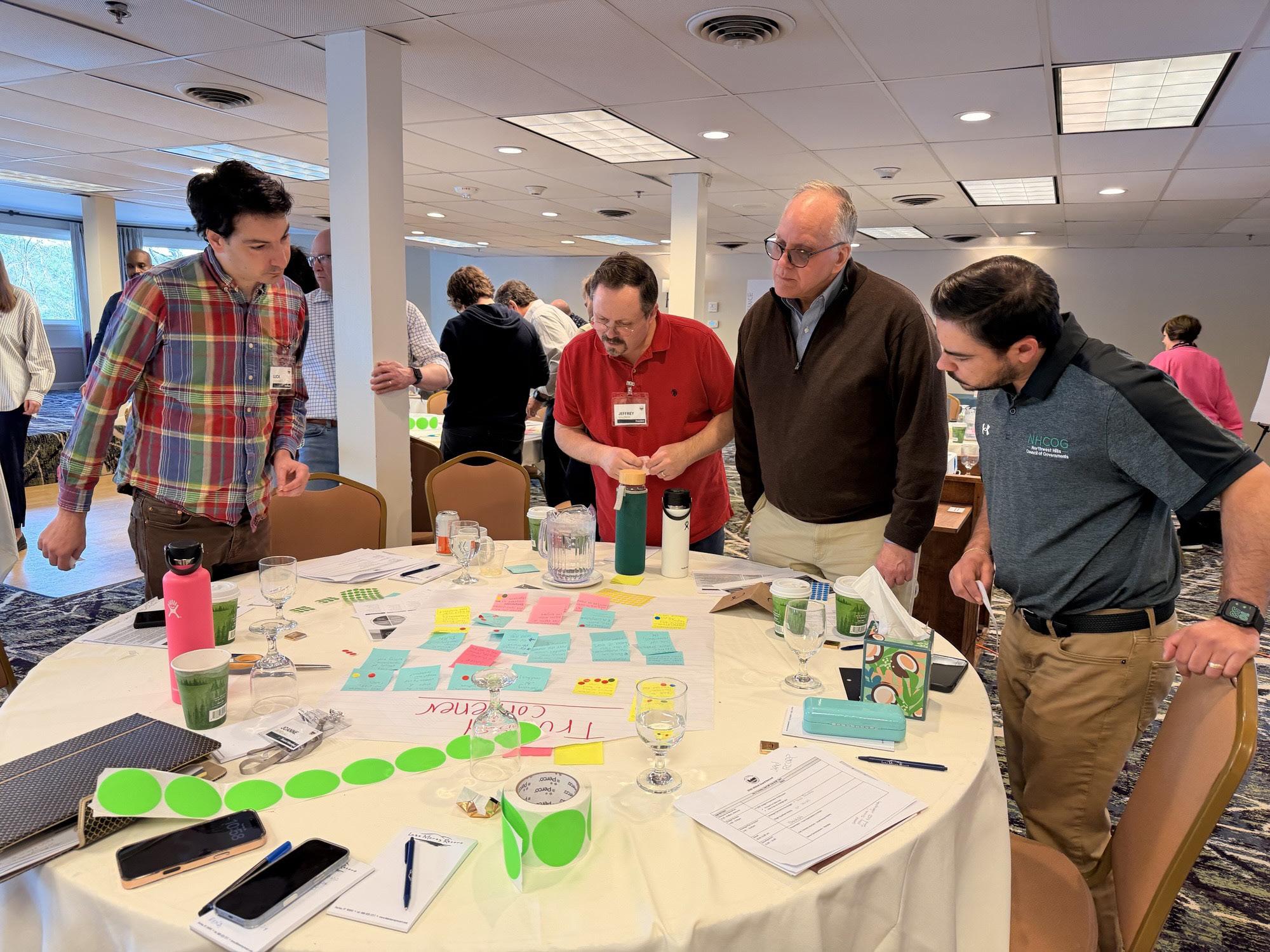
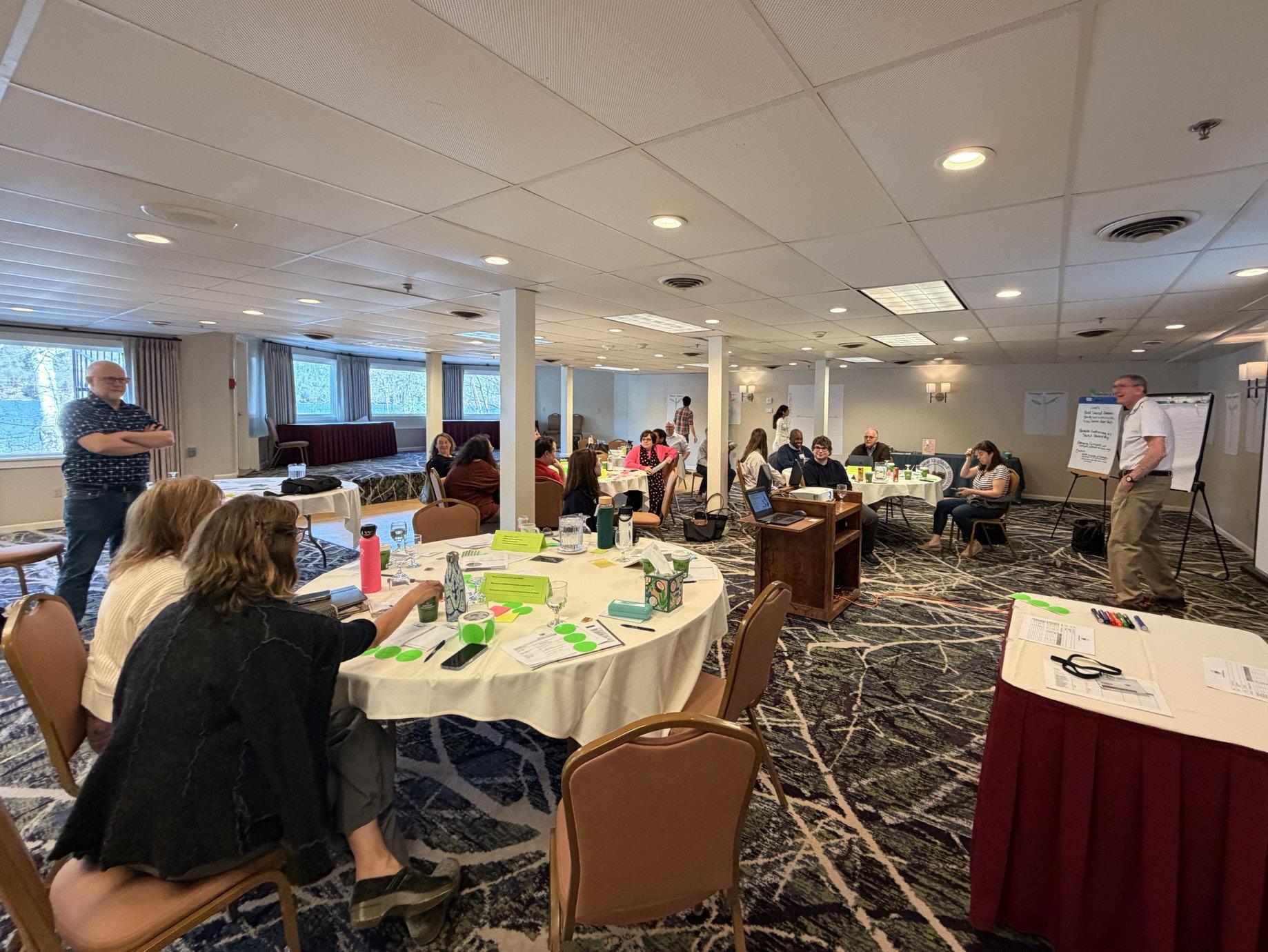
The retreat wasn’t all spreadsheets and SWOT analyses. The beauty of Lake Morey encouraged a different kind of productivity: connection. Between sessions, the team walked the lakeside and ate together, sharing the personal victories and challenges that define the life of a rural public health professional. However, there was one major disappointment during the event: our inability to have a campfire. Not to light it, as it has been some years when the wood was too soaked. Unfortunately, this past month, the weather conditions were far too dry and too windy to safely spark an open flame. If you have ever been to a NERHA event, annual meeting, or conference, you know that a true NERHA campfire is our absolute favorite way to close out an evening. It is our signature tradition.
HISTORICALLY,
GATHERING AROUND A FIRE IS
HUMANITY’S OLDEST RITUAL FOR CONNECTION
Long before modern communication, the hearth was where ancestors met to share stories, pass down wisdom, and build the social cohesion necessary for survival. It was around the fire that day-to-day survival tasks gave way to imagination, philosophy, and community bonding. Tapping into that heritage, the NERHA team realized that while we lacked the physical flame, we still possessed the spirit of the ritual. We adapted. We made do with the soft glow of patio string lights, gathering around an unlit outdoor pizza oven. Even without the crackle of burning wood, the setting still invited incredibly rich, authentic conversations and invaluable opportunities to get to know one another on a personal level. You realize that while our geographies differ, our values and what drives us in this work are identical. We are driven by a commitment to the people, to the community, our families, and the land.
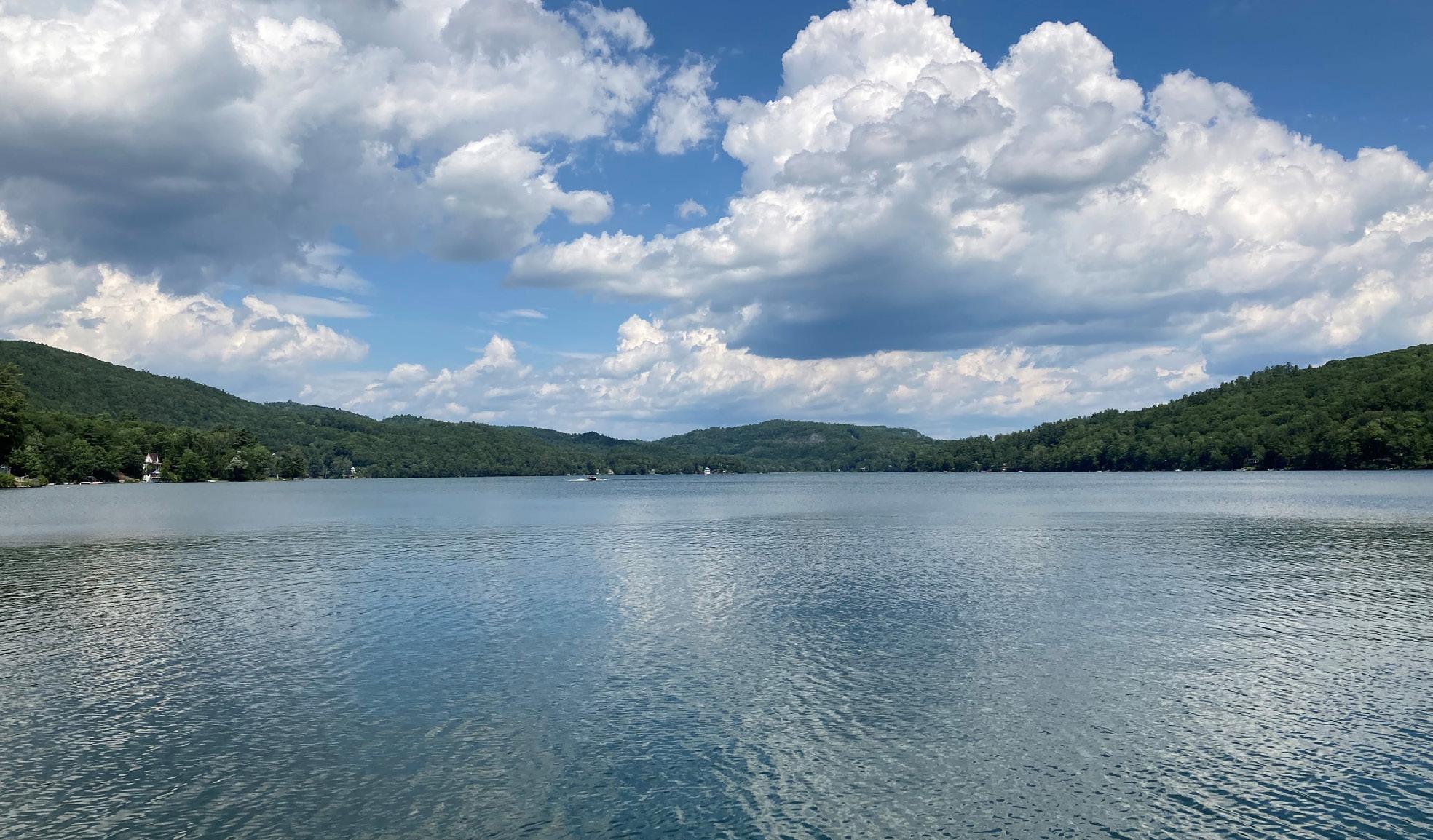
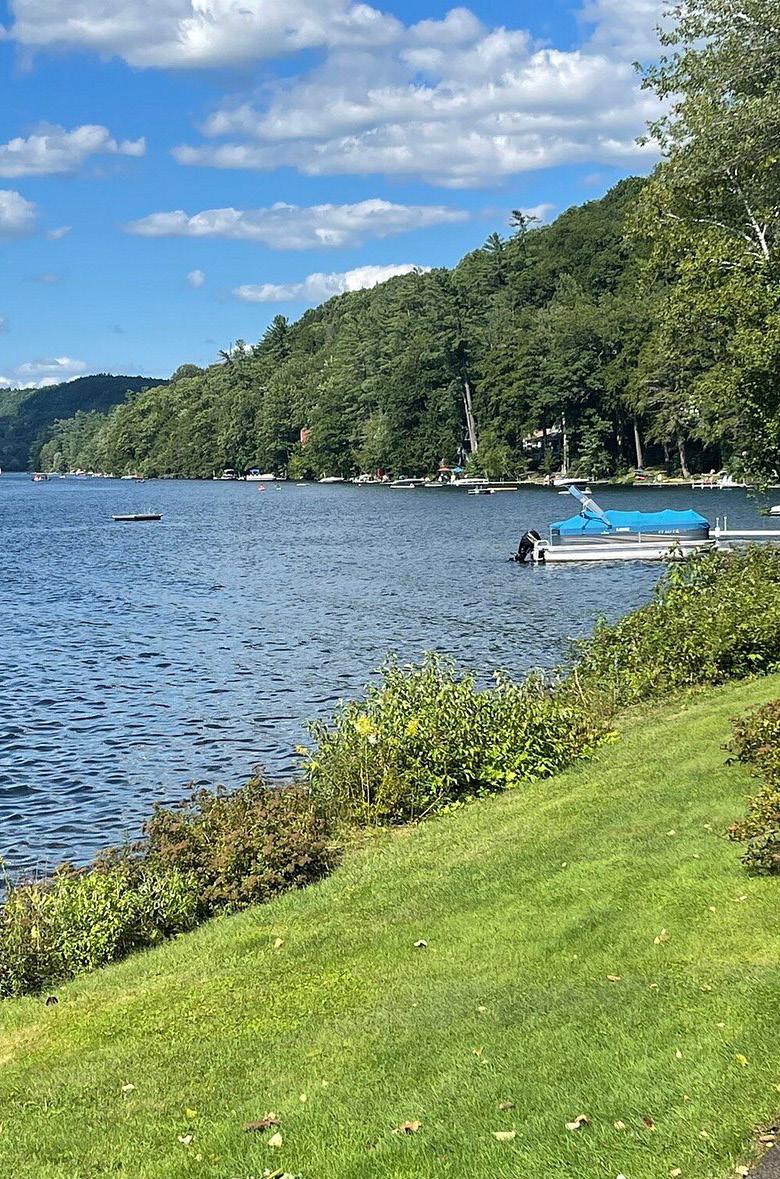
Lake Morey, VT, USA in the summer
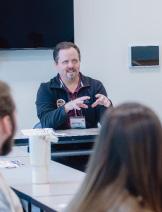
“To lead NERHA into its fourth decade is to honor the grit of the past while embracing the agility required for the future. Lake Morey reminded us that we are at our best when we are together.” — Reflections from the Board President, Jeff Waldron.
As we packed away the stacks of flipcharts and headed back across state lines to our respective home bases, we did so with the full understanding that the real work is just beginning. The raw insights, candid debates, and strategic breakthroughs gathered at this retreat will not sit on a shelf. Over the coming weeks, they will be carefully distilled, refined, and organized into a formal, actionable Strategic Plan to be proudly unveiled later this year.
Thirty years is an incredible milestone for any organization, but for us, it is not a finish line. It is a jumping-off point. Standing on the shores of Lake Morey, it became crystal clear that NERHA’s mission is more vital, more urgent, and more necessary today than it was back in 1996. The “Rural Roots” we celebrated at this retreat are deep, resilient, and remarkably strong. Strong enough to fully support the ambitious and innovative future we are actively building together.
I could not be prouder to be a part of this organization, this board, and this staff team as we continue serving our incredible healthcare partners, dedicated providers, and rural communities across the New England region.
Happy 30th Anniversary, NERHA. Here’s to the next thirty years of making rural New England a healthier, more vibrant place to call home.
Photo of
Board President Jeffrey Waldron
Article by Ann Marie Day
In each edition of Rural Roots we feature one or more of our amazing rural health members to celebrate the diverse paths they have followed in their rural practice. We think you will be as inspired as we are by these incredible, experienced rural practitioners.
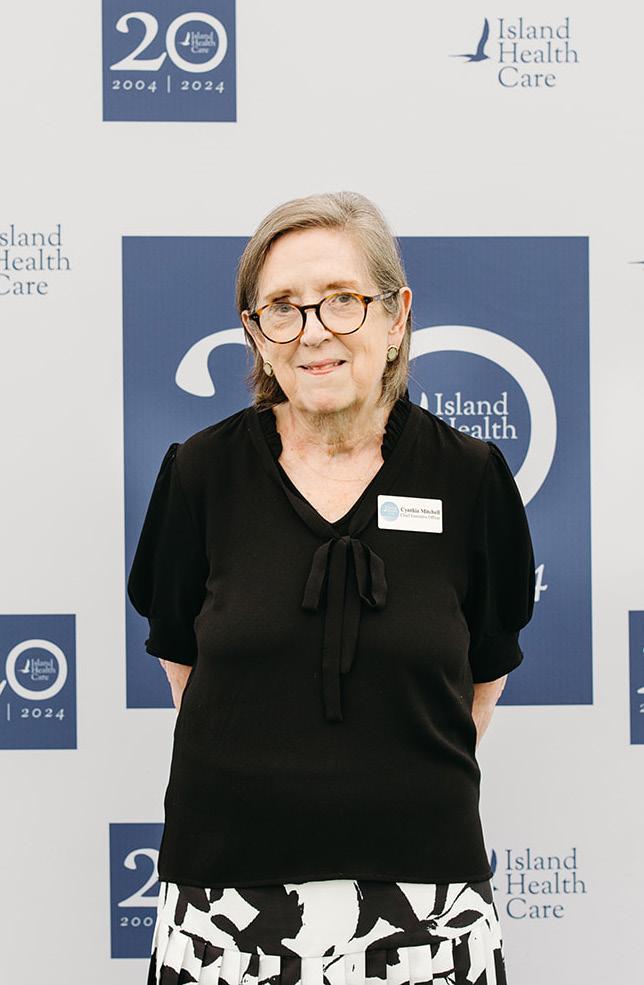
This issue, we invite you to meet Cynthia Mitchell, a former NERHA Member and CEO & Founding Director of Island Health Care!
CYNTHIA
MITCHELL
A Rural Leader Rooted in Community
On Martha’s Vineyard, the path that brings you here matters less than the shared spirit that keeps you connected.
Many families have been here for generations. Some arrive for a summer and never leave. Others come for a season and eventually return for a lifetime. However you first find your way to the Island, Vineyarders are bound together by a deep civic spirit and an unwavering instinct to show up for one another. Few embody that shared commitment more fully than Cynthia Mitchell.
This June, Cynthia, the CEO and founding director of Island Health Care, will receive the Outstanding Community Health Center CEO Award from the Massachusetts League of Community Health Centers. It’s a moment that feels both celebratory and inevitable, because the recognition is catching up to a lifetime of quiet service. For more than two decades, Cynthia has been the beating heart of rural health leadership on Martha’s Vineyard: strategic, compassionate, forward thinking, and deeply rooted in the community she calls home.
Cynthia and her husband, a native Islander, moved to the Vineyard in their 30s, trading the wide open landscapes of the Midwest for West Tisbury, a rural corner of the Island where thousands of acres of old woodlands and working farms are still stitched together by stone walls laid in the seventeen and eighteen hundreds, and where beaches, rolling hills, and salt tinged air serve as the backdrop for daily life.
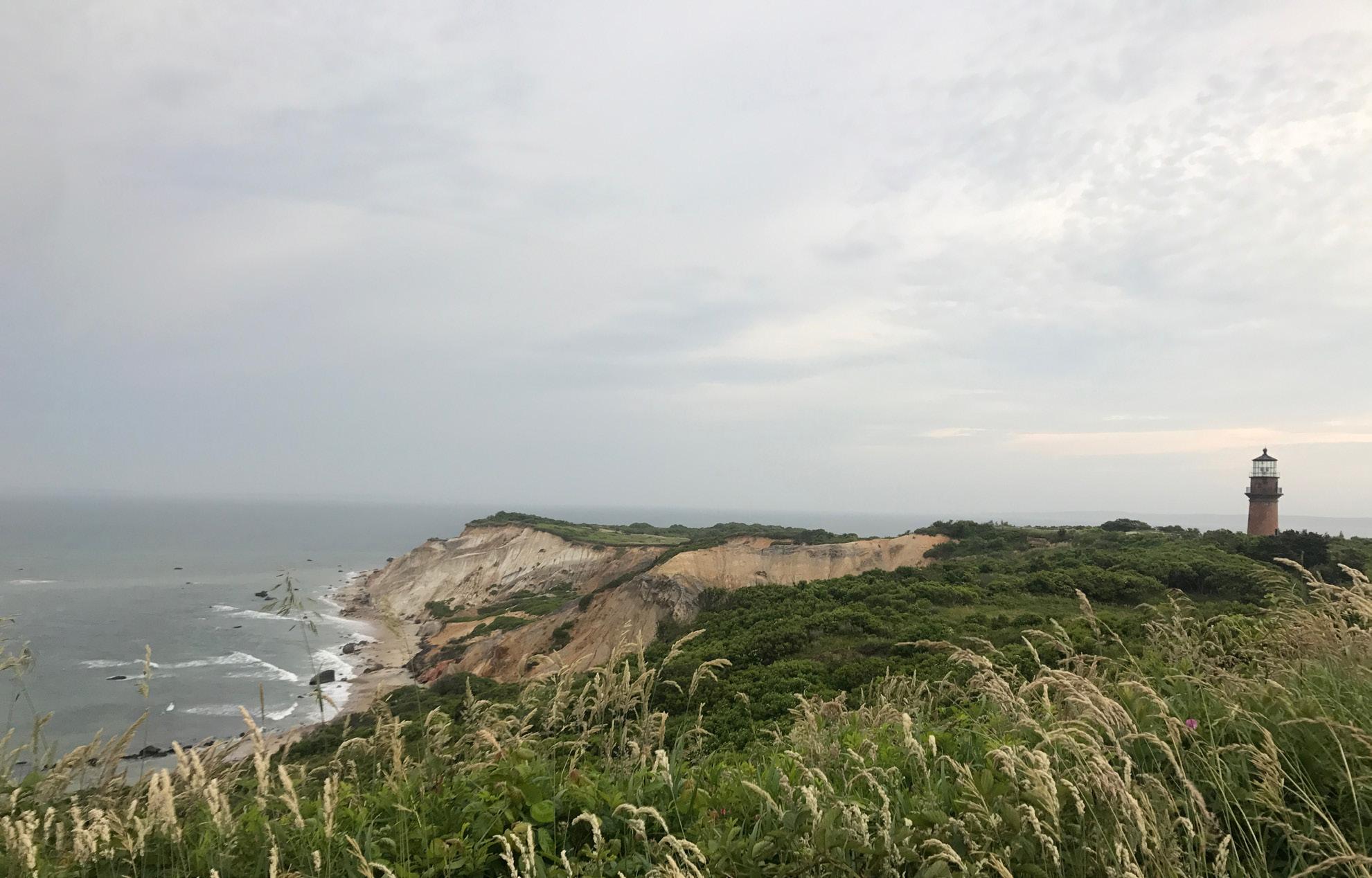
Aquinnah Cliffs, Aquinnah, Massachusetts USA
Martha’s Vineyard shares many characteristics with rural towns and regions across New England – geographic isolation, limited health care infrastructure, and a year round population that depends on a small number of providers. But it also has its own unique pressures, including a massive influx of seasonal residents during the summer months, a tourism driven economy, and the constant presence of high profile visitors, from the Kennedys and Obamas to Beyoncé and Jay Z.
In 1986, a neighbor encouraged Cynthia to run for local office. Her early service as the Treasurer for the Town of West Tisbury, a position she held from 1986 to 2003, turned out to be just the beginning. In 1990, she became the first woman elected to the West Tisbury Select Board, a role she held until 2002 and then again from 2010 through today. She also served as Chair of the Martha’s Vineyard Hospital Board, where her understanding of the Island’s health care challenges deepened.
Over time, this community and civil service shaped Cynthia’s drive to ensure that health care on the Vineyard was affordable, accessible, and responsive to the community’s unique needs and rhythms.
In the late 1990s, in response to high local rates of uninsurance, Cynthia helped launch the Island Health Plan, a community-based affordable insurance initiative for the Cape and Islands. But as Massachusetts moved toward near-universal health coverage, she reassessed what the Island would need next. If insurance access was about to improve statewide, the more urgent challenge would be to ensure that there were enough local primary care providers available to meet
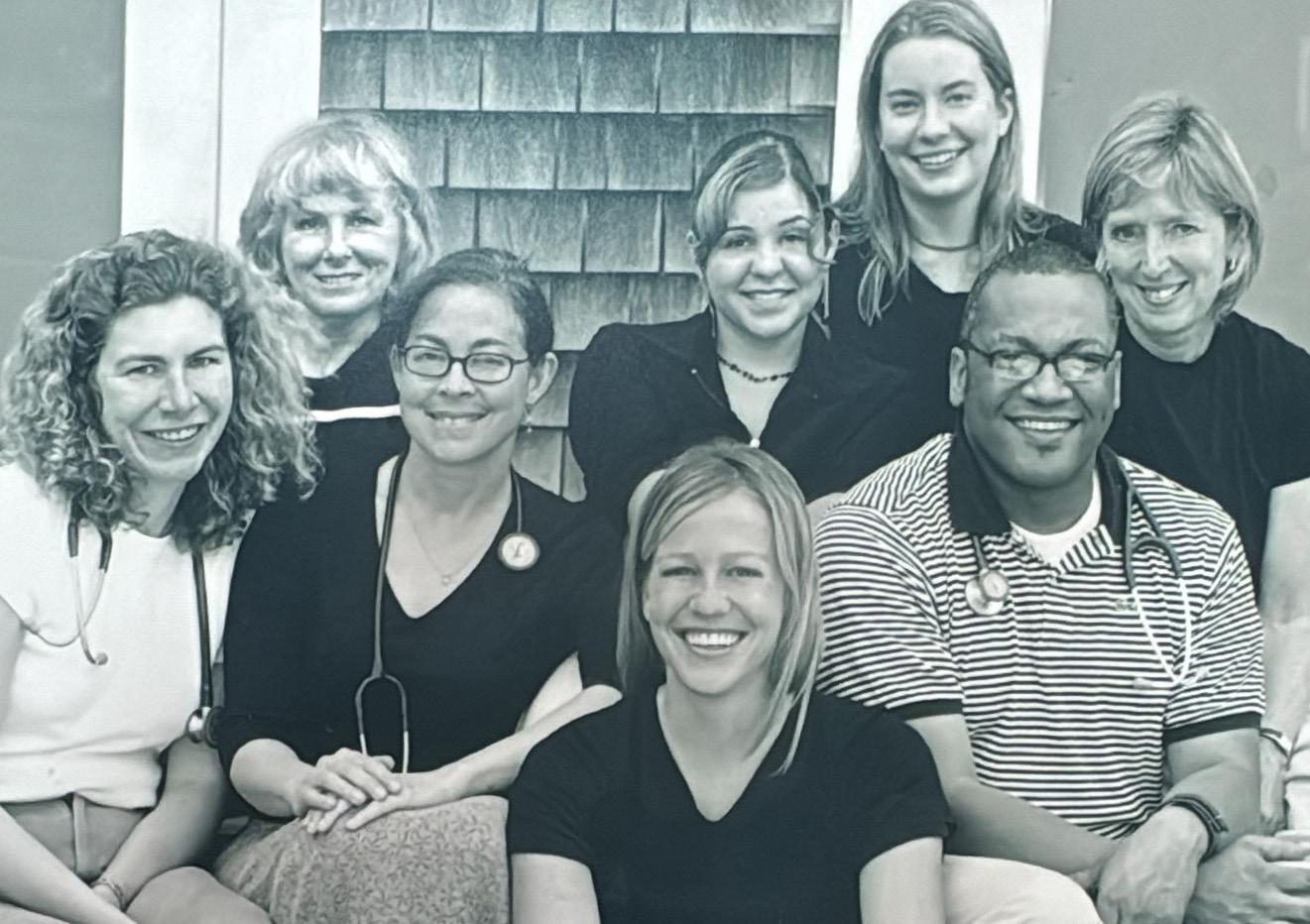
Ths original IHC team when they opened as a rural health clinic
Cynthis Mitchell at the IHC 20th anniversary celebration
patient demand. Understanding this shift before it was obvious to others, Cindy pivoted. In 2004, she founded Island Health Care (IHC), the first rural health clinic in Massachusetts.
Under her leadership, IHC has grown from a group of just eight to a team of more than sixty. In 2014, it became a Federally Qualified Health Center, bringing critical federal resources to the Island and further expanding access to culturally and linguistically competent care. And Cynthia never stopped asking the essential question: How can care be more accessible, more equitable, and more responsive to the Island’s needs?
Because of that mindset, IHC has continuously evolved — adding behavioral health services, launching a dental center, building a strong team of community health workers and peer recovery coaches, and embracing innovations in population health, care delivery, and insurance reform. During the COVID 19 pandemic, Cynthia’s leadership was nothing short of extraordinary. She helped launch and sustain TestMV, the Island’s drive through testing site, which ultimately provided nearly 50,000 PCR tests. Through her advocacy, IHC also brought in vaccines, tens of thousands of rapid test kits, and N95 masks, ensuring access and safety for Island residents and visitors alike. In a moment defined by fear and uncertainty, Cynthia led with clarity, calm, and conviction.
If you want to understand Cynthia’s leadership style, picture the small three bedroom apartment above the primary care clinic in Edgartown where IHC’s administrative offices are located. On a December morning, it’s a still, peaceful kind of quiet that only an Island winter can bring. Cynthia sits at her desk, chipping away at her never ending to do list, the hum of the clinic below her and the soft creak of the building around her.
But come July, the scene transforms. Traffic backs up for miles. Parking lots overflow. Visitors dash into local stores for snacks before heading to the beach. And above it all, in that same little apartment, Cynthia is still at her desk, steady, focused, and unflappable.
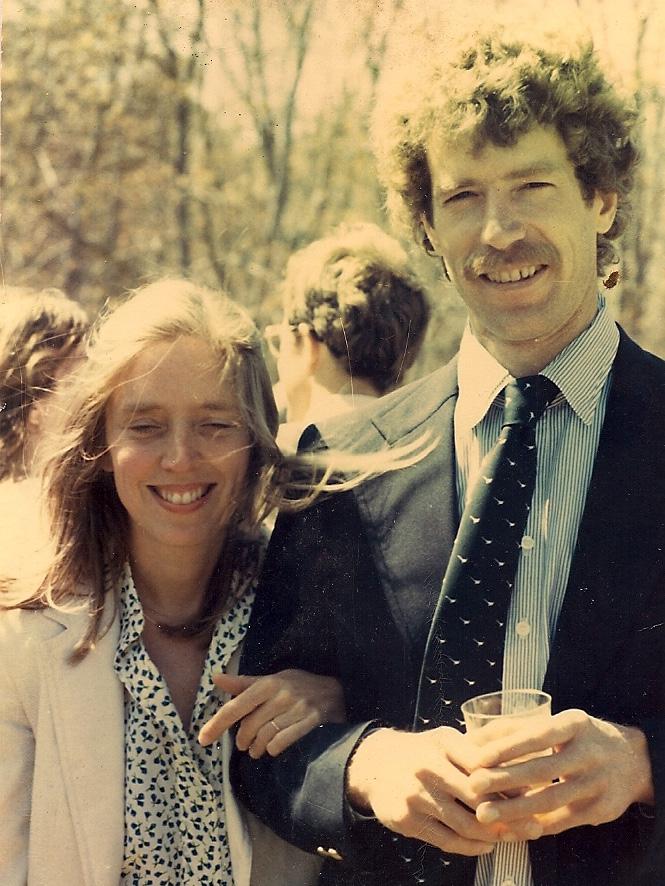
Cindy and her husband
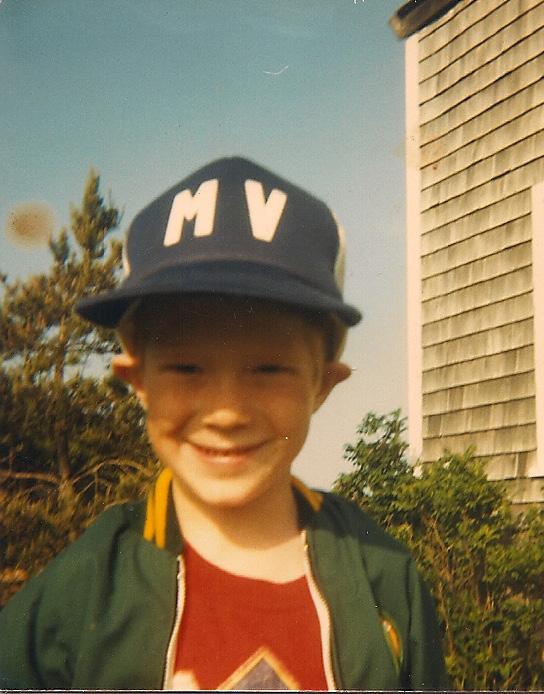
Sam (Cindy’s son) when he was little wearing the MV hat
That’s rural leadership. It’s not glamorous or loud, but it’s profoundly committed.
Cynthia’s two children grew up in the heart of this work. They still laugh about being dropped off by the school bus at the West Tisbury Town Hall, before their mom was done with work for the day. She’d give them fifty cents a piece to buy candy at the general store, and they would “walk around town” while they waited. Never mind that “town” amounted to a church, a library, and two small shops—to them, it was everything. To Cynthia, those afternoons were a quiet reminder of why the work mattered: to keep the Island the kind of place where families could put down roots, wander freely, and truly belong.
This June, as Cynthia receives the Outstanding Community Health Center CEO Award, the Island will celebrate her. But the truth is, she has been quietly shaping the Vineyard for generations, one meeting, one policy, one patient, one family at a time. Her legacy is a stronger, more connected Island community, built like a stone wall over decades of service, vision, and heart.
Article by Lucy Hackney
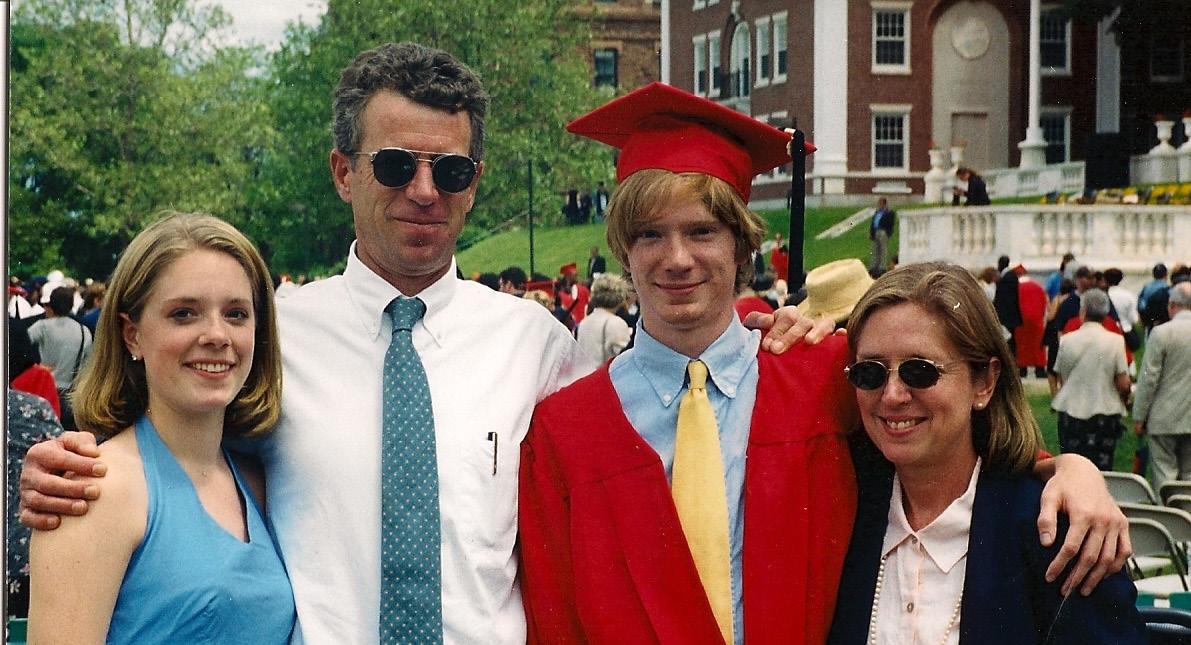
A family photo at Sam’s graduation
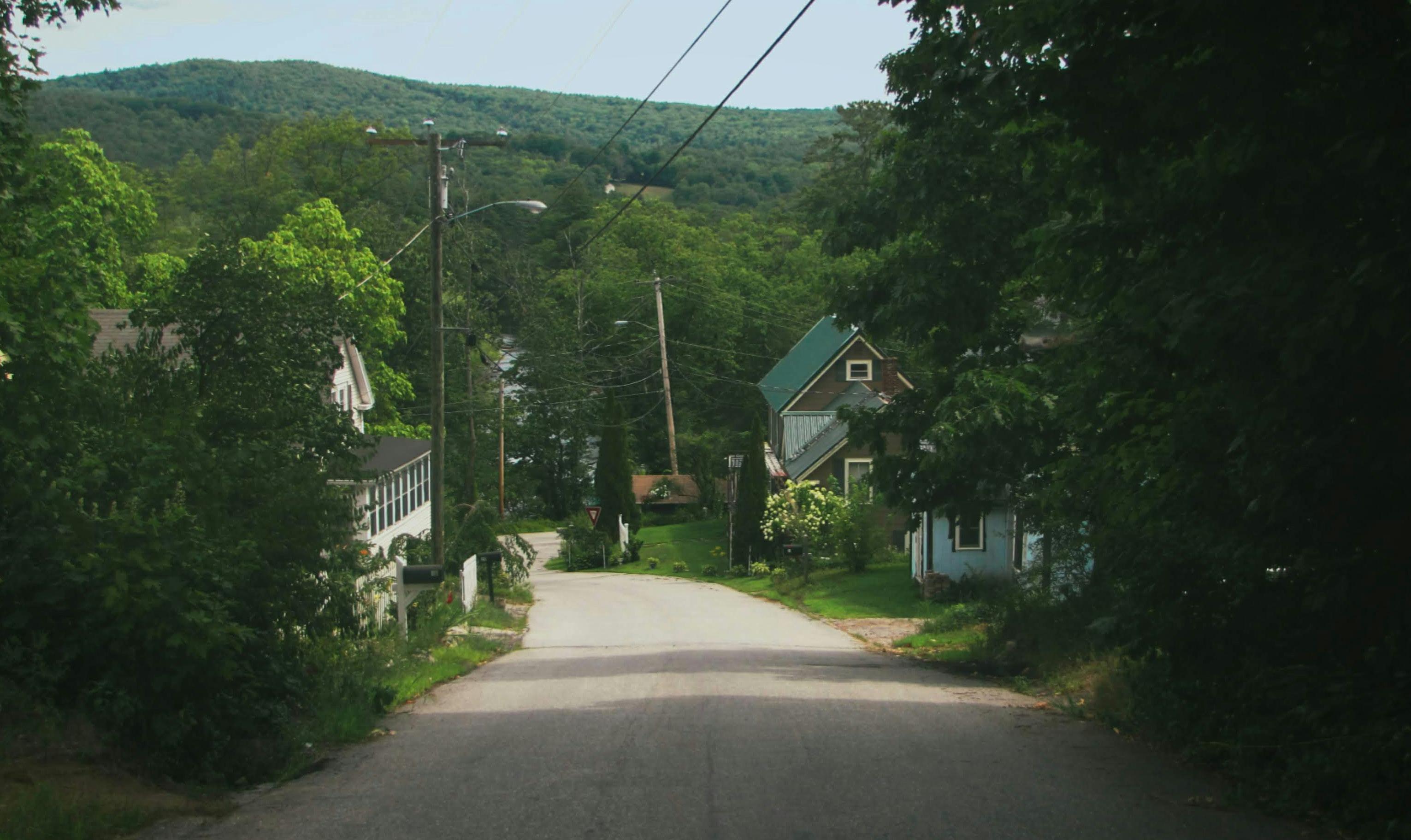
MILES FOR A SMILE: THE HIDDEN BURDEN OF DENTAL ACCESS IN RURAL NEW ENGLAND
On a cold winter morning, somewhere amidst the heart of rural New England, a mother bundles her child into the backseat and begins a drive that will take nearly an hour, just for a routine dental checkup. The roads are long, public transport is scarce, and rescheduling may not be an option. For many families in rural communities, this is not an inconvenience. It is the norm.
Oral healthcare, often separated from mainstream healthcare conversations, tells a powerful story when viewed through the rural American lens. In these communities, access is not simply about availability, it is shaped by geography, workforce distribution, infrastructure, and affordability. The result is a quiet but persistent public health challenge that affects individuals across the lifespan.
Across states like Vermont, Maine, and parts of Connecticut, rural communities face a significant shortage of dental professionals, with many areas designated as Dental Health Professional Shortage Areas (HPSAs). In Vermont, all counties are classified under this designation, while in Maine, more than 60% of residents live in areas with limited access to dental providers. In practical terms, this means fewer providers serving larger, more dispersed populations. For residents without reliable transportation, even the presence of a clinic within a county may not translate to meaningful access. Elderly individuals, low-income families, and those with disabilities are disproportionately affected, often delaying care until the last urgency.
Hillsboro,
But the consequences of limited access extend far beyond untreated cavities. Oral health is deeply related to systemic health. Conditions such as periodontal disease have been linked to diabetes, cardiovascular disease, and adverse pregnancy outcomes. In rural populations, with an already high chronic disease burden, poor oral health can intensify existing health disparities, creating a cycle that is difficult to break.
For children, the impact can be greatly profound. Early childhood caries remains one of the most common chronic diseases, yet it is largely preventable. In rural settings, children are more likely to experience untreated decay, leading to pain, difficulty eating, and missed school days. Over time, these challenges can affect not only physical health but also confidence, speech development, and academic performance.
Ultimately, the overall quality of an individual’s life.
The impact of these access gaps is reflected in care utilization patterns. In Maine, nearly one in five adults report not visiting a dentist within the past year due to cost or access barriers. This statistic underscores how structural limitations such as distance, affordability, and workforce shortages, translate directly into unmet health needs across rural populations.
Economic barriers further complicate the landscape. While Medicaid offers dental coverage, reimbursement rates and provider participation vary widely, limiting its effectiveness in rural areas. Many residents fall into a “coverage gap,” where they do not qualify for public insurance but cannot afford private care. As a result, emergency departments often become the last resort for dental pain, an expensive, yet incomplete approach, as it targets symptoms rather than underlying causes.
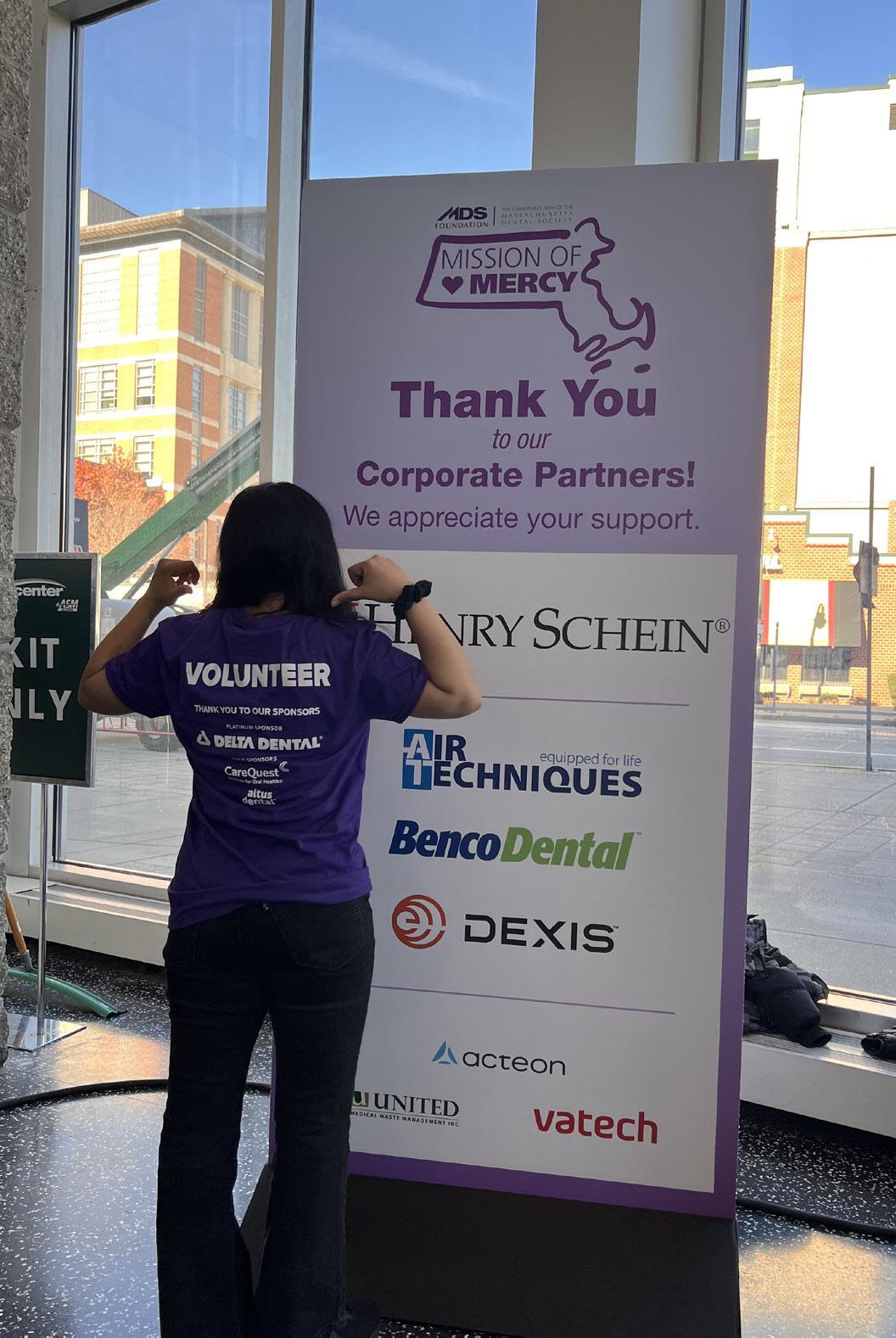
Yet, amid these structural challenges, rural communities are demonstrating resilience and innovation. Mobile dental clinics are bringing care directly to underserved populations, setting up in school parking lots, community centers, and remote towns. These programs not only provide preventive and restorative services but also build trust within communities that may otherwise feel disconnected from the healthcare system.
Teledentistry is also emerging as a promising tool. While it can never replace hands-on treatment and compassionate care, it enables remote consultations, triage, and follow-up care, helping bridge gaps where

dental sealant programs are playing a crucial role in prevention, particularly for children who may never otherwise see a dentist regularly.
However, innovation alone cannot resolve systemic inequities. Addressing rural oral health disparities requires coordinated policy efforts and a shift in how oral health is integrated into the broader healthcare system. Expanding incentives for dental professionals to practice in rural areas, improving Medicaid reimbursement rates, and incorporating oral health screenings into primary care settings are essential steps forward.
Equally important is strengthening community-based education and awareness. In many rural areas, dental care is often sought only when pain becomes severe, a reflection not of neglect, but of necessity and long-standing barriers. By promoting preventive care and improving health literacy, communities can begin to shift from reactive to proactive approaches.
At its core, oral health equity is about more than access to services—it is about dignity, quality of life, and the ability to participate fully in daily activities without pain or limitation. A healthy smile is not a luxury; it is a fundamental component of overall well-being.
The road to achieving equitable oral healthcare in rural New England is not a short one. It requires sustained investment, innovative thinking, and a commitment to addressing the unique needs of rural populations. But every step forward, whether through policy change, community outreach, or individual care, brings us closer to that goal.
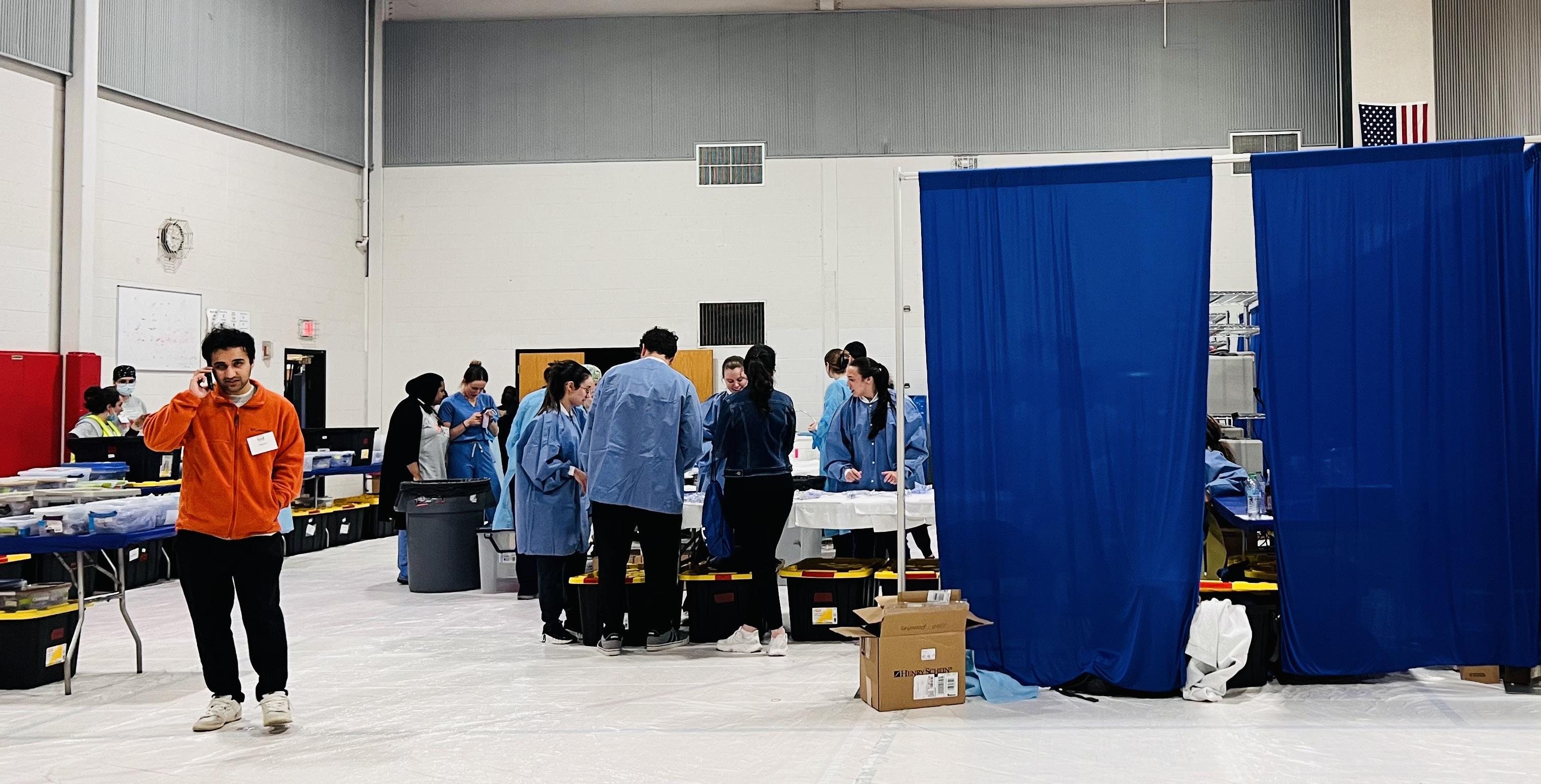
Mobile dental clinic set up in a local community center

For the families who travel miles for a basic visit, for the children who learn to live with preventable pain, and for the communities working tirelessly to bridge these gaps, the message is clear: access matters.
No one should ever have to measure the distance to care in miles when it comes to something as essential as a healthy smile.
Woodstock, VT, USA
Article by
Arnaaz Kaur Dhillon
NYLAB NOORI
Environmental Health Associate Program Manager
New England Rural Health Association
As Environmental Health Associate Program Manager at the New England Rural Health Association (NERHA), Nylab Noori is helping communities across New England transform underutilized properties into opportunities for healthier, more vibrant futures.
Working directly with the University of Connecticut’s Technical Assistance to Brownfields (UConn TAB) Program, funded by the U.S. Environmental Protection Agency (EPA), Nylab supports brownfield redevelopment efforts throughout the region, with a particular focus on the unique needs of rural communities. Through technical assistance, community engagement, and partnership building, she helps local leaders navigate the redevelopment process and unlock the potential of formerly contaminated sites.
Nylab earned her Master of Public Health from George Mason University and brings both technical knowledge and a passion for community-centered environmental health to her work. Originally from the diverse communities of Northern Virginia, she enjoys exploring New England’s natural beauty, discovering local coffee shops, and experimenting with cuisines from around the world. Her favorite New England destination so far is Two Lights State Park in Cape Elizabeth, Maine.
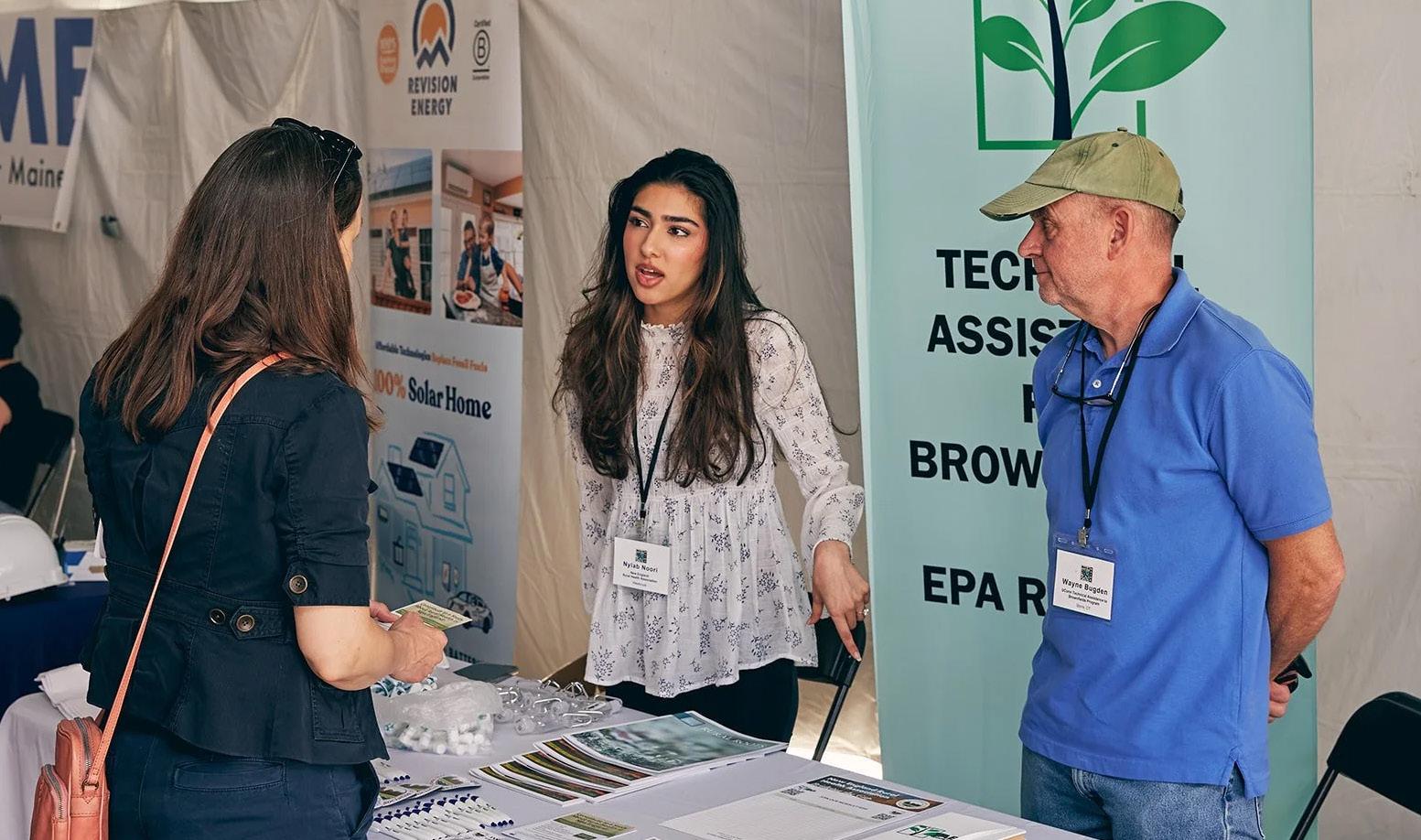
Nylab Noori tabling with UConn TAB at the Build Maine Conference in Skowhegan, ME

ENGLAND
This summer has been especially active for Nylab as she connected with communities and partners throughout the region.
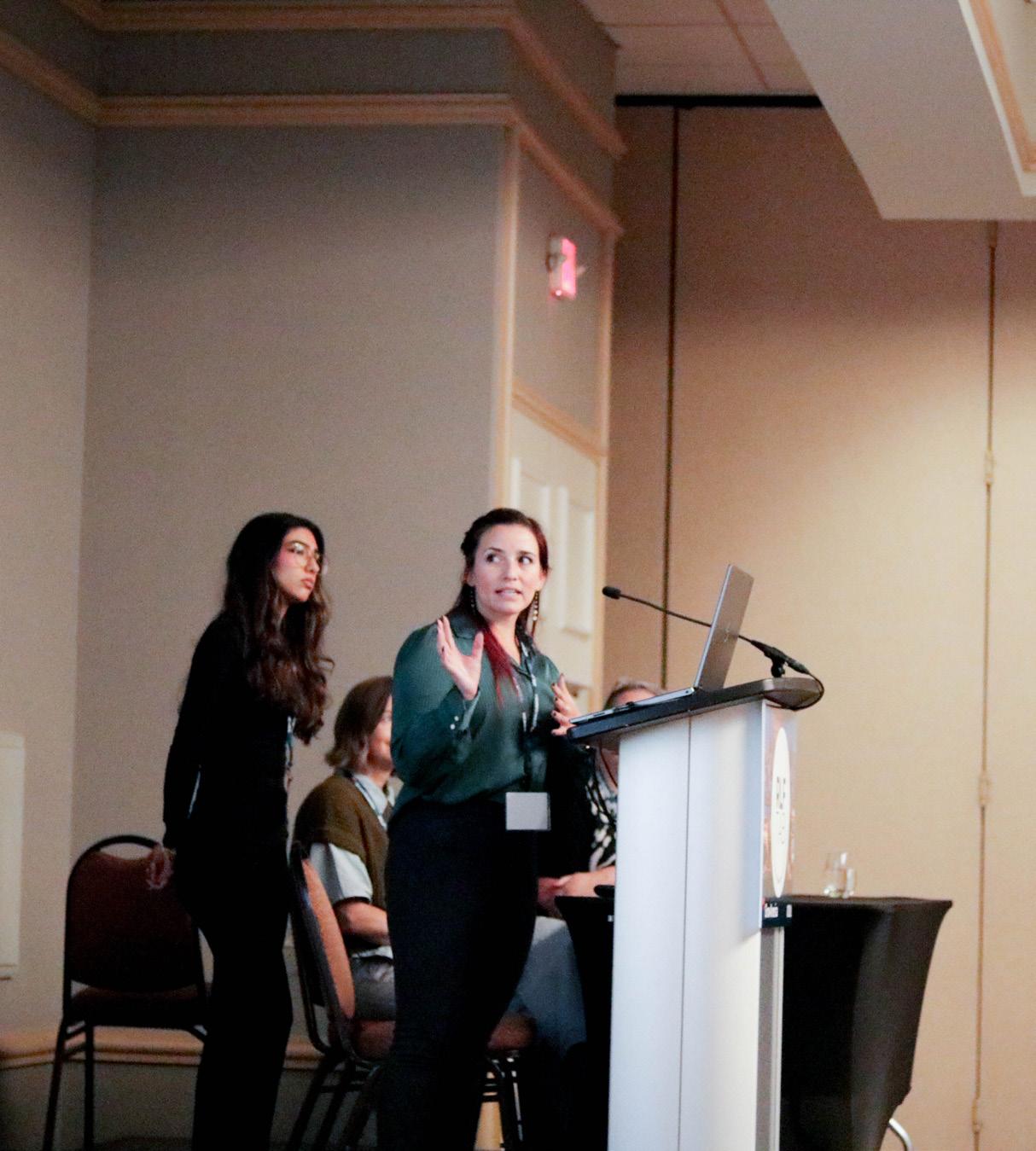
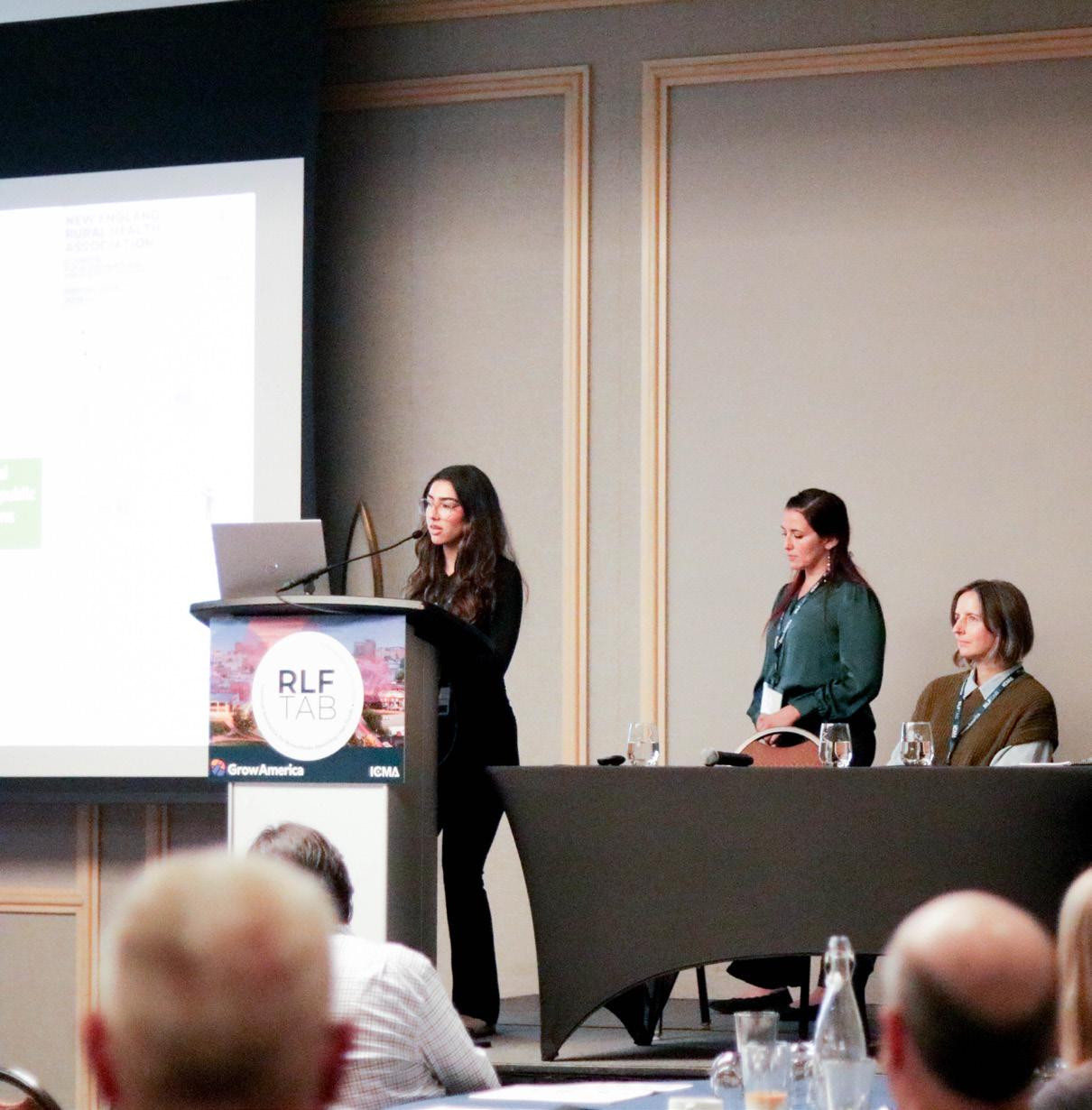
In June, she joined UConn TAB Executive Director Randi Mendes at the Revolving Loan Fund (RLF) Workshop in Portland, Maine, hosted by Grow America and ICMA. The workshop brought together brownfields professionals, municipal leaders, and redevelopment experts for hands-on training focused on implementing revolving loan funds, developing successful projects, and sharing best practices. During the event, Nylab and Randi introduced attendees to the technical assistance and resources available through UConn TAB to help communities advance redevelopment projects.
Later that month, Nylab and Wayne (UConn TAB) represented the program at the Build Maine Conference in Skowhegan. Throughout the two-day conference, they connected with planners, municipal officials, engineers, and community development professionals while staffing the UConn TAB exhibit booth. Their conversations highlighted the importance of technical assistance in helping communities identify funding opportunities, navigate environmental assessments, and move redevelopment projects forward.
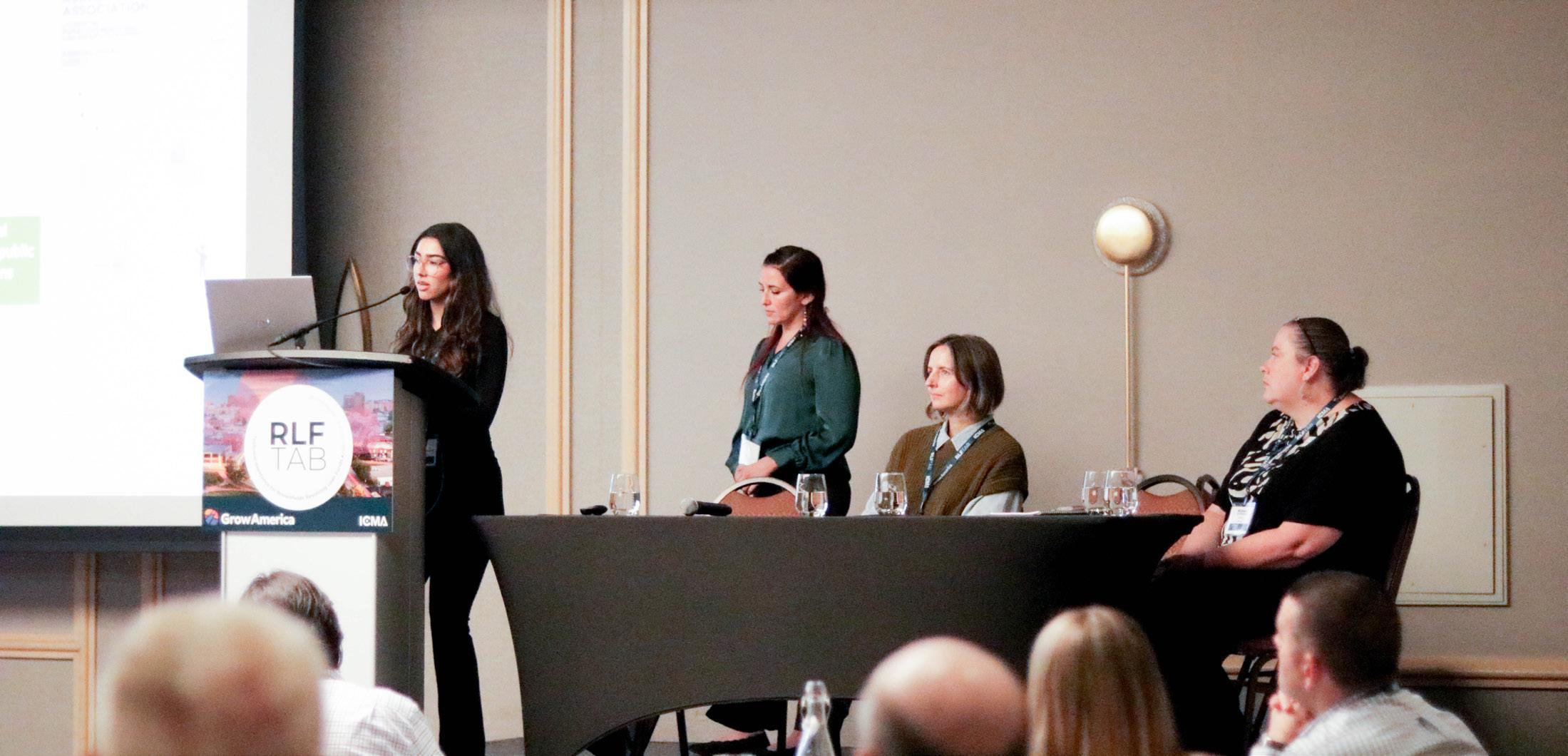
Nylab speaking at the EPA Revolving Loan Fund, Technical Assistance to Brownfields (RLF TAB) Workshop in Portland, ME with UConn TAB
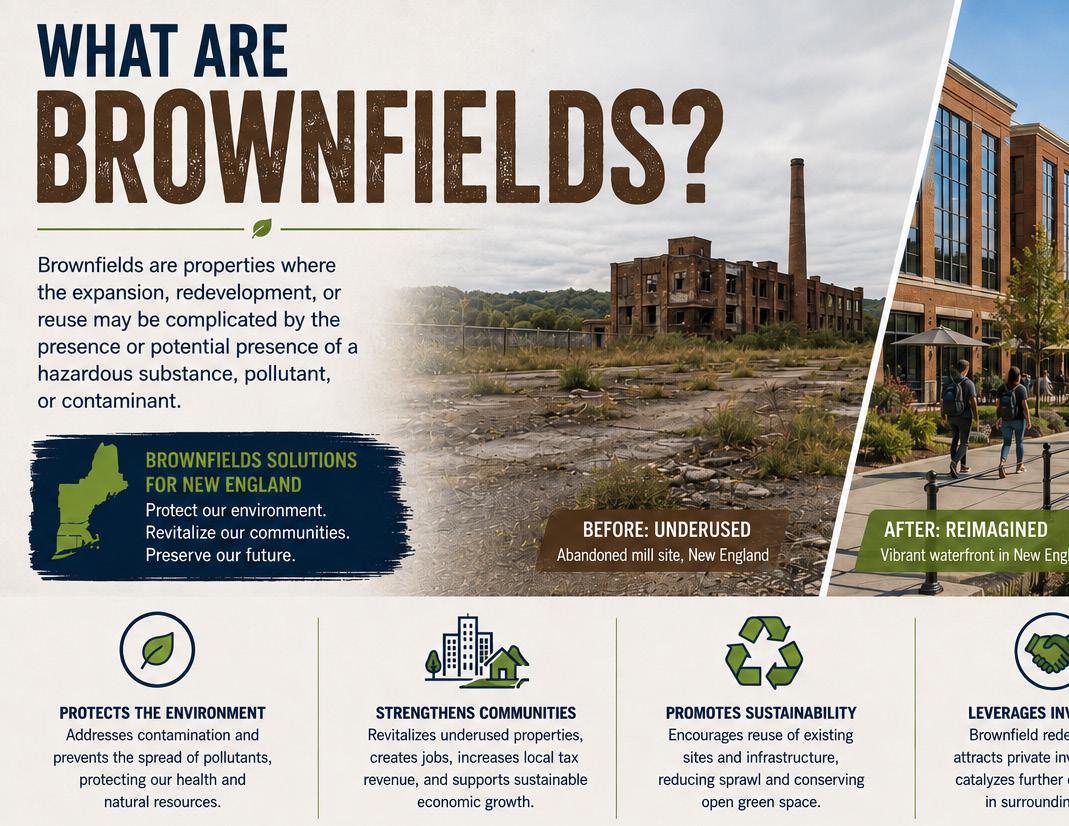
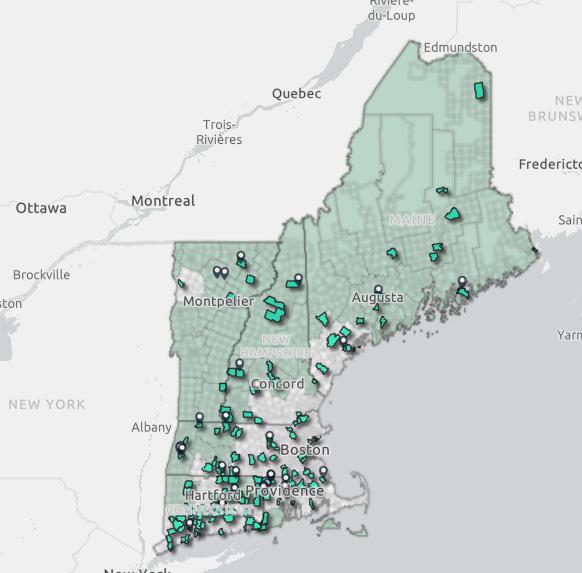
MUNICIPAL ASSISTANCE MAKING
This summer, NERHA supported four Municipal Assistance helping communities envision new possibilities for
• Town of Marblehead, Massachusetts
• East Hampton, Connecticut
• CPEN, Newhallville, Connecticut
• Maine Redevelopment, Hartland, Maine
Each project demonstrates how tailored technical assistance environmental challenges while creating opportunities housing, recreation, and public health improvements.
Whether presenting at conferences, connecting redevelopment projects on the ground, Nylab’s work strengthening rural communities through collaboration, and sustainable development.
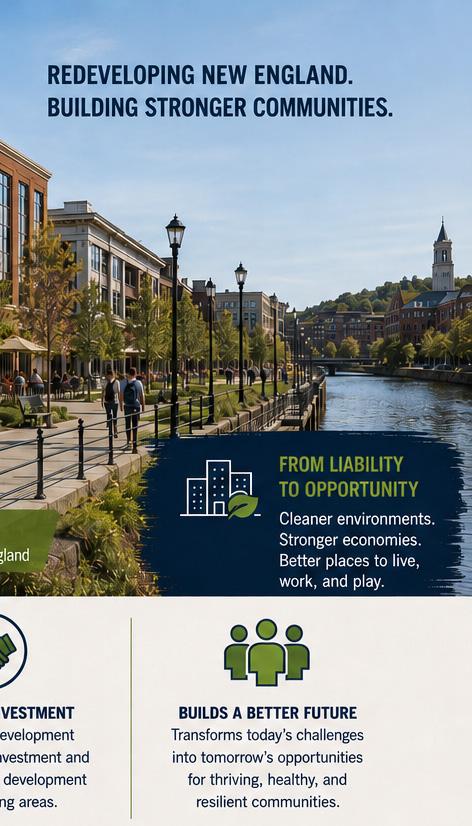
MAKING AN IMPACT
Assistance Program projects that are formerly underutilized properties:
assistance can help communities address opportunities for economic development, improvements.
with local leaders, or supporting work reflects NERHA’s commitment to collaboration, environmental stewardship,
"Brownfields redevelopment is about more than cleaning up land—it's about helping communities create healthier places to live, work, and thrive." - Nylab Noori
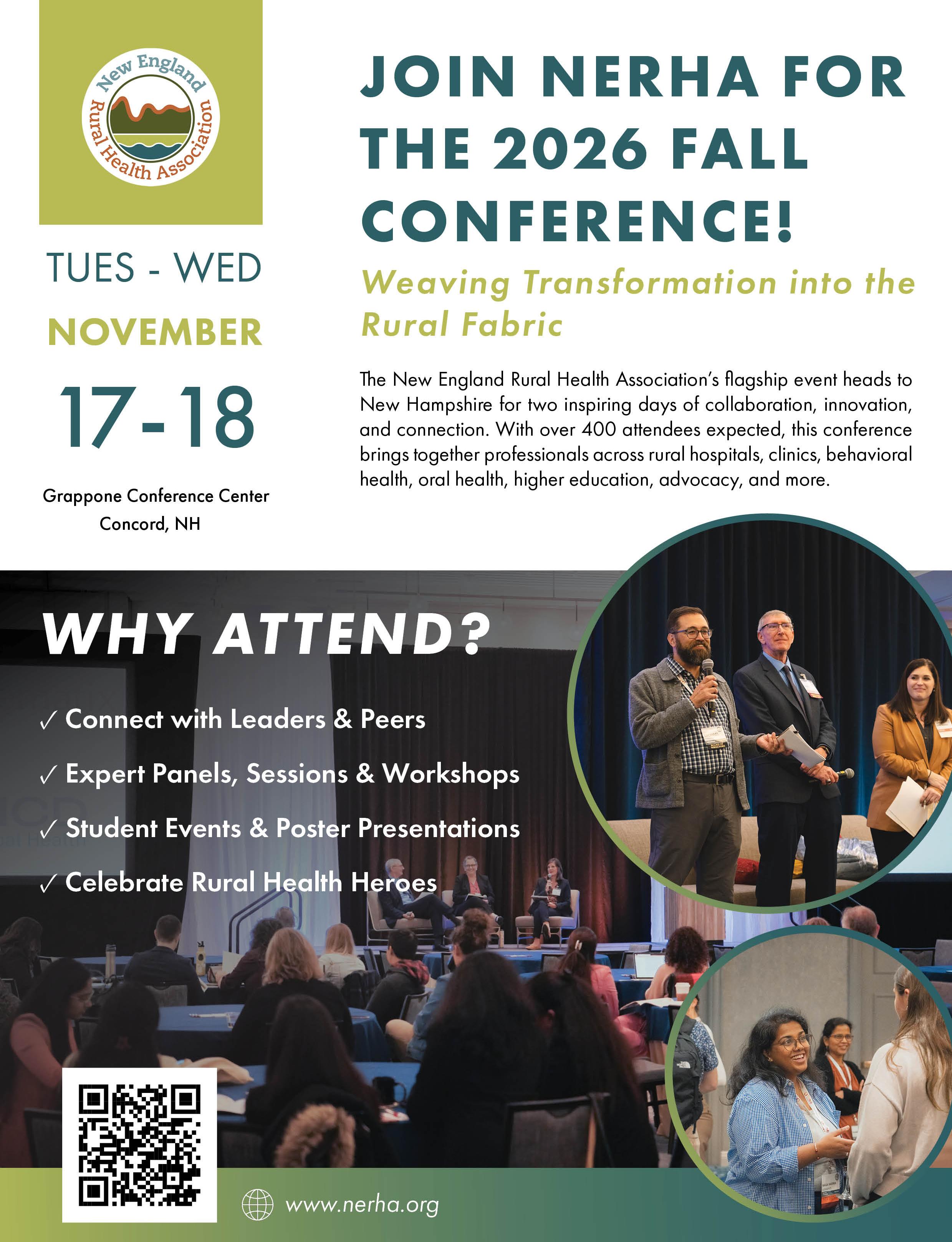
THANK YOU TO OUR ENDORSED PARTNERS
MCD Global Health (MCD) is a public health nonprofit organization and member of the National Network of Public Health Institutes. They are recognized in the United States and internationally as a leader, innovator, and trusted partner in the design, implementation, and assessment of high-quality and enduring programs in public health.

Carematix Inc was started in March 2001 by three engineers with extensive academic and professional backgrounds in product and system design and hardware/software engineering focused on Remote Patient Monitoring. Their vision was to develop a suite of vital signs monitoring products that would be low-cost and user-friendly.
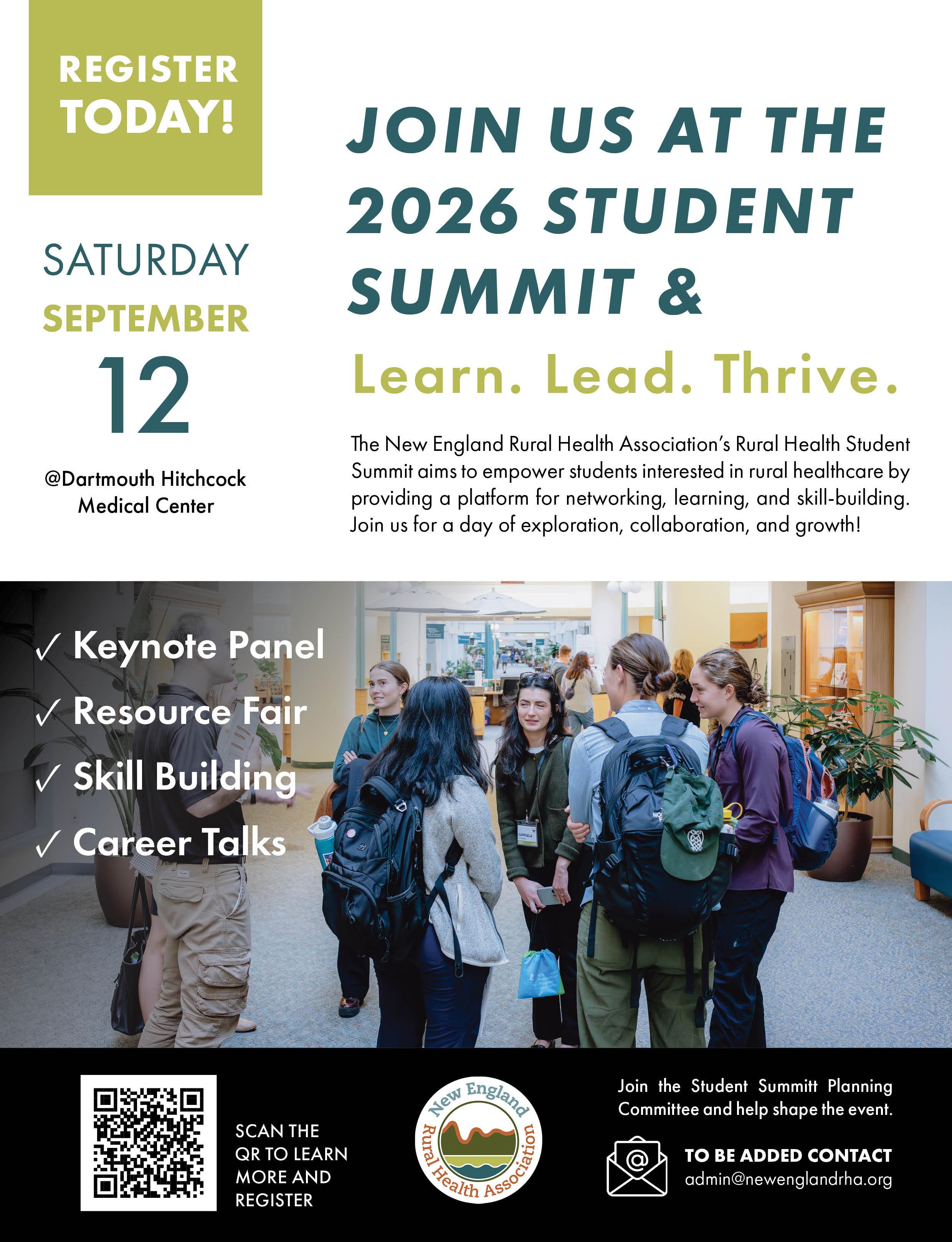


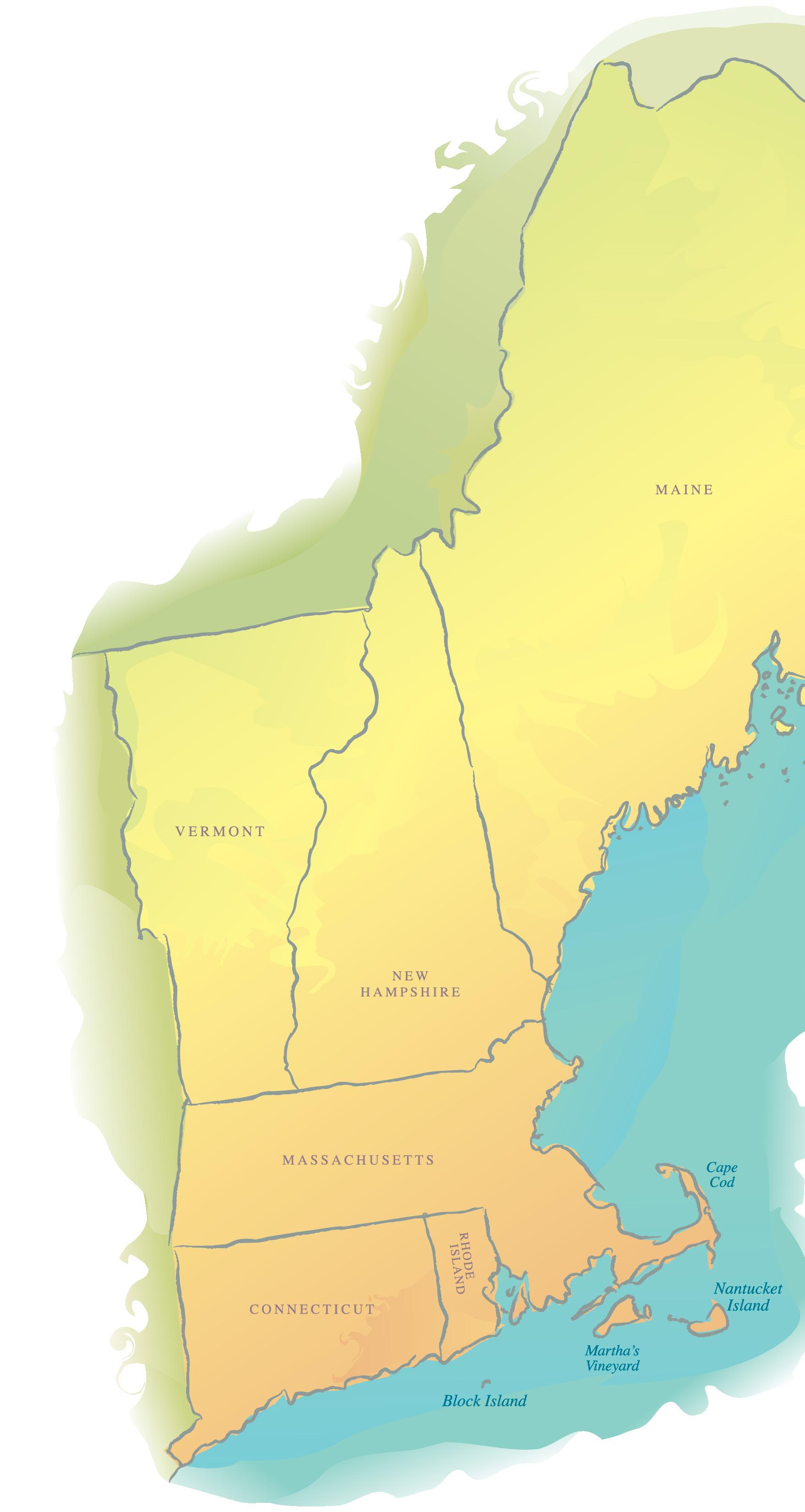

The New England Rural Health Association (NERHA), established in 1997, is the largest regional rural health association in the U.S., serving all six New England states. As a non-profit governed by a Board of Directors, we provide advocacy, education, technical assistance, and program support to improve rural health.


NERHA Rural Roots uses eco-friendly paper that looks at environment safety and the future of humanity