HE UNEARTHED ANCIENT TOOLS

SAM RAYBURN TURNED ON TEXAS’ LIGHTS
I’D DO ANYTHING FOR MOM

HE UNEARTHED ANCIENT TOOLS
SAM RAYBURN TURNED ON TEXAS’ LIGHTS
I’D DO ANYTHING FOR MOM
The arid West is awash, if you know where to look



Beyond and below the tumbleweeds and cactuses, oases beckon out west.
Photo essay by Erich Schlegel
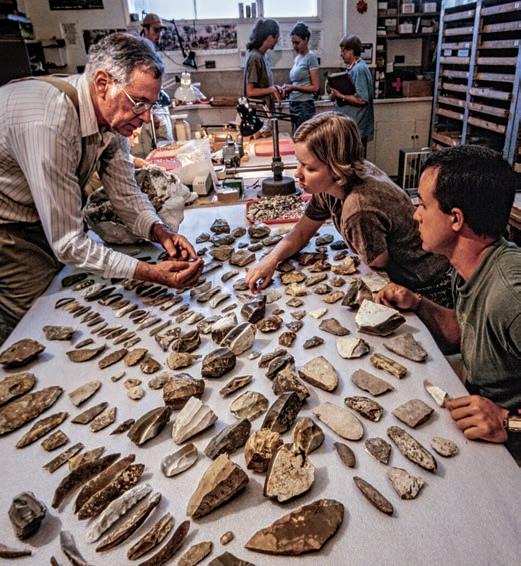
Thanks to an archaeologist’s persistence, we have 20,000-year-old evidence of Texans.
By Pam LeBlanc
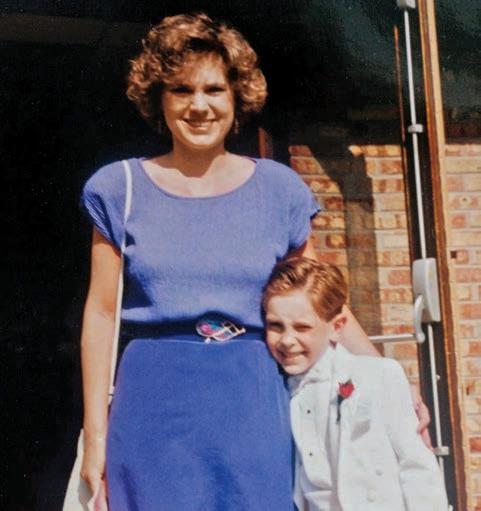
IN CELEBRATION OF MOTHER’S DAY, May 10 this year, we ask readers to finish the sentence “Moms are …” TCP ’s writers and editors also share their thoughts.
Lifelong learners—always reading, changing and growing.
—Samantha Bryant, communications specialist
The first person you want to call when something big happens, and you’ll miss her when you can’t.
—Alex Dal Santo, assistant production manager
Psychic. Mine can sense how I’m feeling even from miles away.
—Erin Sinclair, communications specialist
Frequently undervalued for their enormous contributions. They do so much.
—Claire Stevens, communications specialist
Family historians, capturing (usually unflattering) smartphone pics at family functions.
—Kelly Tran, communications specialist
Eternally selfless.
—Tom Widlowski, associate editor
$500 RECIPE CONTEST
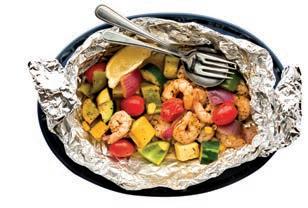
Campfire Favorites
FOCUS ON TEXAS PHOTOS
Rodeo
RECOMMENDED READING
Why We Like Bats, our May 2006 feature story, looked closely at the creatures that still captivate Texans. Download the May 2006 issue at TexasCoopPower.com.
Tell us how you would finish that sentence. Email your short responses to letters@TexasCoopPower.com or comment on our Facebook post. Include your co-op and town. Here are some of the responses to our March prompt: My favorite Texas saying is ...
The sun has risen and the sun has set, but we haven’t left Texas yet.
EUGENE NEESE
BOWIE-CASS EC
LINDEN
All hat and no cattle.
SISSY CARTER
HAMILTON COUNTY EC
GATESVILLE
If you don’t like the weather, wait a minute.
TANYA STEELE
BLUEBONNET EC
BURTON
The bigger the hair, the closer to God.
DEBRA MILLS
NUECES EC PORT ISABEL
Bless your heart.
KIT VAUGHN
PEDERNALES EC LIBERTY HILL
Visit our website to see more responses.

Overall, a great article, but there is a quote saying that rebuilding the Mason courthouse “didn’t cost taxpayers a dime” [In All Their Glory, March 2026]. At least $9.6 million of funding from the state wasn’t from the tooth fairy.
Larry Strong CoServ Lewisville
Shouldering the Load
I loved the story of Tyler Schlickeisen, tow truck driver [Currents, March 2026]. It’s great to see stories on unsung heroes like him.
I do have to disagree with his comment, “Nobody likes to see a tow truck driver.” When I have needed them—on Interstate 35—my two tow truck drivers were heroes.
Frank Graham Navarro County EC Hill County

MARCH
2026 Charted Waters
“Happy to see Pam LeBlanc is still adventurous. And Erich Schlegel’s photos artfully capture her adventure.”
STEVE
HARDY
PEDERNALES EC CEDAR PARK
Back in the ’60s, Lady Bird Johnson championed a “Don’t Be a Litterbug” campaign, sending us children home with “litter bags” to hang on the handle of our roll-down car windows [A Tidy Revolution, March 2026]. Then in the ’80s, the “Don’t Mess With Texas” slogan was a fun and effective refresher course. Now we desperately need a new antilitter crusade because Texas roadways have grown increasingly trashy.
Cheryl Irish Bluebonnet EC Bastrop
Ancestry and ‘TCP’
My hobby is genealogy and family history. Two articles in March gave enough information about people for me to see if I am related to them.
I discovered Tad Lucas [Currents] was the wife of my 10th cousin. Jennie Reynolds [In All Their Glory] is my 10th cousin. Our common progenitors date from the 1500s and 1600s.
Judith Tavares Nueces EC Corpus Christi
Editor, Texas Co-op Power 1122 Colorado St., 24th Floor Austin, TX 78701
Please
and
TEXAS ELECTRIC COOPERATIVES
BOARD OF DIRECTORS
Chair Bryan Wood, San Augustine
Vice Chair Cameron Smallwood, Burleson
Secretary-Treasurer Jim Coleman, Edna
Board Members Matt Bentke, Bastrop Kerry Kelton, Navasota • Mark McClain, Roby • Zac Perkins, Hooker, Oklahoma
PRESIDENT/CEO Mike Williams, Austin
COMMUNICATIONS & MEMBER
SERVICES COMMITTEE
Mike Ables, Bellville • Kathi Calvert, Crockett
Tachi Hinojosa, Fredericksburg
Gary Miller, Bryan • Bryan Story, Blossom Grace Subealdea, Dalhart
Buff Whitten, Eldorado
MAGAZINE STAFF
Vice President, Communications & Member Services Martin Bevins
Editor Chris Burrows
Associate Editor Tom Widlowski
Production Manager Karen Nejtek
Creative Manager Andy Doughty
Advertising Manager Elaine Sproull
Communications Specialist Samantha Bryant
Digital Media Specialist Cayt Calhoun
Senior Designer Stacy Coale
Assistant Production Manager Alex Dal Santo
Print Production Specialist Grace Fultz
Food Editor Vianney Rodriguez
Communications Specialist Erin Sinclair
Communications Specialist Claire Stevens
Communications Specialist Kelly Tran
Proofreader Louie Bond
TEXAS CO-OP POWER Volume 82, Number 11 (USPS 540-560). Texas Co-op Power is published monthly by Texas Electric Cooperatives. Periodical postage paid at Austin, TX, and at additional offices. TEC is the statewide association representing 77 electric cooperatives. Texas Co-op Power’s website is TexasCoopPower.com. Call (512) 4540311 or email editor@TexasCoopPower.com.
SUBSCRIPTIONS Subscription price is $5.53 per year for individual members of subscribing cooperatives and is paid from equity accruing to the member. If you are not a member of a subscribing cooperative, you can purchase an annual subscription at the nonmember rate of $7.50. Co-op members: Please notify your co-op of address changes or other subscription requests.
POSTMASTER Send address changes to Texas Co-op Power (USPS 540-560), 1122 Colorado St., 24th Floor, Austin, TX 78701. Please enclose label from this copy of Texas Co-op Power showing old address and key numbers.
ADVERTISING Contact Elaine Sproull at (512) 486-6251 or esproull@texas-ec.org for information about purchasing display ad space in Texas Co-op Power and/or in our 26 sister publications in other states. Advertisements in Texas Co-op Power are paid solicitations. The publisher neither endorses nor guarantees in any manner any product or company included in this publication.
COPYRIGHT All content © 2026 Texas Electric Cooperatives Inc. All rights reserved. Reproduction of this issue or any portion of it is expressly prohibited without written permission. Willie Wiredhand © 2026 National Rural Electric Cooperative Association.

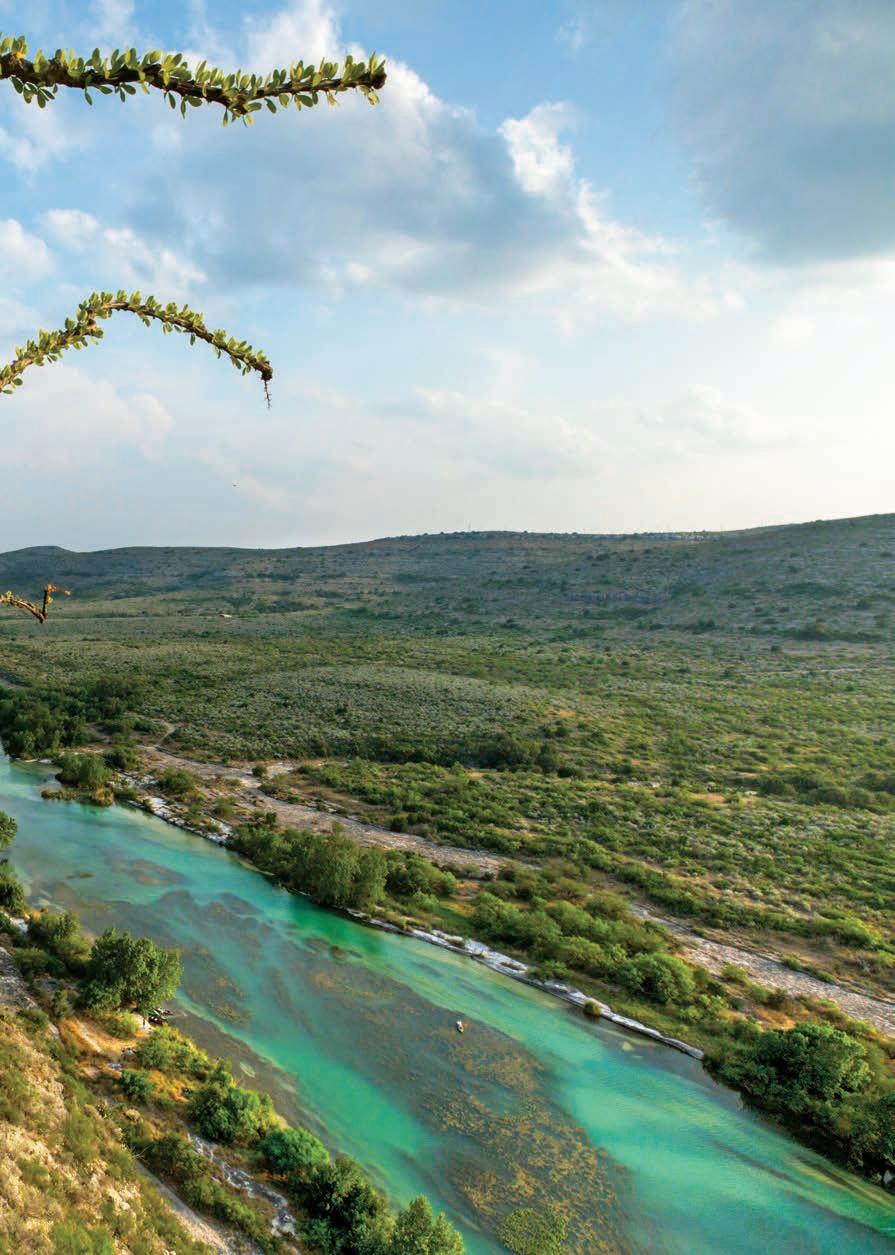
Beyond and below the tumbleweeds and cactuses, oases beckon out west

Drive west on Interstate 10 from the Hill Country, through beautiful desert mesas and mountains, and there’s no water in sight, right?
Not unless you know where to look. Rivers, springs and even waterfalls are hidden across West Texas.
Most folks know about the Rio Grande, which cuts through the Big Bend, and you may even know of San Solomon Springs, which fills the 1.3-acre pool in Balmorhea State Park.
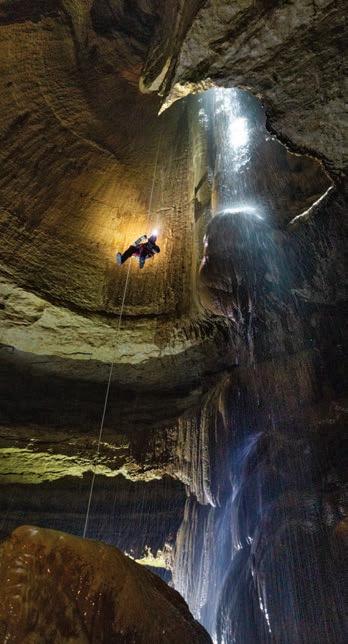
But you probably don’t know about the 70-foot waterfall 143 feet below a cow pasture. It’s managed by the Texas Cave Management Association and accessible only by wetsuit-clad expert cavers with advanced vertical rope training.
The Rio Grande Wild and Scenic River, also known as the Lower Canyons, flows down from Big Bend National Park toward Amistad Reservoir near Del Rio—the most remote part of the state. The 83-mile canoe trip takes a week and requires extensive river paddling knowledge and wilderness experience. Help, if needed, can be days away, but only if you carry a satellite phone.
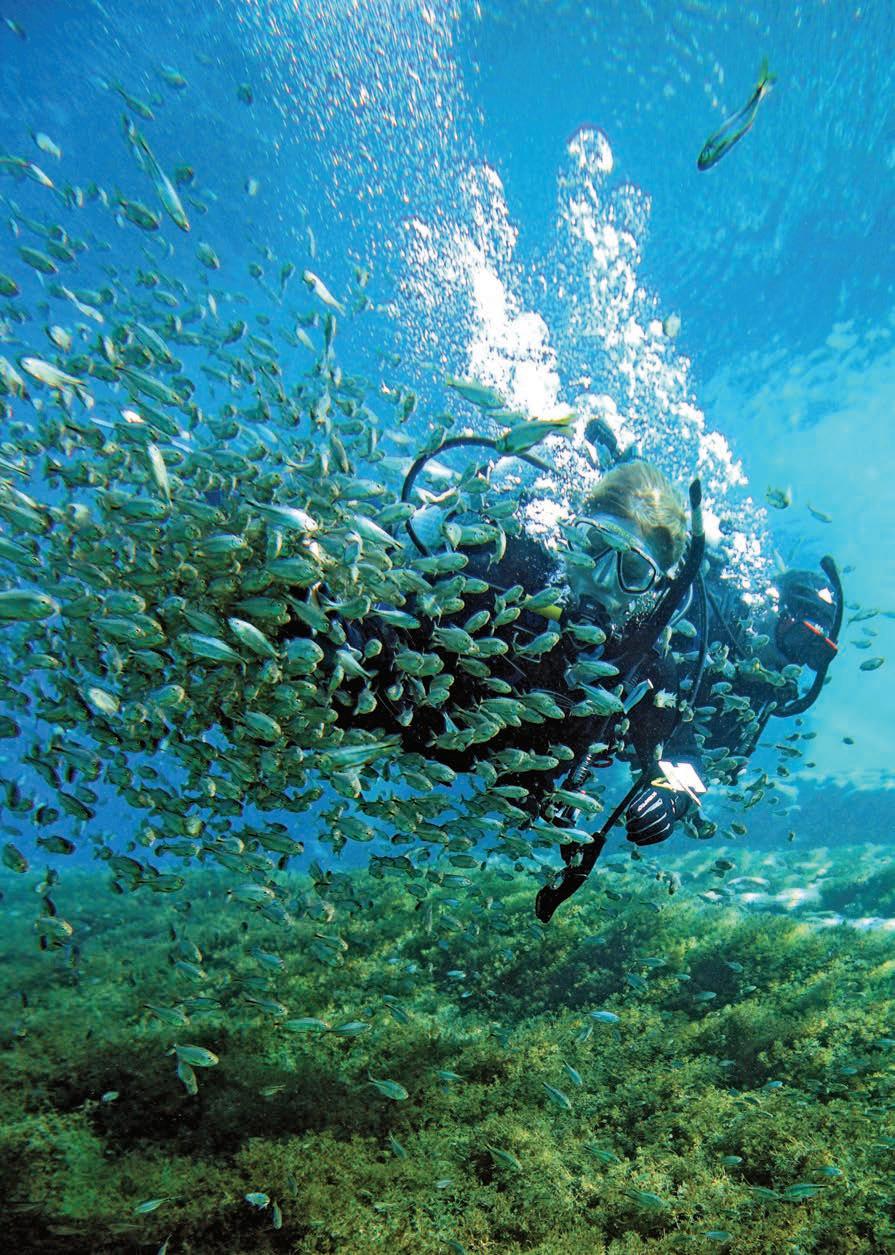
On the other hand, anybody can paddle and swim just west of the Hill Country. Here, the crystal-clear Nueces River is nothing like the muddy flows that empty into the Gulf of Mexico. You’ll find swimming pool-clear water in Lake Nueces as well as upstream, in a swimming hole in the town of Camp Wood named for its depth in feet, Quince (15).
It’s easy to take water for granted. But seeing and experiencing water in West Texas brings an appreciation of one of our state’s most important and sensitive resources. D

Blue Hole is a spring-fed swimming spot near the headwaters of the Frio River north of Leakey on the private property of the H. E. Butt Foundation Camp. Blue Hole reaches a maximum depth of about 30 feet.
The

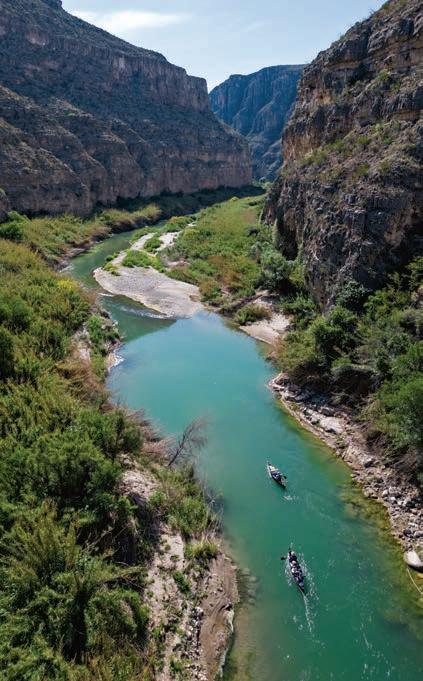
LEFT The Rio Grande Wild and Scenic River is the most remote part of the state. The heart of this stretch of the Rio Grande is an arduous 83 miles called the Lower Canyons, which offers spectacular scenery but requires extensive wilderness experience.
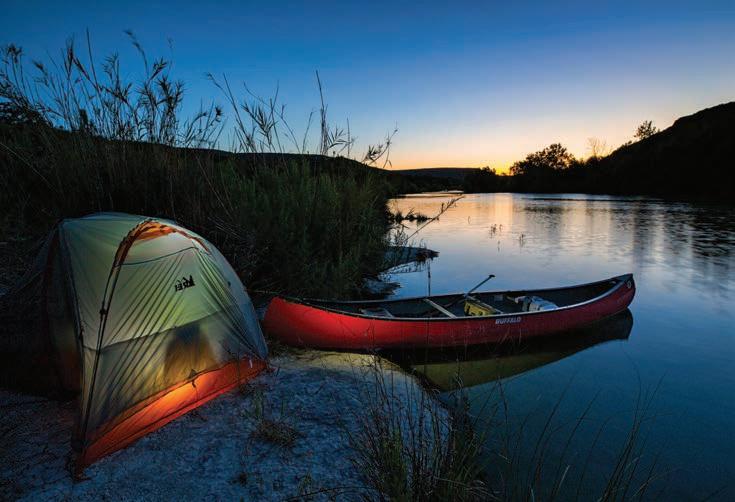
BELOW A campsite along the Devils River, which begins in northwest Sutton County and flows south for 94 miles, emptying into Amistad Reservoir on the Rio Grande.
Thanks to an archaeologist’s persistence, we have 20,000-year-old evidence of Texans
BY PAM LEBLANC
Last summer, Michael Collins gazed over a tree-lined valley near Florence, his eyes scanning the grassy field where he once led excavations that changed our understanding of how and when humans first populated North America.
“I describe it as coming back to an old friend,” Collins said during that visit to the Gault archaeological site, about 50 miles north of Austin.
Collins sat beneath pecan trees for a picnic that day with others who had worked at Gault and filmmaker Olive Talley, whose 2025 documentary, The Stones Are Speaking, explores the site’s significance—and Collins’ role in saving it.
In the 1980s and ’90s, the film explains, artifact hunters lugging buckets and shovels flocked to the 30-acre plot of land, where a creek flowed and an abundant supply of flint rippled through a rocky ledge. They paid $25 a day to search for scrapers, projectile points and knives made by Native Americans and walk away with whatever they found. They left behind empty holes and mounds of dirt.
By taking those stone artifacts, collectors were destroying much of the history that they held. “It’s like looking at a book, tearing a picture out and throwing away the rest of the book,” said Elton Prewitt, a longtime Texas archaeologist.
The Gault story could have ended there— as a pay-to-dig site whose significance disappeared along with the ancient implements once scattered in its soil. But that’s not what happened.
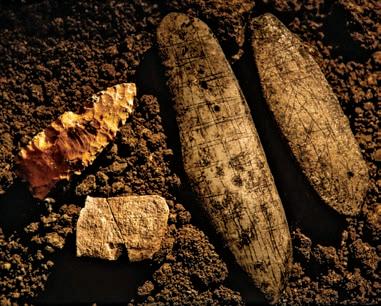
In 1990, collectors digging at Gault found something unusual: two stones with hatch marks etched onto their surface. Word got back to the University of Texas, where the discovery perked the ears of Thomas Hester, then the director of the Texas Archeological Research Laboratory, and Collins, then the lab’s associate director.
The two drove to the site, where more etched stones turned up—along with a Clovis spearpoint, named for a Paleo-Indian archaeological site near Clovis, New Mexico, where scientists had discovered distinctive human-made tools more than 11,000 years old.
Most archaeologists long believed that humans first funneled into North America via a land bridge that formed between Russia and Alaska across what is now the Bering Strait about 13,000 years ago. The so-called Clovis culture was thought to be the oldest in the Americas.
Because Clovis tools had been found at Gault, Collins knew the site was important. But at the time, nobody knew just how significant.
Over the next few years, the land changed hands, and the pay-to-dig operation ended. When the property’s new owners, Howard and Doris Lindsey, stumbled onto some mammoth bones, Collins again got the call. He struck up a friendship with the Lindseys, and in 1998, Collins convinced them to allow a three-year lease so he could conduct an excavation.
That dig turned up more artifacts from the Clovis period, but Collins ran out of time. He filled in the pit and left when the lease ended, convinced the site held even more significance.
Collins stayed in touch with the Lindseys, and in 2007 they agreed to sell him the land. (They still live nearby and keep an eye on the property.) Collins and his wife, Karen, used their own money to buy the site, then immediately donated it to the nonprofit Archaeological Conservancy, where it would be protected in perpetuity.
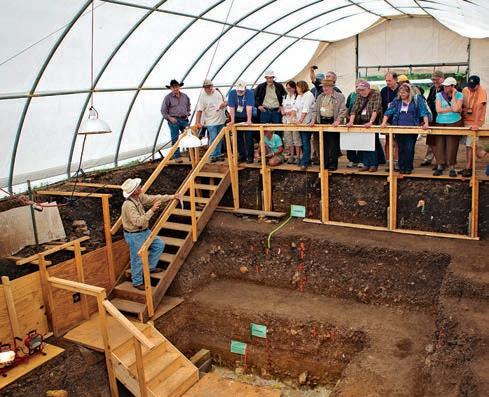
Collins began a meticulous, long-term excavation project. The people who had come here thousands of years ago made tools, discarded some and lost others, leaving behind a record. The researchers uncovered thousands of artifacts, plus a human-made surface believed to be the floor of a structure at least 15,000 years old.
At first, not everyone believed what the stones were saying. Some pushed back on the idea that humans had been in Central Texas since before the Clovis people. But using a technique called optically stimulated luminescence, which
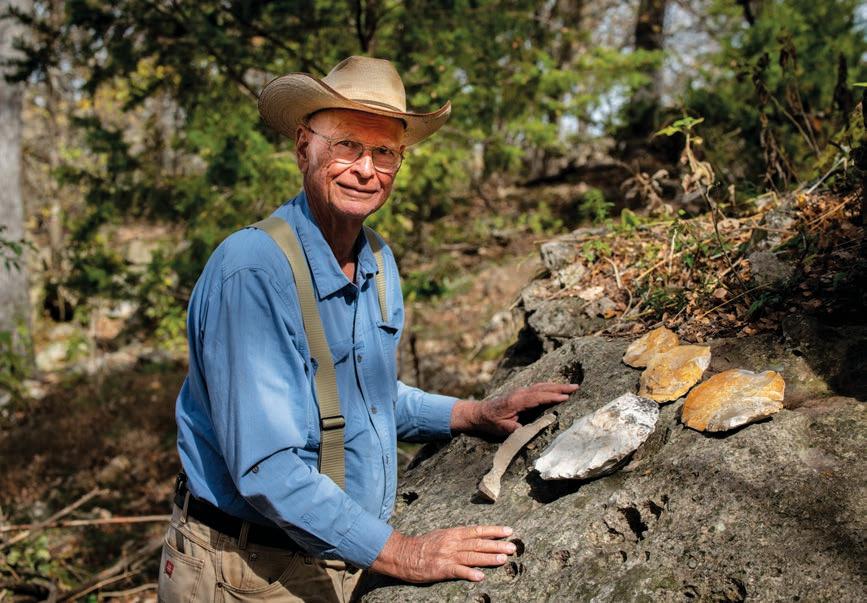
Collins with volunteers at the last part of the Gault site to be excavated. Currently there are no open excavation sites on the property and no digs planned.
tells scientists when sediments were last exposed to light, Collins and his team proved that some of the most deeply buried artifacts were indeed older than Clovis.
Today, most archaeologists agree that humans began to move into North America before the land bridge at the Bering Strait opened, using boats to cross the water and spread down the coast.
To book a guided tour, visit the GSAR website, gaultschool.org.
Evidence discovered through Collins’ excavations show signs that humans have come to the water at this Texas site—what is now nearby Buttermilk Creek—for 20,000 years. That arguably makes it the oldest demonstrably inhabited site in the Western Hemisphere.
“What’s important about this site is what we’ve learned about ourselves from it,” says Tim Brown, a board member at the nonprofit Gault School of Archaeological Research, which Collins founded. “This site has been so important in the rewriting of the book about the very early story of man in the Americas.”
And it may have more stories to tell.
Collins, now in his 80s, was diagnosed with Alzheimer’s in 2022, and the main excavation pit was covered in 2016. But just 3% of the land here has been excavated. New technologies may help future archaeologists unravel even more of its past.
“Walk across this soil,” Brown says. “If you don’t get a humble, awestruck reaction, there’s something wrong. And without Mike, we’d have no idea.” D
Scan the QR code or visit gaultfilm.com to learn more about The Stones Are Speaking and for streaming options.







What was once a convenience has become a necessity, woven into every part of modern life.
Electricity has always been about possibility. In the early days, it meant light after dark. Later, it powered appliances that transformed households. And for many of us, it carried us into the digital age—when the hum of a dial up modem was the sound of connecting to the world for the very first time.
Some of us remember a time before the internet, when communication meant landline phones and handwritten letters. Others recall the excitement of logging on for the first time, waiting through the static tones of dial up, and marveling at what felt like endless information at our fingertips. That moment was more than just technology, it was electricity opening a new chapter in how we live, work, and connect.
Today, electricity fuels far more than we could have imagined back then. It keeps businesses running, classrooms connected, and families in touch across miles. What was once a convenience has become a necessity, woven into every part of modern life.
(361) 522 - 8637
At your cooperative, we’ve grown alongside these changes. We’ve invested in infrastructure, embraced innovation, and worked tirelessly to keep costs stable, even as demand has increased and technology has advanced. Our mission remains the same: to provide excellent service and costeffective electricity all while preparing for the future.
New generations will never know what that was like. They were born into a world where streaming, video calls, and smart devices are simply expected. For those of us who witnessed the transition firsthand, it was a luxury and a blessing to see history unfold, to watch electricity evolve from powering lightbulbs to powering entire digital lifestyles.
Looking ahead, the possibilities are even greater. Renewable energy, battery storage, and smart grid technology are reshaping how power is produced and delivered. Artificial intelligence and automation are creating new efficiencies. And through it all, electricity remains the current that carries us forward.

Varzavand "Avan" Irani Chief Executive Officer


May is National Electrical Safety Month, and Nueces Electric Cooperative is committed to raising awareness about potential electrical hazards and the importance of practicing electrical safety at home.
Electricity powers nearly every part of our daily lives—from lighting and appliances to the devices we rely on for work and entertainment. While it’s easy to take electricity for granted, improper use or neglected maintenance can create serious safety risks. The good news is that with a few simple precautions, you can significantly reduce the likelihood of electrical hazards in your home.
Many homes were built before today’s high demand for electricity became the norm. With more electronics, appliances, and charging devices in use than ever before, older electrical systems can become overloaded. Warning signs such as flickering lights, frequently tripped breakers, or outlets that feel warm to the touch should never be ignored. These issues may indicate that your home’s wiring is outdated or insufficient and should be evaluated by a licensed electrician.
In addition to keeping your home’s electrical system up to date, small day-to-day habits can also make a big difference. Being mindful of how you use outlets, cords, and appliances helps prevent unnecessary strain on your system and reduces the risk of fire or electrical shock.
Nueces Electric Cooperative offers the following tips to help you identify and eliminate electrical hazards, protecting your home and the people in it:
• Ensure televisions, gaming systems, and computer equipment have adequate space for proper ventilation to prevent overheating.
• Use extension cords only as a temporary solution, and never place them under carpets or in high-traffic areas where they can become damaged.
• Protect valuable electronics by using surge protectors to guard against voltage spikes.
• If you rely heavily on power strips, it may be time to install additional outlets—always use a licensed electrician for upgrades.
• Keep liquids away from electrical devices to avoid spills that could lead to shock or damage.
• Always use lightbulbs with the correct wattage for each fixture to prevent overheating and fire hazards.
• Clearly label your breaker box so you can quickly and safely shut off power in an emergency.
• Frequent tripped breakers or blown fuses can signal a serious issue—contact a licensed electrician immediately.
By staying aware and taking proactive steps, you can create a safer, more reliable home environment for you and your family. Electrical safety doesn’t have to be complicated—it just takes a little attention and care.
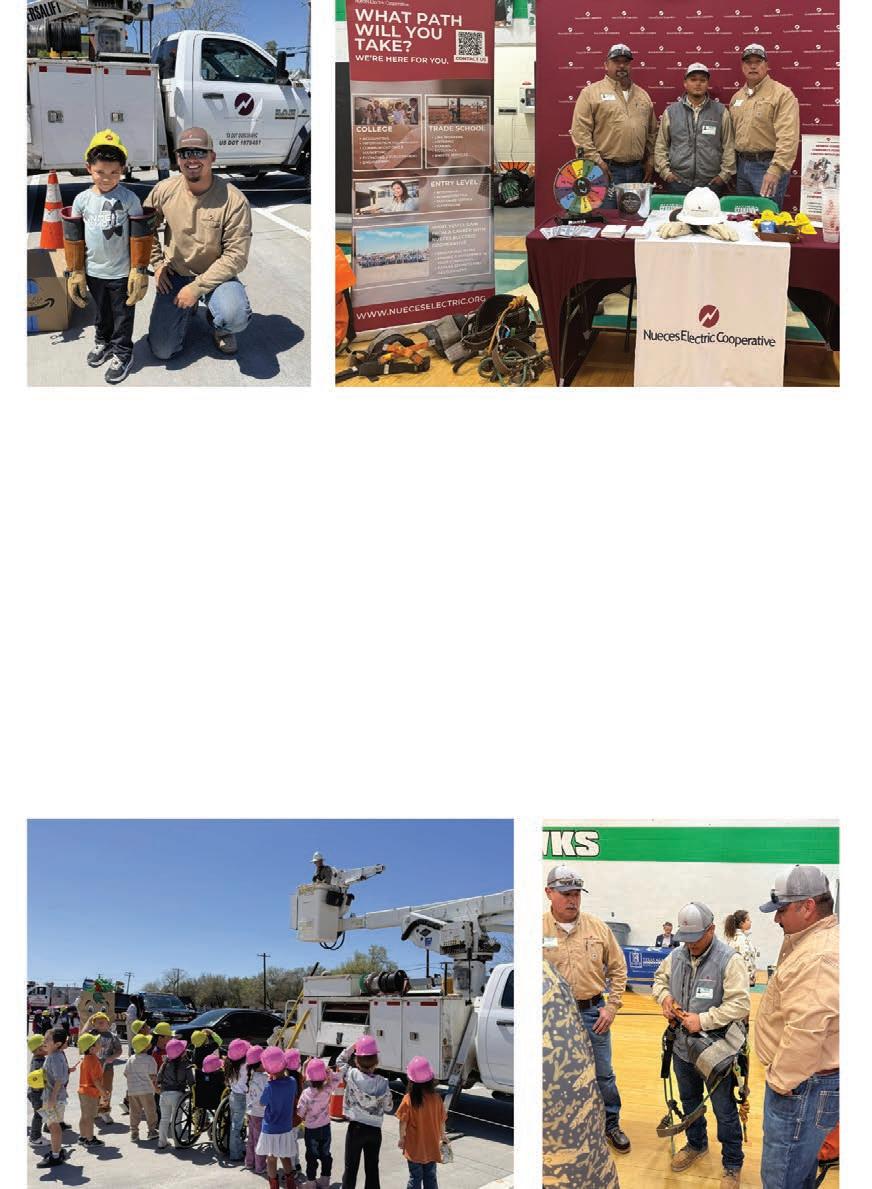
Nueces Electric Cooperative is proud to support local students by participating in school events that highlight both career opportunities and the importance of electrical safety. Whether it’s a career fair, classroom visit, or hands-on demonstration, our team enjoys connecting with students and sharing what it’s like to work in the electric cooperative industry.
These events give students a closer look at the wide range of career pathways available within the co-op. From lineworkers and engineers to communications, customer service, and administrative roles, it takes a diverse team to keep the lights on. By engaging with students early, we hope to spark interest in these essential careers and show that there are many ways to build a future right here in our community.
In addition to career exploration, safety is always a top priority. Our team provides live demonstrations and interactive discussions that teach students how to stay safe around electricity. From understanding the dangers of downed power lines to learning how to use electricity responsibly at home, these lessons are designed to be both informative and memorable.
By combining education with real-world insight, Nueces Electric Cooperative is committed to empowering the next generation with knowledge, awareness, and opportunity.

The Texas ENERGY STAR® Sales Tax Holiday, typically held over Memorial Day weekend, offers Texans a valuable opportunity to save on energy-efficient home upgrades. During this three-day event, qualifying ENERGY STAR–labeled appliances can be purchased tax free, helping reduce upfront costs while delivering long-term savings on monthly utility bills. With no limit on the number of eligible items you can buy, it’s an ideal time for homeowners to replace older, less efficient appliances with newer, high-performance models.
Qualifying products generally include air conditioners (priced $6,000 or less), refrigerators (under $2,000), ceiling fans, dishwashers, clothes washers, dehumidifiers, and even certain light bulbs—so long as they carry the ENERGY STAR label. These appliances are designed to use less electricity and water without sacrificing performance, making them a smart investment for both your home and your wallet. Upgrading during the tax-free weekend can lead to noticeable savings, especially as energy use increases during the hot Texas summer months.
In addition to ENERGY STAR appliances, the same weekend often includes tax exemptions on select water-efficient and water-conserving products, such as irrigation supplies, mulch, and plants. Together, these incentives encourage Texans to make practical, sustainable choices that benefit both their household budgets and the environment. By taking advantage of this annual event, residents can improve efficiency, lower energy consumption, and stay better prepared for the demands of summer.



May is National Water Safety Month, making it the perfect time to refresh your knowledge and take simple steps to stay safe around water. As summer approaches and temperatures rise, many families find their way to pools, beaches, and lakes to cool off. Water-related accidents can happen quickly and unexpectedly, but by staying alert and prepared, you can minimize risks.
One of the most important safety habits is active supervision, especially when children are near water. Never leave them unattended, and always designate a responsible adult to keep watch. It's also important to understand your swimming abilities, wear life jackets when appropriate, and stay aware of your surroundings, including weather conditions and water currents. By taking a few simple precautions, you can help ensure your time around water stays safe and enjoyable.


• Easy OneClick Menu!
• Large Fonts 200% Zoom
• 100% US Support
• Large Print Keyboard

If you find computers frustrating and confusing, you are not alone. When the Personal Computer was introduced, it was simple. It has now become a complex Business Computer with thousands of programs for Accounting, Engineering, Databases etc. This makes the computer complex.
You want something easy, enjoyable, ready to go out of the box with just the programs you need. That’s why we created the Telikin computer.
Telikin is easy, just take it out of the box, plug it in and connect to the internet. Telikin will let you easily stay connected with friends and family, shop online, find the best prices on everything, get home delivery, have doctor visits, video chat with the grandkids, share pictures, find old friends and more. Telikin is completely different.
One click Interface – A single click takes you to Email, Web, Video Chat, Contacts, Photos, Games and more.
Large Fonts, 200% Zoom – Easy to see easy to read.
Secure System – No one has ever downloaded a virus on Telikin.
Voice Recognition – No one likes to type. Telikin has Speech to Text. You talk, it types.
Preloaded Software – All programs are pre-loaded and set up. Nothing to download.
100% US based support – Talk to a real person who wants to help. Telikin has great ratings on BBB and Google!
Copyright Telikin 2026
• Secure System No Viruses!
• Large 22'' Screen!
• Speech to Text You talk, It types!

This computer is not designed for business. It is designed for you!
“This was a great investment.”
Ryan M, Copper Canyon, TX
“Thank you again for making a computer for seniors.”
Megan M, Hilliard, OH
“Telikin support is truly amazing.”
Nick V, Central Point, OR
BY JESSICA RIDGE
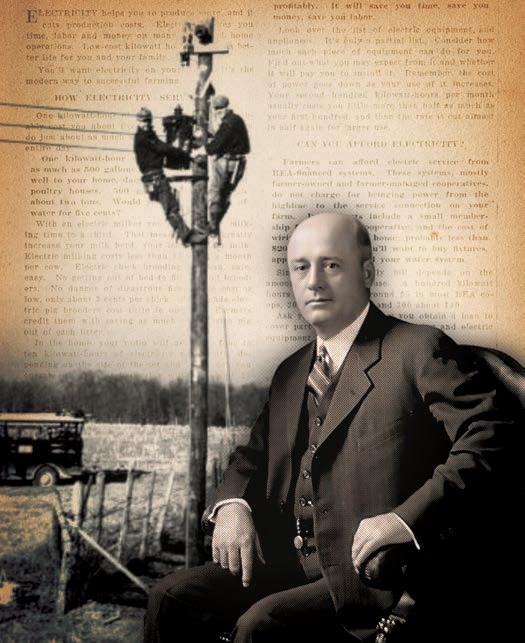
BEFORE THE PASSAGE OF THE Rural Electrification Act nearly a century ago, in the depths of the Great Depression, most U.S. farmsteads made do in the dark while their neighbors in cities a few miles away experienced a higher standard of living. Investor-owned utilities didn’t deem it profitable to run miles of power lines across the countryside.
Without electric lights and appliances, farm families cooked over smoky woodstoves, read and studied under kerosene lamps, and performed laborious agricultural chores by hand.
By the mid-1930s, change was afoot, thanks in large part to a dedicated and diplomatic Texan intent on the empowerment of rural communities. The REA,
enacted 90 years ago this month—May 20, 1936—made available low-cost federal loans to rural landowners who had banded together in hopes of threading the countryside with electric lines.
Electric cooperatives were born, starting with the first, Bartlett Electric Cooperative in Central Texas.
Before the REA, only around 10% of U.S. farms had electricity. By 1950, the federal financing the legislation shook loose had helped electrify nearly 80% of farms. Today, more than 900 co-ops power rural and suburban residents.
A 1960 Department of Agriculture video describes electricity as “magic from nowhere and everywhere” and details “the drab, colorless days” before
its rural availability. The video colorizes a black-and-white sequence, demonstrating the life-changing force of electricity coursing through the home of the fictional family it depicts.
Similar transformations, effected many times across prewar rural landscapes nationwide, were largely enabled by the efforts and advocacy of U.S. Rep. Samuel Taliaferro Rayburn, who cosponsored the REA legislation with Nebraska Sen. George Norris.
Rayburn, born in Tennessee, moved with his family to an unelectrified Fannin County farm, in North Texas, when he was 5, in 1887.
He attended grade school through law school in Texas and served in the Legislature before catapulting to Congress in 1913, where he set records as the longestserving speaker of the U.S. House of Representatives—17 years over 10 sessions spanning the 1930s to 1960s, accrued piecemeal during his near-half-century tenure.
Rayburn didn’t forget his former neighbors. In his papers, housed at the Briscoe Center for American History at the University of Texas, a March 1938 thank-you on Fannin County Electric Cooperative letterhead notes the co-op’s progress in installing its first 110 miles of line, thanks to a $100,000 REA requisition.
In July 1940, Farmers Electric Cooperative sent its own note to Rayburn, chiefly attributing to him the REA’s “birth and success.” Included was a precursor to this magazine, a monthly newsletter called the REA Co-op Message, which included a rundown of the co-op’s recent annual meeting, a list of new members and updates about members’ appliance purchases.
Readers learned that member W.C. McKay had installed an electric range at home. “Naturally,” the newsletter reads, “Mrs. McKay is very happy.”
She wasn’t alone. Thanks to Rayburn, life in Co-op Country was changed forever. D
Recipes perfected and passed down through the years
BY VIANNEY RODRIGUEZ, FOOD EDITOR
This salad smells like home. Growing up, my mami had a beautiful garden where she harvested the juiciest cucumbers and tomatoes. Sliced, tossed with panela and drizzled with her homemade dressing, I could eat this salad every day. I’m thrilled to share a dish my mami and I still enjoy together.

Tomato Cucumber Panela Salad
2 cups halved cherry tomatoes
2 medium cucumbers, diced
1 package panela cheese (16 ounces), cubed
1/2 cup olive oil
2 tablespoons white vinegar
2 tablespoons lime juice
1 teaspoon salt
2 teaspoons ground black pepper
1 bunch cilantro, finely minced
1. Place tomatoes, cucumbers and panela in a bowl.
2. In another bowl, whisk together oil, vinegar, lime juice, salt and pepper until well blended. Stir in cilantro.
3. Pour dressing over salad, stir to combine and store in fridge until ready to serve.
SERVES 4
Follow Vianney Rodriguez as she cooks in Cocina Gris at sweetlifebake.com, where she features a recipe for Frida Kahlo’s Ensalada de Calabacín.

DANI DECESARO
TRINITY VALLEY EC
DeCesaro’s Norwegian mom married an Italian man and perfected this recipe alongside her sister. It has become a wonderful memory for the entire family.
3 quarts plus 1/3 cup water, divided use 1 tablespoon plus 1 teaspoon salt, divided use
1 tablespoon vegetable oil
9 lasagna noodles
4 tablespoons (1/2 stick) butter
1 pound ground beef
1/4 cup minced onion
1/4 cup dried parsley flakes
1/8 teaspoon garlic salt
2 tablespoons flour
1/4 teaspoon ground black pepper
1/2 teaspoon oregano
1 can evaporated milk (12 ounces)
1 can tomato paste (12 ounces)
1 pound mozzarella cheese, sliced into 18 pieces
1. Preheat oven to 350 degrees. Coat a 9by-13-inch baking dish with cooking spray.
2. Bring 3 quarts water to a boil. Add 1 tablespoon salt and oil. Cook noodles according to package directions. Drain and place noodles on paper towels.
3. Heat butter in a large skillet over medium-high heat. Add ground beef, onion, parsley and garlic salt. Cook, breaking up ground beef with spoon.
4. When fully cooked, reduce heat to simmer, and stir in remaining 1 teaspoon salt, flour, pepper and oregano until well combined.


Korus’ mom enjoyed these bars in the afternoon with a cup of coffee, and I have to agree that these babies are the ultimate afternoon snack. Packed with fresh apples and a sinfully sweet streusel topping, these bars are a crowd pleaser.
STREUSEL
1/2 cup flour
1/2 cup sugar
4 tablespoons (1/2 stick) unsalted butter, softened
BARS
2/3 cup shortening
2 cups light brown sugar
CAMPFIRE FAVORITES DUE MAY 10
2 eggs, room temperature, lightly beaten 1/4 teaspoon salt
1 teaspoon vanilla extract
2 cups flour
1/2 tablespoon ground cinnamon
2 teaspoons baking powder
1 1/2 cups peeled and chopped Granny Smith apple (about 1 large or 2 medium apples)
1/2 cup chopped pecans
1. STREUSE L In a bowl, combine flour, sugar and butter. Mix until mixture resembles coarse crumbs.
2. BARS Preheat oven to 350 degrees. Coat a 9-by-13-inch pan with cooking spray.
3. In a large bowl, beat shortening and brown sugar on medium speed until smooth. Add eggs, salt and vanilla and mix until combined, scraping down sides as needed.
4. With a spatula, stir in flour, cinnamon and baking powder until well combined. Gently fold in apples and pecans.
5. Spread batter into prepared pan and sprinkle with streusel. Bake 35–40 minutes or until the top is golden brown and a toothpick inserted comes out clean.
SERVES 12
For our October issue, we’re eager to pass around treats and meals to munch on while gathered around the flames. Fire off your best recipe for a chance at winning $500.
UPCOMING: CRANBERRY HARVEST DUE JUN 10
RECIPES CONTINUED
5. Add evaporated milk and remaining 1/3 cup water. Cover and simmer 10 minutes, stirring occasionally. Stir in tomato paste until well combined.
6. Layer three noodles on bottom of prepared pan. Spread 1/2 meat sauce over noodles, then layer on 3 more noodles and top with 1/2 of cheese. Add remaining 3 noodles. Top with remaining meat sauce and remaining cheese.
7. Bake about 30 minutes, until cheese is melted and begins to brown.
SERVES 8
Yankee Cake
CHUCK BURGESS
HEART OF TEXAS EC
Burgess’ mom was from Texas, his dad from New York. His dad’s family shared this cake recipe with Mom. It’s now a family favorite and sure to be your new

favorite too. This Yankee Cake is a cinnamony sweet surprise sprinkled with sugar and nuts.
2 cups flour
1/2 teaspoon salt
2 teaspoons baking powder
1 cup plus 1 tablespoon sugar, divided use
7 tablespoons (7/8 stick) butter, softened, divided use
1 egg
1/2 cup heavy cream
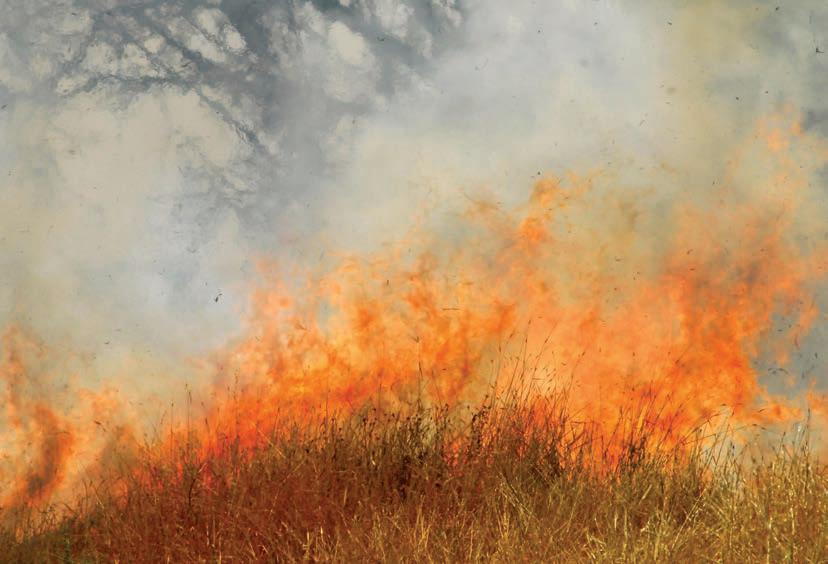
Have your “Go Kit” packed and ready. Create defensible space around your home. Identify two evacuation routes incase one becomes compromised. Communicate with local officials and learn how they will send emergency notifications.

1/2 cup milk
1 teaspoon vanilla extract
2 teaspoons ground cinnamon
1/2 cup chopped walnuts or pecans
1. Preheat oven to 350 degrees. Coat a 9-by-13-inch pan with cooking spray.
2. In a medium bowl, mix together flour, salt and baking powder.
3. In a large bowl, beat 1 cup sugar and 5 tablespoons butter at medium speed until light and fluffy. Reduce speed to low and add egg, heavy cream, milk and vanilla. Mix until combined, scraping down sides.
4. Add flour mixture and mix until combined.
5. Spread batter evenly into prepared pan. Sprinkle with remaining 1 tablespoon sugar plus cinnamon and nuts. Dot with remaining 2 tablespoons butter.
6. Bake 25–30 minutes, until edges are lightly golden and a toothpick inserted comes out clean.
SERVES 12









Panna Maria museum shows off Polish heritage in a big way
BY CHET GARNER
LOTS OF FOLKS know Texas for its Mexican flavors, its German beer halls and its Czech kolache. But mention our Polish history, and most won’t know where to start, even though Texas is home to the oldest permanent Polish settlement in America.
I’ll admit, before visiting the small community of Panna Maria, I didn’t grasp how deep our Polish roots run. But fortunately, I found the Polish Heritage Center ready to educate me and the rest of Texas.
Panna Maria (population about 40) sits quietly on the rolling plains of Karnes County about an hour southeast of San Antonio.
The entire community revolves around two blocks. On one sits the picturesque Immaculate Conception of the Blessed Virgin Mary Catholic Church, which dates to 1855. And on the next is the stately Polish Heritage Center, which dates to 2021. I have visited more than my fair share of smalltown museums, but nothing could prepare me for what I found inside this state-of-the-art facility.
After signing my name in the guest book next to visitors from the Polish capital of Warsaw and beyond, I stepped into an immersive experience that transported me to 1854, when a group of Polish immigrants held Mass under the oak trees just outside the church and decided to call Panna Maria home. The museum went on to tell the story of the culture, faith and struggles of this community, including its influence on modern life in Texas.
The history unfolds through hand-embroidered clothing, family photos, tools and letters carried across the Atlantic. It’s so well done that it would impress visitors in any big city, making it all the more amazing in tiny Panna Maria.
Texas is a patchwork of cultures, accents and traditions. Thanks to the Polish Heritage Center, one of our more overlooked threads is finally getting the spotlight it deserves. D
ABOVE Chet stops at a painting in the Polish Heritage Center in Panna Maria showing the first Catholic Mass after immigrants reached the site on Christmas Eve in 1854.
Watch the video on our website and see all of Chet’s Texplorations on The Daytripper on PBS.
Call ahead or check an event’s website for scheduling details, and check our website for many more upcoming events.
9
Brenham [8–9] Maifest, (979) 451-0621, brenhammaifest.com
Round Top [8–10] Fine Art Festival at the Compound, (281) 236-3821, bit.ly/fafatthecompound
Nacogdoches Scottish Highland Games and Festival, (936) 371-3072, nacscottishgames.com
Palestine Mother’s Day Lunch Train, 1-855-632-7729, texasstaterailroad.net
Stonewall Williams Creek (Albert) School Open House, (830) 685-3321, historicschools.org
14
Giddings [14–16] Lee County Fair, info@leecountyfairtx.com, leecountyfairtx.com
15
Columbus [15–16] Magnolia Days Festival, (979) 732-8385, magnoliadays.org
Grapevine [15–17] Main Street Fest, (817) 410-3185, grapevinetexasusa.com
16
17
Fredericksburg Classic Truck Show, (830) 990-4433, pecangrovestore.com
Greenville Knights of Columbus Mayfest, (903) 455-9062, donvinson75402@gmail.com
Fredericksburg Thomas Pandolfi, fredericksburg musicclub.com
21
22
Grapeland [21–23] Salmon Lake Park Gospel Bluegrass Festival, (936) 687-2594, slpbluegrass.com
Kerrville [21–June 7] Folk Festival, (830) 257-3600, kerrvillefolkfestival.org
Granbury [22–24] Memorial Day Weekend Festival, (682) 936-4550, granburysquare.com
Kerrville [22–24] Texas Masters of Fine Art & Craft Show, (469) 223-4162, texasmasters.com
23
Chappell Hill Artwalk on Main Street, (979) 337-9910, chappellhilltx.com
Hondo Heritage Hike, (830) 660-6908, bit.ly/hondohike
Levelland [23–25] Panhandle Cutting Horse Association Show, (325) 518-1424, panhandlecha.com
29
Corsicana Big Bad Voodoo Daddy, (903) 874-7792, corsicanapalace.com JUNE
5 Fort Worth [5–7] Hadestown, (817) 212-4280, basshall.com
Yoakum [5–7] Tom Tom Festival, (361) 293-2309, yoakumareachamber.com
San Antonio [5–August 1] Fiesta Noche del Rio, (210) 226-4651, fiestanochesa.com Submit Your Event
We pick events for the magazine directly from TexasCoopPower.com. Submit your August event by June 1, and it just might be featured in this calendar.



































1 PAUL LAUDER FARMERS EC
“After a hard morning competing in the livestock show at the State Fair of Texas, a young competitor and her pet take a well-earned rest.”
2 REAGAN FERGUSON CENTRAL TEXAS EC
“A number of neighbors went to the CF Ranch in Clarksville to help with their cattle drive. Following the drive, this young lady laid claim to a few bales of hay.”
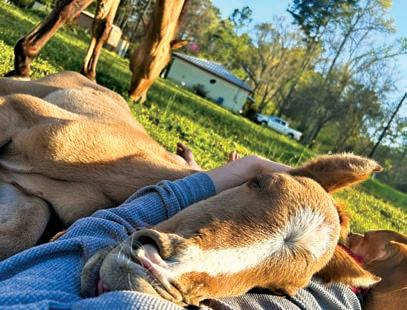
3 SHAWN DEAN DEEP EAST TEXAS EC
“My granddaughter took this of her horse’s new colt.”
4 GABRIELLE ETHINGTON PENTEX ENERGY
“Some friends raise kunekune pigs on a small farm outside of Nocona. I photographed this cutie napping in the front pasture area. It looks so happy.”


If you find yourself catching a catnap, needing 40 winks on the fly or sawing logs around your siblings, you’re in good company. Usually, if you snooze you lose. But these readers won’t be losing sleep anytime soon.
CURATED BY GRACE FULTZ

RODEO DUE MAY 10
TAILGATING DUE JUN 10
RIDE THE RAILS DUE JUL 10
See Focus on Texas on our website for many more Caught Napping photos from readers.

They give a lot to their kids, but sometimes moms need a little bit back
BY CAYT CALHOUN
ILLUSTRATION BY ANNA GODEASSI
A PANG OF FEAR HIT as the gurney wheeled me away from my family. Months of testing brought me here, and within the hour, I would become my mom’s kidney donor.
Until that point, it struck me as odd when people asked if I was afraid. Why? I love her. That’s enough. And it was enough to bat away intrusive thoughts as the anesthesia took hold.
Those fleeting moments of anxiety paled in comparison to years of uncertainty.
I understood the crushing weight of losing a parent—my dad died before I turned 2. Between his death and the deterioration of my mom’s health, I tumbled through my adolescence fearing I’d lose both my parents before adulthood.
My mom received the IgA nephropathy
diagnosis when I was 10. At the time, I didn’t understand how to pronounce it, let alone grasp the complexities of an inflammatory kidney disease that has no cure and can be fatal.
But chronic illness doesn’t give you time to understand. It creeps in and presents itself with a slew of medications, revolving appointments and the enormously draining toll of it all. Despite everything, she expended energy she didn’t have on my behalf. It seemed effortless at the time. I know better now.
Back then it was easier to accept things at a blithe glance—because being anything other than willfully ignorant meant facing a hard reality. I convinced myself that her active role in my life meant all was well.
But I couldn’t pretend anymore. For a decade, I watched the quality of my mother’s life ebb and flow until her kidney function dwindled to a measly 19%. She had two options: dialysis or surgery. With no known viable donor, she was forced to choose the former.
It had been us against the world for as long as I could remember. What if she lost the ability to do the things she loved? What if I lost her? The scenarios I conjured in my mind felt suffocating.
Watching how nightly dialysis altered her life was heartbreaking. At that point, I didn’t have a choice. The voice in my head said the least I could do was try to give back to the person who gave me everything. So when co-workers, professors, peers and doctors asked if I was comfortable with donating a kidney at 20, I said yes emphatically. I don’t believe it was selfless. I selfishly wanted more time with my mom.
Luckily, we got it.
We’re now approaching the 10th anniversary of the donation, and I’m beyond grateful for the opportunity to have been her donor. There may be a world out there in which I wasn’t qualified. There isn’t a world where I wouldn’t do anything for my mom. D

GENUINE LEATHER AND STAINLESS STEEL
WOODGRAIN INLAY
LONESTAR STATE ACCENTS


From the handsome face to the saddle-inspired leather band, this exclusive watch design with etched star accents on its case speaks to just how much the state means to you. Crafted in rugged stainless steel and genuine leather, the watch features the word, ‘TEXAS’, its established date of 1836, and the beloved lonestar state’s namesake star, shining with good old down home charm. The face also features a woodgrain inlay, and the hands and round bezel are nished in a shiny gold-tone. The stainless steel case back is etched with the state of Texas and the sentiment, “ TEXAS FOREVER”. In addition to the handsome styling, this is also a quality timepiece with precision quartz movement. It’s also water resistant up to 3 ATMS and the genuine leather strap is adjustable to t most wrists. Each custom-crafted watch arrives in a deluxe presentation case along with a Certi cate of Authenticity. It is backed by our unconditional, money back, 120-day guarantee and the watch movement is protected against defects with a full-year limited warranty. So giddy up and don’t miss out on this exclusive opportunity to wrangle up the perfect expression of your Texas pride.

With its original design and expert craftsmanship, this custom watch is an exceptional value at just $129.99*, payable in 4 convenient installments of $32.50. Hurry—this watch is only available from The Bradford Exchange and only for a limited time. So don’t miss out—order yours today!



















POWER PACKED with engines up to 27 HP that make light work of weeds up to 8’ tall and saplings up to 3" thick.

LARGEST SELECTION of walk-behind machines with up to 36" decks and tow-behind models with up to 60" of cutting width
RIGOROUSLY TESTED for hundreds of hours so they’re ready to tackle any job you need done.

BACKED BY 40 YEARS OF DEDICATION and supported for the life of your machine.