

Letter from the Co-Chairs
Our Mission
Our Story: From Vision to Network
Redefining Excellence Through Collaboration
Innovation and Leadership in ALS Clinical Trials
Championing Open Science and Data Sharing
Building a Community: Gathering the Field to Drive Progress
Training People Who Power Progress
Centering the ALS Community in Research
Expanding Knowledge Through Community Webinars
Supporting Research Growth
Driving Trial Success Through Operational Excellence
Member Academic Sites: A Network Built for Excellence
Advancing Science & Treatment
Innovating Care & Community Engagement
Member Sites Powering Innovation in ALS Trials
Partnering Opportunities with NEALS
Looking Ahead
Acknowledgements & Appreciation
NEALS Executive Committee, Scientific Advisory Board, Executive Operations
Get in Touch with NEALS

For 30 years, the Network of Excellence for ALS (NEALS) has driven ALS clinical research forward and united the community in the effort to overcome amyotrophic lateral sclerosis (ALS). What began as a small consortium of committed clinicians and scientists grew into a dynamic, global network connecting more than 160 academic sites with people living with ALS, caregivers, researchers, advocacy and government organizations, and industry partners – working together to accelerate progress
NEALS helped define how ALS clinical research is conducted From launching the first NIH-funded ALS clinical trial, to developing outcome measures that remain central to trials today, to pioneering open data sharing and patient-centered research education, NEALS consistently advanced the field by bringing people together around a shared purpose. Through innovations in trial design, statistical approaches, decentralized infrastructure, biomarker discovery, and investigator training, NEALS has played a leading and central role in accelerating therapy development and strengthening the ALS research ecosystem.

t a single program or e built; one that eams, people living partners, and it of progress. NEALS h; it builds the move faster, smarter, g the priorities and LS at the center.
ed innovative clinical targets and key ials that have led to gthened collaboration by fostering open and biospecimen g study teams undreds of people es to focus research
ee decades of ovation that have pe. The sections that vancing therapy o clinical trials, h sites, establishing ernance, launching ostering collaboration ustry partners.
honor the founders, ts, and supporters en progress over the ALS remains ess, deepening ion, and sustaining h
We invite you to explore the stories and data within this report to understand the impact of NEALS’ work, and to join us as we continue striving toward a future where ALS is fully understood, effectively treated, and ultimately defeated
Our mission is to accelerate the development of new treatments through innovative research and working collaboratively with people living with ALS and all stakeholders in the ALS research community.
NEALS fulfills this mission by serving as a global leader in academic clinical research, advancing new therapies with speed, innovation, access, and collaboration at the forefront. We unite scientists, clinicians, patients, caregivers, and industry partners to design and support high-quality ALS trials, pioneer new outcome measures and biomarkers, and lead open data-sharing initiatives, accelerating innovation across the field
Through a range of top-tier educational and training programs, NEALS empowers people across the ALS ecosystem, from those living with ALS and their caregivers, to investigators, study teams, and industry partners, to advance the quality, efficiency, and reach of clinical research.
For people living with ALS, NEALS offers training and engagement opportunities that foster understanding and advocacy in clinical research For our member sites, we provide investigator workshops, coordinator trainings, and research forums that
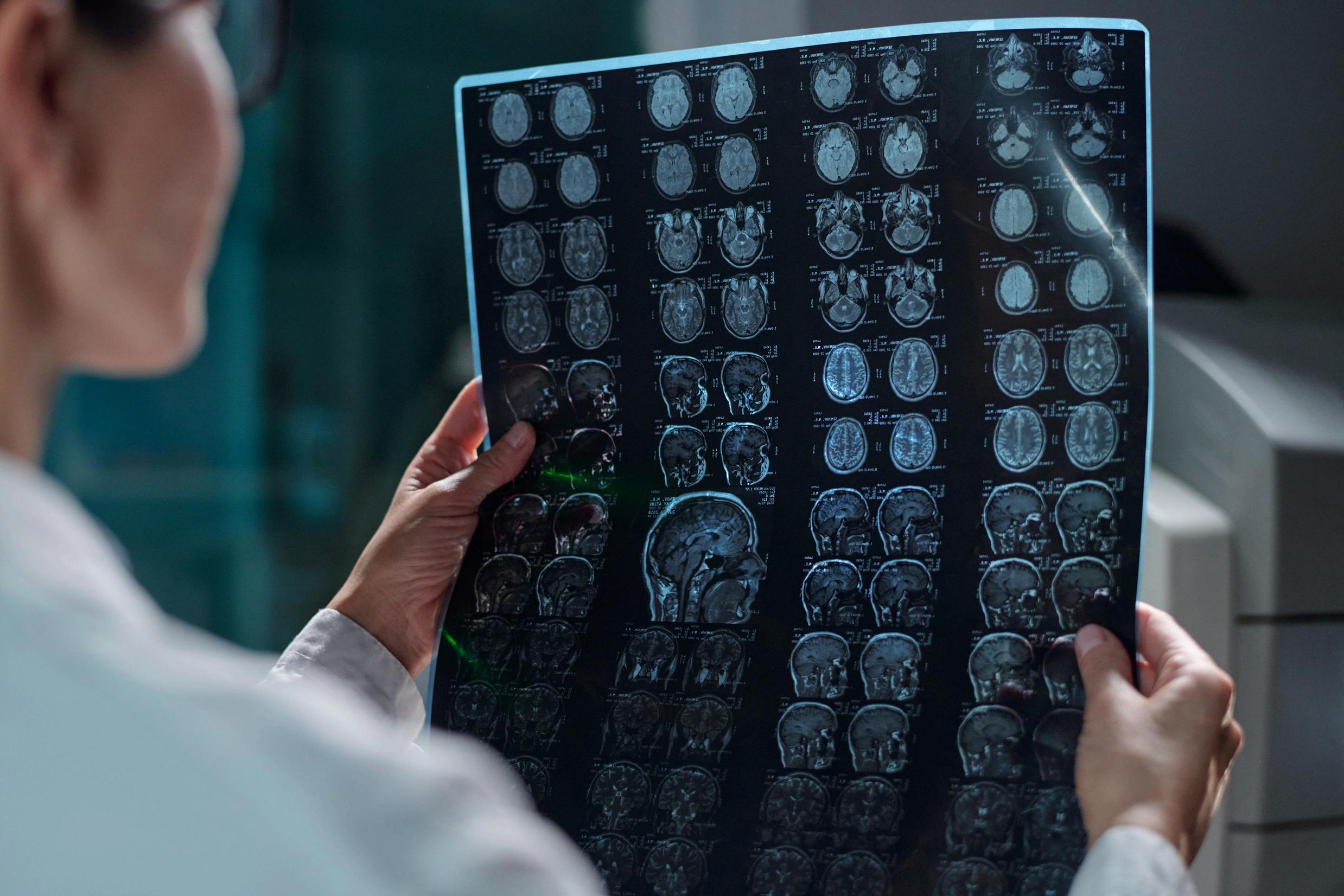
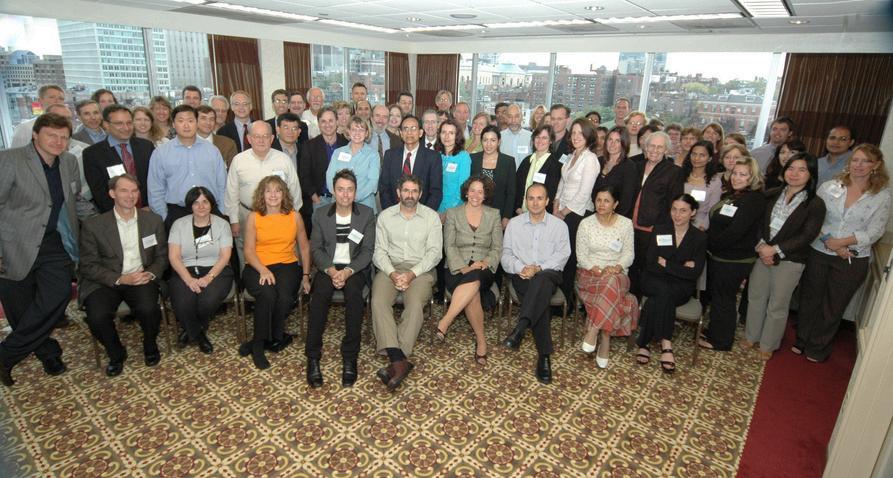
In 1995, in the wake of the first gene discovery of mutations in SOD1 as a cause of ALS that forever changed the understanding of ALS, a small group of New England researchers met to discuss how to bring new therapies to patients faster. Their idea was simple yet revolutionary: collaboration could overcome the barriers that slowed clinical research.
Guided by neurologist Dr. Ted Munsat, then Chair of the World Federation of Neurology, and inspired by pioneering ALS investigators such as Dr. Merit Cudkowicz, Dr Jeremy Shefner, and Dr Robert Brown, the group sought to unite academic centers that were eager to share ideas, train investigators, and build better trials for people living with ALS.
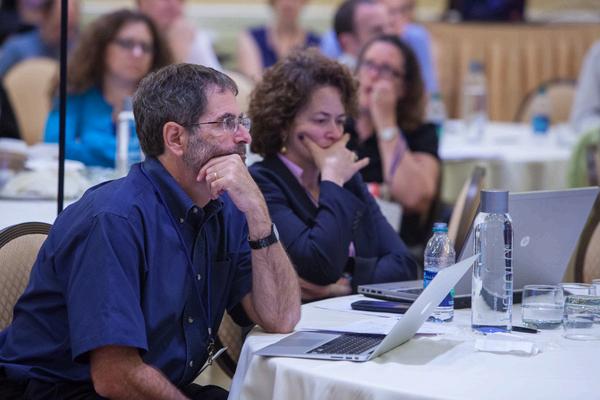
The founding sites, including Massachusetts General Hospital, Brigham & Woman’s Hospital, University of Connecticut, Yale University, Brown University, Tufts University, and the Lahey Clinic, laid the groundwork for what would become a model of scientific collaboration. Their shared goal was not only to conduct rigorous research, but to create a sustainable infrastructure for education, data sharing, and trial readiness across the ALS field.
The group’s first NIH-funded clinical trial launched in 1999, marking the first time NIH had ever funded a trial in ALS.
From those early roots, NEALS quickly grew into an academic powerhouse developing standards, outcome measures, and open data practices that became the foundation of modern ALS research.
Over thirty years, NEALS has become synonymous with excellence, partnership, and progress.
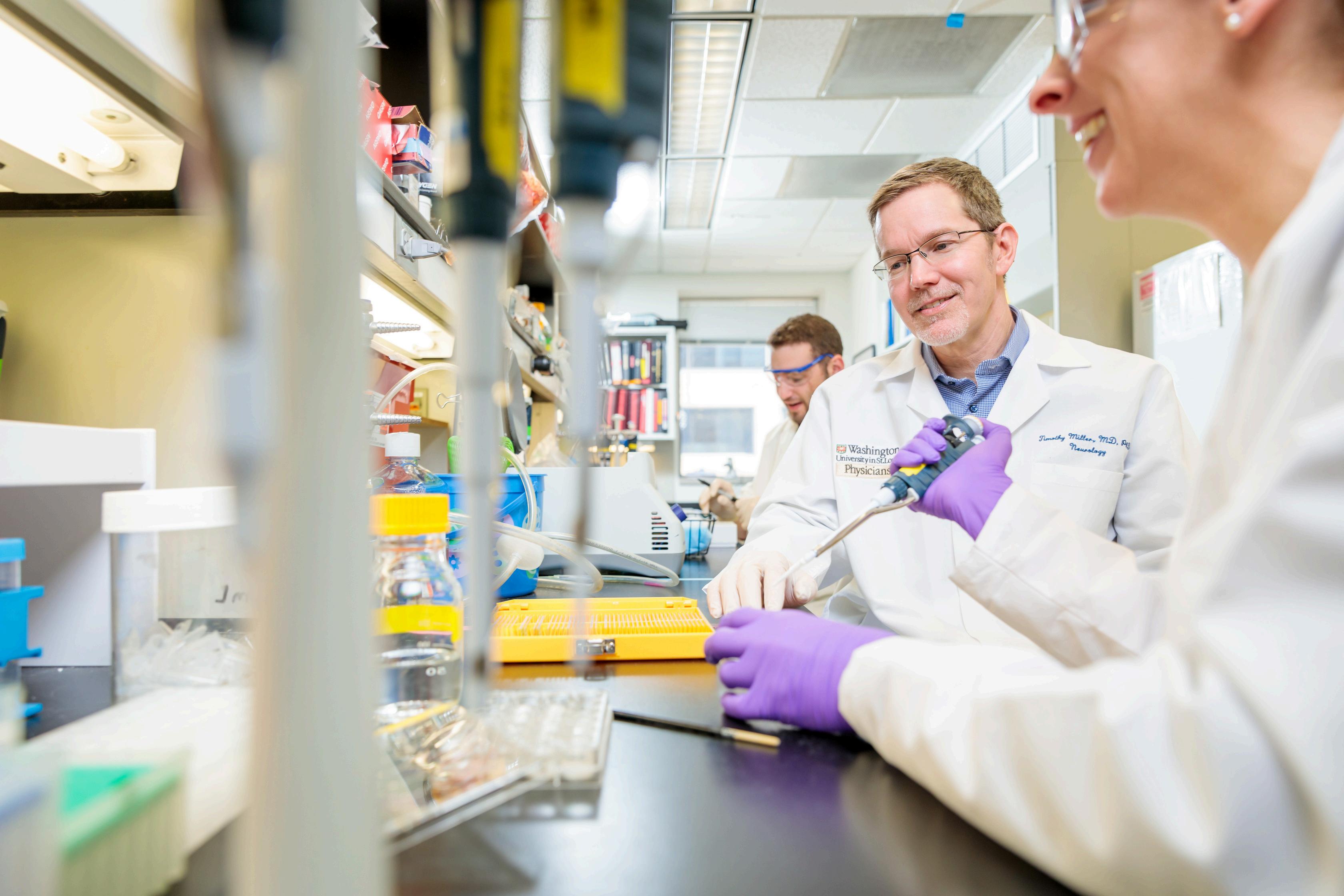
From its earliest days, NEALS recognized that advancing ALS research required more than individual breakthroughs; it required shared standards, trained teams, and trust across institutions
NEALS Investigators plated a central role in developing and validating many of the outcome measures that define ALS clinical trials today. By standardizing how disease progression is measured, NEALS helped ensure that trials could be compared, replicated, and improved raising the quality of research across the field.
NEALS also established one of the first academic Clinical Research Organizations (CROs) dedicated to ALS. This model provided centralized coordination, quality oversight, and operational expertise – supporting NEALSaffiliated trials while also training other research networks and CROs. In doing so, NEALS helped elevate trial execution standards far beyond its own studies
Through clinical trial design workshops, crossdisciplinary committees, and investigator member forums, NEALS has created a culture where ideas are shared early, challenges are addressed collectively, and innovation is accelerated through collaboration rather than competition
Many of the practices now considered essential to ALS clinical trials – standardized outcomes, trained evaluators, shared protocols – were pioneered, tested, or scaled through NEALS.
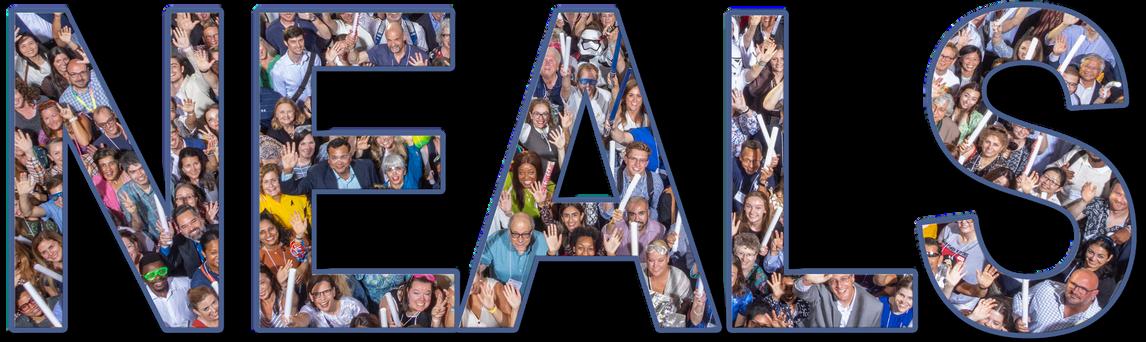
NEALS has built far more than a research network—it has created a collaborative learning ecosystem that brings together clinicians, researchers, people living with ALS, and advocates to drive excellence in ALS clinical trials.
From the outset, NEALS functioned as a clinical trial network, advancing innovation in how ALS trials are designed, conducted, and evaluated. The network has supported a broad range of study designs – including early-phase studies; Phase 1, 2, and 3 trials; adaptive and platform trials; and novel approaches such as ALS MyMatch – expanding access while improving efficiency and scientific rigor. NEALS investigators helped shape the development and implementation of expanded access programs, helping to ensure investigational therapies can be responsibly offered outside of trials while informing future research.
NEALS investigators have played a central role in developing and validating trial designs and outcome measures that now define highquality ALS research At the same time, NEALS invested heavily in trial conduct and site readiness, training investigators, coordinators, and evaluators to ensure consistency, accuracy, and excellence across the network.
This integrated approach – innovative design paired with rigorous execution – has helped make ALS an increasingly attractive field for pharmaceutical and biotechnology partners. As the science of ALS has advanced and more therapeutic candidates have entered development, NEALS has ensured that the infrastructure exists to test them efficiently and thoughtfully, with the patient voice embedded throughout the process
NEALS cultivated expertise by attracting and training leading biostatisticians and trial designers, strengthening collaboration between quantitative experts and clinical investigators. Through workshops, mentorship, and formal training programs, NEALS fosters continuous learning and shared problemsolving across the ALS research community
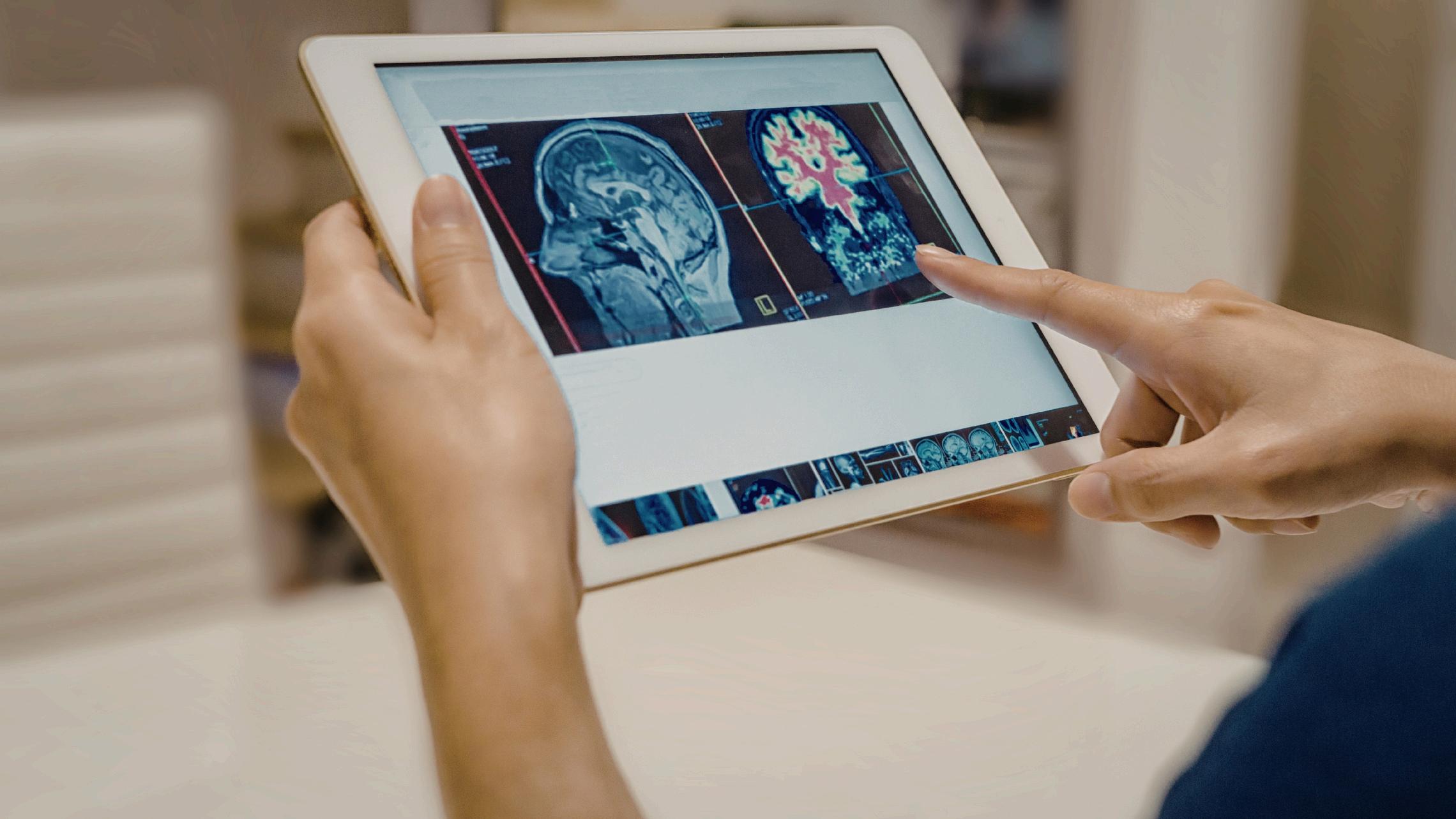
NEALS helped define how ALS clinical research is conducted. From launching the first NIHfunded ALS clinical trial, to developing outcome measures that remain central to trials today, to pioneering open data sharing and patientcentered research education, NEALS consistently advanced the field by bringing people together around a shared purpose. Through innovations in trial design, statistical approaches, decentralized infrastructure, biomarker discovery, and investigator training, NEALS has played a leading and central role in accelerating therapy development and strengthening the ALS research ecosystem.
Long before open science became a guiding principle across biomedical research, NEALS recognized that data sharing could dramatically accelerate discovery.
A defining example is PRO-ACT (Pooled Resource Open-Access ALS Clinical Trials) the world’s largest open-access ALS clinical trial database. Developed with partners including Prize4Life, the ALS Therapy Development Institute, and Mass General Hospital, PRO-ACT transformed how ALS data could be used, allowing researchers worldwide to test hypotheses, identify trends, and develop models without launching new trials.
Key Features
Centralized, standardized protocols for collection, processing, and storage
Available to qualified investigators through a transparent application process
Supports exploratory and confirmatory biomarker work, including fluid and genetic biomarkers
Integrates with clinical trial design and analysis to support biologically driven endpoints.
By making data and biospecimens broadly accessible, NEALS has amplified the impact of every trial enabling discoveries far beyond the studies it directly supports

Complementing PRO-ACT, the NEALS
Biorepository established standardized protocols for biospecimen collection and sharing, ensuring quality, reproducibility, and broad access. Established in partnership with the ALS Association, Project ALS, and funded in part by NIH grants, philanthropy, and Sanofi, the NEALS Biorepository was one of the first centralized biosample resources dedicated to ALS clinical research. It enables participating sites to contribute and access high-quality, wellcharacterized biosamples, accelerating biomarker discovery, mechanistic insights, and biologically informed trial design.
Together, these resources shifted ALS research from isolated datasets to a shared global research ecosystem.
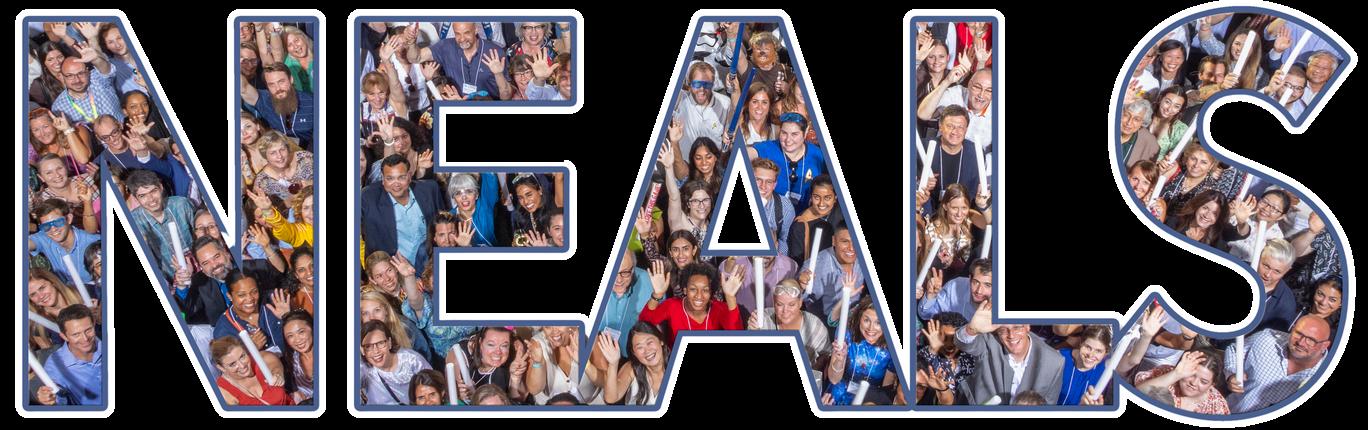
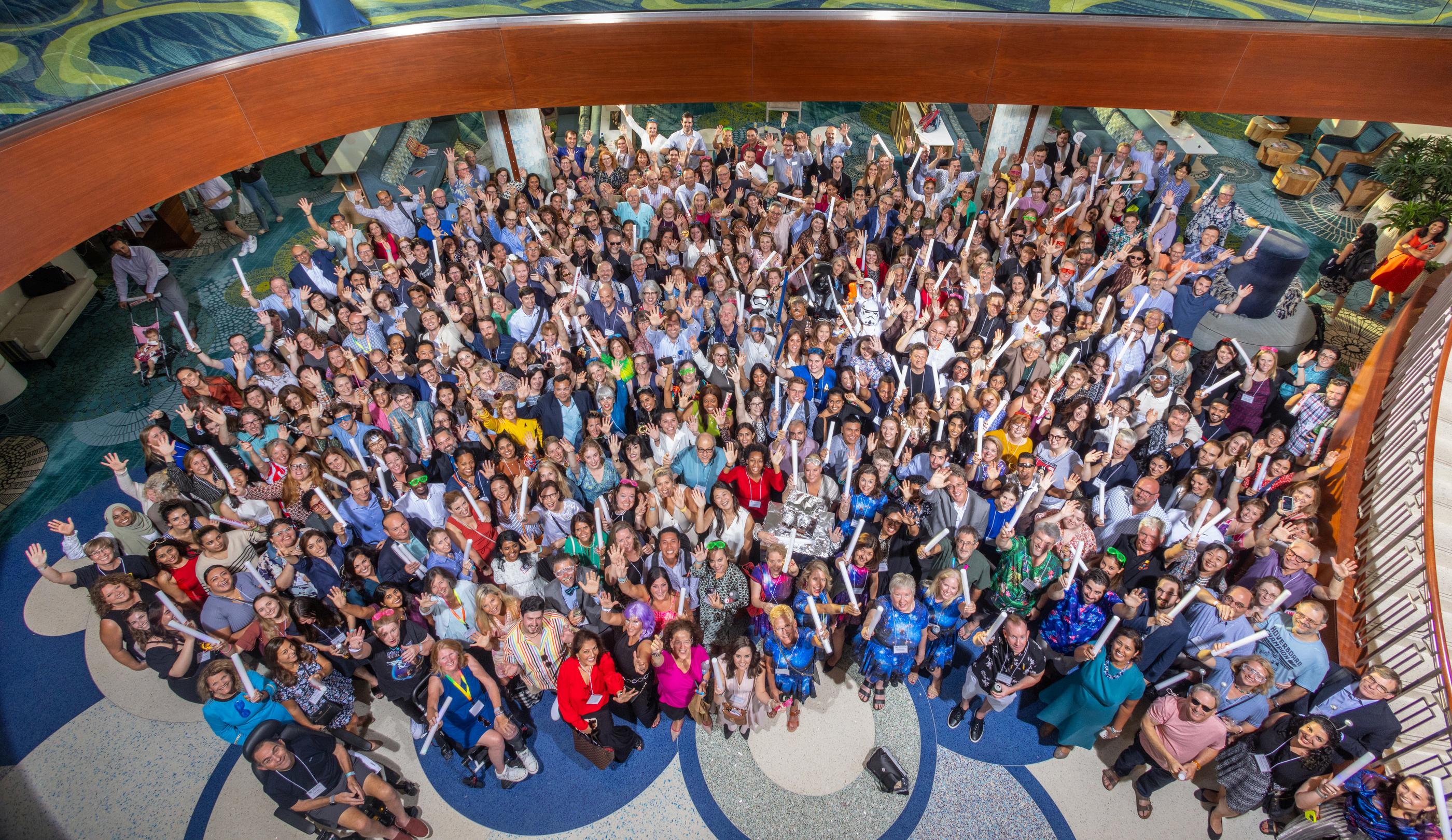
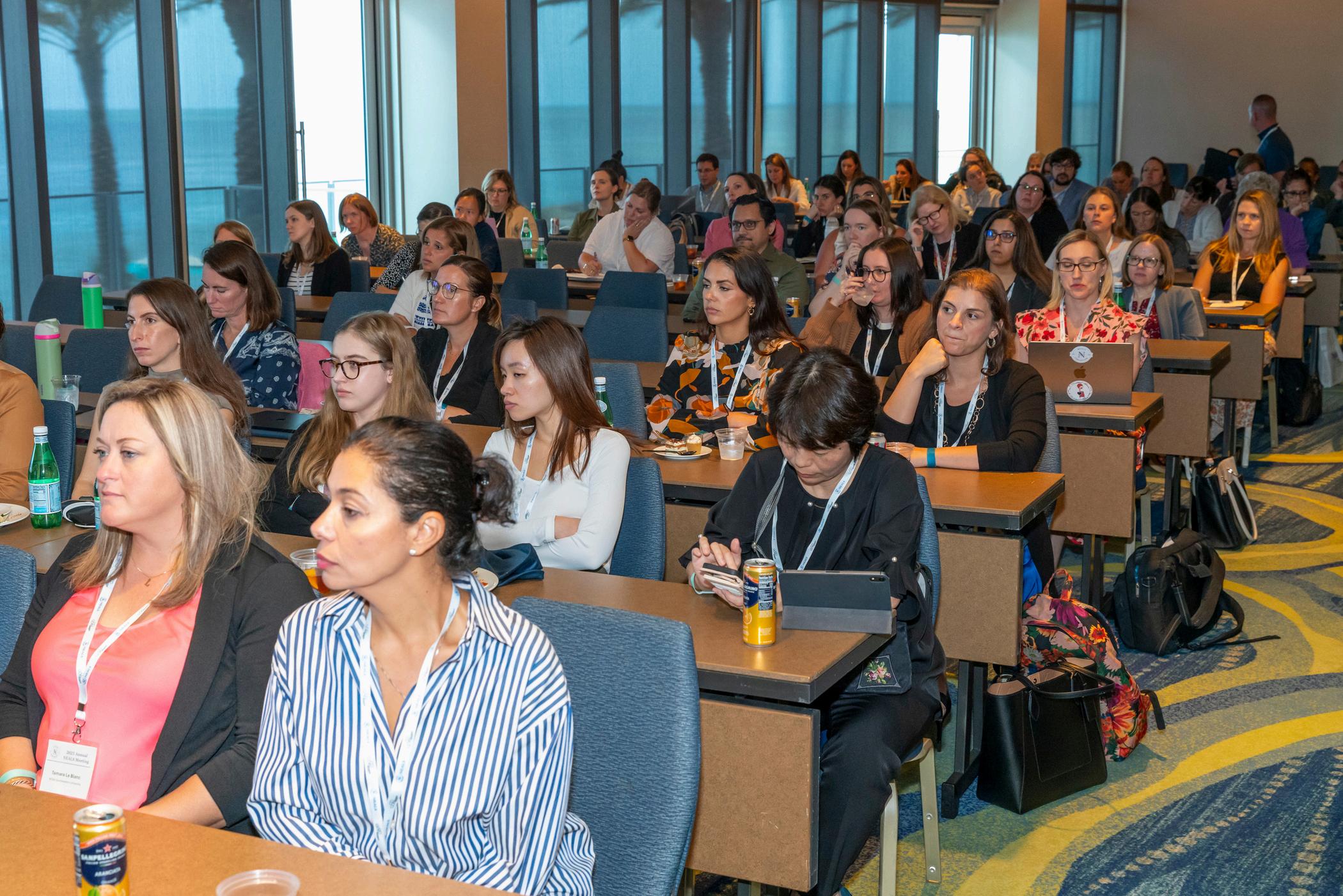
As a cornerstone of this effort, the Annual NEALS Meeting is a multidisciplinary forum where clinical insights, research findings, and community priorities converge. The Annual NEALS Meeting brings together researchers, clinicians, industry partners, ALS organizations, government partners, people living with ALS, and advocates to share knowledge and drive innovation.
With a focus on member initiatives and potential new therapies, the meeting prepares attendees for upcoming clinical trials and fosters collaboration among the ALS community.
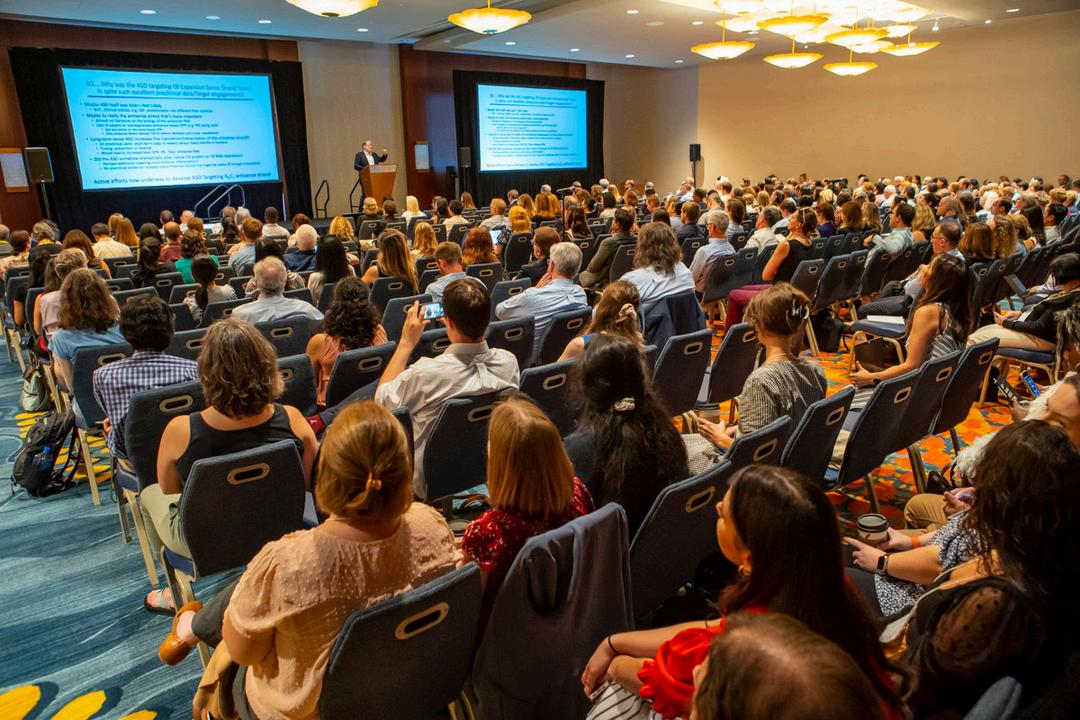
In-Person Attendees including, clinicians, industry leaders, government and foundation partners, and individuals with lived ALS experience
Abstracts annually now published in Muscle & Nerve, showcasing cutting-edge ALS research
The NEALS Workshop on Advancing ALS Clinical Trials is a focused forum designed for biotech and pharmaceutical companies developing new ALS therapies. The workshop brings together industry partners and leading ALS clinical trial experts to explore the scientific and practical challenges involved in bringing potential treatments from the laboratory into human studies.
Focus areas include critical topics shaping ALS trials, including discussions that
Examine how discoveries in the laboratory translate into clinical trials and what evidence is needed before testing therapies in people.
Explore how biological markers can help researchers better understand disease progression and measure whether a treatment is working.
Evaluate how ALS trials are designed, how results are analyzed, and how researchers determine whether a treatment provides meaningful benefit.
Consider how improvement or slowing of disease progression is measured and what outcomes matter most for people living with ALS.
Explore partnerships and innovative funding approaches that help bring new therapies into clinical testing
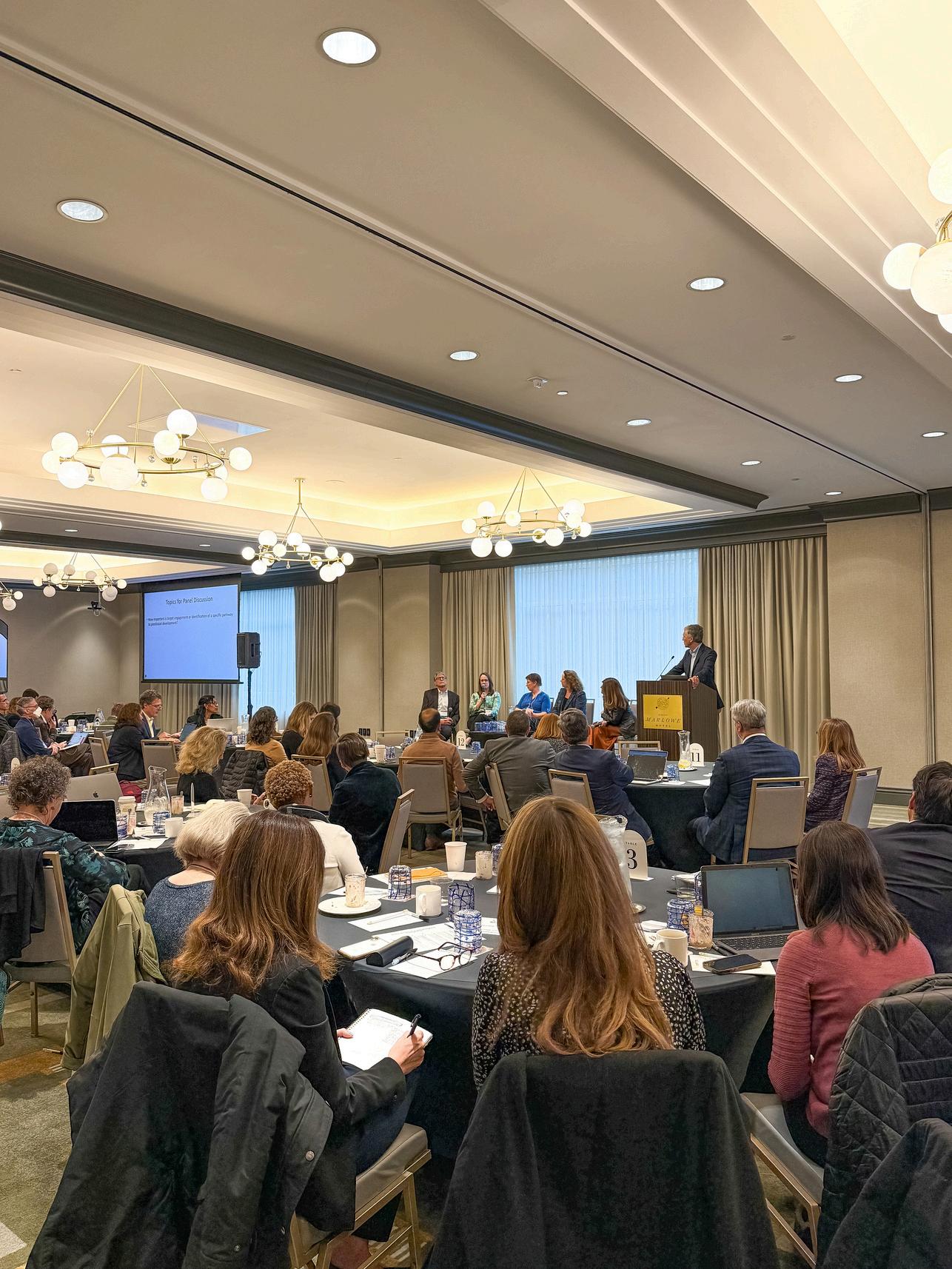
NEALS aims to ensure that innovation is not confined to a single institution, but shared across the network –raising the quality of ALS clinical research and care worldwide.
Interested in Learning More? Visit:
https://neals.org/alsresearchers/become-a-neals-member
Infrastructure Alone Does Not Move Science Forward, People Do.
By training thousands of professionals, NEALS has built durable capacity, strengthening not just individual trials, but the ALS research workforce itself.
In 2009, NEALS launched its first Principal Investigator Training Course, preparing emerging leaders to design and lead high-quality ALS trials. Over time, this commitment expanded to include coordinators, evaluators, and multidisciplinary study teams.
Today, NEALS offers top-tier educational and training programs that strengthen trial readiness, promote best practices, and support continuous learning across the ALS research community.
Through programs including the Clinical Research Staff Training & Development Workshop, Outcome Measure Training, Investigator Trainings, and hands-on, topical sessions – such as multidisciplinary workshops and CMEaccredited trainings – NEALS equips both earlycareer and experienced teams with the expertise needed to conduct rigorous, patient-centered research.
By embedding patient and caregiver voices into education, advisory structures, and trial design, NEALS has helped align scientific rigor with lived experience— strengthening relevance, trust, and impact across ALS research.
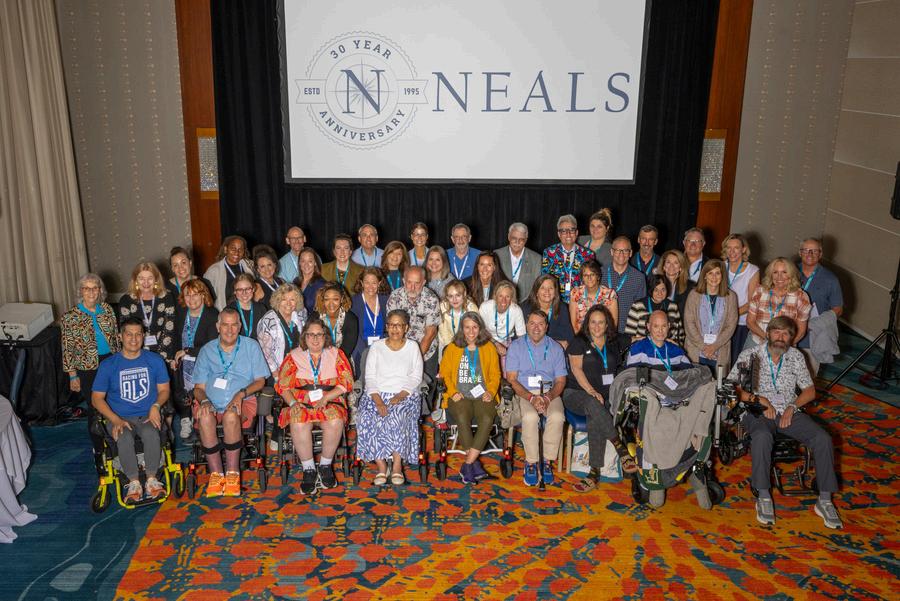
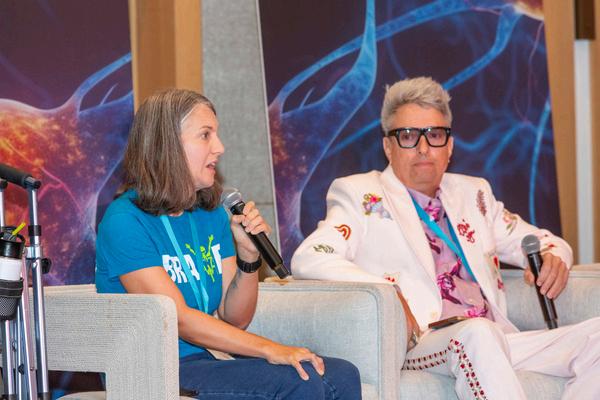
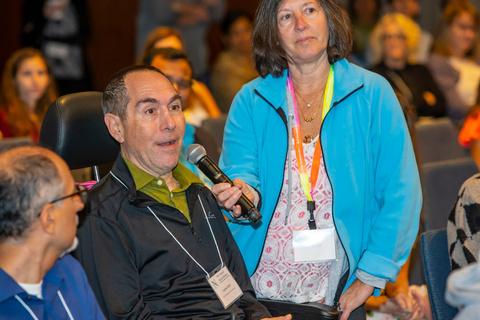
In 2011, NEALS formalized this commitment with the launch of the ALS Clinical Research Learning Institute® (CRLI).
Designed as a two-day educational program, CRLI equips individuals impacted by ALS with a deeper understanding of clinical research and the therapy development process. Participants learn about study design, data and outcomes, ethical considerations, and opportunities for community engagement, preparing them to engage confidently and thoughtfully in research conversations.
Graduates of CRLI become ALS Research Ambassadors, applying this knowledge well beyond the classroom. To date, hundreds of Ambassadors have gone on to serve on advisory boards, research panels, and committees – working alongside investigators to shape trial design, feasibility, and priorities across the ALS research landscape.
This commitment to partnership is further reflected through the Patient and Caregiver Advisory Council (PCAC). Through the PCAC, individuals living with ALS
and caregivers provide direct input to the NEALS Executive Committee on research priorities and community needs, ensuring that NEALS’ work remains grounded in real-world experience and aligned with what matters most to the ALS community.
Along with the PCAC, the Clinical Trial Liaison strengthens this connection by supporting individuals and families as they navigate research opportunities and resources; helping connect people living with ALS to trials, education, and support across the network.
NEALS was among the first organizations to launch a sustained, community-focused ALS webinar series, an effort that has now reached the community through hundreds of educational sessions.
In partnership with the ALS Association, NEALS connects clinicians, researchers, people living with ALS, and caregivers through ongoing webinars designed to inform, engage, and empower participants.
These sessions share timely updates on ALS research, clinical trials, standards of care, and emerging therapies, reinforcing NEALS’ role as a trusted convener and knowledge hub for the ALS community

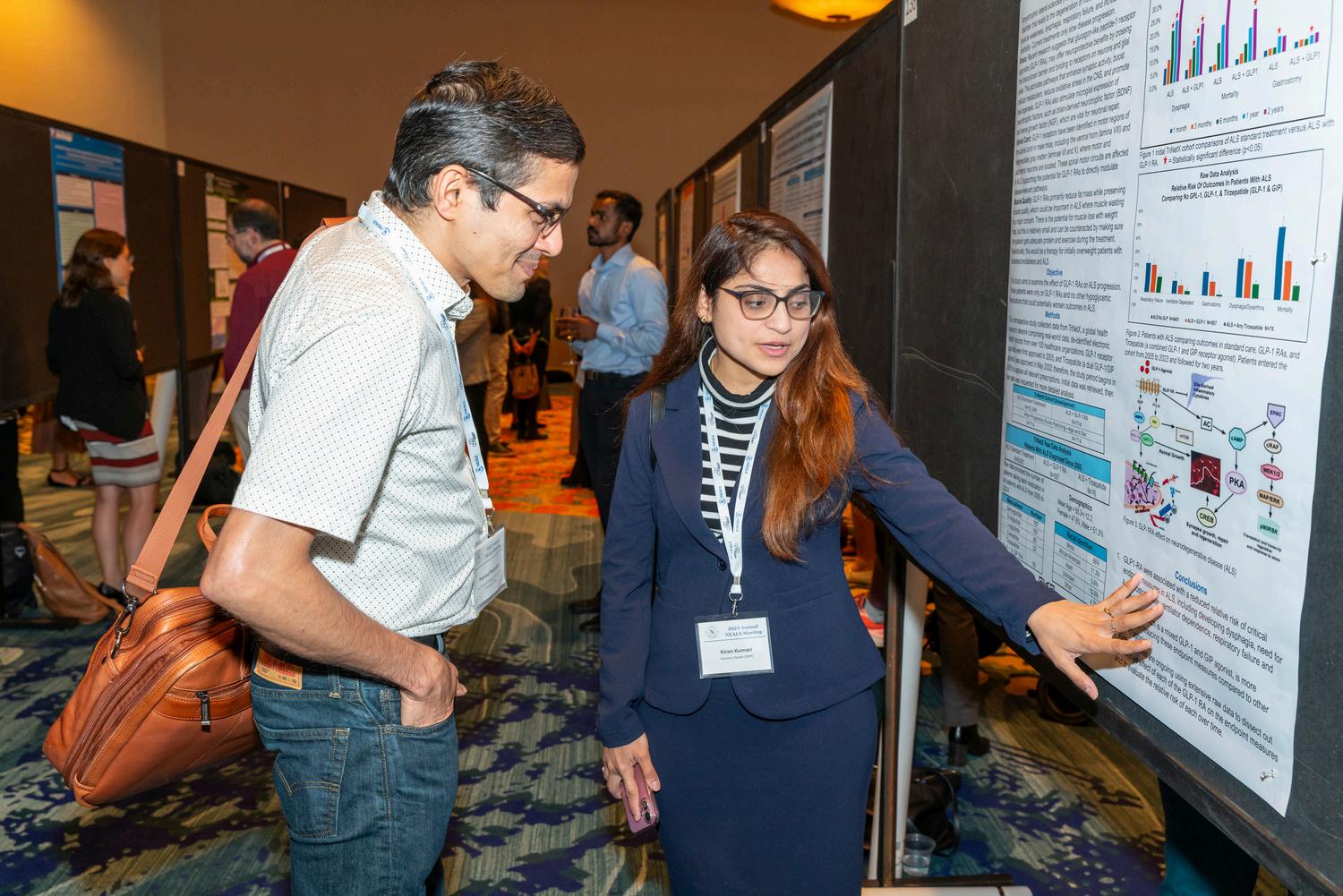
NEALS is dedicated to fostering the future of ALS research by actively sharing funding opportunities and resources with its member network.
The Consortium plays a vital role in disseminating information about grants, pilot study funding, and infrastructure support available from foundations, government agencies, and industry partners.
Additionally, NEALS recognizes emerging research excellence by awarding abstract prizes at its annual meeting, encouraging innovation and highlighting exceptional research.
By bridging funding bodies, investigators, and the ALS community, NEALS helps ensure that innovative ideas and researchers receive the support they need to advance the field. This commitment nurtures a continuous pipeline .
Discover Funding Opportunities
https://neals org/alsresearchers/upcoming-researchopportunities/
Learn About NEALS Abstract Awards
https://meeting neals org/poster-abstract-info
NEALS has developed the operational backbone needed to support high-quality, multisite clinical trials across the ALS research landscape. In collaboration with leading academic institutions, the network provides infrastructure for every stage of the trial process from study design and site selection to outcome measurement and data coordination.

The Neurological Clinical Research Institute at Massachusetts General Hospital (MGH NCRI) is an academic clinical research organization that acts as the NEALS Clinical & Data Coordination Center. MGH NCRI may provide NEALS studies with trial design, protocol development, project management, data management, EDC systems, site selection &management, vendor management, contract & financial management and central IRB services.
As a leader in defining excellence in ALS clinical trials, NEALS has played an instrumental role in validating and standardizing the administration and scoring of the ALS Functional Rating Scale–Revised (ALSFRS-R). By promoting consistent protocols across trial sites, NEALS has strengthened reliability, accuracy, and credibility in ALS research. Its commitment to data sharing and cross-trial comparability continues to accelerate insights across the broader research community.
Barrow Neurological Institute acts as the NEALS Outcomes & Monitoring Center. Barrow provides NEALS sites with training on ALS outcome measures. In addition, Barrow employs and trains NEALS site monitors who conduct site and pharmacy monitoring for trials.
Through its academic hubs and centralized coordination, NEALS clinical trial cores at MGH and BNI have supported hundreds of trials, from pilot studies to late-phase and platform trials.
NEALS is powered by its member sites – academic institutions across the world that bring research to life, lead clinical trials, and innovate in ALS care every day.
Together, these sites form the engine of ALS clinical research – NEALS members have led pivotal trials, developed biomarkers, expanded trial access, and trained the next generation of ALS researchers. From major research universities to community-based centers, NEALS members bring deep expertise, local relationships, and a shared commitment to advancing trials that matter.
NEALS includes more than 160 academic research sites across North America and beyond, with several international collaborators in Turkey, Japan, Australia, Italy, Israel, and India.

NEALS member sites have collectively led and contributed to hundreds of ALS clinical trials, paving the way for new therapies and care models. Their involvement spans pivotal studies including trials for tofersen, edaravone, AMX0035, Healey ALS MyMatch, and the HEALEY ALS
Platform Trial – an innovative adaptive platform trial design that is reshaping how ALS treatments are evaluated. Many serve as lead or coordinating sites in multi-center studies and publish findings in peerreviewed journals, advancing trial design and methodology
These sites have also played key roles in launching expanded access programs, expanding investigational treatment opportunities for people living with ALS. NEALS investigators have helped guide the design and implementation of these programs across the ALS field, bringing clinical trial expertise to ensure that expanded access pathways are ethical, scientifically informative, and aligned with ongoing therapy development.
Embedded within local ALS care systems, many NEALS sites uniquely blend research with compassionate, multidisciplinary care. They support patient education, navigation, and communication regarding trial opportunities, while local leadership fosters inclusion of underrepresented populations through targeted regional outreach.
With NEALS-led training and infrastructure, sites helped launch the HEALEY ALS Platform Trial, the first-ever platform trial for ALS. Their early adoption of adaptive protocols enabled faster trial launches and shared learning across therapeutic regimens.

Through Healey ALS MyMatch, member sites assist with screening and enrollment into a centralized registry that helps match people living with ALS to eligible clinical trials — both within and outside the Platform Trial.
Participating NEALS sites contribute critical biospecimens, digital health measures, clinical data, and patient-reported outcomes to the ALL ALS Consortium, a collaborative initiative building a robust dataset to support biomarker discovery and a deeper understanding of ALS subtypes
NEALS offers multiple pathways for academic investigators, pharmaceutical and biotech companies, foundations, and government sponsors to collaborate across the clinical trial lifecycle. Whether you're developing a study concept or preparing to launch a multi-site trial, NEALS provides scientific guidance, operational infrastructure, and community-centered support
Present your study at a Scientific Advisory Board (SAB) or Executive Committee meeting for expert input or affiliated trial consideration.
Participate in the NEALS Workshop on Advancing Clinical Trials an expert-driven forum transforming ALS clinical trials and advancing groundbreaking drug development through open collaboration.
Email callen@neals org to request a consultation with the SAB or find out more on ways to be considered a NEALS Affiliated Trial
Collaborate with NEALS’ Recruitment & Retention Committee to design inclusive and effective outreach strategies.
Receive tailored feedback on trial materials and recruitment plans.
Participate in NEALS-hosted webinars, trainings, and workshops for cross-trial learning and innovation.

Engage with ALS Research Embassadors and the NEALS PEACe Committee to gather insights on participant experience and recruitment messaging, and other aspects of trial design and comunication.
Access BNI-led outcomes training and site readiness assessments to ensure trial quality and consistency.
Leverage MGH’s trial coordination and data management services to streamline implementation.
As NEALS enters its fourth decade, it is evolving to reflect both its scope and ambition. The Network of Excellence for ALS represents a future defined by global collaboration, open science, equitable access, and continuous learning.
Built on three decades of shared trust and leadership, NEALS will continue to shape how ALS research is conducted – bringing science, speed, and hope closer to people living with ALS.
NEALS has grown from a bold idea into a trusted leader in ALS clinical research. We’ve built infrastructure, trained the next generation, elevated the patient voice, and strengthened the science
Yet the urgency of our mission remains. People living with ALS cannot wait – and neither will we.
As we look toward the future, we invite you to keep moving forward with us:
To collaborate. To challenge. To lead. To advocate. And above all, to never stop pushing for better answers and bolder progress.
Every contribution moves research forward and brings us closer to better treatments for people living with ALS.
Donate today to be part of what comes next.
https://neals org/people-living-with-als/getinvolved/make-an-impact/
The NEALS story is one of shared purpose – and shared progress.
We extend our deepest gratitude to Dr. Merit Cudkowicz and Dr. Jeremy Shefner, the visionaries who founded NEALS in 1995, and to every Co-Chair, leadership member, and staff member who has helped guide the consortium over the past three decades Your dedication, leadership, and persistence laid the foundation for everything NEALS has become. We would also acknowledge current and former co-chairs who have dedicated their time to lead the organization which includes Dr. Jinsy Andrews, Dr. James Berry, Dr. Jonathan Glass, Dr. Terry HeimanPatterson, Dr. Timothy Miller, and Dr. Robert Brown.
To the people living with ALS, including those who have passed, and every family member and caregiver who has participated in clinical trials: thank you. Your courage fuels this work, and your insights have shaped how research is designed, implemented, and shared.
We are especially grateful to the PALS/CALS Advisors (Allison Bulat, the late Layne Oliff, Michael Robinson, and David Shulman) to the NEALS Executive Committee, ALS Research Ambassadors® and Patient Advisory Committee members who have brought wisdom, lived experience, and leadership into every level of our work.
To our member academic sites – your commitment to clinical excellence, collaboration, and compassionate care is the engine behind this network
To our foundation partners, academic collaborators, and industry sponsors – your support has helped make many of NEALS’ most ambitious initiatives possible. We are especially proud to recognize long-standing partners such as the ALS Association and ALS Hope Foundation, whose sustained commitment to innovation, equity, and access continues to shape the future of ALS clinical research.
We are also deeply grateful to the anonymous donor whose extraordinary $1 million endowment gift will sustain the ALS Clinical Research Learning Institute® (CRLI) for years to come – ensuring that people living with ALS and caregivers remain at the center of research design, education, and advocacy.
Philanthropic support has powered many of NEALS’ most transformative efforts, from early-phase trials and expanded access programs to the infrastructure and training that make patient-centered research possible
Together, we are building not just a research network – but a movement grounded in generosity, connection, and shared resolve.

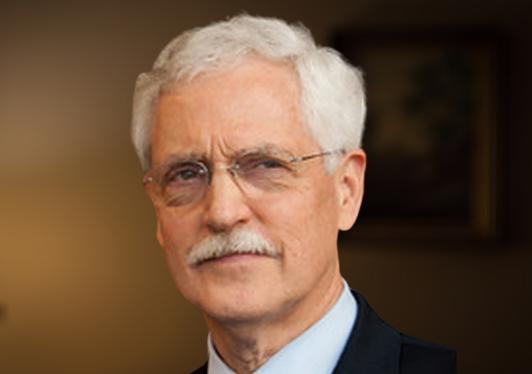
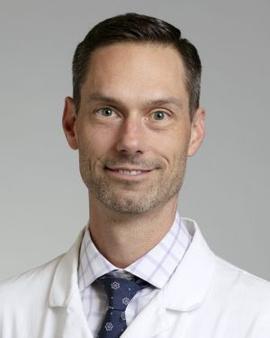
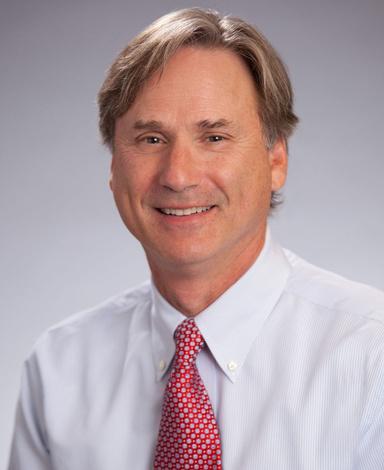
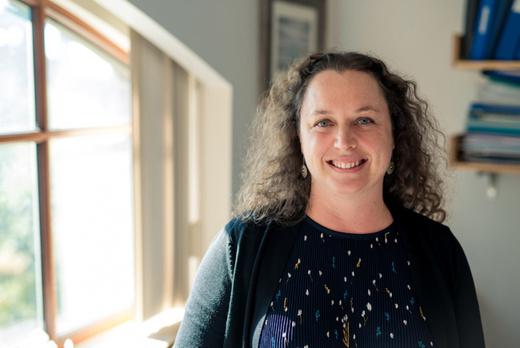
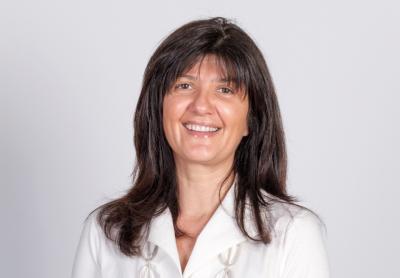
NEALSCo-Chair


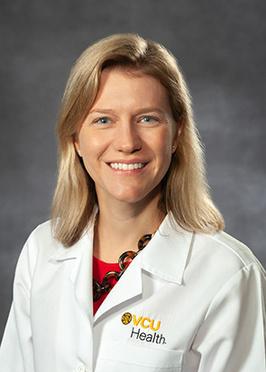
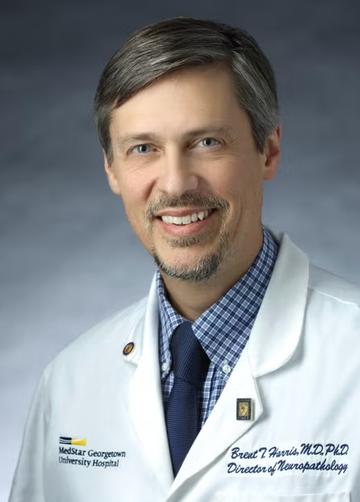
NEALSCo-Chair


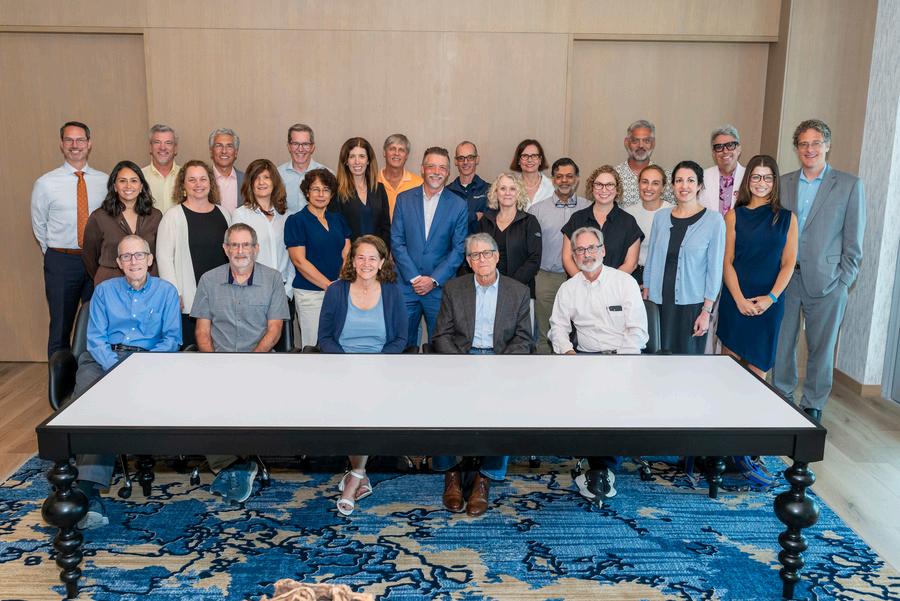
NEALS research activities are guided by an experienced Scientific Advisory Board (SAB) and Executive Committee, bringing deep expertise and diverse perspectives to ALS research governance.
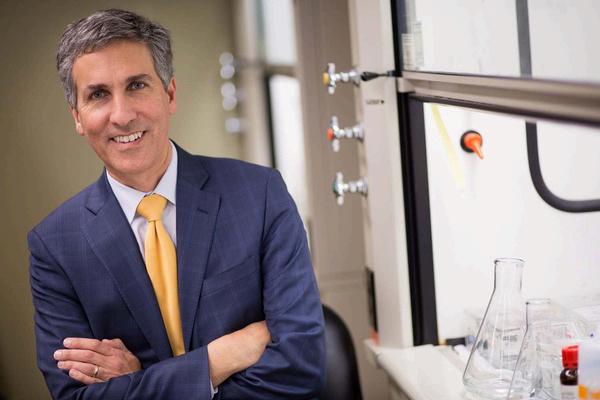
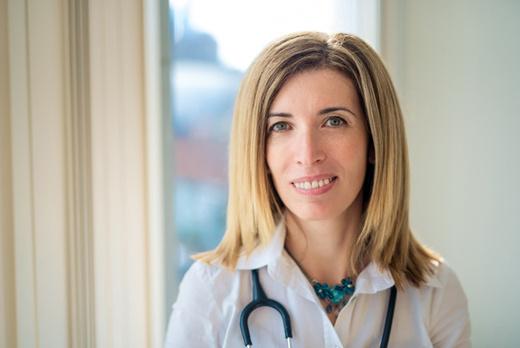
NEALSCo-Chair


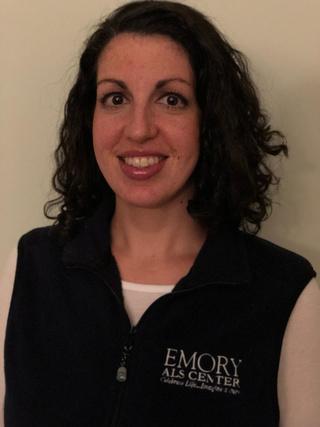
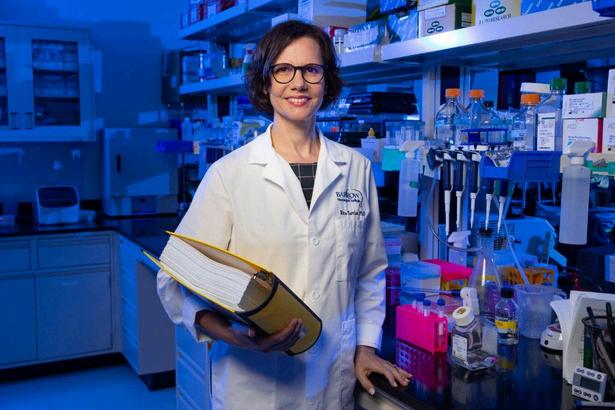
NEALSExitingCo-Chair
ChristinaFournier,MD,MSc

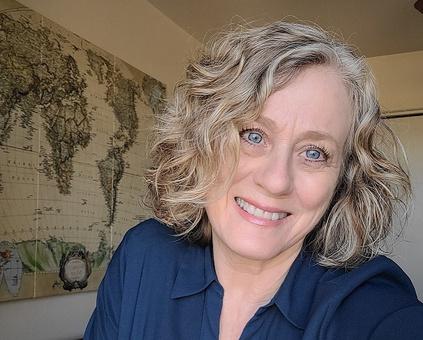
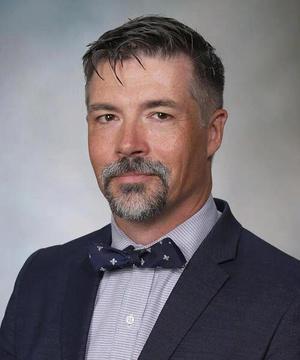
SustainabilityConsultant
NEALSExitingCo-Chair

BarrowNeurologicalInstitute

CommunityEngagementOfficer
EmeritusSABChair


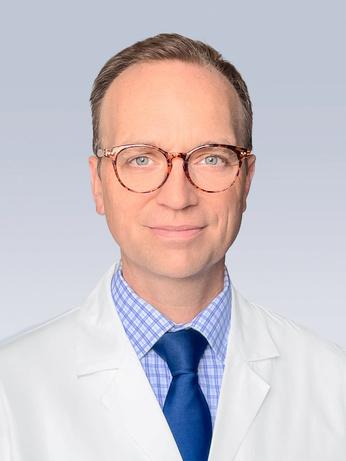



BarrowNeurologicalInstitute
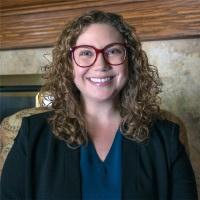
EducationManager

BarrowNeurologicalInstitute
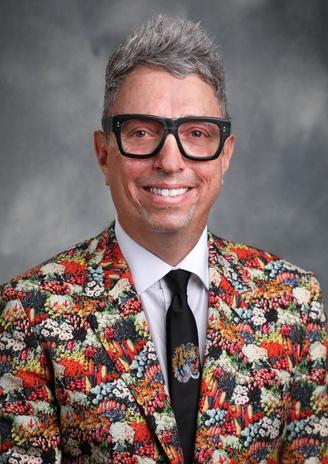
NEALSSABCo-Chair
RichardBedlack,MD,PhD

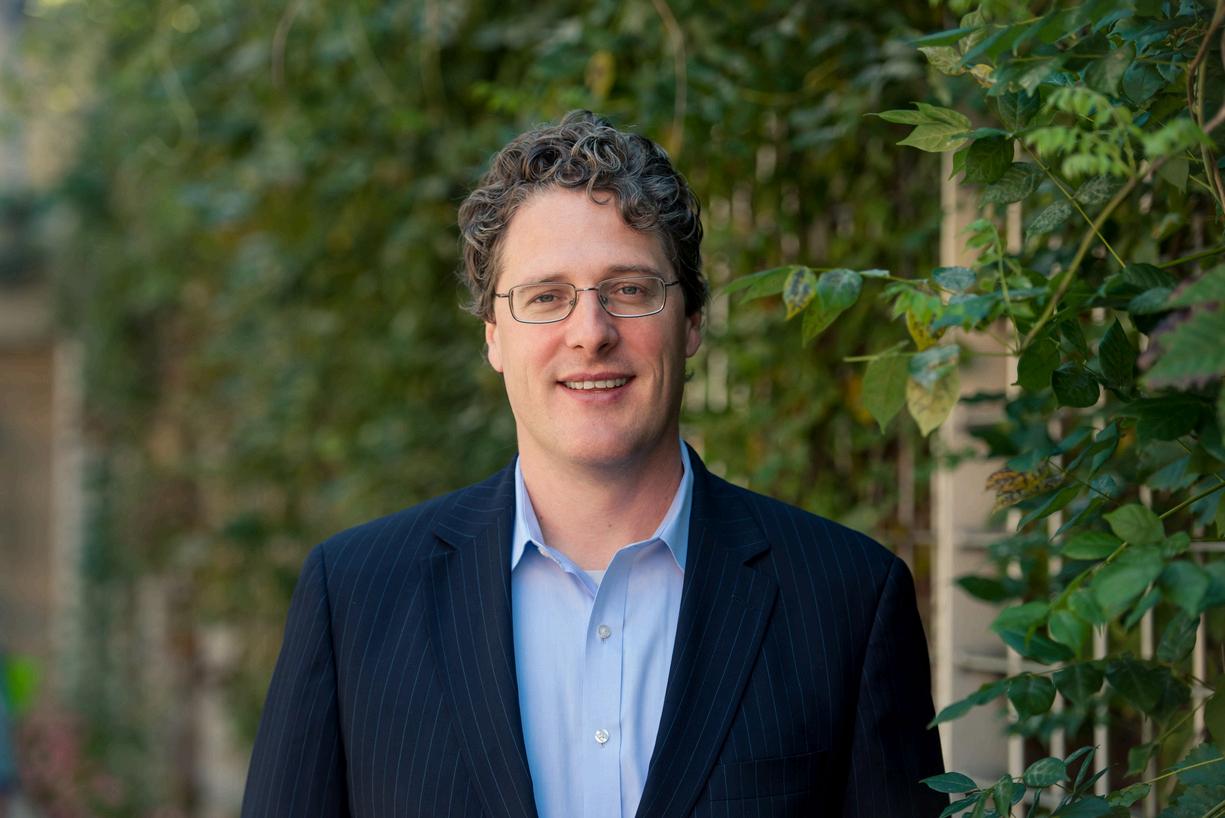
NEALSCo-Chair
NEALSExitingCo-Chair


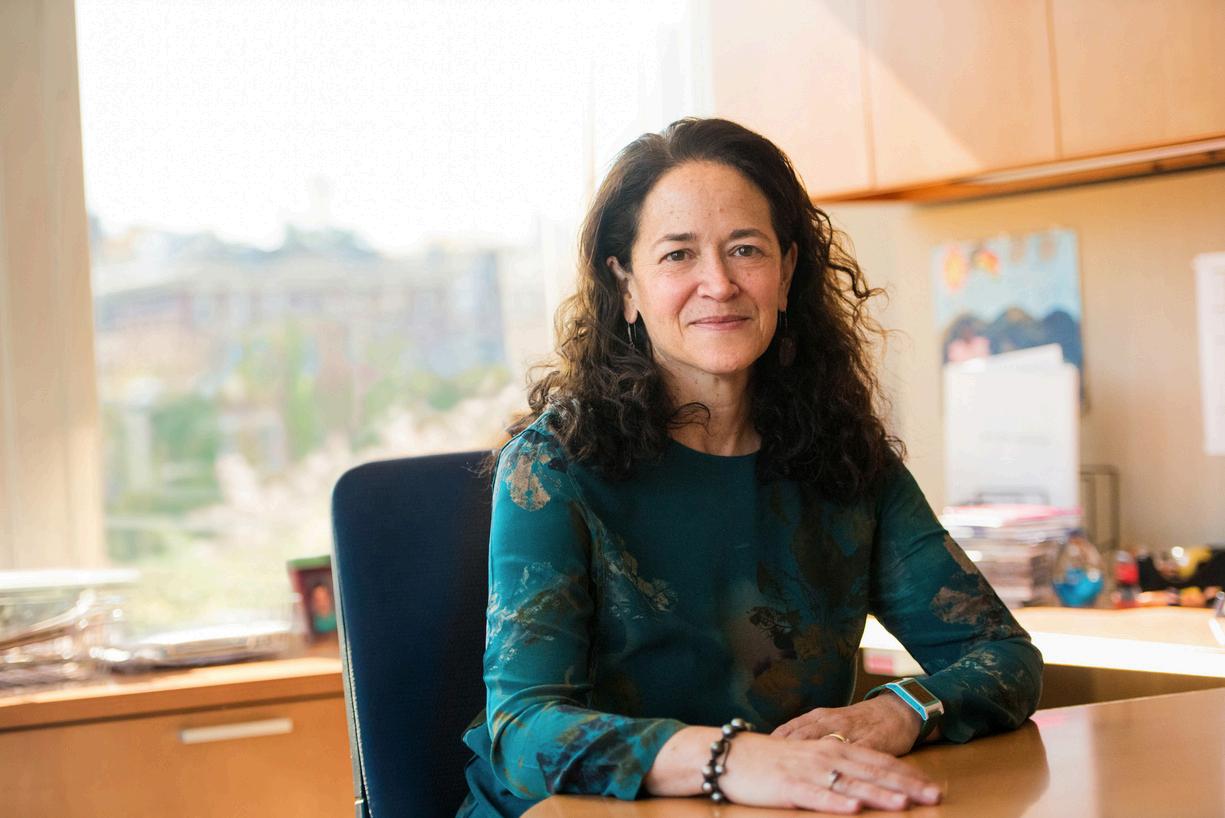
NEALSCo-Chair
NEALSExitingCo-Chair

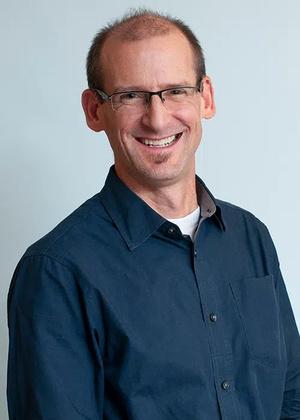
SustainabilityConsultant




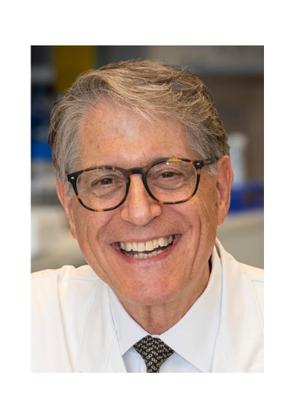
MeritCudkowicz,MD,MSc CommunityEngagementOfficer WashingtonUniversity,StLouis
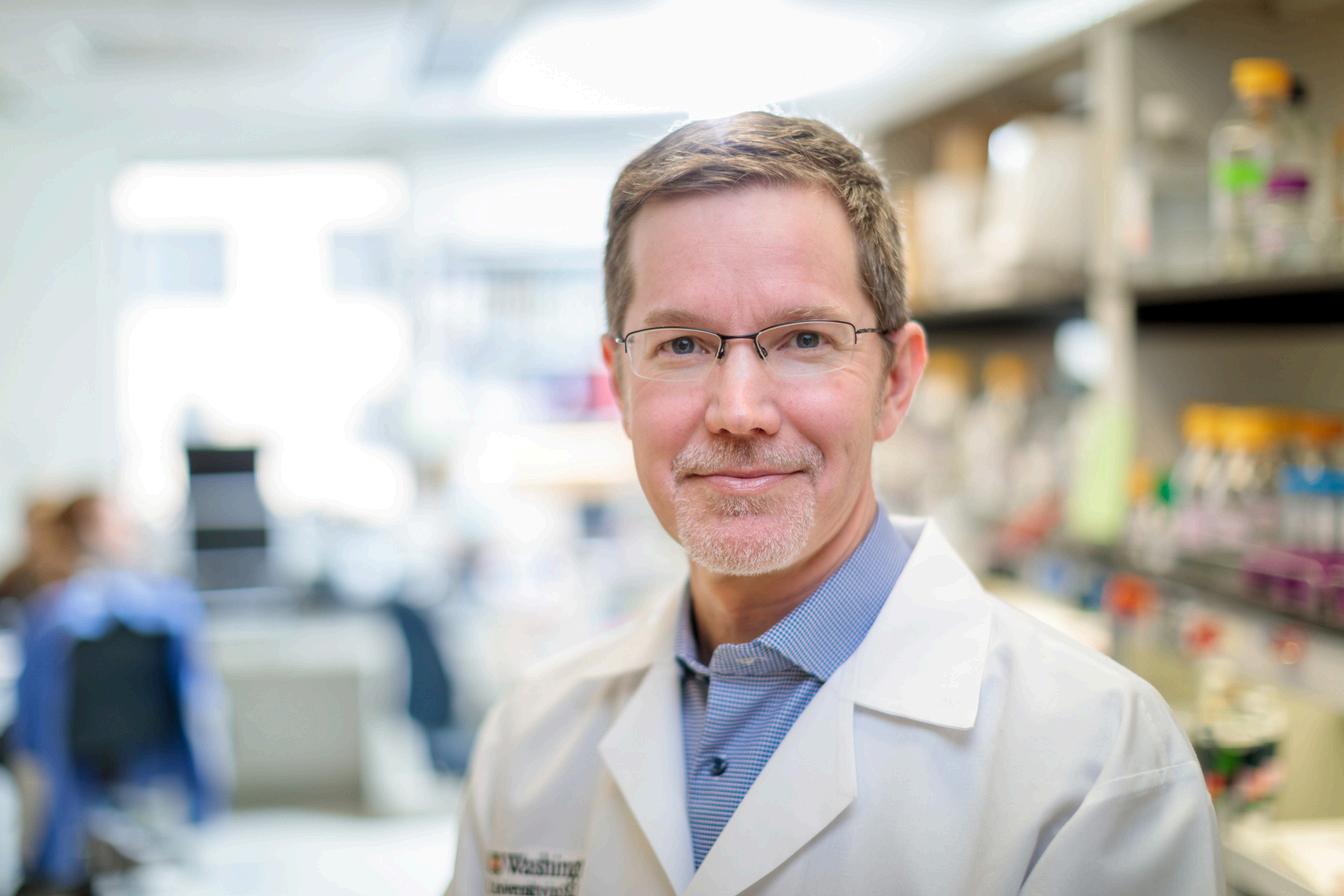

NEALSSABCo-Chair
JeffreyRothstein,MD,PhD
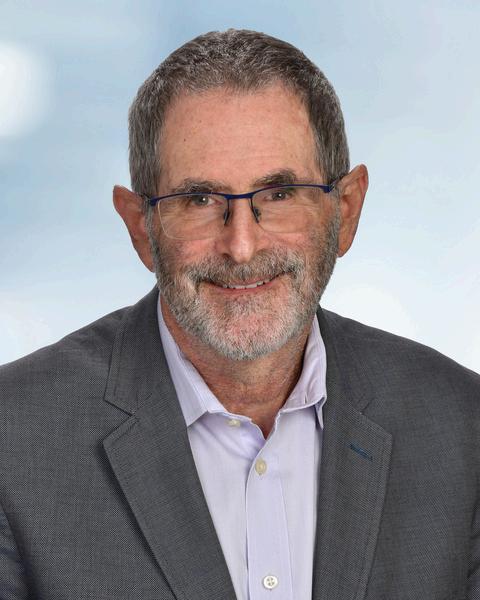
NEALSSABCo-Chair

BarrowNeurologicalInstitute








NEALSSABCo-Chair

WashingtonUniversity,StLouis
NEALSSABCo-Chair
JeffreyRothstein,MD,PhD
NEALSCo-Chair
NEALSCo-Chair


NEALSExitingCo-Chair


SustainabilityConsultant


BarrowNeurologicalInstitute