
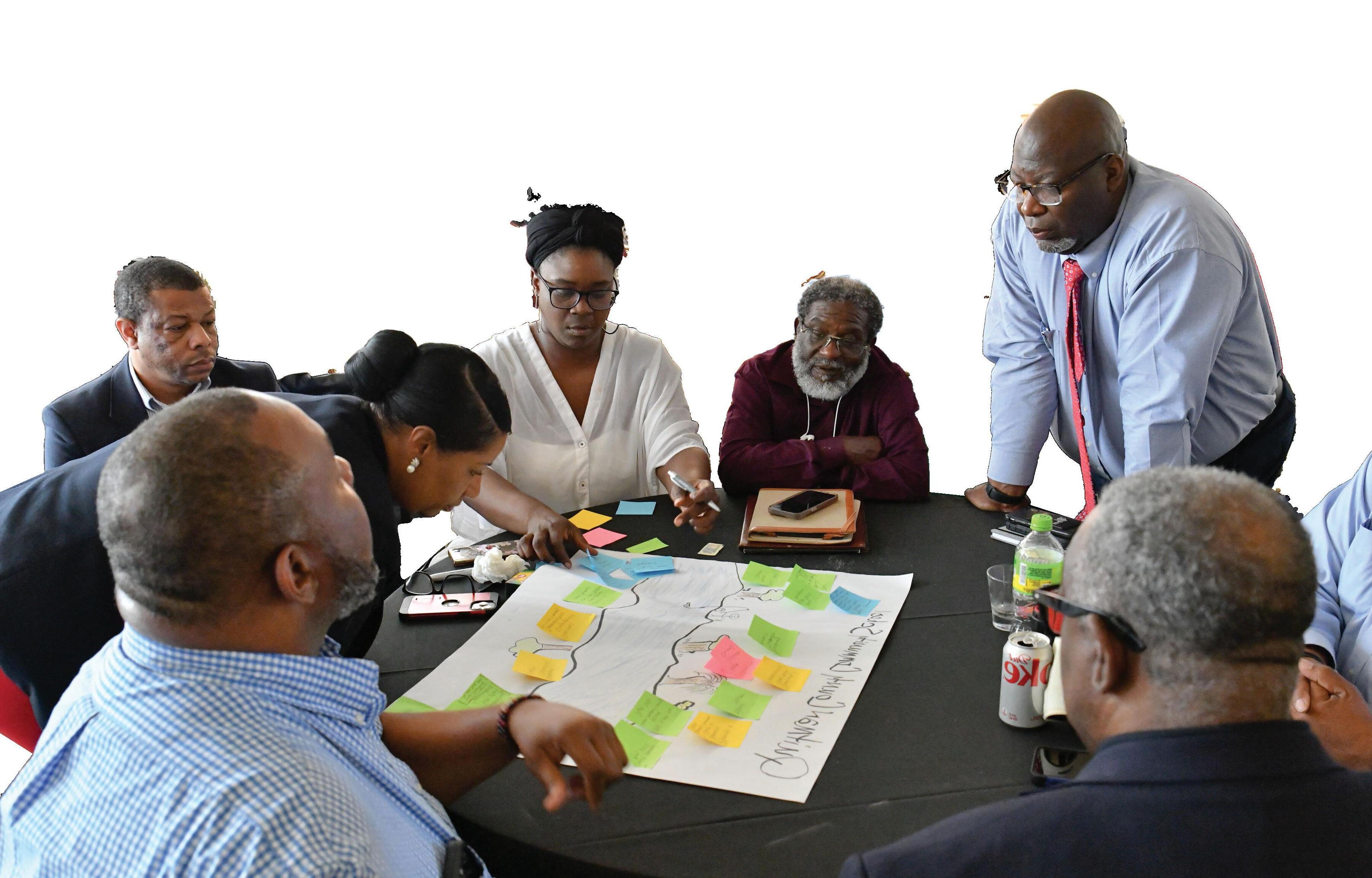

This past year has brought with it a myriad of challenges—some unprecedented, and others echoing a time many of us hoped would remain squarely in the past. Few sectors have felt the weight of these challenges as profoundly as public education, and few people have witnessed and endured their effects on children, families, and communities more than educators.
As is often the case during trying times, immense hope, resilience, and creativity have emerged in the face of hardship. This year has been a powerful reminder of what is possible when communities come together. Across the country, we have witnessed extraordinary perseverance, innovation, and leadership from which I have drawn endless inspiration.
At The NEA Foundation, we are proud to stand alongside the hard-working public school educators who open doors of opportunity for every student. Whether pioneering new ways of teaching and learning, expanding perspectives through a global lens, or forging deep partnerships with families and communities to meet student needs, we have seen the incredible feats that are possible when educators are given the resources and support they need to excel in the classroom.
Even in a time of uncertainty, one truth remains clear: strong public schools are essential to a strong and inclusive future. We remain unwavering in our commitment to supporting educators, students, and communities so that every child has the chance not only to learn but to flourish.
Thank you for being an essential part of this journey. Together, we are building brighter possibilities for generations to come.
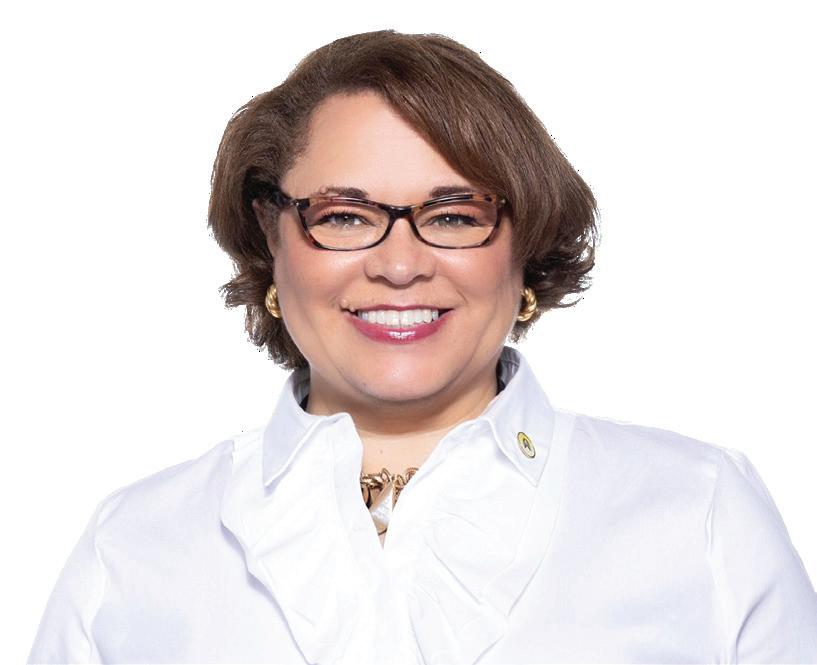
In partnership,
Sara A. Sneed, President and CEO
Public education has always been personal for me. I was raised on a small farm in Madison County, Mississippi, where my mother taught in rural schools. My love for reading, which started as a way to get out of farm work, quickly became a lifelong passion for the possibilities that were opened by education.
The community that raised me was like a village made up of extended family members, friends, and other supportive adults who all came together to care for children and for one another. Those principles of care and togetherness are with me to this day.
That is why I am honored to serve as chair of The NEA Foundation’s Board of Directors. I believe in the power of public schools to lift up communities, nurture young leaders, and create futures full of promise. Our educators are doing extraordinary work in the face of great challenges, and they deserve all the support and celebration we can give. And as a mother, grandmother, and great-grandmother, I take solace in knowing that education continues to be the bridge between the dreams of one generation and the possibilities of the next.
Thank you for joining me, whether as a supporter of our work, as an educator of our country’s children, or as a curious reader. Together, we can ensure that every child has the chance to learn, grow, and flourish.
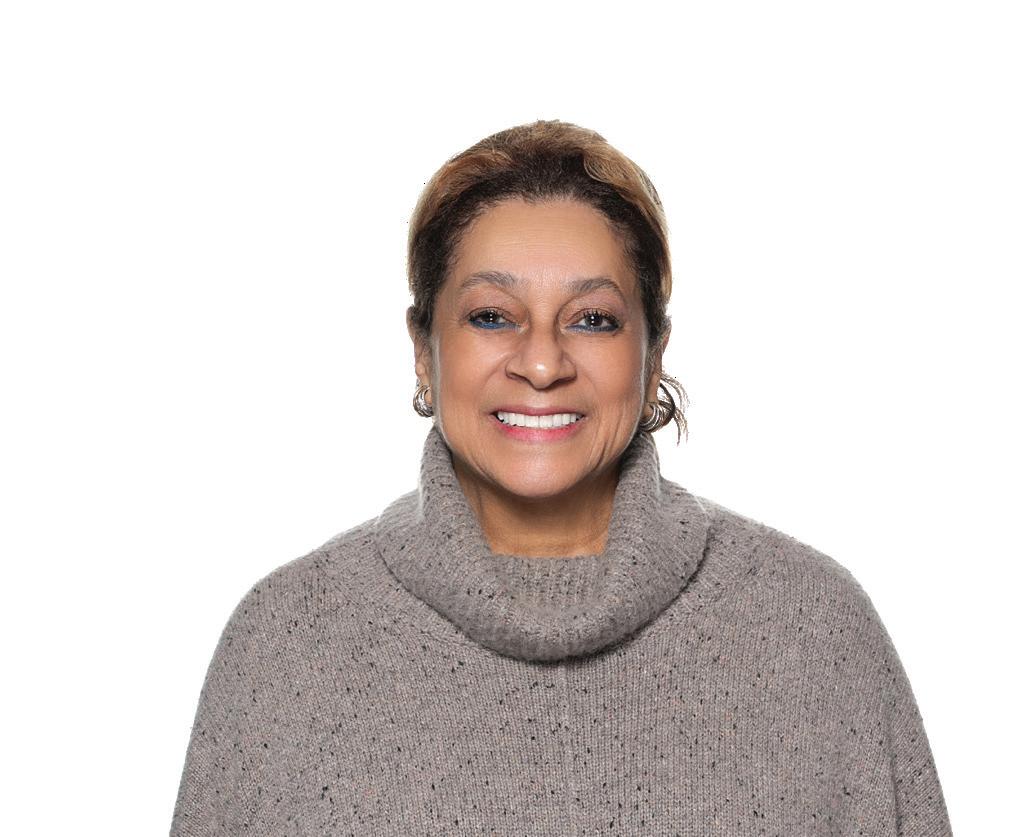
With gratitude,
Oleta Garrett Fitzgerald, NEA Foundation Board Chair
At The NEA Foundation, we believe that every child, regardless of background or zip code, has a right to a high-quality public education and that a strong public education system is essential to a thriving democracy. Research consistently demonstrates that educators are the single most influential factor within the classroom in student success. They shape learning experiences that, in turn, foster essential skills such as critical thinking and problem-solving—both vital for an informed and engaged citizenry.
That’s why The NEA Foundation is committed to supporting and elevating the educators who ensure that all students have an opportunity to thrive. By advancing public education and elevating educators, we are investing in the future of our communities, our country, and our democracy.
In the last ten years, the Foundation has awarded $19 million in grants to organizations and educators. The Grants to Educators program has benefited more than 74,000 educators and 1.1 million students across the country. A total of 550 public school educators have participated in the Global Learning Fellowship, the Foundation’s year-long professional development program centered on global competency, since its inception. To date, the Foundation has recognized close to 1,000 public school educators with its prestigious Awards for Teaching Excellence, presented at one of the country’s largest celebrations of public education, the annual Salute to Excellence in Education Gala. The Foundation’s Community Schools Initiative continues to grow; 27 community schools are now developing across Arkansas, Louisiana, and Mississippi.
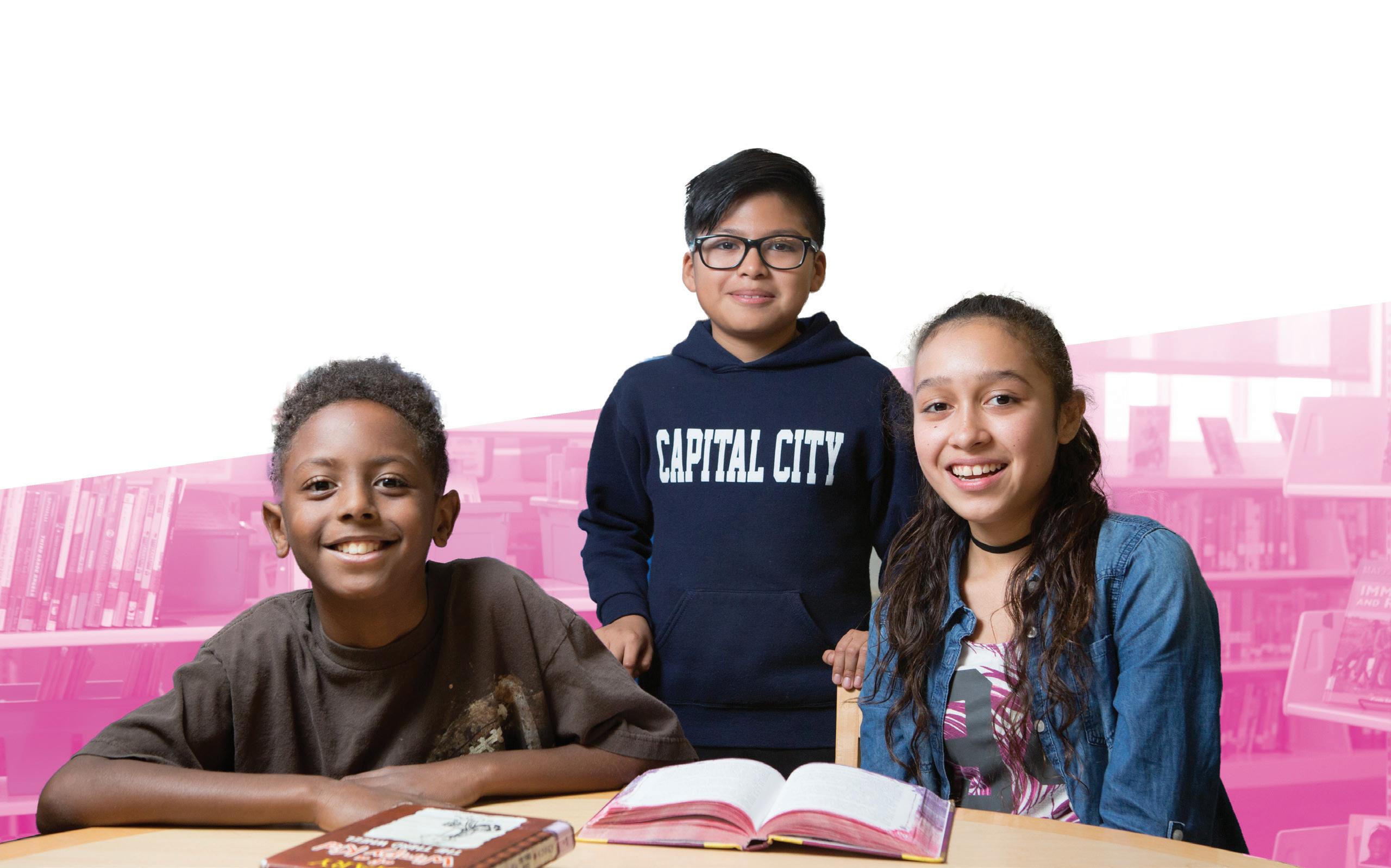
For more than 50 years, The NEA Foundation has been investing in public education and educators to help ensure educational opportunity for every student. In the coming pages, we are pleased to share highlights of our work from the past year.
a national nonprofit and philanthropic organization based in Washington, D.C. Founded by educators, our mission is to work in partnership with others to advance the absolute best in public education.
To achieve its mission, The NEA Foundation prioritizes the following actions:
We invest in educators’ leadership, shared learning, and collaboration.
We support partnerships that prioritize educational excellence as well as a means for creating opportunities for all children.
We share improvements in education policy and practice resulting from educators and their partners’ thought leadership.
Through these strategies, we nurture a flourishing, high-quality public education system that provides opportunity for all students.
“In my more than 18 years working in education, I’ve seen the barriers that students face. Students who have clothing needs, who have food needs, who have emotional and healthcare needs. With the community schools model, we make it a priority as a community to give students adequate resources so they can be academically successful, and we make it easy for them to access those resources.”
Patrick McGriggs, Director of Safe Schools and Healthy Students, Jackson, MS

Total number of community schools in the Deep South that the Foundation has supported with funding, technical support, convenings, and more. 202 47 48 27 $2.4 M
Total number of educator grants awarded.
Total funds granted last year.
Number of educators who deepened their global competency skills through the Global Learning Fellowship.
Number of exceptional educators whose excellence was recognized by the Awards for Teaching Excellence.
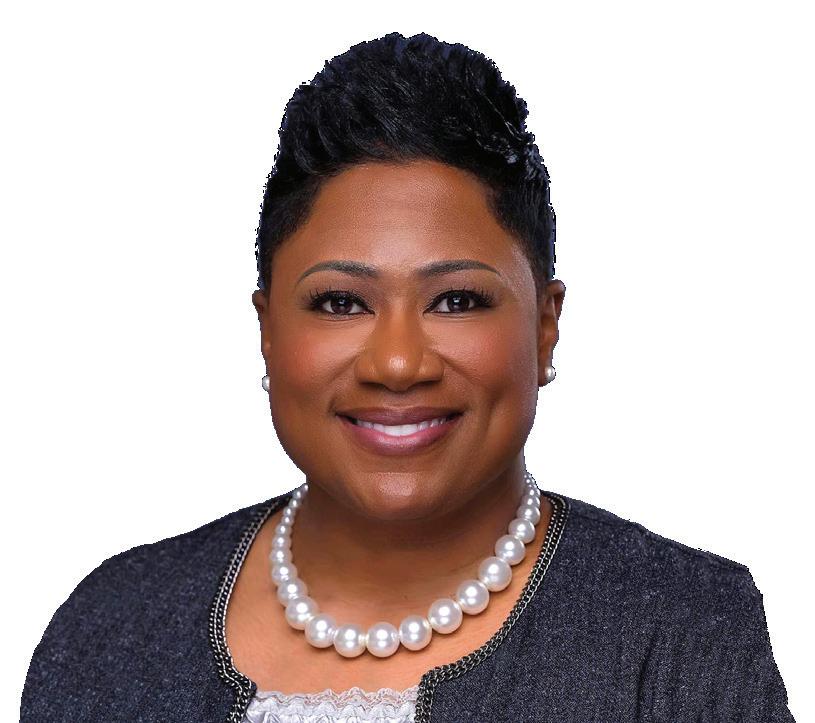
Recipient of the 2025 National Community Schools Coordinator Award
Rosaline McCoy—high school community schools coordinator for Jackson Public Schools in Jackson, Mississippi, an NEA Foundation Community Schools Partner—received a 2025 National Community Schools Coordinator Award!
This prestigious annual award, bestowed by the Institute for Educational Leadership (IEL), recognizes Community School Coordinators who have “demonstrated the ability to facilitate collaboration, inclusion, and distributive leadership across their school sites, achieving measurable results for students, families, and/or their community.” The award was presented before the more than 3,000 attendees at IEL’s 2025 National Community Schools and Family Engagement Conference.
The NEA Foundation congratulates Rosaline on this well-deserved honor!
Expansion to three additional communities in rural Arkansas and Mississippi; new partnerships with the region’s Historically Black Colleges and Universities (HBCUs); and meaningful gains in meeting educator, student, and family needs—The NEA Foundation’s Community Schools Initiative (CSI) grew significantly during 2024-2025.
In fall 2024, the Community Schools Initiative formally launched work in Pine Bluff, Arkansas, and the Mississippi Delta communities of Clarksdale and West Tallahatchie, deepening its footprint in the rural South. The addition of these three new sites brought the total number of community schools being supported to 27 by fall 2025 and the number of educators and students served to more than 14,000.
“This partnership represents a transformative leap forward for our institution and underscores our commitment to educational excellence and community engagement. By combining our strengths with those of our partners, we are setting a new standard for what can be achieved in higher education and community development.”
Dr. Valmadge T. Towner,
President of Coahoma Community College Clarksdale, MS
Participating Communities:
Batesville, AR
Dermott, AR
Little Rock, AR
Marvell-Elaine, AR
Pine Bluff, AR
Baton Rouge, LA
Clarksdale, MS
Jackson, MS
Quitman County, MS
West Tallahatchie, MS
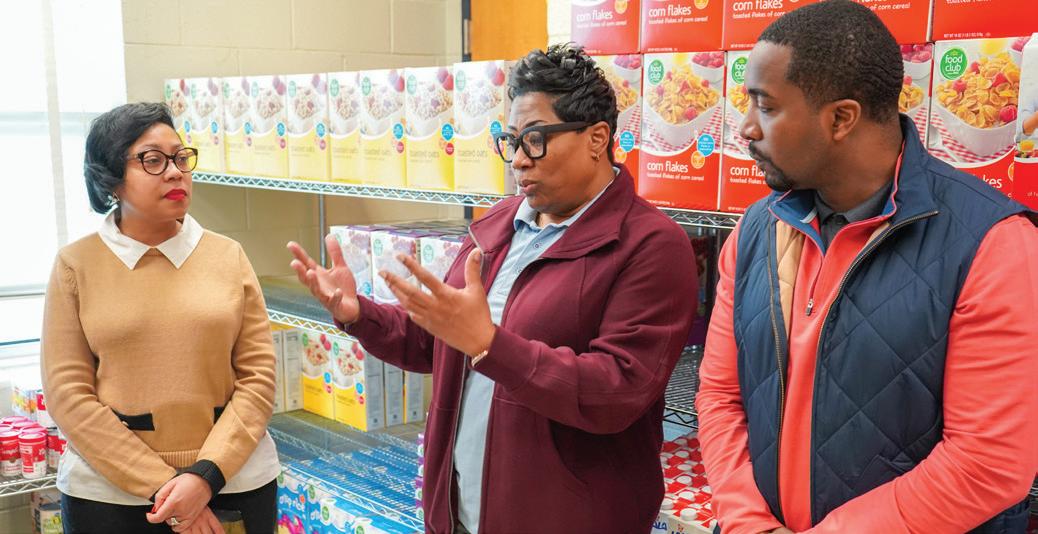
The NEA Foundation’s support enabled its CSI partners to deliver a rigorous academic program as well as critical support and career and college readiness services for students and families. Programs launched in 2024-2025 included:
• Literacy, math, STEM, and financial literacy programs (e.g., book clubs, a student-run bank, and robotics clubs) as well as arts and cultural experiences.
• Workforce development training certification programs, apprenticeships, career connected learning experiences, and internships.
• Family/parent engagement programs and resource centers.
• Food pantries, weekend backpack feeding programs, clothing closets, and laundry options.
• Mobile health services and schoolbased clinics to meet students’ medical, dental, vision, and mental health needs.
• Home delivery of essential supplies, including hygiene kits, books, technology, and school materials.
Complementing this work, The NEA Foundation also forged new partnerships to give students and families expanded opportunities for success. A new collaboration between Coahoma Community College and CSI partner, the Quitman County Development Organization, announced in January 2025, represents a key milestone in this ongoing effort to leverage authentic, community-driven partnerships. Through the new partnership, high school students in Quitman County can access free dual enrollment opportunities that allow them to earn college credit while still in high school. Students who do not see themselves continuing into higher education have opportunities to connect to mentors in real-world skills and trades, and Coahoma faculty are also working with parents who would like to obtain their GED.
The Foundation introduced a new element to the Community Schools Initiative centering educators in the advancement of community schools and encouraging them to embrace their role as architects of change. In service of this goal, the Foundation launched Elevating Educators’ Voice and Leadership in Community Schools, a new mini-grant program to support teachers developing new ways to bring local resources into the learning process; strengthen family engagement; and connect students to real-world experiential learning opportunities. Thirteen grants have been awarded to educators in Arkansas, Mississippi, and Louisiana,

supporting a rich array of educator-led projects, including:
• The Watch Me Work It Out! wellness initiative offers high school students in Jackson, Mississippi, accessible, community-centered fitness experiences, including daily workouts, peer-led challenges, wellness workshops, and mentorship.
• Operation: Empower Our Families and Strengthen Our Schools provides essential resources, practical knowledge, and culturally responsive support to families across the Batesville School District in Arkansas.
• A literacy night in Clarksdale Municipal Schools will bring together parents and students from across the Clarksdale Municipal Schools community to play Scrabble Jr. and build their vocabulary skills.
• A Math Game Day at Quitman County Elementary School in Mississippi aims to improve math skills, teamwork, and parent-school connections.
This approach ensures that every firstgrade student can find a way to connect with the presented material. Parents and community members will be invited to participate in the Math Game Day, to create a sense of shared responsibility and investment in the students’ education.
• In Little Rock, Arkansas the Boundless Creative Arts Styles program will strengthen social-emotional learning and academic engagement through culturally responsive workshops in dance, drama, music, and visual arts. Teachers will lead design and facilitation while students will showcase work through performances.

Investing in educators’ professional growth and innovative capacity positively impacts student learning experiences. That’s why The NEA Foundation invests directly in educators’ ideas, leadership, and professional development through its Grants to Educators program, serving educators from coast to coast. This past year, The NEA Foundation offered eligible educators the opportunity to apply for grants of up to $5,000 in three grant categories:
• Envision Equity grants empower educators to demonstrate exemplary teaching and learning while advancing students’ cultural understanding and appreciation, anti-racism commitments, and/or understanding of civic engagement and democracy.
• Learning & Leadership grants support greater equity and excellence in teaching and learning by ensuring that educators have opportunities to engage in effective, high-quality professional development experiences.
• Student Success grants enable educators in various settings to further their knowledge of standards-based subject matter and engage students in projects that promote critical thinking, self-directed learning, and real-world application of learning.
Each round of grants provides on-theground insight into pressing needs in public education. In the past year, the Foundation saw a continuing high level of applications focused on STEM (science, technology, engineering and math) learning, including bridging STEM education to real-world issues such as sustainability and conservation and designing engaging math instruction. Literacy
as a foundational building block for learning was also a prevalent focus, as were applications that prioritized culturally responsive pedagogy and leveraging the arts as a vehicle to foster inclusivity.
Demand for these grants continued to rise during the past year across all grant categories and we anticipate this trend will continue.
• Total applications increased by 8%, with the number of Envision Equity applications increasing by 25 percent.
• 139 grants were awarded to educators working in Title I-eligible schools. 36 percent of grants were awarded to educators working in very high needs schools with greater than 70 percent of students qualifying for free or reduced lunch.
• The total funds awarded to grantees increased by 5 percent.
• Total funds awarded to educators this year through the Grants to Educators program: $746,352
• Number of grants made this year through the Grants to Educators program: 202
While relatively modest in size, these grants can have an outsized impact on students’ learning experiences, as illustrated by the following examples of grants funded this past year.
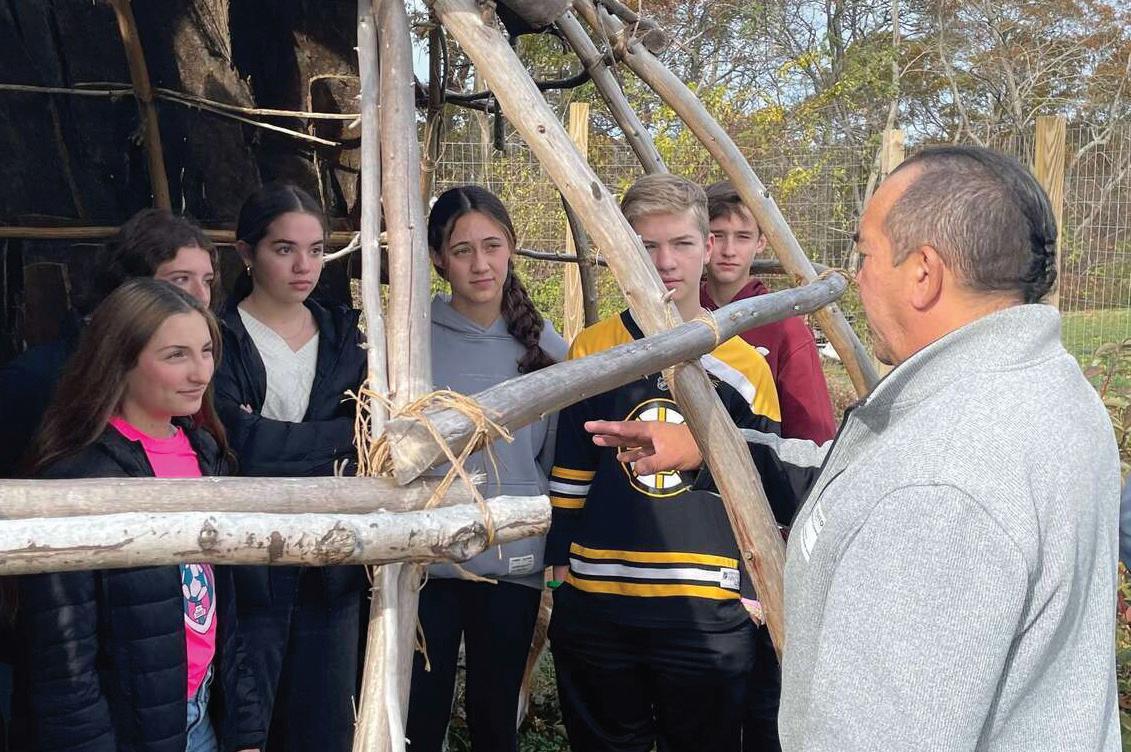
The Nauset Wetu and Native American Teaching Garden Project is promoting accessible experiential learning in an authentic outdoor teaching space that honors local Native American history. With the support of a $5,000 Envision Equity Grant, educator Susannah Remillard at Nauset Middle School in Orleans, Massachusetts is helping students understand regional history, Wampanoag lifeways, and the confluence of Traditional Indigenous Ecological Knowledge (TIEK) and Western Science. Remillard is using grant funds from the Foundation to build a traditional Wampanoag winter home and garden, allowing her to engage sixteen middle school classes in Indigenous planting methods closely tied to sustainability, science standards, and storytelling. Remillard is also collaborating with local Wampanoag educators to design professional development tools and inviting her colleagues to co-create new visions for place-based learning, ensuring the project honors the area’s history, centers Indigenous wisdom, and supports science education for the next generation.
As the potential for artificial intelligence in education continues to be explored, three Missouri educators in St. Louis County are focused on how AI can be implemented in ways that are inclusive and responsive to student needs. Lindsey Weatherby and fellow educators Alicia Kleoppel and Erin Mareth are using funds from a $5,000 Learning & Leadership Grant to empower educators in their district and beyond, including specialists in special education and gifted education, to conduct a research study centered on ethically and effectively integrating artificial intelligence (AI) tools into classrooms across diverse urban, suburban, and rural districts. The participants represent a wide range of grade levels, spanning from pre-kindergarten classrooms to aspiring educators at the high school level. Throughout the study, the grantees have collaboratively developed inclusive, adaptable AI-driven instructional resources designed to support all learners while alleviating educators from being overwhelmed or experiencing burnout. The group’s goal is to develop integration guides to disseminate their findings across school districts and within broader educator networks. Overall, the project aims to create a sustainable, wide-reaching impact across Missouri’s educational community and beyond.

Elementary educator Magdalena Estoque of Rantoul, Illinois is improving Eastlawn Elementary School’s approach to literacy instruction through personalized reading designed to engage students in school and at home. In recent assessments, the school discovered that a large percentage of students in grades 3–5 were below grade level in terms of both fluency and comprehension. This disparity was especially evident in English Language Learners and special education populations, who face additional challenges due to language barriers and individualized learning needs. With the help of a $5,000 Student Success Grant, Estoque is developing personalized reading kits for students that include culturally diverse books, reflection journals, sight word games, and family engagement resources. By providing targeted literacy intervention, the project seeks to help elementary students strengthen their reading fluency, comprehension, and critical thinking skills, and overall, build confidence to sustain lifelong literacy habits.
In today’s global economy, the most in-demand skills are not only technical but deeply human: critical thinking, adaptability, collaboration, empathy, and communication. These global skills are vital in every sector—from healthcare to hospitality, from education to engineering. Yet, too often, students lack exposure to diverse global perspectives and experiences that foster these competencies. The NEA Foundation’s Global Learning Fellowship meets this need head-on by equipping preK12 public school educators with the tools and experiences to help students develop global competencies—the combination of knowledge skills, attitudes, and values necessary to thrive in an interconnected world.
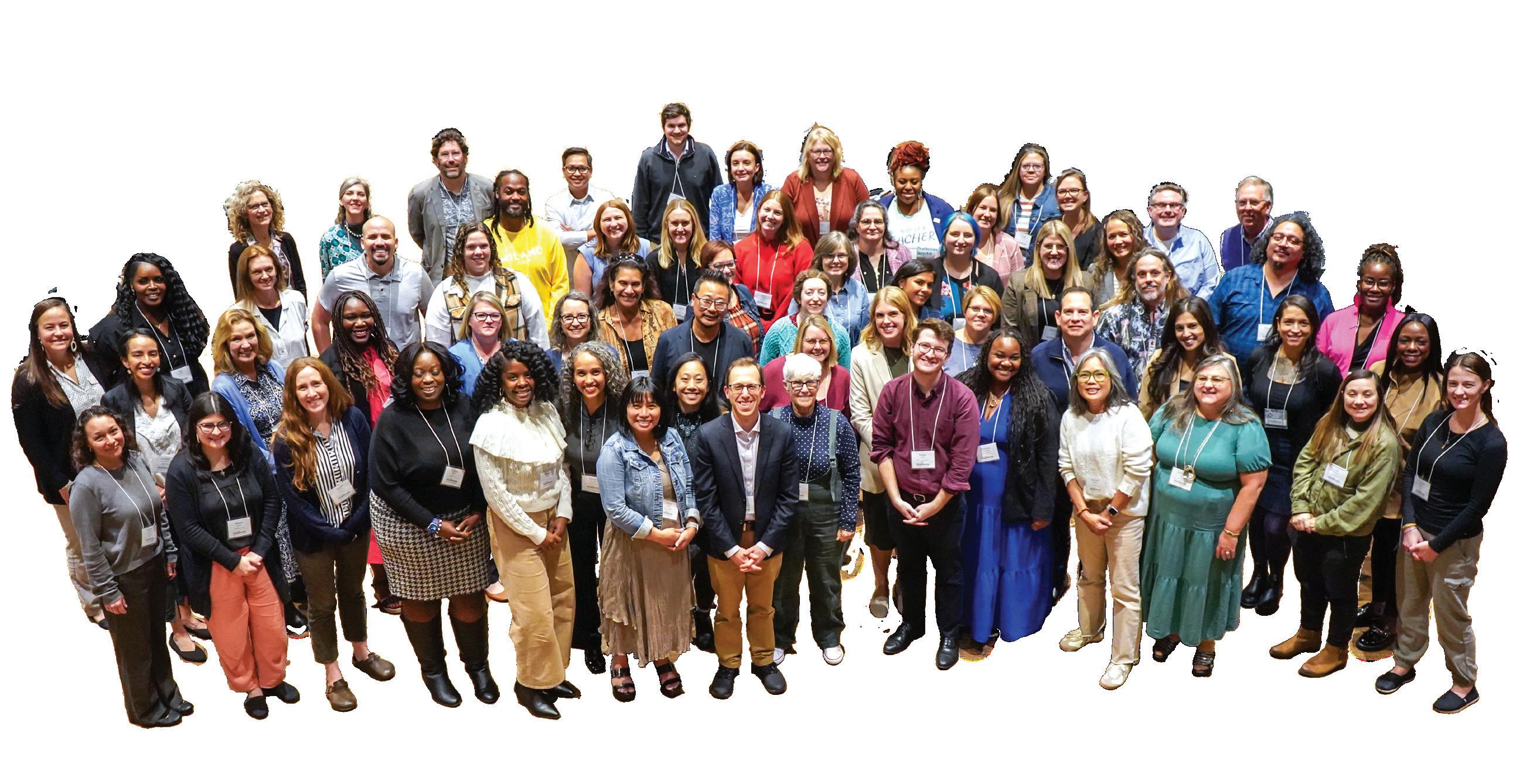
The NEA Foundation’s Global Learning Fellowship is a comprehensive, year-long professional development program for educators, centered on deepening global competency. In 2025, a cohort of 47 fellows
completed the Global Learning Fellowship. Their fellowship experience included a two-day in-person conference in Washington, D.C., a series of workshops and webinars with global competency and global education experts, independent study, mentoring, and more. A capstone project tied to integrating U.N. Sustainable Development goals into classroom instruction and a 10-day international field study in Costa Rica to examine the Costa Rican education system, culture, and historical context concluded the fellowship experience.
Fellows emerge from the program with a deeper appreciation for cultural differences, stronger perspective-taking skills, and firsthand experience of another culture’s approach to education—and they develop an informed understanding of how to incorporate global competency into the classroom so that students can thrive in the 21st century world.
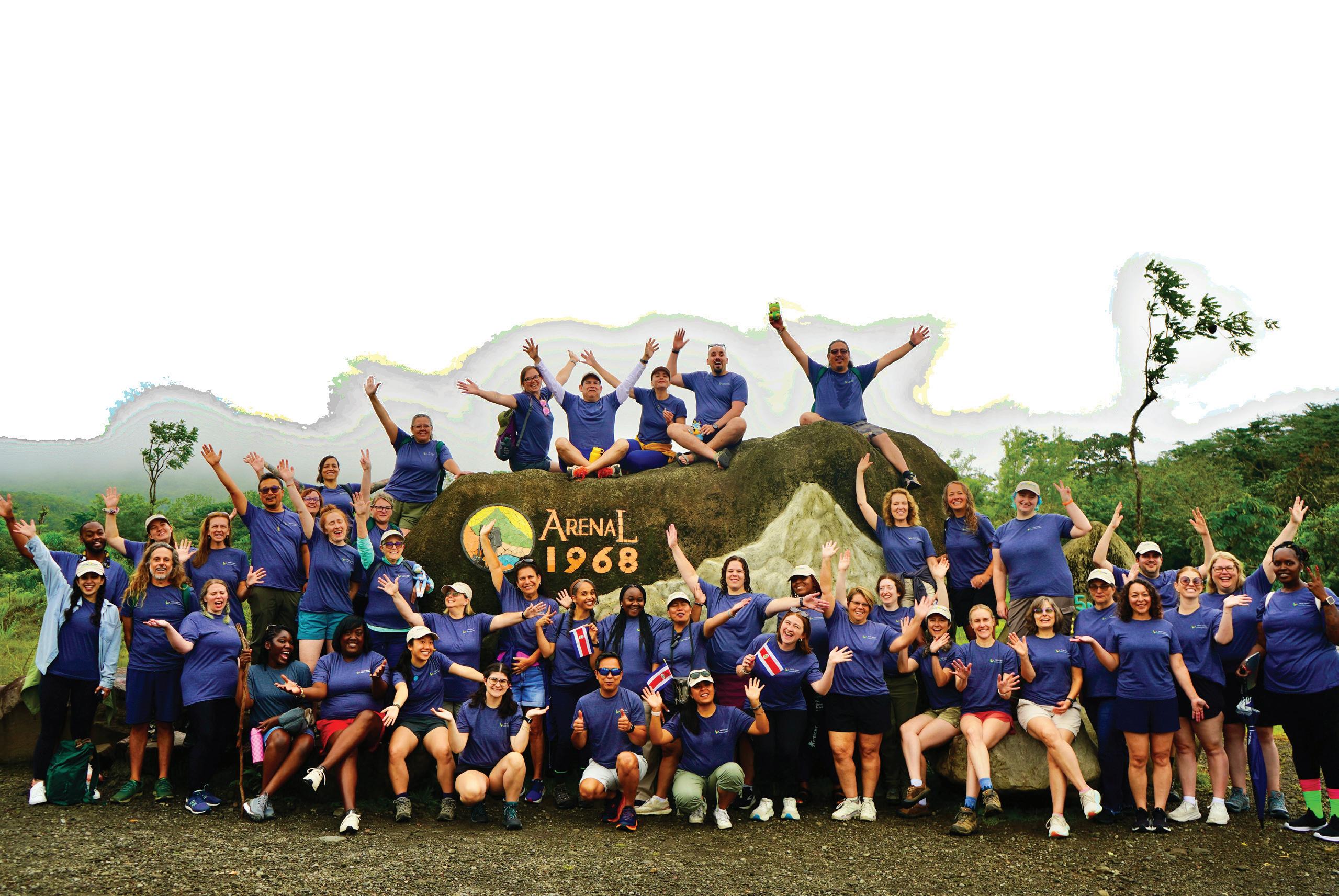
The 2025 Global Learning Fellowship cohort consisted of 47 educators from 34 states across the country and one U.S. Armed Forces Base
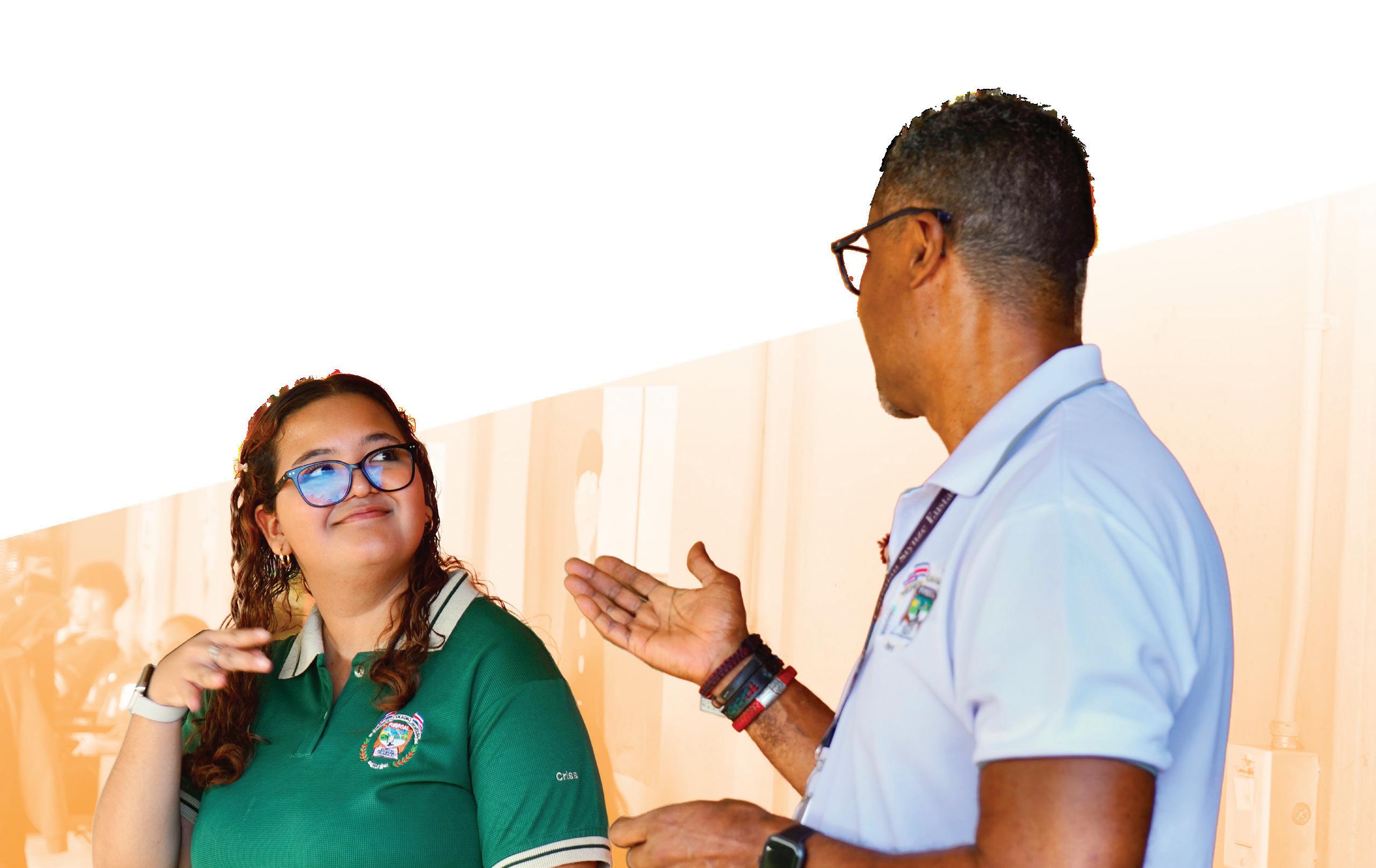
“The Global Learning Fellowship has been a truly organic learning experience. Everything from the conversations I’ve had with other fellows, to the school visits in Costa Rica where I got to establish some pen-pal relationships with local teachers, to the information shared by our local guides—there are so many layers to the experience. It’s honestly hard to express how impactful it is.”
Melissa
Arkin, Spanish Educator in Skokie, IL
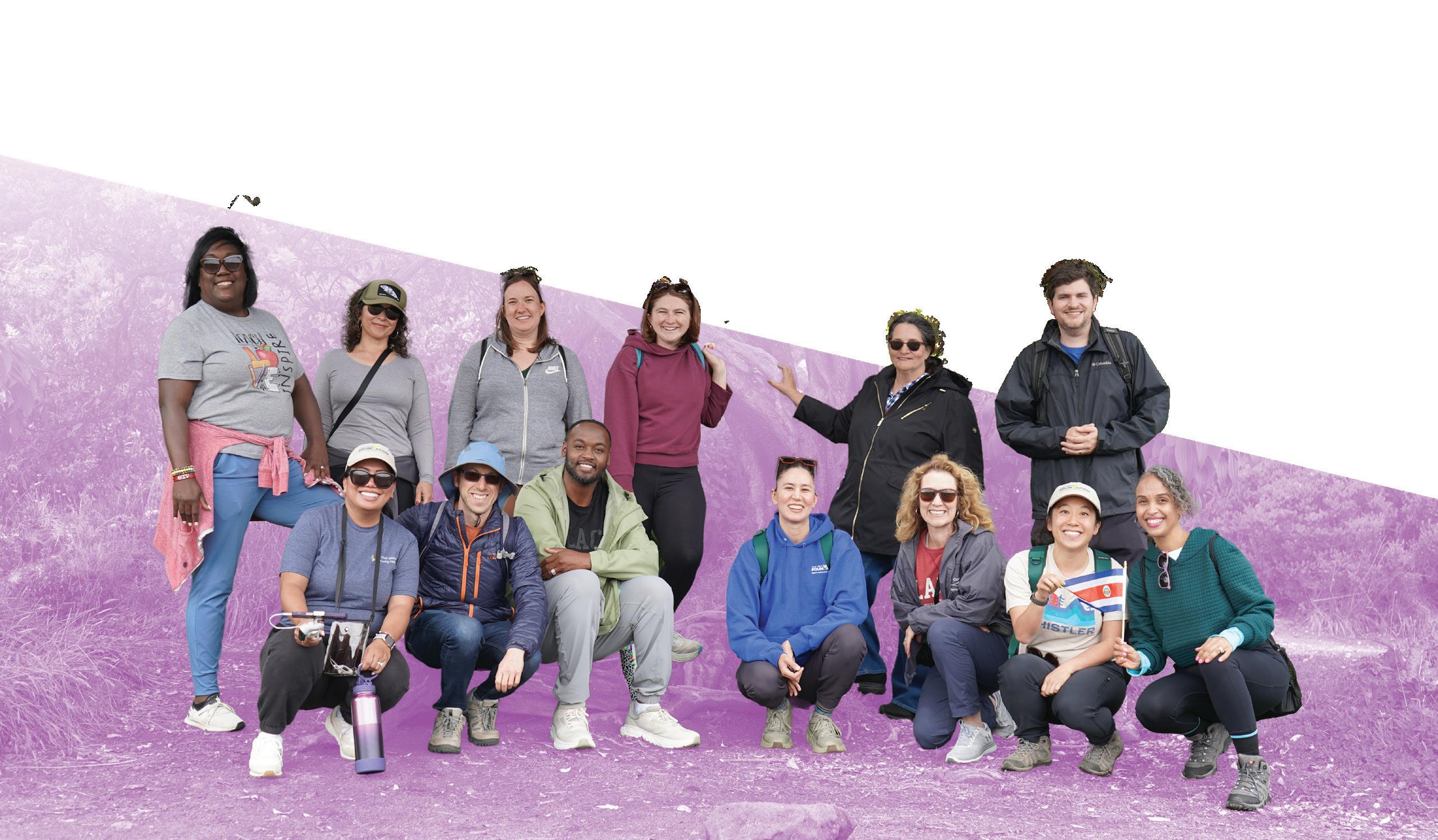
“As an early educator, I sometimes feel really isolated, and this has been a great opportunity to feel real collaboration and has propelled me to think, I can do this for a long time.”
Fellows came from large communities, small communities, and everything in between:
Some Fellows are counted in multiple grade-level categories.
“As we visited schools and communities and saw how they are addressing global challenges like climate change, we had the chance to process those lessons together and consider how they could shape our own teaching. We’ve reflected on what insights we can bring back to our students, and how to connect them with meaningful field experiences in our own communities. It has been an incredible opportunity to learn from so many inspiring people.”
Lisa Bauman, High School Gifted Education Educator in Overland Park, KS
Read about this year’s Global Learning Fellows takeaways, inspiration, and reflections on our blog.
Each year, at the Salute to Excellence in Education, The NEA Foundation shines a spotlight on extraordinary educators who inspire students, serve families, and strengthen school communities from coast to coast through the Awards for Teaching Excellence. These awards recognize preK-12 educators for their excellence in the classroom and their leadership beyond the schools’ walls. We are proud to present these awards each year at The NEA Foundation Salute to Excellence in Education in Washington, D.C., a celebratory event that draws hundreds of participants in person and online.
Forty-eight educators from around the country, each representing a different state, received a Travelers Award for Teaching Excellence at the February 2025 Salute to Excellence in Education. Five of these honorees were selected to receive additional recognition— a prestigious Horace Mann Award for Teaching Excellence
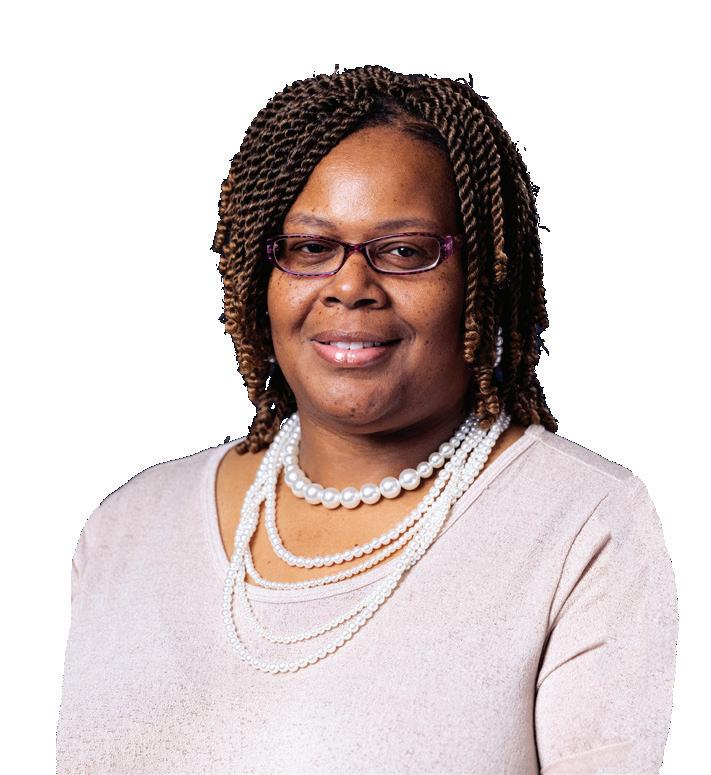
Jacqueline Brown, a high school business and technology educator at Okolona High School in Okolona, Mississippi, nominated by the Mississippi Association of Educators
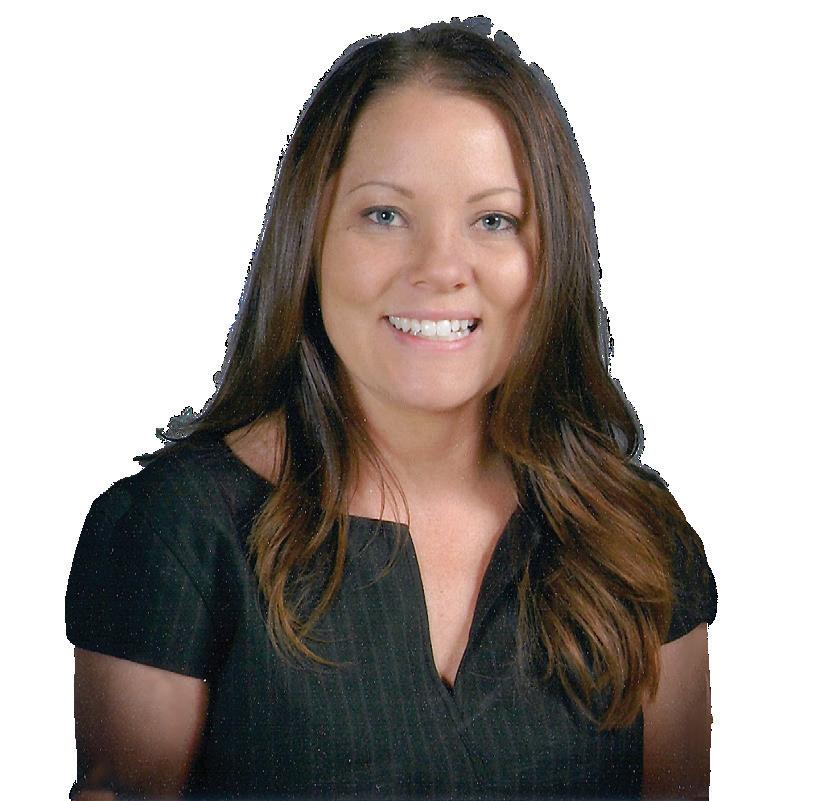
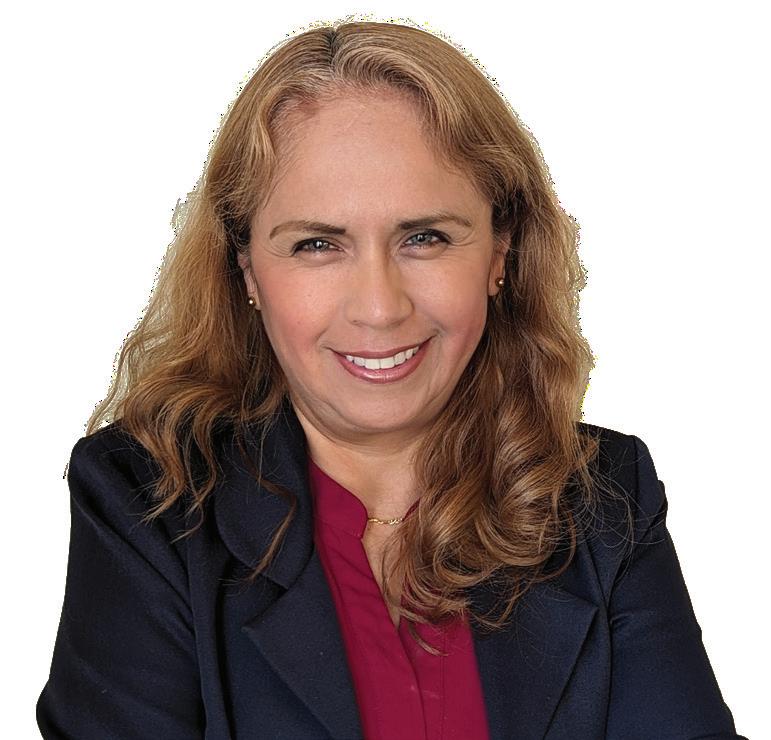
Maribel Vilchez,
a third-grade educator at Lydia Hawk Elementary School in Lacey, Washington, nominated by the Washington Education Association


“I learned early in my career that schools don’t necessarily have a bullying problem, or a truancy problem, or a drug problem— what we have is a value problem. If students don’t feel valuable, they don’t act valuable…. Every student in our classrooms matters. Every student has a story, and every student needs to know they are valuable. And when we teach from a place of love and purpose, we don’t just change lives, we impact communities and futures.”
Matthew Hamilton, recipient of the 2025 NEA Member Benefits Award for Teaching Excellence
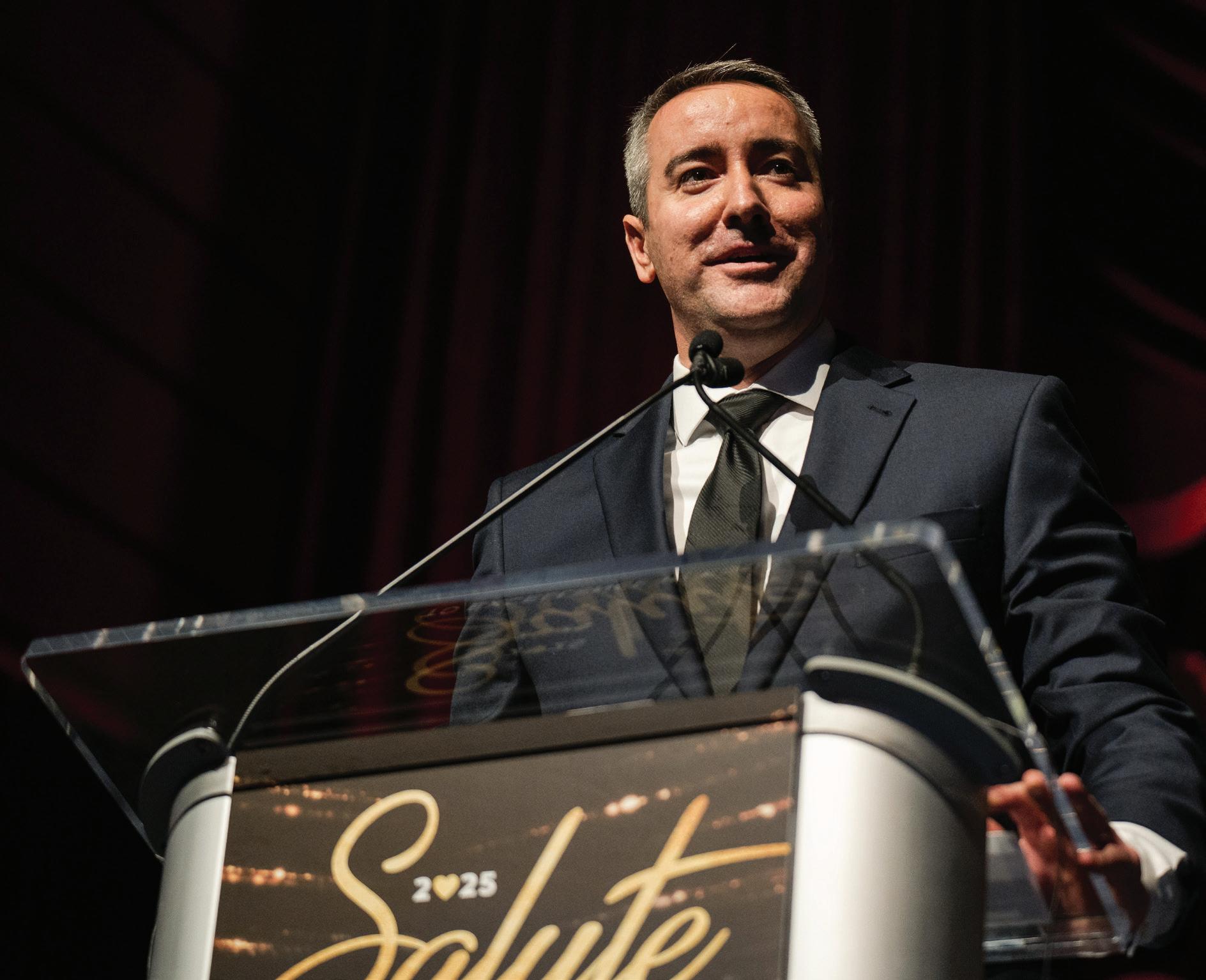


Matthew Hamilton, a seventh-grade social studies educator and middle and high school video production educator at East Jordan Public Schools in East Jordan, Michigan, nominated by the Michigan Education Association
Joe Nappi, a high school and university social studies educator at Monmouth Regional High School in Tinton Falls, New Jersey, nominated by the New Jersey Education Association
Of these five finalists, Matthew Hamilton of East Jordan, Michigan was selected to receive the top honor in public education, the NEA Member Benefits Award.


The NEA Foundation also presented the
following
awards at the 2025 Salute to Excellence in
• The Outstanding Service to Public Education Award went to Kent McGuire, a lifelong advocate for education systems that serve the needs of all students. Most recently, McGuire served as Education Program Director for the William and Flora Hewlett Foundation.
• The Equity Partner Award went to the Black Teacher Project, a program of the nonprofit organization the National Equity Project. The Black Teacher Project is dedicated to sustaining and developing Black teachers to lead and reimagine schools as communities of liberated learning.
• The Student Voices for Education Award went to Mikva Challenge, a nonprofit organization that empowers youth to participate in democracy and promote social justice.
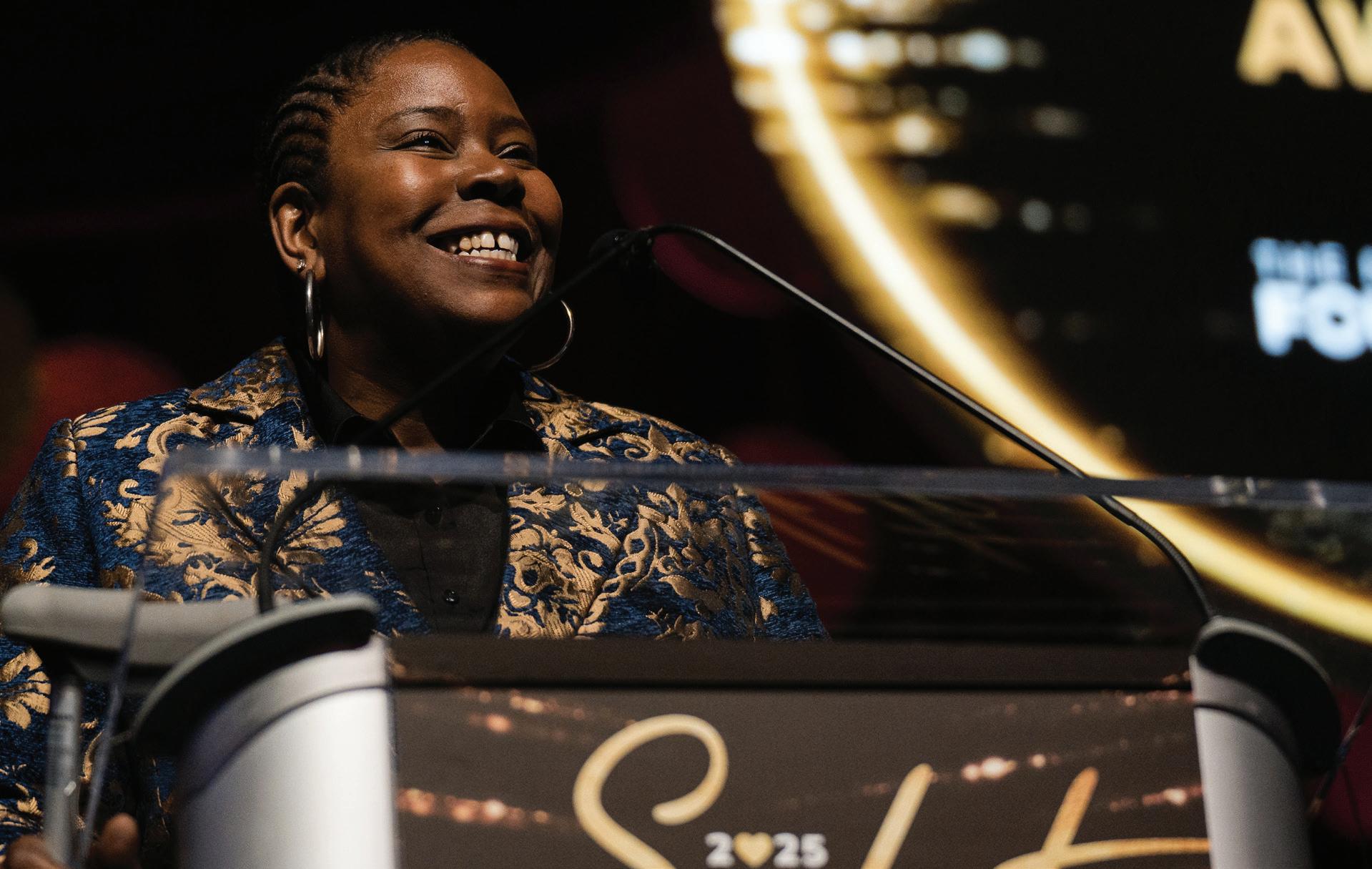
“When young people have the opportunity to engage in civic life, they don’t just participate. They lead.”
Chief Executive Officer of Mikva Challenge Verneé Green
“People across all backgrounds and identities have always found common ground and a way to work together for justice.”
Founder and Director of the Black Teacher Project Dr. Micia Mosely
All Award for Teaching Excellence recipients took part in a storytelling workshop series in which they learned how to develop their personal story, how to effectively convey their story to audiences, and how storytelling can be used to advocate for the teaching profession.
“I believe growth is vital to success and I absolutely believe I have grown as an educator, advocate, and storyteller through this experience.”
Allison Slone, high school special education educator in Morehead, Kentucky
“I have used my story of self to advocate before legislators and school board members. I plan to continue my advocacy at the district level, my state government, and hopefully at the national level, too.”
Maribel Vilchez, third-grade educator in Lacey, Washington
“For schools that do a great job of preparing students for a complex world, here’s what’s true about them: They’re well-resourced. They’re well-staffed. They’re well-led. They’re connected to their communities.”
Kent McGuire
During the past year, The NEA Foundation lived its core values of educator leadership and the practice of partnership in numerous ways. Select activities are highlighted below.
If you’ve never been on a bus filled with education grantmakers from across the country—listening to blues music, sharing fried chicken and peach cobbler, and gazing out wide windows at small rural towns rising from endless stretches of cotton fields—be assured that it’s an experience you would not soon forget.
This past October, The NEA Foundation had the immense pleasure of co-hosting with Grantmakers for Education (GFE) nearly fifty representatives of education philanthropies nationally on an immersive study tour of the Mississippi Delta. The tour, offered as a preconference experience ahead of GFE’s annual convening in Memphis, Tennessee, provided a rare opportunity for grantmakers from across the U.S. to engage deeply with the history, culture, and present-day realities of a region too often overlooked by philanthropy.
“As someone with deep familial roots in Mississippi, the chance to introduce peers to the promise and complexity of the Deep South was both personal and profoundly meaningful. The South is home to the nation’s largest concentration of Black Americans and has the highest official poverty rate in the country. In 2023, 47 percent of all children living in poverty nationwide resided in the South and one in five children in the region faces hardships such as food insecurity, unstable housing, and limited access to health care, realities that profoundly shape educational outcomes.”
Sara A. Sneed, President and CEO, The NEA Foundation
The NEA Foundation is proud to have made investing in the Deep South a strategic priority, most notably through the Community Schools Initiative (CSI), an ambitious effort to build, strengthen, and sustain community schools across the Deep South through grants, coaching, technical assistance, network-building, and policy advocacy at every level. In addition, the Foundation has prioritized raising awareness of the urgent needs—and opportunities—that characterize the region, and the dearth of philanthropic investment within the education philanthropic community.
The study tour, which included stops at a Rosenwald School in Marks, MS; the Emmett Till Historic Intrepid Center in Glendorra, MS; and Coahoma Community College in Clarksdale, MS, one of Mississippi’s Historically Black Community Colleges, illuminated the full, unvarnished complexity of a region that holds both some of the country’s deepest inequities and some of its most powerful traditions of resilience, advocacy, and communal care. Each stop on the study tour was intentionally chosen to illuminate a different facet of that complexity.
The NEA Foundation’s blog, Ideas & Voices, shines a light on the perspectives and stories of educator and community voices that are championing a brighter future for public education. For instance:
• The NEA Foundation published an article exploring the history of Quitman County in Mississippi and the ways that community schools are making a difference. Highlighting voices from the community, Empowering Communities: How Community Schools Are Building Pathways to Opportunity in the Mississippi Delta, reveals the challenges resulting from the deep poverty in this region—a level of poverty that has persisted and inspired Martin Luther King’s Poor People’s Campaign—but also the resilience and determination of its community members.
• Guest blogger Dr. Micia Mosely, Founder & Director of the Black Teacher Project, discusses the transformative power of Black educators, not just for Black students but
lead and reimagine schools as communities of liberated learning.
• A blog series authored by recipients of the 2025 Horace Mann Award for Teaching Excellence and the 2025 NEA Member Benefits Award for Teaching Excellence reflect The NEA Foundation’s commitment to elevating educator voice around issues of policy and practice. These award-winning educators’ blogs include:
• Embracing Global Perspectives: My Journey as an Elementary School Teacher (Reva Lobatos, a second-grade educator in Wyoming)
• Bridging the Divide: From Othering to Empathy (Maribel Vilchez, a third-grade educator in Washington)
• There Is a War on for Your Students’ Minds: How You Can Help Them Win It! (Joe Nappi, a high school and university social studies educator in Tinton Falls, New Jersey)
• Dreaming Big Enough to Fail (Matt Hamilton, seventh-grade social studies educator and middle and high school


The NEA Foundation provides support to organizations responding to pressing needs in public education through approaches centered on racial equity, justice, and educator leadership. Below are some of the organizations and efforts that the Foundation supported this year:
• The Partnership for the Future of Learning, a network of more than 800 funders and educational changemakers, protects, strengthens, and advances public education equity and meaningful learning. The NEA Foundation has been a long-time network member and funder and recently renewed its support to aid the Partnership’s efforts to amplify its Breakthrough for Public Education strategy, launched in 2023, to counter attacks on public education. Through this strategy, the Partnership is deepening connections and alignment within the pro-public education field, working to strengthen message cohesion
• Learning Policy Institute (LPI) is an independent research and evaluation organization that advances evidence-based policies at the local, state, and federal levels that support empowering and equitable learning for each and every child. The NEA Foundation provided early support to LPI as it launched the Alliance for Community Schools and Place-Based Partnerships to align, mobilize, and elevate the work of community schools and other place-based partnerships. The goals of the Alliance are to support the field in continuing to grow and sustain community schools and place-based strategies in the current sociopolitical context and to ensure they remain cornerstones of education policy and investment. To accomplish these goals, the Alliance is taking a five-pronged approach: convening leaders to establish a shared policy agenda; monitoring policy developments to support effective field response; providing rapidresponse technical assistance; strengthening the evidence base for community schools and place-based strategies; and creating
As The NEA Foundation reflects on a year of remarkable progress, our accomplishments invite not only celebration but discernment, compelling us to ask how we now move forward, faithful to our core principles, candid about the challenges before us, and clear-eyed about what the future of public education demands. This moment calls for resolve grounded in evidence, shaped by experience, and animated by purpose.
At the heart of our work is an enduring conviction: public education exists for the public good. It is essential to the cultivation of informed citizens, the vitality of our democracy, and the flourishing of communities. Yet, as we advance the best in public education, we must confront an uncomfortable truth. Without deliberate, sustained action, educational disparities in this country are likely to deepen. Rapid technological change, uneven access to high-quality learning environments, persistent poverty, and fractured social supports threaten to leave far too many students unprepared to thrive as future-ready learners. Progress for some cannot be mistaken for progress for all, and we must not permit those who have already borne the harshest consequences of inequity to fall even further behind.
With this conviction, The NEA Foundation will always
center educators in all that we do. Too often, conversations about needed education policy and systemic change proceed without the voices of those who know their students and school communities intimately. Our work always has been and will continue to be guided by a commitment to equip, support, and celebrate educators so that both educational policy and practice are informed by lived experience, professional expertise, and evidence rooted in the classroom. The NEA Foundation’s Community Schools Initiative, grants, awards, and fellowship programs are all intentionally designed to position educators not merely as implementers, but as co-creators and leaders of transformative change.
At the same time, both educators’ and the Foundation’s activity must be supported through collaboration. No single educator, organization, sector, or system can meet the scale or complexity of the challenges facing public education today. In 2026, and beyond, The NEA Foundation will work alongside school systems, community-based organizations, institutions of higher education, policymakers, researchers, and fellow funders as well as educators, because durable transformation requires shared ownership and collective accountability.
We also recognize a need for the Foundation to utilize more often the power of convening — creating spaces where ideas can be rigorously examined, where lessons are openly exchanged, and collective resolve is strengthened.
Central to our approach is a sustained investment in building greater capacity within educators, schools, districts, and communities. Lasting change does not emerge from isolated pilot programs or short-term interventions. It requires infrastructure: aligned policies, skilled leadership, robust data systems, and crosssector partnerships capable of supporting continuous improvement. Our responsive grants reflect this broader long view.
We continue to assert that greater coherence is urgently needed across our broader field. The path forward for public education demands a more unified agenda. One that integrates the science of learning and a strong instructional core with a serious and sustained response to the opportunity gap. Instructional excellence is indispensable, but instruction alone cannot counteract the effects of unmet basic needs, chronic absenteeism, or entrenched inequities. Attendance, in particular, has emerged as one of the clearest indicators of both risk and possibility. Addressing it effectively requires more than compliance-driven solutions; it requires fostering belonging, relevance, trust, and learning
environments where students are supported and genuinely want to be present.
These conclusions illumine why the Foundation invests so deeply in community schools. By design, community schools embody an integrated approach, bringing together highquality teaching and learning with health supports, family engagement, and meaningful community partnerships. They recognize that student success is inseparable from the broader conditions of students’ lives and that educators are most effective when supported by a coherent web of helpful relationships and resources. In the Deep South—one of the most historically under-resourced and underserved regions of the country—community schools are a proof of concept for what equitable, student-centered public education can become when it is rooted in place and powered by partnership.
Looking ahead, data must also play a more effective and responsible role in our work. We need greater capacity not only to collect data, but to interpret and use it wisely and ethically in service of educators and students. When employed thoughtfully, data can illuminate what works, for whom, and under what conditions,supporting continuous learning while keeping equity at the center.
As a national organization with a particular commitment to the most underserved communities in the country, we also recognize our responsibility to speak out. Protecting and preserving public education requires vigilance, courage, and sustained engagement.
The year behind us has demonstrated what is possible when values guide strategy and partnership fuels action. The path forward will
demand no less. We move ahead sober about the obstacles before us, yet hopeful because we have seen what committed educators, engaged communities, and principled investment can achieve together. Public education remains one of our nation’s most powerful instruments for shared progress. Our task now is to ensure that it remains worthy of that promise for every student, in every community, without exception.
The NEA Foundation is deeply grateful to its many individual, corporate, and foundation donors. We could not do this work without you, and we are tremendously thankful every day to have so many supporters who care about the future of children and public education. The stories below offer two donors’ perspectives about why they choose to invest in us and their hopes for the future of education.

A lifelong advocate for public education and a planned giving donor to The NEA Foundation, John Wilson is the founder of the North Carolina Foundation for Public School Children. He also has previously served as the Executive Director of the National Education Association, President of the North Carolina Association of Educators, President of Wake County ACT, and a member of the NEA Executive Committee. With 59 years of NEA membership and 23 years of experience teaching special needs children, John has dedicated his life to advancing public education.
“America’s public schools and educators need a strong voice and partner to enable innovation, inspire creativity, and advance effective teaching practices—and The NEA Foundation fulfills that role. It provides educators with the resources they need to transform learning, and now more than ever, public schools depend on this kind of philanthropic support.
NEA had the greatest impact on the trajectory of my life. I was a better teacher, a better leader, and a better friend because of that experience. To give back to my NEA family, it made perfect sense to support The NEA Foundation and help ensure its legacy endures. Becoming a legacy donor allows me to stay connected to that mission and contribute to its lasting impact on public education. The future of our schools depends on the choices we make today—and those of us who know what’s at stake must lead the way. Now is the time to give back, to share our legacy, and to ensure that this vital work continues to thrive.”

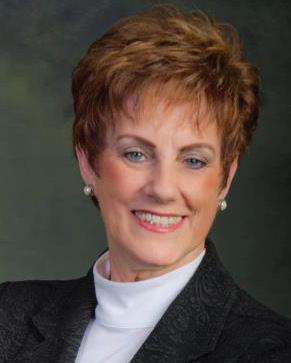
A dedicated monthly donor and advocate for community schools, Debbie is the former President of the Louisiana Association of Educators and served for 38 years as a high school English and French teacher in the Louisiana Public Schools.
“I first became aware of The NEA Foundation when I was president of the Louisiana Association of Educators, and I’ve always had great respect for its work. When I learned I could direct my support to specific programs, I began donating monthly, focusing on the Foundation’s Community Schools Initiative. I’m deeply impressed by the community schools’ work happening here in Louisiana and across the country. I believe educators need to be connected to one another and to the world, and The NEA Foundation makes that possible. Educators are the foundation of our country’s success and supporting them ensures that every child is served by the very best our nation has to offer.”
From the bottom of our hearts, we thank these donors and so many others like them for their generosity and shared commitment to our mission. Visit our website to learn more about our donor community and how you can get involved.
Oleta Garrett Fitzgerald, Chair
Derron Wallace, Vice Chair
Tia Dowdell, Secretary-Treasurer
Nick Archuleta, Immediate Past Chair
Jemelleh Coes
Bret A. Conklin
Erica Webber Jones
Stuart Lucas

Jane Quinn
Marcy Singer-Gabella
Sara A. Sneed
John Weiss


Sara A. Sneed, President and CEO
Eric James, Chief Finance and Administrative Officer
Meg Porta, Chief Operating and Impact Officer
Betsy Agyeman, Development Coordinator
Madeleine Cook-Baker, Sr. Executive Assistant
David Dwyer, Program and Grants Systems Coordinator
Ebony English, Vice President of Programs
Kate Gibney, Sr. Vice President of Development
Emma Larson, Sr. Program Officer, Grants to Educators and Awards for Teaching Excellence
Joshua Middleton, Community Schools Graduate Fellow
Torin Peterson, Program Officer, Global Learning Fellowship
Shianne Richardson, Sr. Operations Associate
Anna Smith, Database Coordinator
Alexander Wilkins, Vice President of Finance and Administration
Awards for Teaching Excellence National Selection Panel
Global Learning Fellowship Advisory Council
2024-2025 Grants to Educators Reviewers