Senior Design
2026
Textile Engineering and Textile Technology

2026
Textile Engineering and Textile Technology

Amanda C. Mills (Ph.D., NC State University, Mechanical Engineering) is an assistant professor in the Department of Textile Engineering, Chemistry and Science at NC State University. Her focus is on developing innovative methods for electronics integration into textiles. She creates full system demonstration platforms to examine the impact of the textile on the device and vice versa. For example, this has included system level electronic designs and knit structure designs for human energy harvesting and physiological sensing.
Philip Bradford (Ph.D., NC State University, Materials Science and Engineering) is a full professor in the Department of Textile Engineering, Chemistry and Science at NC State University. Through our Summer Textile Exploration Program, he discovered the field of textiles and received both his bachelor’s and master’s in textile engineering at the Wilson College of Textiles. His research group focuses on the synthesis and production of ultra-high aspect ratio carbon nanotubes (CNTs) and explores their wide range of applications such as composites, sensors, electrodes and filtration.

Bailey Knight (M.T., NC State University, Textile and Apparel, Technology and Management) was a lab manager for Senior Design and for the Zeis Textiles Extension’s Prototype Lab. She supported students by providing them with the technology and knowledge to create soft-good prototypes and to conduct physical testing. She also helped students interface with the Zeis Textiles Extension labs as they requested to have materials knit, spun, woven, dyed, finished and tested.

Erin Tillery is a third-year Ph.D. candidate in textile technology management. With a background in e-textiles development and entrepreneurship, Erin assists students in Senior Design with technical needs and encourages students to think about how their product fits into a wider business context.

Taha Givehchian (B.S. Textile Technology, NC State University '25) is graduating in May with an M.S. in textile engineering. His current research focuses on moisture management testing. He is interested in material research and development especially for sportswear. He is also interested in textile manufacturing processes, specifically weaving. He was in Senior Design the year prior and was assigned with his team to create a quick wick and dry headband.
Jeffrey Krauss, Dyeing and Finishing Lab Manager
Zoe Hezrony, Knitting Lab Manager
Teresa White and Maddie Wilson, Physical Testing Lab Managers
Alisha Spradlin, Spinning Lab Manager
Lauren Navarro, Weaving Lab Manager
Shawn Deaton, Deputy Director
Sophie Guevel, Research Associate
Allison Blanchard, Dr. Emiel DenHartog, Dr. Warren Jasper, Dr. Jeff Joines, Sara Kempin, Beth Palmer, Dr. James Reynolds, KC Soong and the North Carolina Textile Foundation.






This capstone course in the Department of Textile Engineering, Chemistry and Science provides companies the opportunity to work with student teams to innovate in product and/or process development. In working with the student teams, companies explore materials property design, develop new directions for existing products or take their materials/product into a new marketspace. Our students utilize their expertise in engineering fundamentals, information systems, medical textiles, product development, supply chain management, testing and consumer behavior to solve a current product/process challenge. Through sponsored projects, student teams learn project management and product design principles that leverage the global textile complex.
The purpose of this course is to deliver a ‘real-world’ experience that prepares students to solve open ended problems that they will face upon entering the workforce. The sponsored student team is expected to:
• Communicate effectively on the project problem, objectives and proposed solutions.
• Work efficiently in teams to deliver high-performing results.
• Assess, select and learn the latest and most appropriate technologies for project success and be able to adapt those technologies as needed.
• Analyze the project and solution from financial, economic, technical, ethical and commercial perspectives.
• Develop ideas with appropriate patent mapping and intellectual property assessment.
• Produce proof-of-principles prototype(s).
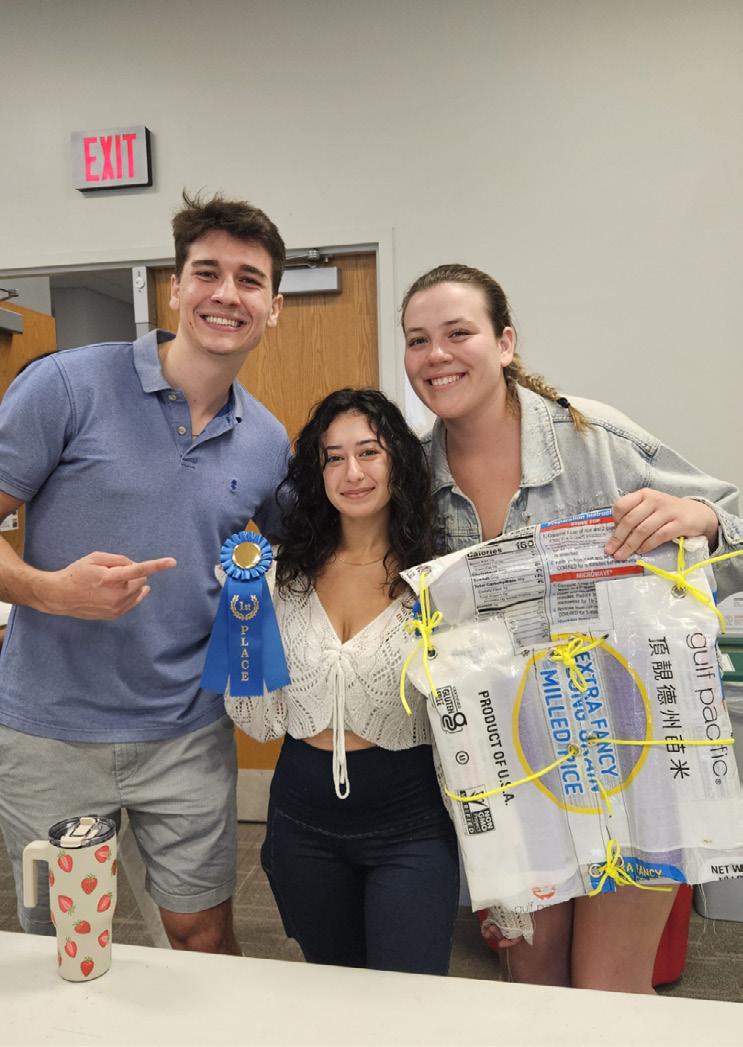
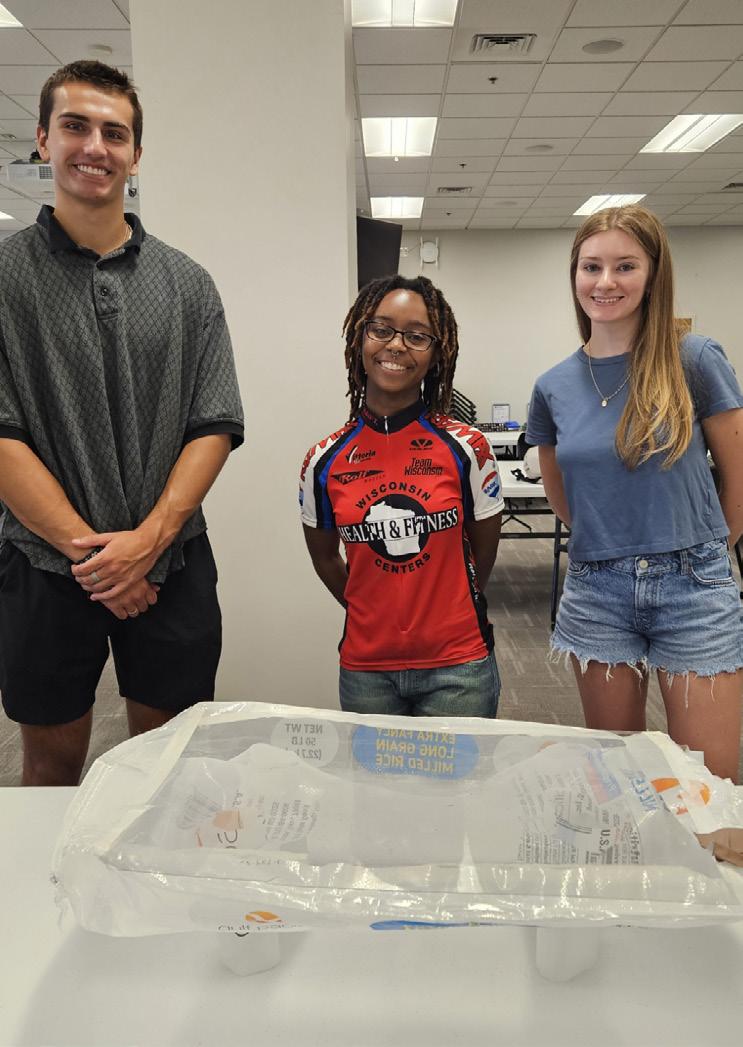
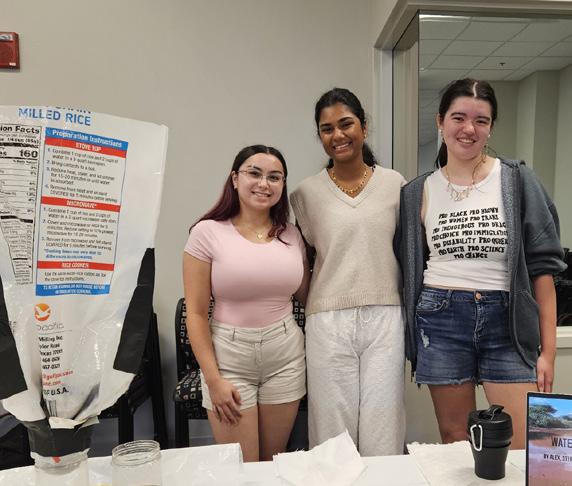
The annual Rice Bag Challenge is sponsored by Rise Against Hunger, an international organization that annually distributes millions of meals around the world through community meal-packing events. Each Senior Design team is given one week to create a useful prototype that would solve a problem in developing areas around the world using a maximum $10 budget and two 50-pound rice bags. At the end of the week, each team pitches their product to a team of judges from Rise Against Hunger.
This academic year our top products are:
First Place: Life Jacket
Second Place: Food Dehumidifier
Third Place Tie: Water Filter
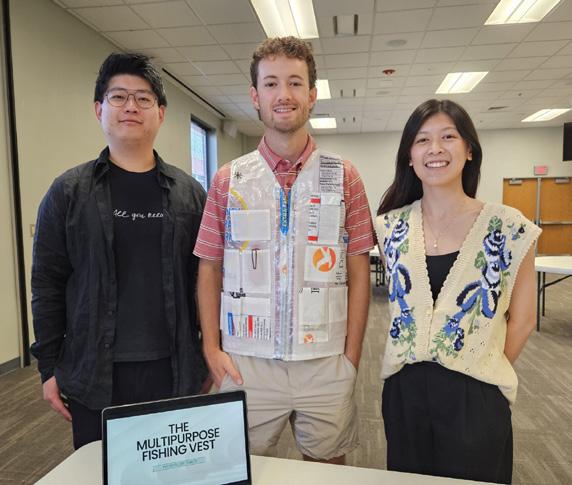
While most sponsors spend an average of one to two hours per week on the project, many find interaction with the students to be the most rewarding aspect. Beyond that minimal time commitment, other expectations include:
• Helping define project scope and metrics for project success.
• Holding regular meetings with the team and providing specific project feedback.
• Providing technical mentoring and feedback on the team’s materials and process deliverables.
• Providing specific training on unique tools that are pertinent to the project.
• Providing coaching to help the student team reach the best solutions.
• It is important for the sponsor not to tell the team exactly what to do. This is an open-ended problem.
• Address any issues as they arise. If you encounter team issues or technical project issues, contact the program directors immediately.
• Encourage information sharing. Visit NC State and schedule times for the team to visit your company. Consider introducing the team to your company in mid-October and bringing them back at the end of March to present their hard work.
The project submission period is March 1 to July 1. Prior to submission, two short phone interviews are required with the Senior Design co-directors. This helps to identify the project scope and determine if the project fits well with our students’ skill sets. Sponsors are notified of project acceptance by Aug. 20, and projects begin the first day of classes in mid-August.
Student teams are carefully selected based on their project interest, complementary skill sets and leadership style inventory. Each year, 45 to 60 students participate in the program, forming 12 to 18 teams of three to four students per team.
The rigorous Senior Design capstone program spans both fall and spring semesters. Course directors guide the teams through a design process to develop innovative products/processes that meet the projects’ defined criteria and constraints.
A required donation of $12,000 is due by the end of September. This contribution supports project expenses as well as strategic growth of the capstone lab space and program.
When a project is funded by a donation, NC State does not exert intellectual property (IP) ownership unless an NC State employee is involved; undergraduate students in this course are not NC State employees. The IP generated from the project is owned by the students unless otherwise agreed upon with the sponsor in the form of a non-disclosure agreement between the two parties at the onset of the project. Existing inventions and technologies are the separate property of the sponsor company or NC State. Sponsored research agreements are also available. Two public presentations by the team are made each year — one in the fall semester and another in the spring semester. Teams are required to review content with the sponsor before this presentation.
The culmination of the course is a “Design Day” poster session generally held in April at NC State.
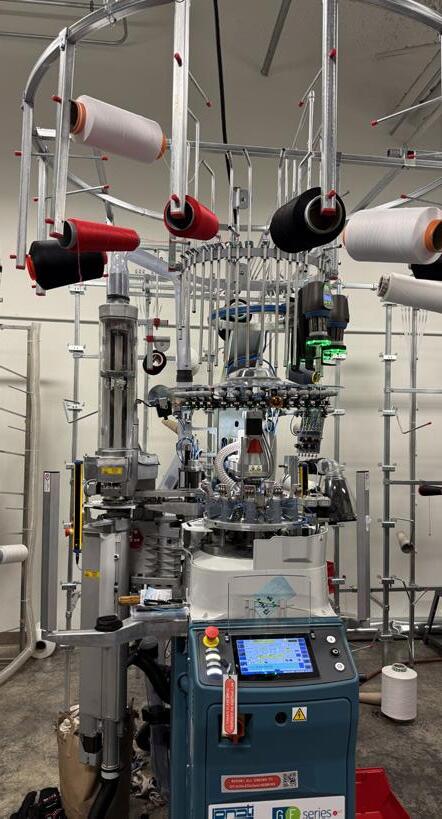
Do you find yourself reaching for different types of socks depending on the activity? From casual everyday wear to high-performance athletic use, most socks are designed with a single purpose in mind. The Supersock was developed to bridge this gap combining comfort, durability and performance into one versatile product that transitions seamlessly throughout the day. Whether walking around campus or heading to a workout, this next-generation sock eliminates the need for multiple changes while delivering advanced moisture management, blister prevention, and long-lasting durability. To bring this concept to life, our team took a hands-on approach throughout the entire manufacturing process. We collaborated with multiple suppliers such as Parkdale Mills and Palmetto Synthetics, alongside industry professionals, including fiber producers, spinning labs, and knitting lab managers. This allowed us to follow the product lifecycle from raw fiber selection to yarn formation, engineered knit structures, and ultimately a fully constructed crew sock. This end-to-end involvement gave us a deeper understanding of how each stage impacts final product performance. We also conducted a comparative analysis of leading casual and performance socks from three leading brands in the industry.
Using standardized ASTM and AATCC testing methods, we evaluated key performance metrics such as moisture wicking, abrasion resistance, air permeability, and evaporation rate. These tests helped us identify the optimal balance between comfort and durability, ensuring the sock performs effectively both at skinlevel sweating conditions and under repeated friction within footwear.
Through both testing and supplier insights, we found that fiber composition plays a critical role in performance. Blending natural and synthetic fibers, specifically cotton and polyester, proved to be most effective in drawing moisture away from the skin and distributing it across the fabric surface for faster drying. Additionally, we explored an advanced, sustainable moisture-wicking technology known as Cocona from the brand 37.5®. This innovation is activated carbon derived from coconut husks. These particles are directly embedded into the polyester fibers during extrusion and can then be spun with cotton. The technology enhances moisture transport and accelerates evaporation without washing out over time. The result is a sock that maintains long-term performance while also offering odor resistance beyond that of traditional materials.
This project reinforced the importance of both material selection and structural design in creating highperformance garments. By integrating thoughtful fiber blends with targeted knit onstructions, we were able to engineer a sock that meets the demands of everyday wear while maintaining the technical benefits of athletic performance.
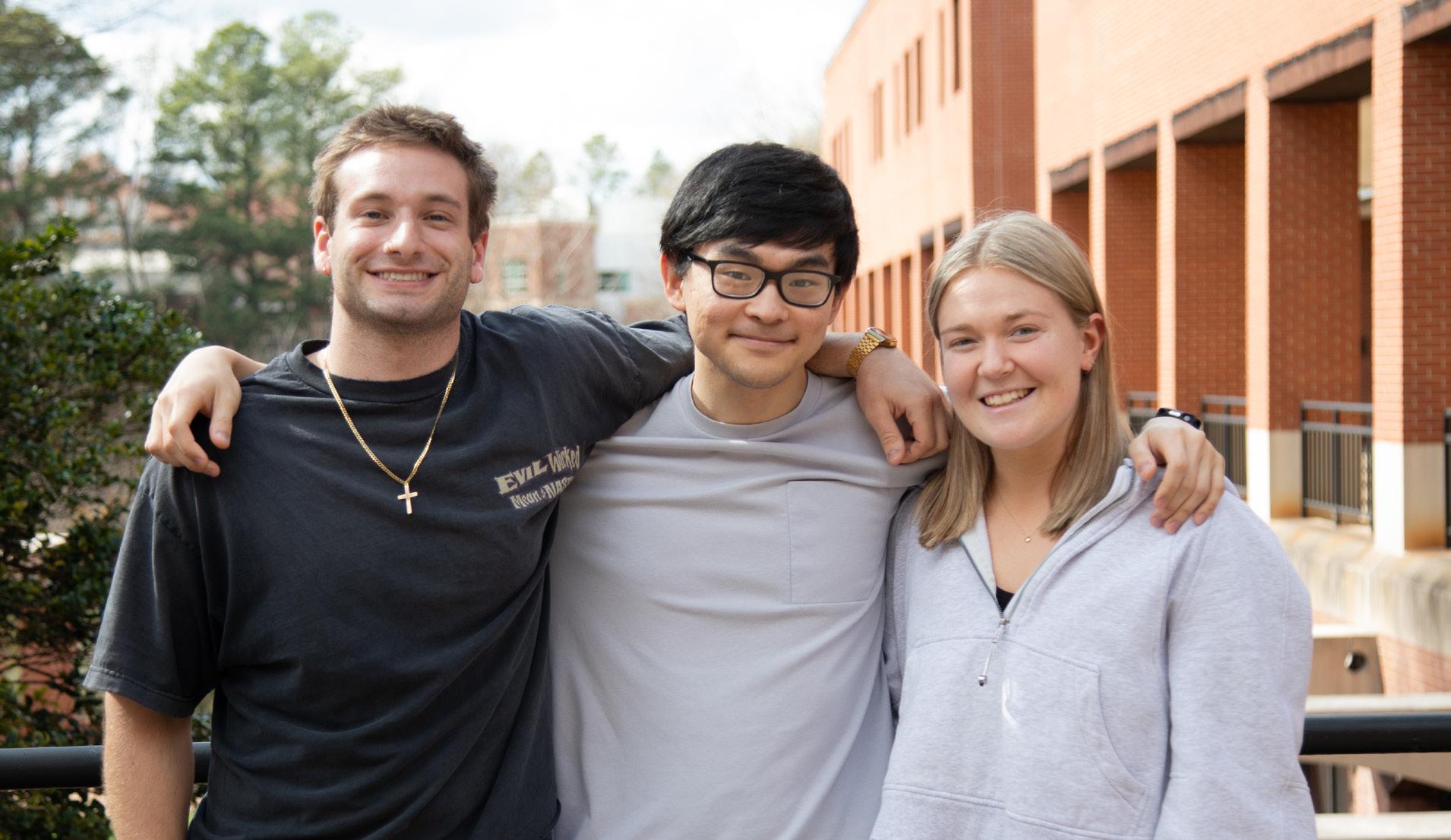
Megan Corrigan, Jack Livoti, Robin Shin
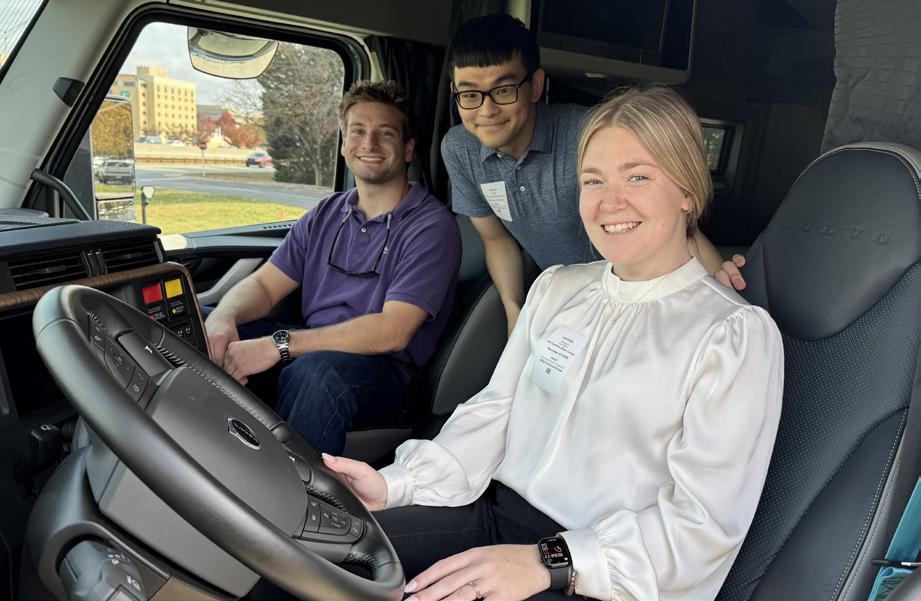
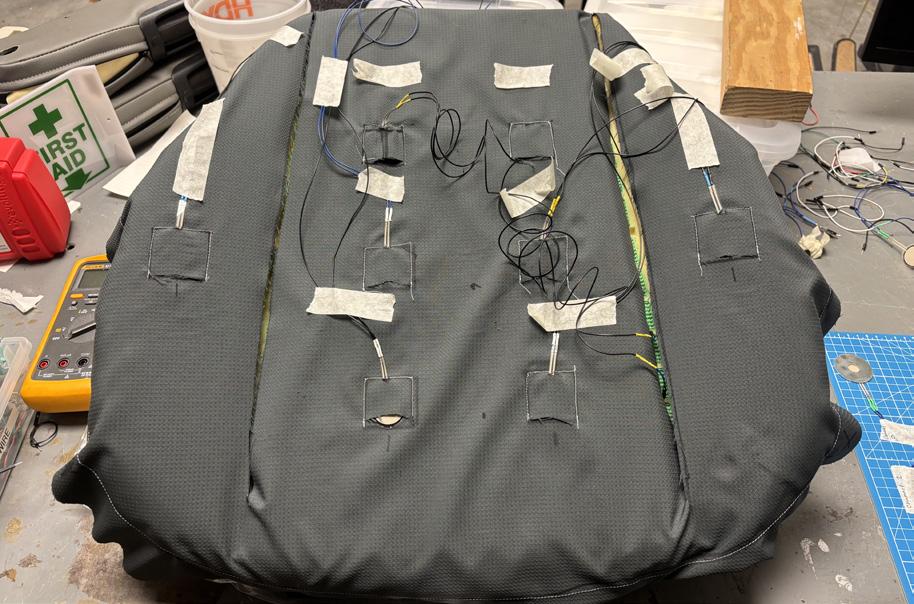
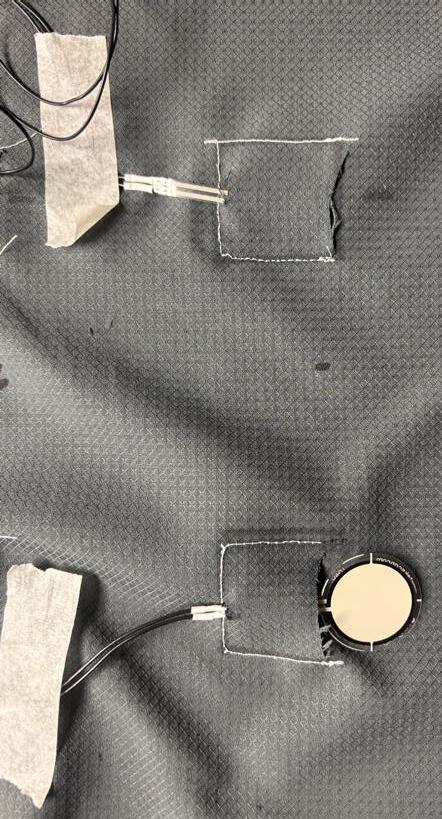
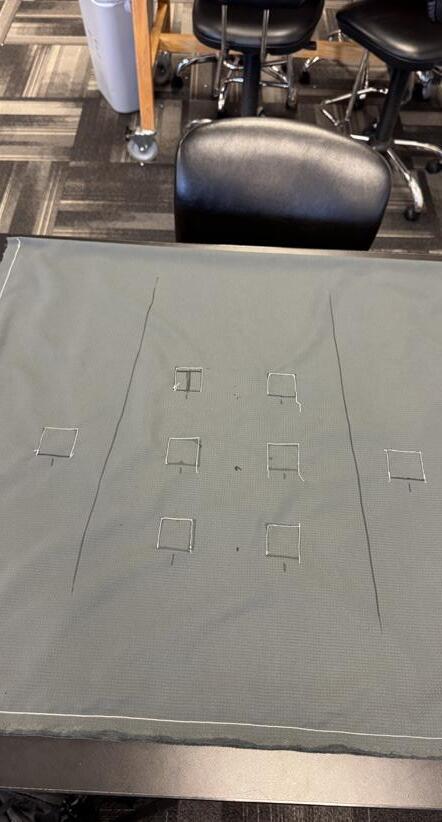
For our Senior Design Project, we partnered with Volvo Group to develop a comfort detection system for vehicle seats. The system was required to meet three primary constraints: no modifications to the seat’s exterior, no perceivable changes to the seat’s interior, and the ability to continuously collect data for up to one week. At the beginning of the project, we focused on ideation and defining the overall structure of our solution. We determined that the system would consist of two main components: an electrical sensing system and a textile-based integration layer. While the textile component aligned closely with our background, the electrical component presented a challenge, as it extended beyond our primary area of expertise.
To address this, we sought guidance from Dr. Jasper and Dr. Reynolds, who helped us identify appropriate tools and approaches that were realistic for our skill set. For the textile component, we created multiple prototype iterations with an emphasis on minimizing bulk so the system would remain undetectable to users. We also selected hydrophobic materials to help protect the system from spills during use. In addition, we conducted user detection testing to evaluate whether the system could be perceived and used these results to refine our design.
Throughout this project, we gained valuable experience working at the intersection of textile and electrical engineering, learning how interdisciplinary collaboration can lead to innovative solutions. One of the most important lessons was how to adapt when faced with challenges, particularly when the electrical components did not initially perform as expected. These obstacles required us to troubleshoot, iterate, and pivot quickly, reinforcing the importance of flexibility in the design process. We also developed a deeper understanding of prototyping, testing, and usercentered design, especially in balancing functionality with comfort and discretion. The iterative nature of our work—from early ideation through final testing— allowed us to continuously improve both our design and our teamwork. By the end of the project, we felt confident in our ability to deliver a functional prototype and clearly communicate our design decisions. Overall, this experience strengthened our technical skills and prepared us to approach future engineering challenges with a more collaborative and solution-oriented mindset.
Kiersten Baumgartner, Kennedi Hosey, Michael Oman
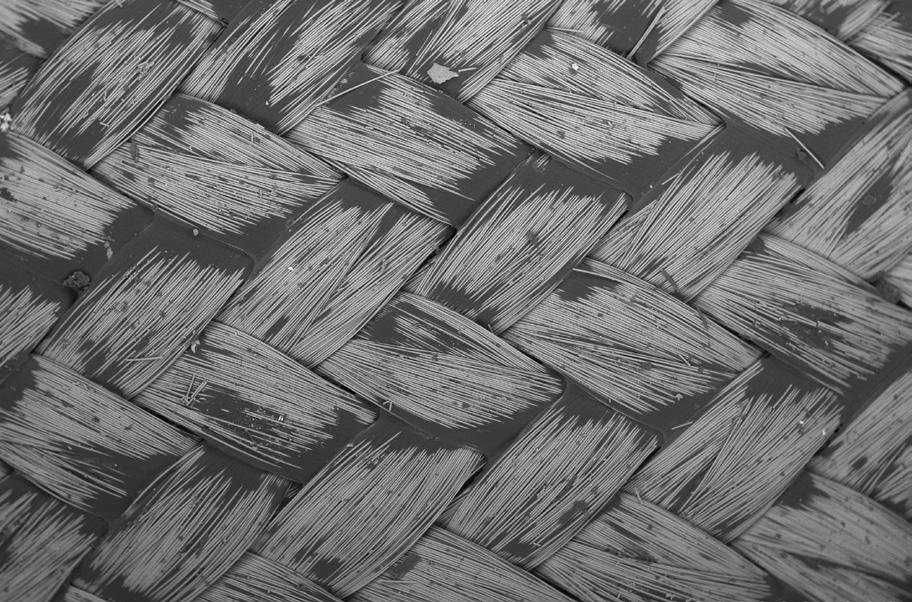
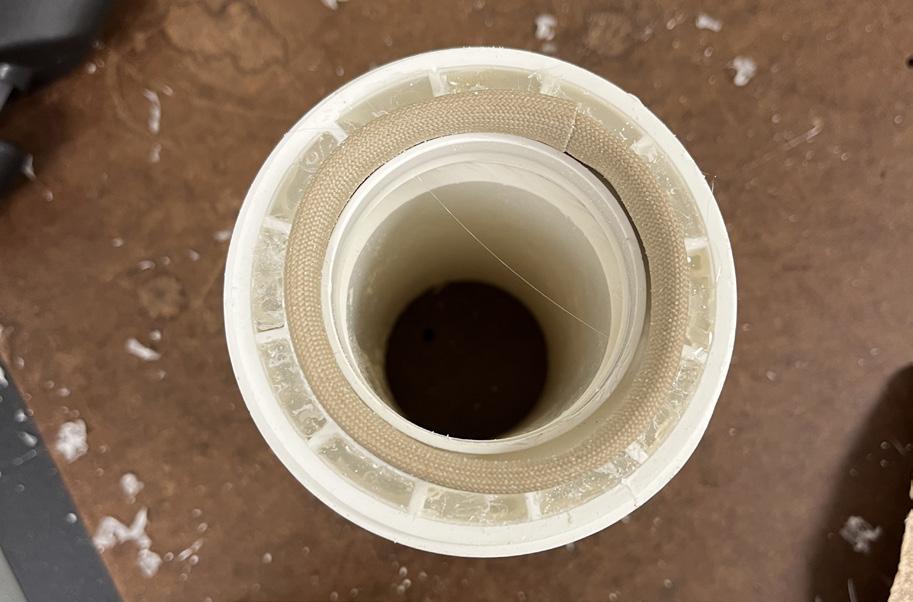
The aim of our project is to construct a gasket to sit within the flanged joints present on electrical transformers to serve as a secondary seal in the event the original nitrile rubber gasket present should fail. Electrical transformers contain over 50,000 gallons of insulating liquid (mineral oil or esters) which, in the event of a primary gasket failure, could lead to transformer failures and environmental pollution should a large leakage occur. Remediation efforts often cost tens of millions of dollars, yet not all environmental harm can be mitigated by these efforts - for example, one drop of mineral oil can contaminate fifty gallons of freshwater, and one gallon of mineral oil can contaminate one million gallons of freshwater. Our gasket is comprised of a two-part system, in which a solidifying polymer that selectively reacts with hydrocarbons is encased within a textile structure. Both components of this system are required to withstand temperatures up to 120°C, as well as cold (as low as -20°C) and high humidity, meaning that materials used must be durable and nonreactive. Additionally, the polymer encased within must not react whatsoever with any moisture other than hydrocarbons, as that could potentially hinder our gasket’s ability to seal leaks as they occur.
Throughout the course of this project, we’ve worked extensively to understand and negate potential interactions between our solidifying polymer and the exterior casing, as well as to select materials that are able to withstand extreme outdoor conditions over extended periods. Ideally, our gasket is able to remain intact for the entire lifespan of a transformer, which is often over 30 years.
Initial ideation was centered around three separate concepts: a dual-layered nonwoven and a loosely-knit or woven system with the polymer encased within, a nonwoven system with polymer dispersed between layers, and a simple knit or woven exterior with the solidifying polymer inside. After evaluating each of the options, it was determined that the simple gasket structure would provide not only ease of production (an important consideration based on our sponsor’s guidelines) but also the highest ratio of solidifying polymer to overall gasket area, therefore allowing the highest amount of oil absorption.
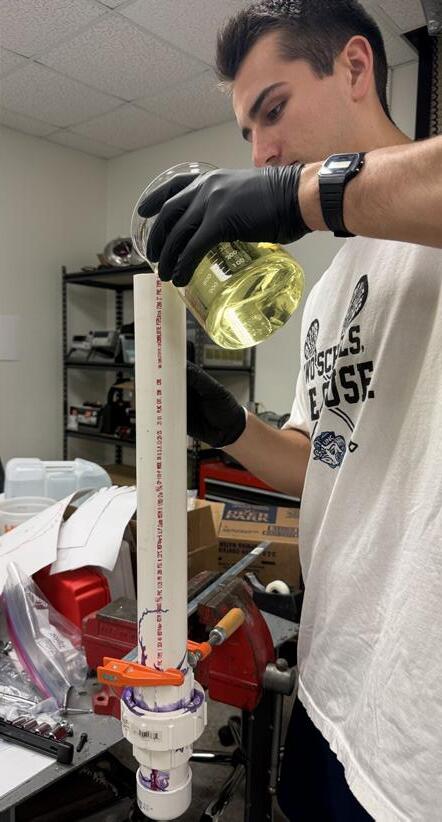
Upon selecting our gasket’s structure, we investigated options for materials - focusing mainly on PFA, fiberglass, and PTFE. Ultimately, braided fiberglass was selected due to its superior durability, resistance to creep, and its ability to withstand weathering without degradation. Complete gasket prototypes were tested using rigs constructed from PVC and acrylic, with a pass/fail testing setup to determine whether or not the gasket successfully stopped a dropwise oil leak.
Ultimately, this gasket adds a redundant sealing layer at a low cost-point, as well as ease of production. This gasket is expected to provide a secondary layer of defense against oil leaks and their associated consequences.
Abigayle Carr, Nicole Nguyen, Deacon Petree
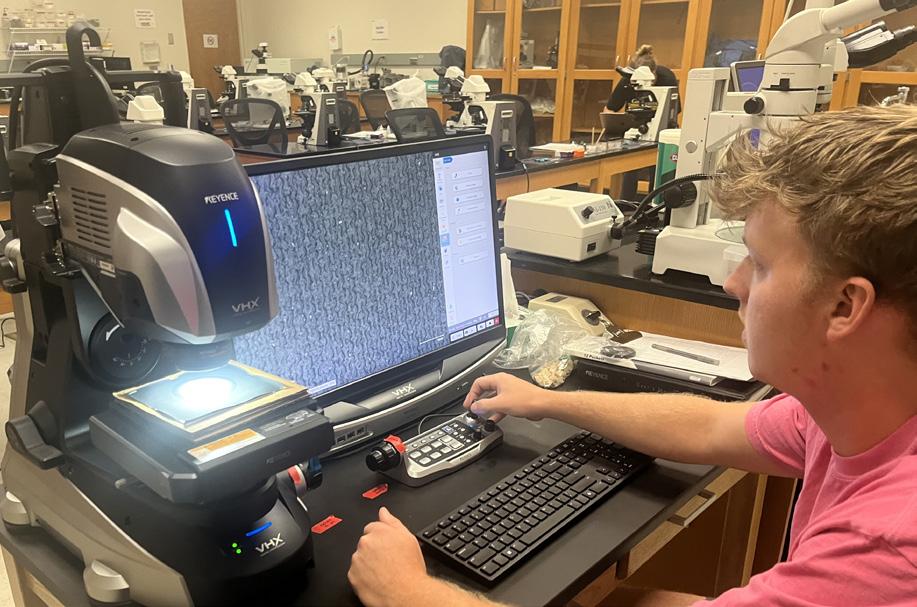
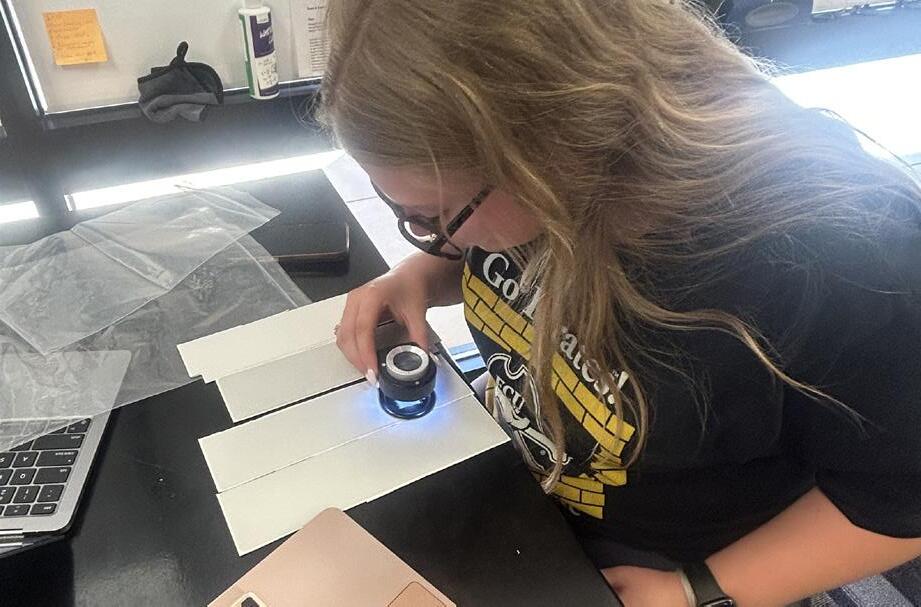
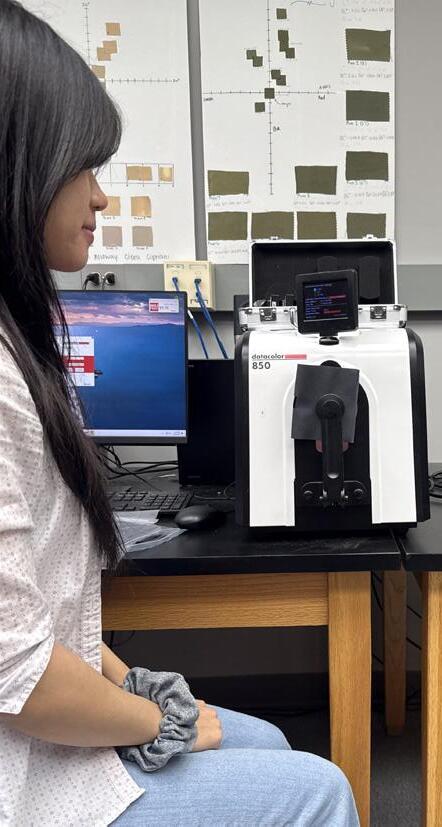
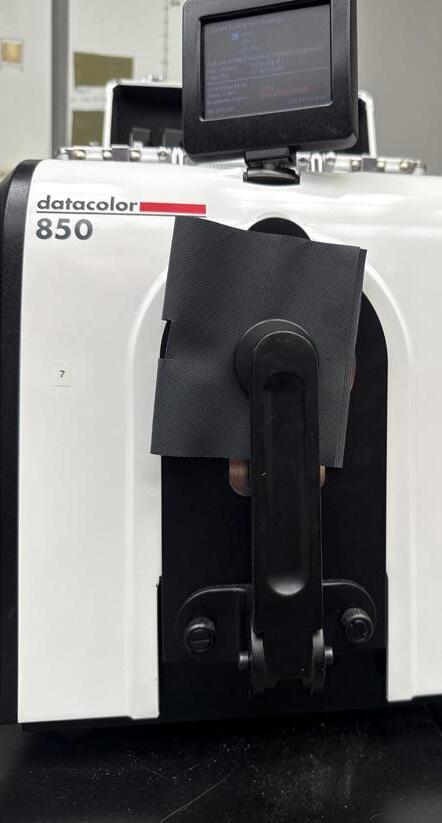
This project focuses on reducing subjectivity in cosmetic defect evaluation by developing a standardized, reproducible characterization workflow of defects across A–D grading scales. The scope centers on three primary defects: hairiness, patchiness, and mottling, and aims to connect their visual appearance to quantifiable physical properties. Using digital microscopy, image processing, and colorimetric analysis, the project bridges the gap between human perception and measurable data.
A combination of advanced tools, including the Keyence VHX-7000 digital microscope and the Datacolor 850 spectrophotometer, enables detailed surface visualization and objective color assessment. The broader goal is to establish consistent, repeatable metrics that improve quality assurance alignment and minimize variability in subjective inspections during mass production. The methodology involved iterative processes, trial and error, and multiple analytical techniques tailored to each defect type. For patchiness, microscopy imaging at 100x and 500x magnification was paired with CIElab color analysis and ΔE calculations to quantify contrast differences. Mottling was analyzed through ImageJ by converting images to binary and measuring percent area variation, followed by statistical testing to assess significance. Hairiness was evaluated by measuring individual fiber protrusion lengths, building datasets of mean nap length, standard deviation, and conducting t-tests to compare grades. Data analysis revealed clear trends, such as increasing nap length correlating with lower quality grades, while also highlighting challenges like overlap between higher defect grades. Despite limitations in sample size, time constraints, and the complexity of subtle cosmetic defects, the final findings demonstrate that integrating digital microscopy, image processing, and statistical analysis can effectively transform subjective grading into a more objective and standardized system.
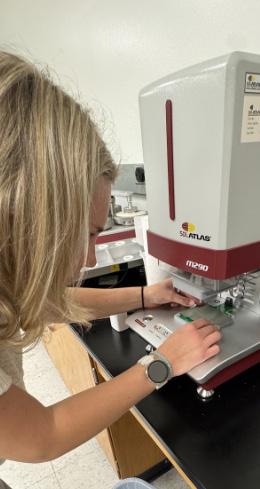
Current moisture management testing within the textile industry typically operates exclusively under static conditions, meaning that fabrics are evaluated when they are completely motionless, leaving out the movement that comes with wearing garments. This approach creates a disconnect between lab results and real-world performance, due to activewear being in constant motion during use.
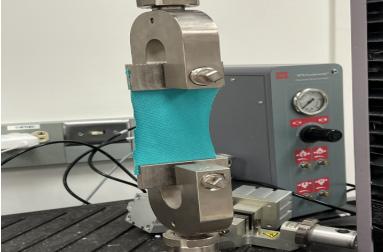
Sponsored by The Lycra Company, our senior design project bridges this gap by developing a dynamic test apparatus that stretches and recovers fabric while also measuring the moisture management properties. This project is working to combine two forms of standardized tests: ASTM D4964 for tension and elongation using the MTS Tensile Tester, and AATCC TM195 for liquid moisture management properties using the Moisture Management Tester (MMT). Benchmarking testing of Lycra-supplied fabric samples, which included blends of COOLMAX® and LYCRA® T400® fibers, along with commercial garments from Lululemon, Alo, and Beyond Yoga, provided the mechanical and moisture data needed to contextualize dynamic performances.
After benchmarking and the ideation phase, a machine was constructed to stretch and strain the fabric while being tested using the Small Sweating Hot Plate that is located in the Textile Protection and Comfort Center (TPACC), combining the previously stated test methods in order to bring in movement.
Through a two-stage ideation process and Pugh matrix evaluation, our team assessed concepts ranging from moving mannequins and environmental chambers to biomimetic fluid transport systems before identifying the uniaxial stretching apparatus as the optimal solution. Prototyping began with a cardstock model to validate the fundamental kinematics of the linear oscillation mechanism, then progressed to a 3D CAD-designed frame built from T-slotted 80/20 aluminum extrusion. The model was further altered with a built-in motor, and it seamlessly was able to fit into the Small Sweating Hot Plate in order for the machine to be moving while also collecting data. It is equipped with an electronic actuation set motor, allowing for repeatable stretch cycles spanning from 1060% strain, where it is able to cover all forms of clothing from athletic tops and leggings to bras and cotton t-shirts. This project has reinforced that moisture transport is not a fixed material property but a dynamic variable that shifts with mechanical state: when a fabric stretches, the Poisson effect alters pore geometry, capillary pressure, and vapor diffusion pathways in ways that static tests simply cannot capture. Moving forward, the completed apparatus will enable side-by-side static and dynamic comparisons, producing data that reflects how activewear actually performs on the body and giving both researchers and product developers a more truthful tool for the next generation of performance textiles.
Nicholas Domnick, Emma Otten, Caeden West
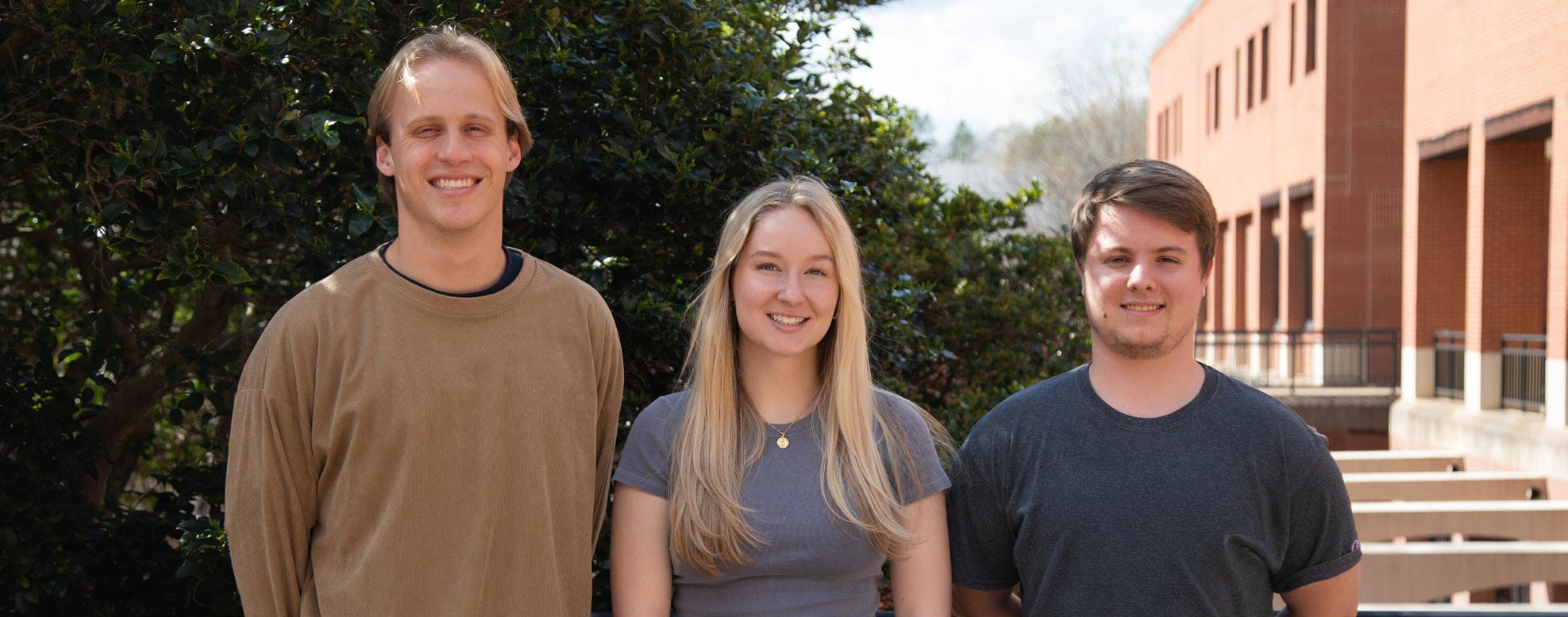
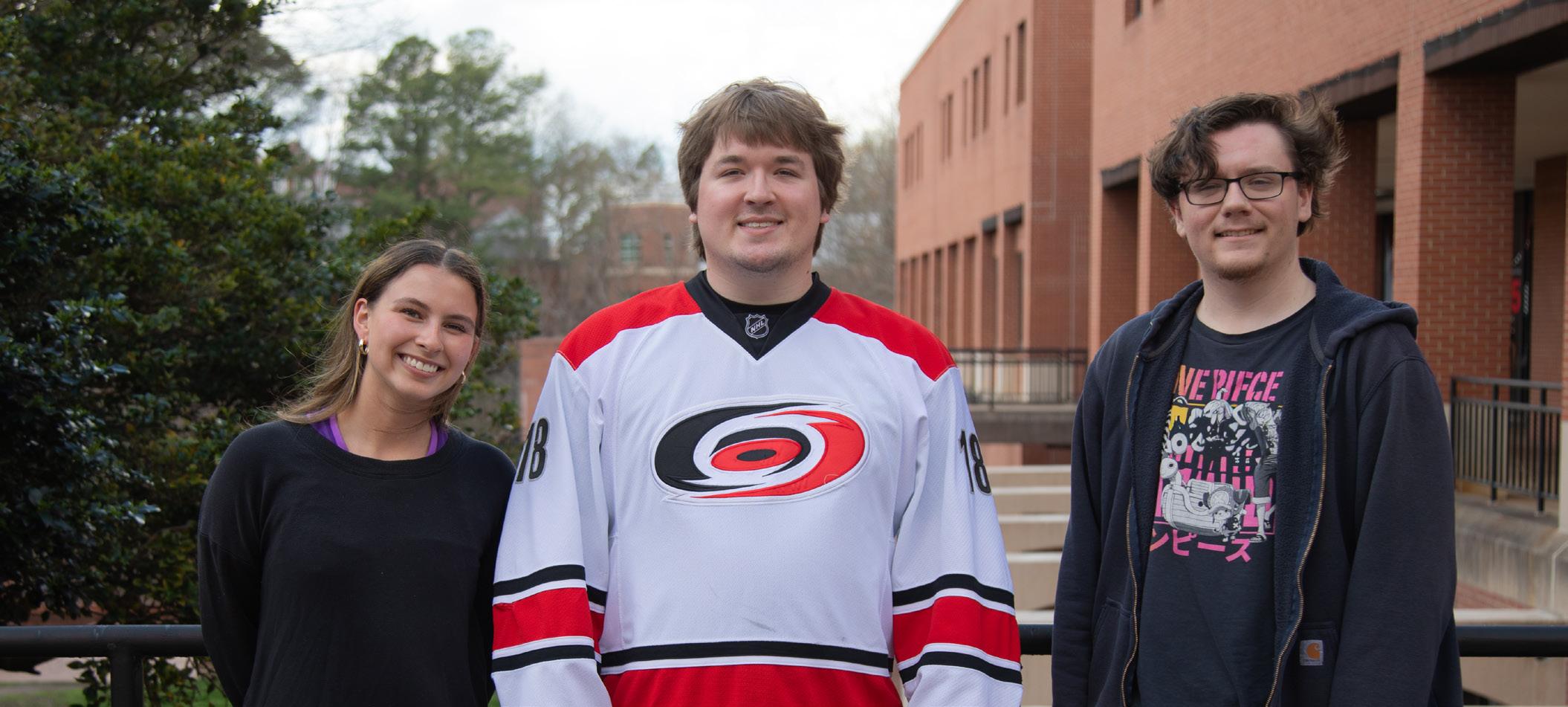
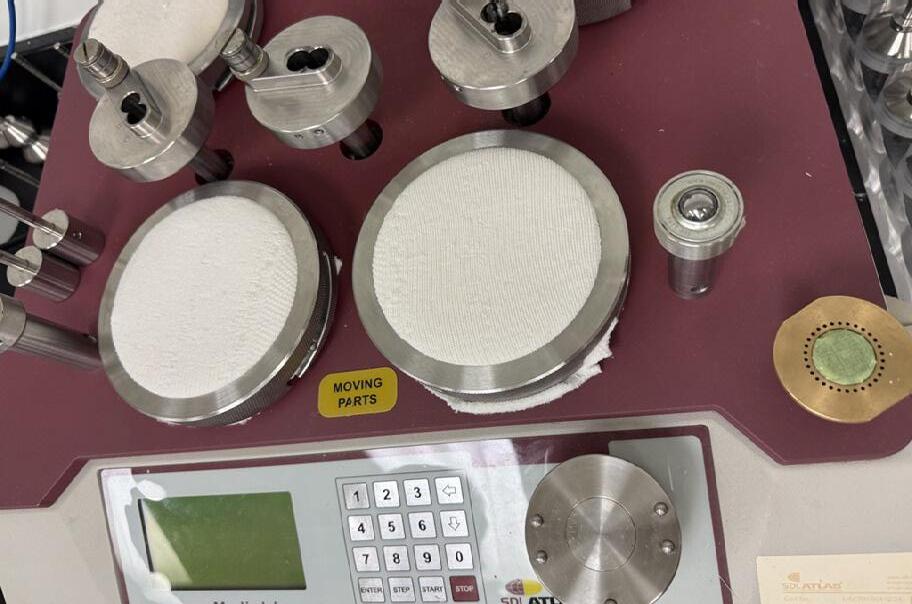
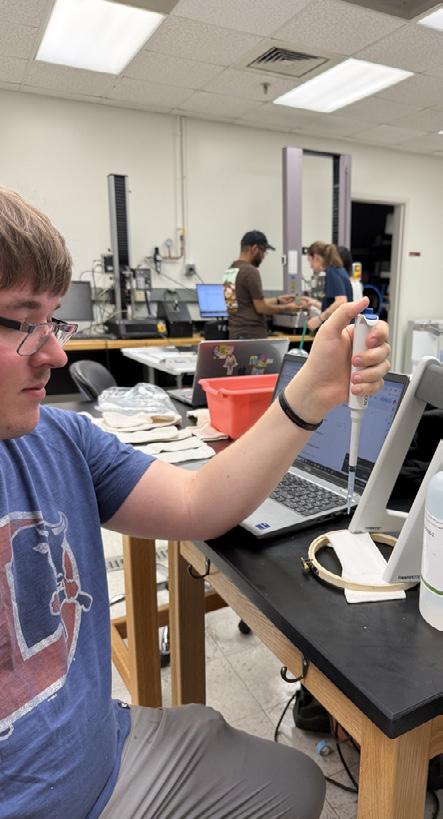
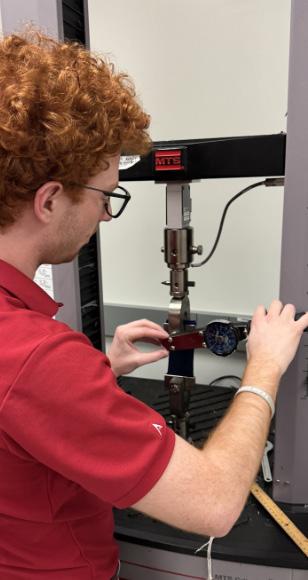
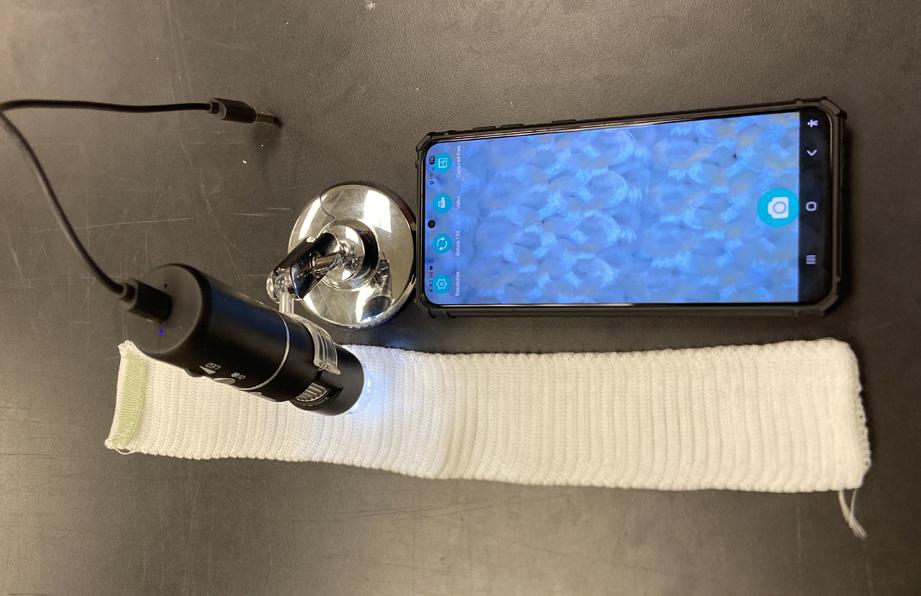
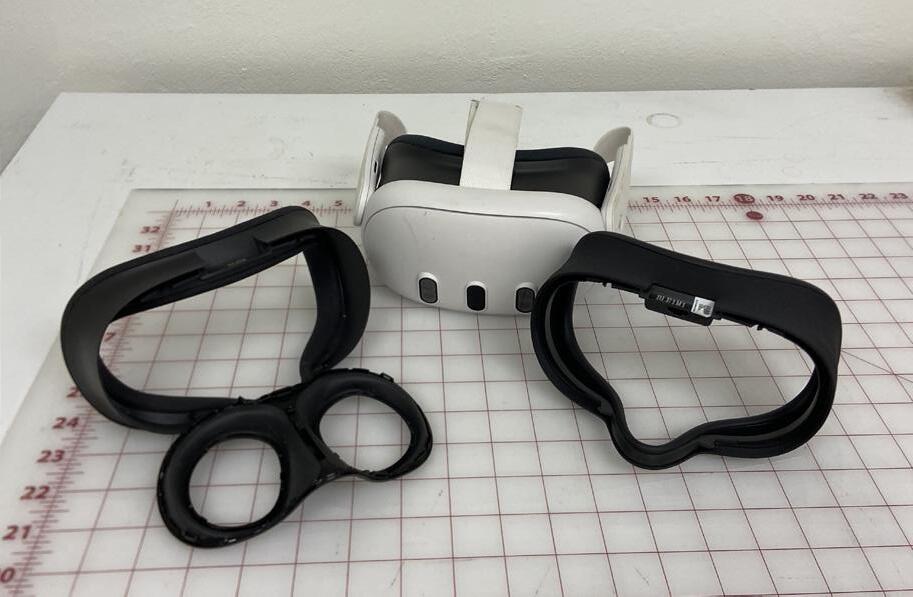
Sponsored by Meta, our team was tasked with pioneering the next generation of wearable technology materials by engineering elastane-free fabrics that deliver high stretch and recovery at low force for applications such as wristbands and headset components. This work is important for wearable devices which must accommodate a wide range of body shapes while maintaining consistent, standardized dimensions for manufacturing. With current products experiencing UV degradation issues, eliminating spandex is important to improve long-term durability while also increasing overall user comfort. Our journey began by establishing the most important measurables for our project, including stretch, recovery, abrasion resistance, and hand/feel. We identified various benchmarking products, including those from competing companies, such as Apple and Whoop, in addition to basic sweatbands that operate in a parallel wristband market. We also closely examined existing products currently utilized in Meta’s EMG wristband and Quest Oculus devices. Using specialized equipment, such as the MTS Criterion Tensile Tester and the Martindale Abrasion Tester, we tested these benchmarking samples in accordance with our measurables.
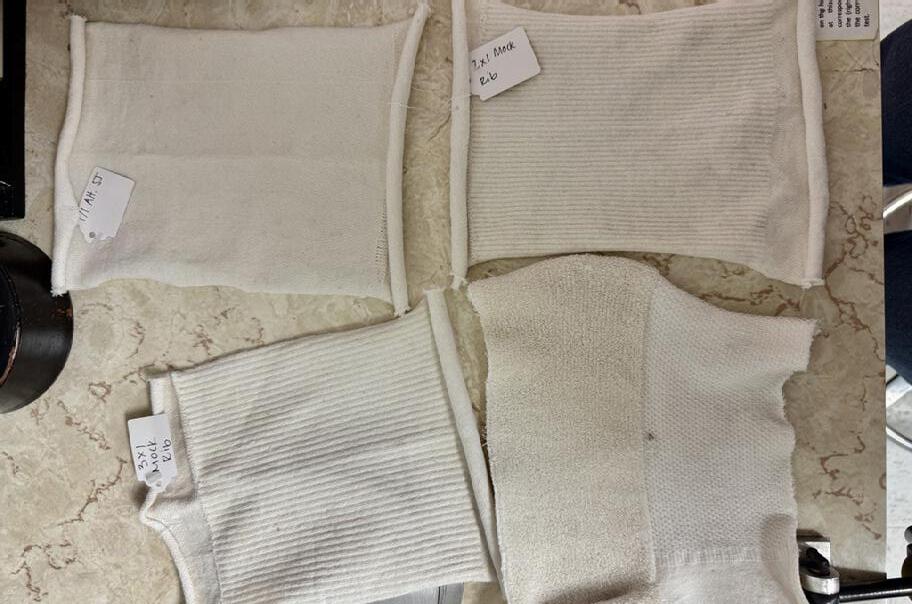
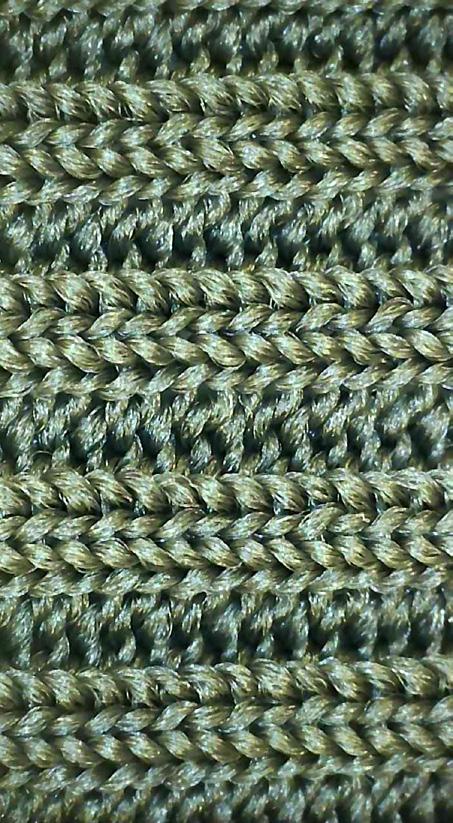
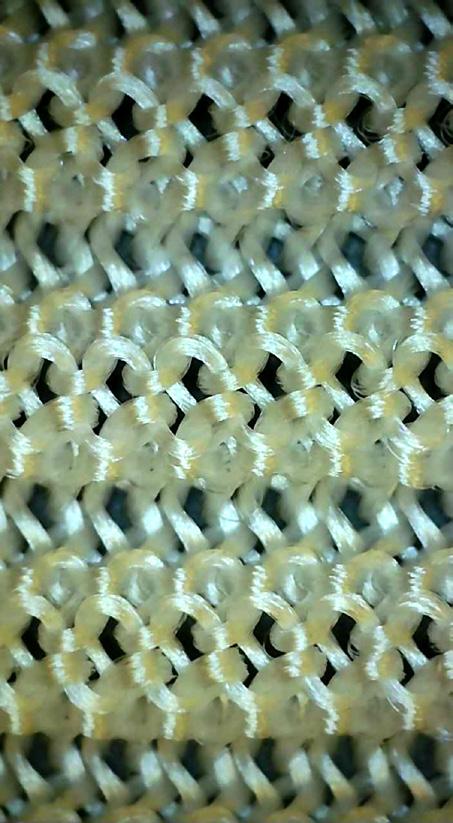
For stretching, we designed a Multicycle Tension to Strain Points Test where samples are pulled between 0% strain and an increasing strain up to 100%. We used this test method to evaluate the load at different percentages and analyze where the strain is applied to the yarn. Similarly, we’ve evaluated the yarn to see where the crimp or texture of the yarn reaches its limit and the polymer chains of the fibers start to be stretched. We can notice these transitions in strain as the curve dramatically rises. For recovery, we used one of Meta’s SOP’s that evaluated recovery by simulating the force that would be applied to one of their wristbands. We pulled the samples to a 2N force and held them for 5 minutes, let it rest below the gauge length to recover for 5 minutes, and then evaluated the percent recovered. Additionally, we created our own subjective hand/feel test for our classmates to complete. After benchmark testing, we decided on six different structures to move forward with prototyping: 1x1 rib, 2x2 rib, single pique, double pique, 1K/1P Links Links, and 2K/2P Links Links, collaborating with the NC State knitting lab. At the same time, the Meta knitting lab replicated these structures using an alternative yarn, providing a comparison to isolate exactly how yarn type influenced performance. Following evaluation from these samples we’ve designed a second round of prototypes to finalize our research and data. Throughout these two semesters, we learned how to communicate with a global team that’s headquartered across the country, conduct extensive research to find precise answers, develop and program testing methods, all while balancing time between other classes and conflicting schedules.
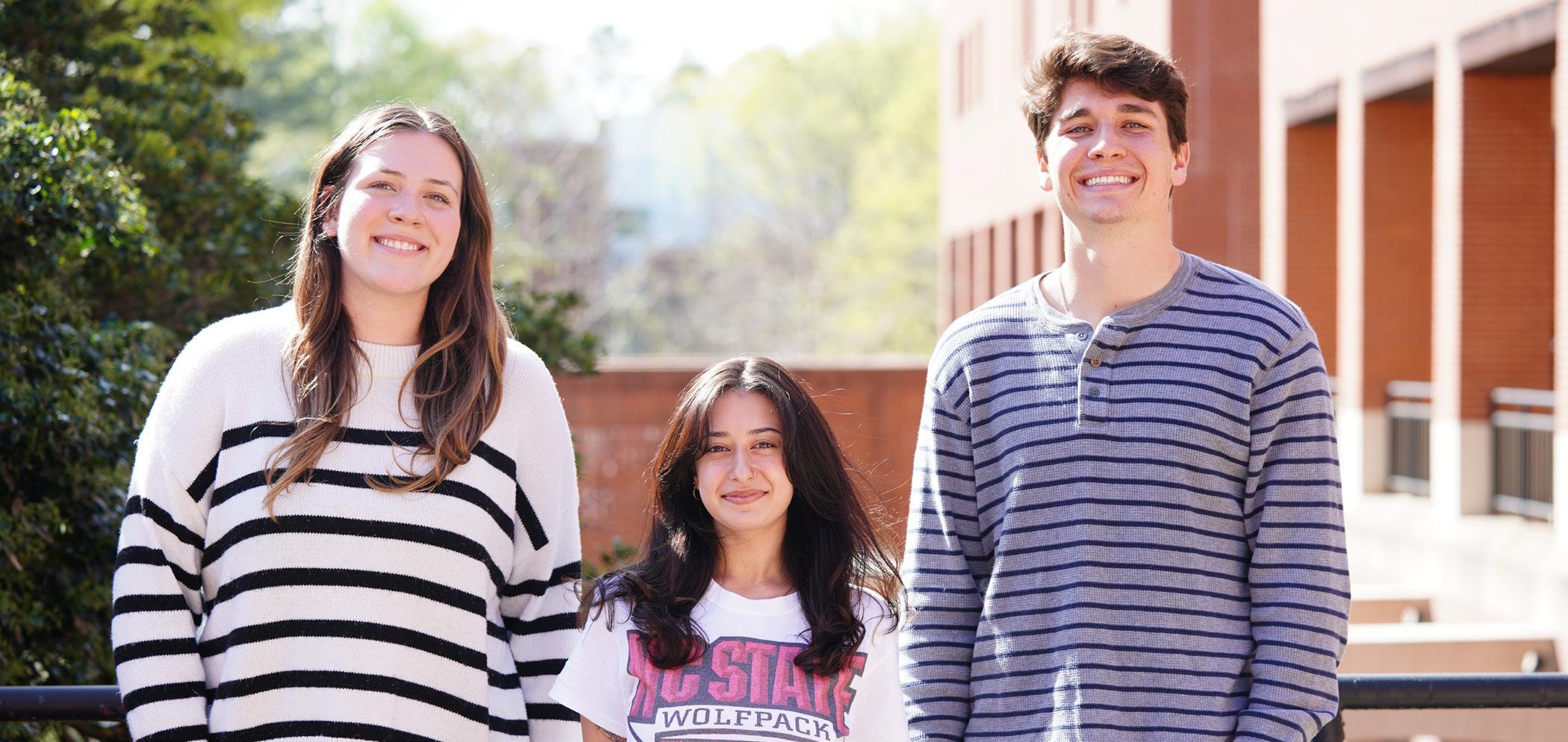
Catherine Andrews, Ameerah Azuriah, Nikolas Karabinos
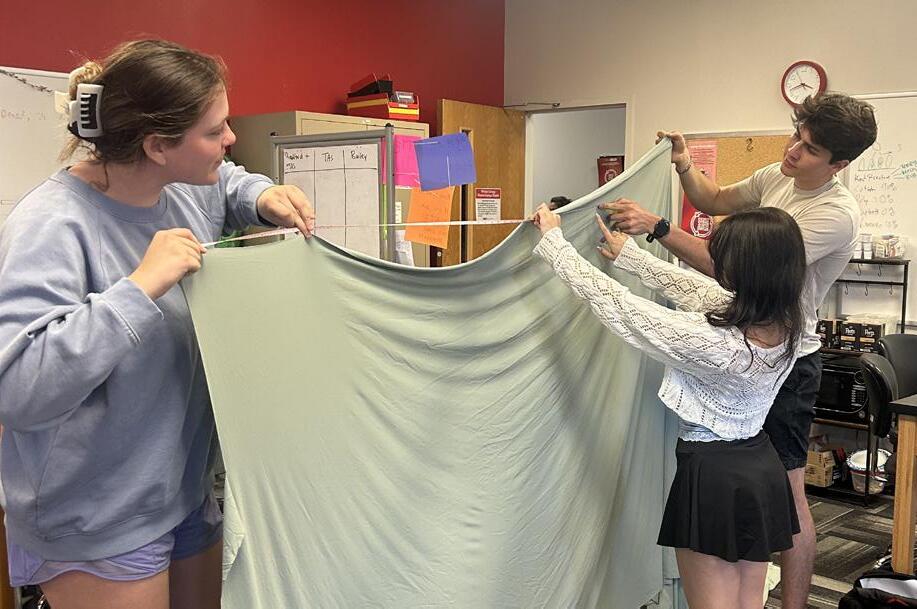
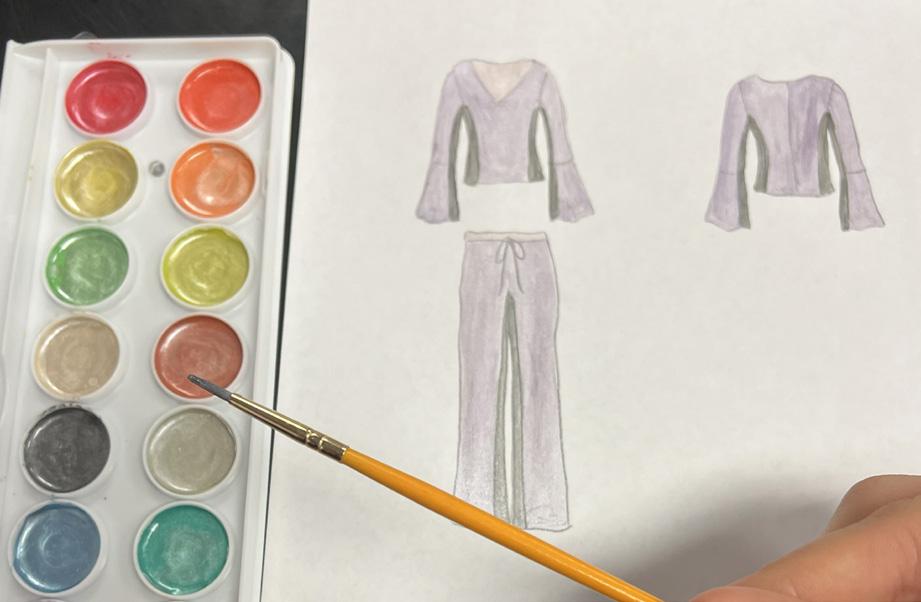
Consistent, high-quality sleep is strongly influenced by thermoregulation, but many individuals experience disrupted rest due to overheating and a buildup of moisture during the night. This is especially relevant for people who are affected by temperature fluctuations, including those experiencing hot flashes during menopause and other hot sleepers. While existing cooling sleepwear on the market offers advanced temperature-regulating performance, these products are often priced beyond the reach of most consumers. This project focuses on developing an affordable cooling sleepwear solution that integrates key performance features such as moisture-wicking, enhanced breathability, and efficient heat dissipation. By leveraging fiber selection, engineered yarn structures, and functional finishing techniques, our project aims to create a fabric system that actively manages heat and moisture while maintaining a soft hand feel and scalability for mass production. After identifying avenues to pursue, we decided to test a variety of products from various companies, including sleepwear garments, athletic garments, cooling bedsheets, and towels.
Comprehensive testing from AATCC 195 Moisture Management, D737 Frazier Air Permeability, ASTM F1868 Thermal Insulative Resistance, ASTM F3628 Wet Heat Transfer Rate, Japanese standard Thermal Effusion Q-Max, and a team-made ATCC Evaluation Procedure 5 Hand & Feel Likert Analysis were employed for comparative analysis for benchmarked materials. This analysis led our team to pursue nylon and lyocell-based fiber blends, along with spinning techniques used in top-performing market offerings. Due to the physiological requirements of addressing menopause, we delegated top “cooling” and active-to-sweat responsive material compositions to strategically placed paneled regions. The garment construction required two different knits, one for the paneled regions and one for the bulk structure, adapted from the benchmarks and impacting breathability, cooling, and comfort. Other partnerships within the industry provided specialty to areas such as spinning, material, and finishes, knitting together Hanes’ new menopausal sleepwear set!
Following extensive research and benchmarking, we advanced into the development phase by first collaborating across multiple laboratories to refine material selection and performance initiatives. Collaborating with the spinning lab to produce a 100% lyocell yarn and partnering with the knitting lab to engineer nylon-lyocell knit structures for swatch analysis. In the dyeing and finishing lab, our team gained hands-on experience with machinery and process calculations to apply functional finishes that enhance the cooling performance. As part of an ongoing process during the testing phase, our team gained access and self-taught ourselves CLO 3D, a CAD software that creates precise illustrations of the garment pattern and design.
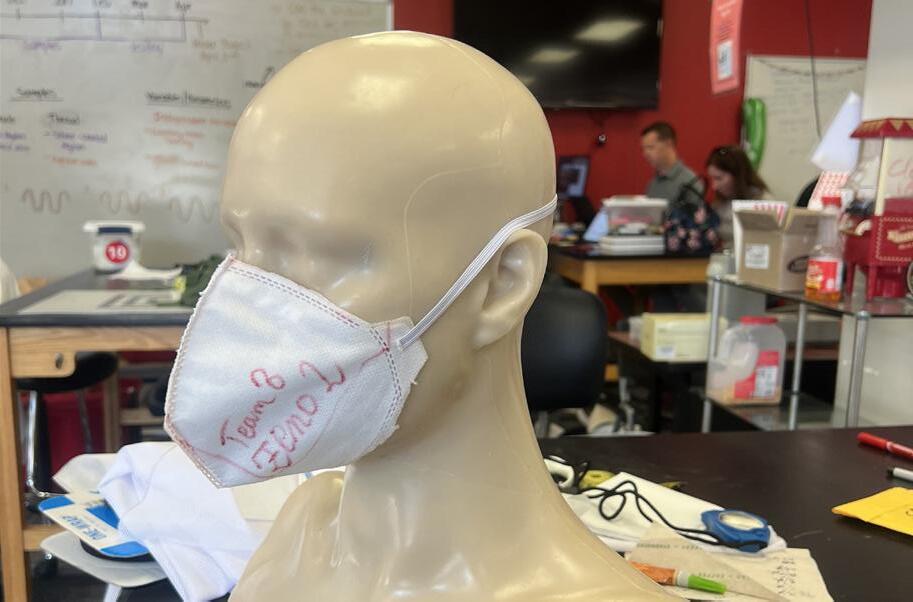
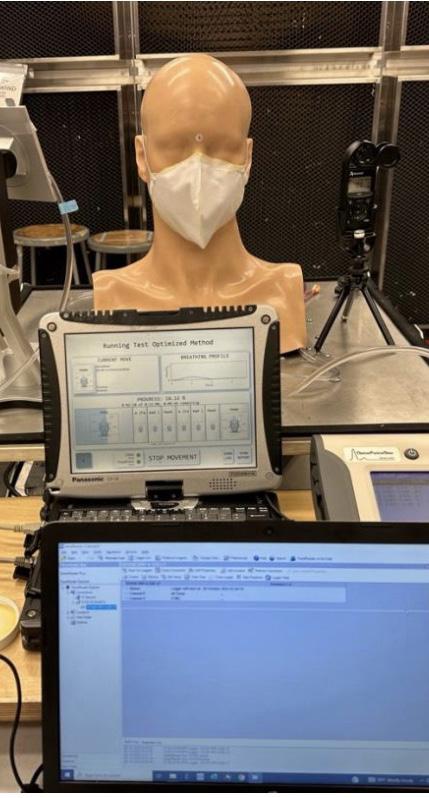
Wildfire seasons are no longer seasons; they are year-round. When fighting these fires, Wildland Firefighters (WFFs) are exposed to dangerous particles and volatile organic compounds that can cause negative health effects, like cardiovascular disease and cancer. Currently, WFFs are only equipped with bandanas and N95s to protect them from inhaling forest smoke. Our project is to engineer a device that provides comfortable respiratory protection to wildland firefighters by filtering 40-60% of particles with less than 5 mm H2O breathing resistance. As with all engineering projects, we began by conducting background research, learning about what filtration mechanisms exist, what particle sizes need to be filtered, and the types of materials that can provide good filtration and breathability. After research and discussions with experts, we decided to use meltblown polypropylene and spunbond polypropylene to provide good filtration while still being lightweight and breathable. Through 8310A testing, results showed that the meltblown polypropylene provided excellent filtration and breathability, while the spunbond provided good breathability. We combined these with mesh to make the mask more durable while still being breathable.
During the next stage of the project, Ideation, we created multiple mask designs, varying greatly in look and mechanism.
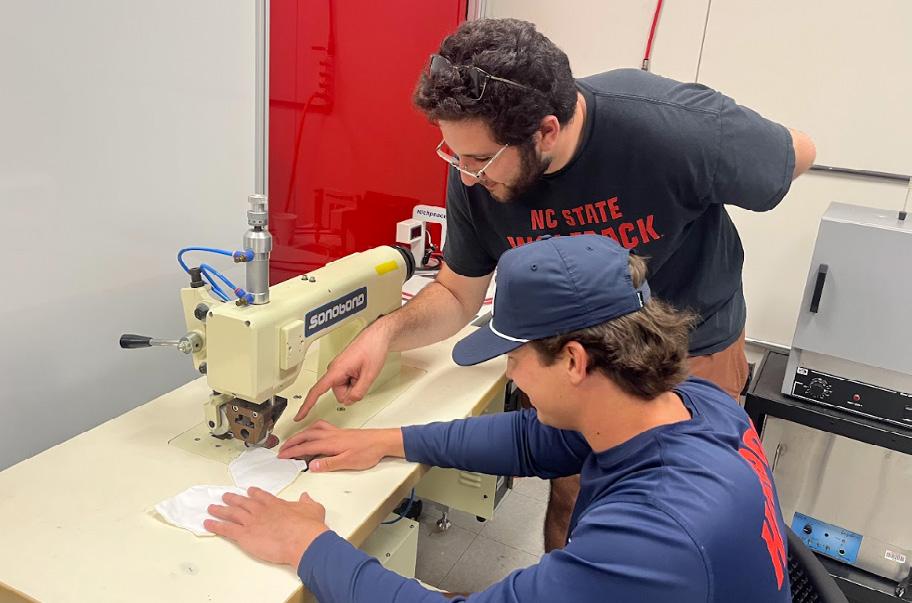
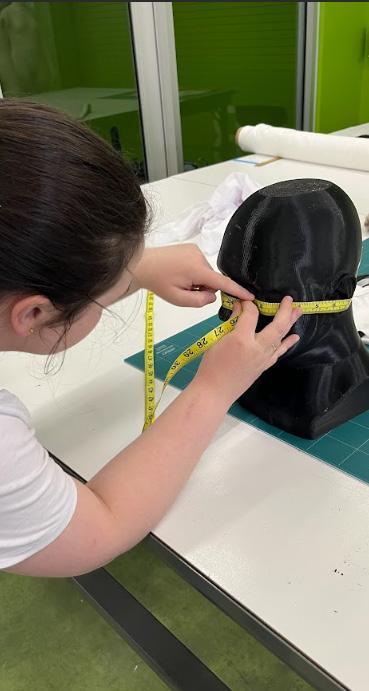
Ultimately, we made three prototypes: a traditional mask design with velcro straps, a shell mask with elastic straps, and a modified gaiter. To create our prototypes, we employed a variety of methods. Our primary method of construction was ultrasonic welding, which allowed us to quickly and easily combine several layers of fabric, even if the fabric was very fragile, without creating significant holes. Outside of ultrasonic welding, we also relied on glue to attach parts, such as a bendable nose bridge, to the prototype. For the gaiter prototype, to provide a good fit, we also constructed a silicone seal by creating a mold with clay and a 3D printed head.
Our project was not without difficulties. For instance, we struggled to sew our layers together, as none of us has sewing experience. Additionally, we experienced some issues when ordering materials in terms of delivery, which set us back several weeks. It was also difficult to locate meltblown polypropylene. Fortunately, Dr. Farer was able to make us some meltblown polypropylene. However, it was very thin to provide us with the properties we wanted, which made it very fragile and hard to work with. These challenges taught us to be resilient and to have patience. None of our solutions was developed overnight. Instead, they were the product of consistent work, brainstorming, and diligence. As our project concludes, we hope our research is continued and improved upon to create a safer working environment for wildland firefighters.
Stephanie Barber, Alexandra Gray, Hailee Patel
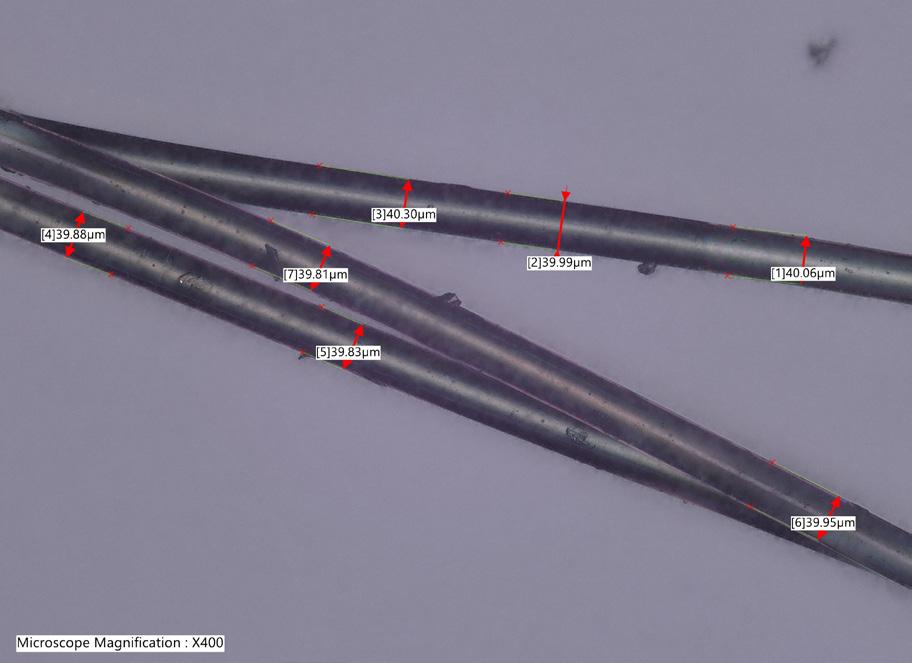
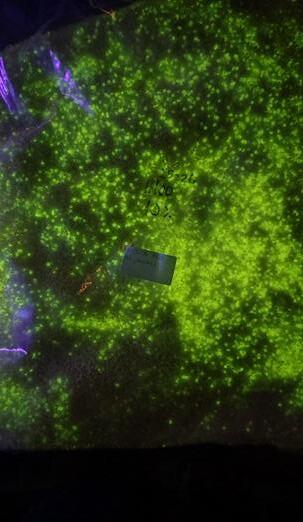
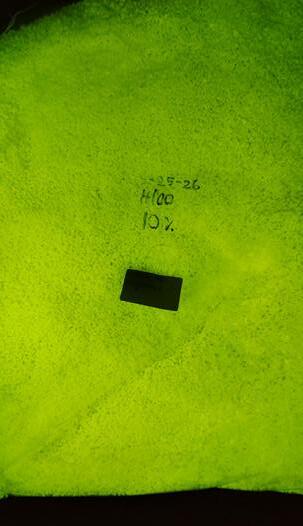
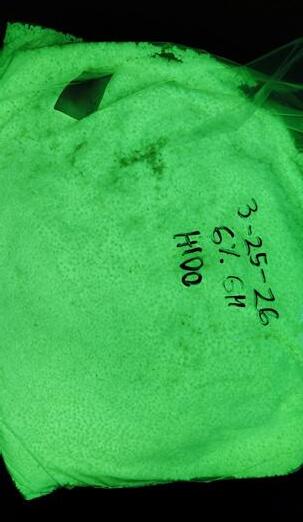
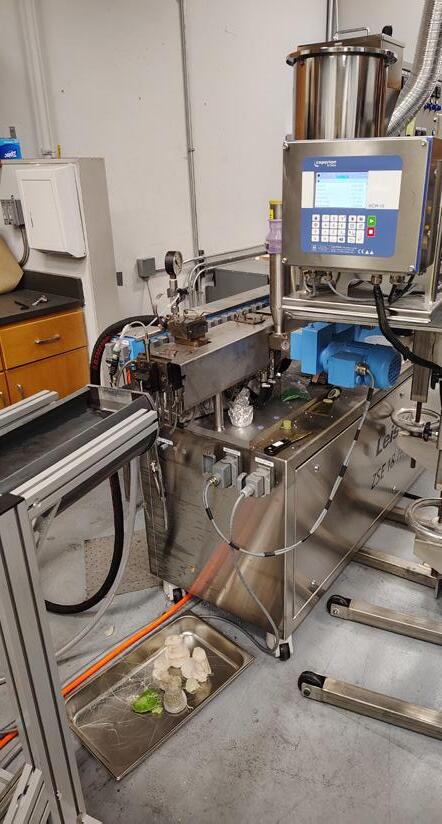
Under Armour’s performance stretch fiber, NEOLAST™, was created as a recyclable and solvent-free alternative to elastane. The focus of our senior design project was to add additional properties to the NEOLAST™ fiber through the use of additives. We developed three different NEOLAST™ fibers: a UVprotective fiber, a glow-in-the-dark fiber, and a blacklight-reactive fiber. UV protection in garments can help prevent skin cancer by providing sun protection. Glow-in-the-dark fibers have many potential applications, including providing athletes with additional safety in low-light conditions. Since NEOLAST™ is plated in fabrics, making the fiber blacklight-reactive can help showcase the fiber within the garment in display settings.
To begin our project, we brainstormed sources of UV protection, blacklight reactivity, and glow-in-thedark luminescence found in nature and in the current market. Blacklight reactivity and glow-in-the-dark properties are primarily used in products for parties, festivals, and raves; therefore, there is not currently a strong market for these properties in the athletic industry.
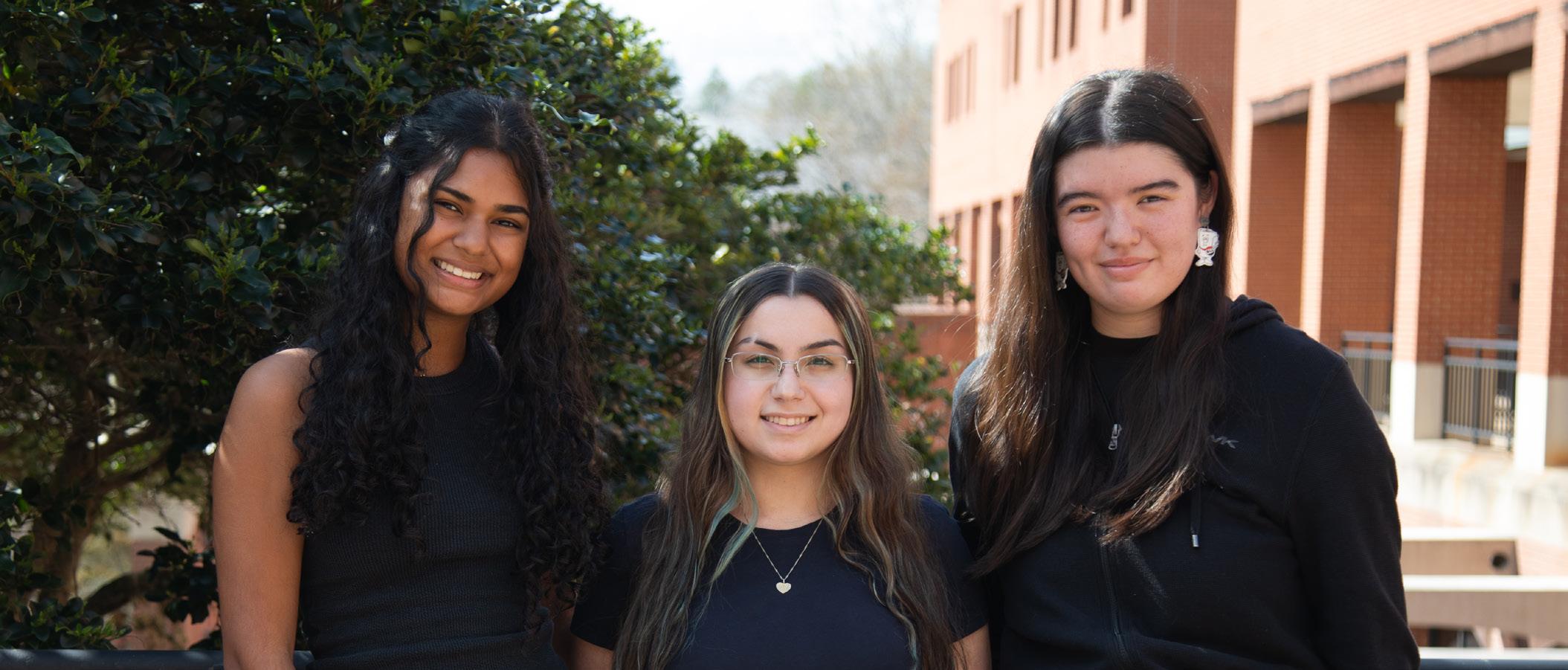
UV protection can be achieved through a range of options, including physical and chemical blockers. Most UV-protective clothing on the market relies on tightly woven structures and dyes to provide sun protection. Considering these factors, we selected additives that were accessible, costeffective, and previously used in textile applications: titanium dioxide, strontium aluminate, and optical brighteners.
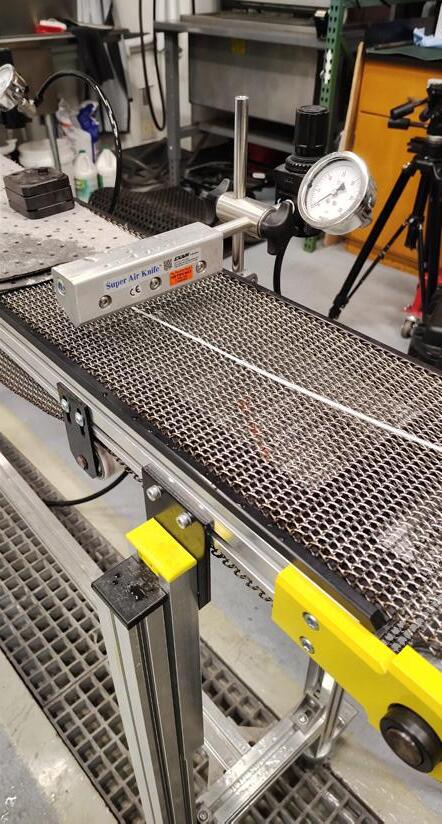
Our prototyping process involved compounding NEOLAST™ pellets with the selected additives and extruding them in Under Armour’s lab to produce bobbins, which were then knit into an 80% polyester / 20% NEOLAST™ fabric blend. The bobbins were analyzed by measuring the elongation and tenacity of the fibers. The fabric was tested to determine whether the desired properties were showcased in the fabric while maintaining performance comparable to existing products on the market. Prior to this project, we had little to no experience with additives, compounding, or extrusion. Through extensive research and the guidance and support of our sponsors, professors, and Wilson College faculty, we developed effective methods to create our physical products. Our team faced many challenges but learned the importance of delegation, product management, and effective communication, all of which contributed to the success of our project.
Madison Asby, Natalie John, Karel Ventura, Xi Wang
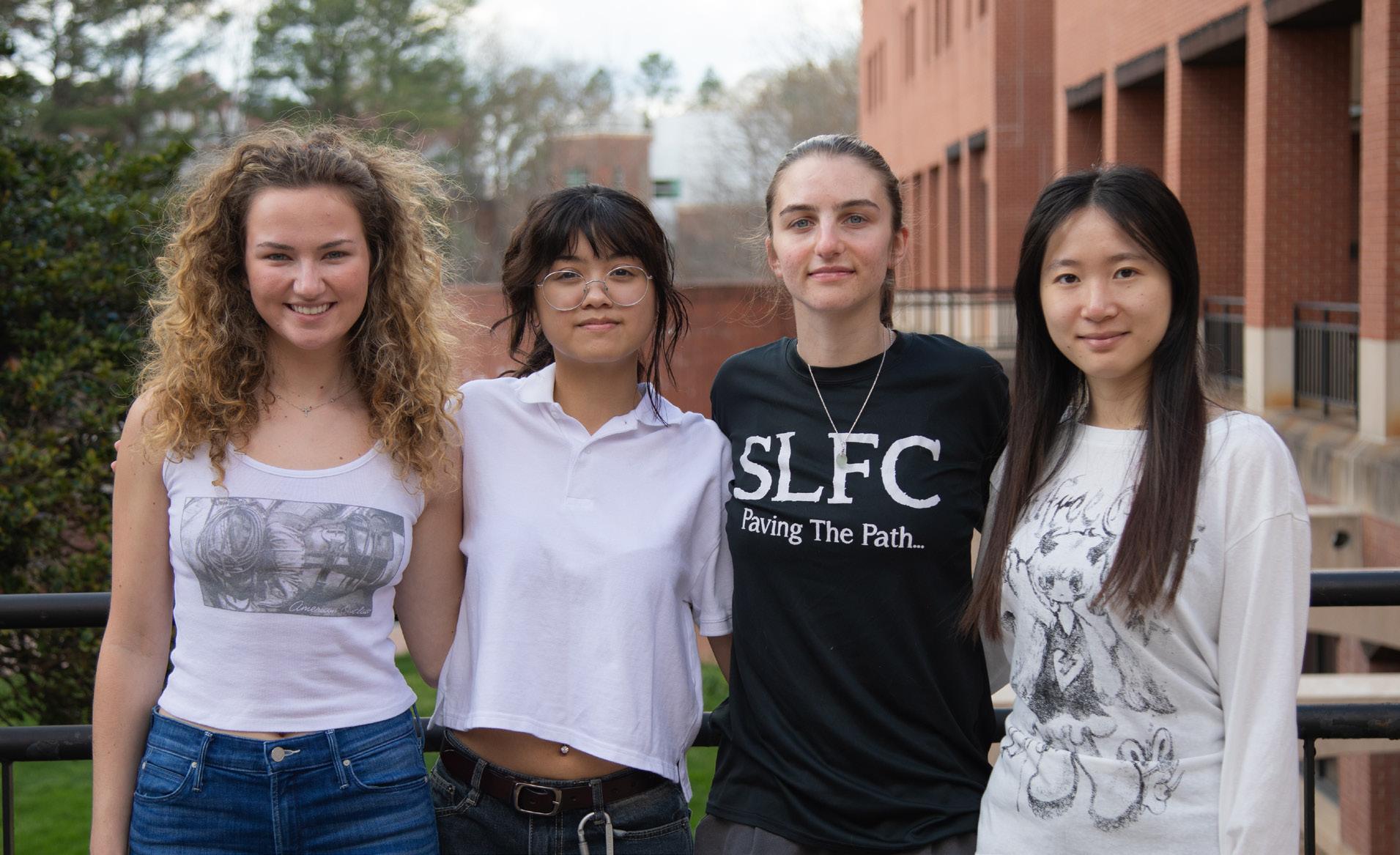
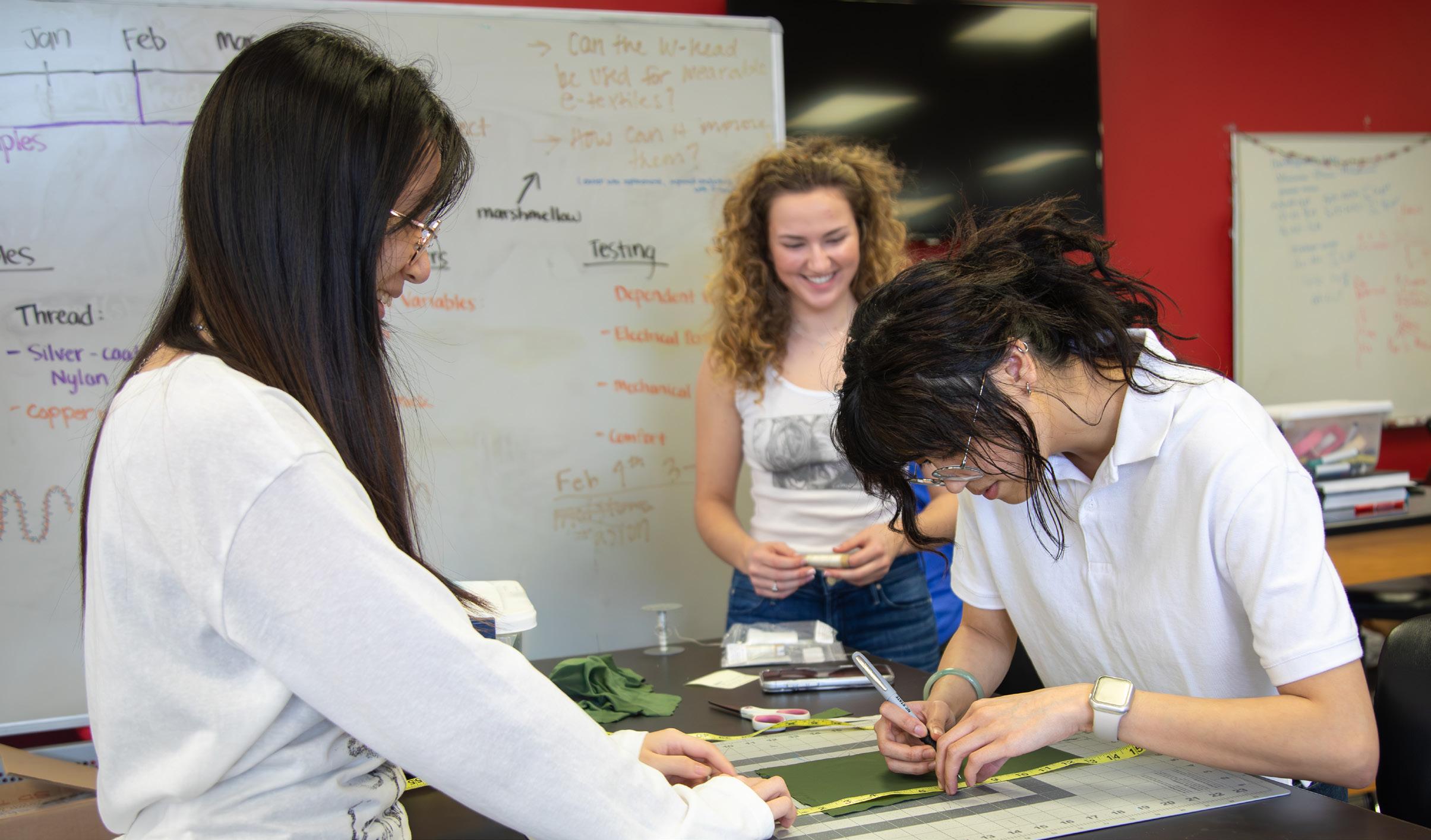
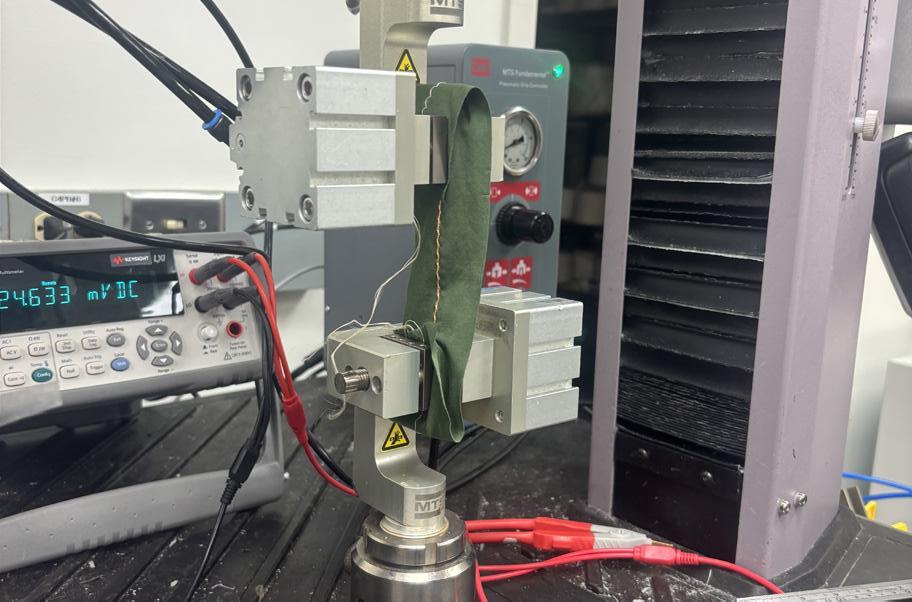
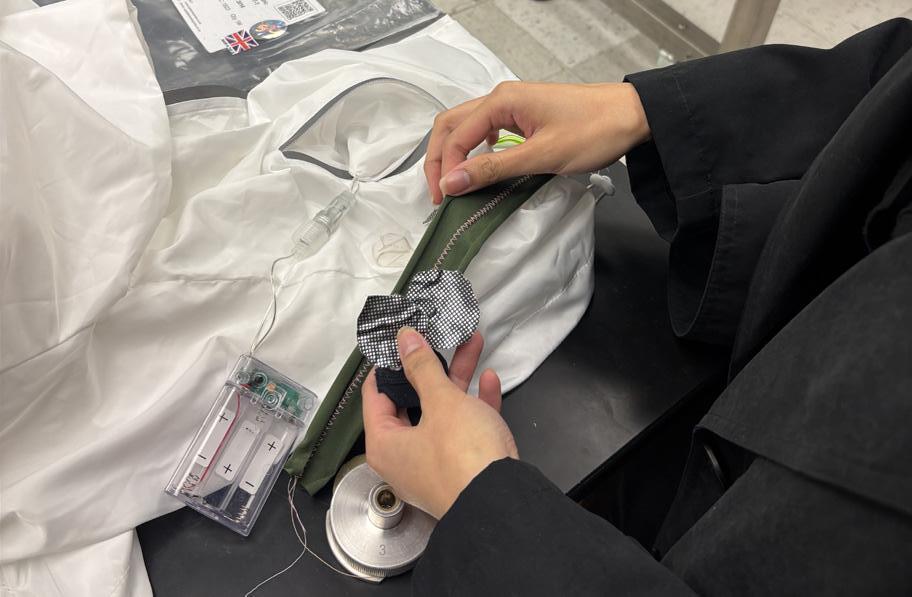
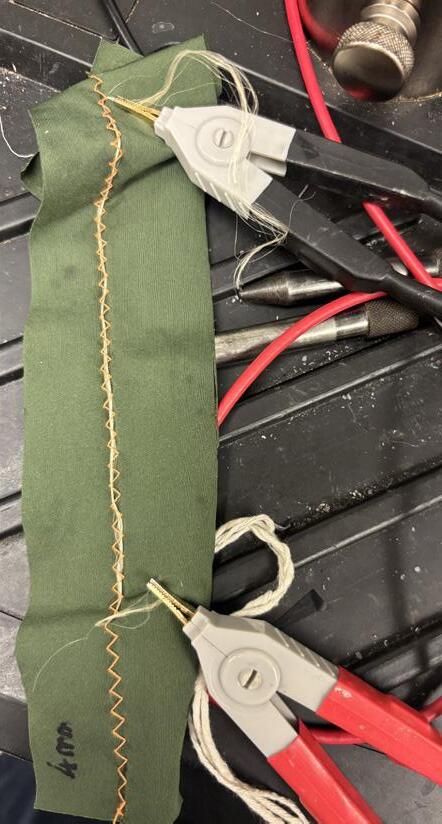
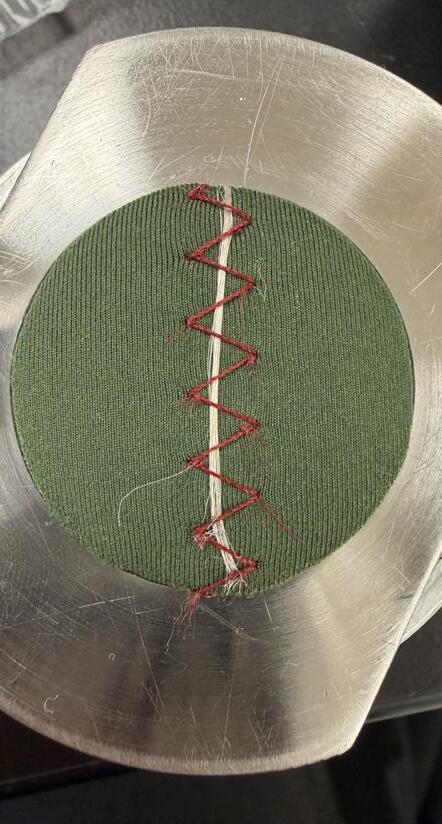
Our senior design project was about creating embroidered e-textiles, fabrics that combine regular textiles with conductive threads to make them both wearable and functional. The goal was to see how embroidery and sewing could do more than just decorate fabric. Throughout the project, we tested different stitch patterns, thread types, and spacing to see how these changes affected electric performance, strength, and durability.
We made 18 samples using nylon conductive thread and Madeira thread, with zigzag stitches of 2mm, 4mm, and 6mm. After making the samples, we tested them using ASTM standards to measure strength, wear resistance, and conductivity. We also compared our results to commercial e-textiles to see what worked well and what could be improved. We faced some challenges along the way. Technical problems with our first embroidery approach slowed us down, so we switched to a simpler sewing machine with a cording foot. This allowed us to guide the conductive thread through the stitches, even if the samples were smaller. This adjustment let us keep testing and still achieve the functional results we wanted. Through this project, we learned the importance of problem-solving, flexibility, and hands-on experimentation. We gained experience in testing, analyzing results, and understanding how different materials and stitches affect performance. By the end, we had created e-textiles that could be used in heated jackets, smart yoga pants with haptic feedback, and LED wearables. These samples show how textiles and electronics can work together, and they represent the teamwork, creativity, and technical skills needed to turn an idea into a working prototype.
Landyn Hartman, Hannah Horwitz, Eli Halperin Pierce
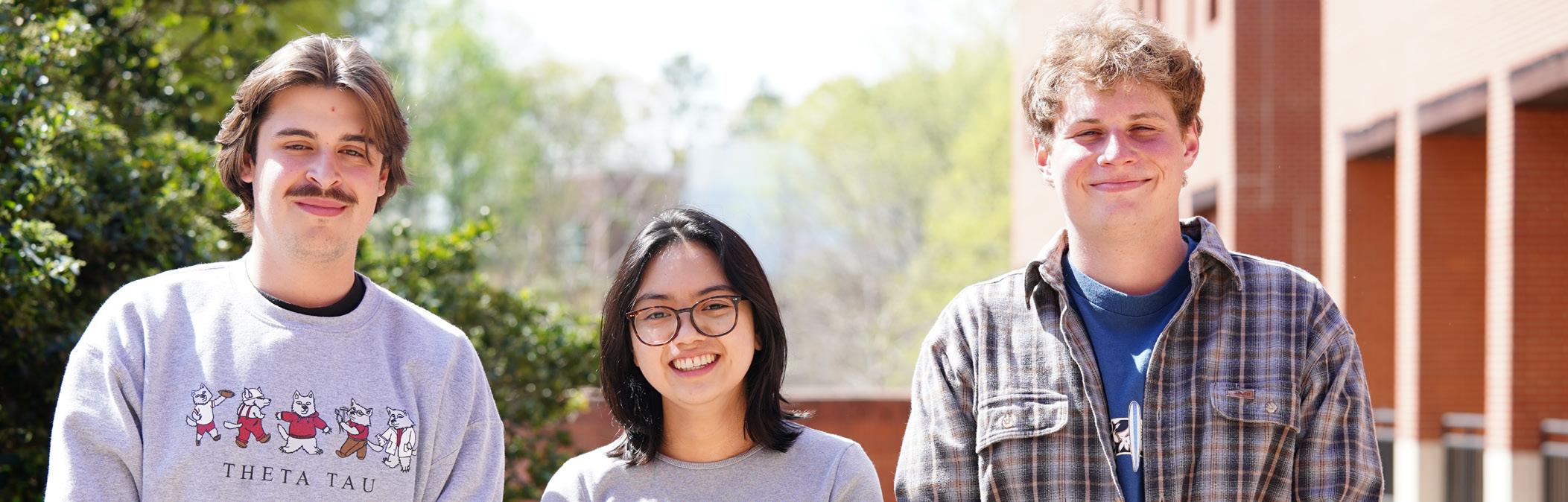
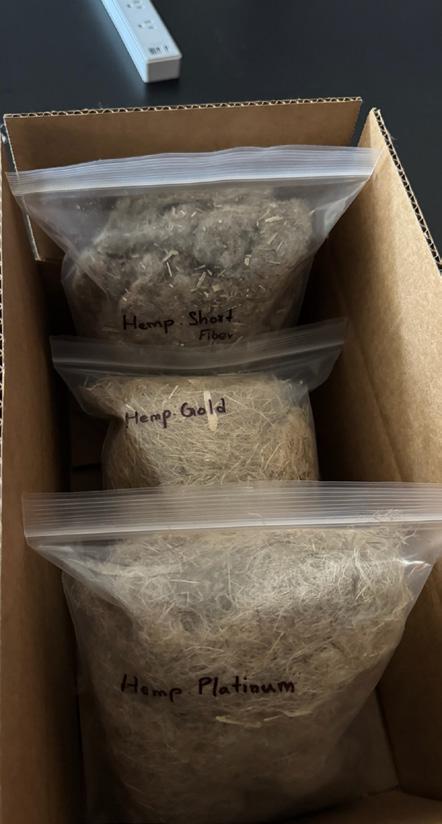
Sponsored by the Textile Innovation Engine, our team was tasked with identifying reliable testing methods for raw American Hemp fiber. Currently, no US testing standards are available specifically for hemp fiber, causing the US industry to have to rely on test methods of other types of fibers, such as wool, cotton, synthetic, and other general fiber standards. Our goal was to develop our own standard. First, the team began by researching the state of the industry, trying to understand the agricultural and manufacturing techniques currently used when processing raw hemp fiber, such as the retting and decortication of hemp fiber, which are the first steps in processing raw hemp stalks into fiber.
After half a semester of intensive research, the team moved into its ideation and prototyping phase. Here, the team collected test methods to try, starting with ASTM D1577 for linear density, ASTM D3822 for tensile testing, and digital microscopy. The team then evaluated Montana-grown hemp fiber for all three test methods, and we found a difference in the variance of the data. The team felt that a testing method cannot be used reliably for hemp fiber if it produces values that are highly variable, so we then set up a design of experiment to try to identify if several sample preparation methods, such as cut length, comb type, or number of comb passes, would reduce the variability of linear density in ASTM D 1577 testing.
After an extended period of testing and data collection, the team concluded that introducing a combing step to linear density testing will reduce the overall variation of the collected data, increasing the reliability of our method. The team also explored Chinese hemp testing standards for linear density, although Chinese hemp is processed to a cottonized level, meaning that the mechanical properties of the fibers differ significantly from those of raw American hemp fiber. The team found that GB/T 18147.4 can be used for fiber bundle linear density testing on raw, American hemp fiber, with slight modifications. From our experimentation, we found that ASTM D1577, Options A and B, is a great test for understanding the linear density, characterizing a population, and it also allows us to perform further tests on the fiber. GB/T is a great way to get one linear density value that may characterize your population, but specimens cannot be used for other testing due to its short cut length of 10mm (0.4 inches). By the end of this project, the team hopes to have a recommendation for the textile industry regarding how American hemp fiber should be tested, hopefully assisting in moving the industry forward and allowing farmers, manufacturers, and product developers alike to be able to communicate their needs more effectively and seamlessly to one another.
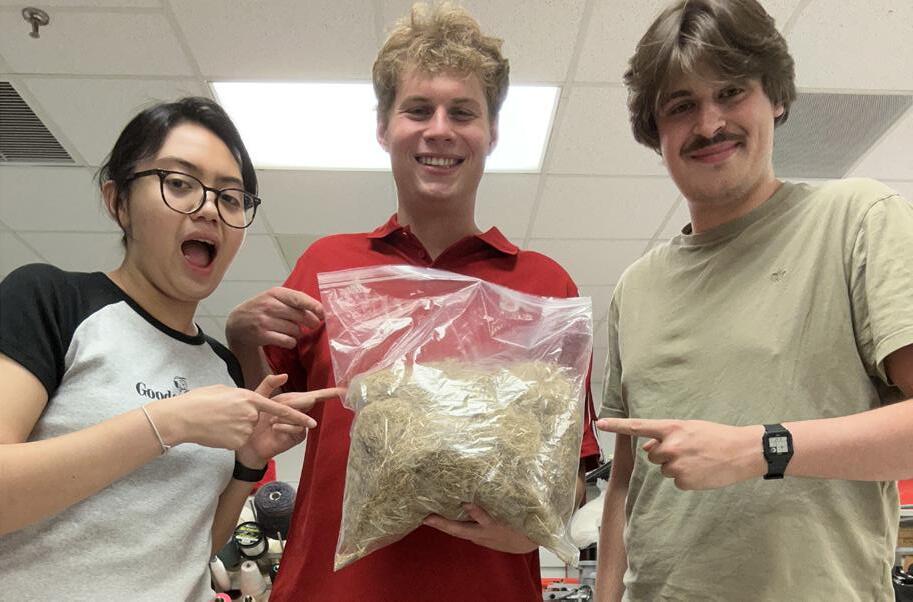
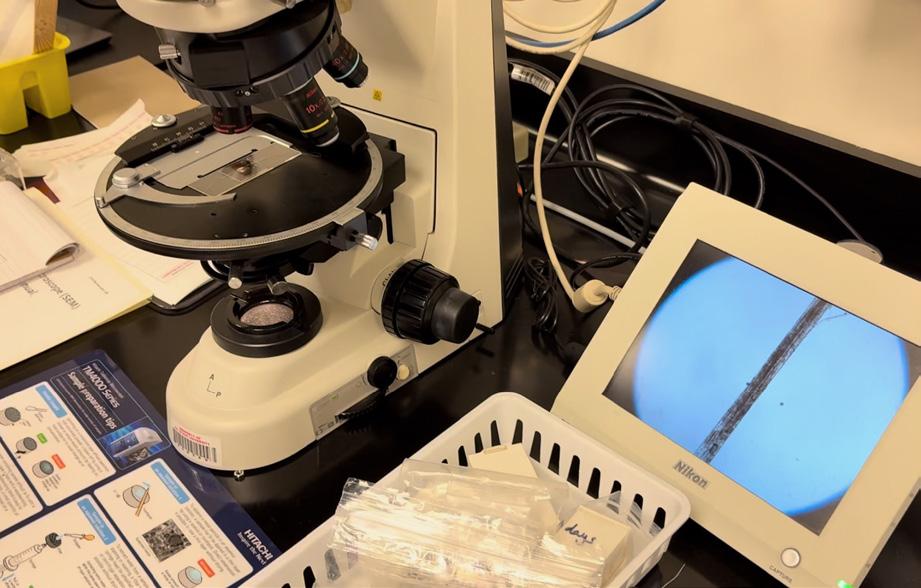
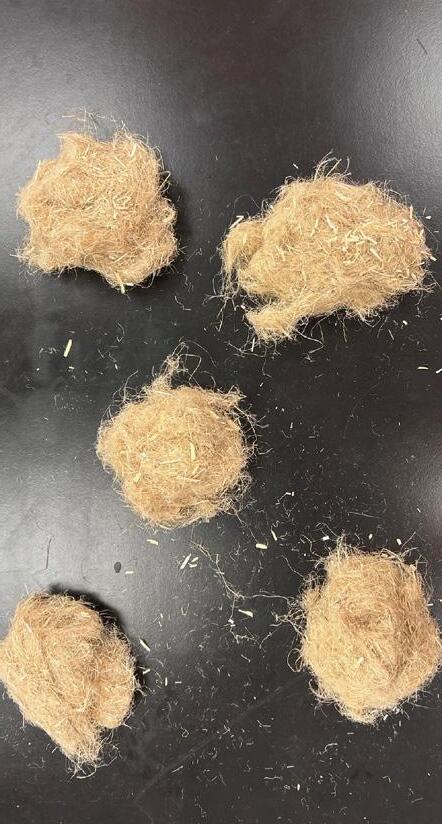
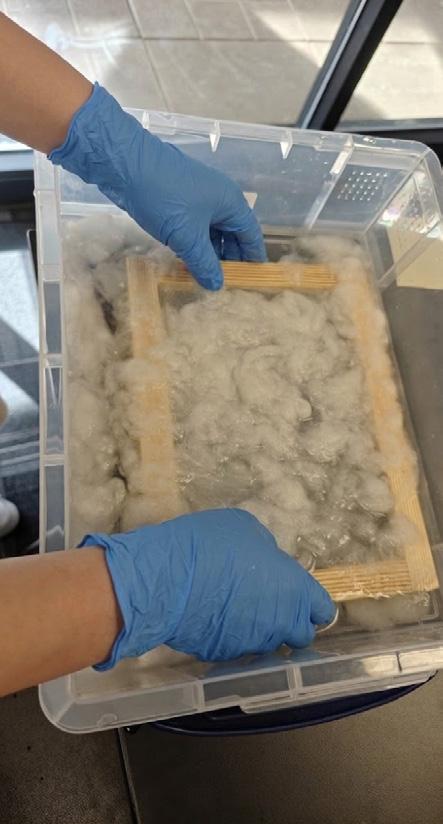
Chronic wound care places a significant and ongoing burden on patients and caregivers, requiring constant monitoring and careful wound management that drives demand for more effective and sustainable biomaterial solutions. Tissue scaffolds have long been a core foundation of tissue engineering, providing a three-dimensional structural framework that mimics the extracellular matrix of the human body to support cell growth and tissue regeneration. However, current scaffold solutions continue to present a critical gap in the market, as current offerings on the market like hydrogel, 3d printed, collagen, and natural polymeric scaffolds disrupt the biological tissue structure, ultimately failing to mimic the natural dermal ECM structure, potentially leading to low biocompatibility, poor mechanical properties, and non-degradability of the scaffold. Additionally, current offerings are small-scale production methods that cannot meet the demand of the wound care market. Sponsored by the NSF Textile Innovation Engine, this project addresses this gap by engineering a 100% hemp fiber tissue scaffold for wound care applications. Our approach involved fabricating and testing a range of hemp fabric structures to determine how cells react to different construction types and identify which best support cell growth and attachment. The original goal was to produce three woven, three knit, and three nonwoven samples. The plain weave was provided by our sponsor using a finer 30.9Ne yarn, while our remaining wovens used a 9.4Ne yarn, and our knit attempts used a 20/2Ne yarn.
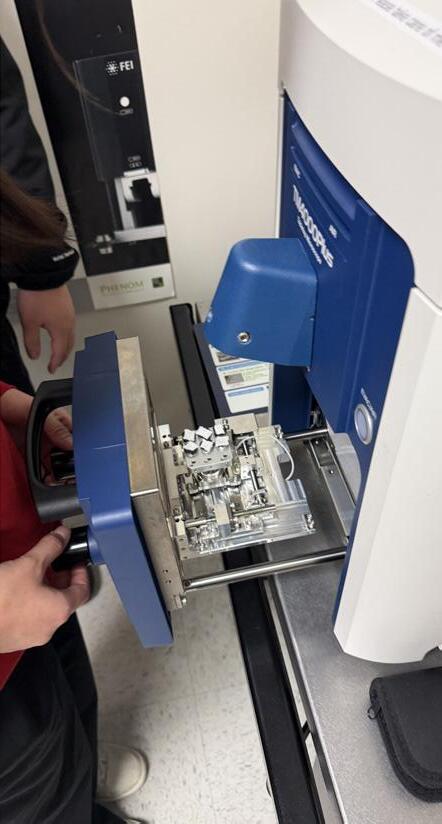
Using different yarns was partly due to supply limitations but also allowed us to explore whether yarn properties influence cell viability beyond fabric structure alone. The 20/2Ne was reserved for knitting as its finer count was better suited for the knitting machines, while the coarser 9.4Ne was matched to weaving to make the most of our limited supply. Hemp yarn tends to have significantly more variation in diameter and twist compared to other cellulosic yarns, such as cotton, and its inherent hairiness made it particularly difficult to run through the knitting machines without breaking. Our one usable knit, an interlock, still contained areas rendered unusable by dropped stitches and some visible thick and thin places throughout, limiting our usable prototypes to three wovens, one knit, and one nonwoven. Using the labs within the Wilson College of Textiles, we characterized each structure through mechanical testing, Scanning Electron Microscopy for pore size analysis, and water contact angle testing to evaluate the desired physical properties of a scaffold material. Building on those results, LIVE/DEAD
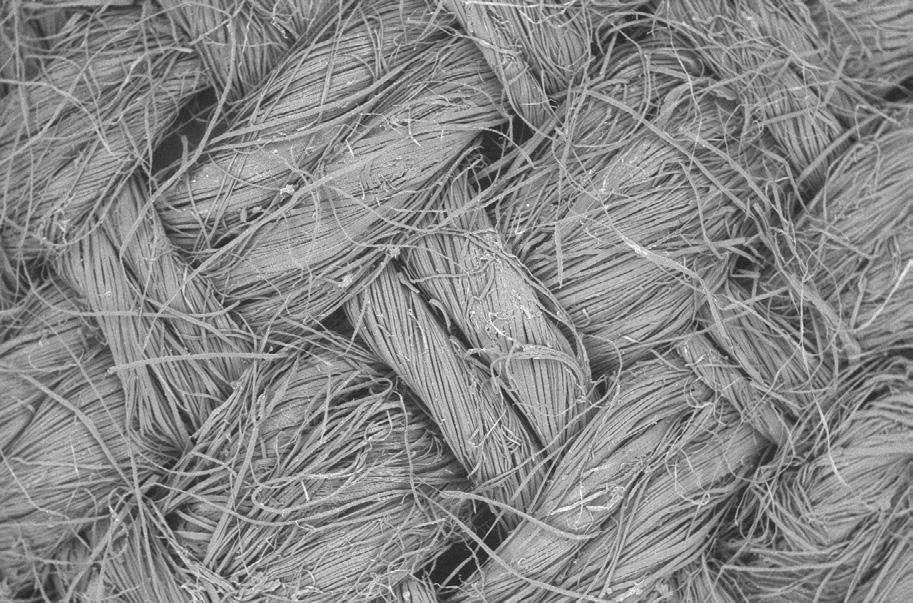
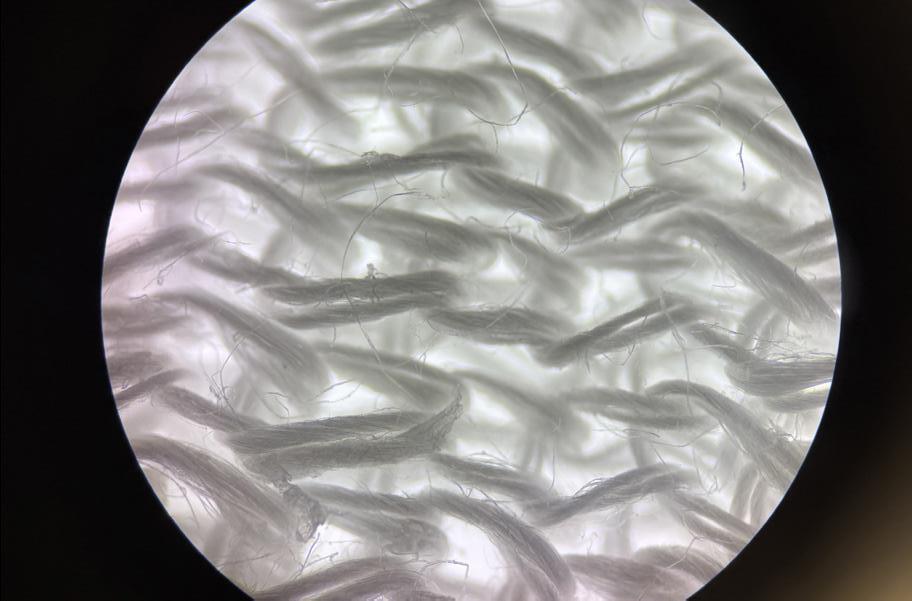
cell viability assays were conducted in Dr. Gluck’s lab following their established SOPs as our primary measure of how well each structure could promote cell growth. Our final prototype phase focuses on selecting the best-performing structure from each category, with the ultimate goal of establishing whether hemp has the potential to serve as a viable and sustainable basis for scaffold development in the wound care market.
Anna Claire Joshi, Haleigh Mullikin
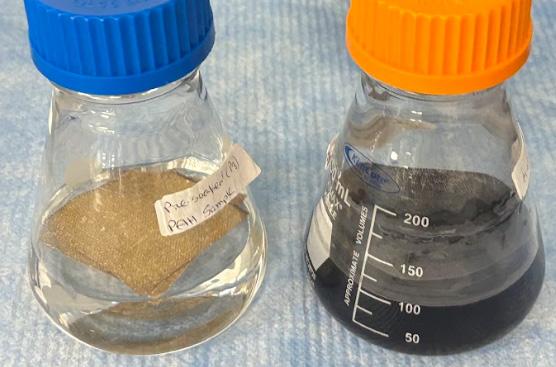
The process began with background research on firefighter gear contaminants, identifying Polycyclic Aromatic Hydrocarbons (PAHs) as one of the most prominent and hazardous contaminants associated with firefighting exposure. A range of sorbent materials was then evaluated using a design matrix based on adsorption capacity of PAHs, detergent compatibility, sorbent residue, cost, and practicality for use in extreme wash conditions. From this analysis, three sorbents were selected for experimental testing. Sorbent testing followed a three phase process consisting of washing, extraction, and gas chromatography mass spectrometry (GCMS) analysis to quantify contaminant removal and redeposition.
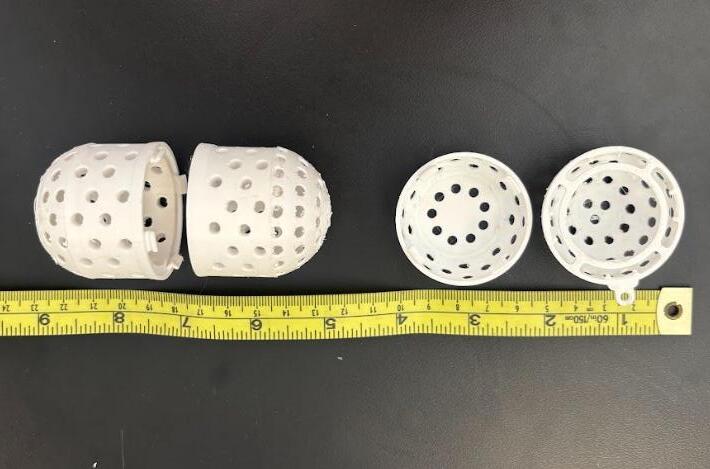
Benchmark testing was first performed under detergent-only conditions, followed by trials using individual sorbents and sorbent-detergent combinations to evaluate and compare performance. In parallel, research was completed for potential delivery vehicle designs, including spherical and cylindrical geometries and closure systems including screw-top and snap-fit mechanisms to safely contain the sorbent during washing. Technical design of each prototype involved learning 3D modeling using Solidworks and Fusion 360 to design and refine each prototype. Durability and functionality of each 3D prototype was evaluated through benchmark testing in realistic laundering conditions within a Unimac Washer Extractor. A major technical challenge throughout this stage was ensuring water-to-sorbent interaction which heavily influences contaminant capture efficiency. Another challenge involved potential surfactant interference, where some sorbents may have competitively absorbed detergent compounds rather than the PAH compounds, reducing overall performance. Together, these findings guided the development of a final prototype that combined the most effective sorbent with a durable 3D delivery vehicle design for industrial laundering applications used by firefighters.
Tailor a Program to Fit Your Educational Goals
Three Specialized Curriculum Tracks
• Medical Textiles: Allows students to gain experience in the design and production methods for textile medical applications.
• Supply Chain Operations: Prepares students to manage the entire supply chain from raw materials to retail.
• Technical Textiles: Enables students to develop expertise and analytical skills needed to design and manufacture textiles for nonwovens and high tech applications.
One General Curriculum Track
• Textile Technology: Allows students the flexibility of designing their own interests or transferring from other programs or community colleges.
Dual Degree Options
• French Language Minors in a Variety of Disciplines
• Environmental Sciences
• Business Administration
• Statistics
• Arts Entrepreneurship
• Sports Science Accelerated Bachelor’s Master’s (ABM) Program
• Five-year program that enables concurrent pursuit of a B.S. in TT and an M.S. in Textile Engineering for academically strong students.
• Sample careers: materials developer, product designer, quality control engineer, R&D specialist, strategic sourcing manager, logistics manager, production project engineer, technical marketing manager, technical sales
• Athletics and Apparel: Nike, Adidas, The North Face, New Balance, Reebok, Levi’s, Fruit of the Loom, HanesBrands
• Healthcare / Medical Textiles: Medline, Secant Medical
• Homewares: Target, Kohl’s
• Government Agencies / Defense: United States Patent and Trademark Office, State Bureau of Investigation (SBI)
• Traditional Textiles: Milliken, Unifi, Parkdale Mills, Glen Raven, Springs Global
• Plus: SAS, All Trails, Lenovo, Cisco, Accenture, IBM, Wolfspeed Inc.
Graduate School
• Textile Engineering: NC State
• Textiles: NC State Professional School
• Analytics Program: NC State
• Nursing School: Queens College
• Law: Campbell University
The Advantages are Impressive
• Average starting salary: $60,000.
• 95% of May 2024 B.S. degree recipients were working in a related field or continuing their education within six months of graduation (of 86% who reported).
• Small class sizes with < 1:20 professor-to-student ratio.
• Access to one of the largest college-based scholarship programs.
• Lifelong access to Wilson College’s Career Center via Wilson for Life.
• Undergraduate research with renowned and diverse faculty (go.ncsu.edu/ tecs-reu).
• Classrooms and labs that rival those in industry.
• Exciting summer internship opportunities: Adidas, DEVCOM Soldier Center, METXY, Technimark, Berry Global, Kohl’s, Nike, HanesBrands, Elevate Textiles, JB Martin, Mohawk, Lenovo, Intel.
• Many TT students are recipients of the Centennial scholarship program.
Tailor a Program to Fit Your Educational Goals
Three Curriculum Tracks
• Chemical Processing: Develop improved chemical processes for industries related to polymer and fiber fabrication.
• Information Systems Design: Learn how to use computer information systems to develop more efficient decision making.
• Product Engineering: Focus on designing new innovative products with this multi-disciplinary and flexible concentration.
Dual Degree Options
• TE / BME (Biomedical Engineering)
• TE / CHE (Chemical Engineering)
• TE / MSE (Materials Science Engineering)
• TE / CSC (Computer Science)
• TE / ISE (Industrial and Systems Engineering)
• TE / PCC (Polymer and Color Chemistry)
Minors in a Variety of Disciplines
Accelerated Bachelor’s Master’s (ABM) Program
• Five-year program that enables concurrent pursuit of a B.S. and an M.S. in TE for academically strong students.
• Sam Jasper was the second TE student awarded national Astronaut Scholarship Foundation Award.
• Won overall Engineering Senior Design Award for multiple years.
• Joseph Moo-Young was the third TE student to be selected for the prestigious COE Faculty Rising Senior Scholar program.
• Many TE students are recipients of the Park, Centennial, Goodnight, Shelton Leadership and Caldwell scholarship programs.
A Successful Professional Career
• Government Agencies / National Defense: NASA, The U.S. Army, Lockheed Martin, Natick, United States Patent and Trademark Office
• Athletics and Apparel: Nike, Adidas, Under Armour, The North Face, Lululemon, Patagonia, Levi’s, Peter Millar, HanesBrands
• Healthcare / Medical Textiles: ATEX, Merck & Co., Stryker, Medline
• Automotives: Tesla, BMW, Volvo Trucks, Nissan, Goodyear, Michelin
• Homewares: Home Depot, Lowe’s, Mohawk Flooring, Hunter Douglas
• Traditional Textiles: Milliken, Unifi, Elevate Textiles, SteinFibers
The Advantages are Impressive
• Average starting salary: $70,000 in 2024.
• 95% of May 2024 B.S. TE degree recipients were working in a related field or continuing their education within six months of graduation (with 100% reporting).
• Small class sizes with 1:33 professor-to-student ratio.
• Joint program between the Wilson College of Textiles and the College of Engineering (COE).
• More than 30% of TE students receive scholarships.
• Lifelong access to Wilson College’s Career Center via Wilson for Life.
• Undergraduate research with renowned and diverse faculty (go.ncsu.edu/ tecs-reu).
• Classrooms and labs that rival those in industry.
• Only ABET-accredited textile engineering program in the United States.
• Only NC State engineering program that trains students in Lean Six Sigma Quality process improvement methodology.
• Exciting summer internship opportunities: Under Armour, Tesla, Lutron Electronics, ATEX, Cotton Inc., Elevate Textiles, Standard Textile, Phifer, Gore, Adidas, Cortland Biomedical, Sonoco, Medline, Contempora Fabrics, Smartwool, Nike, Stryker, UL.
• Advanced Materials: Technimark, DuPont, Eastman, Honeywell
• Other Employers: SAS, All Trails, Lenovo, Cisco, Accenture, IBM Graduate School
• Materials Science Engineering: NC State
• Chemical Engineering: Georgia Tech, University of Florida
• Textile Engineering: NC State
• Biomedical Engineering: Duke University, Johns Hopkins University, NC State
• Industrial and Systems Engineering: Rensselaer Polytechnic Institute
• Polymer Science: NC State, UMass Dartmouth Professional School
• Analytics Program: NC State
• Dental School: UNC Chapel Hill
• MBA: Harvard, NC State, UNC Chapel Hill, Wake Forest University
• MHA: UNC Chapel Hill
• Medical School: UNC Chapel Hill, Wake Forest University
• Law School: UC Berkeley, UNC Chapel Hill, Wake Forest University