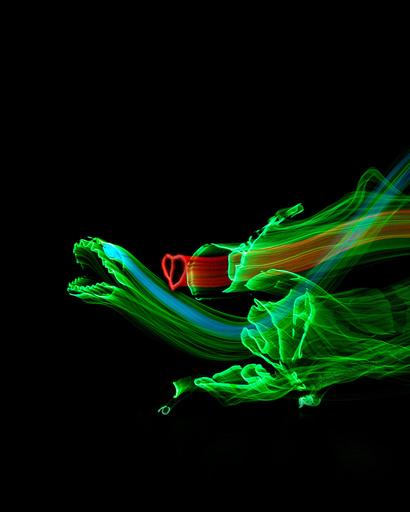
All images of NOLI TIMERE are from Julie Lemberger or Marie-Andrée Lemire.
STEM images are courtesy of the artist.
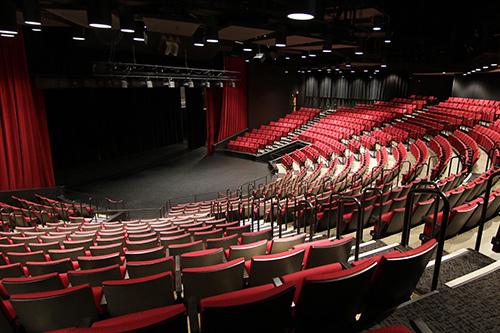
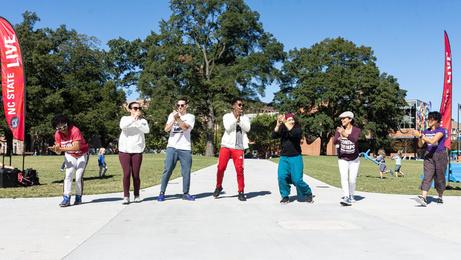
Performance and NC State images courtesy of NC State LIVE.
Is a student feeling nervous about seeing a show?
Here’sapoemyoucanread: When the lights go down, don’t you fear, The show is starting magic’s near!
The room is dark, but not for long, Soon the stage will fill with song Clap your hands, it’s quite okay, That’s how we cheer the show today
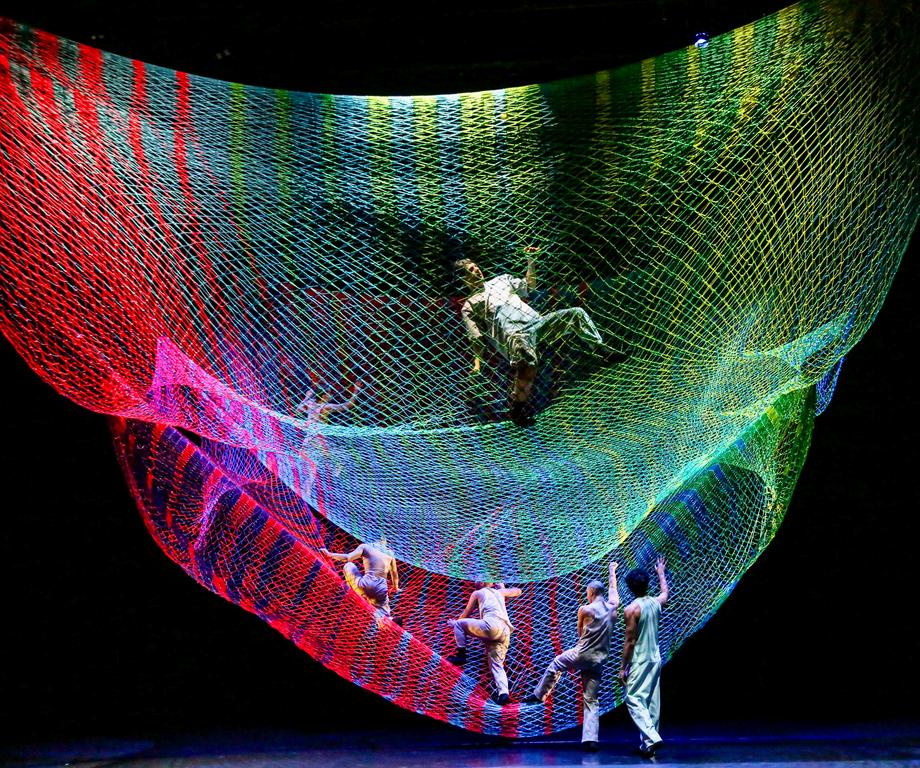
Colors will sparkle, dancers will fly, High in the nets, reaching the sky. And when it ends, the lights will glow, You’ll leave with stories the whole world should know!
Welcome!
This matinee performance of NOLI TIMERE is presented by NC State LIVE. Material in this study guide was composed and compiled by Arts NC State, NC State LIVE, Rebecca Lazier and our partners below.
NC State LIVE presents a professional performing arts season at NC State, bringing the world to the back door of the campus and wider community with transformative performances.
To learn more about NC State LIVE or Arts NC State, sign up for our newsletter: go.ncsu.edu/arts-email
Special Thanks to our Partners
Arts NC State
Department of Performing Arts and Technology
Gregg Museum of Art & Design
NC State University Libraries
Office of University Interdisciplinary Programs
Kenan Institute for Engineering, Technology & Science (KIETS)
Climate Leaders Program
University Honors Program
Water Resources Research Institute of the
University of North Carolina System
WKNC 88.1
State Magazine
Guide Tips + Key
How to use this resource guide
The team at NC State LIVE and Arts NC State created this guide to help teachers, private educators, and homeschool instructors get students ready for the NOLI TIMERE matinee performance.
This guide is designed as an interactive digital PDF. You can:
Project it on a classroom screen
Open it on computers
Print it out for hands-on use
We encourage you to explore the guide both before and after the show—to spark curiosity beforehand and to reflect on the experience afterward.
We’d also love your feedback! Please share your thoughts at acsawyer@ncsu.edu.
Finally, this guide is not just for schools it can also be a resource for the NC State community and for anyone curious about the art, history, and meaning behind NOLI TIMERE. Look out for these symbols:
TEACHER TIPS
Engagement suggestions
WEB OF QUESTIONS
Engagement questions that spark curiosity and deeper learning.
FUN FACTS
There are so many ways NOLI TIMERE connects to our day to day lives.
k The name officially al pack running together.
with their hands!
r honors students and in glowing red on special
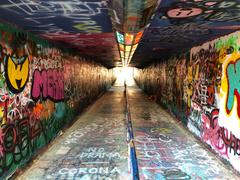
Free Expression Tunnel
NC State has a tunnel where anyone—students, groups, artists—can paint or express themselves on the walls, ceilings and floors.
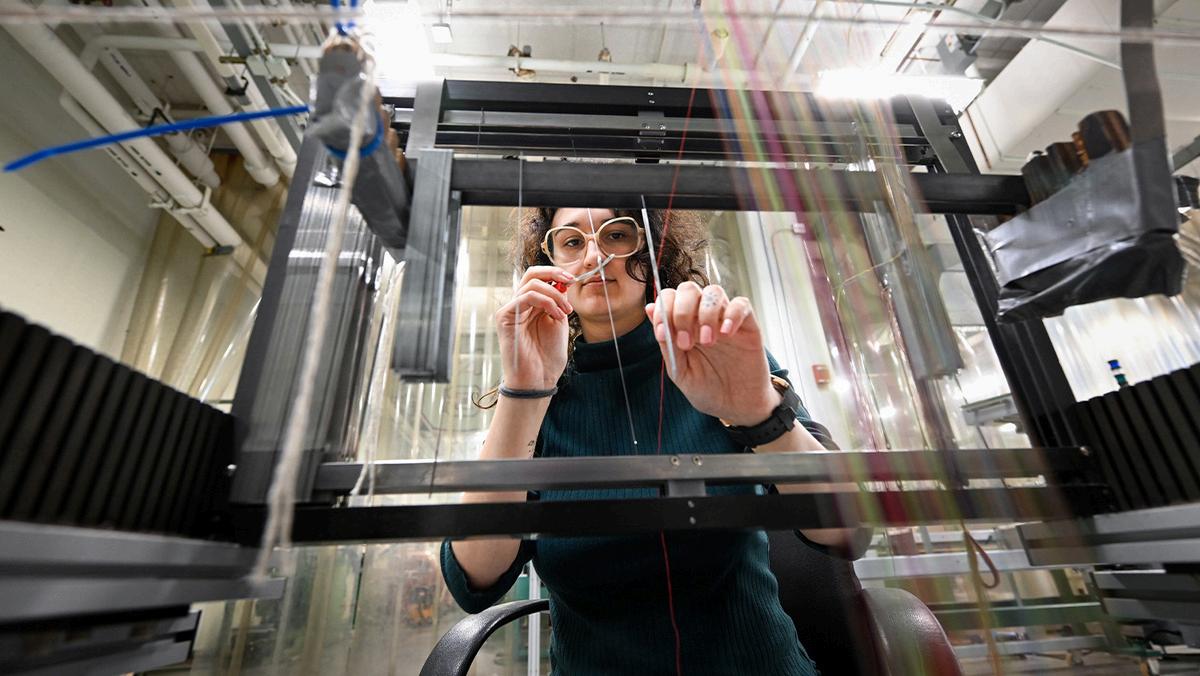
Wilson College of Textiles
WhereScienceMeetsStyle
Did you know NC State has the only college of textiles in the United States?
At the Wilson College of Textiles, students and professors study everything about fibers, fabrics, and design—from how to make clothes that are stylish and comfortable, to how to create materials strong enough for airplanes or space suits. They might even study giant nets similar to the sculpture made by Janet Echelman.
It’s a place where art, science, and engineering are woven together.
Fun facts about NC State LIVE
50+ Years of Performances
In 2022–23, NC State LIVE celebrated its 50th anniversary of bringing extraordinary artists to campus. Over the years, they’ve hosted everyone from jazz legends like Ella Fitzgerald, Dizzy Gillespie, Count Basie, Dave Brubeck, Dee Dee Bridgewater and Esperanza Spalding to comedy stars like Stephen Colbert and Amy Sedaris. For half a century, NC State LIVE has filled stages with music, laughter, and unforgettable performances!
School Matinee Series
The School Matinee Series was added in the 1996-97 season and continues to this day, serving up to 5,500 elementary students a year The School Matinee Series brings high-quality performances from across the world to young people in the Triangle and is often the first time a child sets foot on a college campus or in a theatre.
Community Engagement
NC State LIVE creates and presents artistic work rooted in community engagement, giving students and community members meaningful ways to be part of the research and creative process. Powerful examples include a play created with unhoused community members by LAPD, a dance workshop for immigrant children led by David Dorfman, and ongoing partnerships with City of Raleigh’s Parks, Recreation and Cultural Resources Department.
Campus Collaborators
NC State LIVE is known for building creative partnerships across campus. They have worked with every college at NC State, teaming up with groups as varied as the College of Veterinary Medicine (with choreographer Liz Lerman), the NC State Libraries, and the Office of Global Engagement. Their projects bring artists and students together, showing the power of the arts working hand in hand with every discipline. NC State LIVE is a part of Arts NC State, which has a mission to provide transformational arts experiences for all.
What are we going to see?
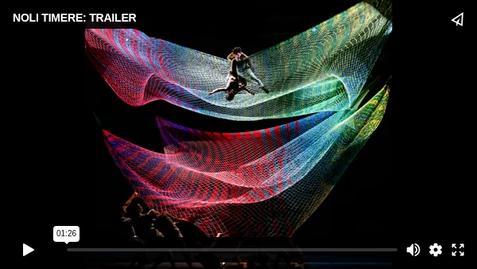
Play the Trailer Video
What is this performance about?
What is this performance about?
Flying bodies
Swaying nets
Voices and cello
Colors that glow NOLITIMERE
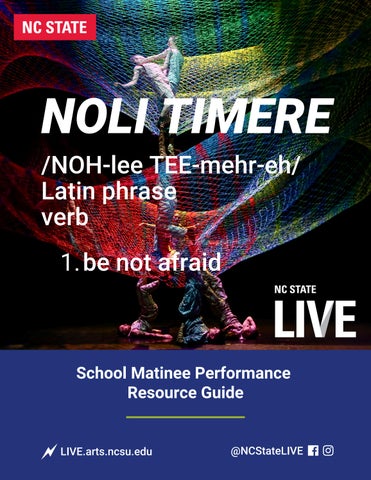
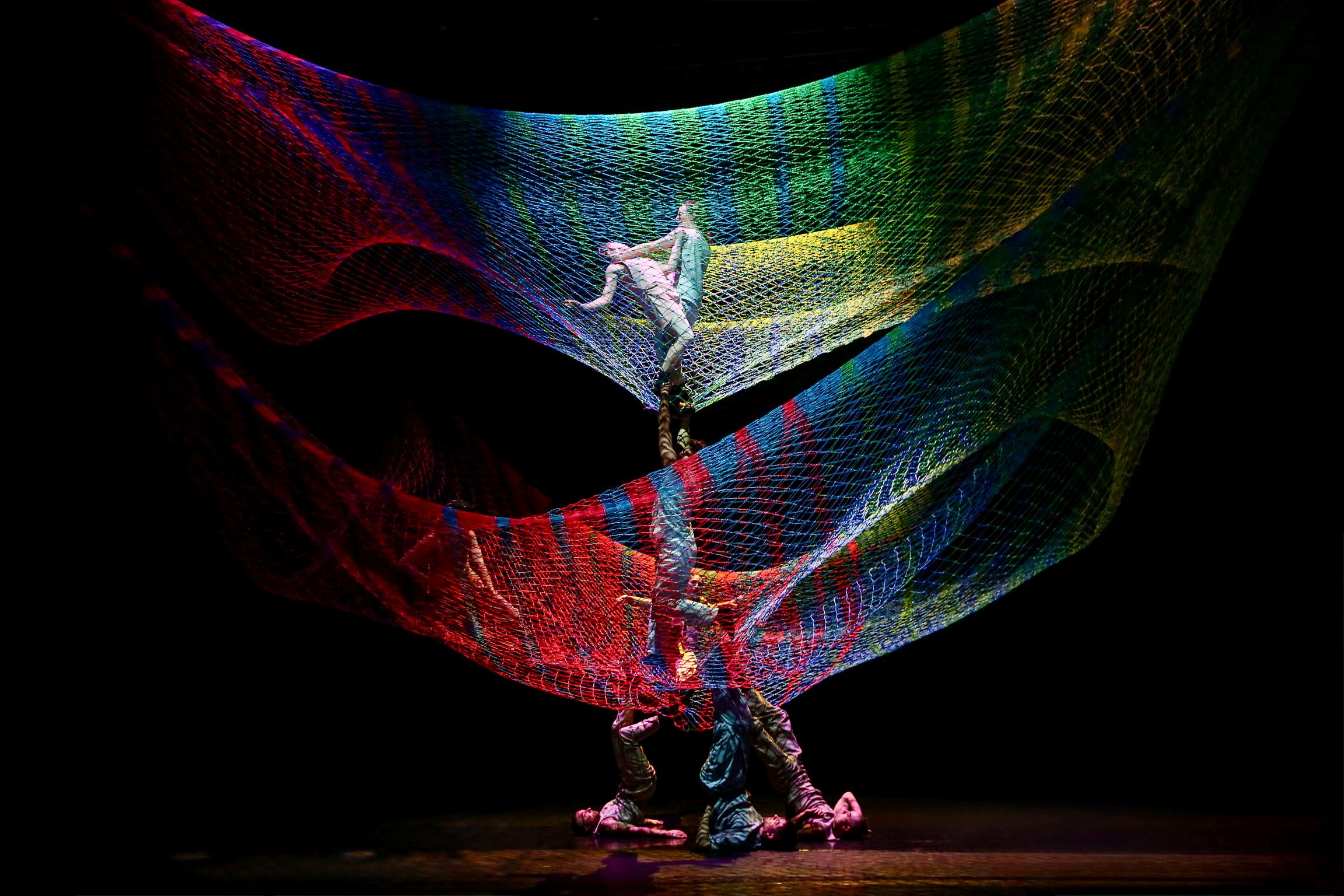
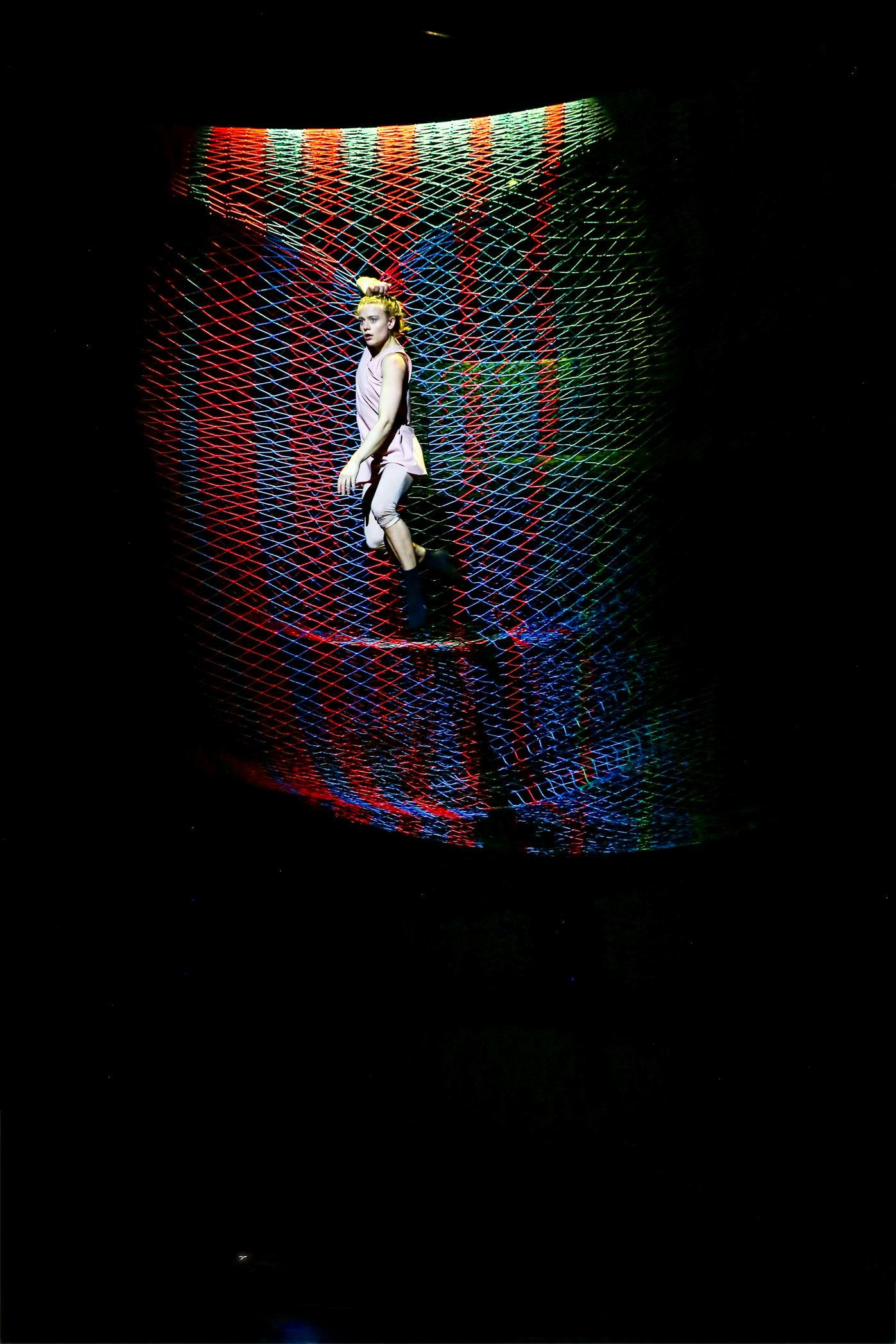
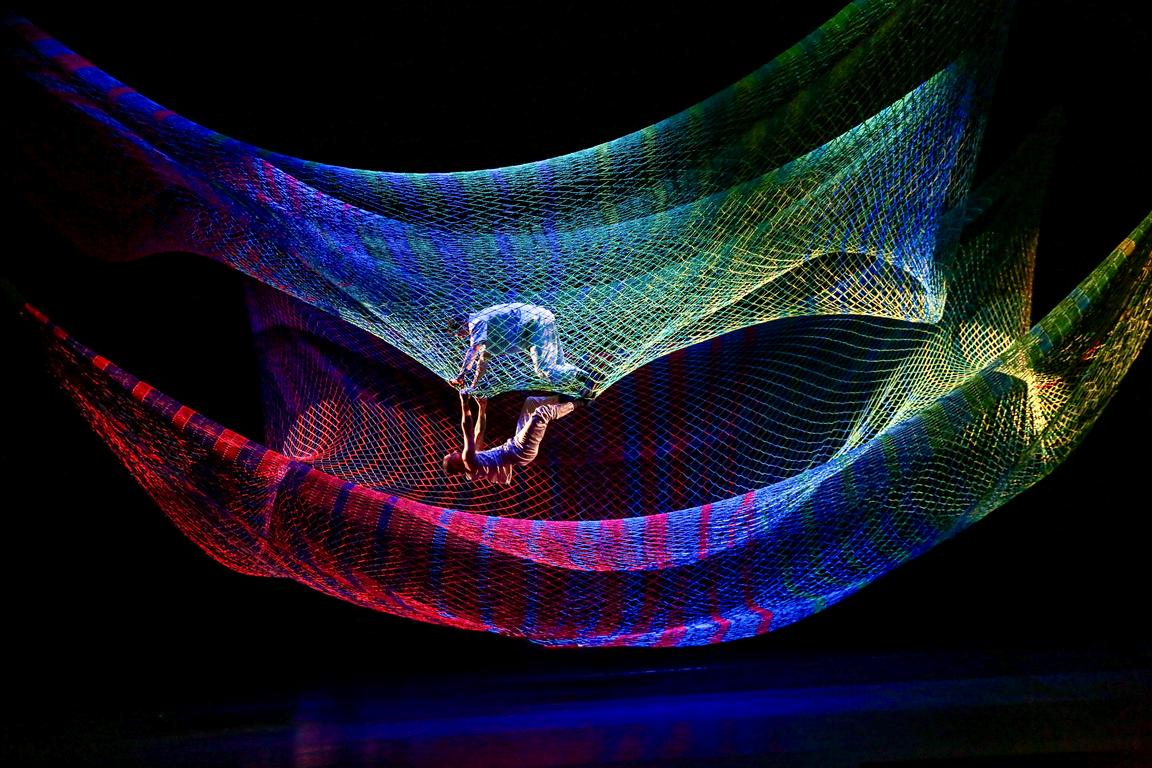
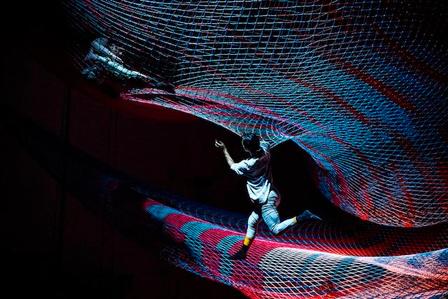
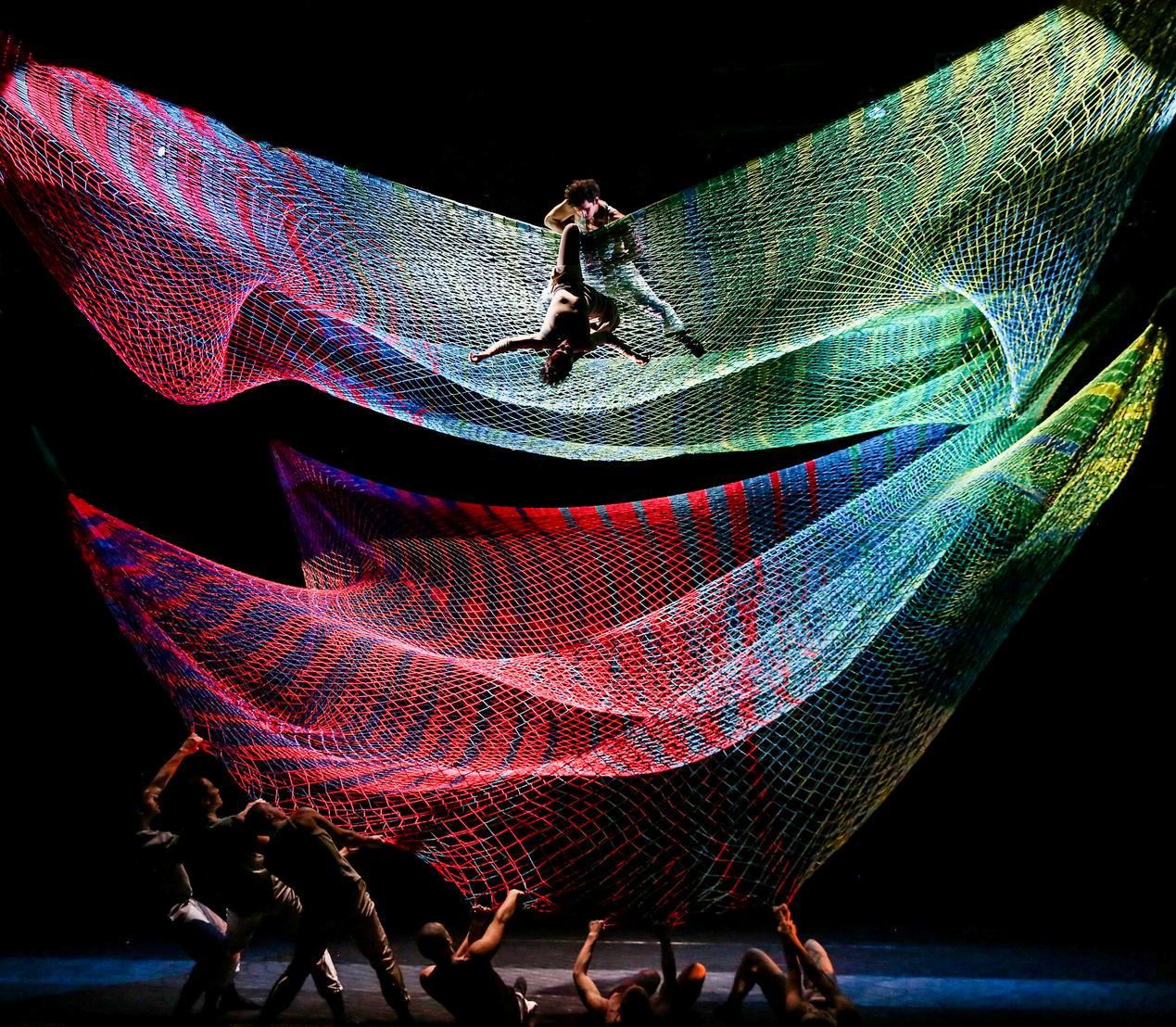
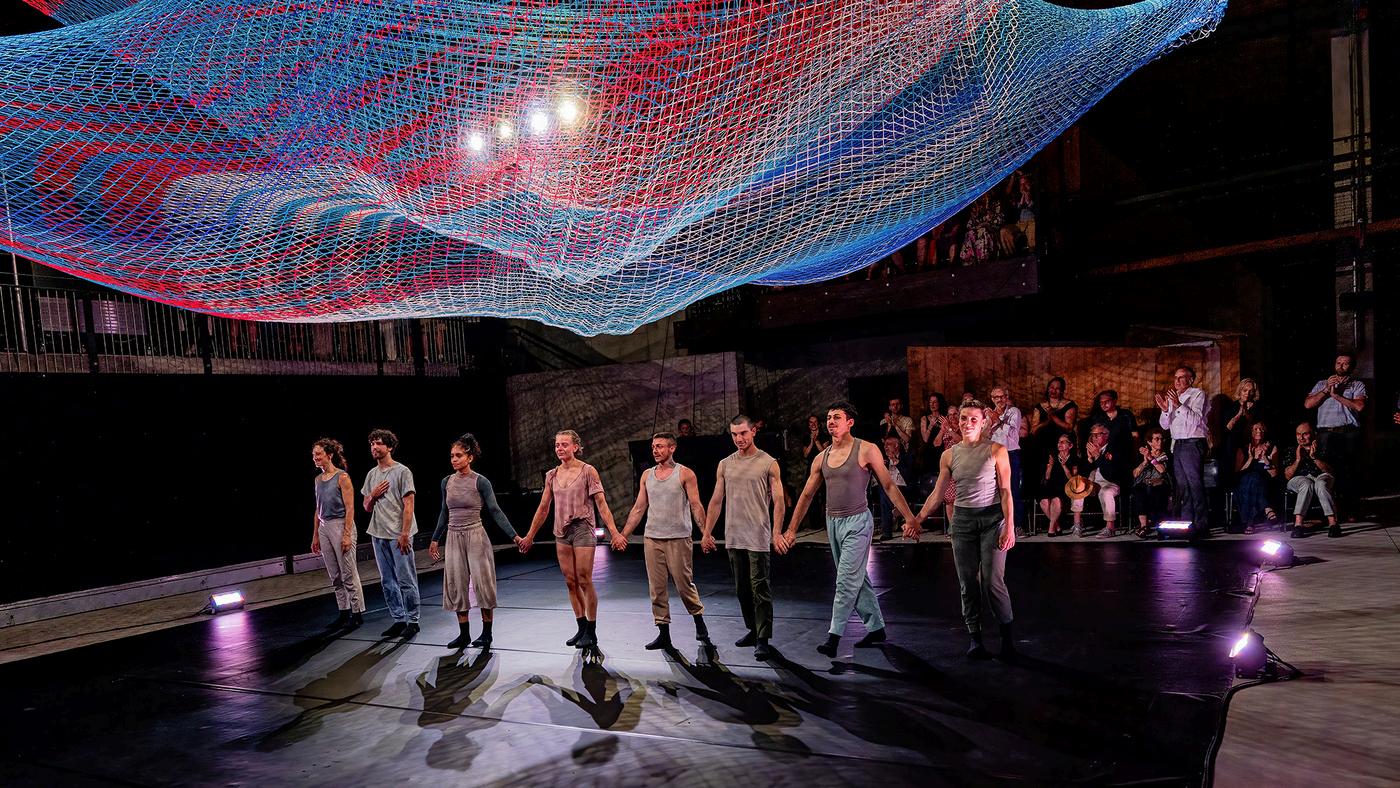
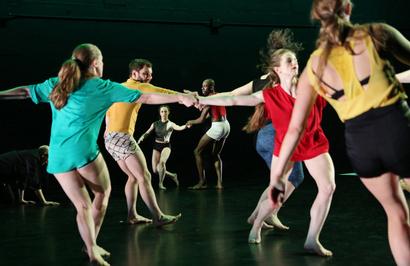
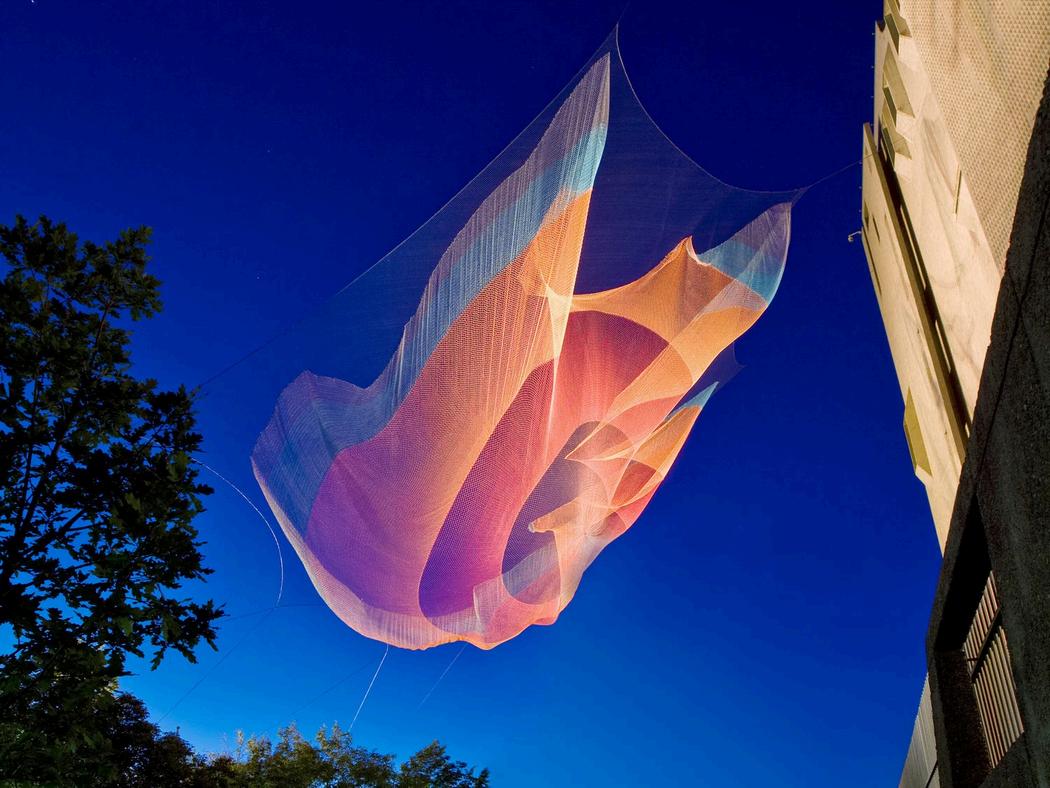
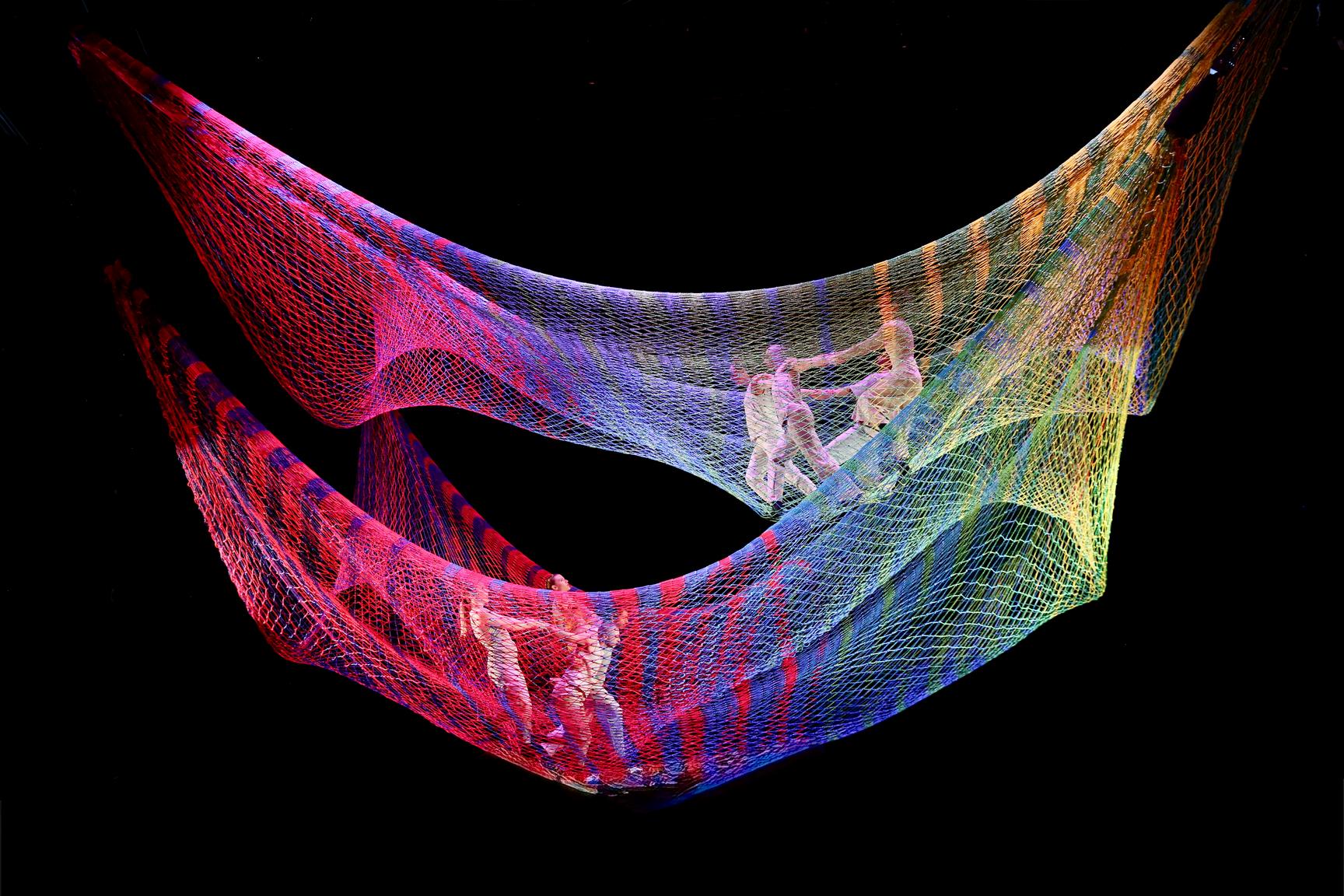
NOLI TIMERE means “Be Not Afraid” in the Latin language. In this show, dancers and a giant net move together. When the net shifts, the dancers respond. When the dancers move, the net changes too.
It shows us that:
How was it created?
We are all connected. Even small actions can make a big difference.
How was it created?
Artist Janet Echelman is a sculptor who makes giant nets. Choreographer Rebecca Lazier makes dances.
They met and asked:
Can dancers and nets move together? How strong is rope? What happens if a net has big holes or small ones?
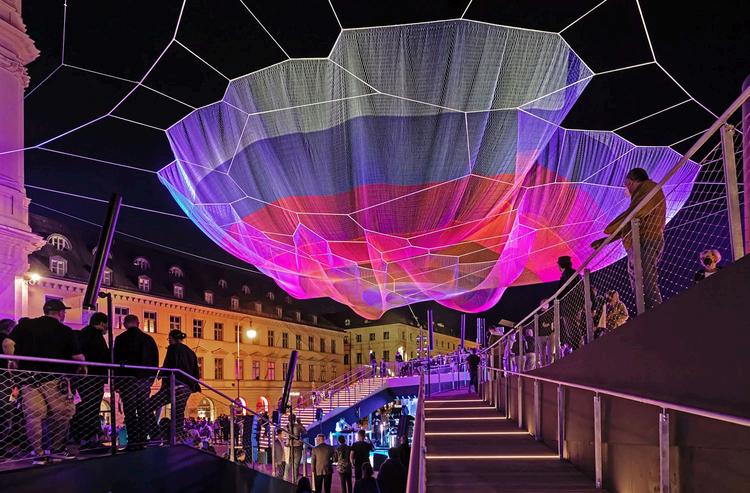
They discovered that when one person moves part of the net, the whole net moves too—like ripples in water. The final artwork uses two giant nets (as big as basketball courts!). Dancers fly, bounce, and play inside, while the nets sway and shift with them.
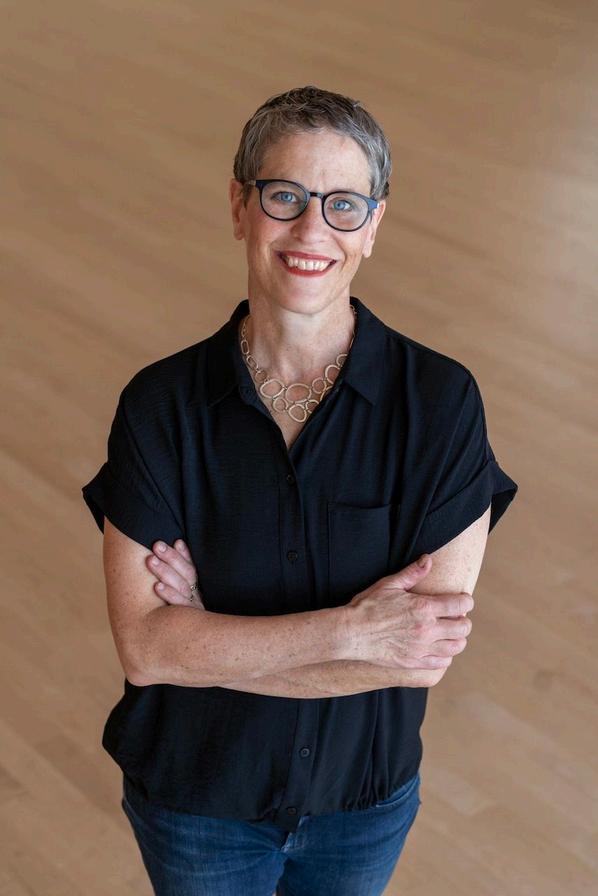
MEET REBECCA
LAZIER
Rebecca is a choreographer, which means she creates dances She loves working with people from many fields—like music, art, science, and engineering to explore new ideas. Instead of thinking about dance by itself, she asks: What happens when dance meets architecture, the human body, or even math?
Her projects are like experiments where dance, art, and science influence each other. She enjoys solving problems with others and discovering surprising new ways of moving and telling stories.
For Rebecca, every dance is an adventure. She doesn’t always know what will happen when she starts, but by staying curious, open and creative she finds exciting new
MEETJANET ECHELMAN
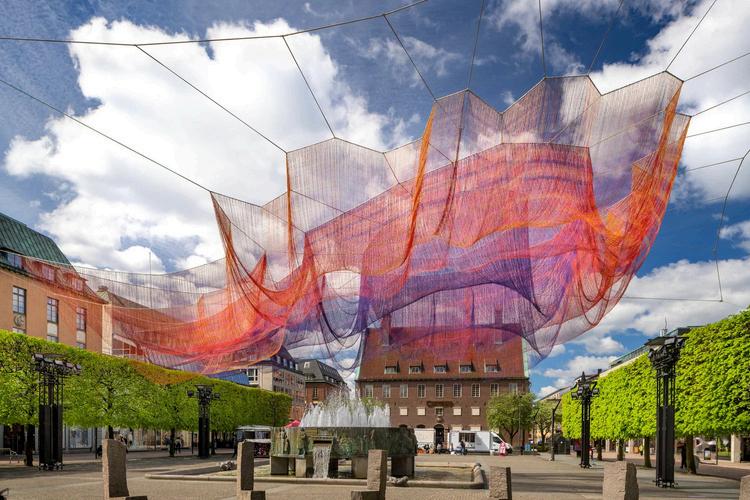
Janet is an artist who makes giant sculptures that float high above cities. Her artwork is so big that it can fill a whole park or city square, and it moves gently in the wind, almost like a huge net or cloud.
She often uses science and stories from around the world as inspiration. For one sculpture, she looked at information from scientists who study tsunamis—big ocean waves caused by earthquakes and turned their data into art you can see and walk under. Her sculptures invite people to stop, look up, and feel wonder together.
MEET
The sho amazing the worl Canada, Each per style, like ropes), c creative dance (h everyday
When th a colorfu together beautifu Perform Clark Gr Pantojo, Seaward
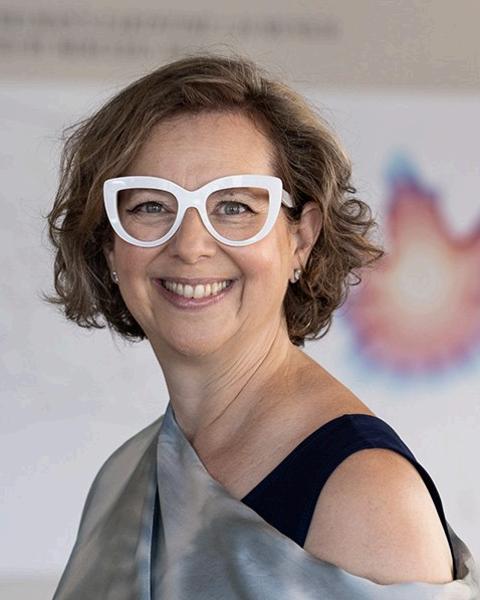
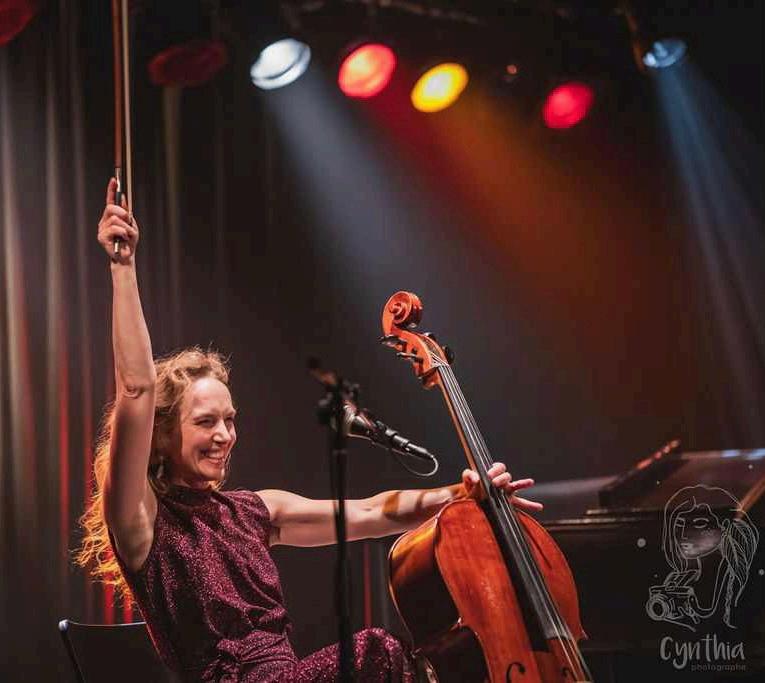
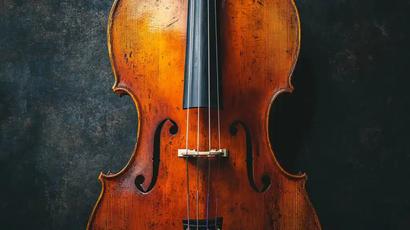
Canadian composer and s the cello—a big, deeptrument. She also uses al and beautiful ways. words, she makes es, almost like another many styles rock, folk, sounds that feel like r NOLI TIMERE, Jorane using her cello, her voice, ctronic effects.
u what the songs mean your own story while you
Listen to a sample of her music on Spotify: go.ncsu.edu/jorane
What are the artforms?
NOLI TIMERE: Where four artforms meet
Aerial Circus
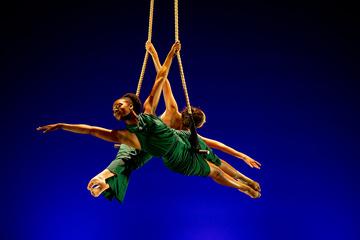
Aerial circus is the art of moving your body while suspended in the air. Performers often use apparatus (special equipment) like silks or ropes.
Many of the artists in NOLI TIMERE went to circus school and trained on aerial apparatus! The Echelman Net Sculpture is a brand-new kind of apparatus. To perform on it, artists need both aerial skills (flying, hanging, balancing) and training in different dance styles.
Textile Sculpture
A textile sculpture is a piece of art that’s made by braiding, knotting, or splicing threads, ropes, or other materials together kind of like how you might braid hair, or make a friendship bracelet.
Modern Dance
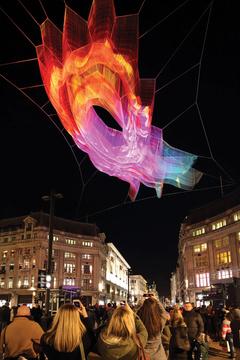
Artist Janet Echelman creates textile sculptures out of strong, colorful fibers. Her giant nets are so big they can stretch across entire city blocks or hang above a stage!
Modern dance is a style of dance that lets dancers move in free, creative ways to show feelings and ideas. In contemporary dance, audiences are encouraged to create their own stories of what they experience when watching the performance. Bring your imagination to the performance and you may experience different emotions, images, and stories.
Modern Cello Music
In this performance, the cello is played in new and surprising ways. Instead of just classical sounds, the musician records short pieces of music, called loops, and layers them on top of each other. She also adds her voice—not with words, but as sounds and tones—to create atmosphere and emotion.
The Math, Science and Engineering of NOLI TIMERE
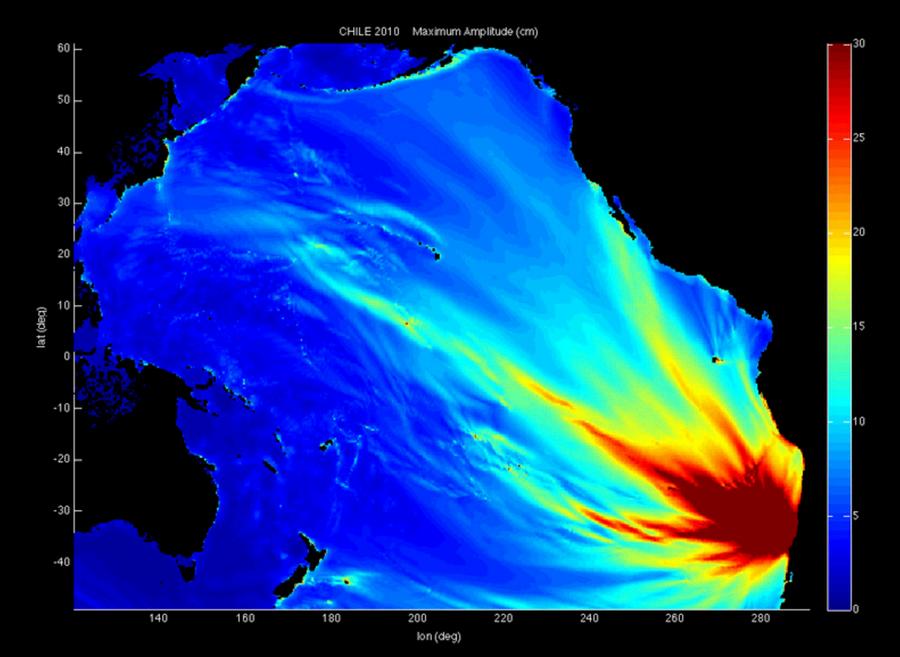
Image to the right: NOAA map of the February 2010 Chile earthquake
Inspired by Environmental Science
The artist Janet Echelman often draws on scientific data as inspiration for her sculptures. For example, several pieces, called Earthtime were derived from National Oceanic and Atmospheric Administration (NOAA) data charting wave amplitudes from tsunami research.
Let’s Try It
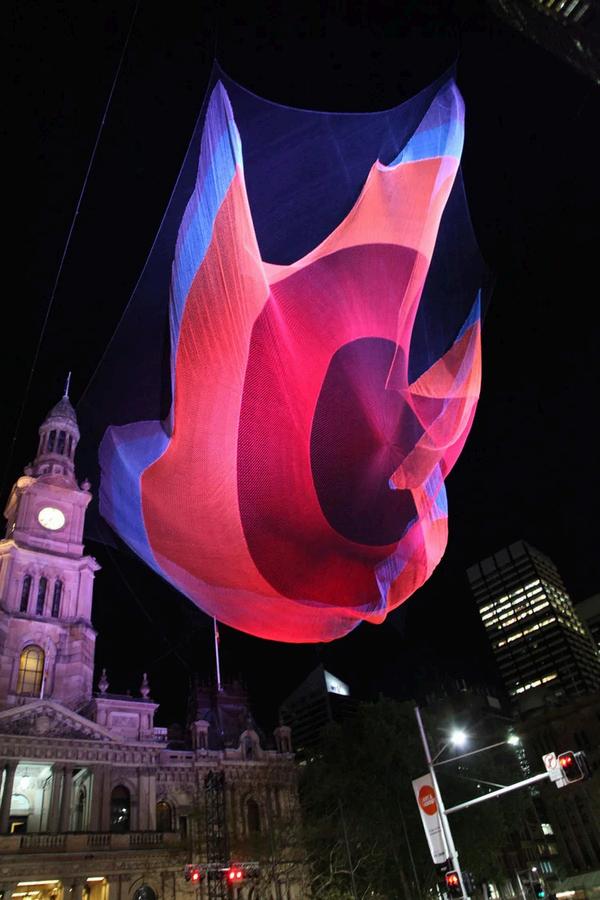
Can you spot the similarities between the art below and the wave data above?
Deeper Meanin
The Earthtime sculpture series seeks to heighten our awareness about the way we are all interconnected with one another and our planet.
These sculptures, as well as the nets used in NOLI TIMERE serve as symbols of interconnectedness - composed of countless intertwined fibers. Each time a single knot moves in the wind, the location of every other knot in the sculpture’s surface is changed in an ever unfolding dance of human-made creation with the forces of nature beyond our control.
To create the sculptural form, Echelman works with teams both inside and outside her studio. These include architects, designers, and model-makers in the studio, as well as an external team of aeronautical and structural engineers, computer scientists, lighting designers, landscape architects, and a fabrication team.
Earthtime 1.26 (pictured above) was digitally modeled with inspiration from a scientific data set describing a single geological occurrence in one part of the world: a 2010 earthquake in Chile That earthquake caused ripple effects around the globe, which sped up the earth's daily rotation. The number in the title refers to a measurement of time, as the earth’s day was shortened by 1.26 microseconds.
To date, the Earthtime 1.26 sculpture has been installed in 15 cities on 4 continents.
Activity: Movement Ripple Game
Materials: Rope, long piece of yarn, or stretchy band.
Directions:
Students form a circle holding the rope. One person makes a movement; others watch how it ripples through. Take turns adding new movements.
Try adding tension by pulling rope, or releasing tension by adding slack to the system
Try changing the lines of pull, pulling the rope upward or backward
Try moving in space while maintaining connection within the group
Reflection: What did you notice about cause and effect in the group?
rfly Effects
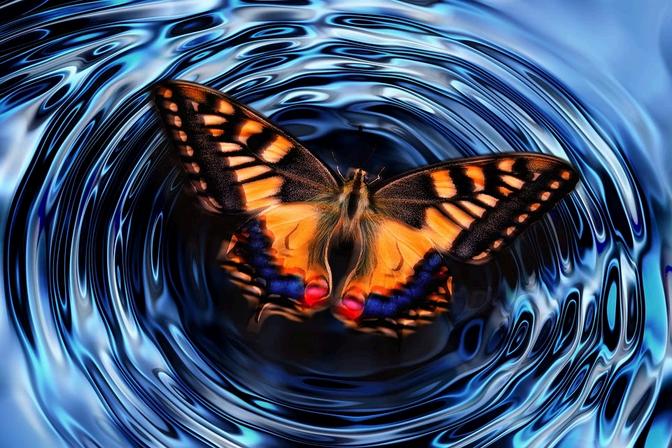
rd of the butterfly effect? It’s the idea tions can have big consequences.
mes from the concept that the flap wings in one part of the world coul use a hurricane in another part of se even small actions can have a hat builds over time!
Did you know?
NC State is home to the KIETS Climate Leaders Program. You could become a climate leader one day Or perhaps you already are?
Question:
What is one act that you can do for the earth that will affect someone else?
Math in the Nets
Janet Echelman’s giant net sculptures form beautiful shapes t hang in delicate balance with gravity, and flow as the dancers m around them These giant nets are built up like LEGO or block structures from really strong pieces of twine or string They are able to change shape because these very long twines are knot together into many thousands of tiny quadrilaterals full of emp space! A quadrilateral is a shape with four sides, like a square rectangle.
Shapes and Connections Everywhere
When dancers move through the net, they’re bringing the mathematical studies of geometry and topology to life! Geometry describes shapes, like the flowing forms of the dancers and nets. Topology describes connectivity relationships, like how the dancers’ movements impact each other because they are connected by the nets. Geometric and topological changes may or may not occur together.
Imagine two friends standing next to each other. If they reach out and clasp hands, their topology has changed, since they are now connected. If they magically transform into animals, then their geometry has changed, because they each changed shape. For additional superpowers, they might sometimes do both: hold hands and magically transform.
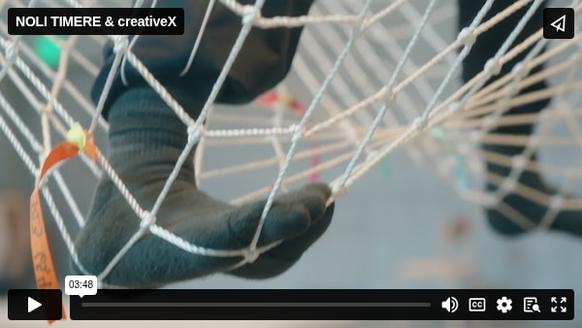
Watch the behind the scenes video to explore the nets in NOLI TIMERE
Fun Fact
Did you know that NC State University has one of the most well respected Engineering Schools in the nation?
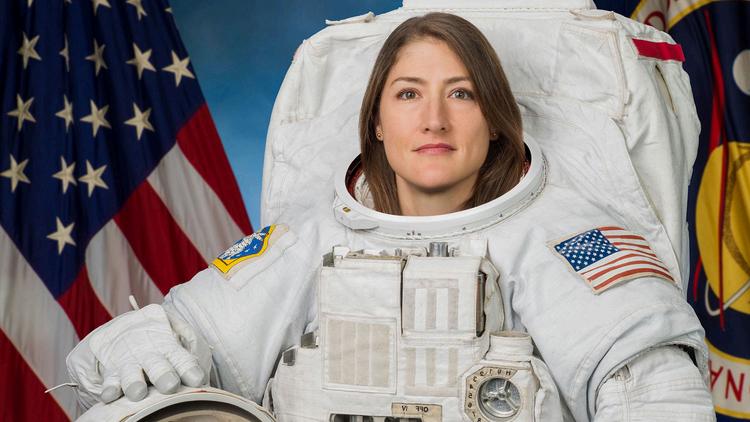
The first ever woman to orbit the moon on Artemis II will be Christina Koch (pictured above), and she got three electrical engineering degrees from NC State!
Fun Fact
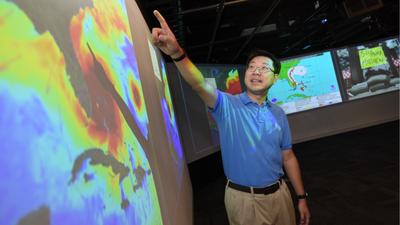
This video features an NC State math professor, Dr. Andrew Sageman-Furnas, who also contributed to this guide!
hat is an ngineer?
ngineer is a creative problem-solver uses science and math to design, build, nvent new things or improve existing , making the world a better and safer e.
The artist Janet Echelman worked closely with aeronautical and structural engineers to design her sculptures, including the nets you see in NOLI TIMERE.
Aeronautical engineers study how things fly. They design and test airplanes, rockets, and even drones
Structural engineers study how things hold weight and stay standing. They design bridges, skyscrapers, stadiums, and even giant nets like in NOLI TIMERE.
Deeper Meani Webs and Net
NOLI TIMERE is a show about much more than dancers on a net. Spark curiosity in your students about the metaphors of webs and nets in our lives.
Activities
Drawing or Making Net Sculptures
Materials: Graph paper, pencils, or string/rubber bands and cardboard Materials if building: fishnet stockings, string, scissors, push pins, foam board
Directions:
Look at Echelman’s website and notice the ideas in her sculptures: ropes ve layers’ different shapes Students design their own net for dance Consider: height, shape, volume, and where the performers will go
Extension: Present designs and explain how dancers might move on them.
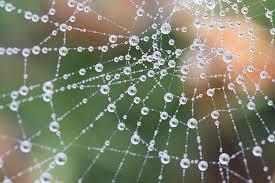
How many nets and webs can you name?
Ask your class to come up with as many different kinds of nets and webs th think of. If they get metaphoric/abstract, that’s great!
Reflection: What would we do without nets and webs?
Thinking about human connection like a web. Discussion Questions:
What happens if you pull on one part of a net? How does the rest of the net respond?
How is a net like a community? Can you think of times when your actions affect others around you?
The artists asked, “How does movement change sculpture, and how does sculpture change movement?” What do you think that means?
The artists discovered that one small movement can ripple across a whole system. Can you think of examples in real life (environment, friendships, community, social media) where one action affects many others?
NOLI TIMERE means “Be Not Afraid.” Why might the artists have chosen this title? How does it connect to living in an uncertain world?
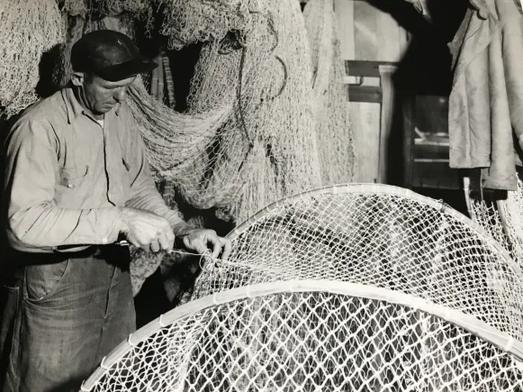
Pictured above: Net house on the Roanoke River, ca. 1950. This may be at the Ben Everett fish camp. Courtesy, Jack Dudley
Activities
Choreographic Prompts: “The Knot”
Think of a familiar knot (e.g., shoelaces) or learn a new knot (square knot, hitch).
Practice tying the knot with string using only your fingers.
Now, translate the knot into movement: hold the string between two parts of your body (not just your hands) and follow the knot-tying steps. Example string could be between your toes and linked around your elbow.
Explore several options, then select one that generates the most unusual movement
Set it as a dance sequence. Share.
Reflection: Notice the differences in each participants ‘knot dance’. What would you add next? Could you link several together and make a longer dance?
Sound without words (All ages, inspired by Jorane’s score)
Play sounds or sing using only syllables (no words).
Ask students to move in response to the sounds
Discussion: Did the sounds make you feel something even without words? How did you decide to move?
Systems in Action
In small groups, assign students roles in a “system” (e.g., parts of an ecosystem, a city, or even social media)
When one part changes, the others have to respond
Connect back: How is this like the nets in NOLI TIMERE?
Prompt: Draw, write, or collage your own “net of connections.” Who and what are you connected to? How do your actions ripple outward? THANK YOU! For questions or feedback, email Amy Sawyers-Williams at Arts NC State acsawyer@ncsu.edu