THE JOURNAL OF CHIMNEY AND VENTING TECHNOLOGY

6
Chimney Sweeps Get Fired Up in Kansas City
It was the conversations, generosity, and momentum behind the scenes that made this year's convention a success.
11
New Leaders Elected to NCSG Board of Directors
Meet the two new chimney sweeps joining the 2026-2027 NCSG Board of Directors.
19
A Conversation the Industry Has Been Waiting For NCSG and CSIA stood side by side and delivered a unified message: the industry is stronger when we work together.
20
Introducing FORGE
NCSG's virtual reality training program takes on a new name: FORGE.
24
Elevating Concrete
Understanding the chemistry behind stronger, longer-lasting chimney crowns.
29
Building an Office That Supports the Field
If you want fewer fires, better results, and an office that drives growth instead of reacting to problems, these classes are for your team.
30
Lifting the Chimney Industry
While ladders and scaffolding will always have their place, the industry is also moving toward modern aerial lifts.
32
5 Mistakes That Are Quietly Killing Your Referrals
In this industry, customer service isn't separate from marketing. It is the marketing.
36
Protecting Your Small Business in a Digital World
Cyber risk isn't just a problem for big tech firms. Chimney sweep businesses are a target too.
38
The 5 Systems Every Chimney Sweep Should Build
When business owners develop systems intentionally, they create a viable and sustainable business model.

Have you ever seen some interesting things on the job?
Submit a photo with your name and location to marketing@ncsg.org.

Let us know what’s going on!
Submit industry concerns to NCSG’s Policy Action Center. We post live on the website and look into how we can take action. While you’re there, you can also check out the blog for past issues we’ve addressed. Check your email and Facebook to stay up to date!
On the Cover:
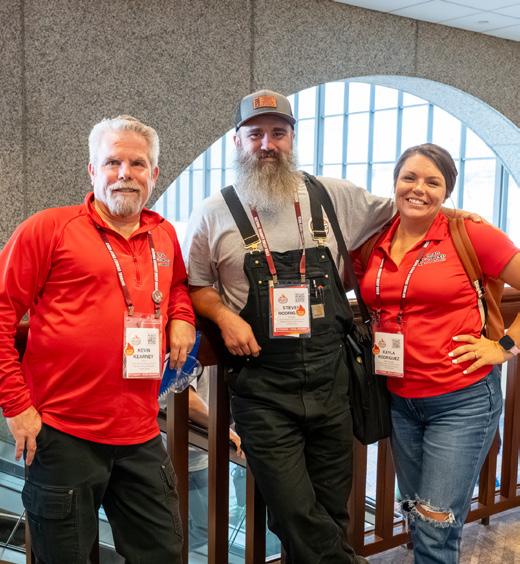
Just a few of the 187 first-time attendees at convention this year: Kevin Kearney, Steven Rodriguez, and Kayla Rodriguez with Clean Sweep Chimney Service in Minnesota City, MN
Kailah Schmitz, CAE, Executive Director director@ncsg.org
Jessica Thornton, Associate Director and Certifications Coordinator jessica@ncsg.org
Jonathan Erdman, Director of Education education@ncsg.org
Sydney Kaizer, Director of Marketing and Communications; Sweeping Editor marketing@ncsg.org
Brittney Burton, Membership and Events Coordinator bburton@ncsg.org
Libby Almendarez, Membership and Certifications Coordinator office@ncsg.org
DISCLAIMER
The views expressed in Sweeping do not necessarily reflect the views of the National Chimney Sweep Guild (NCSG) or its staff.
ADVERTISING
To advertise, email Malisa Minetree at sweepingads@me.com or call (317) 603-7854.
NCSG further reserves the right to reject at any time any advertising determined not to be in keeping with the publication’s standards. Acceptance of advertising by Sweeping does not necessarily constitute endorsement of products or services advertised. NCSG does not make any effort to review or substantiate claims made by advertisers.
PHOTOGRAPHY
Stock images by iStock, Adobe.
ARTICLE SUBMISSION
NCSG encourages industry partners to submit press releases and articles to the editor at marketing@ncsg.org. Submissions should contain items of interest or importance to the chimney and venting industry. Submissions should not contain direct solicitations, prices, or other forms of advertising verbiage. Submissions may contain images or artwork attached in a JPG format.
In all cases, NCSG reserves the right to edit submissions for space limitations, keep the release and publish at a later date, or refuse to publish the release for any reason. Neither publishing, nor refusing to publish the submission should be considered a statement of NCSG’s opinion regarding the release. © 2026 National Chimney Sweep Guild
TThe barbecue was great, the convention was top notch, and who would have guessed the temperatures would be so warm at the end of February? Kansas City delivered on all fronts! Feedback from attendees has been overwhelmingly positive.
A huge thank you goes out to the planning committees, staff, and volunteers who spent many months working behind the scenes to create such a memorable and educational experience.
We also extend our sincere thanks to the event sponsors and exhibitors who continue to support the National Chimney Sweep Guild's (NCSG) annual convention. Your participation is critically important, and we appreciate your ongoing presence at so many industry events throughout the year. Thank you for showcasing new products, innovative inspection processes, educational opportunities, and sales resources and for sharing your expertise with attendees.
Congratulations to Jillian Stewart, recipient of the 2026 Friendship Award, and Steve Scally, who received the 2026 President’s Award. Congratulations as well to National Chimney for winning the Pete Luter Innovation Award with their Chimney Defender products. There were many impressive new products in contention this year! Another special thank you to Bill Thornton and Steve Scally, outgoing board members, for their many years of leadership.
We were also honored to welcome German, French, Canadian, and UK chimney sweeps and exhibitors to the convention and appreciated the opportunity to learn from their expertise. It was wonderful meeting so many first-time convention attendees as well—over 185 this year! During the Honors & Auction Event, we heard updates from Warrior Horse and Sweep Away Cancer, charities led by fellow chimney sweep leaders. And the cornhole tournament proved to be a fun addition to the event.
One of the highlights of the convention was the panel moderated by Jasper Drengler featuring NCSG and Chimney Safety Institute of America (CSIA) leaders answering questions about moving forward and making the industry stronger. Thank you to CSIA for hosting the opening night reception. Representatives from National Fireplace Institute (NFI), Hearth, Patio, and Barbecue Association (HPBA), and Fireplace Investigation Research and Education (F.I.R.E.) were also in attendance, sharing updates about upcoming events and industry developments.
Be sure to read the articles in this month’s issue of Sweeping for more convention highlights.
We look forward to seeing you April 6-10, 2027 in Hershey, PA as we celebrate the Guild’s 50th anniversary. Planning committees are already working on special projects to mark this exciting milestone! ■

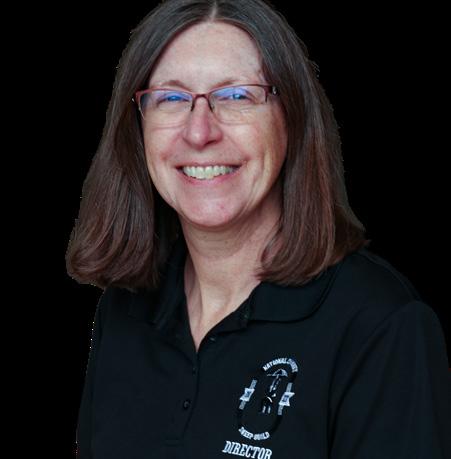
By Debbie Wiedwald, President, National Chimney Sweep Guild

D.J. Cross/Cross Break Sheet Metal Media, Pennsylvania
TTwo chimney sweeps were recently elected to serve on the 2026-2027 National Chimney Sweep Guild (NCSG) Board of Directors.
NCSG members elected Jonathan Cross as region 2 director, representing Delaware, Maryland, New Jersey, and Pennsylvania. Jonathan is the co-owner of D.J. Cross, along with his brother, Ben, which is located in Media, PA. He also operates Cross Break Sheet Metal, a custom chimney caps, chase covers, and shrouds company.
"In 1981, my parents started their humble chimney sweep business and joined the Guild soon after," Jonathan said. "Without the educational opportunities, networking, and advocacy provided by the Guild over the years, I know that our business would be much different today."
Cory McGill was appointed to the at-large director position, representing all NCSG members nationwide. Cory, along with his wife Sabrina, is the owner of Done Right Chimney Inc. in Haydenville, MA, which serves the Pioneer Valley.
"Throughout my career, I've benefited from the generosity of many in this industry," Cory said. "Training and education have been central to my growth and to the success of my company."

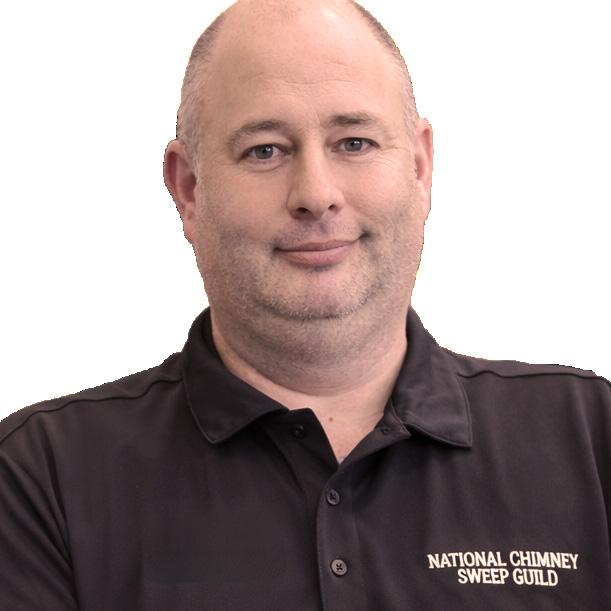
Done Right Chimney Inc. Haydenville, Massachussetts
Members also reelected Debbie Wiedwald, Michaele Dempsey, and Gary Smalling to serve as region 4 director, region 6 director, and at-large director, respectively, for the 2026-2027 term. All terms began at the annual membership meeting on Wednesday, February 25, 2026 in Kansas City, MO.
Debbie will move into the president role following the departure of Bill Thornton, who served as NCSG president for two years before terming off the board.
"Bill has given a great deal of time and leadership to the Guild, and we're thankful for the work he did during his term," said Kailah Schmitz, NCSG executive director. "We're equally confident in Debbie as she steps into the presidency."
Under Debbie's leadership, the 2026-2027 executive committee also includes Gary Smalling as vice president, Robby Murphy as treasurer, and Drew Stein as secretary.
With a mix of new perspectives and continued leadership, the 2026-2027 NCSG Board of Directors will help carry forward the Guild's member-driven mission. ■


Outgoing Board Member
Fireside Sweeps
Fremont, New Hampshire
LLongtime National Chimney Sweep Guild (NCSG) board member Steve Scally is stepping down from his position on the board of directors. He joined the board in 2019, serving across multiple committees including the NCSG Technical Advisory Council and executive committee. In his most recent term, Steve served as at-large director and treasurer.
"While we are sad to see Steve step off the board, we also know this decision reflects what he does best—prioritizing where his time and leadership are most needed," said Kailah Schmitz, NCSG executive director. "He has given his all to NCSG, especially during pivotal years in our history." ■
Bill Thornton
Outgoing Board Member
Wissahickon Chimney & Fireplace Ambler, Pennsylvania
AAnother pillar of the National Chimney Sweep Guild (NCSG) Board of Directors is also closing this chapter of his career. Bill Thornton served as NCSG region 2 director and president in his most recent term. He joined the board in 2018, where he climbed the ranks to the president role in 2024. "Bill is what I would call a 'serial volunteer,'" Kailah said. "Service is simply part of who he is. And while he may be terming off the board, I think we all know he's not disappearing. He'll still be involved, still serving, and still giving his time to this organization." ■


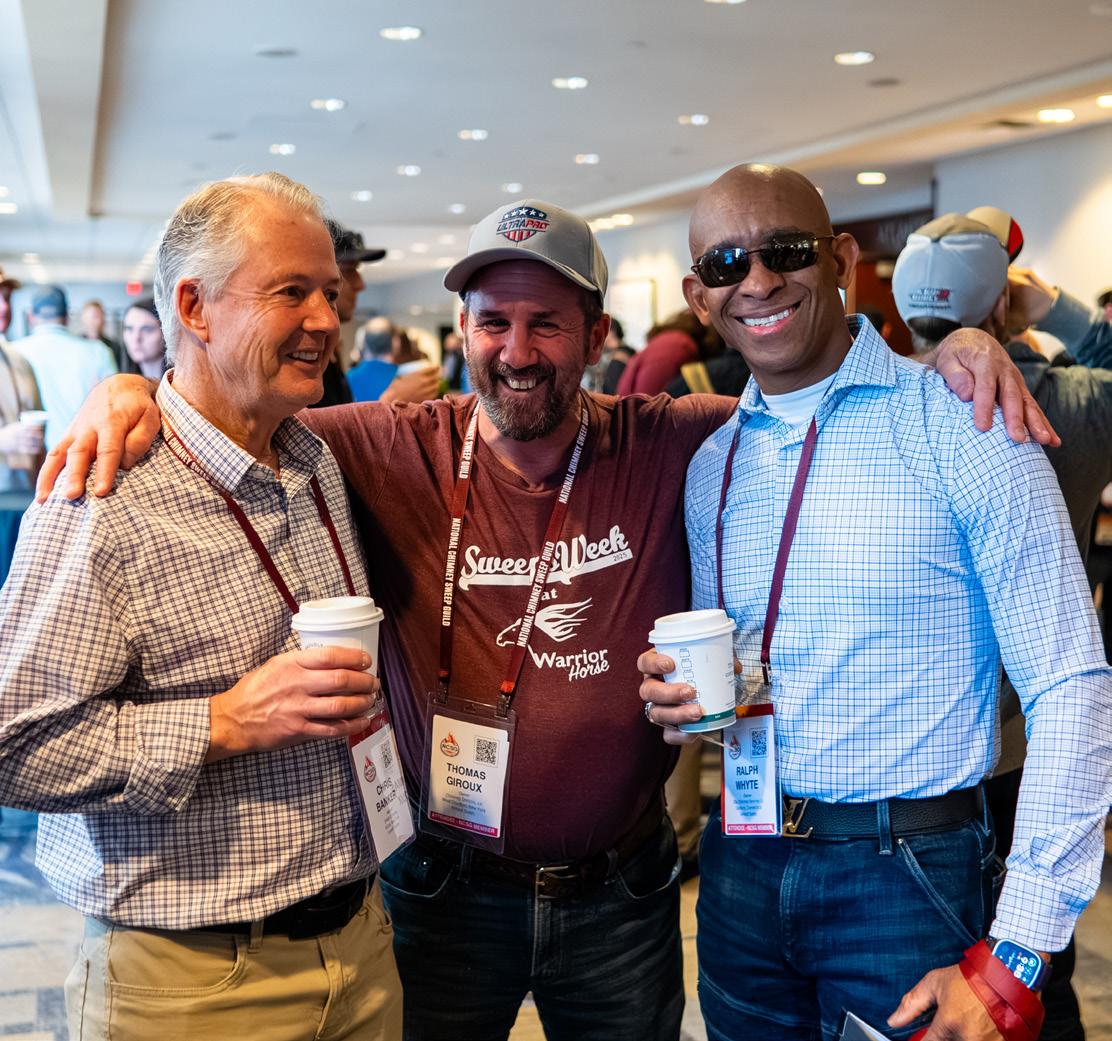
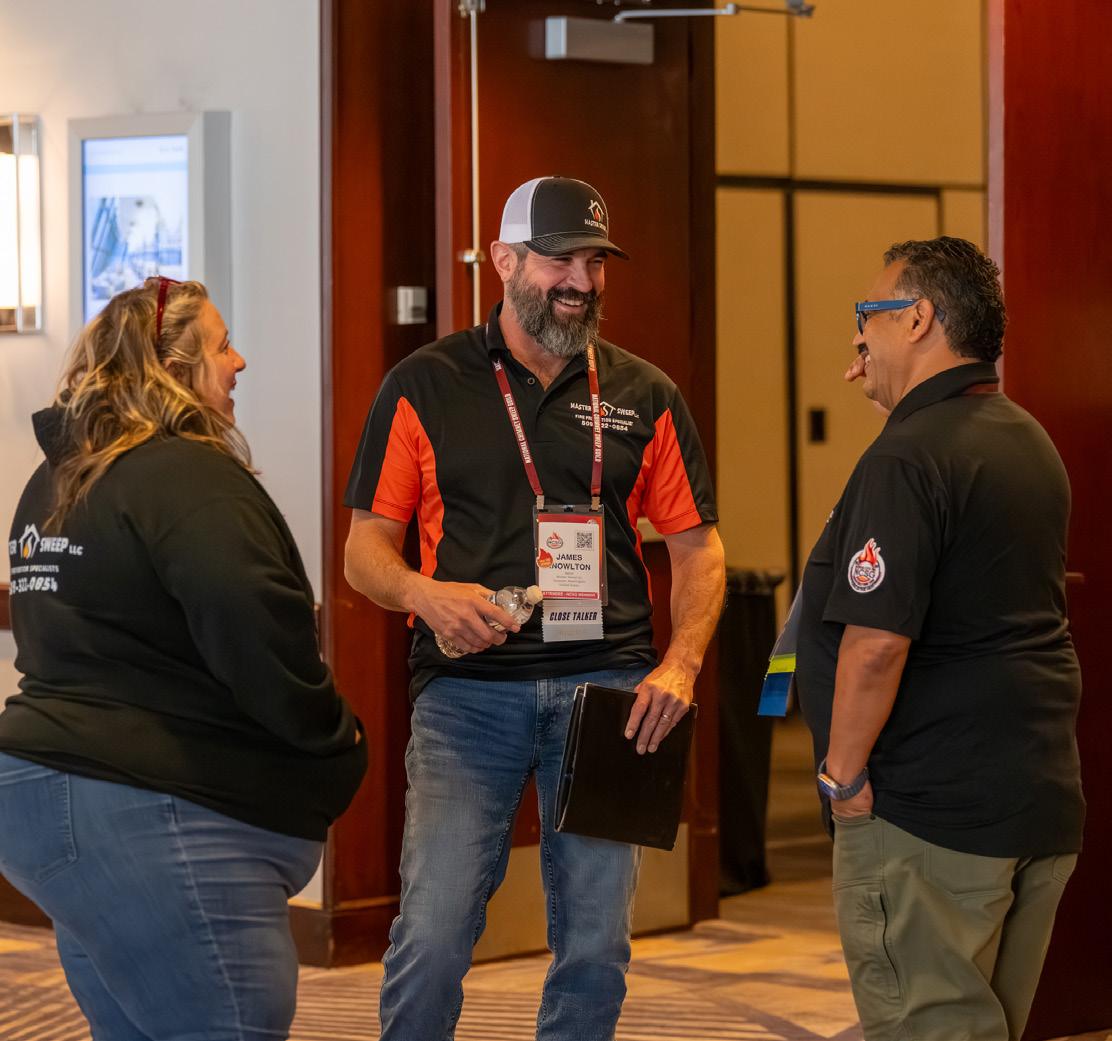
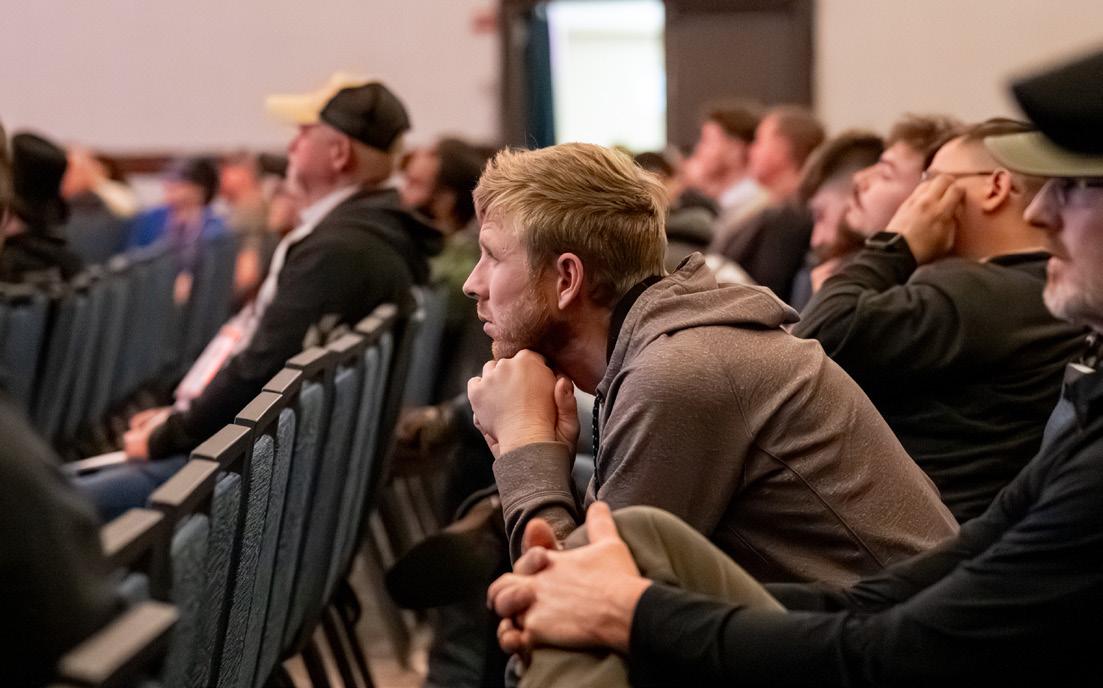
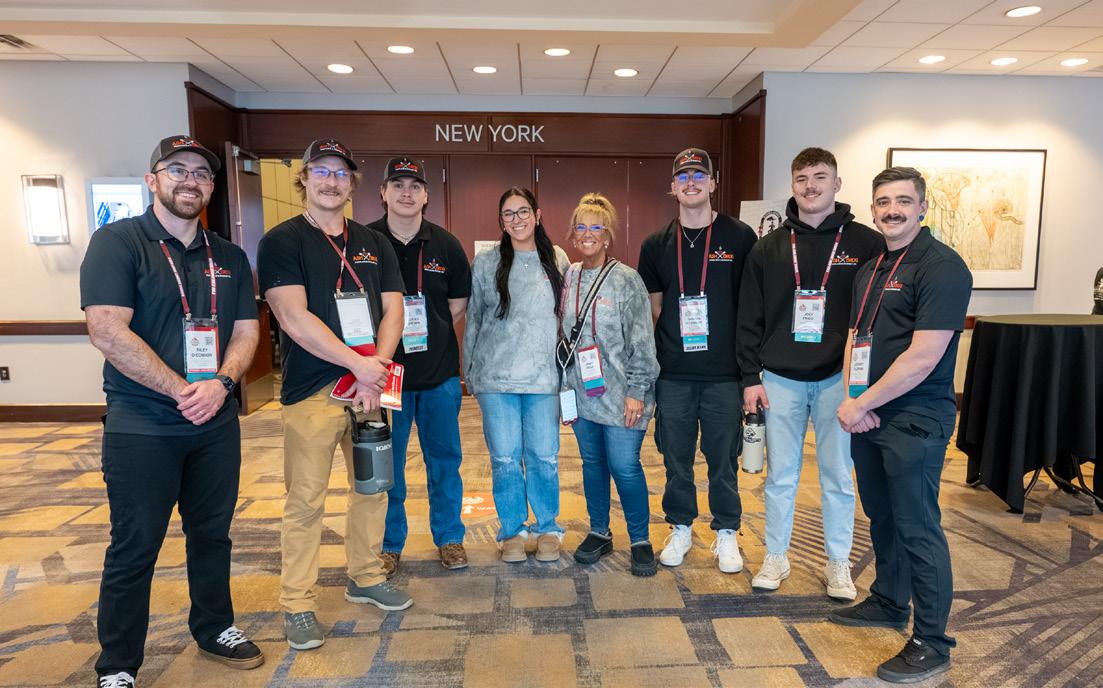
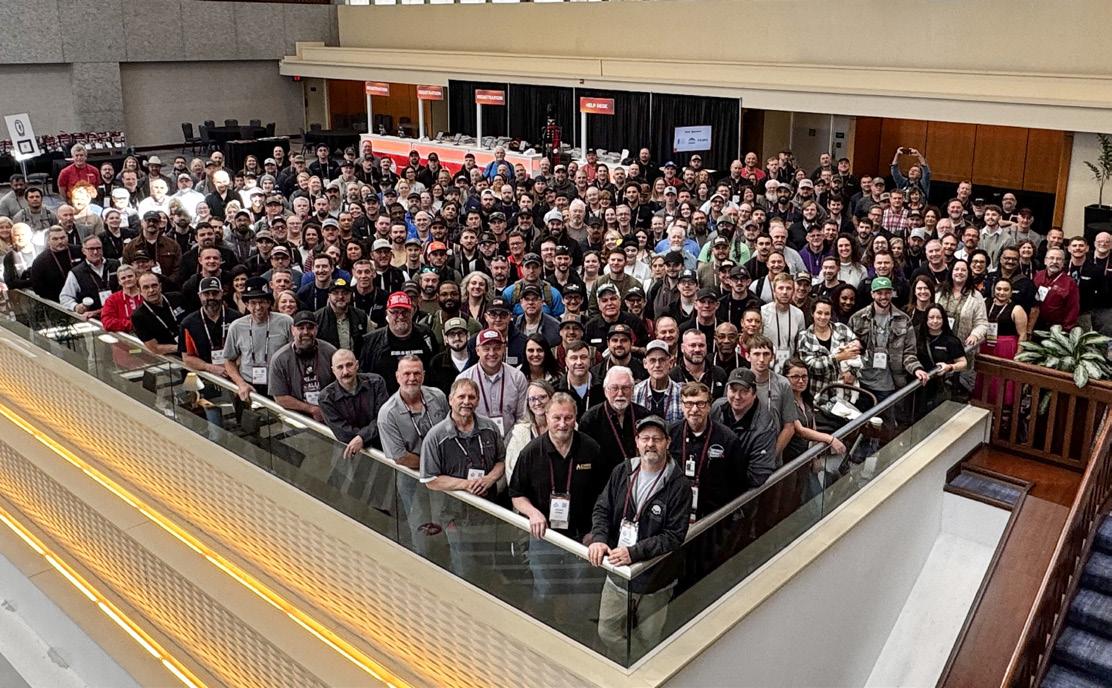
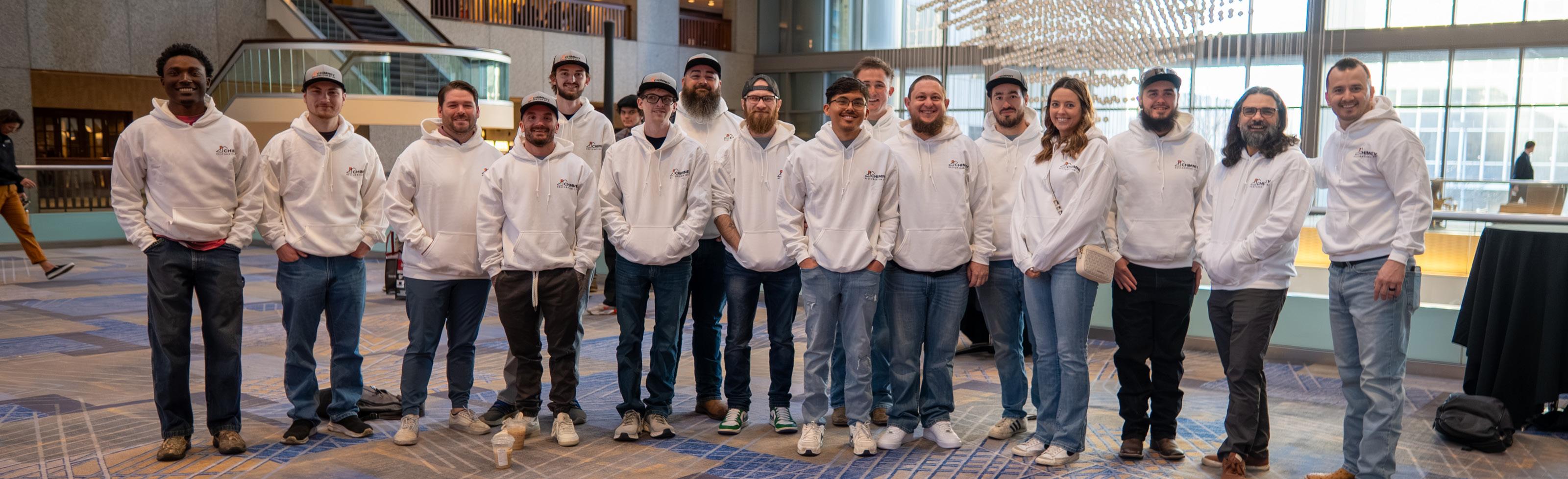

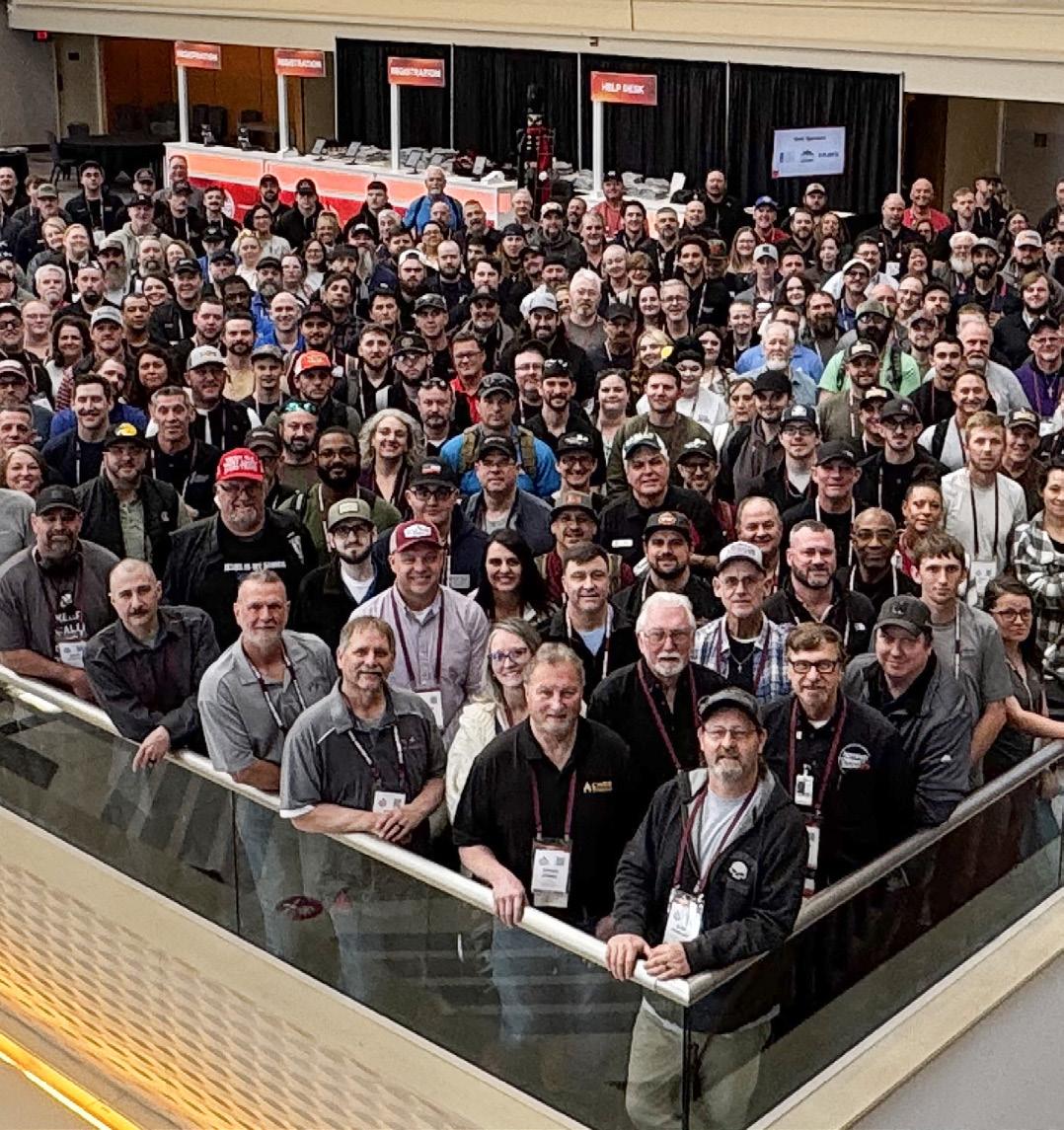
TThe 2026 National Chimney Sweep Guild (NCSG) Convention & Trade Show brought nearly 700 chimney professionals to Kansas City this February.
The week included more than 30 education sessions, a soldout trade show, certification testing, and time for members to connect. Conversations carried from classrooms to hallways to dinner tables. As always, it was the people in the room who made the biggest impact.
Over and over again, we saw the same thing: experienced sweeps pulling newer folks into conversations. Business owners sharing what worked and what didn’t. Technicians asking thoughtful questions and leaving with pages of notes. You are the reason so many people come back every year.
To our speakers: thank you. You stand in front of your peers and teach what you’ve learned, not because you have to, but because you want others to succeed. It takes humility and confidence to share your wins and your mistakes. Our education is stronger because of you.
The same is true of our volunteers. However you helped, you made the week run smoother for everyone else. The NCSG is grateful for your willingness to step in and help.
Michael Allen
Richard Anderson
Bobby Balentine
Jeremy Bennett
Lou Curley
Todd Dosemagen
Jim Fletcher
Nichole Henderson
Ken Hoelscher
Stacy Hoelscher
Chad Holton
Scott Imgarten
Rob Jorgenson
David Kline
Chris Miller
Felicity Monsees
Tiffany Nehls
Bre Nichols
Sean Norton
Flynn Oconnor
Racine Pedersen
Mallory Perez
Rasheda Perez
Amy Perino
Phil Perino
Barb Peters
Marshall Peters
Jesse Poole
Katie Poole
Kevin Rogers
Teresa Russell
Mims Rust
Ron Rust
Rylan Smith
Meguell Suell
Joseph Thornton
Jillian Stewart
Nathan Vice
Kurt Wendt
David Williams
Rene Williams
Gary Yates
We also want to recognize the 14 subject matter experts who arrived early to participate in item writing for our certification exams. With more than 350 years of combined industry experience, they spent two full days reviewing, rating, and rewriting exam questions. Their knowledge and selflessness are essential as we pass hard-earned expertise to the next generation of sweeps.
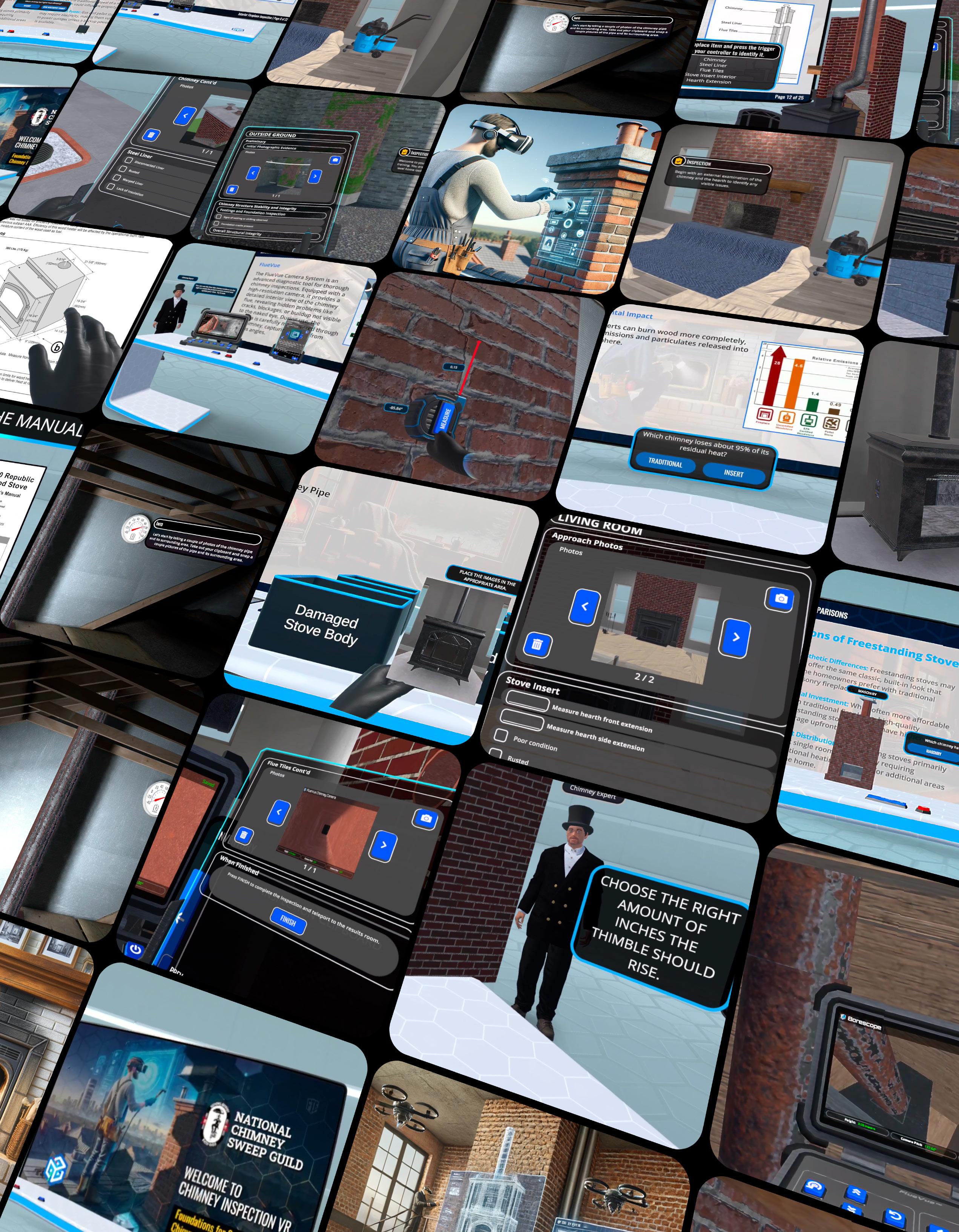
Attendees were energized by the announcement of FORGE, NCSG’s education platform that combines in-person classes, LMS coursework, and virtual reality learning. Seeing it demonstrated live made it obvious that the way we train chimney professionals is changing, and the Guild is ready for it. The trade show floor was busy and well received by both exhibitors and attendees. Conversations were meaningful. Products were tested. Partnerships were strengthened.
National Chimney was recognized with the Pete Luter Innovation Award for its Chimney Defender product line. You can read the full story on page 16.
Our Honors & Auction Event raised more than $16,000 for NCSG’s educational programs. Your generosity directly fuels future training and certifications. And let’s be honest, Kansas City showed up, too. The weather was beautiful. Members filled tables at Jack Stack Barbecue, Lidia’s, and Spectator’s. Friendships were strengthened over pasta and barbecue. Those evenings matter just as much as the classroom sessions.
This year also marked an important leadership transition. After completing his two-year term, Bill Thornton passed the torch to the new NCSG president, Debbie Wiedwald, along with a new executive committee.
Leadership in the Guild is not symbolic. It’s hands-on, time-consuming, and deeply invested in the future of the industry. We’re grateful for Bill’s steady
guidance and excited for Debbie’s vision as she steps into this role.
We also honored individuals whose impact continues to shape the Guild.
Steve Scally received the President’s Award, one of the highest honors in the chimney sweep trade, recognizing extraordinary dedication, leadership, and service to our industry. Read more on page 12.
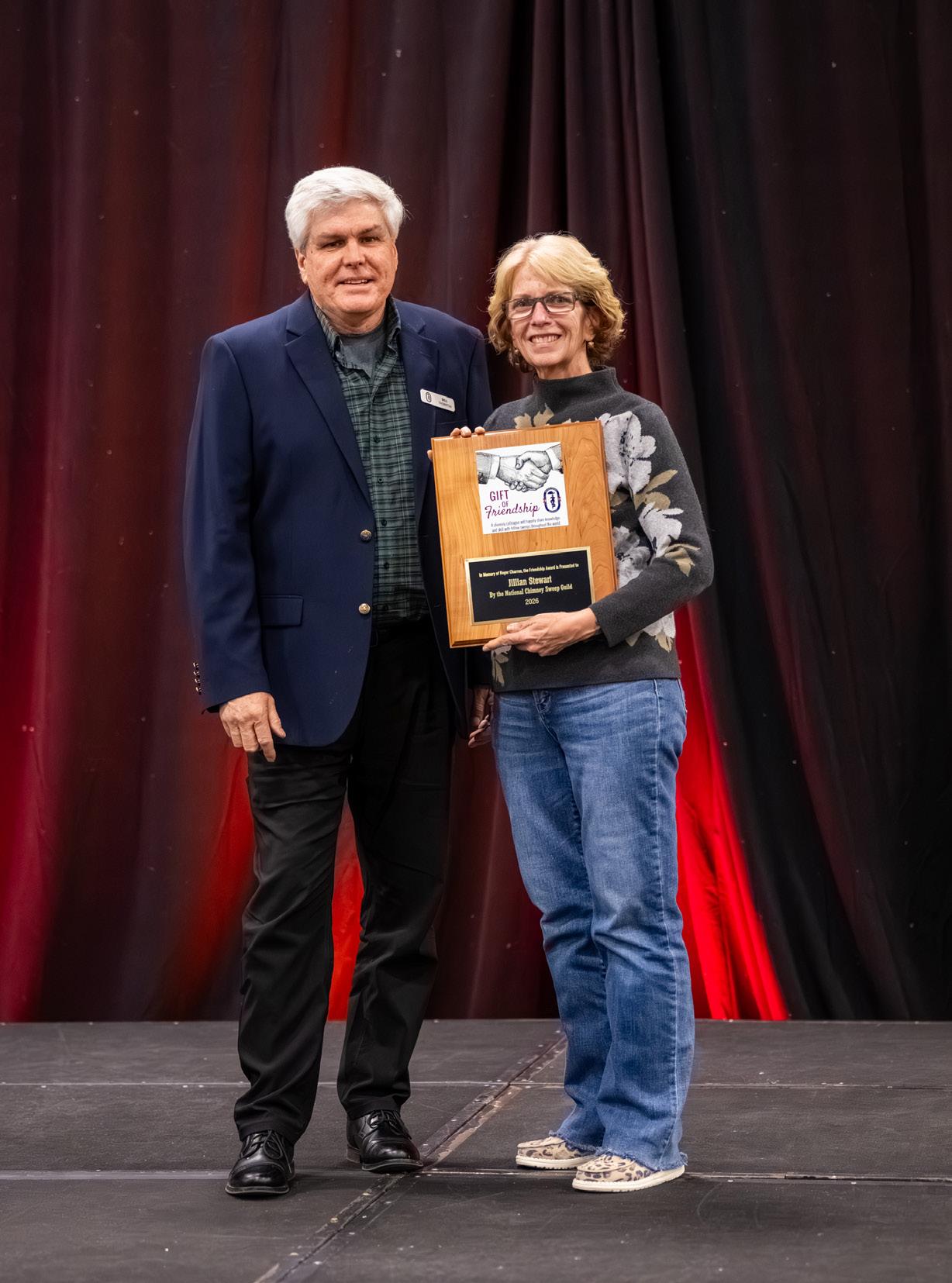
Jillian Stewart was recognized as this year’s Friendship Award recipient, a reflection of the warmth and connection she brings to our community. Read more on page 14.
We are deeply grateful to the sponsors who helped make this event possible. Their investment in the Guild supports the education, networking, and experiences that bring our members together each year. Please join us in thanking:
• Platinum Sponsors: Endura, FutureNow Marketing, Lindemann Chimney Supply, National Chimney, Rush Profits, SaverSystems, and SureFire Training Academy
• Gold Sponsors: Chimney Safety Institute of America (CSIA), New England Chimney Supply, and Z-Flex
• Silver Sponsors: Chimney Monkey
We are also grateful for the continued collaboration between NCSG and CSIA. You can read more about this on page 19.
50th Anniversary Convention in 2027
As we wrap up Kansas City, there's already something big on the horizon.
In 2027, NCSG will celebrate its 50th anniversary with a return to Pennsylvania, where the first convention was held. Join us April 6-10, 2027 at Hershey Lodge in Hershey, PA for a week that will mark a major milestone for the Guild. This will be more than a typical convention. We will reflect on how far the industry has come, recognize the people who helped build it, and look ahead to what's coming in the next 50 years. ■





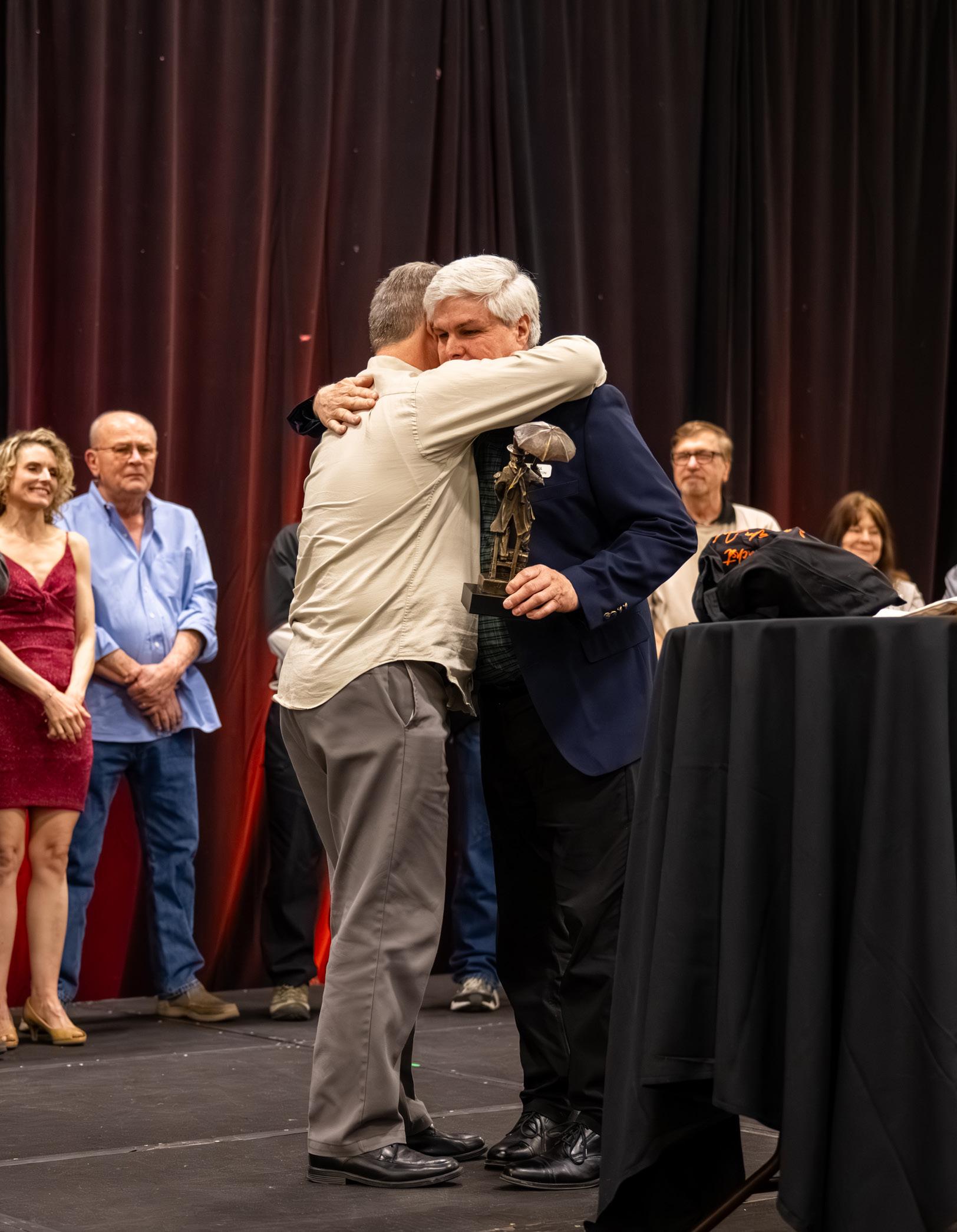
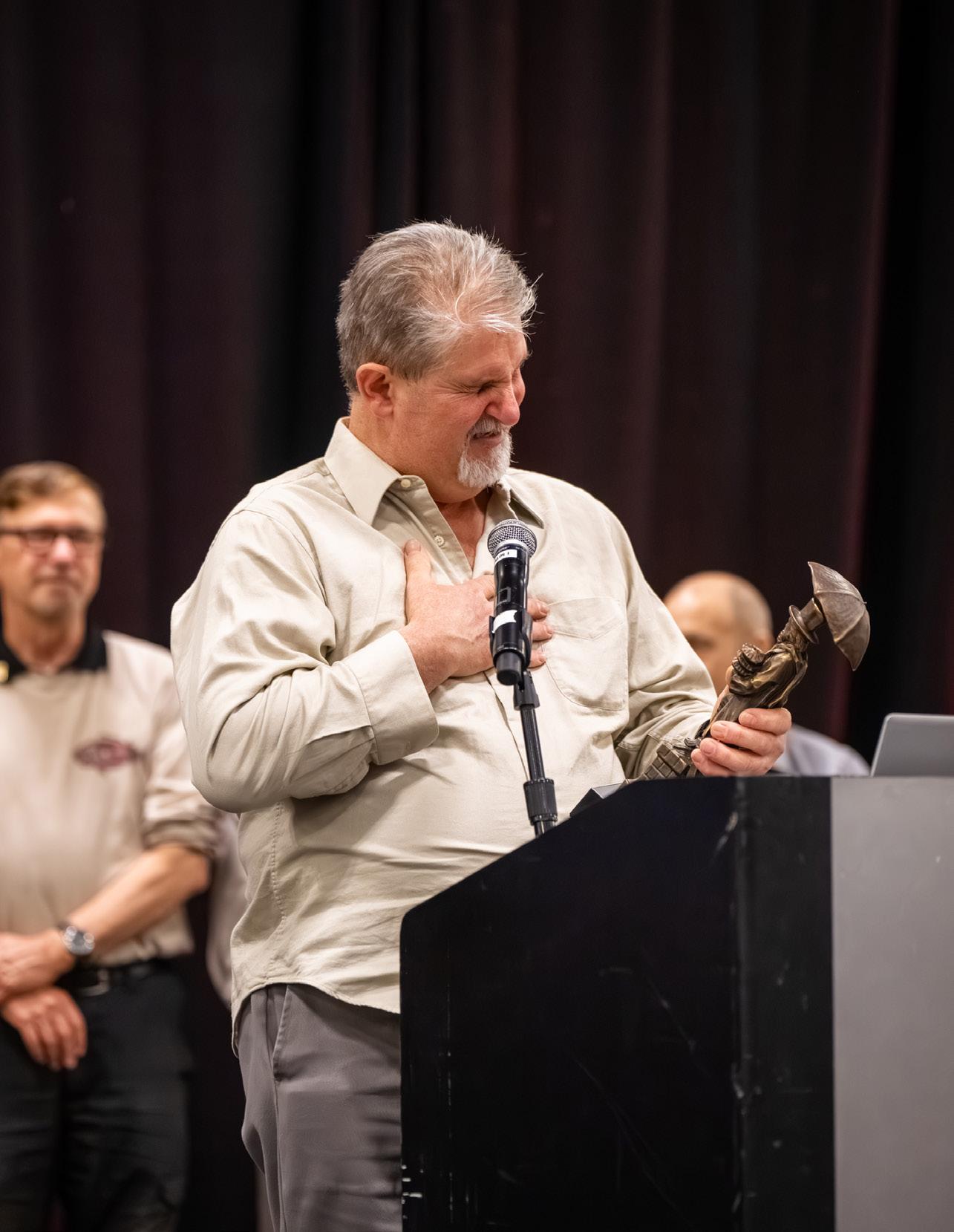
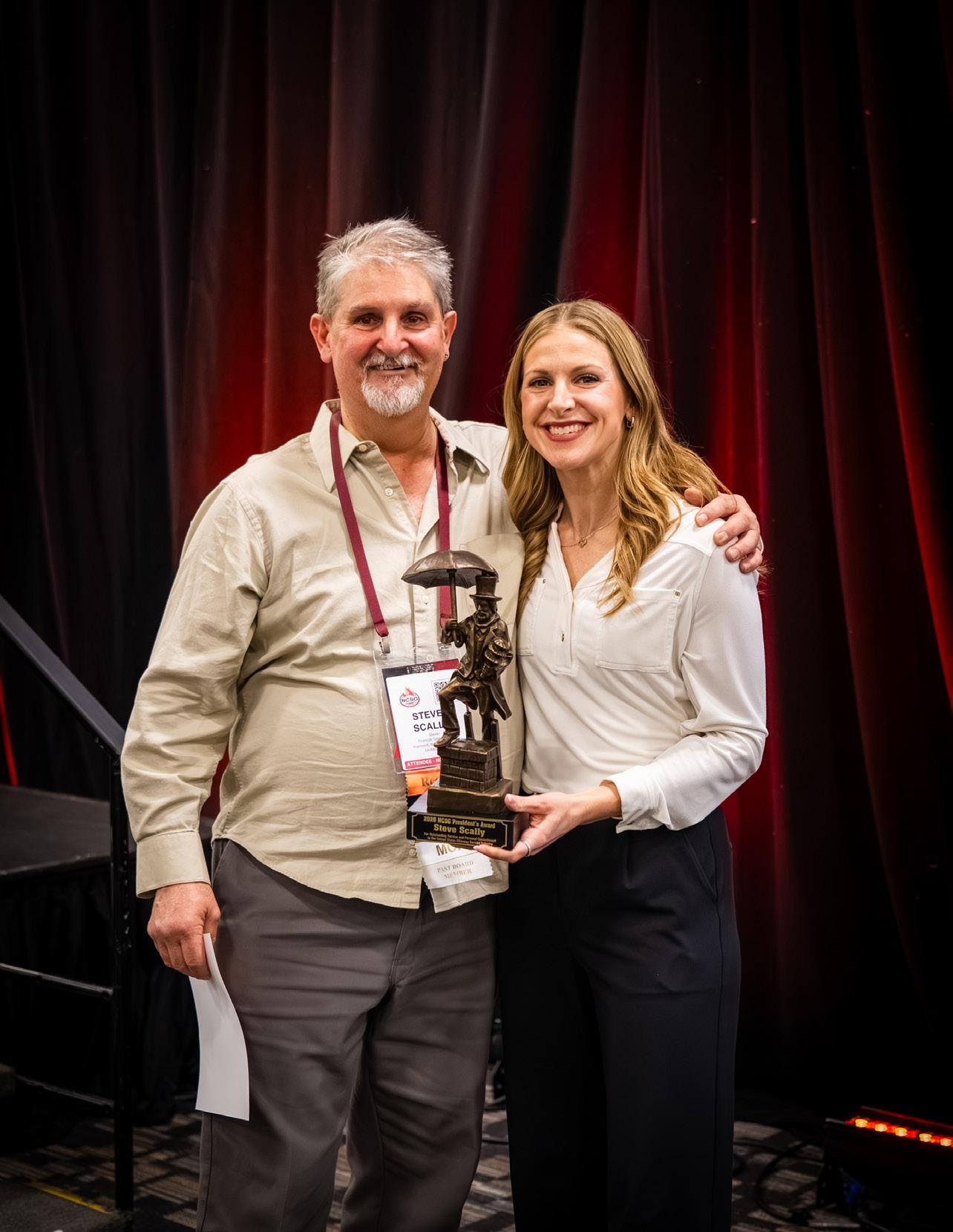
TThe National Chimney Sweep Guild (NCSG) named Steve Scally as the 2026 recipient of the President's Award, selected by outgoing president Bill Thornton to recognize outstanding service and leadership in the industry.
Steve's experience in the chimney industry spans more than four decades. He began working in the trade in 1978 and founded Fireside Sweeps in Epping, NH in 1999.
Over the years, he has built a reputation for detailed, high-quality work that reflects his commitment to thoroughness and accountability. Steve is also a mason and has contributed his expertise as an instructor for both NCSG and the Chimney Safety Institute of America (CSIA), including work on the twisted chimney project at the CSIA Technology Center.
This year also marked the end of a six-year run on the NCSG Board of Directors for Steve, where he served during a pivotal period for the Guild.
In his most recent board term, Steve served as at-large director and treasurer. Known for his steady judgment and willingness to ask difficult questions, he helped guide board discussions with a focus on what would best serve members and strengthen the organization long term.
Despite the recognition, Steve keeps his definition of success grounded in the work itself and the people.
“To me, the success that I feel comes from inside of me in how I feel about the work we do and not from any accolades that I may get in the industry,” Steve said. “The clients we work for and the people who work here with me make this a great place to be.”
On behalf of the NCSG Board of Directors and staff, thank you, Steve, for your leadership, your integrity, and your commitment to making NCSG better for all of its members.
Please join us in congratulating Steve on this well-deserved honor. ■

TThe National Chimney Sweep Guild (NCSG) Friendship Award is presented annually to a chimney colleague who happily shares their knowledge and skill with fellow sweeps around the world. This year's award was presented to Jillian Stewart, a true friend to the chimney industry.
Jillian joined the industry in 2012, helping answer the phones during the busy season at Anderson's Chimney & Masonry in New Cumberland, PA, where her husband Rick owned the business. Over the years, her role evolved from customer service to marketing, human resources, and business operations. A few years ago when the team opened a separate retail location, Jillian led the remodel and took on a new full-time role as showroom manager.
"I have never been in an industry that is so welcoming of everyone and so willing to share,"
Jillian said. "What other industry do you know of where you can pick up the phone and call someone who runs a business like yours and be invited to spend the day with them to share business ideas and best practices?"
Since 2022, Jillian has been graciously volunteering her time and talent to photograph the NCSG Convention & Trade Show. Her photos help preserve the memories that attendees reminisce about long after convention ends.
"Jillian cares deeply about the industry and the people in it," said Brittney Burton, NCSG events manager. "She brings out a smile in everyone, then turns around and captures it."
Outside of work, Jillian travels the country photographing working fires and firefighters. Her photography has been published in multiple books.
The NCSG Board of Directors and staff are proud to celebrate this well-deserved honor. Please join us in congratulating Jillian for her friendship to the chimney and venting industry! ■
Jillian Stewart, 2026
Barb Peters, 2025
Bob Fish, 2024
David Hannah, 2023
David Kline, 2022
Ted Cuttitta, 2021
Hope Stevenson, 2020
Renee Brigman, 2019
Brandi Biswell, 2018
John Bordelon, 2017
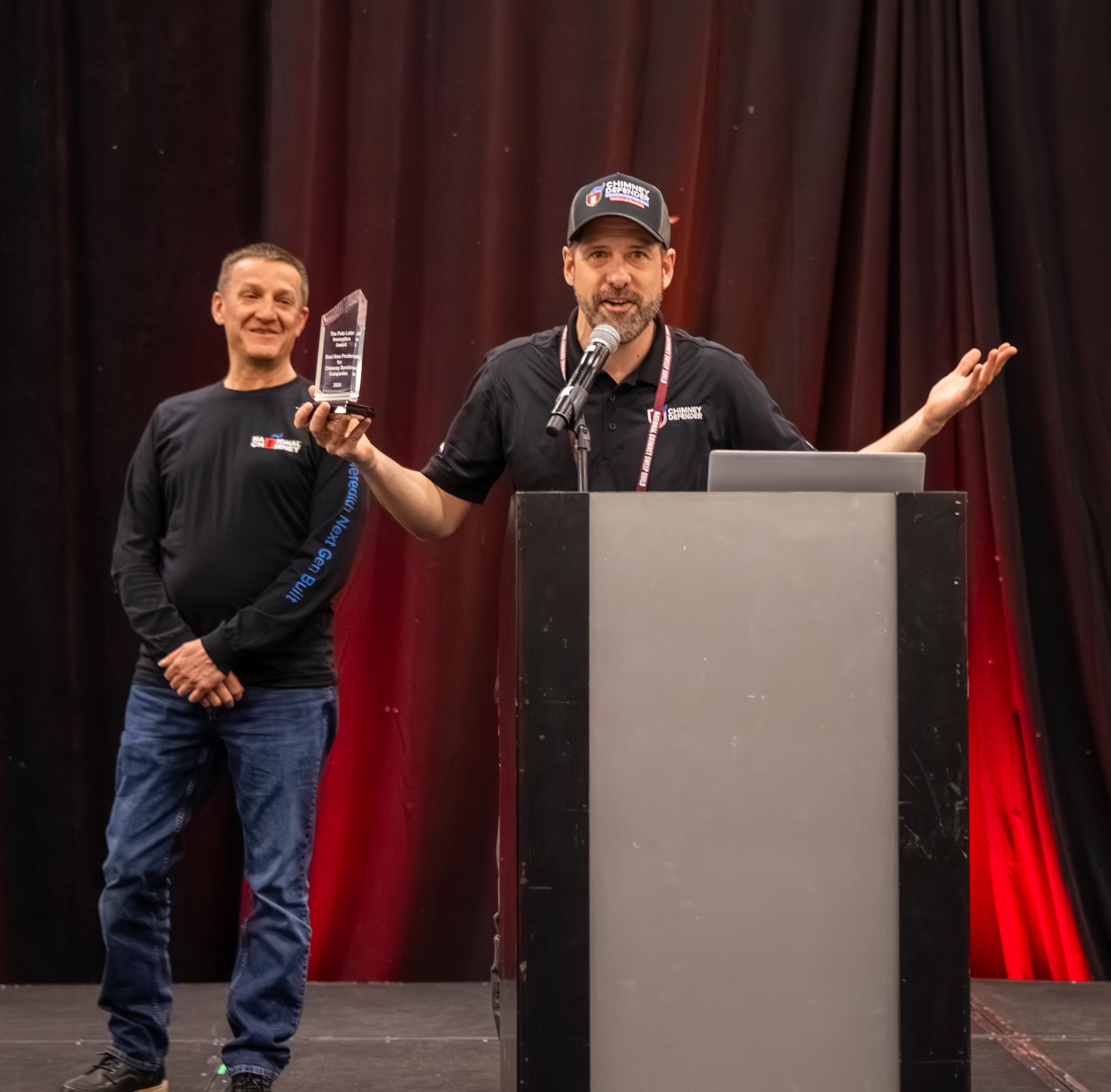
At the 2026 National Chimney Sweep Guild (NCSG) Convention & Trade Show in Kansas City, MO last month, the 2026 Pete Luter Innovation Award was awarded to National Chimney for their new line of Chimney Defender products. The product line includes four specialized products engineered for complete chimney protection: Next Gen Crown Repair, Next Gen Flashing
Repair, Next Gen Water Repellent, and Glazed Creosote Remover.
The Pete Luter Innovation Award was originally established in 2007 to encourage innovation of new products in the chimney and venting industry. The name was changed in 2011 to honor the late Pete Luter, who introduced the spinning tools that revolutionized the way people sweep chimneys. Convention attendees get to vote
on the winner of the award during the trade show.
Pete Luter served as the National Chimney Sweep Guild (NCSG) president from 1989 to 1991 and ran Countryside Chimney Sweep, along with a few other businesses in his hometown. An avid skydiver from Roanoke Rapids, NC, Pete made over 4,000 jumps before his life was tragically cut short in 2010 in a skydiving accident. His
adventurous spirit and innovative mind continue to inspire the industry he loved.
"I went to the National Chimney Sweep Training School in Maryland a very long time ago, and Pete Luter was the instructor," Davey Nester shared on Facebook. "I still use some of his sayings and some of his training techniques to this day."
National Chimney is a veteranowned manufacturer of highquality chimney products, proudly serving chimney professionals across North America since 1992.
"We’re honored to receive the Pete Luter Innovation Award for Best New Product, especially because it’s voted on by the professionals who use these products every day," said Darin Bibeau, CEO
and owner of National Chimney. "This recognition reflects our commitment to listening to the field and continuing to develop solutions that make the job easier, more efficient, and more reliable.”
You can learn more about the Chimney Defender products at chimneydefender.com. ■

Pete Luter, April 25, 1941 –March 19, 2010
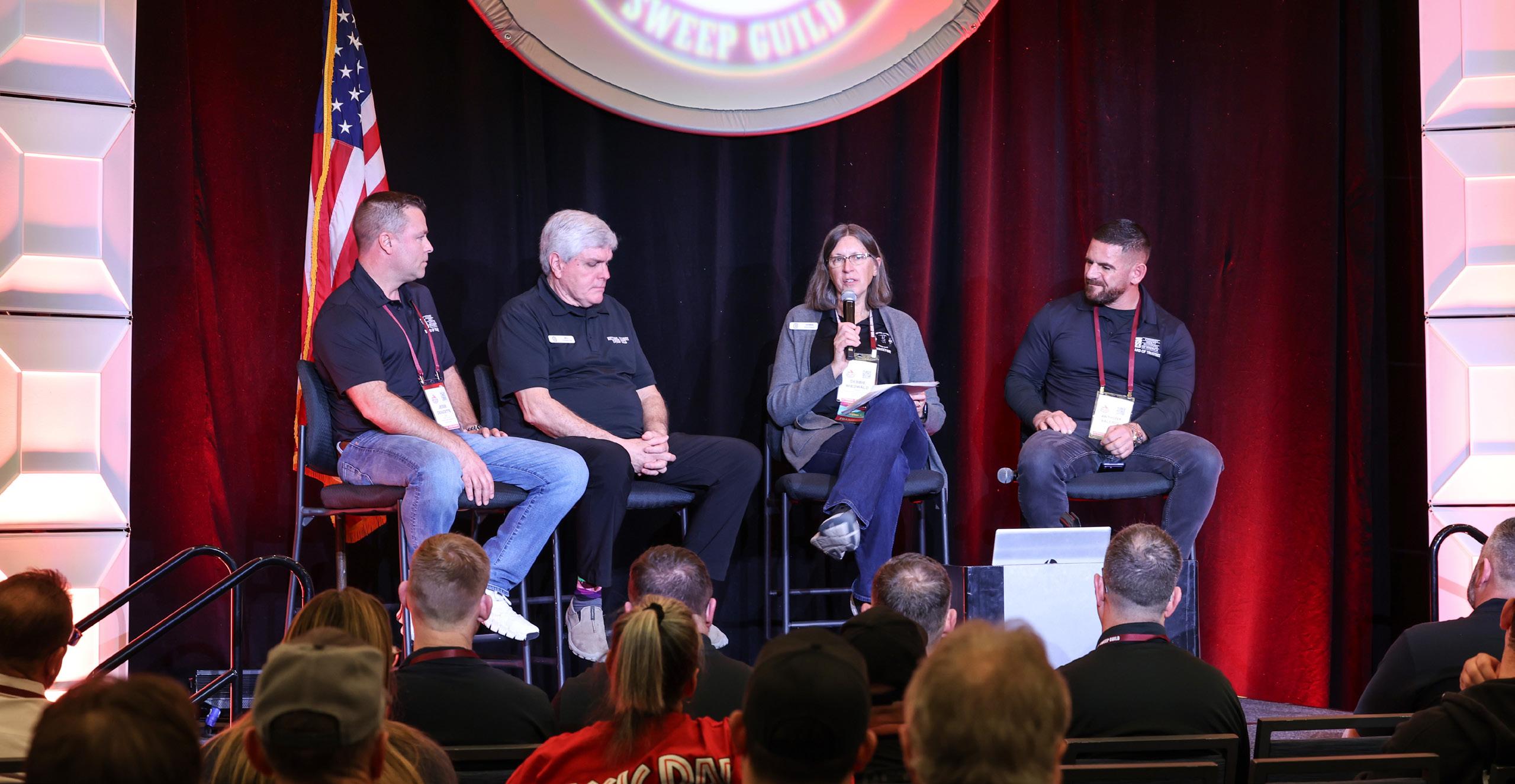
IIn a moment many sweeps have quietly hoped to see, leaders from the National Chimney Sweep Guild (NCSG) and the Chimney Safety Institute of America (CSIA) stood side by side at the 2026 NCSG Annual Membership Meeting in February and delivered a unified message: the industry is stronger when we work together.
NCSG President Debbie Wiedwald and Ex-Officio Bill Thornton were joined on stage by CSIA Chairman Jesse Doucette and Chairman-Elect Anthony Valerio for a session aptly titled, "A Conversation the Industry Has Been Waiting For."
For years, tension between organizations created division that many sweeps felt caught in the middle of. This conversation acknowledged that history without reliving it. New leadership and evolving board structures have created space to step back, let go of old disagreements, and refocus on what truly matters: professionalism, education, and the future of the chimney industry.
Throughout the discussion, leaders shared how communication between organizations is active and ongoing, with executive directors from NCSG, CSIA, National Fireplace Institute (NFI), and Hearth, Patio, and Barbecue Association (HPBA) holding quarterly
calls together.
The CSIA Technology Center, once viewed by some as a symbol of division, was reframed as a resource for the entire industry. The facility is open not only to all sweeps but also to other trade groups and even local community organizations.
Certification was another major focus. With multiple certifications available across the industry, NCSG and CSIA leaders emphasized that more education is a strength, not a threat.
The group also looked ahead to a federally recognized apprenticeship program through the Department of Labor. The vision is to combine the strengths of CSIA’s facility and educational infrastructure with NCSG’s accredited testing model to create an apprenticeship pathway that serves the whole industry. While there are stateby-state hurdles and structural alignment to work through, the intent is that future apprentices could move through training offered by multiple industry providers as long as core competencies are met. Perhaps the most powerful takeaway was not found in any single initiative. It was in the visual itself: NCSG and CSIA leaders standing shoulder to shoulder, speaking with mutual respect. ■
NCSG's virtual reality training program takes on a new name: FORGE
By Jonathan Erdman, Director of Education, National Chimney Sweep Guild
WWhen I joined the National Chimney Sweep Guild (NCSG) staff as director of education in October 2025, the biggest project on the table was the virtual reality (VR) program. And that’s exactly what we all called it. It was "the VR program." At the time, participation numbers were fairly low, and awareness was limited. It was a really neat tool, though.
As I began diving into the nuts and bolts of the project, it became clear to me that this was much more than simply a neat idea; it was a very effective training tool. VR in and of itself was certainly not a new idea. And simulation training was also nothing new. Skilled professionals such as aviators and surgeons have been using simulation training for a long time.
practice without risk to actual patients.”
Like aviators, surgeons, and other professions, VR offers chimney sweeps the ability to hone our skills in a hands-on environment that doesn’t put customers’ homes at risk. If a fireplace or chimney isn’t readily available, then a virtual one is the next best thing.


Jonathan Erdman, NCSG Director of Education
So what made us so unique? After all, the industry currently has hands-on classes available, and most companies have on-thejob training programs in place. My question coming into this project was simply: why?
The answer to the question was explained to me by Bob Ferrari, and it was a good rationale. But to be perfectly honest, the answer didn’t actually become clear to me until I put on a VR headset and entered Chimothy’s world. Chimothy is the AI assistant in the modules. He’s with you through it all.
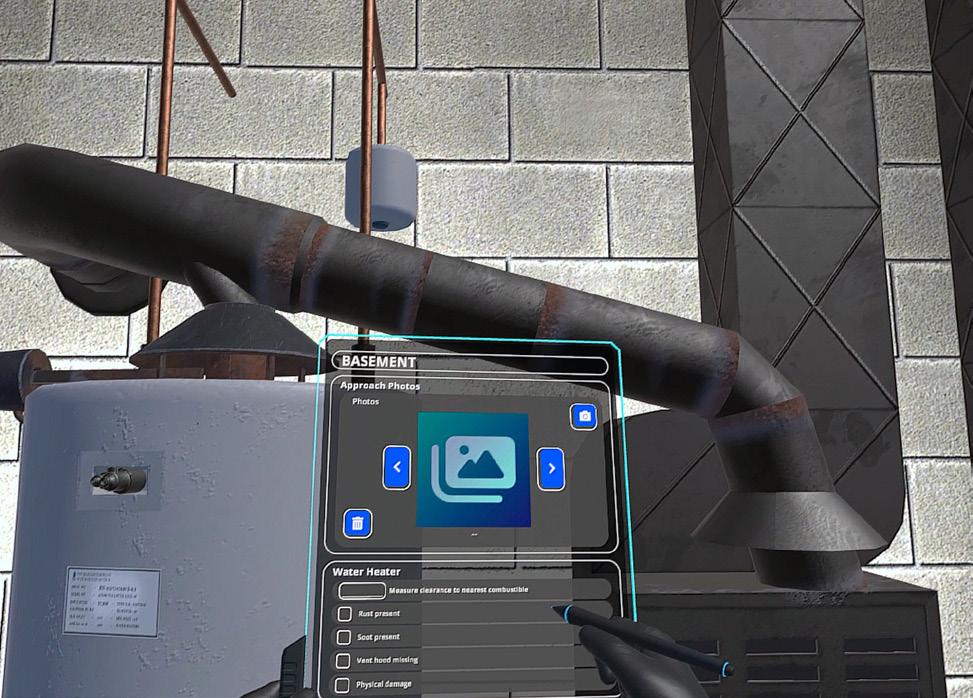
When I entered the modules, I was able to immerse myself into the training and move along at my pace. I was camera-scanning a chimney and going through all the steps in my living room. I was taking pictures and recording measurements. I was literally putting flue tiles on my head, just because I could. And with the latest Gas Fireplace Inspection Module, I was testing for leaks and lighting pilot lights. All without having an actual appliance in my home and without having actual leaks.
The medical industry has utilized virtual training for simulated procedures. In an article published by the National Institute of Health in 2024, the author writes, “The benefits of [simulation-based training] are manifold, including enhanced skill acquisition, error reduction, and the opportunity for repeated
This was the answer to the “why” for me. I could pick it up any time, jump in to the simulation at any step, and even go back and review as many times as needed to get it right.
The project needed a name, though. Calling it “the VR program” was okay in conversation to a certain extent, but the program needed to take on a personality of its own. We hit around several ideas and eventually landed on this idea of FORGE.
What comes to my mind when I think of a forge is fire, heat, flames, and molten metal being shaped into something solid. This is exactly what we want to do with all of our trainees and apprentices. The gauntlet of the fire might be intense at times, but the end result makes it all worth it. Likewise, the difficulty of training may be challenging, but the end result is a population of trade professionals that raise the bar in the industry. So FORGE it is.
By chance, it also happened to create a great acronym: Field-Oriented Realistic Guild Education. That pretty much sums it up. Each module dives into scenarios that chimney service professionals face in the field. And other than the clear fact that it is computergenerated animation, it’s actually pretty realistic.
NCSG began working on the latest module (The Gas Fireplace Inspection Module) well before I arrived. The team met weekly with subject matter experts to talk through various elements as the program took shape. In my opinion, this is one of the best modules in the catalog. This team put a lot into this module, and are still polishing as time goes.
If you’ve ever considered trying NCSG's VR program (FORGE), I encourage you to grab a headset and give it a go. I think you’ll be surprised. ■
FIELD-ORIENTED REALISTIC GUILD EDUCATION
The eight NCSG Forge Hands-On Virtual Reality (VR) training modules currently offer over 40 CEUs and cover the core skills chimney professionals need: masonry fireplace inspection, prefab fireplace systems, house pressure testing, gas fireplace basic diagnostics, and more.
☑ Real World Simulation
☑ Substantial Cost Reduction
☑ Superior Knowledge Retention
☑ Practice To Perfection
☑ Train Anytime, Anywhere

Courses include:
���� Masonry Wood Insert Inspection (VR) ���� Basement Furnace and Water Heater Inspection (VR) ���� Gas Fireplace Basic Diagnostics & Troubleshooting (Online + VR)
���� Inspection Fouindation: Masonry Fireplace (VR)
���� Combustion Principles, Draft & System Diagnostics (Online) ���� Carbon Monoxide & Electrical Safety (Online)
���� House Pressure: How Air Moves Through a
(VR) ���� …and more!
“I
and other expenses.”
- Corey McGill, Done Right Chimney


Understanding the chemistry behind stronger, longer-lasting chimney crowns
By Phillip Stoller, President and CEO, SaverSystems
TThere's a big difference between a post hole and a chimney crown…
For over a decade before entering the chimney industry, I worked in highperformance precast concrete design in the post-frame construction industry. Our focus was solving one of the industry's most persistent structural problems. Wooden posts embedded in soil eventually rot. When they do, the entire structure is compromised.
Our solution was simple in concept but sophisticated in execution. We engineered precast concrete foundation systems that permanently lifted wood out of the ground. Instead of relying on treated posts buried in soil, buildings could stand on permanent engineered concrete.
Those mixes were not guesswork. They were designed around hydration chemistry, permeability control, freeze-thaw resistance, flexural strength, and long-term durability. The goal was simple. Eliminate the weakest point in the structure.
When I entered the chimney space, I noticed a striking contrast.
In agriculture and light commercial construction, we had taken the industry's greatest weakness and turned it into a strength by replacing temporary solutions with engineered concrete systems. In many cases, those systems protected buildings full of tractors, livestock, or other storage items.
Yet in the chimney industry, when forming one of the most exposed horizontal surfaces on a home—the chimney crown—we have historically relied on general-purpose bagged mixes originally designed for applications like setting fence posts in the ground.
This is not criticism. It is simply context. We do not protect tractors in the chimney business. We protect people's homes and people's lives.
Viewed in that light, this gap is not a weakness. It is an opportunity.
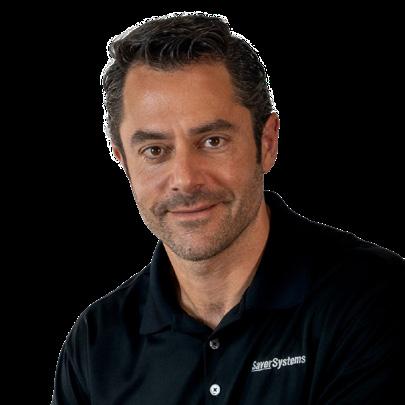
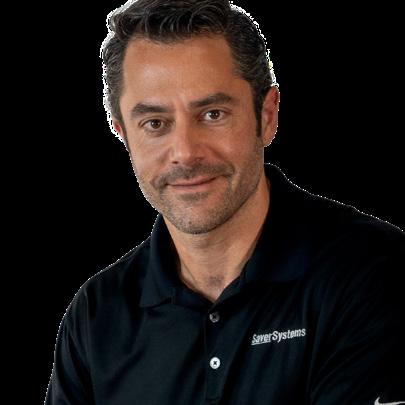
Phillip Stoller, President and CEO, SaverSystems
Almost every sweep I’ve talked to has experienced the same frustrating call-back.
The crown looked perfect when the forms came off. Everything appeared solid. Then a year later the phone rings. When you return to the jobsite, the surface has begun to spall and crumble like a broken sidewalk.
Understanding why this happens starts with understanding what concrete actually is.
Cement is not just gray powder. It is sophisticated chemistry. Concrete itself is made from sand, stone, water, and cement. That part is simple. The chemistry begins when those ingredients are mixed together.
What gives concrete its strength is not drying. It is a chemical reaction called hydration.
When cement particles contact water, they react and form new compounds. The most important of these is calcium silicate hydrate, often abbreviated C-S-H. This material forms a dense microscopic structure that binds the sand and stone together.
One way to picture it is as millions of microscopic crystals growing and knitting the entire mixture into a solid mass.
As long as moisture and temperature are adequate, hydration continues. The familiar 28-day mark is simply the standard testing age used in construction. Strength development does not stop there. It continues more slowly as long as unreacted cement and moisture remain.
Concrete does not harden because it dries. It hardens because chemistry creates new solid compounds. That distinction matters.
The single most important factor controlling concrete strength and durability is the water-tocement ratio.
If too much water is added, cement particles are spaced farther apart. When that extra water eventually migrates out of the concrete, it leaves behind microscopic capillary pores. Those pores become pathways for water intrusion.
More water means more porosity. More porosity means weaker concrete and easier water penetration.
If water is carefully controlled, cement particles pack closer together and the resulting concrete becomes denser and more durable.
Think of it like stacking bricks. When bricks are tightly packed, the wall becomes solid. If the bricks are spaced apart, air and water move freely through the structure.
Adding water may make finishing easier in the moment. Scientifically, it reduces long-term durability.
Professional concrete technology does not solve workability by adding water. Instead, it uses admixtures called high-range water reducers, commonly known as superplasticizers.
These materials disperse cement particles so they flow more easily. Modern formulations prevent cement grains from clumping together, allowing the mixture to move while maintaining a lower water content.
In practical terms, the mix moves easier under your trowel without weakening the concrete.
You get the workability needed on a roof while maintaining a stronger and more durable material.
If you have worked in this trade for a few winters, then you have likely seen the results of freeze-thaw damage.
A crown that looked solid the year before suddenly begins flaking apart. The surface breaks down. Edges crumble. The homeowner asks what went wrong.
Most of the time, the answer comes down to freezethaw damage. When water inside concrete freezes, it expands by roughly nine percent. If there is no internal space for that expansion to occur, pressure builds and cracks begin to form.
Air entrainment addresses this problem by intentionally introducing millions of microscopic air bubbles into the concrete. These bubbles act like pressure relief chambers. When water freezes and expands, it can move into these spaces instead of
forcing the concrete apart.
Not all air is beneficial. The size and distribution of these bubbles matter. When properly engineered, air entrainment dramatically improves freeze-thaw durability.
Some chimney crowns include steel reinforcement.
Concrete naturally creates an alkaline environment that helps protect steel from corrosion. However, moisture exposure and certain contaminants can disrupt that protection.
When steel corrodes, rust forms. Rust occupies more volume than the original steel. As corrosion products expand, they generate internal pressure that can crack surrounding concrete.
Corrosion-inhibiting admixtures such as calcium nitrite help stabilize the protective condition of embedded steel by influencing the electrochemical reactions at the metal surface.
In simple terms, they help stabilize the rust process before it begins to damage the concrete.
Typical Portland cement hydration includes a short dormant period immediately after mixing. Chemical accelerators shorten that period and increase the rate of early hydration reactions. They promote faster formation of the calcium silicate hydrate that gives concrete strength.
You can also use different types of cement to speed hydration. Cement with smaller particle sizes will set faster because small particles yield more surface area to react in the mix. If you introduce other powdered metal oxides into the standard Portland mix you can also create other rapid crystalline reactions that generate high-early strength.
The net result of all these approaches is faster setting and earlier strength gain.
Several material technologies can be used to supplement the chemistry.
• Silica fume: Silica fume, an extremely fine supplementary cementitious material, reacts with calcium hydroxide produced during cement hydration in a pozzolanic reaction. This reaction produces additional calcium silicate hydrate and significantly refines the internal pore structure of the concrete. The result is lower permeability and
improved durability.
• Fibers: Fibers, such as polypropylene or PVA are also used to control plastic shrinkage cracking. These fibers act like microscopic bridges that help distribute stress as the concrete cures.
• Autogenous Healing: With well-designed combination of advanced materials, concrete can also be engineered to have a limited ability to seal micro cracks when moisture is present. This phenomenon, known as autogenous healing, occurs through continued hydration and the formation of calcium carbonate within small cracks.
Compressive strength values such as 4,000 PSI come from standardized laboratory tests, typically measured at 28 days.
Higher strength often correlates with lower waterto-cement ratios and denser concrete. However, durability is not determined by compressive strength alone.
Permeability, freeze-thaw resistance, crack control, and proper curing all play critical roles in long-term performance.
A high strength number on a bag does not automatically mean a better chimney crown.
Even the best mix design can be compromised by poor curing.
Hydration requires moisture. If concrete loses water too quickly due to sun, wind, or heat, hydration slows and cracking becomes more likely.
Proper curing means maintaining adequate moisture and temperature so hydration can continue. Finishing and curing aids can be applied to the surface during or immediately after finishing to protect the concrete. Careful selection of these products should be considered to ensure compatibility with your mix design and intended application.
All of this chemistry may sound academic until you translate it into what happens on a real job.
Every sweep understands the cost of return trips. Traditional crown repairs often require forming the crown, pouring the concrete, and returning the next day to remove the forms after the material has gained enough strength. That second trip means additional labor, fuel, scheduling complications, and another disruption for the homeowner.
For a small business owner, a second trip can erase much of the profit from the job, and if it overruns into a third trip, you’re losing money.
This is where engineered mix design begins to change the equation.
By combining controlled water-to-cement ratios, proper air entrainment, accelerating chemistry, fiber reinforcement, and pore-refining materials, it becomes possible to design concrete that gains strength quickly while still delivering long-term durability.
Instead of building a crown with generic bagged concrete and returning the next day, a sweep can
install a crown using engineered materials designed to set rapidly and perform for decades.
One trip to the customer’s home, better materials, and lower overall cost. That is an equation that results in a win-win solution for the sweep and the homeowner.
At the end of the day, we protect people, not tractors.
Winning matters.
Concrete is chemistry under your trowel. When we understand that chemistry, we elevate concrete from the post hole to the rooftop. ■




By Lauren Turnock, Head of Resources, Rooftop Chimney Sweeps
If you’re an owner in our industry, you already know the truth: your office team is either protecting your schedule and margins or quietly bleeding them. Phones, estimates, follow-up, technician communication, customer expectations... none of it is “just admin work.” It’s operations, and it directly impacts revenue, reputation, and the sanity of everyone on the team.
That’s exactly why the National Chimney Sweep Guild (NCSG) offers CSR 360°, a two-day, comprehensive training built for the team answering your phones and shaping your customer experience every single day.
CSR 360°
CSR 360° goes beyond phone etiquette. We focus on how to qualify the call, control the conversation, set expectations, prevent scheduling disasters, and book the right work. Your customer service representatives (CSRs) learn frameworks, scripts, and decision-making tools they can use immediately, especially when they’re dealing with price shoppers, anxious homeowners, angry callers, or vague “I just need a sweep” requests that are actually leak and repair jobs in disguise.
• April 29-30 (Virtual; register by April 24)
• July 15-16 (Virtual; register by July 10)
• August 13-14 (Virtual; register by August 10)
For the leaders holding the chaos together behind the scenes, this year we’ve got a new, in-depth program: Office Manager Essentials. This class is for the person who is responsible for everything
but often isn’t empowered with the training or structure to lead it well. Office Manager Essentials is designed to help office managers step into true operational leadership, using numbers, systems, and communication standards to stabilize the business.
In this class, we’ll teach clear tools for running weekly scorecards, creating consistency, improving communication and accountability between departments, and protecting profit through better coordination. It’s not bookkeeping, and it’s not vague HR theory. It's the real-world keys to running a successful office.
• May 5 (Hershey Lodge, Hershey, PA; register by April 30)
• June 18 (Virtual; register by June 15)
• August 5 (Virtual; register by July 31)
One of the biggest advantages of these classes is how well they translate to a virtual format for office roles. Your team gets the training they need without the added cost and lost time that come with travel. CSR 360° is a two-day class, and Office Manager Essentials is a one-day class. The virtual format keeps the time commitment focused on what matters most, making it an efficient, high-value option at a cost that is hard to pass up.
If you want fewer fires, better results, and an office that drives growth instead of reacting to problems, these are the classes for your team.
Your field team can’t carry the business alone. Let’s build the office that supports them. ■
By Matt Shibles, Marketing Manager, RBG Inc.
One of the most notable aspects of the National Chimney Sweep Guild (NCSG) Convention & Trade Show is seeing professionals from all walks of the industry collaborating in one place for a week, sharing ideas, and discovering new ways to make the trade safer and more efficient. At the risk of sounding cliché, I really haven’t seen another community like it.
Beyond communicating with folks directly, I observed how the different business leaders and employees treated each other with genuine respect. It was hard to look down a hallway and not see some sort of camaraderie going on. Many openly shared insights into the equipment and techniques they are using to keep their operation running smoothly. The energy was flowing, and a few attendees were going booth to booth to proudly show friends the gear they use.
I found this setting to be the perfect place to meet with a few people amongst different roles in the trade.
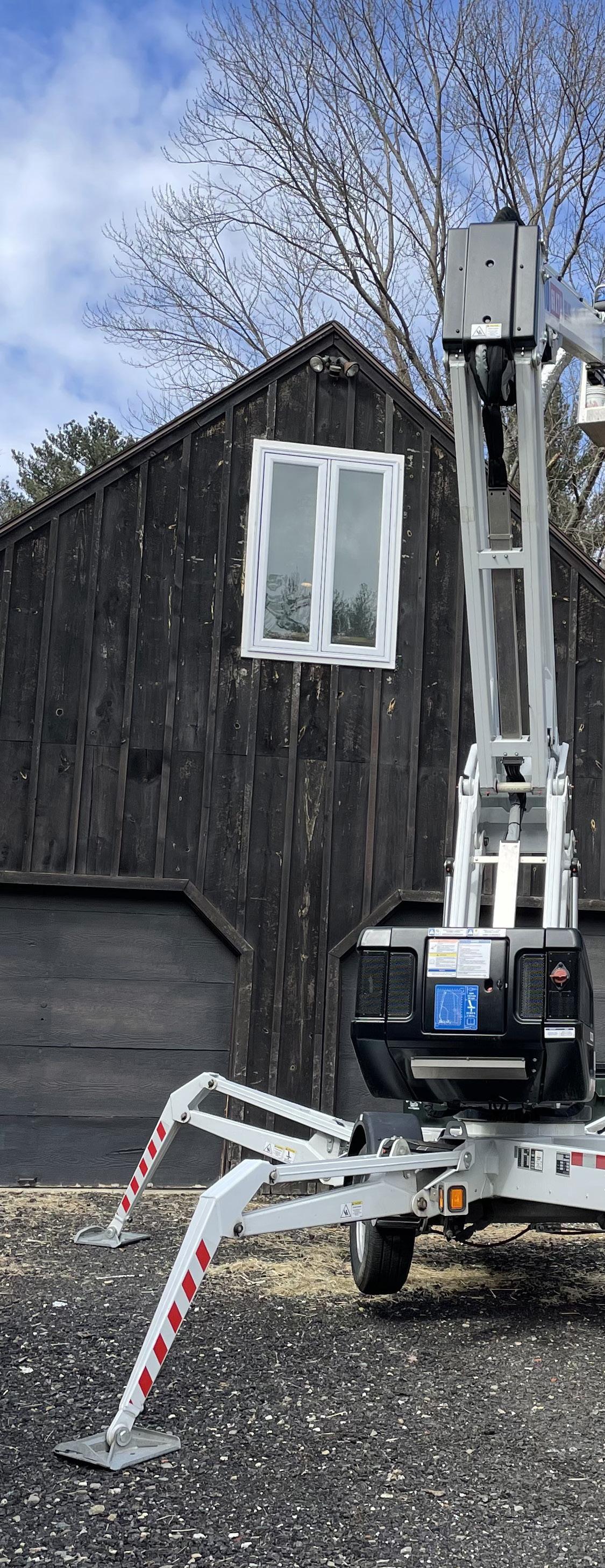
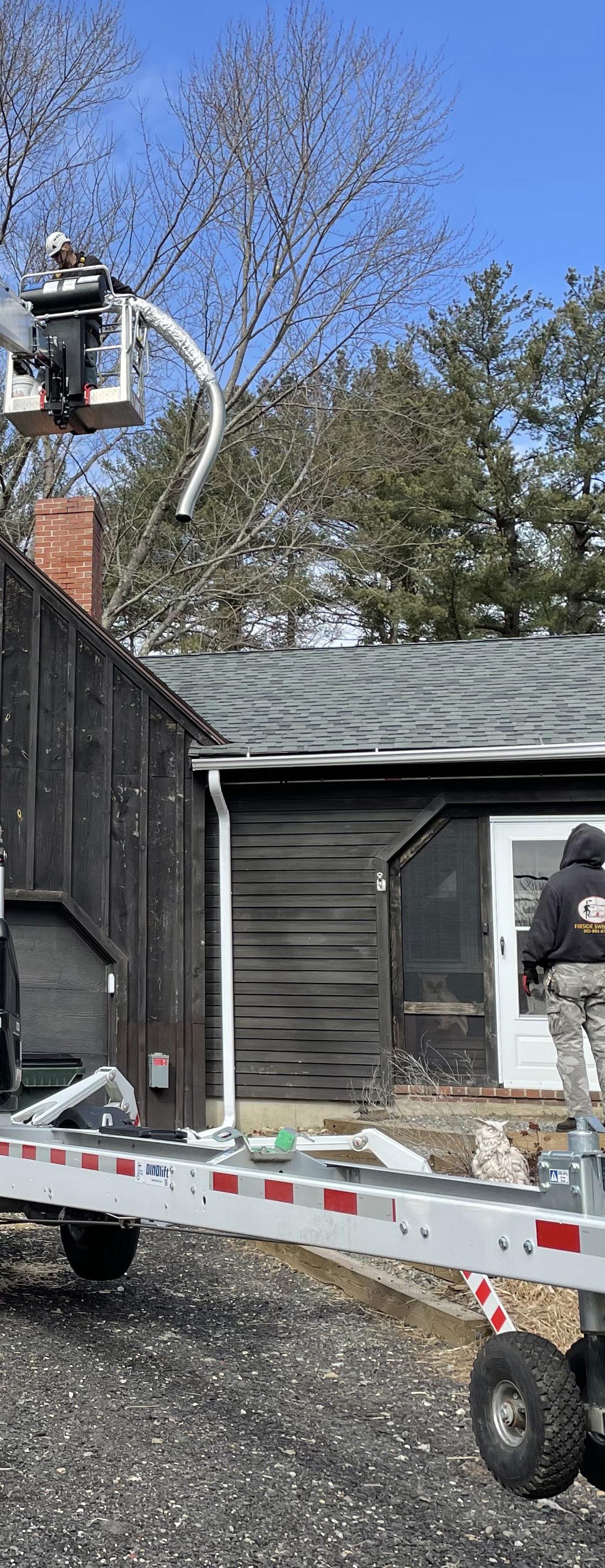
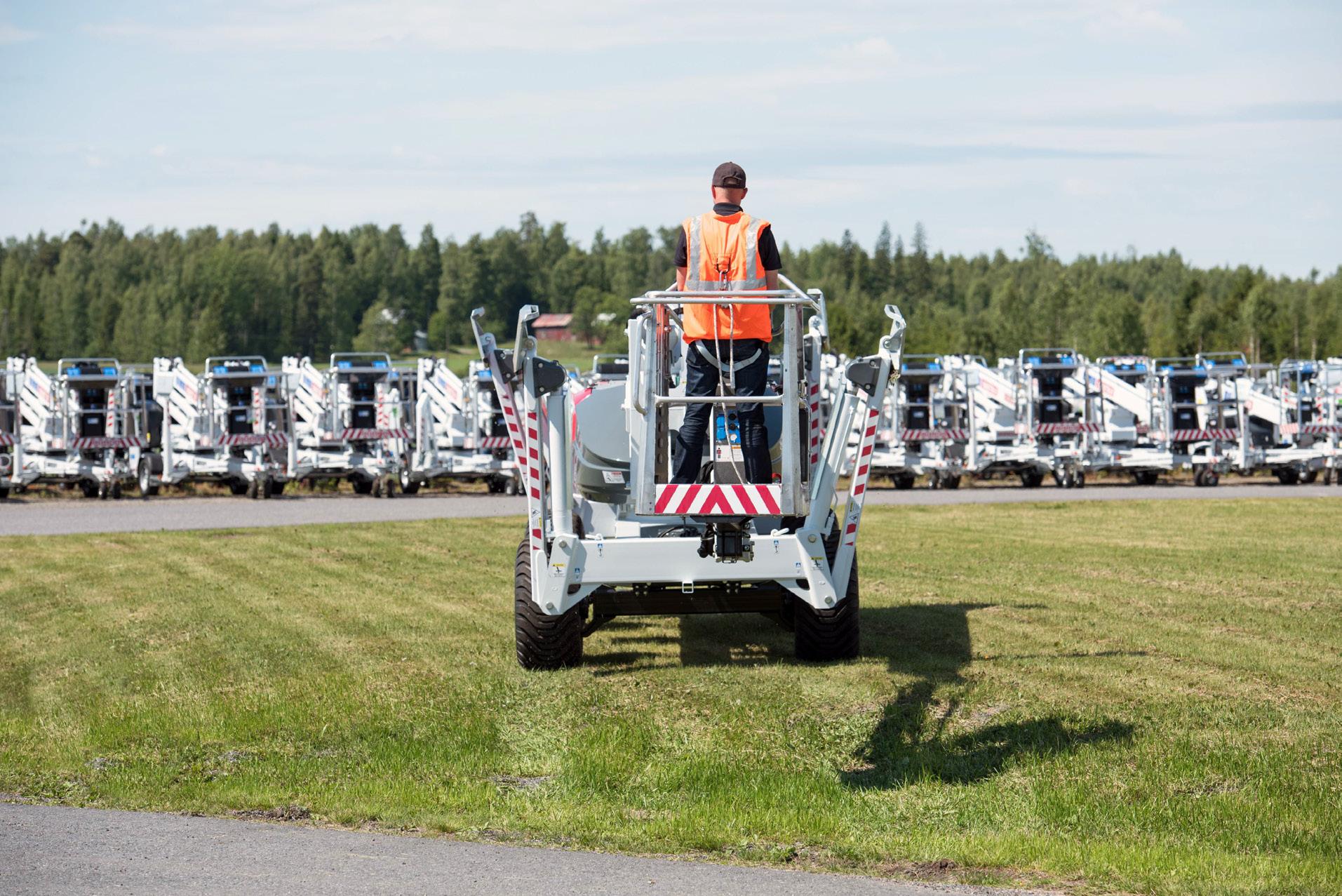
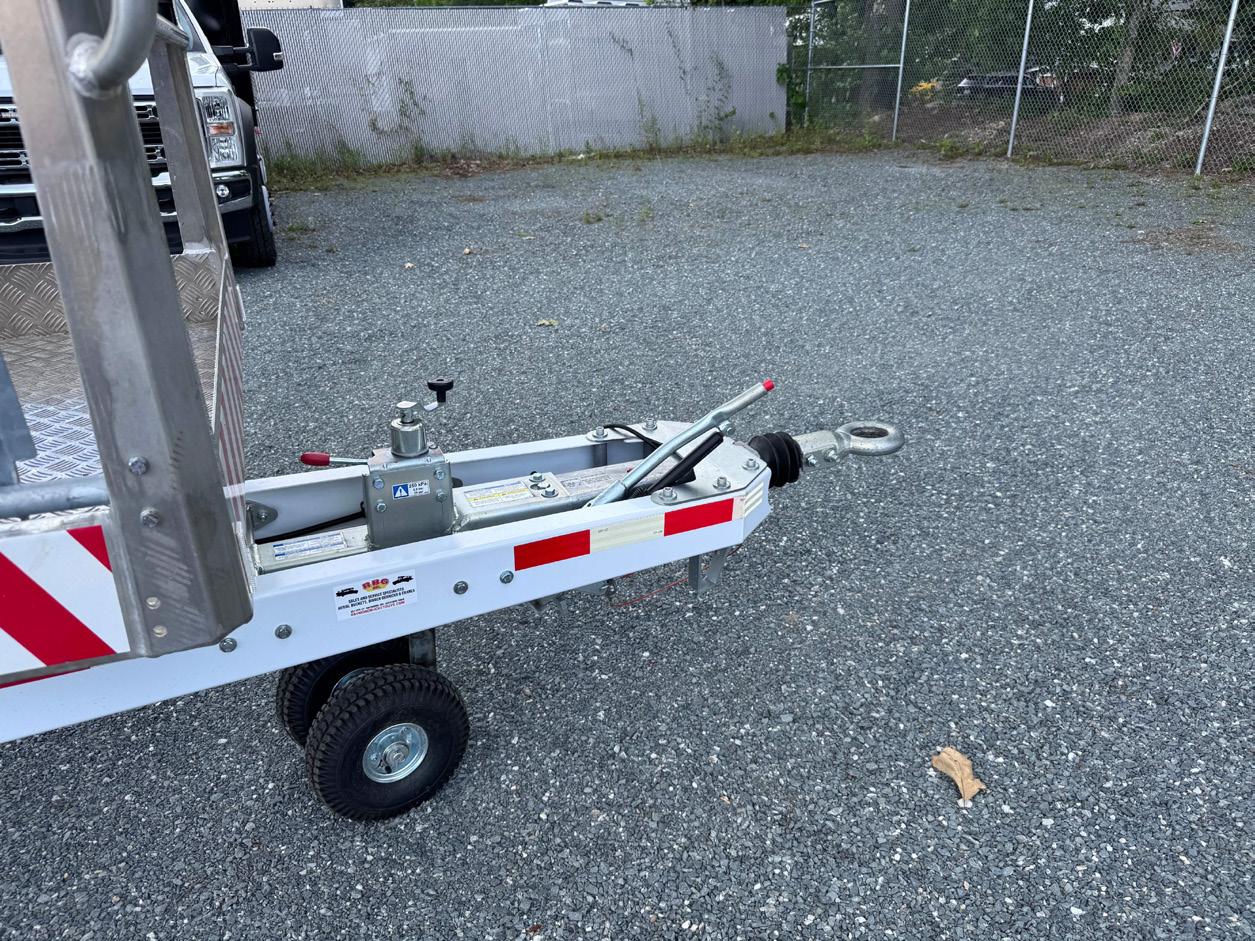
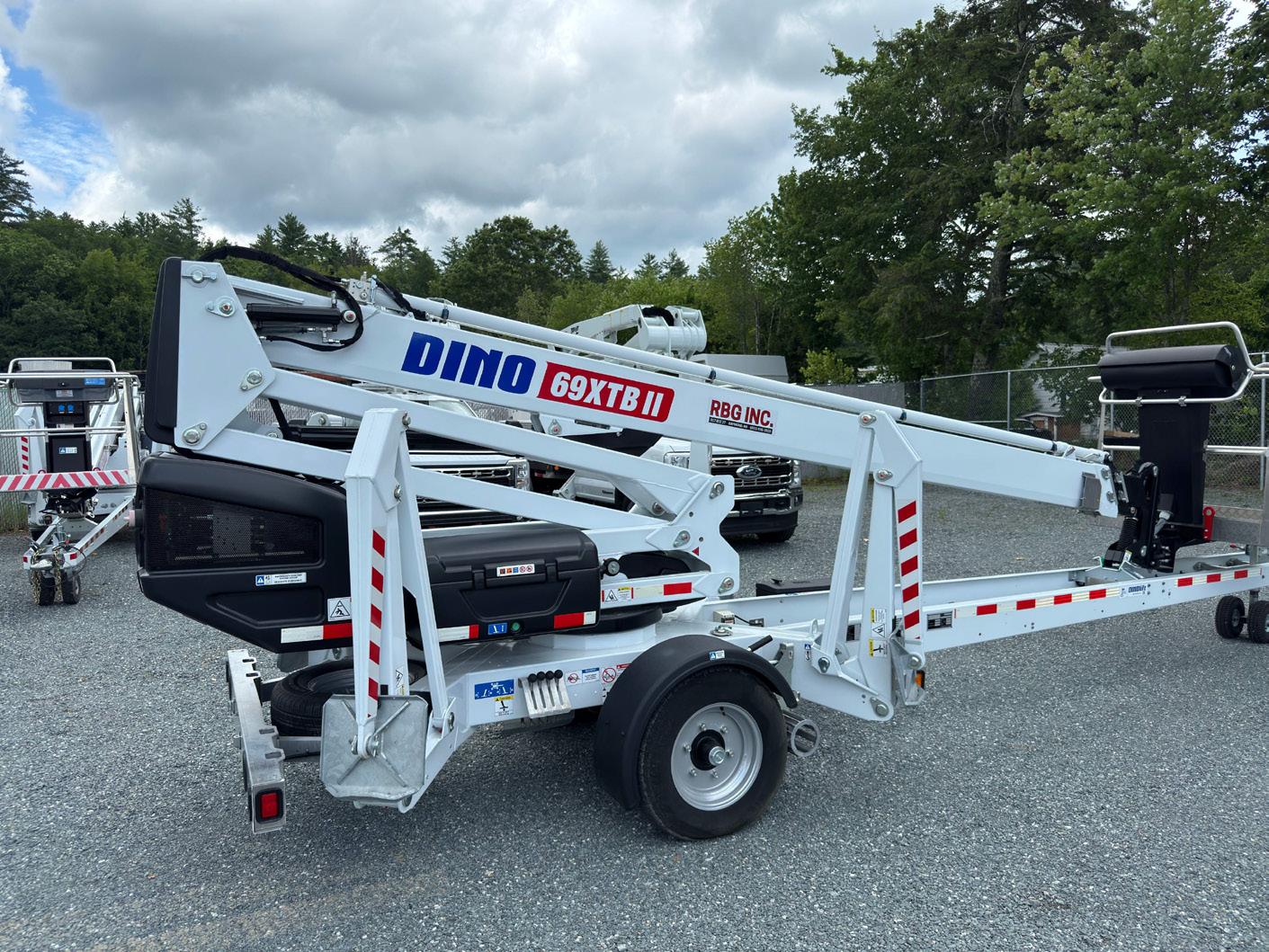
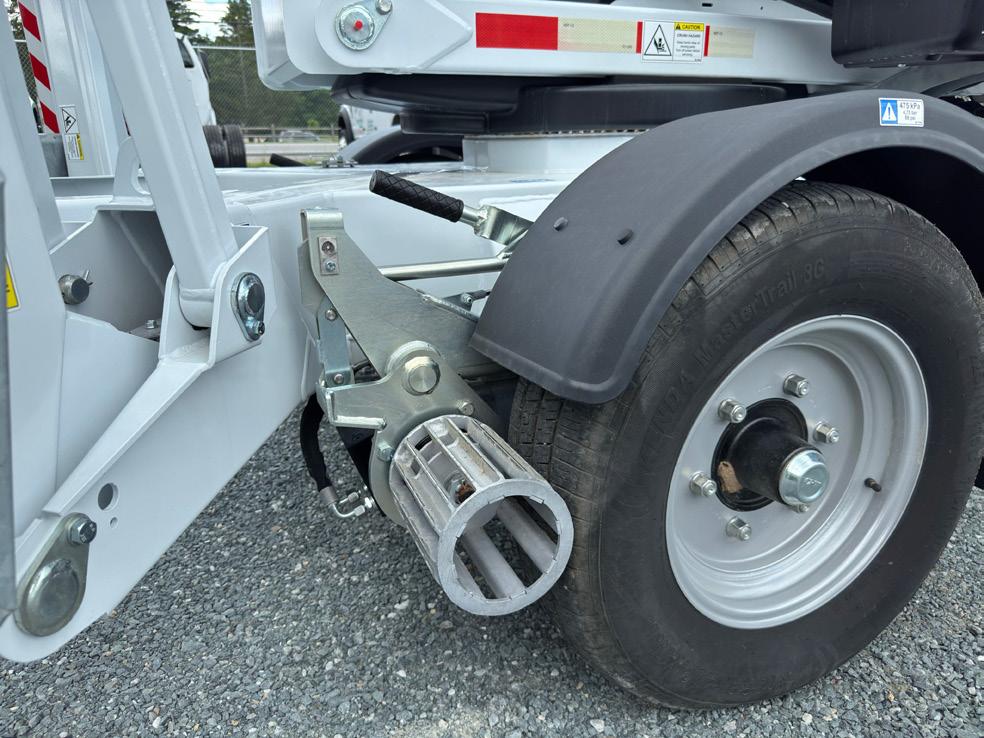
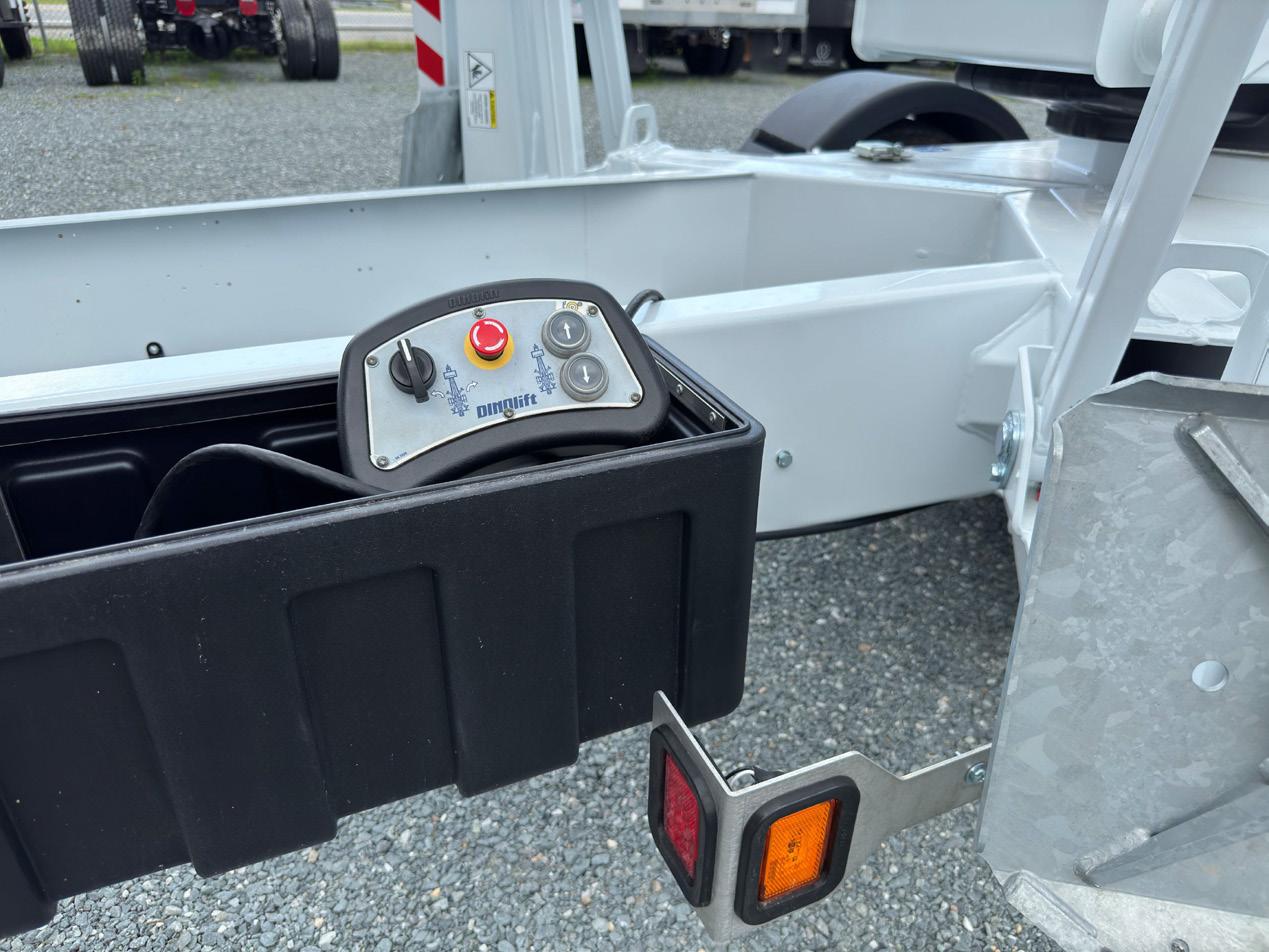
Aerial lifts aren’t brand new to the chimney industry. Bucket trucks with telescoping and articulated booms have been helping since the 1980s. However, just as technology has become lighter and more userfriendly, self-driving and towable lifts have found their way into chimney business owners' fleets.
Currently, one of the biggest concerns for business owners is labor costs. Every project can be wildly different, and having to set up scaffolding is often a major pain. These modern lifts offer a way to cut down that prep time and keep the focus on the job itself. The benefit of adding an aerial lift to a fleet isn’t to eliminate employees and cut jobs. While some tech is built to replace people, owners who’ve moved away from ladders and scaffolding see these lifts as a way to save time, allowing them to take on more projects and actually grow their crew.
Speaking of that crew, in my opinion, nothing is more important than safety. The NCSG takes safety seriously by offering a free copy of their Residential Chimney Service Safety Manual at the show and having all sorts of relevant classes during the week of the convention. Returning home safely each day and night is the most important goal in an industry that has people working at heights, with heavy objects, slippery surfaces, and other hazards.
A trained employee using an aerial lift eliminates much that could go wrong with traditional scaffolding, climbing, and ladder use. While the risks of working at height always exist, having the ability to safely raise and lower to deliver supplies is essential. This removes the possibility of a plank slipping, ladder not being placed correctly, or a worker overreaching and losing their balance. By providing a stable, guarded platform, these lifts take much of the physical guesswork and sketchy setups out of the equation, allowing the crew to focus on the craftsmanship of the chimney rather than their footing.
Ultimately, the move toward modern aerial lifts is really about the people in this industry. While ladders and scaffolding will always have their place on certain job sites, the genuine teamwork and professional courtesy I saw at the 2026 NCSG Convention & Trade Show is evident in how owners are choosing to invest in their crews.
By trading in the setups of the past for smarter, safer technology where possible, the industry is proving that you can grow a business while prioritizing the well-being of the workers who make it all possible. It’s an exciting time to see the trade evolve, ensuring everyone returns home safely at the end of the day. ■
LBy Eric Ebbert, Vice President of Sales and Marketing, SaverSystems
Let me start with something slightly uncomfortable. You can spend money on search engine optimization. You can wrap your truck. You can send postcards, run Google Ads, sponsor the local baseball team...
And then one tech shows up late without calling and all of that marketing just went up the flue.
In this industry especially, customer service isn’t separate from marketing. It is the marketing.
Homeowners don’t sit around comparing your waterproofing specs to your competitor’s. They remember how they felt when you walked through their front door. Were you on time? Clean?
Confident? Did you explain things without sounding condescending? Did you leave their living room cleaner than you found it?
That experience becomes the story they tell their neighbor. That story becomes the review. That review becomes your next job.
Most chimney companies think marketing is what happens before the appointment is set. Your real marketing starts after the appointment is scheduled. And if we’re being honest, there are a handful of service habits that quietly sabotage referrals every single day.
Let’s talk about five of them.
I know. You’re busy. You’re on a roof. You’re understaffed. I get it. But when a homeowner calls and gets voicemail, here’s what happens:
1. They hang up
2. They call the next company
We like to think they’ll leave a message. Some do. Many don’t.
From their perspective, a live answer signals stability. Professionalism. These people have their act together.
The phone is your first service touchpoint. Which means it’s your first marketing impression. If you’re spending money to drive calls and then letting them go to voicemail at 2:00 in the afternoon, that’s not a marketing problem. That’s a service systems problem.
You know what homeowners hate? Not knowing when someone is coming to their house. Nothing frustrates like a four-hour window and radio silence.
• A simple confirmation text the day before
• A “we’re on the way” message
• A quick call if you’re running 20 minutes behind These are small things. Tiny, even. But they reduce anxiety. Anxiety affects how people perceive value. If a homeowner feels unsure or irritated before you even arrive, you’re already starting in a hole. Your recommendations will feel more like “sales” and less like “help.”
Good communication makes you look organized. And organized companies can charge more. That’s not opinion. That’s pattern recognition.
This one is big.
A technician who walks in, does the work, hands over an invoice, and leaves might be efficient. But they’re missing the moment.
Homeowners don’t know what a cracked crown means. They don’t know why water is the biggest
enemy of masonry. They don’t know the difference between “fine for now” and “you have two seasons left.”
If your tech doesn’t slow down and explain what they’re seeing, you lose trust, authority, and future work. Education isn’t selling. It’s service.
When a homeowner understands what’s happening on their roof, they feel protected. Protected customers refer people. They also say yes to waterproofing, crown repairs, and preventative work because it makes sense.
The companies that win long-term aren’t the ones that “close hard.” They’re the ones that explain clearly.
This one is subtle, and it costs real money.
You finish the job. Everything went well. The homeowner is happy. You shake hands and head out. And that’s it. No reminder about next year’s inspection. No conversation about ongoing maintenance. No system to follow up.
You just turned what could have been a 10-year client into a one-time cleaning.
Customer service includes helping homeowners think ahead. Most of them aren’t tracking chimney timelines. That’s your job.
A simple, “We’ll send you a reminder next fall to get back on the schedule” changes the relationship. Now you’re not just a contractor. You’re their chimney professional. Big difference.
And from a marketing standpoint? Retention is cheaper than acquisition all day long.
This is the quiet killer. You do great work. The homeowner is thrilled. They even say, “We’ll definitely recommend you!”
And then… nothing. No review.
Meanwhile, the company across town with half your experience has 147 Google reviews because they ask every single time.
Online reviews are today’s word-of-mouth. If
customer service is your marketing, reviews are the megaphone.
The key is timing. Right after a positive experience. When the homeowner is standing there saying how clean everything looks. That’s the moment. Not a week later in an automated email they’ll ignore.
Train your techs to say something simple:
“If you felt good about today’s visit, a quick Google review really helps us. I can text you the link.”
Confident. Normal. Not awkward. If you don’t ask, you’re hiding your best work and missing future business.
In most chimney companies, marketing and service aren’t two departments. They’re the same person. The same truck. The same interaction.
Your technicians are your marketing team whether they realize it or not, which means training can’t just be about sweeping technique and safety protocols. It has to include communication. Presence. Professionalism. How to explain things. How to leave a home better than you found it.
Sweeps sometimes tell me, “We just need more leads.”
Maybe. But sometimes what you really need is to protect the leads you already paid for.
One poor experience doesn’t just lose one job. It loses referrals, repeat business, and online visibility. On the flip side, one exceptional experience compounds for years.
Think about your best long-term customers. The ones who call you every year without fail. The ones who’ve sent you three neighbors.
That didn’t happen because of a coupon or an ad. It happened because somewhere along the line, someone on your team made them feel confident and taken care of. That’s marketing.
So, the next time you’re looking at your marketing budget, don’t just ask, “How do we get more calls?”
Ask, “What happens after the phone rings?”
That’s where your real growth lives. ■

What makes your company unique?
We genuinely treat our employees and customers like family. We take time to get to know not only the chimneys we work on and the homes we work in, but also the people (and even the pets) who live there. Many of our relationships span years, and it’s not unusual for our technicians to be welcomed back with homemade treats or small thank you gifts, sometimes even lunch on the table waiting for them to finish. That kind of connection comes from slowing down, listening, and recommending what’s truly the best option, not just what’s quickest, easiest or most profitable. For us, it’s about trust and long-term relationships, not just quick sales.
What does success mean to you in business?
Building a culture of training, education and continual improvement, so our team, our customers, and their homes are always protected. In this industry, safety is a responsibility. If we’re constantly sharpening our skills, raising our standards, and running a healthy, profitable company where everyone feels appreciated while doing it, that’s real success for me.
How do you envision the chimney industry 50 years from now?
I wouldn’t want to bet money on what it’ll look like. Technology is moving fast, there are so many more avenues for training and education, especially in the virtual reality space. Who knows, maybe we’ll even be building chimneys on Mars by then. What I do know is that in 50 years I’ll be gone, but much of the brickwork I’ve laid will still be standing. Tools will change; good craftsmanship won’t.
What's something people usually don't know about you?
No one has ever seen Superman and me in the same place at the same time... I’ll just leave it at that. ■


By Chris Van Leeuwen, Vice President of Professional Development, Veracity Insurance Solutions
As a chimney sweep, cybercrime might not be the first thing on your mind. But in today’s world, even small businesses like yours can face serious threats that could bring operations to a halt. Cybercriminals are going after small businesses more than ever, using tactics like ransomware, payment fraud, phishing emails, and hacks through third-party vendors. Many business owners only discover their usual insurance won’t help after it’s too late.
Why do criminals target chimney sweep businesses?
Chimney companies manage a range of information and daily activities that attract cybercriminals, such as:
• Customer identity and contact data: Names, addresses, phone numbers, emails, service history, sometimes gate codes or notes about property access
• Payments: Card-not-present transactions, stored payment tokens via processors, ACH/wire payments for commercial accounts, and refund capability
• Scheduling and dispatch: Cloud platforms with customer lists, routes, and technician calendars, highly disruptive if locked
• Documents and photos: Inspection reports, before and after images, estimates, invoices, warranty documents
• Vendor dependency: Booking platforms, accounting software, payroll providers, IT consultants, and marketing firms
All these routine tasks can open the door for cyber criminals looking to exploit your business.
1. Imagine a technician’s phone, used for routes and photos, gets stolen. It likely has saved emails, customer addresses, notes about how to get into a property, and photos stored in the cloud. Even if no one “hacks” the phone, your business could still have to notify customers, deal with privacy rules, and manage damage to your reputation.
2. A technician accidentally clicks a bad link on their phone or laptop. Malware can spread or steal login info, locking you out of email, scheduling, your customer list, or even your accounting software. Even if no data is taken, your business can grind to a halt.
3. Many chimney companies use outside vendors for booking and marketing, with customer forms and appointment tools hosted offsite. If one of those vendors is breached, your customers’ data might be exposed, and they’ll look to you for answers. In fact, Verizon says outside vendors are involved in 30% of breaches, and that number keeps rising.
An estimated 43% of all cyber-attacks target small businesses by compromising email accounts, tricking a bookkeeper, or exploiting a vendor connection. According to SQ Magazine, in 2025, it costs a small business an average of $164,000 to mitigate a cyberattack.
Every state has laws about what you have to do if customer data is compromised, even for small businesses. Usually, you have to notify affected
customers quickly and sometimes report to state officials too. Some states set strict deadlines, while others just say you must act “without unreasonable delay.”
The rules about what counts as a reportable breach and which types of data trigger notifications vary depending on the state. If you don’t follow these rules, you could face investigations, fines, or even lawsuits. And if you serve customers in more than one state, you have to follow the laws where your customers live, not just where your company is based.
Cyber insurance isn’t a single, one-size-fits-all coverage. It’s a bundle of protections designed to respond to the most common ways cyber incidents impact small businesses, including:
• First-party breach response costs, such as forensic IT services, legal guidance, customer notification, and credit monitoring
• Cyber extortion and ransomware, covering the

costs to investigate, negotiate, and recover from an attack that locks up your systems
• Business interruption and extra expense, helping replace lost income and pay for workarounds when your operations are disrupted
• Funds transfer fraud and social engineering, protecting against losses when criminals trick employees into sending money or changing payment details
• Third-party privacy and network security liability, covering claims that allege failure to protect customer data or prevent the spread of malware
Cyber risk isn’t just a problem for big tech firms or giant corporations. Chimney sweep businesses use digital tools every day to schedule jobs, take payments, talk to customers, and keep records, so you face real risks too.
If you have any questions about cyber coverage, please contact a representative at Insurance Canopy (a division of Veracity Insurance Solutions) at 844-520-6993. ■


OOver the years, I have often spoken about the importance of systems in building a successful business. Systems are the foundation that allow a company to grow, maintain quality, and deliver consistent results to customers.
However, many business owners struggle with where to begin. To simplify the concept, I like to break the idea of systems down into five key categories. When business owners and managers develop these systems intentionally, they create a business model that is both viable and sustainable—one capable of consistently delivering the results they desire.
Let’s take a closer look at the five systems every successful home service company should build.
Great companies don’t wait until they are desperate to hire. Instead, they maintain a continuous recruiting system. Unfortunately, many companies only begin thinking about hiring when they are already shorthanded and under pressure. This often results in desperation hiring!
By Jerry Isenhour, Coach and Consultant, CVC Success Group
A strong recruiting and hiring system should include:
• Clear job descriptions
• A defined interview process
• Skills and attitude screening
• Cultural fit evaluation
• A pipeline of potential candidates
The goal is simple: Always be recruiting so you can hire the right people, not just the available people.
The best candidates are often not actively looking for a job—you need to be looking for them!
New employees should never be left to simply “figure things out.” Yet in many companies, that is exactly what happens.
Imagine walking into a new workplace surrounded by people you do not know, with no clear understanding of how things are done. That uncertainty can be overwhelming and discouraging.
A strong training and development system should include:
• Technical training
• Customer service training
• Safety training
• Ride-along coaching
• Clear performance expectations
Companies that grow consistently provide a structured path that takes a new hire from beginner to professional team member. This applies to both office staff and field technicians. I have often suggested the need for a proficiency chart to guide the new hire in the skill development process.
Great teams do not happen by accident; they are built through a thoughtful and intentional development process.
This system ensures the work is done correctly every time.
An effective operations system includes:
• Standard operating procedures
• Job checklists
• Inspection processes
• Clear service standards
• Quality control measures
• Tracking and measuring successes and failures
These elements protect the company from:
• Callbacks
• Inconsistent workmanship
• Customer dissatisfaction One phrase I often share is this: "Inspect for what you expect."
Unfortunately, many companies fail to inspect work until a callback occurs. When that happens, the result is often frustration, confusion, and disruption for both the company and its customers.
Proactive inspection systems prevent these issues before they begin.
Today’s customers expect more than quality work—they expect a great experience.
A strong customer experience system includes:
• Fast response to inquiries
• Professional scheduling and dispatch
• Clear communication from technicians

• Follow-up after service
• Systems for reviews and referrals Companies that manage the entire customer journey build loyal customers who gladly refer others and share positive reviews. Ultimately, our goal should be to create enthusiastic customers who become ambassadors for our business.
As companies grow, owners can no longer manage everything themselves. This is where many businesses begin to struggle.
A strong leadership and management system includes:
• Leadership development
• Supervisor training
• Performance tracking
• Accountability structures
• Regular team meetings
• Organizational charts
• Clear responsibility and accountability frameworks Without leadership systems, growth often creates chaos and
frustration.
With leadership systems in place, growth becomes organized, scalable, and sustainable.
Most home service companies begin with a great technician who decides to start a business. While technical skills are essential, longterm success requires a shift in focus. The owner now needs to build his skills as a manager and business owner.
True growth occurs when the owner transitions from working in the business to building systems that allow the business to operate effectively.
When this happens, the company becomes less dependent on the owner’s daily involvement. This not only allows the owner greater freedom and flexibility, but it also increases the value of the business.
A business built on strong systems becomes a valuable asset—one that provides both personal freedom during ownership and a viable exit strategy when the time comes to step away. ■
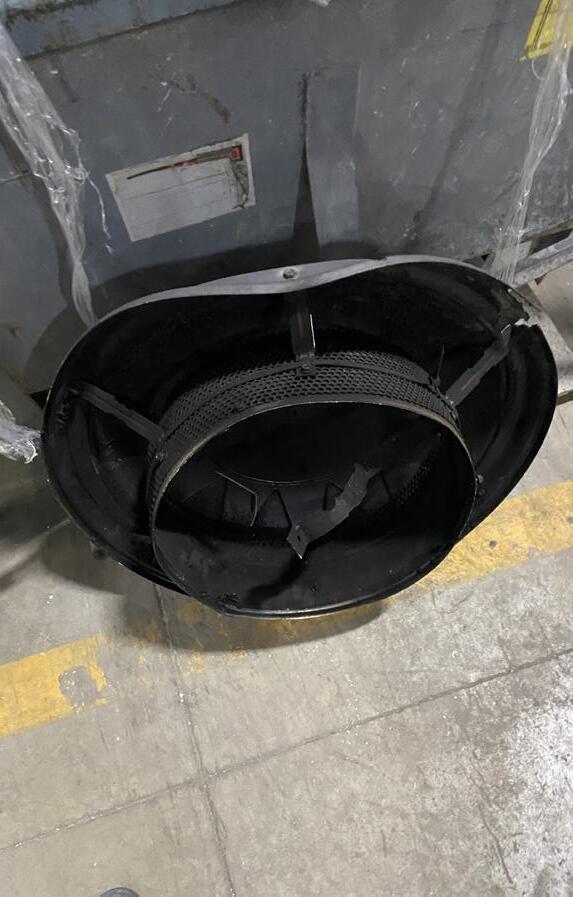
I found a chimney cover that an engineer had made out of nylon coated gutter cover for screen, zip ties, and a plastic trash can lid for a cover.
SUBMITTED BY: Scott G. in St. Louis, MO
Have you ever seen some interesting things on the job? Submit a photo with your name and location to marketing@ncsg.org.

Mentor Connect Featuring Corey Flowers
Tuesday, April 7, 2026 at 6:00 pm EDT | Virtual (Zoom)
Mentor Connect helps chimney professionals of all skill levels make new connections in the industry. It's free for NCSG members and their employees to attend and takes place in the evening on Zoom.

April 29-30, 2026 | Virtual (Google Meet)
CSR 360° is a comprehensive track for customer service representatives in the chimney industry. This two-day, virtual class will help teach your office staff to drive growth, not just answer calls or react to problems.

Tuesday, May 5, 2026 | Hershey Lodge, Hershey, PA
Directly following MidAtlantic HPBA's (MAHPBA) Annual Conference, NCSG will debut its new Office Manager Essentials class, designed to help office managers step into true operational leadership.
2026 WETT AGM & Conference
June 7-9, 2026 | Winnipeg, MB
From coast to coast, WETT brings professionals together through shared standards, education, and a commitment to safety and excellence in wood energy.
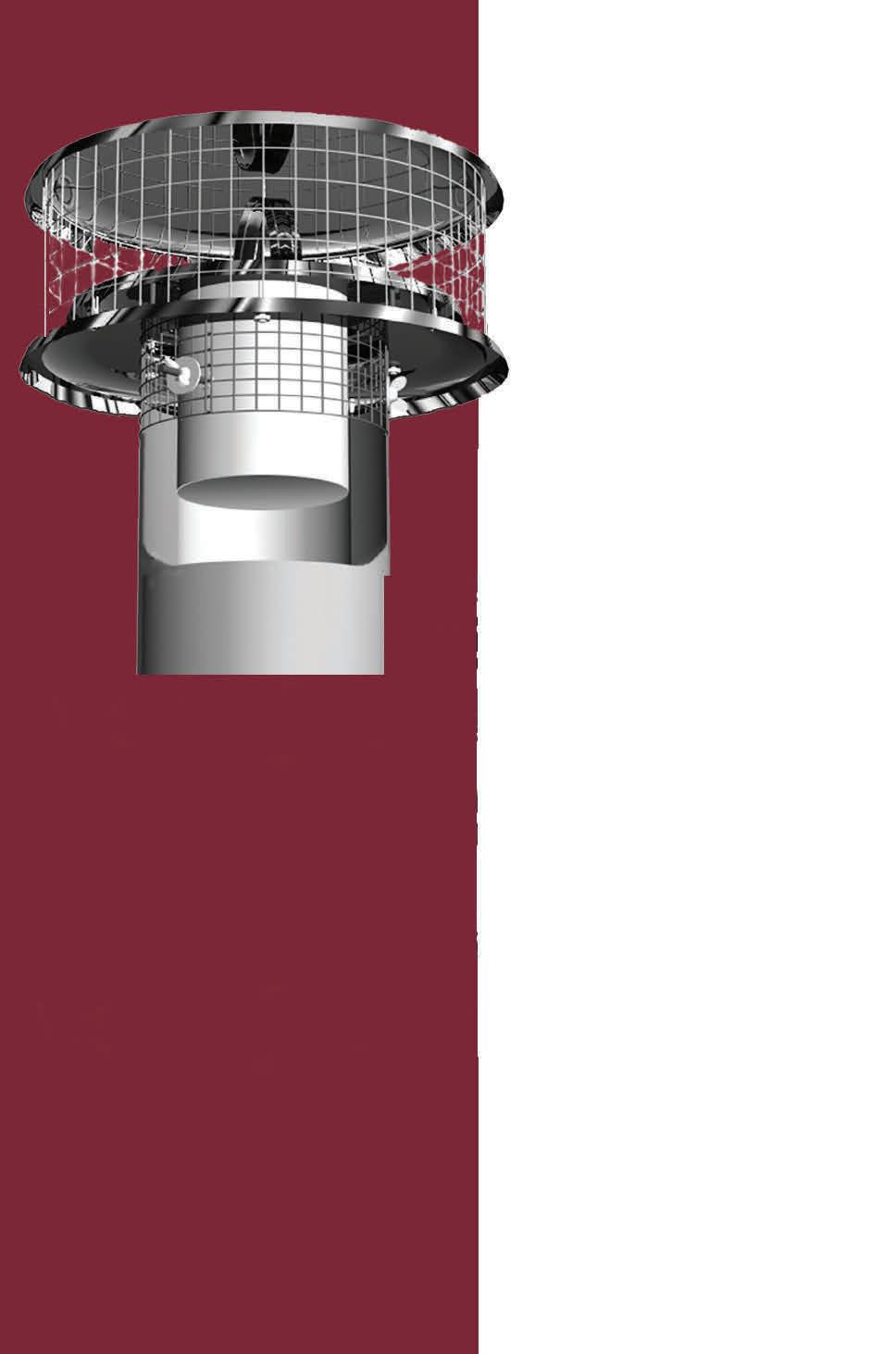
• The industry standard for keeping out squirrels, birds, leaves, and other debris.

• Works with single wall, double wall, triple wall, or masonry chimneys.
• Sizes available from 3” to 30”+; custom and oversize available. Air cooled and non-air cooled.
• Standard construction is 100% austenitic stainless steel; also available in other alloys including copper and Type 316 for marine/coal appliances.

Improved Consumer Products, Inc. PO Box B Attleboro Falls, MA 02763 (508)695-7000 Fax: (508) 695-4209 www.chimneycaps.com

Although there have been many attempts to copy it over the last 40+ years, there is only one Weathershield® Always ask for it by name and look for the seal of authenticity on top of the cap.
100% made in USA
from January and February 2026
Double E Masonry Marshfield, VT
Jeremiah Koch Family Chimney Sweeps
Ethan Mulligan Double E Masonry
James Wiggins Always a Sweep Chimney and Dryer Vent Service LLC
Matthew Anstine Spazzacamino Chimney Sweep
Jake Cromwell Top Hat Chimney and Roofing
Rock & Fire LLC Moundridge, KS
Chimney Sweep
Colorado Springs Colorado Springs, CO
Kuma Stoves Rathdrum, ID
Holy Smoke Chimney Service
St. Charles, MO
Quality Chimney & Duct Cleaning Toney, AL
Starbright Chimney and Masonry Kent, WA
JNF Chimney & Masonry North Granville, NY
Green Mountain Chimney Care East Dummerston, VT
Forshaw of St. Louis, Inc. Bridgeton, MO
Family Chimney Sweeps St. Joseph, MI
ChimneyWorx Warrenton, VA
Rooftop Safety Bridgewater, VA
The Honest Chimney & Masonry Company Grove City, OH
Kasten Jackson, MO
Murphy's Fireplace and Stoves, Inc. Salem, OR
Chimney Sweeps & Masonry of America Niles, OH
Chimney Works Vinton, VA
Greater Pittsburgh Chimney Sweep Pittsburgh, PA
Midwest Chimney Repair LLC
Maple Lake, MN
Soot Busters Chimney Sweep
Lincoln City, OR
Wing Sales and Marketing Spokane, WA

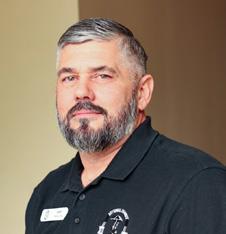




President; Region 4 Director
Debbie Wiedwald Blackburn’s Chimney Sweeps debbie@blackburnschimney.com
Vice President; At-Large Director
Gary Smalling Smalling Masonry gary.smalling@smallingmasonry.com
Treasurer; Region 1 Director
Robby Murphy
Hudson Valley Chimney Service rmurphy@hudsonvalleychimney.com
Secretary; Region 3 Director
Drew Stein Chimspector drew@chimspector.com
Region 2 Director
Jonathan Cross
D.J. Cross/Cross Break Sheet Metal jon@djcrossinc.com
Region 5 Director
Roland Perez
AAA Home Services and Aaron's Chimney Services roland@myaaahomeservices.com
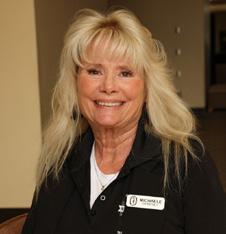

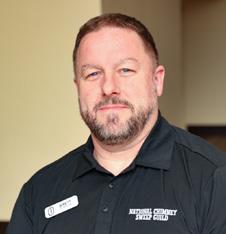


Region 6 Director
Michaele Dempsey Professional Chimney Sweep prochimneymichaele@gmail.com
At-Large Director
Cory McGill Done Right Chimney cory@donerightchimney.com
At-Large Director
Brett Conklin Chimney Monkey brett@chimneymonkey.com
At-Large Director
Lee Roff
Lords Chimney leeroff@lordschimney.com
At-Large Supplier Representative
Brian Barclay KW DRAFT brianb@rmmanifold.com
Advocacy
Debbie Wiedwald
Blackburn’s Chimney Sweeps
Bylaws
Brett Conklin
Chimney Monkey
Certification
Steve Sobczak
Total Chimney Care
Education
Gary Smalling
Smalling Masonry
Cory McGill
Done Right Chimney
Ethics
Roland Perez AAA Home Services
Events
Brian Barclay KW DRAFT
Governance
Drew Stein Chimspector
Marketing
Lee Roff
Lords Chimney
Brett Conklin
Chimney Monkey
Membership
Michaele Dempsey Professional Chimney Sweep
NFPA 211; NFPA 54
Jim Brewer
SureFire Training Academy
NFPA 31; Tech. Advisory Council
Steve Scally
Fireside Sweeps
UL 1390; UL 1391
Dan Freeman
Freeman Fire
National Chimney Sweep Guild
1255 SW Prairie Trail Parkway
Ankeny, Iowa 50023-7068