Official Journal of the North Carolina Association of Pharmacists
PO Box 58
36 Court Square, SW
Graham, NC 27253
Phone: (984) 439-1646 www.ncpharmacists.org
EDITOR-IN-CHIEF
Tina Thornhill
LAYOUT/DESIGN
Rhonda Horner-Davis
EDITORIAL BOARD MEMBERS
Anna Armstrong
Jamie Brown
Lisa Dinkins
Jean Douglas
Brock Harris
Amy Holmes
John Kessler
Angela Livingood
Scott Perkins
Bill Taylor
BOARD OF DIRECTORS
EXECUTIVE DIRECTOR
Penny Shelton
PRESIDENT
Leigh Foushee
PRESIDENT-ELECT
Angela Livingood
PAST PRESIDENT
Tom D’Andrea
TREASURER
Ryan Mills
SECRETARY
Macary Marciniak
Zach Carver, Chair, SPF
Tyler Pasour, Chair, NPF
Christine Heath, Chair, Community
Sacha Pollard Deloney, Chair, Health-System
Tasha Woodall, Chair, Chronic Care
Ben Smith, Chair, Ambulatory
Leslie Barefoot, At-Large
Miranda Hill, At-Large
Trent Beach, At-Large
North Carolina Pharmacist
A Few Things Inside
The universe keeps teaching me about paradoxes in this season of life. It shows up in what I’m reading, podcasts I’m listening to, life I’m experiencing, and within our profession. Paradox lives in the tension of two seemingly opposing things being simultaneously true. Great thinkers, doers, and leaders don’t choose one truth over the other – they learn to navigate the tension between them.
Across North Carolina, pharmacists are stepping into unprecedented roles, thanks in large part to NCAP’s advocacy and our state’s legislative progress over the past two decades. We have expanded medication administration authority, advanced collaborative practice, and increased access to care through services like test-andtreat, all creating new opportunities for pharmacists to practice at the top of their education and training.
Leigh L. Foushee, PharmD, MAS, FNCAP
The Paradox of Progress
And yet, we are experiencing significant pain points. Fair payment and recognition for pharmacists’ services remain inconsistent and frustrating. Community pharmacies are closing or reducing hours at alarming rates. Burnout and staffing shortages are real as we strain to “do all the things” within an outdated business model. These hardships are causing pharmacists and technicians to leave the profession –creating pharmacy care deserts across our state.
Both things are true.
As highlighted in this issue, we must continue to innovate, advocate, and expand our impact - leveraging the opportunities set before us. We also must confront the barriers threatening our sustainability by championing better staffing models, building fair payment pathways, enabling smarter use of technology, supporting healthier workplace cultures, and creating policies that allow us to
optimize care for our communities.
We must learn to live in the paradox: to be visionary and realistic, sustain and grow, and celebrate the wins while continuing to push for better.
NCAP will continue to advocate for a stronger pharmacy profession in our state, driven by our mission and strategic vision. We need our members to share NCAP’s value with colleagues and recruit more members. We need patients and communities to join grassroots efforts that amplify the call for fair payment and practice reforms, preserving access to pharmacy services across our state.
Ultimately, pharmacy is about people – the patients whose lives we change and you, the workforce who makes it all possible.
We are used to putting others first. But remember, it’s important to “secure your own oxygen
mask before assisting others.”
Caring for yourself and investing in the strength of our profession are not selfish acts; they are necessary ones, and how we best navigate the paradox of progress. NCAP helps ensure that the support, advocacy, and resources are there so that you can continue doing the work that matters most.
The future of pharmacy depends on our ability to hold both truths at once: to acknowledge the challenges before us, while believing and investing deeply in the possibilities ahead.
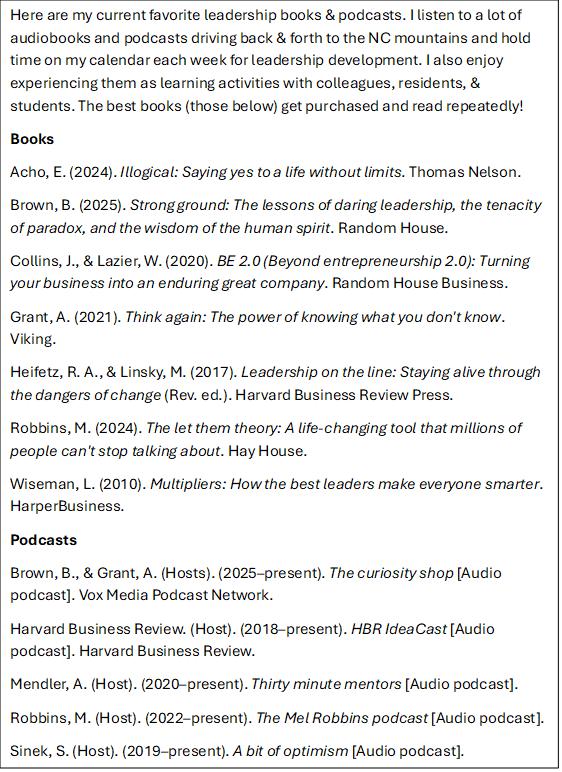
See the sidebar for a few of my favorite leadership books and podcasts.
Expert coverage for experts like you.
Taking care of others is what you do. But even the best caregivers need looking after, too. That’s where the insurance experts at Pharmacists Mutual come in.
As a pharmacist, you hold an esteemed position in your community. People rely on you for your expert advice, unique knowledge, and experienced opinions. But by the very nature of your profession, you can become a natural target.
That’s why, with more than 110 years of experience, more pharmacists depend on Pharmacists Mutual for the added insurance protection and coverage they need to carry out their critical work.
Pharmacist Burnout in North Carolina: A Cross-Sectional Study on Prevalence and Contributing Factors
By: Dr. Christina Lo, Dr. Aspen Montello, Melinda Lo, PharmD Candidate
Debru,
PharmD Candidate
2027,
Abstract
Background: Pharmacist burnout is an escalating issue. The unique responsibilities and expanding roles of pharmacists, particularly those in patient-facing environments, create the need for targeted research to better understand the causes and consequences of burnout across various pharmacy settings.
Purpose: This study aimed to examine the prevalence and contributing factors of burnout among licensed North Carolina pharmacists, with a specific focus on differences between patient-facing and non-patient-facing roles.
Methodology: A cross-sectional, qualitative study was conducted via an anonymous online survey distributed to 19,219 licensed pharmacists in North Carolina. Eligible participants held a PharmD or BPharm degree, an active U.S. pharmacist license, and worked for an average of ≥ 20 hours per week. The burnout survey, administered through Qualtrics, assessed self-reported burnout, sources of stress, workload patterns, and institutional support. Thematic coding was applied to open-ended responses,
2027, Sarah
Dr. Zachary Amigo, and Dr. Shaina Schwartz
and quantitative data were analyzed using descriptive statistics and multiple regression.
Results: Of the 793 pharmacists who initiated the survey, 490 met the inclusion criteria. Most participants were female (63%), aged 35–54 (70%), and worked in-person (78%) in patient-facing roles (69%). Mean self-rated burnout was 5.97 ± 2.56 out of 10. Community pharmacists reported the highest burnout (6.54 ± 2.59), followed by those in ambulatory care (6.09 ± 2.21) and healthcare administration (5.86 ± 2.73). Key reported stressors included insufficient resources (64%), administrative burden (57%), and high patient volume (52%). Burnout was positively correlated with hours worked per week (B = 0.102, p = 0.032) and negatively correlated with age (B = -0.202, p = 0.027). Pharmacists in evolving, patient-facing roles were significantly more likely to experience physical symptoms of burnout and report that patient interaction contributed to their stress.
Conclusion: Burnout among North Carolina pharmacists is widespread and varies significantly across practice settings and roles. Pa-
tient-facing pharmacists working longer hours and in high-volume environments experience disproportionately high levels of burnout. Addressing this crisis requires multi-level interventions, including improved staffing models, better technician compensation and retention, upgraded technology and infrastructure, supportive leadership, and accessible mental health resources. These findings underscore the urgent need for systemic changes to preserve both pharmacist well-being and patient safety.
Burnout in US pharmacists has been described in the literature as early as 1982. (1,2) This appears to be a global problem, with more recent research describing issues with pharmacist burnout in Canada, Greece, Lebanon, and Qatar. (36) Pharmacist burnout is a growing health concern driven by increasing healthcare demands, high workloads, and corporate and regulatory
pressures. Pharmacists, particularly those in patient-facing environments, must balance direct care responsibilities with institutional and regulatory expectations. These overlapping pressures can contribute to emotional exhaustion, depersonalization, and reduced job satisfaction. (7) Beyond these core burnout symptoms, research has shown significant overlap between burnout and depression in pharmacists as well as elevated rates of secondary traumatic stress (STS), particularly among those working in high-stress healthcare settings. (8,9) Secondary traumatic stress is the emotional distress resulting from indirect exposure to patients’ trauma, which affects over half of health-system pharmacists and can lead to increased risk of medical errors, depression, and compromised patient care. (9) As the profession continues to shift towards patient-centered care, stress levels can become amplified in settings with high patient volumes and inadequate support systems, creating a cascading effect on pharmacists’ mental health and professional performance.
While previous research has documented burnout among healthcare professionals broadly, few studies have focused on the stressors experienced by pharmacists. (7) Even fewer studies compared burnout between patient-facing and non-patient-facing roles. This gap limits the understanding needed to implement setting-specific strategies or interventions. For instance, Coelho et al. reported that nearly half of the surveyed pharmacists experienced significant emotional exhaustion and depersonalization, particularly in community settings. (7) These findings align with re-
search by Durham et al., which identified workplace-related contributors to burnout in health-system pharmacists. (10) Workplace-related stressors such as high workload, limited autonomy, and inadequate support systems have been shown to contribute to burnout. (10)
In light of the critical role of pharmacists in medication safety, patient outcomes, and public health, identifying and addressing burnout is significant for sustaining the pharmacy workforce. Thomas et al. and Gillespie et al. show that while pharmacists’ involvement in patient care has grown, persistent issues remain regarding recognition, workload, and professional autonomy. (11,12)
North Carolina presents a unique case study. (13) Pharmacists in North Carolina operate under a unique set of scope-of-practice laws that can both enable and constrain their professional roles. While the state has made progress in advancing clinical authority, such as collaborative practice agreements (CPAs), immunization authority, and naloxone dispensing, these privileges are not uniformly implemented across practice settings and often require physician oversight. Compared with states like California or New Mexico, where pharmacists may have more independent prescriptive authority, North Carolina pharmacists may experience role ambiguity or limitations in autonomy, leading to a mismatch between responsibilities and compensation. Reimbursement mechanisms for pharmacist-provided services in North Carolina are still evolving. Without consistent payment models for clinical services, pharmacists may feel undervalued despite taking on in-
creasing responsibilities. This mismatch between expectations and compensation likely contributes to emotional exhaustion and job dissatisfaction.
On the other hand, this evolving landscape presents an opportunity for the profession. As state legislation continues to shift toward expanding pharmacist roles in public health, mental health, and chronic disease management, there is a clear need to also build support systems that mitigate burnout. Future advocacy should aim not only at scope-of-practice expansion but also at structural changes, such as workflow optimization, administrative support, and equitable compensation, to ensure that pharmacists can sustainably meet growing healthcare demands.
Our study aims to contribute to this growing body of literature by offering a focused perspective on pharmacist burnout, capturing the real-world experiences of those practicing across diverse roles and settings in North Carolina.
Methods
This qualitative, cross-sectional study investigated the prevalence and contributing factors of burnout among practicing pharmacists in North Carolina. The target population included licensed pharmacists aged 18 years or older who were currently employed in a professional pharmacy role at the time of the study. Eligibility criteria required participants to hold a Doctor of Pharmacy (PharmD) or a Bachelor of Pharmacy (BPharm or BS Pharm) degree, maintain a valid U.S. pharmacist license, and work a minimum of 20 hours per week or
follow a “7 on/7 off” schedule. Participants were also required to be proficient in reading, writing, and understanding the language used in the study and to provide informed consent.
Exclusion criteria included individuals who were not licensed pharmacists (e.g., pharmacy technicians, students, or interns), those who were retired or not actively practicing, pharmacists working fewer than 19 hours per week, individuals who had experienced significant life events within the past month, those with language comprehension barriers, and pharmacists employed in short-term, locum tenens, or contract roles. Data were collected via an online survey administered through Qualtrics.
The primary outcome of interest was burnout, measured using a custom-developed scale that assessed its prevalence, contributing factors, patterns, and the perceived effectiveness of institutional support systems. The secondary outcome included the nature of the pharmacist’s role (patient-facing vs. non-patient-facing). Qualitative data were analyzed using thematic coding with data from Qualtrics. Ethical considerations included obtaining Institutional Review Board (IRB) approval, securing informed consent through the initial survey question, and ensuring participant confidentiality by excluding identifiable information. Ethical approval was granted by the High Point University Institutional Review Board (IRB-FY2025-83). No identifiable data were collected, and all data were securely stored in an encrypted OneDrive folder. This study was conducted in compliance with the High Point University Institutional
Review Board/Human Subjects Research Committee.
Results
A link to the electronic survey was distributed to 19,219 registered pharmacists in North Carolina. A reminder email was sent one week later. A total of 793 individuals (4%) answered at least one question, and 490 met the inclusion criteria for further analysis. The majority of the study population was fe-
male (63%), aged 35–54 (70%). The most commonly reported number of hours worked per week was 41–50 (45%), and years of experience was 21–30 (35%). The vast majority of participants work in person (78%) in patient-facing roles (69%), which was defined as involving direct, in-person interaction with patients or interactions with patients via telehealth services >50% of the time. Mean self-rated burnout on a scale of 1–10 was 5.97 ± 2.56. The most commonly reported sources
Table 1 – Demographic Characteristics
Age (n = 455) 18-24 1 (< 1%)
Gender (n = 456)
Male 139 (28%)
Female 309 (63%)
Non-binary 1 (< 1%)
Prefer not to say 7 (1%)
Average hours worked/week (n = 490)
20-30 44 (9%) 31-40 188 (38%)
41-50 218 (45%)
51-60 27 (6%)
61-70 7 (1%)
71-80 4 (1%)
81+ 2 (< 1%)
Years of experience (n = 490)
(12%)
(10%)
(34%)
(35%)
(9%)
Table 1 (continued)
Primary work setting (n = 469)
In-person
Patient-facing role (n = 470)
(78%)
Remote 34 (7%)
Hybrid 51 (10%)
Yes 323 (69%) No 147 (31%)
Sources of stress* (n = 453)
High patient volume
Complex patient cases/tasks
Insufficient resources
Administrative burden
(52%)
(29%)
(64%)
(57%)
Lack of work-life balance and support from your employer 148 (33%)
Feeling unsupported by your co-workers and/ or employer
(29%)
Feeling overwhelmed by tasks and responsibilities 229 (51%)
Workplace culture 141 (31%)
Job insecurity 81 (18%)
Schedule 122 (27%)
Interpersonal conflicts 76 (17%)
Other 31 (7%)
Preferred shifts* (n = 457)
Day 316 (69%)
Evening 27 (6%)
Night 10 (2%)
Rotating 22 (5%)
Extended 152 (33%)
Weekend-only 5 (1%)
Split 11 (2%)
Flexible 146 (32%)
On call 10 (2%)
* Question was “select all that apply.”
of stress were insufficient resources (64%), administrative burden (57%), high patient volume (52%), and feeling overwhelmed by tasks and responsibilities (51%). See Table 1 for complete demographic characteristics of the study population.
Mean self-reported burnout varied based on practice setting, with community (6.54 ± 2.59) and in-person (6.17 ± 2.52) being the highest and
inpatient (5.48 ± 2.23) and remote (5.06 ± 2.70) being the lowest. The practice areas with the greatest mean self-reported burnout (rated on a scale of 1–10) were community pharmacy (6.53 ± 2.58), ambulatory care (6.09 ± 2.21), and healthcare administration (5.86 ± 2.73), while the practice areas with the lowest mean self-reported burnout were long-term care (2.83 ± 2.14), psychiatry (3.70 ± 2.11), and man-
aged care (4.00 ± 3.16). See Table 2 for the complete list of mean burnout scores in each practice area with at least 5 respondents.
Responses to selected survey questions were analyzed based on respondent characteristics. Those who primarily worked in person as a generalist in a patient-facing role reported higher self-assessed levels of burnout and were significantly more likely to believe that the amount of patient interaction in their job increased their burnout. They also reported significantly more frequent physical symptoms of burnout and a greater level of agreement that their workload negatively impacted their well-being. Respondents who worked an average of >40 hours per week had a significantly greater level of agreement that their workload negatively impacted their wellbeing, while those who had less practice experience were significantly more likely to believe that the amount of patient interaction in their job increased their level of burnout. Those who preferred extended shifts were significantly more likely to believe that the amount of patient interaction in their job increased their burnout, reported significantly more frequent physical symptoms of burnout, and expressed greater agreement that their workload negatively impacted their well-being. See Table 3 for complete results. Age ≥45 years and female gender did not significantly affect responses to any of the questions analyzed.
Regression analysis of self-assessed burnout level revealed that the average number of hours worked per week was significantly and positively correlated with burnout (stanTable 1 (continued from
Table 2 – Mean Self-Reported Burnout
by Practice Area
Practice Area
Burnout
Ambulatory care (n = 44) 6.09 +/- 2.21
Cardiology (n = 8) 5.63 +/- 2.20
Critical care (n = 11) 5.36 +/- 1.86
Geriatrics (n = 12) 5.67 +/- 2.87
Oncology (n = 12) 5.75 +/- 1.91
Psychiatry (n = 10) 3.70 +/- 2.11
Community pharmacy (n = 215) 6.53 +/- 2.58
Internal medicine (n = 56) 5.61 +/- 2.21
Specialty pharmacy (n = 6) 5.33 +/- 2.34
Healthcare administration (n = 7) 5.86 +/- 2.73
Managed care (n = 7) 4.00 +/- 3.16
Long-term care (n = 6) 2.83 +/- 2.14
Excludes practice areas with < 5 responses
dardized B = 0.102, p = 0.032), while age was significantly and negatively correlated with burnout (standardized B = -0.202, p = 0.027).
Qualitative analysis was used to examine free responses to survey question #18: What additional resources, interventions, or changes
would help reduce burnout in your workplace? The most prevalent themes identified were workload management (54%), leadership and supervision (12%), work environment and tools (9%), and work-life integration (9%).
Discussion
The majority of the study population was female, reflecting the national gender ratio of pharmacists in the US. (14) Most respondents were middle-aged with decades of experience, enabling them to provide a longitudinal perspective on challenges to the profession. The mean self-assessed level of burnout was moderate, which aligns with previous findings. (15) A systematic review published in 2023 found that 51% of pharmacists worldwide experienced burnout. (16) In a 2024 study of pharmacists in the US Veterans Affairs (VA) health system, 72% reported moderate levels of burnout. (17)
The study confirms that pharmacists experience significant burnout, particularly in fast-paced, high-pressure environments where job expectations are constantly evolving. Our results align with existing literature showing that burnout is widespread among healthcare professionals, particularly pharma-
Table 3 – Statistical Analysis of Select Survey Responses
Q12 How does the amount of patient interaction required by your job affect your level of burnout? (1 = significantly increase, 5 = significantly decrease)
Q13 On a scale 1-10, how would you rate your overall level of burnout at work? (1 = no burnout, 10 = extreme burnout)
Q15 How often do you experience physical symptoms of burnout (e.g., fatigue, headaches, body aches, stomach/ intestinal issues, frequent illness, changes in appetite or sleep) due to your job? (1 = rarely, 5 = always)
Q16 How often do you feel that your workload negatively impacts your well-being? (1 = rarely, 5 = always)
Independent t-test, two-sided p, equal variances not assumed
cists in community and ambulatory care settings. (16) A key strength of our study is that we included both patient-facing and non-patient-facing pharmacists, which provides a more complete picture of burnout across different pharmacy roles, an area that has not been widely studied. This suggests that the burnout crisis is not just about being busy; it is about the specific nature and intensity of patient-facing work. Community pharmacists seem to be caught in a particularly challenging situation, where they are expected to take on more clinical responsibilities, such as medication therapy management and immunizations, while still handling the same high volume of prescriptions with limited staff support.
The diverse set of stressors identified helps explain why burnout manifests differently across roles and practice settings. The most reported stressors are insufficient resources, administrative burden, high patient volume, and feeling overwhelmed by tasks; creating a perfect storm for burnout, especially in community settings. Insufficient resources may reflect inadequate staffing or a lack of tools that allow for efficient workflow, forcing pharmacists to work harder rather than smarter. Administrative burden further compounds the problem by shifting focus away from patient care toward meeting performance metrics, increasing documentation requirements, and ensuring compliance with ever-changing regulations. When pharmacists lack the resources or time to meet these metrics, the pressure intensifies. High patient volume, especially in community settings, compounds these pressures and contributes to pharmacists feeling unable to
manage responsibilities effectively, and can compromise patient safety. This creates a domino effect, leading pharmacists to an increased risk of medication errors, drug interactions/allergies, skipping patient counseling, and dispensing/transcribing errors. When these stressors persist without adequate support or intervention, they cultivate a culture where burnout becomes normalized within the profession, making it seem like an inevitable part of being a pharmacist rather than a fixable systemic problem.
Understanding these stressors is only half the picture, as pharmacists also have clear ideas about what would actually help. An open-response question asked pharmacists what resources, interventions, or changes would help reduce their workplace burnout. Their responses reinforced the quantitative findings that strengthen the context of burnout within the pharmacy profession. The most common themes—workload management, leadership and supervision, work environment and tools, and worklife integration—directly mirror the stressors identified earlier, suggesting that pharmacists recognize both the problems and potential solutions.
Many respondents emphasized the need for supportive leadership that acknowledges the intensity of their role. One pharmacist shared a desire for validation and understanding from management, noting that supportive leadership would decrease burnout. Another pointed out the tension between corporate expectations and patient care, referencing constant pressure to exceed stated goals at the expense of patient care. These comments
reveal a disconnect between what pharmacists are being asked to prioritize and what drew many of them to the profession in the first place: caring for patients. Administrative burden was the second leading cause of burnout reported by pharmacists and is supported by the literature. Hematology-oncology specialty pharmacists who worked more hours per week and spent more time on administrative tasks reported higher levels of burnout. (18) Critical care pharmacy specialists were also found to be at increased risk for burnout. (19) Finally, participants in a pharmacy residency training program were found to have high rates of burnout. (20)
Regarding concrete solutions, respondents overwhelmingly highlighted the importance of increased staffing, particularly qualified technicians and pro re nata (PRN) staff, to alleviate the burden of multitasking. Comments suggest that inadequate staffing is not only causing burnout but also one of the factors driving pharmacists out of certain practice settings entirely. Respondents emphasized the need for more supportive help with pharmacist overlap, noting that even brief periods of coverage overlap could provide essential breathing room for meal breaks, patient counseling, and addressing complex issues. These requests are not asking for luxury; they are asking for the basic ability to perform their jobs safely and effectively while maintaining their own well-being.
Beyond simply increasing the number of technicians, respondents emphasized the importance of better pharmacist staffing models, more competent pharmacy techni-
cians, and improved technician pay to reduce turnover and strengthen retention. This connects technician competency directly to compensation, advocating for better technician pay to break the costly cycle of turnover. When technicians leave due to low wages, pharmacists lose experienced support staff and must repeatedly train new employees, which adds to their workload rather than reducing it. This finding aligns with ASHP survey data showing that hospitals and health systems are experiencing severe shortages of pharmacy technicians, with most pharmacy administrators reporting turnover rates of at least 21% in 2021, and nearly 1 in 10 noting they had lost 41% or more of their technicians. (21)
Survey respondents identified a lack of essential technology and infrastructure that further impedes their ability to practice safely and efficiently. Some requests were directly related to patient care, such as adding counseling components at the point of sale to support comprehensive patient education. Others highlighted inadequate physical infrastructure, requesting better IV hoods, computers, internet connectivity, more space, and better copiers/printers. One pharmacist mentioned needing some type of HR support number, suggesting a lack of basic institutional support systems. Collectively, these requests reveal a profession operating with inadequate tools and outdated technology, in which pharmacists are expected to deliver precise, high-stakes clinical care despite working in environments that lack even the basic resources necessary for efficient, safe practice.
The COVID-19 pandemic had a
significant impact on the pharmacy profession and is believed to be a major contributor to rising burnout, particularly among pharmacists with direct patient care responsibilities. (7, 22) Following the pandemic, burnout prevalence was reported to be as high as 88% among health system pharmacists. (23) Insufficient staffing and high demands for precepting and patient care were the most frequently reported causes of burnout, which supports the findings of the present study. Pharmacist burnout has been found to positively correlate with hours worked and level of patient interaction, and negatively correlate with years of experience. (16) Community pharmacists report high workload and low perceived control and reward in their workplace, as well as emotional exhaustion, as leading causes of burnout. (24,25) There is also an association between high levels of training/precepting responsibilities among inpatient pharmacists. (26) The factors of resource insufficiency and high patient care demands influencing pharmacist burnout were reflected in the present study.
These findings point to the need for comprehensive, multi-level interventions rather than quick fixes. Results highlight the need for targeted organizational interventions, including burnout prevention and awareness programs, mental health support tailored to pharmacy staff, workflow redesign in high-demand settings, and policy efforts to reduce administrative burden. Burnout prevention and awareness programs could incorporate stress-management techniques that pharmacists can use during their workday. Research shows that regular practice of mindful-
ness or stress-management techniques can improve job satisfaction, reduce emotional exhaustion, and enhance patient outcomes by helping healthcare providers stay present and focused. (27) Several health care systems utilize incentive models as part of their health plans to support employee well-being, commonly known as Employee Assistance Programs (EAPs), which provide access to counseling services and peer-support networks. Such programs could help reduce barriers to access, normalize utilization of mental health services, and promote awareness. However, it is important to recognize that these individual interventions work best when paired with organizational changes; asking pharmacists to meditate through understaffing and inadequate resources places the burden of fixing systemic problems on individuals rather than addressing the root causes.
The study’s findings strongly align with prior literature, indicating that burnout was highest among participants working in environments that had sustained patient-facing responsibilities and high workload intensity. Respondents working in community and in-person settings with patient-facing roles reported more frequent physical symptoms and higher burnout, consistent with prior findings that community pharmacists experience the greatest burnout levels across pharmacy settings. (28) The lowest burnout levels observed in long-term care, psychiatry, and managed care settings reflect work environments characterized by a slower pace, stronger work-life balance, and more consistent patient populations, all of which contribute to reduced emotional exhaustion. (28)
Dee et al. extracted 19 cross-sectional studies examining the prevalence of pharmacist burnout, reporting that 51% (11,306 pharmacists) experienced burnout related to limited staffing, high prescription/patient volumes, long working hours, and poor work-life balance. (16) These findings underscore that patient-facing work becomes a major burnout factor when combined with workload pressure and productivity demands. Similarly, McQuade et al. observed that ambulatory care pharmacists managing high patient volumes and documentation burdens reported higher levels of burnout. (23) This suggests that even clinically engaging roles are subject to burnout when workload and performance expectations remain elevated.
The strengths of this study include a representative sample of licensed pharmacists across North Carolina, allowing for meaningful subgroup analyses based on practice setting and role. The study also collects both quantitative and qualitative data, capturing not only the prevalence of burnout but also the lived experiences and perspectives of pharmacists dealing with these stressors. This mixed-methods approach helps understand how different pharmacist roles influence well-being in ways that numbers alone cannot fully explain. Additionally, this study includes voices often underrepresented in burnout research, particularly pharmacists working in non-traditional or non-patient-facing roles, providing a more complete picture of burnout across the entire profession.
However, this study also has several limitations that should be acknowledged. First, the focus on a
single geographic region may limit the extent to which these findings apply to pharmacists in other states with different healthcare infrastructure, scope-of-practice laws, and workplace cultures. Second, because self-reported data were relied upon, there is potential for response bias, especially when participants are estimating their own burnout symptoms. Some of the survey language was also fairly general, which may have led to different interpretations among respondents and introduced variability in how people understood and answered certain questions. Third, a validated burnout measurement tool, such as the Maslach Burnout Inventory, was not used, making it harder to directly compare findings with existing literature that has used standardized scales. Finally, with a 4% response rate, pharmacists who chose to participate may have different experiences with burnout than those who did not respond, which could affect the sample’s representativeness. Despite these limitations, this study offers valuable insights into pharmacists’ real-world experiences with burnout and provides practical guidance that can inform future research and help organizations develop more effective interventions.
While this study provides important insights into the prevalence and patterns of pharmacist burnout across different practice settings and specialties, it did not explore the root causes of burnout or test specific interventions. Future research should build on these findings by examining both individual- and system-level strategies to address burnout and exploring which interventions are most effective across different pharmacy set-
tings. To strengthen the evidence base, future studies should employ validated burnout scales such as the Maslach Burnout Inventory to allow for better comparison with existing literature. Research should also expand beyond North Carolina to include pharmacists from other states, which would help understand how geographic variability, state-specific scope-of-practice laws, healthcare policies, staffing models, and workplace cultures influence burnout differently across the country. Additionally, future work could explore how generalist versus specialist pharmacists experience burnout differently and whether specific practice specialties—such as oncology, pediatrics, or infectious disease—face unique stressors that contribute to burnout.
Conclusion
Burnout is a significant issue among pharmacists in North Carolina, particularly in patient-facing roles and high-demand practice settings. Systemic stressors, including long hours, administrative burden, insufficient resources, and inadequate institutional support, contribute to emotional and physical exhaustion that threatens both pharmacists’ well-being and patient safety. These findings support the need for structural reforms in workload distribution, staffing models, administrative expectations, and compensation, especially for pharmacy technicians whose retention is critical to reducing pharmacist burnout. As the pharmacy profession continues to expand clinical roles and responsibilities, these changes must be accompanied by meaningful workplace protections, adequate resources, supportive leadership, and accessible mental health ser-
vices. Our study reinforces what pharmacists across North Carolina have been saying: burnout is not an individual failing but a systemic problem that requires organizational and policy-level solutions.
The voices captured in this research reveal a profession caught between the desire to provide excellent patient care and the reality of working conditions that make that goal increasingly difficult to achieve. Addressing pharmacist burnout is not just about improving job satisfaction—it is about ensuring medication safety, maintaining quality patient care, and sustaining a resilient pharmacy workforce capable of meeting the growing healthcare needs of our communities. Without meaningful intervention, the profession risks losing experienced pharmacists to career changes or early retirement, further straining an already overburdened system. The path forward requires collaboration among employers, policymakers, professional organizations, and pharmacists to create sustainable practice environments where pharmacists can thrive, not just survive.
AI Use Disclosure
During the preparation of this manuscript, the authors used Claude.AI and Grammarly to assist with grammar refinement, sentence clarity, manuscript structure, and word choice. All AI-generated content was carefully reviewed, edited, and verified by the authors, who take full responsibility for the accuracy, originality, and integrity of the work. The use of AI tools has been transparently disclosed in accordance with journal requirements.
Authors: At the time of this publication’s submission: Christina Lo, PharmD Candidate 2026, Aspen Montello, PharmD Candidate 2026, Melinda Lo, PharmD Candidate 2027, Sarah Debru, PharmD Candidate 2027, Zachary Ami-
go, PharmD Candidate 2026, and Shaina Schwartz, PharmD, BCPP (Corresponding Author); smusco@ highpoint.edu; High Point University/Fred Wilson School of Pharmacy
References
1. Radde PO. Recognizing, reversing, and preventing hospital pharmacist burnout. Am J Hosp Pharm. 1982;39(7):1161-1169.
2. Curry CE. Pharmacist burnout. Am J Hosp Pharm. 1982;39(10):1634.
3. Brown G. “May You Live in Interesting Times”: Minimizing Contributors to Pharmacist Burnout. Can J Hosp Pharm. 2022;75(4):247-248. doi:10.4212/ cjhp.3350
4. Katsogiannis I, Manara E, Peletidi A, Bistaraki A, Constantinides T, Kontogiorgis C. Occupational burnout and job satisfaction among community pharmacists. Explor Res Clin Soc Pharm. 2024;14:100445. doi:10.1016/j.rcsop.2024.100445
5. Abilmona R, Dimassi H, Aboulhosn R, Chamoun N. Burnout and coping strategies among health system pharmacists in Lebanon: a cross-sectional study. BMC Health Serv Res. 2023;23(1):424. doi:10.1186/ s12913-023-09422-7
6. Eltorki Y, Abdallah O, Riaz S, et al. Burnout among pharmacy professionals in Qatar: A cross-sectional study. PLoS One 2022;17(5):e0267438. doi:10.1371/journal.pone.0267438
7. Coelho E, Amaral AP, Rocha C, Cruz R, Brito-Costa S. Burnout in Pharmacy professionals during COVID-19 outbreak. Acta Biomed. 2022;93(6):e2022281. doi:10.23750/abm.v93i6.13386
8. He H, Wu Q, Hao Y, Chen S, Liu T, Liao Y. Stigmatizing Attitudes Toward Depression Among Male and Female, Medical and Non-medical Major College Students. Front Psychol. 2021;12:648059. doi:10.3389/ fpsyg.2021.648059
9. Jones AM, Clark JS, Mohammad RA. Burnout and secondary traumatic stress in health-system pharmacists during the COVID-19 pandemic. Am J Health Syst Pharm. 2021;78(9):818-824. doi:10.1093/ ajhp/zxab051
10. Durham ME, Bush PW, Ball AM. Evidence of burnout in health-system pharmacists. Am J Health Syst Pharm. 2018;75(23 Supplement 4):S93-S100. doi:10.2146/ajhp170818
11. Thomas JE, Caballero J. Impact of pharmacists in mental health over the past decade. Published online April 1, 2012.
doi:10.9740/mhc.n102274
12. Gillespie C, Kleinberg F, Zogas A, et al. Perceptions of clinical pharmacy specialists’ contributions in mental health clinical teams. Published online January 1, 2022. doi:10.9740/mhc.2022.01.015
13. Kang K, Absher R, Granko RP. Evaluation of burnout among hospital and health-system pharmacists in North Carolina. Am J Health Syst Pharm. 2020;77(6):441-448. doi:10.1093/ajhp/zxz339
14. Bureau UC. More Than 60% of U.S. Pharmacists Were Women but They Earned Less Than Their Male Counterparts. Census.gov. Accessed November 7, 2025. https://www.census.gov/library/ stories/2024/10/american-pharmacists-month.html
15. Lahoz MR, Mason HL. Burnout among pharmacists. Am Pharm. 1990;NS30(8):2832. doi:10.1016/s0160-3450(16)36003-2
16. Dee J, Dhuhaibawi N, Hayden JC. A systematic review and pooled prevalence of burnout in pharmacists. Int J Clin Pharm 2023;45(5):1027-1036. doi:10.1007/ s11096-022-01520-6
17. Bounthavong M, Smith JP, Guerra MB, et al. Burnout assessment among pharmacist-academic detailers at the US Veterans Health Administration. J Am Pharm Assoc (2003). 2024;64(4):102080. doi:10.1016/j. japh.2024.102080
18. Golbach AP, McCullough KB, Soefje SA, Mara KC, Shanafelt TD, Merten JA. Evaluation of Burnout in a National Sample of Hematology-Oncology Pharmacists. JCO Oncol Pract. 2022;18(8):e1278-e1288. doi:10.1200/ OP.21.00471
19. Ball AM, Schultheis J, Lee HJ, Bush PW. Evidence of burnout in critical care pharmacists. Am J Health Syst Pharm. 2020;77(10):790- 796. doi:10.1093/ajhp/zxaa043
20. Gonzalez J, Brunetti L. Assessment of burnout among postgraduate pharmacy residents: A pilot study. Curr Pharm Teach Learn. 2021;13(1):42-48. doi:10.1016/j. cptl.2020.08.008
21. Pharmacy Technician Shortage Survey Findings: Executive Summary. American Society of Health-System Pharmacists (ASHP); 2022. https://www.ashp.org/-/ media/assets/pharmacy-technician/docs/ Technician-Shortage-Survey-Exec-Summary.pdf
22. Dos Santos PM, da Silva CR, Costa D, Torre C. Burnout in the Pharmaceutical Activity: The Impact of COVID-19. Front Psychiatry. 2021;12:771462. doi:10.3389/
fpsyt.2021.771462
23. McQuade BM, Keller E, Elmes A, DiDomenico RJ, Jarrett JB. Stratification of burnout in health-system pharmacists during the COVID-19 pandemic: A focus on the ambulatory care pharmacist. J Am Coll Clin Pharm. 2022;5(9):942-949. doi:10.1002/ jac5.1672
24. Cline KM, Mehta B. Burnout and Resilience in the Community-Based Pharmacist Practitioner. Innov Pharm. 2022;13(4). doi:10.24926/iip.v13i4.4818
25. Patel SK, Kelm MJ, Bush PW, Lee HJ, Ball AM. Prevalence and risk factors of burnout in community pharmacists. J Am Pharm Assoc (2003). 2021;61(2):145-150. doi:10.1016/j.japh.2020.09.022
26. May A, Raber H, Tingey B, et al. The association between number of learners and pharmacist and technician levels of burnout. Am J Health Syst Pharm 2024;81(10):370-384. doi:10.1093/ajhp/ zxad339
27. Krasner MS, Epstein RM, Beckman H, et al. Association of an educational program in mindful communication with burnout, empathy, and attitudes among primary care physicians. JAMA. 2009;302(12):12841293. doi:10.1001/jama.2009.1384
28. Schommer J, Gaither C, Lee S, Alvarez N, Shaughnessy A. 2021 APhA/NASPA National State-Based Pharmacy Workplace Survey. American Pharmacists Association (APhA); 2022. https://www.pharmacist. com/DNNGlobalStorageRedirector.ashx?egsfid=NiFsiJVsyys%3d
2530 Professional Road Suite 200
North Chesterfield, Virginia 23235
Toll Free: (866) 365-7472
www.medicationsafety.org
Assessment of the Impact Primary Care Population Health Pharmacists had on Patients Enrolled into Chronic Care Management
By:
Dr. Lindsey Gibbon, Dr. Amit Patel, Dr. Patrick Gregory, Dr. Brittney Champagne, Dr. Marie Tuft, Dr. Holly Alvarado, Dr. Kelly Hubbard, and Dr. Madeline Pryor
Abstract
Chronic Care Management (CCM) was developed on January 1, 2015, as a non-visit-based payment service provided by Medicare Fee-ForService Part B recipients with two or more significant chronic conditions. These conditions placed the patient at significant risk for death, acute exacerbation, decompensation, or functional decline (Alzheimer’s disease, atrial fibrillation, cardiovascular disease, diabetes, hypertension, asthma, etc.). Within the Duke Primary Care group, seven embedded primary care population health clinical pharmacy practitioners (CPPs) are involved in the CCM program. The three main chronic conditions managed by the CPPs include hypertension, diabetes, and coronary artery disease. The purpose of this single-center, retrospective, cohort study is to assess the impact that primary care population health CPPs have on patient care for those who are enrolled in CCM compared to those not enrolled.
Introduction
Chronic Care Management (CCM) seeks to support over 180,000 primary care physicians nationwide who care for Medicare patients,
providing longitudinal, non-visitbased care. CCM was developed in 2015 because nearly two-thirds of Medicare fee-for-service patients living with multiple chronic conditions received fragmented care (1). The intent of implementing this program was to improve continuity of care and reduce healthcare costs, as previously, 90% of all Medicare spending was related to individuals with multiple chronic conditions (1). With continuity of care, individuals can achieve their care goals.
At the start of January 2015, qualified providers were eligible for reimbursement by providing CCM services to Medicare Part B beneficiaries. Eligible Medicare beneficiaries include those with two or more chronic conditions that place them at significant risk of death, acute exacerbation/ decompensation, or functional decline (Alzheimer’s disease, atrial fibrillation, cardiovascular disease, diabetes (DM), hypertension (HTN), asthma, etc.). This service allows patients to interact with health care providers twenty-four hours a day, seven days a week (2,3).
Clinical pharmacists are recognized under the clinical staff category, in which a qualified health profession-
al (QHP) must be able to provide general supervision of CCM services. Pharmacists are eligible to collect structured data, maintain/ inform updates for the care plan, manage care, document CCM services, and provide support services to facilitate CCM. At Duke Primary Care (DPC), seven primary care population health clinical pharmacist practitioners (CPPs) are involved in CCM services, primarily caring for patients with HTN, DM, and coronary artery disease (CAD).
Currently, data in the literature are limited regarding the impact of pharmacists on clinical outcomes in patient care among those enrolled in CCM programs. There has been one published study demonstrating measurable improvements in patients’ A1C and systolic blood pressure (SBP) for those involved in CCM programs (4). Numerous studies have explored the revenue generated by health systems from these services, demonstrating a net gain for the associated networks (5,6). However, due to the limited data available, the purpose of our single-center, retrospective, cohort study is to assess the clinical impact that primary care population health CPPs had on those patients enrolled within the CCM program
compared to patients eligible for CCM but who are not enrolled.
Objectives
The primary objective is to evaluate clinically significant changes in reaching guideline-directed therapeutic goals for at least one of the CCM disease states for patients enrolled vs. those eligible but not enrolled. The therapeutic goals are further defined as: A1C <7% for those with DM, systolic blood pressure <130 mmHg for those with HTN, and initiation or adjustment of statin therapy based on patients’ ASCVD risk score. These goals were determined based on current HTN and DM guidelines.
Secondary objectives established for both the intervention and control groups included assessing:
• patients with a diagnosis of diabetes change in A1C at the 3- and 6-month time frame
• the ability of patients with a diagnosis of DM to achieve A1C <7% at 3- and 6-month time frames
• change in SBP for patients with a diagnosis of HTN at the 3- and 6-month time frames
• the ability to achieve SBP <130 mmHg at the 3- and 6-month time frames in patients with a diagnosis of HTN
• the frequency of patient visits between the intervention and control group during the 6-month follow-up time frame
• the show rates during the 6-month follow-up time frame
• percentage of in-person vs. telehealth visits
• Emergency Department (ED) utilization and hospitalizations associated with DM, HTN, and ASCVD at
3-and 6-month intervals from CCM enrollment or first pharmacist visit
Lastly, the final objective is to assess revenue generated from CCM appointments.
Methods Study Design
This was a retrospective, single-center, cohort study of eligible Medicare and Medicaid patients who received care between January 1, 2021, and May 31, 2024, in primary care clinics and were enrolled in CCM services by a primary care population health CPP. The intervention group will be those who enrolled in CCM services, and the control group will be those who were eligible but did not enroll. The study protocol was approved by the Duke University Hospital Institutional Review Board.
Inclusion and Exclusion Criteria
Adults eighteen years and older who were referred to the DPC pharmacy program with two or more chronic disease states (HTN, DM, CAD) that were offered CCM services by a primary care population health pharmacist will be included in the study. Those excluded will be individuals with only one chronic disease state, those enrolled in other CMS care management services (transitional care management, home healthcare supervision, hospice care supervision, end-stage renal disease services, or patient monitoring services). Additionally, those living in a long-term care facility or skilled nursing facility will be excluded.
Statistical Analysis
Patient demographics and clinical characteristics were summarized
by CCM enrollment status with descriptive statistics. Continuous characteristics were summarized as mean, standard deviation, median, quartiles, and range, while categorical characteristics were summarized as frequency and percent. A chi-square test was performed for the primary outcome only, and all statistical analyses were conducted using SAS software, version 9.4 (SAS Institute Inc., Cary, NC).
Results
Patient Population
The final cohort comprised 476 patients: 169 (35.5%) were enrolled in CCM, and 307 (64.6%) were not. Their clinical and demographic characteristics are summarized in Table 1 below. Overall, the median patient age at baseline (first visit) was 70 years (Q1, Q3: 65.0, 75.5). Over half of patients were female (57.8%), Black/African American (54.0%), and most were non-Hispanic (96.2%). All patients in the cohort had at least two chronic conditions. The most common chronic condition was HTN (99.2%), followed by DM (96.8%). CAD was the least common (11.6%). See Table 1.
Primary Objective
Among those with complete information for at least one chronic disease state at 6 months, the rate of achieving a goal for at least one disease state was higher in the nonCCM group (69.3%) as compared to the CCM group (50.4%) (p-value<0.001). See Table 2.
Secondary Objectives
Among those patients with a DM diagnosis, the overall median baseline A1C was 8.1% (Q1, Q3: 7.2%, 9.4%), median 3-month A1C was 7.4% (Q1, Q3: 6.7%, 8.5%), and me-
Table 1: Patient Demographics
* Not mutually exclusive
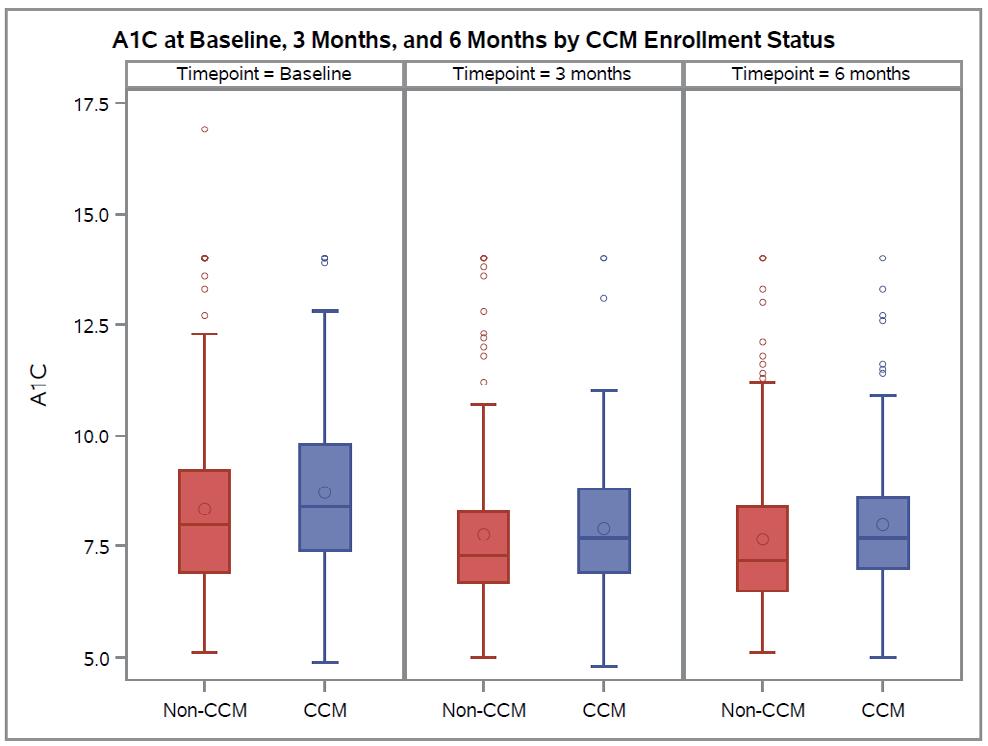
dian 6-month A1C was 7.4% (Q1, Q3: 6.6%, 8.4%). Median A1C values were higher for the CCM group compared to the non-CCM group at all three timepoints. Changes in A1C from baseline to 3 months and baseline to 6 months were similar between the CCM and non-CCM groups, with the CCM group experiencing slightly greater changes. Boxplots of A1C at baseline, 3 months, and 6 months among the CCM and non-CCM groups are plotted in Figure 1. Among those with DM and A1C measurements at the relevant time points, 34.2% achieved an A1C less than 7% at 3 months, and 35.8% at 6 months. See Figure 1 and Table 3.
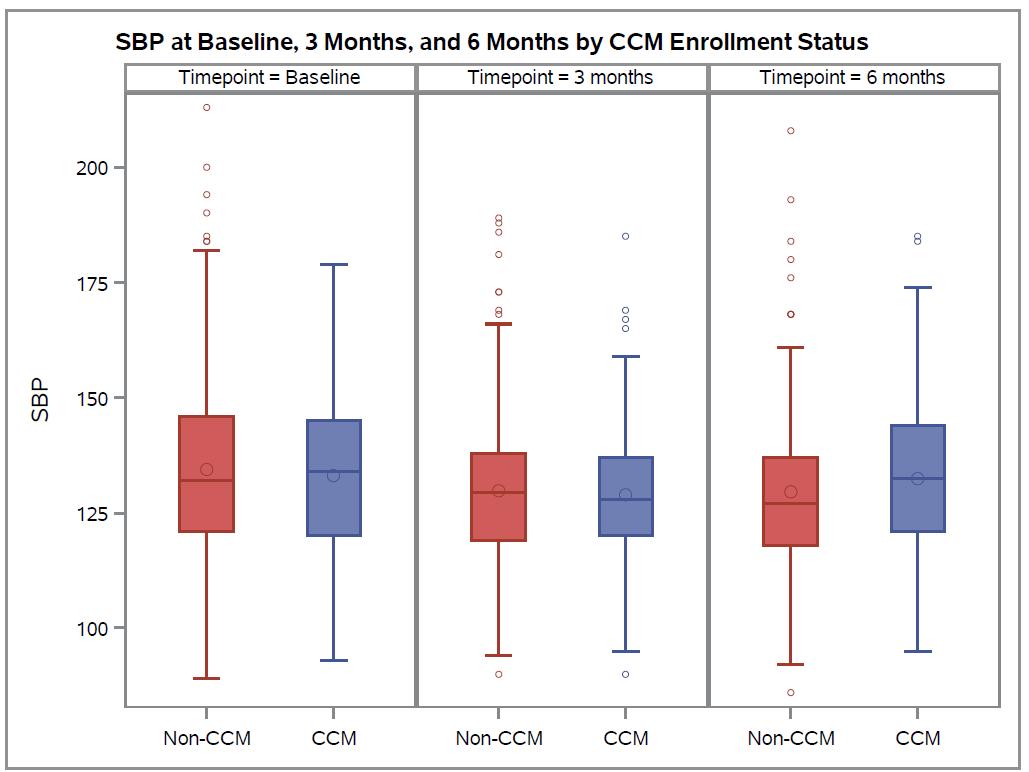
Among those patients with a HTN diagnosis, the overall median baseline SBP was 132 (Q1, Q3: 121, 145), the median 3-month SBP was 129 (Q1, Q3: 119.5, 137), and the median 6-month SBP was 130 (Q1, Q3: 119, 139). Median SBP values were similar between CCM and nonCCM patients across the three time points. Changes in SBP from baseline to 3 months and baseline to 6 months were also similar between the CCM and non-CCM groups, with the CCM group experiencing slightly greater changes. Boxplots of SBP at baseline, 3 months, and 6 months among the CCM and nonCCM groups are plotted in Figure 2. Among those with HTN and SBP measurements at the relevant time points, 52.1% achieved an SBP less than 130 at 3 months, and 49.0% at 6 months. See Figure 2 and Table 4.
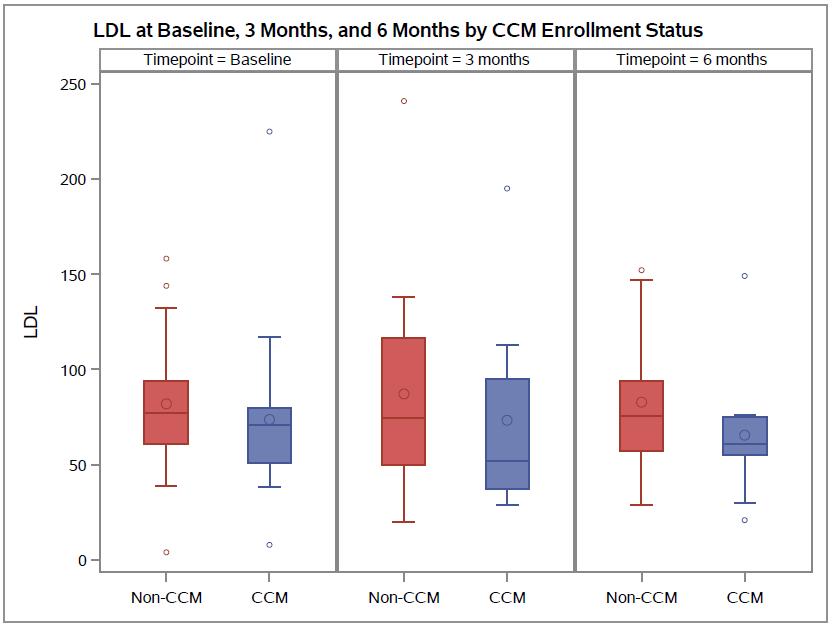
Among patients with a CAD diagnosis, the overall median baseline LDL was 76 (Q1, Q3: 58, 91), the median 3-month LDL was 72 (Q1, Q3: 45, 113), and the median 6-month LDL was 71 (Q1, Q3: 55, 90). Medi-
Figure 1: A1C at Baseline, 3 months, and 6 months by CCM Enrollment Status
Table 2: Clinically significant change of reaching guideline -directed therapeutic goals for at least one CCM disease state
an LDL values were similar between CCM patients and non-CCM patients at baseline, but at 3 months and 6 months, we observed lower LDL in the CCM group. In the nonCCM group, the median LDL change from baseline to 3 months and to 6 months increased, whereas in the CCM group, LDL decreased. Boxplots of LDL at baseline, 3 months, and 6 months among the CCM and non-CCM groups are plotted in Figure 3. Among those with CAD and LDL measurements at the relevant time points, 45.2% achieved LDL <70 at 3 months, and 48.1% at 6 months. See Figure 3 and Table 5.
The number of therapeutic changes made from baseline to 3 months, 4 to 6 months, and overall, from baseline to 6 months was similar between CCM and non-CCM patients. From baseline to 6 months, over half (59.6%) of patients had at least one medication adjustment, while 40.3% had none. Among individuals with DM, the types of medication changes made from baseline to 6 months were similar between the CCM and non-CCM groups. Medication doses were adjusted, with 38.4% of patients having at least one change in DM medication dose. The addition of DM medication was more common than discontinuation, with 27.9% of
Figure 2. SBP at Baseline, 3 Months and 6 Months by CCM Enrollment Status
Figure 3. LDL at Baseline, 3 Months and 6 Months by CCM Enrollment Status
patients having at least one medication addition and 17.4% having at least one medication discontinuation. More CCM patients (26.6%) had an adjustment of basal insulin than non-CCM patients (16.3%).
Basal insulin and GLP-1 receptor agonists were the most commonly adjusted DM medications, with 20% of patients receiving a basal insulin adjustment and 21.8% receiving a GLP-1 receptor agonist adjustment.
Among individuals with HTN, the non-CCM group experienced more therapeutic changes. Medication additions were the most common, with 12.4% of non-CCM patients and 5.3% of CCM patients having an addition. Only 1.2% of CCM patients had at least one HTN medication discontinuation compared to 5.9% of non-CCM patients. Medication dose change rates were also low, with 3% of CCM patients having at least one dose change and 7.5% of non-CCM patients having at least one dose change. The types of medications adjusted from baseline to 6 months were similar between CCM and non-CCM patients.
Angiotensin II Receptor Blockers (ARB) and Calcium Channel Blockers (CCB) Dihydropyridine were the most commonly adjusted HTN medications, although only 4.2% of patients had an ARB adjustment or a CCB-Dihydropyridine adjustment.
Among individuals with CAD, therapeutic changes were rare. Very few patients had at least one medication addition (1.3%) or discontinuation (0.4%), and no dose changes occurred. There were no adjustments for antiplatelet therapy, and adjustments of statins and non-statin lipid-lowering treatments were similar between CCM and non-CCM patients.
Table 3: Changes in A1C among CCM and Non-CMM Patients
6-month A1C
Change in A1C from baseline to 3
Change in A1C from baseline to 6 months
The CCM group had a median number of 5 pharmacy visits (Q1, Q3: 2, 9), which was greater than the median number of 2 pharmacy visits for the non-CCM group (Q1, Q3: 1, 4). In-person pharmacy visits were more common than telephone and video pharmacy visits. The CCM group had a higher median number of in-person pharmacy visits,
4 (Q1, Q3: 2, 7), compared to the non-CCM group, which had a median of 2 in-person pharmacy visits (1, 4). Telephone and video visits were rare, with median counts of 0 in both groups.
The CCM group had more variety in the types of pharmacy visits they utilized compared to the non-CCM group. While the non-CCM group
Table 4: Changes in SBP among CCM and Non-CCM Patients
3-month SBP
6-month SBP
did not utilize telephone pharmacy visits at all (100% had 0% telephone visits), the CCM group utilized telephone visits more, with 38.5% of CCM patients having some telephone visit usage (greater than 0% telephone visits). Most non-CCM patients (93.8%) had 100% in-person pharmacy visits, while only 58% of CCM patients had 100% in-person pharmacy visits.
No-shows were uncommon, with a median of 1 (Q1, Q3: 0, 2) and a median no-show rate of 0.3 (0.0,
0.7). The median number of ED visits was 0 for both the CCM and nonCCM group.
Discussion
As observed in our study, the rate of achieving guideline-directed therapeutic goals for at least one disease state of HTN, DM, or CAD was higher in the non-CCM group compared to the CCM group. However, median A1C values were higher in the CCM group than in the non-CCM group across all three time frames:
baseline, 3 months, and 6 months, indicating that greater barriers had to be overcome to achieve guideline goals in the CCM group. Individuals most strongly encouraged to enroll in CCM services are those who would truly benefit from additional time with a health care provider, such as a clinical pharmacist practitioner. This additional time and touchpoints increase the likelihood of achieving guideline-directed therapy goals through closer follow-up. Additionally, these patients often have difficulty accessing medications or testing supplies (glucose meters or continuous glucose monitors) and may require additional education on health care topics such as medications. Often, individuals who are enrolled in CCM may have higher A1C targets, such as 7.5% or 8%, as well as higher SBP goals of <140.
Among individuals with DM, the types of therapeutic changes made from baseline to 6 months were similar between the CCM and nonCCM groups, but the non-CCM group experienced more therapeutic changes among individuals with HTN. Among individuals with CAD, therapeutic changes were rare. The CCM group had a higher median number of pharmacy visits and more variety in the types of pharmacy visits they utilized compared to the non-CCM group. Overall, these points highlight the benefits of increased visits and time spent with a pharmacist team member.
Overall, the pharmacists had a positive impact on their patients’ care related to DM, HTN, and CAD. To further confirm the benefit of CCM, a repeat study should be conducted with a balanced group of patients in the CCM and non-CCM. As well as ensuring all included patients have
Table 5: Changes in LDL among CCM and Non-CCM Patients
data at the associated time frames.
Limitations
The first limitation of this study is the imbalance of group comparisons, with 169 (35.5%) enrolled in CCM and 307 (64.5%) not enrolled in CCM. Individuals may not be enrolled in CCM due to the eight-dollar charge associated with the program for the services offered. Other reasons individuals may not enroll in CCM include being close to their care goals and not needing additional time with a CPP; some
patients may be skeptical about the effectiveness of CCM, or it may simply be a personal preference to decline enrollment. Not all patients had measurements at all three timepoints of baseline, 3 months, and 6 months, and information was incomplete at the different timepoints. The number of patients with CAD and corresponding LDL levels was much smaller than the number of patients with DM and corresponding A1C measurements and h and corresponding SBP measurements.
Authors: Lindsey Gibbon¥£ , PharmD; lindsey-gibbon@uiowa. edu, Amit Patel¥, PharmD, BCACP, CPP Patrick Gregory¥, PharmD, BCACP, CPP Brittney Champagne¥ , PharmD, BCACP, CPP Marie Tuft¥ , PharmD, BCACP, CPP Holly Alvarado¥, PharmD, BCPS, CPP Kelly Hubbard¥, PharmD, BCACP, CPP Madeline Pryor¥, PharmD, BCACP, CPP; ¥ Department of Pharmacy, Duke University Health System; £ Department of Pharmaceutical Care, University of Iowa Health Care
References
1. Reddy, A., Marcotte, L. M., Zhou, L., Fihn, S. D., & Liao, J. M. (2020). Use of Chronic Care Management Among Primary Care Clinicians. Annals of family medicine, 18(5), 455–457.
2. Smith, M. (2018) FAQ: Chronic Care Management, ASHP. Available at: https:// www.ashp.org/-/media/assets/pharmacy-practice/resource-centers/ambulatory-care/chronic-care-management-faq. ashx (Accessed: 29 July 2024).
3. Chronic Care Management (CCM) (2017) APhA. Available at: https://www. pharmacist.com/Portals/0/PDFS/Practice/ CCM-An-Overview-for-Pharmacists-FINAL. pdf?ver=z1VjEDMg9Uk-1FEnMvX7Xg== (Accessed: 29 July 2024).
4. Dohrn, A., Hoskins, R., Collier, L., & Kennelty, K. (2024). Evaluation of a Telehealth-Based Pharmacist Led Chronic Care Management Program. Journal of pharmacy practice, 37(4), 933–939.
5. Wharton, M. K., Shi, L., Eragoda, S., Monnette, A. M., Nauman, E., Price-Haywood, E. G., Hu, G., & Bazzano, A. N. (2020). Qualitative Analysis of Health Systems Utilizing Non-Face-to-Face Chronic Care Management for Medicare-Insured Patients With Diabetes. The Journal of ambulatory care management, 43(4), 326–334.
6. Sanjay Basu, Russell S. Phillips, Asaf Bitton, et al. Medicare Chronic Care Management Payments and Financial Returns to Primary Care Practices: A Modeling Study. Ann Intern Med.2015;163:580-588
Connecting Top Employers with Premier Professionals.
EMPLOYERS:
Find Your Next Great Hires
• PLACE your job in front of our highly qualified members
• SEARCH our resume database of qualified candidates
• MANAGE jobs and applicant activity right on our site
• LIMIT applicants only to those who are qualified
• FILL your jobs more quickly with great talent
PROFESSIONALS:
• POST a resume or anonymous career profile that leads employers to you
• SEARCH and apply to hundreds of new jobs on the spot by using robust filters
• SET UP efficient job alerts to deliver the latest jobs right to your inbox
• ACCESS career resources, job searching tips and tools NCAP CAREER CENTER
Public Health’s Vaccine Experts: Part II- Pharmacy’s Developing Role with Travel Immunizations
By: Jennifer Plair, PharmD, MSPH
Pharmacists play a vital role in travel vaccination services by offering expert guidance, screening for contraindications, and administering vaccines. They help patients understand the importance of immunizations for travel and make informed health decisions related to their destinations.
Travel vaccines are essential for protecting individuals from infectious diseases that may be rare or nonexistent in their home countries. They help prevent the spread of illness during and after travel, contributing to global health security. Vaccines offer protection against serious conditions such as yellow fever, typhoid, and hepatitis, which can lead to severe complications if contracted. Additionally, many countries require proof of certain vaccinations for entry, underscoring their importance for both personal and public health.
Travel vaccines are an essential part of preparing for international travel, particularly when visiting countries where certain infectious diseases are more common or pose significant health risks. Many of these diseases are rare or nonexistent in a traveler’s home country,
which means individuals may have little to no natural immunity against them. By receiving the appropriate vaccines before departure, travelers can significantly reduce their risk of infection and avoid the potentially severe complications that can arise from contracting these illnesses abroad.
Beyond individual protection, travel vaccinations are a crucial tool in preventing the global spread of disease. International travel increases the risk of spreading infectious diseases across borders, as individuals may unknowingly carry pathogens from one region to another. Vaccinated travelers are far less likely to become carriers or transmitters of disease, thereby protecting both the populations they visit and their home communities upon return. This preventative measure is especially important in today’s interconnected world, where disease outbreaks can escalate rapidly and have far-reaching impacts.
Finally, staying healthy during and after travel is essential not just for personal well-being but also for minimizing the risk of importing illnesses into one’s home community. Vaccinated travelers are less
likely to experience disruptions due to illness while abroad and are also less likely to spread infections upon returning home. This protects loved ones, coworkers, and the general public, particularly those who may be more susceptible to disease due to age, underlying health conditions, or compromised immune systems.
When discussing specific vaccines, pharmacists need to be aware of the special administration requirements for the yellow fever vaccine. The North Carolina Department of Health and Human Services (NCDHHS) oversees the distribution of the yellow fever vaccine through authorized travel clinics and public health departments. Because yellow fever requires specific certification, the pharmacist must be a registered provider to administer the shot and issue an official, stamped International Certificate of Vaccination or Prophylaxis (ICVP) “yellow card.” The protocol ensures that pharmacists administer the vaccine safely, maintain accurate documentation, and correctly validate the internationally recognized vaccination certificate required for travel to certain countries. Details on the certification process can be found at: https://www.dph.ncdhhs.gov/
Pharmacists counseling patients who request Yellow Fever vaccination can use the CDC Yellow Fever Clinic Locator to find a certified Yellow Fever Vaccination Center in their area. https://wwwnc.cdc. gov/travel/yellow-fever-vaccination-clinics/state/north-carolina
A major element of the protocol focuses on vaccine management and storage, which is tightly regulated. Pharmacists must order the vaccine directly from the manufacturer and maintain strict handling standards, including storing doses under appropriate conditions and keeping twice-daily temperature logs. These logs must be preserved for at least three years and are subject to review by the State Immunization Branch. These requirements help ensure vaccine integrity and compliance with public health standards.
The protocol also outlines correct vaccine administration procedures. Pharmacists are responsible for assessing patient eligibility, including individuals aged 9 months to 59 years who are traveling to or residing in at-risk regions. Those aged 60 and older may require additional medical consultation before being vaccinated. Because immunity takes time to develop, the vaccine must be administered at least 10 days before a person begins international travel. Before vaccination, pharmacists must provide the patient with the official Yellow Fever Vaccine Information Statement (VIS). The vaccine is delivered subcutaneously (SC), as recommended.
Accurate and timely documentation is another critical piece of the protocol. Every dose must be recorded either in the North Carolina Immunization Registry (NCIR) or in a physical Yellow Fever Vaccination Log maintained by the pharmacy. Pharmacists must also complete and validate the patient’s ICVP card using the official stamp, ensuring compliance with all international documentation standards. These records may be evaluated during audits conducted by the Immunization Branch.
In keeping with national vaccine safety requirements, pharmacists must report any adverse events following vaccination to the Vaccine Adverse Event Reporting System (VAERS). This ensures that any medical issues related to the vaccine are documented, monitored, and addressed as part of broader public health surveillance.
Finally, the protocol requires pharmacists to undergo periodic recertification, typically every three years. This renewal process ensures that pharmacists remain up to date on vaccine guidelines, documentation requirements, and safety practices. For access to the necessary forms, training modules, and updated guidance, pharmacists are directed to use the resources provided by the NC Immunization Branch website.
In addition to the yellow fever vaccine, pharmacists can provide other vaccines to patients before traveling. Pharmacists need to know about the different travel vaccines, recommendations, and timelines. This is why NCAP has an immunization toolkit. This toolkit provides general information on travel vac-
cine recommendations. In this toolkit, the information on travel vaccines includes references and links to the CDC website, providing easy access to travel vaccine information.
The information provided in the references includes routine vaccines, which are immunizations recommended for all individuals in the United States based on age, health status, and vaccination history. Although many people associate routine vaccines with childhood requirements for school entry, they also include important adolescent and adult vaccines, as well as booster doses. For pharmacists, ensuring patients are up to date on routine immunizations is especially critical before international travel. While many vaccine-preventable diseases, such as measles, mumps, and varicella, are uncommon in the United States due to high vaccination rates, they remain prevalent in other parts of the world. Unvaccinated travelers are at increased risk of contracting and spreading these diseases, which can lead to outbreaks upon return.
Pharmacists play a key role in reviewing immunization histories, identifying gaps, and administering both routine and travel-related vaccines within their scope of practice. Travel-specific vaccines that pharmacists can provide include typhoid, Japanese encephalitis, rabies (pre-exposure), cholera, tick-borne encephalitis, and chikungunya. Within the immunization toolkit, the travel vaccines section also includes references and supporting resources that provide more detailed, clinically specific information for pharmacists. These references are designed to guide pharmacists in evaluating vaccine
indications, contraindications, dosing schedules, booster requirements, and destination-specific recommendations. One of the main references is the CDC, which also issues travel health notices to alert travelers about disease outbreaks or increased health risks in certain regions, helping them make informed decisions before departure. These notices are regularly updated to reflect current global health conditions.
When providing travel vaccines, pharmacists counsel patients to schedule travel health consultations at least 4 to 6 weeks before departure to allow time for a multi-dose series or an accelerated schedule when needed. They encourage patients to bring official immunization records, review destination-specific CDC recommendations, and adhere to prescribed preventive medications such as malaria prophylaxis when applicable. By assessing vaccine needs, providing education, and improving access to immunizations, pharmacists serve as accessible healthcare providers who help prevent disease transmission, close routine immunization gaps, and support safe international travel.
In summary, pharmacists can play a vital role in providing travel vaccines, which are far more than just a precaution—they are a vital part of responsible travel. They protect individuals from dangerous diseases, help prevent the international spread of infections, support compliance with travel regulations, and contribute to the ongoing effort to safeguard global health. Ensuring you are properly vaccinated before traveling is a simple yet powerful step toward a safer, healthier world.
Author: Jennifer Plair, PharmD,
MSPH, was the Executive Fellow of NCAP at the time of this writing.
• “Vaccines and Immunizations.” CDC.gov, 2019, www.cdc.gov/ vaccines/.
• “How to Become a Yellow Fever
Vaccine Provider in North Carolina | Division of Public Health.” Ncdhhs.gov, 2026, www.dph. ncdhhs.gov/programs/epidemiology/immunization/providers/ yellow-fever. Accessed 1 Feb. 2026.
Insulin therapy remains the mainstay of treatment for patients with type 1 diabetes (T1DM) through the use of multiple daily injections of basal and bolus insulin. Basal insulin is also recommended for patients with type 2 diabetes (T2DM) who require additional glycemic control when non-insulin glucose-lowering medications are insufficient. (1) Adherence to daily insulin regimens may be challenging for some patients due to the complexity and disruption to their daily routine caused by needing multiple injections. Factors such as complex dosing regimens and fear of hypoglycemia may contribute to missed doses, which can ultimately result in suboptimal glycemic control and poorer clinical outcomes.
Insulin icodec (Awiqli), developed by Novo Nordisk and approved by the United States Food and Drug Administration (FDA) in March 2026, offers a novel once-weekly basal insulin option that addresses adherence challenges by reducing the frequency of basal insulin injections from at least 365 injections per year to 52 injections per year. (2) It has an ultra-long half-life of approximately 7 days and albumin-binding properties that allow
for prolonged, steady glucose-lowering effects. (3) By simplifying insulin regimens, insulin icodec may improve patient adherence and reduce treatment burden compared to daily basal insulins.
FDA-Approved Indication
Insulin icodec is indicated for the treatment of T1DM and T2DM in adults to improve glycemic control. (3) Its use has not been studied in patients under 18 years of age, so the FDA has not authorized an indication for pediatric patients.
Pharmacology and Pharmacokinetics
Insulin icodec is a novel ultra-long-acting basal insulin designed for once-weekly administration. By reversibly binding to albumin via its C20 fatty diacid side chain, insulin icodec forms a depot that slowly releases insulin over one week. (3) Like other insulins, insulin icodec works by binding to insulin receptors on target tissues, promoting glucose uptake by skeletal muscles and adipose tissue while inhibiting hepatic glucose production. Insulin icodec exhibits a plasma half-life of 7 days, supporting once-weekly administration. It reaches its peak effect at 2-4 days
after administration and has an action duration of approximately 168 hours. Steady-state concentrations are achieved after 2-3 doses, with minimal daily fluctuations in exposure and similar dose-response relationships to those of daily basal insulin. (4)
Clinical Efficacy
ONWARDS 3
Once-weekly insulin icodec was non-inferior to and superior to once-daily insulin degludec in lowering glycated hemoglobin (HbA1c) in insulin-naïve patients with T2DM. (2) ONWARDS 3 is a randomized, double-masked, double-dummy phase 3a trial that investigated the efficacy and safety of insulin icodec compared to insulin degludec in insulin-naïve T2DM patients. The trial included 588 adults aged 18 years and older with T2DM diagnosed at least 180 days prior to screening. Eligible patients were those with an HbA1c of 7.0-11.0% who were treated with any non-insulin medication, including oral antidiabetic medications and injectable glucagon-like peptide-1 receptor agonists (GLP-1 RAs). Eligible patients were randomized in a 1:1 ratio to receive either once-weekly insulin icodec plus daily placebo or daily insulin degludec plus once-weekly placebo. Insulin icodec was initiated at a starting dose of 70 units weekly, and insulin degludec was initiated at 10 units daily. Doses were titrated weekly based on three mean fasting plasma glucose (FPG) values. Doses were titrated to achieve a target FPG of 80-130 mg/ dL. Insulin icodec was adjusted by 20 units per week and insulin degludec was adjusted by 3 units per day.
The primary endpoint of ONWARDS 3 is the change in HbA1c from baseline to 26 weeks of treatment. Secondary endpoints include the change in FPG from baseline to 26 weeks, mean weekly insulin dose in the last 2 weeks of treatment, change in body weight, and number of hypoglycemic episodes. The average baseline HbA1c was 8.6% in the insulin icodec group and 8.5% in the insulin degludec group. By the end of the 26-week treatment period, average HbA1c was reduced by 1.6 percentage points with insulin icodec and by 1.4 percentage points with insulin degludec, with an estimated treatment difference (EDT) of -0.2 percentage points (95% CI -0.3 to -0.2) (2). Insulin icodec yielded a number needed to treat (NNT) of 9 to achieve a HbA1c <7% without level 2 or 3 hypoglycemia. There was no significant difference in the change in FPG, body weight, or mean weekly insulin dose between the two groups. (2) The rate of hypoglycemia was numerically higher in the insulin icodec group than the insulin degludec group (0.31 vs 0.15 events per patient-year exposure, p=0.11). (2)
ONWARDS 4
ONWARDS 4 is a randomized, non-inferiority, open-label trial comparing once-weekly insulin icodec with daily insulin glargine in insulin-experienced patients with T2DM. The trial included 582 adults aged 18 years or older with an HbA1c of 7-10%. Eligible patients included those previously treated with a daily basal-bolus regimen for at least 90 days prior to screening, with or without non-insulin glucose-lowering medications. Patients were randomized in a 1:1 ratio to open-label once-weekly insu-
lin icodec or daily insulin glargine. Both groups also received two to four injections of insulin aspart per day. (5) All baseline non-insulin glucose-lowering medications were continued, except sulfonylureas and glinides, to reduce the risk of hypoglycemia when combined with insulin. Patients randomized to receive insulin icodec were transitioned from their previous basal insulin by multiplying their previous daily basal insulin dose by 7 and rounding to the nearest 10 units. (5) Patients in the insulin glargine group were converted on a unit-tounit basis. Doses were titrated to achieve a FPG of 80-130 mg/dL.
The primary endpoint of ONWARDS 4 is the change in HbA1c at 26 weeks. Secondary endpoints include the change in FPG and the percent time in range (TIR) of 70-180 mg/dL at week 22 to 26. By week 26, the mean reduction in HbA1c was −1.16% with insulin icodec (baseline 8.29%) and −1.18% with insulin glargine (baseline 8.31%). Insulin icodec was noninferior to insulin glargine, with an EDT of 0.02% (95% CI −0.11 to 0.15; p<0.0001). (5) The change in FPG was -32 mg/ dL with insulin icodec and -29 mg/ dL with insulin glargine. The between-group difference in change from baseline FPG was not statistically significant, EDT -2.48 mg/dL (95% CI -10.59 to 5.63, p=0.55). (5)
The percent TIR at 22 to 26 weeks was 66.9% for insulin icodec and 66.4% with insulin glargine. The between-group difference was not statistically significant (EDT 0.29% [95% CI -2.52 to 3.09], p=0.84). (5)
The rate of clinically significant or severe hypoglycemia was similar between the two groups.
ONWARDS 6
ONWARDS 6 is the only trial to investigate the safety and efficacy of insulin icodec in patients with T1DM. ONWARDS 6 is a randomized, open-label trial that compared once-weekly insulin icodec to daily insulin degludec in 582 patients who were 18 years or older with T1DM who were treated with a daily basal-bolus regimen for at least 1 year. Eligible patients included those with an HbA1c of <10%. Patients were randomized in a 1:1 ratio, those treated with insulin icodec were transitioned using the same conversion calculation described in ONWARDS 4. Doses of insulin icodec and insulin degludec were titrated to achieve a FPG of 80-130 mg/dL. Both groups received 2 or more daily doses of insulin aspart with meals.
The primary endpoint of ONWARDS 6 is the change in HbA1c from baseline to week 26. Secondary endpoints include the change in HbA1c at 52 weeks, the change in FPG at 26 weeks, and the percent TIR (70180 mg/dL) during weeks 22 to 26. Change in HbA1c from baseline to 26 weeks was -0.44% with insulin icodec (baseline 7.59%) versus -0.51% with insulin degludec (baseline 7.63%) with an EDT of 0.05% (95% CI -0.13 to 0.23, p=0.0065), confirming non-inferiority of insulin icodec to insulin degludec. (6) The change in FPG at 26 weeks was -15 mg/dL with insulin icodec and -34 mg/dL with insulin degludec, with an EDT of 19 mg/dL (95% CI 9 to 29, p=0.0003). There was no statistically significant difference in percent TIR; ETD was -2.00% (95% CI -4.38 to 0.38, p=0.099). (6) At 26 weeks, the rate of combined clinically significant and severe hypoglycemia was significantly higher with insulin icodec (19.93 events per pa-
tient-year of exposure) than with insulin degludec (10.37 events per patient-year of exposure). Of patients treated with insulin icodec, 85% experienced clinically significant or severe hypoglycemia, compared with 76% with insulin degludec. (6)
Safety and Tolerability
Across the ONWARDS trials, insulin icodec was noninferior to daily basal insulins. It was generally well tolerated, with hypoglycemia being the main concern. Compared with daily basal insulins, insulin icodec was associated with higher rates of clinically significant hypoglycemia across several trials, particularly in T1DM and insulin-naïve T2DM patients, although severe hypoglycemia remained uncommon overall. Clinically significant hypoglycemia was defined as having a blood glucose level of less than 54 mg/dl. (5) The rate of clinically significant hypoglycemia in T1DM occurred in 85% of the patients on insulin icodec versus 76% of patients on insulin degludec, while severe hypoglycemia occurred in 3% of the patients in both groups. (5) Other adverse effects were similar between groups and consistent with the known safety profile of insulin therapy. The most common adverse effects noted in ONWARDS 6 were hypersensitivity reactions, which occurred in 2% of patients in both the insulin icodec and insulin glargine groups, and injection site reactions, which occurred in 1% of patients in both groups. (6) Weight gain occurred at similar rates when comparing insulin icodec to degludec. (5) Patients treated with insulin icodec who have T1DM gained an average of 1.3 kg, while patients
with T2DM gained an average of 2.3-2.8 kg. (3)
Drug Interactions
Insulin icodec interacts with medications that increase the risk of hypoglycemia, such as sulfonylureas, dipeptidyl peptidase-4 (DPP-4) inhibitors, and other glucose-lowering medications. Monoamine oxidase inhibitors, selective serotonin reuptake inhibitors, and quinolones may also increase the risk for hypoglycemia when used with insulin icodec. Dose reduction of insulin icodec and frequent glucose monitoring are required when co-administering these medications. (3) Some drugs can decrease the glucose-lowering effect of insulin, such as atypical antipsychotics, corticosteroids, estrogens, and thyroid hormones, as these can increase blood glucose on their own. Co-administration may require higher doses of insulin icodec to achieve effective blood glucose lowering. (3) Some medications should be used with caution, such as beta blockers and clonidine, as these can mask the symptoms of hypoglycemia and will necessitate frequent blood glucose monitoring. (3)
Dosing and Administration
Insulin icodec is available in prefilled pens that deliver doses in 10unit increments and can deliver up to 700 units in a single injection. (3) Insulin icodec is administered subcutaneously once a week on the same day each week. It must be used as part of a basal-bolus regimen in patients with T1DM. There are no data for starting insulin icodec in patients with T1DM not already being treated with a basal-bolus regimen. The recommend-
ed starting dose for patients with T2DM is 70 units once a week. (3) When switching from a daily basal insulin to insulin icodec, the recommended weekly dose is equal to the previous daily dose of basal insulin multiplied by 7, rounded to the nearest 10 units. Depending on the patient’s glucose control and history of hypoglycemia, they may receive an additional dose equal to 50% of the weekly insulin icodec dose during the first week only. (3) Dose titrations based on metabolic needs may begin at the third dose. For example, if a patient was previously treated with 10 units of insulin glargine daily, then the corresponding weekly dose of insulin icodec will be 110 units in week one and 70 units in week 2. Insulin icodec may be stored in the refrigerator until the expiration date. Once opened, or if stored at room temperature, it is stable for 12 weeks. (3)
Use in Special Populations
Insulin icodec has not been studied in pediatric, pregnant, or breastfeeding patients, so its use is not recommended in these populations. In animal studies, pregnant rabbits treated with insulin icodec experienced abortion due to maternal hypoglycemia. (3) Dosing in geriatric patients should be done conservatively, as increased sensitivity in older adults cannot be ruled out. (3)
Comparative Effectiveness
Across the ONWARDS trials, insulin icodec consistently achieved HbA1c reductions that were noninferior to, and in some cases superior to, daily basal insulins. In ONWARDS 3, HbA1c was reduced by 1.6 percentage points with insulin icodec ver-
sus 1.4 percentage points with insulin degludec, with an EDT of -0.2 percentage points for insulin-naïve patients with T2DM. (2) ONWARDS 3 yielded an NNT of 9 for one additional patient to achieve an HbA1c <7% without level 2 or 3 hypoglycemia over 26 weeks. In ONWARDS 4, the mean HbA1c reduction was -1.16 percentage points with insulin icodec and -1.18 percentage points with insulin glargine, confirming noninferiority. (5) In ONWARDS 6, HbA1c was decreased by 0.44 percentage points with insulin icodec versus 0.51 percentage points with insulin degludec, also demonstrating noninferiority. (6) In insulin-naïve patients with T2DM, insulin icodec lowered HbA1c more than both insulin degludec and glargine, while in insulin-experienced patients with either T1DM or T2DM, it maintained glycemic control similar to daily basal insulins. Across trials, insulin icodec also reduced FPG and TIR, supporting its use as an effective alternative to traditional daily basal insulin therapy.
Place in Therapy
Insulin icodec offers a once-weekly basal insulin option for patients with T1DM or T2DM who require basal insulin therapy and may benefit from a simpler dosing strategy. Its main advantage is the reduced frequency of injections, which may help ease treatment burden and improve adherence in patients who struggle with daily injections or complex regimens. Since clinical trials have shown HbA1c reductions comparable to those of daily basal insulins, insulin icodec can be considered an alternative when simplifying treatment is a priority. Patients with a history of recurrent hypoglycemia or limited ability to
recognize and respond to hypoglycemia should be approached cautiously, since insulin icodec was associated with higher rates of clinically significant hypoglycemia in some studies. Conservative dose titration and close monitoring of blood glucose are especially important in older adults and in patients taking concomitant medications that increase the risk of hypoglycemia. Insulin icodec may be particularly useful for patients who require insulin and are already receiving a GLP-1 RA, as they are familiar with weekly administration and may find once-weekly insulin easier to incorporate into their routine. Additionally, it is important to consider the variability in the glucose-lowering effect throughout the week. Given that insulin icodec reaches its peak effect around 2-4 days after injection, hypoglycemia may be more likely during the middle of the dosing interval. (3) This pattern supports the need for thorough patient counseling, consistent lifestyle habits, and education on hypoglycemia recognition and management. Insulin icodec is a reasonable alternative to daily basal insulin in appropriate patients, provided that careful dose titration and close monitoring strategies are in place.
Author: Amani Abumazen, PharmD, at the time of this writing, was a Doctor of Pharmacy Candidate at Campbell University College of Pharmacy & Health Sciences.
2. Lingvay I, Asong M, Desouza C, et al. Once-weekly insulin icodec vs once-daily insulin degludec in adults with insulin-naive type 2 diabetes: the ONWARDS 3 randomized clinical trial. JAMA. 2023;330(3):228-237. doi:10.1001/jama.2023.11313.
3. Novo Nordisk Inc. Awiqli (insulin icodec-abae) prescribing information. Plainsboro, NJ: Novo Nordisk Inc.; 2026.
4. Pieber TR, Asong M, Fluhr G, et al. Pharmacokinetic and pharmacodynamic properties of once-weekly insulin icodec in individuals with type 2 diabetes. Diabetes Obes Metab. 2023;25(12):3716-3723. doi:10.1111/ dom.15266
5. Mathieu C, Asbjörnsdóttir B, Bajaj HS, et al. Switching to once-weekly insulin icodec versus once-daily insulin glargine U100 in individuals with basal-bolus insulin-treated type 2 diabetes (ONWARDS 4): a phase 3a, randomised, open-label, multicentre, treat-to-target, non-inferiority trial. Lancet. 2023;401(10392):19291940. doi:10.1016/S01406736(23)00520-2
6. Russell-Jones D, Babazono T, Cailleteau R, et al. Once-weekly insulin icodec versus once-daily insulin degludec as part of a basal-bolus regimen in individuals with type 1 diabetes (ONWARDS 6): a phase 3a, randomised, open-label, treat-to-target trial. Lancet. 2023;402(10413):1636-1647. doi:10.1016/S0140-6736(23)02179-7.
References
1. American Diabetes Association Professional Practice Committee. Standards of care in diabetes—2026. Diabetes Care. 2026;49(Suppl 1).
Better Brands and Experiences
Through industry-leading partnerships, we provide you with the most exclusive, in-demand offers in travel, entertainment, retail and beyond.
www.workingadvantage.com
Sunday Evening Webinars
We are very excited to have a robust selection of topics for the 2026 Sunday Evening Webinar Series. Titles and speakers for many of the topics are still being confirmed; however, please see the dates and topics below and mark your calendars for another year of learning. Webinars are ACPE accredited for 1 hour of live CE for pharmacists and pharmacy technicians. To learn more and register, visit our webpage
• June – Building Blocks for a Collaborative Practice Agreement
• July 19, 2026 – Pharmacy History and What the Passage of Time Teaches Us
• August 16, 2026 – Transformers: Rise of Practice Heroes and Their Success Stories
• August Opioid Stewardship in Action Series – Perinatal Substance Use Disorders 101
• September 20, 2026 – Pharmacy Professionals’ Wellbeing
• October 18, 2026 – Breaking Bad with Street Smarts: Drug Edition
• October Opioid Stewardship in Acton Series – Buprenorphine for Pain Management
• November 15, 2026 – Keep Your Brain in the Game: Preventing Meningococcal Disease
• December 13, 2026 – Premium Fuel: Harnessing the Power of Nutrition with GLP-1 Therapies
New Practitioner Forum Invites You to Join
Are you within your first seven years of pharmacy practice and looking to connect, grow, and make an impact? The NCAP New Practitioner Forum (NPF) Executive Committee offers a unique opportunity to expand your network, develop leadership skills, and engage in advocacy efforts that
help shape the future of pharmacy in North Carolina.
As a committee member, you’ll have the opportunity to help plan and lead initiatives such as the Leadership Buzz Series, professional development programs, networking events, mentorship opportunities, and advocacy activities.
If you’re passionate about advancing your career while connecting with fellow pharmacists across the state, we encourage you to get involved! Interested? Click here to complete the Microsoft Interest Form. Please submit by July 10, 2026.
Health Systems and Hospital Pharmacists Huddle
The NCAP-hosted “Huddle” is a virtual meeting held on the third Wednesday of every month. The meetings support open dialogue on topics important for health-system and hospital pharmacists and technicians serving in leadership and management roles. The meetings facilitate the sharing of ideas and solutions for common institution- and population- based operational, clinical, and financial challenges. Each meeting the agenda will be determined from the topics submitted by our ‘Huddle’ attendees. To learn more and join the meetings, go to our webpage.
Ambulatory Care Pharmacists Huddle
The NCAP-hosted “Huddle” is a virtual meeting held on the fourth Friday of every month. The meetings support open dialogue on topics important for ambulatory care pharmacy. The meetings facilitate the sharing of ideas and solutions for common ambulatory care matters. Each meeting will be opened by a “pearls” session or clinical case and remainder of the agenda will be determined from the topics submitted by our ‘Huddle’ attendees. To learn more and join the meetings, go to our webpage.
Community Care Pharmacists Huddle
The Community Care Practice Academy Huddle is a new gathering designed to bring community care pharmacists together for brief, practical conversations about the realities of pharmacy practice. These short “huddles” create an opportunity for pharmacists to connect, share insights, and discuss common challenges and solutions they encounter in their day-to-day work.
Join us on June 24th from 1:30–2:00 PM as we discuss real-world challenges and solutions from practice.
This session will feature “Creating a Safer Healthcare Environment Through Proactive Security Measures” presented by Kristin Chelucci with Sonitrol Integrated Security Solutions. In just 30 minutes, you’ll gain timely insights on robbery prevention, asset protection strategies, workflow preparedness, and practical measures pharmacies can take to improve safety for patients and team members.
For RSVP and Topic Submission, Click Here
To Join the Meeting, Click Here
2026 Residency Conference
Registration for NCAP’s 2026 Residency Conference on Thursday, July 16th at the Novant Conference Center in Winston-Salem, NC is now open! Residency Conference is THE event every program loves to attend with their new residents. The planning committee has created an agenda that will get the year in residency off to a great start for all. In addition to morning plenary sessions, the afternoon will hold breakout sessions; 1 specifically designed for leaders and 1 for residents. This event will have 4.5 hours of NC CE available. See more details and register your group here. Don’t miss it!
Independent Pharmacy Professionals – Region 3 and Beyond
Join us on Tuesday, June 30 in Hickory, NC for a free evening of CE, connection, and community with fellow independent pharmacy professionals. Dinner, beverages, and one complimentary drink are included!
Owners, managers, pharmacists, technicians, and other pharmacy team members are all welcome. Feel free to reg-
ister yourself and a colleague from the same pharmacy before RSVPs fill up.
Click below for CE/Agenda topics and to RSVP
https://ncap.memberclicks.net/HickoryIPP
If you’re part of Region 2, and live near Hickory but weren’t able to attend our Winston-Salem event, we’d love to have you join us for this one!
Hickory, NC
Tuesday, June 30
6:30 PM – 9:00 PM
Sign Up for POCT Training August 6th!
NCAP, partnered with NASPA, brings you the Point-of-Care Test & Treat Respiratory Certificate Program. There is one date remaining in this series. All the information and the links to register are here on our website. Please, read all of the information carefully before registering. Let’s get you and your staff ready to better serve your patients during the 2026 influenza season.
NCAP’s 2026 Anti-Infective Conference – Save the Date!
2026 is moving fast. Before you know it, fall will be here and that means time for the 2026 Anti-Infective Conference. If you are an ID pharmacist or pharmacy technician, or just interested in what’s happening in the treatment of infectious diseases, save Friday, October 2nd on your calendar. The planning committee is working on the agenda. Watch our website for details as they become available and for registration to open.
NCAP’s 2027 Annual Convention
Save the date to join us for the 2027 NCAP Annual Convention, June 16 – 18, 2027 at the Embassy Suites Research Triangle in Cary, NC. Details will become available near the end of this year. To stay up to date on all upcoming NCAP events and to learn more, visit the Events Calendar at ncpharmacists.org.
Jimmy Smith Jackson
August 15, 1943 — May 19, 2026
Jimmy Smith Jackson of Garner, NC passed away on May 19, 2026. He was born on August 15, 1943, in Philadelphia , Mississippi, and grew up in Canton, Mississippi
After graduating from the University of Mississippi School of Pharmacy in 1967, Jimmy began his career with Kerr Drug in Raleigh, NC, as a pharmacist and quickly advanced through the operational ranks. In 1969, he and his wife, Peggy, moved to Garner to open the first Kerr Drug store in the area . Over the course of his distinguished career, he spent many years in Government Affairs with both Kerr Drug and Eckerd, working closely with Boards of Pharmacy, state legislatures, and Schools of Pharmacy throughout the Southeast He also served on numerous advisory boards for pharmaceutical companies and pharmacy schools, earning a reputation as a trusted advocate for the profession.
Jimmy was a passionate supporter of pharmacy education and was especially proud of his work with the Pharmacy Network Foundation, which provides scholarships and financial support to Schools of Pharmacy Through his leadership and dedication, he helped strengthen opportunities for pharmacy students and future practitioners across the region His many contributions were recognized with numerous honors, including the National Association of Chain Drug Stores Harold Pratt Award (1997), North Carolina Pharmacist of the Year (1998), the Distinguished Alumni Award
from the University of Mississippi (2001), and an honorary Doctor of Science degree from Campbell University (2007)
Beyond his professional accomplishments, Jimmy was devoted to his family, friends, and community He married Peggy Williamson in 1969, and together they shared nearly 57 years of marriage. An avid reader and golfer, he also enjoyed hunting waterfowl and upland birds. One of his greatest joys was training and working with his hunting dogs, a pastime that reflected his patience, dedication, and love of the outdoors Jimmy was deeply committed to community service and civic engagement He served as Director and Chairman of the Garner Chamber of Commerce and was an active member of the Garner Rotary Club for many years. He was also a member of Vandora Masonic Lodge #745 and Garner United Methodist Church, where he developed lasting friendships and contributed generously to the organizations he valued.
Jimmy is survived by his wife, Peggy; daughters Wendy Dunlap (Christopher) and Alicia Jackson; and granddaughters Elena and Natalie Dunlap He was preceded in death by his parents, James C and Ava Jackson of Brandon, Mississippi; his sister, Frances Smith; and his brother, Frank Jackson. Jimmy ’s legacy lives on through the family he cherished, the profession he helped advance, and the countless colleagues, students, and friends whose lives were enriched by his leadership, mentorship, and unwavering commitment to pharmacy He will be remembered with gratitude and respect by all who had the privilege of knowing him
Mitchell “Mickey ” Wayne Watts
December
5, 1939 – May 12,
2026
Mitchell “Mickey ” Wayne Watts, 86, of Concord, North Carolina , passed away peacefully on May 12, 2026
Born on December 5, 1939, in Tabor City, North Carolina , Mickey was the cherished son of the late Burris Caines and Margaret Edwards Garrell He was preceded in death by his brother, Larry Garrell; sister, Louise Beale; and stepson, Jeremy Lanier.
A proud graduate of the UNC Eshelman School of Pharmacy, Mickey dedicated his life to serving others through healthcare, entrepreneurship, and professional leadership. In 1970, he became the owner of Medical Center Pharmacy in Concord, growing the business into a network of nine pharmacies and durable medical equipment companies serving communities throughout North and South Carolina
Mickey was a passionate advocate for the pharmacy profession and a dedicated supporter of the North Carolina Pharmaceutical Association He served as Association President from 1995 to 1996, helping guide the profession during a period of significant growth and change His commitment to advancing pharmacy education led him to establish the Pharmacy Network Foundation, which continues to support pharmacy students and schools across the Carolinas through
scholarships and educational initiatives His vision, generosity, and leadership opened doors for countless future pharmacists
Beyond healthcare, Mickey enjoyed developing commercial architectural projects throughout the region, combining his entrepreneurial spirit with a passion for community growth and development Despite his many professional accomplishments, Mickey was a cowboy at heart He loved traveling the world, especially exploring the American Southwest , and found his greatest happiness outdoors hunting, fishing, and spending time with family and friends. His warmth, adventurous spirit , and dedication to others left a lasting impression on all who knew him.
Mickey is survived by his beloved wife, Linda Hall Watts; daughter, Melisa Watts Overcash (Tommy); son, Mitchell Watts (Lee); stepdaughter, Regan Delaney; grandchildren Casey Overcash Nifong, Corey Overcash, Candice Overcash, Camille Overcash, Laithan Delaney, Brayden Delaney, Gracie Oliver, and Payton Ward; greatgrandchildren Sadie, Christian, and Alex; brothers Jerry Garrell and Phillip Caines; and sisters Kathy Carter, Libby Payne, and Judy Batchelder
Mickey ’s legacy lives on through the family he loved, the communities he served, and the generations of pharmacists whose careers were made possible through his unwavering support of the profession His contributions to pharmacy in North Carolina will be remembered with gratitude and respect for years to come
COMMENTARY
The following is the speech delivered by Dr. Leigh Foushee on behalf of NCAP at the UNC ESOP White Coat Ceremony. Dr. Foushee is the current President of NCAP
Thank you for the warm introduction. Student pharmacists, School of Pharmacy community, families, & friends – thank you for letting me stand in this moment with you. Class of 2027: today is not just a ceremony, it ’s a beginning that will shape you more deeply than you can imagine
In 1999 – yes, last century - I was terrified and excited, in equal measure, as I started my 4 year rotations, just as you are now My plan was airtight – finish rotations, pass the boards, get married in the middle of it all , and roll right into my future. I had a job waiting for me in community pharmacy My path was completely figured out Simple Clear Focused th
My first rotation was infectious diseases at the dark blue hospital down the road By the end of week one, I had cried in the bathroom, passed out watching a spinal tap, gotten yelled at by a medical fellow, and answered more questions than the medical intern – and, hey, I even got some of them right
I also knew, with absolute clarity: this was not my path, and my plan was still intact .
A few months later, I started my Ambulatory Care rotation. And for the record – I truly thought that meant “riding in ambulances.” News flash: There were no ambulances But there were definitely sirens – loud ones The sirens were inside of me as my perfect plan shifted Somewhere between the exam room conversations with patients, problem-solving with physicians, and encouragement from my preceptor, my calling found me My planned path changed & now I was residency bound?!
I was led to NCAP by my residency preceptor NCAP is where I found role models, I learned to lead, and met colleagues who stood shoulder-to-shoulder showing me that pharmacy is bigger, braver, and stronger when we advocate together It has been an important constant in my career
Look - I’m a proud member of Generation X, and PacMan is one of my favorite Atari games The rules are simple: you navigate mazes, you avoid ghosts, you find power pellets, complete the level , and move to the next Simple. Clear. Focused.
When you start the game and your professional journey, you don’t have a map You’re just moving forward, eating the dots. Those dots represent the basics: education, learning how to be early & prepared, first post-grad
experiences, figuring out what you’re good at and what you are not good at (yet)!
Then there are the ghosts: self-doubt , imposter syndrome, burnout , losing your job, and systems, policies, and laws that are stacked against the profession The ghosts restrict your movement , and they limit your success. They don’t disappear – they just shape-shift as you advance
Every so often, though, you get a power pellet: a mentor who sees and coaches your potential , a colleague who shares valuable experiences, the opportunities nudging you out of your comfort zone, and a professional home –like NCAP The power pellets don’t make the ghosts disappear, but they do stop them from controlling your movement
As you advance, levels are more complex, the ghosts move smarter, and the stakes are higher. And those power pellets? They become more precious
Here are the big lessons: there’s no final board to “ win” –you don’t “ win pharmacy,” and there is no perfect path.
Winning is showing up, continuing to grow and iterate So, I challenge you in the next level of your game, THE PY4 YEAR:
• Enter every rotation maze with curiosity Ask questions Explore deeply.
• Stay nourished on the dots. Learn something from every patient and non-clinical moment
• Acknowledge your ghosts and seek the power pellets you need – mentors, colleagues, communities like NCAP. Ask your preceptors what power pellets have shaped their journey
• And when the path is messy and nonlinear, or dead ends: you aren’t failing – you are still playing. And playing is how you advance
For me, NCAP has been a power pellet that never runs out – for more than 2 decades, it has shaped my leadership, sharpened my voice, and reminded me pharmacy is bigger when we show up for each other My hope is that you will all become part of that community
On behalf of the North Carolina Association of Pharmacists, one of the most important power pellets you’ll find, we welcome you to your very own Pharmacy PacMan Adventure!